



Two boneless chicken breasts can either turn into a forgettable pile of pale meat or land on the table like you actually meant it. The difference is usually not some grand technique. It’s cut size, heat control, and knowing how to give a small pan enough room to do its job.
That’s the sweet spot of boneless chicken dinners for two. You get fast cooking, manageable portions, and enough sauce, seasoning, or crispness to make each bite feel finished. A properly seared cutlet, a sharp lemon pan sauce, a spoonful of pesto, or a pile of sticky glaze does more for dinner than a giant casserole ever could.
Boneless chicken is honest food. It rewards attention and punishes wandering off to answer a text. Let the pan crowd, and it steams. Rush the sauce, and it tastes thin. Cook it just right, though, and a simple two-person dinner starts to feel like the smart choice instead of the fallback.
Why These Small Chicken Dinners Earn Their Keep
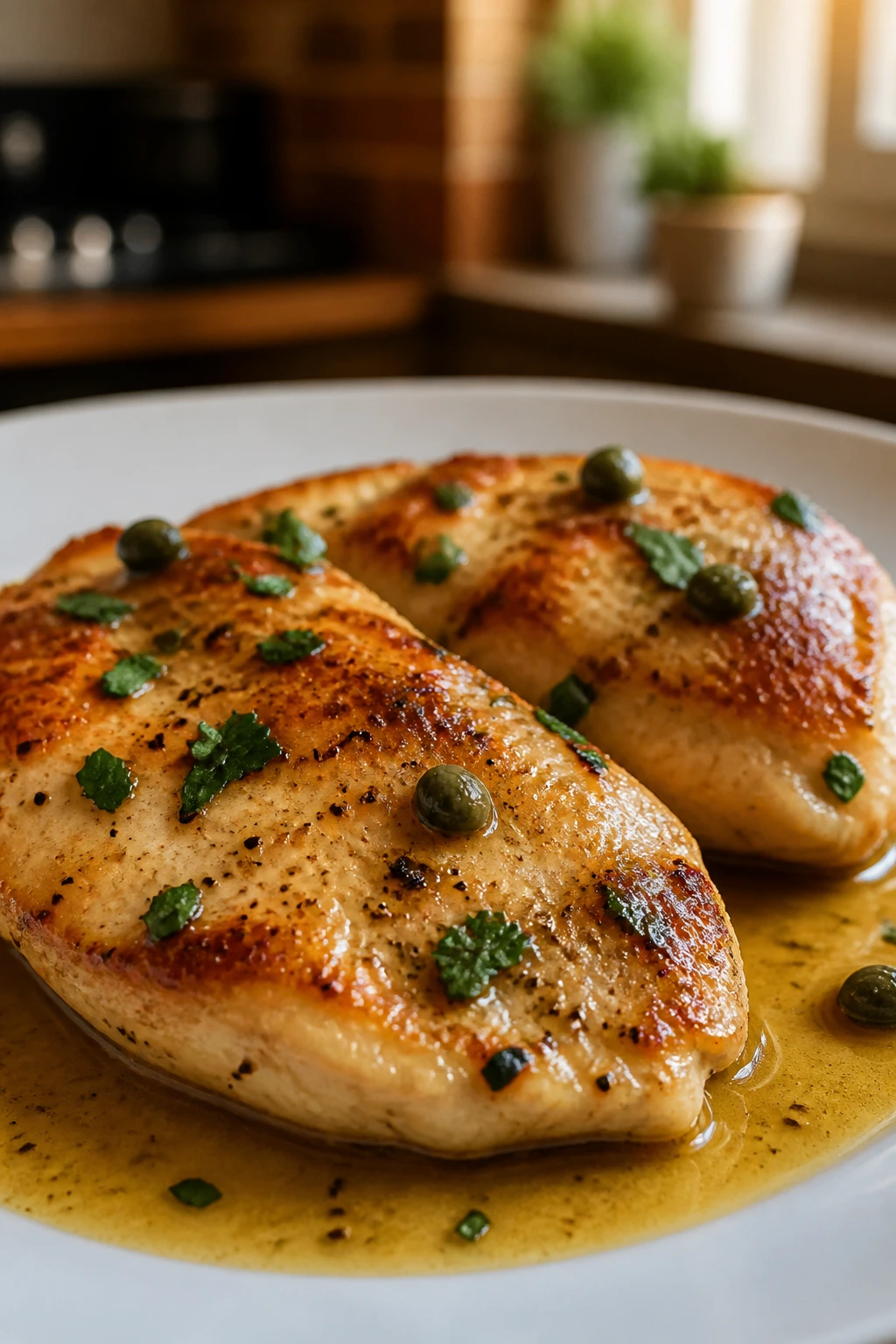
- Built for real weeknights: Most of these recipes use cutlets, thighs, or one-pan methods that get dinner on the table fast without turning the kitchen into a mess.
- Sized for two actual plates: Nothing here depends on feeding six people and hoping the leftovers behave. These are the kinds of dinners you can make without filling the fridge with regret.
- Sauces matter more in small batches: A little lemon butter, Marsala, curry, or pesto goes farther when you’re cooking for two, which means the flavor feels more deliberate.
- Flexible enough to match your pantry: Breasts, thighs, rice, pasta, potatoes, tortillas, or orzo can all carry boneless chicken well, so you’re not locked into one format.
- Better searing, less steam: Two servings fit neatly in a skillet or on a sheet pan without crowding, which is half the battle with chicken.
- Easy to scale up or down: If a second eater shows up or you want lunch tomorrow, these recipes can stretch without falling apart.
1. Lemon-Caper Chicken Piccata
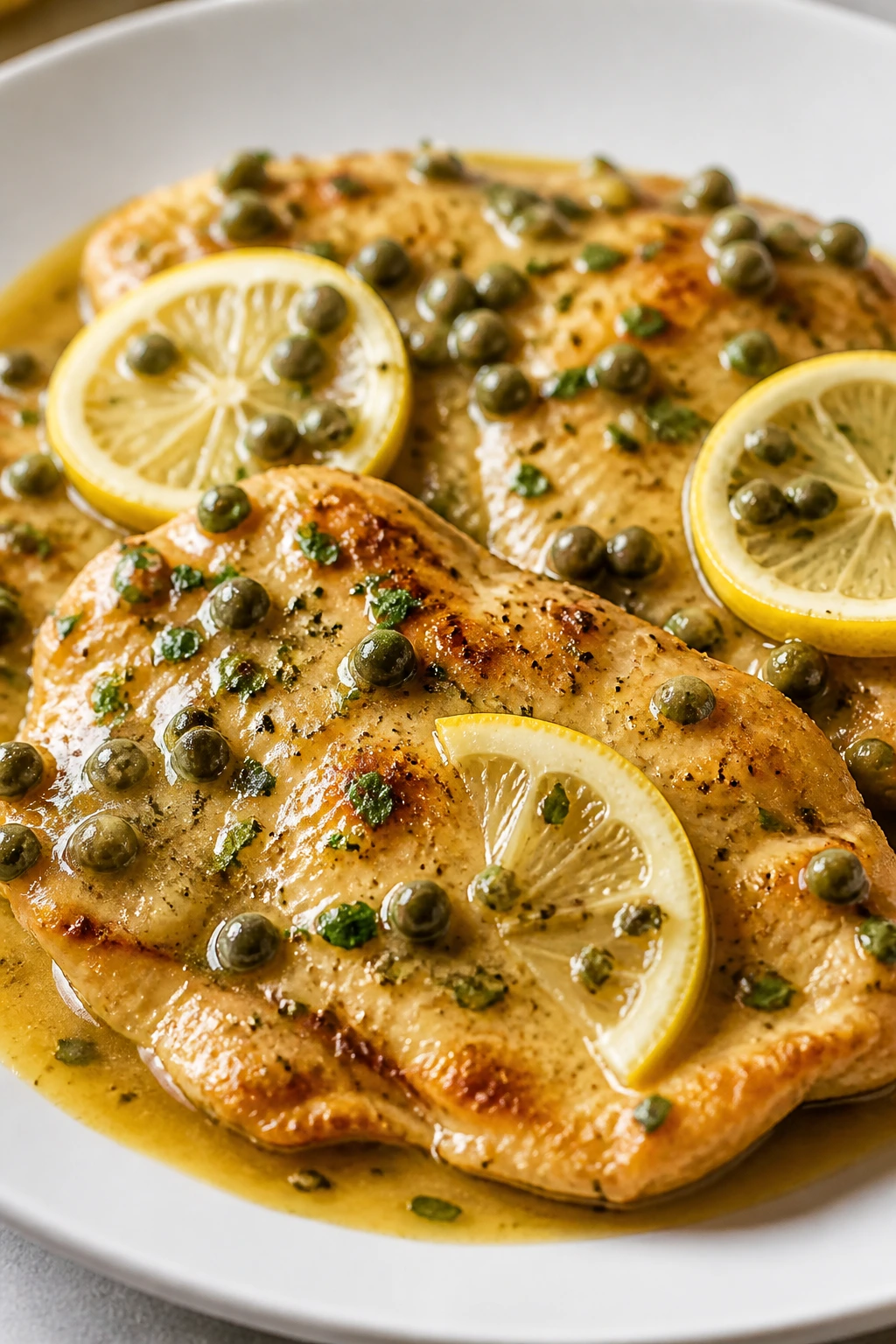
Bright, briny, and just a little flashy, chicken piccata is one of those dinners that tastes far more polished than the effort suggests. The sauce should smell like lemon zest and butter the moment it hits the pan. That’s the point.
This version keeps the chicken thin and the sauce tight, so you get a dinner that feels light enough for a weeknight but still worth a white plate.
Why It Works:
Piccata works because the chicken is pounded thin, which means it cooks quickly and stays tender if you don’t overdo the sear. The lemon juice and capers cut through the butter, so the sauce tastes sharp instead of heavy. A splash of white wine gives the pan a cleaner edge than broth alone, though broth works fine if that’s what you have. The whole thing is built around contrast, and that’s why it doesn’t feel boring.
Key Ingredients:
- 2 boneless, skinless chicken breasts, about 1 pound total, sliced horizontally into 4 cutlets
- 1/2 teaspoon kosher salt
- 1/4 teaspoon black pepper
- 1/3 cup all-purpose flour
- 2 tablespoons olive oil
- 2 tablespoons unsalted butter, divided
- 2 cloves garlic, minced
- 1/3 cup dry white wine or extra chicken broth
- 1/2 cup low-sodium chicken broth
- 2 tablespoons fresh lemon juice
- 1 tablespoon capers, rinsed and drained
- 1 tablespoon chopped parsley
Quick Steps:
- Pound the chicken cutlets to an even 1/2-inch thickness and season both sides with salt and pepper.
- Dredge each cutlet in flour, then shake off the excess so the coating stays thin.
- Heat olive oil and 1 tablespoon butter in a skillet over medium-high heat. Sear the chicken for 3 minutes per side until golden and just cooked through, then move it to a plate.
- Add the garlic to the skillet and cook for 20 seconds. Pour in the wine, scraping up the browned bits, then add broth, lemon juice, and capers.
- Simmer for 2 to 3 minutes until the sauce looks slightly glossy, return the chicken, and spoon sauce over the top. Finish with the remaining butter and parsley.
Tips and Variations:
- Serve it with angel hair, roasted potatoes, or a hunk of crusty bread; the sauce deserves something to soak into.
- Swap in boneless thighs if you want a richer bite, but give them an extra minute or two in the pan.
- Do not skip the resting step. Even 3 minutes helps the juices stay inside the chicken instead of spreading across the cutting board.
2. Creamy Tuscan Chicken with Spinach
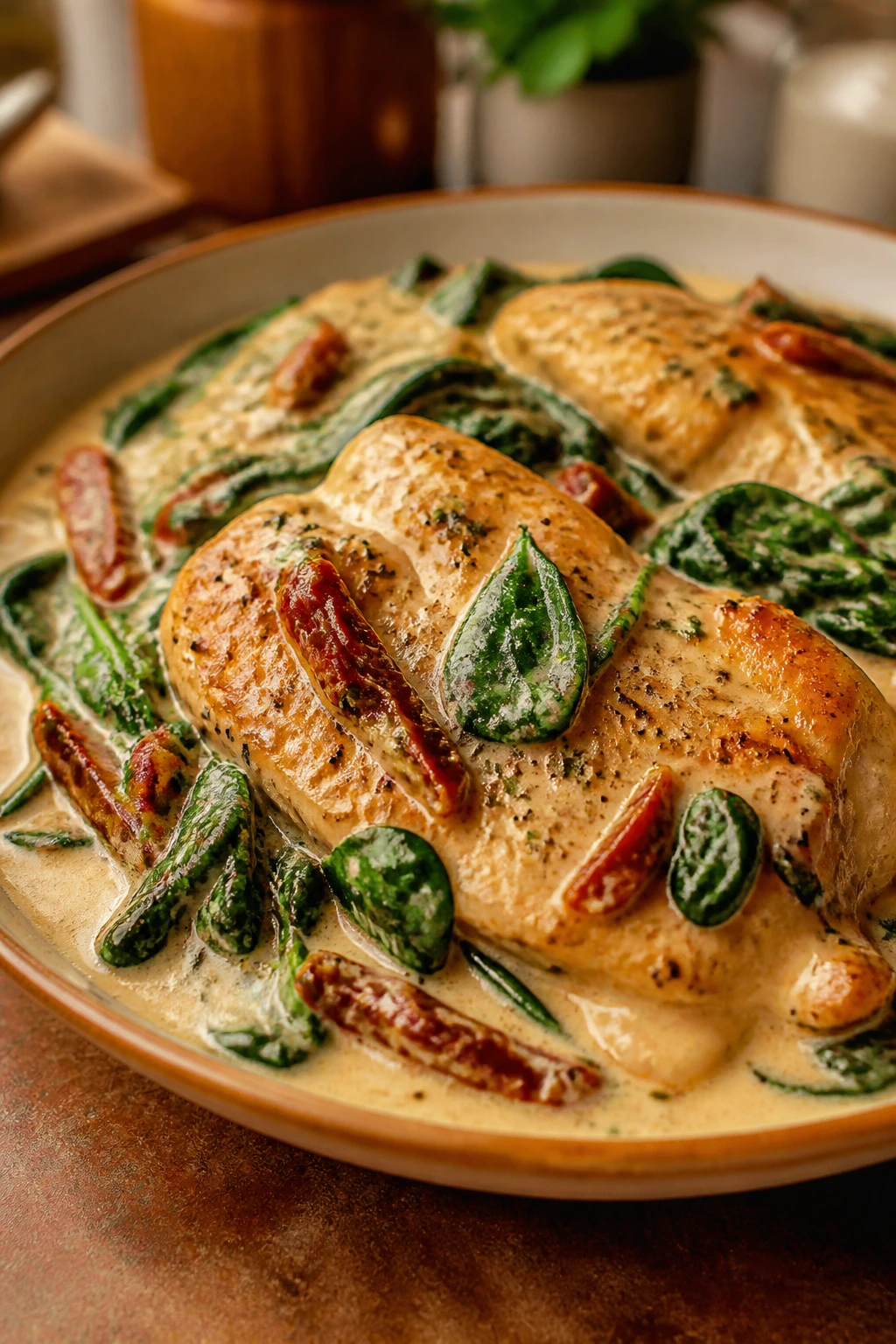
If you like your chicken dinner with a little drama, this is the one. The sauce goes silky and orange-gold from the sun-dried tomatoes, then turns green at the end when the spinach collapses into it. It smells like garlic and cream and feels much more expensive than it is.
I’ve always thought this style of chicken works best when the sauce is thick enough to cling to the spoon, not so loose that it puddles around the plate.
Why It Works:
Tuscan-style chicken leans on a few smart ingredients that do a lot of heavy lifting. Sun-dried tomatoes bring concentrated sweetness, spinach gives you a fresh finish, and parmesan ties everything together without making the sauce gluey. The chicken cooks first, then the fond on the bottom of the pan helps the cream taste deeper than it should. That little browned layer matters.
Key Ingredients:
- 2 boneless chicken breasts or thighs, about 1 pound total
- 1 teaspoon Italian seasoning
- 1/2 teaspoon kosher salt
- 1/4 teaspoon black pepper
- 1 tablespoon olive oil
- 2 teaspoons butter
- 3 cloves garlic, minced
- 1/3 cup sun-dried tomatoes, sliced
- 1/2 cup low-sodium chicken broth
- 1/2 cup heavy cream
- 1/4 cup grated parmesan
- 2 cups baby spinach
- 1 tablespoon chopped basil or parsley
Quick Steps:
- Season the chicken with Italian seasoning, salt, and pepper.
- Heat oil and butter in a skillet over medium-high heat. Sear the chicken for 4 to 5 minutes per side, until browned and cooked to 165°F, then set it aside.
- Lower the heat to medium and cook the garlic and sun-dried tomatoes for 30 seconds.
- Pour in the broth and cream, stirring up the browned bits, then simmer for 3 to 4 minutes until the sauce thickens slightly.
- Stir in parmesan and spinach, then return the chicken to the pan and spoon sauce over it until the spinach wilts and the sauce clings.
Tips and Variations:
- If you want a lighter sauce, use half-and-half, but keep the heat gentle so it doesn’t split.
- Add sliced mushrooms with the tomatoes if you want the sauce to feel earthier.
- This one is excellent with mashed potatoes, though rice or buttered noodles work just as well.
3. Sheet-Pan Dijon Chicken with Potatoes and Green Beans
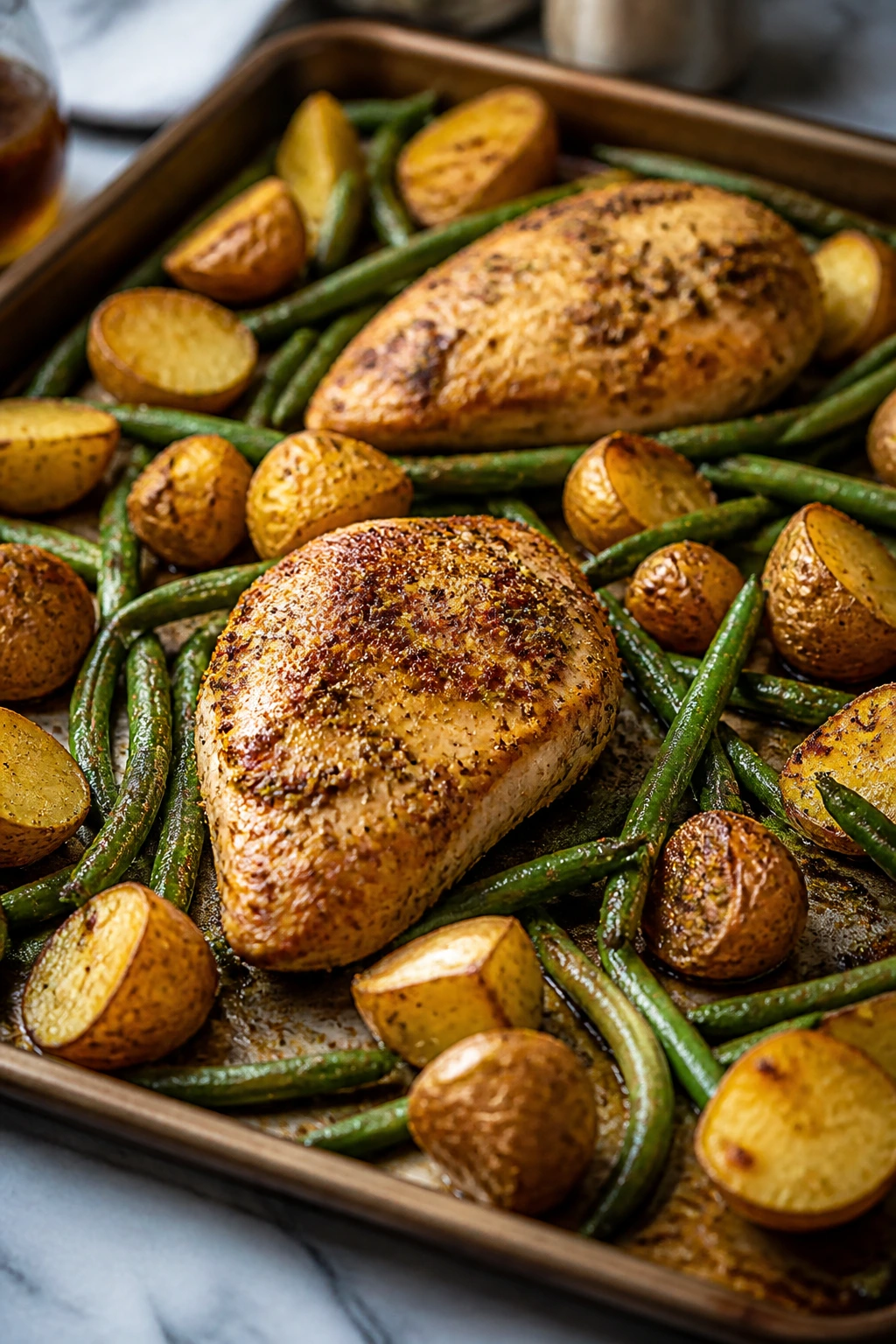
Sheet-pan dinners have a reputation for being boring. That reputation is lazy. When the mustard hits the hot pan with the potatoes and chicken, you get sharp edges, roasted garlic, and green beans that still have some snap instead of collapsing into a soggy heap.
This is the kind of dinner that lets the oven do most of the work while you pretend you planned ahead.
Why It Works:
Dijon acts like both seasoning and sauce base, which is one reason this recipe earns its keep. The potatoes get a head start so they can soften before the chicken and green beans go in, and that timing keeps everything on the same finish line. Roasting at a fairly high heat gives the chicken browned edges without drying it out. A little honey rounds off the mustard so the whole pan tastes balanced instead of sharp.
Key Ingredients:
- 2 boneless chicken thighs or breasts, about 1 pound total
- 12 ounces baby potatoes, halved
- 8 ounces green beans, trimmed
- 2 tablespoons olive oil
- 1 1/2 tablespoons Dijon mustard
- 1 teaspoon honey
- 2 cloves garlic, minced
- 1 teaspoon dried rosemary
- 1/2 teaspoon kosher salt
- 1/4 teaspoon black pepper
- 1 lemon, cut into wedges
Quick Steps:
- Preheat the oven to 425°F and line a rimmed sheet pan with parchment.
- Toss the potatoes with 1 tablespoon olive oil, half the garlic, rosemary, salt, and pepper. Roast for 15 minutes.
- Mix the Dijon, honey, remaining olive oil, and remaining garlic. Coat the chicken with the mixture.
- Add the chicken and green beans to the pan, turning the potatoes once so everything has room. Roast for 15 to 18 minutes more, until the chicken reaches 165°F and the potatoes are tender.
- Squeeze lemon over the pan before serving.
Tips and Variations:
- Use boneless thighs if you want the chicken to stay juicy a little longer in the oven.
- Add sliced red onion or carrots if you want the pan to lean sweeter and more rustic.
- If the green beans look pale, give them a quick toss with the hot potatoes before serving. That wakes them up.
4. Chicken Parmesan for Two
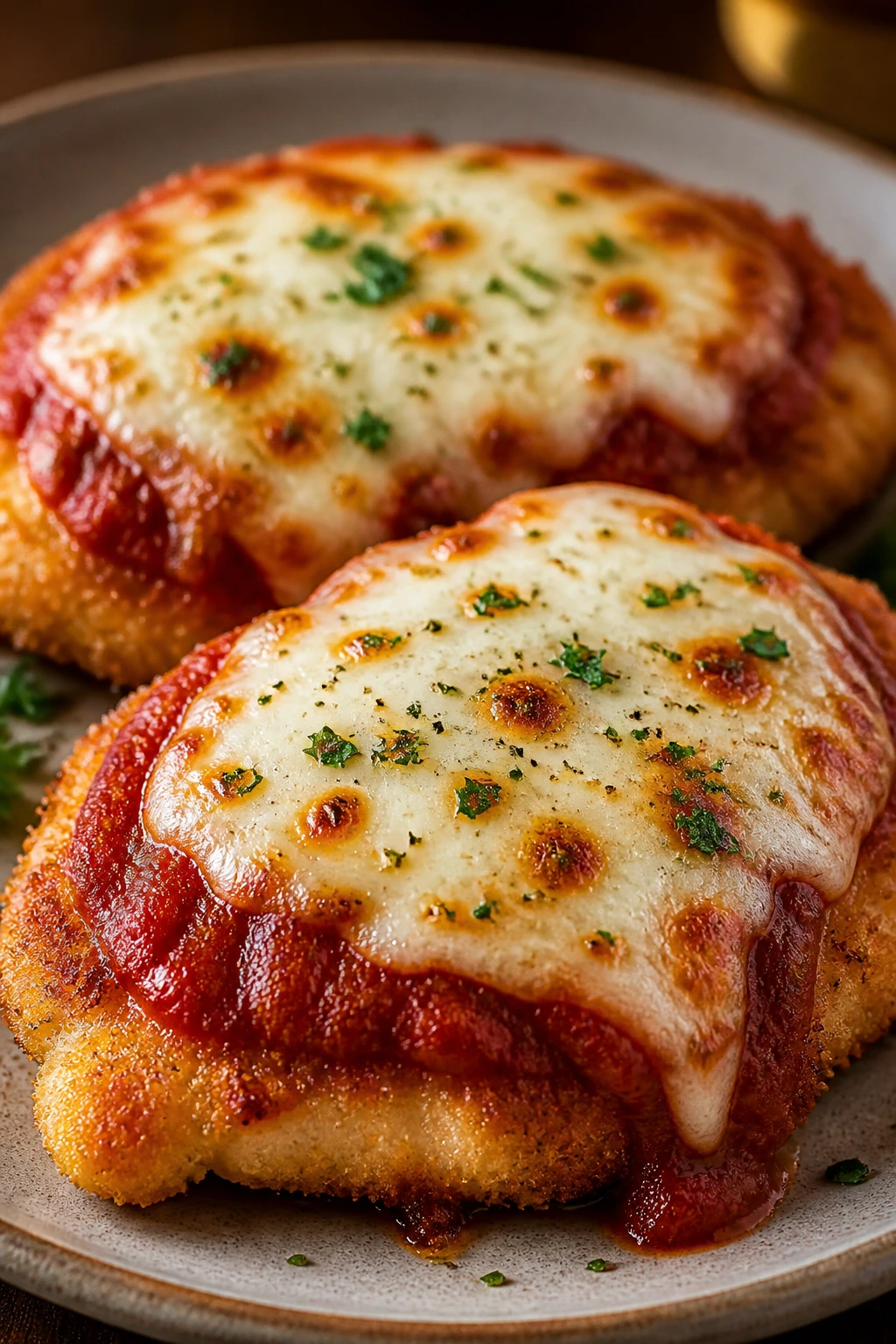
Chicken parmesan is not subtle. It should be crisp at the edges, red with sauce, and capped with melted cheese that stretches when you lift a fork. That’s the whole pleasure of it, really.
For two people, it stops feeling like restaurant excess and starts feeling like a controlled indulgence, which is a better use of chicken breast than people sometimes admit.
Why It Works:
This version uses cutlets, which cook faster and give you a better crust-to-chicken ratio. Panko makes the coating lighter than traditional breadcrumbs, while parmesan in the breading adds salt and a little nuttiness. Baking after a quick pan sear keeps the crust crisp and the cheese melted without overcooking the chicken. You get enough sauce to be comforting, not enough to drown the crust.
Key Ingredients:
- 2 boneless chicken breasts, butterflied and pounded into 4 cutlets
- 1/2 teaspoon kosher salt
- 1/4 teaspoon black pepper
- 1/2 cup all-purpose flour
- 1 large egg, beaten with 1 tablespoon water
- 3/4 cup panko breadcrumbs
- 1/4 cup grated parmesan
- 1 teaspoon Italian seasoning
- 2 tablespoons olive oil
- 1 cup marinara sauce
- 1/2 cup shredded mozzarella
- 4 ounces spaghetti, cooked
- 1 tablespoon chopped basil
Quick Steps:
- Preheat the oven to 425°F and cook the spaghetti if you’re serving it underneath.
- Season the chicken. Dredge each cutlet in flour, dip in egg, then coat with panko mixed with parmesan and Italian seasoning.
- Heat olive oil in an oven-safe skillet over medium heat and cook the chicken for 2 to 3 minutes per side until golden.
- Spoon marinara over each piece, top with mozzarella, and transfer the skillet to the oven for 5 to 7 minutes, until the cheese melts and the chicken reaches 165°F.
- Serve over spaghetti and finish with basil.
Tips and Variations:
- If you want a less-fussy version, bake the breaded chicken on a rack and add sauce and cheese at the end.
- A little crushed red pepper in the marinara gives the dish more bite.
- Let the chicken rest for 3 minutes before slicing, or the crust can slide right off.
5. Cajun Chicken Alfredo
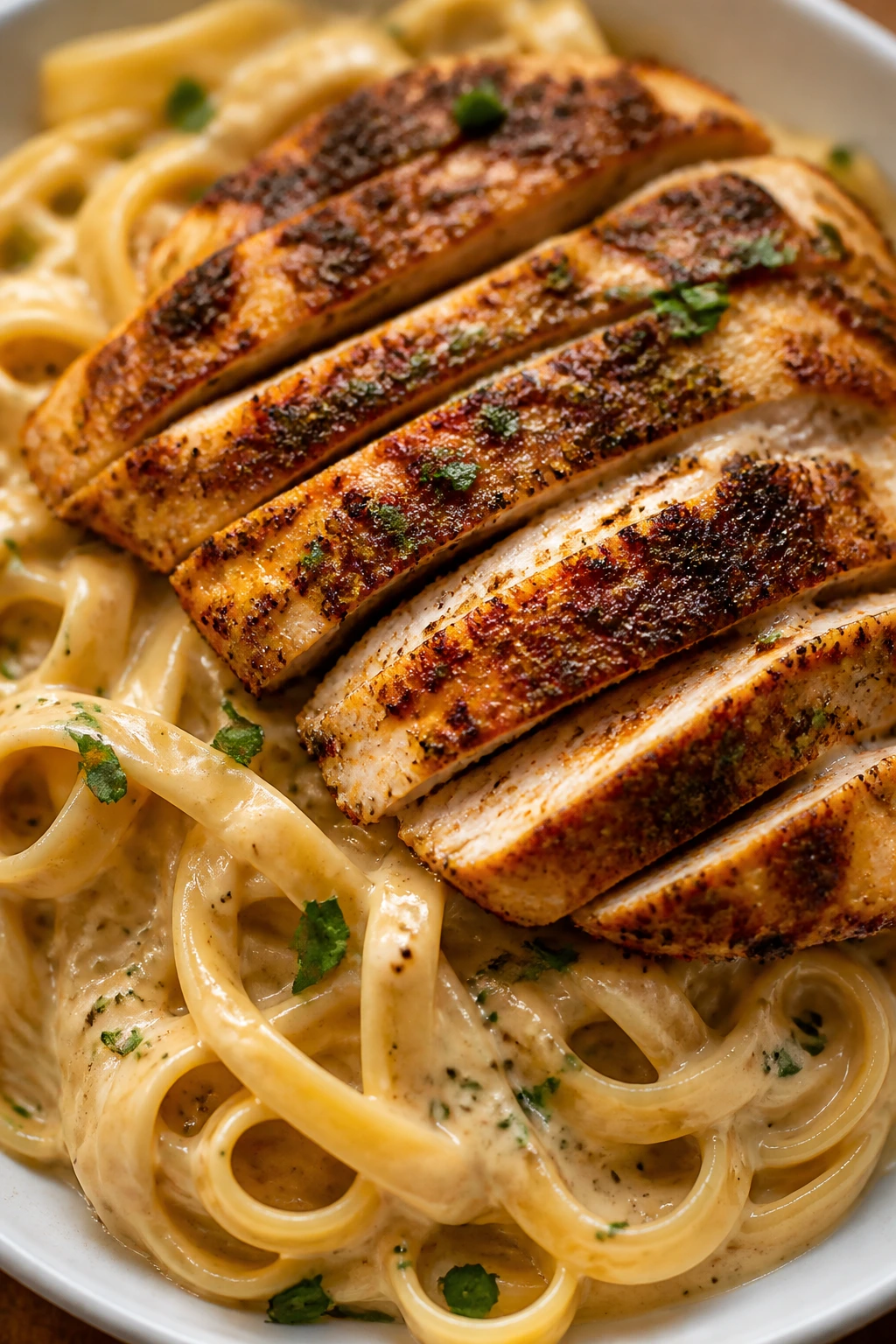
This one lands squarely in the rich, creamy, slightly smoky corner of dinner. The Cajun seasoning gives the chicken a dark, peppery crust, and the sauce clings to fettuccine in that thick, almost glossy way people secretly want from Alfredo.
It’s not shy. Good.
Why It Works:
Cajun seasoning brings salt, paprika, garlic, and heat in one move, which means the chicken tastes seasoned all the way through instead of just on the surface. A little pasta water loosens the Alfredo just enough to coat the noodles without turning it watery. The key is to keep the sauce on gentle heat once the cream and parmesan go in, or it can break and turn grainy. That’s the one line you don’t cross.
Key Ingredients:
- 2 boneless chicken breasts or thighs, about 1 pound total
- 1 1/2 tablespoons Cajun seasoning
- 1 tablespoon olive oil
- 6 ounces fettuccine
- 2 tablespoons butter
- 3 cloves garlic, minced
- 1 cup heavy cream
- 3/4 cup grated parmesan
- 1/4 cup reserved pasta water
- 1 tablespoon chopped parsley
Quick Steps:
- Cook the fettuccine in salted water until just shy of al dente. Reserve 1/4 cup pasta water.
- Rub the chicken with Cajun seasoning.
- Heat oil in a skillet over medium-high heat and sear the chicken for 4 to 5 minutes per side, until cooked through. Rest it on a board, then slice.
- Lower the heat to medium. Melt the butter, cook the garlic for 20 seconds, and pour in the cream. Simmer for 2 minutes, then whisk in parmesan and pasta water.
- Toss the pasta in the sauce, top with sliced chicken, and finish with parsley.
Tips and Variations:
- If you like more heat, add a pinch of cayenne to the seasoning blend.
- Thin-sliced chicken cooks faster and is easier to keep juicy in a creamy sauce.
- A squeeze of lemon at the end keeps the whole dish from feeling heavy.
6. Honey-Garlic Chicken Stir-Fry
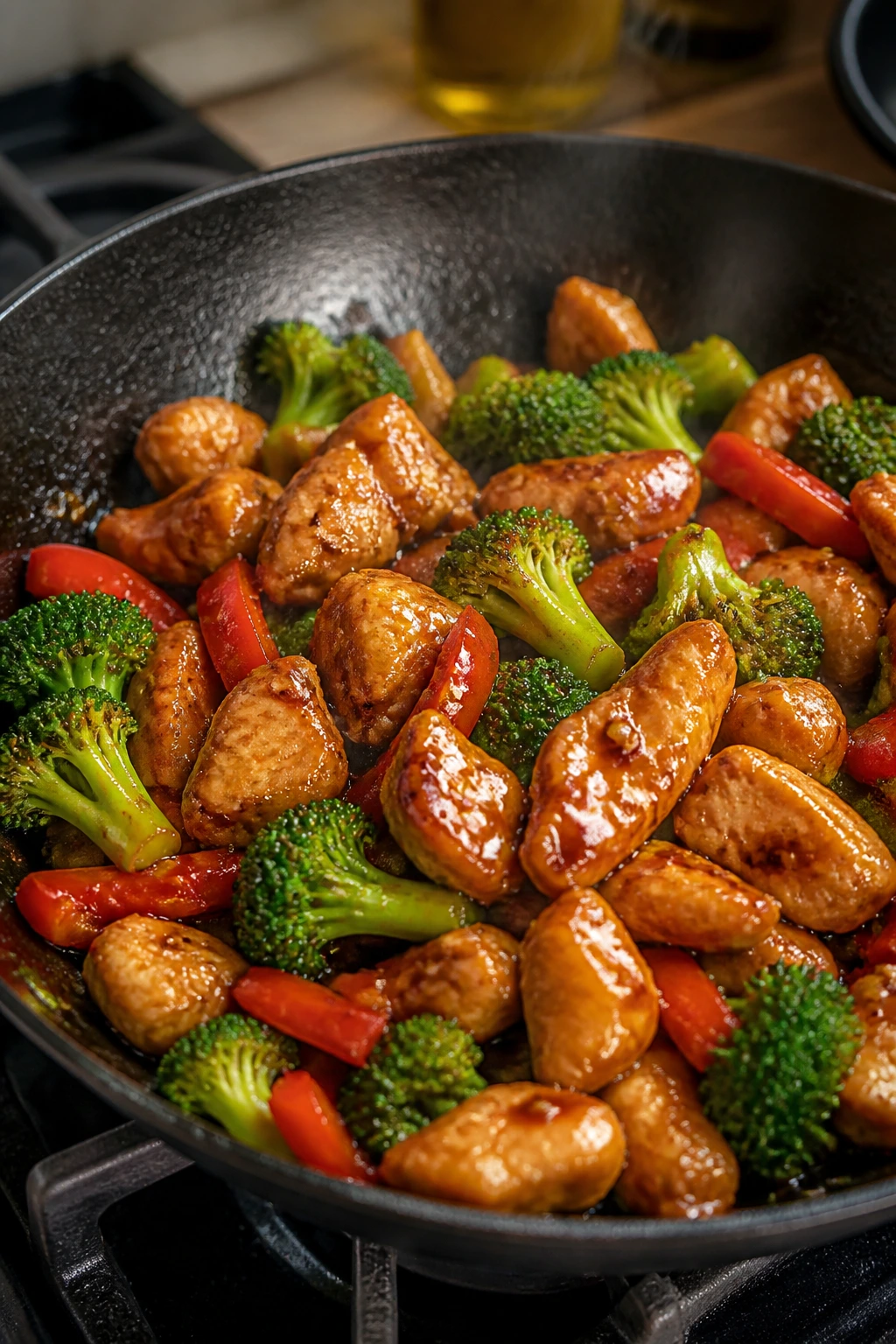
Sticky, glossy, and fast enough to save a night that started sideways, this stir-fry is the kind of dinner I keep around for when I want heat, crunch, and sauce in one bowl. The vegetables stay bright if you don’t overcook them, and the chicken gets lacquered instead of dry.
It tastes like takeout’s sharper, more sensible cousin.
Why It Works:
The cornstarch coating helps the chicken brown and thickens the sauce once the liquid hits the pan. Honey balances the soy sauce, while rice vinegar keeps the glaze from tasting one-note. Stir-frying the vegetables separately for a minute or two gives you crisp edges instead of soft, grey broccoli. That’s a small detail with a big payoff.
Key Ingredients:
- 1 pound boneless chicken breasts or thighs, thinly sliced
- 1 tablespoon cornstarch
- 1/2 teaspoon kosher salt
- 2 tablespoons neutral oil
- 2 cups broccoli florets
- 1 red bell pepper, sliced
- 1/2 cup snap peas
- 3 cloves garlic, minced
- 1 tablespoon grated ginger
- 1/4 cup low-sodium soy sauce
- 3 tablespoons honey
- 2 tablespoons water
- 1 tablespoon rice vinegar
- 1 teaspoon sesame oil
- Cooked rice, for serving
Quick Steps:
- Toss the chicken with cornstarch and salt.
- Whisk soy sauce, honey, water, rice vinegar, and sesame oil in a small bowl.
- Heat 1 tablespoon oil in a large skillet or wok over medium-high heat. Cook the chicken for 4 to 5 minutes until browned and just cooked through, then move it to a plate.
- Add the remaining oil, broccoli, pepper, and snap peas. Stir-fry for 2 to 3 minutes, then add garlic and ginger for 20 seconds.
- Return the chicken, pour in the sauce, and toss for 1 to 2 minutes until everything is glossy and lightly thickened.
Tips and Variations:
- Frozen broccoli works if you thaw and pat it dry first.
- Add a handful of cashews at the end if you want crunch.
- Serve it over rice, but noodles are fair game if that’s what’s in the pantry.
7. Chicken Tacos with Lime Slaw
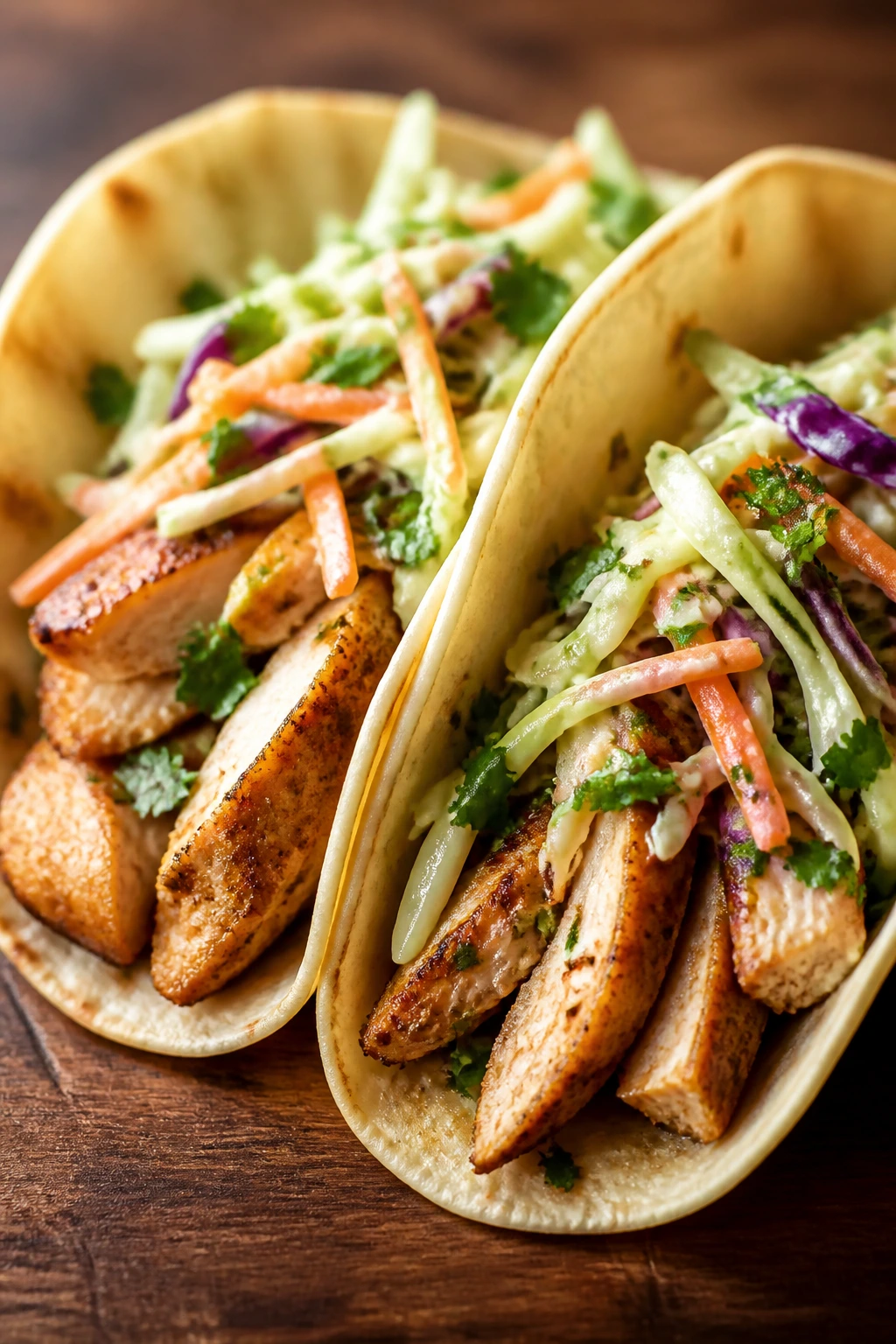
Tacos for two should feel casual, not flimsy. These use boneless chicken thighs or breasts with a dry spice rub, then pile everything into warm tortillas with a sharp lime slaw that keeps the filling from feeling one-dimensional.
They’re messy in the right way.
Why It Works:
A quick spice blend coats the chicken more evenly than a wet marinade when you’re short on time. The lime slaw adds crunch and acid, which keeps the tacos from feeling heavy even if you add avocado and cheese. Warm tortillas matter more than people think; cold tortillas crack, and then the fillings start sliding around on the plate. Little things. They matter.
Key Ingredients:
- 1 pound boneless chicken thighs or breasts
- 1 teaspoon chili powder
- 1 teaspoon ground cumin
- 1/2 teaspoon smoked paprika
- 1/2 teaspoon garlic powder
- 1/2 teaspoon kosher salt
- 1 tablespoon oil
- 6 small tortillas
- 2 cups shredded cabbage
- 2 tablespoons mayonnaise or Greek yogurt
- 1 tablespoon lime juice
- 2 tablespoons chopped cilantro
- 1 avocado, sliced
- Salsa, for serving
Quick Steps:
- Toss the chicken with chili powder, cumin, paprika, garlic powder, and salt.
- Heat oil in a skillet over medium-high heat. Cook the chicken for 4 to 5 minutes per side, until browned and fully cooked. Rest, then slice or shred.
- Mix cabbage, mayonnaise or yogurt, lime juice, and cilantro for the slaw.
- Warm the tortillas in a dry skillet for 20 seconds per side.
- Fill each tortilla with chicken, slaw, avocado, and salsa.
Tips and Variations:
- Char the tortillas for a little extra flavor if you have a gas burner or dry skillet.
- Pickled onions make a sharp, bright topper here.
- If you want more heat, add minced jalapeño to the slaw rather than dumping it on top at the end.
8. Chicken Marsala with Mushrooms
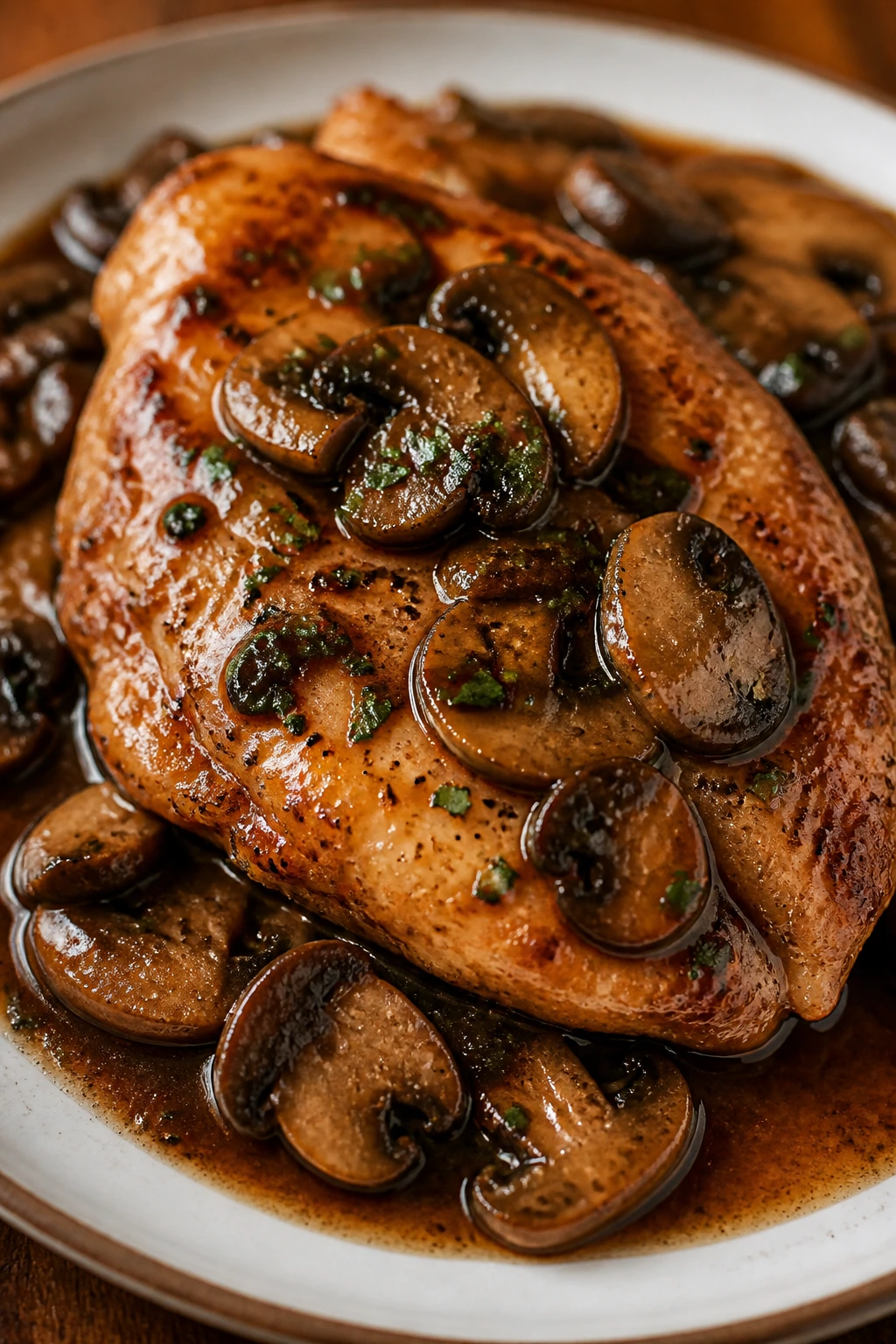
Marsala sauce has a way of making a small dinner feel like you’ve got better things to do than rush. The mushrooms go deep brown, the wine sauce turns silky, and the chicken picks up that savory edge that makes people think you spent more time than you did.
I’m a sucker for this one with mashed potatoes, though noodles do the job without complaint.
Why It Works:
Marsala brings sweetness and depth that plain broth cannot mimic. Browning the mushrooms before adding the liquid gives the sauce more body, and the flour on the chicken helps the pan juices thicken without needing cream. The wine reduces down to something glossy and slightly sticky, which is exactly where you want it. A finish of butter at the end makes the sauce feel polished.
Key Ingredients:
- 2 boneless chicken breasts, pounded into cutlets
- 1/2 teaspoon kosher salt
- 1/4 teaspoon black pepper
- 1/3 cup all-purpose flour
- 2 tablespoons olive oil
- 2 tablespoons butter
- 8 ounces mushrooms, sliced
- 1 shallot, minced
- 3/4 cup Marsala wine
- 1/2 cup low-sodium chicken broth
- 1 tablespoon chopped parsley
Quick Steps:
- Season and lightly flour the chicken cutlets.
- Heat oil and 1 tablespoon butter in a skillet over medium-high heat. Cook the chicken for 3 minutes per side, then set aside.
- Add the mushrooms and shallot to the pan. Cook for 5 to 6 minutes until the mushrooms are browned and their liquid cooks off.
- Pour in the Marsala and broth, scraping the pan. Simmer for 4 to 5 minutes until the sauce reduces by about a third.
- Return the chicken, spoon sauce over it, and finish with the remaining butter and parsley.
Tips and Variations:
- If you want a creamier finish, add 2 tablespoons of cream at the end, off the heat.
- Keep the mushrooms in a single layer at the start so they brown instead of steaming.
- This tastes even better after a short rest, once the sauce settles into the chicken.
9. Pesto Chicken Orzo
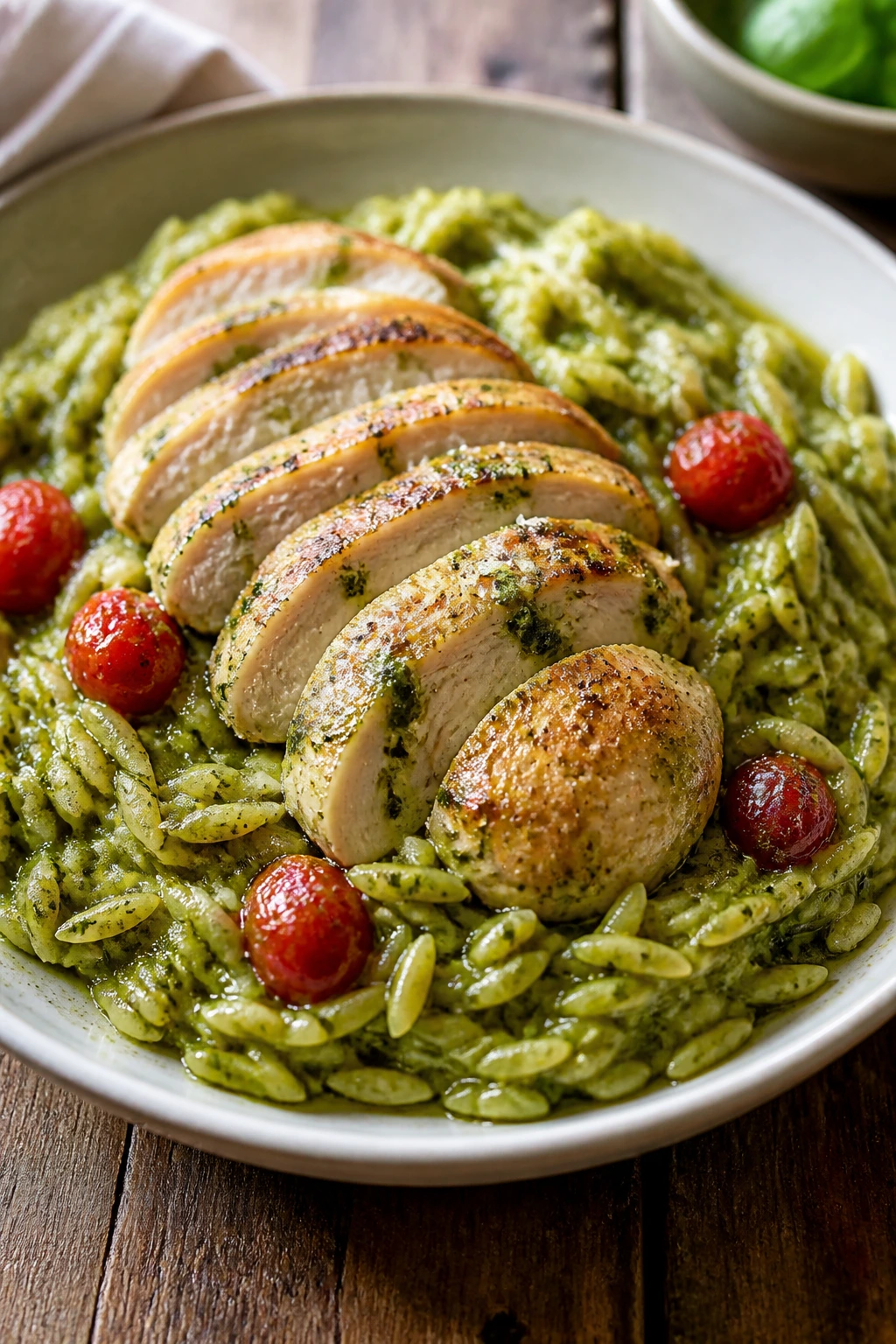
This one feels like a shortcut, but not a cheap one. Orzo cooks right in the broth, so it drinks up flavor while the chicken finishes on top. The pesto goes in at the end and turns everything green, fragrant, and a little glossy.
It’s the sort of dinner that makes one pan look smarter than three.
Why It Works:
Orzo is tiny enough to cook quickly but sturdy enough to carry pesto, broth, and parmesan without turning mushy if you watch it. Browning the chicken first gives the pan a base layer of flavor, then the tomatoes soften into little jammy bursts. The spinach folds in at the end so it stays fresh-looking and doesn’t disappear completely. That final squeeze of lemon keeps the dish from feeling heavy.
Key Ingredients:
- 2 boneless chicken thighs or breasts, about 1 pound total
- 1 teaspoon kosher salt
- 1/4 teaspoon black pepper
- 1 tablespoon olive oil
- 1 small shallot, minced
- 1 cup orzo
- 2 cups low-sodium chicken broth
- 1/4 cup pesto
- 1 cup cherry tomatoes, halved
- 2 cups baby spinach
- 1/4 cup grated parmesan
- 1 tablespoon lemon juice
Quick Steps:
- Season the chicken with salt and pepper, then sear it in olive oil over medium-high heat for 4 to 5 minutes per side. Set aside.
- Lower the heat to medium and cook the shallot for 1 minute.
- Stir in the orzo and toast it for 30 seconds, then add broth and tomatoes.
- Simmer for 8 to 10 minutes, stirring often, until the orzo is tender and most of the liquid is absorbed.
- Stir in pesto, spinach, parmesan, and lemon juice. Return the chicken to warm through, then serve.
Tips and Variations:
- Swap pesto for sun-dried tomato spread if you want a red version with less basil.
- Add a few spoonfuls of ricotta on top if you want it creamier.
- Orzo thickens as it sits, so keep a splash of broth nearby if you’re serving it later than planned.
10. BBQ Chicken Stuffed Sweet Potatoes
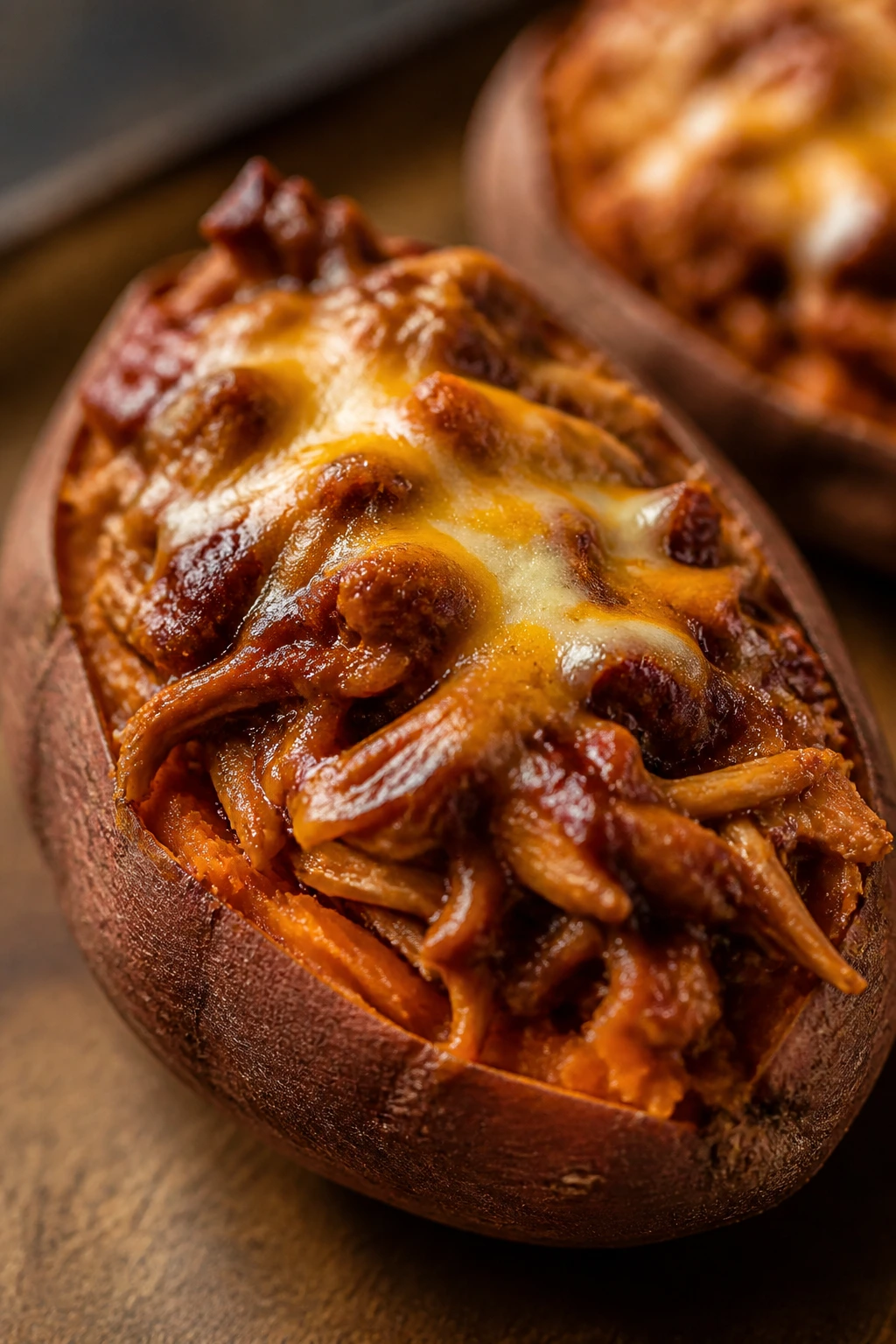
Sweet potatoes and barbecue chicken feel like they were designed to be stuffed together. You get soft, caramelized potato flesh, smoky sauce, and a little melted cheese on top if you want to lean in.
This is one of the easiest ways to make a two-person dinner feel complete without adding another pan.
Why It Works:
Sweet potatoes bring built-in sweetness and structure, which means they hold the filling without collapsing. Boneless thighs stay juicy and shred beautifully, but breasts work if you don’t overcook them. BBQ sauce sticks well to chopped or shredded chicken, and the tang cuts through the natural sweetness of the potato. Greek yogurt or sour cream on top cools the whole thing down a notch.
Key Ingredients:
- 2 medium sweet potatoes
- 1 pound boneless chicken thighs
- 1/2 teaspoon kosher salt
- 1/4 teaspoon black pepper
- 1 teaspoon smoked paprika
- 1 tablespoon oil
- 1/2 cup BBQ sauce
- 1/4 cup shredded cheddar
- 2 tablespoons Greek yogurt or sour cream
- 2 scallions, sliced
Quick Steps:
- Heat the oven to 425°F. Prick the sweet potatoes and roast them for 40 to 45 minutes until very soft.
- Season the chicken with salt, pepper, and smoked paprika.
- Heat oil in a skillet and cook the chicken over medium-high heat for 4 to 5 minutes per side, until done. Chop or shred it.
- Stir the BBQ sauce into the chicken and cook for 1 minute until coated and sticky.
- Split the potatoes, fluff the insides, fill with chicken, top with cheddar, and broil for 1 to 2 minutes until melted. Finish with yogurt and scallions.
Tips and Variations:
- Black beans can be tucked into the filling if you want the meal to stretch further.
- Use chipotle barbecue sauce for a smokier, hotter version.
- Microwaving the sweet potatoes works in a hurry, but the oven gives you better skin and sweeter flesh.
11. Greek Chicken Pitas
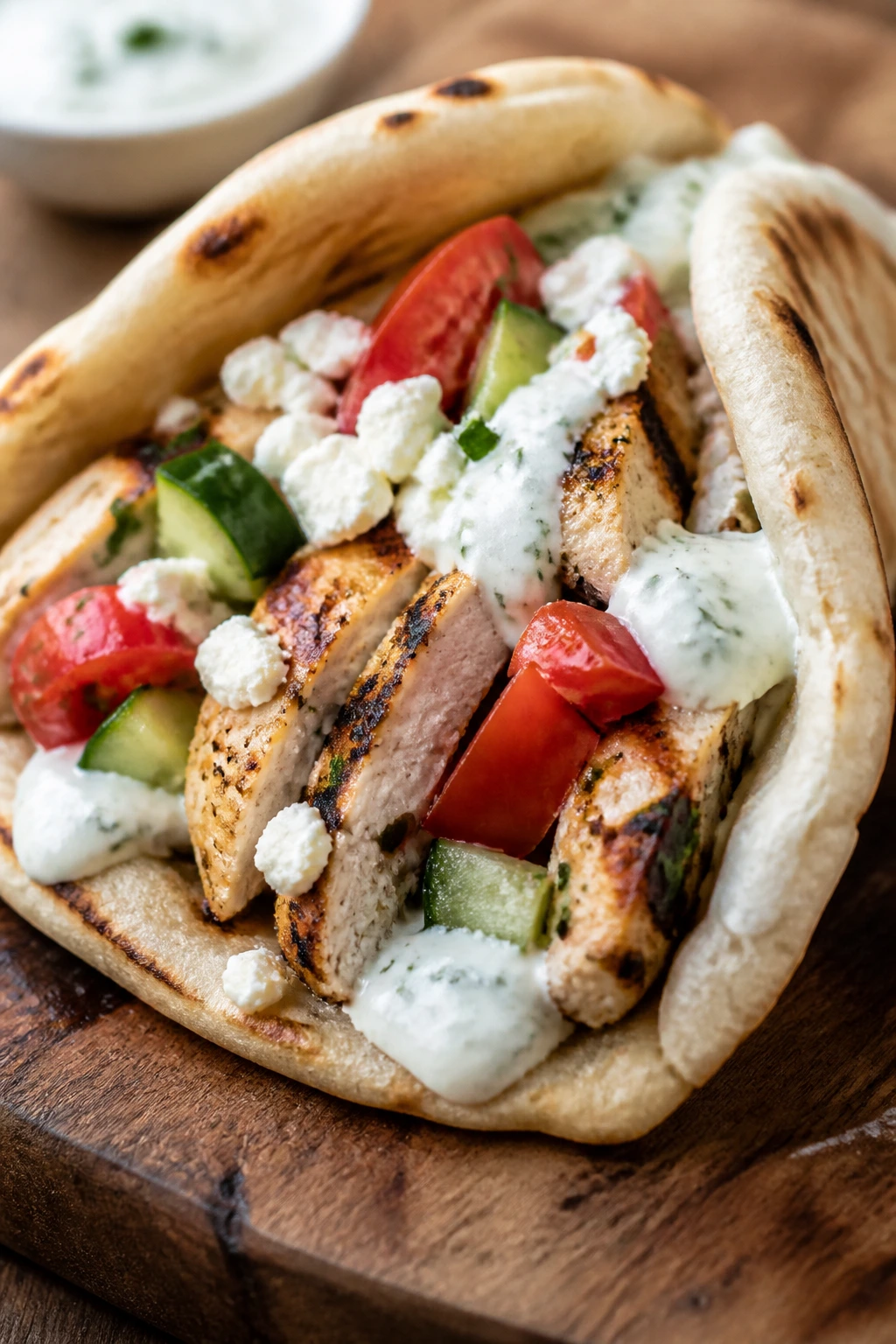
Fresh, salty, and full of crunch, these pitas are the kind of dinner you make when you want something that feels lighter without turning into rabbit food. The chicken gets a quick oregano-lemon rub, then lands in warm pita with tomatoes, cucumber, and feta.
Clean flavors. No drama.
Why It Works:
Greek-style chicken loves acidity, and lemon does most of the work here. Oregano and garlic bring the herb backbone, while tzatziki adds coolness and moisture without needing a heavy sauce. Because the chicken is sliced after cooking, you can pile it into pita evenly instead of chasing stray chunks around the plate. It’s a very practical dinner disguised as a fresh one.
Key Ingredients:
- 1 pound boneless chicken breasts
- 1 tablespoon olive oil
- 1 tablespoon lemon juice
- 1 teaspoon dried oregano
- 1 teaspoon garlic powder
- 1/2 teaspoon kosher salt
- 1/4 teaspoon black pepper
- 2 pita breads
- 1 cup cucumber, diced
- 1 cup tomato, diced
- 1/4 red onion, thinly sliced
- 1/3 cup tzatziki
- 1/4 cup crumbled feta
- Lettuce, optional
Quick Steps:
- Toss the chicken with olive oil, lemon juice, oregano, garlic powder, salt, and pepper. Let it sit for 10 minutes if you have time.
- Cook the chicken in a skillet over medium-high heat for 4 to 5 minutes per side, until browned and cooked through. Rest, then slice.
- Warm the pita breads in a dry skillet or in the oven for 30 seconds.
- Mix cucumber, tomato, and onion with a pinch of salt if you want the vegetables to taste brighter.
- Fill each pita with lettuce, chicken, vegetables, tzatziki, and feta.
Tips and Variations:
- Turn it into a bowl if you don’t want to deal with pita splitting.
- A few olives add a briny edge that fits the whole plate.
- Boneless thighs work too, and they stay a little juicier if you’re nervous about timing.
12. Coconut Curry Chicken
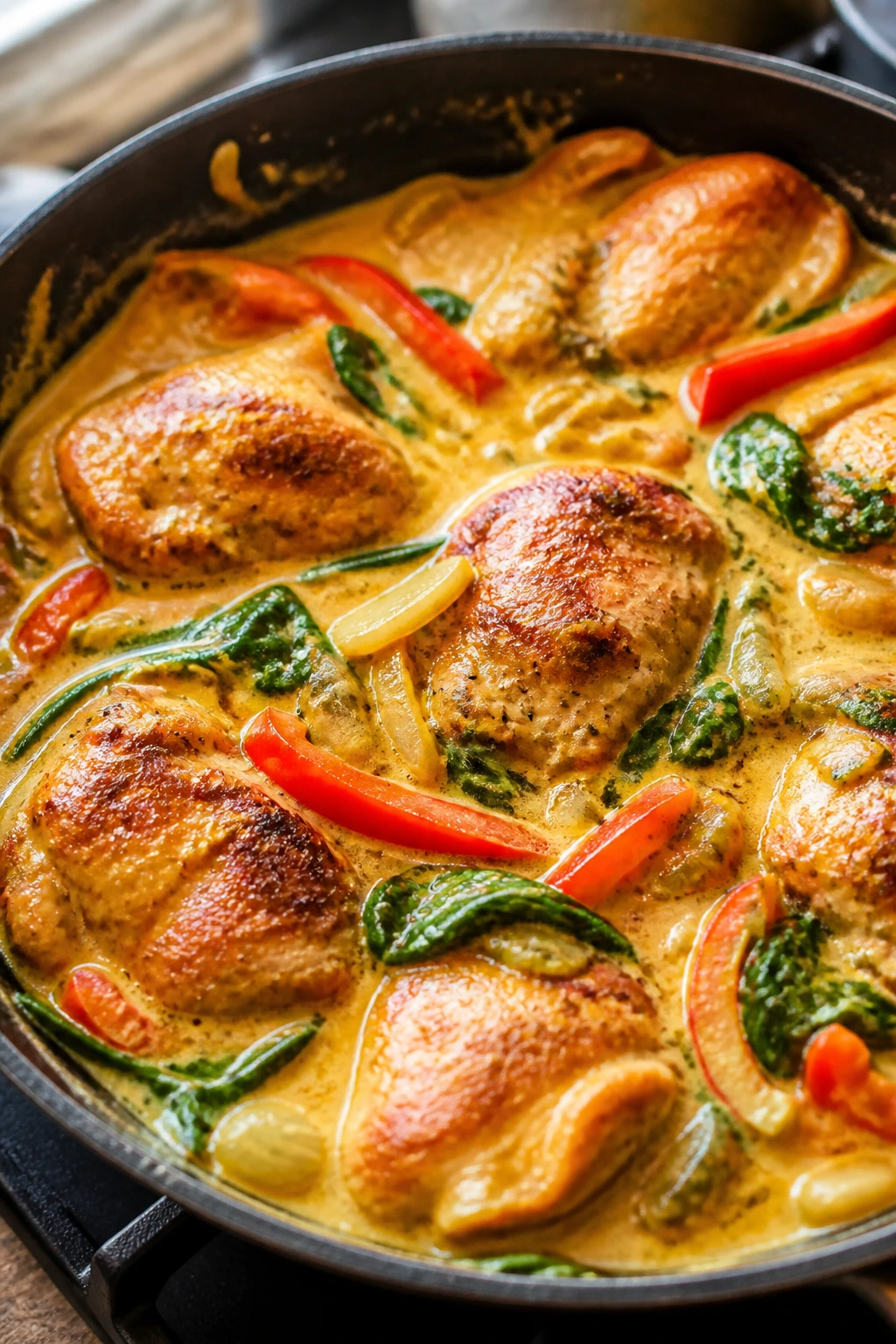
Some dinners are about speed. This one is about warmth. Coconut milk softens the spices into a sauce that tastes rich without needing cream, and the lime at the end keeps the whole thing from drifting into mushy territory.
It’s the kind of bowl you want on a cool evening, though honestly, it behaves all year.
Why It Works:
Curry powder blooms in oil, which wakes up the spices before the liquid goes in. Coconut milk gives body and silkiness, while broth keeps the sauce from becoming too heavy. Boneless thighs are my pick here because they stay tender during the simmer, but chicken breast still works if you pull it the minute it turns opaque. Spinach at the end gives you a fresh finish and a bit of color.
Key Ingredients:
- 1 pound boneless chicken thighs
- 1 tablespoon curry powder
- 1 teaspoon kosher salt
- 1 tablespoon oil
- 1 small onion, diced
- 2 cloves garlic, minced
- 1 tablespoon grated ginger
- 1 bell pepper, sliced
- 1 can coconut milk, 13.5 ounces
- 1/2 cup low-sodium chicken broth
- 2 cups baby spinach
- 1 lime
- Cooked rice, for serving
Quick Steps:
- Season the chicken with curry powder and salt.
- Heat oil in a skillet over medium heat. Cook the onion for 3 minutes, then add garlic and ginger for 30 seconds.
- Add the chicken and bell pepper, stirring until the chicken starts to lose its pink color.
- Pour in coconut milk and broth. Simmer gently for 10 to 12 minutes, until the chicken is cooked through and the sauce thickens slightly.
- Stir in spinach and lime juice, then serve over rice.
Tips and Variations:
- Add a spoonful of peanut butter if you want the sauce to lean richer and nuttier.
- Frozen peas can stand in for the bell pepper when your fridge is sparse.
- Keep the heat modest once the coconut milk goes in. A hard boil is how you get a greasy, broken sauce.
13. Salsa Verde Chicken Rice Bowls
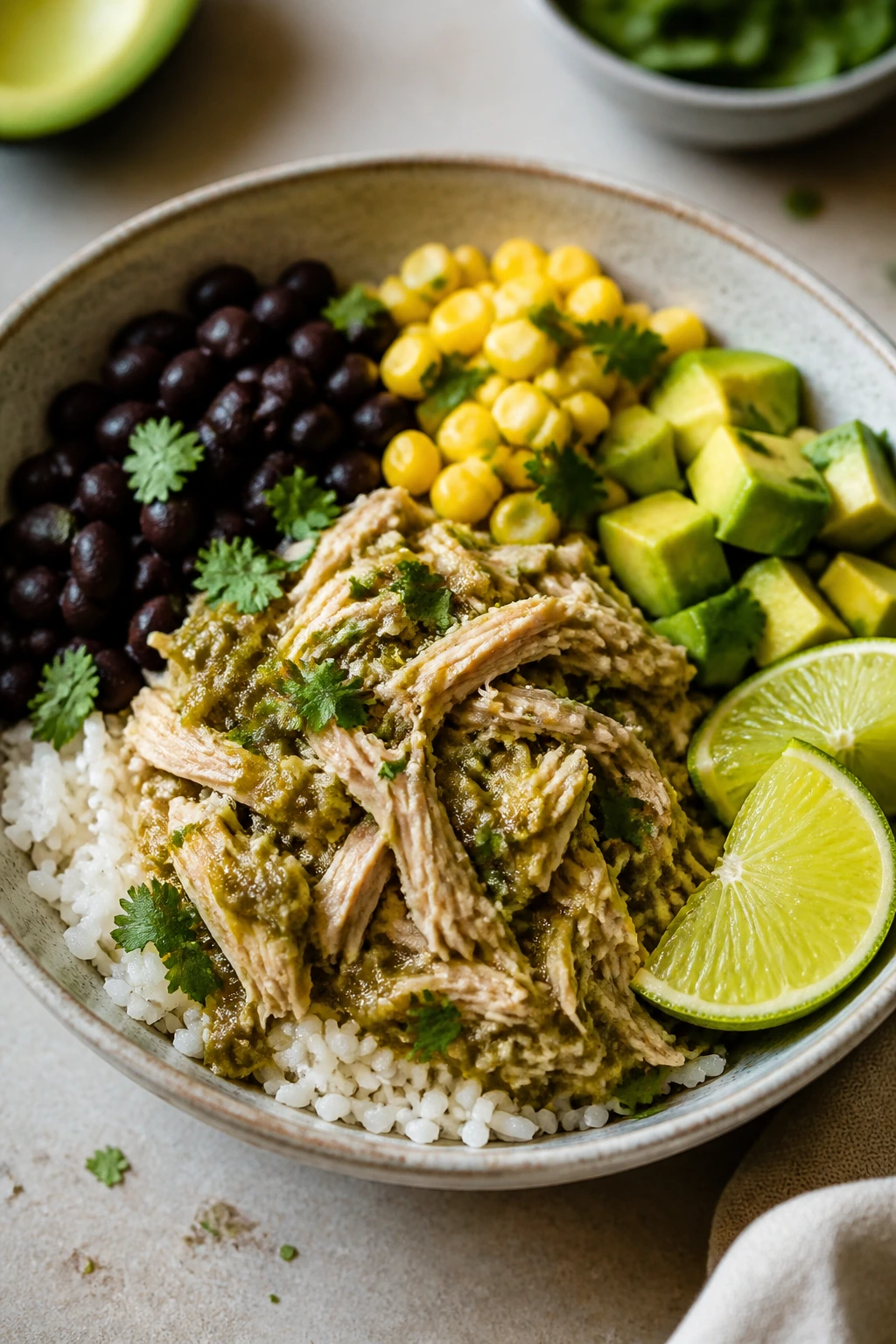
Rice bowls are practical, but they don’t have to be plain. Salsa verde gives the chicken a tangy, almost electric flavor, and the toppings do the rest: beans for heft, corn for sweetness, avocado for softness, lime for the edge.
Everything in the bowl should have a reason to be there. That’s the trick.
Why It Works:
Salsa verde is already seasoned, so it makes a strong braising liquid for boneless chicken. The chicken can simmer or bake in the sauce, then shred easily once it’s tender. Rice gives the bowl structure, while beans and corn make it feel like a full meal instead of a sauced protein with extras tossed on top. Fresh lime and cilantro pull the whole thing back to life.
Key Ingredients:
- 1 pound boneless chicken breasts or thighs
- 1 teaspoon ground cumin
- 1 teaspoon garlic powder
- 1 tablespoon oil
- 1 cup salsa verde
- 1/4 cup water
- 1 cup uncooked rice
- 1 cup black beans, drained and rinsed
- 1 cup corn
- 1 avocado, sliced
- 1 lime
- 2 tablespoons chopped cilantro
- Queso fresco, optional
Quick Steps:
- Season the chicken with cumin and garlic powder.
- Heat oil in a skillet and sear the chicken for 2 minutes per side. Pour in salsa verde and water, cover, and simmer for 12 to 15 minutes until the chicken is cooked through.
- Cook the rice while the chicken simmers.
- Shred the chicken in the sauce and stir it once so it soaks up flavor.
- Build bowls with rice, beans, corn, chicken, avocado, lime juice, cilantro, and queso fresco if using.
Tips and Variations:
- If you want a baked version, cover the chicken with salsa verde in a small dish and bake at 400°F for about 20 minutes.
- Roasted corn tastes better here than canned, but canned corn is perfectly fine when that’s what you have.
- A spoonful of sour cream smooths out the brightness if the salsa verde tastes sharp.
14. Balsamic Chicken with Roasted Tomatoes and Creamy Polenta
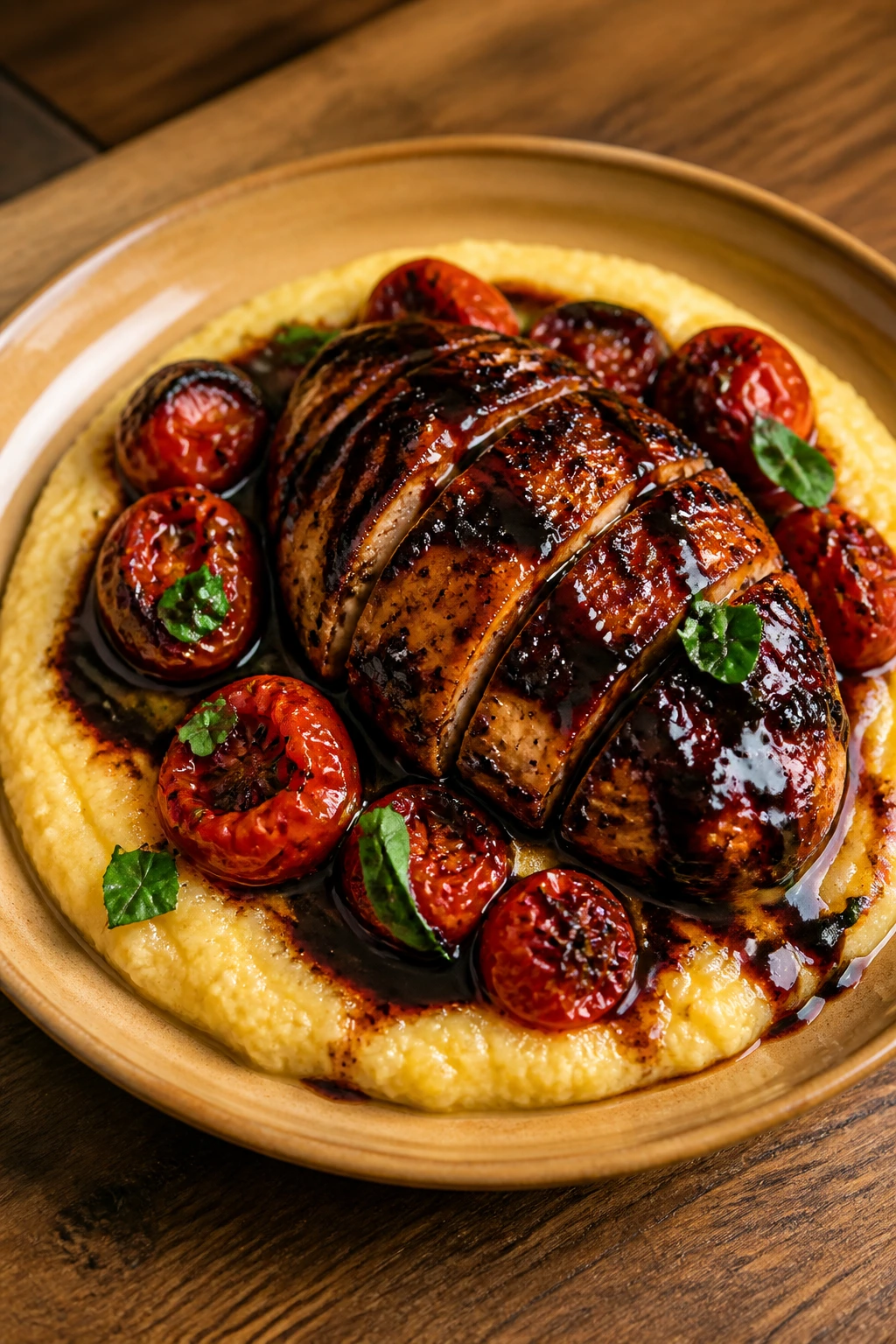
This is the sort of dinner that feels quiet in the best way. The tomatoes burst and soften, the balsamic reduces into a glossy glaze, and the polenta gives you a creamy base that catches every last drop.
There’s no trick here. Just a few good textures in one pan and one pot.
Why It Works:
Balsamic vinegar and honey make a fast glaze that clings to chicken without needing a long reduction. Cherry tomatoes roast or blister quickly, so they become sweet before they lose their shape. Polenta gives the dish a soft landing, and parmesan makes it savory enough to stand up to the tangy glaze. This is one of those meals that tastes richer than the ingredient list suggests, which is a nice surprise for two.
Key Ingredients:
- 2 boneless chicken breasts
- 1/2 teaspoon kosher salt
- 1/4 teaspoon black pepper
- 1 tablespoon olive oil
- 1 tablespoon butter
- 2 cups cherry tomatoes
- 2 cloves garlic, minced
- 3 tablespoons balsamic vinegar
- 1 teaspoon honey
- 3/4 cup polenta
- 2 1/2 cups water or chicken broth
- 1/4 cup grated parmesan
- 2 tablespoons cream or butter
- 1 tablespoon chopped basil
Quick Steps:
- Heat the oven to 425°F. Toss tomatoes with half the oil and a pinch of salt, then roast for 15 minutes.
- Season the chicken with salt and pepper. Sear it in the remaining oil and butter over medium-high heat for 4 minutes per side.
- Add garlic, balsamic, and honey to the pan. Simmer for 2 to 3 minutes until the glaze thickens and the chicken is coated.
- Meanwhile, bring the water or broth to a simmer, whisk in polenta, and cook according to the package, stirring often, until creamy.
- Stir parmesan and cream into the polenta, then serve with the chicken, tomatoes, and basil on top.
Tips and Variations:
- A splash of red wine in the glaze gives it a deeper, sharper finish.
- If polenta feels like too much work, mashed potatoes or crusty bread can take its place.
- Keep stirring the polenta. Walk away and it will remind you who’s in charge.
Why Boneless Chicken Dinners for Two Work So Well
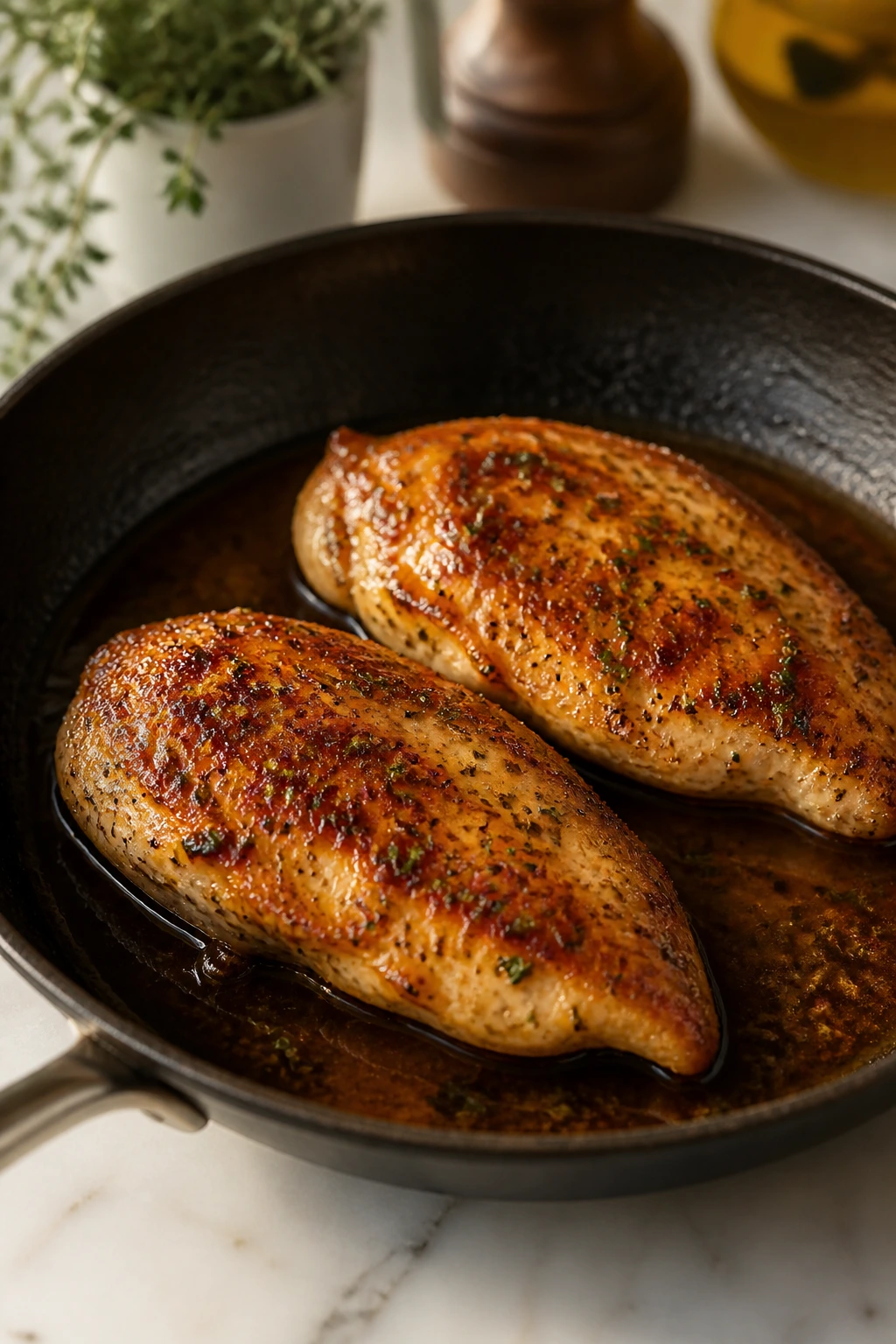
Two-person chicken dinners sit in a sweet spot that people overlook. They’re big enough to feel like dinner and small enough that the pan stays under control. A 10- or 12-inch skillet can give you real browning when you are not trying to cram in six chicken breasts and a mountain of vegetables at once.
There’s also less pressure to make everything stretch forever. That sounds like a small thing, but it changes how you season. You can finish with fresh lemon, a little parmesan, a few spoonfuls of sauce, or a handful of herbs and actually taste the difference because the flavors are concentrated. Small batch cooking punishes laziness and rewards precision. I like that.
Essential Equipment for These Recipes
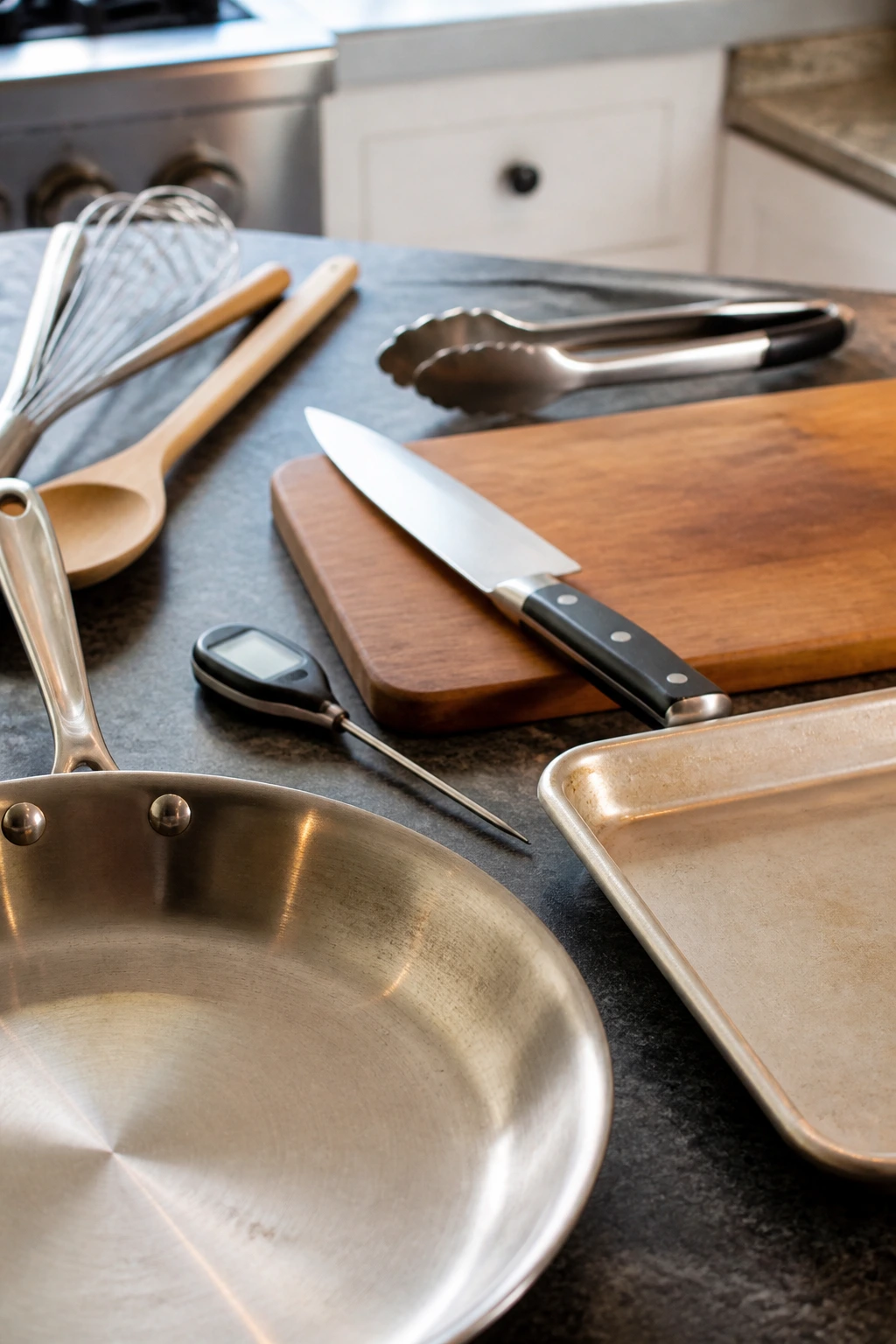
- 10- to 12-inch skillet: The workhorse for piccata, Marsala, tacos, creamy sauces, and most stovetop chicken dinners.
- Rimmed sheet pan: Needed for the Dijon chicken, roasted potatoes, and anything that benefits from oven space.
- Instant-read thermometer: The easiest way to hit 165°F without slicing into chicken and losing juices.
- Sharp chef’s knife: Makes cutlets, sliced chicken, vegetables, and herbs much cleaner and safer.
- Cutting board: Use one for meat and one for produce if you want to keep things tidy.
- Tongs: Better than a fork for turning chicken without piercing it.
- Medium saucepan: Useful for polenta, pasta, rice, and sauce reductions.
- Small whisk: Helps break up cornstarch, pesto, cream, or mustard into smooth sauces.
- Wooden spoon or silicone spatula: Good for scraping up browned bits without scratching the pan.
- Measuring cups and spoons: Don’t guess the sauce components; these recipes are scaled tightly for two.
- Airtight storage containers: Make leftovers behave instead of drying out in the fridge.
Smart Shopping and Ingredient Tips
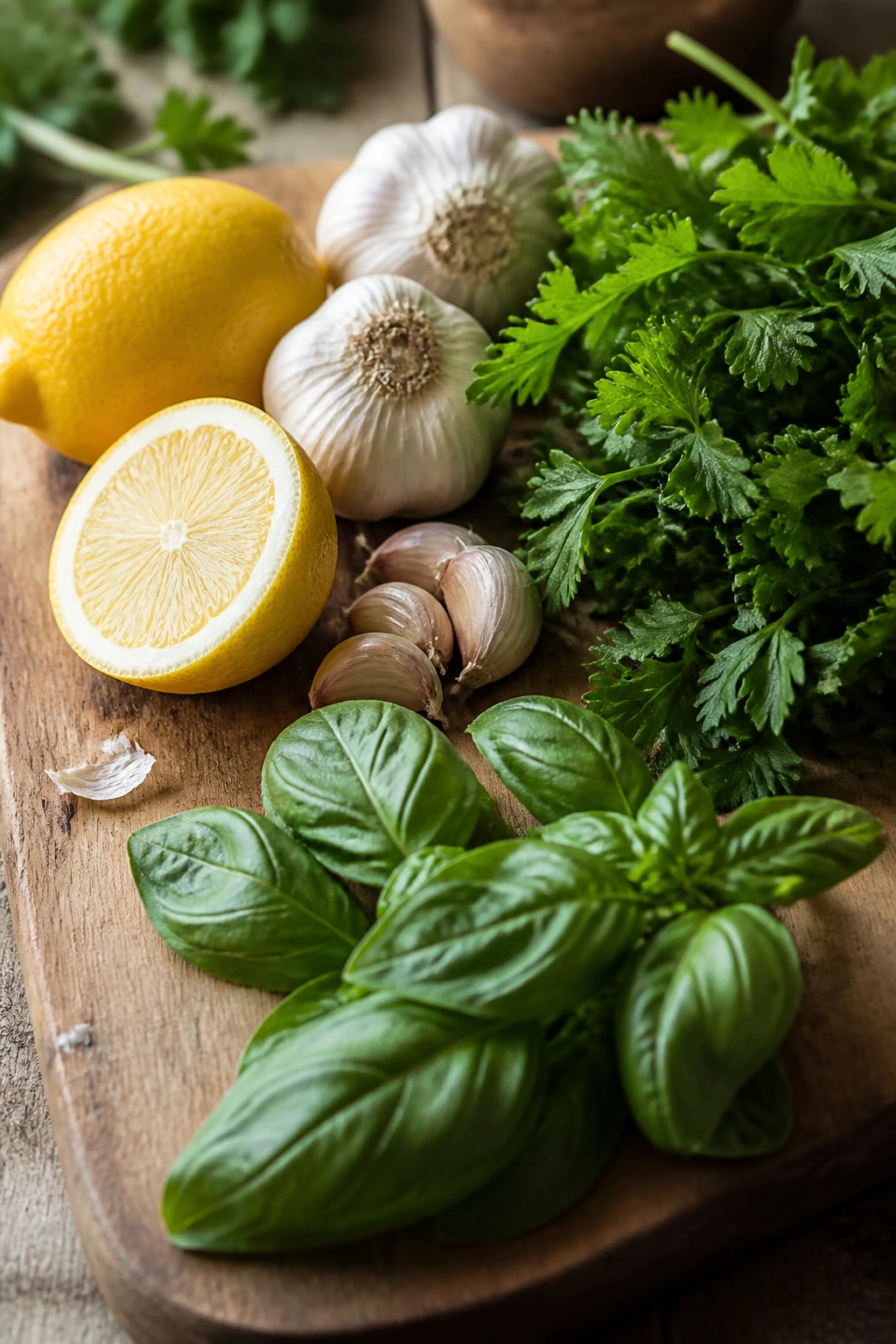
Boneless chicken dinner ideas for two work best when the chicken is cut to the job. Breasts are lean and quick, which makes them perfect for cutlets, tacos, piccata, parmesan, and anything that gets sauce poured over the top at the end. Thighs are the more forgiving option. They stay juicy through simmering and roasting, which is why they make sense in curry, BBQ potatoes, stir-fries, and sheet-pan dinners.
Buy pieces that are close in size when you can. One thick breast and one skinny breast do not cook at the same rate, and dinner for two is too small a scale to hide that mistake. If the pieces are uneven, butterfly the thick end or pound them to a more even thickness. It takes two minutes and saves the whole meal.
Low-sodium broth is worth keeping around. It gives you control over the salt, especially in creamy dishes, orzo, and pan sauces where reductions can concentrate everything fast. The same logic applies to soy sauce and BBQ sauce; start with the lower-sodium version if you have the choice, then season at the end.
Fresh lemon, garlic, parsley, and basil make a visible difference in the lighter recipes. Bottled lemon juice can work in a pinch, but it tastes flatter and more blunt. For vegetables, fresh is best when you want crisp texture, like green beans or slaw, and frozen is fine when the dish is saucy or stir-fried. Broccoli, spinach, corn, and peas all take kindly to the freezer.
Panko breadcrumbs crisp better than standard breadcrumbs for chicken parmesan, and good-quality parmesan matters more than people want to admit. The pre-grated stuff can turn dusty and salty in a way that muddies the sauce. A block you grate yourself gives you better melting and a cleaner finish.
How to Serve These Recipes
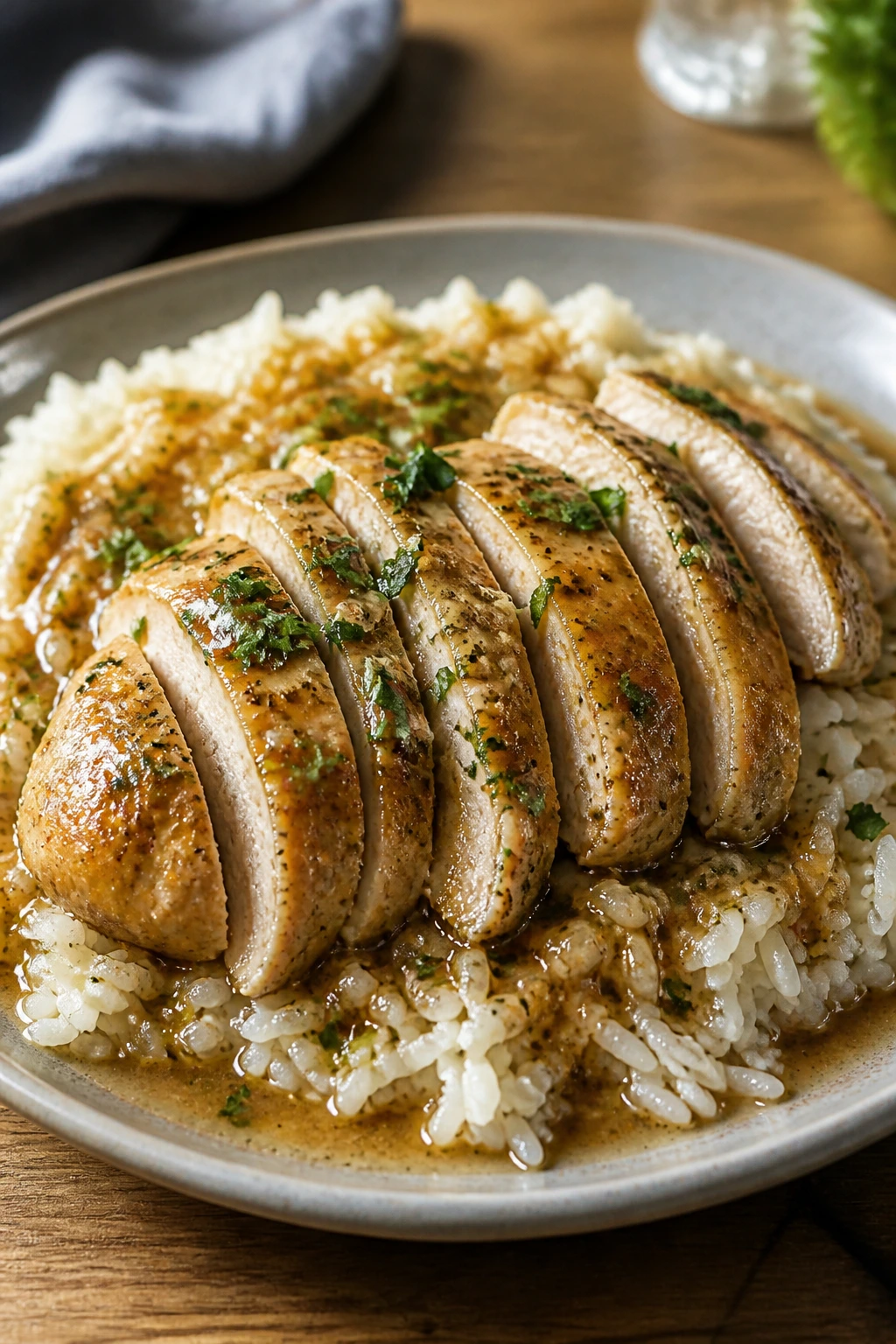
Presentation: Slice chicken on a slight bias and fan it over rice, pasta, potatoes, or greens so the sauce sits where people can see it. A final scatter of herbs, scallions, or parmesan makes the plate look finished without fuss.
Accompaniments: Creamy dishes like Tuscan chicken and Alfredo want something to mop up the sauce, so think crusty bread, noodles, or mashed potatoes. Lighter plates like piccata, Greek pitas, tacos, and salsa verde bowls do well with a simple salad or roasted vegetables on the side.
Portions: These recipes are scaled for two solid servings, not tiny tasting portions. If one eater is hungrier, add 1 cup of cooked rice, a side salad, or another roasted vegetable rather than making more chicken than you need.
Beverage Pairing: Bright chicken dishes go nicely with sparkling water and lemon or a dry white wine. Smoky, spicy, or barbecue-style dinners match iced tea, lager, or a lime-forward mocktail that can stand up to the seasoning.
Additional Tips and Flavor Boosters
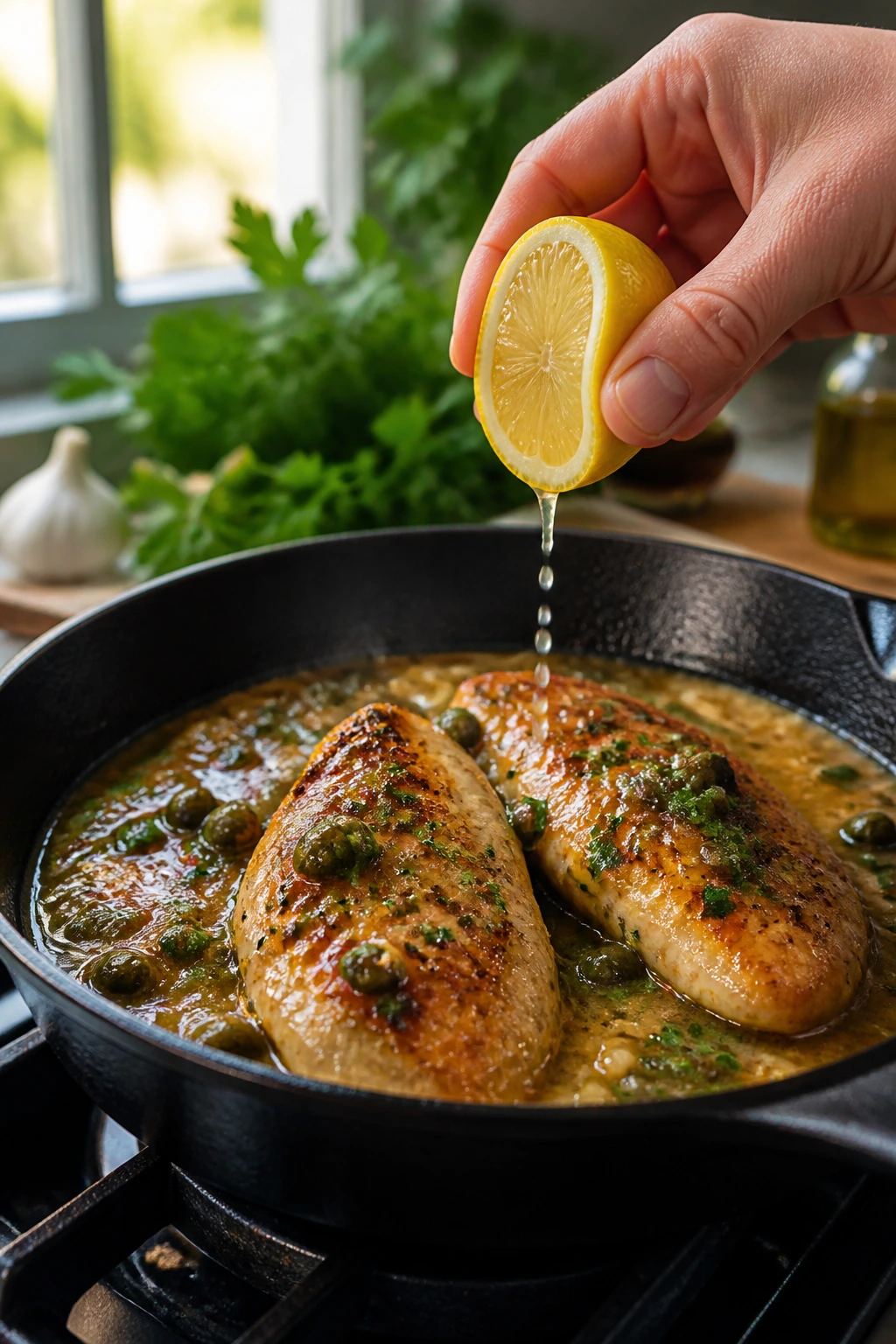
Flavor Enhancement: A small hit of acid at the end changes everything. Try 1 teaspoon of lemon juice, a splash of vinegar, or a spoonful of pickled brine in pan sauces that taste flat. It wakes the whole dish up.
Customization: Almost any of these dinners can take sautéed mushrooms, spinach, roasted peppers, or onions without breaking the recipe. If the fridge has a stray vegetable hanging around, there’s probably a place for it here.
Serving Suggestions: Finish with something that adds contrast. Chopped parsley on piccata, crumbled feta on Greek pitas, sliced scallions on tacos, toasted sesame seeds on stir-fry, or a little extra parmesan on creamy chicken gives the plate some edge.
Make-It-Yours: For a gluten-free version, use cornstarch instead of flour where a coating or thickener is needed, choose corn tortillas, and serve over rice or potatoes. For dairy-free cooking, coconut milk stands in nicely for cream sauces, and olive oil can replace butter in most of the savory pans without causing trouble.
Heat Control: Keep the heat moderate once cream, cheese, or coconut milk enters the pan. That one habit saves sauces from breaking, curdling, or turning greasy.
Make-Ahead, Storage, and Reheating Guidance
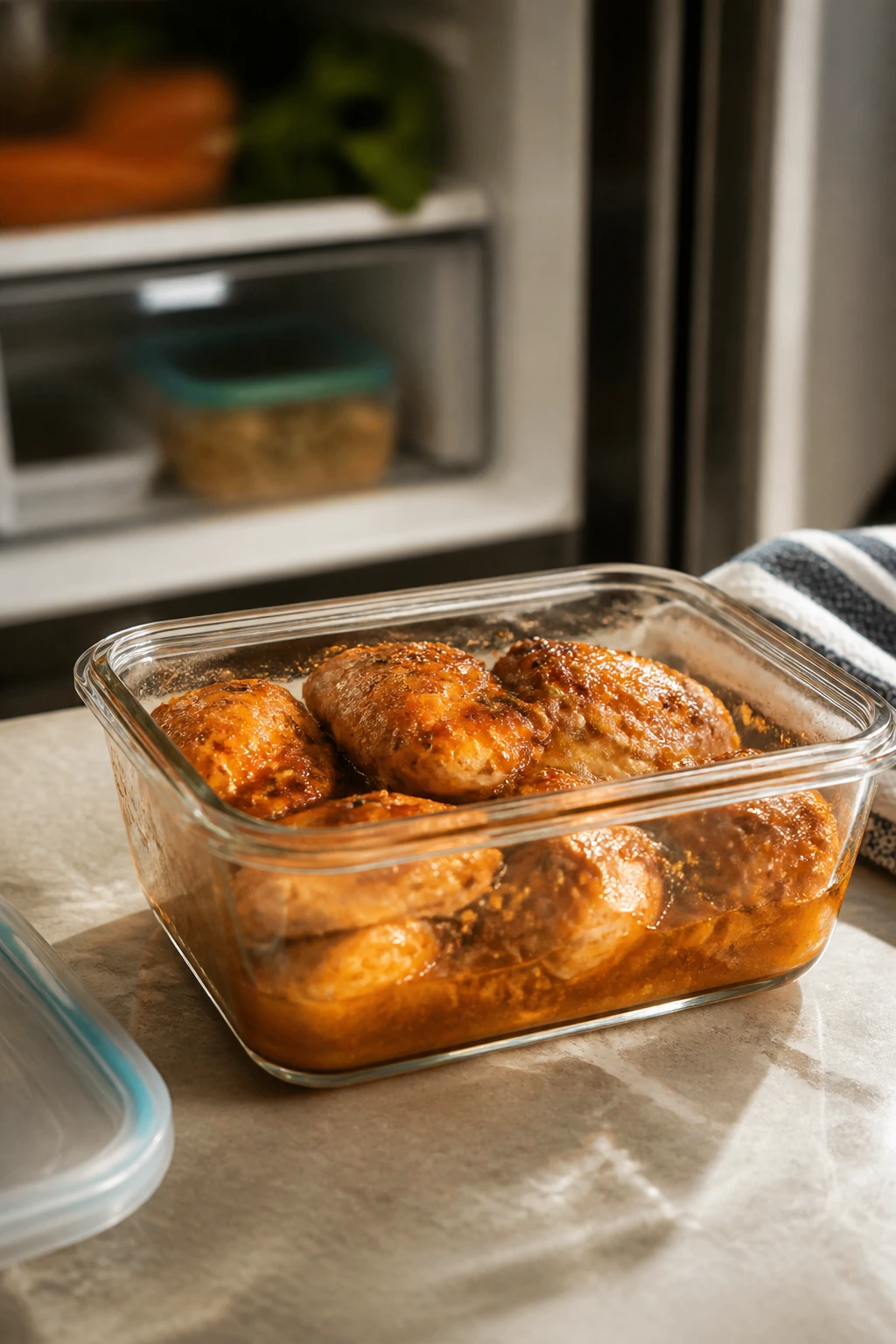
Cooked boneless chicken keeps well in the fridge for 3 to 4 days if it’s cooled within 2 hours and packed in shallow containers. Saucy dishes like piccata, Marsala, curry, pesto orzo, and salsa verde chicken usually hold up better than breaded cutlets because the sauce protects the meat from drying out.
Most of these recipes freeze for up to 2 months, though the texture changes a little depending on the dish. Cream sauces can separate slightly after thawing, and breaded chicken loses crispness, so I’d freeze those only if you’re fine reheating them in the oven and not expecting restaurant crunch. Curries, salsa verde chicken, BBQ chicken, and tomato-based sauces freeze especially well. Let them cool completely first, then freeze in two small portions rather than one big block.
For reheating, the method matters more than people think. Reheat skillet dishes in a covered pan over low to medium-low heat with a splash of broth, water, or cream so the sauce loosens again without splitting. Breaded chicken parmesan does better in a 350°F oven for about 10 to 15 minutes than in the microwave. Stir-fries and rice bowls can be microwaved at 50% power in short bursts, but add a teaspoon of water and cover loosely so the rice stays soft.
Some recipes improve overnight. Marsala, curry, salsa verde chicken, and BBQ chicken often taste deeper the next day because the sauce has time to settle in. Piccata and Greek pitas are more of a same-day deal; they still work later, but the lemon and herbs feel brightest when fresh. If you want to prep ahead, season the chicken, chop vegetables, and mix sauces up to a day in advance. That takes the pressure off the actual cooking window, which is the part people usually trip over.
Variations and Adaptations to Try
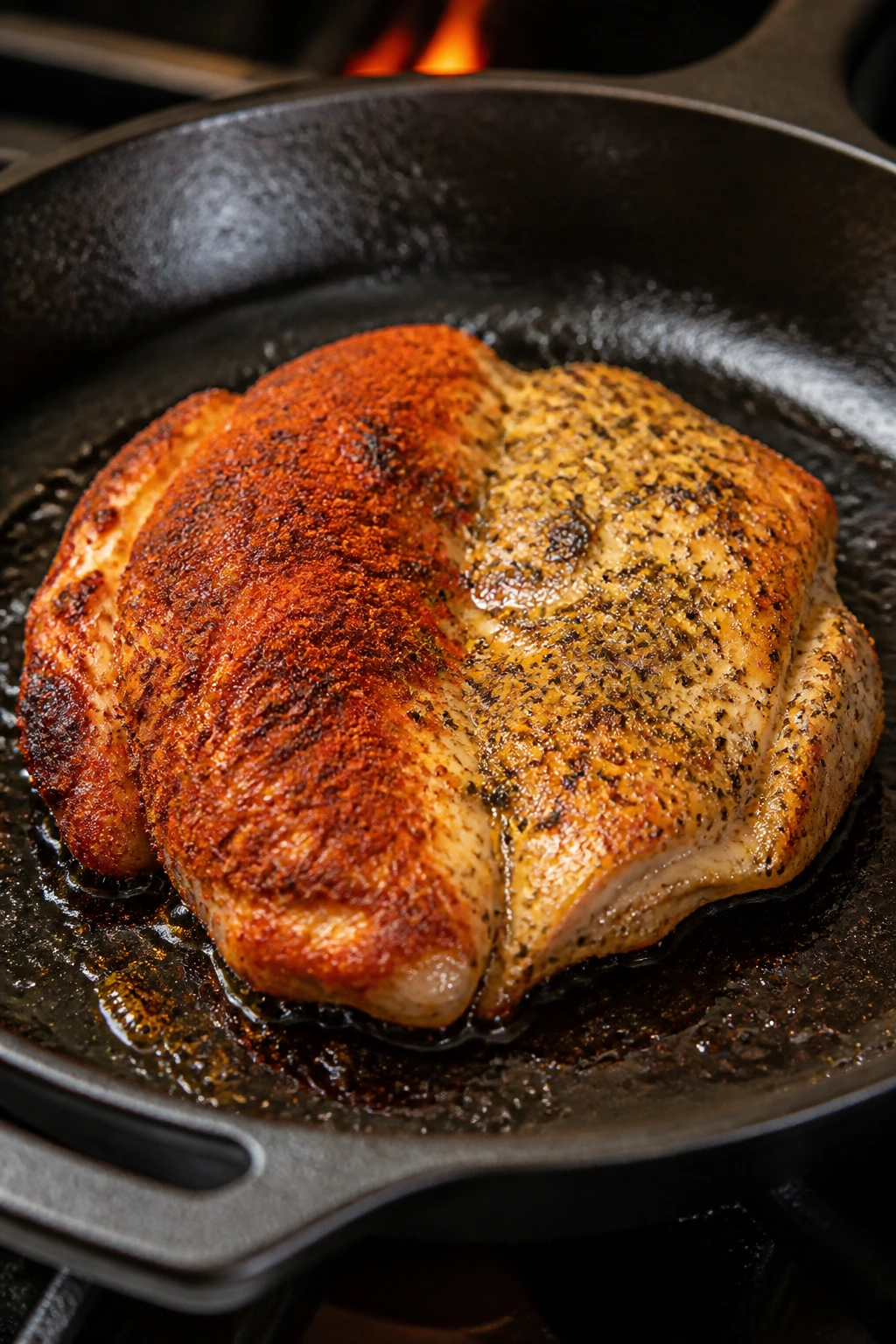
Thighs Instead of Breasts:
Almost every recipe here can switch from breast meat to boneless thighs. Thighs handle sauce and simmering better, so they’re the safer pick for curry, Marsala, BBQ potatoes, and sheet-pan dinners. Give them a few extra minutes in the pan, and check for tenderness before you call them done.
Gluten-Free Plate:
Use cornstarch or a gluten-free flour blend where breading or dredging is needed, and skip the panko in favor of crushed gluten-free crackers or almond flour if you want a crust. Rice, potatoes, polenta, and corn tortillas already fit the bill, so half the collection barely needs changing.
Low-Dairy Dinner Lineup:
Coconut milk can stand in for cream in curry and some skillet sauces, while olive oil can replace butter in the sear. For chicken parmesan, try a lighter amount of mozzarella or use a dairy-free melt if that’s your lane. The point is not to mimic every dairy-heavy finish exactly; it’s to keep the dish rich enough to feel complete.
Spice-Lover’s Route:
Add cayenne to Cajun Alfredo, red pepper flakes to piccata, chipotle to BBQ chicken, or minced jalapeño to tacos and bowls. Heat works best when it has a place to land, so pair it with lime, sour cream, or yogurt where the dish needs cooling.
Pantry-Only Backup:
If the fridge is sparse, lean on broth, garlic, onions, rice, pasta, canned tomatoes, capers, mustard, soy sauce, and frozen vegetables. These recipes are built to forgive a little improvisation. The trick is to keep one bright note and one savory note in play.
Lower-Carb Switch:
Serve chicken over cauliflower rice, zucchini noodles, greens, or roasted vegetables when you want to skip pasta and rice. Saucy dinners need a base with some structure, so don’t go too watery. A pile of sautéed cabbage or roasted broccoli works better than people expect.
Common Mistakes to Avoid
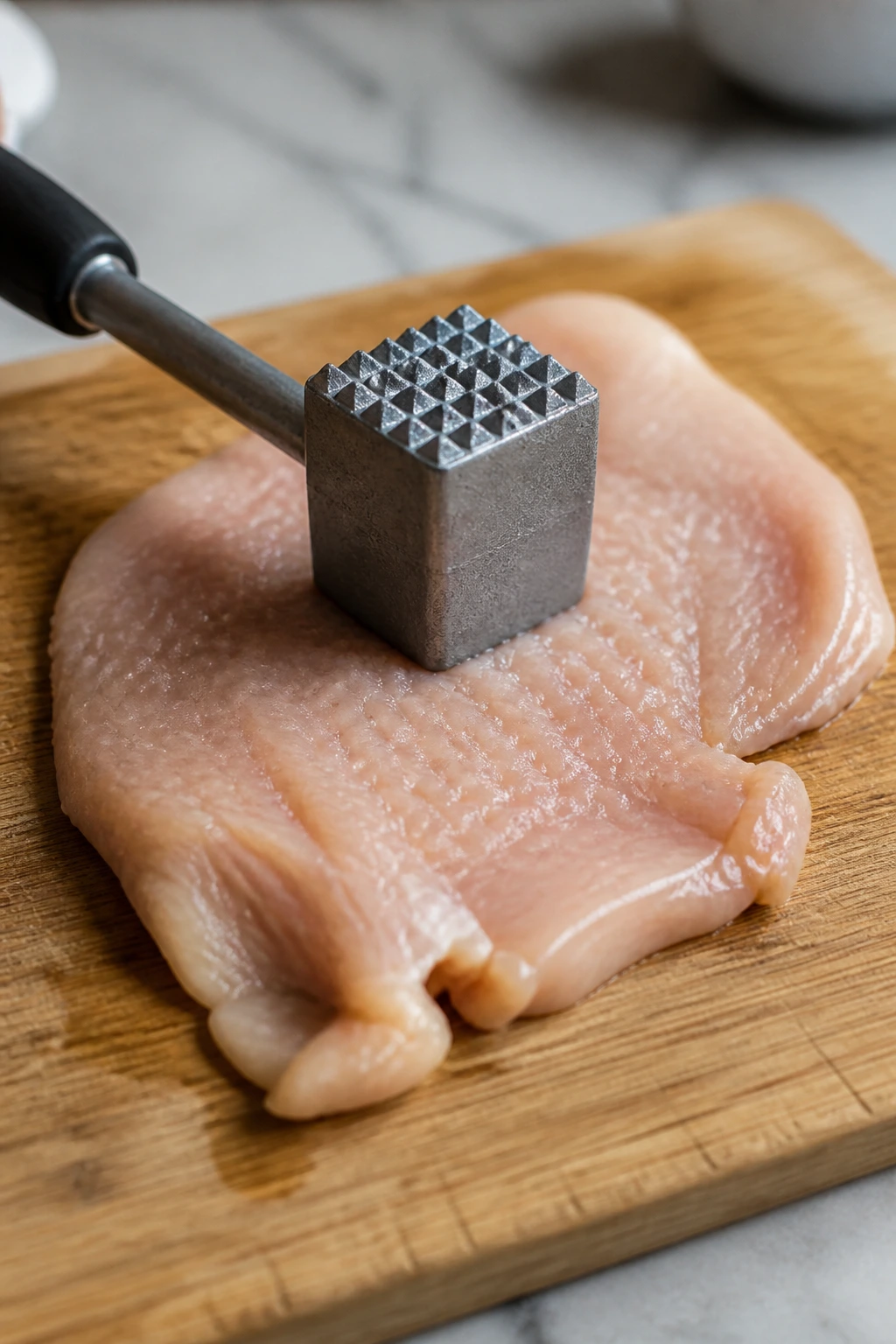
Uneven Chicken Thickness:
A thick middle and thin edge cook at different speeds, which leaves one dry and one underdone. Butterflying or pounding the chicken to an even thickness fixes that fast and makes the whole dinner easier to time.
Crowding the Pan:
If the chicken pieces touch too much, they steam instead of browning. The symptom is a pale surface and weak flavor. Use a larger skillet or cook in batches so the heat has room to work.
Trusting Color Alone:
Chicken can look done before it actually is, and sliced meat can leak juice before the center reaches temperature. Use an instant-read thermometer in the thickest part and aim for 165°F. That number saves a lot of guessing.
Adding Dairy Over High Heat:
Cream, parmesan, and cheese sauces can split if the pan is boiling hard. Lower the heat before adding them, and stir gently until the sauce comes together. If it starts to look grainy, take it off the heat and whisk in a splash of broth or cream.
Underseasoning Small Batches:
A recipe for two can taste flat if you season it like a giant casserole. The fix is simple: season the chicken, season the sauce, and finish with something bright or salty at the end. Salt, acid, and herbs all need a role.
Skipping the Rest:
Cut chicken immediately and the juices run onto the board. Wait 3 to 5 minutes, then slice. It’s boring advice. It also works.
Questions Readers Ask Most

Should I use chicken breasts or thighs?
Breasts are leaner and better for quick cutlets, piccata, parmesan, tacos, and pitas. Thighs are more forgiving in saucy or long-simmered dinners like curry, BBQ potatoes, and sheet-pan meals. If you want the safest choice for moist meat, I’d pick thighs.
How do I keep boneless chicken from drying out?
Cook it to temperature, not to a guessed-looking finish. Pound breasts to even thickness, sear over medium-high heat, and pull them the moment the center reaches 165°F. Resting for a few minutes before slicing also helps a lot.
Can I make these dinners ahead of time?
Yes, with a little common sense. Chop vegetables, mix spice blends, and even cook some sauces a day ahead. Breaded dishes are best fresh, while curries, Marsala, salsa verde chicken, and BBQ chicken hold up well for meal prep.
What if I only have frozen chicken?
Thaw it completely before cooking if you want even browning and proper timing. Cooking from frozen is possible in some baked dishes, but it tends to make the outside overcook before the center is safe. For these recipes, thawed chicken is the better move.
How do I scale these recipes up?
Double the ingredients, but don’t crowd the pan. For skillet dinners, work in batches if you need to. For sheet-pan and baked dishes, use a second pan so the chicken and vegetables roast instead of steam.
What side dishes work with almost all of them?
Rice, mashed potatoes, roasted vegetables, a simple salad, or crusty bread cover most of the bases. If the main dish already has pasta or potatoes built in, keep the side light and crunchy. A small green salad does a lot of quiet work.
Can I use bone-in chicken instead?
You can, but the cook time changes enough that most of these recipes stop being quick dinners for two. Bone-in pieces need a longer oven time and don’t fit the skillet-and-sauce rhythm as neatly. Stick with boneless if you want the fastest path.
What if the sauce gets too thick or too thin?
Too thick? Add a spoonful or two of broth, water, or cream and stir over low heat. Too thin? Simmer it a little longer, uncovered, until it coats the back of a spoon. Sauce is forgiving if you stop before it burns.
Two Plates, Better Dinner
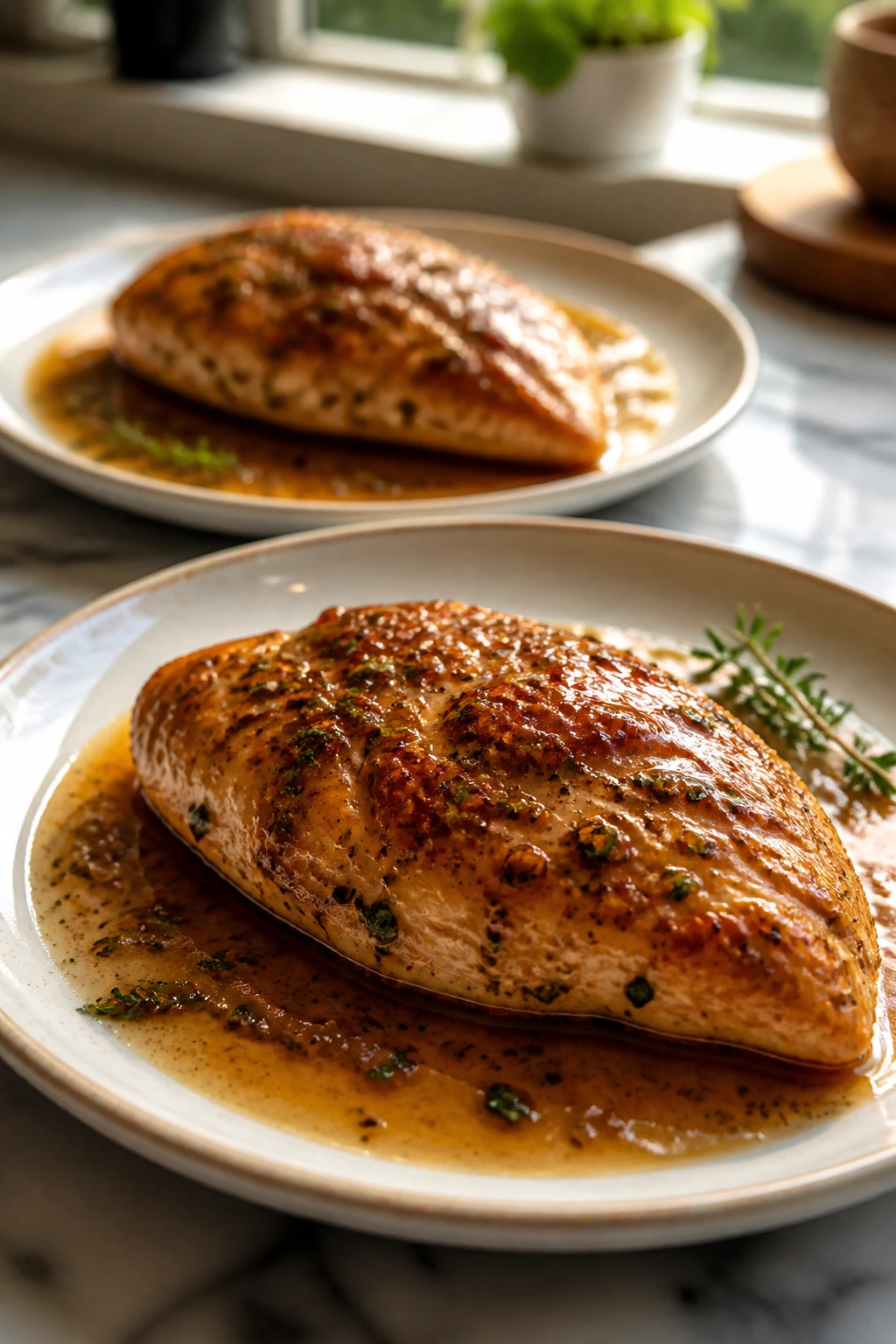
The nicest thing about cooking for two is that dinner stops feeling like a production. You can sear the chicken properly, finish the sauce with a little care, and serve the whole thing while it still tastes awake. That’s the real appeal here. Not novelty. Not fuss.
A good two-person chicken dinner has space for flavor and enough room on the stove for the pan to behave. That’s why these recipes work so well: they keep the portion small, the heat under control, and the results worth sitting down for.