



Gluten-free dinners for picky families live or die on one thing: familiarity. If the plate looks strange, the dinner battle starts before the first bite. If the sauce tastes “different,” you lose them at the table. And if the recipe depends on a long list of specialty ingredients, the whole thing starts feeling like a project instead of supper.
That’s why the best gluten-free family dinners are rarely flashy. They’re the meals that already feel safe — chicken tenders, taco skillets, spaghetti and meatballs, meatloaf, baked potatoes, rice bowls, chili. The gluten-free part matters, obviously, but the bigger win is that these dinners still taste like dinner. Real dinner. The kind that disappears fast because nobody is suspicious of it.
I’ve always thought the smartest gluten-free cooking for families is the least dramatic cooking. Keep the flavors clear. Keep the textures familiar. Let the picky eater see what’s on the plate and not have to guess. That’s the whole game here, and it’s why these dishes hold up so well when you need food that works for different ages, different appetites, and different levels of enthusiasm.
Why These 14 Dinners Keep the Whole Table Happy
-
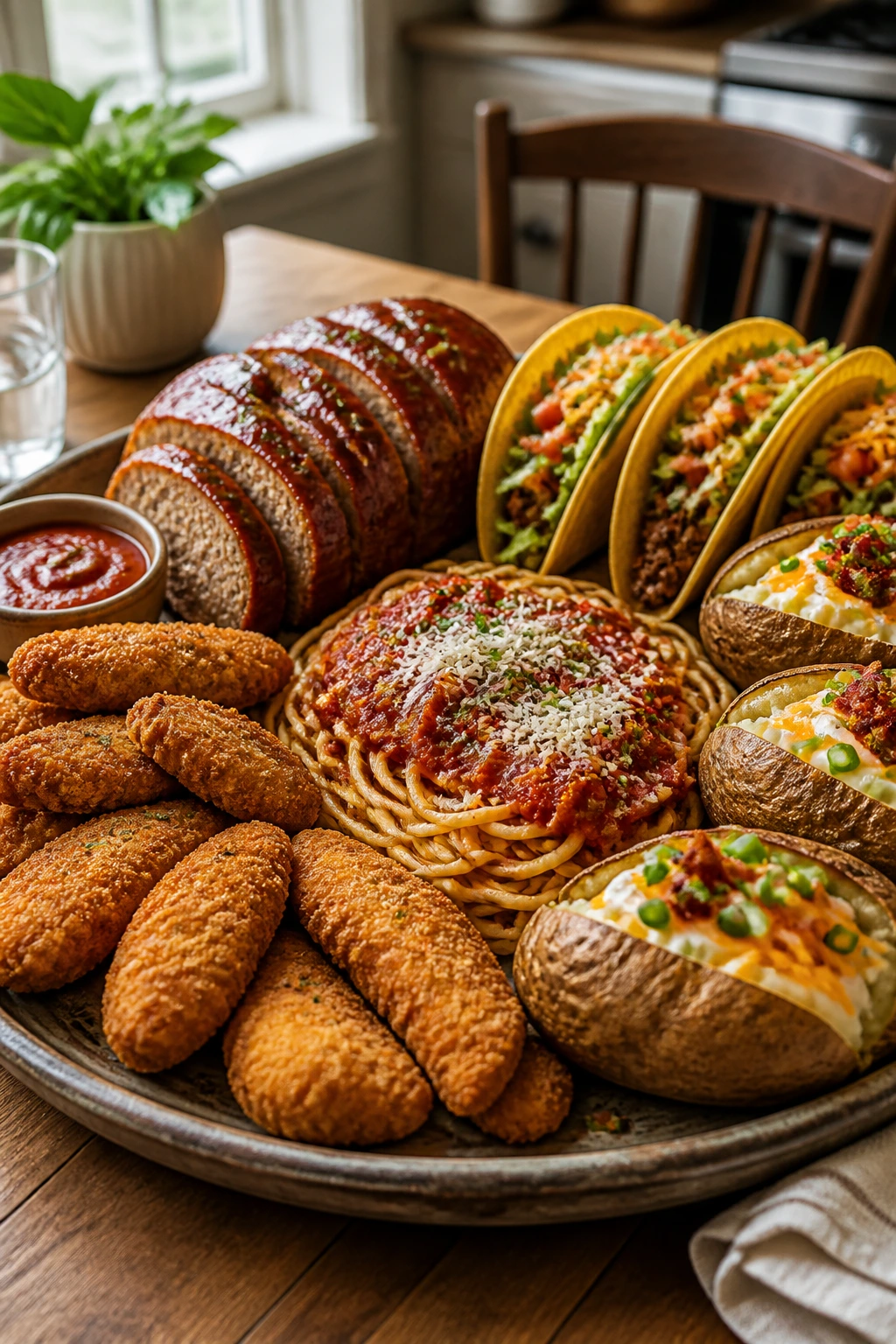
Familiar shapes: Chicken tenders, spaghetti, meatloaf, tacos, and baked potatoes are meals most kids already trust before they ever hear the words “gluten free.”
-
Simple flavors: Garlic, cheese, tomato, potatoes, mild spices, and lightly sweet sauces do a lot of heavy lifting without scaring off picky eaters.
-
Easy to customize: A bowl of toppings on the side — sour cream, shredded cheese, pickles, salsa, hot sauce, herbs — lets everyone build their own plate.
-
Naturally gluten-free staples: Rice, potatoes, corn tortillas, beans, eggs, meat, fish, and vegetables keep the ingredient list grounded and practical.
-
Good leftovers: These dinners hold up well for lunch boxes and next-day reheating, which is a small miracle on a busy weeknight.
-
No label circus: The recipes lean on plain ingredients and a few smart swaps, so you spend less time hunting down specialty products.
1. Crispy Chicken Tenders with Roasted Potato Wedges
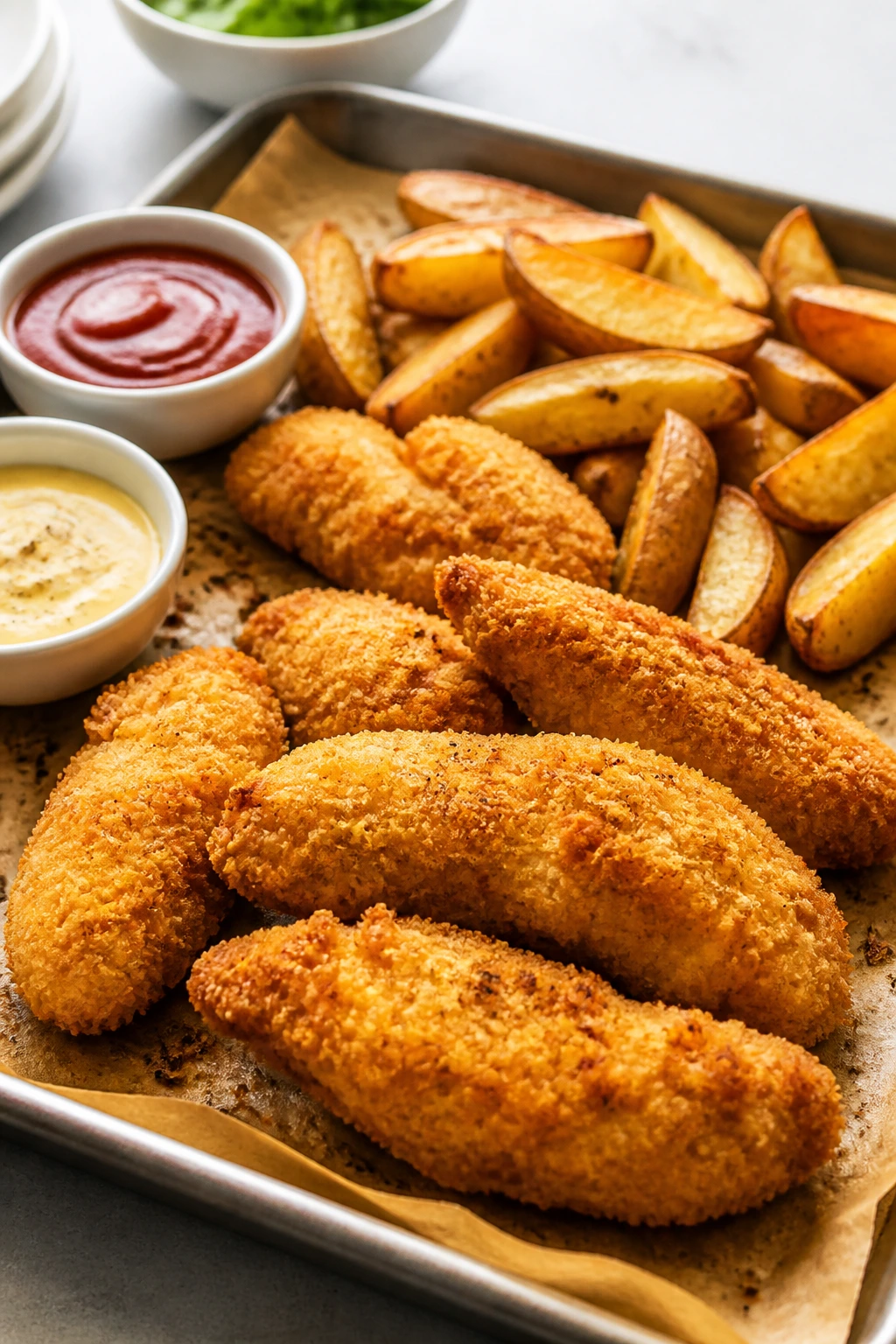
Golden chicken tenders and salty potato wedges are the kind of dinner that disappears before anyone starts negotiating. The coating gets crisp in the oven, the potatoes turn browned at the edges, and the whole tray smells like a diner basket minus the fryer.
Kids like the finger-food part. Adults like the fact that they can put out ketchup, ranch, or a simple lemony dipping sauce and call it done. It feels plain in the best way.
Why It Works:
Chicken tenders are one of the easiest gluten-free dinners for picky families because the texture is familiar and the seasoning can stay gentle. Baking both the chicken and potatoes at the same temperature keeps the process simple, and the gluten-free panko gives you crunch without a deep fryer. The real win is that every part on the plate tastes recognizable: salty potatoes, juicy chicken, and a dip on the side.
Key Ingredients:
- 1½ lb chicken tenders or chicken breast cut into strips
- 2 lb russet potatoes, cut into wedges
- 1 cup gluten-free all-purpose flour
- 2 large eggs
- 1 tbsp water
- 1½ cups gluten-free panko breadcrumbs
- 1 tsp kosher salt
- 1 tsp paprika
- 1 tsp garlic powder
- ½ tsp black pepper
- 2 tbsp olive oil
Quick Steps:
- Preheat the oven to 425°F (220°C) and line two sheet pans with parchment. Toss the potato wedges with olive oil, salt, pepper, and garlic powder.
- Roast the potatoes for 15 minutes first so they start to brown before the chicken goes in.
- Set up three bowls: flour in one, beaten eggs with water in the second, and panko mixed with paprika in the third.
- Coat each chicken strip in flour, then egg, then breadcrumbs, pressing gently so the crumbs stick.
- Bake the chicken for 15 to 18 minutes, until the coating is deep golden and the thickest piece reaches 165°F (74°C).
- Serve immediately with ketchup, ranch, or a squeeze of lemon.
Tips and Variations:
- For extra crunch: Add ¼ cup grated parmesan to the breadcrumb mix.
- For a milder plate: Leave out the paprika and use only salt, garlic powder, and pepper.
- For faster dinner: Use chicken tenders instead of slicing breasts; they cook more evenly.
2. Beef Taco Rice Skillet
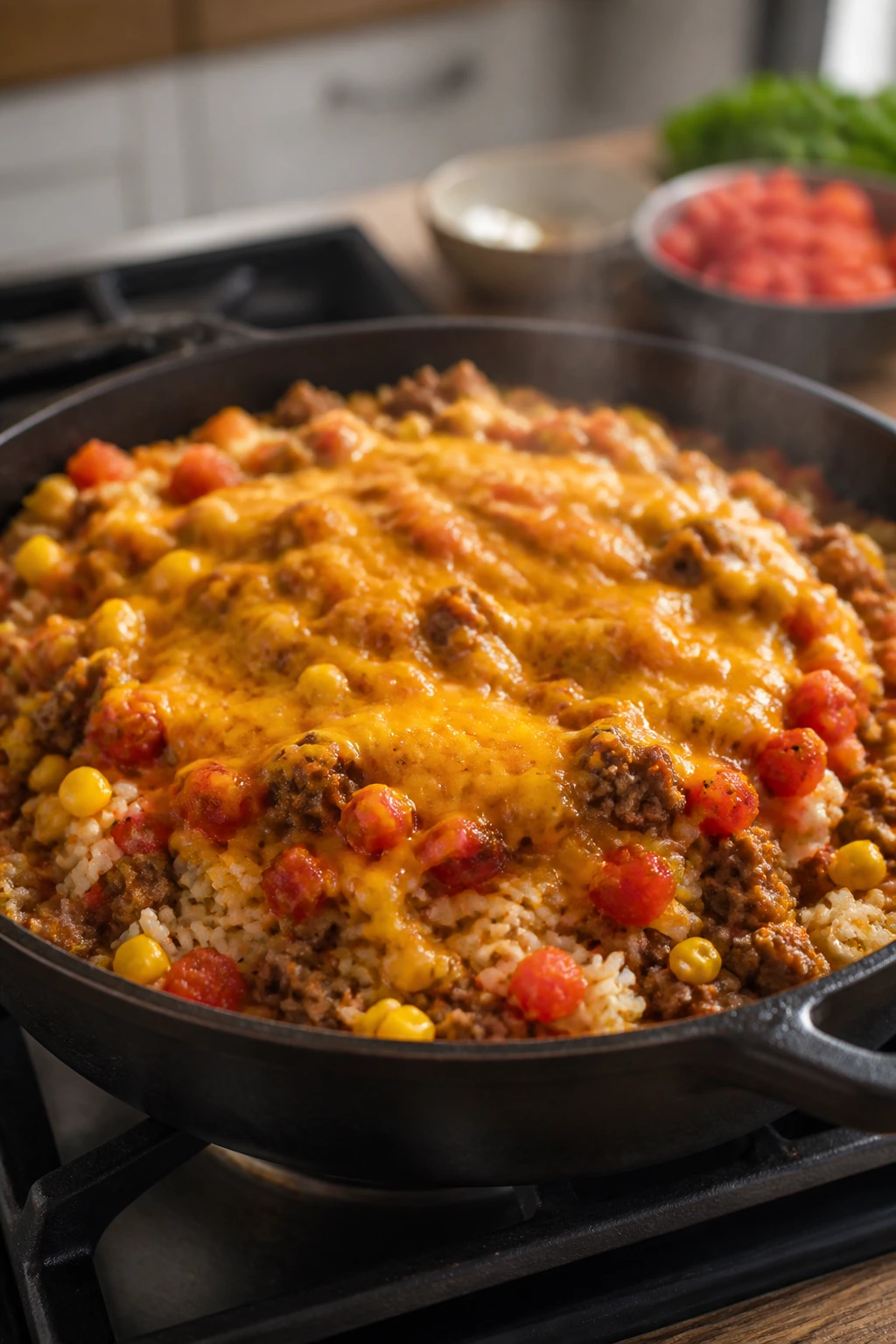
This one smells like taco night before it even hits the table. The rice cooks in seasoned broth and salsa, the beef stays savory, and the cheese melts into the whole pan like it was born there.
The nice thing about a taco skillet is that picky eaters can build their own bowl. Leave the lettuce on the side. Keep the jalapeños out of the picture. Hand over sour cream, avocado, and extra cheese, and most people stop asking questions.
Why It Works:
A rice skillet gives you taco flavor without the mess of multiple shells, and it keeps everything naturally gluten-free if you use a checked taco seasoning and plain broth. Rice is one of those quiet miracle ingredients for families: filling, soft, and easy to season without making anyone suspicious. This dish also solves the “one child wants plain food” problem, because the base is mild enough to serve as-is and still tastes complete.
Key Ingredients:
- 1 lb ground beef
- 1 small yellow onion, finely diced
- 2 cloves garlic, minced
- 1 tbsp tomato paste
- 2 tbsp gluten-free taco seasoning
- 1 cup long-grain white rice, rinsed
- 2 cups low-sodium beef broth
- 1 cup mild salsa
- 1 cup frozen corn
- 1 cup shredded cheddar cheese
- Sour cream, lettuce, or avocado for serving
Quick Steps:
- Brown the ground beef and onion in a large skillet over medium-high heat for 6 to 8 minutes, breaking the meat into small pieces.
- Stir in the garlic, tomato paste, and taco seasoning for 30 seconds until fragrant.
- Add the rice, broth, salsa, and corn, then bring the pan to a gentle boil.
- Cover and simmer on low for 18 to 20 minutes, until the rice is tender and the liquid is absorbed.
- Sprinkle the cheese over the top, cover again for 2 minutes, and let it melt.
- Serve with toppings on the side so everyone can build their own bowl.
Tips and Variations:
- For a softer flavor: Use mild salsa and skip any hot peppers at the table.
- For more protein: Stir in 1 cup black beans with the corn.
- For kids who hate mixed textures: Spoon the rice into bowls first, then let them add cheese separately.
3. Creamy Chicken and Rice Casserole
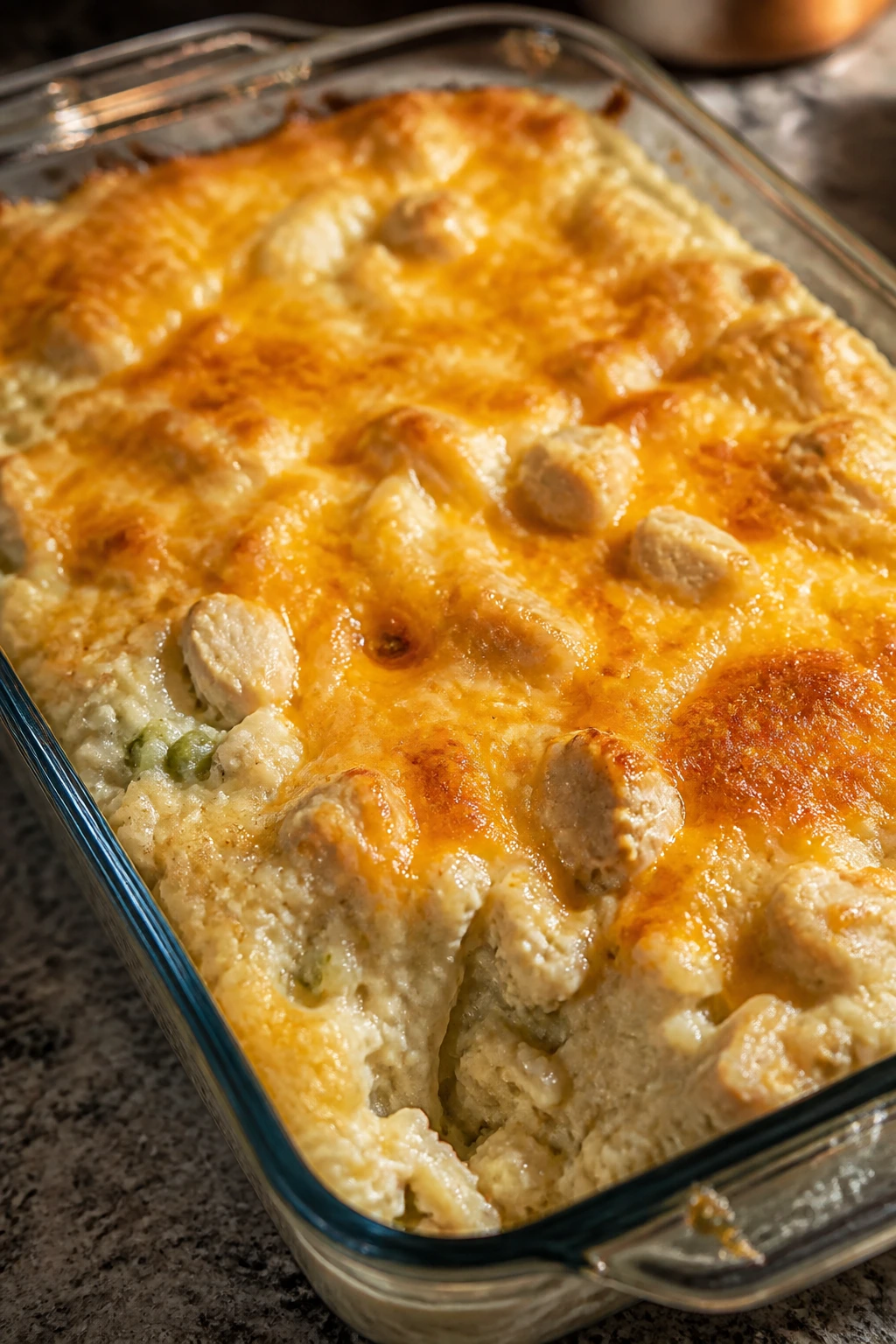
This is the kind of casserole that feels like an old friend. Creamy rice, tender chicken, a little cheddar on top — nothing fancy, nothing loud, and that is exactly the point.
When the top comes out bubbling and the edges turn lightly browned, it gives you that deeply useful dinner feeling: one dish, no arguments, decent leftovers. It’s also forgiving. Very forgiving.
Why It Works:
Creamy casseroles are a smart move for picky families because the texture stays soft and predictable, and the flavors all sit in the same lane. Using cooked rice and cooked chicken keeps the timing easy, while cream cheese and broth make the casserole rich without needing a flour-based sauce. Gluten-free cooking can get fussy fast; this one stays calm.
Key Ingredients:
- 2 cups cooked shredded chicken
- 3 cups cooked white rice
- 2 tbsp butter
- 1 small onion, diced
- 1 cup diced celery
- 1 cup diced carrots or frozen peas
- 8 oz cream cheese, softened
- 1 cup sour cream
- 1½ cups chicken broth
- 1½ cups shredded cheddar cheese
- 1 tsp garlic powder
- Salt and black pepper, to taste
Quick Steps:
- Preheat the oven to 375°F (190°C) and grease a 9×13-inch baking dish.
- Sauté the onion, celery, and carrots in butter for 5 to 6 minutes, until the onion softens and smells sweet.
- Whisk the cream cheese, sour cream, broth, garlic powder, salt, and pepper in a large bowl until mostly smooth.
- Fold in the chicken, rice, and sautéed vegetables, then spread the mixture into the baking dish.
- Top with cheddar cheese and bake for 25 to 30 minutes, until the center is hot and the edges are bubbling.
- Rest for 5 minutes before serving so the casserole settles instead of slumping.
Tips and Variations:
- For a shortcut: Use rotisserie chicken and leftover rice.
- For a brighter finish: Stir in 2 tablespoons chopped parsley or chives at the end.
- For a lighter version: Swap half the sour cream for plain Greek yogurt.
4. Gluten-Free Spaghetti and Meatballs
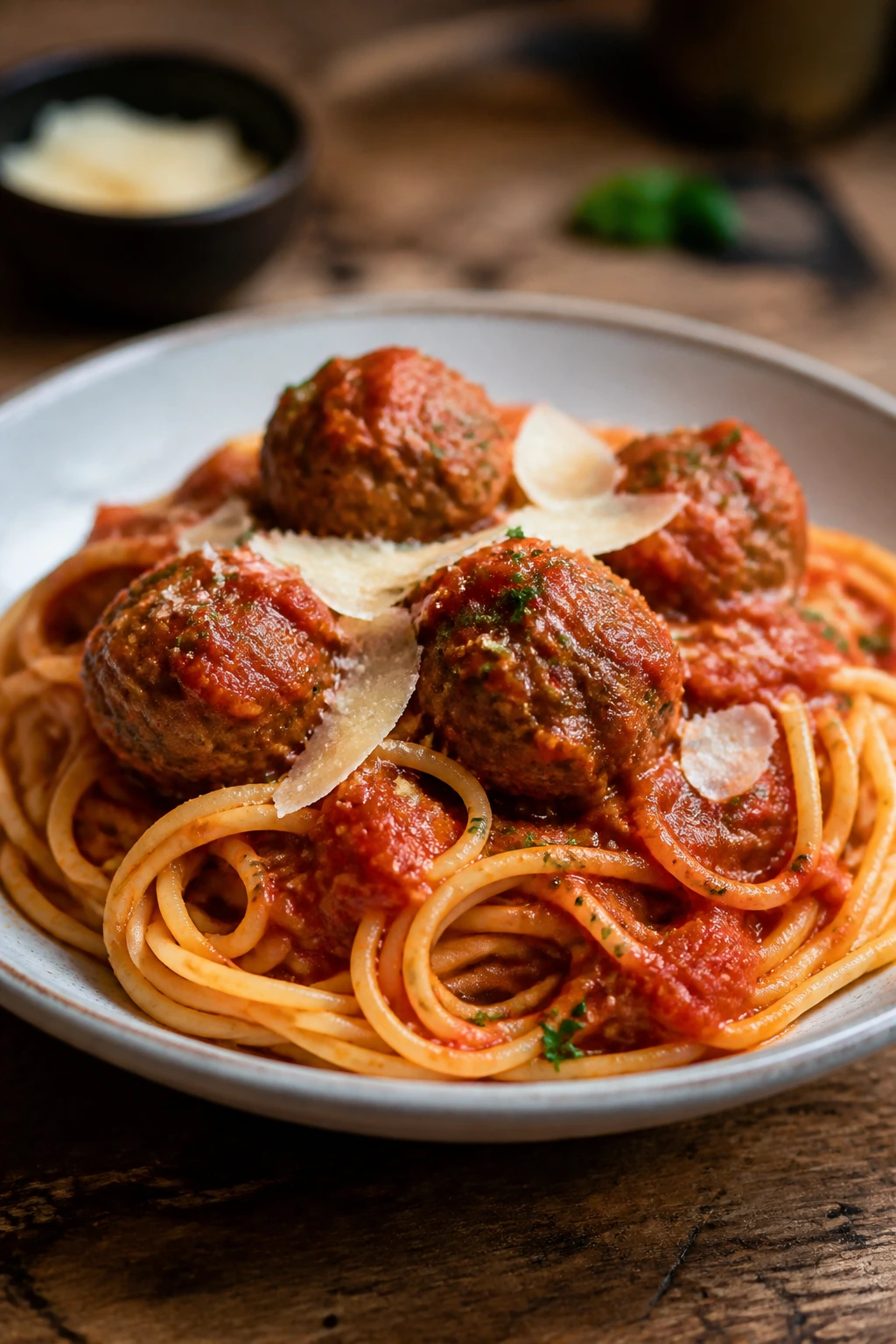
Spaghetti still has the power to calm a table down. There’s something about twirling noodles around a fork that makes dinner feel normal, even if you’ve been reading ingredient labels for two days straight.
The meatballs are tender, the sauce is red and familiar, and the gluten-free pasta does the job without pretending to be something else. I like this one best with a big bowl in the middle of the table and extra parmesan nearby.
Why It Works:
Pasta night works for picky families because the structure is familiar and the flavors are uncomplicated. Gluten-free spaghetti has a much better chance of behaving if you stop cooking it the second it turns tender, and the meatballs give the meal enough body to feel substantial. The sauce covers a lot of small flaws, which is one reason this dish is more forgiving than it looks.
Key Ingredients:
- 12 oz gluten-free spaghetti
- 1 lb ground beef
- 1 lb ground pork
- 1 large egg
- ½ cup gluten-free breadcrumbs
- ¼ cup grated parmesan
- 2 cloves garlic, minced
- 1 tsp Italian seasoning
- 1 tsp kosher salt
- ½ tsp black pepper
- 24 oz marinara sauce
- 1 tbsp olive oil
Quick Steps:
- Preheat the oven to 425°F (220°C) and line a baking sheet with parchment.
- Mix the beef, pork, egg, breadcrumbs, parmesan, garlic, Italian seasoning, salt, and pepper until just combined.
- Roll the mixture into 1½-inch meatballs and bake for 15 to 18 minutes, until browned and cooked through.
- Warm the marinara sauce in a skillet and add the meatballs so they simmer together for 10 minutes.
- Cook the spaghetti in salted water until just tender, then drain well.
- Toss the pasta with sauce and meatballs, and serve with extra parmesan.
Tips and Variations:
- For a softer meatball: Add 2 tablespoons milk to the mix.
- For a no-bake version: Simmer raw meatballs gently in sauce for a bit longer, but keep the heat low so they do not break apart.
- For extra kid appeal: Leave the meatballs whole on the side and let kids add them themselves.
5. Sheet-Pan Sausage, Peppers, and Potatoes
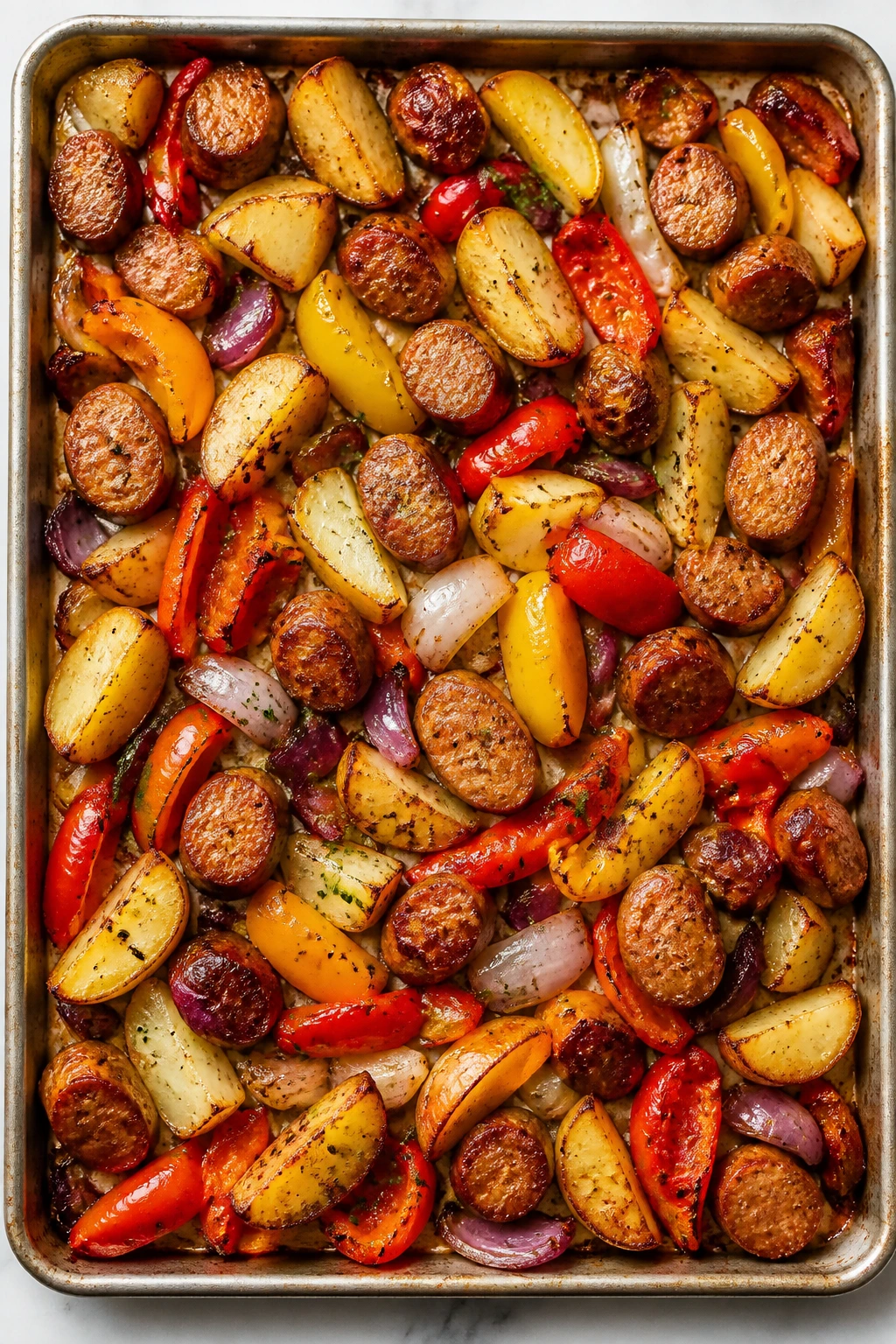
This is one of those dinners that smells like it took more work than it did. Sausage gets browned at the edges, the peppers go soft and sweet, and the potatoes turn crisp underneath everything.
The beauty here is how little there is to argue with. There’s no sauce mystery, no tricky texture, no hidden ingredient drama. Just a tray of food that tastes honest.
Why It Works:
Sheet-pan dinners are a gift to parents of picky eaters because every ingredient keeps its own shape, which helps kids identify what they’re eating. Smoked sausage brings enough salt and seasoning that you do not need much more than olive oil, garlic powder, and herbs. Potatoes soak up the drippings and keep the whole pan feeling filling.
Key Ingredients:
- 1½ lb gluten-free smoked sausage, sliced into ½-inch rounds
- 1½ lb baby potatoes, halved
- 3 bell peppers, sliced
- 1 large red onion, sliced
- 2 tbsp olive oil
- 1 tsp Italian seasoning
- ½ tsp garlic powder
- 1 tsp kosher salt
- ½ tsp black pepper
- Chopped parsley, for serving
Quick Steps:
- Preheat the oven to 425°F (220°C) and line a large sheet pan with parchment.
- Toss the potatoes with olive oil, salt, pepper, garlic powder, and Italian seasoning. Roast for 15 minutes.
- Add the sausage, peppers, and onion to the pan, then toss everything gently so the seasoning spreads.
- Roast for another 20 to 25 minutes, stirring once halfway through, until the potatoes are tender and the peppers are soft at the edges.
- Finish with parsley and serve straight from the pan.
Tips and Variations:
- For a softer sweet note: Add a second onion and let it caramelize a little more.
- For a lighter dinner: Use chicken sausage and cut the potatoes a little smaller so everything finishes together.
- For extra dipping: Serve with mustard or a simple garlic yogurt sauce.
6. Cheeseburger Rice Skillet
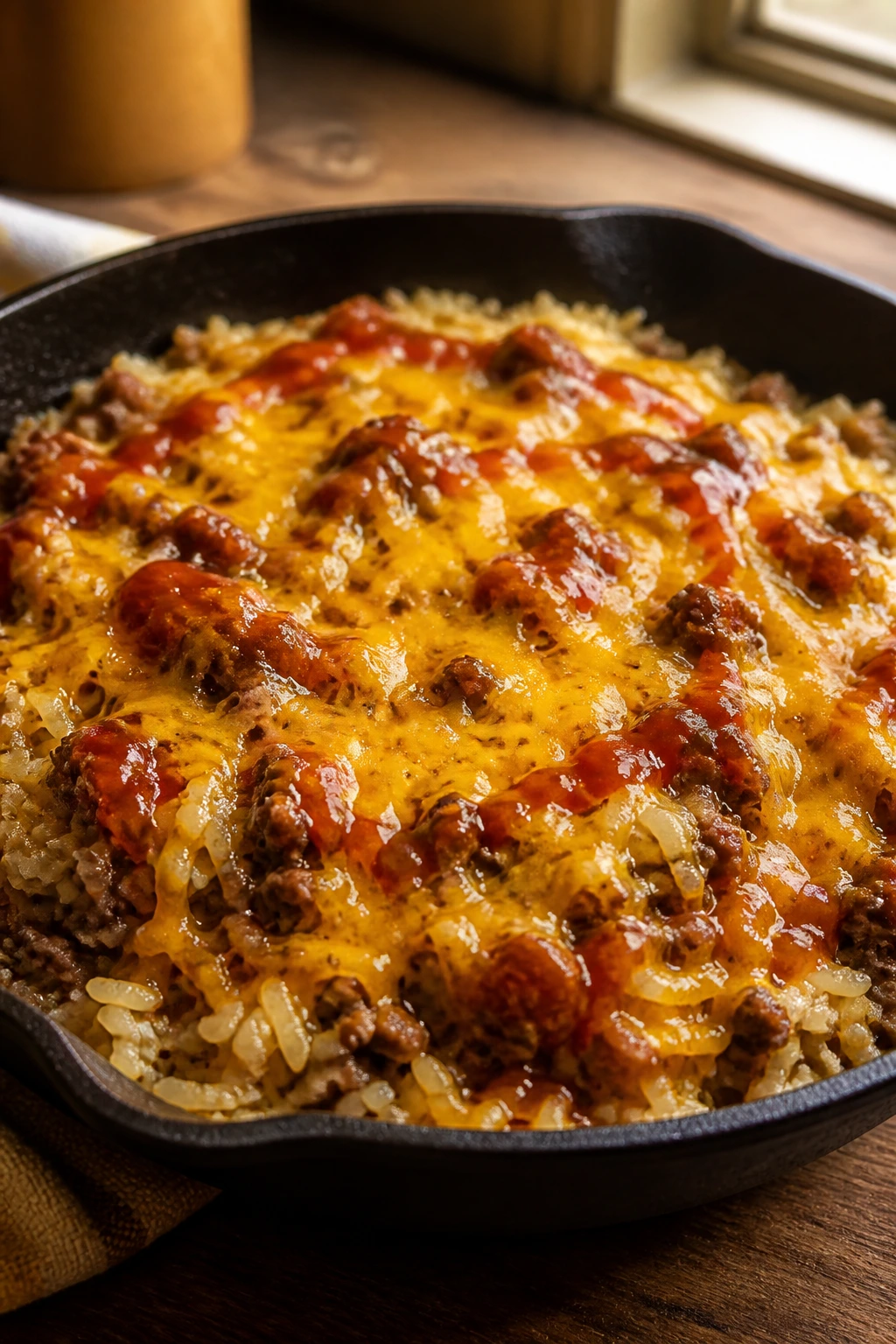
This tastes like a cheeseburger that decided to become a spoonable dinner. It’s beefy, cheesy, a little tangy, and far less fussy than firing up burgers and buns and hoping everyone wants the same thing.
The ketchup and mustard give it that familiar drive-thru flavor. The cheddar melts into the rice. Pickles on top are optional, but I always think they make the whole thing more convincing.
Why It Works:
Picky families usually trust cheeseburger flavors because they already know them. Turning that profile into a rice skillet removes the bun problem and keeps the meal gluten-free with almost no effort. Rice makes it filling, cheddar makes it familiar, and the slight tang from ketchup and mustard keeps it from tasting flat.
Key Ingredients:
- 1 lb ground beef
- 1 small onion, diced
- 2 cloves garlic, minced
- 1 cup uncooked long-grain rice
- 2 cups low-sodium beef broth
- 1 cup tomato sauce
- 2 tbsp ketchup
- 1 tbsp yellow mustard
- 1½ cups shredded cheddar cheese
- ¼ cup diced pickles, optional
- Salt and black pepper, to taste
Quick Steps:
- Brown the beef and onion in a deep skillet over medium-high heat, then drain excess fat if needed.
- Stir in the garlic, rice, broth, tomato sauce, ketchup, mustard, salt, and pepper.
- Bring the mixture to a boil, then cover and reduce the heat to low.
- Simmer for 18 to 20 minutes, until the rice is tender and the liquid is absorbed.
- Scatter the cheddar over the top, cover for 2 minutes, and let it melt.
- Top with pickles if you like that burger-shop bite.
Tips and Variations:
- For a more classic burger flavor: Add 1 teaspoon Worcestershire sauce if your bottle is gluten-free.
- For kids who dislike pickles: Serve them on the side instead of mixing them in.
- For extra veg: Stir in 1 cup finely shredded carrots; they disappear into the skillet.
7. Mild Chicken Enchilada Casserole
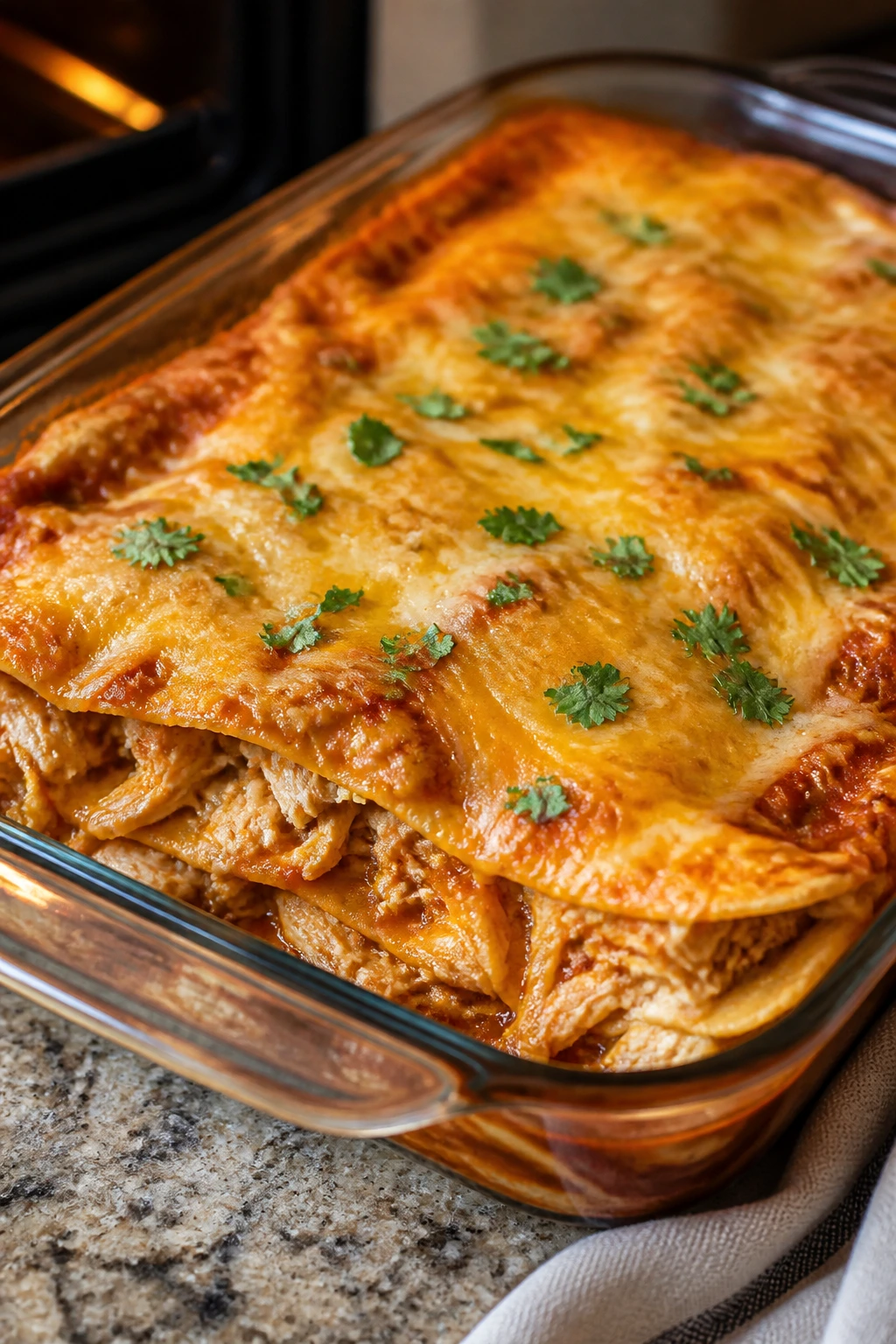
This casserole gives you the comfort of enchiladas without the rolling, the mess, or the chance of a tortilla tearing apart in your hands. It’s layered, saucy, cheesy, and gentle enough for a family that flinches at anything labeled “spicy.”
Corn tortillas soften into the sauce and behave more like lasagna noodles than tacos. That’s a good thing here. It makes the whole dish feel soft and cohesive.
Why It Works:
Enchilada casserole solves two problems at once: it keeps the flavor profile familiar and it avoids the texture issues that can make tortillas fall apart or get chewy. Using mild sauce and cooked chicken lets you control the heat, while the layering keeps every bite consistent. For kids who dislike surprise ingredients, this one stays easy to read on the plate.
Key Ingredients:
- 3 cups cooked shredded chicken
- 10 small corn tortillas
- 2 cups mild gluten-free red enchilada sauce
- 1 cup sour cream
- 2 cups shredded Monterey Jack cheese
- 1 cup shredded cheddar cheese
- 1 can black beans, drained and rinsed, optional
- ½ cup corn
- 1 can diced green chiles, mild, optional
- Chopped cilantro, for serving
Quick Steps:
- Preheat the oven to 375°F (190°C) and lightly oil a 9×13-inch baking dish.
- Spread a thin layer of enchilada sauce on the bottom of the dish.
- Layer tortillas, chicken, sauce, sour cream, beans, corn, and cheese, repeating until the ingredients are used up.
- Top with the remaining cheese and cover loosely with foil.
- Bake for 20 minutes, then uncover and bake 8 to 10 minutes more, until the cheese is melted and the edges are bubbling.
- Rest for 10 minutes so the layers hold together when sliced.
Tips and Variations:
- For a smoother texture: Skip the beans and chiles and keep the filling to chicken, sauce, and cheese only.
- For a brighter finish: Add lime wedges at the table.
- For make-ahead ease: Assemble the casserole earlier in the day and refrigerate it unbaked.
8. Turkey Meatloaf with Mashed Potatoes
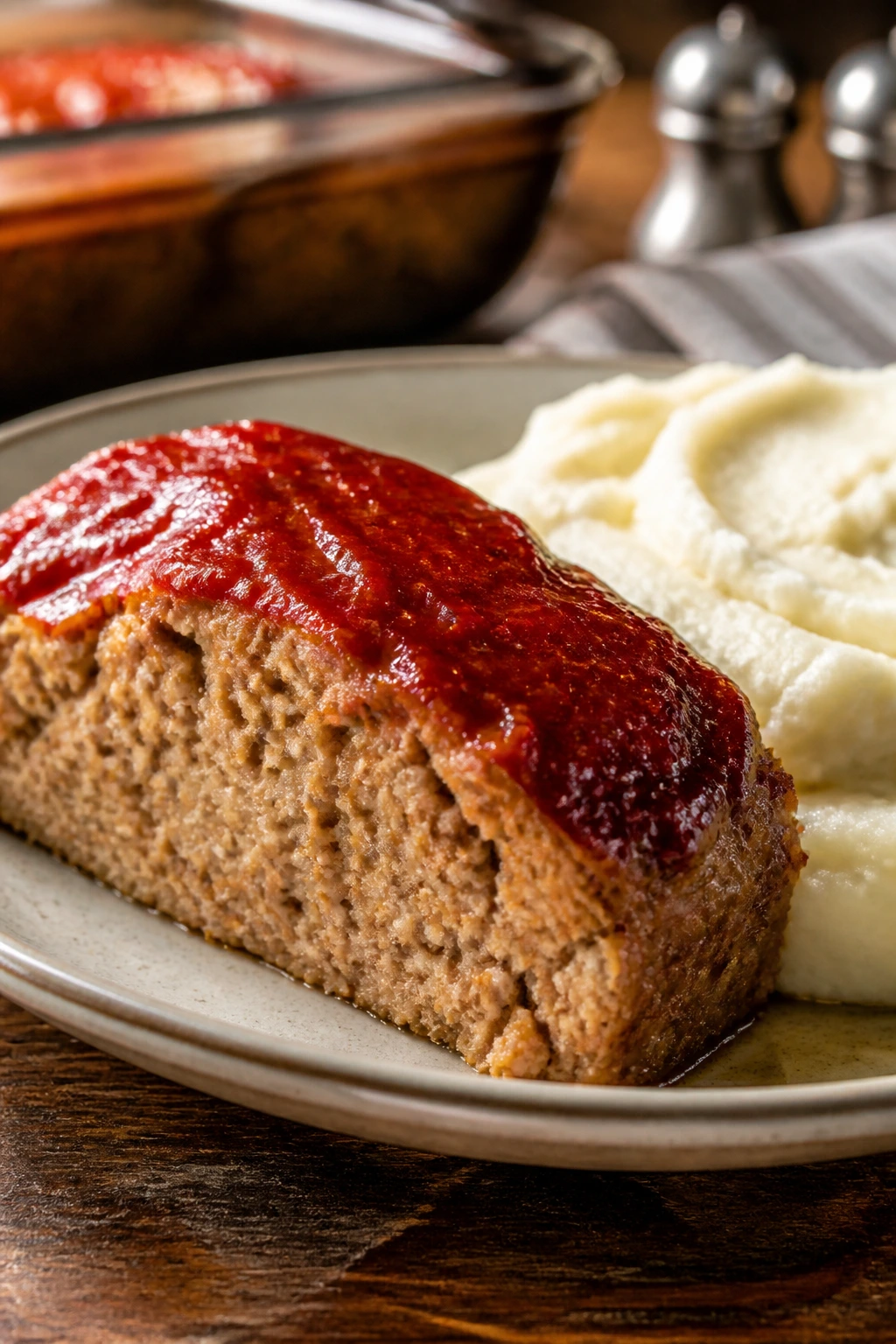
Meatloaf can still work. It just has to be moist, well-seasoned, and served with mashed potatoes so it feels like comfort food instead of a test.
Turkey keeps it a little lighter, but the ketchup glaze and buttery potatoes do the heavy lifting where family dinner is concerned. That’s the sort of balance I trust more than any “healthy makeover” pitch.
Why It Works:
Meatloaf is one of the safest gluten-free dinners for picky families because it uses ingredients people already understand: meat, egg, a binder, and a sweet-savory topping. Ground turkey stays tender if you do not overmix it, and the mashed potatoes give the plate a soft, familiar base. If someone is nervous about gluten-free cooking, this is the meal that wins them over without a speech.
Key Ingredients:
- 1½ lb ground turkey
- 1 cup gluten-free oats or gluten-free breadcrumbs
- 1 large egg
- ½ cup milk
- 1 small onion, finely grated
- 2 tbsp ketchup
- 1 tbsp gluten-free Worcestershire sauce
- 1 tsp kosher salt
- ½ tsp black pepper
- 2 lb Yukon Gold potatoes, peeled and chopped
- 4 tbsp butter
- ½ cup milk for the potatoes
Quick Steps:
- Preheat the oven to 375°F (190°C) and line a loaf pan with parchment.
- Mix the turkey, oats, egg, milk, onion, ketchup, Worcestershire, salt, and pepper until just combined. Do not mash it into paste.
- Shape the mixture into the loaf pan and spread a little extra ketchup over the top.
- Bake for 50 to 55 minutes, until the center reaches 165°F (74°C).
- Boil the potatoes in salted water for 15 to 20 minutes, drain, and mash with butter and milk until smooth.
- Rest the meatloaf for 10 minutes before slicing.
Tips and Variations:
- For richer flavor: Swap half the turkey for ground beef.
- For a smoother loaf: Grate the onion instead of dicing it so no one bites into a sharp piece.
- For more color: Serve with peas or roasted carrots on the side.
9. BBQ Pulled Chicken Baked Potatoes
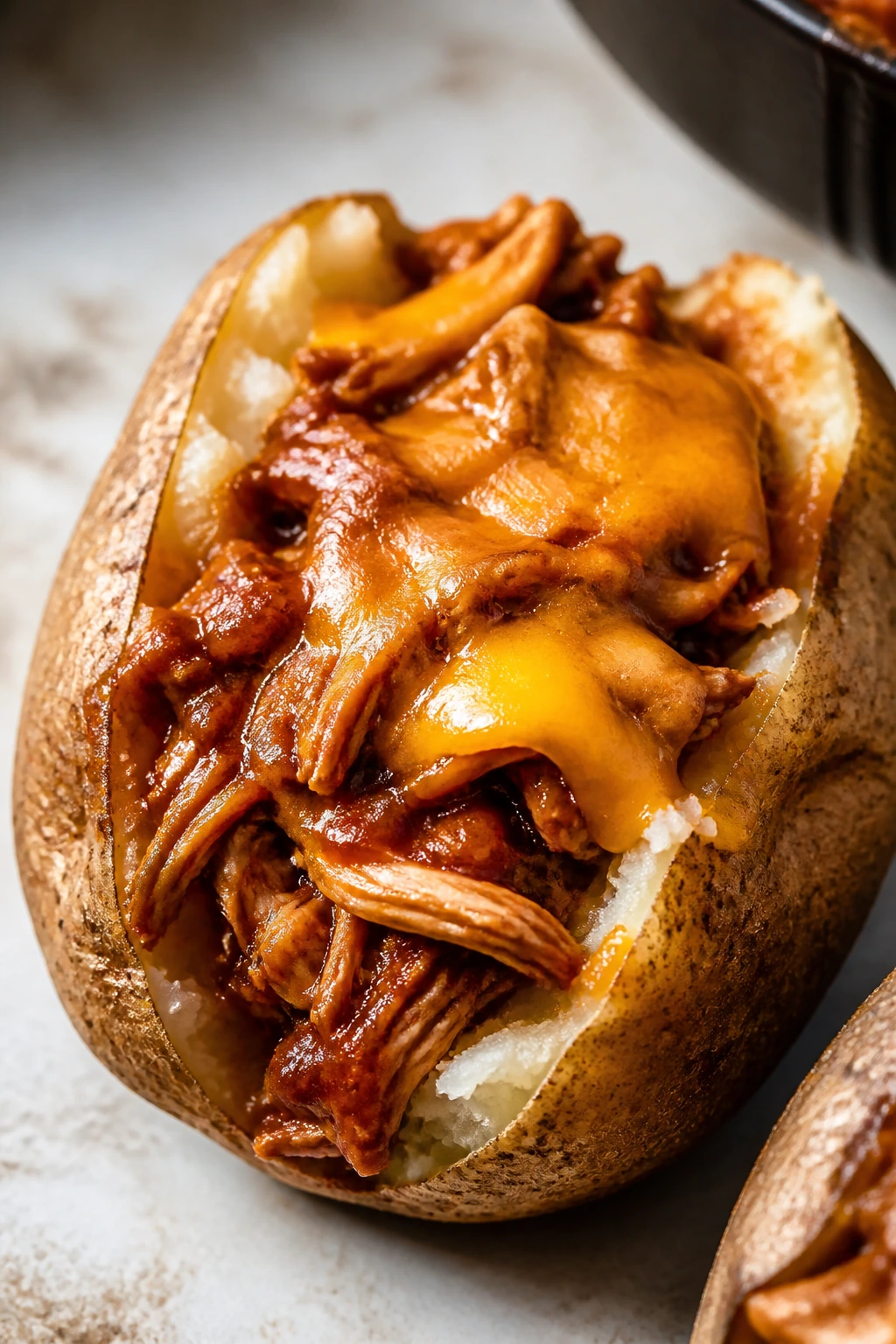
This is weeknight food with very low drama. A baked potato gets split open, loaded with shredded barbecue chicken, then finished with cheese and sour cream if that’s how your family rolls.
The texture does the job here. Soft potato, saucy chicken, cold sour cream, sharp cheddar. You barely need a second side unless you want one.
Why It Works:
Loaded potatoes are one of the easiest ways to make gluten-free dinner feel complete without chasing bread substitutes. The potato is the base, so there’s nothing fragile to replace, and the barbecue chicken brings enough flavor to make the meal feel finished. Picky eaters like the built-in separation: each bite can be mostly potato, mostly chicken, or mostly cheese.
Key Ingredients:
- 2 lb boneless, skinless chicken thighs or breasts
- 1 cup gluten-free barbecue sauce
- ½ cup chicken broth
- 4 large russet potatoes
- 2 tbsp olive oil
- 2 tbsp butter
- 1 cup shredded cheddar cheese
- ½ cup sour cream
- 2 green onions, sliced
- Salt and pepper, to taste
Quick Steps:
- Cook the chicken in a slow cooker with barbecue sauce and broth on low for 4 to 5 hours or high for 2½ to 3 hours, until it shreds easily.
- Shred the chicken with two forks and stir it back into the sauce.
- Bake the potatoes at 425°F (220°C) for 45 to 55 minutes, or microwave them until tender if you need speed.
- Split each potato and fluff the insides with butter, salt, and pepper.
- Pile on the pulled chicken, then top with cheddar, sour cream, and green onions.
- Serve while the cheese is still warm and soft.
Tips and Variations:
- For a smoky edge: Use a barbecue sauce with smoked paprika or chipotle, but keep the amount modest.
- For a faster night: Bake extra potatoes earlier in the week and reheat them for dinner.
- For easier serving: Turn this into a potato bar and let everyone load their own.
10. Honey-Garlic Salmon with Broccoli and Rice
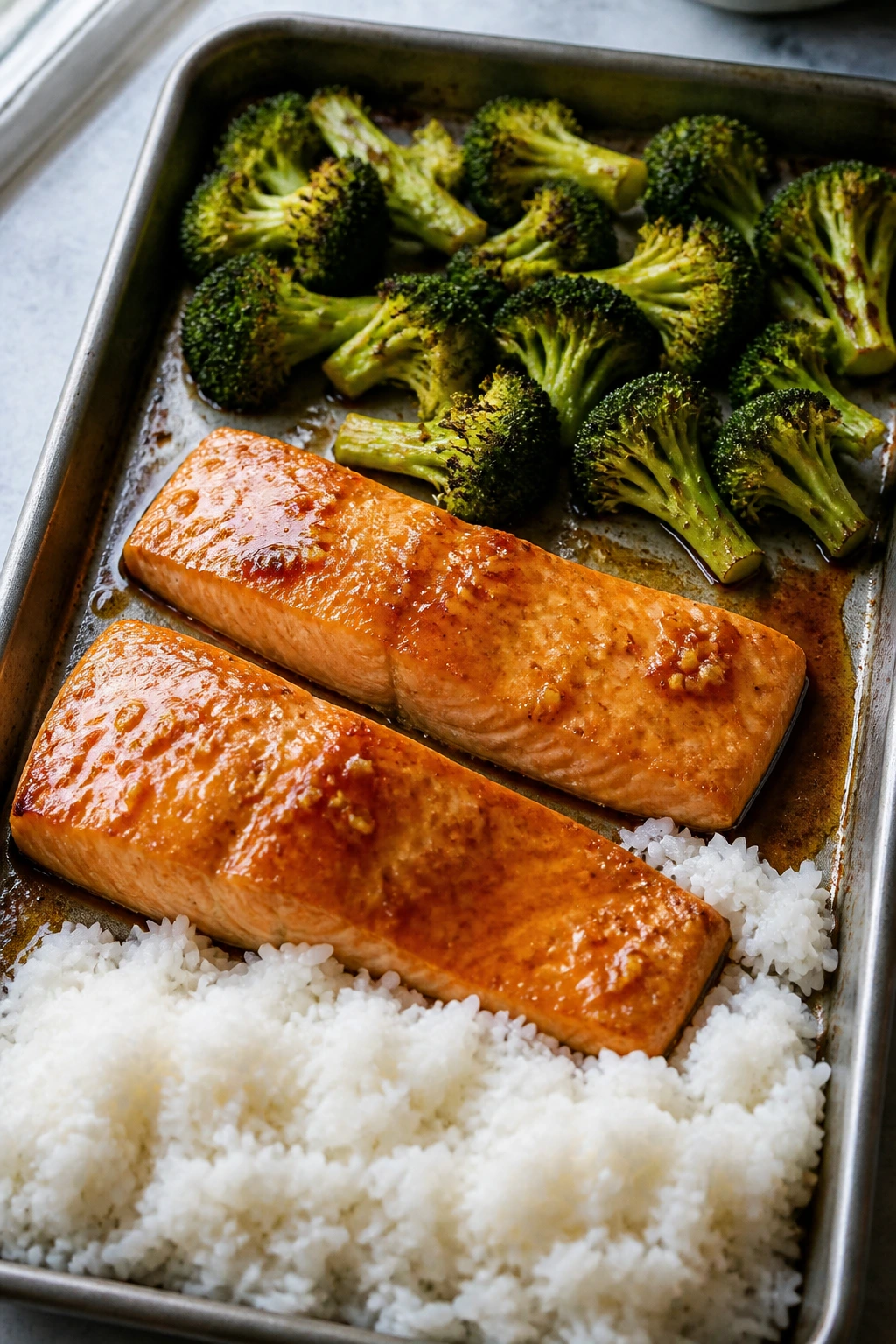
Salmon can be a harder sell with kids, but a sweet-savory glaze changes the conversation fast. The honey browns a little, the garlic softens, and the broccoli roasts right alongside the fish so dinner lands on the table without a pile of pans.
Rice underneath keeps the whole thing familiar. Nothing about it feels precious. That matters.
Why It Works:
A gentle glaze helps salmon read as friendly instead of “fishy,” which is often the real problem with picky eaters. Honey and tamari create a sticky, familiar sauce, while broccoli and rice give the meal enough structure to feel like a complete plate. Sheet-pan cooking also keeps the fish from drying out, as long as you pull it the moment it flakes.
Key Ingredients:
- 4 salmon fillets, about 6 oz each
- 4 cups broccoli florets
- 2 cups cooked white rice
- 3 tbsp honey
- 2 tbsp tamari
- 2 cloves garlic, minced
- 1 tbsp olive oil
- 1 tbsp lemon juice
- Salt and black pepper, to taste
- Sesame seeds, for serving
Quick Steps:
- Preheat the oven to 400°F (205°C) and line a sheet pan with parchment.
- Toss the broccoli with olive oil, salt, and pepper, then roast for 8 minutes.
- Whisk the honey, tamari, garlic, and lemon juice, then brush or spoon it over the salmon fillets.
- Add the salmon to the pan and roast for 10 to 12 minutes more, until the fish flakes easily and the glaze looks glossy.
- Serve over warm rice with sesame seeds sprinkled on top.
Tips and Variations:
- For a milder fish flavor: Choose smaller fillets and do not overcook them. Dry salmon tastes stronger.
- For extra kid appeal: Serve the glaze lightly on the side and let kids dip their own bites.
- For a citrus finish: Add a little extra lemon at the table.
11. Breakfast-for-Dinner Potato Hash
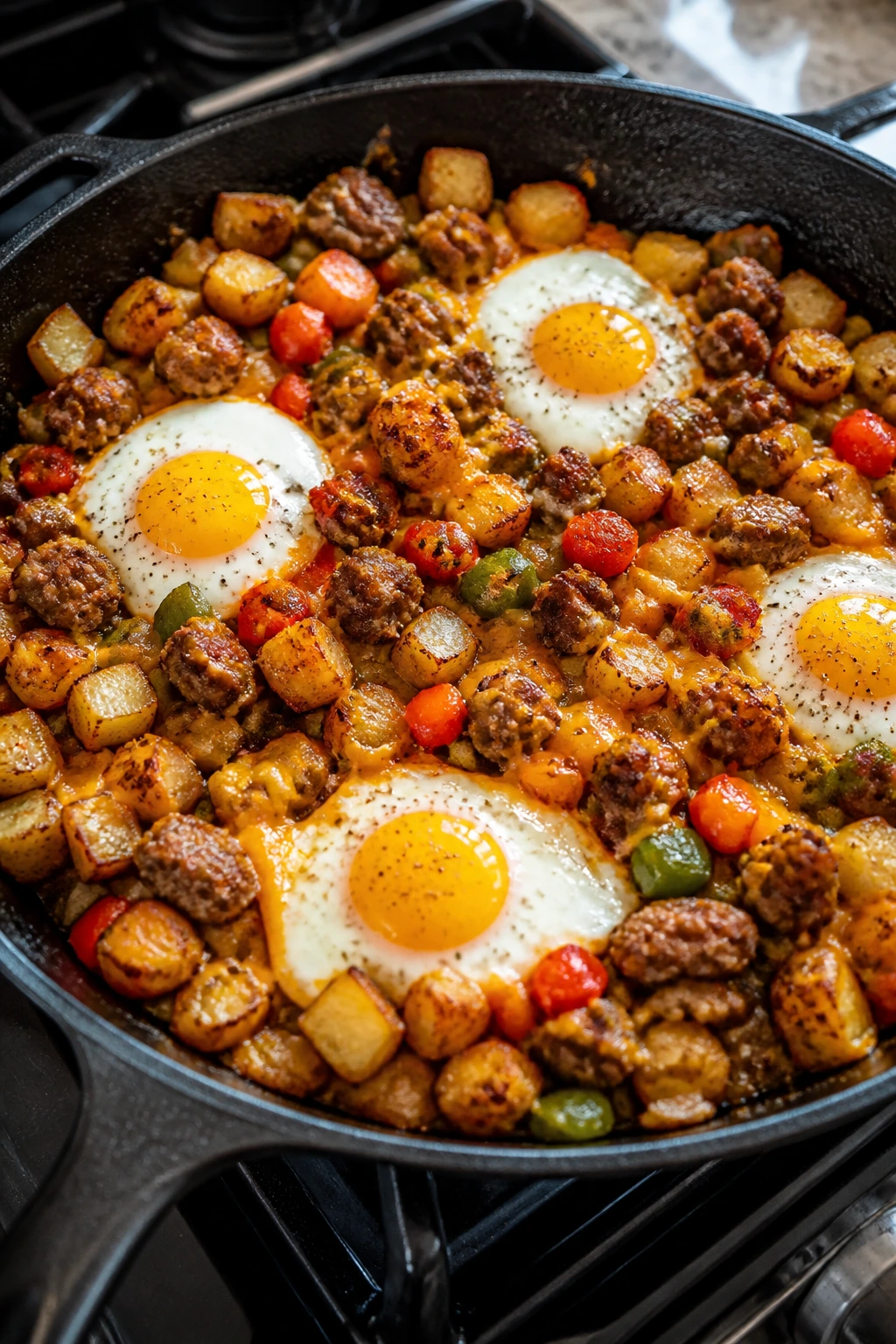
Breakfast for dinner gets cheers because it feels like a loophole. Eggs, potatoes, sausage, and cheese have the sort of blunt, comforting appeal that solves the “I don’t want that” problem before it starts.
This hash is especially useful when the fridge is awkwardly full of odds and ends. A pepper here, a little onion there, a handful of cheese. It all disappears into the skillet.
Why It Works:
A hash is naturally friendly to gluten-free cooking because the whole meal is built on potatoes, eggs, and meat instead of bread or pasta. The ingredients can stay separate enough for picky eaters to pick around what they do not want, but the skillet still tastes cohesive. The eggs add richness, and the cheese gives everything that familiar breakfast-diner finish.
Key Ingredients:
- 1½ lb Yukon Gold potatoes, diced small
- 1 lb breakfast sausage or chopped bacon
- 1 small onion, diced
- 1 bell pepper, diced
- 6 large eggs
- 1 cup shredded cheddar cheese
- 2 tbsp olive oil or butter
- 1 tsp kosher salt
- ½ tsp black pepper
- Chopped chives, for serving
Quick Steps:
- Par-cook the potatoes in salted water for 5 minutes, then drain well.
- Brown the sausage in a large skillet, then transfer it to a plate, leaving a little fat in the pan.
- Cook the potatoes in the skillet with oil until golden on the edges, about 10 minutes.
- Add the onion and bell pepper, then cook until softened.
- Return the sausage to the pan, make 6 small wells, and crack in the eggs. Cover until the whites set and the yolks are cooked to your liking.
- Top with cheese and chives, then serve hot.
Tips and Variations:
- For crispier potatoes: Leave them in the pan long enough to brown before stirring.
- For a kid-friendlier version: Scramble the eggs separately and spoon them on top.
- For extra vegetables: Stir in handfuls of spinach at the very end.
12. Teriyaki Chicken Broccoli Bowls
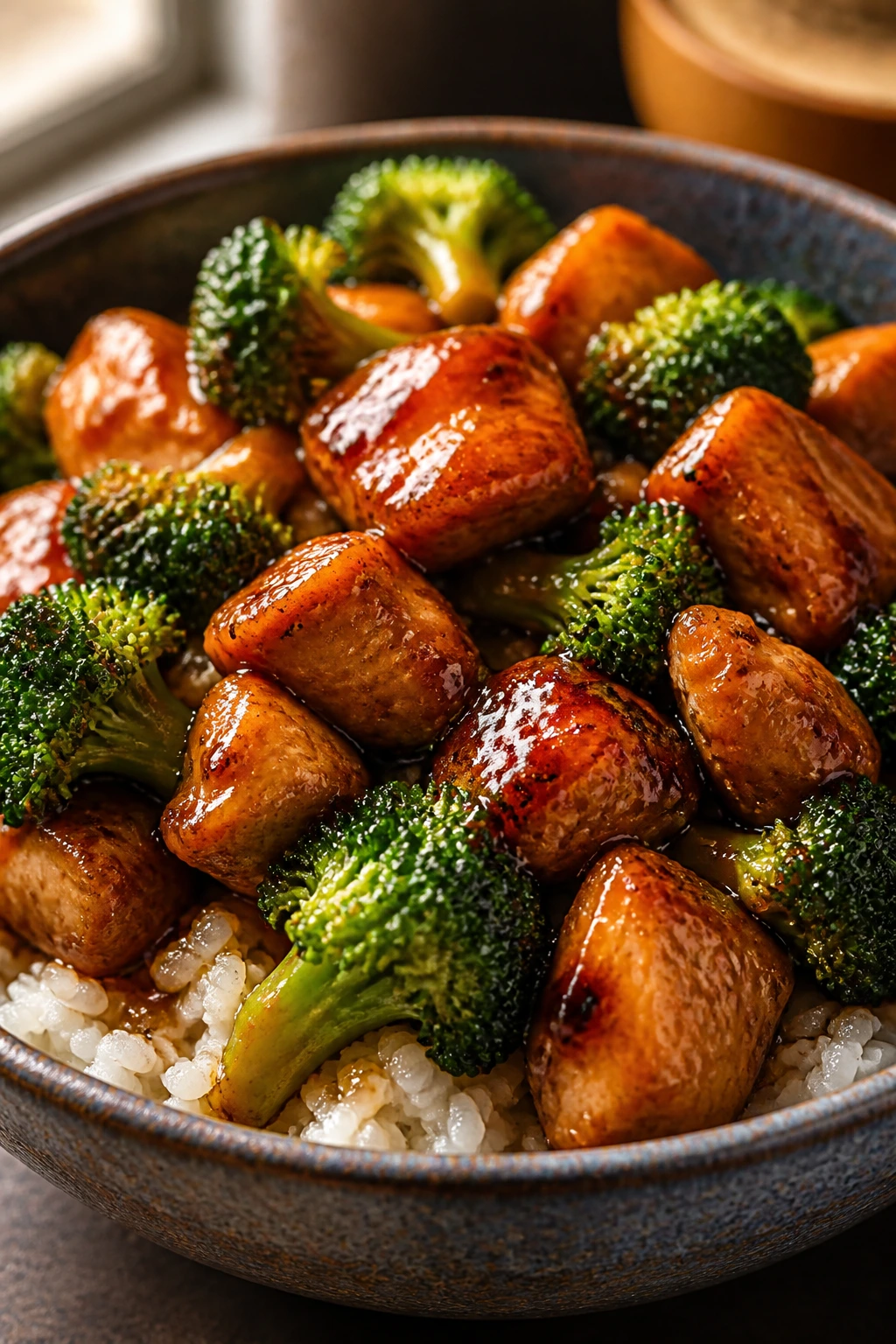
This bowl tastes like takeout, only calmer. The sauce is glossy and a little sweet, the chicken stays juicy, and the broccoli gives just enough crunch to keep the whole thing from feeling soft all the way through.
I like this for families because the bowl format lets everyone control the ratio. More rice, less broccoli. More sauce, less sauce. No one has to argue with the plate.
Why It Works:
Teriyaki is one of the easiest gluten-free flavor profiles to bring into a family dinner if you use tamari instead of regular soy sauce. The honey gives the sauce the mild sweetness kids expect, and cornstarch thickens it into that sticky coating people tend to trust. Rice bowls also make portioning easier when one eater wants “just chicken and rice” and another wants the full vegetable load.
Key Ingredients:
- 1½ lb boneless, skinless chicken thighs, cut into bites
- 3 cups broccoli florets
- 2 cups cooked rice
- ⅓ cup tamari
- 3 tbsp honey
- 2 tbsp rice vinegar
- 2 cloves garlic, minced
- 1 tsp grated fresh ginger
- 1 tbsp cornstarch
- 2 tbsp water
- 1 tbsp neutral oil
- Sesame seeds, for serving
Quick Steps:
- Whisk the tamari, honey, rice vinegar, garlic, and ginger in a small bowl.
- Cook the chicken in oil over medium-high heat for 6 to 8 minutes, until browned and nearly cooked through.
- Add the broccoli and 2 tablespoons water, then cover for 3 to 4 minutes so the florets steam and turn bright green.
- Stir the cornstarch and water together, pour in the sauce, and simmer until the glaze thickens and coats the chicken.
- Serve over rice with sesame seeds.
Tips and Variations:
- For a milder bowl: Use just 2 tablespoons tamari and add 2 more tablespoons water to the sauce.
- For extra crunch: Top with shredded carrots or cucumber.
- For a heavier dinner: Add scrambled egg on top and call it done.
13. Pork Chops with Apples and Green Beans
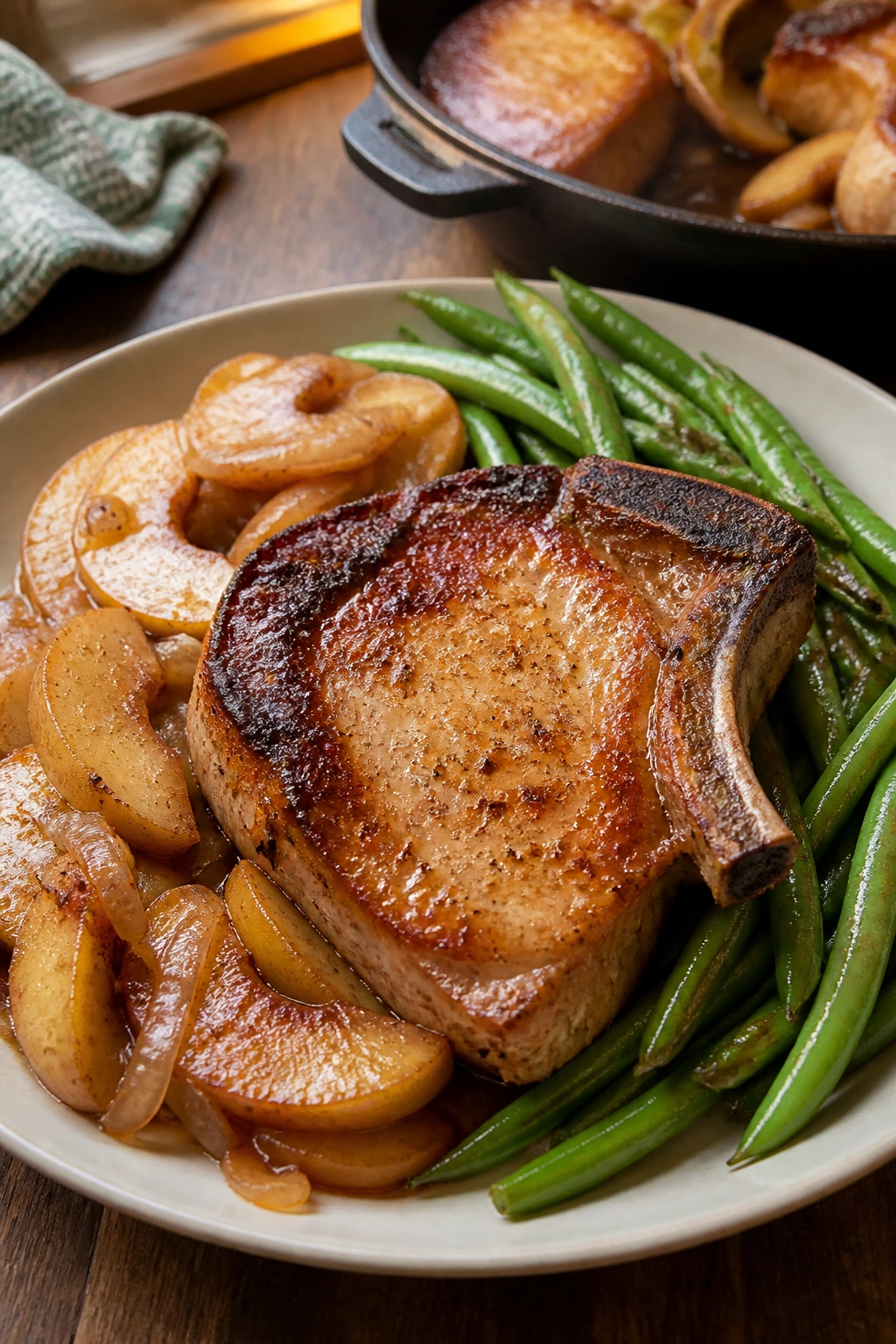
Pork chops can be dry and boring if you rush them. Cook them right, and they turn into a soft, savory dinner with a little sweet edge from apples and enough green beans to make the plate feel finished.
This is one of those meals that tastes like you tried harder than you did. The pan juices do the trick. So do the apples, which soften just enough to become part of the sauce without turning mushy.
Why It Works:
Sweet fruit and savory meat are an old pairing for a reason, and they work especially well for picky eaters who like familiar flavors with no heat. Pork chops stay approachable when they’re seared first and finished in a little broth, which keeps them juicy. Green beans round out the plate without stealing attention.
Key Ingredients:
- 4 bone-in pork chops, about 1 inch thick
- 2 apples, cored and sliced
- 1 lb green beans, trimmed
- 1 small onion, sliced
- 2 tbsp butter
- 1 tbsp olive oil
- 1 tsp dried thyme or sage
- ½ cup chicken broth
- Salt and black pepper, to taste
Quick Steps:
- Season the pork chops with salt, pepper, and thyme.
- Sear them in butter and olive oil over medium-high heat for 3 to 4 minutes per side, until browned. Transfer to a plate.
- Cook the onion and apples in the same pan for 4 minutes, stirring until the apples start to soften.
- Add the green beans and broth, then nestle the pork chops back into the skillet.
- Cover and simmer for 8 to 10 minutes, until the pork reaches 145°F (63°C) and the beans are tender-crisp.
- Rest the chops for 5 minutes before serving.
Tips and Variations:
- For a sweeter version: Use Honeycrisp or Gala apples.
- For a more savory plate: Add a teaspoon of Dijon mustard to the broth.
- For easier kids’ portions: Slice the pork before serving and spoon the apples over the top.
14. Slow-Cooker Chili with Cornbread Muffins
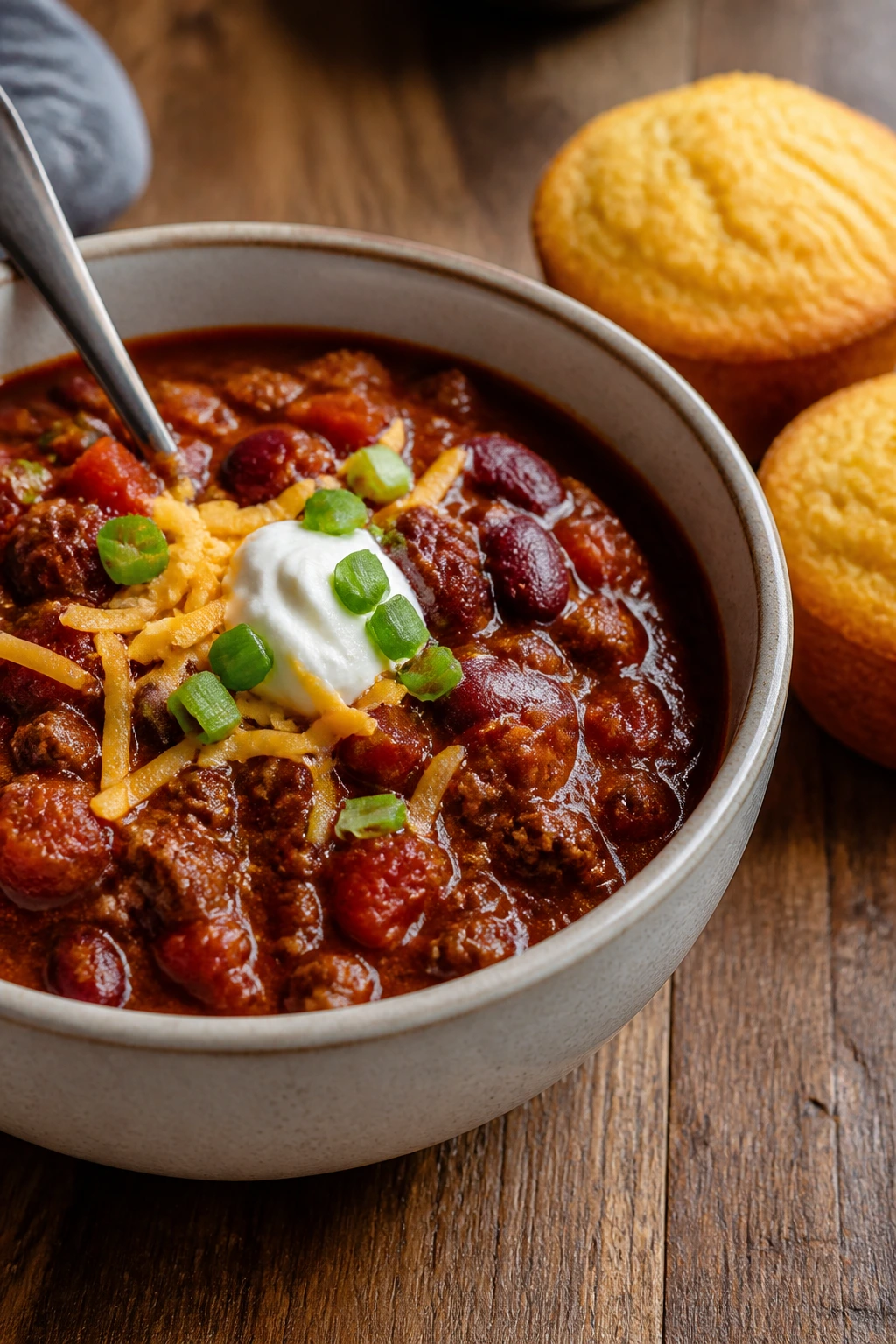
Chili is one of the few dinners that gets better by sitting around for a while. The spices settle, the beans soften, and the whole pot turns into something deeper than the sum of its parts.
The cornbread muffins make the meal feel complete without asking anyone to eat a slice of sandwich bread replacement. They’re soft, a little sweet, and ideal for dunking.
Why It Works:
Slow cooker chili is a gift on days when everyone wants dinner and no one wants noise. The long simmer smooths out the tomato, bean, and spice flavors, which helps when you’re feeding people who get suspicious of strong seasoning. Cornbread muffins stay naturally gluten-free if you use the right flour blend, and they give the meal a soft, sweet counterpoint that children tend to trust.
Key Ingredients:
- 1½ lb ground beef or ground turkey
- 1 large onion, diced
- 2 cloves garlic, minced
- 2 cans beans, drained and rinsed
- 1 can diced tomatoes, 14.5 oz
- 1 can tomato sauce, 15 oz
- 2 tbsp chili powder
- 1 tsp ground cumin
- 1 tsp kosher salt
- 2 cups low-sodium beef broth
- 1½ cups gluten-free cornmeal
- 1 cup gluten-free all-purpose flour
- 1 tbsp baking powder
- 2 large eggs
- 1 cup milk
- ¼ cup melted butter
Quick Steps:
- Brown the beef or turkey with the onion in a skillet, then add the garlic for 30 seconds.
- Transfer the meat mixture to the slow cooker and stir in the beans, tomatoes, tomato sauce, chili powder, cumin, salt, and broth.
- Cook on low for 6 to 8 hours or high for 3 to 4 hours.
- Whisk the cornmeal, gluten-free flour, baking powder, eggs, milk, and melted butter in a bowl.
- Spoon the batter into a greased muffin tin and bake at 400°F (205°C) for 15 to 18 minutes, until the tops spring back when pressed lightly.
- Serve the chili with warm cornbread muffins on the side.
Tips and Variations:
- For a milder pot: Use half the chili powder and let hot sauce live on the table instead.
- For extra texture: Stir in corn near the end of cooking.
- For freezer meals: Freeze the chili without the cornbread; bake the muffins fresh later.
What Makes Familiar Gluten-Free Dinners So Easy to Live With
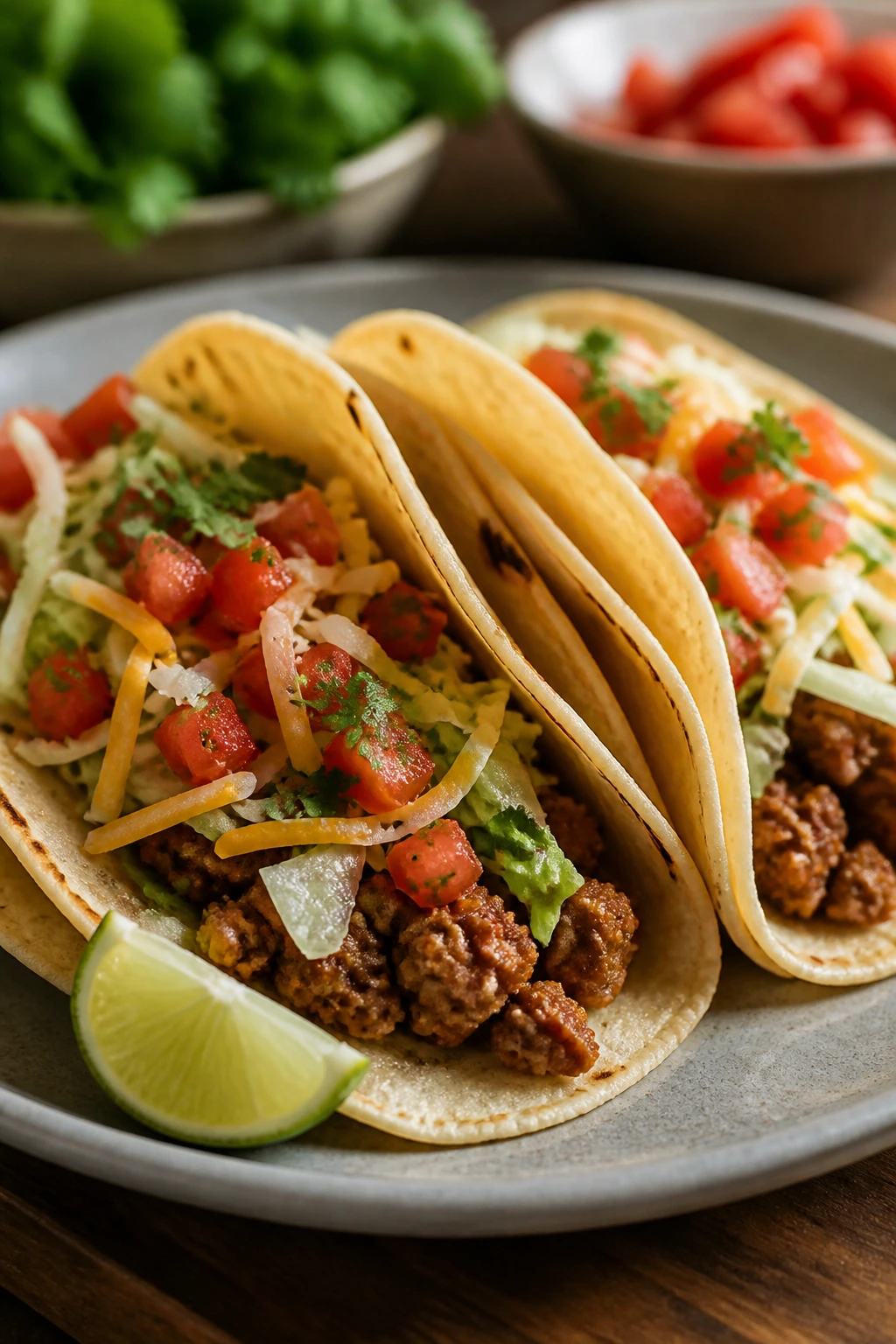
The best gluten-free family dinners rarely feel like “gluten-free recipes” at all. They feel like the meals people already know how to eat. That’s the magic. When dinner looks like tacos, pasta, casserole, or a sheet-pan chicken tray, the table relaxes a little.
Predictable texture matters more than people admit. Rice is soft. Potatoes are steady. Corn tortillas bend instead of shattering. Meatballs are, well, meatballs. Those shapes and textures give picky eaters something they can recognize before the first bite, and recognition is half the battle.
There’s also the label-reading part, which is boring but real. Broth, sausage, barbecue sauce, enchilada sauce, breadcrumbs, seasoning mixes, soy sauce, and oats are the places gluten likes to hide. Plain meat, potatoes, rice, eggs, cheese, beans, fruit, and vegetables are usually easier to trust. The closer you stay to simple ingredients, the less your brain has to work at 5:30 p.m.
And honestly, that’s why these dinners survive repeat use. They don’t require a special mood. They don’t depend on a dozen little garnishes. They just feed people, and feed them in a way that doesn’t start a negotiation.
The Pans, Pots, and Tools That Do the Heavy Lifting
-
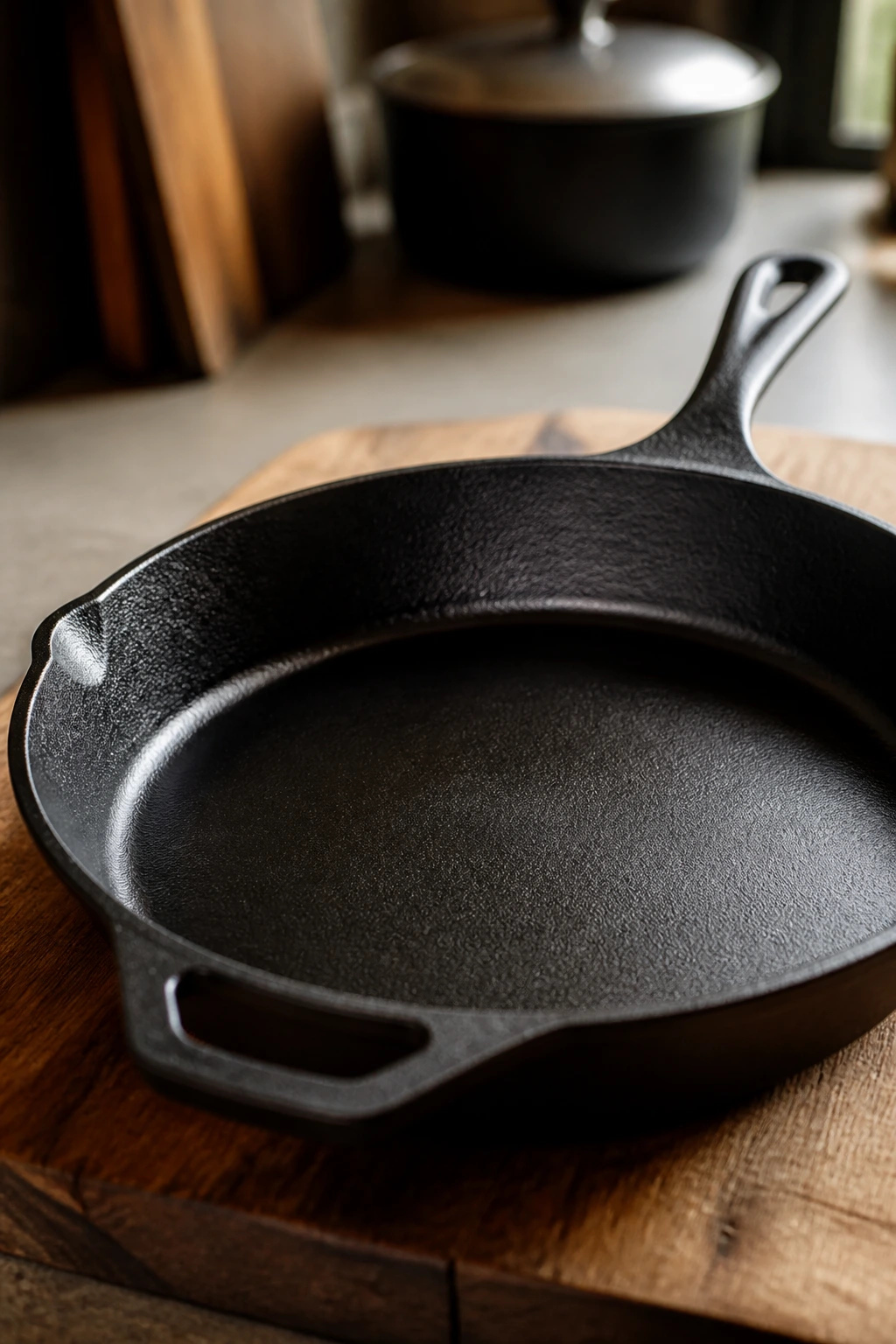
Large skillet or sauté pan: Best for taco skillets, cheeseburger rice, hash, and teriyaki bowls where one pan needs to do a lot.
-
Rimmed sheet pans: Essential for chicken tenders, sausage and peppers, salmon, and roasted potatoes. The rim keeps juices from running everywhere.
-
9×13-inch baking dish: The workhorse for casseroles and enchilada bakes. Glass or ceramic both work.
-
Slow cooker: A strong choice for pulled chicken and chili, especially when dinner needs to happen with almost no attention.
-
Instant-read thermometer: The easiest way to stop guessing on chicken, pork, and meatloaf. It takes the drama out of doneness.
-
Medium saucepan: Useful for rice, sauce reduction, and small side dishes.
-
Colander: Needed for pasta, potatoes, and beans. Keep it simple.
-
Potato masher: Cheap, useful, and worth owning if mashed potatoes are in the rotation.
-
Sharp chef’s knife and cutting board: Boring, yes. Also non-negotiable when you’re chopping onions, peppers, potatoes, or chicken.
-
Mixing bowls: A few sizes help a lot for breading, meatballs, and cornbread batter.
-
Measuring cups and spoons: Gluten-free baking and seasoning both get strange if you wing it too hard.
-
Airtight containers: Leftovers last longer and dry out less when they’re stored properly.
Smart Shopping for Gluten-Free Staples
Packaged foods are where gluten-free dinner either stays easy or gets annoying. Look at broth, sausage, barbecue sauce, taco seasoning, marinara, enchilada sauce, Worcestershire sauce, breadcrumbs, and any seasoning blend that claims to be “original” but doesn’t tell you what’s inside. A good rule: if the package is doing a lot of talking, read the label twice.
Certified gluten-free matters most when you’re buying oats, breadcrumbs, sauces, and spice blends. The FDA standard for gluten-free labeling is less than 20 parts per million, which is low enough for most people who need to avoid gluten, but cross-contact can still happen during manufacturing. That’s why oats are a big one to watch. Oats themselves do not contain gluten, but they’re often processed near wheat.
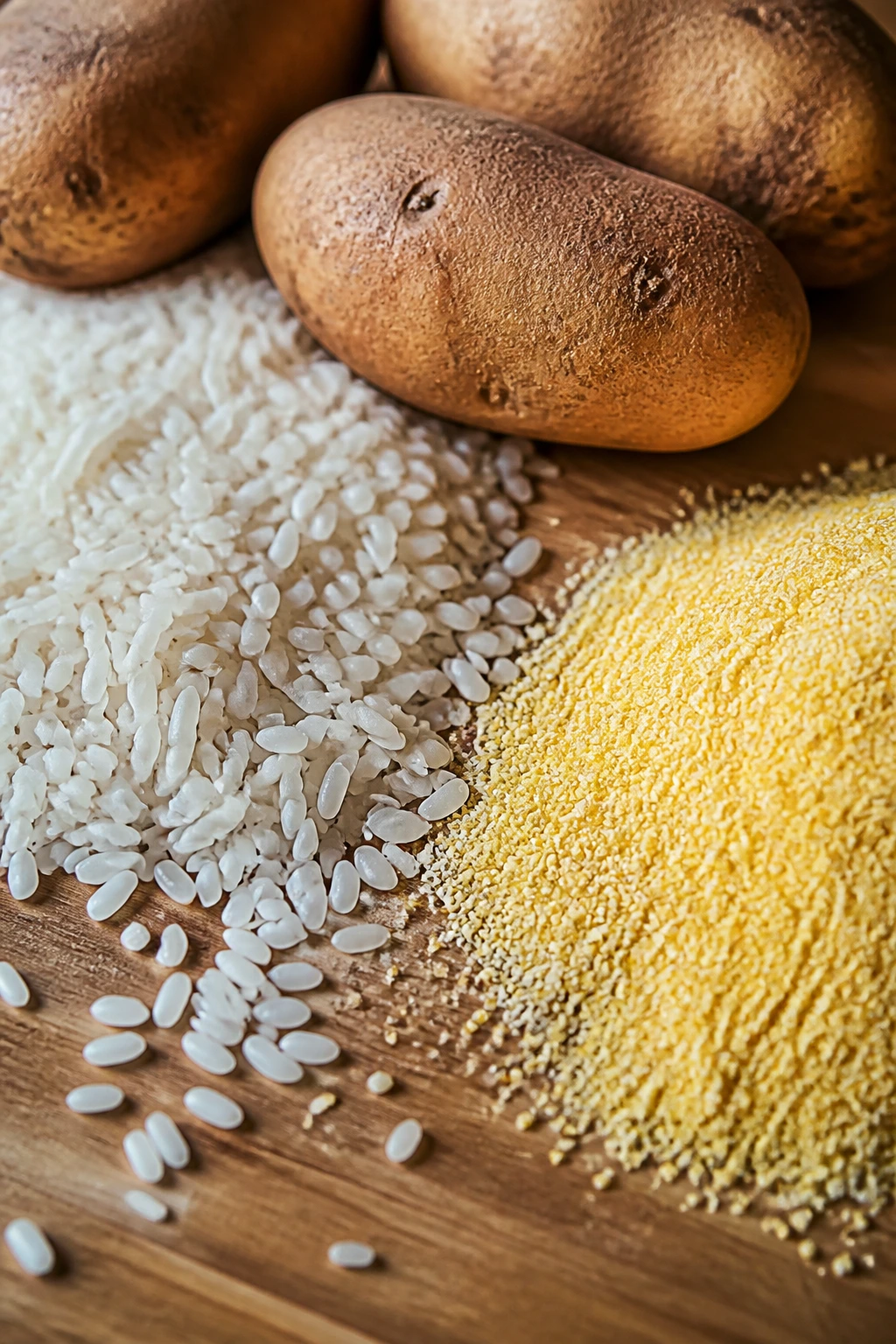
For the rest of the cart, keep it plain and sturdy. Buy plain rice, potatoes, chicken, beef, pork, eggs, cheese, corn tortillas, beans, and vegetables without fancy coatings. Corn tortillas are usually a safe bet, but not every brand is the same, so a quick label check never hurts. Smoked sausage is another sneaky spot; plenty are gluten-free, but not all.
If you want the cleanest path through the grocery store, shop the perimeter first. Meat, dairy, produce, and plain starches give you a reliable base. Then pick only the packaged items you truly need. Fewer boxes. Fewer surprises.
How to Serve These Dinners Without Starting a Dinner Debate
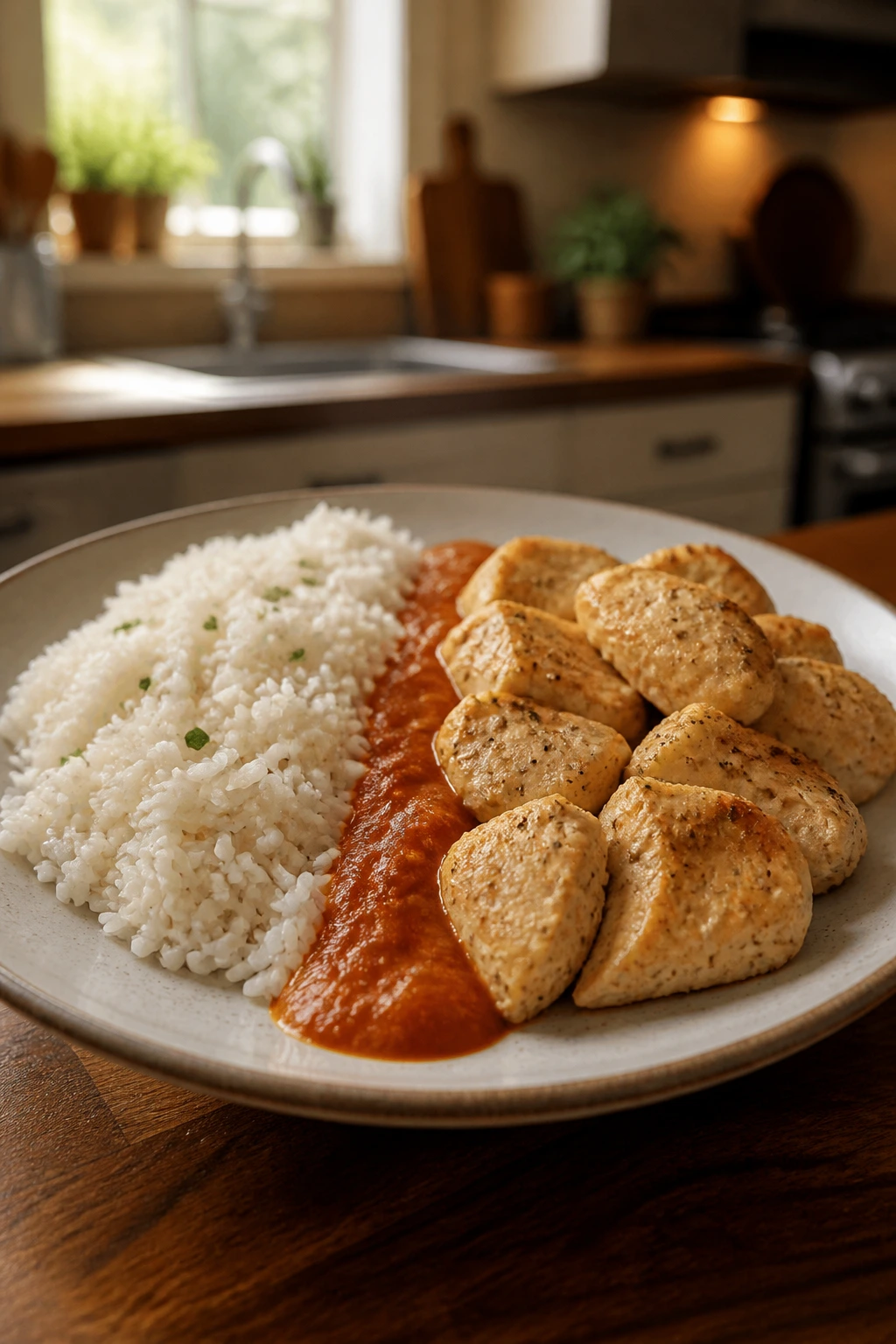
Presentation: Put the main food in a shallow bowl or on a wide plate so it looks generous, not scattered. Families with picky eaters tend to relax when the food is clearly separated — rice on one side, chicken on the other, sauce in a small spooned-over layer instead of a flood.
Accompaniments: Keep a few safe sides in the rotation: sliced cucumbers, steamed carrots, fruit, buttered peas, a simple green salad, applesauce, or plain corn. For the more substantial dinners, warm tortillas, tortilla chips, dinner rolls made with certified gluten-free flour, or extra potatoes all fit the mood.
Portions: Most of these meals serve 4 to 6, and the easiest way to scale is by keeping the protein-to-starch ratio steady. A kid’s portion is usually half an adult portion, but a hungry teen can easily eat a full bowl of rice, pasta, or hash. Don’t be shy about adding a small extra side if one person always comes back for seconds.
Beverage Pairing: Milk, sparkling water with lemon, iced tea, or a simple fruit spritzer all play nicely with these meals. For the savory sheet-pan dinners and chili, plain water with citrus slices keeps things clean and refreshing.
Easy Ways to Add Flavor Without Losing the Kids
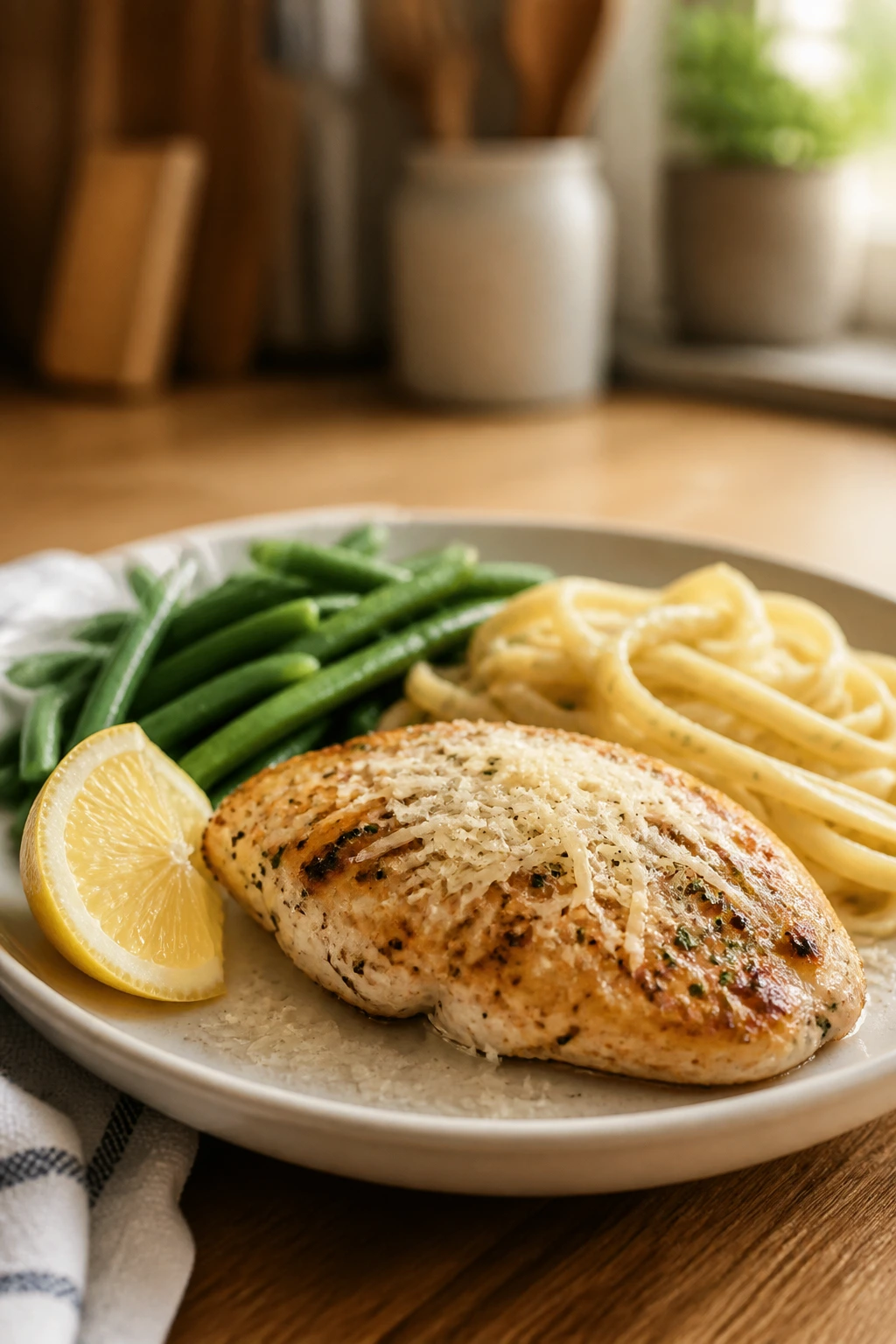
Flavor Enhancement: Use finishers at the table instead of loading the whole pan. A squeeze of lemon over salmon, a dusting of parmesan on chicken tenders, or a spoonful of salsa on taco rice lets the base stay mild while the adults wake it up.
Customization: Put out one or two add-ons, not nine. Pickles for cheeseburger rice, chopped herbs for casseroles, hot sauce for chili, or sliced avocado for taco bowls is plenty. Too many choices just turn dinner into a buffet line.
Serving Suggestions: Fresh herbs make a bigger difference than people expect. Chives on hash, parsley on sausage and potatoes, cilantro on enchiladas, or green onions on BBQ chicken all cut through the heaviness without changing the core flavor.
Make-It-Yours: For dairy-free eaters, use olive oil, dairy-free cheese, and plain broth where needed. For lower-carb plates, serve chili over roasted cauliflower or chicken over sautéed cabbage. For spice lovers, keep one hot condiment on the table and leave the main dish mild.
Make-Ahead, Storage, and Reheating That Actually Works
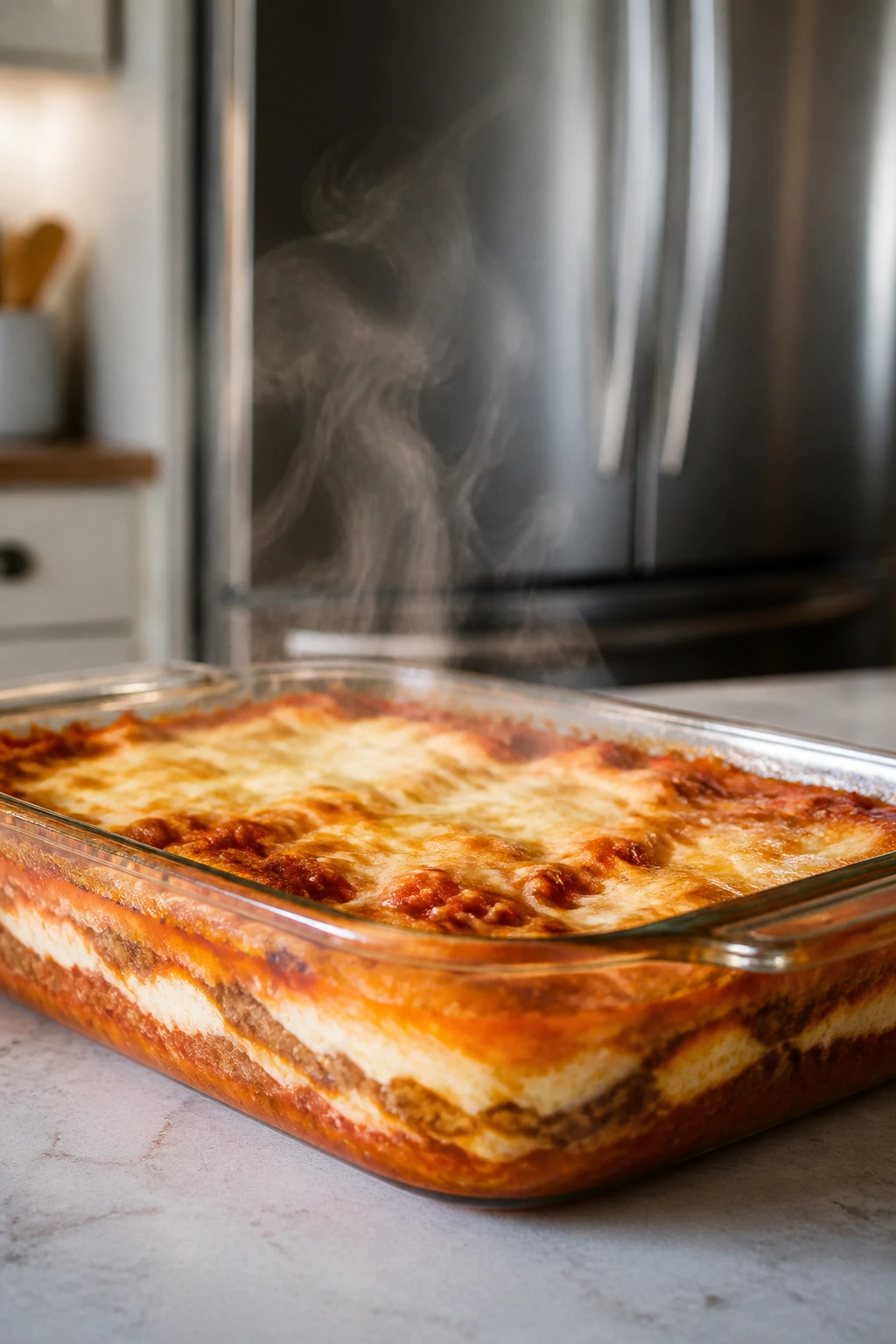
Most of these dinners keep well in the fridge for 3 to 4 days if they’re cooled and stored in airtight containers within 2 hours of cooking. Chili, meatballs in sauce, pulled chicken, and casseroles also freeze well for about 2 to 3 months. Chicken tenders, roasted potatoes, and salmon are better fresh, though they can survive a short storage window if you expect leftovers.
Reheat casseroles and rice skillets covered in the oven at 325°F (165°C) until hot in the center. A splash of broth helps rice dishes loosen up if they’ve tightened in the fridge. Meatloaf and mashed potatoes reheat nicely in the microwave or covered in a low oven. Chili can go straight back on the stovetop with a little water or broth stirred in.
Crispy foods need a different plan. Chicken tenders and roasted potatoes should go back into a 400°F (205°C) oven or air fryer for 8 to 10 minutes so they crisp again. Microwaving them turns the coating soft, which is a shame after all that work. Salmon is best eaten the same day, but leftovers can be flaked into rice bowls or salads the next day.
For make-ahead cooking, prepare the parts that hold up best: browned meat, cooked rice, shredded chicken, chopped vegetables, and sauce. Assemble casseroles the day before, but hold back toppings like fresh herbs and crunchy bits until serving. That tiny bit of restraint pays off.
Simple Variations for Different Needs
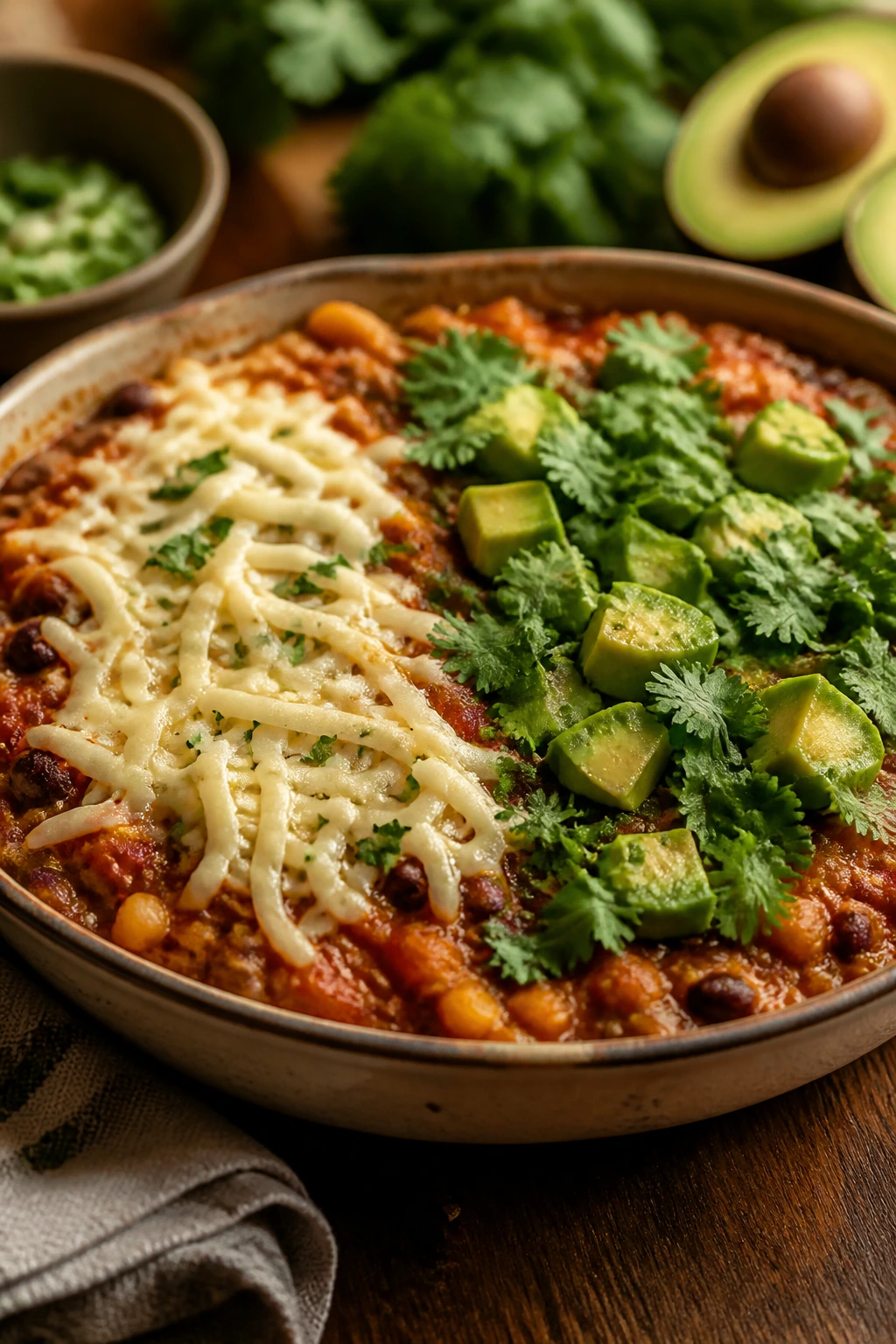
Dairy-Free Table: Use dairy-free butter, plain olive oil, and shredded dairy-free cheese where it actually melts well. Skip sour cream or swap in an unsweetened dairy-free yogurt with a pinch of salt.
Lower-Spice Comfort: Keep all heat in the condiments, not the main dish. Mild salsa, gentle enchilada sauce, no red pepper flakes, and basic garlic-herb seasoning are enough to keep dinner calm.
Veggie-Heavy Shift: Finely chop carrots, zucchini, mushrooms, or spinach and tuck them into taco skillets, casseroles, meatloaf, or chili. Small pieces disappear better than big chunks, which matters if your crowd notices everything.
Lower-Carb Plate: Swap rice for cauliflower rice, use lettuce cups with taco filling, or serve chili and pulled chicken over roasted vegetables. The flavors stay familiar even if the starch changes.
Egg-Free Fix: Meatballs, meatloaf, and cornbread can usually be adjusted with a flax egg or a cornstarch slurry, though the texture changes a little. Always test one small batch before making a big pan for everyone.
Brown-Bag Lunch Friendly: Choose recipes with sturdy leftovers — meatballs, chili, taco rice, sausage and potatoes, meatloaf — and pack sauces separately when you can. Food that reheats cleanly becomes a weekday gift.
Mistakes That Make Gluten-Free Dinner Harder Than It Should Be
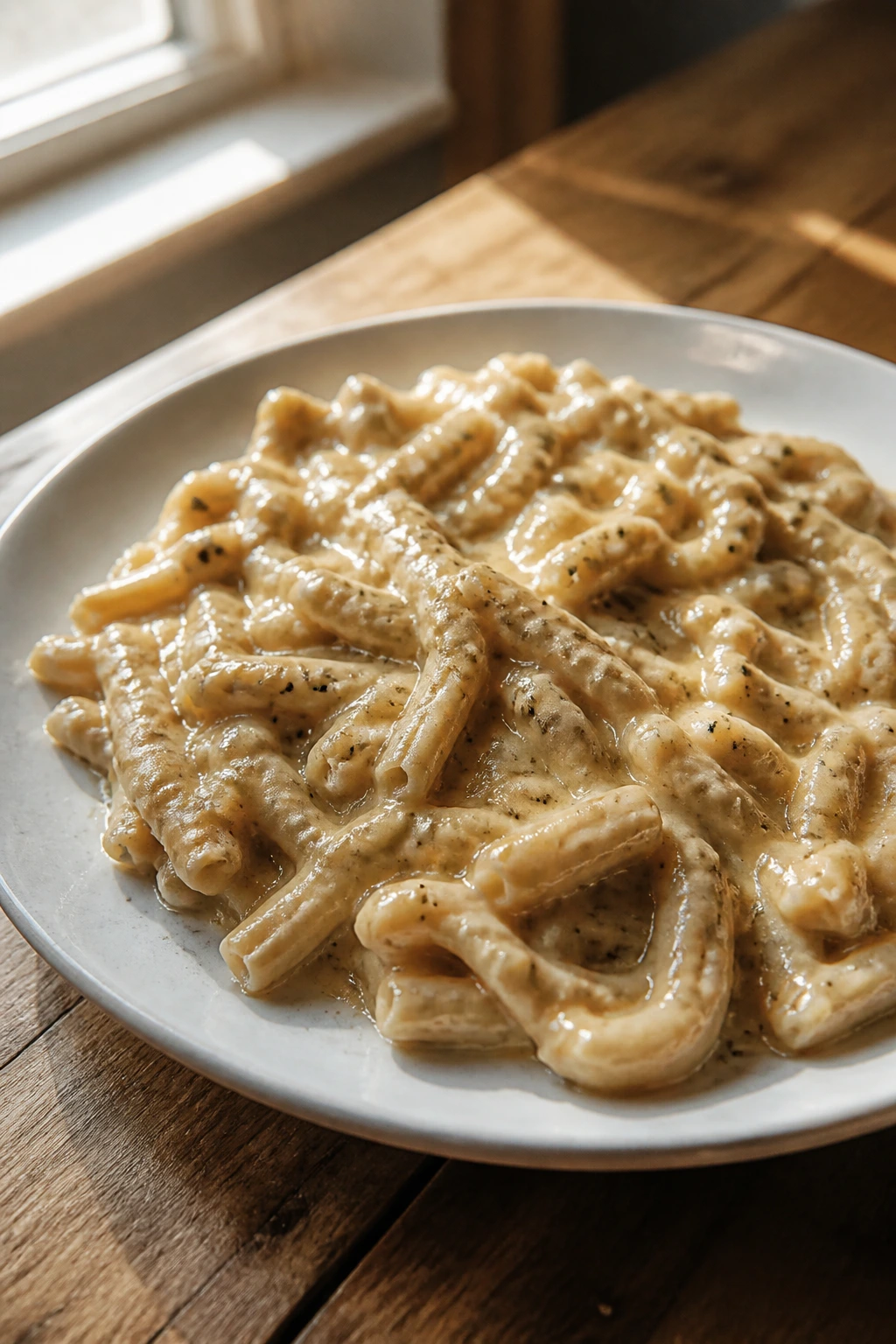
Trusting the package without checking it: Gluten hides in sauce, broth, sausage, and spice mixes more often than people expect. The fix is simple: read the ingredient list every time, even on brands you’ve bought before.
Overcooking gluten-free pasta: It goes from tender to mushy fast. Pull it the moment it’s just cooked, drain well, and toss it with sauce right away so it doesn’t glue itself together.
Skipping the thermometer: Chicken, pork, and meatloaf need actual temperature checks, not hopeful guesses. Use 165°F for chicken and turkey, and 145°F for pork chops, then rest the meat so the juices settle.
Making every dish too saucy: Picky eaters often hate soggy food more than plain food. Start with less sauce than you think you need and offer more at the table.
Trying to hide everything at once: A casserole stuffed with ten ingredients can backfire fast. Keep the base plain, then add vegetables in small pieces so the meal still reads as itself.
Using stale gluten-free crumbs or flour: Some gluten-free pantry staples pick up a cardboard taste if they sit too long. Smell the bag before you use it, especially breadcrumbs and flour blends. If it smells off, it probably is.
Questions Families Ask All the Time

Can I make all of these gluten-free without changing the flavor much?
Yes, and that’s the point of this collection. Most of the flavor comes from meat, cheese, tomato, rice, potatoes, herbs, and a few checked sauces, so the gluten-free version stays close to the original.
What’s the safest way to handle cross-contact in a family kitchen?
Keep separate cutting boards, a clean colander, and a fresh jar of condiments if someone in the house eats gluten. Toast crumbs and shared butter knives are small things, but they matter more than people think.
Which of these dinners are best for really stubborn eaters?
Chicken tenders, cheeseburger rice skillet, meatloaf with mashed potatoes, and breakfast hash usually get the easiest response. They look familiar before they’re even tasted.
Can I freeze these meals?
Yes, but choose wisely. Chili, meatballs, taco rice, meatloaf slices, pulled chicken, and casseroles freeze better than crispy chicken or salmon. Keep sauces and starches separate when possible.
What if my gluten-free pasta turns sticky?
Drain it a minute earlier than you think and toss it with sauce right away. A little olive oil helps, but the real fix is not overcooking it in the first place.
Is tamari always gluten-free?
Usually, but not automatically. Some tamari is certified gluten-free and some isn’t, so the label still matters. If you want a backup, coconut aminos are another option, though they taste sweeter.
How do I get more vegetables into these meals without a fight?
Chop them smaller than you want to, and put them where the sauce or cheese already lives. Grated carrots in meatloaf, diced onions in taco rice, and finely chopped spinach in casseroles tend to disappear better than big chunks.
Do these recipes work for meal prep?
Most of them do. Skillet meals, chili, meatloaf, pulled chicken, and casseroles all reheat well, which makes them solid choices for lunches and second dinners. Keep crunchy toppings separate until serving.
A Calmer Plate
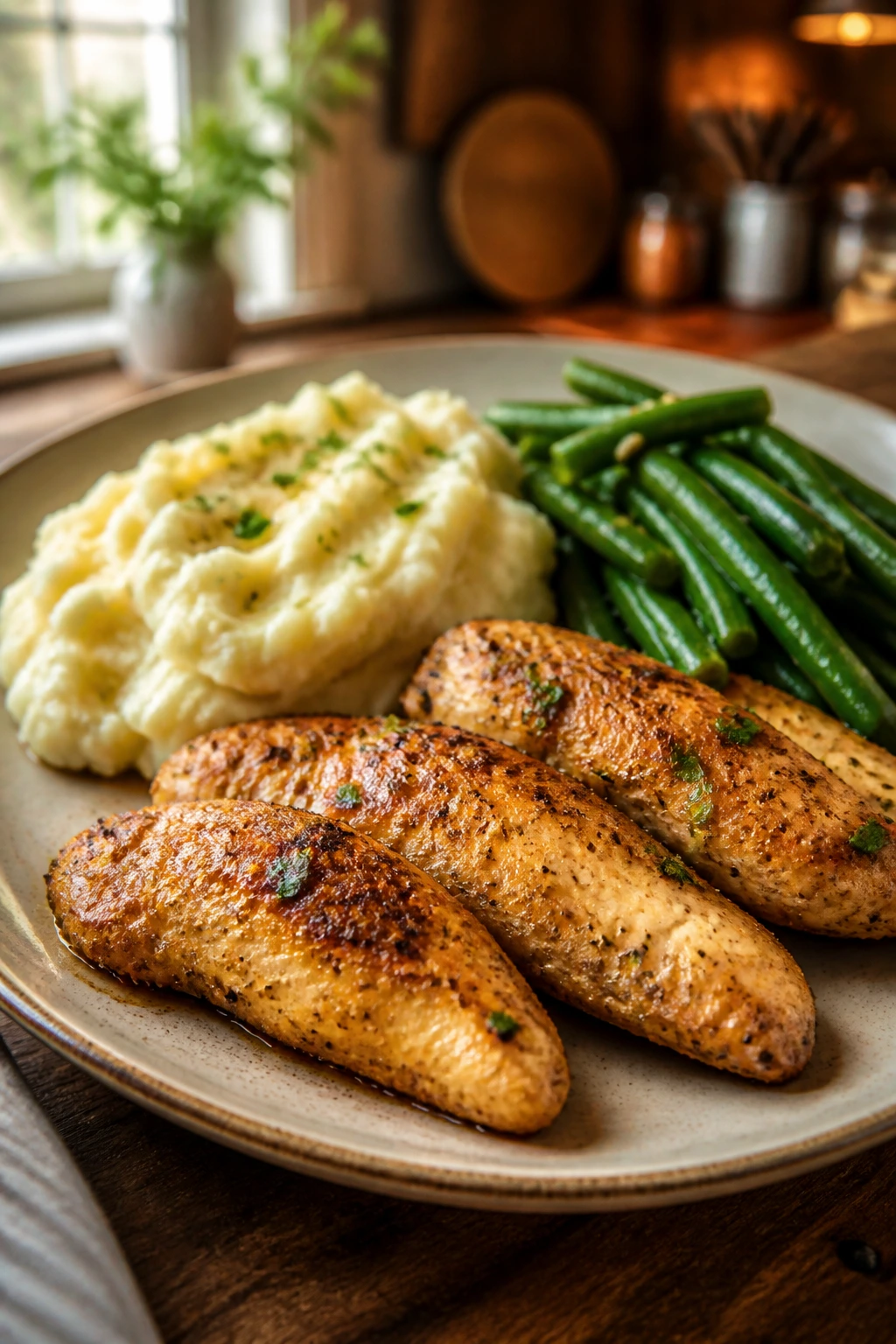
The real beauty of gluten-free dinners for picky families is that they do not need to feel like compromises. They just need to taste like something people already want to eat. Chicken tenders, rice skillets, meatloaf, chili, pasta, potatoes — these are comfort meals with their labels checked and their edges smoothed down.
That’s usually enough. A good family dinner does not have to make a speech. It just has to show up hot, taste like home, and leave fewer arguments on the table than it started with.