



Cheap dinners for big families have a way of exposing every weak spot in a kitchen. If the meal is too fussy, the sink fills up. If it’s too thin, the hungry people circle back an hour later. And if the ingredients don’t pull double duty, the grocery bill climbs faster than anyone wants to admit.
The trick isn’t magic. It’s meals built around beans, rice, potatoes, pasta, eggs, cabbage, and the occasional smart cut of meat — chicken thighs instead of breasts, sausage stretched with vegetables, ground beef folded into noodles or beans. Those foods are friendly to a crowd because they hold heat, feed quietly, and don’t fall apart when you make a little more than you planned.
Some of the best big-family dinners are not glamorous. They’re casseroles that bubble at the edges, soups thick enough to stand a spoon in, and skillet meals that look plain until the cheese melts or the breadcrumbs crisp. That’s the good stuff. The kind of food that disappears fast and doesn’t leave you staring at a mountain of dishes.
Why This Collection Saves Money Without Feeling Miserable
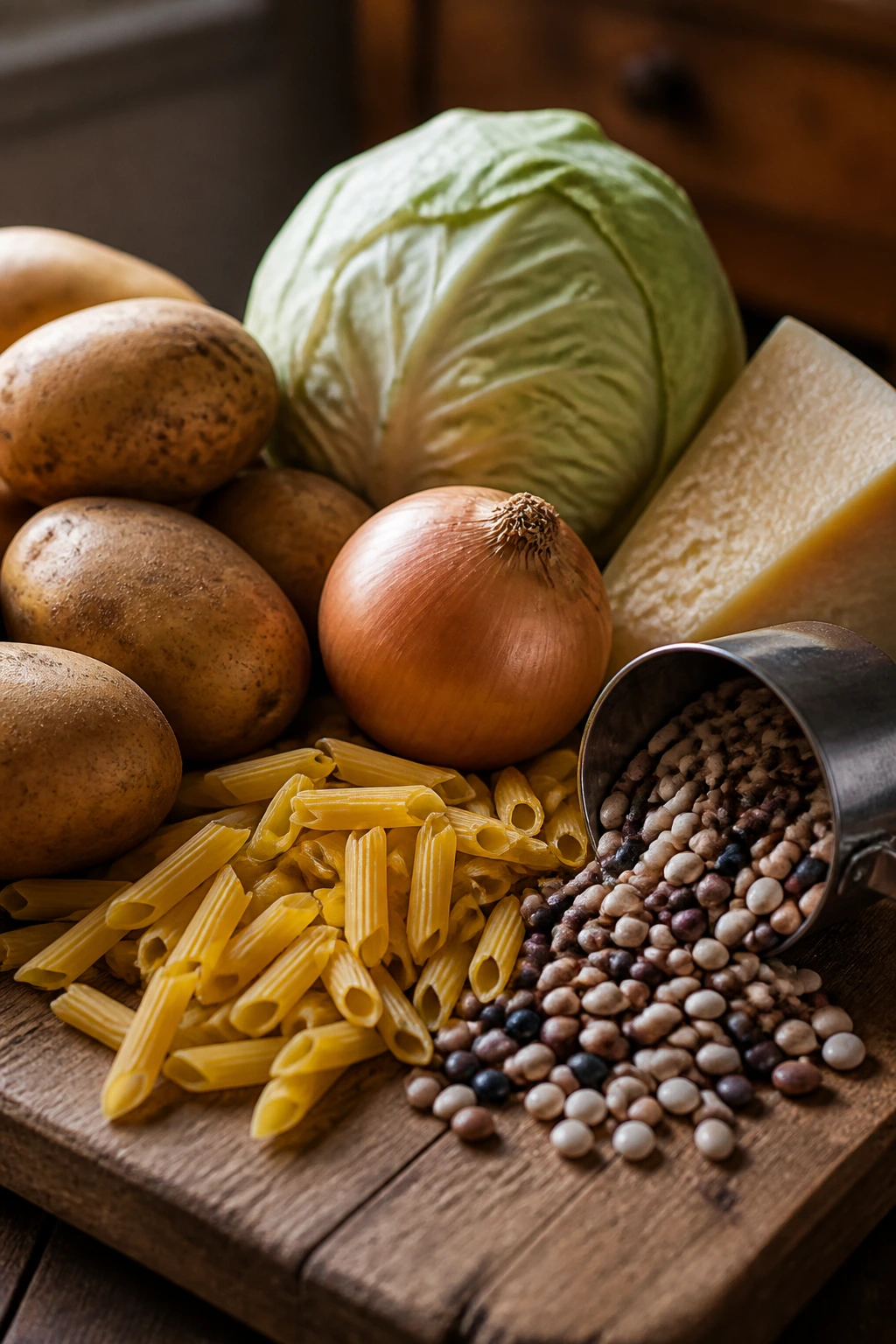
Built for stretch: These dinners lean on pasta, potatoes, rice, beans, cabbage, and eggs, so one shopping trip feeds more people without a pile of specialty ingredients.
Store-brand friendly: Canned tomatoes, frozen vegetables, broth, tortillas, and cheese all work well here from the plain package, which keeps the receipt calm.
Leftovers that still taste like dinner: Soups, casseroles, skillet meals, and baked pasta reheat nicely, so lunch the next day doesn’t feel like a punishment detail.
Easy to scale: Most of these recipes double cleanly in a Dutch oven, 9×13 pan, or stockpot, which matters when two extra kids show up hungry.
Kid-friendly by design: A lot of these dinners can stay mild on the stove and get more heat, herbs, or hot sauce at the table for the adults who want it.
No fancy gear required: A skillet, a baking dish, and one big pot do most of the work here. That’s the kind of math I trust.
Why Shared Ingredients Keep Cheap Dinners for Big Families Affordable
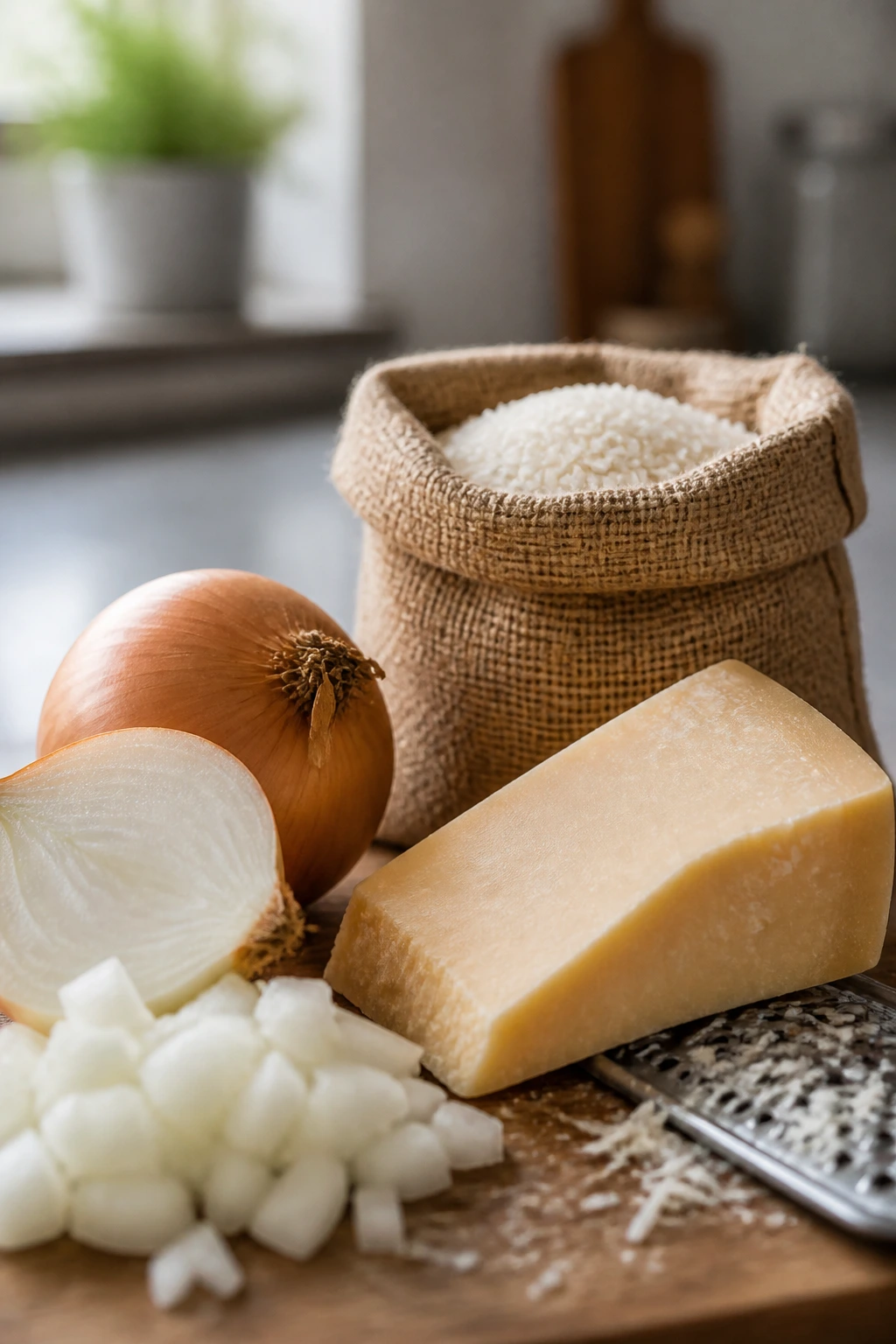
Big-family cooking gets easier when you stop treating every dinner like a separate project. The cheapest meals usually have overlap. One bag of onions can work through chili, soup, casserole, and skillet night. A pot of rice can turn into one meal tonight and a fried-rice base tomorrow. A block of cheese can stretch farther than pre-shredded bags if you grate it yourself.
The real goal is not “cheap” in the tiny, grim sense. It’s filling. A dinner that costs little but leaves people hungry is expensive in the worst way, because you end up making snacks, bread, or a second round of food. The better play is a meal with a bulk ingredient, a flavor anchor, and a finish that wakes it up — something salty, tangy, or crisp on top.
That’s why this list leans on casseroles, soups, skillet meals, and baked pasta. Those formats forgive small substitutions. They also let you use what you already have without turning the whole thing into a compromise.
One more thing. Cheap food doesn’t have to taste flat. A spoonful of mustard in sloppy joes, a squeeze of lemon over cabbage, a handful of breadcrumbs toasted in butter — that’s where the meal starts tasting intentional instead of merely affordable.
1. One-Pan Sausage, Potatoes, and Green Beans
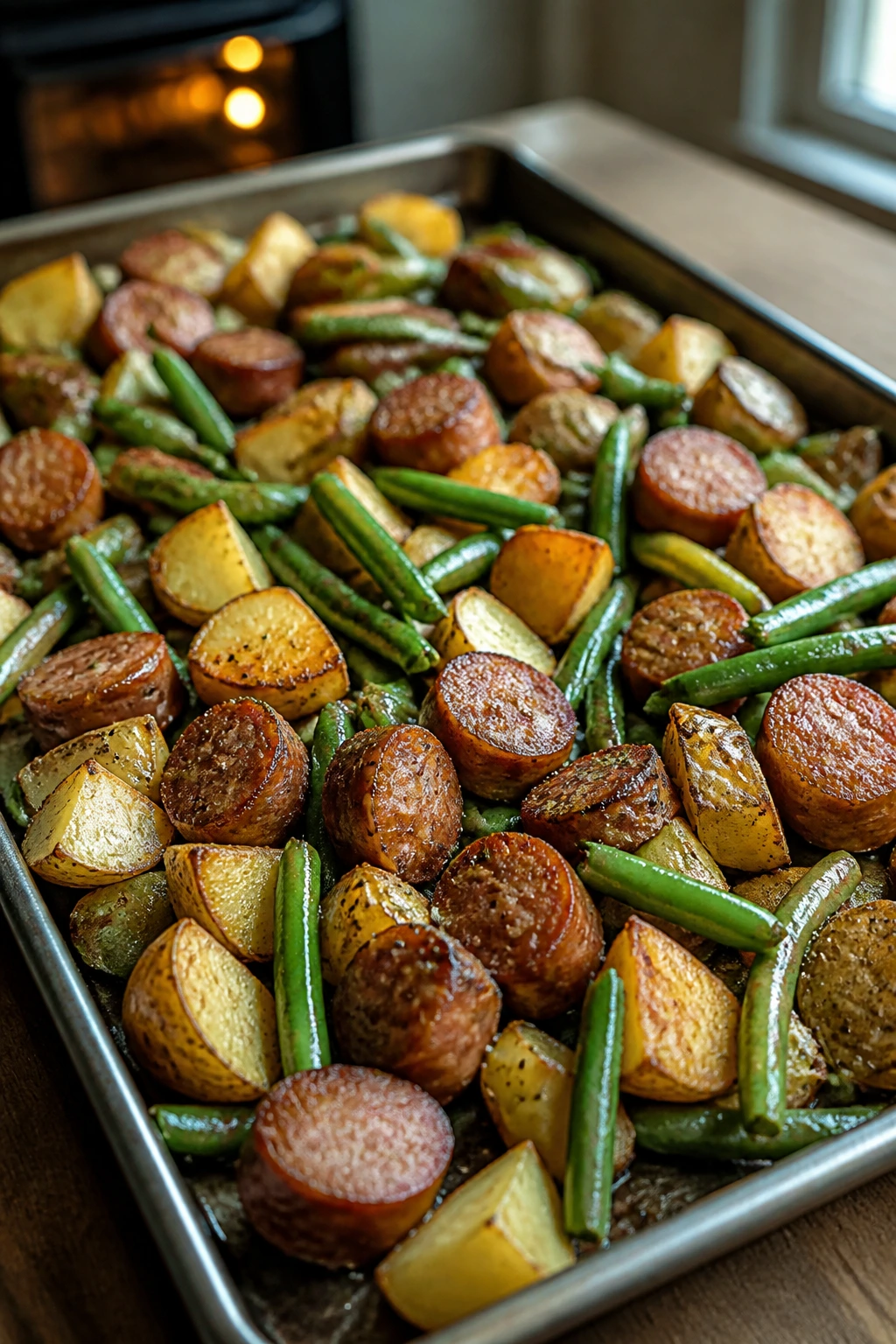
A sheet pan can feed a crowd without acting like a project. Smoked sausage brings the salt and smoke, potatoes soak up the drippings, and green beans keep the tray from feeling heavy. It’s the kind of dinner that looks casual but vanishes fast.
Why it works: The potatoes roast until the edges turn crisp and the centers go soft, which gives the dish more staying power than a simple sausage plate. Green beans on the same pan take on the fat and seasoning without needing their own pot. One tray, one oven, very little drama.
Key ingredients
- 1 1/2 pounds smoked sausage, sliced into 1/2-inch rounds
- 2 pounds Yukon Gold potatoes, cut into 1-inch chunks
- 1 pound green beans, trimmed
- 1 small yellow onion, sliced
- 2 tablespoons olive oil
- 1 teaspoon kosher salt
- 1/2 teaspoon black pepper
- 1 teaspoon paprika
Quick steps
- Heat the oven to 425°F and line a rimmed sheet pan with parchment or foil.
- Toss the potatoes and onion with 1 tablespoon oil, salt, pepper, and paprika, then spread them out in a single layer.
- Roast for 20 minutes, until the potato edges start to color.
- Add the sausage and green beans, drizzle with the remaining oil, and toss lightly on the pan.
- Roast 15 to 18 minutes more, until the beans are tender and the sausage is browned at the edges. Serve hot.
Tips and variations
- A splash of apple cider vinegar at the end wakes the whole pan up.
- Kielbasa, andouille, or even turkey sausage all work if the price is right.
2. Big-Pot Turkey Chili
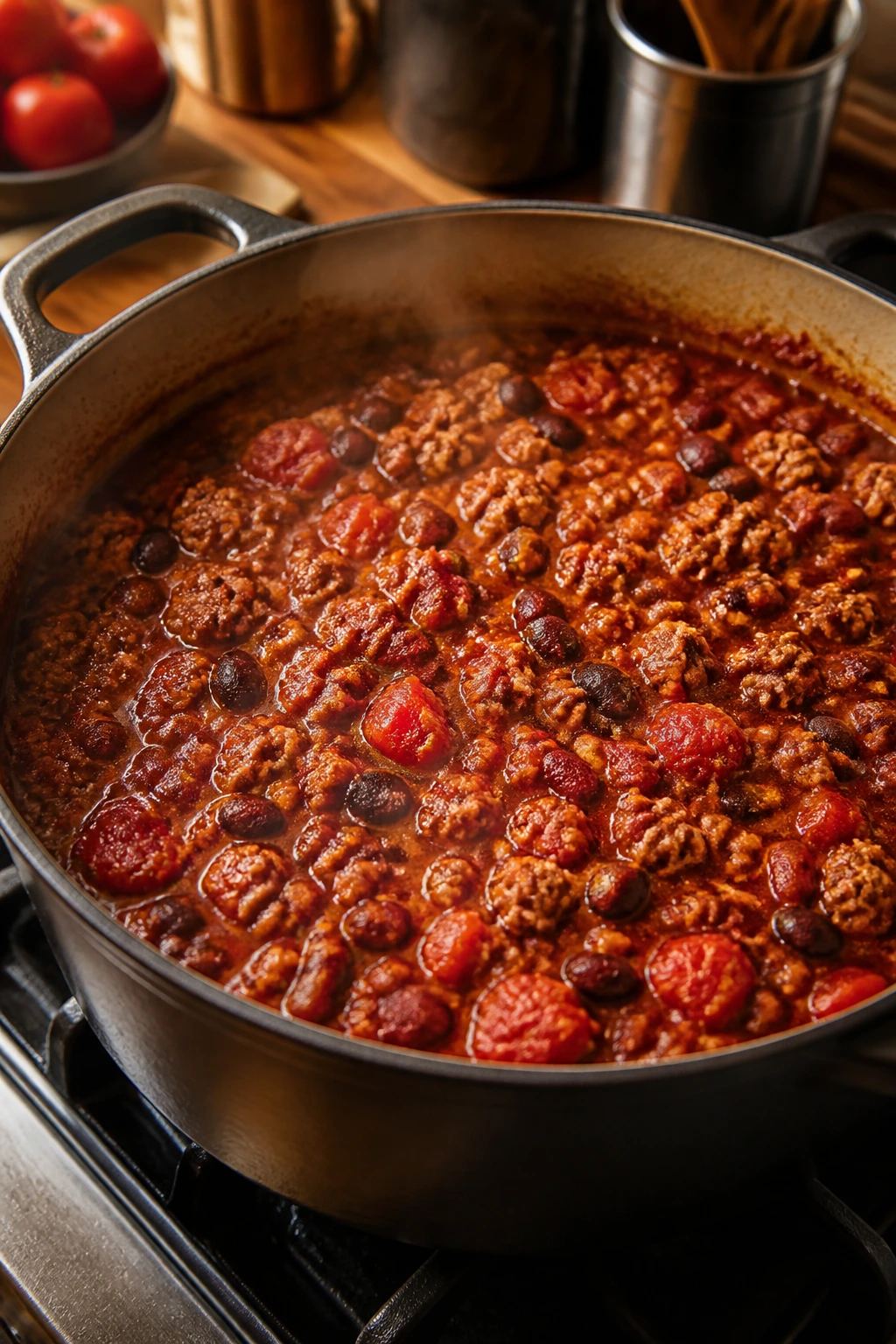
When the pot needs to feel heavy and cheap at the same time, chili is the easy answer. Ground turkey keeps it lean, beans carry the bulk, and tomatoes give the whole pot something to lean on. It tastes even better after it sits a little.
Why it works: Turkey browns fast, which means dinner gets going without fuss. Beans do the stretching, and they also help the chili feel thick enough to spoon over rice or cornbread. The spice mix matters, because a big pot needs enough seasoning to taste like something instead of hot bean soup.
Key ingredients
- 2 pounds ground turkey
- 1 large onion, chopped
- 3 cloves garlic, minced
- 2 cans kidney beans, drained and rinsed
- 1 can black beans, drained and rinsed
- 2 cans diced tomatoes
- 2 cups chicken broth
- 2 tablespoons chili powder
- 1 tablespoon ground cumin
- 1 teaspoon kosher salt
Quick steps
- Brown the turkey and onion in a large Dutch oven over medium-high heat, breaking the meat into crumbles.
- Stir in the garlic, chili powder, cumin, and salt, and cook for 30 seconds until fragrant.
- Add the beans, diced tomatoes, and broth, then bring the pot to a boil.
- Lower the heat and simmer uncovered for 30 to 40 minutes, stirring now and then, until the chili thickens.
- Taste, adjust the salt, and serve with chopped onion, cheese, or a squeeze of lime.
Tips and variations
- Freeze half in flat bags for an easy second dinner.
- Corn, chopped bell peppers, or a handful of frozen spinach fit right in.
3. Baked Ziti with Cottage Cheese
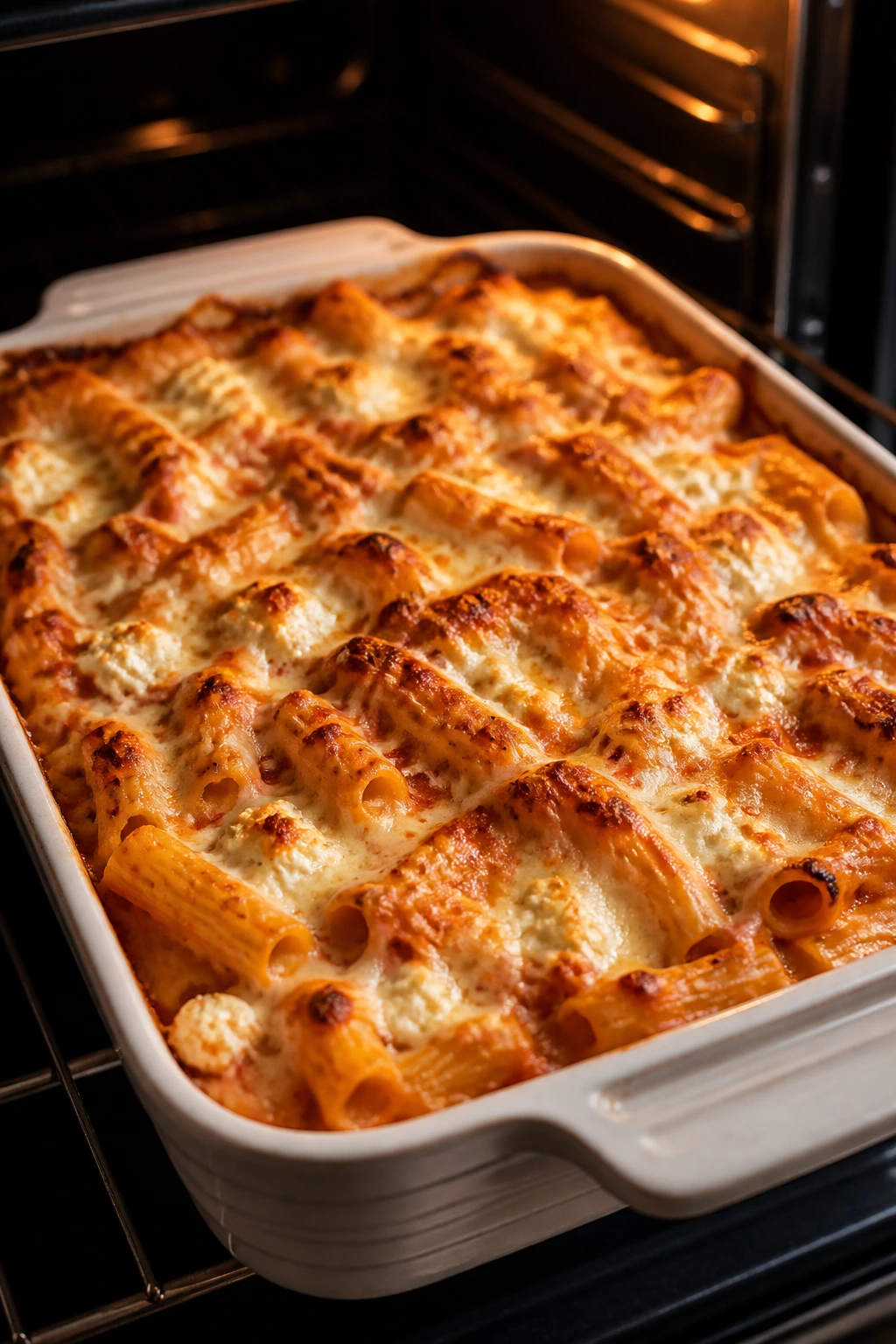
Baked ziti is one of those dishes that looks like a lot more effort than it is. The pasta gets coated in sauce, the cheese melts into the cracks, and the top turns a little bronzed and bubbly. It’s cheap, filling, and hard to argue with.
Why it works: Pasta is doing the heavy lifting here, which keeps the cost per plate low. Cottage cheese gives you creaminess without paying ricotta prices, and it bakes into the sauce instead of sitting there like a separate layer. The casserole shape also makes it easy to portion for a crowd.
Key ingredients
- 1 pound ziti or penne
- 2 jars marinara sauce, about 24 ounces each
- 2 cups cottage cheese
- 2 cups shredded mozzarella
- 1/2 cup grated Parmesan
- 1 small onion, diced
- 2 cloves garlic, minced
- 2 tablespoons olive oil
Quick steps
- Heat the oven to 375°F and grease a 9×13-inch baking dish.
- Cook the pasta in salted water until just shy of al dente, then drain.
- Sauté the onion in olive oil for 4 to 5 minutes, add the garlic, and cook 30 seconds more.
- Stir the pasta with the sauce, cottage cheese, and half the mozzarella, then spread it in the dish.
- Top with the remaining mozzarella and Parmesan, then bake 25 to 30 minutes until bubbling. Rest 10 minutes before scooping.
Tips and variations
- Stir in a few handfuls of spinach if you want more green in the pan.
- Ricotta works too, but cottage cheese is usually the cheaper, smarter buy.
4. Sloppy Joe Skillet with Toast
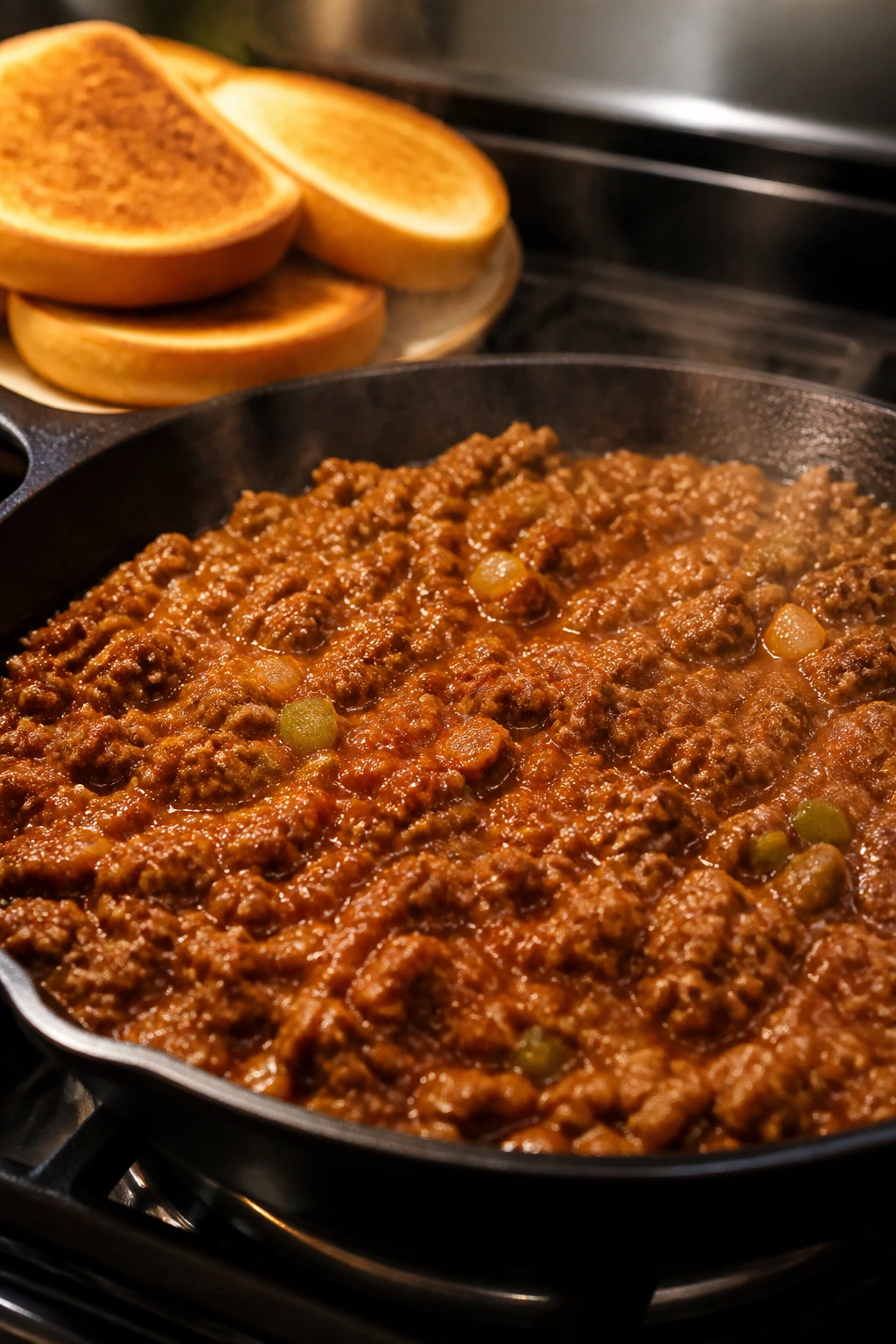
Sloppy Joes have never apologized for being messy. That’s part of the charm. The sauce is sweet, tangy, and a little sticky, which is exactly why a big pile of toast or buns disappears fast.
Why it works: Ground beef gets stretched with sauce instead of hidden under it, which means a little meat feeds more people. The ketchup-mustard-brown sugar combo tastes familiar to almost everyone, even picky eaters. Serve it on buns, baked potatoes, or toast and the whole meal stays cheap.
Key ingredients
- 2 pounds ground beef or ground turkey
- 1 medium onion, chopped
- 1 bell pepper, diced
- 1 cup ketchup
- 2 tablespoons tomato paste
- 1 tablespoon yellow mustard
- 1 tablespoon brown sugar
- 1 teaspoon kosher salt
- 8 sandwich buns, split and toasted
Quick steps
- Brown the meat, onion, and bell pepper in a large skillet over medium heat, breaking up the meat as it cooks.
- Drain off extra fat if needed, then stir in ketchup, tomato paste, mustard, brown sugar, and salt.
- Simmer for 8 to 10 minutes, stirring, until the sauce turns thick and glossy.
- Toast the buns while the filling cooks down.
- Spoon the meat mixture onto the buns and serve right away.
Tips and variations
- A handful of cooked lentils stretches the meat without changing the flavor much.
- These are even better with coleslaw on the side.
5. Chicken and Rice Casserole
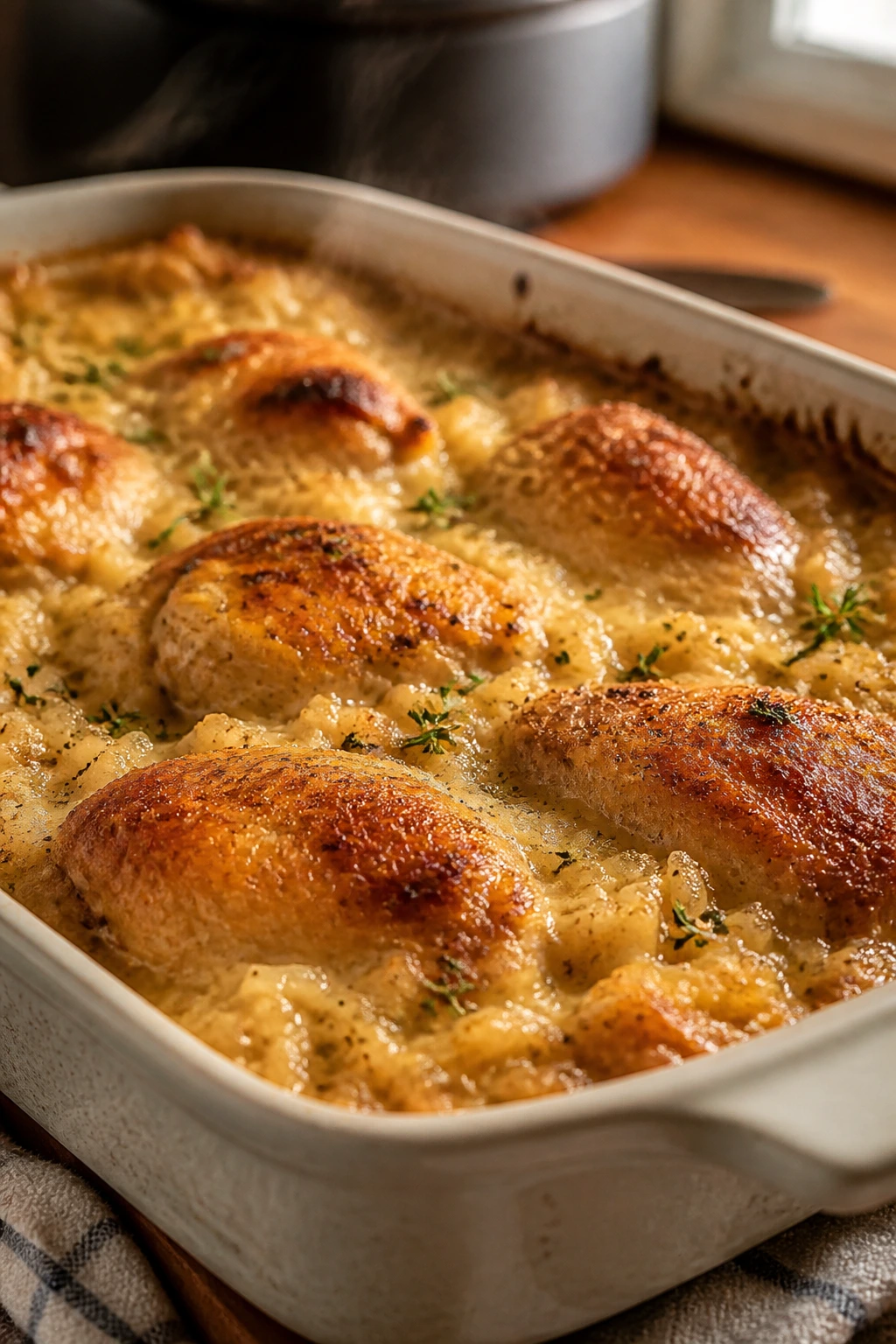
Chicken and rice casserole is the sort of dinner that quietly solves a Tuesday. It doesn’t demand much attention, and it feeds a full table without looking stingy. The rice comes out creamy, the chicken stays tender, and the edges get just a little bit of color.
Why it works: Rice is the budget hero here, and chicken thighs stay juicy in the oven far better than breasts. A little broth plus a creamy base gives the dish enough body to taste complete. Everything bakes together, so the flavors settle into one pan instead of fighting each other.
Key ingredients
- 2 pounds boneless, skinless chicken thighs
- 1 1/2 cups long-grain white rice, rinsed
- 1 onion, diced
- 3 cups chicken broth
- 1 can condensed cream of chicken soup
- 1 cup frozen peas
- 1 teaspoon garlic powder
- 1 teaspoon salt
- 1/2 teaspoon black pepper
Quick steps
- Heat the oven to 375°F and grease a 9×13-inch baking dish.
- Stir the rice, onion, broth, soup, garlic powder, salt, pepper, and peas together in the dish.
- Nestle the chicken thighs on top and season them lightly with a little extra salt and pepper.
- Cover tightly with foil and bake for 40 minutes.
- Uncover and bake 10 to 15 minutes more, until the chicken reaches 165°F and the rice is tender. Rest 5 minutes before serving.
Tips and variations
- Brown rice works, but it needs more liquid and more time.
- A handful of shredded cheddar on top makes it feel richer without adding much cost.
6. Tuna Noodle Casserole
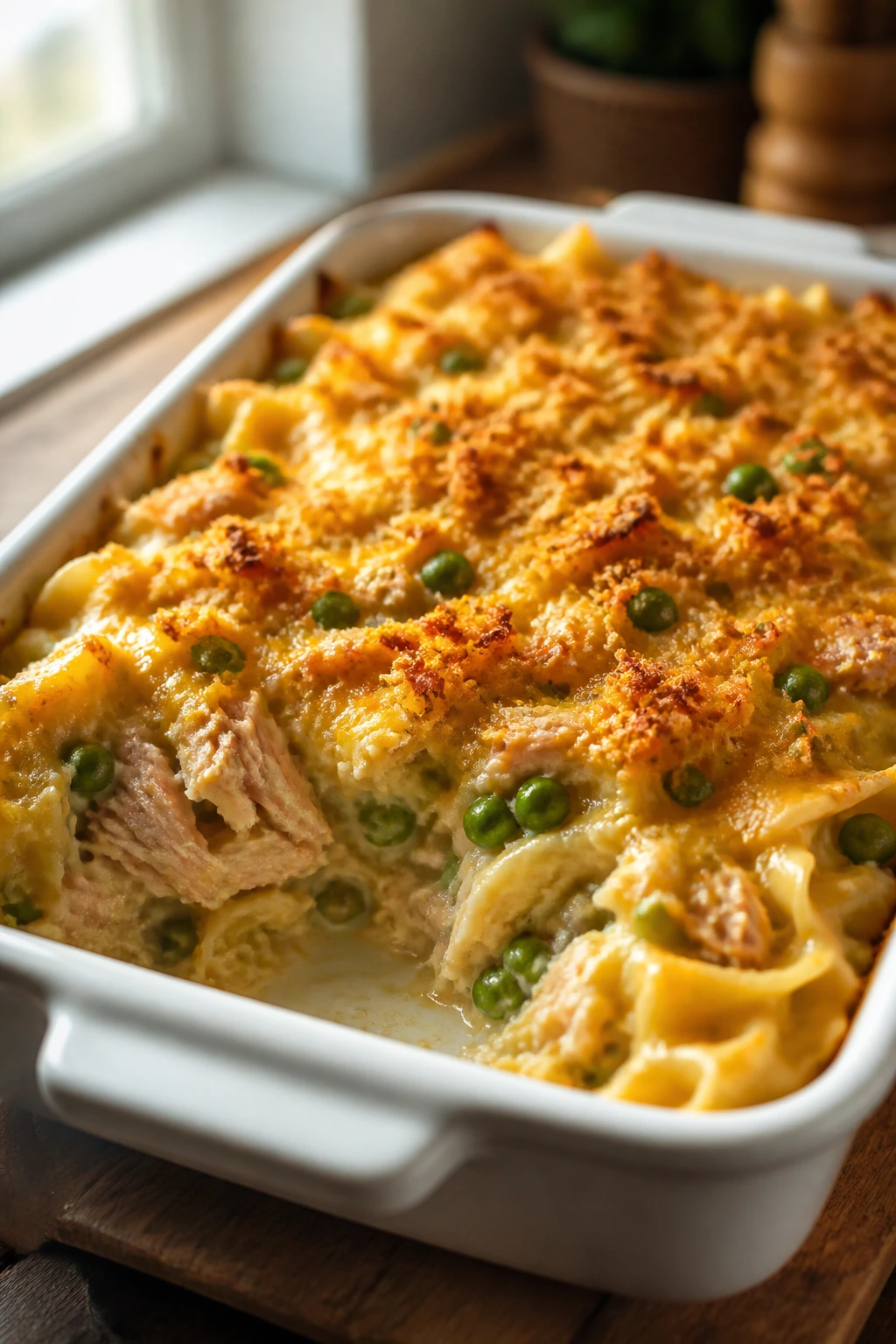
Tuna noodle casserole gets dragged around online, but in a big house it still earns its keep. It’s fast, pantry-based, and the creamy sauce clings to the noodles in a way that feels oddly comforting. The crunchy top is nonnegotiable.
Why it works: Tuna gives you protein without the price of a fresh meat dinner. Egg noodles cook quickly, which keeps the whole meal practical on nights when nobody wants to wait. Peas, mushrooms, or a little celery can slide in without changing the budget much.
Key ingredients
- 12 ounces egg noodles
- 2 cans tuna in water, drained
- 1 cup frozen peas
- 1 can cream of mushroom soup
- 1 cup milk
- 1 cup shredded cheddar
- 1 cup breadcrumbs
- 2 tablespoons melted butter
Quick steps
- Heat the oven to 400°F and grease a 9×13-inch baking dish.
- Cook the noodles until just al dente, then drain.
- Mix the noodles with tuna, peas, soup, milk, and half the cheese.
- Spread into the dish, then top with the remaining cheese, breadcrumbs, and butter.
- Bake for 20 to 25 minutes, until the top is browned and the edges bubble. Let it sit 5 minutes before scooping.
Tips and variations
- A squeeze of lemon cuts the heaviness in a good way.
- Canned mushrooms can stand in for fresh if that’s what the pantry has.
7. Pasta e Fagioli with Beans and Pasta
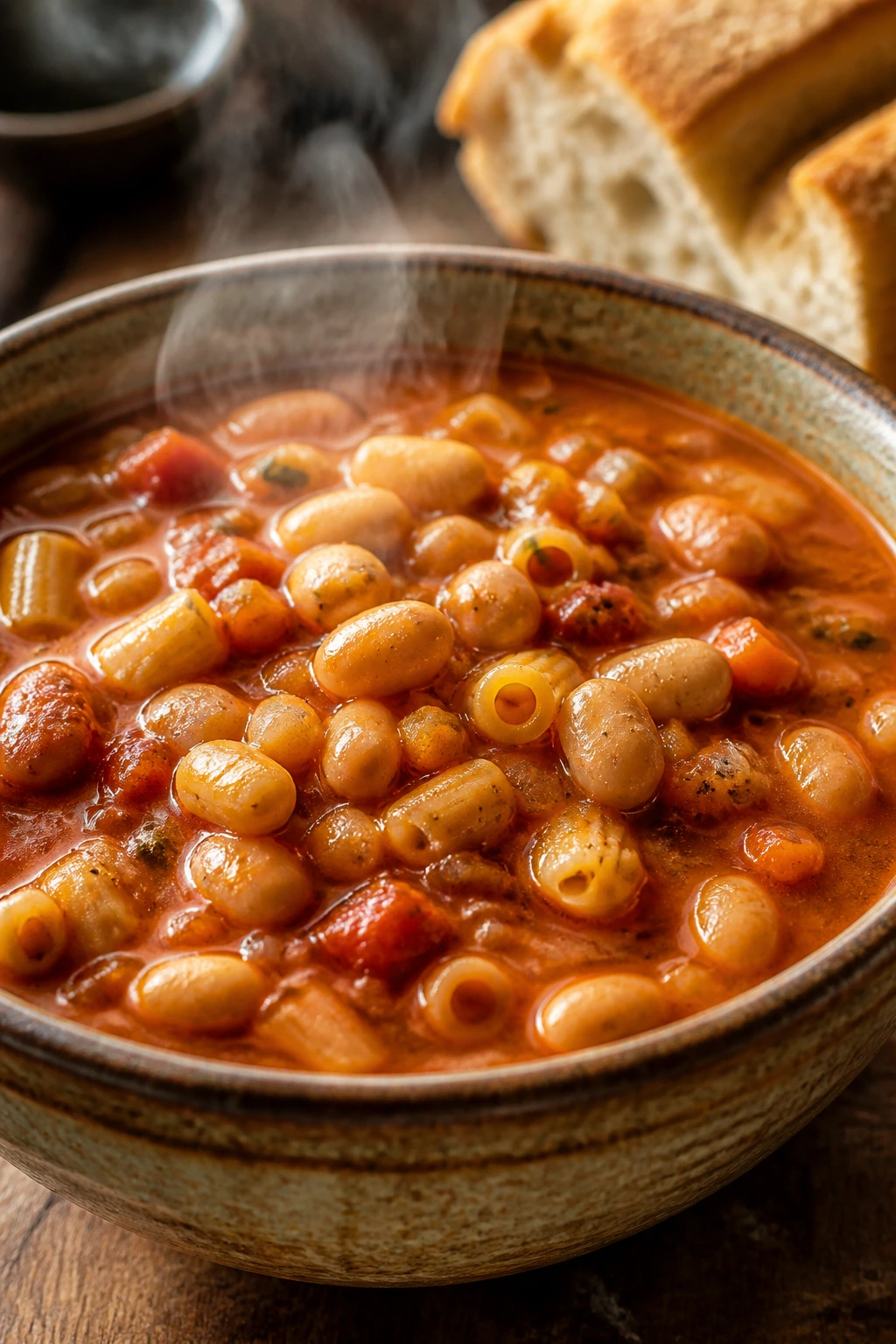
Pasta e fagioli is what happens when soup and pasta stop arguing and start feeding people. It’s thick, tomato-y, and full of beans, which is a polite way of saying it eats like a meal. Nobody leaves this bowl still hunting for dinner.
Why it works: Beans and pasta are both cheap, filling staples, and they carry flavor well. The broth becomes richer if you let the onion, carrot, and celery soften first, because those vegetables lay down a better base than any packet seasoning ever will. The final handful of Parmesan makes a big difference, even if the amount is small.
Key ingredients
- 1 onion, diced
- 1 carrot, diced
- 1 celery stalk, diced
- 3 cloves garlic, minced
- 2 cans cannellini beans, drained and rinsed
- 1 can diced tomatoes
- 6 cups chicken or vegetable broth
- 1 cup small pasta, like ditalini
- 1 teaspoon Italian seasoning
- Salt and black pepper
Quick steps
- Sauté the onion, carrot, and celery in a large pot with oil over medium heat for 6 to 8 minutes.
- Add the garlic and Italian seasoning and cook for 30 seconds.
- Stir in the beans, tomatoes, and broth, then bring to a boil.
- Lower the heat and simmer for 15 minutes, then add the pasta.
- Cook until the pasta is tender, about 8 to 10 minutes more. Serve with Parmesan and black pepper.
Tips and variations
- Mash a cup of the beans before adding them if you want a thicker soup.
- Leftover crusty bread on the side makes this feel like a very full dinner.
8. Sheet-Pan Quesadillas
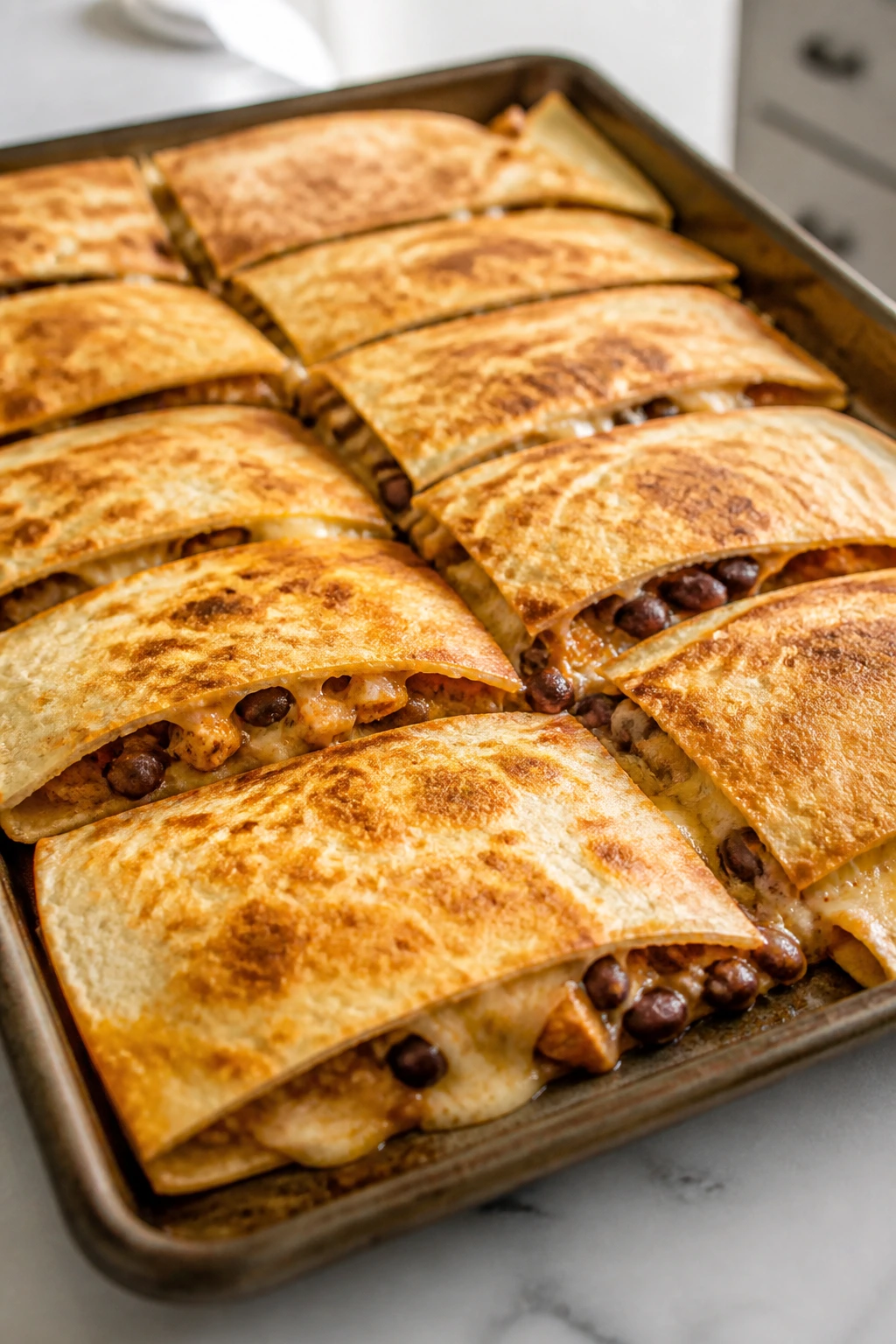
Quesadillas are cheaper when you stop insisting they must be cooked one by one. A sheet pan lets you feed a table full of people with far less flipping and fuss. The tortillas crisp, the cheese melts, and the filling gets evenly hot all at once.
Why it works: The oven does the work that usually ties up the stovetop. Beans, leftover chicken, or just cheese and salsa can all carry the filling, so you can keep the ingredient list as small as you need. Cutting the whole tray into squares also makes serving painless.
Key ingredients
- 8 large flour tortillas
- 2 cups shredded cheddar or Mexican blend cheese
- 2 cups cooked shredded chicken or 2 cups black beans
- 1 cup salsa, drained a bit
- 1 bell pepper, sliced thin
- 1 small onion, sliced thin
- 2 tablespoons oil
Quick steps
- Heat the oven to 425°F and brush a rimmed sheet pan lightly with oil.
- Lay 4 tortillas on the pan, folding the edges up slightly if they hang over.
- Divide the cheese, chicken or beans, salsa, pepper, and onion over the tortillas, then top with the remaining tortillas.
- Brush the tops with oil and bake 10 to 12 minutes, until the bottoms are crisp.
- Flip carefully, bake 3 to 5 minutes more, and cut into wedges.
Tips and variations
- Refried beans make an especially sturdy filling.
- Serve with sour cream or sliced avocado if there’s room in the budget.
9. Bean and Cheese Burrito Bake
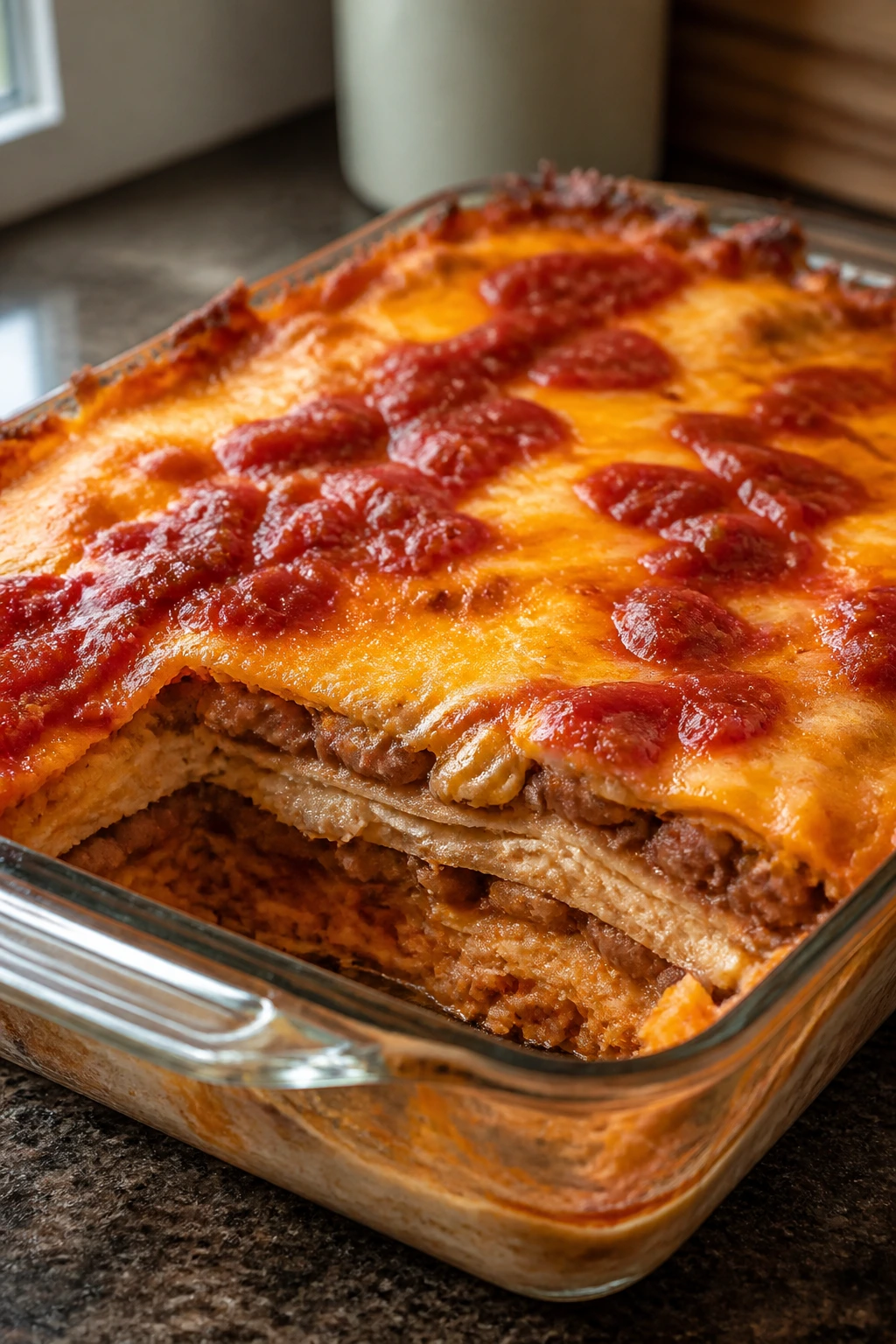
A burrito bake feels like cheating, and that’s exactly why it works. You get all the comfort of a burrito line without standing at the counter assembling ten separate wraps. It slices neatly, reheats well, and disappears fast.
Why it works: Rice, beans, tortillas, and cheese are all cheap building blocks. Once they’re layered with salsa, the pan tastes like a fully assembled meal instead of separate parts. It’s also one of the easiest recipes on this list to stretch with a little extra rice or a few spoonfuls of corn.
Key ingredients
- 8 flour tortillas
- 2 cans refried beans
- 2 cups cooked rice
- 2 cups shredded cheese
- 1 1/2 cups salsa
- 1 cup frozen corn, thawed
- 1 teaspoon cumin
- 1/2 teaspoon chili powder
Quick steps
- Heat the oven to 375°F and grease a 9×13-inch baking dish.
- Stir the beans with cumin and chili powder.
- Spread a thin layer of salsa on the bottom of the dish, then add tortillas, beans, rice, corn, cheese, and more salsa in layers.
- Finish with cheese on top and cover with foil.
- Bake 20 minutes covered, then 5 to 10 minutes uncovered until hot and melty. Let rest 10 minutes before slicing.
Tips and variations
- This freezes well in slices, which is handy for lunch.
- Add cooked ground beef or turkey if you want a meatier version.
10. Lentil Shepherd’s Pie
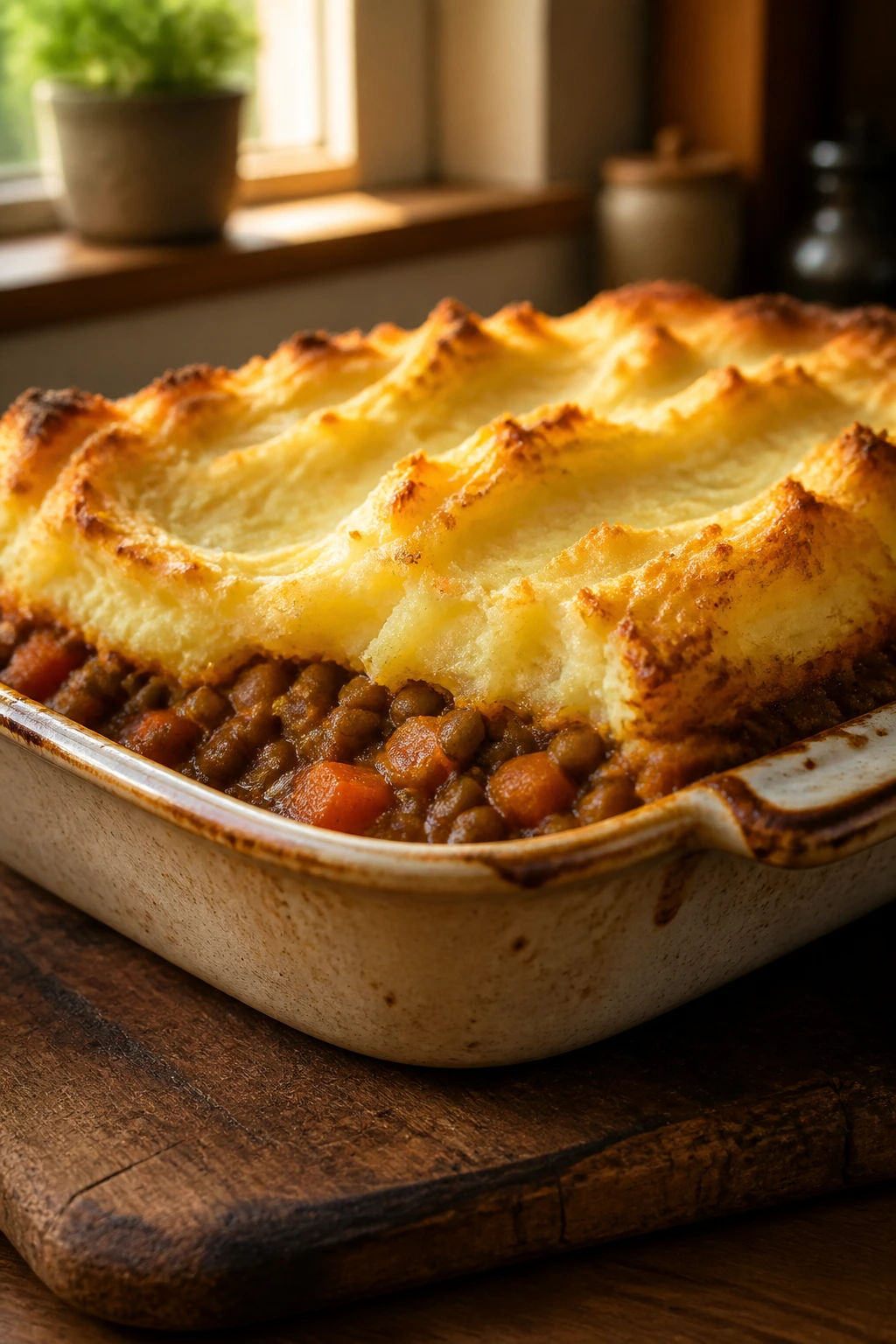
Lentils turn shepherd’s pie into a dinner that tastes richer than the grocery bill. The filling gets savory and soft, the mashed potatoes go golden on top, and the whole dish feels like something that took more effort than it did. That’s a win.
Why it works: Brown lentils are inexpensive and hold their shape better than you might expect. They soak up onion, carrot, tomato paste, and broth so the filling tastes deep rather than flat. Potatoes on top make the meal feel complete without needing a second starch on the side.
Key ingredients
- 1 1/2 cups brown lentils, rinsed
- 1 onion, diced
- 2 carrots, diced
- 2 tablespoons tomato paste
- 4 cups vegetable broth
- 1 cup frozen peas
- 4 cups mashed potatoes, prepared and seasoned
- 1 teaspoon thyme
- Salt and black pepper
Quick steps
- Heat the oven to 400°F and grease a baking dish.
- Sauté the onion and carrots for 5 to 6 minutes, then stir in the tomato paste and thyme.
- Add lentils and broth, bring to a boil, then simmer until the lentils are tender, about 25 minutes.
- Stir in peas and season with salt and pepper.
- Spoon the filling into the dish, top with mashed potatoes, and bake 20 minutes until the edges bubble and the top browns.
Tips and variations
- A little shredded cheddar on the potatoes is not fancy, but it is good.
- Sweet potato mash gives the dish a softer, sweeter finish.
11. Fried Rice with Eggs, Peas, and Carrots
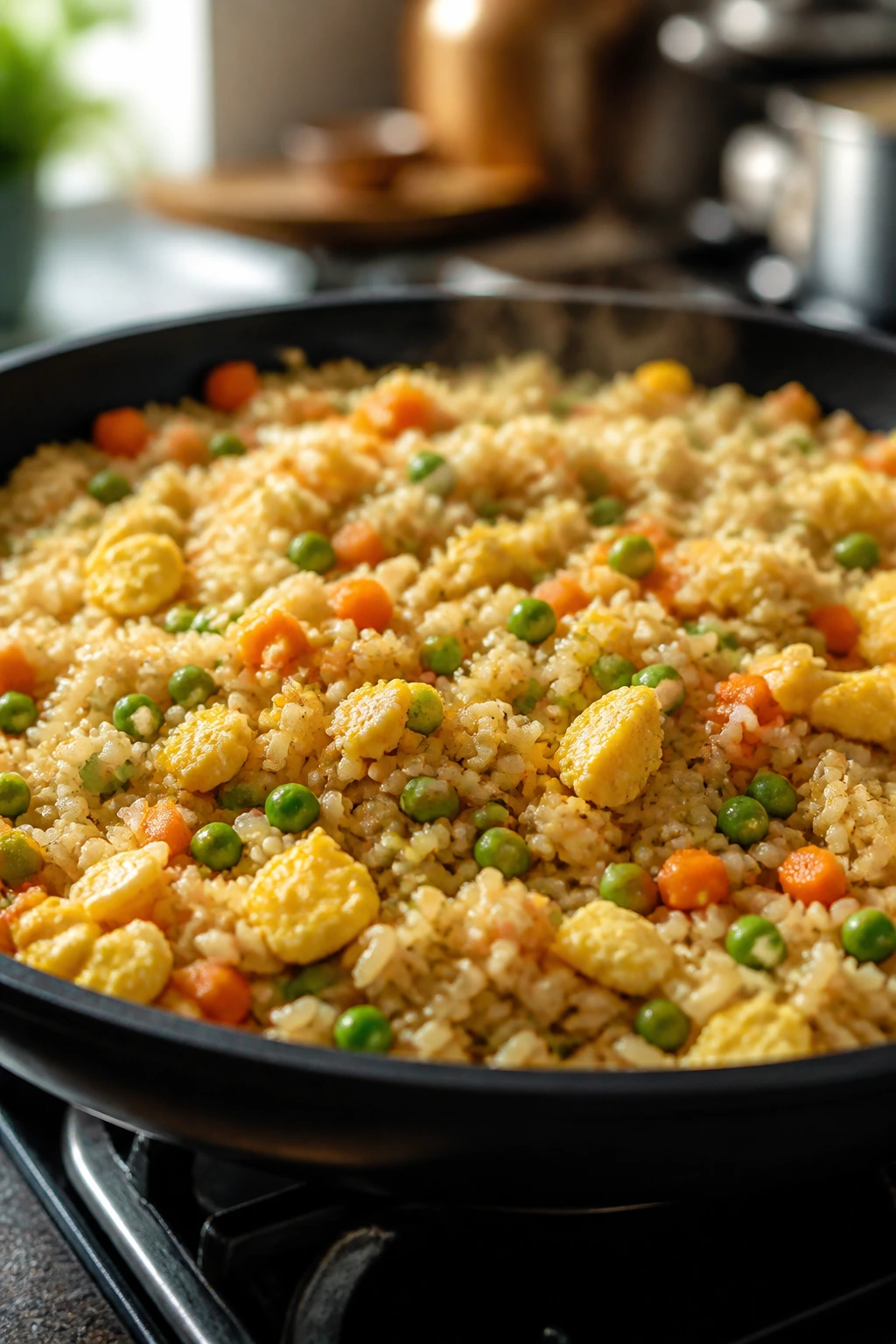
Fried rice is the old leftovers trick that deserves its reputation. It’s fast, flexible, and built for cold rice that would be boring on its own. Add eggs, peas, carrots, and a little soy sauce, and it becomes a real dinner.
Why it works: Day-old rice fries better because it’s drier, so you get separate grains instead of mush. Eggs bring cheap protein, frozen vegetables keep the cost down, and the whole skillet can be on the table in about 20 minutes. That’s hard to beat.
Key ingredients
- 6 cups cooked, cold rice
- 4 large eggs
- 2 cups frozen peas and carrots
- 3 tablespoons soy sauce
- 2 tablespoons neutral oil
- 2 scallions, sliced
- 2 cloves garlic, minced
Quick steps
- Scramble the eggs in a large skillet or wok, then slide them onto a plate.
- Add oil, garlic, peas, and carrots to the pan and cook for 2 to 3 minutes.
- Stir in the cold rice and break up any clumps.
- Add the soy sauce and cook, stirring, until the rice is hot and lightly toasted.
- Fold in the eggs and scallions, then serve right away.
Tips and variations
- Leftover ham or chopped rotisserie chicken fits easily here.
- A little sesame oil at the end gives it a stronger takeout-style smell.
12. Spaghetti with Garlic Breadcrumbs
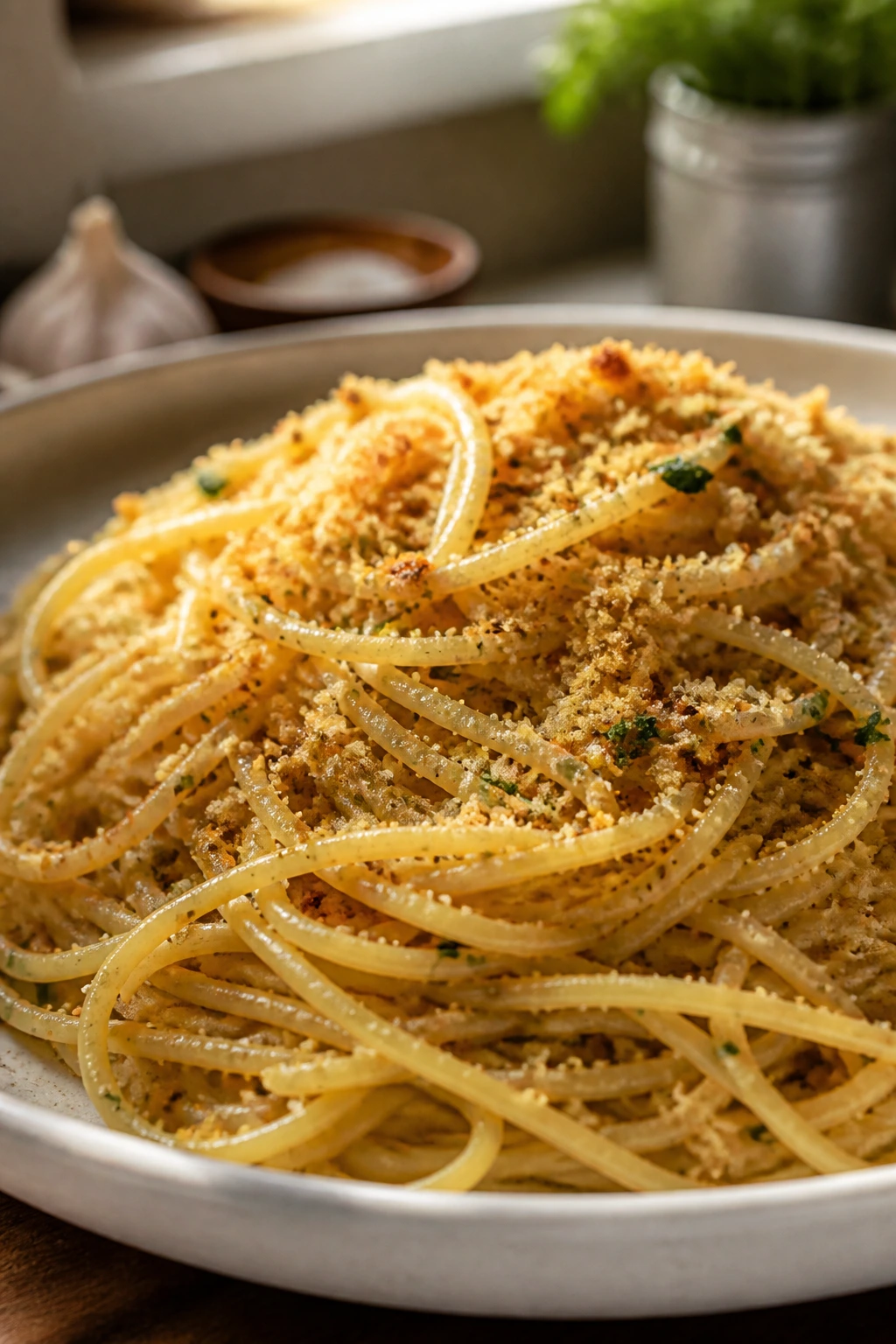
Spaghetti doesn’t need much more than garlic, butter, and a sharp crunch on top. This version keeps the sauce simple and lets the breadcrumbs do one of the jobs a pricier topping would usually handle. It feels homey, not sparse.
Why it works: Pasta is one of the least complicated ways to feed a lot of people cheaply. Toasted breadcrumbs add texture, which means the meal doesn’t feel like plain noodles with red sauce. A little Parmesan goes a long way when the rest of the plate is already doing the filling.
Key ingredients
- 1 pound spaghetti
- 2 tablespoons butter
- 3 tablespoons olive oil
- 4 cloves garlic, minced
- 1 cup breadcrumbs
- 1 jar marinara sauce
- 1/2 cup grated Parmesan
- Red pepper flakes, optional
Quick steps
- Cook the spaghetti in salted water until al dente, then reserve 1/2 cup pasta water and drain.
- Toast the breadcrumbs in butter and 1 tablespoon oil over medium heat until golden, then stir in half the garlic.
- Warm the marinara in a separate saucepan with the remaining oil and garlic.
- Toss the spaghetti with the sauce and a splash of pasta water.
- Divide into bowls and top with breadcrumbs, Parmesan, and red pepper flakes if using.
Tips and variations
- Add a can of chickpeas if you want the bowls to hold people longer.
- The breadcrumbs are better toasted fresh than sprinkled raw. By a lot.
13. Loaded Potato Soup
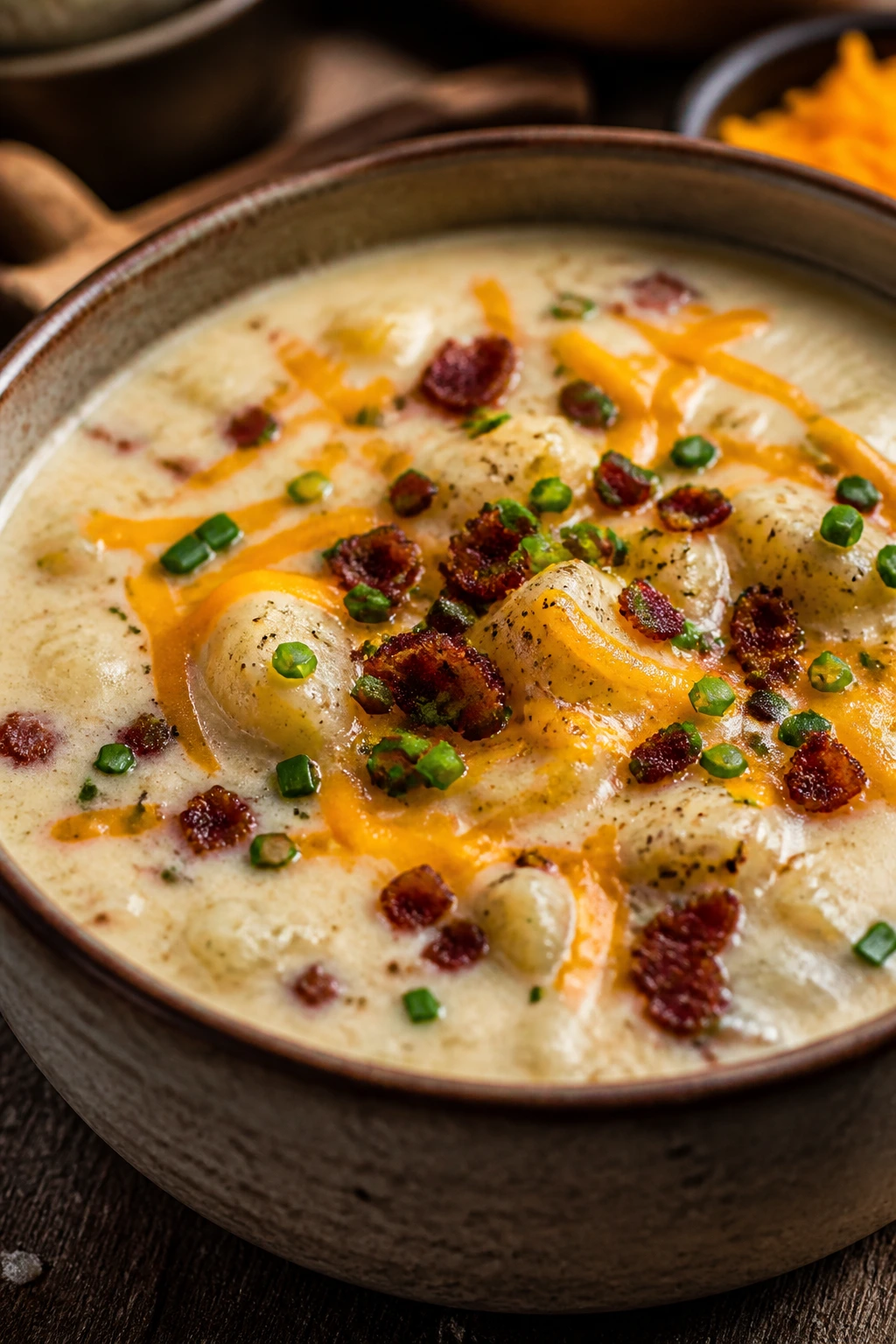
Potato soup is one of the easiest ways to make a lot of food feel comforting and cheap. It’s creamy, thick, and full of enough potato to keep everyone satisfied. If you add bacon, great. If you skip it, the soup still holds up.
Why it works: Potatoes are inexpensive, and they thicken the soup naturally once they soften. Milk, broth, and a bit of cheese give it body without needing a long ingredient list. You can keep the toppings simple or let people build their own bowls.
Key ingredients
- 3 pounds potatoes, peeled and diced
- 1 onion, chopped
- 4 cups chicken broth
- 2 cups milk
- 1 1/2 cups shredded cheddar
- 6 slices bacon, cooked and crumbled, optional
- 2 scallions, sliced
- Salt and black pepper
Quick steps
- Cook the onion in a large pot with a little oil for 5 minutes.
- Add the potatoes, broth, and enough water to barely cover, then simmer until the potatoes are very tender.
- Mash some of the potatoes right in the pot for thickness.
- Stir in the milk and cheese over low heat until melted; do not boil hard.
- Ladle into bowls and top with bacon, scallions, and black pepper.
Tips and variations
- Evaporated milk gives a richer texture and is shelf-stable.
- A spoonful of sour cream on top makes each bowl feel fuller.
14. Beef and Cabbage Skillet
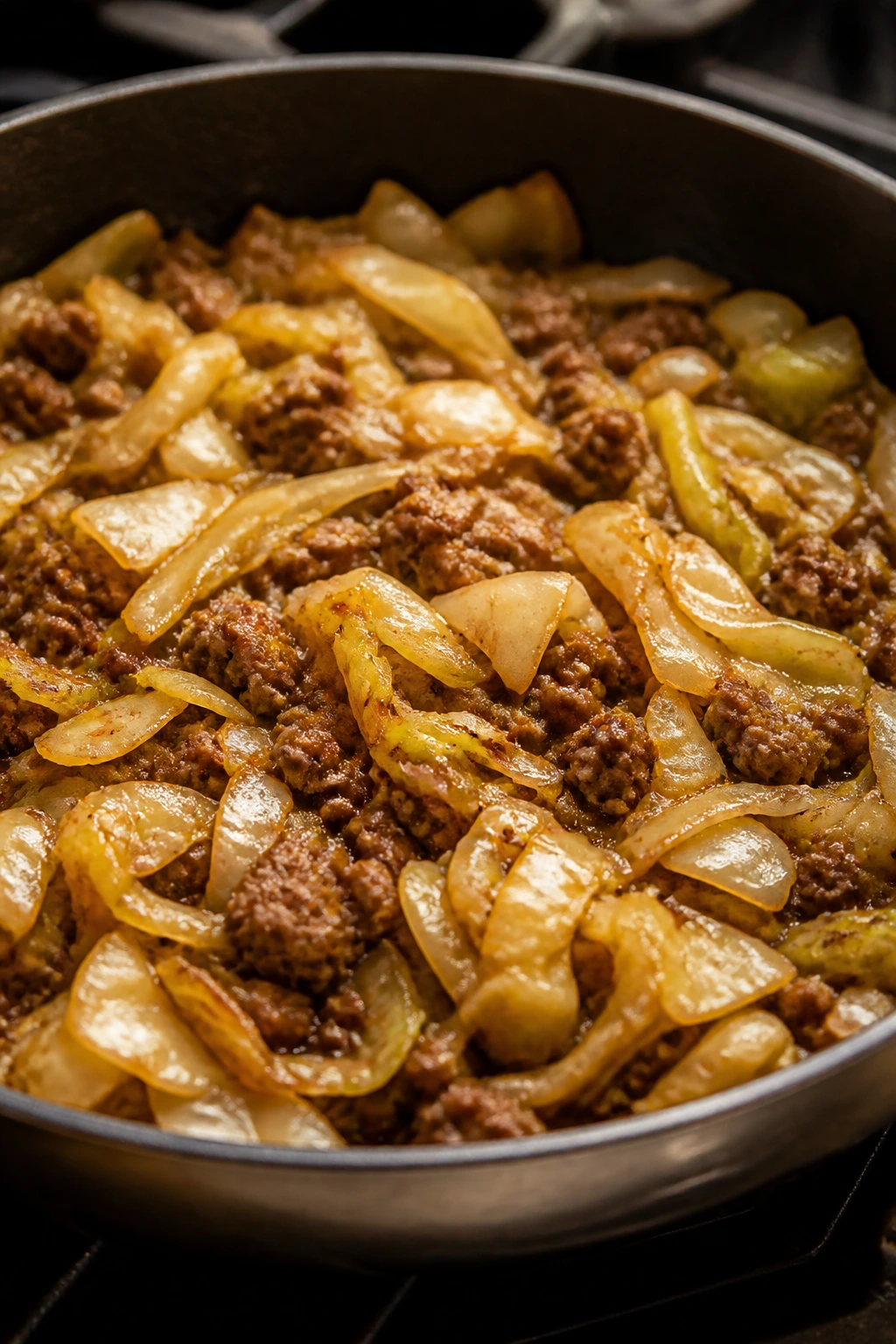
Cabbage and beef do a smart little dance in a skillet. The cabbage softens, picks up the browned bits from the meat, and stretches the whole pan without tasting like filler. It’s old-school in the best way.
Why it works: Cabbage is one of the cheapest vegetables you can buy by weight, and it cooks down a lot. That means a modest amount of ground beef can feed far more people than it would in burgers or meatballs. The soy sauce and tomato paste keep the skillet savory instead of watery.
Key ingredients
- 1 1/2 pounds ground beef
- 1 medium green cabbage, shredded
- 1 onion, sliced
- 2 cloves garlic, minced
- 2 tablespoons tomato paste
- 2 tablespoons soy sauce
- 1 teaspoon paprika
- Salt and black pepper
Quick steps
- Brown the beef and onion in a large skillet over medium-high heat.
- Stir in the garlic, tomato paste, soy sauce, and paprika.
- Add the cabbage in batches, letting it wilt down before adding more.
- Cook 8 to 10 minutes more, until the cabbage is tender and the beef mixture looks glossy.
- Taste and season, then serve over rice or noodles.
Tips and variations
- This is a strong candidate for leftover rice the next day.
- A splash of vinegar at the end keeps the cabbage from tasting dull.
15. Black Bean Tacos with Corn Salsa
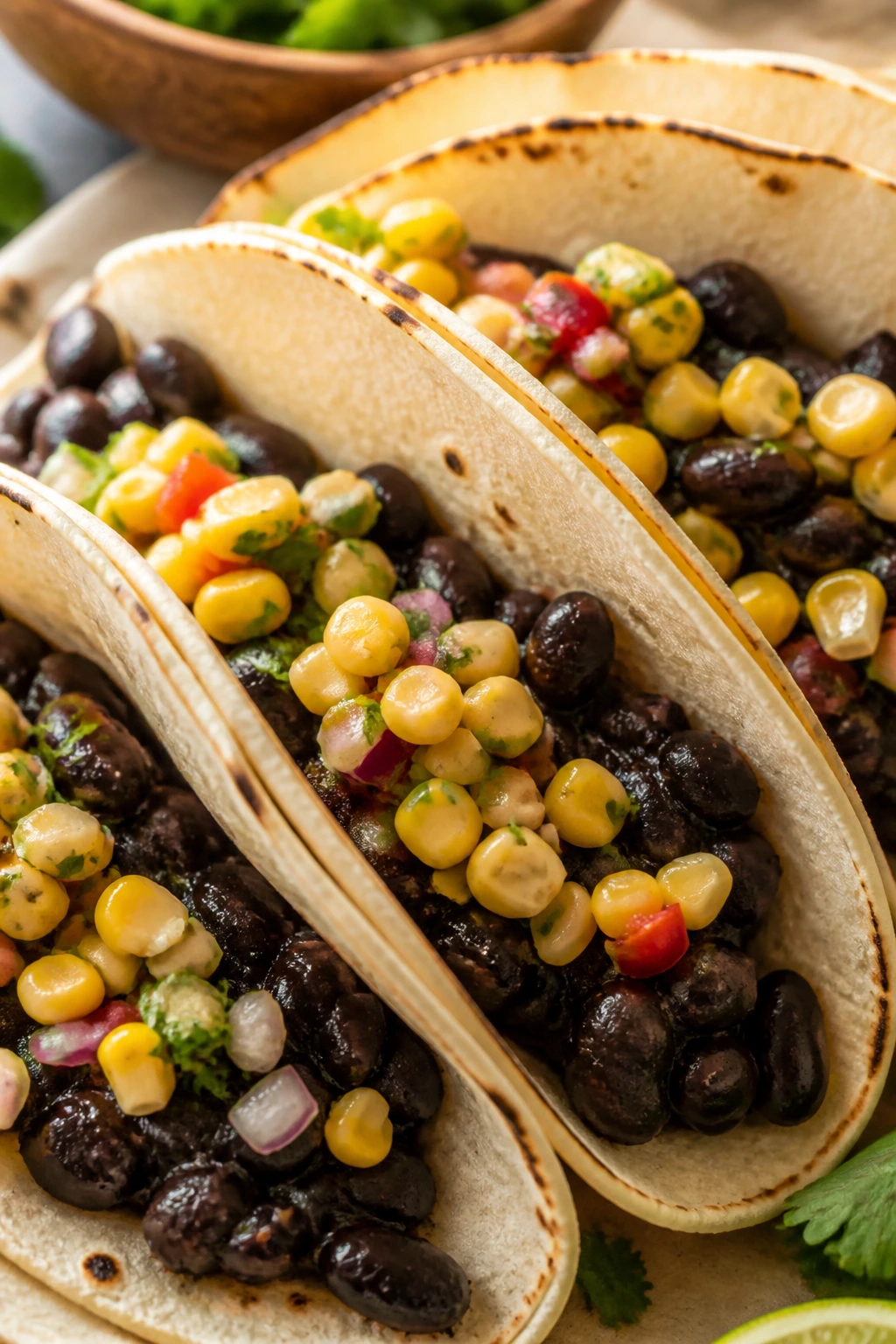
Tacos don’t have to lean on expensive meat to get people excited. Black beans bring the heft, corn salsa brings sweetness, and warm tortillas do the rest. Cheap, colorful, and fast. That combination gets eaten.
Why it works: Beans are filling and take on seasoning well, which makes them a useful stand-in for meat on a budget. Corn salsa adds brightness without requiring a long ingredient list. If you’re feeding a crowd, people can build their own tacos and stop asking whether there’s “something else” coming.
Key ingredients
- 3 cans black beans, drained and rinsed
- 12 corn tortillas
- 1 cup frozen corn, thawed
- 1 tomato, diced
- 1/2 red onion, diced
- 2 teaspoons cumin
- 1 teaspoon chili powder
- 1 cup shredded cheese
- 1 lime
Quick steps
- Warm the black beans in a skillet with cumin, chili powder, salt, and a splash of water.
- Mix the corn, tomato, onion, and lime juice to make a quick salsa.
- Heat the tortillas in a dry skillet or over the flame until pliable.
- Spoon beans into the tortillas, add salsa, and top with cheese.
- Serve with hot sauce or sour cream if you want extra topping options.
Tips and variations
- Refried beans make the tacos less messy for little kids.
- Add shredded lettuce only if you have it. It’s a nice extra, not a requirement.
16. Baked Egg and Potato Hash
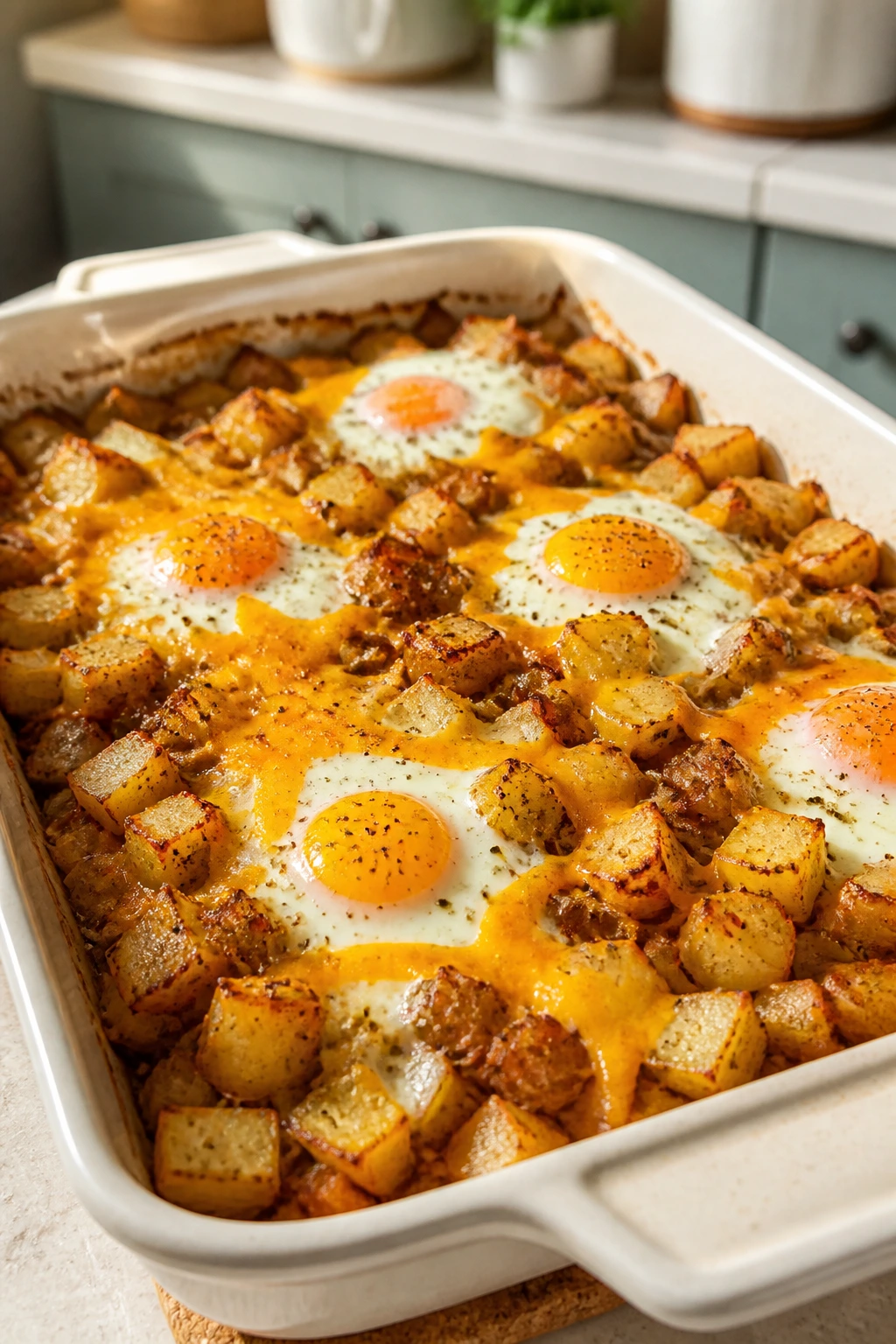
Eggs are the cheapest shortcut to a full table, especially when potatoes are involved. This baked hash gives you crisp edges, soft centers, and enough protein to count as dinner instead of a sad late breakfast. It’s plain in a useful way.
Why it works: Potatoes roast until they’re crisp enough to hold the eggs. Baking the eggs on top lets you feed more people without standing at the stove flipping every serving. A little cheese helps, but the pan still works if the fridge is nearly empty.
Key ingredients
- 2 pounds potatoes, diced small
- 1 onion, diced
- 1 bell pepper, diced
- 10 large eggs
- 1 cup shredded cheddar
- 2 tablespoons oil
- 1 teaspoon paprika
- Salt and black pepper
Quick steps
- Heat the oven to 425°F and grease a 9×13-inch baking dish or large skillet.
- Toss the potatoes, onion, and bell pepper with oil, paprika, salt, and pepper.
- Roast for 25 minutes, stirring once, until the potatoes start to crisp.
- Make 10 little wells, crack in the eggs, and sprinkle cheese around them.
- Bake 8 to 12 minutes more, until the whites are set and the yolks are cooked to your liking.
Tips and variations
- Add breakfast sausage if you have it, but the potatoes and eggs carry the meal.
- Chopped spinach slides in well during the last 5 minutes of roasting.
17. Ramen Stir-Fry with Peanut Sauce
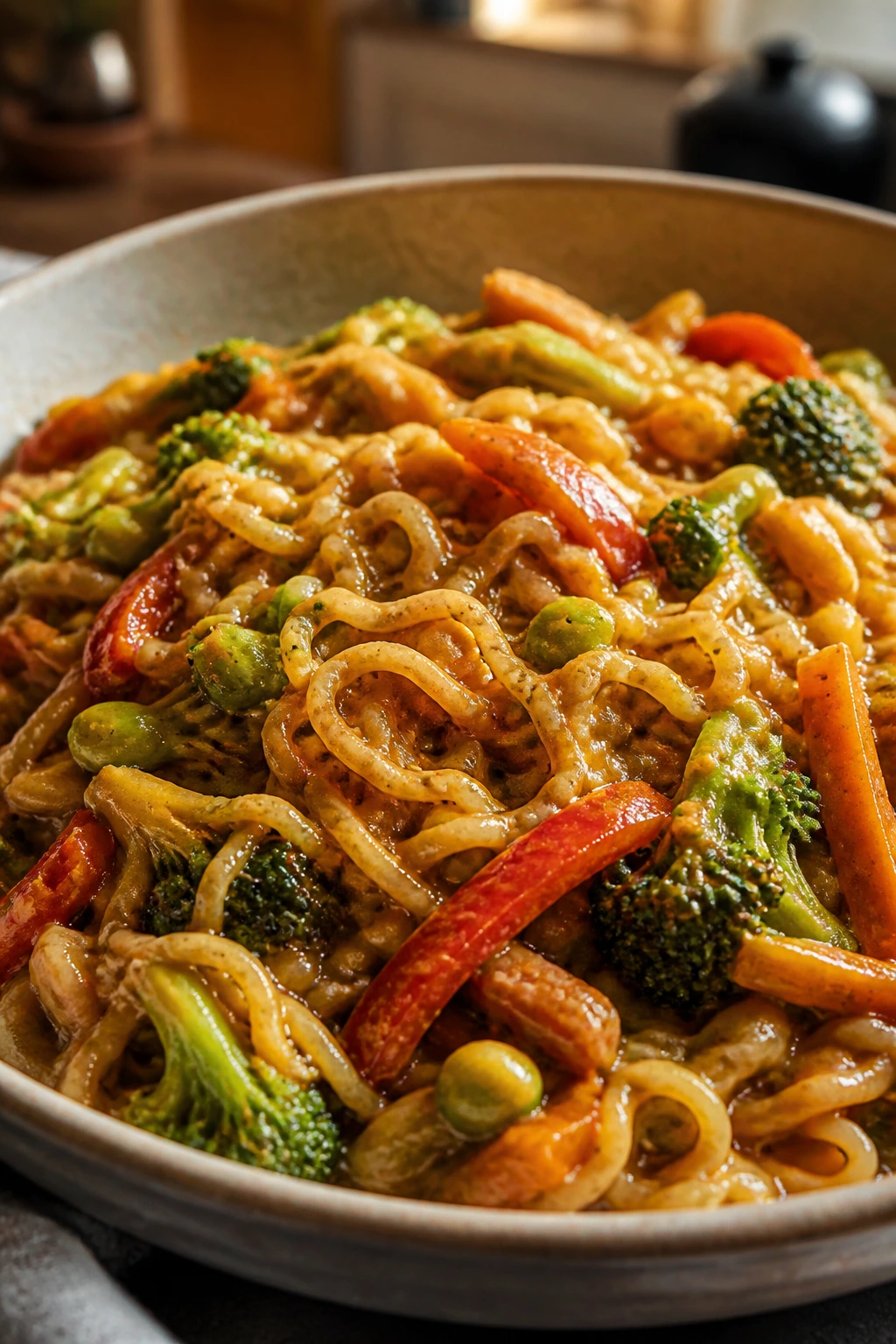
Ramen gets a bad reputation only because people stop at the packet seasoning. Once you treat the noodles like a base instead of a joke, they turn into a fast, cheap stir-fry that can feed a lot of mouths. The peanut sauce makes it taste richer than the price tag.
Why it works: Instant noodles cook in minutes, which is useful when the crowd is restless. Peanut butter, soy sauce, and a little honey make a sauce that clings to the noodles instead of slipping off. Frozen vegetables keep the cost down and the prep almost insultingly easy.
Key ingredients
- 4 packs ramen noodles, seasoning packets discarded or saved
- 2 cups frozen stir-fry vegetables
- 2 eggs, beaten, or 2 cups cooked chicken
- 3 tablespoons peanut butter
- 3 tablespoons soy sauce
- 1 tablespoon honey
- 1 clove garlic, minced
- 1 tablespoon neutral oil
Quick steps
- Whisk the peanut butter, soy sauce, honey, garlic, and 2 tablespoons warm water into a smooth sauce.
- Cook the ramen noodles for 2 minutes, then drain.
- Stir-fry the vegetables and eggs or chicken in oil over medium-high heat.
- Add the noodles and sauce, tossing until everything is coated and hot.
- Serve immediately with chopped peanuts or scallions if you have them.
Tips and variations
- Sunflower butter works if peanut allergy is an issue.
- A squeeze of lime makes the whole skillet taste brighter.
18. Meatball Subs with Frozen Meatballs
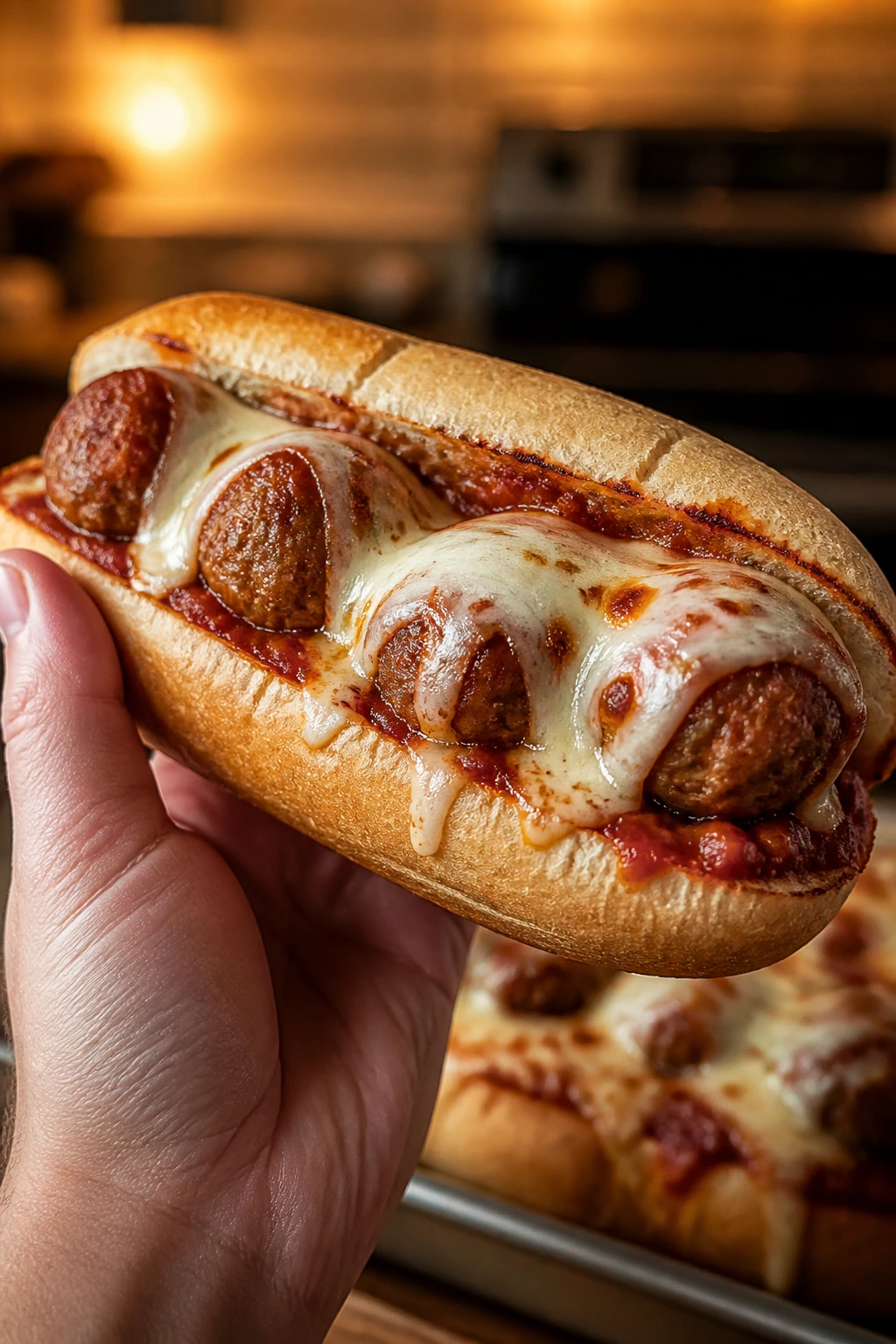
Frozen meatballs are not fancy. They are, however, efficient. When you’re feeding a lot of people and need dinner to land fast, sauce, rolls, and melted cheese turn them into something that feels much more deliberate.
Why it works: The meatballs are already shaped and seasoned, which saves both time and cleanup. Marinara does the flavor work, and hoagie rolls make the whole meal easy to hand out. This is one of the better “I forgot to plan” dinners on the list.
Key ingredients
- 2 pounds frozen meatballs
- 2 jars marinara sauce
- 6 to 8 hoagie rolls
- 2 cups shredded mozzarella
- 2 tablespoons butter, melted
- 1 clove garlic, minced
- Parmesan, optional
Quick steps
- Heat the oven to 375°F and line a baking sheet with foil.
- Simmer the meatballs in marinara until hot all the way through.
- Split the rolls and brush the cut sides with butter mixed with garlic.
- Fill each roll with meatballs and sauce, top with mozzarella, and bake 8 to 10 minutes.
- Broil briefly if needed until the cheese bubbles, then serve.
Tips and variations
- Slider buns make this easier for smaller kids.
- A green salad on the side keeps the meal from feeling too heavy.
19. Chicken Drumsticks with Rice and Peas
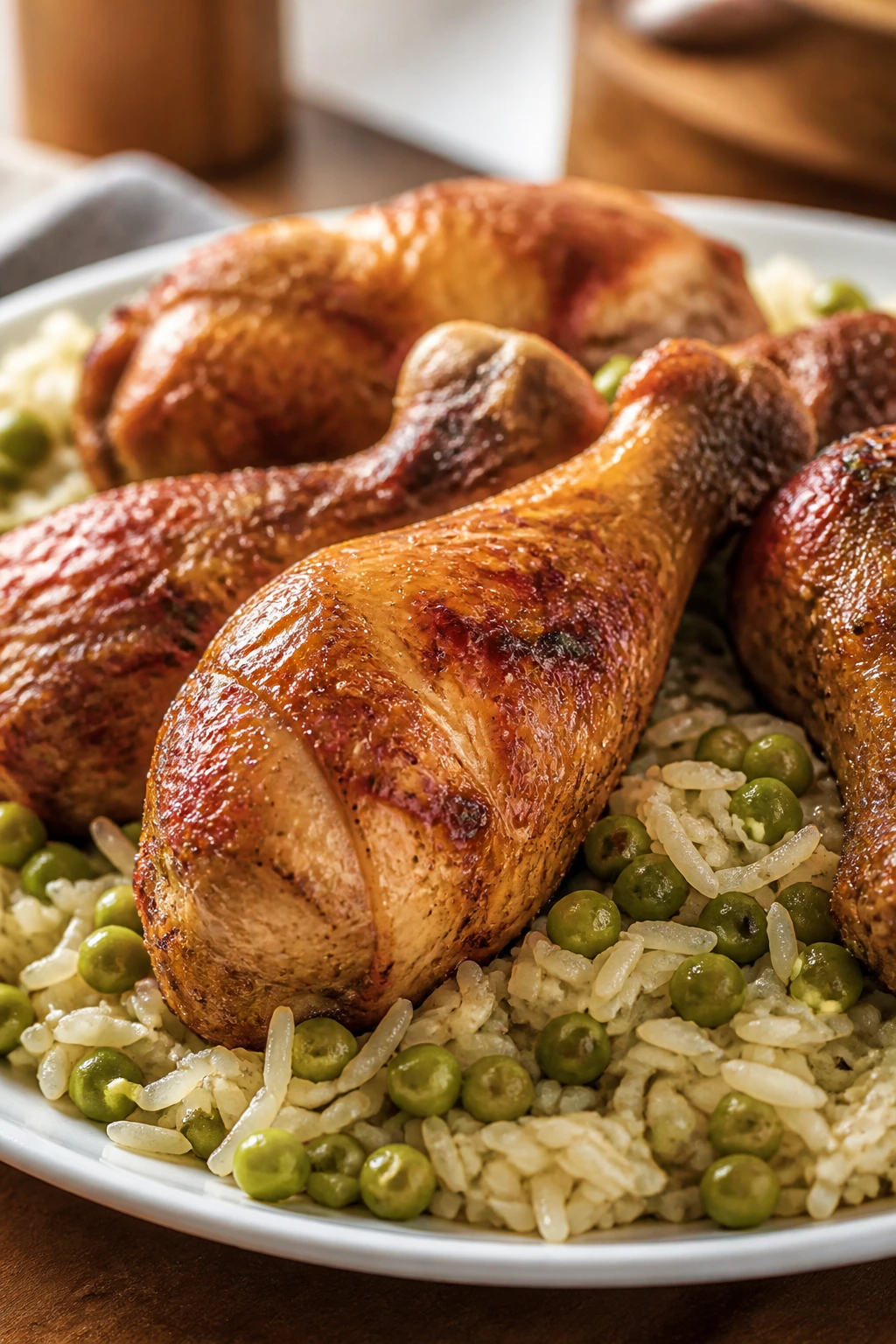
Chicken drumsticks are the thrift-store jacket of the poultry aisle: inexpensive and sturdier than they look. They roast up juicy, the skin crisps nicely, and the rice underneath catches the drippings in a very practical way. That’s dinner doing its job.
Why it works: Drumsticks usually cost less than boneless chicken parts, and they stay moist in the oven. Rice stretches the meal, peas add color and bulk, and the whole plate feels finished without needing a separate vegetable. This is the kind of meal that respects the budget.
Key ingredients
- 3 pounds chicken drumsticks
- 2 cups long-grain white rice
- 1 onion, sliced
- 2 cups frozen peas
- 4 cups chicken broth
- 1 teaspoon paprika
- 1 teaspoon garlic powder
- Salt and black pepper
Quick steps
- Heat the oven to 400°F and season the drumsticks with paprika, garlic powder, salt, and pepper.
- Roast the chicken on a lined sheet pan for 35 to 40 minutes, until the skin is crisp and the internal temperature hits 165°F.
- While the chicken roasts, cook the rice in broth with the onion.
- Stir the peas into the hot rice during the last 5 minutes.
- Serve the drumsticks over or beside the rice.
Tips and variations
- A quick lemon and yogurt marinade makes the chicken taste brighter.
- Thighs can step in if drumsticks are sold out.
20. Broccoli Mac and Cheese
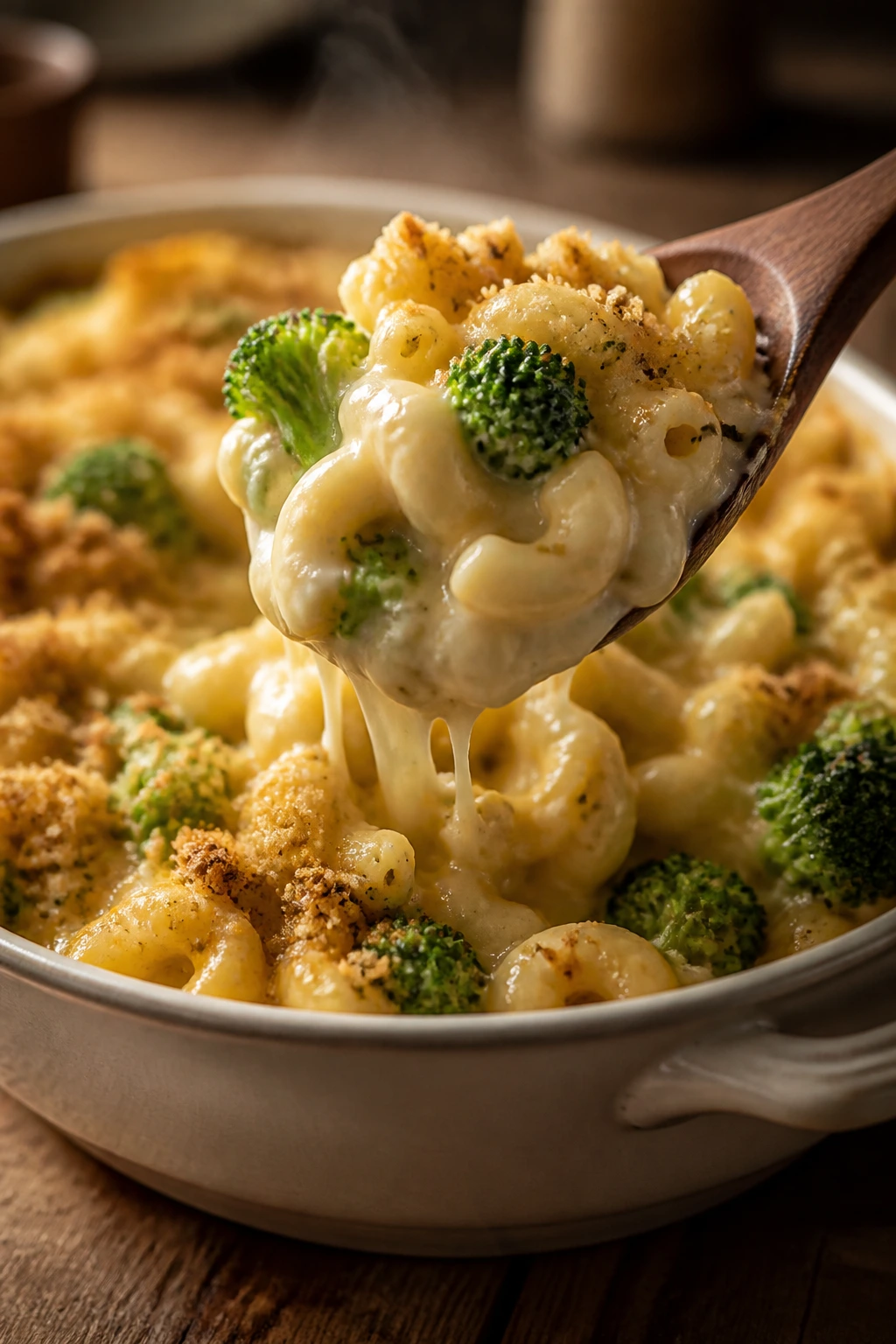
Broccoli mac and cheese is what happens when you make the classic dinner feed a few more people. It’s creamy, familiar, and easy to stretch with a vegetable that doesn’t act like an intruder. Kids usually complain less when the broccoli is tucked into cheese instead of sitting there alone.
Why it works: Pasta and a simple cheese sauce are still some of the cheapest comfort foods around. Broccoli adds volume and helps the dish feel less one-note, while a little breadcrumb topping gives you the texture people secretly want. It’s a casserole that knows exactly what it is.
Key ingredients
- 1 pound elbow macaroni
- 4 cups broccoli florets, cut small
- 3 tablespoons butter
- 3 tablespoons flour
- 3 cups milk
- 3 cups shredded cheddar
- 1 cup breadcrumbs
- 1/2 teaspoon mustard powder
- Salt and black pepper
Quick steps
- Cook the pasta and broccoli together until the pasta is just al dente, then drain.
- Melt butter in a saucepan, whisk in flour, and cook 1 minute.
- Slowly whisk in the milk and cook until the sauce thickens, then stir in cheddar and mustard powder.
- Toss the pasta and broccoli with the sauce, spread into a baking dish, and top with breadcrumbs.
- Bake at 375°F for 20 minutes, until the top is golden and the sauce bubbles.
Tips and variations
- A little evaporated milk makes the sauce silkier.
- Frozen broccoli works if you thaw and drain it first.
21. White Bean and Ham Soup
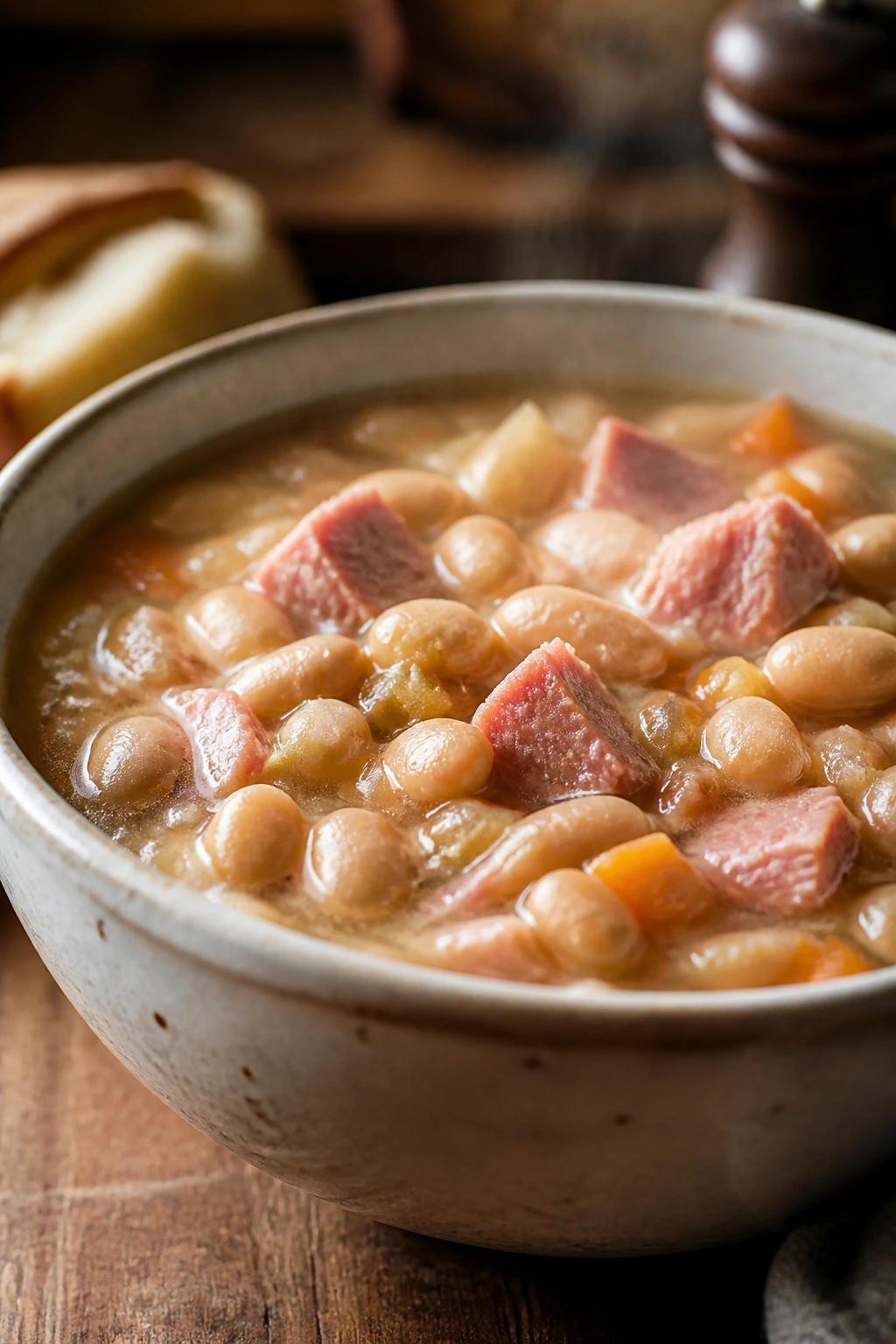
White bean and ham soup is the kind of pot that tastes like it cooked all afternoon. The beans turn creamy, the ham brings salt and smoke, and the broth gets that deep, homey flavor that makes a bowl feel worth sitting down for. It feeds a crowd without acting extravagant.
Why it works: Dried beans are one of the cheapest pantry buys, and even canned beans stay budget-friendly. A ham bone or a few cups of diced ham gives the pot enough savoriness to taste bigger than it is. This is a strong leftover soup, which matters when you need dinner to stretch.
Key ingredients
- 1 pound dried great northern beans, soaked overnight, or 3 cans beans drained
- 1 ham bone or 2 cups diced ham
- 1 onion, diced
- 2 carrots, diced
- 2 celery stalks, diced
- 6 cups chicken broth
- 1 bay leaf
- 1 teaspoon thyme
Quick steps
- Sauté the onion, carrots, and celery in a stockpot for 5 minutes.
- Add the beans, ham, broth, bay leaf, and thyme.
- Bring to a boil, then simmer until the beans are tender, 45 minutes to 1 1/2 hours depending on the bean type.
- Remove the ham bone, shred any meat from it, and return the meat to the pot.
- Season with salt and black pepper and serve with bread.
Tips and variations
- If you skip ham, smoked paprika gives the pot a little of that depth back.
- This soup thickens as it sits, which is a good thing.
22. Skillet Gnocchi with Spinach and Tomatoes
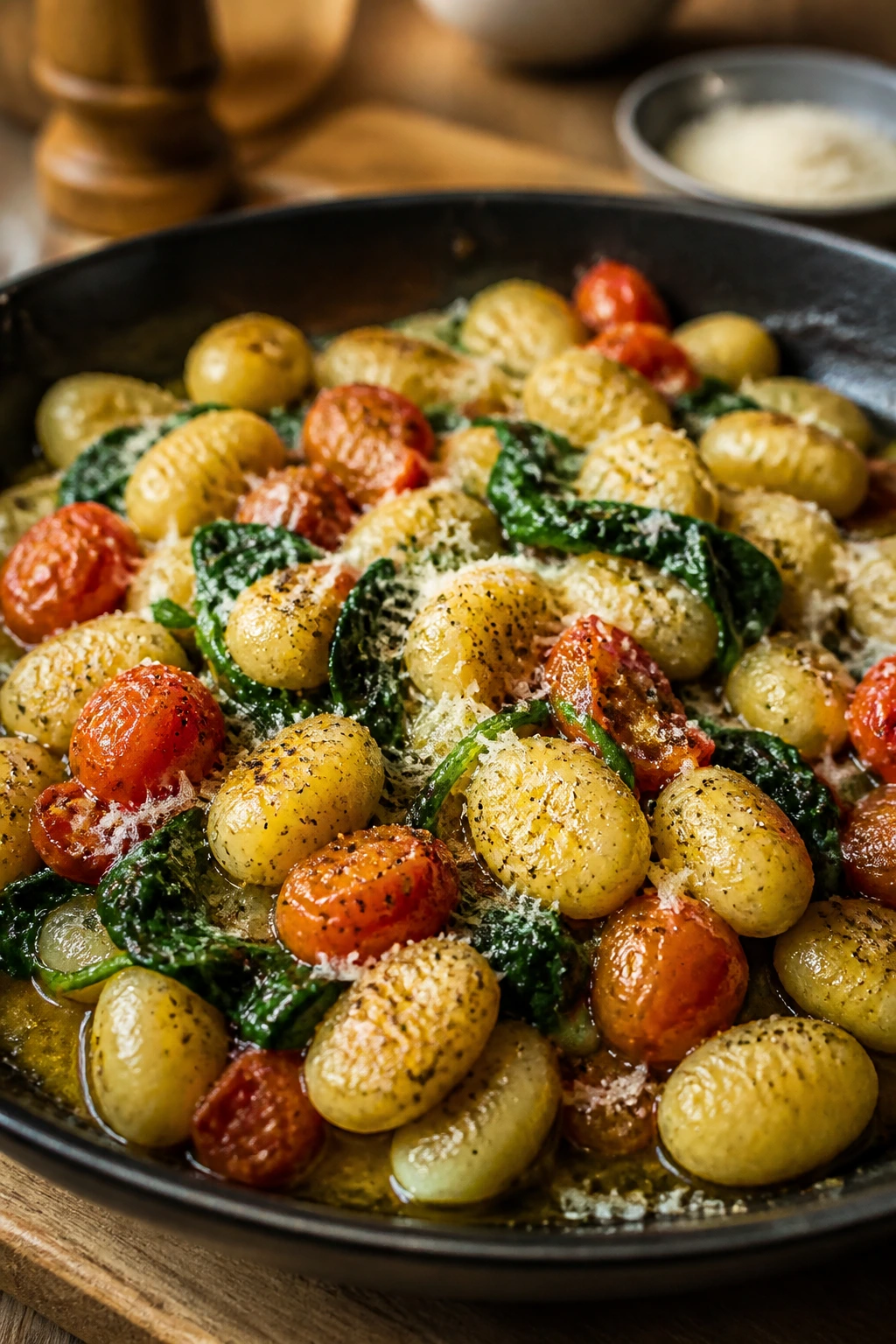
Store-bought gnocchi turns into dinner faster than almost anything else on this list. Once it hits a hot skillet, the outside gets a little golden and the inside stays soft. Add tomatoes, spinach, and garlic, and you’ve got a meal that feels more put together than the ingredient list suggests.
Why it works: Shelf-stable gnocchi cooks straight from the package, so there’s no boiling pot to babysit. Tomatoes make a quick sauce, spinach gives you bulk, and a little Parmesan at the end ties the skillet together. It’s fast enough for a busy night, but not boring.
Key ingredients
- 2 pounds shelf-stable gnocchi
- 1 pint cherry tomatoes, halved, or 1 can diced tomatoes
- 5 ounces fresh spinach
- 1 onion, sliced
- 3 cloves garlic, minced
- 2 tablespoons olive oil
- 1/4 cup grated Parmesan
- Salt and black pepper
Quick steps
- Heat olive oil in a large skillet over medium-high heat and cook the gnocchi until lightly golden.
- Add the onion and garlic and cook until soft and fragrant.
- Stir in the tomatoes and a pinch of salt, then cook until they start to burst.
- Add the spinach and stir until wilted.
- Finish with Parmesan and black pepper, then serve hot.
Tips and variations
- White beans turn this into a sturdier meal.
- Frozen gnocchi works too, though it may need a minute or two longer.
23. Breakfast-for-Dinner Pancake Plates
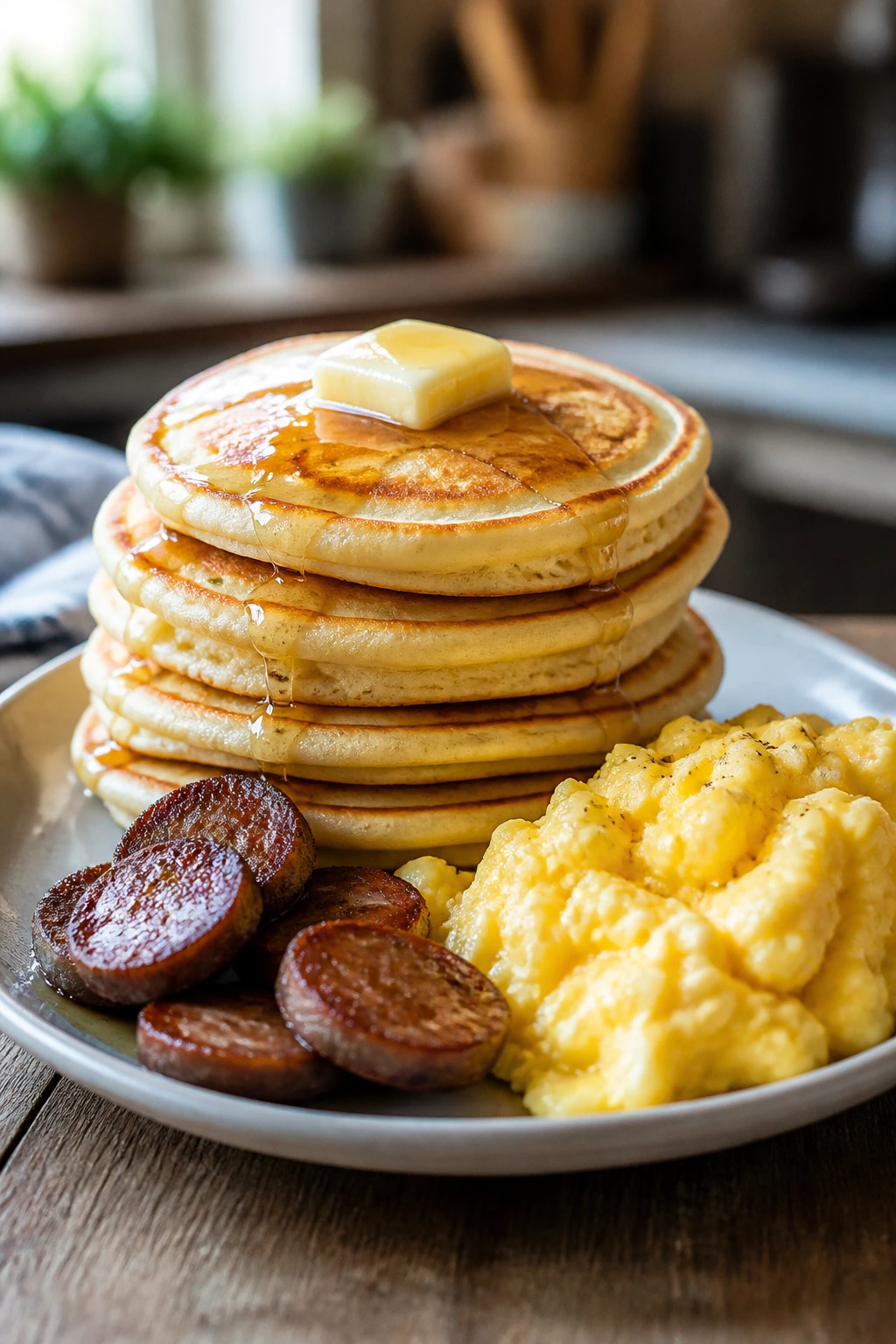
Breakfast for dinner always feels a little rebellious. Pancakes, eggs, and sausage are cheap in a way that doesn’t feel like deprivation, and the whole meal lands well with both kids and adults. Sometimes the easiest answer is the one that looks the least serious.
Why it works: Eggs and pancake batter are inexpensive, and sausage can be used as a side instead of the main event. Making breakfast plates for dinner also lets you work with what’s already in the fridge: fruit, yogurt, frozen berries, or leftovers. It’s a crowd-pleaser because everybody already knows how this game works.
Key ingredients
- 2 cups pancake mix, prepared according to package directions
- 8 large eggs
- 1 pound breakfast sausage or bacon
- 2 cups fruit, fresh or frozen and thawed
- Butter and maple syrup
Quick steps
- Cook the sausage or bacon in a skillet and keep it warm.
- Mix and cook the pancakes on a griddle or skillet until golden on both sides.
- Scramble or fry the eggs in butter until cooked the way your family likes them.
- Warm the fruit briefly if using frozen berries.
- Plate everything together with butter and syrup on the side.
Tips and variations
- Add shredded cheese or chopped herbs to the eggs if you want them less plain.
- Bananas and apples are the cheapest fruit pairings when berries are pricey.
24. Taco Soup
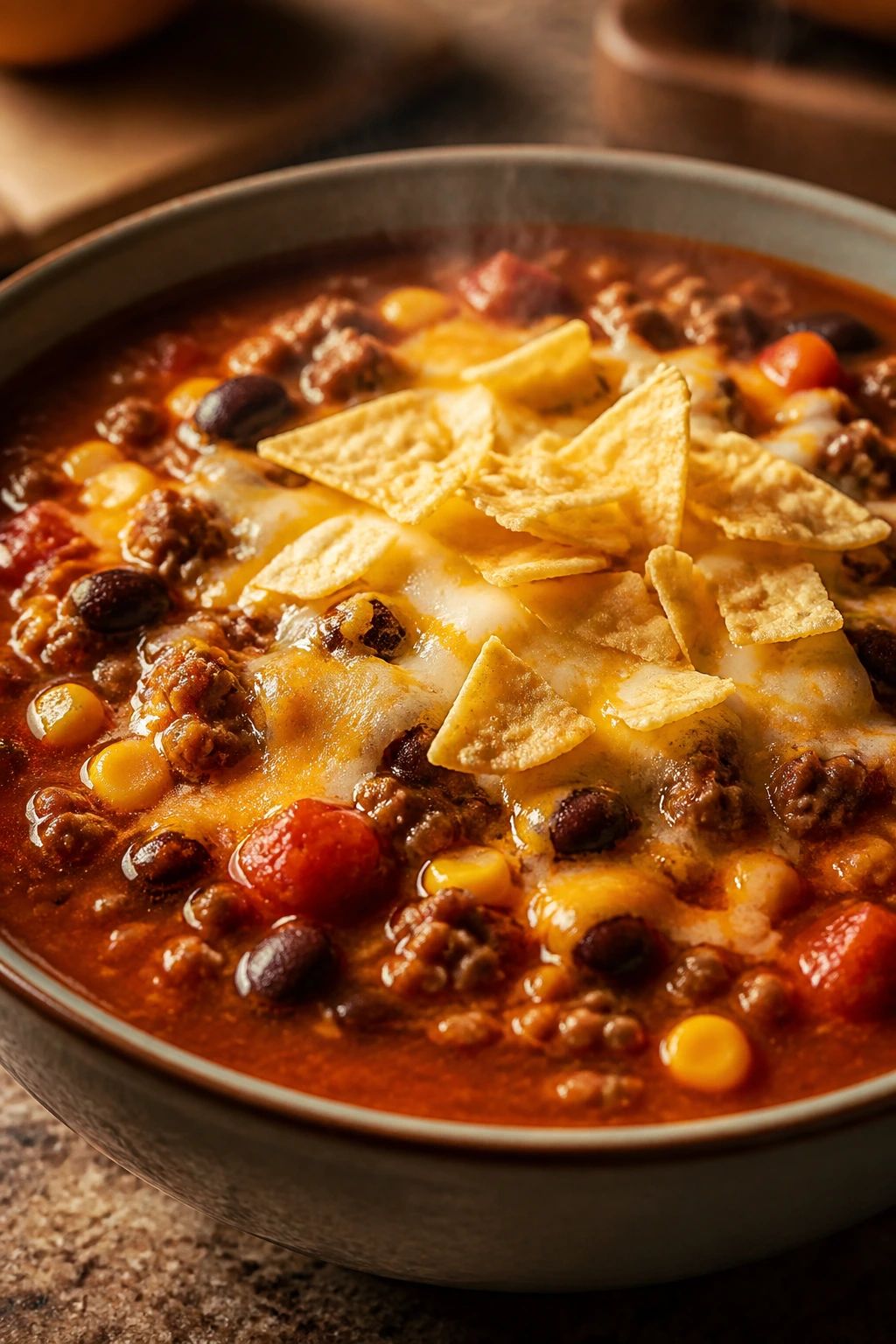
Taco soup is a pantry cleanout that accidentally tastes planned. It uses beans, tomatoes, corn, and a little meat to create a bowl that’s hearty enough for seconds. Top it with chips and cheese and nobody complains about the bean count.
Why it works: Canned beans and tomatoes are cheap, easy, and stable in the pantry. Ground meat stretches a long way in soup because the broth carries the flavor through the whole pot. It also freezes well, which makes it one of the smartest big-batch dinners here.
Key ingredients
- 1 pound ground beef or ground turkey
- 2 cans black beans, drained and rinsed
- 1 can pinto beans, drained and rinsed
- 1 can corn, drained
- 2 cans diced tomatoes
- 1 packet taco seasoning or 2 tablespoons homemade mix
- 4 cups broth
- Tortilla chips, cheese, and sour cream for topping
Quick steps
- Brown the meat in a large pot and drain extra fat if needed.
- Add the beans, corn, tomatoes, taco seasoning, and broth.
- Bring to a boil, then lower to a simmer for 20 to 25 minutes.
- Taste and adjust salt if needed.
- Serve with chips, cheese, and sour cream on top.
Tips and variations
- Rotisserie chicken works if you want a no-brown-meat version.
- The leftovers thicken overnight and taste even better the next day.
25. Cabbage and Noodle Skillet
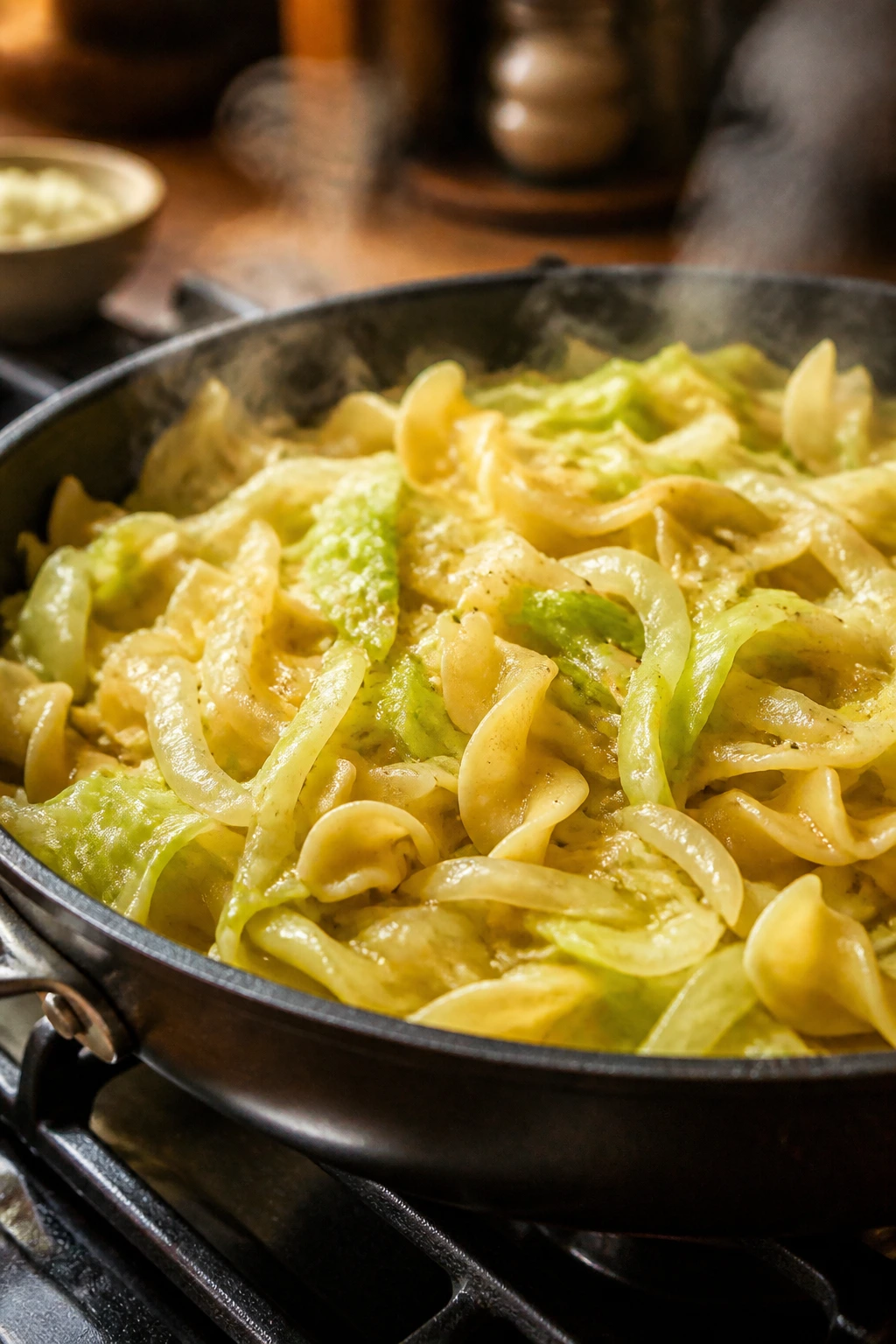
Cabbage and noodles have a way of stretching a tiny budget into a full pan. The cabbage softens and sweetens, the noodles carry the butter and pepper, and the dish feels more substantial than it has any right to. It’s plain, but not dull.
Why it works: Cabbage is cheap by the head and shrinks beautifully in the pan. Egg noodles cook quickly and soak up the fat and seasoning, which makes the whole skillet feel cohesive. If you add bacon or kielbasa, great. If not, butter and onion still carry the meal.
Key ingredients
- 1 medium green cabbage, shredded
- 12 ounces egg noodles
- 1 onion, sliced
- 4 tablespoons butter
- 2 tablespoons soy sauce or apple cider vinegar
- 1/2 teaspoon black pepper
- 4 slices bacon, chopped, optional
Quick steps
- Cook the noodles in salted water until tender, then drain.
- In a large skillet, cook the bacon if using, then add the onion and cabbage.
- Cook over medium heat until the cabbage softens and picks up some browning at the edges.
- Stir in the noodles, butter, soy sauce or vinegar, and pepper.
- Toss until glossy and serve hot.
Tips and variations
- Kielbasa makes this feel like a bigger dinner with almost no extra effort.
- A spoonful of sour cream on top softens the sharp edge of the cabbage.
Why These Cheap Family Dinners Work So Well on Busy Nights
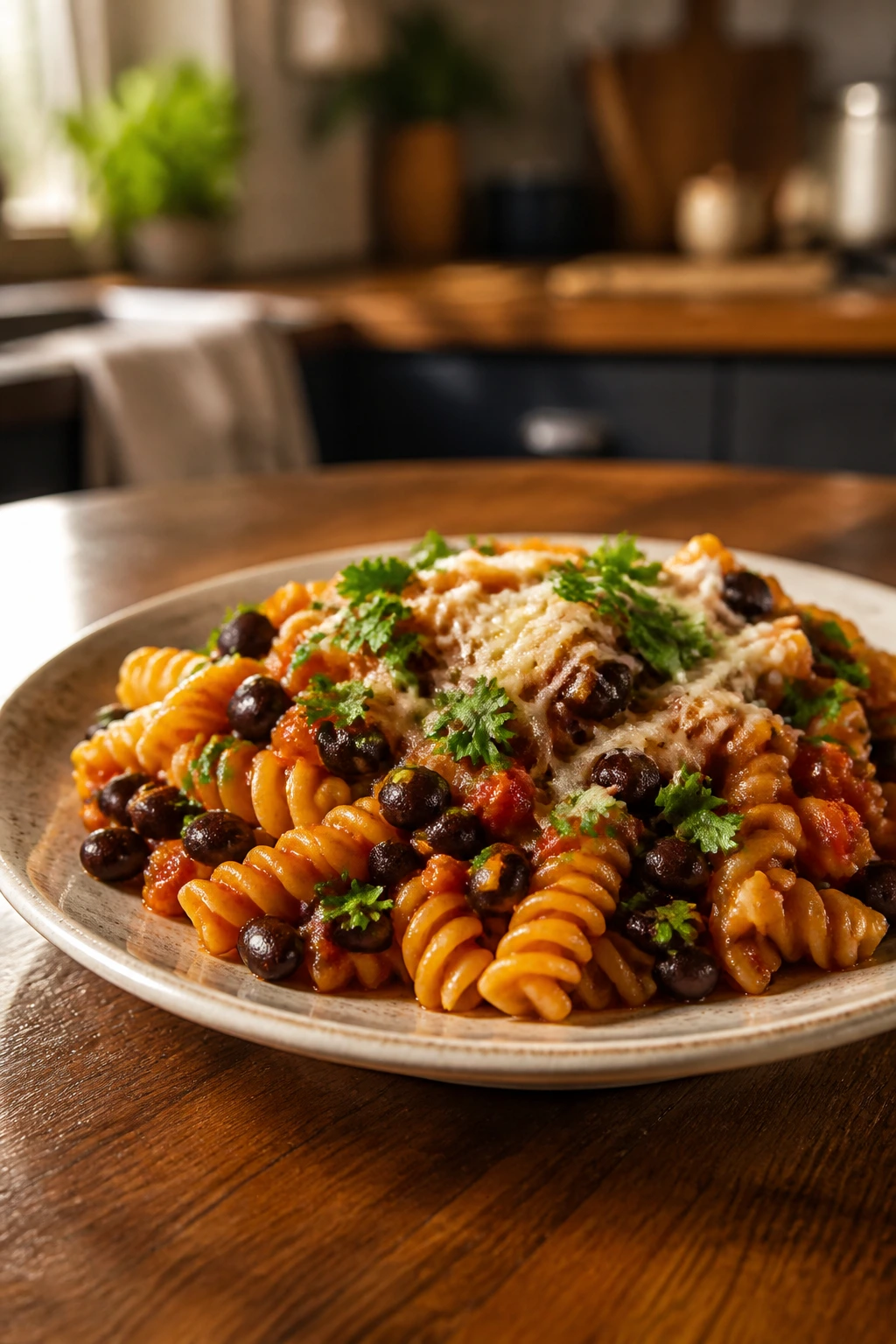
The theme running through all 25 dinners is simple: one strong base, one sensible protein choice, and one thing that makes the plate feel complete. That might be cheese. It might be a crispy topping. It might be beans, potatoes, or a sauce thick enough to cling to a spoon.
I’m a fan of dinners that don’t make a huge mess and still feel like somebody cooked. A tray of baked ziti, a pot of chili, or a skillet of cabbage and noodles can do that with very ordinary ingredients. And ordinary is the point. Ordinary food is what gets repeated, and repetition is what makes a family budget hold together.
Essential Equipment for These Dinners
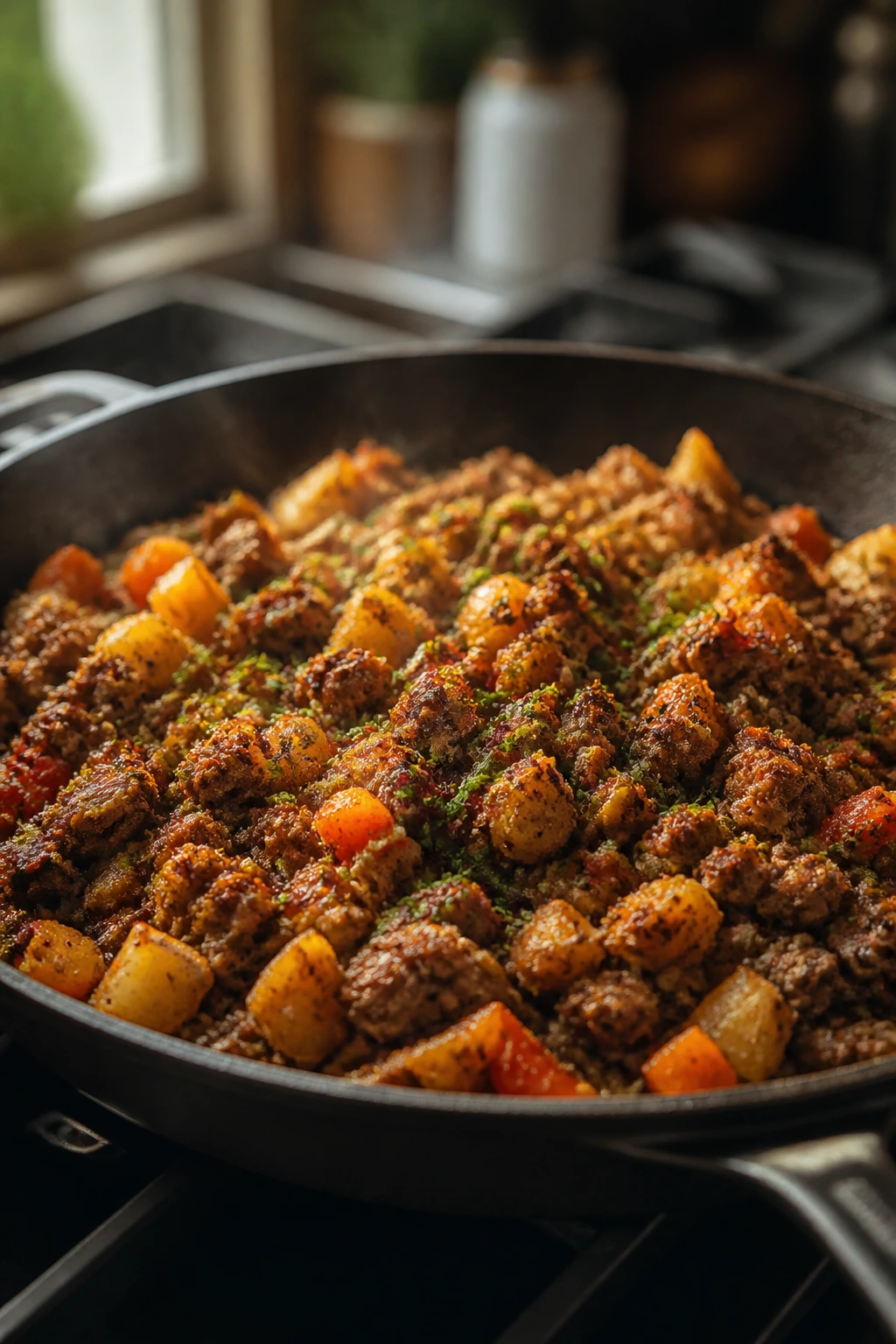
- Large skillet, 12-inch or bigger: Useful for sausage, fried rice, cabbage dishes, and sloppy joes without crowding the pan.
- Dutch oven or heavy soup pot: The best vessel for chili, soup, taco soup, and pasta e fagioli because it holds heat evenly.
- 9×13-inch baking dish: The workhorse for baked ziti, burrito bake, casseroles, and shepherd’s pie.
- Rimmed sheet pan: Needed for sausage and vegetables, quesadillas, and chicken drumsticks.
- Large stockpot: Helpful for pasta, potatoes, broth-based soups, and anything that needs room to boil.
- Colander: Saves a lot of frustration when draining pasta, noodles, and canned beans.
- Wooden spoon or sturdy spatula: Better than flimsy tools when you’re stirring thick chili or scraping the bottom of a skillet.
- Box grater: Makes block cheese stretch farther and melts better than most pre-shredded bags.
- Measuring cups and spoons: Not glamorous, but useful when seasoning a pot for eight instead of guessing.
- Instant-read thermometer: Especially handy for chicken drumsticks, casseroles, and baked egg dishes.
- Airtight storage containers: Needed for leftovers, because a big-family meal without a storage plan turns into fridge chaos.
- Foil or lids: Useful for casseroles and sheet-pan dinners when you need a covered bake or easier cleanup.
Smart Shopping Moves for Cheap Dinners for Big Families
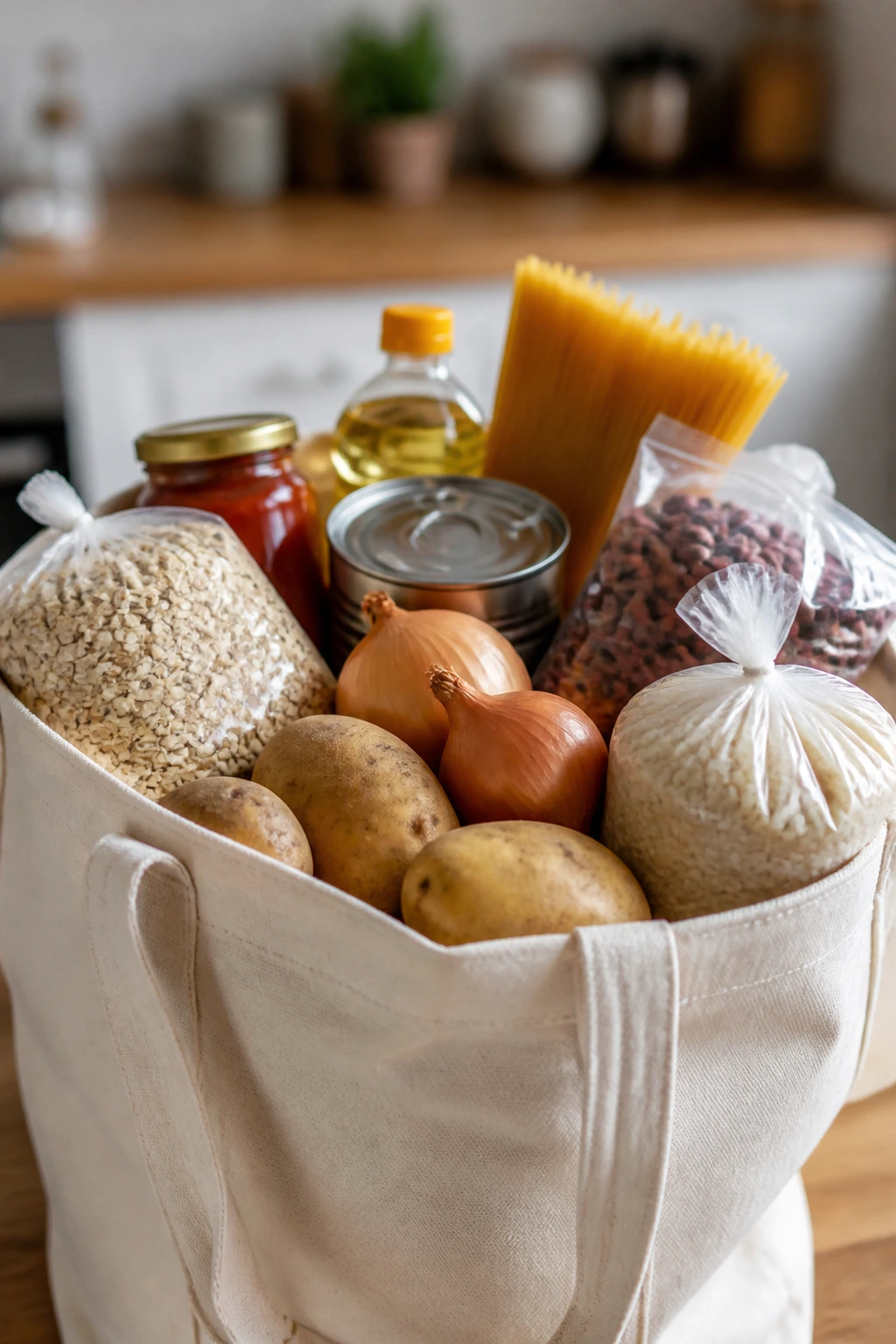
The easiest way to save money is to buy ingredients that appear in more than one meal. Onions, carrots, cabbage, potatoes, rice, pasta, eggs, and canned tomatoes can all show up again and again without making dinner feel repetitive. That overlap matters more than any single bargain label.
Store brands are often fine for the pantry basics. Canned beans, broth, tomato sauce, tortillas, pasta, and frozen vegetables don’t need to be fancy to do their jobs. I’d rather buy a plain can of tomatoes and a real lemon than chase a specialty jar that costs twice as much and only works once.
Meat is where a lot of budgets wobble, so choose cuts that stretch well. Chicken thighs usually give you better flavor and fewer dry edges than breasts. Ground turkey, ground beef, sausage, drumsticks, frozen meatballs, and ham bones all have a place here because they can carry a crowd when paired with starches and vegetables.
Dried beans and lentils deserve a spot in the cupboard too. They take longer than canned, sure, but they’re one of the cheapest ways to add body to soup, chili, and casserole filling. Frozen vegetables are not a compromise in this kind of cooking — they’re insurance against waste.
How to Serve a Crowd Without Making the Table Feel Chaotic
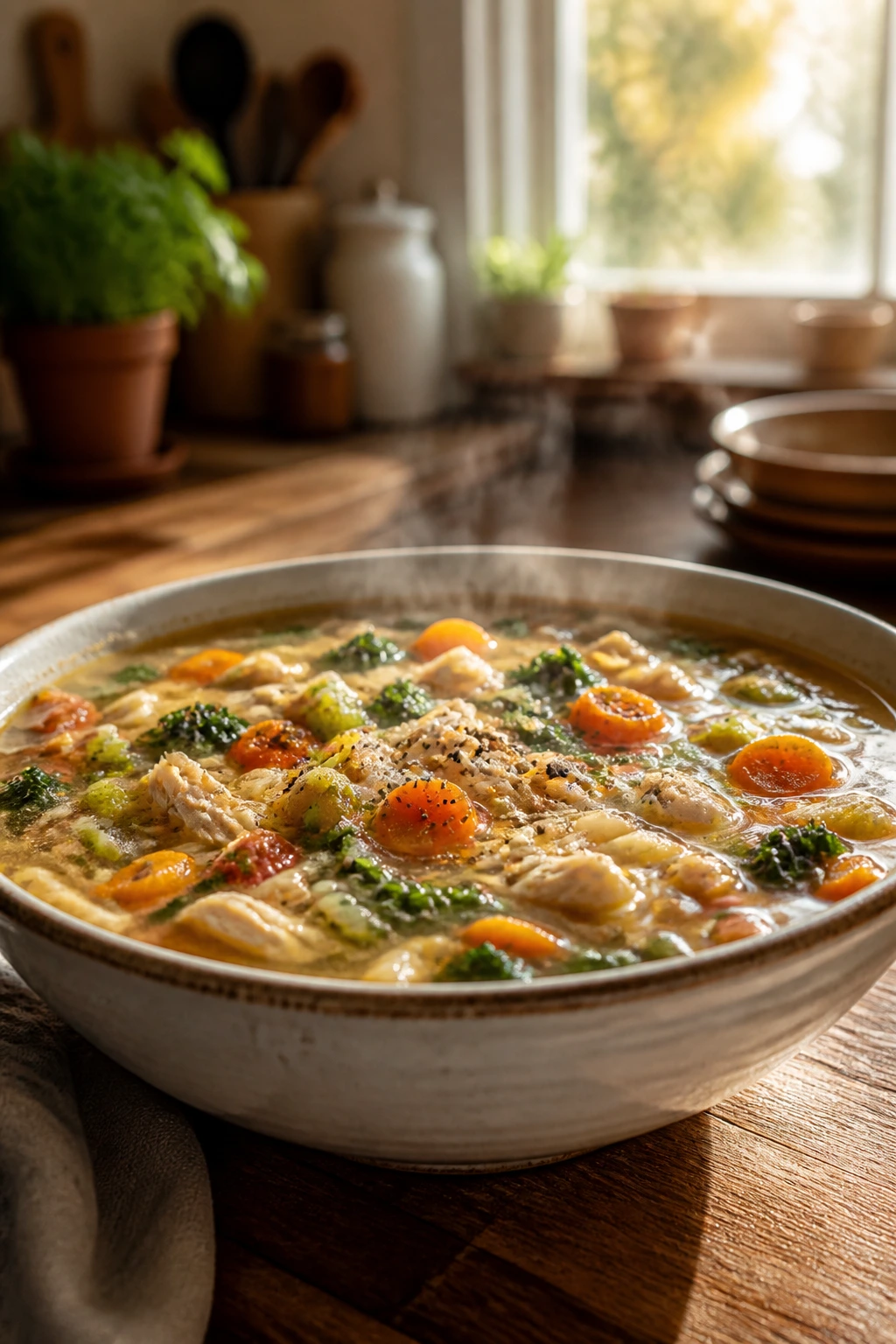
Presentation: Serve soups and chili in wide bowls so the toppings stay visible, and cut casseroles into neat squares before lifting them onto plates. A scattering of chopped scallions, parsley, or shredded cheese makes even the cheapest meal look cared for.
Accompaniments: Keep the sides simple. A green salad, buttered bread, cornbread, apple slices, or a tray of cut vegetables does the job without another full recipe. For heavier dinners like mac and cheese or casserole, a bright side helps the plate feel less heavy.
Portions: Most of these meals feed 6 to 8, and a few push beyond that if you serve them with bread, rice, or tortillas. For teens or extra-hungry adults, plan on 1 1/2 cups of chili or soup, one filled tortilla or sandwich per person, and a generous scoop of casserole.
Beverage Pairing: Iced tea, lemonade, milk, sparkling water, or plain water all fit these dinners without competing for attention. Keep the drink simple. The food is doing enough already.
Additional Tips and Flavor Boosters for Bigger Batches
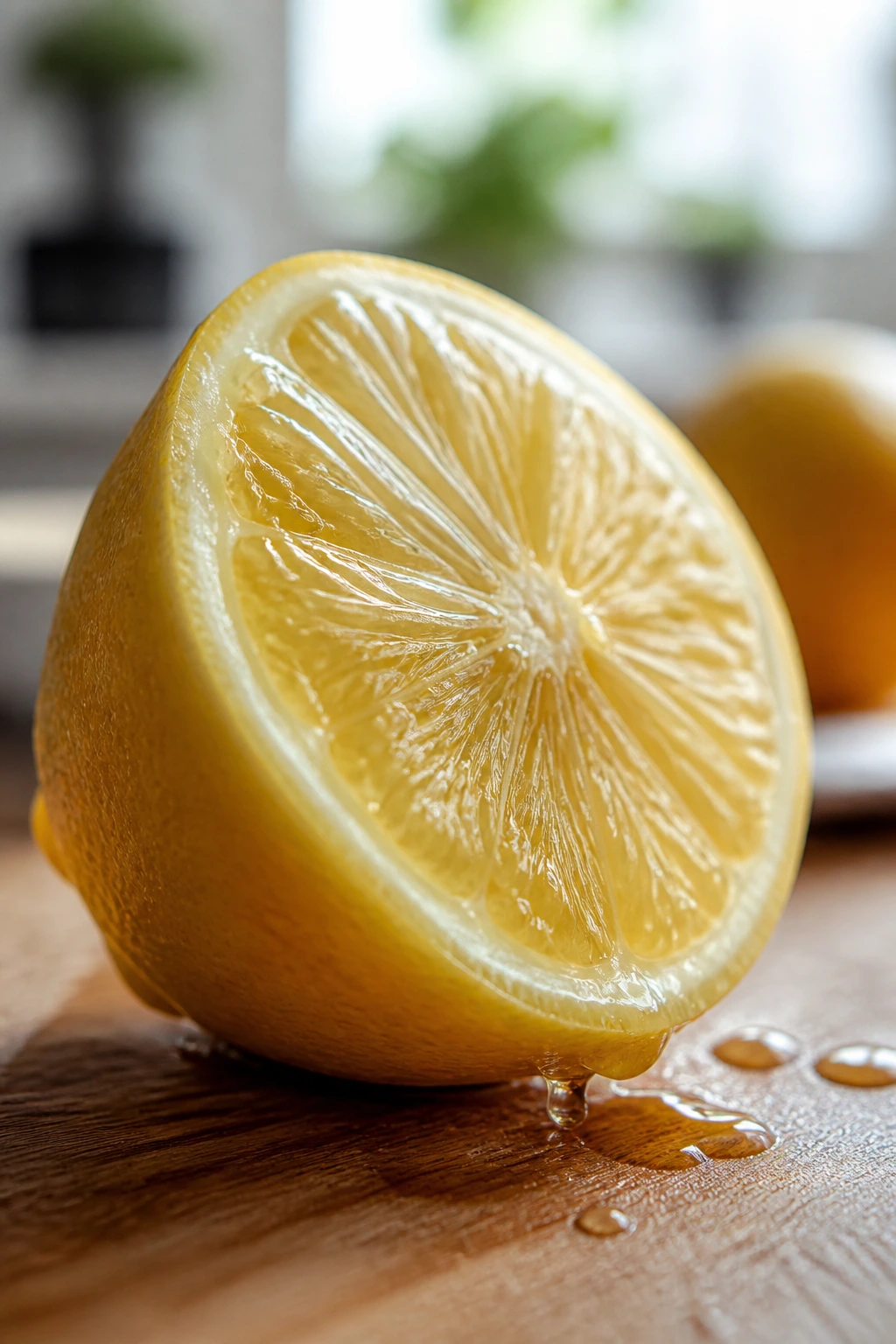
Flavor Enhancement: A small hit of acid changes a big pot fast. Try a splash of vinegar in cabbage, a squeeze of lemon over fried rice, or lime in chili and bean tacos. It wakes the food up without making it expensive.
Customization: If your family likes heat, keep the base mild and put hot sauce, chili crisp, or sliced jalapeños on the table. If they like creamy food, a spoonful of sour cream, yogurt, or extra cheese at the end can smooth out soup and casseroles.
Serving Suggestions: Toasted breadcrumbs, crushed tortilla chips, chopped scallions, parsley, and shredded cheese are cheap finishing moves that make the plate feel finished. They also fix the common problem of a dish tasting fine but looking flat.
Make-It-Yours: For a meat-light version, replace half the meat in chili, taco soup, and sloppy joes with beans or lentils. For dairy-free meals, use olive oil, broth, and a little cornstarch for body, then skip the cheese or use it sparingly. For gluten-free dinners, lean on rice, corn tortillas, potatoes, and certified gluten-free broth.
Make-Ahead, Storage, and Reheating That Actually Helps
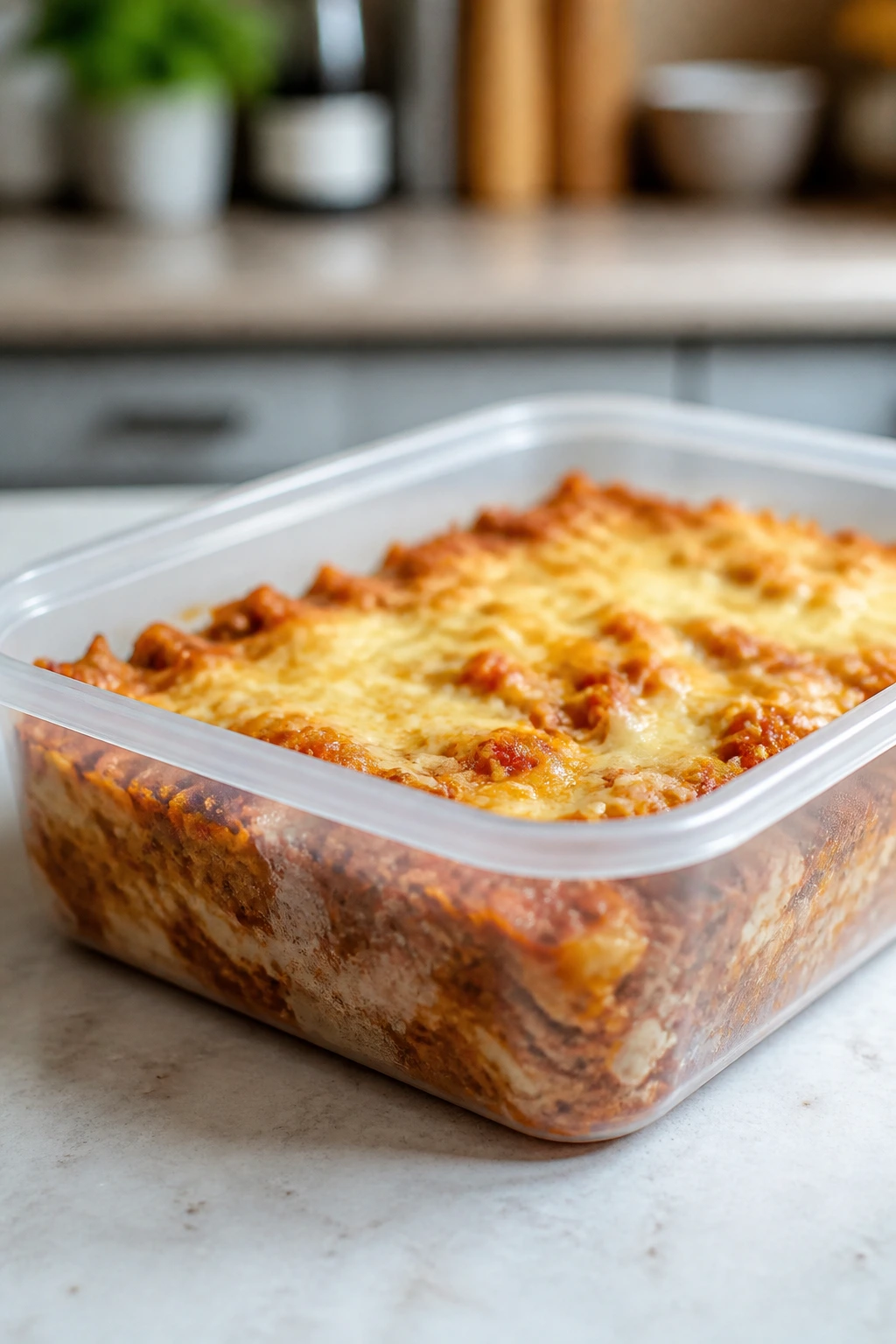
Most of these dinners hold up well in the fridge for 3 to 4 days, as long as they’re cooled and packed properly. Soups, chili, taco soup, white bean soup, and casseroles are the easiest to store because they keep their shape and flavor. Rice and noodle dishes can also last that long, but they need a little moisture when reheated.
For the freezer, 2 to 3 months is a good working window for chili, soups, burrito bake slices, baked ziti, and shepherd’s pie. Label the containers with the dish name and the date. Future-you will be grateful when the freezer starts looking like a puzzle.
Reheat soup and chili on the stovetop over low to medium heat with a splash of broth or water. Casseroles and baked pasta do better in a 350°F oven, covered with foil until hot in the center. For fried rice, cabbage skillet dinners, and ramen stir-fry, a skillet is better than the microwave because it brings the texture back instead of steam-softening everything.
A couple of items deserve special care. Tuna noodle casserole usually tastes best within 2 to 3 days, because the noodles can soften if it sits too long. Potato soup and mashed-potato-topped dishes can separate a little after freezing, but a good stir usually brings them back. And if you’re making drumsticks or any chicken dish ahead, cool it fast and refrigerate within 2 hours so the texture and safety both stay in good shape.
Variations and Adaptations to Try
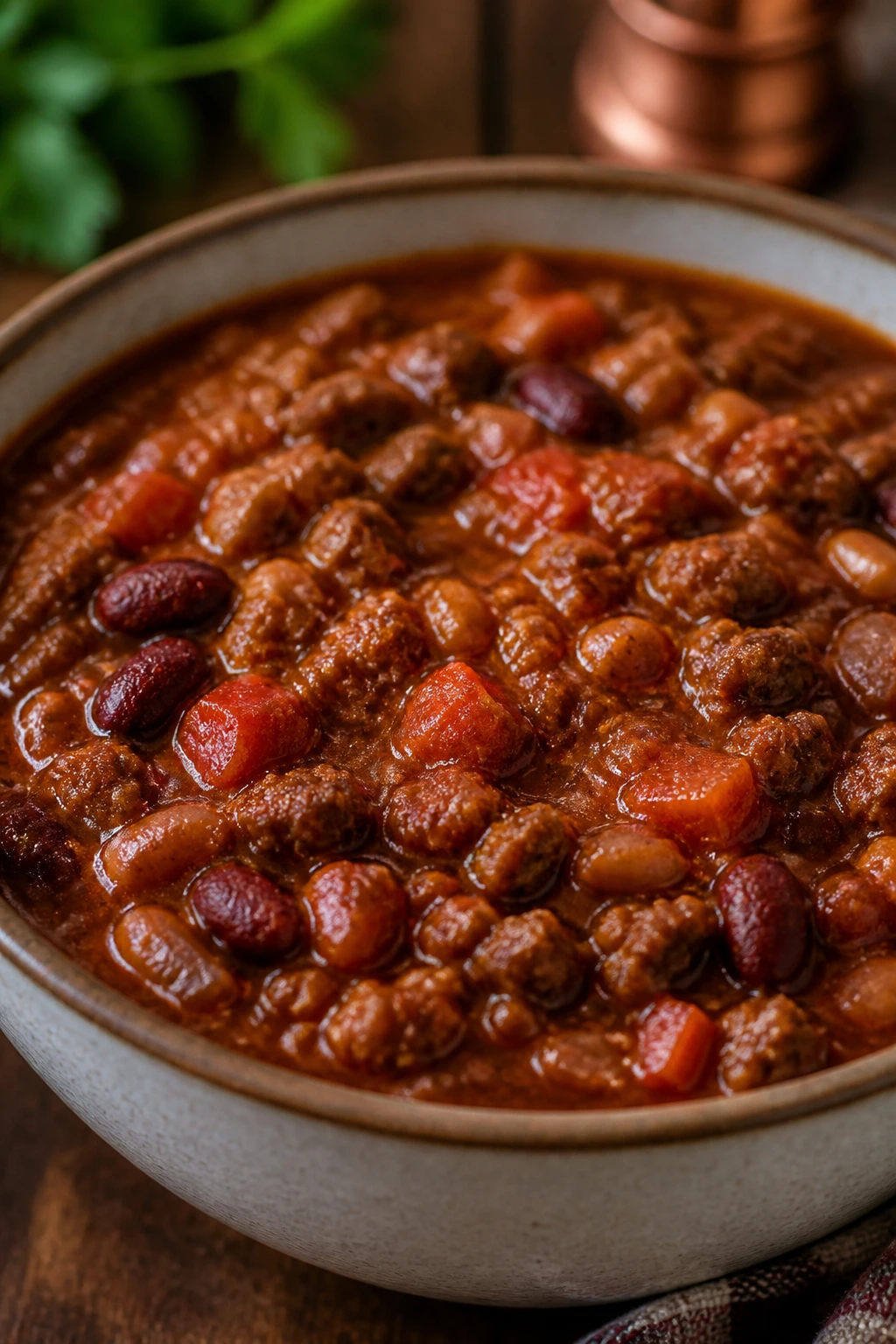
Meat-Light Pantry Night: Cut the meat in chili, taco soup, sloppy joes, or burrito bake in half and add beans, lentils, or extra vegetables. The meals still feel complete, and the grocery bill usually drops without much drama.
Dairy-Free Table: Use olive oil instead of butter, broth instead of cream, and a little cornstarch or pureed potato to thicken soups and casseroles. Skip the cheese topping or add it only to the portion that needs it.
Gluten-Free Swap-Out: Choose rice, potatoes, corn tortillas, or gluten-free pasta where needed. The big wins here are chili, sheet-pan sausage and vegetables, taco soup, chicken and rice casserole, and fried rice.
Heat-It-Up Night: Keep the main pot mild, then add chipotle, hot sauce, red pepper flakes, pepper jack, or sliced jalapeños at the table. That way the kids don’t suffer and the adults don’t feel underfed.
Extra-Veg Stretch: Cabbage, carrots, frozen spinach, bell peppers, mushrooms, and peas can disappear into most of these dinners without complaint. They add bulk, color, and a little more nutrition with very little cost.
Slow-Hand Night: Chili, white bean soup, and chicken drumsticks all adapt well to a slow cooker if you need the oven free. That’s useful when the meal needs to wait on the rest of the evening.
Common Mistakes That Make Cheap Meals Feel Cheap
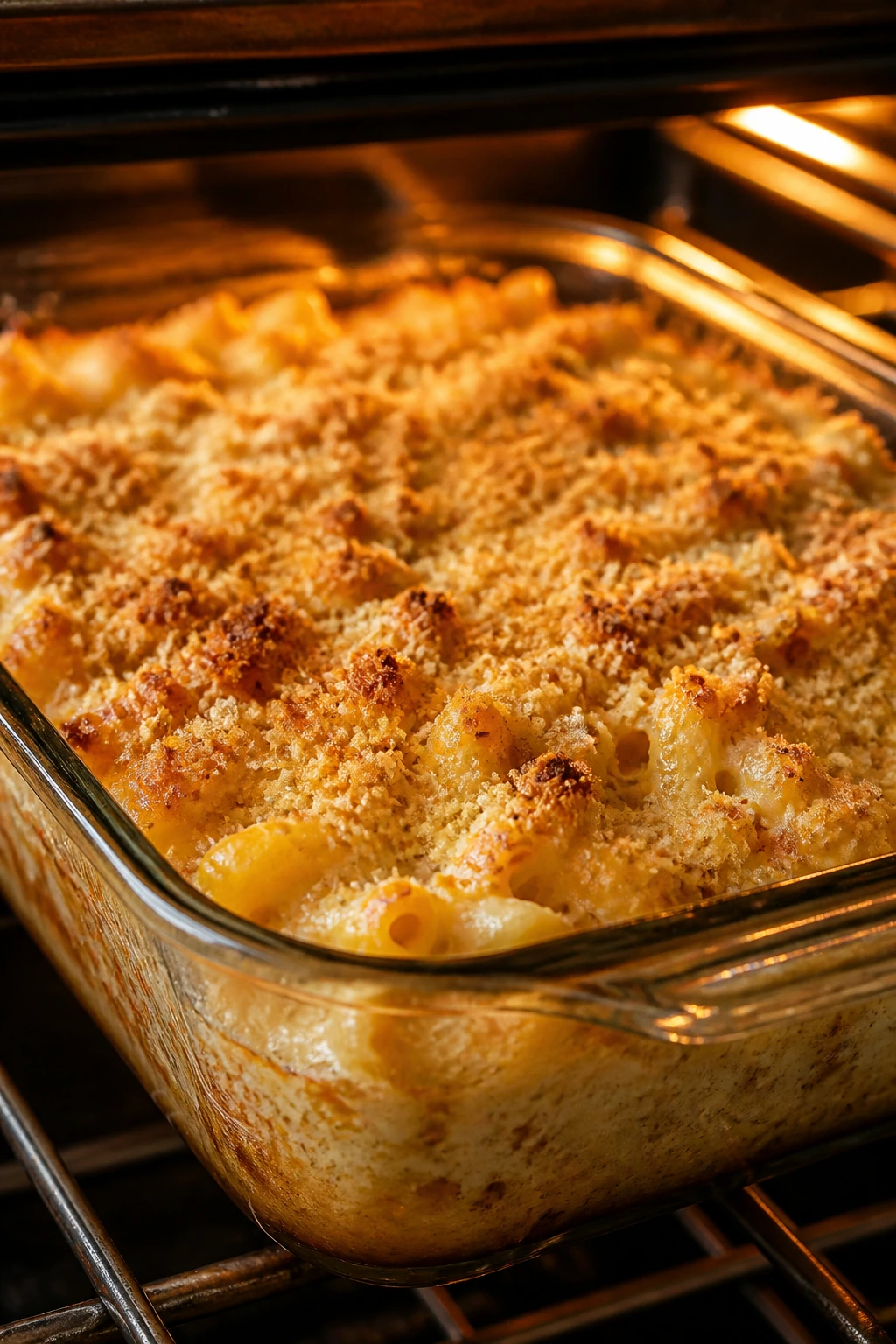
Under-seasoning the big pot: A casserole or soup for eight needs more salt and spice than a dinner for two. If it tastes flat, the food won’t feel satisfying, no matter how much of it there is. Fix it with salt in layers, plus a finishing hit of acid or herbs.
Choosing ingredients that don’t stretch: A pricey protein with no bulk ingredient is the fastest way to blow the budget. Keep an eye on what fills the plate — rice, beans, potatoes, pasta, cabbage — and let the meat act as the accent, not the whole show.
Overcooking pasta and rice: Mushy noodles and wet rice make cheap dinners feel sloppy in a bad way. Pull pasta while it’s still a little firm and let casseroles finish in the oven. For rice, follow the water ratio and let it rest before fluffing.
Skipping the finishing touch: Many of these dinners need one bright thing at the end. It could be lemon, vinegar, scallions, hot sauce, parsley, or crunchy breadcrumbs. Without that, the meal can taste heavy instead of comforting.
Not planning for leftovers: A big-family dinner should have a storage plan before you start cooking. If you know you’ll have extra chili, soup, or casserole, portion it into containers while it’s still warm enough to handle safely. That’s how you keep the fridge useful instead of crowded.
Frequently Asked Questions
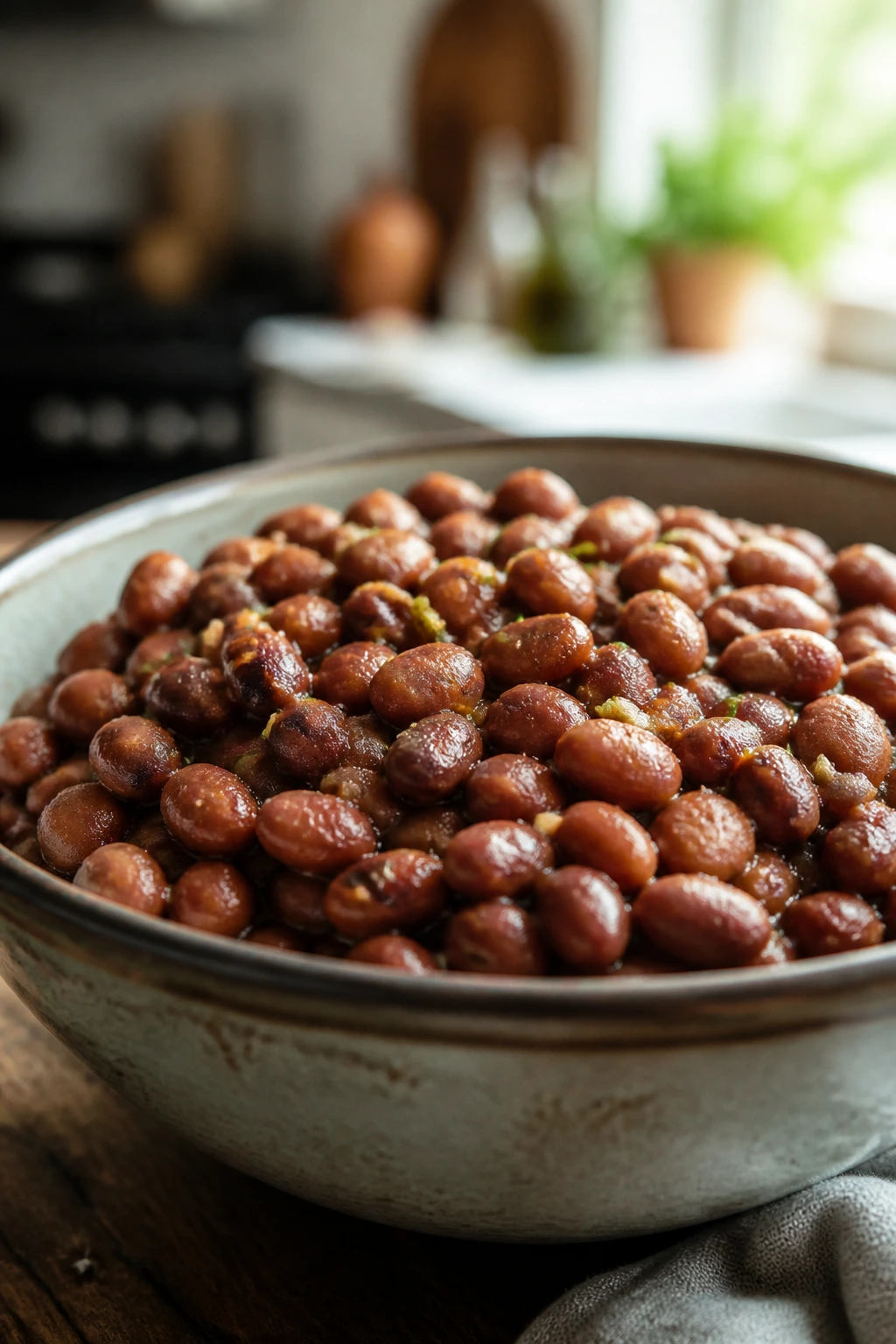
How do I make cheap dinners for big families feel filling enough?
Start with a bulk ingredient like potatoes, beans, pasta, rice, or cabbage, then add enough protein to support the meal instead of carrying it alone. A little fat and a strong sauce help too, because a dinner that tastes rich tends to satisfy people faster.
Can I use frozen vegetables in these recipes?
Yes, and in some of them I’d prefer them. Frozen peas, corn, broccoli, spinach, and mixed vegetables are picked at a useful stage and save you chopping time, which matters when dinner needs to happen fast.
What protein stretches the farthest on a budget?
Beans and lentils are hard to beat, especially in chili, soup, tacos, and shepherd’s pie. If you want meat, chicken drumsticks, ground turkey, sausage, and frozen meatballs usually give you a better cost-to-serving ratio than lean boneless cuts.
How do I keep the food from tasting bland when I’m cooking in bulk?
Season in layers. Salt the onions, season the meat, then taste the finished dish and fix it with more salt, pepper, vinegar, lemon, or hot sauce if needed. Big pots need more seasoning than small ones, and they usually need a little brightness at the end.
Can I make these recipes ahead of time for the week?
Absolutely. Chili, soups, casseroles, burrito bake, and baked ziti are all strong make-ahead choices. Keep pasta a little underdone if you plan to reheat it later, and add a splash of broth or water before warming.
What if my kids don’t like beans or cabbage?
Hide the beans in chili, taco soup, or burrito bake where the texture is softer, and shred cabbage fine so it melts into the skillet instead of sitting there in big pieces. If that still doesn’t work, lean on pasta, potatoes, and rice while you slowly widen the menu.
Do these dinners work in a slow cooker?
Several do. Chili, white bean soup, taco soup, and some chicken dishes move well into a slow cooker, though you’ll still get better texture on pasta, fried rice, and sheet-pan meals with the oven or stovetop.
How can I double these recipes without messing them up?
Use a bigger pot or two pans instead of cramming everything into one. Crowding slows browning, makes casseroles bake unevenly, and turns vegetables soggy, which is the fastest way to lose the texture that makes a budget meal feel good.
Are leftovers safe to freeze if my family won’t eat the same thing twice?
Yes, and freezing is one of the best ways to make a cheap dinner stretch farther. Portion soup, chili, casserole, or burrito bake into smaller containers, cool them quickly, and label everything so it doesn’t become mystery food later.
A Table Full of Dinner That Doesn’t Break the Budget
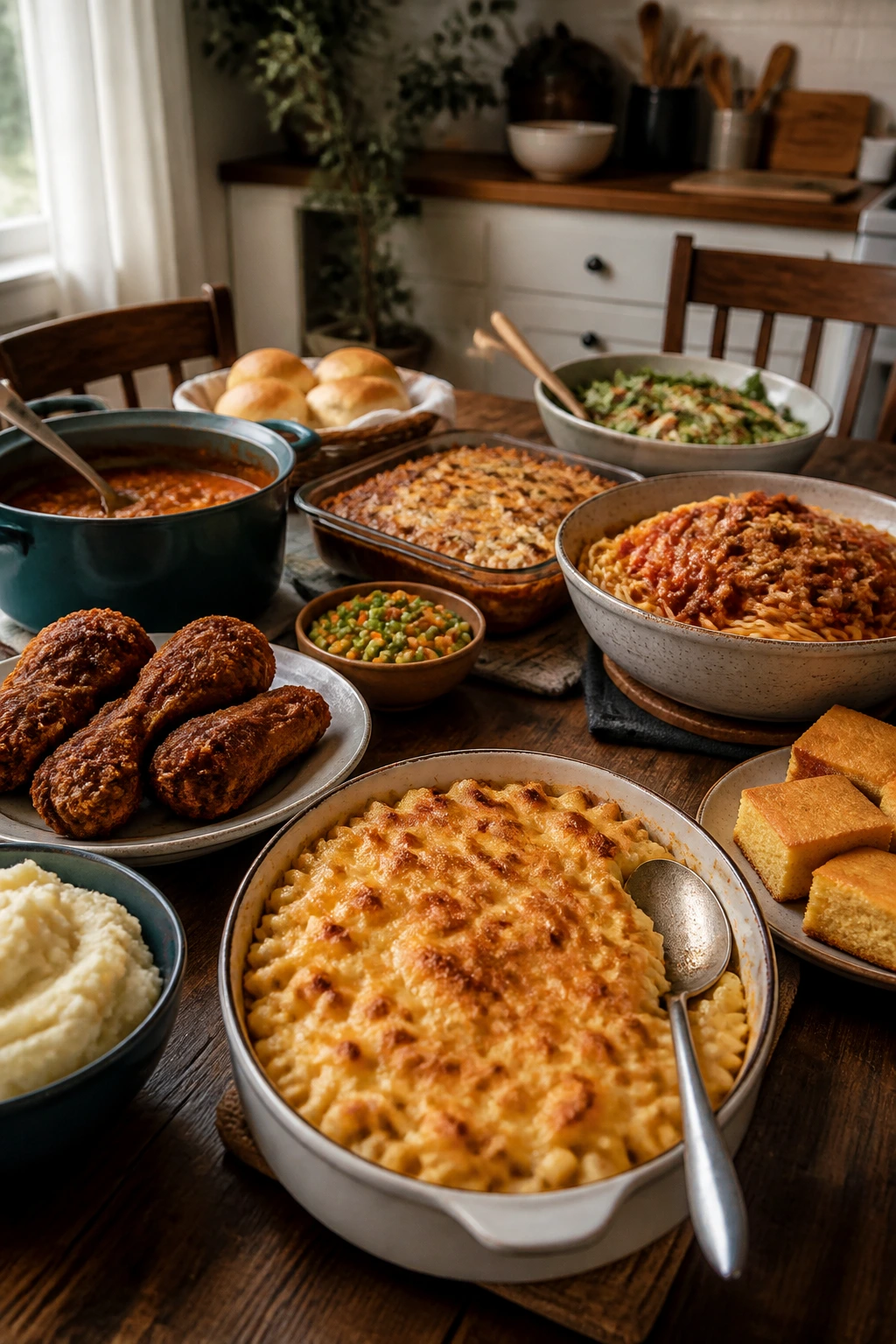
The nicest thing about these meals is that they don’t ask for much and still give a lot back. A bag of potatoes becomes dinner. A pound of beans becomes dinner. A pan of pasta turns into two meals if you play it right. That’s the kind of kitchen math that keeps a week from getting away from you.
And no, none of this is glamorous. That’s fine. Glamour does not fill hungry teenagers or solve a Tuesday night when three people want seconds. A good cheap dinner just needs to be hot, steady, and worth sitting down for. The rest is garnish.