



A nearly empty fridge does not have to mean sad dinner. It usually means you need a better plan: one that treats pasta, rice, beans, eggs, potatoes, cabbage, and canned tomatoes like the quiet little workhorses they are. Put those ingredients in the right shape, and a cheap meal stops feeling like a compromise.
Twenty dinners under $10 for families of four can sound tight until you look at what actually blows a grocery bill. Fancy sauces. Random specialty cheese. Odd little ingredients you buy once and never touch again. The recipes here lean the other way. They build on store-brand staples, smart leftovers, and the kind of cooking that makes a skillet look more useful than a receipt printer.
I’m especially fond of this style of cooking because it has range. A bowl of lentil sloppy joes does not taste like fried rice, and neither one feels like the same dinner wearing a different hat. That matters on a weeknight when the family is hungry, the clock is rude, and nobody wants a lecture about thrift. They just want something hot, filling, and decent.
Why These Budget Dinners Earn Their Spot
-
Pantry-first cooking: Most of these meals start with rice, pasta, beans, eggs, potatoes, or tortillas, which gives you volume without a long checkout total.
-
Leftovers that still taste good: Several of these dishes reheat cleanly, so one dinner can quietly become tomorrow’s lunch.
-
Familiar flavors, not fuss: Cheese, tomato, garlic, onion, and mild seasoning show up often because they keep picky eaters on board.
-
Flexible on sale items: If chicken, cabbage, or cheese is marked down, you can swap it in without rebuilding the whole recipe.
-
Fast cleanup: Skillet dinners, tray bakes, and one-pot meals keep the sink from becoming the evening’s second job.
-
Cheap without feeling thin: These meals use starches and vegetables that actually fill plates, not just space on the grocery list.
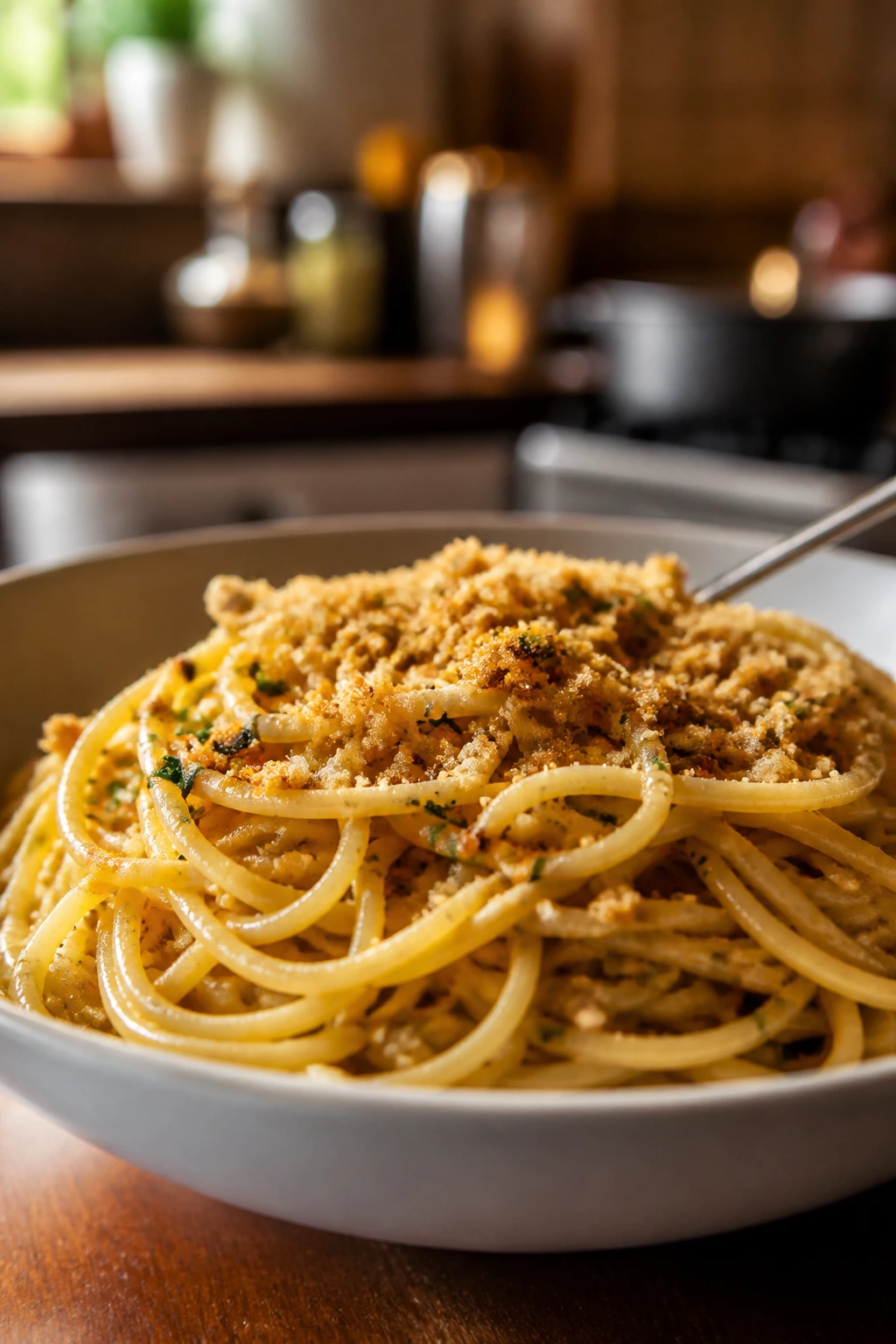
1. Spaghetti with Garlic Breadcrumbs and Peas
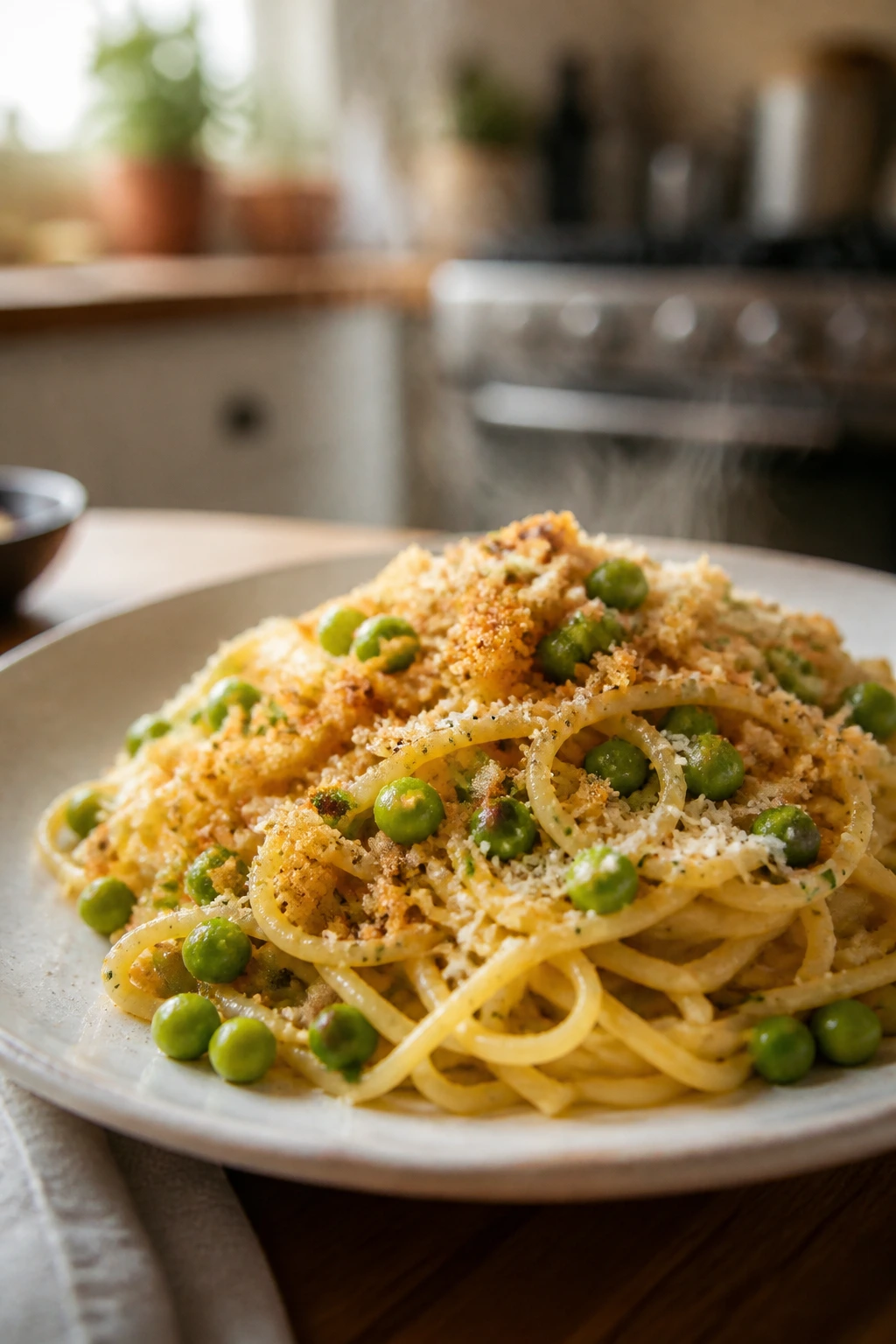
Spaghetti has a habit of saving dinner when the pantry looks uninspired. Add garlic breadcrumbs, a handful of peas, and a little cheese, and it stops being “plain pasta” and starts acting like a proper meal. The crumbs bring crunch, the peas bring sweetness, and the whole thing tastes like more effort than it actually takes.
Why It Works:
This is the kind of dinner that stays under budget because it spends its money where you can taste it: garlic, olive oil, and a small amount of cheese. Pasta gives you the bulk, peas add color and freshness, and toasted breadcrumbs make the dish feel finished without needing meat. A well-timed splash of pasta water ties everything together so the sauce clings instead of sliding off.
Key Ingredients:
- 12 ounces spaghetti
- 3 tablespoons olive oil, divided
- 1 cup breadcrumbs, preferably stale or panko
- 4 garlic cloves, thinly sliced
- 1 cup frozen peas
- 1/2 teaspoon red pepper flakes
- 1/2 cup grated Parmesan or hard cheese
- Salt and black pepper, to taste
- 1 teaspoon lemon zest, optional but welcome
Quick Steps:
- Bring a large pot of well-salted water to a boil and cook the spaghetti until just shy of tender, about 1 minute less than the package says.
- Warm 1 tablespoon of the olive oil in a skillet over medium heat, then add the breadcrumbs and cook, stirring, until golden and crisp, about 3 to 4 minutes.
- Add the garlic and red pepper flakes to the crumbs and cook for 30 seconds, just until the garlic smells sweet.
- Stir the peas into the pasta water during the last minute of cooking, then reserve 1 cup of the starchy water before draining.
- Toss the hot spaghetti with the remaining olive oil, the crumb mixture, peas, cheese, and enough pasta water to make everything glossy and clinging.
Tips and Variations:
- Swap in chopped parsley or basil if you have it.
- Add a little butter at the end if you want a softer, richer finish.
- Don’t skip the breadcrumbs; they’re the part that keeps this from tasting bare.
2. Bean and Cheese Burrito Skillet
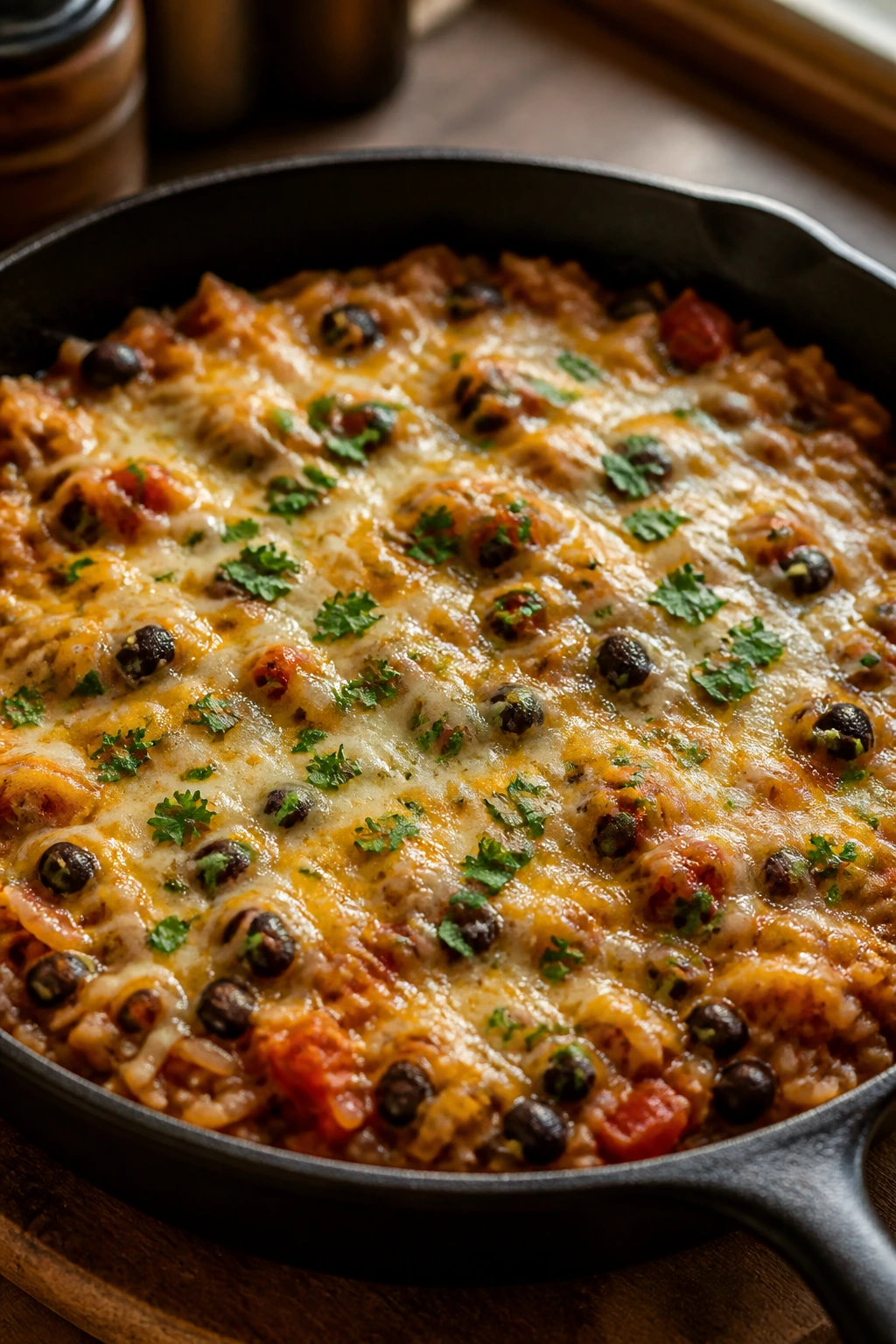
A skillet burrito dinner is what I make when I want something filling, cheap, and built for hungry people who don’t want a fussy plate. It tastes like a mash-up between burritos and enchiladas, which is a very fine place to be on a Tuesday night. Warm tortillas, seasoned beans, salsa, and melted cheese do most of the heavy lifting.
Why It Works:
Beans are the budget hero here. They bring protein, fiber, and a creamy texture that stretches beautifully once you mix them with rice and salsa. The tortillas keep the whole thing family-friendly, and baking or covering the skillet for a few minutes melts the cheese into every nook. You get the burrito flavor without having to roll six separate tortillas while dinner gets cold.
Key Ingredients:
- 1 tablespoon oil
- 1 small onion, diced
- 2 cans pinto or refried beans, about 15 ounces each
- 1 cup cooked rice
- 1 cup salsa
- 1 teaspoon ground cumin
- 8 small flour tortillas
- 2 cups shredded cheddar or Mexican blend cheese
- 2 tablespoons chopped cilantro, optional
Quick Steps:
- Heat the oil in a large oven-safe skillet over medium heat, then cook the onion until softened, about 5 minutes.
- Stir in the beans, rice, salsa, and cumin. Cook for 3 to 4 minutes, until the mixture is hot and thick enough to mound slightly.
- Tear 4 tortillas into pieces and fold them into the bean mixture so the base has some structure.
- Layer the remaining tortillas over the top, tuck in the edges a little, and scatter the cheese evenly over everything.
- Cover the skillet or bake it at 400°F for 10 minutes until the cheese is melted and the edges are lightly crisp.
Tips and Variations:
- Use black beans if that’s what you have.
- Add a spoonful of sour cream or plain yogurt at the table.
- A little hot sauce on the side keeps the mild version kid-friendly.
3. Tuna Pasta with Peas and Lemon
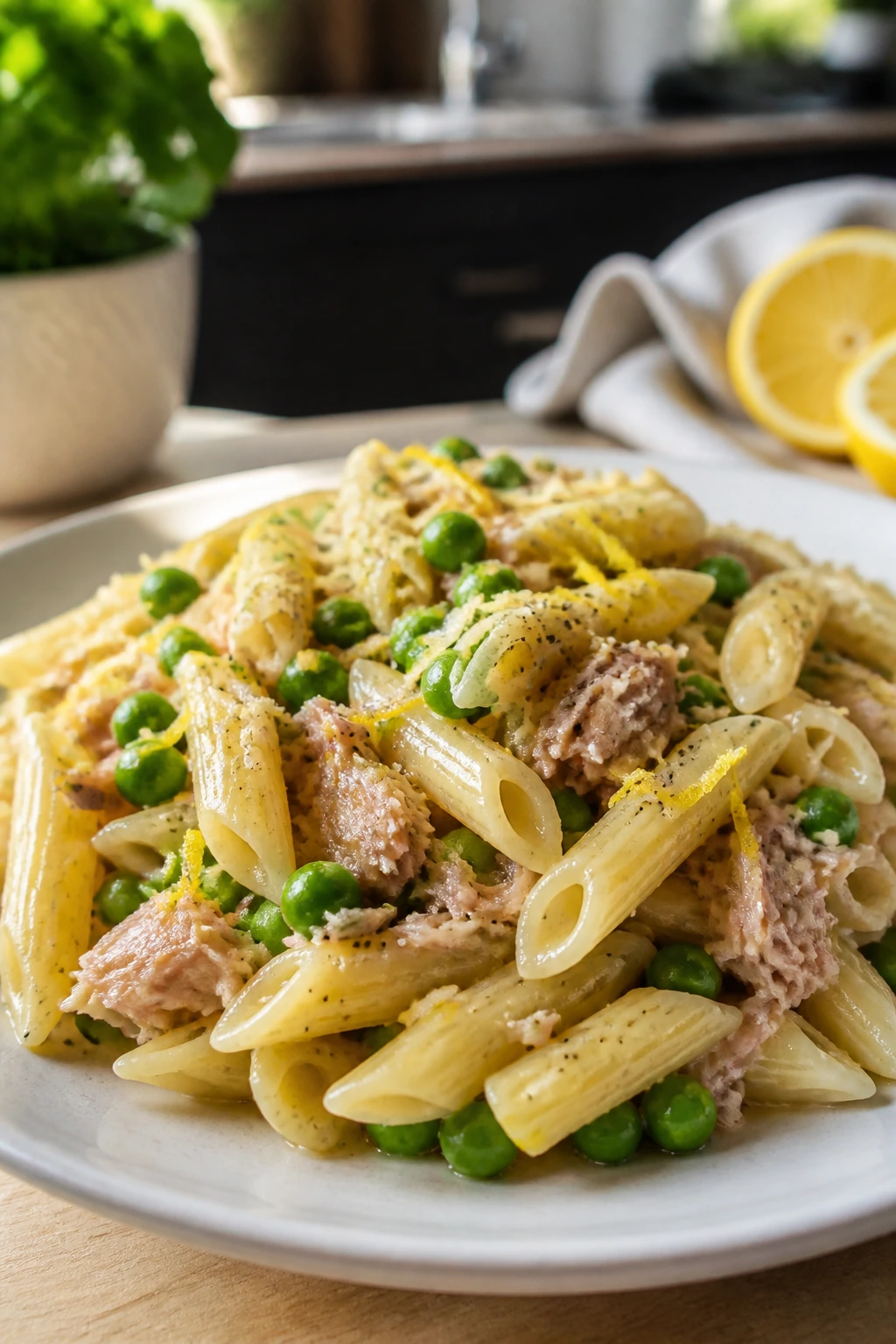
Tuna pasta sounds simple because it is simple, but there’s a difference between simple and dull. Lemon wakes it up. Peas soften the saltiness of the tuna. Garlic and butter pull the whole pan together so it tastes bright, savory, and a little more polished than a can-dinner usually does.
Why It Works:
Canned tuna is one of the easiest ways to get protein into a low-cost dinner without pushing the bill around. Pasta gives the dish volume, peas give it sweetness, and lemon cuts through the richness so it doesn’t taste heavy. The trick is to keep enough pasta water in the pan to make a light sauce instead of a dry pile of noodles.
Key Ingredients:
- 12 ounces short pasta, such as rotini or penne
- 2 cans tuna in water, drained
- 1 cup frozen peas
- 2 tablespoons butter
- 2 cloves garlic, minced
- 1 small onion, finely chopped
- 1/2 cup milk or reserved pasta water
- 1 lemon, zested and juiced
- Salt and black pepper, to taste
Quick Steps:
- Cook the pasta in salted water until al dente, adding the peas during the last 1 minute.
- Melt the butter in a large skillet over medium heat, then cook the onion until translucent and soft, about 4 minutes.
- Stir in the garlic and cook for 30 seconds, just until fragrant.
- Add the drained tuna, milk or pasta water, lemon zest, and lemon juice, then break the tuna into smaller pieces with a spoon.
- Toss in the drained pasta and peas, adding more pasta water if needed until the sauce lightly coats the noodles.
Tips and Variations:
- A little grated Parmesan on top is nice, but not necessary.
- If your tuna is packed in oil, use a bit less butter.
- Frozen corn works if you’re out of peas.
4. Lentil Sloppy Joes
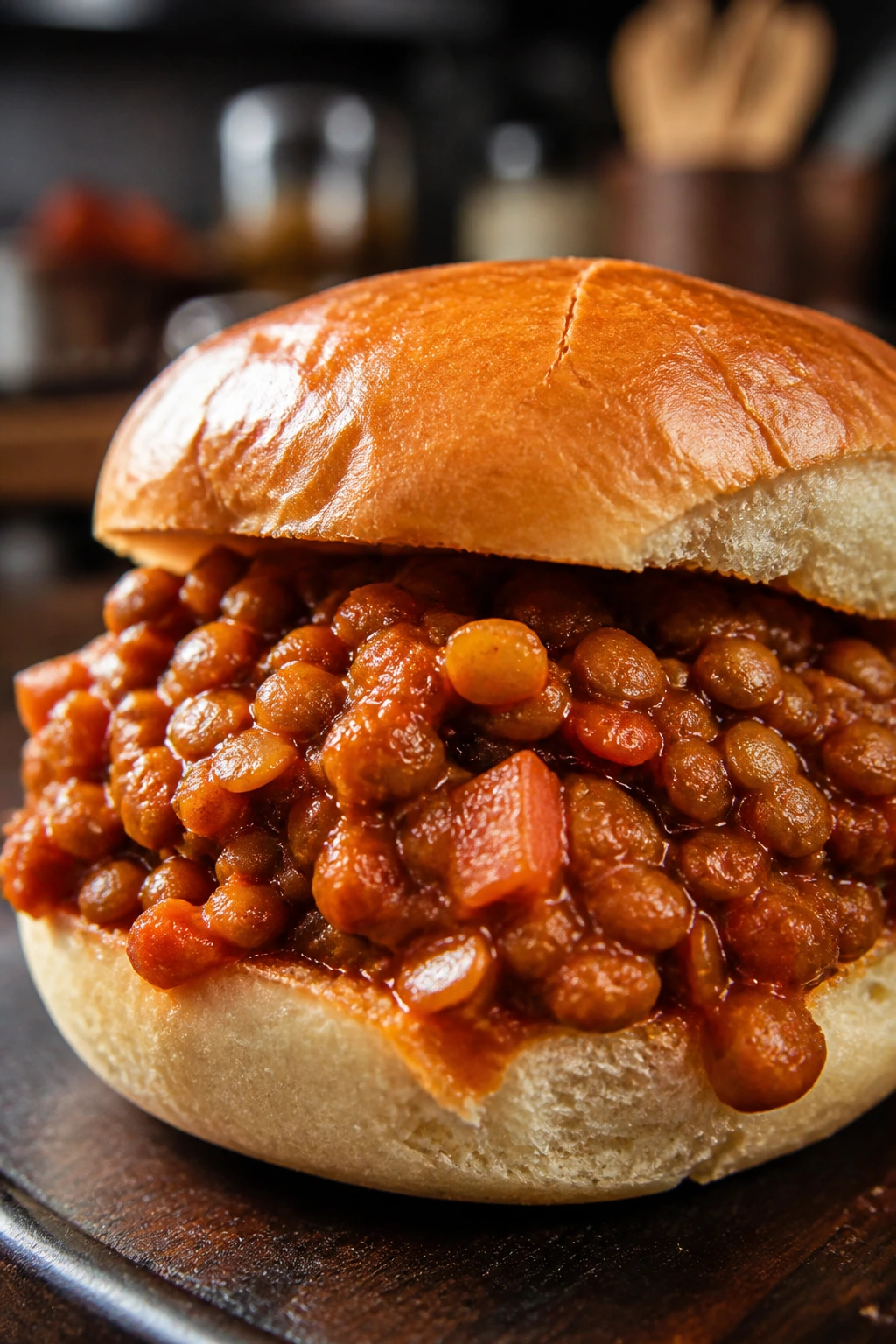
Lentil sloppy joes are one of those dinners that makes me a little smug in the best way. They look familiar, they eat like comfort food, and they cost far less than their beefy cousin. The filling is saucy, tangy, and thick enough to stay on the bun instead of sliding straight into your lap.
Why It Works:
Brown lentils cook into a texture that stands in for ground meat without trying to impersonate it too hard. That’s the sweet spot. Tomato sauce, ketchup, mustard, and vinegar give you the sloppy-joe flavor profile people expect, while the lentils carry enough body that you only need a modest amount of bread to make the meal feel complete. It’s cheap, sturdy, and very good at feeding actual humans.
Key Ingredients:
- 1 1/2 cups brown or green lentils, rinsed
- 1 small onion, diced
- 1 carrot, finely diced
- 2 1/2 cups water or broth
- 3/4 cup tomato sauce
- 2 tablespoons ketchup
- 1 tablespoon yellow mustard
- 1 tablespoon vinegar
- 1 teaspoon smoked paprika
- 4 hamburger buns
Quick Steps:
- Combine the lentils, onion, carrot, and water in a saucepan and bring to a simmer over medium-high heat.
- Reduce the heat and cook for 20 to 25 minutes, until the lentils are tender but not mushy and most of the liquid is absorbed.
- Stir in the tomato sauce, ketchup, mustard, vinegar, and smoked paprika.
- Simmer uncovered for 5 to 8 minutes until the mixture is thick enough to spoon onto buns without running everywhere.
- Toast the buns lightly, then pile on the lentil filling.
Tips and Variations:
- Add chopped pickles if your family likes a sharper bite.
- A little hot sauce in the filling is excellent.
- If you want more texture, leave half the lentils slightly firm.
5. Egg Fried Rice with Vegetables
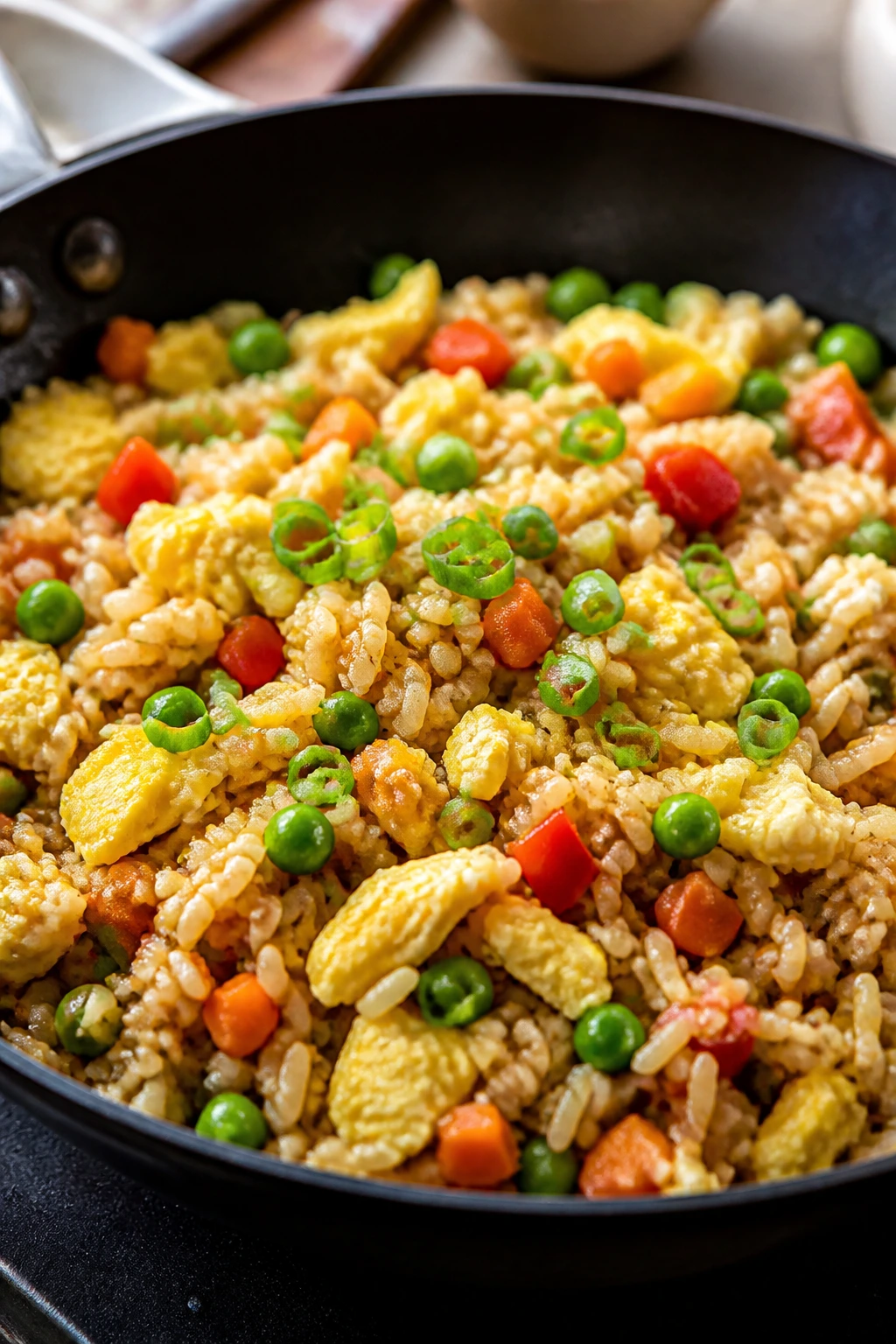
Cold rice is the difference between fried rice and a sticky disappointment. That sounds dramatic, but it’s true. Once you have a bowl of cooked rice in the fridge, dinner gets cheaper, faster, and much more useful.
Why It Works:
Eggs, rice, and frozen vegetables make a budget dinner that covers protein, starch, and vegetables without needing a long shopping list. The rice brings the bulk, the eggs make it feel substantial, and the vegetables add color and a little sweetness. Soy sauce does the seasoning work, and if you use the wok-or-skillet technique properly, the rice stays separate instead of collapsing into a soft mound.
Key Ingredients:
- 3 cups cooked and chilled rice
- 4 eggs, lightly beaten
- 2 cups frozen mixed vegetables
- 2 tablespoons oil
- 2 cloves garlic, minced
- 2 tablespoons soy sauce
- 2 green onions, sliced, optional
- 1 teaspoon sesame oil, optional
- Black pepper, to taste
Quick Steps:
- Heat 1 tablespoon of oil in a large skillet or wok over medium-high heat and scramble the eggs until just set. Remove them to a plate.
- Add the remaining oil, then cook the garlic and frozen vegetables for 2 to 3 minutes, until the vegetables are hot and any water has cooked off.
- Stir in the cold rice, breaking up any clumps with your spoon or spatula.
- Cook for 4 to 5 minutes, pressing the rice into the pan and letting it sizzle so a few grains get lightly crisp.
- Add the soy sauce, eggs, green onions, and sesame oil, then toss everything together and serve immediately.
Tips and Variations:
- Day-old rice works better than fresh.
- A splash of hot sauce gives the dish some lift.
- If you want more protein, add chopped ham or tofu.
6. Chickpea Curry over Rice
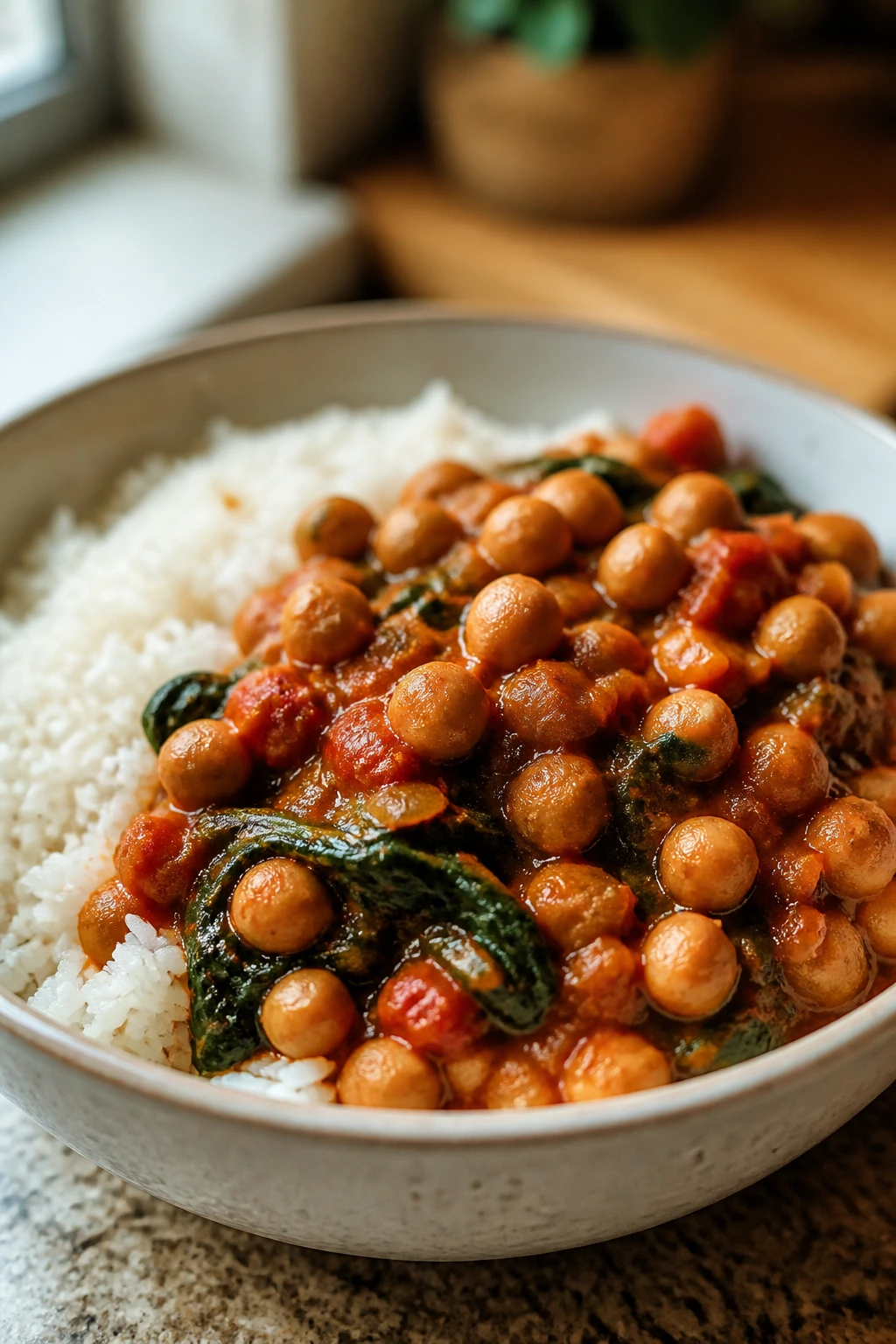
Chickpea curry is cheap in a way that feels almost unfair. The chickpeas are filling, the sauce tastes like you planned dinner better than you did, and rice underneath makes the whole thing stretch. You can keep it mild or lean into the spices a little harder.
Why It Works:
Canned chickpeas are the backbone here because they bring protein and a creamy bite without much effort. Tomato-based curry sauce uses onion, garlic, and curry powder to create depth, while spinach disappears into the pot without making a scene. Rice makes the meal substantial enough for four, and the whole pot stays comfortably within budget because you’re not buying a long list of extras.
Key Ingredients:
- 1 tablespoon oil
- 1 onion, diced
- 2 cloves garlic, minced
- 1 tablespoon curry powder
- 1 can diced tomatoes, 14 to 15 ounces
- 2 cans chickpeas, drained and rinsed
- 1/2 cup water or broth
- 2 cups spinach, fresh or frozen
- 2 cups cooked rice
- Salt, to taste
Quick Steps:
- Heat the oil in a skillet or saucepan over medium heat, then cook the onion until soft and lightly golden, about 5 minutes.
- Stir in the garlic and curry powder and cook for 30 seconds to bloom the spices.
- Add the tomatoes, chickpeas, water or broth, and a pinch of salt.
- Simmer uncovered for 10 to 12 minutes until the sauce thickens slightly and the chickpeas absorb some flavor.
- Stir in the spinach until wilted, then spoon the curry over rice.
Tips and Variations:
- A spoonful of plain yogurt on top cools the spices.
- Add a squeeze of lemon if the sauce tastes flat.
- Frozen peas can stand in for spinach in a pinch.
7. Cheesy Baked Ziti with Spinach
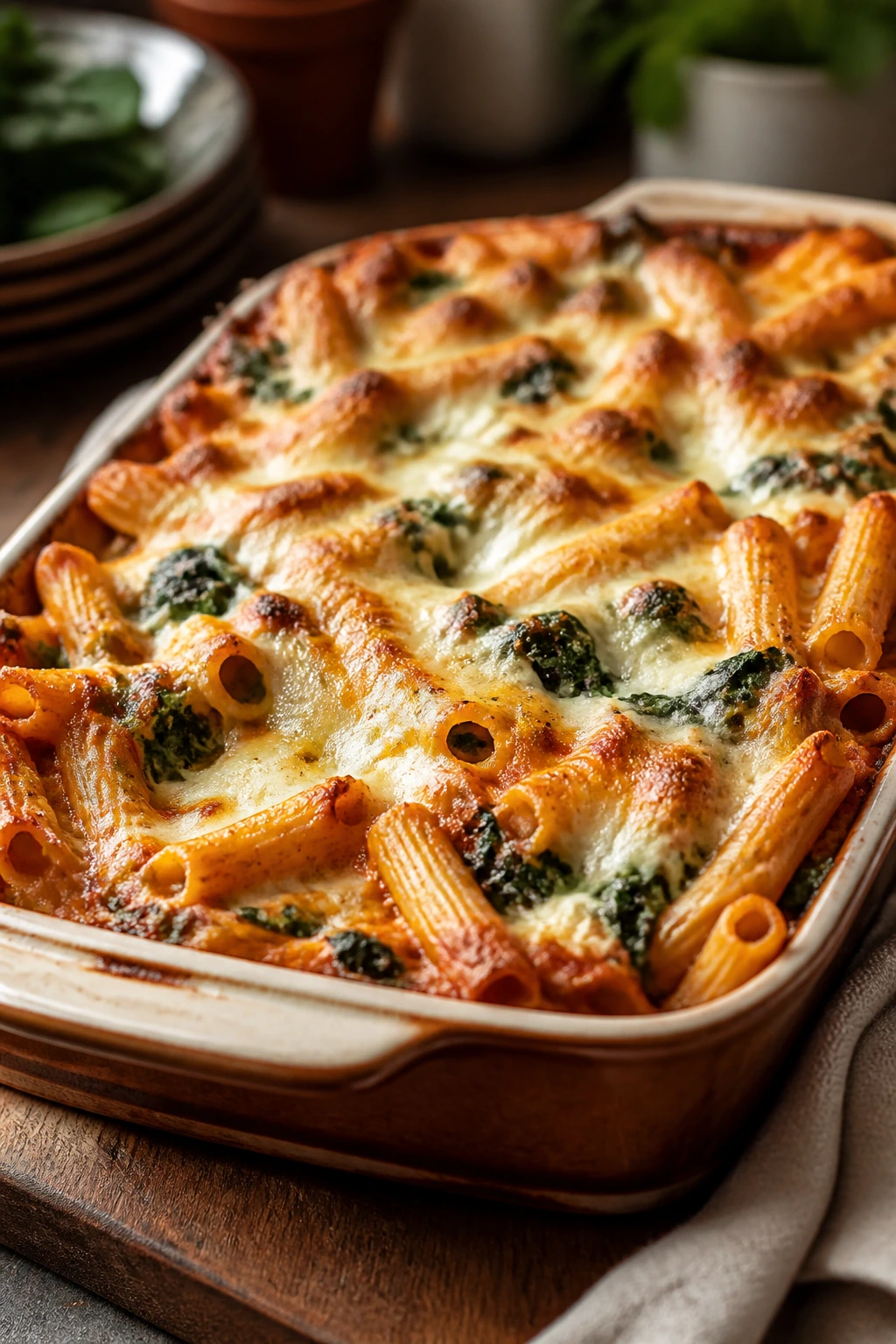
Baked ziti is the kind of casserole that feeds a family without acting like one. It’s saucy, cheesy, and sturdy enough to handle a second helping without collapsing into mush. The spinach hides in the sauce and behaves itself.
Why It Works:
Pasta, tomato sauce, and cheese are not cheap individually, but used in the right proportions they make a filling dish that still stays on budget. Cottage cheese or ricotta gives the casserole creaminess without demanding a lot of it, and spinach adds volume without adding much cost. Baked ziti also has that useful leftover quality: it reheats in a way that makes people think you cooked twice.
Key Ingredients:
- 12 ounces ziti or penne
- 24 ounces marinara sauce
- 1 1/2 cups cottage cheese or ricotta
- 2 cups shredded mozzarella
- 2 cups spinach, chopped if large-leaf
- 1/4 cup grated Parmesan
- 1 egg, optional for a firmer filling
- 1 teaspoon dried Italian seasoning
Quick Steps:
- Cook the pasta in salted water until just under al dente, then drain.
- Mix the pasta with the marinara, cottage cheese or ricotta, spinach, Italian seasoning, and egg if using.
- Spread half the pasta mixture into a greased baking dish, sprinkle with some mozzarella, then add the rest of the pasta.
- Top with the remaining mozzarella and Parmesan.
- Bake at 375°F for 25 to 30 minutes until bubbling and lightly browned on top. Rest for 10 minutes before serving.
Tips and Variations:
- Cottage cheese is usually cheaper than ricotta and works well.
- Stir in a little garlic powder if your sauce is mild.
- Freeze portions in individual containers for lunch later.
8. Black Bean Tacos with Cabbage Slaw
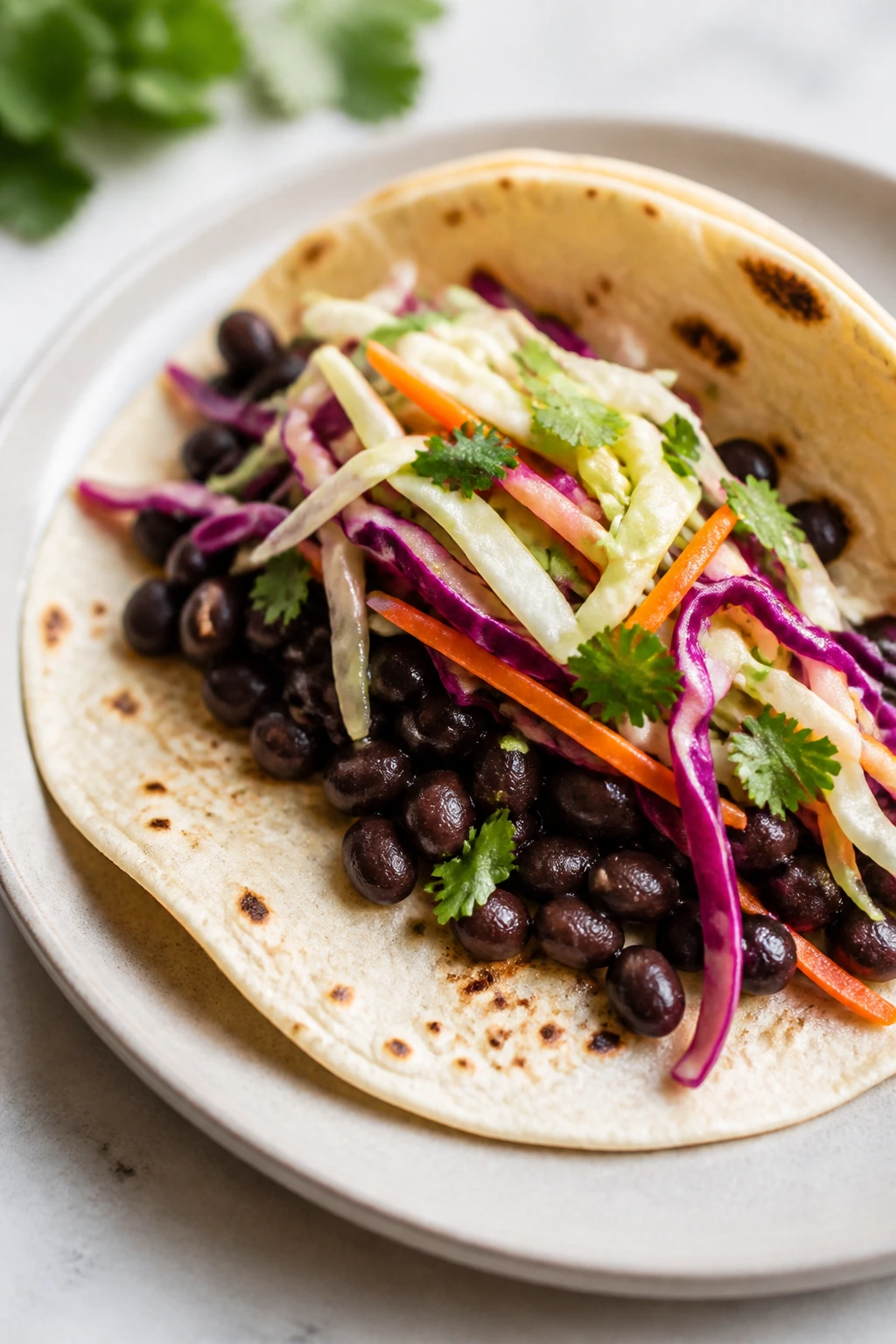
These tacos are cheap in the smartest possible way: beans for body, tortillas for structure, cabbage for crunch. They taste like dinner, not like a compromise. And because the toppings are flexible, people can build their own without a lot of extra work from you.
Why It Works:
Black beans are one of the best low-cost proteins around, especially when you season them well and mash a few to make the filling creamy. Cabbage is the unsung hero of budget dinners because it keeps for a long time, costs little, and adds freshness where cheaper dinners often go soft. The slaw wakes up the tacos with acid and crunch, which keeps the meal from feeling heavy.
Key Ingredients:
- 2 cans black beans, drained and rinsed
- 1 tablespoon oil
- 1 teaspoon cumin
- 1 teaspoon chili powder
- 8 small corn or flour tortillas
- 3 cups shredded cabbage
- 1 carrot, grated
- 1 lime, juiced
- 1 cup salsa
- 1/2 cup shredded cheese, optional
- Salt, to taste
Quick Steps:
- Toss the cabbage and carrot with lime juice and a pinch of salt, then let the slaw sit while you cook.
- Heat the oil in a skillet over medium heat, add the beans, cumin, and chili powder, and cook for 5 minutes.
- Mash about one-third of the beans with the back of a spoon so the filling turns creamy.
- Warm the tortillas in a dry skillet or directly over a low flame.
- Fill each tortilla with beans, slaw, salsa, and a little cheese if you want it.
Tips and Variations:
- Add sliced avocado if it’s on sale, not because it’s required.
- Pickled onions are a nice cheap upgrade.
- Corn tortillas need a quick warm-up so they don’t crack.
9. Tomato Soup with Grilled Cheese
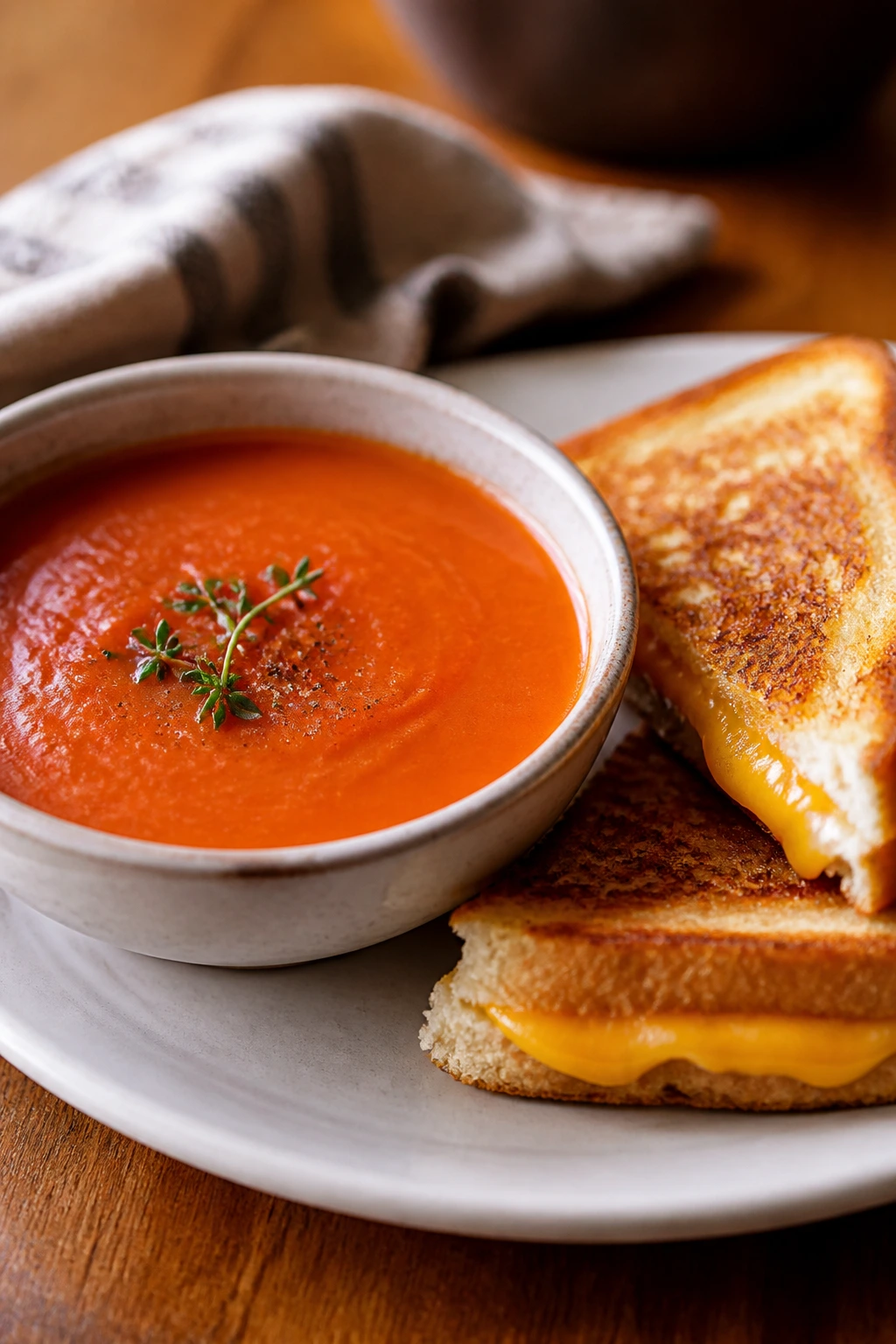
Tomato soup and grilled cheese is one of those pairings that survives every food trend because it works. The soup is smooth and bright, the sandwich is crunchy and molten, and both together feel more like comfort than effort. Cheap dinner? Yes. Miserable dinner? Not even close.
Why It Works:
Canned tomatoes, onion, and broth make a solid soup base without asking you to buy much fresh produce. A little butter and sugar smooth out the sharpness of the tomatoes, which matters more than people think. Grilled cheese handles the filling part of the meal, and because bread and cheese are being used together, each ingredient goes further.
Key Ingredients:
- 2 cans crushed tomatoes, 14 to 15 ounces each
- 1 onion, diced
- 2 cloves garlic, minced
- 2 cups broth or water
- 2 tablespoons butter
- 1 teaspoon sugar
- 8 slices bread
- 8 slices cheese, such as cheddar or American
- Salt and black pepper, to taste
Quick Steps:
- Melt the butter in a saucepan over medium heat and cook the onion until soft, about 5 minutes.
- Add the garlic and cook for 30 seconds, then stir in the tomatoes, broth, sugar, salt, and pepper.
- Simmer for 15 minutes, then blend if you want a smoother soup.
- Assemble the grilled cheese sandwiches and cook them in a skillet over medium heat until the bread is golden and the cheese is melted.
- Serve the soup hot with the sandwiches cut into halves or strips.
Tips and Variations:
- Stir in a splash of milk at the end if you want it creamier.
- Add a pinch of dried basil for a softer tomato flavor.
- Croutons work if you run short on bread.
10. Cabbage and Sausage Skillet
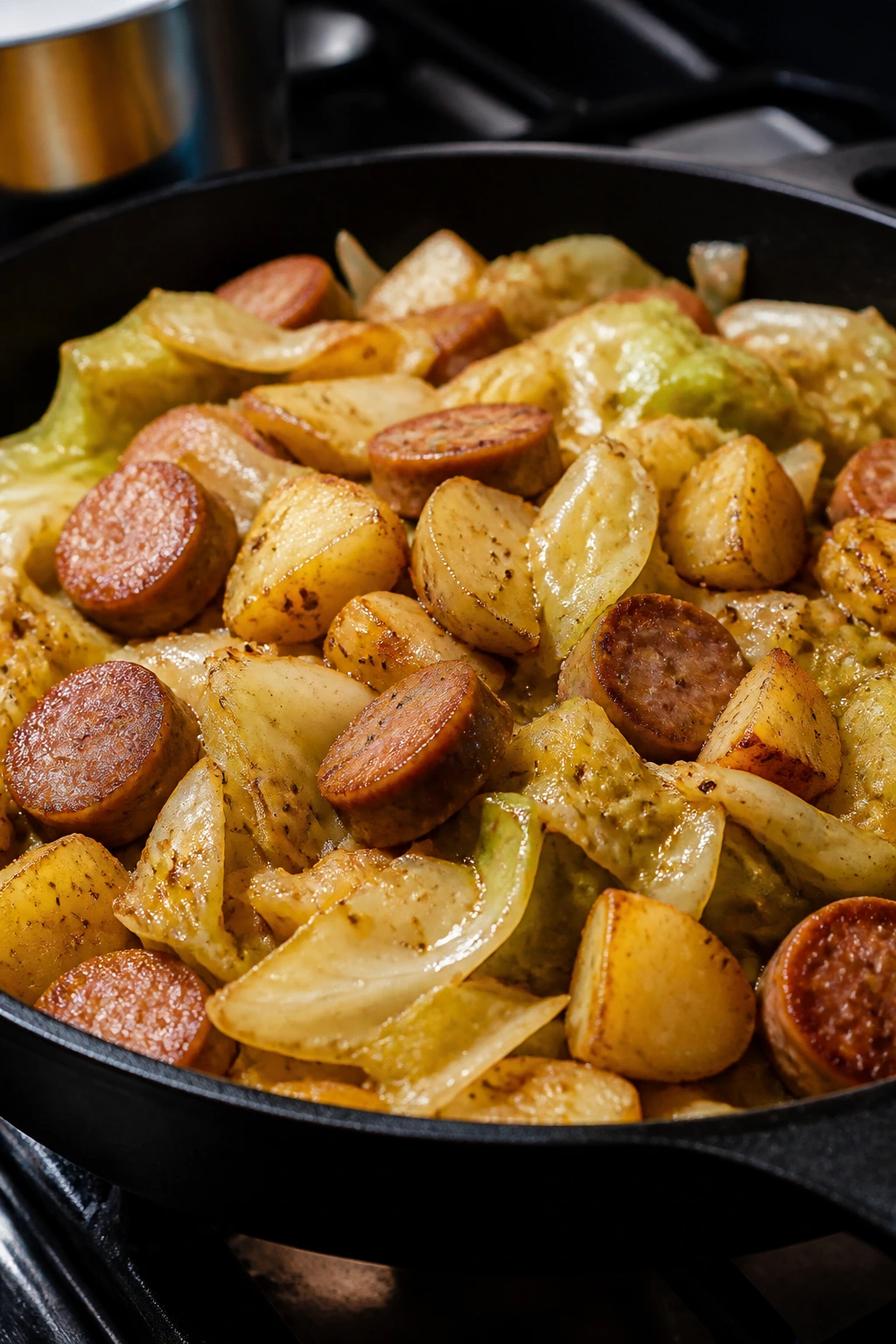
Cabbage is one of the best cheap vegetables for families because it does not complain. It holds up in a skillet, tastes better when browned, and plays nicely with sausage and potatoes. This is hearty, smoky, and a little old-school in the best way.
Why It Works:
A small amount of sausage goes further when you pair it with cabbage and potatoes, which both absorb flavor well. The sausage gives the skillet its main seasoning, the cabbage brings sweetness as it softens, and the potatoes make the dish feel like a full meal. This is one of those dinners that tastes like you spent more because the ingredients behave so well together.
Key Ingredients:
- 12 to 14 ounces smoked sausage or kielbasa, sliced
- 1 small cabbage, about 2 pounds, cored and sliced
- 2 medium potatoes, diced small
- 1 onion, sliced
- 2 tablespoons oil
- 1 teaspoon smoked paprika
- 1 tablespoon vinegar
- Salt and black pepper, to taste
Quick Steps:
- Brown the sausage in a large skillet over medium heat, then remove it to a plate.
- Add the oil, potatoes, and onion to the skillet and cook for 8 to 10 minutes, stirring now and then, until the potatoes start to soften.
- Stir in the cabbage, paprika, salt, and pepper.
- Cover and cook for 8 to 10 minutes, stirring once or twice, until the cabbage is tender and lightly browned in spots.
- Return the sausage to the skillet, add the vinegar, and cook for 2 more minutes.
Tips and Variations:
- A spoonful of mustard on the side is excellent.
- If the skillet looks dry, add 2 tablespoons of water and cover briefly.
- Smoked sausage is the flavor engine; don’t skimp on browning it.
11. Chicken Drumstick Tray Bake
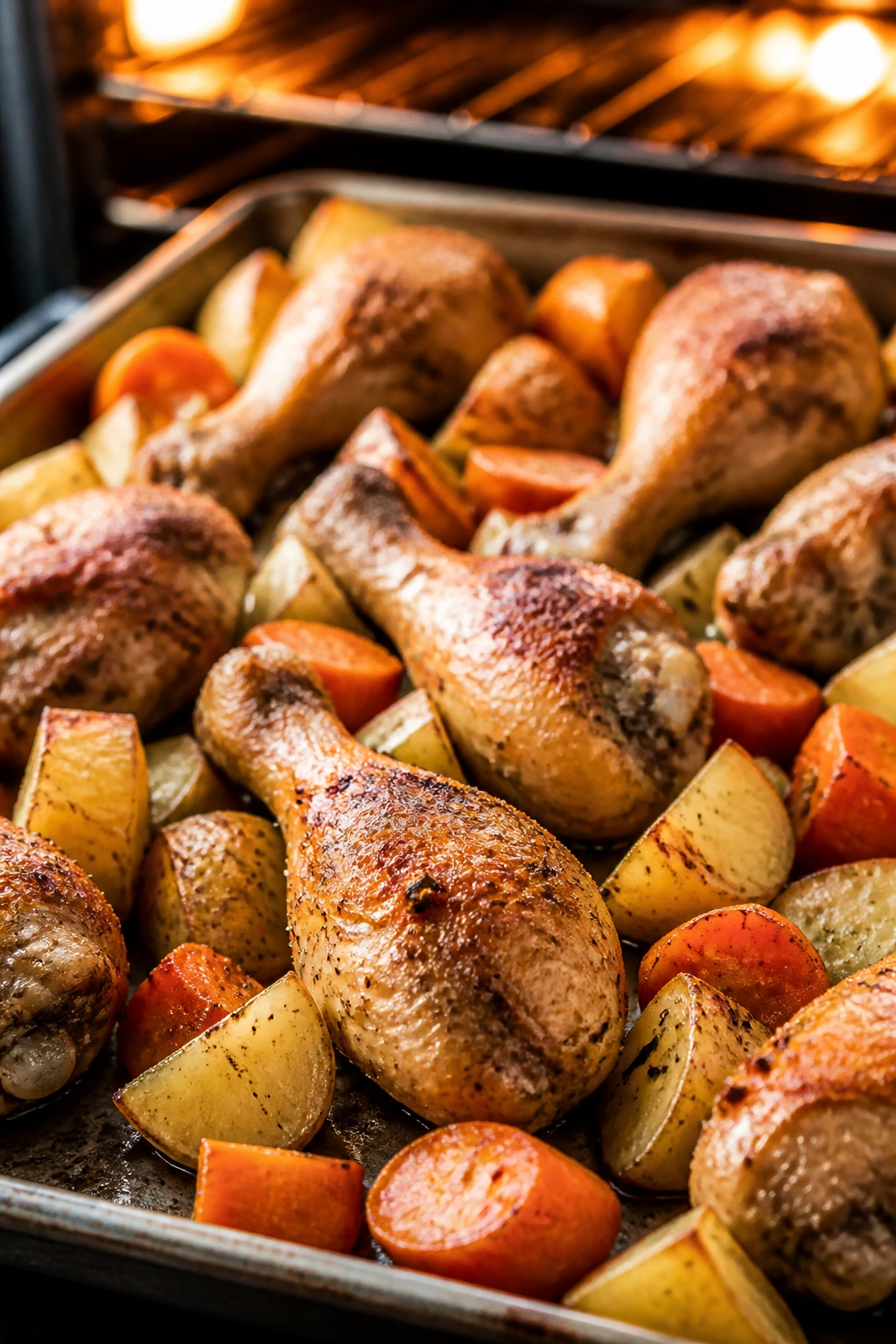
Chicken can fit a tight budget if you buy the right cut, and drumsticks are often the friendliest option. They roast well, stay juicy, and turn a sheet pan into a full dinner with potatoes and carrots. The food lands on the table looking like you planned ahead, even if you didn’t.
Why It Works:
Drumsticks are one of the least expensive chicken cuts that still feels like real dinner, not filler. Roasting them with potatoes and carrots lets the chicken fat season the vegetables, which means the sheet pan does part of the flavor work for you. The high-heat roast gives you crisp skin and soft vegetables at the same time, which is exactly what a weeknight needs.
Key Ingredients:
- 8 chicken drumsticks, about 2 1/2 to 3 pounds
- 1 1/2 pounds potatoes, cut into chunks
- 1 pound carrots, cut into thick sticks
- 1 onion, cut into wedges
- 2 tablespoons oil
- 1 teaspoon paprika
- 1 teaspoon garlic powder
- 1 teaspoon salt
- 1/2 teaspoon black pepper
Quick Steps:
- Heat the oven to 425°F and line a large rimmed baking sheet with parchment or foil.
- Toss the potatoes, carrots, and onion with half the oil, salt, pepper, and a pinch of paprika.
- Rub the drumsticks with the remaining oil, paprika, garlic powder, salt, and pepper.
- Spread everything on the sheet pan in a single layer and roast for 40 to 45 minutes, turning the vegetables once halfway through.
- The chicken is done when the juices run clear and the thickest part reaches 165°F.
Tips and Variations:
- Add a little rosemary if you have it.
- Don’t crowd the pan or the vegetables will steam.
- A squeeze of lemon at the end brightens the whole tray.
12. Shakshuka with Toast
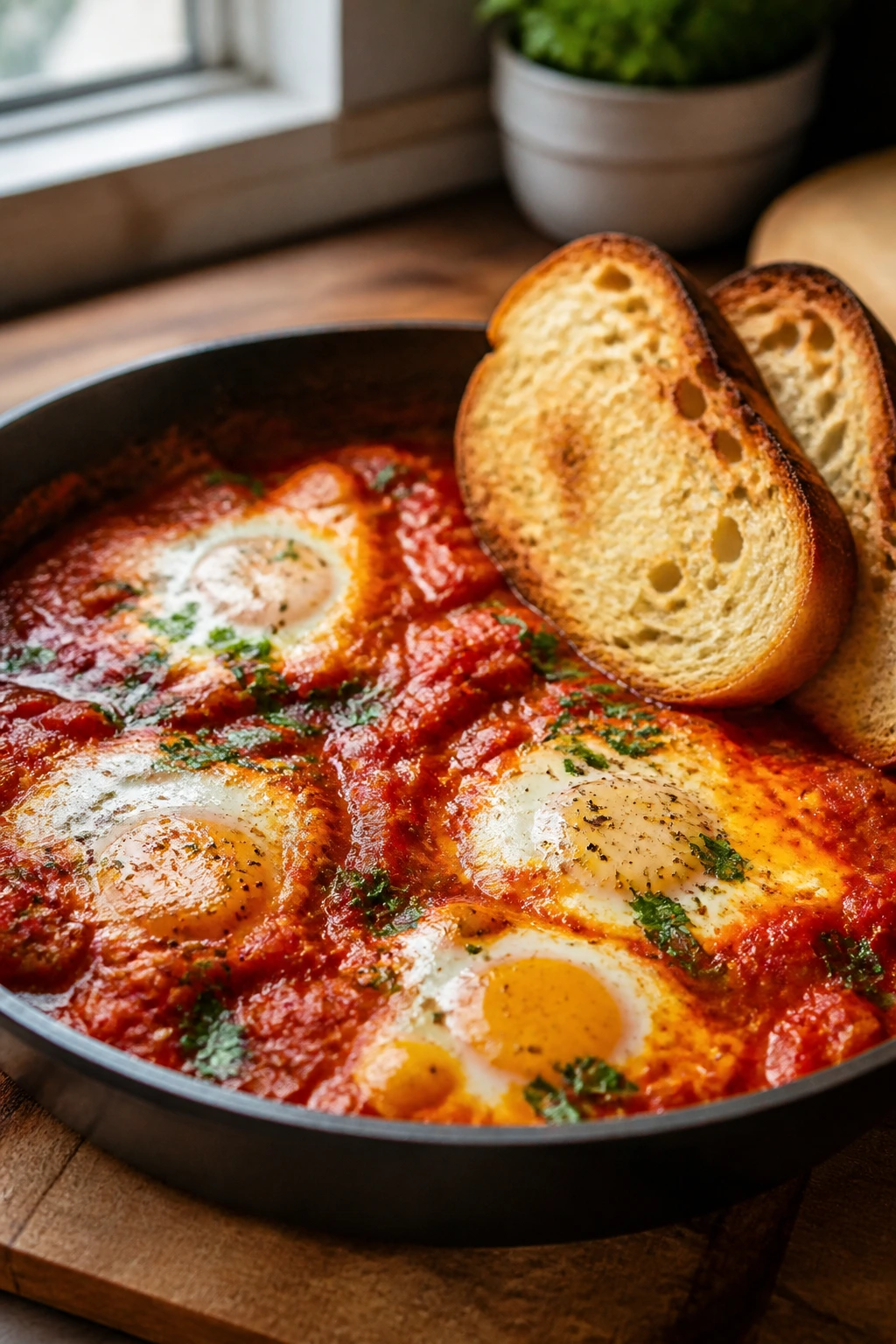
Shakshuka sounds a little fancy until you realize it’s just eggs gently poached in a spiced tomato sauce. That’s the beauty of it. It uses inexpensive ingredients, tastes rich, and makes a skillet of eggs look like a very deliberate dinner.
Why It Works:
Tomatoes, onion, garlic, and eggs are doing all the work here, which keeps the cost low and the ingredient list short. The sauce carries most of the seasoning, so the eggs stay soft and simple. Toast soaks up the sauce, and suddenly the meal feels larger than its parts. This is one of my favorite cheap dinners because it looks like breakfast-for-dinner by way of someone who knows what they’re doing.
Key Ingredients:
- 1 tablespoon oil
- 1 onion, diced
- 1 bell pepper, diced
- 2 cloves garlic, minced
- 1 tablespoon tomato paste
- 1 can diced tomatoes, 14 to 15 ounces
- 1 teaspoon paprika
- 1/2 teaspoon cumin
- 6 eggs
- 4 slices bread, toasted
Quick Steps:
- Heat the oil in a skillet over medium heat and cook the onion and bell pepper until soft, about 6 minutes.
- Stir in the garlic, tomato paste, paprika, and cumin and cook for 1 minute.
- Add the tomatoes and simmer for 8 to 10 minutes until the sauce thickens a little.
- Make 6 small wells in the sauce and crack in the eggs.
- Cover and cook over low heat for 5 to 8 minutes, until the whites are set but the yolks are still as soft as you like.
Tips and Variations:
- Add feta if there’s room in the budget.
- A little chopped parsley makes the pan look fresher.
- Use a lid that fits well; loose steam control matters here.
13. Chili Mac
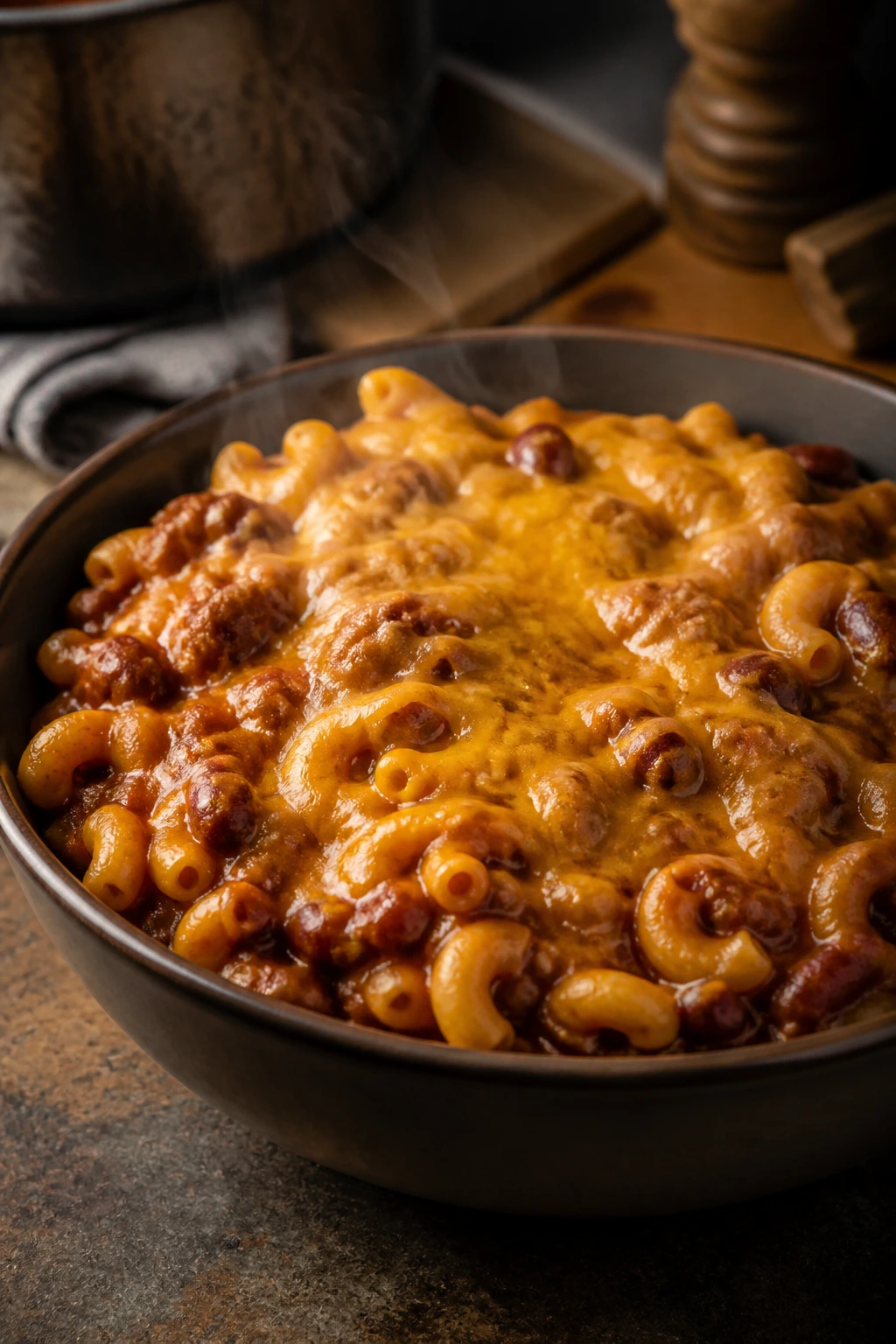
Chili mac is what happens when pasta and chili decide they should not live separate lives. The result is hearty, cheesy, and very useful when the family wants comfort but the budget wants restraint. It also reheats in a way that makes lunch the next day feel planned.
Why It Works:
Beans and pasta are a classic budget pairing because each one covers the other’s weak spots. The beans bring protein and body, the macaroni brings volume, and tomato sauce with chili powder gives the dish its familiar flavor. Add a modest amount of cheese at the end, and the pot tastes bigger than the grocery bill behind it.
Key Ingredients:
- 12 ounces elbow macaroni
- 1 tablespoon oil
- 1 small onion, diced
- 1 can kidney beans, drained and rinsed
- 1 can diced tomatoes
- 1 cup tomato sauce
- 1 tablespoon chili powder
- 1 teaspoon cumin
- 1 1/2 cups shredded cheddar
- Salt, to taste
Quick Steps:
- Cook the macaroni in salted water until just al dente, then drain.
- Warm the oil in a large pot and cook the onion for 4 to 5 minutes.
- Stir in the beans, diced tomatoes, tomato sauce, chili powder, cumin, and a pinch of salt.
- Simmer for 8 to 10 minutes until the sauce thickens.
- Fold in the macaroni and cheese, stirring until the cheese melts and the pasta is coated.
Tips and Variations:
- If the pot gets too thick, loosen it with a splash of water.
- A spoonful of sour cream on top is good.
- You can use pinto beans if kidney beans are not your thing.
14. Loaded Baked Potatoes with Broccoli and Cheese
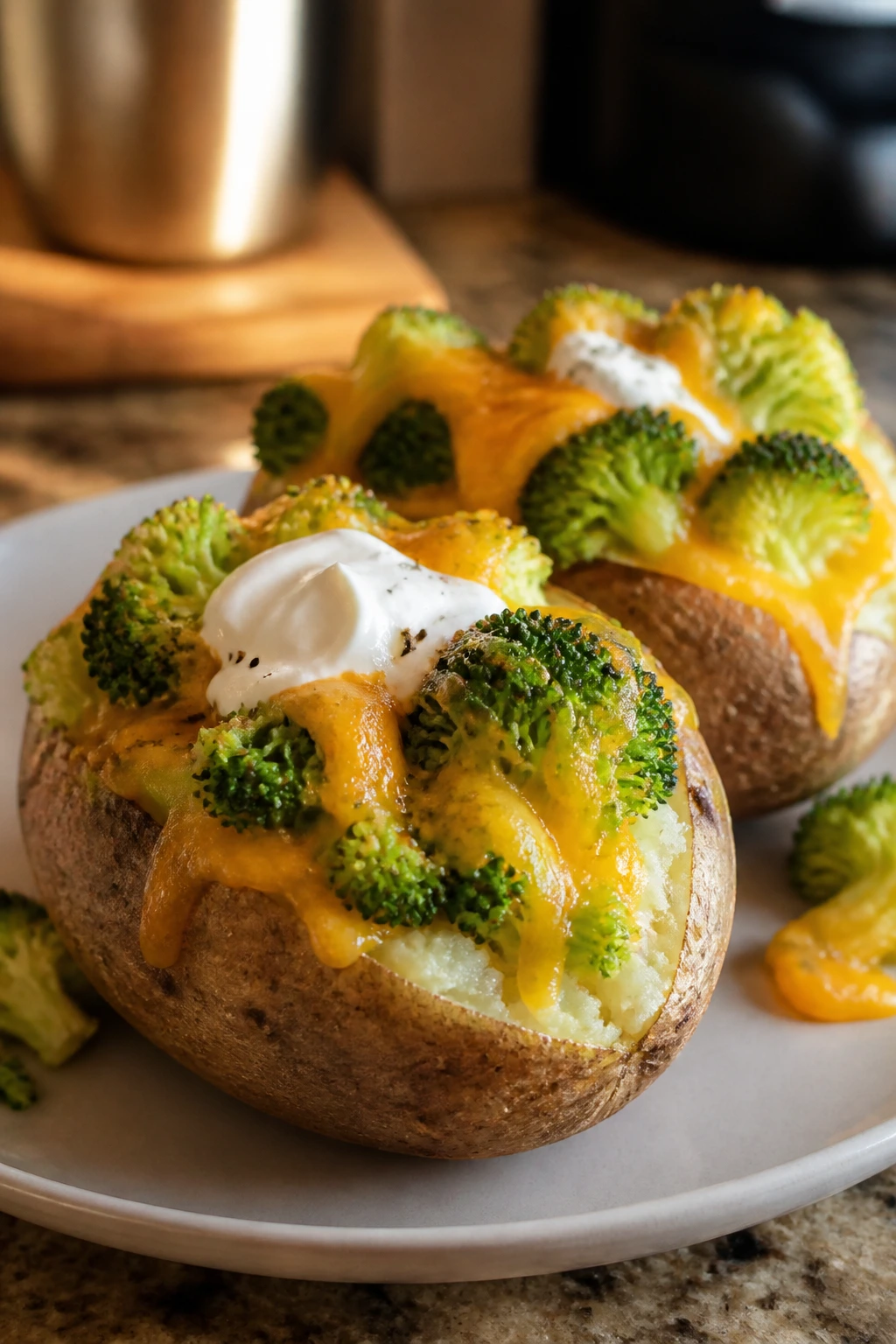
Potatoes are one of the easiest ways to feed four people without making a grocery bill cry. Dress them with broccoli and cheese, and they stop feeling like a side dish and start behaving like dinner. It’s plain, yes, but plain in the sensible, satisfying way.
Why It Works:
Russet potatoes are cheap, filling, and easy to stretch with toppings. Broccoli adds color and a little freshness, and cheese plus a dollop of sour cream or yogurt makes each potato feel complete. This meal also works because everyone can build their own version, which keeps the table happier than a one-size-fits-all casserole sometimes does.
Key Ingredients:
- 4 large russet potatoes
- 3 cups frozen broccoli florets
- 2 cups shredded cheddar
- 1/2 cup sour cream or plain yogurt
- 2 tablespoons butter
- Salt and black pepper, to taste
- Chopped green onions, optional
Quick Steps:
- Pierce the potatoes all over with a fork and bake them at 425°F for 45 to 55 minutes, or microwave until tender if you’re in a hurry.
- Steam or microwave the broccoli until hot, then chop it into smaller pieces if needed.
- Split the potatoes open and fluff the insides with a fork.
- Add butter, broccoli, cheese, and a spoonful of sour cream or yogurt.
- Return the potatoes to the oven for a few minutes if you want the cheese fully melted.
Tips and Variations:
- Leftover chili makes a strong topping here.
- If the potatoes are huge, split them between two people.
- A little salsa works better than you might expect.
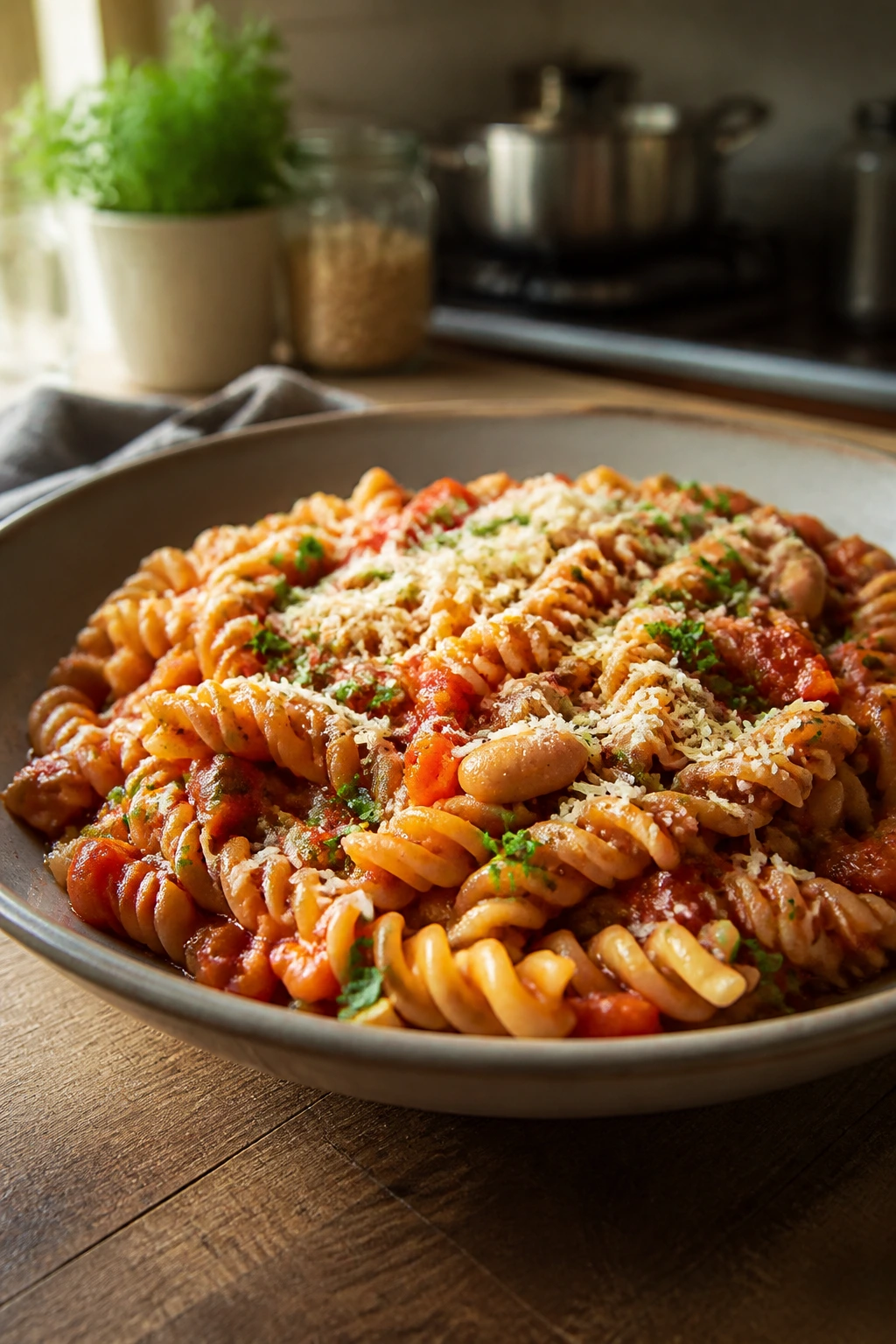
15. Pasta e Fagioli
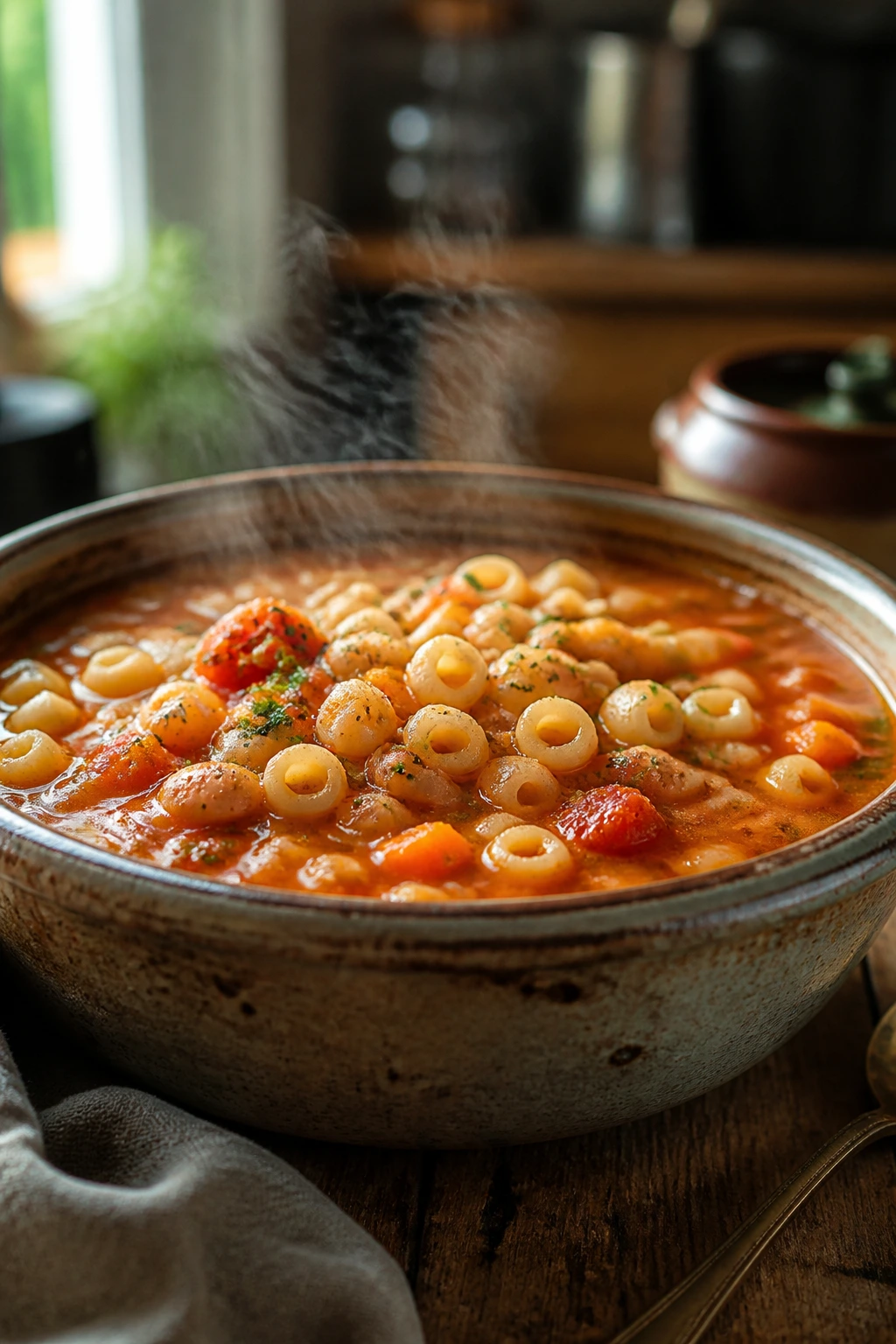
Pasta e fagioli is what I reach for when I want a soup that eats like dinner. Beans, pasta, vegetables, and tomatoes turn into something cozy without a long ingredient list. It’s not flashy. It does not need to be.
Why It Works:
Beans and pasta are the budget pair this soup is built around. The beans provide creaminess, the pasta adds body, and the vegetables build a savory base that tastes far more layered than the cost suggests. Because the ingredients are mostly pantry items, it’s easy to make on a day when the fridge is stubbornly empty.
Key Ingredients:
- 1 tablespoon olive oil
- 1 onion, diced
- 2 carrots, diced
- 2 celery stalks, diced
- 2 cloves garlic, minced
- 1 can cannellini or navy beans, drained and rinsed
- 1 can diced tomatoes
- 4 cups broth or water
- 1/2 cup small pasta
- Grated Parmesan, optional
Quick Steps:
- Warm the oil in a soup pot over medium heat and cook the onion, carrots, and celery for 7 to 8 minutes.
- Add the garlic and cook for 30 seconds.
- Stir in the beans, tomatoes, and broth or water, then bring to a simmer.
- Cook for 10 minutes so the vegetables soften fully and the flavors settle.
- Add the pasta and simmer until tender, about 8 to 10 minutes. Serve with Parmesan if you like.
Tips and Variations:
- Add a little rosemary or Italian seasoning if you have it.
- Mash a few beans against the side of the pot for a thicker broth.
- Small shapes like ditalini work best, but elbow pasta is fine.
16. Tuna Melt Quesadillas
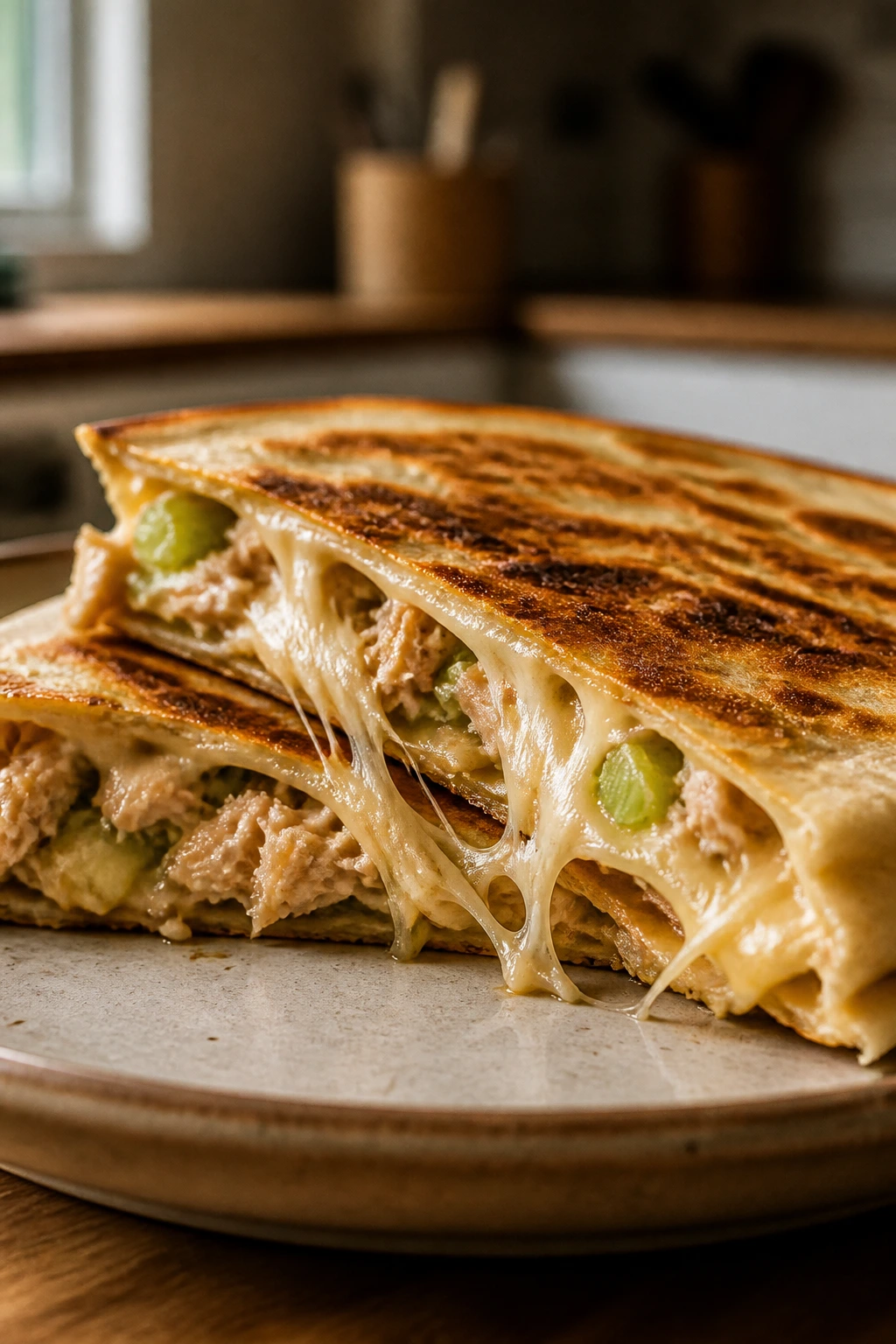
Tuna melt quesadillas are a little weird on paper and very practical in real life. They give you the creamy, cheesy comfort of a tuna melt with the speed of a quesadilla. If your family likes tuna casserole but wants something faster, this is the lane.
Why It Works:
Canned tuna keeps the cost low, tortillas make the whole thing faster than bread-and-butter sandwich assembly, and cheese binds everything into a hot, crisp package. The filling is mild enough for most kids, but it still tastes like a proper savory meal because the mustard and celery add a clean bite. It’s a good recipe for nights when you want dinner on the table in under half an hour.
Key Ingredients:
- 2 cans tuna, drained
- 1/2 cup mayonnaise or plain Greek yogurt
- 1 teaspoon mustard
- 1 celery stalk, finely chopped
- 8 flour tortillas
- 2 cups shredded cheese
- 1 tablespoon butter or oil
- Salt and pepper, to taste
Quick Steps:
- Mix the tuna, mayonnaise or yogurt, mustard, celery, salt, and pepper in a bowl.
- Spread the filling over 4 tortillas, then top each with cheese and another tortilla.
- Heat the butter or oil in a skillet over medium heat.
- Cook each quesadilla for 2 to 3 minutes per side until golden and the cheese is melted.
- Cut into wedges and serve hot.
Tips and Variations:
- Pickle relish is a good add-in if your family likes a sweeter tuna salad.
- Use a low flame if the tortillas brown too fast.
- A bowl of tomato soup on the side makes this feel extra complete.
17. Lentil Shepherd’s Pie
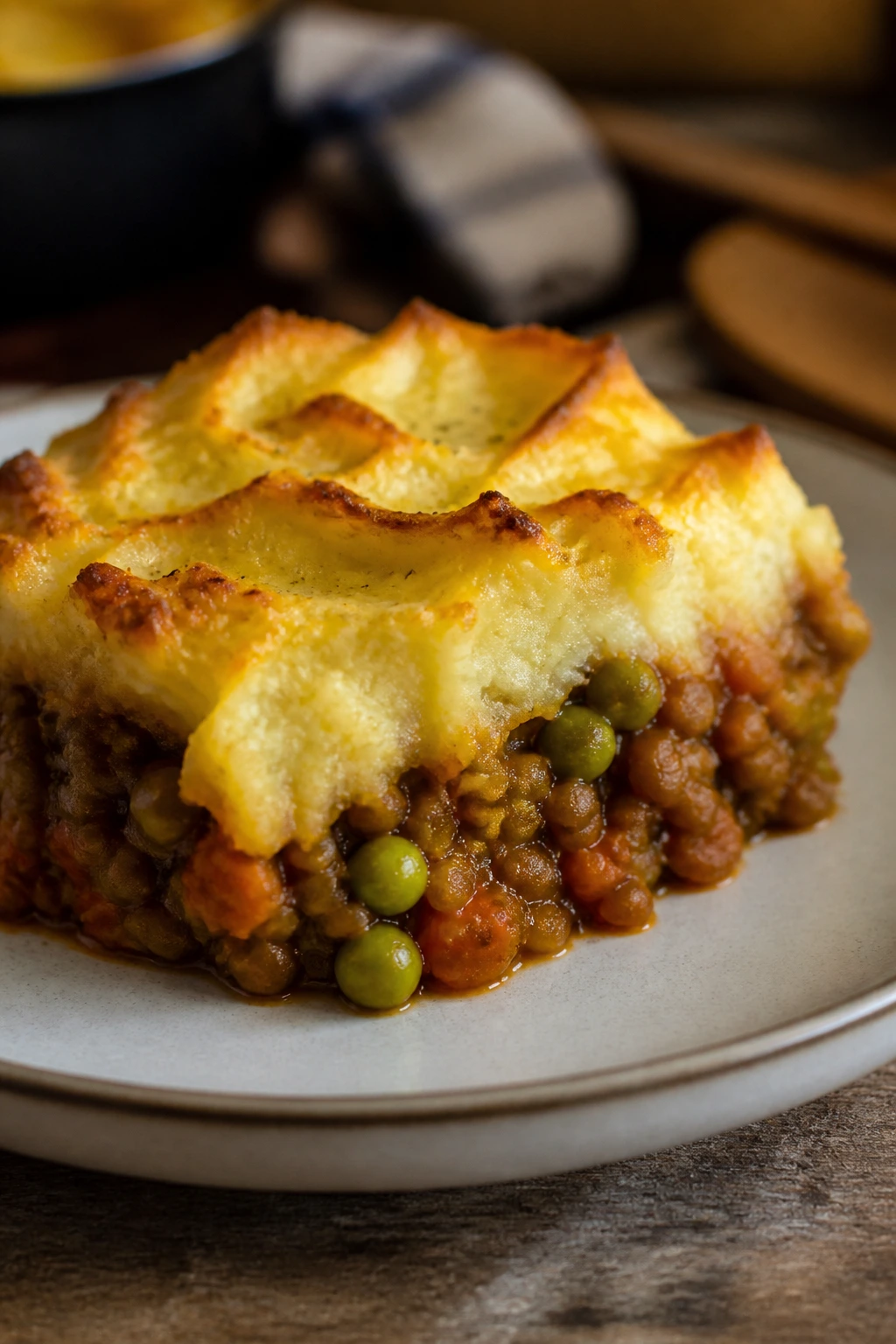
This is the kind of meal that makes lentils feel less like a substitute and more like a decision. The filling is savory and thick, the mashed potatoes on top go golden in the oven, and the whole thing holds together like a real casserole should. It’s thrifty, yes, but it also has the pleasant sturdiness of a dish built by someone who likes to cook.
Why It Works:
Lentils absorb the flavors around them instead of competing with them, which makes them ideal for a shepherd’s pie filling. Carrots, onions, peas, and tomato paste build depth, while mashed potatoes provide the creamy top that keeps each bite rich. Because the ingredients are inexpensive and mostly basic, you can feed four people without leaning on an expensive protein.
Key Ingredients:
- 1 1/2 cups brown lentils, rinsed
- 1 onion, diced
- 2 carrots, diced
- 1 cup frozen peas
- 2 tablespoons tomato paste
- 1 tablespoon flour
- 2 cups broth or water
- 3 cups mashed potatoes, made from about 2 pounds potatoes
- 1 tablespoon butter
- Salt and pepper, to taste
Quick Steps:
- Cook the lentils in simmering water until tender, about 20 to 25 minutes, then drain if needed.
- In a skillet, cook the onion and carrots in butter or oil until softened, about 6 minutes.
- Stir in tomato paste and flour, then add the broth and lentils and cook until the filling thickens.
- Stir in the peas and season well.
- Spread the filling in a baking dish, top with mashed potatoes, and bake at 400°F for 20 minutes until the top is lightly browned.
Tips and Variations:
- A little Worcestershire sauce deepens the flavor if you have it.
- Use leftover mashed potatoes to make this even easier.
- If the filling seems loose, cook it a few minutes longer before baking.
18. Egg and Potato Hash with Salsa
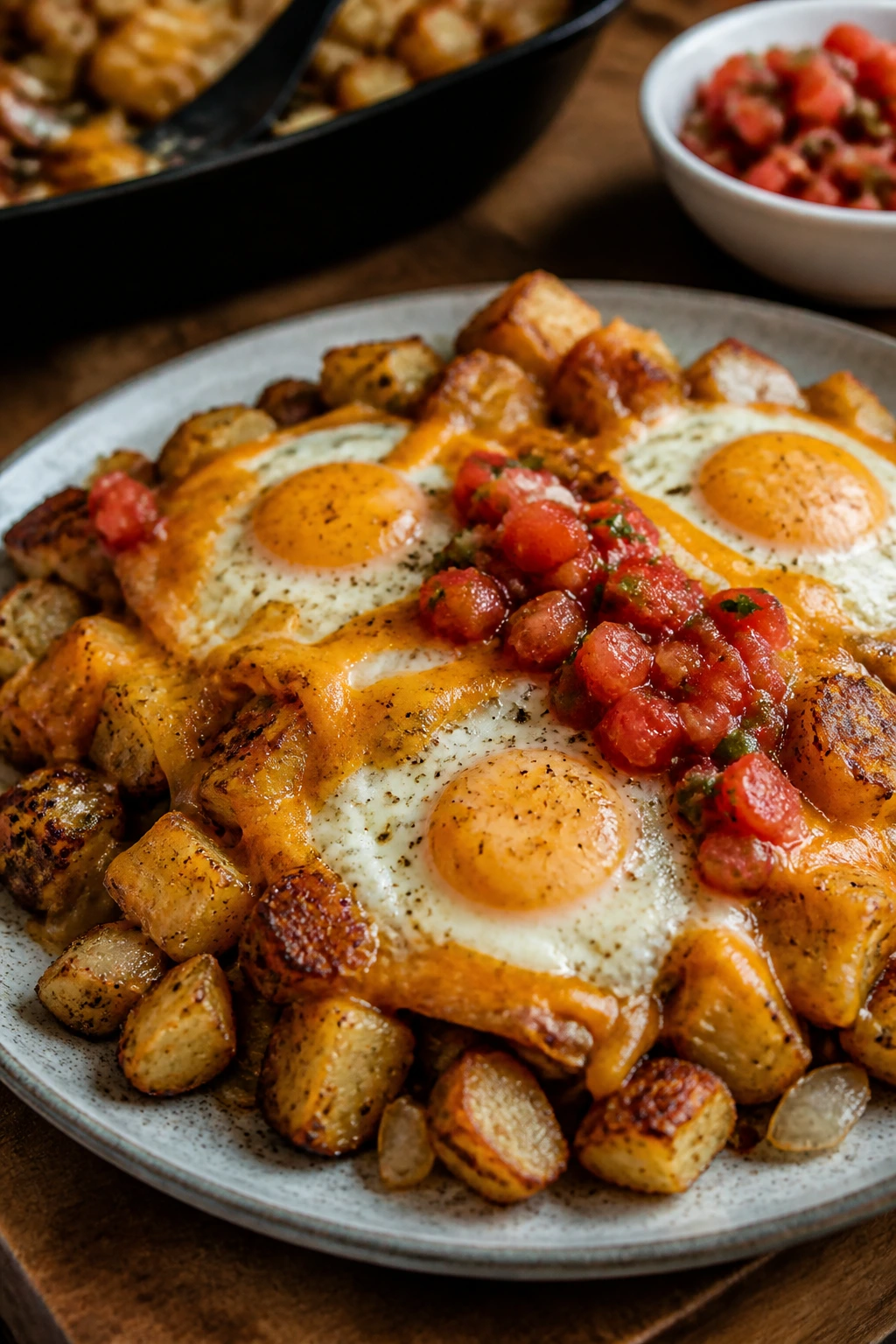
Egg and potato hash is one of those dinners that only looks modest from the outside. On the plate, it’s golden potatoes, soft onions, runny or set eggs, and enough salsa to wake everything up. Cheap, fast, and surprisingly satisfying.
Why It Works:
Potatoes are filling, eggs are economical protein, and salsa adds acid and spice without asking for a long ingredient list. The hash gives you crispy edges, which matter more than people admit. A soft egg on top turns a pile of potatoes into dinner that feels intentional rather than improvised.
Key Ingredients:
- 1 1/2 pounds potatoes, diced small
- 1 onion, diced
- 6 eggs
- 1 cup salsa
- 1 cup shredded cheese
- 2 tablespoons oil
- Salt and black pepper, to taste
Quick Steps:
- Par-cook the potatoes in the microwave for 4 to 5 minutes or boil briefly until barely tender.
- Heat the oil in a large skillet over medium-high heat and cook the potatoes and onion until browned and crisp, about 10 to 12 minutes.
- Season with salt and pepper.
- Make six wells in the hash and crack in the eggs.
- Cover the skillet and cook over low heat until the whites are set, then top with cheese and salsa.
Tips and Variations:
- Bell pepper works if you want more color.
- A little smoked paprika gives the hash a deeper flavor.
- Hot sauce is welcome, but keep the salsa separate if kids are sensitive to spice.
19. Bean Enchiladas
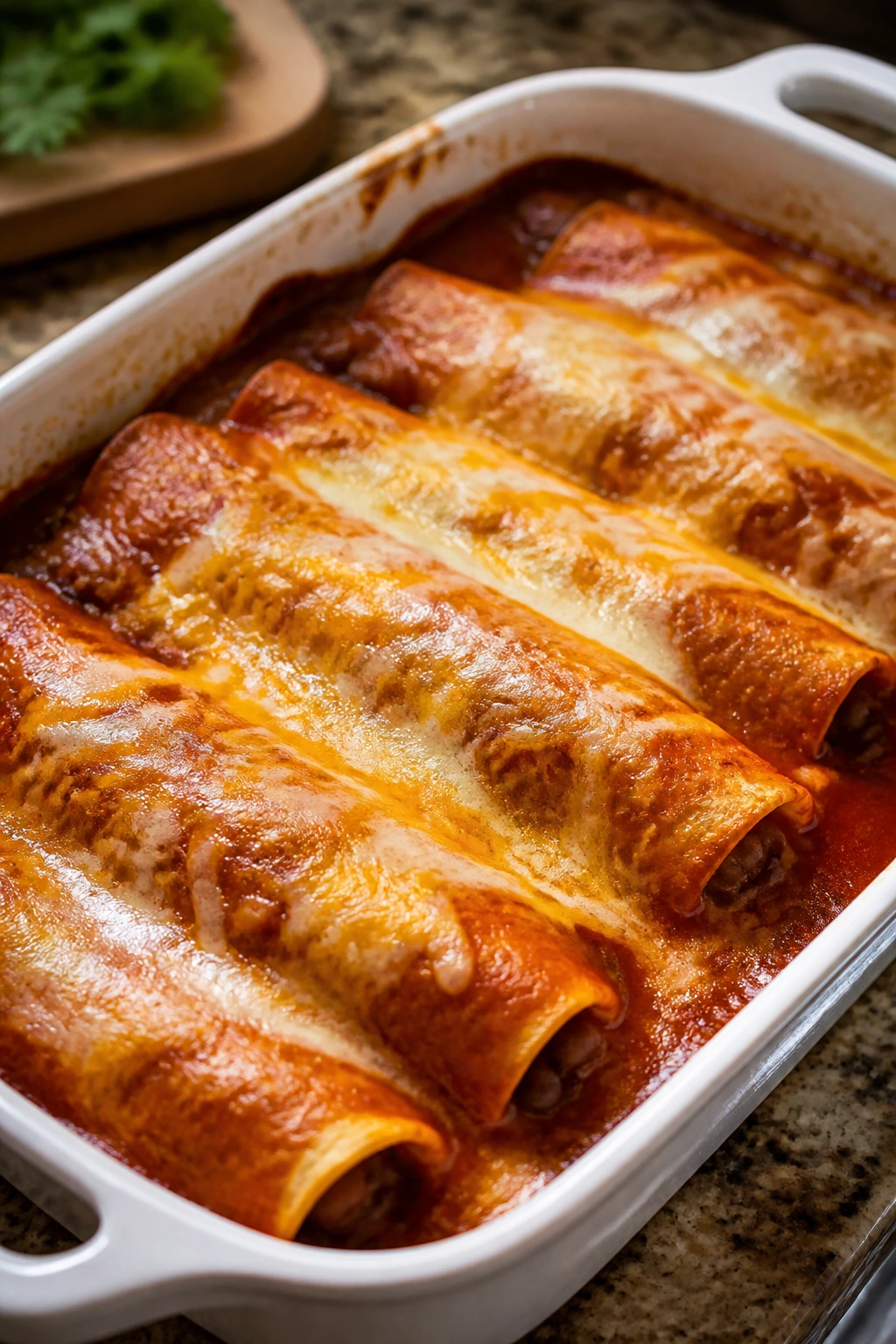
Bean enchiladas are a strong answer to the question, “What if I want comfort food but not a high grocery total?” They’re saucy, cheesy, and easy to scale, which is a nice combination when you’re feeding four and hoping for leftovers. The filling is humble; the payoff is not.
Why It Works:
Refried beans or seasoned mashed beans turn into a very affordable filling, and tortillas stretch the meal without much drama. Enchilada sauce brings the main flavor, so you do not need a long seasoning list. A baking dish full of bubbling cheese usually gets more applause than a cheaper dinner has any right to.
Key Ingredients:
- 8 small flour or corn tortillas
- 2 cans refried beans
- 1 small onion, finely diced
- 2 cups enchilada sauce
- 2 cups shredded cheese
- 1 teaspoon cumin
- 1 tablespoon oil
- Chopped cilantro or sliced onions, optional
Quick Steps:
- Warm the oil in a skillet and cook the onion until soft, about 5 minutes.
- Stir in the beans and cumin, then heat until smooth and spreadable.
- Spoon some bean filling into each tortilla, roll them up, and arrange them seam-side down in a baking dish.
- Pour enchilada sauce over the top and scatter the cheese evenly.
- Bake at 375°F for 20 to 25 minutes until bubbling and browned at the edges.
Tips and Variations:
- Add cooked rice to the filling if you want even more bulk.
- Corn tortillas taste more traditional, but flour tortillas roll more easily.
- Let the casserole rest a few minutes before serving so it sets up.
20. Ramen Stir-Fry with Eggs and Vegetables
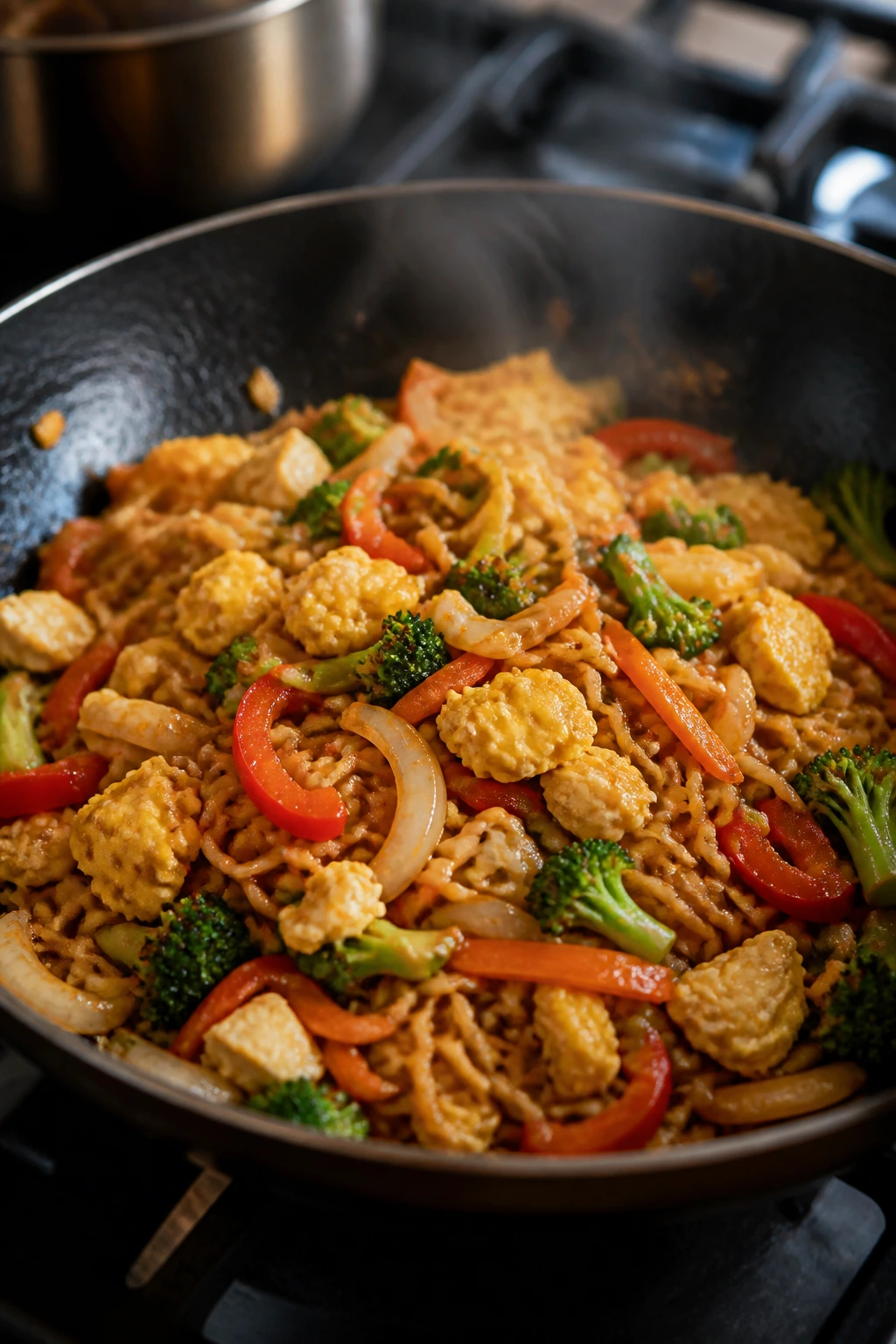
Instant ramen gets a bad reputation from people who stop at the seasoning packet. Use the noodles as a base, add eggs and vegetables, and suddenly you have a fast, cheap stir-fry that eats like a real dinner. It is the kind of meal that rescues a late afternoon with almost no warning.
Why It Works:
Ramen noodles are cheap and quick, which is why they show up here, but the real trick is treating them like stir-fry noodles instead of soup. Eggs bring protein, frozen vegetables keep the cost down, and a quick sauce made from soy sauce and a little oil gives the dish actual flavor. Since the noodles cook in a few minutes, this is one of the fastest ways to feed four without ordering anything.
Key Ingredients:
- 4 packs instant ramen noodles, seasoning packets discarded or used lightly
- 4 eggs
- 3 cups frozen mixed vegetables
- 2 tablespoons soy sauce
- 2 tablespoons oil
- 2 cloves garlic, minced
- 1 teaspoon sesame oil, optional
- 1 teaspoon sugar or honey, optional
Quick Steps:
- Cook the ramen noodles for 2 minutes less than package directions, then drain and set aside.
- Scramble the eggs in a large skillet with 1 tablespoon of oil, then remove them to a plate.
- Add the remaining oil, garlic, and frozen vegetables to the skillet and cook until hot and any excess water is gone.
- Return the noodles and eggs to the pan, then add soy sauce and sugar or honey if using.
- Toss over medium-high heat for 1 to 2 minutes until the noodles are coated and the whole pan smells savory.
Tips and Variations:
- A spoonful of peanut butter makes the sauce richer if you like a satay-style note.
- Use half the seasoning packet if you want to keep the salt in check.
- Leftover chicken or cabbage fits right in.
Why These Cheap Dinners Keep Working
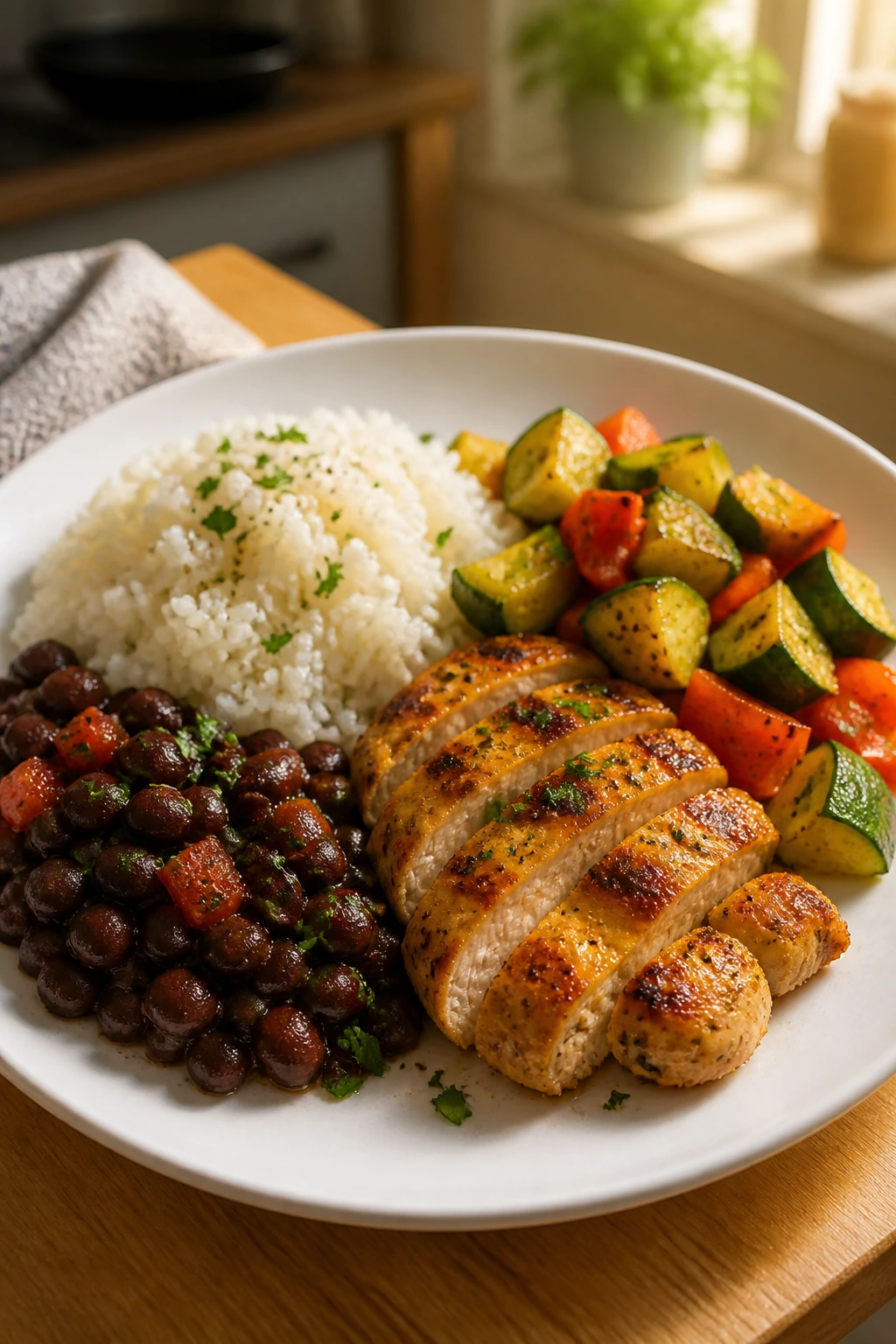
The common thread in all of these meals is not magic. It’s structure. You start with a low-cost base — pasta, rice, beans, potatoes, tortillas, or noodles — then add one or two ingredients that carry flavor without blowing the budget. That pattern is boring in theory and deeply useful in practice. Boring usually is useful when the rent is due and people are hungry.
The other thing these dinners do well is respect appetite. A family of four does not need four tiny gourmet plates. It needs enough food to make everyone feel fed, plus enough flavor that nobody reaches for cereal afterward. That means salt in the right place, a little browning, and one bright note — lemon, salsa, vinegar, tomato, mustard — to keep the meal from tasting flat.
Essential Equipment for These Dinners
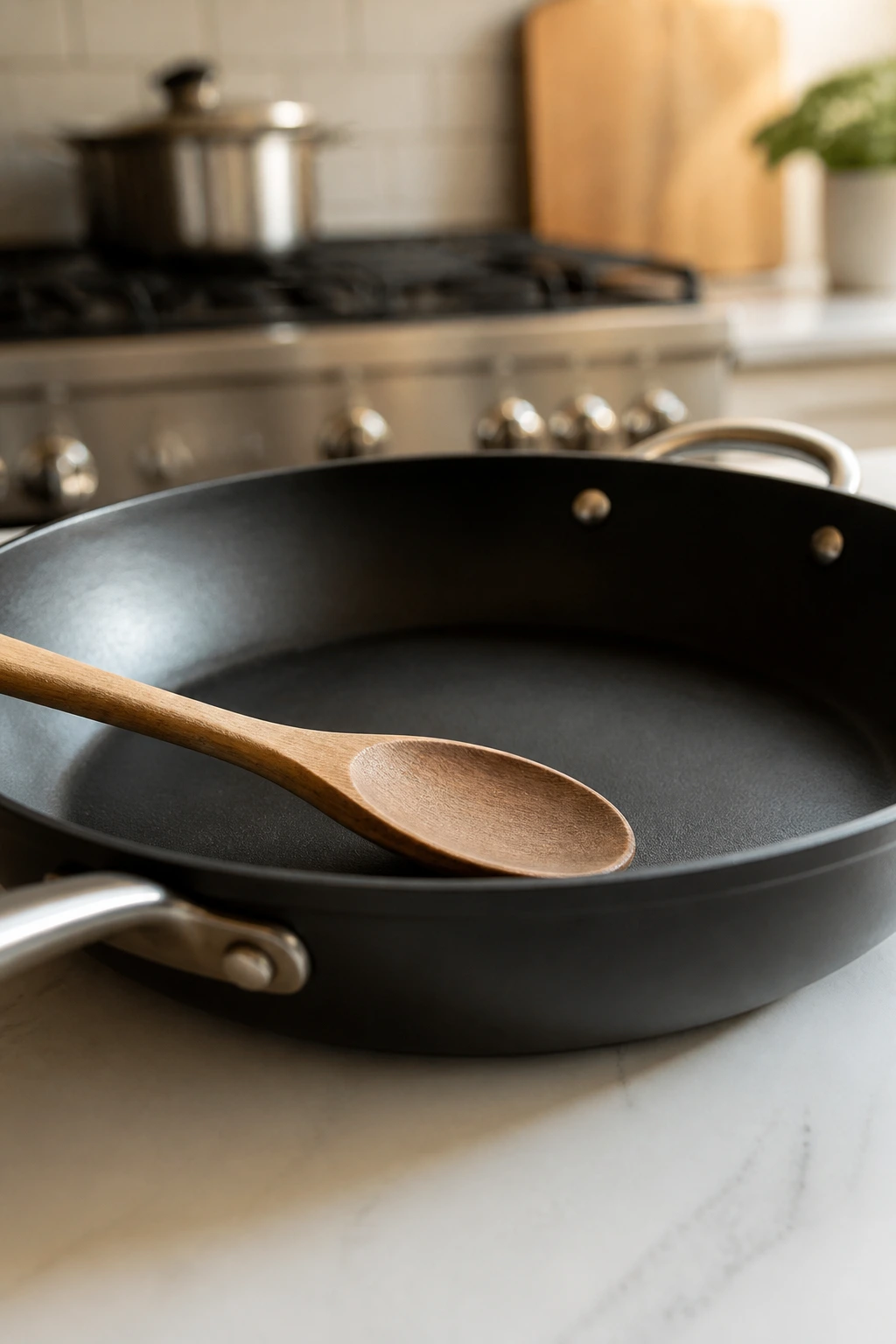
- Large skillet or sauté pan: The workhorse for fried rice, tacos, shakshuka, and most stovetop fillings.
- Large pot or Dutch oven: Useful for soups, pasta, chili mac, lentils, and anything saucy.
- Rimmed baking sheet: Best for drumstick tray bakes and roasting vegetables without chasing them around the oven.
- 9×13-inch baking dish: The right size for baked ziti, enchiladas, and lentil shepherd’s pie.
- Colander: You’ll use this more than you think for pasta, beans, and noodles.
- Sharp chef’s knife: Cabbage, onions, carrots, potatoes, and garlic all go faster with a decent knife.
- Cutting board: A sturdy board saves time and keeps prep calmer.
- Wooden spoon or heatproof spatula: Good for breaking up beans, stirring sauces, and scraping browned bits.
- Measuring cups and spoons: Useful for the recipes that depend on a sauce ratio, which is most of them.
- Can opener: Obvious, until it isn’t.
- Box grater: Handy for cheese and carrots, and worth keeping around if you buy cheese in blocks.
- Storage containers: Important for leftovers, because many of these dinners improve on day two.
Smart Shopping and Ingredient Tips
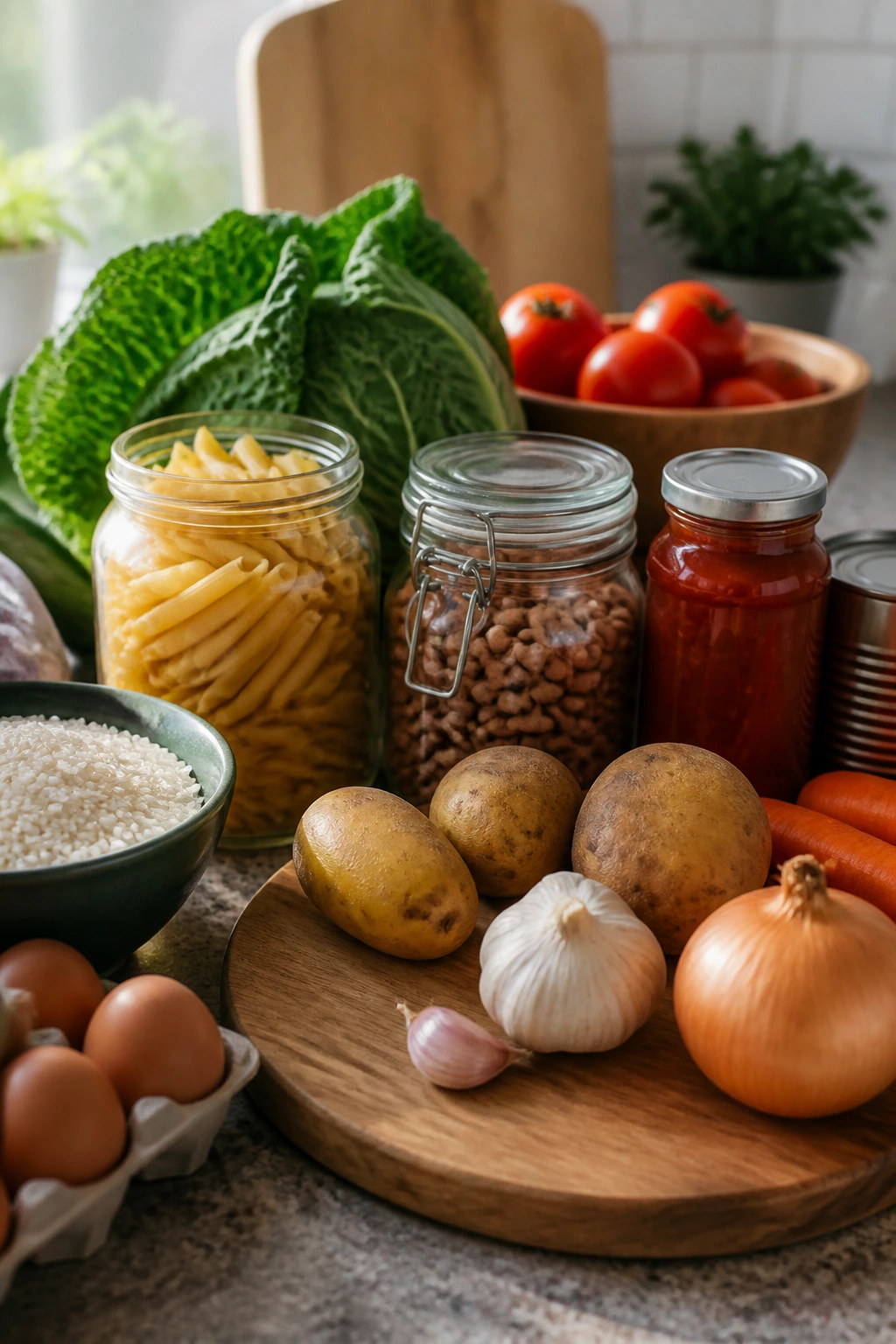
Cheap dinners get expensive fast when you buy the wrong version of a cheap ingredient. Store-brand pasta, rice, canned beans, canned tomatoes, and frozen vegetables usually do the job perfectly well. I’d spend less time hunting for a fancy tomato sauce and more time choosing the right backbone ingredient. The backbone is what stretches the meal.
Cabbage, carrots, onions, potatoes, and celery deserve more respect than they get. They last a long time, soften into almost any dish, and can quietly serve as both bulk and flavor. Frozen spinach, peas, broccoli, and mixed vegetables are just as useful. They don’t spoil in two days, which means less waste and fewer emergency grocery runs.
Cheese is where budgets go to die if you’re not paying attention. Buy blocks when possible and grate them yourself; it usually costs less and melts better. Use cheese as a topping, a binder, or a finishing layer, not as the whole meal. The same goes for meat. A small amount of sausage or chicken can stretch a lot farther when beans, potatoes, or pasta are doing the heavy lifting alongside it.
One more thing: separate pantry staples from dinner ingredients in your head. Salt, pepper, oil, flour, garlic powder, chili powder, soy sauce, and vinegar are part of the cooking tool kit, not the star budget. If you count them as though you’re buying every last one from scratch, the math will look worse than it really is.
How to Serve These Recipes
Presentation:
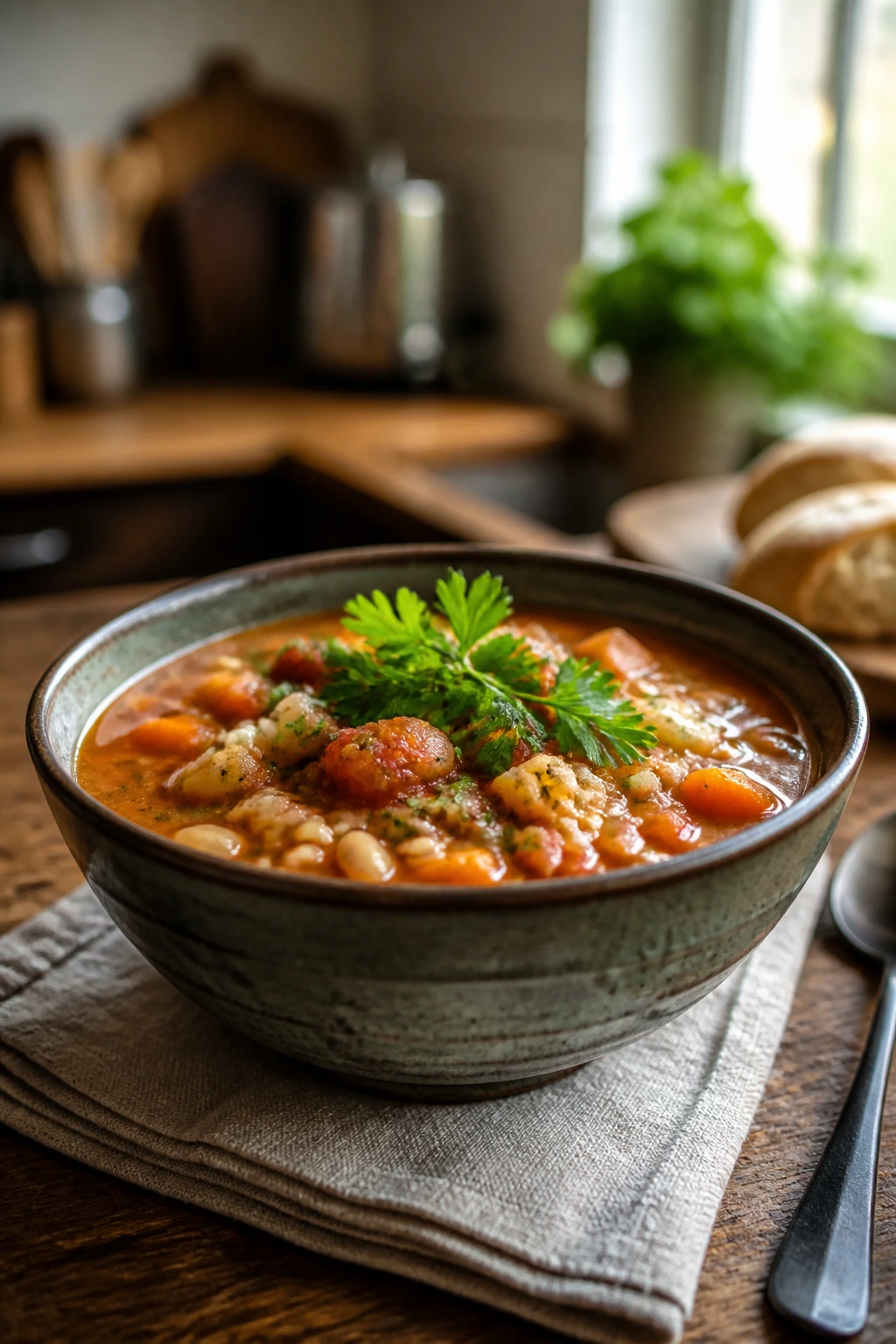
Bowls make soups, pasta, and curry feel fuller. Skillets and casseroles look best when you finish them with something green or bright — chopped parsley, sliced green onions, a spoon of yogurt, or a scatter of shredded cabbage. For tray bakes and baked dishes, let the browned edges show. That little bit of color matters more than a heavy garnish.
Accompaniments:
A simple green salad, sliced cucumbers, buttered toast, fruit, or a plate of pickles can round out most of these dinners without adding much cost. For tacos and enchiladas, keep salsa, sour cream, and hot sauce on the table so people can adjust their own plates. Soup always likes bread. Fried rice and stir-fries usually don’t need anything else.
Portions:
Most of these recipes are built to serve four with normal appetites. If you’ve got big eaters, increase the starch by 25 percent before you start doubling cheese or meat. That’s cheaper and usually more satisfying. For younger kids, serve smaller portions and keep the toppings separate; it reduces waste and arguments in one move.
Beverage Pairing:
Water is fine. I also like iced tea, lemonade, milk for the tomato-soup-and-grilled-cheese set, or sparkling water with a slice of lemon if you want something a little brighter. Keep it simple. Budget dinners deserve budget drinks, and that’s not a complaint.
Additional Tips and Flavor Boosters
Flavor Enhancement:
A small hit of acid at the end changes everything. Lemon juice, vinegar, salsa, pickle brine, or a spoonful of tomato paste cooked long enough to darken all make cheap ingredients taste more deliberate. That little finish is often the difference between “fine” and “I’d make this again.”
Customization:
Keep a few inexpensive add-ins around: hot sauce, mustard, green onions, chopped pickles, canned chilies, and plain yogurt. They let the family steer their own bowls or tacos without you cooking three separate dinners. Useful. Very useful.
Serving Suggestions:
Fresh herbs are nice, but don’t pretend they’re required. Crushed crackers, toasted breadcrumbs, a little shredded cheese, or a drizzle of olive oil can make a humble dish look and taste finished. I especially like breadcrumbs on pasta and casseroles because they add contrast without costing much.
Make-It-Yours:
If someone in the house doesn’t eat meat, almost every recipe here has a bean, egg, or cheese version built in. If dairy is a problem, skip the cheese-heavy toppings and lean on salsa, olive oil, tomato, or a garlicky sauce instead. For extra heat, add crushed red pepper or chipotle powder in small amounts so the whole pot doesn’t go off the rails.
Make-Ahead, Storage, and Reheating Guidance
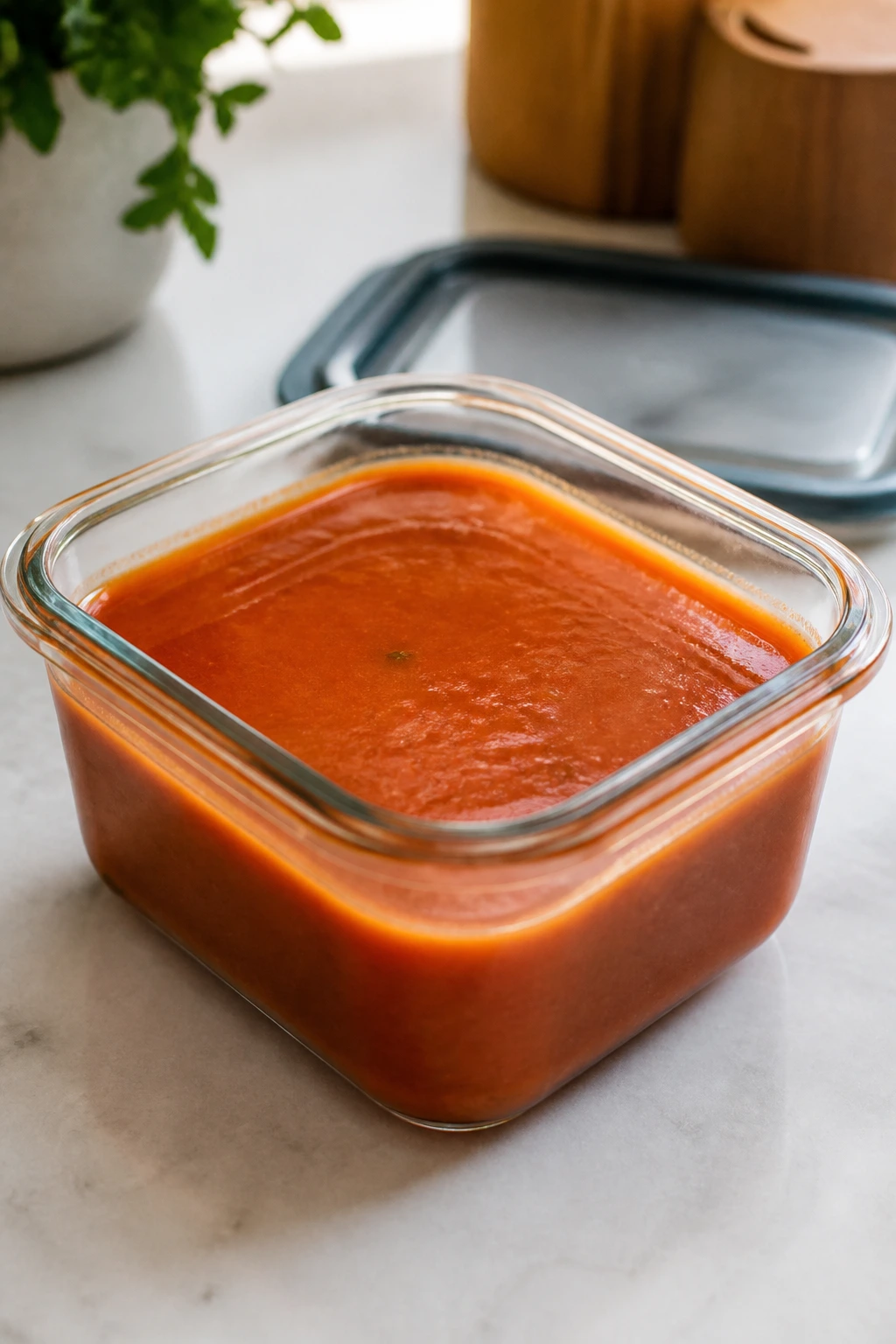
A lot of these dinners are better when they’re not made in a panic. Lentil fillings, chili mac, pasta e fagioli, chickpea curry, and tomato soup can all be cooked a day ahead and stored in the fridge for 3 to 4 days. In many cases the flavor settles and gets a little deeper overnight. Keep sauces, soups, and skillet fillings in shallow containers so they cool faster and reheat more evenly.
Most of the pasta-based dishes freeze well for up to 2 months, though texture matters. Baked ziti, lentil shepherd’s pie, lentil sloppy joe filling, chickpea curry, and tomato soup freeze cleanly. Fried rice, taco fillings, and egg dishes are better fresh or refrigerated for a short stretch because eggs and rice can get odd in the freezer. If you do freeze a rice dish, thaw it in the fridge first and reheat with a splash of water.
Reheating matters more than people think. Soups and sauces should go over medium heat with a little added water or broth so they loosen up instead of turning gluey. Pasta bakes reheat well in the oven at 350°F covered with foil for 15 to 20 minutes, then uncovered for a few minutes if you want the top to crisp again. Skillet dinners and fried rice do best in a pan over medium heat, stirred often, with a spoonful of water at the edge of the pan if they seem dry.
If you’re making ahead, undercook pasta slightly and leave cheese-heavy toppings for the final bake. That keeps the texture from going soft and sad. And if you’ve got leftovers from a potato-based dinner, reheat them in a hot skillet rather than the microwave when you can. Crisp edges help.
Variations and Adaptations to Try
The Meatless Pantry Swap:
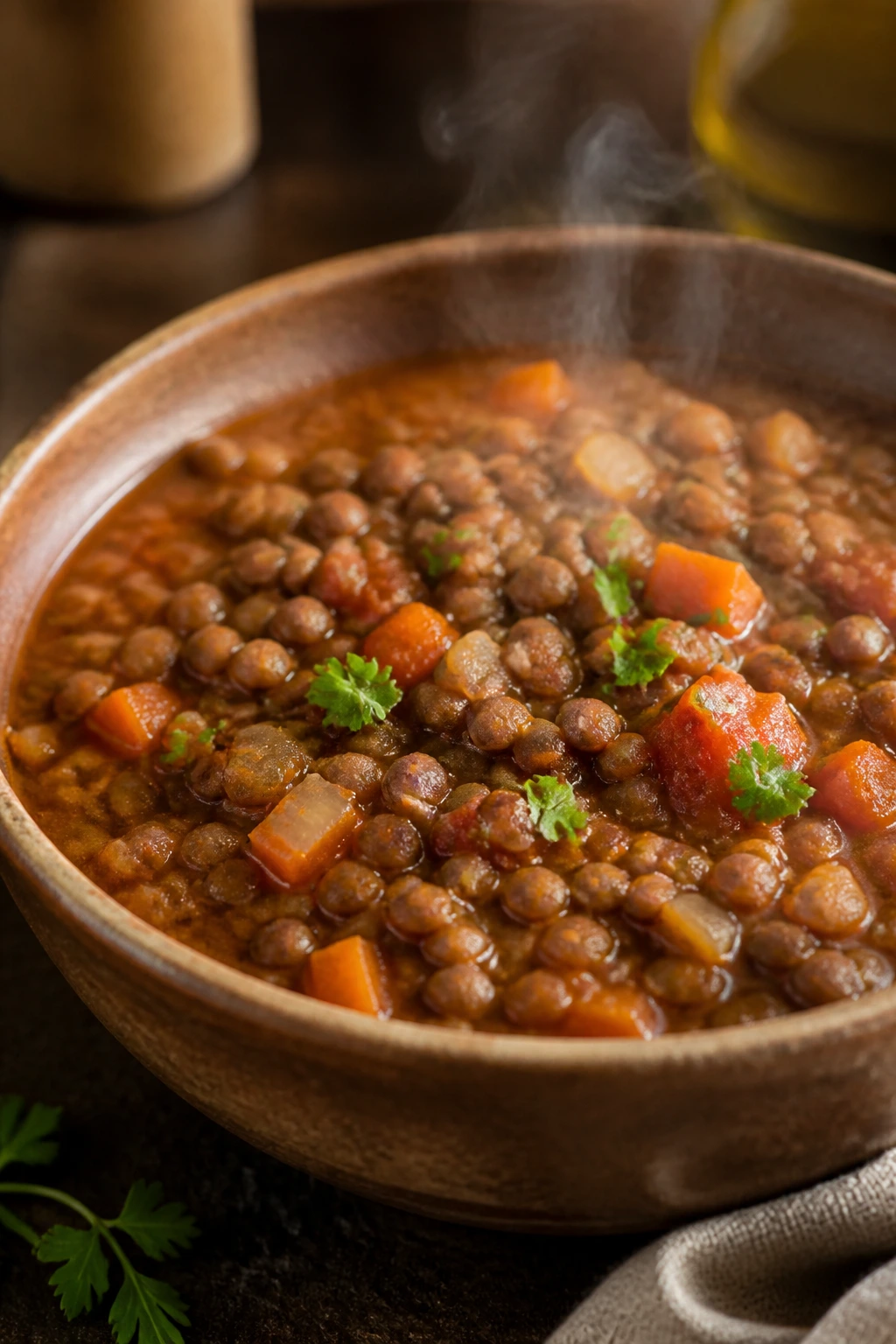
Take any recipe built on sausage, chicken, or tuna and replace it with beans, lentils, or eggs. Black beans work especially well in tacos and enchiladas, while lentils are excellent in sloppy joes and shepherd’s pie. This keeps the meal cheap without making it feel stripped down.
The Dairy-Light Version:
Use less cheese and more sauce, salsa, tomato, or olive oil for flavor. Tuna pasta, chickpea curry, fried rice, and shakshuka all work with very little dairy, if any. For baked dishes, a thinner layer of cheese on top usually does the job.
The Gluten-Free Table:
Rice bowls, curry, hash, roasted chicken dinners, and most soups are already close to naturally gluten-free. Use corn tortillas instead of flour tortillas, and swap gluten-free pasta in baked ziti or chili mac. Check broth and soy sauce labels if you’re cooking for someone with strict needs.
The Kid-Calm Version:
Keep the spice mild, set out hot sauce separately, and lean on familiar textures like cheese, potatoes, rice, and tortillas. Children usually forgive a lot if the sauce is smooth and the food arrives warm. Cabbage, beans, and lentils go down better when they’re tucked into something they already know.
The Pantry-Whatever-You-Have Version:
This is the most practical adaptation of all. Use the bean, pasta, or vegetable that is already in the cabinet. The formula matters more than the exact ingredient: starch plus protein plus a sauce or seasoning that gives the plate a reason to exist.
Common Mistakes to Avoid
Counting pantry staples as if they’re part of the week’s grocery bill:
If you have to buy oil, salt, pepper, flour, and three spices from scratch, the math changes fast. The fix is simple: keep a basic pantry on hand and count the big-ticket items separately.
Buying too many fresh ingredients for one dinner:
A recipe that asks for half a pepper, a quarter onion, a handful of herbs, and a special cheese can look cheap on paper and expensive at checkout. Pick recipes that reuse the same vegetables across several meals, and lean on frozen produce when it makes sense.
Underseasoning starch-heavy dinners:
Rice, pasta, potatoes, and beans can taste dull if you stop at salt. The fix is to build flavor in layers — onion first, then garlic, then spice, then acid at the end. That last part matters more than most home cooks think.
Expecting cheese to do the whole job:
Cheese is not a seasoning replacement. It melts, it binds, and it adds richness, but it won’t rescue bland beans or dry pasta. Use it with intention, not as a panicked blanket.
Cooking everything to the same texture:
Mushy vegetables, soggy potatoes, and overcooked pasta are the classic budget-dinner failures. Watch the texture of each ingredient separately. If the potatoes need more time than the cabbage, give them more time. If the pasta is ready, stop boiling it.
Ignoring leftovers until they become fridge archaeology:
Cheap dinners are most valuable when they become lunch. Label containers, cool food quickly, and plan to eat the oldest batch first. A good budget meal shouldn’t end up in the back of the fridge behind mustard and regret.
Frequently Asked Questions
How can all of these dinners stay under $10 for a family of four?
The trick is that the meal has to lean on one or two low-cost anchors — rice, pasta, beans, potatoes, eggs, or tortillas — and use pricier ingredients sparingly. A little cheese, sausage, tuna, or chicken goes farther when the rest of the plate is doing the stretching.
Do I need to buy everything from scratch to make the budget work?
No, and that would actually make the math worse. These recipes assume basic pantry items like oil, salt, pepper, flour, and a few spices are already in the cabinet. That’s how cheap family dinners stay cheap.
Which recipes here are the easiest for picky eaters?
Spaghetti with garlic breadcrumbs, egg fried rice, baked ziti, tomato soup with grilled cheese, and loaded baked potatoes tend to be the safest bets. They use familiar textures and flavors, which matters more than flashy seasoning when you’re feeding a mixed crowd.
What if my family doesn’t eat beans?
Use eggs, tuna, chicken drumsticks, sausage, or extra vegetables where the bean-heavy recipes appear. Fried rice, tuna pasta, shakshuka, tray bakes, and hash all give you cheap dinner options without relying on legumes as the main event.
Can I use frozen vegetables instead of fresh ones?
Absolutely. Frozen peas, spinach, broccoli, and mixed vegetables are often cheaper, last longer, and reduce waste. They work especially well in fried rice, curry, soups, baked pasta, and skillet meals.
Which dinners freeze the best?
Lentil sloppy joes, chili mac, chickpea curry, baked ziti, lentil shepherd’s pie, pasta e fagioli, and tomato soup all freeze well. Anything with crisp tortillas, fried eggs, or a delicate potato texture is better eaten fresh or from the fridge.
How do I keep cheap dinners from tasting flat?
Use salt early, brown onions and sausage properly, and finish with something acidic like lemon juice, vinegar, salsa, or pickles. Cheap ingredients often need a little brightness at the end more than they need a longer simmer.
Can I double these recipes for a bigger family or for leftovers?
Yes, but use a bigger pan or pot than you think you need. Crowding a skillet prevents browning, and that’s where a lot of flavor lives. For casseroles, use a deeper dish or two smaller ones so the middle cooks through evenly.
Feeding Four Without Wrecking the Grocery Bill
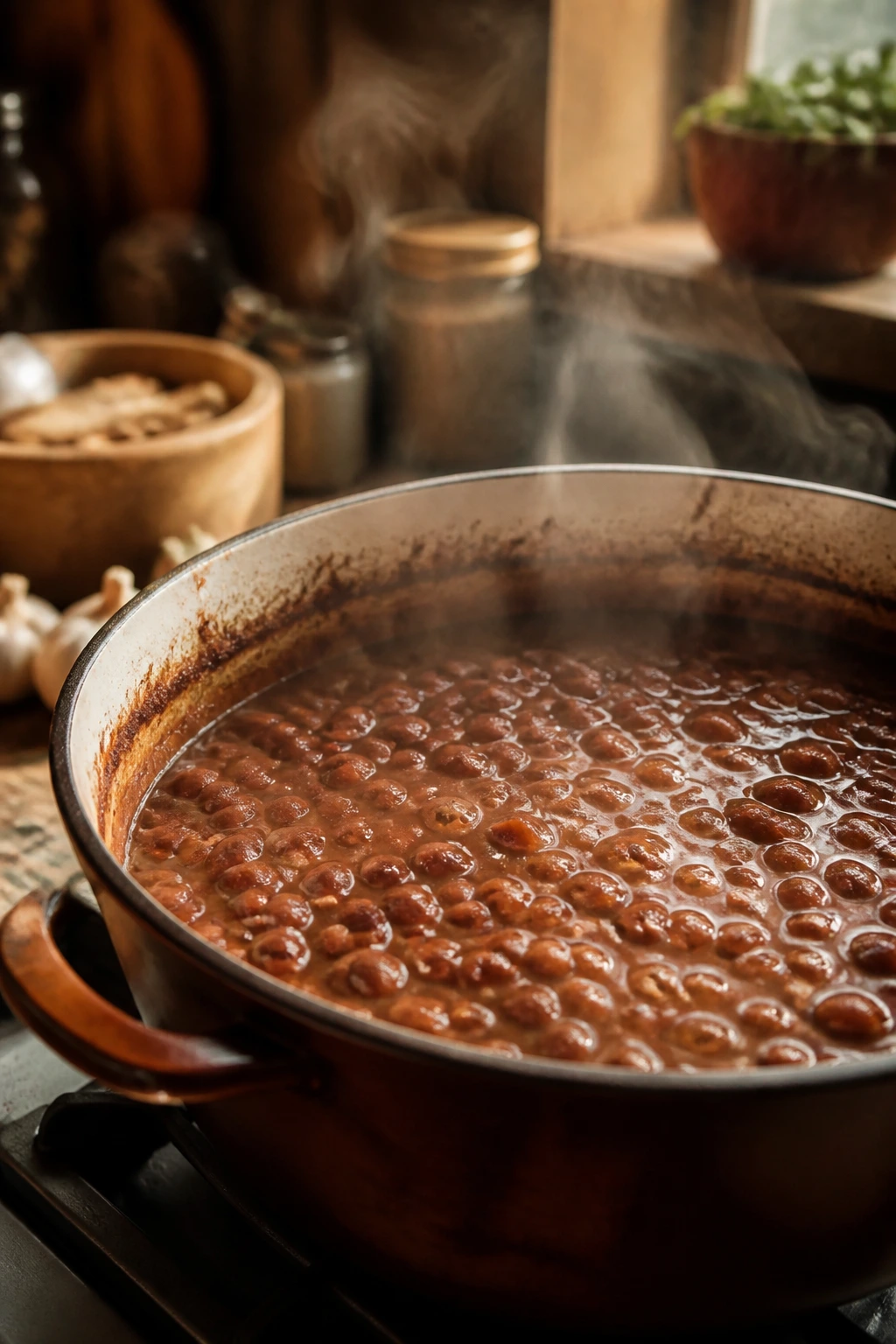
Cheap dinners work best when they feel like a plan, not a sacrifice. That’s really the whole game here. A pot of beans, a bag of pasta, a tray of potatoes, a dozen eggs, a head of cabbage — these are ordinary ingredients until you arrange them with a little care.
The nicest part is that none of this requires perfection. If one night ends up as fried rice instead of enchiladas, the week survives. If you swap chickpeas for lentils or use broccoli where peas were supposed to go, dinner still lands. That flexibility is the real budget win, and it makes the whole kitchen feel calmer.