



Cold nights make a simmering pot smell twice as good. There’s something about steam on a kitchen window, a heavy spoon in a Dutch oven, and the first whiff of onion, garlic, and browned meat that changes the whole mood of the evening. A bowl of something hot and substantial can turn a rough, gray night into a quiet little win. That’s the whole appeal of hearty dinners for cold winter nights: they don’t just feed you, they settle the room.
The best winter dinners are usually not fussy. They’re built on braising, slow simmering, baking, and a little common sense. A good stew, casserole, chili, or pot pie doesn’t need to look delicate. It needs to be thick, savory, and generous enough that nobody starts rummaging for crackers ten minutes later.
I keep coming back to dishes that hold heat well, reheat well, and taste like they were designed by people who understood bad weather. Some use cheap cuts that become tender with time. Some lean on beans, potatoes, or noodles to make the meal feel complete. A few are old-fashioned in the best possible way. Those are the ones that earn a place on the table when the temperature drops and everyone wants dinner to do a little more work.
Why These Dinners Earn a Spot on the Table
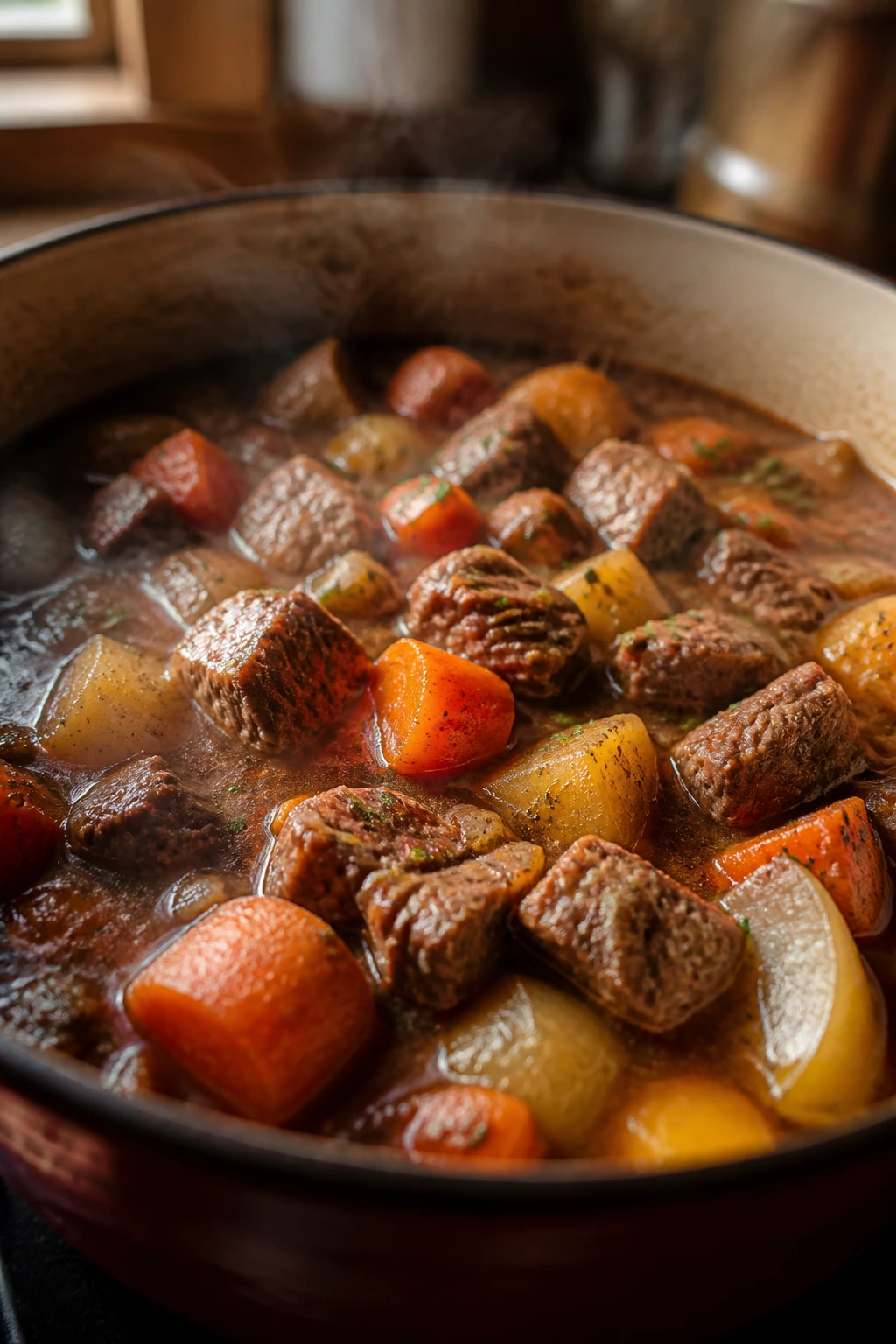
-
They hit that middle ground between cozy and filling: Each one has enough protein, starch, and sauce to feel like a real meal, not a small plate pretending to be dinner.
-
They make good use of tough or budget-friendly ingredients: Chuck roast, ground beef, beans, lentils, chicken thighs, and sausage all shine when they’re cooked with patience.
-
They hold up to leftovers: Most of these dishes taste even better the next day, especially stews, chili, pot roast, and soups.
-
They play nicely with a busy kitchen: Several can simmer while you answer email, help with homework, or just sit on the couch and stare at the wall for a minute.
-
They leave room for swaps: Extra carrots, a different bean, spinach instead of kale, a little cream at the end — these meals are forgiving in ways that matter.
-
They give off real cold-night energy: These are the dinners that make the house smell like you’ve been cooking all afternoon, even when the active work was short and sensible.
1. Beef and Barley Stew with Root Vegetables
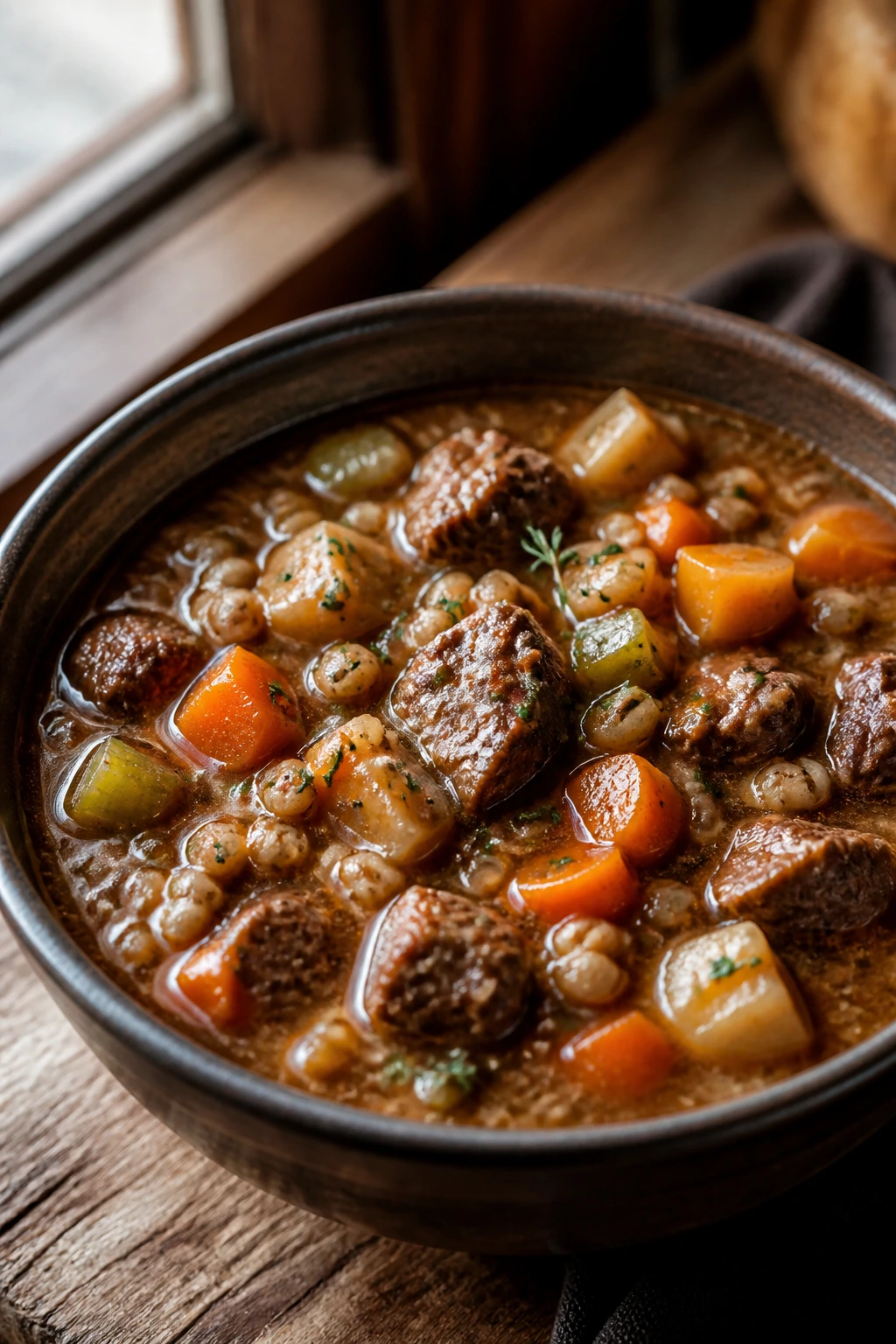
A good beef and barley stew has a way of making the whole house smell deeper, warmer, and a little more generous. The barley turns softly chewy, the beef goes spoon-tender, and the broth thickens just enough to coat the back of a spoon without turning muddy. This is the kind of dinner that doesn’t care if the weather is ugly.
Why It Works:
Chuck roast is built for long cooking. After a hard sear and a slow simmer, the collagen melts, the beef softens, and the broth picks up a rich, almost glossy body. Pearled barley does its own quiet work in the pot, releasing starch and absorbing flavor while still keeping a little bite. A lot of stews taste thin until the very end; this one starts heading in the right direction almost immediately.
Key Ingredients:
- 2 lbs beef chuck, cut into 1½-inch cubes — look for visible marbling; that fat is your friend.
- 2 tablespoons all-purpose flour — lightly coats the beef and helps the broth thicken.
- 2 tablespoons olive oil — for browning the meat in batches.
- 1 large yellow onion, diced — the sweet base note that keeps the stew from tasting flat.
- 3 carrots, cut into thick coins — they hold shape better than thin slices.
- 2 celery stalks, sliced — for background savoriness.
- 3 garlic cloves, minced — enough to show up without taking over.
- 1 cup pearled barley, rinsed — the chewy, hearty part of the dish.
- 6 cups beef stock — choose low-sodium so you can season the stew properly.
- 2 tablespoons tomato paste — adds depth, not tomato flavor.
- 1 tablespoon Worcestershire sauce — a small amount, big payoff.
- 1 bay leaf and 1 teaspoon dried thyme — the herbal backbone.
- Chopped parsley for serving — the fresh finish that keeps the bowl from feeling too heavy.
Quick Steps:
- Brown the beef: Pat the beef dry, toss it with flour, salt, and pepper, then sear it in 2 tablespoons oil over medium-high heat in batches. Do not crowd the pot; you want dark edges, not gray meat.
- Cook the aromatics: Lower the heat to medium and add the onion, carrots, and celery. Cook for 5 to 7 minutes, until the onion softens and the bottom of the pot has browned bits.
- Build the base: Stir in the garlic and tomato paste and cook for 1 minute, until the paste darkens slightly and smells sweet rather than raw.
- Deglaze and simmer: Pour in the beef stock and Worcestershire sauce, scraping up the browned bits. Add the beef back in, along with the barley, bay leaf, and thyme.
- Cook low and slow: Bring the pot to a gentle simmer, cover, and cook for 1 hour 45 minutes to 2 hours, stirring once or twice, until the beef is fork-tender and the barley is soft but still intact.
- Finish and season: Remove the bay leaf, taste for salt, and add parsley just before serving. If the stew looks too thick, loosen it with a splash of stock.
Tips and Variations:
- Mushroom Boost: Add 8 oz sliced cremini mushrooms with the onions for a darker, woodier flavor.
- Swap the Grain: Farro works if you want a slightly nuttier chew, but it needs a little less time than barley.
- Serve It Right: A thick slice of crusty bread is not optional in my house.
2. Chicken Pot Pie Skillet Bake
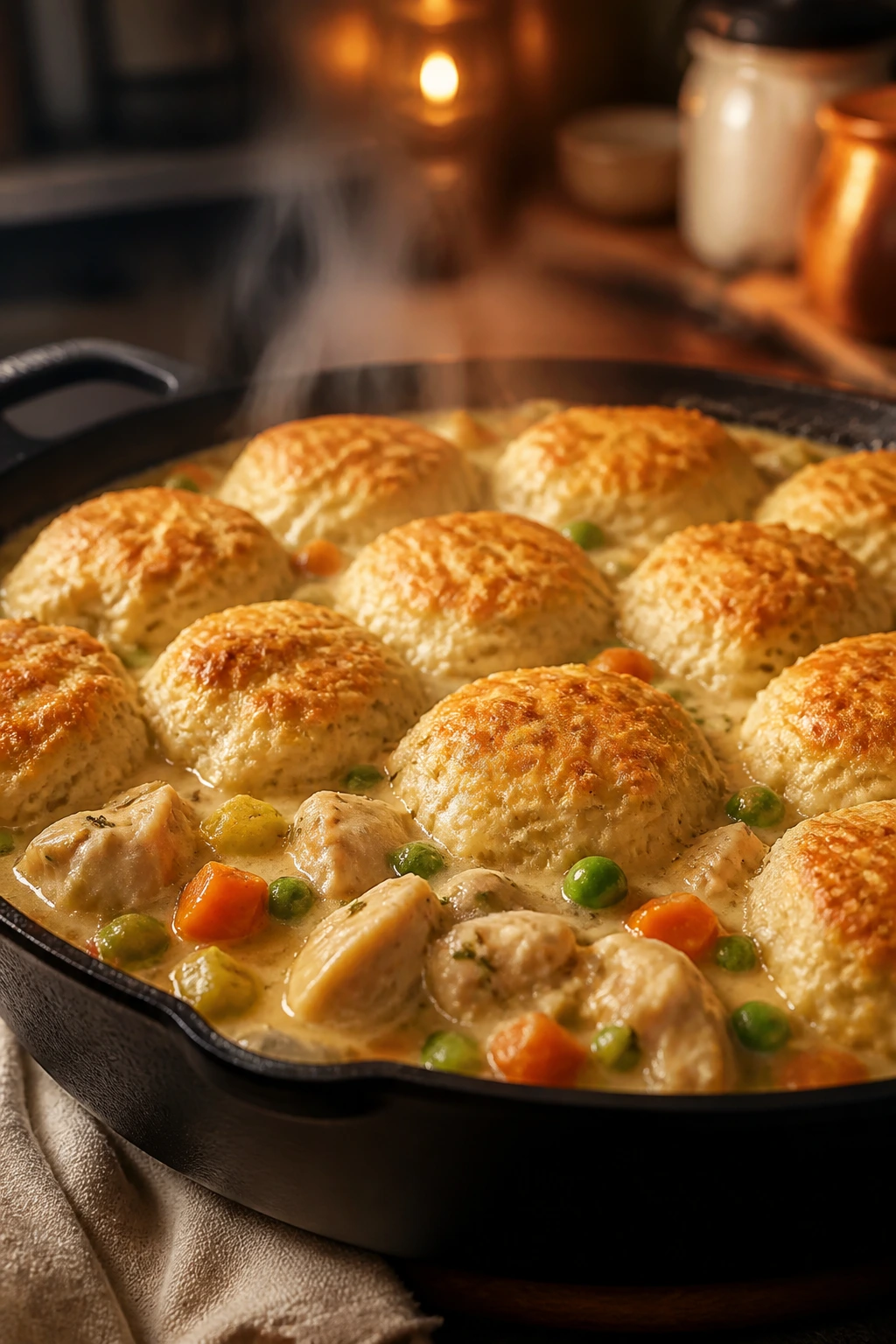
Pot pie doesn’t need a delicate crust to feel special. A skillet bake gives you the creamy filling, the buttery top, and far less drama than rolling out pastry on a cold evening. It’s warm, savory, and a little nostalgic in the best possible way.
Why It Works:
This version uses cooked chicken, which means the filling can go straight from stovetop to oven. The roux thickens the sauce, the vegetables bring color and sweetness, and the biscuit topping bakes into a golden cap that catches steam without turning soggy. If you’ve ever wanted chicken pot pie without the pie part, this is the cleanest answer I know.
Key Ingredients:
- 2 cups cooked chicken, shredded or chopped — rotisserie chicken works well here.
- 2 tablespoons unsalted butter — for the vegetable base.
- 1 medium onion, diced — gives the filling a sweet, savory start.
- 2 carrots, diced small — so they soften at the same pace as the sauce.
- 2 celery stalks, diced small — classic pot pie flavor.
- 1/3 cup all-purpose flour — the thickener for the sauce.
- 2 cups chicken stock — a low-sodium version is best.
- 1 cup whole milk — makes the filling creamy without becoming too heavy.
- 2 cups frozen peas and corn — no need to thaw them first.
- 1 teaspoon dried thyme and 1/2 teaspoon black pepper — enough seasoning to keep it lively.
- 8 refrigerated biscuits or 1 sheet of biscuit dough — the quick topping.
- 1 egg beaten with 1 tablespoon water — for a glossy biscuit finish.
Quick Steps:
- Cook the vegetables: Melt the butter in a large oven-safe skillet over medium heat. Add the onion, carrots, and celery and cook for 6 to 8 minutes, until softened but not browned hard.
- Make the sauce: Stir in the flour and cook for 1 minute. Slowly whisk in the chicken stock, then the milk, and let the sauce simmer until it thickens enough to coat a spoon.
- Add the filling: Stir in the chicken, peas, corn, thyme, pepper, and a pinch of salt. The filling should look thick and glossy, not watery.
- Top it: Arrange the biscuits over the surface, leaving a little space between them so steam can escape.
- Bake: Brush the biscuits with egg wash and bake at 400°F (205°C) for 20 to 25 minutes, until the tops are deep golden and the filling bubbles around the edges.
- Rest briefly: Let the skillet sit for 10 minutes before serving so the sauce settles a little.
Tips and Variations:
- Make It Faster: Use frozen mixed vegetables if you’re short on prep time.
- Pastry Option: Puff pastry on top gives a flakier crust, but it needs a few more minutes in the oven.
- Leftover Winner: If you have roast turkey instead of chicken, use it. Nobody at the table will complain.
3. Classic Shepherd’s Pie with Creamy Mashed Potatoes
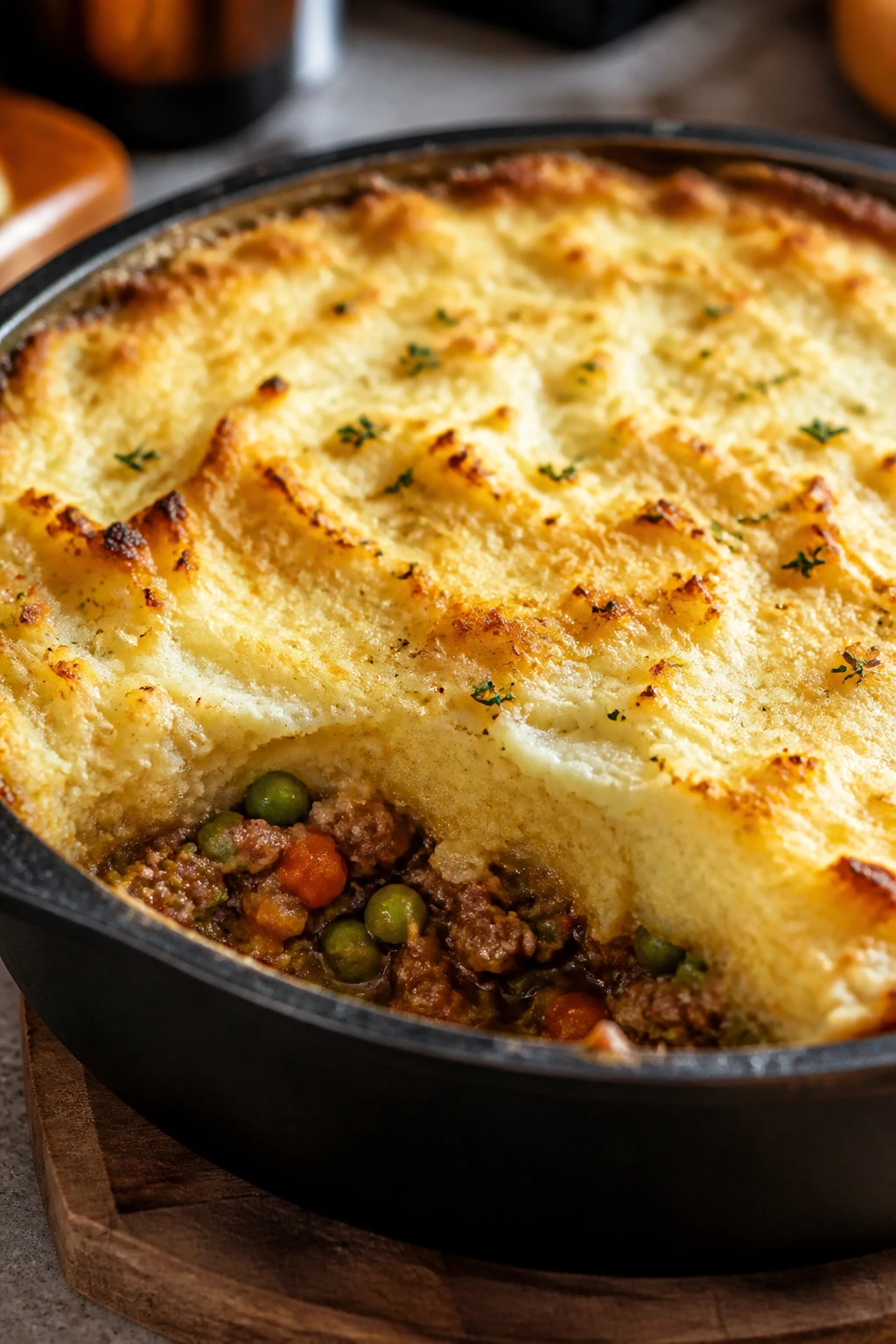
Shepherd’s pie is one of those dinners that looks humble and eats like a full retreat from bad weather. You get savory meat, soft vegetables, and a thick potato lid that browns at the peaks. It’s comfort food, but not in a vague way — in a very specific, dependable, dinner-is-done way.
Why It Works:
The filling starts with browned meat and a little tomato paste, which creates a deep savory base before the potatoes even go on top. Mashed potatoes are more than garnish here; they trap heat, seal in moisture, and turn the whole dish into something sliceable and satisfying. A little cheese on top is optional, but I rarely skip it.
Key Ingredients:
- 1½ lbs ground lamb or ground beef — lamb is traditional; beef is easier to find.
- 1 tablespoon olive oil — if your meat is very lean.
- 1 medium onion, diced — the first layer of flavor.
- 2 carrots, diced small — for sweetness and texture.
- 2 cloves garlic, minced — just enough to round things out.
- 2 tablespoons tomato paste — adds color and depth.
- 1 tablespoon Worcestershire sauce — sharp, savory, and old-school in the best way.
- 1 cup frozen peas — stir them in near the end so they stay bright.
- 1 cup beef stock — keeps the filling saucy.
- 2 lbs russet potatoes, peeled and cubed — the best base for fluffy mash.
- 4 tablespoons butter and 1/2 cup whole milk — for a smooth topping.
- 1/2 cup shredded cheddar, optional — for a browned, salty top.
Quick Steps:
- Boil the potatoes: Start the potatoes in cold salted water and cook until fork-tender, about 15 to 18 minutes.
- Build the filling: While the potatoes cook, brown the meat in a skillet over medium-high heat. Add onion and carrots and cook until the onion softens.
- Thicken it: Stir in the garlic and tomato paste, cook for 1 minute, then add Worcestershire and stock. Simmer until the mixture looks glossy and lightly thickened.
- Add peas: Stir in the peas, taste for salt, and pour the filling into a baking dish.
- Mash and spread: Drain the potatoes, mash with butter and milk until smooth, then spread them over the meat mixture. Drag a fork across the top to make ridges that brown well.
- Bake: Cook at 400°F (205°C) for 20 to 25 minutes, until the edges bubble and the top turns golden in spots.
Tips and Variations:
- Extra Rich: Stir a spoonful of sour cream into the potatoes.
- Vegetable Swap: Corn or diced parsnips work if you want a different sweet note.
- Crisp Finish: Broil for 1 to 2 minutes at the end, but watch it closely.
4. Slow Cooker Chili with Beef and Beans
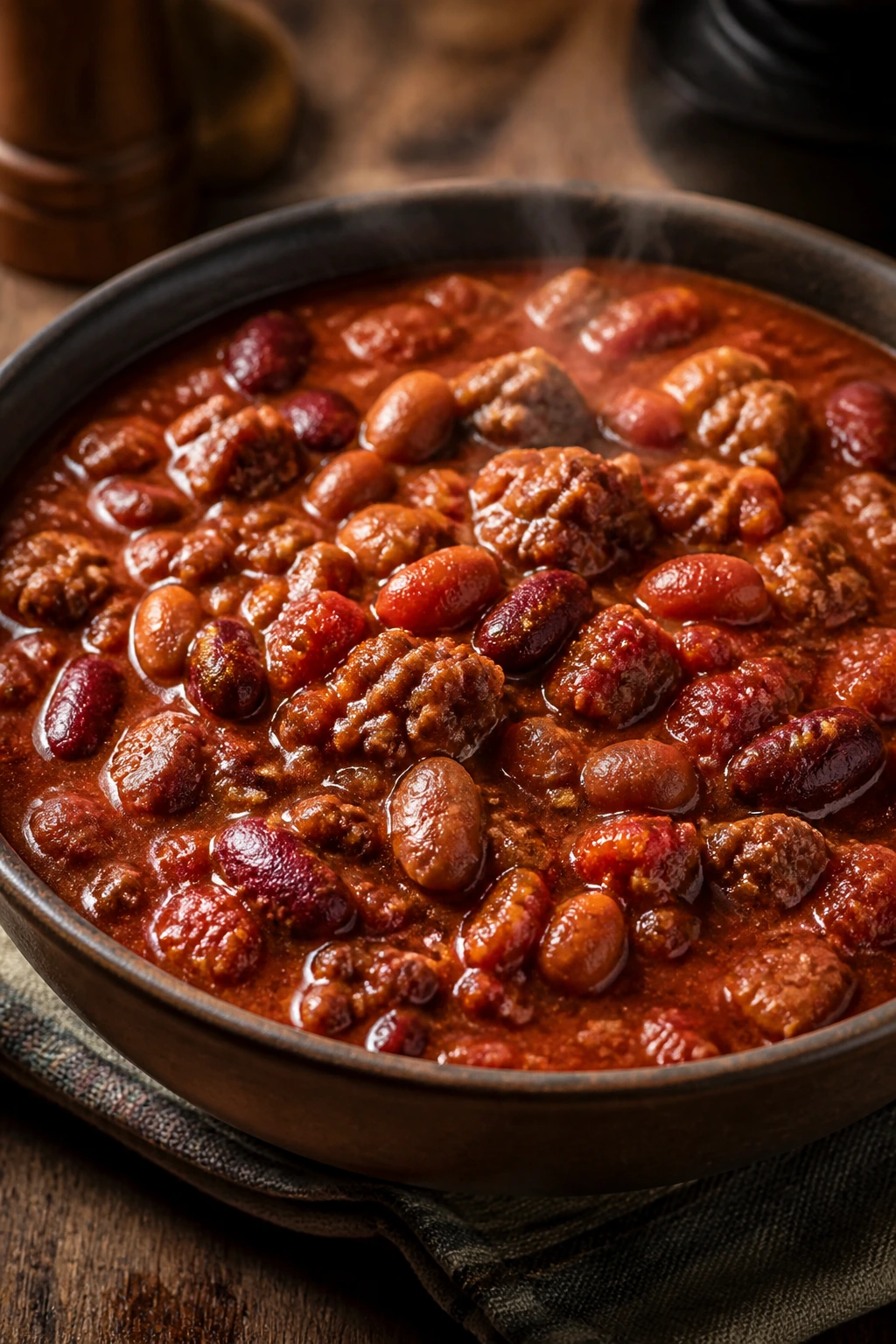
A slow cooker chili earns its keep by doing a lot with very little fuss. By dinner time, the beef is soft, the beans are seasoned all the way through, and the tomato base has that deep, brick-red look that tells you flavor has had time to settle in. This is one of those hearty dinners for cold winter nights that makes the house smell busy even if you weren’t.
Why It Works:
Browning the ground beef first is the difference between a flat chili and one with real depth. The slow cooker takes over after that, softening the onions, blooming the spices, and letting the beans absorb the sauce instead of just floating in it. A long, gentle cook also takes the edge off canned tomatoes, which matters more than most people think.
Key Ingredients:
- 2 lbs ground beef, preferably 85/15 — enough fat for flavor without becoming greasy.
- 1 large onion, diced — the base of the chili.
- 1 bell pepper, diced — for sweetness and texture.
- 4 garlic cloves, minced — because chili without garlic feels underfed.
- 2 tablespoons chili powder — the main spice.
- 2 teaspoons ground cumin — earthy and warm.
- 1 teaspoon smoked paprika — for a faint campfire note.
- 2 tablespoons tomato paste — thickens and deepens the sauce.
- 2 cans diced tomatoes, 14.5 oz each — with juice.
- 1 can kidney beans, drained and rinsed.
- 1 can black beans, drained and rinsed.
- 1 cup beef stock — helps the chili move in the slow cooker.
- Salt, black pepper, and optional pinch of cayenne — season to taste.
Quick Steps:
- Brown the beef: Cook the ground beef in a skillet over medium-high heat until no pink remains. Drain excess fat if needed, but leave a little behind for flavor.
- Cook the vegetables: Add the onion and bell pepper to the skillet and cook for 5 minutes, until softened. Stir in the garlic, chili powder, cumin, paprika, and tomato paste for 30 seconds.
- Transfer to the slow cooker: Scrape everything into the slow cooker and add the tomatoes, beans, beef stock, and a good pinch of salt.
- Slow cook: Cover and cook on low for 6 to 8 hours or on high for 3 to 4 hours, until the chili has thickened and the spices taste rounded, not sharp.
- Adjust the texture: If the chili looks thin, remove the lid for the last 20 to 30 minutes. If it looks too thick, add a splash of stock.
- Serve: Taste again before ladling. Chili usually needs more salt than people expect.
Tips and Variations:
- Smokier Version: Add 1 chopped chipotle in adobo.
- Bean-Light Option: Use only one can of beans and add 1 extra pound of beef.
- Best Topping Move: Sharp cheddar, diced onion, and a spoonful of sour cream make a serious difference.
5. Creamy Chicken and Dumplings
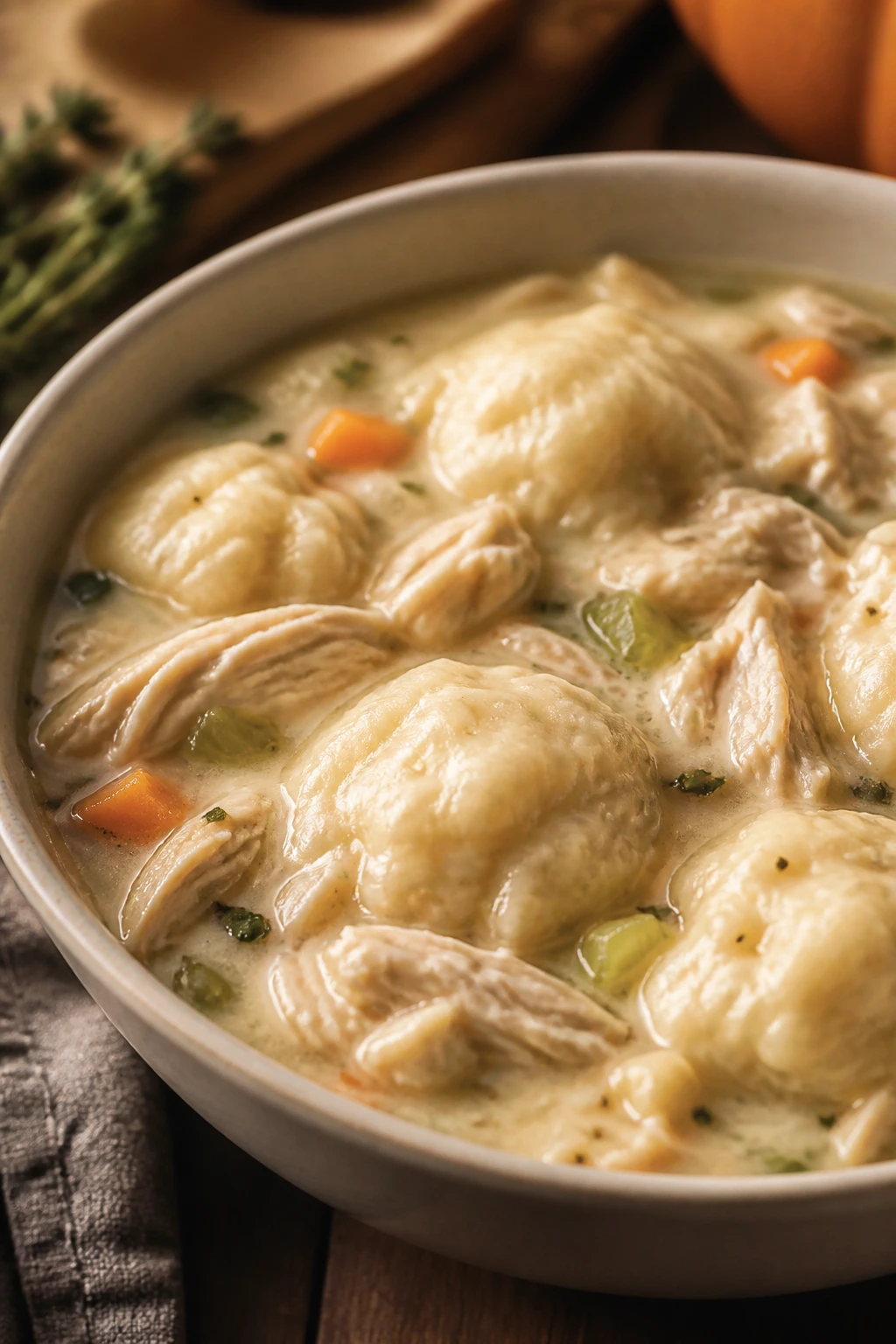
Chicken and dumplings is broth that learned how to be a meal. The dumplings steam right on top of the stew, the chicken stays tender, and the whole pot turns into something cloudy, rich, and almost impossibly comforting. If winter had a signature spoonful, this might be it.
Why It Works:
Chicken thighs are the quiet hero here. They hold up to simmering without drying out, and they add enough fat to make the broth taste full. The dumplings cook from steam rather than boiling hard, which keeps them soft instead of gluey. A lot of people rush this dish; the trick is to keep the simmer gentle and leave the lid alone once the dumplings go in.
Key Ingredients:
- 2 lbs boneless, skinless chicken thighs — the most forgiving choice.
- 2 tablespoons butter — for the soup base.
- 1 medium onion, diced — gives the broth sweetness.
- 2 carrots, sliced — the classic vegetable note.
- 2 celery stalks, sliced — for backbone.
- 3 garlic cloves, minced — optional, but I like it here.
- 6 cups chicken stock — low-sodium is best.
- 1 cup whole milk or half-and-half — for a creamy finish.
- 2 cups all-purpose flour — for the dumplings.
- 1 tablespoon baking powder — helps the dumplings puff.
- 3 tablespoons cold butter, cubed — makes the dumplings tender.
- 3/4 cup milk — binds the dumpling dough.
- 2 tablespoons chopped parsley — for the end.
- Salt and black pepper — season in layers.
Quick Steps:
- Start the stew: Melt the butter in a Dutch oven over medium heat. Add onion, carrots, and celery and cook for 6 to 7 minutes until softened.
- Simmer the chicken: Stir in the garlic and stock, then add the chicken thighs. Simmer gently for 18 to 20 minutes, until the chicken reaches 165°F and pulls apart easily.
- Shred and enrich: Remove the chicken, shred it, and return it to the pot. Stir in the milk or half-and-half and bring the soup back to a gentle simmer.
- Make the dumpling dough: Mix the flour, baking powder, 1 teaspoon salt, and cold butter with your fingers until crumbly. Stir in the milk just until a shaggy dough forms.
- Cook the dumplings: Drop spoonfuls of dough onto the simmering stew, cover tightly, and cook for 15 minutes without lifting the lid. Seriously. Do not peek.
- Finish: Check that the dumplings are set through the center, then scatter parsley over the top and serve hot.
Tips and Variations:
- Herb Lift: A little thyme in the stew makes the whole pot taste brighter.
- Shortcut: Use shredded rotisserie chicken and start with 4 cups stock instead of cooking raw chicken.
- Texture Note: Dumplings are best the day they’re made; they soften more in the fridge.
6. Baked Ziti with Italian Sausage and Mozzarella
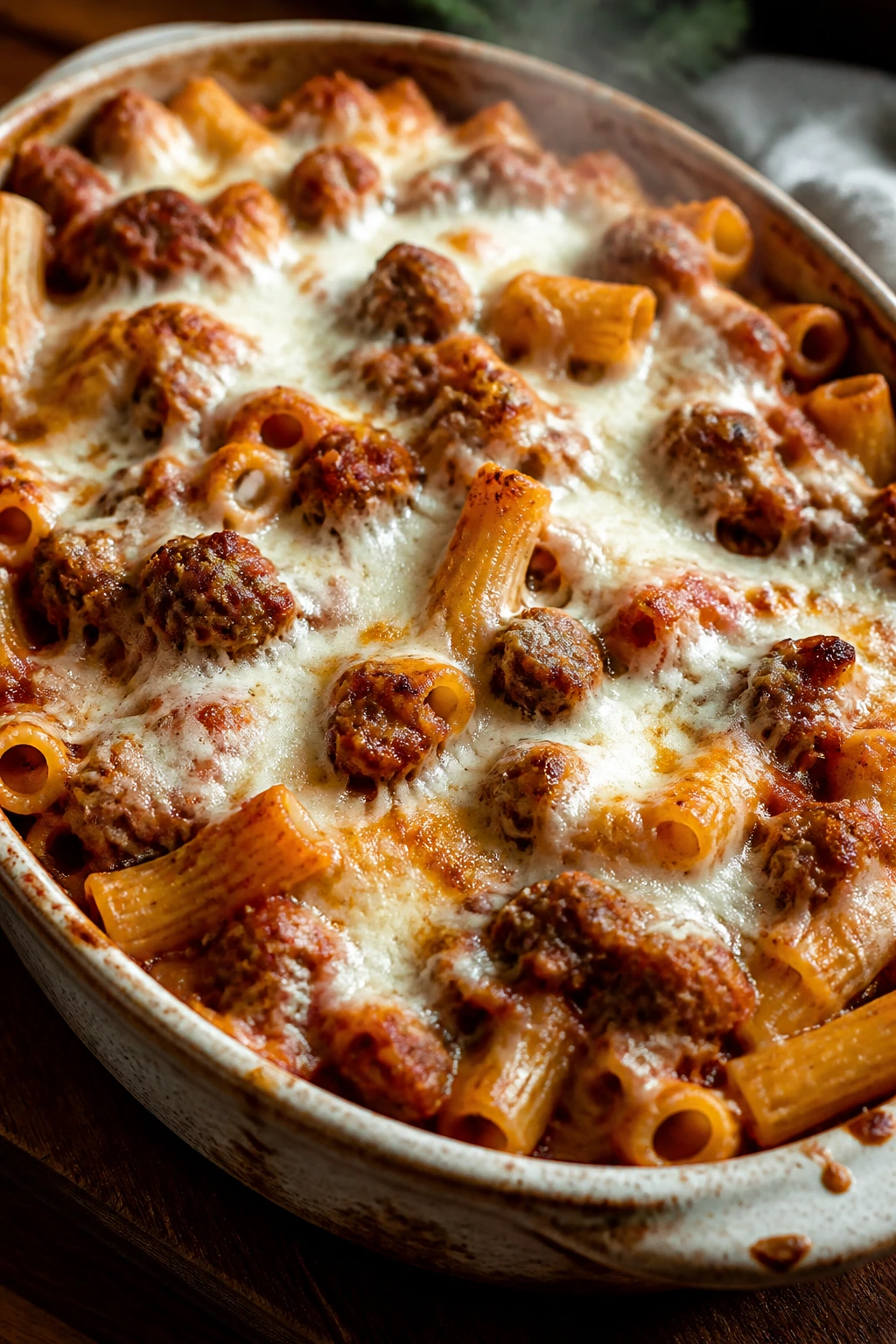
Baked ziti is the sort of dinner that shows up wearing a thick sweater. It’s tomato-rich, cheesy, and sturdy enough to feed a hungry table without any drama. The sausage brings spice, the pasta gives the dish its body, and the melted cheese seals everything together in that slightly messy, deeply satisfying way.
Why It Works:
Italian sausage does a lot of the heavy lifting here. Its fat flavors the sauce from the start, and the little bits of fennel and pepper that come with it make the whole dish feel more complete. Ziti or another tube pasta holds sauce in every hollow, which is why baked pasta casseroles feel so much bigger than they look in the pan.
Key Ingredients:
- 1 lb ziti or penne — a sturdy shape that bakes well.
- 1 lb Italian sausage, casings removed — mild or hot, depending on your mood.
- 1 medium onion, diced — softens into the sauce.
- 4 garlic cloves, minced — don’t skimp.
- 1 jar marinara sauce, 24 to 28 oz — choose one with a short ingredient list.
- 1 tablespoon tomato paste — deepens the sauce.
- 1 teaspoon dried oregano and 1 teaspoon dried basil — enough to round out the jarred sauce.
- 15 oz ricotta cheese — gives the casserole a creamy middle.
- 3 cups shredded mozzarella — fresh-grated melts best.
- 1/2 cup grated Parmesan — salty top layer.
- 1 egg — helps the ricotta layer hold together.
- Chopped parsley or basil — for serving.
Quick Steps:
- Boil the pasta: Cook the ziti in salted water until 2 minutes shy of al dente. Drain it and keep it moving with a little oil if needed.
- Make the sauce: Brown the sausage in a large skillet over medium-high heat. Add onion and cook until soft, then stir in garlic, tomato paste, marinara, oregano, and basil.
- Mix the ricotta layer: Stir the ricotta with the egg, a pinch of salt, and half the Parmesan.
- Combine: Toss the pasta with most of the sausage sauce, leaving a little sauce behind for the top.
- Layer: Spread half the pasta in a baking dish, dollop on the ricotta mixture, add the rest of the pasta, then top with the reserved sauce, mozzarella, and remaining Parmesan.
- Bake: Cook at 375°F (190°C) for 25 to 30 minutes, until the cheese is melted and the edges are bubbling.
Tips and Variations:
- Greens in the Pan: Stir in 2 cups baby spinach with the hot sauce; it wilts in seconds.
- Make-Ahead Move: Assemble the casserole earlier in the day and bake it just before dinner.
- Best Texture: Let it rest 10 minutes before cutting so it holds its shape.
7. Pot Roast with Carrots and Potatoes
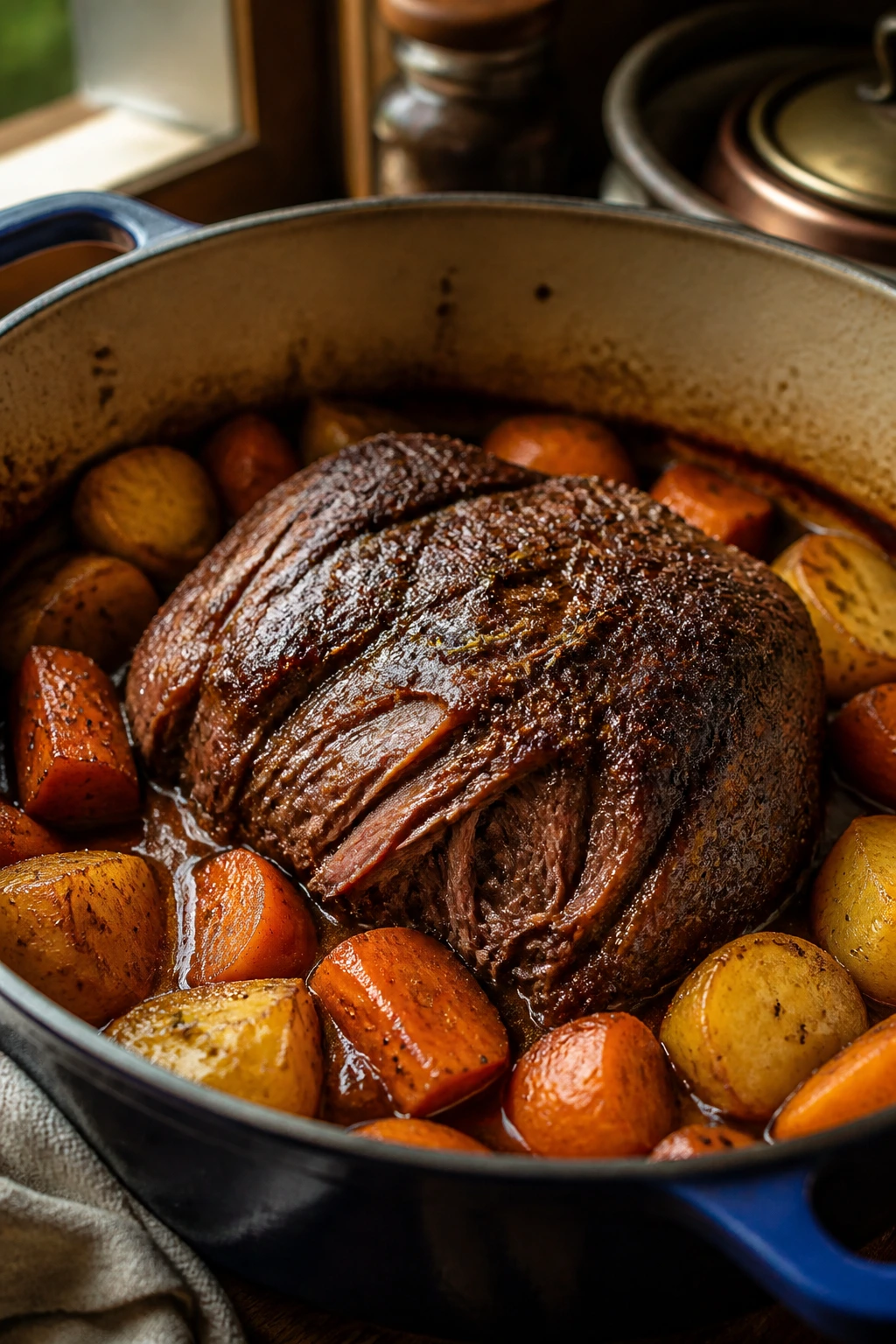
A pot roast is what happens when patience pays a bill you didn’t even know you owed. The meat turns soft enough to pull apart with a fork, the vegetables soak up the drippings, and the whole pot becomes a kind of edible proof that low heat still matters. If there’s one dish that feels built for cold weather, this is it.
Why It Works:
Chuck roast has connective tissue that needs time, not speed. A proper sear gives the meat a dark crust, then the oven or slow braise breaks everything down until the slices nearly fall apart under their own weight. Carrots and potatoes added at the right time keep their shape and pull in flavor without turning to mush. A little tomato paste and Worcestershire add depth that keeps the gravy from tasting one-note.
Key Ingredients:
- 3 to 4 lb chuck roast — a well-marbled roast is ideal.
- Salt and black pepper — season generously.
- 2 tablespoons flour — for a light crust on the meat.
- 2 tablespoons oil — for searing.
- 1 large onion, sliced — goes into the braising liquid.
- 4 garlic cloves, smashed — they soften into the sauce.
- 2 tablespoons tomato paste — deepens the braising liquid.
- 2 tablespoons Worcestershire sauce — a little goes a long way.
- 4 cups beef stock — enough to come partway up the roast.
- 1 teaspoon dried thyme and 2 bay leaves — the aromatic backbone.
- 4 carrots, cut into chunks — add them later so they stay intact.
- 1½ lbs baby potatoes or Yukon Gold potatoes, halved — the natural starch partners.
- Chopped parsley — for the finish.
Quick Steps:
- Season and sear: Pat the roast dry, salt it well, dust lightly with flour, and sear it in oil over medium-high heat until deeply browned on all sides.
- Build the braise: Remove the roast, add the onion to the pot, and cook until softened. Stir in garlic and tomato paste for 1 minute.
- Add the liquid: Pour in the beef stock and Worcestershire, scraping up the browned bits. Return the roast to the pot with thyme and bay leaves.
- Braise: Cover and cook at 325°F (165°C) for about 2 hours.
- Add vegetables: Stir in the carrots and potatoes, cover again, and cook 1 to 1½ hours more, until the meat shreds easily and the vegetables are tender.
- Finish: Remove the bay leaves, taste the sauce, and skim excess fat if needed.
Tips and Variations:
- Wine Swap: Replace 1 cup of stock with dry red wine for a deeper braise.
- Vegetable Twist: Parsnips or turnips fit right in.
- Gravy Move: Mash a few potatoes into the sauce if you want it thicker.
8. Smothered Pork Chops with Onion Gravy
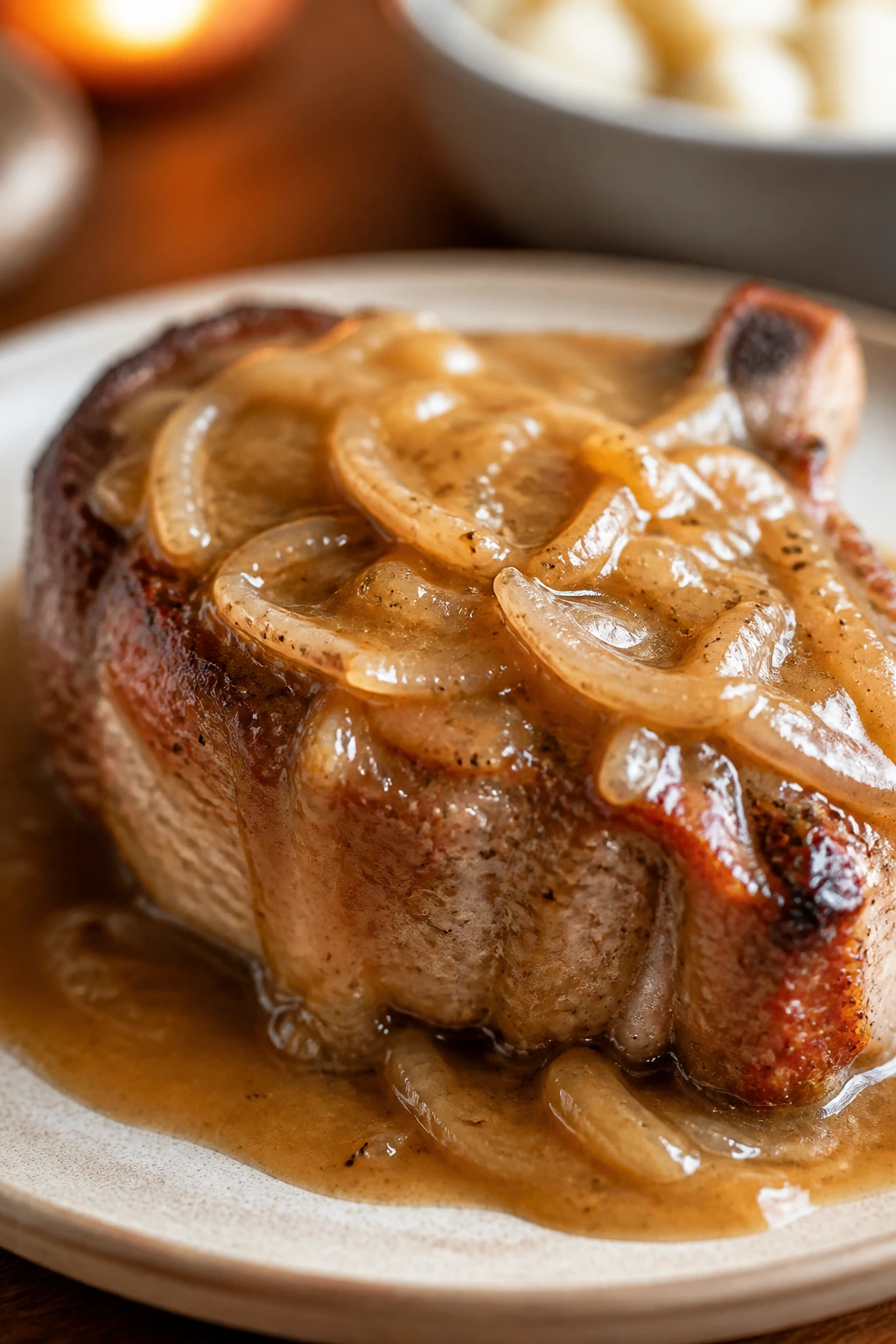
Pork chops deserve better than a dry skillet and a sad side salad. Smother them in onion gravy, and suddenly they’re the kind of dinner people ask about again later. Bone-in chops stay juicier, the gravy turns silky, and the whole plate feels like it has a job to do.
Why It Works:
Pork is one of those meats that rewards precision. A quick sear builds flavor, and a gentle finish keeps the chops tender instead of chalky. The onion gravy does the rest — it captures the browned bits in the pan, thickens with a little flour, and turns what could have been a simple chop into a full winter dinner. USDA guidance for pork is straightforward: cook to 145°F and let it rest for 3 minutes.
Key Ingredients:
- 4 bone-in pork chops, about 1 inch thick — thicker chops are easier to keep juicy.
- Salt and black pepper — season both sides well.
- 1/2 cup all-purpose flour — for dredging and thickening.
- 2 tablespoons oil — for searing.
- 2 large onions, thinly sliced — the heart of the gravy.
- 2 garlic cloves, minced — background flavor.
- 2 cups chicken or pork stock — use low-sodium.
- 1 cup whole milk or half-and-half — for a creamier gravy.
- 1 teaspoon dried thyme — a small amount gives the gravy shape.
- 1 tablespoon butter — to finish the sauce.
- Mashed potatoes or rice, for serving — the gravy needs a landing place.
Quick Steps:
- Season and dredge: Pat the pork chops dry, season them well, and coat lightly in flour. Shake off the excess.
- Sear: Heat oil in a large skillet over medium-high heat and brown the chops for 3 to 4 minutes per side. They don’t need to be cooked through yet.
- Cook the onions: Remove the chops and add the onions to the skillet. Cook over medium heat for 8 to 10 minutes, until soft and golden at the edges.
- Make the gravy: Stir in garlic and the remaining flour, then slowly whisk in the stock and milk. Simmer until the gravy thickens and loses its raw flour taste.
- Finish the chops: Return the pork chops to the skillet and simmer gently for 5 to 8 minutes, until the internal temperature reaches 145°F.
- Rest and serve: Stir in butter, let the chops rest for 3 minutes, then spoon plenty of gravy over the top.
Tips and Variations:
- Mushroom Add-On: Sliced mushrooms make the gravy deeper and meatier.
- Lower-Dairy Option: Use extra stock instead of milk and finish with a little butter.
- Serve Smart: Creamy mashed potatoes are the classic move, but polenta works too.
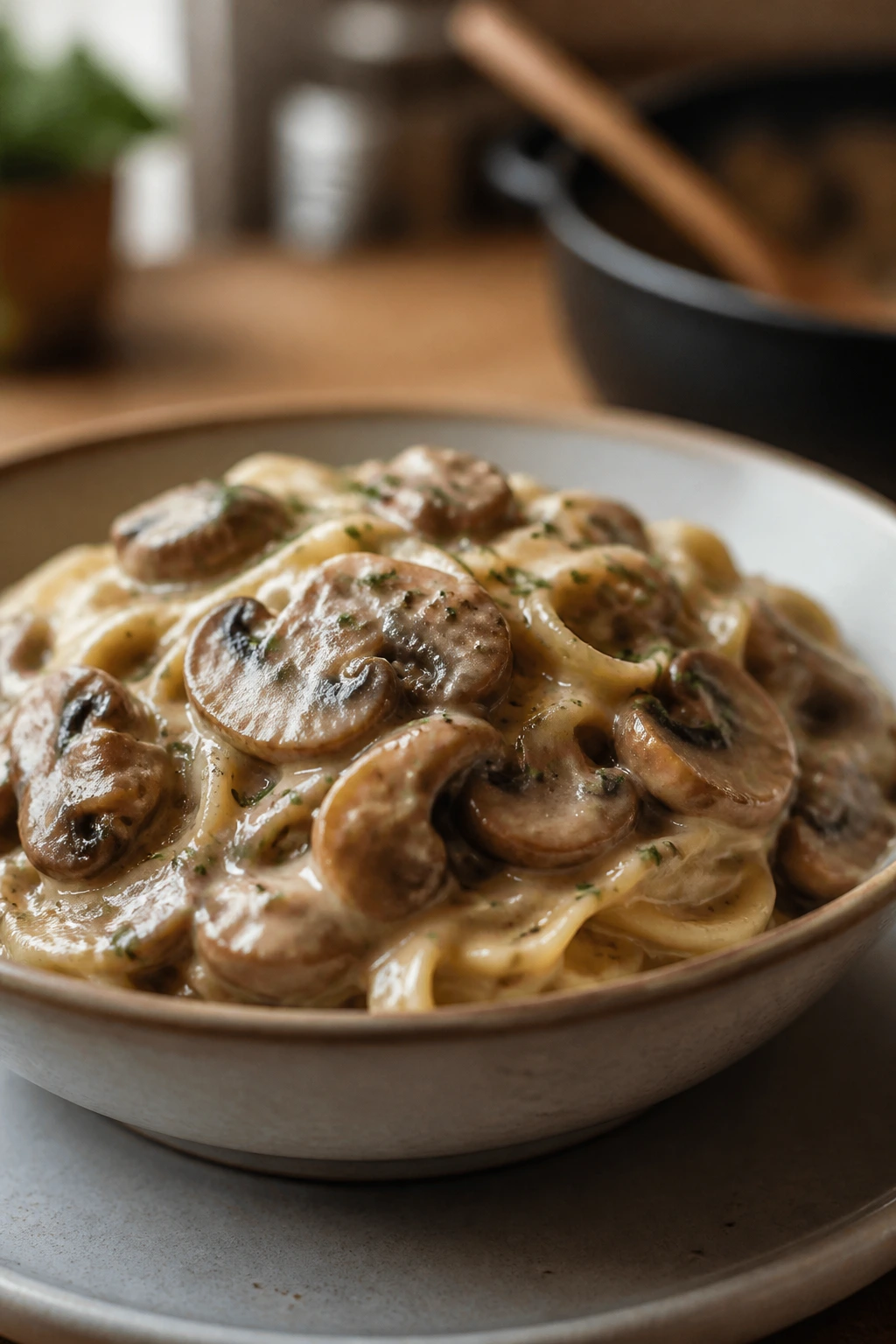
9. Mushroom Stroganoff with Egg Noodles
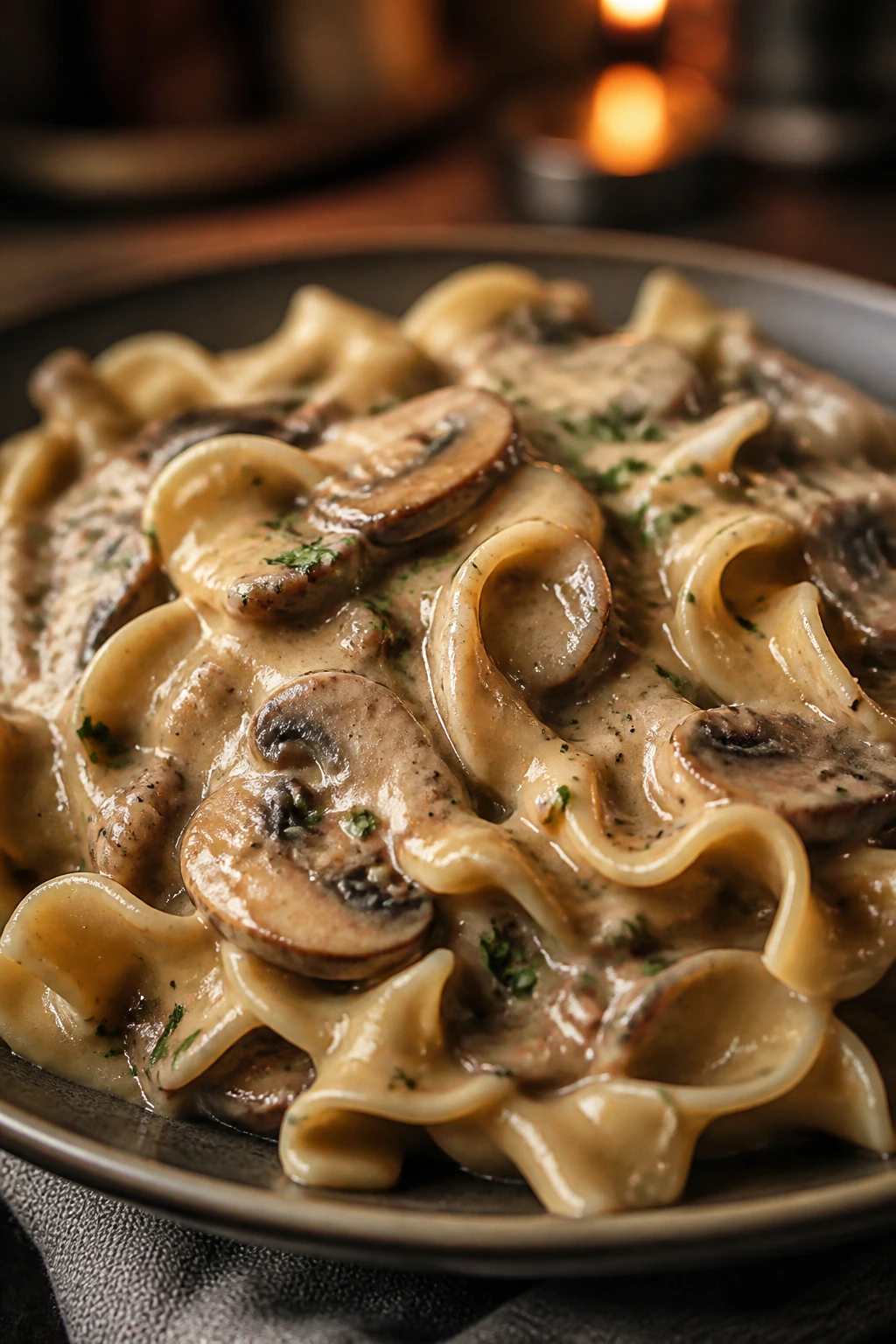
Mushroom stroganoff has the nice trick of feeling rich without asking for a roast. The sauce is silky, the mushrooms turn meaty, and the sour cream gives the whole pan a gentle tang that keeps it from tasting heavy. It’s a meatless dinner that still feels like a complete winter meal.
Why It Works:
Mushrooms need real heat. If you crowd them, they steam and slump; if you give them space, they brown and taste deeper, almost beefy. That browned flavor is the whole point here. The sauce gets body from a quick roux, then sour cream gets folded in off the heat so it stays smooth instead of splitting.
Key Ingredients:
- 1½ lbs cremini or mixed mushrooms, sliced — cremini are sturdy and easy to find.
- 1 medium onion, thinly sliced — softens into the sauce.
- 3 garlic cloves, minced — for sharpness.
- 3 tablespoons butter — for browning and richness.
- 1 tablespoon all-purpose flour — the sauce thickener.
- 2 cups vegetable stock — low-sodium is best.
- 1 tablespoon Dijon mustard — brightens the sauce.
- 1 teaspoon smoked paprika — gives a little warmth.
- 1 cup sour cream — stirred in at the end.
- 12 oz egg noodles — wide noodles catch the sauce well.
- Chopped parsley — for serving.
- Salt and black pepper — season throughout.
Quick Steps:
- Cook the noodles: Boil the egg noodles in salted water until just tender. Drain and set aside.
- Brown the mushrooms: Melt 2 tablespoons butter in a large skillet over medium-high heat and cook the mushrooms in batches until they release their liquid and turn deeply golden.
- Add onion and garlic: Stir in the onion and cook for 4 to 5 minutes, then add the garlic for 30 seconds.
- Make the sauce: Sprinkle in the flour, stir well, then whisk in the vegetable stock, Dijon, and paprika. Simmer until lightly thickened.
- Finish off heat: Remove the pan from the heat and stir in the sour cream. If you boil it, the sauce can turn grainy.
- Combine and serve: Toss with the noodles, season to taste, and finish with parsley.
Tips and Variations:
- Heavier Version: Add 1 cup shredded cooked beef if you want it even richer.
- Extra Earthy: A pinch of dried thyme works beautifully with the mushrooms.
- Texture Tip: Don’t rinse the noodles; a little starch helps the sauce cling.
10. White Chicken Chili with Green Chiles and Lime
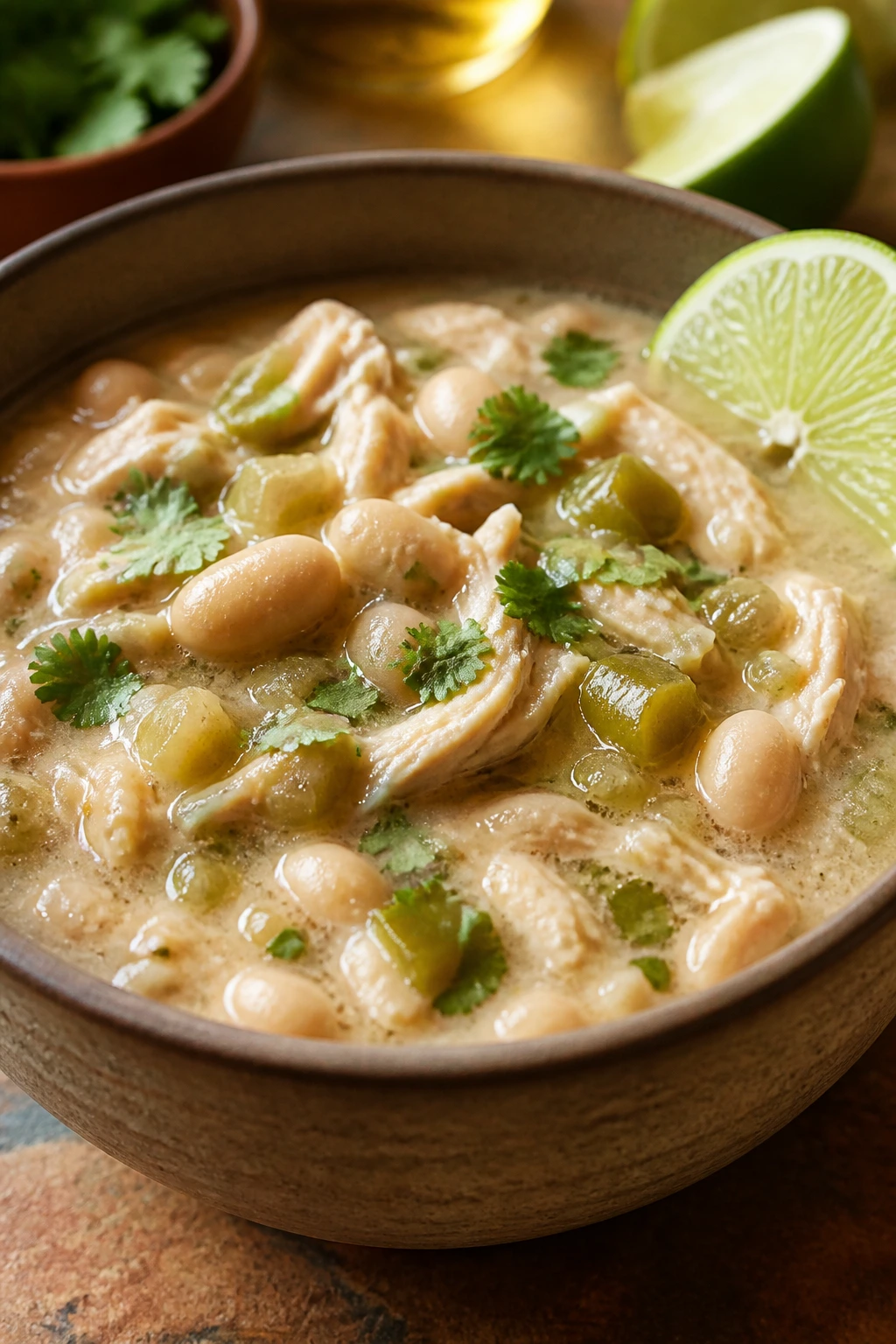
White chicken chili is what you make when you want chili’s warmth but not the usual red sauce routine. It’s creamy, a little bright from lime, and full of soft beans and tender chicken. The first spoonful tastes clean, but in a cozy way — not a bland way.
Why It Works:
Cannellini beans do double duty here: some stay whole, and some can be mashed into the broth to give the chili body. Green chiles add gentle heat without making the pot aggressive, which is handy when you want warmth more than burn. Chicken thighs stay juicy through simmering, and a small amount of cream cheese or sour cream smooths the edges at the end.
Key Ingredients:
- 2 lbs boneless, skinless chicken thighs — more forgiving than breast meat.
- 1 tablespoon oil — for the base.
- 1 large onion, diced — the foundation.
- 3 garlic cloves, minced — gives the broth a little snap.
- 2 cans cannellini beans, drained and rinsed — one can can be partially mashed.
- 1 can diced green chiles, 4 oz — mild heat and brightness.
- 6 cups chicken stock — low-sodium keeps the seasoning in your control.
- 2 teaspoons ground cumin — essential here.
- 1 teaspoon dried oregano — adds a faint herbal edge.
- 4 oz cream cheese or 1/2 cup sour cream — stirred in at the end.
- Juice of 1 lime — the finishing lift.
- Chopped cilantro and tortilla chips — for serving.
Quick Steps:
- Cook the base: Heat oil in a soup pot over medium heat. Add onion and cook for 5 minutes, then add garlic, cumin, and oregano.
- Add the liquids: Stir in the stock, beans, and green chiles. If you want a thicker chili, mash about 1 cup of the beans before adding them.
- Simmer the chicken: Add the chicken thighs and bring the pot to a gentle simmer. Cook for 20 to 25 minutes, until the chicken reaches 165°F and shreds easily.
- Shred and thicken: Remove the chicken, shred it, and return it to the pot. Stir and simmer for 5 minutes more.
- Finish creamy: Turn off the heat and stir in the cream cheese or sour cream until smooth.
- Brighten and serve: Add lime juice to taste and ladle into bowls with cilantro and chips.
Tips and Variations:
- Heat Control: Add diced jalapeño if you want more kick.
- Corn Works: A cup of frozen corn makes the chili sweeter and heartier.
- Best Leftover Move: Reheat gently so the dairy stays smooth.
11. Meatloaf with Mushroom Gravy
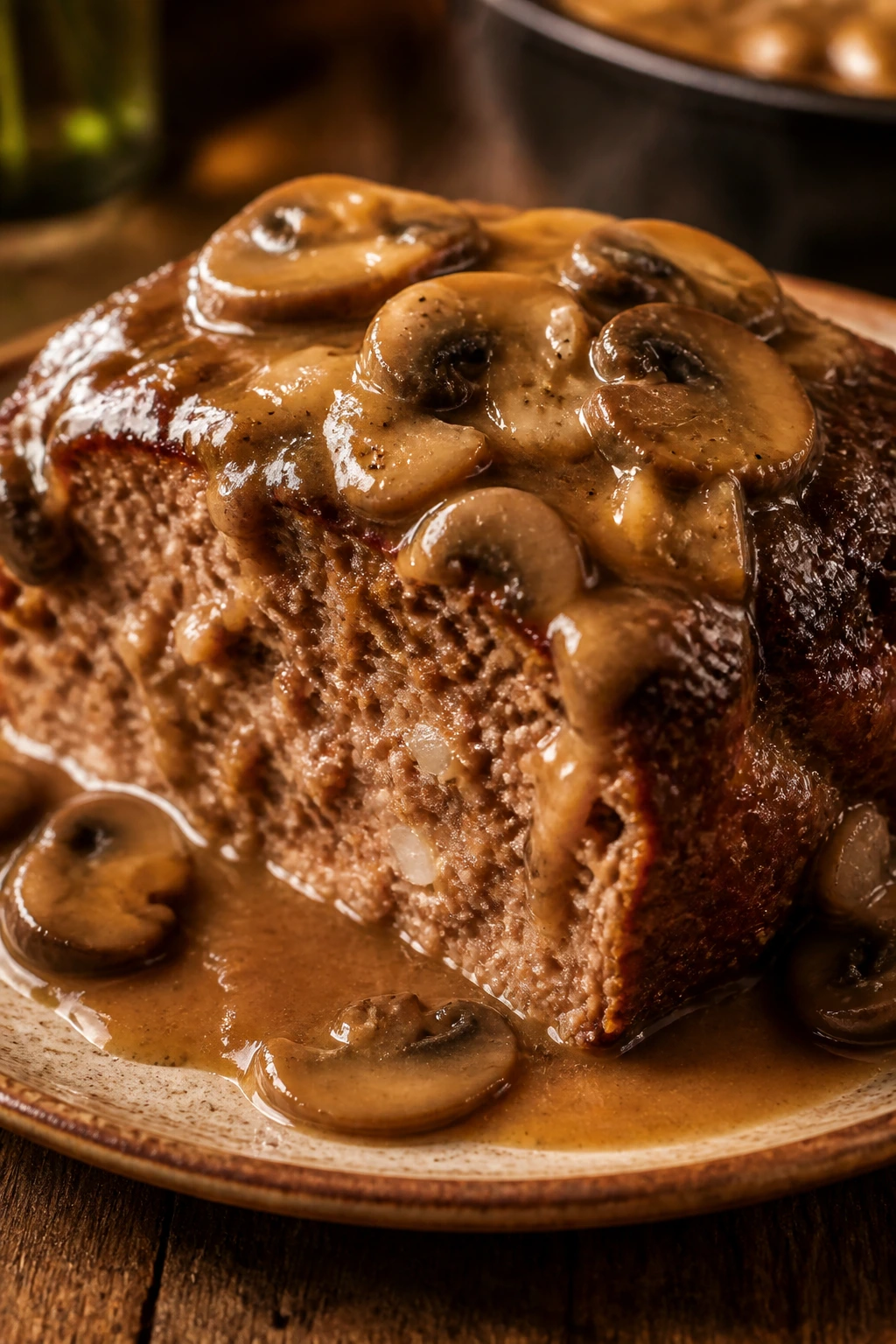
Meatloaf gets better when it stops trying so hard. A good loaf is tender, savory, and a little old-school, with a mushroom gravy that gives every slice a reason to stay moist. It’s the sort of dinner that makes mashed potatoes feel like a requirement, not a side option.
Why It Works:
The trick is restraint. If you pack the meatloaf mixture too hard or overmix it, the loaf turns dense. Breadcrumbs, egg, and milk keep it tender, while ketchup and Worcestershire give the top a sweet-savory glaze. The mushroom gravy takes the whole thing from “solid weekday dinner” to something people remember.
Key Ingredients:
- 1½ lbs ground beef — 80/20 or 85/15 works well.
- 1/2 lb ground pork — optional, but it adds richness.
- 1 medium onion, finely diced — softens into the loaf.
- 2 garlic cloves, minced — for flavor.
- 1 cup panko breadcrumbs — keeps the loaf from compacting.
- 1 egg — binds the mixture.
- 1/2 cup milk — moistens the crumbs.
- 1/3 cup ketchup — in the loaf and on top.
- 1 tablespoon Worcestershire sauce — savory depth.
- 8 oz mushrooms, sliced — for the gravy.
- 1½ cups beef stock — the gravy base.
- 1 teaspoon dried thyme — works well with mushrooms.
- Salt and black pepper — season the meat thoroughly.
Quick Steps:
- Mix gently: Combine the beef, pork, onion, garlic, breadcrumbs, egg, milk, 2 tablespoons ketchup, Worcestershire, salt, and pepper in a bowl. Mix just until combined.
- Shape and bake: Form the mixture into a loaf on a baking sheet or in a loaf pan. Spread the remaining ketchup over the top and bake at 375°F (190°C) for 50 to 60 minutes, until the center reaches 160°F.
- Rest the loaf: Let it sit for 10 minutes before slicing so the juices stay in the meat.
- Cook the mushrooms: While the loaf rests, sauté the mushrooms in a skillet with a little butter until browned.
- Make the gravy: Sprinkle flour over the mushrooms, stir, then whisk in the beef stock and thyme. Simmer until thick.
- Serve: Spoon the mushroom gravy over thick slices of meatloaf.
Tips and Variations:
- Turkey Version: Ground turkey works, but add 1 tablespoon olive oil so it doesn’t dry out.
- Loaf Pan Caveat: A free-form loaf browns better than one packed into a pan.
- Texture Tip: If the mixture feels wet, add 2 more tablespoons breadcrumbs rather than more meat.
12. Lentil, Sausage, and Kale Soup
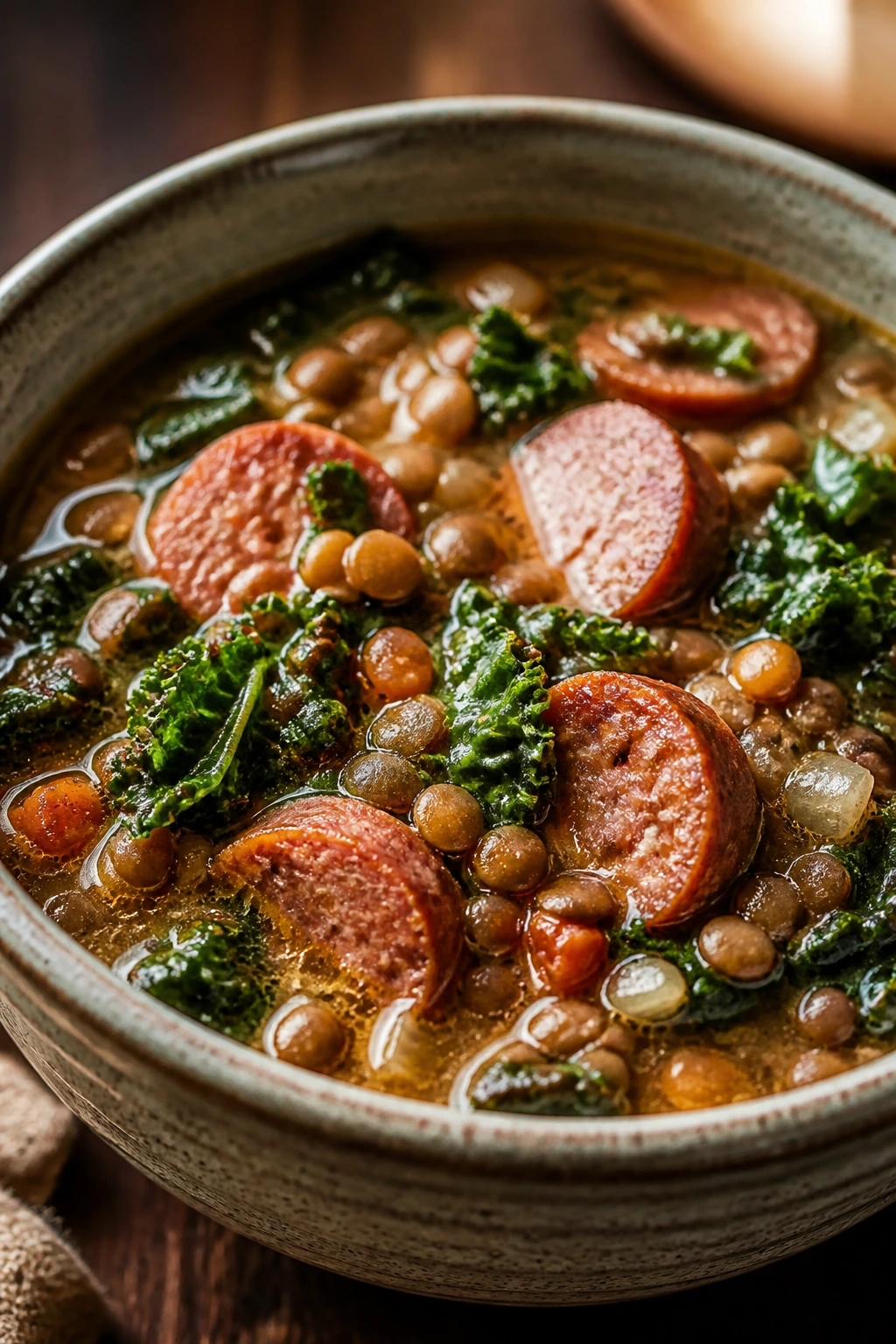
This soup tastes like it simmered all afternoon, because part of it did. Lentils give it body, sausage brings the smoky fat, and kale holds its shape instead of collapsing into nothing. It’s the kind of budget-smart winter dinner that still feels grown-up.
Why It Works:
Lentils cook faster than most dried beans and naturally thicken the broth as they soften. Smoked sausage seasons the pot without requiring a separate spice parade, and kale keeps a little chew even after a full simmer. A splash of vinegar at the end brightens the whole thing and keeps the soup from tasting muddy.
Key Ingredients:
- 1 tablespoon oil — for the pot.
- 12 oz smoked sausage, sliced — kielbasa or andouille both work.
- 1 large onion, diced — the base.
- 2 carrots, diced — for sweetness.
- 2 celery stalks, diced — for depth.
- 3 garlic cloves, minced — because soup likes garlic.
- 1 cup brown or green lentils, rinsed — hold their shape better than red lentils.
- 1 can diced tomatoes, 14.5 oz — adds acidity.
- 6 cups chicken or vegetable stock — low-sodium gives you control.
- 1 teaspoon dried thyme and 1 bay leaf — the aromatic backbone.
- 1 bunch kale, stems removed and leaves chopped — stir in near the end.
- 1 tablespoon red wine vinegar or lemon juice — the final spark.
Quick Steps:
- Brown the sausage: Heat oil in a soup pot over medium heat and cook the sausage slices until browned at the edges.
- Cook the vegetables: Add onion, carrots, and celery and cook for 6 to 8 minutes, until softened.
- Build the soup: Stir in garlic, thyme, lentils, tomatoes, stock, and bay leaf. Bring to a boil, then lower to a simmer.
- Simmer until tender: Cook for 30 to 40 minutes, until the lentils are soft but not falling apart.
- Add kale: Stir in the kale and cook for 5 minutes, just until it wilts.
- Finish: Remove the bay leaf, stir in vinegar, and taste for salt.
Tips and Variations:
- Smoked Paprika: A teaspoon adds even more depth if your sausage is mild.
- Vegetarian Route: Skip the sausage and add 8 oz mushrooms plus 1 teaspoon smoked paprika.
- Best Reheat Note: Lentils soak up broth, so add a splash of stock when reheating.
13. Enchilada Casserole with Beans, Chicken, and Cheese
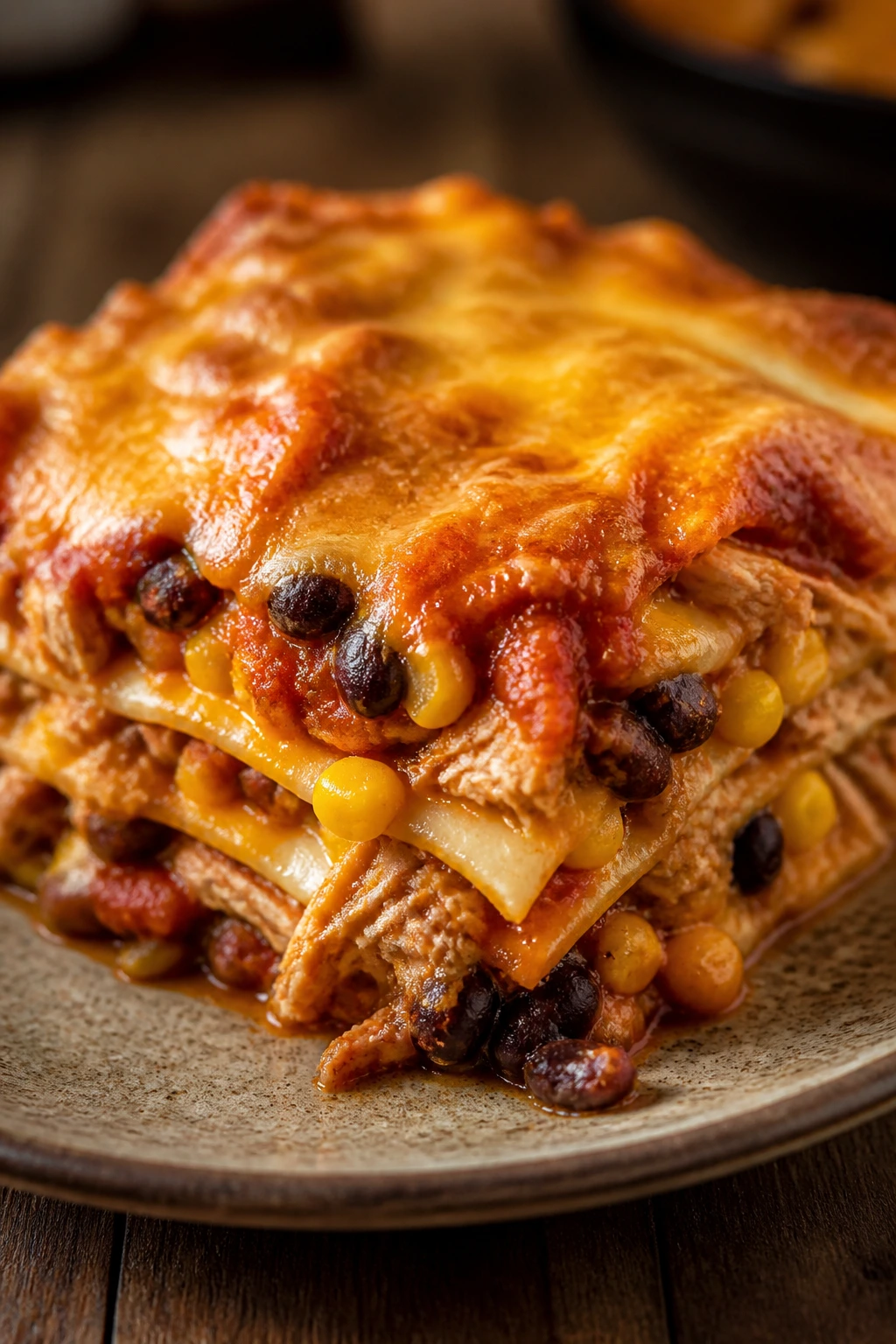
Layered enchilada casserole is the shortcut that doesn’t taste like one. You get sauce, cheese, tortillas, and a filling that eats like dinner should — hot, savory, and a little messy in the best way. It’s especially useful when you want the flavor of enchiladas without rolling a single tortilla.
Why It Works:
Corn tortillas soften into the sauce and hold the layers together without falling apart like thin flour tortillas sometimes do. Beans and chicken make the casserole substantial, while enchilada sauce ties everything together with chili flavor and a little tang. A good cheese layer on top browns and seals the whole thing into a sliceable bake.
Key Ingredients:
- 10 corn tortillas — torn into halves or quarters for layering.
- 3 cups shredded cooked chicken — rotisserie chicken is a fine shortcut.
- 2 cans enchilada sauce, 10 oz each — red or green, depending on preference.
- 1 can black beans, drained and rinsed — adds body.
- 1 cup corn — frozen is fine, no need to thaw.
- 1 medium onion, diced — for the filling.
- 2 cups shredded Monterey Jack cheese — melts smoothly.
- 1 cup shredded cheddar — for sharper flavor.
- 1 teaspoon ground cumin — gives the filling shape.
- 1/2 teaspoon chili powder — enough to warm things up.
- Chopped cilantro and sliced scallions — for serving.
Quick Steps:
- Mix the filling: Combine the chicken, beans, corn, onion, cumin, and chili powder in a bowl with about 1 cup of enchilada sauce.
- Start layering: Spread a thin layer of sauce in a baking dish, then lay down a layer of tortillas.
- Build the casserole: Add half the filling, sprinkle with cheese, then repeat with more tortillas, the remaining filling, and more cheese.
- Top well: Finish with the remaining tortillas, the rest of the sauce, and the last of the cheese.
- Bake: Cook at 375°F (190°C) for 25 to 30 minutes, until bubbling and browned at the edges.
- Rest and garnish: Let it sit for 10 minutes before cutting. Top with cilantro and scallions.
Tips and Variations:
- Vegetarian Swap: Replace the chicken with another can of black beans and 1 cup roasted peppers.
- Heat Upgrade: Add diced jalapeños or a few spoonfuls of chipotles in adobo.
- Texture Tip: If your tortillas are dry, brush them lightly with sauce before layering.
14. Loaded Baked Potato Soup with Bacon and Cheddar

Loaded baked potato soup is a full baked potato in a spoon. It’s creamy, salty, smoky, and thick enough to feel like dinner rather than a starter. On a cold night, this is the sort of bowl that makes people go quiet for a second.
Why It Works:
Russet potatoes break down in a way that gives the soup natural body. Bacon adds salt and smoke, onion adds sweetness, and the dairy at the end turns the whole pot velvety without turning it into wallpaper paste. The best versions keep some potato texture on purpose, so you get a little bite instead of a completely smooth puree.
Key Ingredients:
- 6 slices bacon, chopped — the smoky base.
- 1 medium onion, diced — softens in the bacon fat.
- 3 garlic cloves, minced — enough to round out the flavor.
- 2 lbs russet potatoes, peeled and diced — the main body of the soup.
- 4 cups chicken stock — low-sodium gives you room to season.
- 2 cups whole milk — for creaminess.
- 1 cup heavy cream — makes the texture lush.
- 1½ cups shredded cheddar — sharp cheddar is best.
- 1/2 cup sour cream — added at the end for tang.
- 2 tablespoons all-purpose flour — helps thicken the base slightly.
- Chopped chives and extra bacon — for topping.
Quick Steps:
- Render the bacon: Cook the bacon in a soup pot over medium heat until crisp. Remove it, leaving 2 tablespoons of fat in the pot.
- Cook the onion: Add the onion to the bacon fat and cook for 5 to 7 minutes, until soft. Stir in the garlic for 30 seconds.
- Build the soup: Sprinkle in the flour, stir well, then slowly pour in the stock and milk while whisking.
- Simmer the potatoes: Add the potatoes, bring to a gentle boil, then lower to a simmer and cook for 15 to 20 minutes, until tender.
- Mash a little: Use a potato masher to break up some of the potatoes right in the pot. Leave some chunks so the soup keeps its character.
- Finish rich: Stir in the cream, cheddar, and sour cream off the heat. Top with bacon and chives.
Tips and Variations:
- Lighter Version: Replace half the cream with extra stock and keep the cheddar for flavor.
- Ham Swap: Diced ham works if you want something closer to a loaded baked potato plate.
- Texture Warning: Don’t boil hard after adding the dairy or the soup can split.
Why These Dinners Work So Well in the Cold
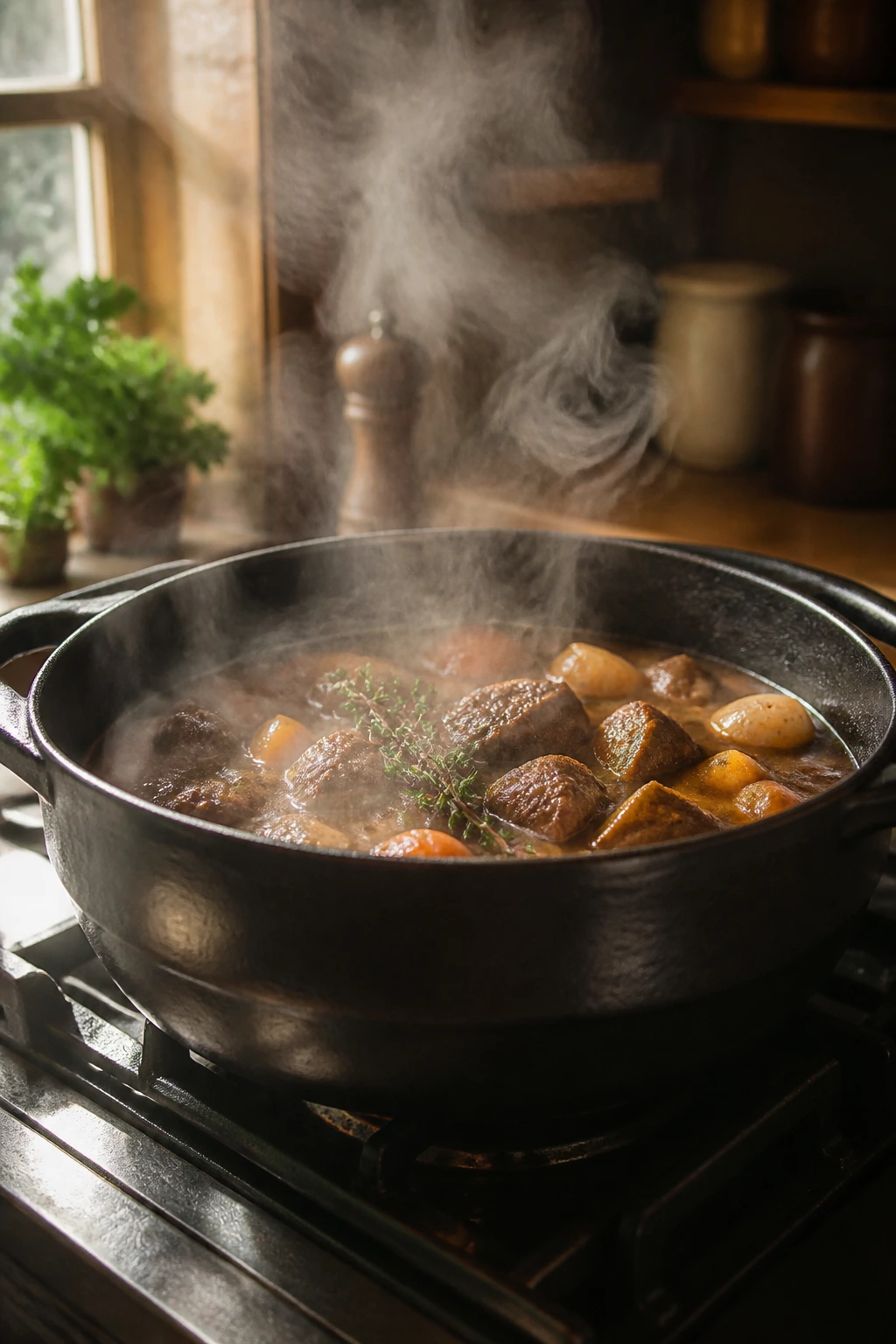
The common thread here is simple: each dish gives you heat, texture, and enough heft to feel complete. A good winter dinner should not leave you guessing about whether there’s enough food on the plate. It should arrive with a little confidence.
Braised meats, baked pastas, creamy soups, and bean-heavy pots do a job that lighter meals don’t. They hold up against cold air, long evenings, and the kind of hunger that shows up when the sun disappears too early. A bowl of chili or stew can sit on the table for a few minutes without sulking. A casserole can be cut into neat squares or scooped messily with a spoon. That flexibility matters.
Essential Equipment for These Recipes
-
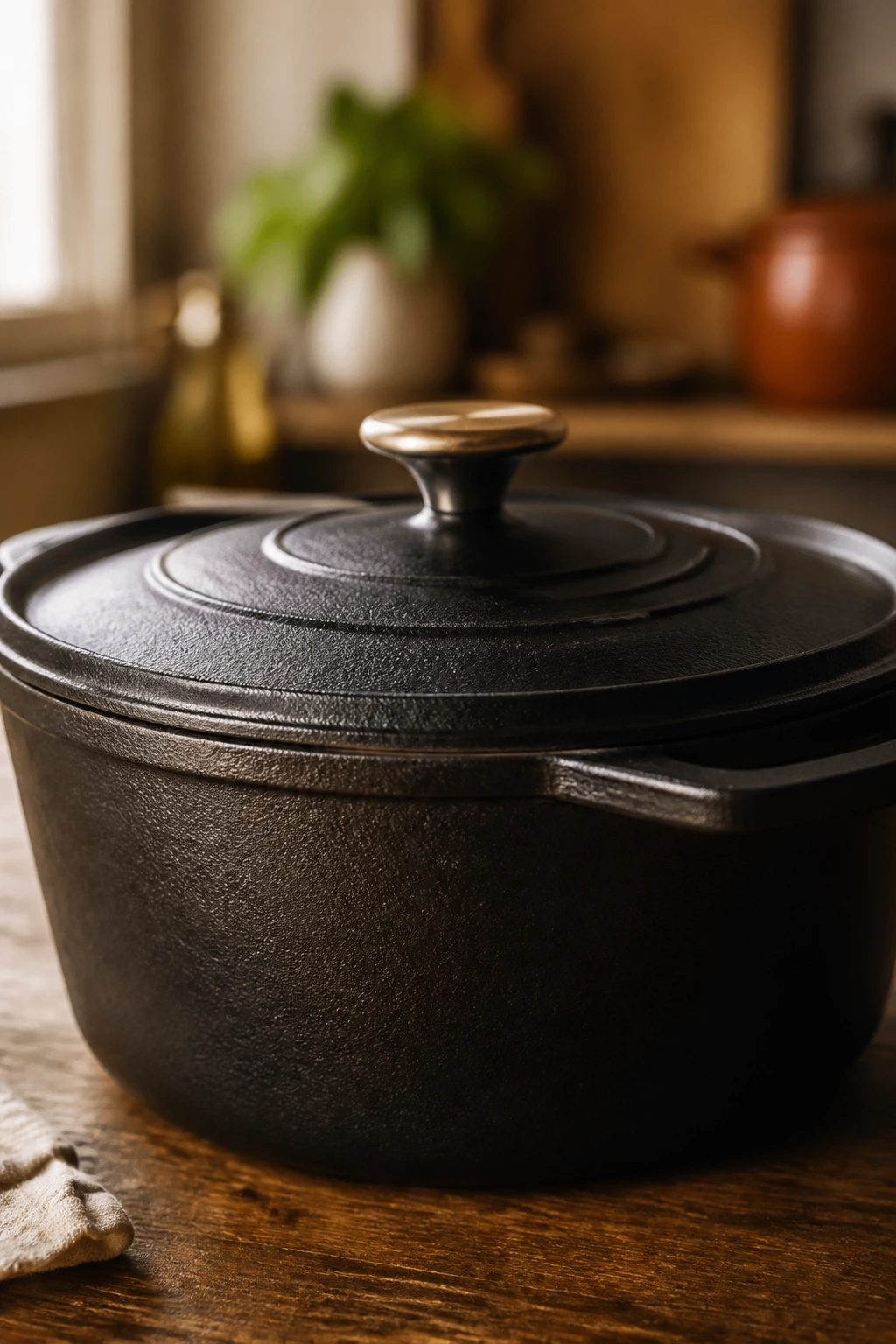
Dutch oven or heavy soup pot: Best for stew, chili, pot roast, and soups because it holds heat evenly and won’t scorch the bottom as easily.
-
Large oven-safe skillet: Handy for chicken pot pie bake, smothered pork chops, and any dish that moves from stovetop to oven.
-
9×13-inch baking dish: The workhorse for shepherd’s pie, baked ziti, enchilada casserole, and potato-based bakes.
-
Instant-read thermometer: Especially useful for chicken and pork; it takes the guesswork out of doneness.
-
Sharp chef’s knife: You’ll dice onions, carrots, celery, and potatoes in nearly every recipe here.
-
Cutting board: A large one saves you from shuffling ingredients around like a card trick.
-
Wooden spoon or heatproof spatula: Good for scraping up browned bits and stirring thick sauces without beating them up.
-
Potato masher: Useful for shepherd’s pie, potato soup, and even thickening some stews.
-
Colander: For draining pasta, potatoes, and beans.
-
Measuring cups and spoons: Not glamorous, but they keep the seasoning and liquid balance in line.
-
Ladle: Makes soup and chili service cleaner, and your bowls will thank you.
-
Airtight storage containers: Leftovers matter here. You’ll want containers that seal well and stack in the fridge.
Smart Shopping and Ingredient Tips
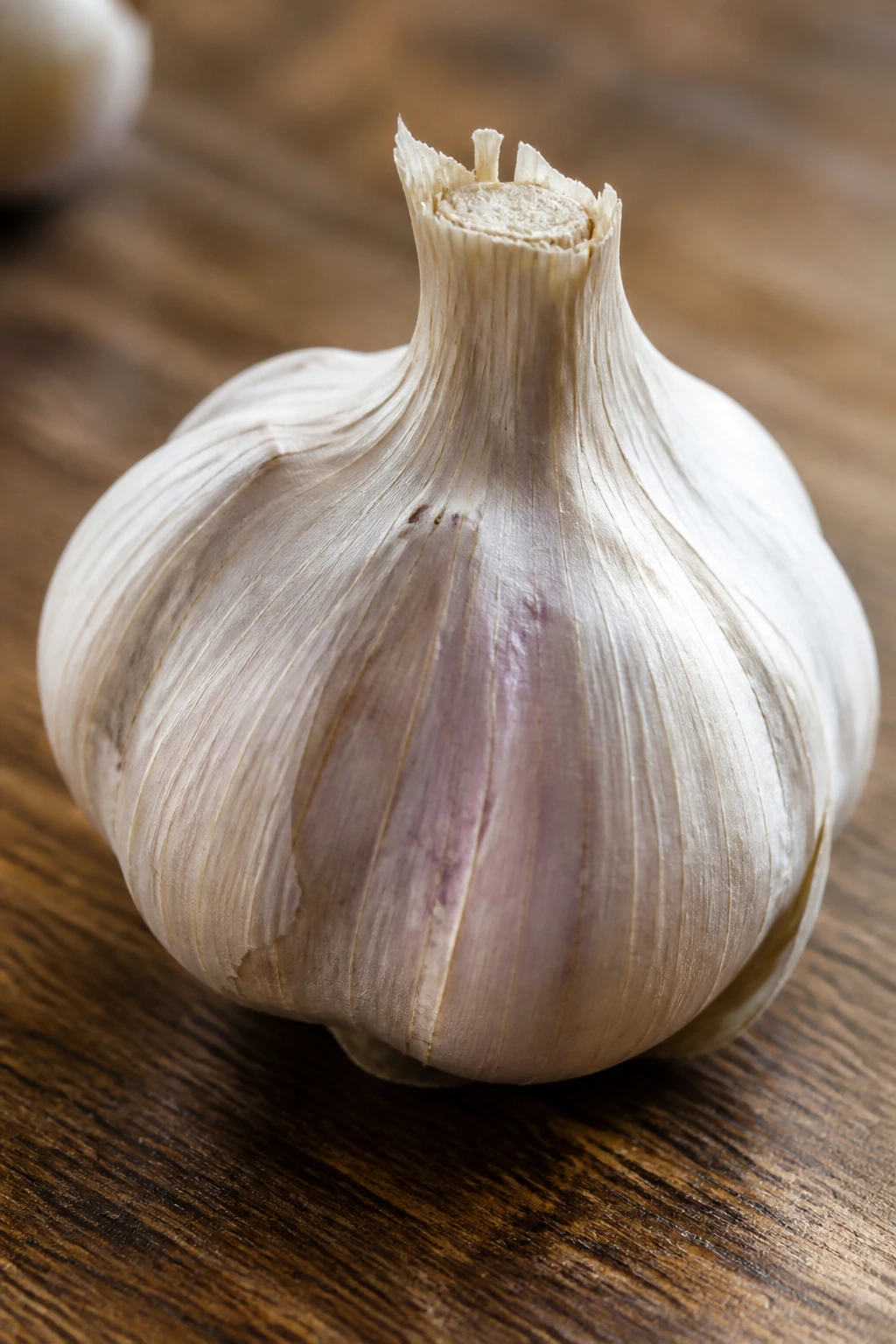
A winter dinner lives or dies by the ingredients you choose at the store. For beef stews and pot roast, I always reach for chuck over lean cuts. Chuck has marbling and connective tissue, which sounds technical but really means it gets softer and more flavorful the longer it cooks. Stew meat can work, but it’s often a mixed bag of random pieces, and I’d rather buy one roast and cut it myself.
Chicken thighs are the safe bet for braises, soups, and dumplings. Breasts can work, but they dry out faster and don’t give the broth as much body. If you do use breast meat, watch the temperature closely and pull it as soon as it hits 165°F. That rule matters more than people want to admit.
Use low-sodium stock whenever a recipe involves reduction or long simmering. Salt concentrates as liquid evaporates, and there is no prize for ending up with a pot that tastes like a soup cube. The same logic applies to canned beans, canned tomatoes, and jarred sauces. Choose versions with shorter ingredient lists and season them yourself.
Frozen vegetables are not a compromise in casseroles and pot pies. Frozen peas, corn, and mixed vegetables are picked at the right moment, and they save time without giving up texture. Fresh is great when it matters, but I’d rather use frozen peas than tired fresh peas that have been hanging around too long.
For cheese, buy blocks and grate them yourself if you can. Pre-shredded cheese has anti-caking agents that can make sauces a little grainy, especially in baked pasta and soup. It melts less smoothly, and you can taste the difference. For winter dinners with sauce or gravy, that matters.
How to Serve These Recipes
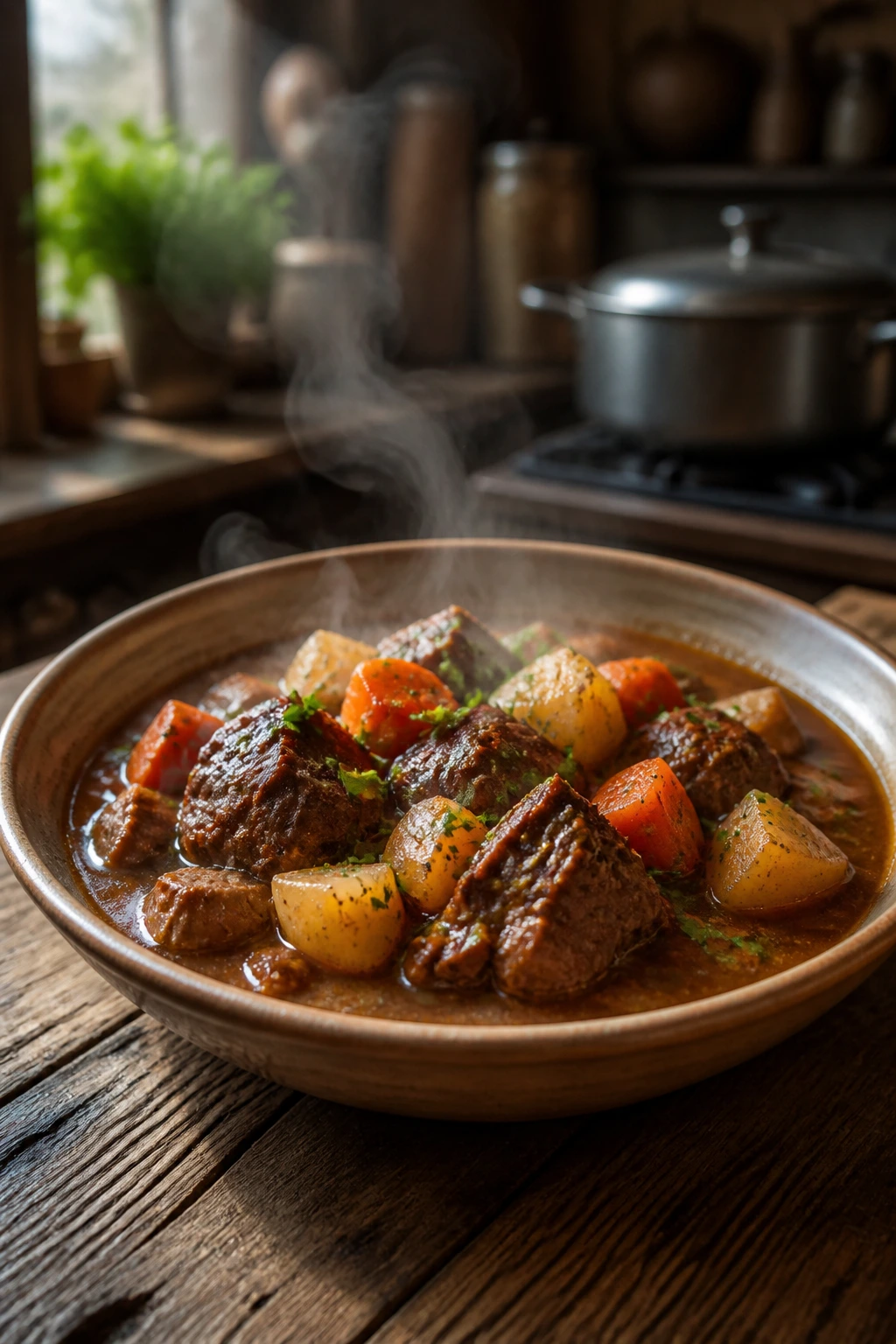
Presentation: Serve braises and stews in warm shallow bowls so the surface stays hot longer. Casseroles slice cleanly if you let them rest 10 minutes first, and a sprinkle of chopped herbs or scallions makes the plate look finished without much effort.
Accompaniments: Crusty bread, garlic bread, buttered noodles, mashed potatoes, green salad with a sharp vinaigrette, or roasted Brussels sprouts all work across this group. A vinegary side is useful because rich food can get heavy fast.
Portions: Most soups and stews land well at about 1½ to 2 cups per adult. Casseroles and baked pastas usually serve 6 to 8 depending on what else is on the table, while pot roast and braises are easiest to scale by the pound of meat rather than by eye.
Beverage Pairing: Dry red wine fits beef, pork, and sausage dishes nicely. Brown ale, amber ale, or sparkling apple cider also make sense with these meals. For non-alcoholic pairings, hot tea with a little honey or plain sparkling water with lemon keeps the meal from feeling too heavy.
Additional Tips and Flavor Boosters
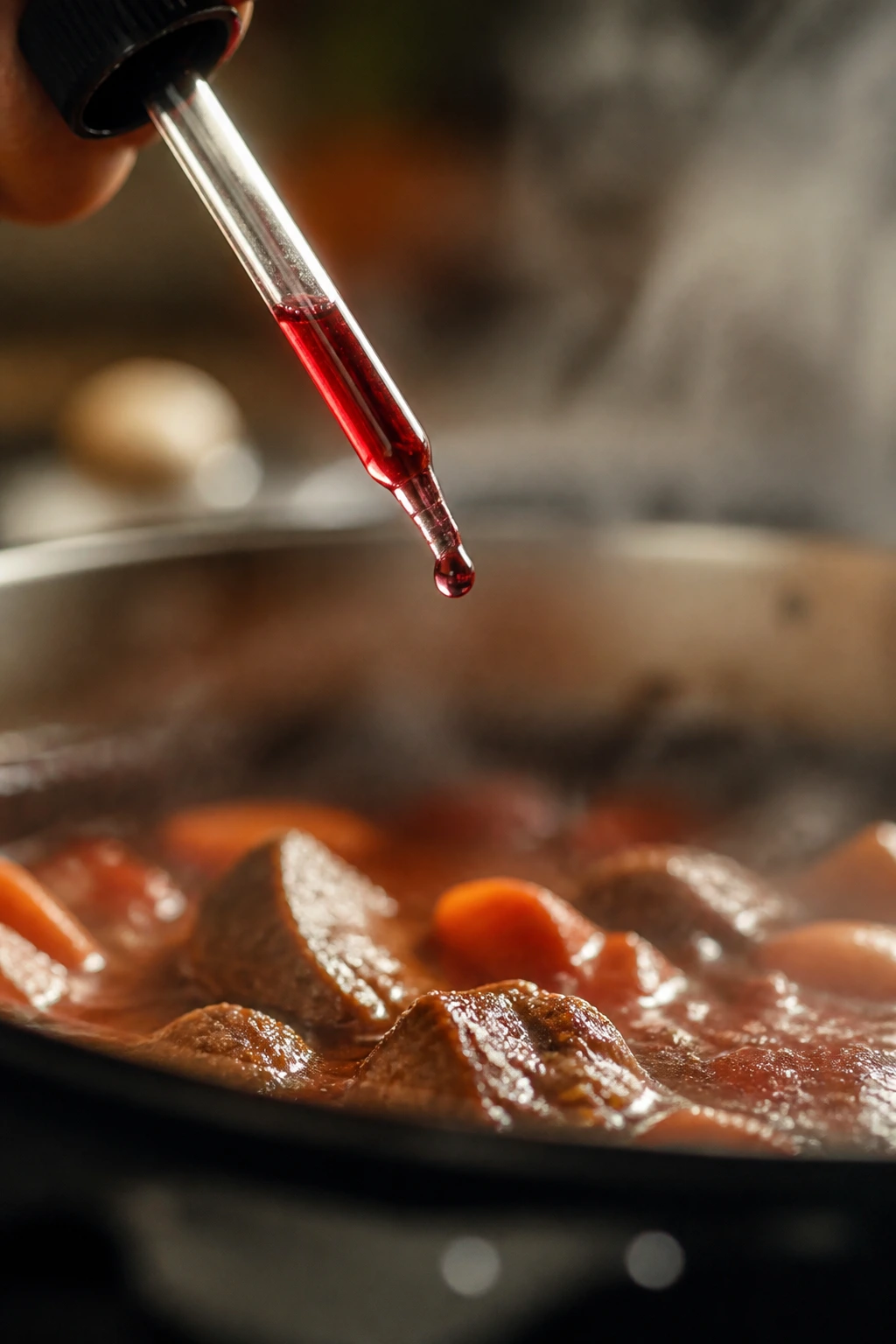
Flavor Enhancement: A small splash of acid at the end changes everything. Try 1 teaspoon of red wine vinegar in stew, a squeeze of lime in white chili, or a little lemon juice in lentil soup right before serving. It wakes up the pot without making it taste sharp.
Customization: If you want to make these dinners feel less repetitive, change the texture rather than the whole recipe. Add kale to one soup, swap potatoes for polenta under pork chops, or use smoked sausage in place of beef in a lentil pot. Those small switches keep the cooking familiar while making the bowl feel different.
Serving Suggestions: Herbs and sharp toppings do more work than people expect. Chopped parsley, chives, scallions, sour cream, grated cheddar, and pickled onions make rich dinners taste cleaner. Use them. They’re not decoration; they’re part of the flavor.
Make-It-Yours: For a lighter version, use more vegetables and lean on stock, beans, or potatoes for body instead of extra cream. For a more filling version, add bread dumplings, extra pasta, or an extra can of beans. If you cook for people who like heat, keep hot sauce or chili flakes on the table and let them decide their own fate.
Make-Ahead, Storage, and Reheating Guidance
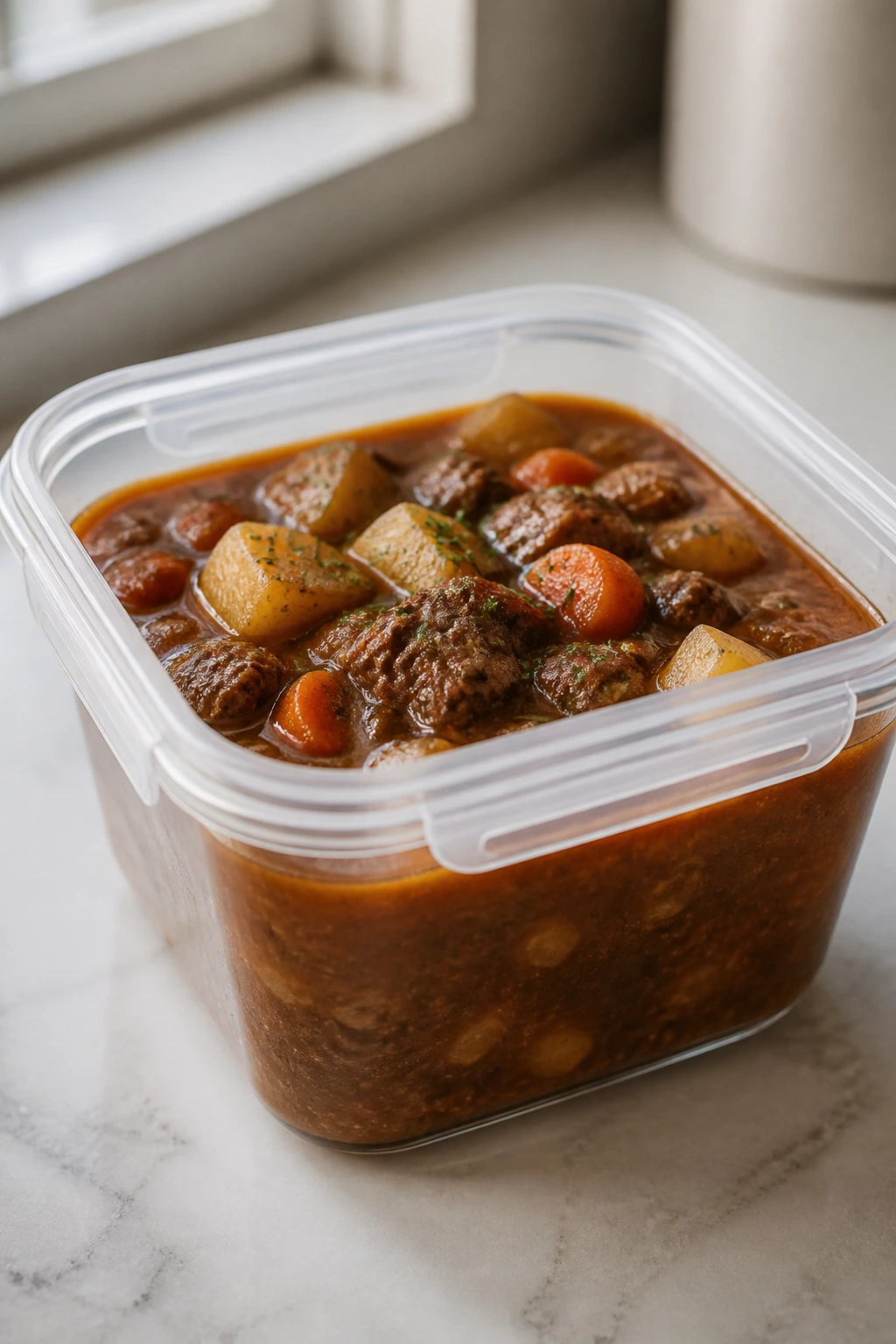
Most of these dinners are strong leftovers. Stews, chili, soups, and braises usually keep 3 to 4 days in the refrigerator in airtight containers. They freeze well for up to 2 to 3 months, though anything with potatoes or dairy will lose a little texture after thawing. That doesn’t make it bad. It just means it becomes a different version of itself.
Pot roast, beef stew, chili, and lentil soup are the best freezer candidates because their texture stays steady. Casseroles also freeze well, especially baked ziti and enchilada casserole, but I’d freeze them before the final bake if possible. Wrap tightly, label clearly, and thaw overnight in the fridge before reheating.
Reheat soups and stews gently on the stovetop over medium-low heat. Add a splash of stock or water if they’ve thickened in the fridge. A chili that looks too tight after sitting usually loosens right up with 1/4 to 1/2 cup of liquid.
For baked pasta and casseroles, cover with foil and warm in a 350°F (175°C) oven until hot in the center, usually 20 to 30 minutes for individual portions or 30 to 40 minutes for a larger dish. Remove the foil near the end if you want the top to crisp again. Chicken pot pie bake is best reheated in the oven, not the microwave, because the biscuit topping gets sad fast in a microwave.
Dumplings are the one fussy exception. Chicken and dumplings still taste good the next day, but the dumplings soften more than people expect. If you know you want leftovers, keep the stew base a little looser and don’t overcook the dumplings the first time.
Variations and Adaptations to Try
Gluten-Free Comfort Table
Swap all-purpose flour for a good 1:1 gluten-free blend in the stews, gravy, and pot pie filling. Use cornstarch slurry instead of flour for thickening if you want a cleaner finish in soups and chili. Choose gluten-free pasta, corn tortillas, or mashed potatoes as the base where needed.
Dairy-Light Supper Night
Use olive oil instead of butter, stock instead of cream where you can, and finish with pureed white beans or potatoes for body. Mushroom stroganoff can be made with a dairy-free sour cream, and potato soup works with unsweetened oat milk plus extra stock. The trick is not to chase creaminess too hard; keep the texture rich with starch and fat from the meat or beans.
Vegetarian Winter Bowls
Mushroom stroganoff, lentil soup, and a bean-heavy enchilada casserole fit this lane easily. Add mushrooms, lentils, white beans, or chickpeas for body, then use smoked paprika, thyme, or cumin to keep the flavor anchored. Vegetarian winter dinners need depth, not just vegetables floating in broth.
Spice-Forward Version
If you like heat, this collection gives you room. Add chipotles to chili, jalapeños to enchilada casserole, crushed red pepper to sausage pasta, or hot sauce at the table for pork chops and potatoes. I’d start with less than you think — you can always add more.
Shortcut Pantry Night
Use rotisserie chicken, canned beans, jarred marinara, frozen vegetables, and refrigerated biscuits when time is tight. A shortcut dinner still feels homemade if you brown the onion, season carefully, and give the dish a proper bake or simmer. Cutting corners is fine. Cooking carelessly is the problem.
Common Mistakes to Avoid
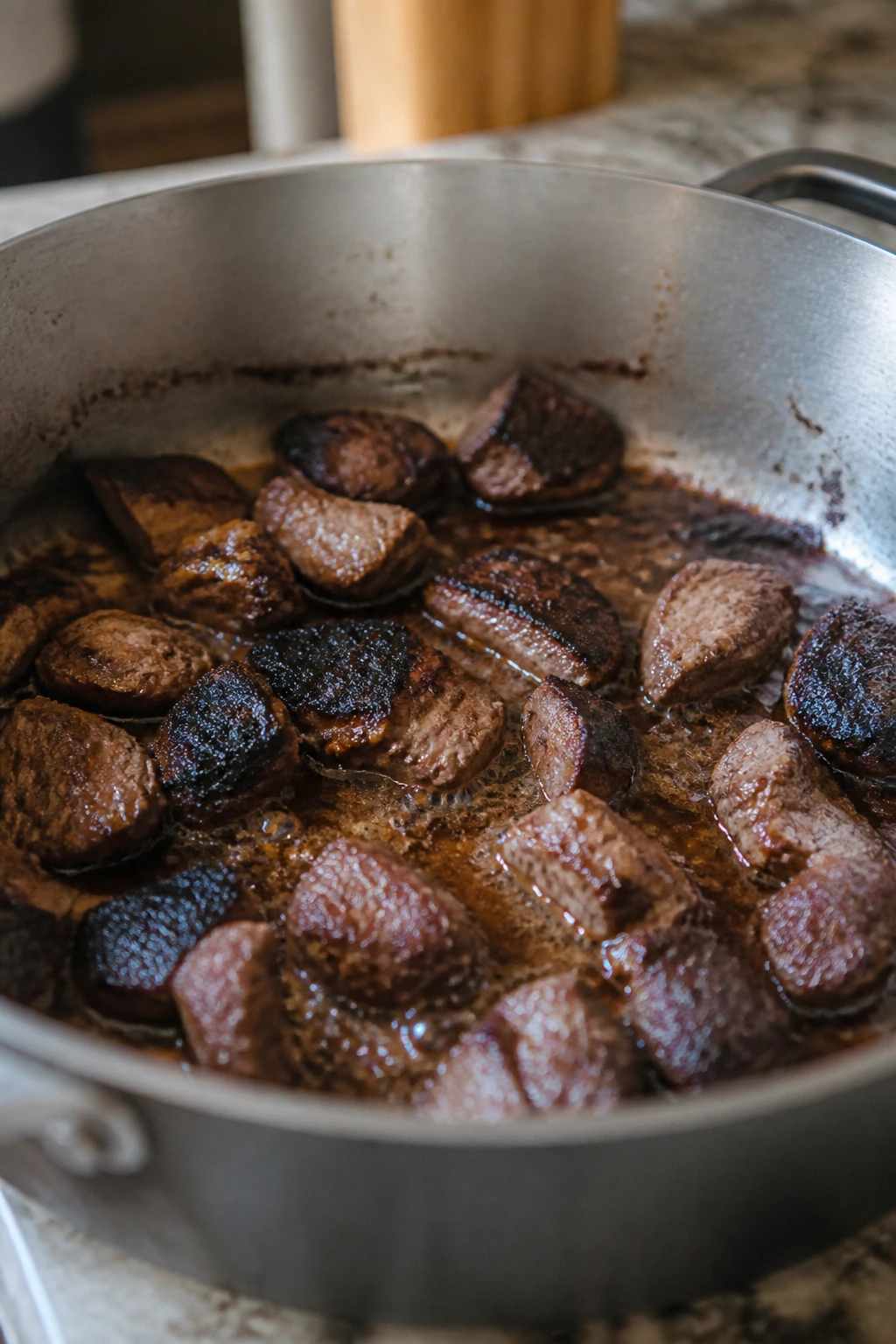
Skipping the Browning Step:
The pot looks the same for a minute, and then it doesn’t. If you don’t brown the meat or sausage first, the final dish tastes flatter and less layered. Fix it by cooking in batches and waiting for real color.
Adding Too Much Liquid Too Soon:
Soups should be soupy. Stews should still have body. If you dump in too much stock at the start, you’ll spend the rest of the cook trying to evaporate it. Start with the listed amount and only loosen at the end if the pot looks too thick.
Overcooking Pasta or Dumplings:
Pasta keeps cooking in the oven, and dumplings steam quickly. If you boil the noodles all the way before baking or peek under the lid while dumplings cook, the texture turns soft in a way nobody is excited about. Undercook slightly, then let the final heat finish the job.
Underseasoning in Layers:
A bowl of winter food can taste dull if you only salt it once at the end. Season the meat, the vegetables, the stock, and the final pot. Taste again before serving. You’ll usually need more salt than you thought.
Using Lean Cuts for Long Braises:
Lean beef sounds responsible until it comes out dry and stringy. Chuck roast, chicken thighs, bone-in pork chops, and sausage all have enough fat to handle long cooking or a rich sauce. If you use lean meat, shorten the cooking time and watch it closely.
Boiling Dairy at the Finish:
Cream, milk, sour cream, and cheese can split or go grainy if the pot is raging when they go in. Lower the heat, stir them in gradually, and don’t let the soup or gravy boil hard afterward. Gentle heat is the fix.
Questions People Usually Ask

Which of these dinners freezes best?
Beef stew, pot roast, chili, lentil soup, and baked ziti all freeze well. Soups with potatoes or dairy are still usable after freezing, but the texture softens a bit, so I like to freeze those in smaller portions and reheat them gently.
Can I make any of these in a slow cooker?
Yes. Chili, pot roast, beef stew, and some soups fit the slow cooker very well. Brown the meat first if you can, because that step builds flavor the slow cooker can’t create on its own.
What’s the easiest dinner on this list for a weeknight?
Chicken pot pie skillet bake, mushroom stroganoff, white chicken chili, and enchilada casserole are the quickest. They rely on cooked chicken, short simmer times, or assembly rather than long braising, which makes them practical when the evening is already busy.
How do I keep chicken from drying out?
Use thighs when the recipe allows it, and pull chicken breasts right when they reach 165°F. If you’re shredding chicken into a soup or casserole, let it cook just until done and then stop. Overcooked chicken tastes stringy no matter how good the sauce is.
What should I serve with these meals if I don’t want bread?
A sharp green salad, roasted broccoli, sautéed greens, or simple rice all work. For richer dishes like pot roast or stroganoff, a vinegary side is especially useful because it cuts through the heaviness.
Can I lighten these recipes without ruining them?
Yes, but don’t strip them bare. Use less cheese, replace some cream with stock, and add more vegetables or beans for body. The comfort comes from balance, not from drowning everything in dairy.
What if my stew or soup is too thin?
Simmer it uncovered for 10 to 20 minutes and let some liquid evaporate. You can also mash a few potatoes or beans into the pot, or whisk 1 tablespoon cornstarch with cold water and stir that in near the end.
Are these dinners good for guests?
Very. Pot roast, shepherd’s pie, baked ziti, and chicken pot pie all feel generous on a table and can be portioned easily. The best guest dinners are the ones that let you spend time talking instead of fussing, and these do that job well.
Warm Plates for Long Nights
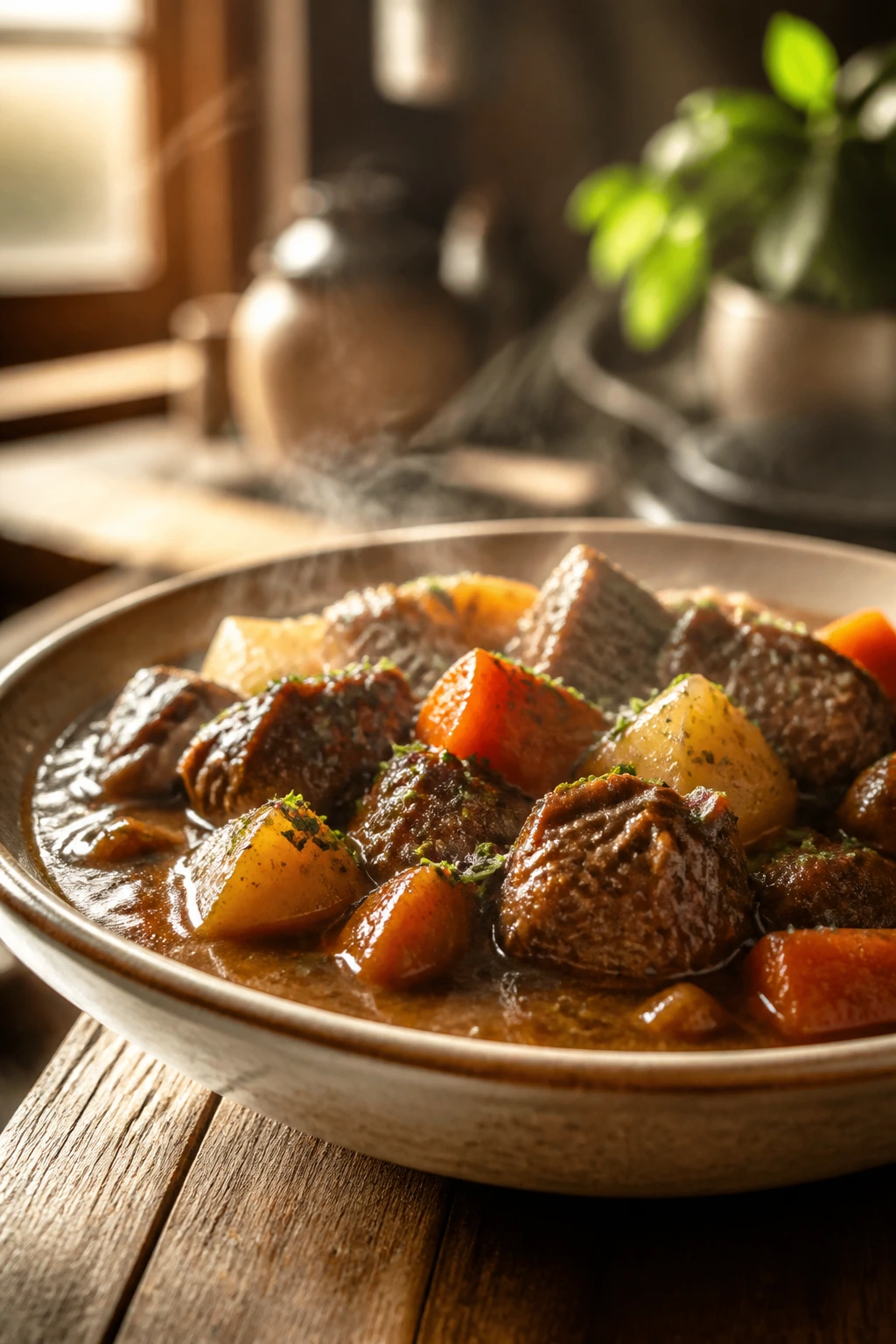
Cold-weather cooking works best when it feels dependable, not precious. These dinners bring that kind of confidence to the table: a little rich, a little practical, and always willing to feed more than one hungry person. I like that they don’t ask for much ceremony. They just ask for heat, time, and decent seasoning.
If you keep a few of these in rotation, winter gets easier to live with. Not glamorous. Easier. And that’s often the better deal.