



Easter Sunday dinner ideas for families work best when the table feels generous without turning the cook into a hostage. You want something that smells like butter, herbs, citrus, and roasted edges when the oven door opens. You also want a meal that lets people wander in, fill a plate, and linger for seconds without asking you to perform culinary gymnastics in real time.
That’s the sweet spot here: classic holiday mains, lighter spring dishes, a few casseroles that can handle a crowd, and a couple of back-pocket recipes for the family member who wants “just chicken” or “something with pasta.” I’ve always liked Easter menus that lean a little elegant but still feel relaxed enough for kids, grandparents, and the cousin who only eats one vegetable. The best ones give you a centerpiece, a sidekick, and a way to save your own sanity.
A good Easter table does not need to be fussy. It needs a main dish with enough presence to feel special, a few bright flavors to cut through richness, and at least one thing you can make ahead so the whole afternoon doesn’t vanish into prep work. These 20 recipes cover the full spread, from ham and lamb to salmon, pasta bakes, and spring vegetables, so you can build a family menu that fits your crowd instead of forcing everyone into the same idea of a holiday meal.
Why These Dinners Fit an Easter Table
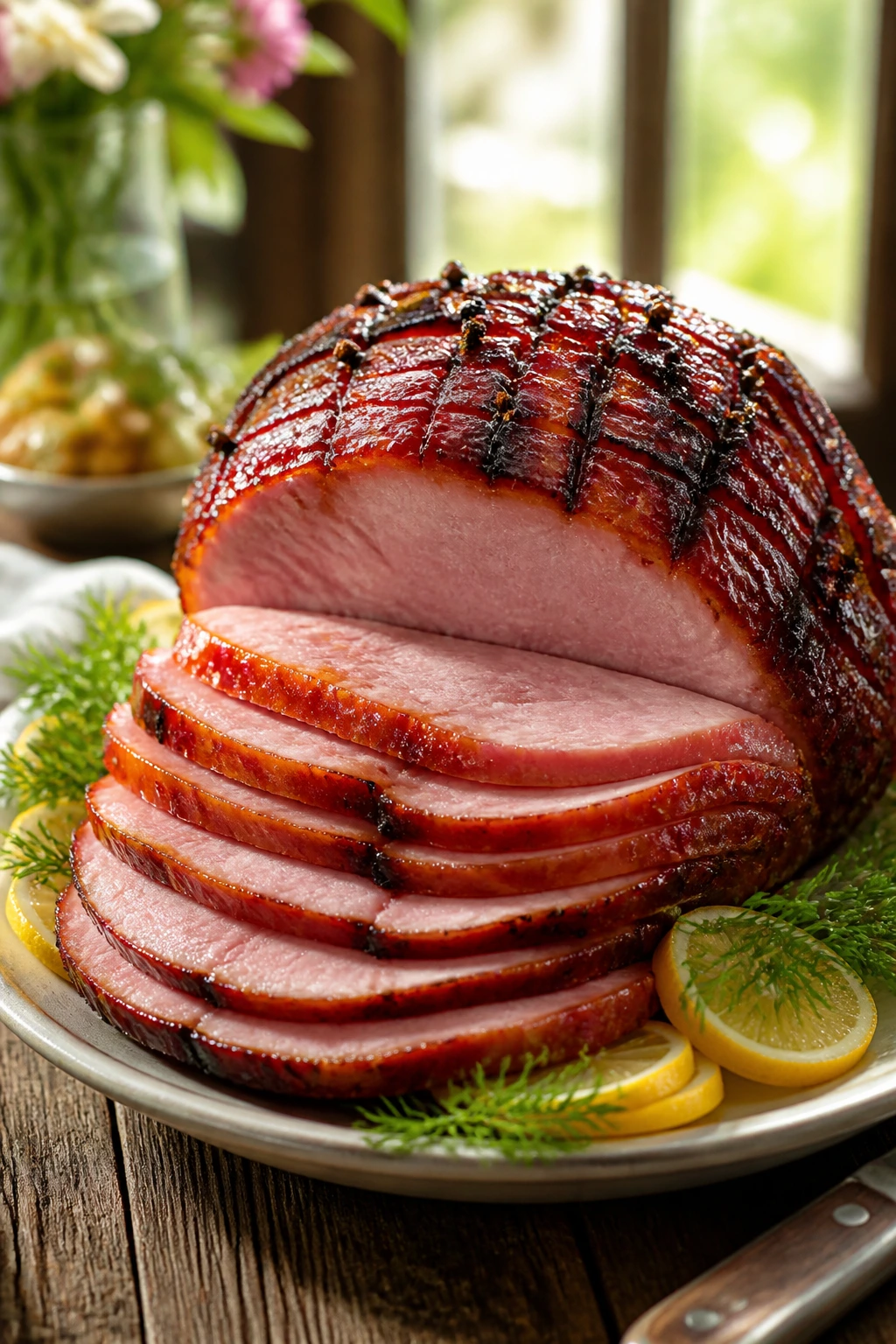
- Big centerpieces, low drama: A glazed ham, roast lamb, or beef tenderloin looks ceremonial on the platter, but the cooking method is mostly patient oven time.
- Spring flavors keep the meal from feeling heavy: Lemon, dill, asparagus, peas, chives, and tender herbs cut through richer dishes and make the plate feel brighter.
- There’s room for all kinds of households: Some families want a formal roast, some want pasta, and some want something that can sit on the table without stress.
- Several dishes hold well while you finish the rest: Casseroles, braises, and baked pastas can wait a bit, which is a gift when the oven is crowded.
- Leftovers are genuinely useful: Ham becomes sliders and soup, roast chicken becomes sandwiches, and short ribs turn into an excellent next-day bowl situation.
- Kids and grown-ups both get a fair shot: That matters more than people admit. A family holiday dinner should feed the picky eater and the enthusiastic second-helping person without forcing two separate menus.
1. Maple-Dijon Glazed Spiral Ham
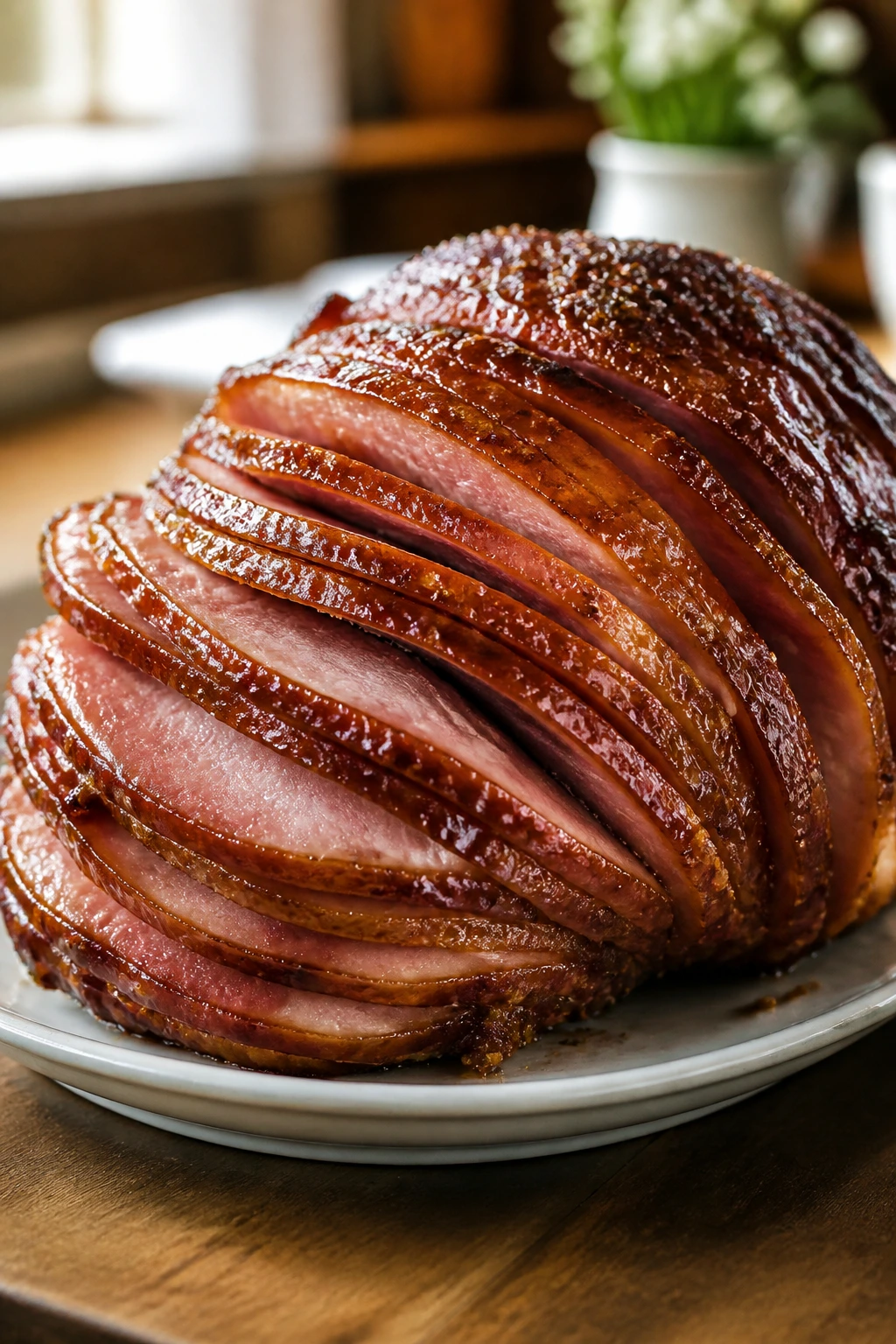
A spiral ham is the kind of Easter centerpiece that makes the room smell expensive without actually requiring difficult technique. The sweetness of maple and brown sugar, the bite of Dijon, and the little nooks between the slices all work together to give you salty, glossy, sticky comfort. It looks festive on the platter, and it slices cleanly, which is one reason I keep coming back to it for family dinners.
What I like most is that it forgives a lot. The ham is already cooked, so your real job is heating it gently and building a glaze that clings instead of sliding off into the pan. If you brush it late and let it bubble at the edges, you get shiny, burnished slices instead of dry ones.
Why It Works
A spiral-cut ham gives you the flavor payoff of a roast with half the stress. The low oven temp keeps the meat from tightening, and the final glaze layer sets into a sweet-savory crust in the last stretch. A little apple cider or orange juice keeps the glaze loose enough to brush between the slices, which matters more than it sounds like it should. That’s where the flavor lives.
Key Ingredients
- 8 to 10 pounds spiral-cut bone-in ham — feeds 10 to 12 with leftovers.
- 1 cup packed light brown sugar — builds the caramel note in the glaze.
- 1/2 cup maple syrup — deepens the sweetness without tasting flat.
- 1/4 cup Dijon mustard — gives the glaze a sharp edge.
- 1/2 cup apple cider or orange juice — loosens the glaze and keeps it brushable.
- 2 tablespoons unsalted butter — makes the glaze feel rich and smooth.
- 1 teaspoon ground cloves or 6 whole cloves — classic ham flavor, but use lightly.
- 1 tablespoon apple cider vinegar — keeps the glaze from turning cloying.
Quick Steps
- Preheat the oven to 325°F and set the ham cut-side down in a roasting pan with 1 cup water.
- Cover tightly with foil and bake for 12 to 15 minutes per pound, until the center reaches about 120°F.
- Stir the glaze ingredients in a small saucepan over medium heat until smooth and slightly syrupy, about 4 minutes.
- Uncover the ham and brush on half the glaze, working it between the slices where you can.
- Return it to the oven for 15 minutes, brush on the rest, and bake 10 to 15 minutes more until the glaze bubbles at the edges.
- Rest the ham for 15 minutes before carving so the juices settle.
Tips and Variations
- Citrus Lift: Swap the cider for orange juice and add 1 teaspoon of orange zest for a brighter finish.
- Less Sweet: Cut the brown sugar to 1/2 cup and add an extra teaspoon of mustard.
- Leftover Plan: Slice the rest within 3 days for sliders, fried rice, or a bean soup with real substance.
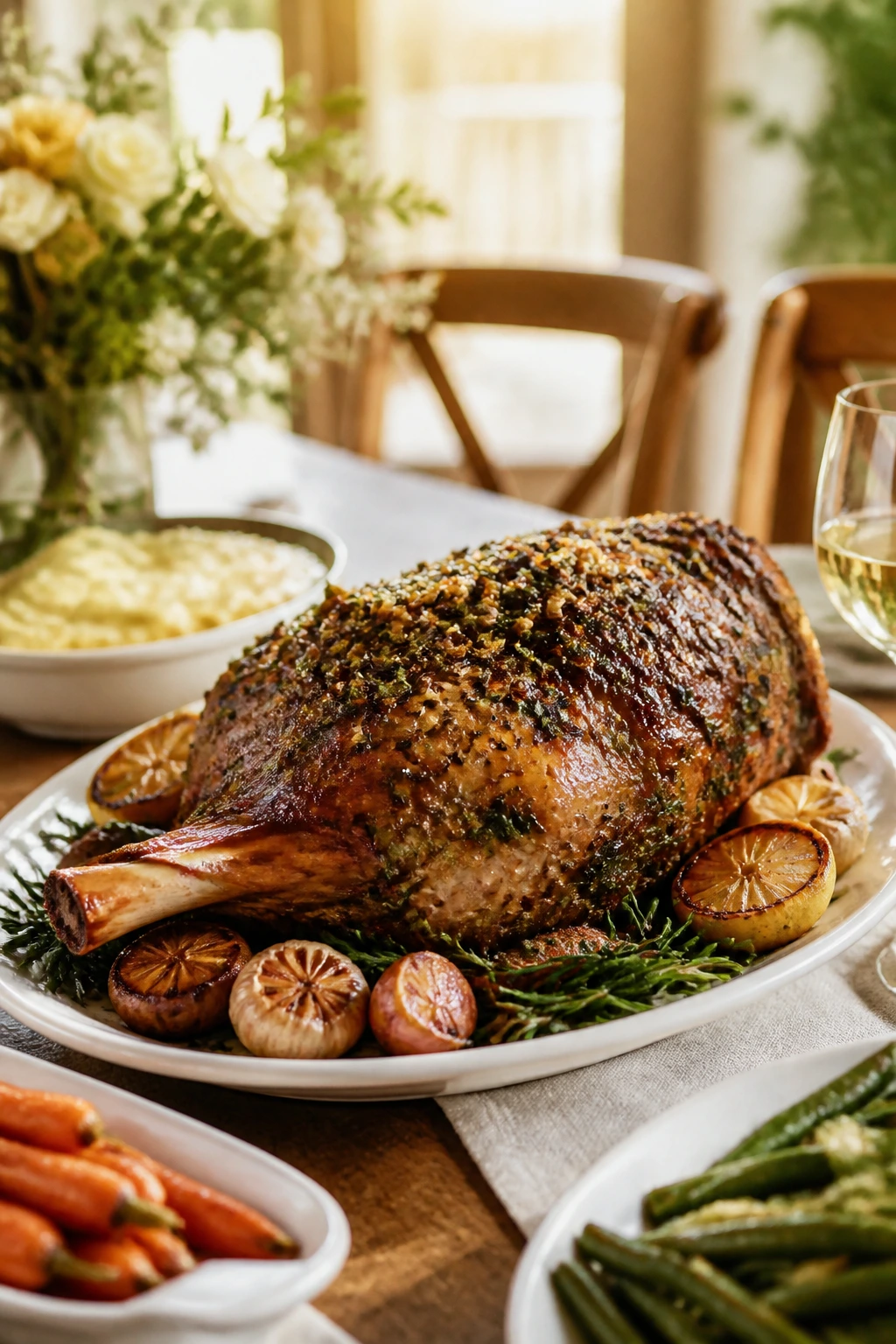
2. Garlic-Rosemary Roast Leg of Lamb
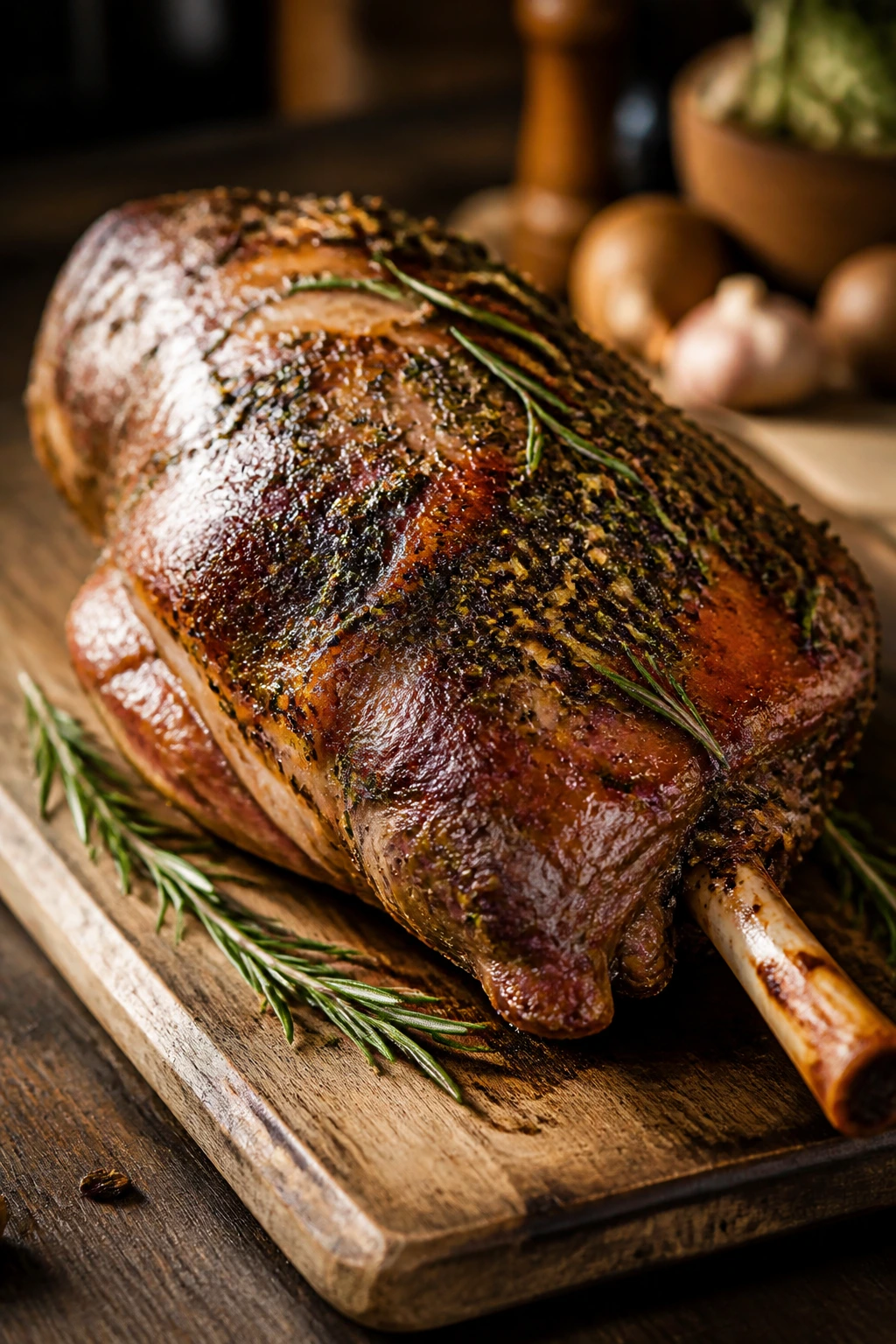
Roast lamb is the dish that says Easter without trying too hard. The aroma of garlic and rosemary hitting hot meat is earthy and clean, and the first slice has that deep pink center people quietly admire before they eat. It’s a more elegant choice than ham, but it doesn’t need to be precious.
A boneless leg gives you neat carving and a faster roast, while a bone-in leg brings a little more drama to the platter. I usually lean boneless for families because it’s easier to serve, and because no one wants to wrestle with a roast while side dishes go cold.
Why It Works
Lamb likes strong but simple seasoning. Garlic, rosemary, thyme, olive oil, lemon zest, and plenty of salt create a crust that tastes complete without a long marinade. Starting hot for a short spell, then lowering the oven, gives you a browned exterior and a controlled center. If you’re feeding mixed preferences, lamb is one of those dishes that feels special enough for adults but still straightforward enough for kids who are willing to try a bite.
Key Ingredients
- 1 boneless leg of lamb, 4 to 5 pounds — enough for 8 to 10 servings.
- 3 tablespoons olive oil — helps the herb paste stick and browns the surface.
- 6 garlic cloves, minced — the backbone of the flavor.
- 2 tablespoons chopped fresh rosemary — use fresh if you can; dried is harsher here.
- 1 tablespoon chopped fresh thyme — rounds out the herb flavor.
- 2 teaspoons kosher salt — don’t be shy; lamb needs seasoning.
- 1 teaspoon black pepper — keeps the crust from tasting soft.
- Zest of 1 lemon — brightens the meat and cuts richness.
- 1 cup dry red wine or beef stock — useful for a quick pan sauce.
Quick Steps
- Preheat the oven to 425°F and line a roasting pan with a rack.
- Pat the lamb dry, then rub it with olive oil, garlic, rosemary, thyme, salt, pepper, and lemon zest.
- Roast for 20 minutes at 425°F to build color.
- Lower the oven to 350°F and continue roasting until the thickest part reaches 130°F for medium-rare or 140°F for medium, about 35 to 55 minutes more.
- Transfer the lamb to a board, tent loosely with foil, and rest for 15 to 20 minutes.
- Pour off excess fat, deglaze the pan with wine or stock, and simmer for 3 to 5 minutes for a quick sauce.
Tips and Variations
- Milder Flavor: Ask for a younger, boneless leg and skip any heavy marinade.
- Mustard Crust: Add 1 tablespoon Dijon to the herb paste for a sharper, more savory finish.
- Serving Note: Slice thinly across the grain; thick slices make lamb feel stronger than it needs to.
3. Lemon-Herb Roast Chicken
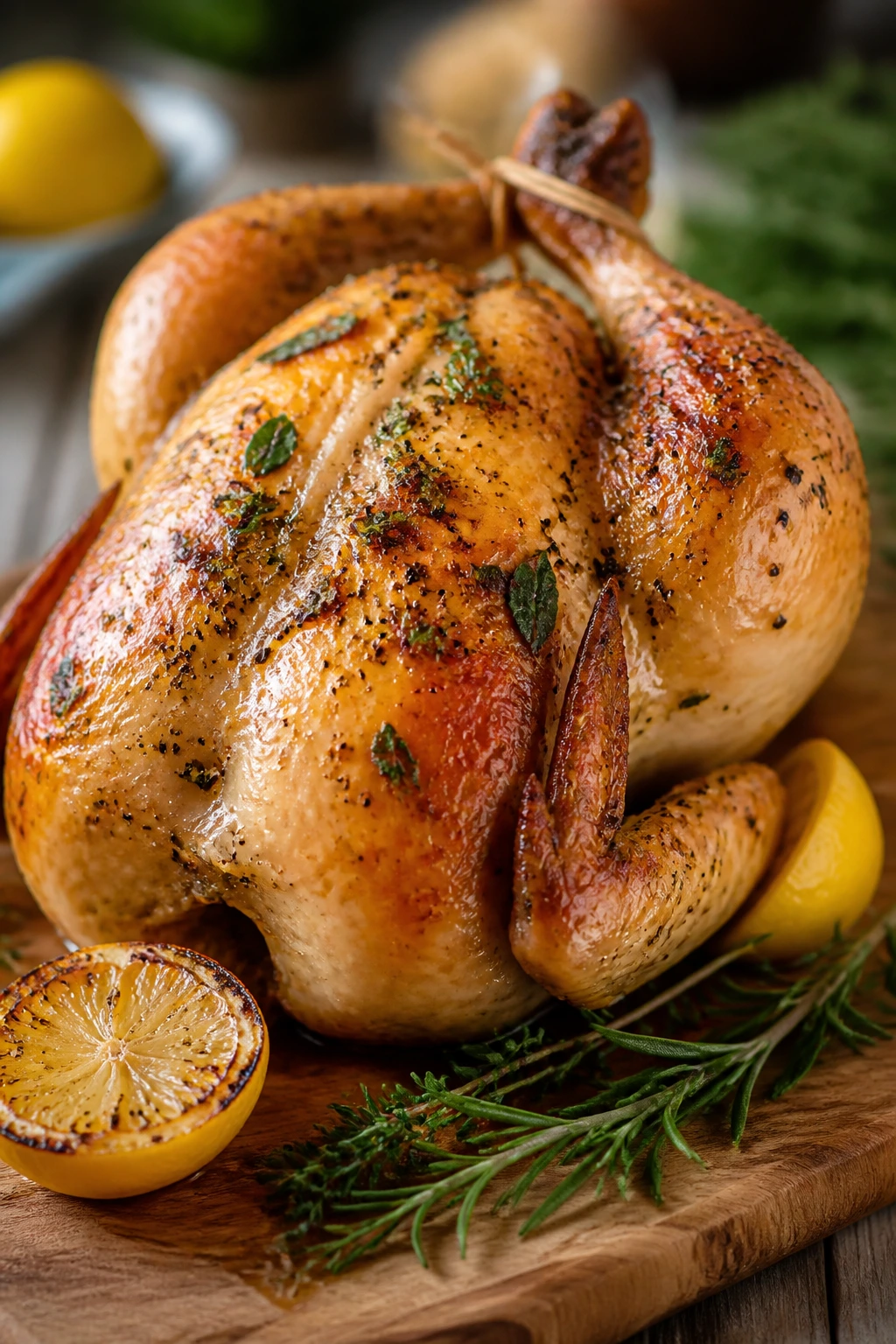
A whole roast chicken is still one of the smartest holiday dinners around. It’s less expensive than a lot of centerpieces, it smells like home as soon as the herbs hit the heat, and it gives you a pan full of juices for gravy or a quick sauce. On an Easter table, it feels friendly rather than formal.
Lemon and thyme are the combination I reach for when I want the chicken to taste fresh instead of heavy. The skin turns golden, the onions soften underneath, and the lemons tucked into the cavity perfume the meat from the inside out.
Why It Works
Chicken is the friendliest roast in the bunch. A 4- to 5-pound bird cooks in about an hour, which means it can sit between a ham and a tray of vegetables without taking over the day. The butter under the skin helps the breast stay juicy, while the thighs get enough time to cook through. The pan drippings also give you a built-in sauce, and that’s never a bad thing.
Key Ingredients
- 1 whole chicken, 4 to 5 pounds — a good family-size bird.
- 2 lemons, one halved and one sliced — flavor from the cavity and the pan.
- 4 tablespoons unsalted butter, softened — for the skin and the breast meat.
- 4 garlic cloves, smashed — keeps the pan fragrant.
- 2 tablespoons chopped fresh thyme — clean, bright herb flavor.
- 1 tablespoon chopped fresh rosemary — use a light hand so it doesn’t dominate.
- 1 large onion, cut into wedges — creates a bed for the bird.
- 2 tablespoons olive oil — helps the skin turn golden.
- 1 cup low-sodium chicken broth — keeps the pan from scorching.
Quick Steps
- Preheat the oven to 425°F and place the onion wedges in a roasting pan.
- Pat the chicken dry, then rub it with olive oil, butter, salt, pepper, thyme, and rosemary.
- Stuff the cavity with the lemon halves and garlic cloves.
- Set the chicken on the onion bed and roast for 20 minutes.
- Reduce the heat to 375°F and roast for 35 to 55 minutes more, until the breast reaches 165°F and the thighs reach 175°F.
- Rest the chicken for 15 minutes before carving, then spoon the pan juices over the slices.
Tips and Variations
- Extra Crispy Skin: Dry the bird in the fridge, uncovered, for a few hours before roasting.
- Vegetable Bed: Add carrots and fennel under the chicken if you want the pan to become a side dish.
- Leftovers: Shred the meat the next day for sandwiches, soup, or a chicken salad with celery and dill.
4. Creamy Scalloped Potatoes with Ham and Gruyère
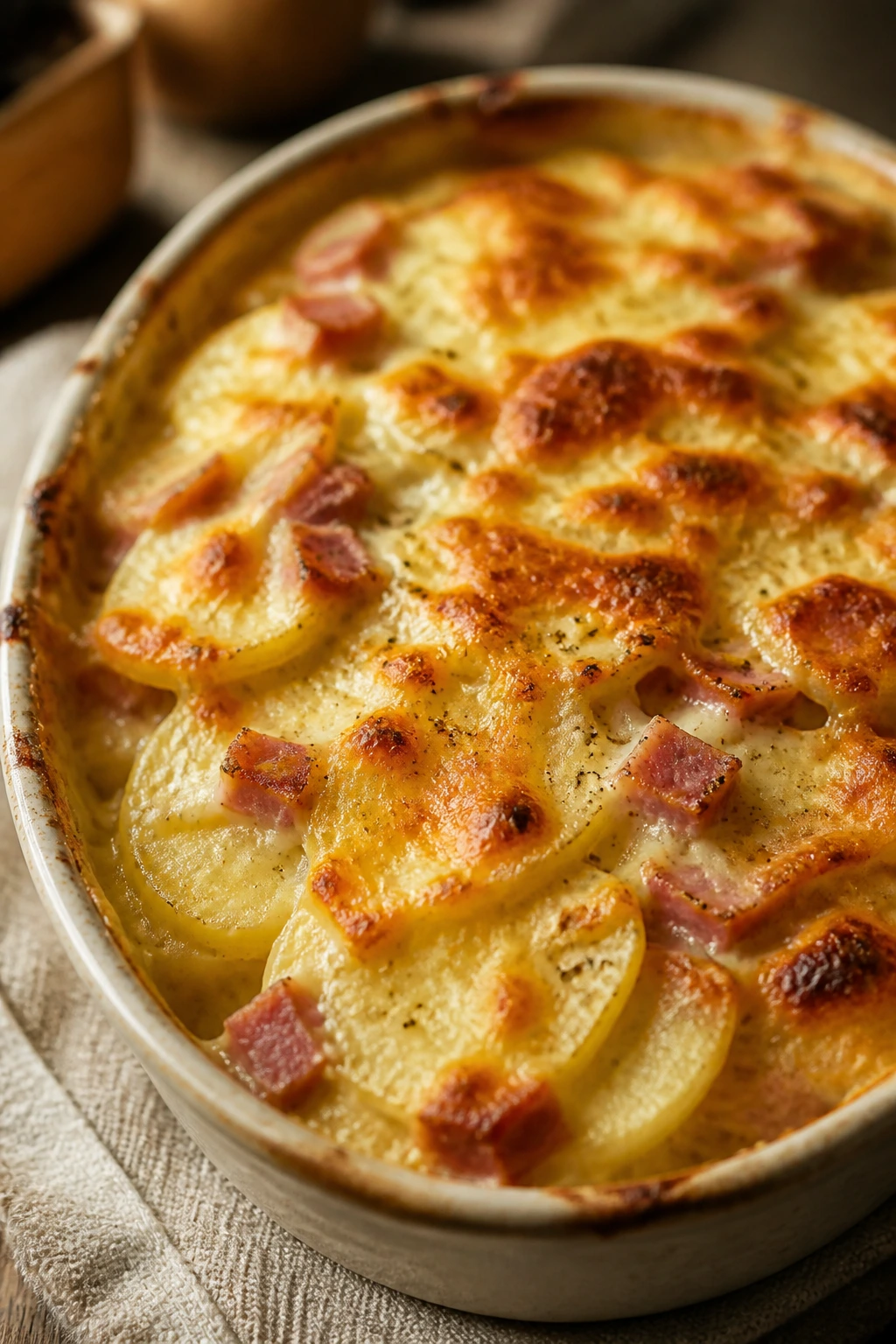
Scalloped potatoes stop being a side dish the moment you fold in ham and enough cheese to make the whole pan blush. The top gets bronzed and bubbling, the potatoes underneath go soft and silky, and every scoop lands with a little bit of everything. This is the casserole I make when I want one dish to quietly carry a lot of the meal.
It’s also the kind of recipe that likes holiday leftovers. If you’ve got ham from the main table, this turns it into a second life instead of another plastic container in the fridge.
Why It Works
The potatoes absorb the cream sauce as they bake, so the flavor runs all the way through instead of sitting on top. Gruyère melts smoothly and adds a nutty edge that keeps the casserole from tasting bland, while the ham brings salt and smoke. A gentle bake under foil first, then a finish uncovered, gives you tender potatoes without a scorched top.
Key Ingredients
For the Casserole:
- 3 pounds Yukon Gold potatoes, peeled and thinly sliced — they stay creamy instead of falling apart.
- 2 cups diced cooked ham — use leftovers or thick-cut ham steak.
- 1 medium yellow onion, thinly sliced — adds a little sweetness.
- 2 cups shredded Gruyère cheese — melts cleanly and tastes deeper than cheddar.
- 1 cup grated Parmesan — helps the top brown.
For the Sauce:
- 4 tablespoons unsalted butter — for the roux.
- 4 tablespoons all-purpose flour — thickens the cream.
- 2 cups whole milk — the base of the sauce.
- 1 cup heavy cream — gives the casserole body.
- 2 garlic cloves, minced — enough to perfume the sauce.
- 1 teaspoon salt, plus more for the potatoes — potatoes need seasoning at every layer.
- 1/2 teaspoon black pepper
- 1/4 teaspoon ground nutmeg — optional, but it fits the style.
Quick Steps
- Preheat the oven to 375°F and butter a 9×13-inch baking dish.
- Melt the butter in a saucepan, whisk in the flour, then slowly whisk in the milk and cream until the sauce thickens enough to coat a spoon.
- Stir in the garlic, salt, pepper, and nutmeg.
- Layer half the potatoes, half the onions, half the ham, and half the Gruyère in the dish, then repeat.
- Pour the sauce over the top and finish with Parmesan.
- Cover with foil and bake for 45 minutes, then uncover and bake 25 to 30 minutes more until the top is browned and the potatoes are tender.
Tips and Variations
- Extra Rich: Add 1/2 cup sour cream to the sauce for a tangier finish.
- No Ham Version: Leave out the ham and add sautéed leeks or mushrooms.
- Make-Ahead: Assemble the casserole a day ahead and bake it the next day, adding 10 to 15 minutes if it goes into the oven cold.
5. Baked Salmon with Dill, Lemon, and Asparagus
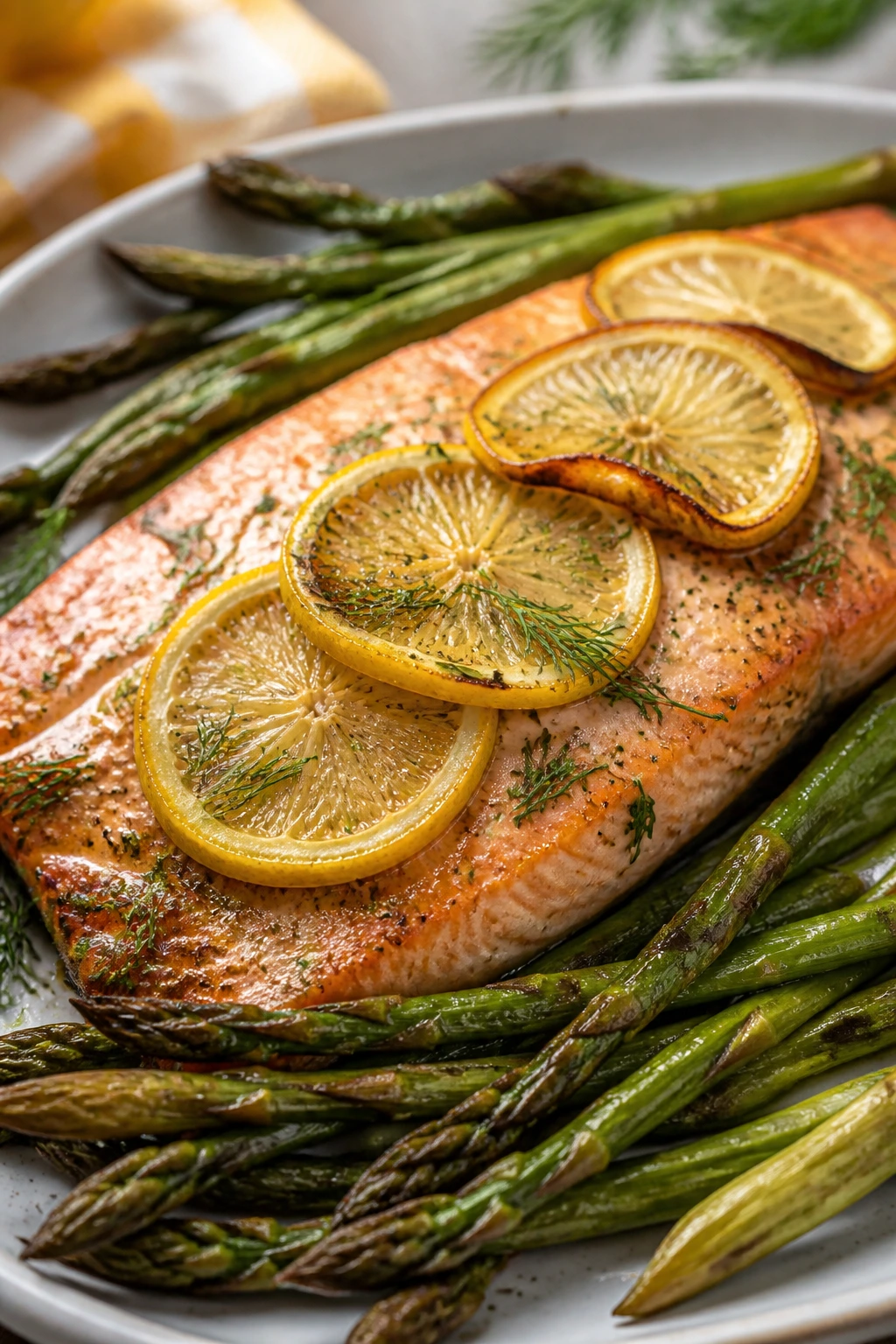
Salmon belongs on more Easter tables than people think. It cooks quickly, tastes bright instead of heavy, and looks handsome when the asparagus fans out beside it. If your family wants something lighter after all the rich holiday food, this is the one to reach for.
The trick is to treat salmon gently. High heat for too long makes it dry; a hot oven for a short time gives you tender flakes and a clean, buttery center. The dill and lemon do the rest.
Why It Works
Salmon and asparagus are natural spring partners because they cook on a similar timeline and both benefit from citrus. A 400°F oven gives the fish color without drying it out, and the asparagus gets tender at the same pace. A spoonful of Dijon in the oil mixture adds a subtle edge that keeps the dish from tasting flat, which is a problem with many simple fish bakes.
Key Ingredients
- 1 1/2 to 2 pounds salmon fillet, skin on or off — center-cut is easiest to cook evenly.
- 1 pound asparagus, ends trimmed — choose spears of similar thickness.
- 2 tablespoons olive oil — coats the fish and vegetables.
- 2 tablespoons melted butter — gives the salmon a richer finish.
- 2 tablespoons fresh dill, chopped — the herb that makes the whole tray smell fresh.
- 2 lemons, one sliced and one juiced — both the flesh and the zest matter here.
- 2 garlic cloves, minced — enough to flavor the oil.
- 1 teaspoon Dijon mustard — sharpens the dressing.
- Salt and black pepper — season both the fish and asparagus generously.
Quick Steps
- Preheat the oven to 400°F and line a rimmed sheet pan with parchment.
- Toss the asparagus with olive oil, salt, pepper, and half the garlic, then spread it across the pan.
- Lay the salmon on top or beside the asparagus and brush it with melted butter, lemon juice, Dijon, dill, and the rest of the garlic.
- Arrange lemon slices over the salmon.
- Roast for 12 to 15 minutes, until the salmon flakes easily and reaches about 145°F in the thickest part.
- Finish with extra dill and a squeeze of fresh lemon before serving.
Tips and Variations
- Extra Bright: Add 1 teaspoon lemon zest to the butter mixture for a sharper citrus note.
- Crusty Top: Broil for 1 minute at the end if you want a little color, but watch it closely.
- Serving Note: A spoonful of rice or buttered new potatoes turns this into a full dinner without crowding the plate.
6. Spring Vegetable Lasagna
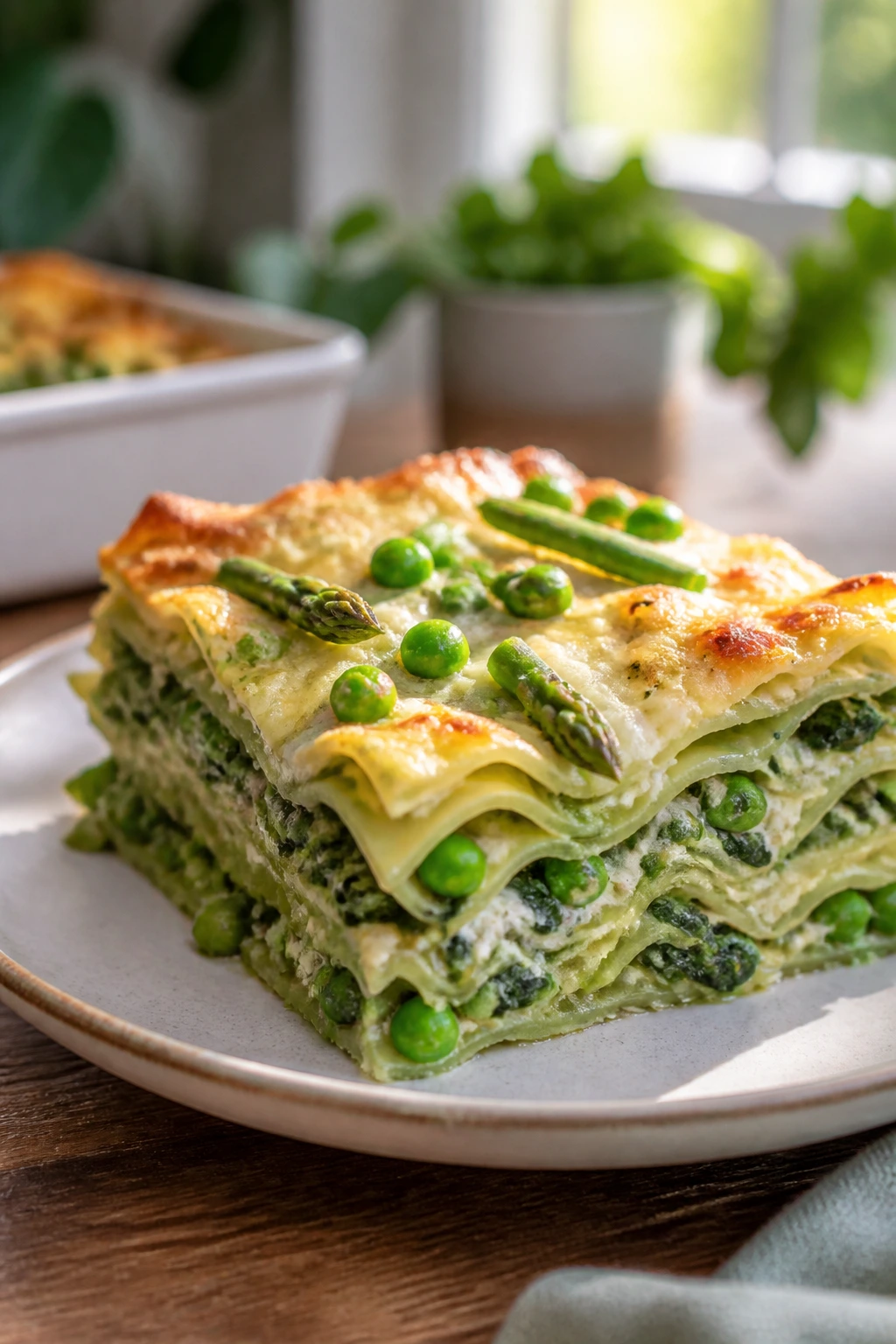
This is the lasagna for people who want a holiday pasta that still tastes like the season. Asparagus, peas, spinach, ricotta, and lemon make the filling feel green and lively, while the baked top gives you the same golden comfort people expect from lasagna. It’s rich, but not heavy in the way meat sauce versions can be.
I like it for family gatherings because you can build it ahead, slide it into the oven when needed, and let it sit for a few minutes without it falling apart. That kind of flexibility is worth a lot on a holiday afternoon.
Why It Works
Spring vegetables bring sweetness and a little bite, which keeps the creamy layers from becoming dull. A simple béchamel binds everything together better than a jarred sauce, and ricotta mixed with lemon zest gives the filling some lift. Lasagna is also forgiving in portions; it cuts into neat squares, which matters when the table is full of different appetites and second helpings.
Key Ingredients
For the Filling:
- 12 lasagna noodles — regular or oven-ready, depending on your schedule.
- 1 pound asparagus, trimmed and chopped — cut into bite-size pieces.
- 2 cups baby spinach — wilts down fast.
- 1 cup frozen peas — thaw them first.
- 15 ounces ricotta cheese — the creamy layer.
- 2 cups shredded mozzarella — for melt.
- 1 cup grated Parmesan — for flavor and browning.
- 1 egg — helps the ricotta layer set.
- Zest of 1 lemon — gives the filling a clean edge.
For the Béchamel:
- 4 tablespoons unsalted butter
- 4 tablespoons all-purpose flour
- 3 cups whole milk, warmed
- 2 garlic cloves, minced
- 1/2 teaspoon salt
- 1/4 teaspoon black pepper
- Pinch of nutmeg
Quick Steps
- Preheat the oven to 375°F and grease a 9×13-inch baking dish.
- Cook the noodles until just shy of al dente, then drain and lay them flat so they do not stick.
- Make the béchamel by melting butter, whisking in flour, and slowly adding warm milk until thickened; stir in garlic, salt, pepper, and nutmeg.
- Mix the ricotta with the egg, lemon zest, half the Parmesan, and a pinch of salt.
- Layer sauce, noodles, ricotta, vegetables, mozzarella, and more sauce, repeating until the dish is full.
- Cover with foil and bake for 35 minutes, then uncover and bake 10 to 15 minutes more until browned and bubbling.
Tips and Variations
- Broccoli Swap: Sub in chopped broccoli florets if asparagus is out of season or too pricey.
- Make-Ahead: Assemble it up to 24 hours ahead; bake it straight from the fridge with an extra 10 minutes.
- Lemon Note: A little zest goes a long way. Too much and the lasagna turns sharp instead of bright.
7. Slow Cooker Pot Roast with Carrots and Potatoes
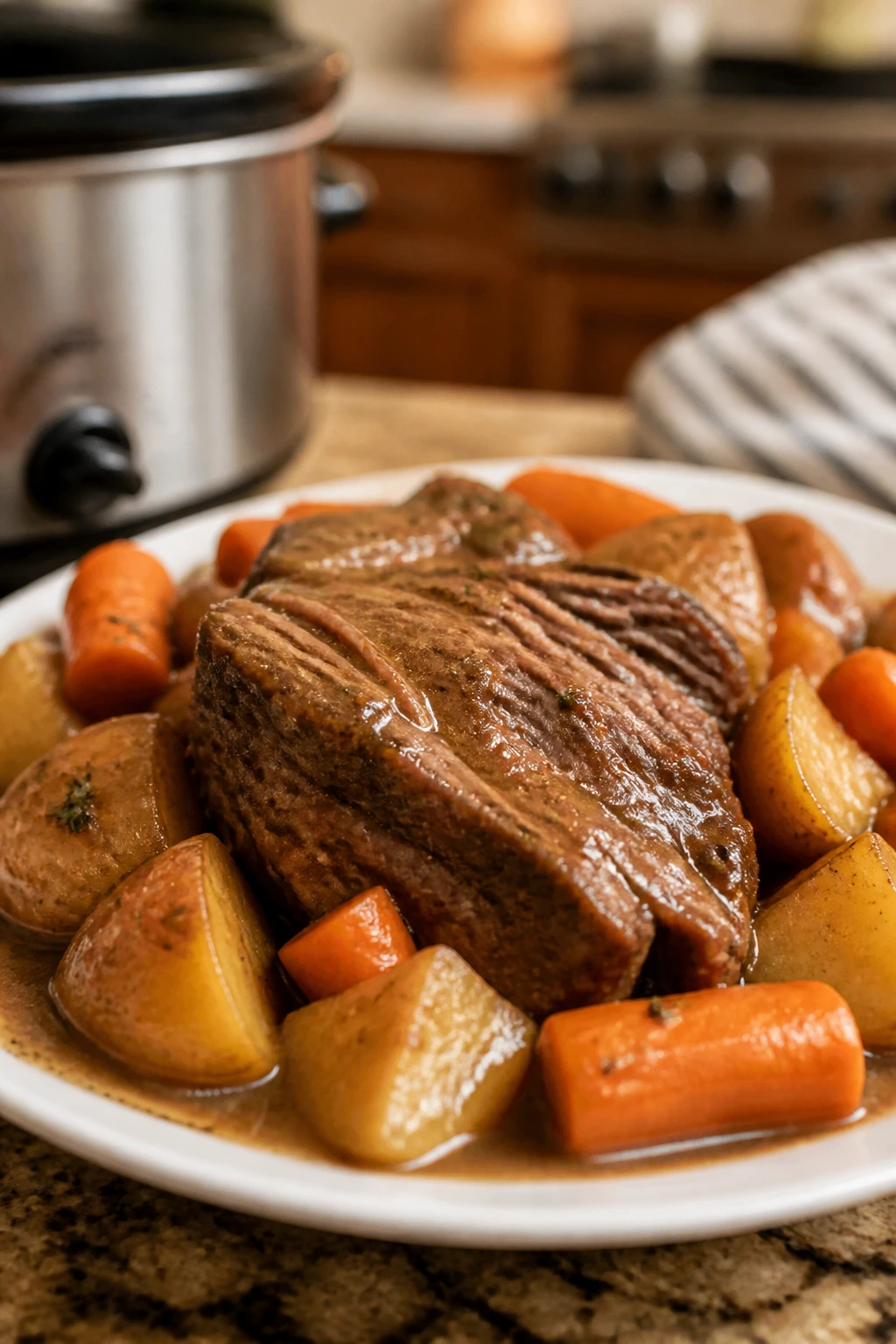
Some Easter dinners should feel like they’re cooking themselves. Pot roast is the answer when you need a meal that tastes like a long Sunday afternoon and does not demand much from you until the very end. The beef gets spoon-tender, the carrots go sweet, and the potatoes soak up the broth like they were born for it.
This is not the flashiest dish on the list, and I mean that as a compliment. It’s the dependable one. The one people go back for after they’ve already sampled the ham and the casserole and decided they still have room.
Why It Works
Chuck roast is full of connective tissue, which sounds unglamorous but is exactly why slow cooking works so well here. Low heat breaks that tissue down into a soft, rich texture that falls apart under a fork. Browning the meat first gives you a darker, deeper gravy, and the vegetables cook in the same pot, which saves effort and flavor both.
Key Ingredients
- 3 to 4 pounds chuck roast — the classic cut for braising.
- 1 1/2 pounds baby potatoes — use halved if they’re large.
- 4 carrots, cut into thick chunks — so they don’t collapse.
- 1 large onion, sliced — adds sweetness to the broth.
- 4 garlic cloves, smashed — gives the sauce body.
- 2 cups beef broth — the liquid base.
- 2 tablespoons tomato paste — adds depth and color.
- 1 tablespoon Worcestershire sauce — makes the gravy taste cooked, not flat.
- 2 teaspoons dried thyme — enough herb flavor without crowding the meat.
- 1 bay leaf — a small thing that matters in braises.
- 1 tablespoon flour or 2 teaspoons cornstarch — for thickening the liquid at the end.
Quick Steps
- Season the roast with salt and pepper, then sear it in a hot skillet until well browned on both sides.
- Set the roast in the slow cooker and surround it with onions, carrots, potatoes, and garlic.
- Whisk the broth, tomato paste, Worcestershire, thyme, and bay leaf together, then pour it over everything.
- Cook on low for 8 to 9 hours or on high for 5 to 6 hours, until the beef pulls apart easily.
- Remove the roast and vegetables, then thicken the liquid with flour or cornstarch mixed with water.
- Spoon the gravy over the sliced or shredded beef and serve hot.
Tips and Variations
- Wine Addition: Replace 1 cup of broth with red wine for a richer sauce.
- Vegetable Timing: If you like firmer carrots, add them during the last 2 hours.
- Serving Note: This is especially good with horseradish on the side, which cuts the richness fast.
8. Pork Tenderloin with Apple Cider Pan Sauce
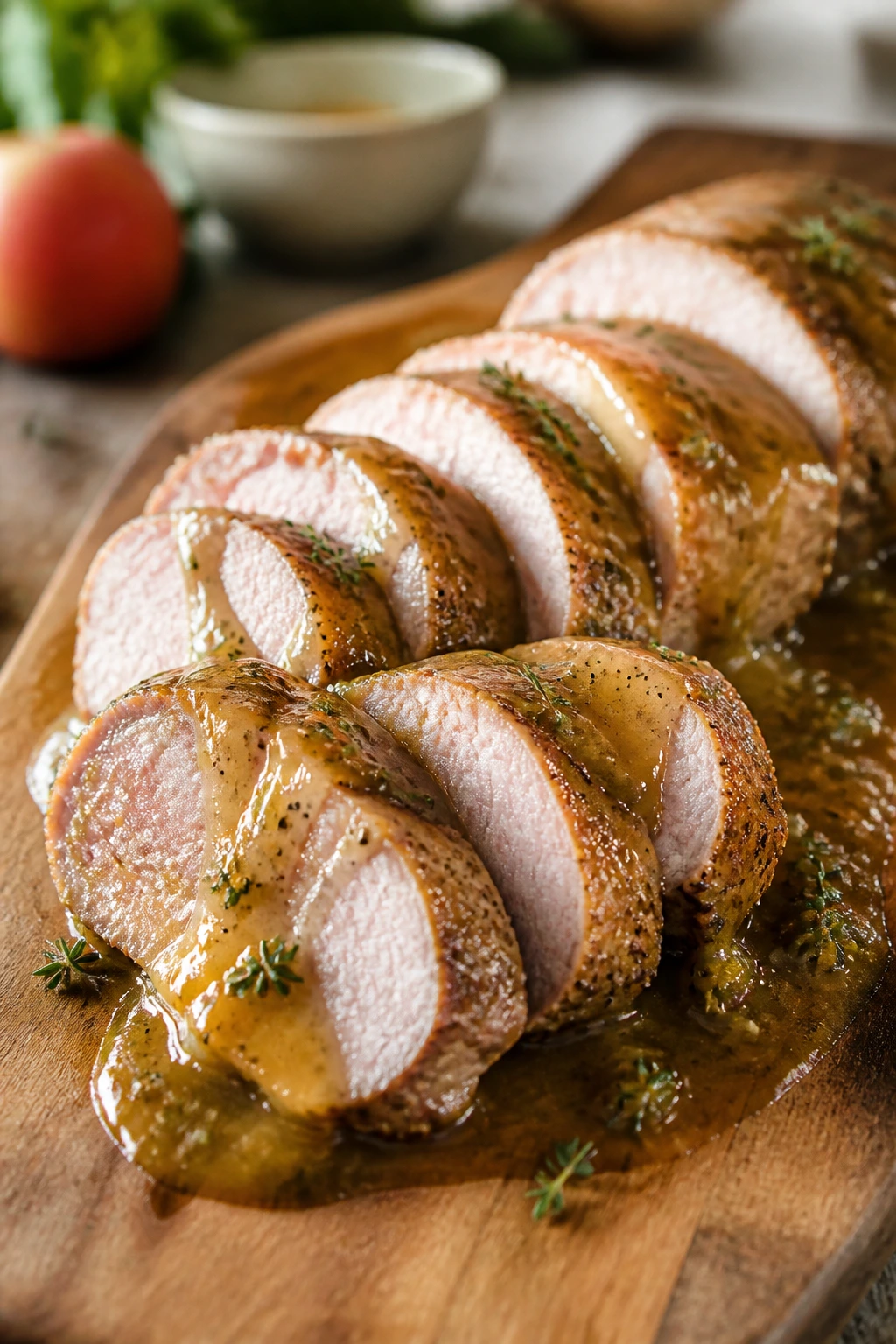
Pork tenderloin is the dinner I make when I want something polished but fast. It slices neatly, tastes mild enough for most families, and wears an apple cider sauce like it was designed for spring. The sauce turns glossy and a little sweet, then the Dijon keeps it from tipping into dessert territory.
This is one of those dishes that looks more complicated than it is. That’s useful on Easter, when the table is already doing plenty of work visually.
Why It Works
Tenderloin is lean, so you roast it quickly and pull it before it dries out. That’s the whole game. Apple cider, shallot, and Dijon make a pan sauce that feels seasonally right, while a short rest keeps the meat juicy. Because the cut is slender, it cooks fast enough to fit between sides without turning your oven schedule into a juggling act.
Key Ingredients
- 2 pork tenderloins, about 1 1/2 pounds each — trim any silver skin.
- 2 tablespoons olive oil — for searing.
- 1 teaspoon kosher salt — each tenderloin needs a fair amount.
- 1/2 teaspoon black pepper
- 2 garlic cloves, minced — simple but effective.
- 1 shallot, minced — sweeter than onion for the pan sauce.
- 1 cup apple cider — the main flavor in the sauce.
- 2 tablespoons Dijon mustard — balances the cider.
- 2 tablespoons unsalted butter — makes the sauce glossy.
- 1 tablespoon chopped thyme — a good herb match for pork.
Quick Steps
- Preheat the oven to 425°F and line a baking sheet or oven-safe skillet.
- Pat the pork dry, rub it with oil, salt, pepper, and garlic, then sear it for 2 to 3 minutes per side.
- Transfer to the oven and roast for 15 to 20 minutes, until the center reaches 145°F.
- Move the pork to a plate and rest it for 10 minutes.
- In the same pan, sauté the shallot for 1 minute, then add apple cider and Dijon and simmer until reduced by half.
- Whisk in butter and thyme, then slice the pork and spoon the sauce over the top.
Tips and Variations
- Apple Slices: Add thin apple wedges to the pan sauce for a softer, sweeter finish.
- Herb Swap: Rosemary works if you like a firmer, piney flavor.
- Serving Note: Potato gratin or buttered peas makes this feel more like a holiday plate.
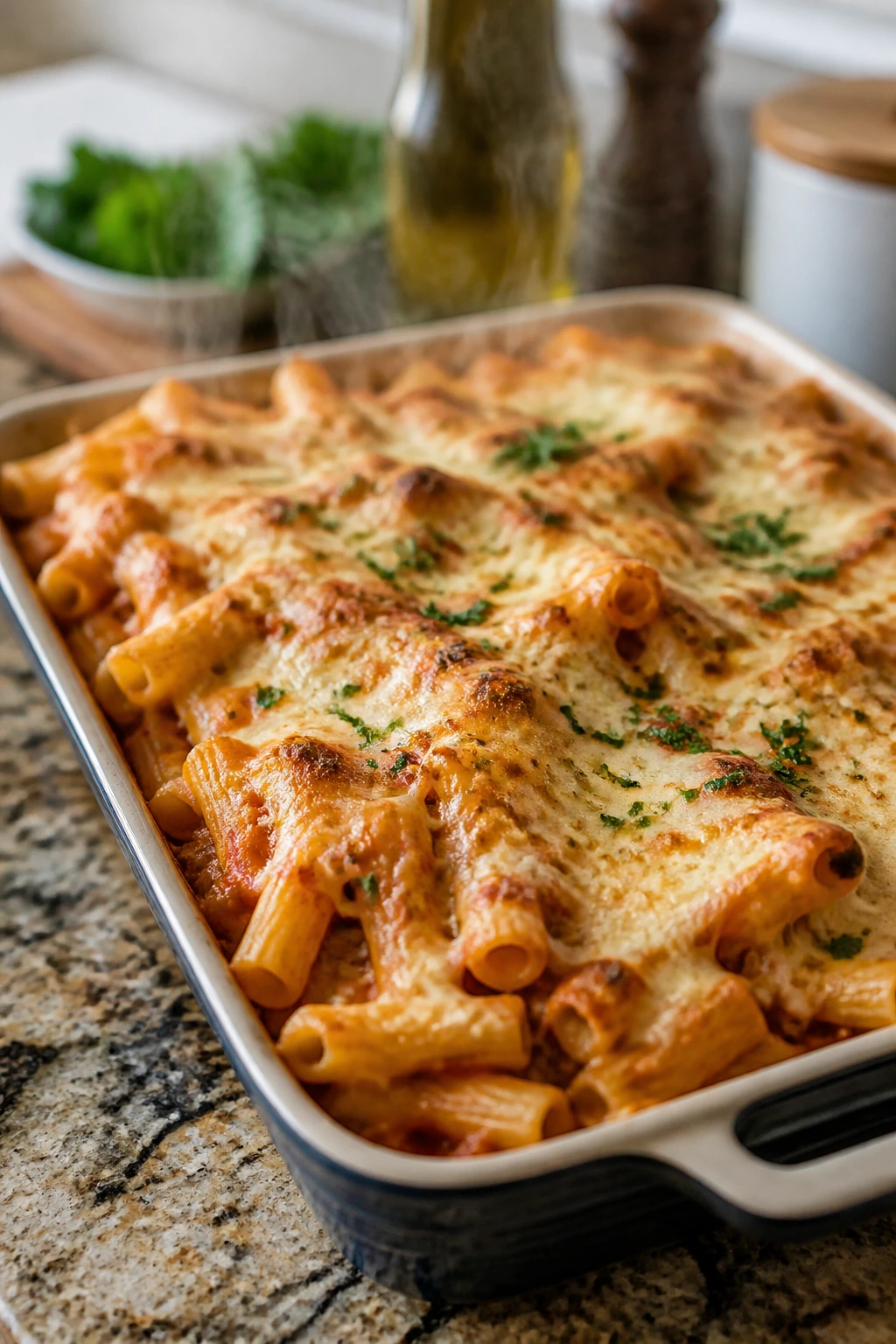
9. Baked Ziti with Italian Sausage and Spinach
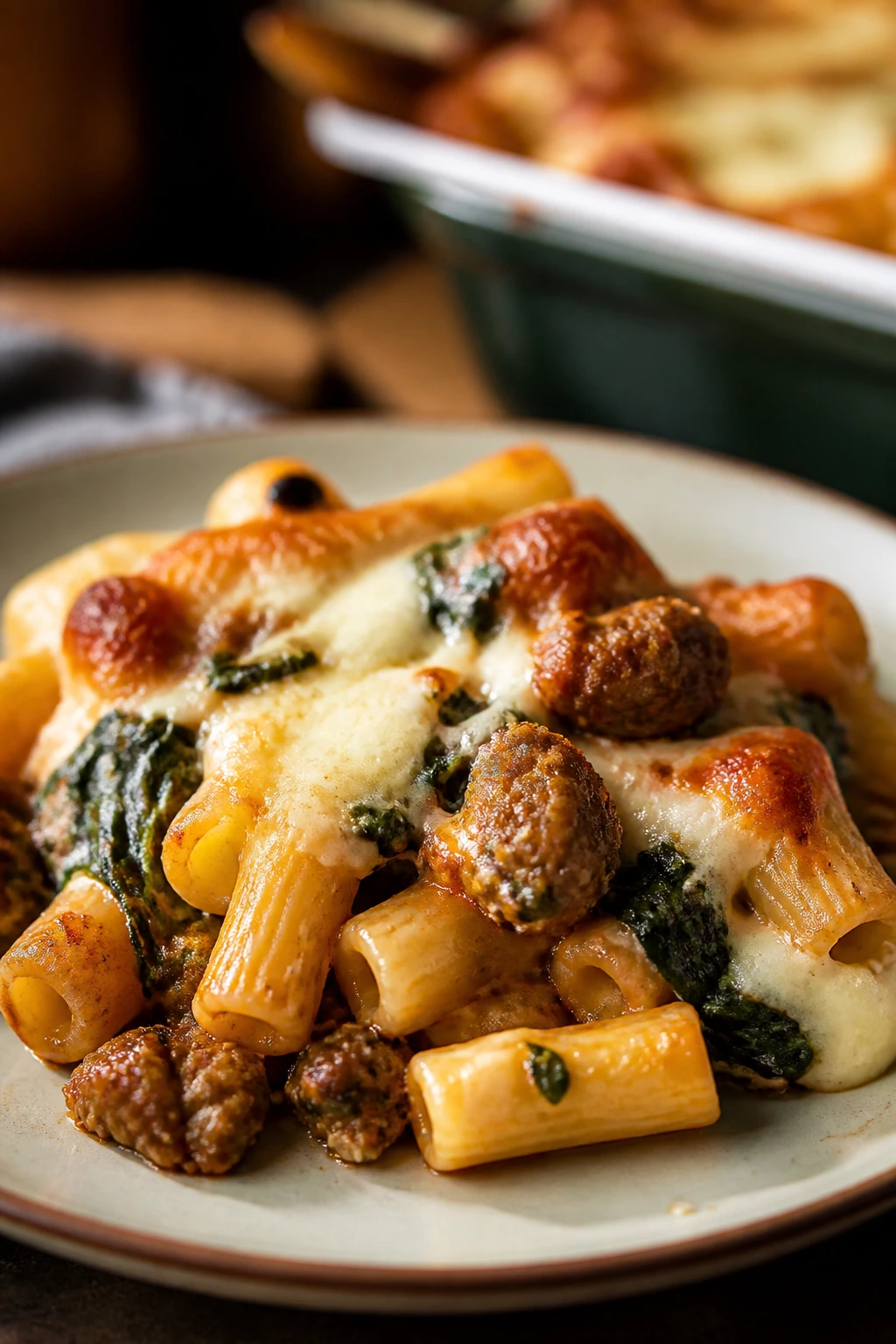
There is always a point in a family holiday meal when someone wants pasta. Baked ziti answers that request with zero fuss. It’s hearty, easy to portion, and warm in the way baked pasta should be, with stretchy cheese and sauce tucked into every corner.
Italian sausage gives it enough savoriness to stand up on a holiday table, while spinach makes the pan feel a little less heavy. That’s not a trick; it just helps the dinner feel complete.
Why It Works
Baked ziti feeds a crowd without pretending to be delicate. The sausage seasons the sauce from the inside, the ricotta gives you creamy pockets, and the mozzarella creates those browned, stringy edges everybody reaches for first. If your family is divided between “meat and potatoes” and “something with pasta,” this is the bridge.
Key Ingredients
- 1 pound ziti — or penne if that’s what you have.
- 1 1/2 pounds Italian sausage, casings removed — sweet or hot.
- 1 large onion, diced — starts the sauce.
- 4 garlic cloves, minced — needed.
- 4 cups marinara sauce — choose one with simple ingredients.
- 5 ounces baby spinach — wilts right into the sauce.
- 15 ounces ricotta — for the creamy layer.
- 2 cups shredded mozzarella — for the top.
- 1 cup grated Parmesan — for flavor.
- 1 egg — helps the ricotta hold together.
Quick Steps
- Preheat the oven to 375°F and grease a 9×13-inch dish.
- Cook the ziti until just shy of al dente, then drain.
- Brown the sausage with the onion, then add garlic and cook for 30 seconds more.
- Stir in the marinara and spinach until the greens wilt.
- Mix the ricotta with the egg, a pinch of salt, pepper, and half the Parmesan.
- Layer pasta, sauce, ricotta mixture, and mozzarella in the dish, then bake for 25 to 30 minutes until bubbling and browned.
Tips and Variations
- Milder Version: Use sweet sausage and a little extra spinach if the family prefers less heat.
- Make-Ahead: Assemble and refrigerate for up to a day; bake a little longer from cold.
- Shortcut: If you’re tight on time, use good jarred sauce and focus on seasoning the sausage well.
10. Chicken Cordon Bleu Casserole
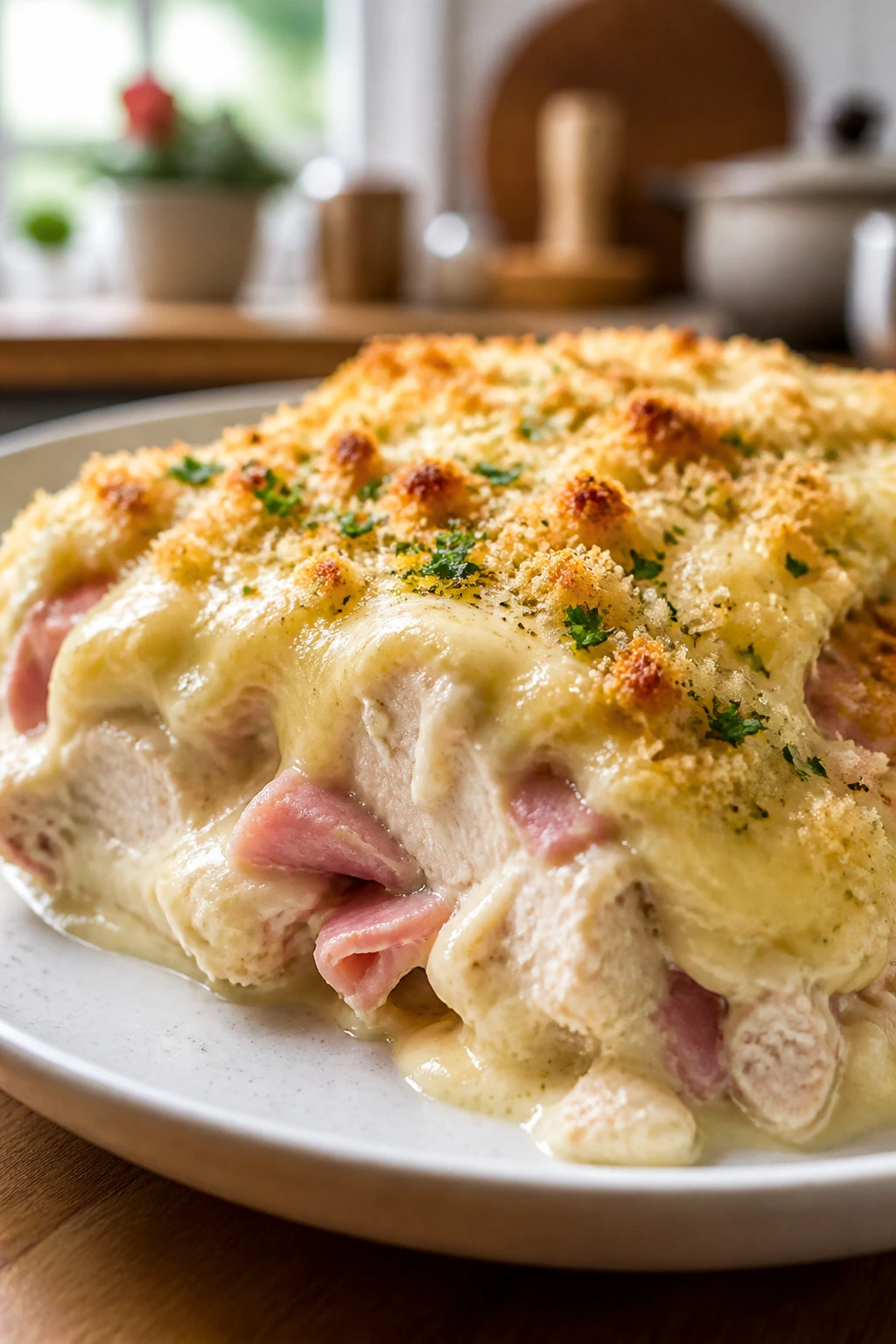
This is the casserole for people who like familiar flavors without the trouble of rolling chicken around ham and cheese. You get the same comfort-food idea—chicken, Swiss, ham, a creamy sauce—but in a form that’s easier to serve to a crowd. It feels a little retro, in a good way.
On a holiday table, that matters. Not every family wants a roast. Some want a hot dish that disappears quickly and doesn’t require a carving knife.
Why It Works
Chicken Cordon Bleu works as a casserole because the flavor profile is already layered. Ham brings salt, Swiss adds a nutty melt, and Dijon in the sauce keeps the whole thing from getting flat. Baking the breadcrumbs on top gives you the crunch people expect from the original version, but without the breading station.
Key Ingredients
- 4 cups cooked chicken, chopped or shredded — rotisserie works fine.
- 1 1/2 cups diced ham — the salty partner.
- 12 ounces cooked egg noodles — or small pasta shells.
- 2 cups shredded Swiss cheese — the signature flavor.
- 1 cup plain breadcrumbs — for the top.
- 4 tablespoons unsalted butter — for toasting the crumbs and making the sauce.
- 4 tablespoons all-purpose flour — thickens the sauce.
- 2 cups milk — the base of the cream sauce.
- 2 tablespoons Dijon mustard — pulls the flavors together.
- 1 teaspoon garlic powder — enough seasoning for the whole pan.
Quick Steps
- Preheat the oven to 375°F and grease a 9×13-inch dish.
- Melt the butter in a saucepan, whisk in the flour, then slowly add the milk until smooth and thick.
- Stir in Dijon, garlic powder, salt, pepper, chicken, ham, noodles, and half the Swiss cheese.
- Transfer the mixture to the baking dish and top with the remaining cheese.
- Mix the breadcrumbs with a little melted butter and sprinkle them over the top.
- Bake for 30 to 35 minutes until hot and lightly browned.
Tips and Variations
- Extra Crunch: Toast the breadcrumbs in a skillet first for a deeper, nuttier top.
- Pasta Swap: Small shells hold the sauce better than noodles if you like a creamier bite.
- Serving Note: A crisp green salad keeps this from feeling too heavy.
11. Spinach and Ricotta Stuffed Shells
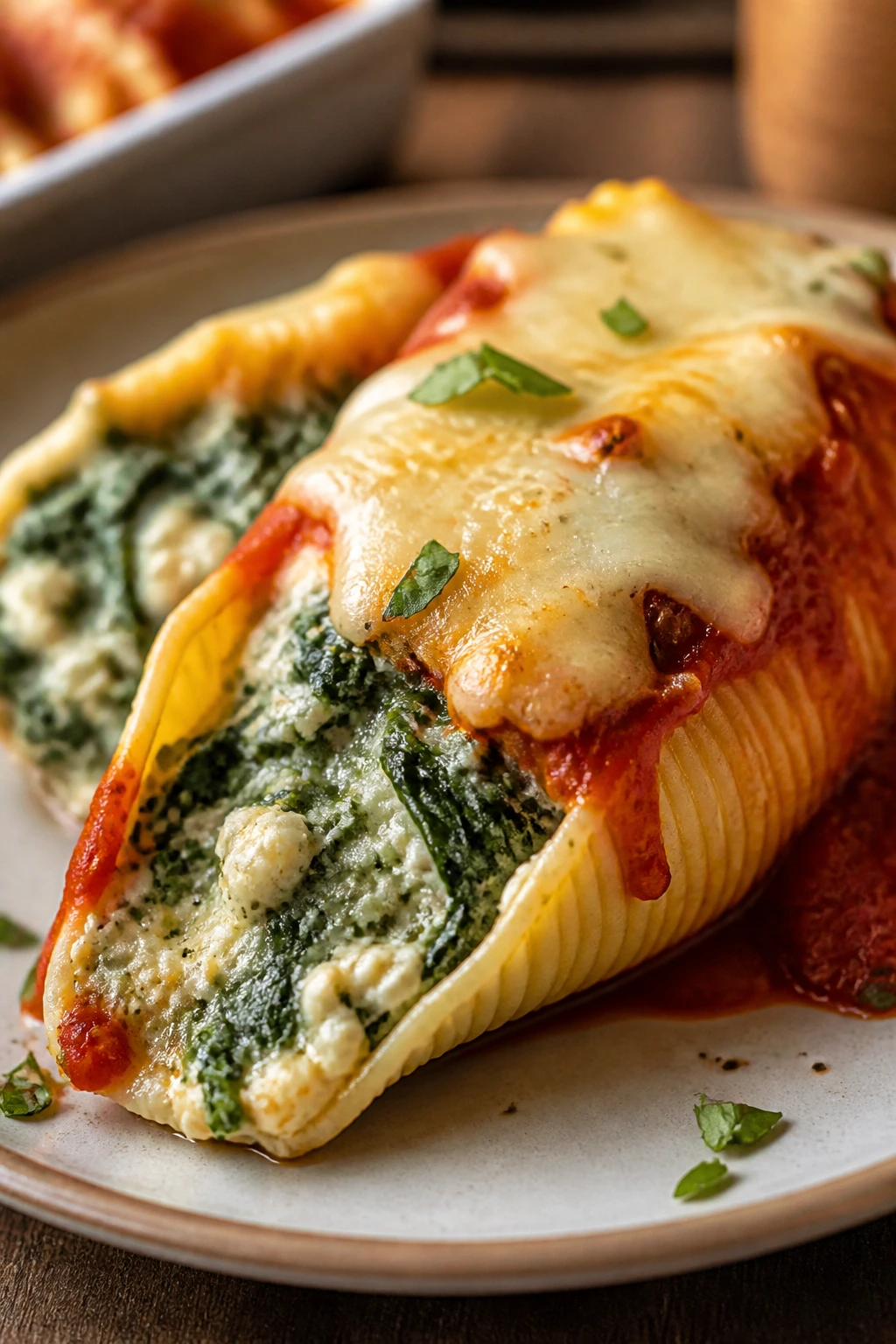
Stuffed shells have a quieter kind of charm. They’re meatless, but not thin or flimsy; they bring creamy filling, saucy edges, and that baked-cheese top that makes people pause before serving themselves too much. For Easter, they’re a nice answer when you want one vegetarian dish that still feels substantial.
The shells are also easy to portion, which is underrated. Not every holiday plate should require a knife and a strategy.
Why It Works
Ricotta and spinach make a reliable filling because they stay soft but not watery when baked correctly. Egg helps the mixture hold together, mozzarella gives the top melt, and marinara keeps the pasta from tasting dry. It’s a dish that can be assembled ahead, which means less pressure when everything else is happening at once.
Key Ingredients
- 20 jumbo pasta shells — buy a few extra in case some tear.
- 15 ounces ricotta — the heart of the filling.
- 10 ounces frozen spinach, thawed and squeezed dry — moisture control matters.
- 1 cup shredded mozzarella — inside and on top.
- 1 cup grated Parmesan — sharpens the filling.
- 1 egg — binds the cheese mixture.
- 2 garlic cloves, minced — enough for flavor without overwhelming.
- 4 cups marinara sauce — use a sauce with good tomato flavor.
- 1 teaspoon dried basil or 1 tablespoon fresh chopped basil — either works.
Quick Steps
- Preheat the oven to 375°F and spread a thin layer of marinara in a baking dish.
- Cook the shells until just al dente, then drain and cool slightly.
- Mix ricotta, spinach, mozzarella, Parmesan, egg, garlic, basil, salt, and pepper.
- Fill each shell with 1 to 2 tablespoons of filling and nestle them into the sauce.
- Spoon the remaining sauce over the shells and scatter more mozzarella on top.
- Cover and bake for 25 minutes, then uncover and bake 10 minutes more until hot and bubbling.
Tips and Variations
- Lemon Twist: Add 1 teaspoon lemon zest to the filling for a brighter spring note.
- No Spinach? Chopped sautéed zucchini works if you squeeze out the moisture first.
- Leftovers: Stuffed shells reheat well in the oven, which makes them a strong make-ahead choice.
12. Ham and Swiss Slider Bake
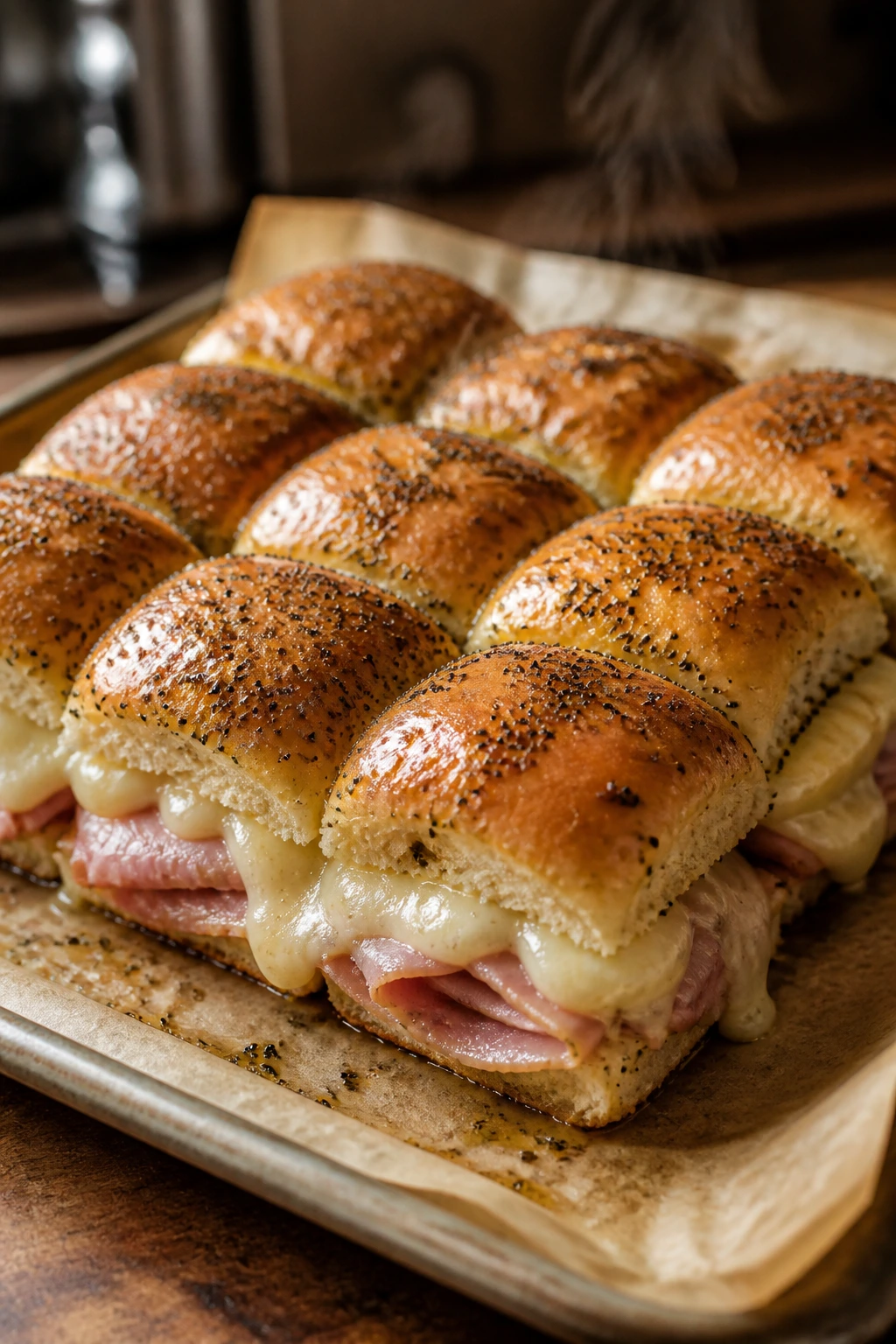
This is the dish for the day Easter relaxes a little. Maybe you’ve got kids running through the house. Maybe the family wants something snacky after church and before a long conversation. Slider bakes are easy to cut, easy to serve, and deeply satisfying in that buttery, baked-roll way.
Ham and Swiss is a classic for a reason. The sharpness of the cheese, the salt of the ham, and the poppy seed butter brushed over the top make the whole tray disappear faster than you’d think.
Why It Works
The rolls steam slightly under the foil, so the sliders stay soft inside while the top turns golden and lightly crisp. Dijon and Worcestershire in the butter mixture give you savory depth, not just richness. It’s a good choice when you want an Easter dinner idea that can also act like a late-afternoon snack and still count as a proper meal.
Key Ingredients
- 12 Hawaiian rolls or soft dinner rolls — connected rolls are easiest.
- 12 ounces deli ham, thinly sliced — fold it loosely so the sliders aren’t dense.
- 6 ounces Swiss cheese, sliced or shredded — the melt matters.
- 1/2 cup unsalted butter, melted — for the topping.
- 2 tablespoons Dijon mustard — sharpens the flavor.
- 1 tablespoon poppy seeds — classic slider finish.
- 1 teaspoon onion powder — adds depth.
- 1 teaspoon Worcestershire sauce — makes the topping taste savory.
- 1 tablespoon honey — optional, but nice if your ham is salty.
Quick Steps
- Preheat the oven to 350°F and line a baking dish with foil or parchment.
- Slice the rolls in half as a connected slab and set the bottoms in the dish.
- Layer on ham and Swiss, then replace the tops.
- Mix the butter, Dijon, poppy seeds, onion powder, Worcestershire, and honey.
- Brush the mixture over the tops of the rolls, letting some drip down the sides.
- Cover with foil and bake for 15 minutes, then uncover and bake 5 to 7 minutes more until the tops are browned.
Tips and Variations
- Garlic Version: Add 1/2 teaspoon garlic powder to the butter mixture.
- Extra Crunch: Sprinkle a few sesame seeds on top with the poppy seeds.
- Serving Note: Cut into individual sliders with a serrated knife so the rolls stay neat.
13. Sage-Butter Turkey Breast
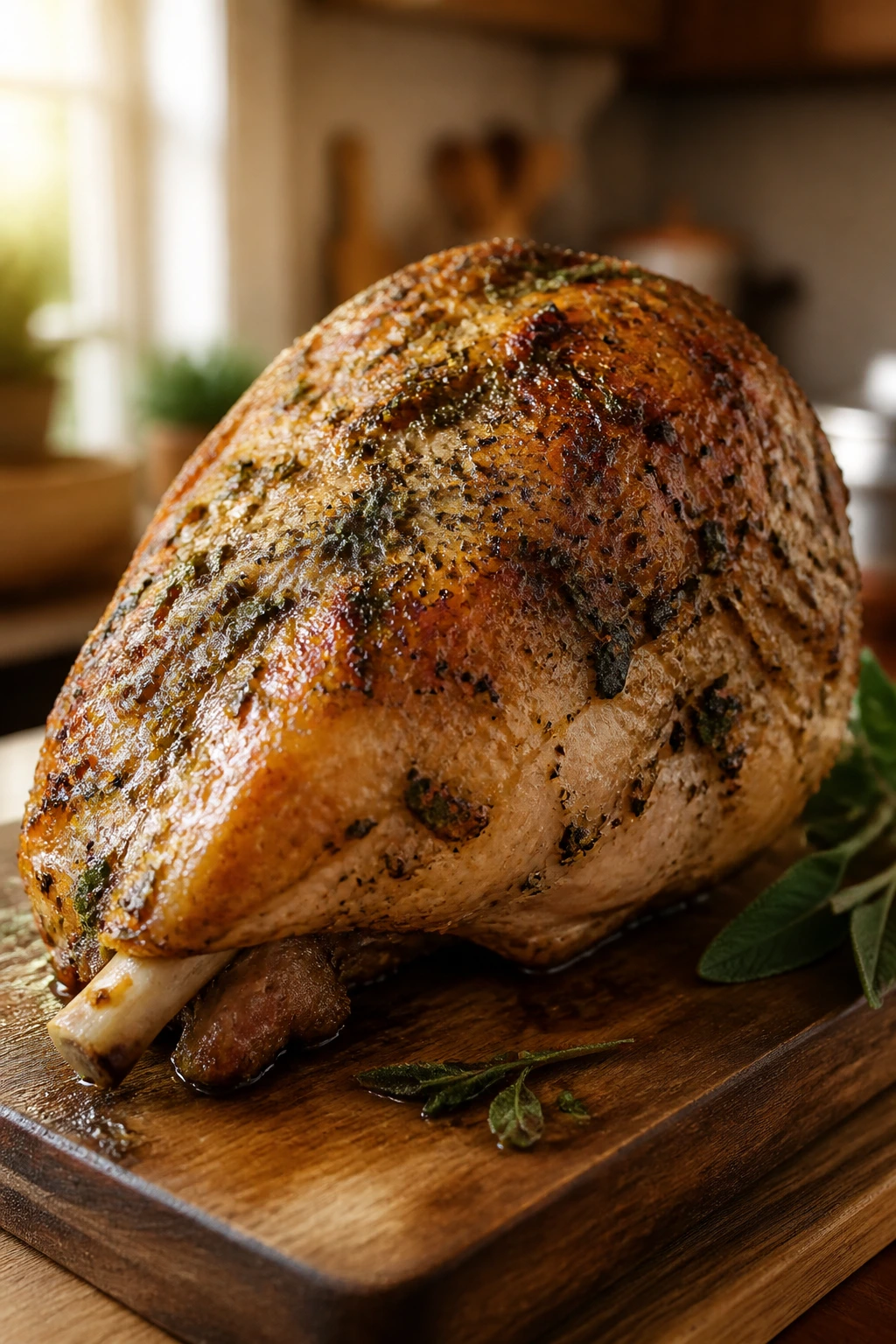
Turkey breast is the quiet overachiever of holiday dinners. It gives you a roast that feels traditional without requiring a whole bird, and the sage butter smells like the kind of kitchen people remember later. If your crowd likes turkey but you do not want the scale of a full feast, this is a very good compromise.
It also leaves room for the rest of the menu. That matters on Easter, when the main dish should hold its own without taking over every inch of oven space.
Why It Works
Turkey breast is lean, so butter and herbs help keep it from drying out. Roasting it on top of onions and broth gives you steam and flavor underneath, while a rest period keeps the slices juicy. Sage, thyme, lemon, and garlic are familiar enough for older eaters and comforting enough for kids, which is a nice balance.
Key Ingredients
- 1 bone-in turkey breast, 4 to 5 pounds — enough for 6 to 8 servings.
- 4 tablespoons unsalted butter, softened — for the herb rub.
- 2 tablespoons chopped fresh sage — the dominant holiday herb.
- 1 tablespoon chopped fresh thyme — keeps sage from taking over.
- 2 garlic cloves, minced — subtle but necessary.
- 1 lemon, zested and halved — freshens the meat.
- 1 large onion, sliced — forms the roasting base.
- 1 cup low-sodium chicken broth — keeps the pan moist.
- Salt and black pepper — season the breast well before roasting.
Quick Steps
- Preheat the oven to 375°F and place the onion slices in a roasting pan.
- Mix the butter with sage, thyme, garlic, lemon zest, salt, and pepper, then rub it under and over the skin.
- Set the turkey breast on the onions and pour broth into the pan.
- Roast for about 1 hour 15 minutes to 1 hour 30 minutes, until the thickest part reaches 165°F.
- Rest for 15 to 20 minutes before slicing.
- Use the pan drippings to make a quick gravy if you want a richer plate.
Tips and Variations
- Crispier Skin: Roast uncovered the whole time and baste only once near the end.
- Citrus Change: Orange zest works if you want a sweeter aroma.
- Leftovers: Slice thinly for sandwiches with mustard and greens.
14. Lemon Garlic Shrimp and Orzo
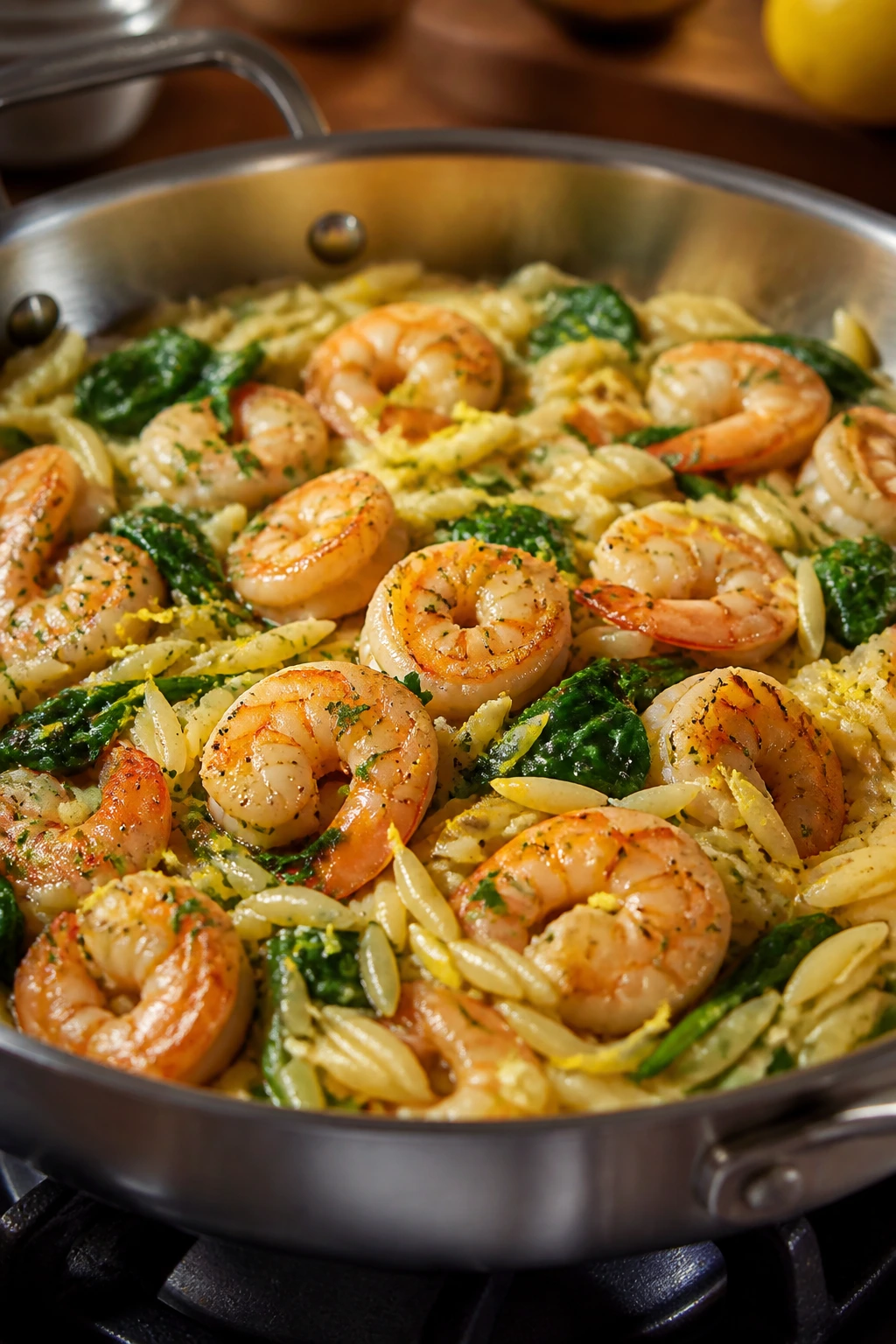
Shrimp and orzo is what I make when I want an Easter dinner that feels light but not tiny. The dish is bright, fast, and a little glossy from butter and lemon. It also lands on the table fast enough that the rest of the menu can be more ambitious without the cook losing momentum.
This is a good choice if your family wants seafood but not a full roast-fish situation. The orzo soaks up the broth and lemon, which makes the whole thing taste finished rather than tossed together.
Why It Works
Shrimp cooks in minutes, which makes timing easy. Toasting the orzo first gives it a nutty flavor, then the broth turns it creamy without needing much cream at all. Spinach folds in at the end for color and freshness, and lemon keeps the whole pan from feeling heavy. If you want a one-pan-ish dinner that still feels special, this checks the box.
Key Ingredients
- 1 pound large shrimp, peeled and deveined — pat dry before cooking.
- 1 1/2 cups orzo — the pasta cooks right in the pan.
- 3 cups chicken broth or vegetable broth — use low-sodium if possible.
- 3 cups baby spinach — wilts instantly.
- 4 garlic cloves, minced — don’t skimp.
- 2 tablespoons olive oil — for sautéing.
- 2 tablespoons unsalted butter — finishes the sauce.
- 2 lemons, one zested and one juiced — shrimp loves citrus.
- 1/4 cup grated Parmesan — optional, but nice.
- Parsley and red pepper flakes — for finishing.
Quick Steps
- Heat olive oil in a large skillet over medium heat and sauté the garlic for 30 seconds.
- Stir in the orzo and toast it for 1 minute until it smells nutty.
- Add the broth and lemon zest, then simmer for 8 to 10 minutes, stirring often, until the orzo is tender.
- Nestle in the shrimp and cook for 2 to 3 minutes per side until pink and opaque.
- Stir in the butter, spinach, lemon juice, and Parmesan until glossy.
- Finish with parsley and a pinch of red pepper flakes.
Tips and Variations
- Creamier Texture: Add a splash of half-and-half at the end if you want it looser.
- Vegetable Add-In: Peas or chopped asparagus fit neatly here.
- Serving Note: Serve right away; shrimp waits for no one and can get rubbery if it sits too long.
15. Beef Tenderloin with Red Wine Pan Sauce
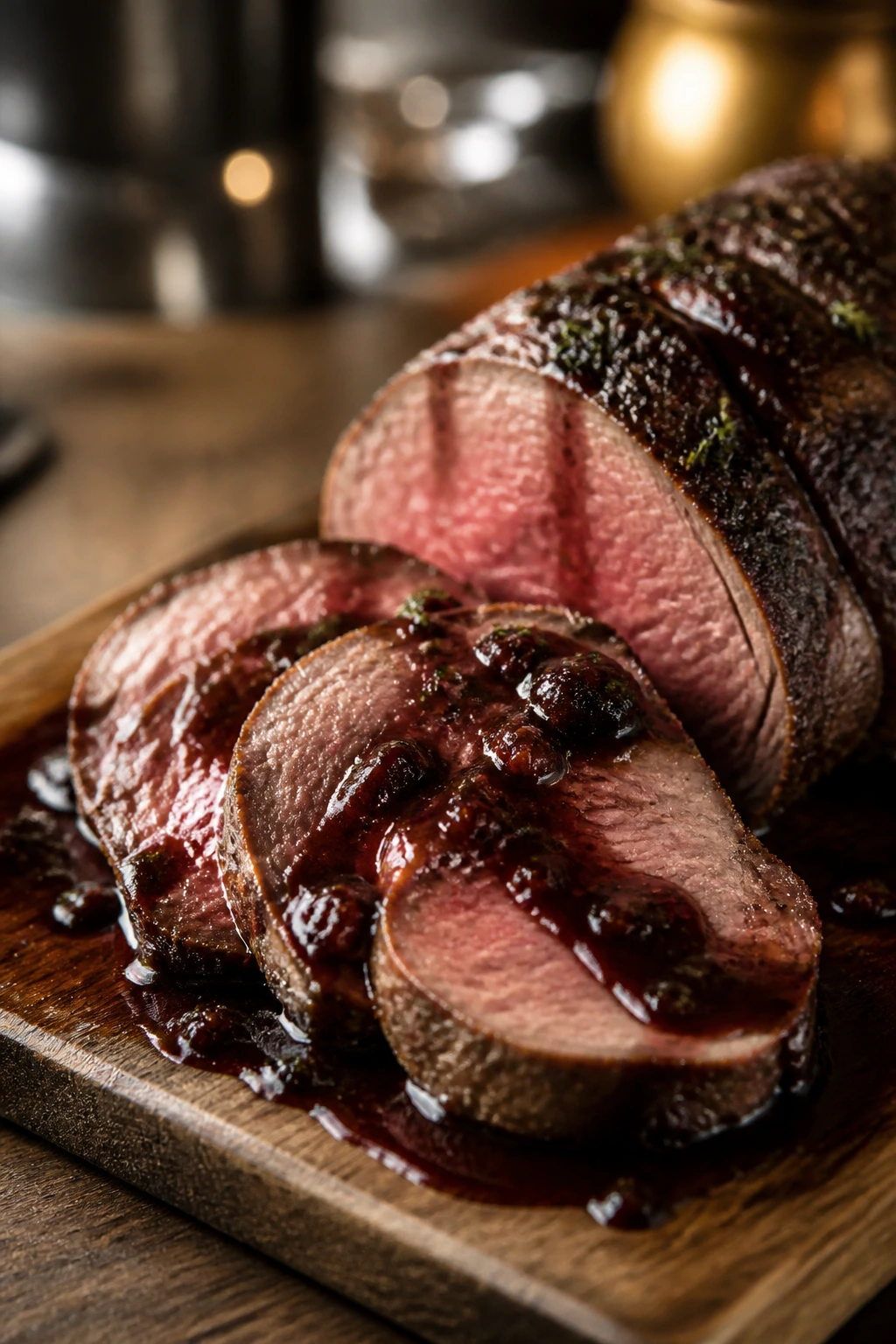
Beef tenderloin is the dish that changes the mood of the room. It’s tender, lean, and a little luxurious without being showy if you cook it properly. On Easter, it works for families that want a roast beef centerpiece but don’t want anything fussy or heavily sauced.
The pan sauce is where the flavor lives. Shallots, wine, stock, and the browned bits in the pan turn into a sauce that tastes like you spent all day on it, even if the active work was fairly short.
Why It Works
Tenderloin is naturally tender, so the main challenge is not overcooking it. A quick sear followed by a short roast gives you a browned exterior and a rosy center. A red wine pan sauce adds the deeper flavor this lean cut needs, and resting keeps the slices neat. It’s one of the best celebratory dinners for a family that likes steakhouse flavor at home.
Key Ingredients
- 1 beef tenderloin, 4 to 5 pounds — trimmed and tied if needed.
- 2 tablespoons olive oil — for searing.
- 2 teaspoons kosher salt — the cut needs full seasoning.
- 1 teaspoon black pepper
- 4 garlic cloves, smashed — for the roast and the sauce.
- 2 tablespoons unsalted butter — for finishing the sauce.
- 2 shallots, minced — sweeter than onion here.
- 1 cup dry red wine — Cabernet or Merlot both work.
- 1 cup beef stock — builds the sauce volume.
- 1 teaspoon Dijon mustard — sharpens the sauce without overpowering it.
- 1 tablespoon chopped thyme — the herb that belongs here.
Quick Steps
- Preheat the oven to 425°F and let the tenderloin sit out for 30 minutes.
- Pat it dry, season it generously, and sear it in a hot skillet on all sides until browned.
- Transfer to the oven and roast until the center reaches 125°F to 130°F for medium-rare, about 20 to 30 minutes.
- Rest the beef for 15 minutes, tented loosely with foil.
- In the same pan, cook the shallots for 1 minute, add wine and stock, and simmer until reduced by about half.
- Whisk in butter, Dijon, and thyme, then slice the tenderloin and spoon sauce over each serving.
Tips and Variations
- More Herb Flavor: Rub the tenderloin with chopped rosemary before searing.
- No Wine? Use extra beef stock with 1 tablespoon balsamic vinegar.
- Serving Note: Pair with mashed potatoes or roasted carrots so the plate has something soft under the beef.
16. Chicken and Broccoli Cheddar Bake
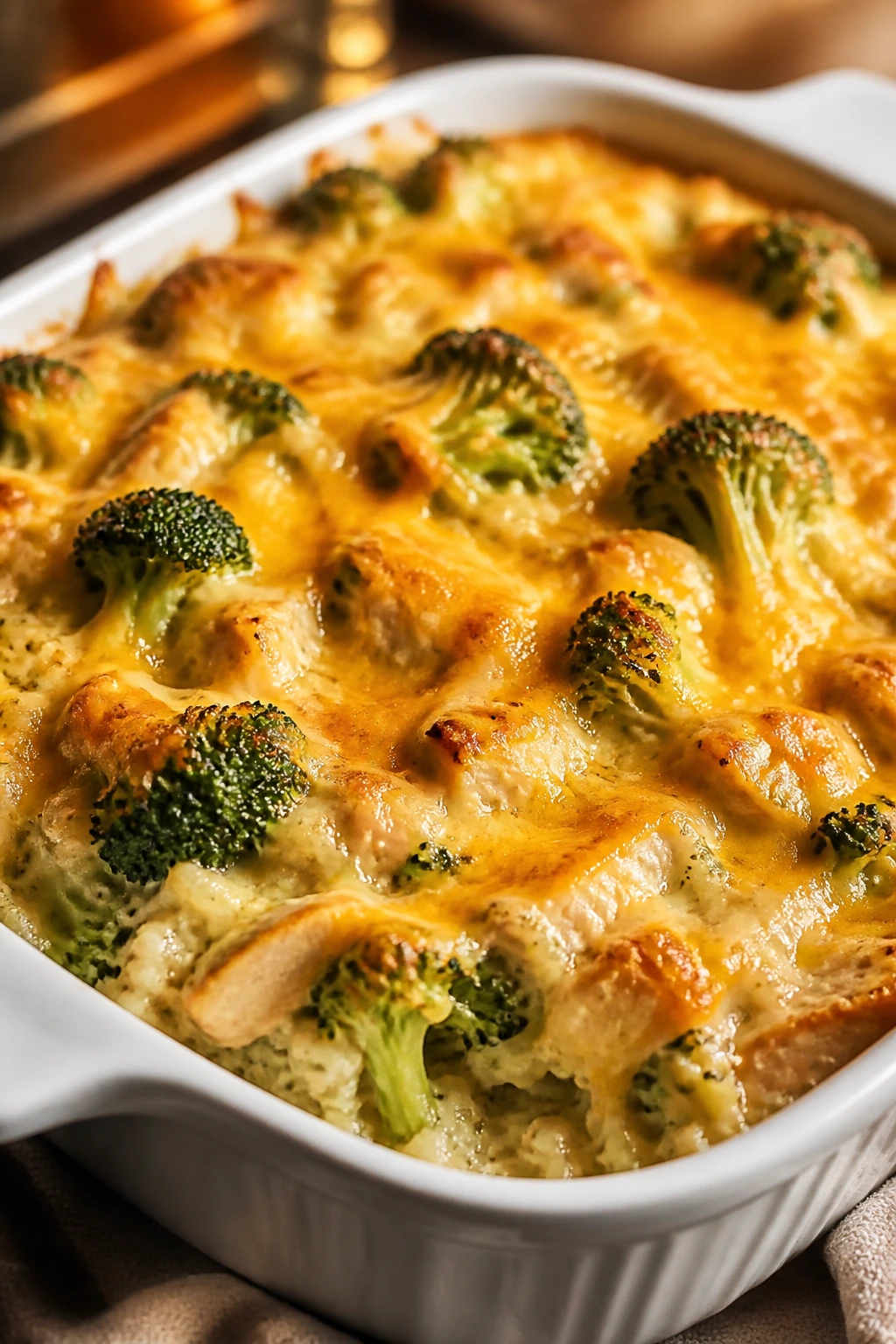
This is the casserole that earns a place because it makes sense, not because it’s glamorous. Chicken, broccoli, rice, and cheddar are the sort of familiar flavors that let a family dinner breathe a little. Nobody has to negotiate with it.
What I like here is the practical comfort of it. It feeds a crowd, uses leftover chicken cleanly, and can be scooped onto plates without any ceremony. Not every Easter meal has to lean formal.
Why It Works
Cream sauce gives the casserole moisture, broccoli gives it color and some freshness, and cheddar keeps the whole thing from tasting bland. Rice makes it substantial enough to stand in for both a main and a starch. If you’re feeding kids, this usually lands better than a fancier bake because the ingredients are recognizable and the texture is soft but not mushy.
Key Ingredients
- 4 cups cooked chicken, chopped — rotisserie works well.
- 4 cups broccoli florets, blanched for 1 minute — keep them bright green.
- 3 cups cooked white rice — cooled slightly before mixing.
- 2 cups shredded sharp cheddar — gives the casserole a proper flavor.
- 3 tablespoons butter — for the sauce.
- 3 tablespoons flour — thickens the sauce.
- 2 cups milk — use whole milk if you want a richer bake.
- 1 cup chicken broth — deepens the sauce.
- 1 small onion, finely diced — more flavor in the base.
- 1 cup breadcrumbs — for a light crunchy top.
Quick Steps
- Preheat the oven to 375°F and grease a 9×13-inch baking dish.
- Make a simple sauce by cooking the onion in butter, whisking in flour, then slowly adding milk and broth until thick.
- Stir in salt, pepper, half the cheddar, the chicken, broccoli, and rice.
- Spread the mixture in the baking dish and top with the remaining cheddar.
- Toss the breadcrumbs with a little melted butter and sprinkle them over the casserole.
- Bake for 30 to 35 minutes until hot, bubbling, and lightly browned.
Tips and Variations
- Extra Sharp: Use half cheddar and half Gruyère for a deeper cheese flavor.
- Vegetable Swap: Cauliflower florets can replace half the broccoli if that’s what you have.
- Make-Ahead: Assemble early, refrigerate, and bake when you need it.
17. Puff Pastry Vegetable Pot Pie
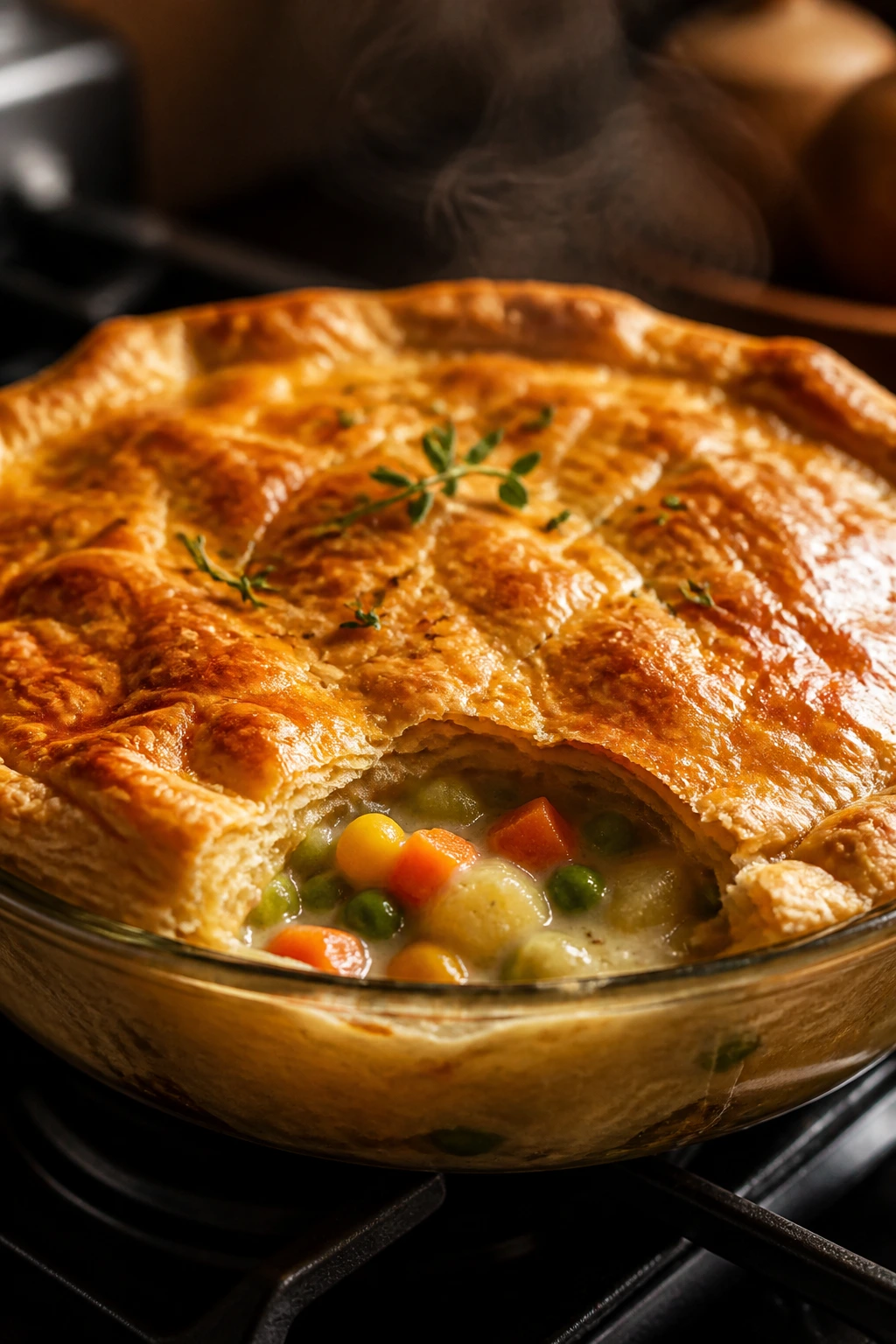
A vegetable pot pie brings a little celebration to the vegetarian side of the table. Puff pastry on top gives you flakes and crunch, while the filling underneath is soft, creamy, and full of spring vegetables. It feels homestyle, but the pastry keeps it from feeling plain.
This is the kind of dish that makes a meatless dinner feel complete instead of apologetic. The crust does half the work for you.
Why It Works
Pot pie is all about contrast: crisp pastry against a creamy filling, tender vegetables against a browned top. Using puff pastry instead of a full crust saves time and gives you a lighter finish. The sauce can be made thick enough to hold the vegetables but not so thick that it turns pasty, which is where many pot pies go wrong.
Key Ingredients
- 2 sheets puff pastry, thawed — keep cold until needed.
- 2 tablespoons unsalted butter — for the filling base.
- 1 onion, diced — the starting point.
- 2 carrots, diced
- 2 celery stalks, diced
- 8 ounces mushrooms, sliced — they add the savory part.
- 1 cup diced potatoes — small cubes cook fastest.
- 1 cup frozen peas — add at the end.
- 3 tablespoons all-purpose flour — thickens the filling.
- 2 cups vegetable broth — forms the sauce.
- 1/2 cup milk or cream — makes the filling silky.
- 1 teaspoon thyme — the herb that fits this dish.
Quick Steps
- Preheat the oven to 400°F and set a baking dish or individual ramekins on a sheet pan.
- Cook the onion, carrots, celery, mushrooms, and potatoes in butter until the vegetables begin to soften.
- Stir in the flour, then add the broth and milk and cook until thickened.
- Add peas, thyme, salt, and pepper, then spoon the filling into the dish.
- Lay puff pastry over the top, trim the edges, and cut a few vents.
- Bake for 25 to 30 minutes until the pastry is deeply golden and the filling bubbles at the edges.
Tips and Variations
- Herb Finish: Brush the pastry with egg wash and sprinkle flaky salt on top.
- Mixed Veg: Use asparagus tips or leeks if you want the filling to feel more springlike.
- Serving Note: Let it sit for 10 minutes before scooping so the filling settles.
18. Parmesan Pork Chops with Roasted Green Beans
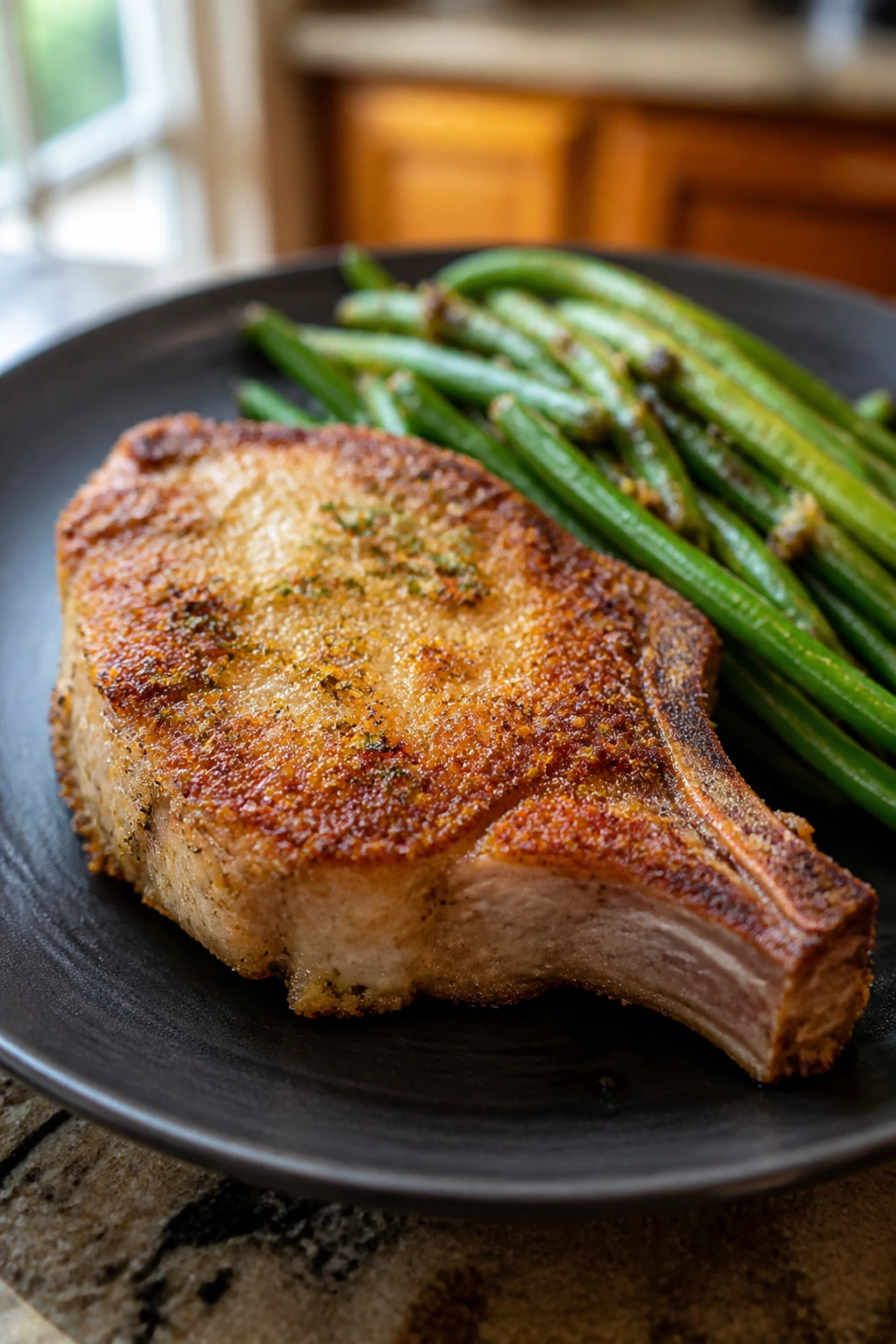
Pork chops are the practical cousin of fancier holiday mains. They’re budget-friendly, fast, and easy to portion, yet they can still look polished if you give them a crunchy Parmesan crust and a tray of green beans beside them. That’s enough to make them feel Easter-ready.
The green beans are doing important work here. They balance the richness of the pork and keep the plate from leaning too brown and heavy.
Why It Works
Bone-in pork chops stay juicier than thin boneless ones, and a Parmesan breadcrumb coating protects the meat while adding flavor. Roasting the green beans on the same sheet pan means fewer dishes, which is one of those tiny victories that matters on a holiday. Pork also pairs naturally with lemon and herbs, so the finishing touch is easy.
Key Ingredients
- 4 bone-in pork chops, about 1 inch thick — they cook more evenly.
- 1 cup breadcrumbs — fine or panko.
- 1/2 cup grated Parmesan — the salty part of the crust.
- 1 teaspoon garlic powder — simple seasoning.
- 1 teaspoon dried parsley or 1 tablespoon fresh parsley — for color.
- 2 eggs, beaten — helps the crust stick.
- 1 pound green beans, trimmed — the vegetable side built into the pan.
- 2 tablespoons olive oil — for the beans.
- 1 lemon, cut into wedges — for serving.
Quick Steps
- Preheat the oven to 425°F and line a sheet pan with parchment.
- Toss the green beans with olive oil, salt, and pepper, then spread them on half the pan.
- Mix breadcrumbs, Parmesan, garlic powder, parsley, salt, and pepper in a shallow bowl.
- Dip the pork chops in egg, then press them into the breadcrumb mixture.
- Set the chops on the pan and roast for 15 to 18 minutes, flipping once if needed, until the pork reaches 145°F and the crust is golden.
- Squeeze lemon over the beans and chops before serving.
Tips and Variations
- Pan Sear First: Sear the chops briefly before roasting if you want a deeper crust.
- Cheese Swap: Pecorino Romano gives a sharper, saltier finish than Parmesan.
- Serving Note: A spoonful of applesauce or mustard on the side works well with the pork.
19. Braised Short Ribs with Mashed Potatoes
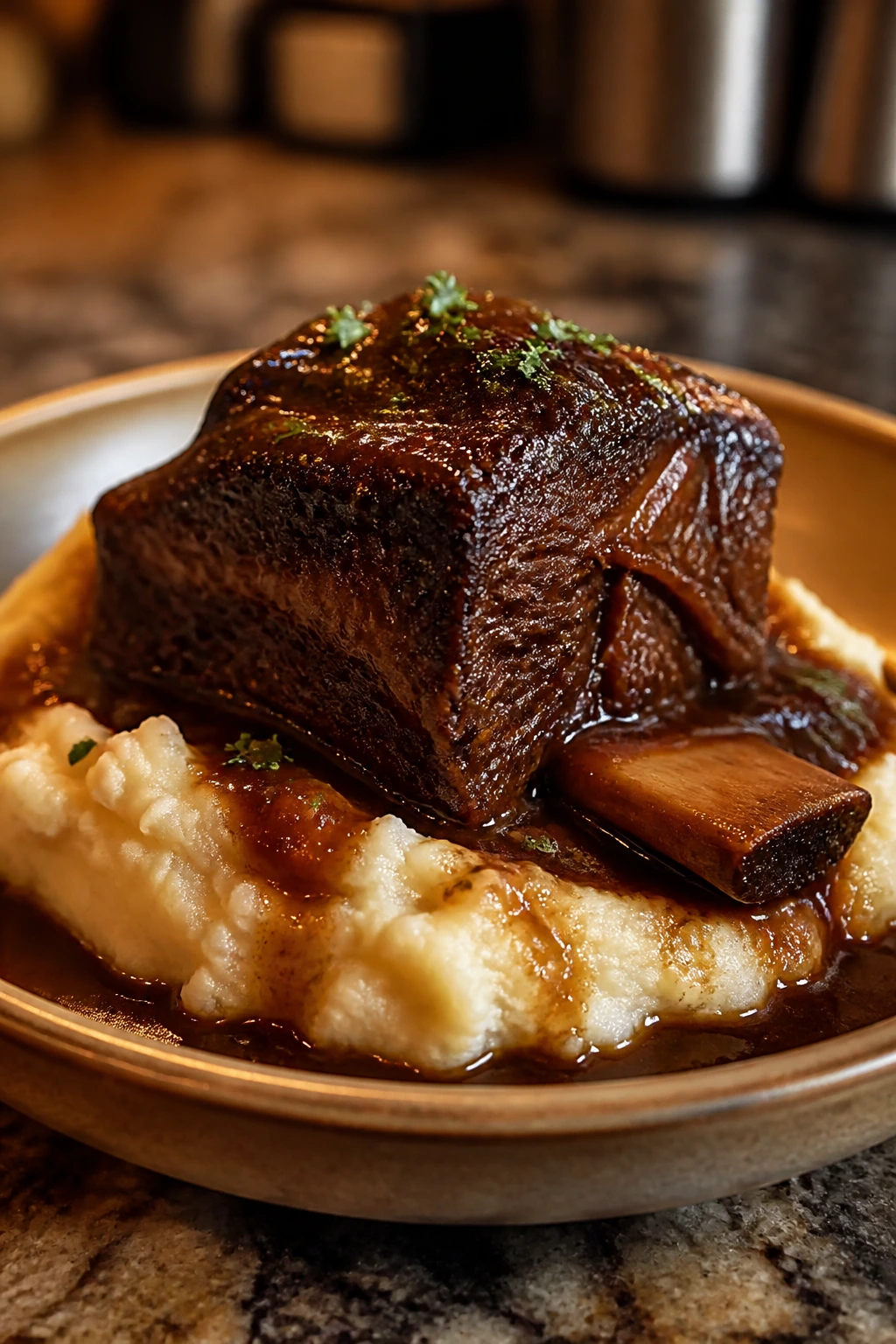
Short ribs are for the family that likes a holiday meal with some gravity. They’re rich, deep, and slow-cooked until the meat nearly falls from the bone. Served over mashed potatoes, they feel like the sort of dinner people remember after the plates are cleared.
This is not the light option on the table. It is the luxurious one. If you want one dish that can anchor the meal while the rest stays simple, this is it.
Why It Works
Short ribs have enough fat and connective tissue to become silky when braised low and slow. Browning them first builds flavor, and the wine-broth mixture turns into a sauce that tastes concentrated and savory. Potatoes underneath catch the sauce, which is half the reason people love braises in the first place.
Key Ingredients
- 4 to 5 pounds beef short ribs — bone-in for the best texture.
- 2 tablespoons oil — for searing.
- 1 large onion, chopped — forms the braise base.
- 2 carrots, chopped
- 2 celery stalks, chopped
- 2 tablespoons tomato paste — adds body and color.
- 1 cup red wine — deepens the sauce.
- 3 cups beef broth — the main braising liquid.
- 2 bay leaves — subtle but useful.
- 2 teaspoons thyme — classic braise seasoning.
- 3 pounds potatoes — for mash.
- 4 tablespoons butter and 1/2 cup warm milk — for the potatoes.
Quick Steps
- Preheat the oven to 325°F and season the short ribs with salt and pepper.
- Sear the ribs in a Dutch oven until deeply browned on all sides, then remove them.
- Cook the onion, carrots, and celery in the pot, stir in tomato paste, then add wine and let it reduce slightly.
- Return the ribs, add broth, bay leaves, and thyme, cover, and braise for about 3 hours until fork-tender.
- Boil and mash the potatoes with butter, milk, salt, and pepper.
- Serve the ribs over the potatoes with spooned-over braising liquid.
Tips and Variations
- One-Day-Ahead Advantage: Braised short ribs taste even better the next day after the fat chills and lifts easily.
- Herb Finish: Add parsley on top just before serving for a cleaner look.
- Sauce Tip: Skim excess fat from the braising liquid before spooning it over the meat.
20. Sheet Pan Chicken with Spring Vegetables
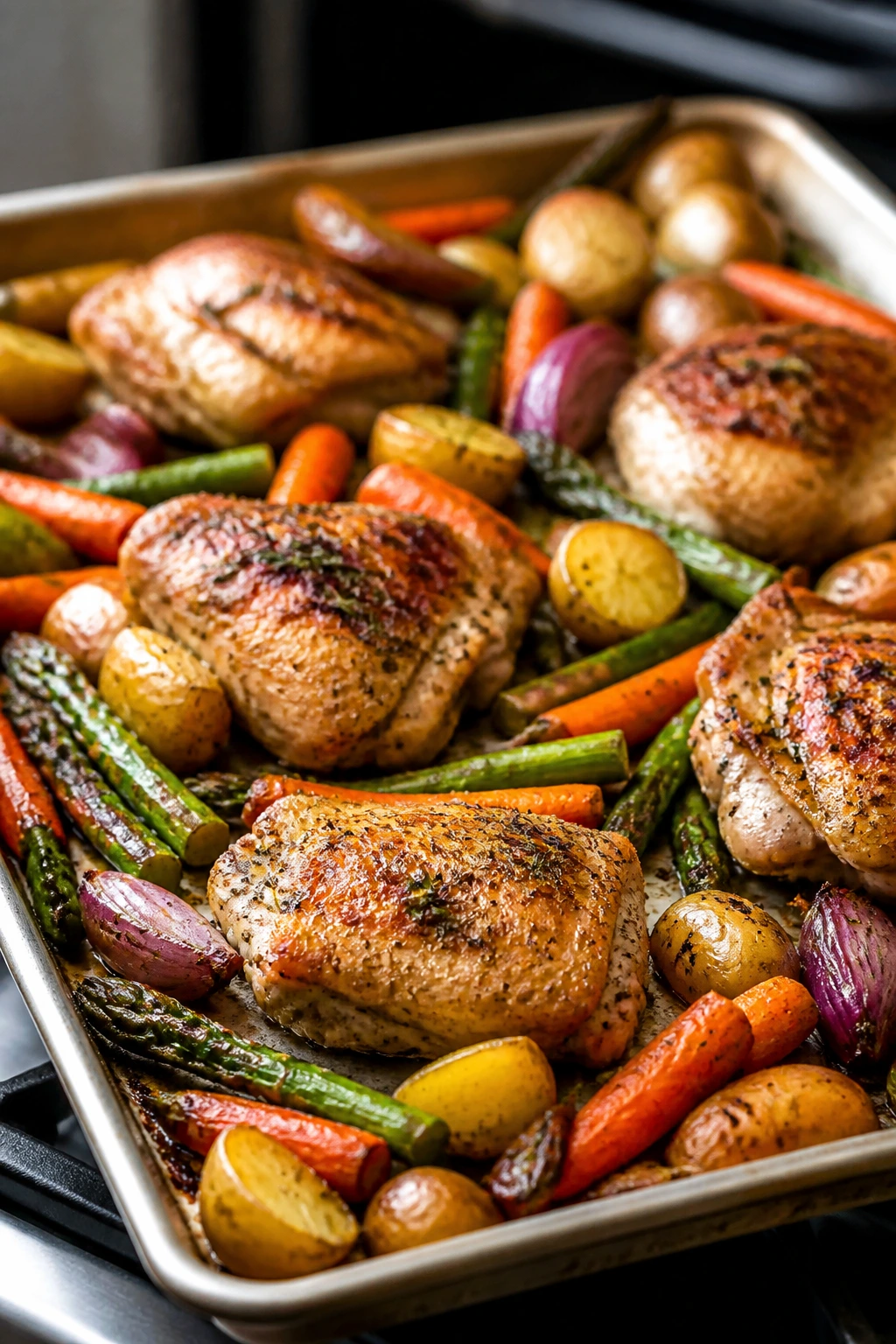
Sheet pan chicken is the practical finale to a holiday list like this. It gives you roasted chicken, crisp-edged vegetables, and one pan to clean afterward. That matters. Even on Easter, even with a family table, nobody wants the kitchen to look like a battlefield.
The spring vegetables can shift a little depending on what you find—carrots, potatoes, asparagus, radishes, onions—but the method stays the same. Roast the sturdy things first, add the quick-cooking vegetables later, and finish with lemon.
Why It Works
This dinner is flexible without being sloppy. Bone-in chicken thighs or breasts roast alongside vegetables that need nearly the same oven temperature, so you can build a full meal with minimal juggling. The lemons and herbs keep it tasting bright, and the pan juices soak into the vegetables just enough to make them worth eating, not just decorative.
Key Ingredients
- 2 pounds bone-in chicken thighs or breasts — thighs stay juicier, breasts cook faster.
- 1 1/2 pounds baby potatoes, halved — the hearty base.
- 1 pound carrots, cut into thick sticks — they roast well without turning mushy.
- 1 pound asparagus, trimmed — add near the end.
- 2 tablespoons olive oil — for coating everything.
- 4 garlic cloves, minced — the savory backbone.
- 1 lemon, sliced and juiced — brightness matters here.
- 2 teaspoons dried thyme or 1 tablespoon fresh thyme
- Salt and black pepper — season generously.
Quick Steps
- Preheat the oven to 425°F and line a sheet pan with parchment.
- Toss the potatoes and carrots with olive oil, garlic, thyme, salt, and pepper, then roast for 15 minutes.
- Push the vegetables aside, add the chicken, and season it well on both sides.
- Roast for 20 minutes, then add the asparagus and lemon slices to the pan.
- Continue roasting for 10 to 15 minutes, until the chicken reaches 165°F and the vegetables are browned at the edges.
- Squeeze fresh lemon juice over the pan before serving.
Tips and Variations
- Extra Color: Add red onion wedges or radishes for a sharper spring look and taste.
- Herb Mix: Rosemary and parsley work nicely together if thyme isn’t your favorite.
- Serving Note: A spoonful of the pan juices over the chicken and potatoes makes the whole dish taste more complete.
Why These Easter Dinners Hold Up So Well
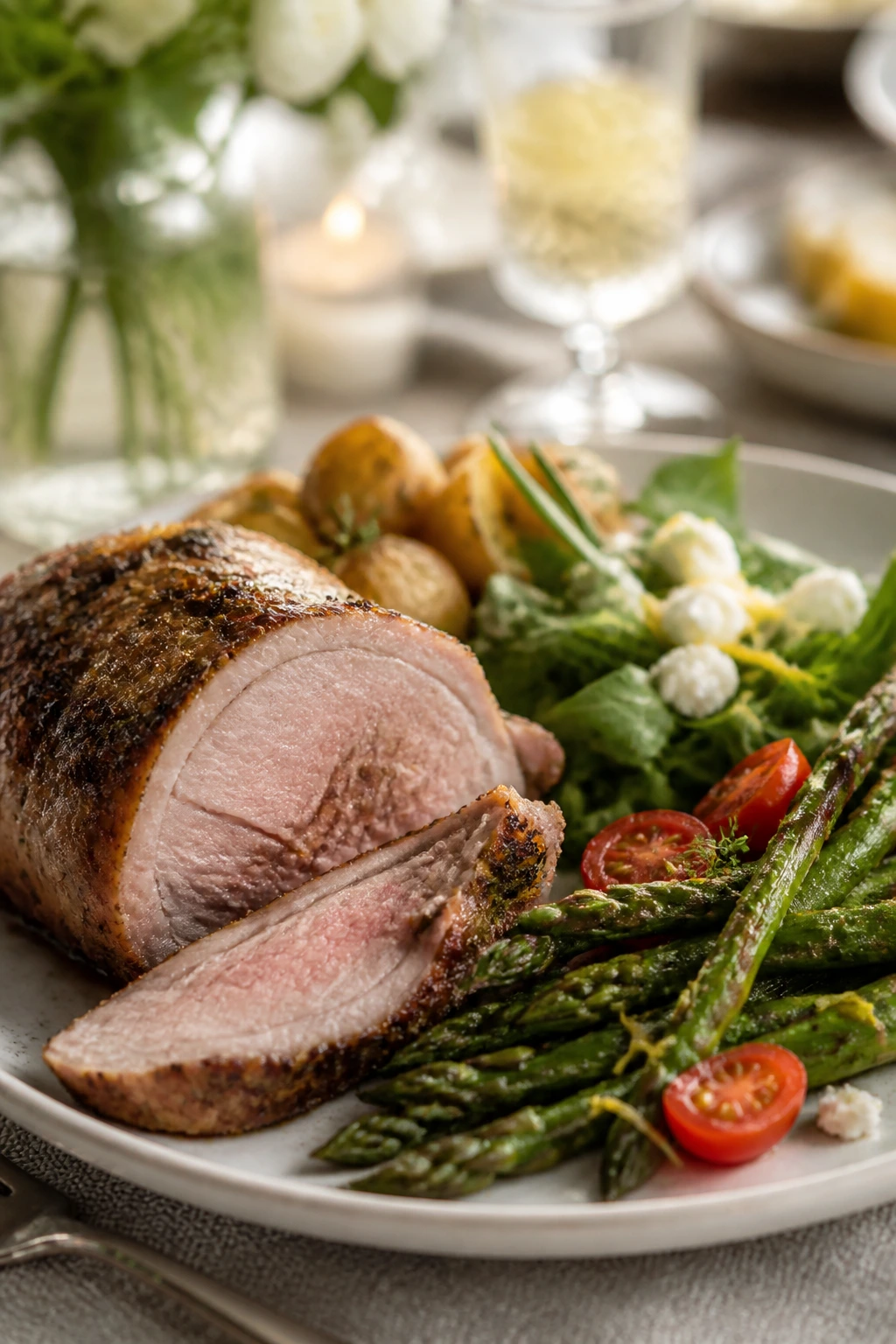
The common thread through all 20 recipes is simple: every one of them can carry a family meal without demanding that you turn the kitchen into a staging area. Easter dinners work best when there’s one clear anchor, a few fresh or creamy supporting dishes, and at least one recipe that gives you breathing room. That’s why ham, chicken, lamb, pasta bakes, and sheet-pan meals all deserve a place at the same table.
Spring ingredients do a lot of the heavy lifting too. Lemon, dill, asparagus, peas, herbs, and green vegetables keep richer mains from feeling leaden. I’m partial to menus that mix one deep, savory dish with one bright one. Ham and salmon. Short ribs and asparagus. Roast chicken and a pea-heavy pasta bake. That contrast keeps people interested halfway through the meal, which is usually when holiday food starts to blur together.
Essential Equipment for These Recipes
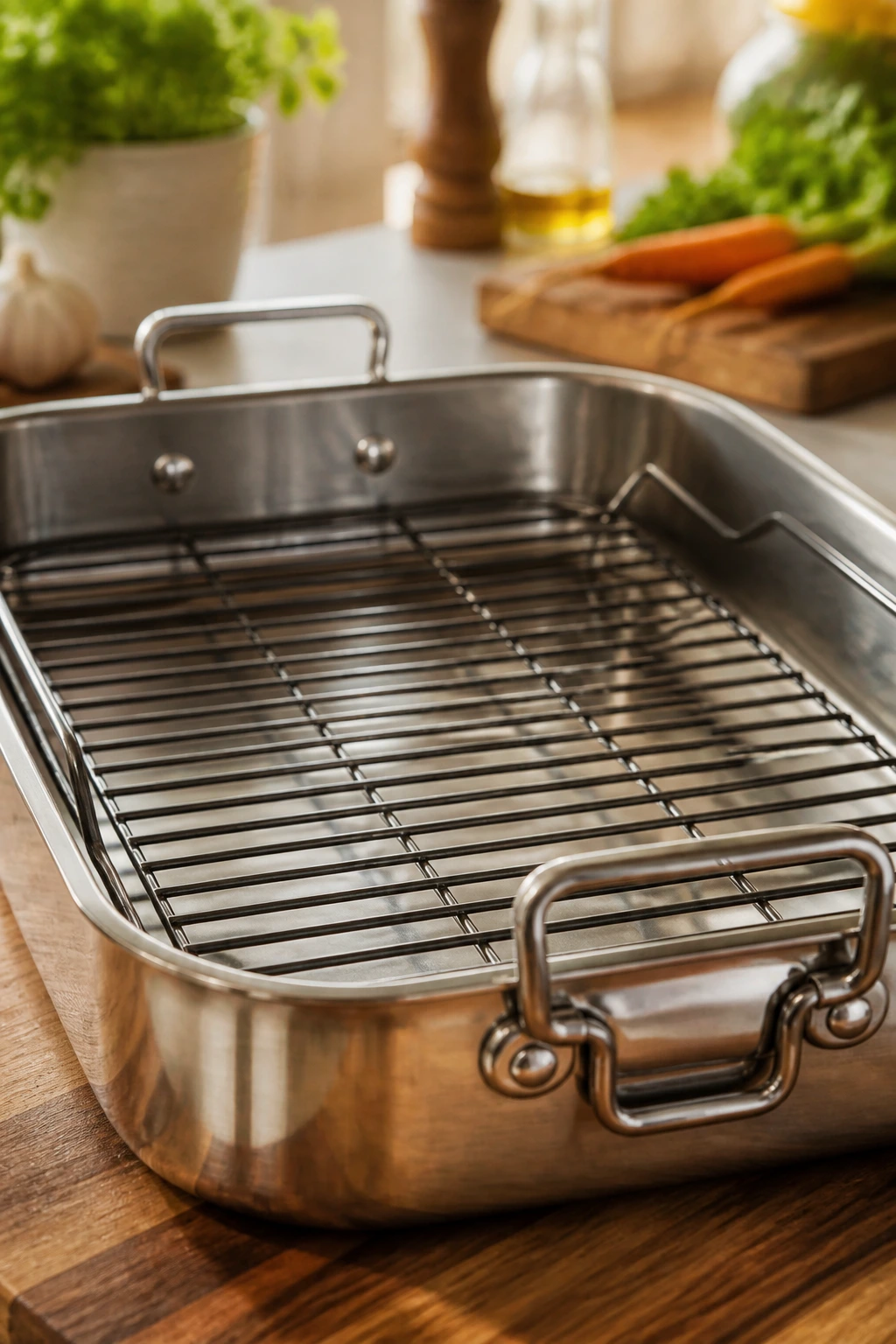
- Roasting pan with a rack: Best for ham, lamb, turkey breast, and whole chicken because it lets heat move around the meat.
- Large rimmed sheet pan: Handy for salmon, sheet-pan chicken, green beans, and any roasted vegetable side.
- 9×13-inch baking dish: The workhorse for scalloped potatoes, lasagna, ziti, casseroles, stuffed shells, and slider bakes.
- Dutch oven or heavy braiser: Ideal for pot roast and short ribs, where steady heat and a tight lid matter.
- Instant-read thermometer: The easiest way to keep poultry, pork, lamb, and beef from overshooting their target temperature.
- Large skillet: Useful for searing roasts, building pan sauces, and browning sausage or vegetables.
- Saucepan: Needed for glazes, béchamel, gravy, and cream sauces.
- Sharp carving knife: Makes ham, lamb, turkey, and beef look neat on the platter instead of ragged.
- Mixing bowls: You’ll want at least two large ones for pasta bakes, fillings, and sauces.
- Whisk: A good whisk keeps roux-based sauces smooth and saves you from lumpy cream.
- Tongs and a sturdy spatula: Helpful for turning meat, moving vegetables, and lifting sliders or roasted chicken pieces.
- Aluminum foil and parchment paper: Foil holds moisture for roasts and casseroles; parchment keeps sheet pans easier to clean.
- Potato masher or ricer: Makes the mashed potatoes for the short ribs silky instead of gluey.
Smart Shopping and Ingredient Tips
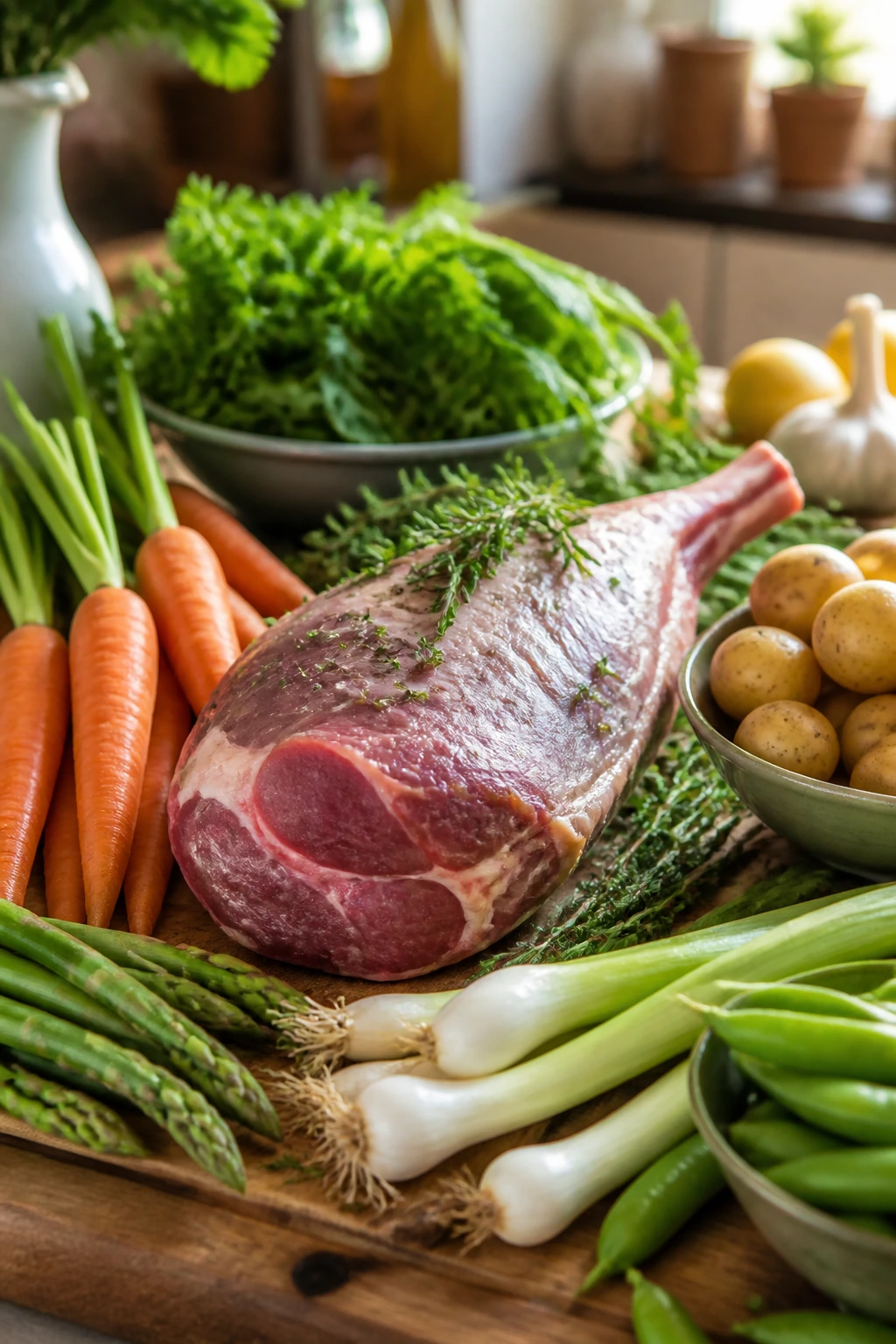
Buy the centerpiece with your crowd in mind, not your wishful thinking. A bone-in spiral ham is the easiest route for a larger family because the slicing is already done and the leftovers are useful. For lamb, a boneless leg is simpler to carve, while a bone-in leg gives you more presentation value if the table leans formal. Pork tenderloin should feel firm and pale pink, not wet or gray, and salmon should look bright with no strong fish smell.
Spring vegetables deserve a little judgment too. Asparagus should snap cleanly near the bottom and have tight tips; floppy spears are a warning sign. For casseroles, Yukon Gold potatoes are the safest bet because they stay creamy after baking, and russet potatoes are better reserved for mashed potatoes or thicker fillings. Frozen peas are one of the few frozen vegetables I always defend here—they hold color, cost less, and save time.
For dairy, choose whole milk and real cheese when the recipe depends on texture. Reduced-fat cheese can melt badly in baked pasta and casseroles, leaving a grainy top. If you’re using store-bought marinara or broth, check the sodium level before you buy. Holiday dishes take seasoning well, but they do not need a salty base to start from zero.
How to Serve These Recipes
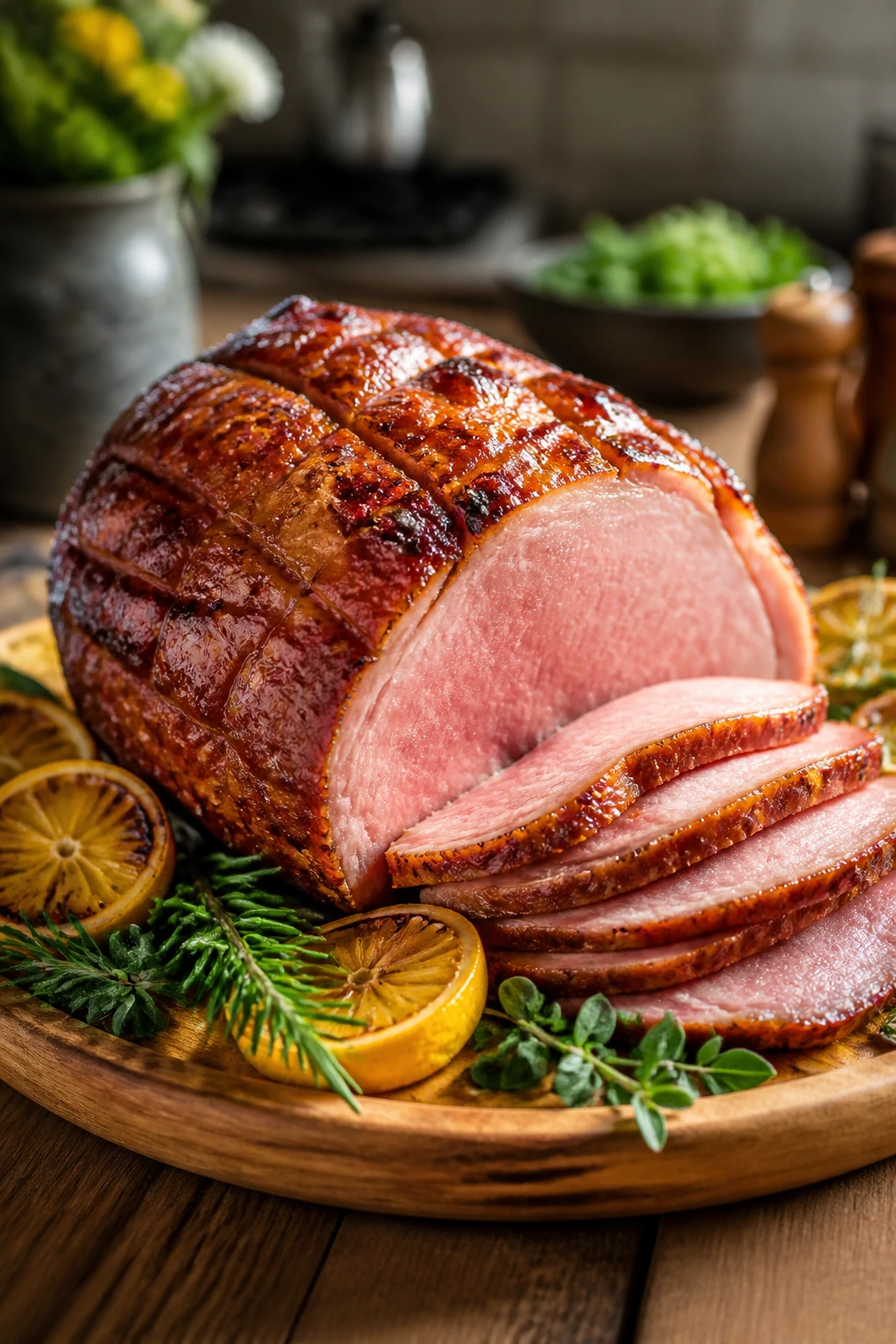
Presentation: Put the biggest roast or ham on a warm platter first, then scatter herbs, lemon slices, or parsley around the edges so the food looks finished without fuss. A wide serving spoon and a sharp knife make a bigger difference than fancy garnishes.
Accompaniments: Bright sides work best beside rich mains: roasted carrots, green beans, asparagus, peas, a simple salad with vinaigrette, dinner rolls, or buttered potatoes. If the main dish is already creamy, choose something crisp or acidic on the side so the plate doesn’t feel heavy.
Portions: Plan roughly 1/2 pound of bone-in ham per person, 6 to 8 ounces of lamb or beef for adults, 4 to 6 ounces of chicken, and 5 to 6 ounces of salmon. For casseroles and pasta bakes, one 9×13-inch dish usually feeds 6 to 8 people, sometimes more if you have several sides.
Beverage Pairing: Sparkling lemonade works with almost everything here, which is why it shows up at my table a lot. Dry white wine suits salmon, shrimp, and chicken; pinot noir works well with ham, pork, and lighter lamb; unsweetened iced tea is a good all-purpose answer when the crowd is mixed.
Additional Tips and Flavor Boosters
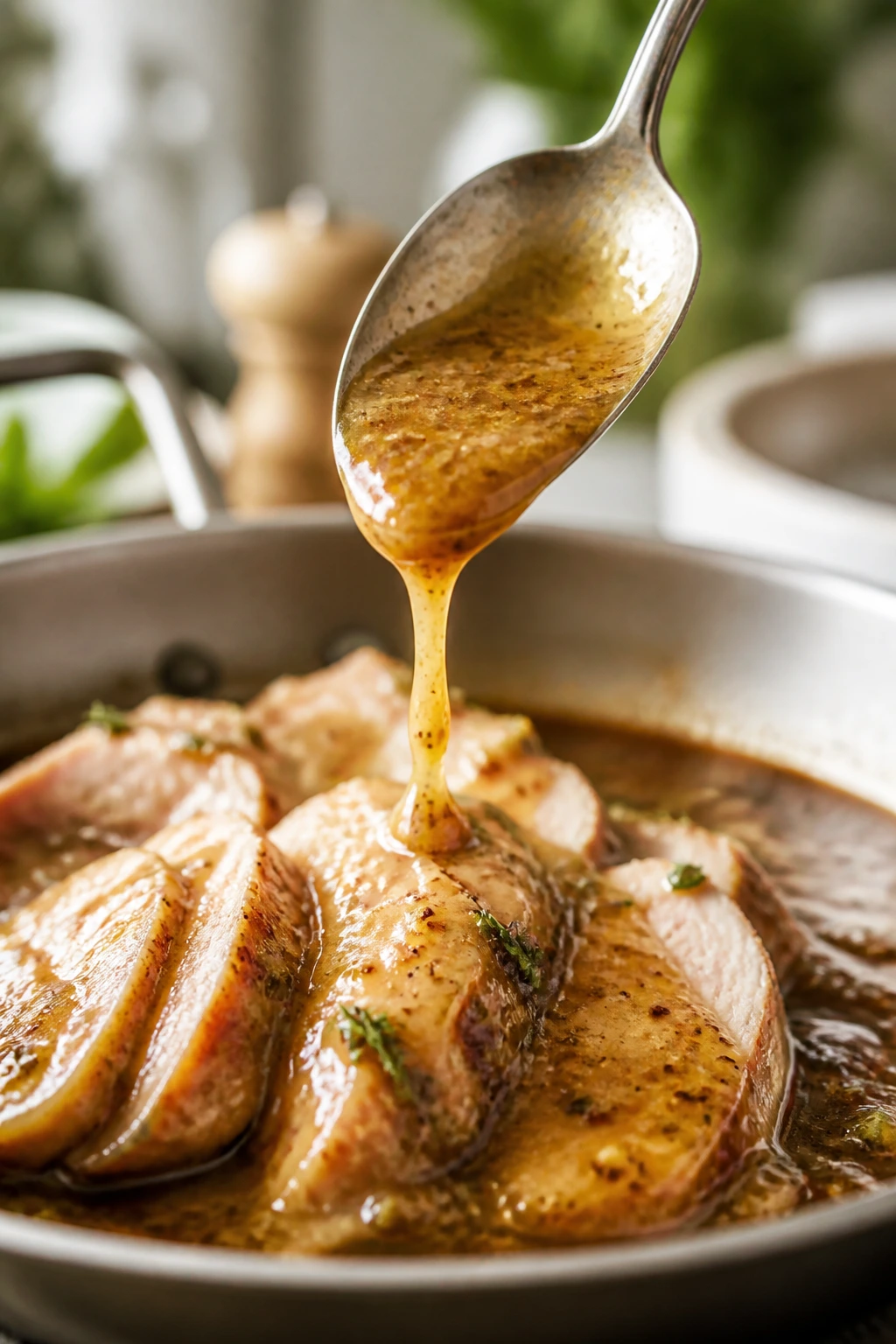
Flavor Enhancement: A finishing squeeze of lemon, a drizzle of pan juices, or a spoonful of mustard sauce can wake up a dish that tastes a little too polite. Rich holiday food almost always benefits from acid at the end.
Customization: Add peas to baked ziti, mushrooms to pot pie, roasted garlic to mashed potatoes, or chopped fennel to roast chicken. Those small additions change the mood without changing the whole recipe.
Serving Suggestions: Fresh parsley, dill, chives, or thyme make plated food look alive, and a pinch of flaky salt on ham or roast beef gives the final bite a cleaner edge. For casseroles, let the top stay browned instead of covering it with garnish that hides the crust.
Make-It-Yours: If you need gluten-free options, use gluten-free pasta, cornstarch-thickened sauces, or potato-based sides. For dairy-free plates, olive oil, broth, and lemon can do more than people expect, especially with chicken, lamb, pork, and seafood.
Common Mistakes to Avoid
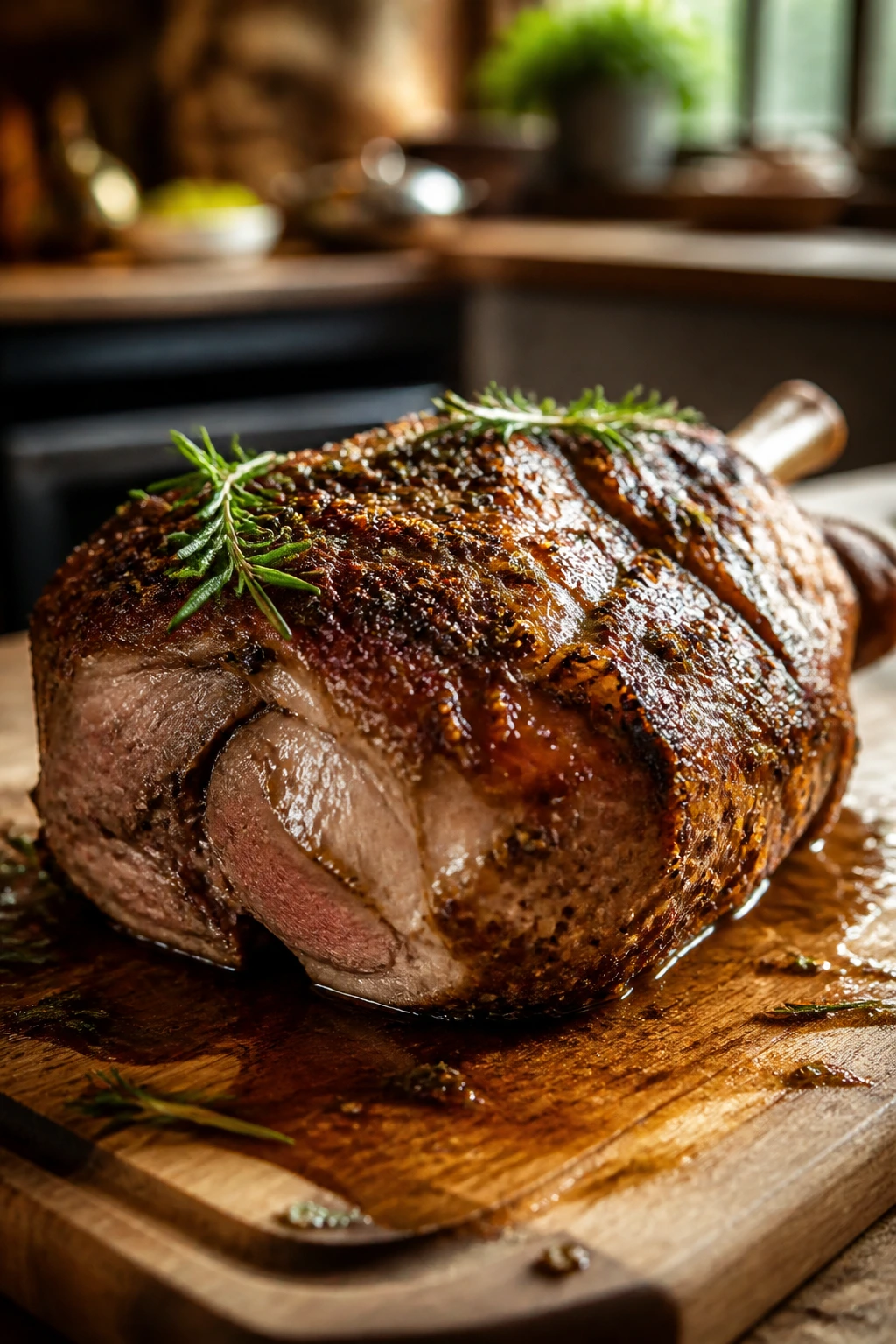
Cooking by the clock alone: Holiday roasts do not care what the recipe felt like saying. A thermometer matters more than the timer, especially for ham, chicken, pork, and beef. The fix is simple: check the center temperature, then cook until it’s right.
Making everything rich and soft: If ham, scalloped potatoes, lasagna, and casserole all land at once, the meal can feel flat. Add one crisp vegetable and one bright side, or the plate will need a rescue mission halfway through.
Skipping the resting time: Slice a roast too soon and the juices run straight onto the cutting board. That leaves dry meat and a sad platter. Give ham, chicken, lamb, pork, or beef at least 10 to 20 minutes, depending on size.
Overcooking spring vegetables: Asparagus, peas, and spinach need less heat than the roast sitting next to them. Add them late or roast them separately, because limp green vegetables taste tired fast.
Using watery fillings in casseroles: Spinach, mushrooms, and ricotta can all leak if they aren’t handled well. Squeeze the greens dry, cook mushrooms first, and use enough binder so the bake sets.
Trying to do every dish fresh at once: That’s where holiday stress comes from. Make one casserole ahead, prep vegetables early, and choose at least one dish that can sit safely for a few minutes while you finish carving.
Variations and Adaptations to Try
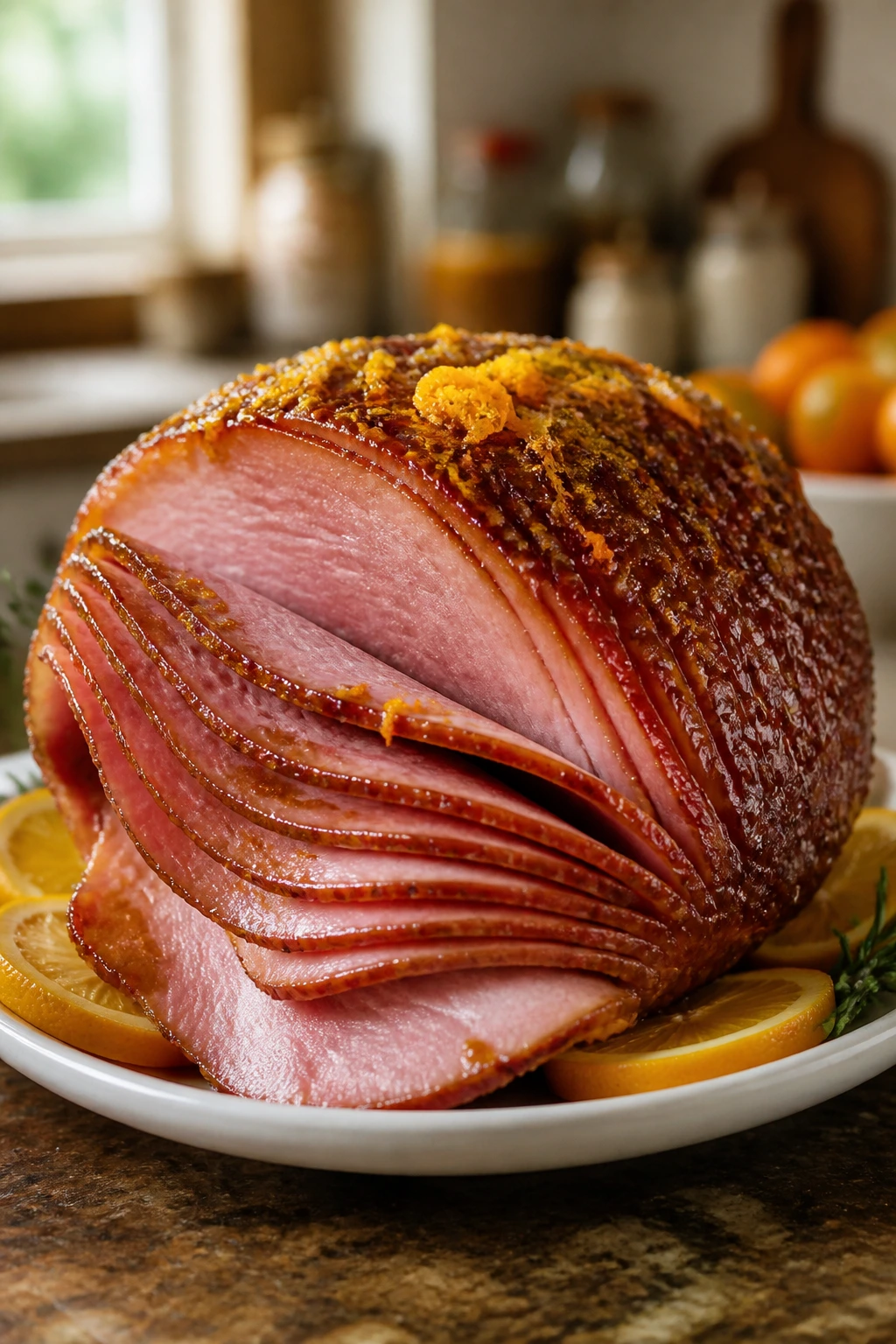
Gluten-Free Holiday Table: Use gluten-free pasta for ziti, lasagna, and stuffed shells, and thicken sauces with cornstarch instead of flour. Sheet-pan chicken, ham, roast lamb, and salmon naturally fit this lane with only a few small swaps.
Dairy-Light Spring Dinner: Lean on olive oil, broth, lemon, and herbs for roast chicken, pork tenderloin, shrimp, and salmon. For casseroles, swap in unsweetened oat milk or lactose-free milk, then keep the cheese lighter and sharper so the flavor still comes through.
Bright Citrus Menu: Add orange zest to ham, lemon zest to chicken, and extra lemon juice to salmon and shrimp. Citrus is the easiest way to make a holiday meal taste more springlike without changing the core recipes.
Kid-First Comfort Version: Pick baked ziti, slider bakes, chicken casserole, or scalloped potatoes as the main crowd-pleasers. Keep herbs gentler, skip too much pepper, and let the sharper flavors show up in sauces on the side instead of baked into every bite.
Low-Sodium Plate: Choose low-sodium broth, season with fresh herbs, and let acid do some of the heavy lifting. That approach works especially well with chicken, turkey breast, pork tenderloin, and vegetable dishes where the salt can be adjusted after cooking.
Frequently Asked Questions
What is the easiest Easter dinner for a big family?
A spiral ham or baked ziti usually gives you the most mileage for the least stress. Both feed a crowd, hold well, and don’t require constant attention once they’re in the oven.
Can I make part of Easter dinner the day before?
Yes, and you should if your schedule is tight. Casseroles, stuffed shells, pasta bakes, and even the filling for pot pie can be assembled ahead; roasts and seafood are better cooked the same day.
How do I keep ham from drying out?
Use a lower oven temperature, cover it for most of the bake, and add the glaze near the end. If the ham starts looking dry at the edges, spoon a little pan juice over the slices before serving.
Is lamb too strong for kids?
Not if you season it simply and keep the slices thin. A boneless leg with garlic, rosemary, and lemon tastes milder than people expect, especially when served with potatoes or a sauce.
What should I serve if some guests don’t eat meat?
Spinach and ricotta stuffed shells, spring vegetable lasagna, and vegetable pot pie are the easiest answers. They feel substantial enough to stand beside the roast without seeming like an afterthought.
Can seafood work for Easter dinner?
Absolutely. Salmon and shrimp are both good holiday choices because they cook quickly and bring a lighter feel to the table. Just keep an eye on timing so they don’t sit and overcook while the rest of the meal finishes.
How do I manage one oven with several dishes?
Choose recipes that share a temperature when you can, and lean on make-ahead sides. Casseroles can wait, sauces can be reheated, and sheet-pan vegetables can often go in after the main dish comes out to rest.
What if I want leftovers that are actually useful?
Ham, roast chicken, pot roast, and short ribs all make excellent second-day meals. Slice or shred the leftovers quickly, chill them in shallow containers, and plan one sandwich, one soup, or one pasta dinner before you even serve the first round.
A Table Worth Repeating
A good Easter dinner does not have to be fussy to feel memorable. It just needs one thing people look at first, a few dishes that taste fresh and seasonal, and enough flexibility that the cook can actually sit down and enjoy a plate. That’s the real goal, no matter how many people come through the door.
Pick one big centerpiece, add one make-ahead dish, and let the rest of the menu stay simple. That combination gives you a holiday table that feels generous instead of exhausting, and it leaves room for the part people remember best: the talking, the second servings, and the quiet moment when everyone realizes the meal worked.