



There’s a particular smell that means Sunday has arrived in my house: onions softening in olive oil, tomato sauce taking its time, and a pan of lasagna waiting to go from hopeful to bubbling. Lasagna dinners do that better than almost any other meal. They fill the kitchen with a kind of slow, steady comfort that soup can’t quite match and roast chicken can’t fake.
I’ve always liked lasagna for one blunt reason: it forgives a messy week. The sauce can be rustic, the cheese can be a little uneven, and the finished pan still lands at the table looking generous and calm. That said, watery lasagna is a real annoyance. So is a center that slumps because nobody waited long enough before cutting into it. The best versions get the balance right — sauce thick enough to cling, noodles tender but not mushy, cheese melted into layers instead of a greasy lid.
What makes this collection worth keeping close is the range. Some pans lean classic and red, some go creamy and pale, some pull in vegetables in a way that feels smart rather than dutiful. A good lasagna dinner can be cozy, yes, but it can also be sharp, earthy, bright, smoky, or quietly rich. There’s room for whatever the pantry is offering and whatever kind of Sunday you’ve got.
And that’s the fun part: one template, 14 very different moods.
Why This Collection Earns Its Keep
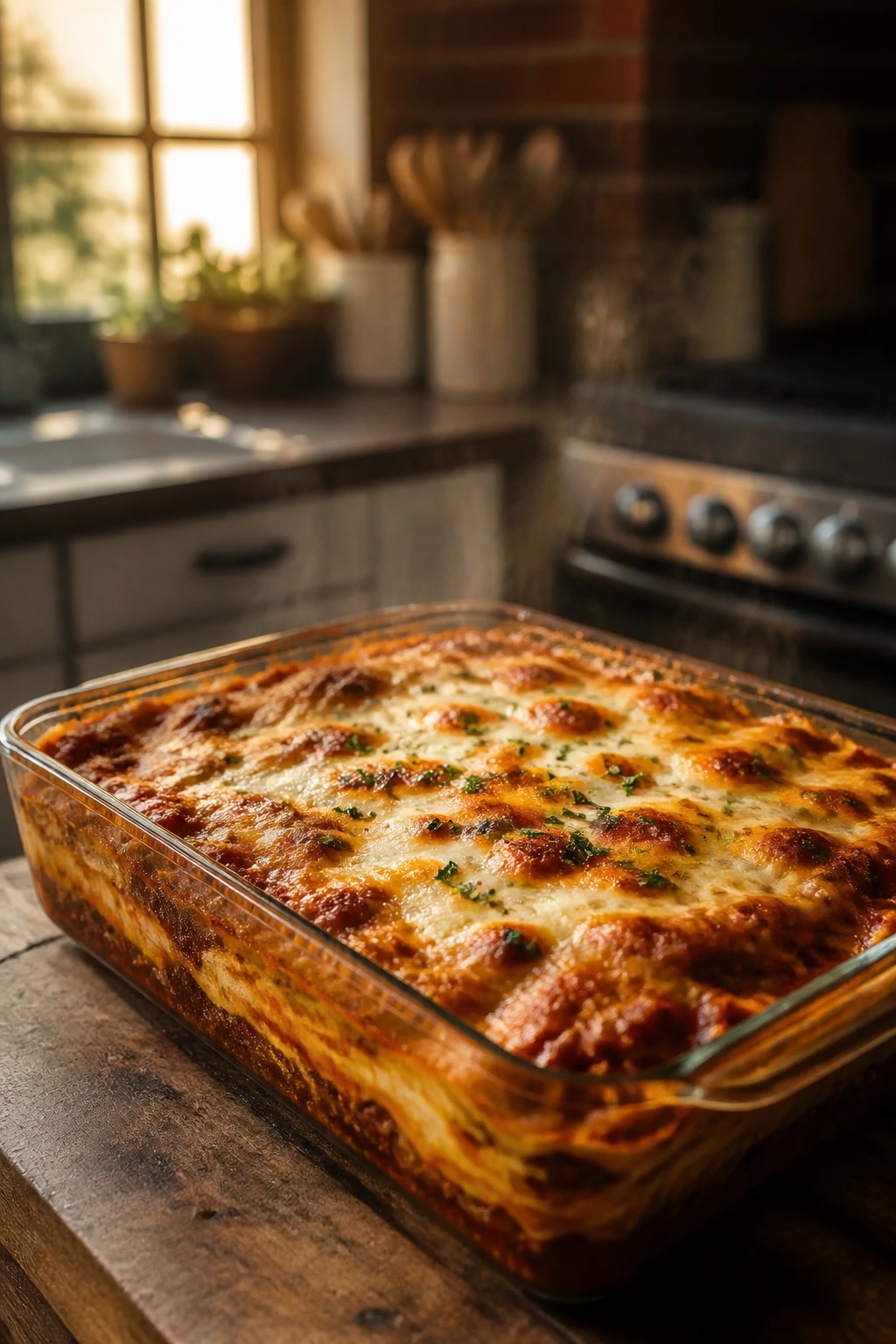
- Leftover-Friendly: Most of these pans taste even better after a night in the fridge, because the layers settle and the seasoning spreads out.
- Flexible Ingredients: You can swap cheeses, switch the protein, or lean harder into vegetables without wrecking the whole thing.
- Good for Feeding a Crowd: A single 9×13-inch pan usually serves 8, which makes Sunday dinner feel generous without turning into a full production.
- Comfort Without Monotony: Red sauce, white sauce, vegetables, sausage, mushrooms, chicken — the whole spread stays cozy, but nothing feels samey.
- Make-Ahead Friendly: Several of these can be assembled earlier in the day or even the day before, which is a very civilized way to cook.
- Built for Real Kitchens: No special gear, no fussy tricks. Just a decent pan, enough sauce, and a little patience at the end.
1. Classic Beef and Ricotta Lasagna
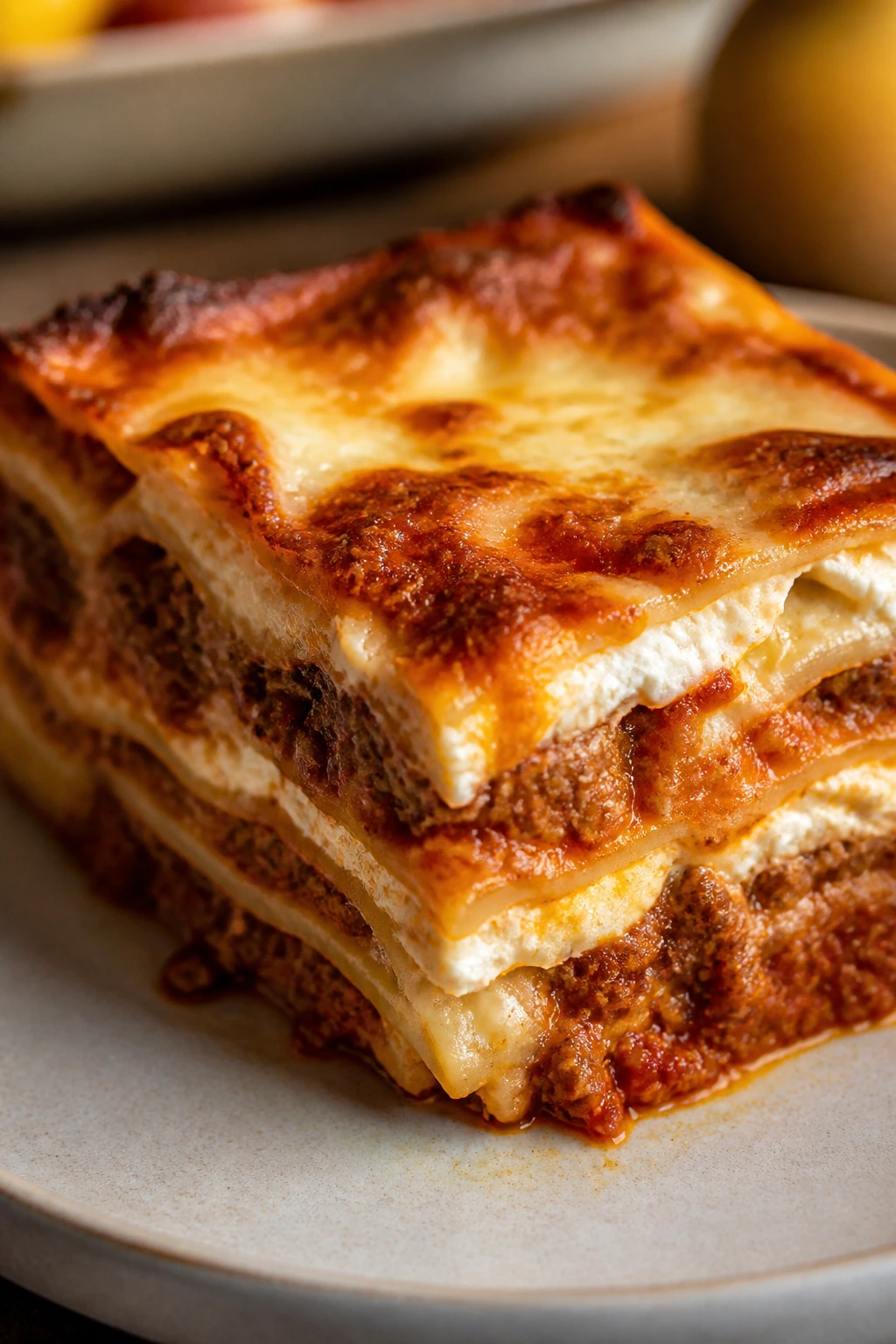
This is the lasagna most people picture when they think of a Sunday pan coming out of the oven: red sauce, browned beef, soft ricotta, and a browned top that smells like dinner already happened an hour ago. It’s rich without being heavy, and the ricotta keeps the whole thing from turning into a brick of meat and pasta. I like this version when I want the cleanest, most familiar answer in the room.
Why It Works
The beef gives the sauce depth, while ricotta keeps the layers soft and creamy instead of dense. A little egg in the cheese mixture helps it set, which matters more than people think; otherwise, the middle slides around when you cut the first square. Thick marinara is the key here, because thin sauce leaks into the pan and makes the noodles feel tired.
Key Ingredients
For the Meat Sauce:
- 1 tablespoon olive oil
- 1 small yellow onion, finely diced
- 3 cloves garlic, minced
- 1 pound ground beef, preferably 85/15
- 1 teaspoon kosher salt
- 1/2 teaspoon black pepper
- 1 teaspoon dried oregano
- 1 jar (24 ounces) marinara sauce
For the Cheese Layer:
- 15 ounces ricotta cheese
- 1 large egg
- 1 cup grated Parmesan cheese
- 2 tablespoons chopped fresh basil
For Assembling:
- 9 to 12 no-boil lasagna noodles
- 2 cups shredded mozzarella cheese
- 1/2 cup water, for the pan if needed
Quick Steps
Build the Sauce:
- Preheat the oven to 375°F (190°C) and grease a 9×13-inch baking dish.
- Heat the olive oil in a large skillet over medium heat. Add the onion and cook for 4 to 5 minutes, until soft and lightly golden at the edges.
- Add the garlic and cook for 30 seconds, then add the ground beef, salt, pepper, and oregano. Cook, breaking the meat into small pieces, until no pink remains.
- Stir in the marinara sauce and simmer for 5 minutes, until glossy and slightly thickened.
Mix and Layer: 5. Stir the ricotta, egg, Parmesan, and basil together in a bowl until smooth. 6. Spread 1 cup of sauce in the bottom of the dish. Add noodles, half the ricotta mixture, one-third of the meat sauce, and a handful of mozzarella. Repeat the layers once more, then finish with noodles, the remaining sauce, mozzarella, and a little extra Parmesan.
Bake and Rest: 7. Cover with foil and bake for 25 minutes. Uncover and bake for 20 to 25 minutes more, until the top is browned and the sauce is bubbling at the edges. Rest for 15 minutes before slicing. Do not skip the rest time unless you enjoy lasagna that falls apart on the plate.
Tips and Variations
- Texture Fix: If your marinara is thin, simmer it 10 minutes longer before assembling; that one move saves the whole pan.
- Cheese Swap: Cottage cheese works if you prefer a looser, tangier filling.
- Herb Finish: A little extra basil or parsley on top makes this taste fresher without changing the character of the dish.
2. Italian Sausage, Spinach, and Provolone Lasagna
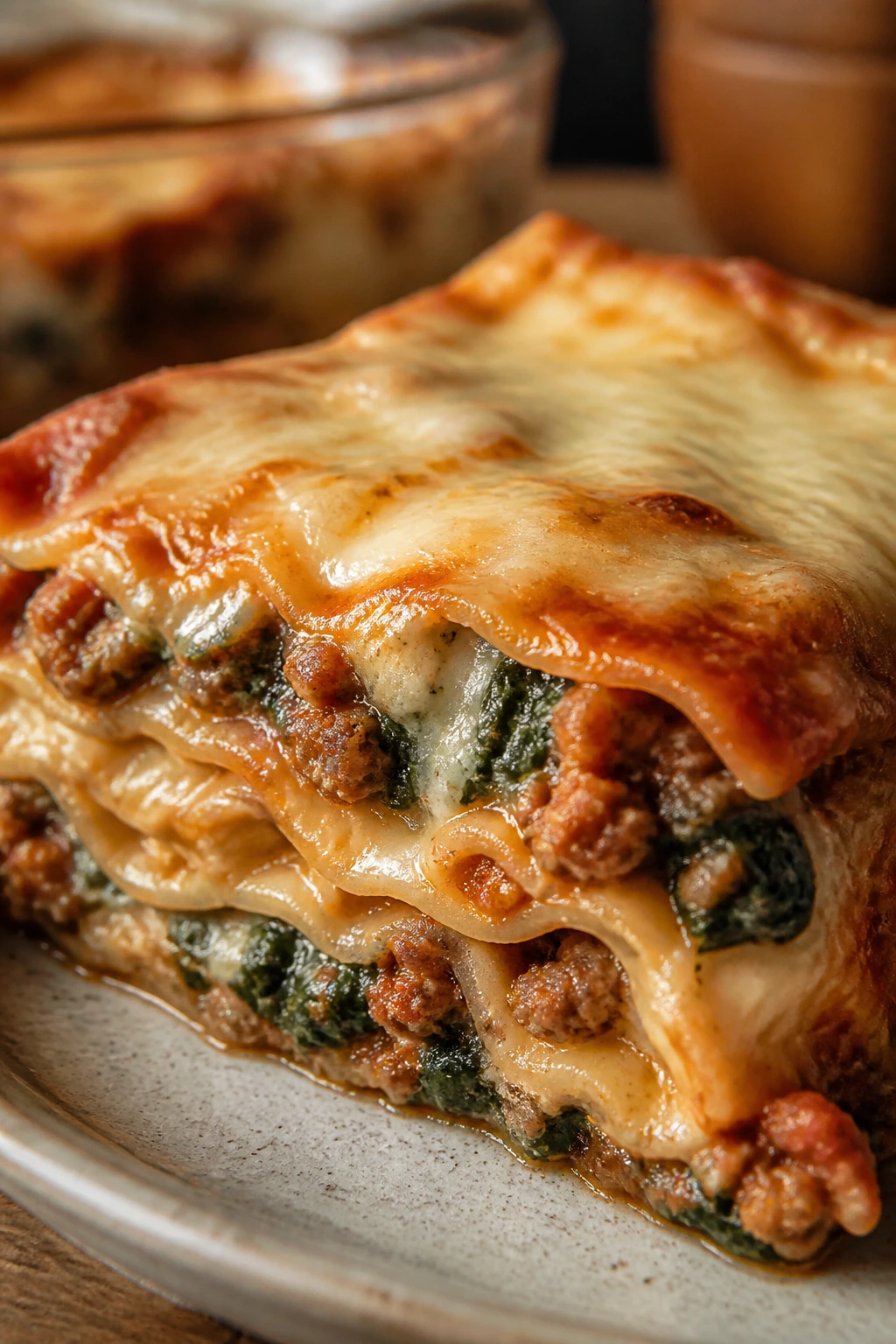
If classic beef lasagna is the reliable neighbor, this one is the louder cousin who brings better shoes and a bigger appetite. Italian sausage adds fennel, pepper, and a little grease in the best sense of the word, while spinach cuts through the richness so the pan doesn’t feel sleepy. Provolone melts into the layers with a savory edge that mozzarella alone can’t give.
Why It Works
Sausage has built-in seasoning, which means you get more flavor in less time. Spinach adds body and color, but more important, it gives the filling a less one-note feel. Provolone is the move here because it melts smoothly and tastes sharper than mozzarella, so the whole lasagna feels more layered even before you take a bite.
Key Ingredients
For the Sauce:
- 1 pound sweet Italian sausage, casings removed
- 1 small onion, diced
- 3 cloves garlic, minced
- 1 teaspoon crushed red pepper flakes, optional
- 1 jar (24 ounces) marinara sauce
- 5 ounces baby spinach
For the Cheese Layer:
- 15 ounces ricotta cheese
- 1 large egg
- 1 cup grated Parmesan cheese
- 1 cup shredded mozzarella cheese
For Assembling:
- 6 ounces sliced provolone cheese
- 9 to 12 no-boil lasagna noodles
Quick Steps
Cook the Filling:
- Preheat the oven to 375°F (190°C).
- Brown the sausage in a skillet over medium heat, breaking it apart as it cooks. Add the onion and cook 4 minutes more, until soft.
- Stir in the garlic and red pepper flakes, then add the marinara. Simmer for 5 minutes, stir in the spinach, and cook just until wilted.
Assemble the Pan: 4. Mix the ricotta, egg, Parmesan, and mozzarella in a bowl. 5. Spread sauce in the bottom of the dish, then layer noodles, ricotta mixture, provolone slices, and sausage sauce. Repeat once more, ending with sauce and a final blanket of provolone and Parmesan.
Bake: 6. Cover with foil and bake for 25 minutes. Uncover and bake 20 minutes more, until the top is bronzed and the edges are bubbling hard. 7. Let it sit for 15 minutes before cutting. Spinach holds water, so pressing it dry before it goes into the sauce matters more here than in most pans.
Tips and Variations
- Pepper Kick: Use hot sausage if you like a little burn on the back end.
- Make It Greener: Add chopped parsley to the ricotta for a brighter finish.
- Best Shortcut: If you buy pre-washed spinach, still squeeze it dry in a towel. Wet spinach is a lasagna saboteur.
3. White Chicken Alfredo Lasagna
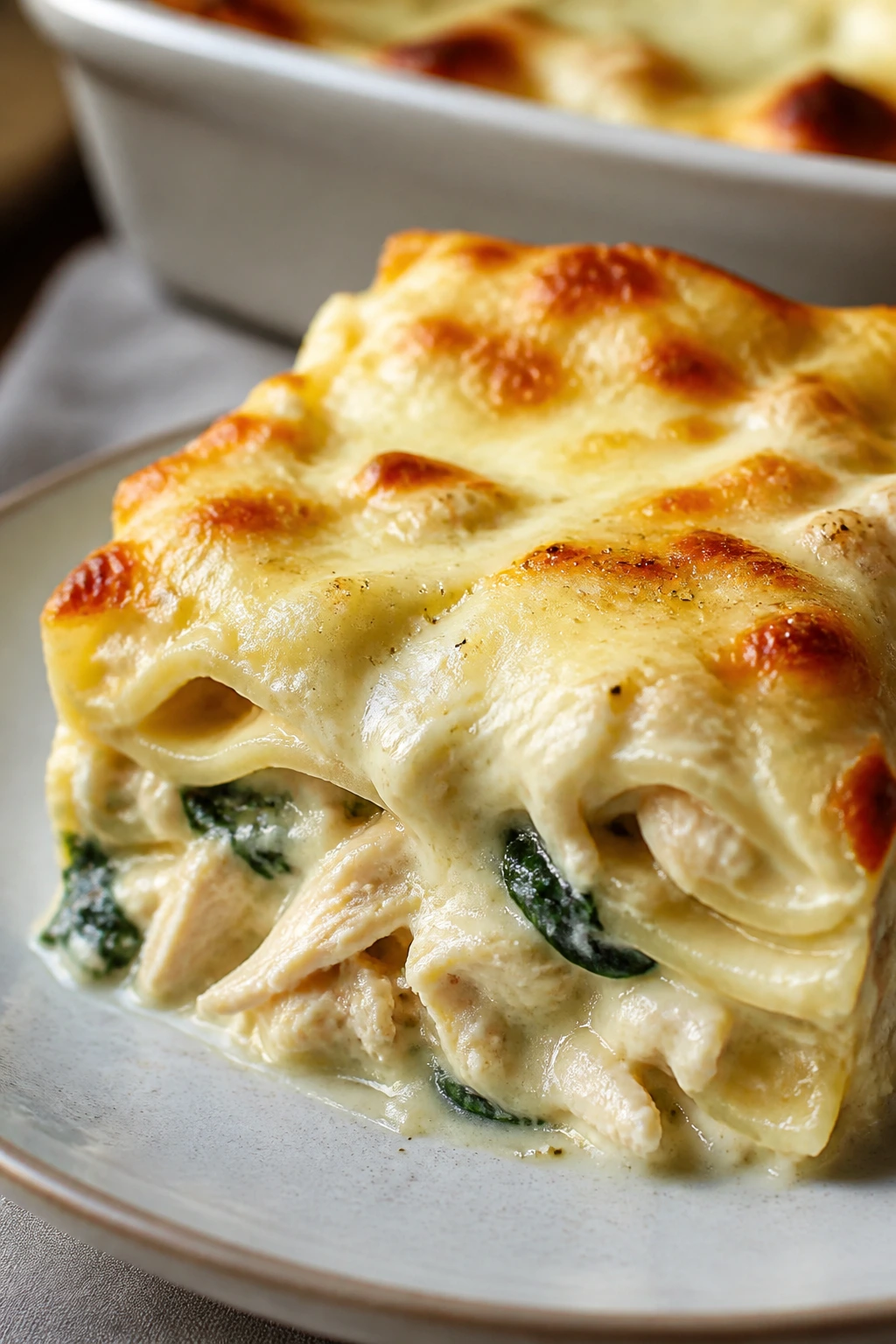
Creamy lasagna can go wrong fast if it turns gluey, but this one stays elegant enough for a Sunday table and comforting enough to make everyone go quiet for a minute. The Alfredo sauce coats the noodles, the chicken keeps it hearty, and the spinach keeps the whole pan from feeling flat. It’s the lasagna I make when I want red sauce to take the night off.
Why It Works
Chicken lasagna benefits from a sauce with more body than standard tomato sauce, and Alfredo gives you exactly that. The trick is using enough ricotta to keep the filling from being one long dairy slide. A little nutmeg in the cheese mixture sounds fussy, but it’s not — it gives the sauce that warm, almost bakery-like note that makes cream sauces feel finished.
Key Ingredients
For the Filling:
- 2 cups cooked shredded chicken
- 2 tablespoons butter
- 3 cloves garlic, minced
- 3 cups Alfredo sauce
- 10 ounces frozen spinach, thawed and squeezed dry
- 1/2 teaspoon kosher salt
- 1/4 teaspoon black pepper
For the Cheese Layer:
- 15 ounces ricotta cheese
- 1 large egg
- 1 cup grated Parmesan cheese
- 1/4 teaspoon ground nutmeg
For Assembling:
- 2 cups shredded mozzarella cheese
- 9 to 12 no-boil lasagna noodles
Quick Steps
Warm the Sauce:
- Preheat the oven to 375°F (190°C) and grease the baking dish.
- Melt the butter in a skillet over medium heat, then cook the garlic for 30 seconds, just until fragrant.
- Stir in the Alfredo sauce, chicken, spinach, salt, and pepper. Warm for 3 to 4 minutes; don’t let it boil hard.
Mix the Cheese: 4. Stir together the ricotta, egg, Parmesan, and nutmeg until smooth.
Layer and Bake: 5. Spread a thin layer of sauce in the pan. Add noodles, half the ricotta mixture, more sauce, and mozzarella. Repeat, finishing with noodles, the last of the sauce, and all the remaining mozzarella. 6. Cover and bake for 25 minutes. Uncover and bake for 20 minutes more, until the top is pale gold with browned spots. 7. Rest for 15 minutes before serving. Too much heat makes Alfredo split, so keep the sauce hot, not boiling, during assembly.
Tips and Variations
- Garlic Upgrade: A pinch of white pepper gives the sauce a softer heat than black pepper.
- Spinach Swap: Chopped kale works too, but cook it a minute longer so it softens.
- Serve With: A lemony salad cuts through the richness better than another creamy side.
4. Mushroom and Kale Vegetarian Lasagna
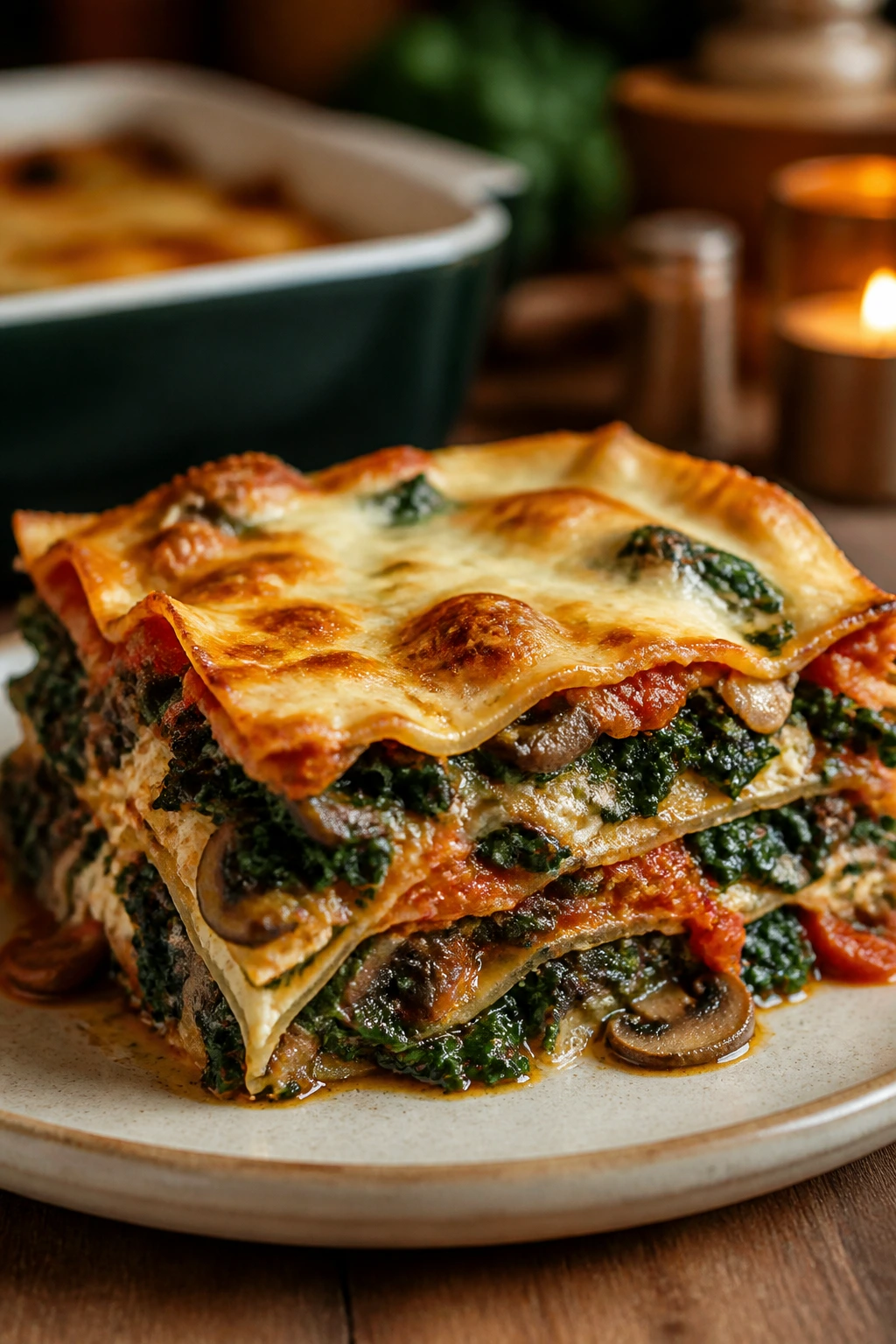
This is the lasagna for people who like dinner with a little earth in it. Mushrooms bring a deep, meaty flavor without any meat at all, and kale keeps the pan sturdy instead of watery. It’s a strong Sunday choice because it feels generous, not like a compromise.
Why It Works
Mushrooms need space in the pan and a hot enough skillet to brown instead of steam. That browning is where the flavor lives. Kale gives the filling some backbone, and ricotta smooths out the sharper edges so the whole pan tastes round and savory rather than stern.
Key Ingredients
For the Vegetable Base:
- 1 1/2 pounds cremini mushrooms, sliced
- 1 tablespoon olive oil
- 1 tablespoon butter
- 1 small onion, diced
- 3 cloves garlic, minced
- 1 bunch kale, stems removed and leaves chopped
- 1 teaspoon dried thyme
- 1 jar (24 ounces) marinara sauce
For the Cheese Layer:
- 15 ounces ricotta cheese
- 1 large egg
- 1 cup grated Parmesan cheese
- 2 cups shredded mozzarella cheese
For Assembling:
- 9 to 12 no-boil lasagna noodles
- 1 tablespoon balsamic vinegar
Quick Steps
Brown the Vegetables:
- Preheat the oven to 375°F (190°C).
- Heat the olive oil and butter in a large skillet over medium-high heat. Add the mushrooms and cook 8 to 10 minutes, stirring only now and then, until they give off their liquid and turn deeply browned.
- Add the onion, garlic, thyme, and kale. Cook 4 minutes more, until the kale softens. Stir in the balsamic vinegar and marinara, then simmer 5 minutes.
Build the Layers: 4. Mix the ricotta, egg, and Parmesan in a bowl. 5. Layer sauce, noodles, ricotta mixture, and mozzarella in the baking dish. Repeat, ending with noodles, sauce, and a thick mozzarella top.
Bake: 6. Cover and bake for 25 minutes. Uncover and bake 20 minutes more, until the cheese is browned in places and the sauce is bubbling around the sides. 7. Rest 15 minutes before slicing. If the mushrooms don’t brown, they taste thin — so don’t crowd the skillet.
Tips and Variations
- Deeper Flavor: A teaspoon of soy sauce in the mushroom pan adds savory depth without making the dish taste Asian or odd.
- Greens Swap: Swiss chard or spinach can replace the kale if that’s what you’ve got.
- Cheese Finish: A little fresh thyme on top makes the pan smell even better when it hits the table.
5. Spinach Artichoke Lasagna
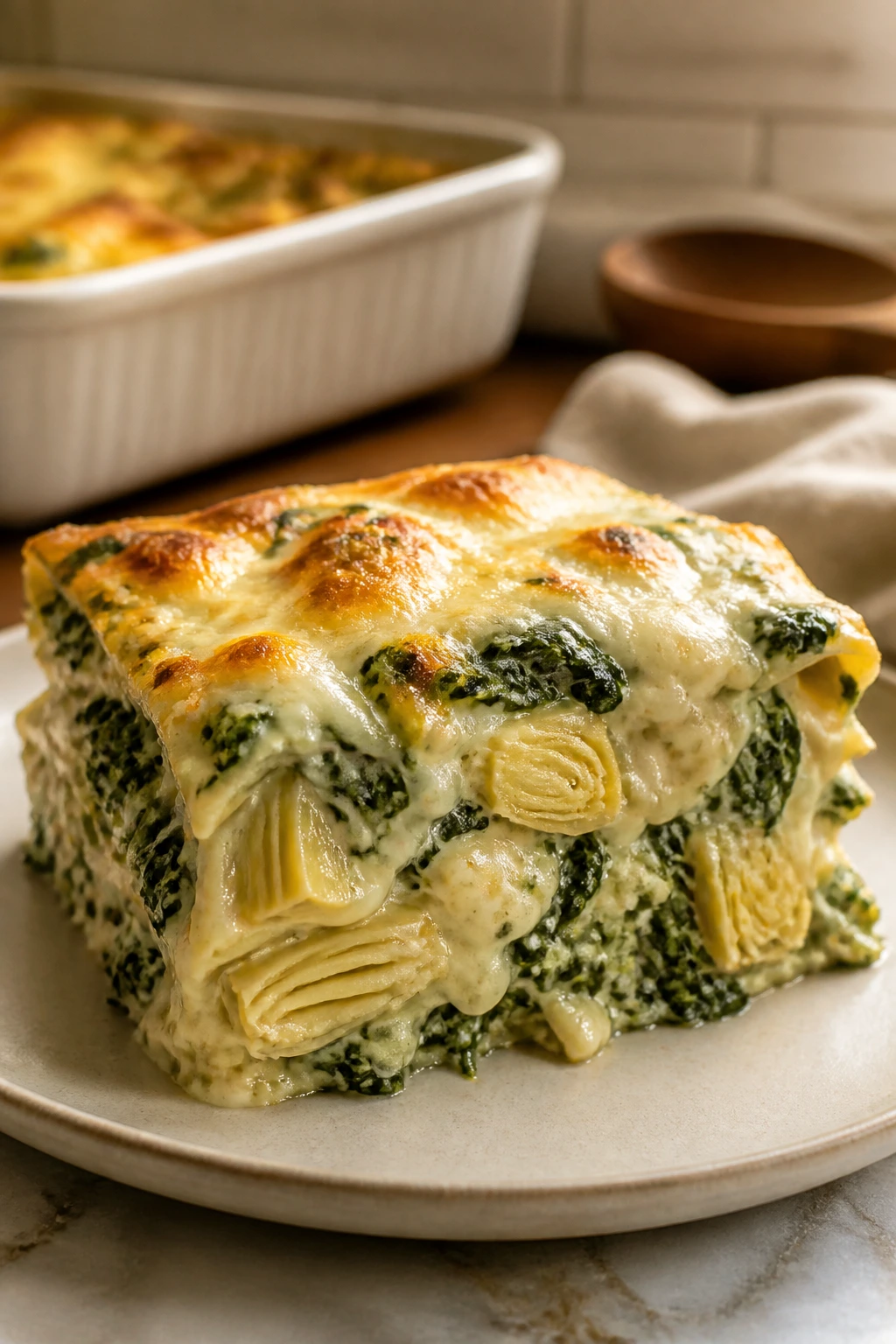
This one tastes like the dip everyone hovers over at a party, only calmer and more useful because it becomes dinner. Spinach and artichokes bring a briny, green bite that cuts through the cream, and the whole thing lands somewhere between cozy and fresh. It’s the pan I pull out when I want white lasagna with a little more personality.
Why It Works
Artichoke hearts need a creamy partner, or they can taste a bit sharp on their own. Cream cheese and ricotta give the filling body, while spinach keeps the texture from feeling too soft. A little lemon zest lifts the whole pan and keeps the cheese from tasting heavy by the third bite.
Key Ingredients
For the Filling:
- 10 ounces frozen spinach, thawed and squeezed dry
- 1 can (14 ounces) artichoke hearts, drained and chopped
- 8 ounces cream cheese, softened
- 15 ounces ricotta cheese
- 2 cloves garlic, minced
- 1 teaspoon lemon zest
- 1/2 teaspoon kosher salt
- 1/4 teaspoon black pepper
For the Sauce:
- 3 cups Alfredo sauce
For Assembling:
- 2 cups shredded mozzarella cheese
- 1 cup grated Parmesan cheese
- 9 to 12 no-boil lasagna noodles
Quick Steps
Mix the Filling:
- Preheat the oven to 375°F (190°C) and grease the baking dish.
- In a bowl, combine the spinach, artichokes, cream cheese, ricotta, garlic, lemon zest, salt, and pepper until the mixture is thick and even.
Layer It Up: 3. Spread a thin layer of Alfredo sauce in the pan. Add noodles, half the spinach-artichoke filling, more sauce, and mozzarella. 4. Repeat the layers once more, then finish with noodles, the remaining sauce, mozzarella, and Parmesan.
Bake: 5. Cover and bake for 25 minutes. Uncover and bake 15 to 20 minutes more, until the top is lightly browned. 6. Rest for 15 minutes before cutting. If the filling seems too wet, squeeze the spinach again — the dish will reward you for being fussy here.
Tips and Variations
- Brighter Finish: A handful of chopped chives on top makes the creamy layers taste fresher.
- Extra Bite: Add a pinch of crushed red pepper if you like creamy dishes with a little heat.
- Shortcut: Jarred Alfredo works fine here, but choose one that’s thick enough to coat a spoon.
6. Butternut Squash and Sage Lasagna
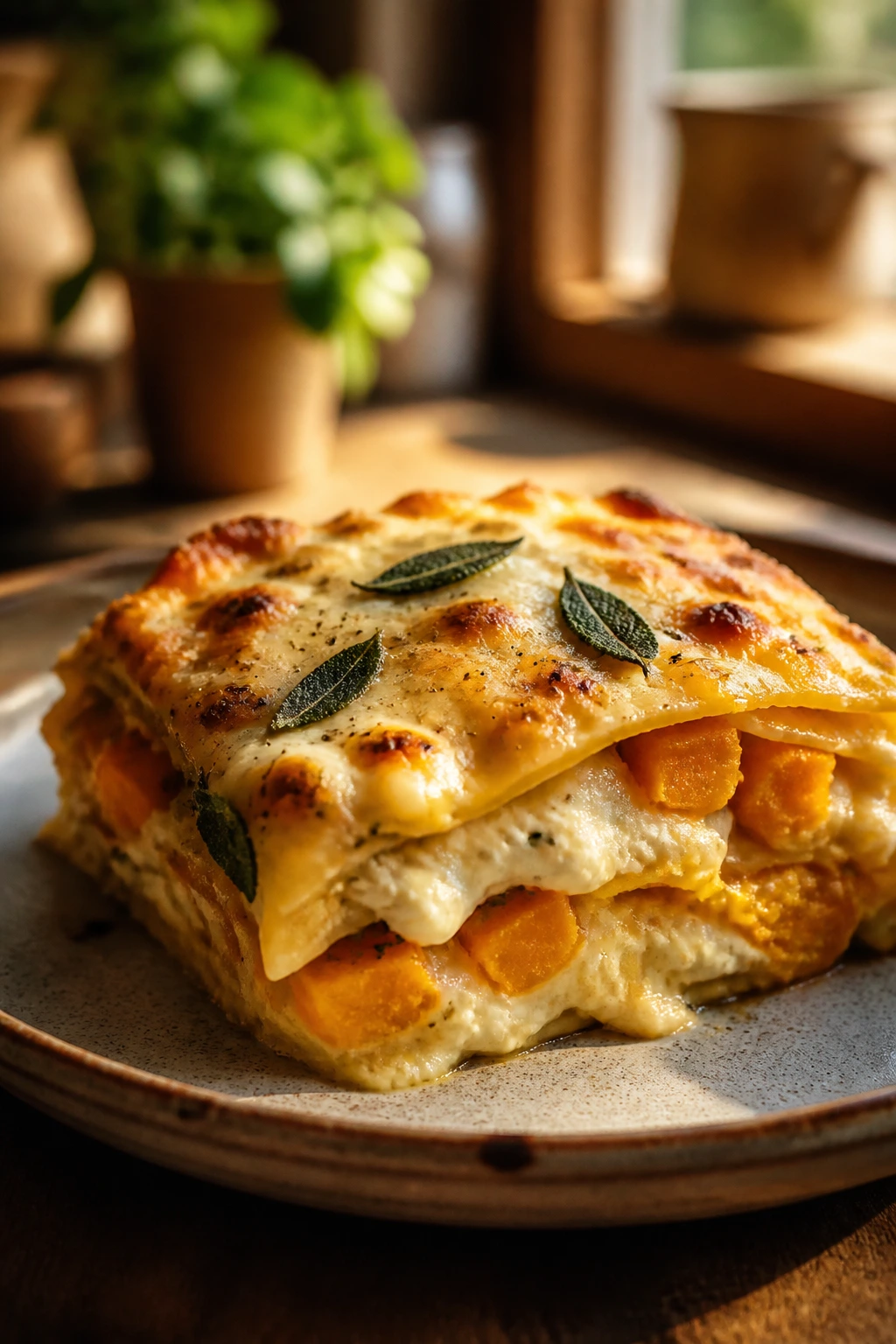
This is the lasagna that tastes like a sweater feels. Roasted squash brings sweetness, sage gives it that woodsy edge, and the cheese softens everything into something that feels rich without being loud. It’s a little more elegant than the others, but not precious. That matters.
Why It Works
Butternut squash needs browning, not just heating, or it can taste flat and watery. Roasting concentrates the flavor and keeps the filling from running. Sage is the right herb here because it handles the squash’s sweetness without turning the pan muddy, and ricotta keeps the layers smooth.
Key Ingredients
For the Squash Layer:
- 4 cups butternut squash, peeled and cut into 1-inch cubes
- 2 tablespoons olive oil
- 1 tablespoon butter
- 1 small onion, diced
- 2 cloves garlic, minced
- 1 teaspoon chopped fresh sage, or 1/2 teaspoon dried sage
- 1/2 teaspoon kosher salt
- 1/4 teaspoon black pepper
For the Cheese Layer:
- 15 ounces ricotta cheese
- 1 large egg
- 1 cup grated Parmesan cheese
- 2 cups shredded mozzarella cheese
- 1/4 teaspoon ground nutmeg
For Assembling:
- 9 to 12 no-boil lasagna noodles
Quick Steps
Roast and Build Flavor:
- Preheat the oven to 400°F (205°C). Toss the squash with olive oil, salt, and pepper, then roast on a sheet pan for 25 to 30 minutes, until browned at the edges and tender.
- While it roasts, cook the onion in butter over medium heat for 5 minutes. Add garlic and sage, then stir in the roasted squash and mash roughly with a fork so some pieces stay chunky.
Make the Cheese Layer: 3. Mix ricotta, egg, Parmesan, and nutmeg in a bowl.
Assemble and Bake: 4. Lower the oven to 375°F (190°C). Layer noodles, squash mixture, cheese mixture, and mozzarella in a greased 9×13-inch dish. 5. Repeat the layers, finishing with noodles, mozzarella, and a light sprinkle of Parmesan. 6. Cover and bake for 25 minutes. Uncover and bake 20 minutes more, until the top is bronzed in spots. 7. Rest 15 minutes before serving. Roasted squash should taste sweet, not wet — if it looks watery, roast it a few minutes longer.
Tips and Variations
- Flavor Boost: A spoonful of browned butter drizzled over the top before serving is worth the tiny extra effort.
- Cheese Choice: Fontina can replace part of the mozzarella if you want a nuttier melt.
- Serving Move: A bitter green salad makes the squash taste even more interesting.
7. Turkey Bolognese Lasagna
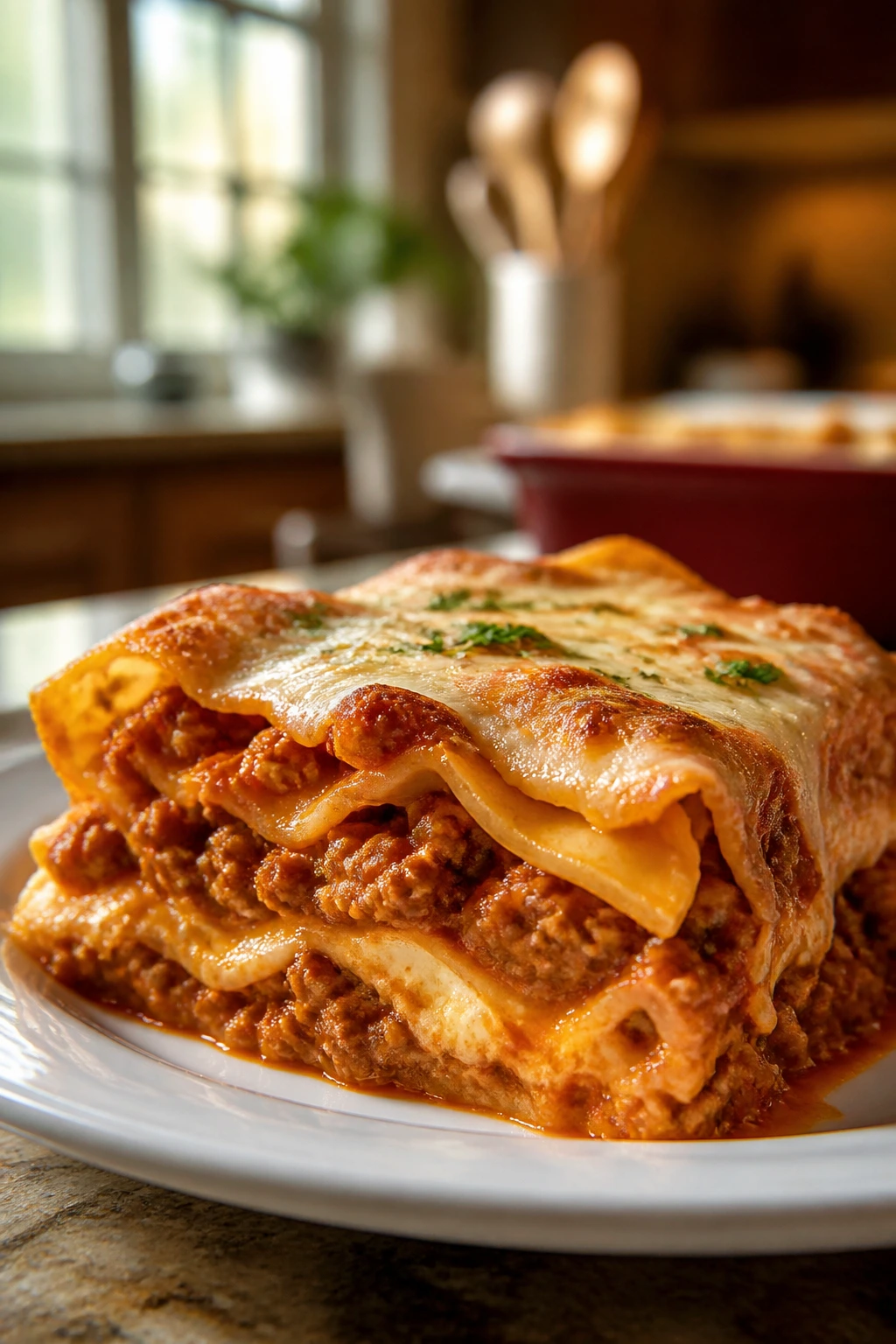
This is the sturdier, leaner cousin of beef lasagna, and I mean that as a compliment. Turkey gives you a lighter meat sauce, but the carrot, celery, and slow simmer make sure it doesn’t taste thin or apologetic. It’s the kind of lasagna that tastes like somebody took their time, even if the pan was assembled with a little urgency.
Why It Works
Ground turkey needs help. It takes seasoning well, but by itself it can be plain in a hurry. The classic onion-carrot-celery base gives the sauce sweetness and depth, while tomato paste adds a darker, cooked flavor that keeps the whole thing from tasting like jarred sauce with meat floating in it.
Key Ingredients
For the Bolognese:
- 1 pound ground turkey
- 1 tablespoon olive oil
- 1 small onion, diced
- 1 small carrot, finely diced
- 1 celery stalk, finely diced
- 3 cloves garlic, minced
- 2 tablespoons tomato paste
- 1 can (28 ounces) crushed tomatoes
- 1/2 cup chicken broth
- 1 teaspoon kosher salt
- 1/2 teaspoon black pepper
- 1 teaspoon dried basil
For the Cheese Layer:
- 15 ounces ricotta cheese
- 1 large egg
- 1 cup grated Parmesan cheese
- 2 cups shredded mozzarella cheese
For Assembling:
- 9 to 12 no-boil lasagna noodles
Quick Steps
Cook the Sauce:
- Preheat the oven to 375°F (190°C).
- Heat the olive oil in a skillet over medium heat. Add the onion, carrot, and celery, and cook for 6 minutes until softened.
- Add the garlic and turkey, breaking the meat into tiny pieces. Cook until the turkey is no longer pink, then stir in the tomato paste and cook 1 minute.
- Add the crushed tomatoes, broth, salt, pepper, and basil. Simmer for 15 minutes, until thick and glossy.
Layer the Lasagna: 5. Stir the ricotta, egg, and Parmesan together. 6. Layer sauce, noodles, ricotta mixture, and mozzarella in the baking dish, repeating until the pan is full. Finish with sauce, mozzarella, and a little Parmesan.
Bake: 7. Cover and bake for 25 minutes. Uncover and bake 20 to 25 minutes more, until the top is golden and the sauce looks set at the sides. 8. Rest 15 minutes. Turkey sauces can taste bland if rushed, so let that simmer do the work.
Tips and Variations
- Richer Sauce: A splash of milk during the simmer softens the acidity and gives the turkey sauce a fuller feel.
- Vegetable Boost: Finely chopped mushrooms blend right in if you want more body.
- Leftover Use: This is one of the best lasagnas for lunch the next day.
8. Meatball and Marinara Lasagna
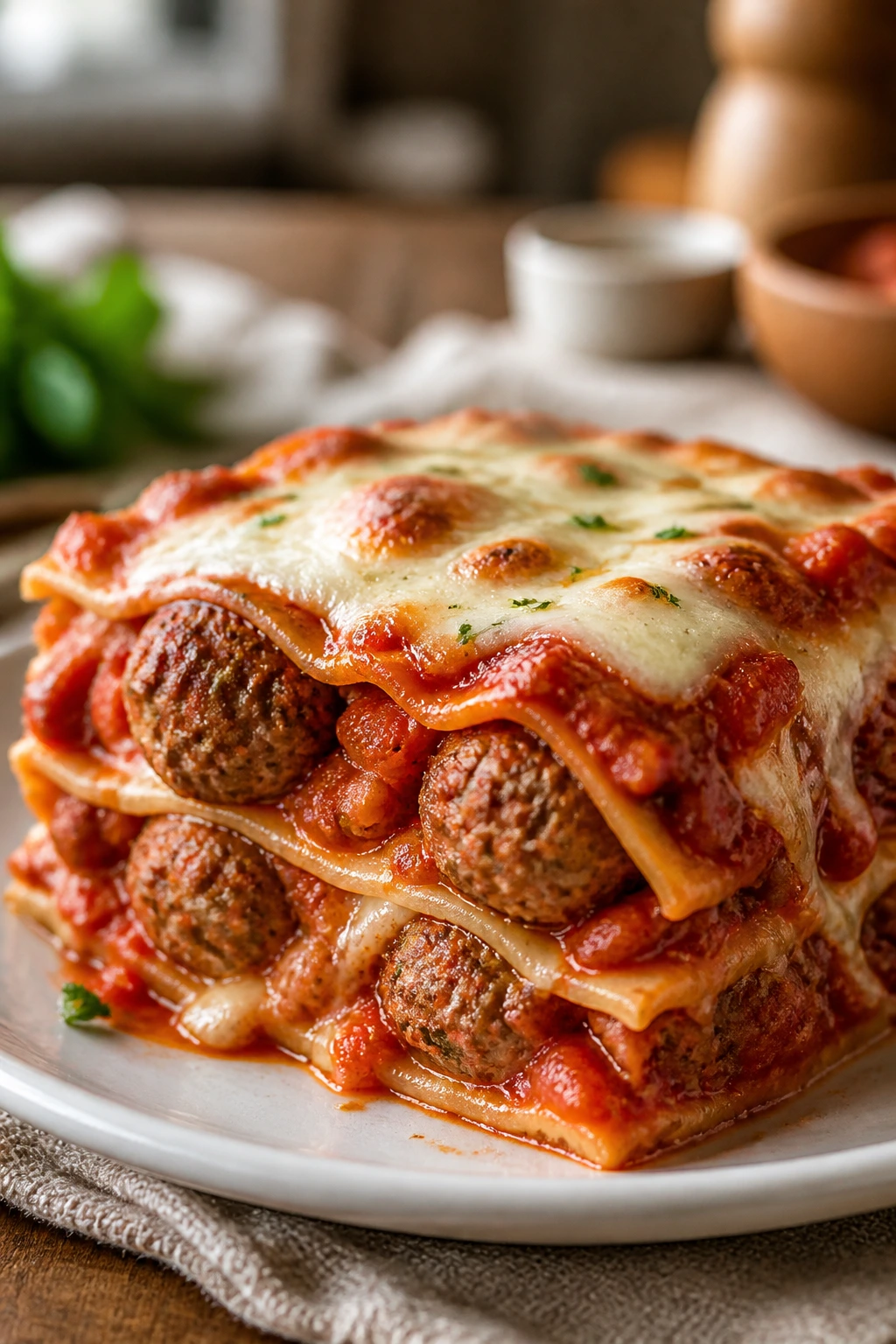
There’s something wonderfully straightforward about meatball lasagna. You get all the comfort of spaghetti and meatballs, but the sauce and cheese hold the whole thing together in neat, lush layers. It’s especially good when you don’t want to fuss with making meatballs from scratch, because a good store-bought one can be excellent here.
Why It Works
Meatballs bring concentrated flavor, which means you don’t need to build the sauce as aggressively as you do with loose ground meat. They also hold their shape in the oven, so the pan slices cleanly. I like this version with a little extra mozzarella because it gives the layers a stretchy, familiar pull that makes the whole thing feel more playful.
Key Ingredients
For the Sauce:
- 18 to 20 small meatballs, homemade or frozen
- 1 jar (32 ounces) marinara sauce
- 2 cloves garlic, minced
- 1 teaspoon dried oregano
For the Cheese Layer:
- 15 ounces ricotta cheese
- 1 large egg
- 1 cup grated Parmesan cheese
- 2 cups shredded mozzarella cheese
For Assembling:
- 9 to 12 no-boil lasagna noodles
- 1/4 cup chopped fresh parsley
Quick Steps
Prepare the Sauce:
- Preheat the oven to 375°F (190°C).
- Warm the marinara in a skillet with garlic and oregano. If using frozen meatballs, add them to the sauce and simmer 10 to 12 minutes, until heated through.
Mix and Layer: 3. Stir together the ricotta, egg, and Parmesan. 4. Spread sauce in the bottom of the dish. Add noodles, ricotta mixture, meatballs, and mozzarella. Repeat the layering, spacing the meatballs so every slice gets one or two.
Bake and Finish: 5. Cover with foil and bake for 25 minutes. Uncover and bake 20 minutes more, until the top is browned and the sauce is bubbling. 6. Rest for 15 minutes, then scatter parsley over the top. Meatballs should be fully hot in the center, so don’t shortcut the simmer if they start frozen.
Tips and Variations
- Best Shortcut: Small frozen meatballs are fine; just choose ones with a short ingredient list.
- Sauce Tip: If the sauce tastes sharp, stir in 1 teaspoon of sugar or a knob of butter.
- Serving Idea: Garlic bread is almost mandatory with this one.
9. Eggplant Parmesan Lasagna
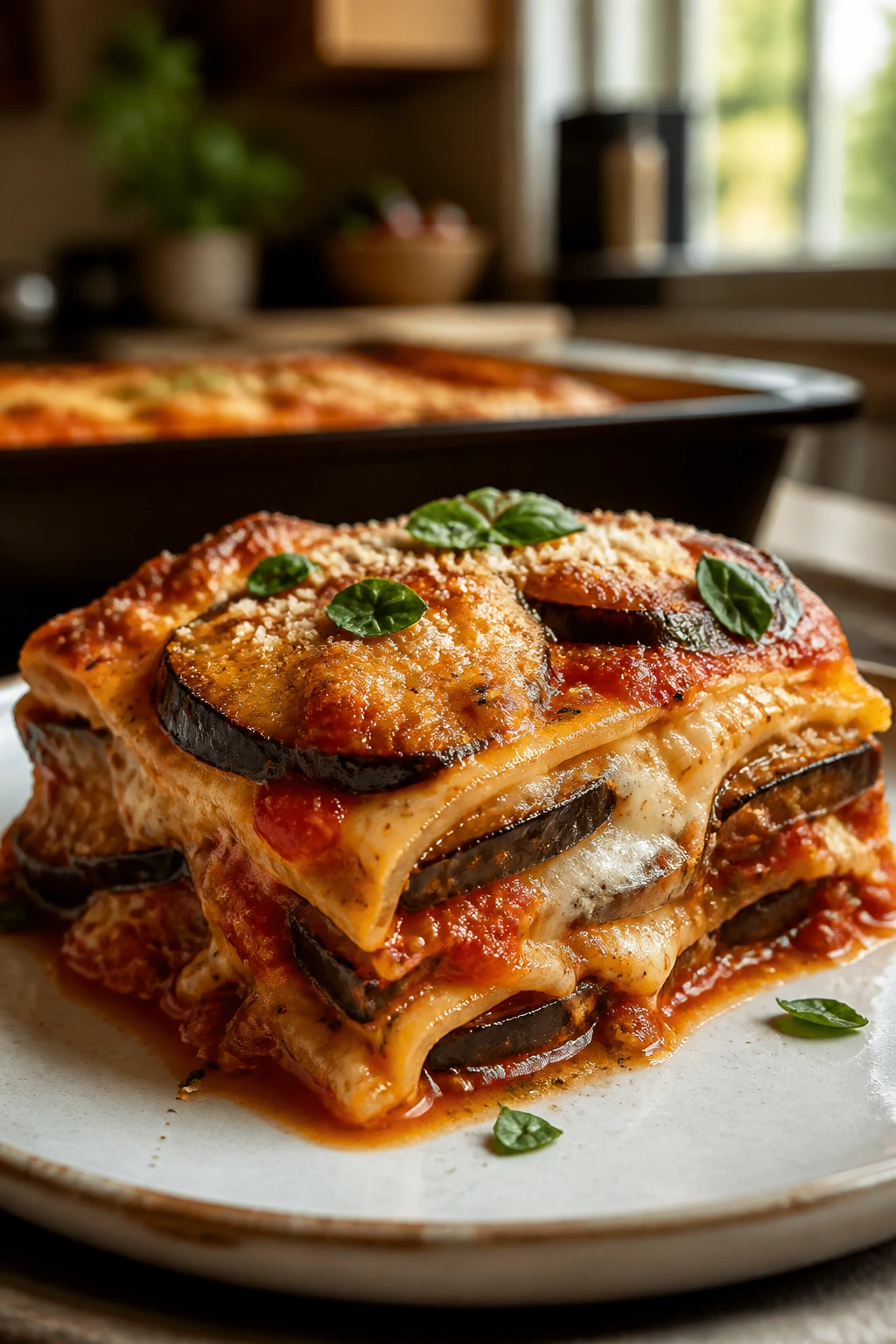
This is the pan I make when I want the comfort of lasagna and the salty, crisp edges of eggplant parmesan in the same bite. The eggplant gets roasted until it softens and browns, which keeps the layers from getting greasy. If eggplant has ever disappointed you, this is the version that usually changes minds.
Why It Works
Eggplant carries water, and water is the enemy of a good lasagna pan. Salting and roasting pull out excess moisture, which gives you slices that hold together instead of slumping. The ricotta layer keeps the texture plush, while mozzarella and Parmesan bring that familiar parmesan finish.
Key Ingredients
For the Eggplant:
- 2 medium eggplants, sliced into 1/2-inch rounds
- 2 tablespoons olive oil
- 1 teaspoon kosher salt
- 1/2 teaspoon black pepper
- 1/2 cup breadcrumbs
- 1 large egg, beaten
For the Sauce and Cheese:
- 1 jar (24 ounces) marinara sauce
- 15 ounces ricotta cheese
- 1 cup grated Parmesan cheese
- 2 cups shredded mozzarella cheese
For Assembling:
- 9 to 12 no-boil lasagna noodles
- 1/4 cup chopped fresh basil
Quick Steps
Prep the Eggplant:
- Preheat the oven to 400°F (205°C).
- Lay the eggplant slices on a towel, sprinkle with salt, and let them sit for 15 minutes. Pat dry, brush with olive oil, then dip each slice lightly in beaten egg and breadcrumbs.
- Roast on a sheet pan for 20 minutes, flipping halfway, until golden and soft.
Assemble the Lasagna: 4. Reduce the oven to 375°F (190°C). Spread a thin layer of marinara in the baking dish. 5. Layer noodles, ricotta, roasted eggplant, marinara, and mozzarella. Repeat, finishing with sauce, mozzarella, and Parmesan.
Bake: 6. Cover and bake for 25 minutes. Uncover and bake 20 minutes more, until the top is browned and the sauce is bubbling. 7. Rest 15 minutes, then finish with basil. Skip the salting step and you’ll pay for it in a soggy pan.
Tips and Variations
- Crunchier Edges: Broil for 1 to 2 minutes at the end if you like extra browning.
- Cheese Swap: Smoked mozzarella gives the dish a deeper, almost grilled flavor.
- Sauce Choice: A chunky marinara works better than a very thin one.
10. Southwest Taco Lasagna
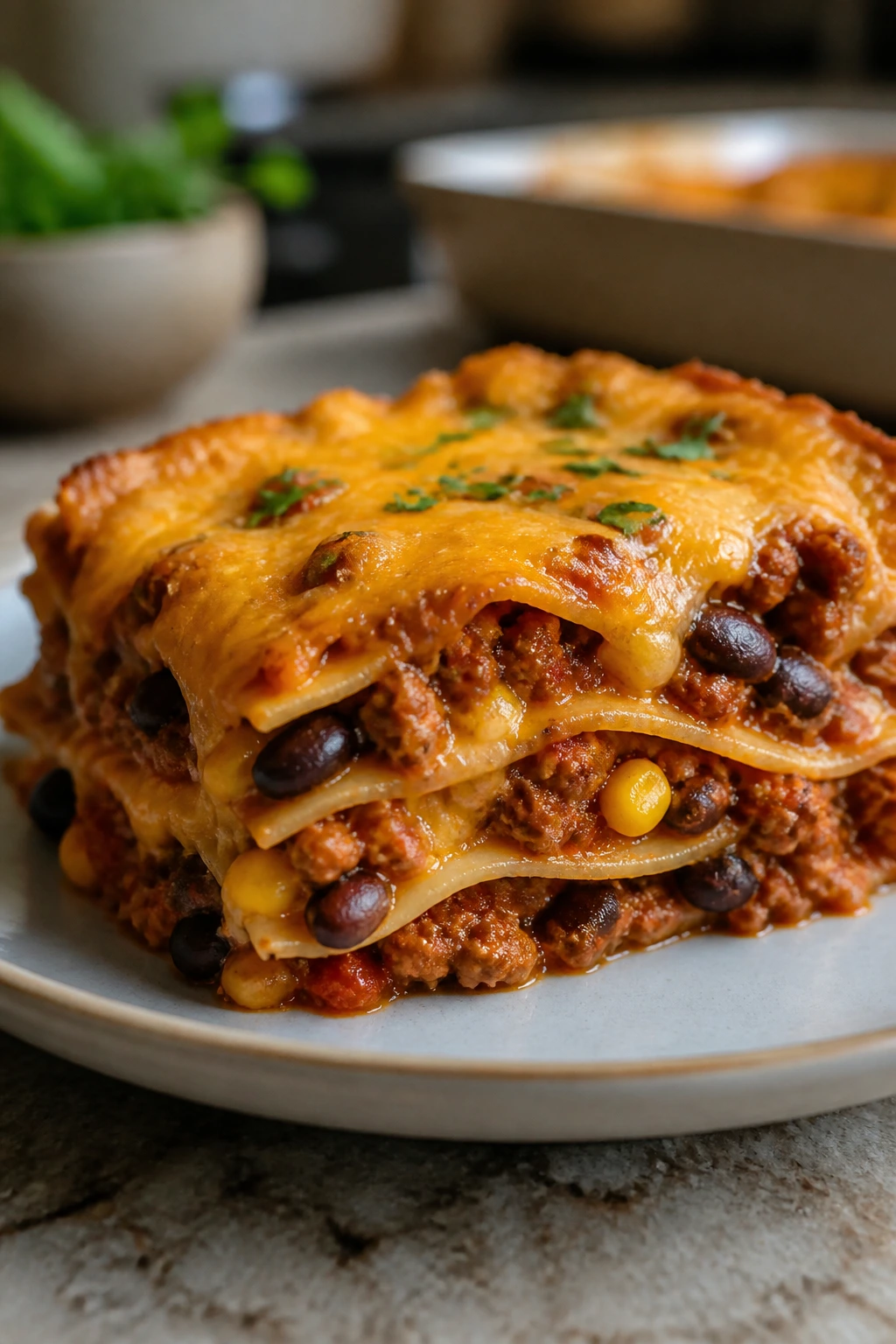
This is the pan that disappears first when people think they’re just “having lasagna.” It’s got taco seasoning, black beans, corn, and enough cheese to make the whole thing feel like a party that still eats like dinner. I like it for a cozy Sunday because it’s loose, fun, and a little surprising without being weird.
Why It Works
The bean-and-beef mixture gives you heft, while salsa stands in for part of the sauce and adds brightness. Black beans keep the filling from feeling too heavy, and corn brings a sweet pop that breaks up the richness. Cheddar is the right cheese here because it melts into the spices instead of fighting them.
Key Ingredients
For the Filling:
- 1 pound ground beef or ground turkey
- 1 tablespoon olive oil
- 1 packet taco seasoning, or 2 tablespoons homemade taco seasoning
- 1 cup salsa
- 1 can (15 ounces) black beans, rinsed and drained
- 1 cup frozen or canned corn, drained
- 1/2 teaspoon salt, if needed
For the Cheese Layer:
- 15 ounces ricotta cheese
- 1 large egg
- 2 cups shredded cheddar cheese
- 1 cup shredded mozzarella cheese
For Assembling:
- 9 to 12 no-boil lasagna noodles
- 2 tablespoons chopped cilantro
Quick Steps
Make the Filling:
- Preheat the oven to 375°F (190°C).
- Brown the beef in a skillet with olive oil. Stir in the taco seasoning, salsa, beans, corn, and salt. Simmer for 5 minutes, until thick.
- Mix the ricotta and egg in a bowl, then stir in half the cheddar.
Layer and Bake: 4. Spread a thin layer of filling in the baking dish. Add noodles, ricotta mixture, more filling, and a handful of mozzarella. Repeat, finishing with filling, cheddar, and mozzarella. 5. Cover and bake for 25 minutes. Uncover and bake 15 to 20 minutes more, until the cheese is melted and speckled with brown. 6. Rest 10 to 15 minutes, then scatter cilantro over the top. Use salsa that isn’t watery or the bottom layer will turn soupy.
Tips and Variations
- Heat Level: Pick mild, medium, or hot salsa based on who’s eating.
- Bean Swap: Pinto beans work if black beans aren’t in the pantry.
- Fresh Finish: Diced avocado and a squeeze of lime make the pan taste brighter.
11. Pesto Chicken and Mozzarella Lasagna
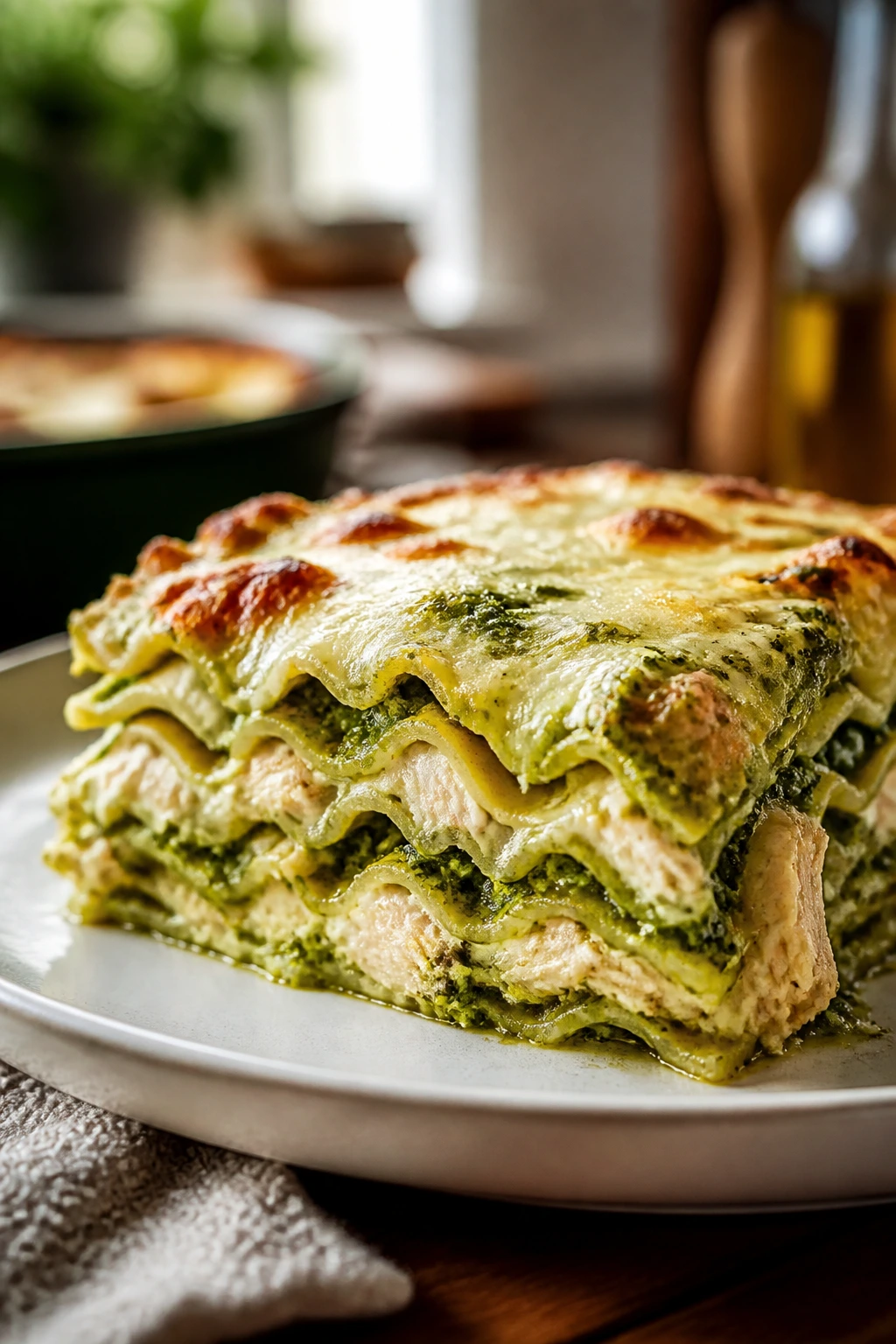
Pesto changes the mood of lasagna fast. The basil and garlic feel fresh, the chicken keeps it hearty, and the whole pan tastes greener and lighter than a red sauce version. It still counts as comfort food. It just wears cleaner shoes.
Why It Works
Pesto has strong flavor, so you don’t need much to make the filling sing. The trick is pairing it with a creamy base, which keeps the sauce from tasting harsh or oily. Chicken gives it structure, mozzarella brings the stretch, and a little spinach slips in without taking over.
Key Ingredients
For the Filling:
- 2 cups cooked shredded chicken
- 1/2 cup basil pesto
- 2 cups Alfredo sauce
- 1 teaspoon lemon zest
- 10 ounces spinach, fresh or thawed and squeezed dry
For the Cheese Layer:
- 15 ounces ricotta cheese
- 1 large egg
- 1 cup grated Parmesan cheese
- 2 cups shredded mozzarella cheese
For Assembling:
- 9 to 12 no-boil lasagna noodles
- 1/4 cup chopped sun-dried tomatoes, optional
Quick Steps
Mix the Sauce:
- Preheat the oven to 375°F (190°C).
- Stir the chicken, pesto, Alfredo sauce, lemon zest, and spinach together in a skillet over low heat until warmed through.
Build the Layers: 3. Mix the ricotta, egg, and Parmesan in a bowl. 4. Layer noodles, ricotta mixture, chicken-pesto sauce, mozzarella, and sun-dried tomatoes if using. Repeat, ending with noodles, sauce, and a final layer of mozzarella.
Bake: 5. Cover and bake for 25 minutes. Uncover and bake 20 minutes more, until the top is lightly browned and the sauce bubbles at the edges. 6. Rest 15 minutes before serving. Pesto can taste sharp if it’s overheated, so warm it gently, not aggressively.
Tips and Variations
- Nutty Finish: Toasted pine nuts on top give the pan a little crunch.
- Veg Swap: Asparagus tips or peas can replace the spinach in smaller amounts.
- Flavor Boost: A few torn basil leaves right before serving make the whole dish smell brighter.
12. Broccoli and Three-Cheese Lasagna
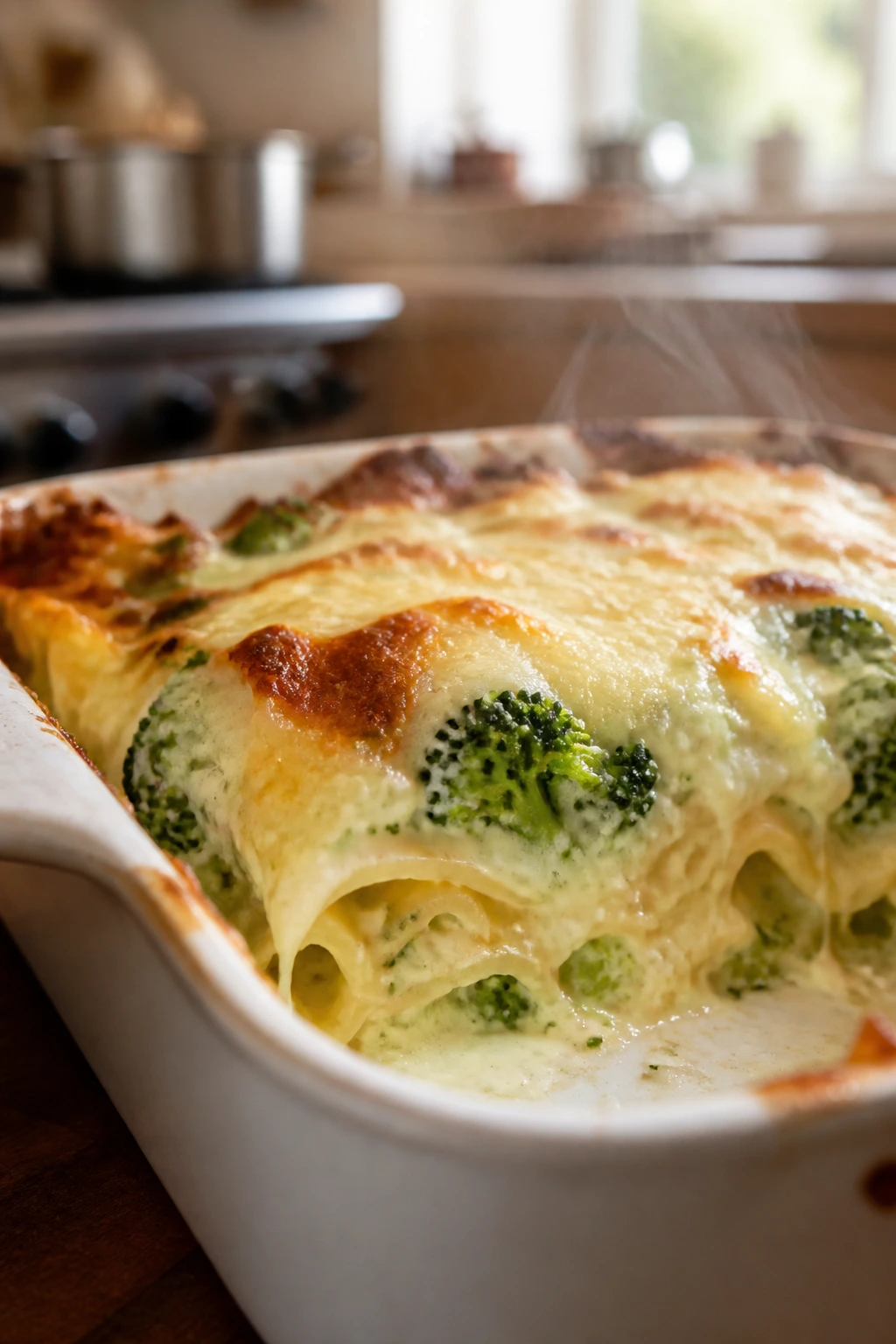
Broccoli in lasagna works when the cheese is strong enough to carry it, and this pan does exactly that. The broccoli stays green and tender, the ricotta keeps the filling soft, and the cheddar brings a deeper, more familiar note than mozzarella alone. It’s friendly food, but not boring food.
Why It Works
Broccoli has a mild, almost sweet flavor once it’s cooked properly, but it needs to be chopped small so you don’t get giant awkward florets in every bite. Three cheeses let you build flavor in layers: ricotta for creaminess, mozzarella for melt, cheddar for punch. A white sauce or Alfredo base gives the vegetables a softer landing than tomato sauce would.
Key Ingredients
For the Vegetables:
- 6 cups broccoli florets, chopped small
- 1 tablespoon olive oil
- 2 cloves garlic, minced
- 1/2 teaspoon kosher salt
- 1/4 teaspoon black pepper
For the Cheese Layer:
- 15 ounces ricotta cheese
- 1 large egg
- 1 cup shredded sharp cheddar cheese
- 1 cup grated Parmesan cheese
- 2 cups shredded mozzarella cheese
For the Sauce:
- 3 cups Alfredo sauce
For Assembling:
- 9 to 12 no-boil lasagna noodles
Quick Steps
Cook the Broccoli:
- Preheat the oven to 375°F (190°C).
- Heat olive oil in a skillet over medium heat. Add the broccoli, garlic, salt, and pepper. Cook 4 to 5 minutes, until the florets turn bright green and just start to soften.
Mix and Layer: 3. Stir the ricotta, egg, cheddar, and half the Parmesan together. 4. Spread a thin layer of Alfredo sauce in the baking dish. Add noodles, broccoli, ricotta mixture, more Alfredo, and mozzarella. Repeat, then finish with noodles, sauce, mozzarella, and the rest of the Parmesan.
Bake: 5. Cover and bake for 25 minutes. Uncover and bake 20 minutes more, until the cheese is browned and the sauce has set. 6. Rest 15 minutes before slicing. Chop the broccoli small enough to fit on a fork; giant pieces make the pan feel clumsy.
Tips and Variations
- Bolder Cheese: Swap half the cheddar for fontina if you want a smoother melt.
- Extra Veg: Peas or chopped spinach blend in easily.
- Serving Move: A squeeze of lemon over each slice wakes up the broccoli.
13. Mushroom Marsala Lasagna
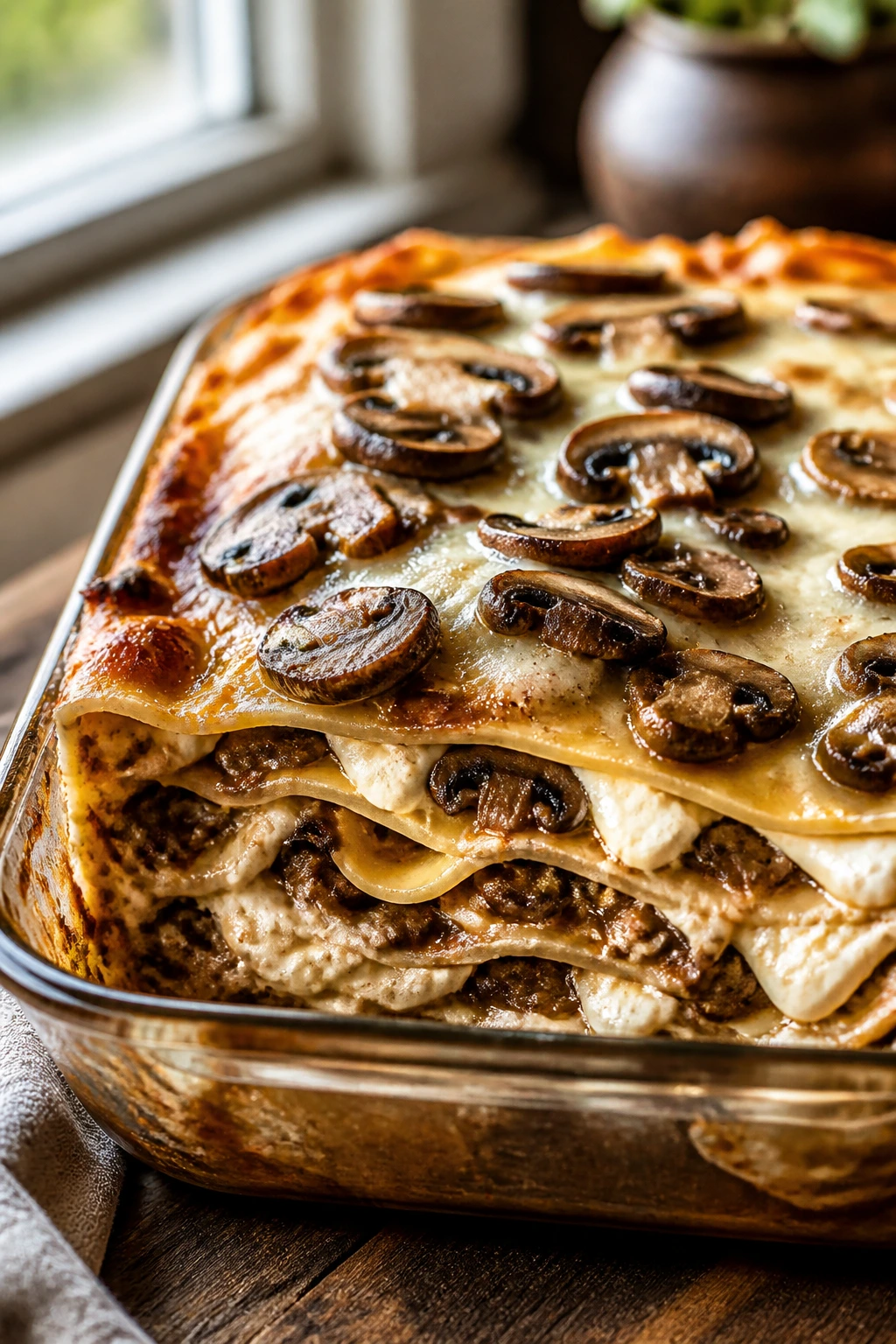
This one feels a little dressier, but not in a fussy way. Marsala brings a sweet, deep note that makes mushrooms taste darker and richer, almost like they’ve been simmering all day. It’s a strong choice for a Sunday dinner when you want the table to feel a bit more special without putting on a show.
Why It Works
Marsala and mushrooms are natural partners because they both lean savory-sweet. Cooking the mushrooms until their moisture disappears gives you concentrated flavor instead of a watery pan. A creamy cheese layer smooths out the wine sauce, and the noodles catch all that glossy mushroom gravy in a way that feels almost unfair.
Key Ingredients
For the Mushroom Sauce:
- 1 1/2 pounds mushrooms, sliced
- 2 tablespoons butter
- 1 tablespoon olive oil
- 1 shallot, minced
- 2 cloves garlic, minced
- 1/2 cup Marsala wine
- 1/2 cup vegetable or chicken broth
- 1 teaspoon fresh thyme leaves
- 1/2 teaspoon kosher salt
- 1/4 teaspoon black pepper
For the Cheese Layer:
- 15 ounces ricotta cheese
- 1 large egg
- 1 cup grated Parmesan cheese
- 2 cups shredded mozzarella cheese
For Assembling:
- 9 to 12 no-boil lasagna noodles
- 1 tablespoon chopped parsley
Quick Steps
Cook the Mushrooms:
- Preheat the oven to 375°F (190°C).
- Melt the butter with the olive oil in a large skillet over medium-high heat. Add the mushrooms and cook 8 to 10 minutes, until browned and their liquid is gone.
- Add the shallot and garlic, then pour in the Marsala and broth. Simmer for 5 minutes, until reduced and fragrant. Stir in thyme, salt, and pepper.
Layer the Lasagna: 4. Mix the ricotta, egg, and Parmesan in a bowl. 5. Layer noodles, ricotta mixture, mushroom sauce, and mozzarella in the baking dish. Repeat, ending with noodles, mushroom sauce, mozzarella, and a little Parmesan.
Bake: 6. Cover and bake for 25 minutes. Uncover and bake 20 minutes more, until the top is browned and the sauce looks thick at the edges. 7. Rest 15 minutes, then sprinkle with parsley. Marsala needs a reduction or it can taste boozy instead of deep.
Tips and Variations
- Extra Richness: A spoonful of cream stirred into the mushrooms at the end makes the sauce silkier.
- Herb Change: Thyme is classic, but a little rosemary works if you want a sharper note.
- Best Side: Roasted green beans make a clean, simple partner.
14. French Onion and Gruyère Lasagna
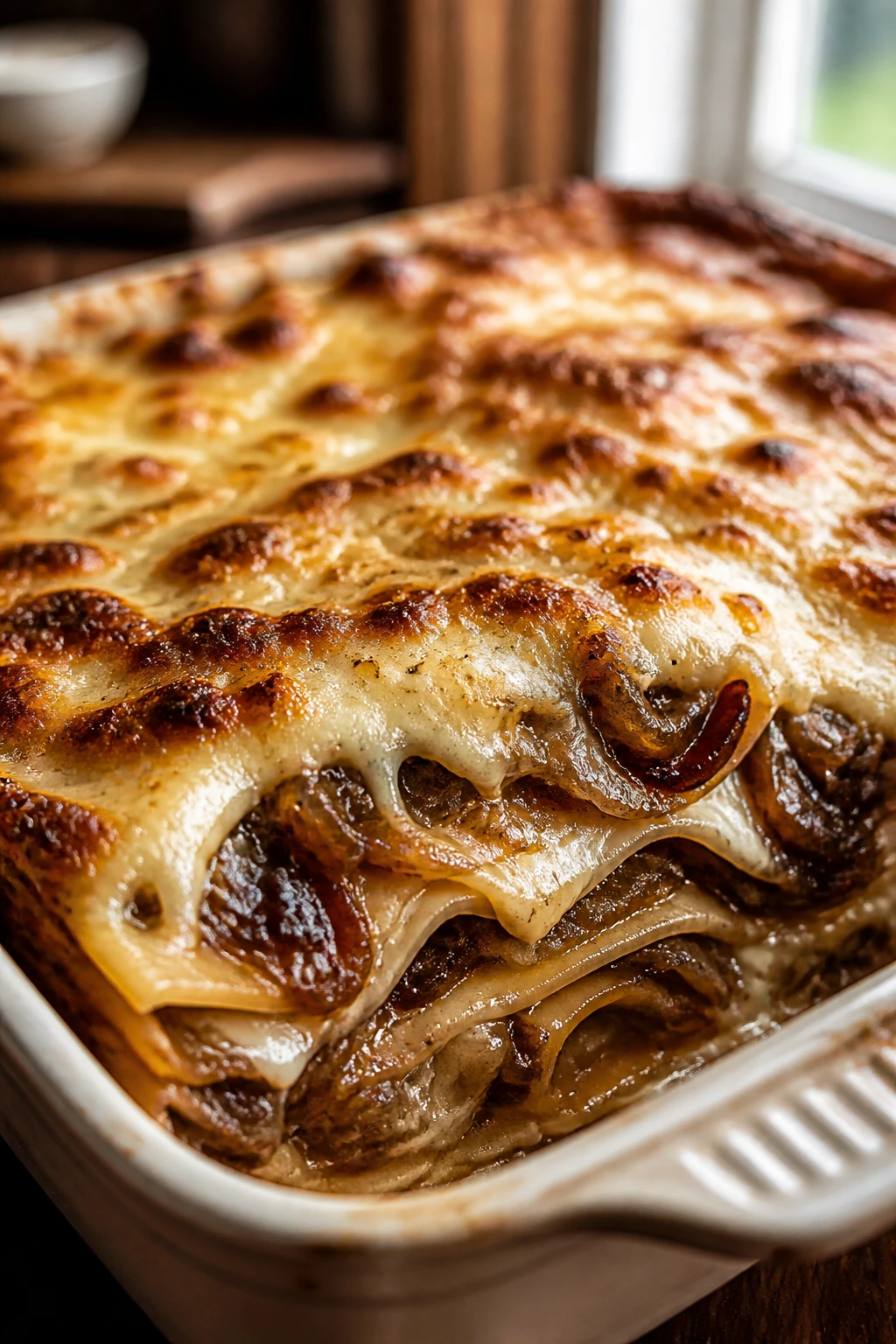
This is the showpiece, though I’d still call it cozy. Sweet onions cooked down until they’re brown and jammy bring the kind of depth that makes people pause between bites. Gruyère melts with that nutty, almost toasted flavor, and the whole pan lands somewhere between French onion soup and lasagna in the best possible way.
Why It Works
Caramelized onions are slow food in the most literal sense, and they pay you back with flavor that no shortcut can fake. Gruyère handles the sweetness beautifully because it melts smoothly and tastes assertive without being salty. A light broth-based sauce keeps the pan from feeling too thick, which matters when the onions are already doing a lot of work.
Key Ingredients
For the Onions:
- 4 large yellow onions, thinly sliced
- 3 tablespoons butter
- 1 tablespoon olive oil
- 1 teaspoon sugar
- 1 teaspoon kosher salt
- 1/2 teaspoon black pepper
- 1 teaspoon fresh thyme leaves
For the Sauce:
- 2 cups beef broth
- 2 tablespoons all-purpose flour
- 1 cup milk
For the Cheese Layer:
- 15 ounces ricotta cheese
- 1 large egg
- 2 cups shredded Gruyère cheese
- 1 cup shredded mozzarella cheese
- 1/2 cup grated Parmesan cheese
For Assembling:
- 9 to 12 no-boil lasagna noodles
Quick Steps
Caramelize the Onions:
- Preheat the oven to 375°F (190°C).
- Melt the butter with the olive oil in a large skillet over medium heat. Add the onions, sugar, salt, and pepper. Cook 25 to 30 minutes, stirring often, until the onions are deep golden brown and sweet-smelling.
- Stir in thyme, then sprinkle in the flour and cook 1 minute. Add the broth and milk, stirring until the sauce thickens lightly.
Build the Cheese Layer: 4. Mix ricotta and egg in a bowl. Stir in half the Gruyère.
Assemble and Bake: 5. Layer sauce, noodles, ricotta mixture, onions, mozzarella, and a little Parmesan in the baking dish. Repeat, then finish with noodles, onion sauce, the remaining Gruyère, and the rest of the Parmesan. 6. Cover and bake for 25 minutes. Uncover and bake 20 to 25 minutes more, until the cheese is browned and the top looks lacquered. 7. Rest 15 minutes before cutting. Caramelized onions are the whole point here — if they’re pale, keep cooking.
Tips and Variations
- Sherry Note: A splash of dry sherry with the onions adds classic French onion depth.
- Cheese Swap: Swiss works if Gruyère is hard to find, though it tastes a little cleaner.
- Serving Move: A simple green salad keeps the pan from feeling too rich.
Why Sunday Lasagna Works So Well
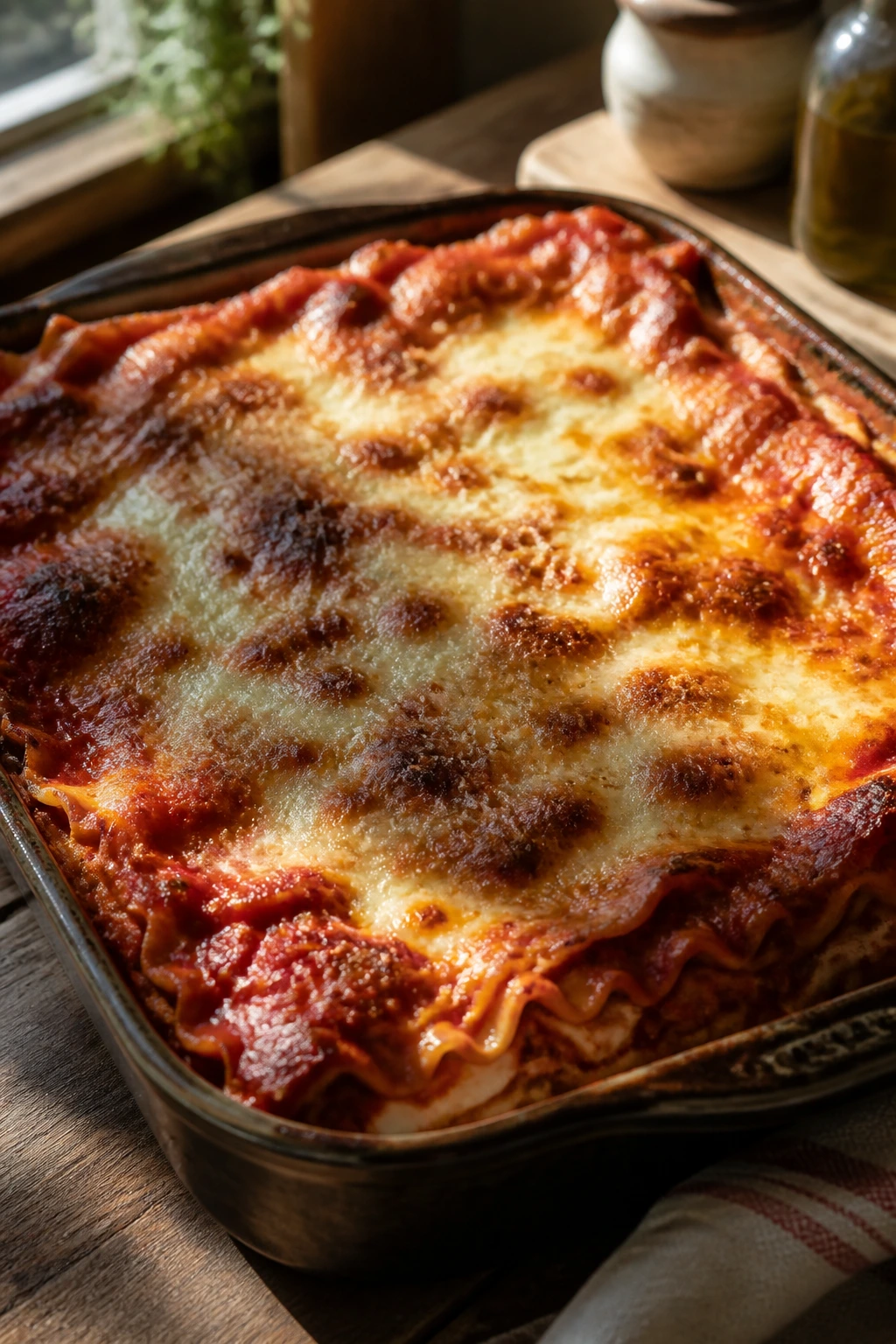
Lasagna is one of those dishes that rewards a slower day. The sauce gets a proper simmer, the cheese layer has time to settle, and you don’t feel rushed by the clock in the way weeknight cooking often demands. That breathing room matters. It’s the difference between a pan that tastes assembled and a pan that tastes cared for.
The other reason lasagna works on a Sunday is practical: it scales cleanly. You can feed a crowd, stash leftovers, or split one big pan into dinner and lunch without feeling like you’re repeating yourself. A well-built lasagna also gives you room to use what’s on hand — greens, mushrooms, sausage, squash, chicken, all of it.
And, frankly, there’s a little theater in serving it. Not the loud kind. Just the nice sort where everyone sees the browned top, smells the garlic and cheese, and leans in before anyone has taken a bite.
Essential Gear for These Dinners
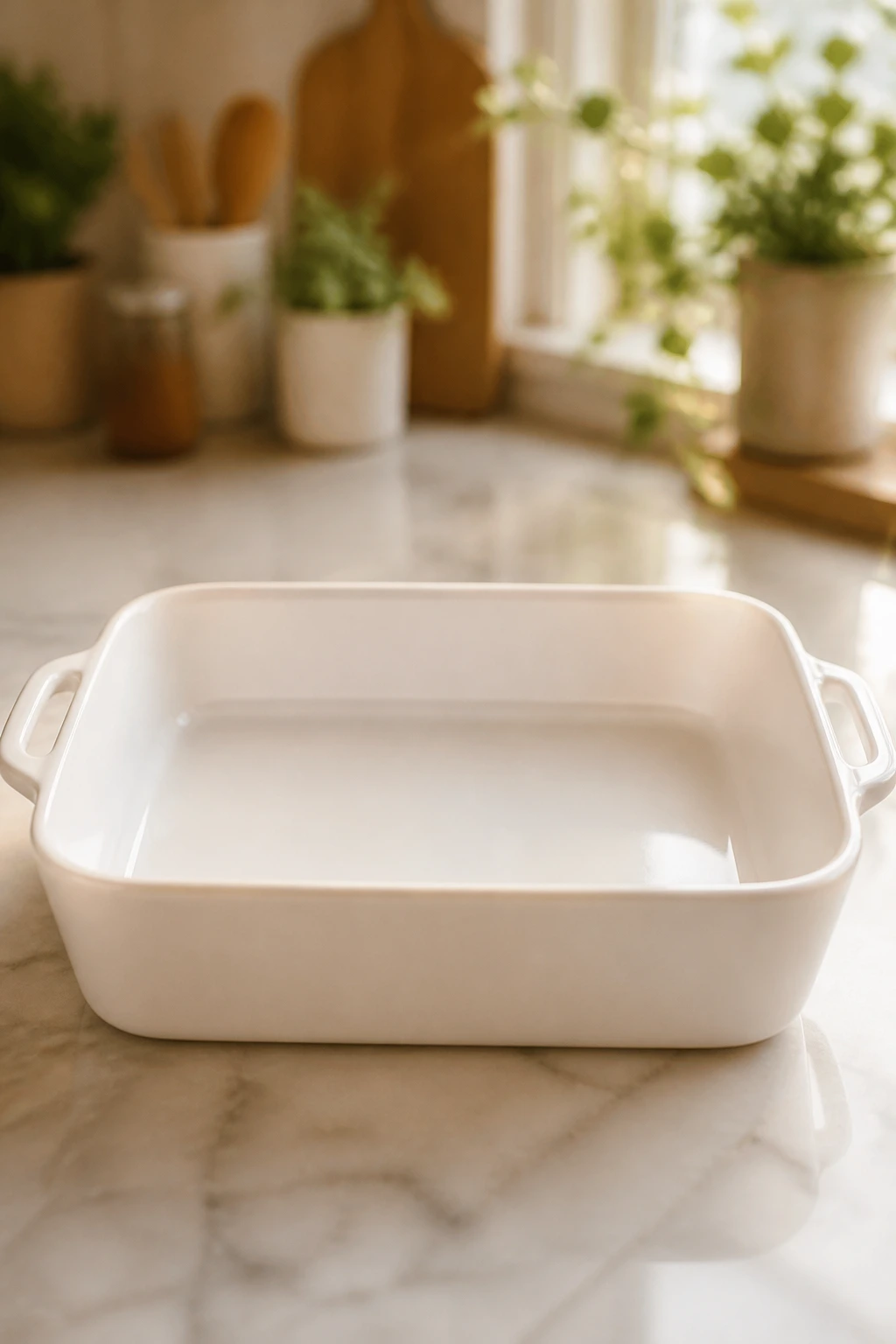
- 9×13-inch baking dish: The standard size for most of these pans; glass shows bubbling edges, metal heats a bit faster.
- Large skillet or sauté pan: Needed for browning meat, cooking vegetables, or reducing sauce before layering.
- Large pot: Handy if you’re boiling regular noodles instead of using no-boil.
- Mixing bowls: One for the cheese layer, one for holding prepped vegetables, and one less if you like washing dishes.
- Wooden spoon or spatula: Better than a whisk for breaking up meat and stirring thick sauces.
- Chef’s knife: A sharp knife makes onion and vegetable prep faster and safer.
- Box grater: Useful for Parmesan and for grating mozzarella from a block, which melts better than pre-shredded cheese.
- Foil: Keeps the top from burning before the noodles soften.
- Colander: Only needed if you’re using boiled noodles or draining vegetables with extra moisture.
- Instant-read thermometer, optional: Helpful if you’re checking a meat-heavy lasagna; the center should be hot, not just the edges.
Picking Noodles, Sauce, and Cheese Without Regret
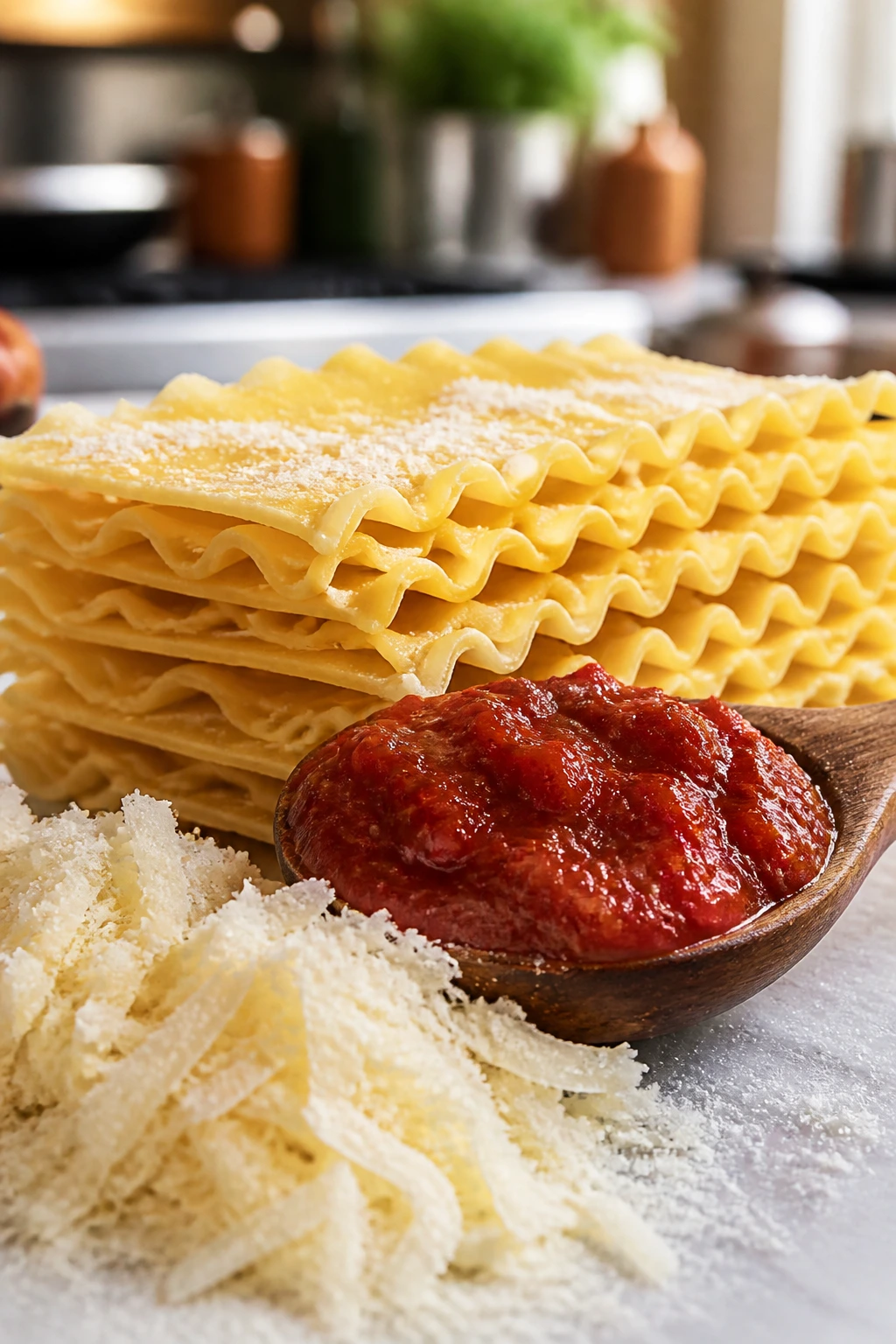
The noodles matter less than the water content around them, which is why no-boil noodles are such a gift on a busy day. They drink in sauce as they bake, which saves time and keeps the texture neat. If you prefer boiled noodles, undercook them by 1 to 2 minutes so they finish in the oven instead of turning soft.
Sauce is where a lot of homemade lasagna goes sideways. Thin sauce leaks. Thin sauce makes the bottom layer muddy. So whether you’re using marinara, Alfredo, or a white sauce, it should be thick enough to mound on a spoon. If it slides like soup, simmer it a little longer.
Cheese is about moisture as much as flavor. Whole-milk ricotta tastes richer and behaves better than low-fat ricotta, which can turn grainy under heat. Low-moisture mozzarella melts cleanly and browns more predictably than fresh mozzarella, which sheds water. And Parmesan should be grated finely enough to melt into the layers, not sit there in salty shards.
The Best Way to Plate a Pan of Lasagna
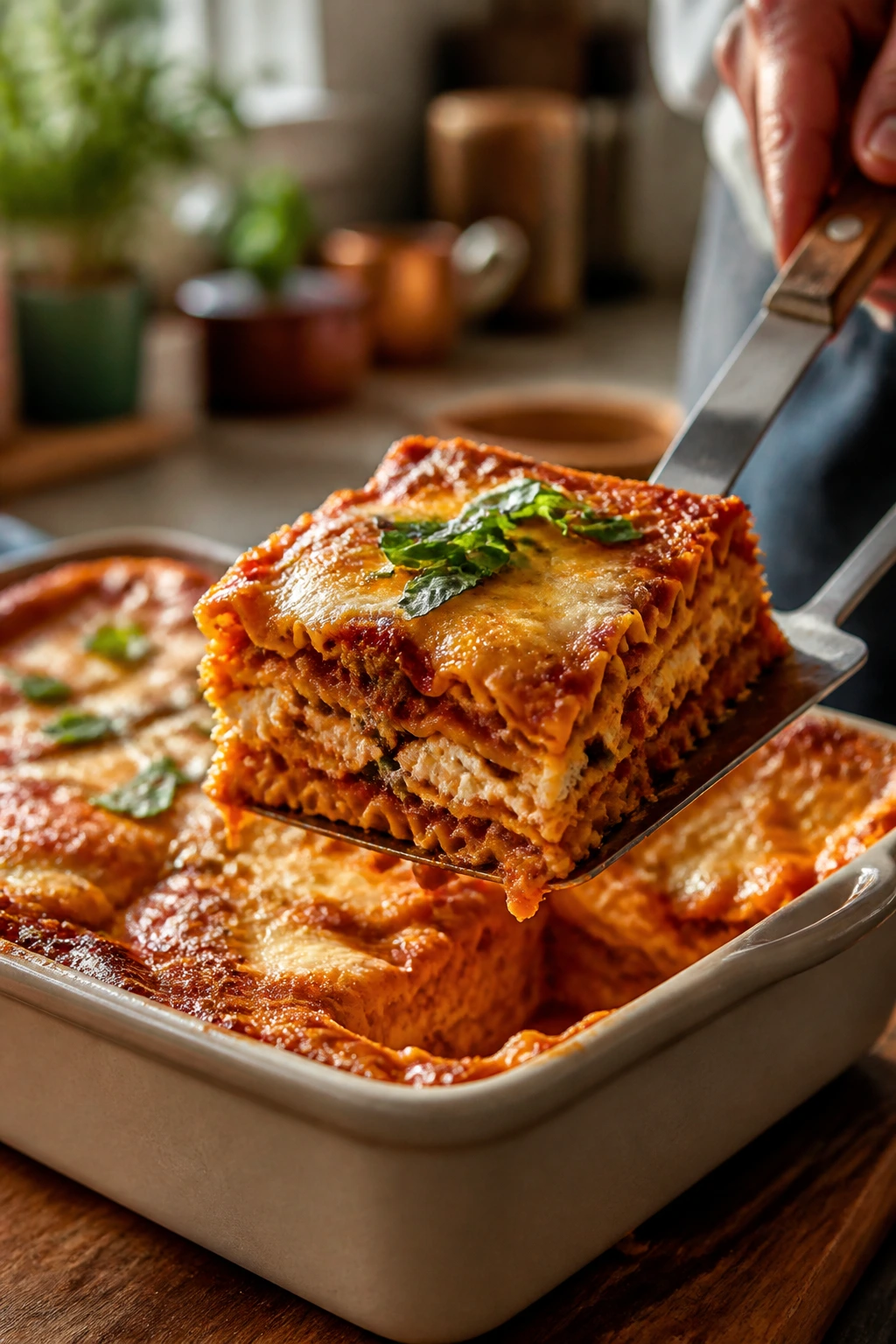
Presentation: Let the lasagna sit for 15 to 20 minutes before slicing, then use a long knife and a metal spatula to lift clean squares. A little scatter of herbs — basil, parsley, thyme, or chives — makes the top look fresh and keeps the cheese from feeling blank.
Accompaniments: Keep the sides simple. A peppery arugula salad, Caesar salad, garlic bread, roasted broccoli, or green beans all work across the whole collection. If the lasagna is cream-based, I reach for something sharp and lemony. If it’s tomato-based, I like a bitter green or a crunchy salad with vinegar.
Portions: One 9×13-inch pan usually serves 8 decent slices or 10 smaller ones. If you’re feeding very hungry people, plan on 1 1/2 slices each and add bread. If the meal is part of a bigger spread, thinner slices are enough, and the leftovers keep beautifully.
Beverage Pairing: A medium-bodied red wine fits the tomato lasagnas; a crisp white works with chicken, pesto, or spinach artichoke versions. Sparkling water with lemon or a cold iced tea is a good nonalcoholic answer that doesn’t fight the cheese.
Small Tweaks That Change the Whole Pan
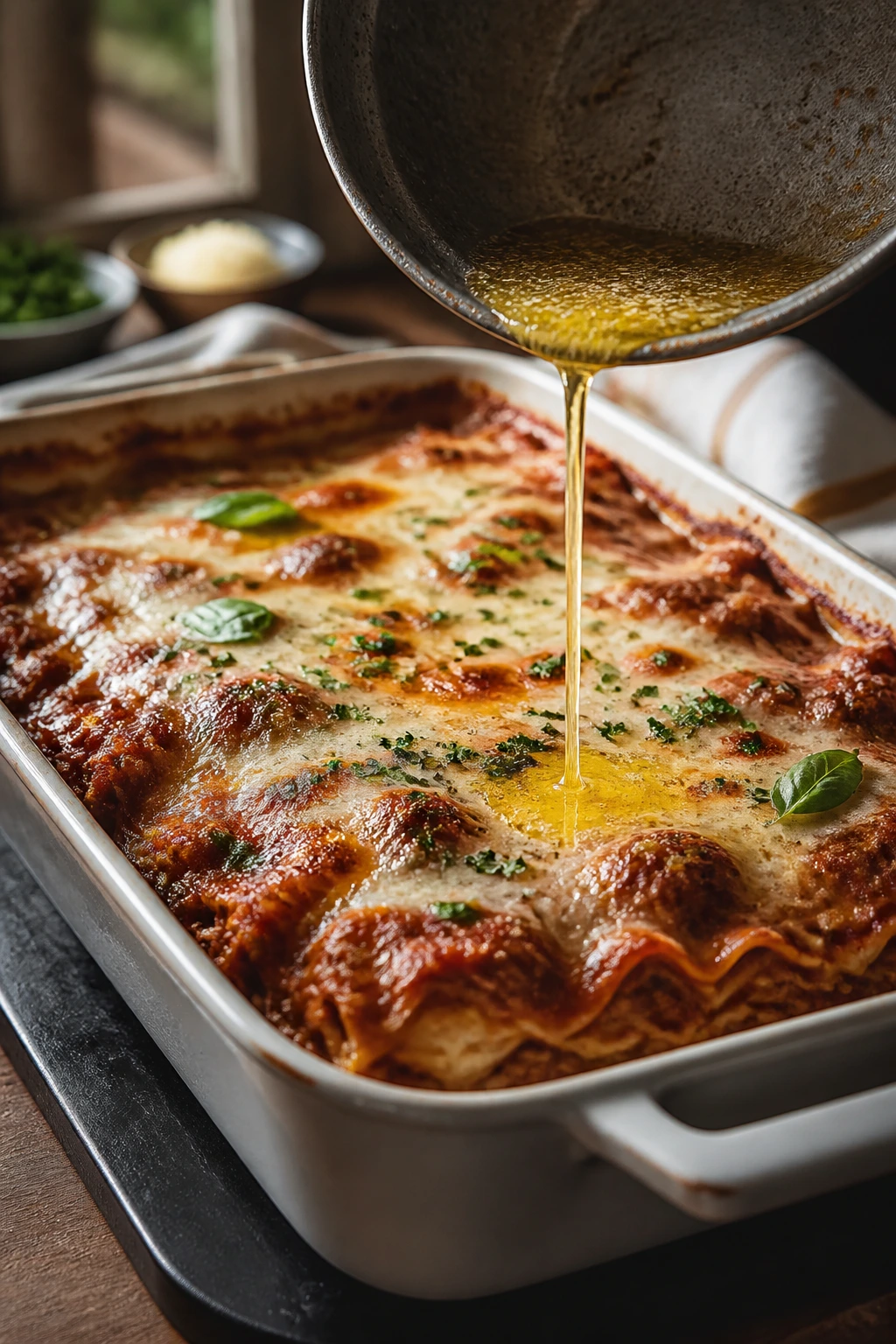
Flavor Enhancement: A finishing spoonful of basil oil, chili oil, or browned butter can change a familiar lasagna without turning it into a stunt. Use it sparingly. A tablespoon or two is enough.
Customization: Add a thin layer of sautéed mushrooms to almost any red-sauce lasagna, or fold a handful of spinach into white-sauce versions. Both moves give you more texture without cluttering the pan.
Serving Suggestions: Top tomato-based lasagnas with torn basil and a little extra Parmesan. Creamy versions like chicken Alfredo or spinach artichoke do well with black pepper and a squeeze of lemon. Squash and French onion pans like thyme, sage, or a few toasted breadcrumbs for crunch.
Make-It-Yours: For gluten-free eaters, use gluten-free lasagna noodles and make sure the sauce is thick enough to support them. For dairy-light versions, reduce the ricotta and lean on sauce and vegetables. For extra heat, use spicy sausage, hot sauce, or red pepper flakes in the meat sauce. None of those changes need to be dramatic to matter.
Make-Ahead, Fridge, and Freezer Rules
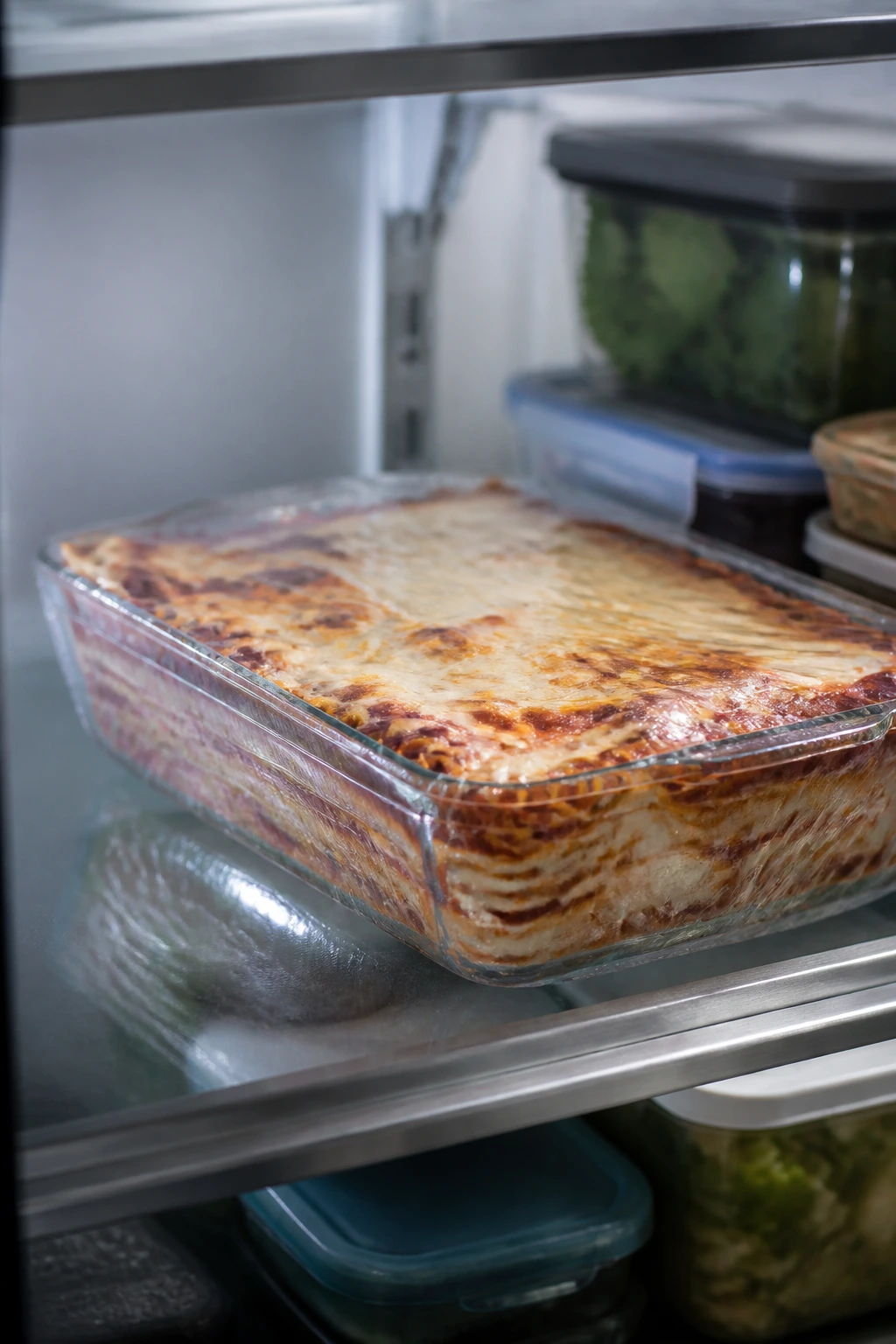
Most lasagna pans keep well because the structure works in your favor. In the refrigerator, baked lasagna usually holds for 3 to 4 days when covered tightly. If you’re storing slices, let them cool first, then wrap each piece or tuck them into airtight containers so they don’t dry out around the edges.
Freezing is where lasagna shines. You can freeze baked or unbaked lasagna for up to 2 months with good texture, though tomato-based versions tend to freeze a little cleaner than cream-based ones. For unbaked pans, wrap tightly in foil and plastic wrap, then thaw in the refrigerator before baking if you can. If you bake from frozen, cover it well and give yourself extra time; the center needs to heat through all the way.
Reheating works best in the oven. Cover the pan or individual slice with foil and warm at 350°F (175°C) until hot in the center, usually 20 to 30 minutes for a slice and 30 to 40 minutes for a larger portion. A microwave works in a pinch, but it softens the noodles unevenly. If the lasagna seems dry, add a spoonful of sauce or a splash of water before reheating.
Make-ahead assembly can buy you sanity. Most of these can be layered earlier in the day, then kept covered in the fridge until baking time. If you do that, let the pan sit on the counter for 20 to 30 minutes before it goes into the oven so the center isn’t icy while the edges race ahead.
Flavor Swaps That Fit Different Tables
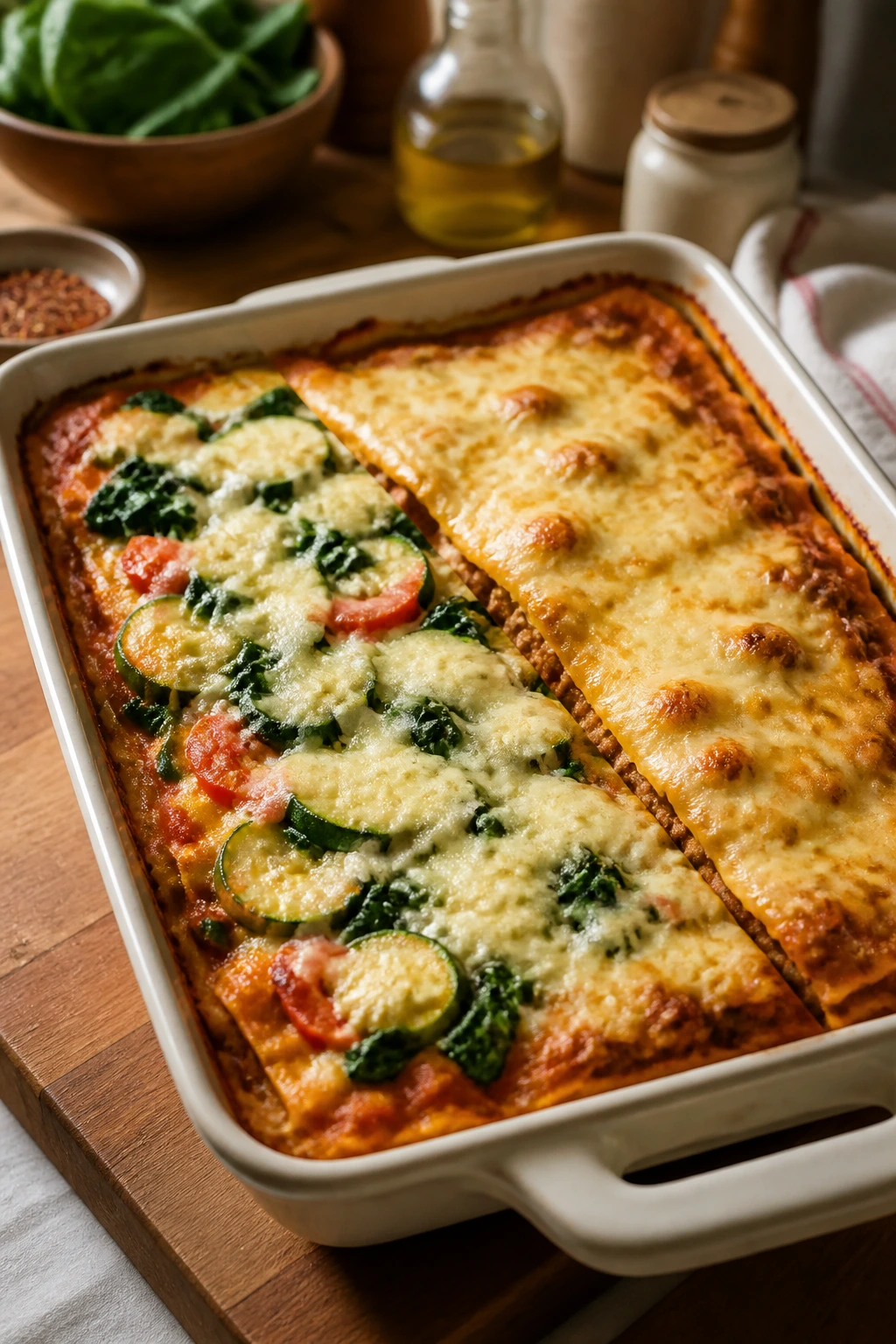
The Gluten-Free Pan: Use gluten-free lasagna noodles and a sauce with no flour thickeners. Keep the layers a little saucier than usual so the noodles soften properly.
The Dairy-Light Version: Cut the ricotta in half and replace the rest with sautéed vegetables or extra sauce. The pan will still taste rich if the cheese you do use is strong, like Parmesan or Gruyère.
The Lower-Sodium Bake: Choose low-sodium broth, unsalted sauce when available, and hold back on added salt until the sauce has reduced. Cheese already brings plenty of salt to the party.
The Kid-Friendly Cut: Go with mild sausage, plain beef, or chicken, and skip the bitter greens. A little extra mozzarella goes a long way with younger eaters, especially if the top is browned rather than dark.
The Spicy Sunday Tray: Add red pepper flakes to tomato sauces, use hot Italian sausage, or stir a spoonful of Calabrian chile paste into the meat layer. Keep the heat in the filling, not on the surface, so it spreads more evenly.
The Mistakes That Turn Lasagna Watery or Dense
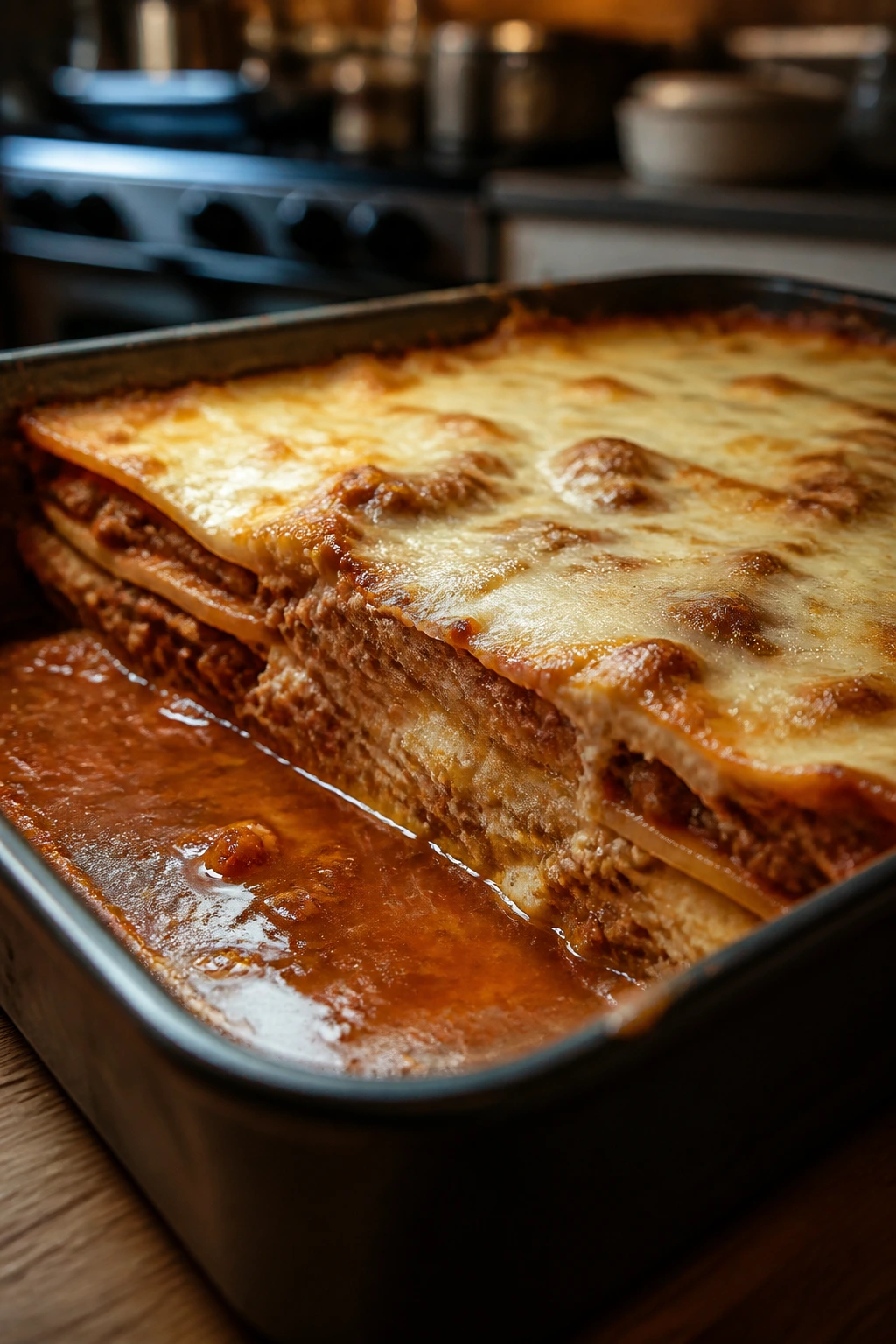
Using thin sauce: If the sauce pours like broth, the noodles never get a chance to firm up. Simmer it until it clings to a spoon.
Skipping the rest time: Cut too early and the layers slide apart. Give the pan 15 minutes, or even 20 if you want clean squares.
Packing in too much filling: More is not always better. Overstuffed lasagna turns messy in the oven and collapses on the plate.
Forgetting to drain wet ingredients: Spinach, artichokes, and roasted vegetables can release a sneaky amount of liquid. Press or roast them dry before layering.
Browning the top too fast: If the cheese burns before the center is hot, cover the pan with foil and let the heat do its work. Lasagna wants patience, not aggression.
Underseasoning the middle: People season the sauce and forget the cheese mixture. Salt the ricotta, taste the sauce, and season each layer enough that the finished pan doesn’t taste flat.
Questions Home Cooks Ask Before Baking

Can I assemble lasagna the day before?
Yes, and it often improves the texture. Assemble it tightly covered in the refrigerator, then bake it after it sits at room temperature for 20 to 30 minutes so the center starts evenly.
Do I have to use no-boil noodles?
No, but they make life easier. If you use regular noodles, cook them just shy of al dente so they don’t go mushy in the oven.
What’s the best cheese for lasagna?
Ricotta gives you body, mozzarella gives you melt, and Parmesan gives you sharpness. If you want a stronger flavor, swap in provolone, Gruyère, or fontina in small amounts.
Why does my lasagna come out watery?
Usually the sauce was too thin, the vegetables weren’t dry enough, or the pan was cut too soon. Thick sauce and resting time fix most of it.
Can I freeze lasagna before baking it?
Yes. Wrap it tightly and freeze it flat. Bake it from thawed if possible, or add extra covered baking time if it goes into the oven cold from the freezer.
Can I use cottage cheese instead of ricotta?
You can. It’s tangier and a little looser, so drain it first if it seems wet. Some people prefer the smoother taste of ricotta, but cottage cheese works well in a pinch.
How do I keep the top from burning?
Cover the pan with foil for most of the bake, then uncover near the end just long enough to brown the cheese. If your oven runs hot, move the pan to a lower rack.
How do I know the lasagna is done?
Look for bubbling sauce around the edges, a browned top, and a center that feels hot when you insert a knife. If the knife comes out warm and the layers don’t slosh, you’re in good shape.
A Pan Worth Gathering Around
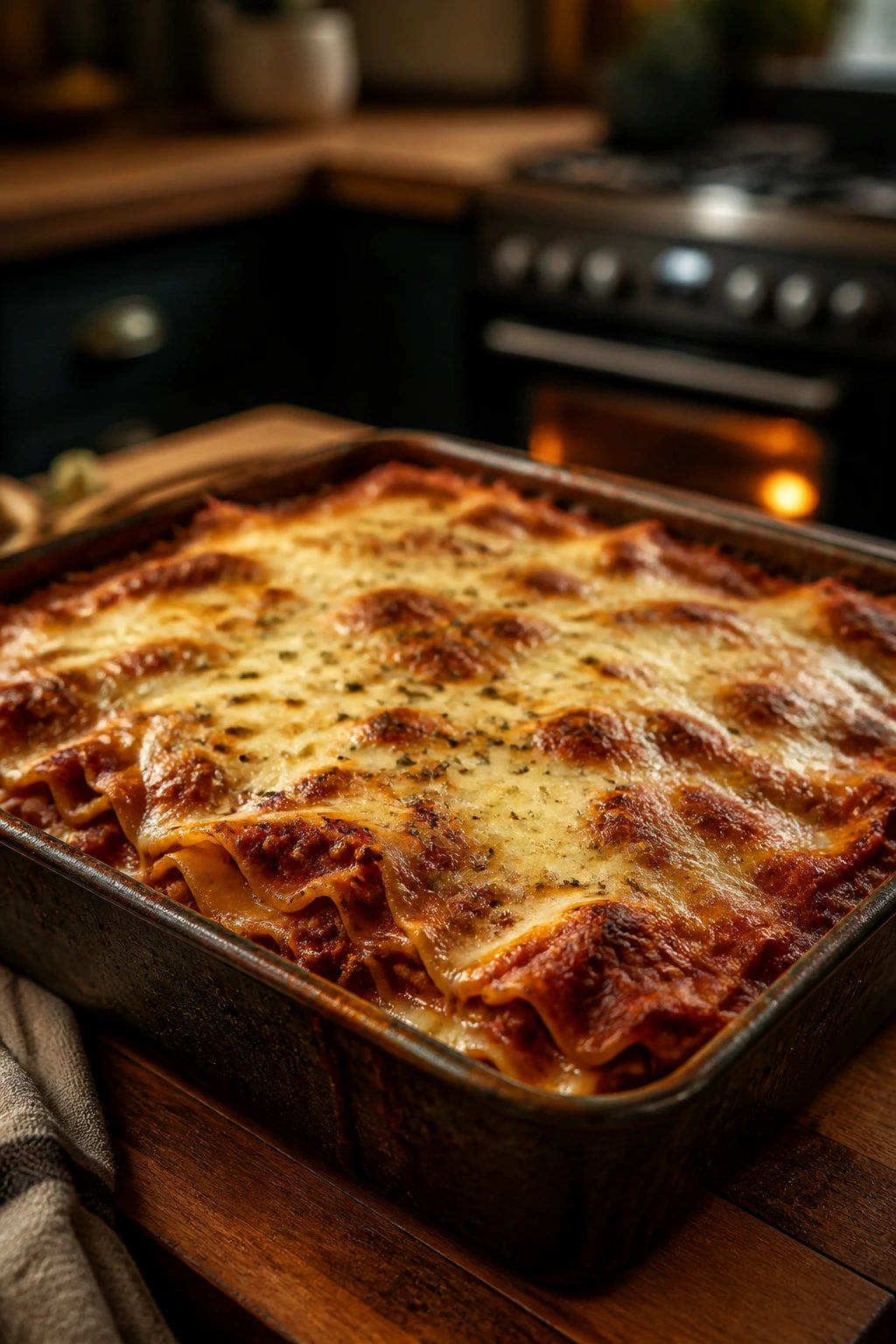
A good lasagna dinner doesn’t need to be fancy to feel generous. It just needs enough sauce, enough cheese, and enough time in the oven to become something that holds together when you cut into it. That’s really the whole trick.
What I like about these pans is how differently they solve the same problem. Some go loud with sausage or taco spices. Some stay quiet and creamy with chicken, squash, or artichokes. All of them work as Sunday food because they ask you to slow down a little, then pay you back with the kind of meal people remember by smell as much as taste.