



A skillet of cumin, garlic, and onion can fix a cranky evening faster than almost anything else in the kitchen. That’s especially true with Mexican dinners for weeknight cravings: they’re bold without being fussy, and they know how to taste like you worked harder than you did. A good salsa, a hot pan, and a handful of corn tortillas can carry more flavor than a cupboard full of complicated ingredients.
What I like most about this kind of cooking is the speed-to-payoff ratio. You can brown ground beef, roast shrimp, simmer chicken in red sauce, or stir together beans and rice, and the whole house starts smelling like dinner with a pulse. No precious little ceremony. No waiting around for something to “mature” while everybody gets more hungry and less pleasant.
These dishes lean on the right shortcuts: canned tomatoes that actually taste like tomatoes, beans that make a meal feel complete, cheese that melts instead of disappearing, and enough lime to wake everything up at the end. That’s the real trick. Not perfection. Momentum.
Why These Dinners Earn a Spot in the Rotation
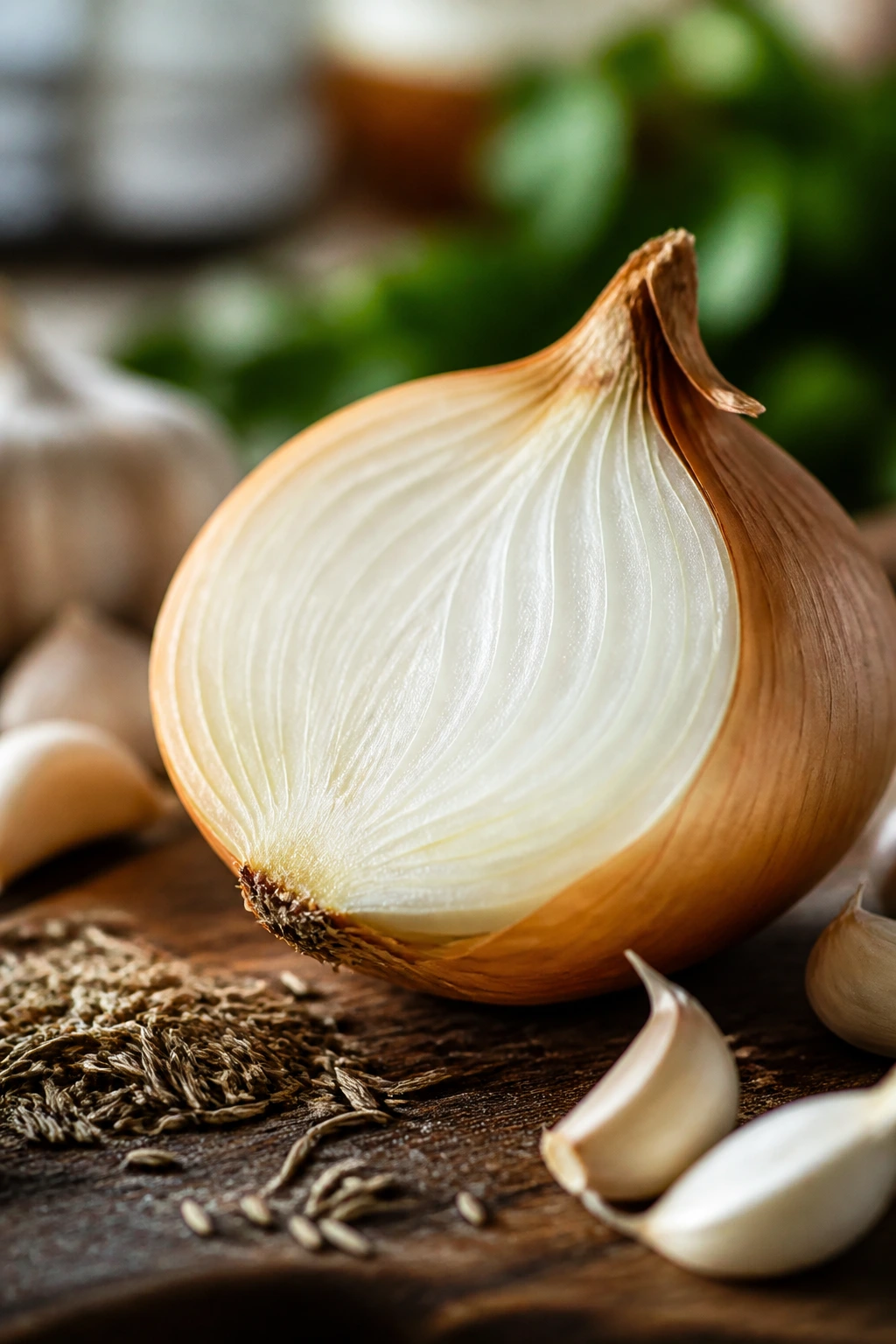
- Fast flavor base: Onion, garlic, cumin, chili powder, salsa, and canned tomatoes show up again and again because they build dinner fast without tasting flat.
- Flexible by nature: Chicken can become turkey, pinto beans can stand in for black beans, and corn tortillas can replace flour whenever you want a lighter, more classic bite.
- Built for real hunger: These meals are filling enough to count as dinner, not “a respectable snack dressed up as a meal.”
- Easy to stretch: A few of the recipes take well to extra rice, an extra can of beans, or another tortilla package when more people wander in.
- Good leftovers: Several of these taste even better after a night in the fridge, especially the soups, skillet meals, and saucy taco fillings.
- Cleanup stays sane: Sheet pans, skillets, casseroles, and one-pot soups do most of the work, which matters when the sink is already crowded with life.
1. Smoky Chicken Tinga Tacos
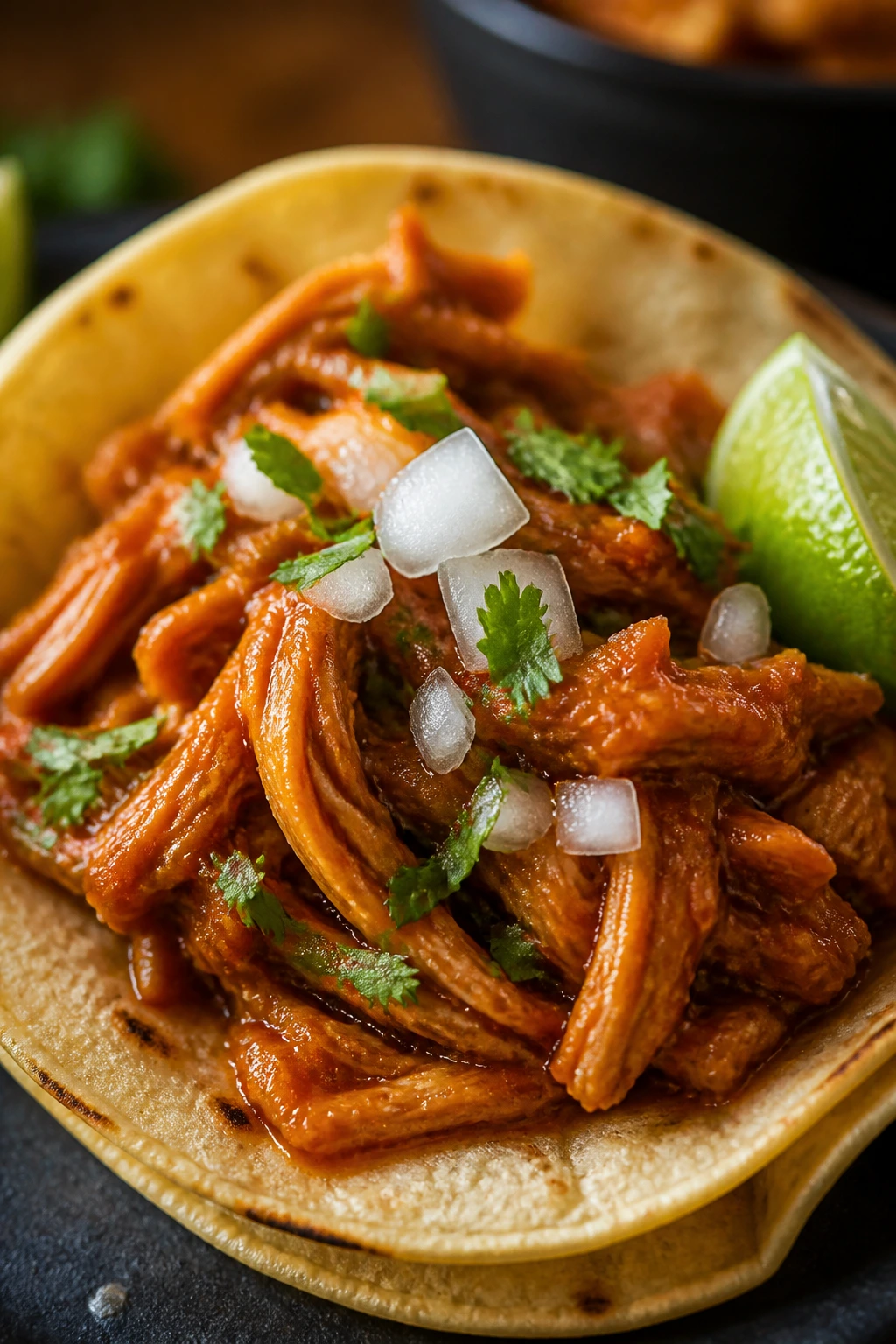
Chicken tinga tastes like something that took all afternoon, but the weekday version moves fast if you keep the sauce simple and the heat moderate. The tomato-chipotle base is smoky, a little tangy, and just rich enough to cling to shredded chicken without turning heavy. Piled into warm corn tortillas with cabbage and cotija, it has the sort of messy, satisfying energy that makes you forget how tired you were ten minutes ago.
Why It Works: Tinga is a smart weeknight move because the sauce does the heavy lifting. Chipotle in adobo gives you smoke and heat in one spoonful, while fire-roasted tomatoes add depth without a long simmer. Chicken thighs stay juicy even if the pan runs a few minutes long, which is a mercy on busy nights. Serve it with something crisp and cold on top, and it lands with real contrast instead of one-note softness.
Key Ingredients:
- 1½ pounds boneless, skinless chicken thighs
- 1 tablespoon olive oil
- 1 large yellow onion, thinly sliced
- 3 garlic cloves, minced
- 1 can (14.5 ounces) fire-roasted diced tomatoes
- 2 chipotle peppers in adobo sauce, plus 1 tablespoon adobo sauce
- 1 teaspoon ground cumin
- 1 teaspoon dried oregano
- 1 teaspoon kosher salt
- 12 corn tortillas
- 1 cup shredded cabbage
- ½ cup crumbled cotija or queso fresco
- 1 avocado, sliced
- Lime wedges, for serving
Quick Steps:
- Heat the olive oil in a large skillet over medium heat. Add the onion and cook for 5 to 6 minutes, until softened and just starting to turn golden at the edges.
- Stir in the garlic, cumin, oregano, salt, chipotle peppers, adobo sauce, and tomatoes. Let the mixture simmer for 2 minutes so the chile flavor blooms.
- Nestle in the chicken thighs, reduce the heat to medium-low, cover, and simmer for 18 to 20 minutes, until the chicken reaches 165°F and pulls apart easily.
- Transfer the chicken to a plate and shred it with two forks. Return it to the pan and stir until the sauce coats every strand.
- Warm the tortillas in a dry skillet for 20 to 30 seconds per side. Fill each one with chicken, cabbage, cotija, avocado, and a squeeze of lime.
Tips and Variations:
- If you want deeper smoke, add ½ teaspoon smoked paprika, but do not overdo it or the chipotle gets buried.
- The filling makes excellent leftovers for tostadas or burrito bowls the next day.
- Use chicken breast if that’s what you have, but pull it as soon as it’s cooked or it can go dry.
2. One-Skillet Beef Taco Rice
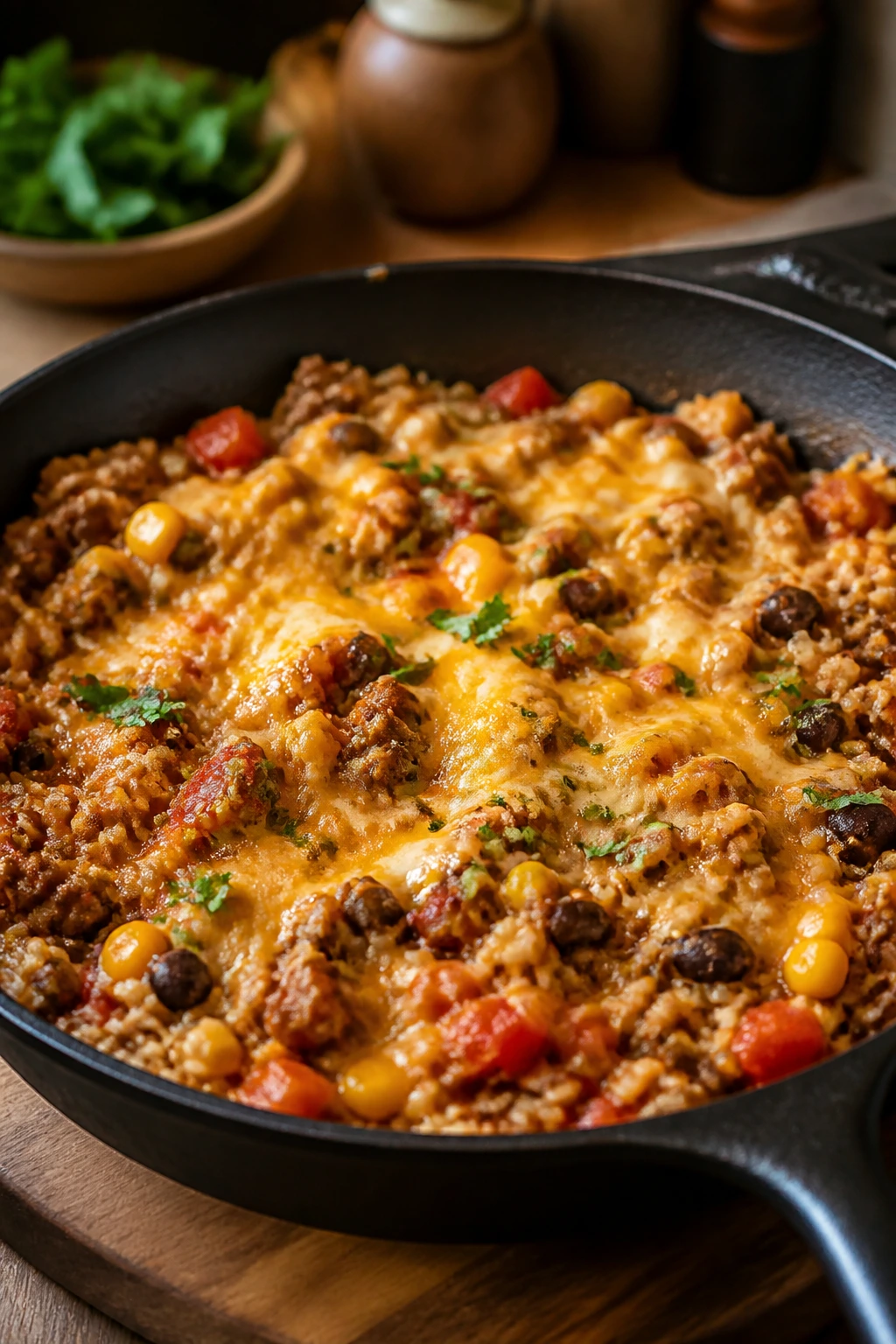
This is the sort of dinner that saves a night without acting like a compromise. The rice cooks in the same skillet as the beef, which means the grains soak up taco seasoning, tomato, broth, and the salty edge of beans while everything bubbles together. It’s hearty, a little saucy, and finished with melted cheese so the whole pan feels pulled together instead of rushed.
Why It Works: A one-skillet taco rice dinner gives you layers without extra pots. Browning the beef first builds flavor at the bottom of the pan, then the rice cooks in that same seasoned base instead of plain water. A covered simmer for about 18 minutes gives the rice time to soften and drink up the broth, and the black beans and corn make it feel like a full meal, not a filler dish. It’s the kind of recipe that forgives a busy clock.
Key Ingredients:
- 1 pound lean ground beef
- 1 tablespoon olive oil
- 1 small yellow onion, diced
- 1 bell pepper, diced
- 2 garlic cloves, minced
- 2 tablespoons taco seasoning
- 1 cup long-grain white rice, rinsed
- 1 can (14.5 ounces) diced tomatoes
- 2 cups beef broth
- 1 can (15 ounces) black beans, drained and rinsed
- 1 cup frozen or canned corn
- 1 cup shredded cheddar or Mexican blend cheese
- Chopped cilantro and salsa, for serving
Quick Steps:
- Warm the olive oil in a deep skillet over medium-high heat. Add the beef, onion, and bell pepper, then cook for 6 to 8 minutes until the beef is browned and the onions are soft.
- Stir in the garlic and taco seasoning and cook for 30 seconds, just until fragrant.
- Add the rinsed rice, tomatoes, and broth. Bring the mixture to a boil, then lower the heat and cover.
- Simmer for 18 minutes without lifting the lid, until the rice is tender and the liquid has been absorbed.
- Fold in the black beans and corn, then sprinkle cheese over the top. Cover again for 2 minutes so the cheese melts.
- Finish with cilantro and salsa right in the skillet, or scoop into bowls and let everyone garnish their own.
Tips and Variations:
- Rinse the rice well. That small step keeps the skillet from turning gluey.
- Swap in ground turkey if you want a lighter version; just add a splash more olive oil.
- A spoonful of sour cream on top softens the spice and makes leftovers taste fresh.
3. Chicken Enchilada Casserole
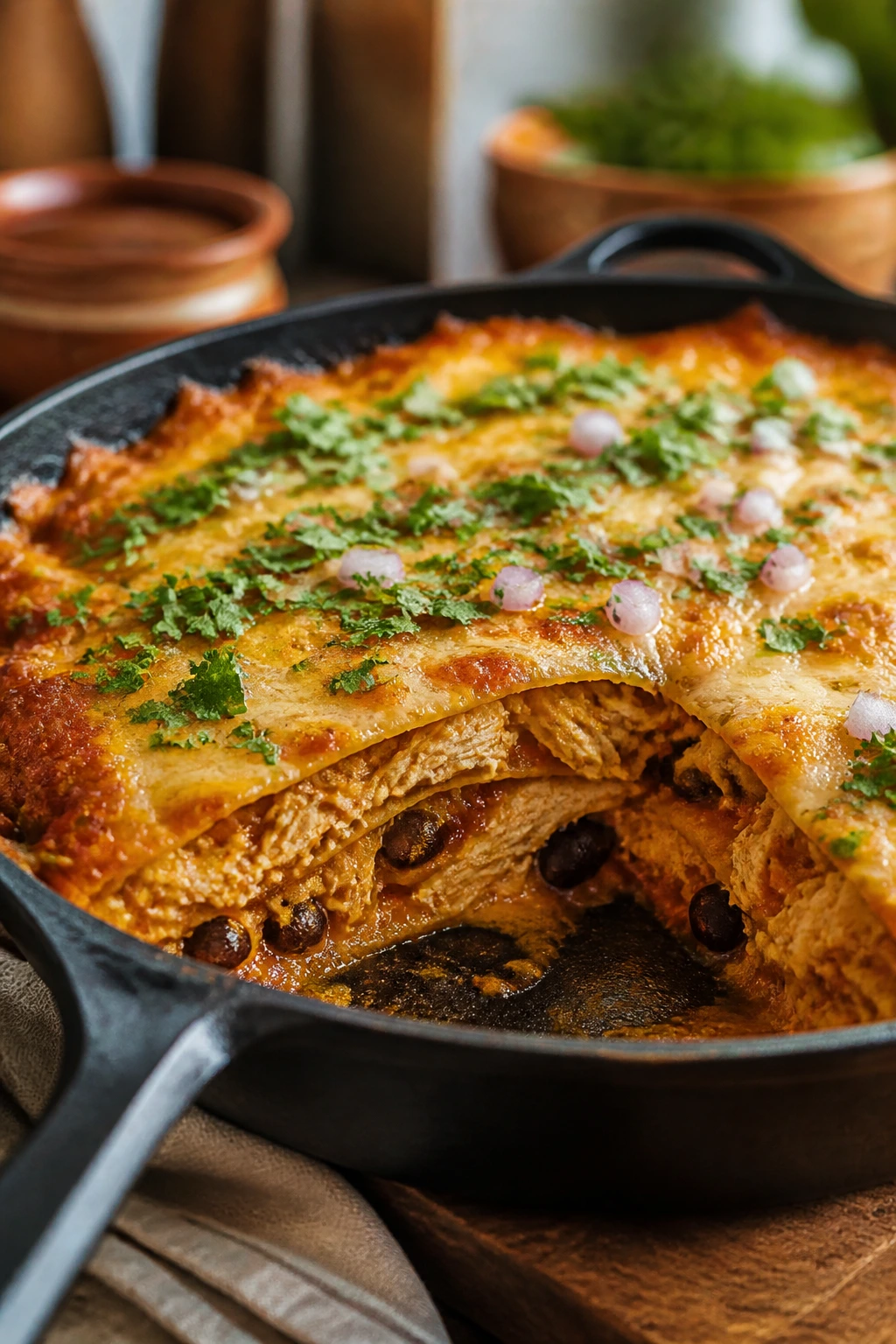
If you like enchiladas but not the rolling, this casserole is your friend. Layers of tortillas, saucy chicken, beans, and cheese bake into something that slices cleanly and still tastes cozy at the edges. The top gets a little bronzed, the center stays saucy, and every square carries enough red sauce to remind you why enchiladas are worth the trouble in the first place.
Why It Works: The casserole format solves two problems at once: it speeds up assembly and keeps the tortillas from tearing. Corn tortillas soften in the sauce, which gives the final bake that layered, almost lasagna-like texture people love. Since the chicken is already cooked, the oven only needs about 25 minutes to heat everything through and melt the cheese. You get enchilada flavor with half the handwork.
Key Ingredients:
- 2 cups shredded cooked chicken
- 1 tablespoon neutral oil
- 1 small onion, diced
- 1 can (15 ounces) red enchilada sauce
- 1 can (15 ounces) black beans, drained and rinsed
- 1 cup corn
- 8 corn tortillas, cut into strips
- 2 cups shredded Monterey Jack cheese
- 1 teaspoon ground cumin
- ½ teaspoon kosher salt
- Chopped cilantro, sliced scallions, and sour cream, for serving
Quick Steps:
- Heat the oil in a skillet over medium heat. Cook the onion for 4 to 5 minutes, until softened.
- Stir in the chicken, enchilada sauce, beans, corn, cumin, and salt. Let it simmer for 3 minutes so the filling thickens slightly.
- Spread a thin layer of sauce in a 9×13-inch baking dish. Add half the tortilla strips, half the chicken mixture, and one-third of the cheese.
- Repeat the layers, then finish with the remaining cheese on top.
- Bake at 375°F for 20 to 25 minutes, until the cheese is melted and the edges are bubbling.
- Rest the casserole for 10 minutes before cutting. That pause matters; the slices hold together much better.
Tips and Variations:
- If your tortillas are dry, warm them for 20 seconds in the microwave before layering so they bend instead of crack.
- Green enchilada sauce works if you want a brighter, tangier casserole.
- Leftovers reheat well, but add a splash of sauce before warming so the top stays soft.
4. Sheet Pan Shrimp Fajitas
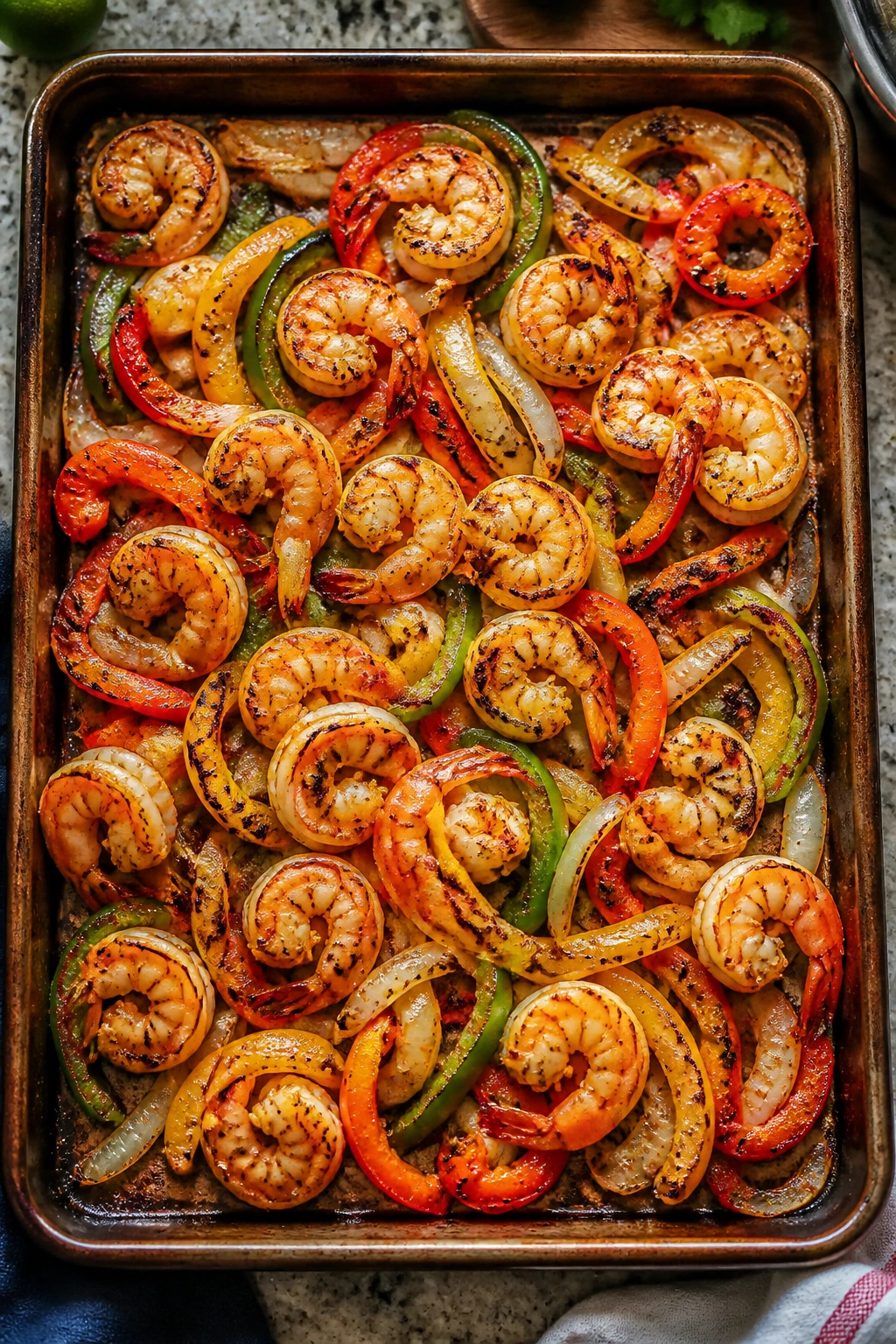
Shrimp fajitas are the sprint version of dinner: fast heat, quick color, and a lot of payoff for very little labor. The peppers soften at the edges, the onions go sweet, and the shrimp turn pink and curled in about the same stretch of time it takes to set the table. You get char, smoke, lime, and a little sizzle. That’s enough.
Why It Works: Shrimp cook fast enough that they stay tender when the vegetables need a little more time in the oven. A hot sheet pan at 425°F gives the peppers and onions the browning they need while the shrimp finish in 10 to 12 minutes. The seasoning is simple on purpose: chili powder, cumin, garlic, salt, and oil are enough to make the whole tray taste like fajitas instead of just roasted vegetables with seafood. It’s a good example of letting the oven do what the stove doesn’t need to.
Key Ingredients:
- 1½ pounds large shrimp, peeled and deveined
- 2 bell peppers, sliced
- 1 large onion, sliced
- 2 tablespoons olive oil
- 1½ teaspoons chili powder
- 1 teaspoon ground cumin
- ½ teaspoon garlic powder
- 1 teaspoon kosher salt
- 12 flour or corn tortillas
- Lime wedges, avocado, and salsa, for serving
Quick Steps:
- Heat the oven to 425°F and line a large sheet pan with parchment.
- Toss the peppers and onion with 1 tablespoon of the oil, half the chili powder, half the cumin, half the garlic powder, and half the salt.
- Spread the vegetables on the pan and roast for 8 minutes, until they start to soften and char at the edges.
- Toss the shrimp with the remaining oil and seasonings, then scatter them over the vegetables.
- Roast for 4 to 6 minutes more, until the shrimp are pink and opaque.
- Serve immediately with warm tortillas, lime, avocado, and salsa.
Tips and Variations:
- Do not crowd the pan. If the vegetables sit on top of one another, they steam instead of browning.
- A squeeze of orange juice in the seasoning mix gives the shrimp a slightly sweeter edge.
- If you like a little crust, broil the tray for 1 minute at the end, watching closely.
5. Black Bean and Sweet Potato Tacos
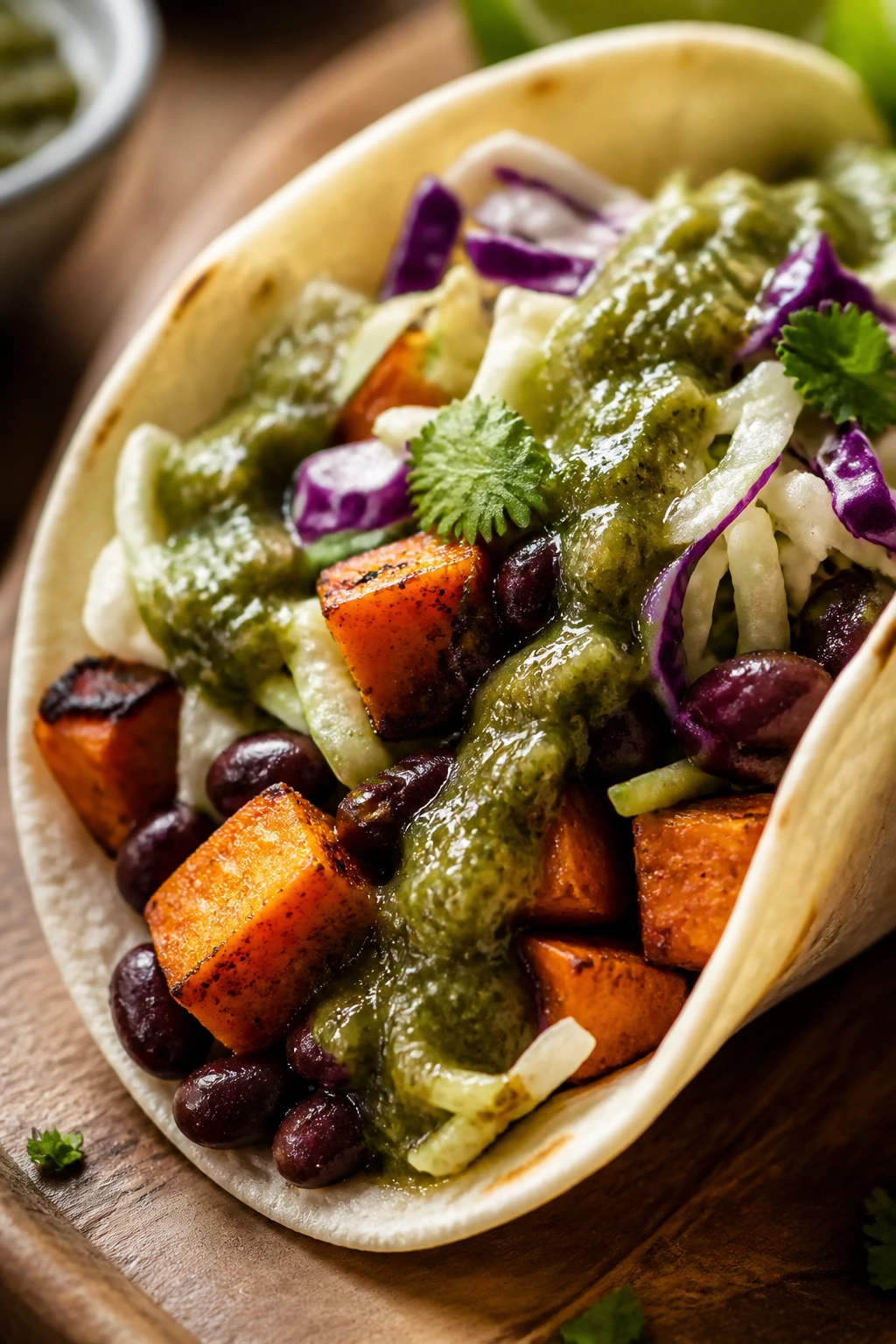
Sweet potatoes and black beans belong together. That’s not a trend statement; it’s a texture statement. The potatoes turn soft in the middle and caramelized at the edges, while the beans bring a creamy, earthy contrast that keeps each taco from feeling one-note. Add a sharp salsa verde, and the whole thing wakes up nicely.
Why It Works: This dinner leans on inexpensive ingredients that hold up well to heat and flavor. Sweet potatoes roast best when cut into small cubes, about ½-inch, so they soften in 20 to 25 minutes instead of staying chalky in the middle. Black beans need only a quick warm-up with cumin and garlic, which means you’re not building dinner from scratch so much as arranging it smartly. That’s a good use of a Tuesday.
Key Ingredients:
- 2 medium sweet potatoes, peeled and cut into ½-inch cubes
- 1 tablespoon olive oil
- 1 can (15 ounces) black beans, drained and rinsed
- 1 small onion, finely chopped
- 1 teaspoon ground cumin
- ½ teaspoon smoked paprika
- ½ teaspoon kosher salt
- 8 to 10 corn tortillas
- 1 cup shredded cabbage
- ½ cup crumbled cotija or feta
- Salsa verde and lime wedges, for serving
Quick Steps:
- Heat the oven to 425°F. Toss the sweet potatoes with olive oil, salt, and smoked paprika.
- Roast for 20 to 25 minutes, flipping once, until the cubes are browned on the edges and tender inside.
- Meanwhile, sauté the onion in a small skillet for 3 minutes, then add the beans and cumin. Warm for 4 minutes, mashing a few beans against the pan so the filling gets creamier.
- Warm the tortillas in a dry skillet or over a gas flame.
- Fill each tortilla with sweet potatoes, beans, cabbage, and cotija.
- Finish with salsa verde and a squeeze of lime.
Tips and Variations:
- Cut the sweet potatoes evenly. Uneven cubes mean some pieces burn while others stay hard.
- A spoonful of chipotle crema turns this into a richer taco without much extra work.
- If you want more protein, fold in a handful of cooked quinoa or a fried egg.
6. Salsa Verde Pork Burrito Bowls
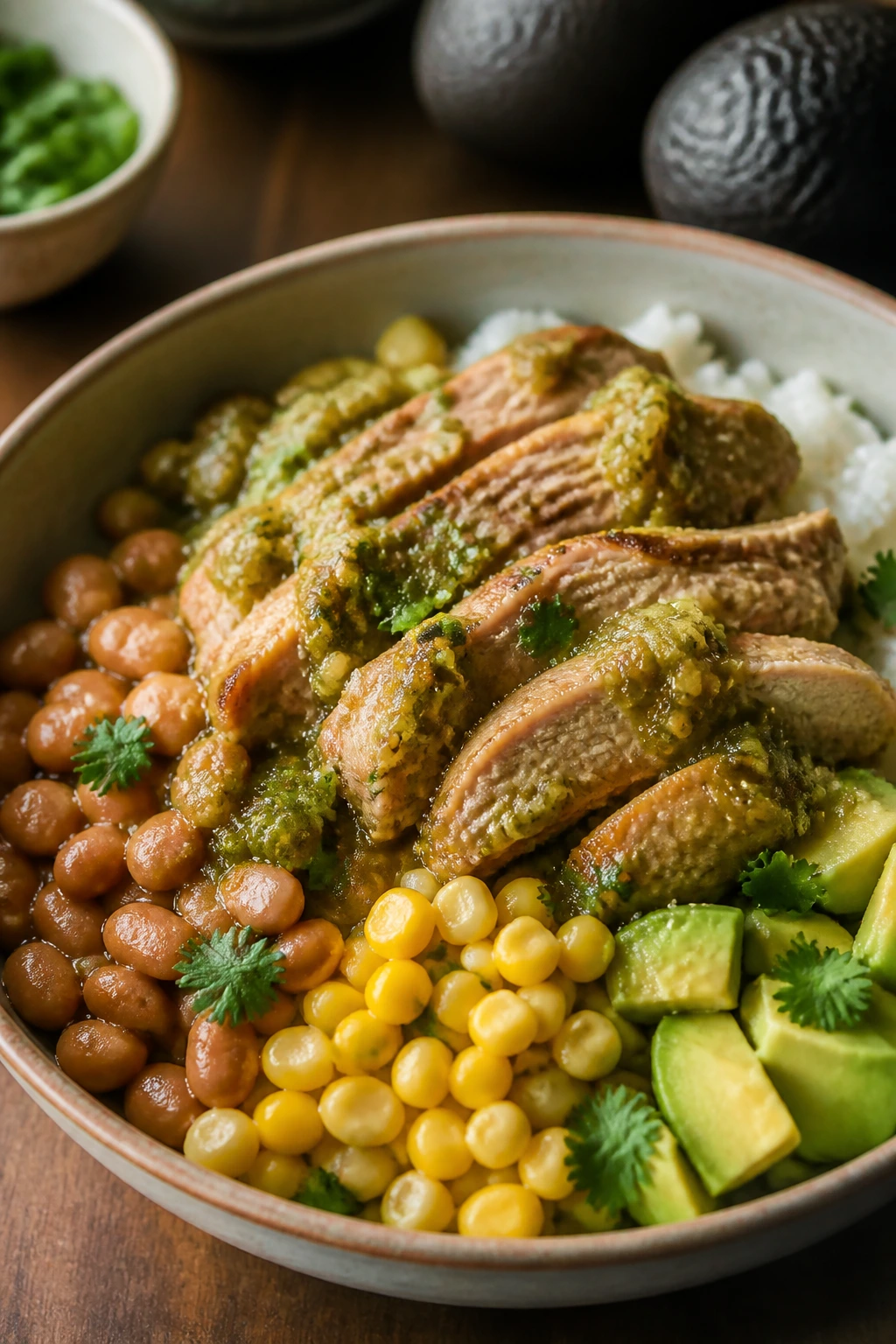
Burrito bowls are the easy path when you want all the good parts of a burrito without wrestling a tortilla into a neat package. Pork simmered in salsa verde gets tangy and savory, and it sits well over rice with beans, corn, and avocado. The bowl format is forgiving. You can stack it neatly or pile it messily and still call it dinner.
Why It Works: Pork tenderloin cooks quickly enough for a weeknight and stays tender if you don’t overdo it. Salsa verde brings acid, salt, and a little chile heat in one jar, which saves you from building a separate sauce. Once the pork has simmered and been sliced, the rest is just assembly, and that’s the sort of dinner I can stand behind on a tired evening. Warm rice underneath helps catch the juices so nothing goes to waste.
Key Ingredients:
- 1½ pounds pork tenderloin
- 1 tablespoon olive oil
- 1 small onion, sliced
- 1 cup salsa verde
- 1 teaspoon ground cumin
- 1 teaspoon kosher salt
- 2 cups cooked rice
- 1 can (15 ounces) pinto beans, drained and rinsed
- 1 cup corn
- 1 avocado, sliced
- Chopped cilantro, lime wedges, and crumbled queso fresco, for serving
Quick Steps:
- Heat the oil in a skillet over medium-high heat. Sear the pork tenderloin for 2 to 3 minutes per side, until browned all over.
- Add the onion, salsa verde, cumin, salt, and ½ cup water. Bring to a simmer, cover, and cook for 12 to 15 minutes.
- Check the pork for 145°F in the center, then transfer it to a cutting board and rest for 5 minutes.
- Slice the pork thinly across the grain.
- Build bowls with rice, beans, corn, pork, avocado, cilantro, and queso fresco.
- Spoon a little of the cooking sauce over the top and finish with lime.
Tips and Variations:
- If you have leftover rice, reheat it with a tablespoon of water under a damp paper towel so it stays fluffy.
- Pick a salsa verde that tastes bright and tangy, not only salty.
- The pork also works in tacos if you want to switch the format the next night.
7. Turkey Taco Stuffed Peppers
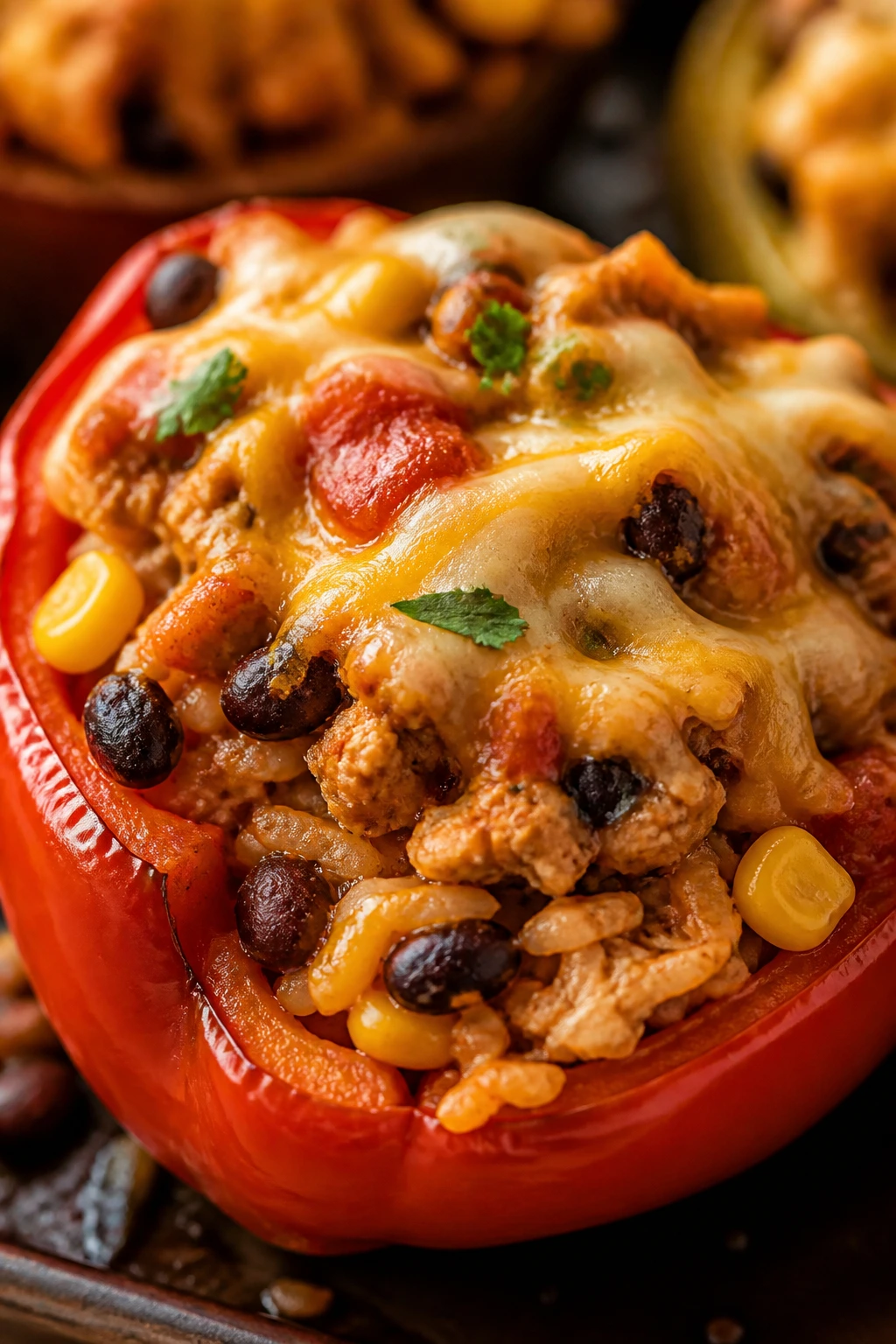
Stuffed peppers can be dull if they’re treated like a diet chore. These are not that. Taco-seasoned turkey, rice, beans, salsa, and cheese turn the pepper halves into their own little dinner bowls, with the vegetables adding sweetness as they soften in the oven. The filling stays juicy, and the cheese on top gives you that necessary browned edge.
Why It Works: Bell peppers are sturdy enough to hold a filling without collapsing, and they sweeten as they bake, which plays nicely against the spiced turkey. Using cooked rice means the filling only needs a short sauté before it goes into the oven. The result is a full dinner in one tidy package, which helps on nights when you want structure more than ceremony. It’s also easy to scale up if a few extra mouths appear.
Key Ingredients:
- 4 large bell peppers, halved and seeded
- 1 pound ground turkey
- 1 small onion, diced
- 2 tablespoons taco seasoning
- 1 cup cooked rice
- 1 can (15 ounces) black beans, drained and rinsed
- 1 cup salsa
- 1 cup corn
- 1½ cups shredded cheddar or Monterey Jack
- Chopped cilantro and sour cream, for serving
Quick Steps:
- Heat the oven to 400°F. Arrange the pepper halves cut-side up in a baking dish.
- Brown the turkey and onion in a skillet over medium heat for 6 to 7 minutes, until the turkey is no longer pink.
- Stir in the taco seasoning, rice, beans, salsa, and corn. Cook for 2 minutes so the filling comes together.
- Spoon the mixture into the peppers, packing it in lightly.
- Cover the dish with foil and bake for 20 minutes. Uncover, add the cheese, and bake for 8 to 10 minutes more until the cheese melts.
- Finish with cilantro and sour cream.
Tips and Variations:
- If the peppers are very thick, give them a 5-minute head start in the oven before filling them.
- Ground chicken works too, but it needs a touch more oil in the pan.
- Leftover filling makes a good quesadilla filling the next day.
8. Tomato-Rice and Pinto Bean Skillet
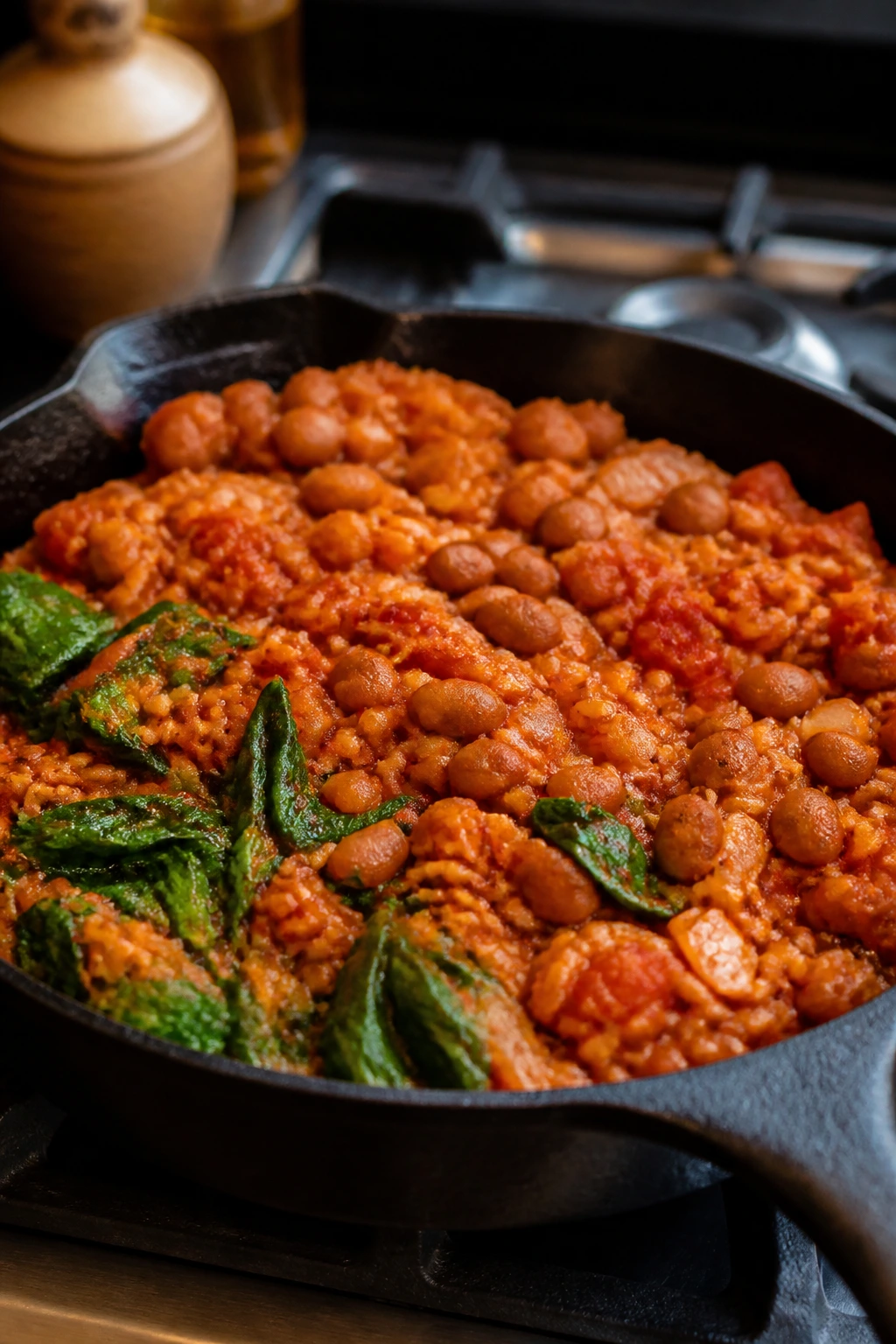
This is the quiet workhorse of the group. Tomato and rice cook together until the grains are stained red and just tender, while pinto beans turn the skillet into dinner instead of a side dish. It’s the kind of meal that looks plain for five minutes and then starts smelling like you meant business. Add lime and queso fresco, and the whole pan wakes up.
Why It Works: Rice absorbs flavor best when it cooks directly in a seasoned liquid, not plain water. Crushed tomatoes, broth, cumin, and oregano give the grains a saucy base that tastes fuller than standard rice. Pinto beans add body and a creamy bite, while spinach or cilantro at the end keeps the skillet from feeling heavy. This is what pantry cooking should feel like: calm, warm, and useful.
Key Ingredients:
- 1 tablespoon olive oil
- 1 small onion, diced
- 2 garlic cloves, minced
- 1 cup long-grain white rice, rinsed
- 1 can (15 ounces) crushed tomatoes
- 2 cups chicken or vegetable broth
- 1 can (15 ounces) pinto beans, drained and rinsed
- 1 teaspoon ground cumin
- 1 teaspoon dried oregano
- 2 cups baby spinach
- ½ cup crumbled queso fresco
- Lime wedges, for serving
Quick Steps:
- Heat the oil in a deep skillet over medium heat. Cook the onion for 4 minutes, then stir in the garlic for 30 seconds.
- Add the rice and stir for 1 minute so the grains get coated in oil.
- Pour in the crushed tomatoes, broth, cumin, and oregano. Bring to a boil, then reduce the heat to low and cover.
- Simmer for 18 minutes, until the rice is tender and most of the liquid is absorbed.
- Stir in the beans and spinach, then cover for 2 more minutes until the spinach wilts.
- Top with queso fresco and lime.
Tips and Variations:
- Keep the heat low once the rice simmers; a hard boil can scorch the bottom.
- Stir in chopped roasted poblanos if you want a little more depth.
- A fried egg on top turns this into an easy dinner-for-breakfast situation.
9. Chicken Tortilla Soup
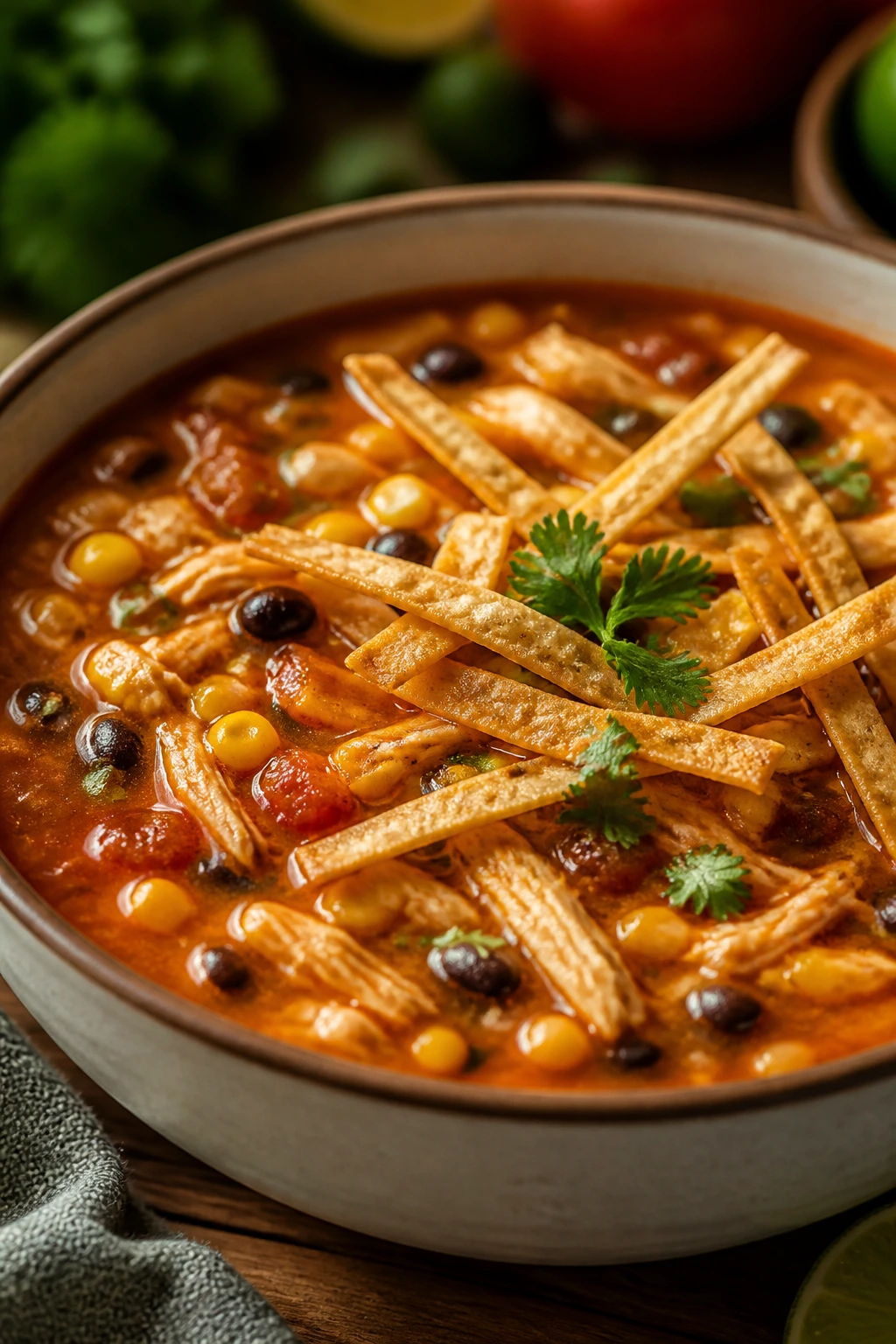
Chicken tortilla soup has a way of making a regular bowl of soup feel like an event. The broth is bright with tomato, cumin, and lime, the chicken stays tender, and the tortilla strips add the crunch that a lot of soups forget. It’s a smart answer when you want something warm but not heavy, and when you want dinner to feel like it’s been looked after.
Why It Works: Tortilla soup is built on layered textures, not just broth. The base simmers with onion, garlic, tomatoes, and spices before the chicken goes in, so every spoonful tastes seasoned rather than merely salted. Black beans and corn stretch the soup enough to make it filling, and the tortilla strips give you a crisp, salty top layer that disappears fast. If you want one soup that eats like a meal, this is the one.
Key Ingredients:
- 1 tablespoon olive oil
- 1 small onion, diced
- 2 garlic cloves, minced
- 1 teaspoon ground cumin
- 1 teaspoon chili powder
- 6 cups chicken broth
- 1 can (14.5 ounces) diced tomatoes
- 2 cups shredded cooked chicken
- 1 can (15 ounces) black beans, drained and rinsed
- 1 cup corn
- 1 lime, juiced
- Tortilla strips, avocado, cilantro, and shredded cheese, for serving
Quick Steps:
- Heat the oil in a soup pot over medium heat. Cook the onion for 4 minutes until softened, then add the garlic, cumin, and chili powder for 30 seconds.
- Pour in the broth and tomatoes and bring the mixture to a gentle boil.
- Stir in the chicken, beans, and corn. Reduce the heat and simmer for 15 minutes so the flavors blend.
- Add the lime juice and taste for salt.
- Ladle into bowls and top with tortilla strips, avocado, cilantro, and cheese.
Tips and Variations:
- Make tortilla strips by baking thin tortilla wedges at 400°F for 8 to 10 minutes.
- A spoonful of salsa roja can deepen the broth if your tomatoes taste a little flat.
- The soup base freezes well before you add the toppings.
10. Sheet Pan Chicken Fajitas
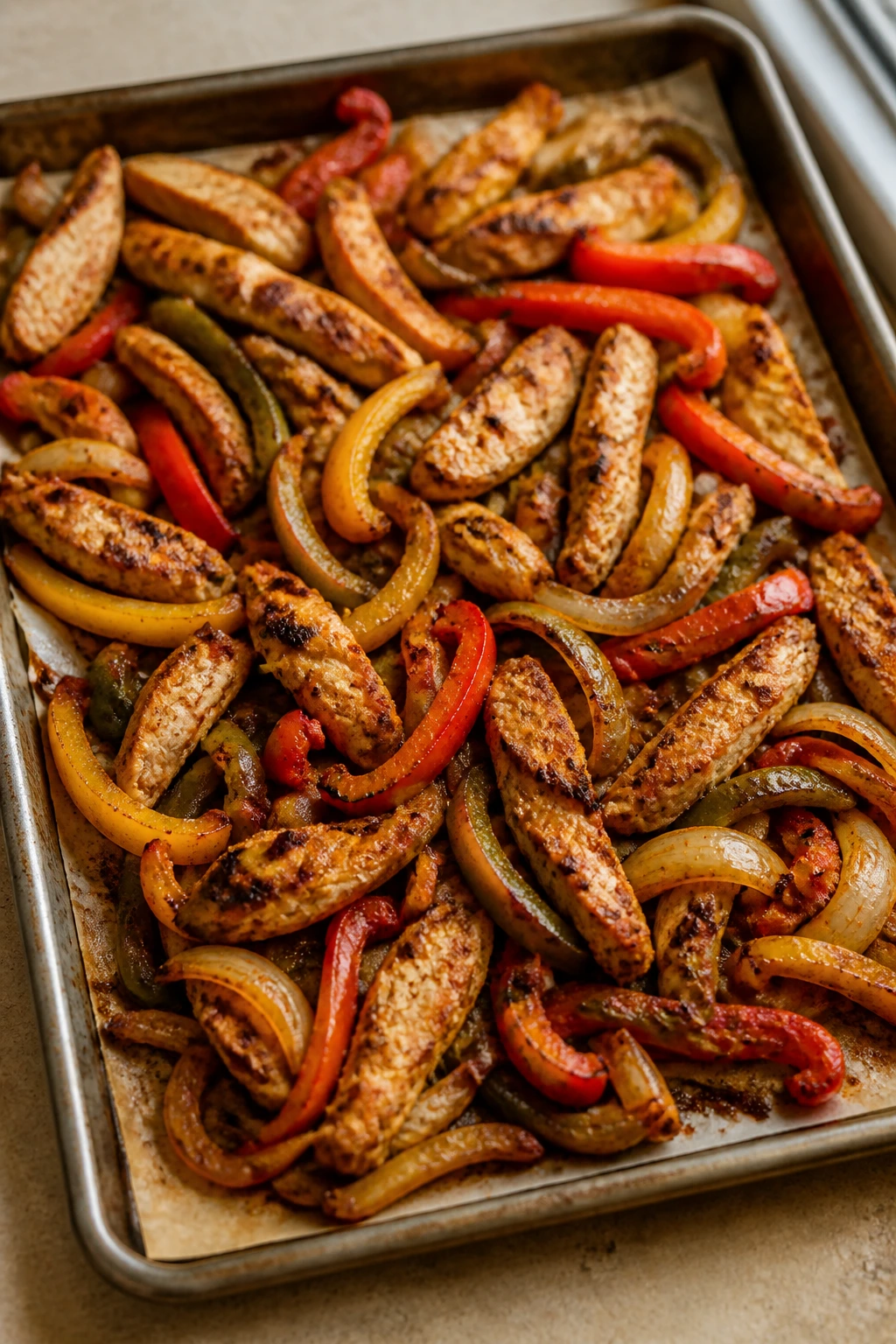
Chicken fajitas on a sheet pan are one of those dependable ideas that keep earning their place. The chicken browns at the edges, the peppers soften and sweeten, and the onion picks up enough char to taste almost smoky. Everything finishes at once, which is half the battle on a weeknight. The other half is not overthinking it.
Why It Works: Fajitas are really about even heat and high temperature. Once the chicken and vegetables are cut into similar sizes, they cook at nearly the same pace in a hot oven, which keeps the chicken juicy and the vegetables crisp-tender. A dry seasoning mix sticks better when it’s mixed with oil first, so you get flavor on every bite instead of clumps on the bottom of the pan. It’s not fancy. It just works.
Key Ingredients:
- 1½ pounds boneless, skinless chicken thighs or breasts, sliced
- 2 bell peppers, sliced
- 1 large onion, sliced
- 2 tablespoons olive oil
- 1½ teaspoons chili powder
- 1 teaspoon ground cumin
- ½ teaspoon garlic powder
- 1 teaspoon kosher salt
- 12 tortillas
- Lime wedges, salsa, sour cream, and guacamole, for serving
Quick Steps:
- Heat the oven to 425°F. Line a sheet pan with parchment.
- Toss the chicken, peppers, and onion with olive oil, chili powder, cumin, garlic powder, and salt.
- Spread everything in a single layer on the sheet pan.
- Roast for 18 to 20 minutes, stirring once halfway through, until the chicken is cooked through and the vegetables are lightly browned.
- Serve in warm tortillas with lime, salsa, sour cream, and guacamole.
Tips and Variations:
- Use thighs if you want the most forgiving chicken; breasts need closer attention.
- A quick 15-minute marinate in lime juice and oil helps, but it is optional.
- If you like more color, broil for 1 minute at the end and watch carefully.
11. Chorizo and Potato Tacos with Lime Crema
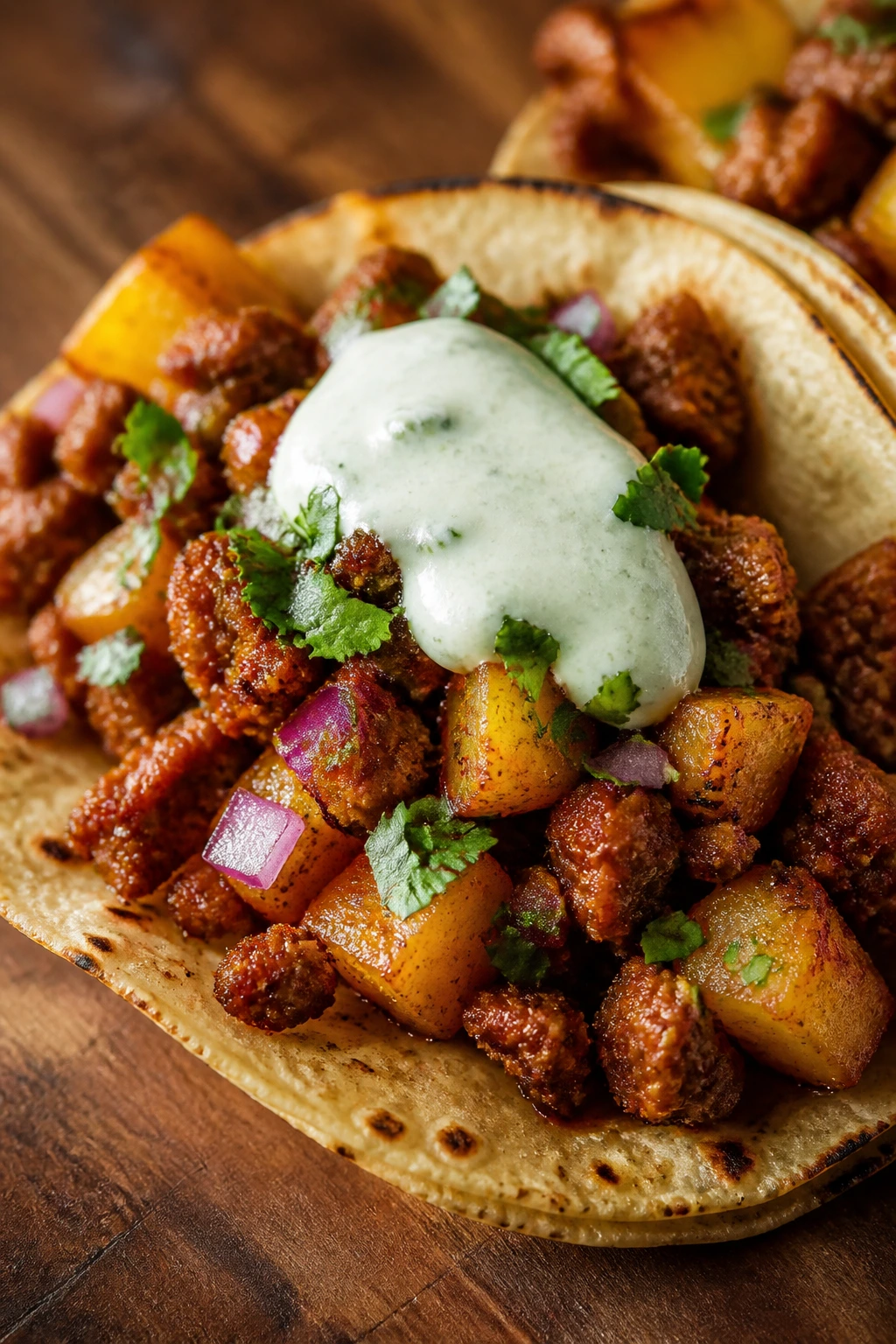
There’s a reason chorizo and potatoes show up together so often: one brings spice and fat, the other brings a soft, starchy cushion that soaks up the drippings. The result is rich but not clumsy. A little lime crema on top cuts through the heat, and suddenly you’ve got tacos that feel more put-together than the ingredient list would suggest.
Why It Works: Mexican chorizo renders quickly, which lets the potatoes cook in the seasoned fat instead of a separate pool of oil. Starting the potatoes first gives them the head start they need, since chorizo cooks much faster than raw potato cubes. Once the potatoes go golden and the chorizo crumbles into them, the filling becomes deeply seasoned without needing a long simmer. It’s rough around the edges in the best way.
Key Ingredients:
- 12 ounces Mexican chorizo, casings removed if needed
- 2 medium Yukon Gold potatoes, diced small
- 1 small onion, diced
- 1 tablespoon olive oil, if needed
- 1 teaspoon kosher salt
- 8 to 10 corn tortillas
- ½ cup sour cream
- 1 tablespoon lime juice
- ½ cup chopped cilantro
- 1 cup shredded cabbage or lettuce
Quick Steps:
- Heat a skillet over medium heat. Add the potatoes and a splash of oil if the pan looks dry, then cook for 8 to 10 minutes until the edges start to brown.
- Add the onion and cook for 3 minutes more, until soft.
- Crumble in the chorizo and cook for 6 to 7 minutes, stirring often, until the chorizo is cooked through and the potatoes are tender.
- Stir together the sour cream and lime juice for the crema.
- Warm the tortillas in a dry skillet.
- Fill the tortillas with the chorizo-potato mixture, cabbage, cilantro, and crema.
Tips and Variations:
- Drain off extra fat if the chorizo leaves the skillet swimming; a tablespoon or two is enough to keep the filling glossy.
- Add a fried egg on top if you want the dinner to lean hard into comfort food.
- Flour tortillas work, but corn keeps the flavor sharper.
12. Veggie Enchiladas with Spinach and Zucchini
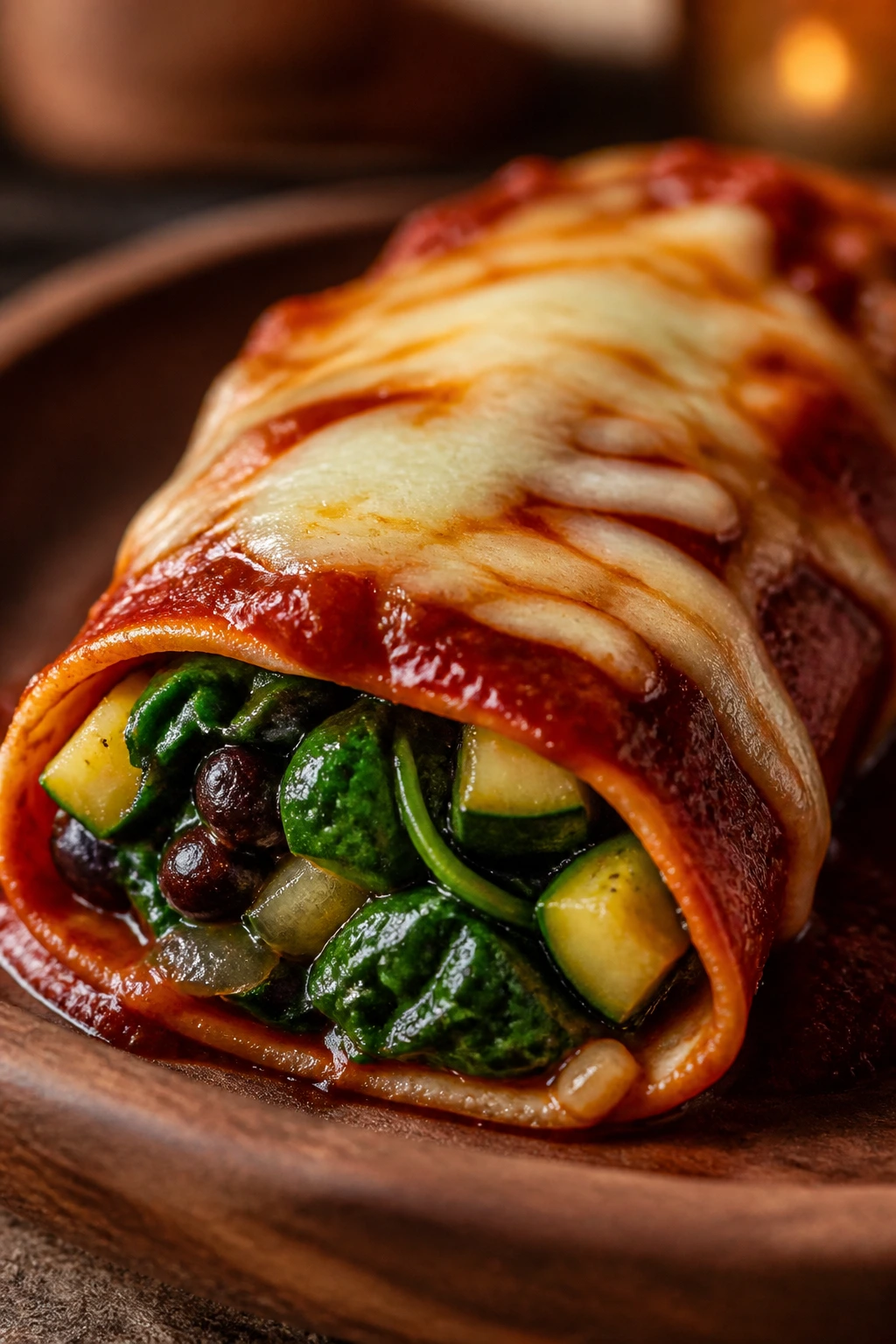
Vegetable enchiladas often fail when they try too hard to pretend they’re not vegetable enchiladas. These don’t bother with that. Zucchini, spinach, beans, and sauce make a filling that tastes bright and substantial, and the cheese on top ties everything together without burying the vegetables. It’s dinner that feels green in the best sense.
Why It Works: Zucchini brings moisture and softness, spinach adds bulk without heaviness, and beans add the missing protein so the dish doesn’t sag. The key is to cook the vegetables first and drive off some water before rolling or layering anything. That keeps the tortillas from going mushy. A red enchilada sauce gives the whole pan the familiar sweet-smoky edge that makes people forget they’re eating a vegetable-heavy meal.
Key Ingredients:
- 2 tablespoons olive oil
- 1 small zucchini, diced
- 1 bell pepper, diced
- 1 small onion, diced
- 2 cups baby spinach
- 1 can (15 ounces) black beans, drained and rinsed
- 1 can (15 ounces) red enchilada sauce
- 8 corn tortillas
- 2 cups shredded Monterey Jack or Oaxaca cheese
- 1 teaspoon ground cumin
- Chopped cilantro and sliced jalapeños, for serving
Quick Steps:
- Heat the oven to 375°F. Lightly oil a baking dish.
- Warm the olive oil in a skillet and sauté the zucchini, bell pepper, and onion for 6 to 7 minutes, until the zucchini has softened and the moisture cooks off.
- Stir in the spinach, black beans, and cumin, and cook just until the spinach wilts.
- Spoon some enchilada sauce into the baking dish. Fill each tortilla with the vegetable mixture, roll, and place seam-side down.
- Pour the remaining sauce over the top and scatter on the cheese.
- Bake for 20 to 25 minutes, until bubbling and lightly browned.
Tips and Variations:
- If the zucchini looks watery after dicing, salt it lightly and let it sit for 10 minutes, then pat it dry.
- A spoonful of roasted corn makes the filling sweeter and more textured.
- Use flour tortillas only if you want a softer, less traditional casserole feel.
13. Mexican Street Corn Pasta Skillet
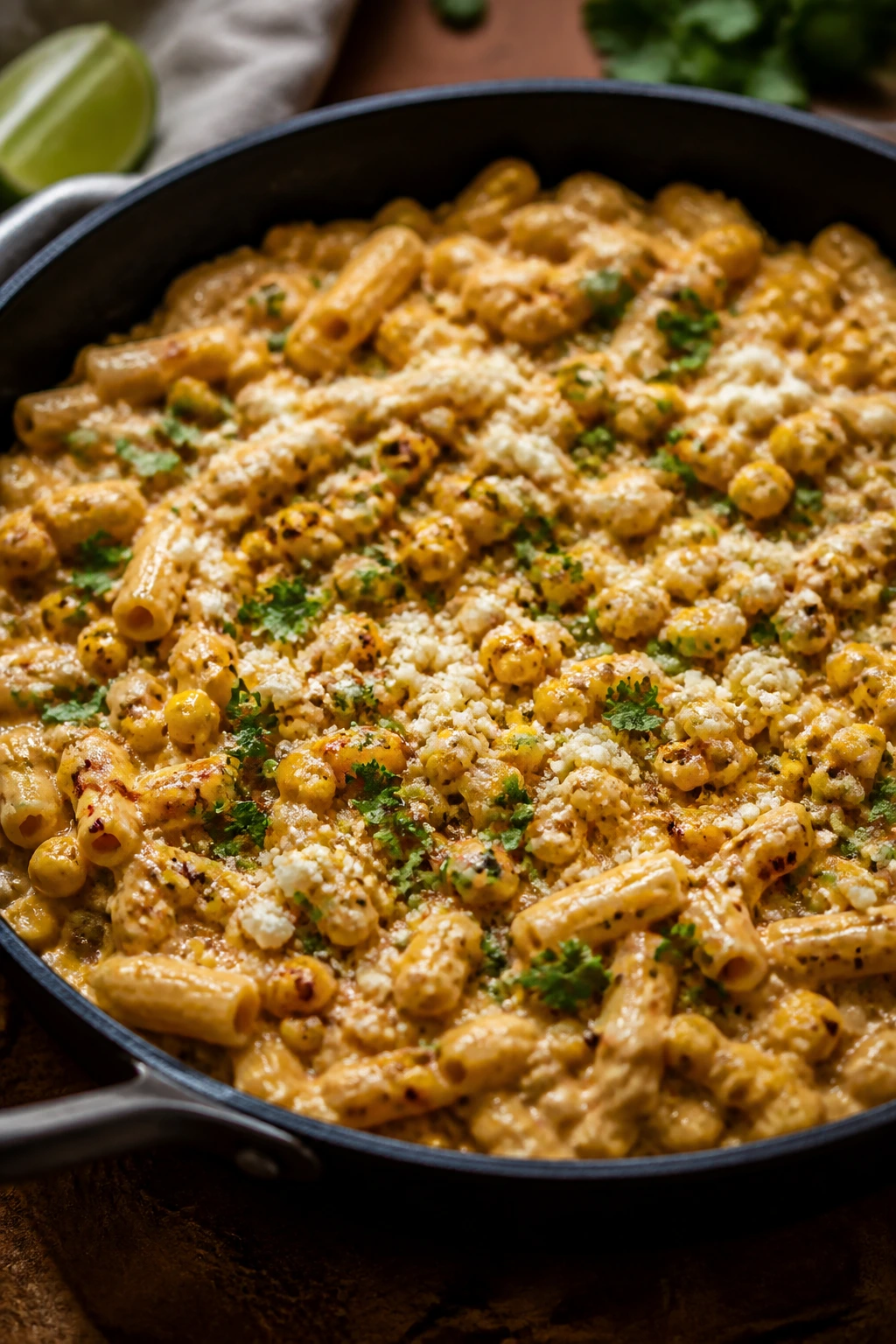
This is the most obvious shortcut in the collection, and I mean that kindly. Street corn flavors—lime, chili, cotija, and sweet corn—cling to pasta in a way that makes the whole thing feel playful and a little indulgent. It’s not trying to be a traditional pasta dish. It’s trying to be dinner that gets eaten fast.
Why It Works: Pasta gives you the quick structure, and the street corn sauce gives you the personality. A little cream cheese or half-and-half makes the sauce cling to the noodles, while lime keeps the skillet from feeling heavy. Corn adds sweetness, jalapeño adds bite, and cotija brings the salty finish that makes people go back for a second spoonful without thinking about it. This is a good place for a weeknight detour.
Key Ingredients:
- 12 ounces short pasta, like rotini or shells
- 2 tablespoons butter or olive oil
- 2 cups corn, fresh, frozen, or drained canned
- 1 jalapeño, minced
- 2 garlic cloves, minced
- 1 cup milk or half-and-half
- 4 ounces cream cheese
- 1 cup crumbled cotija or queso fresco
- 1 teaspoon chili powder
- 1 lime, juiced
- Chopped cilantro, for serving
Quick Steps:
- Cook the pasta in salted water until just shy of al dente. Reserve ½ cup of the pasta water, then drain.
- In a large skillet, melt the butter and sauté the corn and jalapeño for 4 minutes.
- Add the garlic and cook for 30 seconds, then stir in the milk and cream cheese until smooth.
- Add the pasta and a splash of reserved pasta water, stirring until the sauce coats the noodles.
- Stir in the cotija, chili powder, and lime juice.
- Finish with cilantro and serve right away.
Tips and Variations:
- Use frozen corn straight from the freezer; it chars nicely in the skillet.
- A handful of shredded chicken turns this into a more substantial dinner.
- Keep the lime juice for the end so the sauce stays smooth.
14. Rotisserie Chicken Chilaquiles
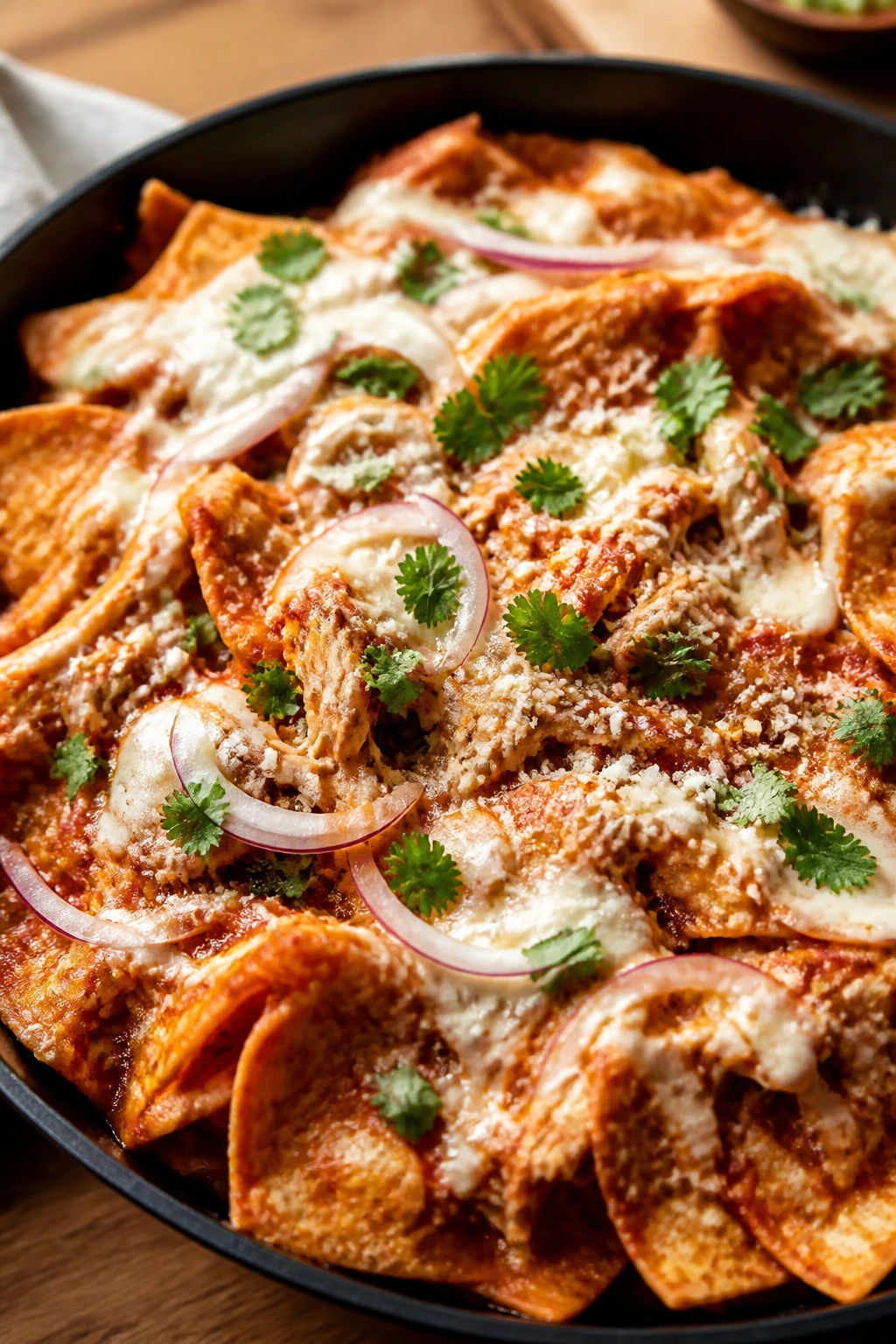
Chilaquiles are what happen when tortilla chips stop being a snack and become dinner with purpose. The chips soften at the edges but stay crunchy in the middle, the salsa clings to every ridge, and rotisserie chicken keeps the whole pan moving fast. Add fried eggs if you want a richer version, or keep it simple with cheese and avocado. Either way, it eats like someone knew what they were doing.
Why It Works: Chilaquiles depend on timing, not complexity. The salsa should heat first so the chips don’t sit in liquid too long before serving, and the chicken only needs enough heat to warm through. A good chip should be thick enough to resist immediate collapse but not so sturdy that it stays dry. If you want a true dinner feel, the eggs matter; they make the skillet read as complete instead of leftover remix.
Key Ingredients:
- 1 tablespoon oil
- 2 cups salsa roja or salsa verde
- 6 cups sturdy tortilla chips
- 2 cups shredded rotisserie chicken
- 4 eggs
- 1 cup shredded cheese
- 1 avocado, sliced
- ¼ cup sliced red onion
- Cilantro and crema, for serving
Quick Steps:
- Heat the oil in a large skillet over medium heat and pour in the salsa. Let it simmer for 2 minutes.
- Add the chips and toss quickly so they pick up sauce without breaking apart completely.
- Fold in the chicken and half the cheese.
- Fry or scramble the eggs in a separate pan, depending on how you like them.
- Top the chilaquiles with the eggs, remaining cheese, avocado, onion, cilantro, and crema, then serve immediately.
Tips and Variations:
- Use thick chips. Thin ones dissolve before dinner reaches the table.
- Salsa verde makes the skillet sharper and brighter; salsa roja gives you a deeper, sweeter base.
- If you want less crunch, cover the pan for 1 minute before serving.
15. Salmon Tacos with Cabbage Slaw
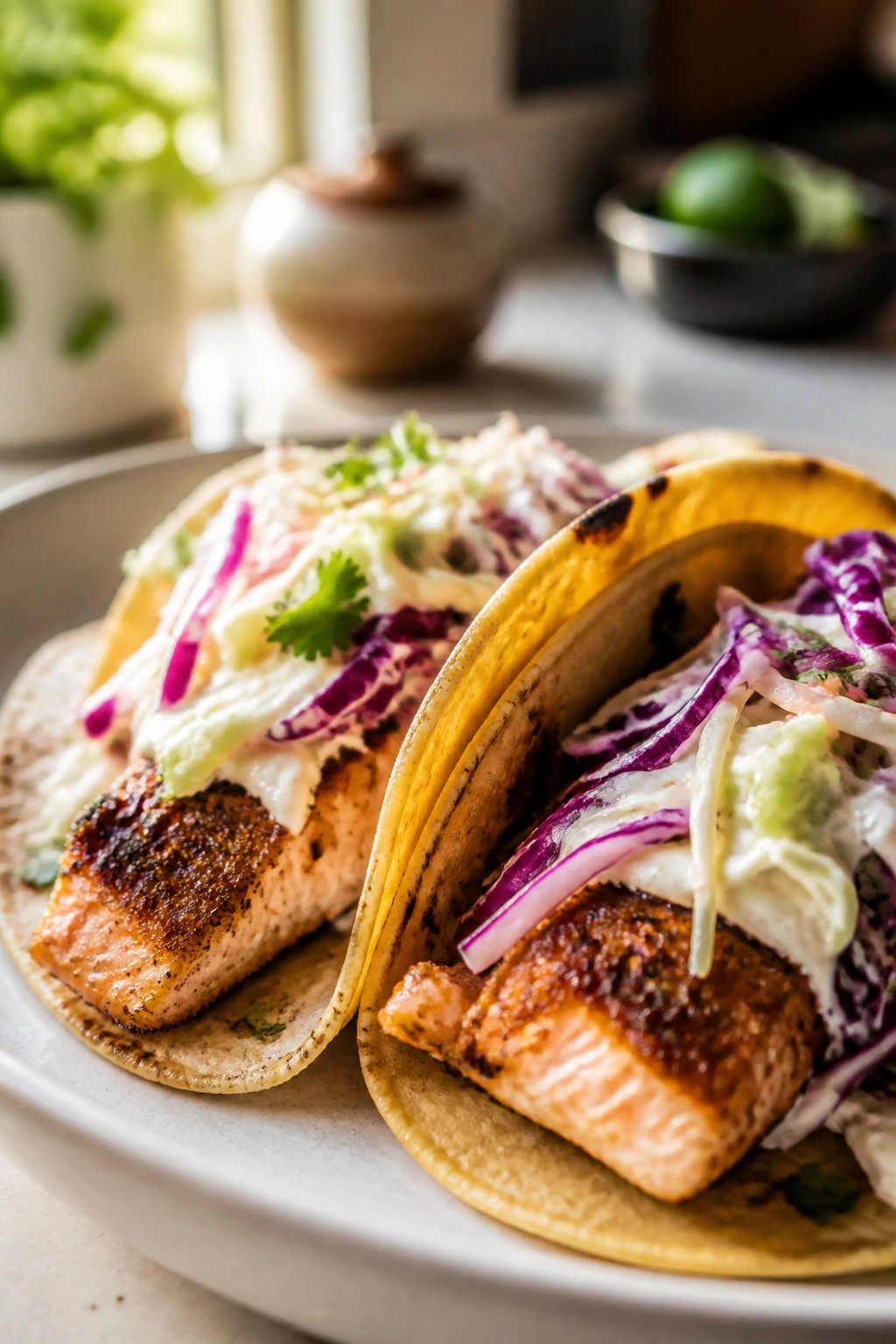
Salmon in tacos is underrated. The fish gets a little spice, the edges go flaky and browned, and the cabbage slaw brings the cold crunch you want against something rich. A spoonful of crema or yogurt on top keeps the tacos from feeling too lean, which is the mistake a lot of fish taco recipes make. These are quick, fresh, and still substantial.
Why It Works: Salmon cooks fast and holds its shape, so it’s a strong candidate for a weekday taco. A simple chili-cumin rub gives it warmth without masking the fish, and the slaw cuts through the richness with acid and crunch. You can bake the salmon on one tray while the slaw sits in a bowl, which keeps the workflow easy. It’s the kind of dinner that feels lighter without turning timid.
Key Ingredients:
- 1½ pounds salmon fillets, skin on or off
- 1 tablespoon olive oil
- 1 teaspoon chili powder
- 1 teaspoon ground cumin
- 1 teaspoon kosher salt
- 3 cups shredded cabbage
- 1 carrot, shredded
- 2 tablespoons lime juice
- ¼ cup mayonnaise or plain yogurt
- 8 corn tortillas
- Avocado and cilantro, for serving
Quick Steps:
- Heat the oven to 400°F. Line a sheet pan.
- Rub the salmon with olive oil, chili powder, cumin, and salt.
- Bake for 10 to 12 minutes, until the fish flakes easily and the center is just opaque.
- Toss the cabbage, carrot, lime juice, and mayonnaise or yogurt into a slaw.
- Flake the salmon into chunks and serve in warm tortillas with slaw, avocado, and cilantro.
Tips and Variations:
- Do not overcook the salmon; a slightly translucent center will finish as it rests.
- A little pickled red onion gives the tacos a sharp, bright edge.
- If you prefer, pan-sear the fish for more color and a crisp skin.
16. Ground Turkey Nacho Skillet
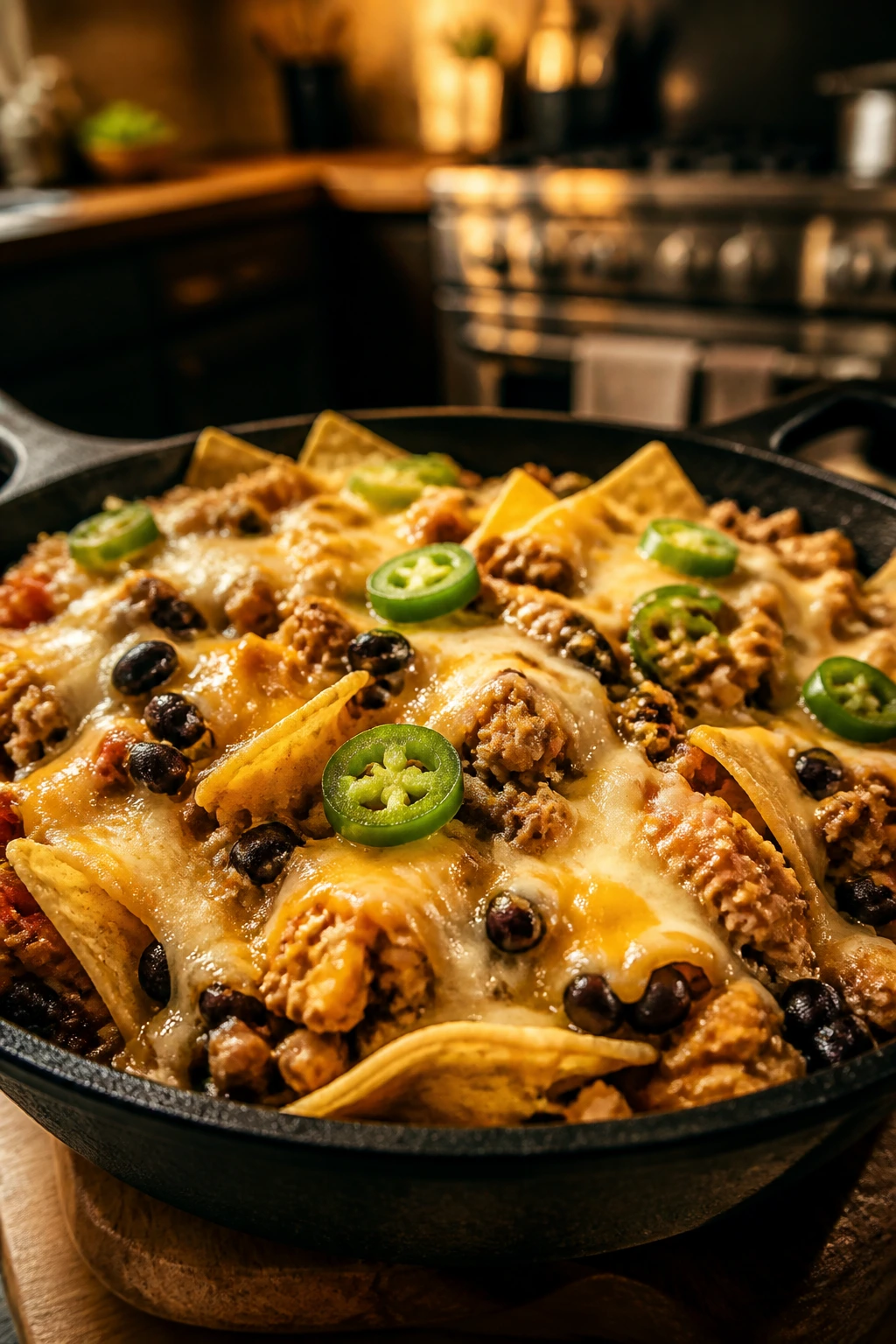
Nachos become dinner when you stop acting shy about them. Ground turkey, beans, salsa, and cheese turn the skillet into something you can scoop, and the chips underneath get just enough warmth to soften at the edges without collapsing. The point is not elegance. The point is hot, salty, melty food that people lean over the pan to eat.
Why It Works: The skillet approach lets the toppings and chips mingle for a few minutes, which is long enough to melt the cheese and warm the beans without turning the chips to mush. Ground turkey is a blank slate unless you season it well, so taco seasoning and salsa do the heavy lifting here. Adding the chips late keeps the texture alive, and that small detail makes all the difference. No one wants wet nachos.
Key Ingredients:
- 1 pound ground turkey
- 1 tablespoon olive oil
- 1 small onion, diced
- 2 tablespoons taco seasoning
- 1 cup salsa
- 1 can (15 ounces) black beans, drained and rinsed
- 4 cups tortilla chips
- 2 cups shredded cheddar or Mexican blend cheese
- 1 jalapeño, sliced
- 1 tomato, diced
- 1 avocado, diced
Quick Steps:
- Heat the oil in a large oven-safe skillet over medium heat. Cook the onion and turkey for 6 to 7 minutes, breaking up the meat as it browns.
- Stir in the taco seasoning, salsa, and black beans. Cook for 2 minutes.
- Scatter the tortilla chips over the turkey mixture and sprinkle the cheese on top.
- Broil for 1 to 2 minutes, just until the cheese melts and bubbles.
- Finish with jalapeño, tomato, and avocado, then serve from the skillet while the chips still have some bite.
Tips and Variations:
- Use a cast-iron skillet if you have one; it holds heat long enough to keep the nachos warm at the table.
- Add corn or pickled onions if you want more crunch and sweetness.
- Serve with extra salsa on the side so the chips don’t go soggy under the toppings.
17. Sopa de Fideo with Chicken and Beans
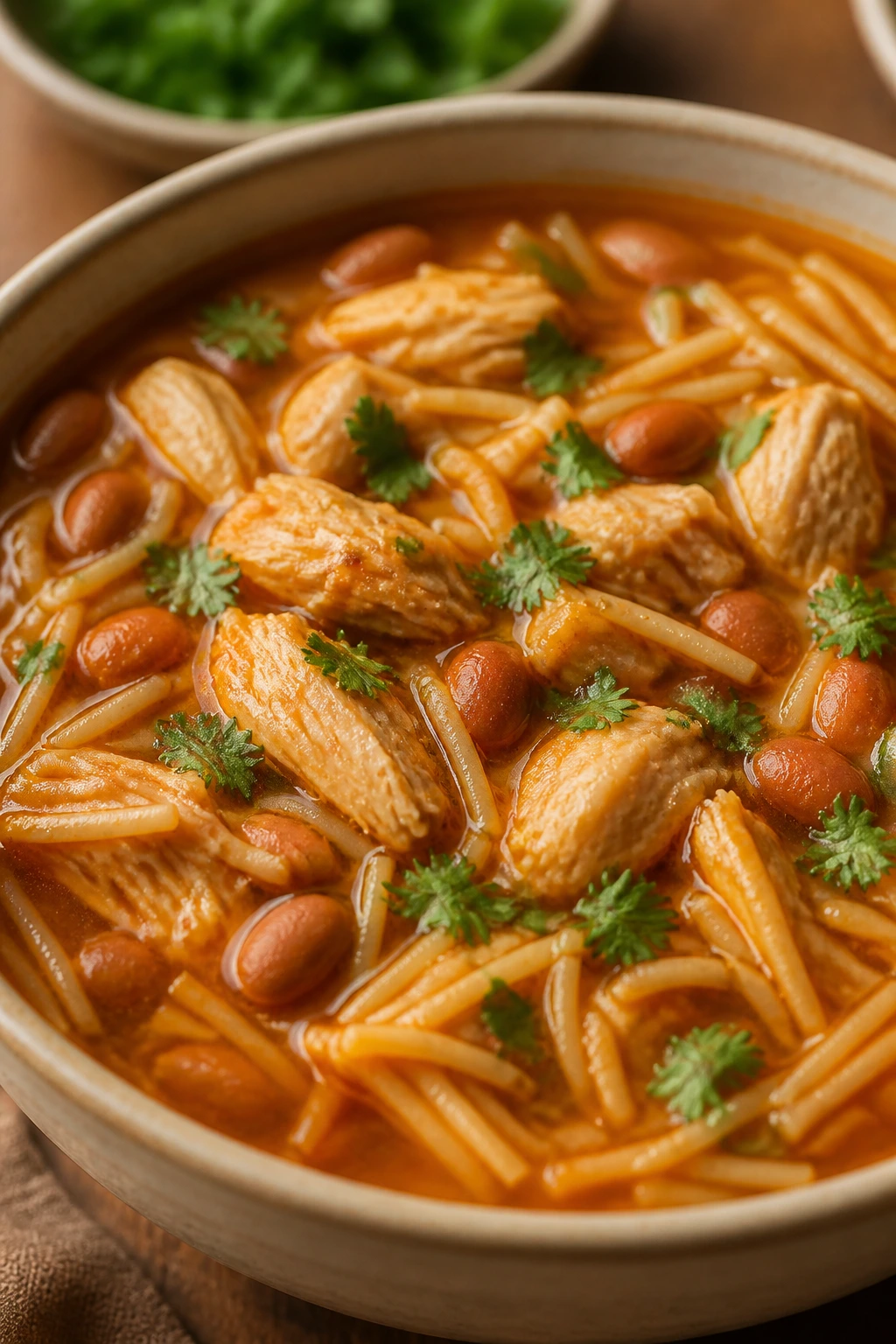
Sopa de fideo is comforting in a way that feels almost old-fashioned, but the weekday version is faster than the memory. Thin noodles toast in oil, then simmer in tomato broth until soft, while chicken and beans turn the soup into a real meal. It’s brothy, savory, and lightly smoky if you use a good canned tomato or two. Sometimes that’s all dinner needs to be.
Why It Works: Toasting the noodles first gives the broth a nutty base and keeps the soup from tasting thin. The noodles absorb liquid quickly, so the timing is short and the texture lands somewhere between soup and stewed pasta. Chicken and beans add enough protein to make each bowl hold steady through the evening, and cilantro at the end keeps the flavor bright. It’s humble food, and I mean that as a compliment.
Key Ingredients:
- 2 tablespoons neutral oil
- 6 ounces fideo noodles or broken thin spaghetti
- 1 small onion, diced
- 2 garlic cloves, minced
- 1 can (14.5 ounces) crushed or diced tomatoes
- 6 cups chicken broth
- 2 cups shredded cooked chicken
- 1 can (15 ounces) pinto beans, drained and rinsed
- 1 teaspoon dried oregano
- Chopped cilantro and lime wedges, for serving
Quick Steps:
- Heat the oil in a soup pot over medium heat. Add the noodles and stir constantly for 3 to 4 minutes until they turn golden brown.
- Add the onion and garlic, and cook for 2 minutes more.
- Stir in the tomatoes, broth, and oregano. Bring to a simmer.
- Cook for 8 to 10 minutes, until the noodles are tender.
- Add the chicken and beans and simmer for 3 minutes to warm through.
- Serve with cilantro and lime.
Tips and Variations:
- Keep extra broth nearby; fideo can thicken fast as it sits.
- A little diced zucchini can go in with the onions if you want more vegetables.
- This soup is better on day two, once the broth and noodles settle together.
18. Huevos Rancheros Skillet Dinner
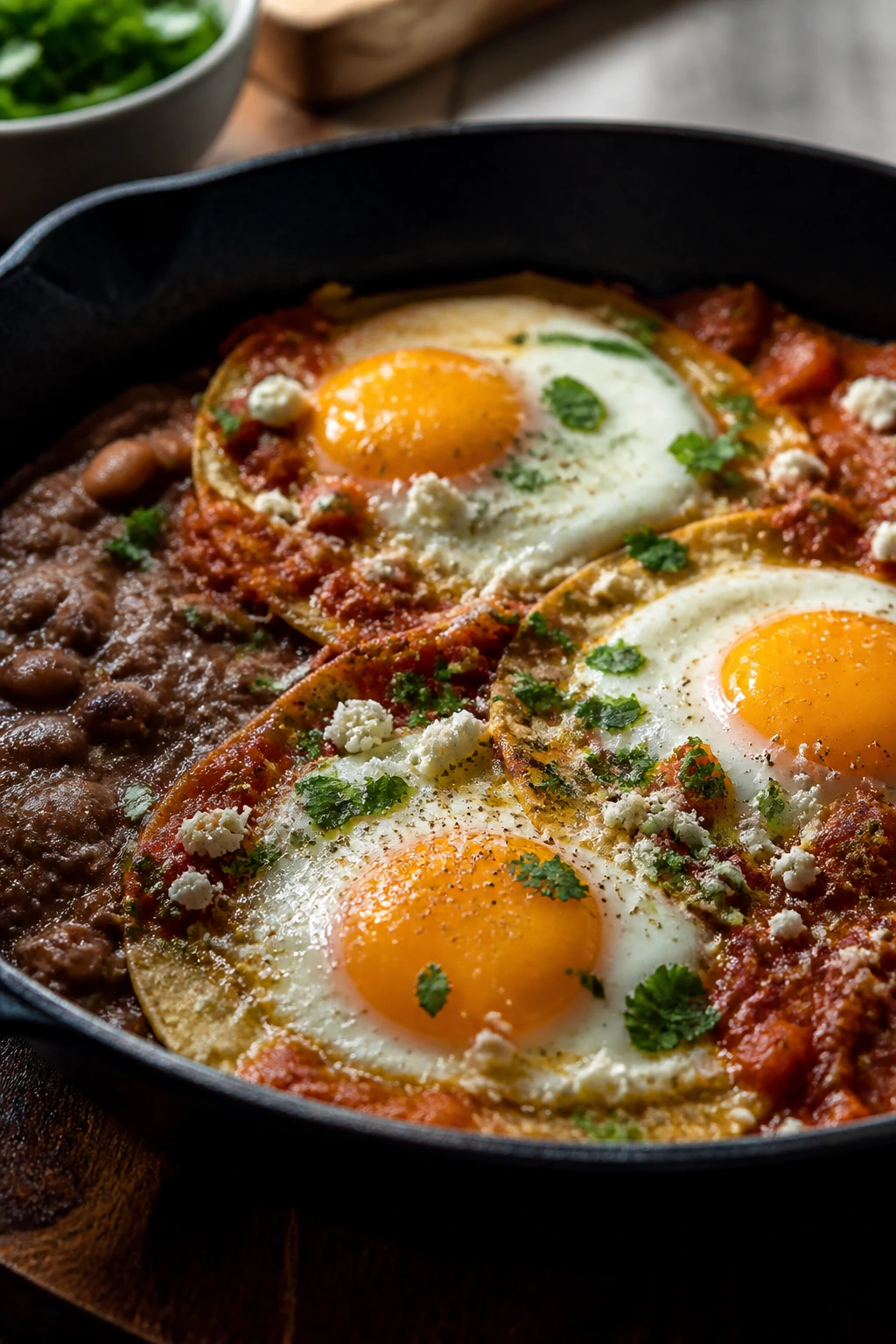
Huevos rancheros is breakfast food only if you insist on ignoring common sense. Warm tortillas, beans, fried eggs, and salsa ranchera make a fast dinner with just enough richness to feel satisfying. The egg yolks add their own sauce, the beans give the plate weight, and the salsa keeps the whole thing lively. It’s simple, but simple is not the same as boring.
Why It Works: This dish succeeds because each component does one job and does it well. Beans provide the base, tortillas keep the eggs from sliding around, and the salsa brings heat and acidity without requiring a separate pan sauce. If the eggs are cooked to a soft or jammy yolk, they act like a built-in dressing. That’s the sort of useful food logic I enjoy on a busy night.
Key Ingredients:
- 4 corn tortillas
- 1 tablespoon oil
- 1 cup refried beans
- 1 cup salsa ranchera or red salsa
- 6 large eggs
- ½ cup shredded cheese
- 1 avocado, sliced
- ¼ cup diced onion
- Cilantro and hot sauce, for serving
Quick Steps:
- Warm the tortillas in a dry skillet or directly over a low flame.
- Heat the refried beans in a small saucepan until soft and spreadable.
- In a skillet, warm the salsa until it bubbles gently.
- Fry the eggs in a little oil until the whites are set and the yolks are how you like them.
- Assemble the tortillas with beans, salsa, eggs, cheese, avocado, onion, and cilantro.
Tips and Variations:
- If you want more crunch, fry the tortillas lightly in oil instead of warming them dry.
- Black beans mashed with a fork can stand in for refried beans.
- A dollop of crema gives the skillet a softer, richer finish.
19. Birria-Inspired Beef Quesadillas
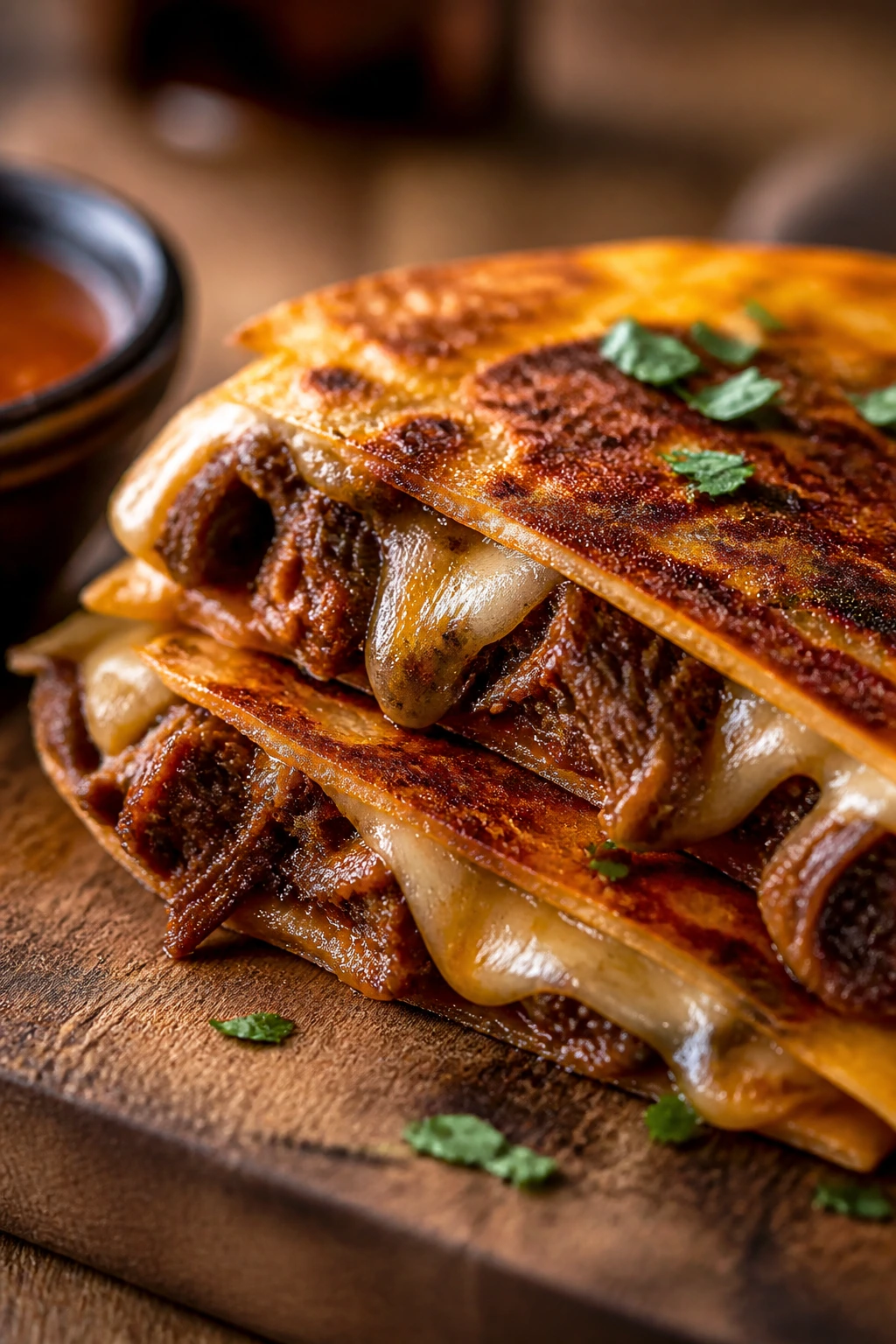
Birria flavor, when treated sensibly on a weeknight, belongs in quesadilla form. The beef filling gets a deep, chile-kissed flavor from tomato paste, chipotle, and broth, then melts into cheese between tortillas until the edges crisp. The dipping broth on the side makes the whole thing feel a little dramatic, which is half the fun. Maybe more.
Why It Works: A birria-inspired filling does not need a full braise to feel rich. Browning ground beef first gives you a savory base, then tomato paste and chipotle add that dark, slow-cooked impression without the long wait. Reducing the broth until the mixture turns spoonable keeps the quesadillas from leaking, which is the difference between a crispy dinner and a sad one. Dip, bite, repeat.
Key Ingredients:
- 1 pound ground beef
- 1 small onion, diced
- 2 garlic cloves, minced
- 2 tablespoons tomato paste
- 1 chipotle pepper in adobo, minced
- 1 teaspoon ground cumin
- 1 teaspoon dried oregano
- 1 cup beef broth
- 8 flour tortillas
- 2 cups shredded Oaxaca, Monterey Jack, or mozzarella
- Chopped cilantro and lime wedges, for serving
Quick Steps:
- Brown the beef and onion in a skillet over medium heat for 6 minutes, until the meat loses its pink color.
- Add the garlic, tomato paste, chipotle, cumin, and oregano, and cook for 1 minute.
- Pour in the broth and simmer for 5 to 6 minutes, until the filling is thick and saucy.
- Spoon the beef and cheese onto half of each tortilla, fold, and press.
- Cook in a dry skillet over medium heat for 2 to 3 minutes per side until crisp and browned.
- Serve with the remaining broth for dipping, plus cilantro and lime.
Tips and Variations:
- Low-moisture cheese melts better and keeps the tortilla crisp.
- If the filling looks loose, keep simmering until the liquid clings to the meat.
- Leftover filling also works in tacos, baked potatoes, or rice bowls.
20. Pozole Verde with Chicken
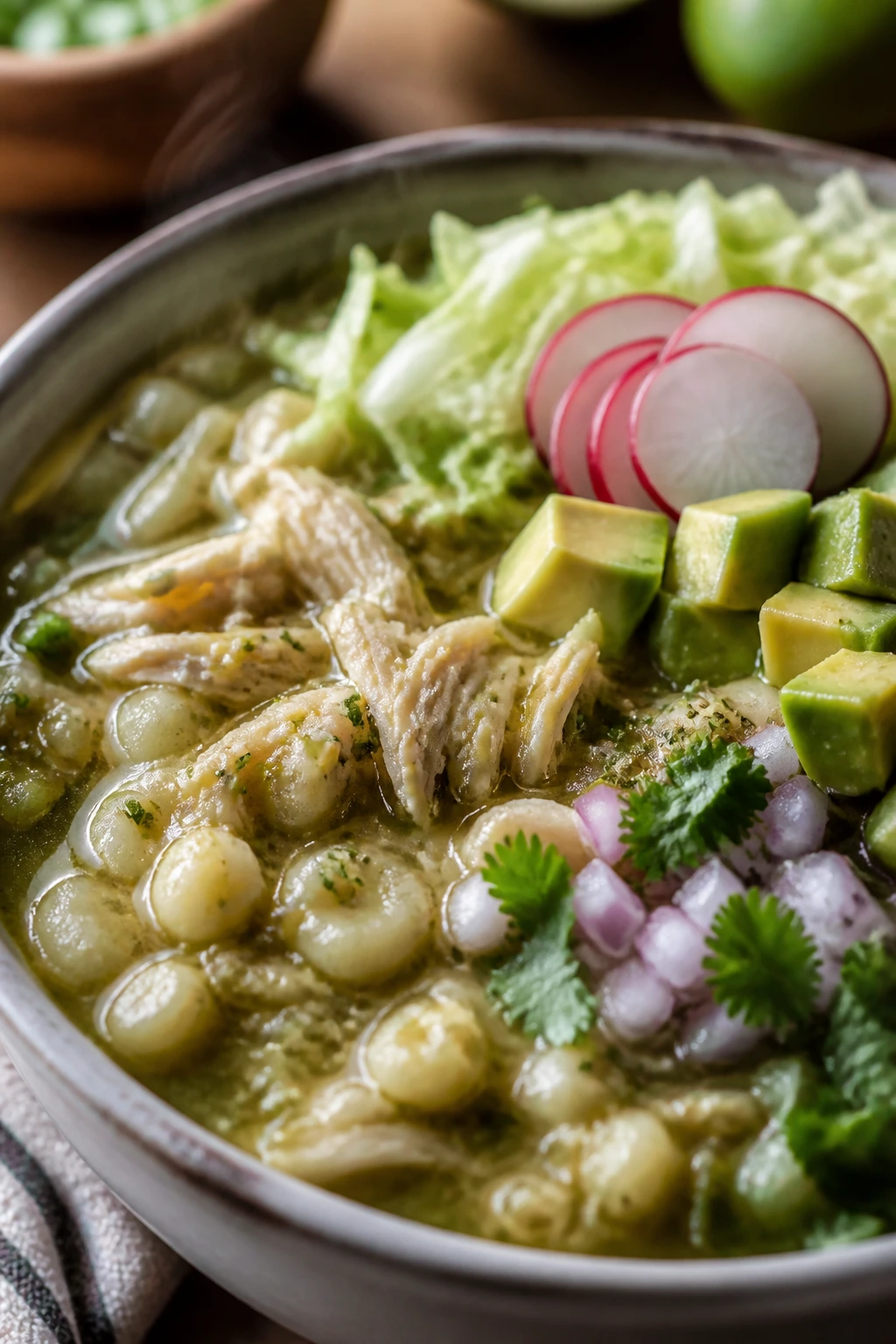
Pozole verde has a way of feeling celebratory even when the path to the pot is short. Hominy gives the soup a chewy, almost popcorn-like bite, salsa verde brings the bright chile flavor, and shredded chicken makes it substantial enough for dinner. With cabbage, radishes, and lime at the table, everyone gets to build their own bowl, which is part of the charm.
Why It Works: Canned hominy gives you the signature texture of pozole without the long soak and cook. Salsa verde and chicken broth make a quick, herbaceous broth that tastes layered because the tomatillos, chiles, and garlic have already done some of the work for you. Once the chicken is stirred in and warmed, the soup becomes a full meal with a lot of texture for not much effort. That’s the sweet spot for a weeknight.
Key Ingredients:
- 1 tablespoon oil
- 1 small onion, diced
- 2 garlic cloves, minced
- 2 cups salsa verde
- 4 cups chicken broth
- 2 cans (15 ounces each) hominy, drained and rinsed
- 2 cups shredded cooked chicken
- 1 teaspoon dried oregano
- 2 cups shredded cabbage
- 4 radishes, thinly sliced
- Lime wedges, avocado, and chopped cilantro, for serving
Quick Steps:
- Heat the oil in a soup pot over medium heat. Cook the onion for 4 minutes, then add the garlic for 30 seconds.
- Stir in the salsa verde and broth. Bring to a gentle boil.
- Add the hominy and oregano, then simmer for 15 minutes.
- Stir in the chicken and cook for 3 to 4 minutes, just until heated through.
- Ladle into bowls and top with cabbage, radishes, avocado, cilantro, and plenty of lime.
Tips and Variations:
- Rinse the hominy well so the broth stays clean-tasting instead of cloudy and overly salty.
- If you want more heat, add sliced jalapeños at the table rather than boiling them in.
- The soup tastes even better with a little extra lime squeezed over each bowl right before eating.
Why This Kind of Cooking Works on Busy Nights
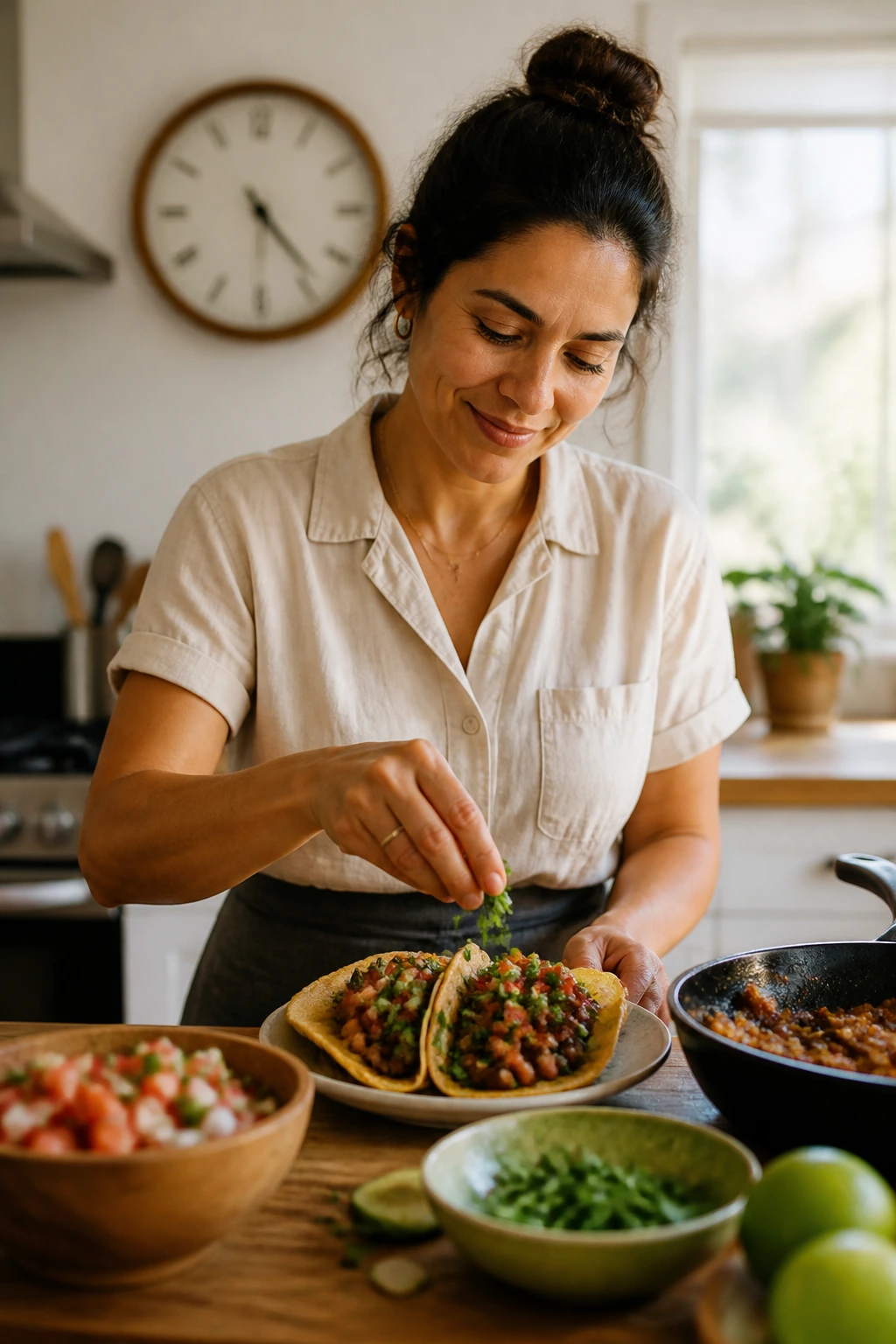
A good weeknight Mexican dinner usually does three things at once: it cooks fast, it tastes layered, and it leaves enough room for your brain to be elsewhere. That’s not a small ask. The better recipes in this collection solve it by leaning on ingredients that already know how to be useful—beans, tortillas, rice, salsa, cheese, and quick-cooking proteins like shrimp, salmon, or ground meat.
There’s also a practical rhythm to these dishes that makes them easy to trust. You brown, simmer, roast, or assemble, then stop before the food gets fussy. No waiting for dough to rise. No twelve-step sauce. Just enough technique to make dinner feel intentional, not improvised out of exhaustion.
I like that these meals leave room for preference. Some people want hot sauce on everything. Some want an egg on top. Some want extra cabbage because it gives the tacos a snap that soft fillings need. Those small choices make the plate feel personal, which matters more than people admit.
Essential Equipment for These Recipes
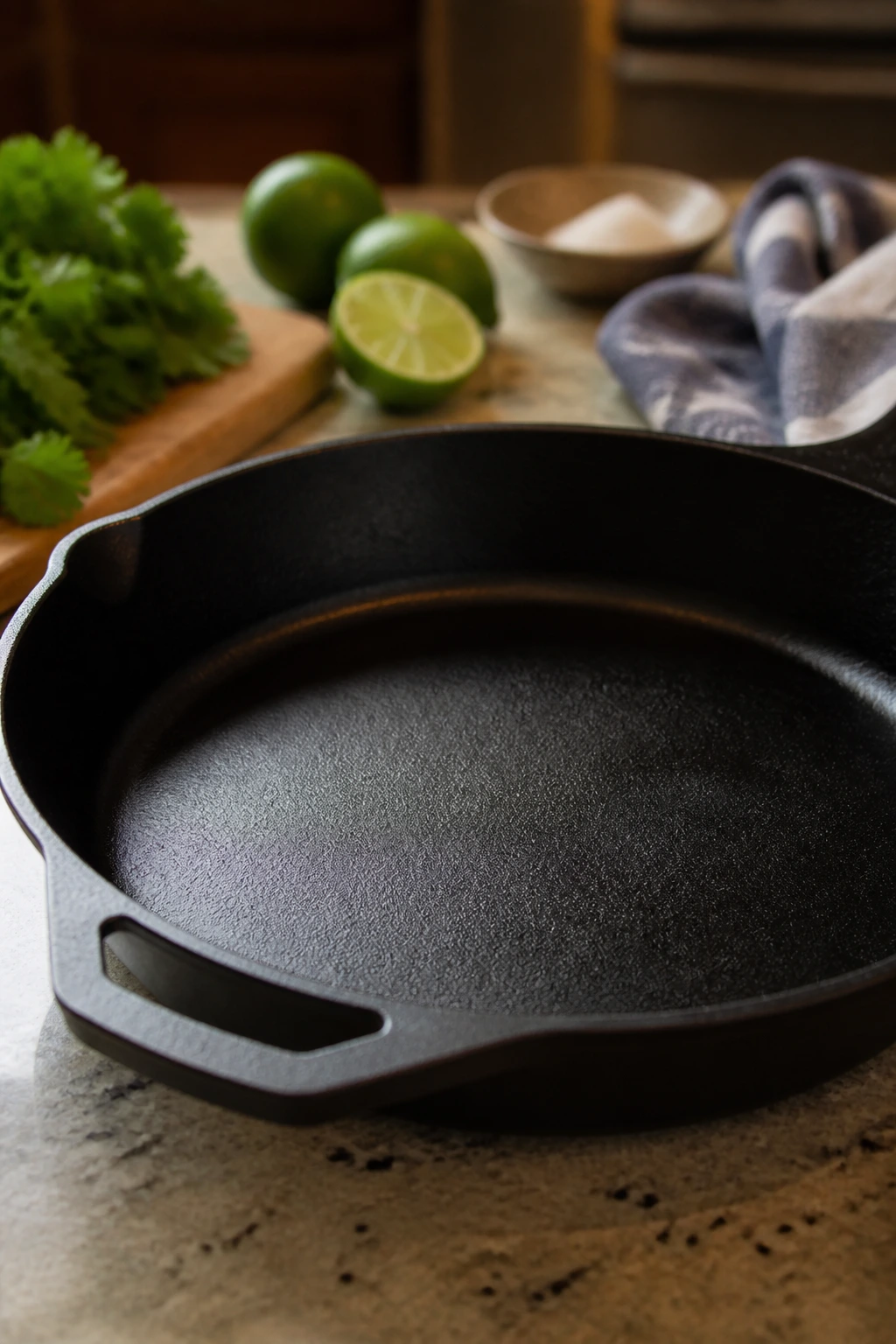
- Large skillet: The workhorse for taco fillings, skillet rice, fajitas, and anything that needs browning before simmering.
- Sheet pan: Useful for shrimp fajitas, chicken fajitas, sweet potatoes, and salmon; a rimmed one keeps juices where they belong.
- Dutch oven or soup pot: Best for tortilla soup, fideo, and pozole-style soups that need steady simmering.
- 9×13-inch baking dish: The right size for enchilada casseroles and stuffed pepper bakes that need room without crowding.
- Cast-iron skillet, optional: Ideal for nachos, chilaquiles, and any dish that benefits from strong heat retention.
- Sharp chef’s knife: A dull knife turns onion, peppers, and cabbage into a chore.
- Cutting board: Use one big board so you can work quickly without chasing ingredients around the counter.
- Measuring spoons and cups: Especially handy for seasoning blends, broth, and rice recipes where balance matters.
- Wooden spoon or spatula: Better than a fork for breaking up meat and scraping up browned bits.
- Tongs: Helpful for tortillas, shrimp, salmon, and sheet-pan vegetables.
- Colander or fine strainer: Good for rinsing beans and hominy, which improves flavor and texture.
- Storage containers with tight lids: Leftovers keep better when they aren’t exposed to air and fridge smells.
Smart Shopping and Ingredient Tips for Mexican Dinners
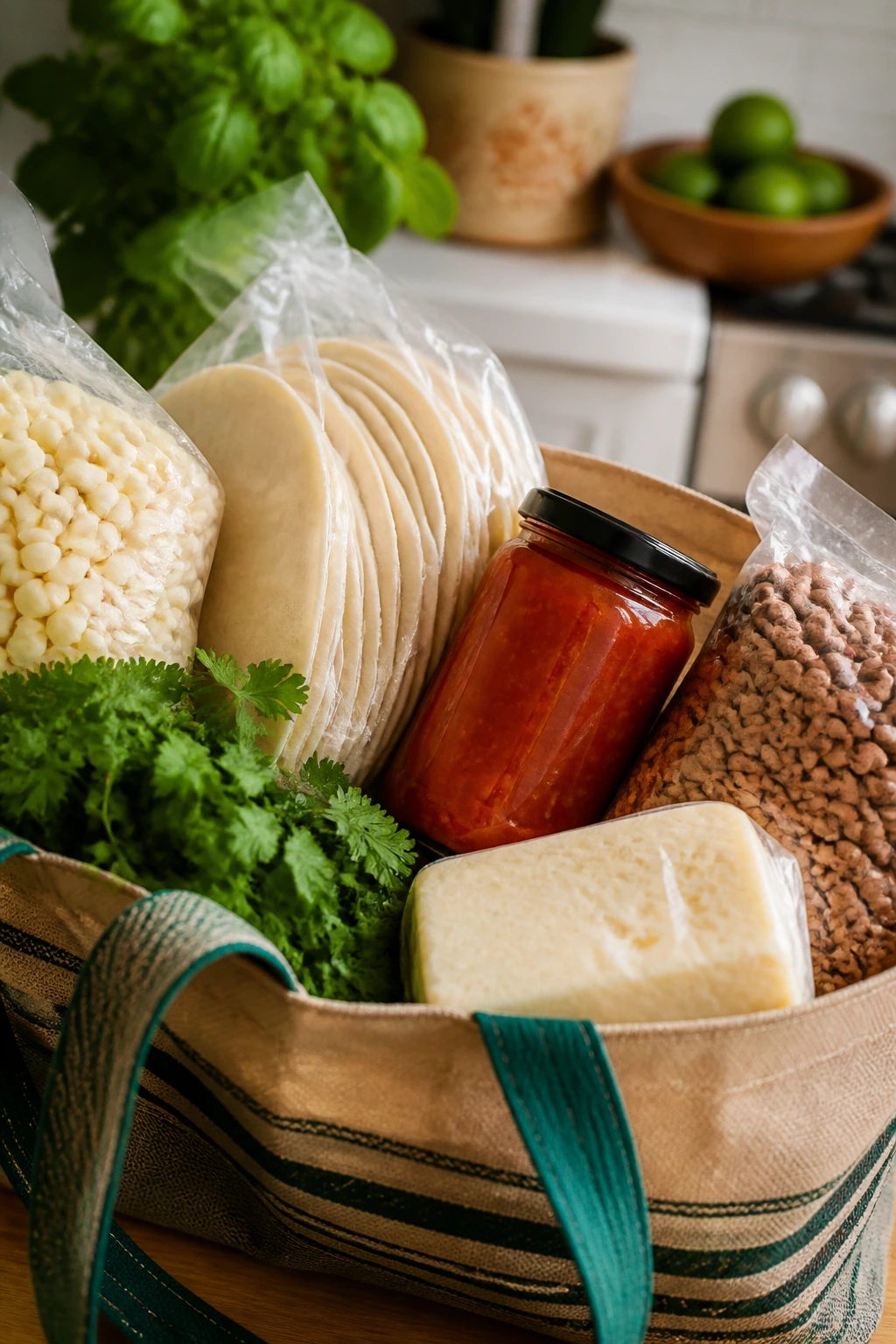
A short grocery list can still make a lot of good food if you choose the right things. Start with tortillas. Corn tortillas usually give you better flavor for tacos, enchiladas, chilaquiles, and pozole toppings, while flour tortillas make sense for quesadillas, burritos, and some fajita nights. If the package feels brittle in the store, it will probably crack in your kitchen unless you warm it well.
For beans, pick the kind you actually like eating on their own. Black beans bring a firmer bite and a darker, earthier flavor; pinto beans turn creamier and softer. Canned beans are fine. Drain them, rinse them, and they’ll behave better in skillet meals and soups. Same story for hominy: rinse it before adding it to pozole or soup so the broth stays cleaner.
Salsa matters more than people think. A jar that tastes bright and tomato-forward is useful for enchiladas, chilaquiles, and taco rice. Salsa verde gives you a sharper, tangier profile that works well with pork, chicken, and fish. If a salsa tastes too salty on its own, cook it down with broth or tomatoes instead of pouring it over finished food and hoping the salt disappears. It won’t.
Cheese is another place where a small decision helps. Monterey Jack melts smoothly, cheddar brings a sharper edge, and cotija or queso fresco gives you a salty finish that you usually want at the end, not buried inside the pan. Fresh cilantro, limes, avocados, and cabbage are the little extras that turn a decent plate into one that feels finished. If you buy only one garnish, buy lime. It earns its space.
How to Serve These Recipes
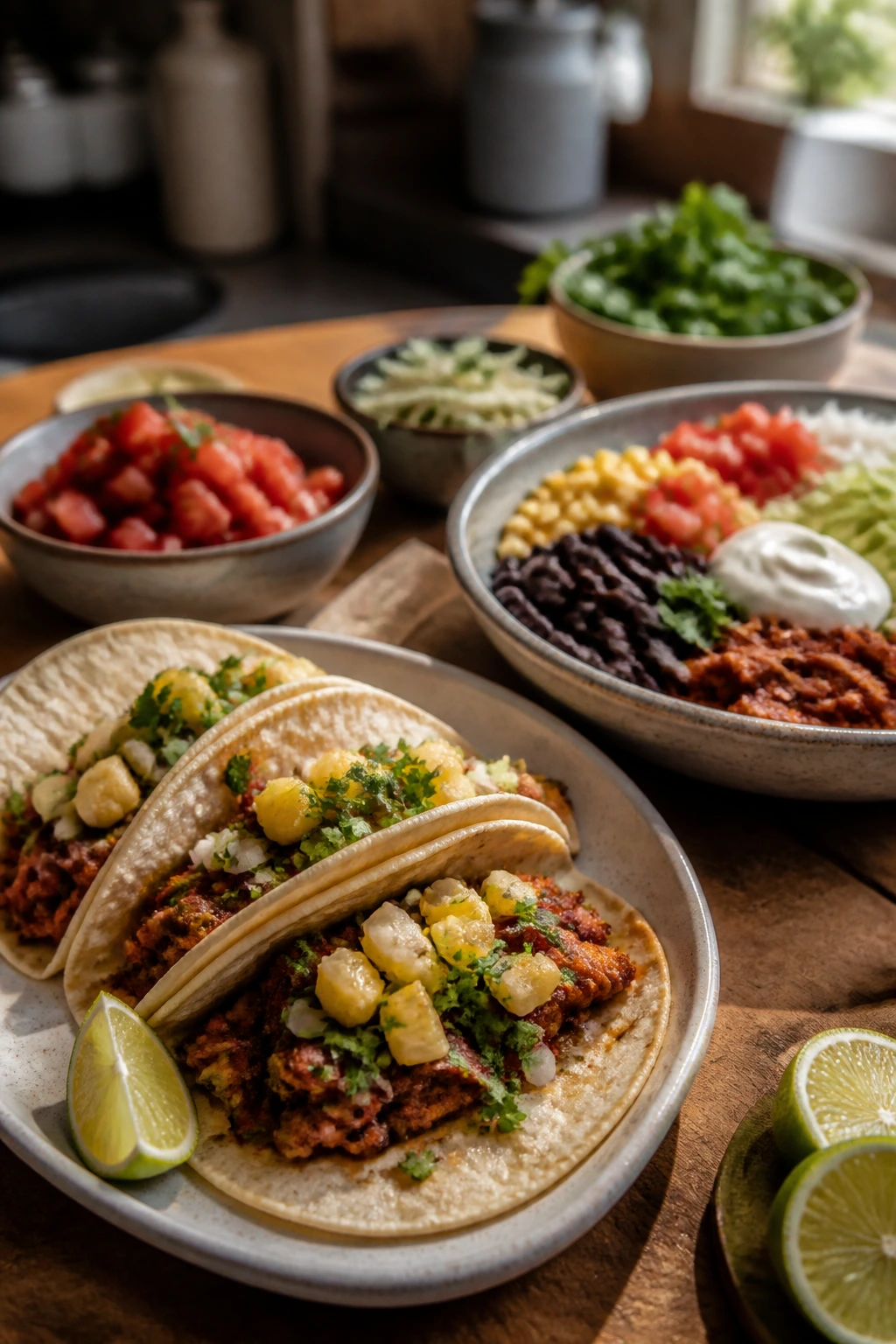
Presentation: Build tacos and bowls in shallow layers so the fillings show through instead of burying everything under cheese. For casseroles and skillet dinners, a few bright toppings—cilantro, sliced radish, avocado, or pickled onion—do more for the plate than a heavy blanket of garnish.
Accompaniments: Keep a few dependable sides nearby: Mexican rice, cilantro-lime rice, warm tortillas, a simple cabbage salad, chips with salsa, or sliced cucumbers with chile-lime seasoning. Soups and pozole benefit from tostadas or tortilla chips on the side, while quesadillas and fajitas like black beans or refried beans as backup.
Portions: Most of these recipes serve 4, though the skillet meals and soups can stretch to 6 if you add rice, beans, or a side salad. For a larger crowd, the easiest move is usually more tortillas, more rice, and one extra can of beans rather than doubling every spice in sight.
Beverage Pairing: Cold lime soda, agua fresca, a crisp Mexican lager, or even plain sparkling water with lime works beautifully with the smoky and salty notes in these dinners. For richer dishes like enchiladas or queso-heavy skillets, a tart drink is better than a sweet one because it cuts the fat instead of fighting it.
Additional Tips and Flavor Boosters
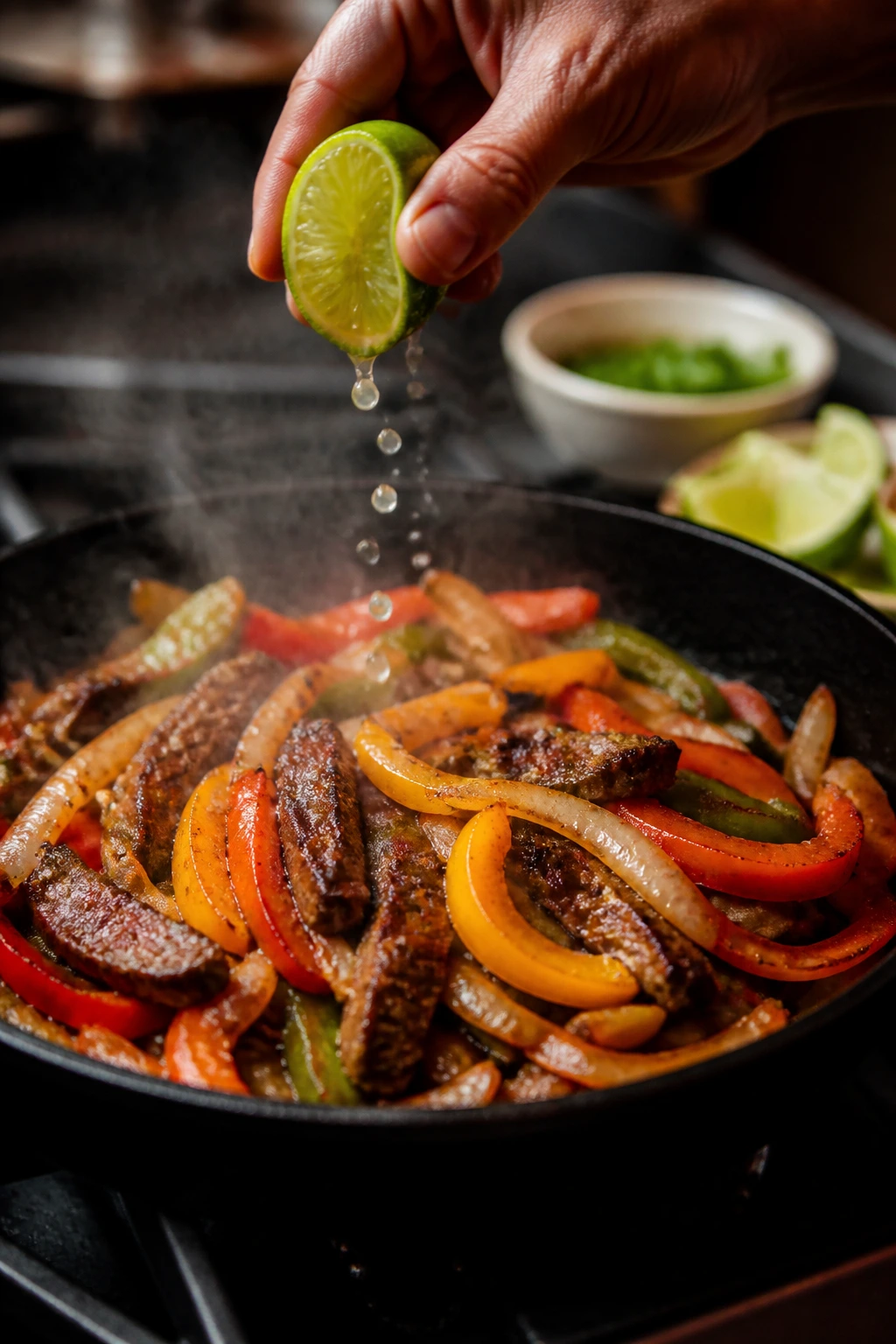
Flavor Enhancement: A final squeeze of lime can change a flat skillet into a lively one. Add it at the end, not at the beginning, so the acid stays bright instead of fading into the pan.
Customization: If you like more heat, keep sliced jalapeños, hot sauce, or extra chipotle on the table instead of pushing the spice level too far in the base recipe. That keeps the dinner family-friendly without making your own plate timid.
Serving Suggestions: Fresh cilantro, diced onion, pickled red onions, sliced radishes, cotija, and crema are the finishing touches that make a plate feel thoughtful. You do not need all of them. Two good toppings usually beat five random ones.
Make-It-Yours: Swap the protein to match what you have: shredded chicken for turkey, shrimp for salmon, black beans for meat in several of the tacos, or roasted vegetables in place of protein when you want a meatless night. Use the same flavor base and change the center. That’s the easiest way to keep the cooking familiar without repeating the same dinner every week.
Make-Ahead, Storage, and Reheating Guidance
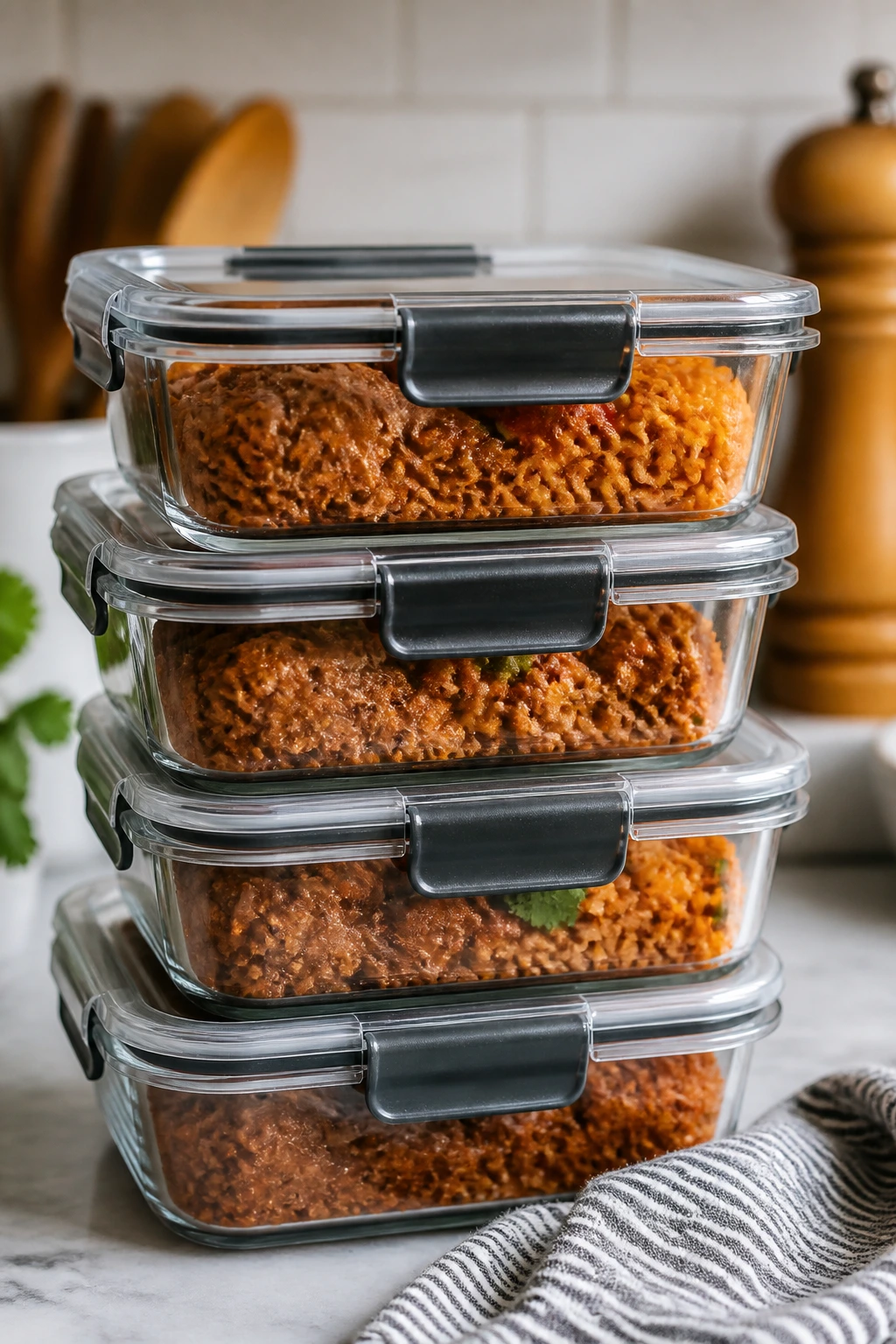
Most of these Mexican dinners keep well for 3 to 4 days in the refrigerator if they’re cooled quickly and stored in airtight containers. Soups, taco fillings, rice skillets, and enchilada casseroles are the most reliable leftovers because they already lean saucy. Crispy dishes are a little different. Nachos, chilaquiles, and sheet-pan fajitas should be eaten soon after cooking, or the textures start falling apart in the fridge.
Freezing works best for fillings, soups, beans, rice, and saucy shredded meats. Chicken tinga, taco beef, chili-style soup bases, pozole broth with chicken, and the birria-inspired beef filling can usually be frozen for up to 2 months. Let them cool completely first, then freeze in flat containers or freezer bags so they thaw faster. Tortillas, avocado, cabbage, and sour cream should be added fresh after reheating.
For reheating, use the method that respects the original texture. Skillet meals and taco fillings warm best in a skillet over medium-low heat with a splash of broth or water. Soups should be reheated gently on the stove, not boiled hard, or the chicken tightens up and the broth tastes tired. Enchilada casseroles reheat well in a 325°F oven covered with foil until warmed through, usually 20 to 25 minutes for a smaller portion. If the top looks dry, spoon a little sauce over it first.
Rice bowls and burrito fillings improve a bit overnight because the seasoning settles in. Fajitas and salmon tacos do not. Those are best made and eaten the same day, with leftovers saved in separate containers so the vegetables and proteins can be repurposed into bowls or omelets instead of pretending to be fresh again.
Variations and Adaptations to Try
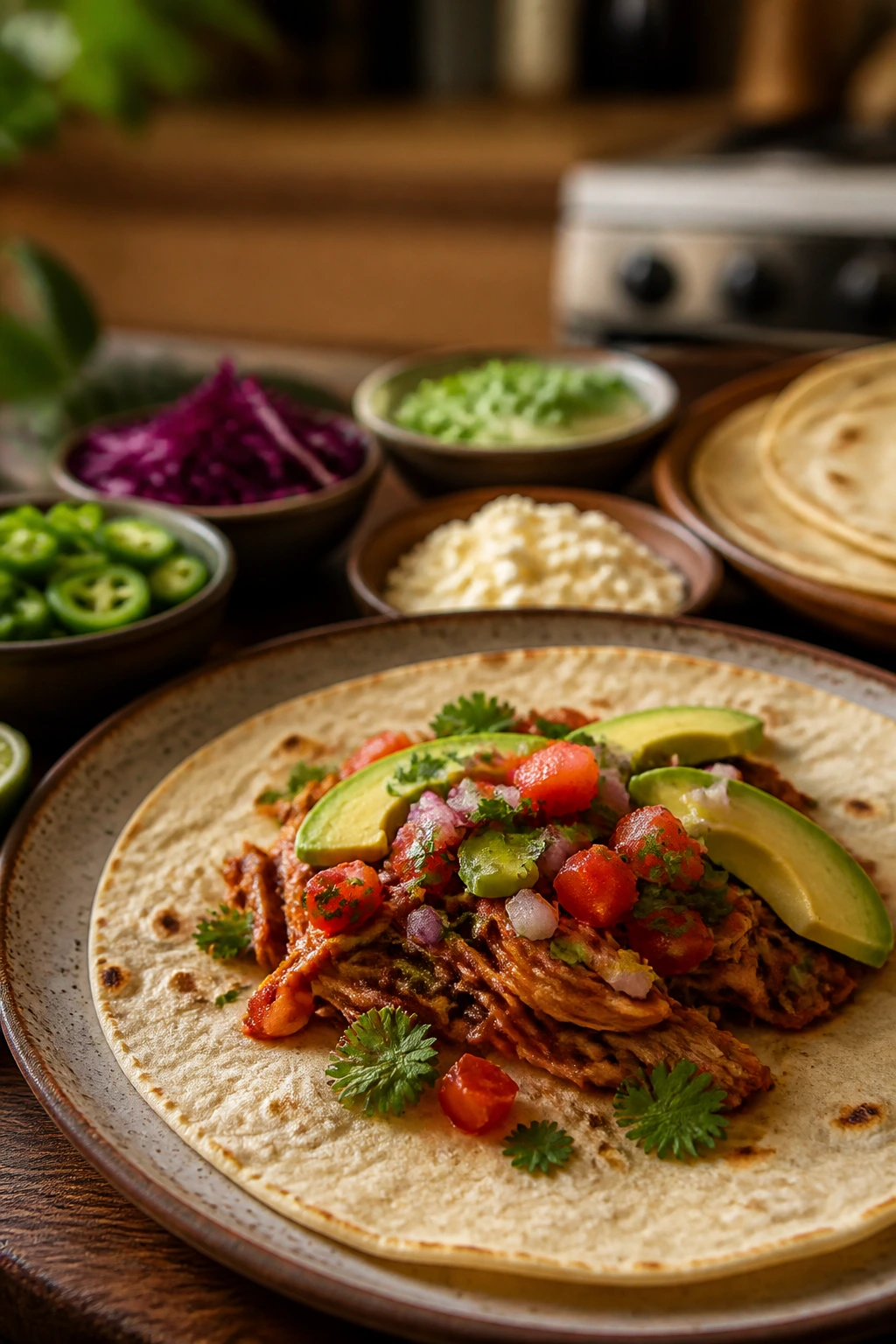
Corn Tortilla Night: Use corn tortillas across the board for a gluten-free path through tacos, enchiladas, chilaquiles, and quesadillas. They bring a sharper corn flavor and usually hold up better in saucy dishes when warmed properly.
No-Dairy Swaps: Skip the cheese and sour cream, then finish with avocado, lime, pickled onions, and a spoon of salsa instead. For creamy sauces, plain unsweetened yogurt or a cashew-based crema works when you want the same cooling effect without dairy.
Lower-Sodium Build: Choose low-sodium broth, rinse canned beans and hominy well, and rely more on lime, cumin, oregano, and fresh herbs for flavor. Salt can always be added at the table, but it’s hard to pull back once the pot is too salty.
Heat-On-Your-Own Plate: Keep the base recipes moderate and put sliced jalapeños, chipotle sauce, salsa macha, or hot sauce on the table. That’s the cleanest way to satisfy people who want different spice levels from the same dinner.
Meatless Swap: Use black beans, pinto beans, sweet potatoes, roasted cauliflower, or scrambled eggs where the recipe calls for chicken or beef. The trick is to keep the seasoning bold enough that the vegetarian version feels intentional, not like a missing piece.
Weeknight Shortcut Mode: Use rotisserie chicken in enchiladas, chilaquiles, tortilla soup, and pozole. It shortens the cooking time without flattening the flavor, and it’s one of the few shortcuts I think deserves the shelf space it gets.
Common Mistakes to Avoid
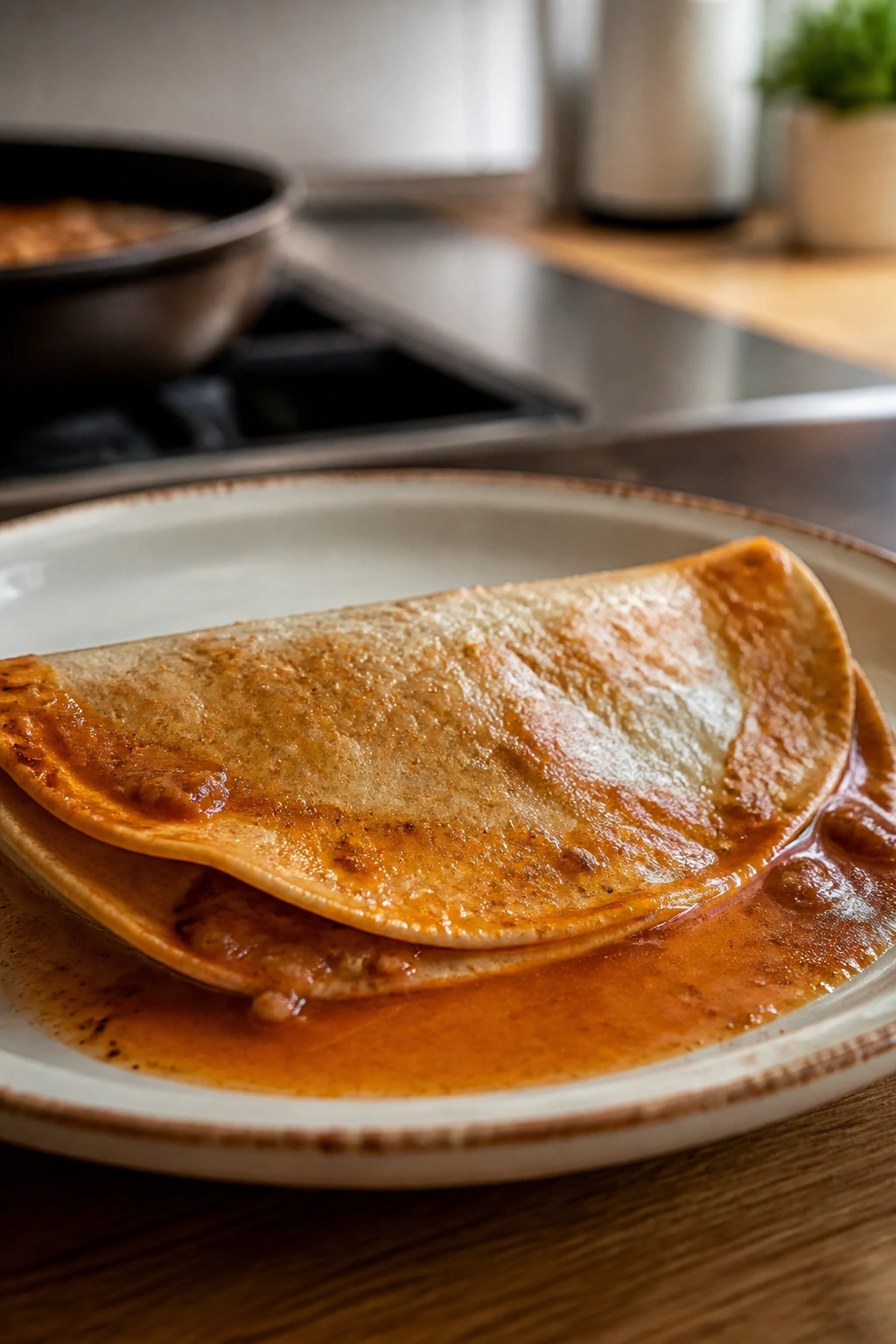
Soggy Tortillas: This shows up when tortillas sit in sauce too long before serving, or when too much liquid gets layered into enchiladas and casseroles. Warm them first, and don’t drown them. If a tortilla recipe starts looking soupy, it probably needs a thicker filling or a shorter rest.
Underseasoned Beans and Rice: Beans straight from the can and rice cooked in plain water can make the whole dinner taste hesitant. Season the cooking liquid, not just the finished dish. Cumin, garlic, oregano, and lime do more work than people give them credit for.
Crowded Pans: Overfilling a sheet pan or skillet causes steaming, not browning. That matters for fajitas, shrimp, salmon, and sweet potatoes. If the food needs color, give it space.
Overcooked Protein: Shrimp become rubbery fast, chicken breast dries out, and salmon goes chalky if you leave them in heat too long. Use the timer, but trust the look of the food too. Shrimp should be pink and curled; chicken should reach 165°F; salmon should flake and still look moist in the center.
Forgetting Acid at the End: A lot of these dishes need lime, pickled onions, or salsa after cooking, not just during it. Without that final hit, the food can taste heavy or one-dimensional. Taste the finished dish before you call it done.
Choosing the Wrong Cheese: Very dry or very hard cheese doesn’t melt the way you want for enchiladas, casseroles, or nachos. Use a good meltable cheese inside the dish, then save crumbly cheeses like cotija for the top. That small split makes the texture better.
Frequently Asked Questions

Can I use flour tortillas instead of corn tortillas?
Yes, especially for quesadillas, burritos, and fajitas. Corn tortillas give you a more classic flavor and hold up better in saucy dishes like enchiladas, but flour tortillas are fine when you want a softer, more flexible wrap.
Which of these dinners work best with rotisserie chicken?
Chicken tinga, enchilada casserole, tortilla soup, chilaquiles, and pozole all take rotisserie chicken well. It’s already cooked and seasoned, so the dish just needs enough simmering or baking time to bring everything together.
How do I keep tacos from getting soggy?
Keep the filling hot but not watery, warm the tortillas separately, and add crunchy toppings right before serving. If a filling looks loose in the pan, simmer it a few minutes longer so the liquid thickens instead of soaking the tortillas.
Can I freeze any of these recipes?
Yes. Saucy fillings, soups, rice skillets, and shredded meat dishes freeze best for up to 2 months. Skip freezing anything meant to stay crisp, like nachos, chilaquiles, or assembled tacos.
What can I use instead of cotija or queso fresco?
Feta is the closest easy swap, especially when you want that salty crumble on tacos or bowls. For melting, Monterey Jack or a Mexican blend is a better choice inside casseroles and quesadillas.
How can I make these dishes less spicy?
Use mild salsa, reduce chipotle or jalapeño, and lean on cumin, oregano, garlic, and lime for flavor instead of heat. A little sour cream or yogurt on top also cools the plate without changing the whole recipe.
What if my rice turns mushy?
That usually means too much liquid, too much stirring, or the lid came off too often. Rinse the rice first, measure the broth carefully, and keep the lid closed while it simmers. If it’s already soft, spread it on a tray for a few minutes so some steam escapes.
Are these dinners good for meal prep?
Most of them are. Tacos, bowls, soups, and skillet fillings can be cooked ahead and portioned for several days. Just keep wet toppings and crunchy elements separate until serving time.
What to Cook First
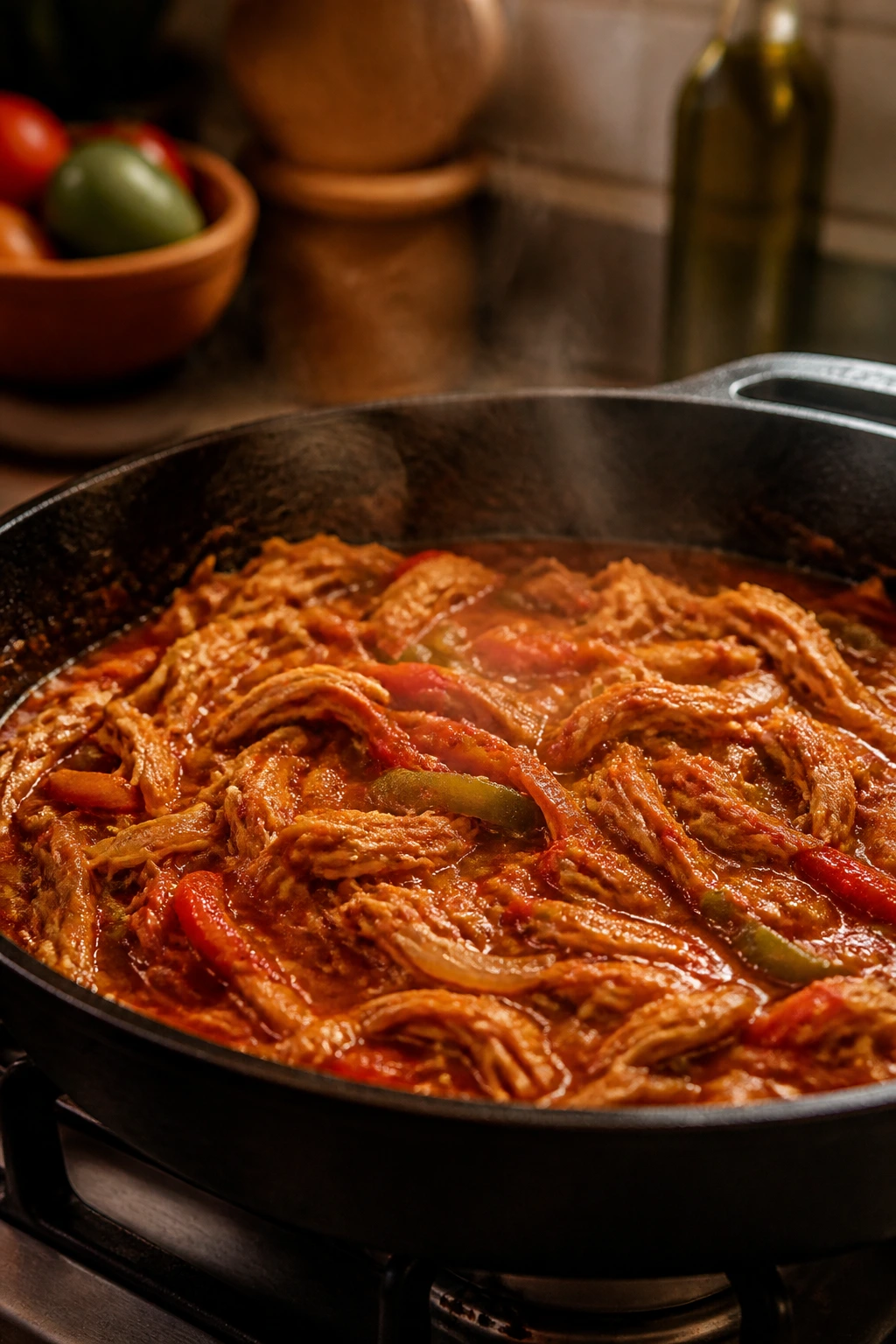
If you like smoky and rich, start with chicken tinga or the birria-inspired beef quesadillas. If you want the fastest path from stove to table, the shrimp fajitas, taco rice, and sheet pan chicken fajitas are the obvious early wins. And if the evening calls for something calmer, soup—tortilla soup, fideo, or pozole verde—has a way of making the whole kitchen feel less sharp around the edges.
The best part of this kind of cooking is that it doesn’t ask for much before it gives you a lot. A skillet, a sharp knife, a lime or two, and a little confidence with seasoning go further than most people expect. Once you have a few of these in rotation, weeknight dinner stops feeling like a blank page.