



Polenta dinners have a way of making a table feel full before the first bite. A pot of soft cornmeal, stirred until glossy, can carry tomato sauce, braised meat, garlicky greens, roasted mushrooms, or a handful of Parmesan in a way that rice and pasta just don’t quite match. It’s humble food, but not plain. There’s a little drama in the steam, a little comfort in the spoonable texture, and a lot of room for a sauce to do its best work.
That’s why polenta belongs on Italian family night. It’s the sort of base that makes everyone happy without demanding a fussy production. You can keep it rustic and loose, let it puddle under ragù, or bake it into slices and stack it with ricotta, mozzarella, and sauce. Good polenta has a faint corn sweetness and a lush, almost velvet finish when you enrich it with butter and cheese. Bad polenta is rushed, under-salted, and left to sulk in a clumpy pot. We’re not doing that.
What follows leans into the practical side of the idea. Some dinners are quick enough for a weeknight. Some want a slow simmer and a full table. All of them turn that bag of polenta into something worth setting out with actual confidence, not as a side dish hiding at the edge of the plate.
Why This Collection Works So Well
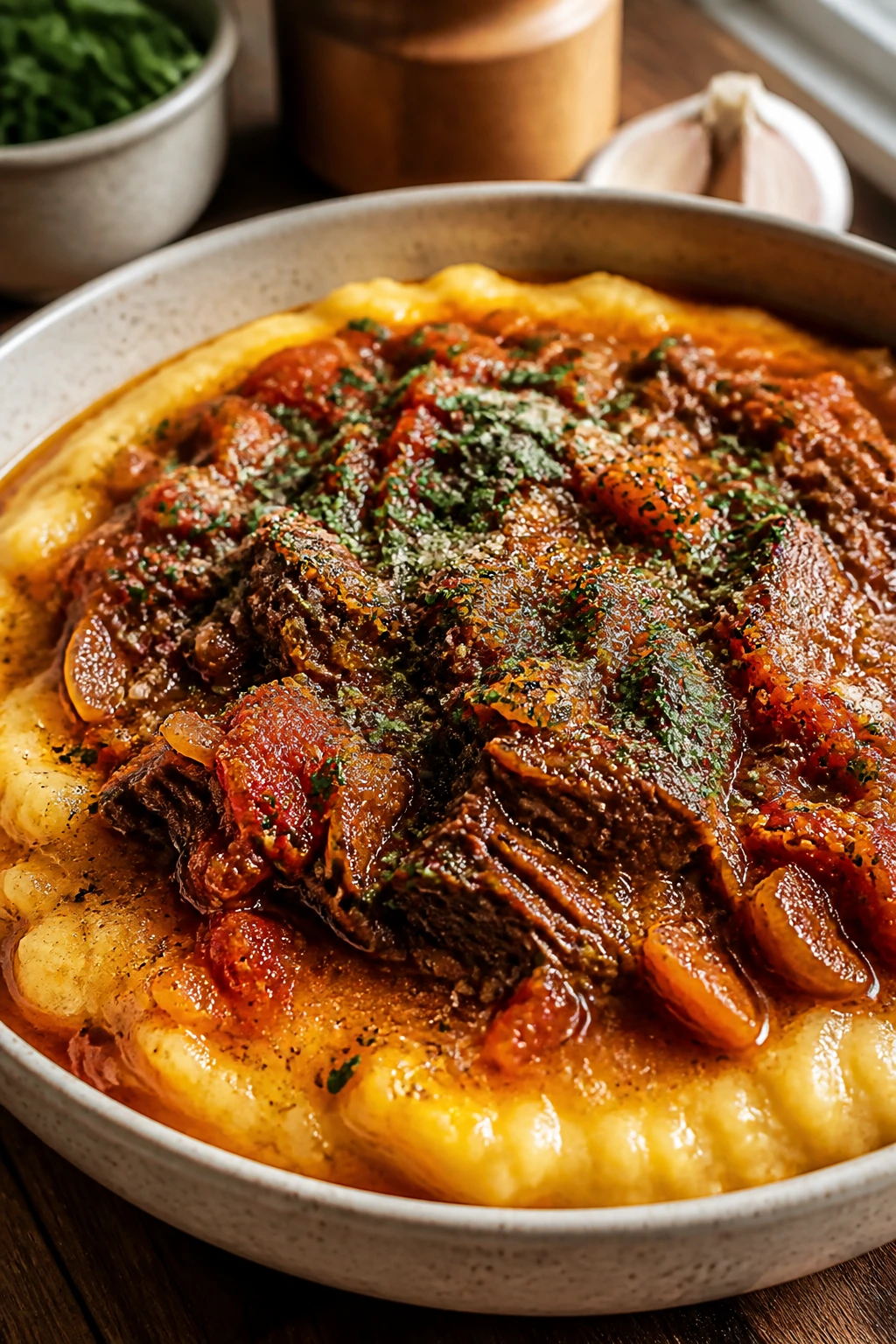
-
Sauce Magnet: Polenta catches tomato sauce, braises, and pan juices in a way that keeps every bite flavorful instead of watery.
-
Family-Table Friendly: These dinners feel generous and casual, which is exactly what you want when everyone is reaching in for seconds.
-
Budget-Smart Comfort: Polenta stretches beautifully, so a little sausage, chicken, beans, or mushrooms can feed a crowd without feeling skimpy.
-
Weeknight to Sunday Range: Some of these come together in under 40 minutes; others reward a longer simmer and make the house smell like someone knew what they were doing.
-
Built for Swapping: Chicken can become turkey. Cheese can be dialed back. Vegetables can take the lead without the whole dish collapsing.
-
Better Than Plain Pasta Night: Pasta is fine. Polenta brings a softer texture, a little more character, and a change of pace that keeps dinner from feeling repetitive.
1. Sausage Ragù Over Creamy Polenta
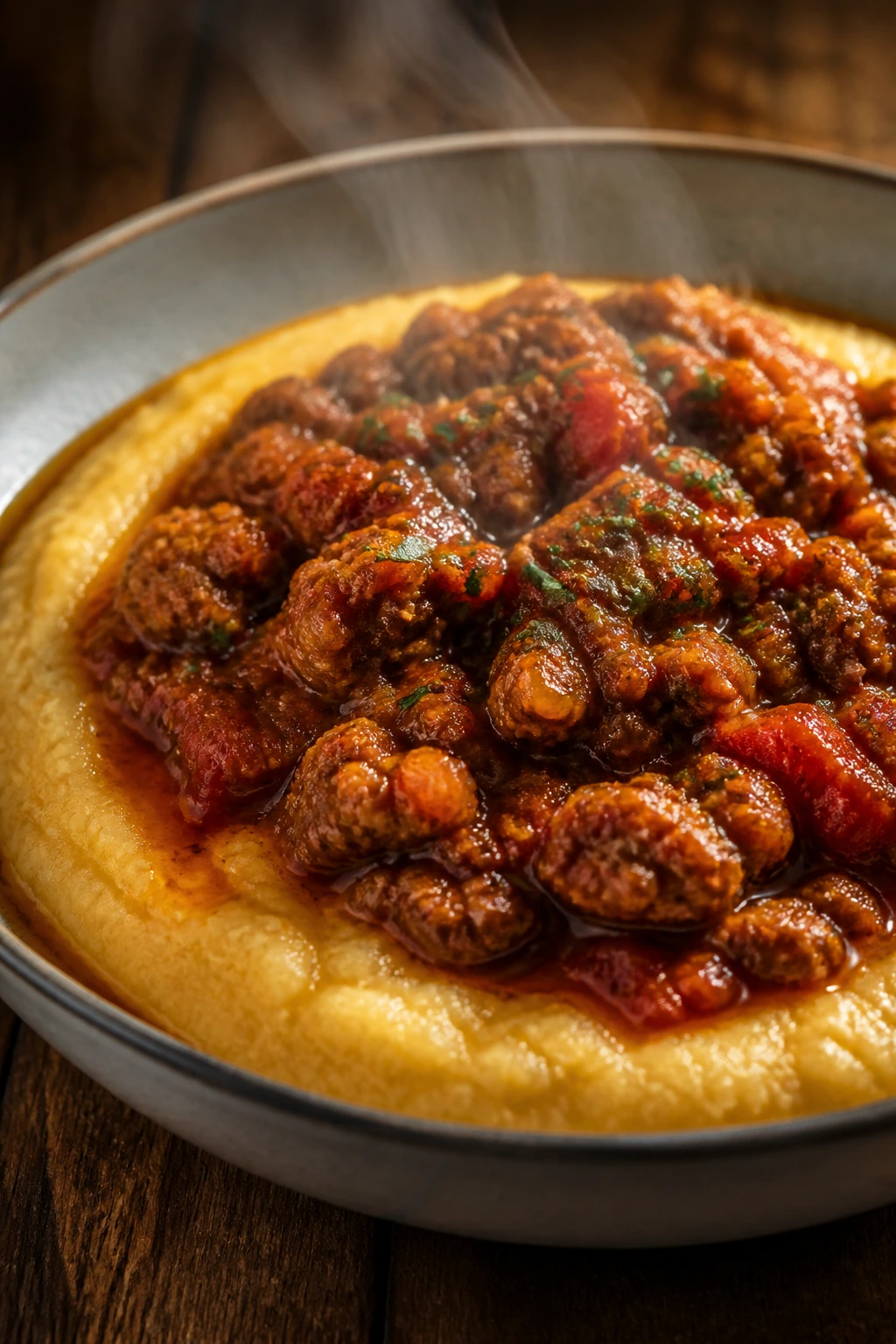
The first thing you notice is the smell. Sweet sausage browning in olive oil, onions softening, tomato paste caramelizing at the edges. Then the ragù settles into something deeper and rounder, and the polenta underneath gives you that spoonable, almost custardy base that makes the whole bowl feel generous.
This is the dish I reach for when I want dinner to feel like a proper sit-down meal without making a whole mess of the kitchen. It tastes like a red-sauce Sunday, but it does not ask for seven pans and a lot of ceremony.
Why It Works
Sausage brings built-in seasoning, fat, and a little fennel sweetness, which means the sauce starts with more personality than a plain beef ragù. The polenta, cooked with broth and finished with butter and Parmesan, balances all that richness with a soft, mellow base. A slow simmer of 25 to 30 minutes lets the tomatoes lose their sharp edge and the sausage finish tender, not crumbly. That last spoonful of polenta is the part people remember.
Key Ingredients
For the Ragù:
- 2 tablespoons olive oil
- 1 pound sweet Italian sausage, casings removed
- 1 small yellow onion, finely diced
- 1 carrot, finely diced
- 1 celery stalk, finely diced
- 4 garlic cloves, minced
- 2 tablespoons tomato paste
- 1/2 cup dry red wine or low-sodium chicken broth
- 1 (28-ounce) can crushed tomatoes
- 1 teaspoon dried oregano
- 1/2 teaspoon kosher salt
- 1/2 teaspoon black pepper
- 1/4 teaspoon crushed red pepper flakes
For the Polenta:
- 1 1/2 cups coarse polenta
- 6 cups water or low-sodium chicken broth
- 1 teaspoon kosher salt
- 2 tablespoons unsalted butter
- 1/2 cup grated Parmigiano-Reggiano
Quick Steps
-
Brown the Sausage: Heat the olive oil in a Dutch oven over medium-high heat. Add the sausage and cook for 6 to 8 minutes, breaking it up with a spoon until it’s browned and no longer pink.
-
Build the Base: Add the onion, carrot, and celery. Cook for 5 minutes, stirring often, until the vegetables look glossy and the onion starts turning translucent. Stir in the garlic and tomato paste and cook for 1 minute more.
-
Simmer the Ragù: Pour in the wine and scrape up the browned bits from the bottom of the pot. Add the crushed tomatoes, oregano, salt, pepper, and red pepper flakes. Lower the heat and simmer uncovered for 20 to 25 minutes until the sauce thickens and turns brick-red.
-
Cook the Polenta: Bring the water or broth to a boil in a second pot with the salt. Whisk in the polenta slowly. Reduce heat to low and cook for 20 to 25 minutes, stirring every few minutes, until thick and smooth. If it starts splattering, lower the heat.
-
Finish the Polenta: Stir in the butter and Parmesan until glossy and loose enough to spoon. Add a splash of broth if it feels too stiff.
-
Serve: Spoon the polenta into bowls and ladle the ragù on top. Finish with extra cheese and black pepper.
Tips and Variations
- Make-Ahead Move: The ragù tastes even better after a day in the fridge. Reheat it gently with a splash of water before serving.
- Protein Swap: Ground turkey works if you want something lighter, but add 1 tablespoon of olive oil because turkey is leaner.
- Greens Upgrade: Stir in a few handfuls of baby spinach at the end. It wilts in about 60 seconds and disappears into the sauce.
2. Spinach Ricotta Polenta Lasagna Bake
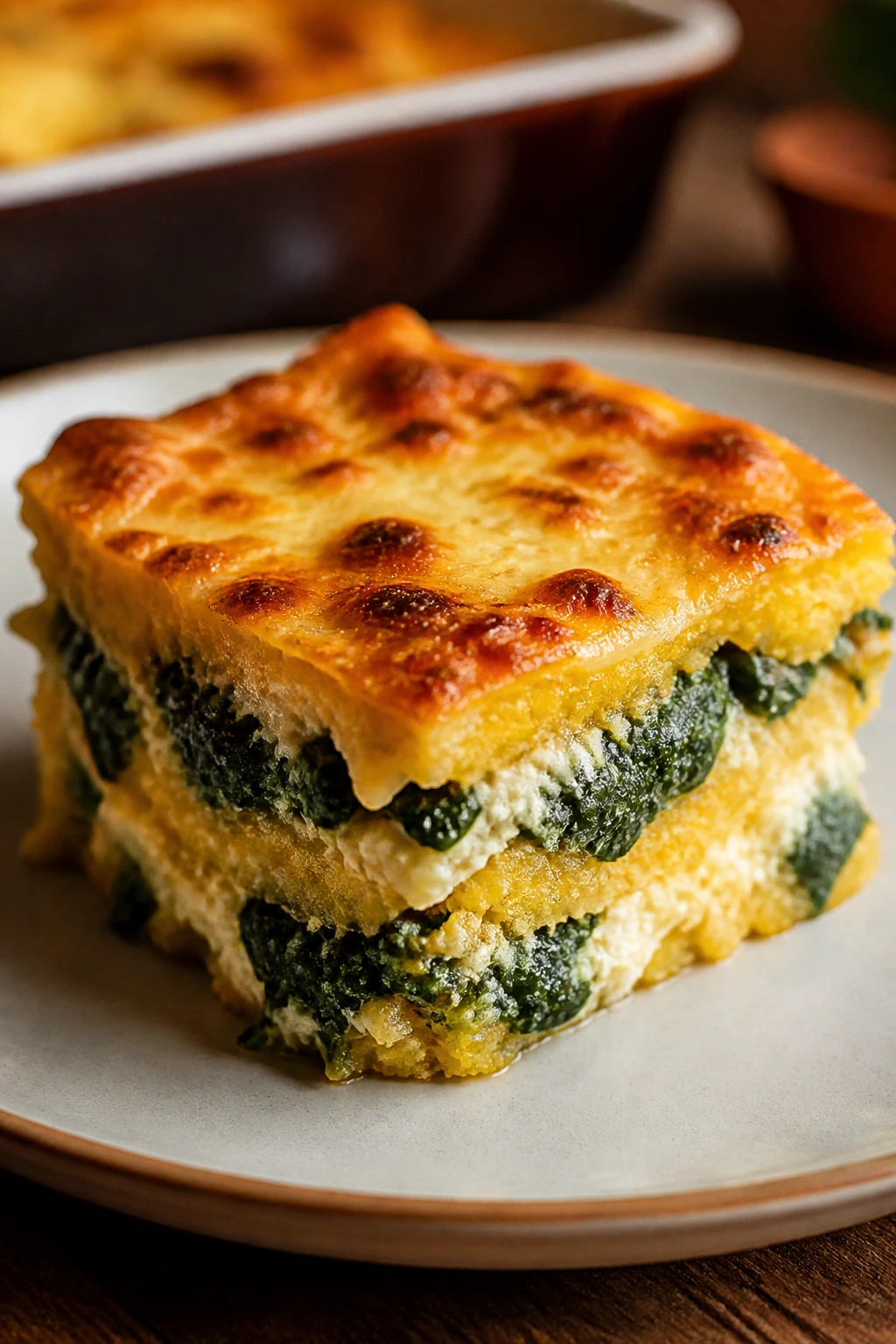
This one is part lasagna, part baked casserole, and all about that cheesy pull when you lift the first square out of the pan. The polenta sets up into a soft layer that stands in for noodles, which means you get the cozy feel of lasagna without the stacking fuss.
I like this one for a room full of people who want comfort but don’t need a giant pot of pasta. It slices cleanly if you let it rest, and the spinach keeps the ricotta from feeling too heavy.
Why It Works
Ricotta, spinach, and marinara are a reliable trio because they each do a different job. The polenta gives the bake structure, ricotta brings creaminess, and marinara keeps every bite bright and tomatoey. Baking it at 400°F creates a browned top and a firm enough middle that you can cut portions without the pan slumping into a saucy mess. It’s the kind of dish that looks like more work than it is.
Key Ingredients
For the Polenta Layer:
- 1 1/4 cups coarse polenta
- 5 cups water or low-sodium vegetable broth
- 1 teaspoon kosher salt
- 1 tablespoon unsalted butter
For the Filling:
- 1 tablespoon olive oil
- 24 ounces marinara sauce
- 1 1/2 cups ricotta cheese
- 1 large egg
- 2 cups chopped baby spinach
- 1/2 teaspoon garlic powder
- 1/4 teaspoon ground nutmeg
- 1 cup shredded mozzarella
- 1/2 cup grated Parmesan
Quick Steps
-
Cook the Polenta: Bring the water or broth to a boil with the salt. Whisk in the polenta and cook over low heat for 20 to 25 minutes, stirring often, until thick and smooth. Stir in the butter.
-
Mix the Ricotta Layer: In a bowl, combine the ricotta, egg, spinach, garlic powder, nutmeg, and half the Parmesan. The mixture should look thick and speckled green.
-
Prep the Dish: Heat the oven to 400°F and grease a 9-by-13-inch baking dish with olive oil.
-
Build the Layers: Spread half the polenta in the dish. Spoon on half the marinara, then half the ricotta mixture. Repeat with the remaining polenta, sauce, and ricotta. Scatter mozzarella and the rest of the Parmesan over the top.
-
Bake: Bake for 20 to 25 minutes until the top is bubbling and lightly browned around the edges.
-
Rest Before Cutting: Let it sit for 10 to 15 minutes before slicing. Skip this rest and the slices will spread.
Tips and Variations
- Extra-Saucy Version: Add another 1/2 cup of marinara between the layers if your crowd likes a looser, wetter bake.
- Fresh Herb Finish: Torn basil on top makes the whole pan taste brighter and more alive.
- Dairy-Free Option: Use a plant-based ricotta and mozzarella, then add a spoonful of olive oil to the polenta for richness.
3. Chicken Cacciatore with Soft Polenta
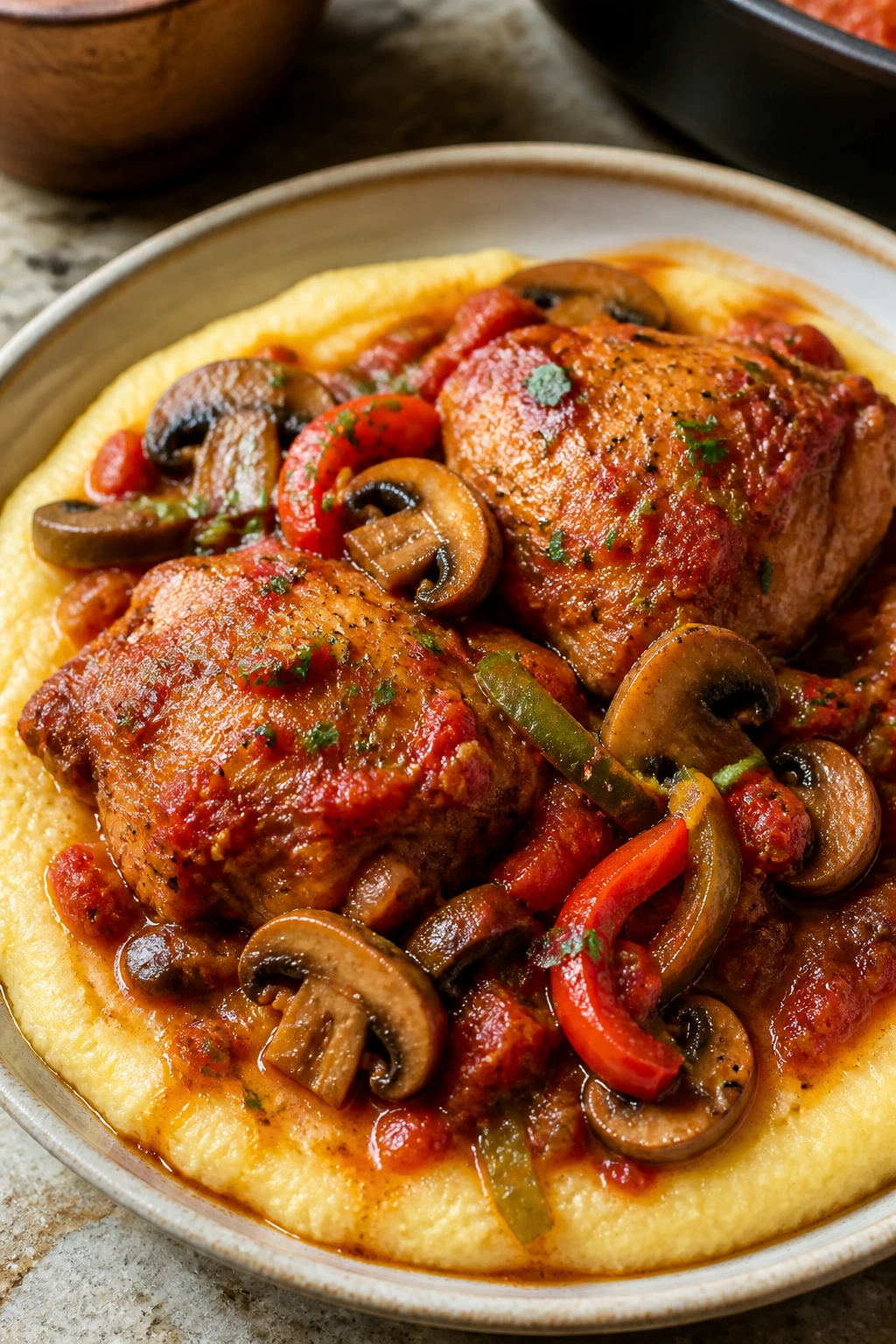
Chicken cacciatore has that old-school, red-sauce warmth that makes people lean in without saying much. The peppers go sweet, the mushrooms soak up the sauce, and the chicken turns tender enough to pull apart with a fork. Underneath, soft polenta acts like the best kind of sponge.
This is the kind of dinner that makes a weekday feel a little slower. Not lazy. Slower. Better.
Why It Works
Bone-in chicken thighs stay moist during a simmer, and their skin and fat give the sauce a deeper base than boneless pieces usually manage. Bell peppers, onions, and mushrooms build the classic cacciatore flavor, while a short braise in tomatoes and broth keeps the chicken succulent. Polenta is the right partner here because it doesn’t fight the sauce; it just catches it. The whole plate tastes complete.
Key Ingredients
For the Cacciatore:
- 2 pounds bone-in, skin-on chicken thighs
- 1 1/2 teaspoons kosher salt
- 1/2 teaspoon black pepper
- 2 tablespoons olive oil
- 1 yellow onion, sliced
- 2 bell peppers, sliced
- 8 ounces cremini mushrooms, sliced
- 4 garlic cloves, minced
- 1/2 cup dry white wine
- 1 (28-ounce) can diced tomatoes
- 1 cup chicken broth
- 1 teaspoon dried oregano
- 1 bay leaf
- 2 tablespoons chopped parsley
For the Polenta:
- 1 1/2 cups coarse polenta
- 6 cups low-sodium chicken broth
- 2 tablespoons unsalted butter
- 1/2 cup grated Parmesan
Quick Steps
-
Season and Sear: Pat the chicken dry and season it with salt and pepper. Heat the olive oil in a large Dutch oven over medium-high heat and sear the thighs for 4 to 5 minutes per side until deeply golden. Remove to a plate.
-
Cook the Vegetables: Add the onion, peppers, and mushrooms to the pot. Cook for 6 to 8 minutes until they soften and pick up the browned bits from the bottom. Stir in the garlic for 30 seconds.
-
Add Wine and Tomatoes: Pour in the wine and scrape the pot clean. Add the diced tomatoes, broth, oregano, and bay leaf, then nestle the chicken back in.
-
Simmer: Cover and simmer on low for 30 to 35 minutes until the chicken is tender and reaches 165°F at the thickest point.
-
Make the Polenta: Bring the broth to a boil in a separate pot. Whisk in the polenta, lower the heat, and stir until thick and creamy, about 20 minutes. Finish with butter and Parmesan.
-
Serve: Spoon polenta into shallow bowls, top with chicken and sauce, and shower with parsley.
Tips and Variations
- Olive Upgrade: Add 1/3 cup pitted black olives near the end if you want a sharper, brinier sauce.
- Boneless Shortcut: Boneless thighs shave off a little time, but cut the simmer to 20 to 25 minutes so they don’t dry out.
- Freezer Note: Freeze the cacciatore without polenta. The sauce holds up better that way.
4. Mushroom Marsala Polenta Bowls
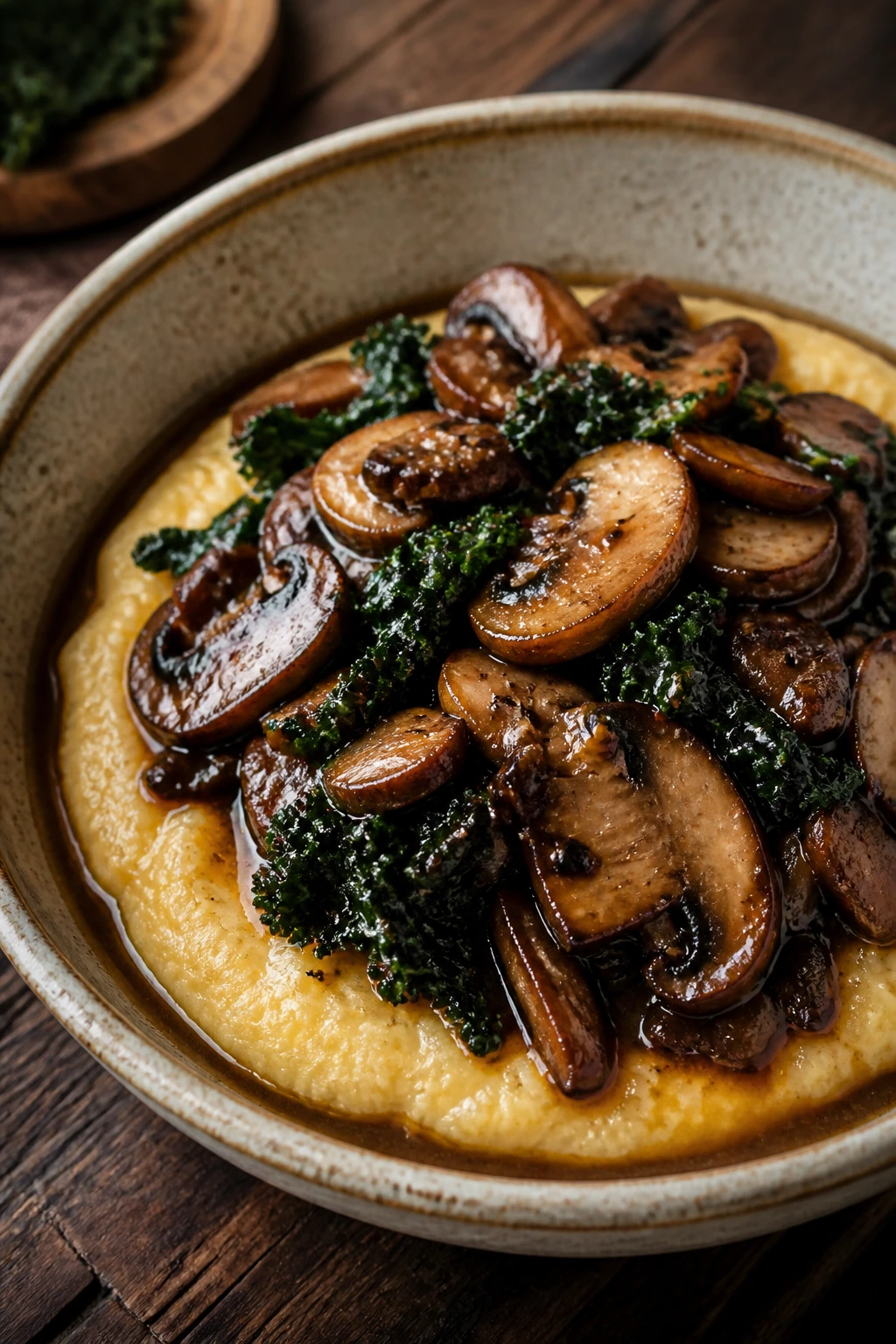
Marsala and mushrooms have a way of making a kitchen smell expensive, even when the ingredient list is modest. This version is earthy, glossy, and a little silky at the edges, with enough body to stand on its own as dinner.
I like it on nights when meat feels like too much but plain vegetables feel too thin. The kale gives it some backbone, and the polenta underneath makes the whole bowl feel like a meal, not a side dish pretending to be one.
Why It Works
Mushrooms need two things: high heat and patience. Give them both and they brown instead of steaming, which is where the real flavor comes from. Marsala brings sweetness and depth, while broth keeps the sauce from getting sticky. Finishing the skillet with kale adds color, chew, and just enough bitterness to keep the dish from feeling soft all the way through.
Key Ingredients
For the Mushroom Marsala:
- 2 tablespoons olive oil
- 2 tablespoons unsalted butter
- 1 pound cremini mushrooms, sliced
- 1 small onion, thinly sliced
- 3 garlic cloves, minced
- 1/2 cup Marsala wine
- 1 cup vegetable broth
- 1 teaspoon fresh thyme leaves or 1/2 teaspoon dried thyme
- 4 cups baby kale or chopped lacinato kale
- 2 tablespoons heavy cream or mascarpone
- Salt and black pepper to taste
- 2 tablespoons chopped parsley
For the Polenta:
- 1 1/2 cups coarse polenta
- 6 cups vegetable broth
- 1 teaspoon kosher salt
- 2 tablespoons unsalted butter
- 1/3 cup grated Parmesan
Quick Steps
-
Brown the Mushrooms: Heat the oil and butter in a wide skillet over medium-high heat. Add the mushrooms in a single layer and cook for 6 to 8 minutes, stirring only now and then, until they turn deep brown.
-
Add the Onion and Garlic: Stir in the onion and cook for 4 minutes, then add the garlic and thyme for 30 seconds.
-
Deglaze with Marsala: Pour in the Marsala and scrape the pan. Let it bubble for 1 minute so the alcohol cooks off and the sauce takes on a richer color.
-
Finish the Sauce: Add the broth and simmer for 4 to 5 minutes until slightly glossy. Stir in the kale and cook just until wilted, then finish with cream, salt, pepper, and parsley.
-
Cook the Polenta: Bring the broth and salt to a boil. Whisk in the polenta and cook over low heat for 20 to 25 minutes, stirring often. Finish with butter and Parmesan.
-
Serve: Spoon the polenta into bowls and ladle the mushroom Marsala over the top.
Tips and Variations
- Deeper Flavor: A teaspoon of soy sauce sounds strange here, but it deepens the mushroom flavor without making the dish taste Asian.
- Pancetta Version: Cook 2 ounces of diced pancetta before the mushrooms if you want a meatier skillet.
- Dairy-Free Move: Skip the cream and finish with a drizzle of good olive oil instead.
5. Garlic Shrimp and Tomato Polenta
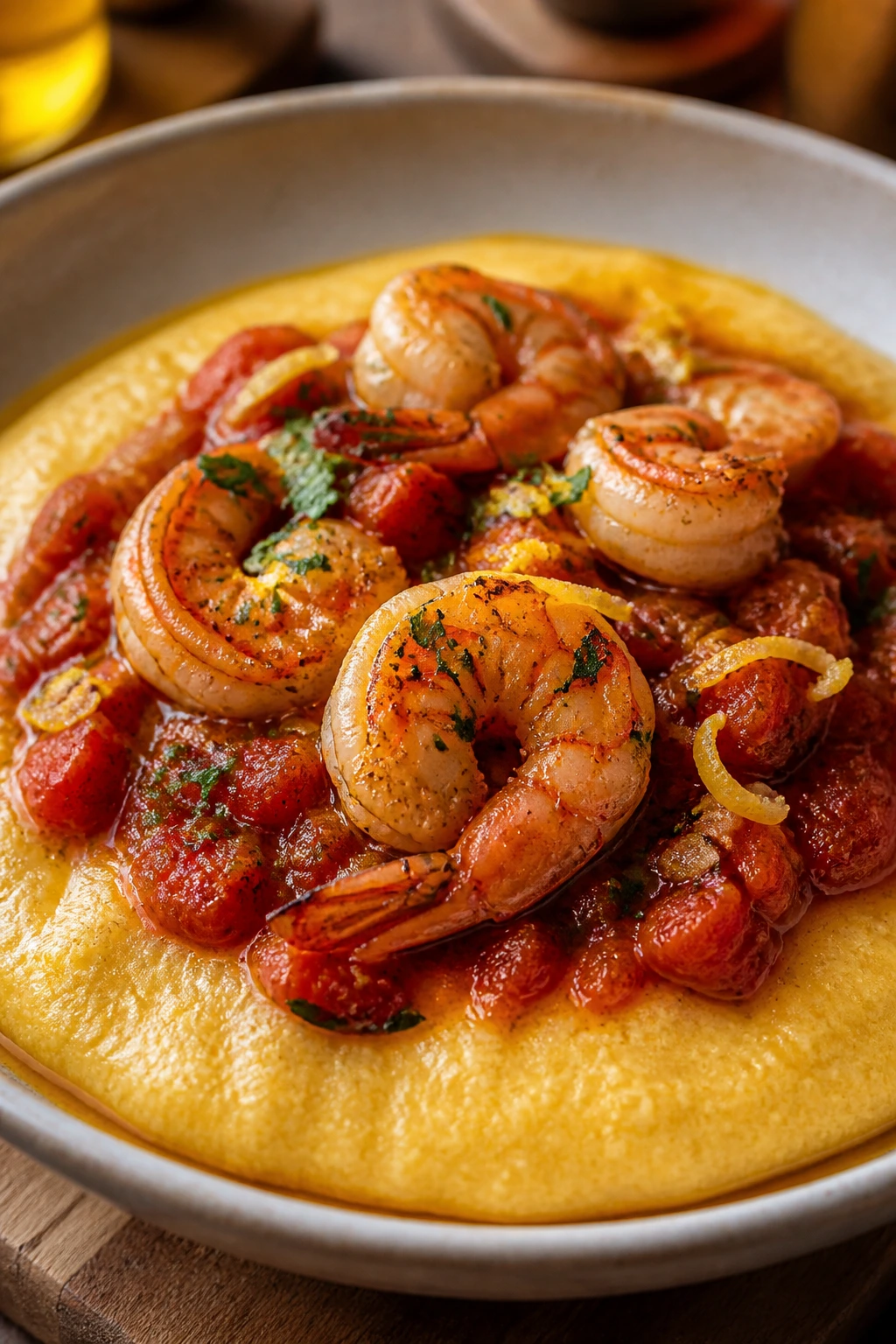
Shrimp cooks fast, tomatoes soften fast, and that makes this one of the most weeknight-friendly polenta dinners in the whole bunch. The sauce is light, garlicky, and a little sharp from lemon, which keeps the dish from feeling heavy.
There’s a bright, seaside feel to it, even if you’re eating in a noisy dining room with homework on the table. That contrast is part of the charm.
Why It Works
Shrimp only needs a few minutes in the pan, so the rest of the dinner can move at the pace of the polenta. Cherry tomatoes burst into a quick sauce, garlic turns sweet instead of harsh, and white wine gives the pan enough lift to keep the flavor clean. Polenta works here because it softens the salty edge of the shrimp and catches the tomato juices before they run away across the plate.
Key Ingredients
For the Shrimp Topping:
- 1 1/2 pounds large shrimp, peeled and deveined
- 2 tablespoons olive oil
- 3 tablespoons unsalted butter
- 5 garlic cloves, thinly sliced
- 1 pint cherry tomatoes
- 1/2 cup dry white wine or broth
- 1/4 teaspoon crushed red pepper flakes
- Zest and juice of 1 lemon
- 2 tablespoons chopped parsley
- Salt and black pepper to taste
For the Polenta:
- 1 1/4 cups coarse polenta
- 5 cups low-sodium chicken broth or seafood broth
- 1 teaspoon kosher salt
- 2 tablespoons butter
- 1/2 cup grated Parmesan
Quick Steps
-
Start the Polenta: Bring the broth to a boil with the salt. Whisk in the polenta, reduce to low, and cook for 20 to 25 minutes, stirring often until thick and smooth.
-
Cook the Garlic and Tomatoes: While the polenta simmers, heat the oil and butter in a skillet over medium heat. Add the garlic and red pepper flakes for 30 seconds, then add the tomatoes. Cook for 3 to 4 minutes until the tomatoes begin to blister and split.
-
Deglaze the Pan: Pour in the wine or broth and simmer for 1 minute, scraping up the garlicky bits.
-
Add the Shrimp: Nestle in the shrimp in a single layer. Cook for 2 minutes, then turn and cook for 1 to 2 minutes more until pink and just firm. Do not let them overcook.
-
Finish Brightly: Stir in the lemon zest, lemon juice, parsley, salt, and pepper.
-
Serve: Stir butter and Parmesan into the polenta and spoon the shrimp and tomato mixture on top.
Tips and Variations
- Lemon Zest First: Add the zest before the juice. It wakes up the garlic and tastes fresher.
- Spice Control: Leave out the red pepper flakes for kids, then pass them at the table.
- Serving Trick: A handful of torn basil makes the dish look and taste more complete.
6. Meatballs with Marinara and Parmesan Polenta
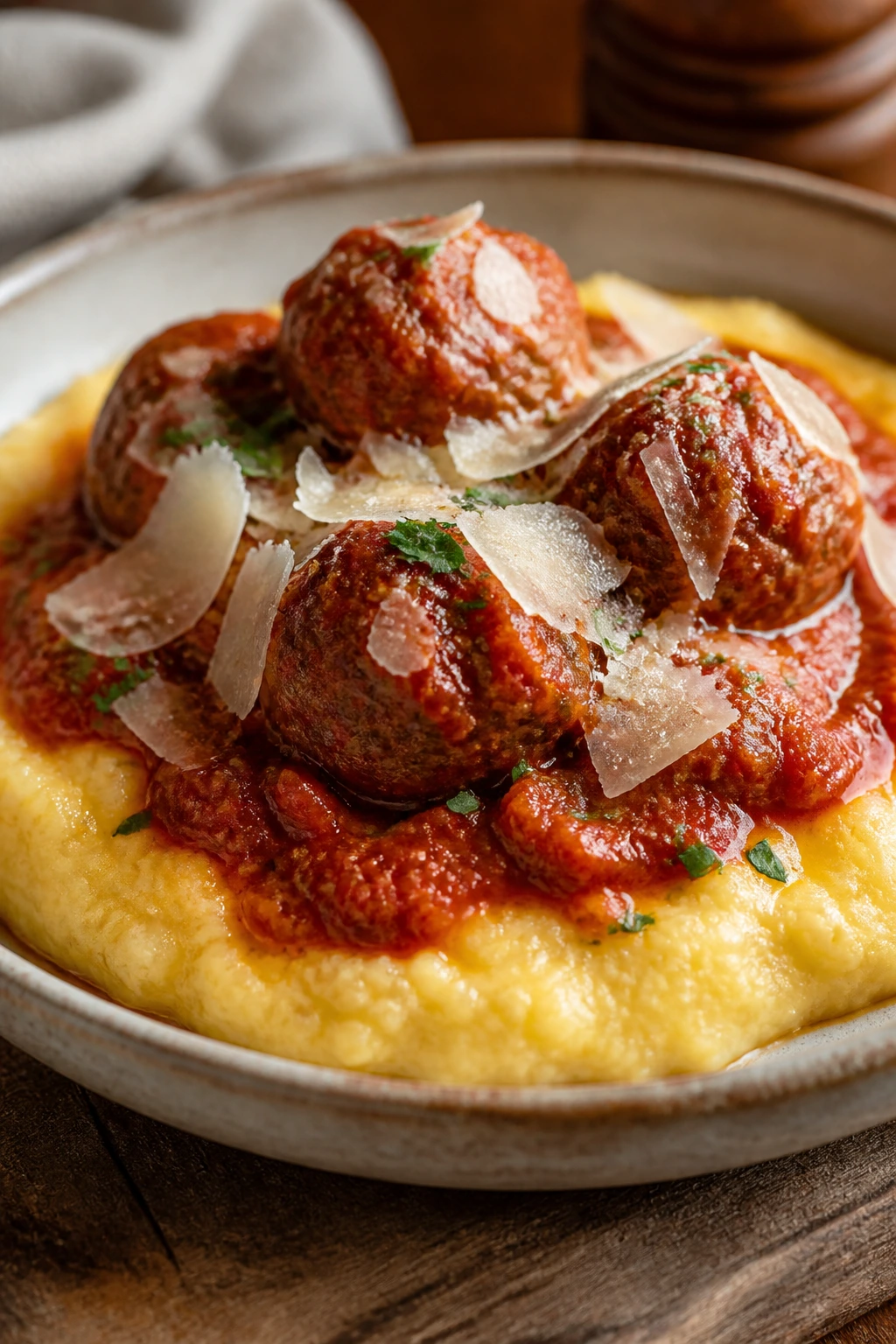
Meatballs bring the kind of dinner-table energy people recognize immediately. The sauce is familiar, the aroma is familiar, and the first forkful feels like the kind of thing you were hoping for all day.
Polenta changes the script just enough to make it interesting. Instead of pasta, you get a softer, richer base that turns the whole plate a little more luxurious without losing the comfort-food mood.
Why It Works
A mix of beef and pork gives the meatballs both structure and flavor, while the breadcrumbs and milk keep them tender. Baking the meatballs instead of frying them keeps the kitchen cleaner and makes the process easier to scale for a crowd. Marinara does what it always should: surround the meatballs, loosen their edges, and bring the whole thing together over a bowl of Parmesan-flecked polenta.
Key Ingredients
For the Meatballs:
- 1 pound ground beef
- 1/2 pound ground pork
- 1/2 cup breadcrumbs
- 1/4 cup whole milk
- 1 large egg
- 1/4 cup grated Parmesan
- 2 garlic cloves, minced
- 2 tablespoons chopped parsley
- 1 teaspoon kosher salt
- 1/2 teaspoon black pepper
For the Sauce and Polenta:
- 1 tablespoon olive oil
- 3 cups marinara sauce
- 1/2 cup water or broth
- 1 1/2 cups coarse polenta
- 6 cups chicken broth
- 2 tablespoons butter
- 1/2 cup Parmesan
Quick Steps
-
Mix the Meatballs: In a large bowl, combine the beef, pork, breadcrumbs, milk, egg, Parmesan, garlic, parsley, salt, and pepper. Mix gently until just combined. Overmixing makes them dense.
-
Shape and Bake: Form 16 to 18 meatballs and place them on a lined baking sheet. Bake at 425°F for 14 to 16 minutes until browned and cooked through.
-
Warm the Sauce: Heat the olive oil in a skillet, add the marinara and water or broth, and simmer for 5 minutes.
-
Simmer the Meatballs: Transfer the baked meatballs to the sauce and let them bubble gently for 5 minutes so the flavor sinks in.
-
Cook the Polenta: Bring the broth to a boil, whisk in the polenta, and cook over low heat for 20 to 25 minutes. Finish with butter and Parmesan.
-
Serve: Spoon polenta into bowls, top with meatballs and sauce, and add another shower of cheese.
Tips and Variations
- All-Beef Option: Use 1 1/2 pounds of ground beef if pork is not your thing, but add 1 tablespoon of olive oil for moisture.
- Tiny Meatballs for Kids: Make them smaller, about 1 tablespoon each, and they’ll cook in 12 minutes.
- Leftover Plan: Chop leftover meatballs and spoon them over toast or tuck them into a sandwich roll the next day.
7. Eggplant Parmesan Polenta Skillet
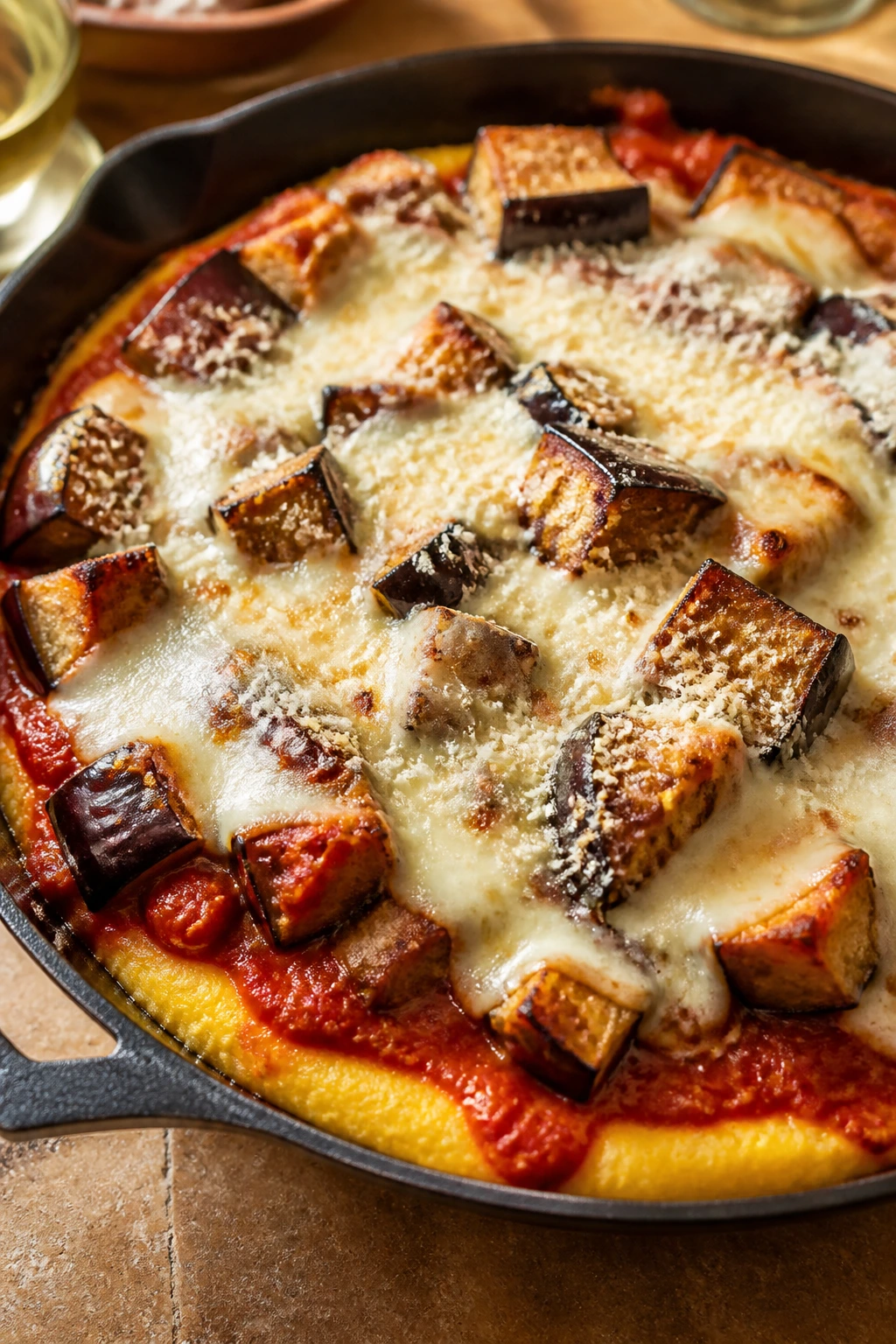
Eggplant Parmesan can be a little fussy when it’s built in layers. This skillet version keeps the spirit and drops the ceremony. You get roasted eggplant, tomato sauce, melted cheese, and that familiar savory-sweet smell that always makes people drift into the kitchen.
The polenta underneath soaks up the sauce and softens the sharper edges of the cheese. It’s a vegetarian dinner that still feels substantial enough for a hungry table.
Why It Works
Roasting the eggplant first solves the main eggplant problem, which is that it can go spongy and greasy if you treat it badly. A hot oven caramelizes the edges, and then the marinara, mozzarella, and Parmesan bring the classic eggplant parm flavor without a long breading setup. Polenta gives the dish structure and keeps the sauce from pooling at the bottom of the pan.
Key Ingredients
For the Eggplant Skillet:
- 2 medium eggplants, cut into 1-inch cubes
- 2 tablespoons olive oil
- 1 teaspoon kosher salt
- 1 small yellow onion, diced
- 3 garlic cloves, minced
- 24 ounces marinara sauce
- 1 teaspoon Italian seasoning
- 1/2 teaspoon crushed red pepper flakes
- 1 1/2 cups shredded mozzarella
- 1/2 cup grated Parmesan
- 2 tablespoons chopped basil
For the Polenta:
- 1 1/4 cups coarse polenta
- 5 cups water or vegetable broth
- 1 teaspoon kosher salt
- 2 tablespoons butter
Quick Steps
-
Roast the Eggplant: Heat the oven to 425°F. Toss the eggplant with olive oil and salt, spread it on a sheet pan, and roast for 25 to 30 minutes until browned and tender.
-
Make the Sauce Base: In a large skillet, cook the onion over medium heat for 5 minutes until soft. Add the garlic, marinara, Italian seasoning, and red pepper flakes, then simmer for 10 minutes.
-
Cook the Polenta: Bring the water or broth to a boil, whisk in the polenta, and cook over low heat for 20 to 25 minutes. Stir in the butter.
-
Combine: Fold the roasted eggplant into the sauce. Taste and adjust salt if needed.
-
Top and Broil: Spoon the eggplant mixture over the polenta in an oven-safe skillet or baking dish. Add mozzarella and Parmesan, then broil for 2 to 3 minutes until the cheese bubbles and browns in spots. Watch it closely.
-
Finish: Scatter basil over the top and serve hot.
Tips and Variations
- Breaded Version: If you miss the classic crumb, toss the eggplant cubes with 1/2 cup breadcrumbs before roasting.
- Zucchini Mix-In: Half eggplant, half zucchini works well when you want a lighter skillet.
- Extra Cheese Move: Add a few spoonfuls of ricotta before broiling if you want a creamier top.
8. Red Wine Braised Beef Over Polenta
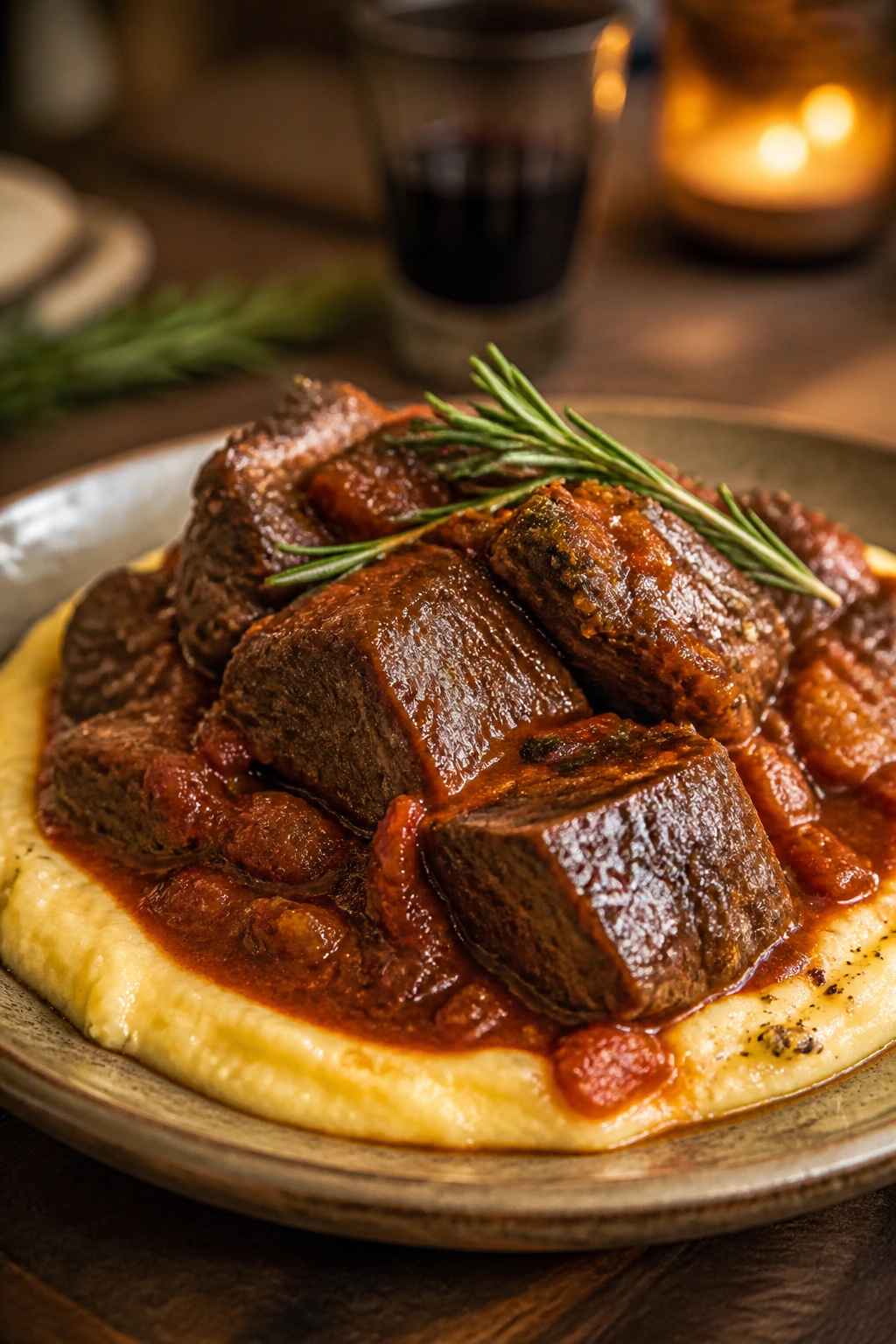
This is the pan you bring out when you want the room to go quiet for a second. The beef gets deep and fork-tender, the sauce tightens around the edges, and the polenta underneath keeps everything grounded instead of heavy.
It feels like a Sunday dinner, but the leftovers are almost better the next day. That’s the kind of dish I trust.
Why It Works
Chuck roast has enough collagen and connective tissue to improve with long cooking, which is exactly what braising does best. Red wine and tomatoes add depth, while carrots, celery, and onion lay down the traditional base. The polenta gives the braise a soft landing and catches the thickened sauce so every bite has beef, wine, and cornmeal richness in the same spoonful.
Key Ingredients
For the Braise:
- 2 pounds chuck roast, cut into 2-inch pieces
- 2 teaspoons kosher salt
- 1 teaspoon black pepper
- 2 tablespoons olive oil
- 1 onion, chopped
- 2 carrots, chopped
- 2 celery stalks, chopped
- 4 garlic cloves, minced
- 2 tablespoons tomato paste
- 1 cup dry red wine
- 2 cups beef broth
- 1 (14-ounce) can crushed tomatoes
- 1 bay leaf
- 1 sprig rosemary
For the Polenta:
- 1 1/2 cups coarse polenta
- 6 cups beef broth or water
- 1 teaspoon kosher salt
- 2 tablespoons butter
- 1/2 cup Parmesan
Quick Steps
-
Brown the Beef: Pat the beef dry and season it well. Heat the oil in a Dutch oven over medium-high heat and sear the beef in batches until dark brown on all sides.
-
Cook the Vegetables: Add the onion, carrots, and celery. Cook for 6 minutes until softened, then stir in the garlic and tomato paste for 1 minute.
-
Deglaze and Braise: Pour in the wine and scrape the pot. Add the broth, tomatoes, bay leaf, and rosemary. Return the beef to the pot, cover, and braise at 300°F for 2 1/2 to 3 hours until the meat falls apart with a fork.
-
Cook the Polenta: Near the end of the braise, bring the broth to a boil and whisk in the polenta. Cook over low heat for 20 to 25 minutes, stirring often. Finish with butter and Parmesan.
-
Shred and Adjust: Pull the beef into chunks and discard the bay leaf and rosemary stem. If the sauce looks thin, simmer it uncovered for 10 minutes.
-
Serve: Spoon polenta into bowls and ladle the beef and sauce on top.
Tips and Variations
- Wine Choice: Use a dry red you’d actually drink. Cheap, harsh wine leaves a sharp edge.
- Make It Ahead: The braise reheats beautifully and thickens overnight.
- Shortcut: If you need less time, pressure cook the beef until tender, then finish the sauce on the stove.
9. Tuscan Kale and White Bean Polenta
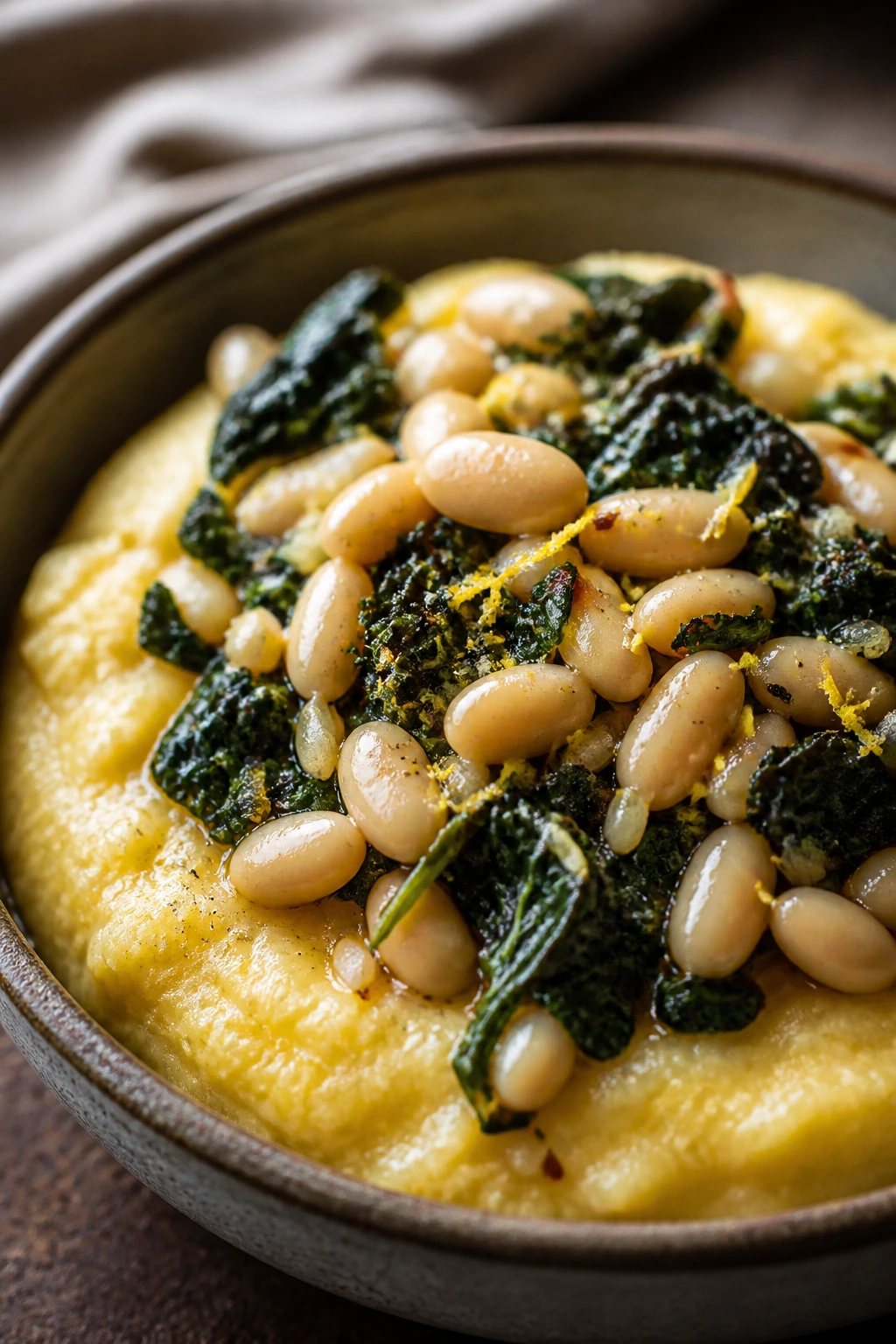
This is the vegetarian dinner that doesn’t apologize for being vegetarian. White beans make it filling, kale brings the bite, and garlic with rosemary gives the pot enough personality to keep it from reading like a health-food compromise.
It’s hearty, yes. It’s also clean-tasting and soothing, which matters when you want dinner to feel restorative but not bland.
Why It Works
Beans and kale are a classic pairing because the beans bring starch and creaminess while the greens bring texture and color. Mashing some of the beans right in the pan thickens the sauce without flour or cream, and the lemon at the end keeps the whole thing sharp enough to stay interesting. Polenta under all of that gives you a soft base that soaks up the bean broth instead of letting it sit in the bowl like soup.
Key Ingredients
For the Topping:
- 2 tablespoons olive oil
- 1 onion, diced
- 4 garlic cloves, minced
- 1 teaspoon chopped rosemary or 1/2 teaspoon dried rosemary
- 1/2 teaspoon crushed red pepper flakes
- 2 cans cannellini beans, drained and rinsed
- 1 bunch lacinato kale, stems removed and leaves chopped
- 1 cup vegetable broth
- 1/2 cup grated Parmesan
- Juice of 1 lemon
- Salt and black pepper to taste
For the Polenta:
- 1 1/2 cups coarse polenta
- 6 cups vegetable broth
- 2 tablespoons butter
- 1 teaspoon kosher salt
Quick Steps
-
Sauté the Aromatics: Heat the oil in a skillet over medium heat. Cook the onion for 5 minutes until soft, then add the garlic, rosemary, and red pepper flakes for 30 seconds.
-
Build the Bean Mixture: Add the beans and broth. Mash about one-third of the beans with the back of a spoon. That makes the sauce thicker without turning it into paste.
-
Wilt the Kale: Stir in the kale and cook for 3 to 4 minutes until it darkens and softens. Add Parmesan, lemon juice, salt, and pepper.
-
Cook the Polenta: Bring the broth to a boil in a pot, whisk in the polenta, and cook over low heat for 20 to 25 minutes until silky. Stir in the butter.
-
Serve: Spoon the polenta into bowls and pile the kale and beans on top. Add more Parmesan if you want it saltier.
Tips and Variations
- Pancetta Option: Start with 2 ounces of diced pancetta if you want a smoky base.
- Creamier Texture: Stir in 2 tablespoons of mascarpone at the end.
- Kid-Friendly Trick: Chop the kale finely so it disappears more easily into the beans.
10. Broccoli Rabe and Sausage Polenta
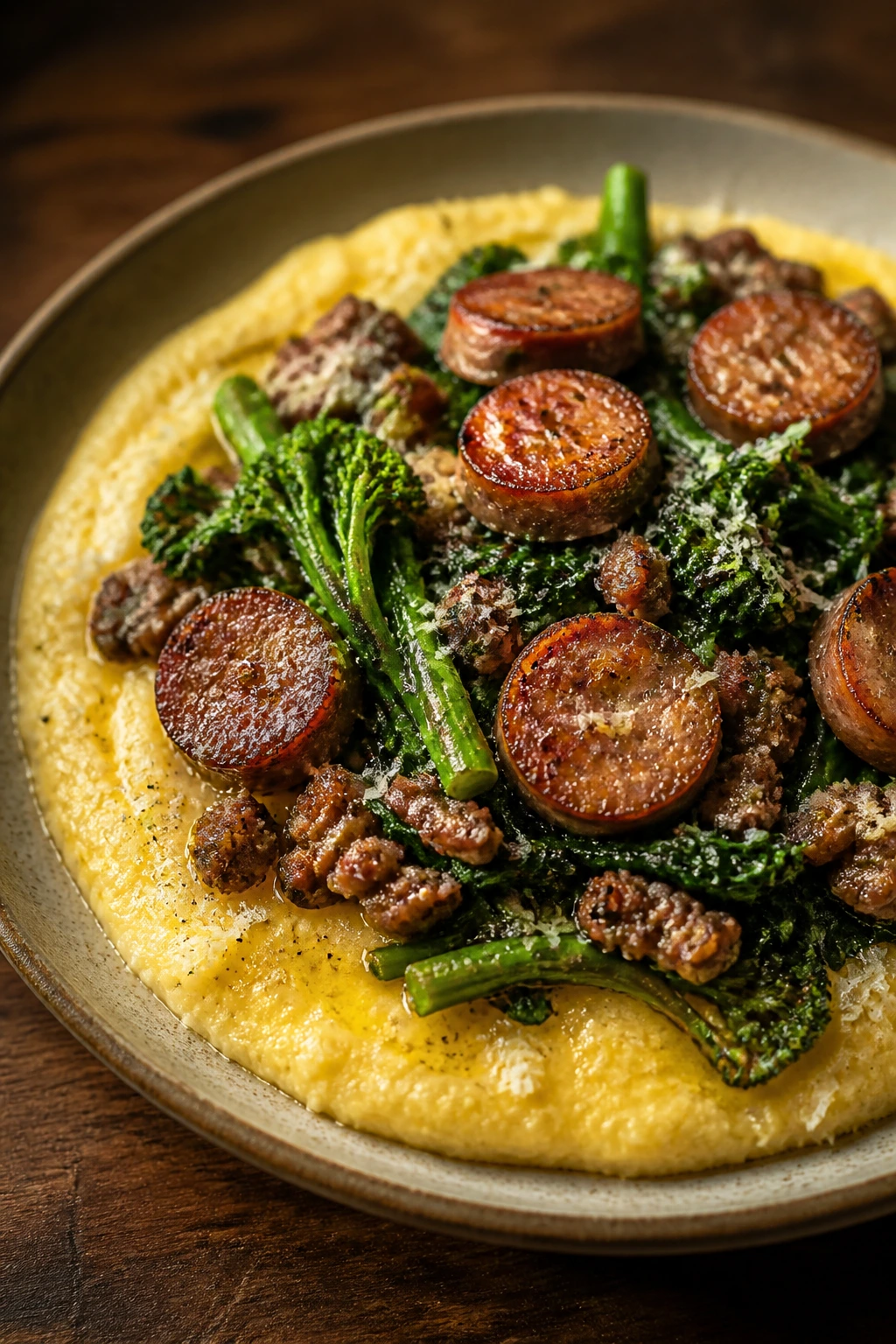
Broccoli rabe brings bitterness, sausage brings fat, and polenta sits underneath like the steady part of the conversation. That combination is classic for a reason. It tastes balanced, not busy.
I like this one when I want dinner to have a little bite. Not spice exactly. More edge.
Why It Works
Broccoli rabe can be sharp if you throw it into a skillet raw and hope for the best. A quick blanch softens the bitterness, and then garlic, sausage, and olive oil give it a much friendlier shape. The polenta underneath keeps the dish from tipping too far toward salty or bitter. It all lands in the middle, which is where this kind of dinner works best.
Key Ingredients
For the Topping:
- 1 pound sweet or hot Italian sausage
- 1 bunch broccoli rabe, trimmed
- 2 tablespoons olive oil
- 4 garlic cloves, sliced
- 1/4 teaspoon crushed red pepper flakes
- 1/2 cup chicken broth
- 1 tablespoon lemon juice
- 1/3 cup grated Parmesan
- Salt and black pepper to taste
For the Polenta:
- 1 1/2 cups coarse polenta
- 6 cups water or chicken broth
- 2 tablespoons butter
- 1 teaspoon kosher salt
Quick Steps
-
Blanch the Broccoli Rabe: Bring a pot of salted water to a boil and blanch the broccoli rabe for 2 minutes. Drain well and squeeze out excess water.
-
Brown the Sausage: Cook the sausage in a large skillet over medium-high heat, breaking it into chunks, until browned and cooked through. Remove excess grease if needed.
-
Add Garlic and Greens: Stir in the olive oil, garlic, and red pepper flakes for 30 seconds. Add the broccoli rabe and toss for 2 minutes.
-
Loosen the Pan: Pour in the broth and lemon juice, then simmer for 2 to 3 minutes until the liquid mostly cooks off. Stir in Parmesan.
-
Cook the Polenta: Whisk the polenta into boiling salted water or broth and cook for 20 to 25 minutes over low heat. Finish with butter.
-
Serve: Spoon the sausage and broccoli rabe over the polenta and add black pepper.
Tips and Variations
- Milder Greens: Broccoli florets can replace half the rabe if you want less bitterness.
- Heat Booster: A pinch more red pepper works nicely if you like the dish lively.
- Cheese Swap: Pecorino Romano gives a sharper finish than Parmesan.
11. Chicken, Pesto, and Roasted Tomato Polenta
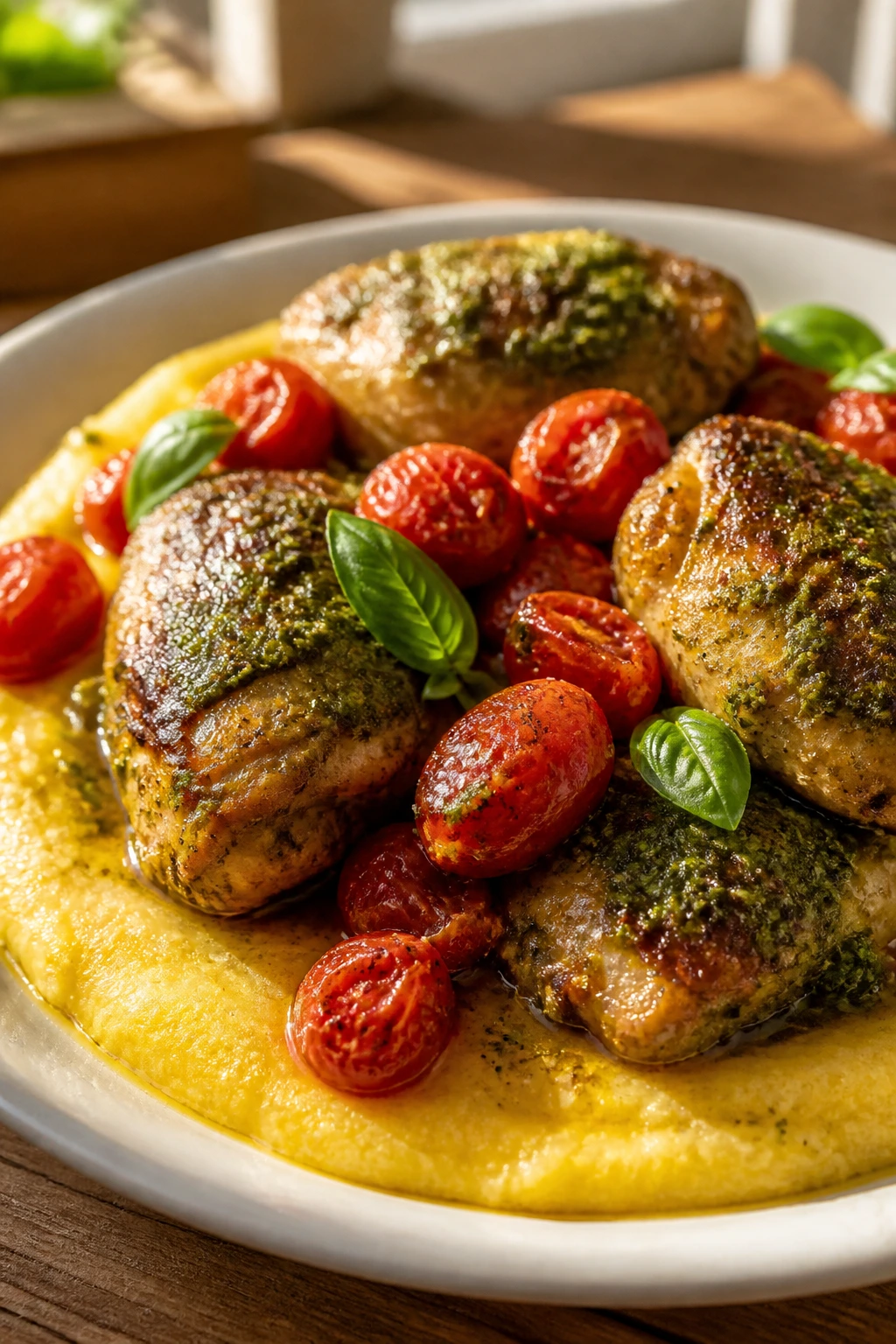
Pesto changes the mood of dinner fast. A spoonful can make chicken and tomatoes taste sunny, herby, and a little more put together than the ingredient list suggests. Add polenta and you’ve got a bowl that feels fresh without turning into salad night.
This one is quick enough for a weeknight and pretty enough for a casual dinner with guests. That’s a useful combination, and honestly, not a common one.
Why It Works
Pesto brings concentrated basil flavor plus fat, garlic, and cheese in one hit, which is why it works so well with mild chicken. Roasting the tomatoes first concentrates their sweetness and keeps the sauce from tasting flat. Polenta acts like a cushion for all of it. The result tastes layered even though the method is simple.
Key Ingredients
For the Chicken and Tomatoes:
- 1 1/2 pounds boneless, skinless chicken thighs
- 1 teaspoon kosher salt
- 1/2 teaspoon black pepper
- 2 tablespoons olive oil
- 1 pint cherry tomatoes
- 1/4 cup basil pesto
- 1/2 cup chicken broth
- 1 cup shredded mozzarella or mozzarella pearls
- 2 tablespoons torn basil leaves
For the Polenta:
- 1 1/4 cups coarse polenta
- 5 cups chicken broth
- 1 teaspoon kosher salt
- 2 tablespoons butter
- 1/2 cup Parmesan
Quick Steps
-
Roast the Tomatoes: Heat the oven to 425°F. Toss the cherry tomatoes with 1 tablespoon of olive oil and roast for 12 to 15 minutes until blistered.
-
Season and Sear the Chicken: Season the chicken with salt and pepper. Heat the remaining oil in a skillet over medium-high heat and sear the chicken for 4 to 5 minutes per side.
-
Build the Sauce: Add the broth and pesto to the skillet, stirring to coat the chicken. Let it simmer for 5 minutes until the chicken finishes cooking through.
-
Cook the Polenta: Bring the broth to a boil, whisk in the polenta, and cook over low heat for 20 to 25 minutes. Finish with butter and Parmesan.
-
Combine: Stir the roasted tomatoes and mozzarella into the skillet just until the cheese starts to soften.
-
Serve: Spoon polenta into bowls, top with chicken and tomatoes, and finish with basil.
Tips and Variations
- Store-Bought Pesto Is Fine: Use a good jarred one if that’s what you have. Nobody is grading the basil.
- Creamier Finish: Add 2 tablespoons of mascarpone to the polenta if you want a richer bowl.
- Vegetable Add-In: A handful of baby spinach can go into the skillet at the end.
12. Ricotta and Roasted Mushroom Polenta Gratin
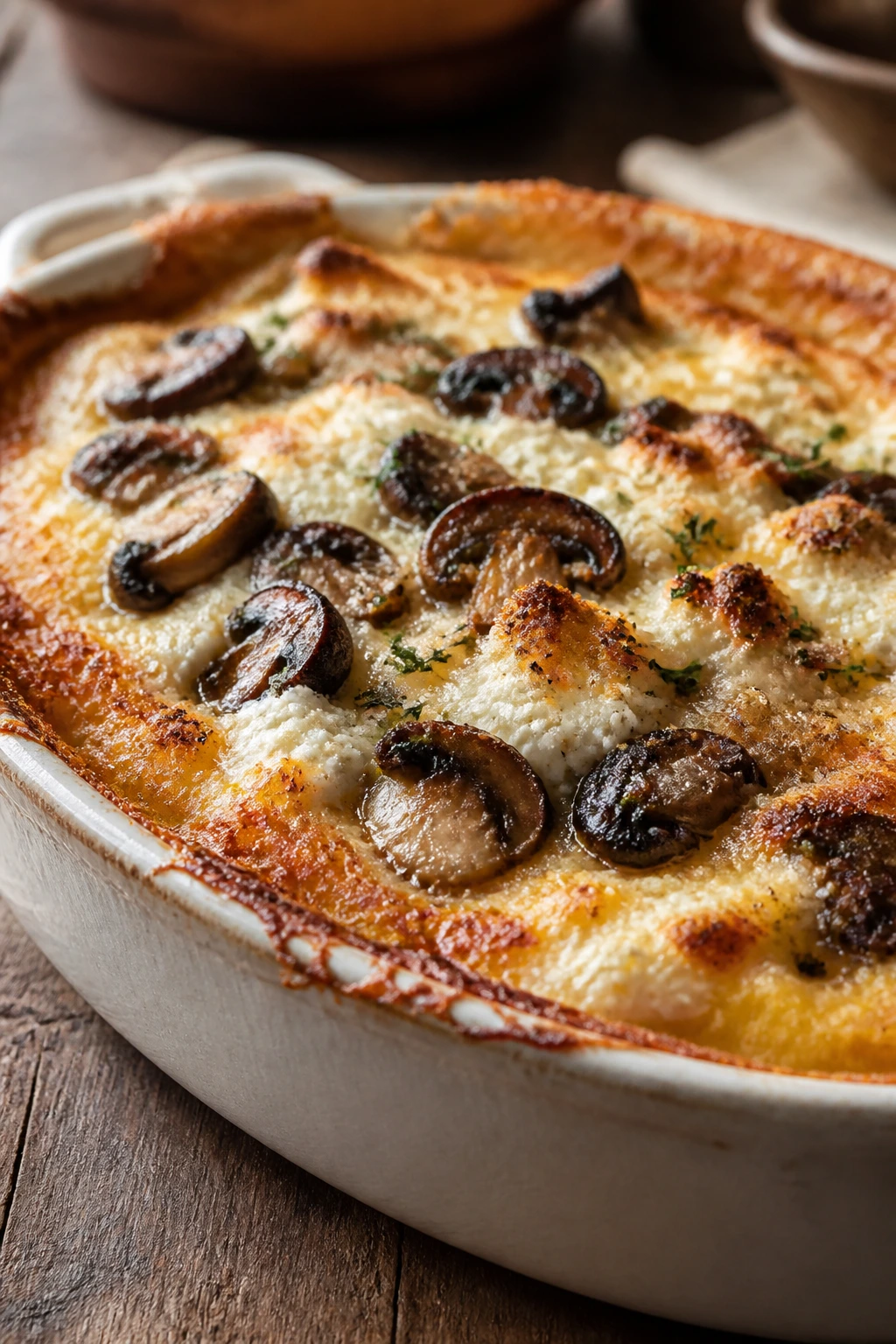
This is the dish for people who want something baked, browned, and just a little more elegant than a standard skillet meal. The mushrooms come out meaty, the ricotta turns soft and lush, and the top gets those crisp Parmesan edges that always disappear first.
It’s vegetarian comfort with enough heft to satisfy a crowd. No one will ask where the meat is.
Why It Works
Roasting the mushrooms first concentrates their flavor and drives off excess moisture, which matters because mushrooms can flood a gratin if you rush them. Ricotta folds into the polenta and makes it creamy without turning the whole thing soupy. Fontina or mozzarella melts into a stretchy lid, while Parmesan browns on top and gives the whole dish a salty finish. Bake it once, and you’ll understand why this kind of dinner gets repeated.
Key Ingredients
For the Mushroom Layer:
- 1 1/2 pounds mixed mushrooms, sliced
- 2 tablespoons olive oil
- 1 tablespoon butter
- 1 shallot, thinly sliced
- 3 garlic cloves, minced
- 1 teaspoon fresh thyme leaves
- 1/2 teaspoon kosher salt
- 1/4 teaspoon black pepper
For the Polenta and Finish:
- 1 1/4 cups coarse polenta
- 5 cups vegetable broth
- 1 teaspoon kosher salt
- 1 cup ricotta
- 1 cup shredded fontina or mozzarella
- 1/2 cup grated Parmesan
Quick Steps
-
Roast the Mushrooms: Heat the oven to 425°F. Toss the mushrooms with olive oil, salt, pepper, and thyme, then roast for 20 minutes until browned and shrunken.
-
Cook the Shallot Base: Melt the butter in a skillet over medium heat. Cook the shallot for 3 minutes, then add the garlic for 30 seconds.
-
Make the Polenta: Bring the broth to a boil, whisk in the polenta, and cook over low heat for 20 to 25 minutes. Stir in the ricotta until the mixture looks creamy and loose.
-
Assemble: Spread the polenta in a greased baking dish. Scatter the roasted mushrooms over the top, then add the fontina and Parmesan.
-
Bake: Bake at 400°F for 15 minutes, then broil for 1 to 2 minutes until the top browns in spots.
-
Rest Briefly: Let it stand for 5 minutes before serving. Hot cheese burns faster than people remember.
Tips and Variations
- Truffle Move: A few drops of truffle oil at the very end are enough. More than that gets greasy fast.
- Herb Swap: Rosemary works if thyme is out of reach, but use less because it can take over.
- Protein Add-On: Serve with roasted chicken if you want to make the gratin feel even more like a main course.
13. Sicilian Chickpea Tomato Polenta Stew
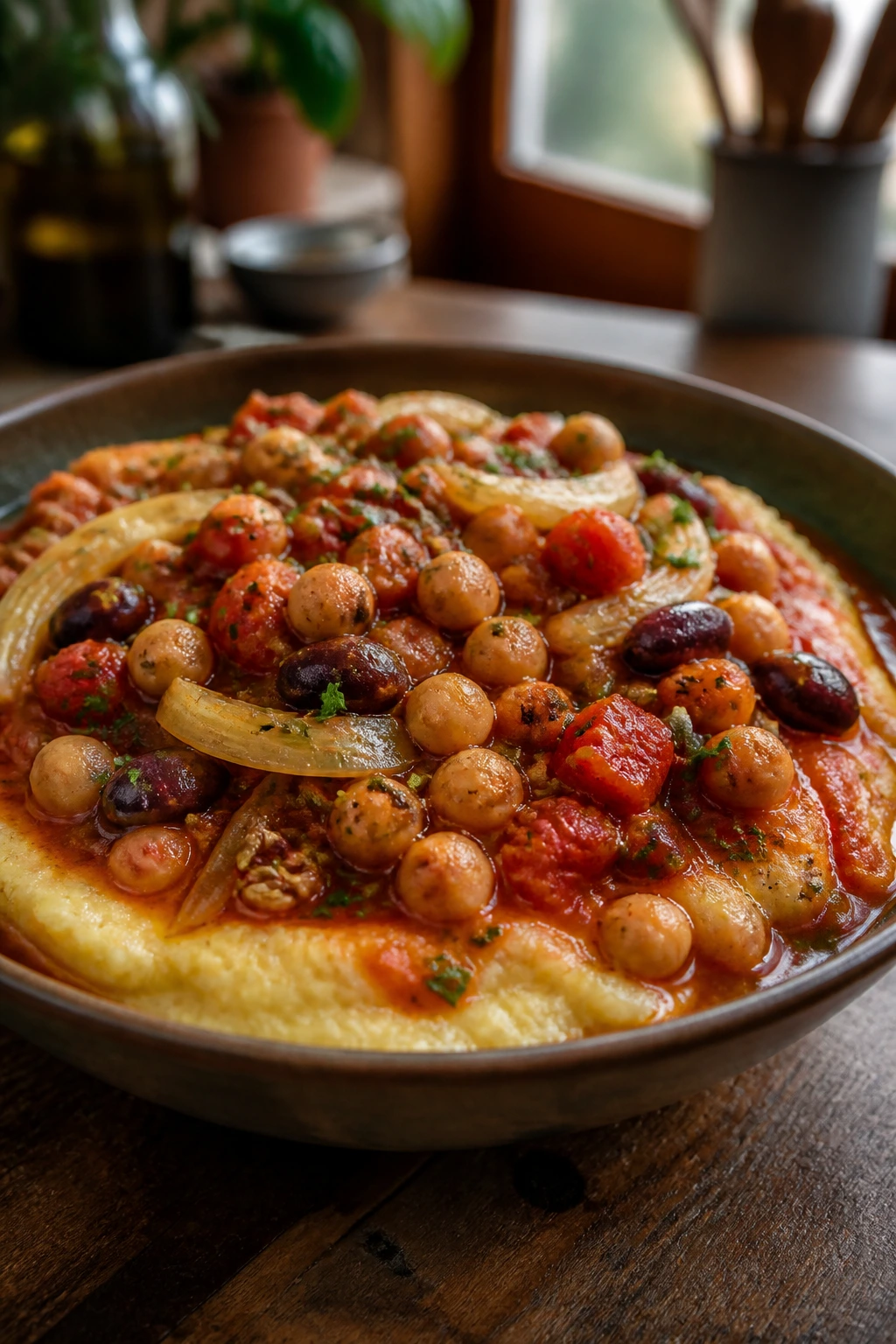
This one tastes like pantry food that learned how to dress itself properly. Chickpeas, tomatoes, capers, and fennel give the pot a sweet-salty backbone, while the polenta makes the whole thing feel warm and complete.
It’s the sort of dinner that lands especially well when you want meatless food that still has some swagger. A little briny, a little rustic, and not shy about it.
Why It Works
Chickpeas carry texture and body, so they make a stew feel fuller than plain tomato sauce ever could. Fennel seed gives a soft anise note that nods toward Sicilian flavors, while capers and olives add the salty brightness that keeps the dish awake. Polenta underneath takes the stew’s loose, saucy edges and turns them into something scoopable. It’s a tidy solution for a messy appetite.
Key Ingredients
For the Stew:
- 2 tablespoons olive oil
- 1 onion, diced
- 2 celery stalks, diced
- 4 garlic cloves, minced
- 1 teaspoon fennel seed
- 1/2 teaspoon crushed red pepper flakes
- 1 (28-ounce) can crushed tomatoes
- 2 (15-ounce) cans chickpeas, drained and rinsed
- 1 cup vegetable broth
- 2 tablespoons capers, drained
- 1/3 cup chopped green olives
- 1/4 cup chopped parsley
- 1 teaspoon lemon zest
- Salt and black pepper to taste
For the Polenta:
- 1 1/2 cups coarse polenta
- 6 cups water or vegetable broth
- 2 tablespoons olive oil or butter
- 1 teaspoon kosher salt
Quick Steps
-
Start the Stew Base: Heat the olive oil in a wide pot over medium heat. Cook the onion and celery for 5 minutes until soft, then add garlic, fennel seed, and red pepper flakes for 30 seconds.
-
Add Tomatoes and Chickpeas: Stir in the crushed tomatoes, chickpeas, broth, capers, and olives. Simmer uncovered for 20 minutes until the sauce thickens slightly.
-
Finish the Flavor: Stir in parsley, lemon zest, salt, and pepper. Taste it. It should be bright, salty, and a little sweet.
-
Cook the Polenta: Bring the water or broth to a boil, whisk in the polenta, and cook over low heat for 20 to 25 minutes. Stir in the olive oil or butter.
-
Serve: Spoon the polenta into bowls and ladle the chickpea stew over it.
Tips and Variations
- Smoother Stew: Mash some of the chickpeas right in the pot if you want a thicker texture.
- More Heat: A spoonful of Calabrian chili paste works well here.
- No Olives? Extra capers and a little more lemon zest can cover the gap.
14. Sunday Bolognese Polenta Bake
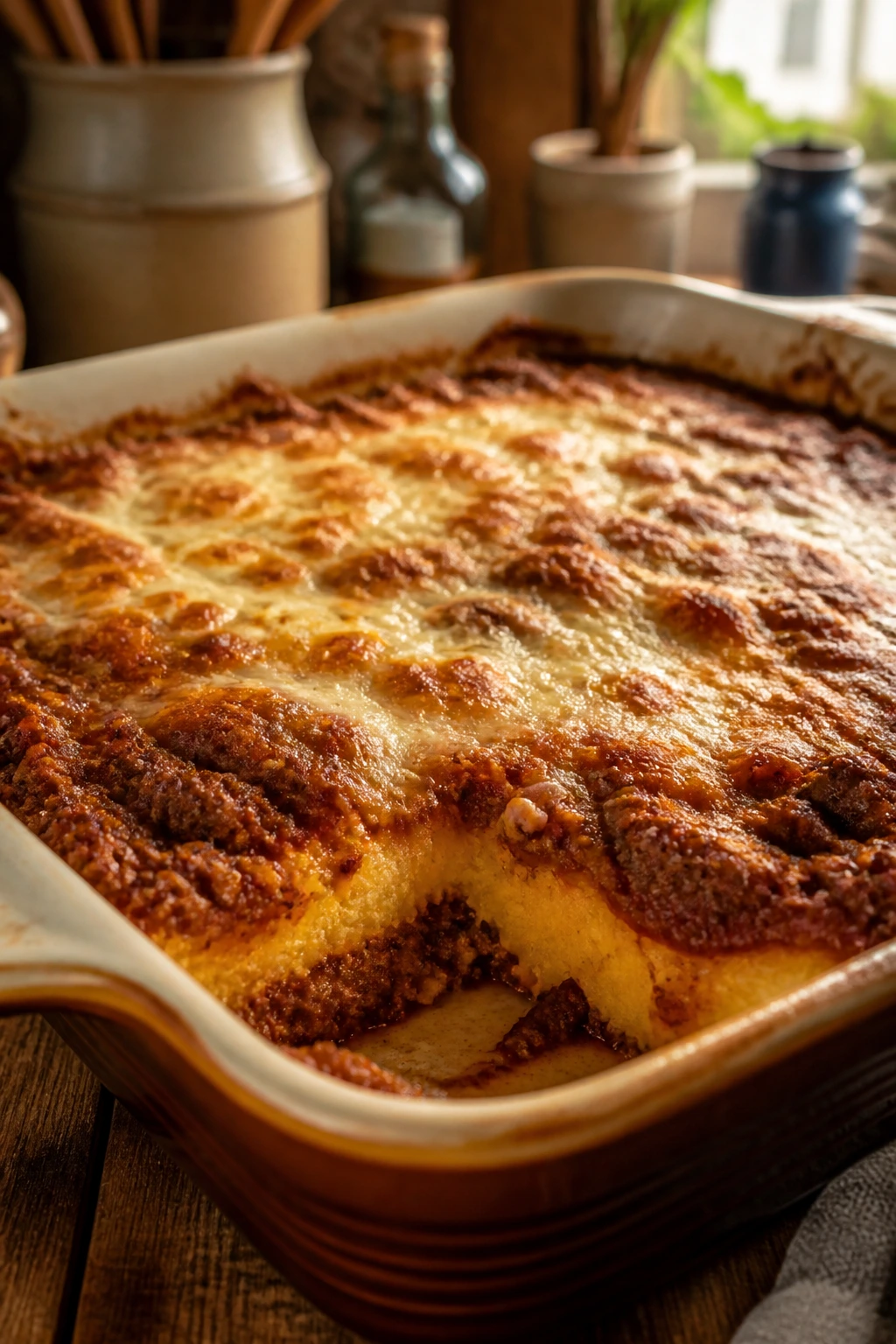
Bolognese has a slow, meaty patience that feels different from a fast tomato sauce. There’s milk in it. There’s time in it. And when you spoon it over polenta and bake it with cheese, it gets even more comforting without turning soft or mushy.
This is the one that smells like a house where people eat well. Carrots, wine, beef, and a little dairy mingling in the oven. No fuss, but plenty of depth.
Why It Works
A real Bolognese style sauce builds flavor in layers: soffritto first, meat second, tomato paste and wine after that, then milk to round the edges. That milk does not make it bland. It softens the acid and gives the sauce a plush finish. Baking the sauced polenta with mozzarella or provolone on top turns the whole thing into a sliceable casserole that lands somewhere between pasta bake and shepherd’s pie. It’s the kind of recipe people keep asking about.
Key Ingredients
For the Bolognese:
- 1 tablespoon olive oil
- 1 pound ground beef
- 1/2 pound ground pork
- 1 onion, finely diced
- 1 carrot, finely diced
- 1 celery stalk, finely diced
- 3 garlic cloves, minced
- 2 tablespoons tomato paste
- 1/2 cup dry red wine
- 1 cup whole milk
- 1 (28-ounce) can crushed tomatoes
- 1 teaspoon dried basil
- 1 teaspoon kosher salt
- 1/2 teaspoon black pepper
For the Polenta and Topping:
- 1 1/2 cups coarse polenta
- 6 cups chicken broth
- 2 tablespoons butter
- 1/2 cup Parmesan
- 1 cup shredded mozzarella or provolone
Quick Steps
-
Brown the Meat: Heat the oil in a large skillet or Dutch oven. Add the beef and pork and cook until browned, breaking it up as you go.
-
Add the Vegetables: Stir in the onion, carrot, celery, and garlic. Cook for 5 to 6 minutes until soft and fragrant.
-
Build the Sauce: Add the tomato paste and cook for 1 minute. Pour in the wine and simmer for 2 minutes, then add the milk and cook for 2 minutes more. Stir in the tomatoes, basil, salt, and pepper. Simmer for 20 minutes.
-
Cook the Polenta: Bring the broth to a boil, whisk in the polenta, and cook over low heat for 20 to 25 minutes. Finish with butter and Parmesan.
-
Assemble and Bake: Spread the polenta in a greased baking dish. Spoon the Bolognese over the top and scatter mozzarella or provolone over everything. Bake at 400°F for 12 to 15 minutes until bubbling.
-
Serve Warm: Let it settle for 5 minutes before cutting or scooping.
Tips and Variations
- Thicker Bake: Reduce the sauce a little longer if you want cleaner slices.
- Pork-Free Version: Use all beef and add 1 tablespoon of olive oil for richness.
- Herb Finish: A few torn basil leaves on top keep the sauce from feeling too dense.
15. Sausage, Peppers, and Onions Polenta Skillet
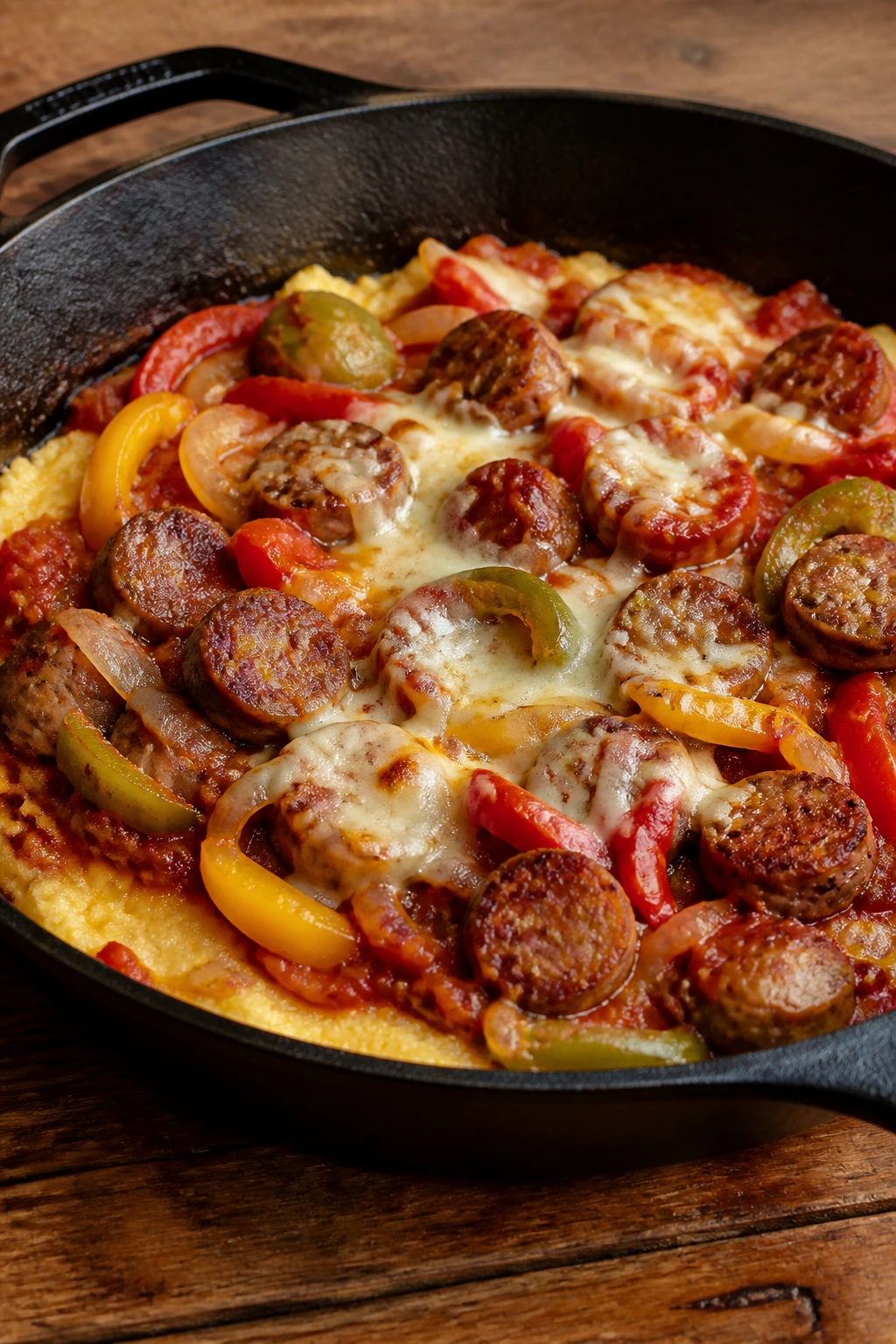
This is the kind of dinner that knows exactly what it is. Sausage gets browned, peppers soften and sweeten, onions turn jammy, and the whole pan ends up sitting on polenta like it was born there.
There’s nothing delicate about it. That’s the appeal. It’s hearty, fast enough for a weeknight, and friendly to whatever bread you have lying around.
Why It Works
Sausage, peppers, and onions is already a strong combination because the sausage seasons the vegetables as it cooks. Marinara or crushed tomatoes bind everything together without requiring a long simmer, and a little mozzarella at the end gives the skillet that familiar baked finish. Polenta underneath catches the juices and keeps the dish from sliding around the plate. It’s dinner with no wasted motion.
Key Ingredients
For the Skillet:
- 1 pound sweet Italian sausage
- 1 tablespoon olive oil
- 1 onion, sliced
- 2 bell peppers, sliced
- 3 garlic cloves, minced
- 24 ounces marinara sauce
- 1 teaspoon dried oregano
- 1/2 teaspoon fennel seed
- 1/2 cup chicken broth
- 1 cup shredded mozzarella
- 2 tablespoons chopped basil
For the Polenta:
- 1 1/2 cups coarse polenta
- 6 cups chicken broth or water
- 2 tablespoons butter
- 1/2 cup Parmesan
Quick Steps
-
Brown the Sausage: Cook the sausage in a large skillet over medium-high heat until browned and cooked through. Remove it to a plate and keep the drippings in the pan if there’s not too much.
-
Soften the Vegetables: Add the oil, onion, and peppers. Cook for 6 to 8 minutes until they soften and pick up some color. Stir in the garlic for 30 seconds.
-
Build the Sauce: Add the marinara, oregano, fennel seed, and broth. Return the sausage to the skillet and simmer for 10 minutes.
-
Cook the Polenta: While the skillet simmers, bring the broth to a boil, whisk in the polenta, and cook over low heat for 20 to 25 minutes. Stir in butter and Parmesan.
-
Finish the Skillet: Scatter mozzarella over the sausage mixture and cover for 2 minutes until melted.
-
Serve: Spoon polenta into bowls and top with the sausage, peppers, onions, and sauce. Add basil.
Tips and Variations
- Hot Sausage Version: Use spicy sausage if you want the peppers to feel sweeter by contrast.
- Sandwich Leftover Move: Spoon the skillet mix into rolls the next day. It works.
- More Vegetables: Sliced mushrooms fit right in if the pan is feeling a little empty.
16. Shrimp Scampi Polenta with Cherry Tomatoes
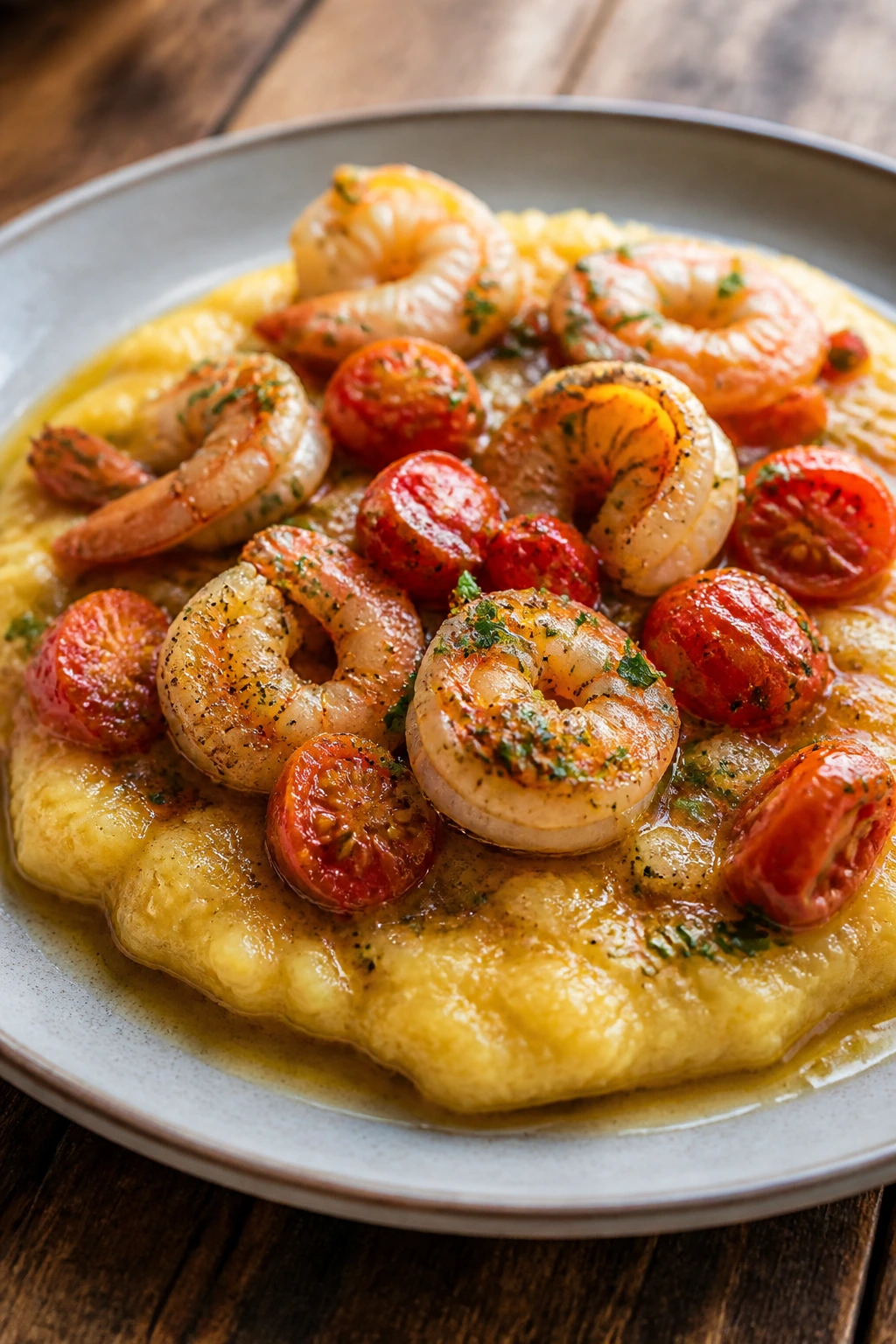
This is the bright, buttery finish to the list. Shrimp scampi brings garlic, lemon, wine, and butter to the table, and polenta gives all that sauce somewhere to go. Cherry tomatoes keep it from feeling too polished.
It’s quick. It’s lively. And it tastes like a dinner you’d order if you were being sensible and hungry at the same time.
Why It Works
Scampi sauce is basically built for soft bases. The butter and wine emulsify into a glossy pan sauce that would run too quickly over a plate of plain vegetables, but polenta catches every bit of it. Shrimp cook in minutes, which means the whole dinner moves fast without tasting rushed. The tomatoes soften just enough to pop into the sauce and add sweetness against the lemon.
Key Ingredients
For the Shrimp Scampi:
- 1 1/2 pounds large shrimp, peeled and deveined
- 4 tablespoons unsalted butter
- 2 tablespoons olive oil
- 5 garlic cloves, minced
- 1/2 cup dry white wine
- 1 pint cherry tomatoes
- Zest and juice of 1 lemon
- 1/4 teaspoon crushed red pepper flakes
- 1/4 cup chopped parsley
- Salt and black pepper to taste
For the Polenta:
- 1 1/4 cups coarse polenta
- 5 cups chicken broth
- 1 teaspoon kosher salt
- 2 tablespoons butter
- 1/2 cup Parmesan
Quick Steps
-
Start the Polenta: Bring the broth to a boil with the salt. Whisk in the polenta and cook over low heat for 20 to 25 minutes, stirring often until thick and creamy.
-
Make the Scampi Base: Melt the butter with the olive oil in a skillet over medium heat. Add the garlic and red pepper flakes and cook for 30 seconds until fragrant.
-
Add Wine and Tomatoes: Pour in the wine and simmer for 1 minute. Add the cherry tomatoes and cook for 3 to 4 minutes until they start to split.
-
Cook the Shrimp: Add the shrimp in a single layer and season with salt and pepper. Cook for 2 minutes, flip, and cook 1 to 2 minutes more until pink and just firm.
-
Finish the Sauce: Stir in the lemon zest, lemon juice, and parsley.
-
Serve: Stir butter and Parmesan into the polenta and spoon the shrimp and tomatoes over the top.
Tips and Variations
- Butter Control: If the sauce looks too rich, add another squeeze of lemon before serving.
- No Wine Option: Use seafood broth or chicken broth plus 1 teaspoon of white wine vinegar.
- Noodle Swap: Leftover polenta slices can be chilled, cut, and pan-seared the next day under the scampi.
Why Polenta Belongs on an Italian Family Table
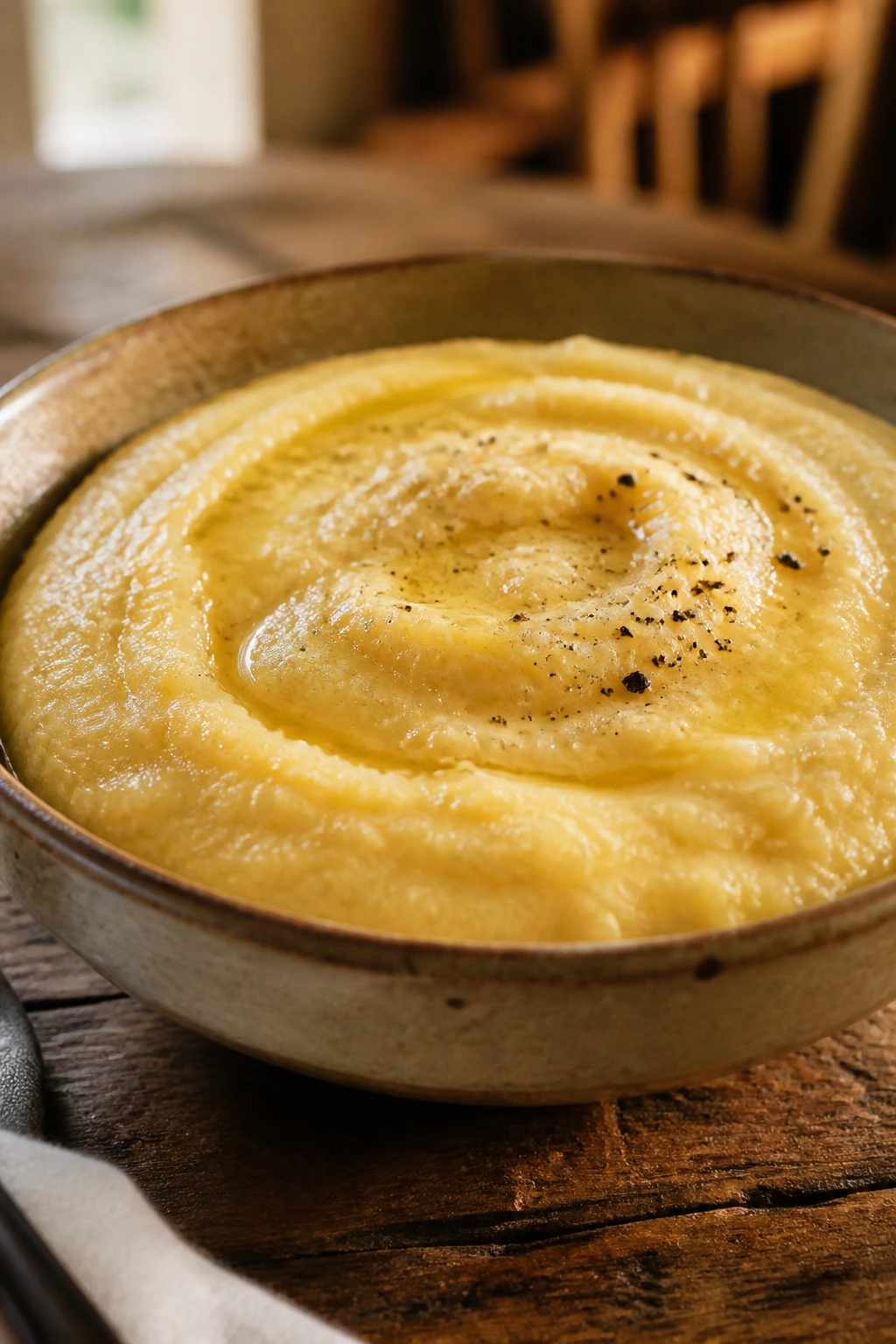
Polenta is one of those foods that behaves better than people expect. It can be loose and creamy for spooning under sauce, or firm and baked when you want slices and structure. That flexibility is half the appeal here. The same ingredient can play the quiet supporting role behind a braise or become the main event in a casserole that holds its shape on the plate.
It also handles family-night food with unusual grace. Tomato sauce, sausage drippings, mushroom glaze, bean stew, shrimp butter — polenta catches all of it and softens the edges without flattening the flavor. If pasta is the quick, familiar answer, polenta is the answer that makes dinner feel a little more grounded. A little slower. A little warmer.
Essential Equipment for These Recipes
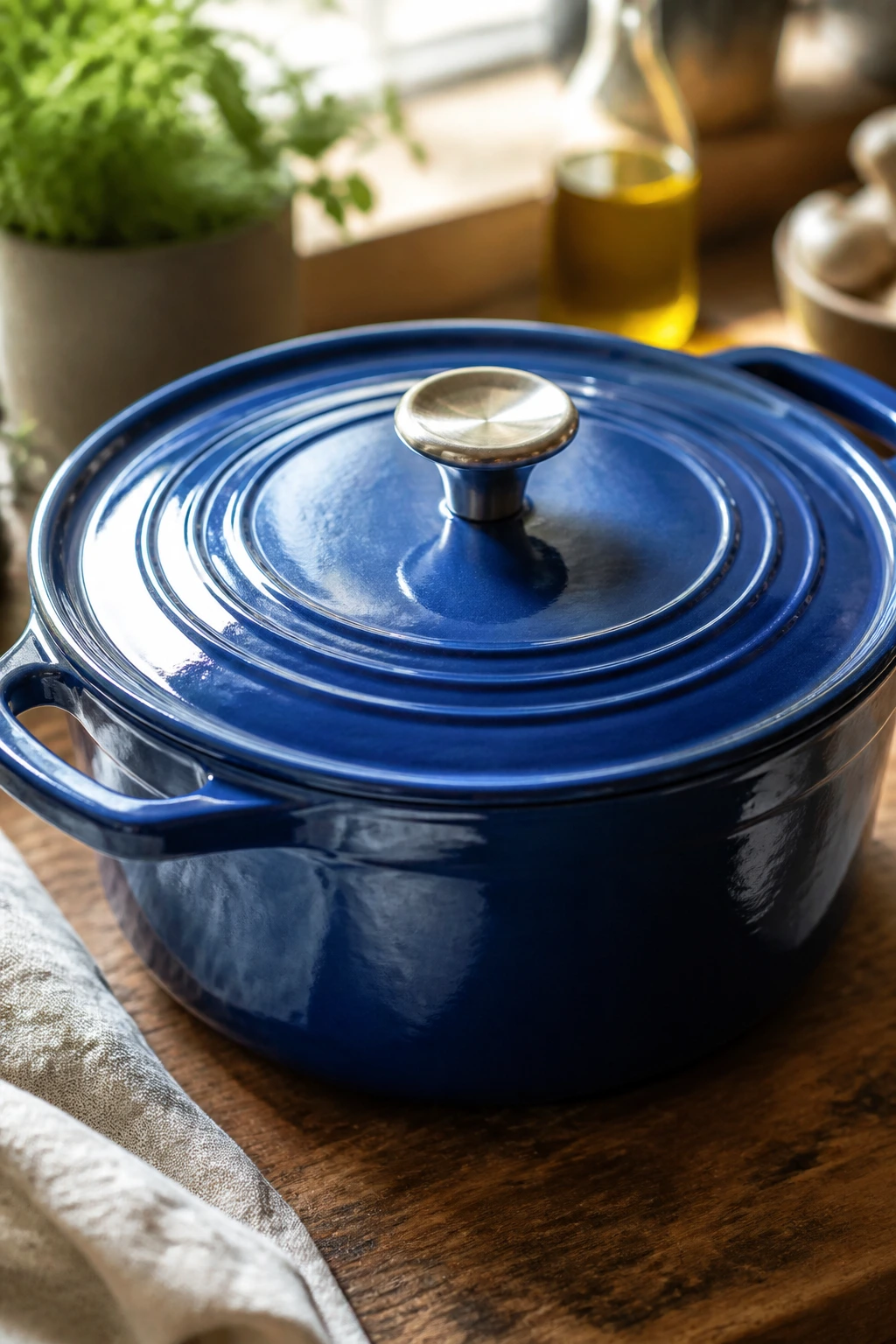
- Heavy-bottomed pot or Dutch oven: Best for polenta, ragù, braises, and anything that needs steady heat without scorching.
- Large skillet: Useful for shrimp, mushrooms, sausage, chicken, and quick pan sauces.
- Wooden spoon or heatproof spatula: Good for stirring polenta and scraping browned bits from the pan.
- Whisk: Essential for getting polenta into hot liquid without lumps.
- Sharp chef’s knife: A dull knife makes onion, celery, and peppers miserable to prep.
- Cutting board: Use one large enough to keep vegetables from scattering everywhere.
- 9-by-13-inch baking dish: Handy for lasagna bakes, gratins, and layered polenta casseroles.
- Sheet pan: Needed for roasting eggplant, tomatoes, mushrooms, or chicken.
- Measuring cups and spoons: Polenta is not the place to eyeball everything.
- Lid or foil: Helpful for keeping casseroles and braises from drying out.
- Microplane or fine grater: Best for Parmesan, lemon zest, and garlic when you want a finer finish.
- Airtight containers: Necessary for leftovers, because polenta sets up fast once it cools.
Smart Shopping and Ingredient Tips
Start with the polenta itself. Look for plain coarse cornmeal or stone-ground polenta if you want a deeper corn flavor and a little more texture. Instant polenta has its place, especially on a weeknight, but the flavor is lighter and the texture can feel a bit too smooth for the heartier recipes in this collection. If you buy the traditional kind, store it in a sealed container so it doesn’t pick up stale pantry smells.
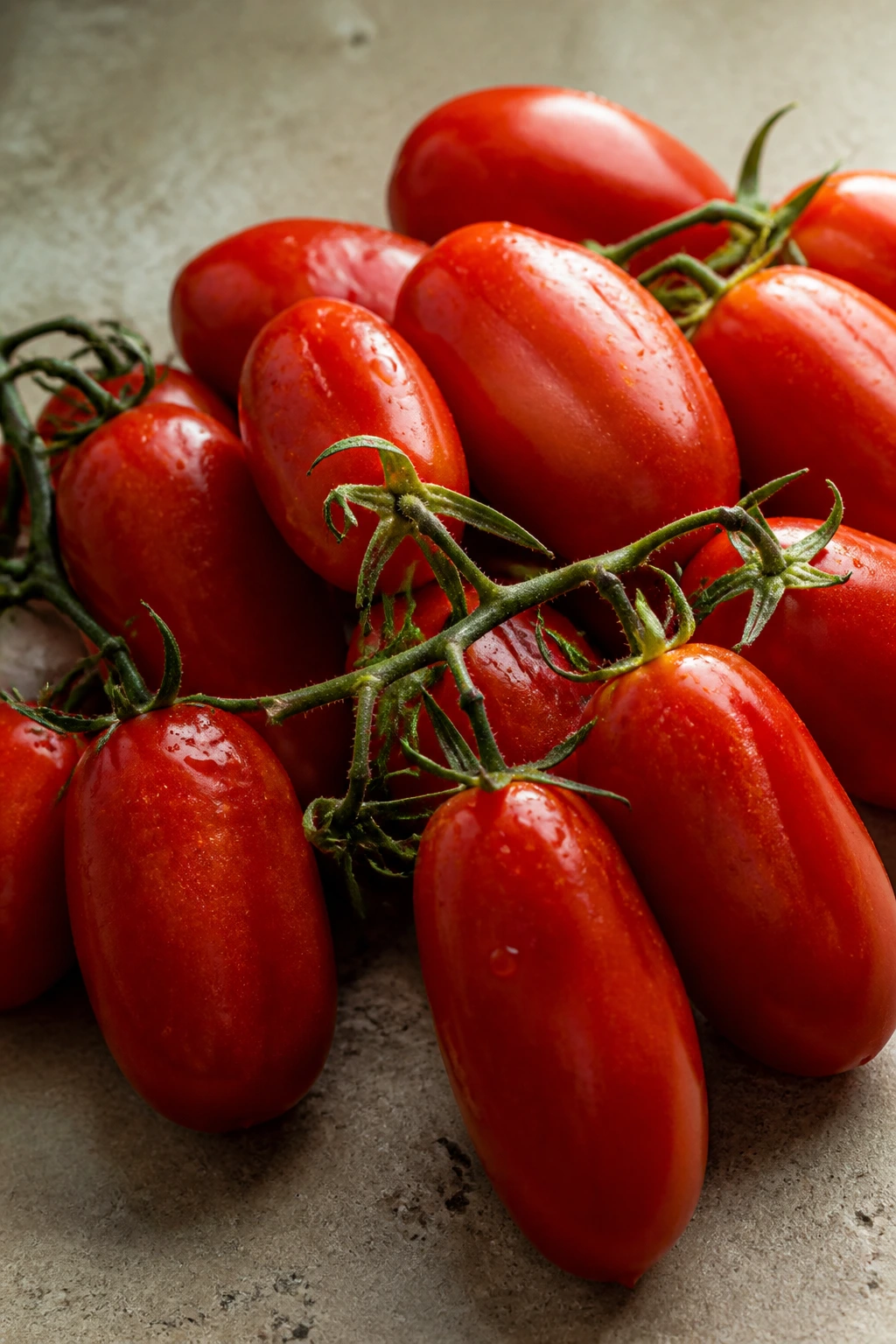
Tomatoes matter more than people think. For sauces and bakes, a good can of crushed or whole peeled tomatoes usually beats watery jarred sauce. If you use marinara, taste it first. Some jars are already salty enough to make the rest of the dish taste flat. I prefer sauces with a short ingredient list and no odd sweetness.
For sausage, buy links with a firm snap and a pale, even color if they’re fresh. For chicken, thighs are more forgiving than breasts in braises and saucy dishes. Mushrooms should feel dry, not slimy, and should smell earthy rather than sour. Shrimp should be firm and clean-smelling, never fishy.
Cheese is worth choosing carefully. A real wedge of Parmigiano-Reggiano or a decent domestic Parmesan grates better and melts cleaner than the dusty stuff in a green can. Ricotta should be thick enough to hold a spoon upright for a second or two. If it pours like milk, it will disappear into a bake.
Herbs and greens should be treated as bright finishers, not garnish for the sake of garnish. Basil, parsley, and lemon zest wake up polenta’s mild flavor fast. Kale, spinach, and broccoli rabe keep the dinners from feeling too beige, which is a real danger with cornmeal-based comfort food.
How to Serve These Recipes
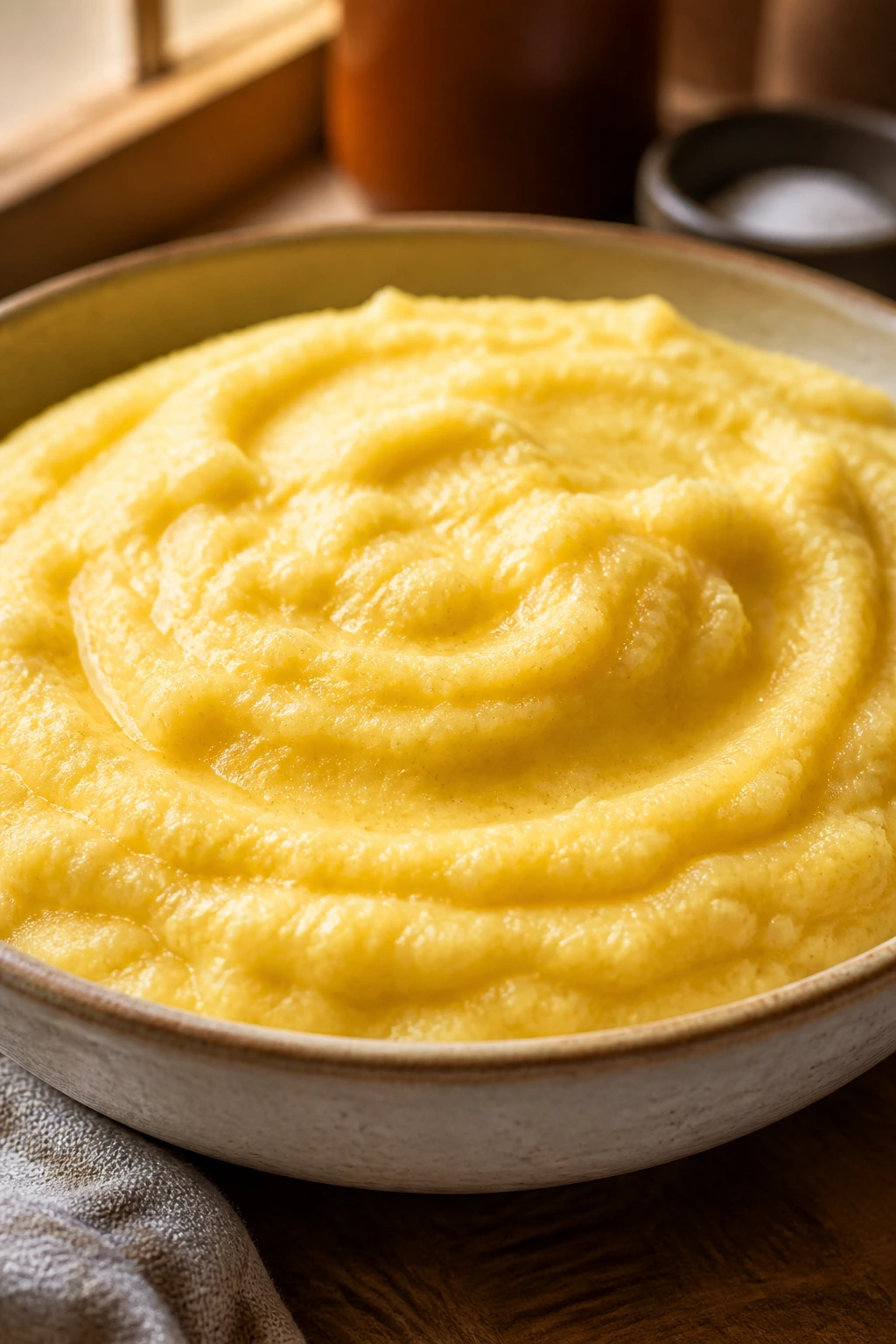
Presentation: Spoon creamy polenta into shallow bowls rather than deep ones; it keeps the sauce visible and makes the plate feel more abundant. For baked versions, let the casserole settle before cutting, then lift neat squares or wedges and slide them onto warm plates.
Accompaniments: A bitter green salad, garlicky sautéed broccolini, roasted carrots, or a simple loaf of crusty bread all fit the mood. If the main dish is rich — sausage, braise, meatballs — keep the side light and crisp so the table doesn’t get weighed down.
Portions: Most of these dinners serve 4 to 6 as written, and the polenta portion should be generous but not enormous. For bigger appetites, increase the polenta liquid by 1 cup and the cornmeal by 1/4 cup for every extra 2 servings. For a lighter dinner, serve smaller bowls and add more vegetables on the side.
Beverage Pairing: A medium-bodied red like Chianti or Montepulciano suits the tomato and sausage dishes. For shrimp, chicken, or mushroom versions, a crisp white such as Pinot Grigio or Vermentino keeps things sharp without fighting the sauce. Sparkling water with lemon is also a solid move if the table already has enough going on.
Additional Tips and Flavor Boosters
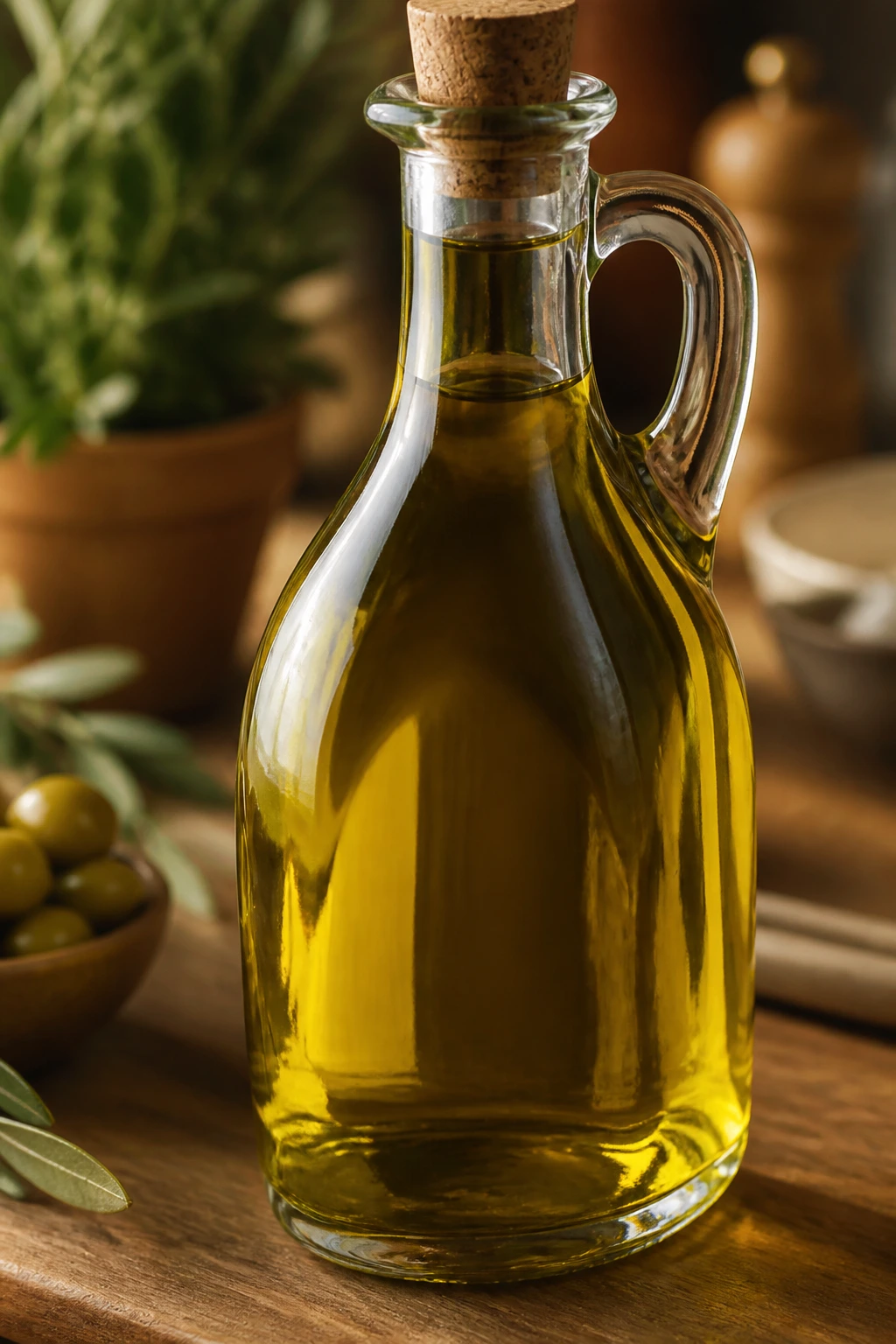
Flavor Enhancement: Finish almost every polenta bowl with a small drizzle of good olive oil or a knob of butter right before serving. It gives the surface a soft sheen and keeps the cornmeal from tasting dry at the edges.
Customization: Add a handful of baby spinach, chopped kale, or sautéed mushrooms to almost any saucy version. It’s a simple way to stretch the dinner and bring more color to the bowl without changing the whole recipe.
Serving Suggestions: Toasted breadcrumbs with garlic, parsley, and a little Parmesan make a smart topping for baked polenta dishes. They add crunch, which polenta often needs.
Make-It-Yours: For a lighter table, swap in turkey sausage, chicken broth, or extra vegetables. For a richer one, use a little mascarpone in the polenta, or melt provolone over the top of the finished skillet. For dairy-free diners, olive oil and a good broth can carry more weight than you’d expect.
Make-Ahead, Storage, and Reheating Guidance
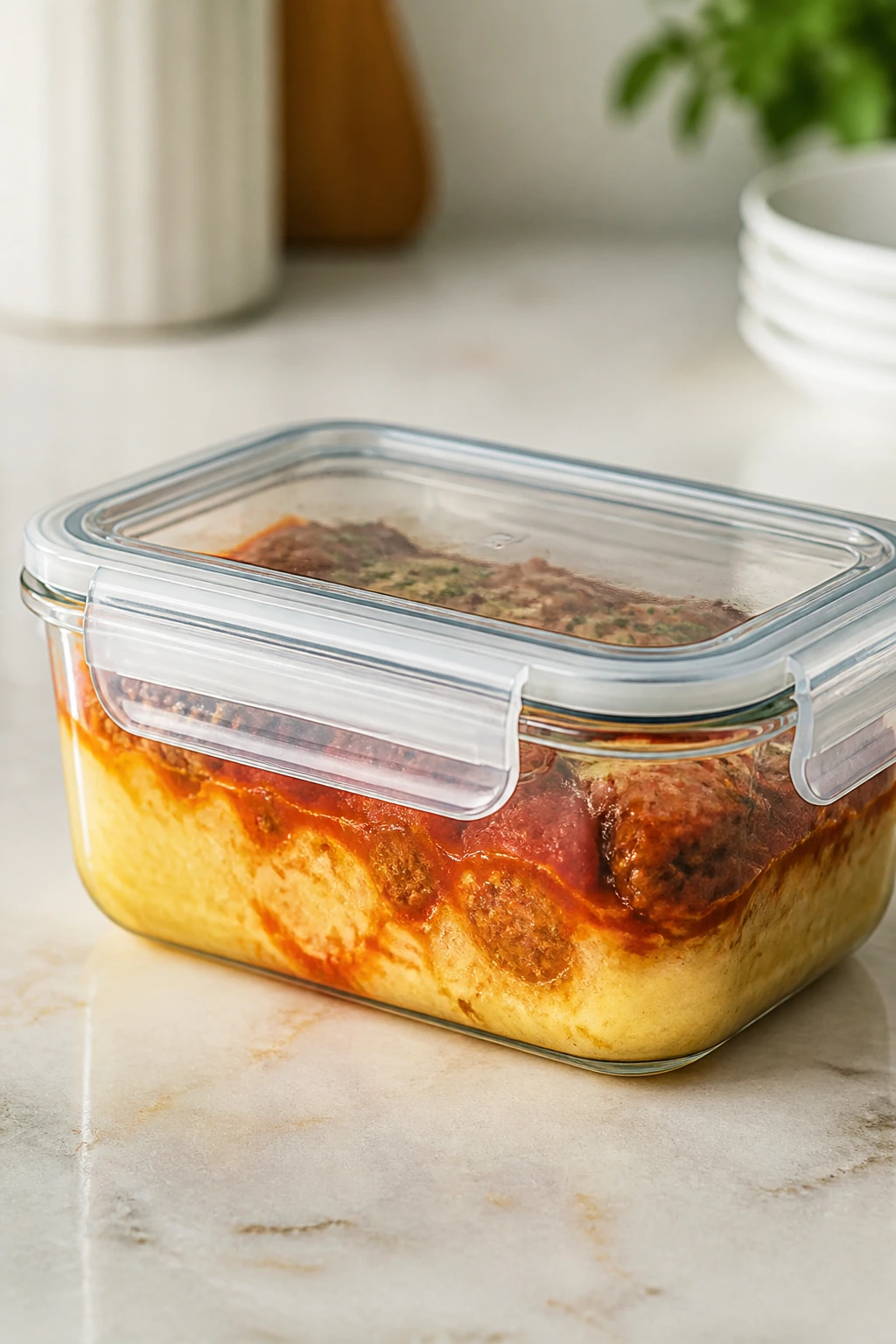
Most of these dishes keep well for 3 to 4 days in the refrigerator, and several of them freeze for up to 2 months if you pack them properly. The best trick is to store the polenta and the topping separately when you can. Polenta firms up as it cools, which is normal, but it becomes much easier to reheat when it hasn’t been buried under sauce for three days.
For refrigerator storage, cool everything to room temperature first, then move it into shallow airtight containers. Braises, ragù, Bolognese, and bean stews are the easiest to store because their sauces stay moist. Reheat them on the stovetop over low heat with a splash of broth or water. If the sauce has thickened too much, loosen it slowly rather than flooding it all at once.
Polenta itself needs a little attention. Reheat soft polenta on the stove with 1 to 3 tablespoons of broth, water, or milk per cup of leftovers, stirring until smooth again. If it’s a baked polenta casserole, cover it with foil and warm it in a 350°F oven for 20 to 25 minutes until hot in the center. A microwave works in a pinch, but stop to stir every 30 to 45 seconds or the edges get stiff before the middle wakes up.
Shrimp dishes are the most delicate. They don’t love long reheating, and they can turn rubbery if you treat them like braises. Warm the sauce gently, then add the shrimp at the very end just until heated through. That usually takes only 2 to 3 minutes.
Make-ahead wise, the smart move is to prepare the sauce, braise, or casserole base a day ahead and cook the polenta fresh. Fresh polenta has a smoother texture and better aroma. If you need to make polenta in advance, spread it in a pan, chill it until firm, slice it, and reheat the slices in a skillet or under the broiler with sauce on top.
Variations and Adaptations to Try
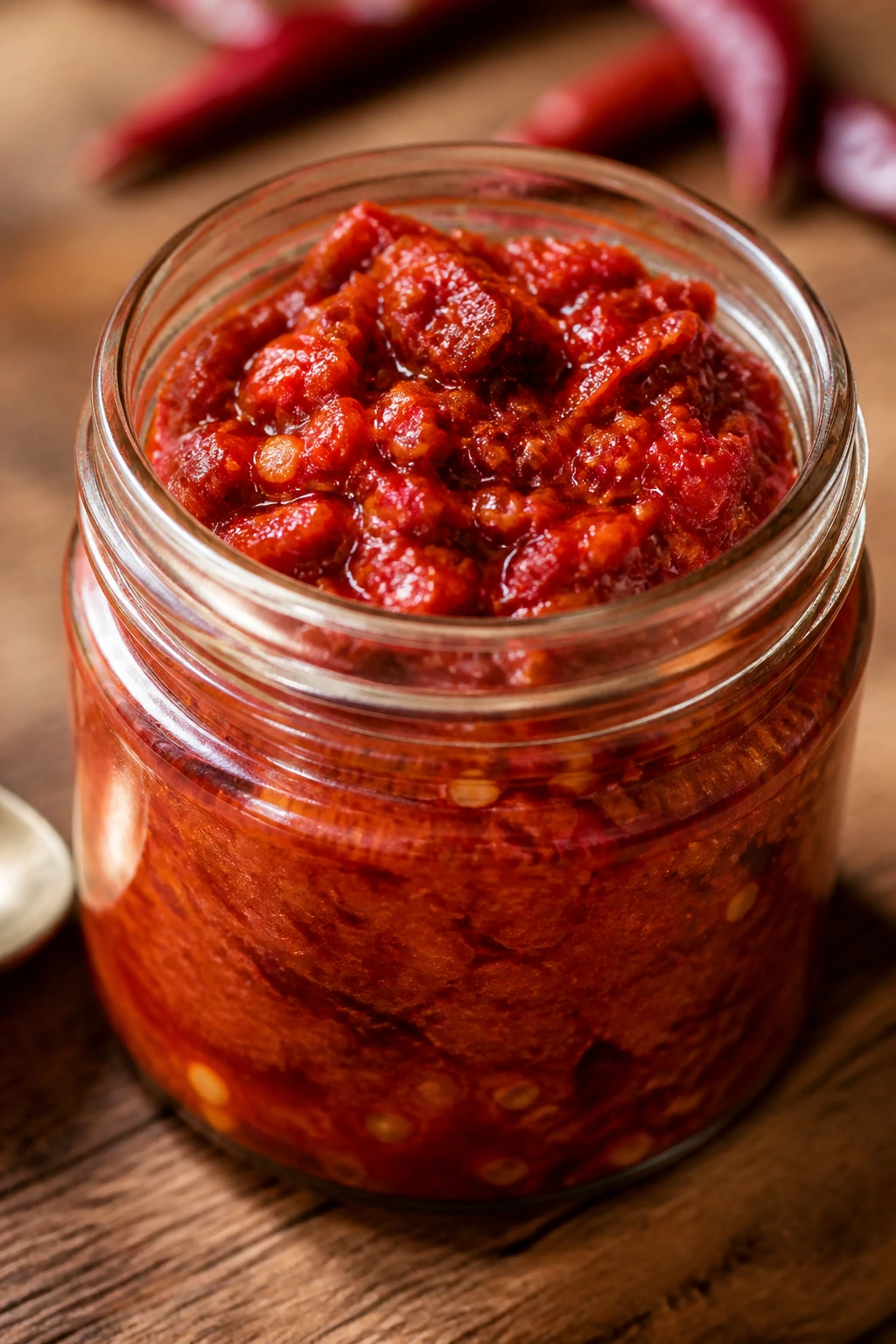
The Pantry-Polenta Night: Keep canned tomatoes, beans, broth, and Parmesan on hand, and build dinners like the Sicilian chickpea stew or the mushroom bowl from what’s already in the cupboard. It’s the easiest path when you do not want a special shopping trip.
The Dairy-Light Route: Use olive oil instead of butter in the polenta, skip the cream in sauces, and finish with herbs and lemon instead of extra cheese. The food still tastes rich, but it feels a little lighter on the plate.
The Meatless Middle: Lean on mushrooms, kale, beans, eggplant, and ricotta for dinners that feel substantial without sausage, beef, or chicken. The key is browning the vegetables well so they carry flavor like the meat would.
The Spicy Table: Add Calabrian chili paste, red pepper flakes, or hot sausage to the tomato sauces. A little heat makes polenta taste less soft and more lively, especially with richer toppings.
The Kid-Friendly Version: Keep the seasonings gentle, use sweet sausage or chicken, and lean into cheese. Polenta is a sneaky win with picky eaters because it feels familiar once it’s topped with a good sauce and a little Parmesan.
The Bake-It-All-Together Style: For nights when you want less hovering at the stove, shift toward lasagna bakes, gratins, and casseroles. These hold heat well, travel well, and make it easier to get everyone seated at the same time.
Common Mistakes to Avoid
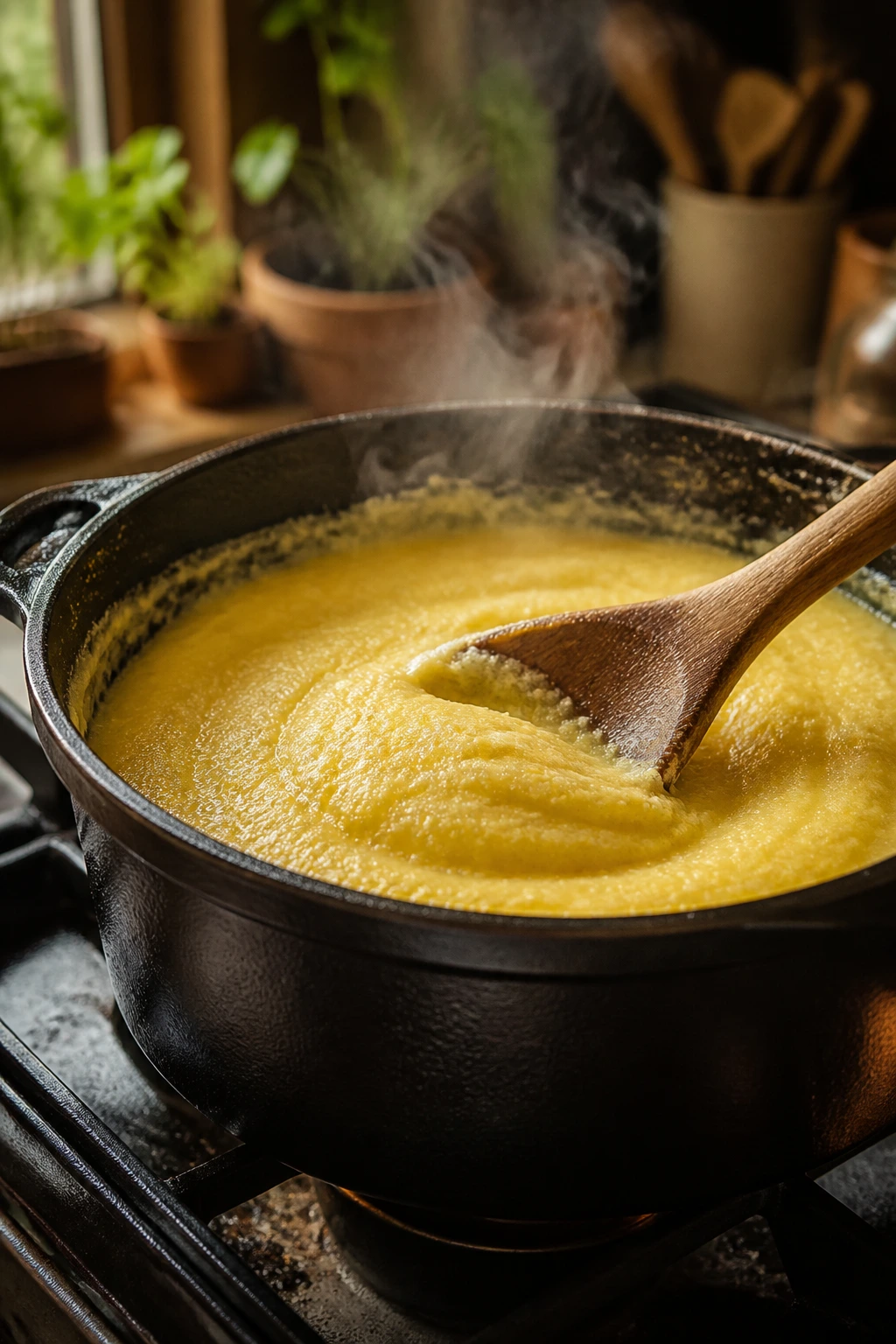
Rushing the polenta: Cornmeal needs time to hydrate. If you stop stirring too early or keep the heat too high, you end up with gritty grains and a pot that sticks at the bottom. Lower the heat, stir often, and give it the full cooking time it asks for.
Under-salting the base: Polenta tastes flat when it’s cooked in plain water with no salt. Broth helps, but salt still matters. Taste the finished polenta before serving and adjust while it’s hot, because cold polenta tastes less seasoned than warm polenta.
Letting sauce get too watery: Tomato sauces, mushroom pans, and braises should thicken before they hit the polenta. If they’re thin, the bowl becomes soup in a hurry. Simmer uncovered for a few minutes until the sauce coats a spoon instead of racing off it.
Overcooking shrimp or chicken: Seafood and boneless chicken need careful timing. Shrimp become chewy fast, and chicken breasts dry out if you ignore them. Pull them from the heat as soon as they’re done and let residual heat finish the job.
Serving polenta too late: Soft polenta tightens as it stands. If you cook it and then wander off to answer messages, it can become a brick. Either keep it warm over very low heat with a lid and a splash of liquid, or time it so the topping is ready at the same moment.
Using weak cheese: Bland Parmesan or pre-shredded cheese can dull the whole dish. A better wedge of hard cheese gives the food a cleaner, saltier finish and melts more smoothly.
Frequently Asked Questions
Can I use instant polenta instead of regular polenta?
Yes, and on a busy night it can be the right call. Instant polenta usually cooks in a fraction of the time, but the texture is a little softer and the flavor less deep, so I prefer it for quick shrimp, chicken, or skillet dinners rather than baked casseroles.
How do I keep polenta from getting lumpy?
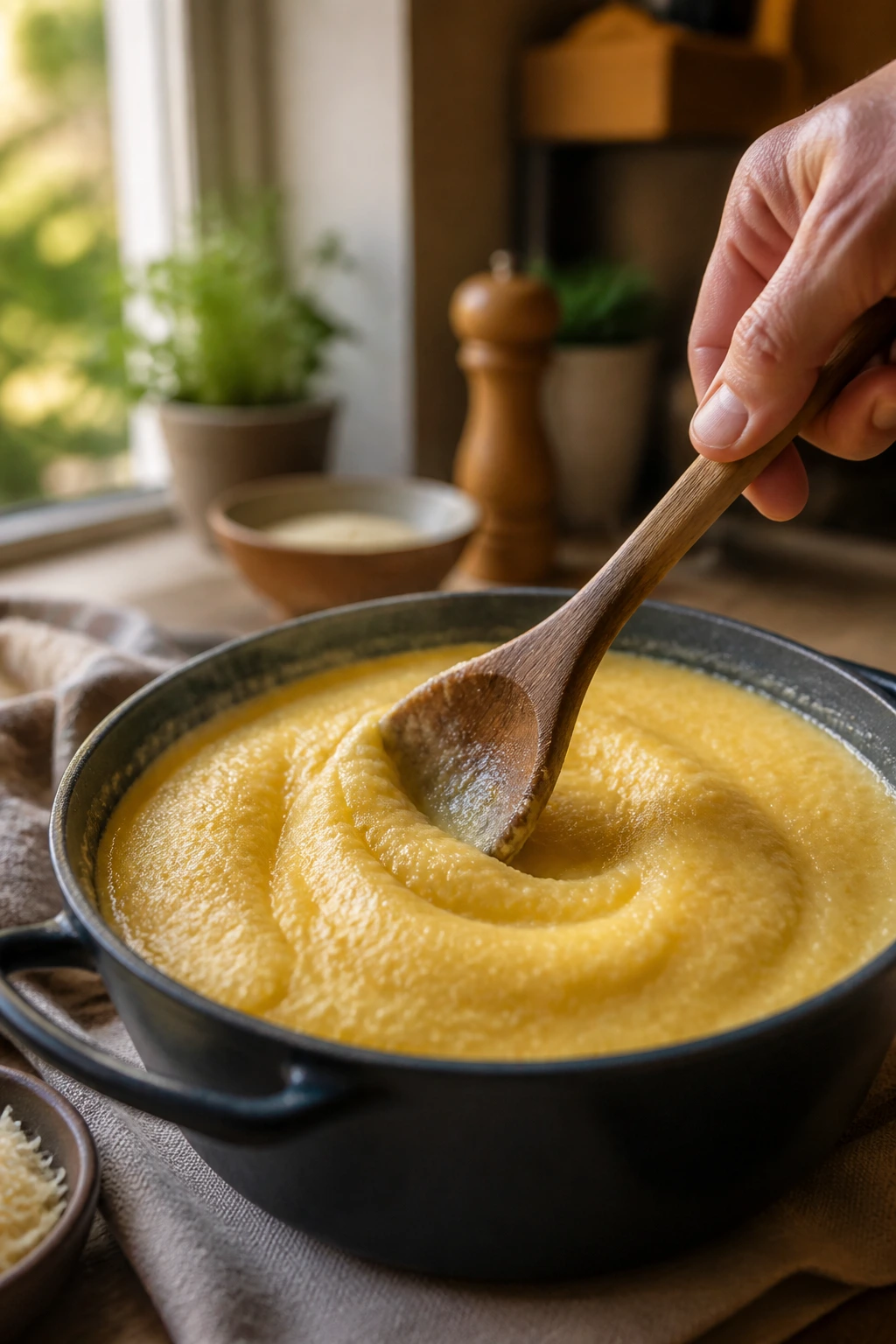
Whisk it into boiling liquid in a slow stream instead of dumping it in all at once. If you still get a few lumps, keep stirring over low heat; most small clumps break down as the cornmeal hydrates. A whisk works better than a spoon at the start.
Can I make these dishes ahead for guests?
Yes. Braises, meatballs, ragù, and baked polenta casseroles are especially friendly to advance prep. Make the sauce or topping ahead, then cook the polenta fresh or reheat it with extra broth so it stays smooth.
What if my polenta gets too thick before serving?
Stir in warm broth, water, or milk a little at a time until it loosens back up. Polenta can take a surprising amount of liquid and still hold its flavor, so don’t be shy about adjusting it right before it goes on the table.
Is polenta the same as grits?
They’re similar, but not identical. Polenta is usually made from yellow corn and tends to have a slightly more rustic, corn-forward flavor, while grits are often made from white corn and are more common in Southern cooking. Either one can work in a pinch, though the texture and taste will shift a bit.
Can I freeze polenta dinners?
Most of the saucy ones freeze well for up to 2 months. I’d freeze the topping separately when possible, and I would not bother freezing shrimp dishes unless you accept a softer texture after reheating.
How do I make these recipes dairy-free?
Use olive oil in the polenta, a broth with good body, and skip the butter and cheese. A little extra salt, lemon, garlic, or herbs can replace some of the richness you lose. The mushroom, chickpea, and sausage dishes adapt especially well.
What’s the best way to reheat leftover baked polenta?
Use a 350°F oven, cover the dish with foil, and warm it until the center is hot. If the top needs refreshing, remove the foil for the last few minutes or put it under the broiler briefly. Keep a close eye on it; browned cheese can go from golden to burnt in a blink.
A Table Full of Polenta
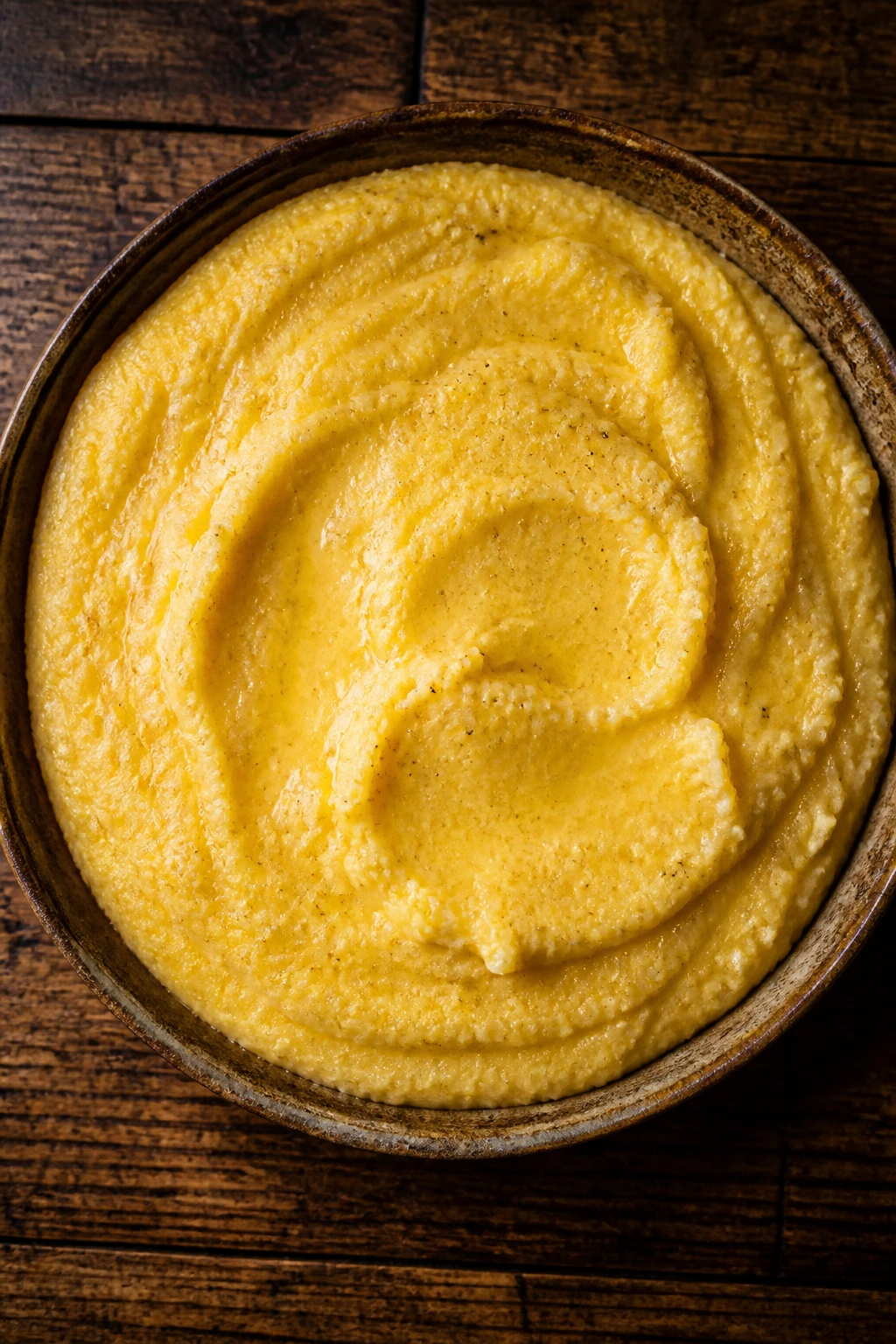
Polenta earns its place at dinner because it behaves like a partner, not a complication. It gives you a soft landing for ragù, a sturdy base for braises, and a little quiet richness under vegetables, shrimp, or baked cheese. That kind of flexibility matters on family night, when you need food that can satisfy different appetites without turning the kitchen into a war zone.
If there’s one habit worth keeping, it’s this: cook the polenta with enough salt, enough stirring, and enough patience to make it taste like something on purpose. The rest follows more easily than you’d expect.
Recipe Collection Quick Reference Table
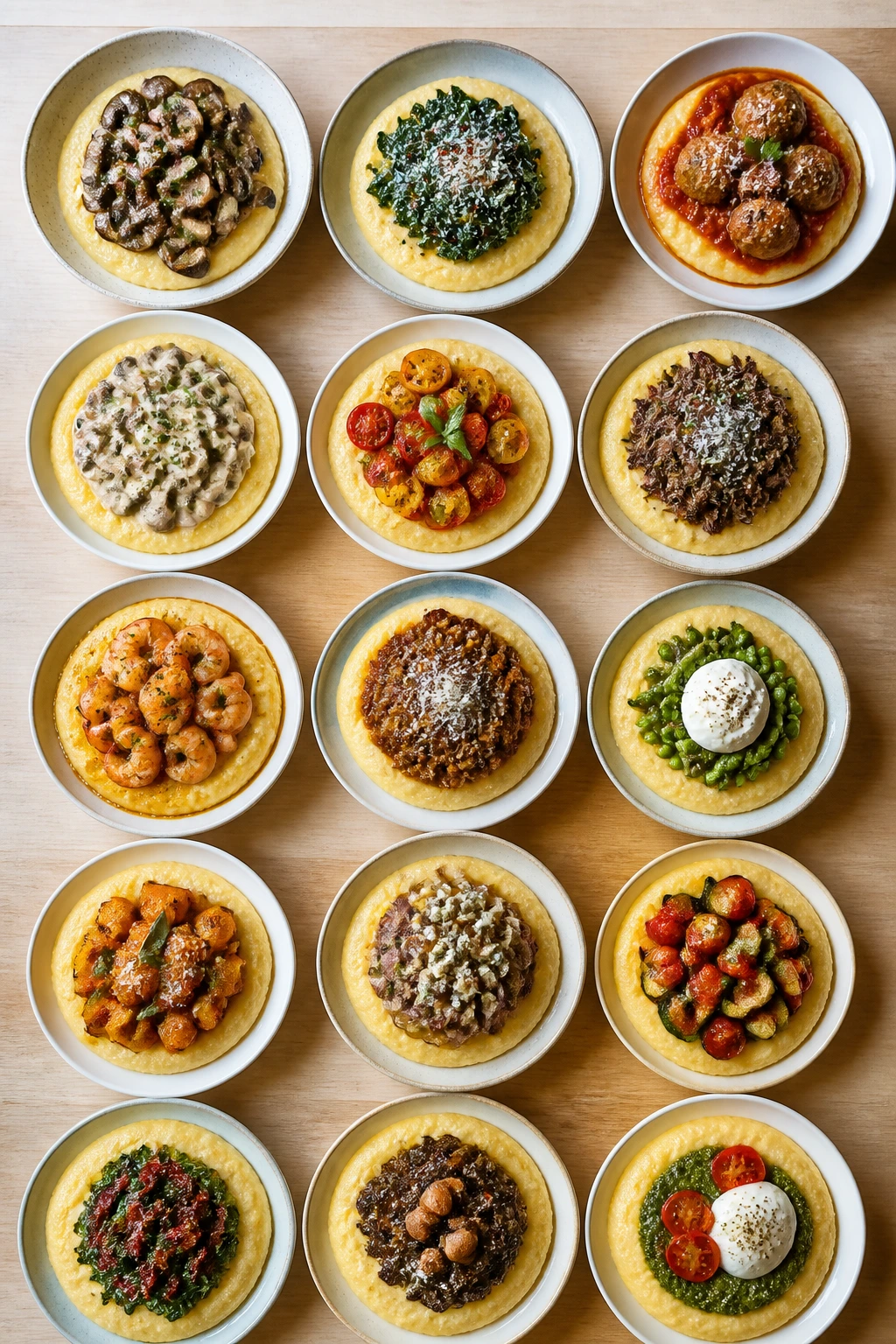
| Recipe | Prep Time | Cook Time | Total Time | Servings | Standout Detail |
|---|---|---|---|---|---|
| Sausage Ragù Over Creamy Polenta | 15 min | 40 min | 55 min | 4 to 6 | deepest red-sauce flavor in the group |
| Spinach Ricotta Polenta Lasagna Bake | 20 min | 35 min | 55 min | 6 | slices cleanly like lasagna, but softer |
| Chicken Cacciatore with Soft Polenta | 20 min | 45 min | 1 hr 5 min | 4 to 6 | classic braise with peppers and mushrooms |
| Mushroom Marsala Polenta Bowls | 15 min | 30 min | 45 min | 4 | rich mushroom flavor without meat |
| Garlic Shrimp and Tomato Polenta | 15 min | 20 min | 35 min | 4 | fastest dinner on the list |
| Meatballs with Marinara and Parmesan Polenta | 25 min | 30 min | 55 min | 4 to 6 | the most classic family-night bowl |
| Eggplant Parmesan Polenta Skillet | 20 min | 35 min | 55 min | 4 | best baked-cheese pull of the bunch |
| Red Wine Braised Beef Over Polenta | 25 min | 3 hr 15 min | 3 hr 40 min | 6 | most weekend-worthy and fork-tender |
| Tuscan Kale and White Bean Polenta | 15 min | 30 min | 45 min | 4 | strongest vegetarian pantry dinner |
| Broccoli Rabe and Sausage Polenta | 20 min | 25 min | 45 min | 4 to 6 | best bitter-sweet balance |
| Chicken, Pesto, and Roasted Tomato Polenta | 20 min | 30 min | 50 min | 4 | brightest herb flavor in the set |
| Ricotta and Roasted Mushroom Polenta Gratin | 25 min | 35 min | 1 hr | 4 to 6 | creamiest baked texture |
| Sicilian Chickpea Tomato Polenta Stew | 15 min | 35 min | 50 min | 4 | briny, pantry-driven, and deeply satisfying |
| Sunday Bolognese Polenta Bake | 25 min | 45 min | 1 hr 10 min | 6 | richest baked casserole flavor |
| Sausage, Peppers, and Onions Polenta Skillet | 15 min | 30 min | 45 min | 4 to 6 | easiest one-skillet crowd pleaser |
| Shrimp Scampi Polenta with Cherry Tomatoes | 15 min | 20 min | 35 min | 4 | butter, lemon, and garlic at full speed |