



Smoke changes vegetables faster than most people expect. Give a cauliflower steak a little time over cherry wood, and the edges pick up a bronzed snap while the center stays creamy. Press tofu, sauce it late, and it turns from polite to stubbornly savory. Even cabbage, which has no business tasting this rich, comes out of the smoker soft at the ribs and almost sweet around the outer leaves.
That’s why plant based smoker recipes deserve a permanent spot in Meatless Monday rotation. The smoker does something a stovetop can’t fake: it dries the surface, deepens natural sugars, and adds a woodsy layer that makes beans, mushrooms, eggplant, and tofu taste like they were built for this treatment. No costume, no imitation, no weird “meaty” theater. Just vegetables and legumes doing what they do best, with a little fire and patience.
And that patience pays off in a practical way, too. A smoker is forgiving if you pay attention to temperature and timing. Tofu likes a low, steady bath around 250°F. Mushrooms handle a bit more heat. Cauliflower and cabbage need enough time to soften without collapsing into mush. Get that balance right, and Monday night stops feeling like a compromise.
Why These Dishes Earn a Spot on the Smoker
-
They use smoke as flavor, not camouflage: These recipes lean into the sweet edges of cauliflower, sweet potatoes, mushrooms, and cabbage instead of pretending they’re something else.
-
They hold up to low-and-slow heat: Tofu, tempeh, jackfruit, lentils, and dense vegetables stay intact long enough to pick up real smoke instead of just getting warm.
-
They make weeknight cooking feel less repetitive: A smoker gives the same ingredient—say, a portobello or a can of jackfruit—an entirely different personality depending on wood, glaze, and timing.
-
They stretch humble ingredients into full meals: Beans, quinoa, oats, and polenta carry a lot of weight here, which keeps the plate satisfying without a pile of extra work.
-
They travel well from smoker to table: Most of these dishes can sit for a few minutes without losing their texture, which makes serving less frantic and far more forgiving.
-
They play nicely with pantry staples: BBQ sauce, miso, tamari, tahini, oats, and canned beans do a lot of the heavy lifting, so the shopping list stays sane.
1. Smoky BBQ Cauliflower Steaks with Charred Scallion Drizzle
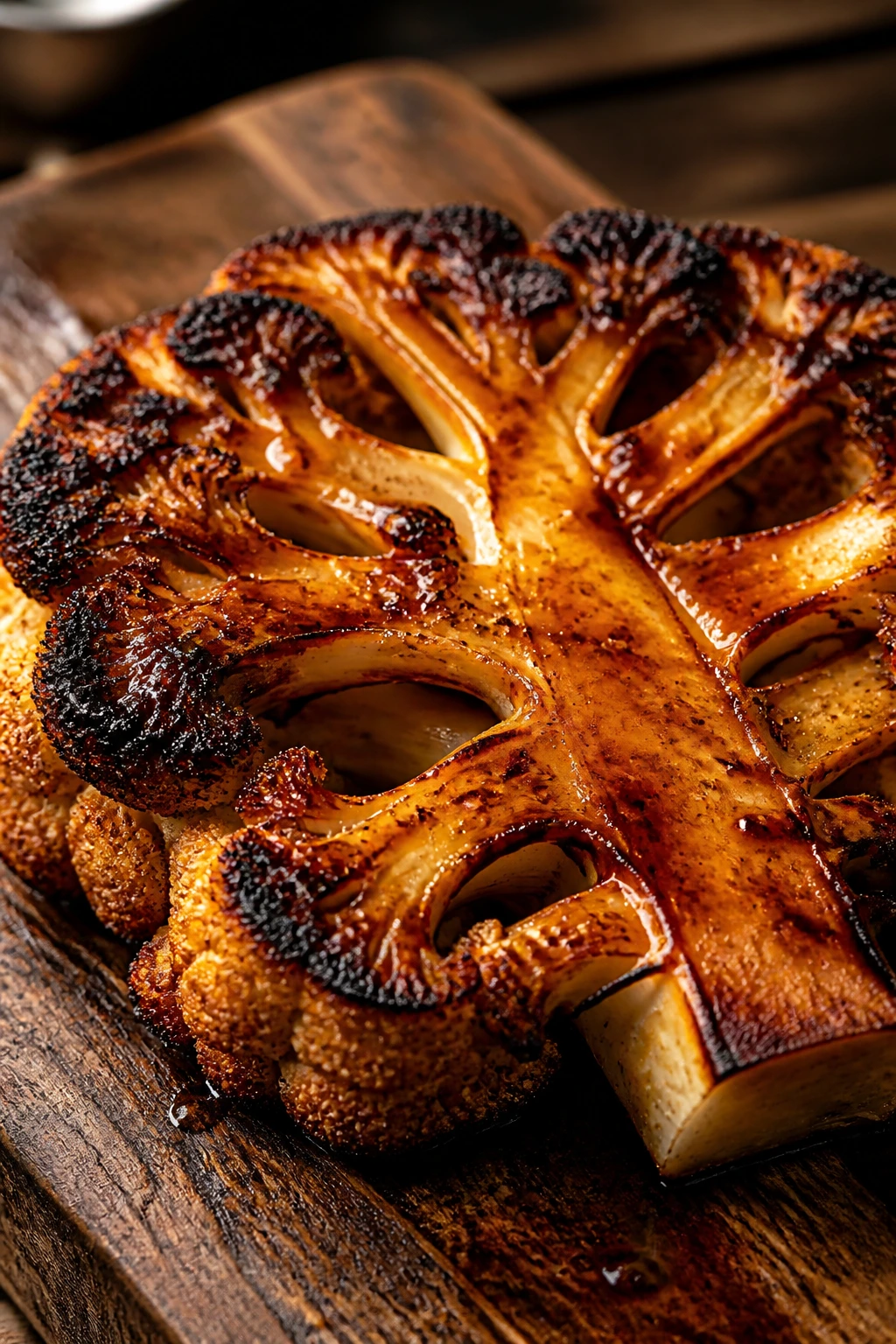
Cauliflower is at its best on the smoker when it’s cut thick enough to keep its shape and seasoned hard enough to matter. Thin slices turn flimsy and dry. A proper steak gives you a browned edge, a tender stem, and those little florets at the top that soak up sauce like they were waiting for it.
The smell is half the appeal here. The cauliflower turns nutty as it cooks, the paprika warms up, and the BBQ glaze goes sticky in the final stretch. That scallion drizzle at the end keeps things from getting heavy. It’s the kind of dish that can sit in the middle of the table and still look like it had a plan.
Why It Works:
Cauliflower has enough structure to survive a longer smoke, but its cut surfaces drink in seasoning fast. The smoker gives it a faint char without the bitterness you get from blasting it over direct flame. Adding the BBQ sauce near the end keeps the sugars from burning and gives the steaks that lacquered finish you want. A quick hit of lemon and scallion keeps the plate sharp instead of muddy.
Key Ingredients:
For the Cauliflower Steaks
- 1 large cauliflower head, leaves removed and core trimmed
- 3 tablespoons olive oil
- 1 teaspoon kosher salt
- 1/2 teaspoon black pepper
- 1 teaspoon smoked paprika
- 1 teaspoon garlic powder
For the Glaze
- 1 cup thick BBQ sauce
- 2 tablespoons apple cider vinegar
For the Finish
- 4 scallions
- 1 tablespoon lemon juice
Quick Steps:
- Warm the Smoker: Preheat your smoker to 250°F with apple or cherry wood.
- Cut the Steaks: Slice the cauliflower into 1-inch steaks, keeping the core attached so each piece stays together.
- Season Well: Brush both sides with olive oil, then coat with salt, pepper, smoked paprika, and garlic powder.
- Smoke the Steaks: Lay them on the grates and smoke for 35 minutes, flipping once halfway through, until the edges are browned and a knife slides into the core with a little resistance.
- Glaze and Finish: Mix the BBQ sauce and vinegar, brush it over the cauliflower, and smoke 10 to 15 minutes more until glossy and tender.
- Char the Scallions: Lay the scallions on the grate for 2 to 3 minutes until lightly blistered, then chop and toss with lemon juice. Spoon that over the steaks.
Equipment for This Recipe:
- Smoker with a stable 250°F setting
- Sharp chef’s knife
- Pastry brush
- Rimmed sheet pan or tray for carrying the cauliflower
- Tongs
How to Serve This Dish:
Set the steaks over a spoonful of white beans, smoky black beans, or a mound of herbed rice. A few blistered scallions on top give the plate some lift. If you want the meal to feel fuller, add cornbread and a vinegar slaw on the side.
Pro Tips for This Recipe:
- Keep the cauliflower core intact while slicing. That little stem is the glue.
- Use a thick BBQ sauce, not a thin one. Thin sauce runs off before it has time to stick.
- If your smoker runs hot, set the steaks on the upper rack where the heat is gentler.
- A light brush of oil on the grate helps prevent the florets from tearing when you flip.
Variations on This Dish:
- Harissa Heat: Swap half the BBQ sauce for harissa and a spoonful of maple syrup. The result is sharper and a little smoky in a different direction.
- Whole-Head Roast: Leave the cauliflower whole, score the base, and smoke it 20 minutes longer. Slice at the table for a bigger presentation.
- Herb-Lemon Finish: Skip the BBQ glaze and finish with parsley, dill, lemon zest, and a garlic-olive oil drizzle.
Common Mistakes to Avoid with This Dish:
- Don’t slice the steaks too thin. They’ll break apart before they pick up any real smoke.
- Don’t glaze at the start. Sugar burns fast and leaves a bitter edge.
- Don’t crowd the grate. Cauliflower needs air moving around it, not steam trapped underneath it.
2. Portobello Burger Slabs with Smoked Onion Jam
Portobellos are one of the few mushrooms that can carry themselves like a main course without trying too hard. On the smoker, they shrink a little, tighten up, and soak in whatever marinade you give them. The result lands somewhere between a burger and a steak, which is exactly the point.
The onion jam here matters. A smoker can make mushrooms taste deep, but it’s the sweet-savory onions that give the whole sandwich its backbone. Add a toasted bun, a sharp pickle, and a slice of tomato, and you’ve got a lunch that has some real heft to it.
Why It Works:
Portobellos have a dense cap that handles steady heat without falling apart. Their natural umami makes them a strong match for tamari, balsamic, and smoke. Onion jam gives you sweetness to balance the mushroom’s earthiness, and smoking the onions in a pan keeps them soft instead of burnt. This one feels generous on the plate without needing a complicated sauce.
Key Ingredients:
For the Mushrooms
- 4 large portobello caps, stems removed and gills gently scraped
- 3 tablespoons olive oil
- 2 tablespoons tamari
- 1 tablespoon balsamic vinegar
- 2 garlic cloves, minced
- 1/2 teaspoon black pepper
For the Onion Jam
- 1 large yellow onion, thinly sliced
- 1 tablespoon olive oil
- 1 tablespoon brown sugar
- 1 tablespoon apple cider vinegar
- Pinch of salt
For Assembly
- 4 burger buns
- 4 lettuce leaves
- 1 large tomato, sliced
- 1 avocado, sliced
Quick Steps:
- Preheat the Smoker: Set the smoker to 275°F with pecan or apple wood.
- Marinate the Mushrooms: Whisk the olive oil, tamari, balsamic, garlic, and black pepper. Brush both sides of the mushrooms and let them sit for 10 minutes.
- Start the Onion Jam: Put the sliced onion, olive oil, brown sugar, vinegar, and salt into a small cast-iron pan or foil pan.
- Smoke Everything: Place the mushrooms directly on the grate and the onion pan beside them. Smoke for 20 to 25 minutes until the mushrooms are tender and the onions are soft, glossy, and browned around the edges.
- Toast the Buns: Set the buns cut-side down on the grate for 2 minutes, just until they pick up some color.
- Assemble: Layer lettuce, mushroom, onion jam, tomato, and avocado on each bun.
Equipment for This Recipe:
- Smoker set to 275°F
- Small cast-iron skillet or foil pan
- Basting brush
- Tongs
- Knife and cutting board
How to Serve This Dish:
Serve these open-faced if you want the mushroom to stay center stage. A pile of kettle chips or a vinegary slaw on the side keeps the meal from feeling soft all the way through. I like these with a few extra pickle chips tucked under the mushroom cap.
Pro Tips for This Recipe:
- Scrape the dark gills if you want a cleaner look and a less muddy bite.
- Dry the mushroom caps after cleaning them. Water dilutes the marinade and makes the texture slippery.
- If the buns are soft, toast them a little harder than you think you need to.
- The onions are done when they collapse and turn jammy, not when they disappear into mush.
Variations on This Dish:
- Miso Mushroom Burger: Swap the balsamic for 1 tablespoon white miso and 1 tablespoon rice vinegar.
- Spicy Pickle Stack: Add pickled jalapeños and a spoonful of mustard to the bun.
- Breakfast Burger Build: Top each cap with a smoked tomato slice and a fried egg if you eat eggs.
Common Mistakes to Avoid with This Dish:
- Don’t drown the mushrooms in marinade. They only need a light coat.
- Don’t smoke them so long that the caps collapse and become watery.
- Don’t skip the bun toast. A soft bun turns gummy fast under a juicy mushroom.
3. Maple-Soy Tofu Burnt Ends
This is the recipe that shuts up tofu skeptics. Extra-firm tofu, pressed properly and cut into cubes, turns sturdy on the smoker and picks up the edges you want for “burnt ends” without losing its shape. Then the glaze goes on late and sticky, which is where the magic lives.
The texture matters more than the label here. You want a firm outside, a chewy center, and sauce clinging in little dark patches around the corners. It’s not trying to be brisket. It just borrows the best visual cues and uses them with better manners.
Why It Works:
Tofu is a blank slate only if you treat it like one. Pressing removes the excess water that would otherwise block the smoke, and a light cornstarch coating gives the surface something to crisp. The smoker dries the edges, while the maple-soy glaze adds salt, sweetness, and a little burn without overpowering the tofu. This is the kind of dish that tastes better in pieces than in theory.
Key Ingredients:
For the Tofu
- 2 blocks extra-firm tofu, 14 ounces each
- 2 tablespoons tamari or soy sauce
- 2 tablespoons cornstarch
- 2 tablespoons olive oil
- 1 teaspoon smoked paprika
- 1 teaspoon garlic powder
- 1/2 teaspoon onion powder
- 1/4 teaspoon cayenne
For the Glaze
- 1/2 cup BBQ sauce
- 2 tablespoons maple syrup
- 1 tablespoon Dijon mustard
- 1 tablespoon apple cider vinegar
Quick Steps:
- Press the Tofu: Drain the tofu, wrap it in a clean towel, and press it for 20 minutes under a heavy pan.
- Cut and Coat: Slice the tofu into 1-inch cubes. Toss them with tamari, olive oil, cornstarch, smoked paprika, garlic powder, onion powder, and cayenne.
- Smoke the Cubes: Arrange them on a wire rack over a tray and smoke at 250°F for 45 minutes, turning once if your smoker has hot spots.
- Mix the Glaze: Stir together the BBQ sauce, maple syrup, Dijon, and vinegar.
- Glaze and Finish: Toss the smoked tofu in the glaze, return it to the smoker, and cook 15 to 20 minutes more until sticky and browned at the corners.
- Rest Briefly: Let the tofu sit for 5 minutes so the glaze settles into the surface.
Equipment for This Recipe:
- Smoker set to 250°F
- Tofu press or heavy pan
- Wire rack
- Rimmed baking sheet
- Mixing bowl
How to Serve This Dish:
Spoon the tofu over brown rice, creamy grits, or smoked potato salad. A few sliced scallions and sesame seeds on top make the plate look finished without much effort. These also work as skewers with grilled pineapple if you want a more playful meal.
Pro Tips for This Recipe:
- Super-firm tofu works, but extra-firm gives a better bite after smoking.
- Don’t glaze too early. Sugar needs time to stick, not time to burn.
- If the cubes look pale after the first smoke, give them another 10 minutes before saucing.
- Cut the tofu evenly so every cube finishes at the same pace.
Variations on This Dish:
- Gochujang Burnt Ends: Swap half the BBQ sauce for gochujang and add a spoon of rice vinegar.
- Sesame-Soy Version: Use sesame oil instead of olive oil and finish with sesame seeds and scallions.
- Dry-Rub Style: Skip the glaze and finish with brown sugar, smoked paprika, and cracked pepper.
Common Mistakes to Avoid with This Dish:
- Don’t skip the pressing step. Wet tofu smokes badly and stays bland.
- Don’t cut the cubes tiny. They’ll dry out before the glaze lands.
- Don’t crowd the rack. Airflow is what gives you those browned edges.
4. Tempeh Tacos with Chipotle Cabbage Slaw
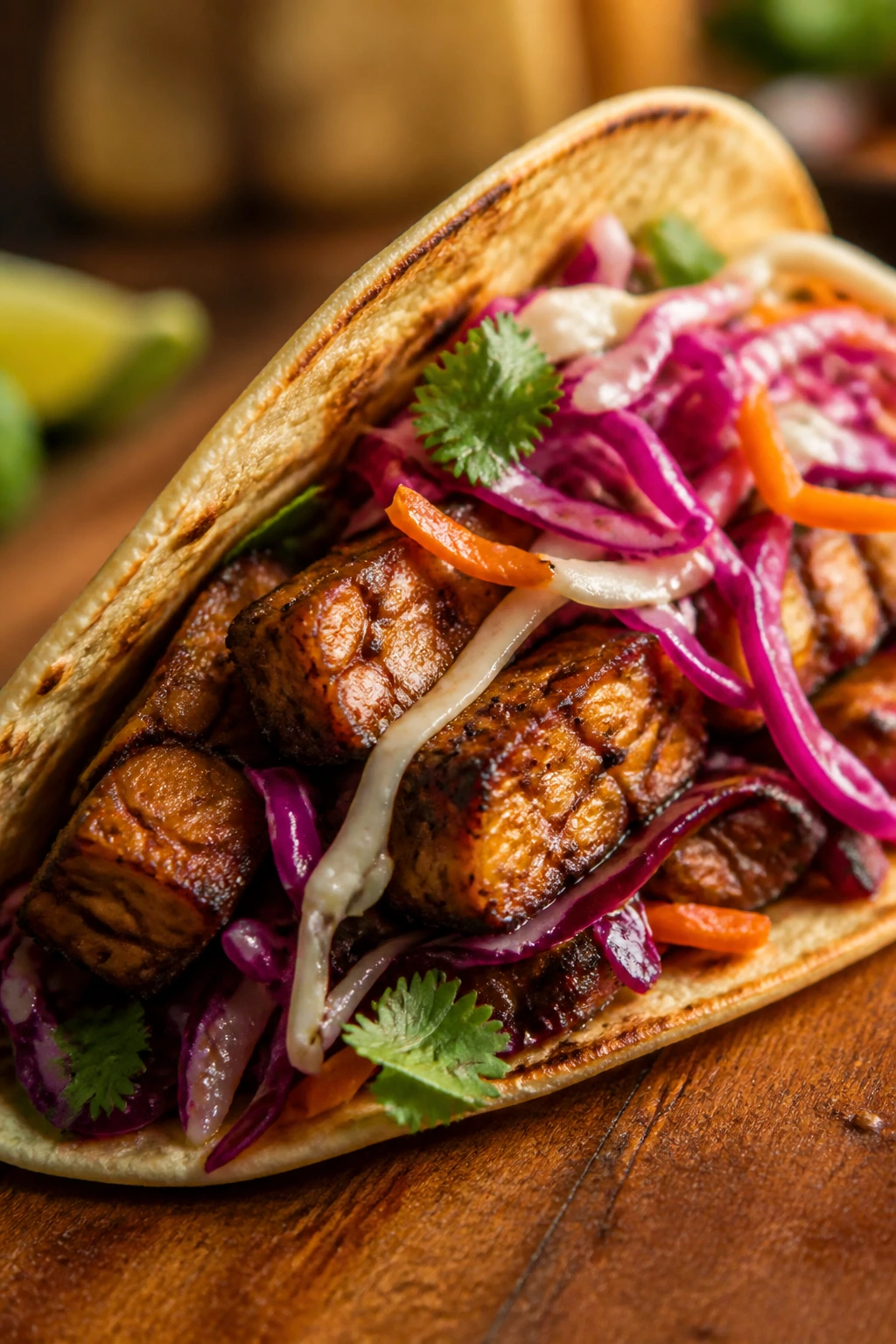
Tempeh is one of those ingredients that rewards a little fuss. Steam it first, and the bitterness softens. Smoke it, and the nutty flavor opens up. Slice it for tacos and it behaves like a filling with structure instead of a crumbly afterthought.
The cabbage slaw keeps things lively. Chipotle brings heat, lime pulls everything forward, and the tempeh carries the smoky backbone that lets the tortillas stay simple. This is one of those meals that looks casual but eats like you planned it.
Why It Works:
Tempeh is denser than tofu and takes smoke in a more grainy, earthy way. Steaming it before marinating is the trick that keeps the finished bite from tasting dry or bitter. The smoker helps the marinade tighten onto the strips, and the cabbage slaw gives the tacos a cool crunch that keeps each bite from getting heavy. A warm tortilla is non-negotiable.
Key Ingredients:
For the Tempeh
- 2 packages tempeh, 8 ounces each
- 2 tablespoons lime juice
- 2 tablespoons olive oil
- 2 tablespoons soy sauce
- 1 tablespoon maple syrup
- 1 teaspoon ground cumin
- 1 teaspoon chili powder
- 1/2 teaspoon smoked paprika
For the Slaw
- 3 cups shredded green cabbage
- 1/4 cup vegan mayo or tahini
- 1 chipotle pepper in adobo, minced
- 1 tablespoon lime juice
- 2 tablespoons chopped cilantro
- Pinch of salt
For Serving
- 8 corn tortillas
- 1 avocado, sliced
- Lime wedges
Quick Steps:
- Steam the Tempeh: Slice each block into 1/2-inch strips and steam them for 10 minutes to soften the edge.
- Marinate: Stir together the lime juice, olive oil, soy sauce, maple syrup, cumin, chili powder, and smoked paprika. Toss the tempeh in it and let it sit for 15 minutes.
- Smoke the Strips: Set the smoker to 275°F and smoke the tempeh for 25 to 30 minutes, flipping once, until the edges look a little darker and the surface feels firm.
- Mix the Slaw: Combine the cabbage, mayo or tahini, chipotle, lime juice, cilantro, and salt. Toss until the cabbage is lightly coated, not soggy.
- Warm the Tortillas: Lay them on the grate for 30 seconds per side or warm them in a dry skillet.
- Build the Tacos: Add tempeh, slaw, avocado, and a squeeze of lime.
Equipment for This Recipe:
- Smoker set to 275°F
- Steamer basket or saucepan with rack
- Mixing bowls
- Tongs
- Skillet or tortilla warmer
How to Serve This Dish:
Serve the tacos right after assembly so the tortillas stay soft and the slaw keeps its crunch. A side of black beans or smoky pinto beans makes the plate feel complete. I also like a little extra lime on the table—these tacos wake up when they get another squeeze.
Pro Tips for This Recipe:
- Steam the tempeh. Skipping that step leaves a bitter edge that smoke won’t hide.
- Slice the strips evenly so the edges char at the same pace.
- Keep the slaw loose. Thick, heavy slaw weighs the tacos down.
- Corn tortillas handle the smoke flavor better than flour ones here.
Variations on This Dish:
- Adobo Street Taco: Add another minced chipotle for a sharper burn.
- Mango Slaw Version: Swap half the cabbage for thin mango slices when you want sweetness against the smoke.
- Sesame-Lime Tacos: Use tahini in the slaw and finish with sesame seeds.
Common Mistakes to Avoid with This Dish:
- Don’t skip the steaming step. Tempeh needs that reset.
- Don’t soak the slaw in dressing. Wet cabbage makes the tortilla fall apart.
- Don’t smoke the tempeh so long that it dries into a hard chew.
5. Quinoa and Black Bean Stuffed Bell Peppers
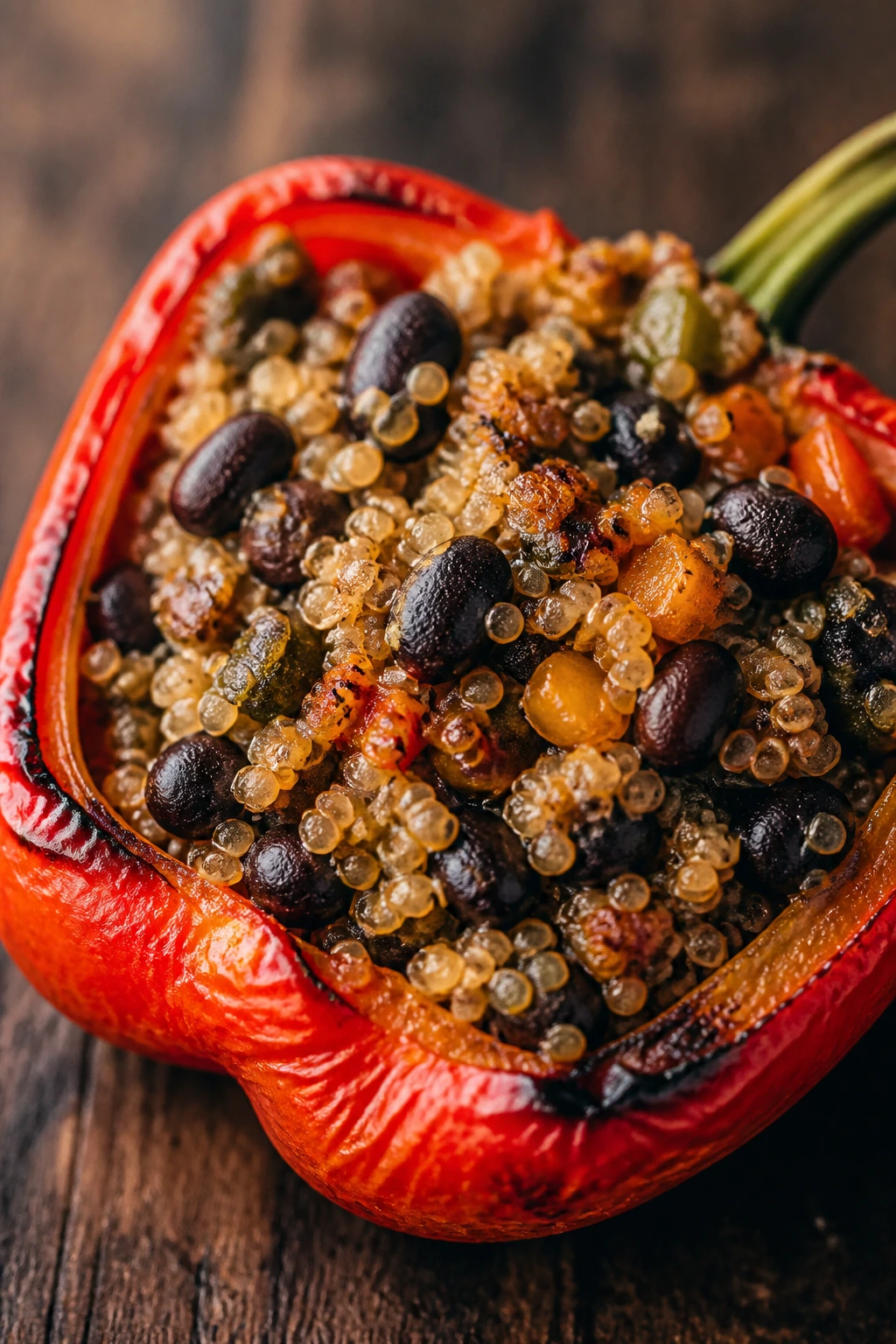
Stuffed peppers on the smoker have a different personality than the baked version. The pepper walls soften more slowly, the filling picks up a little wood smoke, and the top edges blister just enough to taste roasted rather than steamed. That little change matters.
This is one of the more complete meals in the whole collection. You get grain, beans, vegetables, and enough seasoning that nobody at the table is asking where the protein went. The answer is in the pan. It’s right there.
Why It Works:
Bell peppers have enough structure to hold stuffing without collapsing, and the smoker gives them a sweet edge that an oven can’t quite match. Quinoa brings a slight bite, black beans bring heft, and salsa keeps the filling moist without making it soupy. Smoke ties the whole pan together, especially if you use peppers with thick walls. The dish is better when the filling is seasoned a little aggressively before it goes in.
Key Ingredients:
For the Peppers
- 6 bell peppers, tops cut off and seeds removed
- 1 tablespoon olive oil
- 1/2 teaspoon salt
For the Filling
- 1 cup dry quinoa, rinsed
- 2 cups vegetable broth
- 1 can black beans, 15 ounces, drained and rinsed
- 1 cup corn kernels
- 1 small yellow onion, diced
- 2 garlic cloves, minced
- 1 cup salsa
- 1 teaspoon ground cumin
- 1 teaspoon chili powder
- 1/2 teaspoon black pepper
For Finishing
- 1 avocado, diced
- 2 tablespoons chopped cilantro
- Lime wedges
Quick Steps:
- Cook the Quinoa: Simmer the quinoa and broth in a covered pot for 15 minutes until the liquid is absorbed. Fluff and let it cool slightly.
- Build the Filling: Stir the quinoa with black beans, corn, onion, garlic, salsa, cumin, chili powder, and pepper.
- Prep the Peppers: Brush the outsides with olive oil and sprinkle with salt. Set them upright in a grill-safe pan.
- Stuff and Smoke: Fill each pepper loosely, leaving a little room at the top. Smoke at 250°F for 45 to 55 minutes until the peppers are tender and the tops have browned.
- Check the Texture: The filling should be hot all the way through, and the pepper walls should give when pressed with tongs but still hold shape.
- Finish and Serve: Top with avocado, cilantro, and a squeeze of lime.
Equipment for This Recipe:
- Smoker set to 250°F
- Grill-safe pan or cast-iron skillet
- Saucepan with lid
- Mixing bowl
- Spoon for stuffing
How to Serve This Dish:
These peppers are filling enough to stand alone, but a green salad with lime vinaigrette cuts the richness well. If you want a bigger spread, add tortilla chips and extra salsa. The finished plate looks best when the avocado goes on at the very end and stays bright green.
Pro Tips for This Recipe:
- Choose peppers with flat bottoms so they sit upright.
- Don’t pack the filling too tightly. Tight stuffing can dry out the top before the pepper softens.
- If the filling seems dry, add a few spoonfuls of salsa before smoking.
- Medium to large peppers work better than small ones; small peppers overcook fast.
Variations on This Dish:
- Southwest Skillet Style: Bake or smoke the filling in a cast-iron skillet alongside the peppers if you want a faster version.
- Poblano Swap: Use large poblanos for a darker, slightly earthier flavor.
- Cheesy Finish: If you eat dairy, add a little shredded cheese during the last 10 minutes.
Common Mistakes to Avoid with This Dish:
- Don’t choose peppers that wobble on the pan. They’ll tip once they soften.
- Don’t undercook the quinoa. Crunchy grains ruin the texture.
- Don’t use watery salsa. A thick salsa keeps the filling from going loose.
6. Pull-Apart Jackfruit Sandwiches with Tangy BBQ Sauce
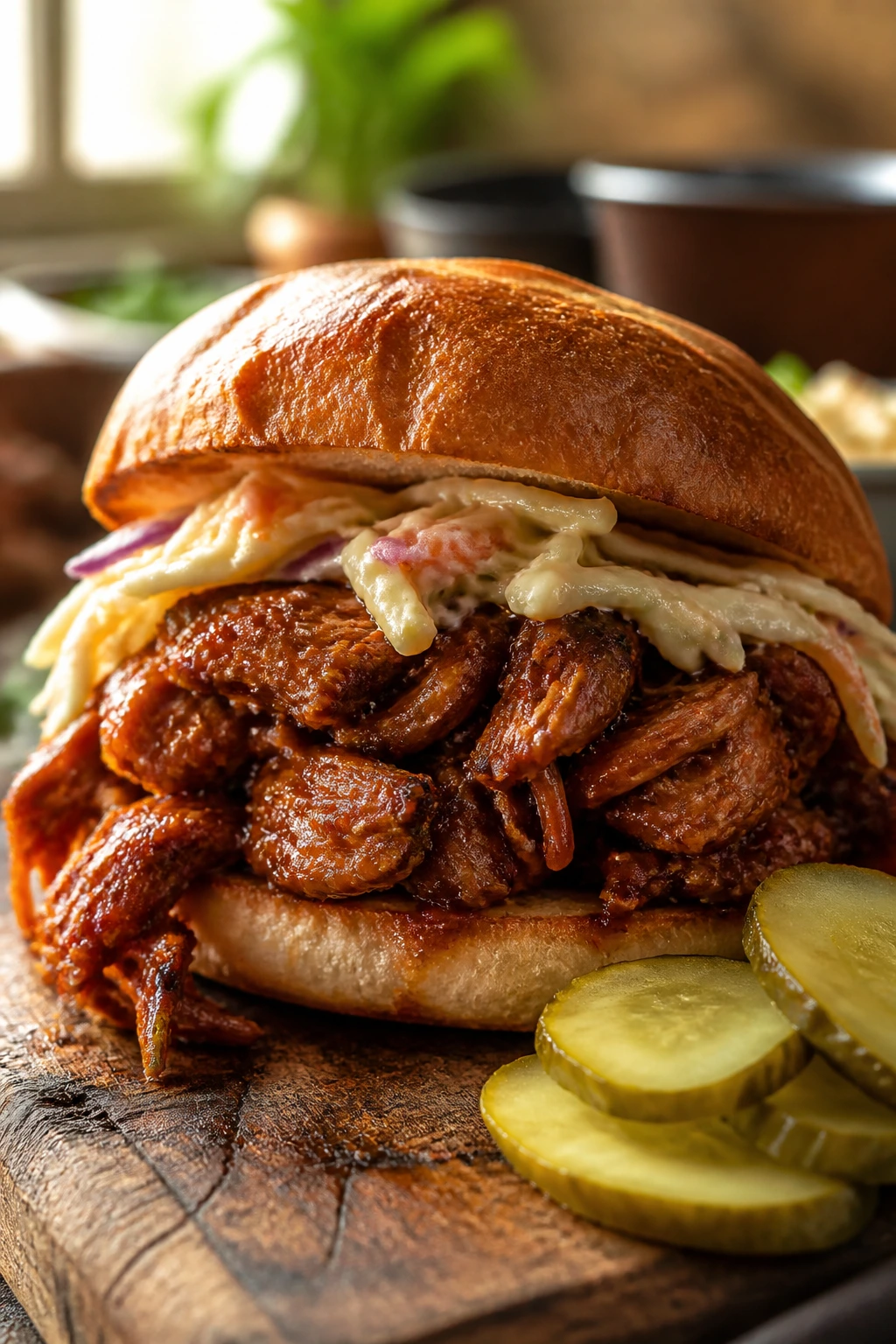
Jackfruit earns its reputation here because it shreds in a way that feels useful, not gimmicky. Once it’s rinsed, trimmed, and smoked in sauce, it turns into a tangle that clings to the bun and still keeps some bite. You want the strands, not baby food.
The best part is the contrast. Tangy sauce, soft bun, a few sharp pickles, and maybe a pile of slaw if you’re feeling generous. It’s messy in the right way, which is one of the reasons this dish lands so well on Meatless Monday.
Why It Works:
Young green jackfruit has a fibrous structure that breaks apart into shreds after a little heat. Smoke builds deeper flavor into the fruit’s mild base, while BBQ sauce and vinegar handle the seasoning that jackfruit won’t supply on its own. This is not about making jackfruit taste like meat; it’s about giving it enough backbone to carry a sandwich. The texture gets better after a short rest, which is a rare and welcome thing.
Key Ingredients:
For the Jackfruit Filling
- 2 cans young green jackfruit in brine, 20 ounces each
- 1 tablespoon olive oil
- 1 medium yellow onion, sliced
- 2 garlic cloves, minced
- 1 cup BBQ sauce
- 1 tablespoon apple cider vinegar
- 1 tablespoon soy sauce
- 1 teaspoon smoked paprika
- 1 teaspoon yellow mustard
- 1/2 cup vegetable broth
For Serving
- 6 sandwich buns
- Dill pickle slices
- Coleslaw, optional
Quick Steps:
- Prep the Jackfruit: Rinse it well, drain it, and cut away any tough core pieces or hard seed pods.
- Start the Pan: Put the onion, olive oil, and garlic into a cast-iron skillet or foil pan.
- Smoke the Filling: Add the jackfruit, BBQ sauce, vinegar, soy sauce, smoked paprika, mustard, and broth. Smoke at 250°F for 35 minutes.
- Shred and Stir: Use two forks to pull the jackfruit apart, then smoke it 15 to 20 minutes more uncovered until the sauce thickens and clings to the strands.
- Toast the Buns: Warm the buns on the grate for 1 to 2 minutes.
- Assemble: Pile the jackfruit onto the buns and finish with pickles or slaw.
Equipment for This Recipe:
- Smoker set to 250°F
- Cast-iron skillet or foil pan
- Two forks
- Tongs
- Mixing spoon
How to Serve This Dish:
Serve with potato salad, dill pickles, or a vinegar slaw that can stand up to the sauce. These sandwiches hold their shape best when the filling is thick, not soupy. Keep a napkin nearby; this is a two-hand meal and should be.
Pro Tips for This Recipe:
- Rinse jackfruit thoroughly. The brine can be bitter if you skip that step.
- Remove the firm core pieces so the texture stays stringy instead of woody.
- If the sauce looks thin after the first smoke, cook it uncovered a little longer.
- A brioche-style bun is too soft here; choose something sturdy.
Variations on This Dish:
- Carolina Tang: Use extra vinegar and a mustard-heavy sauce.
- Spicy Peach BBQ: Add peach preserves and a pinch of cayenne to the sauce.
- Slaw-Loaded Stack: Top the sandwich with extra cabbage slaw for crunch and coolness.
Common Mistakes to Avoid with This Dish:
- Don’t use jackfruit packed in syrup. You want brine, not dessert fruit.
- Don’t skip the second smoke. That’s where the sauce tightens up.
- Don’t overload the bun before the filling thickens. You’ll end up with a puddle.
7. Smoked Vegan Mac and Cheese with Crispy Breadcrumb Top
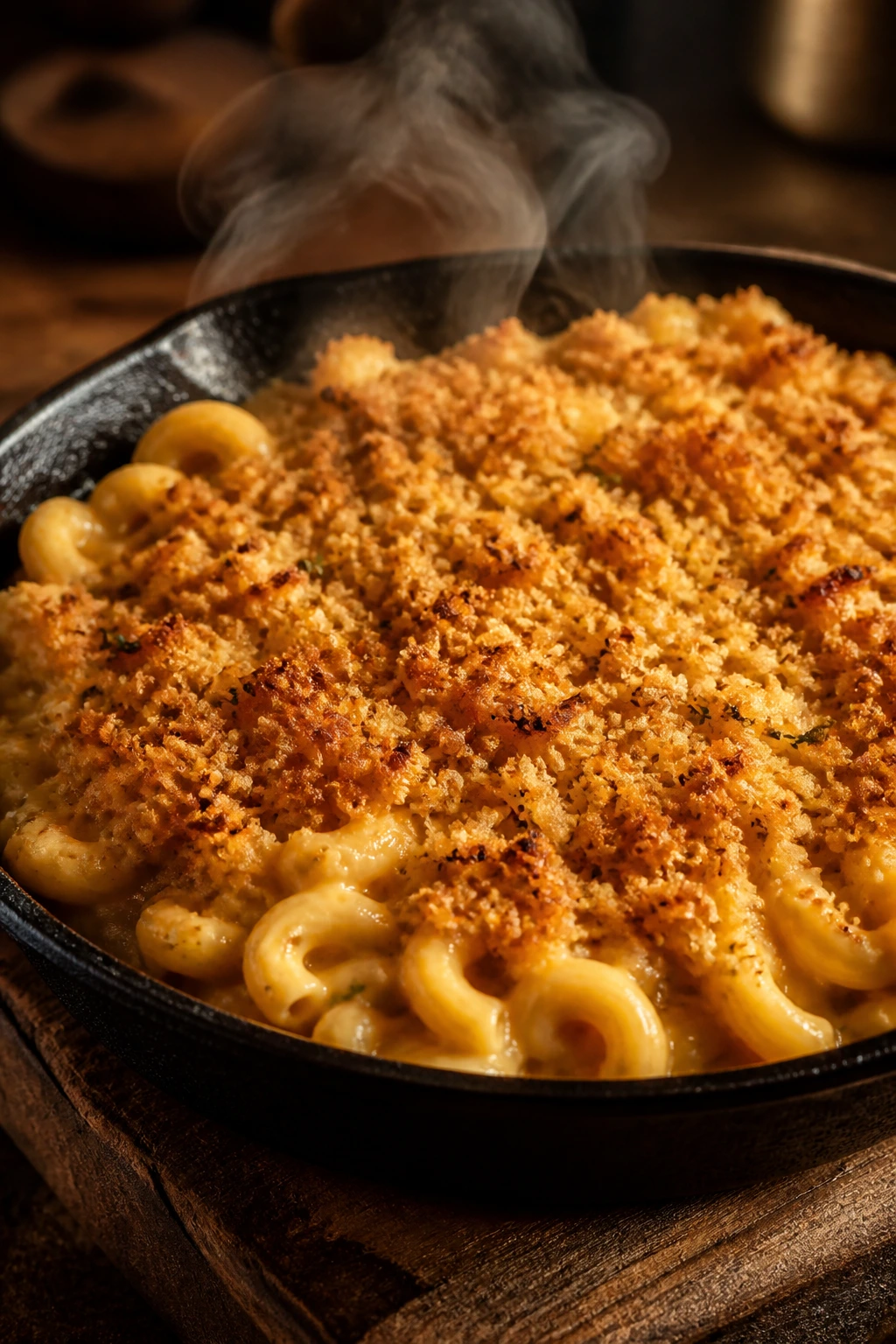
Mac and cheese on the smoker is a little decadent, and that’s exactly why it works. The sauce gets nutty from cashews, the pasta absorbs a whisper of smoke, and the breadcrumb top turns sandy-gold at the edges. It’s not trying to be a side dish. It arrives like a plan.
The key is balance. Too much liquid and you get soup. Too little and the pasta dries out before the top browns. Keep the sauce creamy, the bake gentle, and the smoke low.
Why It Works:
Cashews blend into a sauce with enough body to coat pasta without splitting, and nutritional yeast gives you that savory, cheese-like depth. Smoking the assembled dish in a cast-iron skillet lets the top brown while the center stays creamy. Because the macaroni is already cooked al dente, it finishes gently in the smoker instead of going soft. The breadcrumb top is not decoration; it gives you the best bite.
Key Ingredients:
For the Pasta
- 12 ounces elbow macaroni
- 1 tablespoon salt for boiling water
For the Sauce
- 2 cups raw cashews, soaked for 2 hours and drained
- 2 cups unsweetened oat milk
- 1 1/2 cups vegetable broth
- 1/2 cup nutritional yeast
- 2 tablespoons tapioca starch
- 1 tablespoon Dijon mustard
- 1 teaspoon turmeric
- 1 teaspoon smoked paprika
- 1/2 teaspoon garlic powder
- 1 teaspoon salt
For the Top
- 1 cup breadcrumbs
- 2 tablespoons olive oil
Quick Steps:
- Cook the Pasta: Boil the macaroni in salted water until just shy of al dente, about 1 minute less than the package says. Drain.
- Blend the Sauce: Blend the cashews, oat milk, broth, nutritional yeast, tapioca starch, Dijon, turmeric, smoked paprika, garlic powder, and salt until smooth.
- Combine: Toss the pasta with the sauce in a cast-iron skillet or baking dish.
- Top It Off: Mix the breadcrumbs with olive oil and scatter them over the surface.
- Smoke: Bake in the smoker at 225°F for 35 to 40 minutes until bubbling at the edges and golden on top.
- Rest Before Serving: Let it sit for 10 minutes so the sauce sets a little.
Equipment for This Recipe:
- Smoker set to 225°F
- Blender
- Large pot
- Cast-iron skillet or baking dish
- Colander
How to Serve This Dish:
Serve it with a crisp green salad or smoked broccoli so the plate does not collapse into one soft note. A spoonful of hot sauce on top works better than you’d think. If you want it to feel richer, add a few roasted mushrooms at the edge of the skillet.
Pro Tips for This Recipe:
- Soak the cashews long enough to blend smooth. Grainy sauce is hard to fix later.
- Pull the pasta early. It finishes in the smoker.
- Use oat milk or another unsweetened plant milk. Sweet milk throws off the whole sauce.
- Let the mac rest. Straight from the smoker, it can look looser than it really is.
Variations on This Dish:
- Jalapeño Mac: Blend in one seeded jalapeño and a little extra paprika.
- Broccoli Bake: Fold in small roasted broccoli florets before smoking.
- Gluten-Free Version: Use gluten-free pasta and gluten-free breadcrumbs.
Common Mistakes to Avoid with This Dish:
- Don’t overcook the pasta first. It turns to paste in the smoker.
- Don’t flood the dish with sauce. The pasta should be coated, not swimming.
- Don’t skip the rest time. The sauce thickens as it cools.
8. Whole Smoked Sweet Potatoes with Chili-Lime Tahini
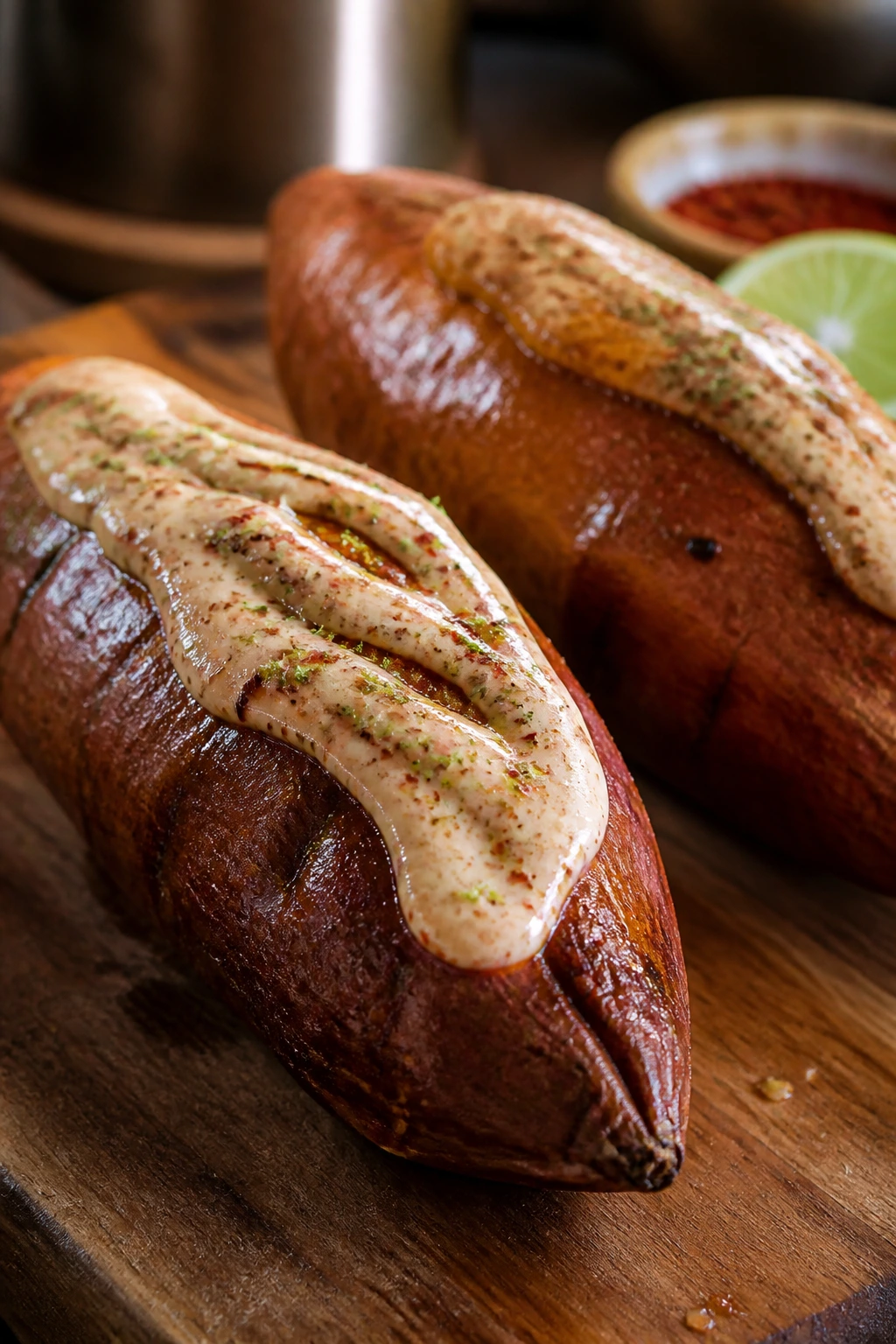
Sweet potatoes turn almost custardy when you smoke them whole long enough. The skin tightens, the flesh softens, and the orange center starts tasting like baked sugar with a little more edge. Split one open and it steams under your fork. That’s the moment you know you’ve done it right.
The toppings matter here, but they don’t need to be fussy. Black beans, tahini, lime, and chili powder are enough to turn a plain smoked potato into dinner. It’s a simple build. Simple is a compliment.
Why It Works:
Whole sweet potatoes hold heat well and tolerate a long smoke without falling apart. Because they’re cooked intact, the interior stays moist while the skin picks up color and a little chew. Tahini brings fat and a sesame note that cools down the sweetness, and lime keeps the whole plate from tasting heavy. This is one of the easiest ways to get a full meal out of the smoker with almost no drama.
Key Ingredients:
For the Potatoes
- 4 medium sweet potatoes, scrubbed dry
- 2 tablespoons olive oil
- 1 teaspoon kosher salt
For the Topping
- 1 can black beans, 15 ounces, drained and warmed
- 3 tablespoons tahini
- 2 tablespoons lime juice
- 1 tablespoon maple syrup
- 1 teaspoon chili powder
- 1 avocado, sliced
- 2 tablespoons chopped cilantro
Quick Steps:
- Preheat the Smoker: Set it to 250°F with mild fruitwood or pecan.
- Prep the Potatoes: Rub the sweet potatoes with olive oil and salt.
- Smoke Whole: Place them directly on the grate and smoke for 2 to 2 1/2 hours, until a skewer slides in with no resistance and the flesh feels soft when squeezed with tongs.
- Mix the Sauce: Stir tahini, lime juice, maple syrup, and chili powder together with a splash of warm water if needed.
- Split and Fill: Cut the potatoes open, fluff the centers with a fork, add black beans, avocado, and cilantro.
- Finish: Drizzle with the tahini sauce and serve hot.
Equipment for This Recipe:
- Smoker set to 250°F
- Paring knife or skewer for testing doneness
- Small bowl for the sauce
- Tongs
- Spoon
How to Serve This Dish:
These work as a main dish with a crunchy cabbage salad or as the center of a bigger spread. Serve them on a wide plate so the sauce can run into the beans a little. A few toasted pepitas give the finished plate a nice snap.
Pro Tips for This Recipe:
- Pick potatoes that are close in size so they finish together.
- Dry the skins well before rubbing with oil. Wet skins steam instead of browning.
- If you want faster cooking, pierce each potato once or twice with a fork before smoking.
- Warm the beans before topping. Cold beans kill the temperature of the whole plate.
Variations on This Dish:
- Savory Herb Version: Swap the chili powder for chopped rosemary and black pepper.
- Black Bean Salsa Build: Mix the beans with corn and salsa for a fresher filling.
- Nut-Free Drizzle: Replace tahini with sunflower seed butter.
Common Mistakes to Avoid with This Dish:
- Don’t choose oversized potatoes unless you want to wait a long time.
- Don’t rush the smoke. A hard potato center means it needed another stretch.
- Don’t overdo the sauce. Sweet potatoes already bring plenty of softness.
9. Miso-Glazed Smoked Cabbage Wedges
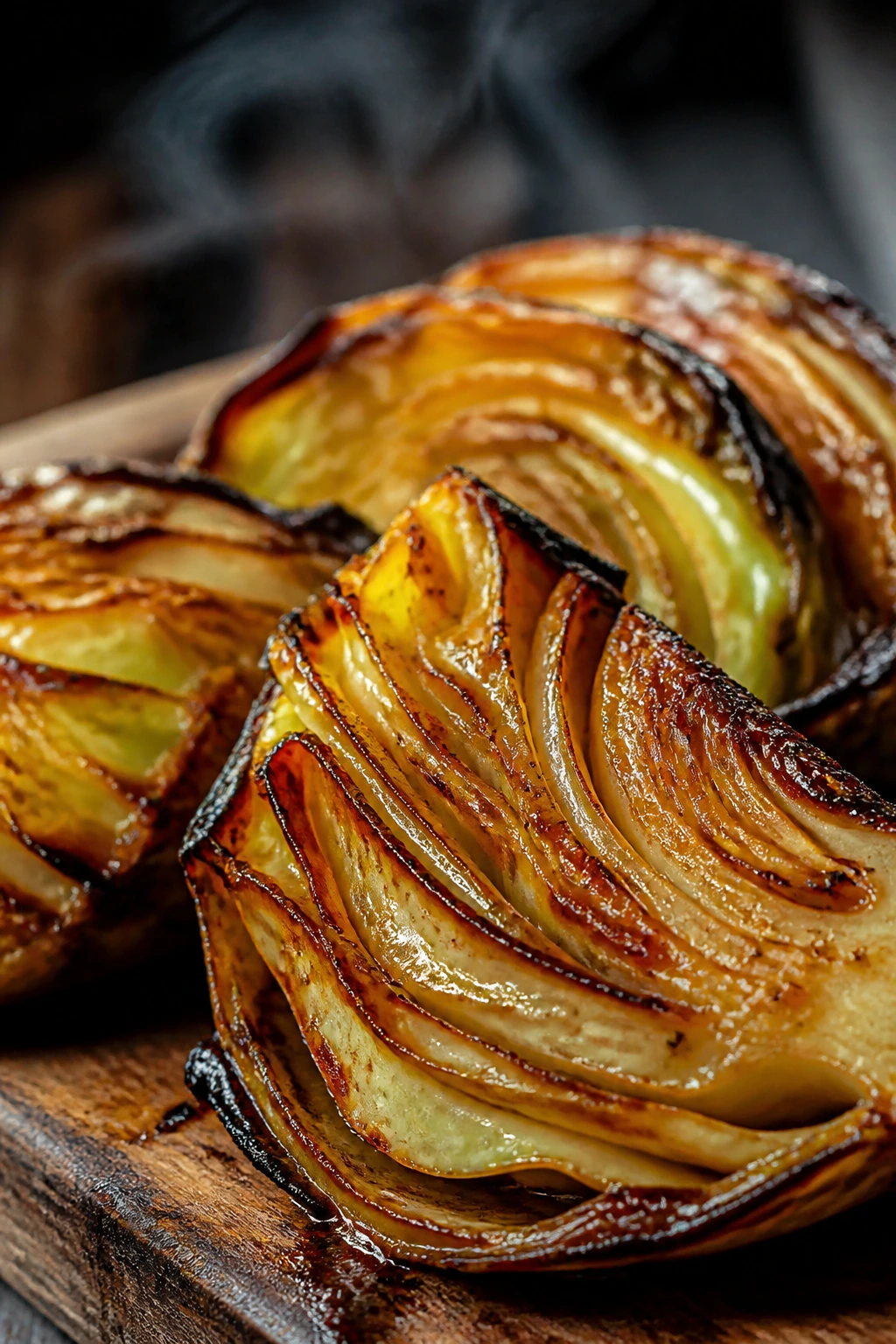
Cabbage is one of the best bargains in a smoker. It’s cheap, sturdy, and willing to take on flavor. Smoke softens the outer leaves, the inner layers stay a little crisp, and a miso glaze turns the whole thing glossy and deeply savory.
This is the recipe I pull out when I want something that looks unexpectedly polished without requiring a stack of ingredients. Cut the cabbage cleanly, keep the wedges intact, and let the smoker do the rest. The edges brown, the core turns sweet, and suddenly cabbage gets to be the main event.
Why It Works:
Cabbage has a dense structure that handles smoke without falling apart, and its natural sweetness comes forward when it cooks low and slow. White miso adds salt and funk without overpowering the vegetable, while maple syrup helps the glaze cling. Because the wedges are thick, they cook like a steak rather than a shred. That’s why the texture stays interesting instead of collapsing into softness.
Key Ingredients:
For the Cabbage
- 1 large green cabbage, cut into 6 wedges with the core intact
- 3 tablespoons olive oil
- 1 teaspoon kosher salt
- 1/2 teaspoon black pepper
For the Glaze
- 2 tablespoons white miso
- 1 tablespoon maple syrup
- 1 tablespoon rice vinegar
- 1 tablespoon sesame oil
- 1 garlic clove, grated
For Finishing
- 1 tablespoon sesame seeds
- 2 scallions, sliced
- Red pepper flakes, optional
Quick Steps:
- Set the Smoker: Heat it to 275°F with pecan or oak.
- Prep the Wedges: Brush the cabbage wedges with olive oil and season with salt and pepper.
- Smoke First: Arrange the wedges cut-side up and smoke for 30 minutes.
- Make the Glaze: Whisk the miso, maple syrup, rice vinegar, sesame oil, and garlic until smooth.
- Brush and Finish: Flip the wedges, brush on the glaze, and smoke another 15 to 20 minutes until the edges are browned and the core is tender.
- Garnish: Sprinkle with sesame seeds, scallions, and red pepper flakes if you want heat.
Equipment for This Recipe:
- Smoker set to 275°F
- Sharp chef’s knife
- Pastry brush
- Foil-lined tray for carrying the wedges
- Tongs
How to Serve This Dish:
Serve these wedges beside rice, noodles, or a bowl of soba with sesame dressing. They also work well as a side for tofu or tempeh. I like them with something crisp and cold on the table, because the cabbage is soft in the best possible way.
Pro Tips for This Recipe:
- Leave the core attached so the wedges hold together.
- Brush the glaze on late. Miso can scorch if it sits under heat too long.
- If your cabbage is huge, cut the wedges a little wider so they don’t fall apart.
- A final squeeze of lime can wake the glaze up fast.
Variations on This Dish:
- Gochujang Cabbage: Swap half the miso glaze for gochujang and a spoon of maple syrup.
- Herb-Crunch Finish: Add chopped cilantro and mint instead of scallions.
- Sesame-Ginger Version: Use grated ginger in the glaze and finish with toasted sesame oil.
Common Mistakes to Avoid with This Dish:
- Don’t remove the core. The wedges need it.
- Don’t glaze too early or the sugar will darken before the cabbage softens.
- Don’t smoke over high heat. The outer leaves burn before the center turns tender.
10. Smoky Lentil Loaf with Tomato Glaze
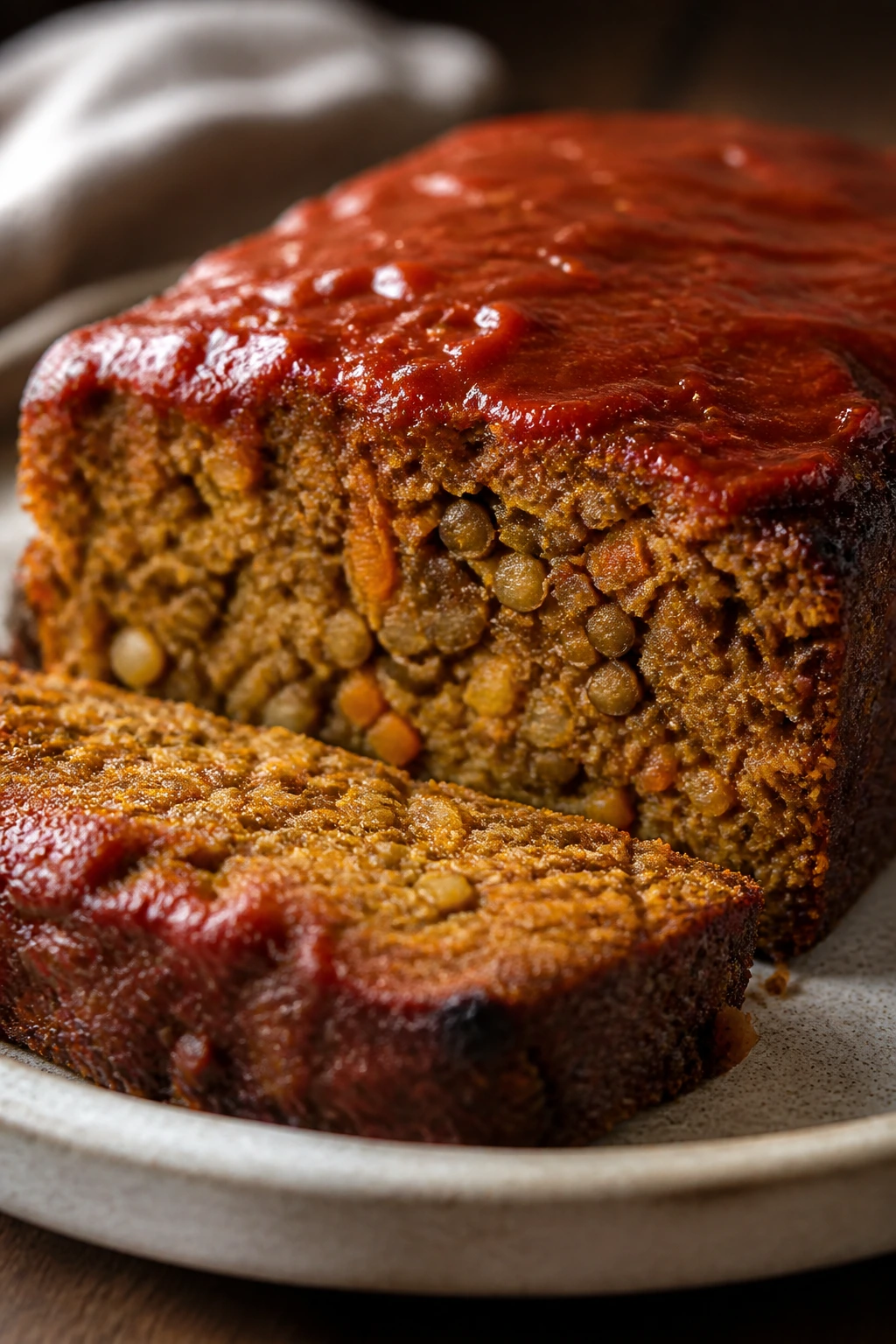
A good lentil loaf should slice cleanly, hold its shape, and taste like more than “healthy meat substitute.” Smoke helps with all three. It gives the crust a dark edge, deepens the mushrooms and onions inside, and makes the loaf feel like it belongs on a dinner plate instead of a label.
This version is sturdy because it respects structure. Lentils, oats, mushrooms, and walnuts each do a different job. The glaze on top gives you the sticky finish people expect from a loaf, and the smoker keeps the whole thing from tasting flat.
Why It Works:
Cooked lentils bring moisture and body, oats absorb excess liquid, and walnuts add a little crunch that survives the smoke. Mushrooms and onions bring the savory base, while tomato glaze gives the top a little shine and sweetness. The loaf firms up as it cools, which is why a short rest after smoking matters. Slice it too soon and it will slump. Wait, and it behaves.
Key Ingredients:
For the Loaf
- 1 1/2 cups brown lentils, rinsed
- 4 cups water
- 1 tablespoon olive oil
- 1 small onion, diced
- 2 carrots, grated
- 2 celery stalks, diced
- 1 cup mushrooms, finely chopped
- 1 cup rolled oats
- 1 cup walnuts, chopped
- 2 flax eggs, made from 2 tablespoons ground flaxseed plus 5 tablespoons water
- 2 tablespoons tomato paste
- 2 tablespoons soy sauce
- 1 teaspoon dried thyme
- 1/2 teaspoon black pepper
- 1 teaspoon salt
For the Glaze
- 1/2 cup ketchup or tomato sauce
- 1 tablespoon maple syrup
- 1 tablespoon apple cider vinegar
Quick Steps:
- Cook the Lentils: Simmer lentils in water for 20 to 25 minutes until tender but not mushy. Drain well.
- Build the Base: Stir together the lentils, olive oil, onion, carrots, celery, mushrooms, oats, walnuts, flax eggs, tomato paste, soy sauce, thyme, pepper, and salt.
- Shape the Loaf: Press the mixture into a parchment-lined loaf pan. Pack it firmly so it slices well later.
- Smoke the Loaf: Set the smoker to 250°F and smoke for 50 minutes.
- Glaze and Continue: Stir the glaze ingredients together, brush half over the loaf, and smoke 20 to 25 minutes more until the top looks set and the edges are browned.
- Rest Before Slicing: Cool for at least 15 minutes in the pan, then lift out and slice with a serrated knife.
Equipment for This Recipe:
- Smoker set to 250°F
- Loaf pan
- Parchment paper
- Large bowl
- Potato masher or fork for mixing
How to Serve This Dish:
Serve thick slices with mashed potatoes, green beans, or roasted carrots. The loaf also makes excellent sandwiches the next day if you slice it cold and reheat it carefully. A spoonful of extra glaze on the plate is a small thing that helps.
Pro Tips for This Recipe:
- Drain the lentils well. Extra water makes the loaf loose.
- Pack the pan firmly. A loose loaf won’t hold its slice.
- Let it cool before cutting. The texture improves fast once it settles.
- Use finely chopped vegetables so the loaf holds together cleanly.
Variations on This Dish:
- Walnut-Free Loaf: Swap walnuts for sunflower seeds.
- BBQ Glaze Version: Use BBQ sauce instead of ketchup in the topping.
- Herb Garden Loaf: Add parsley, sage, and rosemary for a more savory finish.
Common Mistakes to Avoid with This Dish:
- Don’t leave the lentils wet. That’s the fastest way to get a soft loaf.
- Don’t skip the flax eggs unless you replace them with another binder.
- Don’t slice it hot. Hot lentil loaf can crumble even if it looks set.
11. Harissa-Smoked Eggplant Dip
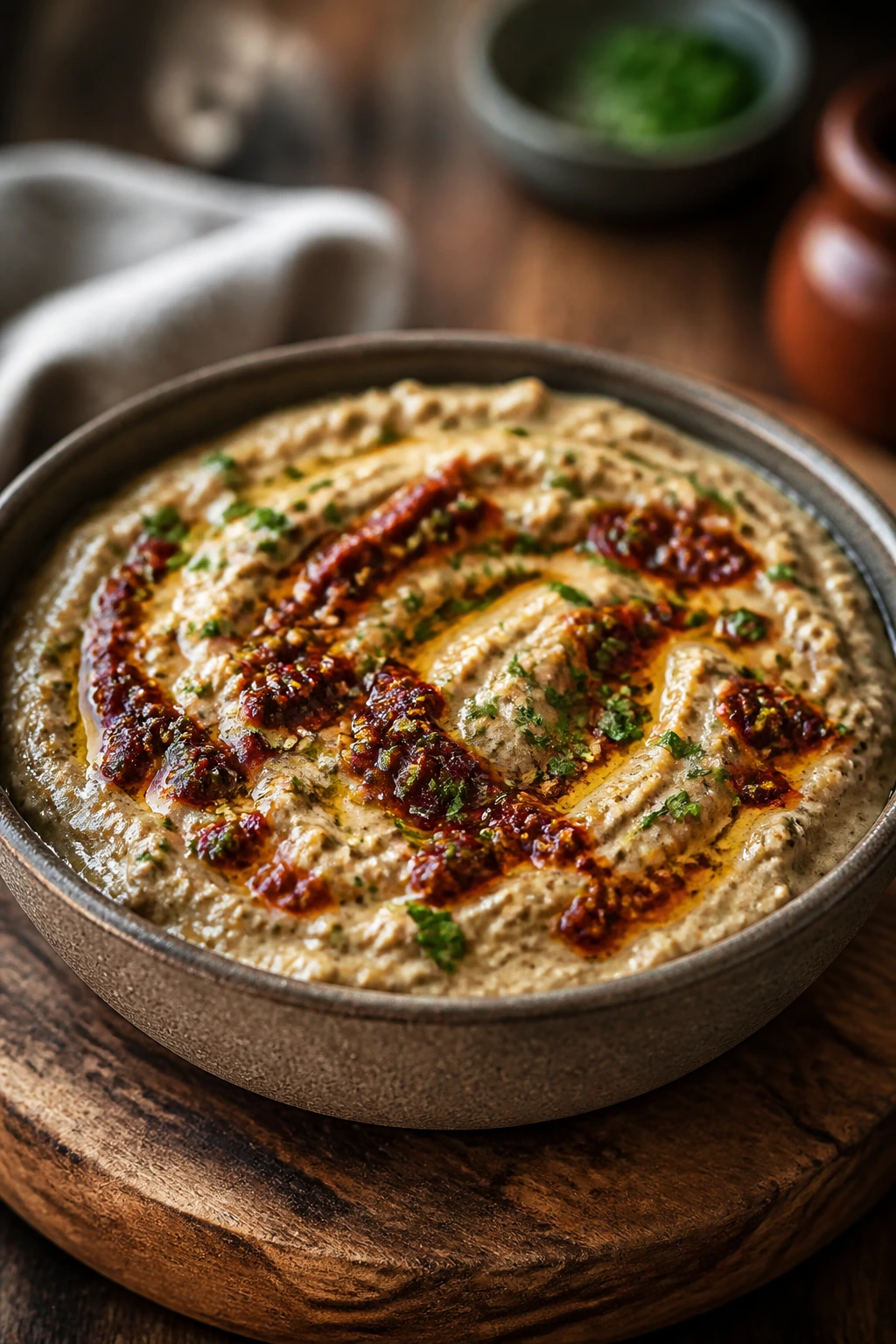
Eggplant on the smoker turns silky in the middle and deeply flavored at the skin. Once it collapses, you can scoop out the flesh and turn it into a dip that has enough smoke to stand alone and enough creaminess to keep people dipping long past the polite point.
Harissa gives the dip some warmth and color. Tahini smooths it out. Lemon keeps it from sinking into heaviness. I prefer this one with plenty of rough texture left in it; if it becomes perfectly smooth, it loses a little character.
Why It Works:
Whole eggplants are ideal for smoke because the skin protects the flesh while it softens. The flesh absorbs a gentle smoky flavor, and draining it before mixing keeps the dip from turning watery. Harissa brings pepper, spice, and a little brightness, while tahini rounds everything out. This is one of those dishes that tastes even better after 20 minutes on the counter, which makes serving less stressful.
Key Ingredients:
For the Eggplant
- 2 large eggplants
- 1 tablespoon olive oil
- 1 teaspoon salt
For the Dip
- 2 tablespoons tahini
- 2 tablespoons lemon juice
- 1 tablespoon olive oil
- 1 garlic clove, minced or grated
- 1 to 2 tablespoons harissa paste
- 1/2 teaspoon ground cumin
- Salt to taste
For Finishing
- 2 tablespoons chopped parsley
- 1 teaspoon sesame seeds
- Pita bread or cucumber slices for serving
Quick Steps:
- Smoke the Eggplants: Preheat the smoker to 250°F. Pierce the eggplants once or twice with a knife, brush them with olive oil, and place them directly on the grate.
- Cook Until Collapsed: Smoke for 45 to 60 minutes until the skins are wrinkled and the flesh gives when pressed.
- Cool and Drain: Split the eggplants and let the flesh sit in a colander for 10 minutes so excess liquid drains away.
- Mix the Dip: Scrape the flesh into a bowl and stir in tahini, lemon juice, olive oil, garlic, harissa, cumin, and salt.
- Taste and Adjust: Add more lemon if it feels heavy, or a little more harissa if you want heat.
- Finish: Spoon into a bowl, top with parsley and sesame seeds, and serve.
Equipment for This Recipe:
- Smoker set to 250°F
- Sharp knife or skewer for piercing
- Mixing bowl
- Spoon or fork
- Colander
How to Serve This Dish:
Serve it with warm pita, toasted flatbread, cucumber spears, or carrot sticks. It also makes a sharp side for grilled vegetables or tempeh. A shallow bowl works best because you want the top to hold the olive oil and herbs in a thin layer.
Pro Tips for This Recipe:
- Pierce the eggplants before smoking so they don’t split in awkward places.
- Drain the flesh. Water is the enemy of good eggplant dip.
- Start with less harissa than you think you need. Heat builds.
- A little extra olive oil on top helps the dip taste fuller.
Variations on This Dish:
- Smoky Baba-Style: Add roasted garlic and a little more tahini for a thicker dip.
- Lemon-Herb Version: Use dill and mint instead of harissa for a cooler profile.
- Roasted Pepper Swirl: Fold in chopped roasted red peppers for sweetness and color.
Common Mistakes to Avoid with This Dish:
- Don’t skip draining the eggplant. Wet dip tastes thin.
- Don’t overblend unless you want it completely smooth. Some texture is a good thing.
- Don’t dump in too much harissa at the start. You can always add more.
12. Smoked Carrot Dogs with Pickle Relish
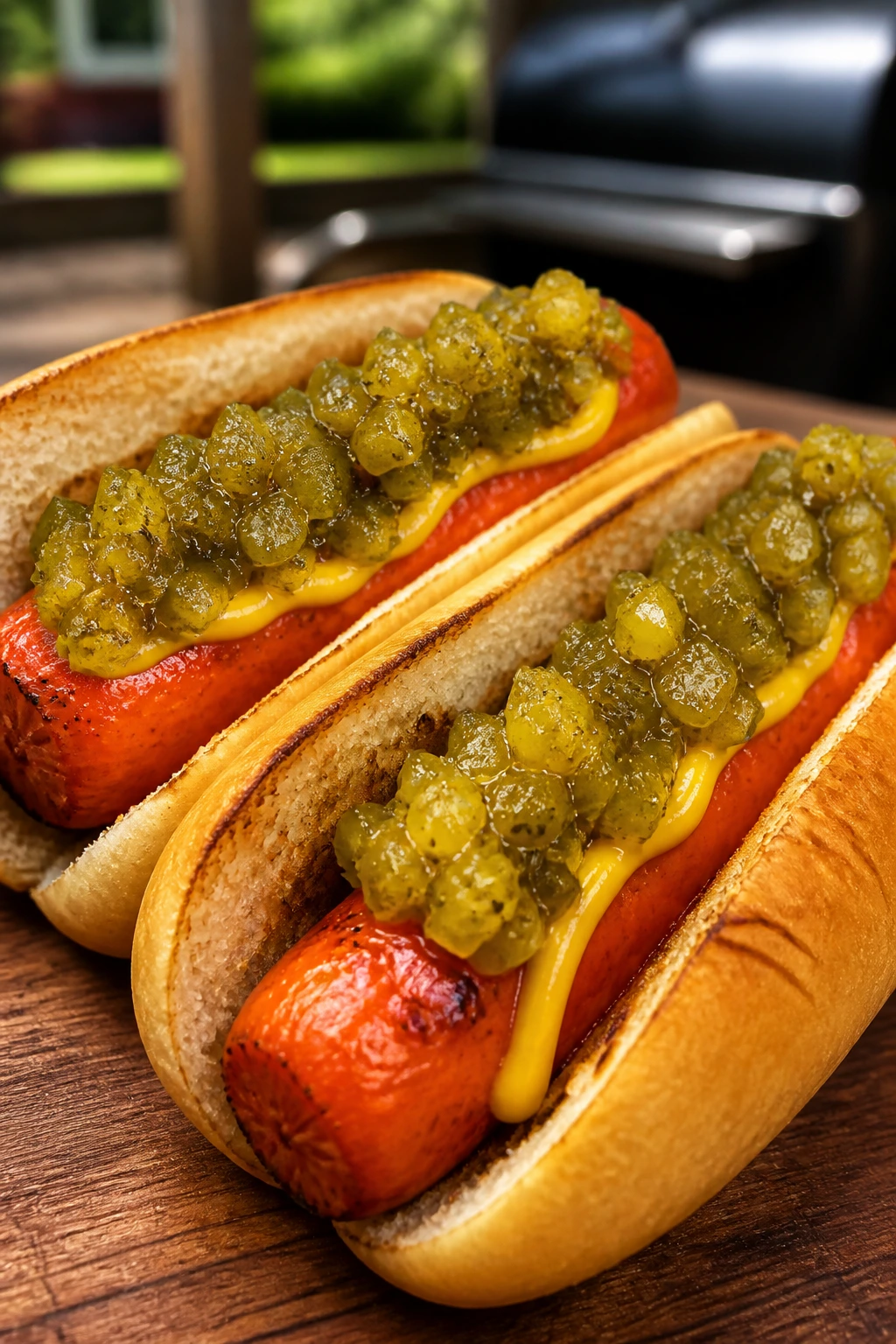
Carrots sound silly until you make them like this. After a quick simmer in a seasoned bath, they turn flexible and savory enough to hold up on the smoker. The outer edges get a little color, the center stays snappy, and the bun does the rest.
These are fun in a way a lot of “healthy swap” recipes are not. They’re not trying to apologize for themselves. They’re just a neat bit of smoke-kitchen theater that eats like lunch instead of a project.
Why It Works:
Carrots need two things to work as a hot dog stand-in: tenderness and seasoning. Simmering them first helps with both, and the smoker adds a roasted edge that makes the bite feel more finished. A bun, pickles, mustard, and relish are enough to sell the whole idea. The real trick is not cooking the carrots until they lose their snap. That little resistance is what makes the texture interesting.
Key Ingredients:
For the Carrots
- 8 large carrots, peeled
- 2 cups vegetable broth
- 1/4 cup soy sauce
- 1/4 cup apple cider vinegar
- 2 tablespoons maple syrup
- 1 tablespoon yellow mustard
- 1 teaspoon smoked paprika
- 1 teaspoon garlic powder
- 1/2 teaspoon onion powder
For Serving
- 8 hot dog buns
- Pickle relish
- Sliced red onion
- Yellow mustard
- Sauerkraut, optional
Quick Steps:
- Make the Brine: Combine vegetable broth, soy sauce, vinegar, maple syrup, mustard, smoked paprika, garlic powder, and onion powder in a saucepan.
- Simmer the Carrots: Add the peeled carrots and simmer for 12 to 15 minutes until they bend slightly when lifted with tongs but still feel firm in the center.
- Smoke the Carrots: Transfer them to a pan or directly to the grate and smoke at 250°F for 20 to 25 minutes until lightly bronzed.
- Toast the Buns: Warm the buns on the smoker or in a dry skillet.
- Assemble: Place a carrot in each bun and top with relish, onion, mustard, or sauerkraut.
- Serve Immediately: These are best hot, while the carrots still have a little snap.
Equipment for This Recipe:
- Smoker set to 250°F
- Medium saucepan
- Tongs
- Foil pan, optional
- Bun warmer or skillet
How to Serve This Dish:
Serve with potato chips, baked beans, or a crisp cucumber salad. They’re playful enough for a casual spread but still taste like a real meal. Keep the toppings simple so the carrot’s texture stays front and center.
Pro Tips for This Recipe:
- Pick large, straight carrots so they fit a bun without fighting back.
- Stop simmering before they get mushy. They finish in the smoker.
- Pat them dry before smoking so the surface can color.
- If the buns are soft, toast them more than you would for a regular hot dog.
Variations on This Dish:
- Spicy Relish Dog: Add jalapeños and a little hot sauce.
- Classic Ballpark Style: Keep it to mustard, onions, and pickle relish.
- BBQ Carrot Dog: Brush with BBQ sauce in the last 5 minutes of smoking.
Common Mistakes to Avoid with This Dish:
- Don’t overboil the carrots. Mushy carrots slide right through the bun.
- Don’t skip the seasoning bath. Plain carrots taste like plain carrots.
- Don’t use thin carrots if you want a proper hot dog shape.
13. Chickpea and Zucchini Boats with Tomato Herb Filling
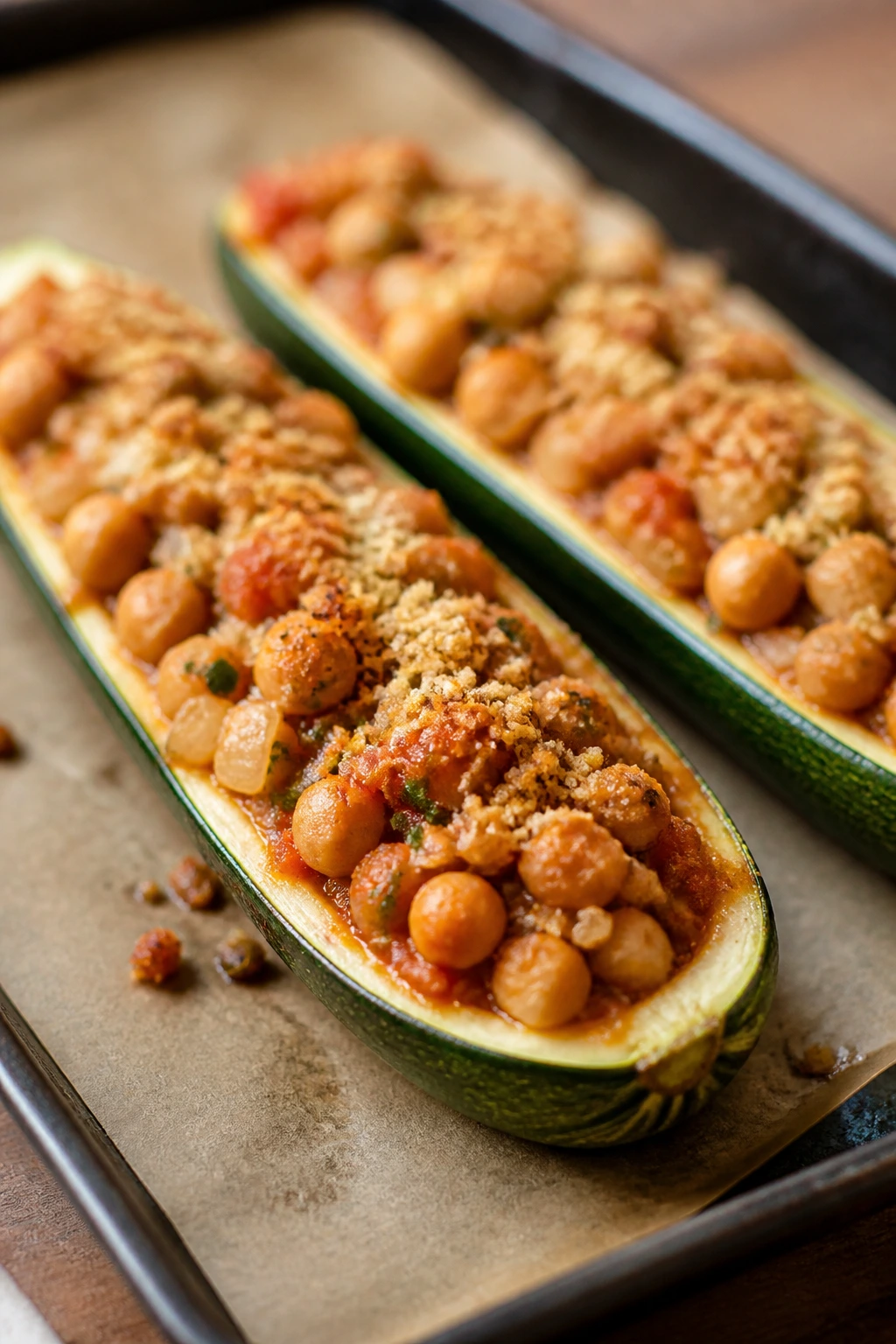
Zucchini boats are easy to make badly. Cook them too long and they collapse. Underseason the filling and they taste like damp garden. On the smoker, though, they hold a little better, and the filling picks up a warm edge that plain baking can’t give you.
Chickpeas do the heavy lifting here. They bring texture and body, while tomatoes, herbs, and breadcrumbs keep the filling from feeling loose. A squeeze of lemon at the end brightens the whole tray. It’s modest food, but it has some backbone.
Why It Works:
Zucchini has a high water content, which is usually the problem. Smoking it at a lower temperature lets the flesh soften without turning soupy, and the chickpea filling absorbs some of that moisture instead of flooding the pan. Crushed tomatoes bind the filling, while breadcrumbs give the top a little structure. This recipe works because every part has a job.
Key Ingredients:
For the Boats
- 4 medium zucchini
- 1 tablespoon olive oil
- 1/2 teaspoon salt
For the Filling
- 1 can chickpeas, 15 ounces, drained and lightly mashed
- 1 small onion, diced
- 2 garlic cloves, minced
- 1 cup crushed tomatoes
- 1/2 cup breadcrumbs
- 1 teaspoon Italian seasoning
- 1/2 teaspoon red pepper flakes
- 1 tablespoon olive oil
- 2 tablespoons chopped parsley
- 1 tablespoon lemon juice
Quick Steps:
- Prep the Zucchini: Slice each zucchini lengthwise and scoop out the center seeds, leaving a 1/4-inch border.
- Mix the Filling: Combine chickpeas, onion, garlic, crushed tomatoes, breadcrumbs, Italian seasoning, red pepper flakes, olive oil, parsley, and lemon juice.
- Season the Boats: Brush the zucchini shells with olive oil and sprinkle with salt.
- Fill and Smoke: Spoon the chickpea mixture into the boats and smoke at 250°F for 30 to 35 minutes until the zucchini is tender and the top looks set.
- Check the Texture: The filling should be hot and lightly browned at the edges, not wet.
- Serve Warm: Add extra parsley or a little lemon zest before serving.
Equipment for This Recipe:
- Smoker set to 250°F
- Spoon or melon baller
- Mixing bowl
- Grill-safe pan or tray
- Knife and cutting board
How to Serve This Dish:
Serve the boats with couscous, rice, or a green salad with a sharp vinaigrette. They also make a good side for smoked mushrooms or cabbage if you’re building a larger spread. A small dollop of hummus on the plate is not a bad move either.
Pro Tips for This Recipe:
- Don’t scoop the zucchini too deeply or the shells will collapse.
- Mash the chickpeas lightly so the filling holds together.
- If the filling looks too wet, add another spoonful of breadcrumbs before stuffing.
- Medium zucchini work better than giant ones, which can be watery.
Variations on This Dish:
- Mediterranean Version: Add olives, oregano, and a spoonful of sun-dried tomatoes.
- Basil-Pine Nut Finish: Top with chopped basil and toasted pine nuts.
- Spicy Tomato Boats: Use arrabbiata sauce instead of crushed tomatoes.
Common Mistakes to Avoid with This Dish:
- Don’t overcook the zucchini shells. They go floppy fast.
- Don’t leave the filling soupy. It needs enough body to stay in the boat.
- Don’t skip the lemon at the end. It keeps the filling from tasting flat.
14. Chili-Lime Smoked Corn on the Cob
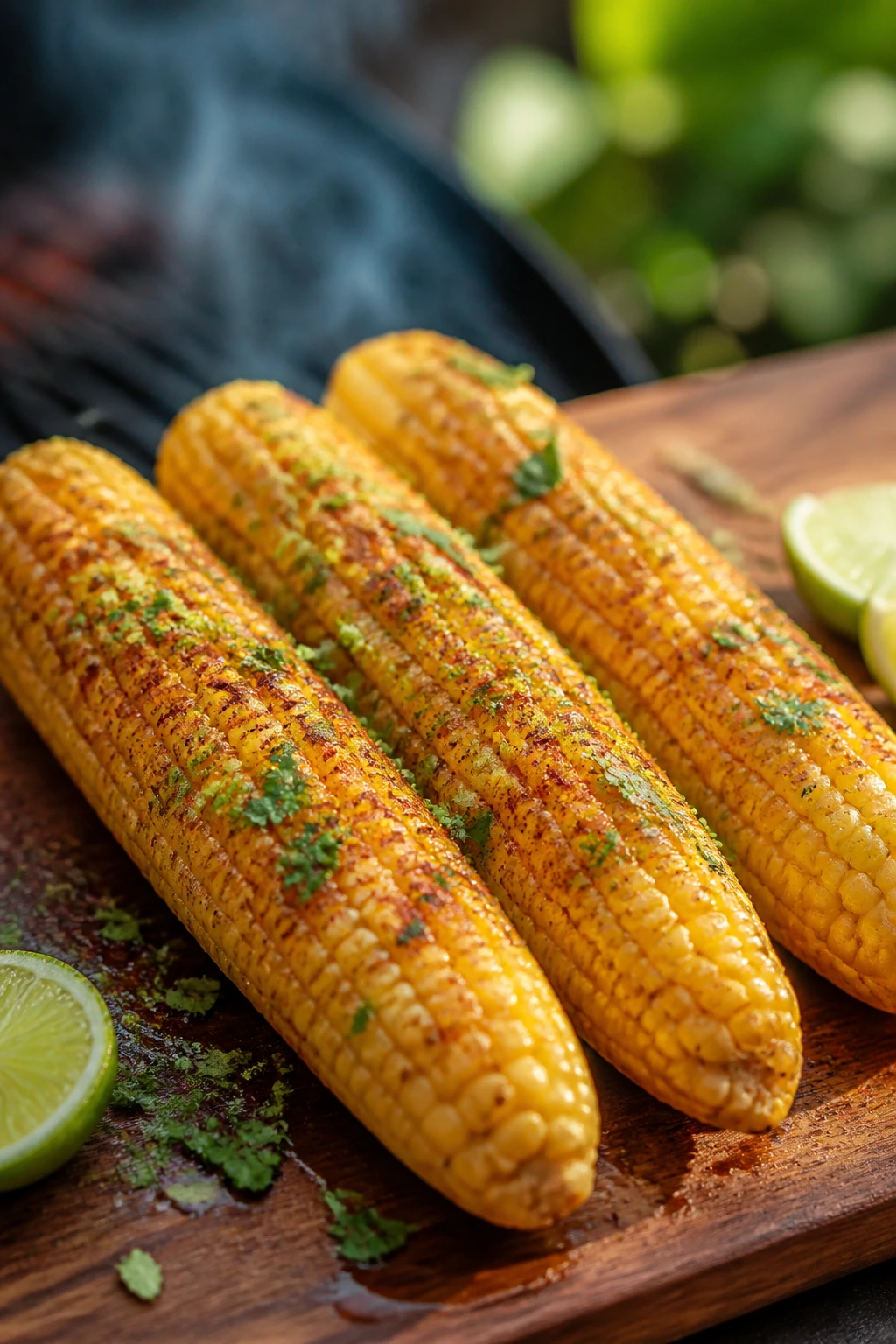
Smoked corn is one of those dishes that makes people pause after the first bite. The kernels tighten up, the sugars deepen, and the lime-chili finish lands right where butter usually would, only brighter. If you have good corn, this is almost unfair.
The smoker gives you something grilling can miss: a slow, even perfume that seeps into the kernels without scorching them. Keep the seasoning simple and let the corn stay itself. It doesn’t need much help.
Why It Works:
Corn already has sweetness and starch in the right ratio, which is why smoke does so well with it. The low heat keeps the kernels juicy, while the wood adds a savory layer that lingers under the sweetness. Lime and chili give you contrast, and a little oil helps the seasoning cling. The whole trick is not overcooking the ears until the kernels dry out.
Key Ingredients:
For the Corn
- 6 ears of corn, husked and silk removed
- 2 tablespoons olive oil or vegan butter
- 1 teaspoon kosher salt
- 1 teaspoon chili powder
- 1/2 teaspoon ground cumin
- 1 lime, zested and juiced
- 2 tablespoons chopped cilantro
Optional Finish
- Tajín, to taste
Quick Steps:
- Heat the Smoker: Set it to 250°F with apple, pecan, or cherry wood.
- Season the Corn: Brush the ears with olive oil and season with salt, chili powder, and cumin.
- Smoke the Ears: Place them directly on the grates and smoke for 30 to 40 minutes, turning once, until the kernels look plump and a little bronzed.
- Finish the Seasoning: Toss the lime zest, lime juice, and cilantro together.
- Dress the Corn: Brush or spoon the lime mixture over the ears and finish with Tajín if you like.
- Serve Hot: Eat it while the kernels still pop.
Equipment for This Recipe:
- Smoker set to 250°F
- Basting brush
- Tongs
- Small bowl for the lime mixture
- Sharp knife for trimming if needed
How to Serve This Dish:
Serve the corn with tacos, smoky beans, or a grilled vegetable platter. It’s also one of the easiest sides to stack beside the jackfruit sandwiches or tempeh tacos in this collection. A little extra lime on the side is worth it.
Pro Tips for This Recipe:
- Choose ears with tight, fresh husks if you’re buying corn still in the husk.
- Don’t smoke too long or the kernels will dry and shrivel.
- A light hand with chili powder keeps the lime from getting lost.
- If the corn is very sweet, reduce the salt slightly.
Variations on This Dish:
- Mexican Street Corn Style: Add vegan mayo and a dusting of chili and lime.
- Herb Butter Corn: Use chopped dill and parsley instead of chili.
- Smoky Paprika Finish: Swap cumin for smoked paprika if you want a rounder flavor.
Common Mistakes to Avoid with This Dish:
- Don’t leave the corn exposed to high heat for too long. Dry kernels are a bad trade.
- Don’t season only after smoking. The surface needs salt before it cooks.
- Don’t overdo the lime juice or it will drown the corn’s sweetness.
15. Mushroom Ragù over Smoked Polenta
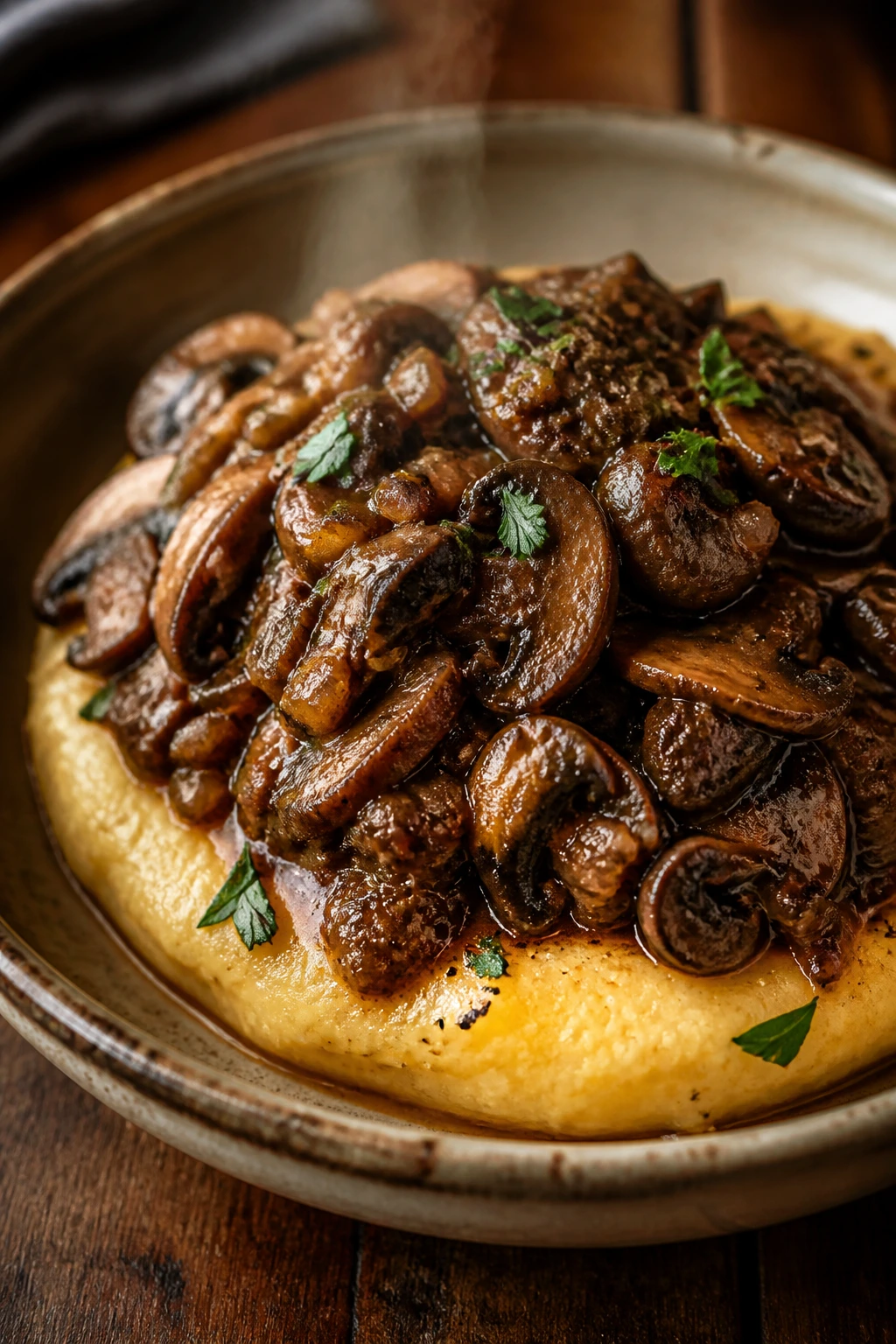
This is the hearty end of the lineup. Mixed mushrooms, cooked low and slow, shrink into a ragù with a dark, glossy sauce and a deep savory smell that drifts through the kitchen long before dinner hits the table. Spoon it over polenta, and you’ve got the kind of meal that feels slow without actually being fussy.
Mushrooms are the star, but the vegetables underneath matter. Onion, carrot, celery, tomato paste, and a little soy sauce build the base that keeps the sauce from tasting thin. The polenta gives you something soft to catch it all. That contrast is the whole game.
Why It Works:
Mushrooms lose a lot of water, which is exactly why the smoker helps. As they dry and brown, their flavor gets concentrated, and the vegetables underneath pick up the same treatment. Tomato paste deepens the color, soy sauce sharpens the savoriness, and polenta gives the dish a gentle landing. This is a solid Meatless Monday meal because it tastes slow-cooked even when the active work is light.
Key Ingredients:
For the Ragù
- 2 pounds mixed mushrooms, sliced or torn
- 1 large onion, diced
- 2 carrots, diced
- 2 celery stalks, diced
- 3 tablespoons olive oil
- 2 tablespoons tomato paste
- 1 cup vegetable broth
- 1/2 cup red wine or extra broth
- 1 tablespoon soy sauce
- 1 teaspoon dried thyme
- 1 bay leaf
- 1/2 teaspoon black pepper
- Salt to taste
For the Polenta
- 1 cup polenta
- 4 cups water or vegetable broth
- 1 teaspoon salt
For Finishing
- 2 tablespoons chopped parsley
- Olive oil, optional
Quick Steps:
- Smoke the Vegetables: Put the mushrooms, onion, carrots, and celery into a cast-iron skillet or shallow pan with olive oil. Smoke at 275°F for 30 minutes, stirring once.
- Build the Ragù: Stir in tomato paste, vegetable broth, wine or extra broth, soy sauce, thyme, bay leaf, pepper, and salt.
- Simmer to Thicken: Return the pan to the smoker and cook 20 to 30 minutes more until the sauce looks glossy and clings to the mushrooms.
- Cook the Polenta: Meanwhile, whisk polenta into boiling salted water or broth and cook, stirring often, until creamy and thick, about 20 to 25 minutes.
- Finish the Sauce: Remove the bay leaf and taste for salt.
- Serve: Spoon polenta into bowls and ladle the ragù over the top. Finish with parsley and a drizzle of olive oil if you like.
Equipment for This Recipe:
- Smoker set to 275°F
- Cast-iron skillet or shallow pan
- Saucepan for polenta
- Wooden spoon
- Whisk
How to Serve This Dish:
Serve it in shallow bowls so the ragù spreads across the polenta instead of sinking to the bottom. A bitter green salad or roasted broccolini is enough on the side. If you want a sharper finish, shave a little lemon zest over the top right before serving.
Pro Tips for This Recipe:
- Tear some of the mushrooms instead of slicing all of them. The torn edges catch smoke better.
- Stir the vegetables once midway so the bottom doesn’t scorch.
- Keep the polenta moving as it cooks or it will stick and spit.
- Taste the ragù before serving. Mushrooms can take more salt than people expect.
Variations on This Dish:
- Creamy Polenta Bowl: Stir plant milk or vegan butter into the polenta for a softer finish.
- Herb Ragù: Add rosemary and sage for a winterier flavor.
- Tomato-Less Version: Use broth, soy sauce, and a splash of balsamic instead of tomato paste.
Common Mistakes to Avoid with This Dish:
- Don’t pile the mushrooms too deep in the pan or they’ll steam instead of brown.
- Don’t walk away from the polenta. It needs steady stirring.
- Don’t stop cooking the ragù too early. The sauce should coat a spoon, not run off it.
Why the Smoker Changes Meatless Monday
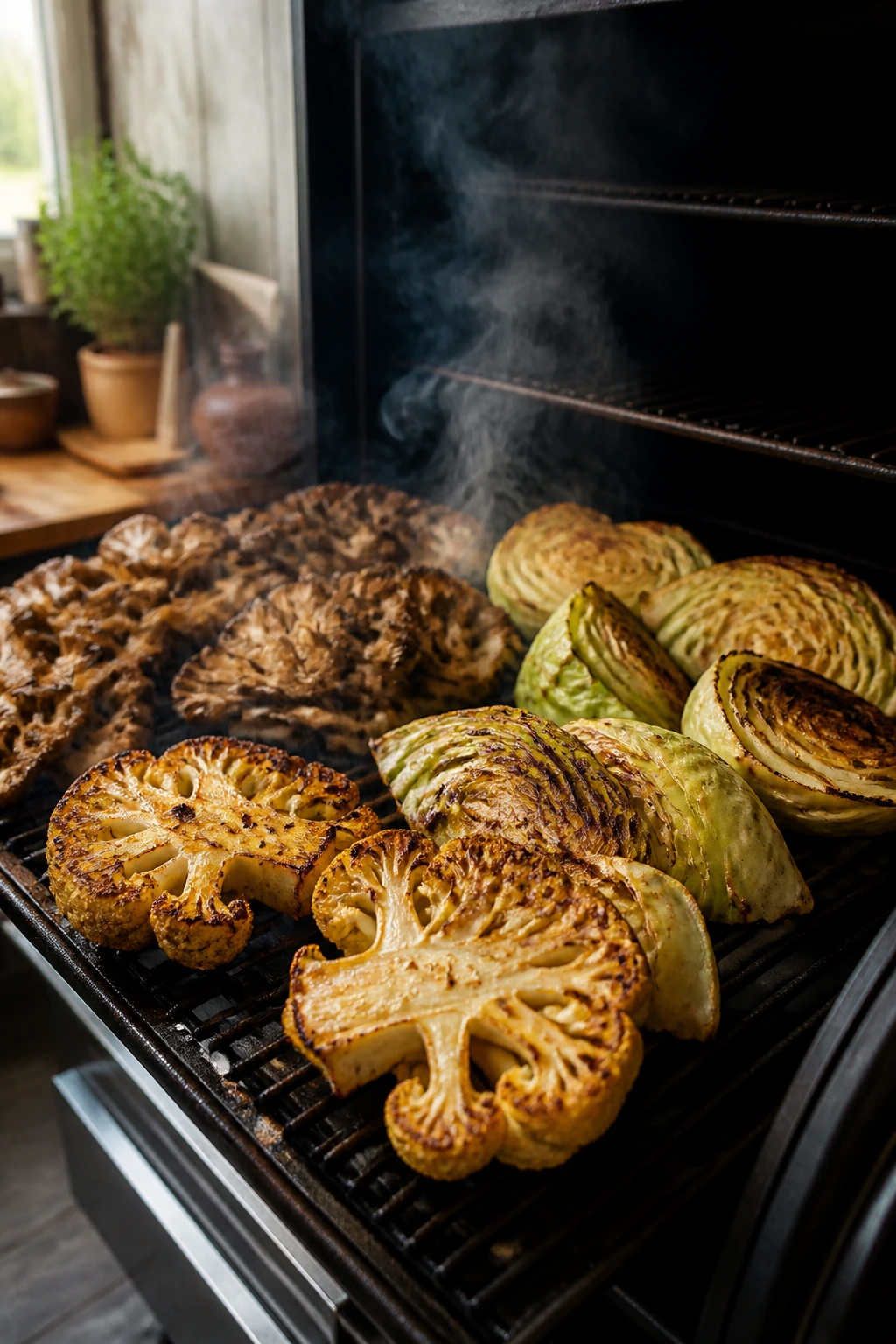
A smoker makes plant-based cooking feel less like a workaround and more like a choice with backbone. That matters. Cauliflower, tofu, tempeh, cabbage, mushrooms, jackfruit, and sweet potatoes all have their own textures, but they need the same thing from the fire: enough time for the surface to dry, enough salt to wake up the inside, and enough restraint that the food keeps its shape.
Smoke also fixes one of the main weak spots in vegetarian cooking, which is the gap between “well seasoned” and “deeply satisfying.” A good smoker closes that gap with no drama. It adds a layer that reads as savory before your brain even names it. That’s why a plate of smoked cabbage can feel richer than a tray of roasted vegetables, and why tofu burnt ends can hold their own next to the most aggressive sauce in the fridge.
The other reason it works is plain practicality. Most of these dishes can be built from pantry ingredients, they don’t need long marinating windows, and they can be served straight from the smoker with little more than a sauce, a slaw, or a handful of herbs. That makes them useful, not theatrical. I’ll take useful over theatrical any day.
Essential Equipment for These Recipes
-
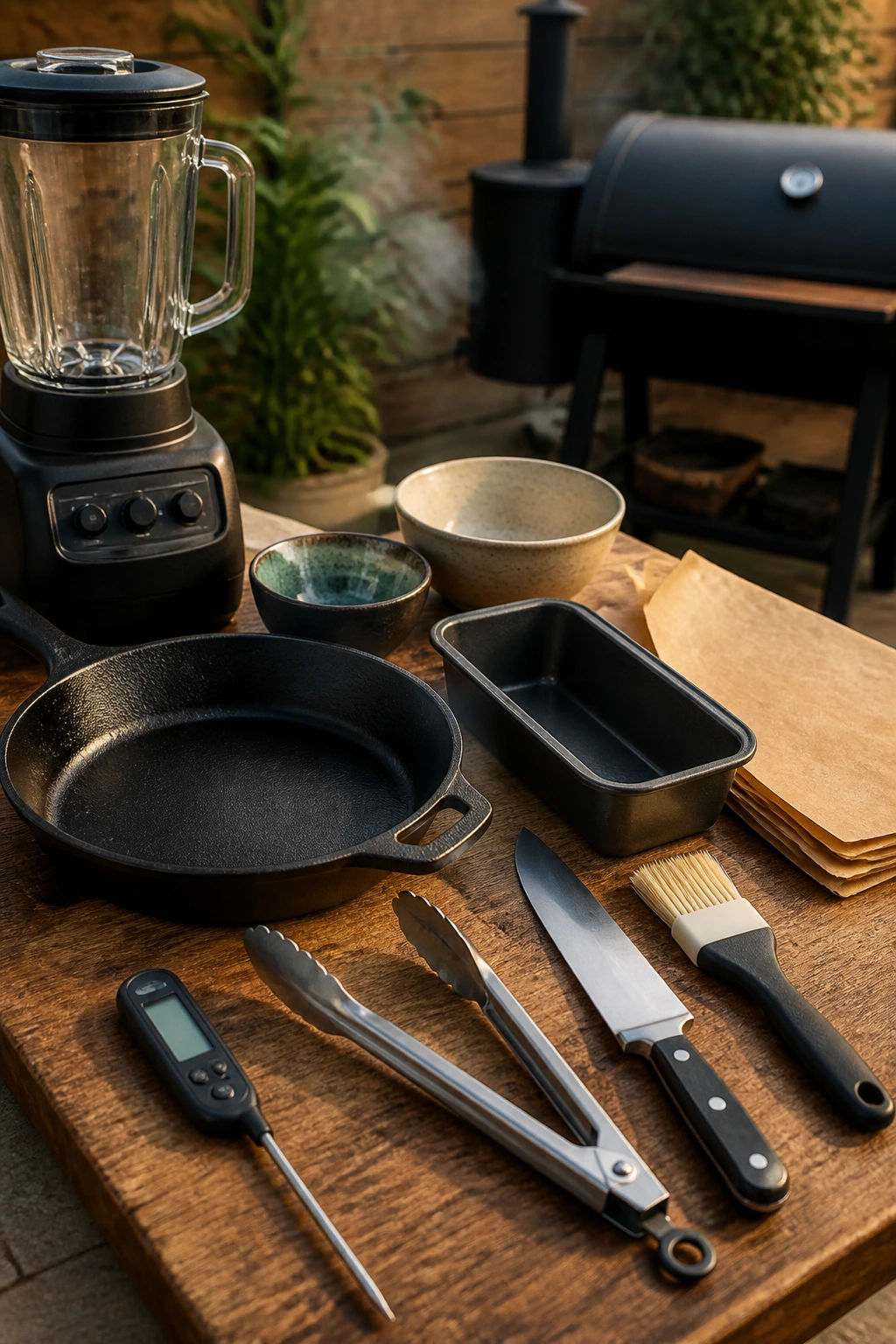
Smoker with reliable temperature control: Pellet, charcoal, or electric all work; the important part is holding steady heat around 225°F to 275°F.
-
Instant-read thermometer: Useful for sweet potatoes, stuffed peppers, and lentil loaf when you want a quick doneness check.
-
Wire rack: Helps tofu, mushrooms, and mac and cheese cook with better airflow.
-
Cast-iron skillet or shallow pan: Best for jackfruit, ragù, onion jam, and anything saucy.
-
Foil pans: Cheap, easy, and perfect for cabbage wedges, peppers, or anything that might drip.
-
Sharp chef’s knife: You’ll use it on cauliflower, cabbage, jackfruit cores, and mushrooms.
-
Basting brush: Good for BBQ glaze, miso glaze, and chili-lime finishing oil.
-
Large mixing bowls: You’ll need them for slaws, fillings, and sauces.
-
Blender: Required for the cashew mac sauce and useful for smooth dips.
-
Loaf pan: Needed for the lentil loaf if you want clean slices.
-
Tongs: Long, sturdy tongs make flipping and moving hot vegetables far less annoying.
-
Parchment paper: Useful for lining loaf pans and keeping sticky mixtures from welding themselves in place.
Smart Shopping and Ingredient Tips
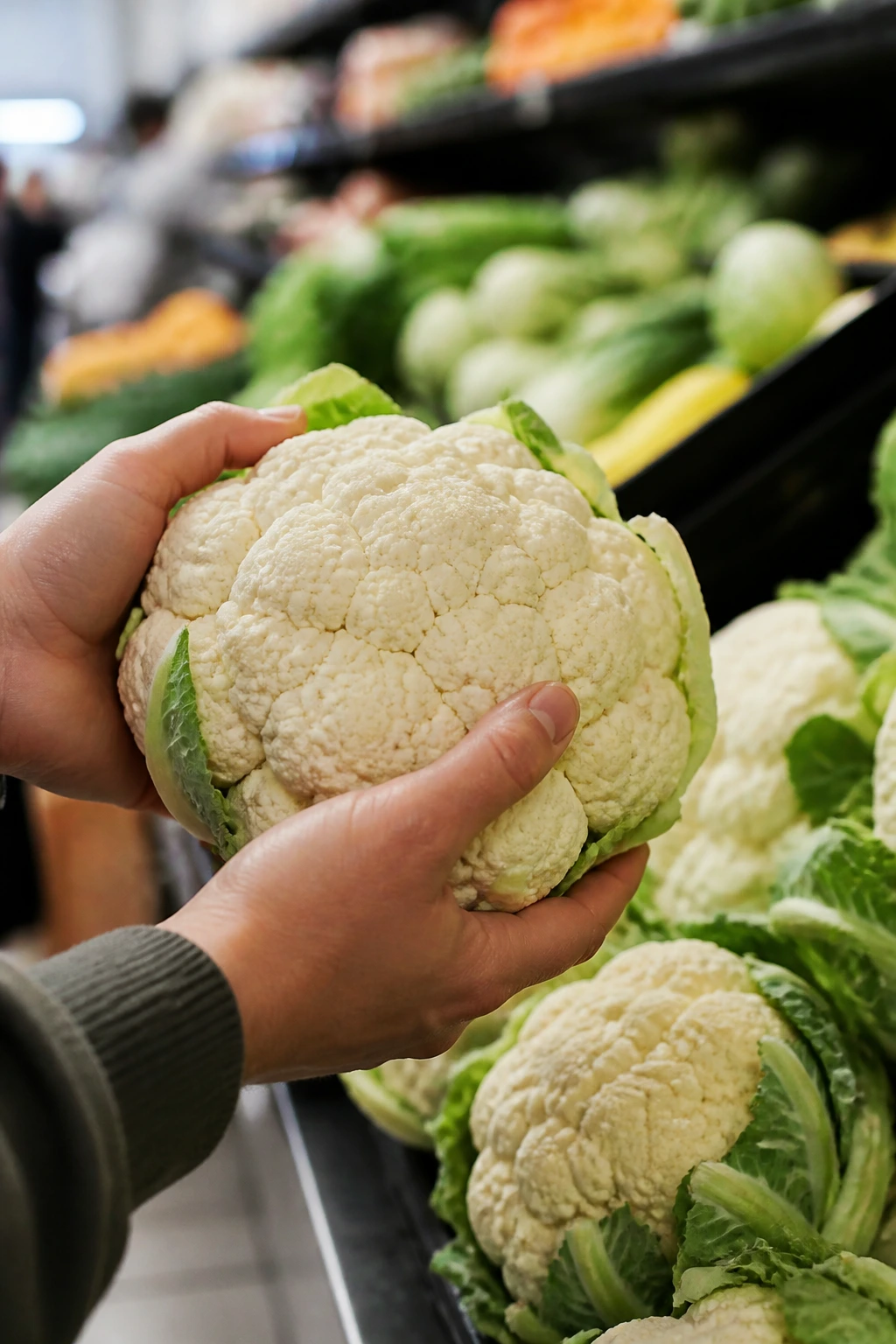
Buy vegetables with the smoker in mind. A cauliflower head should feel dense and tight, not airy. Portobellos should be dry on top, with firm caps and no slimy spots under the gills. Cabbage needs to be heavy for its size. That weight means water, and water keeps it from collapsing before the smoke has time to work.
For tofu, grab extra-firm or super-firm blocks packed in water or vacuum sealed. Soft tofu has no business here. Tempeh should smell clean and nutty, not sour. Young green jackfruit belongs in brine, not syrup, and the label should say it’s suitable for savory dishes. Raw cashews make the best creamy sauces because they blend smooth without a strong flavor. Roasted cashews can taste oddly toasty and push the sauce in the wrong direction.
Choose sweet potatoes that are similar in size so they finish together. Pick carrots that are thick enough to act like actual hot dogs, not little sticks that dry out. For mushrooms, mixed varieties help the ragù because some keep chew while others melt into the sauce. And for wood, mild fruitwoods like apple and cherry are easy picks for vegetables; pecan and oak bring a deeper edge, especially for cabbage, jackfruit, and tofu. Strong mesquite can work, but it can bully delicate vegetables if you’re not careful.
One more thing: thick sauces matter. BBQ sauce, glaze, or miso mixtures should cling to a spoon, not run off it. Thin sauces disappear before they hit the food, which is wasted effort on a smoker. Keep them bold.
How to Serve These Recipes
Presentation:
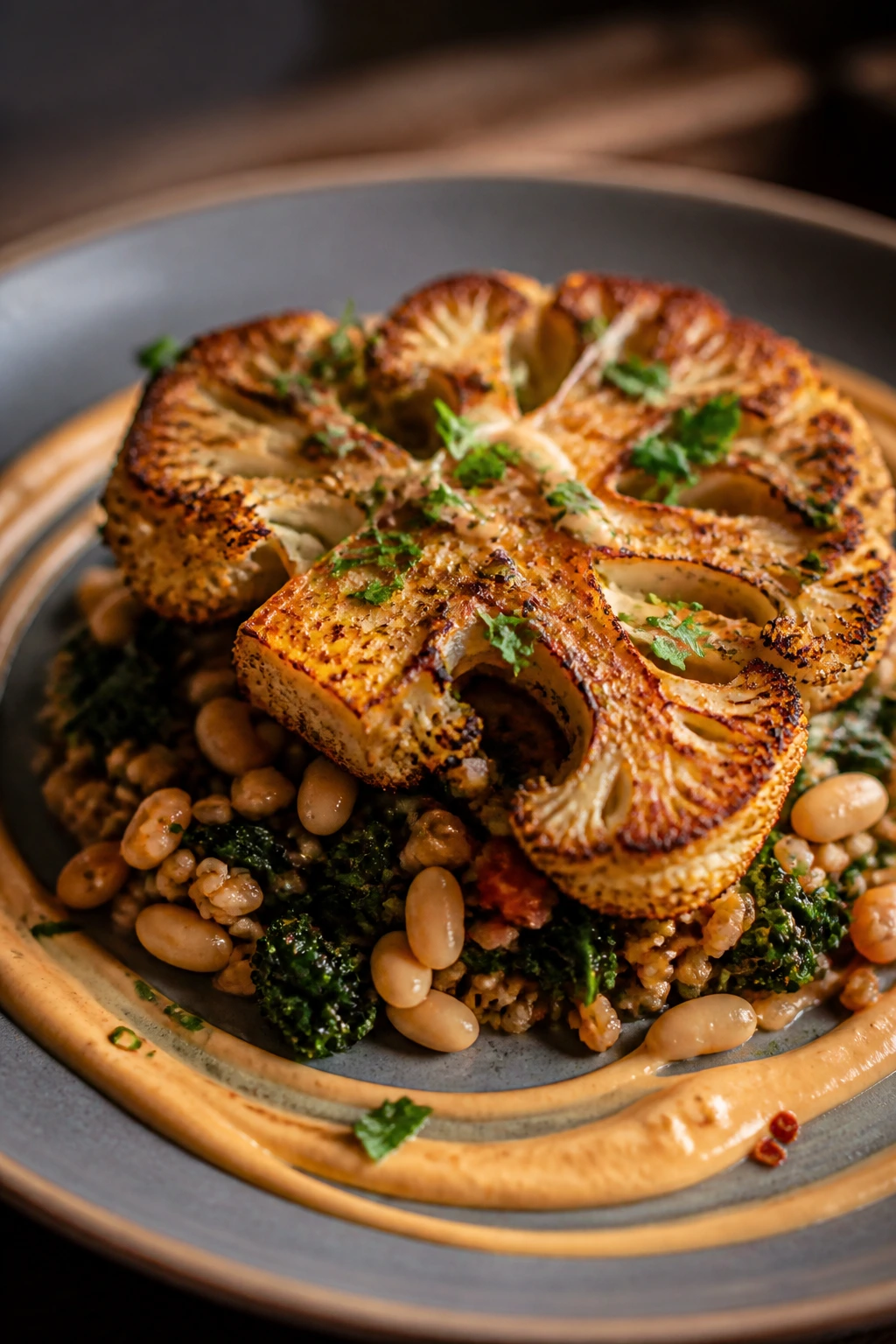
Build plates with height when you can. A cauliflower steak or cabbage wedge looks better set over beans or grains than flat on a dinner plate, and a swirl of sauce around the edge gives the food some room to breathe. For tacos and sandwiches, pile the filling slightly higher than you think you should; the smoker makes the filling more compact, and the bun or tortilla can take it.
Accompaniments:
These dishes love sharp, crisp sides. Vinegar slaw works with the jackfruit sandwiches and cauliflower steaks. Rice or polenta gives tofu, ragù, and lentil loaf a softer landing. Pickles, fresh herbs, and lime wedges do a lot of quiet work across the whole collection. For a fuller spread, pair smoked corn with tacos, or serve sweet potatoes with a bean salad and a handful of greens.
Portions:
Most of these recipes feed 4 to 6 people as a main dish, though the mac and cheese, ragù, and lentil loaf can stretch further if you have sides. Cauliflower steaks usually serve 2 to 4 depending on size. Stuffed peppers and sweet potatoes are easy to scale up one piece at a time. If you’re feeding a bigger crowd, smoke the components separately and assemble at the table.
Beverage Pairing:
Dry cider works with almost everything here because it handles smoke without stepping on it. Unsweetened iced tea with lemon is a quiet, smart match for the sharper dishes like tacos, cabbage, and jackfruit sandwiches. If you want something non-alcoholic with more depth, try sparkling water with grapefruit or lime.
Additional Tips and Flavor Boosters
Flavor Enhancement:
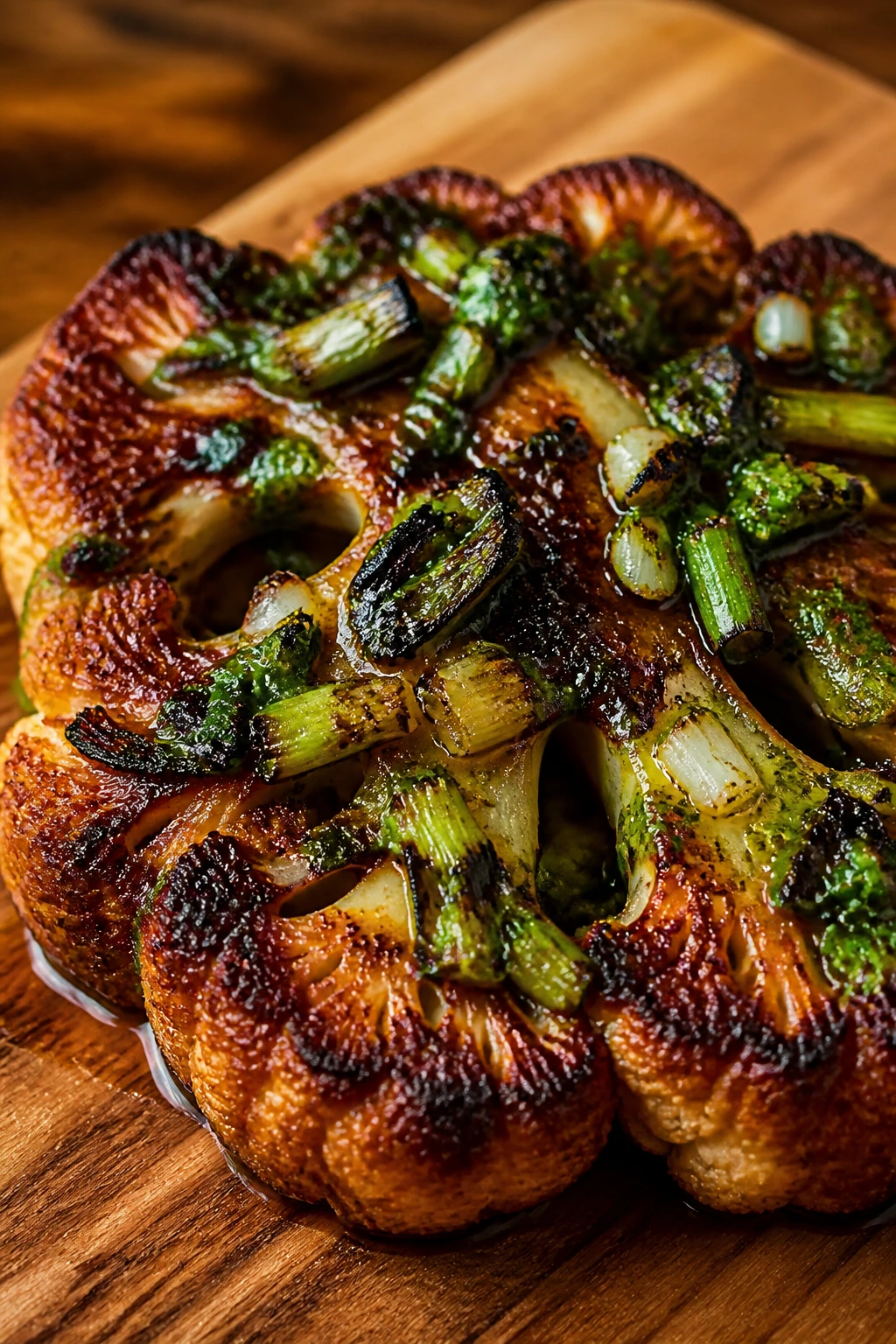
A spoonful of miso, a splash of tamari, or a little tomato paste added early can deepen these dishes without making them taste salty. I’m especially fond of mixing a bit of smoked paprika into glazes even when the smoker is already doing the heavy lifting. It sounds redundant. It isn’t.
Customization:
Use beans, grains, or greens to make the plates larger without making them fussier. Black beans fit the stuffed peppers and sweet potatoes. Farro or rice works under tofu and ragù. A few handfuls of arugula on the side can keep the richer dishes from feeling too dense.
Serving Suggestions:
Pickled onions, chopped herbs, toasted seeds, and a squeeze of citrus are the easy wins. They don’t need a recipe. They need five seconds and a little restraint. That last part matters.
Make-It-Yours:
For gluten-free eaters, swap in gluten-free buns, tamari, certified GF oats, and polenta. For nut-free cooking, use sunflower seed butter or silken tofu in place of cashews and tahini where needed. For a softer spice level, stay with smoked paprika and chili powder, and leave the chipotle, harissa, and cayenne in the jar.
Make-Ahead, Storage, and Reheating Guidance
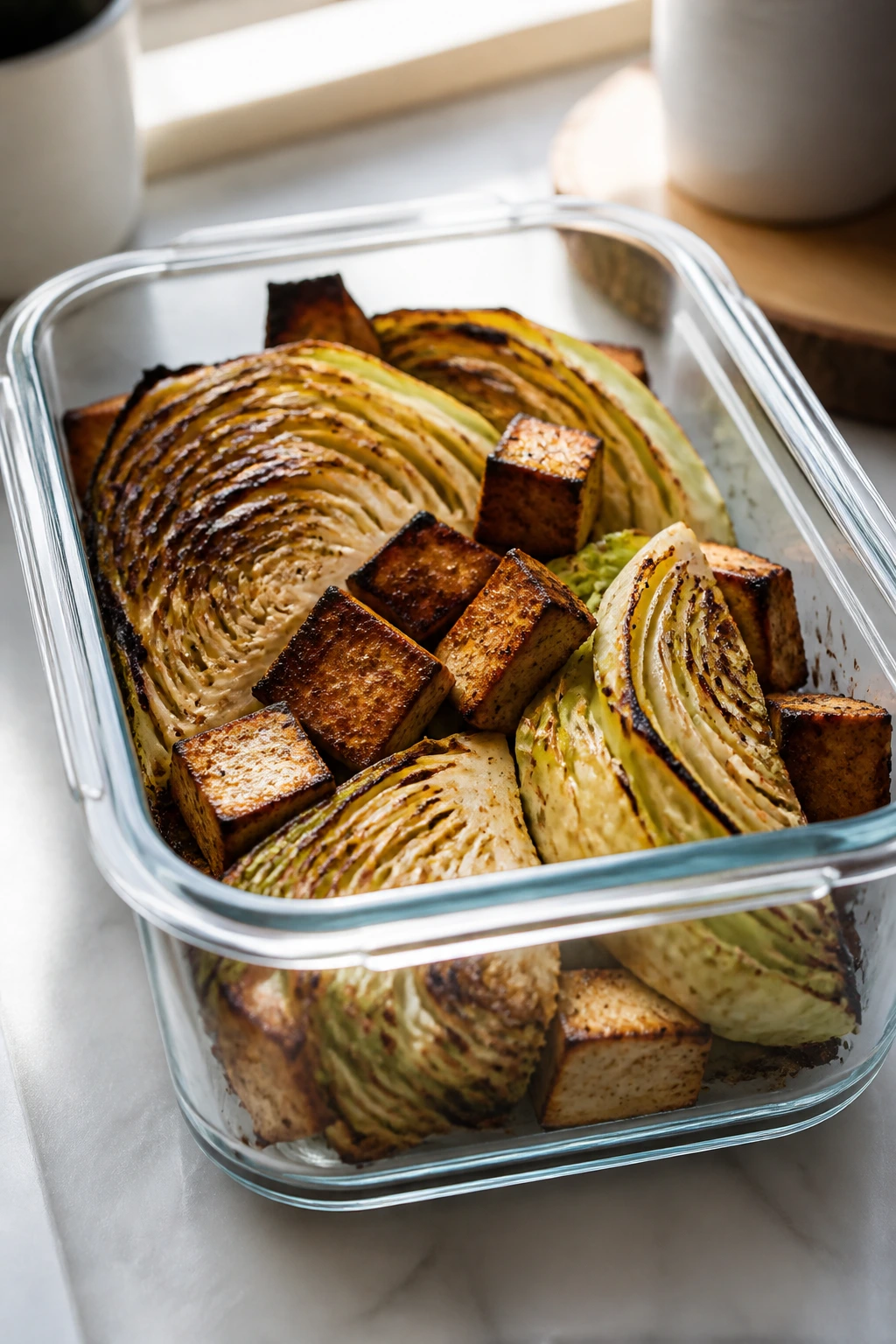
Most of these smoked plant-based recipes hold for 3 to 4 days in the refrigerator in airtight containers. That includes tofu burnt ends, jackfruit filling, lentil loaf, stuffed peppers, cabbage wedges, ragù, and mac and cheese. The more delicate dishes—like cauliflower steaks, corn, and zucchini boats—are best within 2 to 3 days because they soften as they sit.
A few of the recipes freeze well for up to 2 months. Lentil loaf freezes cleanly in slices, tofu burnt ends freeze decently if you reheat them in a hot skillet, and jackfruit filling holds up if you keep it in a sealed container with a little extra sauce. Mac and cheese can freeze, though the sauce may loosen slightly after thawing; stir in a splash of oat milk while reheating. Eggplant dip and slaw are not freezer friends. Make them fresh.
For reheating, the oven is the safest bet for most of the collection. A 300°F to 325°F oven warms cauliflower, cabbage, stuffed peppers, and lentil loaf without wrecking the texture. Add a tablespoon or two of water or broth to covered dishes so they don’t dry out. Tofu and jackfruit do best in a skillet over medium heat with a spoonful of sauce. Mac and cheese should be reheated gently, covered, with a tiny splash of plant milk stirred through halfway.
If you want to refresh a smoked dish, a short return to the smoker works better than microwaving. Ten to fifteen minutes at 225°F can wake up cauliflower, mushrooms, or sweet potatoes without cooking them past the point of interest. Just don’t use that trick on slaw, dip, or anything with a crisp garnish. Those should stay cold or room temp.
Variations and Adaptations to Try
Gluten-Free Smokehouse Swap:
Use gluten-free buns, certified gluten-free oats, and tamari instead of soy sauce. Polenta, rice, quinoa, and sweet potatoes already fit the bill, so most of the collection needs only small adjustments. Check BBQ sauce labels, too. Some of them hide wheat where you’d never expect it.
Lower-Sugar Glaze Pass:
Cut the maple syrup in glazes by half and lean more on vinegar, mustard, tomato paste, or miso. The smoke still gives you plenty of depth, so you do not need a sweet glaze on everything. I actually prefer this version on cabbage, tofu, and lentils because it tastes tighter and less sticky.
Kid-Mild Monday:
Skip the chipotle, harissa, cayenne, and extra chili flakes. Use smoked paprika, a little garlic, and a mild BBQ sauce instead. Kids usually care less about smoke than adults think they do, but they often notice heat immediately. Keep the flavors round and the textures simple.
Protein-Forward Pantry Night:
Add more beans, lentils, or chickpeas to the stuffed peppers, zucchini boats, and sweet potatoes. This version stretches leftovers and turns the smoker into a one-stop dinner machine. It’s a good move when you want a heavier plate without buying anything new.
Extra-Spicy Pit Stop:
Add gochujang, chipotle in adobo, serrano slices, or hot sauce to the tofu, jackfruit, and tacos. The smoke gives you a base, but the heat gives the bite its direction. Go easy on sweet glazes if you turn up the fire, or the balance gets muddy.
Oil-Light Version:
Use broth, citrus juice, or aquafaba in place of some of the oil in marinades and glazes. This works best on jackfruit, tempeh, and mushrooms, which already have enough character to carry the smoke. The texture is a little leaner, but the flavor still lands.
Common Mistakes to Avoid
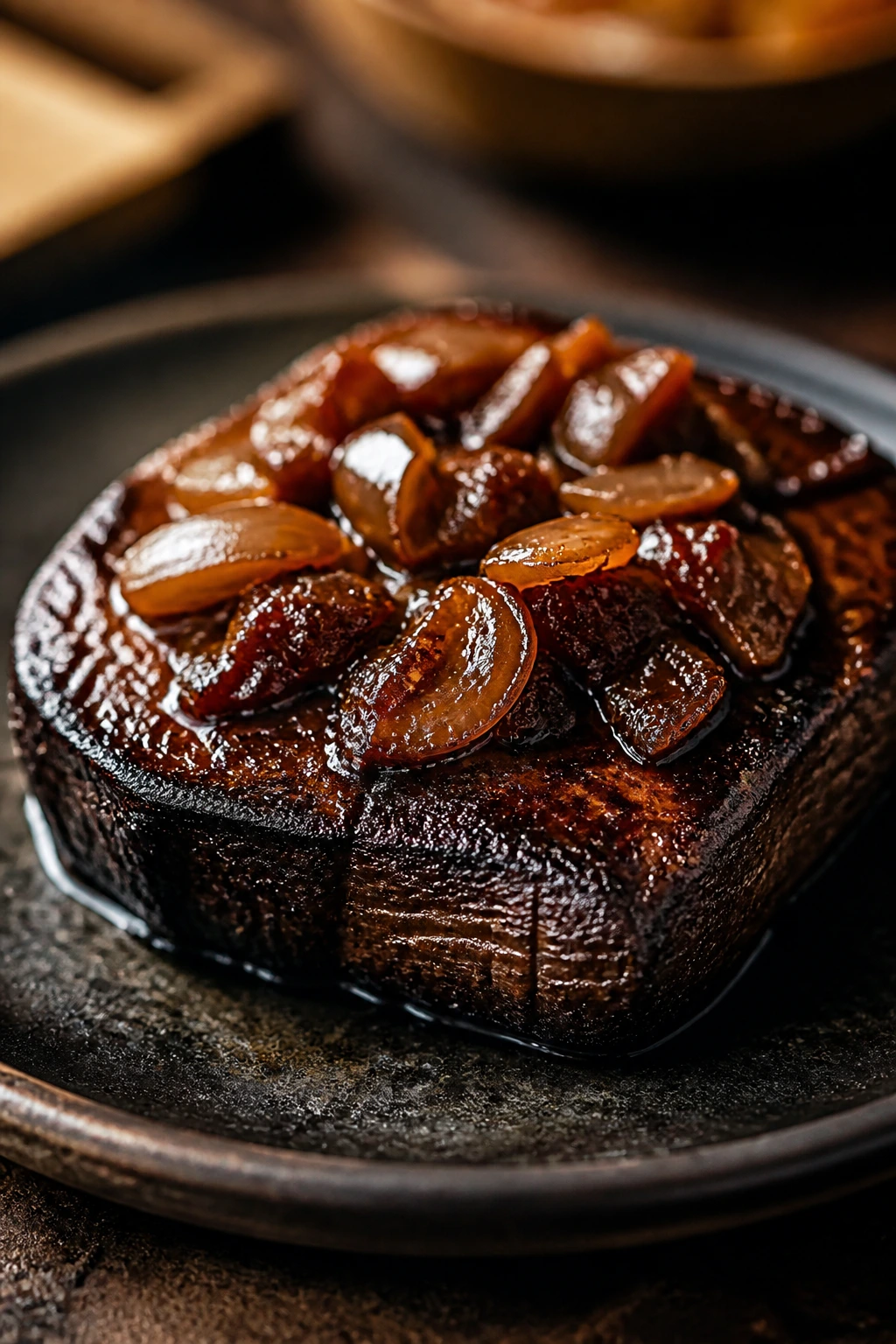
Overcrowding the smoker:
If the vegetables are packed too tightly, they steam instead of smoke. You’ll get soft food with almost no color. Give each piece some room, even if that means using two pans.
Saucing too early:
Sugar burns. BBQ sauce, maple glaze, and miso mixtures should go on near the end, not at the start. If the surface goes dark and bitter before the inside is done, the dish will taste scorched instead of smoky.
Skipping the prep step:
Press the tofu, steam the tempeh, drain the eggplant, rinse the jackfruit, and dry the mushrooms. Those little jobs are not busywork. They change the texture in ways the smoker cannot fix later.
Using heat that’s too high:
Smoke is patient. Vegetables are not. Cabbage, cauliflower, sweet potatoes, and tofu all do better at moderate temperatures, where the flavor can build without burning the edges. If your smoker runs hot, move the food to a cooler rack or lower the set temperature.
Underseasoning the base:
Smoke is not a salt substitute. Cauliflower, mushrooms, lentils, and beans still need seasoning before they hit the grate. If the only flavor lives in the sauce, the middle of the dish will taste thin.
Ignoring resting time:
Lentil loaf, stuffed peppers, tofu burnt ends, and mac and cheese all settle after they come off the heat. Slice or serve too soon, and they can look looser than they really are. Give the food a few minutes. It pays off.
Frequently Asked Questions
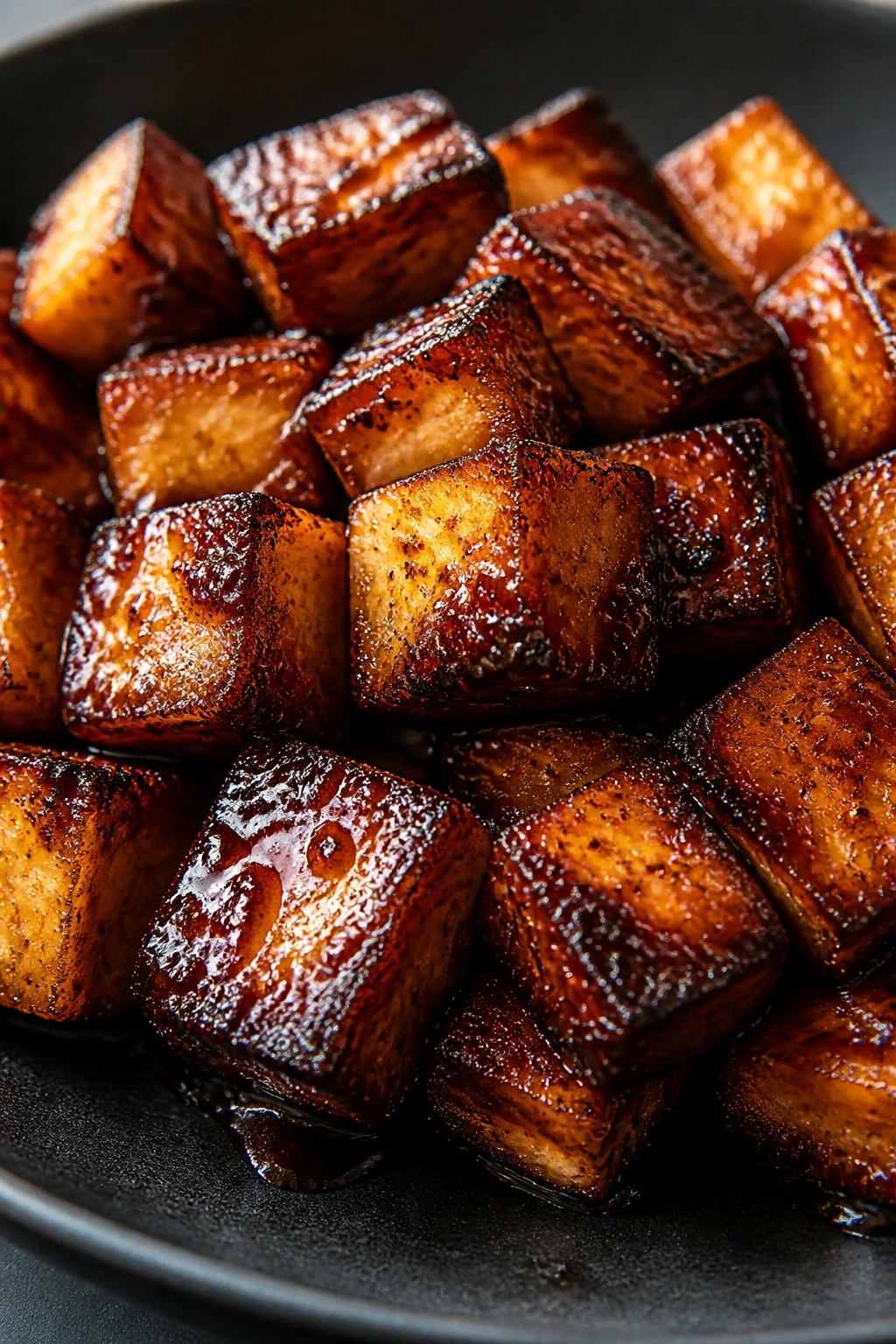
Can I make these recipes on a pellet smoker, charcoal smoker, or electric smoker?
Yes. Any smoker that can hold a steady temperature will work. Pellet smokers are easy for weeknights, charcoal gives you more wood control, and electric smokers are handy when you want less fuss. The recipes matter more than the machine.
Do I need liquid smoke for any of these dishes?
No, and I’d leave it out unless you already know you like the flavor. Real smoke from the smoker gives a cleaner result, especially with tofu, mushrooms, and cabbage. If you do use liquid smoke, use only a drop or two in a sauce.
Which wood works best for plant-based smoker recipes?
Apple, cherry, and pecan are easy, reliable picks. They’re mild enough for cauliflower, sweet potatoes, and sweet glazes, but still strong enough to show up on tofu and jackfruit. Oak works well too, especially on cabbage, mushrooms, and lentils.
How do I keep tofu or cauliflower from drying out?
Use moderate heat, don’t overcut the pieces, and add the glaze late. Tofu also needs pressing so it can absorb flavor without holding extra water. Cauliflower needs enough oil to keep the cut surfaces from going chalky.
Can I prep the components ahead of time?
Absolutely. Slaw, sauces, lentil loaf mixture, jackfruit filling, and stuffed pepper filling can all be made ahead by a day. Tofu can be pressed and marinated in advance, and cauliflower can be cut and kept wrapped in the fridge. Smoke day gets easier when the prep is already done.
What if my smoker runs hot?
Lower the set temperature if you can, or move the food to an upper rack where the heat is a little softer. Thicker vegetables like sweet potatoes and cabbage tolerate a warm smoker better than thin mushrooms or zucchini boats. Keep an eye on glaze, because that’s the first thing to burn.
Can I make these without a smoker?
Yes, though you’ll lose the wood flavor. A covered grill, oven, or grill-safe pan can get close if you use smoked paprika and a careful glaze. The texture will still work; it just won’t have the same mellow smoke around the edges.
Which of these recipes reheat best for leftovers?
Lentil loaf, jackfruit filling, tofu burnt ends, and stuffed peppers all hold up well. Reheat them gently in the oven or a skillet with a splash of broth or sauce. Corn, slaw, and eggplant dip are best fresh or only slightly chilled.
How do I stop my smoker from drying out the vegetables?
Don’t run it too hot, and don’t leave the food in longer than it needs. A small pan of water can help stabilize the environment, but temperature control matters more than tricks. Thick cuts and some oil on the surface also keep things from going leathery.
A Better Meatless Monday
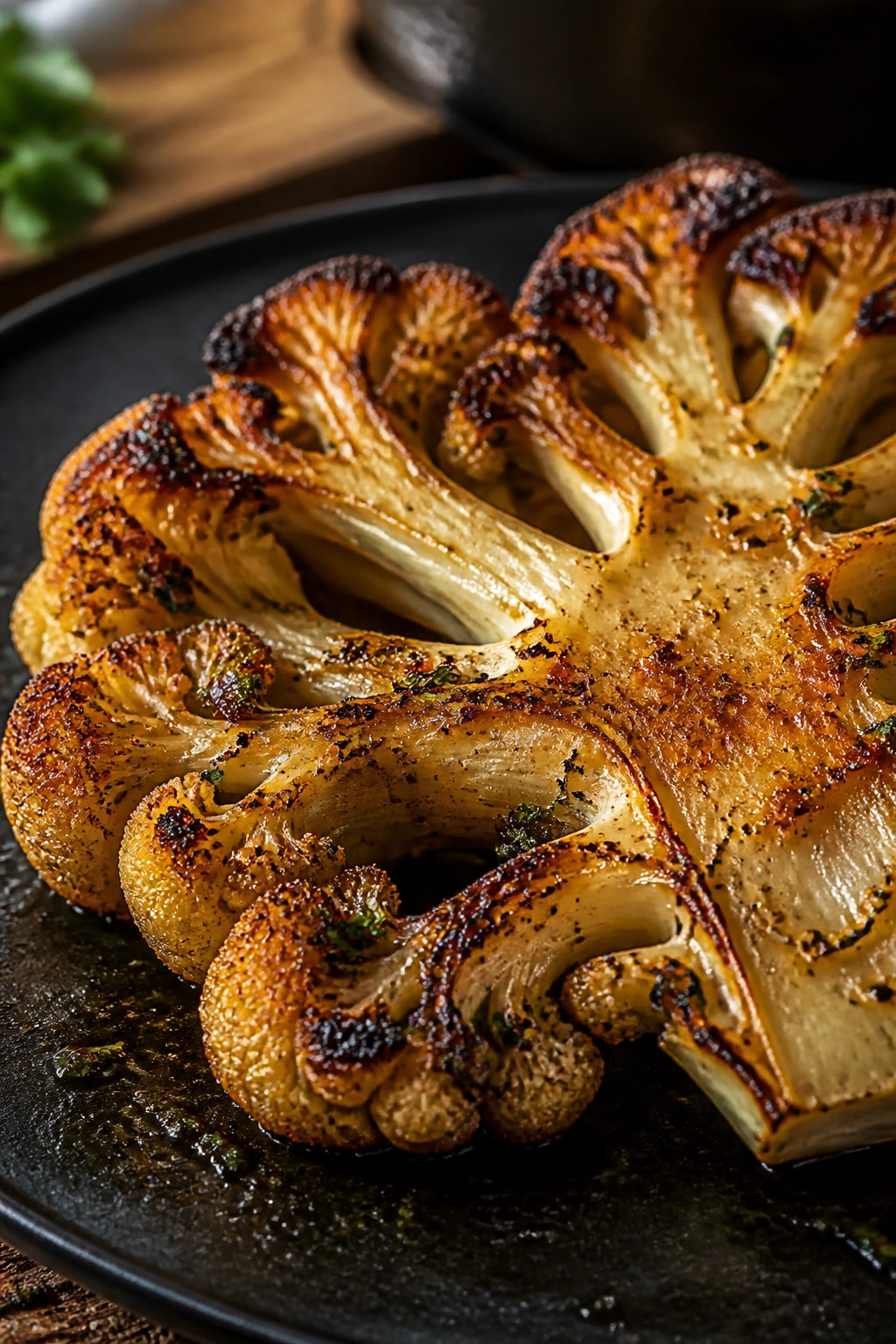
A smoker gives plant-based cooking a spine. That’s the real payoff here. Cauliflower gets crisp edges, tofu picks up chew, jackfruit holds sauce, and cabbage turns silky without giving up its shape. None of it needs to pretend to be meat. It just needs heat, seasoning, and enough time to get interesting.
Pick one recipe and make it yours before you build the whole week around it. That’s usually how the best smoker habits start: one good Monday, one tray of food, and the smell of wood hanging in the air long after dinner is over.