



A hot skillet of ground beef, onions, and something saucy can rescue a weeknight faster than most takeout menus. Ground beef skillet dinners have that rare household skill: they smell like you tried, even when you were moving on fumes and the fridge looked half empty. The beef browns fast, the pan holds onto flavor, and one good scrape with a spoon can turn a few plain ingredients into dinner that feels complete.
The format is forgiving in the best way. A skillet gives you enough surface area to brown meat instead of steaming it, and enough depth to simmer rice, noodles, beans, or vegetables right in the sauce. That means fewer pots, less hovering, and a lot more room for the kind of practical cooking that gets dinner on the table before everyone starts asking the same question in the same tone of voice.
What I like most is the range. One night can taste like a cheeseburger, another like stroganoff, another like taco night, and another like a bright Mediterranean pan with feta and lemon. The base is familiar. The results aren’t boring. And if you keep a pound of beef, an onion, and a few pantry staples around, dinner becomes less of a puzzle and more of a pattern.
Why Ground Beef Skillet Dinners Earn Their Keep on Busy Nights
-
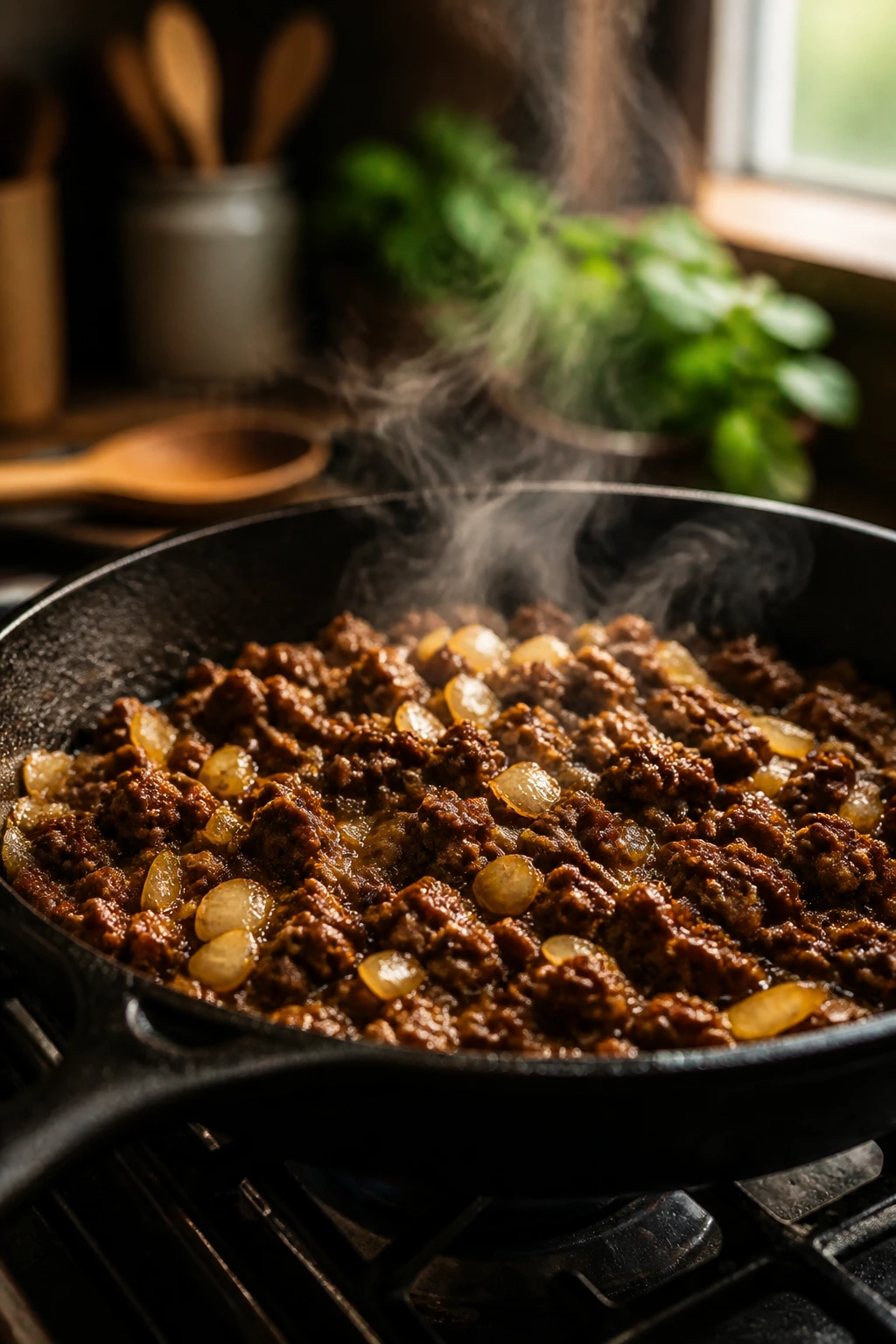
Fast browning: A pound of ground beef usually goes from raw to ready in about 6 to 8 minutes in a 12-inch skillet, which is exactly why these dinners fit the weeknight slot so well.
-
One pan, fewer dishes: Most of these meals finish where they start, so cleanup stays simple even when the flavors run in a few different directions.
-
Pantry-friendly building blocks: Rice, pasta, tortillas, canned tomatoes, beans, broth, and frozen vegetables show up again and again because they work hard without asking much back.
-
Easy to stretch: A single pound of beef can feed 4 to 6 people once it’s mixed with noodles, grains, potatoes, or vegetables.
-
Leftovers hold up: Saucy skillet dinners often taste deeper the next day, especially the tomato, bean, and cheese-based ones.
-
Flexible on the fly: If you have spinach instead of kale, or mozzarella instead of cheddar, these recipes still make sense. That kind of looseness is gold on a weekday.
1. Cheeseburger Rice Skillet
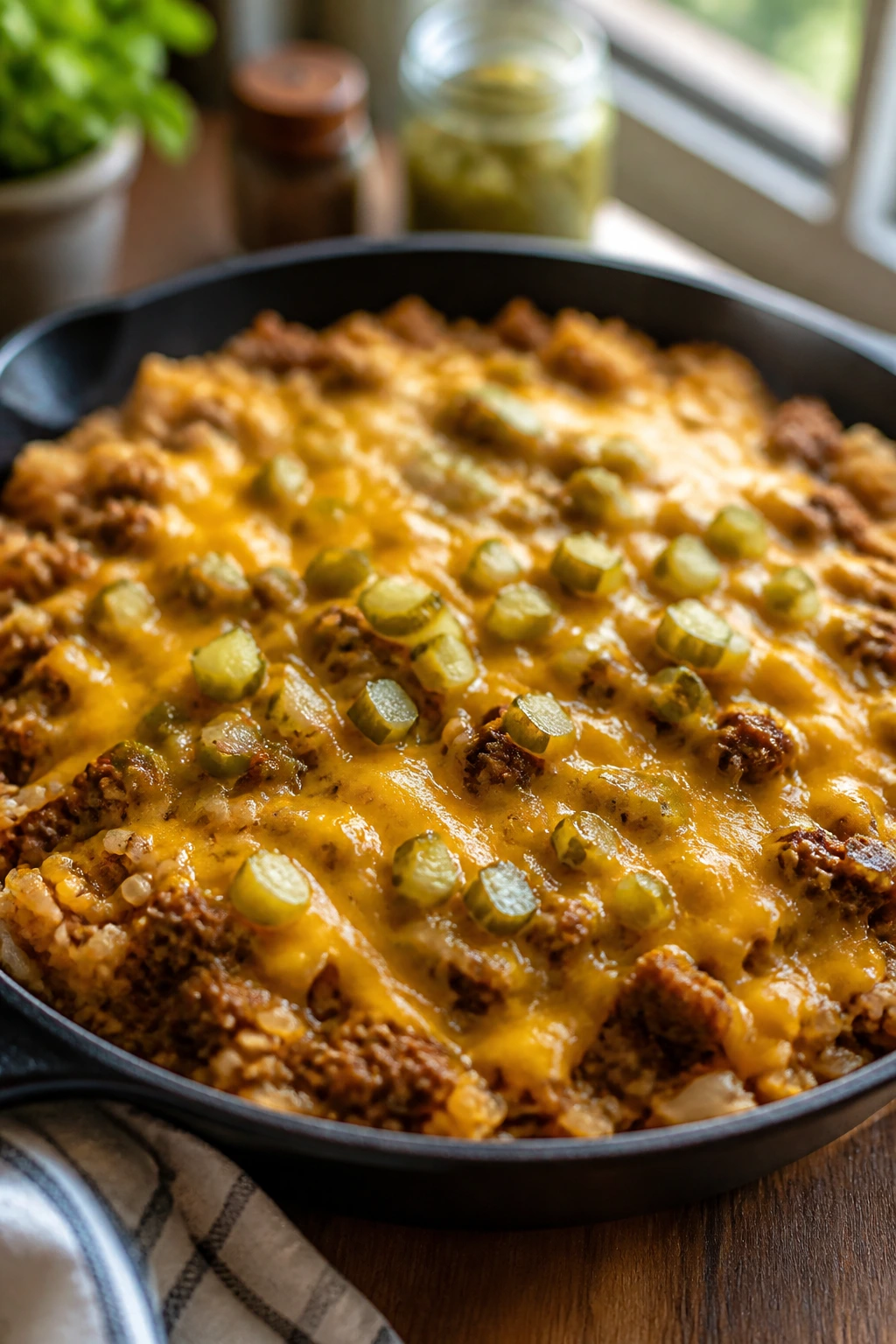
This tastes like a cheeseburger that got smart about dinner. The beef turns savory and a little browned at the edges, the onion softens into the drippings, and the cheddar melts into the rice so every bite lands somewhere between comfort food and fast food, in the nicest possible way.
Pickles or relish at the end are the little twist that keeps it from feeling heavy. They cut through the cheese and ketchup-mustard flavors, which is exactly what you want when dinner needs to taste fun without turning into a gut punch.
Why It Works:
Rice cooks right in the same skillet, so it absorbs the beef broth, tomato paste, mustard, and Worcestershire instead of sitting on the side like an afterthought. A slightly fattier grind, around 85/15, gives you enough drippings to build flavor without leaving the pan greasy. The cheese goes in off the heat, where it melts smoothly instead of clumping or turning stringy.
Key Ingredients:
- 1 lb ground beef
- 1 small yellow onion, diced
- 2 cloves garlic, minced
- 1 cup long-grain white rice, rinsed
- 2 cups low-sodium beef broth
- 2 tbsp tomato paste
- 1 tbsp yellow mustard
- 1 tbsp Worcestershire sauce
- 1 cup shredded sharp cheddar
- 1/2 cup diced dill pickles or relish
- Salt and black pepper, to taste
- 2 tbsp chopped parsley or chives, for finishing
Quick Steps:
-
Heat a 12-inch skillet over medium-high. Add the beef and onion, breaking the meat into small crumbles, and cook for 6 to 8 minutes until the beef is no longer pink and the onion looks soft and glossy.
-
Stir in the garlic, tomato paste, mustard, and Worcestershire. Cook for 1 minute, until the paste darkens slightly and the pan smells rich and beefy.
-
Add the rinsed rice, beef broth, 1/2 teaspoon salt, and a few grinds of black pepper. Stir once and scrape up any browned bits from the bottom.
-
Bring the skillet to a boil, then lower the heat, cover, and simmer for 15 to 18 minutes. The rice should be tender and the liquid mostly absorbed.
-
Remove the skillet from the heat. Fold in the cheddar and pickles, then cover again for 2 minutes so the cheese melts without clumping.
-
Taste and adjust with more pepper or a tiny pinch of salt. Finish with parsley or chives and serve while the rice is still steaming.
Tips and Variations:
- If you like a sharper burger flavor, add 1 tablespoon of pickle brine with the broth.
- Swap the cheddar for American cheese if you want a softer, more classic cheeseburger finish.
- Leftover cooked rice works too; use 3 cups cooked rice and reduce the broth to 1 cup, then simmer just long enough to warm through.
2. Taco Beef and Bean Skillet
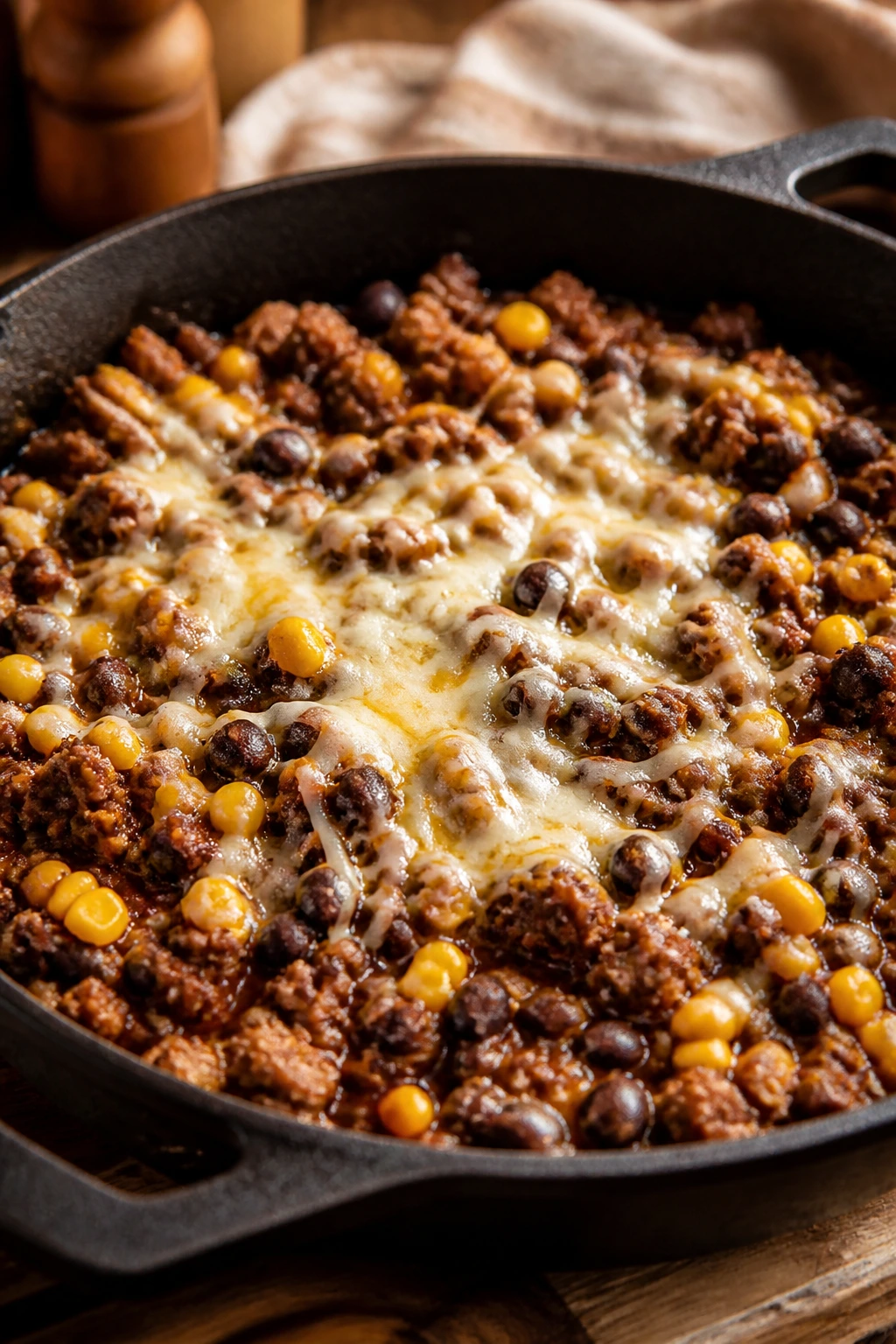
This one smells like taco night before the plates even hit the table. You get browned beef, sweet corn, black beans, and salsa all cooked down into one saucy pan, then cheese on top for that stretchy finish everybody seems to notice first.
It is the sort of skillet dinner that can go in three directions without changing much. Spoon it into tortillas, pile it over chips, or eat it by the bowl with a squeeze of lime. No one complains.
Why It Works:
Salsa does double duty here: it seasons the beef and keeps the skillet saucy without needing a separate sauce base. Black beans add body, corn brings sweetness, and a little cheese at the end smooths the edges. The pan stays lively because the mixture never gets so wet that the beef loses its browned flavor.
Key Ingredients:
- 1 lb ground beef
- 1 small onion, diced
- 1 bell pepper, diced
- 2 cloves garlic, minced
- 2 tbsp taco seasoning
- 1 cup salsa
- 1 can black beans, drained and rinsed
- 1 cup frozen corn
- 1/2 cup water or beef broth
- 1 cup shredded Monterey Jack
- 1/4 cup chopped cilantro
- Lime wedges, for serving
- Salt, only if needed
Quick Steps:
-
Warm a large skillet over medium-high heat. Cook the beef, onion, and bell pepper for 6 to 7 minutes, breaking up the beef until it’s browned and the pepper softens at the edges.
-
Add the garlic and taco seasoning, then stir for 30 seconds until the spices bloom and the pan smells warm rather than dusty.
-
Pour in the salsa, beans, corn, and water or broth. Stir well and let the mixture simmer uncovered for 5 to 7 minutes.
-
If the skillet looks loose, keep it bubbling another minute or two until the sauce thickens enough to cling to the meat and beans.
-
Sprinkle the Monterey Jack over the top, cover the pan, and cook for 1 to 2 minutes until the cheese melts.
-
Finish with cilantro and lime juice. Serve with warm tortillas, tortilla chips, or a handful of shredded lettuce.
Tips and Variations:
- Use mild salsa if you’re feeding kids or anyone who gets nervous around heat.
- Add diced avocado or sour cream at the table, not in the pan, so the fresh texture stays clean.
- Leftovers make a strong baked potato topping, and they reheat cleanly in the microwave.
3. Beef Stroganoff Skillet with Egg Noodles
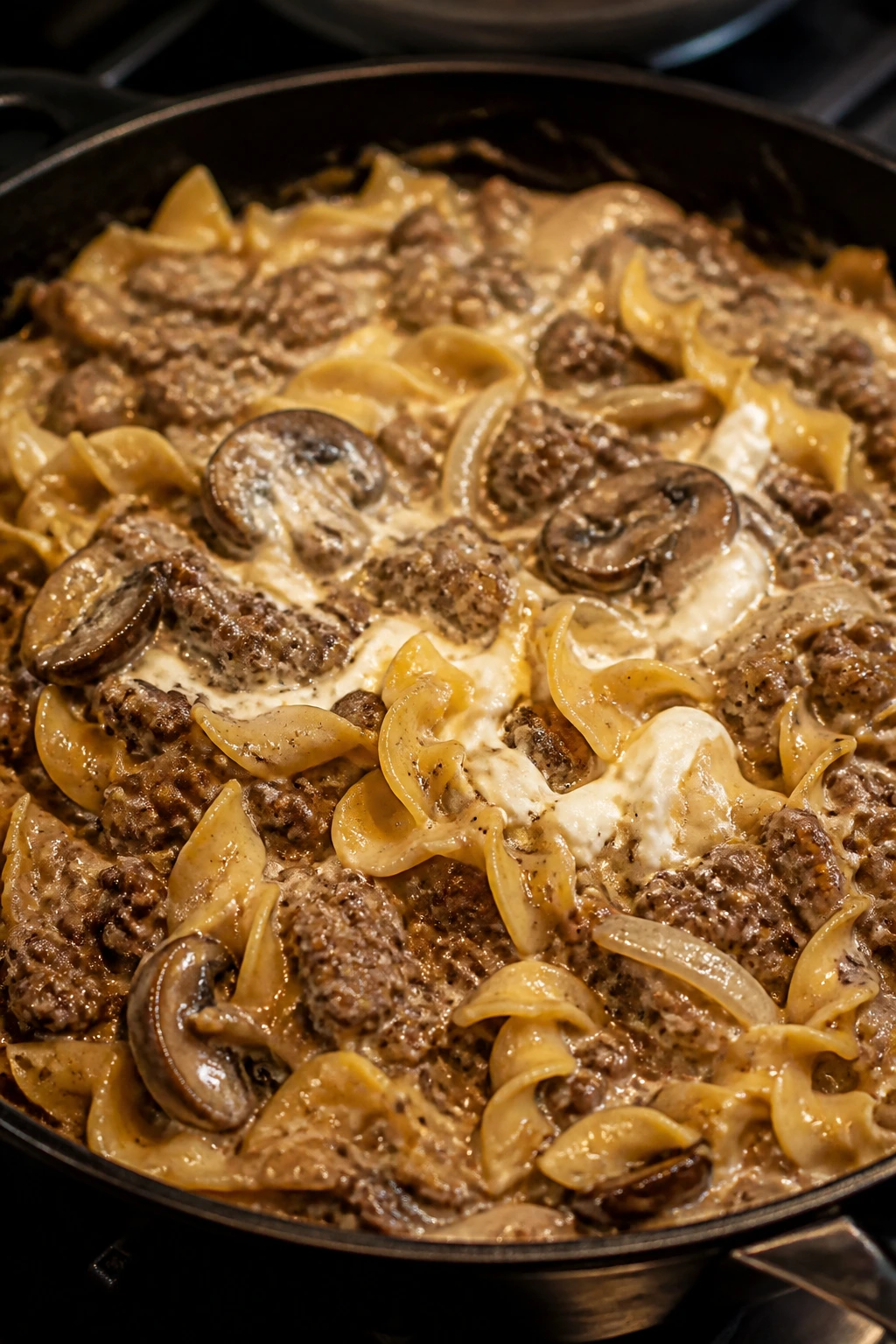
This is the creamy, mushroom-heavy skillet that feels like it came from a much longer cooking project than it did. The sauce is silky, the noodles are coated instead of drowned, and the sour cream gives the whole thing that familiar tang that makes stroganoff taste like stroganoff.
Mushrooms matter here. They’re not filler. They bring a browned, almost meaty depth that gives the pan a darker, richer base, which is exactly why this version can taste full and comforting without needing a fancy cut of beef.
Why It Works:
The flour thickens the broth just enough to create a glossy sauce around the noodles, and the Worcestershire plus Dijon keep the richness from going flat. Stirring the sour cream in after the pan comes off the heat keeps it smooth. If the skillet is too hot, the dairy can split; if it’s off heat, it turns velvety.
Key Ingredients:
- 1 lb ground beef
- 8 oz cremini mushrooms, sliced
- 1 small onion, diced
- 2 cloves garlic, minced
- 2 tbsp all-purpose flour
- 3 cups low-sodium beef broth
- 1 tbsp Worcestershire sauce
- 1 tsp Dijon mustard
- 8 oz wide egg noodles
- 1/2 cup sour cream
- 2 tbsp butter
- Salt and black pepper, to taste
- 2 tbsp chopped parsley, for finishing
Quick Steps:
-
Melt the butter in a deep skillet over medium-high heat. Add the beef, mushrooms, and onion, then cook for 7 to 8 minutes until the beef browns and the mushrooms release their moisture.
-
Stir in the garlic and flour. Cook for 1 minute, stirring constantly so the flour loses its raw taste and coats the meat mixture.
-
Pour in the broth, Worcestershire, and Dijon. Scrape the bottom of the skillet, then bring the liquid to a boil.
-
Add the egg noodles and reduce the heat to medium. Simmer uncovered for 8 to 10 minutes, stirring every couple of minutes, until the noodles are tender and the sauce has thickened.
-
Turn off the heat. Stir in the sour cream until the sauce turns smooth and pale, then taste and season with salt and pepper.
-
Finish with parsley and serve right away while the noodles are glossy.
Tips and Variations:
- Temper the sour cream with a spoonful of hot sauce from the pan if you’re nervous about curdling.
- Swap half the mushrooms for thinly sliced onions if you want a sweeter sauce.
- A spoonful of horseradish at the table gives the whole skillet a sharper edge.
4. Stuffed Pepper Skillet
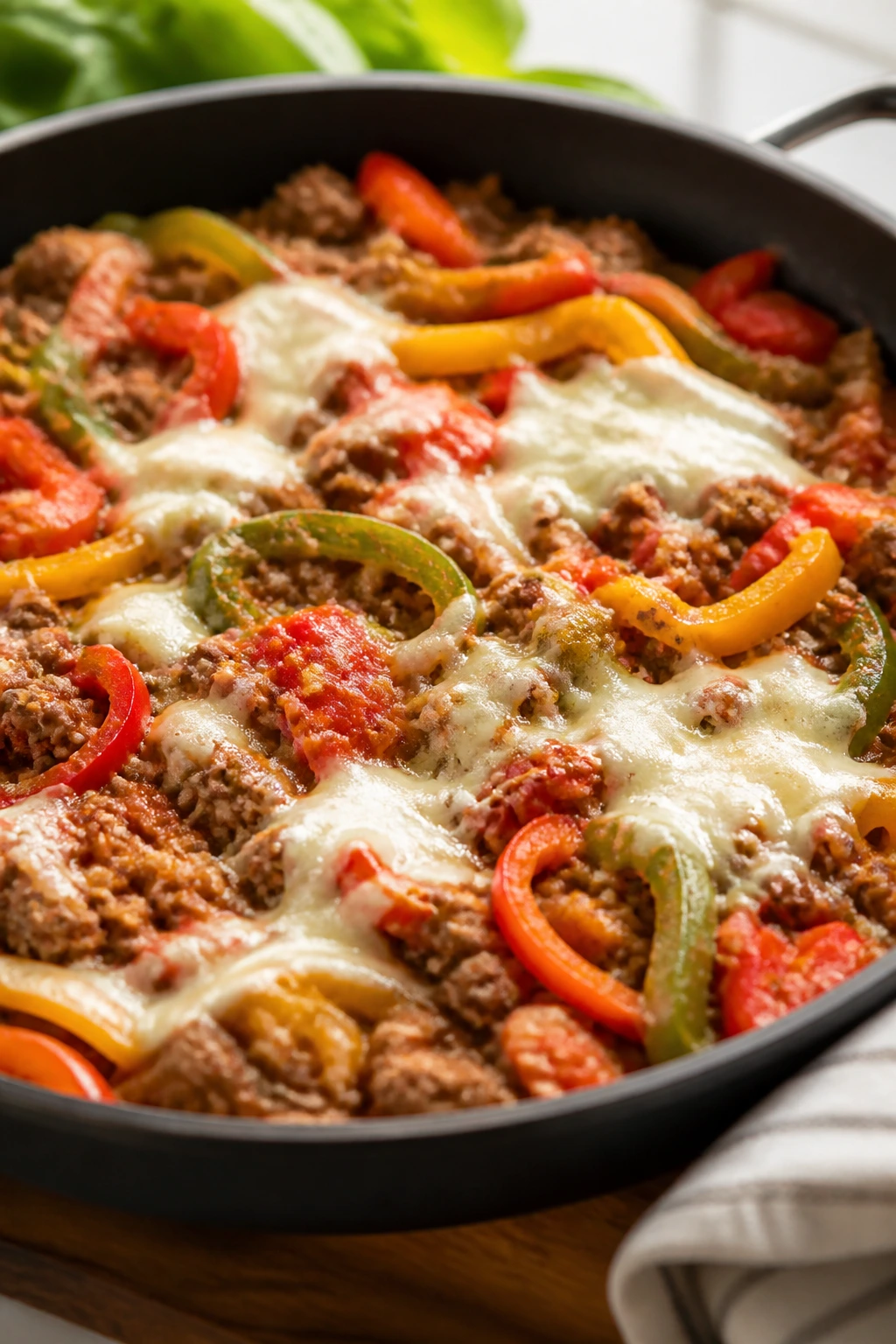
All the flavor of stuffed peppers, none of the hollowing, stuffing, or waiting around for peppers to soften in the oven. The rice cooks in tomato sauce and broth, the peppers stay a little crisp-tender, and the melted cheese on top does the exact job you want it to do.
This is one of those dinners that makes sense the second the spoon hits the pan. The beef and peppers mingle with the tomato base, and each bite has enough sweetness, acidity, and starch to feel complete without needing a separate side.
Why It Works:
Stuffed peppers usually need extra time because the pepper shell has to soften while the filling cooks. In skillet form, the peppers can be sliced thin, so they cook fast and still keep some bite. The rice absorbs the tomato sauce and broth as it simmers, which gives the dish the same comfort factor as the baked version without the extra step.
Key Ingredients:
- 1 lb ground beef
- 1 small onion, diced
- 2 bell peppers, sliced thin
- 2 cloves garlic, minced
- 1 cup long-grain white rice, rinsed
- 1 can tomato sauce, 15 oz
- 1 can diced tomatoes, 14.5 oz
- 2 cups beef broth
- 1 tsp Italian seasoning
- 1 cup shredded mozzarella or cheddar
- Salt and black pepper, to taste
- 2 tbsp chopped parsley, for garnish
Quick Steps:
-
Heat a large skillet over medium-high. Cook the beef, onion, and peppers for 6 to 8 minutes, stirring until the beef is browned and the pepper strips start to soften.
-
Add the garlic and Italian seasoning, then cook for 30 seconds until the spices smell fragrant.
-
Stir in the rice, tomato sauce, diced tomatoes, and broth. Season with a little salt and pepper, then bring the pan to a gentle boil.
-
Reduce the heat to low, cover, and simmer for 18 to 20 minutes. The rice should be tender and most of the liquid absorbed.
-
Scatter the cheese over the top, cover again, and let it melt for 2 minutes.
-
Rest the skillet for 5 minutes before serving, then finish with parsley.
Tips and Variations:
- Use red and yellow peppers if you want a sweeter skillet.
- If you use cooked rice, add it near the end and cut the broth in half.
- A pinch of red pepper flakes gives the tomato sauce a little more bite.
5. Shepherd’s Pie Skillet
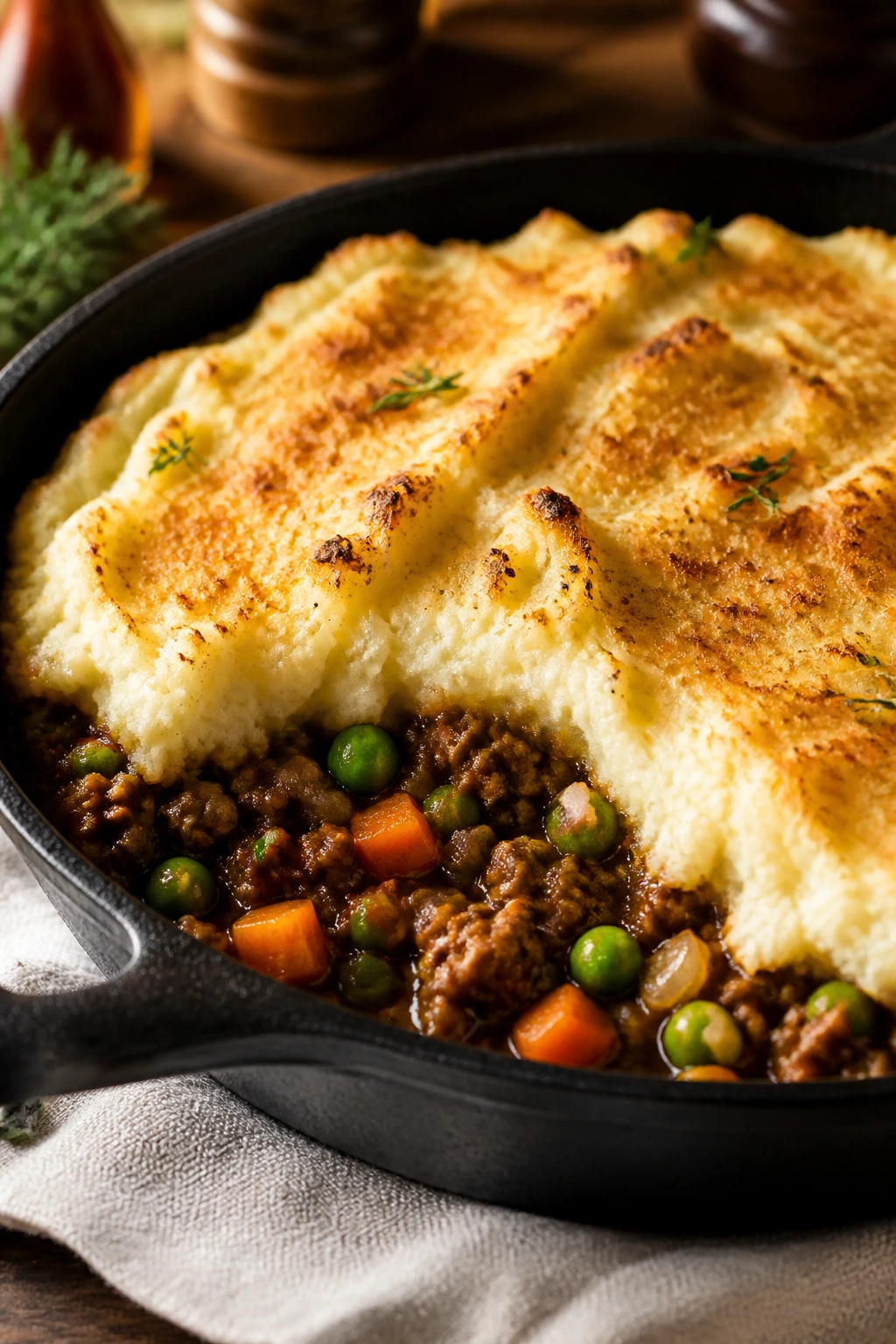
This version gets all the old-school comfort of shepherd’s pie without the extra casserole dish. The beef base turns saucy and savory, the peas bring little sweet pops, and the mashed potatoes on top brown in patches that are worth every minute under the broiler.
It’s also the dinner I make when I want something that feels settled and plainspoken. Not boring. Settled. There’s a difference, and this skillet knows it.
Why It Works:
Shepherd’s pie works because it gives you contrast: soft potatoes, rich beef filling, and a browned top. The skillet format keeps the filling moist enough that the potatoes don’t dry out, and using warm mashed potatoes means they spread easily over the meat instead of tearing it. A quick blast under the broiler gives the top those golden ridges that make the whole thing look more finished than the effort really was.
Key Ingredients:
- 1 lb ground beef
- 1 small onion, diced
- 1 carrot, diced very small
- 1/2 cup frozen peas
- 2 cloves garlic, minced
- 2 tbsp tomato paste
- 1 tbsp Worcestershire sauce
- 1 cup low-sodium beef broth
- 1 tsp dried thyme
- 4 cups mashed potatoes, warm
- 2 tbsp butter
- 1/2 cup shredded cheddar
- Salt and black pepper, to taste
Quick Steps:
-
Heat the butter in an oven-safe skillet over medium-high. Add the beef, onion, and carrot, then cook for 7 to 8 minutes until the beef is browned and the carrot has started to soften.
-
Stir in the garlic and tomato paste. Cook for 1 minute, letting the paste darken a shade before adding the liquid.
-
Pour in the Worcestershire, broth, and thyme. Simmer uncovered for 4 to 5 minutes until the filling looks thick and spoonable, not soupy.
-
Fold in the peas and taste the mixture. Season with salt and pepper if it needs a little more edge.
-
Spoon the warm mashed potatoes over the filling and spread them to the edges of the skillet. Drag the back of a spoon across the surface to make ridges.
-
Sprinkle with cheddar and broil for 2 to 4 minutes, watching closely, until the potatoes are browned in spots.
Tips and Variations:
- Leftover mashed potatoes work beautifully here, especially if you loosen them with a splash of milk.
- If you don’t have a broiler-safe skillet, cover the pan and cook on low until the top is hot, then finish with melted cheese.
- A teaspoon of horseradish in the potatoes gives the topping a sharper, more grown-up edge.
6. Beef and Broccoli Rice Skillet
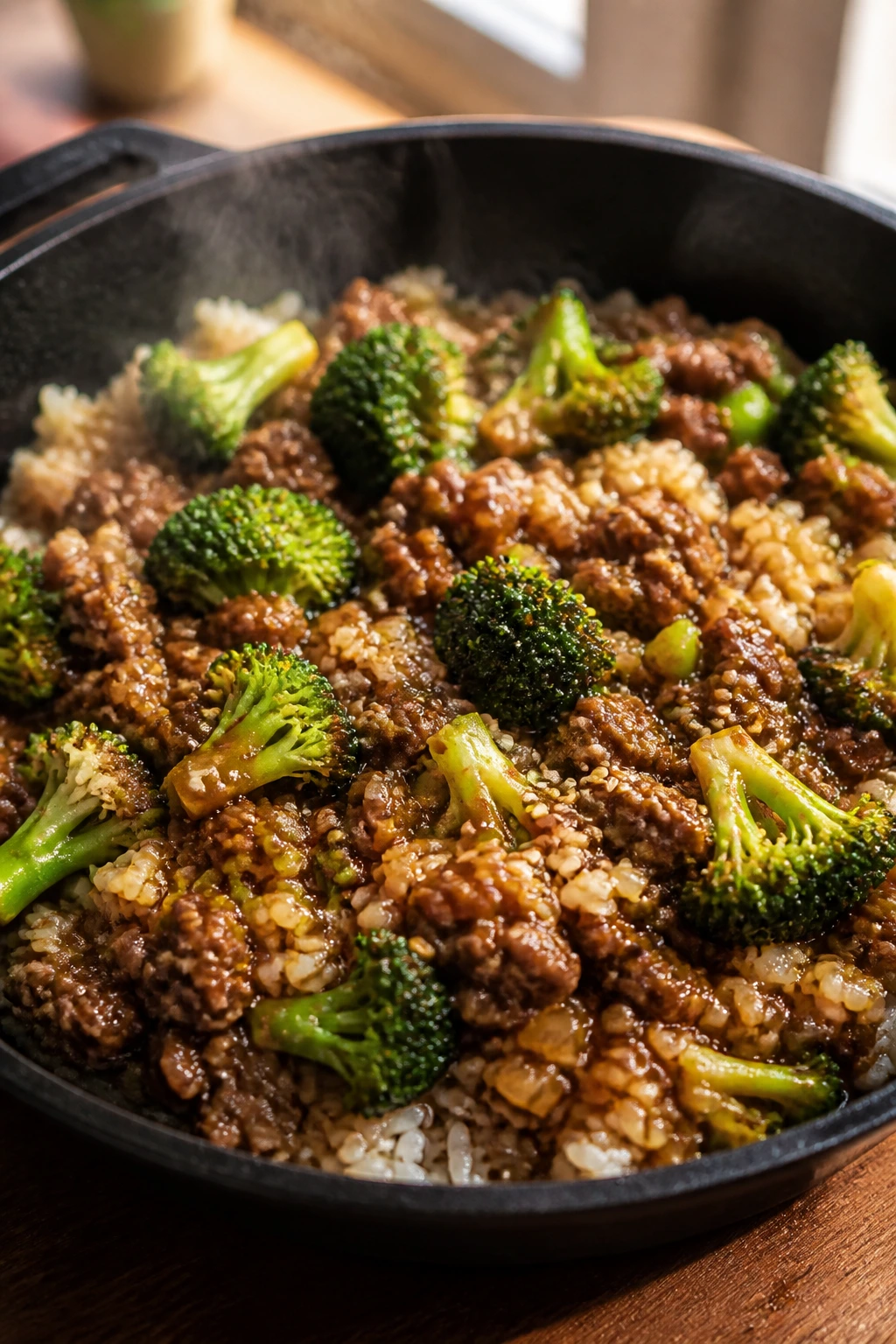
This has the quick, glossy feel of takeout, only the beef is ground and the broccoli soaks up the sauce instead of sitting beside it. The finished pan is savory, a little sweet, and edged with sesame, which is enough to make the whole kitchen smell like a real plan.
Broccoli can go from crisp to tired fast, so this skillet treats it with respect. It gets just enough steam to turn bright green and tender, then it gets sauced before it loses its snap.
Why It Works:
Ground beef browns faster than sliced steak, so you can build the sauce sooner and keep the whole dinner under one roof. Cornstarch thickens the soy-based sauce into a sheen that sticks to rice, broccoli, and meat instead of pooling in the bottom of the pan. Using cooked rice keeps the texture clean and prevents the skillet from turning into a mushy stir-fry.
Key Ingredients:
- 1 lb ground beef
- 4 cups broccoli florets
- 2 cloves garlic, minced
- 1 tbsp grated fresh ginger
- 1/4 cup low-sodium soy sauce
- 2 tbsp brown sugar or honey
- 1 tbsp rice vinegar
- 1 tbsp cornstarch
- 1/2 cup water or beef broth
- 3 cups cooked jasmine or long-grain rice
- 2 tbsp neutral oil or sesame oil
- 2 scallions, sliced
- 1 tsp sesame seeds, optional
Quick Steps:
-
Heat the oil in a large skillet over medium-high. Add the beef and cook for 5 to 6 minutes until browned, then push it to one side.
-
Add the broccoli with a splash of water, cover the pan, and steam for 3 to 4 minutes until the florets turn bright green and just start to soften.
-
Stir in the garlic and ginger. Cook for 30 seconds, then add the soy sauce, brown sugar, rice vinegar, cornstarch, and water or broth.
-
Stir until the sauce turns glossy and thick enough to coat the beef and broccoli, about 1 to 2 minutes.
-
Fold in the cooked rice and toss until everything is hot and evenly coated.
-
Finish with scallions and sesame seeds, then serve immediately.
Tips and Variations:
- Frozen broccoli works if that’s what you have; thaw and drain it first so it doesn’t water down the sauce.
- A fried egg on top makes the skillet feel more like a full bowl meal.
- If you like heat, add a teaspoon of chili garlic sauce with the soy mixture.
7. Sloppy Joe Pasta Skillet
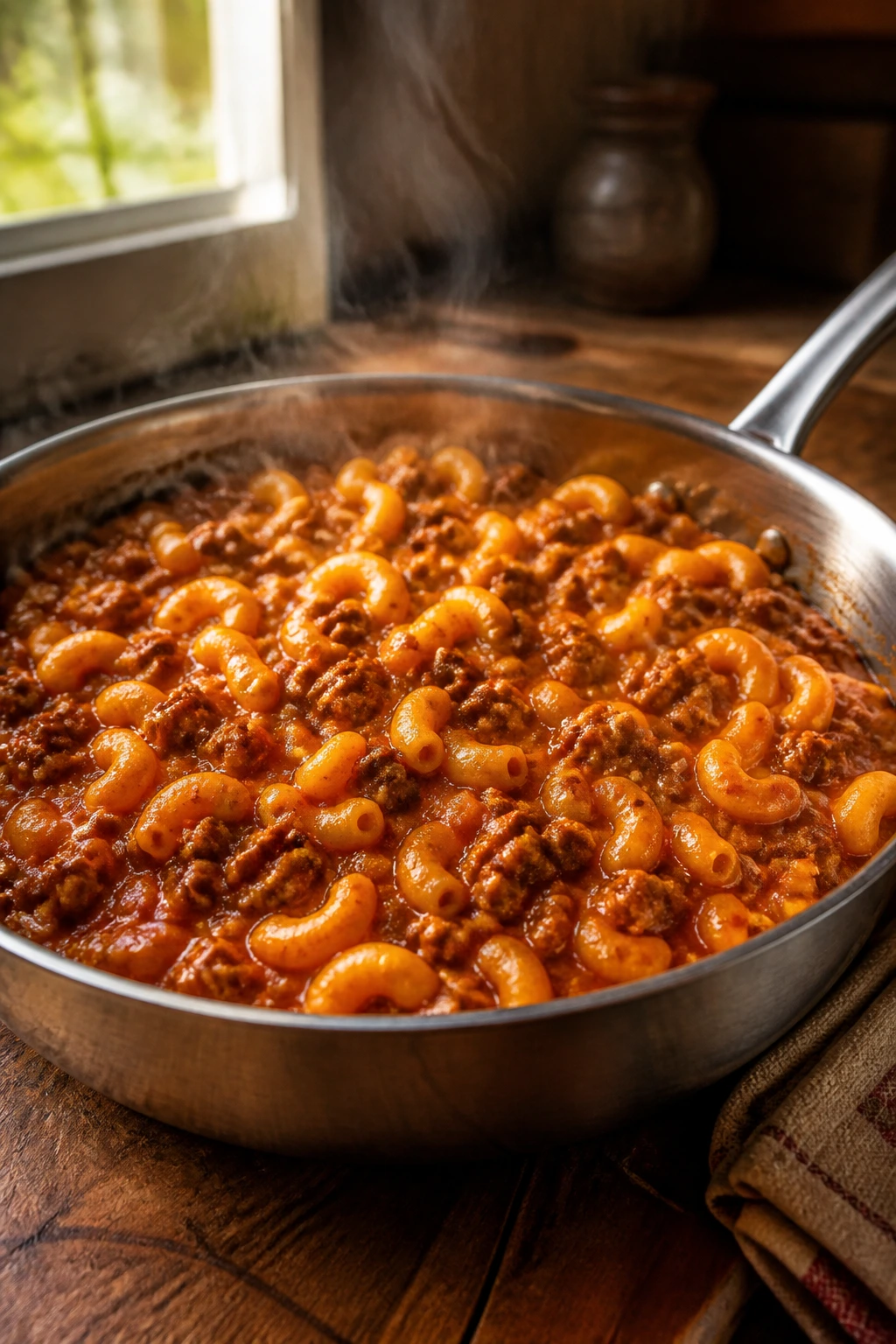
This is what happens when sloppy joes and pasta decide to stop arguing and share a pan. The sauce is tangy, sweet, and beefy; the noodles grab onto it in a way that makes every forkful feel bigger than the ingredient list suggests.
It’s messy in the right way. Not spill-on-your-shirt messy. More like the sort of dinner that earns quiet at the table because everyone is too busy eating to talk about it.
Why It Works:
Ketchup, tomato sauce, mustard, and Worcestershire give you the familiar sloppy joe profile without needing a separate bun situation. Pasta cooks right in the sauce, which means the starch thickens the skillet as it softens. The sauce clings instead of slipping off, and a little cheddar at the end smooths the sharp edges.
Key Ingredients:
- 1 lb ground beef
- 1 small onion, diced
- 2 cloves garlic, minced
- 8 oz elbow macaroni
- 1 1/2 cups ketchup
- 1 cup tomato sauce
- 1 cup beef broth or water
- 1 tbsp yellow mustard
- 1 tbsp Worcestershire sauce
- 1 cup shredded cheddar
- 2 tbsp brown sugar, optional
- Salt and black pepper, to taste
Quick Steps:
-
Brown the beef and onion in a large skillet over medium-high heat for 6 to 7 minutes, breaking the beef into fine crumbles as it cooks.
-
Add the garlic and cook for 30 seconds, just until it smells sweet and sharp at the same time.
-
Stir in the macaroni, ketchup, tomato sauce, broth, mustard, Worcestershire, and brown sugar if you want a sweeter finish.
-
Bring the pan to a simmer, lower the heat, and cover for 10 to 12 minutes. Stir every few minutes so the pasta doesn’t stick to the bottom.
-
When the macaroni is tender and the sauce is thick, stir in the cheddar until melted.
-
Taste and adjust with black pepper or a little salt, then serve hot.
Tips and Variations:
- Small shells or rotini work if you don’t have elbows.
- A spoonful of pickle relish on top gives the skillet a sharper, more old-school sloppy joe finish.
- If the pan dries out before the pasta is done, add a splash of broth and keep going.
8. Enchilada Tortilla Skillet
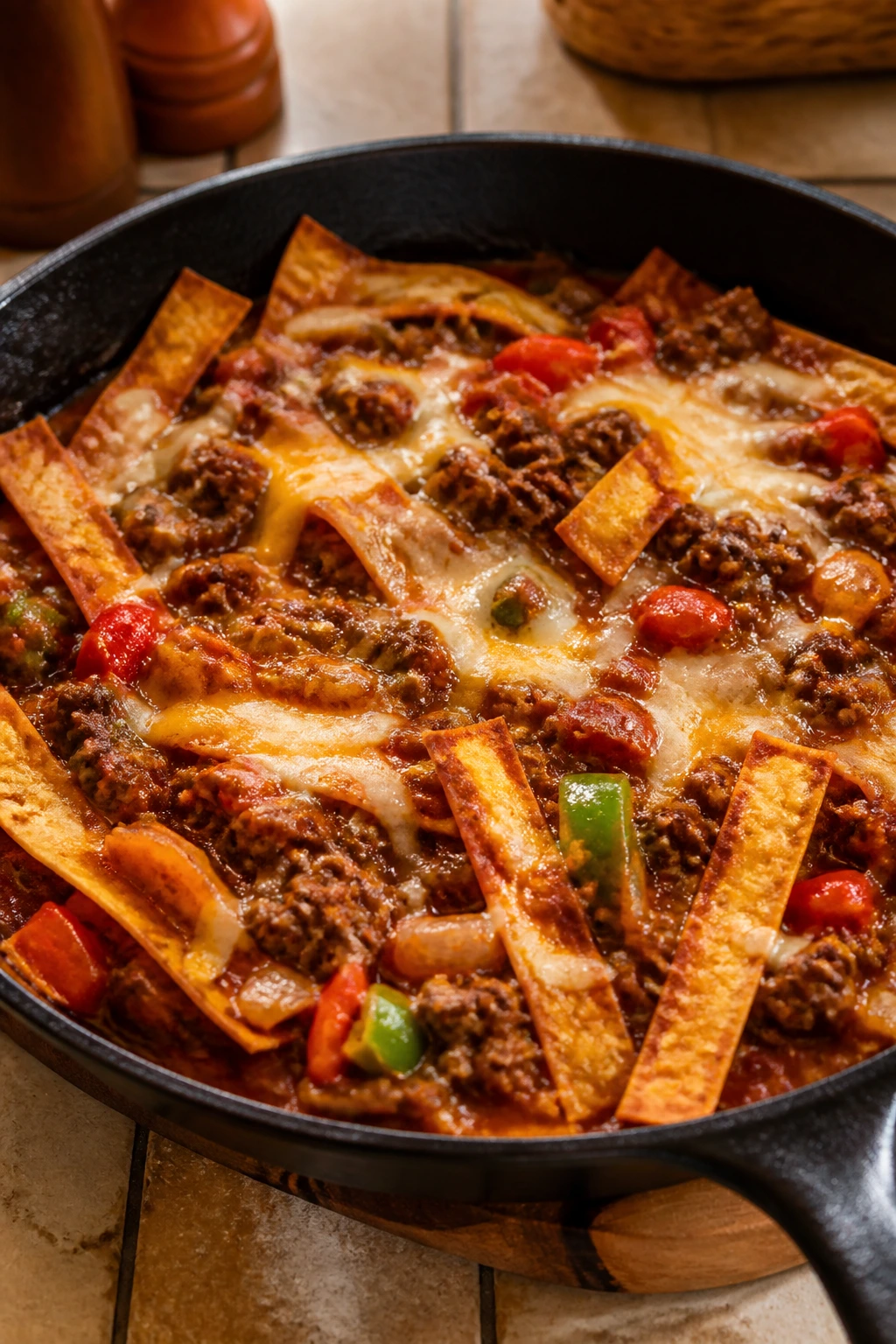
This one tastes like the inside of a very good enchilada, only the tortilla strips cook in the same pan and pull the sauce into every corner. You get a little chew, a little melt, and those crisping edges where the tortillas meet the skillet.
It’s the dinner I reach for when I want Tex-Mex comfort without making a whole tray of enchiladas. The skillet does the folding for you.
Why It Works:
Red enchilada sauce carries the spice and acidity, black beans add heft, and corn gives the pan little bursts of sweetness. The tortilla strips thicken the sauce as they soften, which keeps the skillet from feeling loose or watery. A lid at the end melts the cheese just enough to hold the whole thing together.
Key Ingredients:
- 1 lb ground beef
- 1 small onion, diced
- 1 bell pepper, diced
- 2 cloves garlic, minced
- 2 tbsp enchilada seasoning or chili powder plus cumin
- 1 cup red enchilada sauce
- 1 can black beans, drained and rinsed
- 1 cup frozen corn
- 4 small corn tortillas, cut into strips
- 1 1/2 cups shredded Mexican blend cheese
- 1/4 cup chopped cilantro
- Sour cream and lime wedges, for serving
- Salt, only if needed
Quick Steps:
-
Cook the beef, onion, and bell pepper in a large skillet over medium-high heat for 6 to 8 minutes until the beef browns and the pepper softens.
-
Stir in the garlic and enchilada seasoning, then cook for 30 seconds to wake up the spices.
-
Add the enchilada sauce, beans, and corn. Stir and simmer for 3 to 4 minutes.
-
Fold in the tortilla strips and keep cooking for 2 to 3 minutes, just until they soften around the edges but still hold a little shape.
-
Scatter the cheese over the top, cover the skillet, and cook for 2 minutes until melted.
-
Finish with cilantro, a squeeze of lime, and sour cream at the table if you want it.
Tips and Variations:
- Corn tortillas hold up better than flour tortillas in this skillet.
- If you want crispier edges, add half the tortilla strips in the last minute instead of all at once.
- Diced avocado on top cools the heat and makes the pan feel fuller.
9. Ginger-Soy Beef and Cabbage Skillet
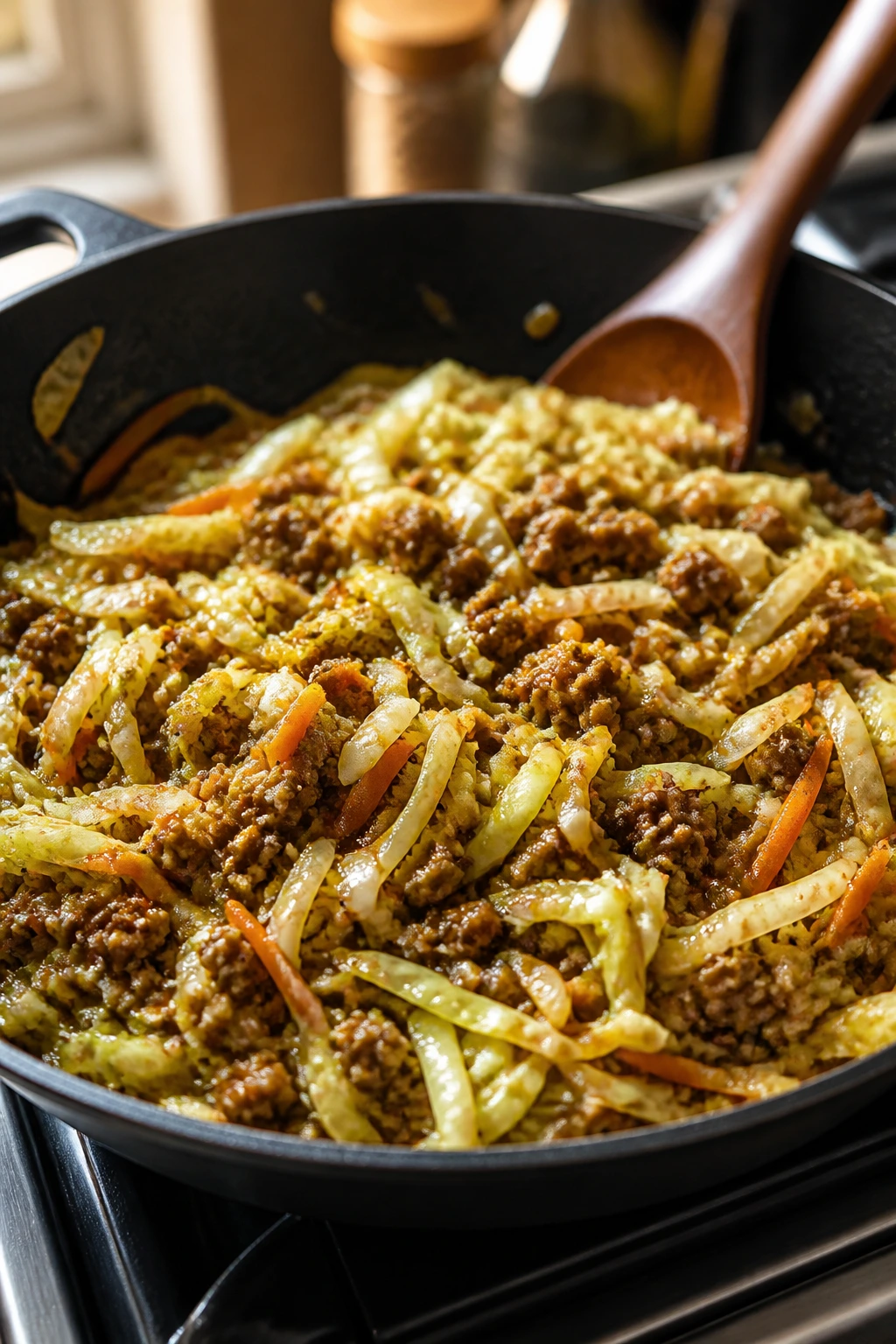
Shredded cabbage is one of those vegetables that turns humble work into dinner without making a scene about it. Here it softens into glossy ribbons, the beef brings richness, and the ginger-soy sauce pulls everything into a salty-sweet tangle that tastes quicker than it is.
This is the skillet for people who want dinner to feel light but not skimpy. Cabbage stretches the meat, carrot adds a little sweetness, and sesame oil finishes the whole thing with a smell that carries.
Why It Works:
Cabbage cooks fast, so it behaves almost like a noodle in the skillet: it wilts, releases a little moisture, and carries sauce through the pan. The soy sauce brings salt, the vinegar keeps the flavor sharp, and the brown sugar rounds out the edges. A few minutes at high heat are enough to soften the cabbage without turning it limp.
Key Ingredients:
- 1 lb ground beef
- 1 small head green cabbage, shredded, about 6 cups
- 1 carrot, julienned or grated
- 3 cloves garlic, minced
- 1 tbsp grated fresh ginger
- 1/4 cup low-sodium soy sauce
- 1 tbsp rice vinegar
- 1 tbsp brown sugar or honey
- 1 tsp sesame oil
- 2 tbsp neutral oil
- 3 scallions, sliced
- Red pepper flakes, optional
- 3 cups cooked rice, for serving
Quick Steps:
-
Heat the neutral oil in a wide skillet over medium-high. Add the beef and cook for 5 to 6 minutes, breaking it into crumbles until browned.
-
Stir in the cabbage and carrot. Cook for 4 to 5 minutes, stirring often, until the cabbage starts to soften and shrink.
-
Add the garlic and ginger. Cook for 30 seconds, then pour in the soy sauce, rice vinegar, brown sugar, and sesame oil.
-
Toss everything together for 1 to 2 minutes until the sauce coats the beef and vegetables and the cabbage turns glossy.
-
Taste and add red pepper flakes if you want heat.
-
Serve over hot rice and finish with scallions.
Tips and Variations:
- A bag of coleslaw mix works when you want to skip the chopping.
- If the pan looks dry, add 2 tablespoons of water and keep tossing.
- A fried egg on top turns this into a bigger meal without much effort.
10. Mediterranean Beef Orzo Skillet
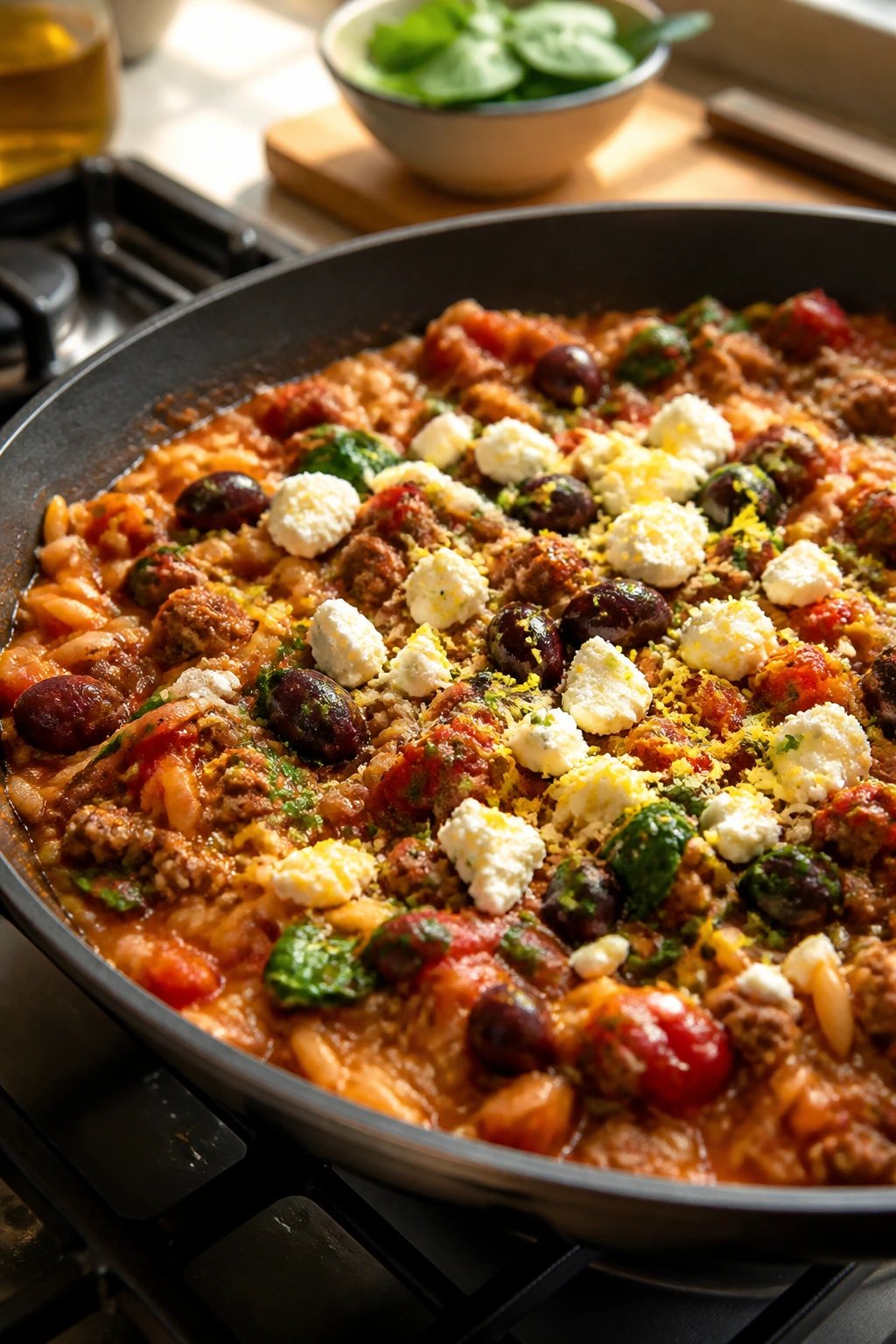
This skillet has a brighter tone than most beef dinners. The orzo cooks in the tomato broth, the spinach folds in at the end, and the feta and lemon give the dish a salty, sunny finish that keeps it from feeling heavy.
I like this one when I want something warm but not brown-on-brown. The olives and oregano pull the beef toward the Mediterranean side of the map, and the pasta turns the pan into something close to risotto without requiring the same kind of patience.
Why It Works:
Orzo is small enough to cook quickly in the skillet while still soaking up the broth and tomato juices. That gives you a creamy, almost spoonable texture without adding cream. Feta should go in at the very end so it keeps some of its shape and salty bite instead of disappearing into the sauce.
Key Ingredients:
- 1 lb ground beef
- 1 small onion, diced
- 3 cloves garlic, minced
- 1 cup orzo
- 1 can diced tomatoes, 14.5 oz
- 2 cups beef broth or chicken broth
- 1 tsp dried oregano
- 1/2 tsp ground cumin
- 2 cups baby spinach
- 1/3 cup kalamata olives, sliced
- 1/2 cup crumbled feta
- 1 tbsp lemon juice
- 2 tbsp chopped parsley
- Salt and black pepper, to taste
Quick Steps:
-
Brown the beef and onion in a deep skillet over medium-high heat for 6 to 7 minutes until the beef is cooked through and the onion looks soft.
-
Add the garlic, orzo, oregano, and cumin. Stir for 30 seconds so the orzo picks up the pan drippings.
-
Pour in the diced tomatoes and broth. Bring the skillet to a boil, then lower the heat and simmer uncovered for 10 to 12 minutes, stirring often.
-
When the orzo is tender and the sauce is thick, stir in the spinach and olives. Cook for 1 minute until the spinach wilts.
-
Turn off the heat and add the lemon juice and feta.
-
Taste, season with salt and pepper if needed, and finish with parsley.
Tips and Variations:
- If the skillet thickens too quickly, add a splash of broth and stir.
- Crumbled goat cheese works in place of feta if you want a creamier finish.
- A few chopped roasted red peppers are an easy extra if you have them.
11. Philly Cheesesteak Skillet
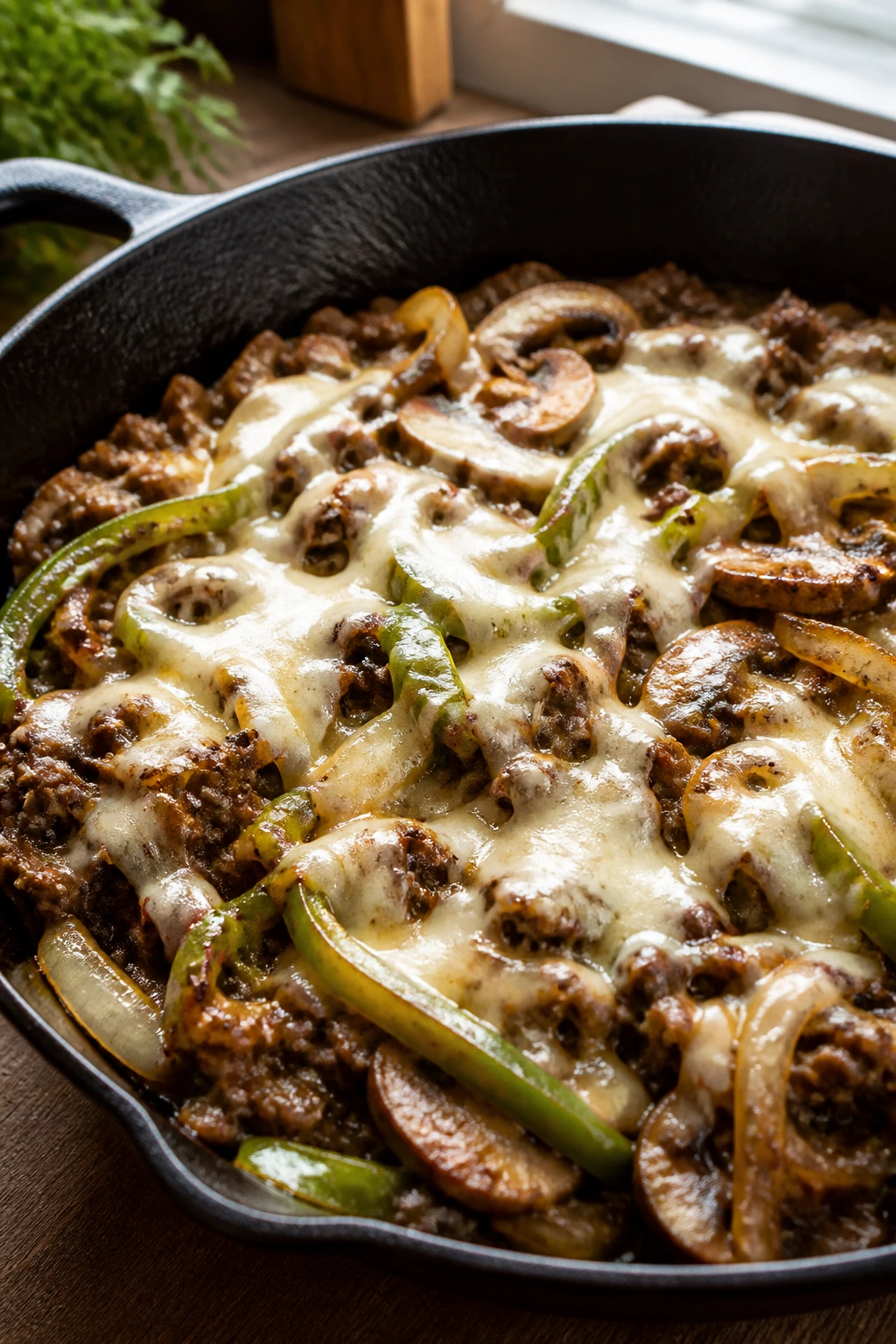
This is the skillet that gives you all the savory, oniony comfort of a cheesesteak without standing over a griddle. Mushrooms deepen the flavor, peppers bring a little sweetness, and the provolone melts over everything in a way that feels unfairly satisfying.
Ground beef makes the whole thing easier. You still get the cheesesteak mood, but with a shorter cook and less slicing. That matters on a Tuesday.
Why It Works:
A cheesesteak depends on browned meat, sweet onions, and melted cheese. Ground beef covers the first part quickly and still leaves room for the vegetables to soften in the same pan. A splash of broth helps steam the mushrooms and peppers so they cook down without scorching, and provolone melts cleanly into the hot filling.
Key Ingredients:
- 1 lb ground beef
- 1 onion, thinly sliced
- 1 green bell pepper, thinly sliced
- 8 oz mushrooms, sliced
- 2 cloves garlic, minced
- 1 tbsp Worcestershire sauce
- 1/2 tsp salt
- 1/2 tsp black pepper
- 1/2 cup beef broth
- 6 slices provolone cheese
- 4 hoagie rolls, split and toasted
- 1 tbsp butter, optional for toasting rolls
Quick Steps:
-
Cook the beef, onion, bell pepper, and mushrooms in a large skillet over medium-high heat for 8 to 9 minutes until the beef is browned and the vegetables are softened.
-
Stir in the garlic, Worcestershire, salt, and black pepper. Cook for 30 seconds.
-
Add the broth and simmer for 2 to 3 minutes, scraping the bottom so the skillet picks up every browned bit.
-
Turn the heat to low and lay the provolone over the filling. Cover the skillet for 1 to 2 minutes until the cheese melts.
-
Toast the hoagie rolls with butter if you like a crisp edge.
-
Spoon the filling into the rolls and serve hot.
Tips and Variations:
- White American cheese melts even smoother if you want a more classic sandwich-style finish.
- Serve it over rice or roasted potatoes if bread feels like too much for the night.
- A dash of hot sauce at the table wakes up the mushrooms without changing the whole dish.
12. Italian Beef and White Bean Skillet
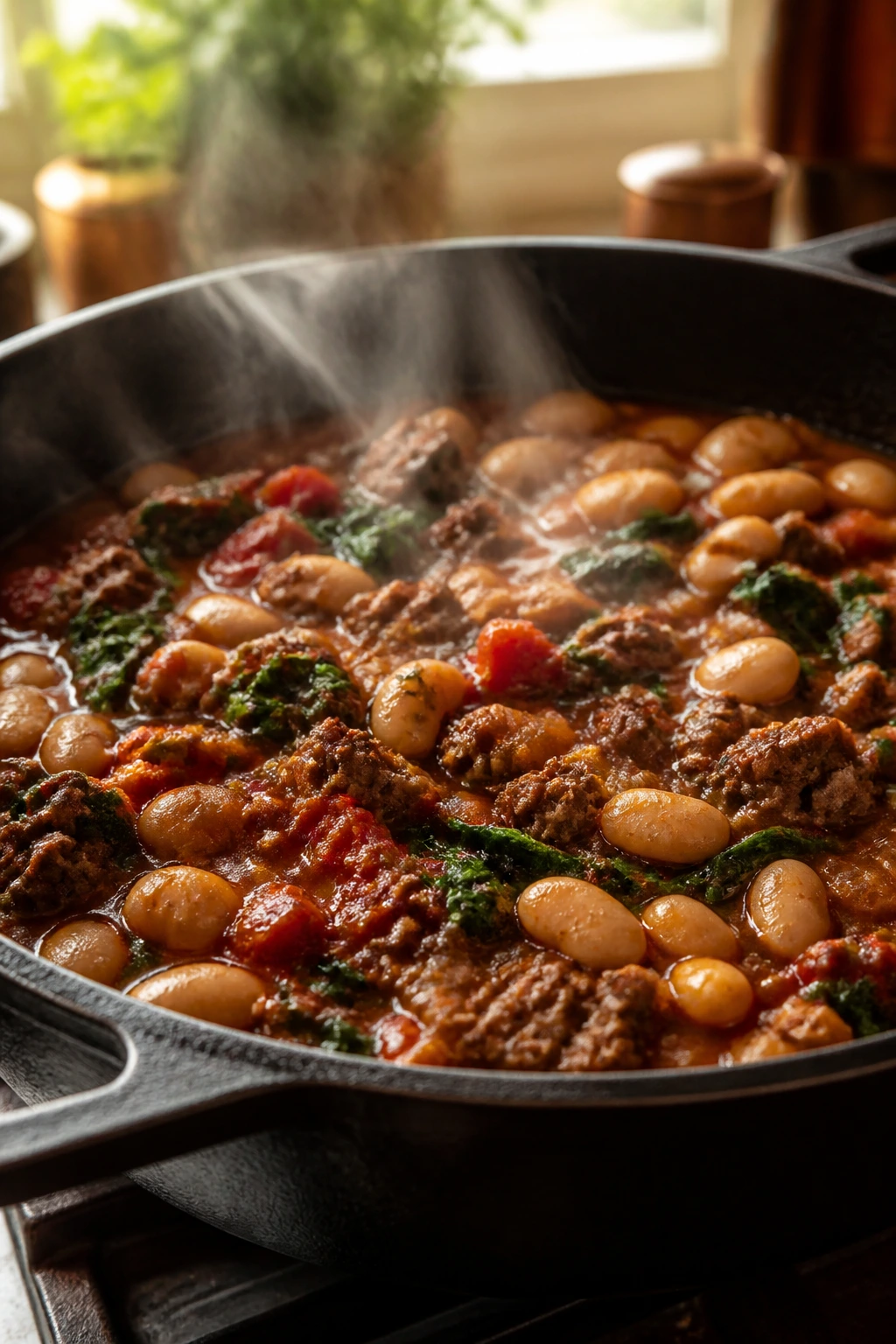
This is one of the quieter recipes in the group, and I mean that as praise. The white beans make the pan feel substantial, the crushed tomatoes bring body, and the kale or spinach softens into the sauce without taking over the room.
It’s the skillet I use when I want something tomato-forward that doesn’t lean on pasta every time. The beans do the heavy lifting, which means the beef can stay the flavor anchor instead of becoming the only thing keeping the meal upright.
Why It Works:
Cannellini beans stretch the beef without making the sauce feel thin. They absorb the tomato, garlic, and herb flavors while keeping their shape, which gives you a creamy-soft bite next to the meat. Adding greens near the end keeps the pan balanced and prevents them from turning dull or swampy.
Key Ingredients:
- 1 lb ground beef
- 1 small onion, diced
- 2 cloves garlic, minced
- 1 can cannellini beans, drained and rinsed
- 1 can crushed tomatoes, 15 oz
- 1 cup beef broth
- 1 tsp Italian seasoning
- 1/2 tsp red pepper flakes, optional
- 2 cups chopped kale or spinach
- 1/4 cup grated Parmesan
- 1 tbsp olive oil
- Salt and black pepper, to taste
- Crusty bread, for serving
Quick Steps:
-
Heat the olive oil in a large skillet over medium-high. Cook the beef and onion for 6 to 7 minutes until the beef browns and the onion softens.
-
Stir in the garlic and Italian seasoning. Cook for 30 seconds.
-
Add the beans, crushed tomatoes, broth, and red pepper flakes if using. Stir well and bring to a simmer.
-
Cook uncovered for 8 to 10 minutes until the sauce thickens and the beans taste seasoned through.
-
Stir in the kale or spinach and cook for 1 to 2 minutes until wilted.
-
Finish with Parmesan, taste for salt and pepper, and serve with bread.
Tips and Variations:
- A spoonful of tomato paste deepens the sauce if you want a more concentrated flavor.
- If you have fresh basil, tear it over the top right before serving.
- This skillet also works over polenta if you want something softer than bread.
13. Cabbage Roll Skillet
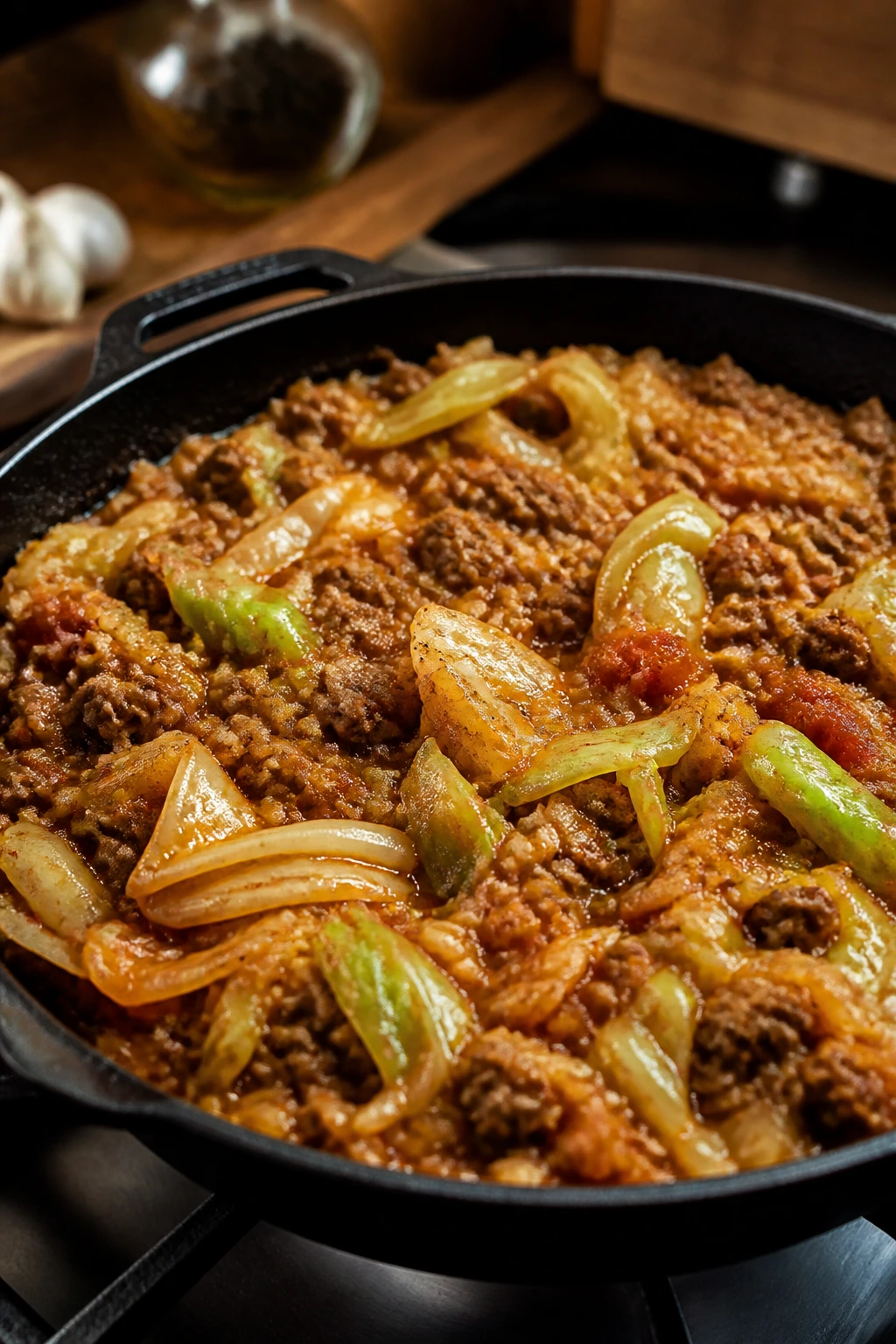
Cabbage rolls are lovely on paper and slightly annoying in real life. This skillet keeps the flavor and skips the folding. The cabbage softens into the tomato base, the rice swells in the sauce, and the beef carries the same cozy, old-fashioned flavor with far less work.
It’s a little rustic, and I think that helps. The dish doesn’t ask to be pretty. It asks to be hot, spoonable, and deeply satisfying.
Why It Works:
The traditional cabbage roll filling is already a skillet-friendly mixture of beef, rice, tomato, and seasoning. By slicing the cabbage instead of stuffing it, you let the vegetables cook evenly and release just enough moisture to soften the rice without watering down the sauce. Worcestershire and paprika add the same savory depth people often chase with extra steps.
Key Ingredients:
- 1 lb ground beef
- 1 small onion, diced
- 2 cloves garlic, minced
- 1/2 head green cabbage, shredded, about 6 cups
- 1 cup long-grain white rice, rinsed
- 1 can diced tomatoes, 14.5 oz
- 1 can tomato sauce, 15 oz
- 2 cups beef broth
- 1 tbsp Worcestershire sauce
- 1 tsp paprika
- 1 tsp dried thyme or dill
- Salt and black pepper, to taste
- Sour cream, optional for serving
Quick Steps:
-
Brown the beef and onion in a deep skillet over medium-high heat for 6 to 7 minutes until the meat is no longer pink.
-
Add the garlic and cabbage, then cook for 3 to 4 minutes until the cabbage starts to wilt and pile up less in the pan.
-
Stir in the rice, diced tomatoes, tomato sauce, broth, Worcestershire, paprika, and thyme.
-
Bring the mixture to a boil, then cover and simmer on low for 18 to 20 minutes, stirring once or twice so the rice doesn’t stick.
-
Remove from the heat and rest for 5 minutes so the rice finishes swelling in the sauce.
-
Taste and season with salt and pepper, then serve with sour cream if you like a cooler finish.
Tips and Variations:
- A bag of coleslaw mix makes this even faster.
- If the rice seems dry before it’s tender, add 1/4 cup broth and keep cooking.
- Dill gives the skillet a brighter, more Eastern European feel.
14. Lasagna Skillet
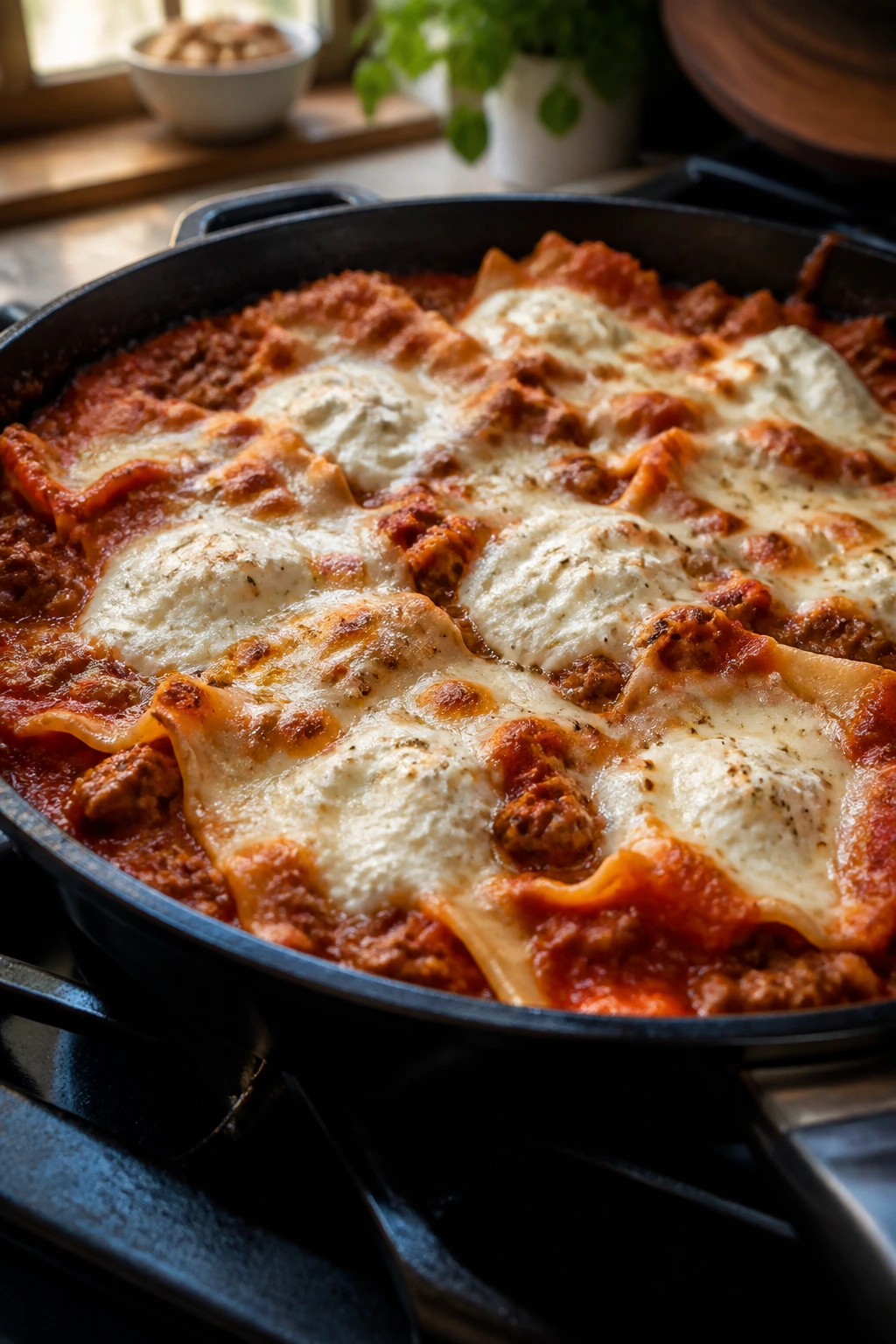
This is the one for people who love lasagna but don’t love the layering, the baking, or the cleanup. Broken noodles cook in marinara with the beef, ricotta gets spooned in at the end, and mozzarella melts over the top in little soft pockets.
It tastes indulgent because it is indulgent. The trick is that the skillet keeps it casual enough to make on a normal night, not just when you’ve planned half a weekend around dinner.
Why It Works:
Breaking the noodles into pieces lets them cook directly in the sauce, where they absorb flavor instead of sitting in separate water. Ricotta added near the end creates creamy pockets rather than disappearing into the sauce, and mozzarella on top gives you the familiar lasagna pull without waiting for a whole pan to bake. The wide skillet also helps the sauce reduce so the noodles don’t swim.
Key Ingredients:
- 1 lb ground beef
- 1 small onion, diced
- 3 cloves garlic, minced
- 24 oz marinara sauce
- 8 oz lasagna noodles, broken into 2-inch pieces
- 2 cups water or broth
- 1 tsp Italian seasoning
- 1 cup ricotta
- 2 cups shredded mozzarella
- 1/4 cup grated Parmesan
- Fresh basil, for serving
- Salt and black pepper, to taste
Quick Steps:
-
Brown the beef and onion in a deep skillet over medium-high heat for 6 to 8 minutes until the beef is cooked through.
-
Add the garlic and Italian seasoning and cook for 30 seconds.
-
Stir in the marinara, water or broth, and broken noodles. Push the noodles down so they’re mostly submerged.
-
Bring the mixture to a simmer, then cover and cook on low for 12 to 14 minutes, stirring every few minutes, until the noodles are tender.
-
Dollop the ricotta over the top, then sprinkle with mozzarella and Parmesan. Cover for 2 minutes until the cheese melts, or broil briefly if your skillet is oven-safe.
-
Finish with basil and black pepper before serving.
Tips and Variations:
- Add a handful of spinach in the last 2 minutes for a greener skillet.
- If the sauce gets too thick, splash in a little hot water before the cheese goes on.
- A pinch of red pepper flakes in the marinara gives the whole pan a little more edge.
15. Korean Beef and Rice Skillet
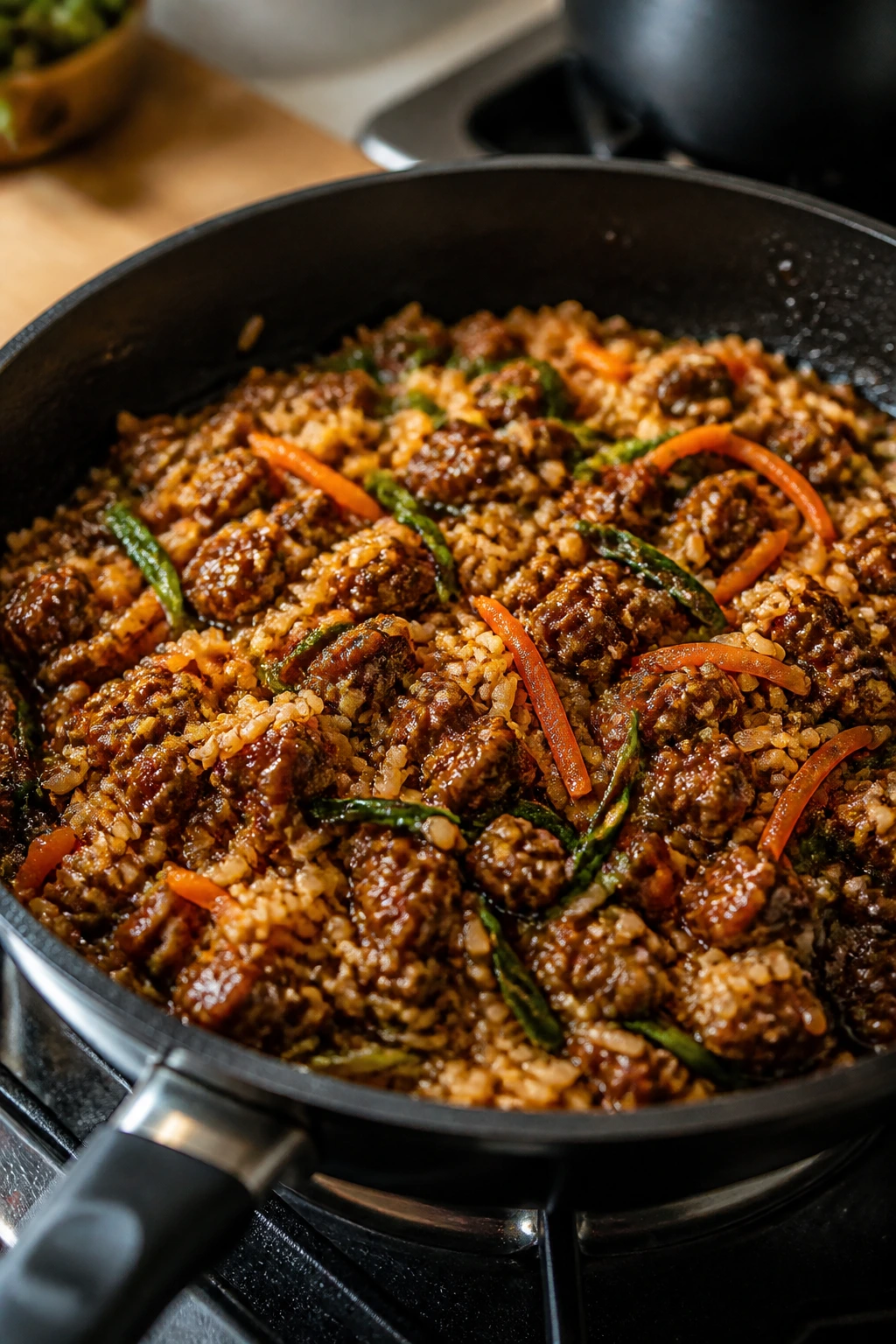
This skillet lands in sweet-salty territory with a little heat and a glossy finish that looks like you spent more time on it than you did. The beef gets coated in soy, ginger, garlic, and gochujang, then the rice catches every bit of that sticky sauce.
I like the speed here. It cooks fast, but it doesn’t taste rushed. There’s a difference, and the sesame oil and scallions are doing part of that work.
Why It Works:
Gochujang adds both heat and depth, while brown sugar keeps the sauce rounded instead of harsh. A small amount of vinegar sharpens the pan so the beef doesn’t taste flat. Since the rice is already cooked, the skillet stays quick and the texture stays clean, which is what you want when the sauce is this bold.
Key Ingredients:
- 1 lb ground beef
- 3 cloves garlic, minced
- 1 tbsp grated fresh ginger
- 1/4 cup low-sodium soy sauce
- 2 tbsp brown sugar
- 1 to 2 tbsp gochujang, depending on heat preference
- 1 tbsp rice vinegar
- 1 tsp sesame oil
- 3 cups cooked rice
- 1 cup shredded carrots
- 2 cups baby spinach
- 3 scallions, sliced
- 1 tsp sesame seeds, optional
Quick Steps:
-
Brown the beef in a large skillet over medium-high heat for 5 to 6 minutes, breaking it into fine crumbles.
-
Add the garlic and ginger. Cook for 30 seconds.
-
Stir in the soy sauce, brown sugar, gochujang, rice vinegar, and sesame oil. Let the sauce bubble for 1 to 2 minutes until glossy.
-
Add the shredded carrots and spinach. Cook just until the spinach wilts and the carrots soften slightly.
-
Fold in the cooked rice and stir until every grain is coated and hot.
-
Finish with scallions and sesame seeds, then serve immediately.
Tips and Variations:
- Start with 1 tablespoon gochujang if you want moderate heat; it’s easier to add more than to dial it back.
- A fried egg on top makes this feel like a proper rice bowl.
- Cucumber slices on the side bring a cold crunch that works well against the sticky beef.
16. Beef, Zucchini, and Tomato Skillet with Chickpeas
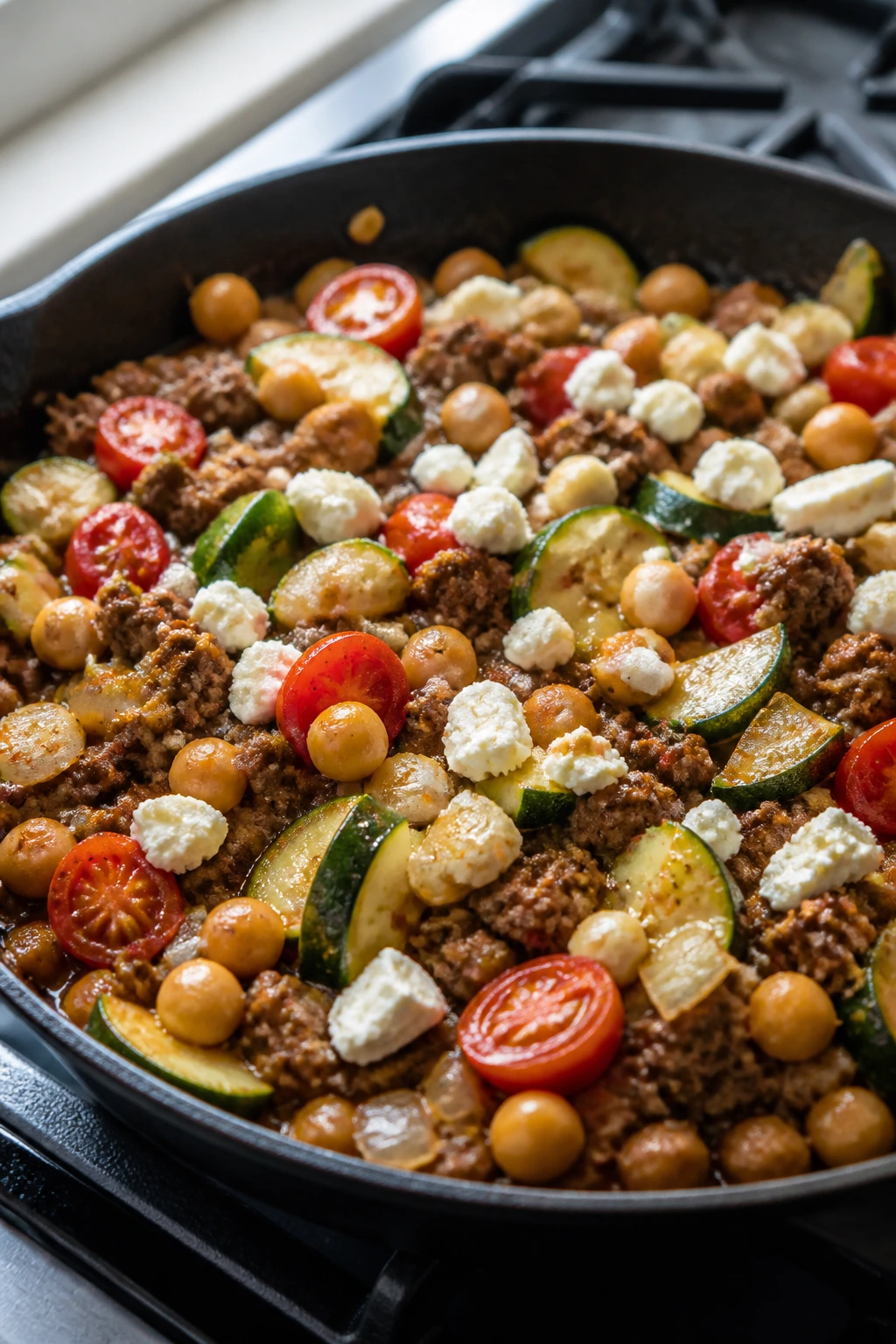
This is the lighter, brighter skillet in the group, though it still eats like dinner. The zucchini softens into the tomatoes, the chickpeas bring body, and the feta at the end gives you that sharp salty finish that keeps you going back for another spoonful.
It’s the kind of pan I reach for when I want beef but not heaviness. The flavor stays grounded in garlic, oregano, and olive oil, which makes the whole skillet feel a little looser and a little fresher than the classic comfort bowls.
Why It Works:
Zucchini gives up moisture fast, so it behaves like a built-in sauce thickener once it meets the tomatoes. Chickpeas add a starchy, nutty bite that makes the skillet more filling without needing pasta or rice. Feta should stay off the heat until the end so it keeps its crumbly shape and gives the pan a bright salty pop.
Key Ingredients:
- 1 lb ground beef
- 1 small onion, diced
- 2 medium zucchini, cut into half-moons
- 1 pint cherry tomatoes, halved
- 1 can chickpeas, drained and rinsed
- 2 cloves garlic, minced
- 1 tsp dried oregano
- 1/2 tsp smoked paprika
- 1 tbsp lemon juice
- 1/4 cup crumbled feta
- 2 tbsp olive oil
- Salt and black pepper, to taste
- 2 tbsp chopped basil or parsley
Quick Steps:
-
Heat the olive oil in a large skillet over medium-high. Add the beef and onion, then cook for 6 to 7 minutes until the beef browns and the onion softens.
-
Stir in the zucchini and chickpeas. Cook for 4 minutes, stirring often so the zucchini starts to pick up a little color.
-
Add the garlic, cherry tomatoes, oregano, and smoked paprika. Cook for 3 to 4 minutes until the tomatoes burst and the juices turn saucy.
-
Stir in the lemon juice and taste the skillet. Add salt and black pepper if it needs a brighter edge.
-
Spoon the mixture into bowls and finish with feta and herbs.
-
Serve with pita, couscous, or just as it is.
Tips and Variations:
- If the zucchini gives off a lot of liquid, keep the heat high for the last minute so the skillet tightens back up.
- A spoonful of tomato paste gives the sauce a deeper color and a meatier flavor.
- Add a pinch of crushed red pepper if you want the pan to lean warmer and less mellow.
Why the Skillet Wins on Busy Nights
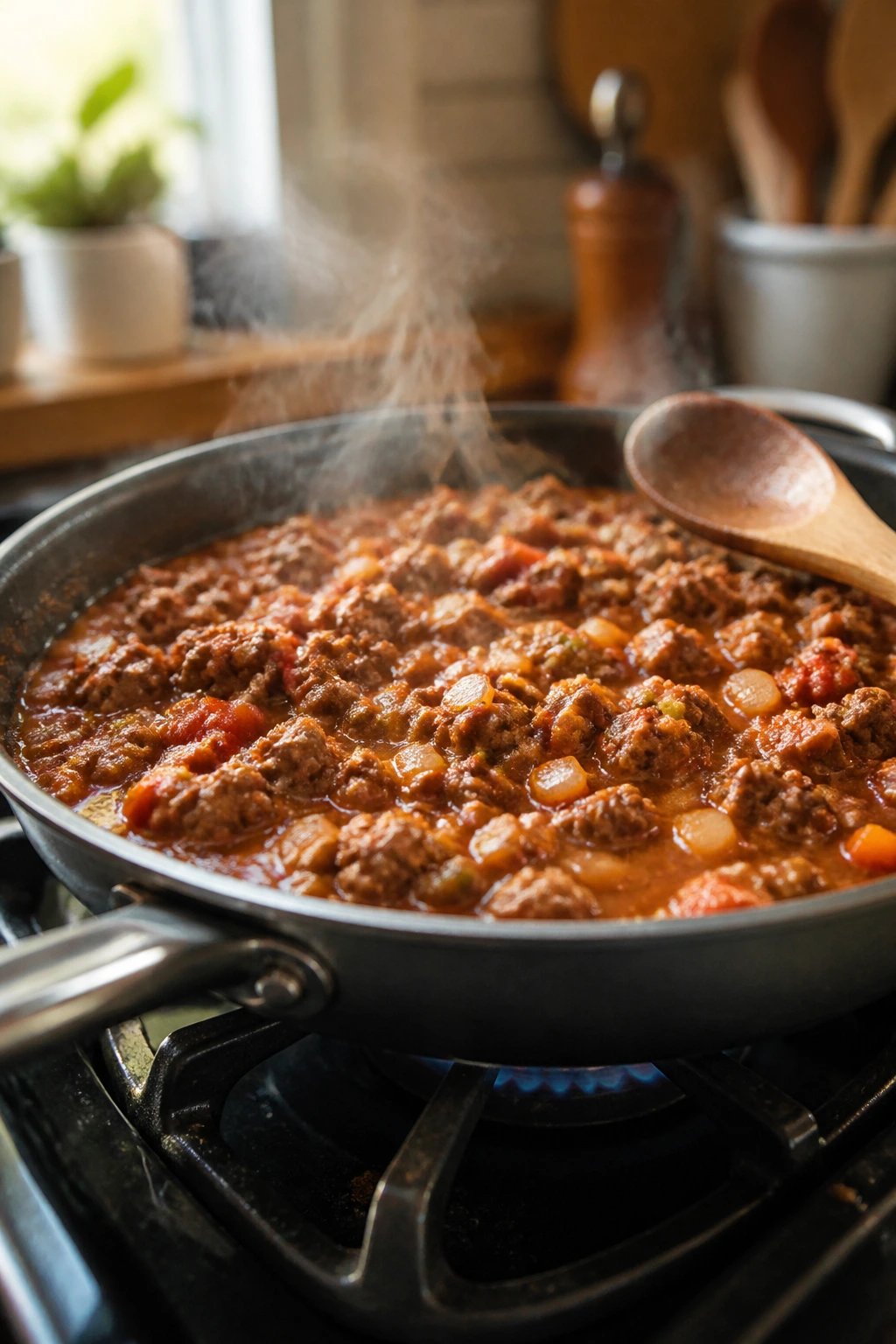
The skillet is a good match for ground beef because it rewards speed without punishing you for not planning every detail. Beef browns fast, onions soften alongside it, and the fat left behind gives you a built-in base for garlic, spices, broth, or tomato paste. That means the flavor starts in the pan, not in a long ingredient list.
There’s also a practical benefit that gets overlooked: the skillet keeps starches honest. Rice can simmer in the sauce, noodles can cook in broth, and vegetables can pick up enough heat to taste like part of the dinner instead of a side note. If you’ve ever cooked a pan sauce that tasted thin and sad, you already know how much one wider pan can change the result.
Food safety is part of the appeal, too. Ground beef should reach 160°F in the center, and an instant-read thermometer takes the guessing out of that. A lot of weeknight dinners go wrong because people pull the meat early and hope for the best. Hope is not a method.
Essential Gear for Skillet Suppers
-
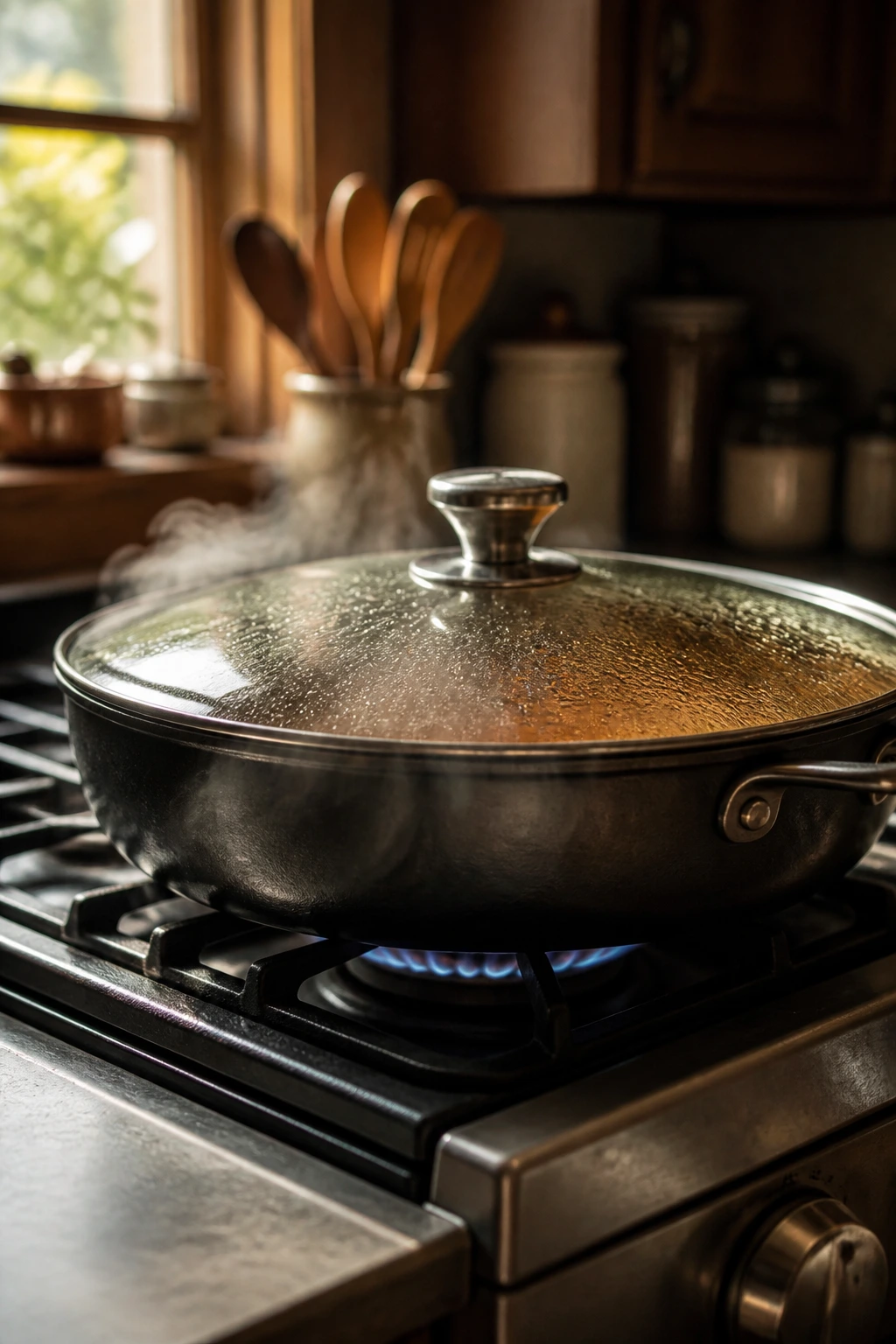
12-inch skillet with a lid: This is the workhorse size for most of these dinners, and the lid helps with rice, noodles, vegetables, and cheese melting.
-
Deep skillet or braiser: Handy for the recipes with extra sauce or pasta so nothing spills over when it simmers.
-
Wooden spoon or silicone spatula: Good for breaking up beef into small crumbles and scraping browned bits off the bottom of the pan.
-
Instant-read thermometer: The easiest way to make sure ground beef is cooked to 160°F without drying it out.
-
Chef’s knife: Useful for quick chopping on onions, peppers, cabbage, zucchini, and herbs.
-
Cutting board: A sturdy board keeps prep fast and safe, especially when you’re slicing several vegetables in a row.
-
Measuring cups and spoons: These recipes rely on broth, rice, pasta, tomato sauce, and seasoning amounts that matter.
-
Box grater: Nice for cheese if you want smoother melting, and handy for ginger in the faster stir-fry style skillets.
-
Colander: Useful when draining beans, rinsing rice, or cooling cooked noodles if you go that route.
-
Lid or sheet pan cover: If your skillet doesn’t have a matching lid, a sheet pan over the top works in a pinch for melting cheese or finishing steam-cooked rice.
Smart Shopping for Better Beef and Better Texture
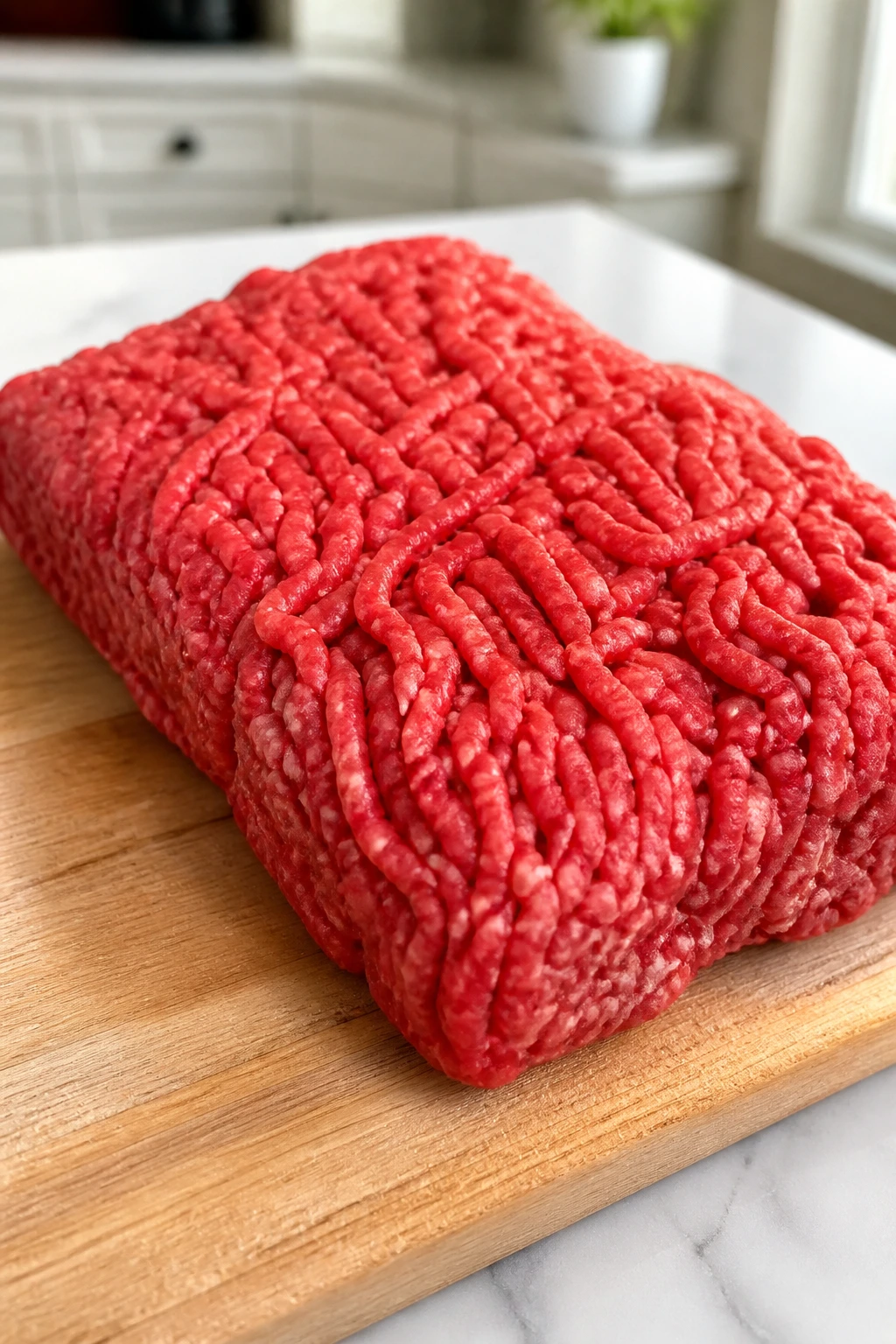
Ground beef matters more than people like to admit. An 85/15 blend usually gives you the best balance of flavor and moisture for skillet dinners, because it renders enough fat to carry onions, garlic, and spices without turning the pan oily. If you prefer leaner beef, 90/10 still works, but you may need a tablespoon of oil at the start so the aromatics don’t stick.
Look for beef that’s cold, packaged tightly, and still bright red on the outside. A little darker color inside the package is normal; oxidation happens. What you want to avoid is meat that smells sour or feels slimy. That’s a hard stop, not a maybe.
For the pantry pieces, buy the versions that do the least damage to the final dish. Low-sodium broth gives you more control. Canned tomatoes with few extras taste cleaner. Beans should be rinsed well so the sauce doesn’t turn chalky or too salty. If you’re buying salsa or enchilada sauce, pick one you’d eat with chips by itself; if it tastes flat in the jar, it will taste flat in the skillet.
Frozen vegetables are not a compromise here. Frozen corn, broccoli, and peas work well because they’re picked and packed at speed, which means they hold their flavor better than the sad, wilted bags at the back of the crisper drawer. Fresh herbs matter at the end, though. Parsley, cilantro, basil, and scallions are small things that make a skillet look and taste finished.
How to Serve These Skillet Dinners
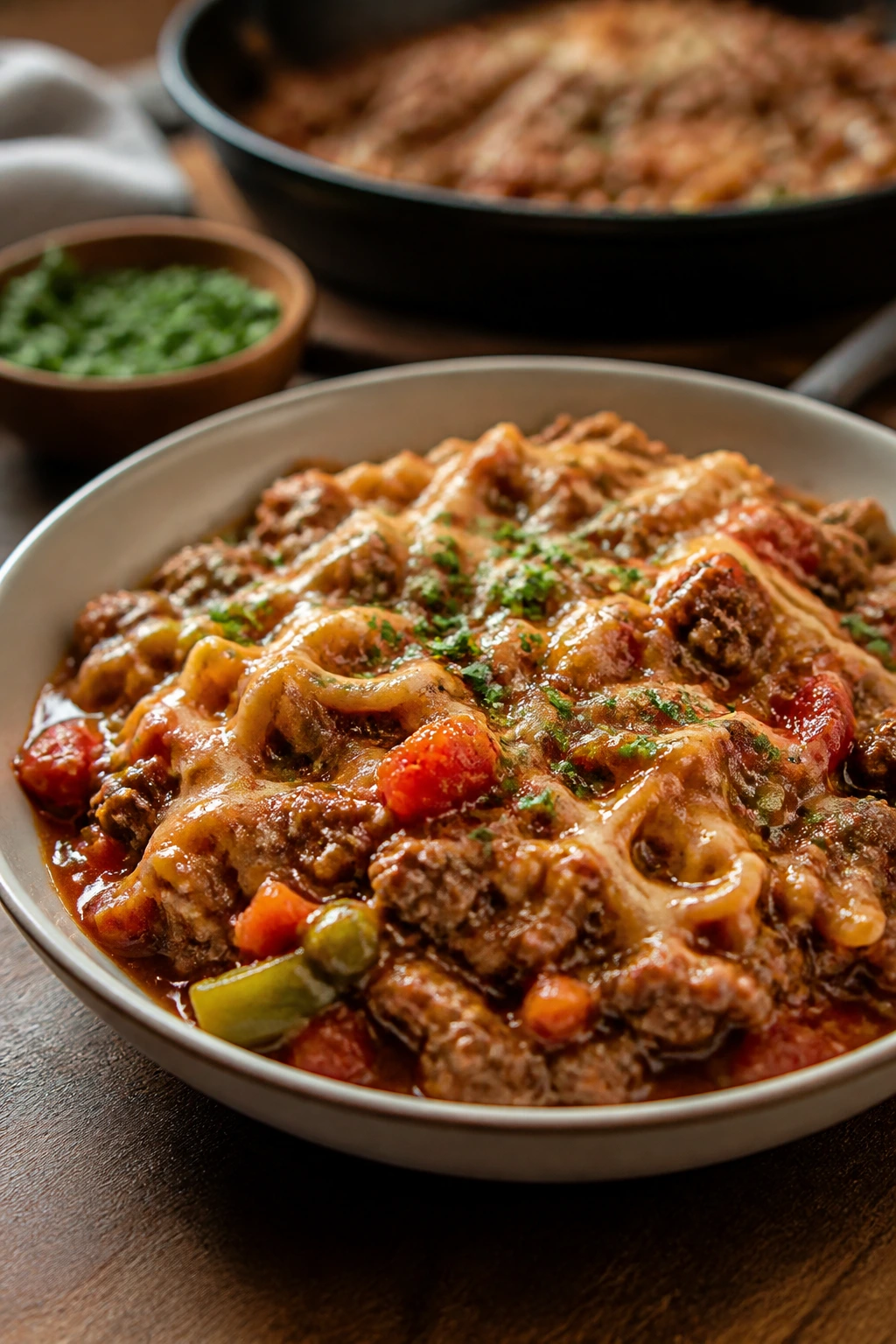
Presentation: Serve saucy skillets in shallow bowls so the liquid stays where it belongs. Cheesesteak and sloppy joe versions look better piled onto toasted rolls or broad plates, while the rice and noodle skillets are happiest with a spoon and a wide rim.
Accompaniments: A simple salad, sliced cucumbers, crusty bread, tortilla chips, or steamed green beans all make sense depending on the recipe. I like a cold, crunchy side with the creamy or cheesy skillets, and bread with the tomato-heavy ones.
Portions: Most of these recipes feed 4 to 6 people. If you’re serving hungry adults, count on about 1 to 1 1/2 cups per person for the rice, pasta, and bean-based skillets, and a little less if you have bread or a side salad beside them.
Beverage Pairing: Unsweetened iced tea works across almost all of these pans. A light lager fits cheeseburger, taco, and cheesesteak dinners, while sparkling water with lemon keeps the brighter tomato and herb skillets feeling clean.
Extra Tricks for Bigger Flavor
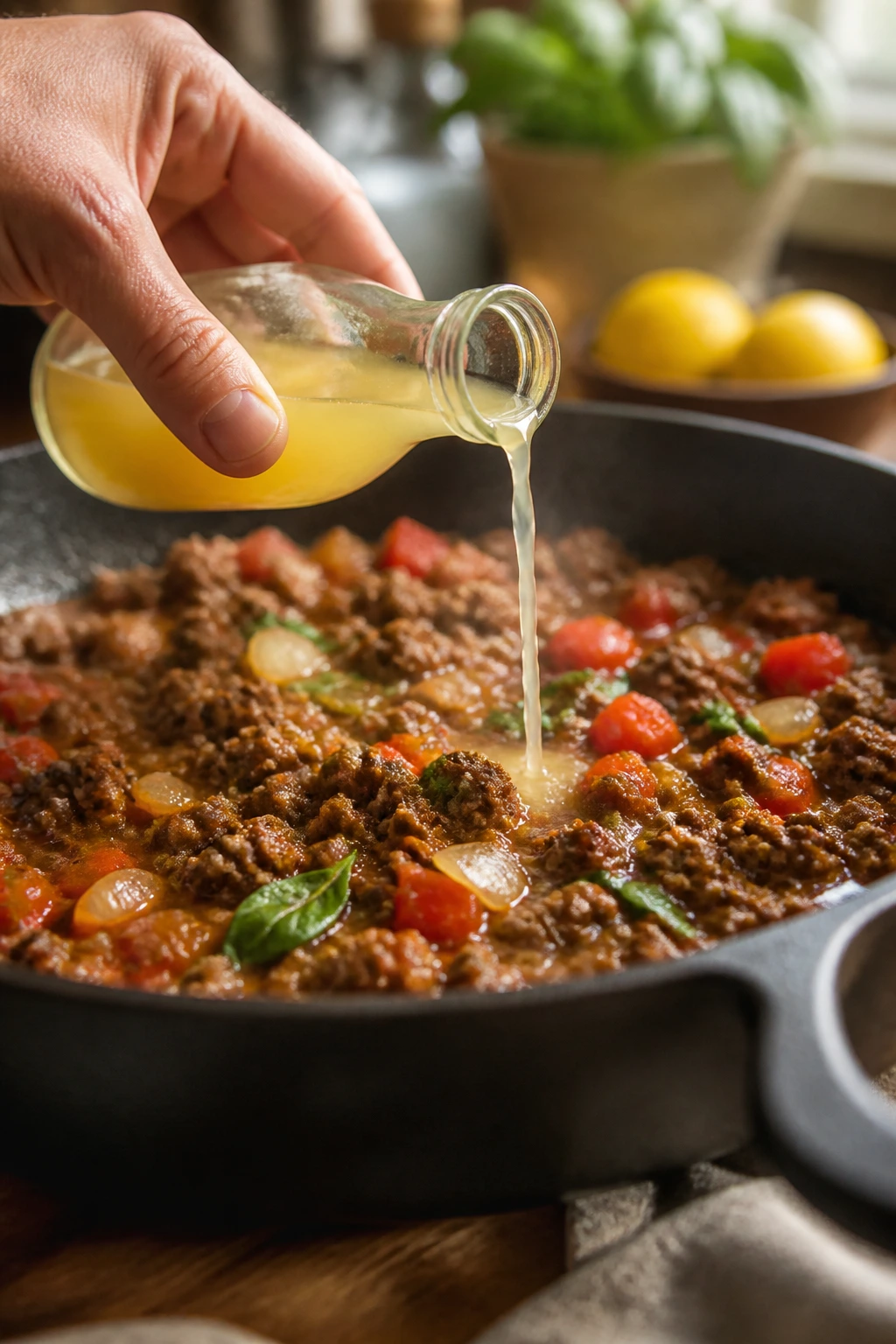
Flavor Enhancement: A small splash of acid at the end changes more than most people expect. Try 1 teaspoon of lemon juice, red wine vinegar, or pickle brine in the cheeseburger, tomato, or bean-based skillets right before serving. The flavor wakes up.
Customization: Add mushrooms, zucchini, spinach, peas, or cabbage when you want to stretch dinner without making it feel thin. A good rule is to cook the vegetables until they shrink down and stop looking raw, then season again before serving.
Serving Suggestions: Fresh herbs matter. Parsley softens tomato-heavy pans, cilantro fits taco and enchilada skillets, basil belongs with lasagna and Mediterranean versions, and scallions keep the soy-based skillet from tasting flat.
Make-It-Yours: Use gluten-free pasta, tamari, or rice when you need a different base. Swap in dairy-free cheese on the cheesier recipes, or use ground turkey if you want a leaner skillet; just add a bit of oil so the pan doesn’t taste dry.
Make-Ahead, Storage, and Reheating Guidance
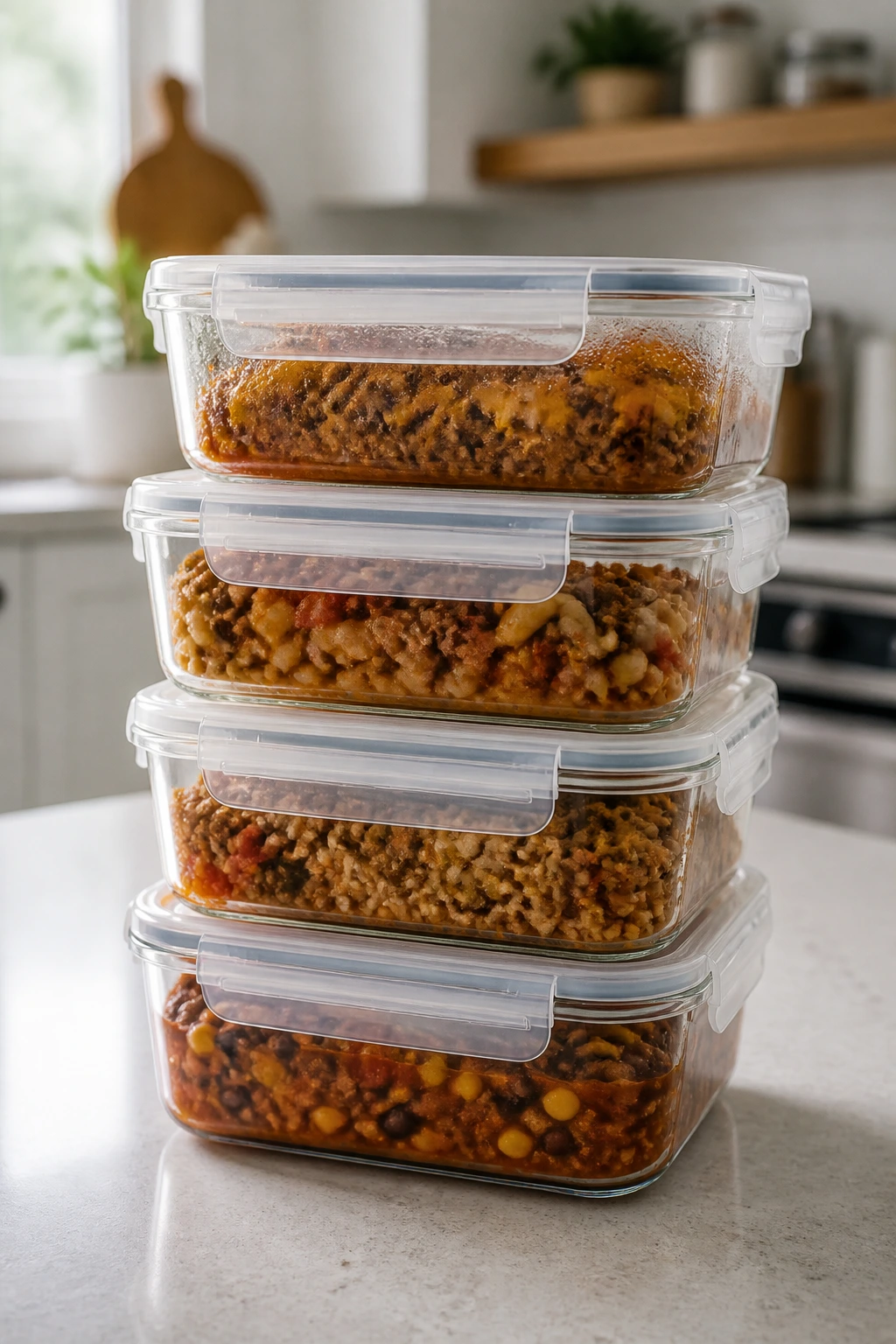
Most of these skillet dinners keep well for 3 to 4 days in the refrigerator in airtight containers. The tomato, bean, cabbage, and rice-based versions usually hold their texture the best. Noodle and potato skillets still keep fine, but they soften a bit more with each day, so plan to eat those first if you can.
For the freezer, 2 months is the sweet spot for most saucy ground beef skillets. The lasagna skillet, stroganoff, and mashed-potato-topped shepherd’s pie are better frozen for about 1 month if you care about texture, because dairy and starch get softer after thawing. Cool the food within 2 hours, pack it flat in freezer containers, and label it before it gets lost behind the ice cube tray.
Reheat rice, bean, and tomato skillets in a covered skillet over medium-low heat with 1 to 3 tablespoons of water or broth. Stir every couple of minutes until the center is hot. For pasta, use a little extra sauce or broth so the noodles don’t tighten up. Microwaving works too; just cover the bowl and heat in 60- to 90-second bursts, stirring between bursts so the edges don’t overcook while the middle stays cold.
If a recipe uses sour cream, ricotta, or a lot of cheese, it often reheats better when the dairy is added fresh after warming. That keeps the texture smoother and avoids graininess. Cold leftovers are useful for lunch, but warm leftovers have the edge here.
Variations and Adaptations to Try
Gluten-Free Skillet Night: Use rice instead of pasta, tamari instead of soy sauce, and cornstarch instead of flour. The taco, cheeseburger rice, Mediterranean, and cabbage-style skillets adapt especially well because they already lean on starches that don’t need wheat.
Lower-Carb Bowl Dinner: Skip the rice, noodles, or bread and serve the beef mixture over cauliflower rice, shredded cabbage, or zucchini ribbons. The taco, Korean, and Mediterranean skillets work especially well this way because the sauce carries enough flavor on its own.
Dairy-Free Comfort Fix: Use olive oil or neutral oil instead of butter, leave out the sour cream, and finish with herbs, lemon, or a spoonful of avocado. The tomato and soy-based recipes barely miss the dairy, while the cheesier ones still feel complete if you lean on seasoning and a good sauce.
Kid-Mild Version: Keep chili powder, gochujang, and hot sauce light, then put the heat on the table instead of in the pan. Mild salsa, extra cheese, and a little ketchup or honey can make a skillet feel friendly without tasting childish.
Stretch-It-Farther Style: Add 1 to 2 cups of vegetables to any skillet and shave a few ounces off the beef. Mushrooms, cabbage, spinach, zucchini, carrots, and frozen peas all work without much fuss. The pan feels bigger, and the grocery bill tends to behave better.
Pantry-First Rescue: When the shopping list went sideways, use canned beans, jarred sauce, frozen vegetables, and leftover rice or pasta. The skillet format is generous that way. It forgives a lot, as long as you season it properly and don’t drown it in liquid.
Common Mistakes to Avoid
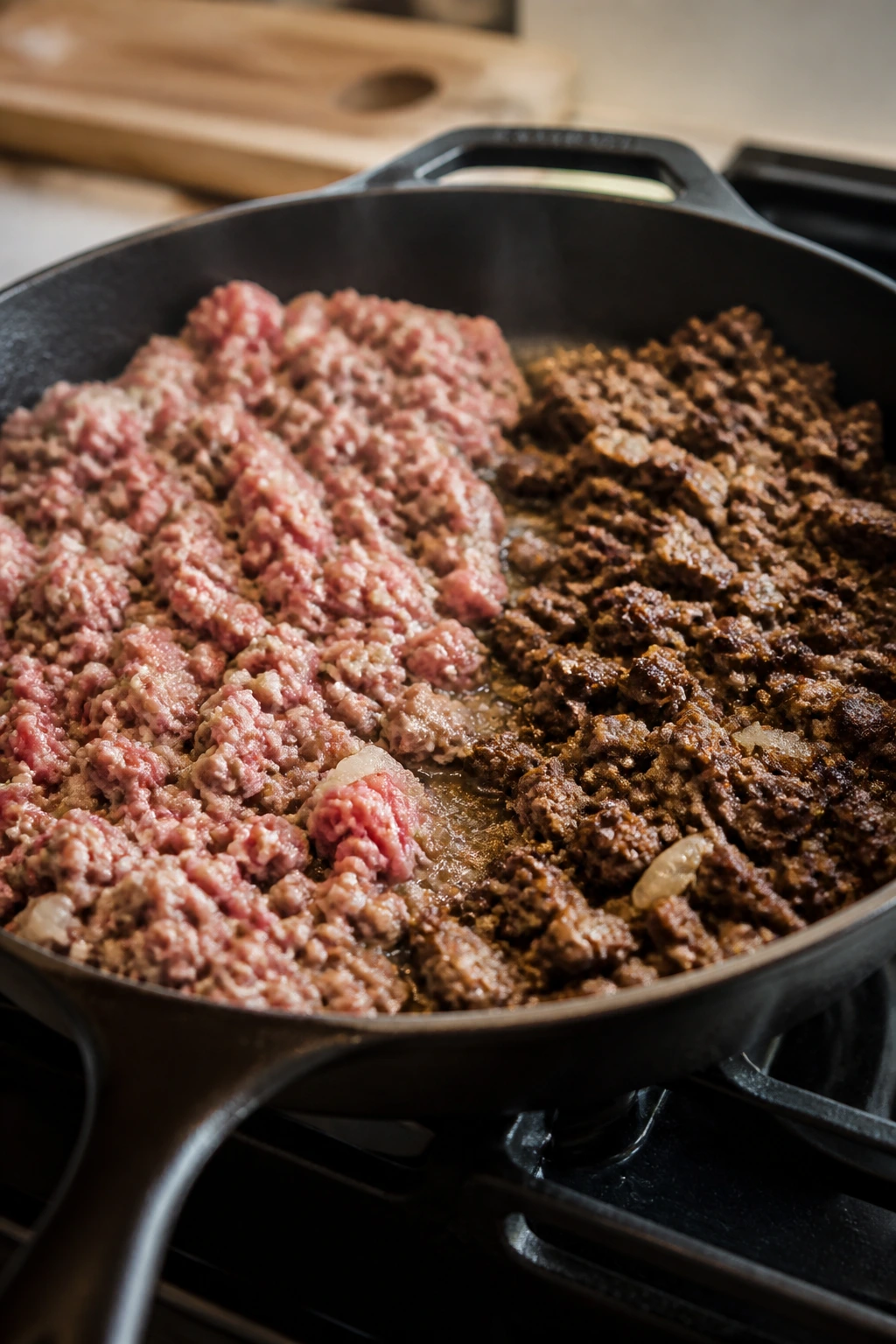
Crowding the pan: If the beef sits in a thick layer and steams instead of browning, the whole dish tastes gray and flat. Use a large skillet and spread the meat out so the moisture can cook off before you add the next ingredient.
Leaving too much fat behind, or none at all: A spoonful or two of fat helps the onions and spices taste fuller, but a greasy pan makes the sauce slick. Drain the excess if needed, then leave a small amount behind so the skillet keeps some body.
Adding cheese or sour cream too early: Dairy added to a hard simmer can split or turn grainy. Pull the pan off the heat first, stir the dairy in gently, or cover the skillet after sprinkling cheese on top so the steam does the melting.
Under-seasoning the starch: Rice, noodles, and potatoes can taste bland even when the beef is well seasoned. Salt the liquid early, then taste again at the end. A small squeeze of lemon, a splash of vinegar, or a spoonful of pickle brine can fix a sauce that feels dull.
Walking away during the simmer: Pasta and rice skillets need attention. Stir every couple of minutes so nothing catches on the bottom, and check the liquid early; if the pan dries out before the starch is tender, add a splash of broth and keep going.
Forgetting the final taste: A skillet can smell finished and still taste a little off. Before serving, ask whether it needs salt, acid, heat, or freshness. Usually it needs one of those four.
Frequently Asked Questions

What ground beef percentage works best for skillet dinners?
An 85/15 blend gives you the richest flavor for most of these recipes because it renders enough fat to build the pan sauce. If you use 90/10, add a little oil at the beginning so the onions and garlic don’t stick.
Can I swap in ground turkey or chicken?
Yes, and a few of these recipes actually handle that swap without complaint. Add a bit more oil, season a little more aggressively, and don’t expect the same beefy depth in dishes like stroganoff or cheeseburger rice.
Do I need a deep skillet, or will a regular frying pan work?
A regular 10- or 12-inch frying pan is fine for the quicker, less saucy dinners. For recipes with pasta, rice, or plenty of broth, a deep skillet or braiser saves you from spills and gives the starch room to cook evenly.
How do I keep rice or pasta from turning mushy?
Use the right amount of liquid, keep the simmer gentle, and check the pan before the timer runs out. Stirring matters too, but not constantly; every couple of minutes is enough to stop sticking without breaking the starch apart.
Which recipes freeze the best?
The tomato, bean, cabbage, and rice-based skillets freeze the cleanest. The lasagna skillet and shepherd’s pie still freeze well, but the texture gets softer after thawing, so they’re best eaten within a month.
Can I make these dinners milder for kids?
Absolutely. Use mild salsa, cut the chili powder or gochujang in half, and keep pickles, hot sauce, and red pepper flakes on the side. Kids usually care more about texture and cheese than they do about the exact spice level.
What if my sauce turns out too thin?
Keep it simmering uncovered for a few more minutes so the liquid reduces. If that still doesn’t fix it, stir in a small slurry of 1 teaspoon cornstarch mixed with 1 tablespoon cold water, then cook for another minute.
How do I stretch one pound of beef to feed more people?
Add beans, rice, noodles, potatoes, or extra vegetables. The enchilada, cabbage, white bean, and stuffed pepper skillets are especially good at feeding a bigger table without feeling skimpy.
A Faster Way to Get Dinner on the Table
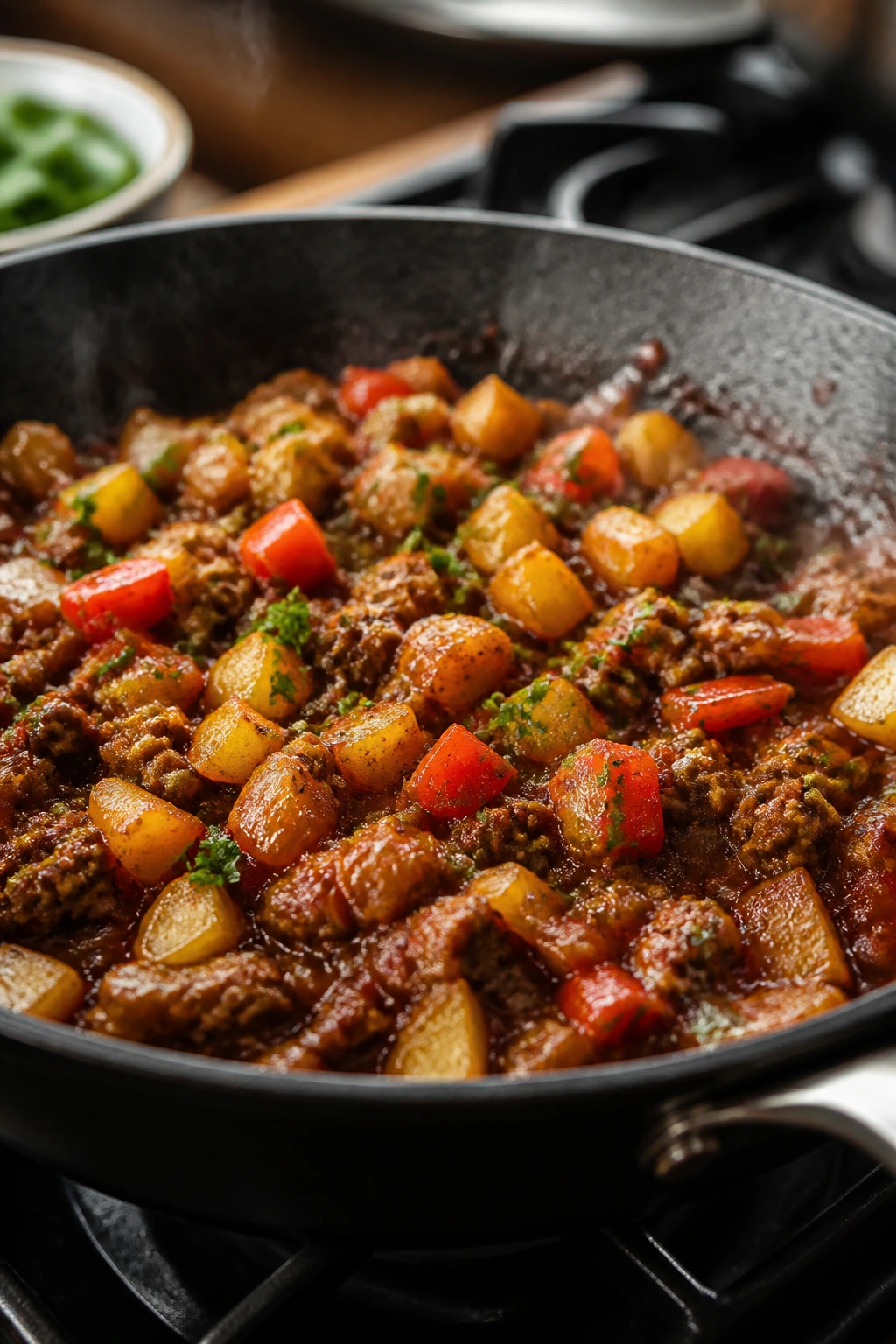
There’s a reason these ground beef skillet dinners keep showing up on real weeknight tables. They’re fast without tasting rushed, filling without needing a mountain of dishes, and flexible enough to survive the odd substitution when the fridge is not cooperating. That’s the sweet spot.
The best part is how much personality a skillet can hold. One pan can lean cheesy, tangy, tomato-rich, soy-salty, herb-heavy, or bright with lemon, and the bones of the method stay the same. Brown the beef well. Season it properly. Give the starch or vegetables enough time to drink in the sauce. Finish with something fresh.
Keep one or two of these recipes in your regular rotation and the weekday scramble gets easier. The skillet does the heavy lifting. You just keep it hot, seasoned, and honest.