



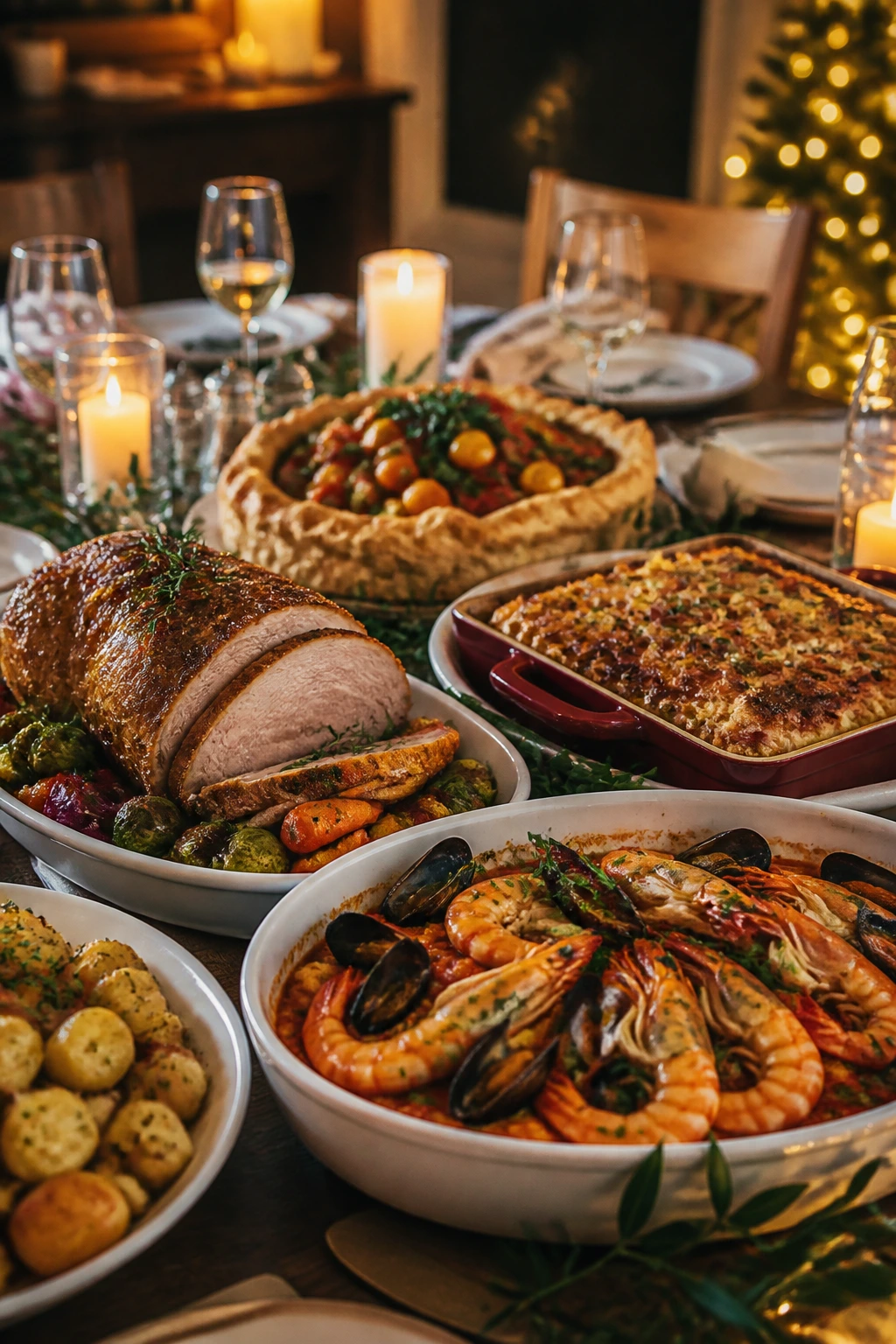
A good Christmas Eve dinner has a certain sound to it: knives on a board, a pan whispering on the stove, someone laughing too loudly in the next room because the first bottle of sparkling wine was opened too early. The food matters, obviously, but the mood matters more. Christmas Eve dinner ideas for hosting should feel generous without turning your kitchen into a war zone.
That’s why the smartest holiday menus are the ones that buy you breathing room. A roast that can rest. A casserole that can wait. A sauce that gets better while the table gets crowded. The best dishes for this night are the ones that let you wipe your hands, answer the door, and come back without panic in your chest.
I like a Christmas Eve spread that has one clear anchor and a few calm supporting players. Maybe that anchor is a rib roast with a burnished crust. Maybe it’s a braise that smells like red wine and thyme. Maybe it’s baked pasta that can sit in the oven while you light candles and pretend you’re more organized than you are. The point is not to make everything complicated. The point is to make the evening feel composed.
Why This Collection Works for Christmas Eve
-
Built for different kinds of crowds: You get rich roasts, lighter seafood, cozy pasta bakes, and a vegetarian centerpiece, so the menu can fit the room instead of forcing one flavor on everyone.
-
Timed for real hosting, not fantasy hosting: These dishes include make-ahead steps, oven-friendly finishes, and recipes that hold well for the ten-minute delay that always turns into twenty.
-
Seasonal without leaning on gimmicks: Rosemary, cider, citrus, mushrooms, butter, and wine do the heavy lifting here. Nothing tastes like it came from a holiday aisle.
-
Strong leftovers are part of the plan: A lot of holiday food gets weird on the second day. These recipes are built to reheat well, slice cleanly, or turn into a proper next-day lunch.
-
One showpiece is enough: You do not need six dramatic dishes. One good centerpiece and a sensible side path can make the whole table feel generous.
-
Flexible enough to mix and match: Pair a roast with a pasta bake, or choose salmon when the room wants something lighter. The menu stays elegant either way.
1. Herb-Crusted Prime Rib with Pan Jus
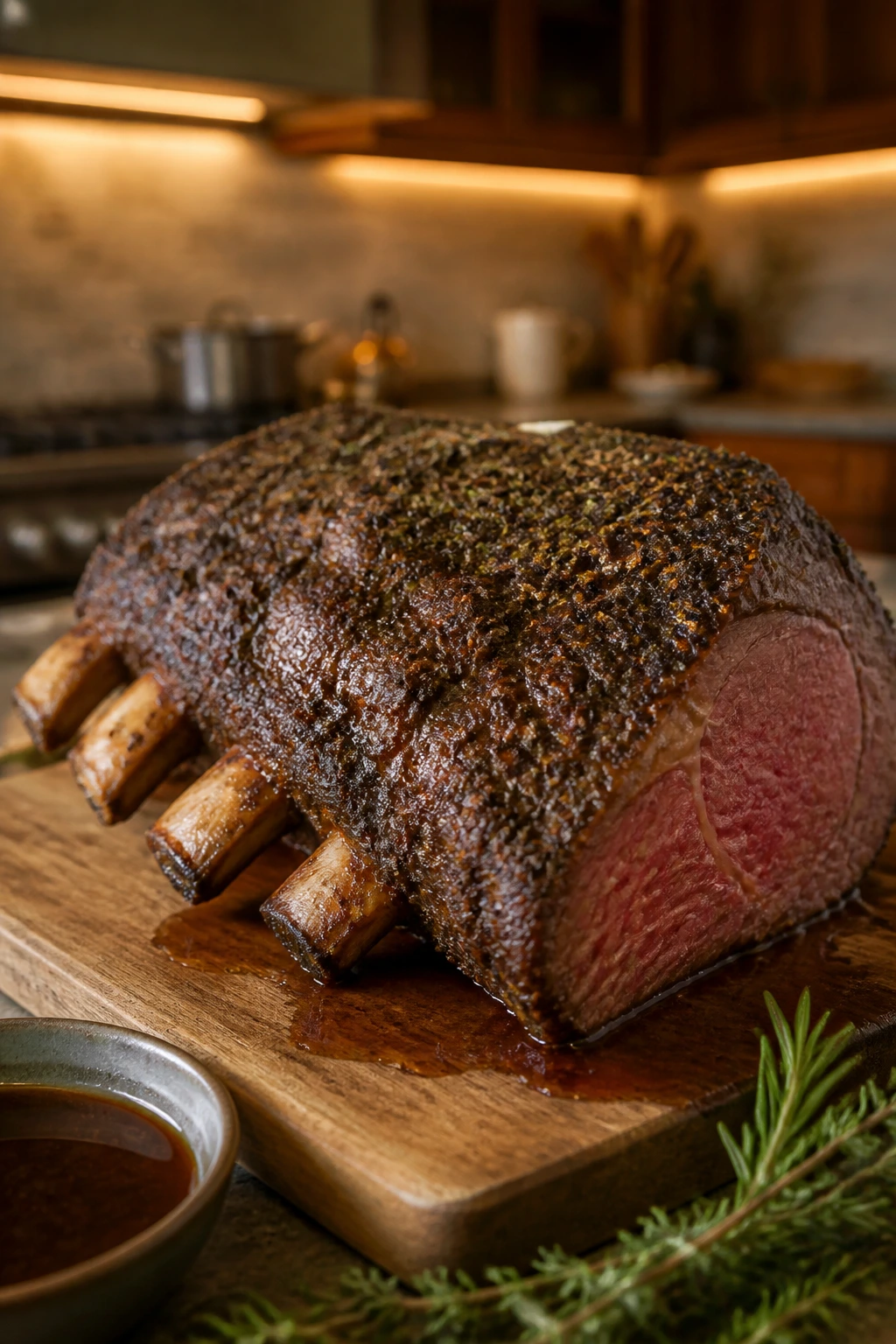
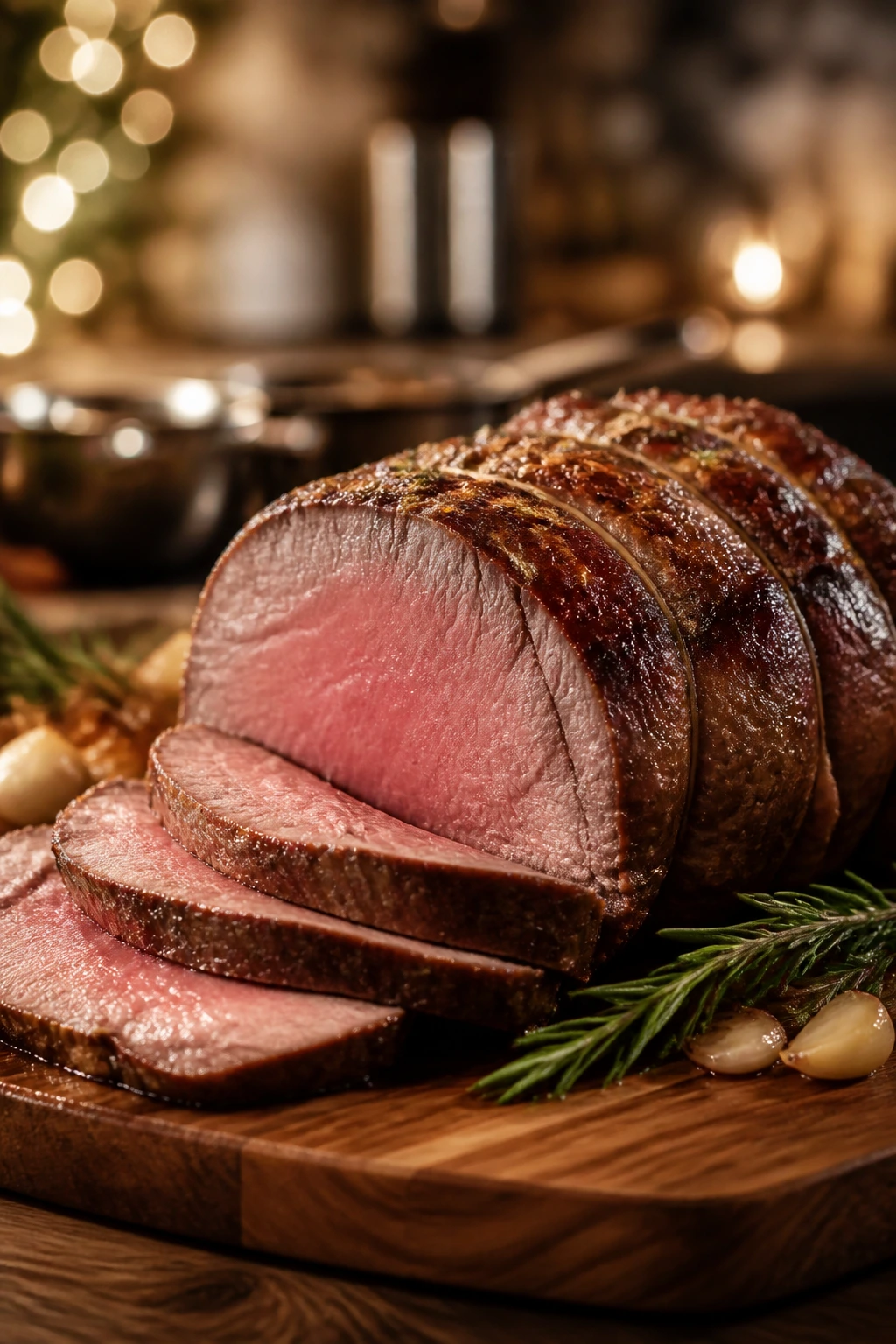
Prime rib is the kind of main course that changes the temperature in a room. People notice it before they even sit down. The crust goes dark and savory, the inside stays rosy and tender, and the whole thing feels like it belongs in the middle of a holiday table that means business.
What I like most here is that it looks like you worked far harder than you actually did. The oven does the heavy lifting. Your job is seasoning, timing, and not touching the roast every six minutes like a nervous stage manager.
Why It Works
Prime rib is a gift to the host because it’s dramatic without needing constant attention. The fat cap bastes the meat as it roasts, and a simple herb paste builds a crust that smells like rosemary, garlic, and pepper the second the roast hits the heat. Pulling it at 120°F to 125°F for medium-rare gives you a juicy center after resting, which matters more than people think; carve too early and you lose the best part. The pan jus uses the browned drippings, so the flavor feels deep and polished without asking you to make a separate sauce from scratch.
Key Ingredients
For the Roast
- 1 bone-in prime rib roast, 5 to 6 lb, tied if needed
- 3 tablespoons kosher salt
- 2 tablespoons freshly ground black pepper
- 2 tablespoons chopped fresh rosemary
- 2 tablespoons chopped fresh thyme
- 6 garlic cloves, minced
- 2 tablespoons olive oil
- 2 tablespoons Dijon mustard
For the Pan Jus
- 1 shallot, finely chopped
- 1/2 cup dry red wine
- 1 cup beef stock
- 2 tablespoons unsalted butter
Quick Steps
-
Season the roast. Pat the prime rib dry, mix the salt, pepper, rosemary, thyme, garlic, oil, and Dijon into a thick paste, and rub it all over the meat. If you have the time, refrigerate it uncovered for several hours or overnight so the crust starts ahead of the oven.
-
Start hot, then settle down. Preheat the oven to 450°F (230°C) and place the roast fat-side up on a rack in a roasting pan. Roast for 20 minutes to give the exterior a head start.
-
Finish at a lower temperature. Reduce the oven to 325°F (165°C) and continue roasting until the thickest part reaches 120°F to 125°F for medium-rare, usually about 1 1/2 to 2 hours depending on size. Use an instant-read thermometer; do not guess.
-
Rest before slicing. Transfer the roast to a cutting board and let it rest for 25 to 30 minutes, loosely tented. That pause keeps the juices where they belong.
-
Make the jus. Pour off excess fat from the pan, set it over medium heat, and cook the shallot for 2 minutes. Add the wine, scrape up the browned bits, then add the stock and simmer until reduced by about half. Whisk in the butter for a glossy finish.
-
Carve and serve. Slice against the grain into thick slices and spoon the warm jus over the top.
Tips and Variations
- Thermometer tip: Pull the roast a few degrees early; carryover heat keeps it climbing while it rests.
- Flavor swap: Add a teaspoon of crushed juniper berries if you want a deeper, more woodsy note.
- Serving idea: A spoon of horseradish cream on the side cuts the richness nicely.
2. Brown Sugar Glazed Ham with Bourbon Mustard Glaze
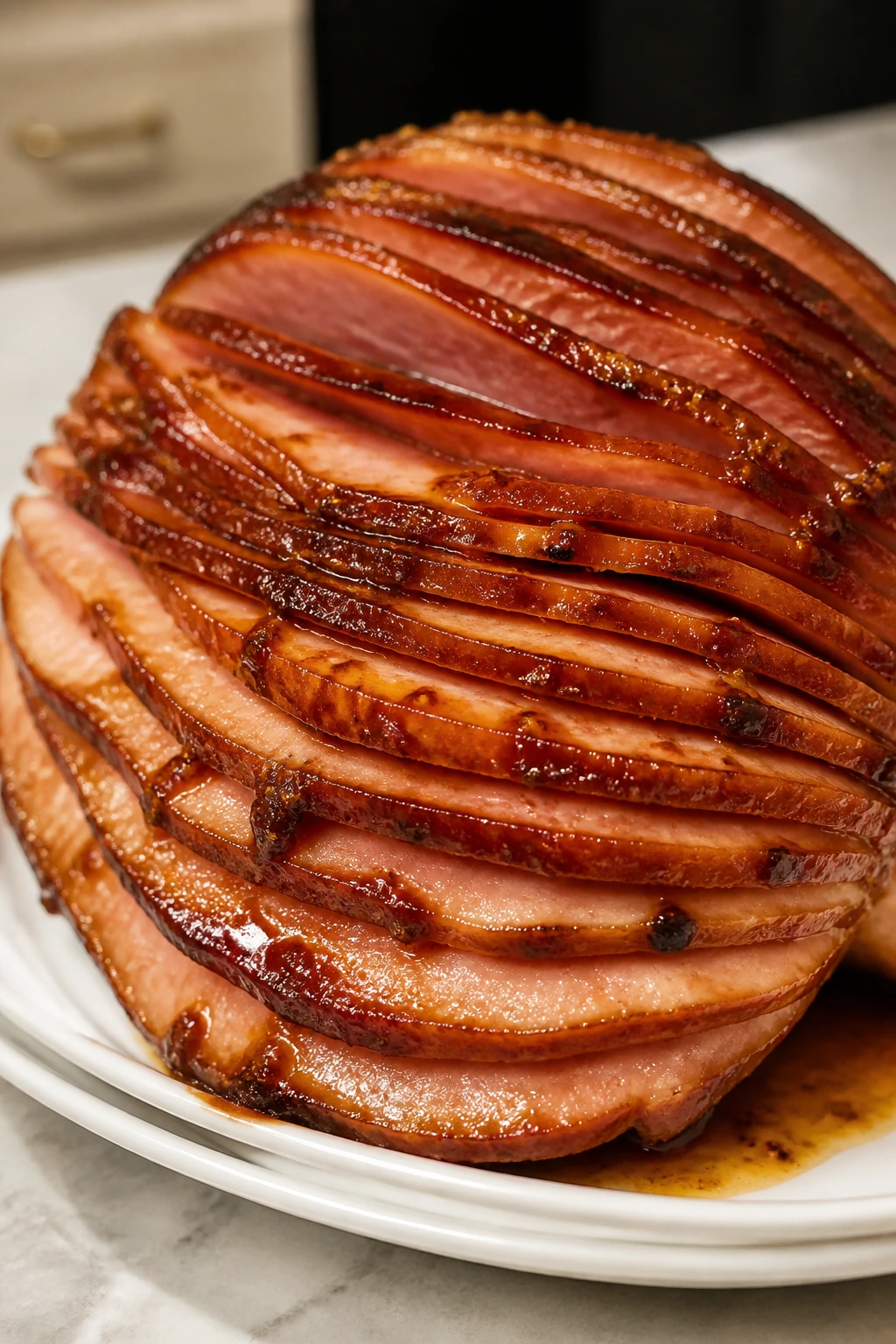
A good glazed ham is the easiest way to make a table look abundant. It slices neatly, feeds a crowd without stress, and carries that sweet-savory smell that makes people wander into the kitchen before you’ve called them.
I’m especially fond of this one for hosting because it forgives a lot. Ham is already cooked, so you’re warming and glazing rather than trying to hit a razor-thin doneness window. That’s a calm cook’s dish.
Why It Works
Spiral-cut ham gives you built-in serving lines, which means you can carve less and talk more. The glaze here leans on brown sugar, Dijon, bourbon, and orange juice, so it tastes bright at the edges and sticky in the middle. Basting every so often keeps the exterior glossy instead of dry, and covering the ham for most of the bake protects the cut edges from turning leathery. It’s also one of the few main dishes that can feed a big group without requiring a second oven pan to manage.
Key Ingredients
- 1 fully cooked spiral-cut ham, 8 to 10 lb
- 1 cup packed brown sugar
- 1/2 cup honey
- 1/3 cup Dijon mustard
- 1/4 cup bourbon
- 1/2 cup orange juice
- 2 tablespoons apple cider vinegar
- 2 tablespoons unsalted butter
- 1 teaspoon ground cloves or 12 whole cloves
- 1/2 teaspoon black pepper
Quick Steps
-
Set up the oven. Preheat to 325°F (165°C). Place the ham cut-side down in a roasting pan with 1/2 cup water, then cover tightly with foil.
-
Build the glaze. Combine the brown sugar, honey, Dijon, bourbon, orange juice, vinegar, butter, cloves, and black pepper in a saucepan over medium heat. Simmer for 4 to 5 minutes until smooth and lightly syrupy.
-
Warm the ham through. Bake for about 12 to 15 minutes per pound, or until the center reaches 140°F (60°C). Brush on some glaze every 20 minutes.
-
Finish with shine. Remove the foil during the last 15 minutes, brush on more glaze, and let the edges caramelize. Spoon glaze into the spiral cuts if you want each slice lacquered.
-
Rest briefly. Let the ham sit for 15 to 20 minutes before slicing any further.
-
Serve with extra glaze. Warm the remaining sauce and pass it at the table.
Tips and Variations
- Easy upgrade: Add orange zest to the glaze for a sharper citrus finish.
- No bourbon? Use apple cider in its place and the glaze still tastes balanced.
- Serving move: Save the bone for split pea soup later; it earns its keep.
3. Beef Tenderloin with Red Wine Pan Sauce
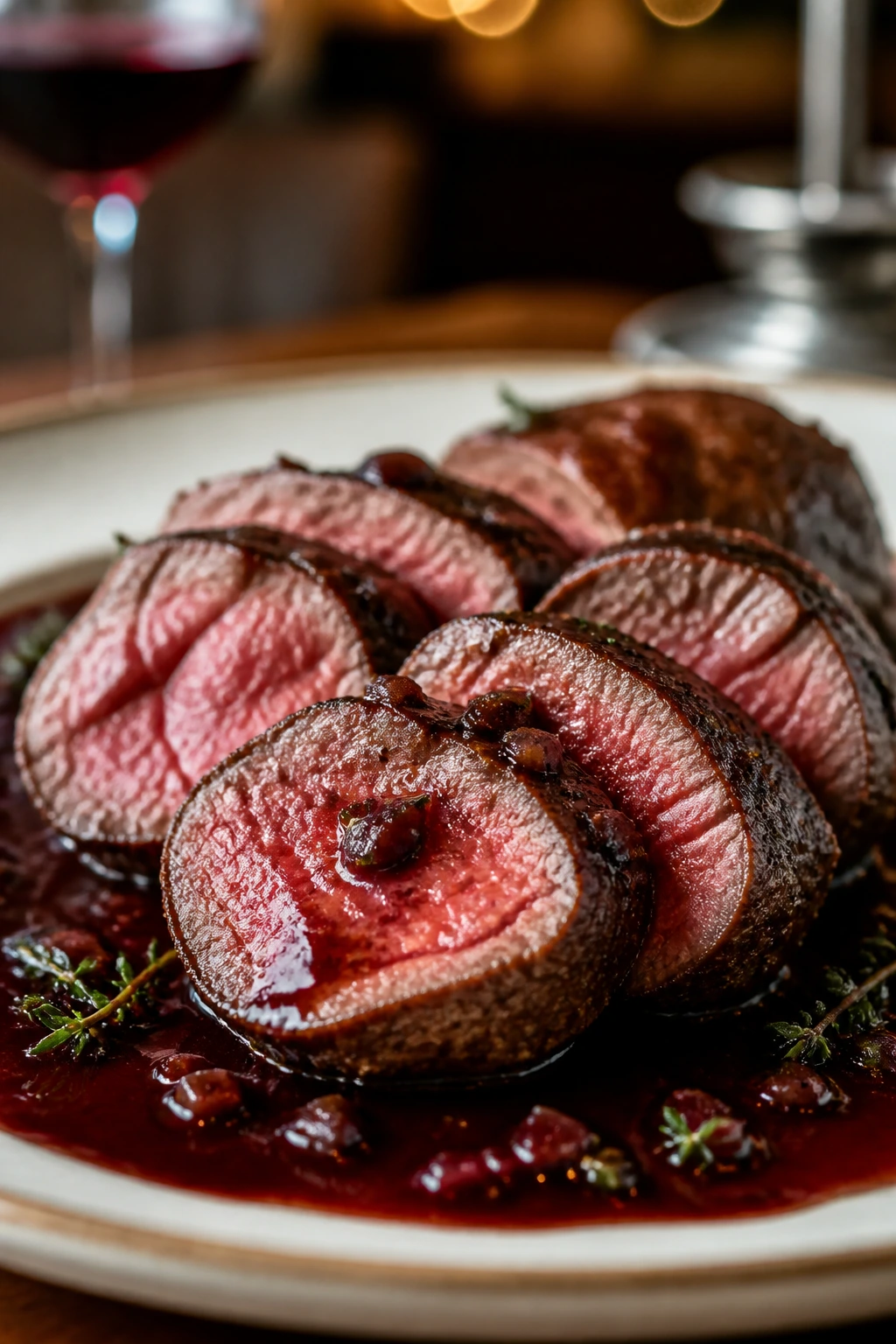
Beef tenderloin is the quiet luxury option. It doesn’t shout like prime rib. It doesn’t need a heavy crust or a long braise. It just slices into thick, velvety rounds and makes people think you’ve got a better handle on life than you probably do.
That’s not a bad thing on Christmas Eve. Sometimes the room needs elegance more than spectacle, and this is the dish that delivers it.
Why It Works
Tenderloin is lean, which is why it cooks fast and demands respect. A hard sear gives you browned flavor on the outside, while a short roast keeps the center tender and rosy. The red wine pan sauce pulls together shallots, stock, and the browned bits left in the skillet, which is where the actual magic is. This is the sort of main course that feels formal without being fussy, and it plays well with potatoes, roasted carrots, or a sharp green salad.
Key Ingredients
- 1 beef tenderloin, 4 to 5 lb, trimmed and tied
- 2 tablespoons kosher salt
- 1 tablespoon freshly ground black pepper
- 1 tablespoon chopped fresh thyme
- 2 tablespoons olive oil
- 2 tablespoons unsalted butter
- 2 shallots, minced
- 2 garlic cloves, minced
- 1 cup dry red wine
- 1 cup beef stock
- 1 teaspoon Dijon mustard
Quick Steps
-
Season early. Pat the tenderloin dry and season it with salt, pepper, and thyme. If you can, let it sit uncovered in the fridge for a few hours so the surface dries and browns better.
-
Sear hard. Preheat the oven to 425°F (220°C). Heat the oil in a large skillet over medium-high heat, then sear the beef on all sides for 2 to 3 minutes per side until deep brown.
-
Roast to temperature. Transfer the skillet to the oven, or move the tenderloin to a sheet pan if needed, and roast until the center reaches 125°F to 130°F for medium-rare, usually 20 to 25 minutes.
-
Rest the meat. Set the tenderloin on a board and let it rest for 15 minutes. Do not slice it early; the juices need that pause.
-
Make the sauce. Add the butter, shallots, and garlic to the same skillet. Cook for 2 minutes, add the wine, and reduce by half. Stir in the stock and Dijon, then simmer until the sauce lightly coats a spoon.
-
Slice and finish. Cut into thick medallions and spoon the sauce over the top.
Tips and Variations
- Sizing tip: Tie the thin tail under itself so the roast cooks more evenly.
- Flavor twist: A few chopped mushrooms in the pan sauce make it deeper and earthier.
- Serving idea: A pinch of flaky salt on the sliced beef sharpens the whole plate.
4. Maple-Glazed Salmon with Dill and Citrus
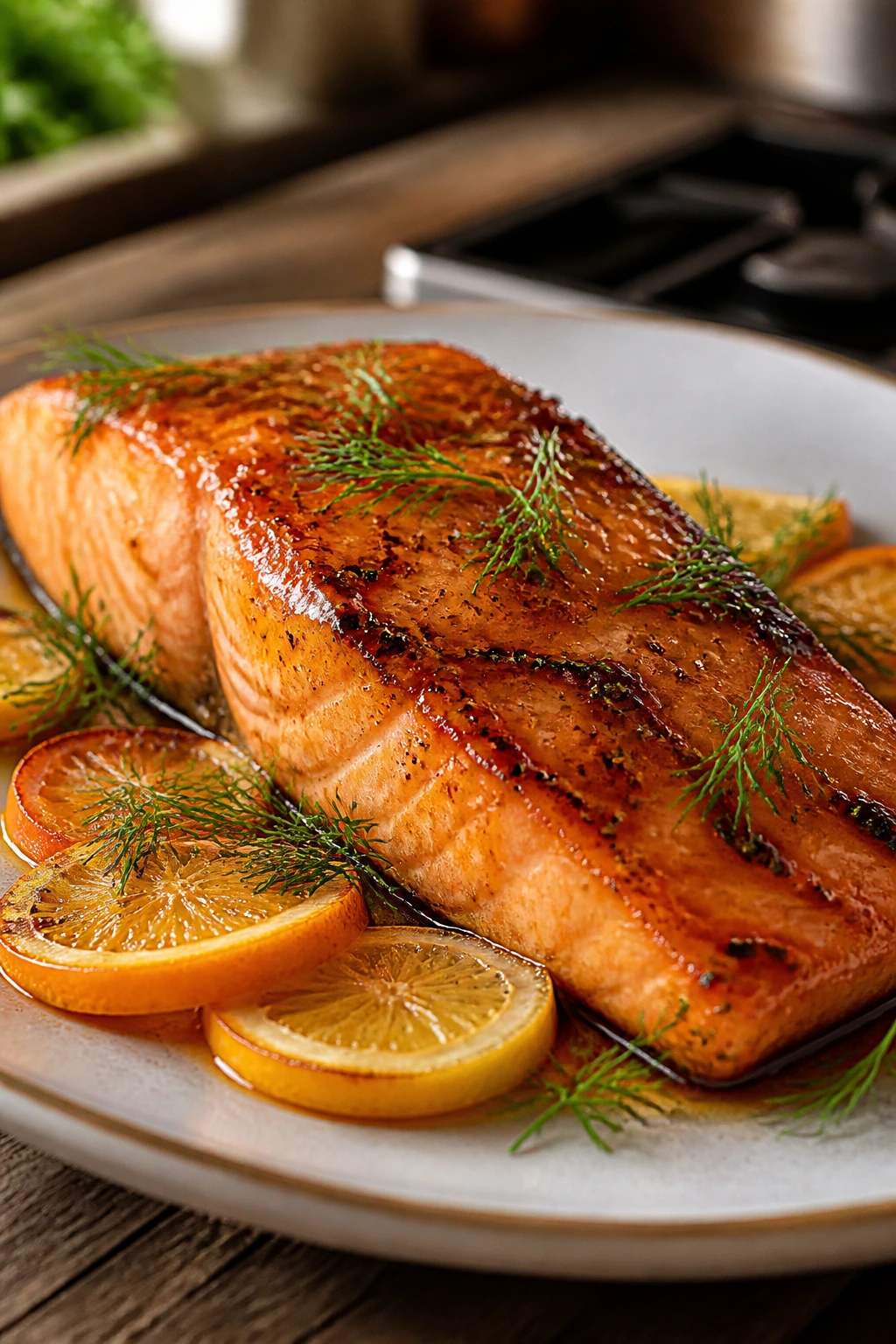
Salmon on Christmas Eve is one of my favorite turns because it changes the mood of the whole meal. The table gets lighter. The kitchen smells bright instead of heavy. And if you’ve got guests who want something elegant but not rich, this is the dish that quietly wins.
It also makes hosting easier than people expect. A side of salmon roasts fast, looks polished on the platter, and gives you room to focus on the side dishes that make the meal feel complete.
Why It Works
The sweet-savory glaze clings to the surface and caramelizes in the oven, so every bite gets a little hit of maple, Dijon, and citrus. Salmon is forgiving if you watch the timing, but it punishes overcooking fast; pulling it when the center is still slightly translucent keeps it silky instead of dry. The dill and lemon at the end lift the richness and keep the dish from feeling sticky or heavy. It’s also one of the fastest mains in the lineup, which matters when the rest of the menu is already crowding the stove.
Key Ingredients
- 1 side salmon fillet, 2 1/2 to 3 lb, skin on, pin bones removed
- 3 tablespoons maple syrup
- 2 tablespoons Dijon mustard
- 1 tablespoon soy sauce or tamari
- 1 tablespoon olive oil
- 1 teaspoon orange zest
- 1 tablespoon lemon juice
- 2 garlic cloves, finely grated
- 2 tablespoons chopped fresh dill
- 1/2 teaspoon black pepper
- 1 teaspoon kosher salt
Quick Steps
-
Prep the pan. Preheat the oven to 425°F (220°C) and line a rimmed baking sheet with parchment paper.
-
Mix the glaze. Stir together the maple syrup, Dijon, soy sauce, oil, orange zest, lemon juice, and garlic until smooth.
-
Season and coat. Place the salmon skin-side down on the sheet pan, season with salt and pepper, then brush the glaze evenly over the top. Let it sit for 10 minutes while the oven finishes heating.
-
Roast carefully. Bake for 12 to 15 minutes, until the fish flakes at the edges but the center is still a little glossy. If you use a thermometer, pull it around 125°F to 130°F.
-
Caramelize the top. Broil for 1 to 2 minutes if you want deeper color, but watch it closely. Maple burns fast.
-
Finish with herbs. Scatter dill over the fish and serve with lemon wedges.
Tips and Variations
- Texture note: Buy the thickest side of salmon you can find; it stays juicier in the oven.
- Swap idea: Use honey instead of maple if that’s what you have, though maple tastes cleaner here.
- Serving move: A spoon of cucumber-dill yogurt on the side makes the plate feel fresh and complete.
5. Classic Baked Ziti with Mozzarella and Ricotta
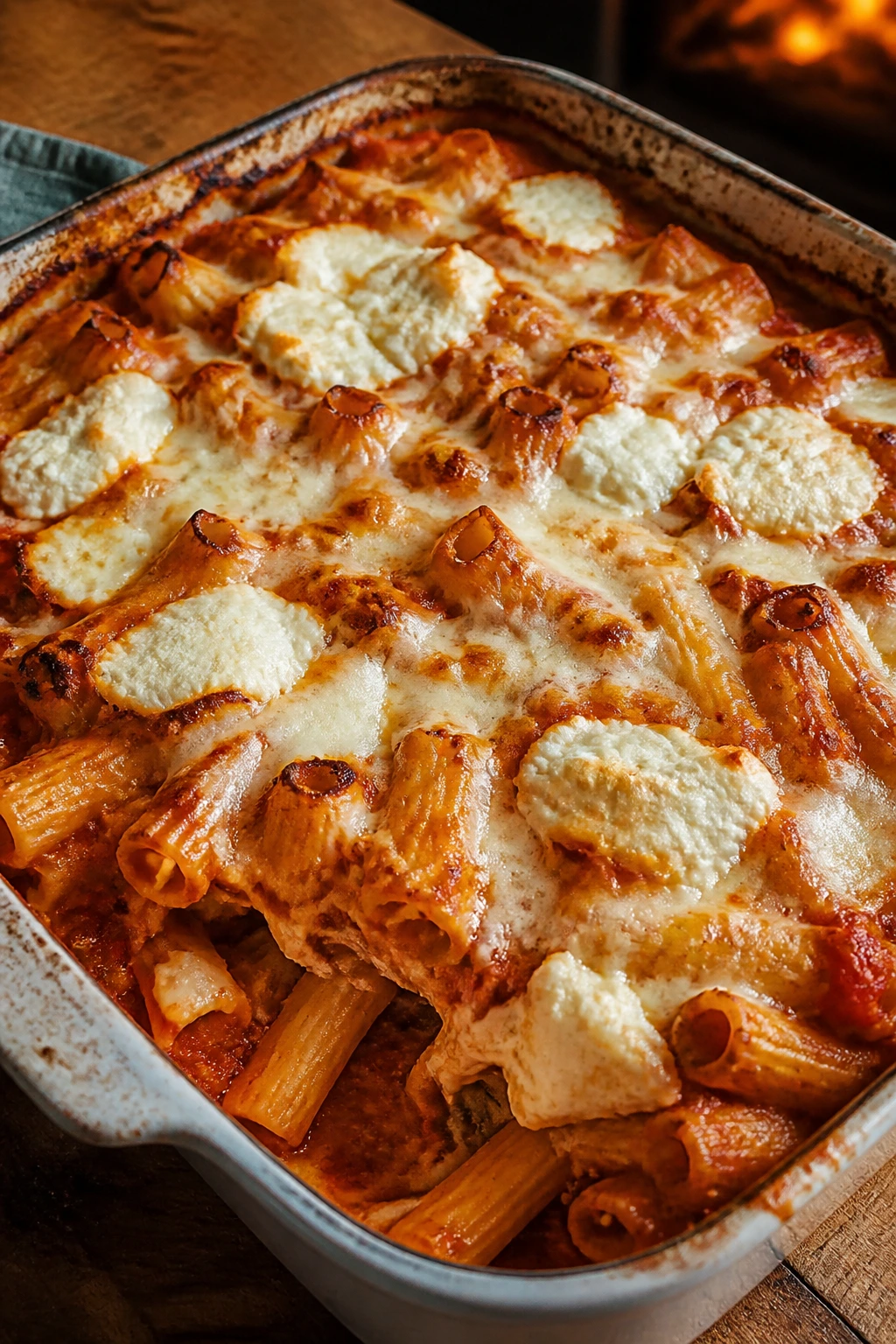
There’s nothing shy about baked ziti. It’s the dish people go back to for seconds before they pretend they were only “just checking the sauce.” And on Christmas Eve, that’s a compliment.
What makes it useful for hosting is the structure. You can assemble it ahead, bake it when the house is full, and bring it to the table in a pan that still looks generous and welcoming. No carving. No drama. Just bubbling cheese and a tomato smell that gets everyone moving.
Why It Works
Ziti is sturdy enough to hold sauce without collapsing into mush, which is exactly what you want in a baked pasta. Ricotta gives you creamy pockets, mozzarella gives you stretch, and Parmesan keeps the top from tasting bland. A quick sauté of onion and garlic deepens the marinara before it goes in the oven, and a short rest after baking helps the layers set so the first scoop doesn’t become soup. This is the reliable, crowd-pleasing option in the collection, and it earns its place honestly.
Key Ingredients
- 1 lb ziti or rigatoni
- 1 tablespoon olive oil
- 1 small yellow onion, diced
- 3 garlic cloves, minced
- 1/2 teaspoon red pepper flakes
- 4 cups marinara sauce
- 15 oz whole-milk ricotta
- 1 large egg
- 2 cups shredded mozzarella, divided
- 1 cup grated Parmesan, divided
- 2 cups baby spinach, chopped
- 1 tablespoon chopped basil
- 1 teaspoon kosher salt
- 1/2 teaspoon black pepper
Quick Steps
-
Boil the pasta. Cook the ziti in salted water until 2 minutes shy of al dente, then drain. Preheat the oven to 375°F (190°C).
-
Build the sauce. Warm the olive oil in a skillet and cook the onion for 5 minutes until soft. Add the garlic and red pepper flakes for 30 seconds, then stir in the marinara and simmer for 5 minutes.
-
Mix the filling. In a bowl, combine the ricotta, egg, half the mozzarella, half the Parmesan, spinach, basil, salt, and pepper.
-
Combine everything. Fold the pasta into the sauce, then stir in the ricotta mixture. Transfer to a greased 9×13-inch baking dish.
-
Top and bake. Scatter the remaining mozzarella and Parmesan over the top. Cover with foil and bake for 20 minutes, then uncover and bake for 15 to 20 minutes until bubbling and browned at the edges.
-
Rest before serving. Let it sit for 10 to 15 minutes so the slices hold together.
Tips and Variations
- Make-ahead note: Assemble it earlier in the day and refrigerate; add about 10 extra minutes to the bake.
- Texture tip: Under-cook the pasta slightly so it doesn’t go soft in the oven.
- Bright finish: A little chopped basil or parsley on top keeps the cheese from tasting flat.
6. Chicken Marsala with Mushrooms
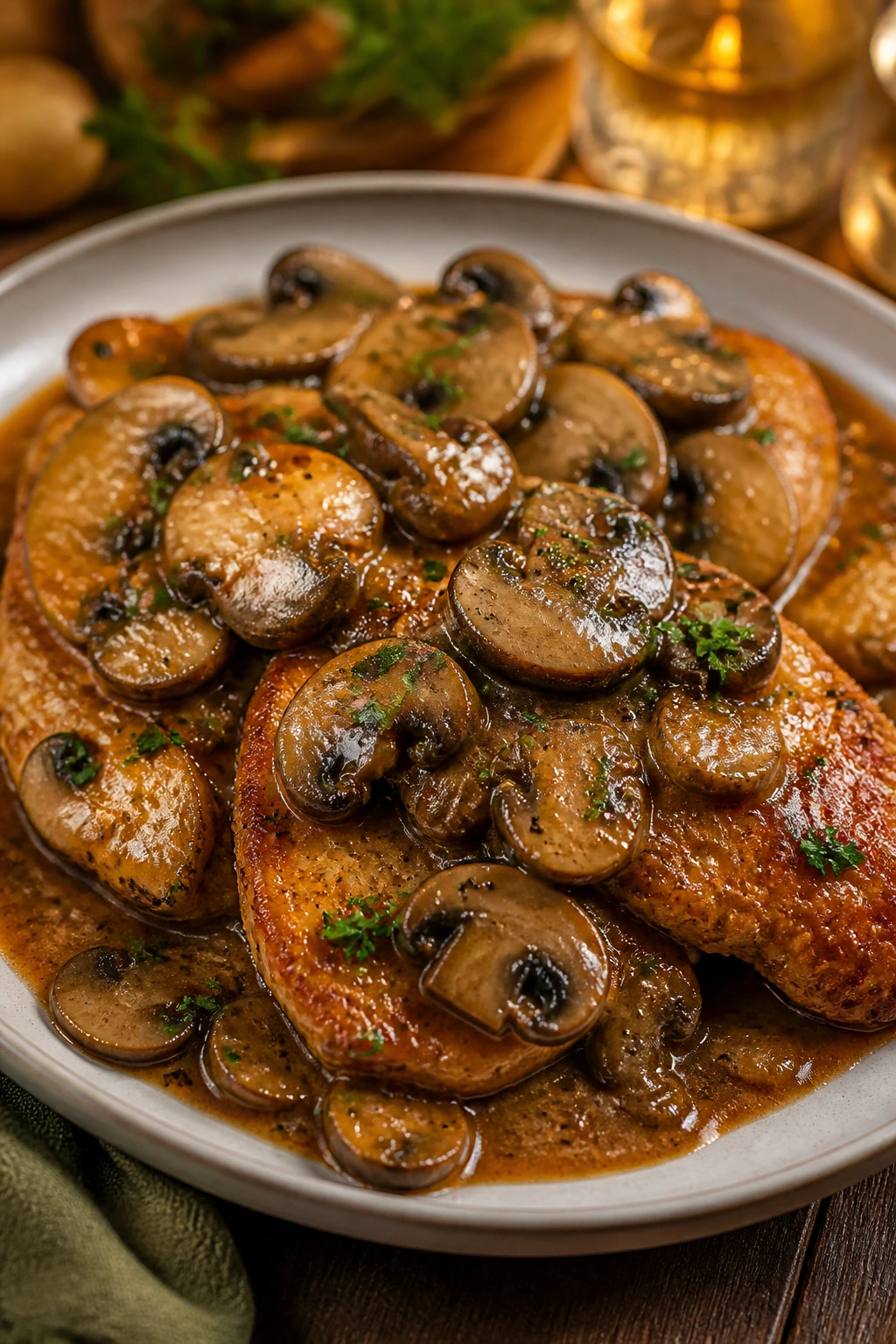
Chicken Marsala has a wonderful trick up its sleeve: it tastes like you put in far more effort than you did. The mushrooms turn brown and silky, the sauce gets deep and winey, and the chicken stays tender if you stop cooking it the moment it’s done.
This is the kind of dinner that works when you want something a little more polished than a weeknight skillet, but you do not want to stand over the stove for an hour. It’s quick, elegant, and usually welcomed by a table full of people who like sauce.
Why It Works
Thin chicken cutlets cook fast and evenly, which means you get a golden crust before the meat dries out. Marsala wine brings a sweet, nutty edge that’s a little different from the usual pan sauce, and mushrooms give you that savory depth that holiday meals need. The sauce reduces enough to cling to the chicken without turning gummy, and a small splash of cream smooths the edges if you want it a touch richer. It’s a smart dish for Christmas Eve because it feels special but doesn’t tie up your oven.
Key Ingredients
- 1 1/2 lb boneless, skinless chicken breasts, sliced into cutlets
- 1/2 cup all-purpose flour
- 1 1/2 teaspoons kosher salt
- 1/2 teaspoon black pepper
- 3 tablespoons olive oil
- 3 tablespoons unsalted butter, divided
- 8 oz cremini mushrooms, sliced
- 2 shallots, thinly sliced
- 2 garlic cloves, minced
- 3/4 cup Marsala wine
- 1 cup chicken stock
- 1/4 cup heavy cream, optional
- 2 tablespoons chopped parsley
Quick Steps
-
Prep the chicken. Pound the cutlets to about 1/2 inch thick. Mix the flour with salt and pepper, then lightly dredge each piece and shake off the excess.
-
Brown the chicken. Heat the olive oil and 1 tablespoon butter in a large skillet over medium-high heat. Sear the chicken for 3 minutes per side until golden, then transfer to a plate.
-
Cook the mushrooms. Add the remaining butter, mushrooms, and shallots. Cook for 6 to 8 minutes until the mushrooms release their liquid and turn brown. Stir in the garlic for 30 seconds.
-
Make the sauce. Pour in the Marsala and scrape the pan well. Reduce by half, then add the chicken stock and simmer for 5 to 7 minutes until lightly thickened.
-
Finish gently. Stir in the cream if using, return the chicken and any juices to the pan, and simmer for 2 minutes until everything is hot.
-
Serve with parsley. Scatter the parsley over the top and spoon the sauce over each cutlet.
Tips and Variations
- Browned mushroom tip: Give the mushrooms space in the pan so they sear instead of steam.
- Lighter version: Skip the cream and finish with a knob of butter instead.
- Serving idea: Mashed potatoes or buttered noodles soak up the sauce well.
7. Slow-Braised Short Ribs with Parmesan Polenta
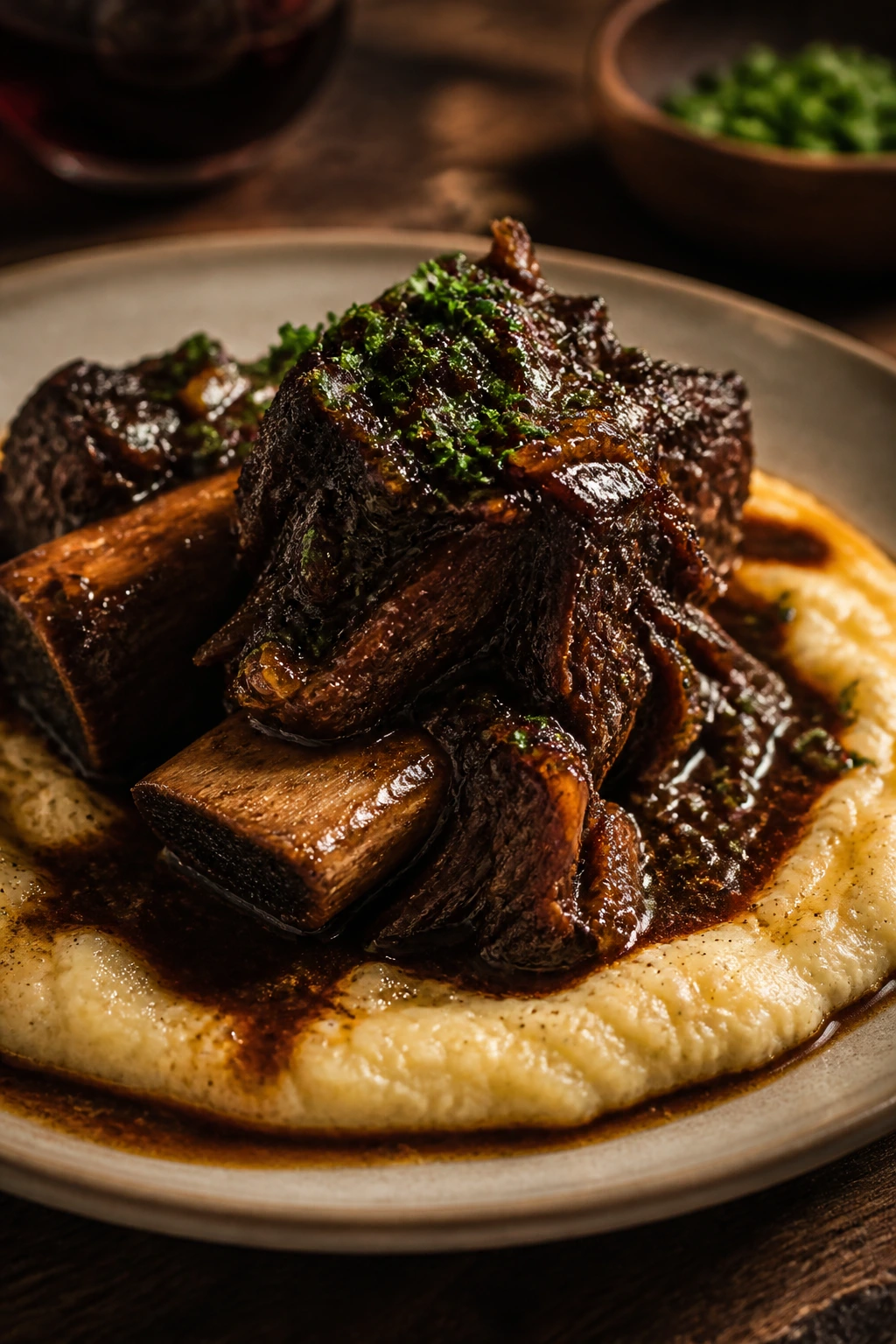
Short ribs are the opposite of rushed. They need patience, heat, and a little quiet in the kitchen. The reward is meat that gives up at the touch of a fork and a sauce that tastes like it spent the afternoon thinking about you.
For hosting, that matters. You can braise them ahead, reheat them without much fuss, and serve them over polenta that feels luxurious without requiring a separate side dish maze.
Why It Works
Short ribs have connective tissue that needs time to melt, and a low oven braise does that job better than almost any other method. Red wine, tomato paste, stock, and aromatics turn the braising liquid into a dark, savory sauce that tastes fuller than the ingredient list suggests. The Parmesan polenta gives you a creamy base that catches the sauce instead of letting it run across the plate. This is a dinner for hosts who want their main course to feel substantial and a little old-world without becoming fussy.
Key Ingredients
For the Short Ribs
- 4 lb bone-in beef short ribs
- 2 teaspoons kosher salt
- 1 teaspoon black pepper
- 2 tablespoons all-purpose flour
- 2 tablespoons olive oil
- 1 large onion, chopped
- 2 carrots, chopped
- 2 celery stalks, chopped
- 2 tablespoons tomato paste
- 4 garlic cloves, minced
- 2 cups dry red wine
- 2 cups beef stock
- 3 thyme sprigs
- 1 bay leaf
For the Polenta
- 1 cup coarse polenta
- 4 cups water or stock
- 1 cup whole milk
- 1/2 cup grated Parmesan
- 2 tablespoons unsalted butter
- Salt to taste
Quick Steps
-
Brown the ribs. Heat the oven to 325°F (165°C). Season the ribs with salt and pepper, dust lightly with flour, and sear them in the oil in a Dutch oven until deeply browned on all sides.
-
Build the braise. Remove the ribs, then cook the onion, carrots, and celery for 6 to 8 minutes. Stir in the tomato paste and garlic for 1 minute, then add the wine and simmer for 3 minutes.
-
Add the liquid. Pour in the stock, thyme, and bay leaf. Return the ribs to the pot, cover tightly, and braise for 2 1/2 to 3 hours until the meat is fork-tender.
-
Start the polenta. About 30 minutes before serving, bring the water or stock to a simmer. Whisk in the polenta slowly and cook for 20 to 25 minutes, stirring often, until creamy.
-
Finish the polenta. Stir in the milk, Parmesan, and butter. Taste and salt as needed.
-
Serve generously. Spoon the polenta onto warm plates and top with short ribs and braising liquid.
Tips and Variations
- Make-ahead edge: Braised short ribs taste even better the next day after the flavors settle.
- Texture fix: If the polenta thickens too much, loosen it with a splash of hot stock.
- Serving idea: A little gremolata or parsley on top brightens the richness.
8. Mushroom Risotto with White Wine and Thyme
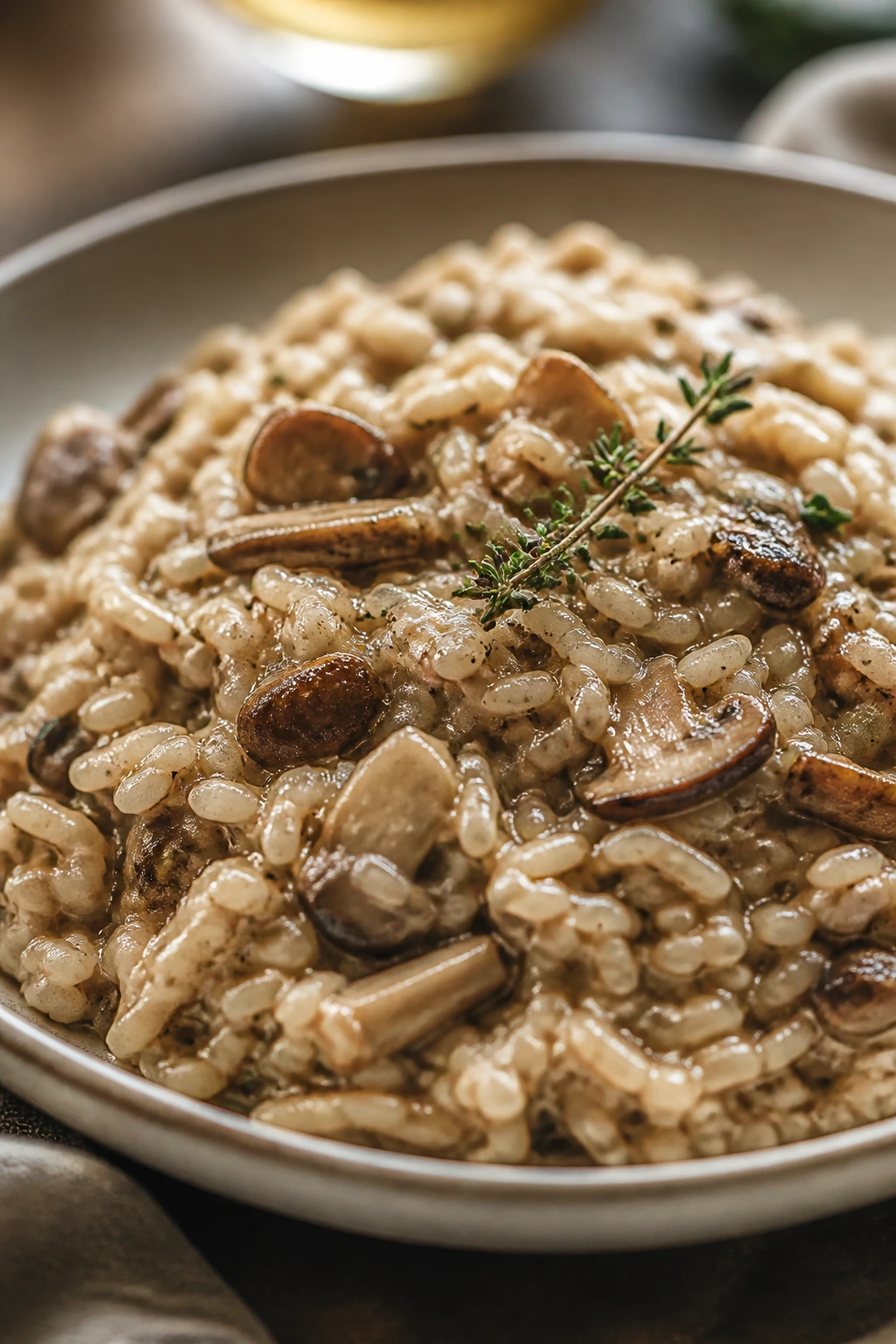
Risotto gets a reputation for being high-maintenance. It isn’t, really. It just asks you to stay in the room. For Christmas Eve, that can be a nice trade: one pan, steady stirring, and a dish that tastes creamy and polished the moment it hits the bowl.
Mushrooms make this especially good for a holiday table because they give the rice a deep, savory backbone. You can serve it as a vegetarian main or as a side next to roast chicken or salmon.
Why It Works
Arborio rice is built for this texture. It releases starch as you stir, and that starch turns the stock into a creamy sauce without needing heavy cream. Browning the mushrooms first matters, because it keeps them from going watery and gives the risotto a more concentrated flavor. White wine adds acidity, Parmesan brings salt and body, and thyme keeps the whole thing tasting wintery rather than flat. It’s a flexible dish, but it still feels careful.
Key Ingredients
- 1 1/2 cups arborio rice
- 1 lb cremini or mixed mushrooms, sliced
- 1 small onion or shallot, minced
- 3 garlic cloves, minced
- 2 tablespoons olive oil
- 2 tablespoons unsalted butter, divided
- 1/2 cup dry white wine
- 5 cups chicken or vegetable stock, kept hot
- 1/2 cup grated Parmesan
- 2 tablespoons chopped parsley
- 1 teaspoon thyme leaves
- 1 teaspoon kosher salt
- 1/2 teaspoon black pepper
- Lemon zest for finishing, optional
Quick Steps
-
Warm the stock. Set the stock in a saucepan over low heat so it stays hot while you cook.
-
Brown the mushrooms. Heat the oil and 1 tablespoon butter in a wide skillet. Cook the mushrooms until they give off their liquid and then turn brown, about 8 to 10 minutes. Scoop half out and set them aside.
-
Start the rice. Add the onion and cook for 3 minutes. Stir in the garlic for 30 seconds, then add the rice and toast for 1 minute until the edges look translucent.
-
Deglaze and stir. Pour in the wine and cook until absorbed. Add the hot stock one ladle at a time, stirring often and waiting until each addition is nearly absorbed before adding the next. This usually takes 18 to 22 minutes.
-
Finish the risotto. Stir in the Parmesan, remaining butter, thyme, salt, and pepper. Fold in the mushrooms and parsley.
-
Serve immediately. Risotto waits for no one, so get it to the table while it still flows.
Tips and Variations
- Heat tip: Keep the stock hot enough that it doesn’t slow the cooking each time you add it.
- Flavor boost: A little lemon zest at the end wakes up the mushrooms.
- Hosting note: If the table is delayed, loosen the risotto with hot stock and stir before serving.
9. Stuffed Shells with Spinach and Three Cheeses
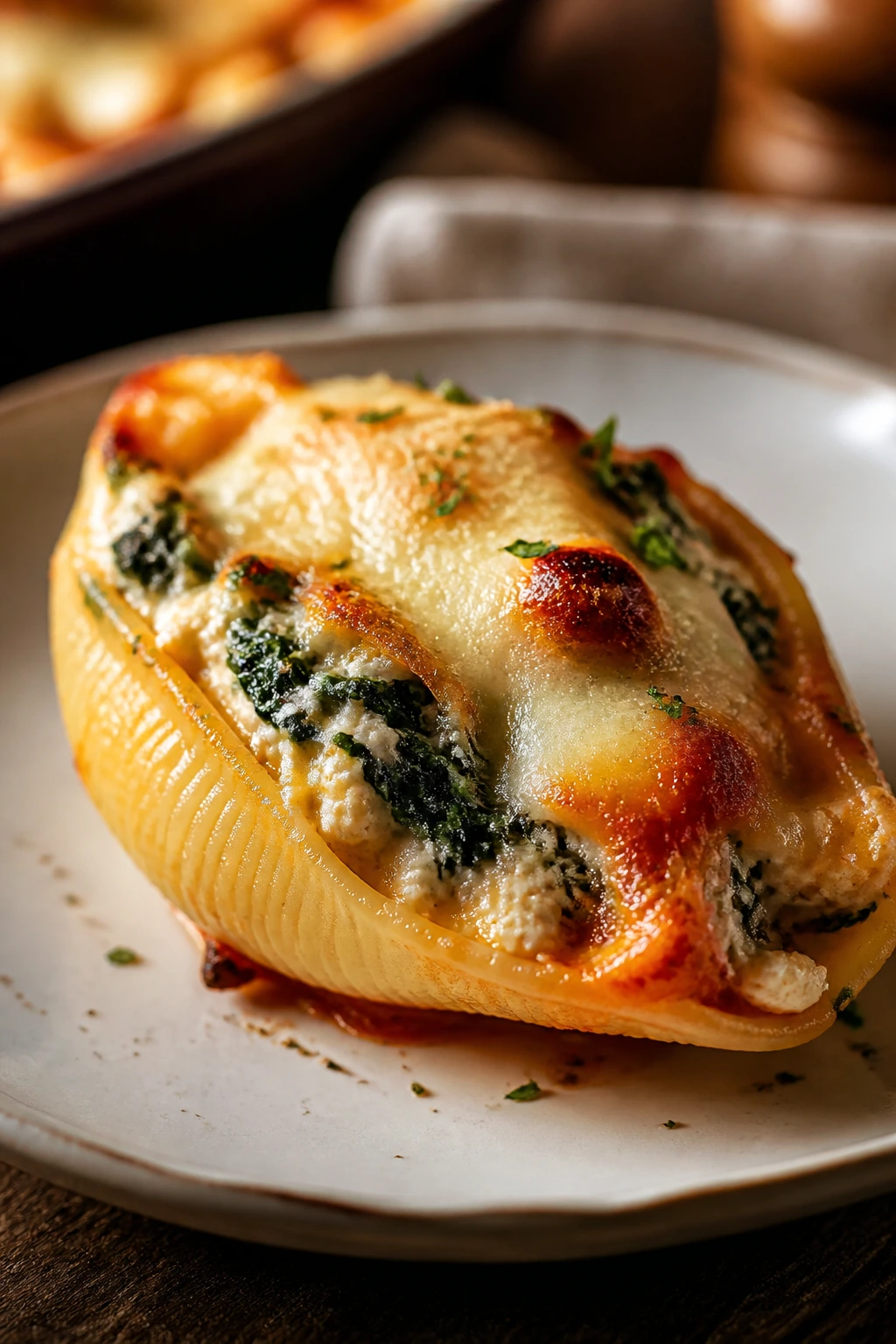
Stuffed shells are the kind of baked pasta that makes people relax the moment they see the casserole dish. They look generous, they taste comforting, and they can sit in the fridge until you’re ready to bake them, which is the sort of sentence every host likes to hear.
The filling here is creamy but not sloppy, and the spinach keeps the whole thing from tipping into heaviness. It’s a good meatless main, but it also plays well beside roast chicken or a salad if you’re feeding a mixed crowd.
Why It Works
Jumbo shells give you built-in portions, which means the dish serves neatly and looks tidy when plated. Ricotta, mozzarella, and Parmesan create layers of richness, while spinach adds color and a little bite. A touch of nutmeg makes the filling taste fuller without becoming obvious, and baking the shells in sauce prevents the edges from drying out. It’s one of the better make-ahead dishes in the group because the assembly can happen hours before dinner with no penalty.
Key Ingredients
- 20 jumbo pasta shells
- 15 oz ricotta
- 2 cups shredded mozzarella, divided
- 1 cup grated Parmesan, divided
- 10 oz frozen spinach, thawed and squeezed dry, or 5 oz fresh spinach, wilted and chopped
- 1 large egg
- 3 cups marinara
- 2 garlic cloves, minced
- 1 tablespoon olive oil
- 1 tablespoon chopped basil or parsley
- 1/4 teaspoon ground nutmeg
- 1 teaspoon kosher salt
- 1/2 teaspoon black pepper
Quick Steps
-
Cook the shells. Boil the pasta until just shy of al dente, then drain and lay the shells on a tray so they don’t stick.
-
Mix the filling. Warm the olive oil in a small pan and cook the garlic for 30 seconds. Stir it into the ricotta with the spinach, egg, 1 cup mozzarella, 1/2 cup Parmesan, basil, nutmeg, salt, and pepper.
-
Start the base. Spread 1 cup marinara across the bottom of a baking dish.
-
Fill and arrange. Spoon the ricotta mixture into each shell and set the shells seam-side up in the dish.
-
Top and bake. Spoon the remaining sauce over the shells, scatter on the remaining mozzarella and Parmesan, and bake at 375°F (190°C) covered for 25 minutes. Uncover and bake for 10 to 15 minutes until bubbling.
-
Rest briefly. Let the pan sit for 10 minutes before serving.
Tips and Variations
- Dry spinach well: Excess water will loosen the filling and make the shells slide around.
- Cheese swap: Fontina can replace part of the mozzarella if you want a nuttier melt.
- Serving idea: Serve with garlic bread and a crisp green salad to balance the richness.
10. Garlic Butter Roast Chicken with Potatoes and Herbs
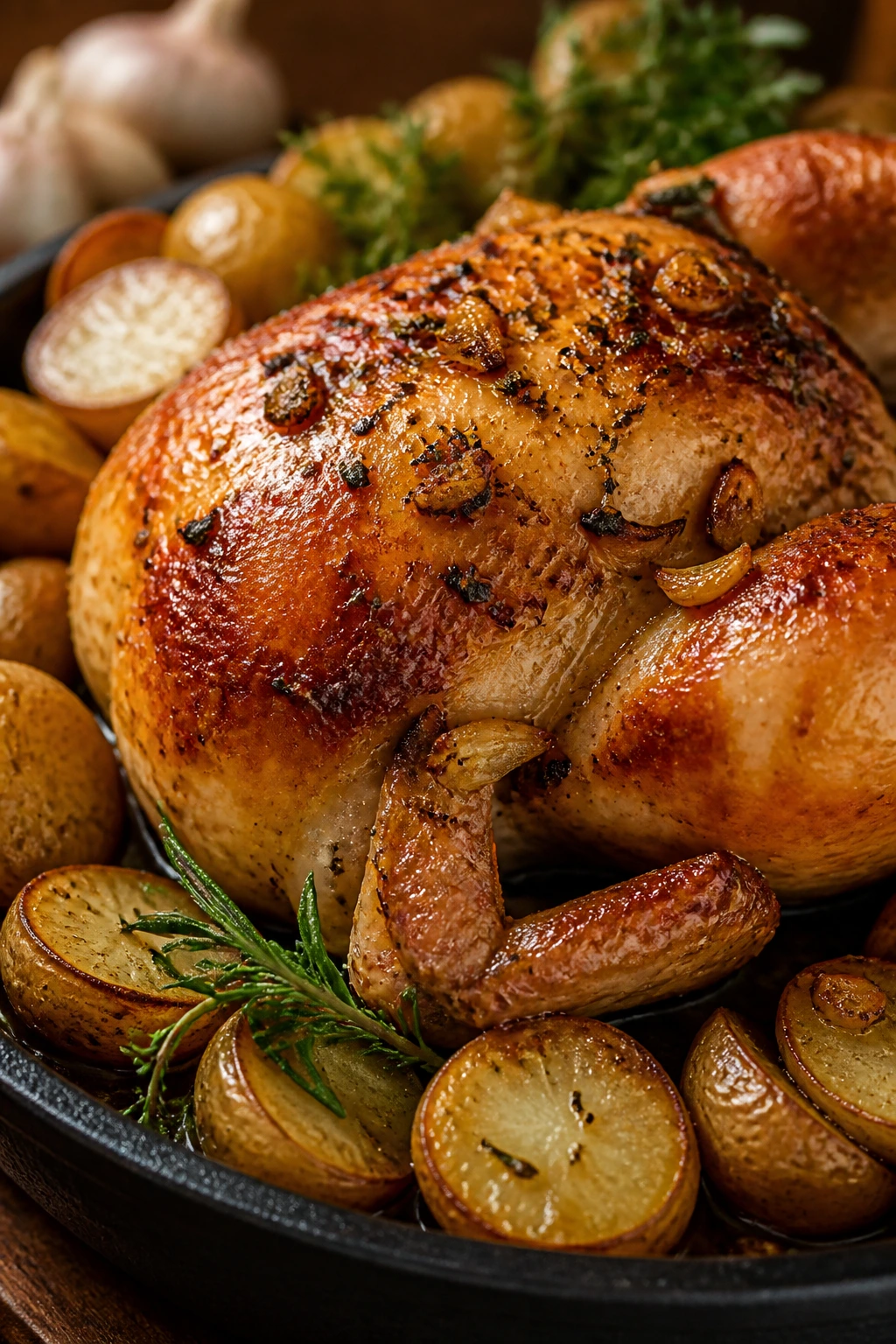
Roast chicken is often underestimated. People think it’s a backup plan. It isn’t. When it’s done well, with crisp skin, juicy meat, and potatoes catching the drippings underneath, it’s one of the best dinners on the table.
This version is especially good for Christmas Eve hosting because it feels substantial without asking for a complicated sauce or a separate side pan. The chicken brings its own gravy-like pan juices, and the potatoes soak up every bit of it.
Why It Works
A whole chicken is built for even, honest roasting. Butter under the skin keeps the breast meat from drying out while the thighs keep cooking until tender. The potatoes underneath absorb the salty, garlicky drippings, so the side dish almost makes itself. Lemon in the cavity perfumes the meat from the inside, and the rosemary-thyme mix gives you that classic holiday smell the second the oven door opens. It’s a straightforward centerpiece, but it still feels festive.
Key Ingredients
- 1 whole chicken, 4 1/2 to 5 lb
- 1 1/2 lb baby potatoes, halved
- 1 large onion, cut into wedges
- 4 tablespoons unsalted butter, softened
- 4 garlic cloves, minced
- 2 teaspoons chopped rosemary
- 2 teaspoons chopped thyme
- 1 lemon, halved
- 2 tablespoons olive oil
- 2 teaspoons kosher salt
- 1 teaspoon black pepper
- 1/2 teaspoon paprika, optional
Quick Steps
-
Prep the bird. Heat the oven to 425°F (220°C). Pat the chicken dry, then mix the butter, garlic, rosemary, thyme, salt, pepper, and paprika. Rub some under the skin and the rest all over the outside.
-
Build the pan. Toss the potatoes and onion with olive oil and a pinch of salt in a roasting pan. Set the chicken on top and tuck the lemon halves inside the cavity.
-
Roast the chicken. Cook for 20 minutes, then reduce the oven to 400°F (205°C) and continue roasting for 45 to 55 minutes more, or until the thigh reaches 165°F (74°C) and the skin is deeply golden. Stir the potatoes once halfway through.
-
Rest before carving. Transfer the chicken to a board and rest for 15 minutes. That pause keeps the juices inside the meat.
-
Finish the potatoes. Toss the potatoes and onions in the pan juices before serving.
-
Carve and plate. Cut the chicken into pieces and spoon the drippings over everything.
Tips and Variations
- Crisp-skin tip: Dry the chicken well before buttering it; moisture softens the skin.
- Flavor variation: Add whole garlic cloves to the pan if you like them sweet and jammy.
- Serving idea: A bright salad with lemon vinaigrette keeps the plate from feeling too heavy.
11. Pork Tenderloin with Apple Cider Pan Sauce
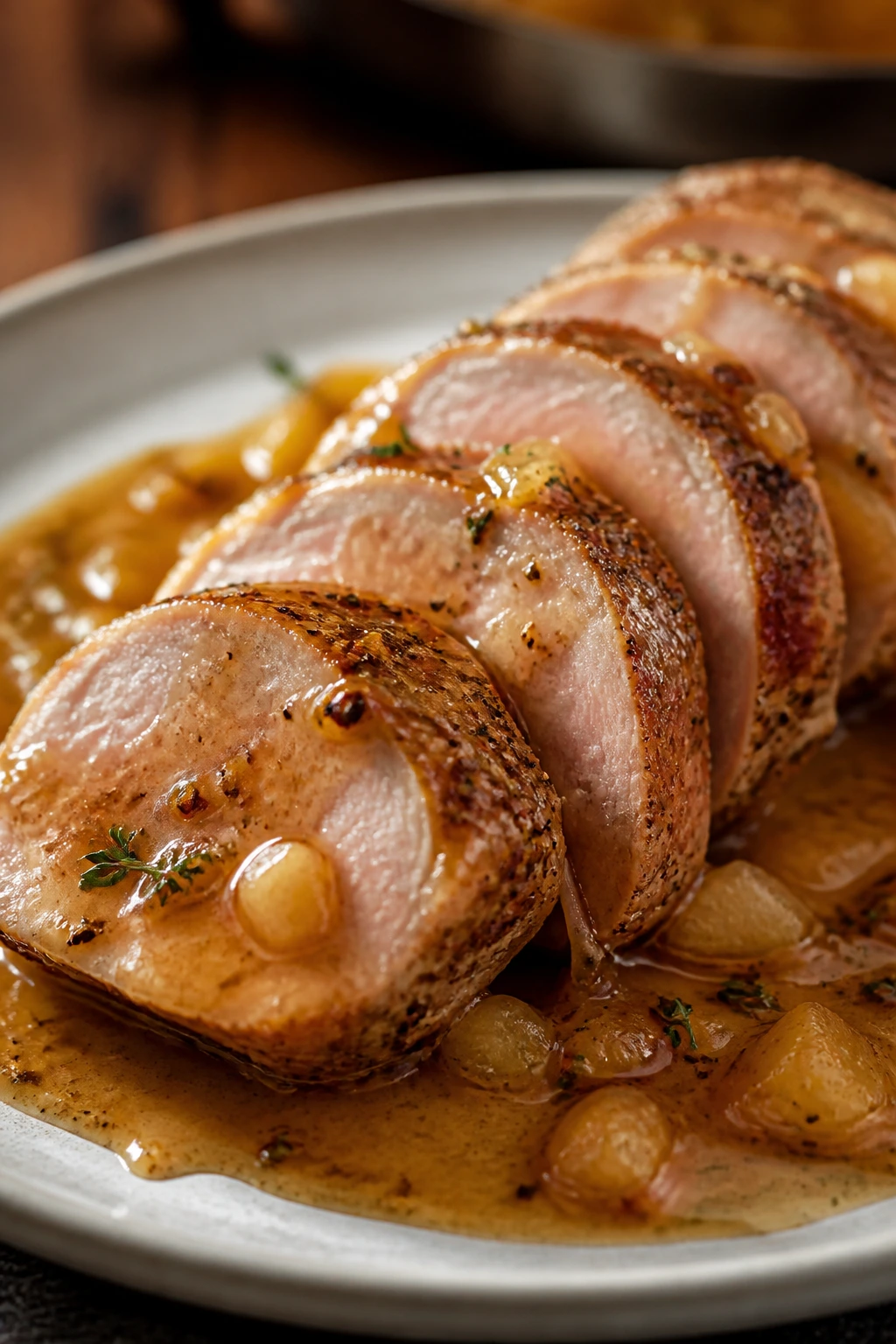
Pork tenderloin is one of those dishes that rewards a light hand. It cooks fast, slices beautifully, and loves a sauce that leans sweet, tart, and a little herbal. On Christmas Eve, that makes it a very useful middle ground.
You get enough elegance for a holiday table, but you don’t have to manage a huge roast or a long braise. The apple cider pan sauce gives it a seasonal edge that feels right without drifting into dessert territory.
Why It Works
Tenderloin is lean and small, which means it needs heat fast and a short rest after cooking. Searing first gives you color and flavor, then a brief roast finishes the meat before it goes dry. Apple cider reduces into a sauce that tastes like fall moving into winter, while Dijon and vinegar keep it from getting sugary. The result is a dinner that feels polished and fast, which is a rare and useful combination when you are hosting.
Key Ingredients
- 2 pork tenderloins, about 2 to 2 1/2 lb total
- 1 1/2 teaspoons kosher salt
- 1 teaspoon black pepper
- 1 teaspoon smoked paprika
- 2 tablespoons olive oil
- 2 shallots, sliced
- 2 cups apple cider
- 1 tablespoon Dijon mustard
- 1 tablespoon apple cider vinegar
- 1 teaspoon fresh thyme
- 2 tablespoons unsalted butter
- 1 apple, thinly sliced, optional
Quick Steps
-
Season the pork. Heat the oven to 425°F (220°C). Pat the tenderloins dry and season them with salt, pepper, and smoked paprika.
-
Sear the meat. Heat the oil in a skillet over medium-high heat and brown the pork on all sides, about 2 to 3 minutes per side.
-
Roast briefly. Transfer the skillet to the oven or move the pork to a sheet pan and roast for 12 to 15 minutes, until the center reaches 140°F to 145°F. Rest on a board for 10 minutes.
-
Make the sauce. Put the skillet back on the stove and cook the shallots for 2 minutes. Add the cider and apple slices, if using, and simmer for 8 to 10 minutes until reduced by about half.
-
Finish the pan sauce. Stir in the Dijon, vinegar, thyme, and butter. Taste and adjust salt.
-
Slice and serve. Cut the pork into medallions and spoon the sauce over the top.
Tips and Variations
- Doneness tip: Pull the pork a little early; tenderloin dries out fast if you chase a higher temperature.
- Flavor twist: A handful of fresh sage leaves in the sauce gives it a more holiday feel.
- Serving idea: Roasted sweet potatoes or mashed parsnips play well with the cider.
12. Vegetarian Butternut Squash Lasagna
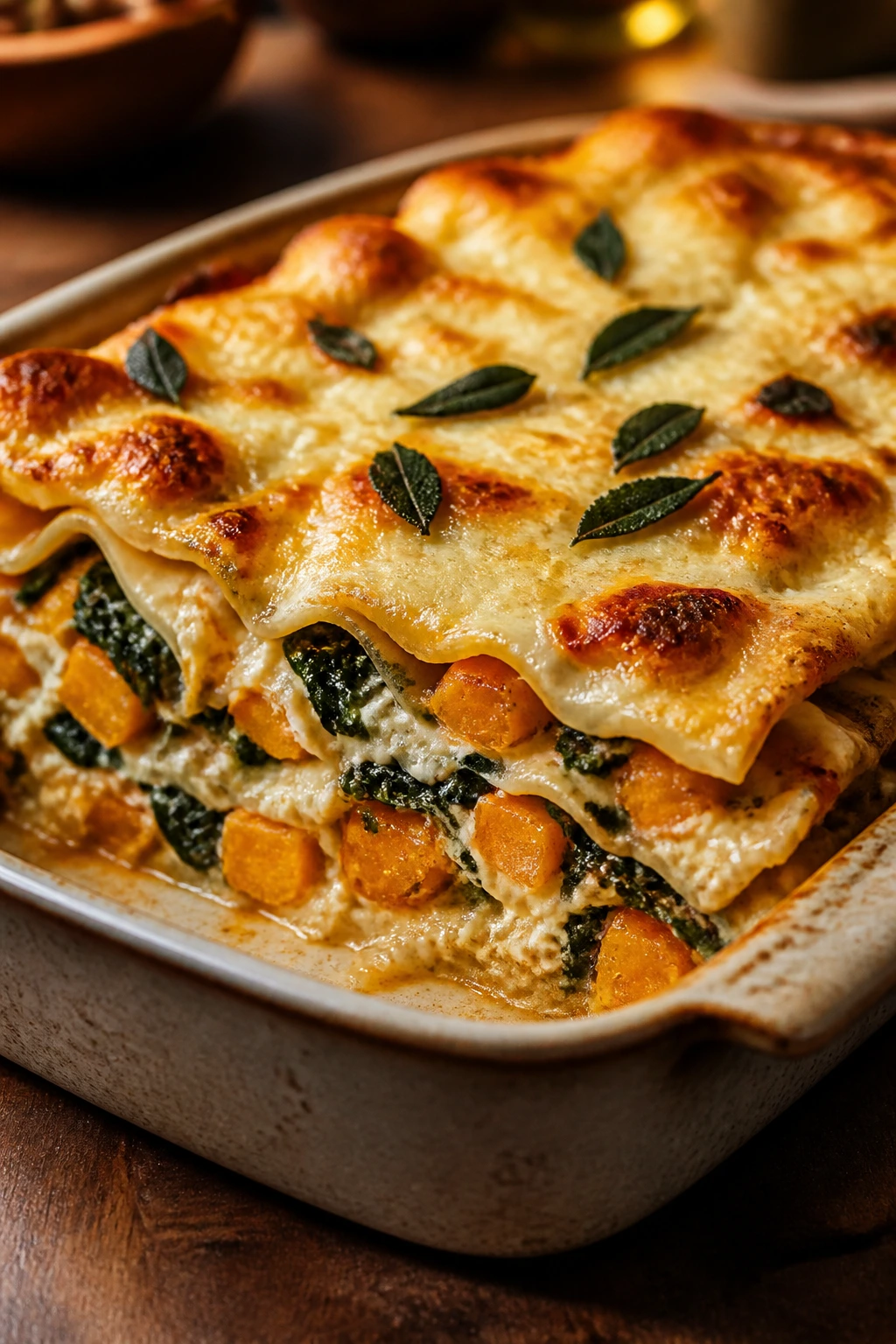
This is the vegetarian dish I’d put on the table without apology. It’s rich, glossy, and layered enough to stand next to any roast in the room. The squash tastes sweet and nutty, the cheese keeps it grounded, and the whole pan smells like sage and butter when it comes out of the oven.
It’s also a smart hosting move because nobody at the table feels like they got the “lesser” option. This is a centerpiece, not a compromise.
Why It Works
Butternut squash brings body and sweetness, which makes it a natural fit for lasagna without needing meat to carry the flavor. Roasting the squash first concentrates it and keeps the filling from tasting watery. Ricotta and mozzarella make the layers creamy, while spinach adds enough green to keep the dish from feeling heavy all the way through. No-boil noodles simplify the process, and the bake time gives everything a chance to settle into neat, sliceable layers.
Key Ingredients
- 1 large butternut squash, about 3 lb, peeled and cubed
- 2 tablespoons olive oil
- 1 teaspoon kosher salt, divided
- 1/2 teaspoon black pepper
- 1 small onion, diced
- 3 garlic cloves, minced
- 2 cups baby spinach, chopped
- 15 oz ricotta
- 1 large egg
- 1 cup grated Parmesan, divided
- 2 cups shredded mozzarella, divided
- 12 no-boil lasagna noodles
- 1/2 teaspoon ground nutmeg
- 1 teaspoon chopped sage or 1/2 teaspoon dried sage
- 1 cup vegetable stock
- 1/2 cup whole milk
Quick Steps
-
Roast the squash. Heat the oven to 400°F (205°C). Toss the squash with olive oil, 1/2 teaspoon salt, and pepper. Roast for 25 minutes until soft and lightly caramelized.
-
Start the filling. Cook the onion in a skillet for 5 minutes. Add the garlic for 30 seconds, then stir in the spinach until just wilted.
-
Blend the sauce. Purée the roasted squash with the stock and milk until smooth. Season with the remaining salt, nutmeg, and sage.
-
Mix the cheese layer. Stir the ricotta, egg, half the Parmesan, and half the mozzarella together in a bowl.
-
Assemble the lasagna. Spread a thin layer of squash sauce in a 9×13-inch dish. Add noodles, ricotta mixture, spinach, more sauce, and repeat until you use everything, finishing with sauce, remaining mozzarella, and Parmesan.
-
Bake and rest. Cover and bake at 375°F (190°C) for 40 minutes, uncover and bake 15 minutes more until browned and bubbling. Rest for 20 minutes before slicing.
Tips and Variations
- Smoothness tip: A blender makes the squash sauce silkier than a potato masher ever will.
- Make-ahead note: Assemble it earlier in the day and bake it later; it holds well.
- Serving idea: A little fried sage on top makes the whole pan feel more festive.
Why These Dinners Work So Well for a Hosted Holiday Meal
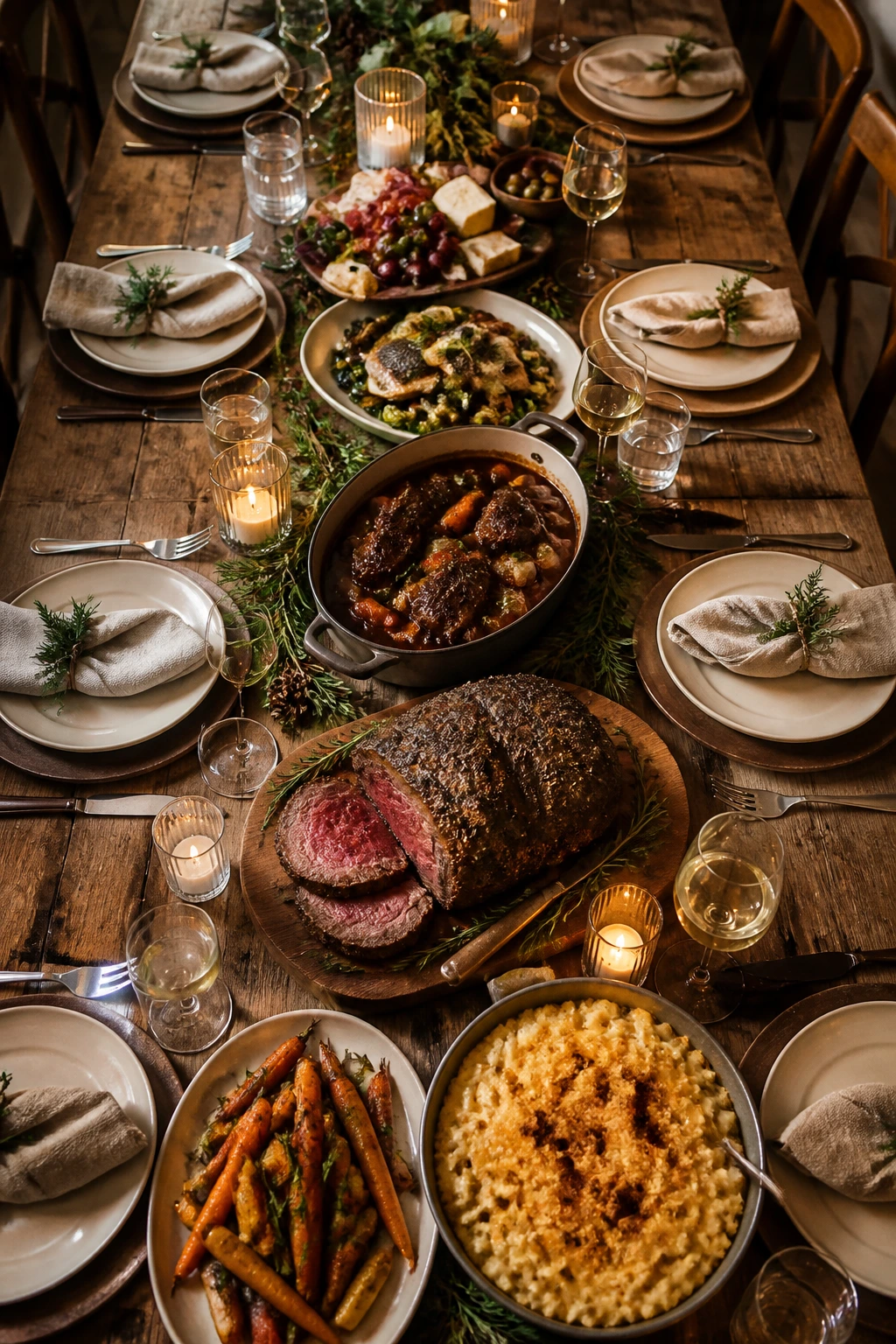
The best holiday dinners do not all behave the same way, and that’s the point. A Christmas Eve table needs range. Some dishes should be dramatic and carved at the table. Some should sit quietly in the oven while you pour drinks and answer the door. Others should be fast enough to save the evening if people arrive hungry and early.
What these recipes share is a practical kind of grace. The roasts rest well. The braises get better when they sit. The pasta bakes can be assembled ahead. The salmon cooks fast enough to feel easy, and the risotto or stuffed shells can be finished without turning the kitchen upside down. That mix matters more than chasing one perfect showpiece.
I also like the way the flavors travel across the menu. Rosemary shows up in one dish and not five. Citrus brightens the fish. Wine deepens the sauce on the tenderloin and the braised ribs. Cider keeps the pork in the holiday lane without making it taste like a candle. That variety keeps the table from feeling one-note, which is where a lot of holiday hosting goes wrong.
Essential Equipment for These Recipes
-
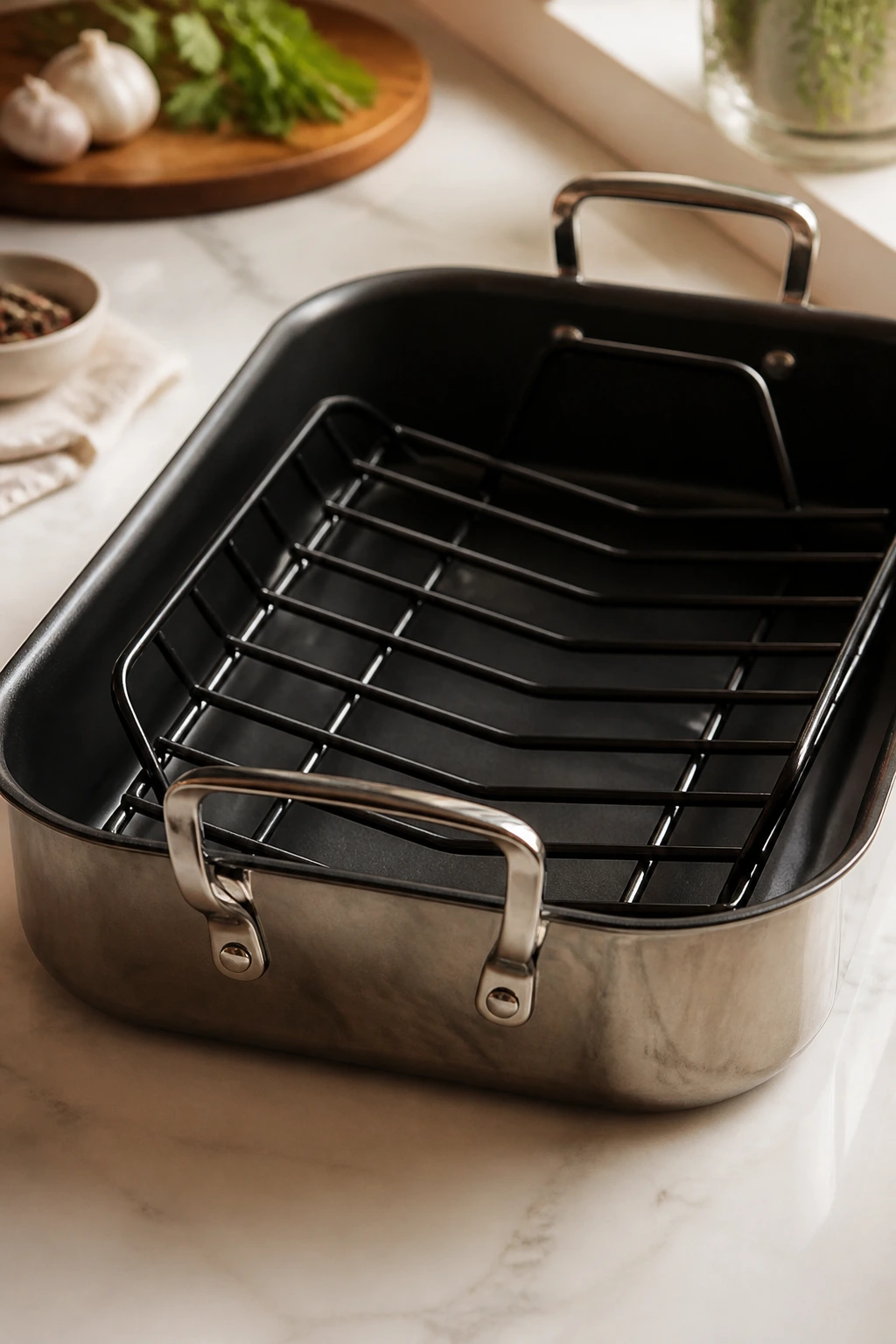
Roasting pan with rack — Best for prime rib, ham, and roast chicken; the rack keeps hot air moving and helps the underside brown instead of steam.
-
Large Dutch oven — Ideal for short ribs and useful for anything that starts on the stove and finishes in the oven.
-
9×13-inch baking dish — The workhorse for baked ziti, stuffed shells, and lasagna.
-
Large skillet, preferably 12-inch — Needed for chicken marsala, pork tenderloin sauce, beef tenderloin searing, and quick pan sauces.
-
Rimmed sheet pan — Handy for salmon, tenderloin, or anything you want to roast without a heavy pan.
-
Instant-read thermometer — Non-negotiable for roasts, tenderloin, pork, chicken, and salmon. It removes the guesswork.
-
Large pot for pasta — Needed for ziti, shells, and any pre-boiled noodle work.
-
Ladle — Useful for risotto, braises, and sauce transfers.
-
Wooden spoon and silicone spatula — Both matter; one for scraping and stirring, one for folding without smashing soft ingredients.
-
Sharp carving knife and cutting board — Makes a huge difference for prime rib, ham, and tenderloin slices.
-
Microplane or fine grater — Good for garlic, citrus zest, and Parmesan.
-
Foil and parchment paper — Simple, boring, and worth keeping close. Both save cleanup and protect delicate tops from overbrowning.
Smart Shopping and Ingredient Tips for a Holiday Host
Start with the proteins, because that’s where quality differences show up fastest. For prime rib, ask for a roast with a decent fat cap and a clean, even shape; a tied roast cooks more evenly than a floppy one. For beef tenderloin, trimming matters less than consistency, so choose a piece that is evenly thick through the middle and tie it if the tail is thin. Spiral-cut ham is the easiest path if you want neat slices with almost no knife work.
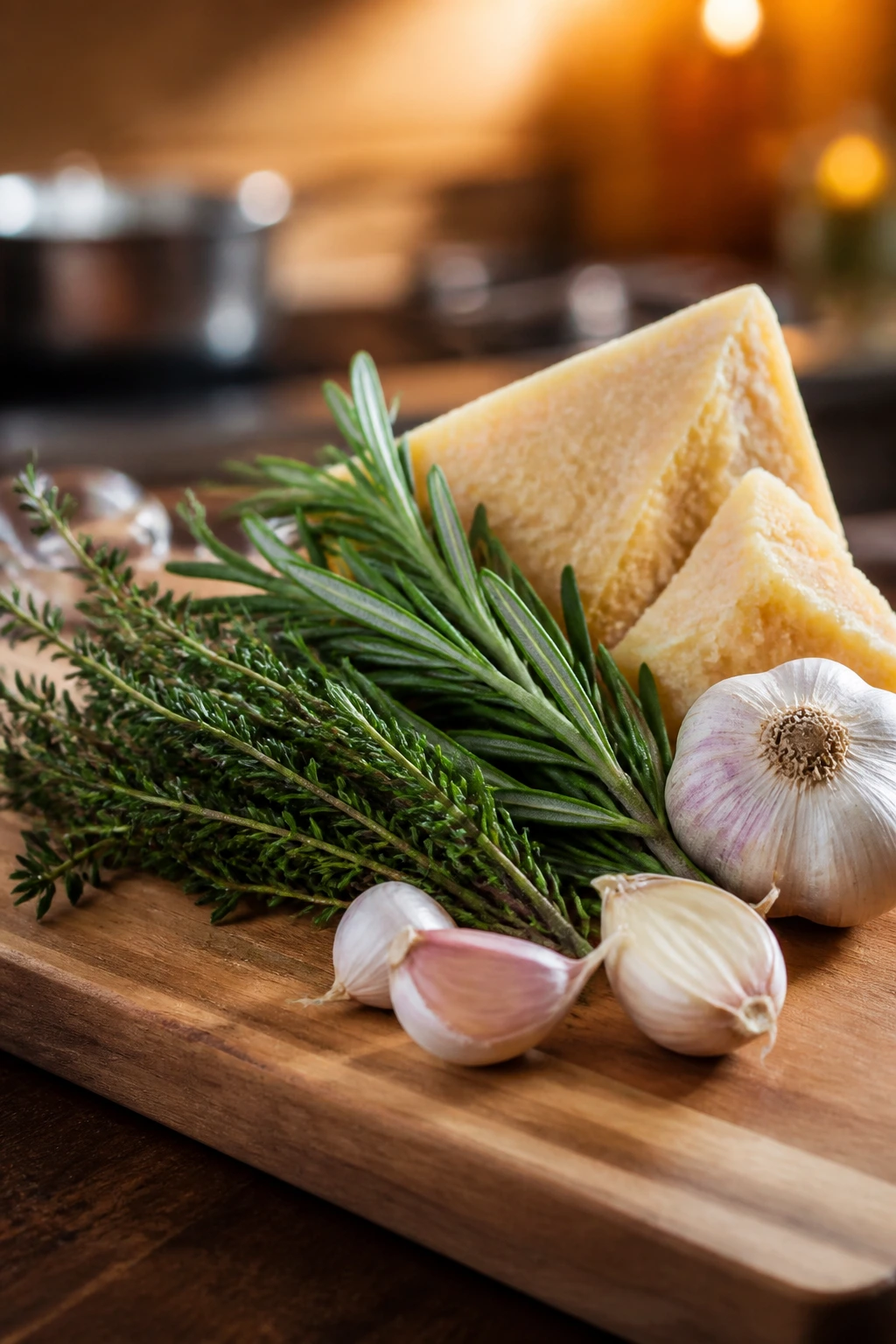
Cheese is another place where a small upgrade matters. Whole-milk ricotta gives baked pasta and stuffed shells a creamier texture than the low-fat version, which can turn grainy. Buy real Parmesan and grate it yourself if you can; pre-grated cheese often tastes dull and doesn’t melt as well. For mozzarella, shredded low-moisture cheese is the right choice for bake-ahead casseroles because it melts cleanly.
Herbs and aromatics should smell alive. Rosemary should be piney, not dusty. Thyme should still smell sharp when you rub the leaves between your fingers. If your garlic has green shoots or your shallots feel soft, skip them. Mushrooms should be dry and firm, never slick.
For the liquid ingredients, choose wine and stock you’d actually drink or taste. You do not need expensive bottles, but you do need something clean. Apple cider should taste like apples, not just sugar. Maple syrup should be real maple syrup, not pancake syrup dressed in a fancy bottle. Those details sound small until they’re in the sauce, and then they’re the whole point.
How to Serve These Dinners Without Crowding the Table
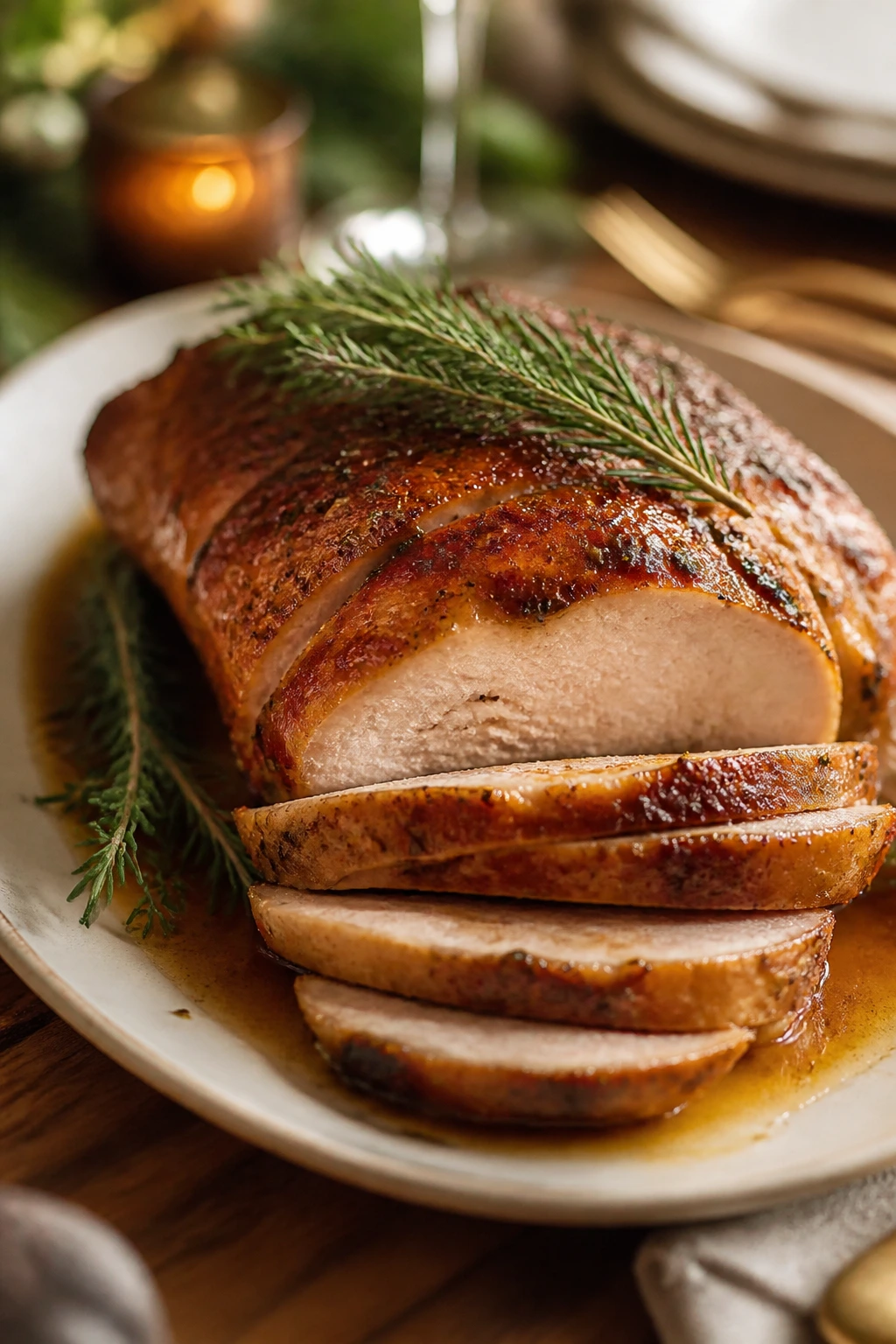
Presentation: Warm the platters before you cook the final dish, because cold serving dishes steal heat fast. Slice roasts into thick, tidy pieces, spoon sauce lightly over the top, and finish with one green thing — rosemary, parsley, dill, or thyme — so the plate looks intentional rather than brown and brown again.
Accompaniments: Keep the sides calm. A roast wants potatoes, a green vegetable, and maybe a sharp salad. Pasta bakes need garlic bread or simple greens. Salmon and pork like citrus, fennel, or lightly dressed vegetables. If you’re serving short ribs, polenta or mashed potatoes is enough. There’s no prize for piling on six starches.
Portions: Plan about 6 to 8 ounces of meat per adult for roasts and tender cuts, a little less if you have several sides. For pasta bakes, one generous scoop is usually 1 1/2 to 2 cups per person. Seafood portions run a touch smaller, around 5 to 6 ounces per adult. If the group likes seconds, build them in by keeping a little extra sauce or an extra pan of vegetables on hand.
Beverage Pairing: Red wine fits prime rib, tenderloin, and short ribs without a struggle. White wine or sparkling cider plays well with salmon and chicken marsala. For a nonalcoholic option, cranberry spritzers or chilled apple cider with lemon slices feel festive without trying too hard.
Additional Tips and Flavor Boosters for a More Festive Table
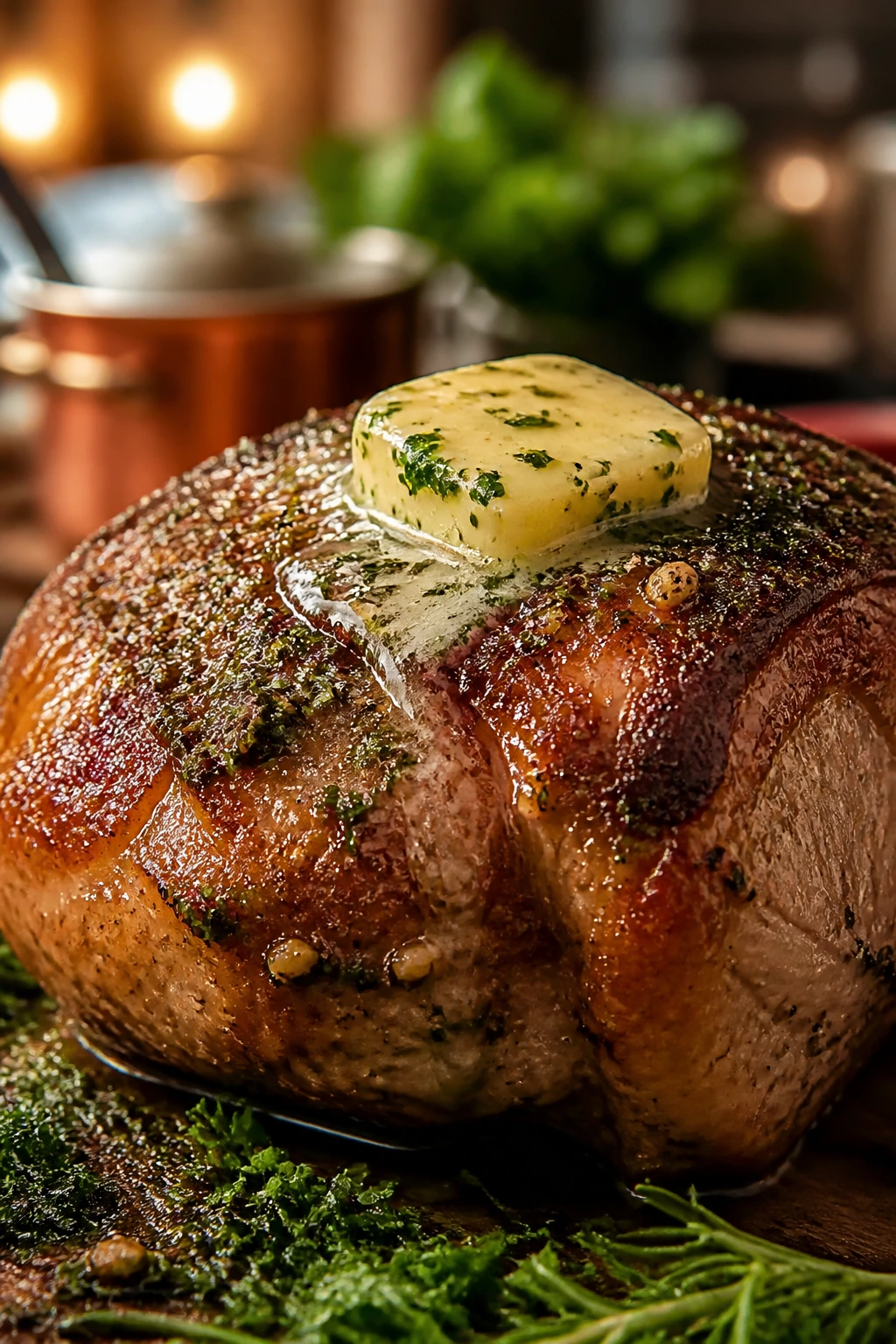
Flavor Enhancement: A finishing spoon of pan sauce or herb butter makes a bigger difference than another side dish. On roasts, add a few dots of softened herb butter right before serving. On pasta, a little extra Parmesan and black pepper on the hot surface wakes the whole dish up.
Customization: If your crowd likes brighter food, build a lemony or vinegary finish into the menu — lemon for salmon, cider vinegar for pork, horseradish for beef. If they like deeper, cozier flavors, lean harder on mushrooms, red wine, and browned butter. You can bend every dish here without breaking it.
Serving Suggestions: Crisp toppings help a lot. Toasted breadcrumbs on baked pasta, fried sage on lasagna, parsley on short ribs, dill on salmon, and chives on risotto all add texture that cream and gravy can’t. One crunchy element on a soft dish changes the whole experience.
Make-It-Yours: For gluten-free guests, the easiest swaps are salmon, ham, roast chicken, and the braised meats served with polenta or potatoes. For dairy-free plates, go with the roast chicken, pork tenderloin, or prime rib and finish with olive oil, herbs, and stock-based sauce instead of butter or cream. For a sharper holiday feel, add citrus zest to almost any of these dishes. It works more often than people expect.
Make-Ahead, Storage, and Reheating Guidance
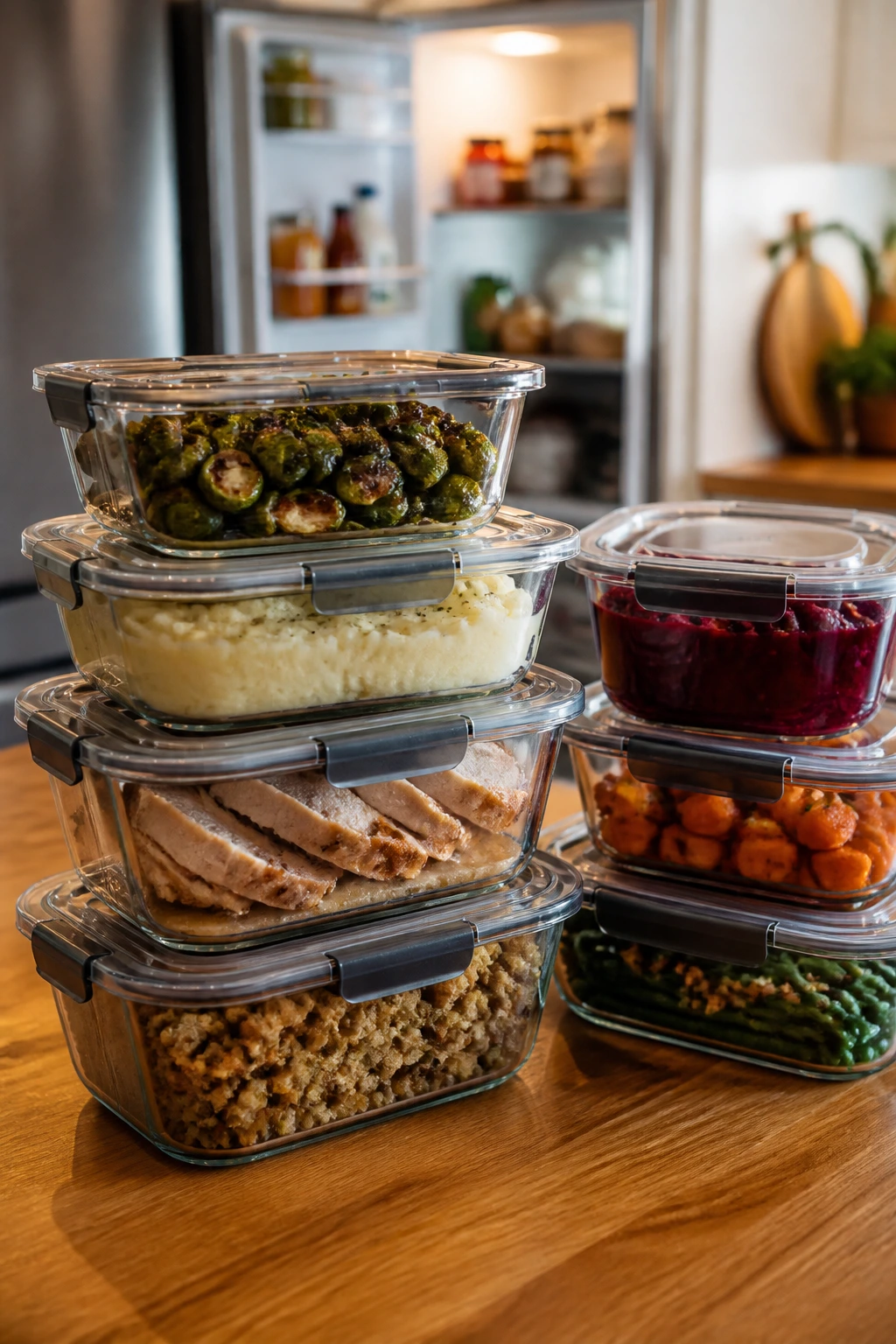
The easiest dishes to make ahead are the baked pastas, stuffed shells, lasagna, and braised short ribs. These hold well in the fridge for 3 to 4 days, tightly covered. Reheat pasta bakes at 350°F (175°C), covered with foil, until the center reaches 165°F (74°C). Add a splash of sauce or stock if the edges look dry. Short ribs reheat beautifully in a covered pot or Dutch oven over low heat, or in the oven at 300°F (150°C) until warmed through.
Roasts are a little different. Prime rib, tenderloin, ham, and roast chicken are best cooked close to serving time, but leftovers keep for 3 to 4 days in the fridge. Slice them before chilling so reheating is easier. Warm slices gently in a covered pan with a spoonful of stock or pan juices, or in the oven at 275°F to 300°F until just heated. If you blast them hot, they dry out fast.
Seafood needs the shortest window. Salmon is best the day it’s cooked and keeps for 1 to 2 days in the refrigerator. Reheat it gently at low heat, or serve leftovers cold over greens or tucked into a grain bowl. Risotto is also at its best fresh, but it can be stored for 2 days and revived with hot stock in a skillet, stirred until creamy again.
A useful rule: sauces, fillings, and braises hold better than finished crisp surfaces. If you want to save work, prep the sauce, chop the herbs, roast the squash, and mix the cheese filling ahead. Finish the browning, carving, and final garnish at the last minute.
Variations and Adaptations to Try
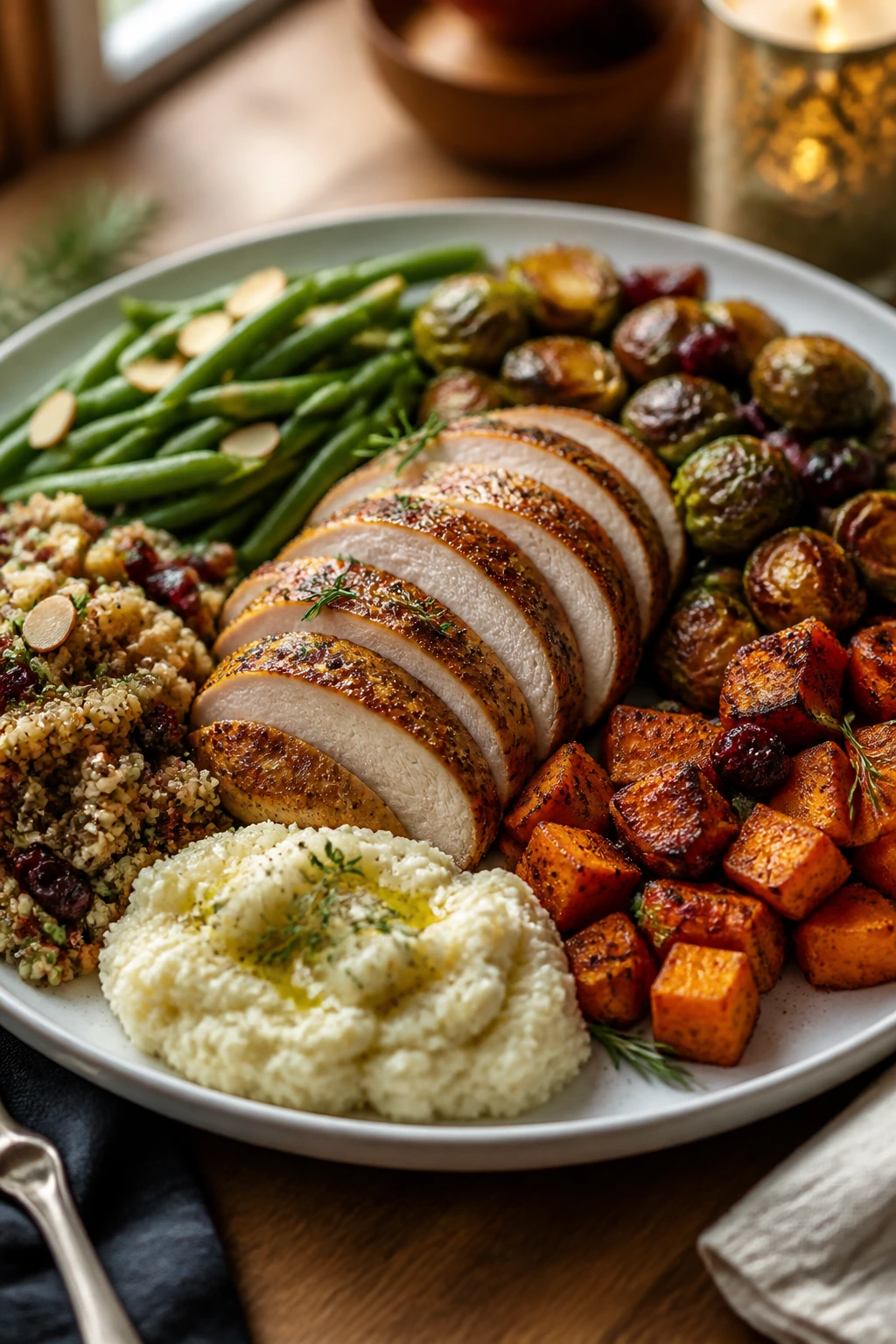
Gluten-Free Holiday Plate: Swap the flour dredge on chicken marsala for a light dusting of cornstarch, use gluten-free pasta in the baked ziti or stuffed shells, and lean on polenta, potatoes, or squash as the main starch. Check stock and mustard labels if you need to avoid hidden gluten.
Dairy-Light Gathering: Choose the prime rib, salmon, pork tenderloin, or ham and use olive oil, stock, citrus, and herbs instead of butter-heavy finishes. For the pasta dishes, you can cut the cheese slightly and still keep them satisfying by increasing the tomato sauce or squash base.
Vegetarian Centerpiece Table: Pair mushroom risotto with butternut squash lasagna, or serve stuffed shells beside roasted vegetables and salad. If you want more texture, add toasted walnuts or breadcrumbs on top of the squash lasagna right before serving.
Lower-Sodium Approach: Skip the extra salt in the rubs until the end, use low-sodium stock, and choose a ham with moderate curing rather than a heavily salted one. Bright acids — lemon, vinegar, and orange — help the food taste complete without relying on a lot of salt.
Spice-Warmed Holiday Menu: Add red pepper flakes to baked ziti, a pinch of cayenne to the ham glaze, or smoked paprika to the pork tenderloin. The food should still taste like the holiday, just with a little more edge.
Smaller-Table Version: Prime rib and ham are easy to scale down only if you choose a smaller roast or a half ham. For a tighter group, the chicken marsala, salmon, or stuffed shells often make more sense and leave less food hanging around the fridge.
Common Mistakes to Avoid When Hosting on Christmas Eve
Choosing two dishes that need the oven at the same temperature for the same length of time. That sounds efficient until you’re trying to roast chicken, bake lasagna, and warm rolls all at once. Pick one main that owns the oven, then build the rest around it.
Skipping the thermometer. Roasts, salmon, pork, and chicken all punish guessing. The symptom is usually dry meat or a center that looks fine from the outside but still needs time inside. The fix is simple: measure, then rest.
Making the menu too heavy. A table full of cream, cheese, and butter can feel dull by the second plate. Add something bright — citrus, herbs, vinegar, or a crisp salad — so the meal keeps moving.
Forgetting the resting time. Cutting prime rib, tenderloin, ham, or chicken too soon sends the juices onto the board instead of into the meat. Give it the pause it wants, even if that means five minutes of awkward waiting.
Not planning your serving vessels. Hot food loses personality fast in cold dishes. Warm your platters, warm your bowls, and have the sauce ladle ready before you call everyone to the table.
Trying to finish every dish at the last minute. That’s how hosts end up sweating over a skillet while everyone else is already seated. Make the sauce ahead, pre-chop the herbs, and choose at least one dish that can wait quietly until you need it.
Questions Hosts Ask Most Often

Which of these dinners is easiest if I want the table to feel special without a lot of stress?
Ham is the easiest path to a festive-looking table with very little knife work, and salmon is the fastest elegant option. If you want something hands-off and a little more old-school, baked ziti or stuffed shells can be assembled earlier in the day.
What can I make a day ahead without ruining the texture?
Baked ziti, stuffed shells, butternut squash lasagna, and braised short ribs are the most forgiving. Build the sauces and fillings ahead, then bake or reheat when guests arrive. Prime rib, tenderloin, and salmon are better made the same day.
How much main dish should I plan per guest?
For roasts and tender cuts, 6 to 8 ounces per adult is a good rule. For salmon, plan closer to 5 to 6 ounces. Pasta bakes can be portioned by volume rather than weight, and a generous serving usually lands around 1 1/2 to 2 cups.
What if my oven space is limited?
Choose one oven-driven main and let the rest be stove-top or make-ahead food. Chicken marsala, mushroom risotto, and pork tenderloin use the oven lightly or not at all, while ham, prime rib, and short ribs need more space. Build around that reality instead of fighting it.
Can I serve fish on Christmas Eve and still have it feel like a holiday meal?
Absolutely. Salmon with maple, citrus, and dill feels seasonal without being heavy, and it looks polished on a platter. It’s a particularly good choice if your guests want a lighter dinner before a bigger holiday meal the next day.
What should I do if the roast or ham finishes early?
Rest it, then hold it loosely tented with foil in a warm place for a short stretch. If you need more time, slice the meat and keep it covered with a little warm jus or glaze so it stays moist instead of sitting as a whole roast and cooling unevenly.
Which dish works best for vegetarian guests who still want something substantial?
Butternut squash lasagna is the strongest centerpiece, with mushroom risotto and stuffed shells close behind. All three feel complete on the plate instead of like side dishes pretending to be dinner.
How do I keep hot food warm while people gather and take their time?
Keep sauces warm on low heat, cover pans loosely with foil, and hold cooked dishes in a warm oven around 200°F to 225°F for a short window. Don’t leave delicate foods like salmon there for long; they dry out fast. Pasta bakes and braises handle holding better than almost anything else here.
A Table Worth Gathering Around
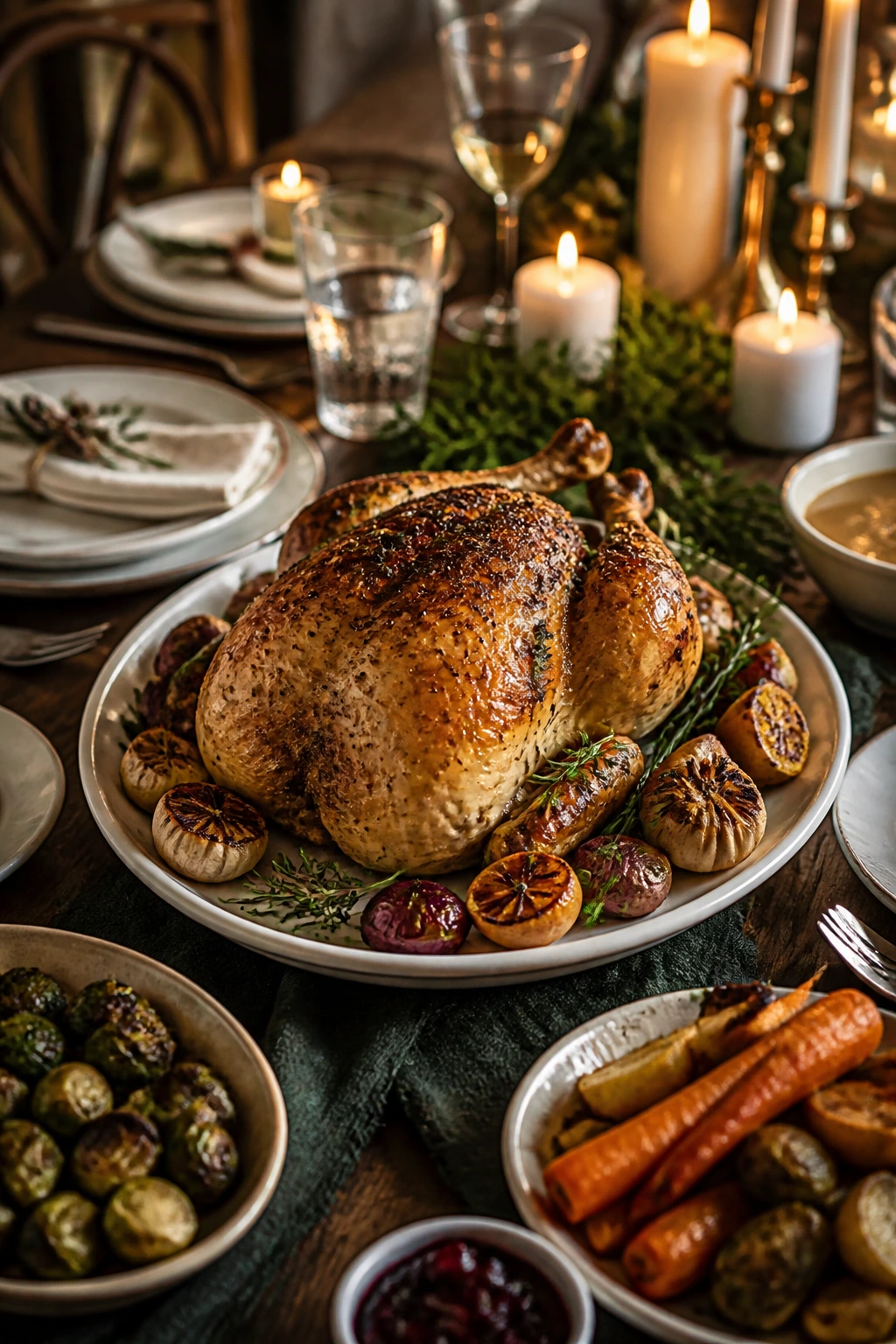
The best Christmas Eve dinner is the one that lets the evening breathe. It should give you a little confidence, a little breathing room, and enough flavor to make the room feel generous before anyone has even taken a second bite. That can mean a roast with a crust you can hear. It can mean a pan of baked pasta bubbling at the edges. It can mean salmon with citrus and dill when everyone wants something lighter.
Pick the dish that fits your oven, your crowd, and your appetite for work, then let the rest of the night do what it’s supposed to do. Keep the food warm. Keep the wine open. Let people linger.