



Instant Pot dinners ready in 20 minutes are the kind of weeknight food that earns its keep. Not the glossy, fussy kind. The useful kind — the sort you can start when people are already asking what smells good and still get to the table before the mood in the kitchen turns sharp.
The trick is not miracle cooking. It’s choosing foods that pressure-cook fast: thin chicken, ground meat, shrimp, small pasta, red lentils, canned beans, and rice that doesn’t need a long soak or a babysitter. The Instant Pot does its best work when you stop asking it to wrestle with a giant roast and start giving it ingredients that actually want to move quickly.
Pressure cooking also changes texture in a way stovetop dinners can’t quite match. Steam pushes heat through food fast and evenly, so chicken stays moist, beans soften without falling apart, and sauces cling instead of evaporating into the air. The USDA still wants chicken to hit 165°F in the thickest spot, of course, but the electric pressure cooker makes that feel less like a gamble and more like a managed outcome.
A few of the recipes below use sauté mode first, because browned onion, toasted spices, and a quick deglaze still matter. Dinner can be fast and taste built, not rushed. That’s the sweet spot, and it’s exactly where these 16 dinners live.
1. Instant Pot Chicken Fajita Rice Bowls
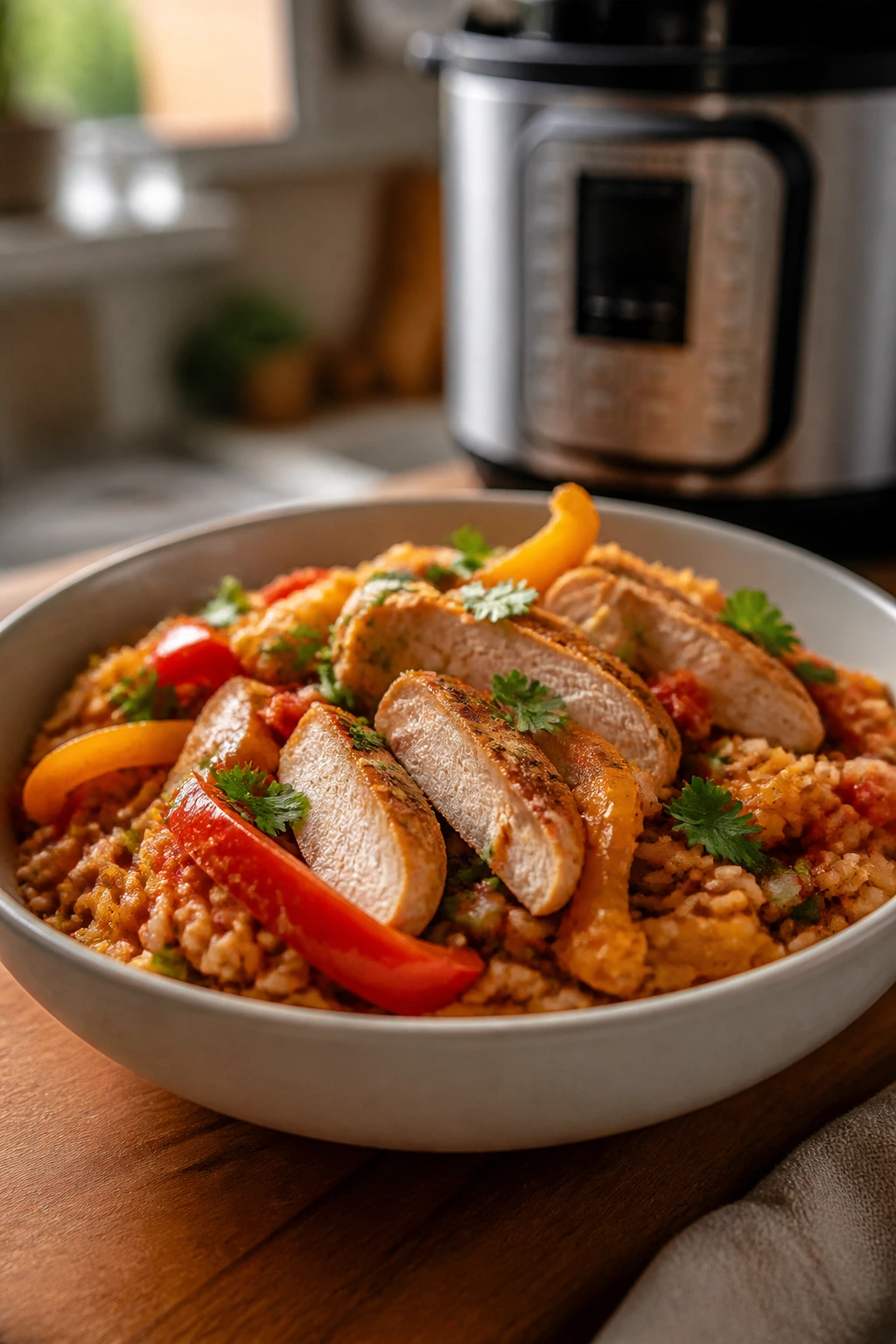
The smell of peppers and onion softening in the pot is the whole point here. You get that smoky-sweet fajita smell first, then the rice soaks up chicken broth and salsa while the chicken stays juicy and the lime wakes everything back up at the end.
Why it works fast
Thin chicken strips are the shortcut. They cook in a short pressure cycle, and the rice uses the same pot, so you’re not standing over a second pan while dinner gets cold. The salsa pulls double duty as both seasoning and liquid, which means the bowl tastes layered without needing a long simmer.
A lot of fajita-style dinners fail because they treat rice like an afterthought. Here, the rice cooks in seasoned liquid, so every bite tastes like the filling, not like plain rice under something saucy. That’s the difference between “quick” and “finished.”
Key Ingredients:
- 1 lb boneless, skinless chicken breasts, sliced into 1/2-inch strips
- 1 tbsp olive oil
- 1 medium yellow onion, thinly sliced
- 2 bell peppers, sliced into strips
- 2 cloves garlic, minced
- 1 cup long-grain white rice, rinsed well
- 3/4 cup low-sodium chicken broth
- 1/2 cup salsa
- 1/4 cup water
- 2 tbsp fajita seasoning
- 1 lime, juiced
- 2 tbsp chopped cilantro
- Optional: sliced avocado, shredded cheese, sour cream
Quick Steps:
- Set the Instant Pot to sauté and heat the olive oil for 1 minute. Add the onion and peppers and cook for 2 to 3 minutes, until they soften and the edges pick up a little color.
- Stir in the garlic, chicken strips, and fajita seasoning. Cook for 2 minutes, just until the chicken loses its raw look on the outside.
- Add the rice, broth, salsa, and water. Scrape the bottom well so no browned bits stick there. That step matters.
- Lock the lid and cook on high pressure for 4 minutes. Let it sit for 5 minutes, then quick release the remaining pressure.
- Fluff the rice, squeeze in the lime juice, and stir in the cilantro. Taste and add a pinch of salt if the seasoning blend was mild.
- Spoon into bowls and top with avocado, cheese, or sour cream if you want the meal to lean richer.
Tips and Variations:
- Slice the chicken first and it cooks more evenly; big chunks take longer and can turn chewy.
- Swap in cooked black beans at the end if you want the bowls heartier.
- A spoonful of chipotle salsa adds smoke without changing the method.
2. Instant Pot Beef and Broccoli
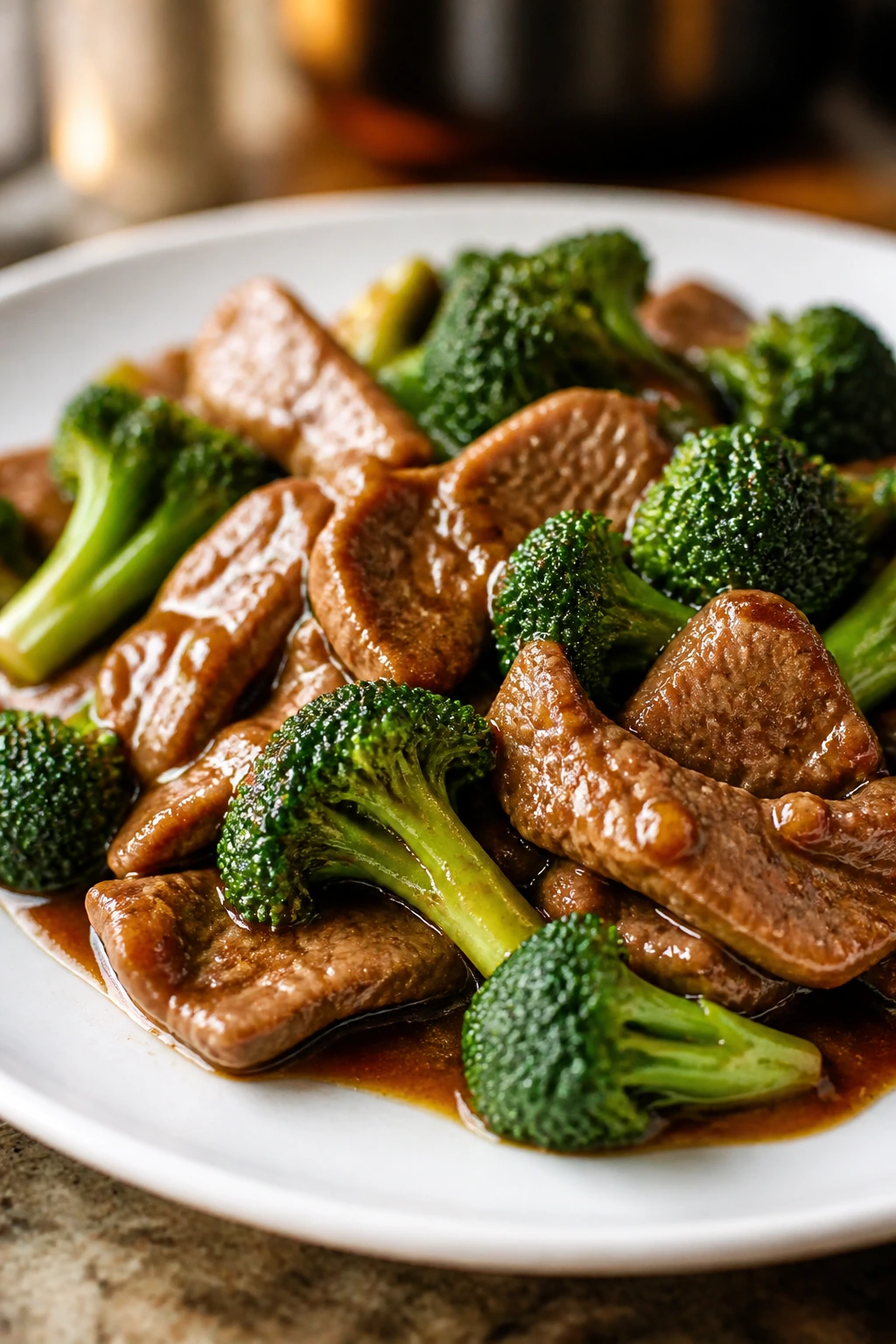
Takeout beef and broccoli usually loses me on two fronts: limp broccoli and sauce that tastes thin. This version fixes both by treating the broccoli like a finishing move and the sauce like the real event. The beef is sliced so thin it barely needs time.
What makes the sauce stay glossy
Cornstarch does more than thicken. It helps the beef get a slick, velvety coating before the pot ever comes to pressure, and then the reduced sauce clings to the broccoli instead of pooling under it. If you’ve ever opened a container of beef and broccoli and found a gray puddle, you know why this matters.
The broccoli goes in after pressure cooking, not before. That keeps the florets green and a little snappy, with enough bite to stand up to the sauce. I prefer that texture by a mile.
Key Ingredients:
- 1 lb flank steak, sliced very thin against the grain
- 2 tbsp cornstarch
- 2 tbsp low-sodium soy sauce
- 1 tbsp neutral oil
- 3 cloves garlic, minced
- 1 tsp grated fresh ginger
- 1 cup beef broth
- 1/4 cup low-sodium soy sauce
- 2 tbsp brown sugar
- 1 tbsp rice vinegar
- 1 tbsp sesame oil
- 3 cups broccoli florets
- 1 tbsp cornstarch mixed with 2 tbsp cold water
- 1 tbsp sesame seeds, optional
Quick Steps:
- Toss the sliced steak with the cornstarch and the 2 tablespoons of soy sauce until the meat looks lightly dusted.
- Set the pot to sauté, heat the oil, and brown the beef for 2 minutes, stirring once. You do not need full browning here; you just want the surface to change color.
- Stir in the garlic and ginger for 30 seconds, then pour in the broth, soy sauce, brown sugar, rice vinegar, and sesame oil. Scrape the bottom well.
- Lock the lid and cook on high pressure for 1 minute. Quick release right away.
- Stir in the broccoli. Cover the pot with the lid off or use a loose lid for 2 to 3 minutes so the florets steam in the hot sauce.
- Stir in the cornstarch slurry on sauté and cook for 1 to 2 minutes, until the sauce turns shiny and coats a spoon.
Tips and Variations:
- Slice the steak while it’s slightly frozen if your knife work is shaky.
- Serve over leftover rice or microwavable jasmine rice to keep the whole meal in the 20-minute range.
- A little chili crisp on top gives the dish more bite without changing the base recipe.
3. Instant Pot Creamy Tuscan Chicken
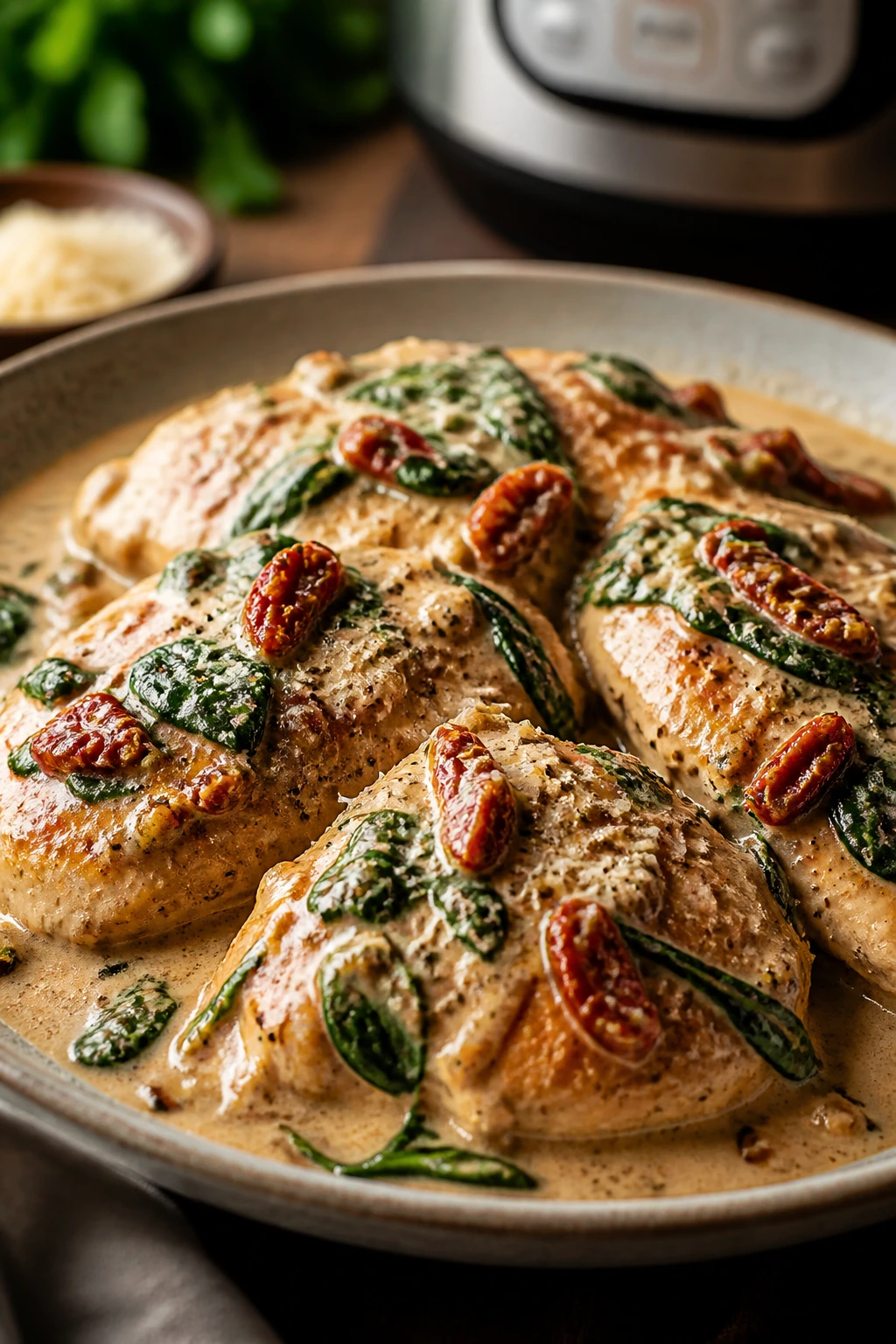
This is the kind of dinner that looks like it took more work than it did. Sun-dried tomatoes, spinach, garlic, and cream make the sauce rich and a little tangy, while the chicken stays tender because the pressure cycle is short and controlled.
Why this one stays weeknight-friendly
Chicken cutlets are the real move. Not whole thick breasts. Cutlets cook quickly, which means the sauce can do its thing without the meat getting dry or stringy. The cream and Parmesan go in after pressure cooking, which keeps them smooth instead of grainy or broken.
The sun-dried tomatoes bring concentrated flavor fast. You do not need a long reduction when you start with something already intense.
Key Ingredients:
- 1 lb boneless, skinless chicken breasts, cut into cutlets
- Salt and black pepper
- 1 tbsp olive oil
- 3 cloves garlic, minced
- 1 cup low-sodium chicken broth
- 1/3 cup sun-dried tomatoes, chopped
- 1 tsp Italian seasoning
- 1/2 cup heavy cream
- 1/3 cup grated Parmesan
- 2 cups baby spinach
- 1 pinch red pepper flakes, optional
- 1 tbsp chopped basil or parsley, optional
Quick Steps:
- Season the chicken cutlets with salt and pepper.
- Set the pot to sauté, heat the oil, and sear the chicken for 1 minute per side. Pull it out to a plate.
- Add the garlic and cook for 20 seconds. Pour in the broth and scrape up the browned bits from the bottom.
- Stir in the sun-dried tomatoes and Italian seasoning, then return the chicken to the pot.
- Lock the lid and cook on high pressure for 4 minutes. Quick release the pressure.
- Stir in the cream, Parmesan, spinach, and red pepper flakes. Let the spinach wilt for 1 minute, then spoon the sauce over the chicken.
- Finish with basil or parsley if you want a fresher edge.
Tips and Variations:
- Use half-and-half instead of cream only if you’re fine with a thinner sauce.
- Serve over pasta, mashed potatoes, or crusty bread.
- If the sauce looks too loose, let it bubble on sauté for 1 or 2 minutes before serving.
4. Instant Pot Turkey Taco Soup
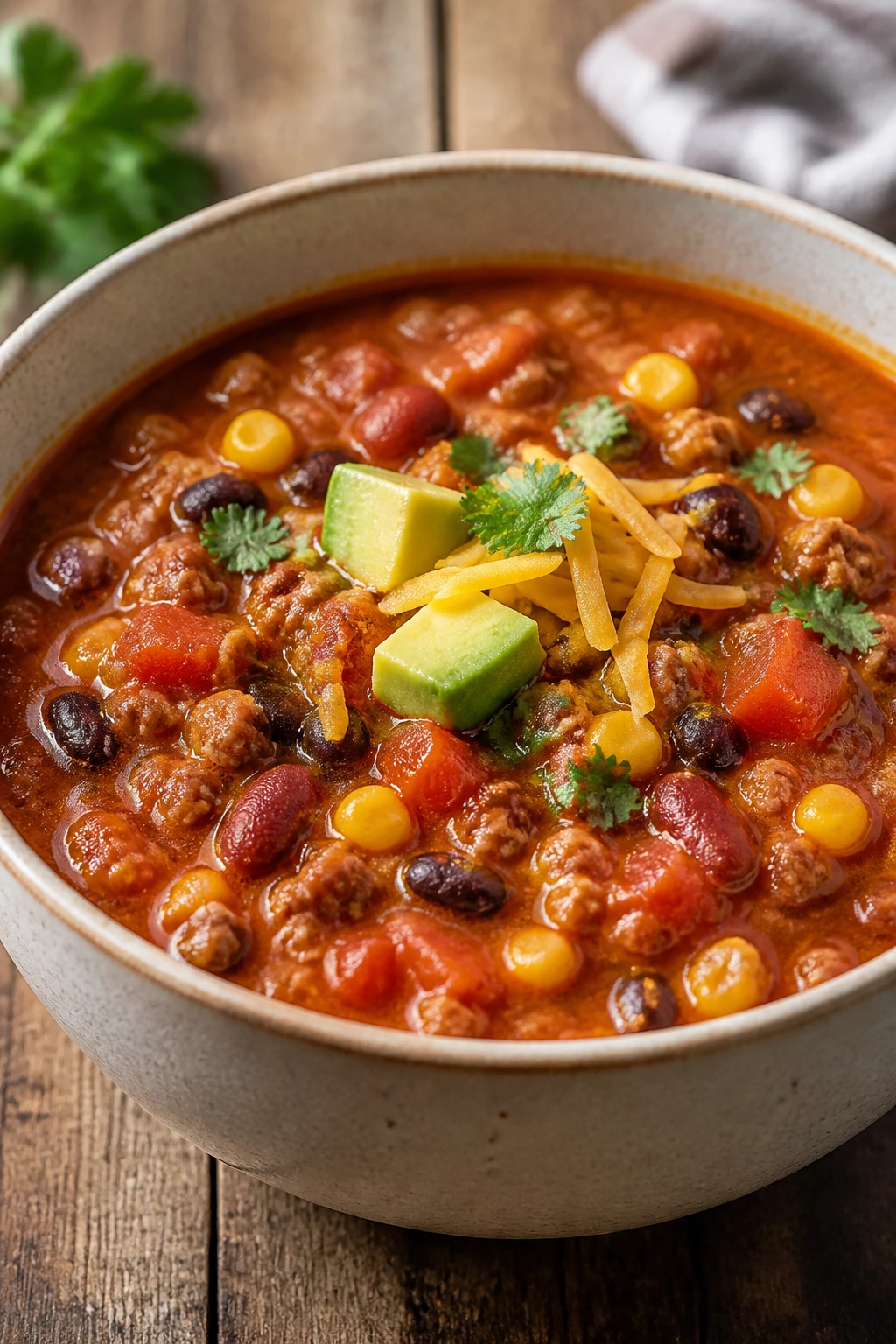
Some dinners are just a loud, efficient answer to a boring day. This is one of them. It tastes like taco night met a soup pot and decided to stop making life difficult.
How the soup builds flavor fast
Ground turkey gives you speed without waiting around for a shred. It browns quickly, so the base of the soup is built before the pressure lid ever goes on. Canned beans, tomatoes, and salsa do the heavy lifting from there, which means the pot can spend its time blending flavors instead of cooking raw ingredients from scratch.
The best part is the texture. You get broth, beans, corn, and meat in one spoonful, and the toppings do the final turn of the wheel.
Key Ingredients:
- 1 lb ground turkey
- 1 tbsp olive oil
- 1 medium onion, diced
- 1 packet taco seasoning or 2 tbsp homemade taco seasoning
- 1 can black beans, drained and rinsed
- 1 can pinto beans, drained and rinsed
- 1 can diced tomatoes with green chiles
- 1 cup frozen corn
- 3 cups low-sodium chicken broth
- 1/2 cup salsa
- 1/2 tsp salt, if needed
- Optional toppings: shredded cheese, sour cream, cilantro, tortilla strips
Quick Steps:
- Set the pot to sauté and heat the oil for 1 minute. Add the onion and cook for 2 minutes, until it starts to soften.
- Add the ground turkey and cook for 4 to 5 minutes, breaking it up with a spoon until it’s no longer pink.
- Stir in the taco seasoning, black beans, pinto beans, tomatoes with green chiles, corn, broth, and salsa. Scrape the bottom so nothing sticks.
- Lock the lid and cook on high pressure for 3 minutes. Quick release the pressure.
- Taste and adjust with salt. If the soup seems thinner than you want, simmer it on sauté for 2 to 3 minutes.
- Ladle into bowls and load on the toppings.
Tips and Variations:
- Swap ground chicken or beef for the turkey if that’s what you have.
- Stir in a handful of crushed tortilla chips right before serving for a thicker, more chili-like bowl.
- A squeeze of lime brightens the beans and cuts through the sweetness of the corn.
5. Instant Pot Lemon Garlic Shrimp Orzo
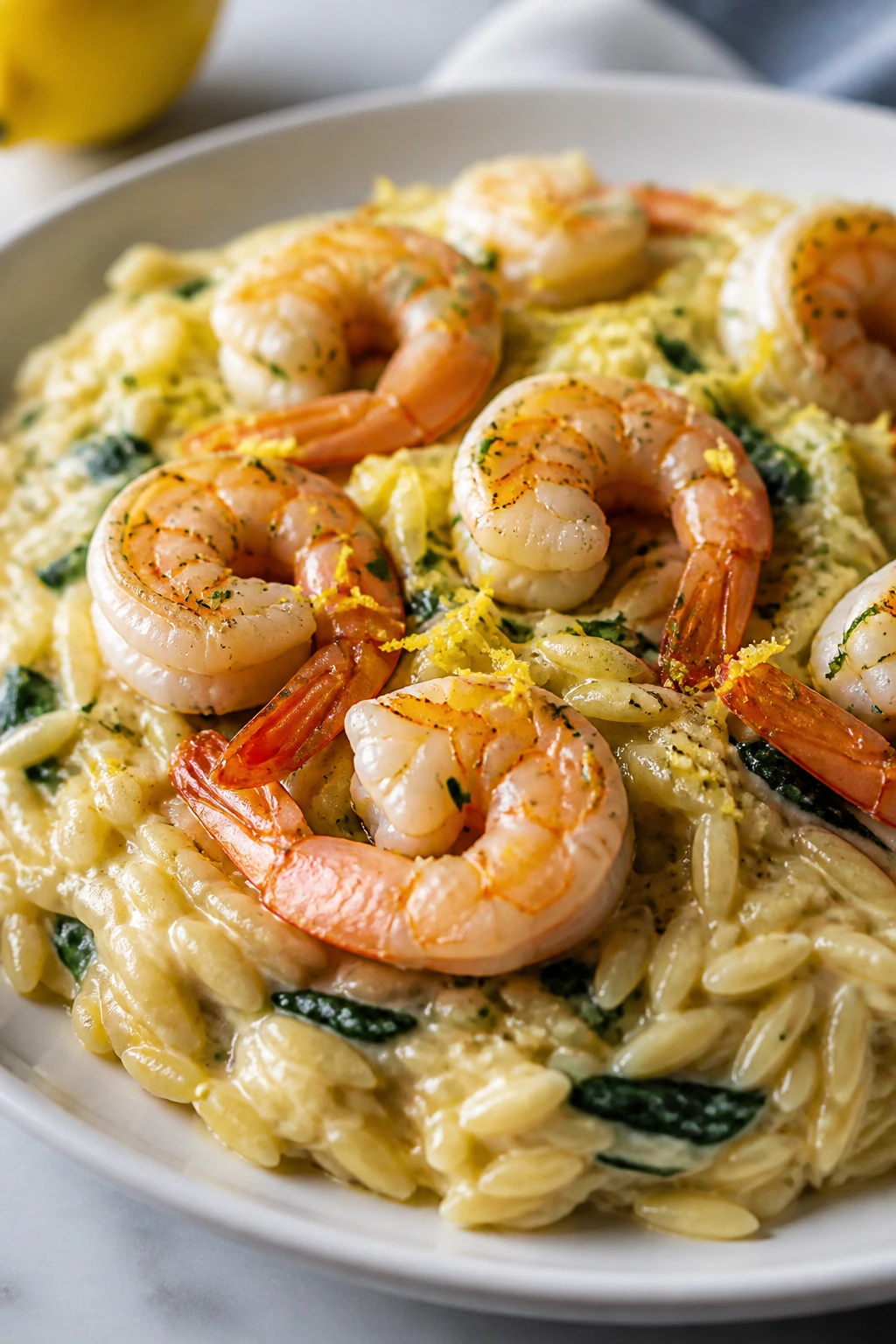
Orzo is one of those little pasta shapes that behaves like a bigger deal than it is. It cooks fast, gets creamy at the edges, and soaks up lemon, butter, and broth without turning into glue if you watch the timing. Shrimp slips in at the end and finishes in the hot pot.
The shortcut that keeps the shrimp tender
Shrimp hates overcooking. That’s the whole game. By cooking the orzo first and then letting the shrimp finish in residual heat, you get plump, sweet seafood instead of those curled-up little rubber rings that happen when people are impatient.
The lemon lands at the end for a reason. If you cook it too early, the flavor dulls. Stir it in after the pressure comes off and it stays sharp enough to make the butter taste lighter.
Key Ingredients:
- 1 lb large shrimp, peeled and deveined
- 1 tbsp olive oil
- 2 tbsp unsalted butter
- 4 cloves garlic, minced
- 1 cup orzo
- 2 1/4 cups low-sodium chicken broth
- Zest and juice of 1 lemon
- 2 cups baby spinach
- 1/3 cup grated Parmesan
- 1/2 tsp red pepper flakes, optional
- 2 tbsp chopped parsley
Quick Steps:
- Set the pot to sauté and melt the butter with the olive oil. Add the garlic and cook for 20 seconds, just until it smells sweet.
- Stir in the orzo and broth, then scrape the bottom well.
- Lock the lid and cook on high pressure for 1 minute. Quick release the pressure right away.
- Stir in the shrimp, lemon zest, lemon juice, spinach, and red pepper flakes. Put the lid back on loosely and let the shrimp turn pink and opaque in 3 to 4 minutes.
- Stir in the Parmesan and parsley. If the mixture looks too thick, loosen it with a splash of broth.
- Taste for salt and add a little more lemon if the pasta tastes flat.
Tips and Variations:
- Use frozen shrimp only if you thaw and pat them dry first.
- A handful of peas can stand in for the spinach if that’s what’s in the freezer.
- Serve with extra lemon wedges; people always want them.
6. Instant Pot Sausage, Peppers, and Orzo
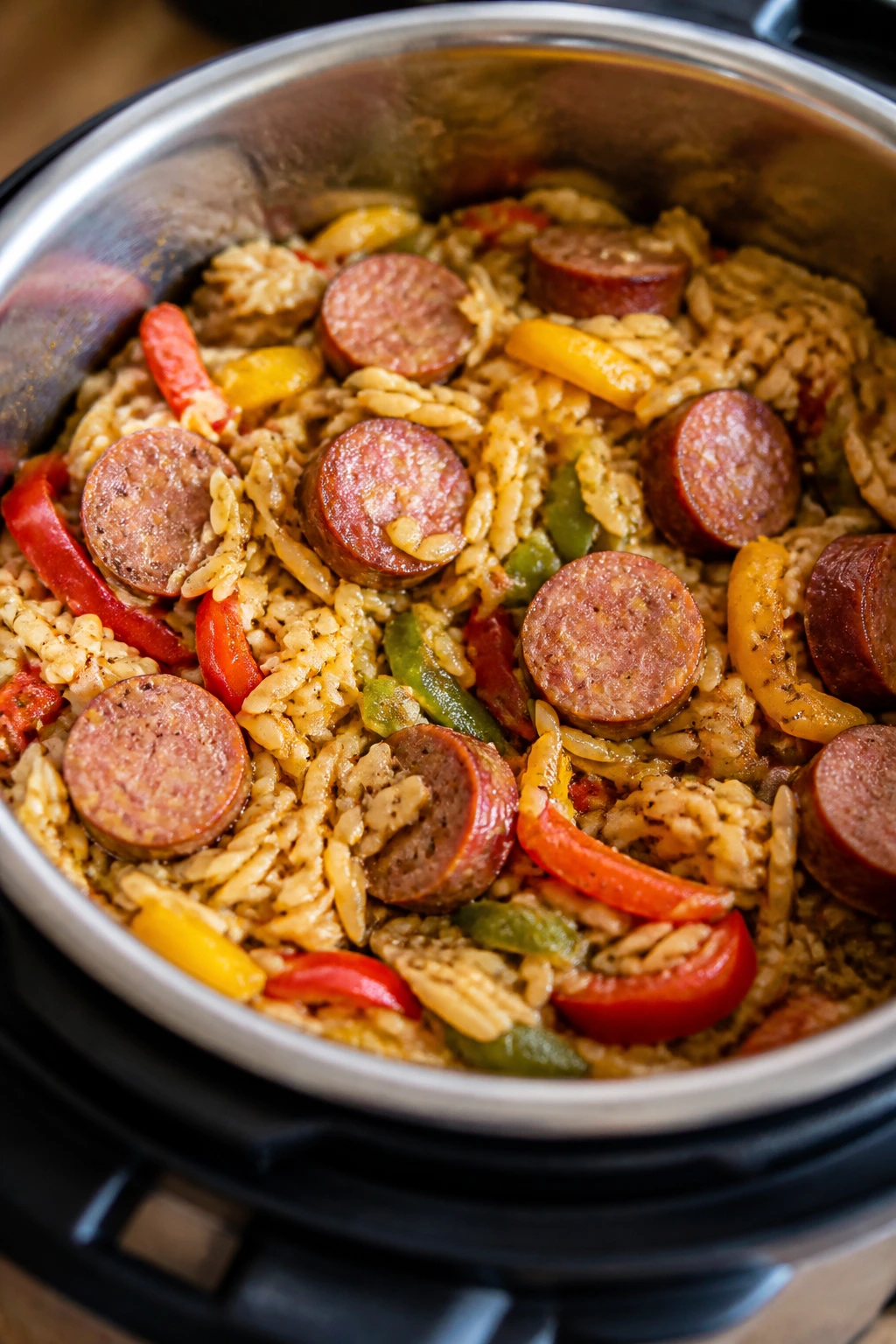
Smoked sausage is a quiet hero in pressure-cooker dinners. It is already cooked, already seasoned, and already ready to hand over flavor without fuss. Add peppers, onion, and orzo, and you get a meal that tastes like it took a lot more than one pot.
Why the sausage does so much heavy lifting
You’re starting with built-in flavor. That matters when you only have 20 minutes. The sausage seasons the orzo as it cooks, while the peppers soften just enough to stay sweet instead of collapsing into mush.
This is the kind of dinner that benefits from a tight ingredient list. Too many extras and it gets muddy. Keep the tomato paste, garlic, and Italian seasoning, and the whole pot stays focused.
Key Ingredients:
- 12 oz smoked sausage, sliced into half-moons
- 1 tbsp olive oil
- 2 bell peppers, sliced
- 1 medium onion, sliced
- 2 cloves garlic, minced
- 1 cup orzo
- 1 1/4 cups low-sodium chicken broth
- 1 tbsp tomato paste
- 1 tsp Italian seasoning
- 1/4 cup grated Parmesan
- 1 tbsp chopped parsley
Quick Steps:
- Set the pot to sauté, heat the oil, and cook the sausage for 2 minutes so the cut edges brown a little.
- Add the peppers and onion and cook for 2 more minutes. Stir in the garlic for 20 seconds.
- Stir in the tomato paste, orzo, broth, and Italian seasoning. Scrape the bottom well.
- Lock the lid and cook on high pressure for 1 minute. Quick release the pressure right away.
- Stir in the Parmesan and parsley. Let the orzo sit for 2 minutes so it thickens slightly.
- Taste and add black pepper if the sausage is mild.
Tips and Variations:
- Andouille sausage gives the dish more smoke if you want heat.
- Add a handful of baby spinach at the end if you want a green vegetable in the pot.
- If the orzo drinks up more liquid than you expected, splash in a bit of broth and stir.
7. Instant Pot White Chicken Chili
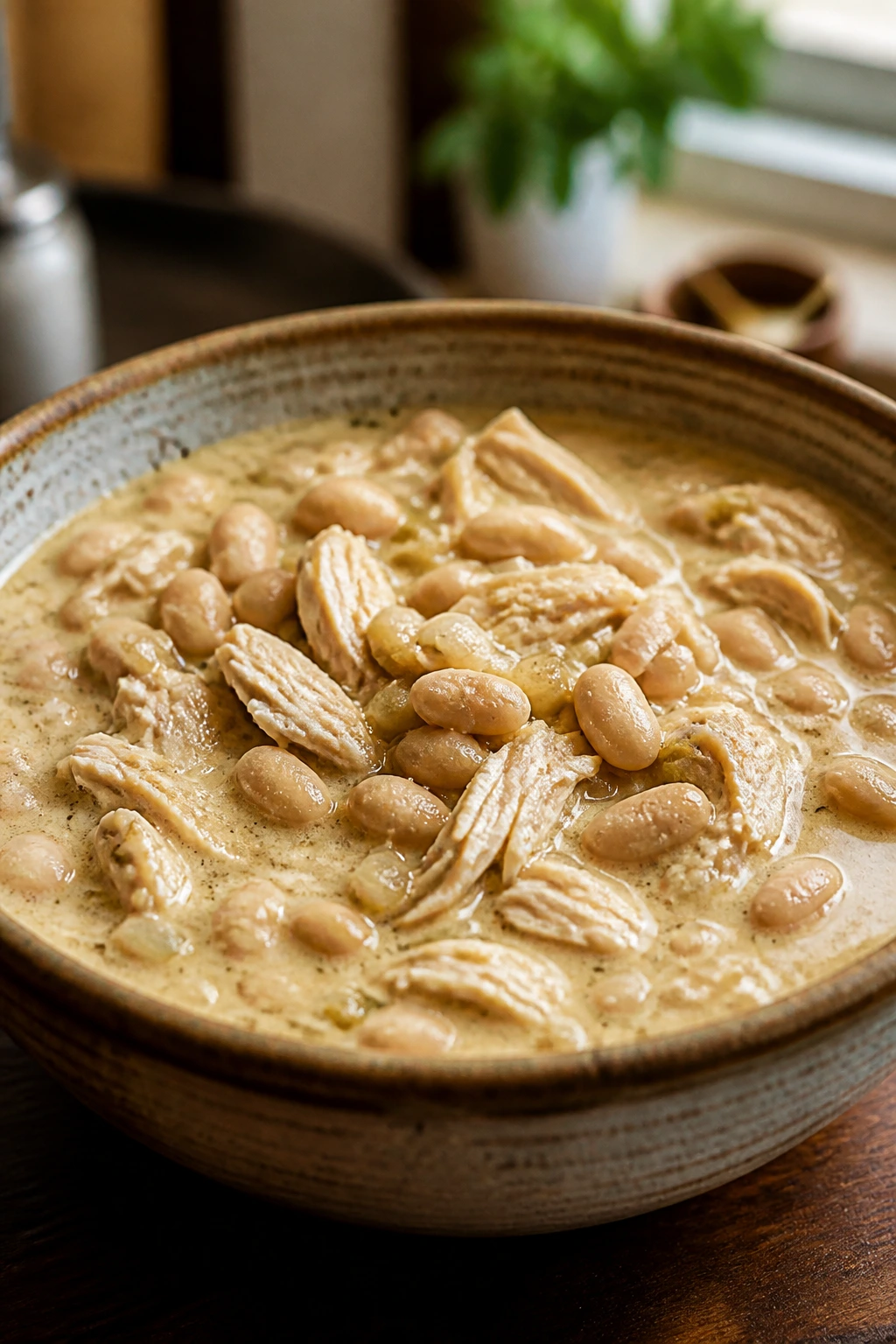
White chicken chili works because it tastes like a bigger project than it is. Beans, green chiles, cumin, and chicken give you that slow-cooked feel without actually waiting for a slow cook. The broth turns creamy when a few beans get mashed, which is a trick I never get tired of.
Why the chili feels bigger than the ingredient list
Cannellini beans and great northern beans are soft enough to break down fast. That matters. They thicken the broth from inside the pot instead of depending on flour or cream alone. The result is silky, not gluey.
The yogurt or sour cream goes in after pressure cooking. That keeps it smooth. If you add dairy too early, it can split, and then the whole pot starts looking fussy.
Key Ingredients:
- 1 lb boneless, skinless chicken breasts or thighs, cut into 1-inch pieces
- 1 tbsp olive oil
- 1 medium onion, diced
- 2 cloves garlic, minced
- 2 cans white beans, drained and rinsed
- 1 can diced green chiles
- 3 cups low-sodium chicken broth
- 1 tsp ground cumin
- 1 tsp dried oregano
- 1 cup frozen corn
- 1/2 cup sour cream or plain Greek yogurt
- Juice of 1 lime
- Chopped cilantro and sliced jalapeño, optional
Quick Steps:
- Set the pot to sauté and heat the oil. Cook the onion for 2 minutes, then add the chicken and cook for another 2 minutes, just until the outside turns opaque.
- Stir in the garlic, beans, green chiles, broth, cumin, oregano, and corn. Scrape the bottom well.
- Lock the lid and cook on high pressure for 5 minutes. Quick release the pressure.
- Mash a small scoop of beans against the side of the pot with a spoon to make the broth thicker.
- Stir in the sour cream or yogurt and lime juice. Do not boil the chili after the dairy goes in.
- Ladle into bowls and finish with cilantro and jalapeño if you like heat.
Tips and Variations:
- Shredded rotisserie chicken can replace the raw chicken; add it after pressure cooking.
- If you want a thicker bowl, stir in crushed tortilla chips right before serving.
- A little Monterey Jack on top melts nicely into the hot soup.
8. Instant Pot Teriyaki Chicken and Pineapple Rice
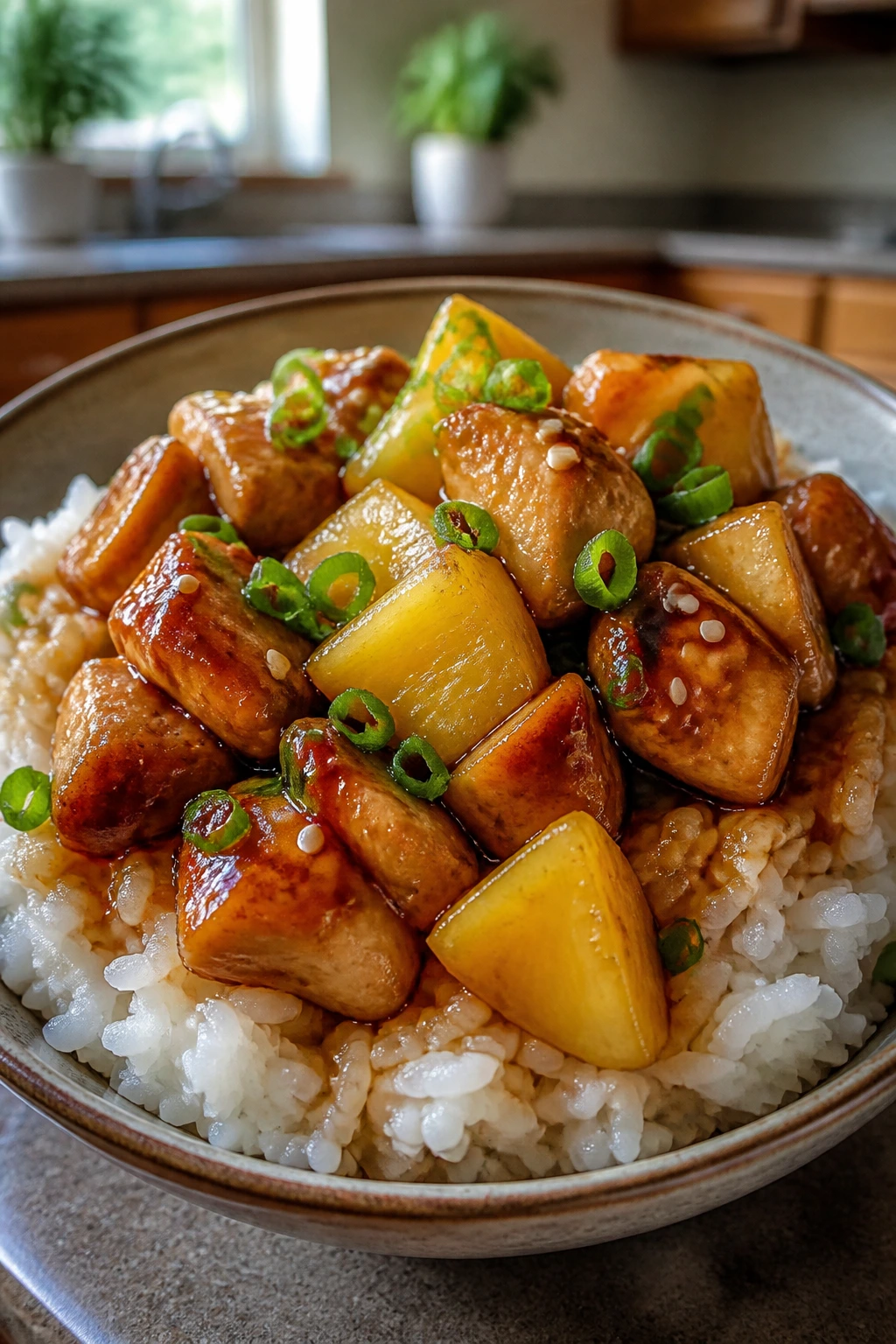
Sweet-savory rice bowls are easy to get wrong. Too much sauce and the pot gets sticky; too little and it tastes flat. This one stays balanced because the teriyaki sauce seasons the chicken and rice together, while the pineapple comes in at the end so it stays bright and juicy.
The rice trick that keeps it under 20 minutes
Jasmine rice is the right choice here. It cooks quickly, smells fragrant, and doesn’t need a long rest to feel done. Cut the chicken into small pieces and the whole pot moves fast enough to land in that 20-minute window without begging for help.
The pineapple gives you sweetness and acidity, but not if you cook it forever. That’s why it gets stirred in after pressure cooking. Fresh, canned, or thawed frozen all work fine.
Key Ingredients:
- 1 lb boneless, skinless chicken thighs, cut into 1-inch pieces
- 1 tbsp neutral oil
- 2 cloves garlic, minced
- 1 tsp grated ginger
- 1 cup jasmine rice, rinsed
- 1 cup low-sodium chicken broth
- 1/2 cup teriyaki sauce
- 1 cup pineapple chunks, drained
- 1 cup frozen peas
- 2 scallions, sliced
- 1 tbsp sesame seeds, optional
Quick Steps:
- Set the pot to sauté and heat the oil. Add the chicken and cook for 2 minutes, just until the outside starts to lose its pinkness.
- Stir in the garlic and ginger for 20 seconds. Add the rice, broth, and teriyaki sauce, then scrape the bottom well.
- Lock the lid and cook on high pressure for 4 minutes. Let the pressure sit for 5 minutes, then quick release the rest.
- Stir in the pineapple chunks and frozen peas. The heat from the pot will warm both through in about 2 minutes.
- Spoon into bowls and top with scallions and sesame seeds.
Tips and Variations:
- If you like a little heat, add 1 teaspoon of sriracha to the teriyaki sauce.
- Cashews work well here if you want crunch.
- Use drained canned pineapple, not pineapple packed in heavy syrup, or the bowl turns cloying.
9. Instant Pot Ground Beef Stroganoff
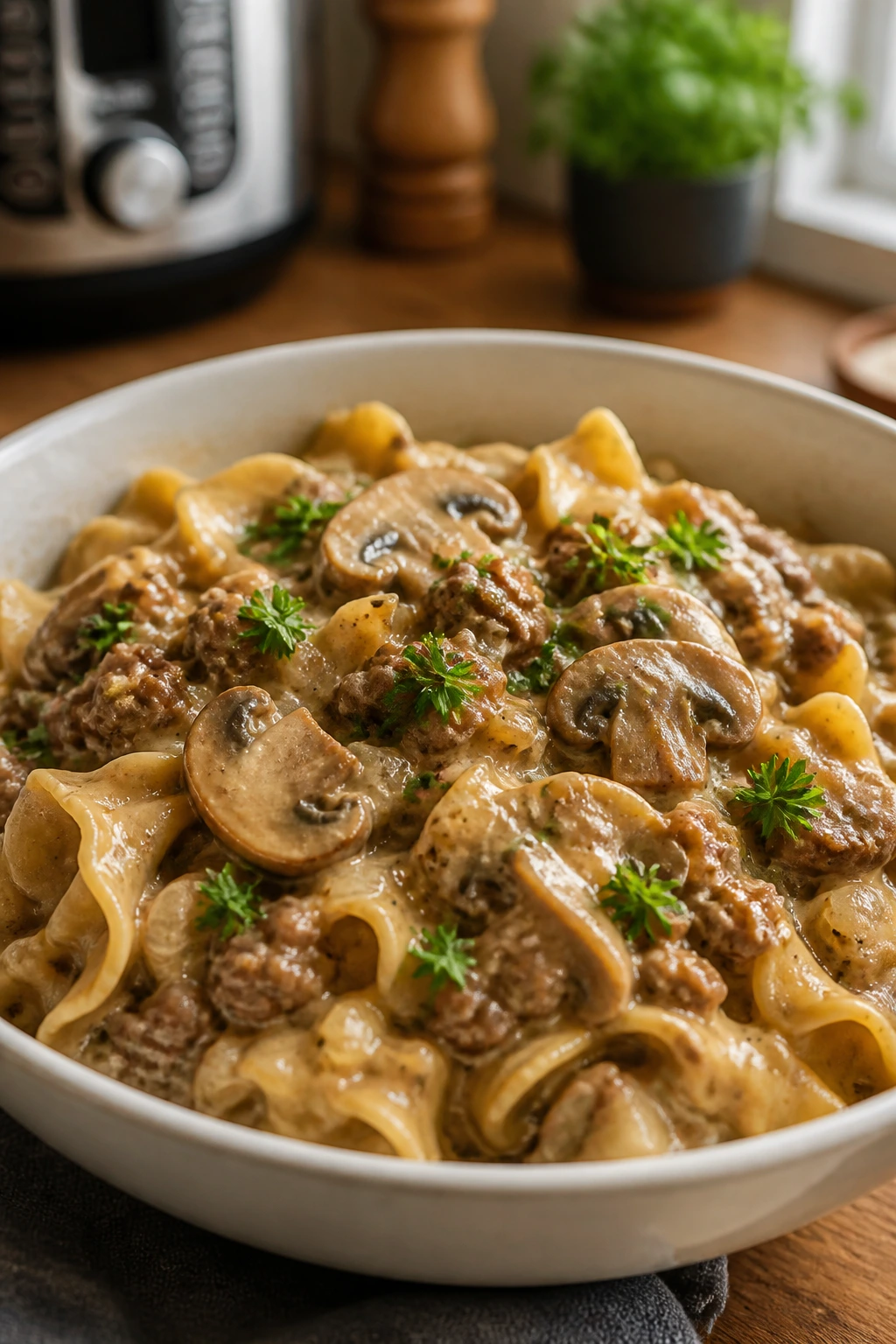
Ground beef stroganoff is the dinner I reach for when I want creamy and filling without babysitting a skillet for half an hour. The mushrooms and onions make the sauce taste like it simmered longer than it did, and the egg noodles cook right in the broth instead of in a separate pot.
Why the noodles don’t go limp
Short pressure time is everything. Egg noodles are tender fast, so you do not want to cook them like regular pasta. They need just enough heat to absorb flavor and stay springy. Sour cream gets stirred in after the pressure cycle because dairy and high heat are a bad marriage.
The mushrooms matter more than people think. They give the sauce that earthy, diner-style depth that makes stroganoff taste like stroganoff instead of just beef in cream.
Key Ingredients:
- 1 lb ground beef
- 1 tbsp butter or oil
- 1 medium onion, diced
- 8 oz cremini mushrooms, sliced
- 2 cloves garlic, minced
- 3 cups low-sodium beef broth
- 1 tbsp Worcestershire sauce
- 1 tsp Dijon mustard
- 8 oz egg noodles
- 1/2 cup sour cream
- 2 tbsp flour, optional for a thicker sauce
- 1 tbsp chopped parsley
Quick Steps:
- Set the pot to sauté and brown the beef for 3 minutes, breaking it up as it cooks. Drain off extra fat if there’s a lot.
- Add the onion and mushrooms and cook for 2 minutes. Stir in the garlic for 20 seconds.
- Stir in the broth, Worcestershire, Dijon, and flour if you’re using it. Scrape the bottom well.
- Add the egg noodles and press them down so they’re mostly submerged.
- Lock the lid and cook on high pressure for 4 minutes. Quick release the pressure immediately.
- Stir in the sour cream and parsley. Let the pot sit for 2 minutes so the sauce thickens a little before serving.
Tips and Variations:
- A splash of soy sauce deepens the beef flavor if your broth tastes weak.
- Use Greek yogurt in place of sour cream only if you want a tangier finish.
- Serve with a green salad; the stroganoff is rich enough to carry itself.
10. Instant Pot Butter Chicken with Spinach
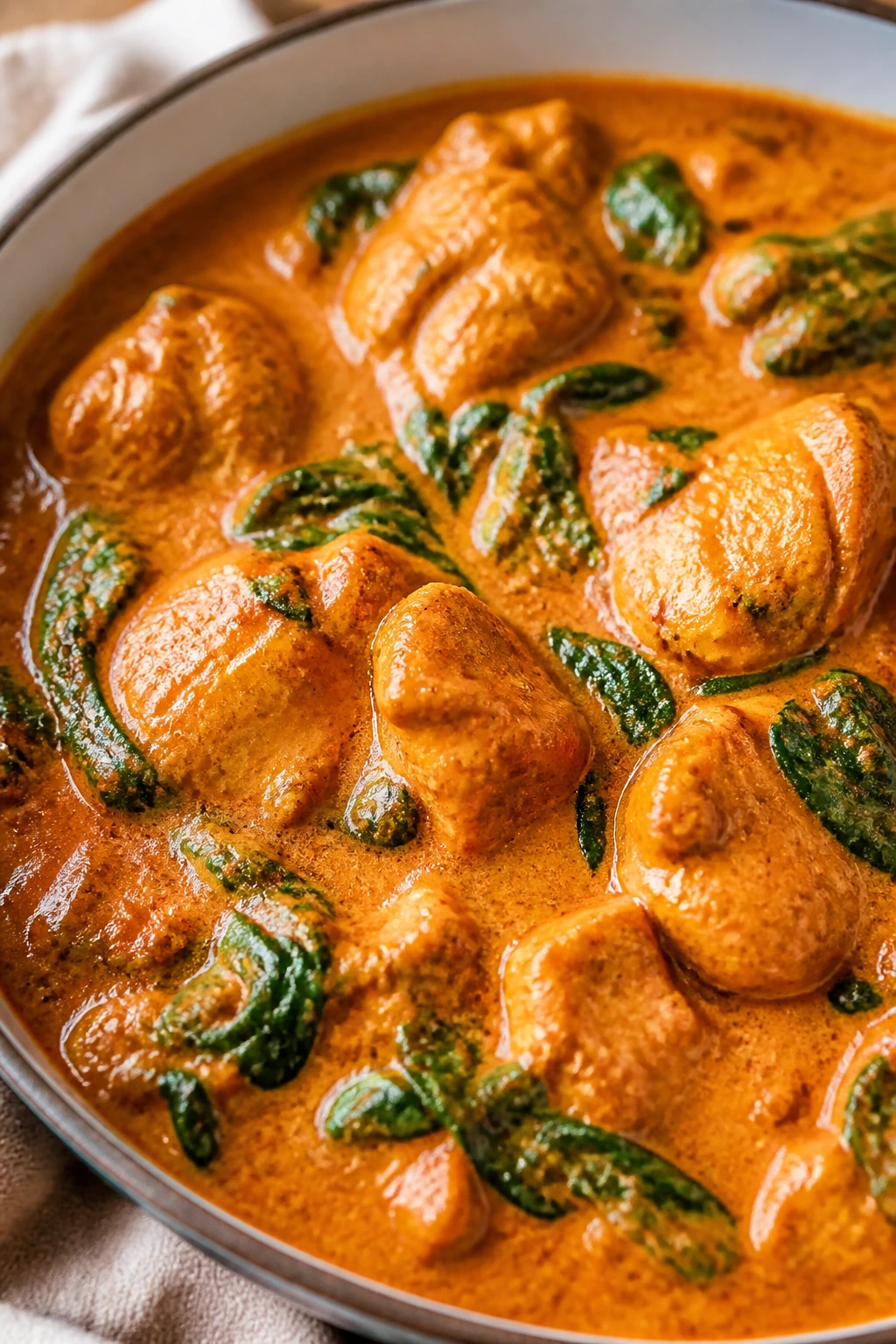
Butter chicken doesn’t need a parade of ingredients to taste right. It needs warm spices, tomato, butter, and a creamy finish that coats the chicken instead of drowning it. Pressure cooking gives you all of that in one pot, and the spinach disappears into the sauce like it was always meant to be there.
The spice base that carries the whole pot
Garam masala does most of the personality work. Add cumin and turmeric, and the sauce tastes rounded instead of one-note. Tomato puree keeps the sauce smooth, while the butter and cream soften the edges at the end.
I like chicken thighs here because they stay tender even if you leave the pot on warm for a minute too long. Breasts can work, but thighs forgive mistakes.
Key Ingredients:
- 1 1/4 lb boneless, skinless chicken thighs, cut into bite-size pieces
- 1 tbsp oil
- 1 medium onion, diced
- 3 cloves garlic, minced
- 1 tbsp grated ginger
- 2 tsp garam masala
- 1 tsp ground cumin
- 1/2 tsp ground turmeric
- 1/4 tsp chili powder
- 1 cup tomato puree or crushed tomatoes
- 1/2 cup low-sodium chicken broth
- 2 tbsp unsalted butter
- 1/3 cup heavy cream
- 1/3 cup plain yogurt
- 2 cups baby spinach
- Chopped cilantro, optional
Quick Steps:
- Set the pot to sauté and cook the onion in the oil for 3 minutes, until it turns soft and translucent.
- Stir in the garlic, ginger, garam masala, cumin, turmeric, and chili powder for 30 seconds.
- Add the chicken, tomato puree, and broth. Scrape the bottom thoroughly.
- Lock the lid and cook on high pressure for 5 minutes. Quick release the pressure.
- Stir in the butter, cream, and yogurt. If you want to be careful, whisk a spoonful of hot sauce into the yogurt before adding it back in.
- Fold in the spinach and let it wilt for 1 minute. Finish with cilantro if you want a fresher top note.
Tips and Variations:
- Serve with naan or rice, but keep one side simple so the sauce stays the main event.
- A little fenugreek, if you have it, makes the sauce smell more like restaurant butter chicken.
- If you want more heat, add a pinch more chili powder rather than drowning the sauce in hot sauce.
11. Instant Pot Quick Chicken Carnitas Bowls
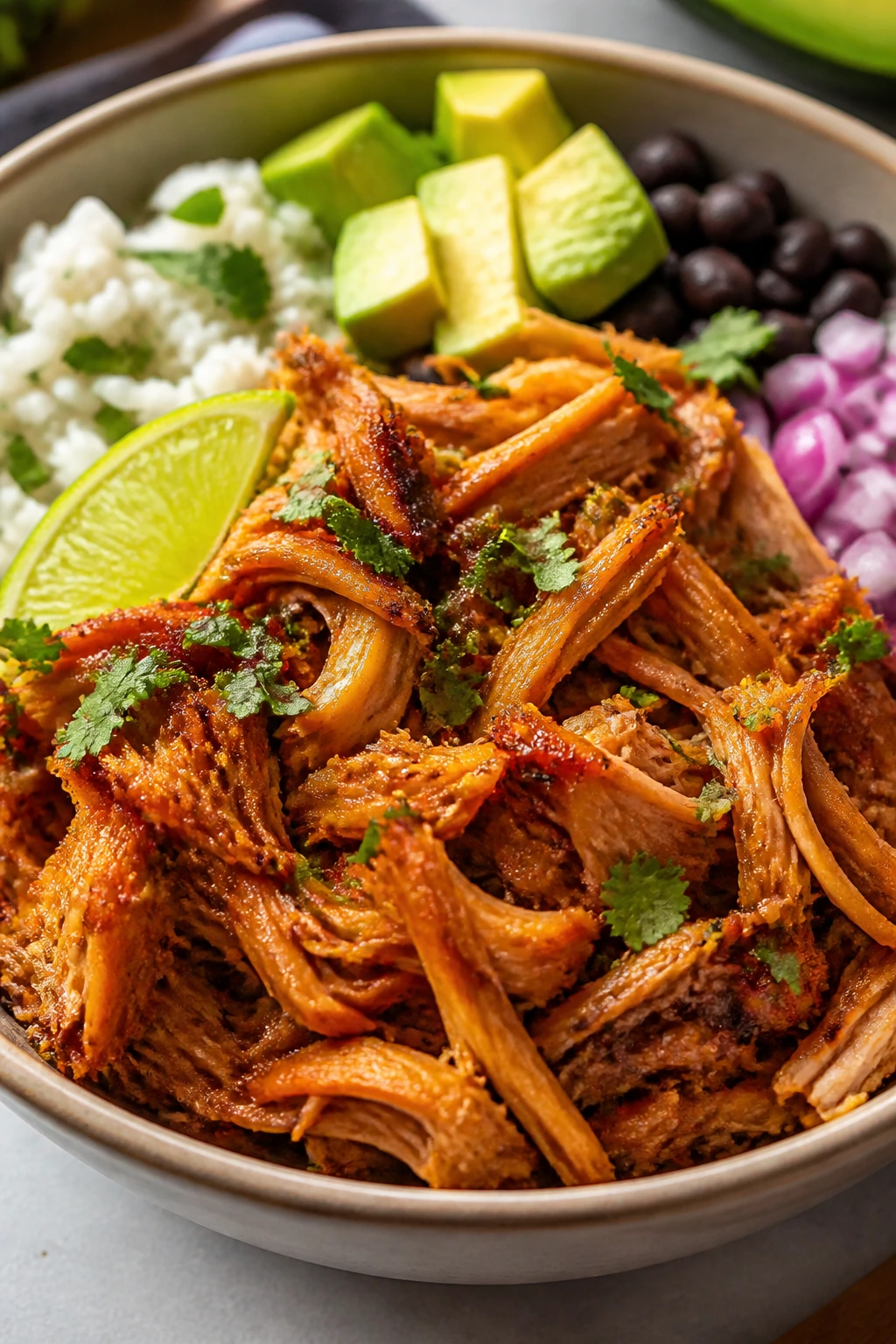
This is what I make when I want something bright, shredded, and just a little smoky. Chicken thighs soak up orange, lime, garlic, and spice fast, then a hot finishing step gives you those browned edges everyone always wants from carnitas-style meat.
Why the chicken gets crisp edges
The acids do the tenderizing quickly. Orange juice and lime juice get the flavor into the meat fast, which matters when you’re not slow-cooking anything for hours. Once the chicken shreds, a quick crisp in a hot skillet or under the broiler adds texture back to the bowl.
That contrast is what makes the dish feel complete. Soft rice or tortillas, juicy chicken, a little crunch, a little heat. The whole bowl wakes up.
Key Ingredients:
- 1 1/4 lb boneless, skinless chicken thighs
- 1 tbsp oil
- 1 medium onion, sliced
- 3 cloves garlic, minced
- 1/3 cup orange juice
- Juice of 1 lime
- 1/2 cup low-sodium chicken broth
- 1 tsp ground cumin
- 1 tsp dried oregano
- 1 tsp chili powder
- 1/2 tsp smoked paprika
- 1/2 tsp salt
- Optional for serving: tortillas, rice, cilantro, avocado, pickled onions
Quick Steps:
- Set the pot to sauté and cook the onion in the oil for 2 minutes. Add the garlic and cook for 20 seconds.
- Stir in the chicken thighs, orange juice, lime juice, broth, cumin, oregano, chili powder, smoked paprika, and salt.
- Lock the lid and cook on high pressure for 5 minutes. Quick release the pressure.
- Shred the chicken with two forks. If you want crispy edges, spread it on a hot skillet for 2 minutes or under a broiler for 3 to 4 minutes.
- Build bowls with rice or tortillas and top with cilantro, avocado, or pickled onions.
Tips and Variations:
- Use boneless chicken breasts if that’s what you have, but cut them into large chunks so they don’t dry out.
- A spoonful of the cooking liquid over the chicken keeps it juicy after shredding.
- If you skip the crisping step, the bowl is still good; it just leans softer.
12. Instant Pot Veggie Red Lentil Curry
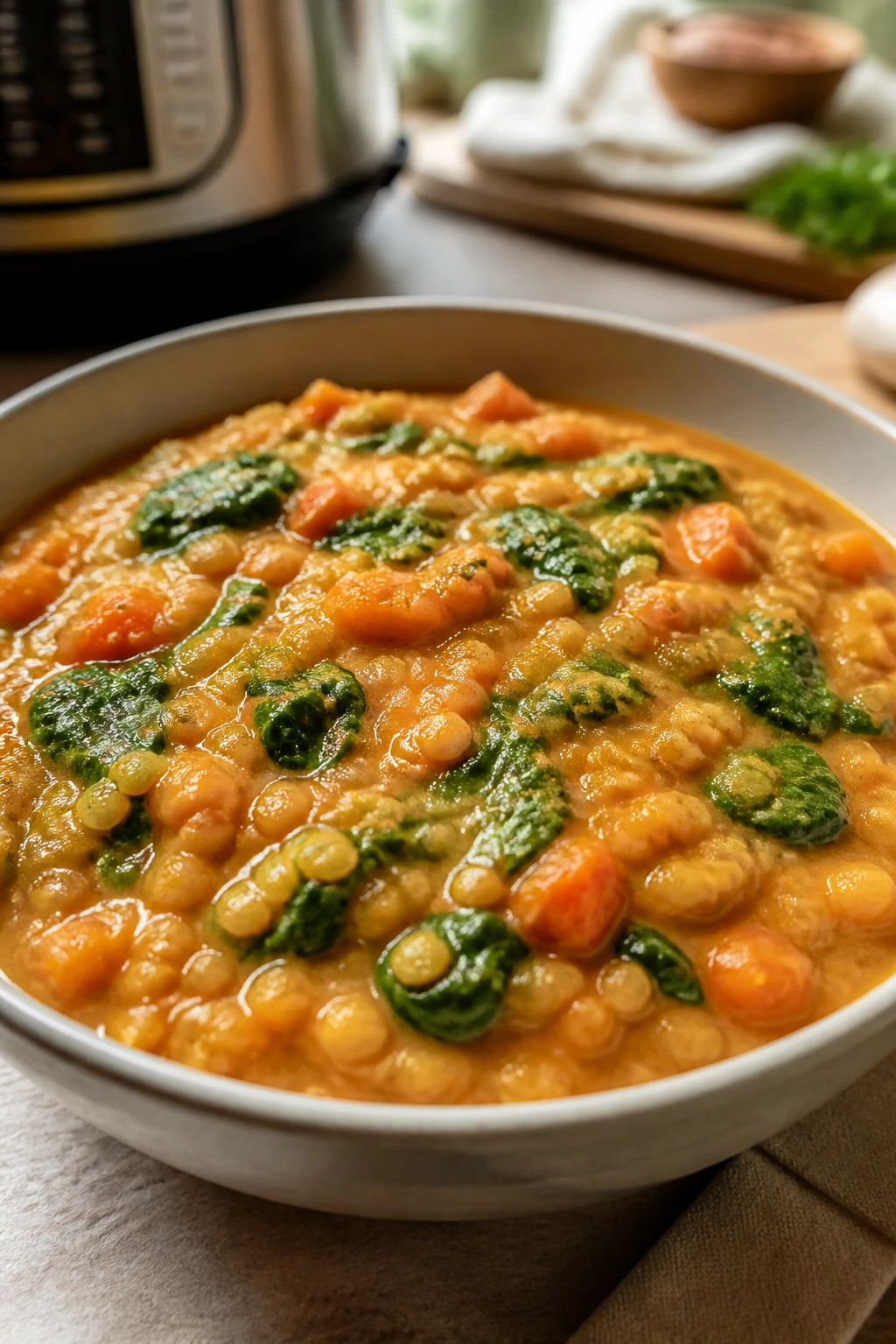
Red lentils are one of the most useful pantry ingredients around. They cook fast, break down into a creamy base, and don’t ask for soaking or a long simmer. Add coconut milk, curry powder, and spinach, and you’ve got a meatless dinner that feels built, not thrown together.
Why red lentils are so practical
They disappear into the sauce in a good way. You still know they’re there, but they thicken the curry without making it heavy. That means you can serve it with rice, naan, or even just a spoon and feel like you made something complete.
The coconut milk gives the pot richness, but I like to keep some of it out of the pressure stage and add it at the end if I want a cleaner finish. Either way works. The spinach is a last-minute move, because it only needs a few seconds to wilt.
Key Ingredients:
- 1 tbsp coconut oil or olive oil
- 1 medium onion, diced
- 2 carrots, diced small
- 3 cloves garlic, minced
- 1 tbsp curry powder
- 1 tsp ground cumin
- 1 cup red lentils, rinsed
- 1 can diced tomatoes
- 1 can coconut milk
- 1 1/2 cups vegetable broth
- 2 cups baby spinach
- Juice of 1 lime
- Chopped cilantro, optional
Quick Steps:
- Set the pot to sauté and heat the oil. Cook the onion and carrots for 3 minutes, until the onion starts to soften.
- Stir in the garlic, curry powder, and cumin for 30 seconds.
- Add the lentils, tomatoes, coconut milk, and broth. Scrape the bottom well and stir to combine.
- Lock the lid and cook on high pressure for 5 minutes. Quick release the pressure.
- Stir in the spinach and lime juice. Let the spinach wilt for 1 minute.
- Taste and add salt if needed. Serve hot with rice or naan.
Tips and Variations:
- If you want more bite, add cauliflower florets with the carrots.
- A spoonful of peanut butter gives the curry a deeper, nuttier finish.
- Fresh ginger works well here too, though it isn’t required.
13. Instant Pot Sloppy Joes
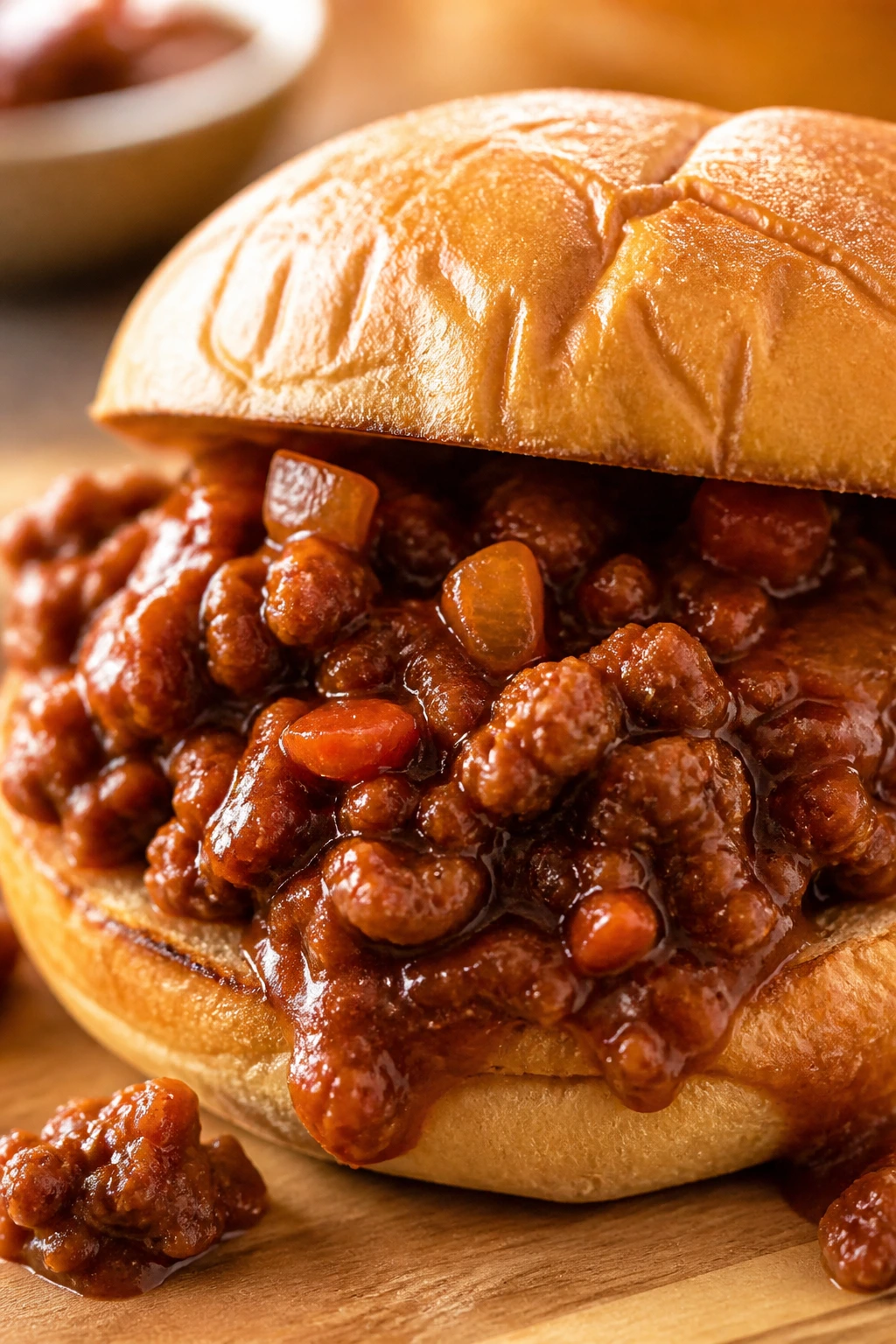
Sloppy Joes are not elegant. That’s fine. They’re meant to be tangy, saucy, and a little messy, with enough sweetness to make the toastable bun matter. The Instant Pot gets them done quickly and keeps the filling thick enough to pile high.
Why the sauté button matters here
This is the one recipe that proves pressure isn’t the only trick. The sauté mode is enough when you’re dealing with ground meat and a fast-reducing sauce. Brown the meat well, let the onions soften, then simmer the sauce until it turns glossy and clings to the spoon.
I like a little mustard and vinegar in the mix because they keep the sweetness from getting sticky in a dull way. That sharp edge is what makes a sloppy joe taste like itself.
Key Ingredients:
- 1 lb ground beef or ground turkey
- 1 tbsp olive oil
- 1 medium onion, diced
- 1/2 green bell pepper, diced
- 3/4 cup ketchup
- 2 tbsp tomato paste
- 1 tbsp Worcestershire sauce
- 1 tbsp yellow mustard
- 1 tbsp brown sugar
- 1/2 cup water or broth
- 1 tsp apple cider vinegar
- 4 to 6 sandwich buns
- Pickles, optional
Quick Steps:
- Set the pot to sauté and heat the oil. Cook the onion and bell pepper for 2 minutes.
- Add the ground meat and cook for 5 minutes, breaking it up until no pink remains. Drain excess fat if needed.
- Stir in the ketchup, tomato paste, Worcestershire, mustard, brown sugar, water or broth, and vinegar.
- Let the mixture simmer on sauté for 5 to 7 minutes, stirring often, until it thickens and looks glossy.
- Spoon onto buns and serve with pickles if you like a sharper bite.
Tips and Variations:
- Toast the buns. It keeps the filling from soaking straight through.
- A little smoked paprika gives the sauce more depth.
- If you want a looser filling, add another splash of broth at the end.
14. Instant Pot Chicken Noodle Soup
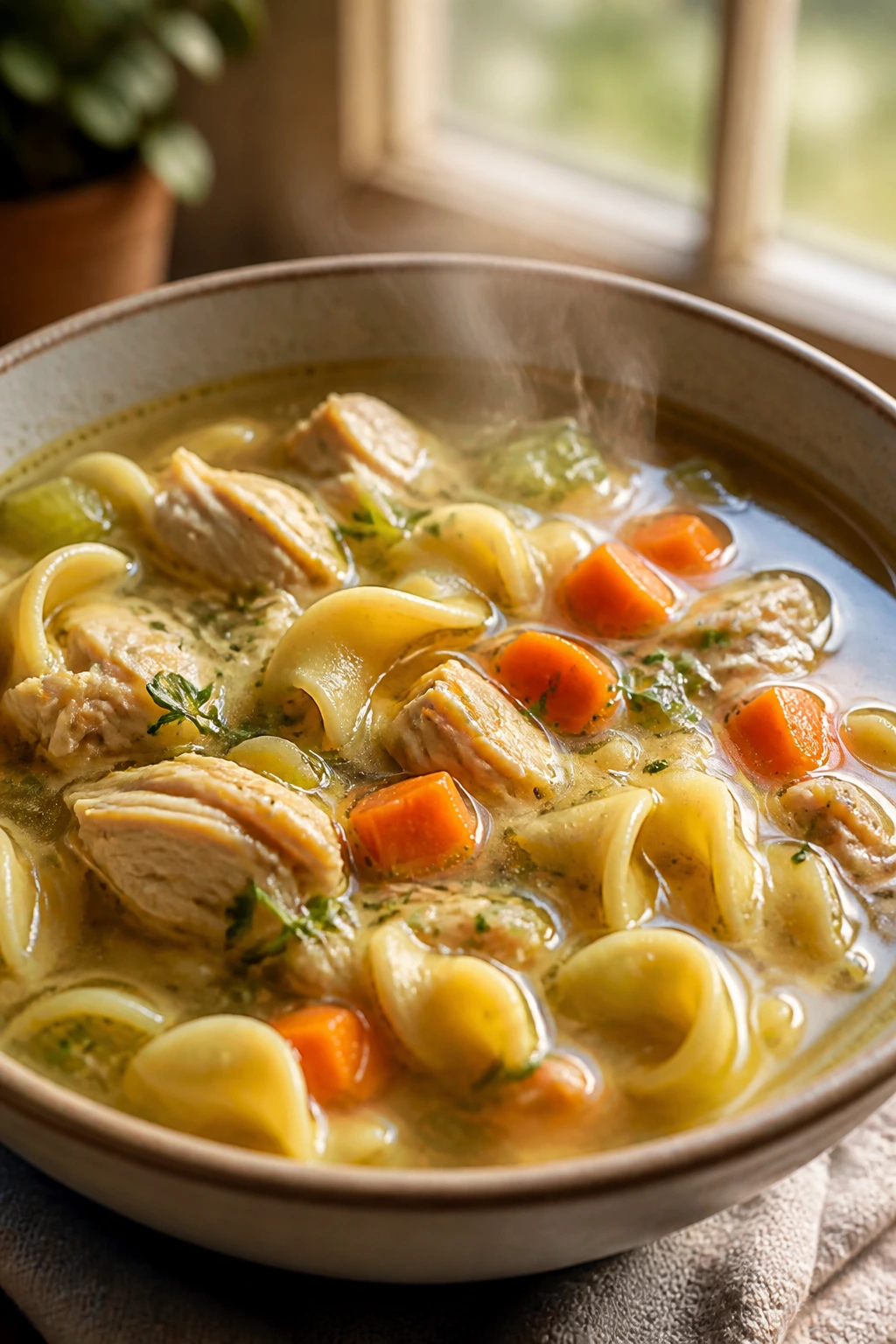
Chicken noodle soup can taste flat if you rush it. It can also turn mushy if you add the noodles too early. The fix is simple: pressure-cook the chicken, broth, and vegetables first, then cook the noodles in the hot liquid at the end so they stay springy.
The noodle timing that saves the broth
Egg noodles only need a short finish. That’s the whole trick. Give them enough time to absorb broth and seasonings, but not so much that they dissolve into the soup. The chicken comes out tender because it’s cooked under pressure, then shredded and returned to the pot.
A squeeze of lemon at the end is worth more than people think. It makes the broth taste cleaner and stops the soup from reading as old-fashioned in a tired way.
Key Ingredients:
- 1 lb boneless, skinless chicken breasts or thighs
- 1 tbsp olive oil
- 1 medium onion, diced
- 2 carrots, sliced
- 2 celery stalks, sliced
- 3 cloves garlic, minced
- 6 cups low-sodium chicken broth
- 1 tsp dried thyme
- 1 bay leaf
- 8 oz egg noodles
- 2 tbsp lemon juice
- 2 tbsp chopped parsley
Quick Steps:
- Set the pot to sauté and heat the oil. Cook the onion, carrots, and celery for 3 minutes.
- Stir in the garlic, chicken, broth, thyme, and bay leaf. Scrape the bottom well.
- Lock the lid and cook on high pressure for 6 minutes. Quick release the pressure.
- Remove the chicken, shred it, and return it to the pot.
- Stir in the egg noodles and cook on sauté for 5 to 6 minutes, until tender but still springy.
- Stir in the lemon juice and parsley. Pull the bay leaf out before serving.
Tips and Variations:
- If you want a richer broth, use thighs instead of breasts.
- Fresh dill gives the soup a brighter, slightly sharper finish.
- Leftover noodles keep softer in the fridge, so if you’re meal-prepping, cook them separately and combine later.
15. Instant Pot Black Bean Enchilada Pasta
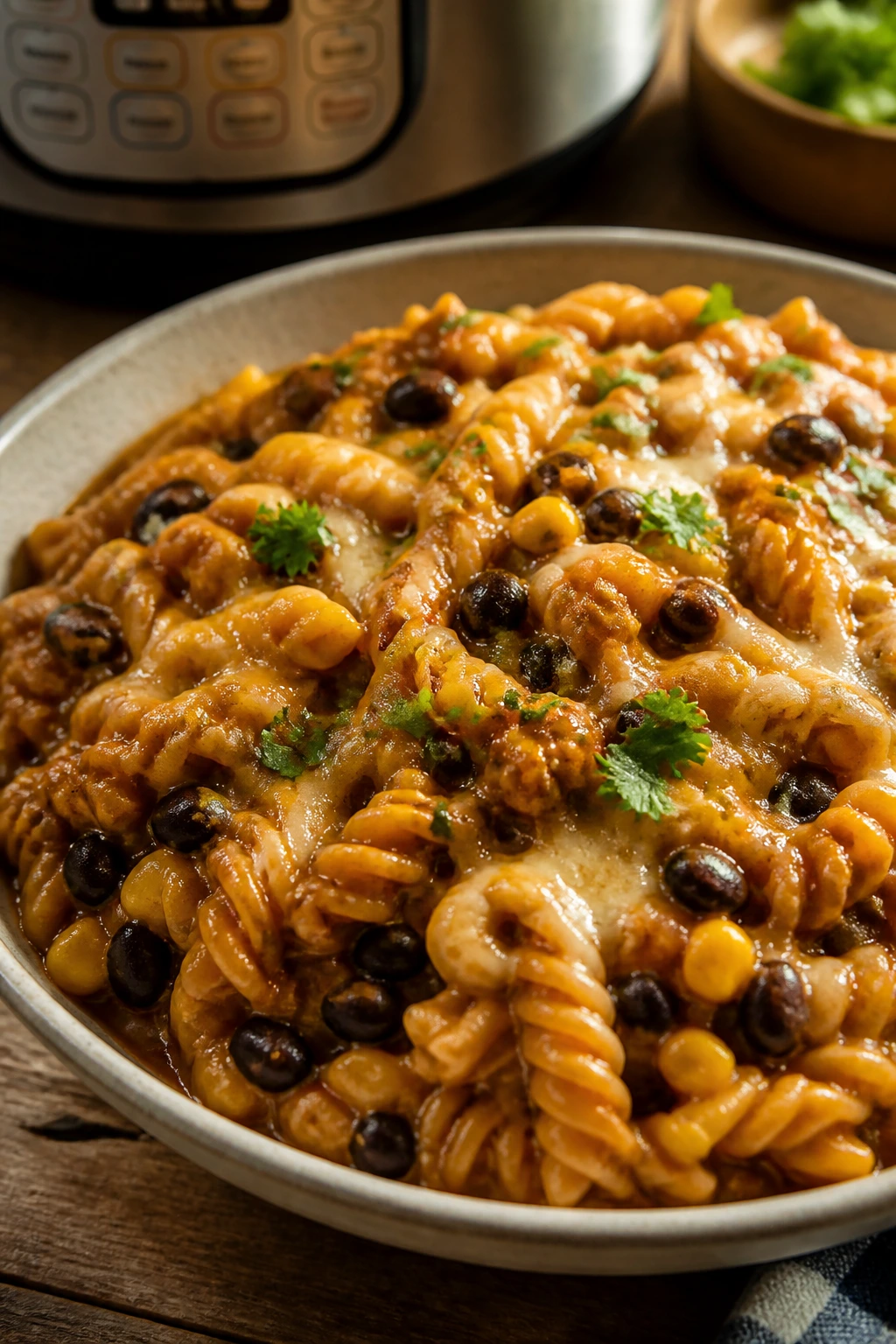
This one is messy in the best way: smoky enchilada sauce, pasta, beans, corn, and cheese all in one pot. It tastes like taco night and pasta night met halfway and stopped arguing. The sauce seasons the noodles as they cook, which is exactly why this works.
Why the pasta soaks up the sauce instead of drowning in it
Small pasta shapes are essential. Rotini, shells, or elbows grab sauce and cook quickly, so they don’t turn into a slump of starch. Black beans bring protein and body, and enchilada sauce does most of the seasoning work without making you build a separate sauce from scratch.
The only part to watch is the liquid ratio. Too much broth and the pasta goes soupy. Too little and it sticks. Stay with the amounts here and it comes out saucy, not wet.
Key Ingredients:
- 1 lb ground turkey or ground beef
- 1 tbsp olive oil
- 1 medium onion, diced
- 2 cloves garlic, minced
- 1 can black beans, drained and rinsed
- 1 cup frozen corn
- 1 1/2 cups enchilada sauce
- 2 cups low-sodium chicken broth
- 8 oz small pasta, such as rotini or shells
- 1 cup shredded cheddar or Monterey Jack
- 2 tbsp chopped cilantro
- Optional: sliced jalapeños
Quick Steps:
- Set the pot to sauté and cook the onion in the oil for 2 minutes.
- Add the meat and cook for 4 to 5 minutes, breaking it up until browned.
- Stir in the garlic, beans, corn, enchilada sauce, broth, and pasta. Scrape the bottom well and press the pasta under the liquid.
- Lock the lid and cook on high pressure for 4 minutes. Quick release the pressure.
- Stir in the cheese until it melts and the sauce turns creamy.
- Top with cilantro and jalapeños, then serve while the pasta is still glossy.
Tips and Variations:
- A spoonful of sour cream on top cools the spice and makes the sauce richer.
- Use whole-wheat pasta if you want a bit more chew; keep the same cook time.
- Leftovers thicken overnight, so add a splash of broth when reheating.
16. Instant Pot Creamy Sausage and Tortellini Soup
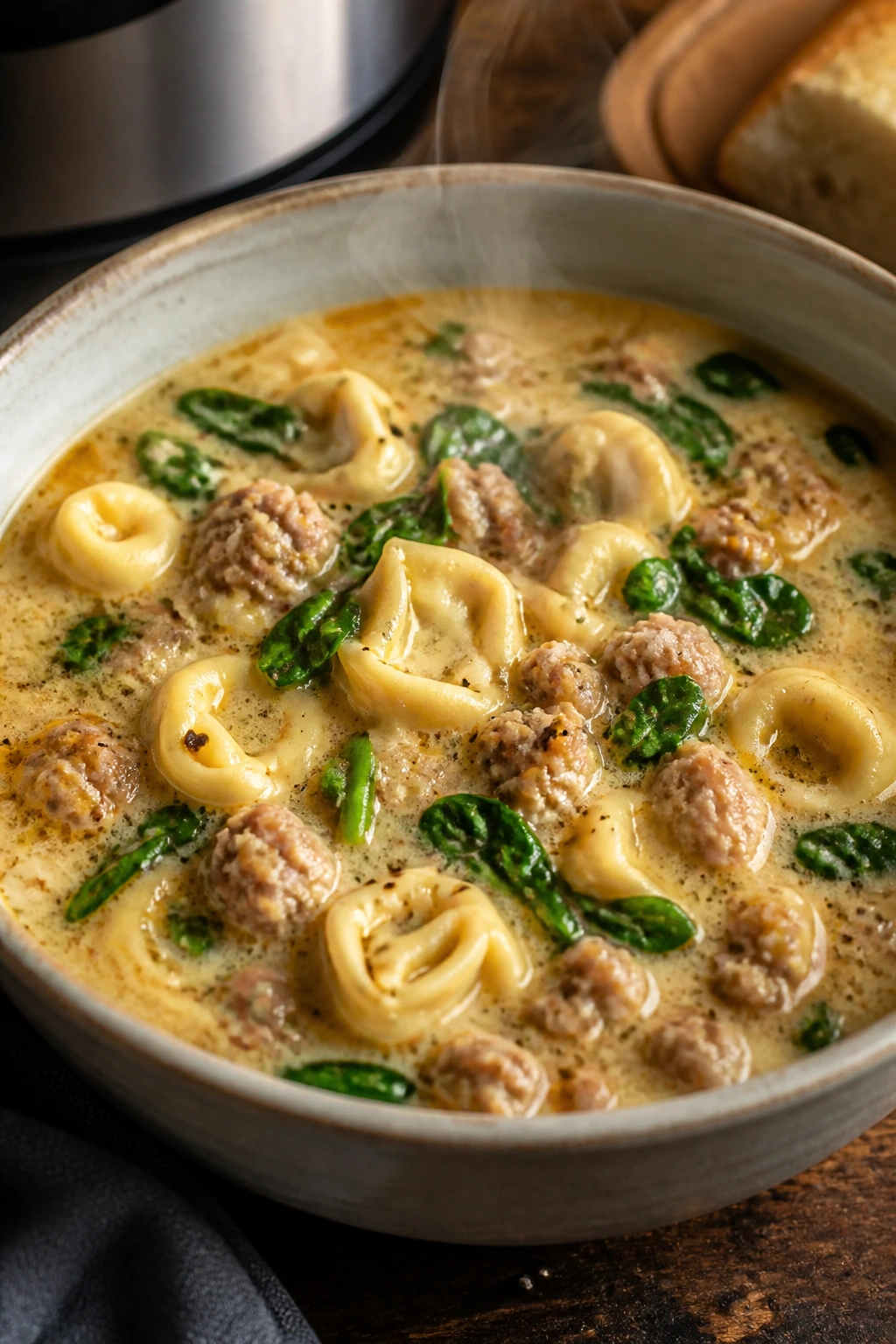
This soup tastes like it should have required a long simmer and several pans. It didn’t. The sausage seasons the broth, the tortellini brings the cheese, and the cream at the end makes the whole bowl feel richer than the clock should allow.
Why this soup tastes richer than it should
Refrigerated tortellini is doing a lot of the work. It cooks fast, fills the bowl, and makes the soup feel complete without needing potatoes or a separate starch. Sausage and tomatoes give the broth enough backbone that the cream at the end can stay light instead of turning it heavy.
I like spinach here because it wilts almost instantly and cuts the richness a little. Kale works too, but it needs an extra minute or two and has more bite.
Key Ingredients:
- 12 oz Italian sausage, casings removed if needed
- 1 tbsp olive oil, if the sausage is very lean
- 1 medium onion, diced
- 2 cloves garlic, minced
- 1 can diced tomatoes
- 4 cups low-sodium chicken broth
- 9 oz refrigerated cheese tortellini
- 2 cups baby spinach or chopped kale
- 1/2 cup heavy cream
- 1/4 cup grated Parmesan
- 1/2 tsp red pepper flakes, optional
- Black pepper, to taste
Quick Steps:
- Set the pot to sauté and cook the sausage for 4 minutes, breaking it up as it browns.
- Add the onion and cook for 2 minutes, then stir in the garlic for 20 seconds.
- Pour in the diced tomatoes and broth, then scrape the bottom well.
- Lock the lid and cook on high pressure for 1 minute. Quick release the pressure.
- Stir in the tortellini and spinach. Cook on sauté for 3 to 4 minutes, until the pasta is tender and the greens have wilted.
- Stir in the cream and Parmesan, then taste for salt and pepper before serving.
Tips and Variations:
- Use spicy sausage if you want the broth to carry more heat.
- If you’re making this ahead, cook the tortellini separately so it doesn’t swell too much in the fridge.
- A little extra Parmesan on top is not optional in my kitchen.
Why the Instant Pot Makes 20-Minute Dinners Easier
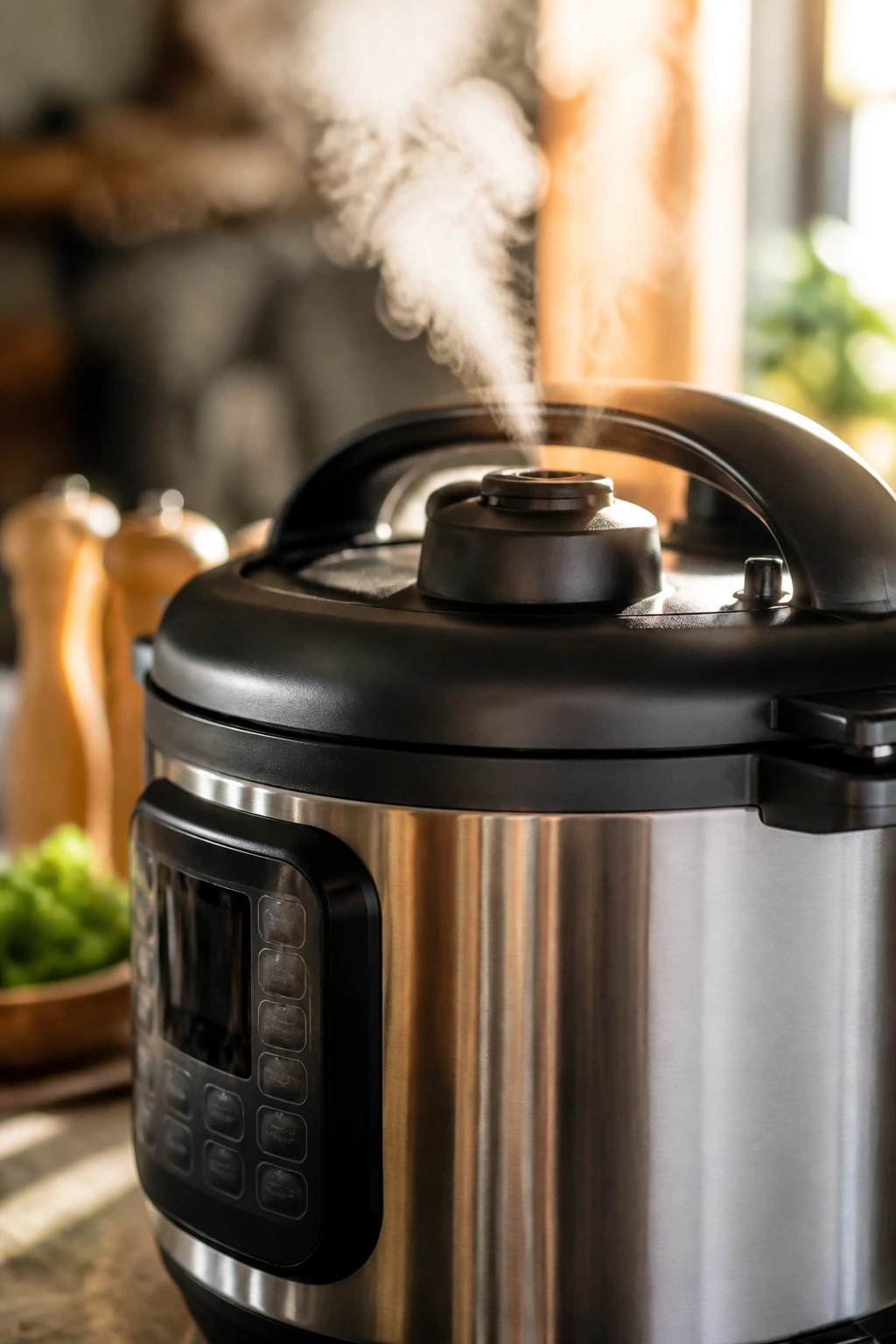
The best thing about an electric pressure cooker is not that it makes dinner flashy. It’s that it compresses the boring parts without making the food taste compressed. Onion softens fast. Meat cooks evenly. Beans stop acting stubborn. That matters on a night when the sink is full and everyone is already hungry.
The recipes that work best here all share a simple pattern: short prep, short pressure time, and ingredients that behave under heat. Thin cuts of chicken, quick pasta shapes, canned beans, orzo, lentils, shrimp, sausage. They’re not fancy ingredients. They’re cooperative ones.
And cooperative ingredients are underrated.
A lot of pressure-cooker cooking goes wrong because people try to force the pot to do what a slow braise does better. A roast that needs two hours still needs two hours. But a rice bowl, soup, pasta, or saucy chicken dinner can absolutely be trimmed down without losing the plot. That’s where the Instant Pot earns a permanent spot on the counter.
Essential Equipment for These Recipes
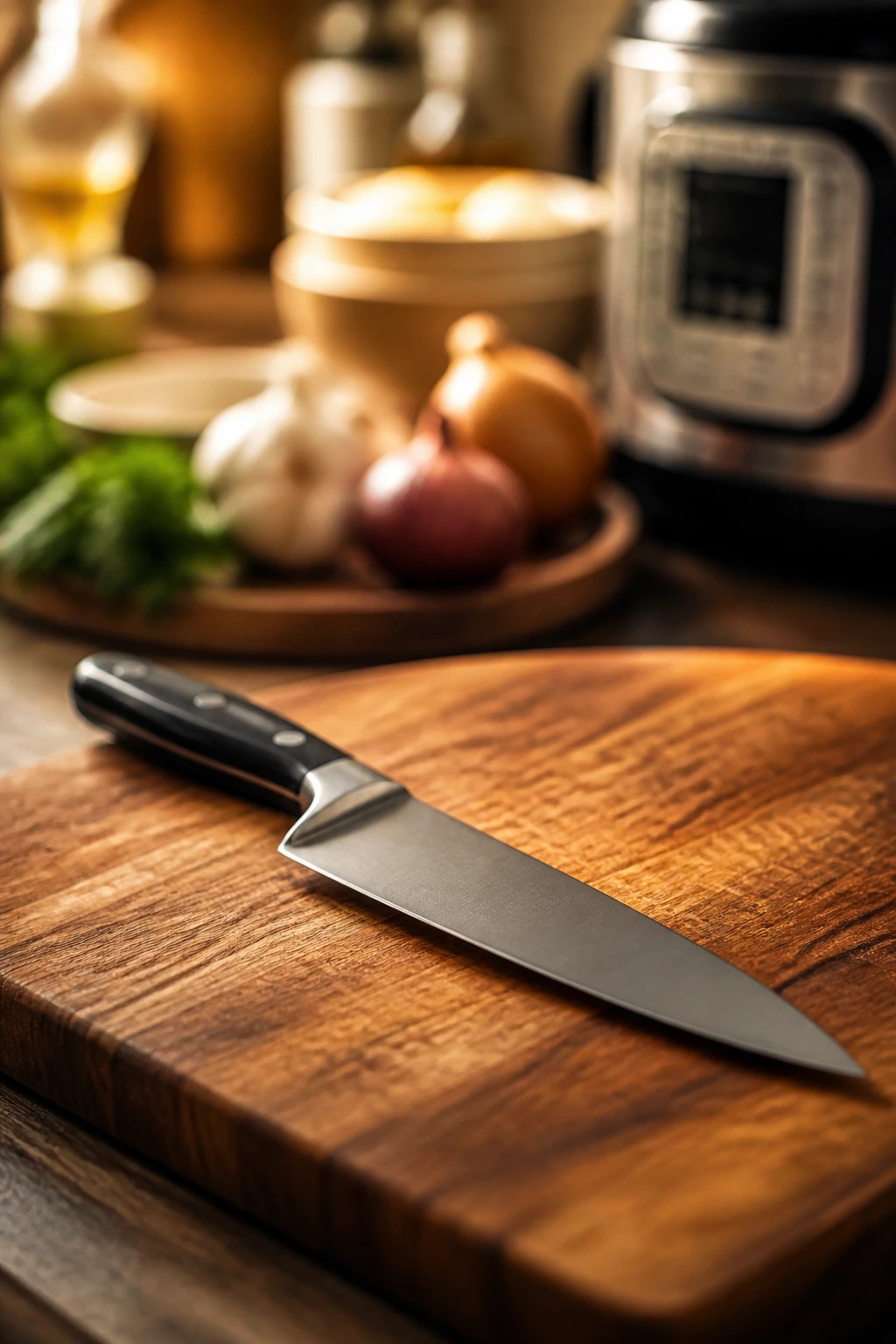
- 6-quart or 8-quart Instant Pot — Either size works; the 6-quart is plenty for most of these dinners.
- Sharp chef’s knife — Thin slicing is half the battle for chicken, peppers, steak, and onions.
- Cutting board — Use a sturdy one; fast prep is easier when the board doesn’t slide.
- Measuring cups and spoons — Pressure cooking is less forgiving when liquids are guessed at.
- Wooden spoon or silicone spatula — Good for sautéing and scraping the bottom clean.
- Tongs — Handy for turning chicken, sausage, or steak before pressure cooking.
- Instant-read thermometer — Chicken should hit 165°F; it removes the guesswork.
- Microplane or grater — Best for ginger, lemon zest, garlic, and Parmesan.
- Fine-mesh strainer — Useful for rinsing rice and beans.
- Airtight storage containers — Leftovers keep better when they cool quickly in shallow containers.
- Trivet or steamer basket, optional — Not used in every recipe, but helpful if you adapt these dinners for layered cooking.
Smart Shopping and Ingredient Tips
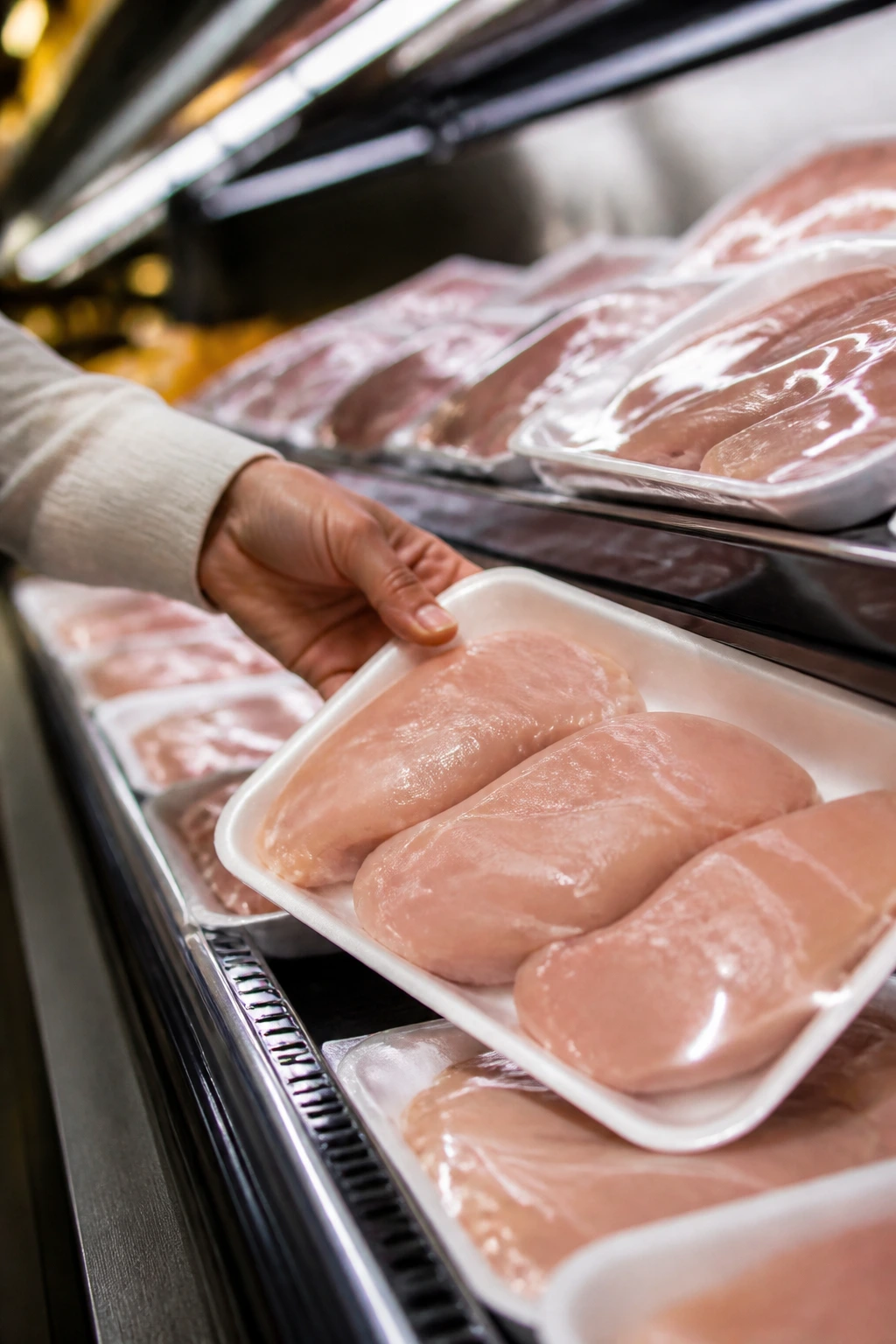
The easiest way to make these dinners better is to buy ingredients that already want to cook fast. That starts with chicken cutlets, thin steak, ground meat, shrimp, refrigerated tortellini, or small pasta shapes. Thick chicken breasts can work, but they need to be sliced or pounded flat. Otherwise they slow everything down and push you away from that 20-minute goal.
Broth matters more than most people think. Use low-sodium chicken or beef broth so you can season the dish yourself. Salty broth plus cheese plus sauce can get away from you fast, and pressure cooking can make salt taste louder after the lid comes off. Canned tomatoes, salsa, and enchilada sauce should also be checked for sodium if you like to keep a hand on the seasoning wheel.
For beans, canned is the right move here. Rinse them unless the recipe depends on the canning liquid for thickness. For rice, plain long-grain white rice or jasmine rice cooks fast and stays light. Brown rice needs more time and is not the right choice if the point is speed.
Frozen vegetables are absolutely fine in these recipes. Corn, peas, and even spinach can go straight in from the freezer or bag. Just don’t add frozen clumps of meat; thaw those first so the pot heats evenly. And if a recipe uses dairy at the end, buy full-fat sour cream, yogurt, or cream. Thin dairy breaks more easily.
Make-Ahead, Storage, and Reheating Guidance
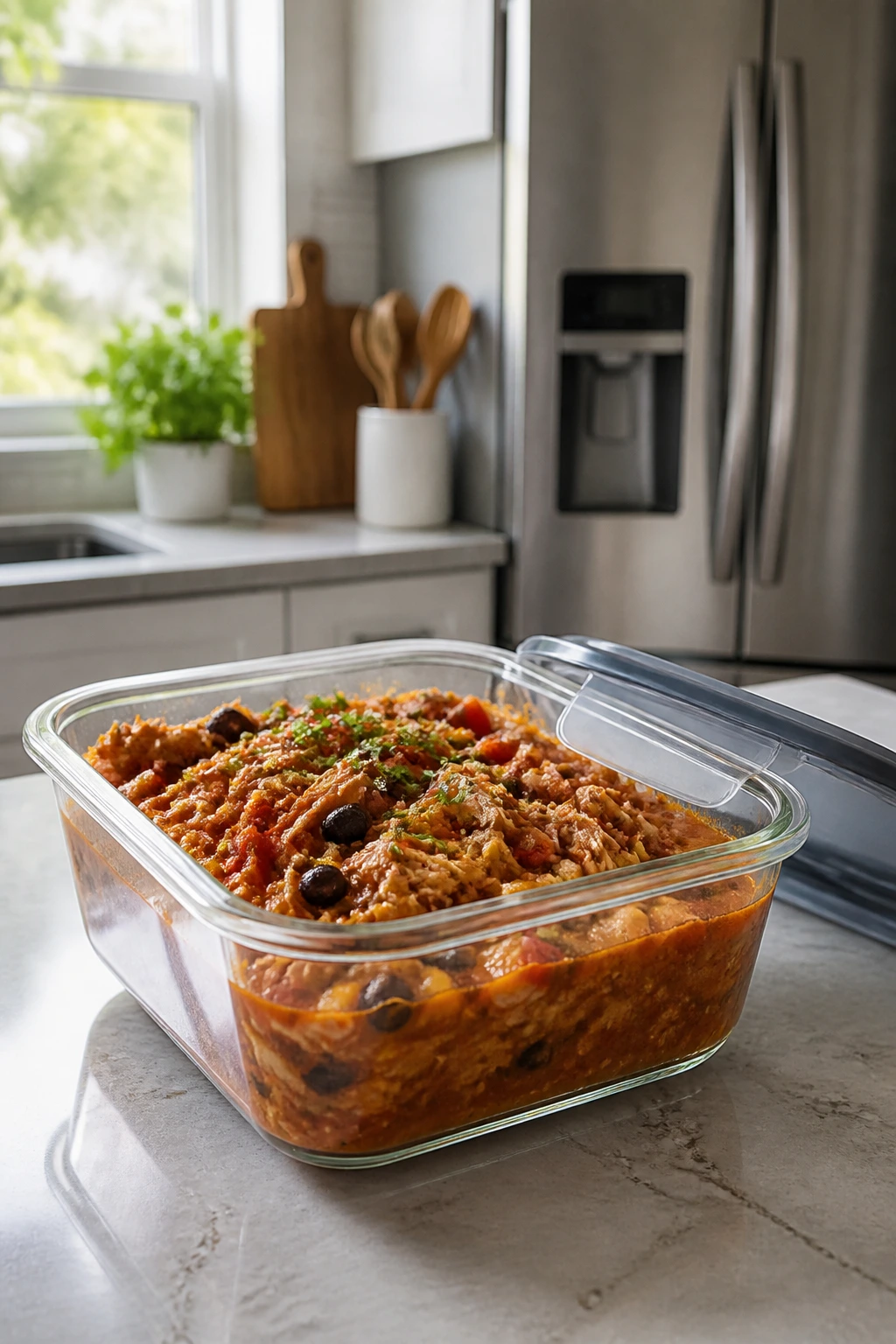
Most of these Instant Pot dinners keep well for 3 to 4 days refrigerated in airtight containers. Soups and saucy chicken dishes usually improve overnight because the seasoning settles in. Pasta dishes get thicker, so plan on adding a splash of broth or water when you reheat them. Rice bowls do fine, but they should be cooled fast and stored shallow so they don’t dry into a brick in the fridge.
Freezing works best for the soups, chili, curry, carnitas-style chicken, sloppy joe filling, and some of the chicken dishes without pasta or dairy. Most of those freeze for up to 2 months. Tortellini, egg noodles, and cream sauces don’t freeze as gracefully. They can still be frozen, but the texture softens after thawing, and I wouldn’t call it ideal. If you know you’ll freeze leftovers, pull out a portion before adding the noodles or cream, then finish those parts fresh when reheating.
For reheating, the stovetop is easiest for soups and saucy dinners. Warm them gently over medium-low heat with a splash of broth until they loosen and start steaming again. The microwave works too, but use short bursts and stir between them so the edges don’t overheat while the center stays cold. Pasta and rice dishes usually need a tablespoon or two of liquid before reheating, or they tighten up and lose their shine.
If you want to prep ahead, chop onions, peppers, garlic, carrots, and celery a day in advance. You can also mix dry seasoning blends ahead and keep them in a jar. That makes the actual dinner move faster, which is the whole point here.
Variations and Adaptations to Try
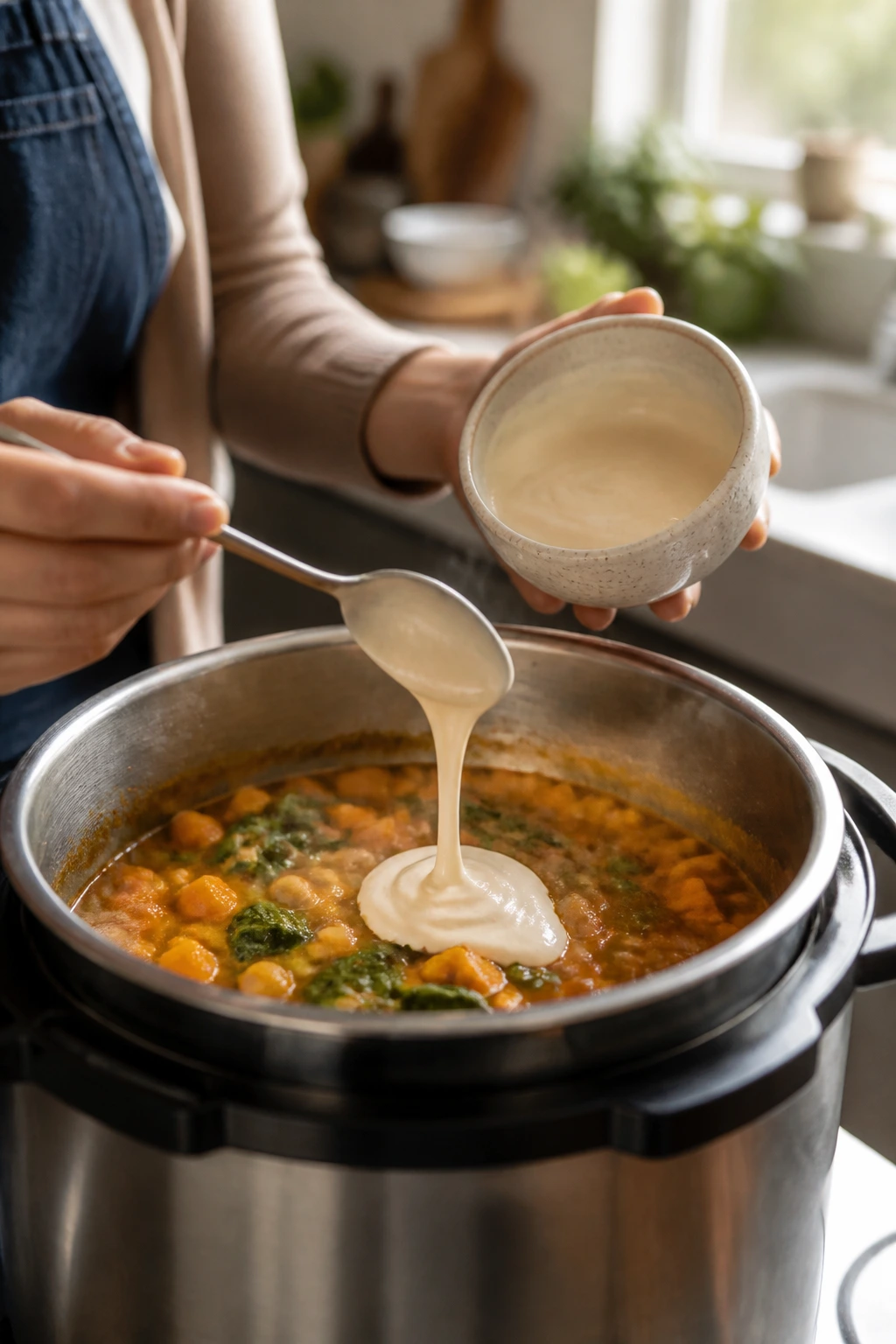
Gluten-Free Pantry Version: Swap soy sauce for tamari, use certified gluten-free broth, and choose rice, quinoa, or gluten-free pasta where the recipe calls for wheat. Cornstarch thickens just fine in place of flour. The main trap is checking labels on enchilada sauce and sausage, because those two hide gluten more often than people expect.
Dairy-Free Finish: Use coconut milk in curries, skip the Parmesan in the pasta and soup recipes, and finish creamy chicken dishes with a splash of unsweetened cashew cream or olive oil. You’ll lose a little richness, but the dishes still land well if the seasoning is solid. Fresh herbs help here.
Lower-Sodium Build: Choose no-salt-added tomatoes, low-sodium broth, and rinse canned beans. Then salt the dish at the end, not at the start. Pressure cooking can make salt taste sharper, so waiting until the finish usually gives you more control.
Higher-Protein Bowls: Add extra chicken, beans, or turkey to the soups and rice bowls, then top with Greek yogurt instead of sour cream. The texture stays light, and the bowls feel more filling without needing a second carb. This works especially well for taco soup and fajita bowls.
Vegetarian Shortcut Swaps: Use chickpeas, black beans, lentils, or meatless sausage in place of the meat in the soup and pasta recipes. The main adjustment is broth depth — add more cumin, garlic, paprika, or a splash of soy sauce so the pot doesn’t taste thin. Red lentil curry is the easiest place to start.
Common Mistakes to Avoid
The biggest mistake is overloading the pot with liquid. Pressure cooking doesn’t evaporate much, so the broth you add is the broth you’ll mostly keep. If a recipe uses pasta, rice, or beans, stick to the liquid amounts closely or you’ll end up with soup when you wanted dinner.
Another common problem is adding dairy too early. Cream, sour cream, yogurt, and Parmesan should usually go in after pressure cooking. High heat can split dairy, and once it breaks, there’s no elegant fix. Stir it in at the end and let the residual heat do the work.
People also cut chicken or steak too thick when they’re in a hurry. That feels faster in the moment and slower at the table. Thin slices cook evenly, absorb seasoning better, and help the pot come to pressure without stalling.
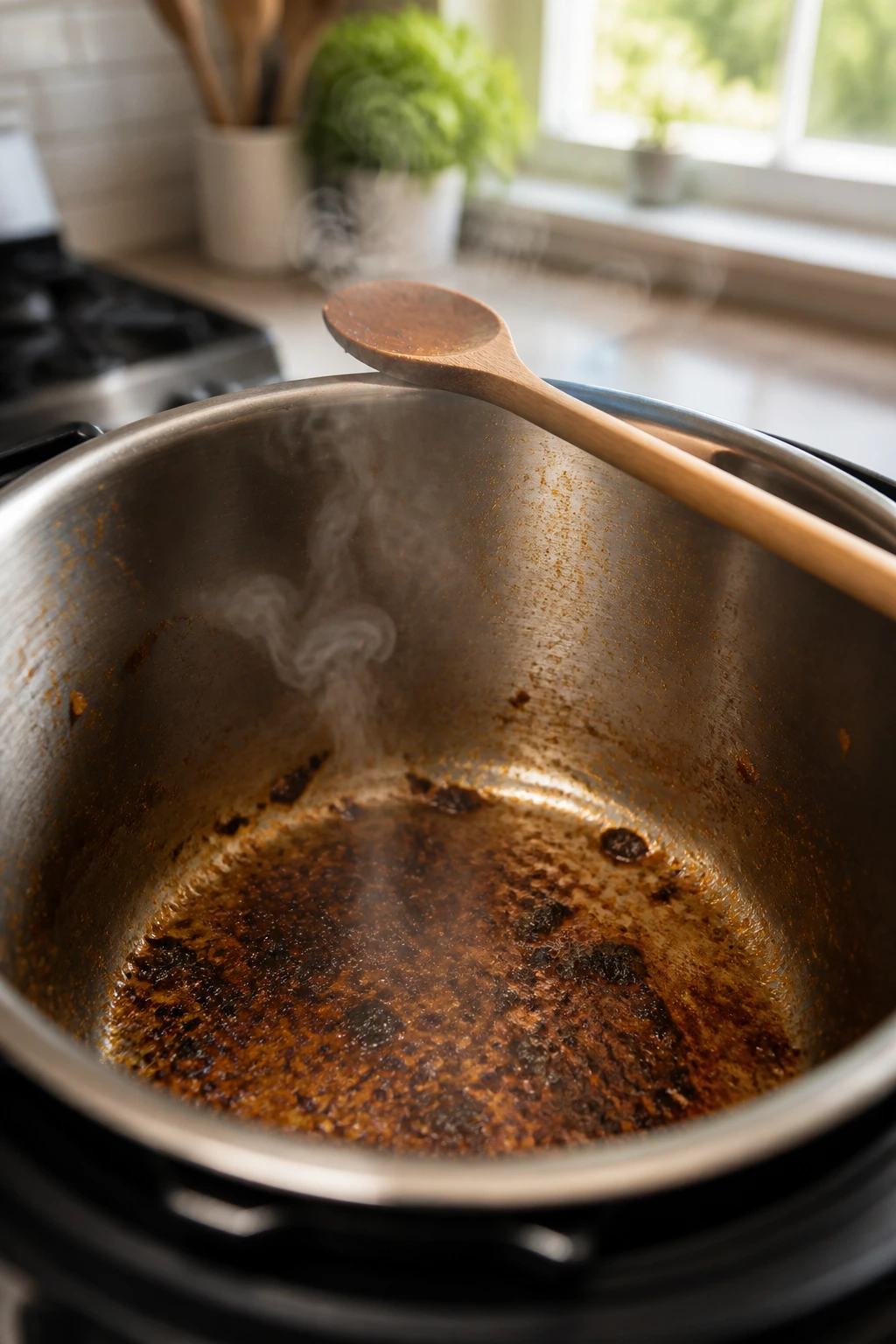
Do not forget to deglaze after sautéing. Those browned bits at the bottom are flavor, but they can also trigger a burn notice if you leave them stuck there. A few seconds with broth and a scraped spoon saves the whole pot.
And finally, don’t overcook pasta or rice just because the lid came off. Residual heat keeps cooking food for a few minutes. If the noodles are tender, stop there. If the rice looks done, fluff it and let it sit. A minute too long can turn a solid dinner into a paste.
Frequently Asked Questions

Can I use frozen chicken in these Instant Pot dinners?
Yes, in some recipes, but it slows the whole process and makes the 20-minute target harder to hit. Frozen chicken works better in soups or shredded chicken dishes than in stir-fry-style bowls. Thawing first is still the cleaner move if speed matters.
Do I need to brown the meat first?
No, not always. Ground meat usually benefits from a quick sauté, but chicken, shrimp, and some saucy pasta dishes can move straight to pressure cooking. Browning adds flavor, but skipping it is fine when the recipe is already seasoned well.
How do I keep pasta from getting mushy?
Use small shapes, keep the pressure time short, and release the lid right away when the timer ends. Pasta keeps cooking from residual heat, so don’t leave it sitting sealed for long unless the recipe says to. If you’re reheating leftovers, add a splash of broth and warm gently.
Can I double these recipes?
Usually, yes, as long as you don’t fill the pot above the max line. The cook time stays the same, but the pot may take a little longer to come to pressure. Very thick mixtures can also need extra deglazing, so check the bottom carefully.
What size Instant Pot works best for these dinners?
A 6-quart model handles most of them well. An 8-quart gives you more room for soup, but smaller batches can take a bit longer to come to pressure. If you’re cooking for one or two, the 6-quart is still the easier fit.
Can I use the slow cooker instead?
Some of these recipes can be adapted, but they won’t stay in the 20-minute lane anymore. The soups, chili, and shredded chicken dishes translate best. Pasta and shrimp recipes are much better left to the pressure cooker.
Is quick release always the right choice?
No. It’s right for shrimp, pasta, rice, and most short-cook recipes because it stops the cooking at the right point. Long natural release makes sense for certain meats and beans, but it isn’t the move when your goal is dinner fast.
What if I don’t have all the spices listed?
Start with the core ones: salt, pepper, garlic, onion, cumin, paprika, and Italian seasoning. Missing a spice doesn’t ruin dinner. What hurts more is skipping the acid at the end — lemon, lime, vinegar, or a little tomato can pull a flat dish back into focus.
Dinner Without the Wait
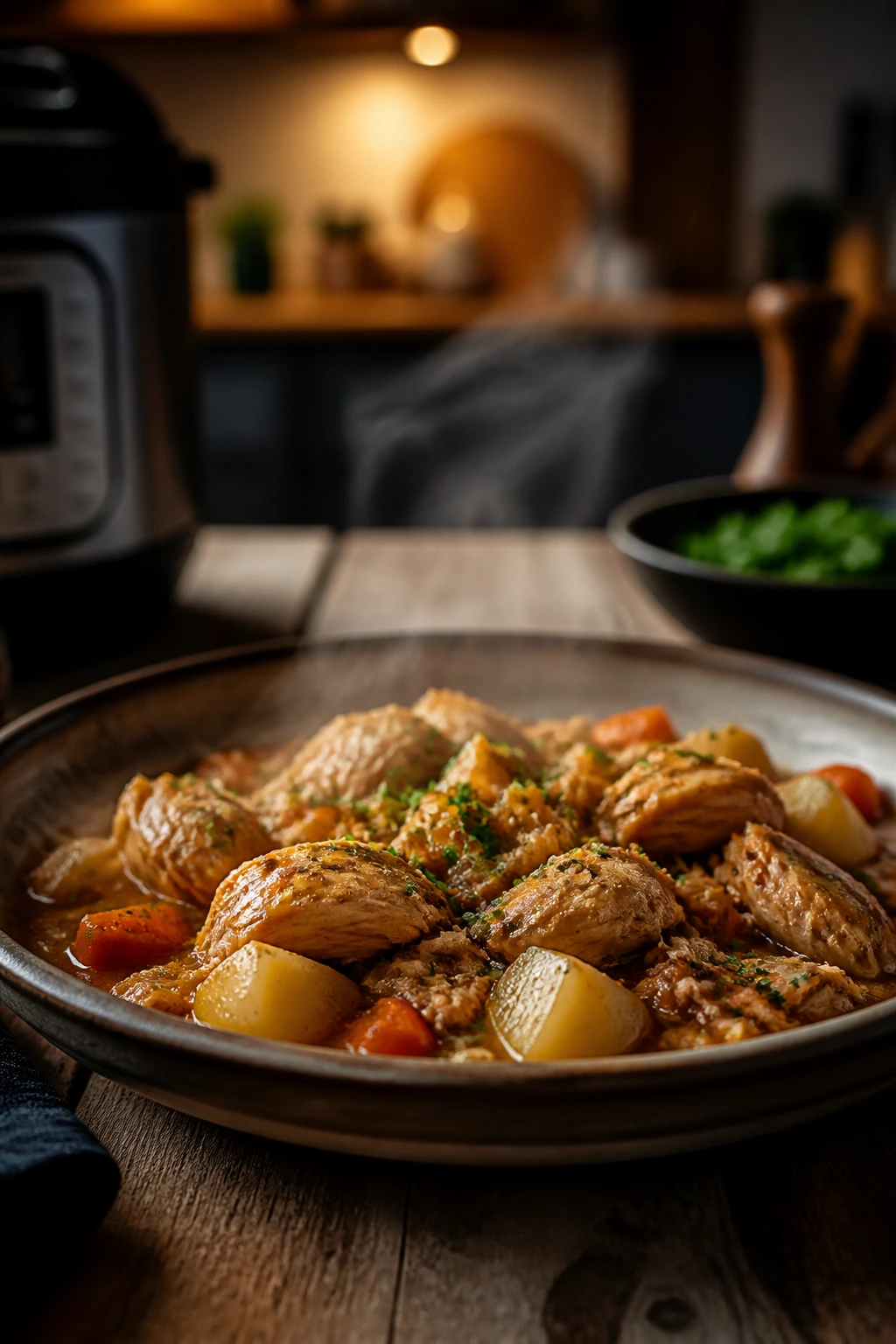
The best 20-minute Instant Pot dinners are not shortcuts in the lazy sense. They’re smart builds: small cuts, fast-cooking starches, canned pantry helpers, and sauces that come together without drama. That’s why they work. The pot does the hard part, but the ingredient list is doing its share too.
I keep coming back to the same thought with these recipes: the goal is not speed for its own sake. It’s a dinner that lands with enough flavor to feel finished, even if you started it between answering a text and setting down your bag. That’s a useful kind of cooking.
Pick two or three of these and keep them in rotation. Once you’ve got the rhythm of pressure, quick release, and a decent deglaze, the 20-minute dinner window stops feeling like a dare and starts feeling normal.