



A hot pizza dinner can rescue a tired evening in about the same time it takes to argue over takeout menus. Dough, sauce, cheese, a few toppings with actual personality — that’s dinner with a pulse. And when the crust comes out blistered at the edges and still a little chewy in the middle, nobody at the table is thinking about how simple it was.
Pizza dinners you can make at home have a way of feeling casual and a little special at the same time. That’s the sweet spot. You can keep one version clean and classic, build another around leftovers, or make something messy and bold enough to need extra napkins. I like that range. A home pizza can be a quiet margherita on a Tuesday or a loaded skillet pie when the fridge looks half-empty and you want dinner to feel less like a chore.
The trick is not perfection. It’s heat, timing, and knowing which toppings need a head start. Once you’ve got that down, pizza stops being a treat you order and starts becoming one of the easiest dinner moves in the house.
Why This Collection Is Worth Keeping Around
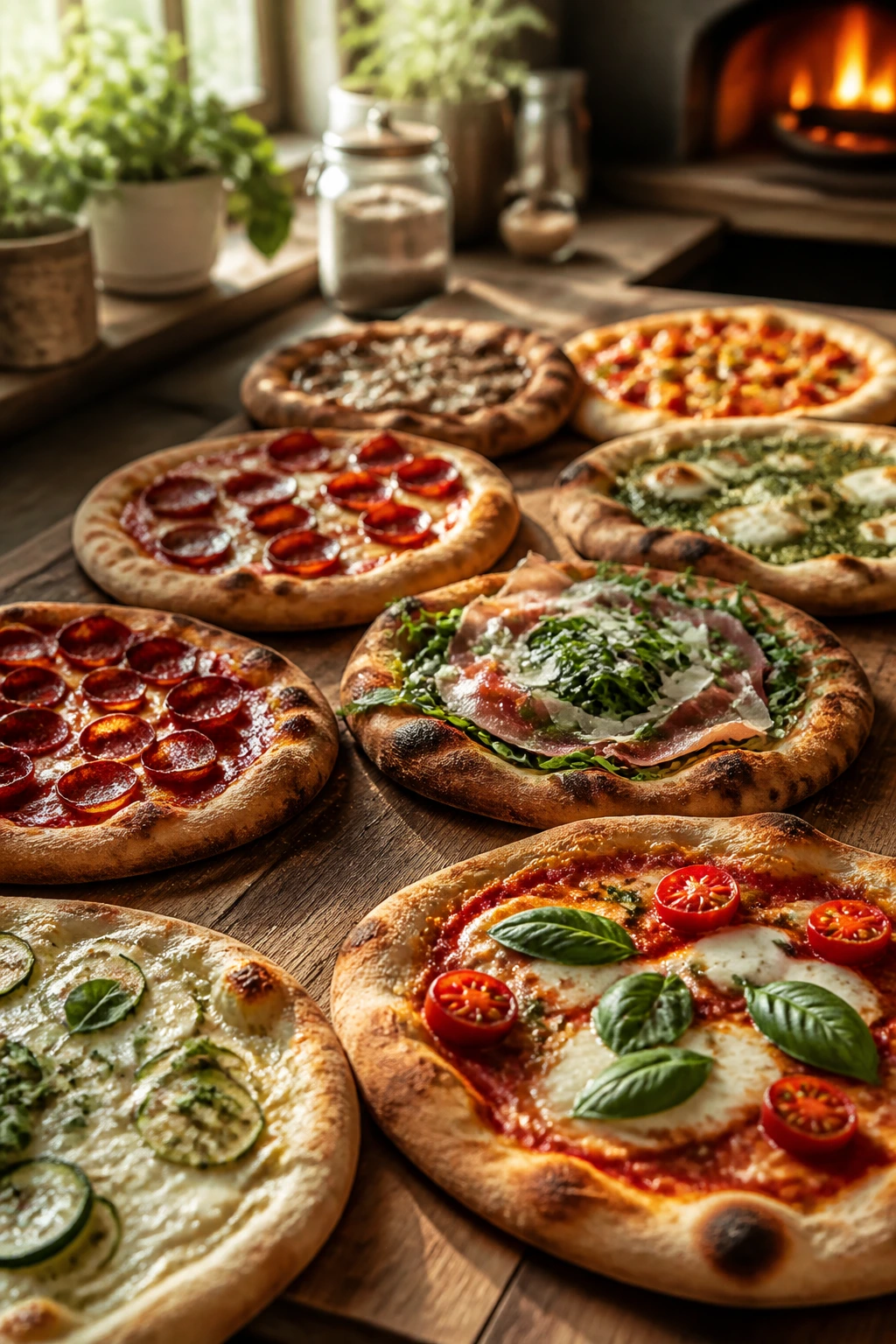
-
Fast Once the Dough Is Ready: Most of these pizzas bake in 10 to 15 minutes, which is why they work on nights when you want dinner to move quickly once the oven is hot.
-
Built for Real Fridge Ingredients: A leftover chicken breast, a bag of spinach, half an onion, or a few mushrooms can all turn into dinner instead of dying slowly in the crisper drawer.
-
Different Moods, Same Easy Formula: Some pies are bright and fresh, some are rich and cheesy, and some lean salty and smoky. You can match the pizza to the day you’ve had.
-
Flexible Enough for Store-Bought or Homemade Dough: If you’ve got dough from the store, use it. If you make your own, great. These recipes aren’t precious about where the crust comes from.
-
Family Tables Stay Happy: There’s enough variety here to satisfy meat lovers, veggie people, spice fans, and the person who wants “just plain cheese” but with nicer cheese than usual.
1. Classic Margherita Pizza Night
A good margherita pizza is a lesson in restraint. Tomato, mozzarella, basil, olive oil — that’s the whole song, and it doesn’t need backup dancers. When the crust is hot and the cheese melts into little soft pools, the whole pie smells like a pizzeria that knows exactly what it’s doing.
Why It Works
Margherita pizza depends on a hot oven and a light hand. The dough needs enough heat to puff at the rim before the sauce can soak through, and the toppings need to stay sparse so the crust can still taste like crust, not damp bread. Fresh mozzarella gives you those soft, milky pockets, while a little Parmesan sharpens the flavor so the pie doesn’t taste flat.
The best version has contrast: crisp bottom, tender center, bright tomato, and basil that goes on after baking so it stays green and fragrant. That last part matters. Basil cooked too long turns dull and a little swampy, which is not the mood.
Key Ingredients
- 1 lb pizza dough, room temperature — cold dough snaps back and fights you.
- 1/2 cup crushed tomatoes — use a thick brand or drain watery tomatoes first.
- 1 garlic clove, finely grated or minced — gives the sauce a quiet edge.
- 1 tablespoon olive oil — rounds out the tomato and helps it spread.
- 1/2 teaspoon kosher salt — the sauce needs real seasoning.
- 8 oz fresh mozzarella, torn into small pieces — drain it on paper towels if it looks wet.
- 1/4 cup grated Parmesan — sharpens the top layer.
- 1/3 cup fresh basil leaves — added after baking for the cleanest flavor.
- Flaky salt and black pepper, to finish — tiny amount, big payoff.
Quick Steps
-
Preheat the oven to 500°F and place a pizza stone or inverted sheet pan in the center rack for at least 30 minutes.
-
Mix the sauce by stirring together the crushed tomatoes, garlic, olive oil, salt, and a little black pepper until smooth.
-
Stretch the dough on a lightly floured surface into a 12-inch round, then move it to parchment paper for easier transfer.
-
Spread the sauce in a thin layer, leaving a 1-inch border, then scatter over the mozzarella and Parmesan.
-
Bake for 10 to 12 minutes until the crust is browned underneath and the cheese has melted into glossy spots with a few golden patches.
-
Finish with basil and a small pinch of flaky salt the second it comes out of the oven. Let it rest 2 minutes before slicing.
Tips and Variations
- Tomato Tip: If your tomatoes taste sharp, add a pinch of sugar, but only a pinch. You want brightness, not candy.
- Cheese Move: Use half fresh mozzarella and half low-moisture mozzarella if you want cleaner melt and less moisture.
- Serving Idea: Drizzle a little extra olive oil over the slices right before serving. It makes the crust taste richer without making it heavy.
2. Pepperoni and Hot Honey Pizza
Pepperoni pizza gets better when you stop pretending it doesn’t want a little sweetness. Hot honey on a crisp, salty pepperoni pie is one of those combinations that sounds trendy until you try it and realize it just works. The edges curl, the cheese bubbles, and the honey hits the pepperoni grease in a way that feels almost unfair.
Why It Works
Pepperoni brings fat and salt, and hot honey adds the one thing that plain pepperoni pizza can lack: a little lift. The sweetness makes the spices taste sharper, while the heat keeps the finish from turning cloying. That balance matters more than people think. A pie like this needs contrast or it can taste one-note after the third bite.
Using low-moisture mozzarella keeps the crust from getting soggy under the pepperoni. The pepperoni itself also crisps better when it sits partly on top of the cheese, because the exposed edges can blister instead of steaming.
Key Ingredients
- 1 lb pizza dough, room temperature
- 1/2 cup pizza sauce
- 1 1/2 cups shredded low-moisture mozzarella
- 36 slices pepperoni
- 1/4 cup grated Parmesan
- 2 tablespoons honey
- 1 teaspoon hot sauce or 1/4 teaspoon crushed red pepper
- 1 teaspoon olive oil
- 1 tablespoon chopped parsley, optional
- Crushed red pepper, to finish
Quick Steps
-
Preheat the oven to 500°F with a stone or heavy baking sheet inside.
-
Stir the hot honey by warming the honey with hot sauce or red pepper in a small pan for 30 seconds, just until loose.
-
Stretch the dough into a 12-inch round and brush the outer edge lightly with olive oil.
-
Spread the sauce in a thin layer, add the mozzarella, then layer on the pepperoni so some slices overlap and some sit in the open.
-
Bake for 11 to 13 minutes until the crust is deep gold and the pepperoni edges are crisp and darkened.
-
Drizzle the hot honey over the hot pizza, then add Parmesan and parsley before slicing.
Tips and Variations
- Heat Control: If you like the honey less aggressive, use just a few drops of hot sauce and let the pepperoni bring the spice.
- Crisp Edge Trick: Put a few pepperoni slices directly on the dough border. They’ll fry at the rim and give you those curled, crunchy edges.
- Serving Idea: A simple iceberg salad with sharp vinaigrette cuts the salt and fat in the best possible way.
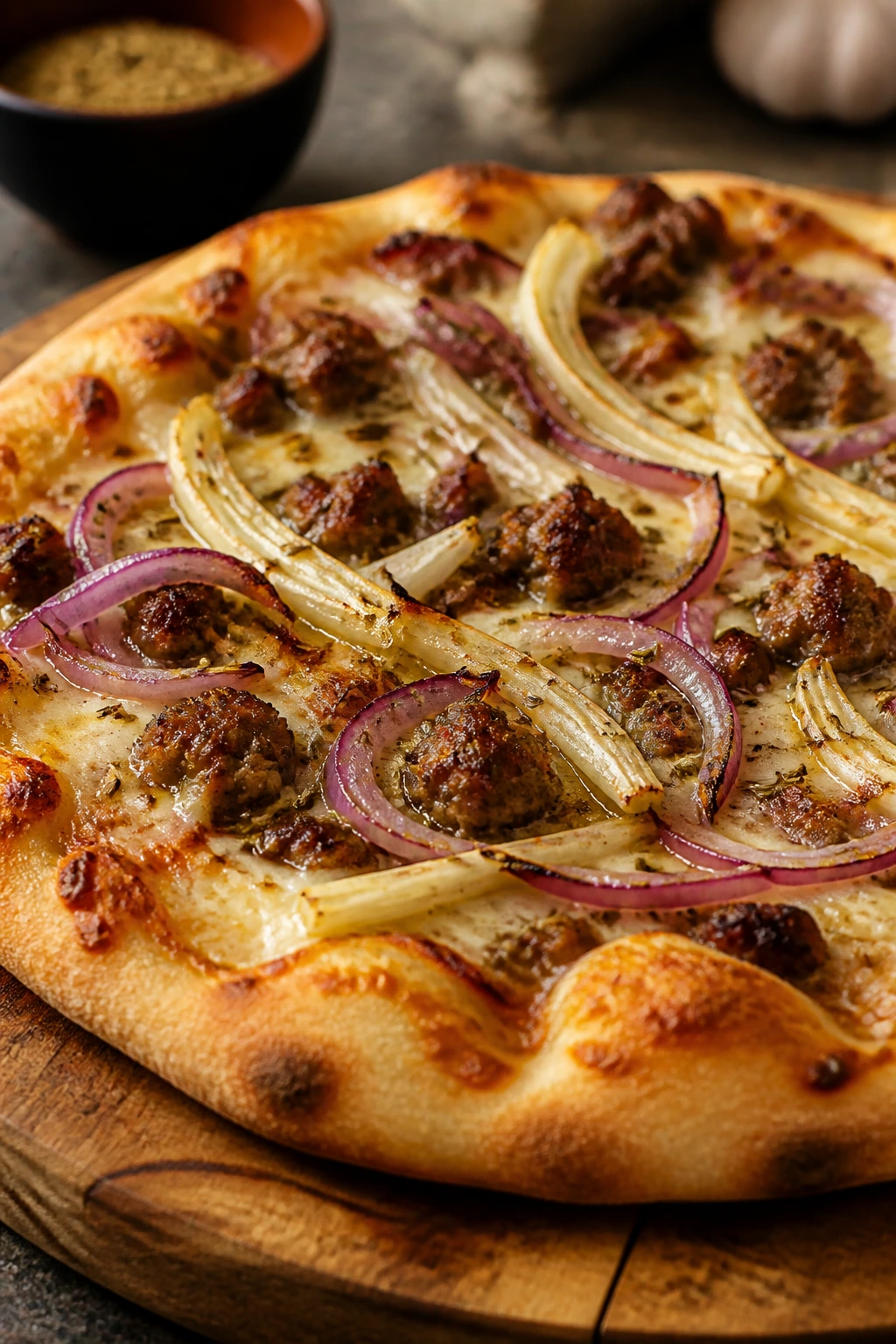
3. Sausage, Fennel, and Red Onion Pizza
What happens when sausage, fennel, and red onion land on a hot crust? You get a pizza that smells like a Sunday kitchen before anyone has sat down. It’s savory, a little sweet, and just a bit old-school in the nicest way. This is the pie for people who like their dinner to have depth.
Why It Works
Italian sausage carries enough fat to season the whole pizza, and fennel seed echoes the spice in the sausage so the flavor feels layered instead of random. Red onion turns sweet in the oven, which matters because it keeps the pizza from tasting heavy. A little tomato sauce underneath ties the whole thing together and gives the cheese something bright to lean against.
I like this pizza with a mix of mozzarella and provolone because provolone brings a sharper edge than mozzarella alone. That small shift gives the pie more backbone. Without it, sausage pizzas can blur together into one soft, salty note.
Key Ingredients
- 1 lb pizza dough, room temperature
- 8 oz Italian sausage, casings removed if needed
- 1 teaspoon fennel seeds
- 1/2 small red onion, thinly sliced
- 1/2 cup pizza sauce
- 1 cup shredded mozzarella
- 1/2 cup shredded provolone
- 1/4 cup grated Parmesan
- 1 tablespoon olive oil
- Pinch of crushed red pepper, optional
Quick Steps
-
Preheat the oven to 500°F and set a pizza stone or sheet pan inside.
-
Brown the sausage in a skillet over medium heat with the fennel seeds, breaking it into small pieces until cooked through and lightly crisp at the edges, about 6 to 8 minutes.
-
Stretch the dough into a 12-inch round and transfer it to parchment paper.
-
Spread the sauce thinly, then top with mozzarella, provolone, sausage, and red onion.
-
Bake for 12 to 14 minutes until the crust is browned and the onion edges have softened and taken on a little color.
-
Finish with Parmesan and a tiny pinch of crushed red pepper, then let the pizza sit for 2 minutes before cutting.
Tips and Variations
- Flavor Boost: A few torn basil leaves after baking make this taste fresher and less like a heavy meat pie.
- Make-Ahead Move: Cook the sausage earlier in the day and chill it; cold cooked sausage holds its shape better when you build the pizza.
- Serving Idea: This one loves a bitter green salad with lemon vinaigrette. It keeps the richness honest.
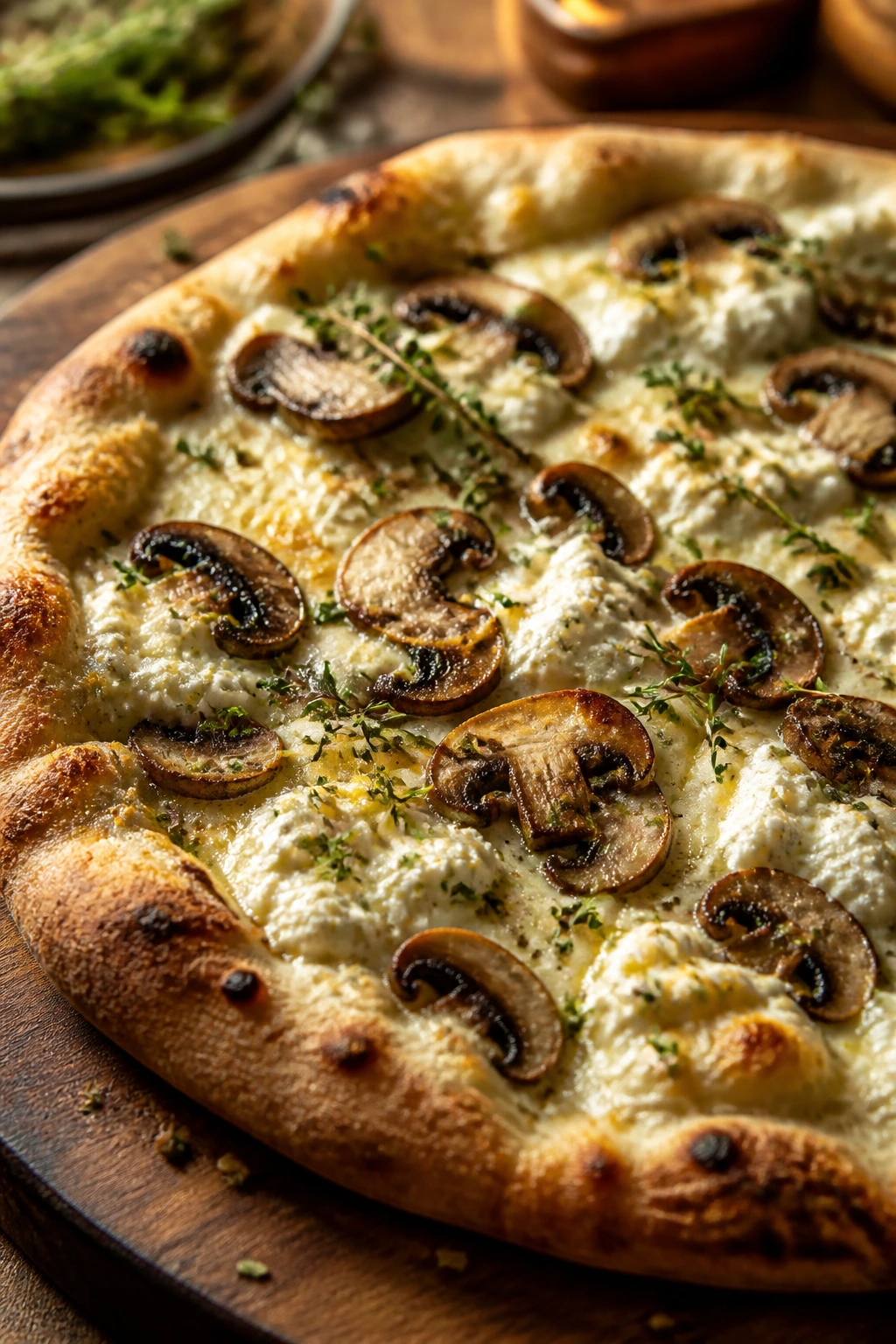
4. Mushroom and Thyme White Pizza
White pizza can be rich without feeling clumsy, and mushrooms are what make that possible. They turn meaty in the pan, thyme adds a woodsy note, and the ricotta base brings a creamy, almost velvety layer under the cheese. It’s one of those pies that tastes fancier than the work required.
Why It Works
Mushrooms are all about moisture management. If you put them raw on a pizza, they leak water and make the crust soften in all the wrong places. Sautéing them first fixes that and concentrates the flavor, so what you taste is browned edges, not wet mushroom juice. That’s the whole secret.
The ricotta base gives the pizza body without drowning it. A little lemon zest wakes up the richness, and thyme keeps the flavor from drifting into bland creaminess. This is one of my favorite pizzas when the fridge is full of leftover herbs that would otherwise go limp in a glass of water.
Key Ingredients
- 1 lb pizza dough, room temperature
- 8 oz cremini mushrooms, sliced
- 2 tablespoons butter or olive oil
- 2 garlic cloves, minced
- 3/4 cup ricotta
- 1 cup shredded mozzarella
- 1/4 cup grated Parmesan
- 1 teaspoon fresh thyme leaves or 1/2 teaspoon dried thyme
- 1 teaspoon lemon zest
- Salt and black pepper, to taste
Quick Steps
-
Preheat the oven to 500°F with a stone or heavy baking sheet inside.
-
Sauté the mushrooms in butter or olive oil over medium-high heat until browned and the liquid has cooked off, about 6 minutes. Stir in the garlic for the last 30 seconds.
-
Mix the ricotta base with thyme, lemon zest, a pinch of salt, and black pepper.
-
Stretch the dough into a 12-inch round and spread the ricotta mixture almost to the edge.
-
Top with mozzarella, Parmesan, and mushrooms, then bake for 12 to 14 minutes until the cheese is melted and the rim is golden.
-
Rest the pizza for 2 minutes before slicing so the creamy base doesn’t slide everywhere.
Tips and Variations
- Texture Tip: If the ricotta seems thick, stir in 1 tablespoon milk so it spreads in a thin layer.
- Better Finish: A few drops of truffle oil can work, but use almost none. It should smell like a whisper, not a spray can.
- Serving Idea: Add a handful of arugula after baking if you want peppery bite against the creaminess.
5. BBQ Chicken Pizza
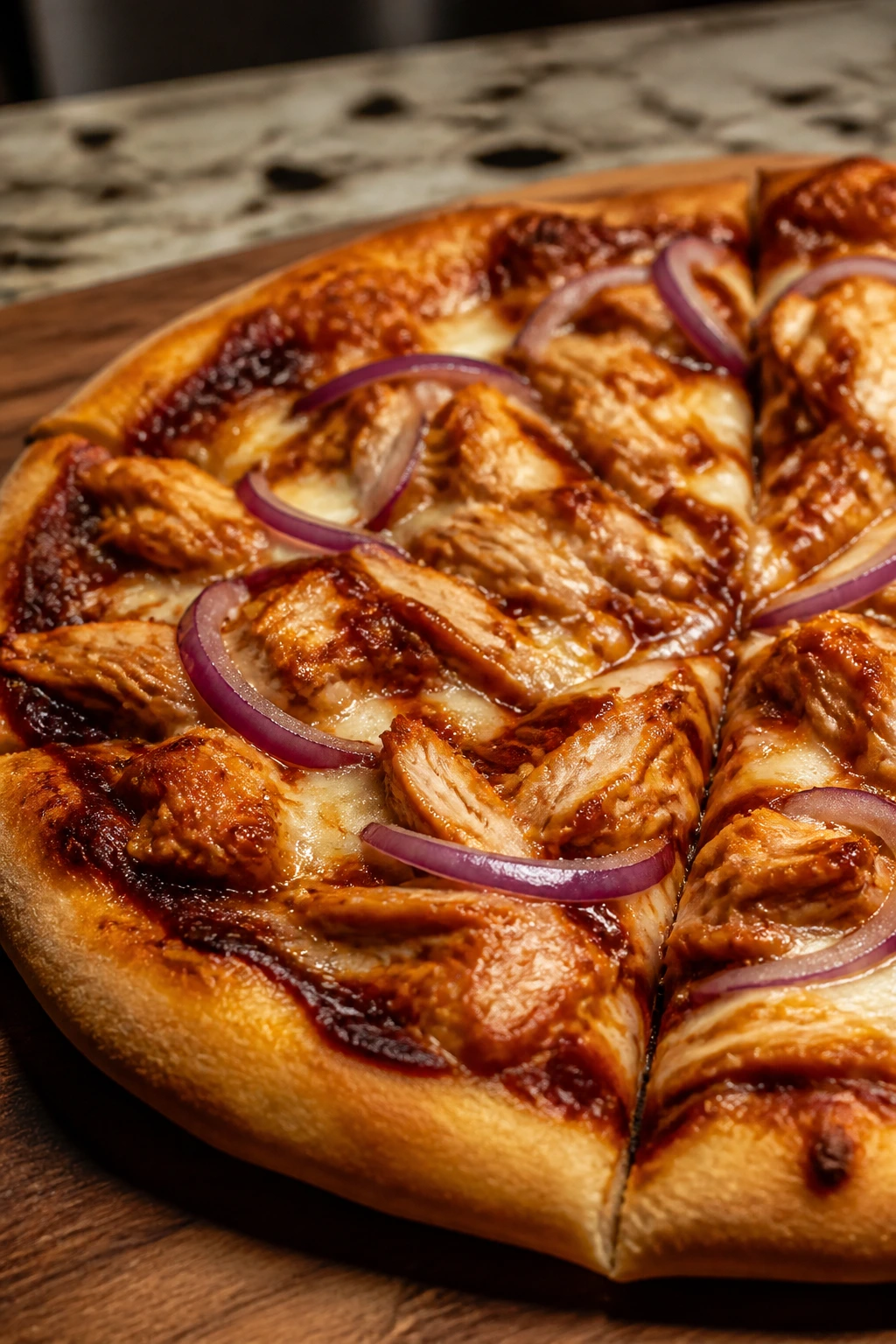
A fridge with leftover chicken and one sticky bottle of barbecue sauce is enough to make dinner feel sorted. The sweet-smoky sauce, melted cheese, and red onion give you a pizza that tastes like a cookout got invited indoors. It’s big-flavored, a little messy, and very hard to stop eating.
Why It Works
BBQ sauce brings both sweetness and acidity, which is why it works so well with chicken on pizza. The chicken gives the pie substance, while red onion cuts through the sauce and keeps the whole thing from tasting heavy. Smoked gouda adds depth, but mozzarella is still there to give you the proper melt and stretch.
The danger with BBQ chicken pizza is too much sauce. A light layer is enough. If you drown the crust, the sugars in the sauce can burn before the cheese is done, and the whole thing goes sticky in a bad way.
Key Ingredients
- 1 lb pizza dough, room temperature
- 2/3 cup barbecue sauce
- 1 1/2 cups cooked shredded chicken
- 1 small red onion, thinly sliced
- 1 1/2 cups shredded mozzarella
- 1/2 cup shredded smoked gouda
- 1 tablespoon olive oil
- 2 tablespoons chopped cilantro
- 1 tablespoon pickled jalapeños, optional
Quick Steps
-
Preheat the oven to 500°F and heat your stone or sheet pan inside.
-
Toss the chicken with about 1/3 cup of the barbecue sauce so every piece gets coated.
-
Stretch the dough into a round or oval and transfer it to parchment.
-
Spread the remaining sauce in a thin layer, then top with mozzarella, gouda, chicken, and red onion.
-
Bake for 11 to 13 minutes until the crust is browned and the cheese is bubbling.
-
Finish with cilantro and jalapeños if you want a little sharp heat.
Tips and Variations
- Sauce Check: If your barbecue sauce is very sweet, cut it with a tablespoon of apple cider vinegar.
- Cheese Swap: Provolone can replace gouda if you want a milder, cleaner melt.
- Serving Idea: Corn on the cob or a crunchy slaw makes this feel like a full plate, not just a slice.
6. Roasted Vegetable Supreme Pizza
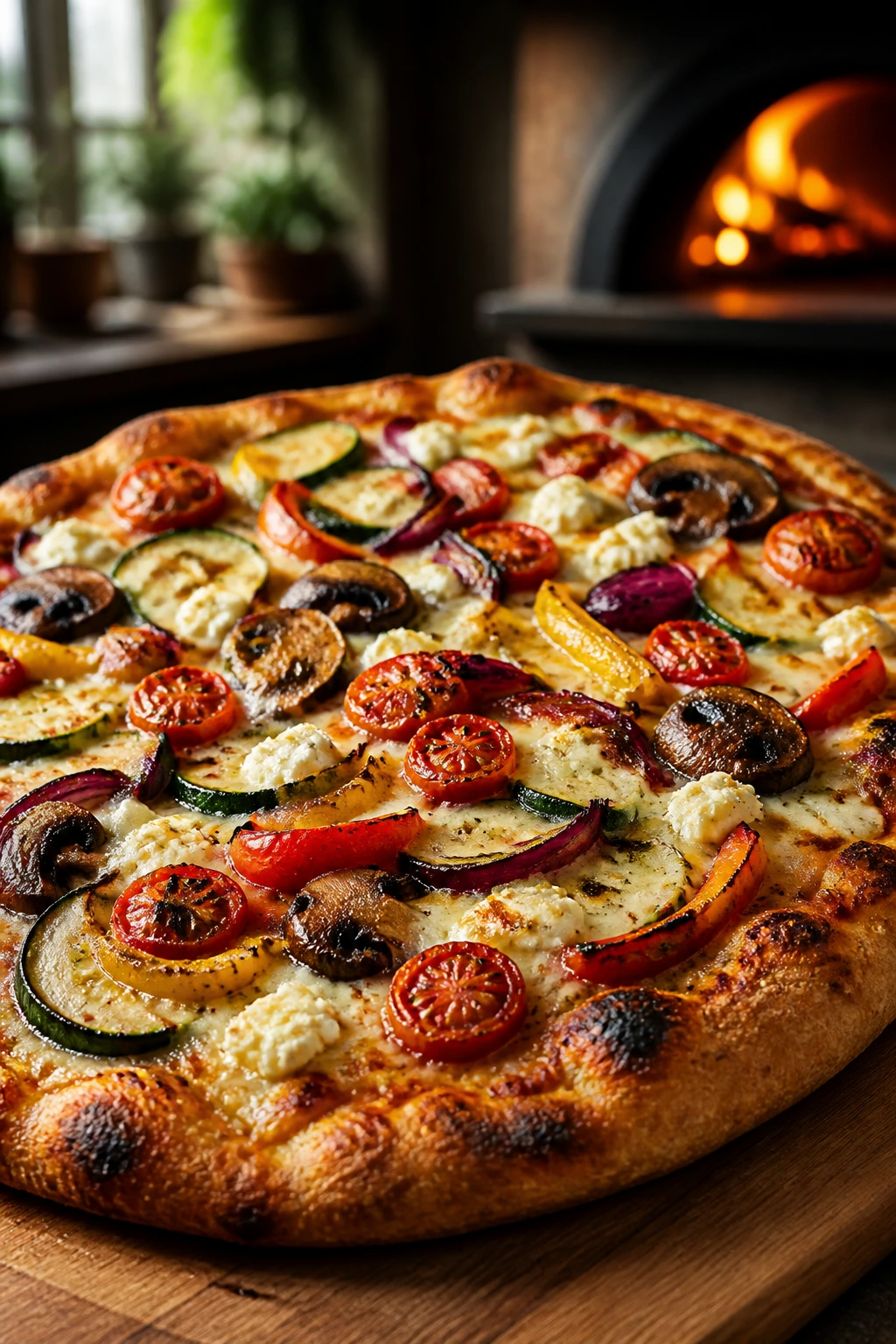
Roasting vegetables first is the difference between a good veggie pizza and one that tastes like steamed produce under cheese. Zucchini, peppers, mushrooms, onions, and cherry tomatoes all get sweeter and a little charred when they spend time in a hot oven. The result is a dinner pizza with real color and actual bite.
Why It Works
Vegetables carry water. That’s the whole problem. By roasting them before they go on the crust, you push off moisture and concentrate flavor, which means the pizza can bake hard and fast without turning the bottom soft. The tomatoes burst, the mushrooms brown, and the onion edges caramelize in a way that raw toppings never manage.
I like a little feta on top because it gives the pizza salt and tang without hiding the vegetables. Mozzarella handles the melt, feta gives the sharp finish, and oregano keeps the whole thing tasting like dinner instead of a cheese-covered salad.
Key Ingredients
- 1 lb pizza dough, room temperature
- 1 zucchini, sliced into half-moons
- 1 bell pepper, sliced
- 1 small red onion, cut into wedges
- 8 oz cremini mushrooms, halved
- 1 cup cherry tomatoes, halved
- 2 tablespoons olive oil
- 1/2 teaspoon kosher salt
- 1/4 teaspoon black pepper
- 1 1/2 cups shredded mozzarella
- 1/3 cup crumbled feta
- 1 teaspoon dried oregano
Quick Steps
-
Preheat the oven to 475°F with a stone or sheet pan inside.
-
Toss the vegetables with olive oil, salt, and black pepper, then roast them on a separate pan for 10 to 12 minutes until they start to soften and brown.
-
Stretch the dough into a 12-inch round and move it to parchment.
-
Scatter the mozzarella over the crust, then add the roasted vegetables and oregano.
-
Bake for 10 to 12 minutes until the crust is golden and the cheese is bubbling around the vegetables.
-
Finish with feta while the pizza is hot so it softens slightly at the edges.
Tips and Variations
- Best Vegetables: Eggplant works too, but slice it thin and roast it first or it can turn spongy.
- Flavor Boost: A drizzle of garlic-infused olive oil after baking makes the whole pizza smell brighter.
- Serving Idea: Pair this with a cucumber salad or a simple tomato plate when you want the meal to feel lighter.
7. Pesto Chicken Pizza
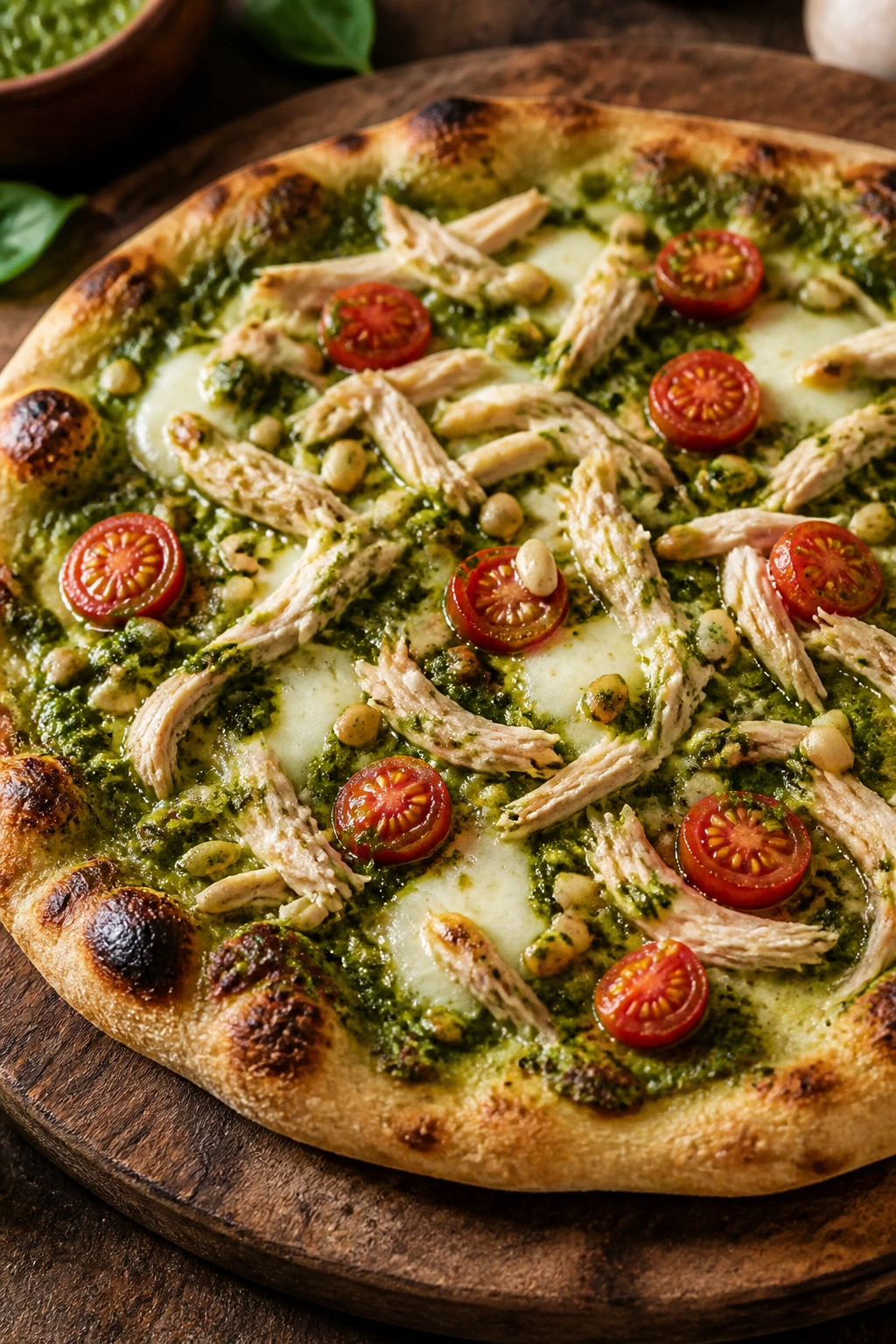
Pesto is a shortcut, but not the lazy kind. It brings basil, garlic, olive oil, and cheese all in one spoonful, which is why it makes pizza taste layered without much fuss. Add chicken, tomatoes, and a handful of pine nuts, and dinner starts looking much more intentional than the effort suggests.
Why It Works
Pesto does two jobs here: it acts as the sauce and it seasons the crust from the inside out. Because it’s already rich and aromatic, you don’t need much else under the cheese. Chicken makes the pizza sturdy enough to count as dinner, and cherry tomatoes add juicy bursts that stop the basil from tasting too green or sharp.
Pine nuts matter more than they seem. They bring a little toastiness and a soft crunch, and that texture keeps the pizza from feeling one-note. If you’ve ever had a pesto pie that seemed flat, odds are it needed either salt, lemon, or something crunchy. Pine nuts solve part of that problem.
Key Ingredients
- 1 lb pizza dough, room temperature
- 1/2 cup basil pesto
- 1 1/2 cups cooked chicken, sliced or shredded
- 1 cup shredded mozzarella
- 1/2 cup cherry tomatoes, halved
- 2 tablespoons pine nuts
- 1/4 cup grated Parmesan
- 1 tablespoon olive oil
- 1 cup baby spinach, optional
Quick Steps
-
Preheat the oven to 500°F with a stone or sheet pan inside.
-
Stretch the dough into a round and brush the edge lightly with olive oil.
-
Spread the pesto over the crust in a thin layer, then scatter on the mozzarella, chicken, tomatoes, and spinach if using.
-
Bake for 11 to 12 minutes until the crust is browned and the tomatoes have softened.
-
Toast the pine nuts in a dry skillet for 1 to 2 minutes while the pizza bakes, just until fragrant.
-
Top with pine nuts and Parmesan as soon as the pizza comes out of the oven.
Tips and Variations
- Pesto Choice: If your pesto tastes very salty, skip extra Parmesan until the end.
- Bright Finish: A squeeze of lemon over the sliced pizza keeps the basil flavor lively.
- Serving Idea: This one works well with a green salad and nothing else. It already has enough going on.
8. Greek-Style Pizza with Olives and Feta
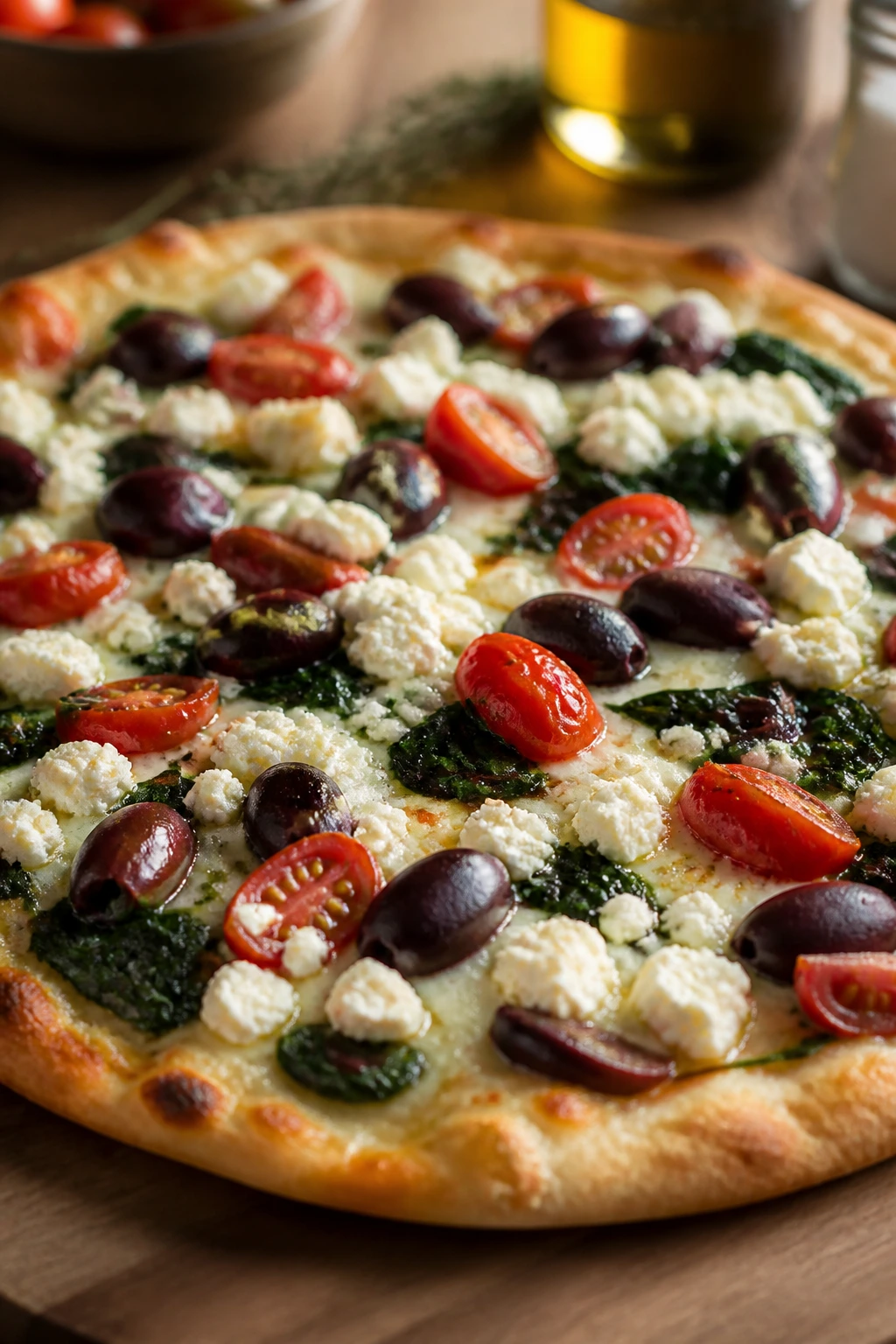
This pie smells like oregano, lemon, and warm olives the second it comes out of the oven. It’s briny, creamy, and a little sharp in that very Greek-dinner way that makes every bite feel awake. I like it because it doesn’t hide behind heavy sauce.
Why It Works
Greek-style pizza is all about salt balance and contrast. Feta gives you tang, kalamata olives bring brine, spinach softens the sharp edges, and tomatoes add juiciness. A thin olive oil and garlic base keeps the crust from getting overloaded while still giving the toppings something savory to stick to.
Mozzarella is useful here even if feta is the star. It melts into the background and gives the pizza that familiar pull. Without it, the pie can feel a little loose and scattered. With it, everything stays connected.
Key Ingredients
- 1 lb pizza dough, room temperature
- 2 tablespoons olive oil
- 1 garlic clove, minced
- 3/4 cup shredded mozzarella
- 1/2 cup crumbled feta
- 1/3 cup kalamata olives, pitted and halved
- 1/2 small red onion, thinly sliced
- 1 cup baby spinach
- 1 cup cherry tomatoes, halved
- 1 teaspoon dried oregano
- 1 tablespoon lemon juice
- Black pepper, to finish
Quick Steps
-
Preheat the oven to 500°F with your stone or baking sheet inside.
-
Stir together the olive oil and garlic and brush it lightly across the stretched dough.
-
Add the mozzarella, spinach, tomatoes, onion, and olives, then scatter the feta and oregano over the top.
-
Bake for 11 to 13 minutes until the crust is golden and the spinach has wilted into the cheese.
-
Finish with lemon juice and black pepper right before serving.
Tips and Variations
- Olive Tip: Pat the olives dry so they don’t spill extra brine onto the crust.
- Cheese Move: A spoonful of ricotta can be dotted on top if you want a softer, creamier pie.
- Serving Idea: Serve with chopped cucumbers, tomatoes, and a little olive oil on the side for a lunch-dinner hybrid feel.
9. Buffalo Chicken Pizza
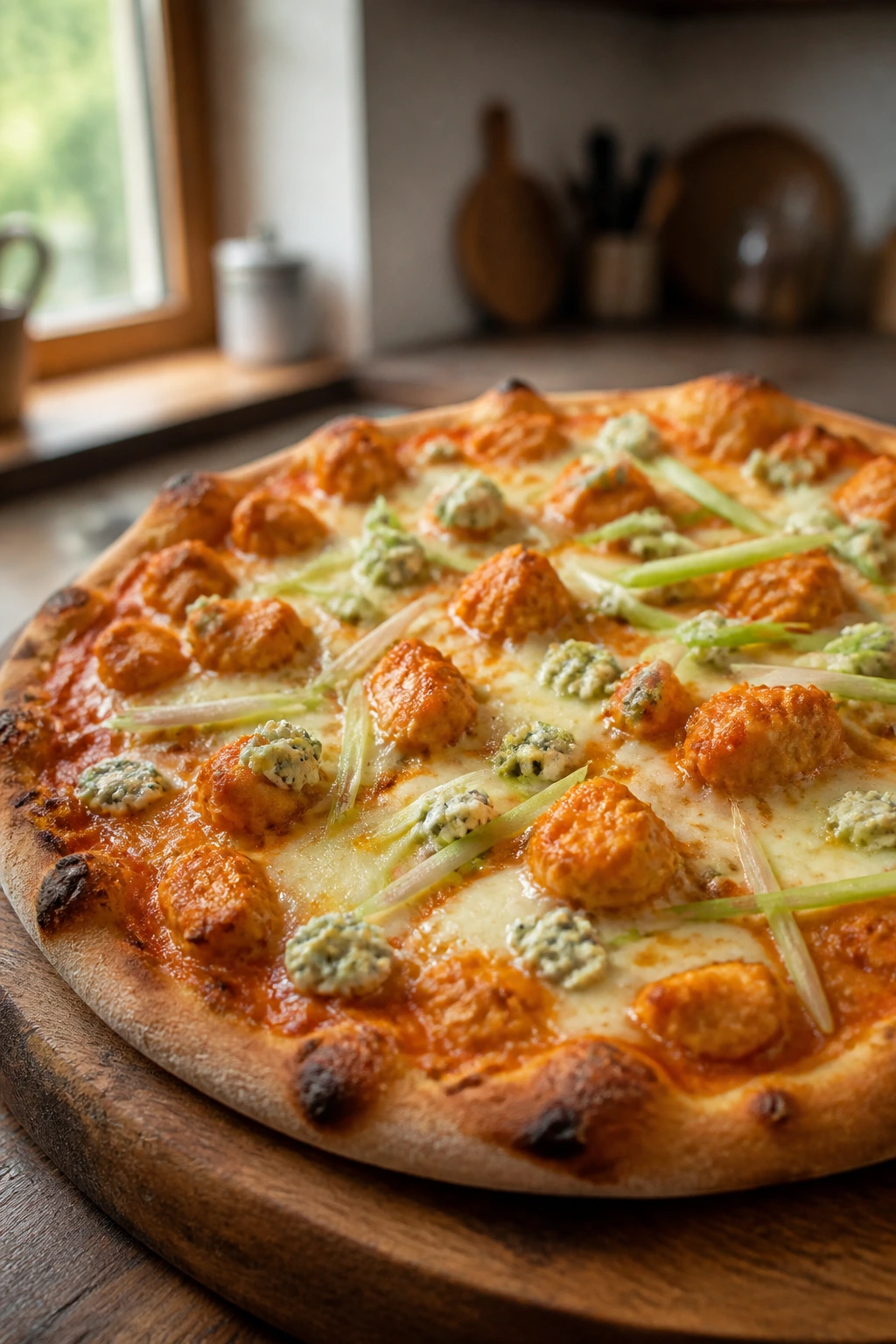
Buffalo chicken pizza is messy in the best possible way. It’s tangy, spicy, creamy, and built for people who want dinner to hit with a little more force. Celery and blue cheese on top keep it from becoming a sauce bomb.
Why It Works
Buffalo sauce gives you heat and acid, which are the two things a rich pizza needs if you want to keep eating past the second slice. Chicken makes the pie substantial, while mozzarella softens the edges of the spice. Blue cheese gives the sharp, funky finish that buffalo wings always want, and celery adds the cold crunch that makes each bite feel more complete.
The key is not to drown the chicken. Coat it lightly, not heavily. You want flavor on every bite, not liquid racing off the crust.
Key Ingredients
- 1 lb pizza dough, room temperature
- 1/2 cup buffalo sauce
- 1 1/2 cups cooked chicken, shredded
- 1 1/2 cups shredded mozzarella
- 1/2 cup crumbled blue cheese
- 2 celery stalks, very thinly sliced
- 2 tablespoons ranch or blue cheese dressing
- 2 tablespoons sliced green onion
- 1 tablespoon butter, optional for mellowing the sauce
Quick Steps
-
Preheat the oven to 500°F with a stone or heavy sheet pan inside.
-
Toss the chicken with buffalo sauce and the butter if you want the heat softened a little.
-
Stretch the dough into a 12-inch round.
-
Spread the chicken and mozzarella over the dough, then scatter blue cheese over the top.
-
Bake for 11 to 13 minutes until the crust is browned and the cheese is bubbling.
-
Finish with celery, green onion, and dressing once the pizza comes out of the oven.
Tips and Variations
- Cooling Trick: Add the celery after baking so it stays crisp.
- Heat Control: If buffalo sauce is too sharp, mix in a spoonful of ranch before tossing with the chicken.
- Serving Idea: Serve with carrot sticks and a little extra dressing. It’s not subtle, and that’s the point.
10. Hawaiian Pizza with Ham and Pineapple
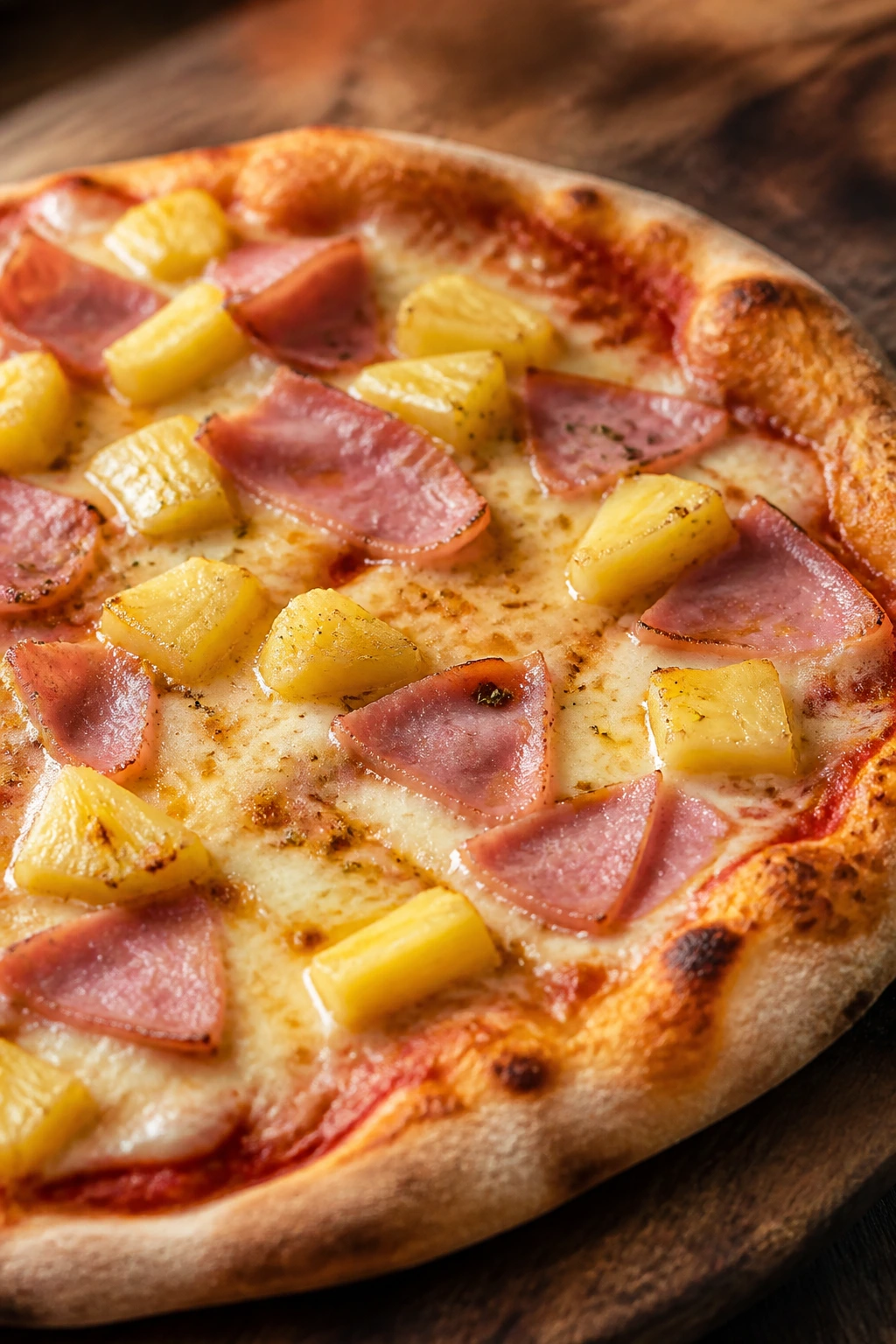
Hawaiian pizza always starts an argument and then ends in silence once people taste it. Sweet pineapple, salty ham, and melted cheese make sense together because each one solves a problem the others create. It’s sweet-salty balance on a crust, plain and simple.
Why It Works
The success of Hawaiian pizza depends on restraint and good drainage. Pineapple brings a lot of juice, so you want the chunks dry before they go on the crust. Ham gives you salt and smoke, and mozzarella keeps the flavor smooth instead of disjointed. If you add red onion, the sharpness gives the sweetness more shape.
This is one of those pizzas that gets worse when overloaded. A few pieces of pineapple are enough. Too much and the crust starts to feel wet, which is a shame because the flavor can be excellent when the balance is right.
Key Ingredients
- 1 lb pizza dough, room temperature
- 1/2 cup pizza sauce
- 1 1/2 cups shredded mozzarella
- 6 oz sliced ham or Canadian bacon, chopped
- 1 cup pineapple chunks, well-drained and patted dry
- 1/4 small red onion, thinly sliced, optional
- 1 tablespoon olive oil
- Crushed red pepper, optional
- 1 tablespoon chopped cilantro or parsley, optional
Quick Steps
-
Preheat the oven to 500°F with a stone or sheet pan inside.
-
Stretch the dough and transfer it to parchment paper.
-
Spread the sauce thinly, then add mozzarella, ham, pineapple, and onion if using.
-
Bake for 11 to 13 minutes until the crust is browned and the cheese has melted around the pineapple.
-
Finish with red pepper flakes or herbs if you want a little extra contrast.
Tips and Variations
- Moisture Fix: If your pineapple seems very wet, sear it in a dry skillet for a minute before topping the pizza.
- Flavor Boost: A tiny brush of garlic butter on the crust edge gives the sweet-savory mix more depth.
- Serving Idea: This pizza goes well with a sharp slaw or pickled vegetables.
11. Breakfast Pizza with Eggs and Bacon
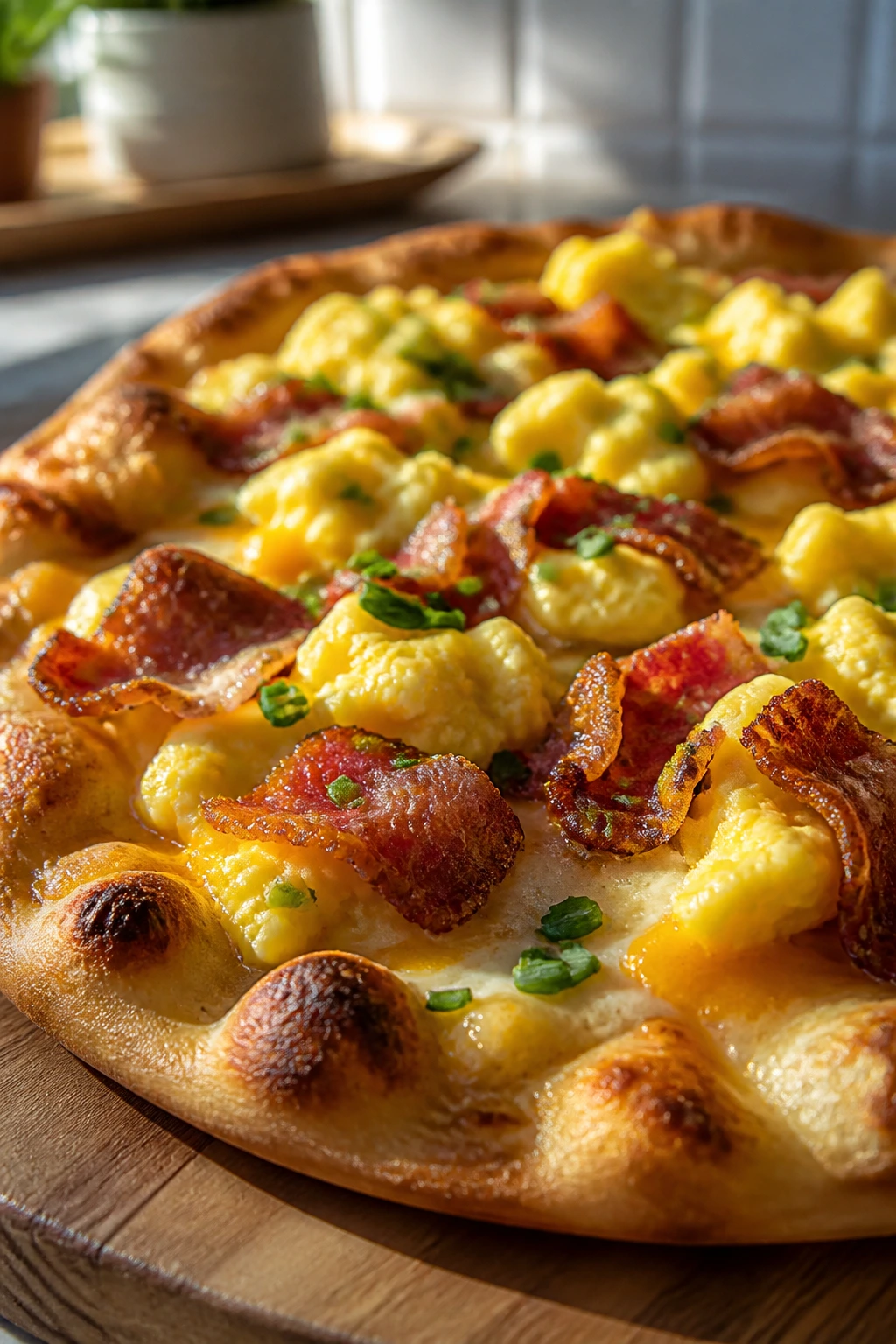
Six eggs and a hot crust can turn breakfast pizza from a gimmick into a real dinner. It’s rich, salty, and a little ridiculous in the best way. Bacon brings smoke, eggs bring softness, and chives keep everything from getting too heavy.
Why It Works
Eggs need gentler handling than most pizza toppings. If you crack them straight onto the dough and hope for the best, you’ll end up with runny whites and an underbaked middle. Soft-scrambling the eggs first gives you control, which means the pizza comes out creamy instead of watery. That’s the move.
Parbaking the crust helps too. It gives the dough a head start so the base can stay crisp even after the eggs and cheese go on. Without that step, the center tends to turn soft before the top is done.
Key Ingredients
- 1 lb pizza dough, room temperature
- 1 tablespoon butter
- 6 large eggs
- 2 tablespoons milk or cream
- 1/2 teaspoon kosher salt
- 1/4 teaspoon black pepper
- 1 cup shredded cheddar
- 1 cup shredded mozzarella
- 6 slices bacon, cooked and crumbled
- 2 tablespoons chopped chives
- 1 tablespoon olive oil
Quick Steps
-
Preheat the oven to 475°F and line a sheet pan or stone with parchment if needed.
-
Cook the bacon until crisp, then drain and crumble it.
-
Whisk the eggs with milk, salt, and pepper, then cook them slowly in butter over low heat until they are just barely set and still glossy.
-
Parbake the dough for 5 minutes after stretching it onto the hot pan so the crust firms up.
-
Add the cheeses, bacon, and eggs to the crust, then return it to the oven for 5 to 7 minutes until the cheese melts and the edges brown.
-
Finish with chives and let the pizza sit for 1 minute before slicing.
Tips and Variations
- Egg Texture: Pull the scrambled eggs off the heat while they still look slightly underdone. The oven finishes them.
- Better Finish: A spoonful of sour cream after baking makes the slices feel even more breakfast-like.
- Serving Idea: Hot sauce on the side is not optional for everyone at my table.
12. Philly Cheesesteak Pizza
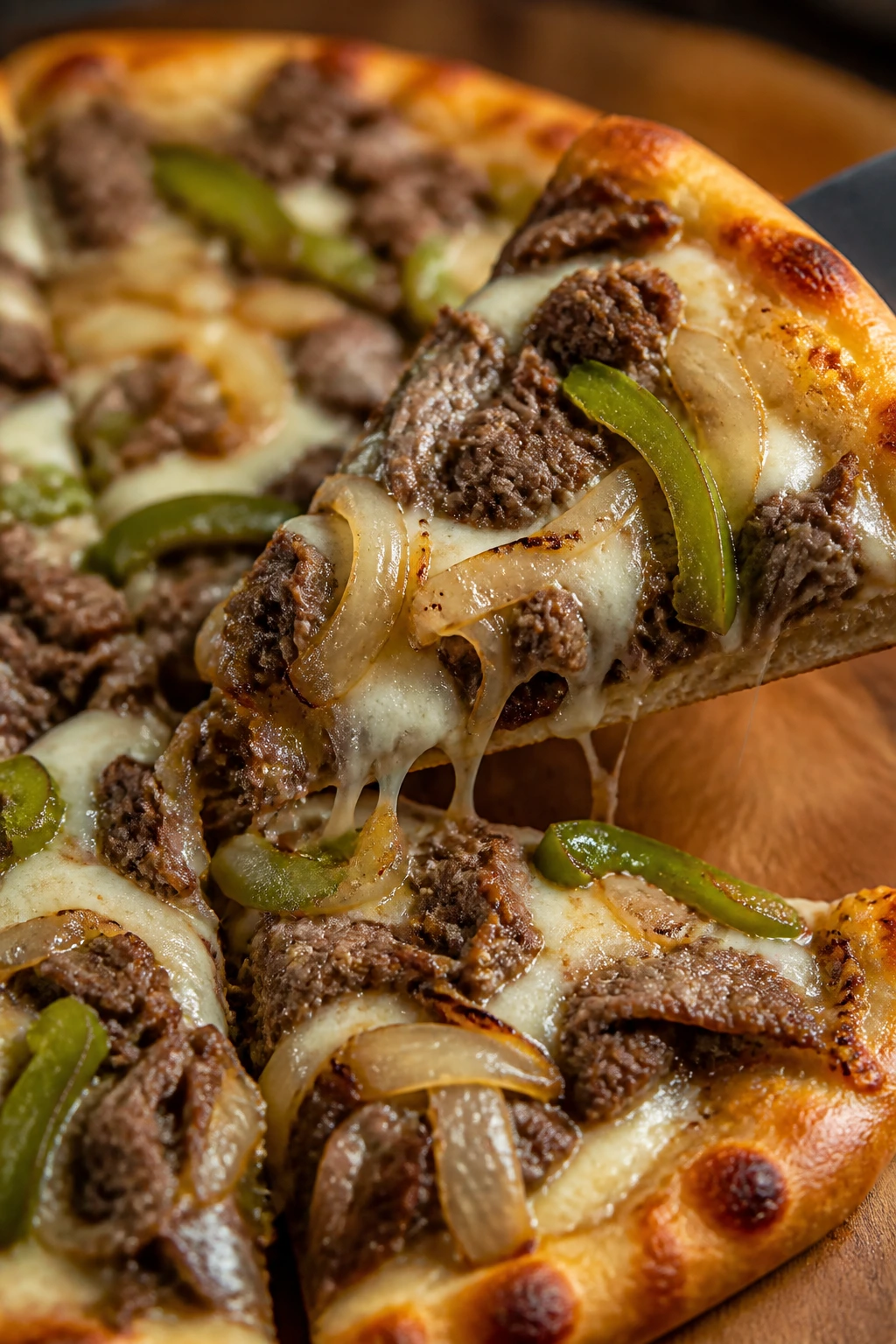
Philly cheesesteak on pizza sounds odd until the onions hit the cheese and the steak gets those browned edges. Then it makes perfect sense. You get the savory, beefy filling of a sandwich without the bun competing for space.
Why It Works
The big issue with cheesesteak pizza is moisture and timing. Steak cooks fast, onions need a little patience, and mushrooms, if you use them, can flood the crust if they’re left raw. Cooking the filling first solves all of that. It also concentrates the beef flavor, which matters because the pizza crust needs something strong to stand up to.
Provolone is the right cheese here because it melts cleanly and tastes sharper than mozzarella alone. A little mozzarella helps with stretch, but provolone is the part that makes this taste like a cheesesteak instead of a random beef pizza.
Key Ingredients
- 1 lb pizza dough, room temperature
- 8 oz sirloin or ribeye, sliced very thin
- 1 tablespoon oil
- 1 small onion, thinly sliced
- 1/2 green bell pepper, thinly sliced
- 4 oz mushrooms, sliced, optional
- 1 cup shredded mozzarella
- 1 cup shredded provolone
- 1 teaspoon Worcestershire sauce
- Salt and black pepper, to taste
Quick Steps
-
Preheat the oven to 500°F with a stone or baking sheet inside.
-
Cook the onions and peppers in oil over medium heat until soft and lightly browned, about 6 minutes. Add mushrooms if using and cook off the moisture.
-
Add the steak and Worcestershire sauce, cooking just until the beef loses its raw color. Season with salt and black pepper.
-
Stretch the dough and top with mozzarella, provolone, then the steak mixture.
-
Bake for 11 to 13 minutes until the cheese melts and the crust browns underneath.
-
Rest for 2 minutes, then slice. The filling settles fast, and hot cheese burns faster than people admit.
Tips and Variations
- Thin Slice Tip: Partially freeze the steak for 20 minutes before slicing. It makes the knife work much easier.
- Cheese Swap: White American cheese can stand in for part of the provolone if you want a softer, more classic cheesesteak melt.
- Serving Idea: A little roasted pepper spread on the side makes this feel even closer to the sandwich it borrows from.
13. Taco Pizza
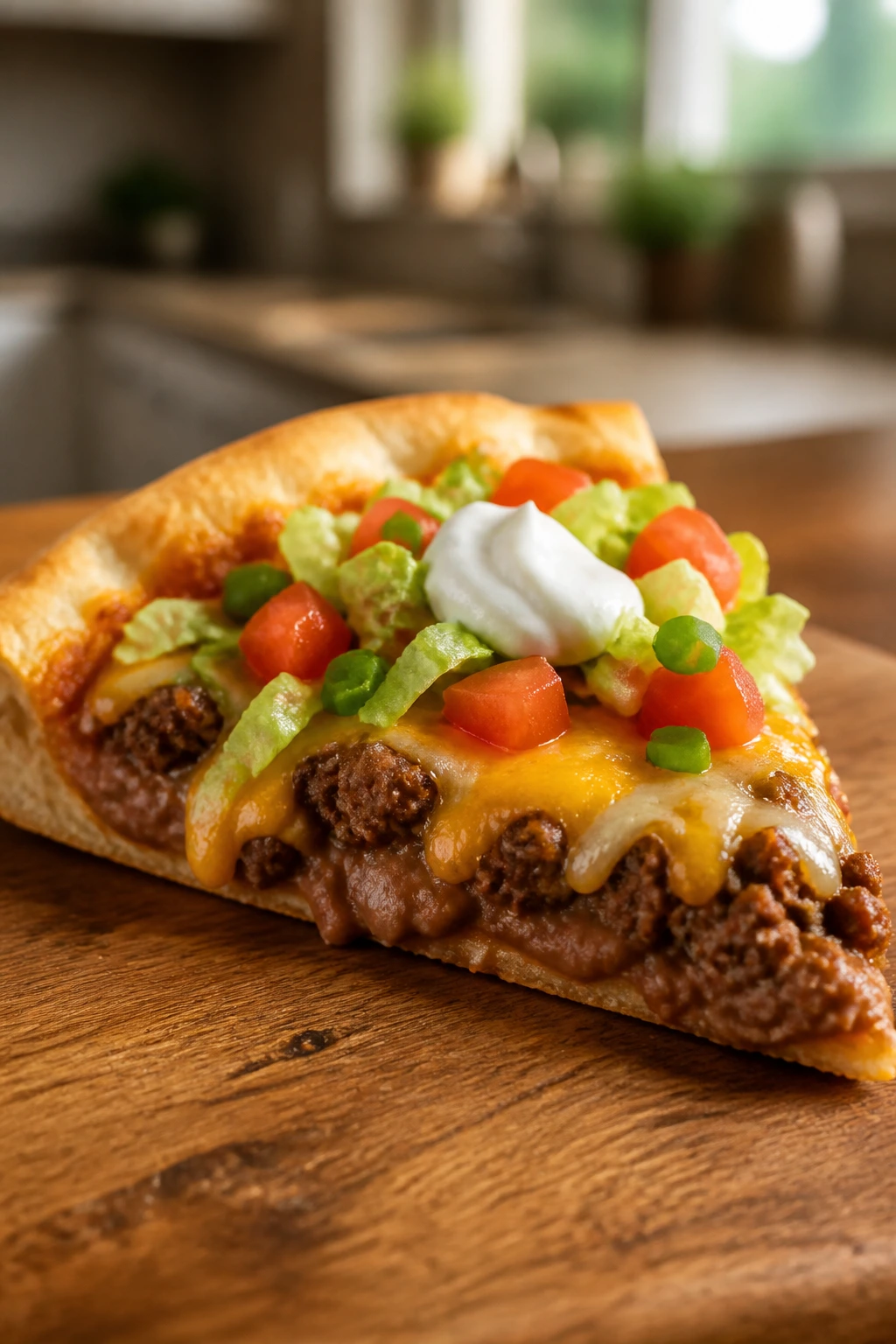
Taco pizza is the dinner that stops pretending it needs a separate category. It’s a pizza crust doing the job of a tortilla, and it works because every topping is doing something useful. Bean base, seasoned beef, cheese, lettuce, tomatoes, sour cream — it’s loud, messy, and excellent when you want a family dinner that feels playful.
Why It Works
A taco pizza works when you treat the crust as a warm base, not a crisp shell loaded with wet toppings from the start. Refried beans help anchor the sauce, while seasoned beef brings the main flavor. Cheese melts in to hold everything together, and the cold toppings go on after baking so they keep their crunch and freshness.
If you’ve ever had taco pizza that felt soggy, the problem was usually moisture. Lettuce, tomatoes, and sour cream do not belong in the oven. They belong on top, after the pie is baked and sliced.
Key Ingredients
- 1 lb pizza dough, room temperature
- 8 oz ground beef
- 1 tablespoon taco seasoning
- 1/4 cup water
- 1/2 cup refried beans
- 1/2 cup salsa
- 1 cup shredded cheddar
- 1 cup shredded Monterey Jack
- 1 cup shredded lettuce
- 1/2 cup diced tomatoes
- 1/4 cup sliced black olives
- 1/4 cup sour cream
- 2 tablespoons sliced jalapeños, optional
Quick Steps
-
Preheat the oven to 475°F with a stone or sheet pan inside.
-
Brown the beef in a skillet, then stir in taco seasoning and water. Cook until thickened and glossy, about 2 minutes.
-
Spread the dough on parchment, then layer on the refried beans and salsa in a thin coat.
-
Add the cheeses and beef, then bake for 11 to 13 minutes until the crust is browned and the cheese melts.
-
Top with lettuce, tomatoes, olives, sour cream, and jalapeños after baking.
-
Slice right away so the crust stays crisp under the fresh toppings.
Tips and Variations
- Bean Base Tip: Warm the refried beans for 20 seconds in the microwave so they spread more easily.
- Heat Control: Swap salsa for mild enchilada sauce if you want a softer, saucier flavor.
- Serving Idea: Serve with lime wedges. A little acid wakes up the whole thing.
14. Spinach Artichoke Pizza
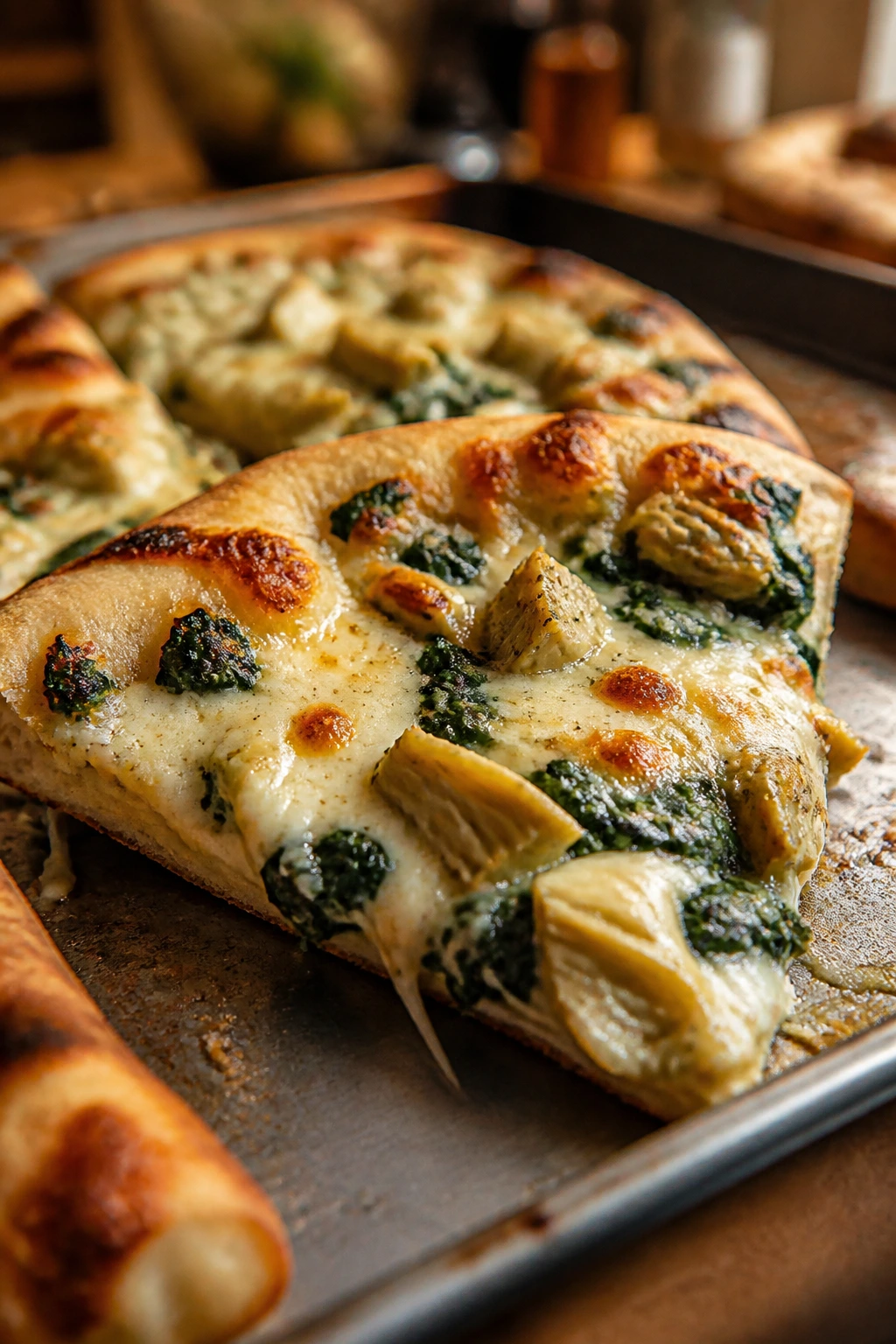
Spinach artichoke pizza tastes like the dip got promoted to dinner. It’s creamy, garlicky, and just sharp enough from the artichokes to keep the cheese from taking over. I like it when the edges brown and the spinach turns dark and silky under the top layer of mozzarella.
Why It Works
Cream cheese and ricotta make a base that tastes rich without being heavy in the wrong way. Spinach gives the pizza a mild earthiness, artichokes add tang, and garlic keeps the whole thing from going bland. Because the toppings are already soft and mixed, you don’t need a tomato sauce underneath. That keeps the crust from getting crowded.
The important part is drying the spinach and artichokes well. Any leftover water turns the center loose. If you want a pizza that slices cleanly, moisture control is the whole game.
Key Ingredients
- 1 lb pizza dough, room temperature
- 4 oz cream cheese, softened
- 1/2 cup ricotta
- 2 garlic cloves, minced
- 2 cups spinach, chopped and squeezed dry
- 1 cup artichoke hearts, chopped and well-drained
- 1 cup shredded mozzarella
- 1/2 cup grated Parmesan
- 1 tablespoon olive oil
- 1/4 teaspoon red pepper flakes
- Salt and black pepper, to taste
Quick Steps
-
Preheat the oven to 500°F with your stone or sheet pan inside.
-
Mix the cream cheese, ricotta, garlic, salt, and black pepper until smooth.
-
Spread the cheese mixture over the stretched dough in a thin, even layer.
-
Scatter the spinach, artichokes, mozzarella, and Parmesan over the top, then add red pepper flakes.
-
Bake for 12 to 14 minutes until the crust is brown and the cheese is bubbling at the edges.
-
Drizzle with olive oil once it comes out, then let it rest for 2 minutes.
Tips and Variations
- Extra Flavor: A squeeze of lemon over the finished pizza brightens the creaminess fast.
- Texture Fix: If your spinach seems wet after squeezing, pat it dry with paper towels before topping.
- Serving Idea: Cut this into smaller slices and serve it with soup if you want dinner to lean cozy.
15. Prosciutto, Arugula, and Parmesan Pizza
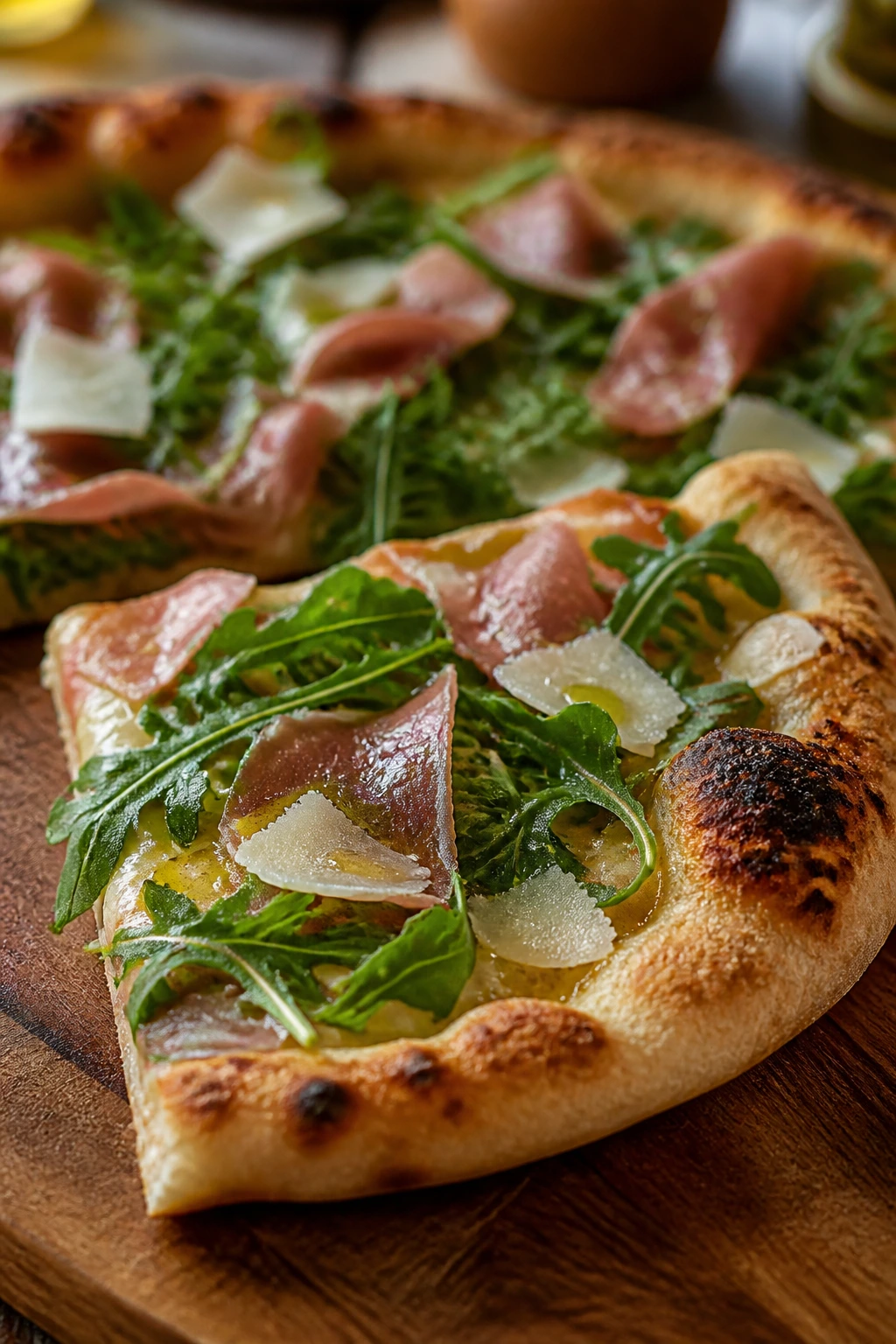
Prosciutto on hot pizza is a small luxury that doesn’t ask for much. The meat stays silky, the arugula adds pepper and freshness, and Parmesan brings the salty finish that makes every bite feel put together. This is the pie I reach for when I want something lighter but still fully dinner-worthy.
Why It Works
Prosciutto should not spend much time in the oven. It’s too delicate. Baking the pizza first with sauce and mozzarella gives you the heat and structure you need, then the prosciutto goes on after so it stays tender instead of turning leathery. Arugula works the same way. Heat wilts it too much, so it belongs on top, fresh and lightly dressed.
The lemon matters more than people expect. Just a little juice on the arugula cuts the salt and fat and makes the whole pizza taste brighter. Without that, the pie can skew too salty on the finish.
Key Ingredients
- 1 lb pizza dough, room temperature
- 1/2 cup pizza sauce
- 1 cup shredded mozzarella
- 4 oz prosciutto, thinly sliced
- 2 cups arugula
- 1/4 cup shaved Parmesan
- 1 tablespoon olive oil
- 1 tablespoon lemon juice
- Black pepper, to finish
- 1 teaspoon balsamic glaze, optional
Quick Steps
-
Preheat the oven to 500°F with a stone or baking sheet inside.
-
Stretch the dough and spread the pizza sauce in a thin layer.
-
Add the mozzarella and bake the crust for 11 to 12 minutes until golden.
-
Toss the arugula with olive oil, lemon juice, and a little black pepper.
-
Top the hot pizza with prosciutto, arugula, and shaved Parmesan.
-
Drizzle with balsamic glaze if you like a sweeter finish, then slice immediately.
Tips and Variations
- Prosciutto Move: Tear it into ribbons instead of laying on large flat slices. It feels better in every bite.
- Cheese Swap: Fontina can replace some mozzarella if you want a slightly nutty melt.
- Serving Idea: This pizza goes well with a glass of something cold and dry, or even sparkling water with lemon if you want to keep it simple.
16. Loaded Potato Pizza with Bacon and Chives
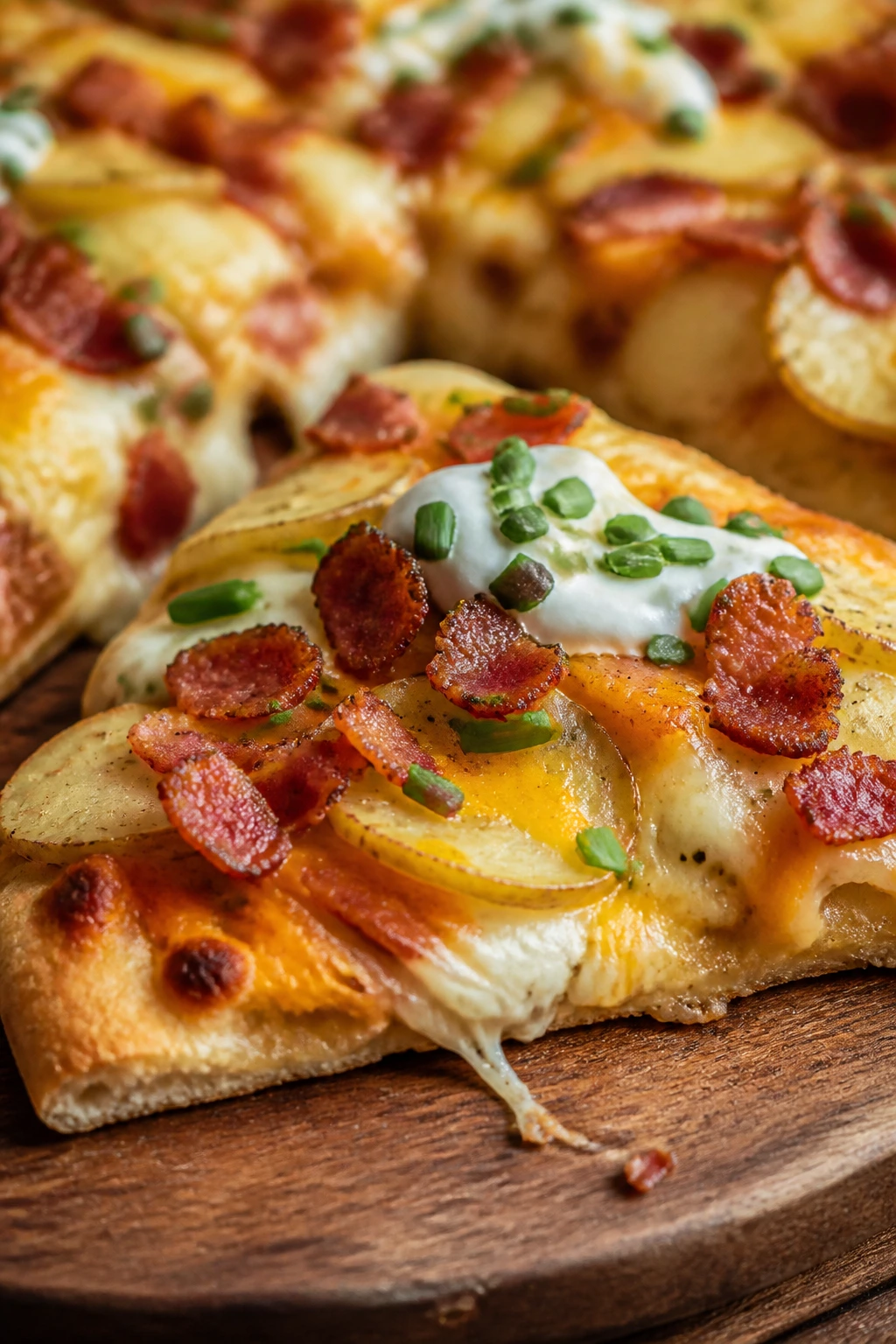
Potatoes on pizza sound heavy until you taste the crisp edges against the melted cheese. This is the kind of dinner that lands somewhere between a baked potato and a bar-style pizza, and I mean that as praise. Bacon, sour cream, and green onions pull the whole thing into cozy territory fast.
Why It Works
Thin potato slices need a head start or they’ll stay firm in the wrong way. A brief parboil or quick microwave-softening step makes them tender enough to finish in the oven without drying out the crust. Bacon adds salt and smoke, cheddar gives the pizza a sharper, almost diner-style flavor, and sour cream at the end ties it all back to the baked potato idea.
This pizza is heavier than most of the others here, so I like a thinner layer of cheese than you might expect. Too much and the potatoes disappear. Too little and the whole thing feels plain. The sweet spot is enough cheese to melt into the slices without burying them.
Key Ingredients
- 1 lb pizza dough, room temperature
- 2 medium Yukon Gold potatoes, sliced very thin
- 1 tablespoon olive oil
- 1 clove garlic, minced
- 1 teaspoon kosher salt
- 1/4 teaspoon black pepper
- 1 cup shredded mozzarella
- 1 cup shredded cheddar
- 4 slices bacon, cooked and crumbled
- 2 tablespoons sour cream
- 2 tablespoons sliced green onions
Quick Steps
-
Preheat the oven to 475°F with a stone or sheet pan inside.
-
Parboil the potato slices for 3 minutes in salted water, then drain and pat them dry. If you’d rather skip the pot, microwave them with a splash of water until just flexible.
-
Toss the potatoes with olive oil, garlic, salt, and black pepper.
-
Stretch the dough and sprinkle on the mozzarella and cheddar, then layer the potato slices across the top.
-
Add the bacon and bake for 12 to 15 minutes until the crust is browned and the potato edges are tender with a little crispness.
-
Finish with sour cream and green onions after baking, then let it sit for 2 minutes before slicing.
Tips and Variations
- Crisp Edge Tip: Brush the crust border with olive oil so it browns before the potatoes dry out.
- Flavor Boost: A pinch of smoked paprika over the potatoes makes the bacon taste deeper.
- Serving Idea: This pizza wants a simple green salad or pickles on the side. Something sharp helps.
Why These Pizza Dinners Work So Well at Home
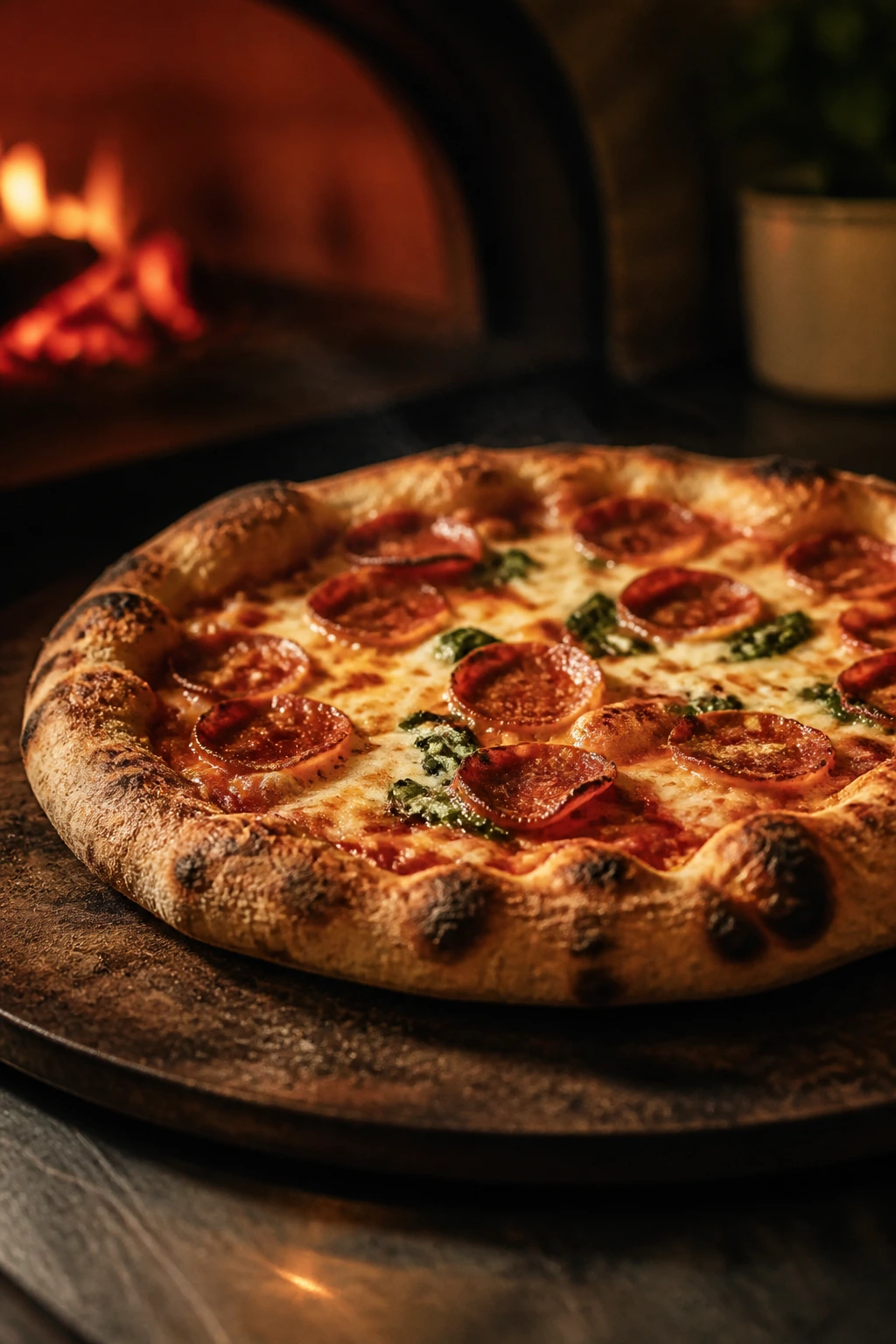
The reason pizza dinner works at home has less to do with convenience than people admit and more to do with heat management. A hot oven gives you the crackle, the browned cheese, and the quick cook time that keeps vegetables bright and meats juicy. Once you understand that the oven has to be fully preheated and the toppings should be dry, cooked, or both, the rest gets easier fast.
There’s also a practical charm to the format. Pizza is one of the few dinners where the base, protein, vegetables, and sauce can all live together without demanding separate pans and a lot of cleanup. You can cook from what’s in the fridge, and the result still feels complete enough to count as a real meal.
I like that it rewards small good habits. Drain the tomatoes. Pre-cook the sausage. Pat the pineapple dry. Let the crust rest for a minute before slicing. None of those things are dramatic, but together they’re what separate a forgettable pie from one you’d happily make again.
Essential Equipment for These Recipes
-
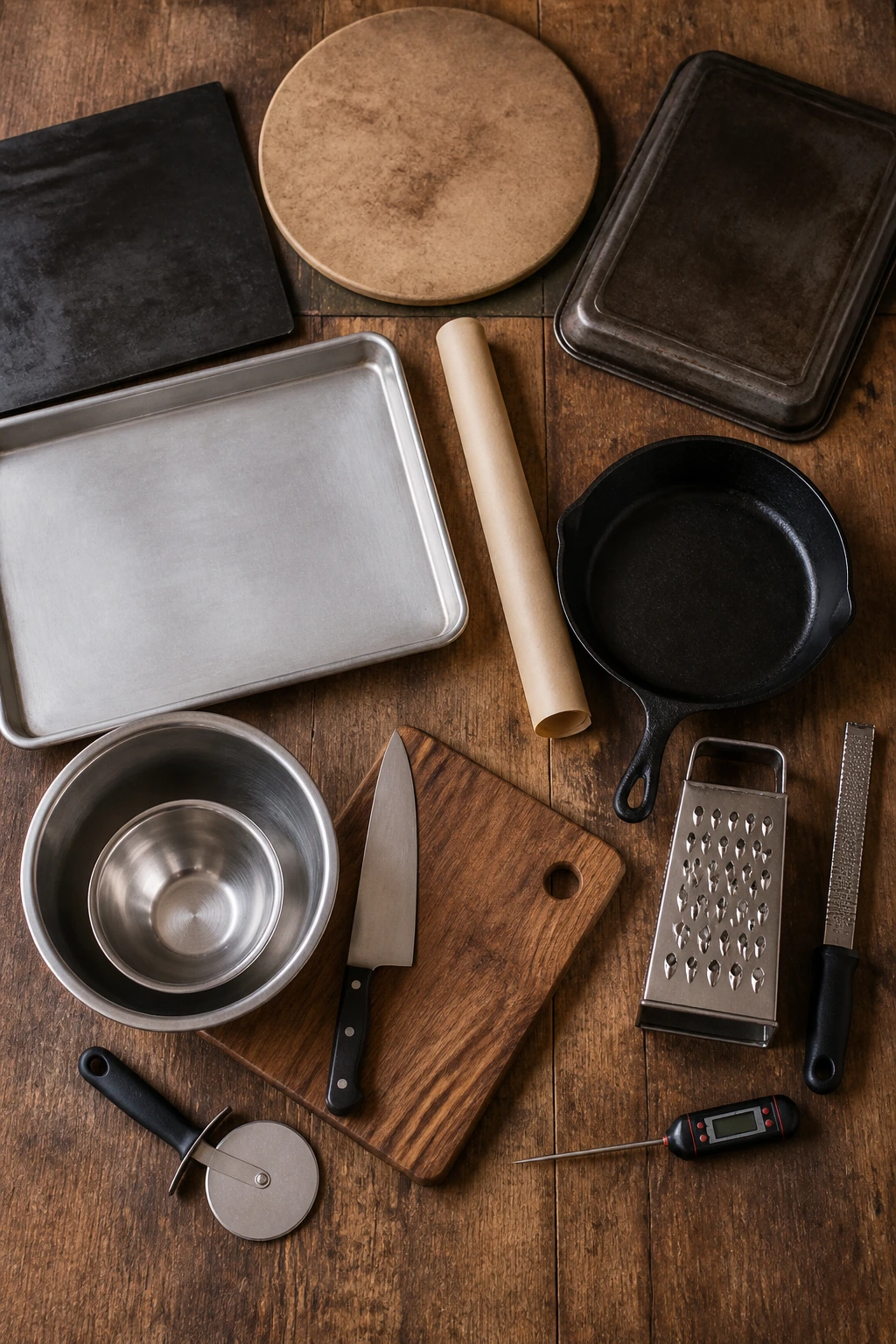
Pizza stone or pizza steel: Best for a crisp bottom and faster oven spring; a heavy inverted sheet pan works if that’s what you have.
-
Large baking sheet: Useful for roasting vegetables, parbaking crusts, or baking pizzas on parchment.
-
Pizza peel or rimless baking sheet: Helps move the dough in and out of the oven without tearing it.
-
Parchment paper: Makes transfer much easier, especially if you’re working with sticky dough or a heavily topped pie.
-
Large skillet: Needed for browning sausage, steak, bacon, mushrooms, or any topping that benefits from a head start.
-
Sharp chef’s knife: Thin slices matter here, especially for onions, peppers, potatoes, and steak.
-
Cutting board: A roomy one keeps the topping prep from becoming a mess.
-
Box grater or microplane: Handy for Parmesan, zest, and any cheese you grate yourself.
-
Mixing bowls: Small ones for sauces, seasoning blends, and quick tosses; medium ones for cheese mixtures.
-
Pizza wheel or large chef’s knife: A sharp cutter makes cleaner slices and less topping drag.
-
Instant-read thermometer, optional: Useful for chicken, steak, and bacon if you want certainty instead of guesswork.
Smart Shopping and Ingredient Tips
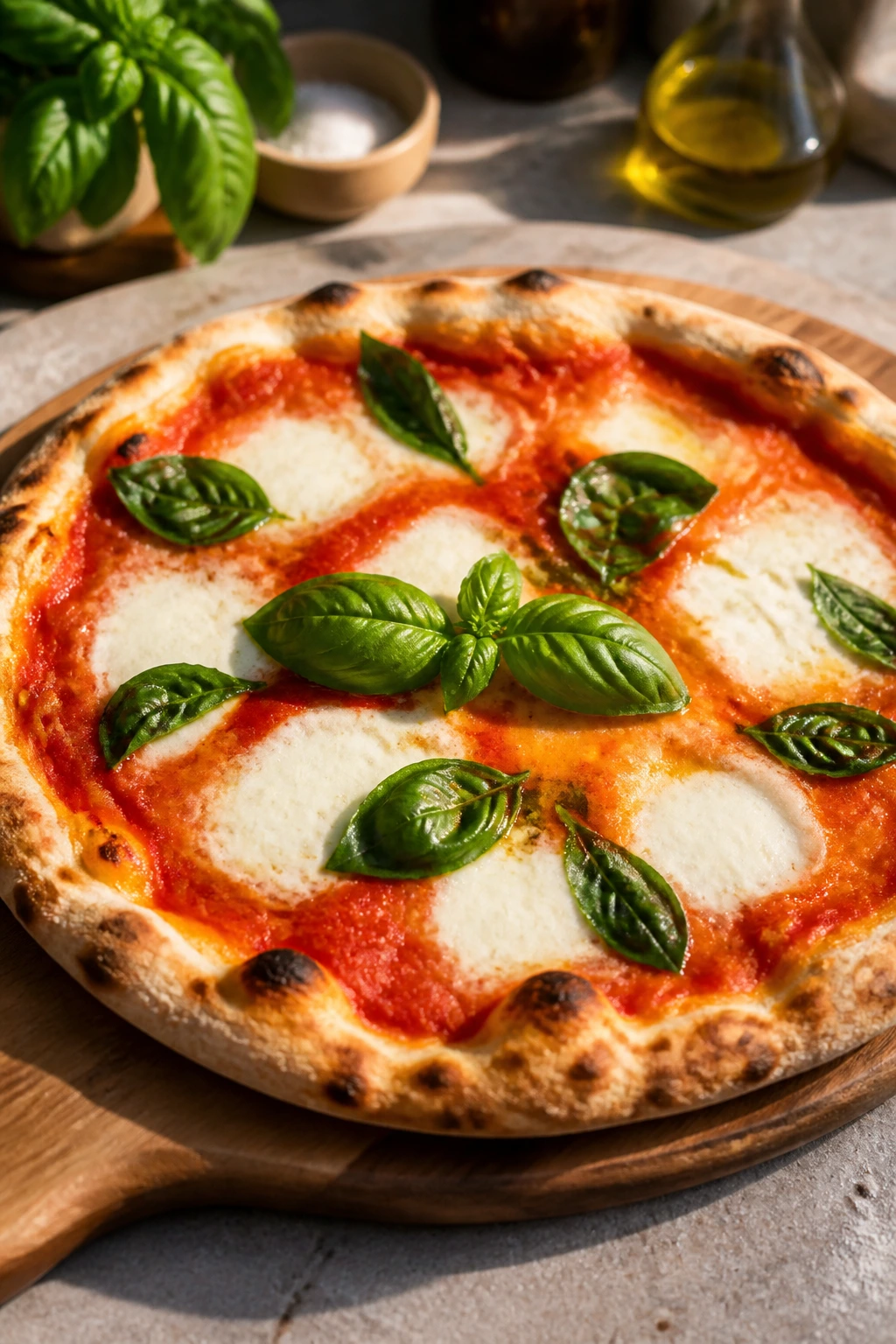
Good pizza starts before the oven ever heats up. The dough matters, sure, but so do the toppings you choose and how wet they are when they hit the crust. Look for pizza dough that feels elastic and slightly tacky, not dry and chalky. If you’re buying fresh dough from a store, let it sit at room temperature long enough to relax; cold dough shrinks and tears when you stretch it.
Cheese is another place where small choices make a big difference. Low-moisture mozzarella melts cleanly and gives you the classic pizza stretch. Fresh mozzarella tastes lovely on margherita and white pies, but it needs to be drained on paper towels or it will puddle. Parmesan, provolone, smoked gouda, feta, and blue cheese each bring a different kind of edge, so use them on purpose rather than as random extras.
For vegetables, think about water first and flavor second. Mushrooms, zucchini, onions, spinach, tomatoes, and artichokes all benefit from a little pre-cooking or draining. If a topping looks shiny with moisture, dry it. If it’s been sitting in brine or marinade, dry it even more. And with meats, choose the cut based on the pizza: shredded chicken for saucy pies, thin steak for Philly-style pizzas, and sausage for anything that needs more fat and spice.
Sauces should be thick enough to spread in a thin layer without running. If your jarred sauce tastes flat, season it with garlic, salt, pepper, or a little dried oregano. That tiny adjustment often matters more than buying a different brand.
How to Serve These Pizza Dinners
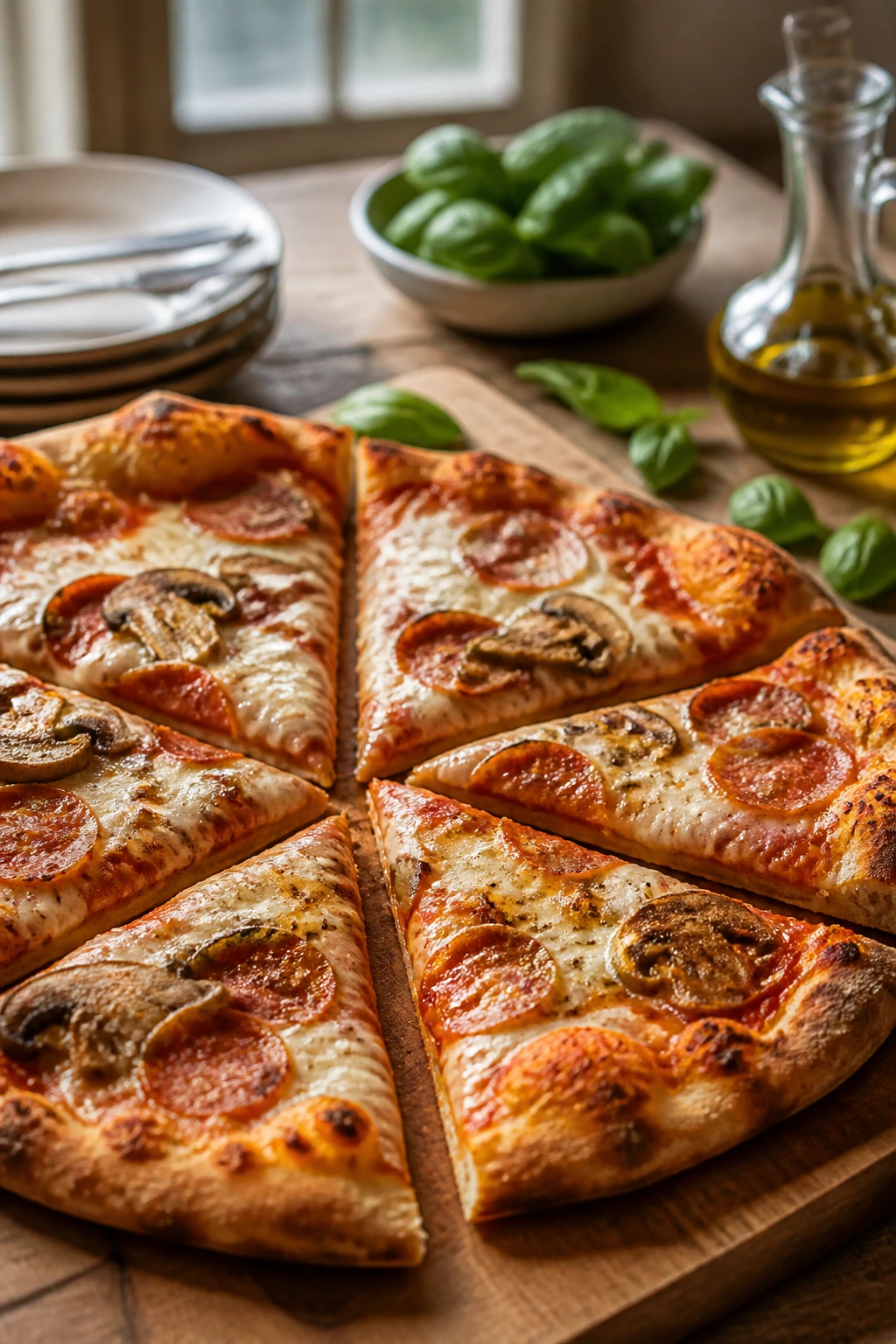
Presentation: Slice the pizza on a cutting board or a wooden peel, then finish with herbs, chili flakes, or a drizzle of olive oil so the top looks lively and not just melted. A few scattered leaves of basil, arugula, or chives make the pie look finished in a way that pre-shredded cheese never quite does.
Accompaniments: Keep sides simple and sharp. A basic green salad, Caesar salad, cucumber salad, roasted broccoli, or a bowl of marinated peppers gives the meal contrast without stealing attention. For richer pizzas like buffalo chicken or loaded potato, a crisp vegetable side helps a lot.
Portions: One 12-inch pizza usually serves 2 hungry adults or 3 to 4 lighter eaters. If you’re feeding a bigger group, make two pies with different toppings rather than one overloaded monster; pizza is better when it can breathe.
Beverage Pairing: For classic, tomato-based pies, sparkling water, pale ale, or a medium-bodied red like Chianti works well. For creamy white pizzas and richer meat pies, try a crisp lager, dry rosé, or cold lemonade with enough acidity to cut through the cheese.
Additional Tips and Flavor Boosters
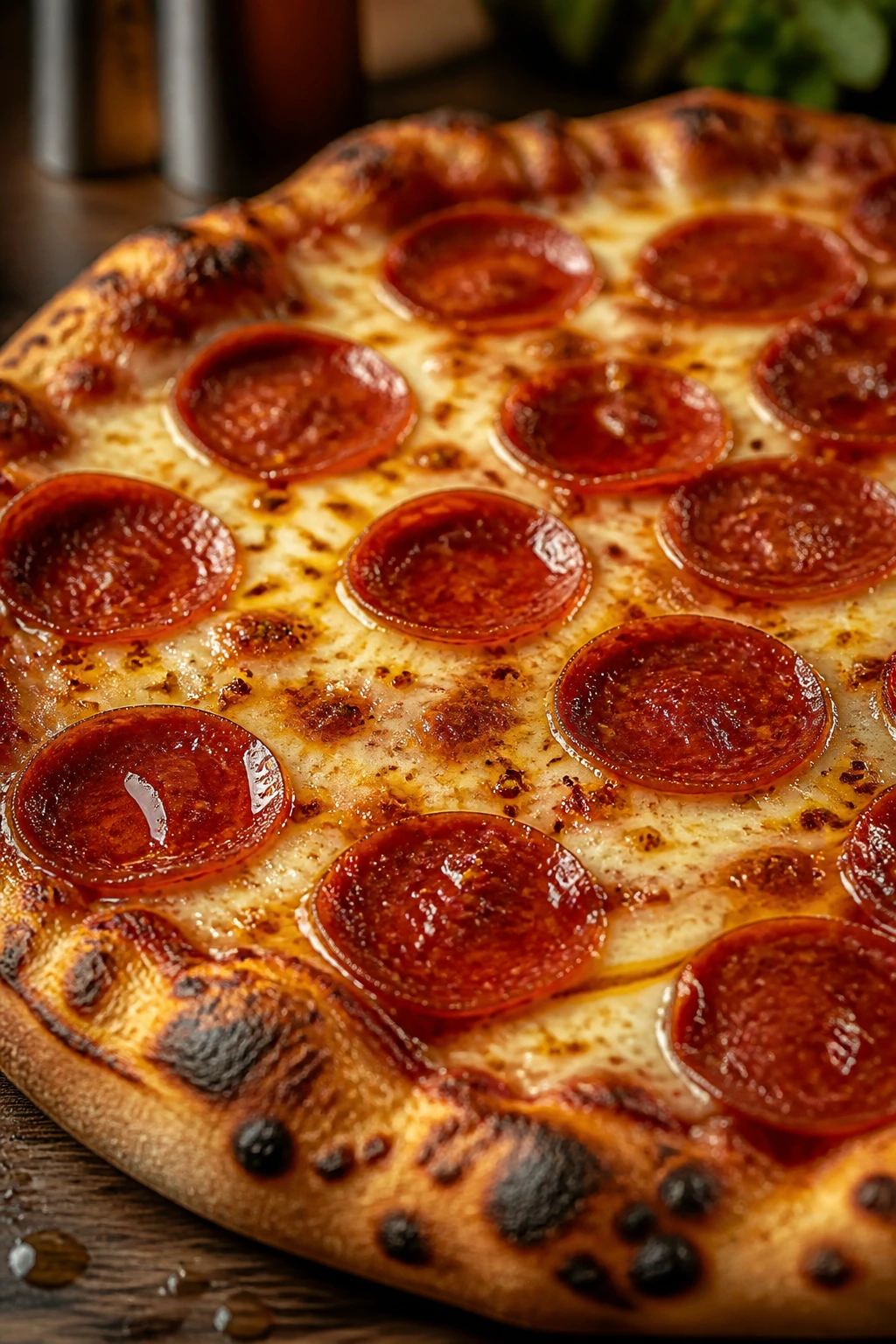
Flavor Enhancement: Brush the crust edge with garlic oil, plain olive oil, or chili oil before baking. It gives the rim a little more character and makes the first bite taste intentional, not accidental.
Customization: Swap in roasted peppers, olives, jalapeños, caramelized onions, or different cheeses depending on the pizza. The best home pizzas often start as leftovers with a plan.
Serving Suggestions: Add fresh herbs after baking, not before, whenever you want a brighter finish. Basil, parsley, cilantro, dill, chives, and arugula all behave better on top of hot pizza than buried under it.
Make-It-Yours: For dairy-free pies, use olive oil or tomato as the base and add toppings that carry flavor on their own, like sausage, mushrooms, onions, or olives. For a lighter pie, use less cheese than you think you need and let the toppings do more work.
Make-Ahead, Storage, and Reheating Guidance
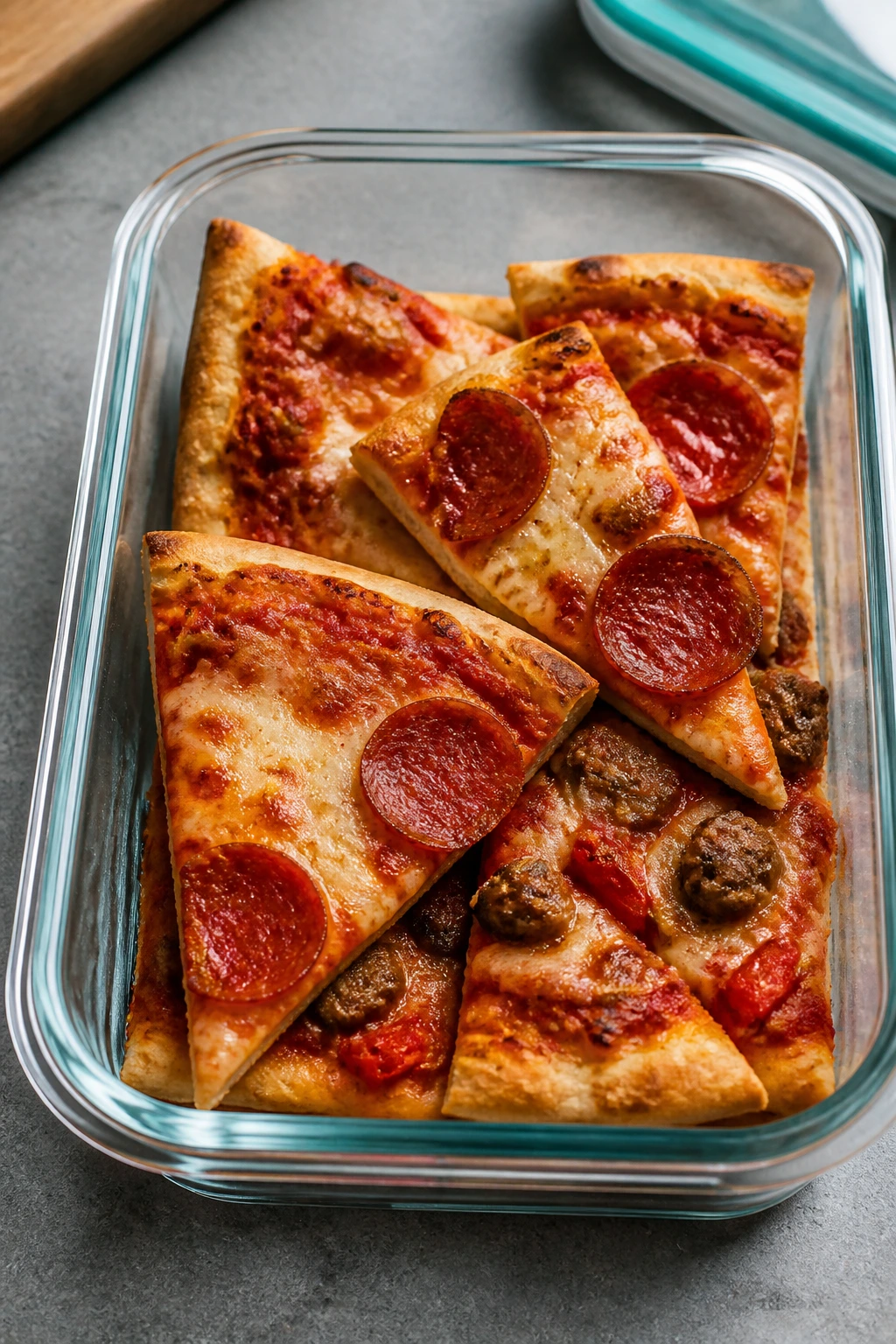
Pizza is one of those dinners that keeps better than people expect, but only if you treat it right. Cooked leftovers hold in the refrigerator for 3 to 4 days in an airtight container. If you stack slices, put a small sheet of parchment between them so the cheese doesn’t weld itself into one block.
Freezing works too. Wrap individual slices tightly or freeze a whole baked pizza in pieces for up to 2 months. Reheat from frozen in a 400°F oven for 12 to 15 minutes or until the center is hot and the crust feels crisp again. The microwave will make the crust soft, which may be fine in an emergency, but it is not the move if you care about texture.
For the best leftovers, reheat slices in a dry skillet over medium-low heat for 2 to 3 minutes, then cover the pan for another minute so the cheese melts. That keeps the bottom crisp and the top warm without drying out the edge. Oven reheating at 400°F for 8 to 10 minutes also works well, especially for loaded pies like sausage, BBQ chicken, and loaded potato.
Some toppings are better added after reheating. Fresh arugula, lettuce, sour cream, basil, and delicate herbs should go on after the slice is hot, not before. If you’re planning ahead, cooked meat toppings and roasted vegetables can be made a day in advance and chilled separately; the pizza assembly goes much faster that way.
Variations and Adaptations to Try
Gluten-Free Crust Night: Use a gluten-free pizza crust or a certified gluten-free dough and pre-bake it a little longer than usual. These crusts often need extra time to dry out enough to support toppings, so watch the edges, not the clock.
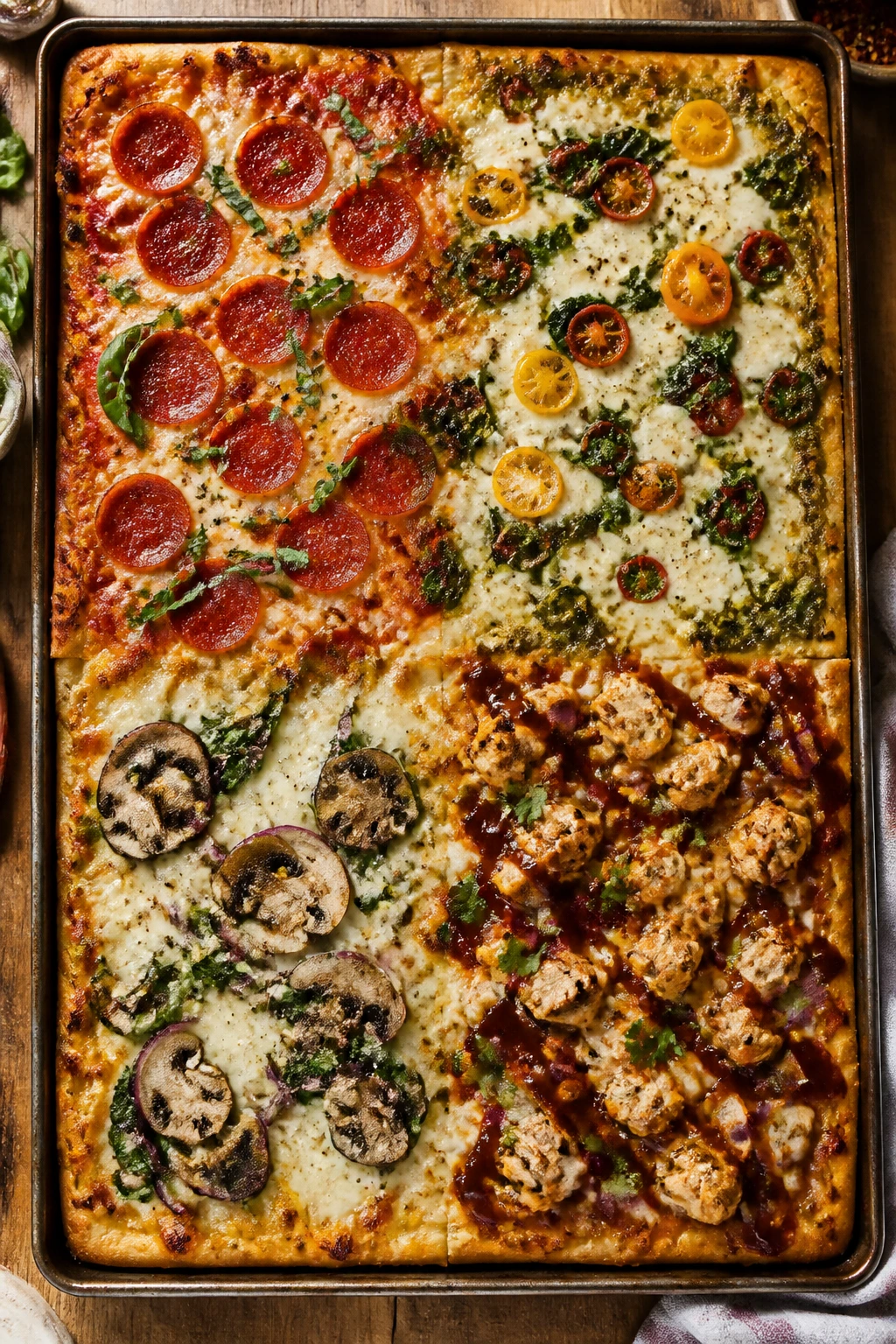
Sheet Pan Crowd Pleaser: Stretch the dough on a large sheet pan and let it go slightly thicker than a standard round. This works especially well for veggie supreme, taco pizza, and breakfast pizza because you get more surface area and easier slicing.
Dairy-Free Pizza Fix: Start with olive oil, tomato sauce, or pesto as the base, then use a meltable dairy-free cheese sparingly. Load up on flavorful toppings like sausage, onions, peppers, olives, mushrooms, and herbs so the pizza still tastes full.
Spice-Lover Mode: Add Calabrian chiles, red pepper flakes, pickled jalapeños, or a little chili oil after baking. Buffalo chicken, pepperoni, and sausage pizzas take this treatment well, but a plain margherita can handle a little heat too.
Kid-Friendly Build: Keep the sauce mild, skip bitter greens, and use simple toppings like ham, mozzarella, chicken, pineapple, or cheese-only sections on one pie. You can always add the grown-up finishing touches at the table.
Breakfast-for-Dinner Swap: Use the breakfast pizza method with bacon, sausage, or even leftover roasted potatoes. The crust stays familiar, but the whole meal feels different enough to keep things interesting.
Common Mistakes to Avoid
-
Cold dough that won’t stretch: If the dough keeps snapping back, it’s too cold or too tight. Let it sit longer at room temperature and rest for 10 minutes between stretch attempts.
-
Wet toppings on a hot crust: Mushrooms, spinach, tomatoes, pineapple, and artichokes can dump water onto the pizza if you skip draining or pre-cooking. Pat them dry, roast them, or both.
-
Too much sauce: A thick layer of sauce can make the center soggy and push the bake time longer than the cheese can handle. Keep the sauce thin enough that you can still see some dough through it.
-
Underheated oven: A lazy oven gives you pale crust and sad cheese. Preheat fully, and if you’re using a stone or steel, give it a full 30 minutes to heat through.
-
Cheese overload: More cheese is not always better. Once the cheese layer gets too thick, the toppings sink and the crust struggles to cook underneath.
-
Cutting too soon: Hot cheese slides. Let the pizza sit for 1 to 2 minutes before slicing so the toppings settle and the slice holds together.
Frequently Asked Questions
Can I use store-bought dough for all of these pizzas?
Yes, and there’s no shame in it. Store-bought dough works well as long as you let it warm up before stretching and give it enough time in a hot oven.
What oven temperature makes the best homemade pizza?
Most of these pies do best between 475°F and 500°F. That range helps the crust brown before the toppings overcook, especially if you’re using a stone, steel, or heavy sheet pan.
Do I really need a pizza stone?
No, but it helps. A stone or steel gives the bottom of the crust a quicker blast of heat, which makes it crisper; an inverted baking sheet is the easiest backup and still does a decent job.
How do I keep pizza from turning soggy?
Dry your toppings, go light on sauce, and pre-cook anything watery. Mushrooms, spinach, pineapple, and tomatoes are the usual suspects, so handle them before they hit the crust.
Can I make these pizzas ahead of time?
You can prep toppings a day ahead and keep them chilled separately. For best texture, assemble and bake just before eating; fully assembled raw pizza can sit on a parchment-lined tray in the fridge for a short stretch, but it’s better fresh.
What’s the best way to reheat leftover pizza?
A skillet over medium-low heat gives the crispest bottom, while the oven is best for larger batches. The microwave is fast, but it softens the crust and dulls the edges.
Can I freeze these pizzas before baking?
Yes. Assemble on parchment, freeze until firm, then wrap well and keep frozen for up to 2 months. Bake from frozen, adding a few extra minutes until the crust is browned and the cheese is bubbling.
How do I stop the dough from shrinking back when I stretch it?
Let it rest. Ten minutes on the counter can make the difference between a stubborn dough ball and one that stretches without a fight. If it keeps springing back, stop and give it another pause.
A Better Pizza Night
Pizza dinners don’t need to be complicated to feel satisfying. Once the oven is hot and the toppings are chosen with a little care, a home-cooked pie can be as comforting as anything from a delivery box — and usually better, because you control the crust, the salt, the cheese, and the whole mood of the meal.
What I like most about these sixteen pizzas is that they don’t all solve the same problem. Some are fast. Some are rich. Some are built from leftovers. Some are the kind of dinner that makes people hover near the kitchen before you’ve even sliced the first piece. That’s the real value of learning a few pizza dinners at home: you stop thinking of pizza as a single recipe and start treating it like a whole dinner plan.
The next time the fridge looks ordinary, one of these pies can still make dinner feel like something worth sitting down for.
| Recipe | Prep Time | Cook Time | Total Time | Servings | Standout Detail |
|---|---|---|---|---|---|
| Classic Margherita Pizza Night | 15 min | 12 min | 27 min | 3-4 | clean tomato-basil flavor |
| Pepperoni and Hot Honey Pizza | 15 min | 13 min | 28 min | 3-4 | salty heat with sweet finish |
| Sausage, Fennel, and Red Onion Pizza | 20 min | 15 min | 35 min | 3-4 | bold, savory, and fragrant |
| Mushroom and Thyme White Pizza | 20 min | 14 min | 34 min | 3-4 | creamy base with browned mushrooms |
| BBQ Chicken Pizza | 15 min | 13 min | 28 min | 3-4 | smoky-sweet and weeknight easy |
| Roasted Vegetable Supreme Pizza | 25 min | 15 min | 40 min | 3-4 | deepest vegetable flavor of the group |
| Pesto Chicken Pizza | 15 min | 12 min | 27 min | 3-4 | basil-forward and bright |
| Greek-Style Pizza with Olives and Feta | 15 min | 12 min | 27 min | 3-4 | briny, tangy, and fresh |
| Buffalo Chicken Pizza | 15 min | 13 min | 28 min | 3-4 | spicy with cool celery crunch |
| Hawaiian Pizza with Ham and Pineapple | 15 min | 12 min | 27 min | 3-4 | sweet-salty balance done right |
| Breakfast Pizza with Eggs and Bacon | 20 min | 15 min | 35 min | 3-4 | the most brunch-like slice here |
| Philly Cheesesteak Pizza | 20 min | 14 min | 34 min | 3-4 | steakhouse flavor on crust |
| Taco Pizza | 20 min | 14 min | 34 min | 3-4 | crunchy, creamy, and family-friendly |
| Spinach Artichoke Pizza | 15 min | 14 min | 29 min | 3-4 | dip-style richness without the bowl |
| Prosciutto, Arugula, and Parmesan Pizza | 15 min | 12 min | 27 min | 3-4 | sharp, salty, and fresh |
| Loaded Potato Pizza with Bacon and Chives | 20 min | 15 min | 35 min | 3-4 | cozy and hearty with crisp potato edges |