



Some nights, dinner needs to happen fast, and it needs to happen without a full kitchen teardown. That’s where pasta earns its keep for busy moms: it stretches what you’ve got, it forgives small mistakes, and it can taste like you put in far more effort than you actually did. One skillet. One pot. One baking dish. That kind of cooking matters when the day has already spent every ounce of your attention.
Pasta also has a sneaky talent that a lot of weeknight meals don’t. It changes shape to fit the moment. A jar of tomatoes becomes supper with onions and garlic. A little leftover chicken turns into something everyone suddenly wants seconds of. A bag of spinach, a handful of cheese, a can of beans — all of it can become dinner if you choose the right pasta shape and keep the sauce honest.
And honestly, that’s the real appeal here. These pasta dinners are built for real life: school pickup, after-practice hunger, the one child who likes “plain noodles,” the adult who wants more vegetables, and the exhausted cook who wants one recipe that doesn’t ask for a pep talk first.
Why You’ll Love This Collection
- Fast Cleanup: Several of these are true one-pot or one-skillet dinners, which means fewer dishes and less sink-time after everyone eats.
- Pantry-Friendly: Dried pasta, canned tomatoes, broth, beans, and a few cheeses carry a lot of the weight here, so you don’t need a complicated shopping list.
- Kid-Friendly Shapes and Sauces: Rotini, penne, shells, and ziti hold sauce well, and creamy or cheesy finishes tend to win over picky eaters.
- Flexible Protein Choices: Chicken, turkey, sausage, shrimp, tuna, salmon, beans, or leftovers all fit naturally, which makes these recipes easy to adapt.
- Leftovers That Actually Help: A handful of these dinners reheat well, and some taste even better once the sauce settles into the pasta overnight.
- Real Weeknight Speed: Most of these recipes land in the 25- to 40-minute zone, which is exactly where a busy evening needs to be.
1. One-Pot Tomato Basil Pasta
This is the kind of pasta dinner that smells like you worked harder than you did. Garlic softens in olive oil, tomatoes turn glossy and sweet, and the basil at the end makes the whole pot smell bright instead of heavy. It’s simple, but not boring. That’s the sweet spot.
Why It Works:
Cooking the pasta right in the sauce gives you starch, body, and flavor all at once. The noodles absorb the tomato broth as they soften, so you end up with a sauce that clings instead of sliding off the plate. Keep the simmer gentle and stir often; that’s what keeps the pasta from sticking and the bottom from scorching.
Key Ingredients
- 2 tablespoons olive oil
- 1 small yellow onion, finely diced
- 3 garlic cloves, minced
- 1 can (28 ounces) crushed tomatoes
- 3 cups low-sodium chicken or vegetable broth
- 12 ounces rotini or penne
- 1 teaspoon kosher salt
- 1/2 teaspoon black pepper
- 1/2 cup grated Parmesan
- 1/4 cup chopped fresh basil
- 2 tablespoons heavy cream or half-and-half, optional
Quick Steps
- Heat the olive oil in a large Dutch oven over medium heat. Add the onion and cook for 4 to 5 minutes, until soft and lightly golden.
- Stir in the garlic and cook for 30 seconds, just until fragrant. Do not let it brown.
- Add the crushed tomatoes, broth, pasta, salt, and pepper. Bring to a boil, then reduce to a steady simmer.
- Cook for 10 to 12 minutes, stirring every minute or two, until the pasta is al dente and the sauce looks thick and glossy.
- Stir in the Parmesan, basil, and cream if using. Let it sit for 2 minutes before serving.
Tips and Variations
- A splash of pasta water works if the sauce tightens too much.
- Add shredded rotisserie chicken near the end for a bigger meal.
- A pinch of red pepper flakes gives the tomato sauce a little edge.
2. Creamy Chicken Alfredo Penne
Creamy Alfredo can be a trap if you make it too fussy. This version keeps the sauce rich, the chicken juicy, and the whole thing weeknight-simple. The penne catches little pools of sauce in every tube, which is exactly why this dinner disappears fast.
Why It Works:
Penne holds up better than long noodles when you’re tossing it with a thick cream sauce. Browning the chicken first builds flavor in the pan, and the garlic-butter base gives the sauce depth without turning it heavy. If the heat stays low once the cream goes in, the sauce stays smooth instead of splitting.
Key Ingredients
- 12 ounces penne pasta
- 1 pound boneless, skinless chicken breasts, cut into bite-size pieces
- 2 tablespoons olive oil
- 2 tablespoons unsalted butter
- 4 garlic cloves, minced
- 1 1/2 cups heavy cream
- 1 cup finely grated Parmesan
- 1/2 teaspoon salt
- 1/2 teaspoon black pepper
- 2 tablespoons chopped parsley
Quick Steps
- Cook the penne in salted water until just shy of al dente. Drain and save 1 cup of pasta water.
- Season the chicken with salt and pepper. Brown it in olive oil over medium-high heat for 5 to 6 minutes, until cooked through and golden at the edges.
- Lower the heat to medium. Add the butter and garlic, then cook for 30 seconds.
- Pour in the cream and simmer gently for 2 to 3 minutes. Stir in the Parmesan until the sauce thickens and turns silky.
- Toss in the pasta, adding a splash of pasta water if needed. Finish with parsley and serve right away.
Tips and Variations
- Use rotisserie chicken if you want to skip the browning step.
- Swap half the cream for whole milk if you want a lighter sauce, but keep the heat low.
- Add steamed broccoli or peas for color and a little freshness.
3. Lemon Garlic Shrimp Linguine
Shrimp pasta is the answer when dinner needs to feel a little lighter but still count as a real meal. This one tastes bright, briny, and buttery all at once, with lemon keeping the sauce lively instead of heavy. It’s the kind of dish that feels almost suspiciously fast.
Why It Works:
Shrimp cooks in minutes, so the whole recipe moves at the speed of the pasta water. Butter, garlic, and lemon make a quick pan sauce, and a spoonful of pasta water helps it coat the noodles instead of pooling underneath. The trick is to pull the shrimp the second they turn pink and opaque — overcooked shrimp go rubbery in a hurry.
Key Ingredients
- 12 ounces linguine
- 1 pound large shrimp, peeled and deveined
- 2 tablespoons olive oil
- 3 tablespoons unsalted butter
- 4 garlic cloves, minced
- Juice and zest of 1 lemon
- 1/4 teaspoon red pepper flakes
- 1/2 cup pasta water
- 2 cups baby spinach
- 2 tablespoons chopped parsley
Quick Steps
- Cook the linguine in salted water until al dente. Reserve 1/2 cup pasta water, then drain.
- Pat the shrimp dry and season lightly with salt. Sauté them in olive oil over medium-high heat for 1 to 2 minutes per side, until pink.
- Add the butter, garlic, lemon zest, and red pepper flakes. Cook for 30 seconds until fragrant.
- Stir in the lemon juice, spinach, and pasta water. Toss in the linguine and let the spinach wilt.
- Finish with parsley and serve immediately while the sauce is glossy.
Tips and Variations
- Frozen shrimp work well if thawed in cold water and patted dry.
- Add capers for a sharper, brinier flavor.
- A handful of grated Parmesan is nice, but not required here.
4. Baked Ziti with Ricotta and Mozzarella
Baked ziti is the casserole dish that behaves like a plan. It feeds a crowd, it reheats well, and it forgives the fact that dinner got delayed by half an hour. The top gets bronzed and a little crisp, while the inside stays creamy and saucy.
Why It Works:
This bake gives you layers: pasta, tomato sauce, ricotta, mozzarella, and Parmesan. The egg in the ricotta mixture helps it set, which keeps the filling from slipping into a watery mess. Par-cooking the pasta for a minute or two less than usual matters here because it keeps the noodles from turning mushy in the oven.
Key Ingredients
- 1 pound ziti
- 1 tablespoon olive oil
- 1 pound Italian sausage or ground beef, optional
- 1 jar (24 ounces) marinara sauce
- 1 container (15 ounces) ricotta cheese
- 1 large egg
- 2 cups shredded mozzarella
- 1/2 cup grated Parmesan
- 1 teaspoon dried basil
- 1/2 teaspoon salt
Quick Steps
- Heat the oven to 400°F (200°C). Grease a 9×13-inch baking dish.
- Cook the ziti for 2 minutes less than the package says. Drain well.
- If using meat, brown it in olive oil over medium heat. Stir in the marinara and warm through.
- Mix the ricotta, egg, Parmesan, basil, and salt in a bowl.
- Combine the pasta with half the sauce. Layer it in the dish with dollops of ricotta and mozzarella, then top with the remaining sauce and cheese.
- Bake for 25 to 30 minutes, until bubbling at the edges and browned on top. Rest 10 minutes before cutting.
Tips and Variations
- Assemble it earlier in the day and bake it later.
- Use spinach in the ricotta if you want more vegetables.
- Cover with foil for the first 15 minutes if the top browns too quickly.
5. Turkey Bolognese Spaghetti
Turkey Bolognese has the comfort of a meat sauce without feeling too heavy. It’s the kind of pasta that tastes like it simmered all afternoon, even though the whole thing can come together on a weeknight if you keep the chopping small and the pot hot.
Why It Works:
The carrot, celery, and onion base gives this sauce sweetness and structure, while tomato paste deepens the flavor fast. A splash of milk rounds out the turkey and keeps the sauce from tasting lean or sharp. Letting the sauce simmer for even 15 minutes makes a big difference; the flavors stop feeling separate and start acting like one sauce.
Key Ingredients
- 12 ounces spaghetti
- 1 tablespoon olive oil
- 1 pound ground turkey
- 1 small onion, diced
- 1 carrot, finely diced
- 1 celery stalk, finely diced
- 3 garlic cloves, minced
- 2 tablespoons tomato paste
- 1 can (28 ounces) crushed tomatoes
- 1/2 cup milk
- 1 teaspoon Italian seasoning
- 1/4 cup chopped parsley
Quick Steps
- Cook the spaghetti in salted water until al dente. Reserve 1 cup pasta water.
- Brown the turkey in olive oil over medium-high heat, breaking it up well.
- Add the onion, carrot, celery, and garlic. Cook for 5 minutes, until softened.
- Stir in the tomato paste, then the crushed tomatoes, milk, and Italian seasoning. Simmer for 15 to 20 minutes until thick.
- Toss with the spaghetti and a splash of pasta water. Finish with parsley and Parmesan if you like.
Tips and Variations
- Ground beef works too, though the sauce will taste richer.
- A bay leaf in the simmer adds quiet depth.
- Chop the vegetables finely if your kids are suspicious of visible carrots.
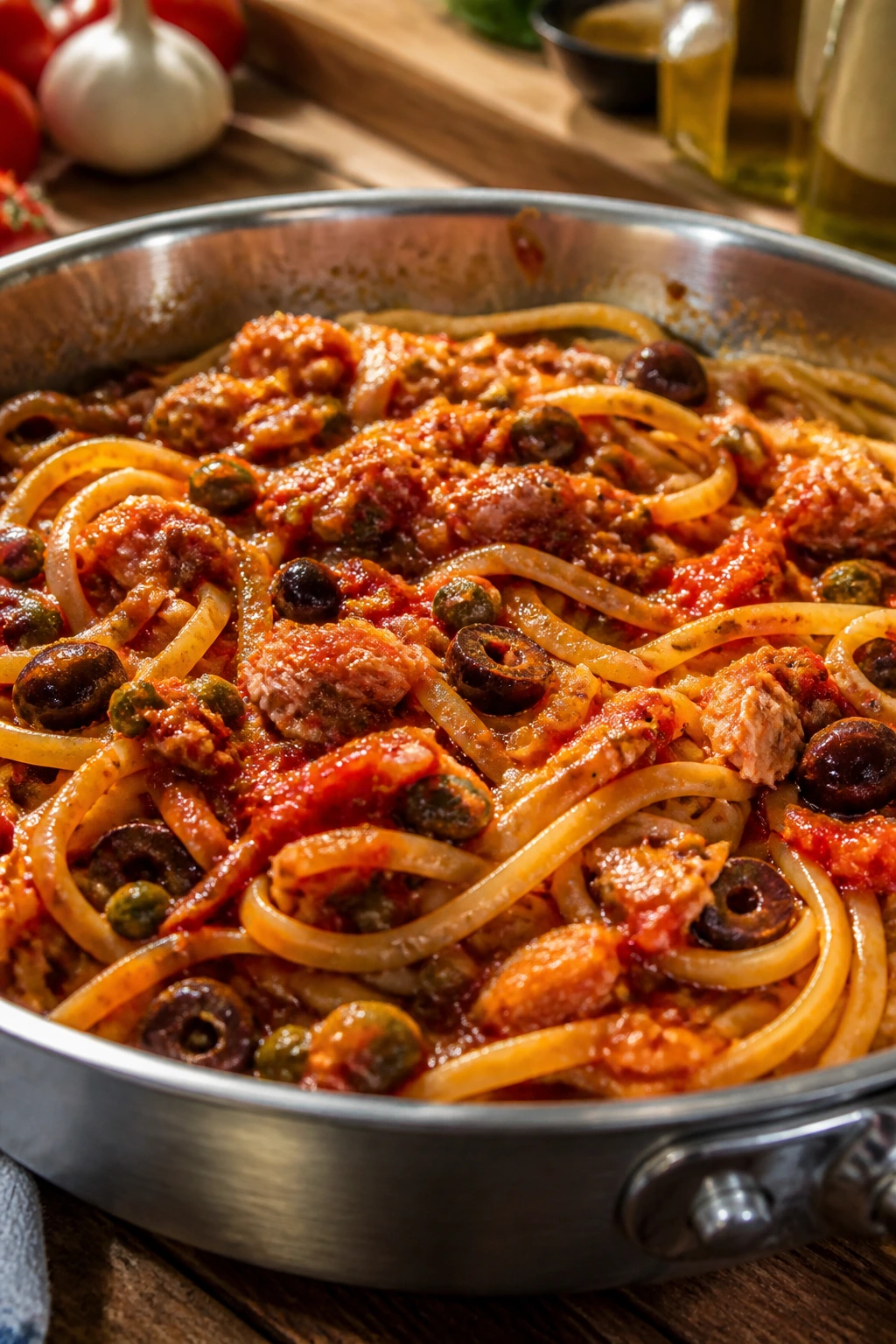
6. Pantry Tuna Puttanesca
Tuna puttanesca is one of those dinners that feels a little old-school in the best way. Salty olives, briny capers, garlic, and tomatoes give you a sauce that tastes bigger than the ingredient list looks. It’s fast, cheap, and a good reminder that pantry food can still be sharp and lively.
Why It Works:
Puttanesca leans on strong flavors, so it doesn’t need much fuss to taste complete. The tuna folds into the sauce instead of sitting on top of it, which makes the whole bowl feel more cohesive. Use good-quality canned tuna if you can; it makes a real difference in texture.
Key Ingredients
- 12 ounces spaghetti or linguine
- 2 tablespoons olive oil
- 4 garlic cloves, minced
- 1 can (28 ounces) crushed tomatoes
- 1 can (5 ounces) tuna in olive oil, drained
- 1/3 cup sliced Kalamata olives
- 2 tablespoons capers, drained
- 1/2 teaspoon red pepper flakes
- 1/4 cup chopped parsley
Quick Steps
- Cook the pasta in salted water until al dente.
- Warm the olive oil in a skillet over medium heat. Add the garlic and red pepper flakes, cooking for 30 seconds.
- Stir in the tomatoes, olives, and capers. Simmer for 10 minutes.
- Fold in the tuna and break it into flakes. Cook for 2 more minutes.
- Toss with the pasta and parsley. Serve with lemon if you want a brighter edge.
Tips and Variations
- Anchovy fillets melt in if you want an even deeper savory flavor.
- Swap in chickpeas for the tuna if you want a vegetarian version.
- This one is best with a sturdy pasta shape that can hold the sauce.
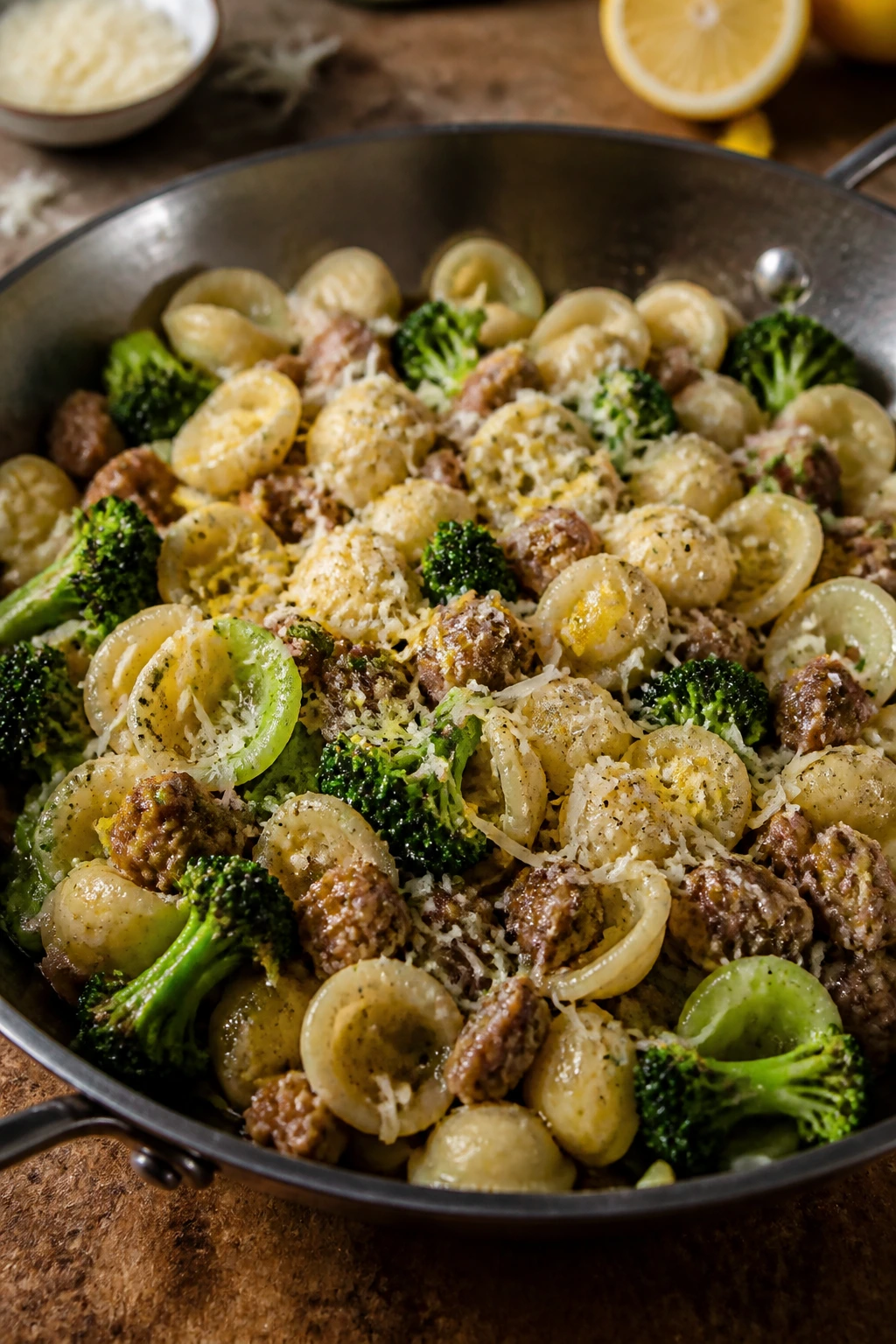
7. Sausage and Broccoli Orecchiette
This pasta has that lovely “everything in the pan is doing its job” feeling. The sausage gives you richness, the broccoli brings color and bite, and the little ear-shaped pasta catches both the oil and the cheese. It’s the kind of dinner that feels balanced without being precious.
Why It Works:
Orecchiette is built for chunky sauces because its little cups trap bits of sausage and broccoli. Cooking the broccoli in the same pot near the end keeps it bright green and just tender, not limp. A squeeze of lemon at the finish keeps the whole dish from tasting heavy.
Key Ingredients
- 12 ounces orecchiette
- 1 tablespoon olive oil
- 1 pound Italian sausage, casings removed
- 4 cups small broccoli florets
- 3 garlic cloves, sliced
- 1/2 teaspoon red pepper flakes
- 1/2 cup grated Parmesan
- Zest and juice of 1/2 lemon
- Salt and black pepper to taste
Quick Steps
- Boil the orecchiette in salted water. Add the broccoli during the last 2 minutes, then drain together.
- Brown the sausage in olive oil over medium heat, breaking it up until it has crisp edges.
- Add the garlic and red pepper flakes, stirring for 30 seconds.
- Toss in the pasta, broccoli, Parmesan, lemon zest, and a splash of pasta water.
- Finish with lemon juice, black pepper, and more Parmesan if needed.
Tips and Variations
- Use sweet or hot sausage depending on your crowd.
- Broccoli rabe can replace broccoli if you want a more bitter bite.
- A little toasted breadcrumb on top adds crunch.
8. Spinach Artichoke Tortellini
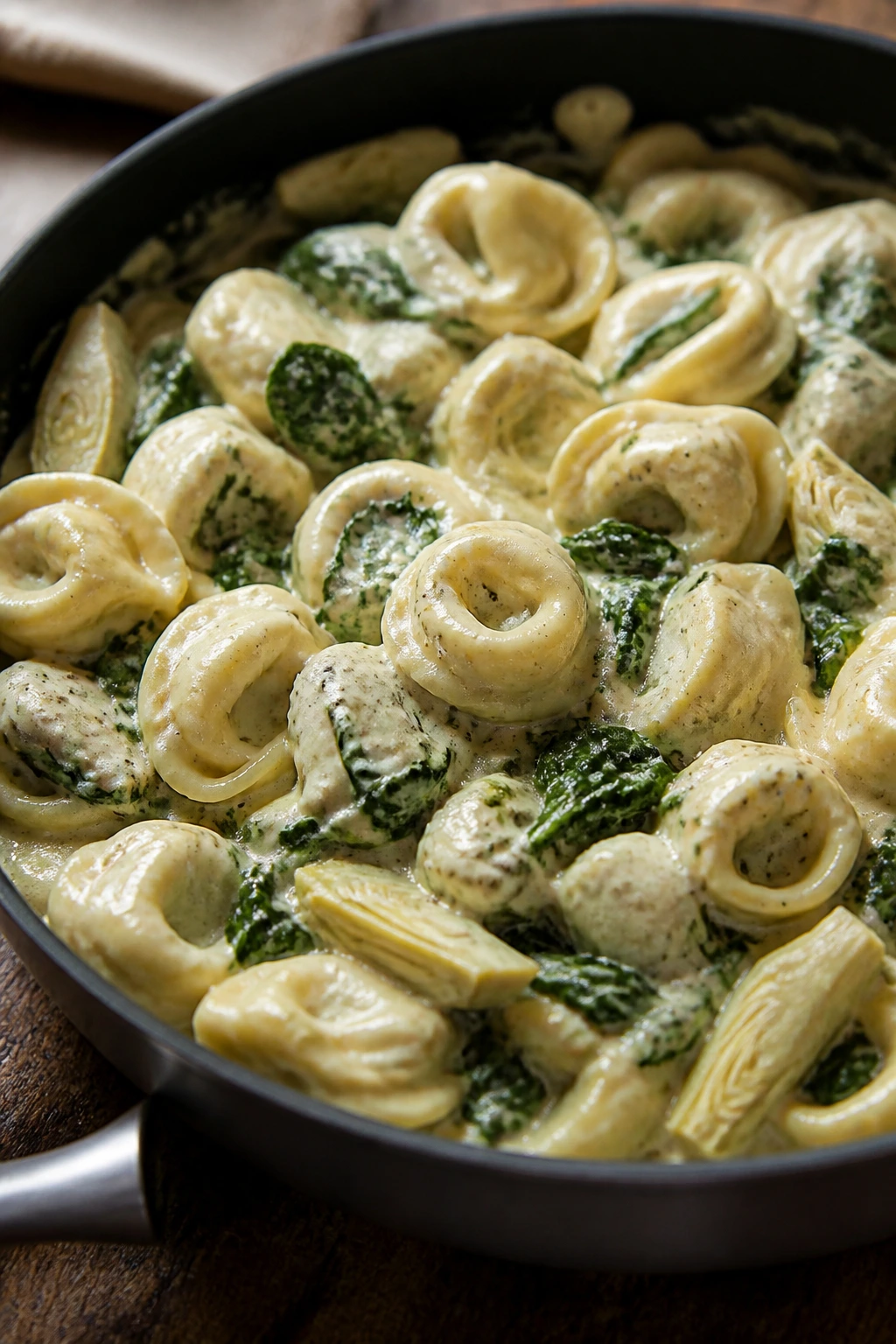
If you like spinach artichoke dip, this is your weeknight move. The sauce is creamy, the tortellini cook fast, and the artichokes bring enough tang to keep everything from tasting flat. It’s rich, but it still feels like dinner, not a party snack in a bowl.
Why It Works:
Cheese tortellini already brings a built-in filling, so you don’t need much else to make the meal feel complete. Cream cheese melts into the sauce and gives it that dip-like texture without a long roux. Keep the heat low once the dairy goes in; high heat can make the sauce grainy.
Key Ingredients
- 20 ounces cheese tortellini
- 1 tablespoon butter
- 3 garlic cloves, minced
- 1 jar (12 ounces) marinated artichoke hearts, chopped
- 3 cups baby spinach
- 4 ounces cream cheese
- 1/2 cup milk
- 1/2 cup grated Parmesan
- 1/2 cup shredded mozzarella
Quick Steps
- Cook the tortellini according to package directions. Drain and set aside.
- Melt the butter in a large skillet over medium heat. Add the garlic and cook for 30 seconds.
- Stir in the artichokes, cream cheese, and milk. Cook until the cheese melts into a smooth sauce.
- Add the spinach and let it wilt, then stir in the Parmesan and mozzarella.
- Fold in the tortellini and serve when everything is hot and coated.
Tips and Variations
- A squeeze of lemon keeps the sauce from feeling too rich.
- Chopped rotisserie chicken fits in easily if you need more protein.
- Use frozen spinach, squeezed dry, if that’s what you’ve got.
9. Pesto Chicken Rotini
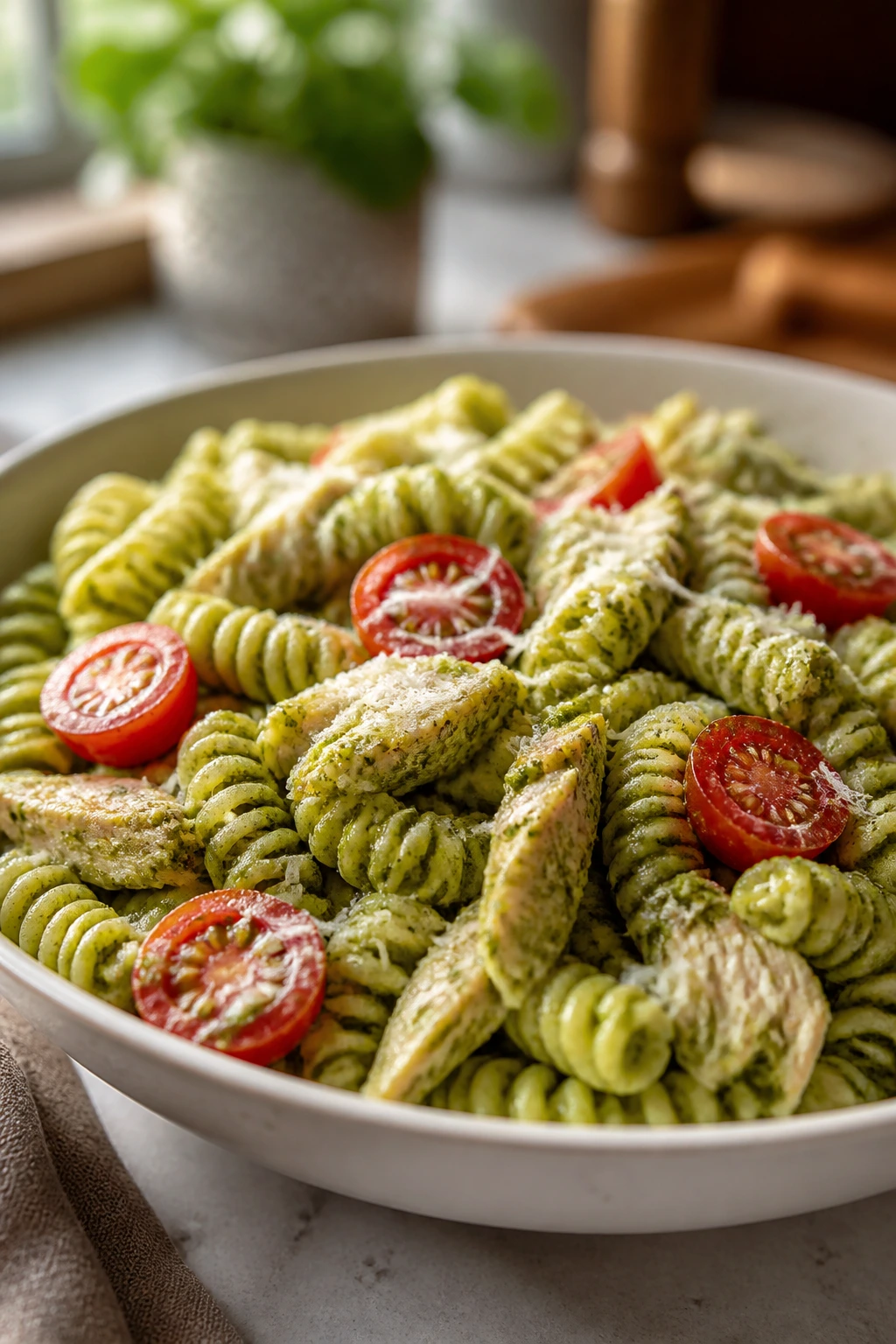
Pesto chicken pasta is one of those dinners that looks green, fresh, and a little more put together than the effort suggests. Rotini grabs pesto in every twist, cherry tomatoes bring sweetness, and the chicken makes it sturdy enough for a full meal.
Why It Works:
Pesto already carries herbs, cheese, garlic, and oil, so it acts like a shortcut sauce with real flavor. Rotini holds onto that sauce better than smooth noodles, and a splash of pasta water loosens it just enough to coat everything evenly. Cherry tomatoes are worth keeping in the mix because they pop in the heat and cut through the richness.
Key Ingredients
- 12 ounces rotini
- 1 pound cooked chicken breast or rotisserie chicken, shredded
- 1/2 cup basil pesto
- 1 pint cherry tomatoes, halved
- 1/4 cup pasta water
- 1/2 cup shredded mozzarella
- 1/4 cup grated Parmesan
- 2 tablespoons toasted pine nuts, optional
Quick Steps
- Cook the rotini in salted water until al dente. Reserve 1/4 cup pasta water.
- Warm the chicken in a skillet over medium heat with the cherry tomatoes for 2 to 3 minutes.
- Stir in the pesto and pasta water until the sauce loosens.
- Toss in the rotini and mozzarella, stirring until the cheese starts to melt.
- Finish with Parmesan and pine nuts, then serve.
Tips and Variations
- Use spinach pesto or kale pesto if basil isn’t around.
- Add steamed broccoli for extra vegetables.
- A squeeze of lemon makes the pesto taste brighter.
10. Taco Pasta Skillet
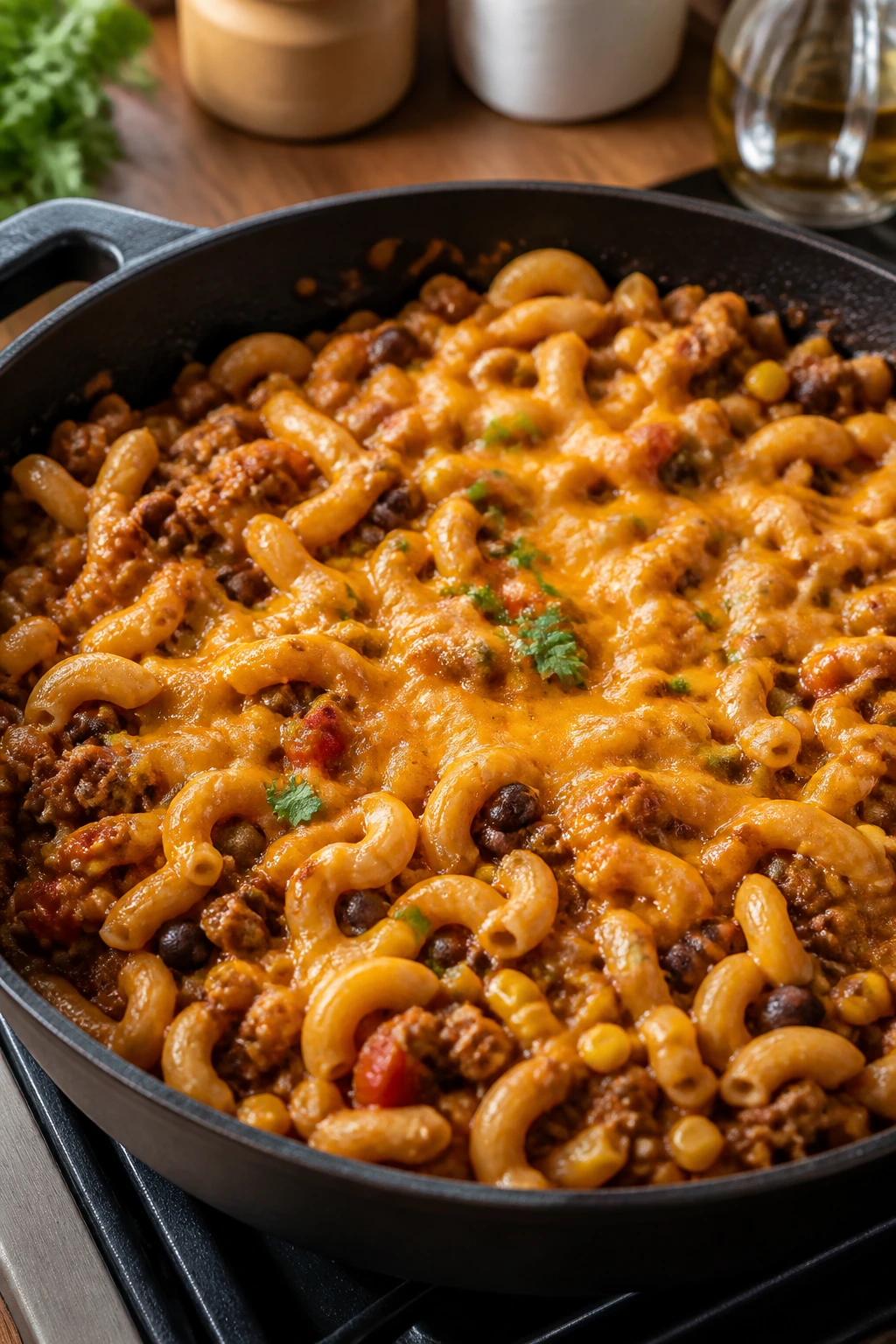
Taco pasta is what happens when your family wants tacos and you want one pan. It’s savory, cheesy, a little smoky, and built on ingredients you can keep around without much planning. The best part is that it lands somewhere between pasta night and taco night, which is a very helpful place to be.
Why It Works:
The taco seasoning carries the whole pan, while salsa replaces the long simmer you’d need in a more traditional sauce. Small pasta shapes cook quickly and soak up the flavor instead of letting it sit in the bottom of the skillet. Finish with cheese and a spoonful of sour cream, and the whole thing tastes like a proper dinner instead of a compromise.
Key Ingredients
- 12 ounces elbow macaroni or shells
- 1 pound ground turkey or ground beef
- 1 packet taco seasoning
- 1 cup salsa
- 2 1/2 cups chicken broth
- 1 cup frozen corn
- 1 can (15 ounces) black beans, rinsed
- 1 1/2 cups shredded cheddar
- 1/2 cup sour cream
- Chopped cilantro, optional
Quick Steps
- Brown the meat in a large skillet over medium-high heat until no pink remains.
- Stir in the taco seasoning, salsa, broth, pasta, corn, and black beans.
- Bring to a simmer, cover, and cook for 10 to 12 minutes, stirring once or twice.
- Uncover and cook 2 more minutes until the pasta is tender and the liquid has thickened.
- Stir in the cheddar and sour cream. Garnish with cilantro if you want it.
Tips and Variations
- Tortilla chips make a useful crunchy topping.
- Swap in pinto beans if that’s what’s in the cabinet.
- This one gets thicker as it sits, so add a splash of broth when reheating.
11. Mushroom Stroganoff Egg Noodles
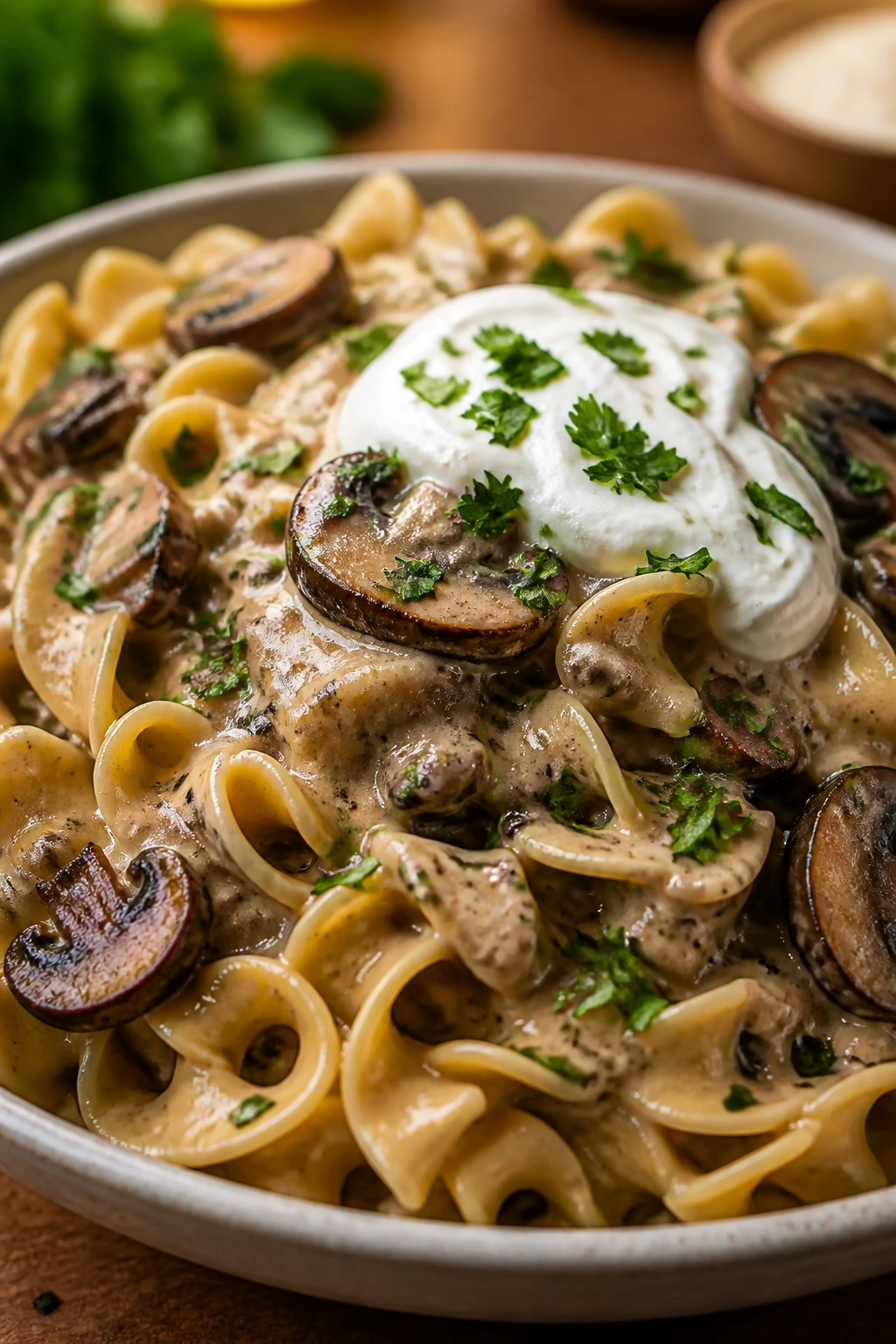
Mushroom stroganoff has a deep, savory flavor that feels cozy without needing meat at all. The mushrooms cook down until they smell nutty and look dark at the edges, while sour cream gives the sauce a tangy finish. It’s a smart vegetarian dinner that still eats like a meal.
Why It Works:
Mushrooms need a hot pan and enough space to brown instead of steaming. Once they pick up color, they bring that meaty flavor people often miss in meatless dinners. Stirring sour cream in off the heat keeps it smooth, which is the whole point of stroganoff sauce.
Key Ingredients
- 12 ounces egg noodles
- 2 tablespoons butter
- 1 tablespoon olive oil
- 1 pound cremini mushrooms, sliced
- 1 small onion, diced
- 3 garlic cloves, minced
- 2 cups low-sodium beef or vegetable broth
- 1 tablespoon Dijon mustard
- 3/4 cup sour cream
- 2 tablespoons chopped parsley
Quick Steps
- Cook the egg noodles in salted water. Drain and set aside.
- Brown the mushrooms in butter and oil over medium-high heat until they release their liquid and turn golden.
- Add the onion and garlic. Cook for 4 minutes, until soft.
- Stir in the broth and Dijon. Simmer for 5 minutes to reduce.
- Remove from the heat, stir in the sour cream, then toss with the noodles and parsley.
Tips and Variations
- Add shredded chicken if you want more protein.
- A splash of Worcestershire deepens the sauce.
- Don’t boil after the sour cream goes in.
12. Cajun Chicken Pasta
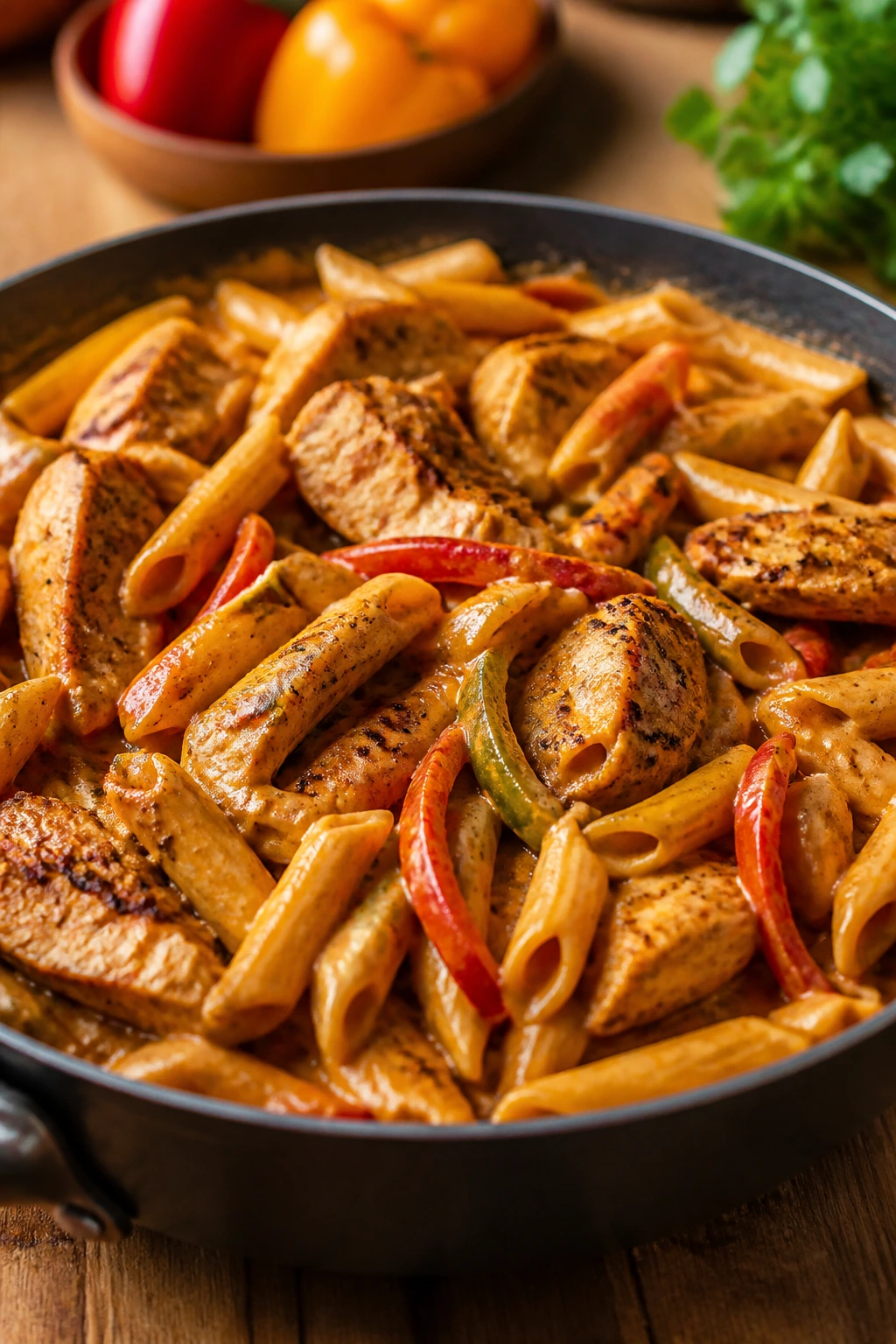
Cajun chicken pasta has a little heat, a little cream, and enough color to look alive on the plate. The bell peppers keep it from feeling too heavy, and the spices make the chicken taste like it did something more interesting than just sit in a skillet.
Why It Works:
The Cajun seasoning does a lot of the heavy lifting here, but the cream softens the heat so the dish still works for a family table. Searing the chicken first creates browned bits in the pan, and those bits dissolve into the sauce when you add the liquid. That’s flavor you can see.
Key Ingredients
- 12 ounces penne or fettuccine
- 1 pound chicken breast, sliced
- 2 tablespoons Cajun seasoning
- 1 tablespoon olive oil
- 1 red bell pepper, sliced
- 1 green bell pepper, sliced
- 1 small onion, sliced
- 1 1/2 cups heavy cream
- 1/2 cup grated Parmesan
Quick Steps
- Cook the pasta until al dente and reserve 1 cup pasta water.
- Toss the chicken with half the Cajun seasoning. Brown it in oil over medium-high heat, then remove.
- Cook the peppers and onion in the same skillet for 4 to 5 minutes.
- Add the cream, Parmesan, and remaining seasoning. Simmer until slightly thick.
- Return the chicken and pasta to the pan. Add pasta water as needed, then toss until coated.
Tips and Variations
- Use shrimp instead of chicken for a faster version.
- Keep extra Cajun seasoning on the table for spice lovers.
- A squeeze of lemon makes the sauce taste sharper and cleaner.
13. Meatball Marinara Rotini
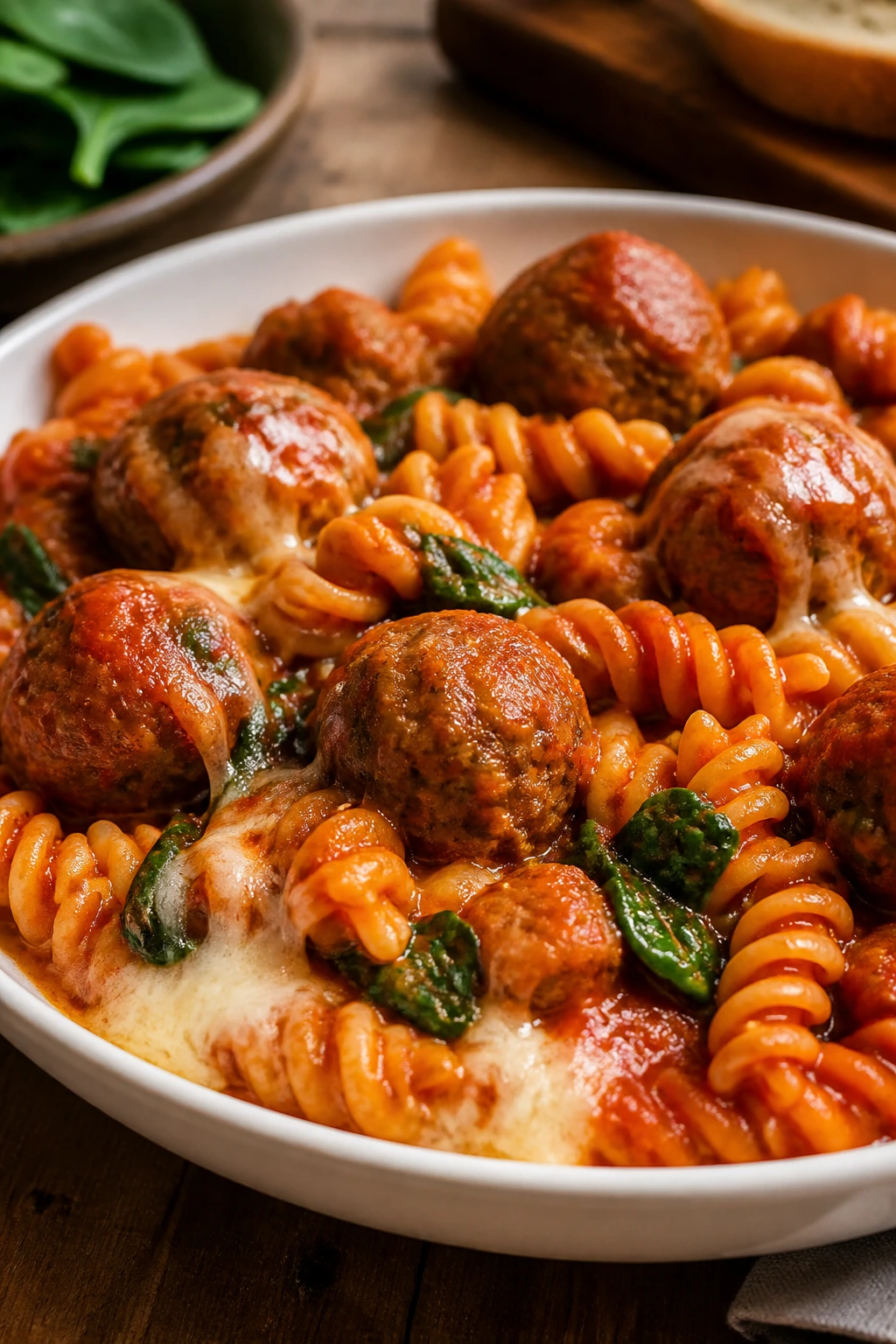
Meatballs and marinara are a classic for a reason. They deliver comfort without requiring much thinking, and rotini gives the sauce somewhere to cling. If you use frozen meatballs, this dinner can slide from freezer to table with very little drama.
Why It Works:
The meatballs simmer directly in the sauce, which keeps them juicy and seasons the marinara at the same time. Rotini is a smart shape here because its spirals grab bits of sauce and cheese in every bite. A handful of spinach at the end wilts down and disappears into the pan, which is a nice trick when you want more greens without a speech.
Key Ingredients
- 12 ounces rotini
- 1 tablespoon olive oil
- 20 to 24 frozen meatballs
- 1 jar (24 ounces) marinara sauce
- 1/2 cup water
- 2 cups baby spinach
- 1 cup shredded mozzarella
- 1/4 cup grated Parmesan
- 1 teaspoon dried oregano
Quick Steps
- Cook the rotini in salted water until al dente. Drain.
- Warm the olive oil in a deep skillet. Add the meatballs, marinara, water, and oregano.
- Simmer for 12 to 15 minutes, until the meatballs are hot all the way through.
- Stir in the spinach and let it wilt.
- Toss with the rotini, then top with mozzarella and Parmesan.
Tips and Variations
- Homemade meatballs work too if you’ve got them.
- Add a pinch of red pepper flakes to the sauce.
- Cover the skillet for a minute after adding cheese so it melts evenly.
14. Creamy Salmon Pasta
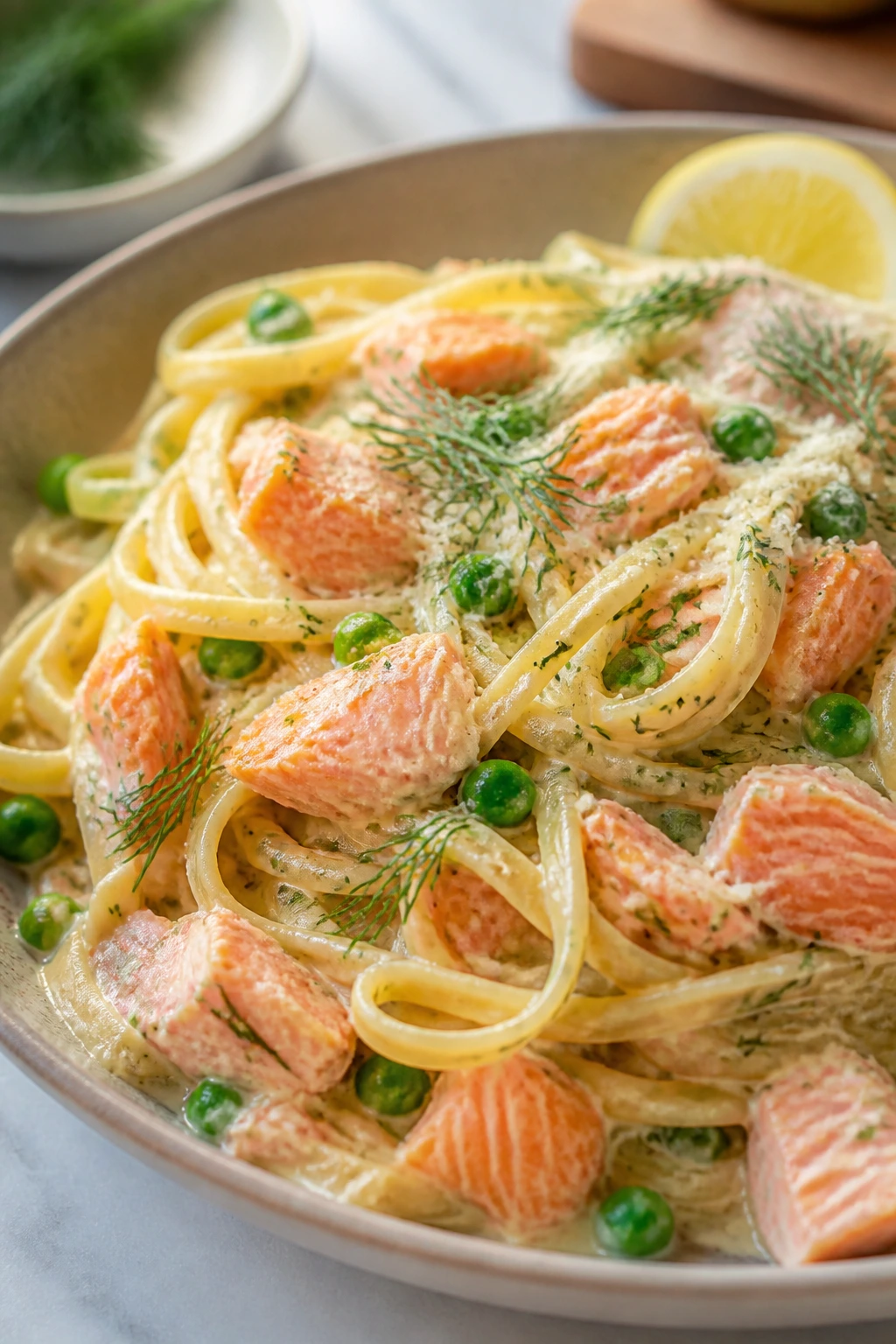
Salmon pasta sounds fancy until you make it once and realize it’s mostly about timing. The fish gets flaked into a lemony cream sauce, the dill keeps things fresh, and the whole bowl feels calm in a way that’s rare on a busy night.
Why It Works:
Salmon has enough fat to stand up to cream without disappearing, and its flavor loves lemon and dill. Cooking the fish just until it flakes keeps it tender; if you overcook it, the texture goes dry fast. A little pasta water loosens the sauce and helps it coat the noodles like it means it.
Key Ingredients
- 12 ounces linguine
- 1 pound salmon fillet, skin removed
- 1 tablespoon olive oil
- 2 tablespoons butter
- 3 garlic cloves, minced
- 1 cup heavy cream
- Zest and juice of 1 lemon
- 1/3 cup chopped dill
- 1 cup frozen peas
- Salt and black pepper
Quick Steps
- Cook the linguine and reserve 1/2 cup pasta water.
- Season the salmon with salt and pepper, then sear it in olive oil over medium heat for 3 to 4 minutes per side.
- Remove the salmon and flake it into large pieces.
- In the same skillet, melt the butter and cook the garlic for 30 seconds. Stir in the cream, lemon, peas, and dill.
- Add the pasta and salmon, tossing gently until coated. Use pasta water if the sauce needs loosening.
Tips and Variations
- Smoked salmon can be folded in at the very end for a different flavor.
- Asparagus works in place of peas.
- Don’t stir the fish too hard or it breaks apart fast.
15. Broccoli Cheddar Shells with Ham
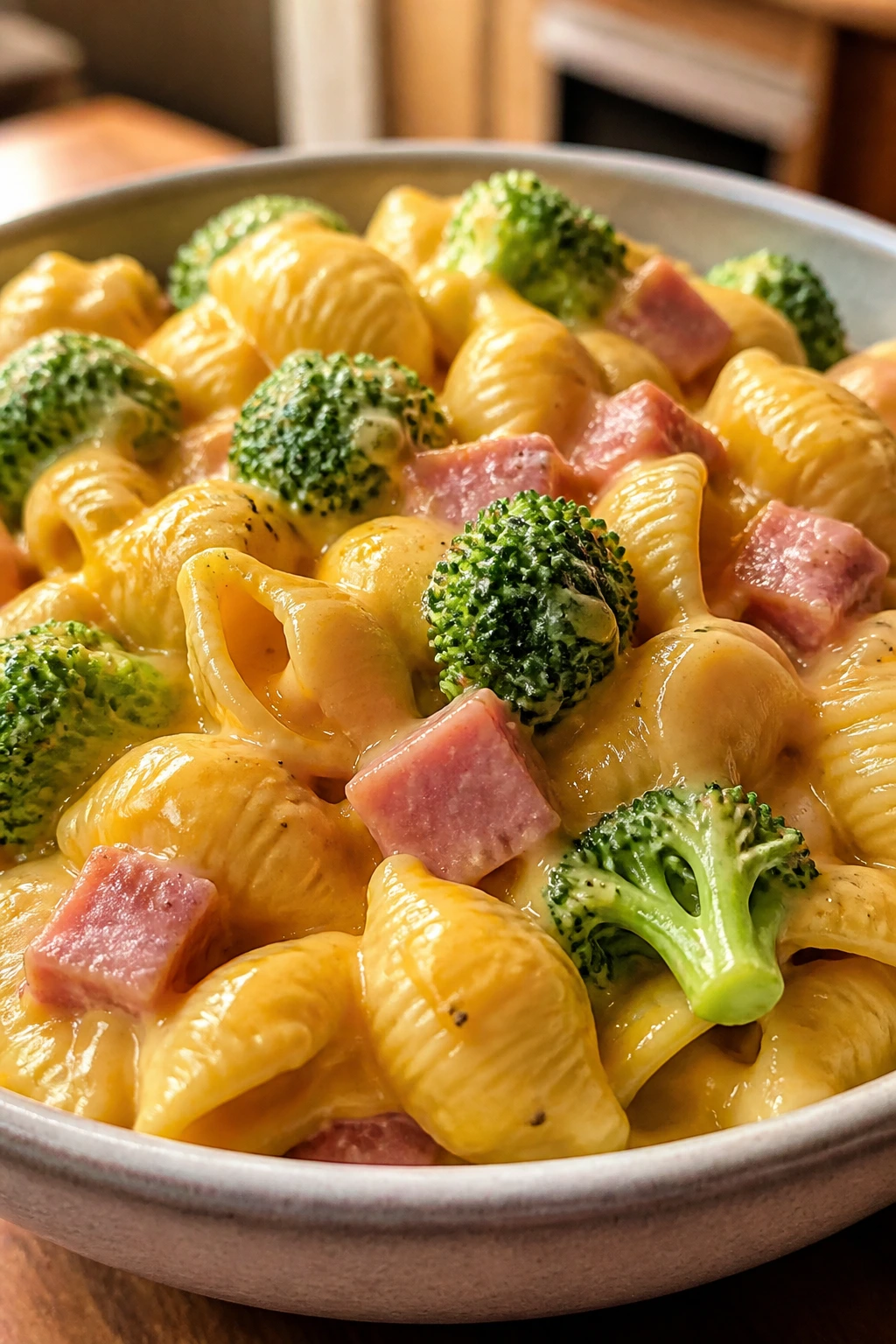
This is comfort food with a little structure. The shells trap the cheddar sauce, the broccoli gives the dish some freshness, and the ham makes it feel like a real dinner instead of a side dish pretending to be one.
Why It Works:
A simple cheese sauce works well here because the pasta shape is built to hold it. Broccoli cooks quickly in the same pot, which keeps the color bright and the texture tender-crisp. The ham adds salt and protein, so you don’t need much else to make the bowl feel complete.
Key Ingredients
- 12 ounces medium pasta shells
- 3 cups small broccoli florets
- 2 tablespoons butter
- 2 tablespoons flour
- 2 cups milk
- 2 cups shredded sharp cheddar
- 1 cup diced ham
- 1 teaspoon Dijon mustard
- 1/2 teaspoon salt
Quick Steps
- Cook the shells in salted water. Add the broccoli during the last 2 minutes, then drain.
- Melt the butter in a saucepan over medium heat. Whisk in the flour and cook for 1 minute.
- Slowly whisk in the milk until smooth and slightly thickened.
- Stir in the cheddar, Dijon, and salt until melted.
- Fold in the pasta, broccoli, and ham. Heat through and serve warm.
Tips and Variations
- Leftover roast chicken can replace the ham.
- A pinch of nutmeg makes the cheese sauce taste rounder.
- Use white cheddar if you want a sharper bite.
16. Pasta e Fagioli Skillet
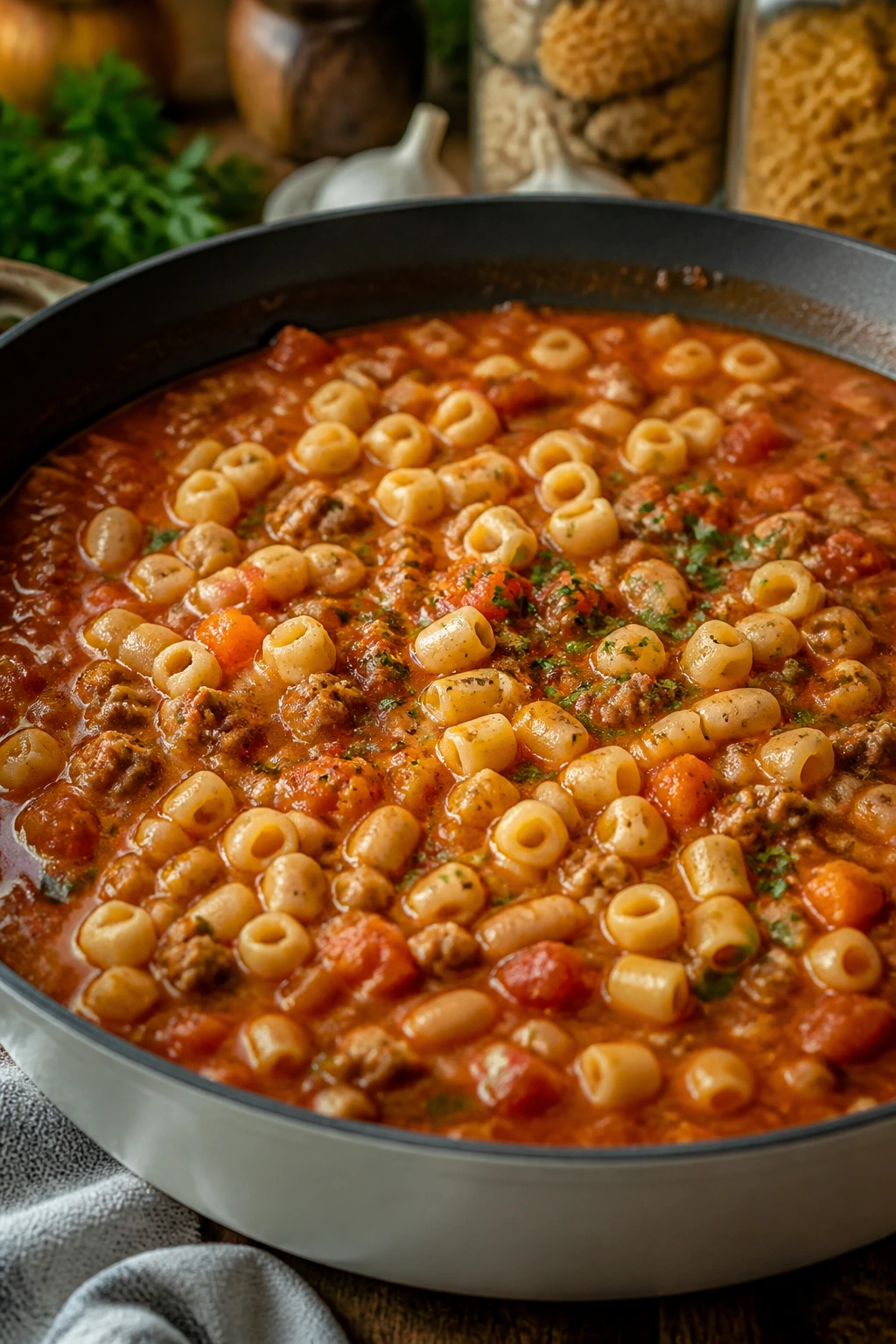
Pasta e fagioli is one of those soups that eats like dinner and behaves like a pantry cleanout. Beans, pasta, and a tomato broth give you something hearty enough for a hungry family, and the skillet version keeps it tighter and faster than a slow simmering pot.
Why It Works:
Ditalini is the classic shape because it’s small enough to spoon up with beans and vegetables. Browning a little meat first adds depth, but the beans do enough work that you don’t need much. A Parmesan rind, if you have one, gives the broth a savory backbone without extra effort.
Key Ingredients
- 1 tablespoon olive oil
- 1/2 pound ground turkey or beef
- 1 small onion, diced
- 2 carrots, diced
- 2 celery stalks, diced
- 3 garlic cloves, minced
- 1 can (15 ounces) cannellini beans, rinsed
- 1 can (14.5 ounces) diced tomatoes
- 4 cups chicken broth
- 1 cup ditalini pasta
- 1 teaspoon Italian seasoning
- Grated Parmesan for serving
Quick Steps
- Brown the meat in olive oil over medium heat.
- Add the onion, carrots, celery, and garlic. Cook for 5 minutes.
- Stir in the beans, tomatoes, broth, pasta, and Italian seasoning.
- Bring to a simmer and cook for 10 to 12 minutes, until the pasta is tender.
- Ladle into bowls and finish with Parmesan.
Tips and Variations
- Leave out the meat and add extra beans for a vegetarian version.
- A handful of chopped kale can go in during the last 3 minutes.
- The broth thickens as it sits, so keep some extra on hand.
17. Sun-Dried Tomato Chicken Orzo
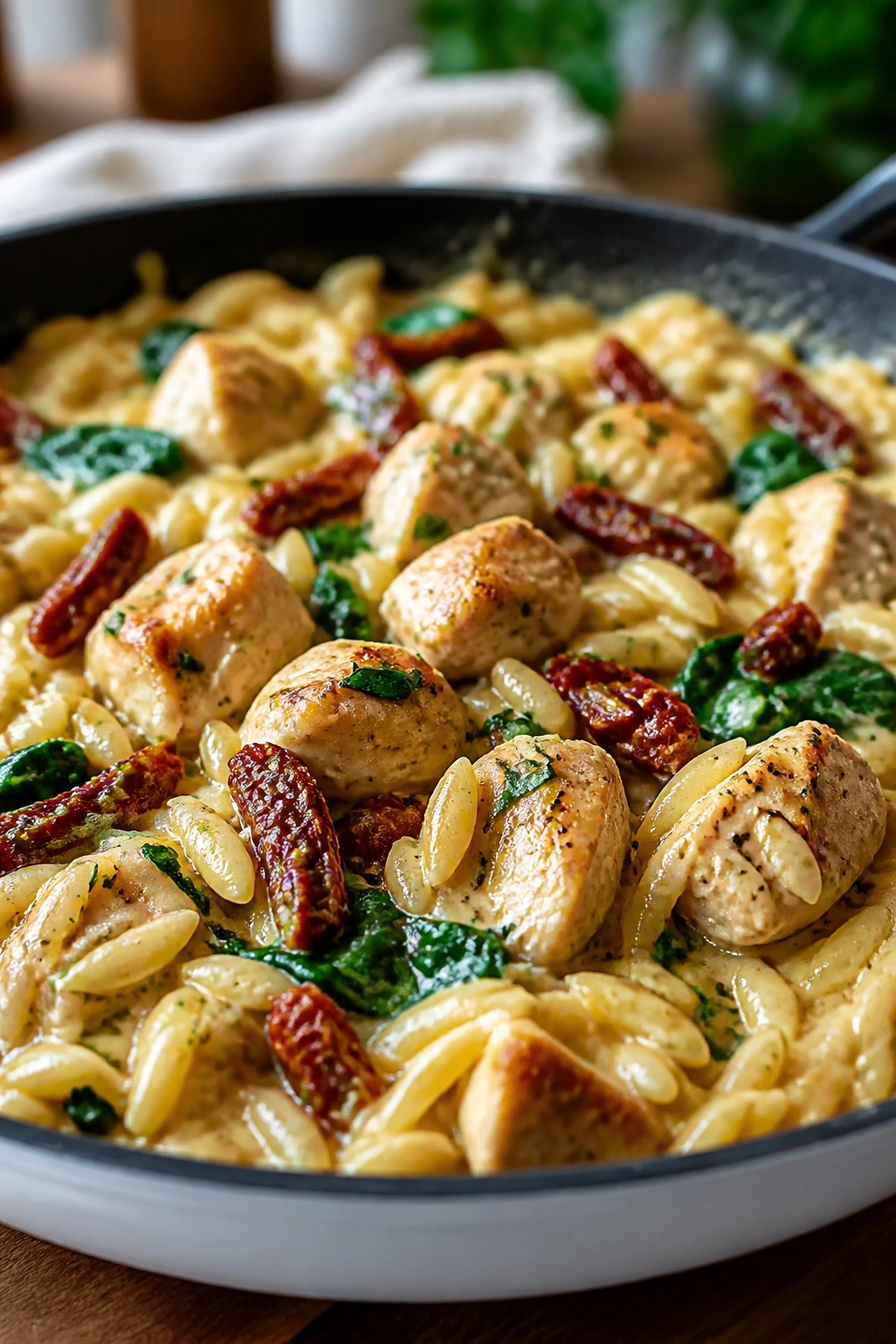
Orzo is a useful little shape when you want dinner to feel a bit more elegant without adding work. It cooks quickly, takes on flavor fast, and turns creamy with only a modest amount of liquid. Sun-dried tomatoes and chicken make it feel complete.
Why It Works:
Orzo behaves more like rice than long pasta, so it soaks up broth and sauce in a way that makes the dish feel cohesive. Sun-dried tomatoes bring sweetness and a deep tomato flavor that doesn’t require a long simmer. Stirring in spinach at the end keeps the pan looking bright and balances the richness of the cream.
Key Ingredients
- 1 tablespoon olive oil
- 1 pound chicken breast, cubed
- 2 garlic cloves, minced
- 1 cup orzo
- 1/3 cup chopped sun-dried tomatoes
- 2 1/2 cups chicken broth
- 1/2 cup heavy cream
- 2 cups baby spinach
- 1/3 cup grated Parmesan
- Salt and pepper
Quick Steps
- Brown the chicken in olive oil over medium-high heat, then remove.
- Add garlic and orzo to the pan. Stir for 1 minute.
- Pour in the broth and sun-dried tomatoes. Simmer for 8 to 10 minutes, stirring often.
- Return the chicken, then stir in the cream, spinach, and Parmesan.
- Cook 1 more minute until the spinach wilts and the sauce turns silky.
Tips and Variations
- Toss in artichoke hearts for a more Mediterranean feel.
- Rotisserie chicken can replace the raw chicken.
- If the orzo grabs too much liquid, add a splash of broth.
18. Greek Feta Olive Pasta
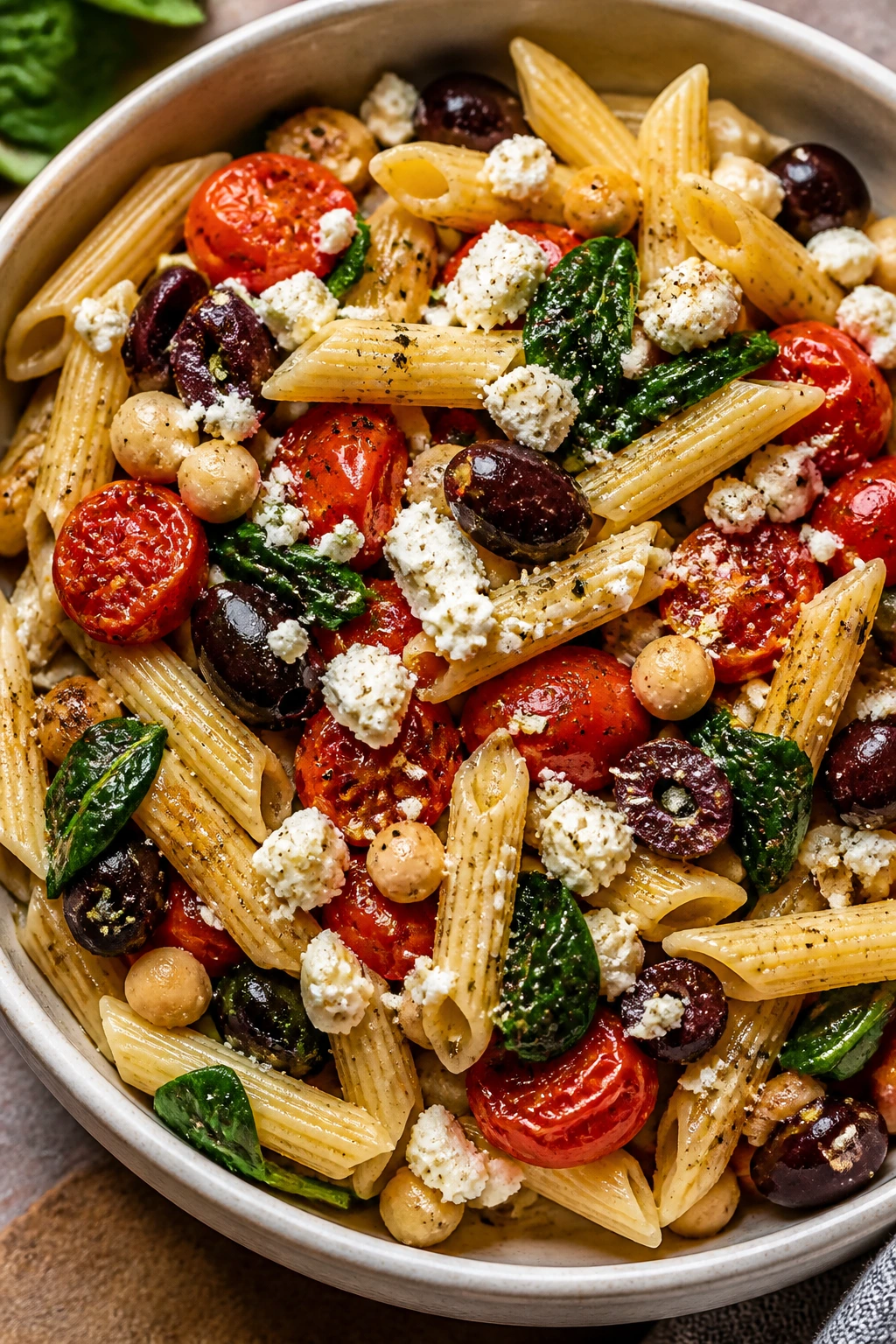
This one has a sharp, salty personality that wakes up a weeknight. Feta, olives, tomatoes, and lemon make the pasta taste bright instead of heavy, and chickpeas add enough heft to make it dinner, not a side. It’s the recipe you make when you want something simple that still has a pulse.
Why It Works:
Greek flavors are naturally good at doing a lot with a short ingredient list. Chickpeas bring protein and texture, feta melts just enough around the edges, and the briny olives keep the dish from feeling soft or sweet. Warm the tomatoes briefly so they blister and release juices; that’s where the sauce starts.
Key Ingredients
- 12 ounces penne or bowties
- 1 tablespoon olive oil
- 1 small red onion, thinly sliced
- 2 cups cherry tomatoes
- 1 can (15 ounces) chickpeas, rinsed
- 1/2 cup sliced Kalamata olives
- 1/2 cup crumbled feta
- Juice of 1 lemon
- 2 cups baby spinach
- 1 teaspoon dried oregano
Quick Steps
- Cook the pasta in salted water until al dente.
- Warm olive oil in a skillet. Cook the onion for 3 minutes, then add the tomatoes and cook until they start to burst.
- Stir in the chickpeas, olives, oregano, and spinach.
- Add the drained pasta and lemon juice, tossing until coated.
- Finish with feta on top and a little black pepper.
Tips and Variations
- Cucumber is better on the side than in the hot pan.
- A spoonful of pesto can give the sauce a greener note.
- Crumbled goat cheese can stand in for feta if needed.
19. Vodka Sauce Rigatoni with Sausage
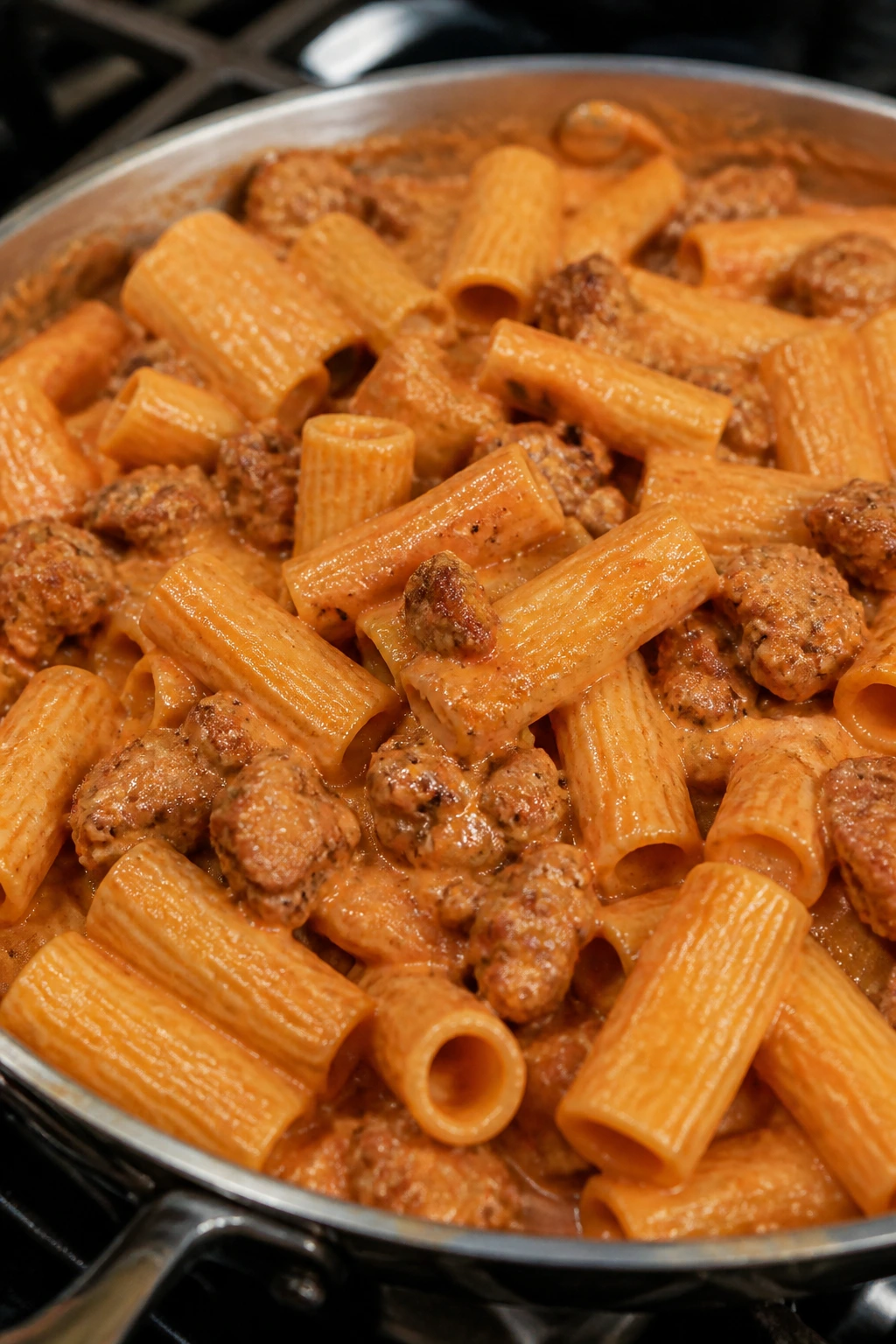
Vodka sauce has that silky, restaurant-style texture people notice right away. The sausage adds heft, the rigatoni holds the sauce in its ridges, and the whole pan feels more polished than the time investment suggests. It is rich, yes, but it earns it.
Why It Works:
Tomato paste and cream create a sauce with both depth and softness, and a small splash of vodka helps the flavors blend without tasting boozy. Rigatoni is the right shape because the sauce gets into the tubes and hangs on. If you cook the sausage well at the start, the browned bits in the pan become part of the sauce instead of staying behind.
Key Ingredients
- 12 ounces rigatoni
- 1 pound Italian sausage, casings removed
- 1 small onion, finely diced
- 3 garlic cloves, minced
- 2 tablespoons tomato paste
- 1/4 cup vodka
- 1 cup crushed tomatoes
- 3/4 cup heavy cream
- 1/2 cup grated Parmesan
- 1/4 cup chopped basil
Quick Steps
- Cook the rigatoni in salted water until al dente.
- Brown the sausage in a skillet over medium-high heat. Add the onion and cook until soft.
- Stir in the garlic and tomato paste, cooking for 1 minute.
- Pour in the vodka and simmer for 1 minute. Add the crushed tomatoes and cream, then cook for 5 minutes.
- Toss in the pasta, Parmesan, and basil. Serve hot.
Tips and Variations
- Use broth instead of vodka if you want to skip alcohol.
- A pinch of red pepper flakes gives the sauce more snap.
- The sauce thickens quickly, so loosen it with pasta water if needed.
20. White Bean and Kale Pasta
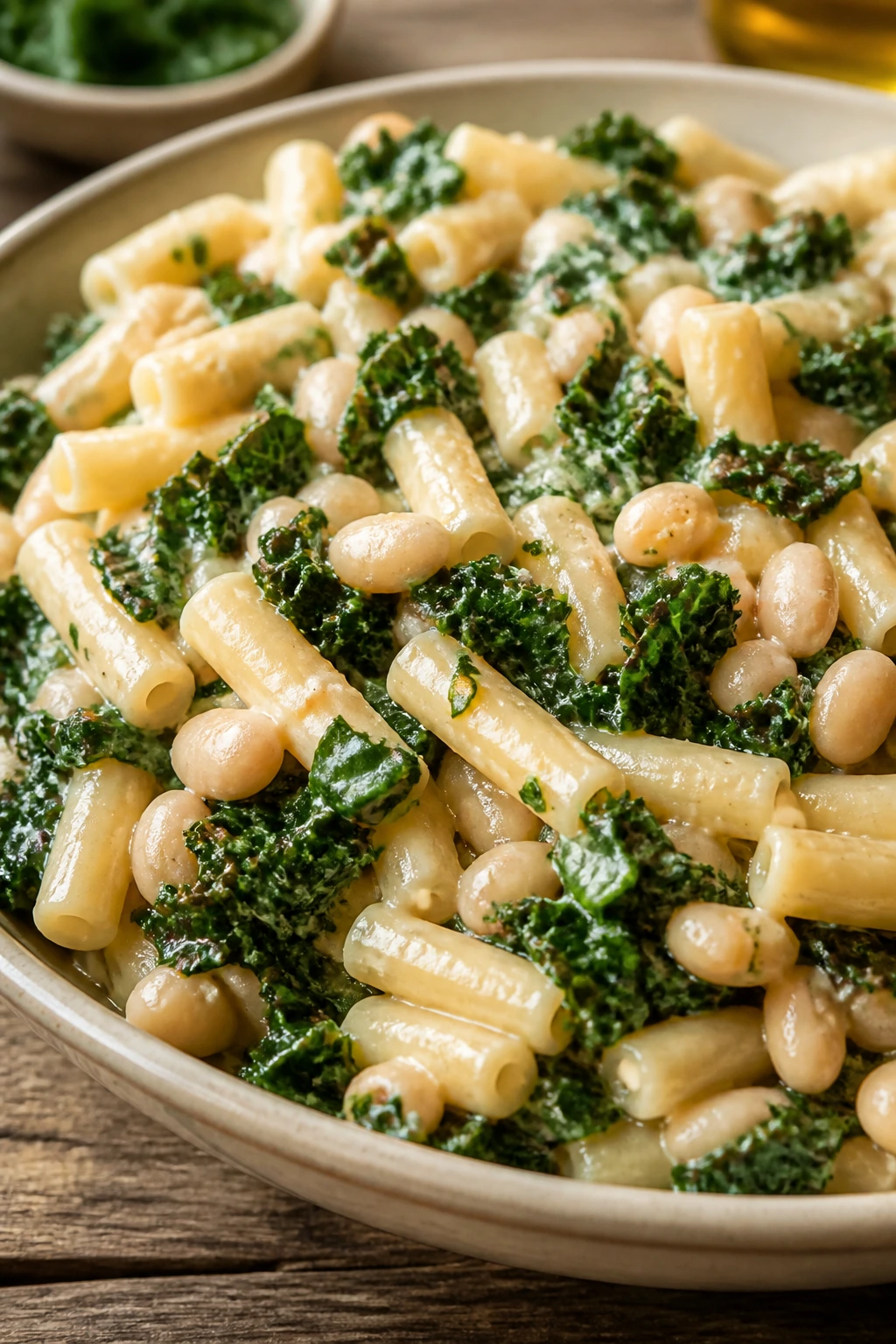
White bean pasta is one of those dinners that feels calm and practical. The beans make a creamy sauce without cream, kale gives you something green and sturdy, and the garlic-lemon finish keeps the bowl from tasting flat. It’s inexpensive, filling, and quietly excellent.
Why It Works:
Cannellini beans break down just enough to coat the pasta with a soft, velvety texture. Kale holds its shape better than spinach, so it stays in the bowl and doesn’t vanish into nothing. A little lemon at the end sharpens the beans and wakes up the whole dish.
Key Ingredients
- 12 ounces pasta shells or rotini
- 2 tablespoons olive oil
- 4 garlic cloves, minced
- 1 can (15 ounces) cannellini beans, rinsed
- 2 cups low-sodium vegetable broth
- 4 cups chopped kale
- 1/2 teaspoon red pepper flakes
- 1/2 cup grated Parmesan
- Juice of 1/2 lemon
Quick Steps
- Cook the pasta until al dente. Reserve 1/2 cup pasta water.
- Warm the olive oil in a skillet. Cook the garlic and red pepper flakes for 30 seconds.
- Add the beans and broth. Simmer for 3 minutes, then mash a few beans with a spoon.
- Stir in the kale and cook until wilted.
- Toss in the pasta, Parmesan, and lemon juice. Add pasta water if the sauce feels tight.
Tips and Variations
- Add chopped chicken sausage if you want more protein.
- Frozen spinach can replace kale, but add it near the end.
- A drizzle of good olive oil at serving helps a lot.
21. Caprese Chicken Pasta
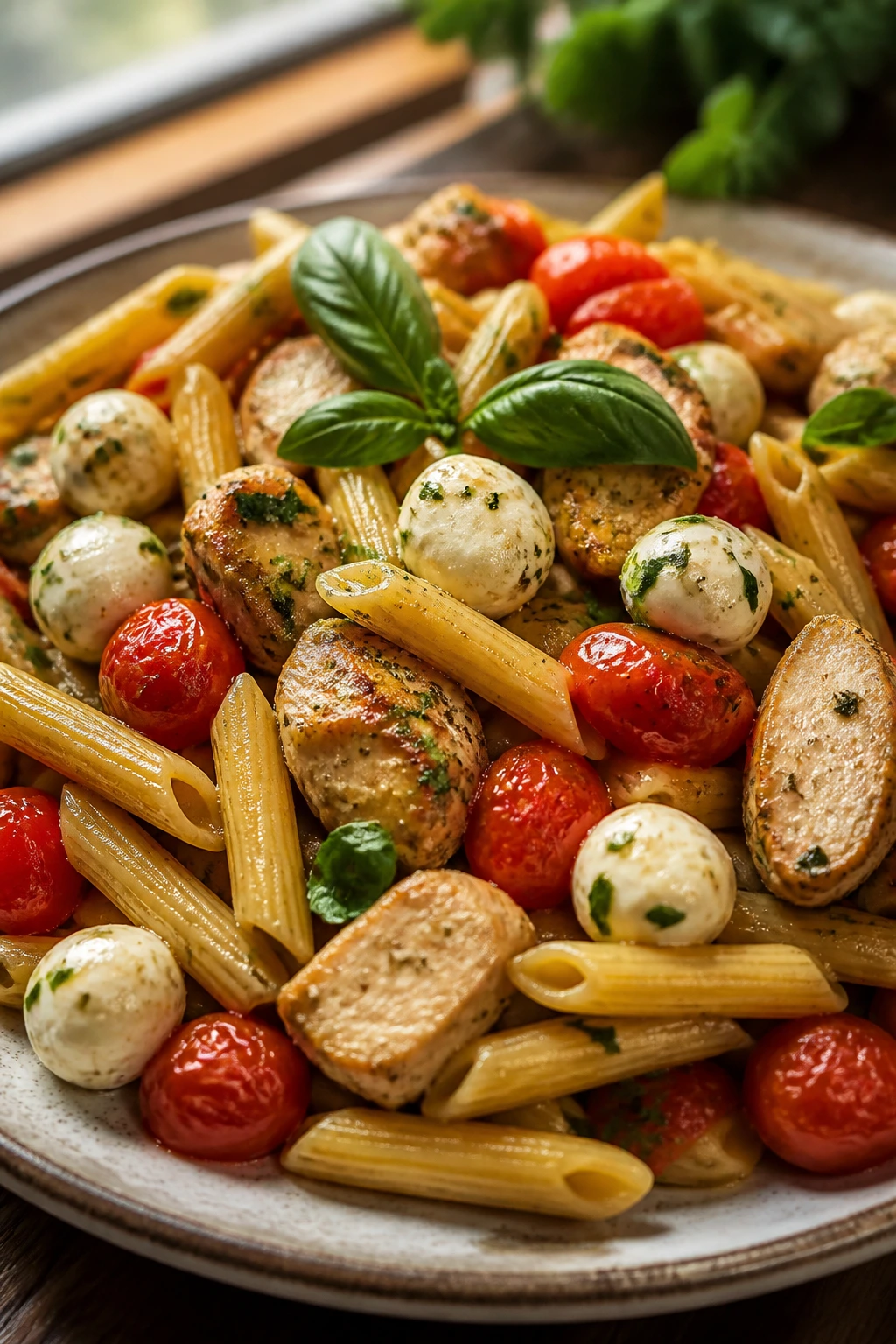
This tastes like summer without requiring summer. Juicy tomatoes, mozzarella, basil, and chicken are a clean, familiar combination that still feels worth putting on a plate. It’s also one of the easiest ways to make a pasta dinner look pulled together.
Why It Works:
Caprese flavors don’t need much cooking to taste right. The tomatoes soften just enough to turn juicy, the mozzarella melts into little pockets, and fresh basil gives you that sweet-herbal finish that makes the dish feel fresh. Using bite-size chicken keeps the protein balanced with the pasta so every forkful feels complete.
Key Ingredients
- 12 ounces penne
- 1 pound chicken breast, cubed
- 1 tablespoon olive oil
- 3 cups cherry tomatoes
- 2 garlic cloves, minced
- 1 cup fresh mozzarella balls, halved
- 1/4 cup chopped basil
- 1 tablespoon balsamic glaze
- Salt and black pepper
Quick Steps
- Cook the penne in salted water and reserve 1/2 cup pasta water.
- Brown the chicken in olive oil over medium-high heat until cooked through.
- Add the garlic and tomatoes. Cook until the tomatoes start to burst.
- Stir in the pasta, mozzarella, and a splash of pasta water.
- Finish with basil, balsamic glaze, salt, and pepper.
Tips and Variations
- Rotisserie chicken makes this nearly instant.
- Swap balsamic glaze for a squeeze of lemon if you want it sharper.
- Add spinach for another handful of greens.
22. Cheesy Beef Pasta Skillet
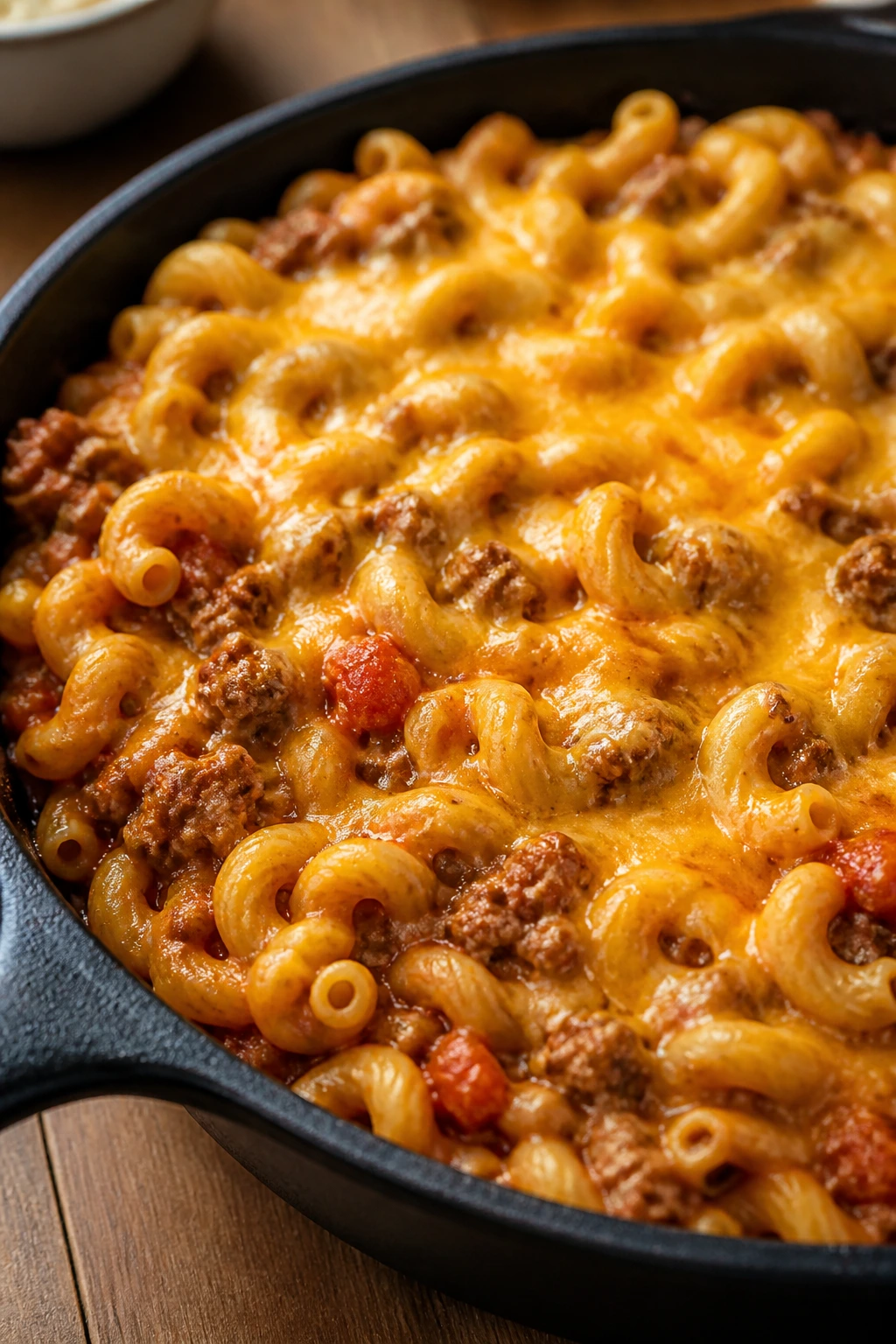
This is pure family-table pasta. Beef, tomato sauce, and cheese make the kind of skillet dinner that disappears before anyone has time to complain about vegetables. It’s not fancy, and that’s part of the charm.
Why It Works:
The beef browns fast, the sauce comes together in one pan, and the pasta cooks right in the liquid, so flavor stays concentrated. Cream cheese gives the sauce body, while cheddar makes it feel like comfort food rather than a red sauce with extra steps. If you keep the simmer gentle, the pasta finishes tender and the sauce stays creamy.
Key Ingredients
- 1 tablespoon olive oil
- 1 pound ground beef
- 1 small onion, diced
- 3 garlic cloves, minced
- 1 jar (24 ounces) tomato sauce
- 2 cups beef broth
- 12 ounces elbow macaroni
- 4 ounces cream cheese
- 1 1/2 cups shredded cheddar
- 1 teaspoon Worcestershire sauce
Quick Steps
- Brown the beef in olive oil over medium-high heat. Add the onion and cook until soft.
- Stir in the garlic and Worcestershire sauce.
- Add the tomato sauce, broth, and macaroni. Bring to a simmer and cook covered for 10 to 12 minutes.
- Stir in the cream cheese until melted.
- Top with cheddar, cover for 2 minutes, then serve when the cheese is glossy.
Tips and Variations
- Ground turkey works if you want a lighter version.
- A little mustard in the sauce gives it a cheeseburger feel.
- Add frozen peas at the end if you want a vegetable built in.
23. Garlic Butter Parmesan Noodles with Peas and Chicken
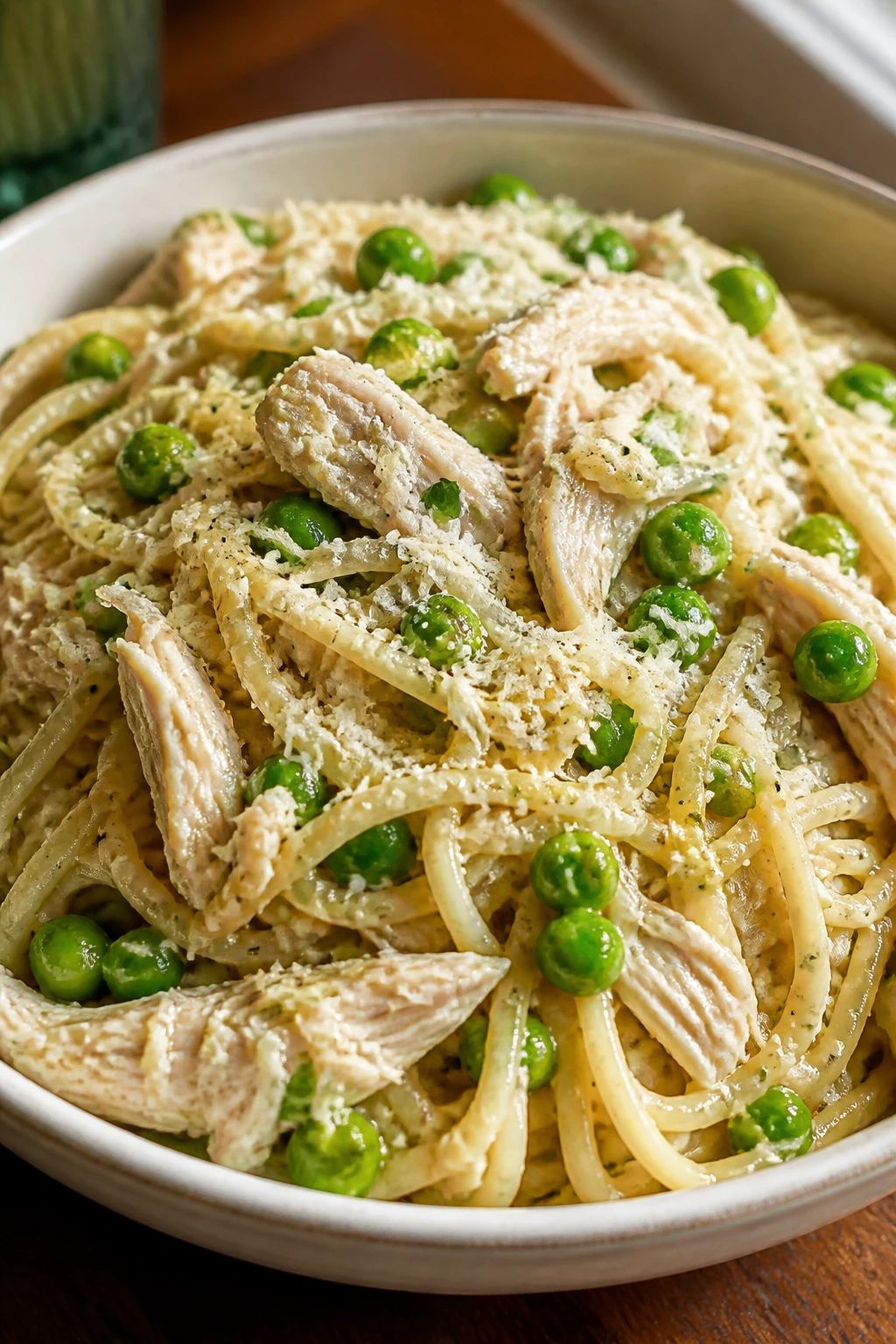
This is the dinner you make when the fridge looks sparse but not empty. Butter, garlic, Parmesan, peas, and chicken can carry a whole bowl of noodles with almost no drama. It’s mild enough for picky eaters, but still tastes like you made an effort.
Why It Works:
Garlic butter does not need much help to taste good, but pasta water and Parmesan turn it into a sauce instead of a slick coating. Peas add sweetness and color, and leftover chicken makes the dish feel complete without another cooking step. Keep the garlic moving; burnt garlic can ruin the whole pan faster than people expect.
Key Ingredients
- 12 ounces spaghetti or linguine
- 3 tablespoons unsalted butter
- 4 garlic cloves, minced
- 2 cups cooked chicken, shredded
- 1 1/2 cups frozen peas
- 3/4 cup grated Parmesan
- 1/2 cup pasta water
- 1 tablespoon lemon juice
- Salt and black pepper
Quick Steps
- Cook the pasta in salted water. Reserve 1/2 cup pasta water.
- Melt the butter in a large skillet over medium heat. Add the garlic and cook for 30 seconds.
- Stir in the peas and chicken. Cook until warmed through.
- Add the pasta, Parmesan, lemon juice, and pasta water. Toss until the sauce clings.
- Season with salt and pepper, then serve immediately.
Tips and Variations
- Rotisserie chicken keeps this extra fast.
- Add crushed red pepper for adults who want more bite.
- A little parsley on top helps the bowl look fresher.
24. Chili Mac with Turkey
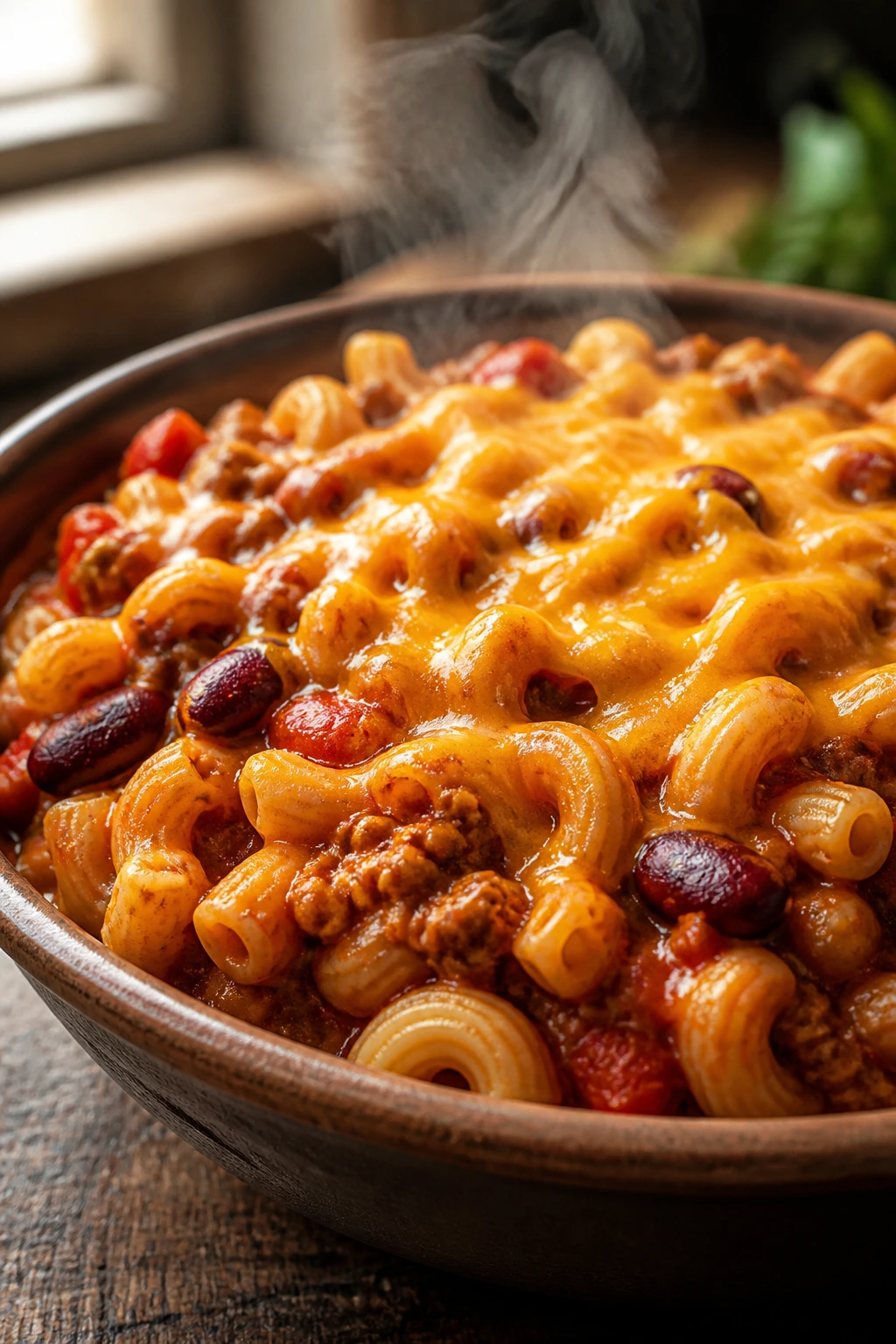
Chili mac is the kind of hybrid dinner that makes everybody relax a little. It’s hearty, cheesy, and built from ingredients most families already know how to like. When the weather is uncooperative or the day just feels long, this bowl does the job.
Why It Works:
Ground turkey gives the chili base enough body without making it greasy, and the pasta soaks up the sauce like it belongs there. Beans stretch the meal, which is useful when you need dinner to feed more mouths than expected. The cheddar goes on at the end so it melts over the hot pasta instead of disappearing into the pot.
Key Ingredients
- 12 ounces elbow macaroni
- 1 tablespoon olive oil
- 1 pound ground turkey
- 1 small onion, diced
- 2 tablespoons chili powder
- 1 can (15 ounces) kidney beans, rinsed
- 1 can (14.5 ounces) diced tomatoes
- 2 cups chicken broth
- 1 1/2 cups shredded cheddar
- 1/2 teaspoon salt
Quick Steps
- Cook the macaroni until just al dente and drain.
- Brown the turkey in olive oil with the onion.
- Stir in chili powder, beans, tomatoes, broth, and salt. Simmer for 10 to 12 minutes.
- Fold in the pasta and cook 2 more minutes.
- Top with cheddar and cover until melted.
Tips and Variations
- A spoonful of sour cream cools the heat at serving time.
- Corn adds sweetness if you want more texture.
- Use black beans if you prefer a darker, richer chili flavor.
25. Roasted Veggie Pesto Pasta
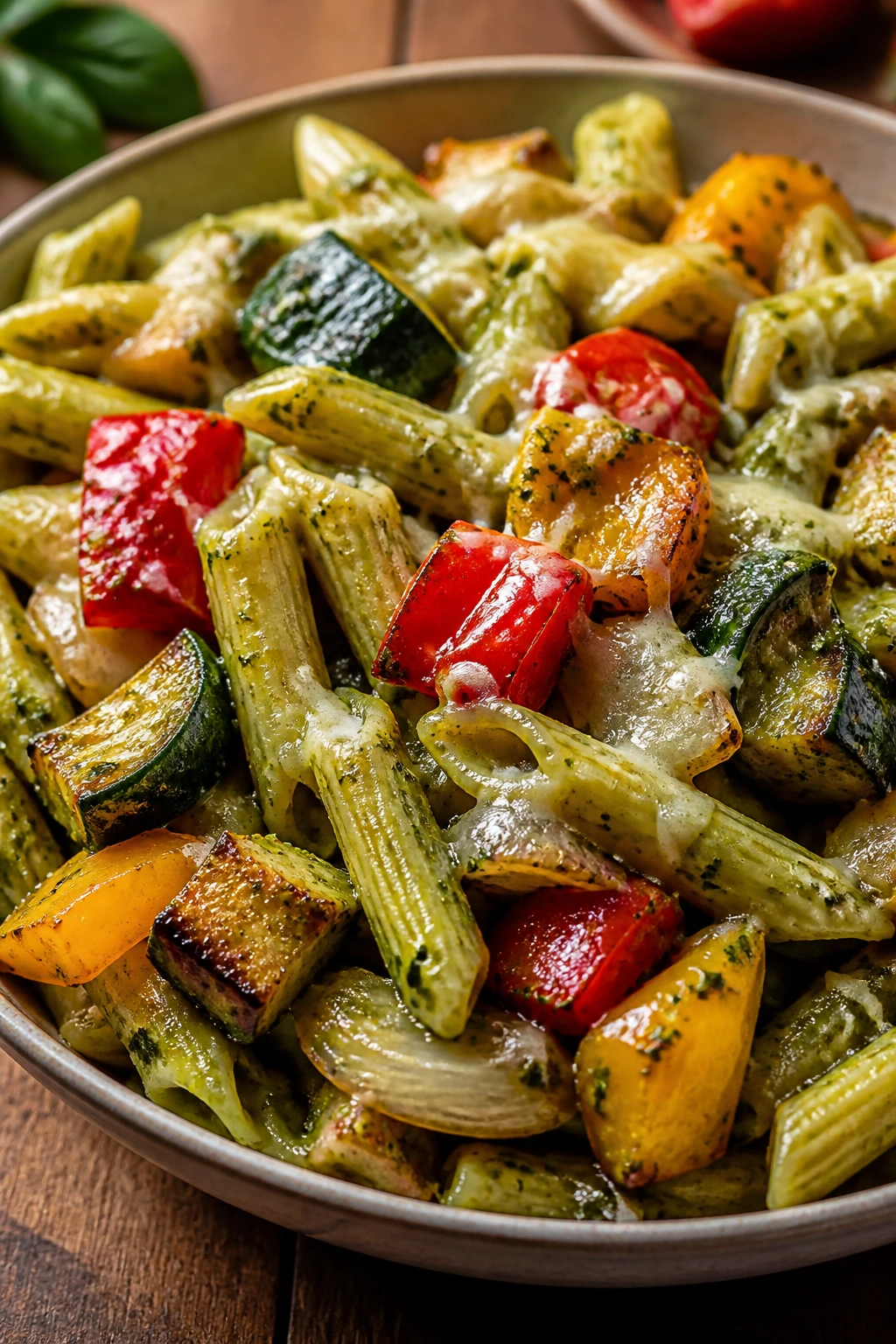
Roasted vegetables give pasta a little caramelized sweetness, and pesto pulls everything together without a long sauce. This is the kind of dinner that feels generous because the pan is packed with color, but the actual work stays reasonable. It also makes a decent case for eating more vegetables without making anyone sit through a lecture.
Why It Works:
Roasting concentrates the flavor of zucchini, peppers, and onion, which keeps the vegetables from tasting watery in the finished pasta. Pesto coats the noodles quickly, so there’s no long simmer and no heavy sauce to make the dish feel sluggish. Adding mozzarella at the end gives you little soft pockets that make the whole bowl feel finished.
Key Ingredients
- 12 ounces penne
- 1 zucchini, chopped
- 1 red bell pepper, chopped
- 1 yellow bell pepper, chopped
- 1 red onion, sliced
- 2 tablespoons olive oil
- 1/2 teaspoon salt
- 1/2 cup basil pesto
- 1 cup shredded mozzarella
- 1/4 cup grated Parmesan
Quick Steps
- Heat the oven to 425°F (220°C). Toss the vegetables with olive oil and salt on a sheet pan.
- Roast for 20 minutes, until the edges are browned and the vegetables look tender.
- Cook the penne in salted water until al dente. Reserve 1/4 cup pasta water.
- Toss the pasta with pesto and a splash of pasta water.
- Fold in the roasted vegetables, mozzarella, and Parmesan, then serve warm.
Tips and Variations
- Add chickpeas for extra protein and a little more chew.
- Sun-dried tomatoes fit neatly here if you want a deeper tomato note.
- Fresh basil on top makes the bowl taste brighter right away.
Why Pasta Keeps the Weeknight Calm
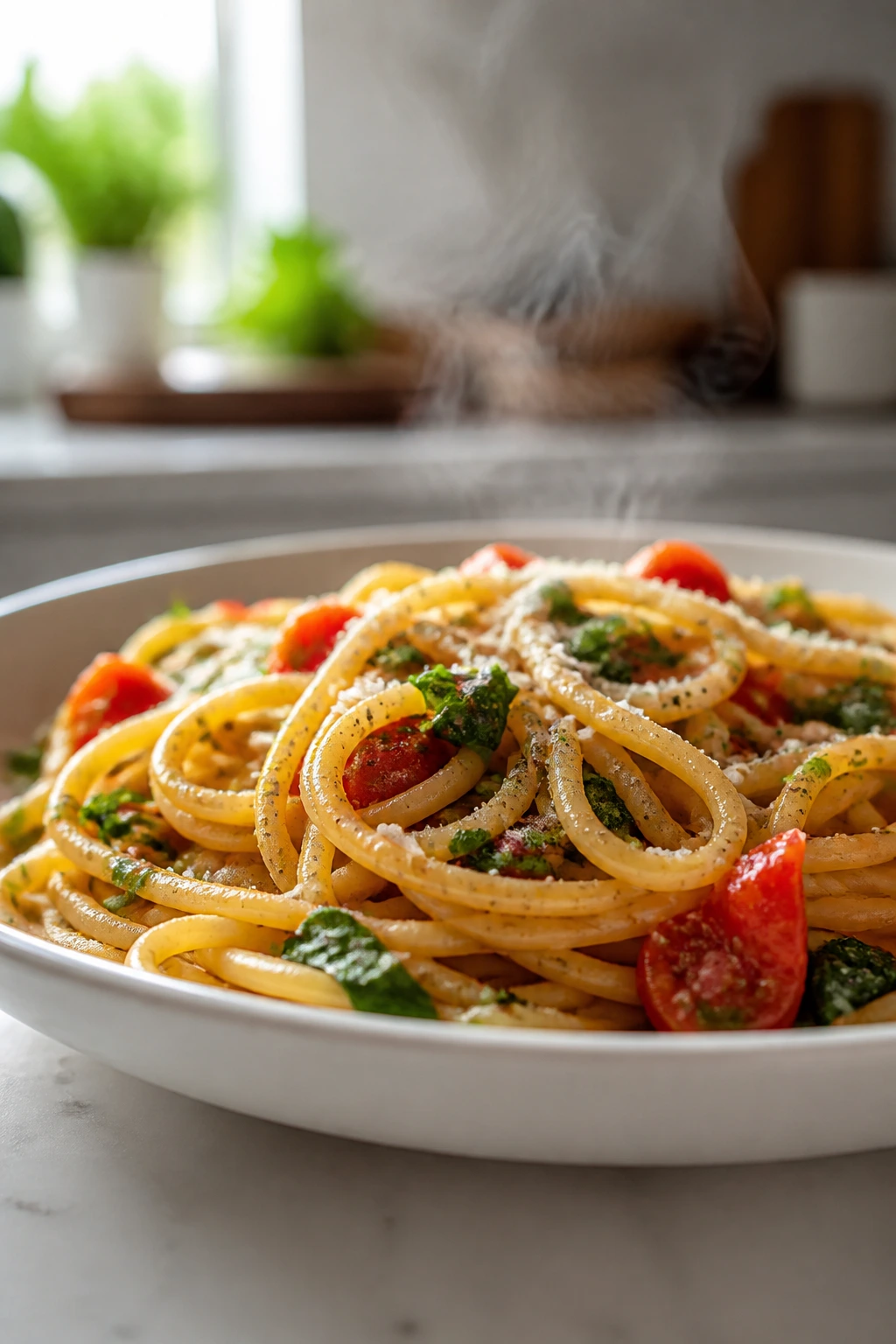
Pasta works so well on busy nights because it gives you speed without making dinner feel thin or throwaway. A short boil, a fast simmer, a quick bake — that’s enough to get a real meal on the table. The sauces can be creamy, tomato-based, cheesy, brothy, or built from pantry odds and ends, which means you can pivot when the grocery trip was imperfect or the day ran late. That flexibility is worth more than fussy technique.
There’s also a practical thing that gets overlooked. Pasta is forgiving in a way that proteins alone usually aren’t. If the sauce thickens too much, add pasta water. If the flavor needs lifting, add lemon, Parmesan, herbs, or a spoonful of tomato paste. If dinner needs to feed more people, pasta stretches beautifully without making the plate feel stingy.
Short shapes do some jobs better than long ones. Rotini and shells catch chunky sauces. Penne and rigatoni hold cream sauces in their tubes. Orecchiette scoops up sausage and greens. That might sound small, but it’s the difference between a bowl that feels coated and one that feels slippery.
And yes, pasta can get repetitive if you treat it like the same dinner every time. That’s why the recipes above lean different ways — skillet, bake, one-pot, seafood, pantry, veggie-heavy, kid-friendly, and a little more grown-up when you want it. Same comfort. Less boredom.
Essential Equipment for These Recipes
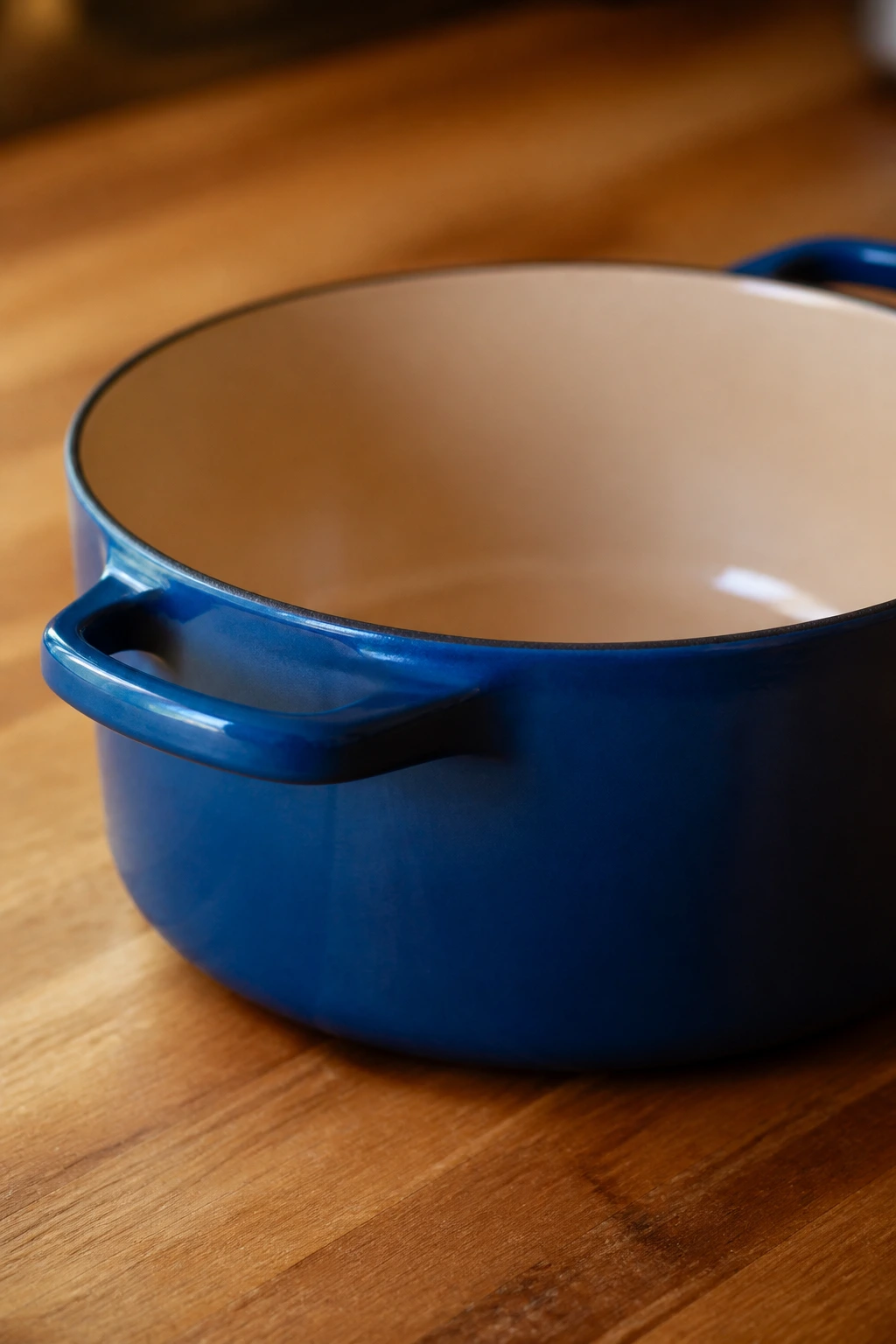
- Large Dutch Oven or Deep Pot: Best for one-pot pastas, tomato sauces, and recipes that need room to simmer without spilling.
- 12-Inch Skillet: Useful for skillet dinners, quick sauces, and browning meat before adding pasta.
- Medium Saucepan: Handy for cheese sauces, cream sauces, and melting butter without crowding the pan.
- Colander: You’ll use this constantly for draining pasta and rinsing beans.
- Tongs: Better than a spoon for tossing noodles with sauce and pulling long pasta apart.
- Wooden Spoon or Spatula: Good for scraping browned bits off the bottom of the pan.
- Box Grater or Microplane: Freshly grated cheese melts better and tastes sharper than pre-shredded.
- 9×13-Inch Baking Dish: Needed for baked ziti and any pasta casserole-style dinner.
- Sheet Pan: Essential for roasting vegetables quickly and evenly.
- Measuring Cups and Spoons: Worth keeping accurate, especially for broth, cream, and seasoning.
- Knife and Cutting Board: A sharp knife saves time on onions, peppers, and herbs.
- Airtight Storage Containers: Important for leftovers that need to reheat without drying out.
Smart Shopping and Ingredient Tips
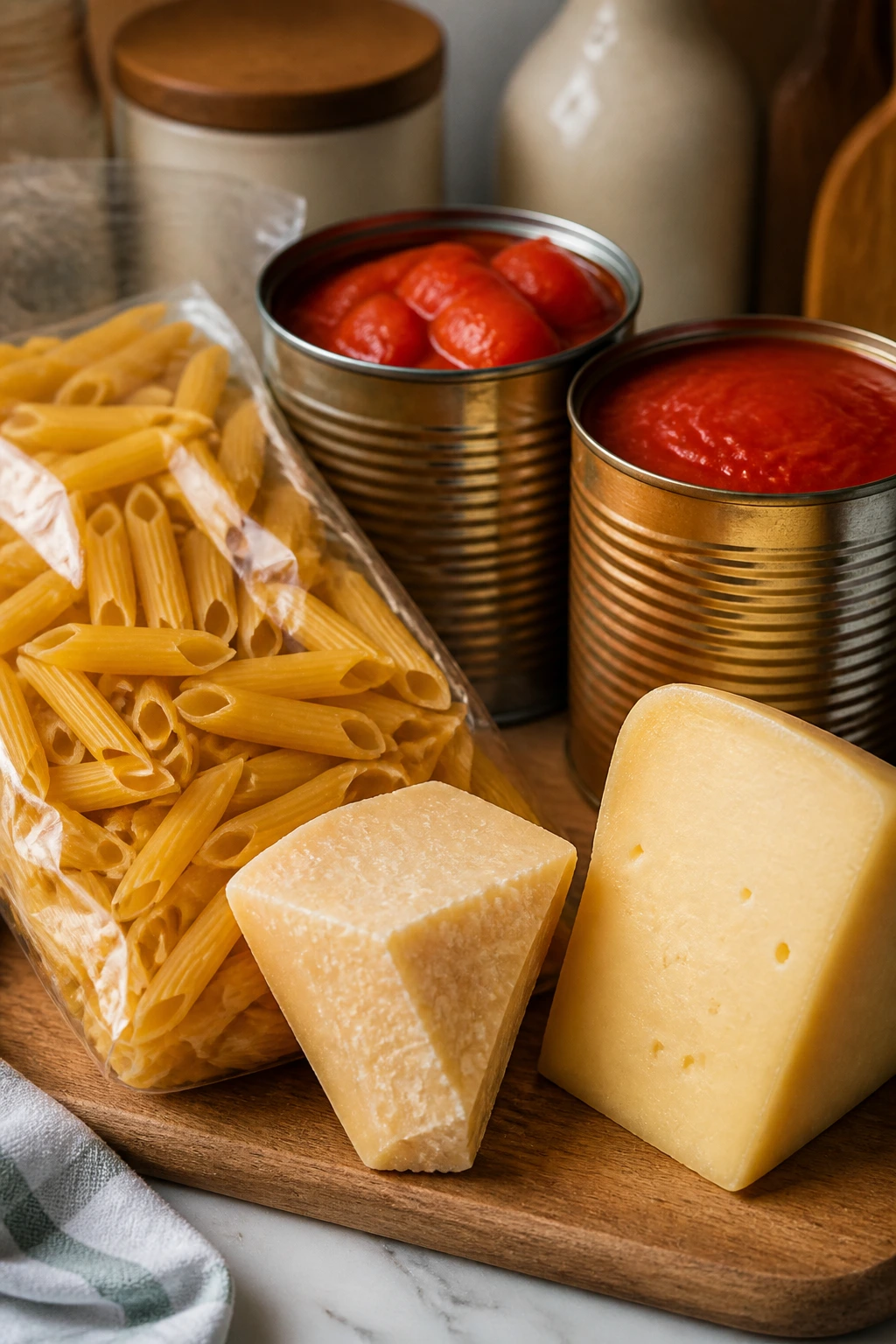
Pasta dinner shopping gets easier once you stop treating every recipe like a special occasion. Start with the pasta shape. Short shapes like rotini, penne, shells, ziti, rigatoni, and orecchiette hold sauce better than smooth spaghetti when you’re making a chunky skillet meal. Long noodles still have a place, especially for lighter sauces, seafood, and garlic-butter dishes, but they’re not the answer to everything.
For tomatoes, canned crushed tomatoes and good jarred marinara are worth buying with a little care. Look for short ingredient lists and avoid sauces that taste sugary before you cook with them. If a recipe uses tomato paste, don’t skip it; that little spoonful deepens the sauce faster than simmering alone.
Cheese matters more than people think. A block of Parmesan grated fresh will melt and taste better than the dusty tub version, and block mozzarella or low-moisture shredded mozzarella usually melts more cleanly than the soft fresh stuff in recipes that need a bake. Cream cheese, ricotta, and sour cream should be used cold but not icy, so they blend into sauces more smoothly.
On the protein side, chicken thighs stay juicier than breasts in fast skillet meals, while rotisserie chicken is one of the smartest shortcuts on the shelf. Frozen shrimp are fine if you thaw them correctly. Canned tuna, beans, and frozen vegetables are not “backup” ingredients here; they’re legit weeknight tools.
And one more thing: keep broth around. Chicken broth, vegetable broth, and even a little reserved pasta water help every sauce behave better. Dry pasta plus a smart liquid is half the battle.
How to Serve These Recipes
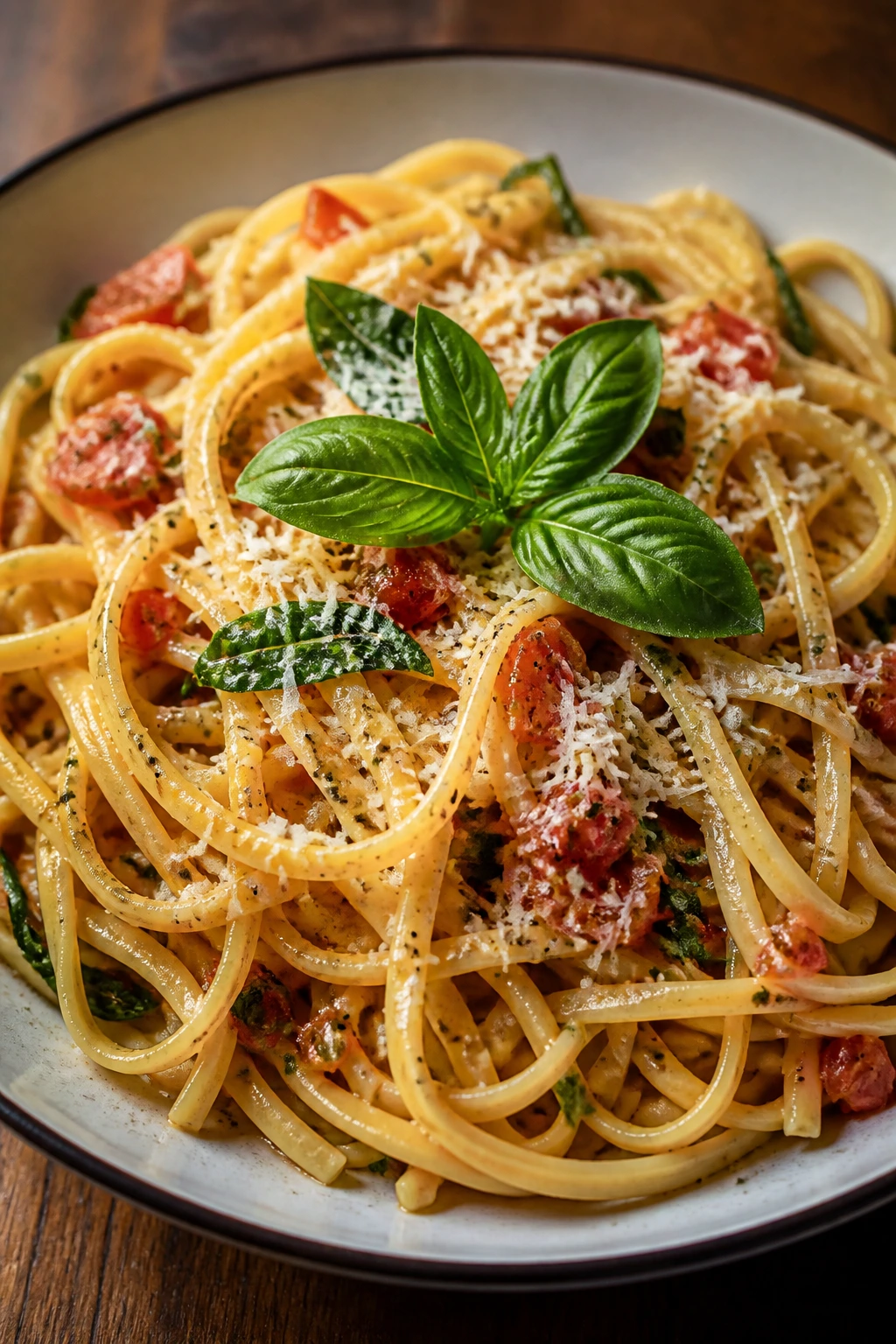
Presentation:
Use wide bowls for saucy pastas and shallow plates for baked or skillet-style dishes. A final dusting of Parmesan, a few torn basil leaves, or a quick grind of black pepper makes the food look intentional with almost no effort. For cream sauces, a little shine on top is good; for tomato sauces, a few visible herbs keep the bowl from looking flat.
Accompaniments:
Garlic bread is the obvious side, and there’s a reason for that. A crisp green salad, roasted broccoli, simple cucumber salad, or steamed green beans also work well when you want the plate to feel more balanced. For baked ziti, a salad with sharp vinaigrette cuts the richness nicely.
Portions:
Most of these recipes serve 4 to 6, and the sauciest ones stretch a little farther because the sauce carries the plate. If you’re feeding younger kids, a modest bowl with bread on the side usually goes further than a heaping pasta pile. To scale up, increase sauce first, then pasta; that keeps the dish from going dry.
Beverage Pairing:
Sparkling water with lemon is an easy default that fits almost everything here. For adult dinners, iced tea, a simple red wine with tomato-based sauces, or a crisp white with seafood pastas keeps things easy without overthinking it.
Additional Tips and Flavor Boosters
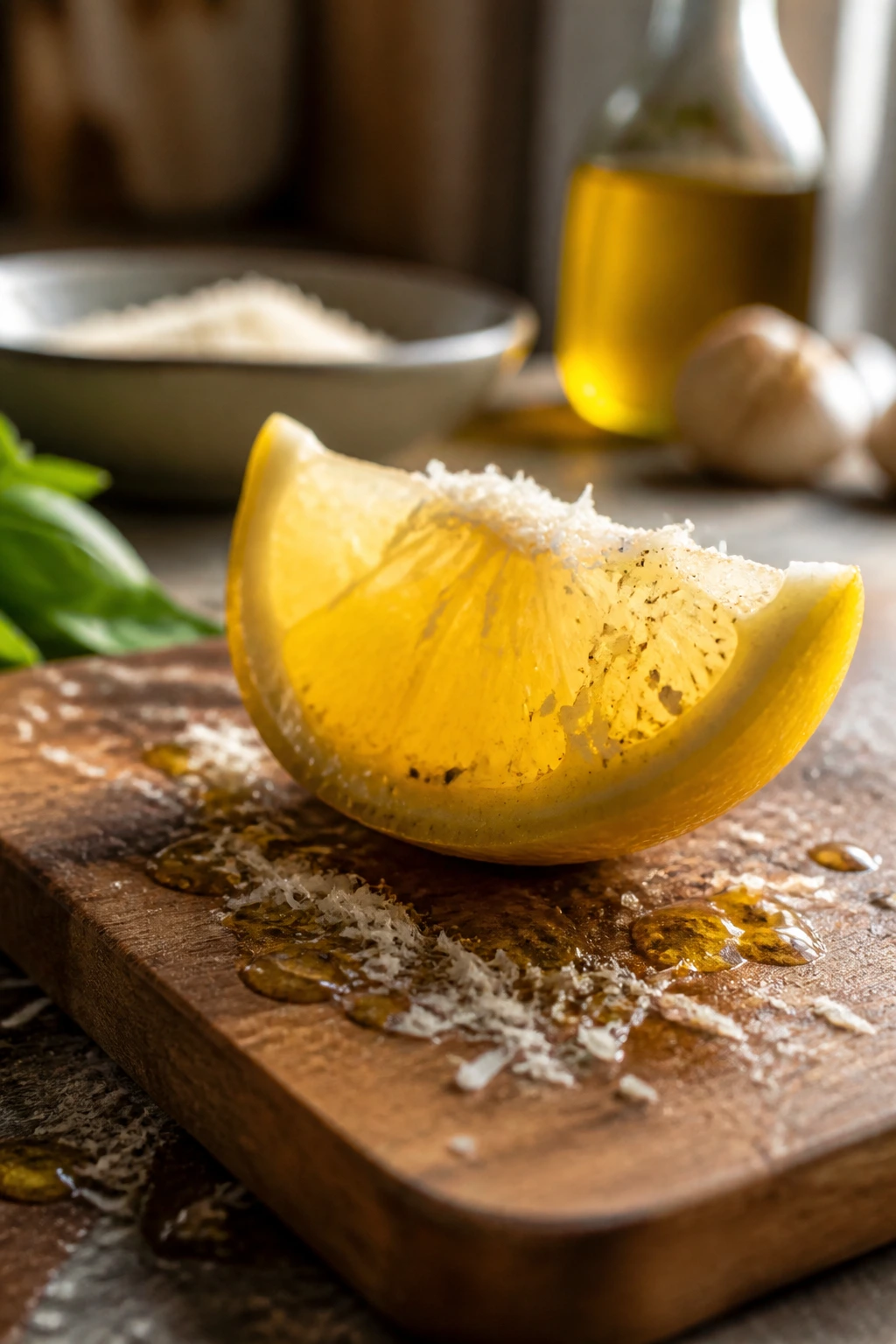
Flavor Enhancement:
Save a little pasta water every time. That starchy liquid is the easiest way to pull a sauce together at the end, and it works on tomato sauces, cream sauces, pesto, and garlic butter alike. A squeeze of lemon or a few drops of good olive oil at the finish can wake up a whole bowl.
Customization:
Most of these dinners welcome add-ins. Spinach, peas, broccoli, mushrooms, chopped peppers, or canned beans can be folded in near the end without wrecking the recipe. If you have leftover chicken, sausage, or ham, use it. Pasta is not precious.
Serving Suggestions:
Fresh herbs make a bigger difference than people expect. Basil on tomato pasta, parsley on creamy dishes, dill with salmon, and oregano with sausage all help the dish taste finished. A little extra grated cheese at the table is never wasted.
Make-It-Yours:
For a dairy-free version, choose tomato-based or olive-oil-based sauces and finish with nutritional yeast or dairy-free cheese if you like it. For gluten-free, use a sturdy gluten-free pasta and check the sauce consistency earlier, because many gluten-free noodles absorb liquid faster. For extra protein, add beans, chicken, turkey, sausage, or shrimp instead of building a second side dish.
Make-Ahead, Storage, and Reheating Guidance
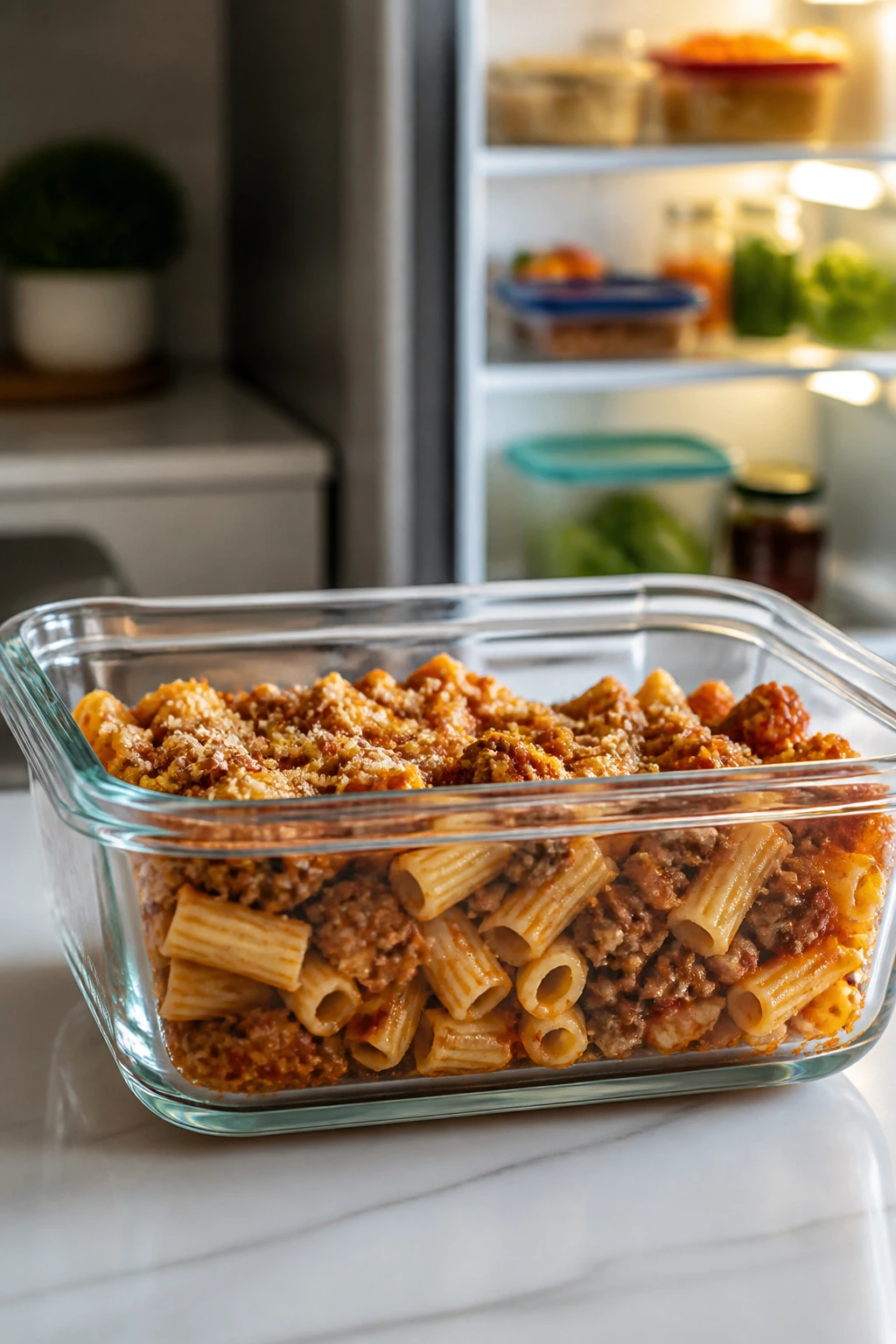
Most tomato-based, meat-based, and baked pasta dishes keep well for 3 to 4 days in the refrigerator in airtight containers. They also freeze nicely for up to 2 months, especially baked ziti, meat sauce pastas, taco pasta, chili mac, and tomato-heavy skillet dinners. Portioning leftovers into single servings before freezing makes weekday reheating much less annoying.
Cream sauces need a little more care. Alfredo, vodka sauce, salmon pasta, and similar richer dishes are best eaten within 1 to 2 days and reheated gently. Freeze them only if you accept that the texture may loosen a bit when thawed. Reheat on the stovetop over low heat with a splash of milk, broth, or water, stirring often so the sauce stays smooth.
For baked pasta, reheat covered in a 325°F (165°C) oven for about 20 to 25 minutes if the dish is already cold from the fridge, or until the center is hot. Add a tablespoon or two of water or sauce before covering if the pasta looks dry. Remove the foil for the last few minutes if you want the top to crisp again.
Seafood pastas need the most restraint. Shrimp and salmon can get tough if blasted in the microwave, so low power and short bursts are better, or warm the sauce separately and fold the seafood in at the end. One practical habit helps almost every recipe here: keep some extra sauce aside when you store leftovers. Pasta drinks liquid overnight. That’s just what it does.
Variations and Adaptations to Try
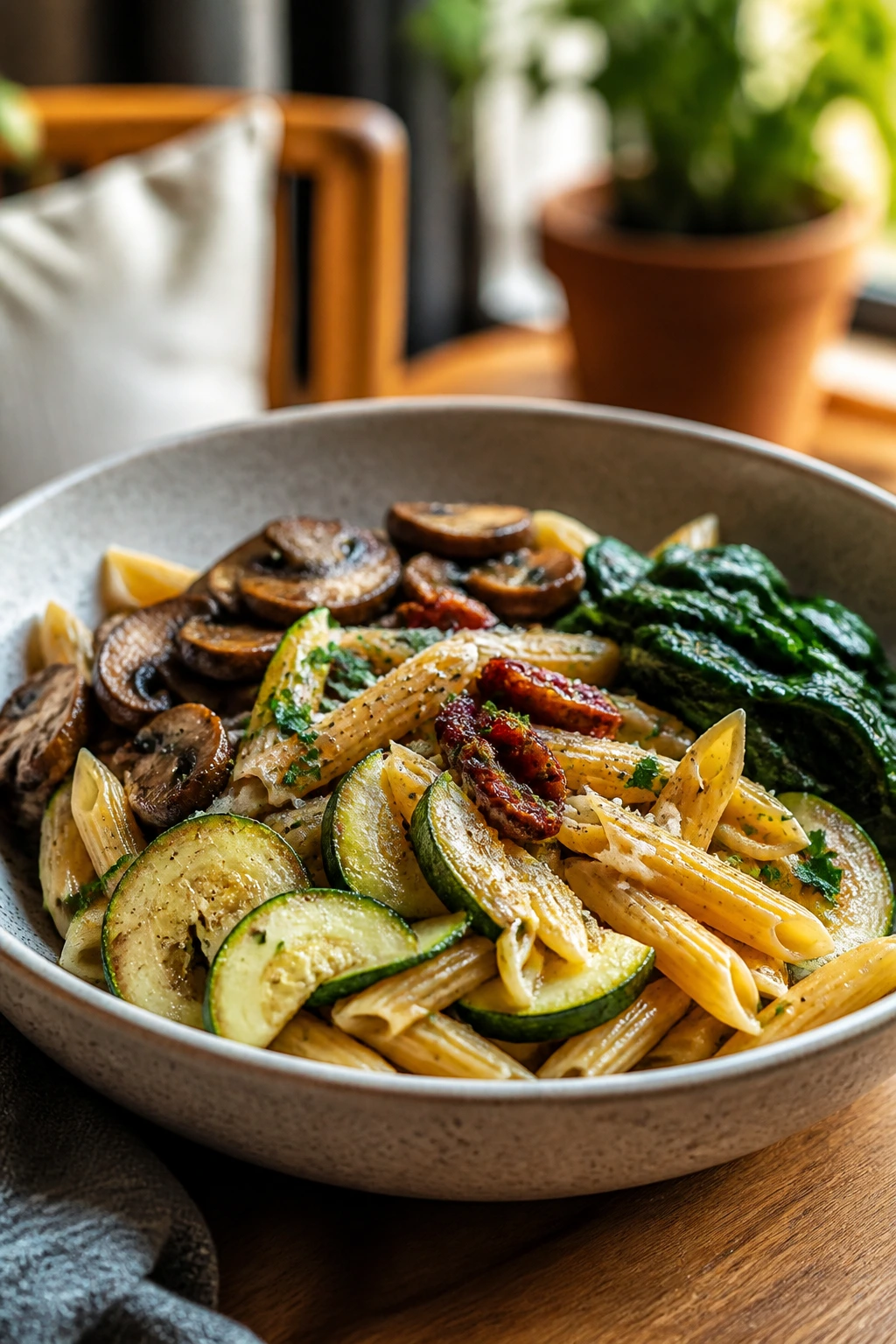
Pantry Rescue Pasta:
Use whatever short pasta, canned tomatoes, beans, tuna, or frozen vegetables you already have. The goal is not perfection. It’s dinner that doesn’t require a second grocery run.
Creamy Without Heavy Cream:
Use half-and-half, evaporated milk, or a mix of milk and a spoonful of cream cheese. The sauce will be a little lighter, but if you keep the heat low and add cheese slowly, it still turns out smooth.
Vegetable-First Dinner:
Double the vegetables and cut the protein down a bit. Roasted zucchini, mushrooms, broccoli, spinach, kale, peas, and peppers all fit into these pastas without feeling forced.
Kid-Calm Version:
Keep spice mild, chop vegetables small, and choose familiar shapes like shells, rotini, penne, or elbows. A little extra cheese on top helps more than most people want to admit.
Higher-Protein Bowl:
Add chicken, turkey, sausage, shrimp, tuna, beans, or chickpeas without changing the soul of the recipe. Pasta can carry a lot of protein if you’re smart about texture and sauce.
Lower-Sodium Route:
Use low-sodium broth, unsalted canned tomatoes when you can find them, and season at the end rather than dumping salt in early. A squeeze of lemon and fresh herbs help replace some of the flavor that salt normally provides.
Common Mistakes to Avoid
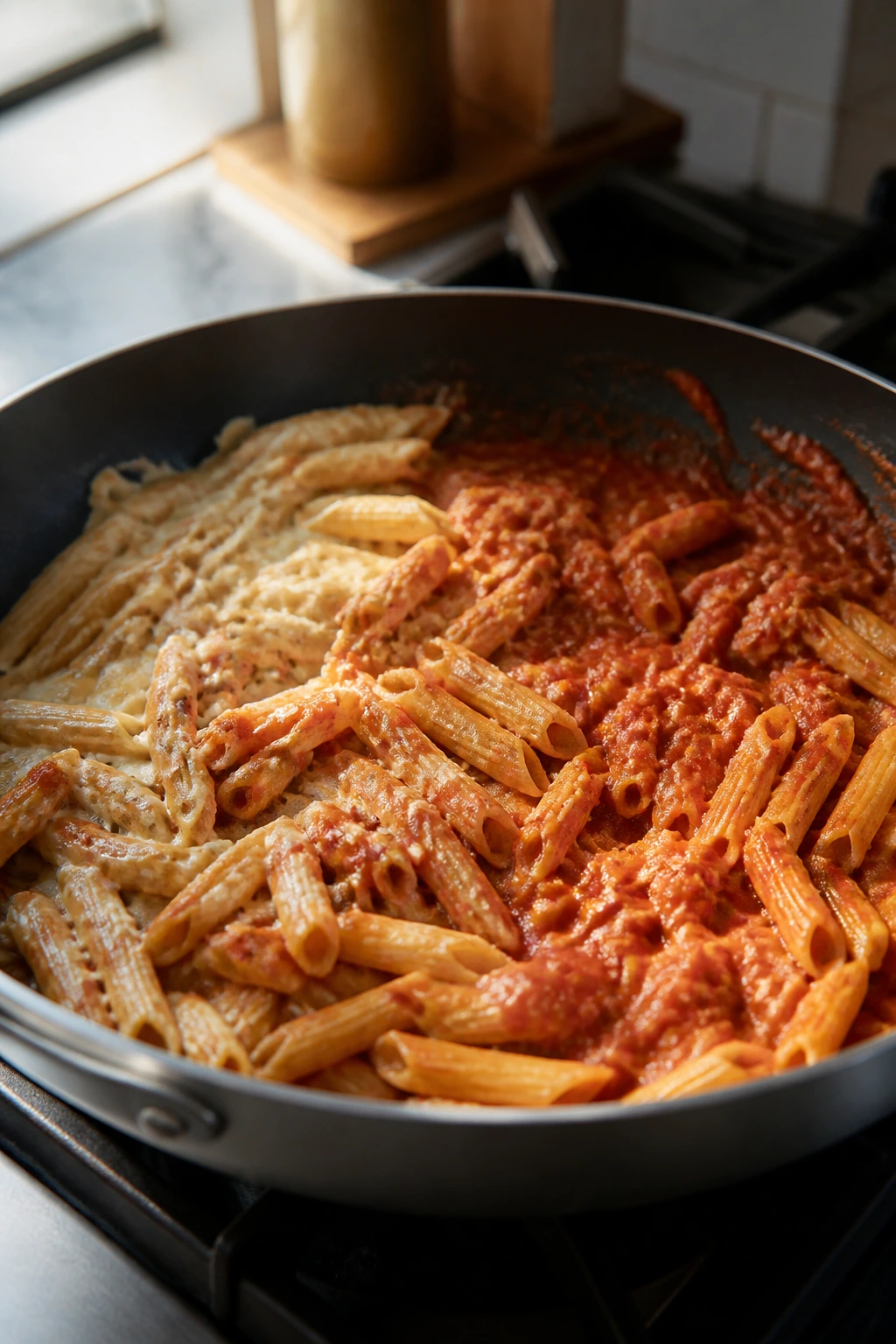
Overcooking the pasta before it hits the sauce:
If you boil pasta until it’s soft, then cook it again in sauce, you’ll end up with mush. Pull it a minute or two early and let the sauce finish the job.
Not saving pasta water:
Draining every drop down the sink is a small mistake that causes a lot of dry dinners. Reserve at least 1/2 cup, and use it to loosen thick sauces instead of reaching for more cream or broth first.
Adding dairy over high heat:
Cream, ricotta, sour cream, and cheese can split or turn grainy if the pan is too hot. Lower the heat before they go in, and stir patiently.
Crowding the pan with vegetables or meat:
If mushrooms, sausage, or chicken sit in a cramped pan, they steam instead of brown. Brown in batches when needed. Color equals flavor here.
Underseasoning the water and the sauce:
Plain pasta water gives you plain pasta. Salt the water properly, then taste the sauce before serving. You can always add a pinch more Parmesan, lemon, or pepper at the end.
Forgetting that different pasta shapes behave differently:
Long noodles work best with lighter sauces; chunky sauces prefer ridged or tube-shaped pasta. Using the wrong shape won’t ruin dinner, but it can make the sauce slide off instead of sticking where it should.
Frequently Asked Questions
Can I make these pasta dinners ahead of time?
Yes, especially the tomato-based and baked versions. For the best texture, cook the pasta a little underdone, cool the sauce separately if you can, and combine just before reheating or baking.
What pasta shapes work best for busy weeknights?
Rotini, penne, shells, ziti, rigatoni, orecchiette, and elbow macaroni are especially useful because they grab sauce well. Long noodles are still great for shrimp, lemon, and garlic-butter dishes, but short shapes are easier for mixed-family dinners.
How do I keep cream sauce from getting grainy?
Lower the heat before adding cream, sour cream, ricotta, or cheese, and stir gently while the sauce warms. If the pan is screaming hot, the dairy is more likely to separate.
Can I freeze leftover pasta?
Most tomato, meat, bean, and baked pasta dishes freeze well for up to 2 months. Creamy and seafood pastas are less cooperative, but they can still be frozen if you accept a softer texture after reheating.
What if my sauce gets too thick?
Add reserved pasta water a tablespoon or two at a time. If you used a tomato or meat sauce, broth works too. The goal is a sauce that coats the pasta, not one that sits in a lump.
How can I make these more kid-friendly?
Keep the spice mild, use small pasta shapes, and lean on cheese, tomato sauce, or butter-based flavors. Chopping vegetables finely also helps them blend into the dish instead of standing out.
Can I use gluten-free pasta in these recipes?
You can, but watch the timing closely. Many gluten-free pastas soften faster or turn fragile if they sit too long in sauce, so taste early and keep extra liquid nearby.
What’s the easiest way to add more vegetables without changing the recipe too much?
Stir spinach, peas, chopped kale, broccoli florets, or roasted peppers into the sauce near the end. Those vegetables cook quickly and fit naturally into almost every pasta style here.
Do I need to grate my own cheese?
You don’t have to, but it helps. Freshly grated cheese melts smoother and tastes cleaner, especially in Alfredo, cheese sauces, and baked pasta.
What if I only have one pan but the recipe calls for a pot and a skillet?
Use the biggest deep skillet or Dutch oven you own. Most of these recipes can be adapted if you brown the meat first, push it to the side, then build the sauce right in the same pan.
The Pasta Night Shortlist
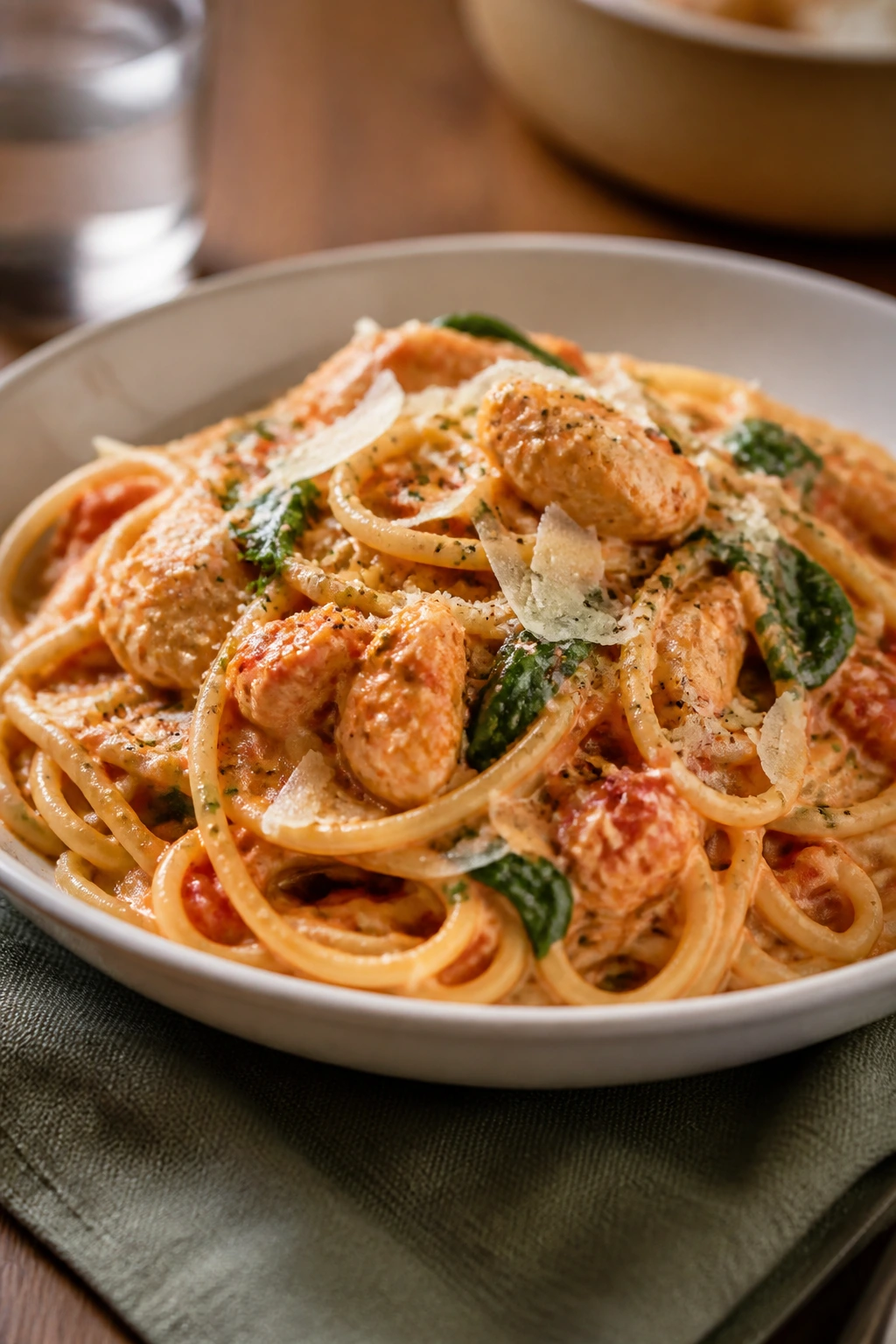
The best pasta dinners for busy moms are not the fanciest ones. They’re the ones that behave: quick to start, easy to finish, and forgiving when the evening goes sideways. A good rotation of one-pot tomato pasta, a baked casserole, a creamy skillet, a seafood option, and a pantry rescue bowl can carry a household through a lot of ordinary chaos.
If you keep a few solid shapes, a couple of sauces, and one or two smart shortcuts on hand, pasta stops being a fallback and starts being a reliable plan. That’s a useful thing to have in your back pocket.