



Cabinets full of odds and ends can feel discouraging until you remember what those odds and ends can do. A box of pasta, a can of beans, a jar of tomato paste, a bag of rice, a few onions, and a little oil can become dinner in ways that are humble, filling, and far more satisfying than they have any right to be. That’s the quiet charm of pantry dinners for tight grocery budgets: they turn shelf-stable basics into meals that feel deliberate instead of desperate.
I’ve always liked pantry cooking best when it has a little texture, a little acid, and one small flourish at the end. A spoonful of toasted breadcrumbs. A squeeze of lemon. A handful of herbs if you’ve got them. Those little things matter. They’re what keep a cheap dinner from tasting flat, and they’re the difference between “I guess this will do” and “I’d make that again.”
The recipes below lean hard on the kind of ingredients most households can keep around without much fuss: dried pasta, rice, beans, canned fish, frozen vegetables, eggs, canned tomatoes, and a few seasonings that do real work. Nothing fussy. Nothing precious. Just practical dinners that make the grocery bill behave.
Why These Pantry Dinners Earn Their Place at the Table
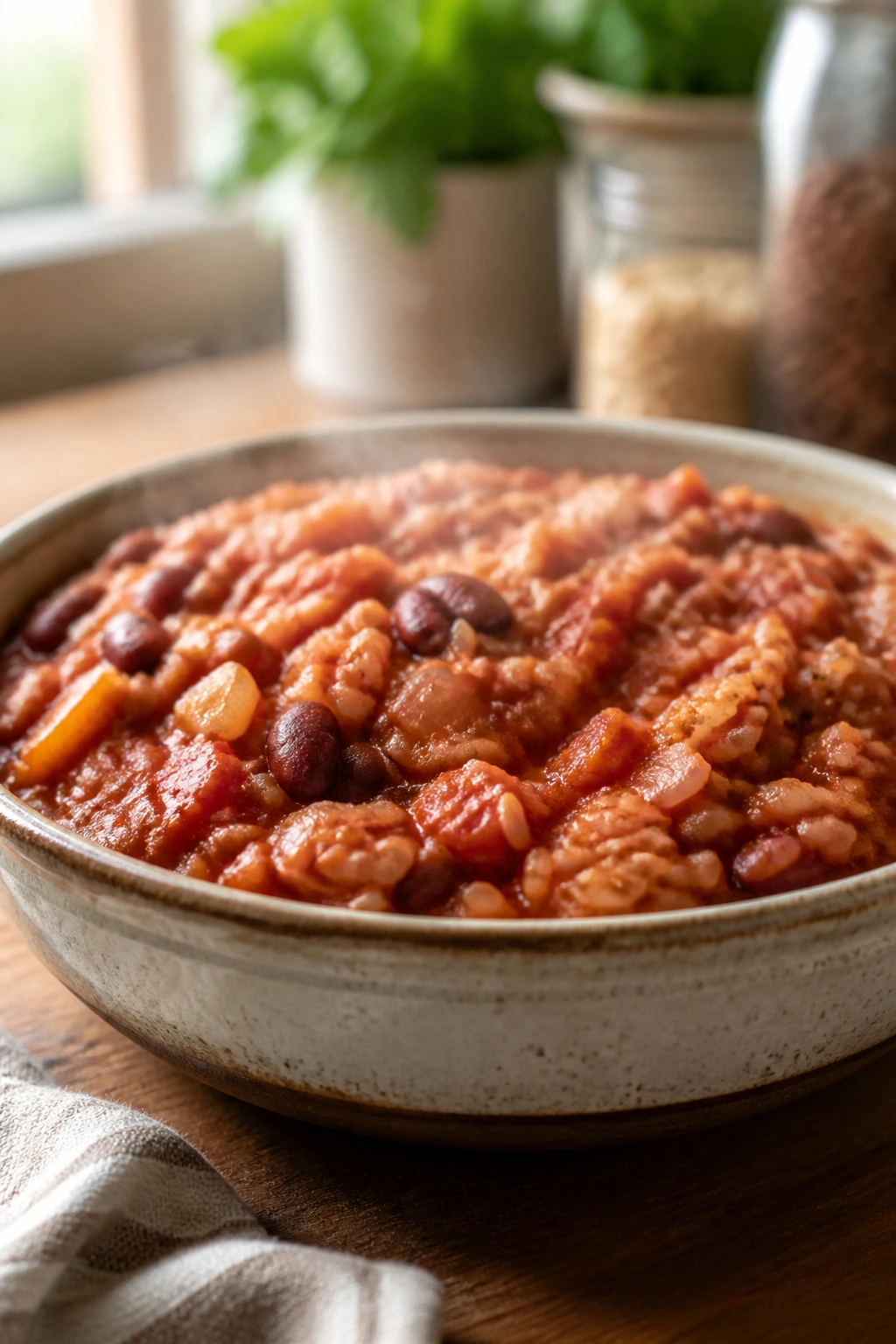
-
Budget-Friendly Building Blocks: Each recipe uses low-cost staples that show up in ordinary kitchens, so you can make dinner without buying a cart full of one-off ingredients.
-
Shelf-Stable First: The main ingredients keep well, which means fewer emergency grocery runs and less food waste lurking in the back of the fridge.
-
Filling Without Feeling Heavy: Beans, rice, pasta, eggs, and potatoes all bring real staying power, and the recipes balance them with acid, herbs, or a bit of fat so the meals still taste lively.
-
Flexible by Design: If you have canned tomatoes but not chickpeas, or rice but not pasta, there’s usually a simple swap that keeps the dish moving.
-
Built for Real Weeknights: Most of these dinners come together with one pot, one skillet, or one baking dish, which makes cleanup far less annoying than the bill at checkout.
-
Easy to Scale Up: These pantry meals stretch cleanly for one person, a couple, or a table full of hungry people without getting weird or watery.
1. Garlicky Tomato Spaghetti with Toasted Breadcrumbs
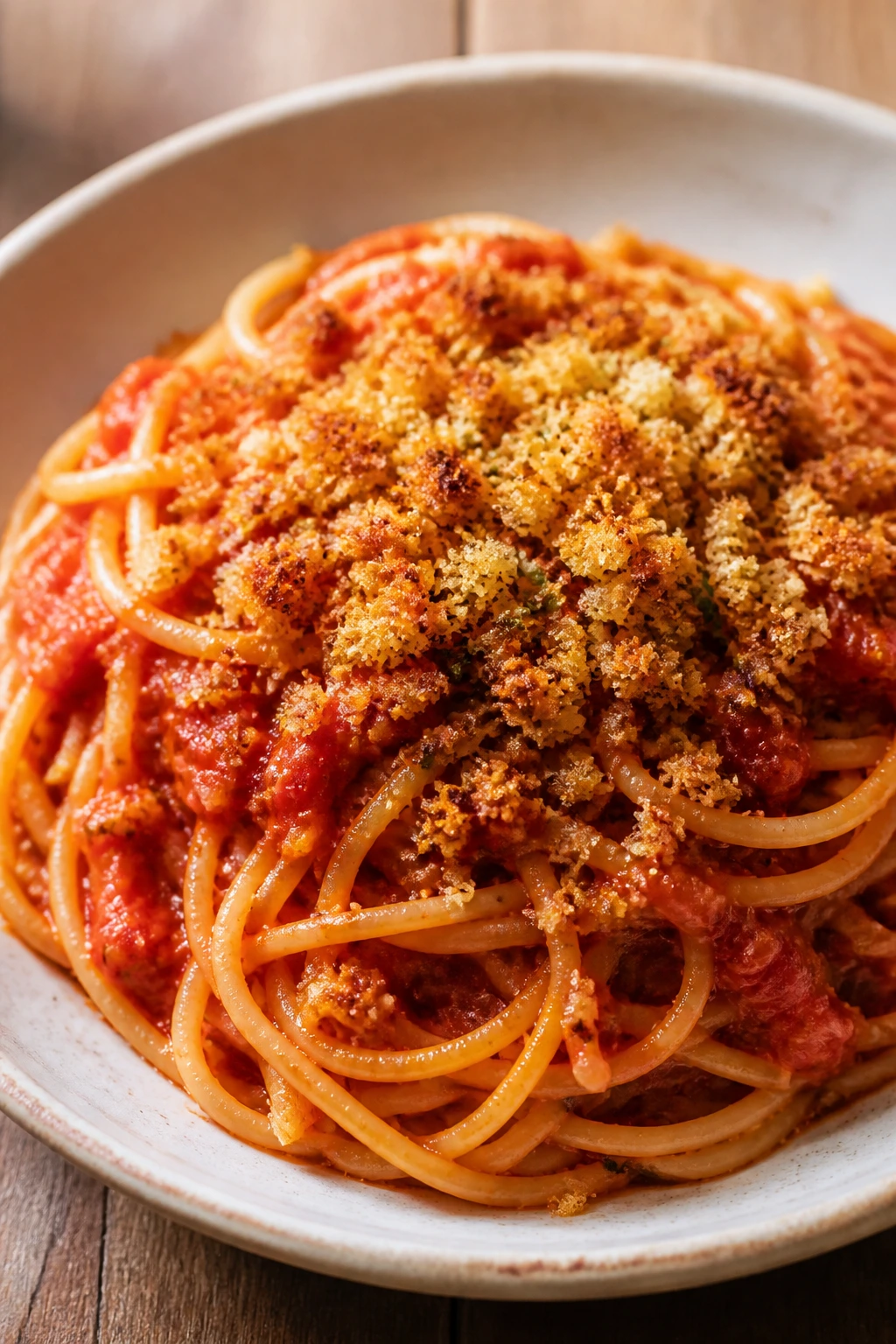
This is the kind of dinner I make when the pantry looks sparse but not hopeless. The sauce is just canned tomatoes, garlic, onion, and a little tomato paste, yet it tastes richer than the ingredient list suggests because the breadcrumbs bring crunch and the pasta water helps everything turn silky.
Why It Works
The pasta does what pasta always does: it carries flavor and makes a small amount of sauce feel bigger. Toasted breadcrumbs are the unsung hero here; they give you that browned, savory edge you’d usually get from something pricier, and they make the plate feel finished instead of bare. A pinch of sugar can soften sharp tomatoes, but I only use it when the can tastes a little aggressive. Good canned tomatoes matter more than people think, and crushed tomatoes give this sauce a nice middle ground between smooth and chunky.
Key Ingredients
- 12 oz spaghetti
- 2 tbsp olive oil, divided
- 1 small yellow onion, finely diced
- 4 garlic cloves, thinly sliced
- 2 tbsp tomato paste
- 1 can (28 oz) crushed tomatoes
- 1 tsp kosher salt, plus more for pasta water
- 1/2 tsp black pepper
- 1/2 tsp red pepper flakes, optional
- 1 tsp sugar, optional
- 1/2 cup breadcrumbs from stale bread
- 2 tbsp grated Parmesan or pecorino, optional
- 2 tbsp chopped parsley
Quick Steps
- Bring a large pot of salted water to a boil and cook the spaghetti until just shy of al dente, usually 1 minute less than the package suggests. Reserve 1 cup of the pasta water.
- Heat 1 tablespoon of the olive oil in a large skillet over medium heat. Add the breadcrumbs and stir for 2 to 3 minutes until golden and crisp, then scrape them into a bowl.
- Add the remaining olive oil to the skillet. Cook the onion for 4 to 5 minutes, until soft and translucent, then add the garlic and red pepper flakes and stir for 30 seconds.
- Stir in the tomato paste and cook for 1 minute, until it darkens slightly. Add the crushed tomatoes, salt, pepper, and sugar if using, then simmer for 12 to 15 minutes.
- Add the drained pasta to the sauce with 1/2 cup of the reserved pasta water. Toss until glossy and coated, adding more water a splash at a time if needed.
- Serve right away with toasted breadcrumbs, Parmesan, and parsley scattered over the top.
Tips and Variations
- Use stale bread for the crumbs; fresh bread turns gummy fast.
- Stir in a can of drained tuna if you want more protein without much extra cost.
- A spoonful of olive oil at the end makes the sauce taste fuller.
2. Smoky Red Beans and Rice Skillet
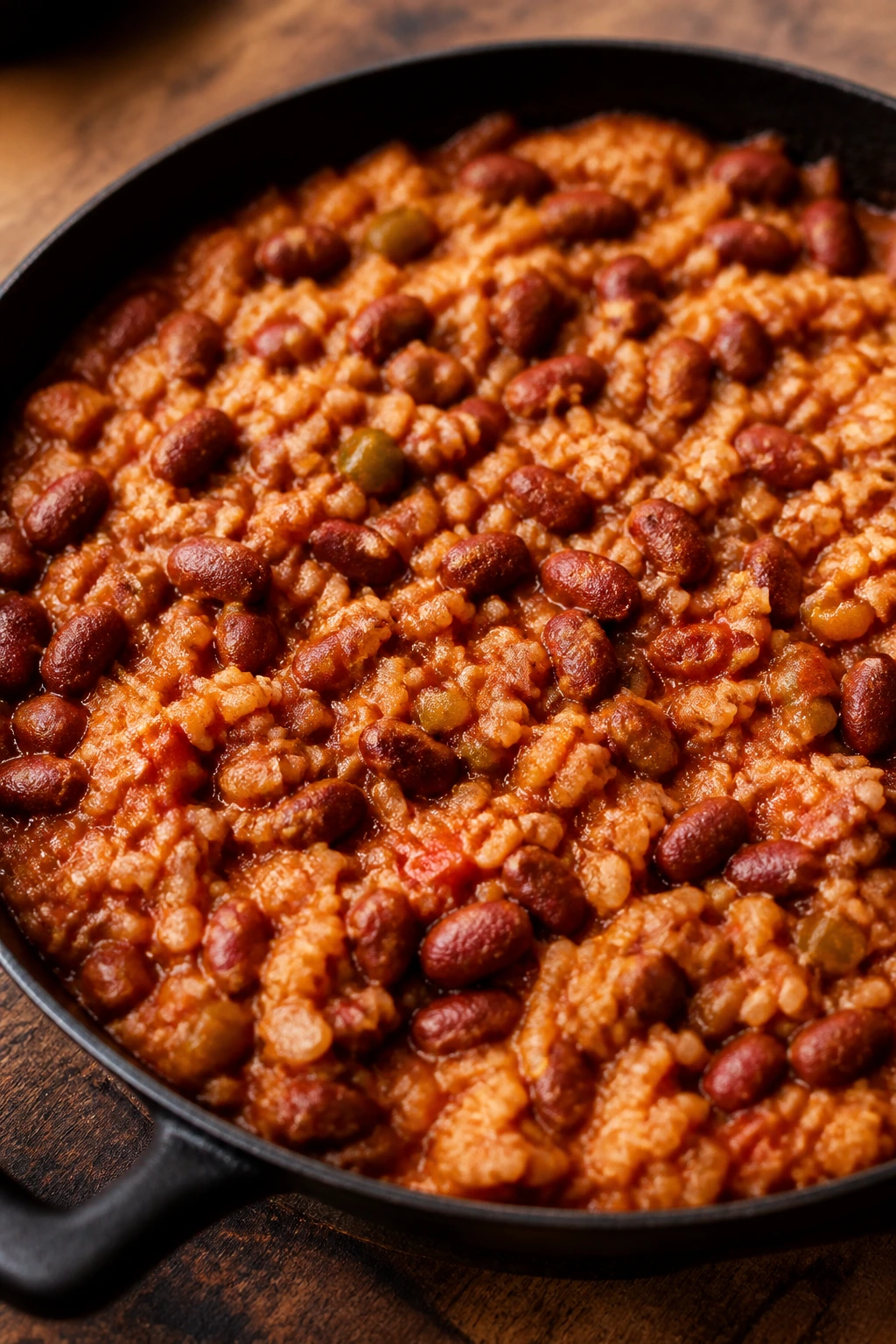
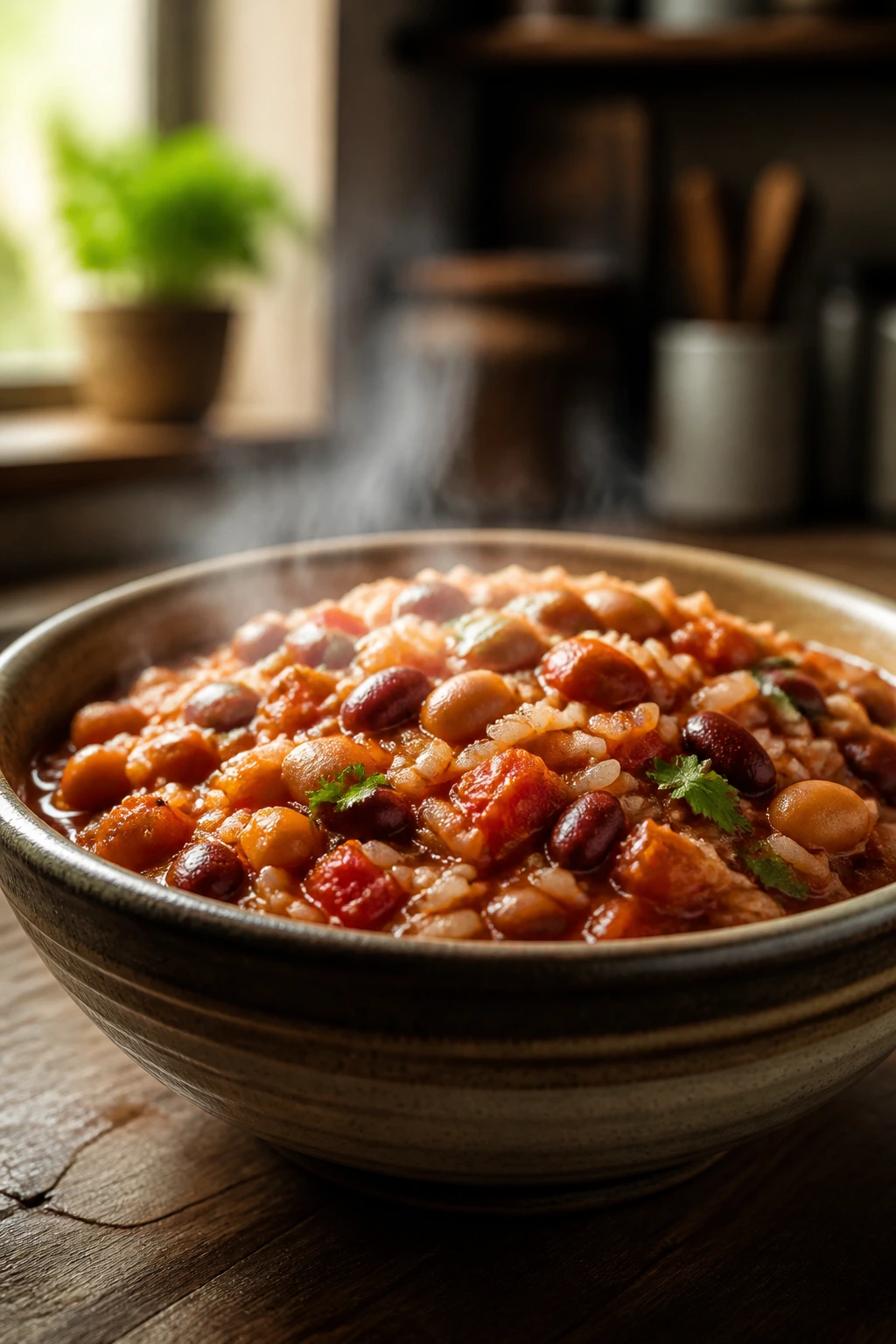
This one tastes like a meal that cost more than it did, which is always a small victory. The rice cooks right in the same pan as the beans, so it absorbs the tomato, spice, and onion flavor instead of tasting separate and plain.
Pantry Logic
Rice and beans are a budget classic for a reason. Together they give you enough body to feel like dinner, and the smoked paprika adds the kind of depth people often chase with bacon or sausage. You do not need meat here to get a satisfying bowl. What you do need is enough seasoning, a little fat, and a lid that fits well so the rice cooks evenly instead of drying out on top.
Key Ingredients
- 1 tbsp olive oil
- 1 small yellow onion, diced
- 1 green bell pepper, diced
- 3 garlic cloves, minced
- 1 tbsp tomato paste
- 1 tsp smoked paprika
- 1 tsp dried thyme
- 1/4 to 1/2 tsp cayenne, optional
- 1 cup long-grain white rice, rinsed
- 2 cans red kidney beans, drained and rinsed
- 1 can diced tomatoes, with juices
- 2 1/2 cups water or broth
- 1 tsp kosher salt
- 1/2 tsp black pepper
- 2 scallions, sliced
Quick Steps
- Heat the oil in a deep skillet or Dutch oven over medium heat. Cook the onion and bell pepper for 5 to 6 minutes, until softened and starting to pick up some color.
- Add the garlic, tomato paste, paprika, thyme, and cayenne. Stir for 1 minute so the spices bloom and the paste darkens a shade.
- Stir in the rice, beans, diced tomatoes, water or broth, salt, and pepper. Bring the pot to a simmer.
- Cover tightly, reduce the heat to low, and cook for 18 to 20 minutes, until the rice is tender and the liquid is absorbed.
- Remove from the heat and let it sit, covered, for 5 minutes. Fluff gently with a fork.
- Top with scallions and serve while hot.
Tips and Variations
- Brown rice works too, but it needs more liquid and about 15 extra minutes.
- A splash of vinegar at the end sharpens the whole pan.
- If the bottom catches a little, do not panic; just lift the top rice into a serving bowl and leave the stuck bits behind.
3. Tuna Pasta with Peas and Lemon
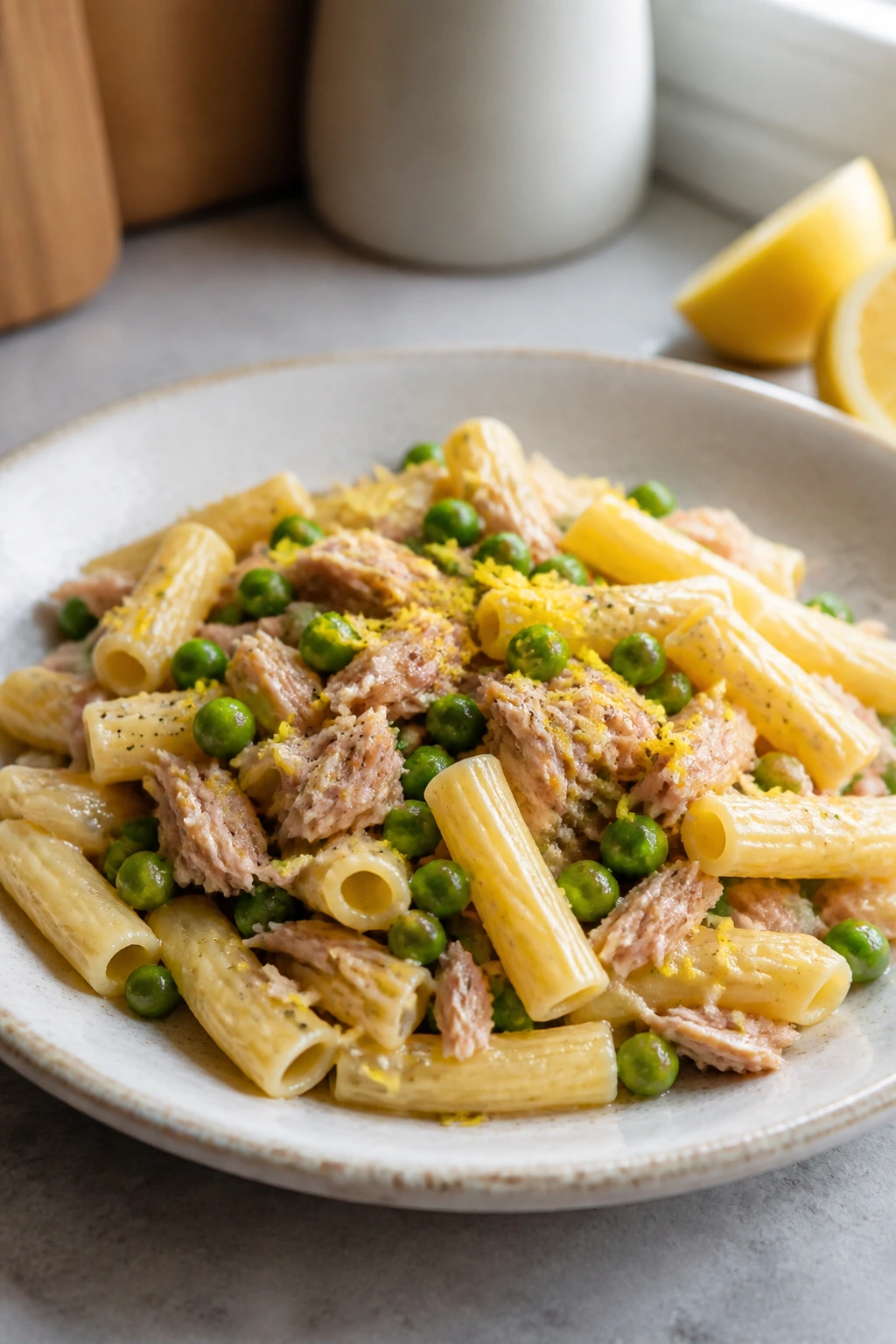
There’s a reason this dinner shows up in so many homes. It’s fast, cheap, and it tastes brighter than the ingredient list suggests, especially when the lemon zest hits the warm pasta and the tuna gets folded through at the very end.
What Makes It Worth Making
Canned tuna is one of the best budget proteins around, but it needs the right company. Butter or olive oil gives it roundness, peas add sweetness, and lemon keeps the whole thing from feeling muddy. I like this with short pasta, because the little ridges catch the sauce and bits of tuna in a way spaghetti never quite manages. Pasta water matters here too; it helps the oil, lemon juice, and cheese cling together instead of sliding off in a slick puddle.
Key Ingredients
- 12 oz short pasta, such as rotini, shells, or penne
- 2 cans tuna, drained
- 1 cup frozen peas
- 2 tbsp butter or olive oil
- 2 garlic cloves, minced
- 1 lemon, zested and juiced
- 1/2 cup reserved pasta water
- 1/4 cup grated Parmesan, optional
- 1/2 tsp black pepper
- Salt, to taste
- 2 tbsp chopped parsley
- Pinch of red pepper flakes, optional
Quick Steps
- Bring a pot of salted water to a boil. Cook the pasta until almost al dente, then add the peas during the last 2 minutes.
- Reserve 1/2 cup of the pasta water, then drain the pasta and peas together.
- Return the pot to low heat and add the butter or oil. Cook the garlic for 30 seconds, just until fragrant.
- Stir in the tuna, lemon zest, black pepper, and red pepper flakes if using. Break the tuna into small flakes as it warms.
- Add the pasta, peas, lemon juice, Parmesan, and reserved water. Toss until the sauce looks glossy and lightly coats the pasta.
- Finish with parsley and serve immediately.
Tips and Variations
- Olive oil gives a cleaner flavor; butter makes it a little richer.
- A spoonful of capers works if you have them.
- If you want this to feel more substantial, add an extra cup of peas or a handful of chopped spinach.
4. Curried Lentil Stew with Rice
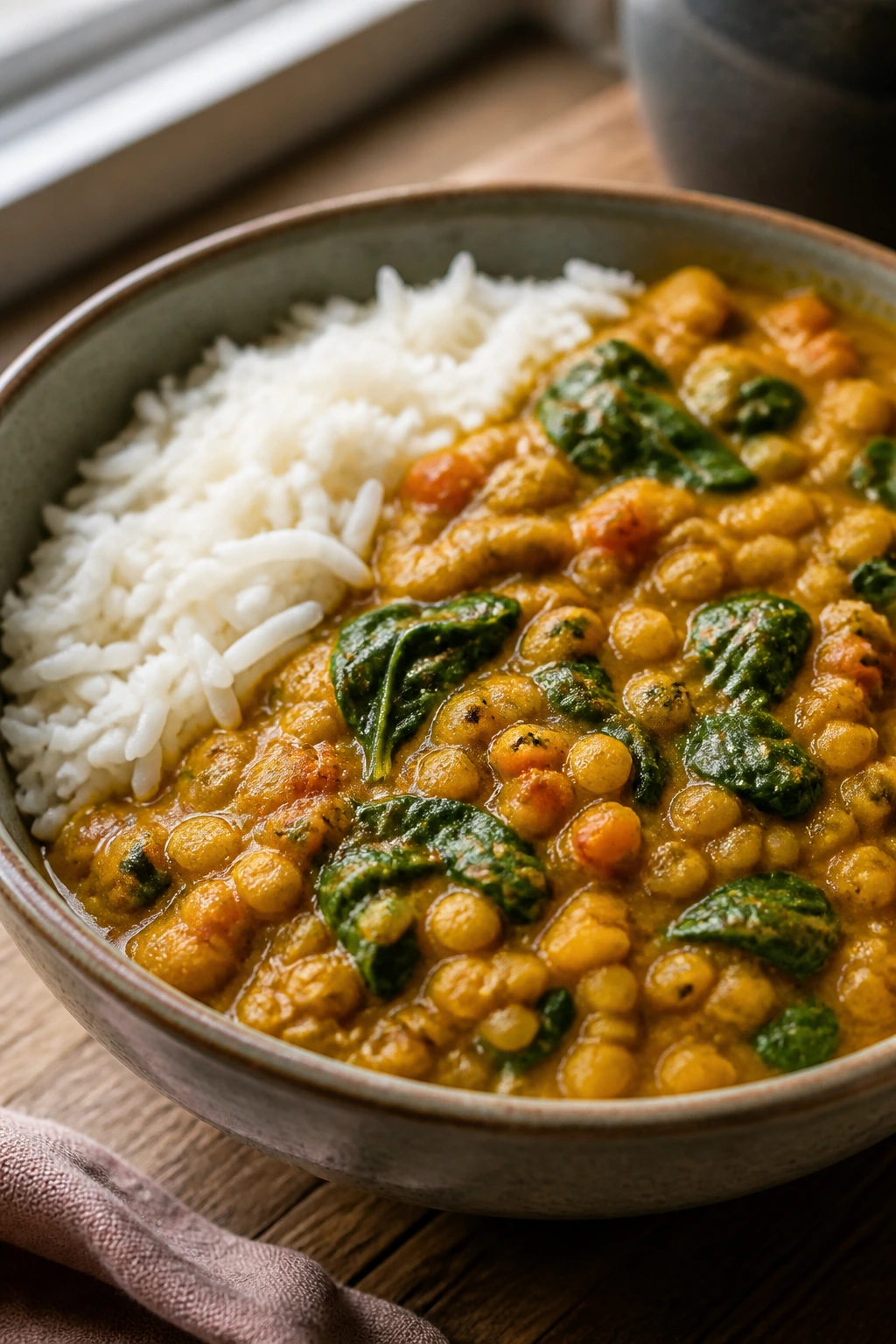
Red lentils are a budget cook’s best friend. They simmer quickly, they break down into a thick, spoonable stew, and they take on curry spices without arguing. That means you get a dinner that feels slow-cooked even when it isn’t.
Budget Angle
This is the sort of meal that rewards a pantry full of small things: a jar of curry powder, a can of tomatoes, some onion, a bag of lentils. The flavor builds in layers, but none of the layers are expensive. I also love that red lentils cook in about 20 minutes, which keeps this from turning into a project. Add frozen spinach at the end and the pot suddenly looks and eats like a much larger meal.
Key Ingredients
- 1 cup red lentils, rinsed
- 1 tbsp oil
- 1 onion, diced
- 3 garlic cloves, minced
- 1 tbsp curry powder
- 1 tsp ground cumin
- 1/2 tsp turmeric
- 1 can diced tomatoes
- 3 cups water or broth
- 1 cup frozen spinach, thawed and squeezed dry
- 1 tsp kosher salt
- 1/2 tsp black pepper
- 1 tbsp lemon juice
- 2 cups cooked rice, for serving
Quick Steps
- Heat the oil in a saucepan or Dutch oven over medium heat. Cook the onion for 4 to 5 minutes until soft.
- Add the garlic, curry powder, cumin, and turmeric. Stir for 30 to 45 seconds until the spices smell warm and toasted.
- Stir in the lentils, diced tomatoes, water or broth, salt, and pepper. Bring to a boil, then lower to a steady simmer.
- Cook uncovered for 18 to 22 minutes, stirring now and then, until the lentils are tender and the stew has thickened.
- Add the spinach and lemon juice. Simmer for 2 minutes more, then taste and adjust salt.
- Spoon over hot rice and serve.
Tips and Variations
- If you like a looser stew, add 1/2 cup water near the end.
- A spoonful of yogurt on top works if you have it.
- Swap rice for toast, flatbread, or boiled potatoes if that’s what’s in the kitchen.
5. Chickpea and Tomato Stew with Couscous
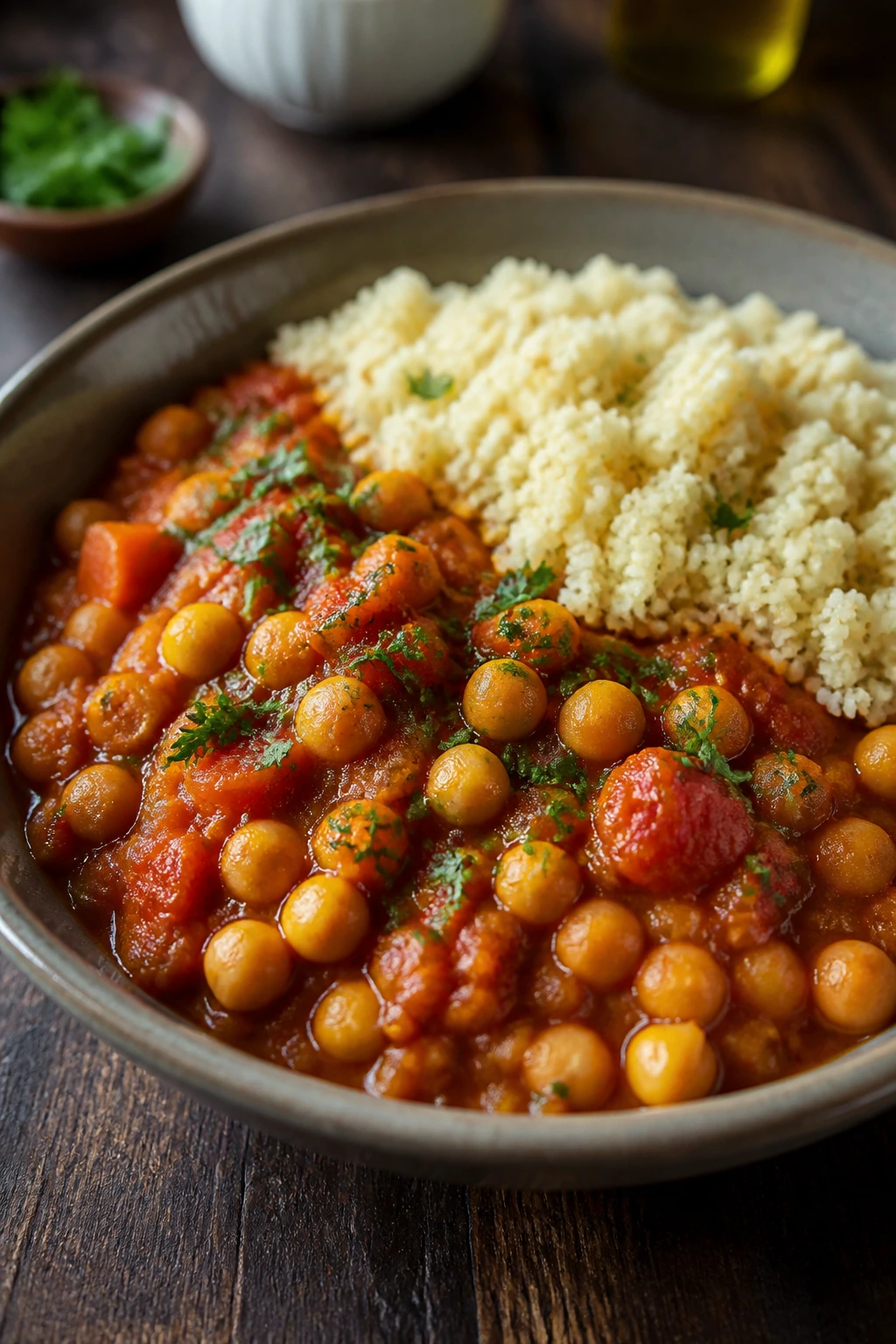
This is one of those pantry dinners that feels polished without asking much from you. Chickpeas, canned tomatoes, and couscous are all inexpensive, and they come together fast enough for a weeknight when energy is running low.
Why This One Wins
Couscous is almost too easy, which is part of its charm. You pour hot liquid over it, cover it, and let the grains puff up while the stew simmers. Chickpeas hold their shape, so the dish eats like something with structure rather than a soft mash. I like adding carrots because they bring sweetness and stretch the pot without much extra cost. A little lemon at the end wakes up the tomatoes and keeps the stew from tasting canned.
Key Ingredients
- 1 tbsp olive oil
- 1 onion, diced
- 2 carrots, diced small
- 3 garlic cloves, minced
- 1 tbsp tomato paste
- 1 tsp cumin
- 1 tsp smoked paprika
- 1 tsp dried oregano
- 2 cans chickpeas, drained and rinsed
- 1 can crushed tomatoes
- 1 1/2 cups water or broth
- 1/2 tsp kosher salt
- 1/4 tsp black pepper
- 1/2 cup couscous
- 1 tbsp lemon juice
- 2 tbsp chopped parsley
Quick Steps
- Heat the oil in a skillet or wide saucepan over medium heat. Cook the onion and carrots for 6 to 7 minutes until softened.
- Add the garlic, tomato paste, cumin, paprika, and oregano. Stir for 1 minute.
- Add the chickpeas, crushed tomatoes, water or broth, salt, and pepper. Simmer uncovered for 15 to 18 minutes until the carrots are tender and the stew looks thick.
- While the stew simmers, place the couscous in a bowl. Pour over 1/2 cup boiling water or hot broth, cover, and let it sit for 5 minutes. Fluff with a fork.
- Stir lemon juice into the stew and taste for seasoning.
- Spoon the stew over the couscous and finish with parsley.
Tips and Variations
- A handful of olives gives this a briny edge.
- Add a pinch of cinnamon if you want a softer, rounder spice profile.
- If couscous isn’t in the pantry, use rice or toasted bread underneath the stew.
6. Egg Fried Rice with Frozen Vegetables
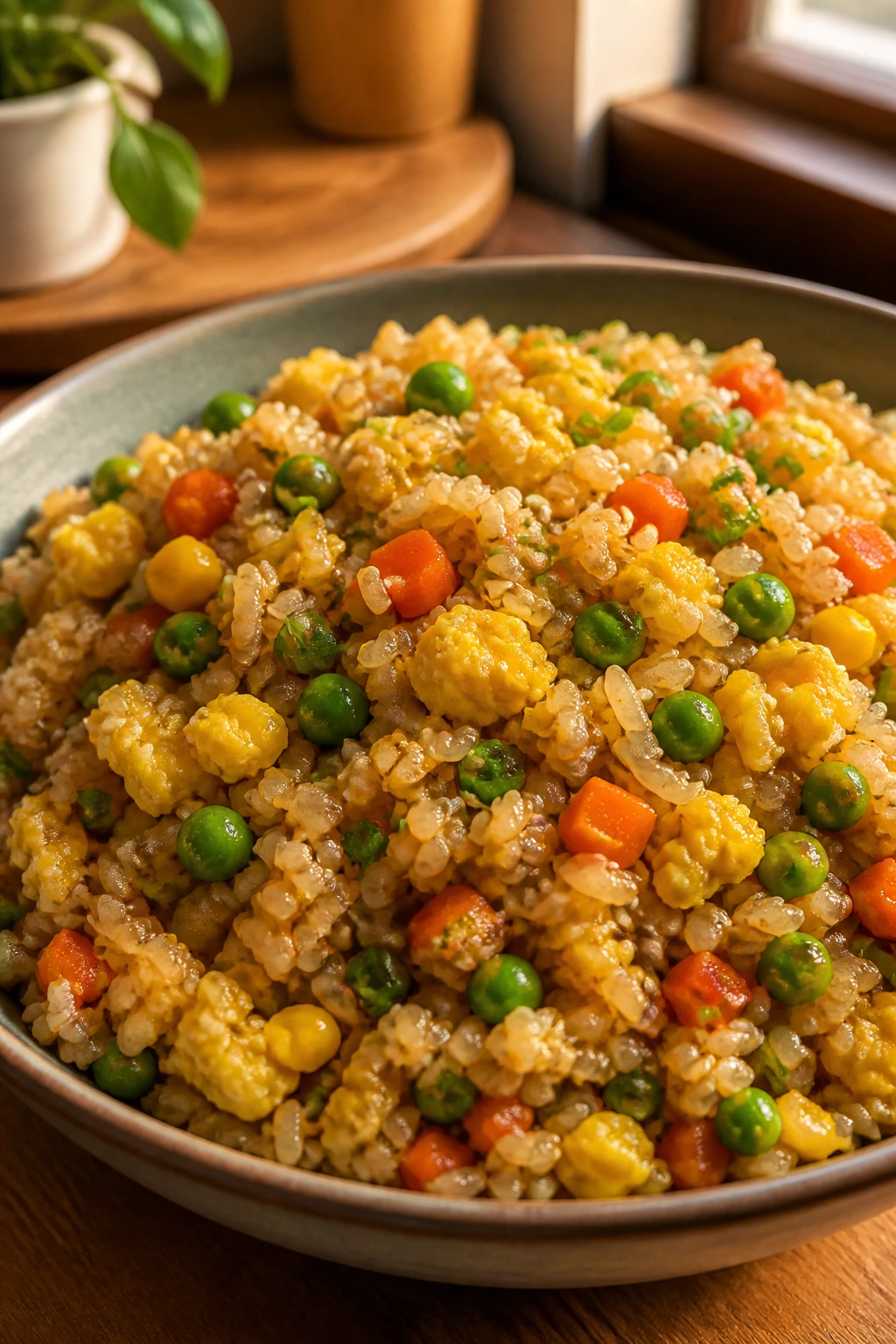
Cold rice is not a problem. It’s a head start. Fried rice is one of the best ways to turn leftovers into a dinner that feels intentional, and eggs plus frozen vegetables keep the cost low while still making it filling.
Why It Works
The trick with fried rice is heat. You want a hot skillet, dry rice, and quick movement so the grains get a little toasty instead of steaming into a clump. Eggs give the dish richness, frozen vegetables bring color and bulk, and soy sauce supplies the salt. I like a tiny drizzle of sesame oil at the end, but only a tiny one. Too much and it starts shouting.
Key Ingredients
- 3 cups cooked cold rice
- 3 large eggs, beaten
- 2 cups frozen mixed vegetables
- 2 garlic cloves, minced
- 3 tbsp soy sauce
- 1 tbsp neutral oil
- 1 tbsp butter
- 2 scallions, sliced
- 1 tsp sesame oil, optional
- 1/2 tsp black pepper
Quick Steps
- Heat the oil in a large skillet or wok over medium-high heat. Pour in the eggs and scramble them quickly until just set, then move them to a plate.
- Add the butter, frozen vegetables, and garlic to the pan. Cook for 3 to 4 minutes until the vegetables are hot and any water has cooked off.
- Add the rice and break up any clumps with a spatula. Keep the heat fairly high and stir for 2 to 3 minutes until the rice starts to look a little dry and toasty.
- Drizzle in the soy sauce and black pepper. Stir well so the rice changes color evenly.
- Return the eggs to the skillet, add the scallions, and toss everything together.
- Finish with sesame oil if using, then serve right away.
Tips and Variations
- Freshly cooked rice is too soft; chill it first if you can.
- A spoonful of chili crisp makes this feel less bare.
- Leftover peas, corn, or chopped cabbage all fit in cleanly.
7. Three-Bean Chili Mac
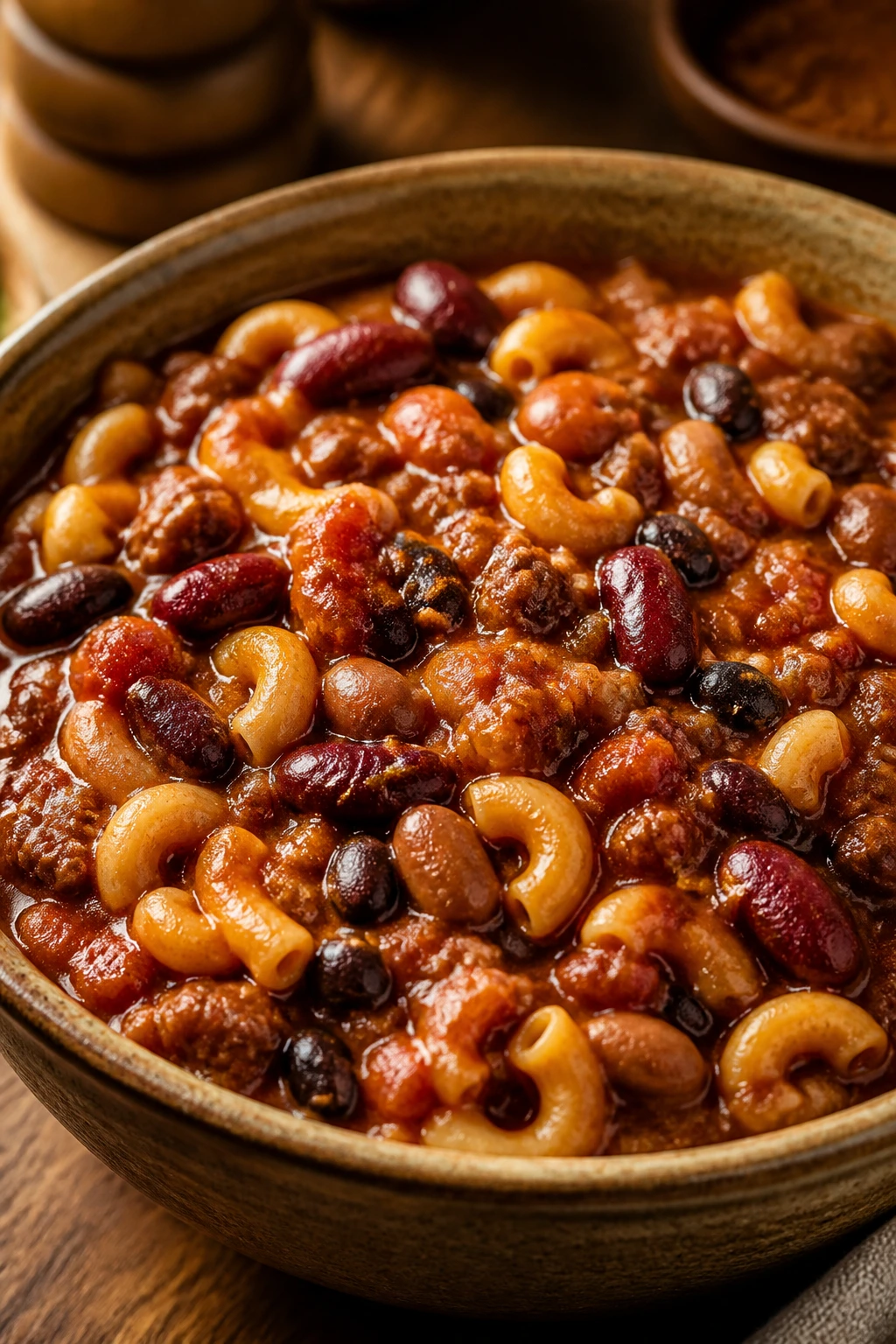
Chili mac is the sort of dinner that makes a pantry look organized even when it isn’t. Pasta, beans, tomatoes, and chili spices turn into something thick, cheesy, and sturdy enough to feed a crowd without draining the wallet.
The Cheap-Dinner Trick
The magic here is that the pasta cooks right in the sauce, which means it drinks up flavor instead of just sitting beside it. Using three kinds of beans gives the pot a better mix of texture than a single can would, and the tomato sauce helps everything cling together. This is one of those meals that tastes even better after a few minutes off the heat, which makes the whole thing feel less rushed. If you like it spoonable, keep it a little looser than you think you need; the pasta keeps absorbing liquid as it sits.
Key Ingredients
- 12 oz elbow macaroni
- 1 tbsp oil
- 1 onion, diced
- 2 garlic cloves, minced
- 2 tbsp chili powder
- 1 tsp ground cumin
- 1 can kidney beans, drained and rinsed
- 1 can black beans, drained and rinsed
- 1 can pinto beans, drained and rinsed
- 1 can diced tomatoes
- 1 can tomato sauce, 15 oz
- 3 cups water or broth
- 1 tsp kosher salt
- 1 cup shredded cheddar, optional
- 2 tbsp chopped cilantro or parsley
Quick Steps
- Heat the oil in a large pot over medium heat. Cook the onion for 5 minutes until soft.
- Add the garlic, chili powder, and cumin. Stir for 30 seconds until fragrant.
- Stir in the beans, diced tomatoes, tomato sauce, water or broth, salt, and macaroni.
- Bring the pot to a simmer, then cook uncovered for 10 to 12 minutes, stirring often, until the pasta is tender and the sauce has thickened.
- Remove from the heat and stir in the cheddar if using.
- Let it sit for 3 minutes, then top with cilantro or parsley and serve.
Tips and Variations
- If the sauce gets too thick, add a splash of hot water before serving.
- A little hot sauce at the table gives each bowl some life.
- You can swap the beans based on what’s in the pantry; the method stays the same.
8. Peanut Sesame Noodles with Cabbage
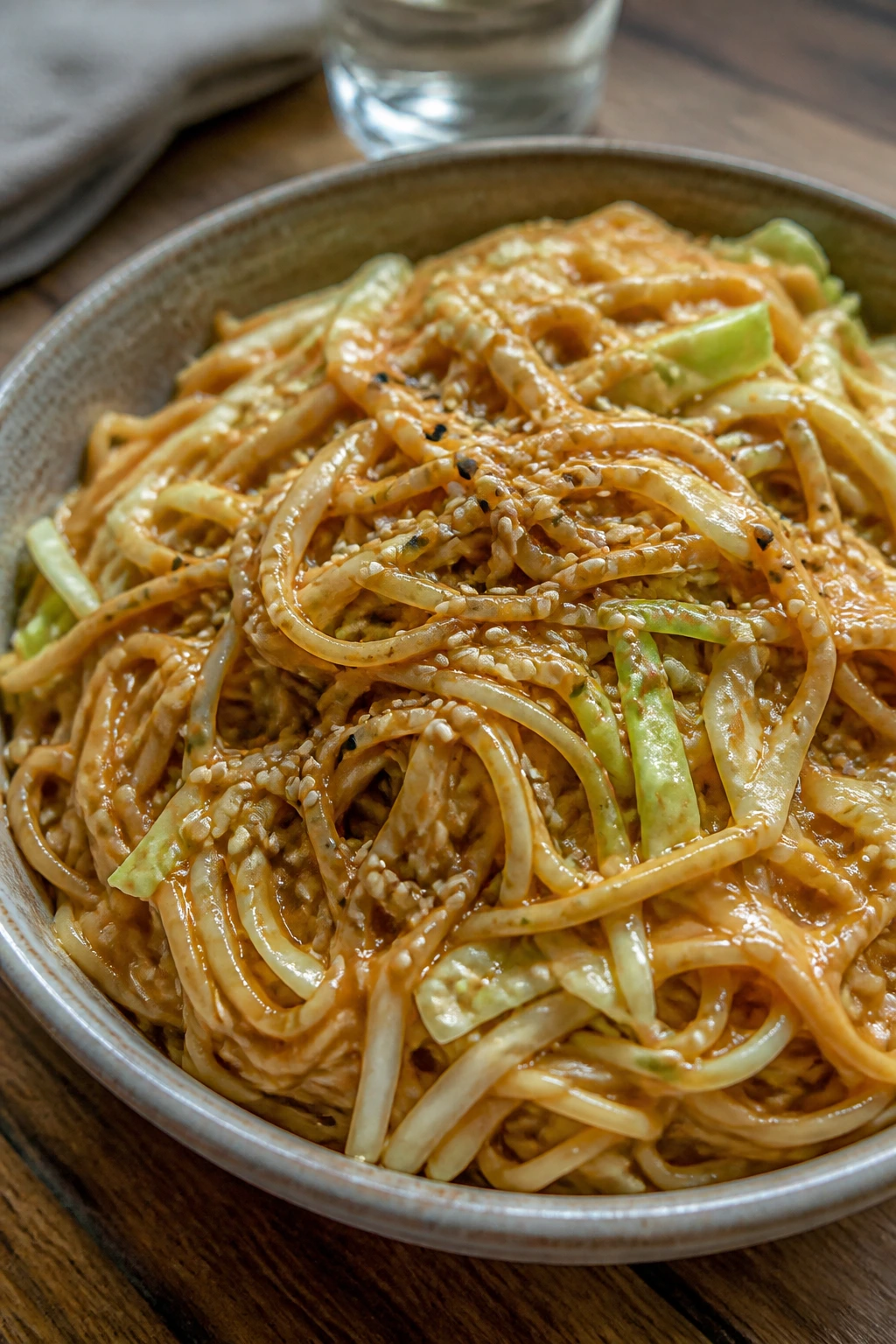
This is what I make when the grocery budget is tight and I still want something that feels perky, not tired. Peanut butter, soy sauce, vinegar, and a little sugar become a fast sauce that sticks to noodles in the best possible way.
Why It Stretches
Peanut sauce is economical because a small amount goes a long way. It brings fat, salt, and a little sweetness in one shot, which means the rest of the dish can stay simple. Shredded cabbage is the other smart part here: it’s cheap, it keeps well, and it adds crunch without needing to be cooked much. I like this warm, but it also works at room temperature, which makes leftovers less tragic than they usually are.
Key Ingredients
- 12 oz spaghetti, ramen noodles, or rice noodles
- 1/3 cup peanut butter
- 3 tbsp soy sauce
- 1 tbsp rice vinegar or white vinegar
- 1 tbsp brown sugar or honey
- 1 garlic clove, grated or minced
- 1 tsp grated ginger, optional
- 1/2 cup warm water, plus more if needed
- 2 cups shredded cabbage
- 1 carrot, shredded, optional
- 1 tbsp neutral oil
- 2 tbsp chopped peanuts or sesame seeds
- Red pepper flakes, optional
Quick Steps
- Cook the noodles according to the package directions. Drain and rinse briefly if needed so they don’t clump.
- In a bowl, whisk together the peanut butter, soy sauce, vinegar, sugar, garlic, ginger, and warm water until smooth.
- Heat the oil in a skillet over medium heat, then toss in the cabbage and carrot for 2 minutes if you want them a little softer. You can also leave them raw for more crunch.
- Add the noodles and sauce to the skillet or a large bowl. Toss until every strand is coated, adding more warm water if the sauce seems too thick.
- Finish with peanuts or sesame seeds and a pinch of red pepper flakes.
Tips and Variations
- Natural peanut butter may need a little extra water to loosen.
- A spoonful of chili paste turns this into a sharper, hotter dinner.
- If you have leftover cooked chicken, fold it in at the end.
9. White Bean and Rosemary Soup
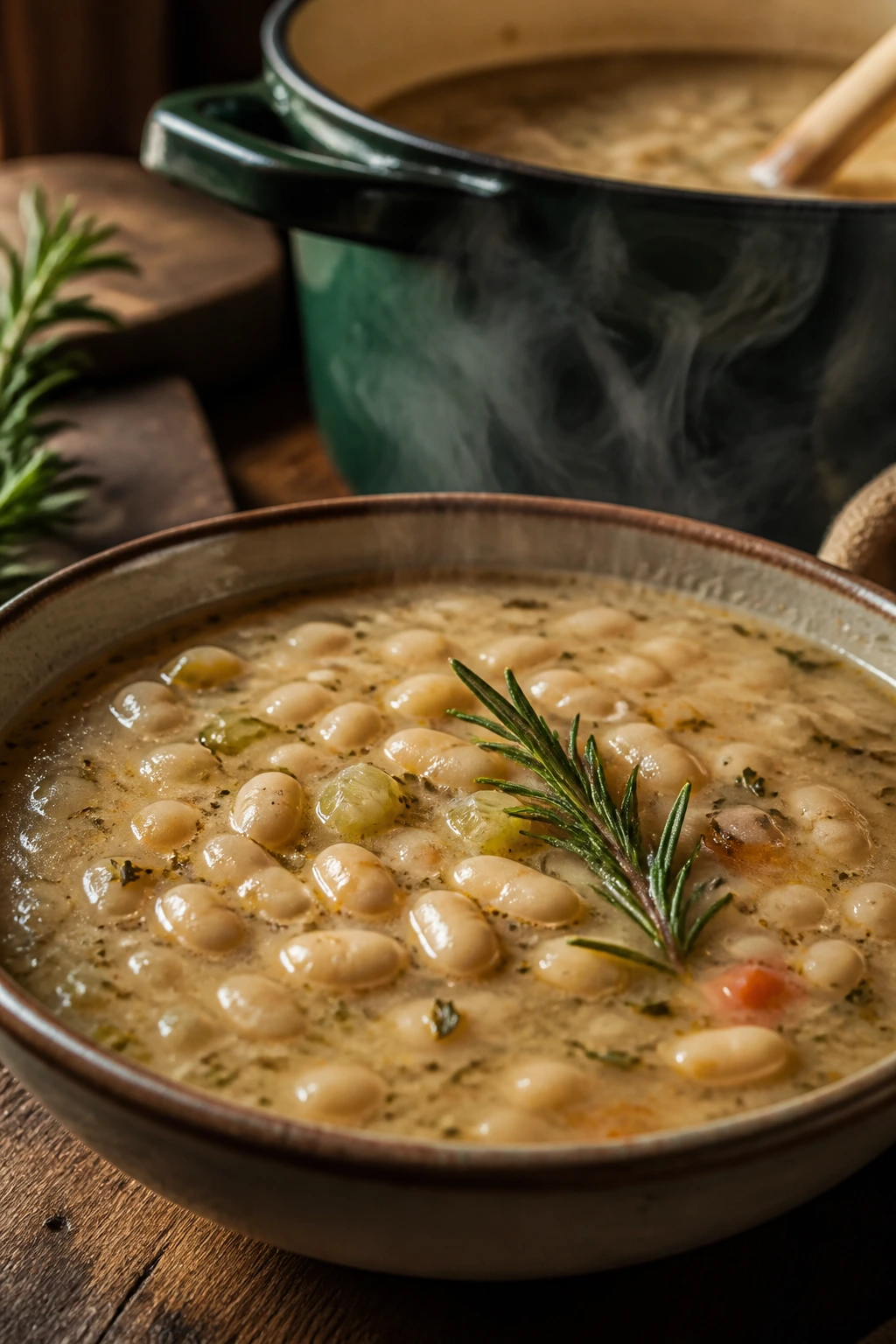
This soup is plain in the best way. White beans, onion, carrot, celery, and rosemary make a pot that feels calm, filling, and cheap to keep on repeat. It’s the kind of meal that gets better the longer you eat it.
What Keeps It Filling
Beans are doing the heavy lifting here, but a potato gives the soup body and turns some of the broth creamy without a blender. I like mashing a few beans against the side of the pot so the broth thickens naturally. Rosemary can be strong, so use a light hand; it should smell piney and warm, not like a Christmas wreath. A little lemon or vinegar at the end matters more than people expect. Without it, the soup can taste sleepy.
Key Ingredients
- 1 tbsp olive oil
- 1 onion, diced
- 2 carrots, diced
- 2 celery stalks, diced
- 3 garlic cloves, minced
- 2 cans cannellini beans, drained and rinsed
- 1 medium potato, peeled and diced
- 1 tsp dried rosemary
- 1 bay leaf
- 4 cups broth or water
- 1 tsp kosher salt
- 1/2 tsp black pepper
- 1 tbsp lemon juice or white vinegar
- Bread, for serving
Quick Steps
- Warm the oil in a soup pot over medium heat. Cook the onion, carrots, and celery for 6 to 7 minutes until softened.
- Add the garlic, rosemary, and bay leaf. Stir for 30 seconds.
- Stir in the beans, potato, broth or water, salt, and pepper. Bring to a boil, then reduce to a simmer.
- Cook for 25 to 30 minutes, until the potato is soft and the beans are tender. Mash a handful of beans against the side of the pot to thicken the soup.
- Remove the bay leaf, stir in the lemon juice or vinegar, and taste for seasoning.
- Serve with bread for dipping.
Tips and Variations
- Blend half the soup if you want it creamier without adding cream.
- A little grated Parmesan on top is nice, but not required.
- Add chopped kale during the last 5 minutes if you have it.
10. Sardine Potato Cakes with Mustard Pan Sauce
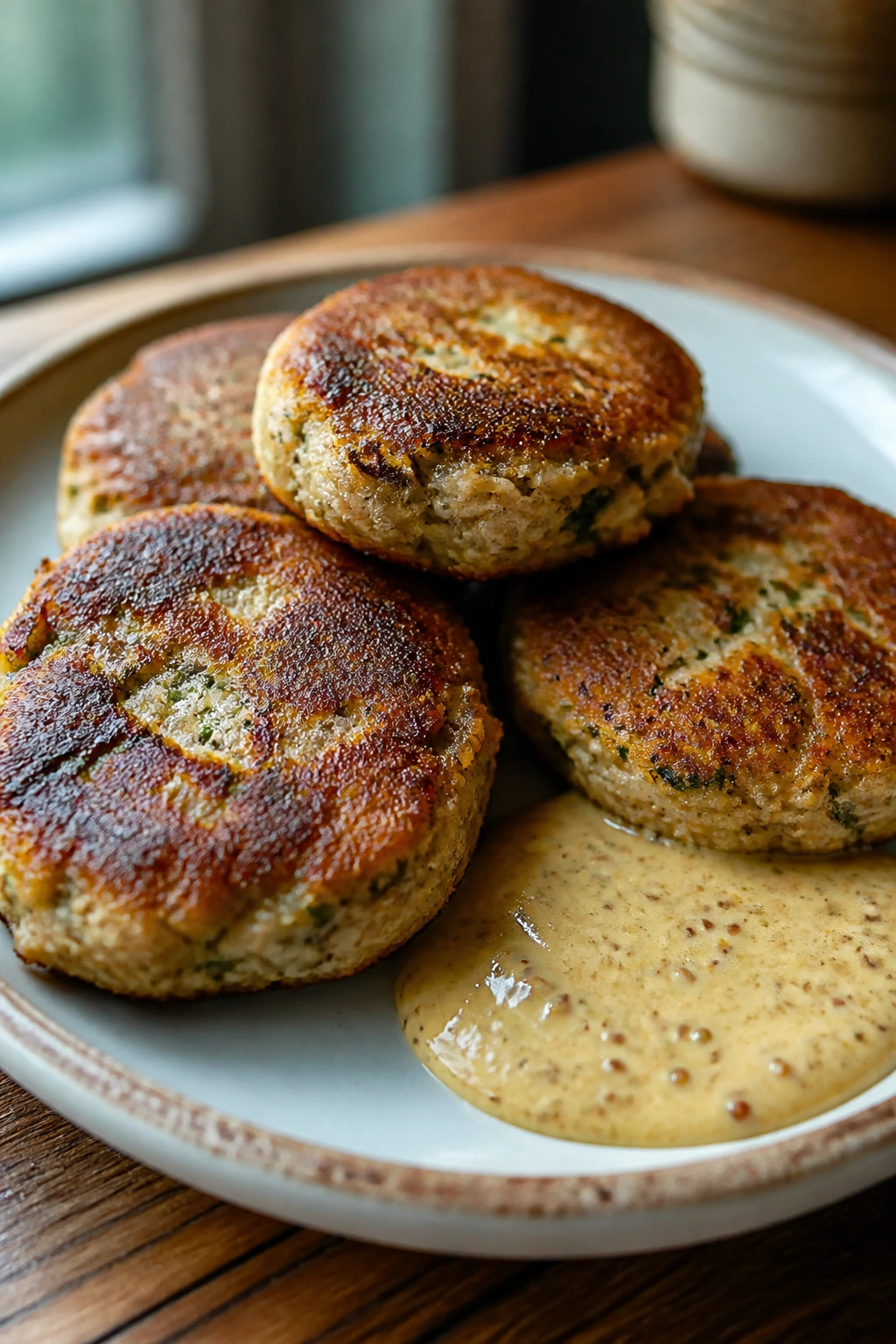
Sardines scare people off until they’re mixed into crispy potato cakes and served with a sharp little sauce. Then the whole thing makes sense. This is sturdy, salty, cheap food with actual personality.
Why Sardines Earn a Spot
Canned sardines are one of the least glamorous pantry staples and one of the most useful. They bring oil, protein, and a deep savory flavor that holds up well against potatoes. Mashing the fish into the cakes spreads that flavor through every bite, so you don’t get a fishy smack in one corner and plain potato in the other. The mustard sauce is there for contrast. It cuts through the richness and keeps the cakes from feeling too dense.
Key Ingredients
- 1 lb Yukon Gold or russet potatoes, peeled and cut into chunks
- 2 cans sardines, drained and minced
- 1 egg
- 1/2 cup breadcrumbs
- 2 tbsp chopped parsley or dill
- 1 tbsp Dijon mustard
- 1/2 tsp black pepper
- 1/2 tsp kosher salt
- 3 tbsp oil, for frying
For the Mustard Pan Sauce
- 1 tbsp butter
- 1 tbsp Dijon mustard
- 1/2 cup water
- 1 tsp lemon juice
Quick Steps
- Boil the potatoes in salted water until tender, about 12 to 15 minutes. Drain well and mash until smooth.
- Stir the sardines, egg, breadcrumbs, herbs, mustard, pepper, and salt into the warm potatoes.
- Shape the mixture into 6 to 8 small cakes. If it feels sticky, let it sit for 10 minutes so the crumbs absorb moisture.
- Heat the oil in a skillet over medium heat. Cook the cakes for 3 to 4 minutes per side until golden and crisp.
- Remove the cakes and lower the heat. Add the butter, mustard, water, and lemon juice to the pan, scraping up any browned bits.
- Simmer for 1 minute, then spoon the sauce over the cakes.
Tips and Variations
- Chill the mixture if it seems too soft to shape.
- A little chopped celery or onion adds crunch, but keep the pieces tiny.
- Serve with a simple cabbage salad if you want something fresh beside them.
11. Potato and Onion Frittata
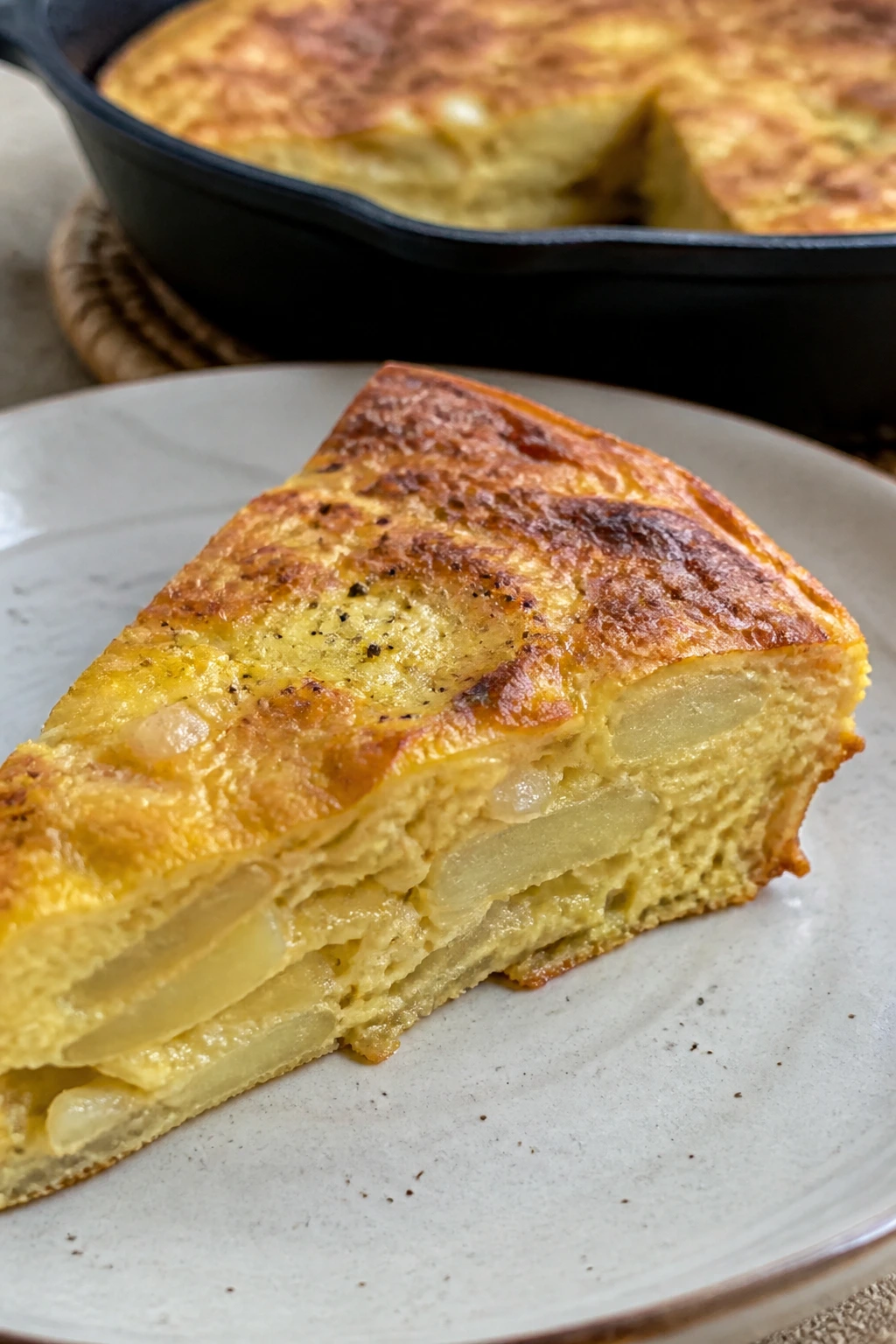
A frittata is what happens when eggs decide to carry dinner by themselves. Potatoes and onions make it filling, cheese gives it a little richness if you have it, and the skillet-to-oven finish gives the top a soft set without fuss.
Why It Feels Bigger Than It Is
Potatoes are cheap and satisfying, and they pair naturally with eggs in a way that feels almost too easy. The onions need real time in the pan so they turn sweet and soft; rushed onions taste sharp and cheap. I like this as a dinner because it can be cut into wedges and served with almost anything, which makes leftovers useful instead of boring. A frittata also forgives a little improvisation. No cheese? Fine. A few herbs? Great. A spoonful of salsa on top? Also fine.
Key Ingredients
- 6 large eggs
- 2 medium potatoes, thinly sliced
- 1 onion, thinly sliced
- 2 tbsp olive oil
- 1/2 tsp kosher salt
- 1/4 tsp black pepper
- 1/2 cup milk or water
- 1/2 cup shredded cheese, optional
- 2 tbsp chopped parsley, optional
Quick Steps
- Preheat the broiler and position a rack about 6 inches from the heat.
- Heat the oil in a 10-inch oven-safe skillet over medium heat. Cook the potatoes and onion with salt and pepper for 12 to 15 minutes, stirring often, until the potatoes are tender and the onion is soft.
- Whisk the eggs with the milk or water. Stir in the cheese and parsley if using.
- Pour the egg mixture over the potatoes and onions. Reduce the heat to low and cook for 4 to 5 minutes, just until the edges begin to set.
- Move the skillet under the broiler for 2 to 3 minutes until the top is puffed and lightly golden.
- Let it rest for 5 minutes before slicing.
Tips and Variations
- Keep the potato slices thin so they cook through without drama.
- A spoonful of mustard on the side is sharper than ketchup and works better here.
- Leftover roasted vegetables can replace some of the potatoes.
12. Black Bean Quesadillas with Corn and Salsa
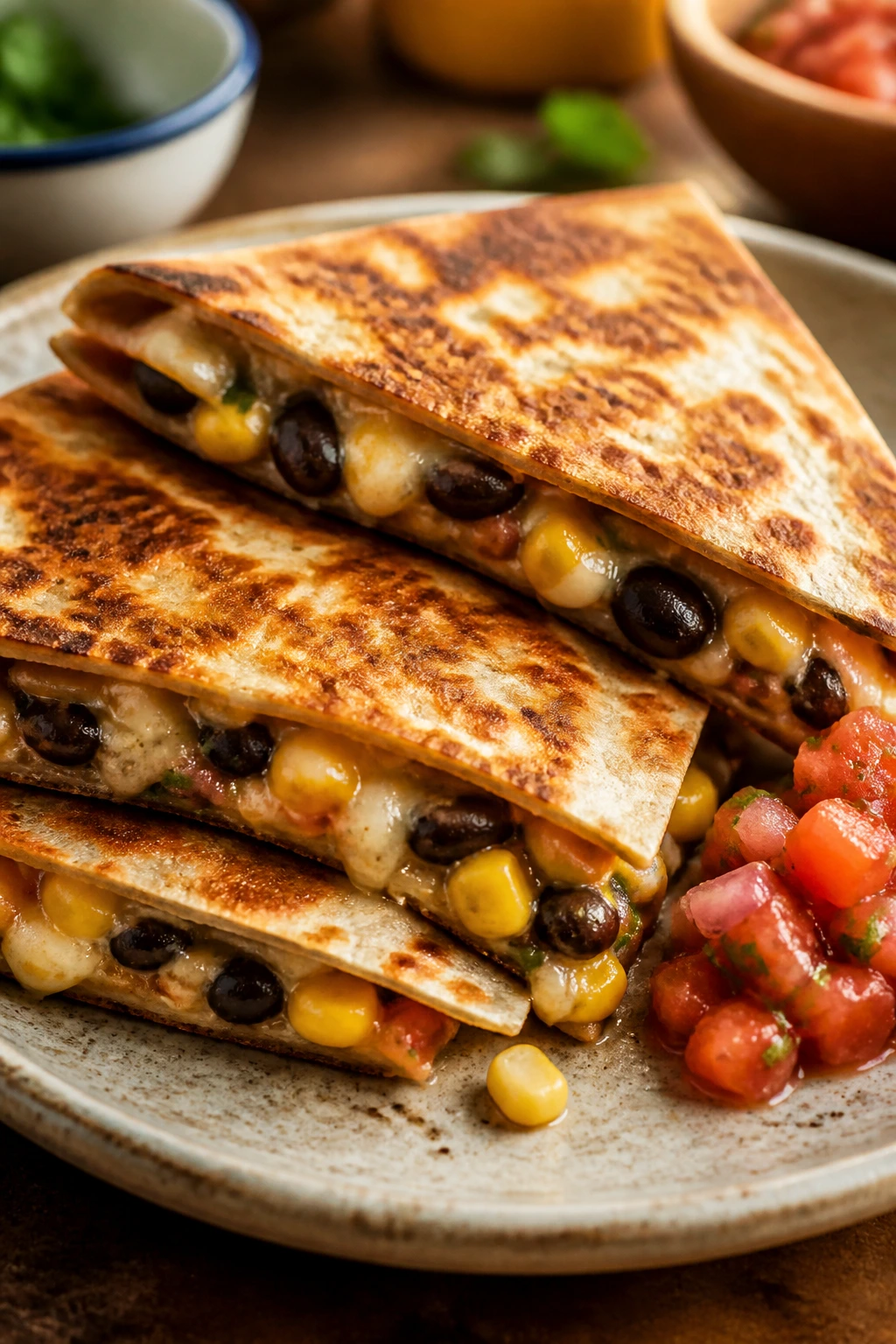
This is one of the easiest ways to make a pantry dinner feel like someone planned it. Tortillas, beans, cheese, and corn are cheap enough to keep around, and the skillet gives the tortillas that crisp, browned edge people always seem to love.
Why the Cheese Goes Far
The beans do the heavy lifting, but cheese helps hold the filling together and gives you that stretchy, salty middle that makes quesadillas feel complete. Mashing part of the beans matters. It keeps the filling from falling out in a dry tumble the second you cut into it. Corn adds sweetness and a little bite, which keeps the whole thing from tasting one-note. If you’ve got salsa, serve it on the side; if not, a little hot sauce or even plain yogurt can do the job.
Key Ingredients
- 8 flour tortillas
- 2 cans black beans, drained and rinsed
- 1 cup canned or frozen corn
- 2 tsp ground cumin
- 1 tsp chili powder
- 2 cups shredded cheddar or Monterey Jack
- 1/2 cup salsa
- 2 tbsp oil
- 2 tbsp chopped cilantro, optional
- Lime wedges, for serving
Quick Steps
- In a bowl, mash about half the beans with the cumin, chili powder, and a pinch of salt. Stir in the rest of the beans and the corn.
- Heat a skillet over medium heat and brush it lightly with oil.
- Lay one tortilla in the skillet, then scatter cheese over half of it, spoon on the bean mixture, and add a little more cheese. Fold the tortilla over.
- Cook for 2 to 3 minutes per side until the tortilla is crisp and the cheese is melted.
- Repeat with the remaining tortillas, brushing the pan with more oil as needed.
- Slice into wedges and serve with salsa, cilantro, and lime.
Tips and Variations
- Don’t overfill them; that’s how the filling escapes.
- Add chopped jalapeños if you want more heat.
- Leftover quesadillas reheat well in a dry skillet, not the microwave.
13. Pasta e Ceci
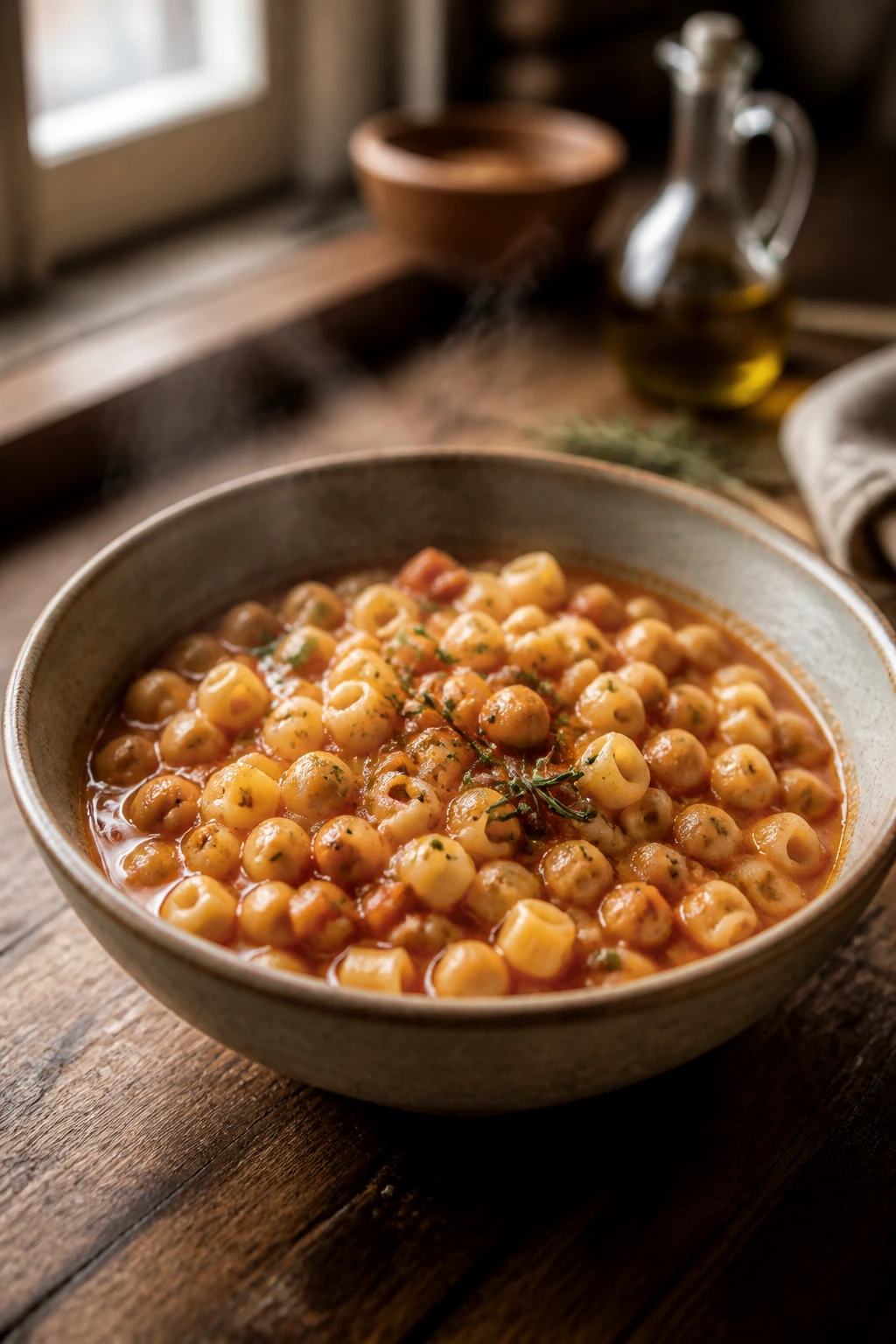
Pasta e ceci is the pantry dish I keep coming back to when I want dinner to feel old and smart at the same time. Chickpeas, pasta, garlic, olive oil, and tomato paste make a pot that tastes like it has roots, which it does.
Why Pasta e Ceci Fits the Brief
This dish is cheap in the best way: not thin or stingy, just simple. The chickpeas get partially mashed so the broth turns creamy without cream, and the small pasta cooks right in that broth, soaking up flavor as it goes. Tomato paste gives the whole pot a darker, deeper note, while rosemary and red pepper flakes keep it from tasting flat. If you’ve never made pasta and beans together, this is the one to try first. It teaches the trick quickly.
Key Ingredients
- 8 oz small pasta, such as ditalini, small shells, or elbows
- 2 cans chickpeas, drained and rinsed
- 1 onion, finely diced
- 3 garlic cloves, minced
- 2 tbsp olive oil
- 1 tbsp tomato paste
- 1 tsp dried rosemary
- 1/4 tsp red pepper flakes
- 4 cups water or broth
- 1 tsp kosher salt
- 1/2 tsp black pepper
- 1/4 cup grated Parmesan, optional
Quick Steps
- Heat the olive oil in a soup pot over medium heat. Cook the onion for 5 to 6 minutes until soft.
- Add the garlic, tomato paste, rosemary, and red pepper flakes. Stir for 1 minute until fragrant and the paste darkens.
- Add the chickpeas and 1 cup of the water or broth. Mash about 1 cup of the chickpeas against the side of the pot.
- Pour in the remaining water or broth, salt, pepper, and pasta. Bring to a simmer.
- Cook for 10 to 12 minutes, stirring often, until the pasta is tender and the broth has thickened.
- Spoon into bowls and finish with Parmesan if using.
Tips and Variations
- Keep some broth in the pot; pasta e ceci should be spoonable, not dry.
- A drizzle of olive oil at the table makes it taste richer.
- If you want more greens, stir in spinach right at the end.
14. Split Pea Soup with Smoked Paprika
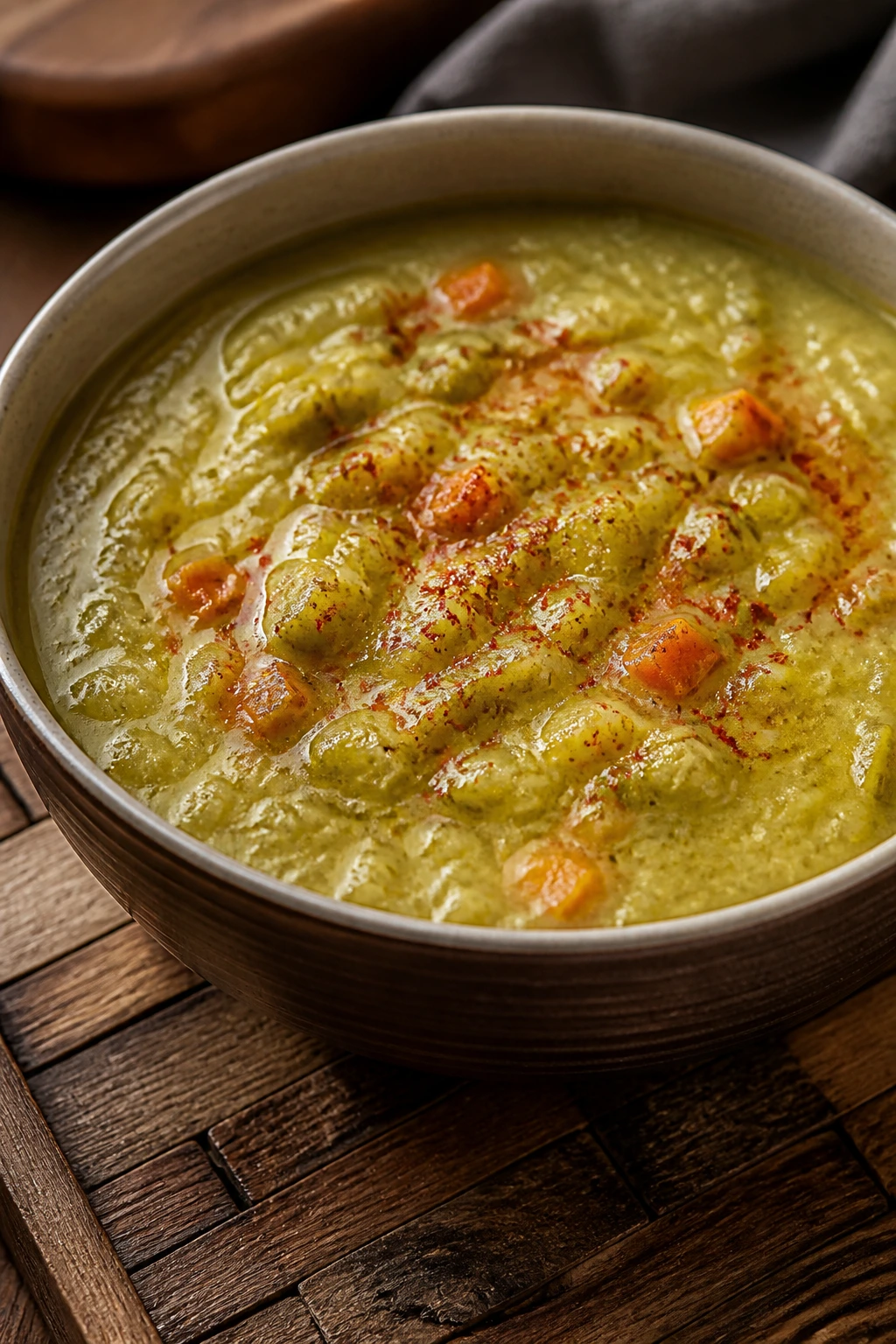
Split pea soup has old-school energy, and I mean that as a compliment. It’s cheap, thick, comforting, and built on ingredients that don’t ask much from your wallet. Smoked paprika gives it a little backbone so it doesn’t taste like nursery food.
What Makes It a Budget Classic
Split peas are dry, sturdy, and absurdly cheap compared with most proteins. They break down into a velvety soup if you give them time, and you can cook the whole pot with onion, carrot, celery, and garlic before ever thinking about anything fancy. I like adding a splash of vinegar at the end because it lifts the earthy flavor and makes the bowl taste brighter. If you want it even thicker, keep simmering. If you want it looser, add water. It’s forgiving that way.
Key Ingredients
- 1 lb split peas, rinsed
- 1 tbsp olive oil
- 1 onion, diced
- 2 carrots, diced
- 2 celery stalks, diced
- 3 garlic cloves, minced
- 1 tsp smoked paprika
- 1 bay leaf
- 8 cups water or broth
- 1 tsp kosher salt
- 1/2 tsp black pepper
- 1 tbsp white vinegar
Quick Steps
- Warm the oil in a large soup pot over medium heat. Cook the onion, carrots, and celery for 6 to 8 minutes until softened.
- Add the garlic and smoked paprika. Stir for 30 seconds.
- Add the split peas, bay leaf, water or broth, salt, and pepper. Bring to a boil.
- Lower the heat and simmer uncovered for 45 to 60 minutes, stirring now and then, until the peas collapse and the soup turns thick.
- Remove the bay leaf. Stir in the vinegar and taste for salt.
- Serve hot, with bread or crackers if you have them.
Tips and Variations
- If the soup thickens too much while sitting, just add water when reheating.
- A little diced potato makes it even heartier.
- Blend a portion if you want a smoother texture.
15. Canned Salmon Cakes with Cabbage Slaw
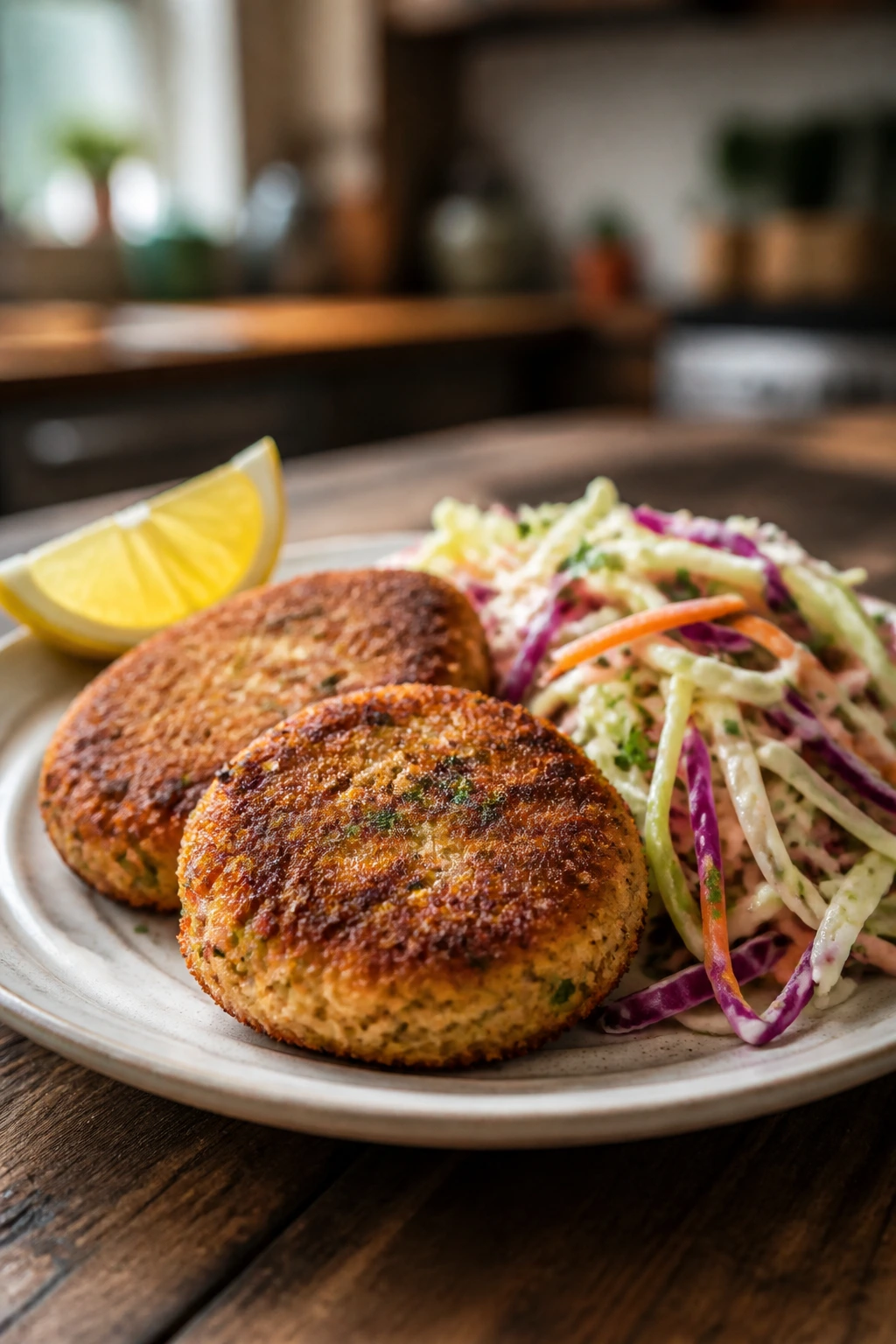
Canned salmon is one of those ingredients people pass by too fast. That’s a shame. It makes excellent cakes, it’s affordable, and it brings a different flavor from tuna without asking for complicated treatment.
Why Canned Salmon Deserves Respect
Salmon cakes are useful because they turn one can into a proper dinner. Breadcrumbs stretch the fish, egg binds everything together, and a little mustard or lemon keeps the flavor from feeling heavy. The cabbage slaw matters more than it looks. It gives you crunch and brightness, which is exactly what a fried cake needs beside it. This is also one of the better pantry dinners for feeding someone who claims not to like canned fish. Crispy edges help.
Key Ingredients
- 2 cans salmon, drained and flaked
- 1 egg
- 1/2 cup breadcrumbs
- 2 tbsp finely chopped onion
- 1 tbsp Dijon mustard
- 1 tbsp lemon juice
- 1 tsp Old Bay seasoning or paprika
- 1/2 tsp black pepper
- 2 tbsp oil, for frying
For the Slaw
- 3 cups shredded cabbage
- 1 tbsp vinegar
- 1 tbsp oil
- 1 tsp sugar
- Salt and pepper, to taste
Quick Steps
- In a bowl, mix the salmon, egg, breadcrumbs, onion, mustard, lemon juice, seasoning, and pepper until just combined.
- Shape the mixture into 6 small cakes. If it feels loose, chill it for 10 minutes.
- Heat the oil in a skillet over medium heat. Cook the cakes for 3 to 4 minutes per side until browned and set.
- Toss the cabbage with vinegar, oil, sugar, salt, and pepper.
- Serve the salmon cakes with the slaw on the side or piled on top.
Tips and Variations
- Crackers can replace breadcrumbs if that’s what you have.
- Serve the cakes on toast or with rice to make the meal stretch further.
- A spoonful of mayo mixed with lemon makes a quick sauce if you want one.
Why Pantry Staples Make Dinner Less Complicated
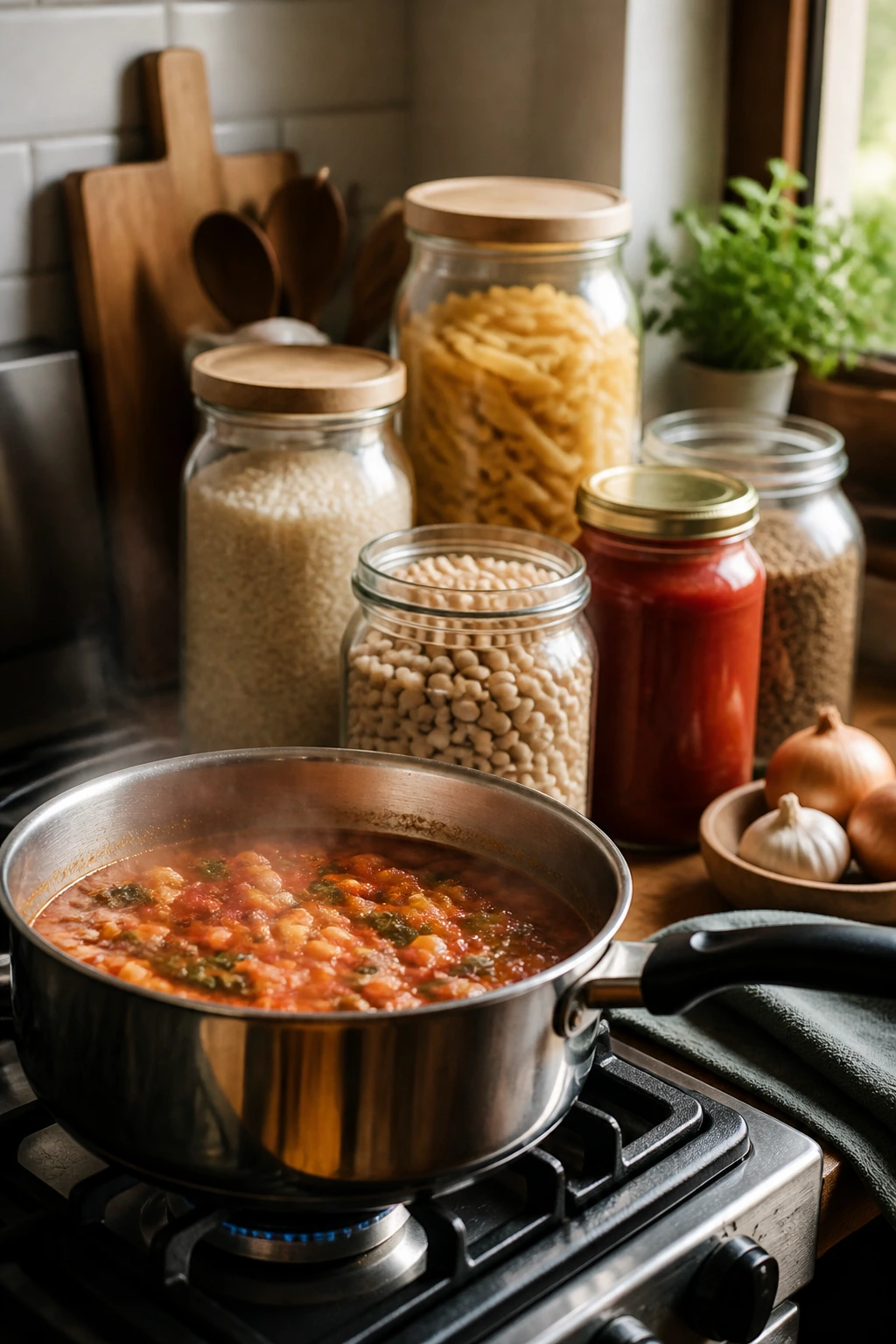
The best thing about pantry cooking is that it takes the edge off dinner. You are not staring down a deadline and a half-empty fridge at the same time. You’ve got options. Beans. Pasta. Rice. Tomatoes. Eggs. Canned fish. Frozen vegetables. A few onions rolling around in the drawer. That’s enough to build real food.
The part people miss is that pantry meals still need attention. A can of beans is not dinner by itself. A box of pasta needs salt, acid, and a little fat to feel alive. A pot of rice and tomatoes needs patience and a lid that seals well. Once you learn those small rules, the rest gets easier fast.
Essential Equipment for These Recipes
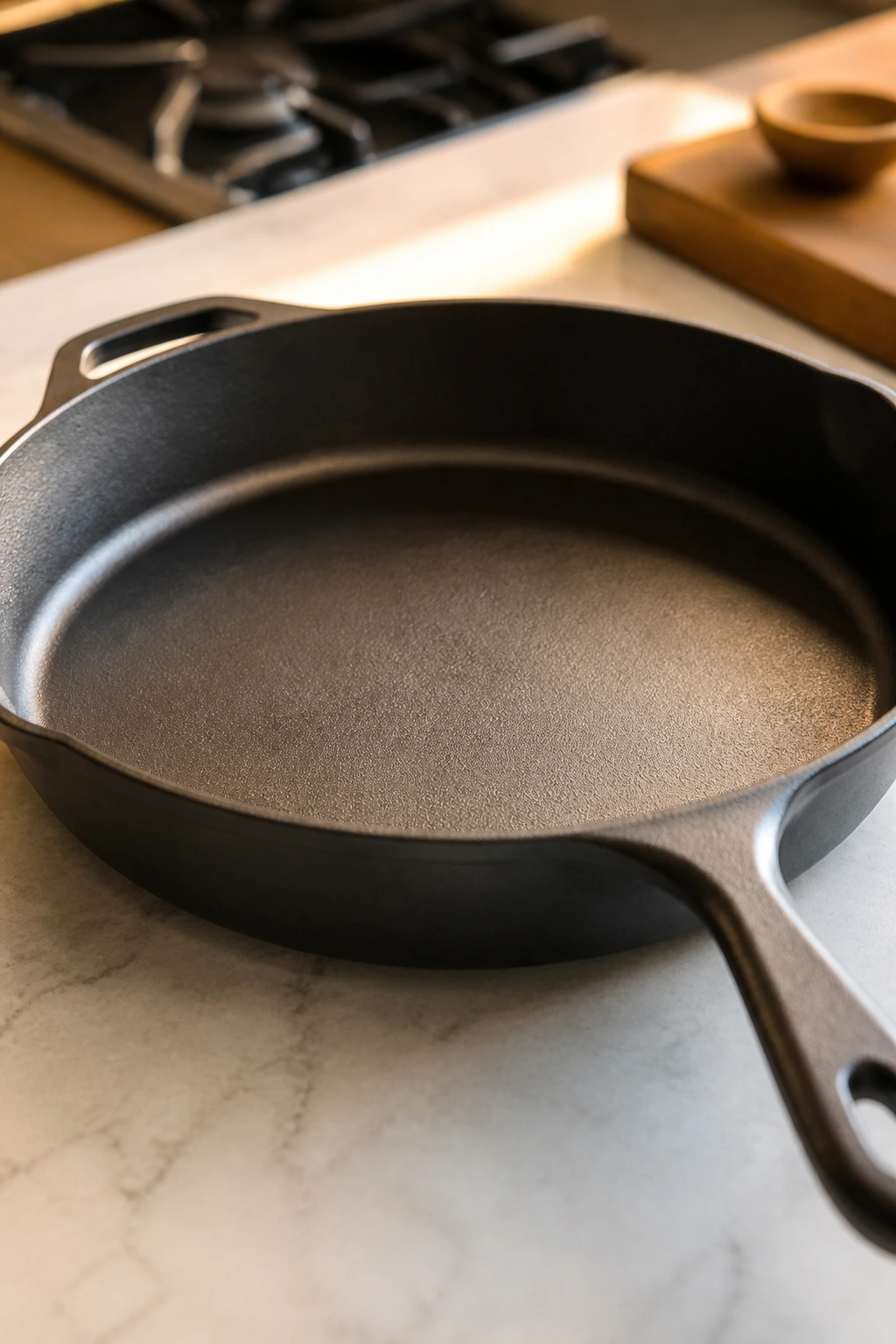
- Large skillet or sauté pan: The workhorse for pasta sauces, fried rice, quesadillas, and salmon cakes.
- Dutch oven or heavy soup pot: Best for beans, stews, chili mac, and split pea soup because it holds heat evenly.
- Medium saucepan: Handy for pasta, rice, or smaller sauces when you don’t want to drag out the big pot.
- Colander: For draining pasta, beans, and canned vegetables without making a mess.
- Wooden spoon or silicone spatula: Useful for scraping browned bits and folding fillings without tearing them apart.
- Sharp chef’s knife: Makes onion, carrot, cabbage, and garlic prep much faster and safer.
- Cutting board: A sturdy board saves time and keeps prep from spreading all over the counter.
- Can opener: Not glamorous, but absolutely central here.
- Measuring cups and spoons: Helpful for rice, pasta water, spices, and pantry sauces.
- Box grater: Great for cheese, cabbage, carrots, and even bread crumbs if you’re using stale bread.
- Oven-safe skillet: Needed for the frittata; cast iron works well.
- Airtight storage containers: Keep leftovers from drying out and help soup or rice reheat better.
Smart Shopping and Ingredient Tips
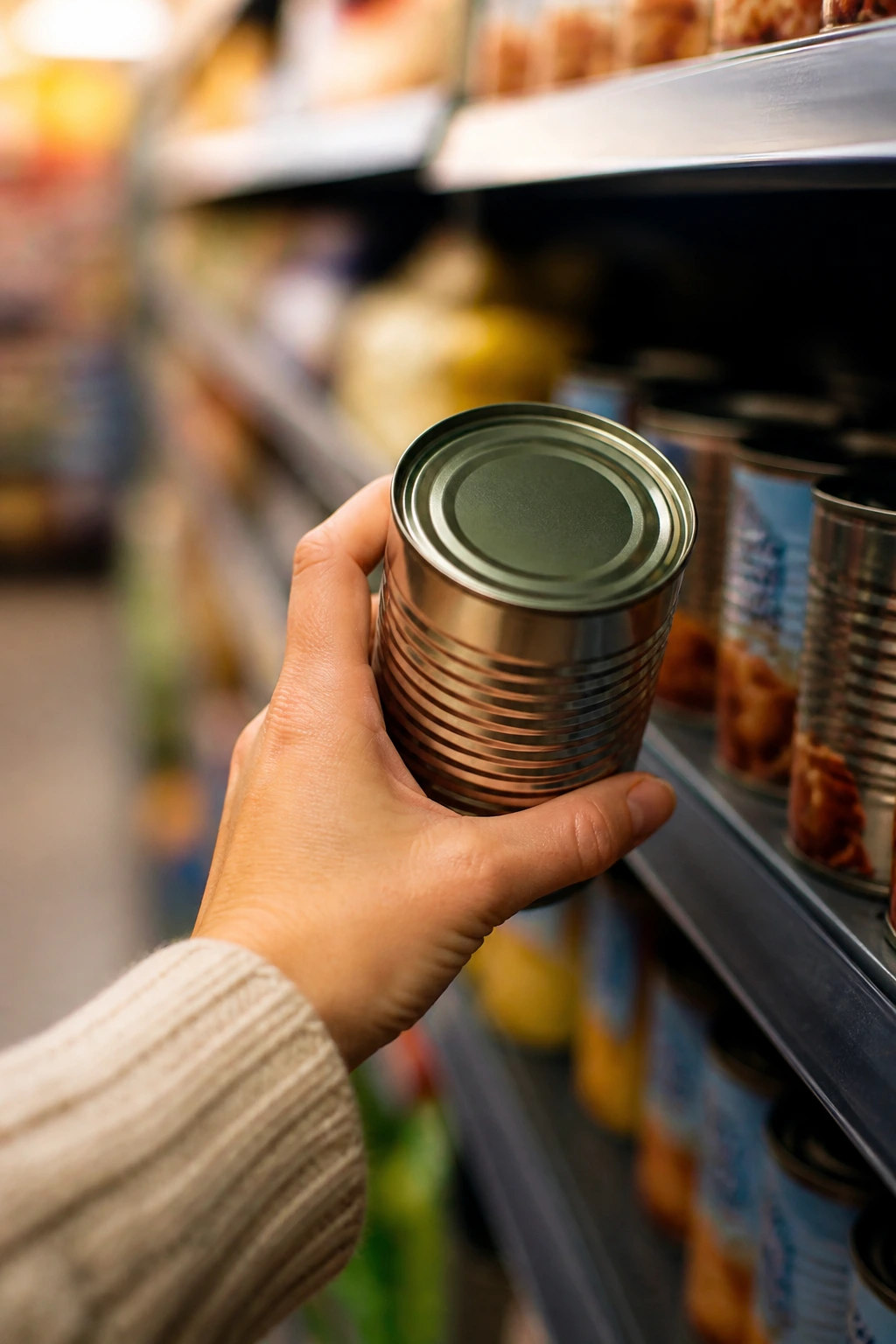
When the budget is tight, the smartest move is not buying more ingredients. It’s buying the right versions of the ingredients you already use. A few staples do most of the heavy lifting here: canned tomatoes, beans, pasta, rice, eggs, onions, garlic, frozen vegetables, and canned fish. If those are in the house, dinner is mostly a matter of arrangement.
For canned tomatoes, crushed tomatoes make smoother sauces, diced tomatoes give stews a little more shape, and tomato paste is the flavor booster you keep in the cupboard for weeks. Store-brand cans are often fine. What matters more is freshness of flavor and whether the tomatoes taste flat or sharp once cooked down. If a can seems too acidic, a pinch of sugar or a little butter can soften it.
Beans are worth a closer look. Rinsed canned beans are faster and lower effort, but dried beans win on cost if you already know you’ll use them. For these dinners, 15-ounce cans are the right size because they keep recipes predictable. Rice should be long-grain for skillet dishes if you want fluffy grains, while short-grain can turn softer and stickier. That’s not bad, but it changes the dish.
Frozen peas, spinach, corn, and mixed vegetables are bargain gold. They usually cost less than fresh, and they don’t go bad on day two. Canned tuna and salmon are easiest to buy in water or olive oil depending on how rich you want the meal to taste. Sardines are worth a try if you like bold flavor; they’re cheap, sturdy, and don’t need much to become dinner.
One last thing: buy onions and garlic often. They are not garnish. They’re the backbone.
How to Serve These Recipes
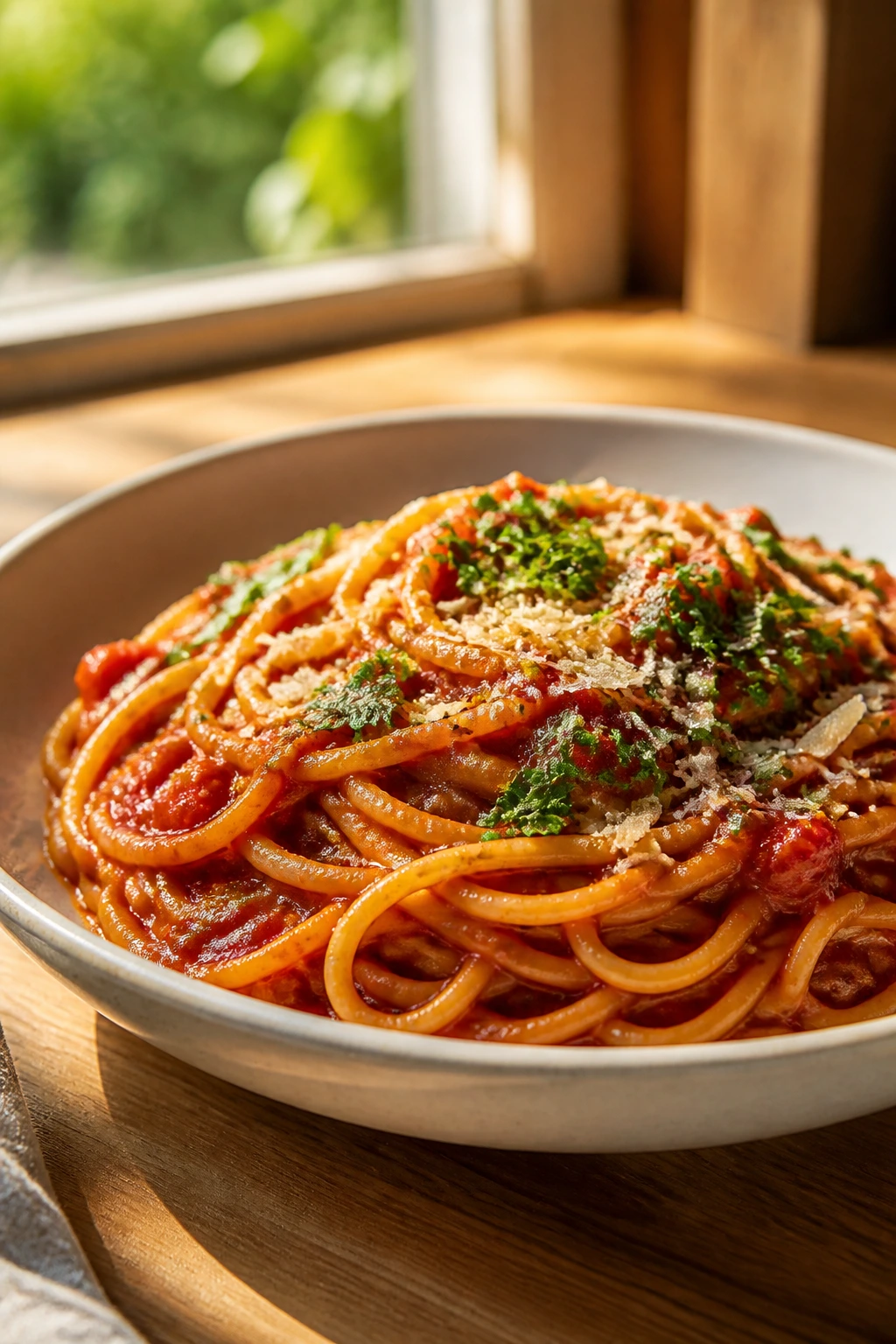
Presentation:
Saucy recipes like the tomato spaghetti, chili mac, and bean stews look best in shallow bowls with a little contrast on top — parsley, scallions, toasted crumbs, or a drizzle of oil. Crispy dishes like quesadillas, salmon cakes, and the frittata deserve clean edges and a bright side so the plate doesn’t feel heavy. Keep the serving bowl warm when you can; it makes cheap food feel cared for.
Accompaniments:
The simplest sides usually work best: toasted bread, a basic green salad, cabbage slaw, cucumber slices, or extra rice. A fried egg on top of rice or lentils can stretch a dish without changing the whole recipe. Pickles, hot sauce, and lemon wedges are useful here too. They wake things up fast.
Portions:
Most of these recipes serve 4, though soup and split pea dishes often stretch to 5 or 6 if there’s bread beside them. If you’re feeding bigger eaters, add bread, rice, or a simple salad before multiplying the protein. If you’re cooking for one or two, many of these hold up well as leftovers, which is half the point of pantry cooking anyway.
Beverage Pairing:
Sparkling water with lemon is an easy fit for almost every recipe here. Unsweetened iced tea works well too, especially with spicy or tomato-heavy dinners. If you want something stronger with the tomato dishes, a dry lager or a simple red wine is plenty. Nothing needs to be fancy.
Additional Tips and Flavor Boosters
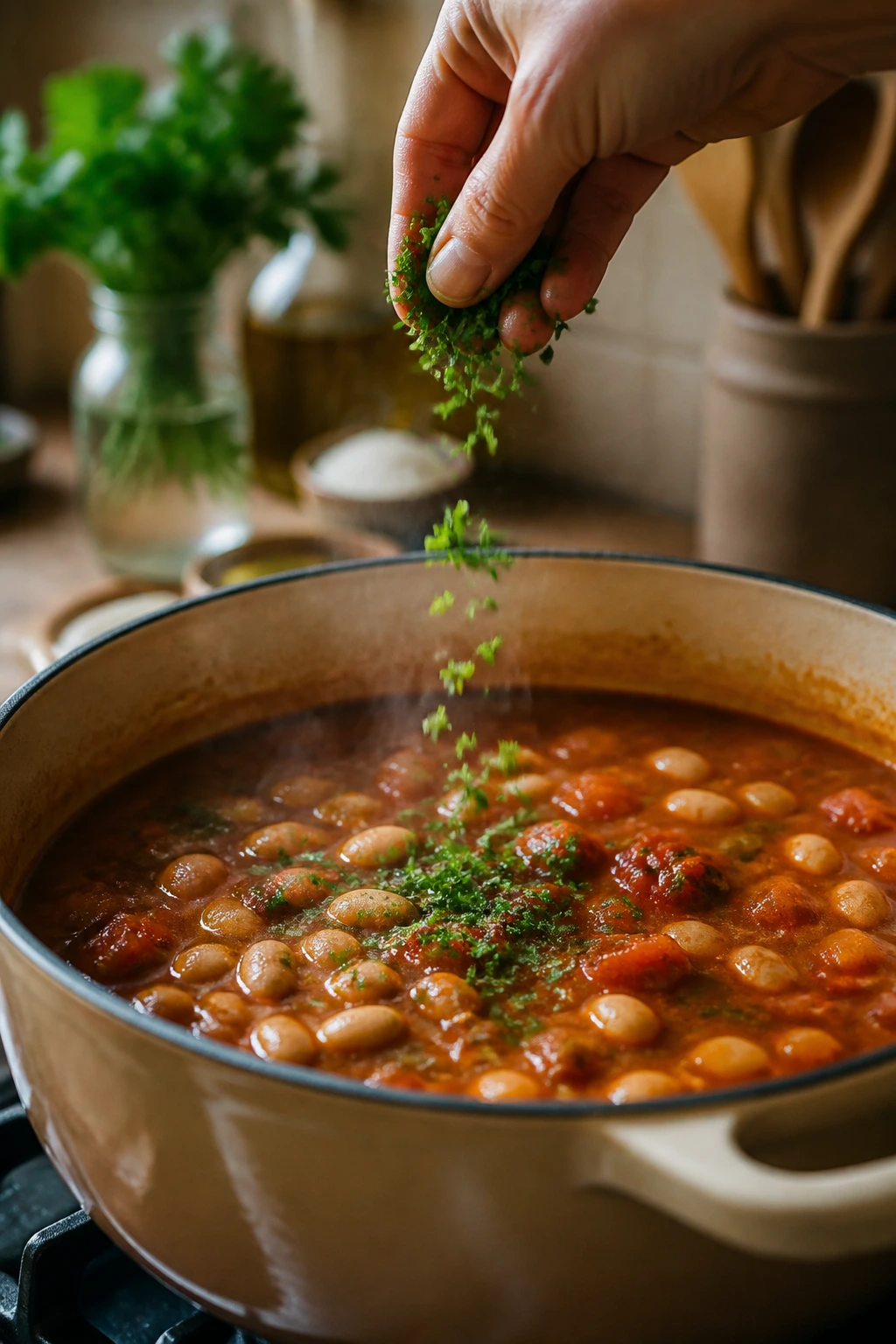
Flavor Enhancement: Finish bean dishes, soups, and stews with an acid you can taste: lemon juice, vinegar, or the brine from a jar of pickles. It’s the cheapest way to make a pot taste awake.
Customization: Add a fried egg to rice bowls, throw frozen spinach into tomato sauces, or tuck extra cabbage into noodle dishes. Those small add-ins bulk up dinner without changing the shopping list much.
Serving Suggestions: Keep crushed red pepper, chopped herbs, sesame seeds, toasted breadcrumbs, and grated cheese near the table. A good garnish is not decoration here; it’s a texture fix.
Make-It-Yours: If you want more protein, use eggs, canned fish, or extra beans. If you want the meals lighter, lean on vegetables, broth, and a little olive oil instead of cheese or butter. If heat is your thing, keep chili flakes or hot sauce in the rotation and use them with a steady hand.
Make-Ahead, Storage, and Reheating Guidance
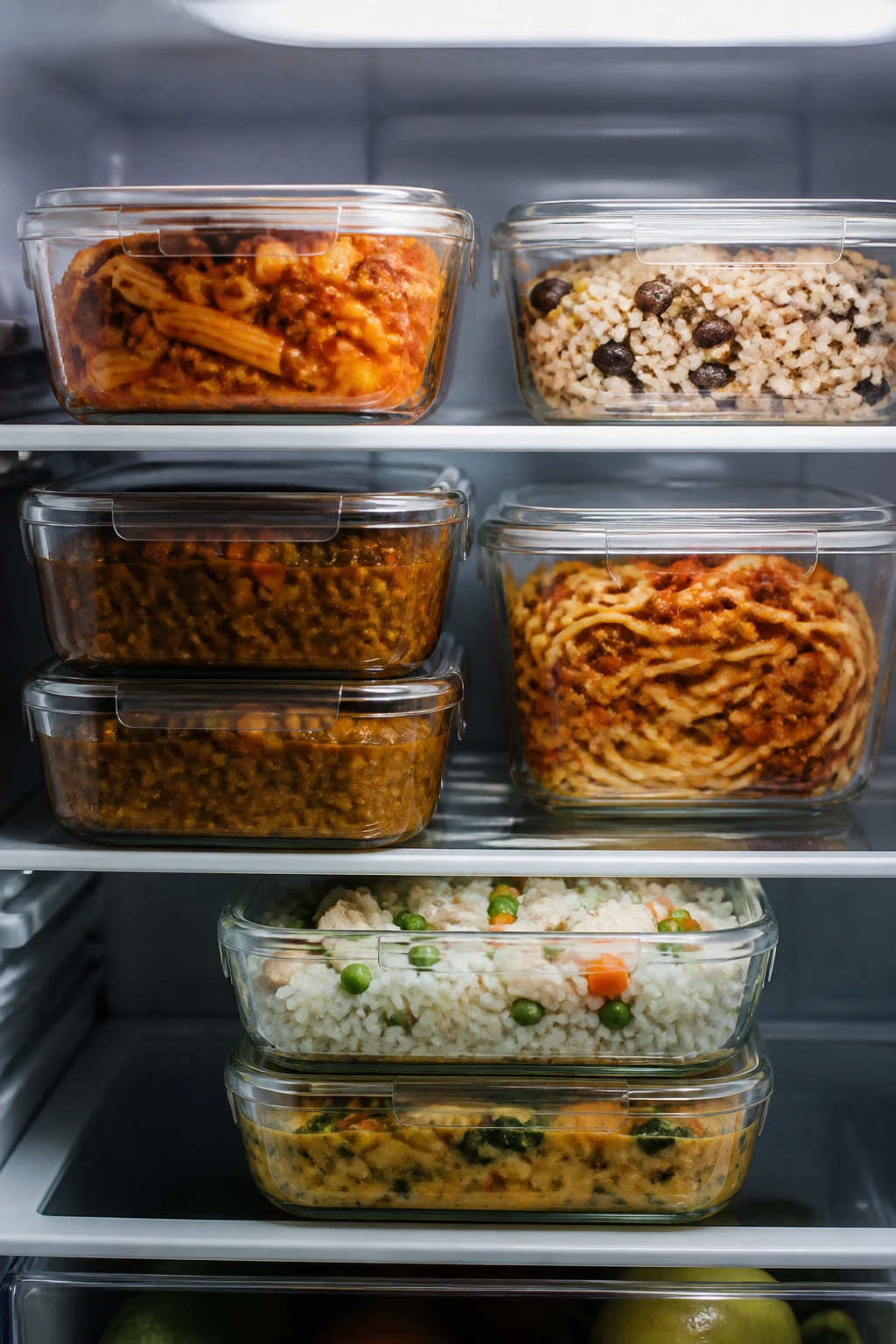
Most of these pantry dinners hold well, which is part of the appeal. Soups, stews, and bean-heavy dishes usually keep for 3 to 4 days in the refrigerator and freeze well for up to 2 months in airtight containers. Split pea soup can often go a little longer in the freezer without losing much texture, especially if you cool it quickly before freezing. Pasta dishes with sauce keep best for 3 days refrigerated; if you plan to freeze them, leave the pasta slightly undercooked and add a splash of water when reheating.
Rice dishes like the red beans and rice skillet or fried rice should be cooled fast and stored shallow so they don’t sit warm too long. They’re best within 3 to 4 days in the fridge. Fried rice reheats best in a hot skillet with a teaspoon of oil, because the pan brings back some texture. Microwave reheating works, but the grains stay softer.
Egg dishes are the least freezer-friendly. Frittata and quesadillas are fine for up to 3 days in the fridge, though quesadillas are much better reheated in a dry skillet than in a microwave. Salmon cakes also reheat well in a skillet or a 375°F oven for a few minutes until crisp again.
A few make-ahead moves help a lot. Chop onions, carrots, and celery ahead of time and keep them in containers for 2 days. Cook rice earlier in the day if you know fried rice is on the menu. Toast breadcrumbs and store them at room temperature in a sealed jar. Little things. Big payoff.
Pantry Dinners That Keep Paying You Back
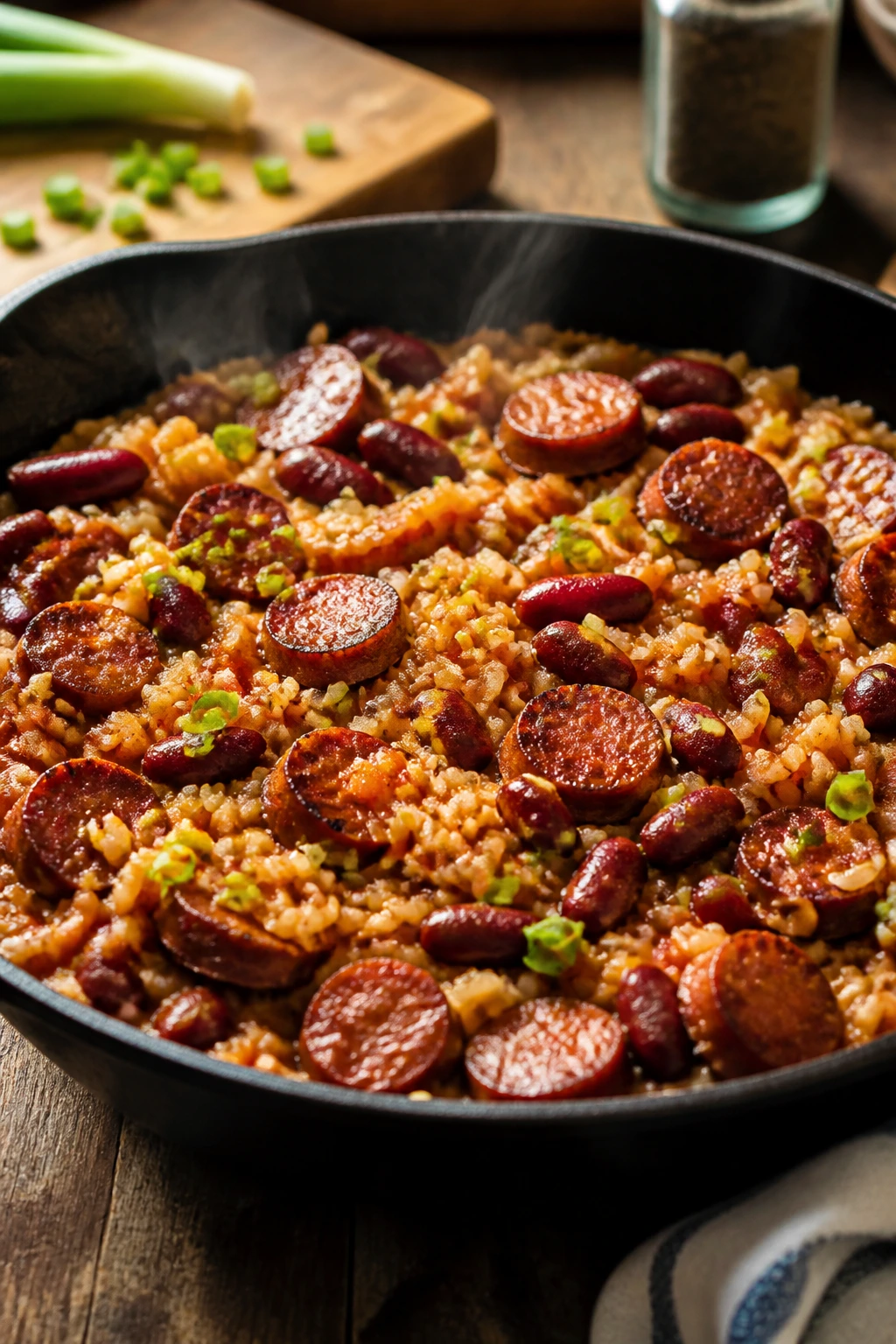
A good pantry dinner does more than fill the gap between shopping trips. It takes the pressure off the evening and makes the cupboard feel useful instead of half-forgotten. That’s a small shift, but a real one. When you know how to turn beans, rice, pasta, and canned tomatoes into meals with texture and character, the grocery budget stops feeling like a scolding.
The recipes here are deliberately plain in the ingredient list and a little more generous on the plate. That’s the sweet spot. Build the meal with what you already have, then finish it with one sharp or crunchy thing at the end. That’s the move I’d keep.
Frequently Asked Questions

What pantry staples should I keep on hand for budget dinners?
Start with pasta, rice, canned tomatoes, canned beans, tuna or salmon, onions, garlic, frozen vegetables, eggs, and one or two good spices like cumin and smoked paprika. That small list covers soups, stews, skillet meals, and pasta nights without much overlap.
Can I use dried beans instead of canned beans?
Yes, if you plan ahead. Cooked dried beans are usually cheaper per serving and work well in any of these recipes, but they need soaking and a longer cook time, so they’re less convenient on a hectic night.
Which of these recipes freeze best?
The soups, stews, chili mac, and bean dishes freeze best because they stay moist. Pasta dishes can freeze too, but they taste better if you keep them a little saucier than usual. Egg dishes freeze poorly, so eat those fresh or within a few days.
How do I make pantry dinners taste less flat?
Use salt in layers, not all at once, and finish with something bright like lemon juice or vinegar. Toasting spices, garlic, tomato paste, or breadcrumbs also adds flavor without adding much cost.
What if I don’t have broth?
Water works more often than people think. Just season a little more carefully, and let onion, garlic, tomato paste, herbs, or soy sauce carry more of the flavor. A Parmesan rind, if you happen to have one, also helps a pot taste fuller.
Can I stretch these recipes to feed more people?
Absolutely. Add more rice, pasta, bread, or potatoes before you start multiplying expensive ingredients. Beans, eggs, and frozen vegetables are usually the cheapest way to increase volume without losing the point of the meal.
Are these dinners good for kids?
Most of them are, especially the spaghetti, quesadillas, chili mac, and fried rice. If spice is a problem, hold back the chili flakes or cayenne and put the hotter condiments on the table instead of in the pan.
How do I keep rice and pasta from turning mushy in leftovers?
Stop cooking them a minute or two early, then store them with a little sauce or moisture so they don’t dry out. When reheating, add a splash of water and warm them gently rather than blasting them on high heat.
Variations and Adaptations to Try
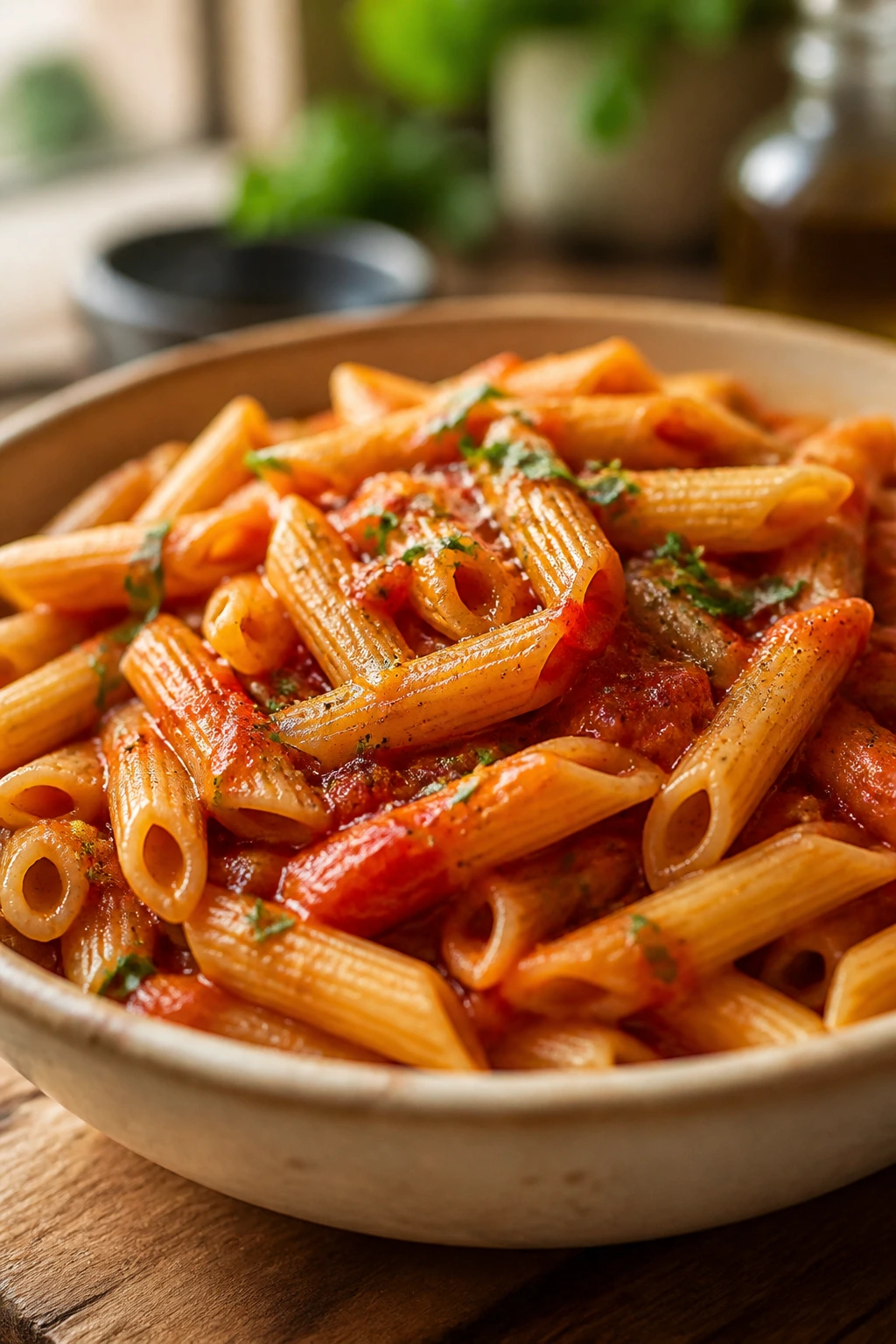
Gluten-Free Cabinet Night
Swap regular pasta for gluten-free pasta, use rice in place of couscous, and serve the stews with rice or potatoes. Corn tortillas work better than flour tortillas for the quesadillas if you want to keep the whole meal gluten-free.
No-Dairy Pantry Swap
Skip the cheese and butter where they show up, and lean on olive oil, lemon, herbs, and a little extra salt instead. Peanut noodles, bean stews, lentil curry, and tomato pasta all hold up well without dairy.
Lower-Sodium Reset
Choose no-salt-added beans and tomatoes when you can, rinse canned beans thoroughly, and season with more garlic, herbs, vinegar, and citrus. The food will taste cleaner, and you’ll have more control over the final bowl.
Protein Stretch Mode
Use one can of fish, one or two eggs, or an extra cup of beans to pull a dinner farther. This works especially well with pasta, rice, and soups, where the base can absorb more volume without turning awkward.
Kid-Calm Plates
Keep the spice low, serve sauces on the side, and use cheese or breadcrumbs for familiar texture. Kids often respond better to crunchy or creamy elements than to big spice hits, and that’s an easy thing to work with.
Heat-Lover’s Upgrade
Keep chili flakes, hot sauce, cayenne, harissa, or chili crisp nearby and add them at the table. That lets the main pot stay friendly for everyone while still giving the heat crowd something worth reaching for.
Common Mistakes to Avoid
Skipping the seasoning layers
A pantry meal can taste dull if you dump everything in at once and hope for the best. Salt the water, season the beans or tomatoes, and finish with acid or herbs so the dish has shape.
Cooking starches too long
Pasta, rice, and couscous all keep softening after they leave the heat. The fix is simple: stop a little early and let carryover heat do the rest. Mushy leftovers usually start with overcooked dinner.
Ignoring texture
A bowl of soft beans on soft rice with no crunch gets old fast. Toasted breadcrumbs, cabbage slaw, scallions, or fried tortillas give the meal some lift and stop every bite from feeling the same.
Using too little liquid in one-pot dishes
Rice and pasta need enough water to cook properly. If the pot looks dry before the grains are tender, add hot water a splash at a time instead of hoping the pan will somehow fix itself.
Forgetting to taste at the end
Canned ingredients vary more than people expect. Taste before serving and adjust salt, pepper, lemon, vinegar, or hot sauce. That last minute of tuning is often what makes the food feel finished.
Buying specialty items that only work once
A bottle of something obscure for a single recipe can blow the budget faster than the meal itself saves it. Stick with ingredients that show up in more than one dish on your list, and let one pantry item do double duty.
Final Thoughts
A pantry dinner doesn’t have to feel like a compromise. If anything, it can be more satisfying because it asks you to cook with a little intention instead of a long shopping list. Beans need spice. Tomatoes need fat. Rice needs enough salt to wake up. Once you know those moves, the meals stop feeling cheap and start feeling smart.
Keep a few reliable staples on hand, and dinner gets easier in a way that actually matters. Not glamorous. Just calmer, cheaper, and a lot less dependent on a last-minute grocery run. That’s a good trade.