



It is 5:40 p.m., one kid is suddenly starving, another has a project due tomorrow, and the kitchen already looks like a mild disaster. That is the hour when single-parent dinners have to earn their keep. They need to be fast without tasting rushed, filling without making a mountain of dishes, and flexible enough to survive a missing onion or a last-minute tantrum about green things.
The best weeknight meals for one busy adult running the whole show are rarely the fanciest ones. They are the reliable ones. Rotisserie chicken. Beans. Pasta. Rice. A sheet pan. A slow cooker. The meals that let you do one round of chopping, one round of cooking, and one round of cleaning. That’s the whole game.
These 12 dinner ideas for single parents are built around that reality. Some are oven-baked and hands-off. Some are skillet dinners that land on the table in under half an hour. A few are designed for leftovers, because tomorrow’s lunch matters when you do not have time to think about tomorrow’s lunch.
Why These Dinner Ideas Pull Their Weight on Tired Nights
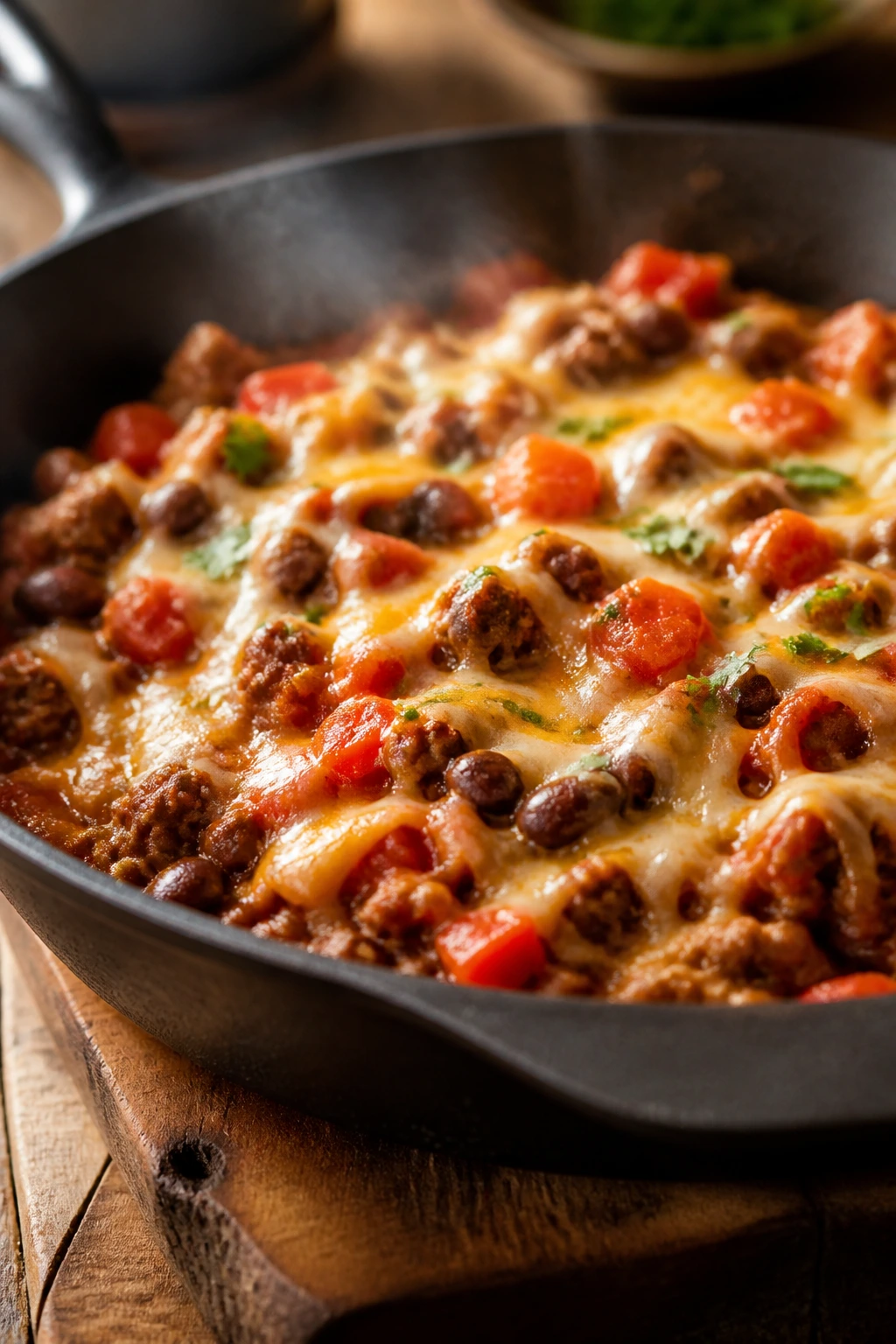
Low-Decision Meals: Each recipe uses familiar ingredients and short, clear steps, which matters when you’ve already made a dozen other decisions before dinner.
Cleanup-Light: Most of these dinners lean on one skillet, one sheet pan, or one pot, so the sink does not turn into a second shift.
Leftover-Friendly: Several of the meals taste even better the next day, especially chili, soup, pasta bakes, and shredded chicken bowls.
Swap-Friendly: If you are missing one vegetable or one protein, these recipes tolerate a little improvisation without falling apart.
Kid-Readable Flavors: The seasoning is present, but not bossy. That makes these dinners more likely to land with picky eaters and tired adults alike.
Budget-Sane: Beans, lentils, pasta, rice, tortillas, and chicken thighs do a lot of heavy lifting here, which is a relief when the grocery bill is already noisy.
1. Rotisserie Chicken Tacos with Crunchy Lime Slaw
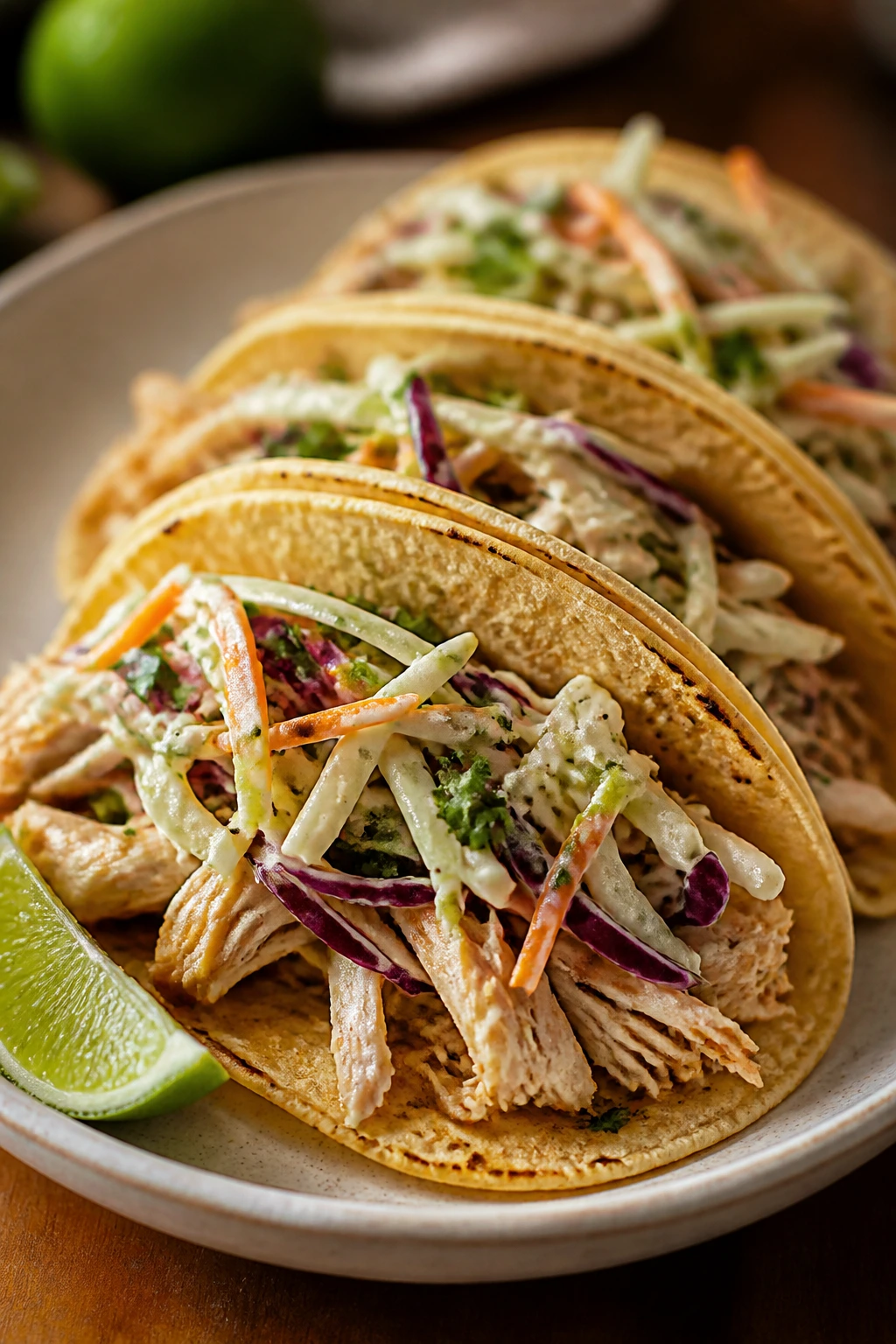
Rotisserie chicken is the shortcut that actually tastes like a shortcut in the best possible way. It gives you juicy meat without standing over a stove, and the quick lime slaw brings crunch so the tacos do not feel heavy or flat.
These tacos are a good example of a dinner that feels built, not assembled in panic. The chicken gets warmed with a little cumin and garlic, the slaw stays crisp, and the whole thing can land on the table in roughly 20 minutes if you move with purpose. That is the kind of math single-parent dinners need.
Why It Works:
Store-bought chicken cuts the cooking time in half, but the real trick is texture. Warm, seasoned chicken against cold crunchy cabbage keeps every bite awake. The slaw also holds well for a day or two, so if one child eats two tacos and the other only picks at the filling, you are not stuck with mush. Small corn tortillas give these tacos a better grip than giant wraps, which matters when one hand is helping with homework.
Key Ingredients:
- 1 rotisserie chicken, skin removed and shredded, about 4 cups
- 2 cups shredded green cabbage
- 1 cup shredded carrots
- 1/2 cup plain Greek yogurt or sour cream
- 1 lime, juiced
- 12 small corn or flour tortillas
- 1 teaspoon ground cumin
- 1/2 teaspoon garlic powder
- 1/2 teaspoon kosher salt
- 1 avocado, sliced
- 1/2 cup salsa
- 2 tablespoons chopped cilantro
Quick Steps:
- Make the slaw: Whisk the yogurt, lime juice, 1 tablespoon water, salt, and a pinch of cumin in a medium bowl until smooth, then toss with the cabbage and carrots. The slaw should taste bright and lightly creamy, not soupy.
- Warm the chicken: Put the shredded chicken in a skillet over medium heat with cumin, garlic powder, and 2 to 3 tablespoons water or broth. Stir for 3 to 4 minutes, just until the meat is hot and lightly scented.
- Heat the tortillas: Warm the tortillas in a dry skillet for about 20 seconds per side, or wrap them in a damp paper towel and microwave for 30 to 40 seconds. Keep them wrapped so they stay soft.
- Build the tacos: Spoon chicken into each tortilla, then top with slaw, avocado slices, and salsa. A few cilantro leaves add a fresh finish if your household likes them.
- Serve right away: Add lime wedges on the side and let everyone finish their own tacos. That keeps the tortillas from getting soggy while people take their time.
Tips and Variations:
- If your kids dislike cabbage, swap in shredded romaine or a bagged broccoli slaw mix.
- Turn the filling into taco bowls with rice and black beans when tortillas are nowhere to be found.
- Add a spoonful of pickled jalapeños for adults who want more bite without changing the kids’ portions.
2. One-Pan Lemon Garlic Chicken and Baby Potatoes
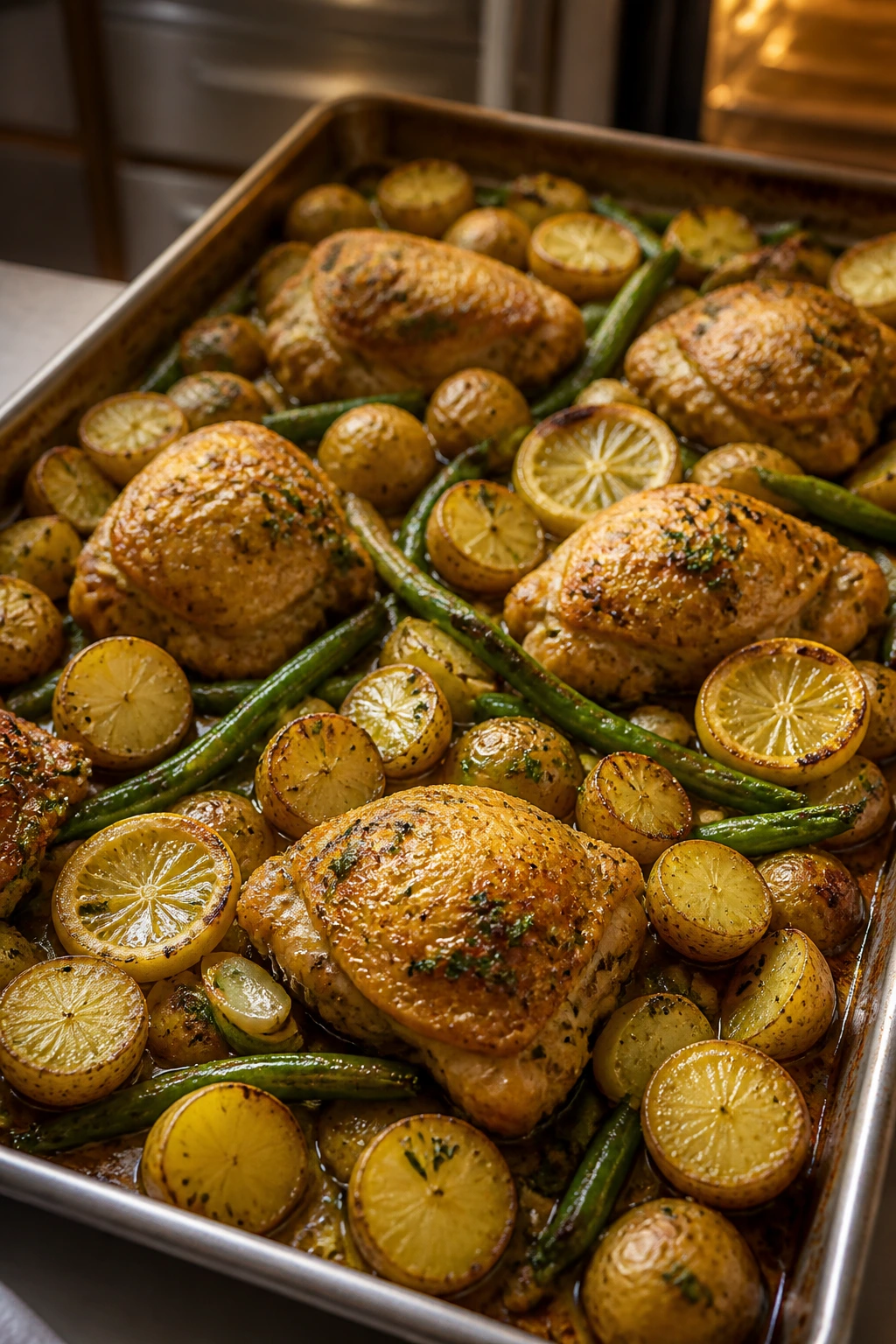
A sheet pan is the closest thing to a pause button on a long evening. You toss, roast, and serve from the same pan, which means the oven does the annoying part while you do literally anything else.
This version uses chicken thighs because they stay juicy even if they sit in the oven a few minutes too long. Potatoes roast underneath, soaking up the lemon and garlic drippings, and a quick side of green beans finishes the plate without extra drama. It is plain-spoken food, and that is a compliment.
Why It Works:
Chicken thighs are more forgiving than breasts, which is exactly why they belong in this kind of dinner. The potatoes get a head start so they soften and brown before the chicken goes in, and the green beans join late enough to keep their snap. A little Dijon in the lemon-garlic sauce gives the pan juices more backbone than oil and salt alone. You can stretch this meal with bread or a quick salad, but you do not have to.
Key Ingredients:
- 1 1/2 pounds boneless, skinless chicken thighs
- 1 1/2 pounds baby potatoes, halved
- 12 ounces green beans, trimmed
- 3 tablespoons olive oil
- 4 cloves garlic, minced
- 1 lemon, half juiced and half sliced
- 1 tablespoon Dijon mustard
- 1 teaspoon paprika
- 1 teaspoon kosher salt
- 1/2 teaspoon black pepper
- 1 teaspoon dried Italian seasoning
Quick Steps:
- Preheat the oven: Set it to 425°F (220°C) and line a rimmed sheet pan with parchment for easier cleanup.
- Start the potatoes: Toss the potatoes with 2 tablespoons olive oil, half the garlic, paprika, salt, pepper, and Italian seasoning. Spread them cut-side down on the pan and roast for 15 minutes.
- Season the chicken: Mix the remaining oil, garlic, lemon juice, and Dijon in a small bowl. Coat the chicken thighs lightly so every piece picks up the lemon-garlic flavor.
- Add the chicken and beans: Pull the pan out, push the potatoes to the sides, and place the chicken in the center. Scatter the green beans around the edges, then spoon any extra sauce over the top.
- Roast again: Cook for 18 to 22 minutes, until the chicken reaches 165°F in the thickest part and the potatoes are browned at the edges.
- Finish and rest: Scatter the lemon slices over the pan for the last 3 minutes, then let everything sit for 5 minutes before serving so the juices settle.
Tips and Variations:
- Use broccoli instead of green beans if that is what is in the crisper drawer.
- A sprinkle of feta on top works well, but the dish does not need it.
- If you want a deeper roast flavor, leave the chicken uncovered in the fridge for 30 minutes before cooking.
3. Creamy Sausage and Spinach Pasta
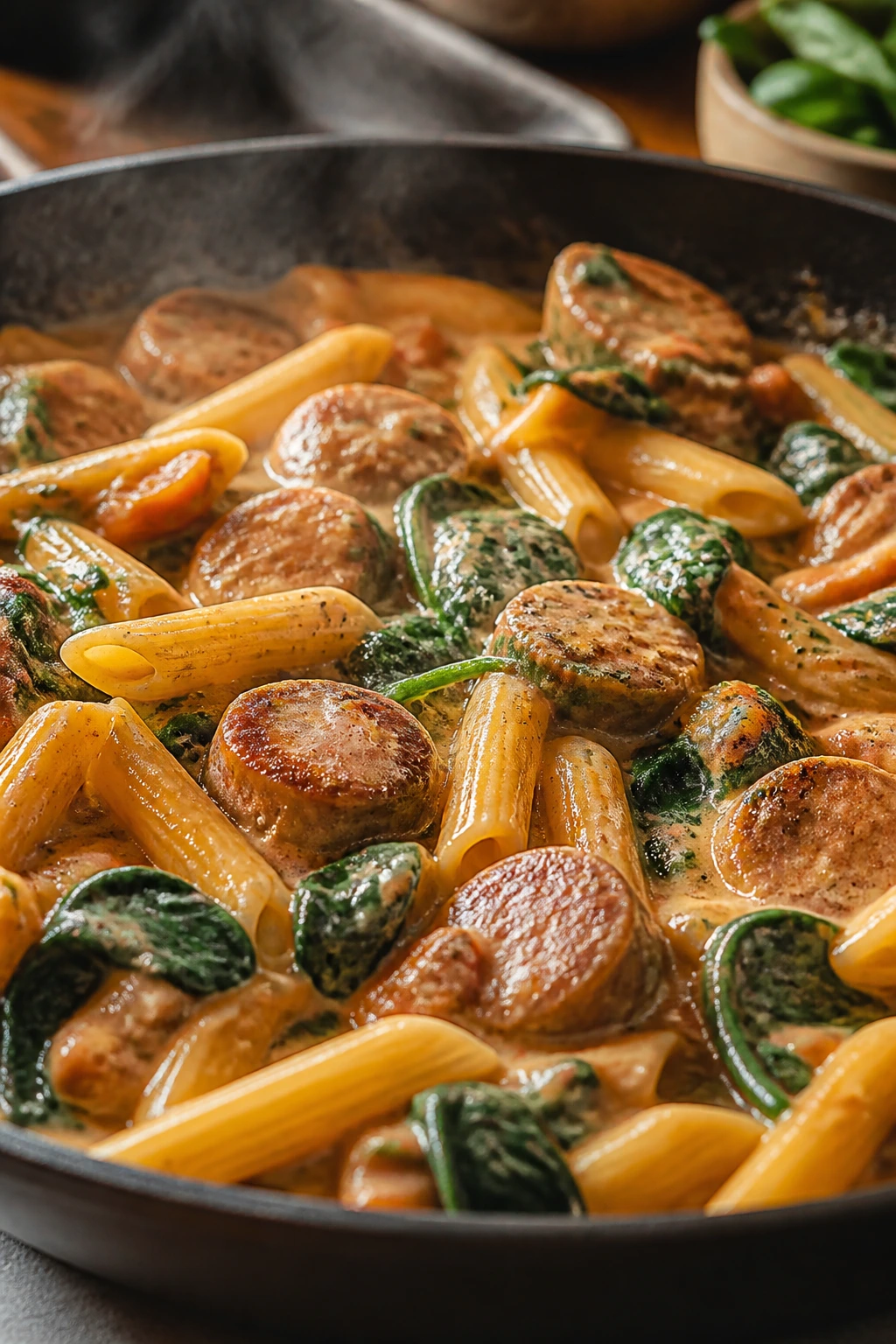
When the day has already asked too much of you, one-pot pasta feels like a small victory. This one leans on sausage for flavor, spinach for some color that does not require a pep talk, and a creamy tomato sauce that clings to every bite of penne.
It tastes richer than the ingredient list suggests. That is part of the charm. The sausage browns into little savory bits, the tomatoes simmer down, and the cream rounds out the edges without turning the sauce into something heavy and sleepy. If you need a dinner that feels comforting but not fussy, this one earns a hard yes.
Why It Works:
The pasta cooks right in the sauce, which means it steals flavor from the broth and tomato base instead of tasting like plain noodles dumped into a skillet. Sausage gives you seasoning, fat, and protein in one move, so you do not need to build the meal from five separate parts. Spinach disappears into the sauce in a way that is helpful rather than annoying. A little Parmesan at the end pulls the whole pan together.
Key Ingredients:
- 1 pound Italian sausage, casings removed if needed
- 12 ounces penne or rigatoni
- 1 small yellow onion, diced
- 3 cloves garlic, minced
- 1 can crushed tomatoes, 28 ounces
- 2 1/2 cups low-sodium chicken broth
- 3/4 cup heavy cream or half-and-half
- 4 cups baby spinach
- 1/2 cup grated Parmesan
- 1 teaspoon Italian seasoning
- 1/4 teaspoon red pepper flakes
- 1 tablespoon olive oil
Quick Steps:
- Brown the sausage: Heat the olive oil in a large skillet or Dutch oven over medium-high heat. Cook the sausage for 5 to 6 minutes, breaking it into small pieces until it loses its raw color and starts to brown.
- Soften the onion: Add the onion and cook for 3 minutes, stirring often, until it looks translucent and the pan smells sweet rather than greasy. Stir in the garlic for 30 seconds.
- Build the sauce: Pour in the broth and crushed tomatoes, then add the pasta, Italian seasoning, and red pepper flakes. Stir well so the noodles sit mostly under the liquid.
- Simmer the pasta: Cover and cook over medium heat for 10 to 12 minutes, stirring twice, until the pasta is tender and the sauce has thickened around it.
- Finish creamy: Stir in the cream, spinach, and Parmesan. Cook for 1 to 2 minutes more, just until the spinach wilts and the sauce turns silky.
- Taste and serve: Add salt and pepper only if needed, then serve hot with more Parmesan on top.
Tips and Variations:
- Swap in turkey sausage if you want a lighter version with the same flavor.
- Stir in mushrooms with the onions if you want more vegetables without extra effort.
- If the sauce gets too thick, loosen it with a splash of broth before serving.
4. Black Bean and Sweet Potato Skillet Enchiladas
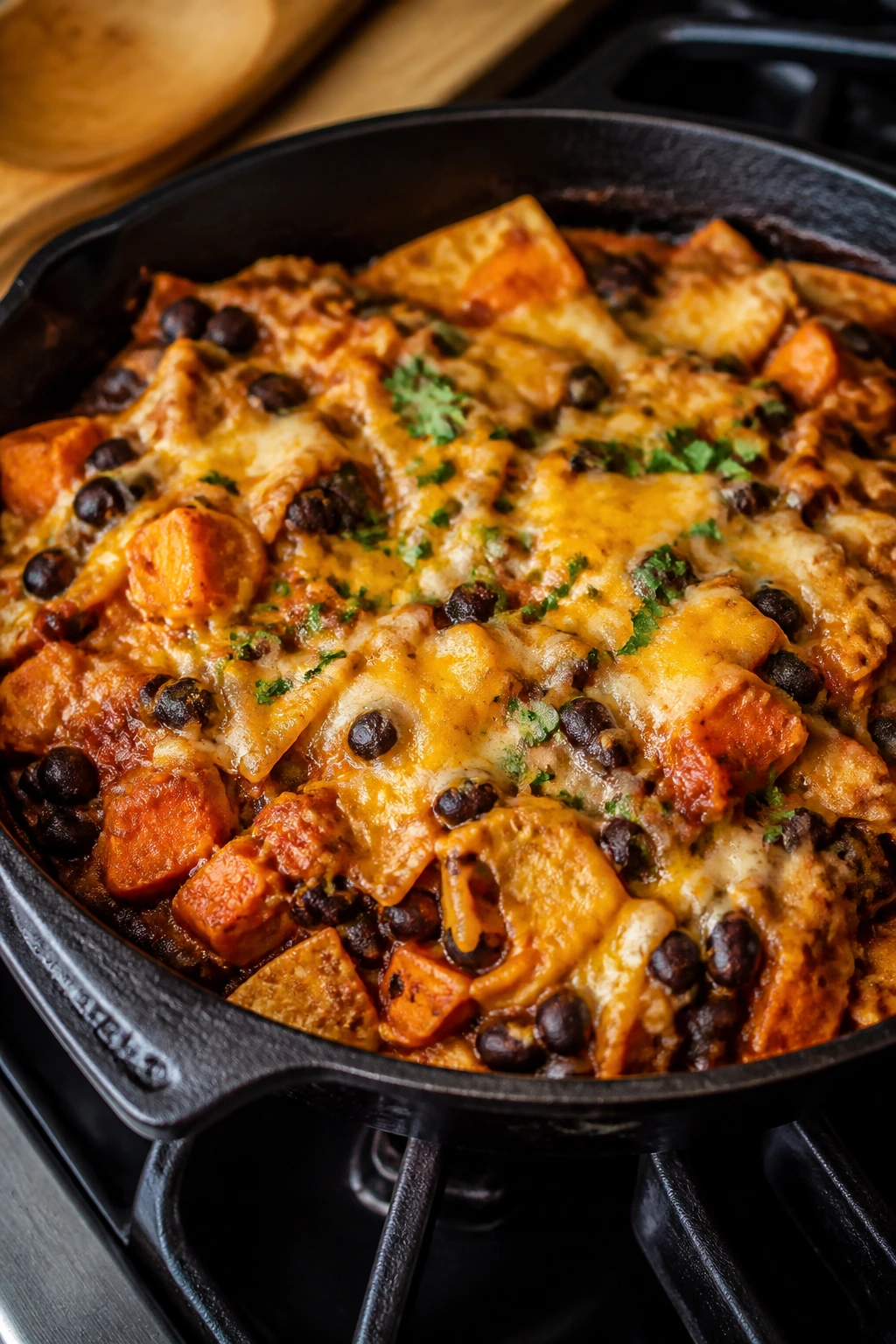
This is the kind of meatless dinner that does not feel like a sacrifice. Sweet potatoes bring warmth and a little natural sweetness, black beans give the dish heft, and the enchilada sauce keeps everything savory enough to satisfy hungry people who expect dinner to count.
The skillet format matters here. You do not have to roll perfect enchiladas or baby them into a baking dish. Tear the tortillas, layer them in, tuck cheese between the seams, and let the oven do the rest. It is a little messy. That is part of why it works.
Why It Works:
Sweet potatoes cook into soft, sturdy cubes that hold their shape better than some other vegetables, so the filling feels substantial. Black beans bring protein and fiber, which makes this dinner more filling than a standard cheese-only skillet. Cutting the tortillas into strips lets them absorb some sauce without vanishing into mush. The result is somewhere between enchiladas and a casserole, and that is exactly why it lands so well on a tired night.
Key Ingredients:
- 2 medium sweet potatoes, peeled and diced into 1/2-inch cubes
- 1 tablespoon olive oil
- 1 small yellow onion, chopped
- 2 cloves garlic, minced
- 1 can black beans, 15 ounces, rinsed and drained
- 1 teaspoon chili powder
- 1 teaspoon ground cumin
- 1 can enchilada sauce, 19 ounces
- 8 small corn tortillas, cut into strips
- 1 1/2 cups shredded Monterey Jack or cheddar
- 2 tablespoons chopped cilantro
- 1 lime, cut into wedges
Quick Steps:
- Cook the sweet potatoes: Heat the oil in a large oven-safe skillet over medium heat. Add the sweet potatoes and onion with a pinch of salt, then cook for 8 to 10 minutes, stirring now and then, until the edges start to soften.
- Add flavor: Stir in the garlic, chili powder, and cumin for 30 seconds so the spices bloom and smell toasty rather than raw.
- Mix the filling: Add the black beans and half the enchilada sauce. Cook for 2 minutes, stirring gently so some of the potatoes break slightly and thicken the mixture.
- Layer the tortillas: Turn off the heat and fold in half of the tortilla strips. Spread the rest over the top so they catch the sauce.
- Add cheese and bake: Pour the remaining sauce over everything, sprinkle the cheese on top, and bake at 400°F (205°C) for 12 to 15 minutes, until bubbly and lightly browned.
- Finish at the table: Top with cilantro and lime juice. Let the skillet rest for 5 minutes so it slices more cleanly.
Tips and Variations:
- Use pinto beans instead of black beans if that is what you have.
- Add a handful of corn for more sweetness and color.
- Serve with avocado or plain yogurt if you want a cooler finish.
5. Sheet-Pan Salmon with Broccoli and Couscous
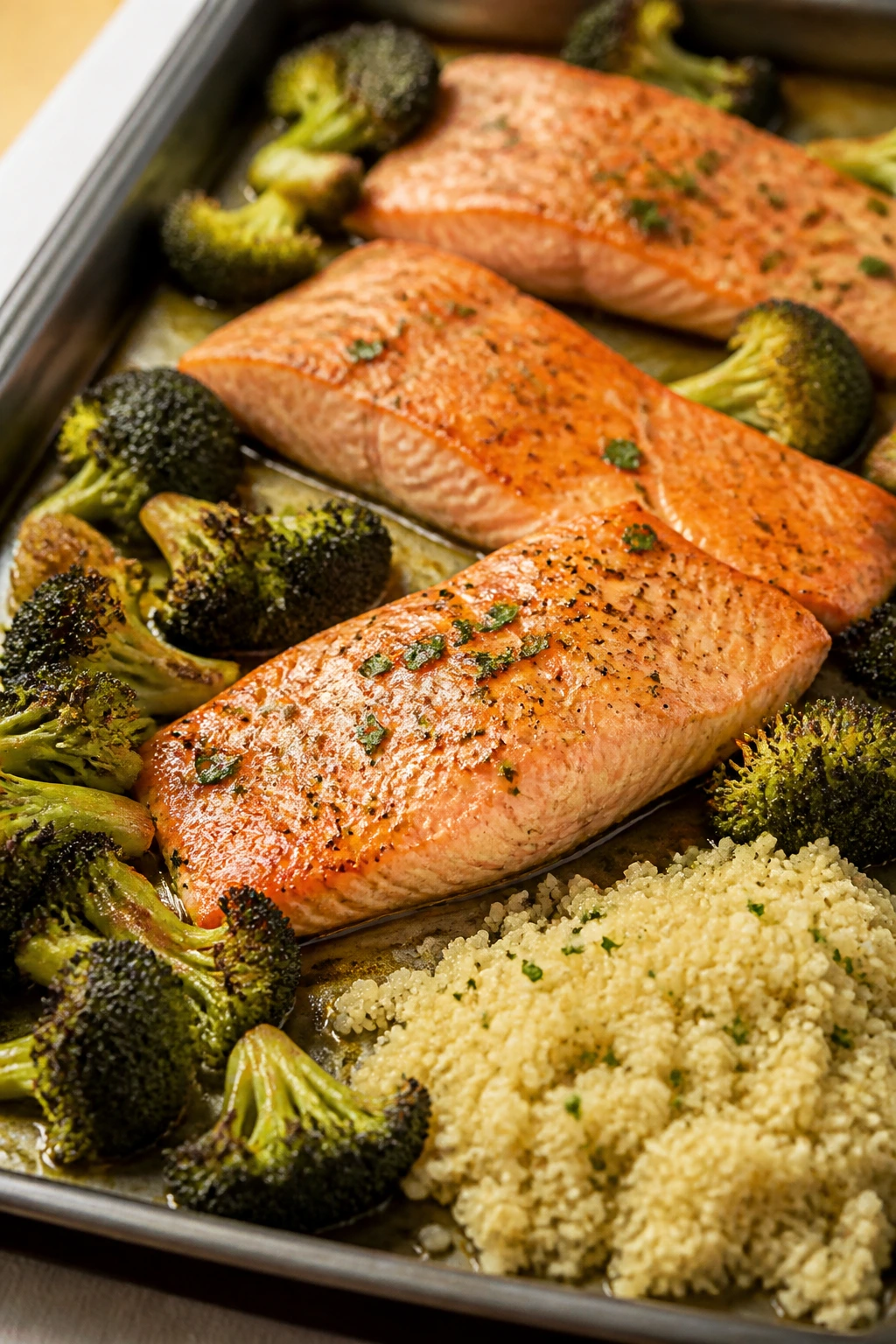
Salmon can feel like a special-occasion dinner, but it does not have to be. When you pair it with broccoli and a quick couscous side, the whole meal stays weeknight-friendly and still looks like you paid attention.
The nice part is how little babysitting this needs. Broccoli roasts while the salmon cooks, and couscous only asks for hot liquid and five minutes of patience. That is the sort of timing that leaves room to answer a school email or put shoes back on a child who has already taken them off twice.
Why It Works:
Salmon cooks quickly, which makes it one of the few fish dinners that fits a full household schedule without turning dry and sad. Broccoli develops crisp edges on the sheet pan, so you get something with bite next to the softer fish. Couscous is faster than rice and absorbs lemon and butter beautifully. The whole dinner feels balanced: protein, vegetables, and a starch, all without a pile of pots.
Key Ingredients:
- 4 salmon fillets, about 5 to 6 ounces each
- 4 cups broccoli florets
- 2 tablespoons olive oil
- 1 tablespoon Dijon mustard
- 1 teaspoon garlic powder
- 1 lemon, zested and juiced
- 1 cup couscous
- 1 cup water or chicken broth
- 1 tablespoon butter
- 1 teaspoon kosher salt
- 1/2 teaspoon black pepper
Quick Steps:
- Preheat and season: Set the oven to 425°F (220°C). Toss the broccoli with 1 tablespoon olive oil, half the salt, and half the pepper, then spread it on a sheet pan.
- Roast the broccoli first: Cook for 10 minutes so it gets a head start and picks up some color at the edges.
- Prep the salmon: Stir the remaining oil, Dijon, garlic powder, lemon zest, and a little lemon juice together. Brush the salmon with the mixture and season lightly.
- Add the fish: Pull the pan out, move the broccoli aside, and place the salmon on the empty space. Roast for 8 to 10 minutes, until the fish flakes easily and reaches about 145°F.
- Make the couscous: While the salmon cooks, bring the water or broth to a boil in a saucepan. Stir in the couscous, butter, and the remaining salt, cover, and let it sit off the heat for 5 minutes.
- Fluff and serve: Fluff the couscous with a fork, squeeze in the rest of the lemon juice, and serve with the salmon and broccoli.
Tips and Variations:
- If your salmon fillets are thick, add 2 minutes; if they are thin, start checking early.
- Swap couscous for quick-cooking rice if that feels more familiar.
- A spoonful of Greek yogurt mixed with lemon makes a fast sauce for the top.
6. Beef and Veggie Fried Rice
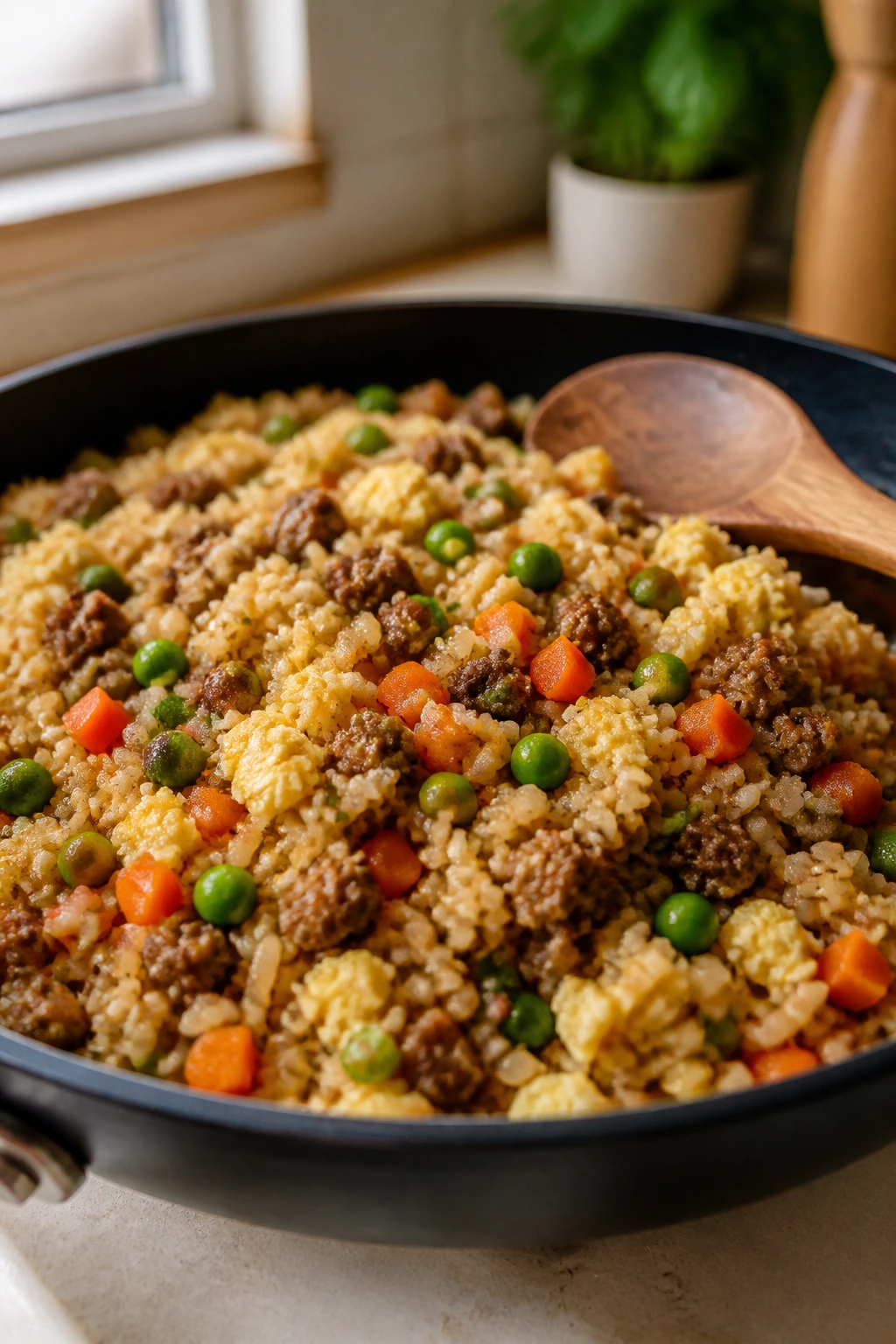
Cold rice has a purpose, and this is it. Fried rice turns leftovers into dinner that feels intentional, not like a fridge cleanup exercise.
Ground beef gives the dish a savory base without asking for slicing or marinating. Frozen peas and carrots keep the vegetable work minimal, and the eggs add enough richness to make the pan feel complete. It is a good one for the nights when you need the stove to work fast and stop asking questions.
Why It Works:
Day-old rice is drier, so it fries instead of clumping into a soft mound. That texture difference matters more than people think. Ground beef cooks quickly and carries sauce well, while the eggs round out the pan and help everything feel like a real dinner rather than a side dish wearing a hat. The soy sauce and sesame oil bring salt, depth, and smell in one short step.
Key Ingredients:
- 4 cups cooked rice, chilled
- 1 pound ground beef
- 2 large eggs, lightly beaten
- 1 cup frozen peas and carrots
- 3 scallions, sliced
- 3 tablespoons soy sauce
- 1 tablespoon sesame oil
- 2 cloves garlic, minced
- 1 teaspoon grated fresh ginger
- 1 tablespoon neutral oil
- 1 teaspoon rice vinegar, optional
Quick Steps:
- Scramble the eggs: Heat the neutral oil in a large skillet or wok over medium-high heat. Add the eggs and cook for about 1 minute, stirring just until softly set, then slide them onto a plate.
- Brown the beef: Add the ground beef to the hot pan and cook for 5 to 6 minutes, breaking it up until it is no longer pink and has some browned edges.
- Add aromatics and vegetables: Stir in the garlic, ginger, peas, and carrots. Cook for 2 minutes until the vegetables are hot and the garlic smells sweet.
- Fry the rice: Add the cold rice and break up any clumps with a spatula. Stir-fry for 3 to 4 minutes, pressing the rice into the pan so some grains get a little toasted.
- Season the pan: Pour in the soy sauce, sesame oil, and rice vinegar if using. Toss well so the rice turns evenly coated and slightly glossy.
- Finish with eggs and scallions: Stir the eggs back in and add the scallions at the end so they stay bright. Taste before salting further; soy sauce usually carries enough salt on its own.
Tips and Variations:
- Use leftover rotisserie chicken instead of beef if that is what the fridge offers.
- A fried egg on top makes this feel bigger without much extra work.
- If you only have fresh rice, spread it on a tray for 15 minutes to cool and dry a bit first.
7. Slow-Cooker Salsa Verde Chicken Bowls
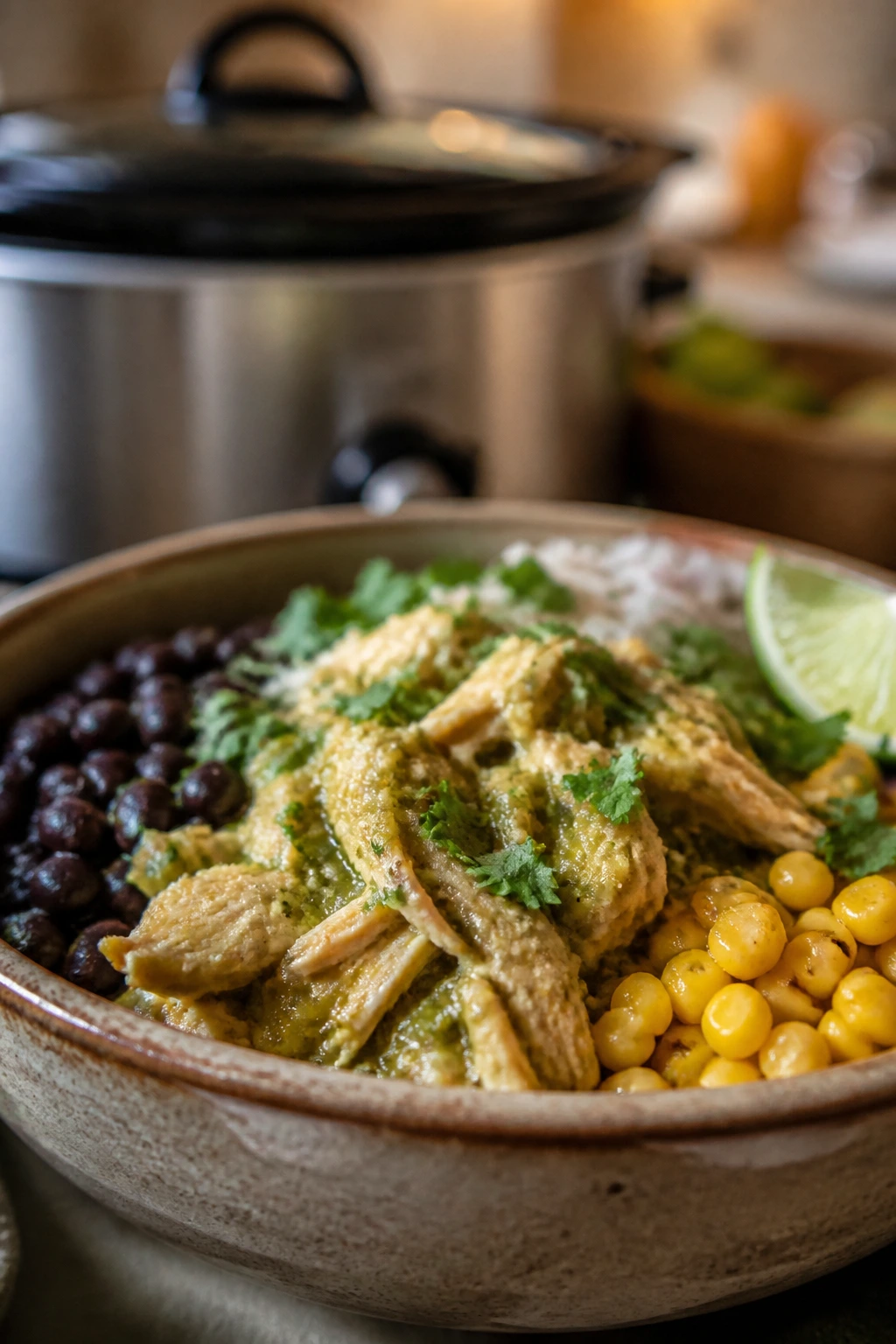
Some dinners are nice because they ask nothing from you after lunch. This is one of them. You dump the ingredients into the slow cooker, walk away, and return to chicken that shreds with almost no resistance.
The salsa verde gives the whole pot a bright, tangy backbone, which keeps it from tasting like plain boiled chicken. Add beans, corn, rice, and a handful of toppings, and the bowl becomes flexible enough for different appetites. Kids can keep it plain. Adults can pile on cilantro, avocado, or hot sauce.
Why It Works:
Chicken thighs stay tender over a longer cook time, which makes them a smarter choice than lean breasts if the schedule is unpredictable. Salsa verde brings both moisture and flavor, so you do not need to build a complicated sauce from scratch. The beans and corn stretch the filling, which is useful when you need dinner to cover more than one meal. This is also one of the easiest recipes to convert into burritos, quesadillas, or a rice bowl the next day.
Key Ingredients:
- 2 pounds boneless, skinless chicken thighs or breasts
- 1 jar salsa verde, 16 ounces
- 1 small yellow onion, sliced
- 1 teaspoon ground cumin
- 1/2 teaspoon kosher salt
- 1 can black beans, 15 ounces, rinsed and drained
- 1 cup frozen corn
- 2 limes, one juiced and one cut into wedges
- 1/4 cup chopped cilantro
- 4 cups cooked rice, for serving
- 1 avocado, sliced, optional
Quick Steps:
- Load the slow cooker: Place the onion in the bottom, then add the chicken, salsa verde, cumin, and salt. Give it a quick stir so the chicken is coated.
- Cook slowly: Cover and cook on low for 5 to 6 hours or on high for 3 to 4 hours, until the chicken shreds easily with a fork.
- Shred the chicken: Lift out the chicken, shred it on a cutting board, and return it to the pot. The meat should fall apart without needing much pressure.
- Add the beans and corn: Stir in the black beans and frozen corn, then cook for another 10 to 15 minutes so everything heats through.
- Brighten the bowl: Stir in lime juice and cilantro right before serving. The lime matters; it keeps the flavor from feeling flat.
- Build the bowls: Spoon rice into bowls and top with chicken, extra salsa, avocado, and more cilantro if you like it.
Tips and Variations:
- Use the chicken for tacos if rice feels like too much work.
- A little shredded cheese on top is fine, but not required.
- If the salsa verde is salty, skip the added salt until the end and taste first.
8. Turkey and Bean Chili
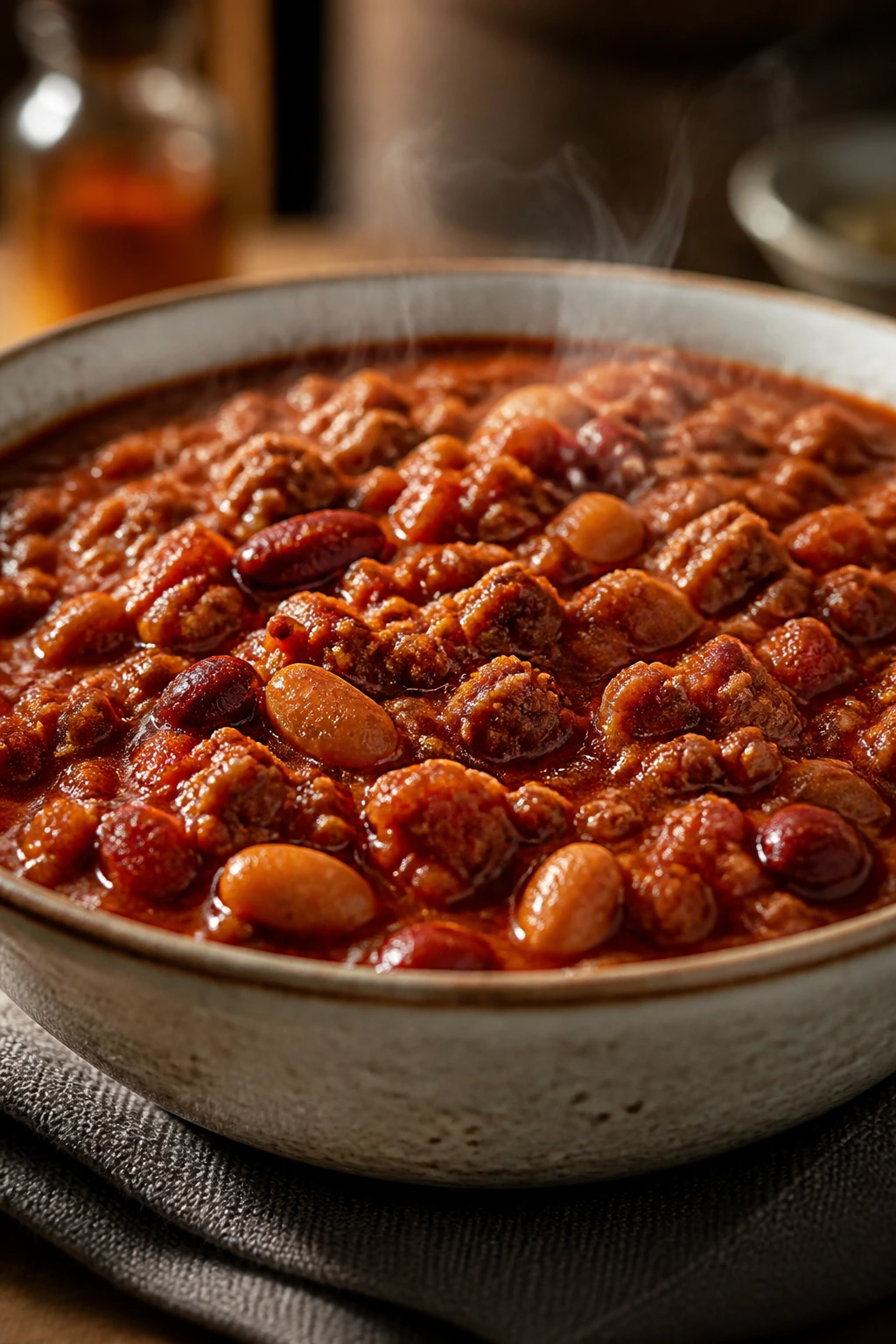
Chili is one of the few dinners that seems to get better manners after it sits for a while. The flavors settle, the beans soak up more seasoning, and the whole pot starts behaving like it knew what it was doing all along.
Ground turkey keeps this version lighter than beef chili, but not bland. The tomatoes, beans, and spices do the real work here, and that is the point. This is a dinner that makes a full pot without making a big fuss.
Why It Works:
Turkey browns quickly and takes on the flavor of onions, garlic, and spice without fighting them. Two kinds of beans give the chili a better texture than a single can would, and tomato paste adds body so the broth does not taste thin. The simmer time is long enough to soften everything together but short enough to fit inside a regular evening. Leftovers reheat well, which is why this one belongs on the list.
Key Ingredients:
- 1 pound ground turkey
- 1 tablespoon olive oil
- 1 medium onion, diced
- 1 bell pepper, diced
- 3 cloves garlic, minced
- 2 tablespoons tomato paste
- 2 cans beans, such as kidney and black beans, 15 ounces each, rinsed and drained
- 1 can diced tomatoes, 28 ounces
- 2 cups low-sodium chicken broth
- 2 tablespoons chili powder
- 1 teaspoon ground cumin
- 1 teaspoon smoked paprika
Quick Steps:
- Brown the turkey: Heat the olive oil in a Dutch oven over medium-high heat. Add the turkey and cook for 5 to 6 minutes, breaking it into small pieces until it loses its pink color.
- Cook the vegetables: Add the onion and bell pepper and cook for 4 minutes, until the onion turns translucent and the pepper softens at the edges.
- Wake up the spices: Stir in the garlic, tomato paste, chili powder, cumin, and smoked paprika. Cook for 1 minute so the spices bloom and the paste darkens slightly.
- Add the liquid: Pour in the diced tomatoes and broth, then stir in the beans. Bring the pot to a gentle simmer.
- Simmer and thicken: Cook uncovered for 25 to 30 minutes, stirring once or twice, until the chili thickens and the beans taste seasoned all the way through.
- Taste and serve: Adjust salt if needed, then serve with cornbread, crackers, rice, or shredded cheese.
Tips and Variations:
- A square of dark chocolate or a teaspoon of cocoa gives the chili a deeper flavor.
- If your kids want a mild version, serve hot sauce and pickled jalapeños at the table instead of in the pot.
- This freezes nicely in single-meal containers for nights when you cannot face cooking at all.
9. Hidden-Spinach Baked Ziti
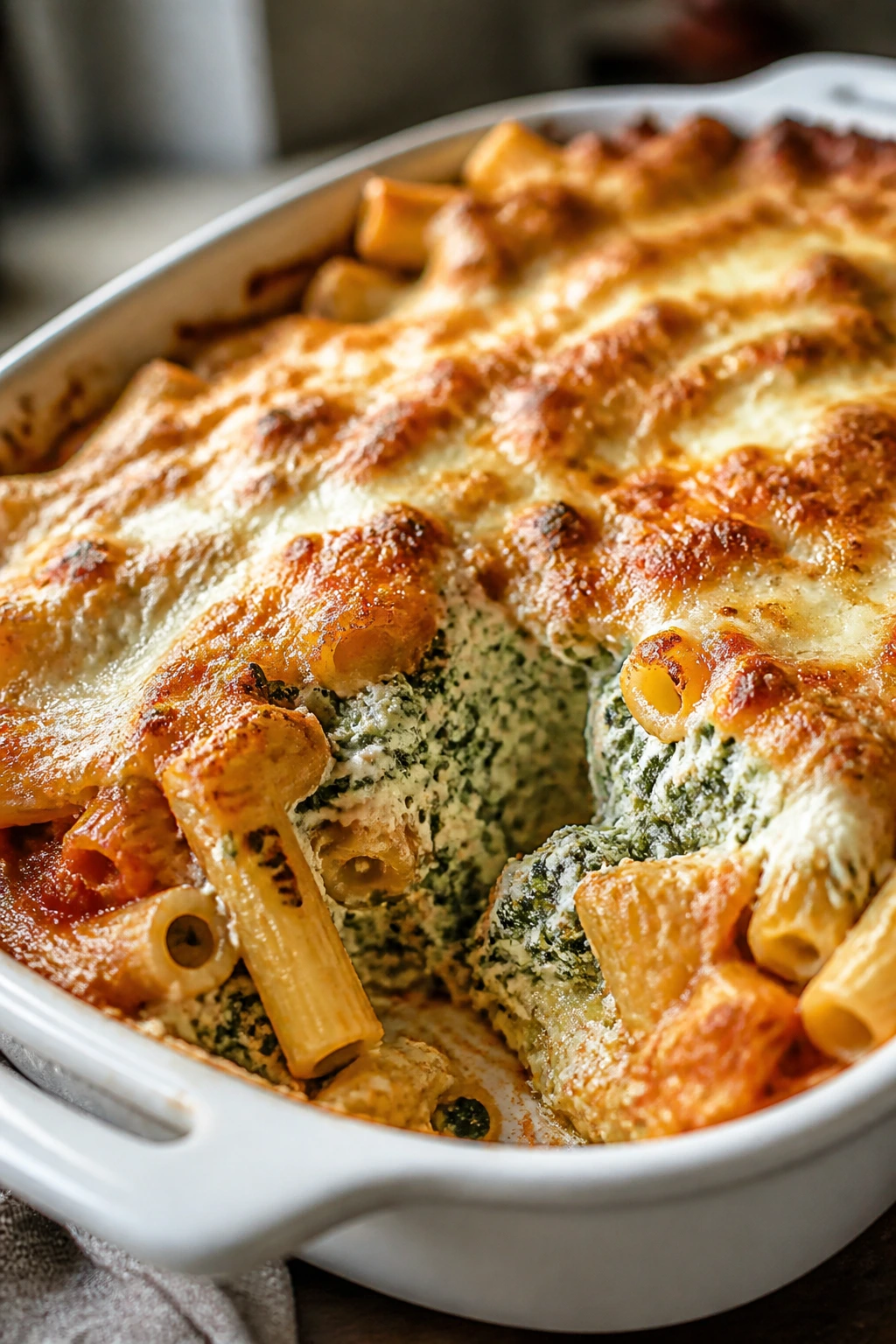
Baked pasta is not subtle, and that is one reason it works on a hard evening. It is warm, filling, and capable of feeding more people than you planned for with almost no extra effort.
This version hides spinach inside the ricotta mixture, which is a small but useful trick if vegetables disappear faster when they are tucked into something familiar. The top gets browned and a little crisp, the middle stays saucy, and the whole pan can be carried from oven to table without ceremony.
Why It Works:
Ziti keeps its shape better than thinner pasta, so the casserole holds together when you scoop it. Ricotta softens the whole dish, while mozzarella and Parmesan give you that browned top people usually fight over. The spinach is chopped fine and mixed into the cheese, which keeps it from feeling like a side mission. This is a forgiving bake, and forgiving is a lovely thing on a weeknight.
Key Ingredients:
- 1 pound ziti pasta
- 2 tablespoons olive oil
- 3 cloves garlic, minced
- 1 jar marinara sauce, 24 ounces
- 1 cup ricotta cheese
- 1 large egg
- 5 ounces baby spinach, chopped and squeezed dry
- 2 cups shredded mozzarella
- 1/2 cup grated Parmesan
- 1 teaspoon dried Italian seasoning
- 1/2 teaspoon kosher salt
- 1/4 teaspoon black pepper
Quick Steps:
- Boil the pasta: Cook the ziti in salted water until just shy of al dente, usually 1 to 2 minutes less than the package says. Drain well.
- Build the ricotta mixture: Stir together the ricotta, egg, spinach, Parmesan, Italian seasoning, salt, and pepper in a large bowl until evenly combined.
- Warm the sauce: Heat the olive oil in a saucepan over medium heat, add the garlic for 30 seconds, then stir in the marinara and warm it through.
- Combine everything: Toss the pasta with the sauce and half the mozzarella. Fold in the ricotta mixture in large spoonfuls so there are swirls rather than one uniform color.
- Bake the ziti: Transfer to a greased 9×13-inch baking dish, top with the remaining mozzarella, and bake at 400°F (205°C) for 20 to 25 minutes.
- Rest before serving: Let the pan sit for 10 minutes so the sauce thickens slightly and the slices hold together better.
Tips and Variations:
- If you want more protein, add cooked Italian sausage to the sauce.
- Whole milk ricotta gives a creamier result, but part-skim works too.
- Chop the spinach finely enough that it disappears into the filling instead of clumping.
10. Peanut Noodles with Crispy Tofu
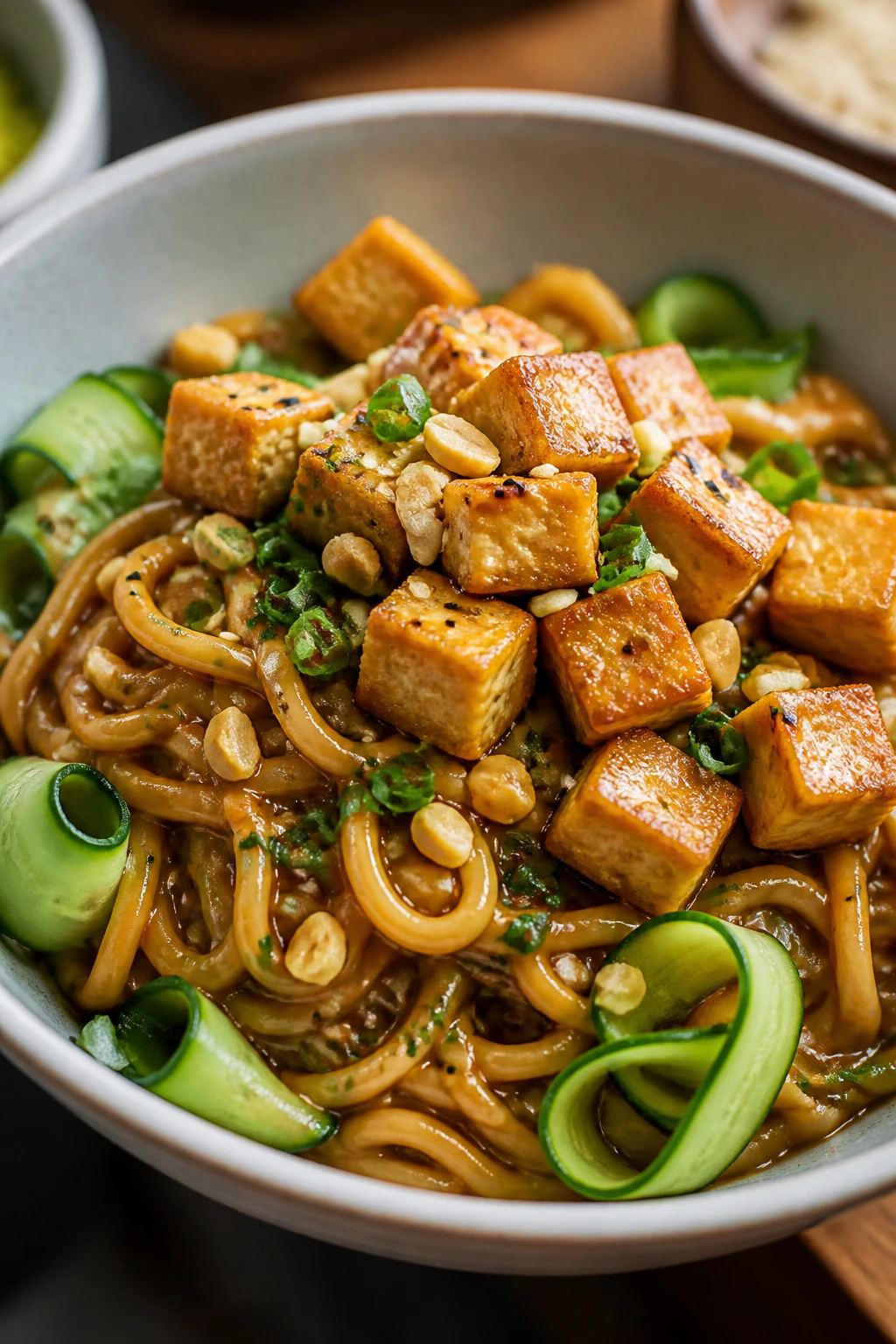
Peanut noodles are one of those dinners that look like you fussed when you did not. They are glossy, savory, a little sweet, and loud in the good way — the kind of dinner that keeps everyone at the table because the sauce actually tastes like something.
Crispy tofu gives this meal enough substance to stand on its own, and the cucumber or carrot garnish keeps the bowl from feeling heavy. If you have a child who trusts noodles more than vegetables, this is a very decent place to start.
Why It Works:
Tofu can be bland if you treat it like a side character, so this recipe gives it a real job: crisp edges, chewy center, and enough surface area to hold sauce. Peanut butter, soy sauce, lime, and a little honey make a sauce that walks the line between salty and bright. Rice noodles keep the bowl gluten-free if needed, but regular spaghetti works just fine when that is what lives in the cupboard. The whole meal comes together without an oven, which helps when the kitchen feels crowded.
Key Ingredients:
- 8 ounces rice noodles or spaghetti
- 14 ounces extra-firm tofu, pressed and cubed
- 2 tablespoons cornstarch
- 2 tablespoons neutral oil
- 3 tablespoons creamy peanut butter
- 2 tablespoons soy sauce
- 1 tablespoon lime juice
- 1 tablespoon honey or maple syrup
- 1 clove garlic, grated
- 1 teaspoon grated fresh ginger
- 1 cucumber, thinly sliced
- 1 tablespoon sesame seeds
Quick Steps:
- Press and coat the tofu: Pat the tofu dry, cut it into cubes, and toss it with cornstarch and a pinch of salt. The coating should look dusty, not thick.
- Crisp the tofu: Heat the oil in a skillet over medium-high heat. Cook the tofu for 8 to 10 minutes, turning now and then, until the sides are golden and a little crackly.
- Cook the noodles: Prepare the noodles according to the package directions, then drain them well. If they stick together, rinse briefly with cool water and toss with a little oil.
- Mix the sauce: Whisk the peanut butter, soy sauce, lime juice, honey, garlic, ginger, and 2 to 4 tablespoons warm water until smooth and pourable.
- Combine and toss: Add the noodles to the skillet or a large bowl, pour over the sauce, and toss until every strand is coated. Fold in half the cucumber slices if you want them chilled in the bowl.
- Serve with crunch: Top with the tofu, remaining cucumber, and sesame seeds. The contrast is part of the appeal.
Tips and Variations:
- Add shredded carrots or snap peas if you want more color and crunch.
- Use tahini instead of peanut butter for a different nutty edge.
- A drizzle of chili crisp is good for adults who want heat without changing the base recipe.
11. Teriyaki Meatballs and Broccoli
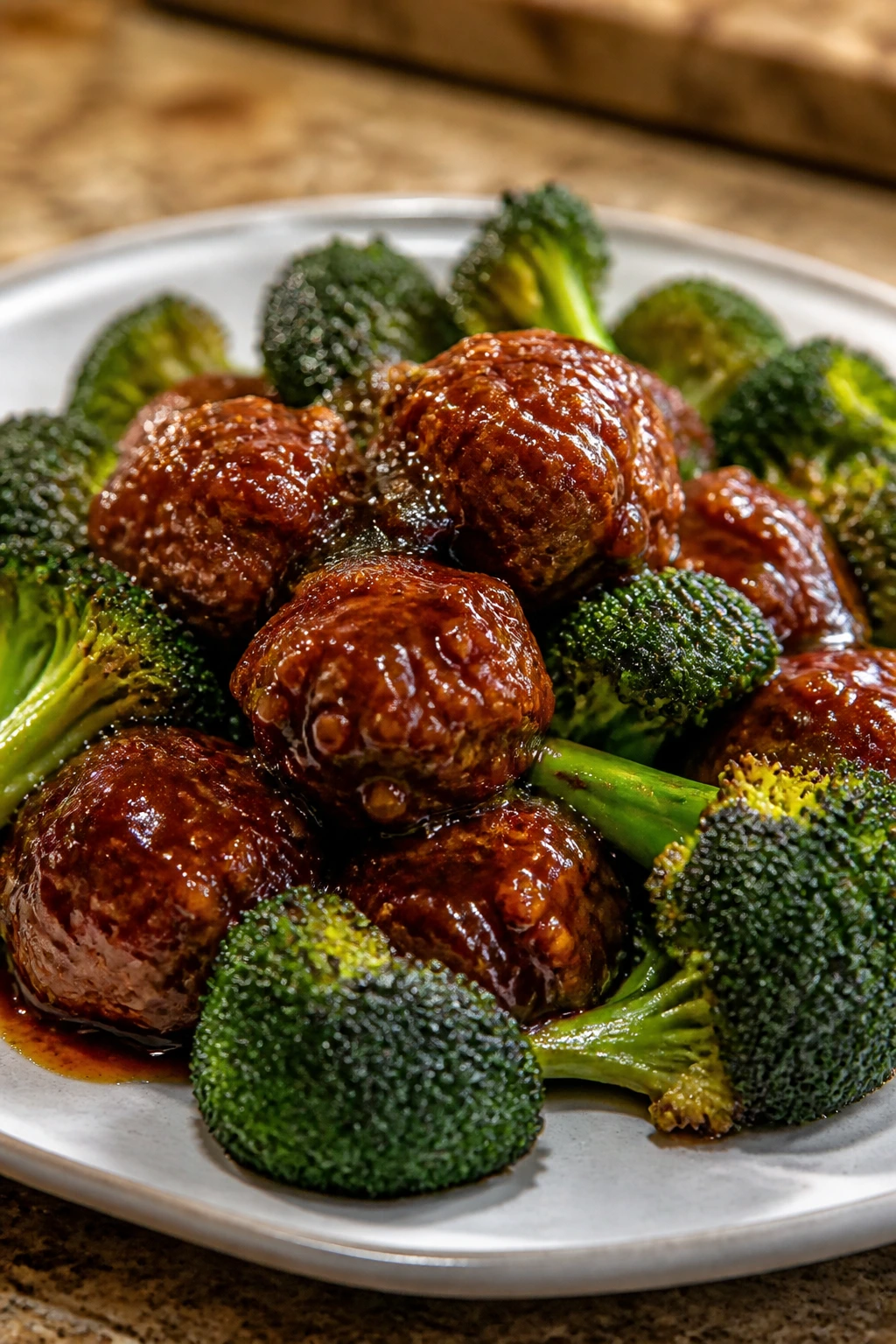
Meatballs are one of the rare dinners that can feel playful and practical at the same time. These are baked, which saves you from standing over a pan, and the teriyaki glaze gives them enough shine to make plain rice feel like part of the plan.
Broccoli roasts alongside the meatballs, so the oven is doing two jobs at once. That is the sort of small efficiency that matters on a day when the to-do list has already eaten the afternoon.
Why It Works:
Ground turkey or chicken stays light, but panko and egg keep the meatballs tender instead of dense. Baking them instead of pan-frying means you can focus on the sauce and the side vegetables rather than juggling heat. Teriyaki brings salt, sweetness, and shine in one move, which is useful when you need the flavor to land quickly. If you have rice in the fridge, the whole plate comes together with almost no thinking.
Key Ingredients:
- 1 pound ground turkey or ground chicken
- 1/3 cup panko breadcrumbs
- 1 large egg
- 2 cloves garlic, minced
- 1 teaspoon grated fresh ginger
- 1 tablespoon soy sauce
- 4 cups broccoli florets
- 1/2 cup teriyaki sauce
- 2 teaspoons sesame oil
- 1 tablespoon sesame seeds
- 3 cups cooked rice, for serving
Quick Steps:
- Preheat and prep: Set the oven to 425°F (220°C) and line a sheet pan with parchment.
- Mix the meatballs: Combine the ground meat, panko, egg, garlic, ginger, soy sauce, and a pinch of salt in a bowl. Mix gently until just combined so the meatballs stay tender.
- Shape and bake: Roll the mixture into 1 1/2-inch meatballs and place them on one side of the pan. Bake for 10 minutes.
- Add the broccoli: Toss the broccoli with sesame oil and a pinch of salt, then add it to the other side of the pan. Bake for 10 to 12 minutes more, until the meatballs reach 165°F.
- Glaze: Brush the meatballs with teriyaki sauce during the last 3 minutes so it gets sticky without burning.
- Serve over rice: Spoon rice into bowls, add meatballs and broccoli, then finish with sesame seeds and extra sauce if needed.
Tips and Variations:
- If you prefer beef, the same method works with ground beef, though the meatballs will be richer.
- Frozen broccoli can work in a pinch; roast it a few minutes longer so excess moisture cooks off.
- Make double and freeze half the uncooked meatballs on a tray for another night.
12. Lentil Soup with Toasted Bread
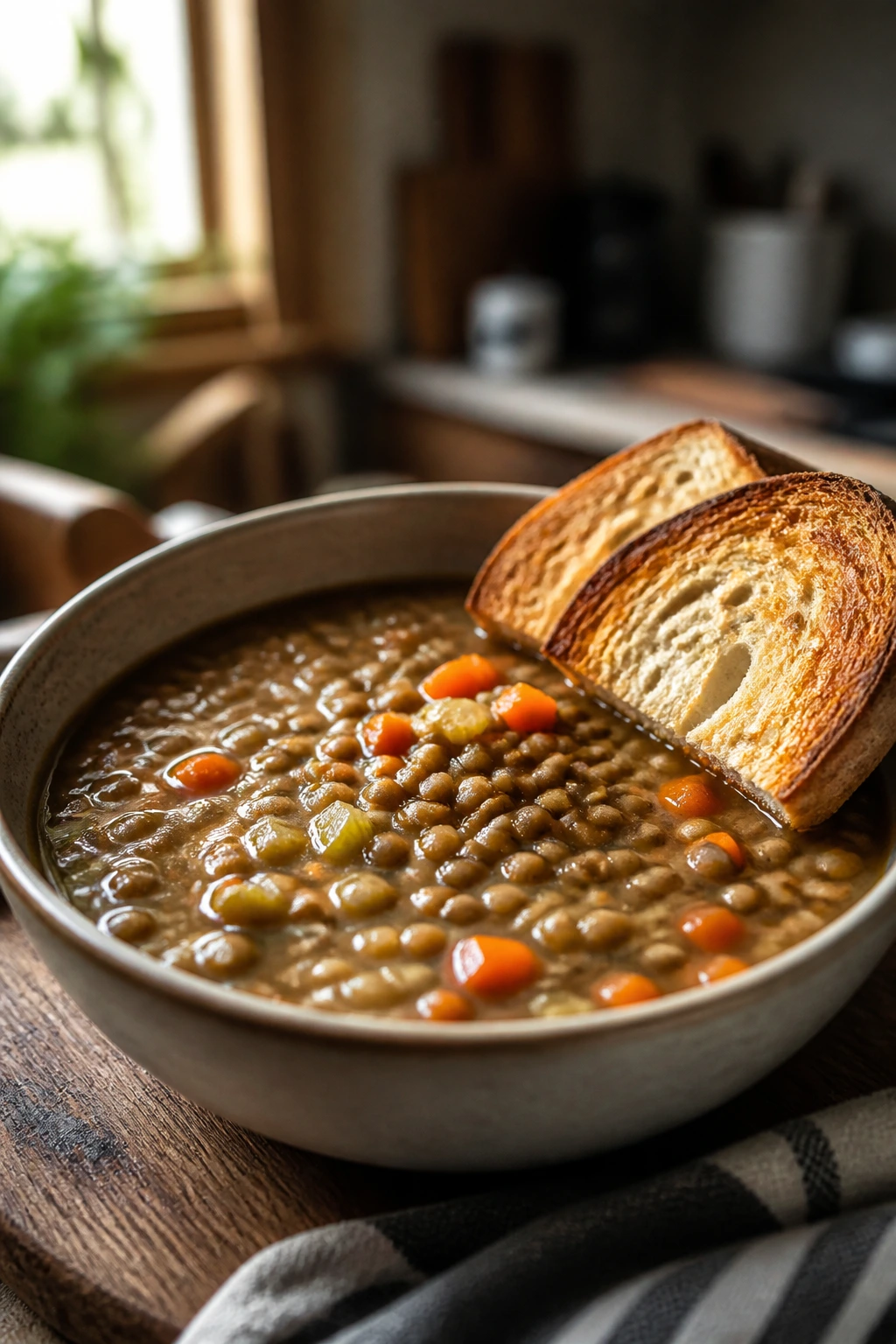
Lentil soup is cheap in the best sense of the word: sturdy, filling, and calm under pressure. It turns an ordinary pot of vegetables into a dinner that feels complete, and it asks for ingredients that are usually easy to keep around.
A bowl of this soup gives you fiber, protein, and something warm enough to settle a rough day. Toasted bread on the side makes it feel finished. That is often all a meal needs.
Why It Works:
Brown lentils hold their shape better than red lentils, so the soup stays brothy but not muddy. The carrots, celery, onion, and tomato paste build a deep base without needing meat. A little lemon at the end wakes up the whole pot and keeps the flavor from going flat. This is one of those meals that costs less than takeout but feels more useful.
Key Ingredients:
- 1 1/2 cups brown or green lentils, rinsed
- 1 tablespoon olive oil
- 1 medium onion, diced
- 2 carrots, diced
- 2 celery stalks, diced
- 3 cloves garlic, minced
- 2 tablespoons tomato paste
- 6 cups low-sodium vegetable or chicken broth
- 1 bay leaf
- 1 teaspoon dried thyme
- 1 lemon, juiced
- 4 slices hearty bread, for toasting
- 1 teaspoon kosher salt, plus more to taste
Quick Steps:
- Start the vegetables: Heat the olive oil in a soup pot over medium heat. Add the onion, carrots, celery, and salt, then cook for 6 to 8 minutes until the onion turns soft and the carrots start to look glossy.
- Add the garlic and paste: Stir in the garlic and tomato paste for 1 minute. The paste should darken a shade and smell slightly sweet.
- Simmer the lentils: Add the lentils, broth, bay leaf, and thyme. Bring the pot to a boil, then reduce it to a gentle simmer.
- Cook until tender: Simmer uncovered for 30 to 35 minutes, stirring occasionally, until the lentils are soft but not falling apart.
- Finish the flavor: Remove the bay leaf, stir in the lemon juice, and taste for salt. The soup should taste bright, earthy, and complete.
- Toast the bread: While the soup finishes, toast the bread until the edges are crisp and the centers are still a little chewy. Serve alongside or on top.
Tips and Variations:
- Add a handful of chopped spinach at the end if you want more greens.
- A little smoked paprika gives the soup a deeper, cozier edge.
- Blend one cup of the soup and stir it back in if you want a thicker texture without cream.
Why One-Pan and One-Pot Cooking Saves More Than Time
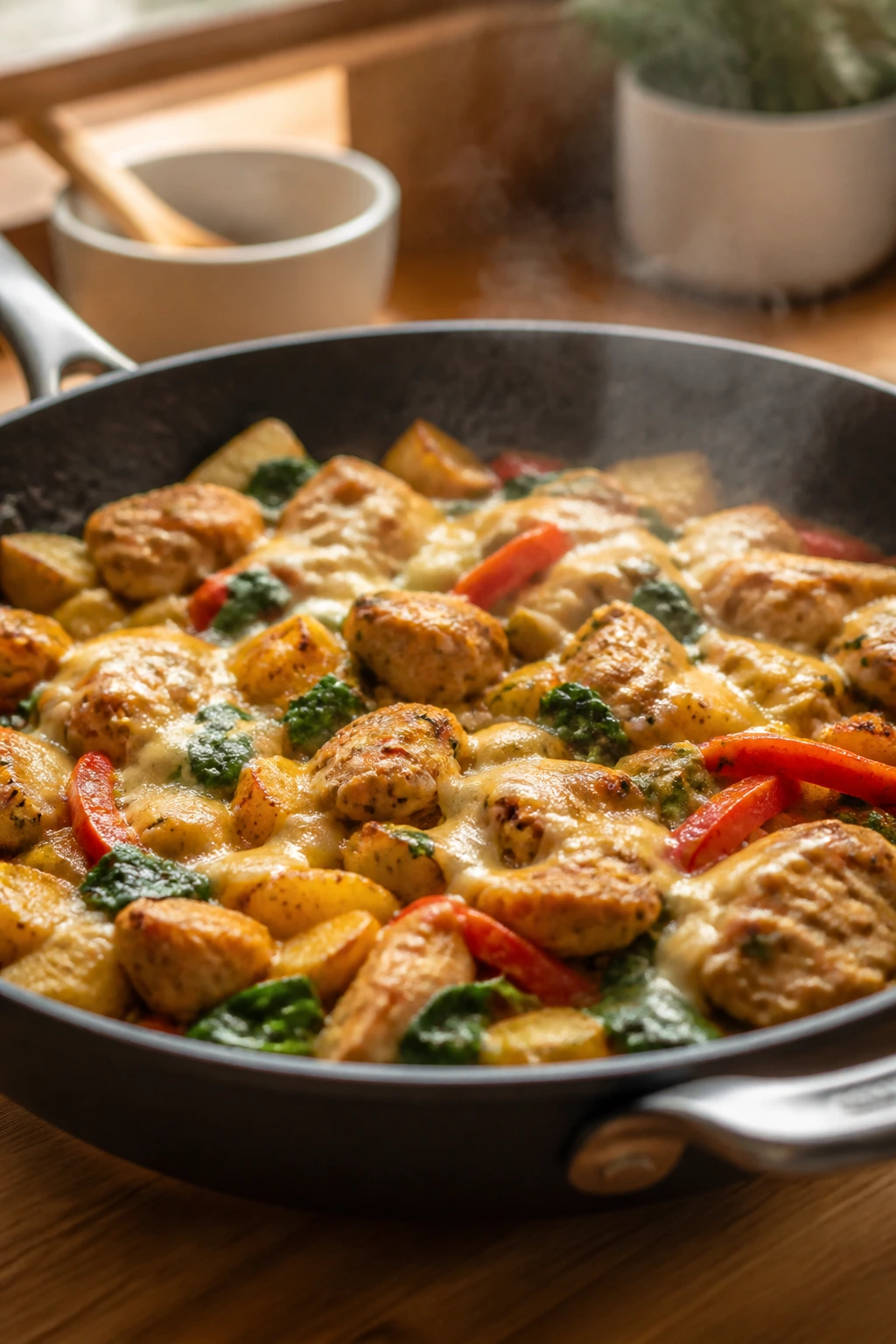
One-pan and one-pot meals do more than shave minutes off dinner. They reduce the number of tiny decisions that pile up between work, school pickup, and the moment when somebody finally says they are hungry enough to eat the table if they have to. Less cleanup matters, yes. Less mental clutter matters more.
That is why this collection leans on sheet pans, skillets, casseroles, soup pots, and the slow cooker. The shape of the cookware changes the shape of the evening. A pan that cooks two components at once buys back a little breathing room, and when the day has already taken a lot, that room is worth more than it sounds.
There is also a practical truth people skip over: one-pan dinners usually make leftovers that are easier to use. Chili becomes nachos. Chicken becomes tacos. Pasta bake reheats into lunch. That is not a side benefit. That is the system working.
Essential Equipment for These Recipes
- Rimmed sheet pan: Best for chicken, salmon, meatballs, and roasted vegetables; the raised edge keeps juices from sliding off.
- Large skillet with a lid: Useful for tacos, fried rice, enchiladas, and one-pot pasta when you want to move fast.
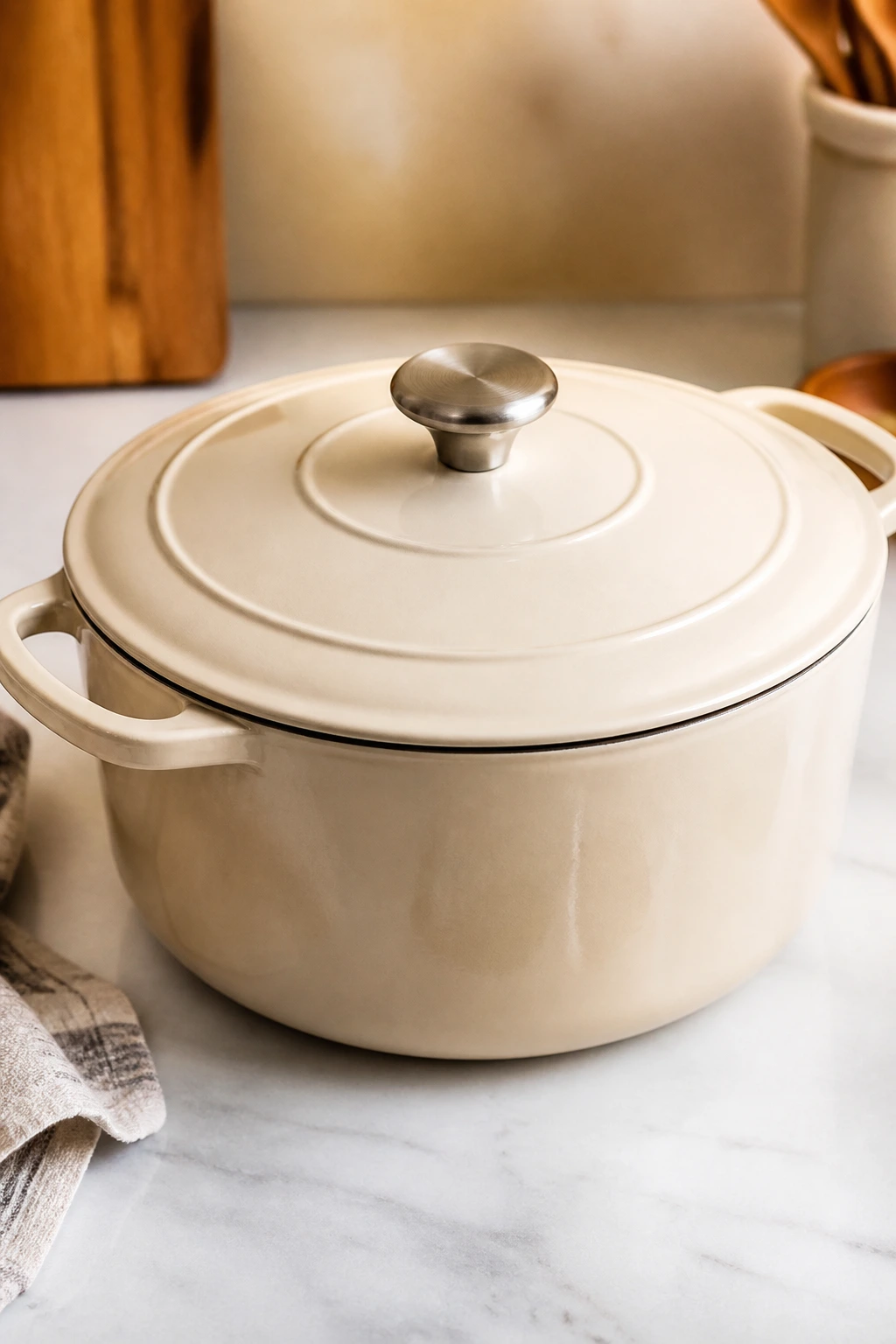
- Dutch oven or heavy soup pot: Ideal for chili and lentil soup because it holds steady heat and keeps simmering even.
- Slow cooker, 4 to 6 quarts: The salsa verde chicken bowls need almost no attention once they go in.
- Medium saucepan: Handy for couscous, sauces, and anything that needs a quick boil.
- Chef’s knife and cutting board: A sharp knife saves time and lowers the odds of squashed onions and uneven potatoes.
- Measuring cups and spoons: The spice balance matters more than people think in these quick recipes.
- Colander: Needed for pasta, rice noodles, ziti, and rinsing beans.
- Wooden spoon or sturdy spatula: Better than a flimsy tool when you are breaking up beef or turning fried rice.
- Instant-read thermometer: Not glamorous, but it keeps chicken and salmon from drying out.
- Airtight storage containers: Leftovers are part of the plan here, not an afterthought.
Smart Shopping for Faster Weeknight Dinners
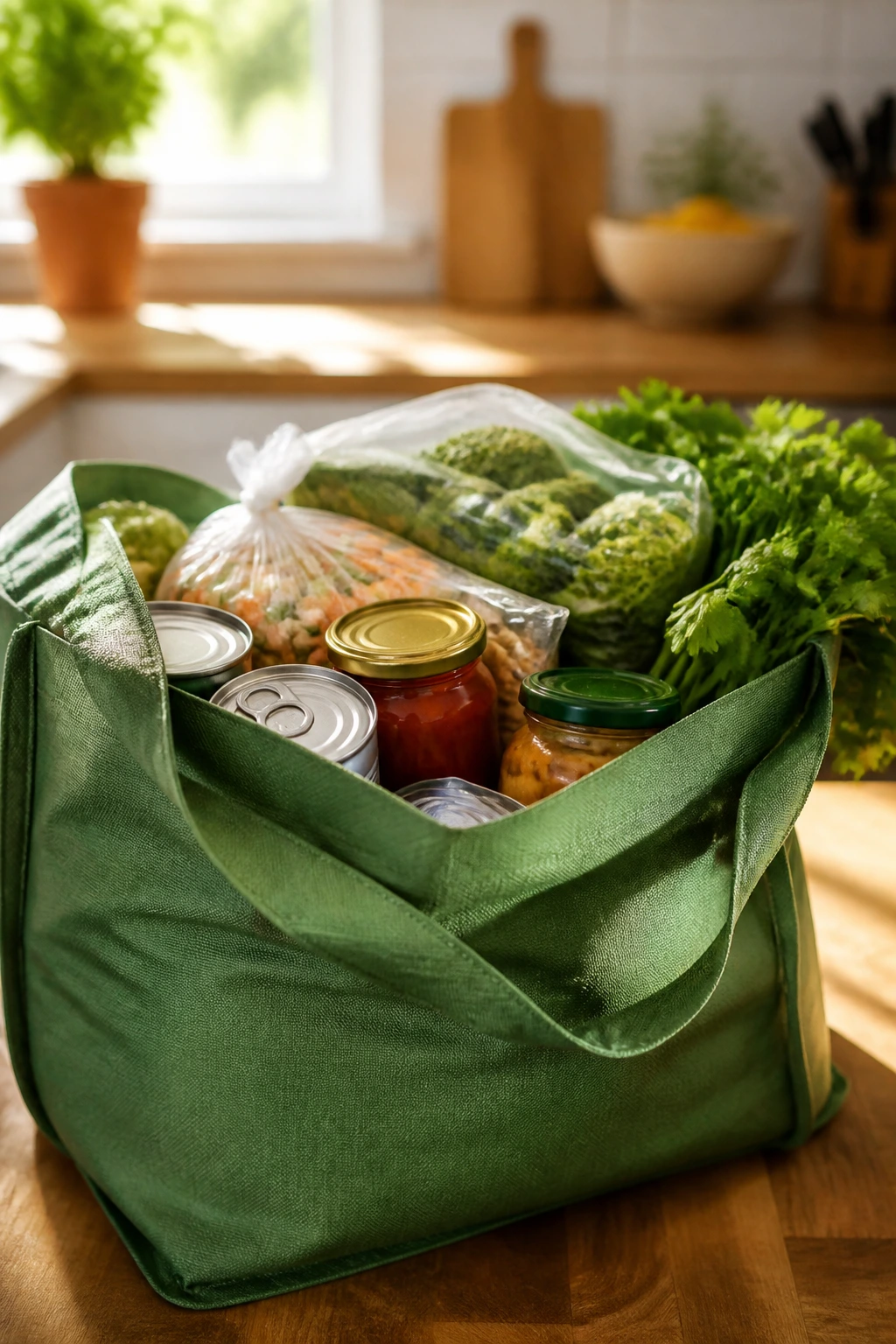
The grocery list for single-parent dinners does not need to be exotic. It needs to be dependable. Start with a few proteins that forgive timing mistakes: rotisserie chicken, chicken thighs, ground turkey, ground beef, salmon fillets, tofu, and lentils. That list covers most of the recipes above and gives you enough flexibility to swap based on price or what the store has left after work.
Canned and jarred ingredients deserve more respect than they get. Good canned beans, diced tomatoes, enchilada sauce, marinara, salsa verde, and broth are the backbone of fast dinners. Look for low-sodium broth so you can control the salt yourself. Rinse canned beans before using them unless the recipe depends on the thickening liquid, which most of these do not.
Frozen vegetables save more than time. They also save dinner on the nights when the fresh broccoli has gone soft or the green beans were never a serious plan. Peas, carrots, corn, spinach, and broccoli can all fill in gaps without making the dish taste like compromise. For cheese, block mozzarella and Parmesan melt and taste better than the cheapest pre-shredded versions, but pre-shredded is fine when the clock is loud.
A smart pantry also keeps rice, pasta, tortillas, couscous, peanut butter, soy sauce, olive oil, garlic, onions, and a few spices within reach. That is the basic kit. Once those pieces are in place, you can make a real dinner without a second grocery run.
How to Serve These Recipes Without Extra Fuss
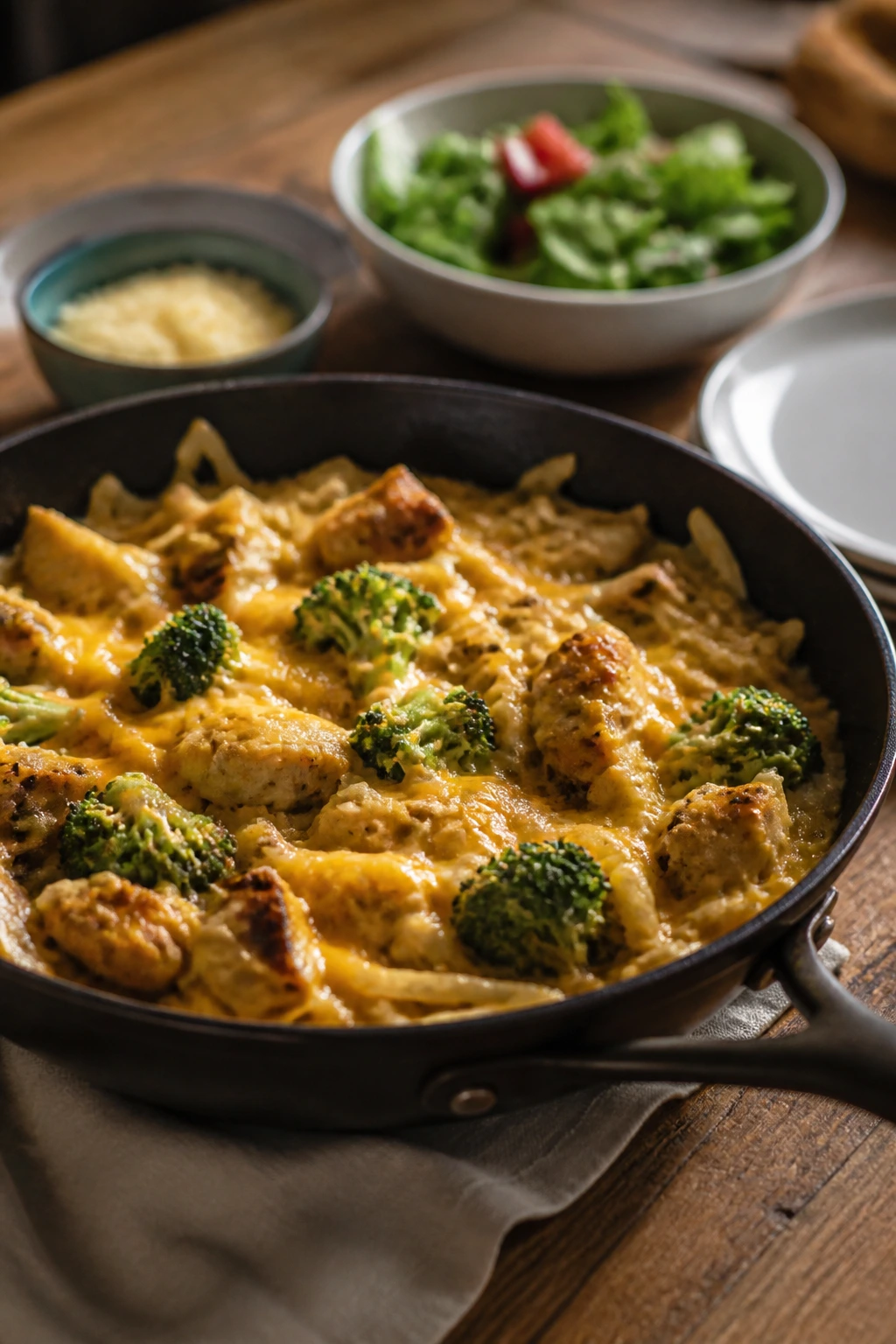
Presentation: Put tacos in a shallow bowl or a wide plate so toppings do not tumble everywhere. Serve skillet dinners straight from the pan when the table is casual, because a little rustic heat on the center of the table feels friendlier than a pile of extra dishes.
Accompaniments: Keep the sides simple: a bagged salad, sliced cucumbers, fruit, warm bread, or microwave rice are all fair game. You do not need a separate side dish every night, and honestly, nobody is grading the plate.
Portions: Most of these recipes feed 4 to 6 people depending on appetites, and several stretch further when served with rice, bread, or tortillas. For a smaller household, plan on leftovers being part of the week; for a bigger one, add a salad or an extra starch rather than making a second main.
Beverage Pairing: Sparkling water with lime works with almost everything here. Iced tea, lemonade, or a light beer also fits the tomato, chili, and taco dishes without stealing attention from the food.
Flavor Boosters That Do Not Add More Work
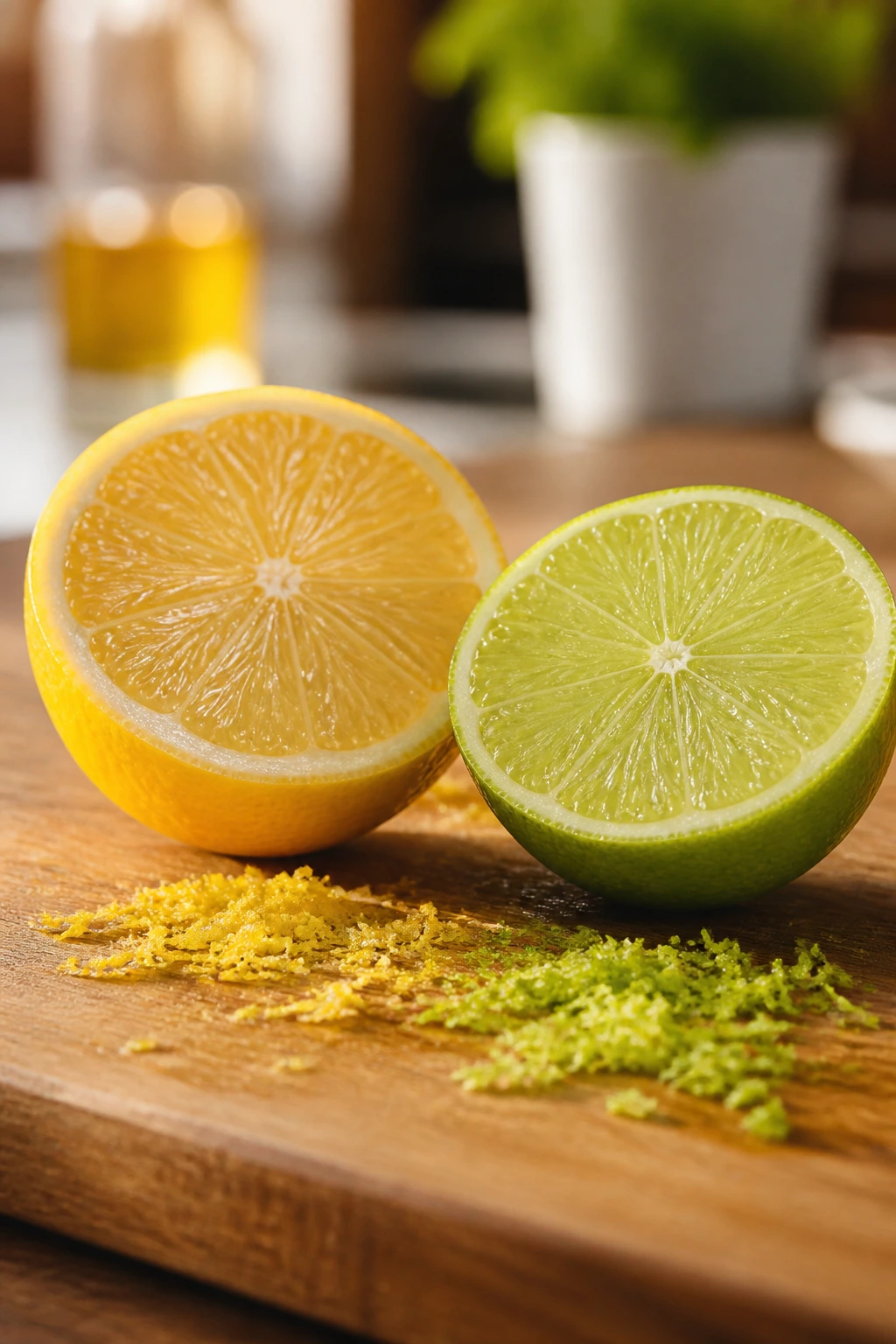
Flavor Enhancement: Keep citrus on hand. A squeeze of lemon or lime at the end wakes up chicken, beans, soup, salmon, and lentils faster than another spoonful of salt.
Time-Saver: Pre-chop onions, carrots, celery, or broccoli when you first get home from the store. Even ten minutes of prep turns the next two dinners into easier jobs.
Budget Move: Buy family packs of chicken thighs, ground turkey, and lentils when they are priced well, then freeze them in meal-sized portions. It takes the sting out of midweek shopping.
Make-It-Yours: Put spicy toppings on the table instead of in the pot if you’re cooking for mixed ages. Hot sauce, sliced jalapeños, chili crisp, and crushed red pepper let adults turn up the heat without forcing it on everyone else.
Make-Ahead, Fridge, and Freezer Notes
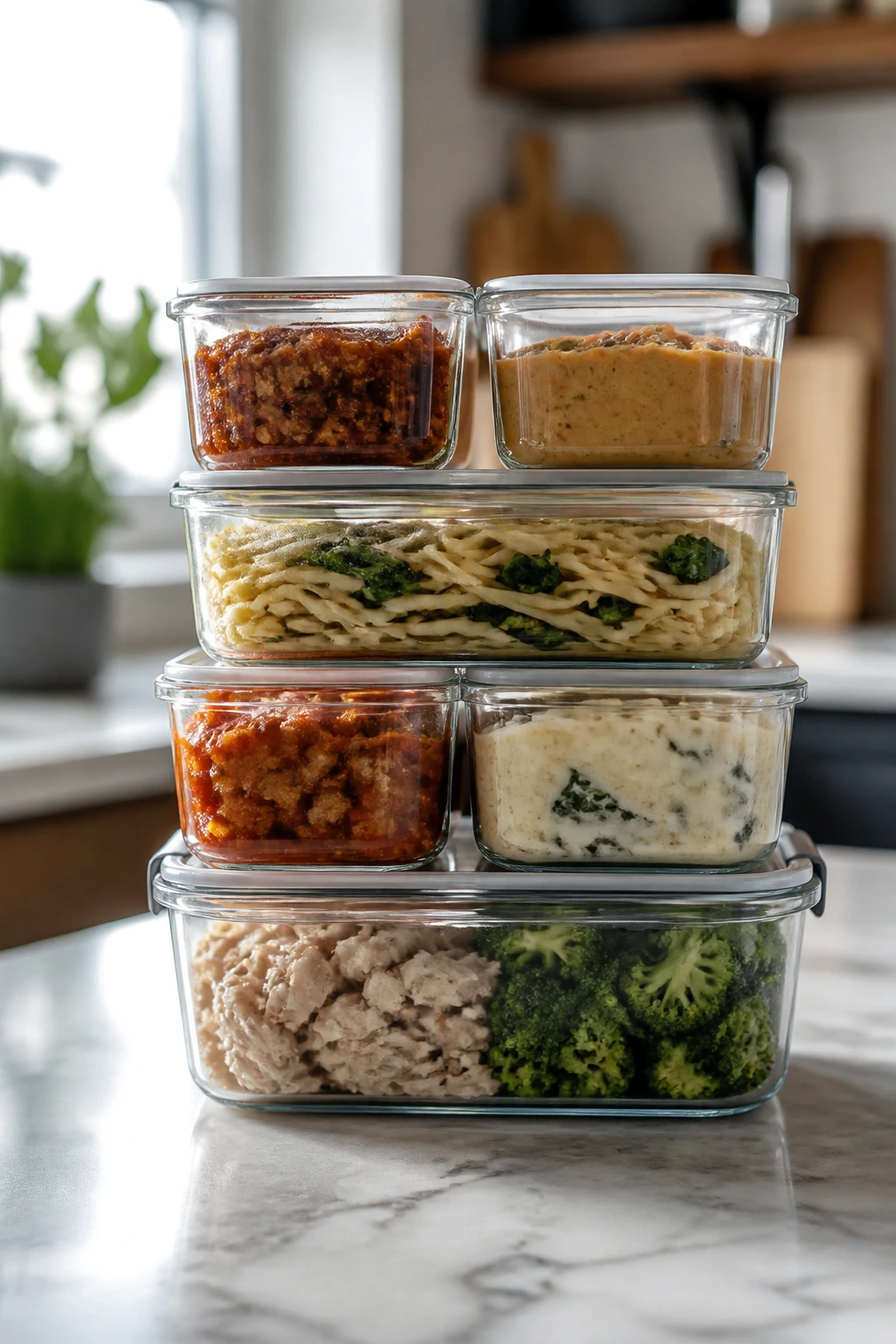
Most of these dinners keep well, but the parts matter. Taco chicken stays good in the fridge for 3 to 4 days, and the slaw is best within 2 days if you want it crisp. Store the two separately and warm the chicken gently in a skillet or microwave before serving.
Pasta bake, chili, lentil soup, fried rice, and salsa verde chicken all hold up for 3 to 4 days in the refrigerator. Chili and soup freeze best for up to 3 months in airtight containers. Pasta bake and shredded chicken freeze well too, though the texture is a little softer after thawing. Reheat them covered in a 350°F oven or in a saucepan with a splash of broth so they do not dry out.
Salmon is the one here that prefers to be eaten fresh. Leftovers are still fine for 1 to 2 days, but the texture softens more quickly than the other dishes. Peanut noodles and tofu keep for about 3 days in the fridge, though the noodles may soak up the sauce; save a spoonful of sauce to stir in when reheating. Fried rice reheats best in a skillet over medium heat with a teaspoon of oil, which brings the grains back to life faster than a microwave.
A little advance work helps too. You can dice onions, trim broccoli, mix sauces, press tofu, and cook rice ahead of time. That sort of prep does not turn you into a different person. It just makes dinner less expensive in energy.
Variations and Adaptations to Try
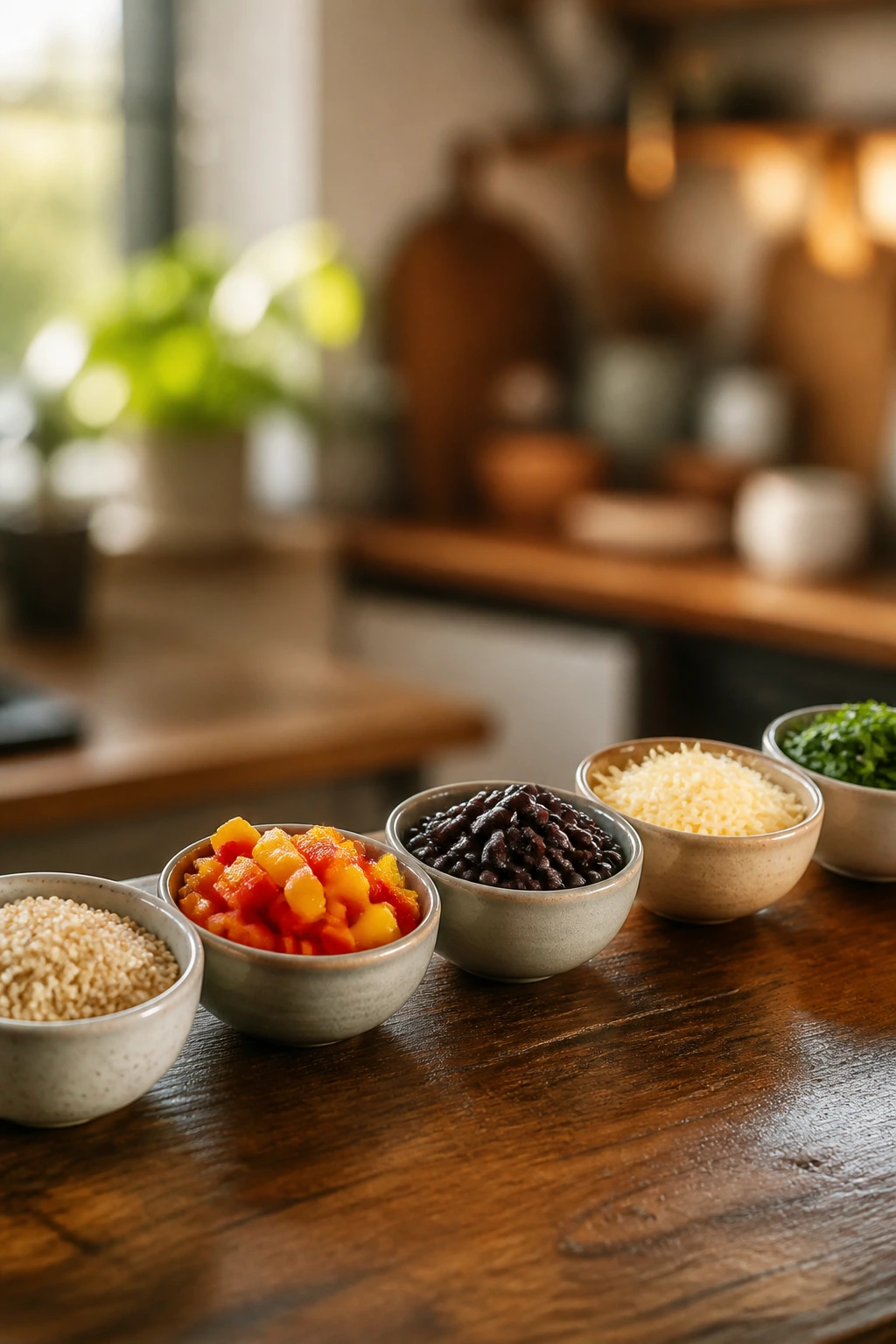
Pantry-Only Night: Build the meal plan around what stays on the shelf: beans, rice, pasta, lentils, canned tomatoes, tortillas, broth, and jarred sauce. If fresh produce is thin, frozen vegetables can fill the gap without making dinner feel like a rescue operation.
Milder Table, Same Dinner: Keep the base seasoning gentle and let adults add heat at the end. That works especially well for chili, tacos, noodles, and salsa chicken, where hot sauce, chili crisp, or jalapeños can stay on the side.
Dairy-Free Swap Night: Use olive oil instead of butter, dairy-free yogurt in the taco slaw, and skip the cheese or use a plant-based version in the baked ziti and enchiladas. The flavor still lands if you keep the acid and salt balanced.
Vegetarian Shift: Lentils, black beans, tofu, and extra vegetables can carry most of these dinners without making them feel flimsy. The skillet enchiladas, peanut noodles, and lentil soup already lean that way; the chicken and meat recipes can be replaced with beans or tofu in a pinch.
Double-Batch Weekend Cooking: Make double portions of chili, salsa verde chicken, or lentil soup and freeze half in flat containers. Flat freezer portions thaw faster, and that matters when the night has already gone sideways.
Common Mistakes to Avoid
-
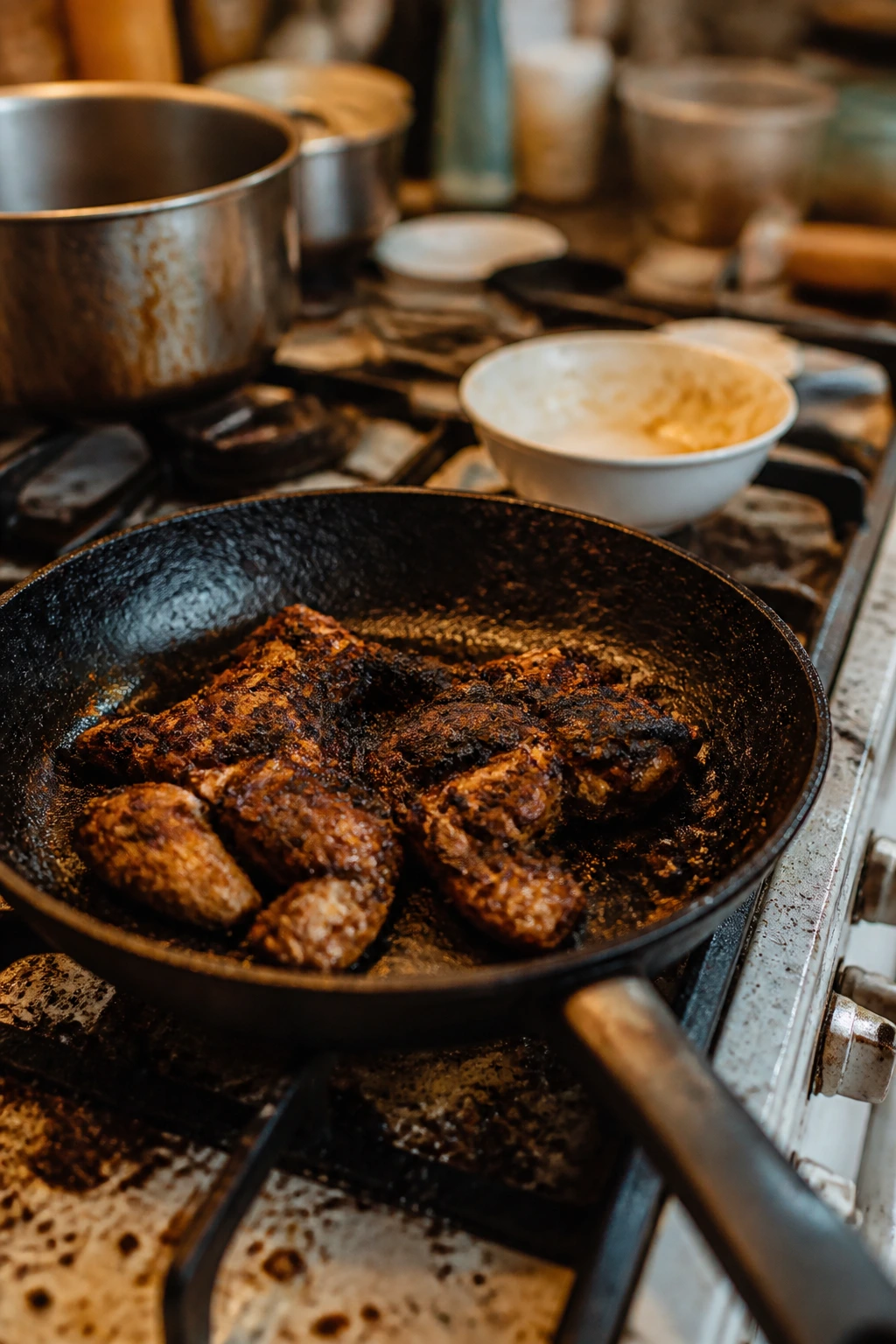
Trying to make every dinner from scratch. The symptom is a meal that takes 75 minutes and leaves you too tired to eat it. The fix is to keep a few smart shortcuts on purpose: rotisserie chicken, frozen vegetables, jarred salsa, and boxed broth.
-
Overcooking the fast proteins. Salmon turns dry, chicken breasts turn stringy, and tofu gets tough when the heat runs too long. Use an instant-read thermometer for chicken, and pull salmon when it flakes easily instead of waiting for it to look “more done.”
-
Skipping seasoning until the very end. Flat food usually means the base was under-seasoned. Salt the onions, the potatoes, the rice, or the broth early, then taste again before serving.
-
Making too many separate parts. A dinner with four pans and a sauce you have to whisk for 12 minutes is not a weeknight dinner. Choose recipes where the vegetables, protein, and starch can share space or at least share timing.
-
Forgetting the leftover plan. If no one knows what happens to the extra chicken or rice, the fridge turns into a graveyard of half-eaten containers. Pack leftovers into labeled containers while the food is still warm, and re-purpose them the next day on purpose.
-
Serving everything steaming hot straight from the pot. That sounds convenient, but some meals need a few minutes to settle. Chili thickens, baked pasta holds together, and roasted chicken tastes better after a short rest.
Questions That Come Up When You Cook for One Busy Household

Can I choose the fastest recipes from this list and ignore the rest?
Absolutely. The quickest ones are the rotisserie chicken tacos, fried rice, peanut noodles, and the salmon sheet-pan dinner. Keep those in rotation for the nights when there is no extra room in your brain.
Which recipes give the best leftovers for lunch?
Chili, lentil soup, salsa verde chicken, and baked ziti are the strongest leftovers here. They reheat well and taste even better once the flavors have had time to settle together.
What if my kids hate visible vegetables?
Use the hidden-spinach baked ziti, the lentil soup, or the creamy sausage pasta first. You can also chop vegetables smaller than usual or fold them into sauces where they disappear a little.
Can I use frozen vegetables instead of fresh ones?
Yes, and in some cases they are the better choice. Frozen peas, carrots, spinach, corn, broccoli, and green beans save time and usually behave well in skillet meals, soups, and casseroles.
How do I keep the food budget under control?
Build around one protein and one or two cheap fillers like rice, beans, potatoes, pasta, or lentils. That gives you a full plate without leaning too hard on expensive extras.
What if I only have one skillet and no oven space?
Use the fried rice, creamy pasta, chili, lentil soup, taco filling, or salsa verde chicken bowls. Those recipes do not ask much of the oven, and some do not need it at all.
Can I double these recipes for a bigger household?
Most of them scale well if your pot or pan is large enough. Chili, soup, and salsa chicken are the easiest to double; just give the extra volume a little more simmer time so the flavor comes back into balance.
How do I make dinner feel less repetitive across the week?
Change the format, not the whole shopping list. Chicken can become tacos one night and a bowl the next, while rice can move from fried rice to a salmon side without anyone noticing the overlap.
A Dinner Rhythm That Leaves Room to Breathe
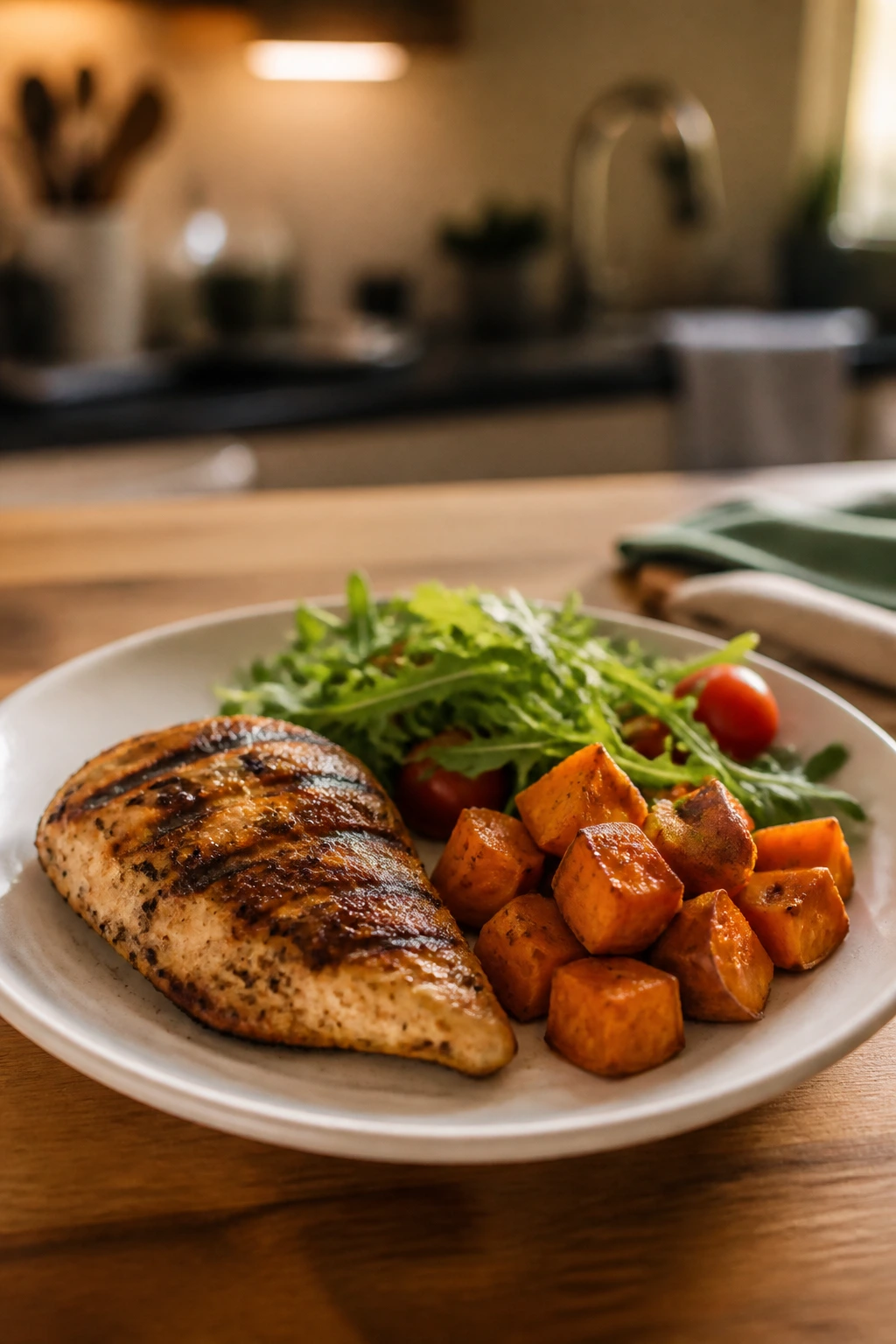
Good dinners for single parents do not need to be dramatic. They need to be dependable, and maybe a little kind. A chicken taco night that starts with store-bought chicken, a pasta bake that turns spinach into a background player, or a chili that tastes better after sitting in the fridge for a day all do the same useful thing: they give you one less problem to solve.
That matters more than people say out loud. A weeknight meal that lands without a fight leaves a little energy for homework, baths, bills, or nothing at all. Sometimes that is the win.