



Thirty minutes is not much time, and that’s exactly why easy quick meals ready in 30 minutes matter so much. They’re the difference between cooking dinner and staring at an open fridge while a delivery app quietly eats your budget.
The trick isn’t magic. It’s structure. Thin chicken cutlets cook fast because they’re thin. Tortellini soup works because the pasta is already small and sturdy. A bean-and-rice skillet gets you a full plate because the starch, protein, and sauce all happen in the same pan, with no extra ceremony. That’s the real secret here: not speed for its own sake, but speed that still leaves you with something hot, finished, and worth sitting down for.
I’ve always trusted meals that can survive a sleepy evening, a cluttered counter, and a couple of missing ingredients. These are those meals. They lean on pantry staples, frozen vegetables, quick-cooking proteins, and the kind of high-heat stovetop work that rewards attention for 10 minutes and then pays you back with dinner.
Why These Meals Pull Off Dinner on a Short Clock
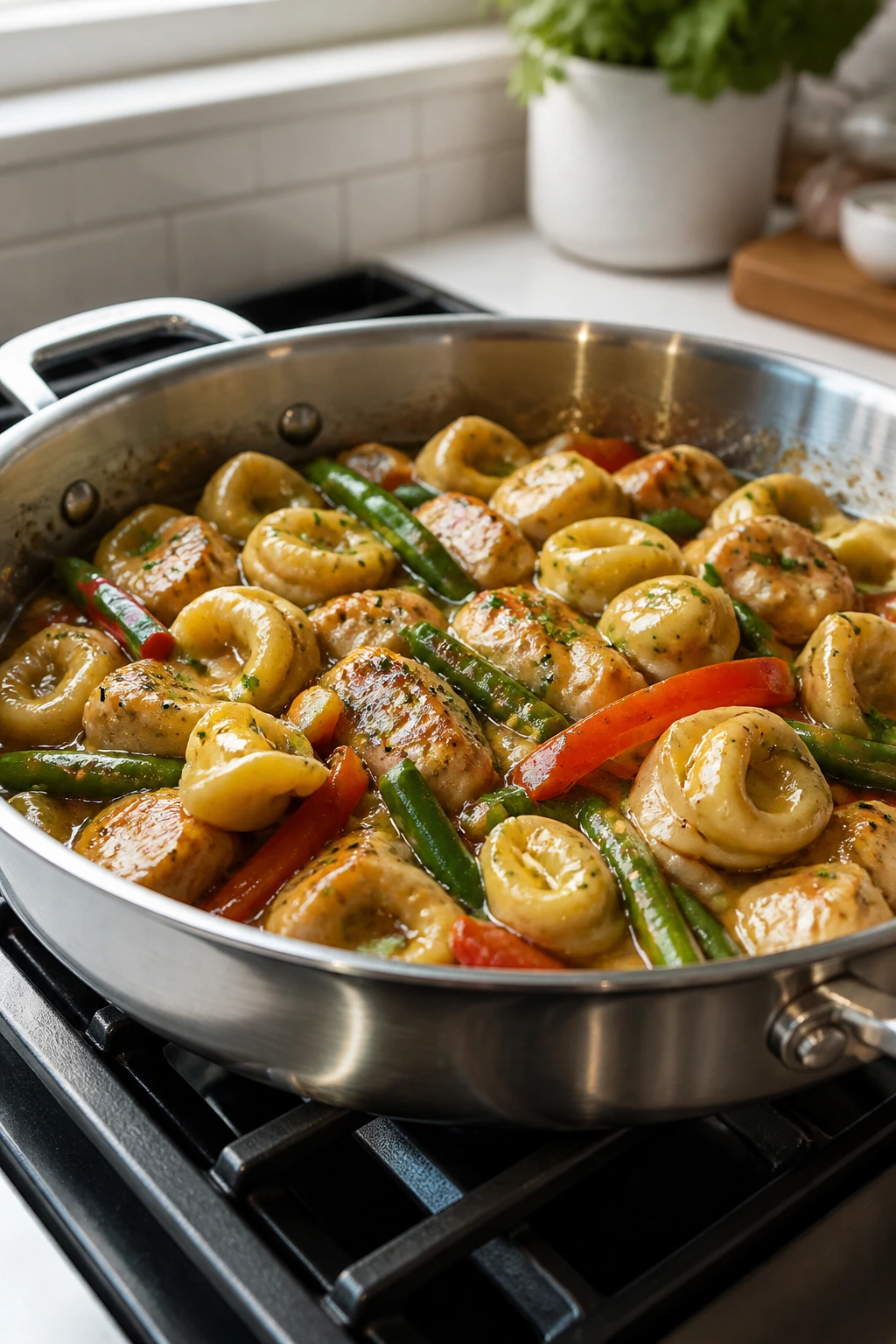
-
They use fast-cooking shapes: Cutlets, shrimp, ground meat, gnocchi, and tortellini all shave real minutes off the clock because they need less time to cook through.
-
They lean on pantry shortcuts without tasting like shortcuts: Canned beans, frozen peas, jarred pesto, and crushed tomatoes do the heavy lifting, but a quick hit of garlic, lemon, or soy sauce keeps the flavor sharp.
-
They keep cleanup sane: Most of these meals come together in one skillet, one pot, or a single sheet pan, which matters more than people admit when the sink is already full.
-
They give you a full plate, not a snack: Each recipe includes protein plus a starch or vegetable, so you’re not making one dish and then hunting for a side.
-
They’re flexible when the fridge is weird: Swap the greens, change the grain, use what’s in the freezer. These meals are built to absorb small mistakes and still land on the table.
-
They fit a real budget: A pound of ground turkey, a bag of rice, a can of beans, and a couple of vegetables can stretch into dinner for more than one person without feeling stingy.
1. Garlic Butter Chicken Cutlets
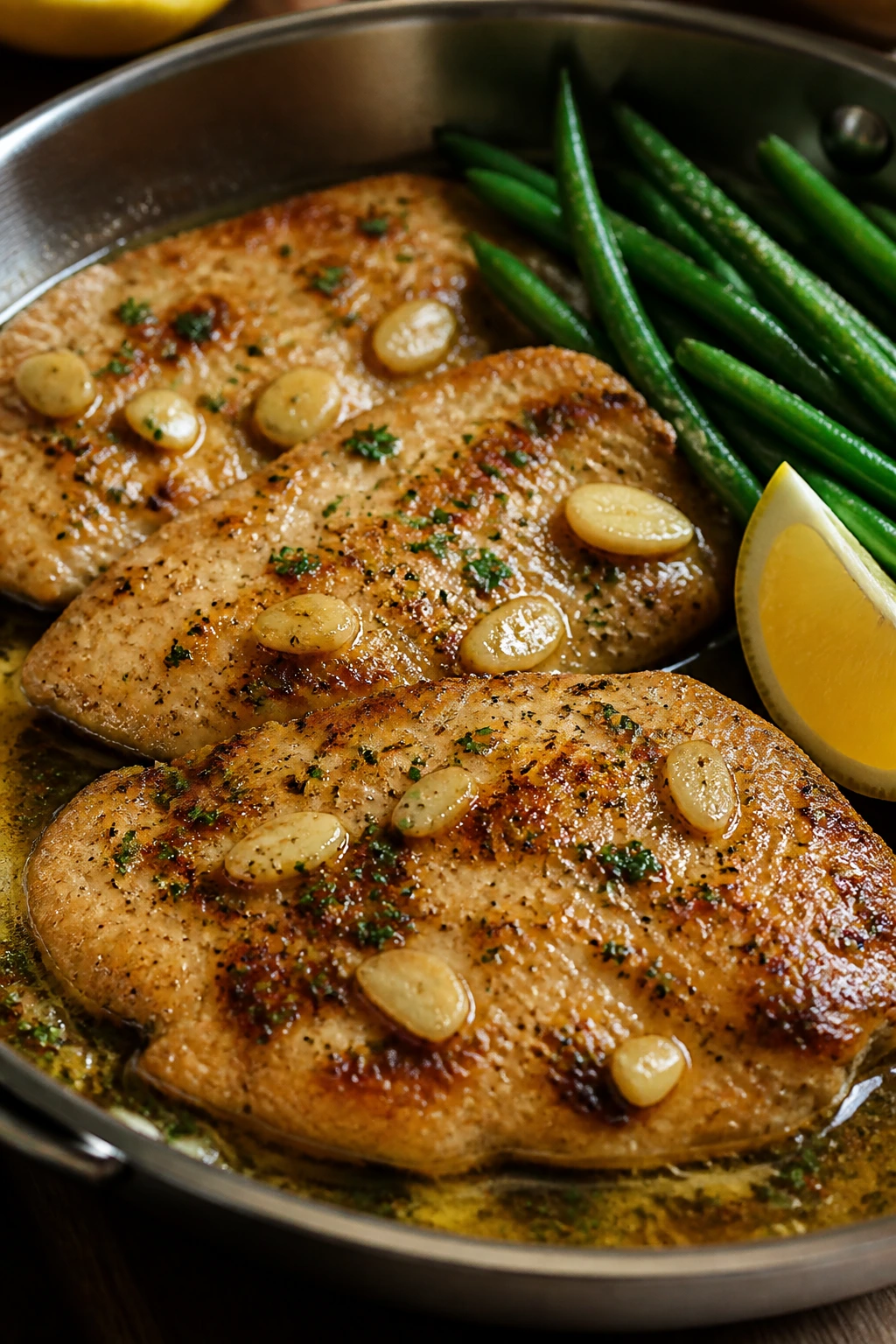
Chicken cutlets are one of the cleanest tricks in a weeknight kitchen. They cook through in minutes, take on garlic and lemon without fuss, and leave you with browned edges that taste like you tried harder than you did.
Why It Works:
Thin chicken cutlets give you fast, even cooking, which means no dry middle and no long oven wait. The flour coating helps the chicken brown instead of sticking, and the same pan becomes the sauce pan once the green beans go in. That’s the part I like best: one skillet, one dinner, no drama.
Key Ingredients:
- 1 1/4 pounds boneless, skinless chicken breasts, sliced into 4 cutlets
- 1/2 teaspoon kosher salt
- 1/2 teaspoon black pepper
- 1/3 cup all-purpose flour
- 2 tablespoons olive oil
- 3 tablespoons unsalted butter
- 4 garlic cloves, minced
- 12 ounces green beans, trimmed
- 1/4 cup chicken broth
- 1 tablespoon lemon juice
Quick Steps:
- Pound the chicken cutlets to an even 1/2-inch thickness and season with salt and pepper.
- Dredge each piece in flour, shaking off the excess so the coating stays thin.
- Heat olive oil in a large skillet over medium-high heat and sear the chicken for 3 to 4 minutes per side, until golden and cooked through.
- Transfer the chicken to a plate, then add butter and garlic to the pan for 30 seconds, just until fragrant.
- Add the green beans and broth, cover for 3 to 4 minutes, and cook until the beans turn bright green and barely tender.
- Return the chicken, add lemon juice, and spoon the pan juices over everything before serving.
Equipment for This Recipe:
- Large 12-inch skillet
- Meat mallet or rolling pin
- Tongs
- Cutting board and sharp knife
How to Serve This Dish:
Pile the chicken over the green beans and spoon the buttery pan sauce on top. A piece of bread is not required, but I rarely regret adding one to mop up the garlic butter.
Pro Tips for This Recipe:
- Pound the cutlets evenly or the thin end will overcook before the thick end is done.
- Keep the heat at medium-high, not raging hot; butter burns fast if you rush it.
- Use lemon at the end, not early, so the sauce stays bright.
Variations on This Dish:
- Parmesan Crust: Add 2 tablespoons grated parmesan to the flour for a salty, nutty crust.
- Herb Finish: Stir chopped parsley or dill into the pan at the very end for a fresher flavor.
- Spicy Butter: Add 1/4 teaspoon red pepper flakes to the garlic butter if you want more heat.
Common Mistakes to Avoid with This Dish:
- Don’t leave the chicken thick in the middle; it takes longer and dries out on the outside.
- Don’t crowd the skillet or the cutlets will steam instead of brown.
- Don’t add lemon while the pan is screaming hot or the flavor gets sharp in the wrong way.
2. Creamy Lemon Parmesan Pasta with Peas
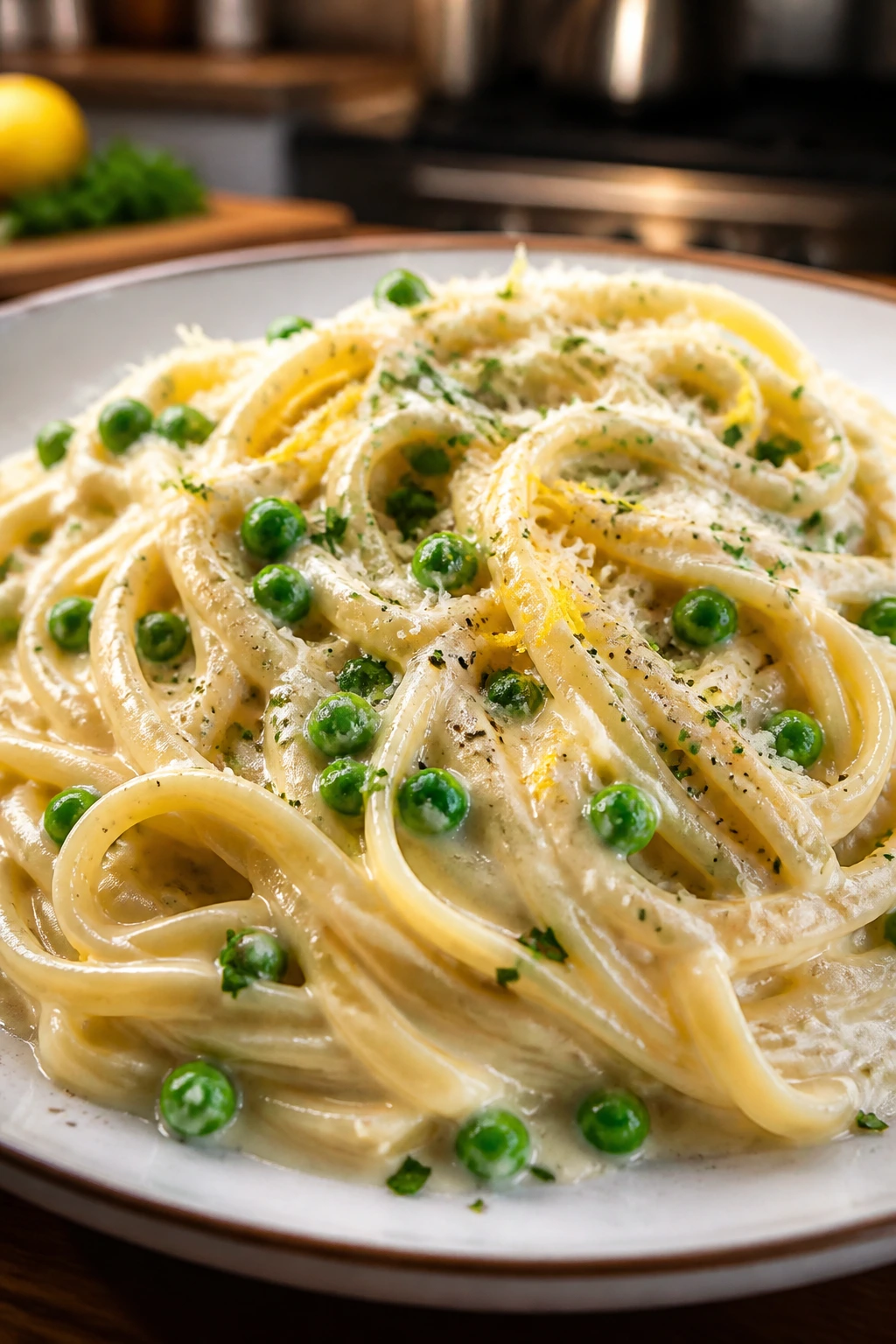
This pasta tastes like it took more planning than it did. The sauce clings to the noodles in a glossy layer, the peas pop sweetly against the lemon, and the parmesan gives the whole thing a salty backbone that keeps it from feeling thin.
Why It Works:
Pasta water is the real engine here. The starch helps the cream, butter, and parmesan turn into a sauce instead of a puddle, and frozen peas thaw in the residual heat without getting mushy. You get a full dinner in one pot, plus a result that still feels like dinner and not a compromise.
Key Ingredients:
- 12 ounces spaghetti or linguine
- 2 tablespoons unsalted butter
- 3 garlic cloves, minced
- 1 cup frozen peas
- 1 cup heavy cream or half-and-half
- 3/4 cup finely grated parmesan
- Zest and juice of 1 lemon
- 1/2 teaspoon salt
- 1/4 teaspoon black pepper
- 1/2 cup reserved pasta water
Quick Steps:
- Bring a large pot of salted water to a boil and cook the pasta until just al dente. Reserve 1/2 cup of the pasta water before draining.
- Melt the butter in the same pot over medium heat, then cook the garlic for 30 seconds until it smells sweet, not brown.
- Stir in the cream and peas and simmer for 2 minutes until the peas are hot through.
- Add the parmesan, lemon zest, lemon juice, salt, pepper, and a splash of pasta water, stirring until the sauce turns silky.
- Return the pasta and toss for 1 minute, adding more pasta water if the sauce looks tight.
Equipment for This Recipe:
- Large pot
- Wooden spoon
- Microplane or fine grater
- Colander
How to Serve This Dish:
Twirl the pasta into shallow bowls and finish with extra parmesan and black pepper. I like a few green peas left visible on top; they make the plate look fresher and keep the sauce from feeling heavy.
Pro Tips for This Recipe:
- Grate the parmesan finely so it melts smoothly.
- Pull the pasta at true al dente; it keeps cooking once it hits the sauce.
- If the sauce tightens up, a spoonful of pasta water fixes it fast.
Variations on This Dish:
- Spinach Swap: Stir in 2 handfuls of baby spinach at the end for a little extra green.
- Lemon-Dill Version: Add 1 tablespoon chopped dill for a sharper, cleaner finish.
- Mushroom Pasta: Sauté 8 ounces sliced mushrooms with the garlic if you want a deeper, earthier base.
Common Mistakes to Avoid with This Dish:
- Don’t skip the pasta water; without it, the sauce can separate.
- Don’t dump in all the parmesan at once over high heat or it can clump.
- Don’t overcook the peas. They should stay bright, not gray-green and tired.
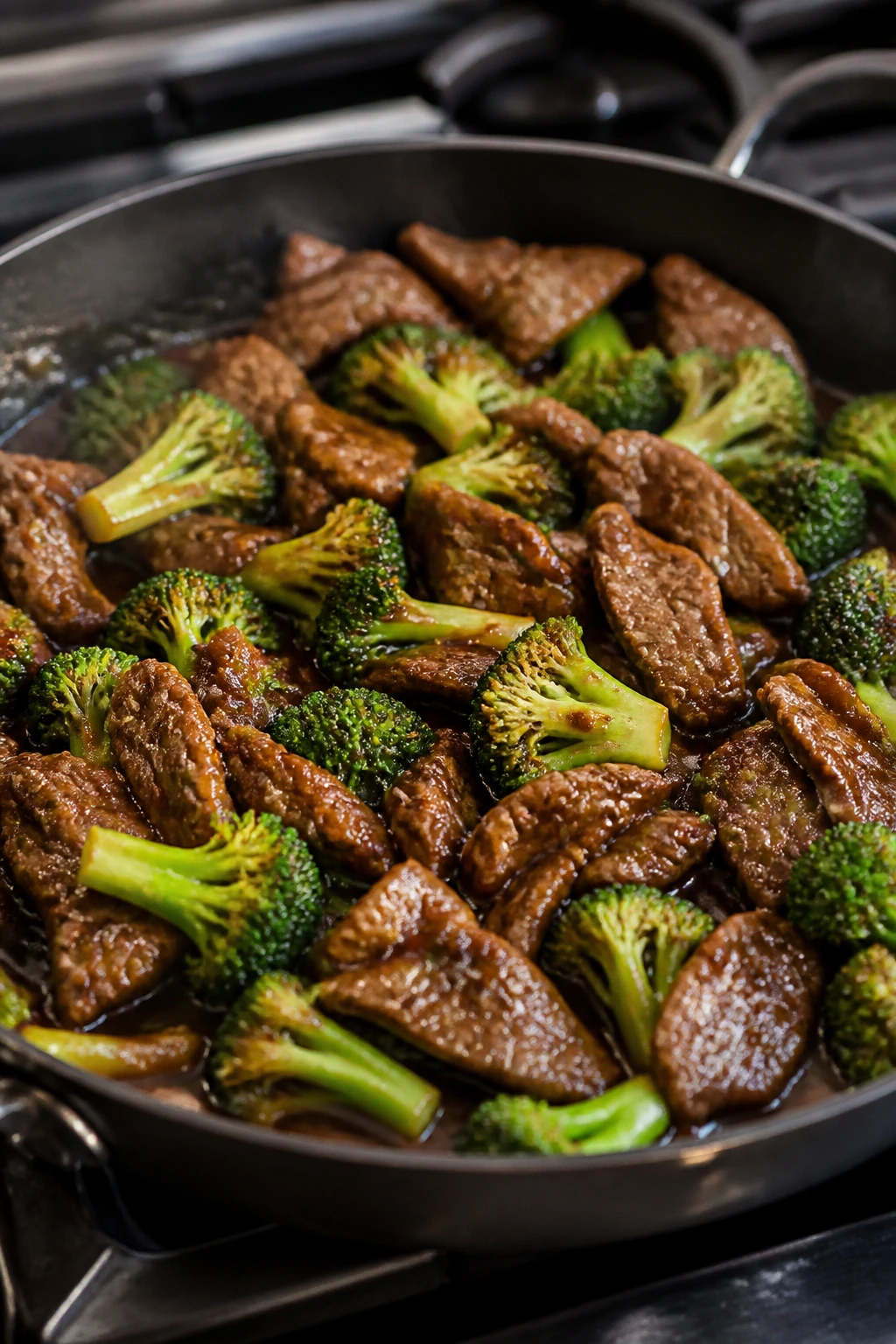
3. Beef and Broccoli Skillet
A hot skillet changes everything here. The beef browns fast, the broccoli stays green and crisp-tender, and the sauce soaks into the rice instead of sitting on top like a glaze nobody asked for.
Why It Works:
Thinly sliced beef cooks in minutes, especially when you cut against the grain and keep the pieces small. Broccoli is sturdy enough to handle a quick steam in the same pan, and the soy-garlic sauce thickens just enough with cornstarch to coat each bite. It tastes like takeout in the best possible way, minus the wait.
Key Ingredients:
- 1 pound flank steak or sirloin, thinly sliced
- 3 cups broccoli florets
- 2 tablespoons soy sauce
- 1 tablespoon cornstarch
- 2 tablespoons neutral oil
- 3 garlic cloves, minced
- 1 teaspoon grated ginger
- 1/3 cup beef broth
- 1 tablespoon brown sugar or honey
- 2 cups hot cooked rice, for serving
Quick Steps:
- Toss the beef with soy sauce and cornstarch in a bowl so every slice gets a thin coating.
- Heat the oil in a large skillet over high heat and sear the beef for 2 to 3 minutes, just until browned.
- Add the garlic and ginger and stir for 20 seconds, then add the broccoli and beef broth.
- Cover the pan for 3 minutes so the broccoli softens slightly but keeps a bite.
- Stir in brown sugar or honey and cook uncovered for 1 minute until the sauce turns glossy.
- Spoon over hot rice and serve immediately.
Equipment for This Recipe:
- Large skillet or wok
- Mixing bowl
- Cutting board and sharp knife
- Measuring spoons
How to Serve This Dish:
Serve it in shallow bowls over rice, with the broccoli and beef arranged on top so the sauce can run down through the grains. A few sesame seeds on top are enough; this dish does not need much dressing up.
Pro Tips for This Recipe:
- Freeze the beef for 15 minutes before slicing if your knife keeps slipping.
- Keep the skillet hot. If the pan cools down, the beef steams.
- Use broccoli florets that are cut small enough to soften in 3 minutes.
Variations on This Dish:
- Sesame Beef Bowl: Add 1 teaspoon sesame oil at the end for a nuttier finish.
- Spicy Takeout Style: Stir in 1 to 2 teaspoons chili paste with the sauce.
- Chicken Swap: Use thin chicken cutlets instead of beef; the timing stays almost the same.
Common Mistakes to Avoid with This Dish:
- Don’t slice the beef thick. It will take longer and turn chewy.
- Don’t overcook the broccoli before adding the sauce or it gets limp fast.
- Don’t let the sauce boil for several minutes; it thickens in a minute or two and can get sticky.
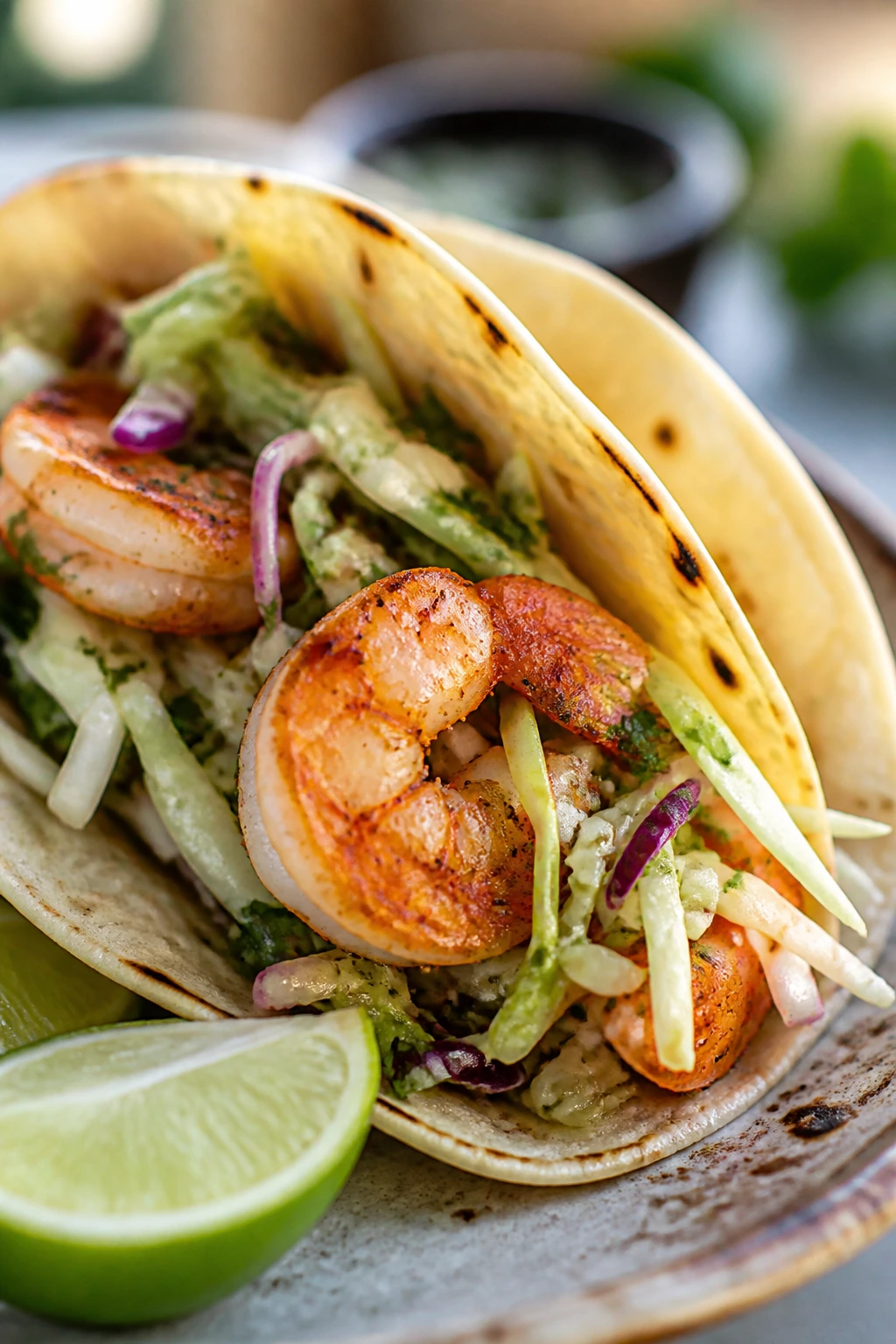
4. Shrimp Tacos with Lime Slaw
Shrimp takes on spice fast, which is why it belongs in a 30-minute taco night. You get smoky edges, cool cabbage, and a limey bite that wakes the whole plate up.
Why It Works:
Shrimp need only a few minutes in a hot pan, so the speed is built in from the start. The slaw uses raw cabbage, which stays crisp even after it sits in lime and yogurt for a little while. That contrast matters. Soft tortillas, juicy shrimp, crunchy slaw. Done.
Key Ingredients:
- 1 pound raw shrimp, peeled and deveined
- 1 tablespoon olive oil
- 1 teaspoon chili powder
- 1/2 teaspoon cumin
- 1/2 teaspoon salt
- 8 small tortillas
- 3 cups shredded cabbage
- 1/4 cup plain yogurt or mayonnaise
- Juice of 1 lime
- 1 teaspoon honey
Quick Steps:
- Toss the shrimp with olive oil, chili powder, cumin, and salt.
- Mix the cabbage, yogurt or mayonnaise, lime juice, and honey in a bowl for the slaw.
- Heat a skillet over medium-high heat and cook the shrimp for 2 minutes per side, until pink and curled.
- Warm the tortillas in a dry pan for 20 to 30 seconds per side.
- Fill each tortilla with shrimp, slaw, and any extra lime juice you want.
- Serve right away while the shrimp are still hot.
Equipment for This Recipe:
- Large skillet
- Mixing bowl
- Tongs
- Small saucepan or dry skillet for tortillas
How to Serve This Dish:
Serve 2 to 3 tacos per person with lime wedges on the side. A bowl of black beans or a quick corn salad fits well if you want to stretch the meal.
Pro Tips for This Recipe:
- Dry the shrimp well before seasoning so they sear instead of steaming.
- Don’t overcook shrimp; once they curl into a loose C, they’re ready.
- Salt the slaw lightly and taste before adding more lime.
Variations on This Dish:
- Chipotle Shrimp: Add a pinch of chipotle powder for more smoke.
- Avocado Crema: Blend avocado with yogurt and lime for a richer sauce.
- Corn Salsa Taco: Swap the slaw for corn, onion, and cilantro if you want a sweeter finish.
Common Mistakes to Avoid with This Dish:
- Don’t cook shrimp past pink and opaque or they turn rubbery.
- Don’t pile wet slaw into the tortillas too early or they tear.
- Don’t skip warming the tortillas; cold ones crack fast.
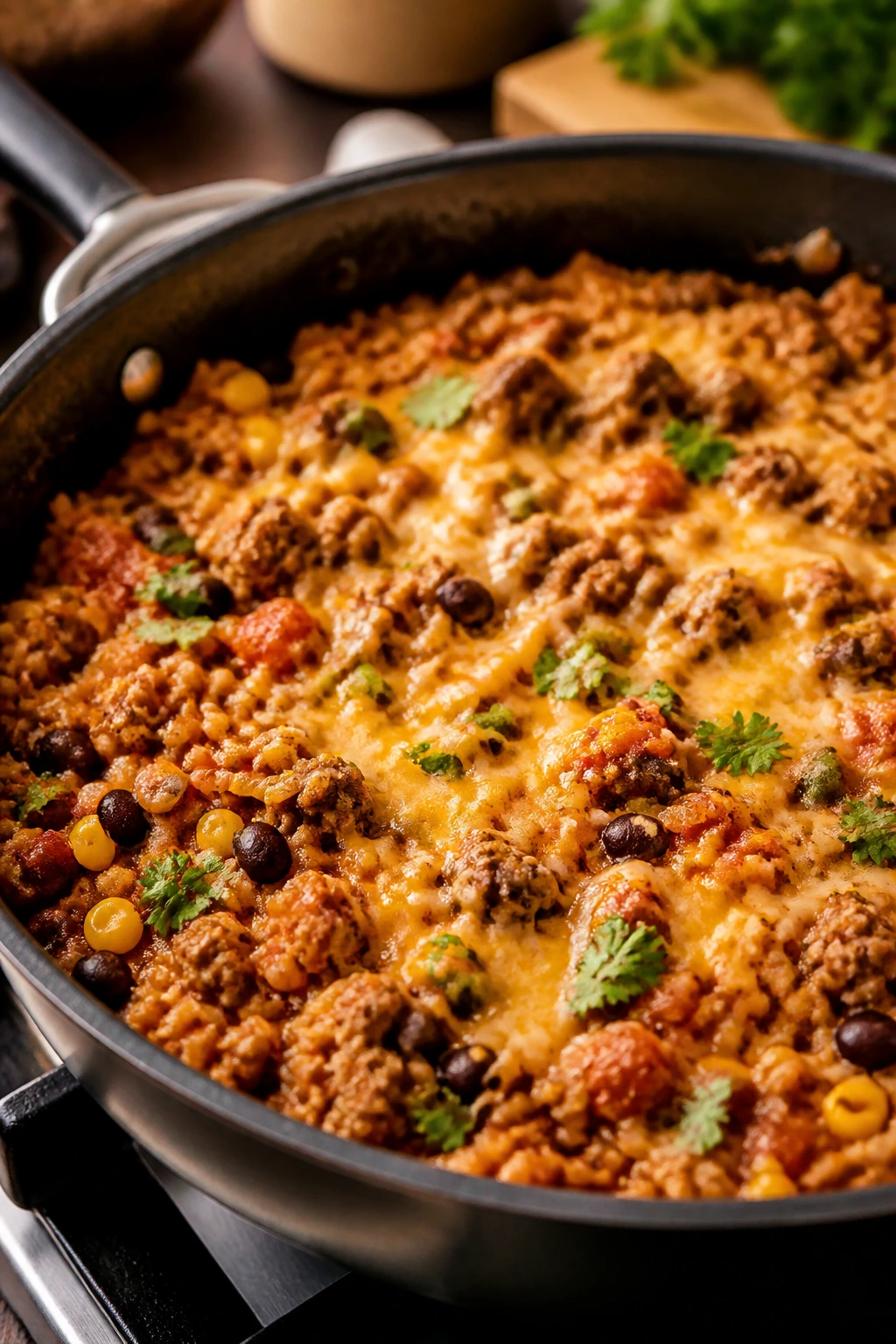
5. Turkey Taco Rice Skillet
This is the pan dinner I make when the evening feels crowded. Ground turkey, rice, beans, corn, salsa, cheese — it all lands in one skillet and somehow tastes like more effort than it took.
Why It Works:
Ground turkey is mild enough to take on seasoning quickly, and salsa stands in for both sauce and acidity. Using cooked rice keeps the whole thing on schedule, while black beans and corn add bulk without raising the grocery bill much. You get a full skillet meal with enough leftovers to matter.
Key Ingredients:
- 1 pound ground turkey
- 1 tablespoon neutral oil
- 1 small onion, diced
- 2 tablespoons taco seasoning
- 1 cup salsa
- 2 cups cooked rice
- 1 cup black beans, drained and rinsed
- 1 cup frozen corn
- 1 cup shredded cheddar or Monterey Jack
- 2 tablespoons chopped cilantro
Quick Steps:
- Heat the oil in a large skillet over medium-high heat and cook the onion for 2 minutes until softened.
- Add the ground turkey and break it up with a spoon, cooking for 5 to 6 minutes until no pink remains.
- Stir in taco seasoning, salsa, beans, and corn, then cook for 2 minutes until everything is hot.
- Fold in the cooked rice and stir until the grains are coated and evenly warm.
- Sprinkle cheese over the top, cover for 1 minute, and let it melt.
- Finish with cilantro and serve from the skillet.
Equipment for This Recipe:
- Large skillet with lid
- Wooden spoon
- Cutting board and knife
- Measuring cups
How to Serve This Dish:
Serve it straight from the skillet with a spoon, or scoop it into bowls with shredded lettuce and a little sour cream. It’s also one of the easiest meals to stretch with tortilla chips on the side.
Pro Tips for This Recipe:
- Use day-old rice if you have it; it stays firmer and stirs in better.
- Let the salsa cook for a minute before adding rice so the flavor deepens.
- If the skillet looks dry, add 2 tablespoons water before melting the cheese.
Variations on This Dish:
- Chicken Taco Skillet: Swap in ground chicken and keep the seasoning the same.
- Bean-Heavy Version: Use 2 cups beans and cut the turkey to 3/4 pound for a cheaper, heartier bowl.
- Green Chile Twist: Stir in a small can of diced green chiles with the salsa.
Common Mistakes to Avoid with This Dish:
- Don’t use raw rice; it will not cook through fast enough here.
- Don’t add cheese before the rice is hot or it can clump into strands.
- Don’t forget to drain the beans or the skillet gets watery.
6. Chickpea and Spinach Curry
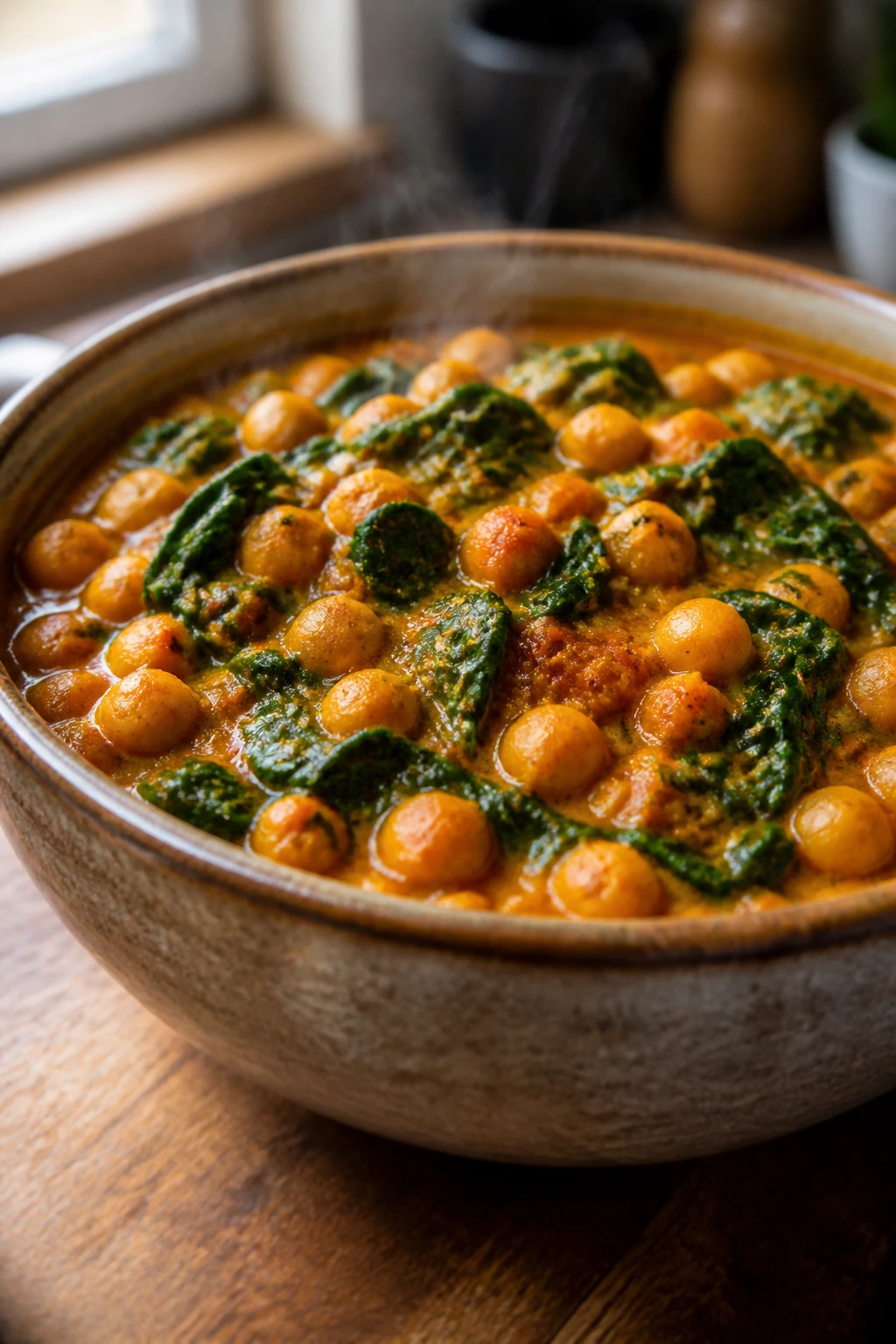
Curry sounds slow. This one isn’t. It smells like garlic and toasted spice the moment the curry powder hits the oil, and by the time the spinach wilts, dinner is already halfway done.
Why It Works:
Canned chickpeas are already cooked, which makes them perfect for a fast simmer. Coconut milk gives the sauce body in minutes, while diced tomatoes cut the richness so the curry doesn’t feel heavy. Spinach goes in at the end because it needs almost no time at all, which is exactly why this meal works on a short clock.
Key Ingredients:
- 2 tablespoons oil
- 1 medium onion, diced
- 3 garlic cloves, minced
- 1 tablespoon grated ginger
- 2 tablespoons curry powder
- 2 cans chickpeas, drained and rinsed
- 1 can coconut milk, 13.5 ounces
- 1 can diced tomatoes, 14.5 ounces
- 4 cups baby spinach
- Salt and lime juice, to finish
Quick Steps:
- Heat the oil in a large skillet or saucepan over medium heat and cook the onion for 4 minutes until soft.
- Add the garlic, ginger, and curry powder and stir for 30 seconds.
- Pour in the chickpeas, coconut milk, and diced tomatoes, then simmer for 8 to 10 minutes until the sauce thickens slightly.
- Stir in the spinach and cook for 1 minute until wilted.
- Taste for salt and finish with a squeeze of lime.
Equipment for This Recipe:
- Large skillet or saucepan
- Wooden spoon
- Can opener
- Measuring spoons
How to Serve This Dish:
Spoon the curry over rice or scoop it up with warm naan. I like a little lime on top because the acidity cuts through the coconut milk and keeps each bite lively.
Pro Tips for This Recipe:
- Toast the curry powder in oil for that first 30 seconds; it makes a bigger difference than people expect.
- Use full-fat coconut milk if you want a thicker sauce.
- If the curry tastes flat, it probably needs salt and lime, not more spice.
Variations on This Dish:
- Sweet Potato Chickpea Curry: Add 1 cup small diced sweet potato and simmer 10 minutes longer.
- Coconut-Free Version: Use 1 cup broth plus 1/2 cup plain yogurt stirred in off the heat.
- Hot Curry Finish: Add a diced chili or a pinch of cayenne with the garlic.
Common Mistakes to Avoid with This Dish:
- Don’t rush the onions; undercooked onion makes the curry taste rough.
- Don’t boil the coconut milk hard or the sauce can split.
- Don’t add spinach too early or it disappears into the sauce.
7. Sausage and Peppers Hoagies
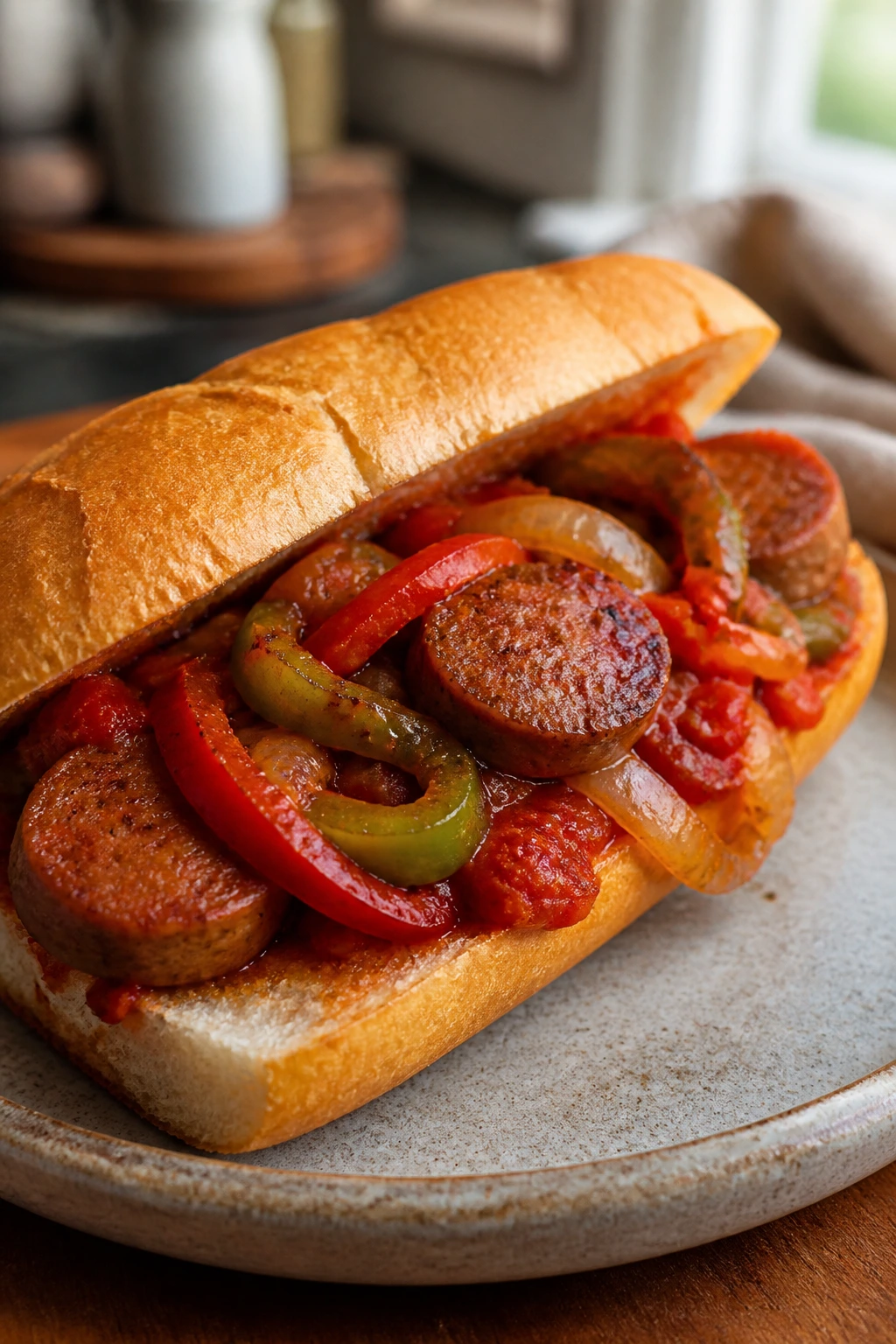
Sausage and peppers is one of those meals that smells like it’s already feeding people before it’s done. The peppers soften, the sausage gets browned edges, and the marinara ties everything together so the rolls don’t turn into a mess.
Why It Works:
Using sausage that’s already seasoned gives you a huge flavor head start. Bell peppers and onions cook in the same pan, so the juices from the sausage season the vegetables as they soften. It’s a sandwich, yes, but it eats like a full dinner because the filling is hot, rich, and heavy enough to stand on its own.
Key Ingredients:
- 1 pound Italian sausage, casings removed if using links
- 2 bell peppers, sliced
- 1 large onion, sliced
- 2 tablespoons olive oil
- 1 cup marinara sauce
- 4 hoagie rolls
- 4 slices provolone
- Pinch of red pepper flakes, optional
Quick Steps:
- Heat the oil in a large skillet over medium-high heat and brown the sausage, breaking it up if needed, for 5 to 6 minutes.
- Add the peppers and onion and cook for 5 minutes until they soften and pick up color.
- Stir in the marinara and red pepper flakes, then simmer for 2 minutes.
- Split the rolls and toast them lightly if you want more structure.
- Fill each roll with the sausage mixture and top with provolone while the filling is still hot.
Equipment for This Recipe:
- Large skillet
- Wooden spoon
- Sheet pan or toaster oven for the rolls
- Knife and cutting board
How to Serve This Dish:
Serve the hoagies wrapped in parchment or foil if you want to keep the filling in place. A simple green salad or a handful of kettle chips is enough on the side.
Pro Tips for This Recipe:
- Cut the peppers in even strips so they soften at the same rate.
- Toast the rolls if they’re soft; it helps prevent sogginess.
- If using links, slice them after browning for better texture.
Variations on This Dish:
- Spicy Sausage Hoagies: Use hot Italian sausage and skip the red pepper flakes if that’s enough heat.
- Mozzarella Melt: Swap provolone for mozzarella and broil the filled rolls for 1 minute.
- Skillet Bowl: Serve the filling over rice instead of in rolls for a less messy dinner.
Common Mistakes to Avoid with This Dish:
- Don’t undercook the peppers; they should be soft, not raw and crunchy.
- Don’t drown the filling in marinara or the sandwich turns soggy.
- Don’t skip browning the sausage, because the browned bits are where the good flavor sits.
8. Veggie Fried Rice with Egg
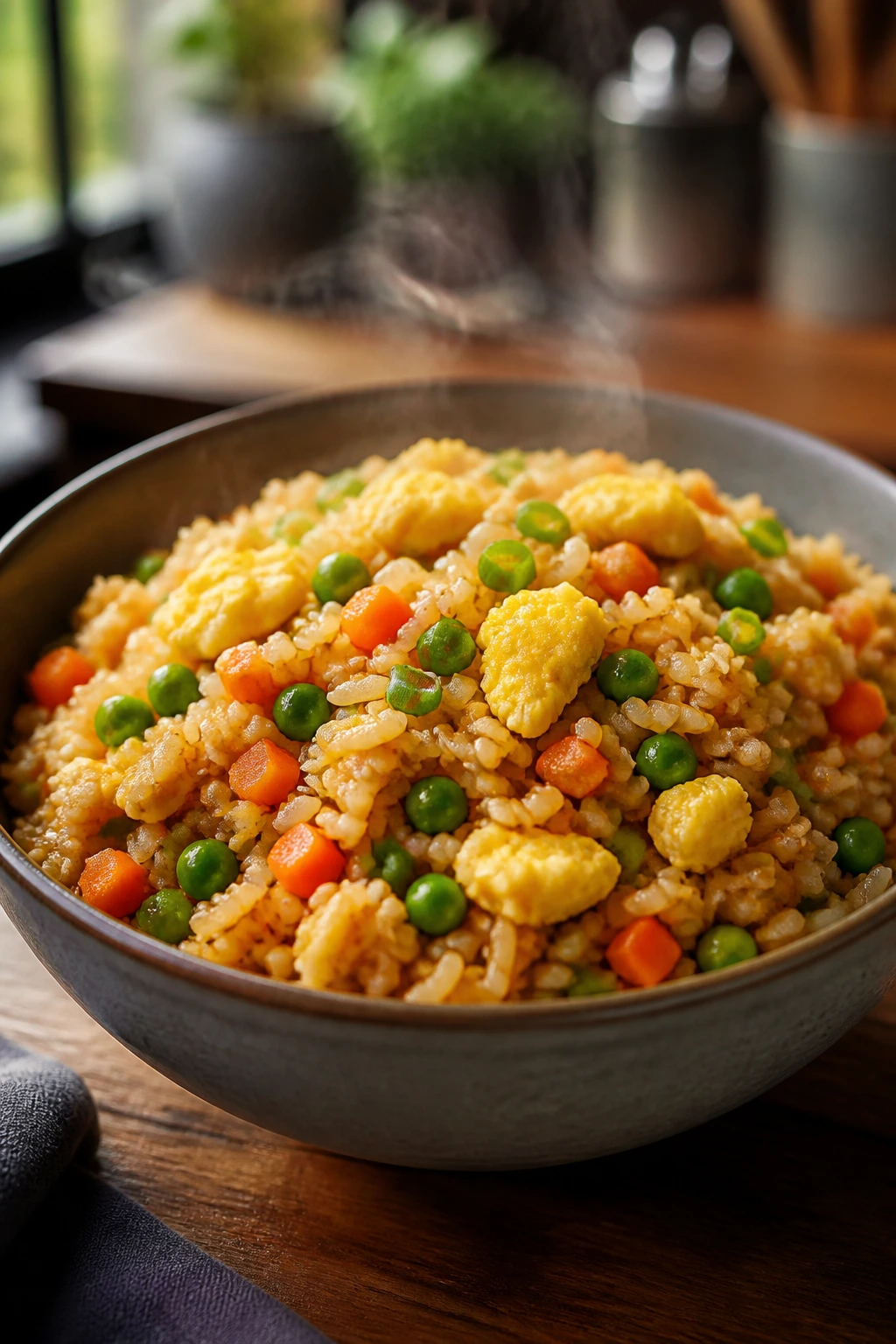
Cold rice is not a problem here. It is the whole point. The grains separate in the pan, the eggs stay tender, and the frozen vegetables give you color without turning the process into a chopping marathon.
Why It Works:
Fried rice rewards dry, leftover rice because the grains fry instead of steaming. Eggs cook fast and make the dish feel complete, while frozen peas and carrots add sweetness and texture with almost no prep. You get a takeout-style dinner that uses cheap ingredients and finishes before you can talk yourself into ordering something else.
Key Ingredients:
- 3 cups cold cooked rice
- 3 large eggs
- 2 cups frozen peas and carrots
- 3 scallions, sliced
- 2 tablespoons soy sauce
- 1 tablespoon sesame oil
- 2 tablespoons neutral oil
- 2 garlic cloves, minced
Quick Steps:
- Heat 1 tablespoon neutral oil in a large skillet or wok over medium-high heat and scramble the eggs until just set. Transfer to a plate.
- Add the remaining oil, garlic, and frozen vegetables and stir-fry for 2 minutes.
- Add the cold rice and break up any clumps with the back of the spoon.
- Cook for 3 to 4 minutes, stirring often, until the rice feels hot and a little crisp at the edges.
- Stir in soy sauce, sesame oil, scallions, and the scrambled eggs.
- Taste and add more soy sauce only if needed.
Equipment for This Recipe:
- Large skillet or wok
- Spatula
- Bowl for the eggs
- Measuring spoons
How to Serve This Dish:
Serve it in bowls with extra scallions on top. If you want to stretch it, a fried egg on top makes the whole thing feel more finished and gives you a runny yolk sauce.
Pro Tips for This Recipe:
- Use cold rice from the fridge, not freshly cooked rice.
- Keep the heat up so the rice fries instead of steaming.
- Add sesame oil at the end; it loses its edge if it cooks too long.
Variations on This Dish:
- Ham Fried Rice: Add 1 cup diced ham with the vegetables.
- Vegetable-Heavy Bowl: Throw in diced bell pepper or shredded cabbage for more crunch.
- Spicy Chili Rice: Add a spoonful of chili crisp at the table.
Common Mistakes to Avoid with This Dish:
- Don’t use wet rice; it clumps and goes soft.
- Don’t overcrowd the skillet or the rice won’t fry properly.
- Don’t overdo the soy sauce. Fried rice should taste seasoned, not flooded.
9. Tomato Tortellini Soup
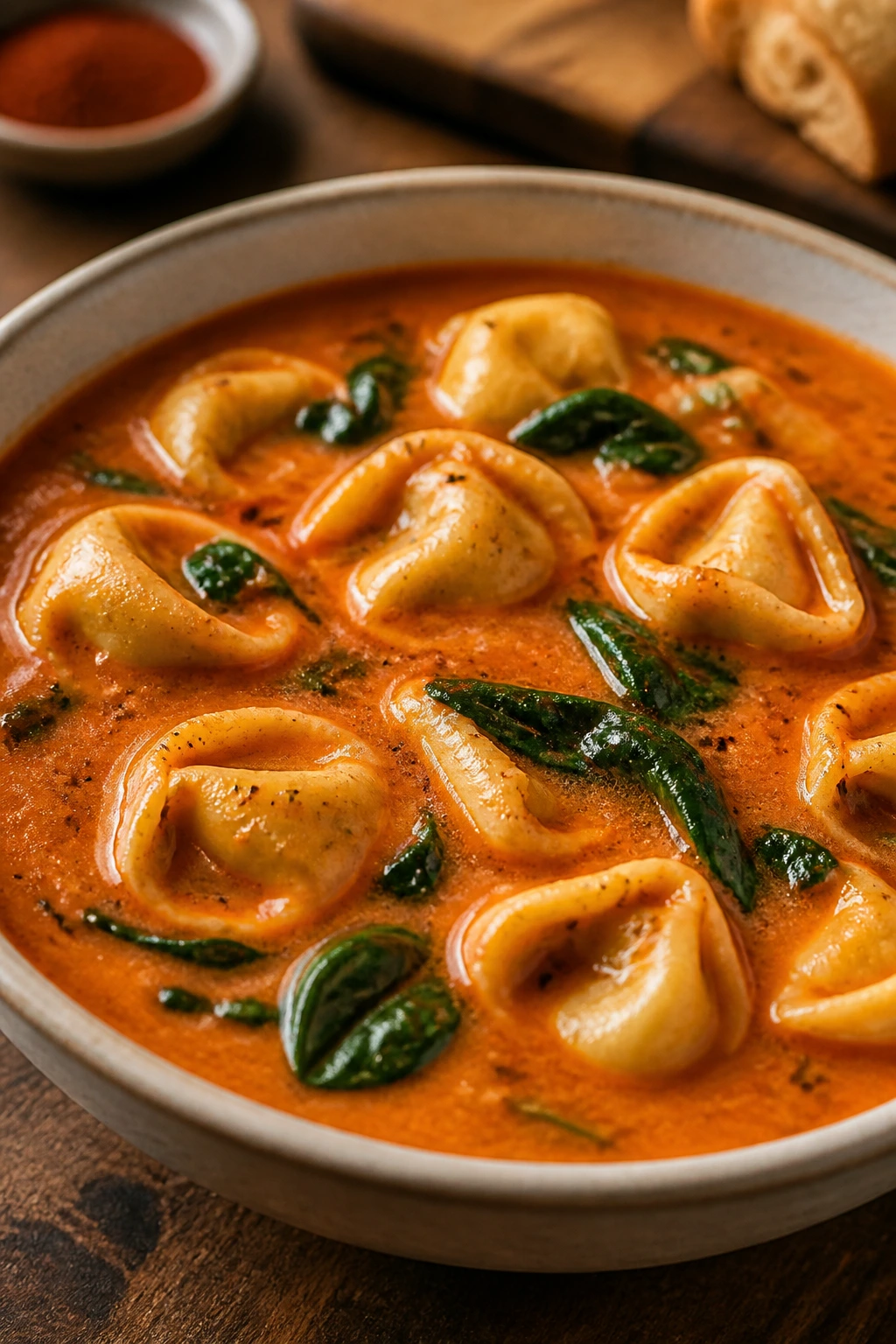
Tomato tortellini soup is what happens when pantry food stops acting like pantry food. The broth turns creamy, the pasta gives you something soft and cheesy in each spoonful, and the spinach disappears into the pot in the nicest possible way.
Why It Works:
Cheese tortellini cooks fast and brings its own filling, so the soup feels more substantial than a simple tomato broth. Crushed tomatoes create body, broth loosens the texture, and a little cream softens the sharp edge. It’s fast, but it still tastes like something you’d happily eat with bread on a cold kitchen chair.
Key Ingredients:
- 2 tablespoons olive oil
- 1 small onion, diced
- 3 garlic cloves, minced
- 1 can crushed tomatoes, 28 ounces
- 3 cups chicken or vegetable broth
- 1 package cheese tortellini, about 20 ounces
- 1/2 cup heavy cream
- 2 cups baby spinach
- Salt and black pepper, to taste
- Grated parmesan, for serving
Quick Steps:
- Heat the oil in a pot over medium heat and cook the onion for 4 minutes until translucent.
- Add the garlic and cook for 30 seconds.
- Stir in the crushed tomatoes and broth, then bring to a gentle simmer.
- Add the tortellini and cook according to package directions, usually 3 to 5 minutes.
- Stir in the cream and spinach, then cook for 1 minute until the spinach wilts.
- Season with salt and pepper and serve with parmesan.
Equipment for This Recipe:
- Medium or large pot
- Wooden spoon
- Ladle
- Grater for parmesan
How to Serve This Dish:
Ladle it into bowls and shower the top with parmesan. A slice of toasted bread or garlic toast is the obvious companion, and I mean that in the best way.
Pro Tips for This Recipe:
- Add the tortellini at a true simmer, not a hard boil, so it keeps its shape.
- If using salted broth, taste before adding extra salt.
- Spinach goes in at the end or it turns muddy and overcooked.
Variations on This Dish:
- Sausage Tortellini Soup: Brown 1/2 pound Italian sausage with the onion.
- Rosemary Tomato Soup: Add 1 teaspoon chopped rosemary with the garlic.
- Dairy-Light Version: Skip the cream and finish with a spoonful of ricotta in each bowl.
Common Mistakes to Avoid with This Dish:
- Don’t overcook the tortellini; it turns bloated fast.
- Don’t boil after adding cream or the soup can look grainy.
- Don’t skip seasoning at the end because tomatoes need salt to wake up.
10. Dijon Salmon with Couscous
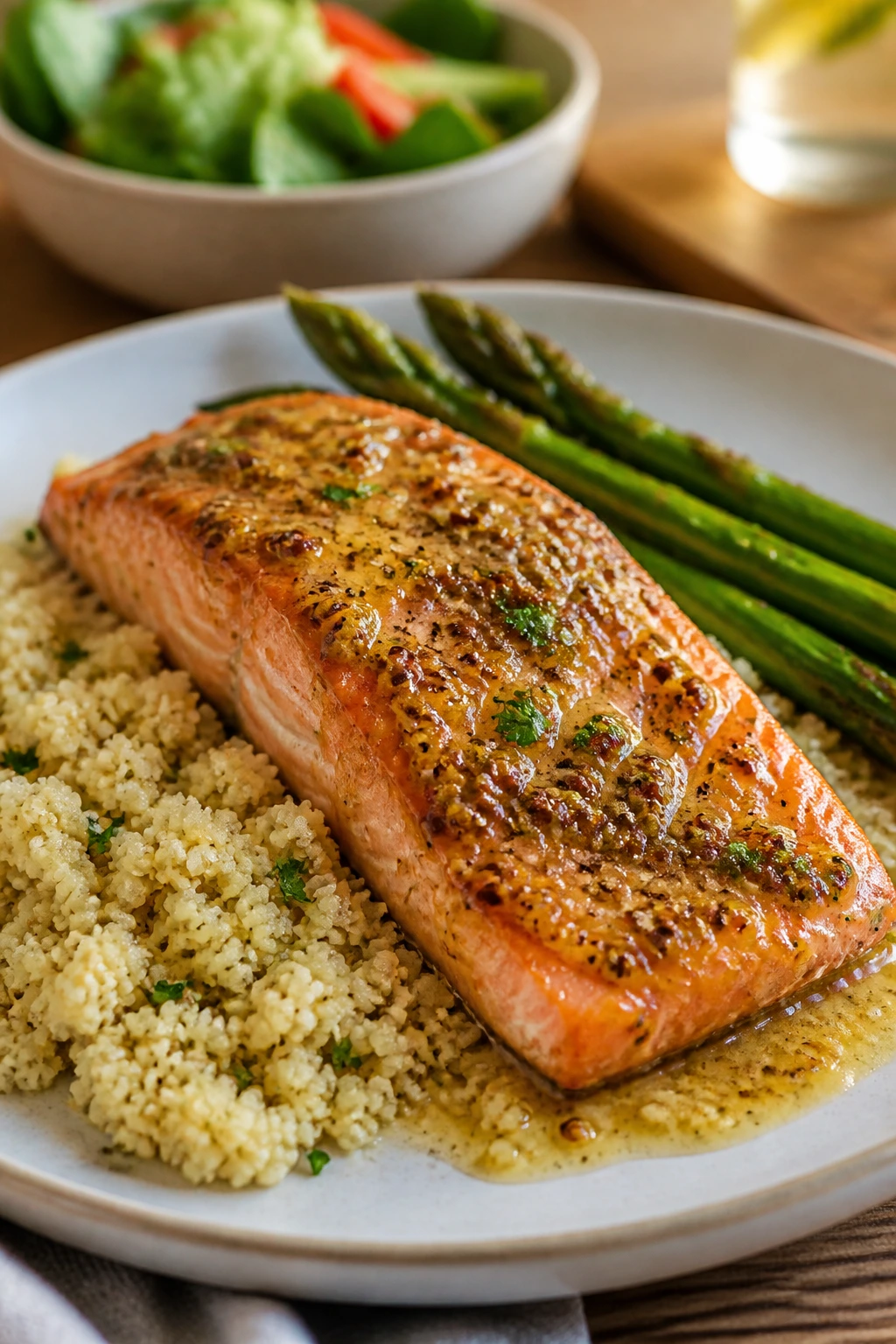
Salmon often gets treated like a special-occasion fish, which is odd because it cooks so fast. A mustard glaze, a hot skillet, and a pot of couscous turn it into a normal Tuesday dinner, and that’s exactly where it belongs.
Why It Works:
Salmon fillets are thick enough to feel like a real meal but thin enough to cook in under 10 minutes. Dijon mustard gives you tang and surface flavor without extra work, while couscous swells in hot broth in five minutes flat. A green vegetable on the same pan makes the whole plate look more deliberate than it is.
Key Ingredients:
- 4 salmon fillets, 5 to 6 ounces each
- 1 tablespoon olive oil
- 2 tablespoons Dijon mustard
- 1 tablespoon honey
- 1 lemon
- 1 cup couscous
- 1 1/4 cups broth or water
- 2 cups asparagus or zucchini, cut small
- Salt and black pepper
Quick Steps:
- Heat the oven broiler or a skillet over medium-high heat, depending on your preferred method.
- Stir Dijon, honey, and a little lemon juice together, then brush it over the salmon.
- Cook the salmon for 4 to 5 minutes per side in a skillet or under the broiler until it flakes easily.
- Bring the broth to a boil, pour it over the couscous, cover, and let it sit for 5 minutes.
- Fluff the couscous with a fork and toss in the vegetables if they’re quick-cooking, or sauté them briefly in a pan first.
- Serve the salmon over the couscous with extra lemon on the side.
Equipment for This Recipe:
- Skillet or broiler-safe pan
- Small saucepan or kettle
- Fork
- Pastry brush or spoon
How to Serve This Dish:
Put the couscous down first, then lay the salmon on top so the glaze catches in the grains. A few lemon wedges and a handful of herbs are enough.
Pro Tips for This Recipe:
- Pat the salmon dry so the glaze sticks.
- Don’t overcook it; salmon turns from tender to chalky quickly.
- Make the couscous first if you’re nervous about timing. It waits well under a lid.
Variations on This Dish:
- Honey Garlic Salmon: Swap Dijon for a mix of honey, garlic, and soy sauce.
- Herb Couscous: Stir chopped parsley or dill into the couscous for a fresher side.
- Sheet Pan Version: Roast the salmon and vegetables together at 425°F for a cleaner finish.
Common Mistakes to Avoid with This Dish:
- Don’t start salmon in a cold pan or the outside won’t color properly.
- Don’t drown the fish in sauce; a thin glaze works better here.
- Don’t leave couscous uncovered after adding liquid or it dries out.
11. Black Bean and Corn Quesadillas
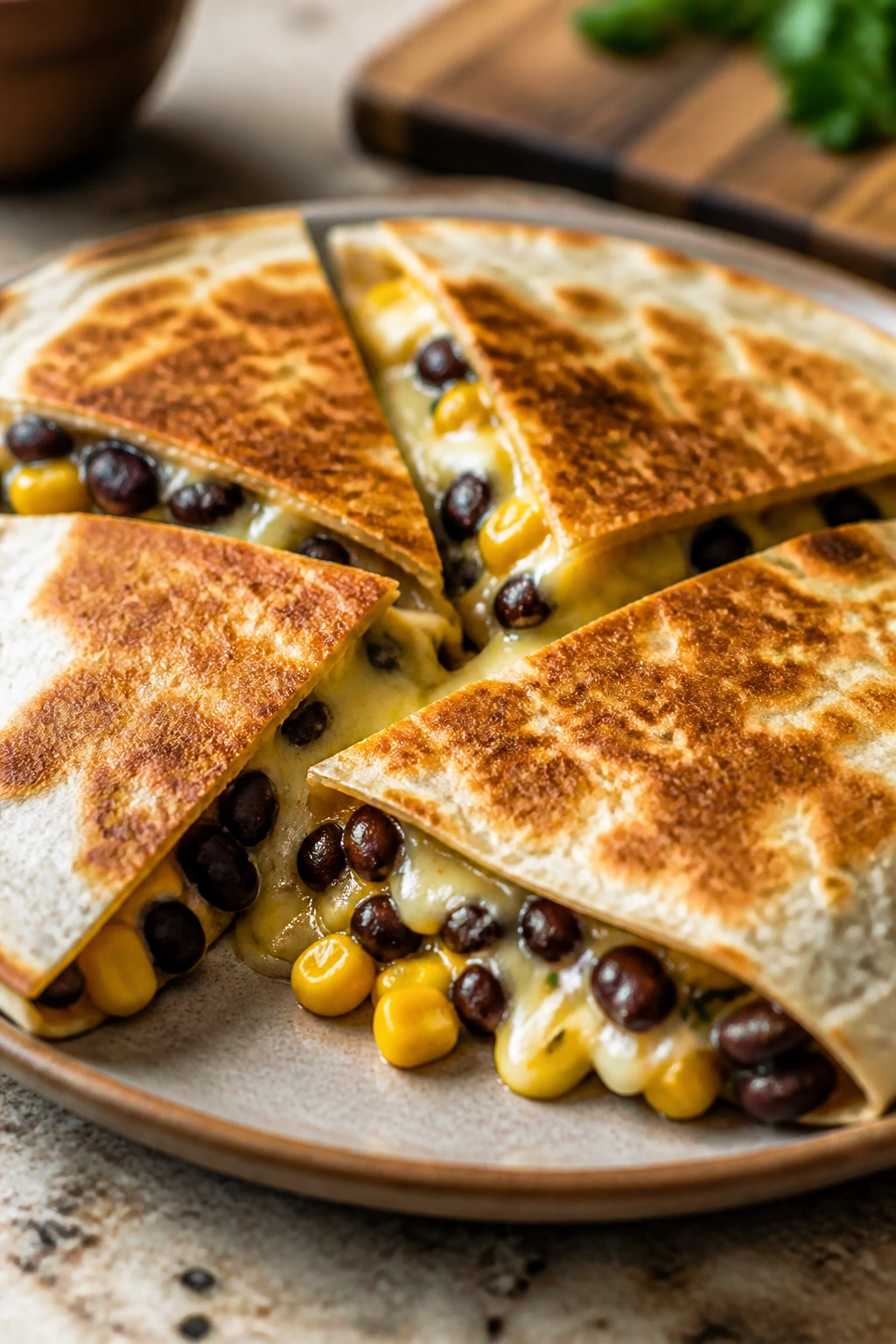
Quesadillas deserve more respect than they usually get. With black beans, corn, and enough cheese to hold everything together, they stop being a snack and start acting like a dinner you can actually rely on.
Why It Works:
The filling is already cooked, so the skillet only has to do two jobs: heat it through and crisp the tortillas. Black beans give you body, corn brings sweetness, and melted cheese ties everything into one sliceable round. You can cut them into wedges, stack them on a plate, and call it done.
Key Ingredients:
- 8 flour tortillas
- 2 cups shredded cheese, such as cheddar or Monterey Jack
- 1 can black beans, drained and rinsed
- 1 cup corn, frozen or canned
- 1/2 cup salsa
- 1/2 teaspoon cumin
- 1 tablespoon butter or oil
- Sour cream, for serving
Quick Steps:
- Stir together the beans, corn, salsa, and cumin in a bowl.
- Heat a skillet over medium heat and lightly butter one tortilla.
- Place it butter-side down in the skillet, sprinkle on cheese, spoon over the bean mixture, then add more cheese.
- Top with a second tortilla and cook for 2 to 3 minutes per side until golden and crisp.
- Repeat with the remaining tortillas, then cut into wedges and serve with sour cream.
Equipment for This Recipe:
- Large skillet
- Spatula
- Mixing bowl
- Sharp knife or pizza cutter
How to Serve This Dish:
Cut each quesadilla into wedges and stack them slightly overlapping so the melted cheese shows at the edges. A quick salad or sliced avocado is enough to turn them into a proper plate.
Pro Tips for This Recipe:
- Keep the heat at medium so the tortillas brown before the cheese burns.
- Drain the beans well or the filling slips out.
- Let the quesadilla sit for 30 seconds before cutting so the cheese settles.
Variations on This Dish:
- Chicken Quesadilla: Add 1 cup shredded cooked chicken to the filling.
- Jalapeño Corn Version: Toss in sliced jalapeños for more bite.
- Breakfast Quesadilla: Add scrambled eggs and skip the salsa inside.
Common Mistakes to Avoid with This Dish:
- Don’t overfill the tortilla or it breaks when you flip it.
- Don’t cook on high heat; quesadillas brown too fast and the cheese stays stiff.
- Don’t cut immediately or the filling spills everywhere.
12. Greek Chicken Pita Pockets
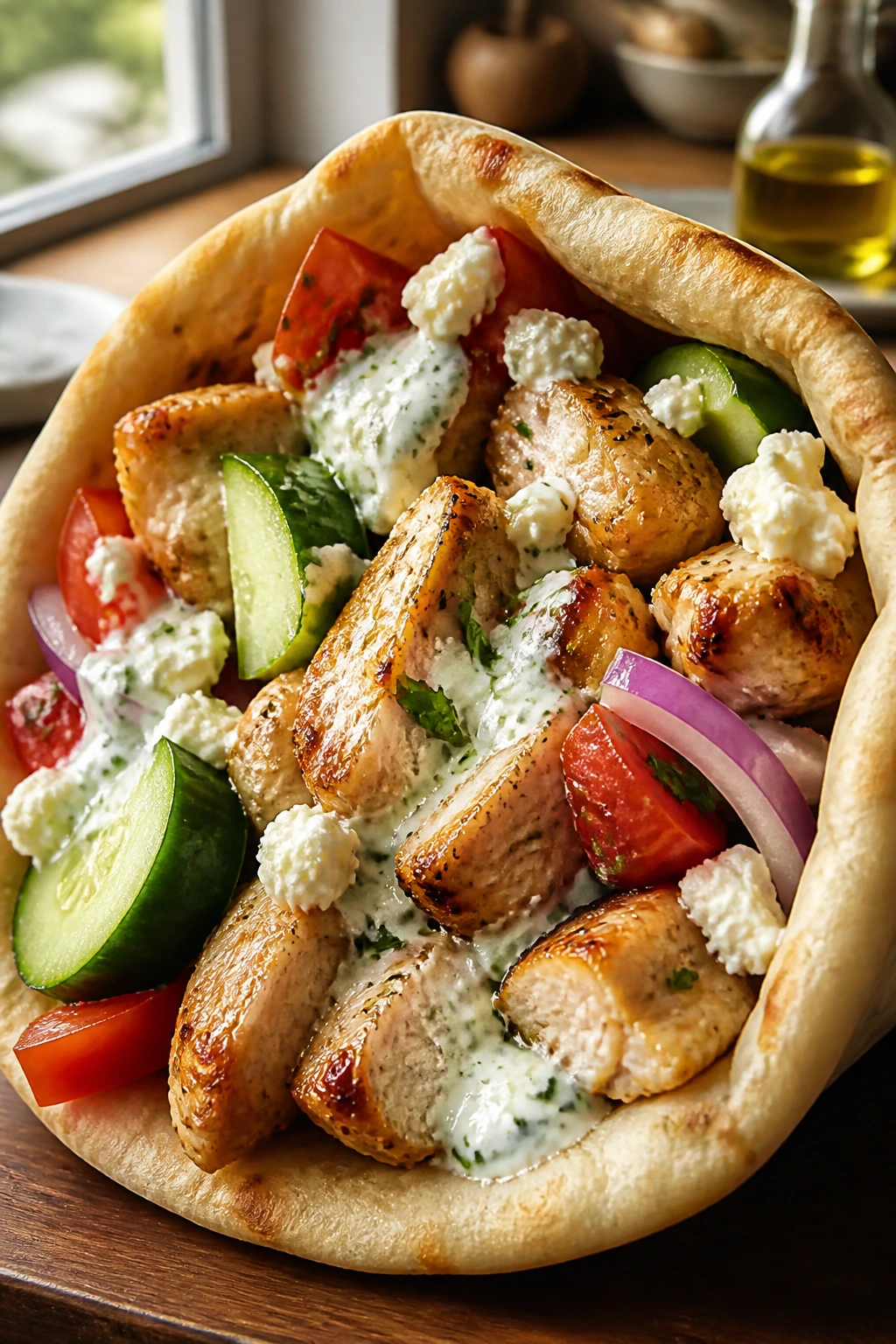
Greek chicken pita pockets are one of those meals that feel fresher than they have any right to feel after a 15-minute skillet job. The chicken gets savory and browned, the cucumbers stay cool, and the tzatziki does the work of sauce and salad at the same time.
Why It Works:
Small chicken pieces cook quickly and pick up seasoning on all sides. Pita bread makes the meal portable and forgiving, which matters when you’re packing a lot of chopped vegetables into one pocket. You get crunch, creaminess, and enough salt from the feta and tzatziki to make each bite taste finished.
Key Ingredients:
- 1 pound boneless, skinless chicken breast, cut into 1-inch pieces
- 1 tablespoon olive oil
- 2 teaspoons Greek seasoning
- 4 pita breads
- 1 cup chopped cucumber
- 1 cup cherry tomatoes, halved
- 1/2 red onion, thinly sliced
- 1/2 cup tzatziki
- 1/4 cup crumbled feta, optional
Quick Steps:
- Toss the chicken with olive oil and Greek seasoning.
- Cook it in a skillet over medium-high heat for 6 to 8 minutes, stirring now and then, until browned and cooked through.
- Warm the pita breads in a dry skillet or microwave for a few seconds.
- Fill each pita with chicken, cucumber, tomatoes, onion, tzatziki, and feta if using.
- Serve while the chicken is hot and the vegetables are still crisp.
Equipment for This Recipe:
- Large skillet
- Knife and cutting board
- Spoon for stuffing the pita
- Measuring spoons
How to Serve This Dish:
Serve the pockets wrapped in parchment if you want fewer drips. A few olives and some roasted potatoes make sense here, but the pitas can carry the meal by themselves.
Pro Tips for This Recipe:
- Cut the chicken evenly so it cooks at the same speed.
- Warm the pita or it cracks when you try to stuff it.
- Keep the vegetables dry so the pockets don’t turn soggy.
Variations on This Dish:
- Chicken Salad Pita: Use chilled cooked chicken and extra tzatziki for a colder version.
- Falafel Swap: Replace the chicken with store-bought falafel for a vegetarian plate.
- Spicy Feta Pita: Add a spoonful of harissa to the tzatziki.
Common Mistakes to Avoid with This Dish:
- Don’t overcook the chicken pieces or they turn stringy.
- Don’t overstuff the pita or it splits in your hand.
- Don’t skip salting the cucumber lightly if it tastes flat.
13. Pork Stir-Fry Noodles
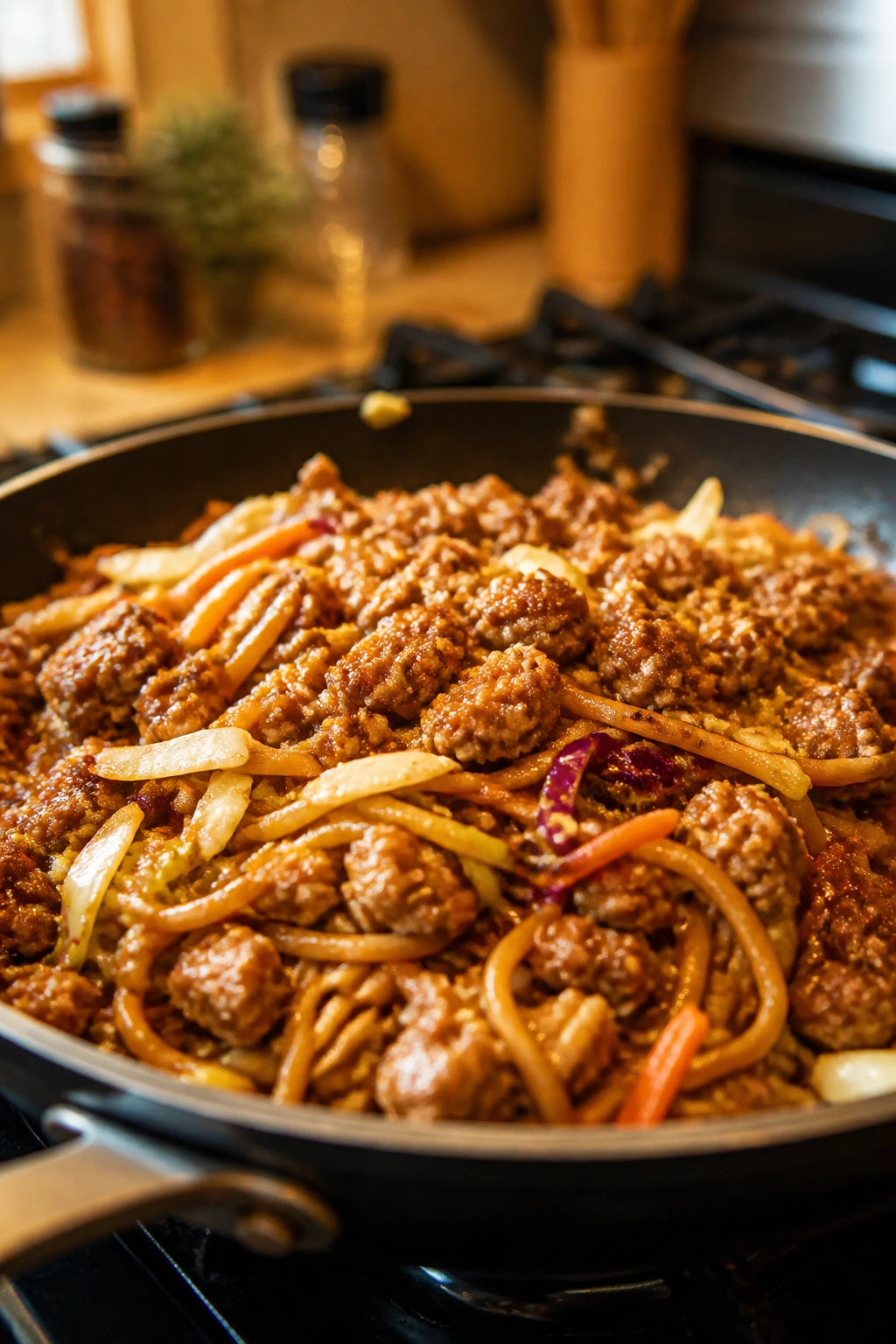
Ground pork is one of the fastest dinners around. It browns quickly, likes strong seasonings, and fits into noodles better than a lot of pricier proteins because the sauce gets into every bite.
Why It Works:
Ground pork has enough fat to stay juicy in a hot pan, which makes it ideal for stir-fry noodles. Coleslaw mix saves the chopping step and still gives you crunch, while soy, hoisin, and sesame oil build a sauce that tastes layered even though it came together in minutes. Fast food, but cooked at home.
Key Ingredients:
- 8 ounces noodles or ramen noodles, cooked
- 1 pound ground pork
- 2 cups coleslaw mix
- 2 garlic cloves, minced
- 1 tablespoon grated ginger
- 3 tablespoons soy sauce
- 1 tablespoon hoisin sauce
- 1 tablespoon sesame oil
- 2 scallions, sliced
- 1 tablespoon rice vinegar
Quick Steps:
- Cook the noodles according to package directions and drain well.
- Brown the ground pork in a large skillet over medium-high heat for 5 to 6 minutes.
- Add garlic, ginger, and coleslaw mix and stir-fry for 2 minutes until the cabbage starts to soften.
- Stir in soy sauce, hoisin, sesame oil, and rice vinegar.
- Add the noodles and toss until everything is coated and hot.
- Finish with scallions and serve immediately.
Equipment for This Recipe:
- Large skillet or wok
- Pot for noodles
- Tongs or chopsticks
- Measuring spoons
How to Serve This Dish:
Pile the noodles into bowls and finish with scallions or sesame seeds. If you want more crunch, a handful of chopped peanuts at the table makes sense.
Pro Tips for This Recipe:
- Don’t overcook the noodles before they go in the pan; they need some bite left.
- Break up the pork early so it browns instead of steaming.
- Add rice vinegar at the end to keep the sauce bright.
Variations on This Dish:
- Turkey Noodle Stir-Fry: Use ground turkey and add 1 extra tablespoon oil.
- Peanut Noodles: Stir 1 tablespoon peanut butter into the sauce for a richer finish.
- Vegetable-Heavy Version: Add sliced mushrooms or bell peppers with the cabbage.
Common Mistakes to Avoid with This Dish:
- Don’t add the noodles too early or they soak up the sauce and go gummy.
- Don’t use too much hoisin; it can make the dish overly sweet.
- Don’t skip the vinegar or the flavor lands flat.
14. Pesto White Bean Gnocchi
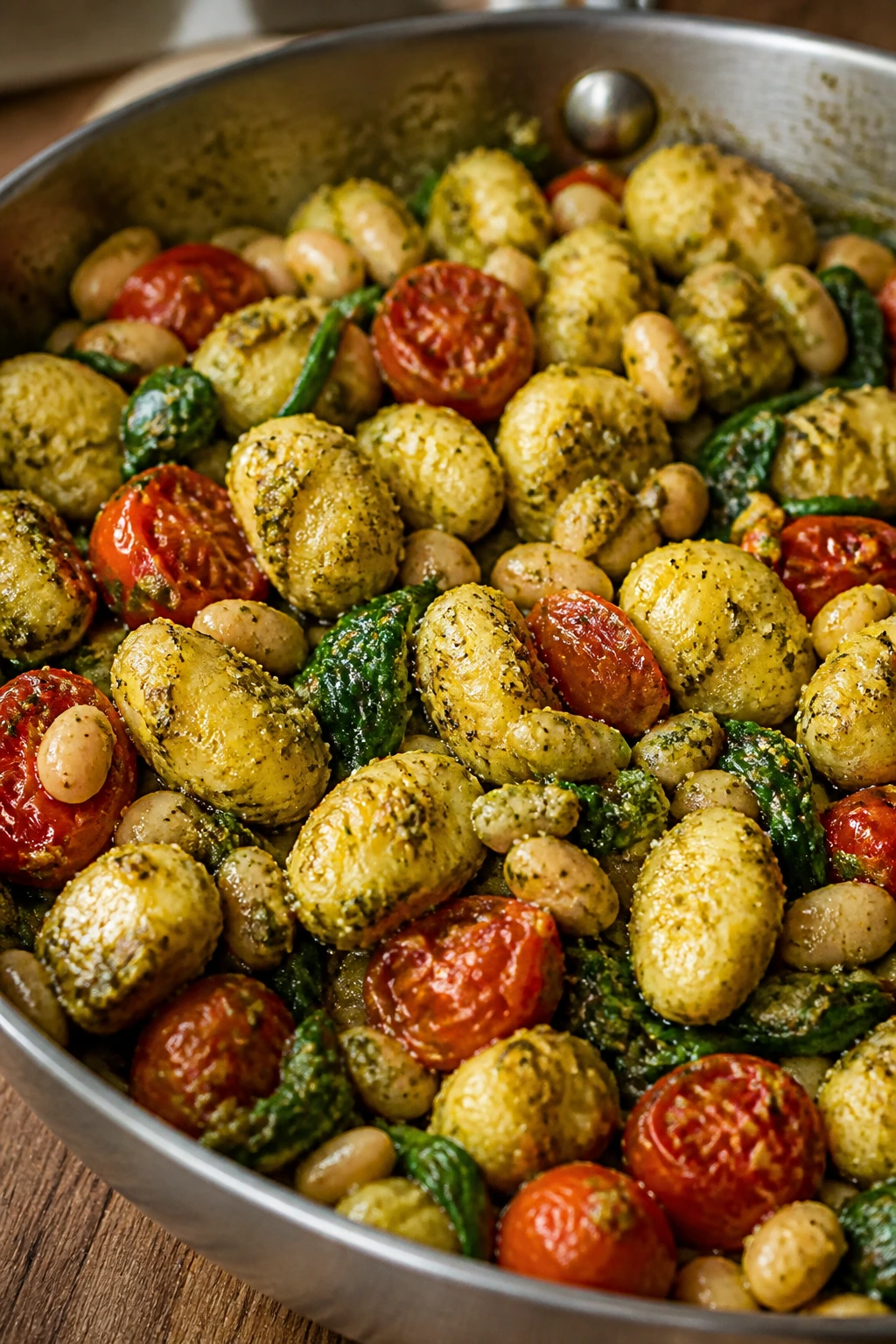
Shelf-stable gnocchi behaves like a shortcut, but a decent one. It gets golden at the edges, the beans make it more filling, and the pesto coats everything with almost no effort at all.
Why It Works:
Gnocchi cooks in minutes and can go straight into a skillet after boiling, or even be pan-fried first for more texture. White beans stretch the meal without making it heavy, and cherry tomatoes burst into the pesto to create a quick sauce. It’s the kind of dinner that looks like you thought about it longer than you did.
Key Ingredients:
- 1 pound shelf-stable gnocchi
- 2 tablespoons olive oil
- 3 garlic cloves, minced
- 1 can white beans, drained and rinsed
- 1 cup cherry tomatoes, halved
- 3 cups baby spinach
- 1/3 cup pesto
- 1/4 cup grated parmesan
- 1/4 cup water or broth
Quick Steps:
- Boil the gnocchi for 2 to 3 minutes, just until they float, then drain.
- Heat the oil in a skillet over medium heat and cook the garlic for 30 seconds.
- Add the tomatoes and beans and cook for 3 minutes until the tomatoes start to burst.
- Stir in the gnocchi, pesto, water or broth, and spinach.
- Toss for 1 to 2 minutes until the spinach wilts and the sauce clings to the gnocchi.
- Finish with parmesan.
Equipment for This Recipe:
- Medium pot
- Large skillet
- Colander
- Wooden spoon
How to Serve This Dish:
Serve it in shallow bowls so the pesto doesn’t pool at the bottom. A little extra parmesan on top and a quick crack of black pepper are enough.
Pro Tips for This Recipe:
- Dry the gnocchi after boiling if you want more browning in the skillet.
- Use water or broth to loosen the pesto only as needed.
- Buy a good pesto here; the sauce is simple, so quality shows.
Variations on This Dish:
- Sun-Dried Tomato Gnocchi: Stir in chopped sun-dried tomatoes for a deeper flavor.
- Chicken Gnocchi Bowl: Add shredded rotisserie chicken at the end.
- Vegan Version: Use dairy-free pesto and skip the parmesan.
Common Mistakes to Avoid with This Dish:
- Don’t boil gnocchi too long or it gets sticky.
- Don’t skip the water or broth, because pesto alone can coat too thickly.
- Don’t let the garlic brown hard; it turns bitter fast.
15. Frittata with Potatoes and Spinach
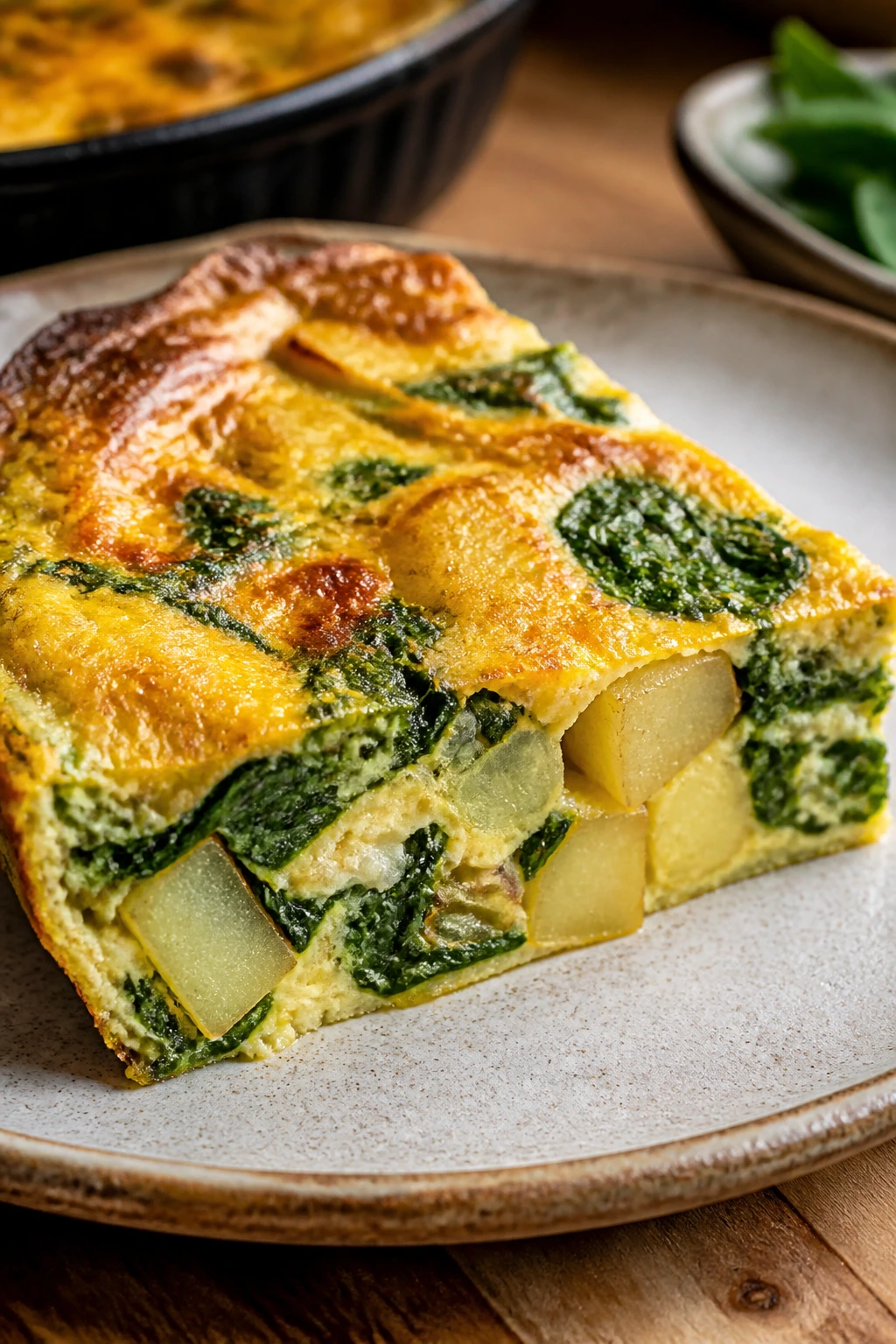
A frittata is what happens when eggs stop pretending to be breakfast only. Add potatoes, spinach, and cheese, and you have a fast skillet meal that slices neatly and travels well if you need leftovers.
Why It Works:
Eggs set fast in the oven, and pre-cooked potatoes give you substance without a long roast. Spinach wilts in a minute, which means the whole thing can move from stovetop to oven and land on the table inside half an hour. It’s tidy food, and I mean that as praise.
Key Ingredients:
- 8 large eggs
- 2 tablespoons milk
- 1 cup diced cooked potatoes or thawed hash browns
- 2 cups baby spinach
- 1/2 onion, diced
- 1/2 cup shredded cheese
- 2 tablespoons olive oil
- 1/2 teaspoon salt
- 1/4 teaspoon black pepper
Quick Steps:
- Preheat the broiler and heat the oil in an oven-safe skillet over medium heat.
- Cook the onion and potatoes for 3 to 4 minutes until lightly browned.
- Add the spinach and stir just until wilted.
- Whisk the eggs, milk, salt, and pepper together, then pour into the skillet and scatter cheese on top.
- Cook for 2 minutes on the stovetop, then transfer under the broiler for 3 to 5 minutes until the center is set and the top is lightly puffed.
- Rest for 5 minutes before slicing.
Equipment for This Recipe:
- Oven-safe skillet, 10 to 12 inches
- Whisk
- Mixing bowl
- Oven mitts
How to Serve This Dish:
Cut the frittata into wedges and serve with toast or a simple salad. It also holds up well at room temperature, which is part of why I keep coming back to it.
Pro Tips for This Recipe:
- Use cooked potatoes; raw ones are too slow for this timeline.
- Don’t overfill the skillet or the eggs won’t set evenly.
- Let it rest before cutting so the slices stay neat.
Variations on This Dish:
- Mushroom Frittata: Swap some of the potatoes for sautéed mushrooms.
- Cheddar and Scallion: Use sharp cheddar and sliced scallions for a punchier version.
- Herbed Version: Stir chopped parsley or dill into the eggs.
Common Mistakes to Avoid with This Dish:
- Don’t use a skillet that isn’t oven-safe.
- Don’t broil too long or the top dries out before the center sets.
- Don’t slice immediately or the eggs will look loose and sloppy.
16. Teriyaki Meatball Rice Bowls
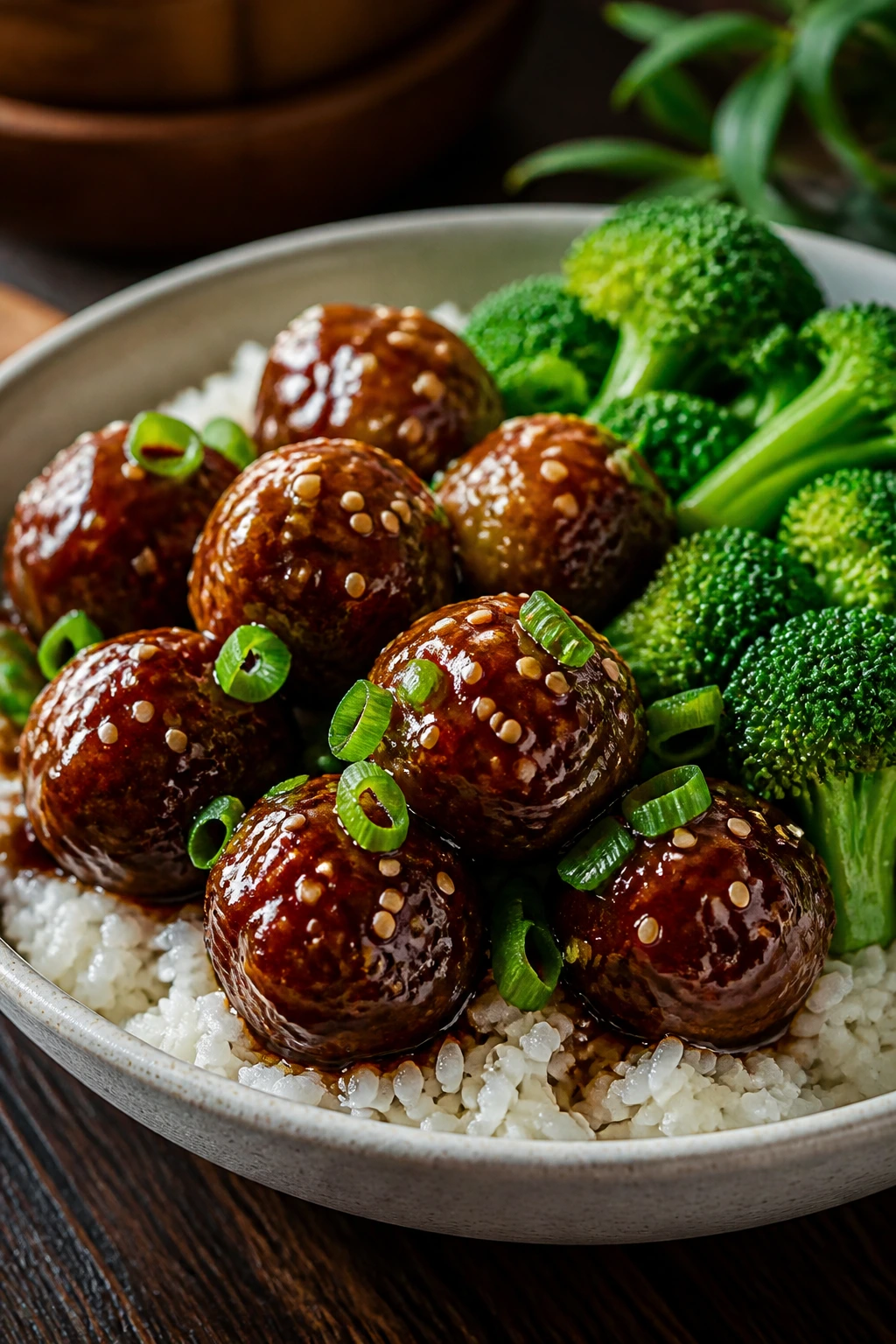
Frozen meatballs have a place. They’re not glamorous, but they are fast, and when you glaze them in teriyaki sauce and tuck them into rice with broccoli, the whole bowl suddenly makes sense.
Why It Works:
Frozen fully cooked meatballs bring the protein without a long forming or searing step. Teriyaki sauce gives instant sweetness and salt, while broccoli cooks in the same pan or steams quickly alongside the rice. The bowl format keeps everything warm and easy to portion, which is why it works so well on a packed night.
Key Ingredients:
- 20 ounces frozen fully cooked meatballs
- 1 cup teriyaki sauce
- 2 cups hot cooked rice
- 2 cups broccoli florets
- 1 tablespoon sesame oil
- 2 tablespoons water
- 1 tablespoon sesame seeds
- 2 scallions, sliced
Quick Steps:
- Heat the meatballs in a skillet with water over medium heat for 5 minutes, stirring occasionally.
- Add the broccoli and cover for 3 minutes until bright green and just tender.
- Pour in the teriyaki sauce and sesame oil and simmer for 2 to 3 minutes until the meatballs are coated and glossy.
- Spoon the rice into bowls and top with the meatball mixture.
- Finish with sesame seeds and scallions.
Equipment for This Recipe:
- Large skillet with lid
- Spoon or spatula
- Rice cooker or pot, if making rice from scratch
- Measuring cups
How to Serve This Dish:
Build the bowls with rice on the bottom so the sauce can drip down into it. A little extra teriyaki on the side is fine, but you probably won’t need it.
Pro Tips for This Recipe:
- Use smaller meatballs if you want the dish to heat through faster.
- Steam the broccoli just until tender; too much time and it goes soft.
- Keep the sauce at a simmer, not a boil, so it stays sticky instead of thin.
Variations on This Dish:
- Pineapple Teriyaki Bowl: Add a few pineapple chunks with the sauce.
- Spicy Bowl: Stir in chili garlic sauce to taste.
- Turkey Meatball Version: Use homemade or store-bought turkey meatballs if you want a lighter result.
Common Mistakes to Avoid with This Dish:
- Don’t overcrowd the pan or the meatballs heat unevenly.
- Don’t let the broccoli cook to mush.
- Don’t use too much water or the sauce never tightens.
17. Caprese Grilled Cheese
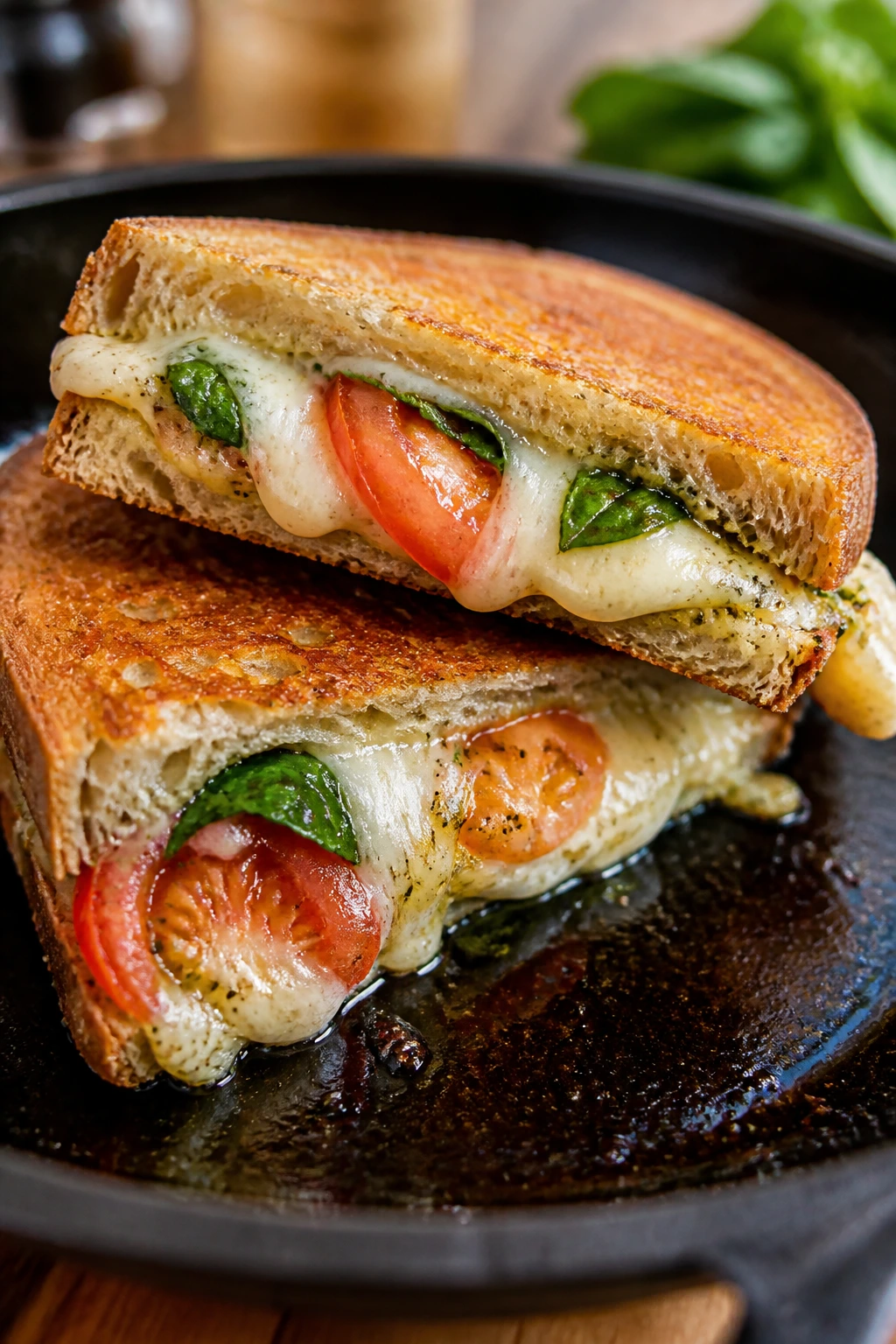
Caprese grilled cheese tastes like a tomato sandwich that got its act together. Melted mozzarella, sliced tomato, basil, and a swipe of pesto turn a regular sandwich into something with a little more drama and a lot more flavor.
Why It Works:
The cheese melts quickly, the tomato adds juiciness, and the pesto gives you garlic and herb flavor without needing to cook a separate sauce. Buttered bread toasts into a crisp shell that keeps the sandwich from falling apart. If you use decent tomatoes, this one barely needs anything else.
Key Ingredients:
- 8 slices bread
- 8 ounces mozzarella, sliced or shredded
- 2 medium tomatoes, sliced
- 1/4 cup fresh basil leaves
- 2 tablespoons pesto
- 3 tablespoons butter, softened
- Balsamic glaze, optional
Quick Steps:
- Butter one side of each bread slice.
- Spread pesto on the unbuttered side of four slices.
- Layer mozzarella, tomato slices, and basil, then top with the remaining bread slices, butter side out.
- Cook in a skillet over medium heat for 3 to 4 minutes per side until the bread is golden and the cheese melts.
- Rest for 1 minute before slicing.
- Drizzle with balsamic glaze if using.
Equipment for This Recipe:
- Skillet or griddle
- Spatula
- Butter knife
- Sharp knife for slicing tomatoes
How to Serve This Dish:
Serve the sandwich halved on a plate with a few basil leaves on the side. A bowl of tomato soup fits like a glove, but a simple salad works if you want less food overall.
Pro Tips for This Recipe:
- Slice the tomatoes thin and blot them with a paper towel.
- Use medium heat so the bread browns at the same pace the cheese melts.
- If the bread browns too fast, lower the heat and cover the pan for 30 seconds.
Variations on This Dish:
- Prosciutto Caprese: Add a few slices of prosciutto if you want more salt and protein.
- Garlic Bread Version: Rub the skillet side of the bread with a cut garlic clove before cooking.
- Margherita Melt: Skip the pesto and use a thin layer of marinara instead.
Common Mistakes to Avoid with This Dish:
- Don’t use wet tomatoes or the sandwich gets soggy.
- Don’t crank the heat and burn the bread before the cheese melts.
- Don’t overload the sandwich; a modest layer works better than a stuffed one.
18. Crispy Tofu Peanut Noodles
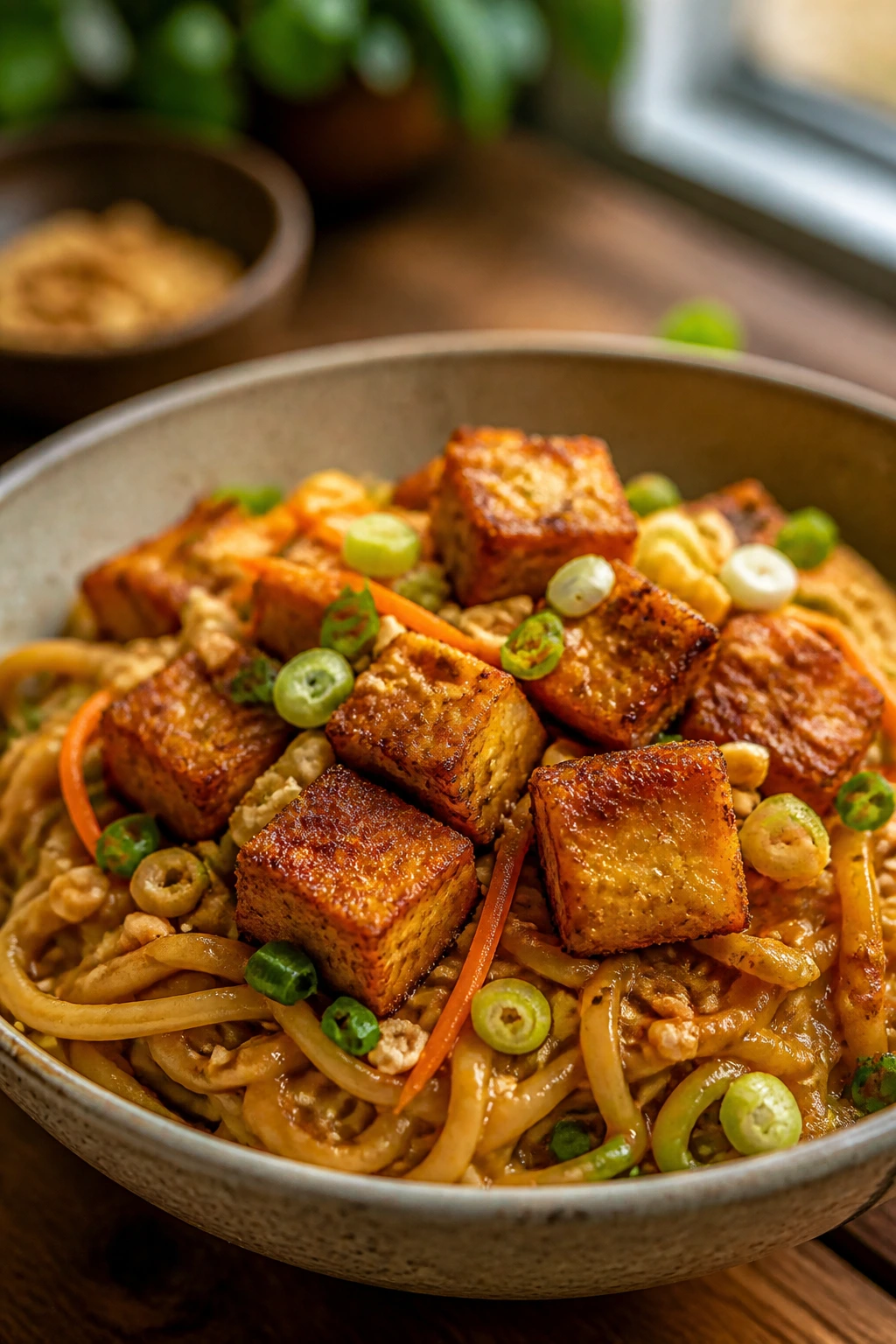
Tofu only disappoints when you skip the pan time. Give it a hot skillet, a little cornstarch, and a peanut sauce that hits salty, sweet, and tangy all at once, and it becomes the kind of dinner that surprises people who think they don’t like tofu.
Why It Works:
Extra-firm tofu holds its shape and browns well once you press out some of the water. Cornstarch helps the edges crisp, and the peanut sauce clings to noodles without needing cream or long simmering. This is a budget meal with enough texture to keep every bite interesting.
Key Ingredients:
- 14 ounces extra-firm tofu, pressed and cubed
- 8 ounces noodles or spaghetti
- 2 tablespoons cornstarch
- 2 tablespoons neutral oil
- 3 tablespoons peanut butter
- 2 tablespoons soy sauce
- 1 tablespoon rice vinegar
- 1 tablespoon honey or maple syrup
- 1 garlic clove, grated
- 1 carrot, shredded
- 1 scallion, sliced
Quick Steps:
- Cook the noodles according to package directions and drain.
- Toss the tofu cubes with cornstarch until lightly coated.
- Heat the oil in a skillet over medium-high heat and cook the tofu for 8 to 10 minutes, turning until golden on most sides.
- Whisk peanut butter, soy sauce, rice vinegar, honey, garlic, and 2 to 3 tablespoons warm water into a smooth sauce.
- Add the noodles and carrot to the skillet, pour in the sauce, and toss until everything is coated and hot.
- Finish with scallions and serve right away.
Equipment for This Recipe:
- Large skillet
- Pot for noodles
- Small bowl for sauce
- Spatula
How to Serve This Dish:
Serve the noodles in bowls with extra scallions or sesame seeds on top. If you like heat, a little chili crisp or sriracha on the table makes sense here.
Pro Tips for This Recipe:
- Press the tofu for at least 10 minutes if you can; it browns much better.
- Use warm water to thin the sauce so the peanut butter smooths out fast.
- Keep the tofu in a single layer in the skillet if possible.
Variations on This Dish:
- Sesame Noodles: Swap some of the peanut butter for tahini.
- Veggie-Packed Bowl: Add shredded cabbage or snap peas with the carrot.
- Spicy Peanut Version: Stir in chili paste or chili oil.
Common Mistakes to Avoid with This Dish:
- Don’t skip pressing the tofu or it won’t crisp well.
- Don’t use too little sauce; the noodles need enough to coat.
- Don’t let the peanut butter sit in cold water without whisking or it stays lumpy.
Why These 30-Minute Dinners Keep Their Promise
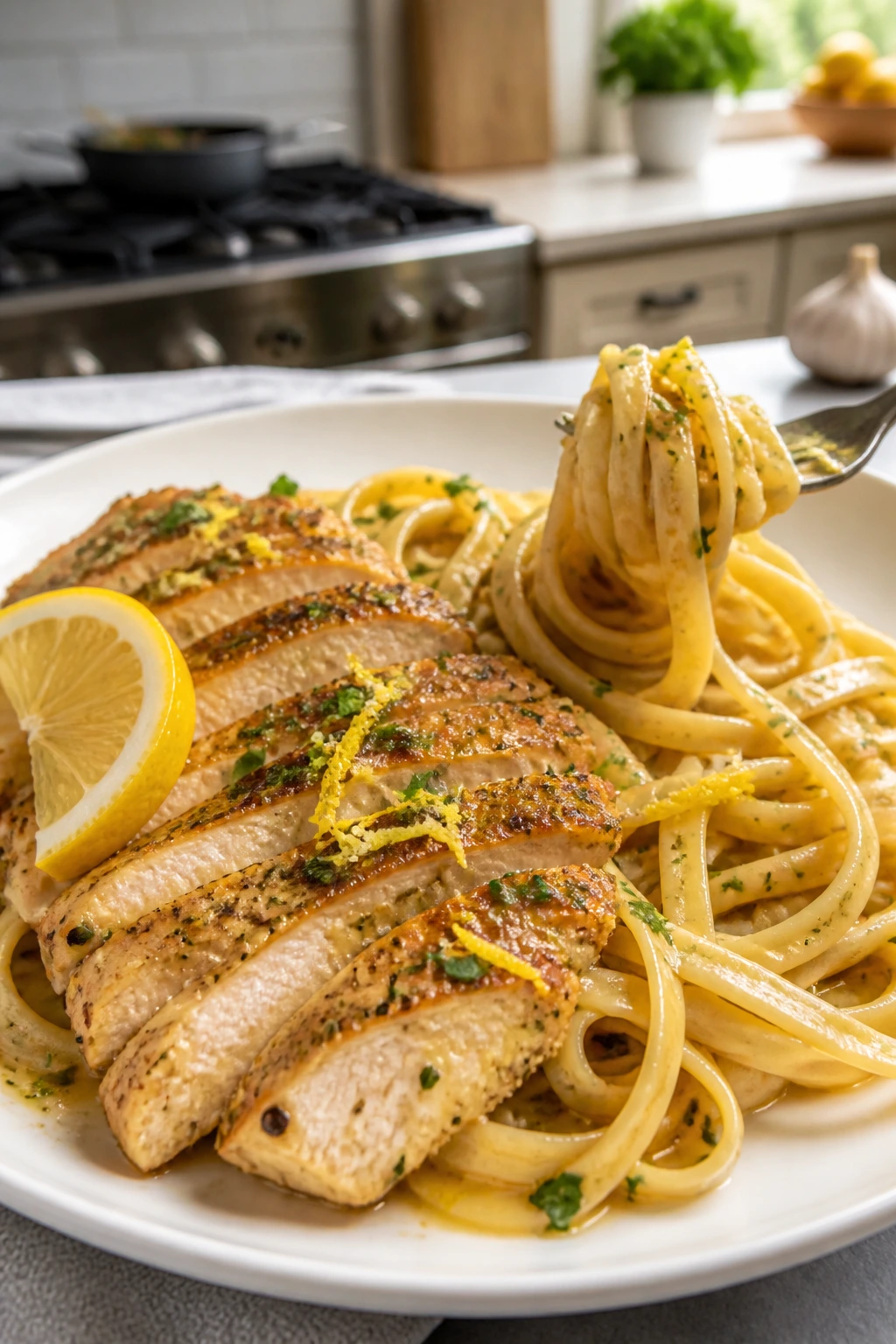
Speed is only useful when it survives contact with a real kitchen. That means the meals need short ingredient lists, quick-cooking protein, and a process that doesn’t ask you to juggle six pans while your onions burn in one of them.
The common thread here is simple: start with ingredients that already want to cook quickly. Thin chicken, shrimp, ground meat, pasta, rice, canned beans, pre-cooked tortellini, shelf-stable gnocchi, and frozen vegetables all reduce the waiting time. Then layer in flavor with garlic, lemon, soy sauce, parmesan, pesto, curry powder, or a mustard glaze. The seasoning does the heavy lifting. The clock barely notices.
I also like that these meals don’t demand a perfect pantry. A can of beans, a bag of rice, a box of pasta, and one fresh protein can go a long way if you know how to point them in the same direction. That’s the part people often miss. A fast meal is not just about speed; it’s about choosing ingredients that are already halfway to the finish line.
Essential Equipment for These Recipes
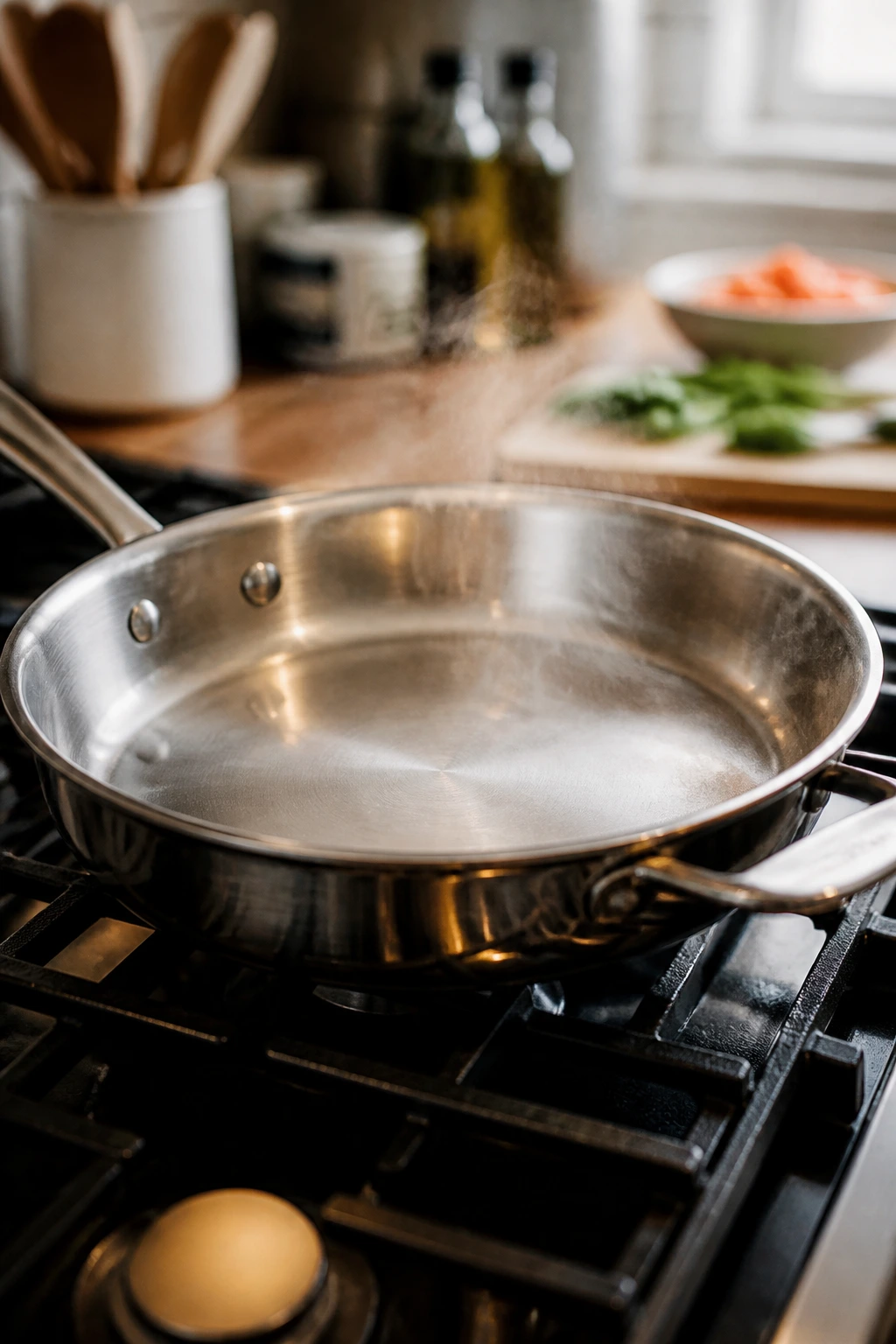
- Large skillet or sauté pan: This is the workhorse for chicken cutlets, stir-fries, taco skillets, and anything that needs browning.
- Medium saucepan or pot: Soup, pasta, couscous, and rice all need one dependable pot.
- Lid that fits the skillet or pot: A lid saves time when you need to steam broccoli, green beans, or melt cheese.
- Cutting board and sharp knife: Fast meals still depend on clean, even cuts, especially for chicken, peppers, onions, and vegetables.
- Tongs: Chicken, shrimp, sausage, and cutlets are easier to turn cleanly with tongs than with a spoon.
- Wooden spoon or spatula: Good for breaking up ground meat and scraping up browned bits from the pan.
- Measuring cups and spoons: Fast cooking still needs exact seasoning, especially for sauces and dressings.
- Colander: Handy for pasta, noodles, gnocchi, and quick-drained vegetables.
- Microplane or small grater: Parmesan, lemon zest, garlic, and ginger come alive when grated fine.
- Oven-safe skillet: Useful for the frittata and any recipe that finishes under the broiler.
Smart Shopping and Ingredient Tips
The cheapest ingredient in a fast meal is usually the one you already know how to use well. Chicken breasts are fine, but chicken cutlets save you the pounding time. Frozen shrimp is often the smarter buy because it thaws fast and keeps better than a sad tray sitting in the case. Ground turkey, ground pork, and Italian sausage are all doing different jobs here, so buy the one that fits the flavor you want instead of grabbing meat at random.
Pantry staples matter more than fancy extras. A good jar of pesto, a can of crushed tomatoes, black beans, chickpeas, soy sauce, tortillas, and rice are the backbone of this kind of cooking. If your store brand pesto tastes flat, fix it with lemon juice and parmesan rather than chasing a pricier jar. Canned beans should be rinsed well so they don’t bring a metallic taste into the pan. And with pasta, gnocchi, and couscous, the label matters less than the cooking time on the box; fast meals succeed because the ingredient is already fast.
Frozen vegetables deserve more credit than they get. Peas, corn, broccoli florets, peas-and-carrots blends, and chopped spinach can cut 10 minutes of prep without making dinner taste like a concession. Use them when the fresh version is overpriced, limp, or just annoying to prep. For fresh vegetables, buy the ones that cook in a hurry: spinach, cabbage, tomatoes, peppers, scallions, zucchini, asparagus, and green beans. Dense roots and big winter squash are lovely foods. They are not 30-minute foods unless they’re already cooked.
How to Serve These Recipes
Presentation:
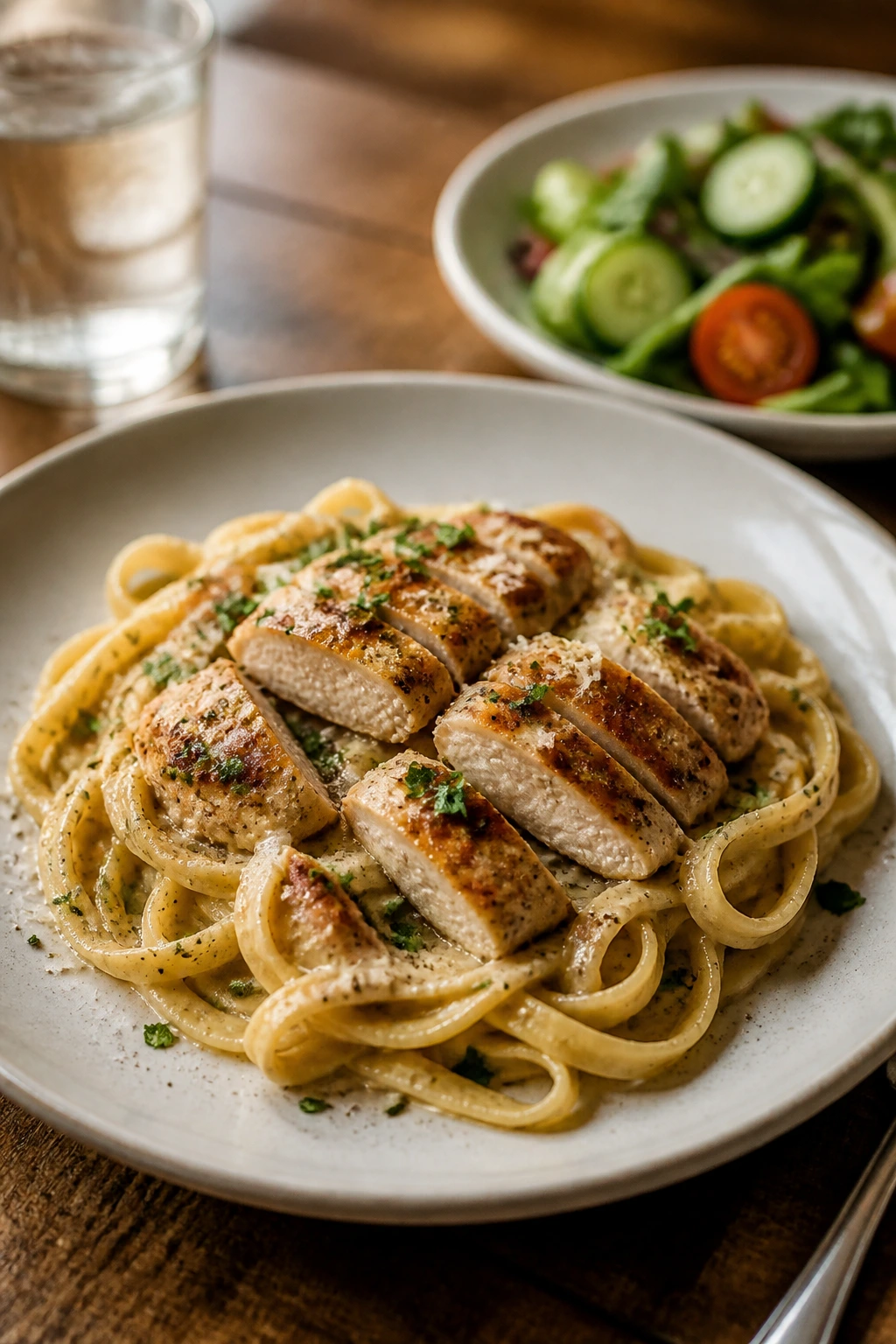
Fast meals look better when you give them one clean focal point. Stack tacos in a tight row, spoon rice bowls into shallow bowls, twirl pasta into a nest, and slice grilled cheese or quesadillas on a diagonal so the filling shows. Even a plain skillet meal looks more finished if you add one bright green herb or a lemon wedge on top.
Accompaniments:
A simple salad, a piece of toast, warm pita, rice, couscous, or tortilla chips covers most of these recipes without turning dinner into a second project. For soup, use bread. For skillet bowls, use rice. For tacos and quesadillas, keep lime wedges and a cold, crunchy side close by. No need to overbuild the plate.
Portions:
Most of these recipes serve 3 to 4 people comfortably, though a few stretch to 4 to 6 if you’re using them with bread, rice, or salad. When you’re feeding bigger appetites, add an extra cup of rice, another tortilla, or a side of beans instead of forcing the main dish to do everything. That keeps the costs down and the cooking sane.
Beverage Pairing:
A crisp sparkling water with lime works with nearly all of them. If you want something with more character, iced tea, a light lager, or a dry white wine fits especially well with chicken, shrimp, and salmon. For the richer meals like sausage, tortellini soup, or grilled cheese, a cold soda or a tart lemonade actually makes sense.
Additional Tips and Flavor Boosters
Flavor Enhancement: A finishing squeeze of lemon, lime, or a splash of vinegar changes more of these meals than another spoonful of salt. Acid is what keeps a quick dinner from tasting flat, especially after cream, cheese, or coconut milk.
Customization: Keep 2 or 3 “swap lanes” in mind. Chicken can become turkey, broccoli can become green beans, rice can become couscous or noodles, and spinach can become kale if it’s chopped fine enough. The recipe stays fast as long as the substitute cooks in the same time window.
Serving Suggestions: Fresh herbs do more work than people expect. Parsley, basil, cilantro, scallions, and dill all bring a finished look and a cleaner flavor. A small handful on top of a hot skillet or bowl can make the meal feel pulled together without adding actual cooking time.
Make-It-Yours: If you want vegetarian meals, lean on chickpeas, tofu, beans, eggs, and cheese. For dairy-free versions, use olive oil instead of butter, skip the cheese where possible, and build flavor with garlic, citrus, herbs, and a salty condiment like soy sauce or capers. For a spicier plate, add chili crisp, red pepper flakes, harissa, or hot sauce at the end rather than cooking the heat too early.
Make-Ahead, Storage, and Reheating Guidance
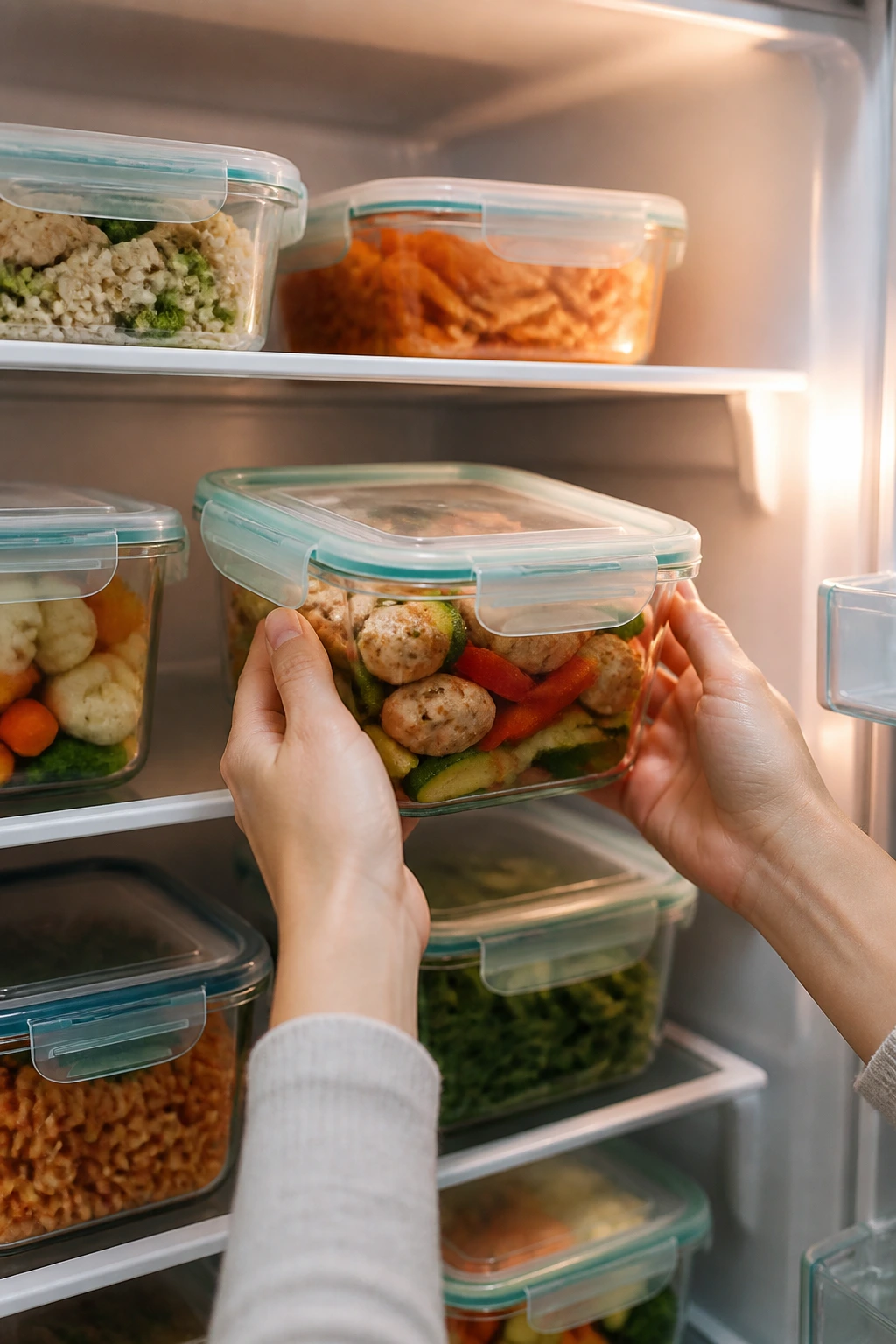
Most of these meals keep well for 3 to 4 days in the refrigerator in airtight containers. Pasta dishes, rice bowls, and taco skillets are especially good for leftovers because the sauce keeps the grains from drying out too fast. Chicken cutlets and salmon are best eaten within 2 days if you want the texture to stay tender, though they’re still safe for the standard fridge window.
Freezing works best for the saucier recipes. Turkey taco rice skillet, chickpea curry, sausage and peppers filling, beef and broccoli sauce, and tomato tortellini soup all freeze well for up to 2 months. Let them cool completely before freezing, and leave a little room in the container because liquids expand. I would not freeze caprese grilled cheese, shrimp tacos, or any sandwich that depends on crisp bread and fresh vegetables; they lose their shape on thawing.
Reheating depends on the meal. For skillet dinners, warm them in a covered pan with 1 to 2 tablespoons water or broth over medium-low heat until hot. For rice bowls and fried rice, a microwave works fine if you sprinkle on a teaspoon of water and cover loosely. Pasta and gnocchi respond better to a skillet than the microwave because the sauce loosens more evenly. Soup should be reheated gently, not boiled hard, especially if it contains cream or tortellini. And for anything with bread or tortillas, heat the filling separately when you can so the bread doesn’t go floppy before you serve it.
Some of these meals improve overnight. Chickpea curry, taco skillet filling, and tomato soup often taste deeper the next day because the seasoning settles in. Others, especially shrimp tacos and grilled cheese, are at their best the moment they hit the plate. That’s not a flaw; it’s just the natural shape of the food.
Variations and Adaptations to Try
Gluten-Free Reset:
Use rice, corn tortillas, gf pasta, or potatoes instead of wheat-based noodles and bread. Most of these meals adapt easily if you keep an eye on the thickener and use tamari instead of soy sauce where needed. The chicken, curry, taco skillet, and salmon dinners are the easiest places to start.
Dairy-Free Dinner Lineup:
Swap butter for olive oil, use coconut milk or broth instead of cream, and skip cheese or replace it with a dairy-free alternative you trust. The pesto gnocchi, pasta, and tortellini soup need the most editing here, while the curry, fried rice, and taco bowls barely notice the change.
Lower-Sodium Path:
Choose low-sodium broth, rinse canned beans well, and season in layers instead of dumping salt in at the end. Lemon, lime, vinegar, garlic, and herbs become more important when salt drops, and honestly, they should be doing more work anyway. The flavor stays bright if you’re disciplined about acid.
Meatless Pantry Night:
Use chickpeas, white beans, tofu, eggs, and cheese as your main protein anchors. The curry, fried rice, gnocchi, frittata, and peanut noodles already live close to vegetarian territory, so this is mostly a matter of swapping broth and skipping meat without losing the meal structure.
Mild for Picky Eaters:
Leave chili flakes, hot sauce, and spicy sausage out of the pan and put them on the table instead. Kids and spice-shy adults usually do better when the base is mellow and the heat comes from the condiment bowl. That way, everyone eats the same dinner without negotiation.
Extra-Spicy Route:
Add chili crisp, cayenne, red pepper flakes, or a spoonful of hot sauce to the finishing stage of the curry, noodles, tacos, and bowls. Keeping the heat at the end lets you control it more cleanly, and it stops the whole pan from getting harsh.
Common Mistakes to Avoid
The biggest mistake is trying to cook fast meals with slow tools. If your knife is dull, your pan is crowded, or your burner is too low, you lose time and texture in equal measure. A hot skillet is not optional for chicken, beef, shrimp, or stir-fries. Neither is enough room in the pan.
Another trap is using ingredients at the wrong stage of readiness. Raw rice does not belong in a 30-minute skillet dinner unless it’s a specifically quick-cooking variety. Fresh pasta, cutlets, canned beans, frozen vegetables, and cooked grains are what make the clock work. Swap in something that needs a longer cook and the whole schedule falls apart.
Seasoning only at the end is a bad habit here. Garlic, onions, curry powder, soy sauce, mustard, lemon, and parmesan all need to be layered in at different stages or the dish tastes flat. If the meal tastes dull, the fix is usually not “more salt.” It’s a better-timed hit of acid or a little browning on the pan first.
People also sabotage quick meals by overcooking the fast proteins. Shrimp should be pink and just curled. Salmon should flake but still look moist. Thin chicken should come off the heat as soon as it’s cooked through, because carryover heat will keep going while you plate. And if you’re making a soup or pasta with cream, don’t boil it hard after the dairy goes in. Gentle heat keeps the texture smooth.
Finally, don’t treat quick meals like they need to be elaborate to count. One good vegetable, one smart starch, one protein, and one sauce are enough. Extra steps often make the food worse, not better.
FAQs About Fast 30-Minute Dinners
Can I prep any of these meals ahead of time?
Yes. Chop onions, peppers, and cabbage earlier in the day, mix dry seasonings in small containers, and make sauces like peanut sauce or taco seasoning in advance. The actual cooking still stays under 30 minutes, but your hands-on time drops sharply.
What are the best proteins for quick dinners?
Chicken cutlets, shrimp, ground turkey, ground pork, salmon fillets, tofu, eggs, and fully cooked meatballs are the easiest to move fast. They either cook quickly or need almost no cooking at all. Thick bone-in cuts are where the clock starts to wobble.
Can I use frozen vegetables instead of fresh?
Absolutely, and in some recipes they’re the better choice. Frozen peas, corn, broccoli, and stir-fry mixes are picked at peak and save chopping time. Just add them when the pan is hot and avoid drowning them in extra liquid.
How do I keep rice and pasta from getting clumpy in leftovers?
Cool them quickly, store them in shallow containers, and reheat with a splash of water or broth. Rice especially benefits from a covered reheat in the microwave or skillet so the grains loosen instead of drying out.
What if my dinner is running past 30 minutes?
Check the bottlenecks first: are you boiling raw rice, overcrowding the pan, or cutting everything too large? The fix is usually to simplify the sides, use smaller cuts, or switch to cooked grains and thinner proteins the next time around.
Can I double these recipes for a bigger group?
Usually, yes, but some of them need a wider pan rather than just more ingredients. Chicken cutlets, shrimp, and stir-fries brown better in batches. Skillet meals and soups double more easily if your pot is large enough to handle the extra volume.
How do I make these meals cheaper without wrecking them?
Use canned beans, frozen vegetables, store-brand pasta, rice, and rotisserie or frozen proteins when the price is better. Lean on sauces made from pantry items instead of buying specialty jars. The flavor usually holds up if you keep the seasoning sharp.
What’s the best way to avoid blandness in fast meals?
Salt in stages, then finish with acid. A squeeze of lemon, lime, a spoonful of vinegar, or a sharp cheese at the end does a lot of quiet work. So does browning the protein properly before you add sauce.
A Dinner Stack That Actually Gets Used
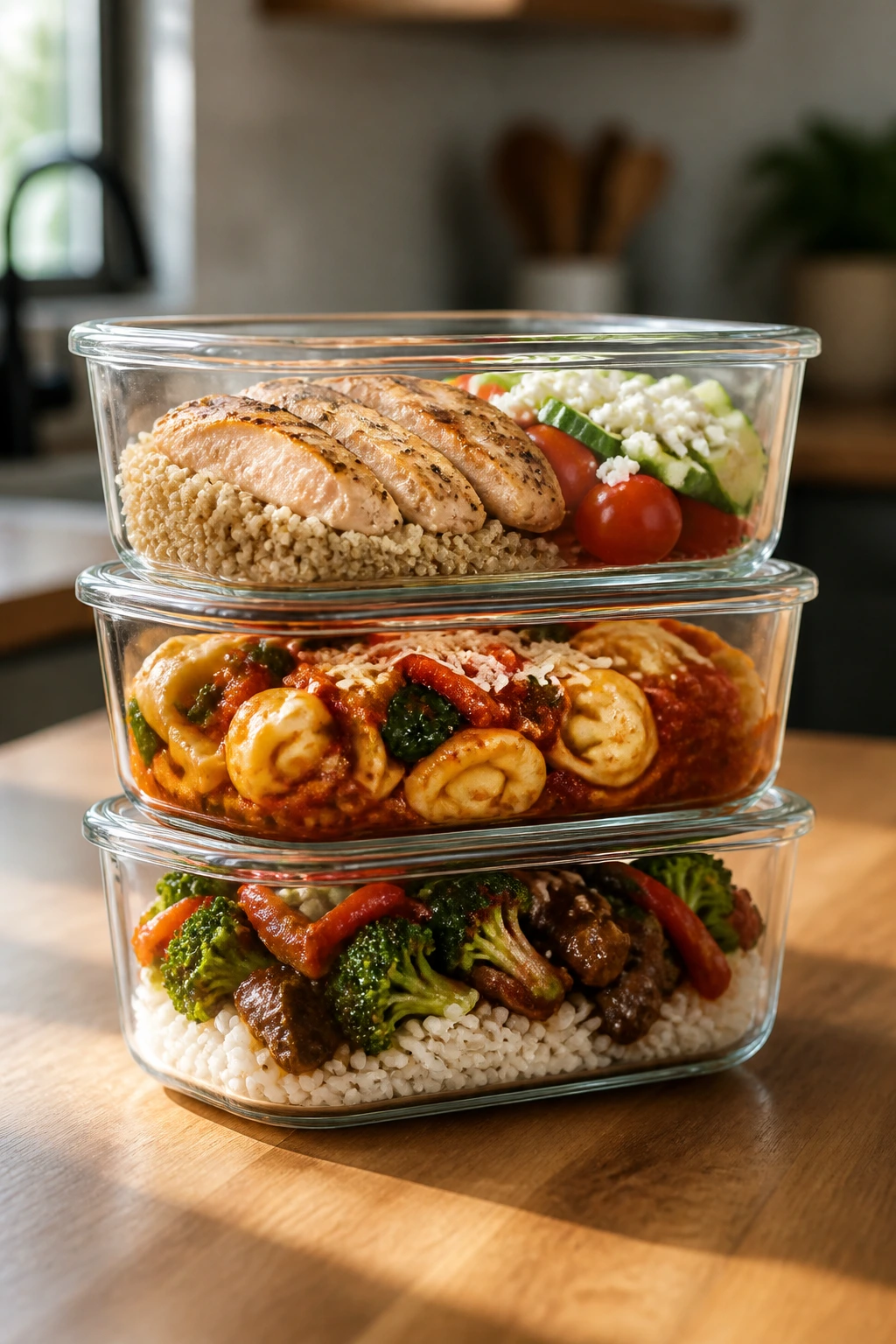
The best thing about easy quick meals ready in 30 minutes is not that they save time once. It’s that they keep saving time because you trust them enough to cook them again. That trust matters. If a dinner needs a perfect mood, a spotless kitchen, and an extra hour you do not have, it will not survive real life for long.
These meals are sturdier than that. A skillet of chicken, a pot of tortellini soup, a bowl of fried rice, or a pan of chickpea curry can carry an ordinary night without asking for much in return. And when you keep a few of them in rotation, the whole week gets calmer around the edges.
That’s the real win. Not speed alone. Speed with enough flavor, enough structure, and enough flexibility to make dinner happen even when the day has already taken more than its share.