



A tight grocery budget changes the shape of dinner. You stop buying little extras that look harmless on the shelf and turn into a messy receipt at checkout. You start noticing which foods pull their weight: eggs that become breakfast or dinner, pasta that feeds four, beans that soak up sauce, potatoes that go soft and buttery in the middle, rice that stretches leftovers into a second meal.
That’s where quick super easy recipes on a tight grocery budget earn their keep. Not by pretending to be fancy. Not by hiding the cost under one tiny serving. They work because they rely on cheap staples, short ingredient lists, and cooking methods that don’t demand a pile of dishes or an hour of hovering at the stove. If a recipe needs one skillet, one pot, or one sheet pan, it already has a head start.
The best part is that budget cooking doesn’t have to taste thin or look sad. A little garlic in butter, a splash of soy sauce, a handful of cheese, or a squeeze of lemon can make a meal feel finished even when the shopping list was mercifully short. And if you choose recipes that overlap on ingredients—onion, rice, pasta, canned tomatoes, frozen vegetables—you can cook for days without feeling like you’re feeding the pantry one awkward expensive item at a time.
Why These Budget Meals Work Without Fuss
A lot of cheap cooking goes wrong because people try to make it complicated. They buy too many “healthy” substitutes, too many specialty sauces, or cuts of meat that sound thriftier than they are once you trim them down. The trick is simpler: use ingredients that are already friendly to speed. Dry pasta cooks fast. Eggs cook faster. Canned beans, tuna, tomatoes, and frozen vegetables skip the long prep work that usually makes dinner feel like a chore.
What matters here is not just price. It’s cost per serving and time per serving. A $2 bag of rice can quietly become four or five meals when you lean on it the right way. A can of beans can turn into burritos, soup, toast topping, or chili. And because these recipes don’t ask for much, you can use the good olive oil or the decent cheese where it counts instead of scattering little expensive touches everywhere.
There’s also a practical side people forget: short recipes are easier to repeat. Repetition saves money. If you know exactly how long a skillet hash needs before the potatoes turn crisp, or how much soy sauce makes fried rice taste seasoned instead of salty, you waste less food and fewer groceries. That matters more than cute labels on a package ever will.
Why You’ll Love This Collection
-
Pantry-first: Most of these recipes lean on rice, pasta, beans, oats, canned tomatoes, eggs, or potatoes, so you can cook without a special run to the store.
-
Fast cleanup: Many finish in one skillet, one pot, or one sheet pan, which matters when the dinner budget is already thin and the dish pile wants a second payment.
-
Flexible protein: Eggs, tuna, beans, lentils, sausage, and chicken thighs show up here because they stretch well and don’t require much babysitting.
-
Leftover-friendly: Half an onion, a stray carrot, a lonely cup of cooked rice, or the last bit of shredded cheese can all slide into these meals without making them weird.
-
Plain enough to build on: The base flavors stay simple, so you can add hot sauce, herbs, mustard, or chili flakes without throwing the whole thing off.
-
No long shopping list: You can reuse the same basic ingredients across several meals, which is where the real grocery savings start to stack up.
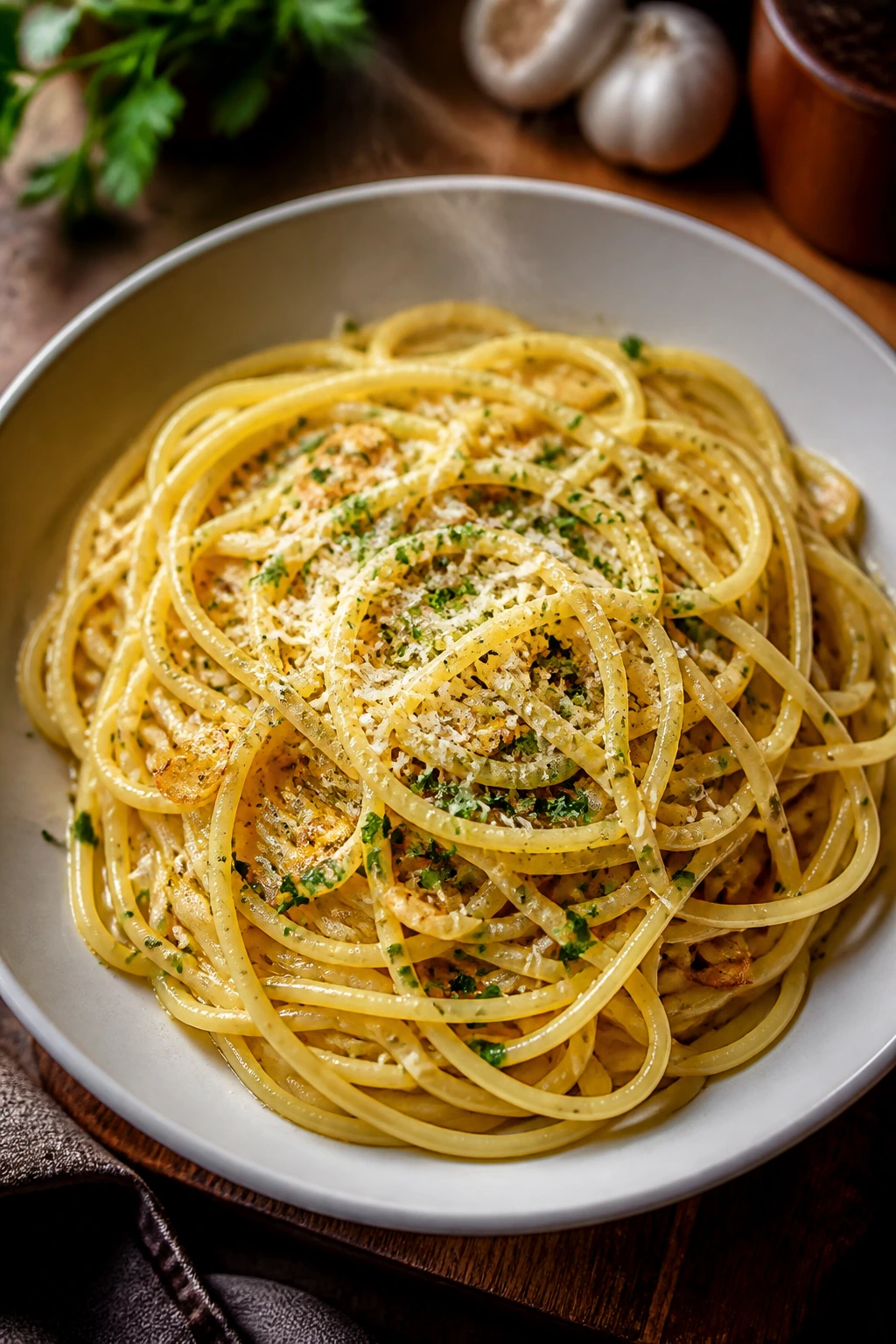
1. Garlic Butter Spaghetti
A bowl of garlic butter spaghetti looks almost too plain until you take the first bite. Then the pasta sheen tells the truth: butter, garlic, starchy pasta water, and a little Parmesan can do more work than a crowded sauce ever does. It’s fast, it’s cheap, and it has the rare quality of tasting like you spent longer on it than you did.
Why It Works:
Dry spaghetti cooks in about 10 minutes, and the sauce builds in the same pot or skillet with almost no extra effort. The pasta water gives the butter and cheese enough body to cling to the noodles instead of sliding off in a greasy puddle. It’s the kind of meal that feels finished with very little expense.
Key Ingredients:
- 12 ounces spaghetti
- 3 tablespoons unsalted butter
- 1 tablespoon olive oil
- 4 cloves garlic, minced
- 1/2 cup grated Parmesan
- 1/2 teaspoon red pepper flakes, optional
- 1/2 cup reserved pasta water
- 2 tablespoons chopped parsley, optional
Quick Steps:
- Boil a large pot of salted water and cook the spaghetti until al dente, about 9 to 10 minutes.
- Reserve 1 cup of pasta water, then drain the noodles.
- Melt the butter with the olive oil in a large skillet over medium heat. Add the garlic and cook for 30 to 45 seconds, just until fragrant. Do not let it brown.
- Add the spaghetti, Parmesan, red pepper flakes if using, and 1/2 cup pasta water. Toss hard until the sauce turns glossy and coats the noodles. Add a splash more water if it looks dry.
- Finish with parsley and serve hot.
Equipment for This Recipe:
- Large pot
- Colander
- Large skillet or deep sauté pan
- Tongs
How to Serve This Dish:
Pile it into shallow bowls and finish with extra Parmesan and black pepper. A sliced tomato salad or a fried egg on top turns it from side dish energy into dinner.
Pro Tips for This Recipe:
- Salt the pasta water properly; the sauce depends on that seasoning.
- Use freshly grated Parmesan if you can. The powdery canister stuff works in a pinch, but the real cheese melts cleaner.
- Keep some pasta water back. It is the thing that makes this sauce behave.
Variations on This Dish:
- Lemon Pepper Version: Add 1 teaspoon lemon zest and extra black pepper for a sharper finish.
- Anchovy Garlic Spaghetti: Melt 2 anchovy fillets into the butter before the garlic for deeper savory flavor.
- Breadcrumb Crunch: Toast 1/4 cup breadcrumbs in the skillet with 1 teaspoon butter and scatter them on top.
Common Mistakes to Avoid with This Dish:
- Burning the garlic: It turns bitter fast. Lower the heat the moment it starts to smell sharp.
- Skipping pasta water: Without it, the sauce stays oily instead of clinging.
- Overloading with cheese: Too much at once can clump. Add it in handfuls while tossing.
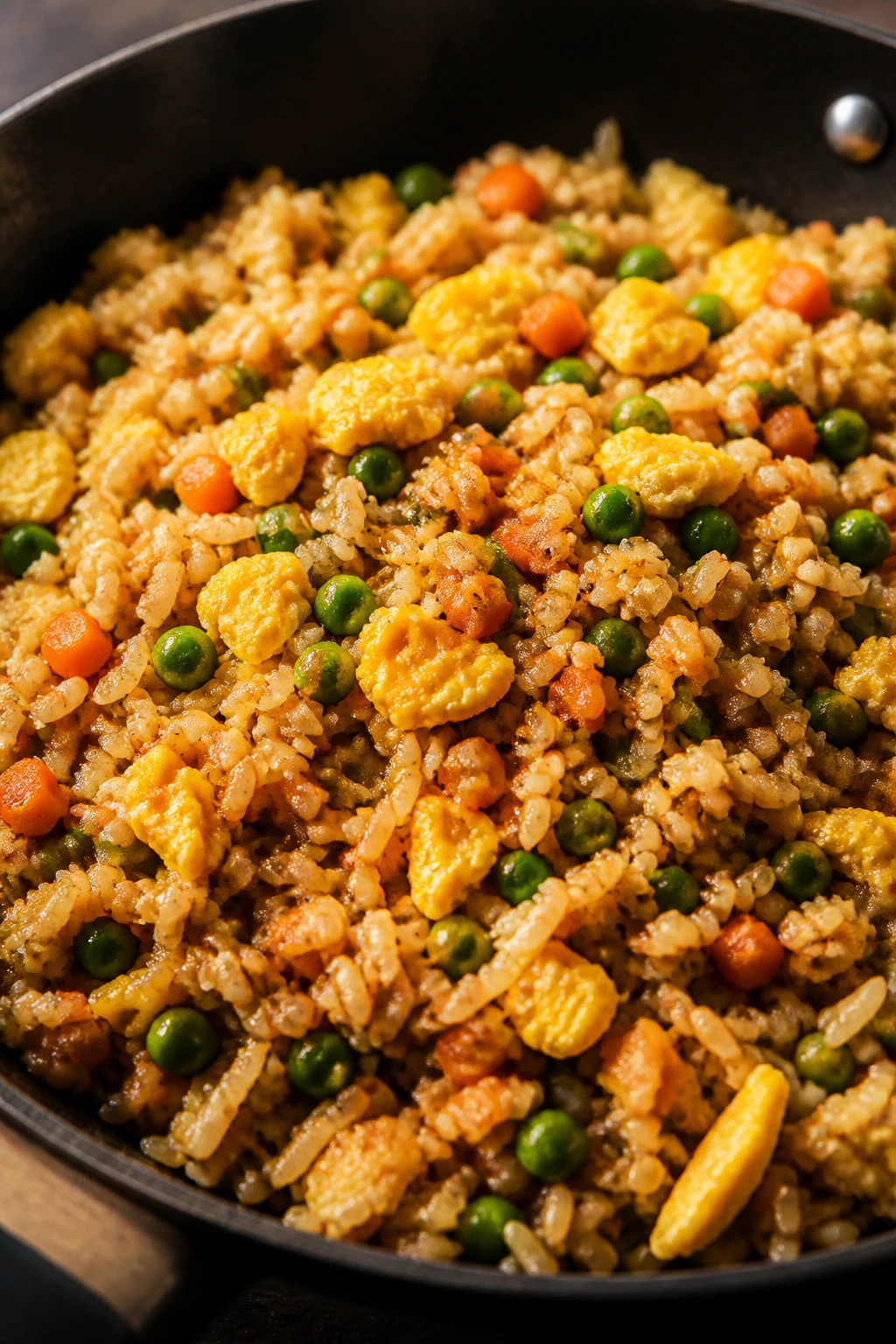
2. Egg Fried Rice
Cold rice is the secret here. Fresh rice turns sticky and soft; rice that spent a night in the fridge dries out just enough to fry cleanly. Add eggs, frozen vegetables, and soy sauce, and you’ve got one of the cheapest dinners that still tastes like a plan.
Why It Works:
Egg fried rice is built around leftovers, which makes it kind to both the grocery budget and the clock. The rice gets seared in a hot pan, the eggs set in ribbons, and the vegetables bring color without dragging out prep time. It’s fast enough for a weeknight and forgiving enough for beginners.
Key Ingredients:
- 3 cups cold cooked white rice
- 3 large eggs
- 2 tablespoons neutral oil
- 1 cup frozen peas and carrots
- 2 tablespoons soy sauce
- 2 scallions, sliced
- 1 teaspoon sesame oil, optional
Quick Steps:
- Beat the eggs in a bowl with a pinch of salt.
- Heat 1 tablespoon oil in a large skillet or wok over medium-high heat. Scramble the eggs for about 1 minute, then move them to a plate.
- Add the remaining oil, then cook the peas and carrots for 2 to 3 minutes until hot.
- Stir in the rice and press it into the pan so some grains get a little crisp. Add soy sauce and toss for 2 minutes.
- Return the eggs, add scallions and sesame oil if using, and stir until everything is hot.
Equipment for This Recipe:
- Large skillet or wok
- Wooden spoon or spatula
- Mixing bowl
- Measuring spoons
How to Serve This Dish:
Serve it straight from the skillet with chili crisp, if you have it, or with a fried egg on top. A crunchy cucumber salad beside it gives the plate some snap.
Pro Tips for This Recipe:
- Break up clumps in the cold rice before it hits the pan.
- Keep the heat high enough to fry, not steam.
- If your soy sauce is very salty, start with 1 tablespoon and taste before adding more.
Variations on This Dish:
- Peanut Fried Rice: Stir in 1 tablespoon peanut butter with the soy sauce for a nutty, savory finish.
- Ham Fried Rice: Add 1/2 cup diced cooked ham with the vegetables.
- Vegetable-Heavy Version: Use 2 cups frozen mixed vegetables and skip the scallions if the produce drawer is bare.
Common Mistakes to Avoid with This Dish:
- Using hot rice: It clumps and goes mushy.
- Crowding the pan: If the skillet is packed, the rice steams instead of frying.
- Adding too much sauce: Wet rice is the enemy here. Keep it light.
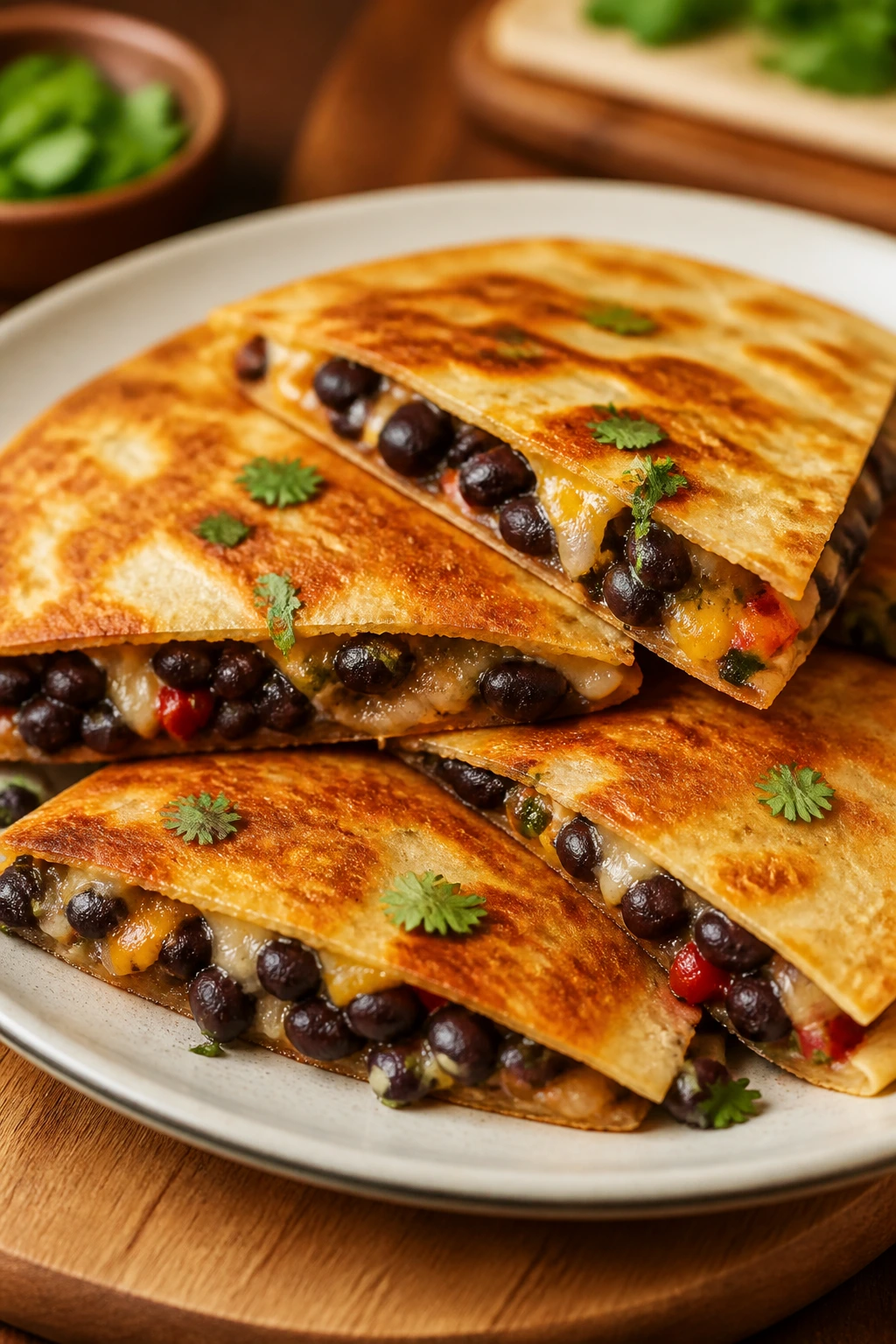
3. Black Bean Quesadillas
Quesadillas are one of those dinners that look humble and disappear fast. Smash the beans a little, tuck them into tortillas with cheese, and the whole thing turns crisp at the edges with a soft, creamy middle. Cheap ingredients. No drama.
Why It Works:
A can of black beans and a bag of tortillas can feed a small crowd if you treat them right. Mashing part of the beans helps the filling stay put, so the quesadillas slice cleanly instead of dumping out into the pan. A skillet is enough.
Key Ingredients:
- 1 can black beans, drained and rinsed
- 1 1/2 cups shredded cheddar or Monterey Jack
- 4 medium flour tortillas
- 1/4 cup salsa
- 1 tablespoon oil or butter
- 1/4 teaspoon cumin, optional
Quick Steps:
- Mash about half the beans with a fork in a bowl. Stir in salsa and cumin if using.
- Heat a skillet over medium heat and brush it lightly with oil or butter.
- Put one tortilla in the pan, spread on bean mixture, sprinkle with cheese, and top with another tortilla. Cook 2 to 3 minutes per side until golden and the cheese melts.
- Repeat with the rest, then cut into wedges.
Equipment for This Recipe:
- Skillet
- Spatula
- Mixing bowl
- Fork
How to Serve This Dish:
Serve with extra salsa, sour cream, or hot sauce. A little shredded lettuce on the side gives the plate a fresh crunch without costing much.
Pro Tips for This Recipe:
- Don’t overfill. Thin quesadillas seal better and brown more evenly.
- Let them rest for 1 minute before cutting so the cheese settles.
- Use medium heat. High heat burns the tortilla before the filling warms through.
Variations on This Dish:
- Corn and Bean Quesadilla: Add 1/2 cup frozen corn for sweetness.
- Spicy Chipotle Version: Stir 1 teaspoon chipotle in adobo into the bean mix.
- Breakfast Quesadilla: Add scrambled egg and a spoonful of salsa.
Common Mistakes to Avoid with This Dish:
- Stuffing the tortillas too full: They split and leak.
- Using cold cheese straight from the fridge in a packed layer: It melts slower; shred it fine.
- Cooking too hot: The outside burns before the inside becomes gooey.
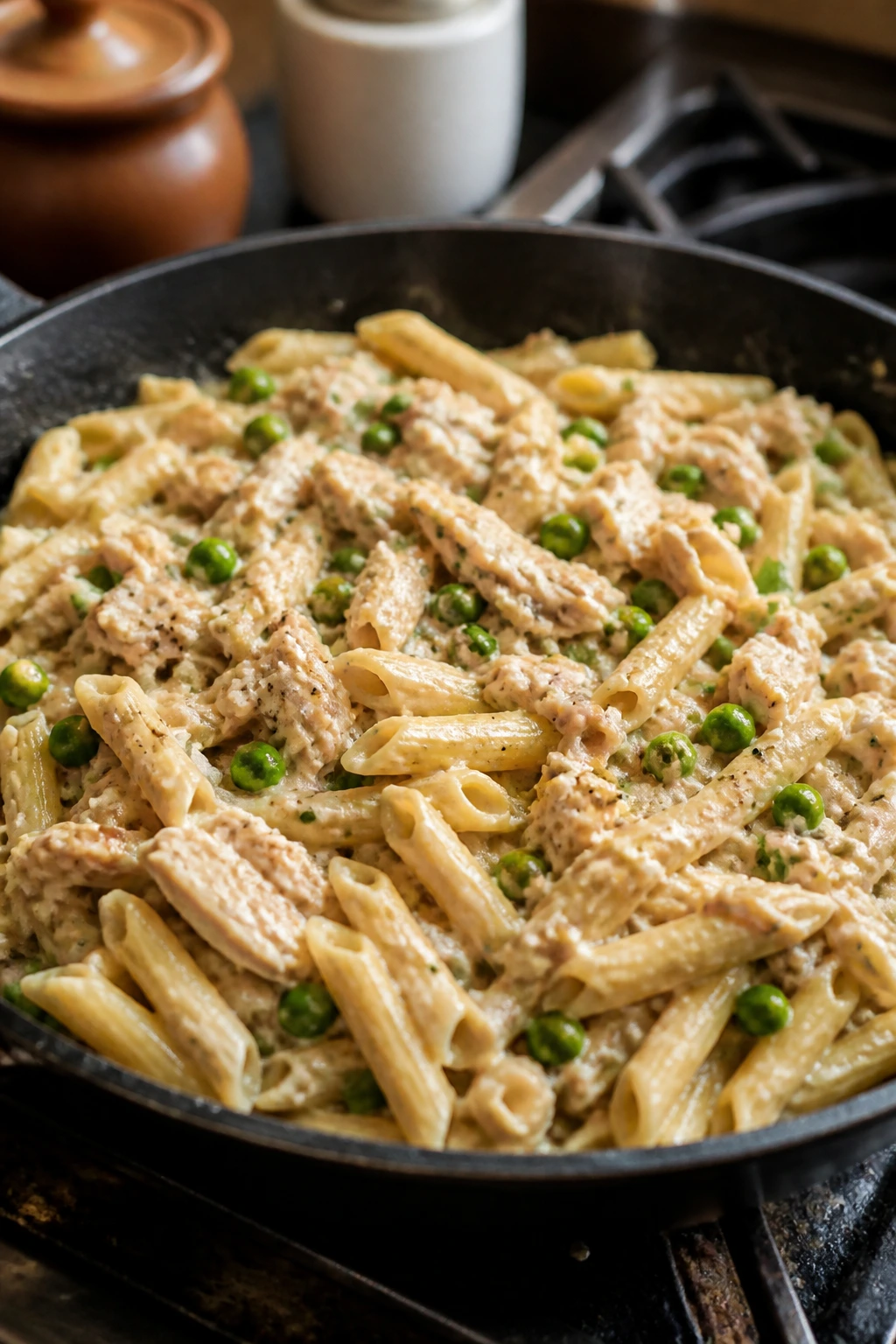
4. Tuna Pasta Skillet
This is the kind of dinner people make once and then quietly keep in rotation. Tuna pasta skillet has a soft, creamy sauce, a little salt from the fish, and enough cheese to make the whole pan feel like comfort food instead of emergency food. It’s also one of the cheapest ways to feed a family with pantry shelves that look a little bare.
Why It Works:
Pasta gives the dish body, tuna adds protein, and a simple milk-and-cheese sauce ties everything together in 20 minutes or less. Canned peas or mixed vegetables keep the grocery list short and the texture from turning flat. It’s a practical skillet meal, not a sad compromise.
Key Ingredients:
- 8 ounces small pasta shells or elbow macaroni
- 2 cans tuna, drained
- 1 cup frozen peas
- 3/4 cup milk
- 1 cup shredded cheddar
- 1 teaspoon Dijon mustard
- 2 tablespoons butter
- 1/2 teaspoon garlic powder
Quick Steps:
- Cook the pasta in salted water until al dente. Drain and keep 1/2 cup pasta water.
- Melt the butter in a skillet over medium heat. Stir in milk, mustard, and garlic powder.
- Add cheese and stir until melted and smooth. If it looks thick, splash in a little pasta water.
- Fold in tuna, peas, and pasta. Warm for 2 to 3 minutes until everything is hot and coated.
Equipment for This Recipe:
- Medium pot
- Strainer
- Large skillet
- Wooden spoon
How to Serve This Dish:
Serve it in bowls with black pepper and a few pickle slices on the side. A simple green salad keeps it from feeling too heavy.
Pro Tips for This Recipe:
- Drain the tuna well so the sauce stays creamy.
- Sharp cheddar gives more flavor than mild.
- Keep the heat low once the cheese goes in; boiling can make it grainy.
Variations on This Dish:
- Tomato Tuna Pasta: Add 1/2 cup marinara instead of the mustard for a red sauce version.
- Baked Casserole Style: Sprinkle breadcrumbs on top and broil for 2 minutes.
- Pimiento Twist: Stir in 2 tablespoons chopped pimientos for a tangy bite.
Common Mistakes to Avoid with This Dish:
- Overcooking the pasta: It softens again in the sauce.
- Skipping seasoning: Tuna needs mustard, pepper, or garlic to wake it up.
- Letting the sauce boil hard: Low heat keeps the cheese smooth.
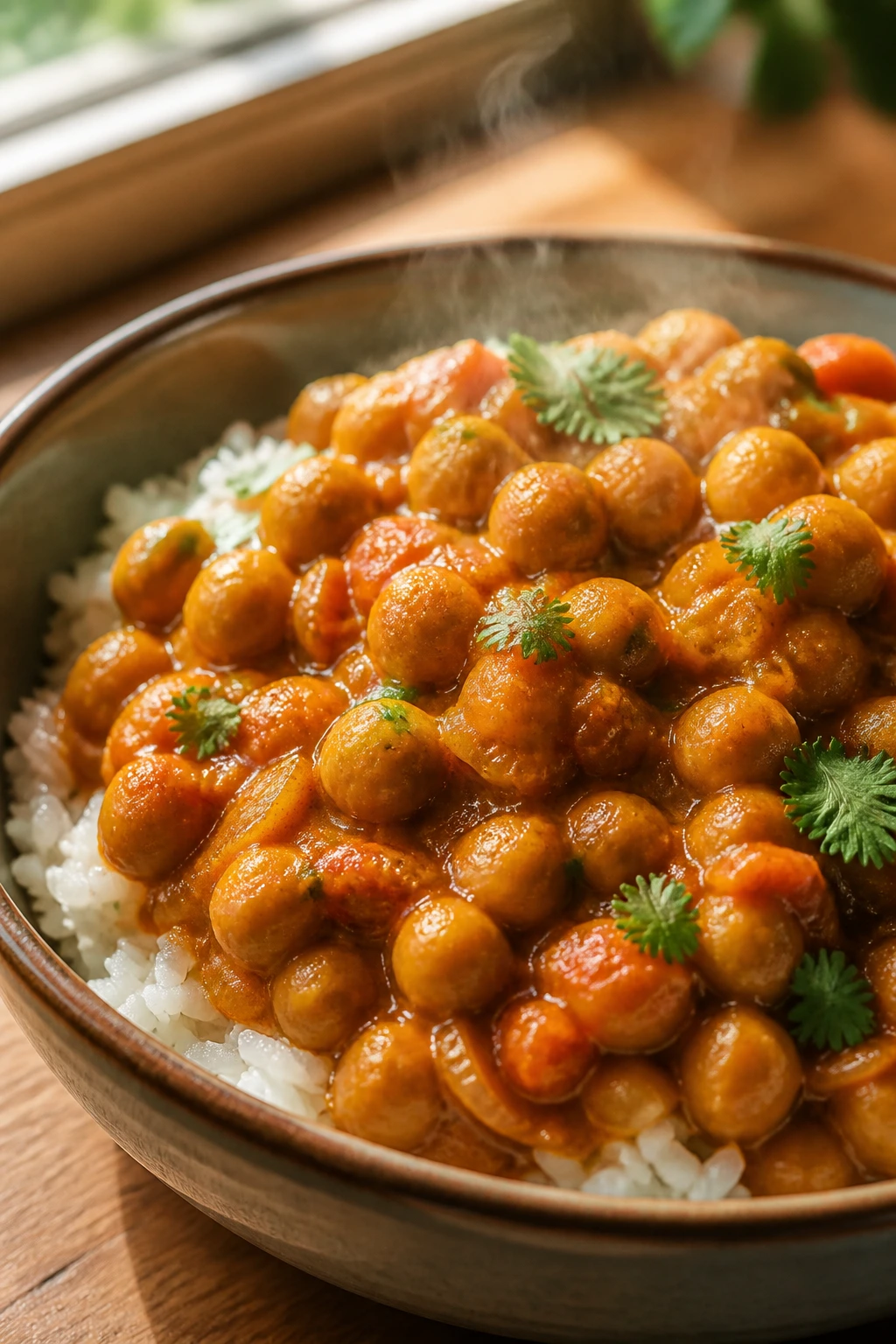
5. Chickpea Curry Rice
Chickpeas do a lot for very little money. Simmer them with curry powder, onion, and tomatoes, and they take on a rich, tomatoey warmth that tastes more expensive than the ingredients list looks. Spoon it over rice and you’ve got dinner with some backbone.
Why It Works:
Canned chickpeas save time, and curry powder carries the flavor load without a dozen spices. A little coconut milk or evaporated milk makes the sauce creamy enough to coat rice. This is fast, filling, and easy to stretch.
Key Ingredients:
- 2 cans chickpeas, drained and rinsed
- 1 small onion, diced
- 2 cloves garlic, minced
- 2 teaspoons curry powder
- 1 can diced tomatoes
- 1/2 cup coconut milk or evaporated milk
- 2 cups cooked rice
Quick Steps:
- Cook onion in a skillet with a little oil over medium heat for 4 minutes until soft.
- Add garlic and curry powder; stir for 30 seconds.
- Add tomatoes and chickpeas. Simmer 8 minutes until the sauce thickens a little.
- Stir in coconut milk and cook 2 more minutes. Serve over rice.
Equipment for This Recipe:
- Large skillet
- Cutting board and knife
- Wooden spoon
- Saucepan for rice
How to Serve This Dish:
Serve with rice, a spoonful of yogurt, or a squeeze of lemon. Flatbread on the side helps scoop up the sauce.
Pro Tips for This Recipe:
- Toast the curry powder briefly in oil; it tastes warmer and less dusty.
- If the sauce gets too thick, add a splash of water.
- A little salt at the end makes the tomatoes taste fuller.
Variations on This Dish:
- Spinach Chickpea Curry: Stir in 2 cups baby spinach at the end.
- Peanut Curry: Add 1 tablespoon peanut butter for a deeper, nuttier sauce.
- No-Coconut Version: Use evaporated milk and a teaspoon of butter.
Common Mistakes to Avoid with This Dish:
- Underseasoning the sauce: Chickpeas are mild and need salt.
- Boiling coconut milk hard: It can split; keep the simmer gentle.
- Skipping the onion: The base matters here more than people think.
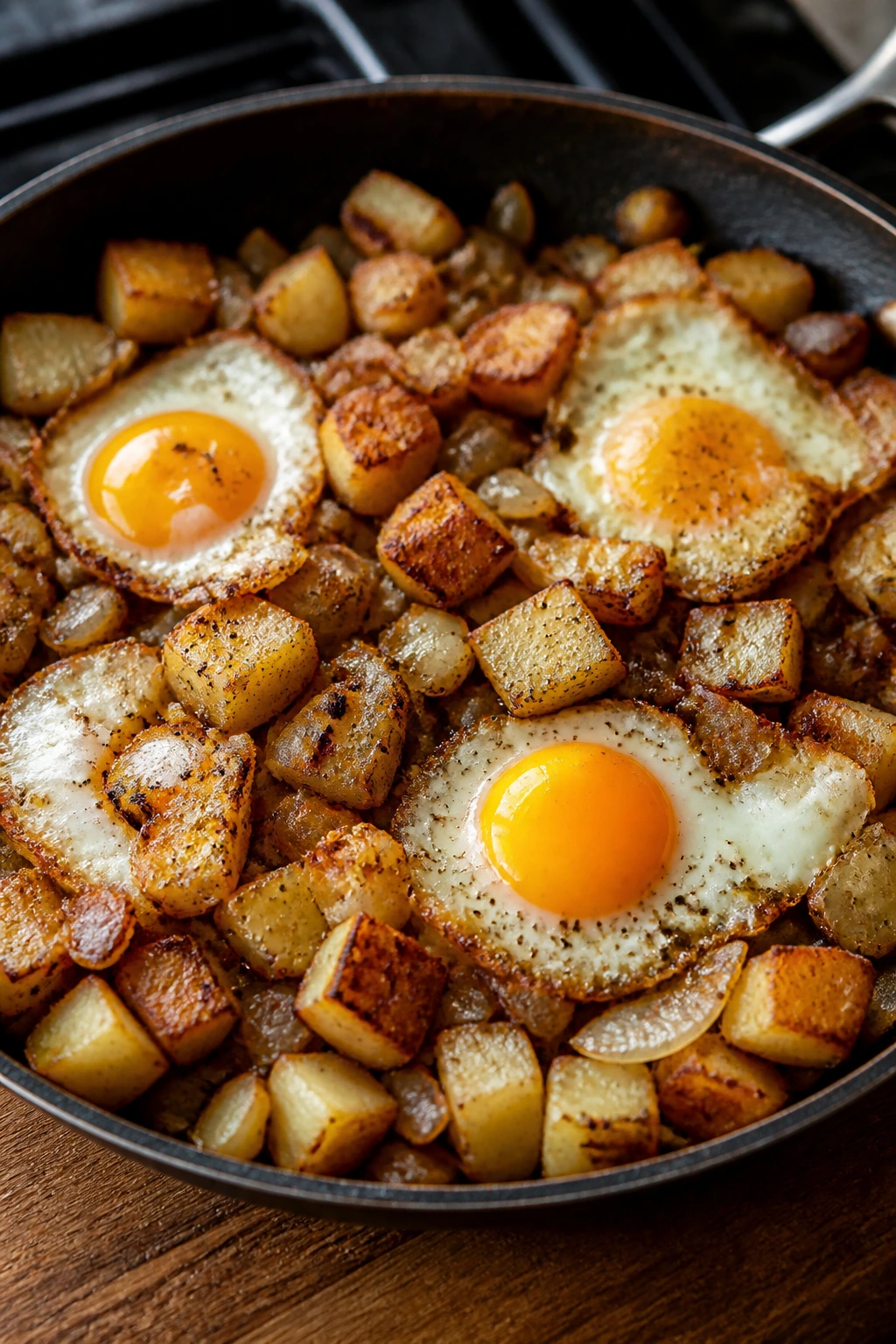
6. Potato and Egg Hash
If you’ve got potatoes, eggs, and one onion, dinner is already halfway done. Potato and egg hash gives you crisp edges, tender centers, and runny yolks if you want them. It feels hearty, but the ingredient list stays mercifully short.
Why It Works:
Potatoes are cheap, satisfying, and forgiving. Once they’re cut small enough, they cook fast in a skillet and pick up browned bits from the pan. Eggs finish the dish with protein and a little richness, no special sauce needed.
Key Ingredients:
- 1 1/2 pounds russet or Yukon Gold potatoes, diced small
- 4 large eggs
- 1 small onion, diced
- 2 tablespoons oil
- 1/2 teaspoon paprika
- Salt and black pepper
- 1/2 cup shredded cheese, optional
Quick Steps:
- Microwave diced potatoes with 2 tablespoons water in a covered bowl for 4 minutes to start them off.
- Heat oil in a skillet over medium-high heat. Cook onion and potatoes for 8 to 10 minutes, stirring now and then, until browned.
- Sprinkle with paprika, salt, and pepper. Make 4 little wells in the hash and crack in the eggs.
- Cover and cook 3 to 5 minutes until the whites set and the yolks are how you like them.
Equipment for This Recipe:
- Large skillet with lid
- Microwave-safe bowl
- Spatula
- Knife and cutting board
How to Serve This Dish:
Serve it straight from the skillet with toast or hot sauce. If you want it richer, melt a little cheese on top during the last minute.
Pro Tips for This Recipe:
- Cut the potatoes evenly so they brown at the same pace.
- The microwave head start saves a lot of time.
- Don’t stir constantly; you need contact with the pan for crisp edges.
Variations on This Dish:
- Pepper Jack Hash: Swap in pepper jack and a pinch of cumin.
- Vegetable Hash: Add diced bell pepper or leftover zucchini.
- Sausage Hash: Cook a little breakfast sausage first, then use the drippings for the potatoes.
Common Mistakes to Avoid with This Dish:
- Cutting the potatoes too large: They take forever and brown unevenly.
- Crowding the skillet: The potatoes steam instead of crisping.
- Adding the eggs too early: Wait until the potatoes are mostly tender.
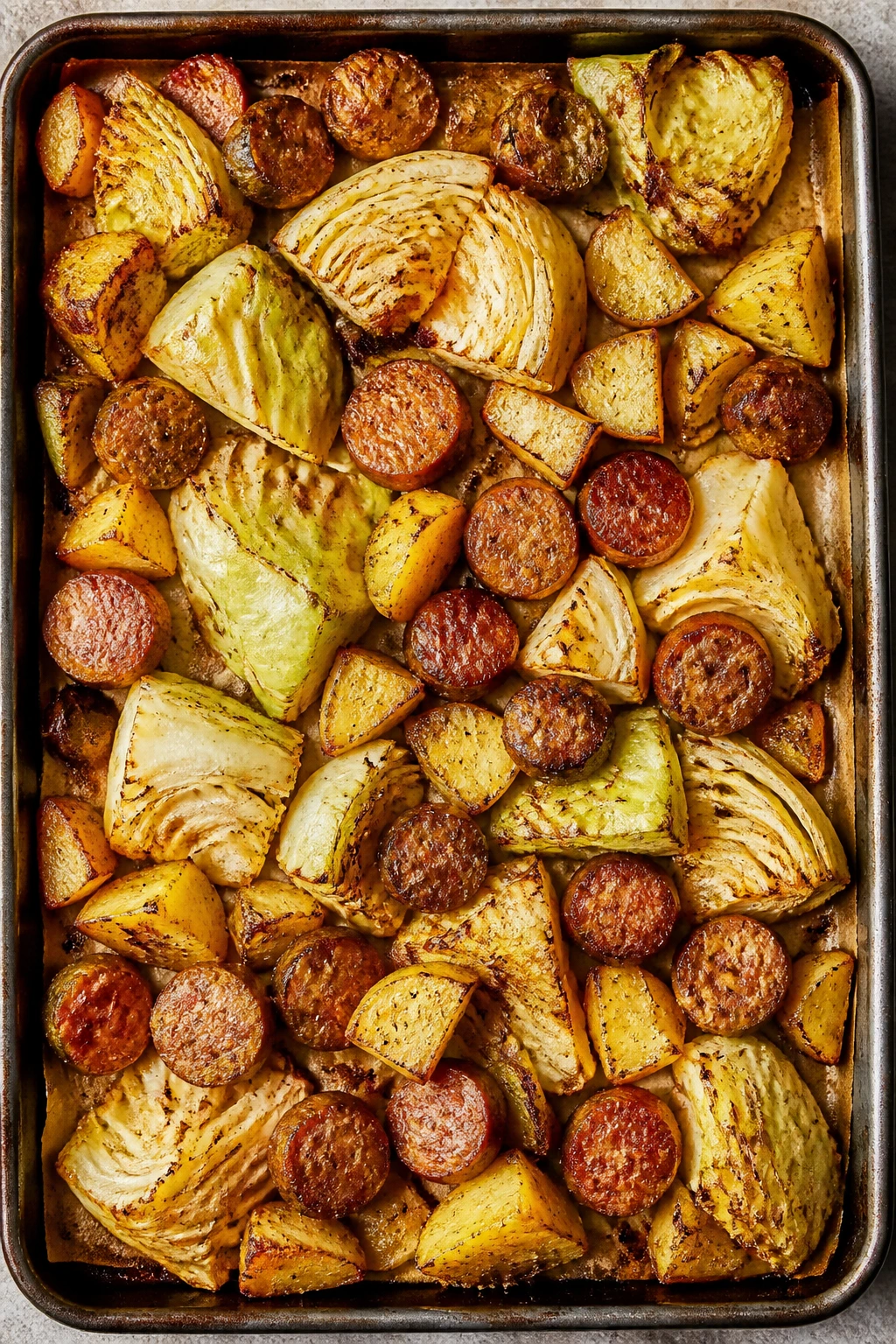
7. Sheet-Pan Sausage, Cabbage, and Potatoes
This is one of those meals that smells like supper in the best possible way. Sausage, cabbage, and potatoes roast together until the cabbage edges char a little and the potatoes go soft inside with browned corners. It’s cheap, filling, and it barely asks for a dish to wash.
Why It Works:
Smoked sausage brings enough seasoning that the vegetables don’t need much else. Cabbage is one of the friendliest budget vegetables around because it roasts well, stores well, and doesn’t collapse the way some greens do. The sheet pan does the heavy lifting.
Key Ingredients:
- 12 ounces smoked sausage, sliced
- 1/2 head green cabbage, cut into wedges
- 1 1/2 pounds potatoes, cut into chunks
- 1 small onion, sliced
- 2 tablespoons oil
- 1 teaspoon garlic powder
- Salt and pepper
Quick Steps:
- Heat the oven to 425°F. Line a sheet pan with parchment if you want easier cleanup.
- Toss potatoes and onion with oil, garlic powder, salt, and pepper. Roast for 15 minutes.
- Add cabbage wedges and sausage to the pan. Turn everything with a spatula.
- Roast 15 to 20 minutes more until the cabbage edges are browned and the potatoes are tender.
Equipment for This Recipe:
- Rimmed sheet pan
- Large bowl
- Spatula
- Sharp knife
How to Serve This Dish:
Serve it as is, or with mustard on the side for dipping. A slice of buttered bread makes the pan juices worth chasing.
Pro Tips for This Recipe:
- Cut the potatoes small enough to finish on time.
- Put cabbage cut side down where you can; it browns better.
- If your sausage is already very salty, go light on the added salt.
Variations on This Dish:
- Mustard Herb Version: Toss with 1 tablespoon whole-grain mustard and dried thyme.
- Spicy Sausage Swap: Use hot sausage or add crushed red pepper.
- Cabbage and Carrot Mix: Add thick carrot coins for extra sweetness.
Common Mistakes to Avoid with This Dish:
- Using too much oil: The vegetables can go greasy instead of roasted.
- Cutting cabbage too small: It burns before the potatoes finish.
- Skipping the first roast on the potatoes: They need a head start.
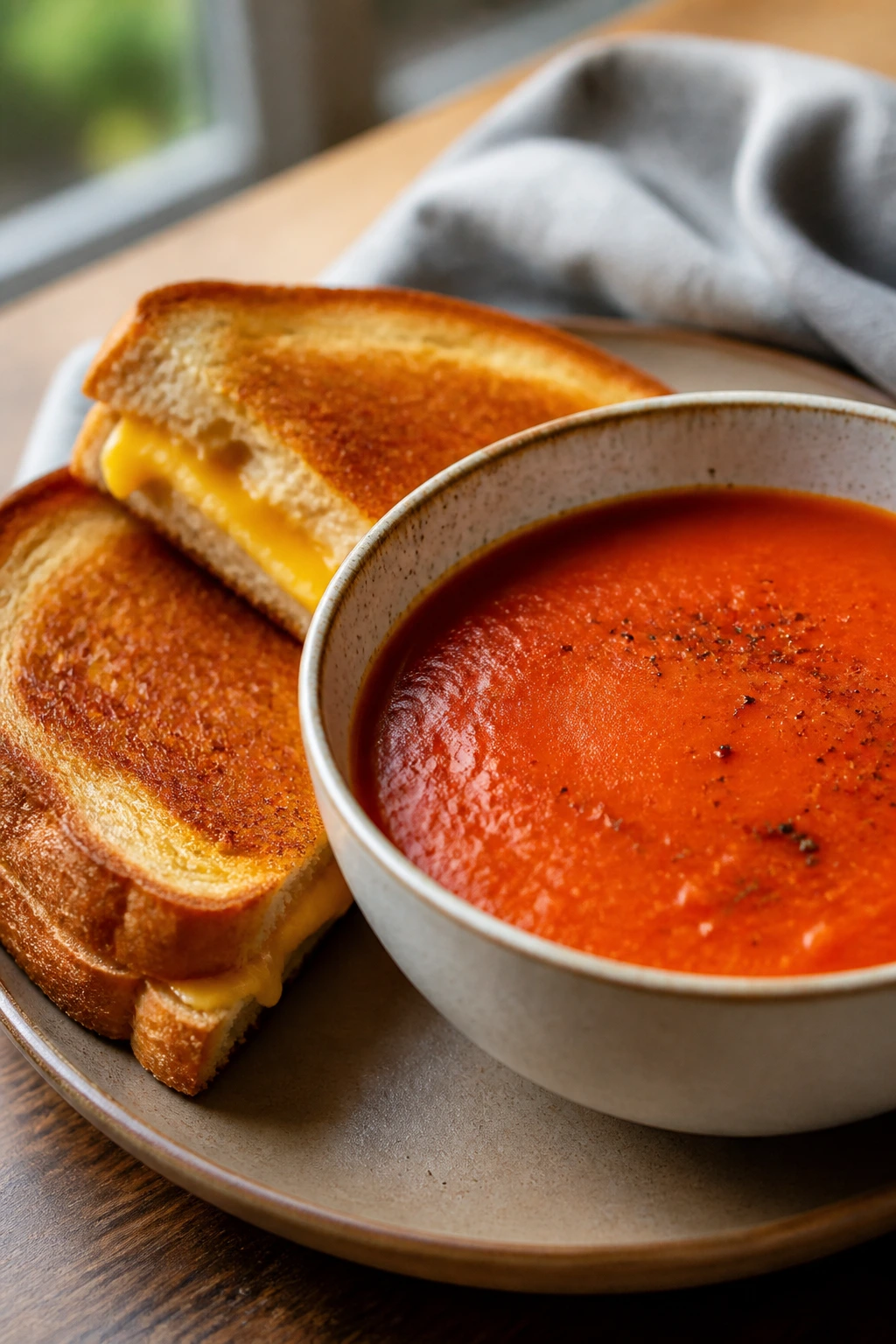
8. Tomato Soup and Grilled Cheese
Some dinners are cheap because they’re old-fashioned in the best sense. Tomato soup with grilled cheese hits that mark: sweet canned tomatoes, a little onion, and bread browned in butter until the cheese goes molten. It’s simple, yes, but simple on purpose.
Why It Works:
Canned tomatoes are one of the smartest budget buys in the kitchen. They bring flavor and acidity without a long simmer, and a little sugar or milk softens the edges. Grilled cheese gives the meal enough fat and crunch to feel complete.
Key Ingredients:
- 2 cans crushed tomatoes
- 1 small onion, diced
- 2 tablespoons butter
- 1 cup broth or water
- 1 teaspoon sugar
- 4 slices bread
- 4 slices cheese or 1 cup shredded cheese
Quick Steps:
- Cook onion in butter over medium heat for 5 minutes until soft.
- Stir in tomatoes, broth, and sugar. Simmer 10 minutes.
- Blend if you want it smooth, then season with salt and pepper.
- Build grilled cheese sandwiches and cook in a skillet over medium heat until golden on both sides and the cheese melts.
Equipment for This Recipe:
- Saucepan
- Blender or immersion blender, optional
- Skillet
- Spatula
How to Serve This Dish:
Pour the soup into mugs or bowls and cut the sandwiches into strips for dipping. A little extra black pepper on top helps the tomatoes taste fuller.
Pro Tips for This Recipe:
- A small pinch of baking soda can tame acidic tomatoes if they taste sharp.
- Keep the heat medium so the bread browns before the cheese burns.
- Use sturdy bread; flimsy slices go limp fast.
Variations on This Dish:
- Creamy Tomato Soup: Stir in 1/4 cup milk or cream at the end.
- Herbed Version: Add dried basil or oregano to the soup.
- Open-Faced Melts: Toast the bread, add cheese, and broil for 1 minute.
Common Mistakes to Avoid with This Dish:
- Boiling the soup hard after adding dairy: It can split.
- Using too much bread for the cheese: The sandwich turns dry.
- Skipping salt in the soup: Tomatoes need it to wake up.
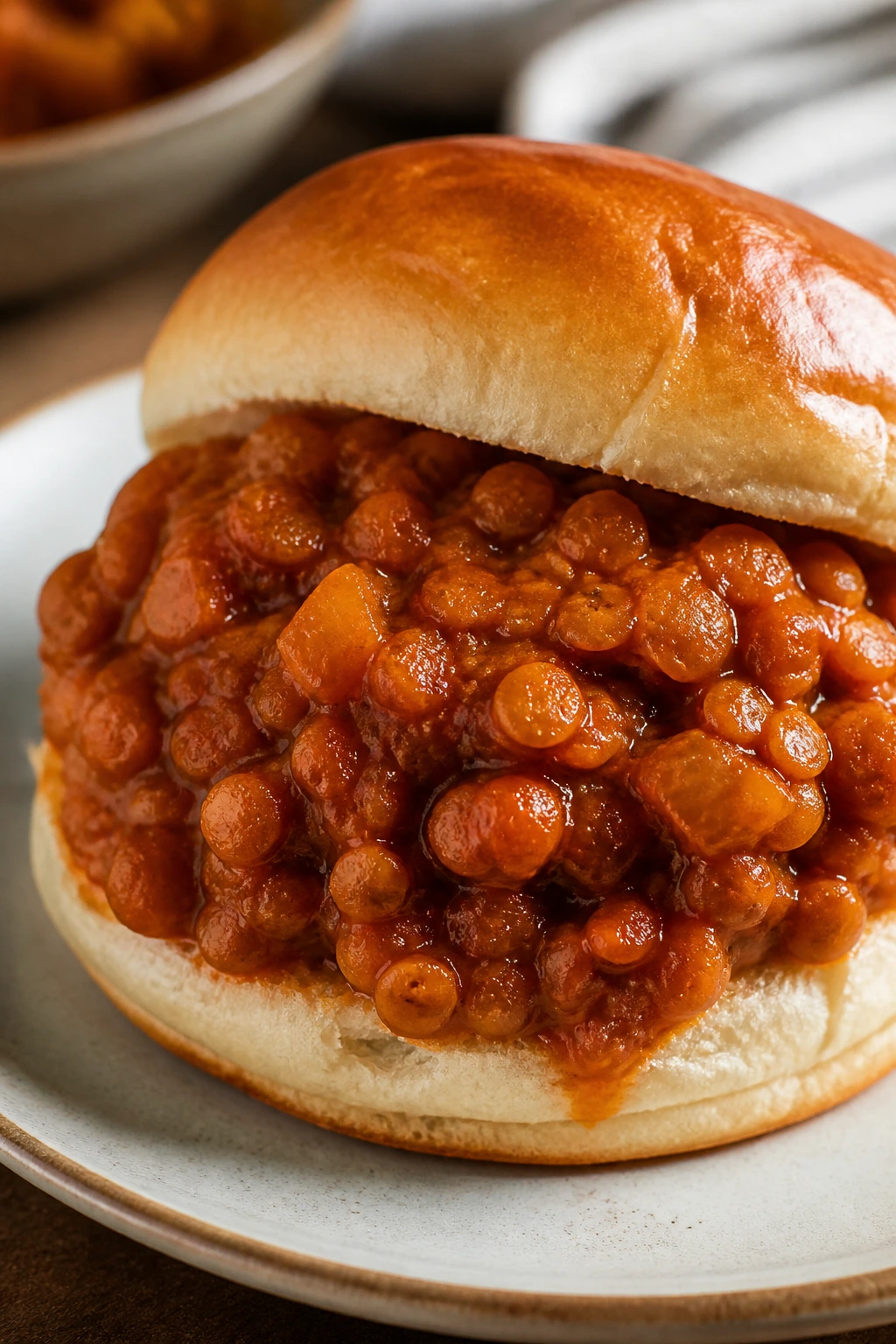
9. Red Lentil Sloppy Joes
Red lentils cook down fast and break into a thick, almost meaty sauce that works beautifully in sloppy joes. The filling gets sweet from ketchup, sharp from a little vinegar or mustard, and sturdy enough to pile onto buns without falling apart in the first bite.
Why It Works:
Red lentils are cheap, cook quickly, and thicken the sauce as they soften. That means no long simmer and no complicated pantry hunt. If you want a meatless dinner that eats like a proper sandwich, this is one of the easiest roads there.
Key Ingredients:
- 1 cup red lentils, rinsed
- 1 small onion, diced
- 1 cup water
- 1/2 cup ketchup
- 2 tablespoons tomato paste
- 1 tablespoon mustard
- 4 buns
Quick Steps:
- Cook onion in a skillet with oil over medium heat for 4 minutes.
- Stir in lentils, water, ketchup, tomato paste, and mustard.
- Simmer 12 to 15 minutes, stirring now and then, until the lentils are soft and the mixture is thick.
- Spoon onto buns and serve hot.
Equipment for This Recipe:
- Medium skillet or saucepan
- Wooden spoon
- Measuring cups
- Knife and cutting board
How to Serve This Dish:
Serve with pickles or coleslaw for crunch. If you want it less messy, toast the buns first so they hold the filling better.
Pro Tips for This Recipe:
- Stir often near the end; lentils can catch on the bottom.
- Add a splash of water if the sauce tightens too fast.
- Toasting the buns keeps them from turning soggy.
Variations on This Dish:
- BBQ Lentil Joes: Swap ketchup for barbecue sauce.
- Smoky Version: Add 1/2 teaspoon smoked paprika.
- Peppery Sloppy Joes: Stir in a little hot sauce for heat.
Common Mistakes to Avoid with This Dish:
- Using brown lentils here: They take longer and stay firmer.
- Letting the mixture get too dry: It should stay spoonable.
- Skipping the acid: Mustard or vinegar keeps the flavor from tasting flat.
10. Peanut Butter Banana Oatmeal
This is breakfast that behaves like dinner in a pinch. Warm oats, a banana melting into the pot, and a spoonful of peanut butter make a bowl that tastes richer than the grocery receipt suggests. It’s a small, useful thing, and sometimes that’s exactly what you need.
Why It Works:
Oats cook fast, banana adds sweetness without extra sugar, and peanut butter gives the bowl enough body to keep you full. It’s cheap per serving and easy to scale up if more people wander into the kitchen hungry.
Key Ingredients:
- 1 cup rolled oats
- 2 cups milk or water
- 1 ripe banana, sliced
- 2 tablespoons peanut butter
- 1/2 teaspoon cinnamon
- Pinch of salt
Quick Steps:
- Bring milk or water to a gentle simmer in a small saucepan.
- Stir in oats, banana, cinnamon, and salt.
- Cook 4 to 5 minutes, stirring often, until thick and creamy.
- Swirl in peanut butter and serve hot.
Equipment for This Recipe:
- Small saucepan
- Spoon
- Measuring cups
- Bowl
How to Serve This Dish:
Top with sliced banana, a drizzle of milk, or a few sunflower seeds if you have them. It eats well from a deep bowl, where the peanut butter can spread through the oats.
Pro Tips for This Recipe:
- Use ripe bananas with brown spots; they mash into the oats better.
- If it gets too thick, splash in more milk at the end.
- A pinch of salt keeps the sweetness from getting cloying.
Variations on This Dish:
- Apple Cinnamon Bowl: Swap banana for chopped apple and cook 2 minutes longer.
- Chocolate Peanut Oats: Stir in 1 teaspoon cocoa powder.
- Savory Oats: Skip banana and cinnamon, then top with a fried egg.
Common Mistakes to Avoid with This Dish:
- Using instant oats and cooking them too long: They turn pasty fast.
- Adding peanut butter too early on high heat: It can separate.
- Leaving out salt: The bowl tastes flat without it.
11. Ramen Stir-Fry with Eggs
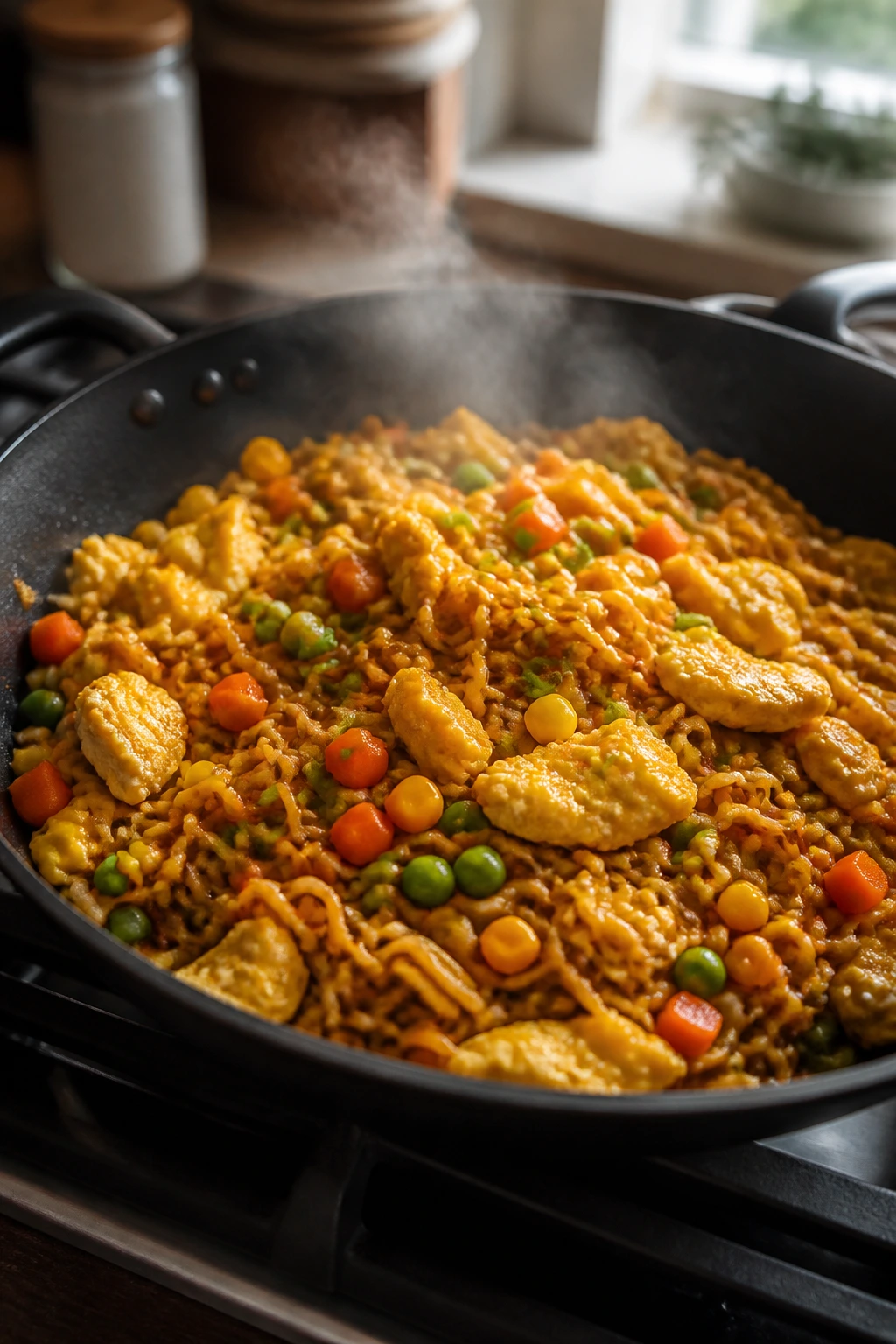
Ignore the seasoning packet for a minute and treat instant ramen like what it really is: quick noodles. With eggs, frozen vegetables, and a splash of soy sauce, those cheap bricks turn into a pan dinner that eats like takeout on a budget that never could have handled takeout.
Why It Works:
Ramen cooks in minutes, and the noodles soak up sauce fast. Eggs add protein, frozen vegetables add bulk, and the whole thing comes together in one skillet. It’s fast enough to make when you’re tired and cheap enough to make twice.
Key Ingredients:
- 3 packages instant ramen, seasoning packets discarded or saved
- 2 large eggs
- 2 cups frozen mixed vegetables
- 2 tablespoons soy sauce
- 1 tablespoon oil
- 1 scallion, sliced
- 1 teaspoon sesame oil, optional
Quick Steps:
- Cook the ramen noodles for 2 minutes, just until bendable. Drain and rinse quickly.
- Scramble the eggs in a hot skillet with oil, then push them aside.
- Add vegetables and cook for 2 minutes until hot.
- Toss in noodles, soy sauce, and sesame oil. Stir for 1 to 2 minutes, then finish with scallions.
Equipment for This Recipe:
- Medium pot
- Large skillet
- Colander
- Spatula
How to Serve This Dish:
Serve with chili flakes or a soft-boiled egg if you have one. A handful of shredded cabbage on the side gives it some crunch.
Pro Tips for This Recipe:
- Undercook the noodles a little; they finish in the skillet.
- Don’t dump in every bit of the seasoning packet. It gets salty fast.
- A hot pan matters here if you want any sear at all.
Variations on This Dish:
- Peanut Noodles: Stir 1 tablespoon peanut butter into the soy sauce.
- Spicy Garlic Version: Add minced garlic and chili paste.
- Vegetarian Comfort Bowl: Use extra vegetables and skip the egg.
Common Mistakes to Avoid with This Dish:
- Overcooking the noodles first: They go mushy in the pan.
- Using too much seasoning packet: Salt overload hits hard.
- Skipping the rinse: It helps stop the noodles from sticking together.
12. Bean and Cheese Burritos

There’s a reason bean burritos show up in so many frugal kitchens. They’re cheap, filling, and fast, and they can be made from ingredients that live happily in the pantry for a while. Add rice if you want them bigger, but they’re fine without it.
Why It Works:
Refried beans spread easily, cheese melts quickly, and tortillas fold without much fuss. You can make a batch in under 20 minutes, wrap the leftovers, and reheat them when you need a second dinner. It’s practical food, not a project.
Key Ingredients:
- 6 flour tortillas
- 1 can refried beans
- 1 1/2 cups shredded cheese
- 1/2 cup salsa
- 1 cup cooked rice, optional
- 1 tablespoon oil or butter
Quick Steps:
- Warm the beans in a saucepan or microwave until spreadable.
- Lay out tortillas and spread beans down the center.
- Add cheese, salsa, and rice if using. Fold in the sides and roll tightly.
- Brown the burritos seam-side down in a skillet over medium heat for 2 minutes per side.
Equipment for This Recipe:
- Skillet
- Small saucepan or microwave-safe bowl
- Spoon
- Spatula
How to Serve This Dish:
Serve with extra salsa and a spoonful of sour cream. If you want a fuller plate, add a simple side of corn or sliced tomatoes.
Pro Tips for This Recipe:
- Warm the tortillas for a few seconds so they don’t crack.
- Don’t overfill. A tight burrito holds together better than a stuffed one.
- Browning the seam side first helps seal it.
Variations on This Dish:
- Breakfast Burritos: Add scrambled eggs and potatoes.
- Spicy Bean Burritos: Stir chopped jalapeños into the beans.
- Rice-and-Bean Stretch Version: Use rice to make six burritos feed more people.
Common Mistakes to Avoid with This Dish:
- Filling cold beans into cold tortillas: They tear.
- Using too much salsa inside: It makes the wrap soggy.
- Skipping the skillet finish: The outside tastes flat if you do.
13. Three-Bean Pantry Chili
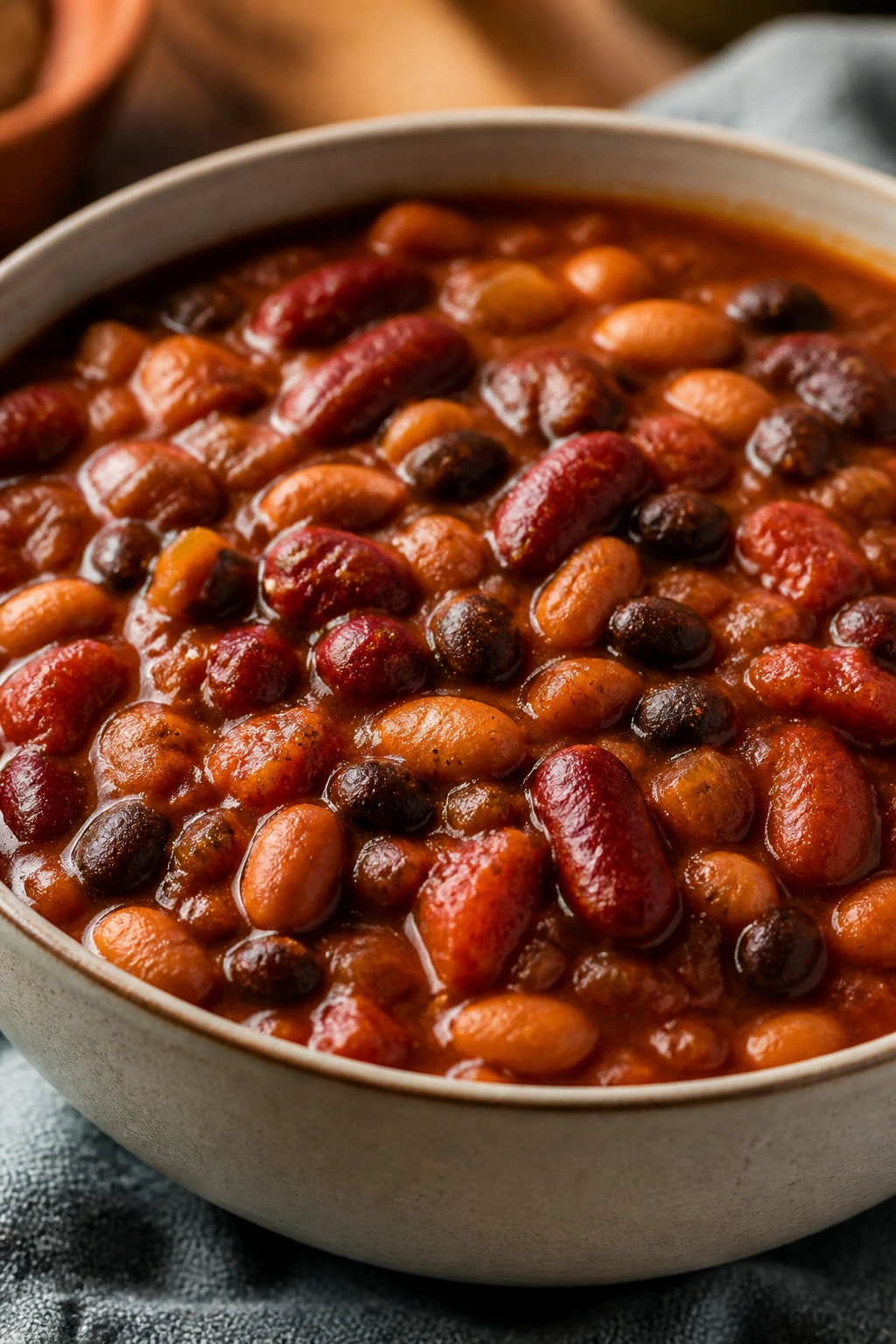
A good pantry chili doesn’t need meat to feel sturdy. Beans, tomatoes, onion, and chili powder simmer into something thick enough to eat with a spoon, a piece of bread, or a pile of rice. Cheap food should not be boring, and this isn’t.
Why It Works:
Three kinds of beans give you more texture for the same basic cost. The tomatoes provide body, the onions make the pot taste alive, and a quick simmer lets the flavors settle without a long wait. It freezes well, which makes it even more useful.
Key Ingredients:
- 1 can kidney beans, drained
- 1 can black beans, drained
- 1 can pinto beans, drained
- 1 can diced tomatoes
- 1 small onion, diced
- 2 tablespoons chili powder
- 1 cup broth or water
Quick Steps:
- Cook onion in a pot with oil over medium heat for 4 minutes.
- Stir in chili powder and cook 30 seconds.
- Add beans, tomatoes, and broth. Bring to a simmer and cook 15 minutes.
- Season with salt and serve hot.
Equipment for This Recipe:
- Large pot
- Wooden spoon
- Knife and cutting board
- Can opener
How to Serve This Dish:
Spoon it over rice, baked potatoes, or tortilla chips. A little shredded cheese on top gives the bowl a richer finish.
Pro Tips for This Recipe:
- Rinse canned beans unless the recipe needs the thicker can liquid.
- Let it sit 10 minutes before serving; the chili thickens as it rests.
- Add a splash of vinegar at the end if the flavor tastes dull.
Variations on This Dish:
- Corn Chili: Stir in 1 cup frozen corn.
- Smoky Chili: Add smoked paprika.
- Meaty Boost: Brown a little ground beef or turkey with the onion if your budget allows.
Common Mistakes to Avoid with This Dish:
- Not draining the beans: The chili turns thin.
- Skipping the simmer: The flavors stay separate.
- Too much chili powder all at once: Start modest; you can add heat later.
14. Tomato Egg Toast
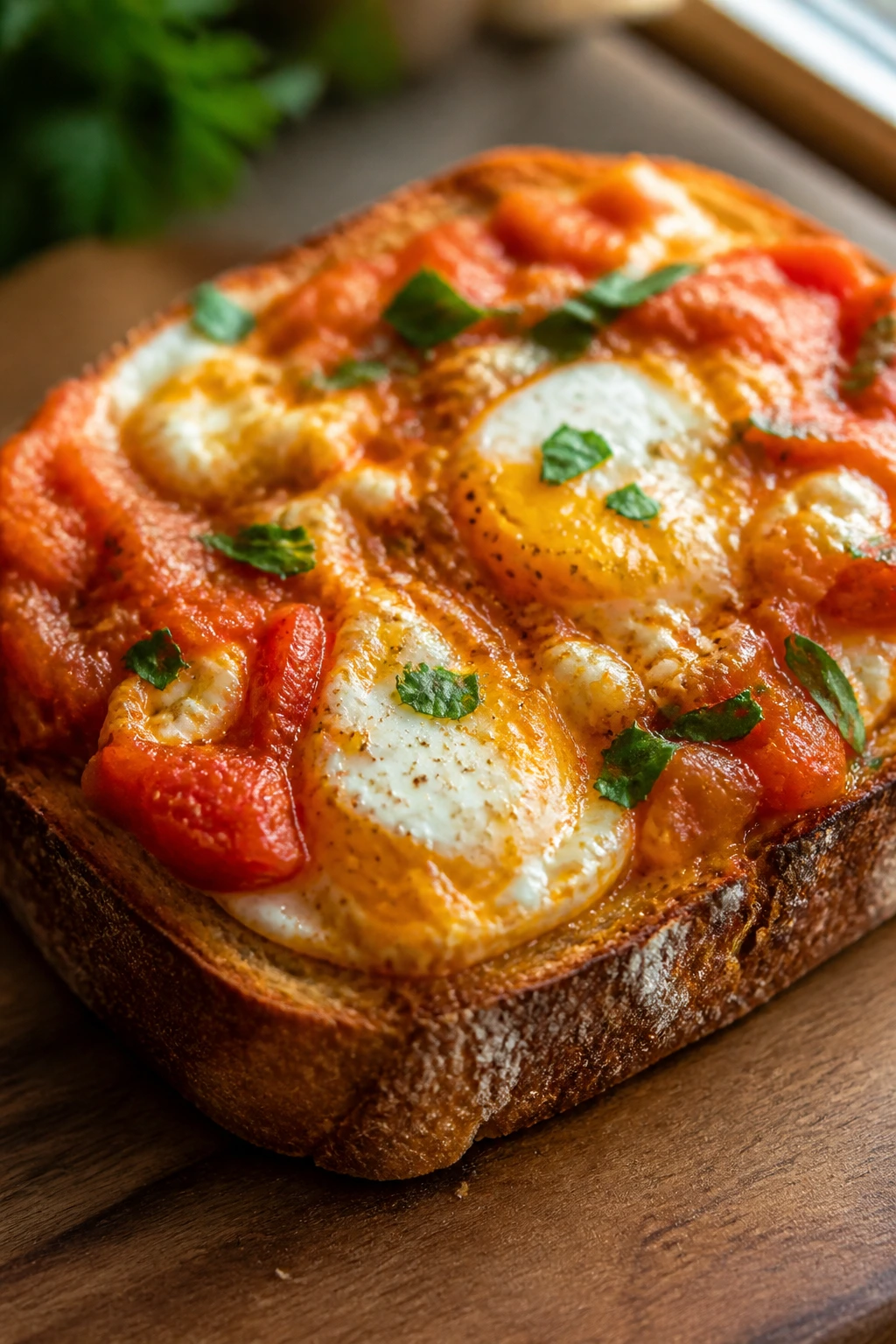
Tomato egg toast is the sort of breakfast or lunch that looks like you paid attention even when you barely did. Eggs cooked with tomatoes become saucy and soft, then they spill over toasted bread and soak in just enough to feel rich. Cheap ingredients, good texture, no complaint from me.
Why It Works:
Eggs and tomatoes cook quickly together, and bread gives the dish structure. It uses almost no pantry extras, which makes it useful on days when the fridge is being stubborn. If you have good tomatoes, this is even better.
Key Ingredients:
- 4 large eggs
- 2 medium tomatoes, chopped or 1 can diced tomatoes drained
- 4 slices bread
- 1 tablespoon butter or oil
- Salt and pepper
- Pinch of chili flakes, optional
Quick Steps:
- Toast the bread.
- Warm butter in a skillet over medium heat. Add tomatoes and cook 3 to 4 minutes until juicy.
- Add eggs and stir gently until just set and soft.
- Spoon the tomato eggs over toast and season.
Equipment for This Recipe:
- Skillet
- Toaster or pan
- Spatula
- Bowl, optional for cracking eggs
How to Serve This Dish:
Serve open-faced with extra pepper and a little butter on the toast edge. If lunch needs more weight, add a sliced avocado or a handful of cheese on top.
Pro Tips for This Recipe:
- Cook the eggs until they’re still glossy; dry eggs don’t work here.
- Salt the tomatoes a little early so they release juice.
- Thick bread holds up better than thin sandwich slices.
Variations on This Dish:
- Cheesy Version: Stir in 1/2 cup shredded cheddar.
- Herb Tomato Toast: Add parsley or basil if you have it.
- Spicy Version: Use chili crisp or red pepper flakes.
Common Mistakes to Avoid with This Dish:
- Overcooking the eggs: They should stay soft.
- Using bread that’s too thin: It collapses under the topping.
- Skipping toast: Plain bread goes soggy fast.
15. Cabbage Noodle Stir-Fry
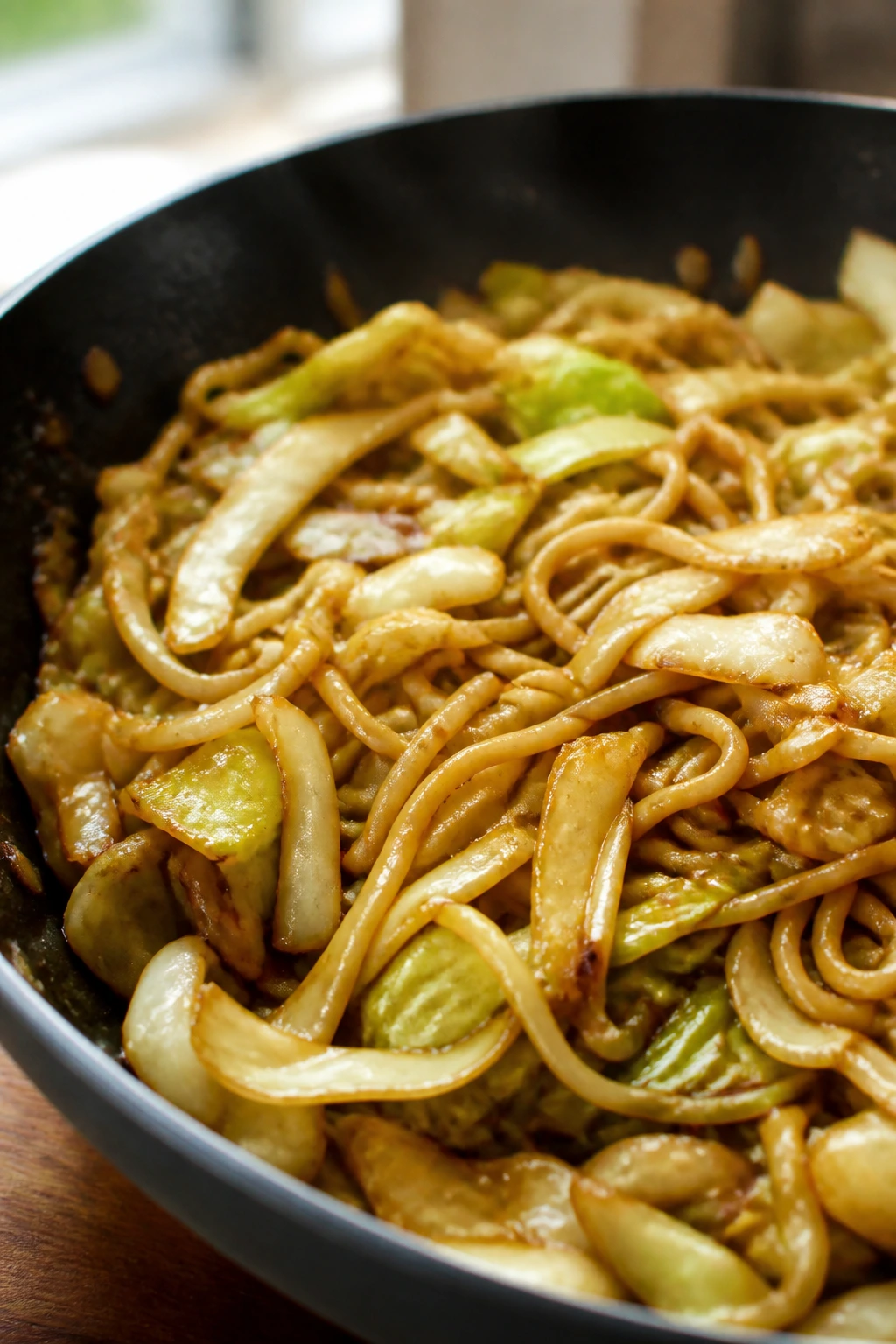
Cabbage is one of the cheapest vegetables that still feels like a real vegetable in a hot pan. Slice it thin, toss it with noodles, garlic, and soy sauce, and it becomes sweet, silky, and a little browned at the edges. That’s enough to make a dinner.
Why It Works:
Cabbage cooks down fast and gets better when it hits high heat. Egg noodles or spaghetti keep the meal filling without needing meat, and a few pantry seasonings do the rest. It’s a smart way to turn a cheap head of cabbage into more than a side dish.
Key Ingredients:
- 8 ounces egg noodles or spaghetti
- 4 cups shredded cabbage
- 2 cloves garlic, minced
- 2 tablespoons soy sauce
- 2 tablespoons oil
- 1 carrot, julienned, optional
- 1 tablespoon vinegar or lime juice
Quick Steps:
- Cook noodles until just tender and drain.
- Heat oil in a skillet over medium-high heat. Add cabbage and carrot, if using, and cook 5 to 6 minutes until softened with browned spots.
- Stir in garlic and cook 30 seconds.
- Add noodles, soy sauce, and vinegar. Toss until coated and hot.
Equipment for This Recipe:
- Large skillet
- Pot for noodles
- Strainer
- Tongs or spatula
How to Serve This Dish:
Serve with sesame seeds or a fried egg if you want more protein. A little hot sauce wakes it up fast.
Pro Tips for This Recipe:
- Don’t shred the cabbage too finely or it disappears.
- A splash of vinegar at the end keeps it from tasting heavy.
- High heat gives the best texture, so don’t baby the pan.
Variations on This Dish:
- Peanut Cabbage Noodles: Stir in 1 tablespoon peanut butter.
- Rice Noodle Swap: Use rice noodles if that’s what you have.
- Spicy Ginger Version: Add grated ginger and chili paste.
Common Mistakes to Avoid with This Dish:
- Overcooking the cabbage: It loses its bite.
- Skipping acid: Vinegar or lime keeps the dish from going flat.
- Using too much noodle for the cabbage: The vegetable should still feel present.
16. Loaded Baked Potatoes with Chili Beans
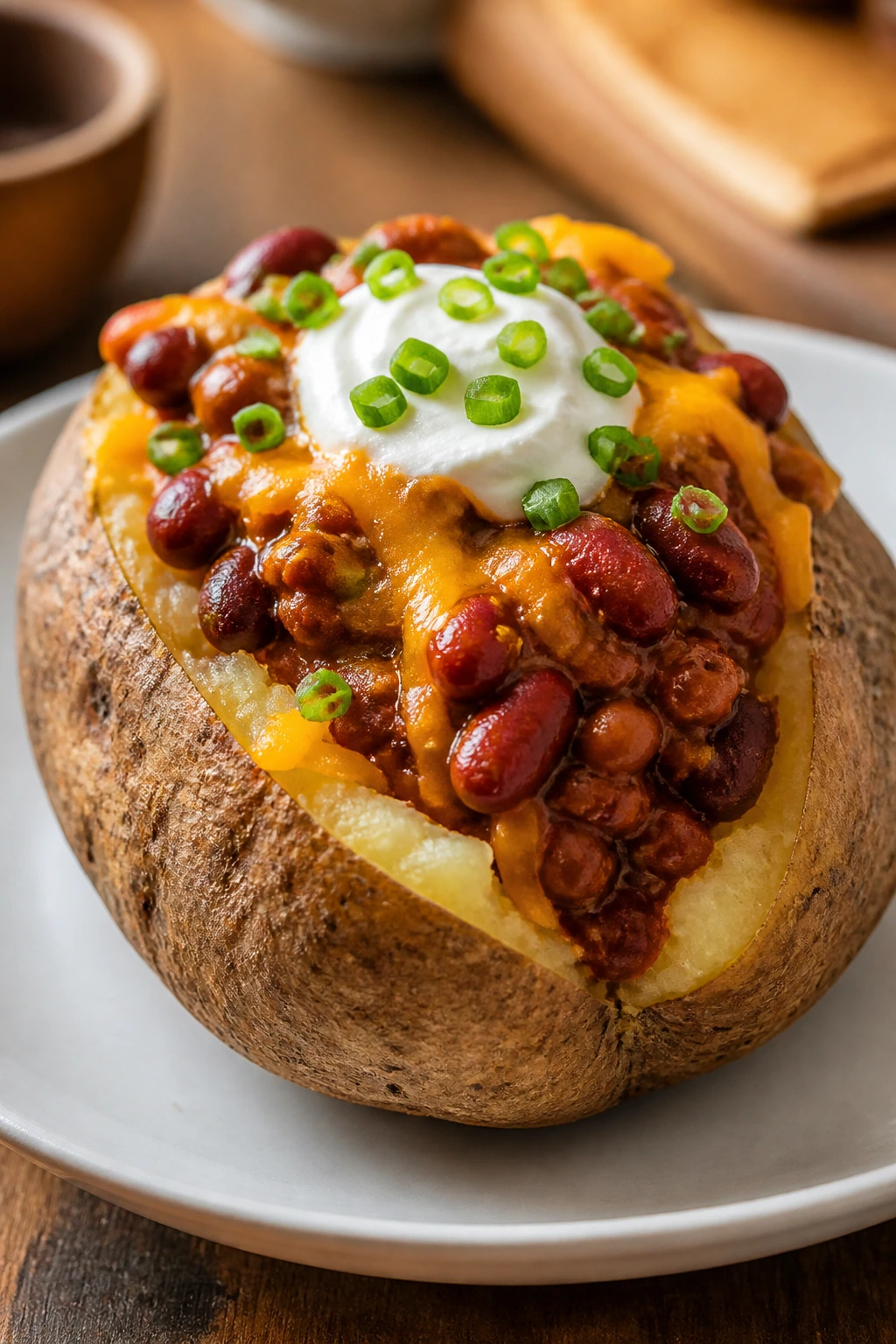
A baked potato can carry more than butter if you let it. Split one open, pile on warm chili beans, cheese, and a spoonful of sour cream, and suddenly the humble potato is doing all the heavy lifting. It’s cheap, filling, and oddly satisfying in the way only a well-stacked potato can be.
Why It Works:
Potatoes are cheap calories with useful texture. The topping does not need to be elaborate—just warm beans, a little cheese, and a touch of dairy to pull it together. You can bake them or speed them up in the microwave without losing the point.
Key Ingredients:
- 4 large russet potatoes
- 1 can chili beans or pinto beans
- 1/2 cup tomato sauce or salsa
- 1 cup shredded cheese
- 1/4 cup sour cream, optional
- Salt and pepper
Quick Steps:
- Bake potatoes at 400°F for 45 to 55 minutes, or microwave them until tender, about 8 to 12 minutes depending on size.
- Warm beans with tomato sauce or salsa in a saucepan.
- Split the potatoes, fluff the centers with a fork, and season with salt and pepper.
- Top with beans, cheese, and sour cream.
Equipment for This Recipe:
- Oven or microwave
- Saucepan
- Fork
- Knife
How to Serve This Dish:
Serve each potato on a plate with a little green salad or steamed broccoli. If you want more crunch, add sliced scallions.
Pro Tips for This Recipe:
- Prick the potatoes before baking so they don’t burst.
- Microwave first, then finish in the oven if you want crisp skins faster.
- Warm toppings matter; cold beans make the potato feel dull.
Variations on This Dish:
- Tex-Mex Potato: Use salsa, black beans, and pepper jack.
- Broccoli Cheddar Potato: Swap beans for steamed broccoli and extra cheese.
- Breakfast Potato: Top with a fried egg and hot sauce.
Common Mistakes to Avoid with This Dish:
- Undercooking the potato center: It should give easily to a knife.
- Cold toppings: They sink the whole dish.
- Skipping salt inside the potato: The skin alone won’t carry it.
17. Chicken and Rice Skillet
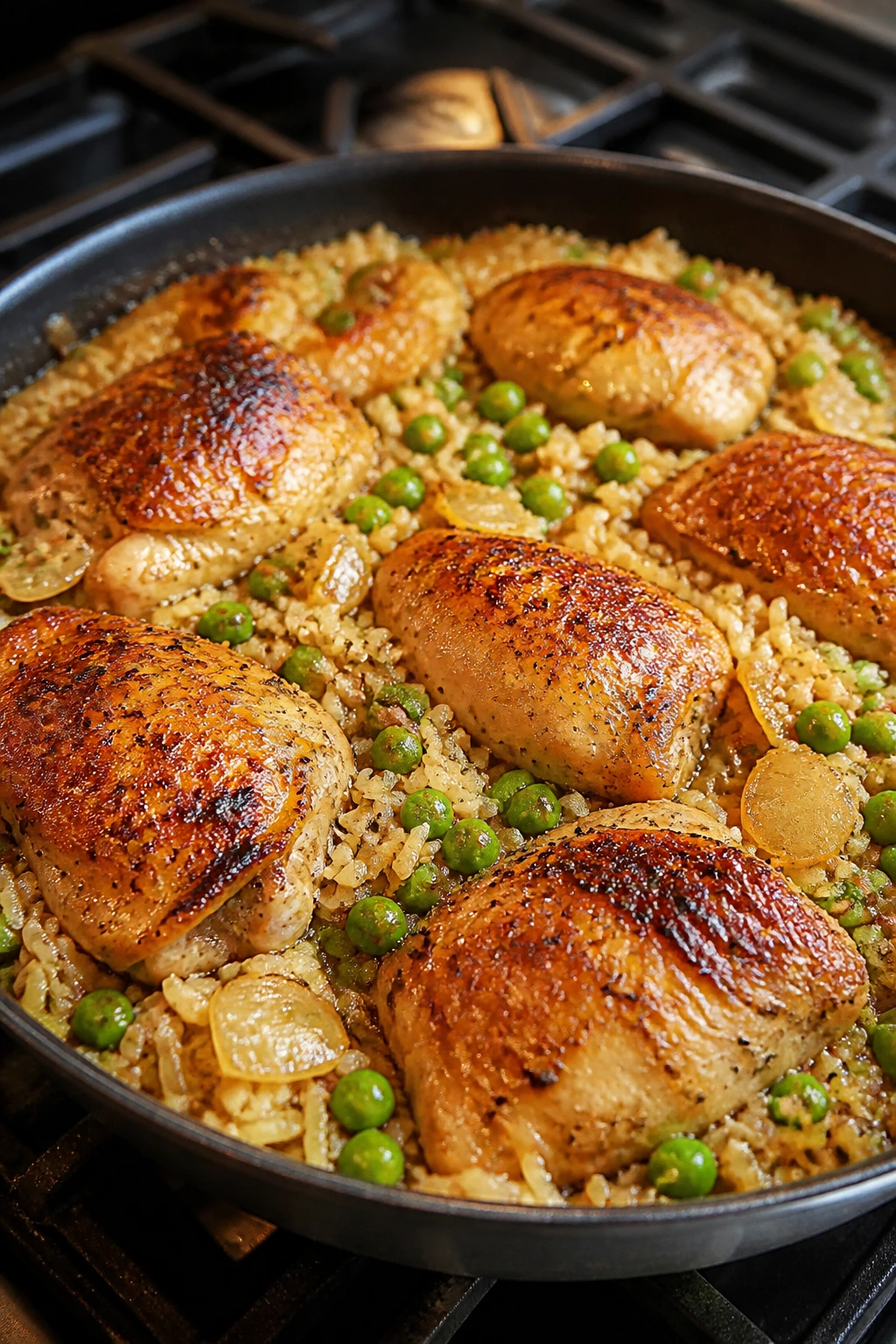
Chicken thighs and rice are the old reliable pair for a reason. The thighs stay juicy, the rice absorbs the seasoned broth, and the whole skillet turns into a complete meal without separate side dishes. If you buy one package of chicken and one bag of rice, you can eat well for not much money.
Why It Works:
Bone-in or boneless thighs both bring flavor, and rice takes on the cooking liquid instead of needing its own attention. Peas or carrots make the skillet feel fuller. It’s a one-pan meal that rewards a little patience but never asks for much.
Key Ingredients:
- 1 1/2 pounds boneless, skinless chicken thighs
- 1 cup long-grain rice
- 1 small onion, chopped
- 2 cups chicken broth
- 1 cup frozen peas
- 2 tablespoons oil
- 1 teaspoon paprika
Quick Steps:
- Season chicken with salt, pepper, and paprika.
- Brown chicken in oil in a deep skillet over medium-high heat, about 3 minutes per side. Remove to a plate.
- Cook onion in the same pan for 3 minutes, then stir in rice.
- Add broth and peas, nestle chicken on top, cover, and simmer on low for 18 to 20 minutes until the rice is tender and the liquid is absorbed.
Equipment for This Recipe:
- Deep skillet with lid
- Measuring cups
- Spoon
- Tongs
How to Serve This Dish:
Serve right from the skillet with a squeeze of lemon if you have one. A spoonful of yogurt or hot sauce on the side works well too.
Pro Tips for This Recipe:
- Rinse the rice if it’s very starchy.
- Keep the lid on once the simmer starts; lifting it steals steam.
- Let the skillet rest 5 minutes before serving so the rice settles.
Variations on This Dish:
- Tomato Rice Version: Add 1/2 cup canned tomatoes with the broth.
- Garlic Herb Version: Stir in dried thyme and minced garlic.
- Spicy Version: Add cayenne or a spoonful of hot sauce.
Common Mistakes to Avoid with This Dish:
- Using too much liquid: The rice goes mushy.
- Skipping the chicken browning: You lose flavor.
- Lifting the lid repeatedly: It throws off the rice texture.
18. Tuna Melt Wraps
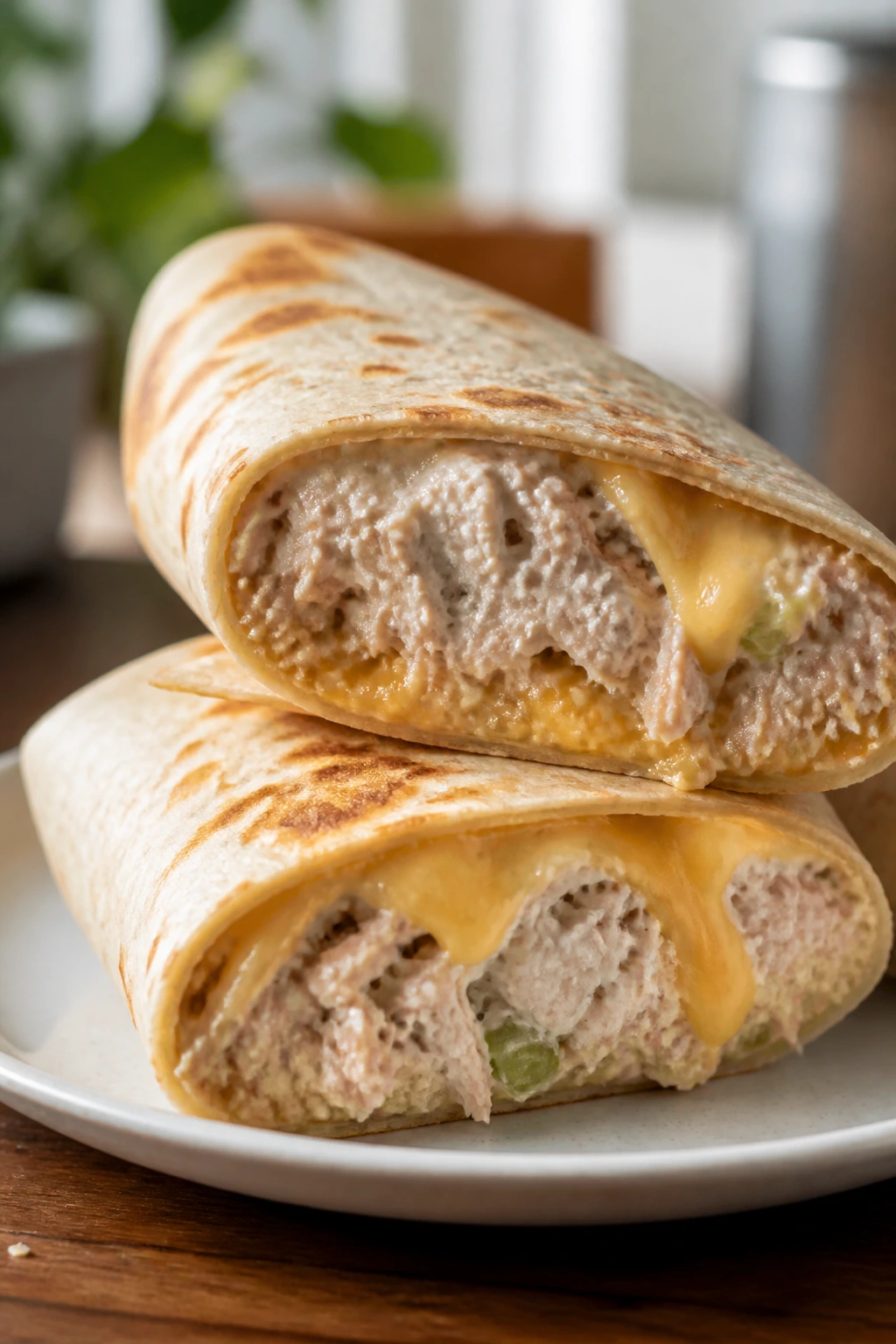
A tuna melt in wrap form is a little less formal and a little easier to flip. The tuna mixture stays creamy, the tortilla gets crisp in a skillet, and the cheese melts into the filling instead of hanging off the bread. It’s lunch food with dinner manners.
Why It Works:
Tuna is shelf-stable, cheap, and packed with protein. Mayo, mustard, and a little chopped pickle or celery keep the filling from tasting like a can. Wrapping it in a tortilla makes it faster than a full sandwich and easier to brown evenly.
Key Ingredients:
- 2 cans tuna, drained
- 3 tablespoons mayonnaise
- 1 teaspoon mustard
- 1 tablespoon chopped pickle or celery
- 4 flour tortillas
- 4 slices cheese
- 1 tablespoon butter or oil
Quick Steps:
- Mix tuna, mayo, mustard, and pickle or celery.
- Divide filling among tortillas, top with cheese, and roll tightly.
- Place seam-side down in a skillet over medium heat with butter or oil.
- Cook 2 to 3 minutes per side until crisp and the cheese melts.
Equipment for This Recipe:
- Skillet
- Bowl
- Spoon
- Spatula
How to Serve This Dish:
Cut the wraps in half on a bias and serve with chips or sliced carrots. A small bowl of soup makes them feel like a proper meal.
Pro Tips for This Recipe:
- Drain the tuna well so the wrap doesn’t go wet.
- Use medium heat; high heat burns the tortilla.
- Keep the seam down first so the wrap seals.
Variations on This Dish:
- Buffalo Tuna Wrap: Add hot sauce and a little ranch.
- Mediterranean Version: Use chopped olives and lemon juice.
- Crunchy Version: Add shredded lettuce after cooking, not before.
Common Mistakes to Avoid with This Dish:
- Using too much filling: The wrap tears.
- Skipping the skillet finish: The texture is flat.
- Putting lettuce inside before heating: It wilts into nothing.
19. Skillet Cornbread and Beans
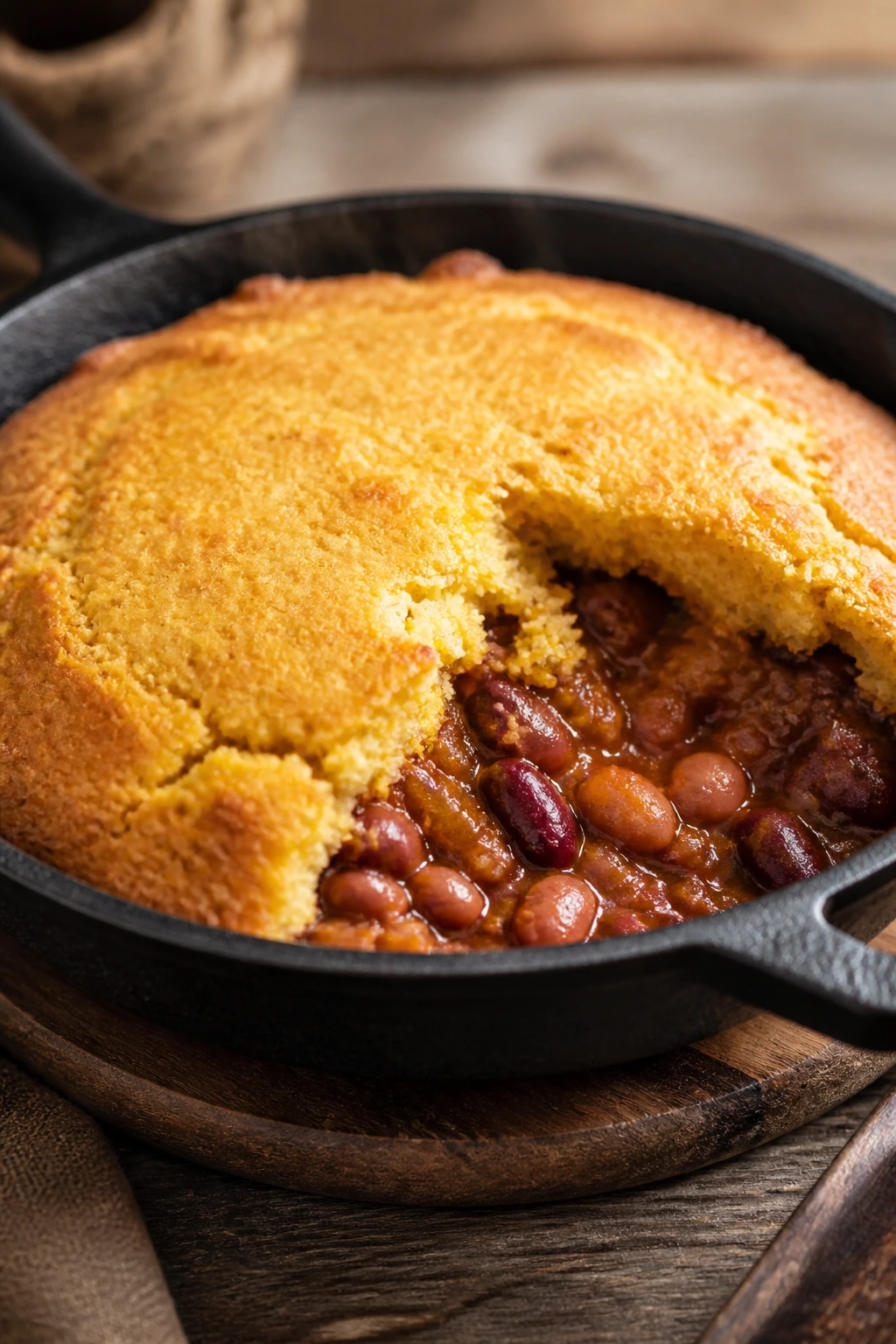
There’s something comforting about a meal that lands between dinner and a baked side. Cornbread and beans in one skillet keeps the cost low and the payoff high: savory beans underneath, golden cornbread on top, and one pan doing the job of two or three.
Why It Works:
Boxed cornbread mix keeps the prep short, while canned beans add the bulk. Baking them together makes the cornbread catch the steam from below and stay tender. You get a meal that’s cheap, filling, and sturdy enough to slice.
Key Ingredients:
- 1 box cornbread mix
- 1 egg
- 1/3 cup milk
- 1 can pinto beans, drained
- 1/2 cup salsa
- 1 cup shredded cheese
- 1 tablespoon oil for the skillet
Quick Steps:
- Heat the oven to 400°F and oil a skillet.
- Stir beans and salsa together and spread in the skillet.
- Mix cornbread batter with egg and milk, then pour it over the beans.
- Sprinkle cheese on top and bake 18 to 22 minutes until the cornbread is golden and a toothpick comes out mostly clean.
Equipment for This Recipe:
- Cast-iron or oven-safe skillet
- Mixing bowl
- Spoon
- Oven mitts
How to Serve This Dish:
Serve in wedges with a dollop of sour cream or a spoonful of extra salsa. A chopped green onion on top is cheap and makes it look done.
Pro Tips for This Recipe:
- Use a well-oiled skillet so the bottom doesn’t stick.
- Keep the bean layer even for cleaner slicing.
- Let it rest 5 minutes before cutting.
Variations on This Dish:
- Green Chile Version: Use canned green chiles in the bean layer.
- Turkey Chili Version: Add leftover chili under the cornbread.
- Corn-and-Jalapeño Version: Stir corn and chopped jalapeños into the batter.
Common Mistakes to Avoid with This Dish:
- Thin bean layer: The cornbread dries out.
- Overmixing the batter: It gets tough.
- Cutting too soon: The filling slides out.
20. Spinach Egg Rice Bowls
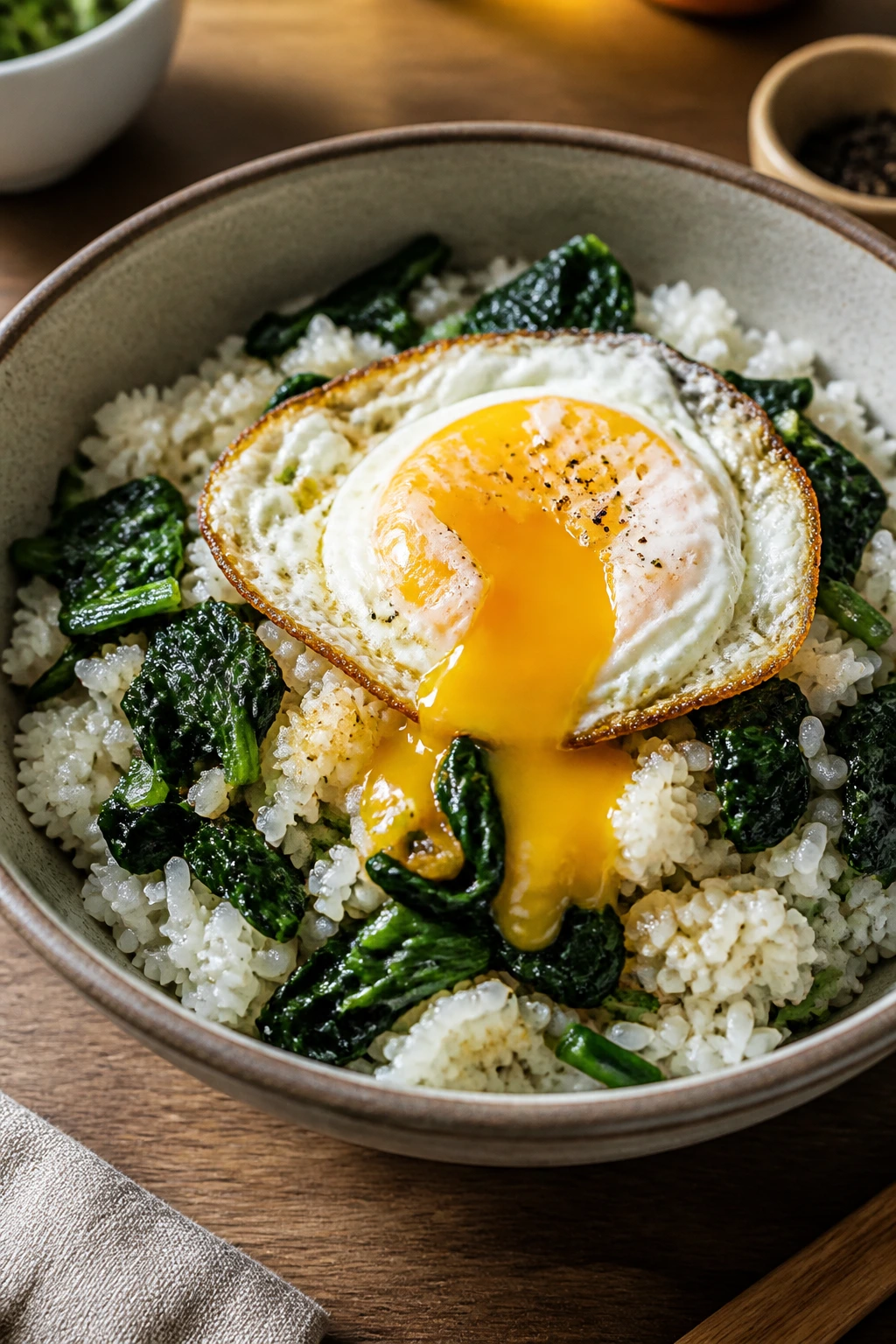
A rice bowl doesn’t have to be expensive to feel complete. Warm rice, wilted spinach, and a fried egg with a runny yolk make a bowl that eats bigger than it costs. Add soy sauce, and the whole thing gets a savory edge fast.
Why It Works:
Rice is the base, spinach adds volume, and eggs bring the protein. The bowl is flexible enough to take leftovers, but it’s also good enough on its own. It’s one of the easiest ways to turn a plain pantry day into a real meal.
Key Ingredients:
- 2 cups cooked rice
- 4 cups fresh spinach
- 2 large eggs
- 1 tablespoon oil
- 1 tablespoon soy sauce
- 1 teaspoon sesame seeds, optional
- 1 scallion, sliced
Quick Steps:
- Warm rice in a bowl or skillet.
- Wilt spinach in a skillet with oil over medium heat for 1 minute.
- Fry the eggs in the same pan until the whites set.
- Build bowls with rice, spinach, and eggs. Drizzle with soy sauce and top with scallions.
Equipment for This Recipe:
- Skillet
- Spoon
- Bowl
- Spatula
How to Serve This Dish:
Serve with chili crisp, sesame seeds, or a little rice vinegar. A few cucumber slices on the side keep the bowl feeling fresh.
Pro Tips for This Recipe:
- Dry spinach well so it doesn’t flood the bowl.
- Cook eggs to your preferred yolk level; runny works best here.
- Reheat rice until steaming hot for the safest texture.
Variations on This Dish:
- Mushroom Bowl: Add sliced mushrooms with the spinach.
- Peanut Sauce Bowl: Drizzle with thinned peanut butter sauce.
- Kimchi Version: Add kimchi for sharpness and crunch.
Common Mistakes to Avoid with This Dish:
- Using too much soy sauce: The bowl gets salty fast.
- Overcooking the spinach: It turns swampy.
- Cold rice straight from the fridge: Reheat it so the bowl tastes alive.
21. Crispy Salmon Cakes
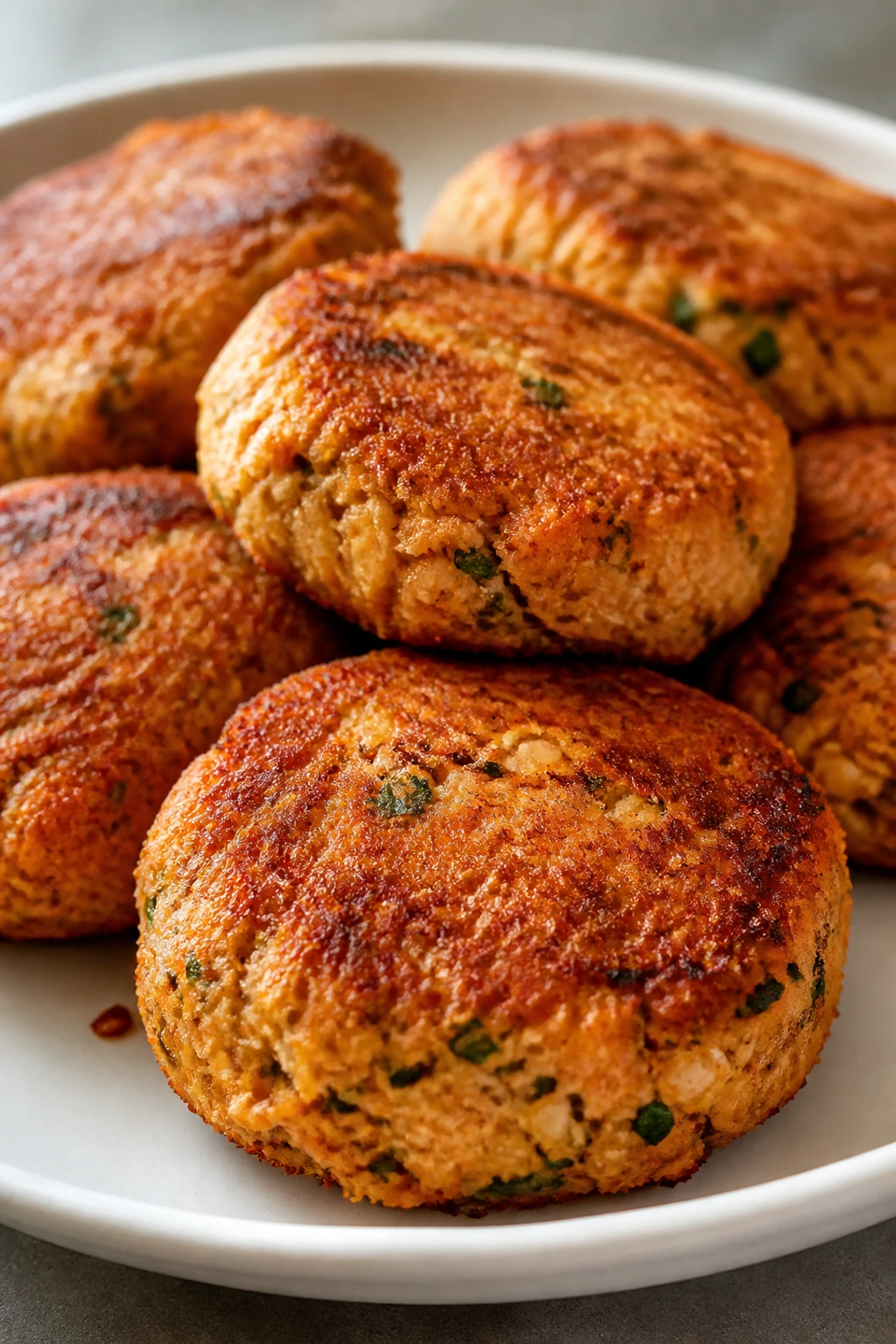
Canned salmon is one of those grocery items people forget about until the budget gets serious. Mix it with egg, breadcrumbs, and a little mustard, and it turns into crisp little cakes that taste like actual dinner. You get protein, texture, and a meal that doesn’t need a lot of help.
Why It Works:
Canned salmon is cheaper than fresh and already cooked, so the pan work stays short. Breadcrumbs or crushed crackers hold the cakes together, and a quick fry gives them a browned crust. They’re sturdy enough for a sandwich or simple enough for a plate.
Key Ingredients:
- 1 can salmon, drained and flaked
- 1 large egg
- 1/3 cup breadcrumbs or crushed crackers
- 1 tablespoon mayonnaise or mustard
- 2 tablespoons chopped onion
- 2 tablespoons oil
- Lemon wedges, optional
Quick Steps:
- Mix salmon, egg, breadcrumbs, mayo or mustard, and onion.
- Form into 4 small patties.
- Heat oil in a skillet over medium heat and cook patties 3 to 4 minutes per side until golden.
- Serve hot with lemon.
Equipment for This Recipe:
- Bowl
- Skillet
- Spatula
- Fork
How to Serve This Dish:
Serve with potatoes, salad, or tucked into a bun with tartar sauce. A squeeze of lemon keeps the flavor clean.
Pro Tips for This Recipe:
- Drain the salmon well or the cakes fall apart.
- If the mix feels loose, add 1 tablespoon more breadcrumbs.
- Let the patties sit 5 minutes before frying so they hold shape.
Variations on This Dish:
- Dill Salmon Cakes: Add dill or dried parsley.
- Spicy Salmon Cakes: Mix in hot sauce or cayenne.
- Cracker-Crust Version: Roll the patties in extra crumbs before frying.
Common Mistakes to Avoid with This Dish:
- Making the patties too big: They’re hard to flip.
- Using too little binder: The cakes split.
- Cooking on high heat: The outside burns before the center firms up.
22. Creamy Potato Soup
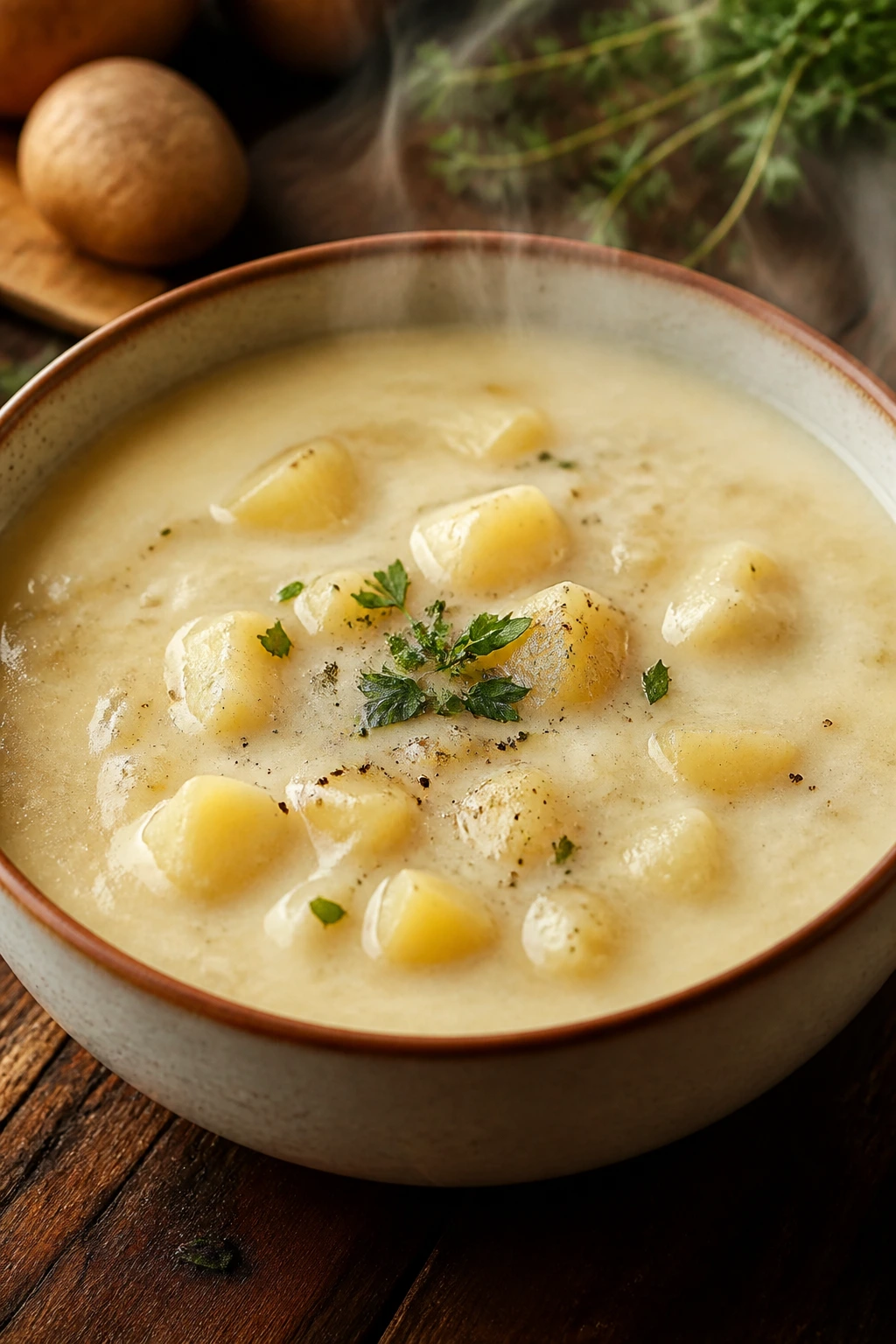
Potato soup can be as plain or as rich as you want it to be, which is part of the appeal. With potatoes, onion, broth, milk, and a little butter, you get a bowl that’s smooth, starchy, and comforting without needing anything fancy from the store.
Why It Works:
Potatoes naturally thicken the soup once they’re soft enough to break down. A little flour or mashing helps if you want it creamier. It’s inexpensive, easy to batch-cook, and easy to reheat without much fuss.
Key Ingredients:
- 2 pounds potatoes, peeled and diced
- 1 small onion, diced
- 3 cups broth
- 1 cup milk
- 2 tablespoons butter
- 2 tablespoons flour
- Salt and pepper
Quick Steps:
- Cook onion in butter in a pot over medium heat for 4 minutes.
- Stir in flour and cook 1 minute.
- Add potatoes and broth. Simmer 15 to 18 minutes until the potatoes are tender.
- Mash some of the potatoes in the pot, stir in milk, and season.
Equipment for This Recipe:
- Large pot
- Potato masher or spoon
- Knife and cutting board
- Ladle
How to Serve This Dish:
Serve with green onions, cheese, or crumbled crackers. A piece of toast on the side makes it feel fuller.
Pro Tips for This Recipe:
- Dice the potatoes small so they cook on time.
- Add milk after the potatoes are tender to avoid curdling risk.
- Mash only part of the pot if you want some texture left.
Variations on This Dish:
- Bacon Potato Soup: Stir in a little cooked bacon if you have it.
- Cheddar Version: Add shredded cheese off the heat.
- Leek Swap: Use leeks instead of onion for a milder taste.
Common Mistakes to Avoid with This Dish:
- Boiling after the milk goes in: It can separate.
- Cutting potatoes too large: The soup takes forever.
- Forgetting to season in layers: The soup tastes flat if all the salt waits until the end.
23. Garlicky White Beans on Toast
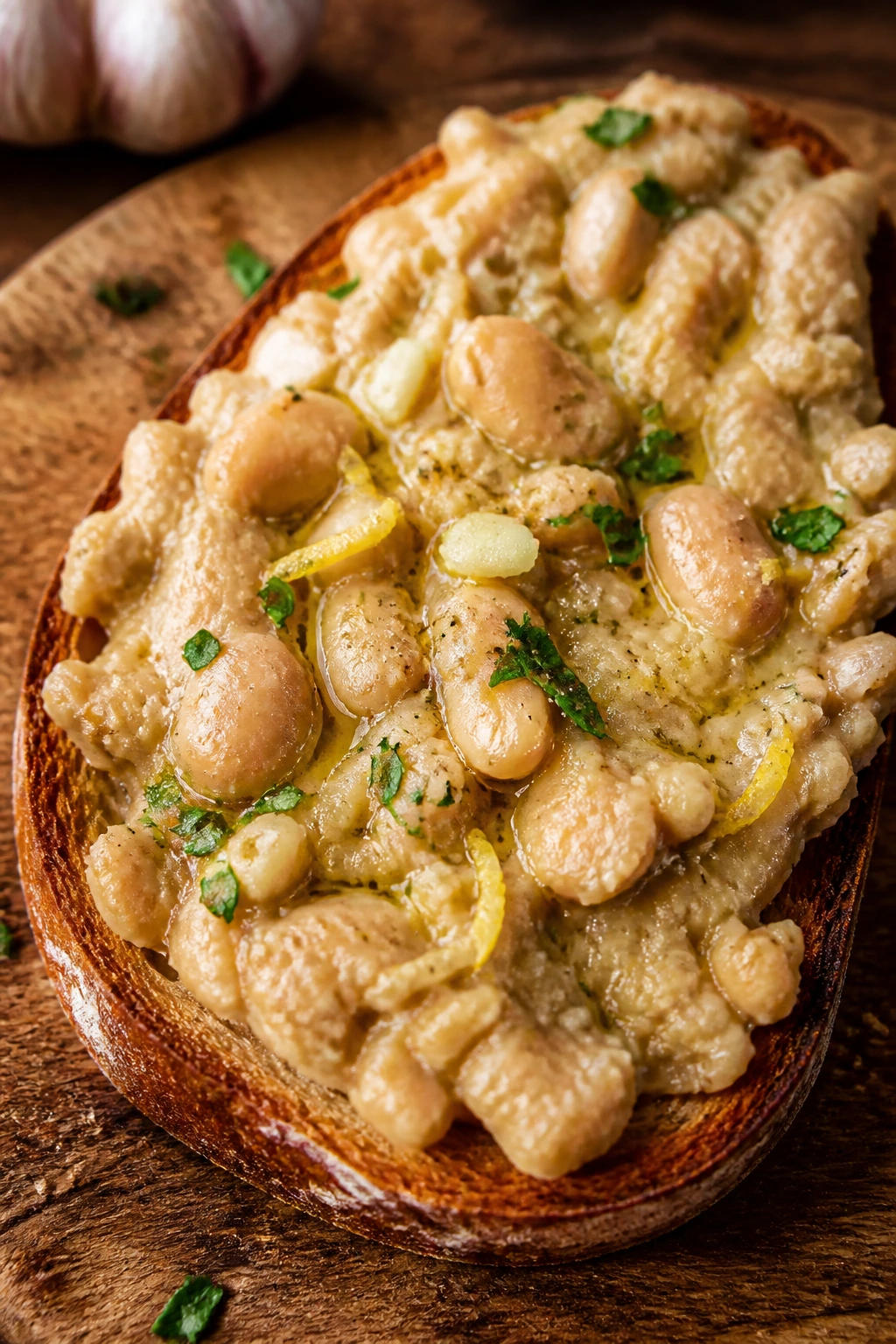
Beans on toast sound almost too simple until you eat them hot, with garlic and butter and a little lemon. White beans break down into a creamy spread that sits well on toasted bread and turns pantry staples into a meal that feels intentional, not accidental.
Why It Works:
Canned white beans are cheap, soft, and ready in minutes. Cooking them with garlic and tomato paste or a little broth gives them depth. Toast gives the dish crunch, which is half the point.
Key Ingredients:
- 2 cans cannellini or great northern beans, drained
- 2 cloves garlic, minced
- 1 tablespoon tomato paste
- 2 tablespoons butter or oil
- 4 slices thick bread
- 1 tablespoon lemon juice
- Salt and pepper
Quick Steps:
- Toast the bread.
- Warm butter or oil in a skillet and cook garlic for 30 seconds.
- Stir in beans and tomato paste with a splash of water. Cook 3 to 4 minutes, mashing some beans as they soften.
- Finish with lemon juice and spoon onto toast.
Equipment for This Recipe:
- Skillet
- Toaster or pan
- Fork or spoon
- Knife
How to Serve This Dish:
Serve open-faced with black pepper, chili flakes, or parsley. It’s good as lunch, but a fried egg on top pushes it toward dinner.
Pro Tips for This Recipe:
- Mash about a third of the beans for a creamier texture.
- A little acid at the end keeps the beans from tasting heavy.
- Use thick bread so the toast doesn’t buckle.
Variations on This Dish:
- Rosemary Beans: Add a pinch of rosemary with the garlic.
- Tomato Beans on Toast: Use a few spoonfuls of marinara instead of tomato paste.
- Egg-Topped Version: Add a fried egg for more protein.
Common Mistakes to Avoid with This Dish:
- Using dry toast: It needs enough structure to hold the beans.
- Burning the garlic: It takes barely any time.
- Leaving the beans whole: A little mashing makes the topping cling better.
24. Mac and Peas
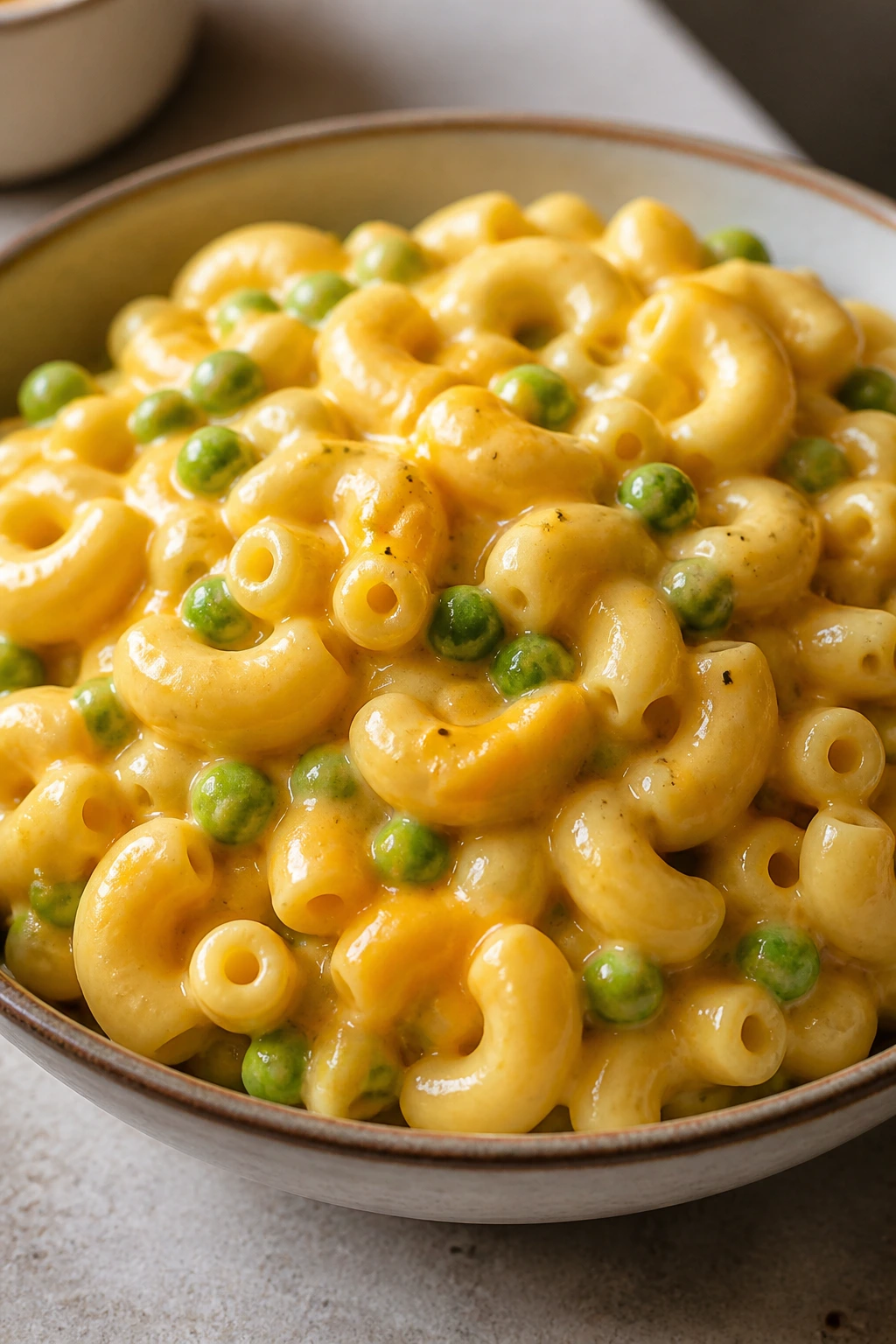
Mac and peas is the sort of thing you make when you want comfort without a long shopping list. Elbow macaroni, frozen peas, butter, milk, and cheese come together in one pot with the kind of quiet reliability that budget cooking depends on.
Why It Works:
The pasta water helps build a simple sauce, and the peas add color and a little sweetness. Cheese ties it together fast, which is why this dish lands between kid food and grown-up comfort. It’s cheap, fast, and hard to mess up badly.
Key Ingredients:
- 8 ounces elbow macaroni
- 1 cup frozen peas
- 2 tablespoons butter
- 1/2 cup milk
- 1 cup shredded cheddar
- Salt and black pepper
Quick Steps:
- Cook macaroni in salted water until just tender.
- Add peas during the last 2 minutes of cooking.
- Drain, then return pasta and peas to the pot.
- Stir in butter, milk, and cheese over low heat until creamy.
Equipment for This Recipe:
- Pot
- Colander
- Spoon
- Measuring cup
How to Serve This Dish:
Serve in bowls with extra pepper and a little hot sauce if you want more edge. A side of sliced tomatoes keeps the meal from feeling too heavy.
Pro Tips for This Recipe:
- Reserve a splash of pasta water in case the sauce tightens up.
- Add cheese off the heat or over low heat to keep it smooth.
- Frozen peas are fine straight from the bag.
Variations on This Dish:
- Mustard Mac: Add 1 teaspoon Dijon for sharper flavor.
- Tuna Mac: Stir in a drained can of tuna.
- Crispy Breadcrumb Top: Toast breadcrumbs in butter and sprinkle them over the bowl.
Common Mistakes to Avoid with This Dish:
- Overcooking the macaroni: It goes soft fast in the sauce.
- Adding cheese to boiling pasta: It can clump.
- Skipping salt in the water: The whole pot tastes dull.
25. Simple Shakshuka
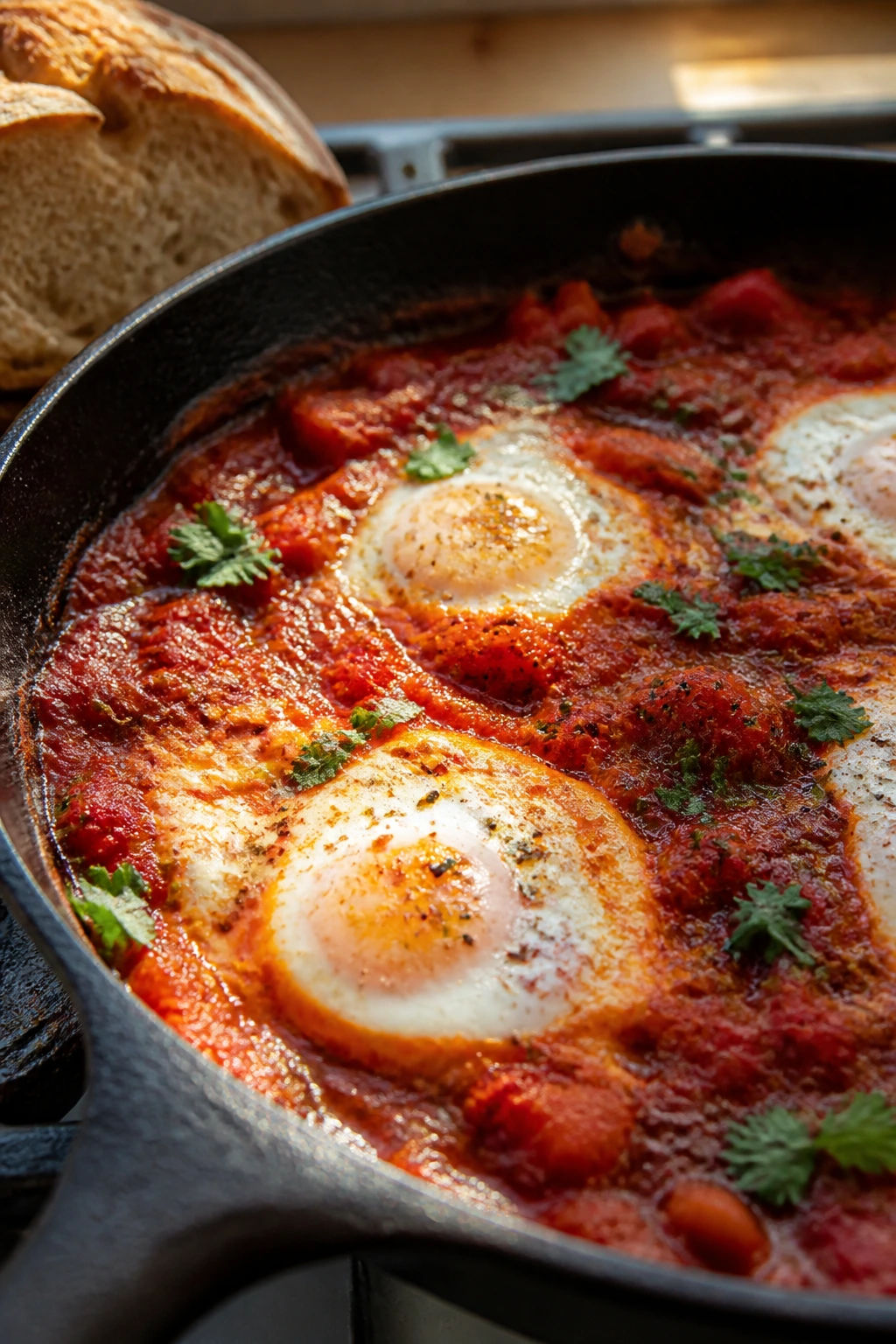
Shakshuka sounds fancy until you realize it’s just eggs poached in spiced tomato sauce. That sounds simple because it is. Canned tomatoes, onion, garlic, and a few eggs make a skillet that looks far more impressive than the grocery bill behind it.
Why It Works:
Tomatoes simmer into a thick base, and eggs cook right in the sauce so there’s no extra pan. Bread does the rest. It’s a budget meal with a little swagger, which is not a bad thing.
Key Ingredients:
- 1 small onion, diced
- 2 cloves garlic, minced
- 1 can crushed tomatoes
- 1 teaspoon paprika
- 4 large eggs
- 1 tablespoon oil
- Bread for serving
Quick Steps:
- Cook onion in oil over medium heat for 4 minutes.
- Add garlic and paprika; cook 30 seconds.
- Stir in tomatoes and simmer 8 to 10 minutes until thick.
- Make 4 small wells, crack in the eggs, cover, and cook 5 to 7 minutes until the whites set.
Equipment for This Recipe:
- Skillet with lid
- Spoon
- Knife and cutting board
- Bread knife, if needed
How to Serve This Dish:
Serve with crusty bread or toast for dipping. A spoonful of yogurt or crumbled feta gives it a little extra richness.
Pro Tips for This Recipe:
- Simmer the tomato base until it’s not watery.
- Cover the pan so the egg whites set before the yolks overcook.
- Salt the sauce before the eggs go in.
Variations on This Dish:
- Chickpea Shakshuka: Add a can of chickpeas to the sauce.
- Green Shakshuka: Use spinach and herbs with a little broth.
- Spicy Version: Add harissa or chili flakes.
Common Mistakes to Avoid with This Dish:
- Watery sauce: The eggs slide around and never set right.
- Overcooking the yolks: Keep an eye on them once the lid goes on.
- Skipping bread: You’ll want something to catch the sauce.
26. Peanut Sesame Noodles
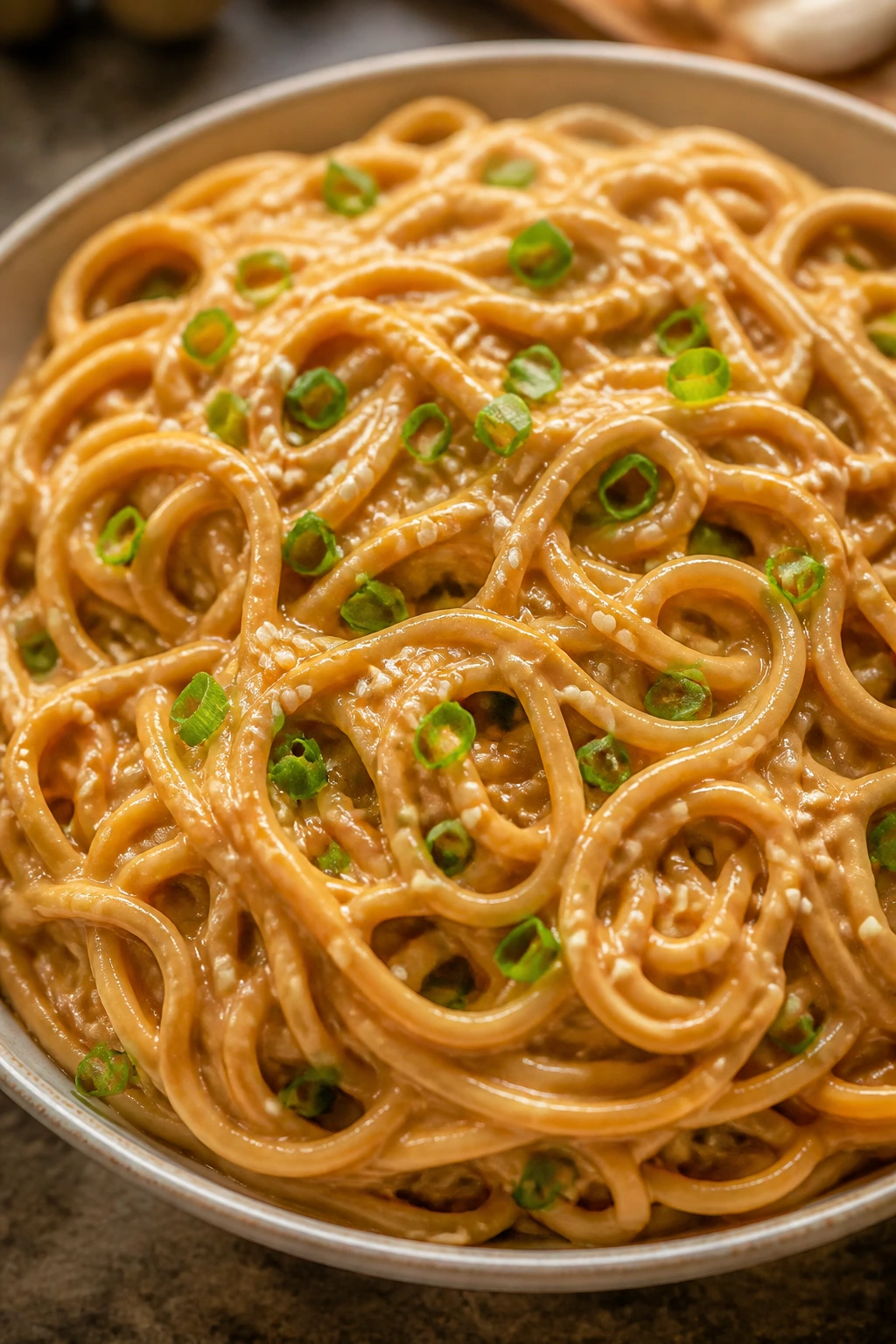
Peanut noodles are one of the cheapest meals that still feels like a craving got answered. A simple sauce of peanut butter, soy sauce, vinegar, and garlic coats the noodles and turns them into something salty, nutty, and a little glossy. Cold or hot, they work.
Why It Works:
Peanut butter gives you fat and body, soy sauce brings salt, and vinegar keeps the flavor from getting sticky-sweet. Noodles are cheap and fast, and the sauce takes less time than boiling water. That’s the kind of math I like.
Key Ingredients:
- 8 ounces spaghetti or linguine
- 3 tablespoons peanut butter
- 2 tablespoons soy sauce
- 1 tablespoon rice vinegar or white vinegar
- 1 clove garlic, grated
- 1 teaspoon sugar
- 2 to 4 tablespoons warm water
Quick Steps:
- Cook noodles until al dente and drain.
- Stir peanut butter, soy sauce, vinegar, garlic, sugar, and warm water into a smooth sauce.
- Toss sauce with the hot noodles until glossy.
- Top with scallions or sesame seeds if you have them.
Equipment for This Recipe:
- Pot
- Bowl
- Whisk or fork
- Tongs
How to Serve This Dish:
Serve warm or at room temperature with cucumber slices or shredded carrots. If you want more protein, add a fried egg or leftover chicken.
Pro Tips for This Recipe:
- Warm water helps the peanut butter loosen smoothly.
- Taste the sauce before tossing; some peanut butters need more salt.
- Thin with a little noodle water if the sauce seizes.
Variations on This Dish:
- Spicy Peanut Noodles: Add chili paste or sriracha.
- Sesame Version: Stir in a teaspoon of sesame oil.
- Veggie Bowl: Add shredded cabbage or carrots.
Common Mistakes to Avoid with This Dish:
- Using the sauce too thick: It clings in clumps.
- Overcooking the noodles: They get soft once sauced.
- Skipping acid: Vinegar is what keeps the sauce from tasting heavy.
27. Cottage Cheese Baked Ziti
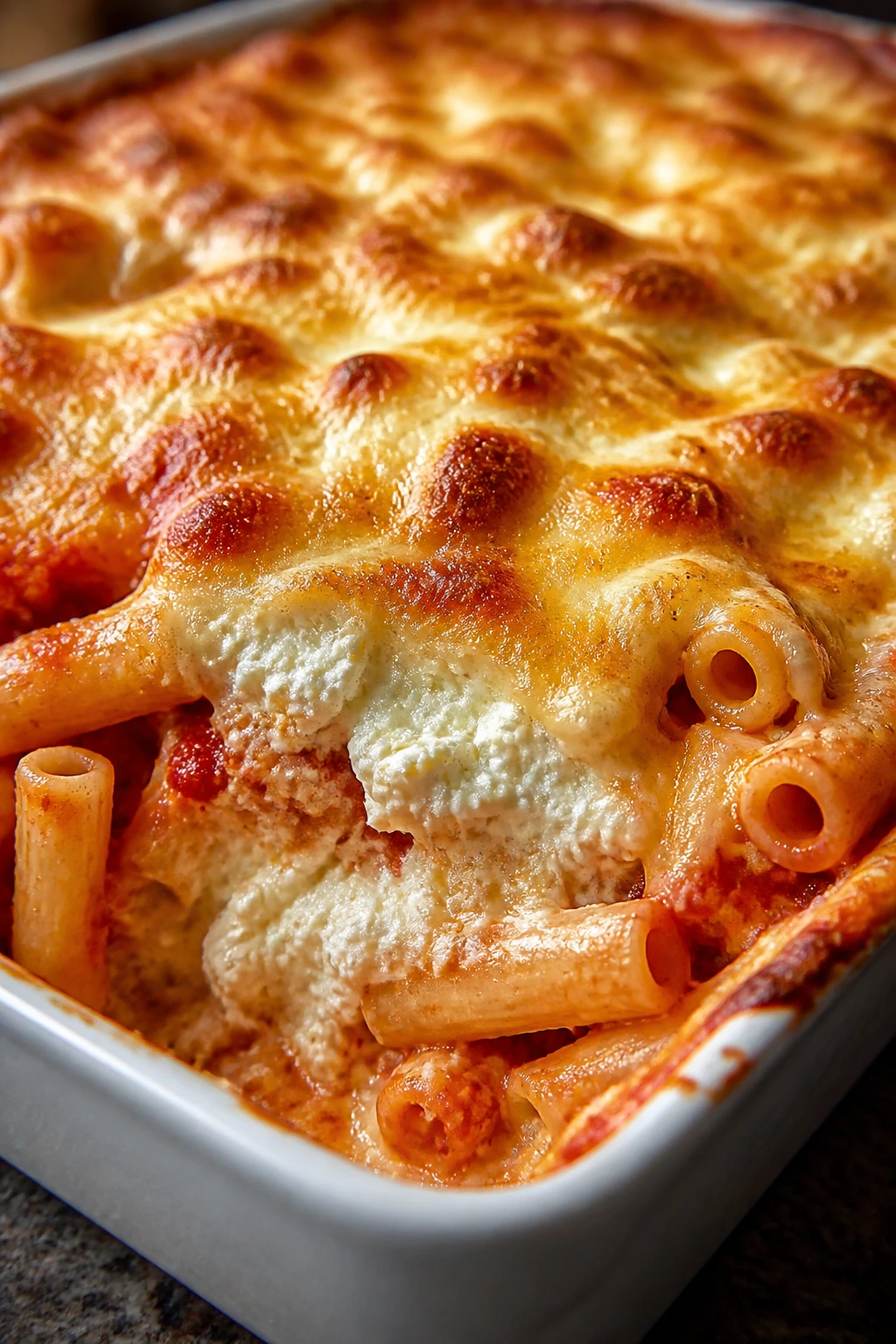
Cottage cheese is one of the sneaky thrift moves that actually pays off. In baked ziti, it stands in for ricotta and gives you a creamy, tangy layer under the pasta and sauce. The final bake is bubbly, browned, and a lot cheaper than it looks.
Why It Works:
Pasta, tomato sauce, and cheese are already working in your favor. Cottage cheese cuts the cost while keeping the texture rich enough to feel like a proper baked dish. It also stretches further than people expect.
Key Ingredients:
- 12 ounces ziti or penne
- 2 cups marinara sauce
- 1 1/2 cups cottage cheese
- 1 1/2 cups shredded mozzarella
- 1 teaspoon Italian seasoning
- 1 tablespoon oil for the dish
Quick Steps:
- Heat the oven to 375°F and grease a baking dish.
- Cook pasta until just shy of done, then drain.
- Mix pasta with marinara and Italian seasoning. Layer half in the dish, spoon cottage cheese over it, then add the rest of the pasta and top with mozzarella.
- Bake 20 to 25 minutes until bubbly and lightly browned.
Equipment for This Recipe:
- Baking dish
- Pot for pasta
- Spoon
- Foil, optional
How to Serve This Dish:
Let it rest for 10 minutes before cutting. Serve with a simple salad or garlic bread if the budget has room for bread.
Pro Tips for This Recipe:
- Don’t overcook the pasta before baking.
- Cottage cheese spreads better if you stir it first.
- Resting helps the layers settle and slice cleanly.
Variations on This Dish:
- Spinach Ziti: Stir in frozen spinach, squeezed dry.
- Meat Sauce Version: Add browned ground beef or turkey to the sauce.
- Spicy Ziti: Add red pepper flakes and more mozzarella.
Common Mistakes to Avoid with This Dish:
- Using too much sauce: The bake gets soupy.
- Skipping the rest time: It falls apart on the plate.
- Baking uncovered too long: The cheese dries out.
28. Easy Lentil Soup
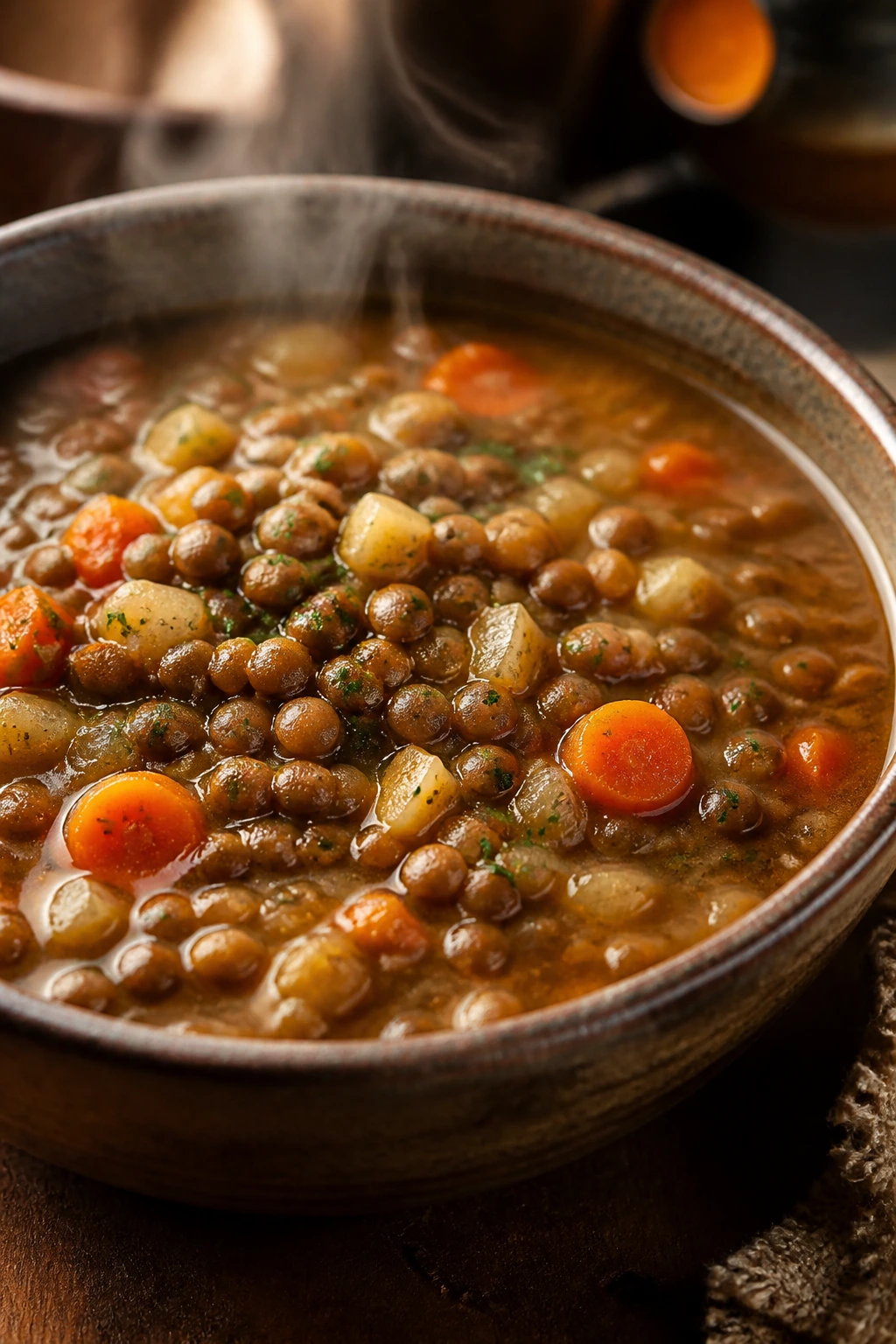
Lentil soup is cheap in the most useful way. A bag of lentils, some onion and carrot, and a bit of broth become a pot that tastes like it took longer than it did. It’s one of the best answers to “what can I make with almost nothing?”
Why It Works:
Lentils cook faster than beans and need no soaking. They thicken the broth naturally, which means you get body without cream or flour. Add a slice of bread and dinner is handled.
Key Ingredients:
- 1 cup brown or green lentils, rinsed
- 1 onion, diced
- 2 carrots, diced
- 2 cloves garlic, minced
- 4 cups broth or water
- 1 can diced tomatoes
- 1 bay leaf
Quick Steps:
- Cook onion and carrots in a pot with oil for 5 minutes.
- Stir in garlic for 30 seconds.
- Add lentils, broth, tomatoes, and bay leaf.
- Simmer 25 to 30 minutes until lentils are tender. Season and serve.
Equipment for This Recipe:
- Large pot
- Spoon
- Knife and cutting board
- Ladle
How to Serve This Dish:
Serve with bread, crackers, or a spoonful of yogurt. A squeeze of lemon sharpens the bowl nicely.
Pro Tips for This Recipe:
- Brown or green lentils hold their shape better than red.
- Add salt near the end so the lentils stay tender.
- The soup thickens as it cools, so leave some broth if reheating later.
Variations on This Dish:
- Smoky Lentil Soup: Add smoked paprika.
- Potato Lentil Soup: Stir in diced potatoes for extra heft.
- Spinach Lentil Soup: Add greens in the last 2 minutes.
Common Mistakes to Avoid with This Dish:
- Using old lentils: They can stay tough forever.
- Underseasoning the pot: Lentils need salt and acid.
- Boiling too hard: A gentle simmer keeps them intact.
29. Breakfast Quesadilla

Breakfast quesadillas are what happen when eggs, cheese, and one leftover potato stop pretending they need separate jobs. Everything goes into a tortilla, gets crisp in the skillet, and comes out hot enough to make breakfast feel more like a plan than a scramble.
Why It Works:
Eggs and cheese are cheap protein, and tortillas make them portable. A little leftover potato or beans stretches the filling without adding much cost. This is the sort of thing you make when you need food that works hard.
Key Ingredients:
- 2 large tortillas
- 3 large eggs
- 1 cup shredded cheese
- 1/2 cup cooked potato or black beans, optional
- 1 tablespoon butter or oil
- Salsa for serving
Quick Steps:
- Scramble the eggs in a skillet and season lightly.
- Lay one tortilla in a second skillet over medium heat.
- Add cheese, eggs, and potato or beans if using. Top with the second tortilla.
- Cook 2 to 3 minutes per side until golden and melted. Slice and serve.
Equipment for This Recipe:
- Skillet
- Spatula
- Bowl
- Knife
How to Serve This Dish:
Cut into wedges and serve with salsa or hot sauce. A piece of fruit beside it keeps the plate simple and complete.
Pro Tips for This Recipe:
- Let the eggs stay a little soft before filling the tortilla.
- Use medium heat so the tortilla browns without burning.
- Rest it for 30 seconds before slicing so the filling settles.
Variations on This Dish:
- Veggie Quesadilla: Add spinach or peppers.
- Sausage Version: Stir in a little cooked breakfast sausage.
- Bean Breakfast Quesadilla: Use beans instead of potatoes.
Common Mistakes to Avoid with This Dish:
- Overstuffing the tortilla: It cracks and spills.
- Cooking on high heat: The outside burns too fast.
- Using cold filling: It slows the melt.
30. Tomato Gnocchi Skillet
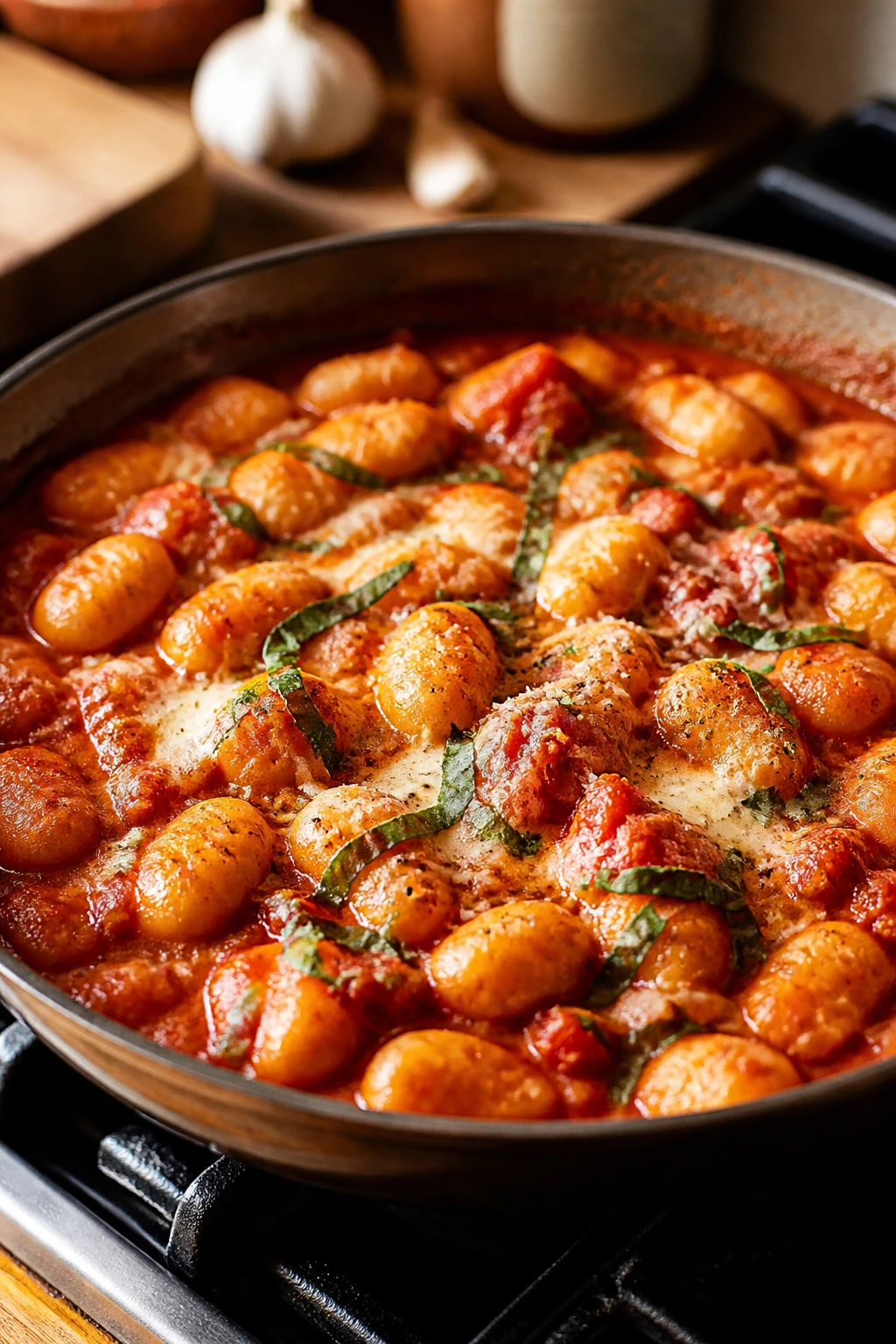
Store-bought gnocchi is one of those cheap shortcuts that feels almost unfair. Toss it in a skillet with canned tomatoes, garlic, and a little cheese, and it goes from shelf-stable to saucy and tender in a few minutes. The whole pan tastes like it took far more care than it did.
Why It Works:
Shelf-stable gnocchi cooks fast and doesn’t need boiling first. The potato dumplings soak up tomato sauce, and the starch helps thicken everything naturally. It’s a fast dinner with a soft center and browned edges if you give it enough heat.
Key Ingredients:
- 1 package shelf-stable gnocchi, about 17 ounces
- 1 can crushed tomatoes
- 2 cloves garlic, minced
- 1 tablespoon olive oil
- 1/2 cup shredded mozzarella or Parmesan
- 1/2 teaspoon dried basil
- Salt and pepper
Quick Steps:
- Heat oil in a skillet over medium heat and cook garlic for 30 seconds.
- Add tomatoes and basil. Simmer 5 minutes.
- Stir in gnocchi and cook 4 to 5 minutes, stirring now and then, until the gnocchi is tender and the sauce thickens.
- Top with cheese and cover for 1 minute to melt.
Equipment for This Recipe:
- Large skillet with lid
- Spoon
- Can opener
- Knife, if needed for garlic
How to Serve This Dish:
Serve in shallow bowls with more cheese on top and a little black pepper. A green salad or roasted frozen broccoli gives the plate some balance.
Pro Tips for This Recipe:
- Don’t crowd the pan too early; the gnocchi need space to heat through.
- Add a splash of water if the sauce gets too thick before the gnocchi finish.
- A little basil or oregano makes canned tomatoes taste fuller.
Variations on This Dish:
- Spinach Gnocchi: Stir in a handful of spinach at the end.
- Sausage Gnocchi: Brown a little sausage before the garlic.
- Creamy Version: Stir in 1/4 cup milk or cream at the end.
Common Mistakes to Avoid with This Dish:
- Overcooking the gnocchi: They go mushy fast.
- Using too little sauce: Gnocchi need enough moisture to stay tender.
- Skipping the garlic step: That short sizzle matters more than it looks.
Why Pantry Staples Beat Fancy Ingredients on Busy Nights
The cheapest meals are usually the ones that know what not to ask for. They don’t need specialty stock, artisanal bread, or a long line of herbs that wilt before you finish using them. They need a few sturdy things that keep well: pasta, rice, oats, beans, potatoes, eggs, canned tomatoes, frozen vegetables, and the occasional block of cheese. That’s the pantry backbone, and it earns its shelf space.
There’s also a rhythm to budget cooking that saves money in a quieter way. When ingredients overlap, you buy less and waste less. A bag of rice can show up in fried rice one night and a rice bowl the next. A can of beans can become chili, burritos, or toast topping. You stop treating every dinner like a separate shopping event and start treating groceries like they’re part of a system.
And that system matters because time spent cooking has a cost too. Fifteen minutes over a skillet is not the same thing as an hour of fiddling with marinades, chopping six vegetables, and washing three pans. Quick recipes are not just about speed; they keep you from reaching for takeout because the kitchen feels too expensive in effort.
Essential Equipment for These Recipes
- Large skillet or sauté pan: This is the workhorse for fried rice, noodles, hashes, quesadillas, and anything that needs browning.
- Rimmed sheet pan: Useful for sausage-and-vegetable dinners and anything you want roasted with minimal attention.
- Medium to large pot: Needed for soups, pasta, rice, chili, and anything with broth.
- Colander: Makes pasta and noodle recipes easier to handle without losing half the meal down the sink.
- Sharp knife and cutting board: Cheap recipes still need clean cuts, especially when onions, cabbage, and potatoes show up.
- Spatula and wooden spoon: One for flipping, one for stirring. Both will get used constantly.
- Measuring cups and spoons: Budget recipes can go off the rails when soy sauce, salt, or oil gets poured by guesswork.
- Can opener: A small thing. A necessary thing.
- Mixing bowls: Handy for burrito fillings, sauce mixing, and anything you want ready before the pan heats.
- Storage containers with lids: Leftovers are part of the budget plan, not an afterthought.
Smart Shopping and Ingredient Tips
Start with the ingredients that give you the most meals per dollar. Rice, oats, pasta, dry lentils, canned beans, and potatoes usually do more heavy lifting than pricier convenience items. Store brands are fine here, and I’d argue they’re often the smart choice. The label matters less than the shape of the ingredient and whether it cooks cleanly.
Eggs deserve special treatment in a budget kitchen. They can be breakfast, dinner, or a protein boost in a skillet meal. Buy the size that fits your usual use, and keep them chilled in the carton, not floating around loose in the fridge. Canned tuna, canned tomatoes, and broth are worth stocking because they make bland ingredients act like meals fast.
Frozen vegetables are not a compromise. They’re often picked and frozen at a useful stage, and they save you from tossing half a floppy bag of carrots or spinach later. Frozen peas, mixed vegetables, spinach, and corn are the easiest wins. On the produce side, cabbage, onions, carrots, and potatoes are the quiet budget champions because they keep well and still cook nicely when you’re a day or two behind your plans.
Buy meat only when it has a job. Chicken thighs, smoked sausage, and canned salmon or tuna can stretch farther than pricier cuts because they bring flavor and protein without much trimming. If a recipe works without meat, let it. That’s where the savings actually show up.
How to Serve These Recipes
Presentation: Keep the plates simple and warm. Bowls work better than wide plates for spaghetti, rice dishes, soups, and chili because they hold sauce where it belongs. A quick sprinkle of herbs, cheese, scallions, or black pepper does more than people think, and it costs very little.
Accompaniments: Bread, toast, tortillas, rice, potatoes, or a basic salad can turn a small skillet meal into a full dinner without much spending. Tomato soup wants grilled cheese. Chili likes cornbread or rice. Curries and bean dishes usually do best with rice, while egg or noodle dishes benefit from a crunchy side like cucumbers or cabbage.
Portions: Most of these recipes are built to serve 2 to 4 people, but they scale cleanly because the base ingredients are cheap and forgiving. If you’re feeding one, cook the full amount and plan for leftovers. If you’re feeding a bigger table, stretch with extra rice, bread, tortillas, or an extra can of beans.
Beverage Pairing: Water with lemon is enough for most of these. I also like unsweetened iced tea with the richer dishes and plain sparkling water with tomato-based meals. For breakfast bowls or oatmeal, coffee still does the job.
Additional Tips and Flavor Boosters
Flavor Enhancement: Keep one or two finishing ingredients around—lemon juice, vinegar, hot sauce, Dijon mustard, or soy sauce. A teaspoon at the end can wake up a whole pan. It’s a cheap trick, but it works because the flavor lands on top instead of cooking flat into the dish.
Customization: Use what you actually have. Frozen peas can become frozen corn; cheddar can become Monterey Jack; black beans can become pinto beans. A recipe like this should bend around what’s already in your kitchen, not force another trip to the store for one missing garnish.
Serving Suggestions: Toasted breadcrumbs over pasta, scallions over rice, a fried egg on beans, or crushed tortilla chips over chili all add texture for pennies. Texture is the piece that budget food loses first, so put some back where you can.
Make-It-Yours: If you want less dairy, lean on tomato sauce, olive oil, or broth-based recipes. If you want more protein, add eggs, canned fish, lentils, or beans before reaching for pricier meat. If you need gluten-free options, rice bowls, potato dishes, soups, and chili are the easiest starting points.
Make-Ahead, Storage, and Reheating Guidance
Most of these meals keep well for 3 to 4 days in the refrigerator if they’re cooled and stored in shallow containers. Soups, chili, lentil dishes, and saucy pasta hold up best. Crisp items—quesadillas, grilled cheese, potato hash, salmon cakes—are better reheated in a skillet or oven than in the microwave if you care about texture.
For the freezer, bean chili, lentil soup, tomato sauce-based pasta, and some casseroles freeze for up to 2 months in airtight containers. Leave a little space at the top because soups and sauces expand. Label the containers. Otherwise, the mystery dinner becomes a guessing game nobody wants.
Reheat soups and chili on the stove over medium-low heat with a splash of water or broth if they’ve thickened too much. Pasta and rice dishes do better with a covered skillet and a spoonful of water to bring back moisture. Burritos and quesadillas should go in a dry skillet or toaster oven until the tortilla crisps again. And one practical food-safety habit: get cooked food into the fridge within 2 hours so it cools safely and stays useful for later.
Variations and Adaptations to Try
-
The Bean-Heavy Swap: If meat prices sting, use beans, lentils, or chickpeas in place of sausage or chicken in at least half the recipes. The texture changes, but the meals stay filling and the grocery bill drops.
-
The Dairy-Light Version: Skip cheese-heavy finishes and lean on tomato sauce, broth, olive oil, mustard, or vinegar. Garlic bread, rice, or tortillas can make up some of the richness you lose.
-
The Rice-First Week: Cook one batch of rice and use it across fried rice, rice bowls, curry, and skillet dinners. Having rice already done cuts dinner time hard and keeps leftovers from getting ignored.
-
The Pantry-Only Plan: Choose recipes built around canned beans, canned tomatoes, pasta, oats, tuna, and shelf-stable gnocchi. This is the easiest route when the fridge looks bare and payday is not especially helpful.
-
The Kid-Plain Adjustment: Keep spice low, use cheddar instead of sharper cheese, and serve sauces on the side. Most of these recipes become easier for picky eaters when the heat is optional rather than baked in.
-
The Spicy-Forward Route: Add chili flakes, hot sauce, cayenne, chipotle, or chili crisp after cooking. That keeps the main batch mild enough for everyone, and each plate can go in its own direction.
Common Mistakes to Avoid
-
Buying too many “special” ingredients for cheap meals: One bottle of sauce that costs as much as three meals defeats the point. Build around ingredients you’ll use again.
-
Forgetting that texture matters: Cheap food falls flat when everything is soft. Keep something crisp, browned, or fresh in the mix—toast, cabbage, scallions, or a fried egg.
-
Under-seasoning basic ingredients: Beans, rice, oats, potatoes, and pasta all need salt, acid, or both. If the dish tastes like a blank page, it probably needs a pinch more than you think.
-
Overcooking starches: Pasta, rice, gnocchi, and potatoes can go from useful to mushy fast. Pull them while they still have a little structure, especially if they’re going back into a sauce or skillet.
-
Skipping leftovers planning: A budget recipe is stronger when it becomes lunch. Cook enough for tomorrow, then pack it in containers right away so it doesn’t drift to the back of the fridge.
-
Treating frozen vegetables like a downgrade: They’re a tool. They’re often cheaper, faster, and less wasteful than fresh produce that needs trimming and immediate use.
Frequently Asked Questions
How do I keep these recipes cheap if I have to buy everything from scratch?
Start with the meals that reuse the most ingredients: rice, onions, eggs, beans, pasta, and canned tomatoes. Once those are in the kitchen, each new recipe gets cheaper because you’re not rebuilding the pantry every time.
Are canned beans worth it, or should I buy dry beans?
Dry beans cost less per serving, but canned beans win on speed and convenience. If you have time to soak and cook dry beans, they’re a smart buy; if you need dinner in 20 minutes, canned beans are worth the extra pennies.
What’s the best cheap protein to keep on hand?
Eggs, canned tuna, canned salmon, lentils, chickpeas, and chicken thighs are the strongest all-around picks. They cover breakfast, lunch, and dinner without forcing you into expensive cuts or long cook times.
How do I stop budget meals from tasting bland?
Use salt in layers, not all at once. Then add one sharp thing at the end—lemon juice, vinegar, mustard, hot sauce, or even a little pickle brine. That last hit wakes up a lot of simple food.
Can I make these recipes ahead for the week?
Yes, and some get better after a night in the fridge. Chili, soups, lentil dishes, pasta bakes, and rice bowls all hold up well. Keep crispy toppings separate until serving so they don’t turn limp.
What if I only have a microwave and no stove?
Potato dishes, oatmeal, some bean bowls, and a few rice meals can still work with microwave cooking if you keep the liquids and covered cooking times right. You won’t get the same browning, but you can still make a filling meal.
Which recipes freeze best?
Chili, lentil soup, tomato-based pasta bakes, and some bean fillings freeze well for up to 2 months. Avoid freezing things that depend on crisp textures, like quesadillas or grilled cheese, unless you plan to re-crisp them in a pan later.
How do I make these meals feel less repetitive?
Change the finishing move. One night use hot sauce, another night lemon, another night a little cheese or herbs. Same pantry, different mood. That small shift matters more than buying a whole new ingredient list.
Cheap Dinners That Still Feel Like Dinner
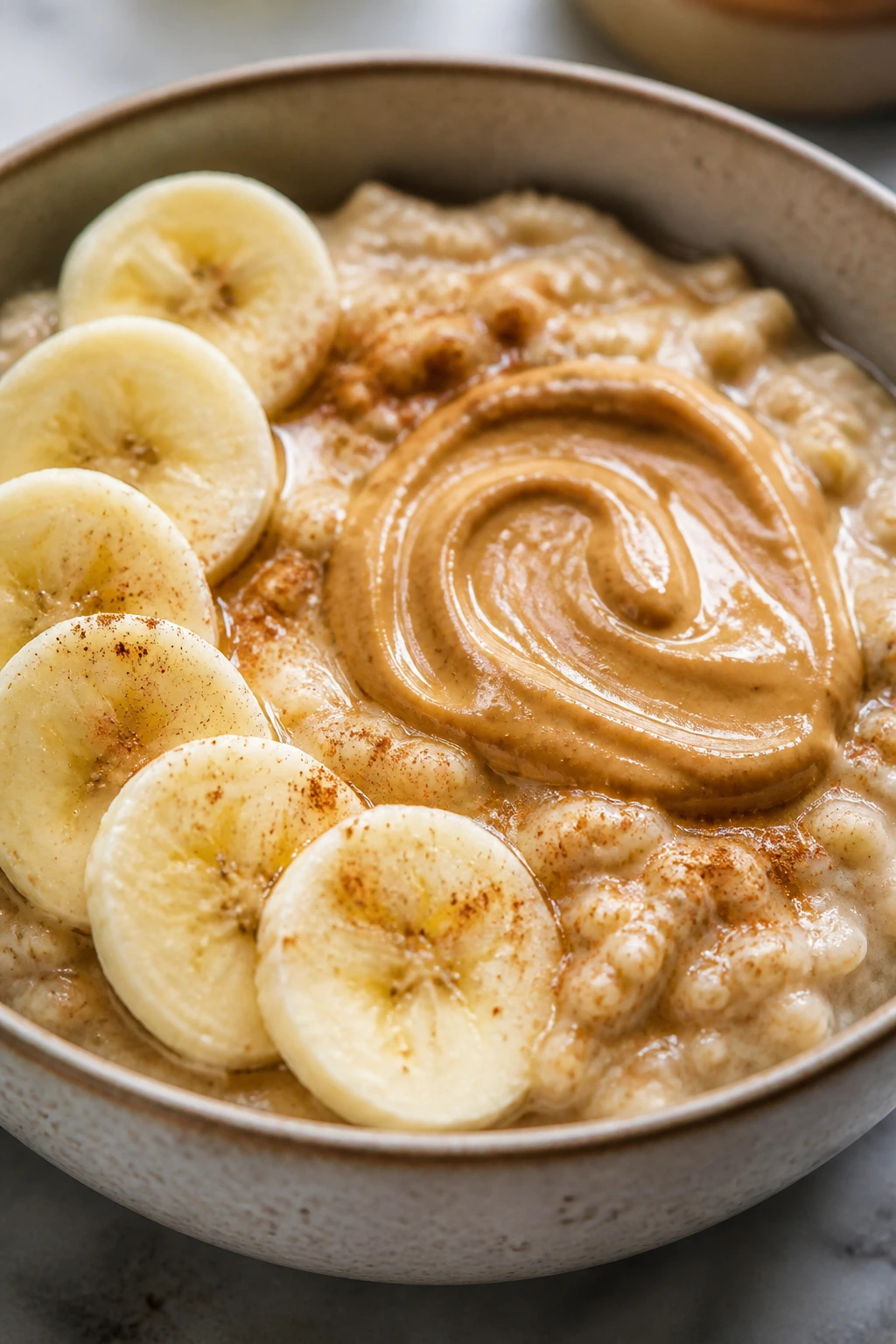
A budget doesn’t have to make your meals feel smaller than they are. The right recipes stretch the cart, use what lasts, and leave you with food that still tastes like someone cared enough to cook it properly. That’s the real goal: not fancy, not fussy, just solid meals that keep showing up when money wants to be careful.
The useful habit is to keep a short list of dependable ingredients and cook them in different shapes. Rice becomes fried rice, bowls, or curry. Beans become chili, burritos, toast, or a skillet bake. Potatoes become soup, hash, or a loaded dinner that eats bigger than the price tag.
Start with the recipes that fit the ingredients you already buy most often, then repeat the ones that save both time and cash. The kitchen gets easier that way, and dinner does too.