



A good bowl of soup should not feel timid. It should steam up the kitchen window, leave a slick of broth on the spoon, and carry enough body that you’re not hungry again an hour later. That’s the difference between something warm and something worth making twice.
Hearty soup recipes do their work slowly. Onion sweats down into sweetness. Meat browns instead of sulking gray in the pot. Beans, barley, potatoes, noodles, rice, and greens turn a thin broth into dinner that actually sticks. The best versions do not rely on cream to fake richness; they build it from the bottom up, with salt, time, and a little patience.
And yes, there’s a place for broth-only soups when you want something light. This is not that night. These are the bowls you reach for when the rain has been hanging around too long, when the house smells cold, when a crusty piece of bread feels less like a side and more like a requirement.
Why These Bowls Earn Their Spot on the Stove
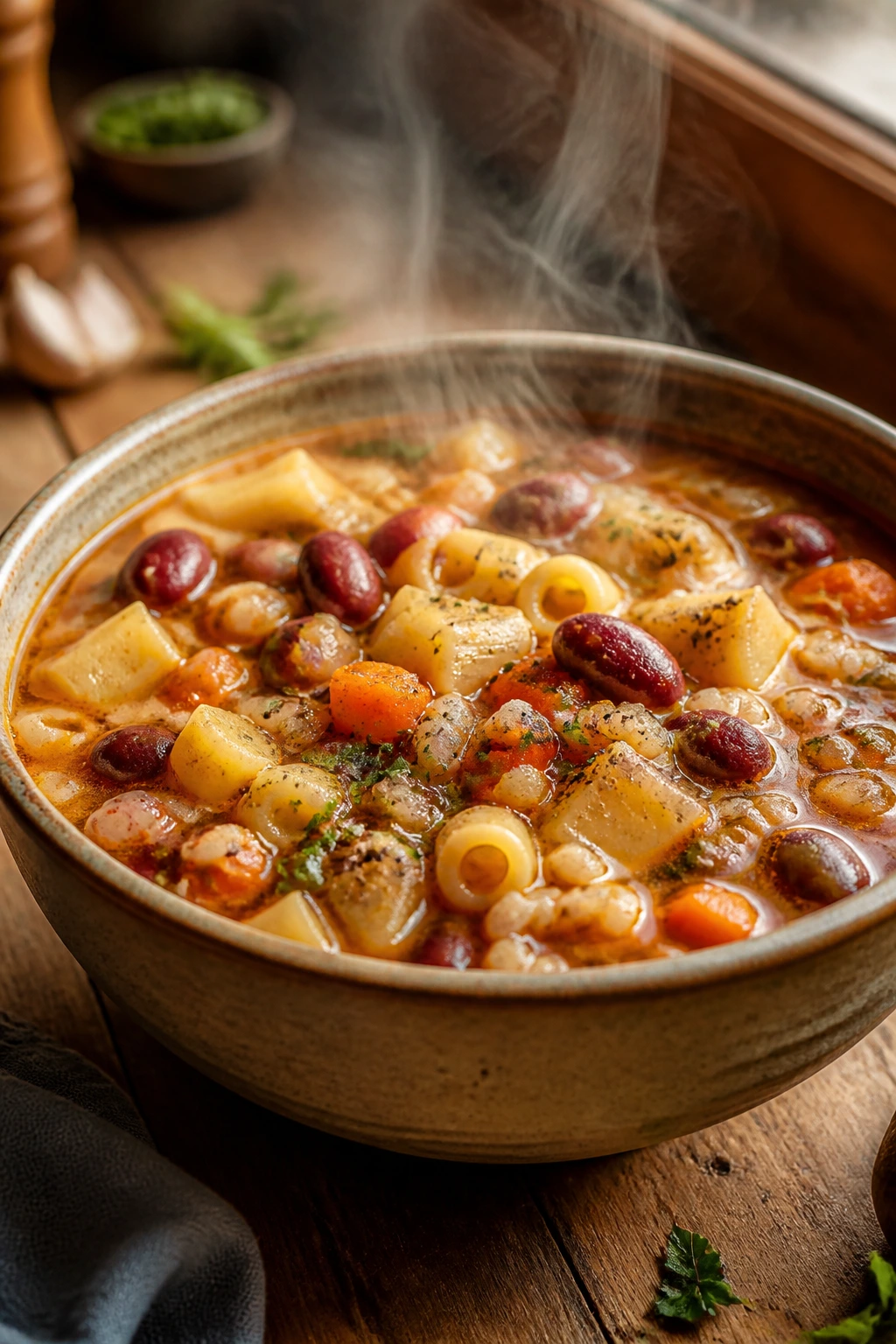
- Real body, not thin comfort: Beans, barley, pasta, potatoes, and rice give these soups enough texture that a ladle stands up for a second before settling.
- Built from pantry staples: Onion, garlic, broth, canned tomatoes, dried herbs, and a few sturdy vegetables show up across the whole collection, which keeps the shopping list sane.
- Flexible with leftovers: Most of these soups get better after a night in the fridge, especially the bean, chili, and beef versions where the seasoning has time to settle.
- Easy to scale up: Soup pots forgive you. Double the batch, freeze half, and you’ve got another meal tucked away without much extra work.
- Smart on the wallet: Cuts like chuck, split peas, lentils, chicken thighs, and dried barley stretch beautifully without tasting like budget food.
- Good with bread, rice, or nothing at all: These recipes can carry a meal on their own, but they also know how to make a slice of toast disappear fast.
1. Classic Chicken Noodle Soup
The first spoonful should taste like steam, pepper, and celery, with shredded chicken and egg noodles slipping through the broth. I like this version because it doesn’t lean on a floury base or a heavy hand with cream. It stays clean and savory, which is exactly why people keep making it.
The carrots and onion go soft and sweet before the broth goes in, so the whole pot tastes layered instead of thin. A squeeze of lemon at the end sharpens the broth without turning it sour. That little flash of acidity matters.
Why It Works: Boneless chicken thighs stay tender through a gentle simmer, and egg noodles cook fast enough to keep their bite. Finishing with parsley and lemon keeps the soup from tasting flat. You get a bowl that feels restorative, not bland.
Key Ingredients:
- 2 tablespoons olive oil
- 1 large yellow onion, diced
- 3 carrots, sliced
- 3 celery ribs, sliced
- 4 garlic cloves, minced
- 1½ pounds boneless, skinless chicken thighs
- 8 cups low-sodium chicken broth
- 2 bay leaves
- 1 teaspoon dried thyme
- 8 ounces wide egg noodles
- 2 tablespoons chopped parsley
- 1 to 2 tablespoons lemon juice
- Kosher salt and black pepper, to taste
Quick Steps:
- Build the base: Heat the olive oil in a large Dutch oven over medium heat. Add onion, carrots, and celery, then cook for 6 to 8 minutes until the onion is translucent and the carrots start to soften.
- Add the aromatics: Stir in garlic and thyme for 30 seconds, just until the garlic smells sweet.
- Simmer the chicken: Add broth, bay leaves, chicken thighs, 1 teaspoon salt, and plenty of pepper. Bring to a gentle simmer, then cook for 18 to 20 minutes until the chicken reaches 165°F and shreds easily.
- Shred and return: Lift out the chicken, shred it with two forks, and slide it back into the pot.
- Cook the noodles: Add egg noodles and simmer 7 to 8 minutes until tender but still springy.
- Finish cleanly: Stir in parsley and lemon juice, then taste and adjust salt before serving.
Equipment for This Recipe:
- Large Dutch oven or soup pot
- Tongs or a slotted spoon
- Cutting board and sharp knife
- Two forks for shredding
- Ladle
How to Serve This Dish: Ladle it into deep bowls and give each serving a crack of black pepper. A slice of buttered sourdough or plain saltines is the right move, and a simple green salad keeps the plate from feeling heavy.
Pro Tips for This Recipe:
- Use thighs instead of breasts if you want chicken that stays silky after simmering.
- Cook the noodles in the soup only if you plan to eat it the same day.
- If the broth tastes sleepy, add another teaspoon of lemon juice before you reach for more salt.
- Keep the simmer gentle. A hard boil tightens the chicken and clouds the broth.
Variations on This Dish:
- Rice Swapped Noodle Soup: Replace the egg noodles with 1½ cups cooked white rice and add it at the end.
- Herb-Green Version: Stir in dill and parsley together for a sharper, greener finish.
- Extra-Veg Bowl: Add diced zucchini or peas during the last 5 minutes.
Common Mistakes to Avoid with This Dish:
- Boiling the chicken hard: The meat turns stringy. Keep the pot at a lazy simmer.
- Adding noodles too early: They soak up broth and go mushy. Stir them in near the end.
- Under-salting the base: Broth and vegetables need seasoning early, not just at the table.
2. Beef and Barley Soup
If you want a soup that eats like a stew without losing the comfort of a spoonable broth, this is the one. The barley turns chewy and nutty, and the beef softens into little fork-tender chunks that feel made for cold evenings.
Mushrooms deepen the pot without shouting for attention. Tomato paste gives the broth a dark edge, and Worcestershire quietly pushes everything toward savory territory. It’s a slow soup, and that’s the point.
Why It Works: Chuck roast has enough collagen to handle a long simmer, and pearl barley soaks up the broth while keeping a bit of bite. The mushrooms and tomato paste build a flavor base that tastes cooked, not assembled.
Key Ingredients:
- 2 tablespoons vegetable oil
- 1½ pounds beef chuck, cut into 1-inch cubes
- 1 yellow onion, diced
- 2 carrots, diced
- 2 celery ribs, diced
- 8 ounces cremini mushrooms, sliced
- 2 tablespoons tomato paste
- 3 garlic cloves, minced
- 8 cups beef broth
- ¾ cup pearl barley
- 2 bay leaves
- 1 teaspoon dried thyme
- 1 tablespoon Worcestershire sauce
- Salt and black pepper
Quick Steps:
- Brown the beef: Heat oil in a Dutch oven over medium-high heat. Sear the beef in batches until deeply browned on at least two sides, about 3 to 4 minutes per batch.
- Cook the vegetables: Lower the heat to medium. Add onion, carrots, celery, and mushrooms. Cook for 7 minutes until the mushrooms release their liquid and the pan smells earthy.
- Toast the tomato paste: Stir in tomato paste and garlic, cooking for 1 minute until the paste darkens slightly.
- Simmer the soup: Add broth, barley, bay leaves, thyme, Worcestershire, 1½ teaspoons salt, and black pepper. Bring to a simmer.
- Cook until tender: Cover partially and simmer 45 to 55 minutes until the barley is tender and the beef breaks apart with a spoon.
- Finish and rest: Remove bay leaves, taste for salt, and let the pot sit 10 minutes before serving so the barley settles.
Equipment for This Recipe:
- Heavy Dutch oven
- Wooden spoon
- Sharp knife
- Measuring cups and spoons
- Ladle
How to Serve This Dish: Serve it in wide bowls with rye bread or a thick slice of buttered toast. A little chopped parsley on top helps the bowl look less brown and more intentional.
Pro Tips for This Recipe:
- Brown the beef in batches. Crowding the pan steams it.
- Pearl barley is the right choice here; hulled barley takes much longer.
- If the soup gets thicker than you like, add 1 cup hot broth near the end.
- A splash of red wine can replace part of the broth if you want deeper flavor.
Variations on This Dish:
- Mushroom-Heavy Version: Double the mushrooms and skip the Worcestershire if you want a more foresty flavor.
- Tomato-Sharp Version: Add 1 can diced tomatoes for a brighter, slightly tangier broth.
- Root-Vegetable Swap: Use parsnips instead of half the carrots for a sweeter finish.
Common Mistakes to Avoid with This Dish:
- Skipping the browning step: The broth tastes flatter. Browned meat is the backbone.
- Overcooking the barley: It goes mushy if left at a rolling boil. Keep the simmer gentle.
- Adding too much salt early: Broth reduces and concentrates. Taste near the end.
3. Creamy Potato Soup with Bacon
This is the soup that smells like a diner lunch counter in the best way possible: bacon fat, soft onion, hot potatoes, and melted cheddar. It’s thick enough to coat the spoon, but it still feels like soup, not mashed potatoes pretending to be dinner.
I like Yukon golds here because they break down into a naturally velvety texture. A few chunks can stay intact if you want something more rustic. That choice is yours, and both versions work.
Why It Works: Potatoes release starch as they simmer, which gives the soup body without needing much flour. Bacon adds salt and smoke, and sour cream keeps the finish tangy instead of heavy.
Key Ingredients:
- 6 slices bacon, chopped
- 1 medium onion, diced
- 2 garlic cloves, minced
- 2 pounds Yukon gold potatoes, peeled and cubed
- 4 cups low-sodium chicken broth
- 1 cup whole milk
- 1 cup heavy cream
- 1 cup shredded sharp cheddar
- ½ cup sour cream
- 2 tablespoons chopped chives
- Salt and pepper
Quick Steps:
- Crisp the bacon: Cook bacon in a large pot over medium heat until crisp, about 6 to 8 minutes. Remove half for garnish and leave a little fat in the pot.
- Sweat the onion: Add onion and cook 4 minutes until soft. Stir in garlic for 30 seconds.
- Simmer the potatoes: Add potatoes, broth, 1½ teaspoons salt, and pepper. Bring to a simmer and cook 20 to 25 minutes until the potatoes fall apart when pressed.
- Mash the texture: Mash part of the soup with a potato masher, leaving some chunks.
- Add dairy off heat: Stir in milk, cream, cheddar, and sour cream with the heat turned low or off. Do not boil once the dairy goes in.
- Finish and top: Ladle into bowls, then top with bacon and chives.
Equipment for This Recipe:
- Large soup pot
- Potato masher
- Wooden spoon
- Chef’s knife
- Ladle
How to Serve This Dish: Serve it with a hunk of crusty bread and a pile of peppery greens if you want to balance the richness. A few chives and black pepper on top make the bowl look finished.
Pro Tips for This Recipe:
- Don’t puree the whole pot unless you want gluey soup.
- Add the cheddar off heat so it melts smoothly.
- If the bacon is very salty, hold back on the first round of salt.
- A pinch of smoked paprika fits naturally here.
Variations on This Dish:
- Loaded Baked Potato Style: Add extra cheddar, scallions, and a spoonful of sour cream on top.
- Lighter Potato Soup: Replace heavy cream with half-and-half and skip the sour cream.
- Broccoli-Potato Combo: Stir in chopped broccoli during the last 8 minutes.
Common Mistakes to Avoid with This Dish:
- Boiling after the dairy goes in: The soup can split. Keep the heat low.
- Making it all smooth: A little texture keeps it from feeling pasty.
- Underseasoning potatoes: Potatoes need more salt than people think.
4. White Bean and Kale Soup
This soup has a quiet confidence to it. It looks modest in the pot, then surprises you with how much body the beans give the broth and how well kale handles a long simmer without falling apart.
The rosemary should stay in the background, not dominate. A parmesan rind, if you have one, does more work than a lot of expensive ingredients ever do. That’s the kind of ingredient I keep around on purpose.
Why It Works: Cannellini beans thicken the broth naturally when some of them break apart. Kale holds texture better than spinach, so the soup still has chew after reheating.
Key Ingredients:
- 2 tablespoons olive oil
- 1 onion, diced
- 2 carrots, diced
- 2 celery ribs, diced
- 3 garlic cloves, minced
- 2 cans cannellini beans, drained and rinsed
- 6 cups vegetable or chicken broth
- 1 sprig rosemary or 1 teaspoon dried rosemary
- 1 parmesan rind, optional
- 1 bunch kale, stems removed and chopped
- 1 tablespoon lemon juice
- Salt, pepper, and red pepper flakes
Quick Steps:
- Cook the base: Heat oil over medium heat. Add onion, carrots, and celery and cook 7 minutes until soft.
- Add flavor builders: Stir in garlic, rosemary, and a pinch of red pepper flakes for 30 seconds.
- Simmer the beans: Add beans, broth, parmesan rind, and 1 teaspoon salt. Bring to a simmer and cook 20 minutes.
- Thicken a little: Mash about 1 cup of the beans against the side of the pot to give the broth more body.
- Add the kale: Stir in kale and cook 5 to 7 minutes until tender but still green.
- Finish bright: Pull out the rosemary and rind, then add lemon juice and black pepper.
Equipment for This Recipe:
- Soup pot
- Wooden spoon
- Potato masher or sturdy spoon
- Cutting board and knife
- Ladle
How to Serve This Dish: Bowl it up with olive oil drizzled on top and a thick slice of toasted country bread. A little grated parmesan at the table works better than stirring in a mountain of cheese.
Pro Tips for This Recipe:
- Mash only part of the beans. Full mash makes it heavy.
- Add kale near the end so it stays green and lively.
- Lemon at the finish wakes up the beans in a way salt alone cannot.
- If using canned beans with no salt, season the broth more assertively.
Variations on This Dish:
- Sausage Version: Brown ½ pound Italian sausage with the vegetables.
- Tomato-Rich Version: Add 1 can diced tomatoes for a brighter broth.
- Laconic Pantry Version: Skip the parmesan rind and finish with extra olive oil.
Common Mistakes to Avoid with This Dish:
- Overcooking the kale: It turns dull and limp. Add it late.
- Forgetting acid: Beans taste flat without lemon or vinegar at the end.
- Using too much rosemary: It can take over fast. Keep it restrained.
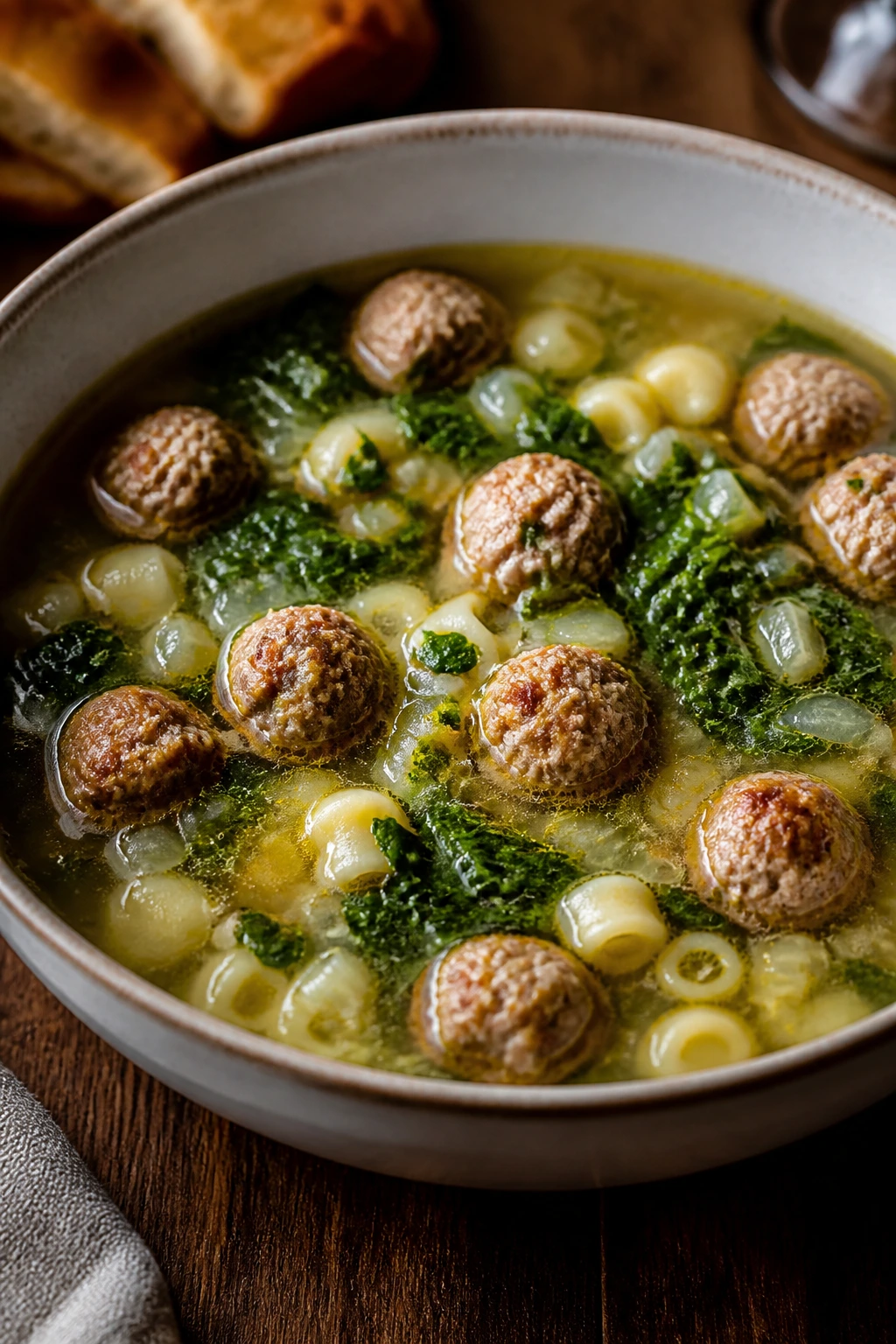
5. Italian Wedding Soup
Tiny meatballs floating in broth look delicate, but this soup eats like real dinner. The best bowls have enough greens, pasta, and parmesan to make you forget how small the meatballs are.
Escarole brings a mild bitterness that keeps the broth from getting sleepy. You can use spinach if that’s what you have, but escarole gives the soup a more old-school edge. I prefer it.
Why It Works: The meatballs simmer directly in the broth, which seasons both at once. Acini di pepe or another tiny pasta keeps each spoonful balanced, so you don’t end up with a bowl of broth and one lonely meatball.
Key Ingredients:
- ½ pound ground beef
- ½ pound ground pork
- ½ cup breadcrumbs
- 1 egg
- ¼ cup grated parmesan
- 2 garlic cloves, minced
- 2 tablespoons chopped parsley
- 8 cups chicken broth
- 2 carrots, sliced
- 2 celery ribs, sliced
- ¾ cup acini di pepe or orzo
- 1 small head escarole, chopped
- Salt and pepper
Quick Steps:
- Make the meatballs: Mix beef, pork, breadcrumbs, egg, parmesan, garlic, parsley, 1 teaspoon salt, and pepper. Roll into 1-inch balls.
- Brown or bake lightly: Sear the meatballs in a skillet for 2 to 3 minutes, or bake at 400°F for 10 minutes. They do not need to cook through yet.
- Build the broth: Simmer broth with carrots and celery for 10 minutes.
- Add pasta and meatballs: Stir in acini di pepe and meatballs. Cook 8 to 10 minutes until pasta is tender and meatballs reach 160°F.
- Wilt the greens: Add escarole and cook 2 minutes until just softened.
- Serve hot: Taste, adjust salt, and top with more parmesan.
Equipment for This Recipe:
- Large soup pot
- Mixing bowl
- Sheet pan or skillet
- Small scoop or spoon
- Ladle
How to Serve This Dish: Serve with extra parmesan and a slice of garlic bread that can mop up the broth. The bowl should look crowded in the good way, with pasta and greens tucked between the meatballs.
Pro Tips for This Recipe:
- Keep the meatballs small so they cook fast and stay tender.
- If you skip browning, the broth will still work, but it tastes less rich.
- Escarole can be bitter; a pinch of salt helps it settle down.
- Don’t overcook the pasta or it will swell and drink the broth.
Variations on This Dish:
- Turkey Meatball Version: Use ground turkey and add 1 extra tablespoon parmesan for flavor.
- Spinach Shortcut: Swap escarole for spinach in the final 1 minute.
- Lemon Finish: Add a squeeze of lemon right before serving for a brighter broth.
Common Mistakes to Avoid with This Dish:
- Making giant meatballs: They cook unevenly and feel heavy.
- Overcooking the greens: They should look wilted, not khaki.
- Letting the pasta sit too long: It keeps soaking broth after the heat is off.
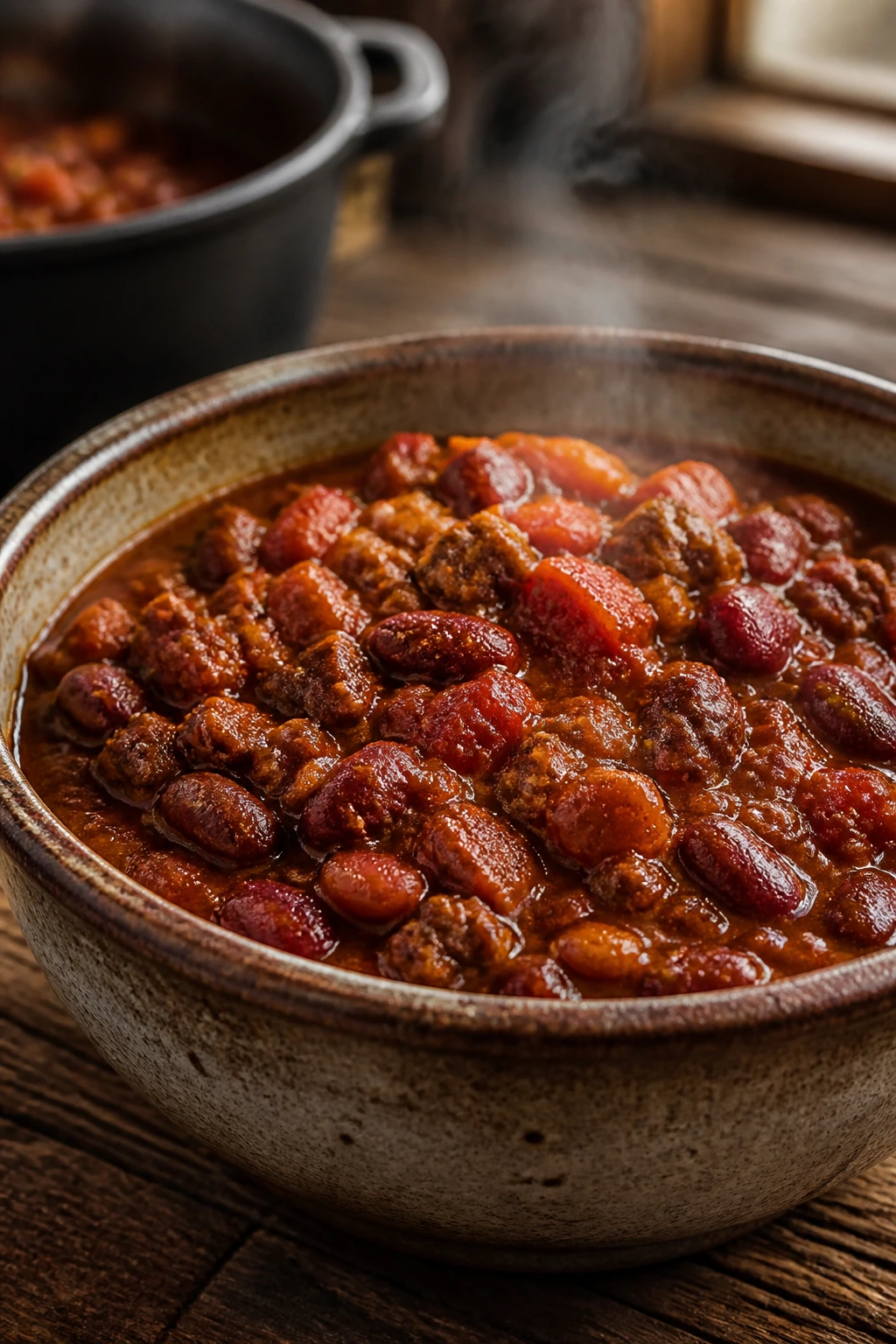
6. Beef Chili with Beans
Chili is soup’s louder cousin, and this one knows it. The broth is thick, the spices are warm without being sweet, and the beans give you enough structure that a spoon feels almost optional.
I like a little cocoa in chili, but only enough to deepen the edge, not enough to taste like dessert. That quiet trick pulls the tomatoes, cumin, and beef together into one pot instead of three separate ideas.
Why It Works: Ground beef browns quickly, which means you can build a deep flavor base without hours on the stove. Beans and tomatoes thicken naturally as they simmer, so the chili gets richer as it sits.
Key Ingredients:
- 2 tablespoons oil
- 2 pounds ground beef
- 1 large onion, diced
- 4 garlic cloves, minced
- 2 tablespoons chili powder
- 2 teaspoons ground cumin
- 1 teaspoon smoked paprika
- 2 tablespoons tomato paste
- 1 can crushed tomatoes
- 1 can kidney beans, drained and rinsed
- 1 can pinto beans, drained and rinsed
- 1 cup beef broth
- 1 teaspoon unsweetened cocoa powder, optional
- Salt and pepper
Quick Steps:
- Brown the beef: Heat oil in a heavy pot over medium-high heat. Add beef and cook until no pink remains, breaking it up as it browns.
- Add onion and garlic: Stir in onion and cook 5 minutes. Add garlic for 30 seconds.
- Toast the spices: Stir in chili powder, cumin, paprika, tomato paste, and cocoa if using. Cook 1 minute until fragrant.
- Simmer the pot: Add crushed tomatoes, beans, broth, 1½ teaspoons salt, and black pepper. Bring to a gentle simmer.
- Cook down: Simmer uncovered 30 to 40 minutes, stirring now and then, until thick and glossy.
- Adjust the finish: Taste for salt. If it tastes sharp, simmer 5 more minutes or add a small splash of water.
Equipment for This Recipe:
- Heavy soup pot or Dutch oven
- Wooden spoon
- Can opener
- Measuring spoons
- Ladle
How to Serve This Dish: Spoon it into shallow bowls and top with diced onion, shredded cheddar, or a dollop of sour cream. Cornbread is the classic side because it softens the heat and gives you something to drag through the pot.
Pro Tips for This Recipe:
- Brown the meat well; pale beef makes pale chili.
- Chili powder varies a lot, so taste before adding extra.
- Let the pot sit 10 minutes before serving if you want a thicker texture.
- If you like heat, add chipotle in adobo instead of more cayenne.
Variations on This Dish:
- No-Bean Chili: Skip the beans and add 1 extra pound of beef.
- Turkey Chili: Use ground turkey and add a little more olive oil for richness.
- Smoky Bean Chili: Add diced chipotle and a pinch of cinnamon.
Common Mistakes to Avoid with This Dish:
- Adding the spices too late: They need to bloom in the fat.
- Using watery tomatoes without simmering down: The chili ends up thin and dull.
- Serving too soon: Ten extra minutes of resting changes the texture a lot.
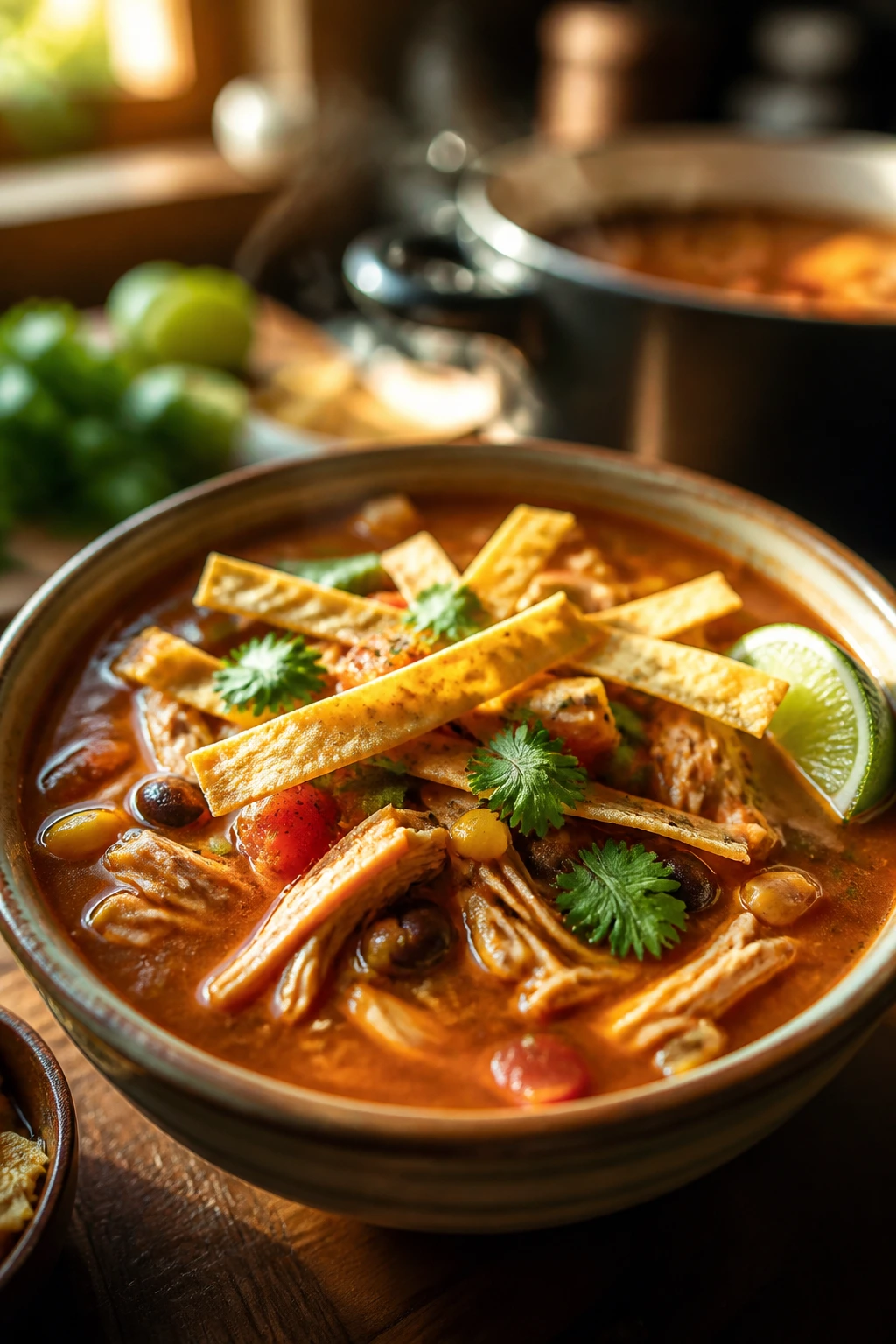
7. Chicken Tortilla Soup
This soup tastes like a bowl of smoky tomato broth with a crunch problem worth solving. The tortilla strips, lime, and cilantro are not garnish here; they are the whole point of the bowl waking up at the table.
Chipotle adds smoke and heat without making the broth bitter. Black beans and corn give the soup enough bulk that it can stand up as dinner, not starter soup.
Why It Works: Shredded chicken soaks up the tomato-chipotle broth, while beans and corn create a varied texture in every spoonful. Crisp tortilla strips stay firm long enough to give you that hot-and-crunchy contrast that makes the bowl feel alive.
Key Ingredients:
- 2 tablespoons oil
- 1 onion, diced
- 4 garlic cloves, minced
- 1 can diced tomatoes
- 1 to 2 chipotle peppers in adobo, chopped
- 6 cups chicken broth
- 1½ pounds boneless chicken thighs
- 1 can black beans, drained and rinsed
- 1½ cups corn kernels
- 1 teaspoon ground cumin
- 1 lime, juiced
- 6 corn tortillas, sliced into strips
- Cilantro and avocado for serving
- Salt and pepper
Quick Steps:
- Cook the aromatics: Heat oil over medium heat. Add onion and cook 5 minutes, then add garlic for 30 seconds.
- Build the broth: Stir in tomatoes, chipotle, cumin, broth, 1 teaspoon salt, and pepper. Bring to a simmer.
- Poach the chicken: Add chicken thighs and simmer 18 to 20 minutes until cooked through and easy to shred.
- Shred and return: Remove chicken, shred it, and stir it back into the pot with beans and corn. Simmer 5 more minutes.
- Finish with lime: Stir in lime juice and taste for salt.
- Make tortilla strips crisp: Bake tortilla strips at 400°F for 8 to 10 minutes until golden and crunchy.
Equipment for This Recipe:
- Soup pot
- Sheet pan
- Sharp knife
- Tongs
- Ladle
How to Serve This Dish: Ladle the soup into bowls and pile the tortilla strips in the center so they stay crisp for a few minutes. Avocado slices and cilantro make the bowl look fresh against the red broth.
Pro Tips for This Recipe:
- Chipotle is smoky and hot; one pepper can be enough.
- Add lime after simmering so the flavor stays bright.
- Bake the tortillas instead of frying if you want less mess.
- Leftover tortilla strips lose crunch, so keep them separate.
Variations on This Dish:
- Creamy Tortilla Soup: Stir in ¼ cup crema or sour cream at the end.
- Vegetable Version: Skip the chicken and add zucchini and extra beans.
- Cheese-Finished Bowl: Top with shredded Monterey Jack before serving.
Common Mistakes to Avoid with This Dish:
- Burning the chipotle: It goes bitter fast if cooked dry too long.
- Soaking the tortilla strips in the pot: They should stay on top.
- Forgetting acid: Lime is what pulls the smoky broth into focus.
8. Broccoli Cheddar Soup

Broccoli cheddar soup can turn muddy fast if it’s rushed. The best bowls are thick, vivid, and sharply cheesy, with broccoli still tasting like broccoli instead of green paste.
A small roux gives the soup its creamy spine. A little Dijon is not there to make it fancy; it keeps the cheese from tasting sleepy and one-note. That matters more than people think.
Why It Works: The roux thickens the broth before the cheese goes in, which keeps the soup smooth instead of grainy. Partial blending gives body while leaving enough broccoli pieces to keep the texture from turning monotone.
Key Ingredients:
- 4 tablespoons butter
- 1 onion, diced
- 1 carrot, grated or finely diced
- 2 garlic cloves, minced
- ¼ cup all-purpose flour
- 4 cups chicken or vegetable broth
- 2 cups whole milk
- 5 cups broccoli florets, chopped small
- 2 cups shredded sharp cheddar
- 1 teaspoon Dijon mustard
- Pinch of nutmeg
- Salt and pepper
Quick Steps:
- Start the base: Melt butter over medium heat. Add onion and carrot, cooking 5 minutes until soft.
- Make the roux: Stir in garlic and flour, cooking 1 minute so the flour loses its raw taste.
- Add liquids slowly: Whisk in broth and milk until smooth. Bring to a low simmer.
- Cook the broccoli: Add broccoli, mustard, nutmeg, 1 teaspoon salt, and pepper. Simmer 12 to 15 minutes until broccoli is tender.
- Blend a little: Use an immersion blender to pulse a few times, or mash part of the soup with a spoon.
- Melt the cheese off heat: Stir in cheddar until melted, then taste and adjust seasoning.
Equipment for This Recipe:
- Soup pot
- Whisk
- Immersion blender, optional
- Grater
- Ladle
How to Serve This Dish: Serve it with a toasted baguette or a grilled cheese cut into strips for dipping. A light scatter of extra cheddar and black pepper gives the bowl some texture on top.
Pro Tips for This Recipe:
- Shred your own cheese; pre-shredded cheese melts less smoothly.
- Keep the heat low when the cheese goes in.
- Chop broccoli small so it cooks evenly and blends better.
- Dijon works like a quiet amplifier, not a flavor takeover.
Variations on This Dish:
- Cauliflower Broccoli Mix: Replace half the broccoli with cauliflower florets.
- Sharp and Smoky: Add a pinch of smoked paprika with the cheese.
- Lighter Version: Use half milk and half broth, then skip the roux and blend more of the broccoli.
Common Mistakes to Avoid with This Dish:
- Boiling after adding cheese: It can turn grainy.
- Leaving broccoli in huge chunks: The soup feels awkward and undercooked.
- Using weak cheddar: The flavor disappears into the milk.
9. Lentil Vegetable Soup
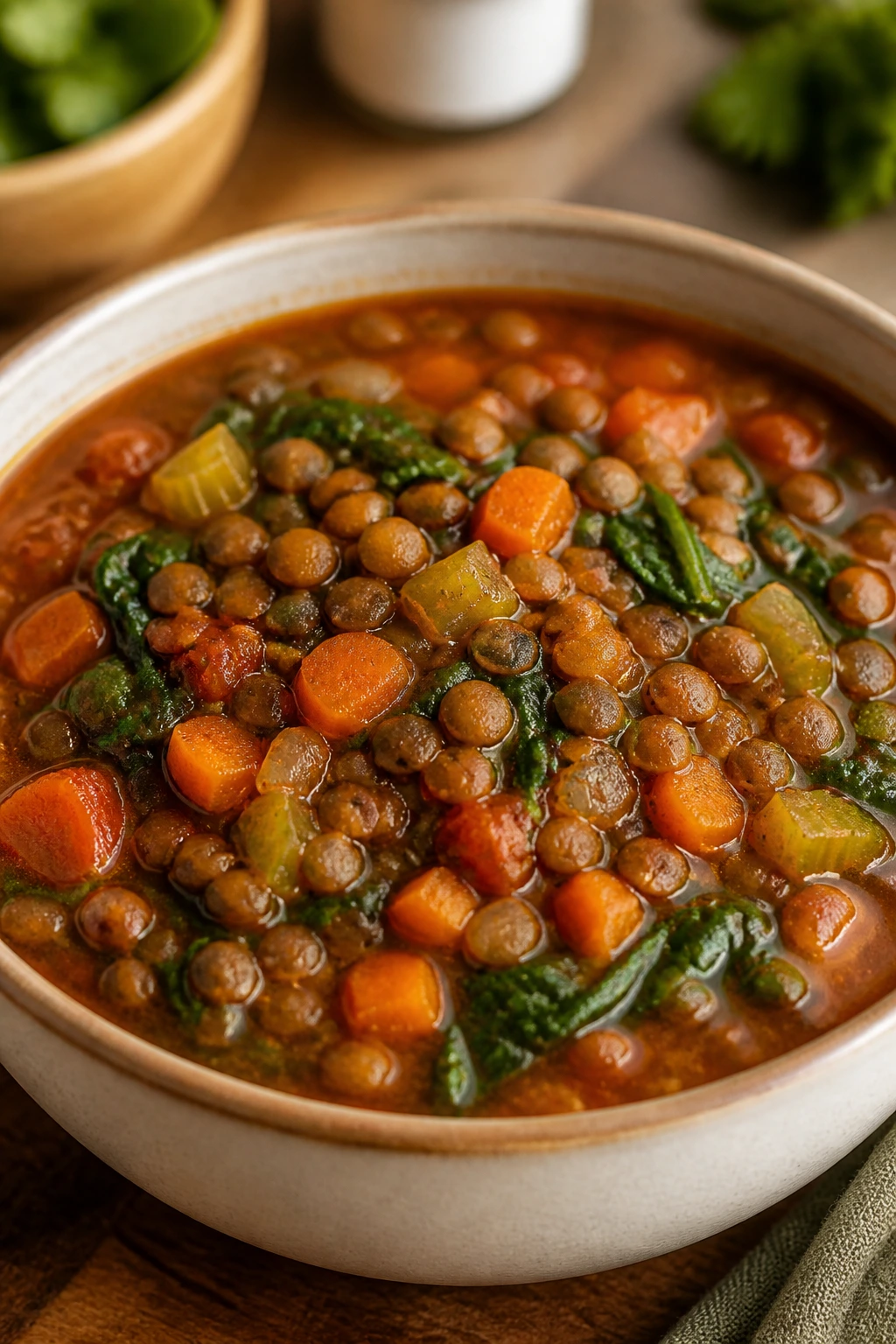
Lentils are one of the few pantry staples that can turn into a full dinner without much help. They soften into the broth, thicken the pot, and still keep enough shape to feel like food rather than puree.
This version likes carrots, celery, tomatoes, and spinach, which gives you sweetness, acid, and a green finish in one pot. Cumin pushes the whole bowl toward deeper flavor without making it taste like a different cuisine altogether.
Why It Works: Brown lentils cook quickly and hold enough structure to make each spoonful feel substantial. Tomato paste and diced tomatoes give the broth backbone, while spinach stirred in at the end keeps the color sharp.
Key Ingredients:
- 2 tablespoons olive oil
- 1 onion, diced
- 2 carrots, diced
- 2 celery ribs, diced
- 3 garlic cloves, minced
- 2 tablespoons tomato paste
- 1½ cups brown lentils, rinsed
- 1 can diced tomatoes
- 7 cups vegetable broth
- 1 teaspoon ground cumin
- 1 bay leaf
- 2 cups spinach
- Salt, pepper, and lemon juice
Quick Steps:
- Cook the vegetables: Heat oil in a pot over medium heat. Add onion, carrots, and celery and cook 7 minutes.
- Wake up the paste: Stir in garlic and tomato paste, cooking 1 minute until the paste darkens.
- Add lentils and broth: Stir in lentils, tomatoes, broth, cumin, bay leaf, 1½ teaspoons salt, and pepper.
- Simmer until tender: Cook 30 to 35 minutes until the lentils are soft but not collapsing completely.
- Add spinach: Stir in spinach and cook 1 minute until wilted.
- Brighten the bowl: Remove the bay leaf and finish with a squeeze of lemon.
Equipment for This Recipe:
- Soup pot
- Wooden spoon
- Measuring cups
- Cutting board and knife
- Ladle
How to Serve This Dish: Serve it with warm pita or a thick slice of toasted whole-grain bread. A spoonful of plain yogurt on top is nice if you want a cooler, creamier finish.
Pro Tips for This Recipe:
- Rinse lentils well so the broth stays clean.
- Brown lentils are best here; red lentils will fall apart fast.
- Lemon at the end gives the soup more lift than extra pepper.
- If the soup thickens too much, add hot water or broth in ½-cup splashes.
Variations on This Dish:
- Curry-Forward Version: Add 1 teaspoon curry powder with the cumin.
- Potato Add-In: Stir in diced potato at the start for more bulk.
- Herb-Focused Version: Finish with parsley and dill instead of spinach.
Common Mistakes to Avoid with This Dish:
- Undercooking the lentils: They should be tender, not chalky.
- Adding spinach too early: It disappears into the pot.
- Forgetting to taste after simmering: Lentils drink up salt.
10. Sausage, White Bean, and Spinach Soup
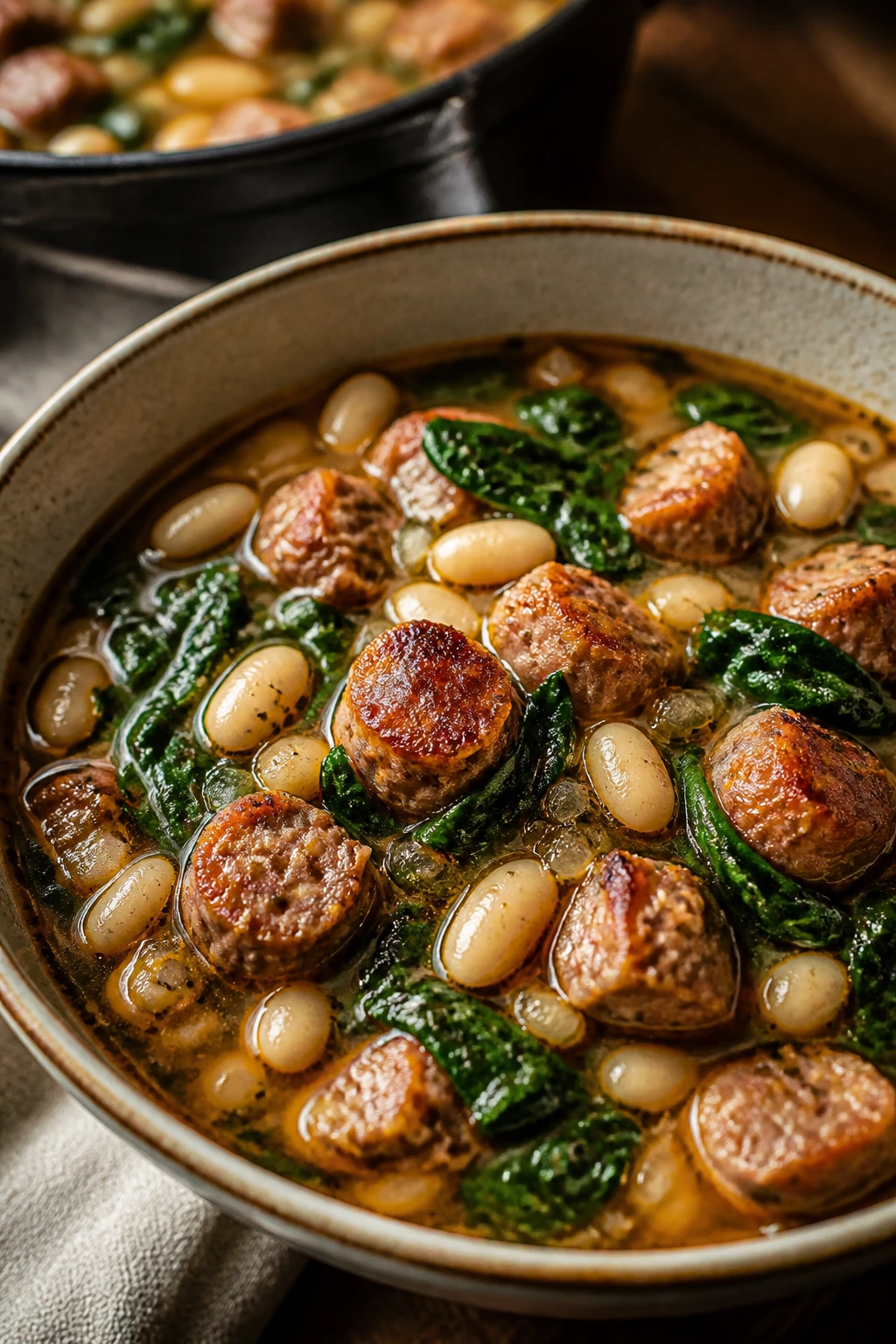
This is what happens when sausage, beans, and greens decide to stop pretending they are side dishes. The broth gets rich from the sausage drippings, and the beans make it feel thick enough to count as dinner on a weeknight that drags.
Fennel seed makes a quiet appearance here, which is exactly what good Italian-style sausage wants. I like a little crushed tomato paste in the mix too, because it deepens the broth without turning the soup into marinara.
Why It Works: Browned sausage gives the pot instant flavor, and white beans add creaminess without any dairy. Spinach wilts fast at the end, so the soup stays bright instead of muddy.
Key Ingredients:
- 1 tablespoon olive oil
- 1 pound Italian sausage, casings removed if needed
- 1 onion, diced
- 3 garlic cloves, minced
- 1 teaspoon fennel seed
- 2 tablespoons tomato paste
- 2 cans cannellini beans, drained and rinsed
- 6 cups chicken broth
- 1 teaspoon dried oregano
- 4 cups spinach
- Salt, pepper, and parmesan for serving
Quick Steps:
- Brown the sausage: Heat oil in a soup pot over medium-high heat. Cook sausage until browned and no pink remains.
- Add the vegetables: Stir in onion and cook 5 minutes. Add garlic and fennel seed for 30 seconds.
- Deepen the base: Stir in tomato paste and oregano, cooking 1 minute.
- Add beans and broth: Pour in beans and broth, then bring to a simmer for 15 minutes.
- Finish with greens: Stir in spinach and cook 1 minute until wilted.
- Serve with parmesan: Taste and adjust salt, then top with grated parmesan.
Equipment for This Recipe:
- Large pot
- Wooden spoon
- Can opener
- Sharp knife
- Ladle
How to Serve This Dish: Serve with crusty bread and a light dusting of parmesan. The broth should be brothy but not watery, with sausage and beans visible in every scoop.
Pro Tips for This Recipe:
- Remove excess sausage fat if the pot looks greasy.
- Fennel seed gives the soup a sausage-shop flavor even if the sausage is mild.
- Mash a few beans against the side of the pot for a thicker broth.
- Spinach goes in at the very end or it turns dull.
Variations on This Dish:
- Spicy Sausage Version: Use hot Italian sausage and add red pepper flakes.
- Tuscan White Bean Version: Add chopped kale instead of spinach.
- Creamy Finish: Stir in ¼ cup cream right before serving.
Common Mistakes to Avoid with This Dish:
- Skipping the browning: The soup tastes flat and one-note.
- Overloading with parmesan in the pot: It can make the broth salty and grainy.
- Cooking spinach too long: It loses color and texture fast.
11. Minestrone with Parmesan Rind
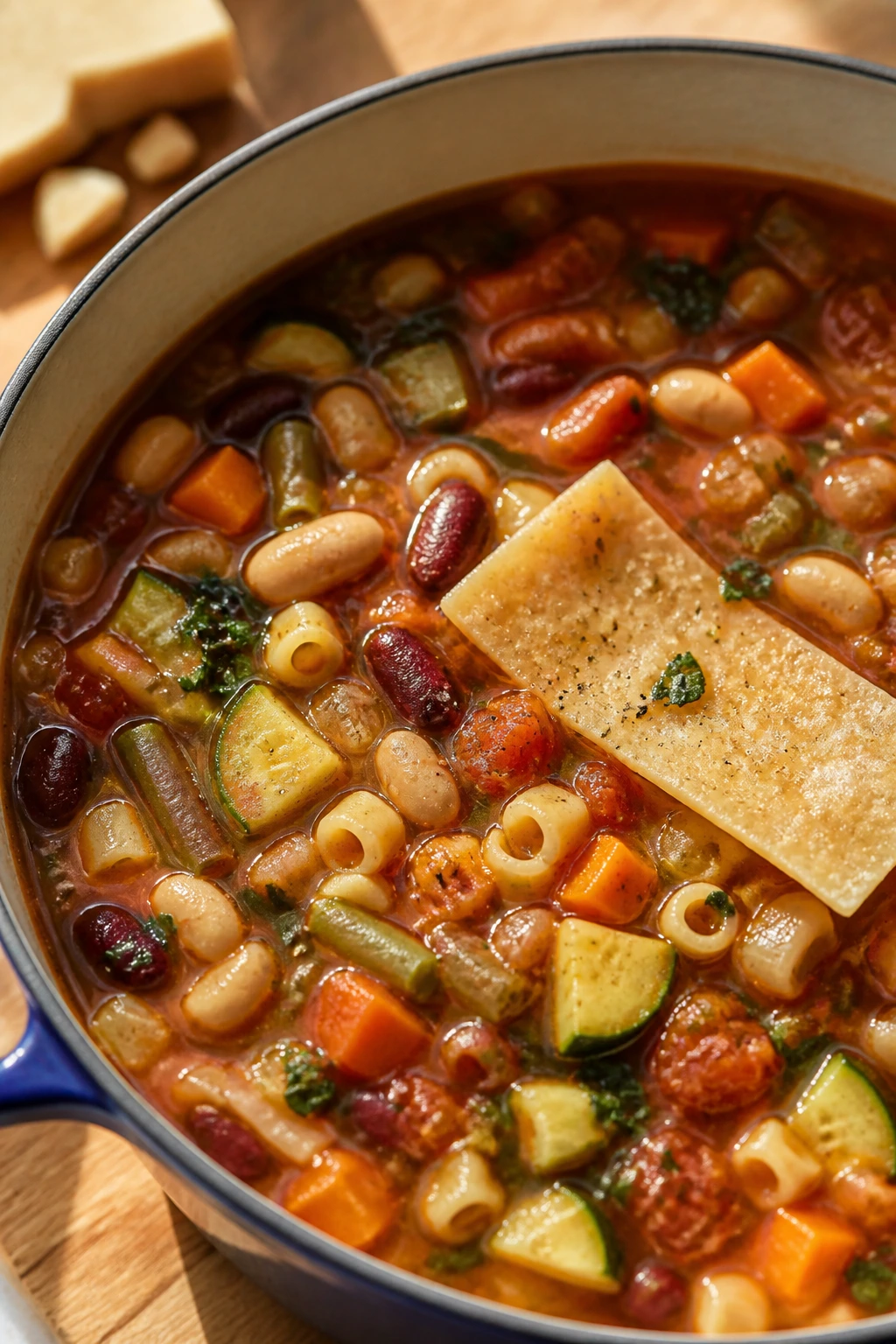
Minestrone should taste like the vegetable drawer finally got organized. Zucchini, beans, tomatoes, pasta, and a parmesan rind do a lot of quiet work here, and none of them need to shout.
The parmesan rind is the part people throw away and then later regret throwing away. Simmer it in the pot and it gives the broth a round, savory edge that feels much deeper than its size suggests.
Why It Works: A mix of beans and small pasta gives the soup different textures in the same spoonful. The parmesan rind seasons the broth from the inside, so the soup tastes more developed without needing meat.
Key Ingredients:
- 2 tablespoons olive oil
- 1 onion, diced
- 2 carrots, diced
- 2 celery ribs, diced
- 1 zucchini, diced
- 3 garlic cloves, minced
- 1 can diced tomatoes
- 1 can cannellini beans, drained and rinsed
- 1 can kidney beans, drained and rinsed
- 6 cups vegetable broth
- 1 parmesan rind
- ¾ cup small pasta, such as ditalini
- 1 cup green beans, cut small
- Fresh basil or parsley
- Salt and pepper
Quick Steps:
- Start with the soffritto: Heat oil over medium heat. Add onion, carrots, and celery and cook 7 minutes.
- Add zucchini and garlic: Cook 3 minutes until the zucchini softens and the garlic smells sweet.
- Build the broth: Stir in tomatoes, beans, broth, parmesan rind, and 1 teaspoon salt. Bring to a simmer.
- Cook the vegetables: Simmer 15 minutes, then add green beans.
- Add the pasta: Stir in pasta and cook until just tender, 8 to 10 minutes.
- Finish with herbs: Remove the rind, then add basil or parsley and black pepper.
Equipment for This Recipe:
- Large soup pot
- Wooden spoon
- Knife and cutting board
- Fine mesh strainer if you want to rinse beans well
- Ladle
How to Serve This Dish: Serve it with olive oil drizzled over the top and a chunk of garlic bread on the side. A little extra parmesan goes on at the table, not buried in the pot.
Pro Tips for This Recipe:
- Cook the pasta separately if you want leftovers to stay brothy.
- Use a real parmesan rind if possible; the flavor is worth it.
- Dice the vegetables evenly so they soften at the same pace.
- Fresh basil at the end makes the whole pot smell alive.
Variations on This Dish:
- Pesto Finish: Stir in a spoonful of pesto in each bowl.
- Chicken Minestrone: Add shredded chicken with the beans.
- Gluten-Free Version: Use rice pasta or skip the pasta and add extra beans.
Common Mistakes to Avoid with This Dish:
- Cooking pasta too long: It keeps swelling after the heat is off.
- Removing the rind too early: It needs time to give the broth depth.
- Using watery zucchini pieces: They should be diced, not shaved into mush.
12. Split Pea and Ham Soup
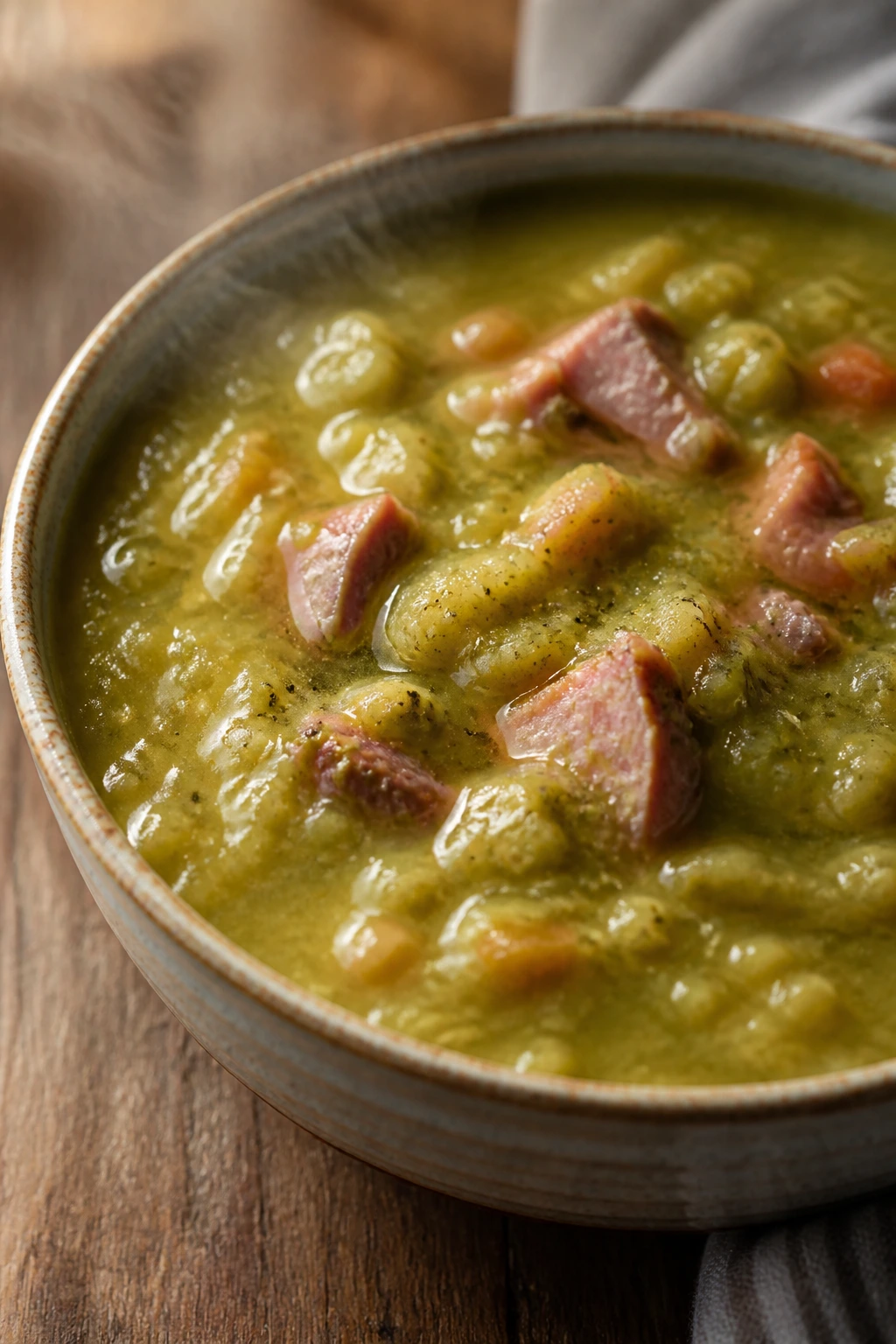
Split pea soup is green, thick, and older than most of the recipes people try to impress each other with. I mean that kindly. It knows exactly what it is: salty ham, soft peas, and a bowl that can stand in for a full meal.
The peas break down on purpose, and that breakdown is the whole trick. A ham hock or meaty bone gives the broth its backbone, and a long simmer turns the pot silky without any dairy at all.
Why It Works: Split peas dissolve enough to thicken the soup naturally, while the ham infuses the broth with smoke and salt. Carrot and celery keep the flavor from going flat, and the soup gets better as it rests.
Key Ingredients:
- 2 tablespoons olive oil
- 1 onion, diced
- 2 carrots, diced
- 2 celery ribs, diced
- 3 garlic cloves, minced
- 1 pound split peas, rinsed
- 1 ham hock or 2 cups diced ham
- 8 cups chicken broth or water
- 2 bay leaves
- 1 teaspoon thyme
- Black pepper and salt
Quick Steps:
- Cook the base vegetables: Heat oil over medium heat. Add onion, carrots, and celery and cook 7 minutes.
- Add garlic and peas: Stir in garlic for 30 seconds, then add split peas.
- Simmer with ham: Add ham hock, broth, bay leaves, thyme, and plenty of pepper. Bring to a simmer.
- Cook slowly: Cover partially and simmer 60 to 75 minutes, stirring now and then, until the peas are soft and breaking down.
- Shred the ham: Remove the hock, pull off the meat, and return it to the pot.
- Season and rest: Taste for salt, then let the soup sit 10 minutes to thicken.
Equipment for This Recipe:
- Heavy soup pot
- Wooden spoon
- Fine mesh strainer for rinsing peas
- Tongs
- Ladle
How to Serve This Dish: Serve it with rye toast or warm cornbread. The bowl should be thick enough that the ham pieces and pea mash sit in the spoon instead of sliding off.
Pro Tips for This Recipe:
- Rinse the peas well to remove dust.
- Stir every 15 minutes so the bottom doesn’t catch.
- Ham hocks vary in salt, so taste before adding much extra.
- If the soup feels too thick, thin it with hot water in small splashes.
Variations on This Dish:
- Vegetarian Split Pea Soup: Skip the ham and add smoked paprika.
- Garlic-Heavy Version: Add an extra 3 cloves for a punchier broth.
- Creamier Finish: Blend one or two cups and stir them back in.
Common Mistakes to Avoid with This Dish:
- Leaving the peas unrinsed: Dust can make the pot cloudy.
- Boiling too hard: The bottom can scorch before the peas soften.
- Not enough salt at the end: Peas need seasoning after they break down.
13. Turkey and Wild Rice Soup
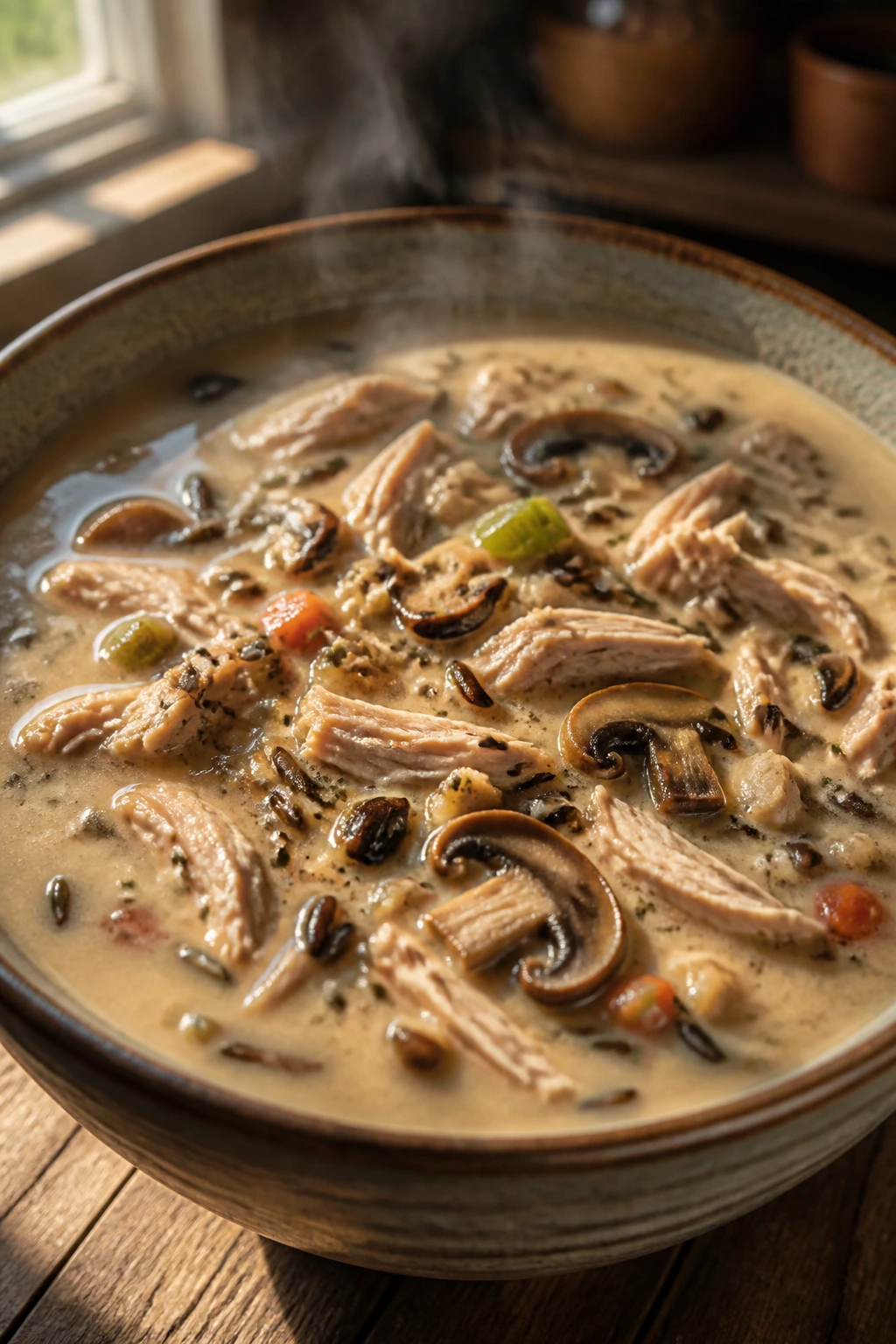
This is the soup I make when I want something that feels careful, even if the turkey came from leftovers. Wild rice gives the bowl a toasty chew, and mushrooms make the broth taste deeper than its ingredient list suggests.
A splash of cream is optional, but I like it when the soup needs a little smoothing out. The base still tastes like broth and vegetables; the cream just rounds the corners.
Why It Works: Wild rice holds its shape better than white rice, so the soup stays textured after reheating. Turkey is mild enough to carry mushroom, thyme, and celery without fighting them.
Key Ingredients:
- 2 tablespoons butter
- 1 onion, diced
- 2 carrots, diced
- 2 celery ribs, diced
- 8 ounces mushrooms, sliced
- 3 garlic cloves, minced
- 1 cup wild rice blend
- 8 cups turkey or chicken broth
- 3 cups cooked turkey, shredded
- 1 teaspoon dried thyme
- ½ cup cream, optional
- Salt, pepper, and parsley
Quick Steps:
- Cook the vegetables: Melt butter in a pot over medium heat. Add onion, carrots, celery, and mushrooms, cooking 8 minutes.
- Add garlic and rice: Stir in garlic for 30 seconds, then add wild rice, broth, thyme, 1½ teaspoons salt, and pepper.
- Simmer until the rice splits: Cook 35 to 45 minutes until the rice is tender and some grains open at the ends.
- Add the turkey: Stir in shredded turkey and cook 5 minutes until hot.
- Round it out: Add cream if using and warm gently without boiling.
- Finish with herbs: Taste, adjust seasoning, and add parsley.
Equipment for This Recipe:
- Soup pot
- Wooden spoon
- Sharp knife
- Measuring cups
- Ladle
How to Serve This Dish: Serve it with a buttered roll or warm biscuits. A few extra mushrooms on top make the bowl look richer than it already is.
Pro Tips for This Recipe:
- Wild rice blend cooks at different speeds, so check the package.
- Add leftover turkey late so it stays tender.
- Mushroom browning adds depth; don’t rush that step.
- Cream is optional, not mandatory, and the soup works both ways.
Variations on This Dish:
- Herb Cream Version: Stir in chopped dill with the parsley.
- Dairy-Free Version: Skip the cream and finish with olive oil.
- Extra-Rich Version: Add a parmesan rind during the simmer.
Common Mistakes to Avoid with This Dish:
- Using instant rice: It breaks apart and loses the chewy texture.
- Adding cooked turkey too early: It dries out.
- Boiling after cream: The texture can separate.
14. French Onion Soup with Gruyère Toast
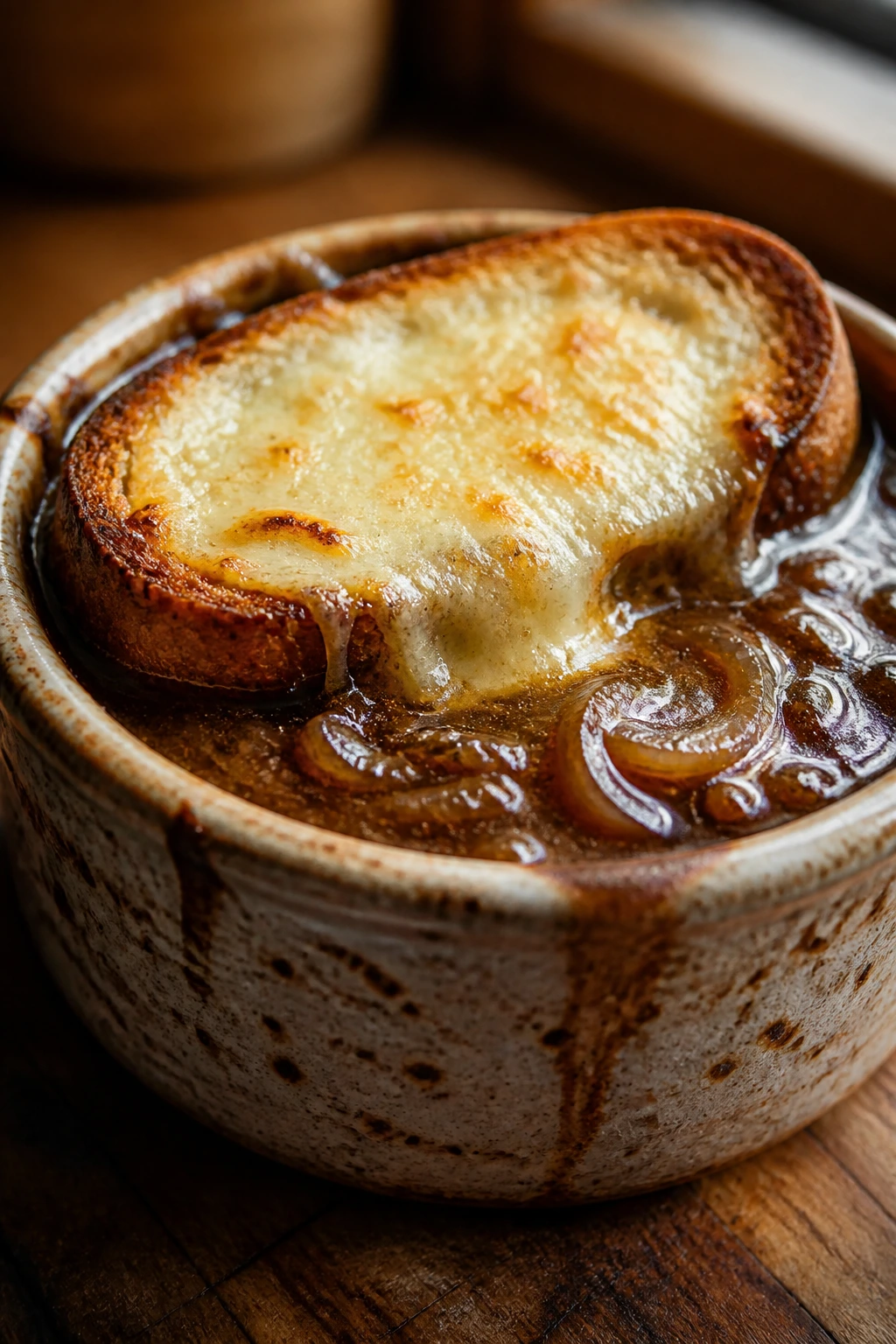
French onion soup has one job, and it does it with patience: turning onions into something dark, sweet, and almost jammy before they meet the broth. The best bowls smell like butter, wine, thyme, and the kind of caramelization that can only happen when you stop hurrying.
The cheese toast is not decoration. It’s the part that gives you the crackle on top and the molten pull underneath. Without it, the soup feels unfinished.
Why It Works: Slow caramelization pulls sweetness out of the onions, which balances the salt and savoriness of the beef broth. Gruyère melts cleanly and browns well under heat, making the top as important as the soup itself.
Key Ingredients:
- 4 tablespoons butter
- 2 tablespoons olive oil
- 4 large yellow onions, thinly sliced
- 1 teaspoon salt
- 1 teaspoon sugar
- ½ cup dry white wine
- 8 cups beef broth
- 2 teaspoons thyme leaves
- 1 bay leaf
- 1 baguette, sliced
- 2 cups shredded Gruyère
Quick Steps:
- Caramelize the onions: Melt butter and oil in a heavy pot over medium-low heat. Add onions, salt, and sugar, then cook 45 to 60 minutes, stirring often, until deep golden brown.
- Deglaze the pot: Pour in white wine and scrape up the brown bits from the bottom.
- Add broth and herbs: Stir in broth, thyme, and bay leaf. Simmer 20 minutes.
- Toast the bread: Broil baguette slices until crisp on both sides.
- Assemble the top: Ladle soup into oven-safe bowls, top with toast and Gruyère.
- Melt and brown: Broil 2 to 4 minutes until the cheese bubbles and spots of brown appear.
Equipment for This Recipe:
- Heavy soup pot
- Oven-safe bowls
- Sheet pan
- Broiler
- Wooden spoon
How to Serve This Dish: Serve it straight from the broiler while the cheese is still stretchy and the bowls are hot enough that they need a coaster. It’s rich, so a small green salad beside it is enough.
Pro Tips for This Recipe:
- Don’t rush the onions; pale onions give pale soup.
- Use a broth you’d actually drink.
- Gruyère beats mozzarella here because it browns and tastes nutty.
- If your bowls are shallow, use less broth so the toast stays on top.
Variations on This Dish:
- Red Wine Version: Replace half the white wine with red for a deeper color.
- Vegetarian Version: Use mushroom broth instead of beef broth.
- Herbed Toast Version: Rub the baguette with garlic before topping it with cheese.
Common Mistakes to Avoid with This Dish:
- Turning up the heat too high: The onions burn instead of caramelize.
- Using flimsy bowls: They need to be broiler-safe.
- Skipping the deglaze: Those browned bits hold a lot of flavor.
15. Smoky Chicken and Corn Chowder
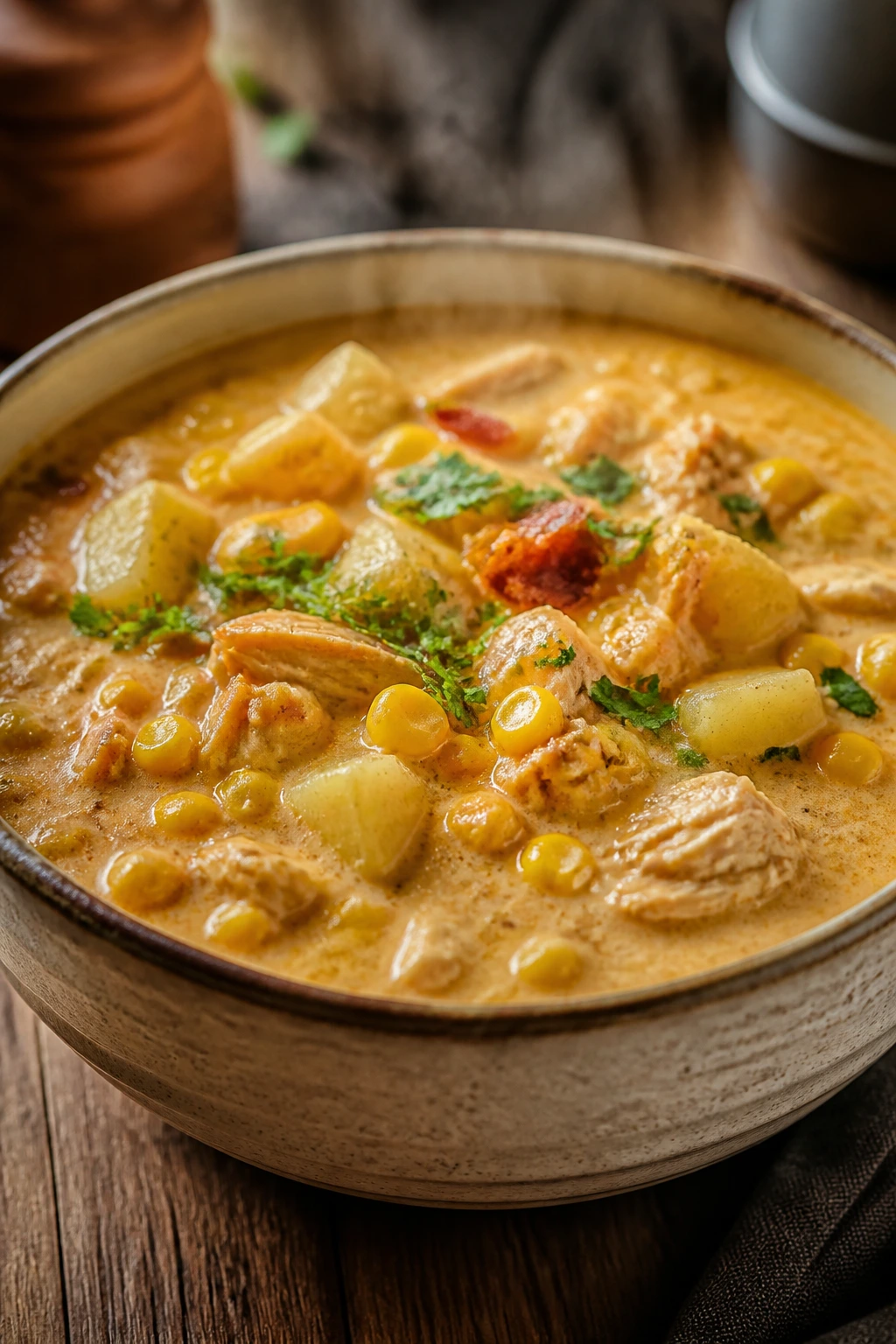
Corn chowder should taste like sweet kernels, smoke, and potatoes thickened enough to coat a spoon. Bacon helps, obviously, but the smoked paprika is what ties the pot together and keeps it from tasting like soup pretending to be a casserole.
Chicken makes it dinner-sized, not just snack-sized. The corn brings sweetness, the potatoes bring heft, and the cream at the end smooths everything into a bowl that feels sturdy without being gluey.
Why It Works: Potatoes break down just enough to thicken the chowder, while corn stays crisp-tender and sweet. Chicken thighs or rotisserie chicken give you enough protein that the bowl stands alone.
Key Ingredients:
- 4 slices bacon, chopped
- 1 onion, diced
- 2 potatoes, peeled and diced
- 1 teaspoon smoked paprika
- 4 cups chicken broth
- 2 cups corn kernels
- 2 cups cooked chicken, shredded
- 1 cup milk
- ½ cup heavy cream
- 1 teaspoon thyme
- Salt, pepper, and chives
Quick Steps:
- Cook the bacon: Fry bacon in a soup pot until crisp. Remove most of it and keep a spoonful of fat in the pot.
- Cook the onion: Add onion and cook 4 minutes until soft.
- Add potatoes and spices: Stir in potatoes, smoked paprika, thyme, broth, 1 teaspoon salt, and pepper. Simmer 15 minutes.
- Add corn and chicken: Stir in corn and chicken, then simmer 5 to 7 minutes until the potatoes are tender.
- Finish with dairy: Stir in milk and cream over low heat. Do not boil.
- Serve with bacon and chives: Taste and adjust seasoning before ladling.
Equipment for This Recipe:
- Soup pot
- Sharp knife
- Wooden spoon
- Potato peeler
- Ladle
How to Serve This Dish: Serve it in shallow bowls with the bacon scattered on top so it stays crisp a little longer. A biscuit or skillet cornbread fits better than a crusty loaf here.
Pro Tips for This Recipe:
- Dice the potatoes small so they cook at the same pace as the corn.
- Rotisserie chicken makes this faster without hurting flavor.
- Smoked paprika should smell sweet, not stale.
- If the chowder gets too thick, thin it with more broth before serving.
Variations on This Dish:
- Southwest Version: Add green chiles and a squeeze of lime.
- Lighter Chowder: Replace heavy cream with extra milk.
- Extra-Chunky Version: Leave half the potatoes in larger cubes for more bite.
Common Mistakes to Avoid with This Dish:
- Boiling after dairy is added: The texture can break.
- Using too much bacon fat: It makes the chowder greasy.
- Undercooking the potatoes: They should be soft, not chalky.
16. Black Bean Soup with Lime and Avocado
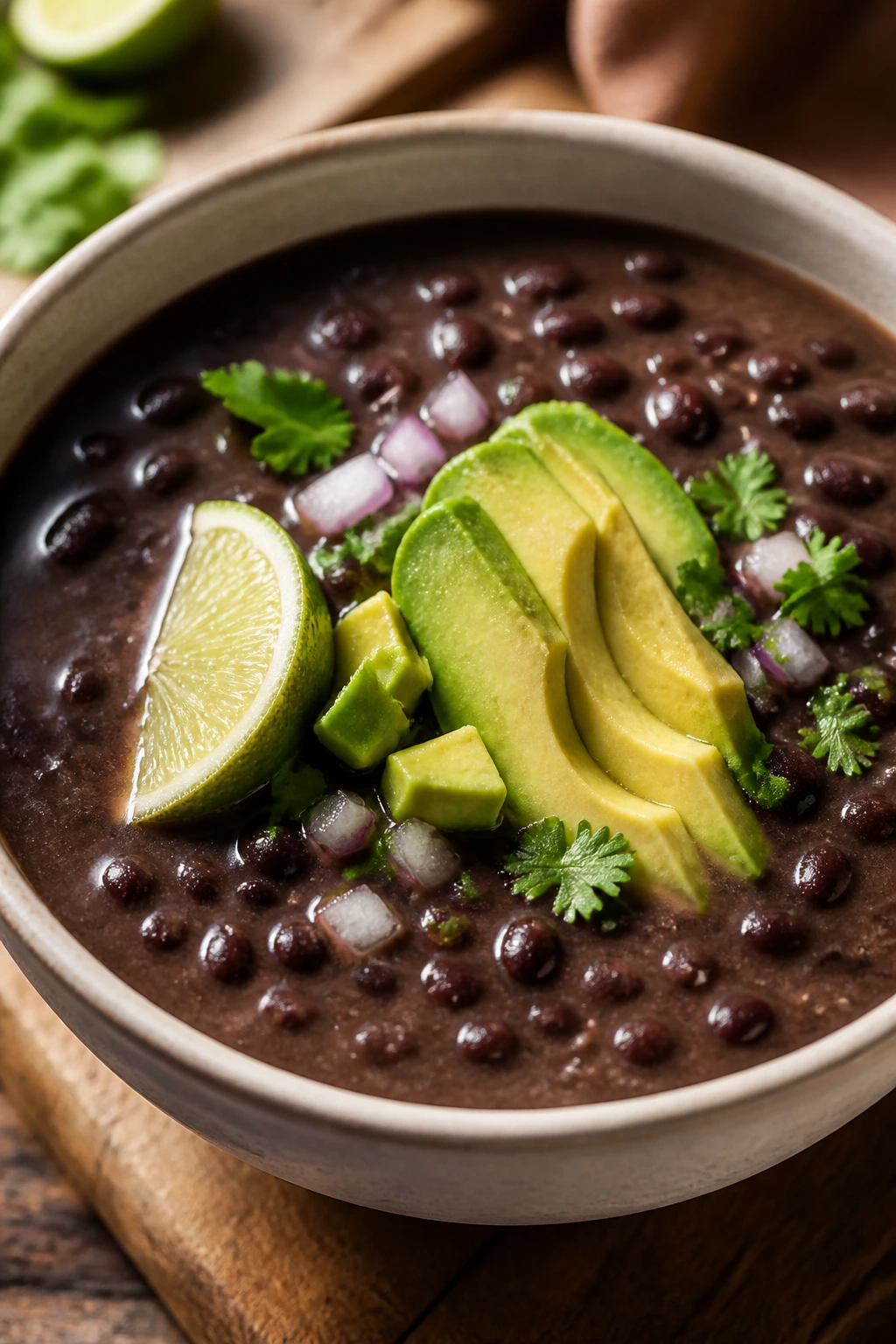
Black bean soup can be a big, dark bowl of not much if you rush it. But give the onions, garlic, cumin, and chipotle a little time together, and the whole pot turns smoky, earthy, and oddly elegant.
The lime and avocado at the end are not optional garnish. They matter because black beans can taste heavy if you don’t lift them with acid and something cool. That contrast is the point.
Why It Works: Canned black beans make the soup fast, while blending part of the pot gives it a thick, velvety texture. Chipotle and cumin create smoky depth, and lime wakes the whole bowl up at the finish.
Key Ingredients:
- 2 tablespoons olive oil
- 1 onion, diced
- 4 garlic cloves, minced
- 1 tablespoon ground cumin
- 1 to 2 chipotle peppers in adobo, chopped
- 3 cans black beans, drained and rinsed
- 5 cups vegetable broth
- 1 can diced tomatoes
- 1 lime, juiced
- Avocado, cilantro, and yogurt or sour cream for serving
- Salt and pepper
Quick Steps:
- Cook the onion: Heat oil over medium heat. Add onion and cook 5 minutes.
- Add garlic and spices: Stir in garlic, cumin, and chipotle for 30 seconds.
- Simmer the beans: Add black beans, broth, tomatoes, 1½ teaspoons salt, and pepper. Simmer 20 minutes.
- Blend part of the soup: Blend 2 cups of the soup and stir it back in for thickness.
- Finish with lime: Add lime juice and taste for seasoning.
- Serve with cool toppings: Top with avocado, cilantro, and a spoonful of yogurt if you like.
Equipment for This Recipe:
- Soup pot
- Immersion blender or regular blender
- Knife and cutting board
- Ladle
- Citrus juicer, optional
How to Serve This Dish: Serve it with warm tortillas or rice if you want a bigger meal. The avocado should sit on top in slices or rough chunks so the contrast stays fresh.
Pro Tips for This Recipe:
- Start with one chipotle pepper if you want gentle heat.
- Blending part of the soup gives better texture than blending the whole pot.
- A pinch of sugar can smooth out overly acidic tomatoes.
- Lime goes in at the end or it loses its brightness.
Variations on This Dish:
- Smoky Corn Version: Add 1 cup corn with the beans.
- Creamy Coconut Version: Replace a cup of broth with coconut milk.
- Hearty Tortilla Version: Top with crisp tortilla strips and shredded cheese.
Common Mistakes to Avoid with This Dish:
- Using too much chipotle at once: It can bully the beans.
- Skipping the acid: The soup tastes flat and heavy.
- Blending while the pot is too full: Hot soup expands fast, and that’s a mess.
17. Mushroom and Barley Soup
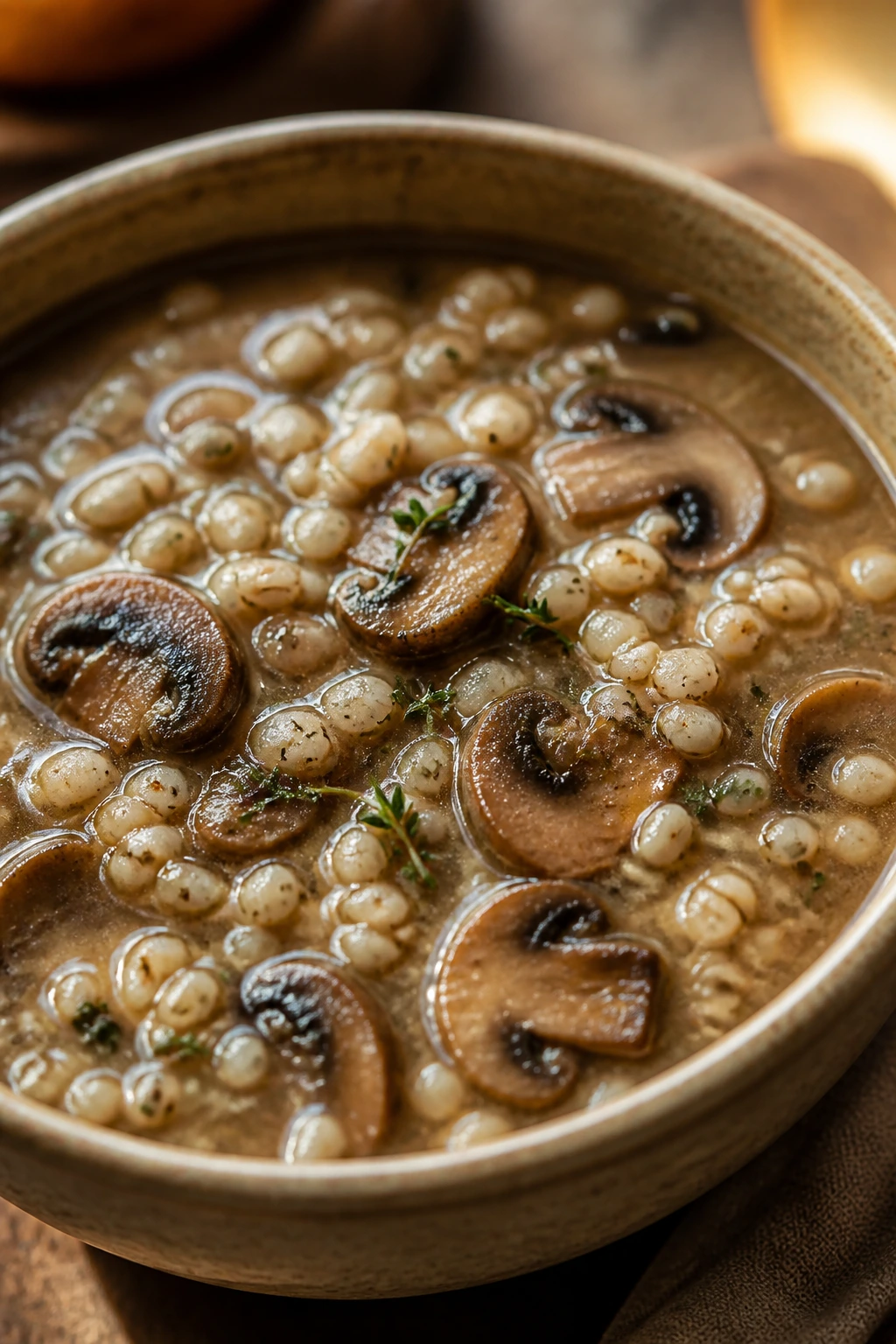
Mushroom and barley soup tastes like a long afternoon in a good kitchen. The mushrooms bring earthiness, the barley gives chew, and the broth gets deep enough that you start noticing the smaller things, like thyme and a splash of soy sauce.
I prefer a mix of mushrooms here. Cremini on their own work fine, but adding a few sliced shiitakes or button mushrooms gives the soup more range without making it fussy.
Why It Works: Barley absorbs broth slowly and keeps its tooth, which makes the soup hearty without becoming stodgy. Browning the mushrooms first keeps the flavor savory instead of watery.
Key Ingredients:
- 2 tablespoons olive oil
- 1 tablespoon butter
- 1 onion, diced
- 2 carrots, diced
- 2 celery ribs, diced
- 1½ pounds mushrooms, sliced
- 3 garlic cloves, minced
- ¾ cup pearl barley
- 7 cups vegetable or beef broth
- 1 teaspoon dried thyme
- 1 tablespoon soy sauce
- 1 tablespoon sherry vinegar or lemon juice
- Salt and pepper
Quick Steps:
- Brown the mushrooms: Heat oil and butter over medium-high heat. Cook mushrooms until their liquid evaporates and the edges brown, about 8 to 10 minutes.
- Add vegetables: Stir in onion, carrots, and celery. Cook 5 minutes until softened.
- Add garlic and barley: Stir in garlic for 30 seconds, then add barley, broth, thyme, soy sauce, salt, and pepper.
- Simmer gently: Cook 35 to 40 minutes until the barley is tender and the broth tastes rounded.
- Finish with acid: Stir in sherry vinegar or lemon juice.
- Taste and adjust: Add more salt only after the barley has softened.
Equipment for This Recipe:
- Heavy soup pot
- Wooden spoon
- Sharp knife
- Measuring cups
- Ladle
How to Serve This Dish: Serve it with buttered toast or a baked potato if you want to turn the meal into something even more filling. A sprinkle of parsley makes the dark bowl look more awake.
Pro Tips for This Recipe:
- Brown mushrooms in batches if the pot looks crowded.
- Soy sauce deepens the broth without making it taste Asian or salty in a loud way.
- Barley keeps thickening as it sits, so loosen it with broth when reheating.
- Acid at the end keeps the mushroom flavor from feeling muddy.
Variations on This Dish:
- Cream Finish: Add ¼ cup cream at the end for a silkier broth.
- Herbed Version: Stir in dill or parsley just before serving.
- Meaty Version: Use beef broth and add shredded roast beef.
Common Mistakes to Avoid with This Dish:
- Skipping the mushroom browning: The soup loses depth.
- Using quick barley without adjusting time: It cooks faster than pearl barley.
- Adding too much soy sauce early: Taste first, then season.
18. Vegetable Beef Soup
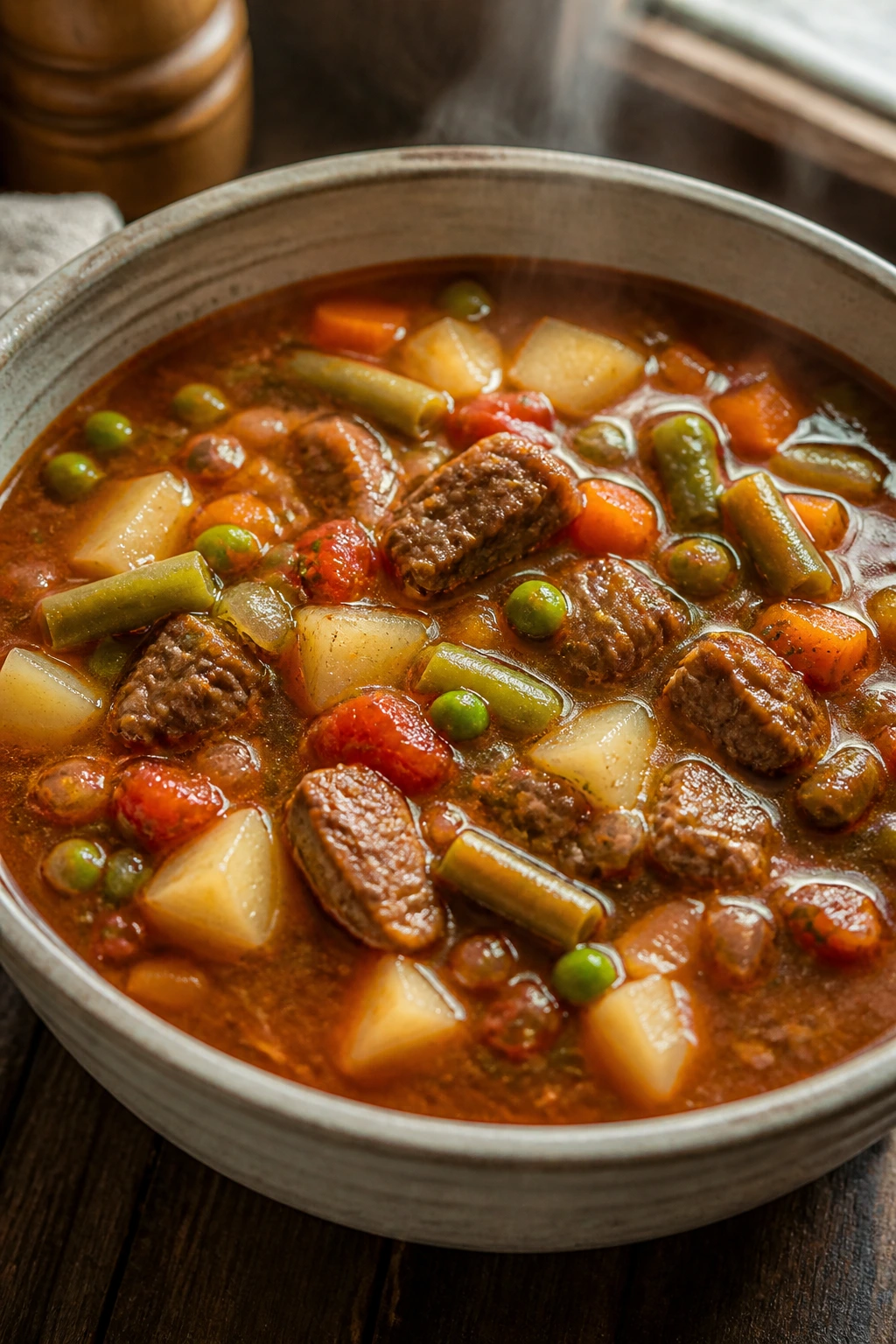
Vegetable beef soup is old-fashioned in the best sense. It uses a little meat to flavor a lot of vegetables, which is exactly how a stew-like soup should behave when you want a deep pot without a huge price tag.
The potatoes and green beans need their own timing, or they collapse into the broth. Get that right and the soup tastes like a full meal built in layers, not a pile of diced things in water.
Why It Works: Beef stew meat gets tender through a long simmer, and the vegetables go in stages so each one stays distinct. Tomatoes and thyme give the broth enough backbone that the soup tastes cooked, not diluted.
Key Ingredients:
- 2 tablespoons oil
- 1½ pounds beef stew meat
- 1 onion, diced
- 3 carrots, sliced
- 3 celery ribs, sliced
- 2 potatoes, diced
- 1 can diced tomatoes
- 6 cups beef broth
- 1 teaspoon dried thyme
- 1 bay leaf
- 1½ cups green beans, cut small
- 1 cup peas
- Salt and pepper
Quick Steps:
- Brown the beef: Heat oil in a soup pot over medium-high heat. Brown the beef in batches for 3 to 4 minutes per side.
- Cook the aromatics: Add onion, carrots, and celery. Cook 5 minutes until softened.
- Add the broth base: Stir in tomatoes, broth, thyme, bay leaf, 1½ teaspoons salt, and black pepper.
- Simmer the beef: Cover partially and cook 60 minutes until the beef starts to soften.
- Add the vegetables: Stir in potatoes and green beans and simmer 20 to 25 minutes until the potatoes are tender.
- Finish with peas: Add peas for the last 3 minutes, then remove the bay leaf and taste.
Equipment for This Recipe:
- Dutch oven or soup pot
- Cutting board and sharp knife
- Wooden spoon
- Slotted spoon
- Ladle
How to Serve This Dish: Serve it with crackers, buttered bread, or nothing at all if the pot is thick enough. A little chopped parsley on top gives the bowl a cleaner look and a fresher aroma.
Pro Tips for This Recipe:
- Brown the beef well; gray beef makes gray broth.
- Add peas last so they stay sweet and green.
- Cut the potatoes a little larger than the carrots so they don’t vanish.
- If the broth tastes thin, simmer uncovered for 10 extra minutes.
Variations on This Dish:
- Corn-Heavy Version: Add 1 cup corn with the peas.
- Tomato-Rich Version: Use crushed tomatoes instead of diced for a denser broth.
- Dump-and-Rest Version: Let the finished soup sit 20 minutes before serving; the flavor tightens up.
Common Mistakes to Avoid with This Dish:
- Adding all the vegetables at once: Some turn soft while others stay hard.
- Skipping the browning: The broth loses depth.
- Boiling hard for too long: The beef goes stringy instead of tender.
Why a Real Soup Pot Wins When You Want Dinner That Sticks
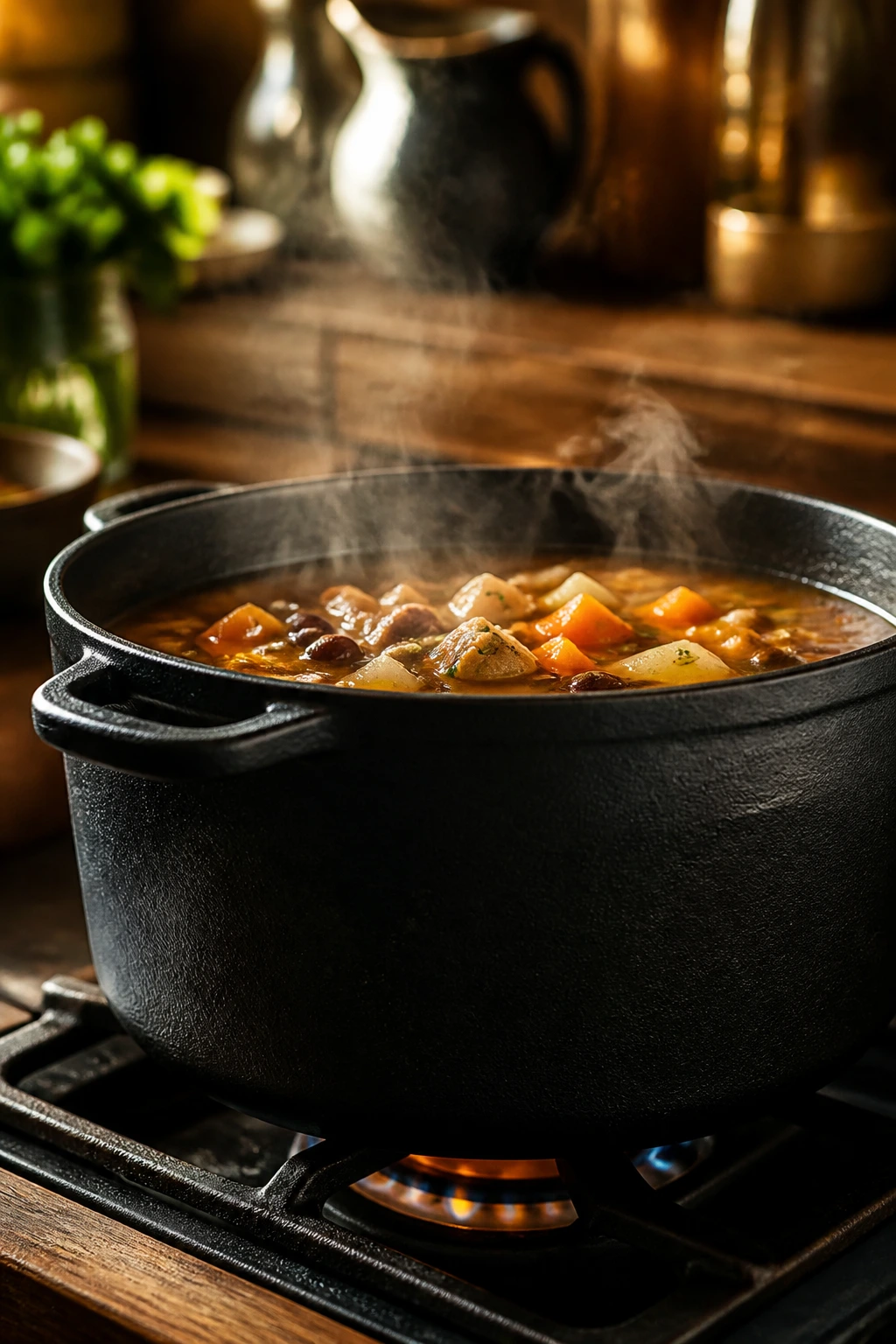
A proper soup pot gives you something a quick simmer never quite does: room. Room for browning onions without crowding them. Room for meat to sear instead of steaming. Room for broth to bubble gently around beans, barley, and potatoes until the whole pot tastes like it’s been thinking about dinner all afternoon.
The best hearty soups are built in layers. First comes fat, then aromatics, then a little toast on the tomato paste or spice, then liquid, then the long, slow part where everything settles into itself. Skip the layering and you get soup that tastes like separate ingredients sharing a bowl. Do it well, and the broth tastes stitched together.
There’s also a texture reason these recipes work. A sturdy soup wants contrast: soft beans next to chewy barley, shredded chicken next to noodles, creamy broth next to crisp tortilla strips, or a broiled cheese cap over onions that spent nearly an hour turning amber. That mix is what keeps a bowl from going flat halfway through.
One more thing. Gentle simmering matters more than most people think. A hard boil churns vegetables into mush, tightens meat, and clouds broth. A low simmer keeps the pot clear and gives you a better texture in the spoon. That alone fixes a surprising number of soup problems.
Essential Equipment for These Recipes
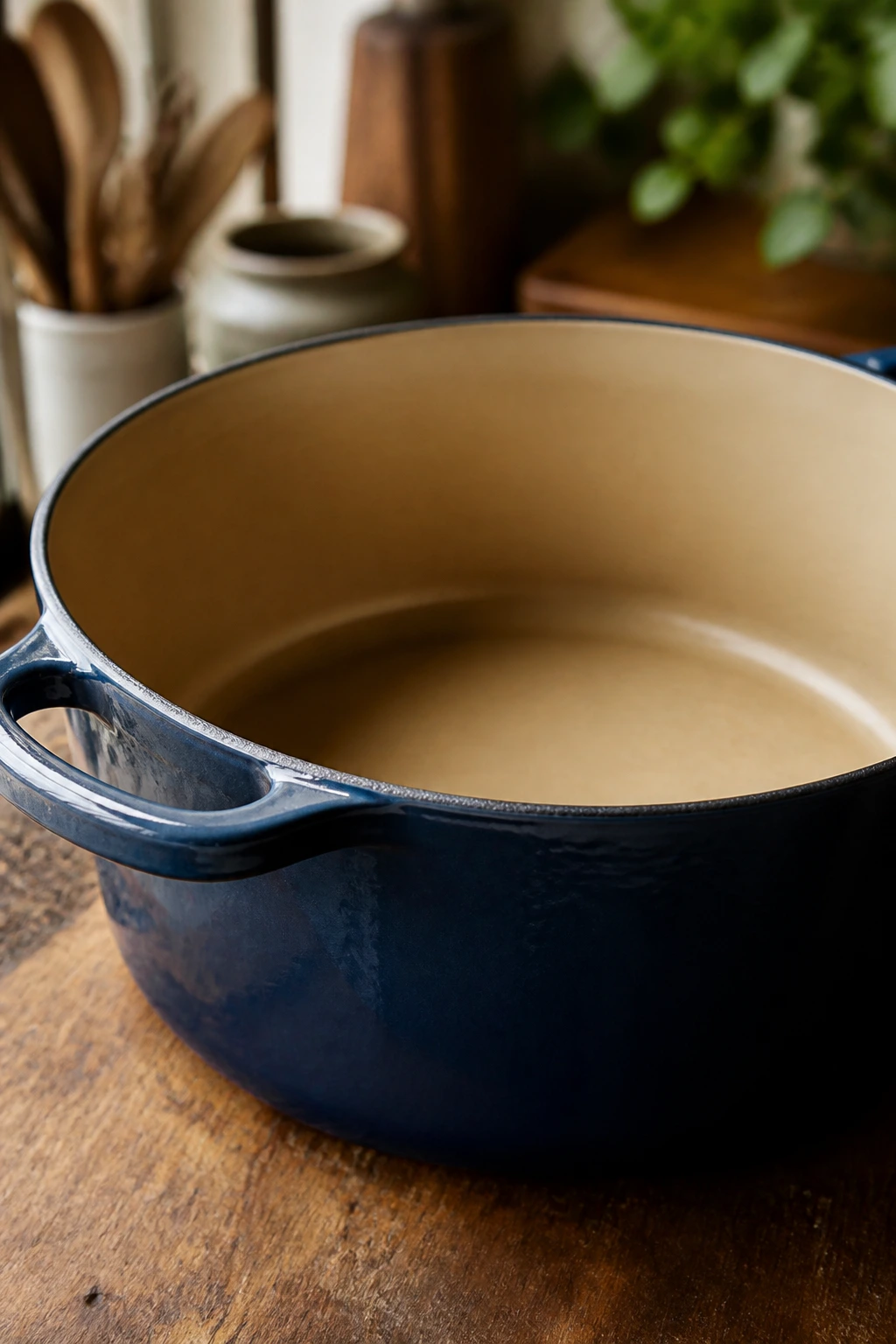
- Large Dutch oven or soup pot: This is the workhorse for browning, simmering, and holding enough volume so nothing splashes over.
- Wooden spoon: Better than a thin spatula for scraping the bottom and stirring thick soups.
- Sharp chef’s knife: Soup lives and dies on even chopping. Uneven carrots and potatoes cook unevenly, no matter how patient you are.
- Cutting board with a damp towel underneath: Stops the board from sliding when you’re moving fast.
- Ladle: Small but worth it. It keeps the serving process tidy.
- Immersion blender: Optional, but useful for bean, squash, and broccoli soups that need a little body.
- Sheet pan: Handy for tortilla strips, toast, or roasting vegetables before they hit the pot.
- Fine mesh strainer: Good for rinsing beans, lentils, or barley cleanly.
- Measuring cups and spoons: Not glamorous. Still necessary.
- Airtight storage containers: Soups chill faster and keep better when they’re portioned into shallow containers.
Smart Shopping and Ingredient Tips
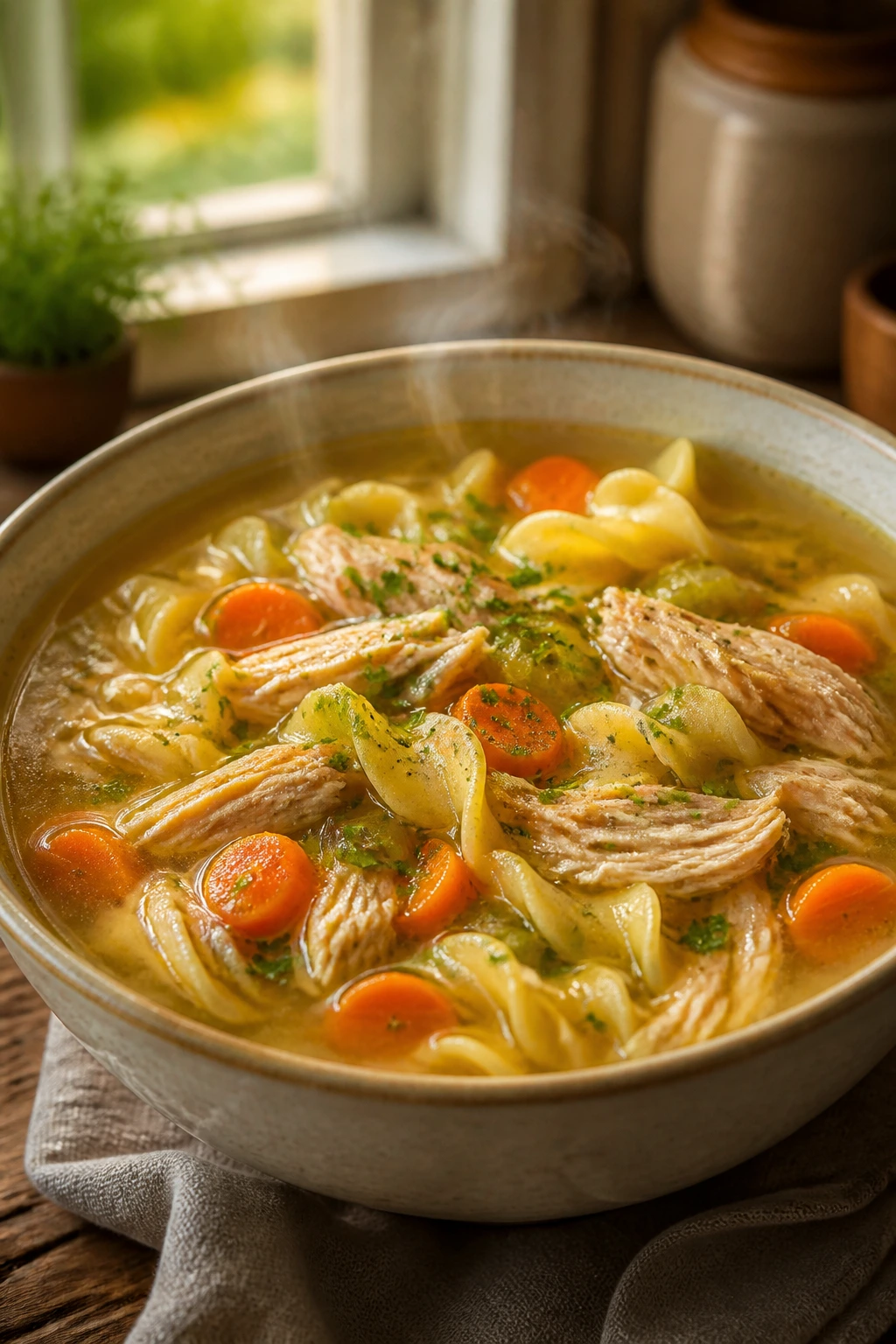
Choose broth like you mean it. If the carton tastes thin or metallic before it hits the pot, it will not magically improve after 40 minutes of simmering. Low-sodium broth gives you room to season properly, which matters even more in recipes with beans, potatoes, or rice that absorb salt as they cook.
For meat, think about texture first. Chicken thighs stay juicy in soup better than breasts. Chuck roast and stew meat need time, but they give back flavor and body. Ground beef for chili should be browned in a hot pan, not just cooked until gray. Gray meat makes gray-tasting chili. It’s a boring result, but it’s the common one.
Beans are easy to shop for, and that’s part of their charm. Canned beans are fine for weeknight soups, especially if you rinse them well to cut down on that canned taste. Dried beans work too, but they ask for planning, soaking, and more simmer time. Buy them when you want the process to feel slow on purpose.
Potatoes, barley, and pasta need a little care. Yukon gold and red potatoes hold shape better than russets in chunky soups. Pearl barley cooks faster than hulled barley. Small pasta like ditalini, acini di pepe, or orzo is easier to eat by the spoonful than big shapes that crowd the bowl. Pick the texture you want, not the one the bag happens to advertise.
One last shopping note: keep a parmesan rind, a bag of onions, carrots, celery, garlic, and a few lemons on hand. That combination can rescue half the soups in this list when you’re low on inspiration and higher on hunger.
How to Serve These Recipes
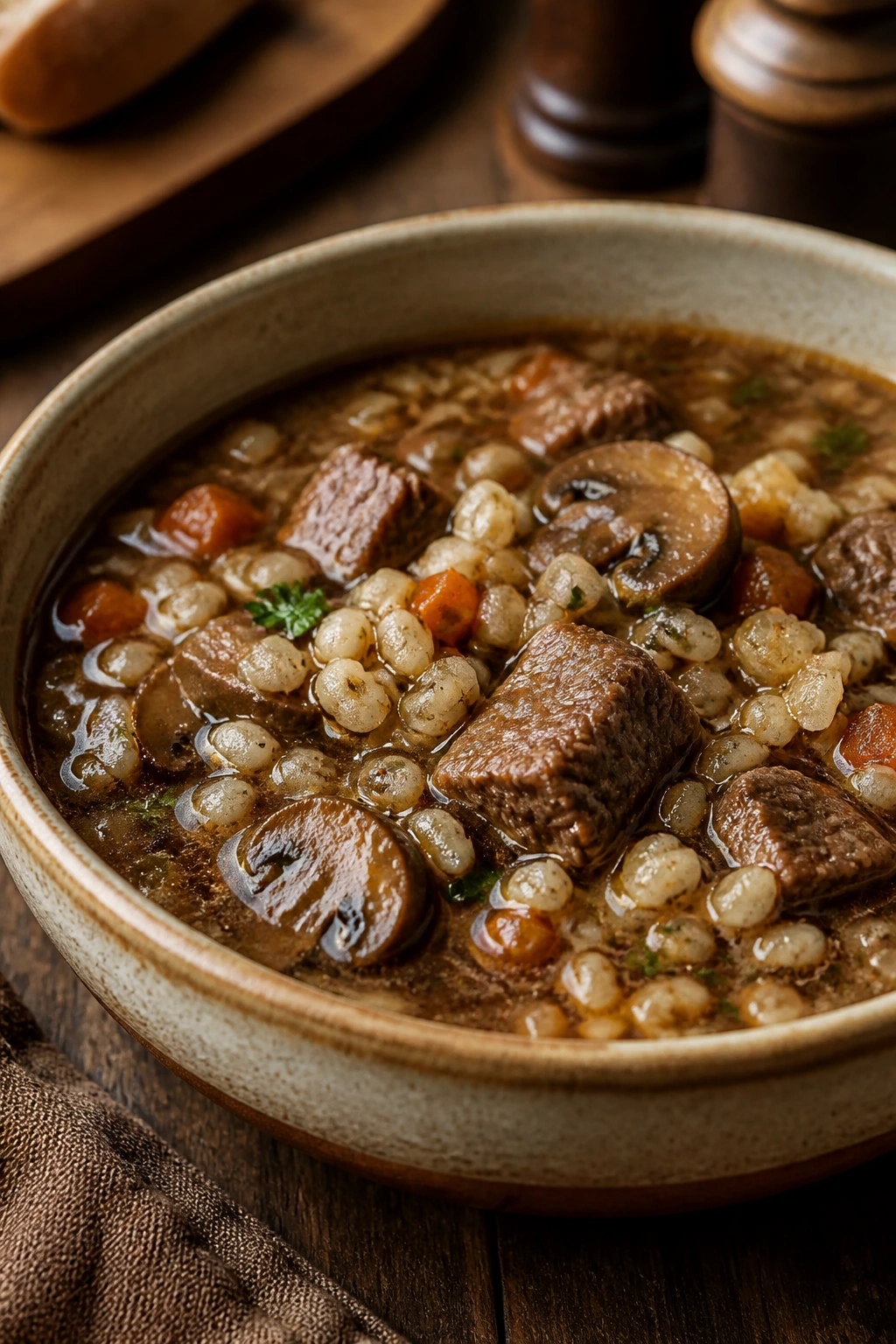
Presentation: Serve thick soups in wide bowls and brothy soups in deeper ones. A clean edge on the bowl, a little black pepper, and one fresh garnish — parsley, chives, cilantro, or a drizzle of olive oil — makes the soup look finished instead of accidental.
Accompaniments: Crusty bread belongs with bean soups, chicken soups, and anything broth-forward. Cornbread suits chili and chowder. Garlic toast pairs well with Italian wedding soup, French onion soup, and minestrone. A simple green salad helps next to the creamier bowls, especially potato soup and broccoli cheddar.
Portions: Plan on about 1½ to 2 cups per person for brothy soups and closer to 2½ cups for thicker ones like chili, chowder, or potato soup. If you’re serving soup as a starter, cut that amount in half and keep the bread small. If it’s the main event, give people more than they think they want. Soup disappears quickly.
Beverage Pairing: A crisp lager works with chili, chicken tortilla soup, and sausage-bean soup. For the richer bowls, iced tea with lemon or a dry white wine keeps the plate from feeling heavy. If you want something nonalcoholic and sharp, sparkling water with lime is the quiet hero.
Additional Tips and Flavor Boosters

Flavor Enhancement: A spoonful of tomato paste cooked in oil for 1 minute deepens almost every savory soup in this list. So does a parmesan rind, which adds salt and umami without making the broth taste cheesy in a heavy way.
Customization: Stir in cooked rice, extra beans, shredded chicken, or chopped greens when you need to stretch a pot. If a recipe feels too rich, add lemon juice or vinegar at the end. If it feels too lean, finish with olive oil, butter, or a little cream.
Serving Suggestions: Top creamy soups with croutons, seeds, or bacon. Top brothy soups with herbs and a squeeze of citrus. Top chili with chopped onion and cheddar, not because it’s trendy but because the crunchy onion and melted cheese actually improve the bite.
Make-It-Yours: Use turkey instead of chicken, vegetable broth instead of beef broth, or dairy-free milk in chowder and potato soup. For gluten-free bowls, skip the flour roux and thicken with blended beans, potatoes, or a little cornstarch slurry stirred in near the end.
Make-Ahead, Storage, and Reheating Guidance
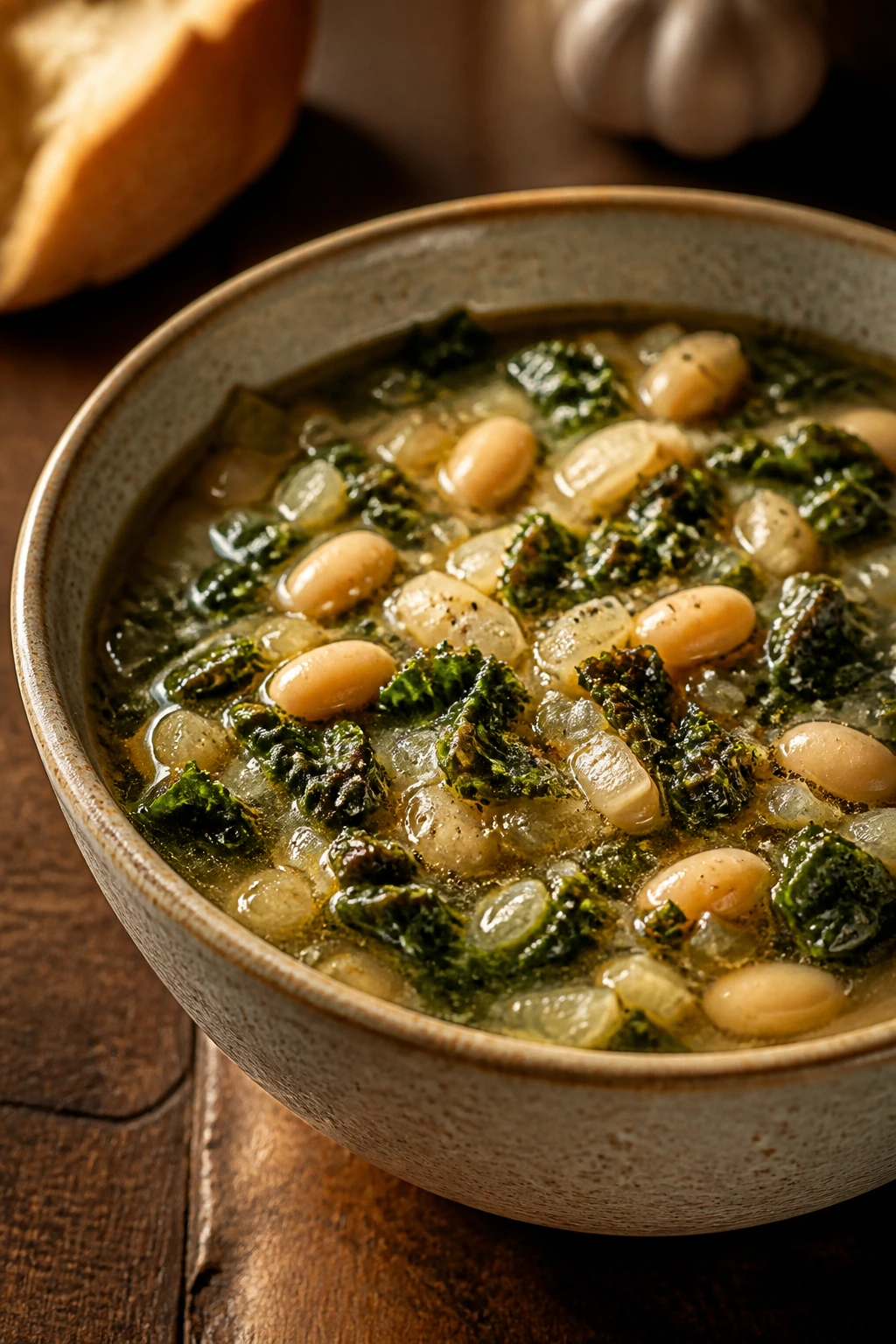
Most of these soups keep well in the fridge for 3 to 4 days in airtight containers. Chili, beef stew-style soups, lentil soup, and bean soups often taste better on day two because the seasoning settles and the broth tightens up. Cream-based soups are the exception: they’re still good, but the texture can change a little after chilling.
Freeze the sturdier soups for up to 2 months. Beef and barley, chili, split pea, lentil vegetable, black bean, mushroom barley, and vegetable beef soup all handle freezing well. Potato soup, broccoli cheddar, and chowders are fussier because dairy and potatoes can turn grainy or a little loose after thawing. They’ll still be edible, but the texture will not be as polished.
Reheat brothy soups on the stovetop over medium-low heat until steaming hot, stirring now and then. Add a splash of water or broth if they’ve thickened in the fridge. For cream soups, keep the heat low and avoid a boil. If you use the microwave, stop and stir every minute so the edges do not overcook before the center warms through.
A few practical tricks help a lot. Cook noodles, rice, or tortilla strips separately when possible if you’re planning leftovers. Store garnishes apart. Keep fresh herbs, avocado, cheese, and sour cream out of the main container until serving time. That small bit of restraint keeps the soup tasting fresher after a night or two.
Variations and Adaptations to Try
Slow-Simmer Sunday Pot: Make the beef, split pea, or vegetable beef soups in a bigger batch and simmer them a little longer than the recipe says. The flavors soften together in a way that suits a low-effort day.
Dairy-Free Comfort Bowls: Skip cream, milk, and sour cream in chowder or potato soup, then finish with olive oil or a spoonful of blended white beans. You still get body without the dairy.
Gluten-Free Soup Switch: Use rice, potatoes, beans, or gluten-free pasta in place of barley, egg noodles, or orzo. For thickening, blend part of the soup instead of using flour.
High-Protein Version: Add shredded chicken, turkey, extra beans, or a few more ounces of beef. This works especially well in chicken noodle, black bean, lentil, and minestrone, where the extra protein folds in without changing the character of the bowl.
Kid-Friendly Mild Bowl: Pull back on chipotle, black pepper, red pepper flakes, and strong herbs. Keep the broth richer and simpler, then let adults add heat at the table.
Regional Twist: Add smoked paprika and cabbage for a more Eastern European feel, lime and tortilla strips for a Southwestern one, or fennel and parmesan for an Italian turn. A soup does not need a passport, but it can borrow one if you want.
Common Mistakes to Avoid
The first mistake is rushing the base. Onions, carrots, celery, and garlic need time to soften and smell sweet before the liquid goes in. If you dump broth on raw vegetables, the soup tastes thin no matter how much you season it later.
The second mistake is boiling everything hard. Hard heat is the enemy of good texture. It makes chicken tight, potatoes crumbly, greens dull, and dairy soups grainy. A steady simmer is slower, yes, but it gives you a clearer broth and fewer regrets.
The third mistake is adding starches too early. Noodles, rice, and small pasta keep drinking liquid long after the heat is off. If you know there will be leftovers, cook those separately or add them only to the portions you plan to eat immediately.
The fourth mistake is forgetting acid. Lemon juice, lime juice, vinegar, and sometimes wine are not decoration; they make the soup taste alive. A bowl that seems flat at the end often needs only a small squeeze, not another half-teaspoon of salt.
The fifth mistake is over-seasoning beans and potatoes too late. Those ingredients absorb salt while they cook, so seasoning only at the end can leave the broth dull. Taste a little earlier than feels natural, then adjust again near the finish.
Frequently Asked Questions
Can I make these soups in advance?
Yes, and most of them benefit from it. Bean soups, chili, beef soups, and lentil soups often settle into themselves after a night in the fridge, while noodle soups and chowders are better when the starches or dairy are handled with a little care.
What soups freeze best from this list?
Beef and barley, chili, split pea, lentil vegetable, black bean, mushroom barley, and vegetable beef soup freeze especially well. Chicken noodle, broccoli cheddar, and potato soup are better eaten fresh or frozen only if you don’t mind a softer texture after thawing.
How do I keep noodles from getting mushy?
Cook them separately and add them to each bowl, or stir them into the soup only near the end if you’re serving it right away. If leftovers matter, keep the noodles out of the main pot.
Can I use chicken breasts instead of thighs?
You can, but pull them out sooner. Breasts dry out faster than thighs and can turn stringy if they sit in simmering broth too long. Thighs handle that heat more gracefully.
What if my soup tastes flat?
First, add salt in small pinches and taste again. Then think about acid: a squeeze of lemon, lime, or a tiny splash of vinegar can do more than another ladle of broth. If it still tastes sleepy, let it simmer uncovered for 10 minutes so the flavor concentrates.
How do I thicken soup without flour?
Mash some of the beans, potatoes, or lentils against the side of the pot. You can also blend a cup or two and stir it back in. That gives body without making the broth pasty.
Can I make these in a slow cooker?
Yes, especially the bean soups, chili, split pea, and beef recipes. Brown the meat and aromatics first if you can; that step is where a lot of the flavor lives. Add pasta, dairy, and tender greens near the end so they don’t break down.
What’s the best way to reheat leftovers without wrecking them?
Use the stovetop over medium-low heat and stir often. For cream soups, keep the heat low and stop before a boil. If the soup has thickened in the fridge, loosen it with a splash of broth or water before it gets hot.
The Last Ladle
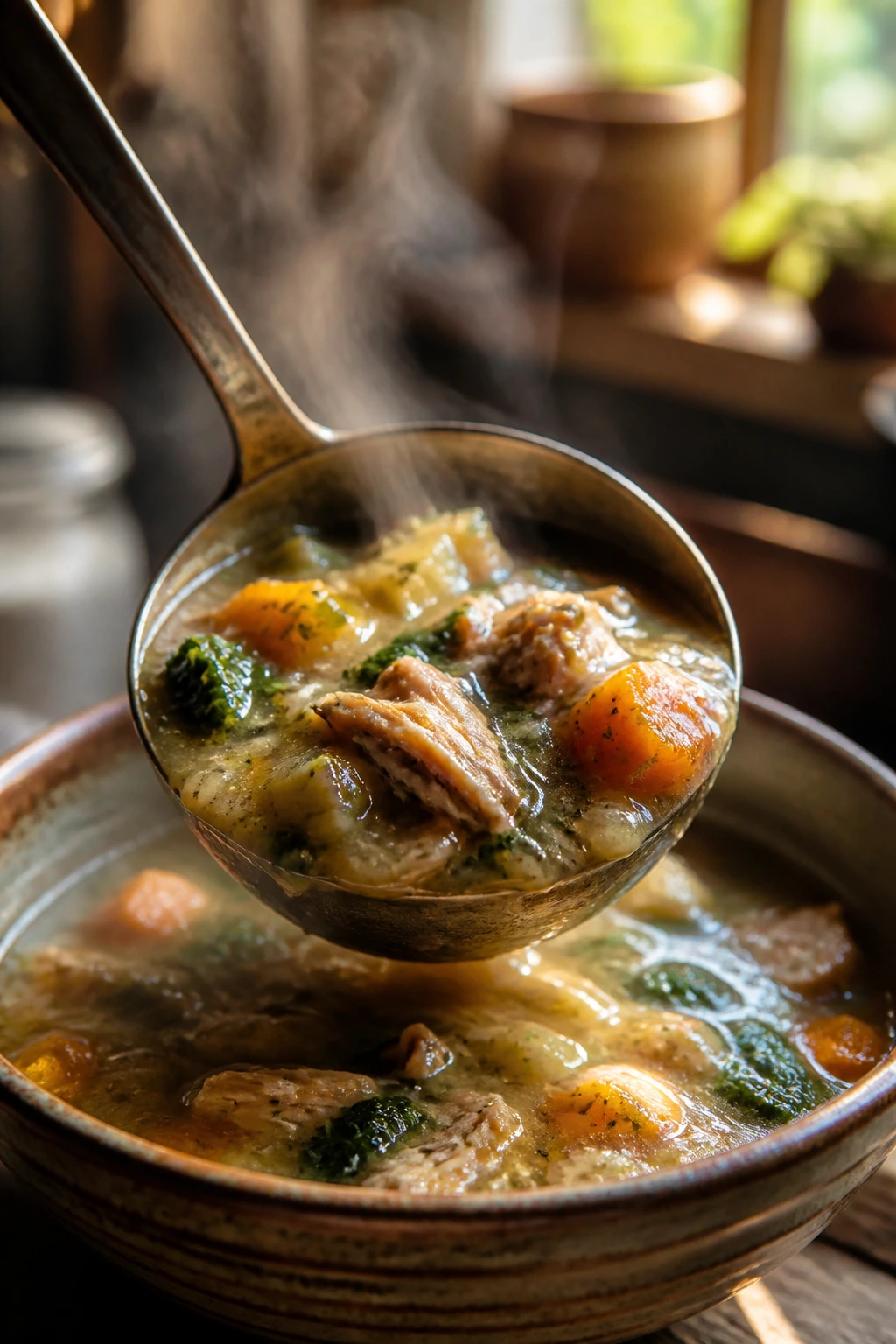
A pot of soup can do a lot more than fill a bowl. It can turn a tired pantry into dinner, rescue a cold evening, and make the kitchen smell like you actually planned ahead even when you didn’t. That is the quiet magic of these hearty soup recipes: they work hard without asking for much.
Pick one that matches your mood and the contents of your fridge. Keep the simmer gentle, season in layers, and leave yourself enough bread for the last few spoonfuls. That part matters more than people admit.