



If you keep staring at a tub of cottage cheese and wondering why it only shows up next to canned peaches, the answer is that it can do a lot more work than that. In high protein recipes with cottage cheese, the curds can disappear into pancake batter, melt into a silky sauce, or stay cool and creamy in a lunch that doesn’t slump by noon. The flavor is mild, the tang is useful, and the protein count is quietly impressive.
That protein matters. A half-cup serving often gives you around 12 to 14 grams, and a full cup can land in the mid-20s depending on the brand and fat level. It’s the kind of ingredient that makes breakfast feel sturdier, dinner feel less fussy, and snacks feel like actual food instead of a raid on the pantry. Cottage cheese also brings moisture without much drama, which is why it behaves so well in baked dishes that tend to go dry if you blink at them wrong.
I’ve always liked ingredients that can work twice. Cottage cheese does that. Blend it smooth and it behaves almost like a soft cheese sauce; leave it a little rustic and it gives you tiny creamy pockets in bakes, muffins, and egg dishes. That flexibility is the whole trick here, and it’s why this lineup covers everything from bagels to lasagna to dessert without feeling like the same recipe wearing different clothes.
Why These 18 Recipes Keep Cottage Cheese in the Fridge
-
Breakfasts That Actually Hold You: Pancakes, egg bites, bagels, muffins, and overnight oats all lean on cottage cheese to keep the first meal of the day from fading out by 10 a.m.
-
Savory and Sweet Both Pull Their Weight: One tub can become Alfredo, tuna salad, ranch dip, cheesecake cups, or a smoothie bowl without tasting like it lost the plot.
-
Most Recipes Use Plain Kitchen Gear: A blender, a skillet, a muffin tin, and a baking dish cover most of this list, which is a relief if your cupboards are already crowded.
-
Easy to Push the Protein Higher: Chicken, eggs, tuna, Greek yogurt, chickpea pasta, and almond flour all fit neatly beside cottage cheese when you want a bigger meal.
-
Good Texture Does Half the Work: Cottage cheese keeps baked dishes tender, turns sauce creamy without a heavy cream avalanche, and gives cold recipes body without making them dense.
1. Cottage Cheese Protein Pancakes
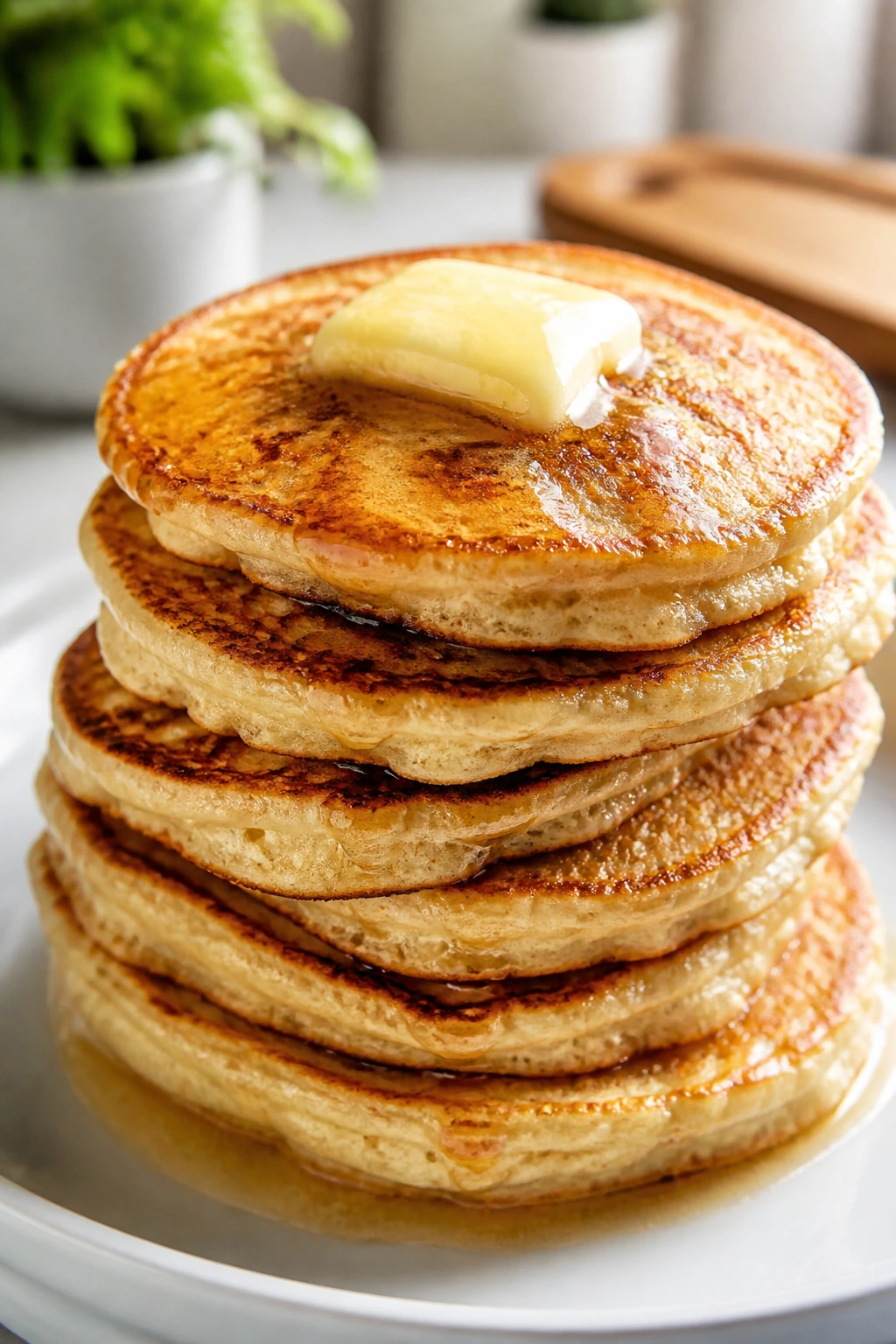
These taste like diner pancakes that had a protein shake hidden inside, only they’re tender instead of chalky. Blend the batter smooth enough and the cottage cheese disappears almost completely, leaving a soft crumb with tiny custardy pockets if you don’t blitz it to death.
Why It Works:
Eggs, oats, and cottage cheese bring enough structure that the pancakes hold together without turning rubbery. The batter thickens as it sits, which helps the oats absorb moisture and makes the cakes fluffier on the pan. You get a breakfast that feels like breakfast, not a compromise.
Key Ingredients:
- 1 cup cottage cheese, preferably small-curd and not watery
- 4 large eggs
- 1 cup rolled oats or oat flour
- 1 scoop vanilla protein powder
- 1 teaspoon baking powder
- 1 teaspoon vanilla extract
- 1/2 teaspoon cinnamon
- 1/4 teaspoon fine salt
- 1 tablespoon butter or neutral oil, for the pan
Quick Steps:
- Blend the batter: Add the cottage cheese, eggs, oats, protein powder, baking powder, vanilla, cinnamon, and salt to a blender. Blend for 20 to 30 seconds, until mostly smooth with only a few oat flecks left.
- Rest the batter: Let it sit for 5 minutes so the oats can thicken the mixture. If it looks thin after resting, give it another 2 tablespoons of oats and a quick stir.
- Heat the pan: Set a nonstick skillet or griddle over medium-low heat and grease it lightly with butter. The surface should sizzle softly, not hiss hard.
- Cook the pancakes: Spoon 1/4 cup batter per pancake onto the hot surface. Cook for 2 to 3 minutes per side, until the edges look set and the bottoms are golden brown.
- Serve right away: Keep finished pancakes on a warm plate or in a 200°F oven while you finish the batch.
Equipment for This Recipe:
- Blender or food processor
- Nonstick skillet or griddle
- Flexible spatula
How to Serve This Dish:
Stack them with berries, a spoonful of Greek yogurt, or a thin swipe of almond butter. The plate looks best when you keep the toppings light and let the pancakes stay a little craggy instead of smothering them.
Pro Tips for This Recipe:
- If your cottage cheese is loose, drain it for 5 minutes in a sieve before blending.
- Medium-low heat matters here; too hot and the outsides brown before the center sets.
- A protein powder with vanilla in it keeps the batter from tasting flat.
Variations on This Dish:
- Blueberry Pocket Pancakes: Fold 1/2 cup blueberries into the batter after blending. They burst in the pan and make the pancakes feel more like brunch.
- Savory Herb Cakes: Skip the vanilla and cinnamon, then add chives, black pepper, and a pinch of garlic powder. They pair well with eggs instead of syrup.
Common Mistakes to Avoid with This Dish:
- Using watery cottage cheese straight from the tub: The batter turns thin and spreads too much. Drain it first or add more oats.
- Cooking on high heat: The pancakes brown fast but stay gummy in the middle. Keep the heat moderate and give them time.
2. Savory Cottage Cheese Egg Bites
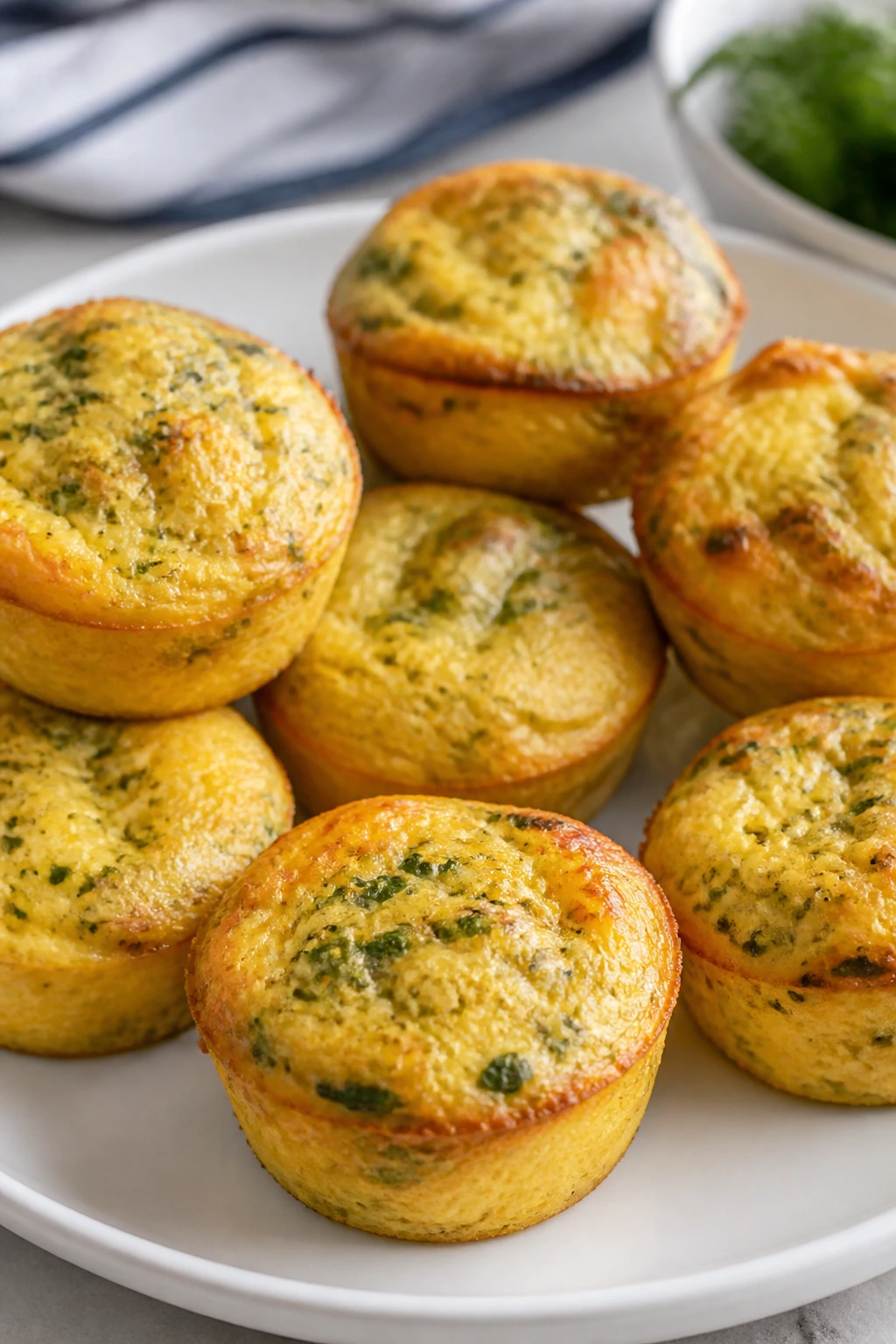
These are the kind of egg bites that disappear from the fridge before lunch starts. They’re soft in the middle, lightly browned at the edges, and sturdy enough to eat with one hand on the way out the door.
Why It Works:
Blending cottage cheese into the eggs gives the bites a smoother, creamier texture than plain baked eggs. The cheese also adds enough protein and moisture that the eggs don’t taste dry after reheating. A little spinach and cheddar make them taste like breakfast from a deli case, only less greasy.
Key Ingredients:
- 1 cup cottage cheese
- 6 large eggs
- 1/2 cup shredded sharp cheddar
- 1/2 cup chopped spinach, squeezed dry
- 1/4 cup diced red bell pepper
- 2 scallions, thinly sliced
- 1/4 teaspoon fine salt
- 1/4 teaspoon black pepper
- Nonstick cooking spray
Quick Steps:
- Preheat the oven: Set it to 325°F and grease a 12-cup muffin tin well, or use a silicone muffin pan if you have one.
- Blend the base: Whisk or blend the cottage cheese, eggs, salt, and pepper until the mixture looks smooth and pale yellow.
- Add the fillings: Stir in the cheddar, spinach, bell pepper, and scallions. Don’t overpack the mixture with vegetables or the bites will leak water.
- Fill and bake: Divide the mixture among the muffin cups, filling each about 3/4 full. Bake for 18 to 22 minutes, until the centers are set and only jiggle a little when nudged.
- Cool briefly: Let them sit in the pan for 5 minutes before lifting out. They firm up as they cool.
Equipment for This Recipe:
- Muffin tin or silicone egg-bite mold
- Blender or large bowl and whisk
- Rubber spatula
How to Serve This Dish:
Serve two or three bites with fruit, toast, or sliced avocado. They also work in a lunch box next to cherry tomatoes and a handful of crackers.
Pro Tips for This Recipe:
- Squeeze the spinach dry with your hands or a towel. Wet spinach is the fastest way to get rubbery egg bites.
- A silicone muffin pan releases better than metal if you’re using a sticky cottage cheese blend.
- If you want cleaner slices, chill them before packing them up.
Variations on This Dish:
- Bacon and Chive Version: Swap the bell pepper for 1/3 cup cooked, crumbled bacon and add more chives.
- Mushroom Swiss Version: Use chopped sautéed mushrooms and shredded Swiss cheese for a deeper, earthier flavor.
Common Mistakes to Avoid with This Dish:
- Overfilling the cups: The eggs puff as they bake and spill over. Stick to 3/4 full.
- Skipping the squeeze on the vegetables: Extra moisture shows up as a soggy bottom. Dry the fillings first.
3. Cottage Cheese Overnight Oats
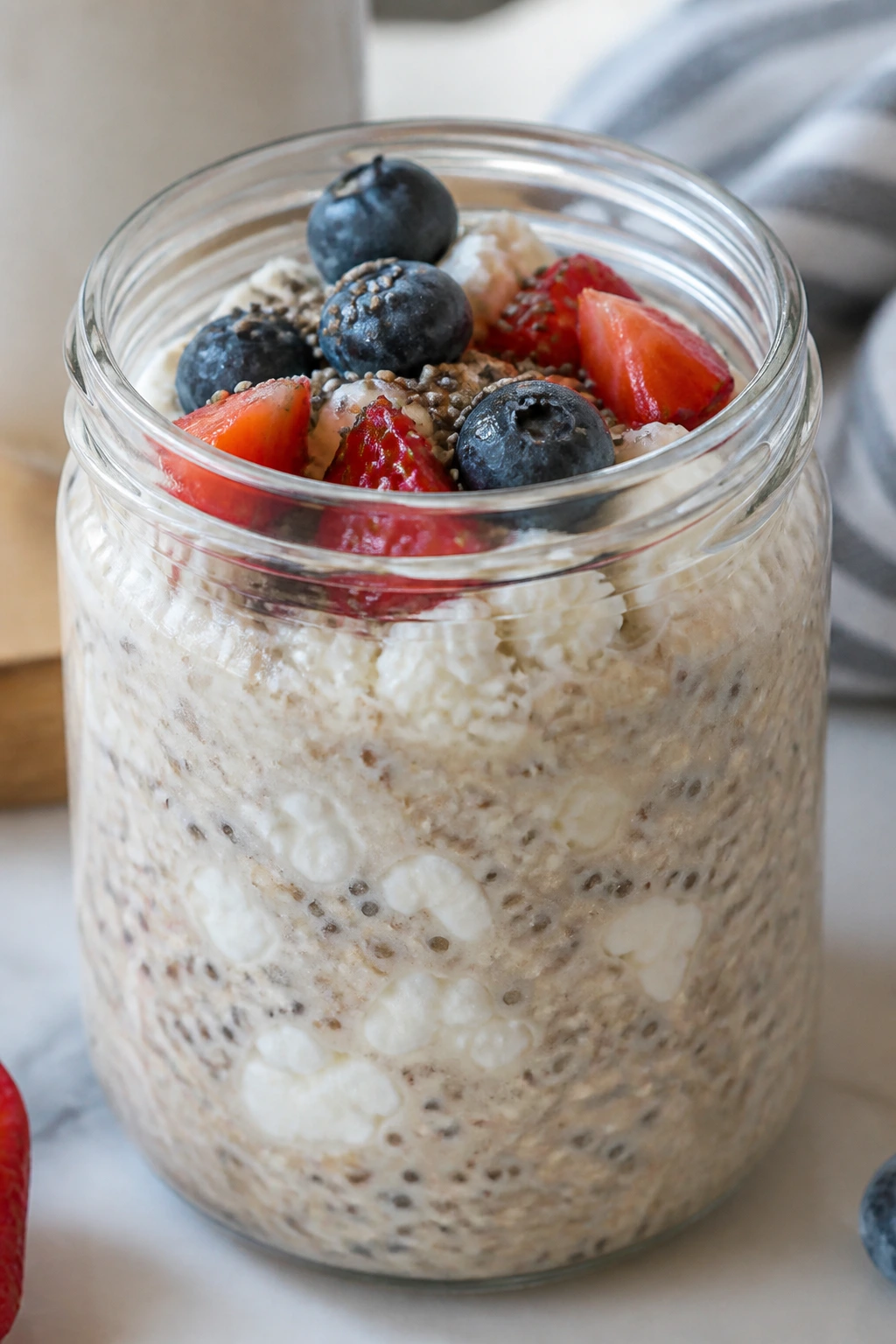
This one is cold, thick, and faintly tangy in a way that makes plain oats feel a little sleepy. The cottage cheese gives the jar a creamy backbone, so the oats taste more like a proper breakfast bowl than a box of cereal softened in milk.
Why It Works:
Cottage cheese brings protein and body to oats without making them heavy. Chia seeds help thicken the mixture overnight, and the milk loosens the curds just enough that the final texture feels spoonable instead of paste-like. It’s a smart setup if you want breakfast ready before the coffee is done brewing.
Key Ingredients:
- 1 cup cottage cheese
- 1 cup rolled oats
- 1 cup milk or unsweetened almond milk
- 2 tablespoons chia seeds
- 1 tablespoon maple syrup
- 1/2 teaspoon cinnamon
- Pinch of fine salt
- 1/2 cup berries
- 2 tablespoons chopped almonds or walnuts
Quick Steps:
- Mix the base: In a bowl or jar, stir together the cottage cheese, oats, milk, chia seeds, maple syrup, cinnamon, and salt until evenly combined.
- Cover and chill: Seal the jar and refrigerate it for at least 6 hours, or overnight. The oats should soften and the chia seeds should thicken the liquid.
- Stir before serving: Give the mixture a good stir in the morning. If it looks too thick, add a splash of milk.
- Add toppings: Spoon the berries and nuts over the top right before eating so they stay fresh and crunchy.
Equipment for This Recipe:
- Pint jar or lidded container
- Spoon
- Measuring cups
How to Serve This Dish:
Eat it straight from the jar or dump it into a bowl if you want more room for toppings. A spoonful of nut butter on top makes it feel more substantial without much effort.
Pro Tips for This Recipe:
- Use old-fashioned rolled oats, not quick oats, or the texture gets mushy.
- If your cottage cheese is very salty, pull back on the added salt.
- Fresh fruit on top tastes better than stirring everything in the night before.
Variations on This Dish:
- Peanut Butter Banana Jar: Add 2 tablespoons peanut butter and sliced banana in the morning.
- Apple Pie Oats: Stir in grated apple, extra cinnamon, and chopped pecans.
Common Mistakes to Avoid with This Dish:
- Using too much liquid: The oats turn soupy instead of creamy. Start with 1 cup milk and adjust only if needed.
- Adding crunchy toppings too early: Nuts and granola go soft overnight. Keep them separate.
4. High-Protein Cottage Cheese Bagels
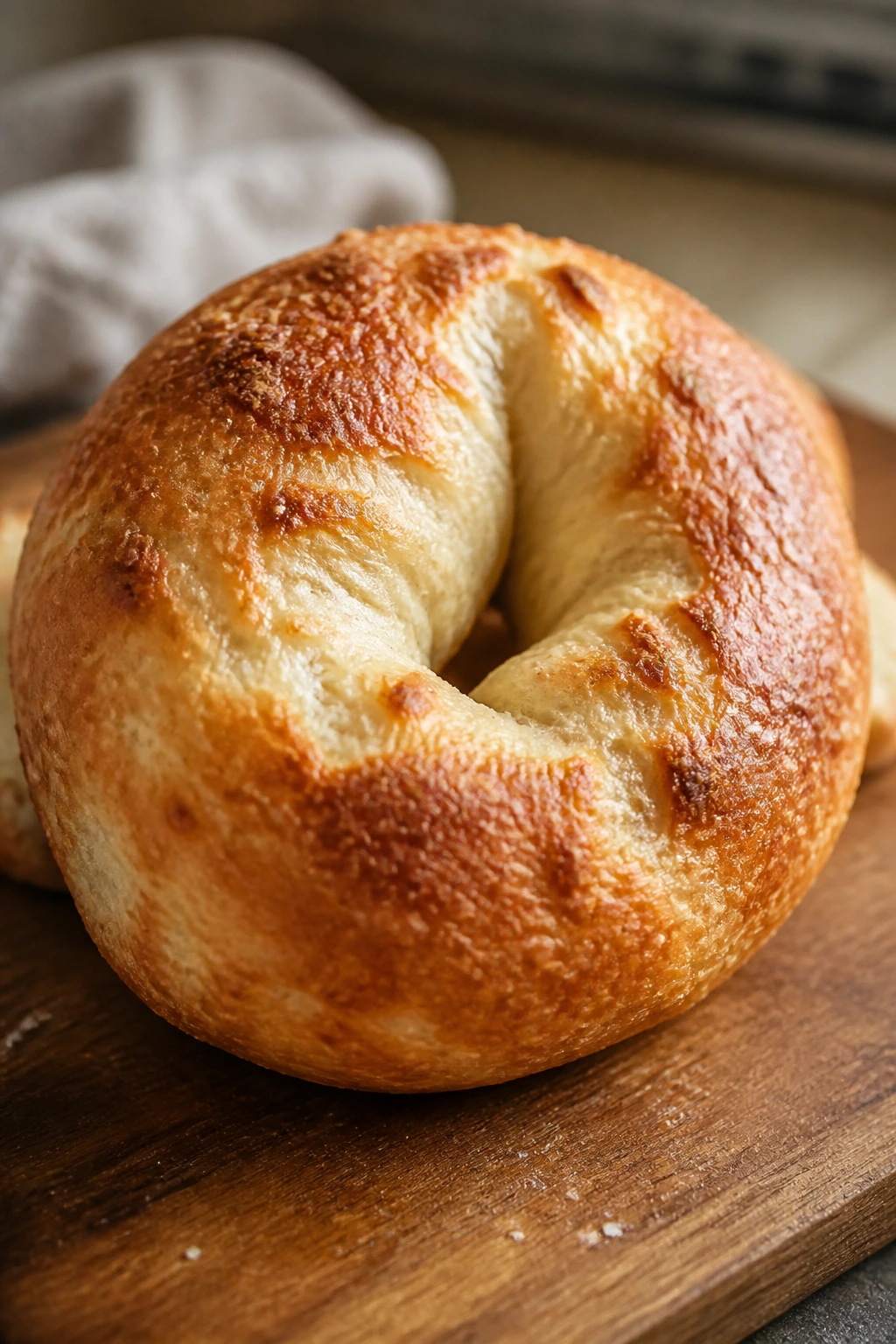
These bagels are chewy on the outside, tender inside, and a lot less fussy than traditional yeast bagels. The cottage cheese helps the dough stay moist, so you get a soft crumb without waiting around for a rise.
Why It Works:
Self-rising flour gives the dough lift, while cottage cheese adds protein and a little fat for tenderness. Because there’s no yeast proofing, the whole process moves fast, and the finished bagels are best eaten warm with a little bite left in the crust. They’re not Brooklyn-style bagels. They are useful, which is better for most kitchens.
Key Ingredients:
- 1 cup cottage cheese, drained and patted dry
- 1 1/2 cups self-rising flour, plus more for dusting
- 1 teaspoon garlic powder or 1 tablespoon sugar, depending on savory or plain
- 1 large egg, beaten for egg wash
- 1 tablespoon sesame seeds or everything bagel seasoning
- 1/4 teaspoon salt, only if your flour is low-sodium
- Cooking spray or parchment paper
Quick Steps:
- Preheat the oven: Set it to 400°F and line a baking sheet with parchment.
- Make the dough: In a bowl, mix the cottage cheese and flour until a shaggy dough forms. If it feels sticky, dust in 1 tablespoon flour at a time.
- Shape the bagels: Turn the dough onto a lightly floured counter, knead 8 to 10 times, and divide it into 4 to 6 pieces. Roll each piece into a rope and pinch the ends together to make a ring.
- Brush and top: Place the bagels on the tray, brush with egg wash, and sprinkle with sesame seeds or seasoning.
- Bake until set: Bake for 20 to 22 minutes, until the tops are deep golden and the bottoms sound hollow when tapped.
Equipment for This Recipe:
- Mixing bowl
- Baking sheet
- Parchment paper
- Pastry brush
How to Serve This Dish:
Split them and fill with eggs, turkey bacon, or more cottage cheese and sliced tomato. They also work with smoked salmon if you want breakfast that feels like a small event.
Pro Tips for This Recipe:
- Drain the cottage cheese for 5 minutes before mixing; extra moisture makes the dough sticky.
- Do not over-knead. A light hand keeps the bagels tender.
- If you want more browning, bake them on the upper-middle rack.
Variations on This Dish:
- Everything Bagel Batch: Use everything seasoning in the dough and on top.
- Cinnamon Breakfast Rings: Add 1 tablespoon sugar and 1 teaspoon cinnamon, then skip the savory topping.
Common Mistakes to Avoid with This Dish:
- Trying to make the dough like yeast bagel dough: It will feel too wet and annoy you. Treat it like a quick bread.
- Using cottage cheese that’s still watery: The rings spread and bake unevenly.
5. Whipped Cottage Cheese Toast with Smoked Salmon
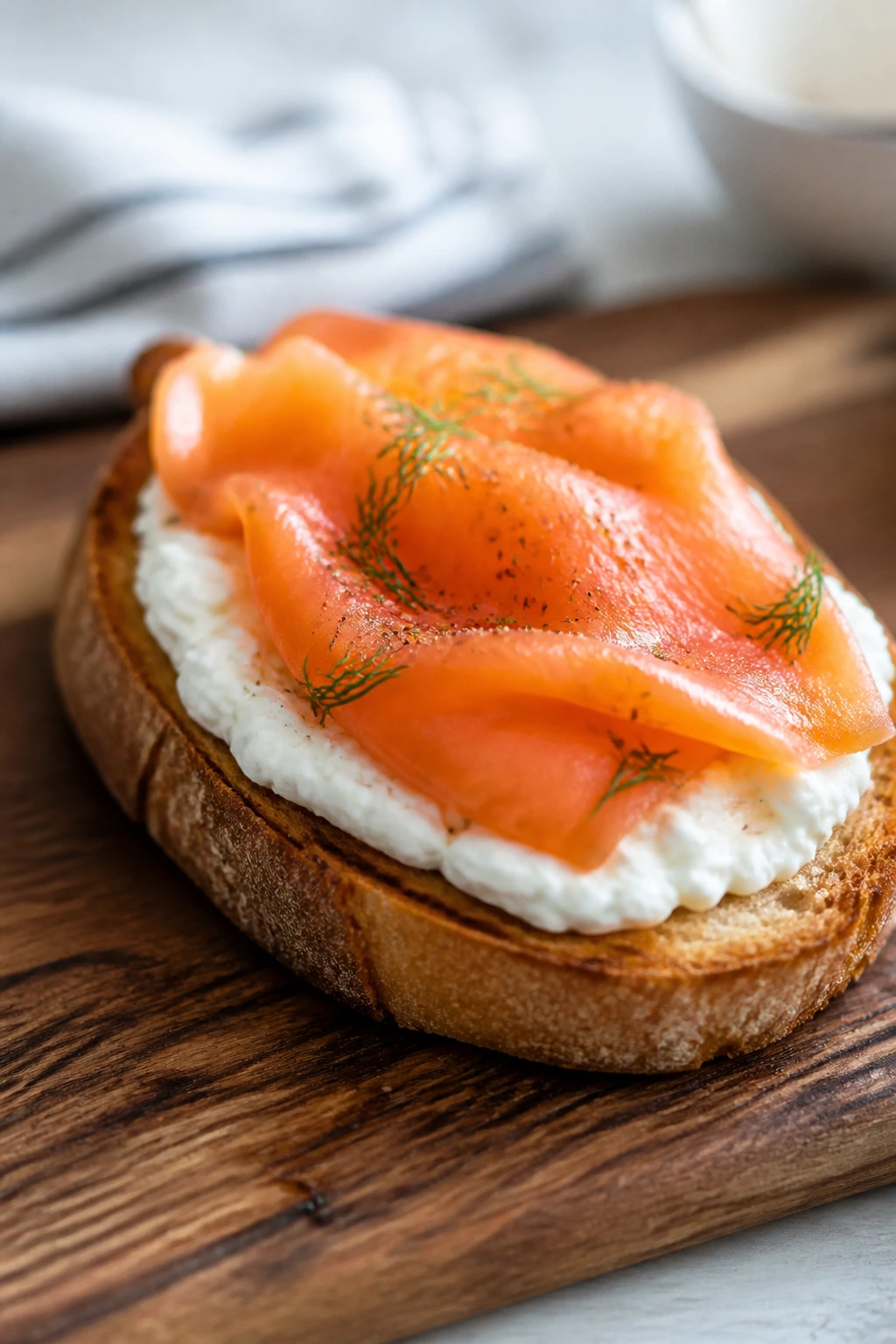
This is the sort of toast that looks simple until you bite into it and realize the creamy base does all the heavy lifting. The whipped cottage cheese turns smooth and spreadable, then the salmon brings salt, smoke, and a little drama.
Why It Works:
Whipping the cottage cheese changes everything. The curds vanish into a fluffy spread that sits nicely on toasted bread, and the lemon-dill finish keeps the dairy flavor from feeling flat. Smoked salmon adds a clean protein boost, which makes the toast feel like lunch, not a snack pretending to be one.
Key Ingredients:
- 1 1/2 cups cottage cheese
- 1 teaspoon lemon juice
- 1 teaspoon chopped fresh dill
- 1/4 teaspoon black pepper
- 4 slices hearty whole-grain bread
- 4 ounces smoked salmon
- 1 small cucumber, thinly sliced
- 1 tablespoon capers
- 1 teaspoon olive oil
Quick Steps:
- Whip the cottage cheese: Blend the cottage cheese, lemon juice, dill, and pepper until smooth and fluffy, about 30 seconds.
- Toast the bread: Toast the slices until they’re deeply golden and sturdy enough to hold the topping.
- Build the toast: Spread a thick layer of whipped cottage cheese on each slice.
- Finish the top: Add smoked salmon, cucumber slices, capers, and a light drizzle of olive oil.
- Serve immediately: The toast is best when the bread is still crisp and the topping is cold.
Equipment for This Recipe:
- Blender or food processor
- Toaster or skillet
- Butter knife
How to Serve This Dish:
Serve two slices with a simple green salad or a pile of sliced tomatoes. If you’re making brunch for a few people, put all the toppings on the table and let everyone build their own.
Pro Tips for This Recipe:
- Use a sturdy bread or the topping will collapse the second it gets picked up.
- Whip the cottage cheese longer than you think you need to; the texture should look glossy, not grainy.
- Capers add enough salt that you probably won’t need extra.
Variations on This Dish:
- Tomato-Dill Toast: Skip the salmon and add thick tomato slices with flaky salt.
- Avocado Salmon Toast: Add smashed avocado under the cottage cheese for a richer bite.
Common Mistakes to Avoid with This Dish:
- Using soft sandwich bread: It goes soggy fast. Pick a denser loaf.
- Overloading the toast: A thick layer of toppings sounds fun until the bread breaks in half.
6. Cottage Cheese Scrambled Eggs with Chives
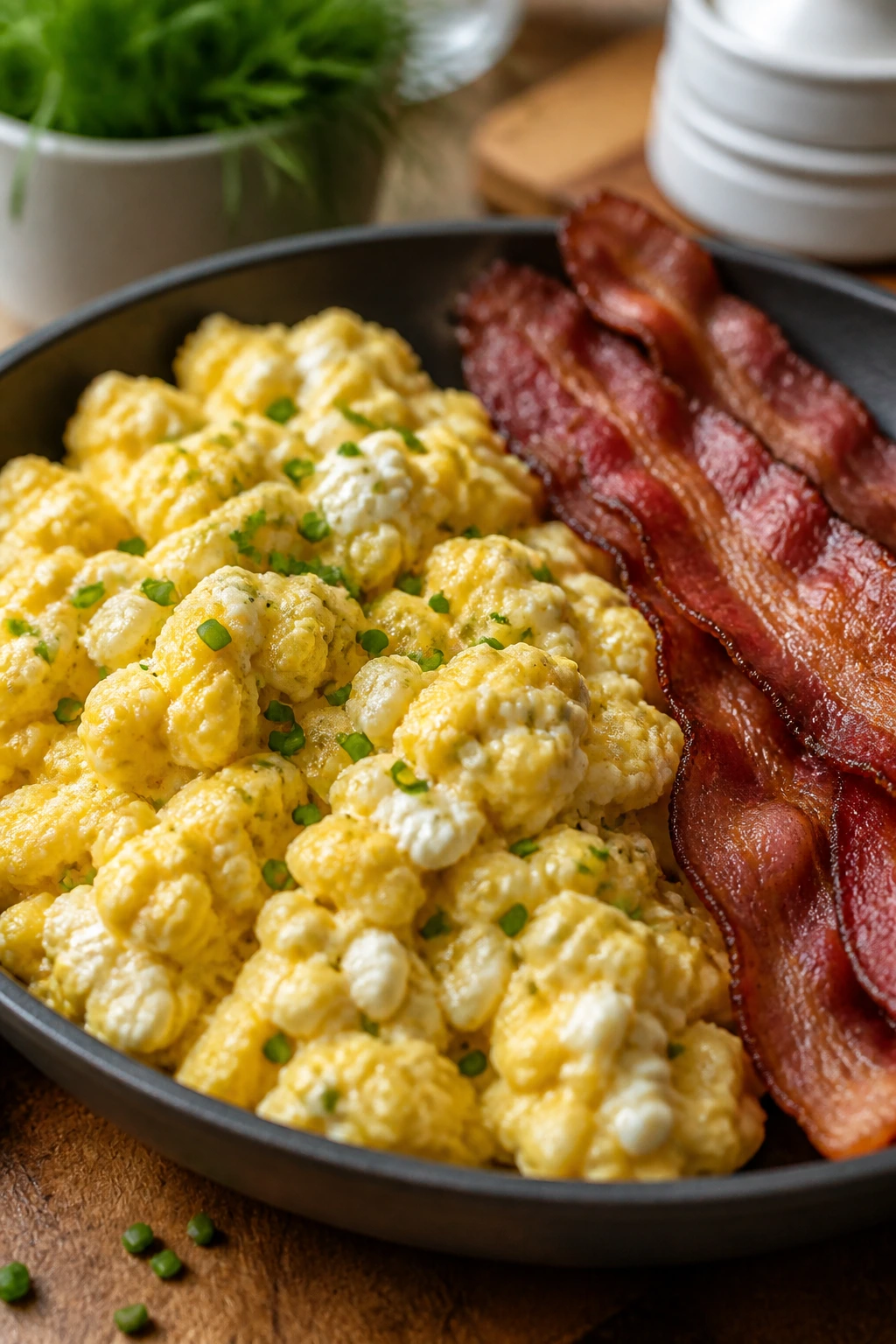
These eggs come out soft and a little silky, with cottage cheese melting into the folds instead of sitting in obvious lumps. The turkey bacon gives you something crisp alongside all that softness, which is exactly why this plate works.
Why It Works:
Eggs and cottage cheese are a natural pair because they both cook fast and carry protein without making breakfast feel bulky. Stir the cottage cheese in at the end and it melts into the eggs just enough to keep them moist. Chives cut through the richness so the whole thing tastes cleaner than it looks.
Key Ingredients:
- 6 large eggs
- 1/2 cup cottage cheese
- 2 tablespoons butter
- 4 slices turkey bacon, chopped
- 2 tablespoons chopped chives
- 1/4 teaspoon fine salt
- 1/4 teaspoon black pepper
- 1 cup baby spinach, optional
Quick Steps:
- Cook the bacon: Set a skillet over medium heat and cook the turkey bacon until browned and crisp at the edges, 4 to 6 minutes. Transfer it to a plate.
- Whisk the eggs: Beat the eggs with the cottage cheese, salt, and pepper until mostly smooth. A few curds are fine.
- Scramble slowly: Melt the butter in the same pan over low heat. Pour in the egg mixture and stir gently with a spatula, scraping the bottom as the curds form.
- Stop before they look done: Pull the pan off the heat while the eggs still look slightly glossy. Stir in the chives and bacon.
- Serve right away: Eggs keep cooking from residual heat, so don’t leave them in the pan.
Equipment for This Recipe:
- Nonstick skillet
- Mixing bowl
- Whisk
- Silicone spatula
How to Serve This Dish:
Pile the eggs on toast or tuck them into a warm tortilla with spinach. A few sliced tomatoes on the side keep the plate from feeling heavy.
Pro Tips for This Recipe:
- Low heat is the difference between silky and dry.
- Add spinach only if you’ve got it and it’s already dry; otherwise skip it.
- The eggs should still look a little loose when you turn off the heat.
Variations on This Dish:
- Herby Garden Eggs: Add parsley, dill, and a spoonful of minced scallion.
- Pepper Jack Version: Swap the chives for diced jalapeño and a little pepper jack.
Common Mistakes to Avoid with This Dish:
- Cooking on high heat: The eggs tighten fast and turn grainy. Keep the flame low.
- Adding salt too early in large amounts: The cottage cheese already brings salt, so taste before adding more.
7. Cottage Cheese and Spinach Stuffed Chicken Breast
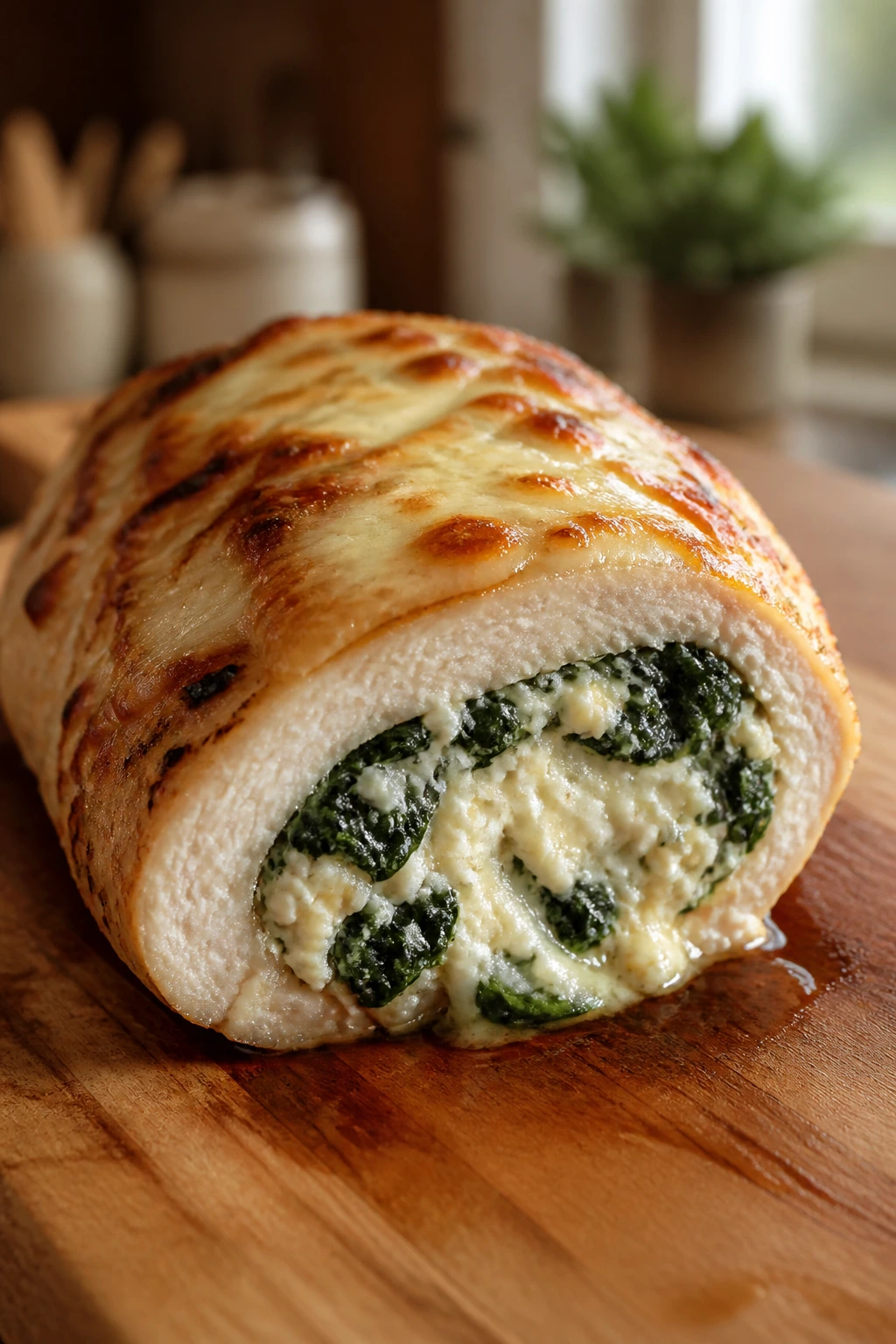
This is one of those chicken dinners that looks ordinary from the outside and much better once you cut into it. The filling stays creamy, the chicken stays juicy, and the melted cheese gives you the kind of center that makes dry chicken feel unnecessary.
Why It Works:
Cottage cheese is doing two jobs here: it gives the filling protein and keeps it moist while the chicken roasts. Spinach and mozzarella round out the flavor, and a quick sear before the oven builds color on the outside so the dish doesn’t look pale or boiled. It’s a neat trick, and a useful one.
Key Ingredients:
For the Chicken:
- 4 boneless, skinless chicken breasts, pounded to even thickness
- 1 tablespoon olive oil
- 1 teaspoon paprika
- 1 teaspoon Italian seasoning
- 1/2 teaspoon salt
- 1/2 teaspoon black pepper
For the Filling:
- 1 cup cottage cheese, drained
- 1 cup chopped spinach, squeezed dry
- 1/2 cup shredded mozzarella
- 2 garlic cloves, minced
- 1 tablespoon grated parmesan
Quick Steps:
- Preheat the oven: Set it to 400°F. If you have an oven-safe skillet, keep it close.
- Mix the filling: Stir the cottage cheese, spinach, mozzarella, garlic, and parmesan together until thick and evenly combined.
- Stuff the chicken: Cut a pocket into each chicken breast and spoon in the filling. Don’t overstuff or the filling will leak out.
- Sear first: Season the outside with paprika, Italian seasoning, salt, and pepper. Sear the chicken in olive oil over medium-high heat for 2 minutes per side, just until browned.
- Bake to finish: Move the skillet to the oven and bake for 15 to 18 minutes, until the thickest part of the chicken reaches 165°F. Rest for 5 minutes before slicing.
Equipment for This Recipe:
- Oven-safe skillet
- Sharp paring knife
- Meat mallet or rolling pin
- Instant-read thermometer
How to Serve This Dish:
Slice the chicken on a slight diagonal so the filling shows. It looks best with roasted broccoli, a chopped salad, or a pile of garlicky green beans.
Pro Tips for This Recipe:
- Drain the cottage cheese or the filling will run out during baking.
- If the breasts are thick, pound them evenly before cutting the pocket.
- Resting matters; the juices settle and the filling stops sliding out.
Variations on This Dish:
- Sun-Dried Tomato Version: Mix in chopped sun-dried tomatoes and basil.
- Spinach-Artichoke Style: Add chopped artichoke hearts and a little extra parmesan.
Common Mistakes to Avoid with This Dish:
- Stuffing too much filling inside: It leaks and steams the chicken from the inside. Use a modest spoonful.
- Skipping the thermometer: Chicken breast goes from juicy to dry fast, so check the temperature.
8. Turkey Cottage Cheese Lasagna Roll-Ups
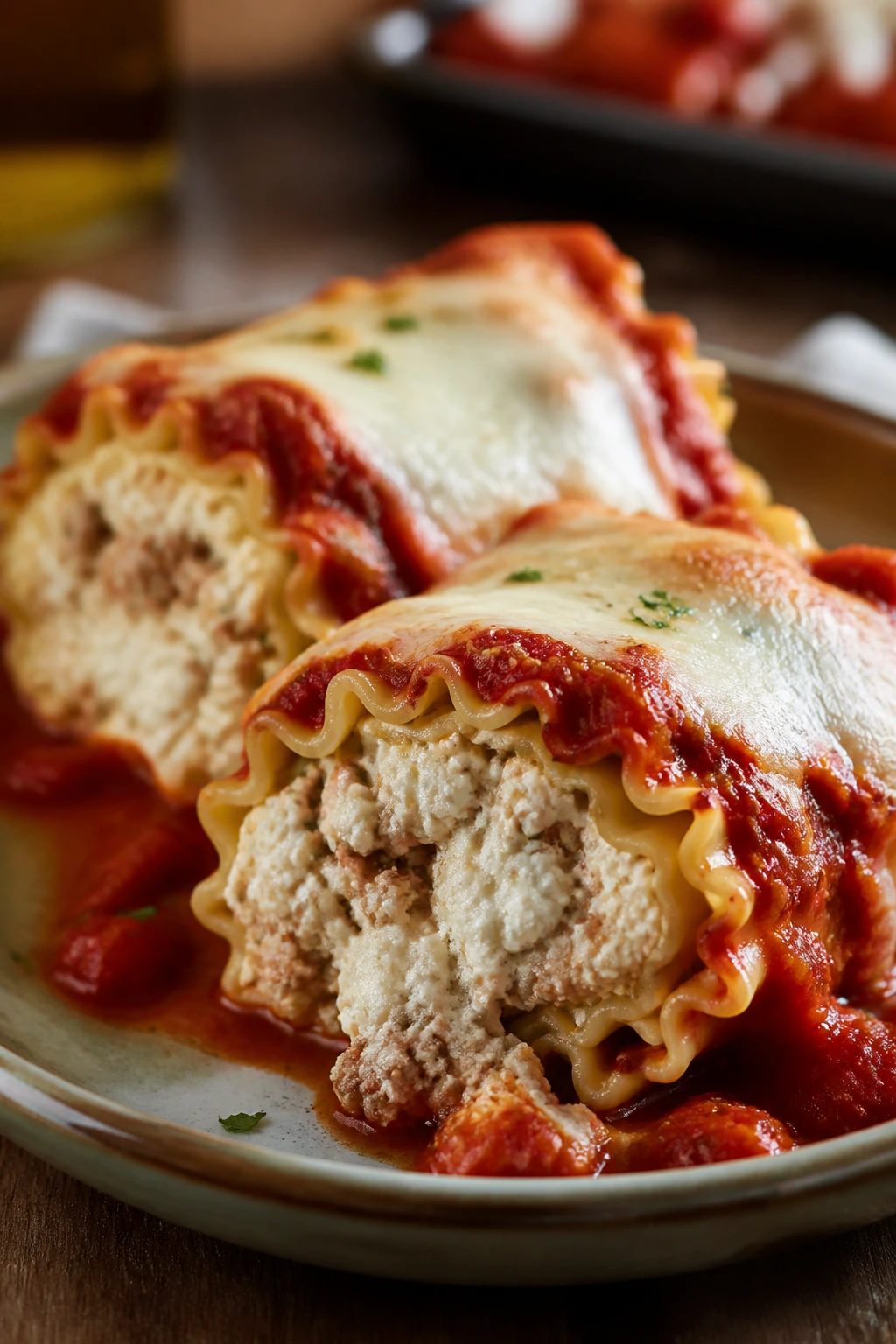
These roll-ups taste like lasagna without the heavy, sliding layers that sometimes make a pan version awkward to serve. You get neat spirals of pasta, turkey, sauce, and a creamy cottage cheese filling that stays put when you cut it.
Why It Works:
Cottage cheese stands in for ricotta and gives the filling a lighter texture with a bit more protein. Turkey adds enough heft that the rolls eat like a real dinner, and the marinara keeps the whole tray from drying out in the oven. It’s tidy food, which I have a soft spot for.
Key Ingredients:
For the Sauce:
- 1 tablespoon olive oil
- 1 small onion, finely diced
- 2 garlic cloves, minced
- 1 pound lean ground turkey
- 1 jar marinara sauce, about 24 ounces
- 1 teaspoon Italian seasoning
For the Filling:
- 2 cups cottage cheese, drained
- 1 large egg
- 2 cups chopped spinach, squeezed dry
- 1/4 cup grated parmesan
- 1/2 teaspoon black pepper
For Assembly:
- 8 lasagna noodles, cooked until flexible
- 1 cup shredded mozzarella
Quick Steps:
- Cook the noodles: Boil the lasagna noodles until just flexible, then drain and lay them flat so they don’t stick.
- Make the turkey sauce: Sauté the onion in olive oil for 3 minutes, add garlic for 30 seconds, then cook the turkey until no pink remains. Stir in marinara and Italian seasoning.
- Mix the filling: Combine the cottage cheese, egg, spinach, parmesan, and pepper in a bowl.
- Roll the noodles: Spread filling over each noodle, spoon on a little turkey sauce, and roll them up tightly. Place seam-side down in a greased 9×13-inch dish.
- Bake: Top with the remaining sauce and mozzarella, cover with foil, and bake at 375°F for 20 minutes. Uncover and bake 10 minutes more, until bubbly.
Equipment for This Recipe:
- Large pot
- 9×13-inch baking dish
- Skillet
- Mixing bowl
How to Serve This Dish:
Serve two roll-ups per plate with a crisp salad or roasted zucchini. A little extra parmesan on top right before serving gives the tray a finished look.
Pro Tips for This Recipe:
- Drain the cottage cheese or the filling can water down the dish.
- Lay the noodles flat after boiling; sticky noodles make rolling miserable.
- Bake covered first so the cheese filling heats through before the top browns.
Variations on This Dish:
- Chicken Spinach Roll-Ups: Swap the turkey sauce for shredded rotisserie chicken mixed into marinara.
- Meatless Garden Roll-Ups: Use sautéed mushrooms and chopped zucchini instead of turkey.
Common Mistakes to Avoid with This Dish:
- Overcooking the noodles: They tear when you try to roll them. Pull them early so they stay flexible.
- Using too little sauce: The edges dry out fast. Keep a generous layer on top.
9. Cottage Cheese Alfredo with Grilled Chicken
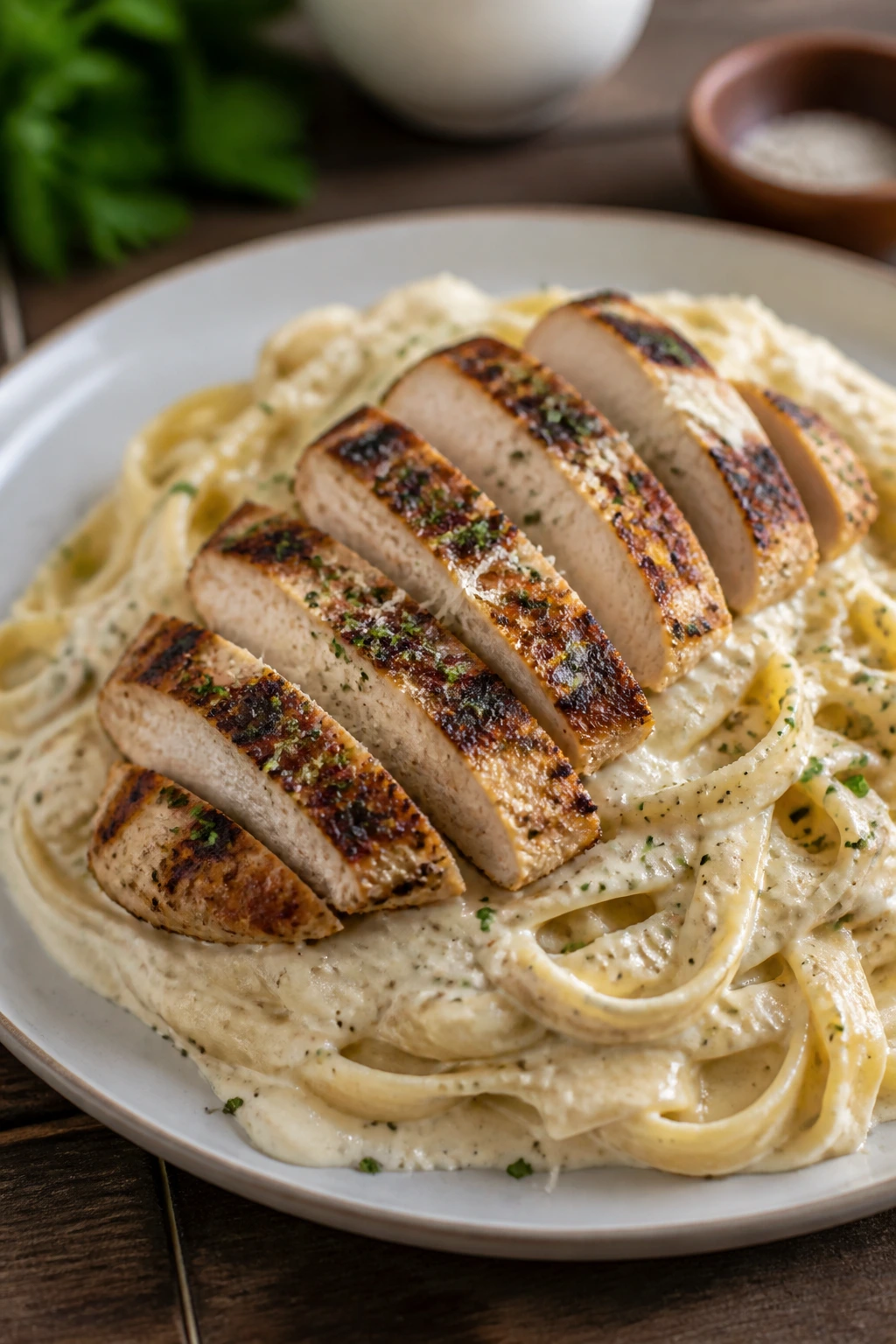
This Alfredo tastes rich, but it doesn’t sit like a brick afterward. The cottage cheese gives the sauce body, the parmesan sharpens the flavor, and the grilled chicken turns the whole bowl into a proper dinner instead of a side dish with ambitions.
Why It Works:
Blending cottage cheese with milk and parmesan makes a sauce that feels creamy without relying on a heavy cream flood. The key is to warm it gently, not boil it, so the texture stays smooth. Grilled chicken adds a clean, lean protein and gives the dish enough structure to stand on its own.
Key Ingredients:
- 12 ounces fettuccine
- 1 pound boneless, skinless chicken breasts
- 2 cups cottage cheese
- 1/2 cup grated parmesan
- 1/2 cup milk
- 2 garlic cloves, minced
- 1 tablespoon butter
- 1 tablespoon lemon juice
- 1 teaspoon salt, plus more for pasta water
- 1/2 teaspoon black pepper
- Chopped parsley, for serving
Quick Steps:
- Cook the pasta: Boil the fettuccine in salted water until just al dente. Reserve 1 cup of pasta water before draining.
- Grill or sear the chicken: Season the chicken with salt and pepper, then cook it in a skillet or on a grill over medium heat until the center reaches 165°F. Rest and slice.
- Blend the sauce: Puree the cottage cheese, parmesan, milk, garlic, butter, lemon juice, salt, and pepper until very smooth.
- Warm gently: Pour the sauce into a skillet over low heat and stir for 2 to 3 minutes, just until steaming and slightly thickened. Do not let it boil.
- Toss and finish: Add the pasta, splash in reserved pasta water as needed, and top with sliced chicken and parsley.
Equipment for This Recipe:
- Blender
- Large pot
- Skillet
- Tongs
How to Serve This Dish:
Twirl the pasta into shallow bowls and place the chicken slices on top rather than burying them. A little black pepper and parsley keep the plate from looking pale.
Pro Tips for This Recipe:
- Warm the sauce slowly or it can get grainy.
- Reserve pasta water; it helps the sauce cling.
- Use a hard, salty parmesan, not the dusty stuff in the green can.
Variations on This Dish:
- Garlic Mushroom Alfredo: Sauté sliced mushrooms and fold them in with the pasta.
- Lemon Herb Alfredo: Add extra lemon zest and chopped basil for a lighter finish.
Common Mistakes to Avoid with This Dish:
- Boiling the blended sauce: It can split or turn gritty. Low heat only.
- Skipping the pasta water: The sauce may look fine in the pan and then cling poorly on the plate.
10. Cottage Cheese Tuna Salad Lettuce Cups
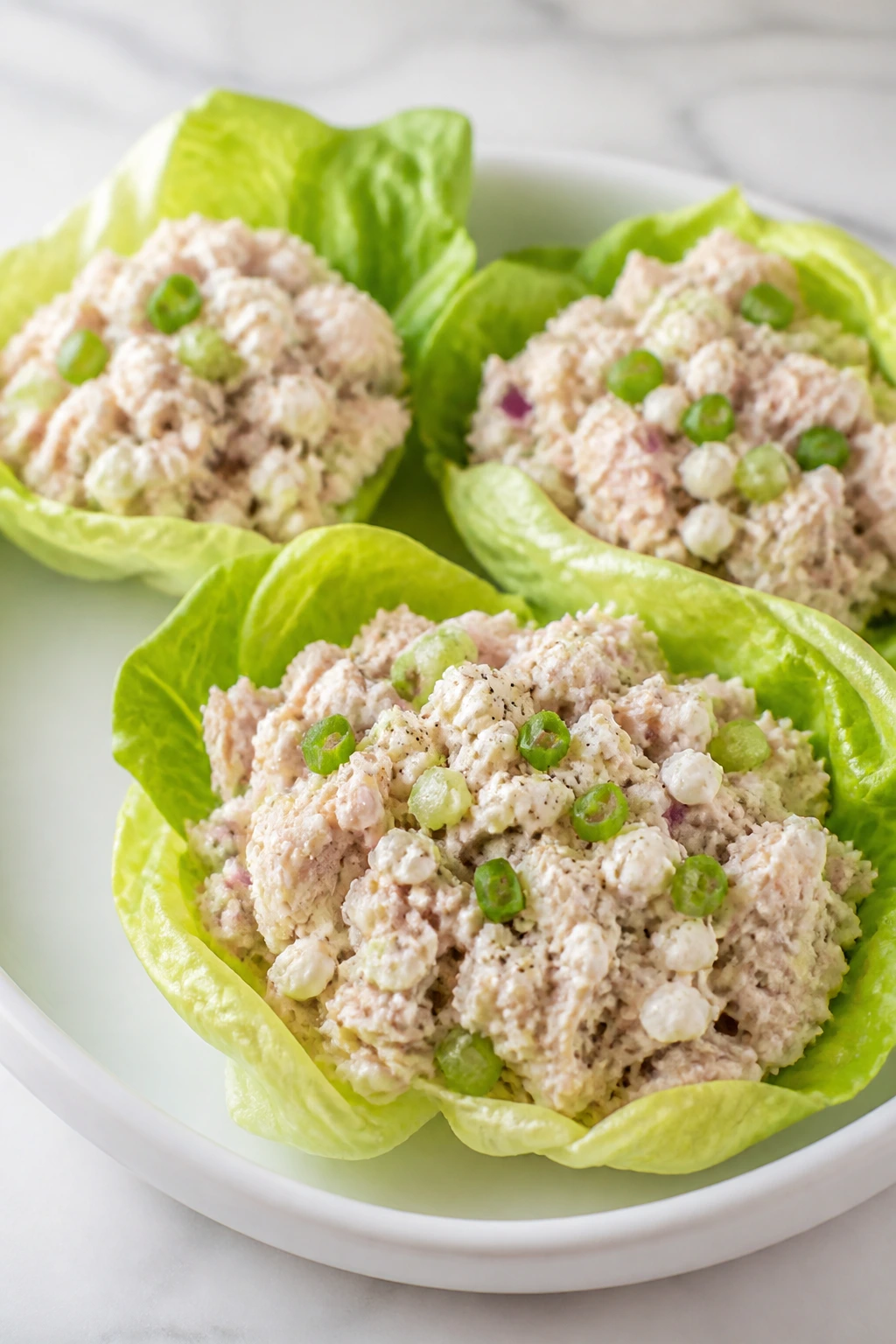
Cold tuna salad usually lives or dies by texture. Cottage cheese makes this version creamy without turning it heavy, and the crisp lettuce cups keep every bite sharp and fresh.
Why It Works:
The cottage cheese replaces part of the mayonnaise, which lightens the salad and adds more protein. Celery, onion, and dill pickle relish give it crunch and bite so it doesn’t taste soft from top to bottom. It’s the kind of lunch that can sit in the fridge for a few days and still feel useful.
Key Ingredients:
- 2 cans tuna packed in water, drained well
- 1/2 cup cottage cheese
- 2 tablespoons plain Greek yogurt or light mayonnaise
- 1 stalk celery, finely diced
- 2 tablespoons red onion, finely diced
- 1 tablespoon dill pickle relish
- 1 teaspoon lemon juice
- 1 teaspoon Dijon mustard
- 1/4 teaspoon black pepper
- 8 to 10 large lettuce leaves
Quick Steps:
- Drain the tuna well: Press out extra liquid so the salad stays thick.
- Mix the base: In a bowl, combine the tuna, cottage cheese, yogurt or mayo, lemon juice, and Dijon. Stir until the tuna is broken into small flakes.
- Add crunch: Fold in the celery, onion, relish, and black pepper. Taste and adjust the salt only if needed.
- Chill briefly: Refrigerate for 15 minutes so the flavors settle.
- Assemble the cups: Spoon the salad into lettuce leaves and serve cold.
Equipment for This Recipe:
- Mixing bowl
- Fork
- Sharp knife
- Lettuce spinner or paper towels
How to Serve This Dish:
These are neat on a platter with sliced cucumbers and cherry tomatoes. If you want more staying power, tuck the tuna salad into pita halves instead.
Pro Tips for This Recipe:
- Drain the tuna hard; wet tuna waterlogs the whole bowl.
- Use crisp lettuce like romaine or butter lettuce.
- A little dill goes a long way, so start small.
Variations on This Dish:
- Avocado Tuna Cups: Mash in 1/2 avocado and skip the mayo.
- Spicy Relish Version: Add chopped pickled jalapeños and a pinch of cayenne.
Common Mistakes to Avoid with This Dish:
- Leaving too much liquid in the tuna: The salad turns loose and slides off the lettuce.
- Overmixing into a paste: Keep some flakes and texture so the salad has bite.
11. Cottage Cheese Turkey Stuffed Peppers
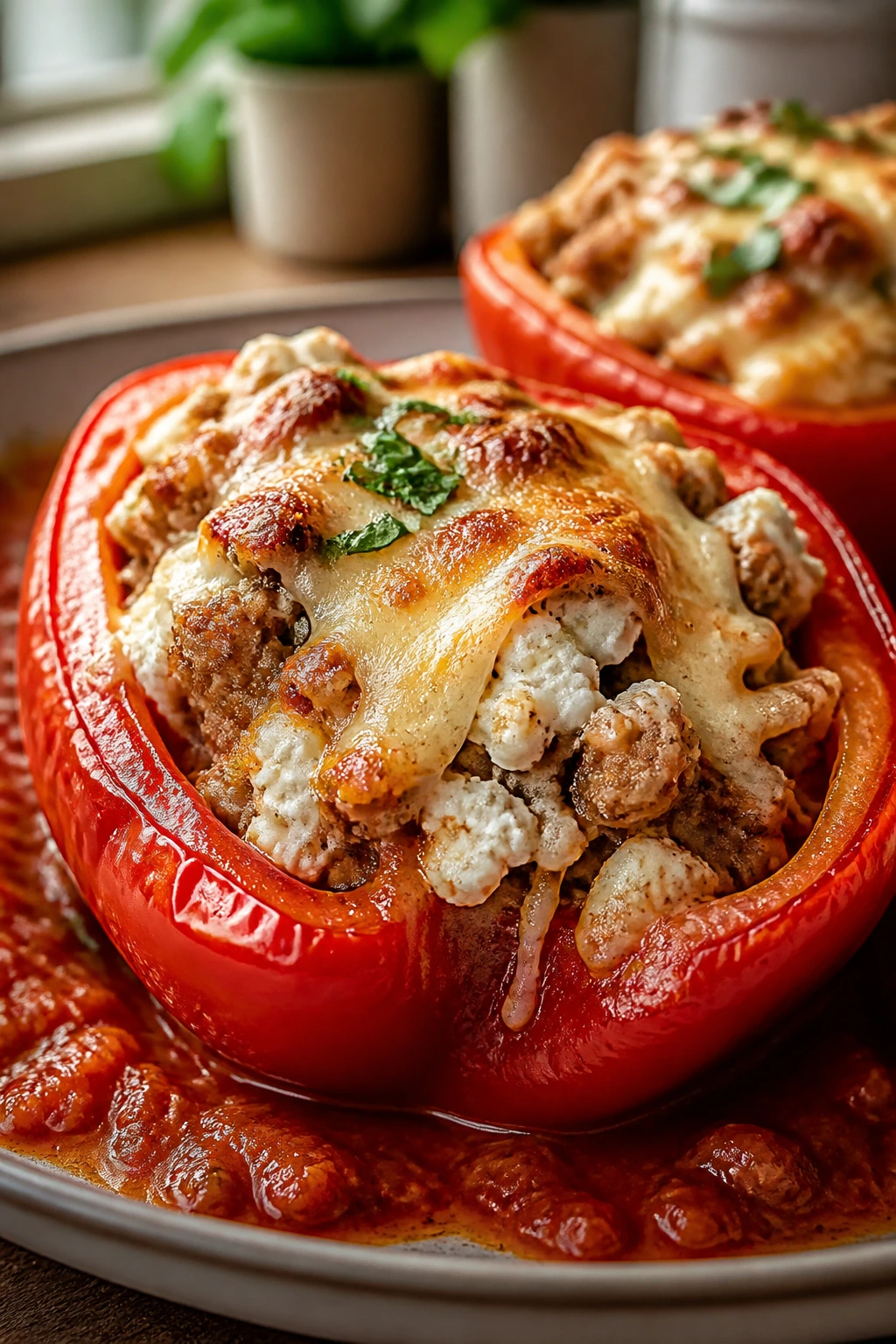
Stuffed peppers can get dull if the filling is dry. Cottage cheese fixes that problem without making the inside watery, and the peppers themselves bring enough sweetness to balance the turkey and tomato sauce.
Why It Works:
Lean turkey gives the filling substance, cottage cheese keeps it creamy, and quinoa or rice makes the whole thing feel like a full meal. The peppers roast long enough to soften at the edges but still hold their shape, so each half comes out tidy and scoopable. I like recipes that can be spooned onto a plate without collapsing. This is one of them.
Key Ingredients:
- 4 large bell peppers, halved and seeded
- 1 pound lean ground turkey
- 1 cup cottage cheese
- 1 cup cooked quinoa or rice
- 1 cup marinara sauce
- 1/2 cup shredded mozzarella
- 1 small onion, diced
- 2 garlic cloves, minced
- 1 teaspoon Italian seasoning
- 1 tablespoon olive oil
- Salt and black pepper
Quick Steps:
- Preheat and prep the peppers: Set the oven to 375°F. Place the pepper halves in a baking dish and bake them empty for 10 minutes so they soften a little.
- Cook the filling: Sauté onion in olive oil, add garlic, then cook the turkey until browned and no longer pink.
- Finish the mixture: Stir in marinara, cottage cheese, quinoa or rice, Italian seasoning, salt, and pepper. The mixture should look thick, not soupy.
- Stuff and top: Fill each pepper half, top with mozzarella, and return to the oven.
- Bake until bubbly: Bake 20 to 25 minutes, until the cheese melts and the peppers are tender at the edges.
Equipment for This Recipe:
- 9×13-inch baking dish
- Skillet
- Spoon
- Foil
How to Serve This Dish:
Serve two pepper halves per plate with a simple green salad or steamed broccoli. A spoonful of extra marinara over the side looks better than drowning the whole pepper.
Pro Tips for This Recipe:
- Pre-baking the peppers keeps them from staying crunchy in the final dish.
- Drain excess fat from the turkey before mixing in the cottage cheese.
- If the filling looks loose, cook it for another minute or two on the stove.
Variations on This Dish:
- Tex-Mex Peppers: Use cumin, salsa, and Monterey Jack instead of Italian seasoning and mozzarella.
- Mediterranean Peppers: Swap in oregano, feta, and chopped olives.
Common Mistakes to Avoid with This Dish:
- Skipping the first bake on the peppers: They can stay too crisp and feel underdone.
- Using a watery filling: The peppers won’t roast properly if the center is soupy.
12. Cottage Cheese Flatbread Pizza
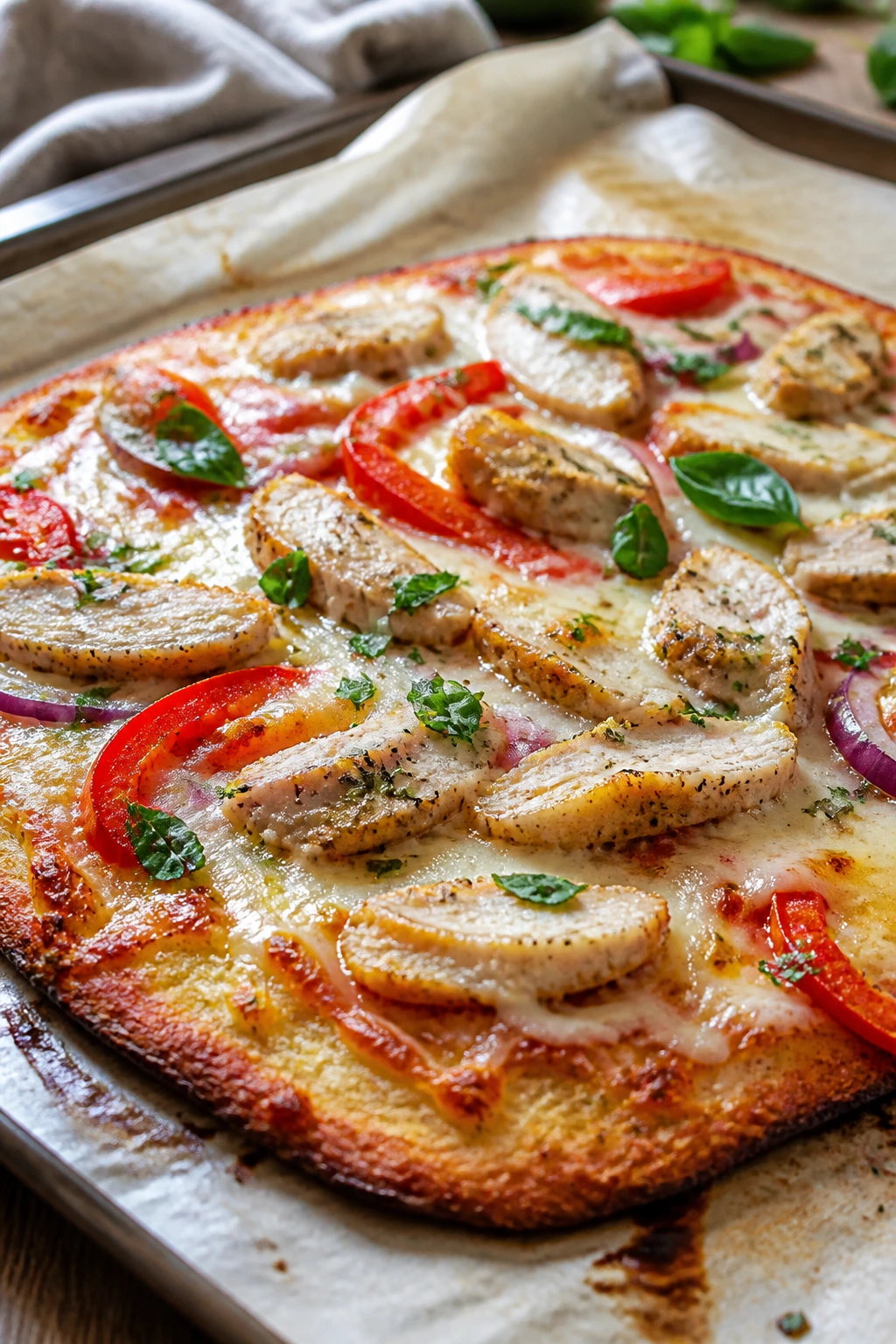
This is the recipe you make when you want pizza night but also want the crust to bring something useful to the table. It bakes into a sturdy base with crispy edges, and the cottage cheese keeps the middle from tasting like cardboard.
Why It Works:
Cottage cheese, eggs, mozzarella, almond flour, and parmesan create a crust that sets up in the oven without needing yeast. It’s not a classic dough, and that’s the point. The crust is more like a baked flatbread with enough protein to feel worthwhile, especially when you add chicken or vegetables on top.
Key Ingredients:
For the Crust:
- 1 cup cottage cheese
- 2 large eggs
- 1 cup shredded mozzarella
- 1/2 cup almond flour
- 1/4 cup grated parmesan
- 1 teaspoon Italian seasoning
- 1/4 teaspoon salt
For the Topping:
- 1/2 cup pizza sauce
- 1 cup shredded cooked chicken or sliced vegetables
- 1 cup shredded mozzarella
- 1 tablespoon chopped basil or parsley
Quick Steps:
- Preheat the oven: Set it to 425°F and line a baking sheet with parchment.
- Make the crust batter: Blend or stir the crust ingredients together until thick and evenly mixed.
- Shape and bake: Spread the batter into a thin oval or rectangle, about 1/4 inch thick. Bake for 15 to 18 minutes, until the top looks set and the edges are golden.
- Add toppings: Flip the crust if you want extra crispness, then spread on sauce, chicken or vegetables, and mozzarella.
- Finish baking: Return it to the oven for 7 to 10 minutes, until the cheese melts and bubbles at the edges.
Equipment for This Recipe:
- Blender or bowl
- Sheet pan
- Parchment paper
- Spatula
How to Serve This Dish:
Slice it into squares or wide strips and serve with a peppery arugula salad. It holds together best when you let it rest for 2 minutes before cutting.
Pro Tips for This Recipe:
- Spread the crust thin or it stays soft in the center.
- Parchment is worth using; the crust can stick to bare metal.
- If your cottage cheese is very wet, drain it first.
Variations on This Dish:
- Margherita Flatbread: Use tomato slices, basil, and extra parmesan instead of chicken.
- Buffalo Chicken Version: Toss the chicken in buffalo sauce and add a drizzle of ranch after baking.
Common Mistakes to Avoid with This Dish:
- Making the crust too thick: The center bakes up eggy and soft.
- Adding wet toppings too early: They can soak the crust before it crisps.
13. Cottage Cheese Mac and Cheese
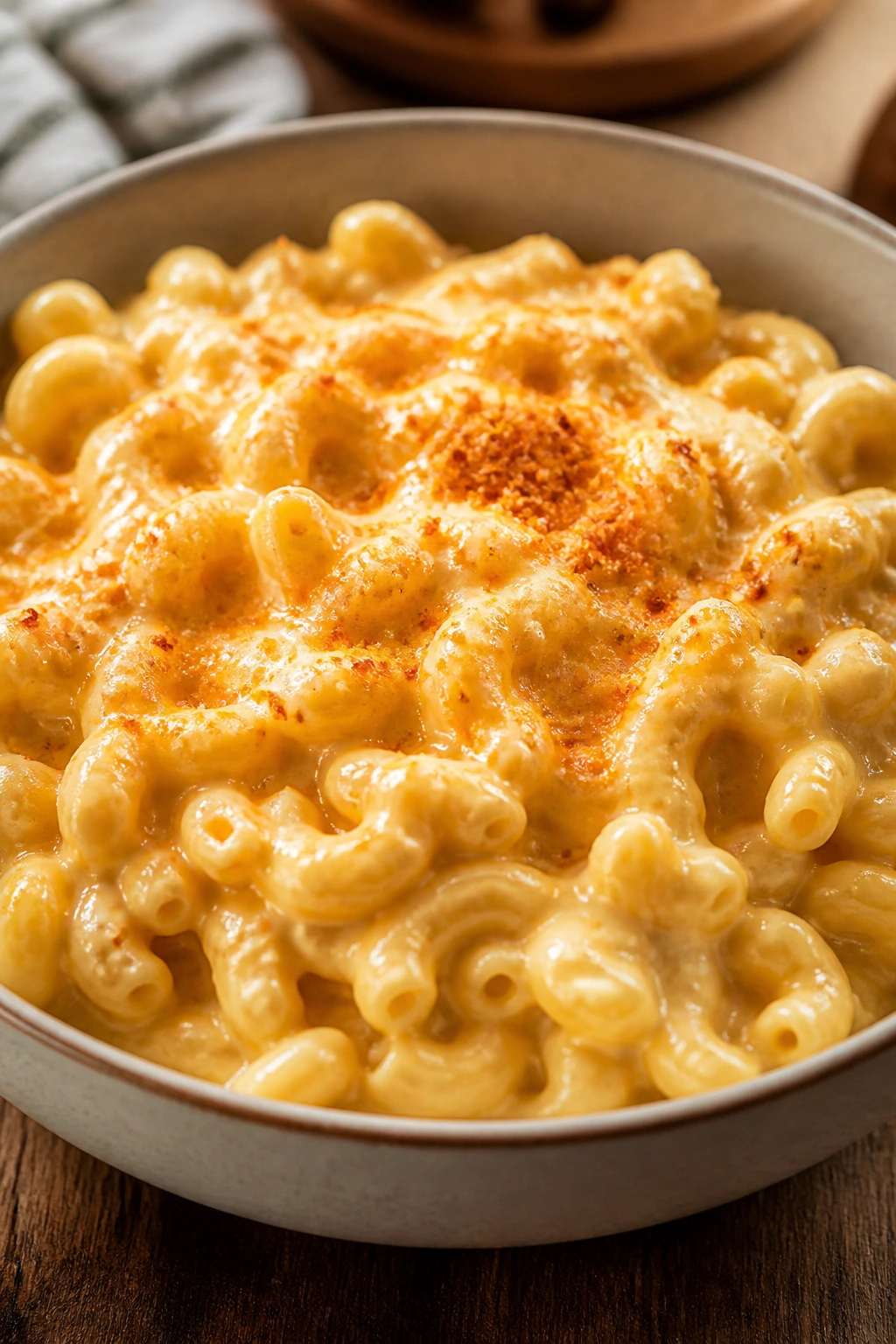
This mac tastes rich enough to calm down a carb craving, but the protein is higher than the old-school version. Using chickpea pasta gives it more staying power, and the cottage cheese makes the sauce smooth without a mountain of cream.
Why It Works:
The sauce blends cottage cheese with cheddar and milk, so you get that familiar sharp cheese flavor with extra body. Chickpea pasta pushes the protein even higher and holds onto the sauce well after baking. It’s one of those comfort dishes that doesn’t feel flimsy on the plate.
Key Ingredients:
- 12 ounces chickpea elbows or regular elbow macaroni
- 2 cups cottage cheese
- 1 1/2 cups shredded sharp cheddar
- 1/2 cup milk
- 1 tablespoon butter
- 1 teaspoon Dijon mustard or mustard powder
- 1/2 teaspoon paprika
- 1/2 teaspoon salt
- 1/4 teaspoon black pepper
- 1 cup cooked peas or 1 cup diced chicken, optional
Quick Steps:
- Cook the pasta: Boil until al dente, then drain well.
- Blend the sauce: Puree the cottage cheese, milk, Dijon, paprika, salt, and pepper until smooth.
- Warm the sauce: Melt the butter in a saucepan over low heat, add the blended sauce, and stir gently for 2 to 3 minutes.
- Melt in the cheddar: Add the cheddar and stir until the sauce thickens and coats the spoon.
- Combine and serve: Toss with pasta, fold in peas or chicken if using, and eat right away or bake at 375°F for 10 minutes with extra cheese on top.
Equipment for This Recipe:
- Pot for pasta
- Blender
- Saucepan
- Wooden spoon
How to Serve This Dish:
Serve it in shallow bowls with a little cracked pepper on top. A crisp side salad cuts through the richness nicely.
Pro Tips for This Recipe:
- Blend the cottage cheese until smooth or the sauce will look grainy.
- Keep the heat low once the dairy goes in.
- If the sauce gets too thick, loosen it with a splash of pasta water.
Variations on This Dish:
- Broccoli Cheddar Mac: Fold in steamed broccoli florets at the end.
- Bacon Mac: Add crisp bacon and a pinch of smoked paprika.
Common Mistakes to Avoid with This Dish:
- Overheating the dairy sauce: It can separate and turn gritty. Keep it gentle.
- Using too little seasoning: Cottage cheese softens flavor, so the cheddar and mustard matter.
14. Cottage Cheese Smoothie Bowl
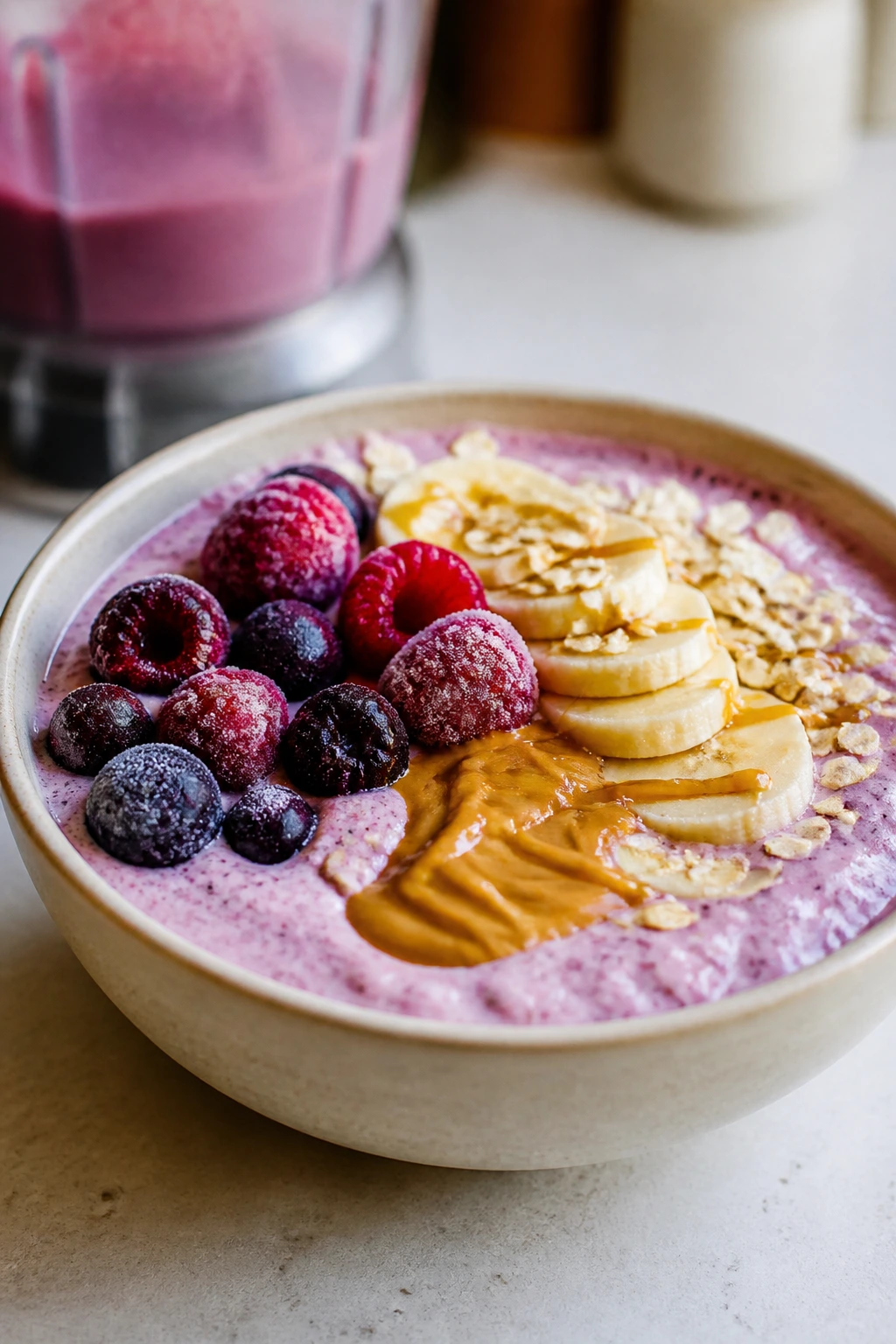
This bowl is thick enough to eat with a spoon, which is the whole point. Cottage cheese gives it a cold, creamy base that plays well with fruit and peanut butter instead of turning thin and sugary.
Why It Works:
Frozen banana and berries make the texture thick, while cottage cheese adds protein that yogurt-only bowls sometimes miss. Peanut butter rounds everything out and keeps the sweetness in check. If you want a breakfast that feels like a treat but still behaves like a meal, this does the job.
Key Ingredients:
- 1 cup cottage cheese
- 1 frozen banana
- 1 cup frozen berries
- 2 tablespoons peanut butter
- 1/4 cup milk, plus more only if needed
- 2 tablespoons oats
- Toppings: chia seeds, sliced banana, granola, hemp seeds
Quick Steps:
- Blend thick: Add the cottage cheese, banana, berries, peanut butter, milk, and oats to a blender. Pulse and blend until thick and spoonable.
- Check the texture: If it gets too loose, stop adding liquid. It should mound in the bowl, not pour like a drink.
- Pour and top: Spoon into a bowl and add your toppings right away.
- Serve cold: Eat immediately before the fruit softens too much.
Equipment for This Recipe:
- High-speed blender
- Bowl
- Spoon
How to Serve This Dish:
Build it in a shallow bowl so the toppings stay visible. A few sliced strawberries and a sprinkle of granola give it more texture without much effort.
Pro Tips for This Recipe:
- Frozen fruit works better than fresh fruit here.
- Start with less milk than you think you need.
- If your cottage cheese is salty, use unsalted peanut butter.
Variations on This Dish:
- Chocolate Banana Bowl: Add 1 tablespoon cocoa powder and top with cacao nibs.
- Tropical Bowl: Swap the berries for frozen mango and pineapple.
Common Mistakes to Avoid with This Dish:
- Adding too much liquid: The bowl turns into a smoothie.
- Using soft fruit: It won’t stay thick enough to hold toppings.
15. Cottage Cheese Ranch Dip with Chicken and Veggies
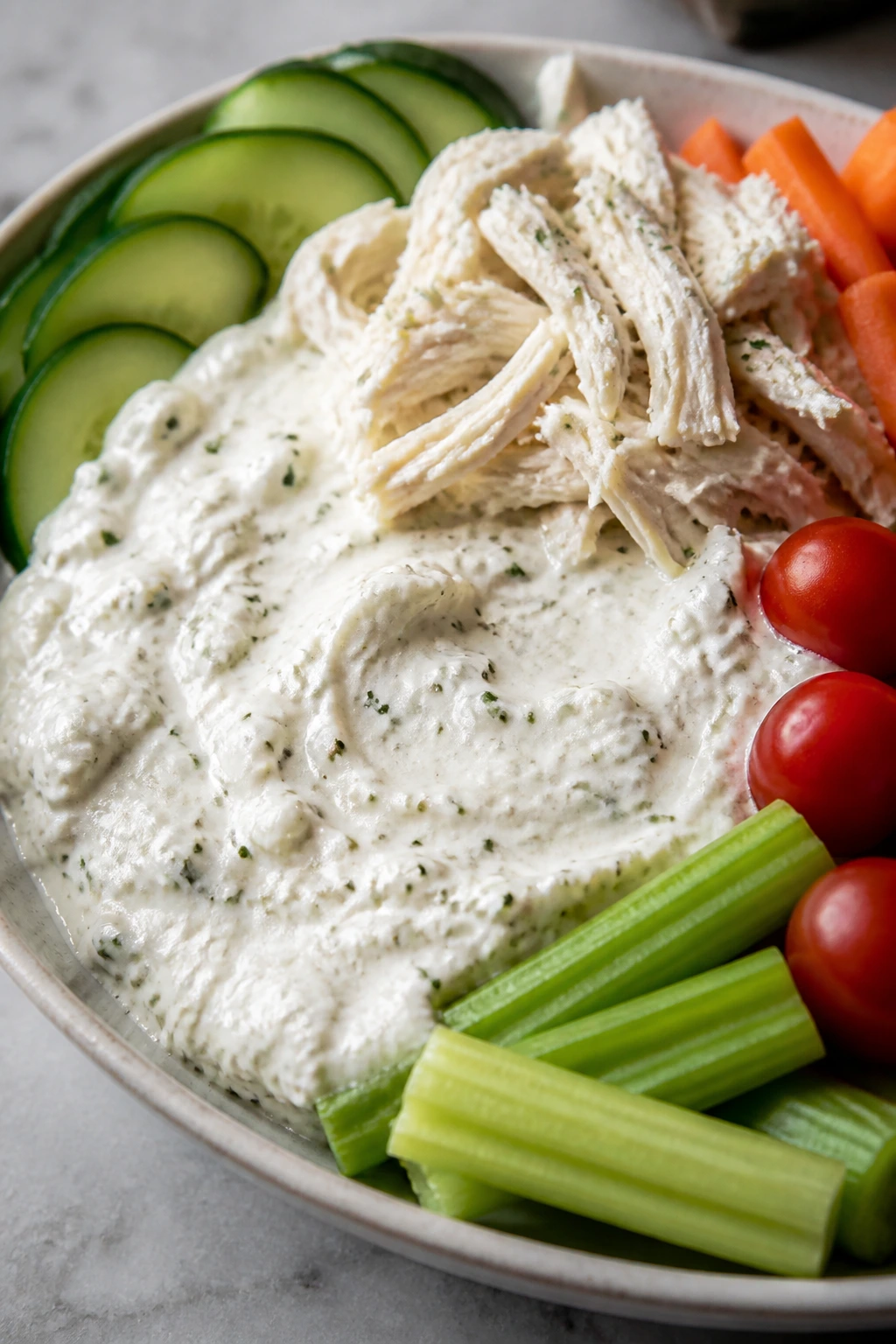
This is the snack plate that quietly becomes lunch. The dip is cool and herby, the vegetables stay crisp, and the chicken adds enough protein that you’re not hunting for crackers an hour later.
Why It Works:
Blended cottage cheese gives ranch-style dip a creamier body than yogurt alone, and the herbs keep it from tasting like plain dairy. The chicken and vegetables make the plate balanced without turning it into a sad meal-prep container. It’s quick, cold, and useful. Those are three qualities I never argue with.
Key Ingredients:
- 1 1/2 cups cottage cheese
- 1/4 cup plain Greek yogurt
- 1 tablespoon fresh dill, chopped
- 1 tablespoon fresh parsley, chopped
- 1 teaspoon garlic powder
- 1 teaspoon onion powder
- 1 tablespoon lemon juice
- 1/4 teaspoon salt
- 1/4 teaspoon black pepper
- 2 cups cooked chicken strips or shredded rotisserie chicken
- 2 cups raw vegetables, like carrots, cucumber, celery, and bell pepper
Quick Steps:
- Blend the dip: Puree the cottage cheese, Greek yogurt, herbs, garlic powder, onion powder, lemon juice, salt, and pepper until smooth.
- Taste and adjust: Add more lemon or herbs if needed. The dip should taste bright, not flat.
- Chill briefly: Refrigerate for 15 to 20 minutes so the flavors settle and the texture thickens.
- Assemble the plate: Spoon the dip into a bowl and surround it with chicken and vegetables.
- Serve cold: This tastes best straight from the fridge.
Equipment for This Recipe:
- Blender or food processor
- Serving bowl
- Knife and cutting board
How to Serve This Dish:
Put the dip in the center of a plate and fan the vegetables and chicken around it. If you want more carbs, add pita wedges or whole-grain crackers on the side.
Pro Tips for This Recipe:
- Fresh herbs taste cleaner than dried herbs here.
- If the dip seems too thick, thin it with 1 teaspoon milk at a time.
- Cooked chicken should be cold or room temperature, not hot.
Variations on This Dish:
- Buffalo Ranch Dip: Add a spoonful of hot sauce and a pinch of cayenne.
- Green Goddess Version: Swap dill and parsley for basil, chives, and tarragon.
Common Mistakes to Avoid with This Dish:
- Underseasoning the dip: Cottage cheese needs herbs and acid to wake it up.
- Serving watery vegetables straight from the wash: Pat them dry so the plate stays crisp.
16. Cottage Cheese Cheesecake Cups
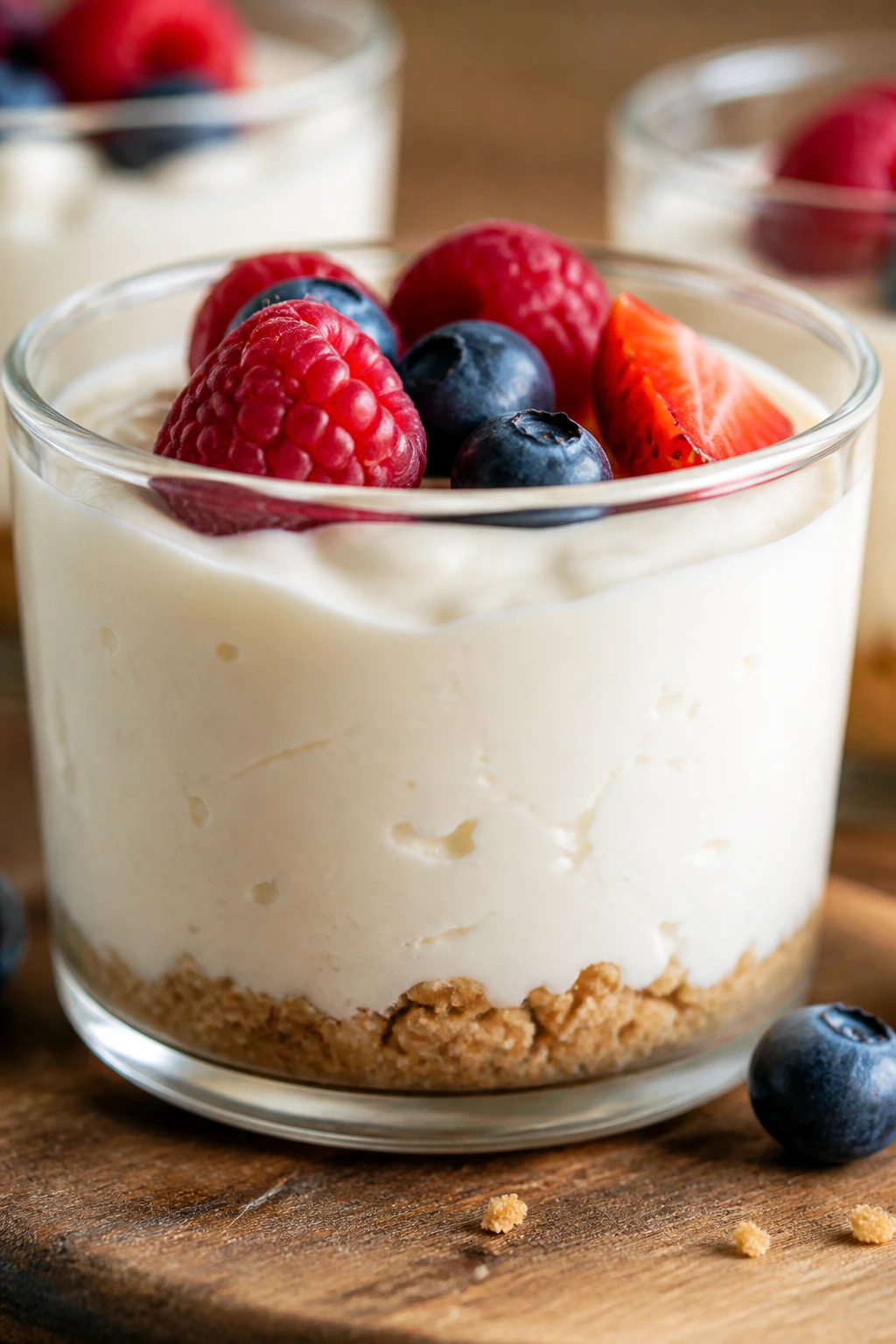
These little cups are creamy, tangy, and rich enough to feel like dessert without turning into a sugar bomb. The cottage cheese keeps the filling lighter, while cream cheese supplies the familiar cheesecake finish people expect.
Why It Works:
Blending cottage cheese with cream cheese and Greek yogurt gives you a smoother, higher-protein filling than a standard cheesecake. A simple almond-flour crust or crumb base adds enough crunch to keep the cups from feeling soft all the way through. I like desserts that don’t taste like a compromise, and this one doesn’t.
Key Ingredients:
For the Crust:
- 1 cup almond flour
- 2 tablespoons melted butter
- 1 tablespoon maple syrup
For the Filling:
- 2 cups cottage cheese
- 8 ounces cream cheese, softened
- 1/2 cup plain Greek yogurt
- 1/3 cup honey or maple syrup
- 1 teaspoon vanilla extract
- 1 tablespoon lemon juice
- Pinch of salt
For the Topping:
- 1 cup berries
- 1 teaspoon lemon zest, optional
Quick Steps:
- Make the crust: Stir the almond flour, butter, and maple syrup together, then divide the mixture among 6 small cups or jars. Press it down lightly.
- Blend the filling: Blend the cottage cheese, cream cheese, yogurt, honey, vanilla, lemon juice, and salt until completely smooth.
- Layer the cups: Spoon the filling over the crusts and smooth the tops.
- Chill: Refrigerate for at least 2 hours so the filling firms up.
- Top and serve: Add berries and lemon zest right before serving.
Equipment for This Recipe:
- Blender
- Small jars or dessert cups
- Spoon
- Measuring cups
How to Serve This Dish:
Serve them cold in small jars with a few berries on top. A mint leaf or a little zest makes them look finished without cluttering the cup.
Pro Tips for This Recipe:
- Soften the cream cheese first or the filling stays lumpy.
- Blend longer than you think you need to; smoothness matters here.
- Chill thoroughly or the cups won’t hold their shape.
Variations on This Dish:
- Chocolate Swirl Cups: Fold in cocoa powder and a spoon of melted chocolate.
- Lemon Berry Cups: Add extra lemon zest and a berry compote on top.
Common Mistakes to Avoid with This Dish:
- Skipping the chill time: The filling will be too loose to eat cleanly.
- Using watery cottage cheese: Drain it first so the cups set well.
17. Cottage Cheese Banana Oat Muffins
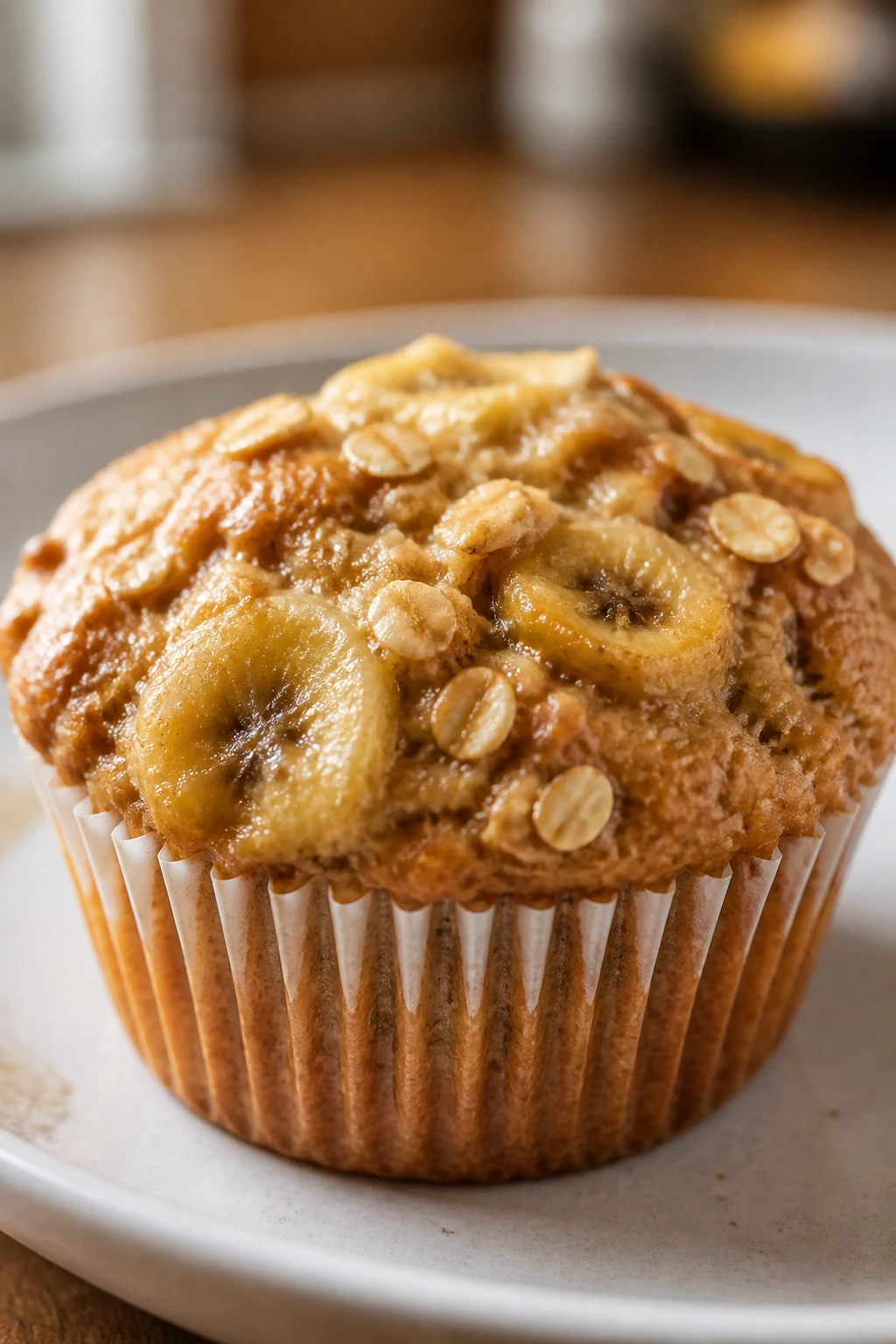
These muffins smell like banana bread but behave more like a breakfast tool. The cottage cheese keeps them moist for days, and the oats give them enough chew that they don’t vanish after one bite.
Why It Works:
Banana brings sweetness and softness, cottage cheese brings protein and moisture, and oat flour keeps the crumb hearty. The result lands between a muffin and a snack cake, which is exactly where I want it for a grab-and-go breakfast. They also freeze well, which makes them useful in a very ordinary, very real way.
Key Ingredients:
- 1 cup cottage cheese
- 2 ripe bananas, mashed
- 2 large eggs
- 1 1/2 cups oat flour
- 1/2 cup rolled oats
- 1/3 cup honey
- 1 teaspoon baking soda
- 1 teaspoon cinnamon
- 1 teaspoon vanilla extract
- 1/2 cup chopped walnuts, optional
- Pinch of salt
Quick Steps:
- Preheat the oven: Set it to 350°F and line a 12-cup muffin tin with paper liners.
- Mix the wet ingredients: Whisk together the cottage cheese, mashed bananas, eggs, honey, and vanilla until combined.
- Add the dry ingredients: Stir in the oat flour, rolled oats, baking soda, cinnamon, salt, and walnuts if using. Mix until no dry streaks remain.
- Fill and bake: Divide the batter among the cups and bake for 18 to 22 minutes, until the tops spring back and a toothpick comes out mostly clean.
- Cool before eating: Let them sit in the pan for 5 minutes, then move them to a rack.
Equipment for This Recipe:
- Muffin tin
- Mixing bowl
- Whisk
- Cooling rack
How to Serve This Dish:
Eat them warm with butter or almond butter, or pack them with a piece of fruit for a fast breakfast. They’re nicest when the top is still a little soft.
Pro Tips for This Recipe:
- Very ripe bananas do most of the sweetening here.
- Do not overmix once the oats go in or the muffins get tough.
- If the batter seems too loose, let it sit 5 minutes before scooping.
Variations on This Dish:
- Blueberry Walnut Muffins: Add 1 cup blueberries and keep the nuts.
- Chocolate Chip Version: Swap the walnuts for dark chocolate chips.
Common Mistakes to Avoid with This Dish:
- Using under-ripe bananas: The muffins taste dull and need more sweetener.
- Baking too long: They dry out at the edges fast, so check early.
18. Cottage Cheese Deviled Eggs
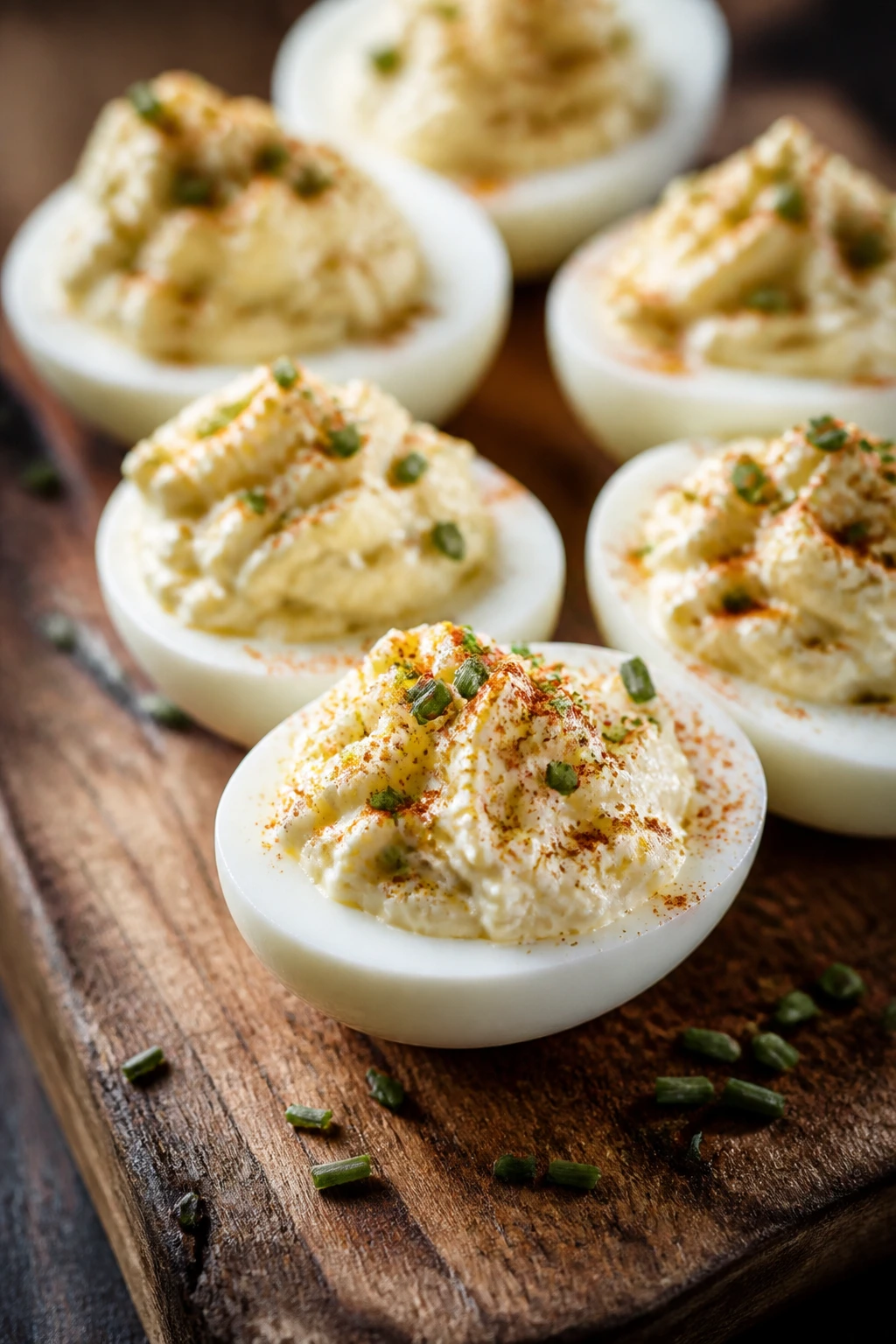
Deviled eggs already bring protein to the table, but cottage cheese makes the filling lighter and creamier at the same time. The result is familiar enough to disappear from a platter, but fresh enough that you notice the texture immediately.
Why It Works:
Blending cottage cheese into the yolk filling gives the eggs a softer, fluffier center than plain mayonnaise alone. A little Dijon and vinegar cut the richness so the filling tastes bright instead of heavy. They’re easy to make ahead, which is half the reason deviled eggs keep showing up at every useful gathering.
Key Ingredients:
- 8 large eggs
- 1/3 cup cottage cheese
- 2 tablespoons plain Greek yogurt or mayonnaise
- 1 teaspoon Dijon mustard
- 1 teaspoon apple cider vinegar or lemon juice
- 1/4 teaspoon salt
- 1/4 teaspoon black pepper
- Paprika, for dusting
- 1 tablespoon chopped chives, optional
Quick Steps:
- Boil the eggs: Cover the eggs with cold water, bring to a boil, turn off the heat, cover, and let them sit for 10 to 12 minutes.
- Cool and peel: Transfer the eggs to ice water, cool for 5 minutes, then peel.
- Make the filling: Slice the eggs in half lengthwise, pop out the yolks, and mash them with the cottage cheese, yogurt or mayo, Dijon, vinegar, salt, and pepper until smooth.
- Fill the whites: Spoon or pipe the mixture back into the egg whites.
- Finish: Dust with paprika and chives before serving.
Equipment for This Recipe:
- Saucepan
- Mixing bowl
- Fork or small food processor
- Piping bag or spoon
How to Serve This Dish:
Arrange them on a chilled plate or a bed of lettuce so they stay tidy. They’re good with sliced radishes, pickles, or a few crackers if you want a fuller snack plate.
Pro Tips for This Recipe:
- Older eggs peel more cleanly than very fresh ones.
- Blend the filling if you want it perfectly smooth.
- Chill them before serving so the filling firms up.
Variations on This Dish:
- Dill Pickle Version: Add finely chopped pickle and extra dill.
- Smoked Paprika Version: Use smoked paprika and a pinch of cayenne for more depth.
Common Mistakes to Avoid with This Dish:
- Overboiling the eggs: The yolks get chalky and the whites turn rubbery.
- Leaving the filling too wet: Drain the cottage cheese if needed so the centers hold their shape.
Why Cottage Cheese Works So Well in High-Protein Cooking
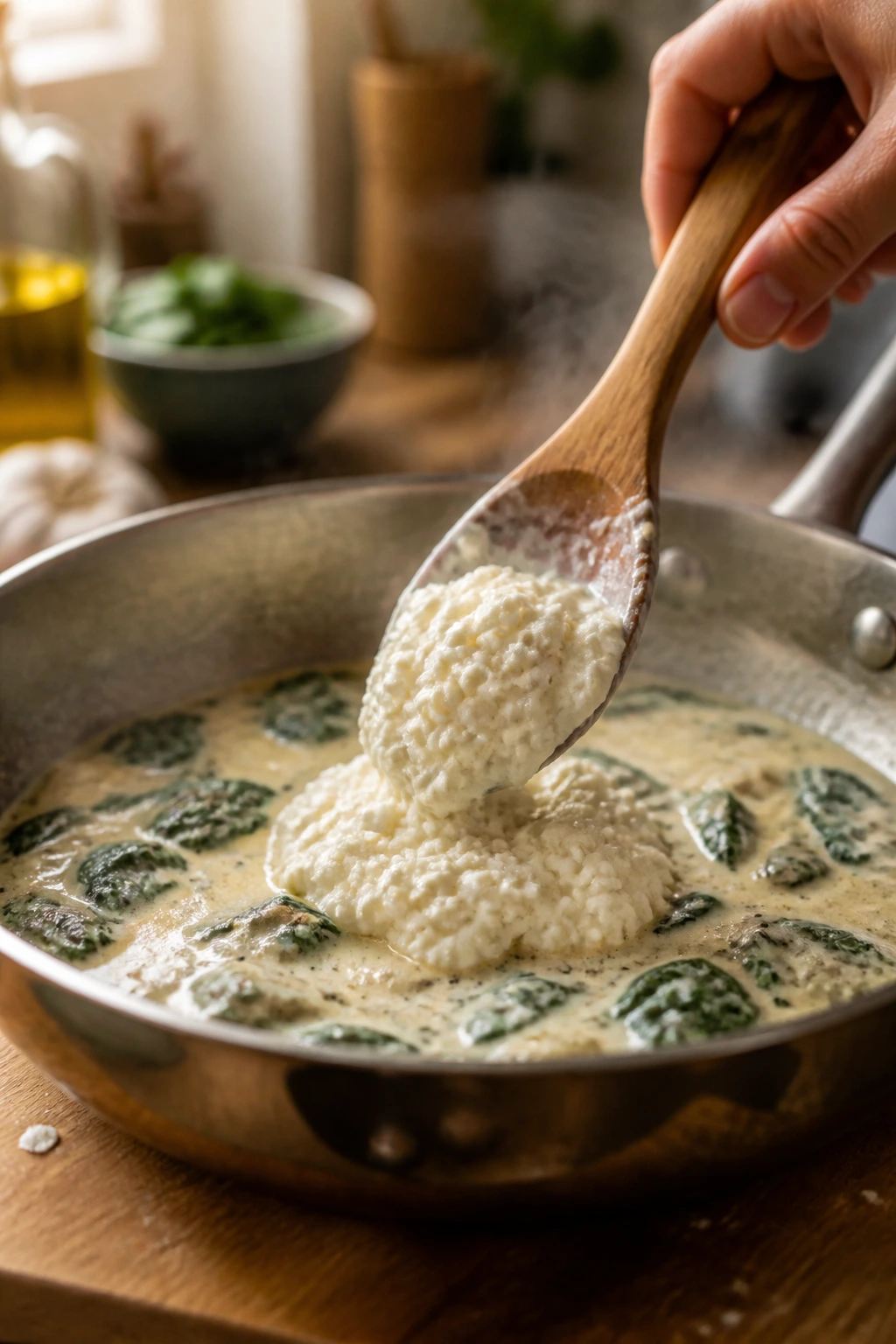
Cottage cheese is one of those ingredients that looks modest and behaves like a workhorse. It’s mostly curd, which means it brings protein and moisture at the same time, and that combination shows up everywhere in this list. In practice, that means you can blend it into a sauce, fold it into eggs, or tuck it into chicken without the dish tasting heavy or collapsing under its own richness.
The Protein Is Already Doing the Job
Plain cottage cheese tends to sit in the 12-to-14-grams-of-protein-per-half-cup zone, depending on the brand and fat level. That makes it unusually efficient for breakfasts and snacks, where a little extra protein can stop the meal from fizzling out too fast. It also pairs well with eggs, tuna, chicken, and Greek yogurt, which is why so many of the recipes above feel complete without a giant ingredient list.
Blended and Unblended Are Two Different Tools
Blend cottage cheese and it goes smooth enough for Alfredo, cheesecake cups, dip, and smoothie bowls. Leave it unblended and it gives you pockets of creaminess in muffins, egg bakes, lasagna fillings, and stuffed chicken. That range is the whole reason the ingredient earns a permanent spot in the fridge. One tub, two textures, and a dozen different jobs.
Fat, Salt, and Drainage Matter More Than Most People Think
Full-fat cottage cheese tastes richer and usually behaves a little more politely in hot dishes. Low-fat versions are drier and often saltier, which is fine, but you’ll notice the difference if you’re making a sauce or cheesecake filling. If the tub looks watery on top, drain it for a few minutes before cooking; that tiny move keeps pancakes from spreading, egg bites from weeping, and bakes from turning slack in the middle.
Essential Equipment for These Recipes
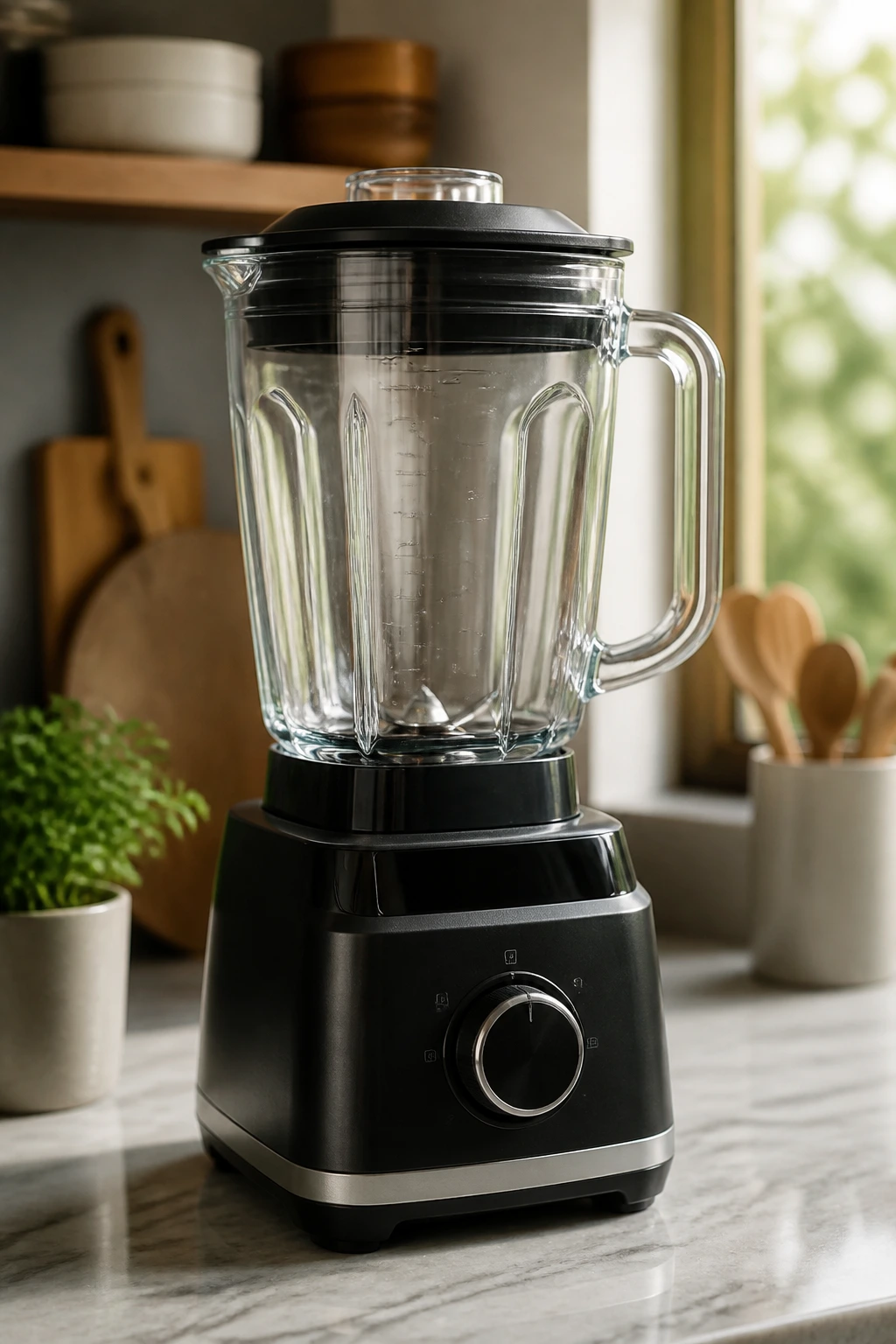
- Blender or food processor: Useful for pancakes, dips, Alfredo, cheesecake cups, and any recipe where you want the cottage cheese to disappear.
- Nonstick skillet or cast-iron skillet: Handy for eggs, chicken, and quick breakfast recipes that need browning.
- Muffin tin: Needed for egg bites and banana oat muffins, and silicone liners make cleanup easier.
- 9×13-inch baking dish: The workhorse for lasagna roll-ups, stuffed peppers, and baked pasta dishes.
- Sheet pan: Great for bagels, flatbread pizza, and anything that benefits from a fast, hot bake.
- Instant-read thermometer: The best way to keep chicken juicy and avoid dry, overcooked meat.
- Mixing bowls: You’ll want at least two, one for wet mixtures and one for dry.
- Fine-mesh sieve: Useful for draining watery cottage cheese before baking.
- Parchment paper: Keeps flatbreads, bagels, and tray bakes from sticking.
- Flexible spatula: Better than a stiff spoon for scraping batters and sauces cleanly.
Smart Shopping and Ingredient Tips
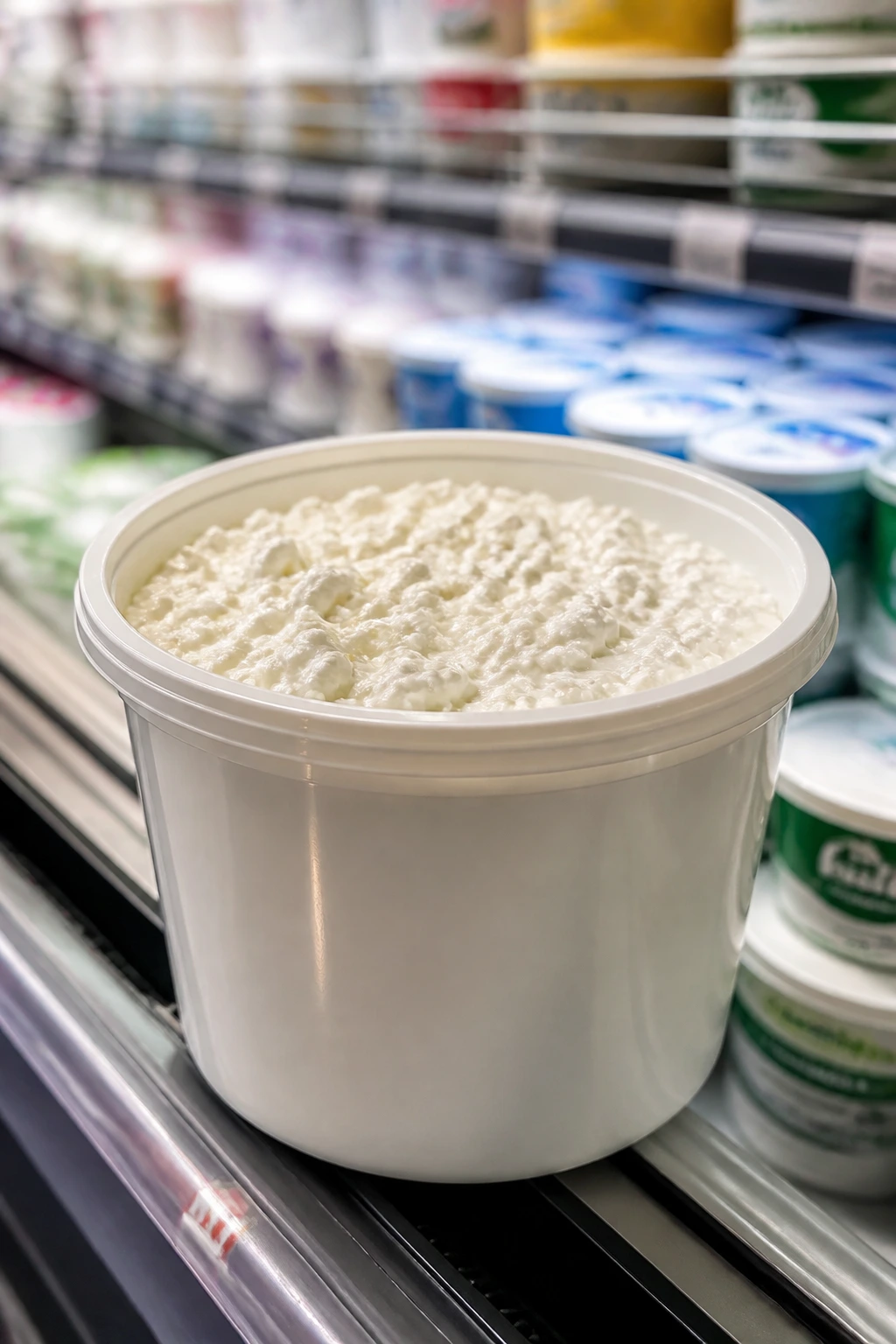
Start with plain cottage cheese, not a flavored tub. The sweetened fruit versions are a different food entirely, and even the savory add-ins can fight with a recipe that wants clean dairy flavor. Small-curd cottage cheese works well in most of these recipes because it blends evenly, but large-curd tubs are fine if you plan to puree them. If you’re buying it for sauces or desserts, look for a tub that isn’t swimming in liquid at the top. A little whey is normal. A puddle is a warning.
Fat level matters more than people think. Full-fat cottage cheese tastes richer and usually bakes more smoothly, while low-fat versions can be drier and saltier. If sodium is a concern, check the label before you buy; cottage cheese can swing a lot from brand to brand. That’s one of those details that seems boring until you’re eating it every day.
For the savory recipes, buy bright herbs, real parmesan, and decent canned tuna or marinara. Cottage cheese is mild, so the rest of the ingredient list has to carry some personality. For the sweet recipes, use ripe bananas, pure vanilla, and fresh berries when you can get them. Frozen fruit works fine in smoothies and overnight oats, but on top of cheesecake cups or pancake stacks, fresh fruit keeps the plate from feeling soggy. If you’re making bagels, choose self-rising flour that’s still fresh; old flour can bake flat and dense. Small choices. Big difference.
How to Serve These Recipes
Presentation:
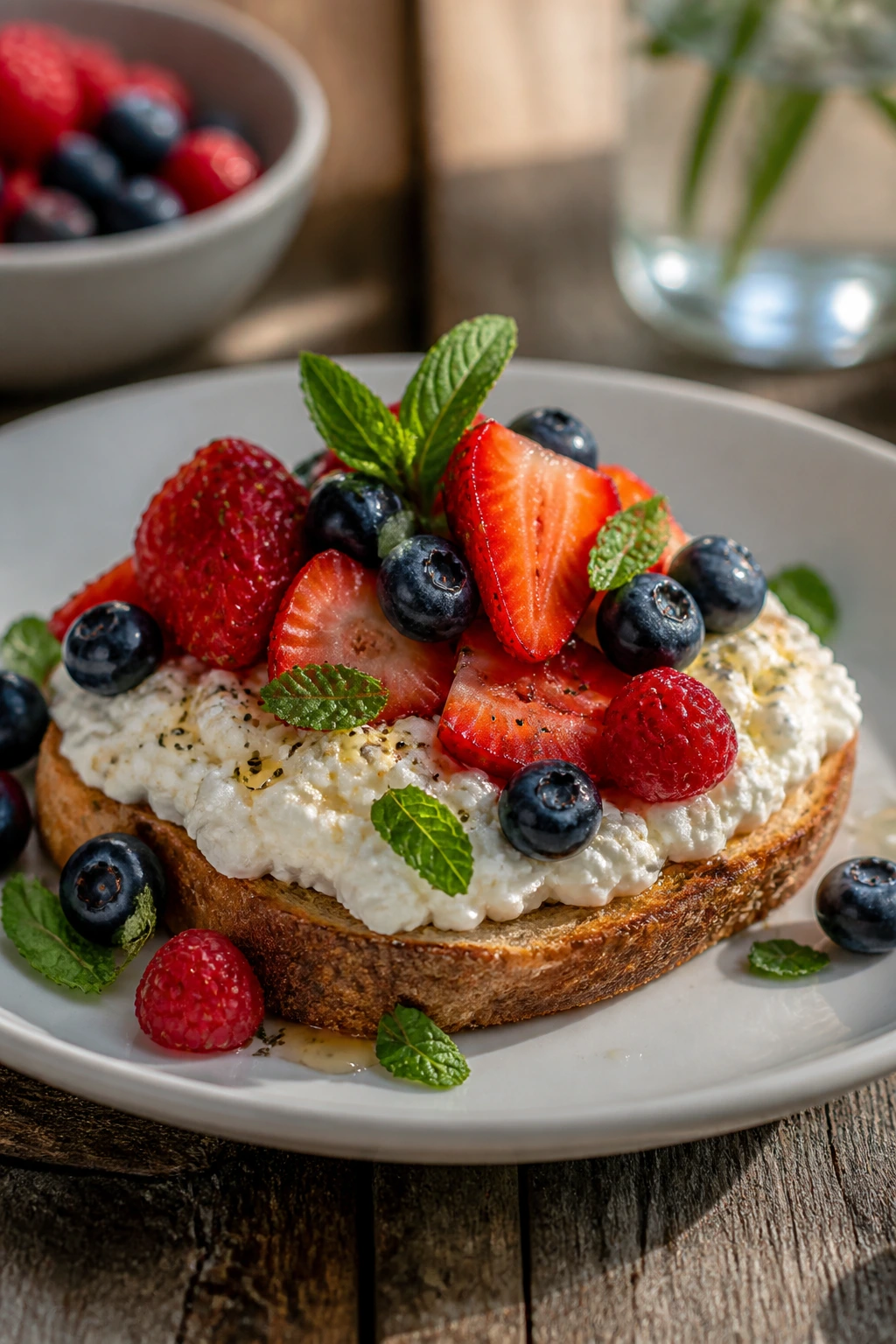
Cottage cheese recipes look best when you give them contrast. Brown the pancakes a little deeper than you think, finish egg bites with chives, and keep cold dishes bright with herbs, fruit, or sliced vegetables. A white bowl can make the colors pop, but a warm plate works better for baked dishes with golden edges.
Accompaniments:
For breakfast, pair pancakes or muffins with berries and coffee, and put bagels beside eggs, smoked salmon, or sliced tomatoes. For lunch and dinner, these recipes like crisp salads, roasted vegetables, green beans, cucumber salad, or a bowl of soup. Pasta and stuffed chicken need something fresh on the side so the meal doesn’t lean too heavy.
Portions:
Most breakfast items here serve 2 to 4 people, while casseroles, lasagna roll-ups, and stuffed peppers usually feed 4 to 6. If you’re scaling down, cut the egg-based recipes in half and keep the oven time close to the same. If you’re scaling up, use a second baking dish instead of overcrowding the first one.
Beverage Pairing:
Coffee fits the pancakes, muffins, bagels, and smoothie bowl. Sparkling water with lemon works nicely with the savory dinners, especially stuffed chicken and lasagna. For colder lunches, iced tea or plain mineral water keeps the meal feeling clean and balanced.
Additional Tips and Flavor Boosters
Flavor Enhancement:
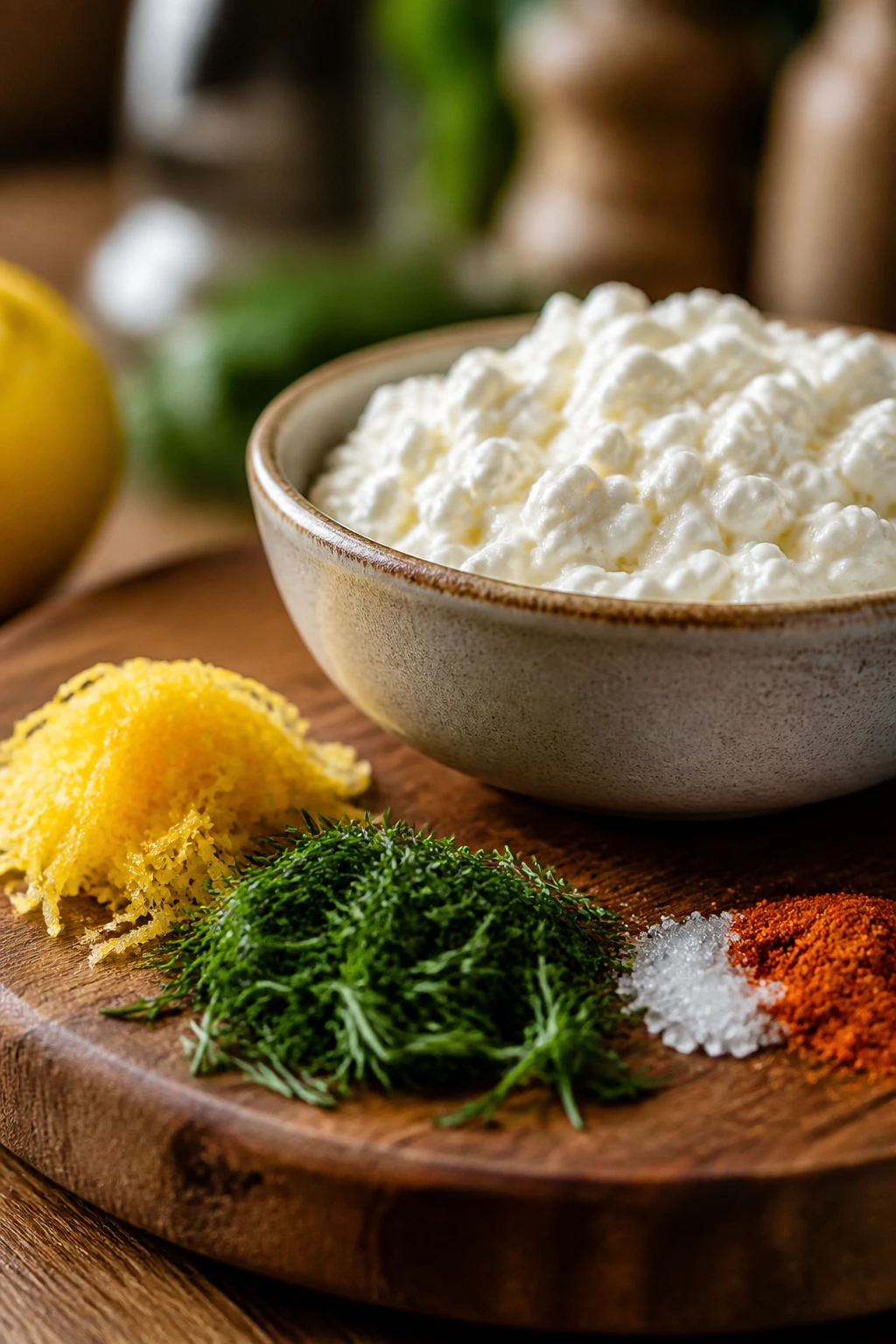
A little lemon zest or Dijon mustard wakes up cottage cheese faster than extra salt ever will. In savory recipes, a pinch of garlic powder, onion powder, or smoked paprika can make the cheese taste deeper and less milky. For sweet dishes, vanilla and cinnamon do the same job without making the food taste like dessert syrup.
Customization:
If you want more texture, leave some curds unblended in dips and sauces. If you want a silkier result, blend longer and strain off extra liquid first. You can also move recipes around the protein scale by adding chicken, turkey, tuna, eggs, or chickpea pasta without changing the basic cottage-cheese backbone.
Serving Suggestions:
Fresh herbs matter here. Dill on salmon toast, chives on eggs, parsley on mac and cheese, basil on pizza, and berries on cheesecake cups all make the finished dish feel more finished. A little flaky salt on the sweet recipes is a smart move too, especially when cottage cheese is doing the creamy work.
Make-It-Yours:
For gluten-free cooking, choose oat flour, almond flour, chickpea pasta, or quinoa instead of standard wheat where the recipe allows it. For lower-sodium meals, use a milder cottage cheese and season with acid and herbs rather than extra salt. For a richer plate, full-fat cottage cheese gives you more room to cook hard without drying the dish out.
Make-Ahead, Storage, and Reheating Guidance
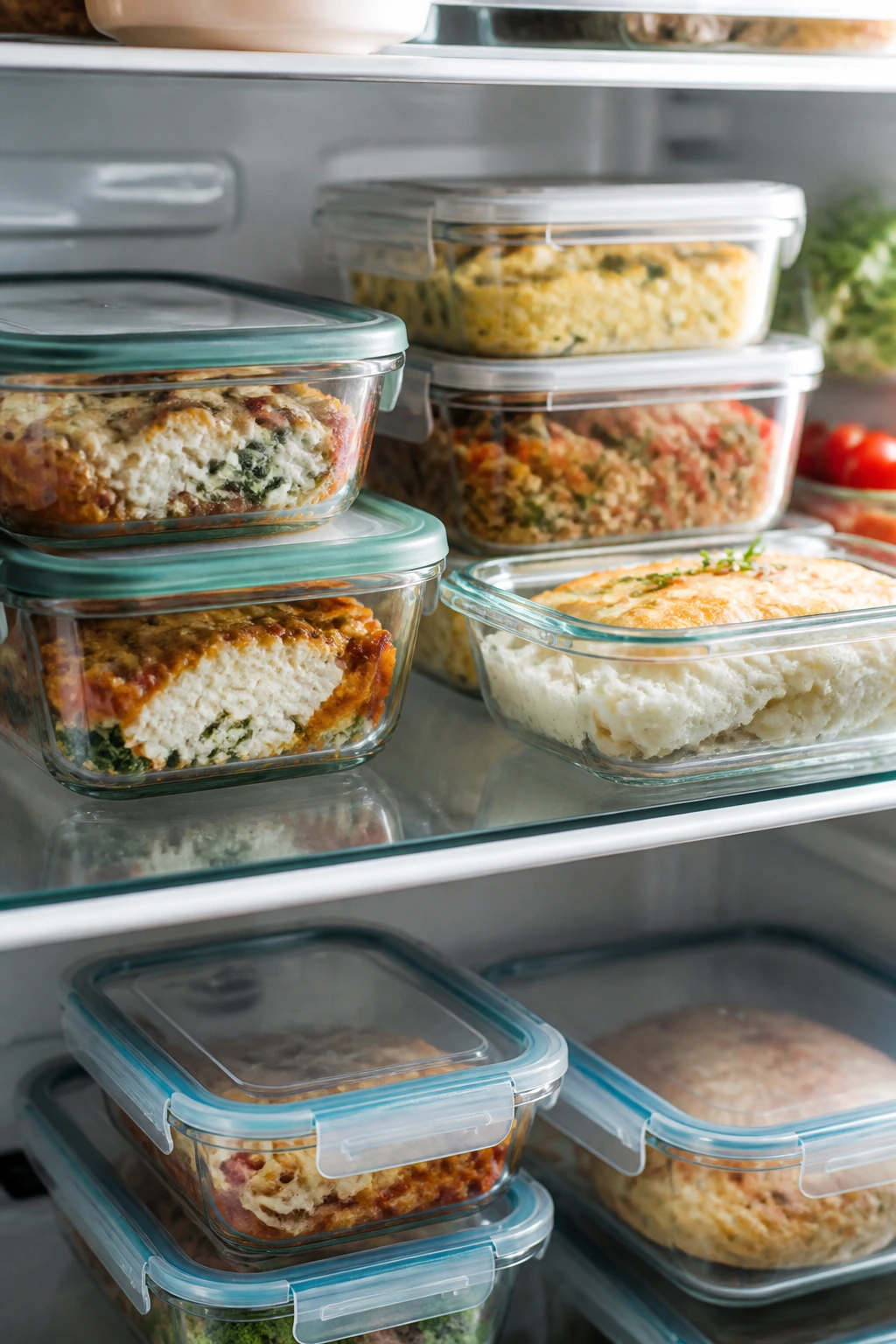
Most baked cottage cheese dishes keep well in the refrigerator for 3 to 4 days in a sealed container. That covers egg bites, muffins, stuffed peppers, lasagna roll-ups, stuffed chicken, and mac and cheese. Cool them completely before packing them up, because trapped steam is what turns a nice bake into a damp one. If you’re storing something with sauce, keep the sauce separate if you can; the texture stays better.
Cold recipes need a little more care. Tuna salad, ranch dip, overnight oats, and deviled eggs are best within 2 to 3 days. Overnight oats can stretch to 4 days, but the texture gets softer each day, so I like them best on day one or two. Cheesecake cups should hold well for about 3 days chilled. Smoked salmon toast should be assembled at the last minute, not stored already built. That bread will not forgive you.
Freezing works for some recipes and not others. Muffins, bagels, pancakes, lasagna roll-ups, stuffed peppers, and even some chicken bakes freeze for up to 2 months if wrapped well. Reheat pancakes, muffins, and bagels in a 300°F oven for 8 to 12 minutes or in a toaster oven until warm through. For casseroles and stuffed chicken, thaw overnight in the fridge and reheat covered at 325°F until hot in the center. Use the microwave only when you’re in a hurry, and drop the power to 50 percent so the cottage cheese doesn’t go strange. Sauces like Alfredo are best fresh, but they can be saved for 2 to 3 days and warmed gently over low heat with a splash of milk.
Variations and Adaptations to Try
-
Low-Sodium Swap:
Use a lower-sodium cottage cheese and lean harder on lemon, vinegar, garlic, and herbs. That shift keeps the dishes bright without making them taste flat. It works especially well in dips, egg bites, and tuna salad, where extra salt can creep up fast. -
Gluten-Free Adjustments:
Oat flour, almond flour, chickpea pasta, and rice all slot in cleanly across several recipes here. The pancakes, muffins, bagels, flatbread pizza, and mac and cheese all adapt well if you choose the right substitute and don’t expect a perfect copy of the wheat version. The texture changes. That’s normal. -
Dairy-Lighter Version:
If you need to soften the dairy load, mix cottage cheese with plain yogurt in dips and sauces, or use lactose-free cottage cheese if that’s available to you. The flavor stays familiar, but the finish can be a little looser, so watch the liquid carefully. This works best in smoothies, tuna salad, and ranch dip. -
Kid-Friendly Mild Batch:
Pull back on onions, garlic, capers, and strong herbs. Use mild cheddar instead of sharp cheese, and keep the seasoning simple in egg bites, stuffed peppers, and mac and cheese. Children tend to like the creamy texture more than the flavor fireworks anyway. -
Spice-First Version:
Add jalapeños, chili flakes, cayenne, buffalo sauce, or chipotle powder to the savory recipes. The cottage cheese cools the heat a little, which is useful in egg bites, stuffed chicken, ranch dip, and flatbread pizza. You can push the heat more than you think and still keep the dish balanced.
Common Mistakes to Avoid
-
Using watery cottage cheese without draining it:
The recipe may still work, but the texture will wander in the wrong direction. Pancakes spread, dips loosen, and baked fillings slump. Drain the tub for a few minutes if you see a lot of liquid. -
Blending everything forever:
Smooth is good in sauces and desserts, but total over-blending can thin some batters and make them harder to set. Stop once the mixture looks even and creamy. You do not need to turn every recipe into soup. -
Cooking dairy sauces too hard:
Alfredo, cheesy pasta, and dessert fillings can split or turn grainy if the heat is too high. Keep the burner low and give the dairy time to warm gently. -
Forgetting that cottage cheese is already salty:
A lot of tubs bring enough salt on their own. Taste before you dump in more, especially in tuna salad, egg bites, and mac and cheese. -
Expecting every recipe to behave the same way:
A blended smoothie bowl and a baked lasagna filling are not cousins with the same rules. Some recipes need smoothness, some need curds, and some need both. Treat the texture you want as part of the recipe, not an accident.
Frequently Asked Questions
Can I use fat-free cottage cheese in all of these recipes?
You can use it in most of them, but the texture gets drier and a little saltier. It works best in smoothies, tuna salad, and egg bites, while full-fat or 2% versions usually behave better in sauces, bakes, and desserts.
Do I always need to blend cottage cheese first?
No. Blend it when you want smoothness, like in Alfredo, cheesecake cups, ranch dip, or pancakes. Leave it unblended when the curds should stay visible, like in lasagna filling, muffins, stuffed chicken, or deviled eggs.
What if my cottage cheese is too watery?
Drain it in a fine-mesh sieve for 5 to 10 minutes, or press it gently with a spoon. That small step keeps batters from spreading, fillings from leaking, and sauces from thinning out.
Can these recipes be made ahead for the week?
Yes, especially the muffins, egg bites, pancakes, tuna salad, overnight oats, and baked casseroles. Cold items usually hold for 2 to 4 days, while baked foods keep well for 3 to 4 days in the fridge.
What’s the best cottage cheese for baking?
A plain small-curd cottage cheese with a moderate fat level usually gives the nicest texture. It blends well, bakes smoothly, and doesn’t dry out as fast as fat-free versions.
Can I freeze cottage cheese recipes?
Many of the baked ones freeze well, including muffins, bagels, pancakes, stuffed peppers, lasagna roll-ups, and some chicken dishes. Sauces and cold dips are more touchy, so those are better eaten fresh or kept in the fridge for a short time.
How do I keep cottage cheese sauces from getting grainy?
Blend the sauce well, then warm it over low heat. High heat is what usually breaks it. If it thickens too fast, stir in a splash of milk or pasta water.
What if I don’t like the texture of cottage cheese?
Blend it smooth in recipes where the texture would bother you. In pancakes, sauce, dips, and cheesecake cups, the curds can disappear completely. That’s one of the nicest tricks it has.
A Fridge Staple That Earns Its Shelf Space
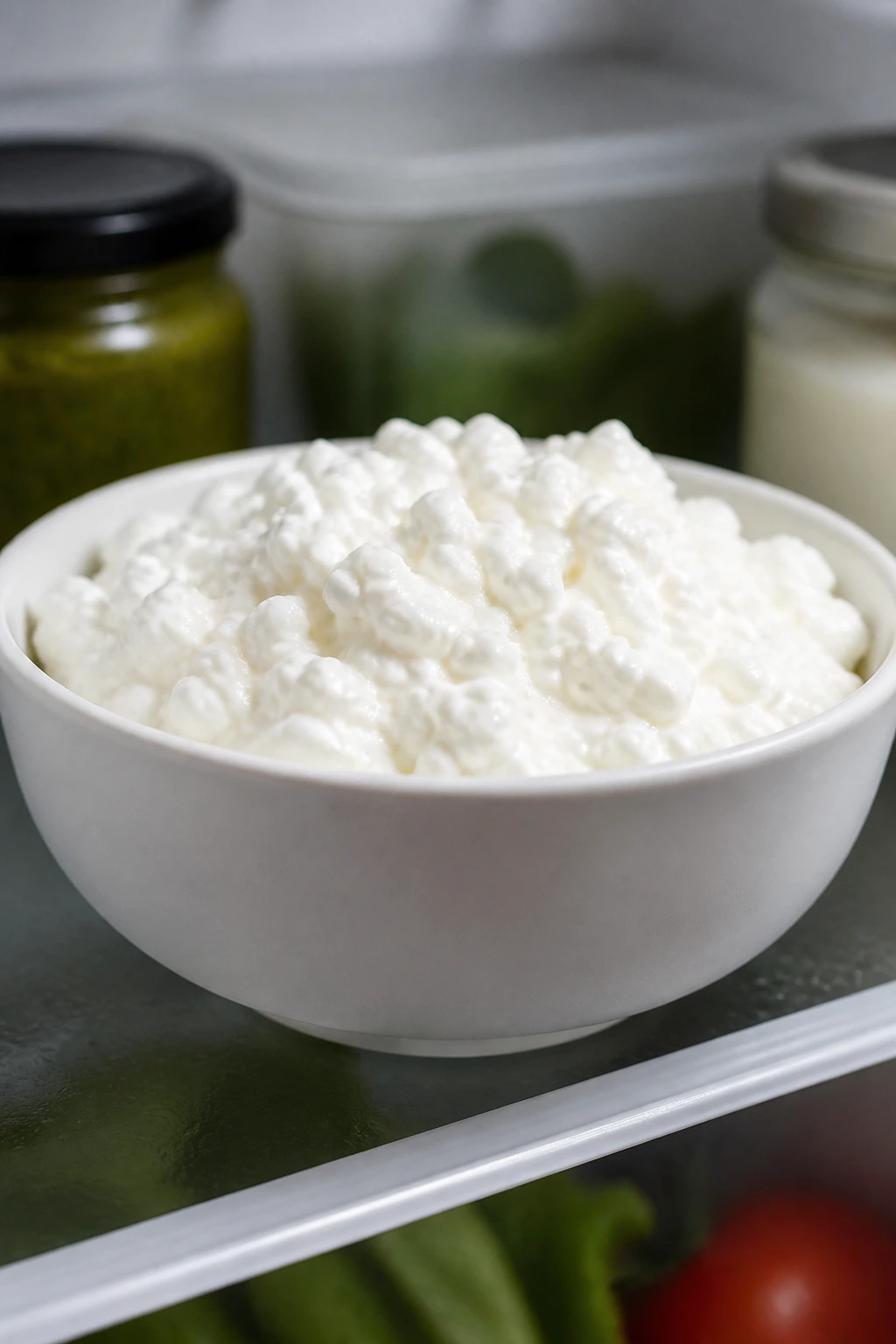
Cottage cheese gets written off so often that people forget how useful it is. That’s a shame, because once you know how to use it, it behaves like one of the easiest ways to add protein without making a meal feel stern or joyless.
What I like most is the range. The same tub can become breakfast, lunch, dinner, a snack, or dessert, and it can stay smooth or stay curdy depending on what you need from it. That kind of flexibility is worth making room for in the fridge.
Keep one plain tub around, and half the problem of building a meal with enough protein starts solving itself.