



Half a banana on the tray, peas on the floor, and a cheese stick warmed by tiny hands — that is toddler dinner in real life. If you are trying to find clean healthy toddler meal options under 500 calories, the hard part is not the calories. It is making a plate that still looks like food after a few enthusiastic pokes with a fork.
Five hundred calories is a ceiling, not a target. For many toddlers, a meal lands somewhere between 180 and 350 calories, then a snack, a glass of milk, or a second round of fruit fills the rest of the day. The number matters less than the shape of the meal: enough protein to keep them steady, enough fat to slow things down, enough produce for color and fiber, and enough starch that the whole thing does not feel like a garnish.
That is the sweet spot. Not tiny food. Not adult leftovers chopped into confetti either. Just real food cut, cooked, and seasoned so a toddler can grab it, chew it, and sometimes — if luck is on your side — eat the green thing without a speech.
Why This Approach Works
- Portion-friendly: A meal built to land under 500 calories leaves room for appetite swings, because toddlers do not eat like clocks.
- Protein-backed: Eggs, yogurt, beans, chicken, fish, tofu, and cheese keep the plate from turning into a fast carb spike.
- Soft-textured: Fork-tender vegetables, sliced fruit, and small bites cut down on chewing battles and choking risk.
- Budget-smart: Oats, rice, frozen peas, canned beans, and eggs keep the grocery bill from ballooning.
- Picky-eater friendly: The same base meal can become mild, creamy, or finger-food-only without cooking a second dinner.
- Fast cleanup: Most of these meal ideas work in one skillet, one bowl, or one sheet pan, which matters when you are already cleaning a high chair.
Why a 500-Calorie Cap Works Better Than a 500-Calorie Goal
A toddler meal does not need to hit 500 calories. It needs to stay comfortably below that line without turning into a child-size version of an adult plate. That distinction sounds small, but it changes the whole kitchen vibe.
A lot of toddlers need somewhere around 1,000 to 1,400 calories across the day, depending on age, size, and activity. That means one meal can be modest and still do its job. A breakfast at 250 calories, lunch at 300, dinner at 350, and a few snacks in between often make a lot more sense than forcing every plate toward the same number.
The reason the ceiling matters is simple. If you keep meals in a sane range, you leave room for appetite swings, growth spurts, and the occasional dinner where the only thing eaten is the strawberries. That happens. Often.
There is also a practical side to this. When a toddler is handed a plate that is too big, too dense, or too rich, you get food waste and a lot of poking. A smaller plate with real food on it is easier to finish, easier to repeat tomorrow, and easier to build into a routine. Pediatric feeding advice keeps circling back to the same idea: predictable meals win more often than pressure.
What “Clean” Means When the Food Has to Be Eaten
“Clean” gets used in sloppy ways, so I use it more plainly. Clean means recognizable ingredients, modest seasoning, not much added sugar, not much sodium, and no weird texture tricks to make the food look better on a phone than it does on a tray.
That still leaves a lot of room. Plain yogurt is clean. Frozen peas are clean. Canned beans rinsed under water are clean. So are oats, rice, eggs, avocado, chicken thighs, salmon, tofu, and a decent piece of cheese. You do not need to chase a narrow idea of purity to feed a toddler well.
What I would skip are the foods that pretend to be helpful but carry a load of salt, sugar, or hard-to-chew bits. A toddler does not need a breakfast bar with twelve ingredients and the crunch of gravel. A banana, a scrambled egg, and toast cut into fingers do the same job with less drama.
And yes, frozen and canned foods count. A frozen bag of peas can be sweeter than the fresh ones sitting in the fridge drawer. A can of beans can save a dinner. A plain whole-milk yogurt cup can become breakfast, dip, or a fruit bowl in under a minute. That is clean enough for me.
The Plate Formula I Trust: Protein, Produce, Starch, Fat
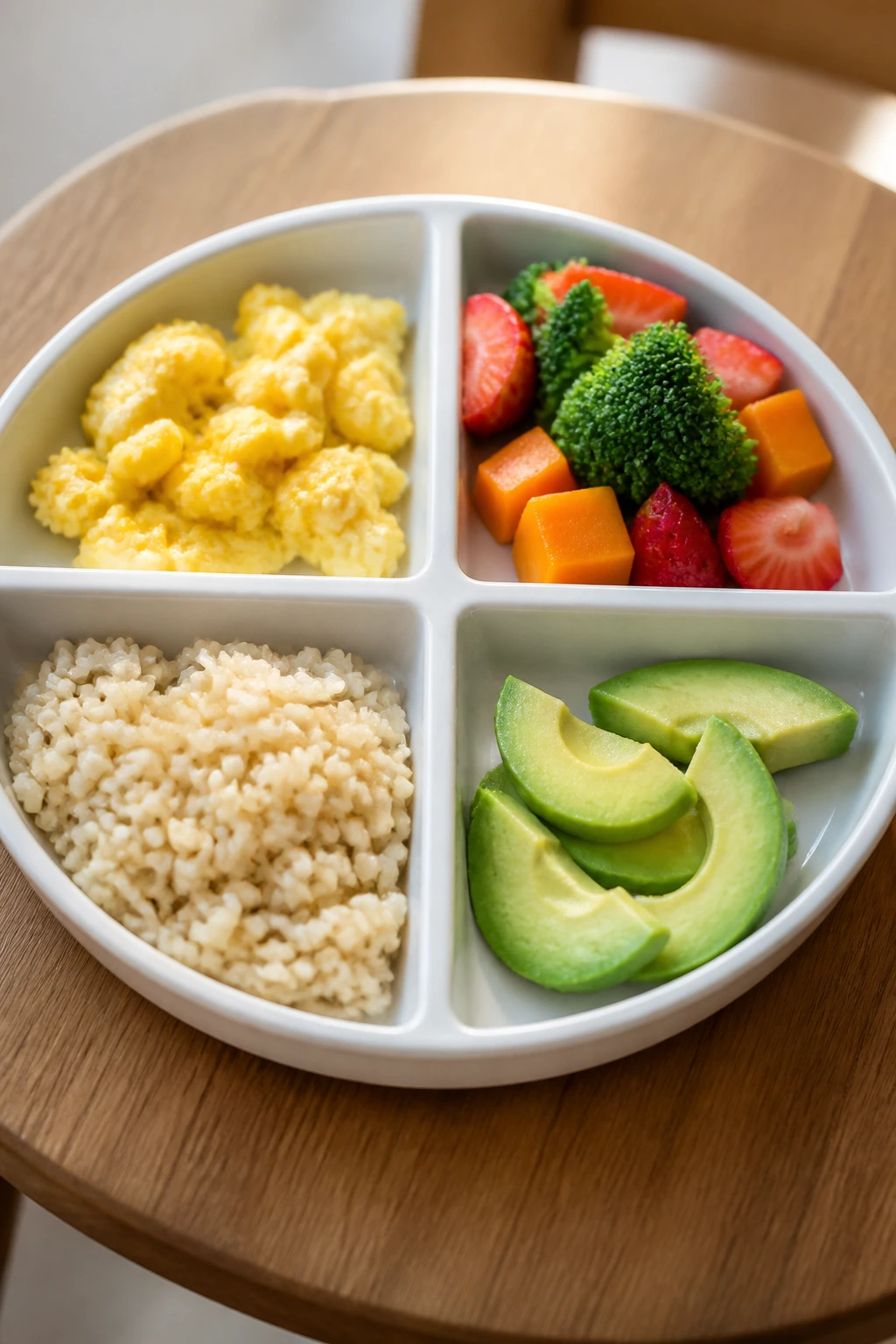
A toddler meal gets easier the second you stop thinking about recipes and start thinking about parts. Protein, produce, starch, fat. Four pieces. That is the skeleton.
Protein can be eggs, yogurt, beans, tofu, chicken, fish, turkey, cottage cheese, or nut butter if your child can handle it safely. Produce can be fruit, steamed vegetables, avocado, or mashed vegetables tucked into the meal. Starch is usually oats, rice, pasta, potatoes, toast, tortilla, crackers, or quinoa. Fat comes from avocado, olive oil, butter, cheese, yogurt, nut butter, or the natural fat in fish and meat.
The portions do not have to look fancy. For many toddlers, 2 to 4 tablespoons of each item is already a real meal. Older toddlers or hungrier ones may eat 1/4 cup of one part and a little less of the others. Start small. Seconds are easier than scraping a plate and starting over.
A plate built this way tends to behave better. The protein slows things down. The fat helps the food feel satisfying instead of snackish. The produce gives color and fiber. The starch makes the meal familiar and not too serious.
That last part matters more than people admit. Toddlers like a little anchor on the plate. If every bite feels new, they often bail. If one item is known — toast, rice, crackers, banana, pasta — the rest of the plate has a better shot.
Soft Breakfast Options That Stay Interesting After the First Bite
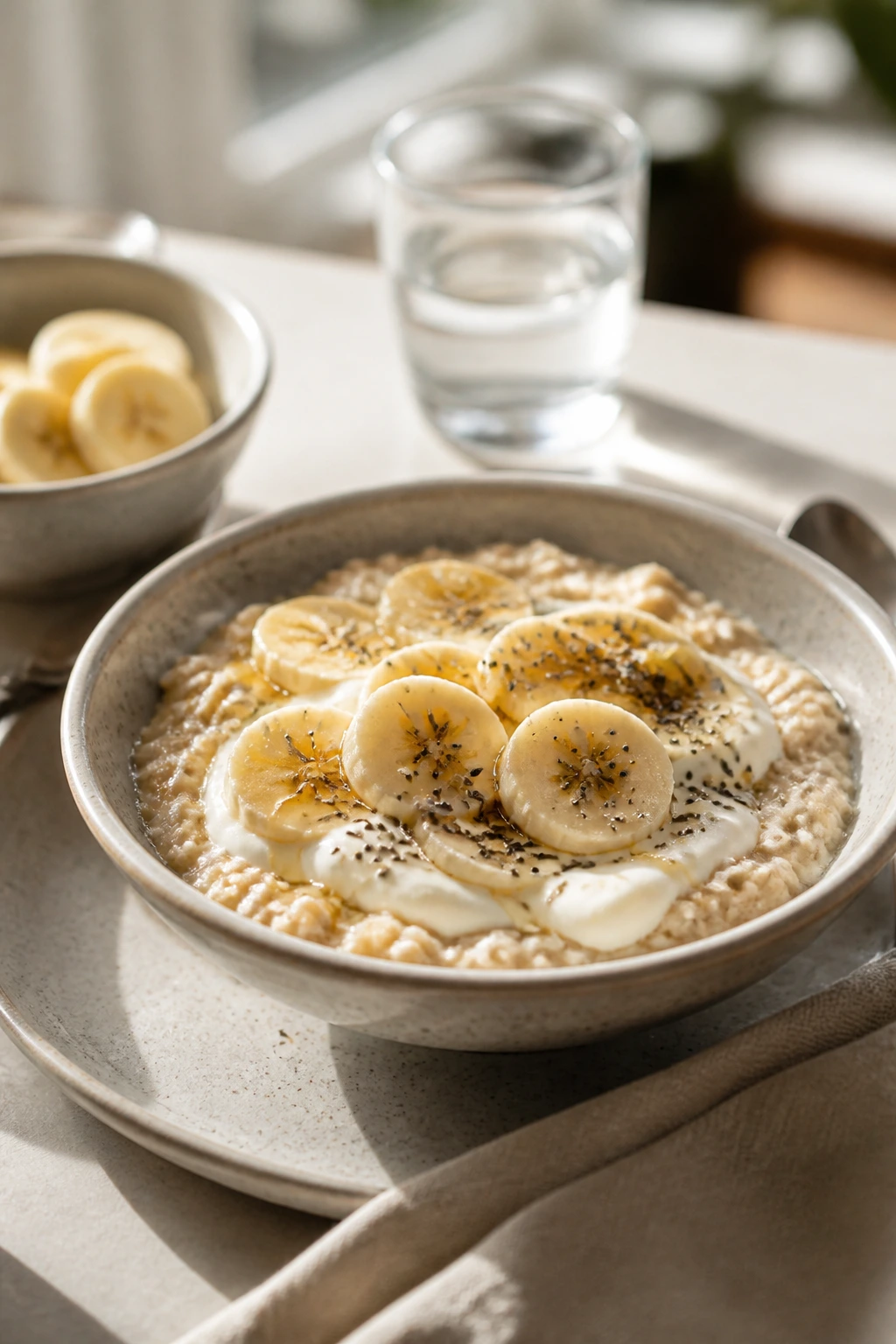
Breakfast is where a lot of clean healthy toddler meal options under 500 calories live or die. Too dry, and they tap out. Too sweet, and they ask for more sugar every morning like it is a contract.
The easiest wins are soft foods with a little fat and one obvious flavor. Warm oats, eggs, yogurt, fruit, and mild toast toppings do most of the heavy lifting here. I keep the textures soft enough that a toddler can mash them with a fork, because anything too crisp turns into a negotiation.
- Greek yogurt oat bowl: 3/4 cup plain whole-milk Greek yogurt, 1/4 cup soft-cooked oats, 1/2 sliced banana, and a pinch of cinnamon usually lands around 250 to 300 calories. The yogurt brings creaminess, the oats keep it from feeling like dessert, and the banana gives enough sweetness that you do not need extra sugar.
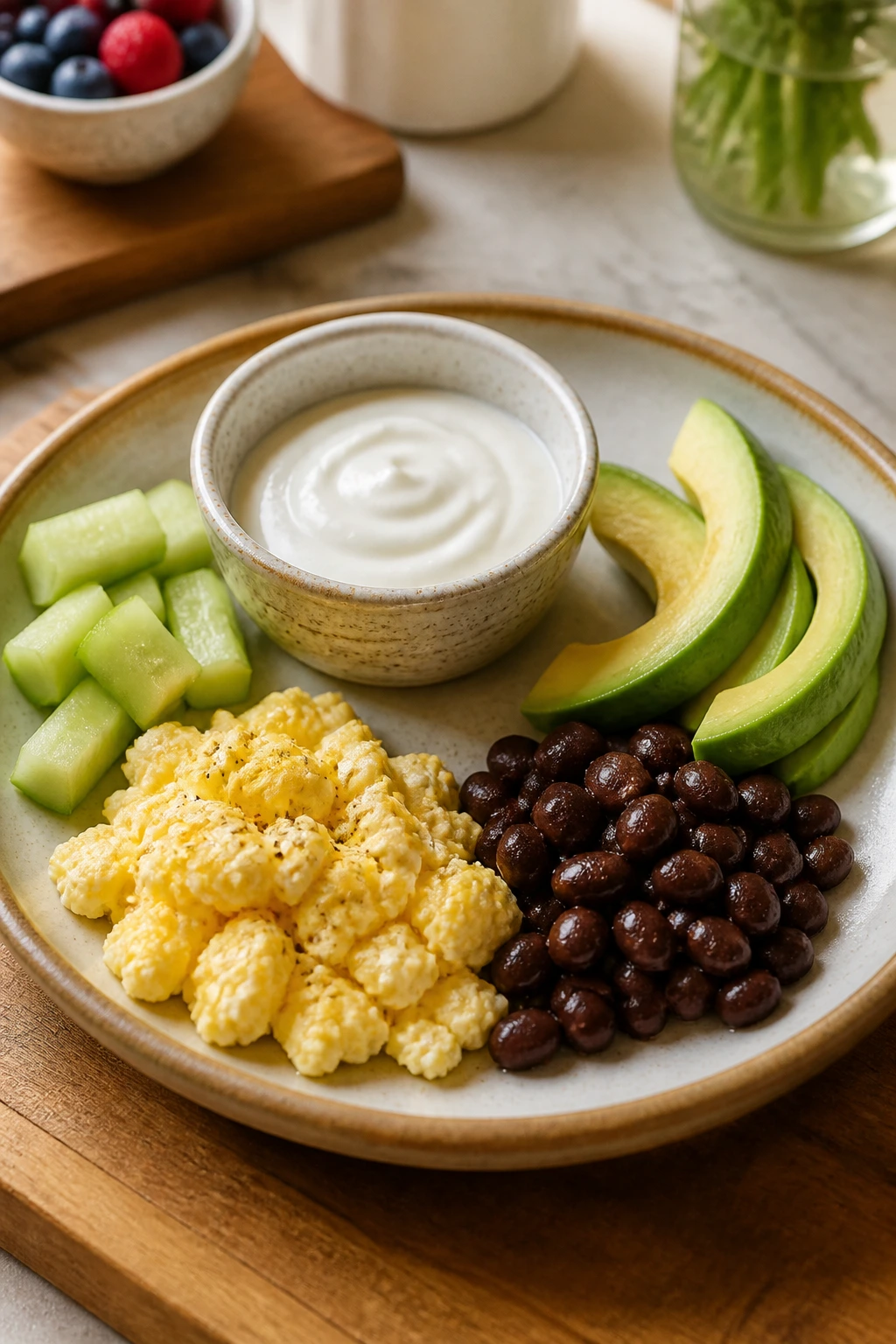
- Egg toast plate: 1 scrambled egg cooked in 1 teaspoon butter, 1 slice whole-grain toast cut into fingers, 1/4 avocado, and 1/4 cup berries usually sits near 280 to 350 calories. The eggs should stay glossy and just set, not rubbery. If they bounce on the plate, you cooked them too long.
- Banana oat pancakes: Two small pancakes made from banana, egg, and oats, topped with 2 tablespoons plain yogurt, usually fall in the 300 to 380 calorie range. These are the pancakes I make when I want breakfast to feel like a treat without turning into a sugar bomb. They also reheat well, which is a gift.
- Cottage cheese fruit bowl: 1/2 cup cottage cheese, 1/2 cup peach slices or diced pears, and 4 whole-grain crackers usually land around 220 to 280 calories. Choose a lower-sodium cottage cheese if you can find it. The salty-creamy thing works, but too much salt gets old fast.
One thing I like about breakfast plates is how easily they double as snacks later. A half portion of yogurt and fruit can become a midmorning rescue. A leftover pancake can go in a lunchbox. Nothing feels wasted, which is the whole game.
Lunch Ideas That Survive the Noon Chaos
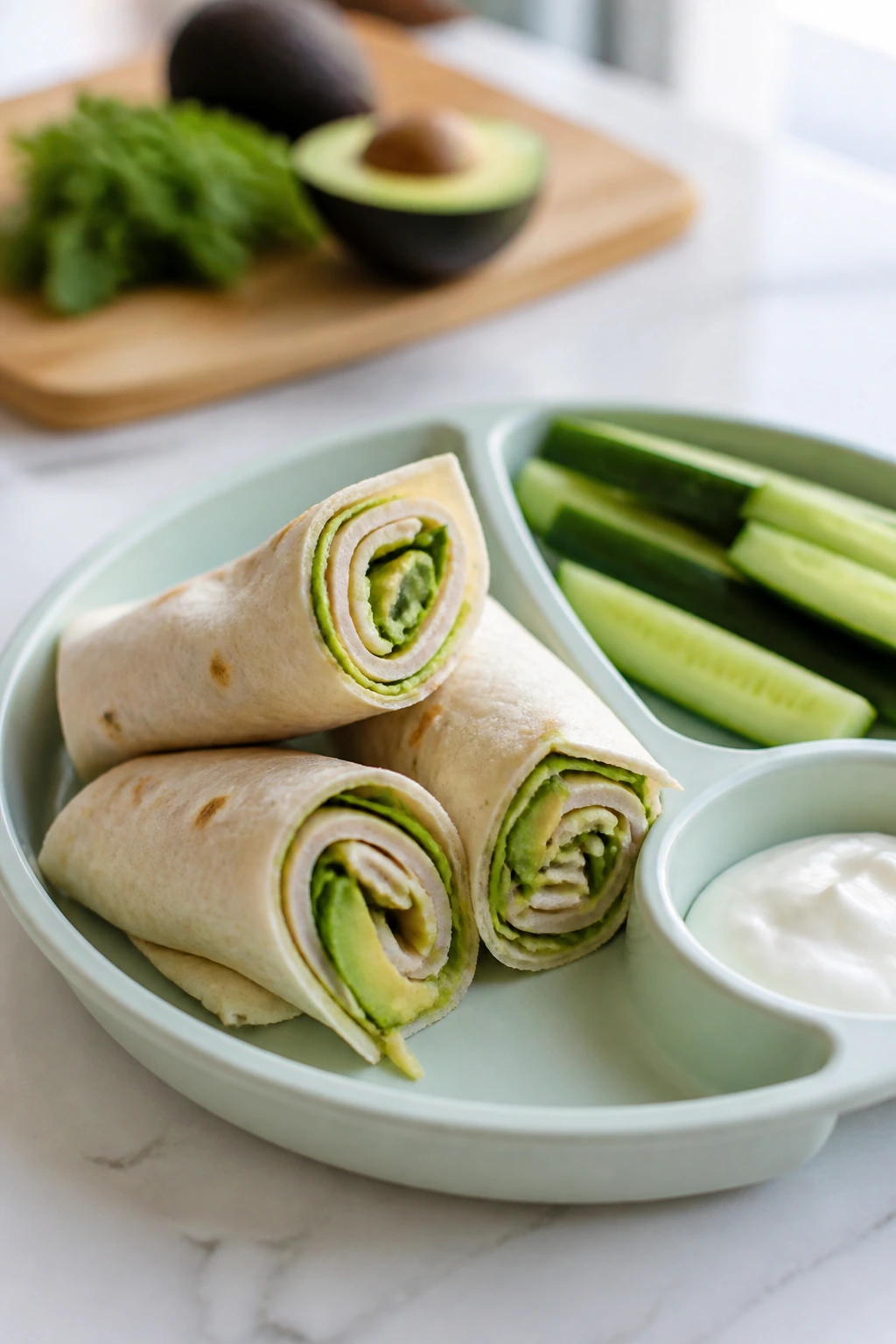
Lunch is where you want food that can sit for a few minutes and still taste like it belongs on the plate. Toddler lunches get pushed around, inspected, broken in half, and abandoned with shocking speed. So the best lunch options are sturdy, mild, and easy to dip.
A good lunch also has to be familiar. You can sneak in new food, sure, but one item should be plain enough that nobody feels tricked. That is not weakness. It is strategy.
- Turkey avocado roll-ups: 2 ounces of sliced turkey, 1 small tortilla, 1/4 avocado, cucumber spears, and a handful of strawberries usually come in around 300 to 360 calories. Roll the turkey and avocado inside the tortilla, then cut it into small pinwheels or short strips. If the tortilla cracks, warm it for 10 to 15 seconds first.
- Bean and cheese quesadilla: 1 small tortilla, 1/4 cup mashed black beans, 1 ounce shredded cheese, a spoon of mild salsa on the side, and fruit on the plate usually land around 300 to 380 calories. Pre-shredded cheese is fine here. It melts evenly and gives the tortilla those crisped edges toddlers seem to love.
- Salmon rice bowl: 2 ounces cooked salmon, 1/3 cup rice, 1/4 cup peas and finely diced carrots, and a teaspoon of olive oil or butter usually total 350 to 450 calories. Salmon makes a strong lunch because it brings protein and fat without needing much else. Flake it well so there are no big dry chunks.
- Hummus pita plate: 1/4 cup hummus, 1 small pita cut into triangles, a few cheese cubes, and soft fruit like blueberries or melon usually sit near 320 to 400 calories. If the pita is a little stale, toast it lightly and brush on a drop of olive oil. Toddlers seem to forgive a lot when they can dip.
Lunches are also where leftovers shine. A small scoop of last night’s rice, a couple of chicken pieces, and soft vegetables can become a plate faster than a sandwich. Adults overcomplicate this. Toddlers do not care if the food came from breakfast, lunch, or Tuesday night.
Dinner Plates That Look Like Family Food, Not a Separate Menu
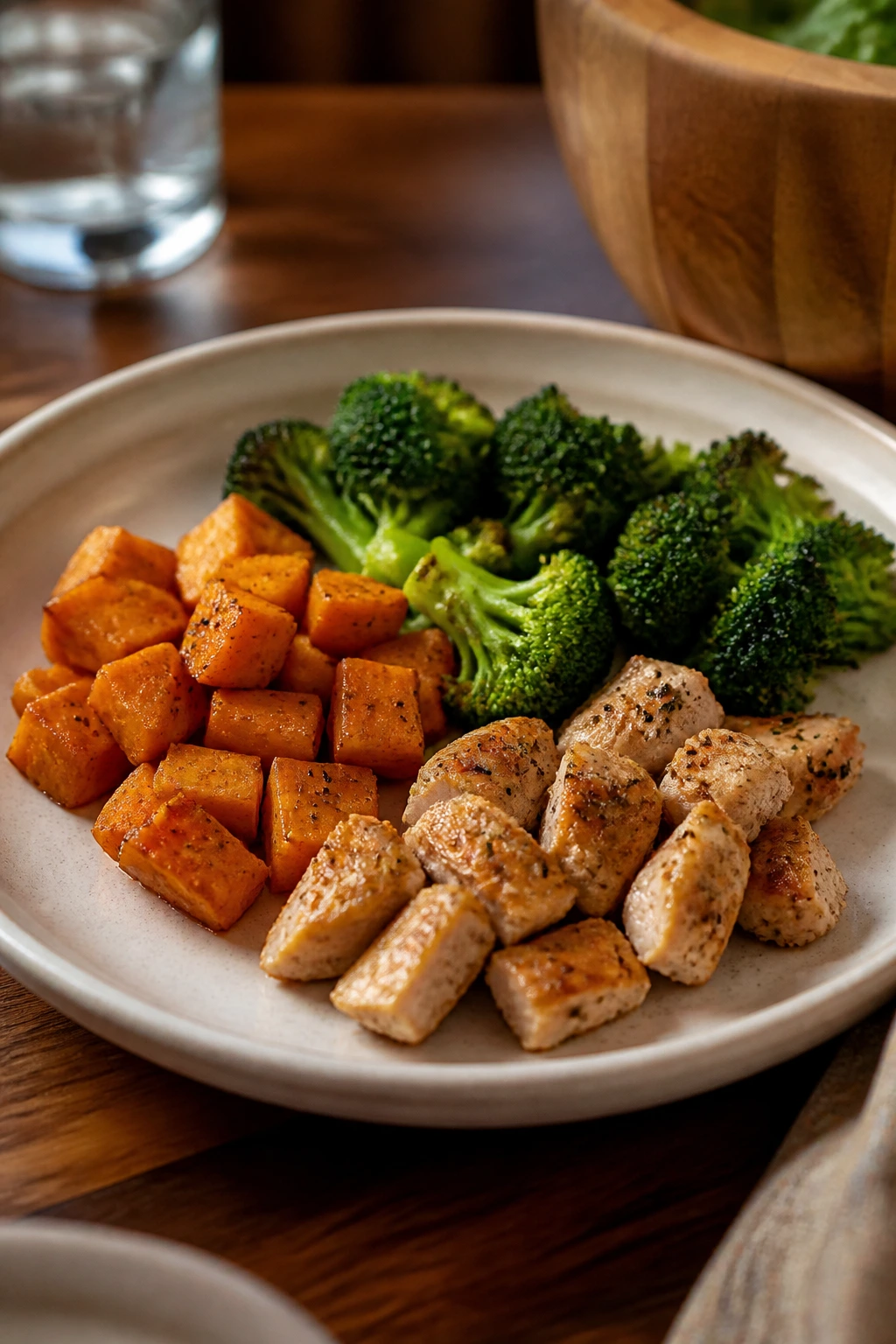
Dinner works best when the toddler plate looks like a small version of the family meal. Not identical. Just close enough that the child does not feel exiled to a separate menu of beige.
The trick is to keep the same core ingredients, then change the cut, the seasoning, or the size. A chicken breast becomes small strips. Broccoli gets steamed until the stems give without a fight. Potatoes get mashed softer than you would make for adults. Everything still tastes like dinner, only friendlier.
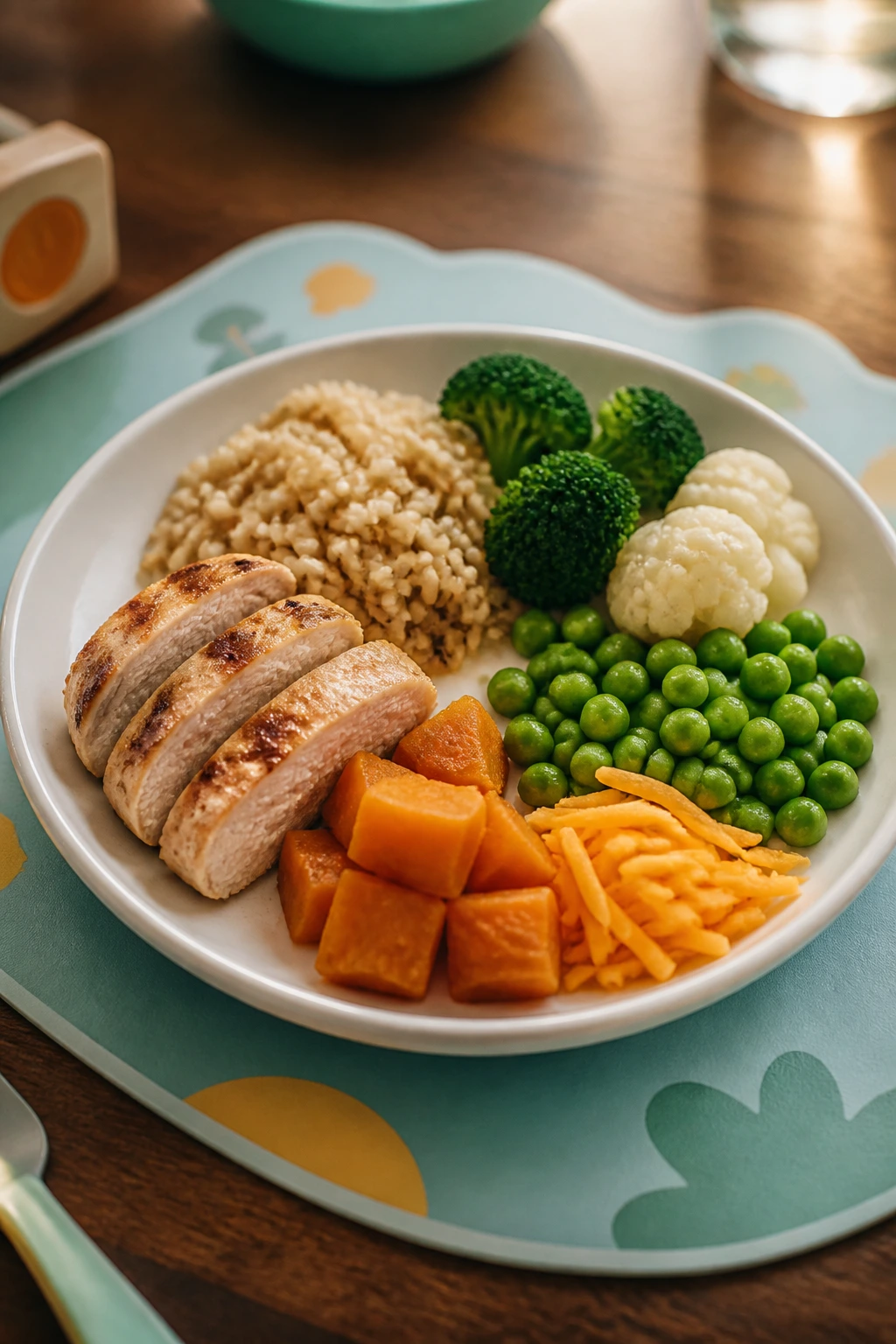
- Chicken, sweet potato, and broccoli plate: 2 ounces of chicken thigh or breast, 1/2 cup roasted sweet potato cubes, 1/4 cup broccoli florets steamed until very tender, and a drizzle of olive oil usually lands around 320 to 420 calories. Chicken thigh stays juicier than breast, and toddlers usually handle that better. If the broccoli has any crunch left, cook it a few minutes longer.
- Turkey meatballs with pasta and peas: 2 small meatballs, 1/2 cup cooked pasta, 1/4 cup peas, and 2 tablespoons mild marinara usually come in around 350 to 450 calories. Meatballs should be about 1 inch wide, no bigger. Bigger meatballs look grown-up on a fork, but toddlers chew them like they are confused.
- Tofu stir-fry with rice: 2 ounces firm tofu, 1/3 cup rice, 1/4 cup soft-cooked carrots and snap peas, and a teaspoon of sesame or olive oil usually sit near 280 to 380 calories. Press the tofu well so it browns instead of steaming. That little crust helps more than people think.
- Baked cod with mashed potato and green beans: 2 ounces cod, 1/2 cup mashed potato, 1/4 cup green beans, and a pat of butter or drizzle of olive oil usually land around 300 to 400 calories. Cod can dry out fast, so pull it when it flakes and still looks moist. Overcooked fish is the kind toddlers reject on sight.
Dinner is also the place to use mild acid. A squeeze of lemon on fish, a little tomato sauce on pasta, or a tiny bit of yogurt sauce on chicken can wake the whole plate up without making it taste “spicy.” Toddlers often do better with bright flavors than with more salt.
Snack Plates and Mini Meals That Bridge the Gap
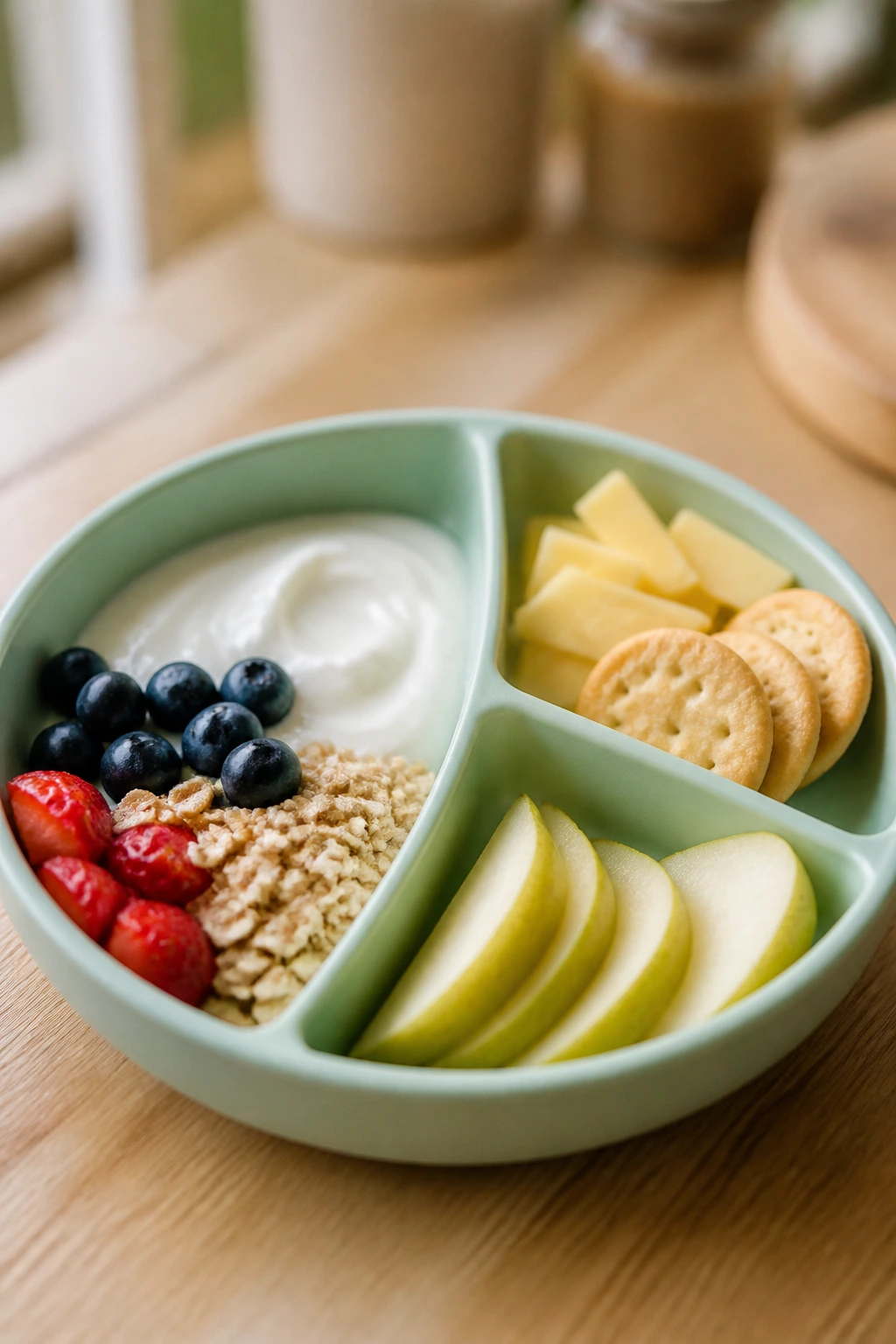
Some toddlers do not want a full meal three times a day. They want to graze like tiny goats and then demand something else twenty minutes later. Snack plates can keep that style from turning into chaos.
A good snack plate has at least two food groups and one item that requires some chewing. Not hard chewing. Just enough to feel like food. Fruit alone disappears too fast. Crackers alone do the same. Pair them and the snack sticks a little longer.
- Yogurt, berries, and oats: 1/2 cup plain yogurt, 1/4 cup berries, and 2 tablespoons oats or granola with a soft texture usually land around 180 to 260 calories. If you use granola, pick one without huge hard clusters. Tiny teeth and giant clusters do not get along.
- Cheese, crackers, and pear slices: 1 ounce cheese, 4 to 6 small crackers, and 1/2 pear sliced thin usually totals 200 to 280 calories. Pears should be ripe enough to bend a little at the stem. Hard pears are a waste of everybody’s time.
- Hummus with pita and cucumber: 2 to 3 tablespoons hummus, a few pita triangles, and peeled cucumber sticks usually stay around 180 to 250 calories. This is one of those snack plates that feels larger than it is because the dip slows the pace.
- Peanut butter toast with banana: 1 slice toast, 1 tablespoon peanut butter, and a few banana slices usually hit 220 to 300 calories. Use thin peanut butter rather than a thick blob. A mountain of nut butter is harder to chew and easier to smear on the table.
Snack plates are also useful for kids who eat dinner early and get hungry before bedtime. I would rather give a small, balanced plate than let a toddler raid the pantry and call it a day. That ends with a mess and nobody happy.
Pantry Meals for Nights When Dinner Has to Happen Fast
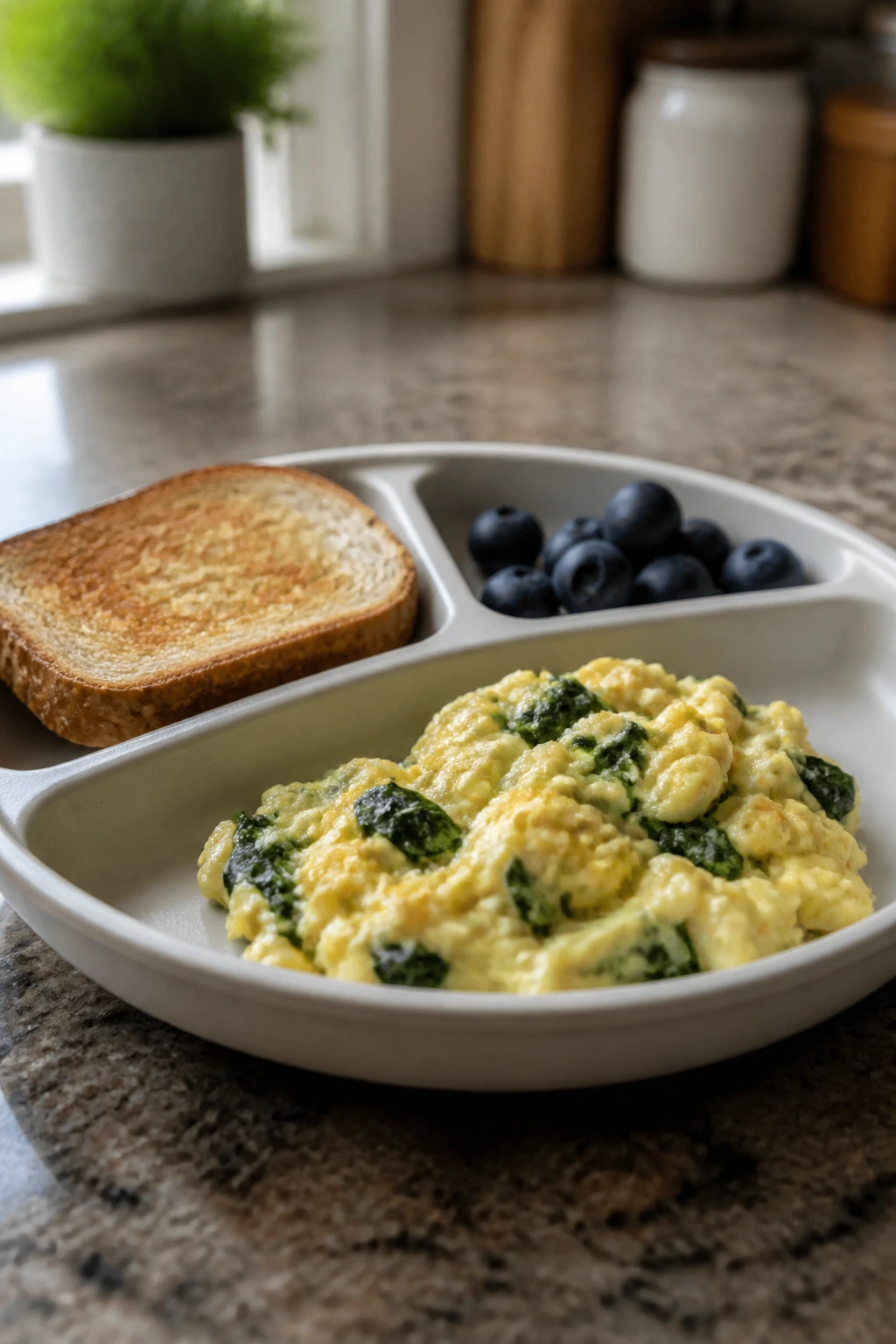
There are nights when you open the fridge and see a sad piece of celery, half a lemon, and one egg. Pantry meals are the answer to those nights. They are not fancy. They are dependable.
The best pantry meals use ingredients that are already part-cooked or quick to cook. Eggs, oats, rice, canned beans, lentils, pasta, frozen vegetables, tortillas, and shelf-stable fish all help. If you keep those around, dinner becomes assembly instead of invention.
Scrambled eggs with frozen spinach and toast is one of my favorite fallbacks. Two eggs, a handful of frozen spinach squeezed dry, a teaspoon of butter, and a slice of toast can land around 220 to 300 calories depending on the bread. The spinach disappears into the eggs if you chop it fine. Nobody needs a lecture about greens.
Red lentil pasta with olive oil and Parmesan works because the pasta brings protein without much extra effort. A small bowl with 1 cup cooked pasta, 1 teaspoon olive oil, a spoon of Parmesan, and a few peas can sit around 300 to 400 calories. If the pasta tastes gummy, it was cooked too long. Pull it while it still has a little bite, because once it sits, it softens more.
Black bean rice bowls are another easy win. 1/3 cup rice, 1/4 cup rinsed black beans, a spoon of shredded cheese, and mild salsa can stay under 350 calories without any drama. Warm the beans with a splash of water so they do not taste dry from the can.
Tuna toast with cucumber and applesauce sounds plain, but plain often works. Use low-sodium tuna if you can, mix it with a little plain yogurt or avocado, and spread it thin on toast. A few apple slices or unsweetened applesauce on the side rounds out the plate without much fuss.
How I Plate Toddler Meals Without Starting a Negotiation
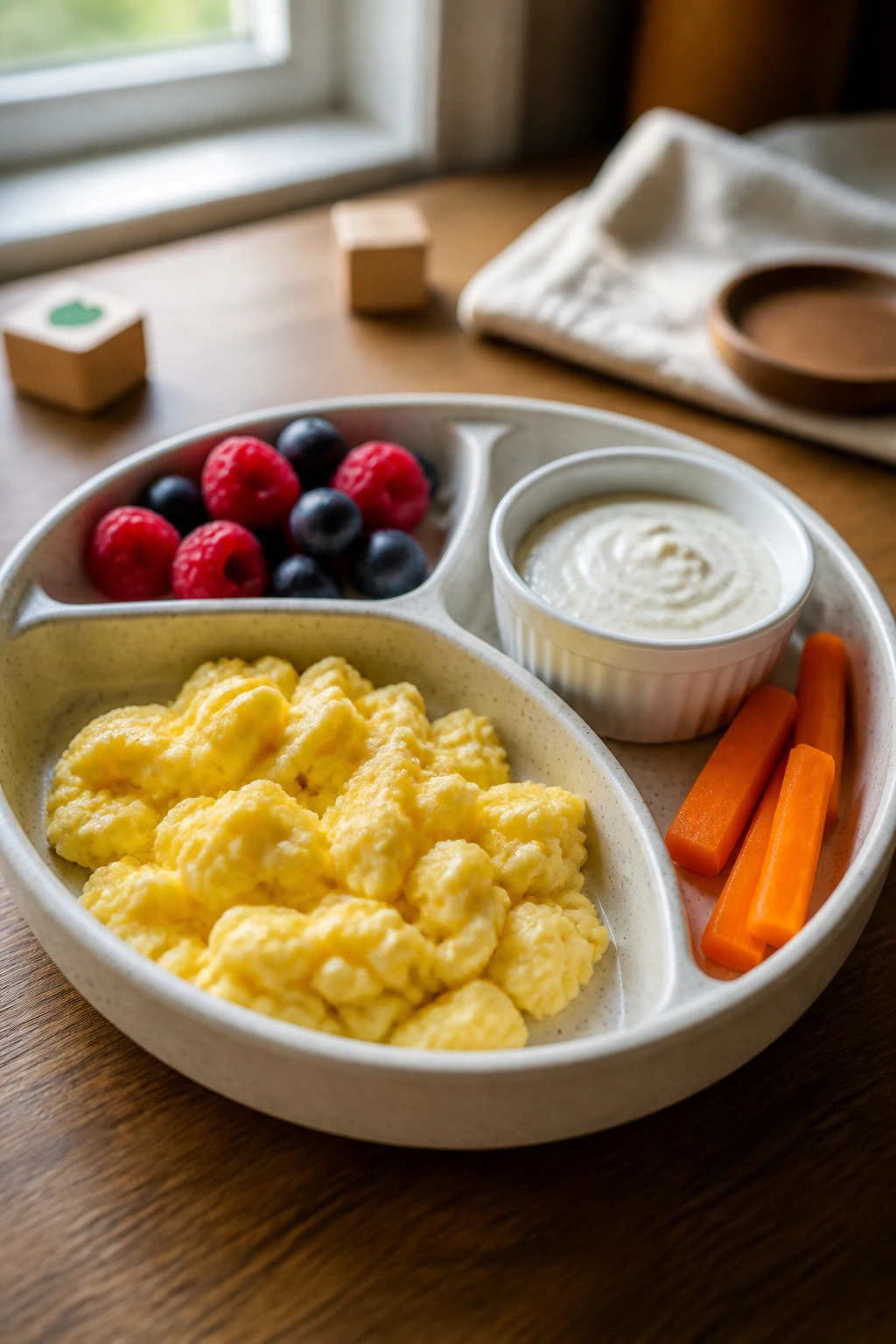
The plate matters more than people think. Not because presentation is magic, but because toddlers are deeply literal. If the foods touch in a way they dislike, or the plate looks too crowded, or the portion looks adult-sized, the first protest happens before the first bite.
Presentation: Use a small plate, a sectioned plate, or even two little bowls if that keeps things calmer. Keep at least one familiar food visible and separate. A bright berry next to eggs works better than a heap of mixed mush. If your child likes to dip, put the dip in a tiny ramekin rather than puddling it across the whole plate.
Accompaniments: Water belongs at the table. Milk can fit breakfast or dinner, but a full cup right before the meal can crowd out appetite. Fruit, crackers, yogurt, and soft vegetables make good companions, especially when one item on the plate is new. I like to keep a “safe” food in every meal — toast, rice, pasta, banana, cheese, whatever your child already trusts.
Portions: Start smaller than you think. Two tablespoons of a new food, 1/4 cup of a familiar food, and one or two pieces of fruit is a real toddler plate. You can always add more. Pushing a giant pile onto the tray tends to waste food and patience at the same time.
Beverage Pairing: Water is the cleanest default. If you serve milk, let it come with the meal rather than before it. Juice does not add much here and can make a snack out of the drink. A toddler who drinks a lot and eats little is not a mystery. It is just physics.
What to Keep in the Fridge, Freezer, and Pantry
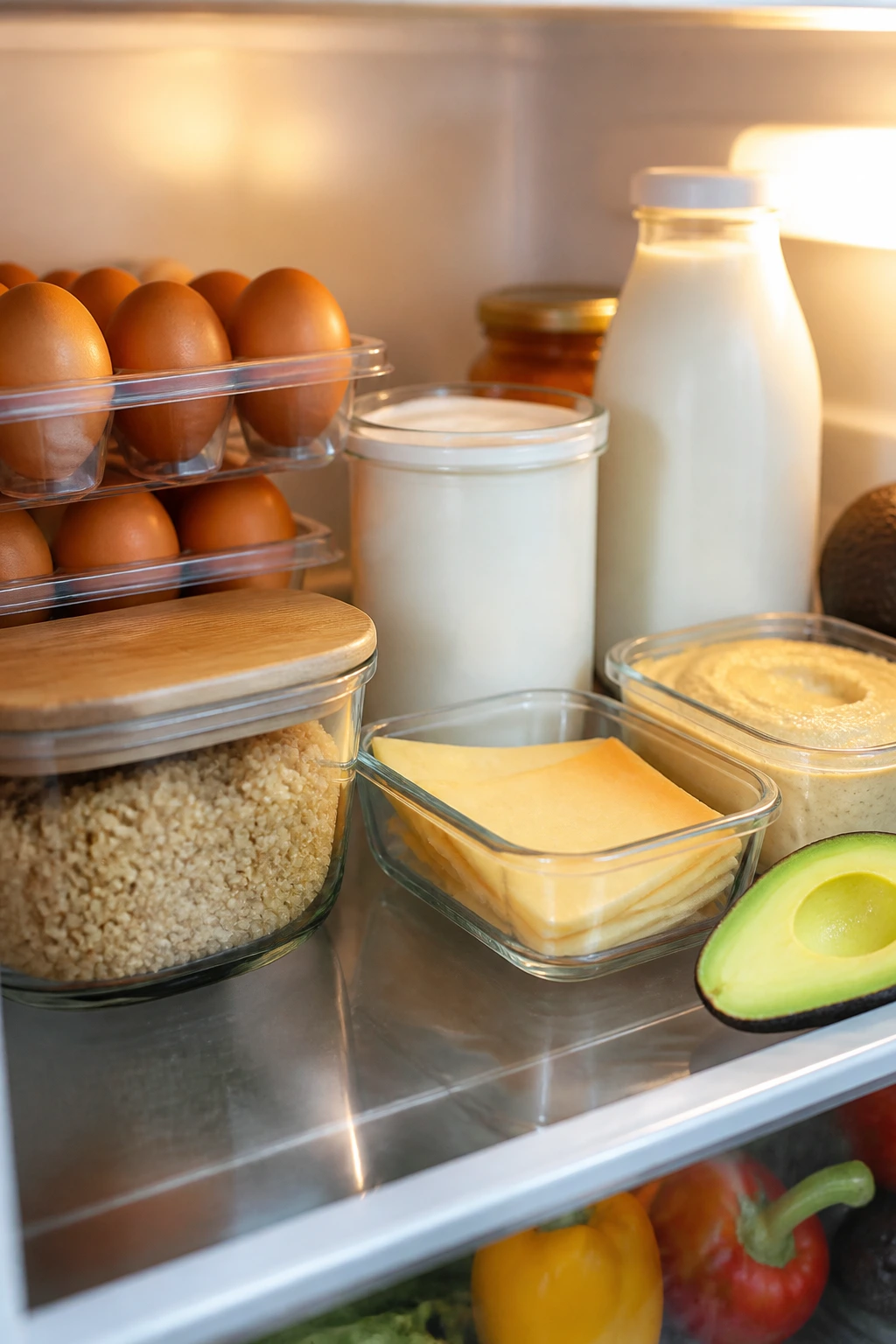
A toddler kitchen runs on a small set of repeat ingredients. If you keep the right things around, meal options stop feeling fragile. You do not need a chef’s pantry. You need a short list that covers breakfast, lunch, dinner, and the “we are all tired” hour.
In the fridge:
- Eggs: Fast breakfast, lunch, or dinner protein, and they cook in minutes.
- Plain whole-milk yogurt: Good for breakfast bowls, dips, or a fruit side with no added sugar.
- Cheese: Mild cheddar, mozzarella, or cottage cheese all work, depending on texture.
- Hummus: A spoonful turns crackers and vegetables into something more filling.
- Avocados: Soft, rich, and easy to mash onto toast or tortillas.
- Leftover cooked grains: Rice, quinoa, or pasta can become a lunch bowl or quick side.
In the freezer:
- Frozen peas: Sweet, fast, and easy to steam in the microwave in about 90 seconds.
- Frozen spinach: Handy for eggs, pasta, and soups once you squeeze out the water.
- Frozen berries: Great for yogurt bowls and smoothies.
- Chicken meatballs or cooked ground meat: Portion them small before freezing so you can reheat only what you need.
- Frozen waffles or pancakes: Use the lower-sugar kind and pair them with protein.
In the pantry:
- Oats: Breakfast, baking, pancakes, or thickening for smoothies.
- Rice and pasta: Reliable starches that fit almost any protein.
- Canned beans and lentils: Rinse them well to lower sodium and improve flavor.
- Tortillas and crackers: Useful for roll-ups, quesadillas, and snack plates.
- Nut or seed butter: A little goes a long way, and it helps meals stick.
- Unsweetened applesauce and canned fruit in juice: Handy when fresh fruit runs out.
I would rather have these basics than a drawer full of novelty snacks. The basics turn into meals. The novelty snacks turn into clutter.
Small Tools That Make the Whole Thing Easier
Toddler meals do not require fancy gear, but a few tools save time and reduce irritation. I am a strong believer in using the smallest tool that gets the job done. Less to wash. Less to store. Less to trip over.
- 12-inch nonstick skillet: Best for eggs, quesadillas, pancakes, and quick sautéed vegetables.
- Small saucepan with a lid: Useful for oats, rice, pasta, and steaming soft vegetables.
- Sheet pan with a rim: Roasting sweet potatoes, chicken, meatballs, and vegetables is easier when everything stays put.
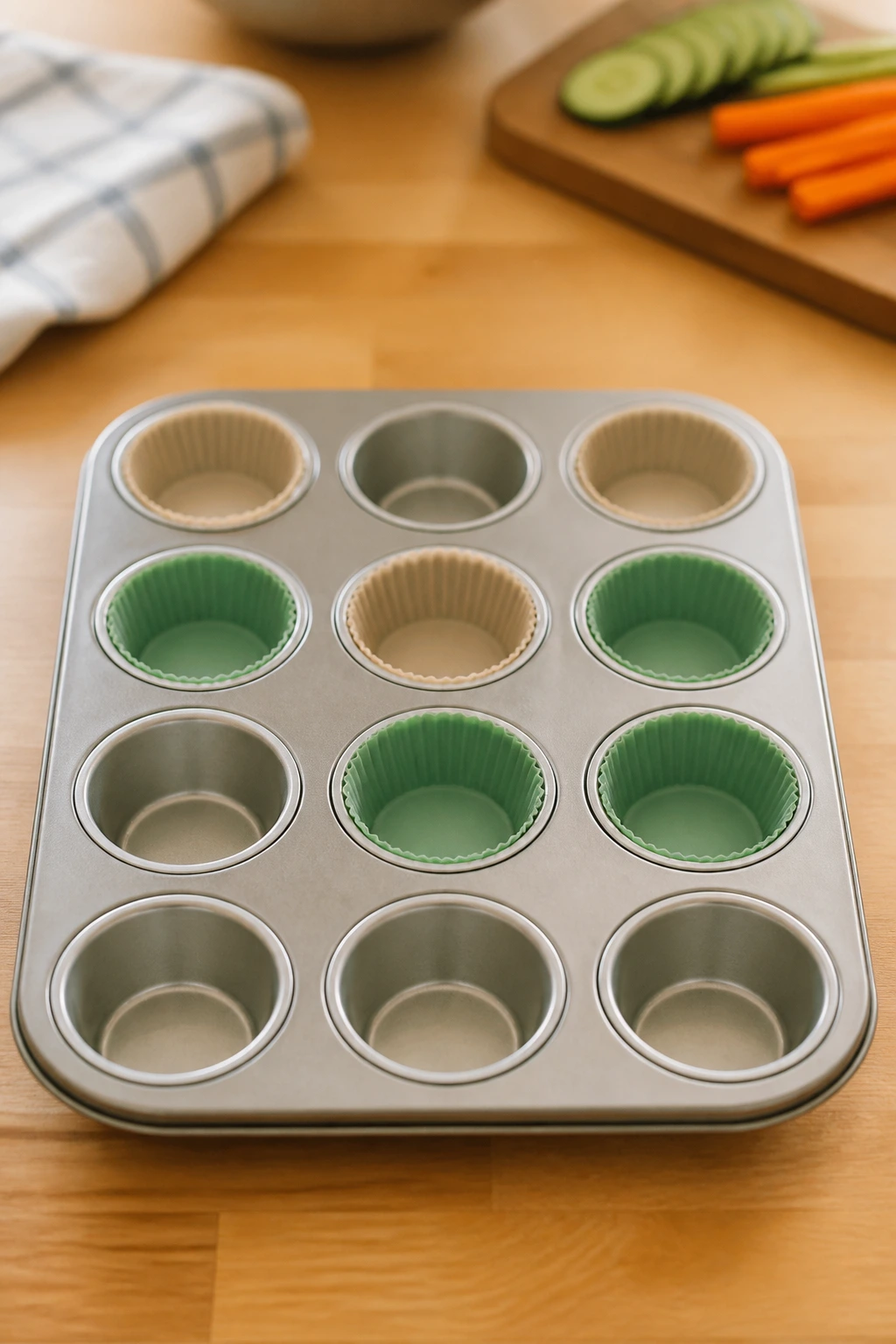
- Mini muffin tin: Great for egg muffins, baked oatmeal bites, or small meatloaf cups.
- Sharp paring knife and chef’s knife: Cutting grapes, cucumber, avocado, and toast into toddler-safe shapes is much easier with good knives.
- Cutting board with a damp towel underneath: Keeps the board from sliding while you split tiny foods into safe pieces.
- Sectioned plates or small bowls: Helpful for kids who hate touching foods.
- Silicone freezer containers or glass storage containers: Useful for portioning leftovers and freezing pancakes, meatballs, or rice.
- Steamer basket: Nice to have, though a microwave-safe bowl with a lid can handle many of the same jobs.
The mini muffin tin is the one I reach for most often. It turns eggs, oats, and even mashed beans into tidy portions that freeze well. Tiny portions are not a gimmick. They are a sanity saver.
Additional Tips and Flavor Boosters
The difference between a toddler plate that gets ignored and one that disappears is often one small move. Not a full recipe rewrite. Just a sharper finish.
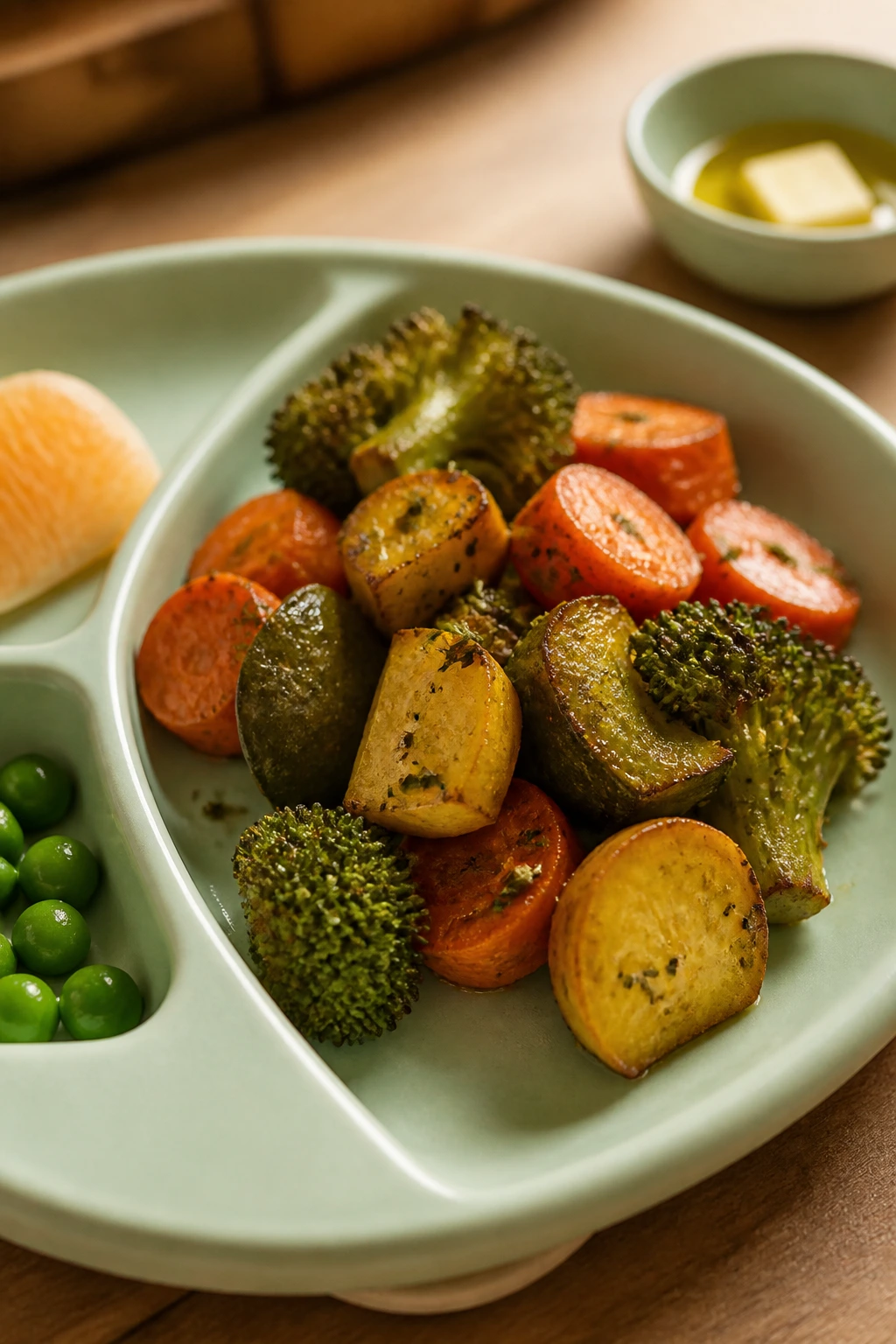
Flavor Enhancement: Use a little butter, olive oil, or avocado on cooked vegetables and grains. A teaspoon goes farther than people expect, especially on broccoli, peas, rice, and potatoes. Mild seasonings matter too: cinnamon on oats, garlic powder on eggs, dill on salmon, and a little lemon on fish all wake up a plate without turning it “spicy.”
Customization: If a child likes one texture more than another, build around that. Creamy kids tend to eat yogurt bowls, mashed potatoes, bean spreads, and scrambled eggs. Kids who like finger food usually do better with strips of toast, soft fruit wedges, meatballs, and pancakes cut into squares. You do not need to win the texture lottery every day.
Serving Suggestions: Put dip in a tiny cup and keep the main food dry. Toddlers enjoy control, and a dip cup gives them something to do with their hands. Cut round foods lengthwise — grapes, cherry tomatoes, and blueberries should be handled carefully and sliced or smashed depending on age and eating skill. Soft herbs, a dusting of cinnamon, or a little grated cheese can make a plain plate look and taste more inviting.
Make-It-Yours: For a dairy-free plate, use avocado, olive oil, hummus, or unsweetened plant yogurt. For egg-free meals, lean on oatmeal, tofu, beans, yogurt, or pancakes made without eggs if your child tolerates them. For gluten-free meals, rice, potatoes, corn tortillas, and certified gluten-free oats do the job without making the plate feel restricted. The point is not perfection. It is a plate your child will actually eat.
Common Mistakes That Make Toddler Meals Harder Than They Need to Be
The biggest toddler meal mistakes are not dramatic. They are small habits that quietly make dinner harder.
- Serving adult portions: A heaping plate looks generous to us and overwhelming to a toddler. The fix is boring but effective: start with a few bites of each item and add more only if asked.
- Making the meal too salty or too sweet: A salty sauce or a sugar-heavy yogurt can train a child to expect louder flavors than everyday food provides. Keep seasoning light, then add interest with butter, olive oil, lemon, cinnamon, or herbs.
- Ignoring texture: A meal can be nutritionally perfect and still fail if it is too hard, too dry, or too slippery. Overcooked vegetables, dry chicken, or giant chewy pasta shapes are common culprits. Cook until tender and cut smaller than you would for yourself.
- Relying on hidden food only: Blending spinach into everything sounds clever until the child rejects the whole bowl because it looks odd or tastes mixed. Keep one obvious food on the plate. Familiarity buys you more than stealth.
- Serving foods that are too risky in shape: Whole grapes, raw carrot coins, round hot dog slices, popcorn, and big spoonfuls of nut butter can be trouble for young toddlers. Cut, cook, or skip them depending on age and skill. Safety wins over convenience every time.
- Letting milk do the heavy lifting: Milk is useful, but a child who fills up on it before meals often leaves real food untouched. Keep it with the meal or after, not as a pre-dinner filler.
The fix for most of these problems is smaller, softer, and simpler. Not bland. Just calmer.
Variations for Different Diets and Very Specific Small People
Different households need different plates, and toddlers do not all eat the same way. That is normal. The base formula still works.
Dairy-Light Plate: Swap yogurt for unsweetened plant yogurt, use olive oil instead of butter, and lean on avocado, hummus, eggs, or beans for richness. The meal will still feel full, just a little cleaner on the dairy side.
Egg-Free Morning Fix: Oatmeal topped with fruit and nut butter, yogurt bowls, toast with avocado, or tofu scramble can cover breakfast without eggs. The trick is to keep the meal soft and warm so it still feels like breakfast, not a snack pretending to be one.
Gluten-Free Comfort Plate: Rice bowls, potato plates, corn tortilla quesadillas, and certified gluten-free oats are easy swaps. Do not replace bread with a sad dry substitute if you do not have to. Use foods that are naturally gluten-free and already good in their own shape.
Vegetarian Protein Swap: Beans, lentils, tofu, Greek yogurt, cottage cheese, eggs, and cheese can all anchor a meal. A toddler does not need meat at every sitting. They need enough protein spread across the day.
Budget Pantry Plate: Beans, rice, eggs, oats, frozen vegetables, tortillas, and a little cheese can stretch a week much farther than a drawer full of packaged toddler snacks. This is the version I trust when the grocery budget is tight and the fridge is nearly empty.
Soft-Spoon Only Version: For kids who are still uneasy with finger food, keep everything mashable. Rice can be slightly overcooked, vegetables steamed soft, beans mashed, and fruit cut very small. You are not giving up. You are meeting the child where they are.
Make-Ahead, Storage, and Reheating That Respect Real Life
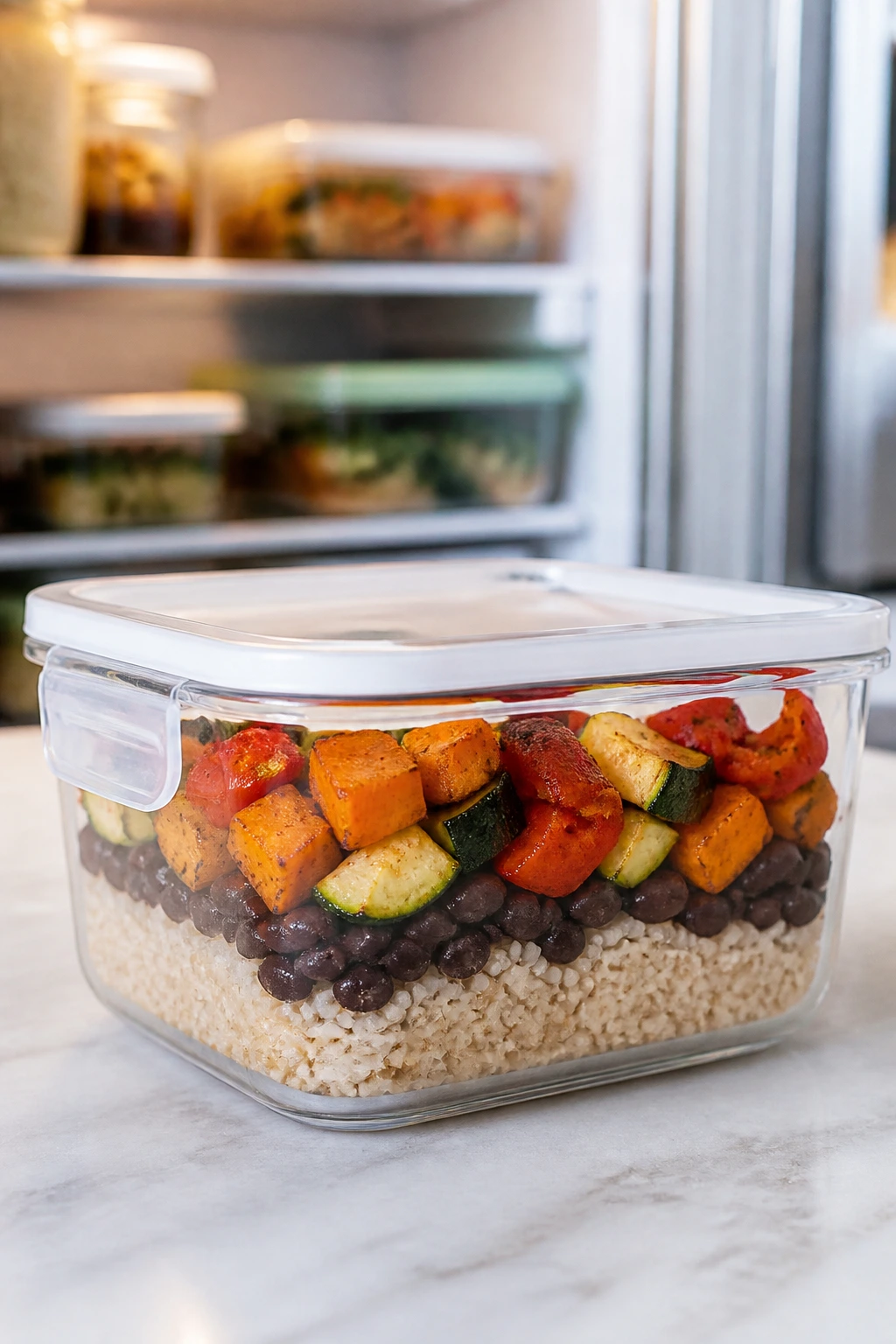
A toddler meal plan only works if yesterday’s food still tastes good today. That means choosing components that hold up after a chill in the fridge or a short freeze.
Cooked chicken, meatballs, beans, rice, pasta, and roasted vegetables keep well in the refrigerator for 3 to 4 days in airtight containers. Most of them freeze for up to 2 months if you portion them in small amounts. Pancakes, egg muffins, and cooked meatballs freeze especially well. Put parchment between pancake layers so they do not glue themselves together.
Fresh fruit is a little different. Cut melon, berries, and peeled pears hold for 2 to 3 days if stored cold and dry. Bananas turn soft and brown fast, so slice them only when you need them unless you are using them for baking or oatmeal. Avocado is best fresh, though a little lemon juice slows browning for a few hours.
Reheating should keep texture in mind. Microwave meals in 20 to 30 second bursts, stir between rounds, and stop when the food is steaming hot but not scorching. For rice and pasta, a teaspoon of water helps bring back softness. For roasted vegetables and meatballs, a skillet or toaster oven often does a better job than the microwave because it keeps the edges from going limp.
For egg dishes, reheat gently. Egg muffins and scrambled eggs can turn rubbery fast if blasted too hard. Use lower power in the microwave or warm them in a skillet over low heat. Fish is the trickiest leftover of the bunch; it reheats best wrapped loosely and warmed just until hot, then cooled before serving.
Make-ahead components save the most time, not complete meals. Roast a tray of sweet potatoes, cook a pot of rice, make a batch of mini meatballs, and wash fruit. Those four moves can turn three different dinners into something manageable.
Frequently Asked Questions
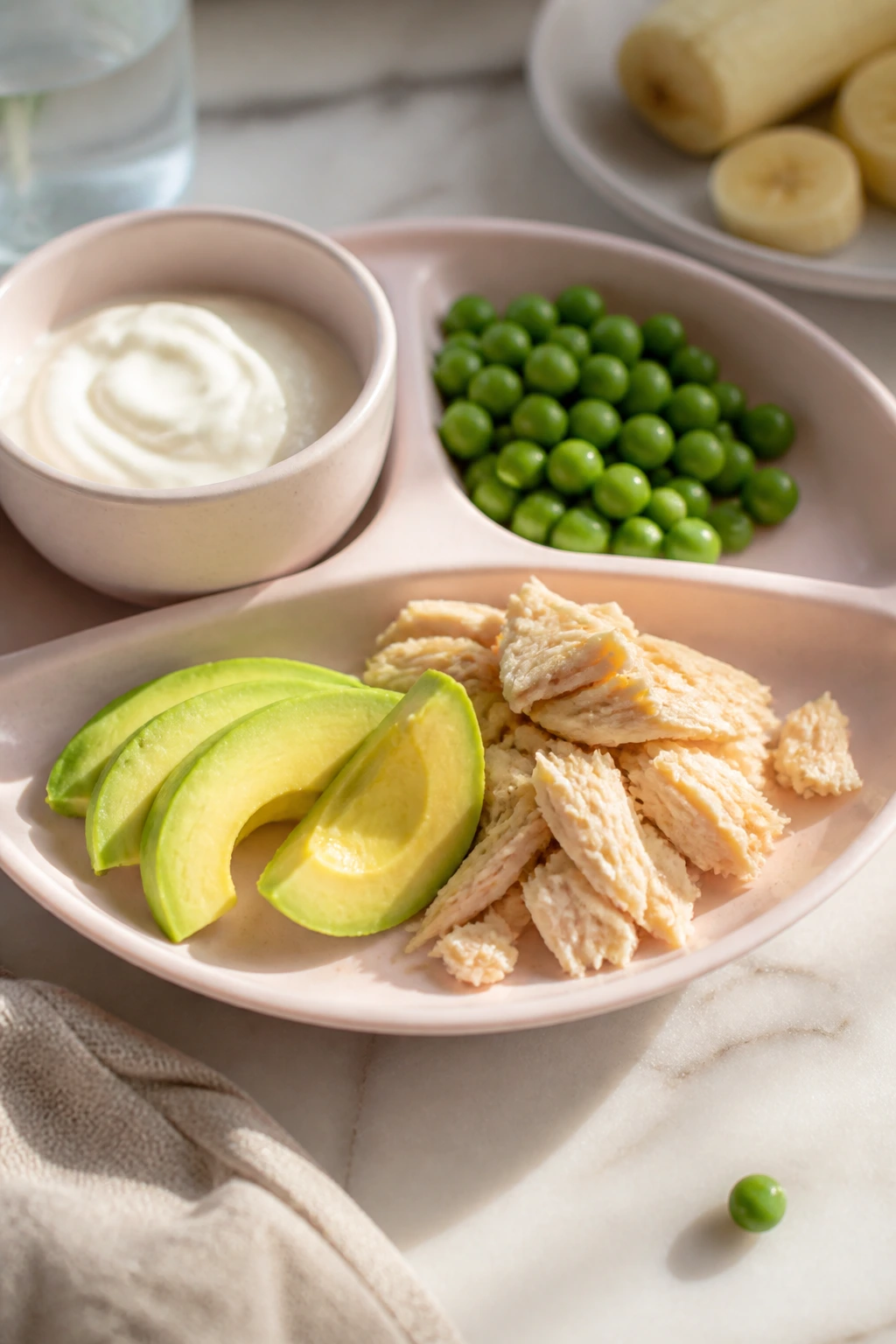
How many calories should a toddler meal have?
There is no single number that fits every child, but many toddler meals fall somewhere around 200 to 350 calories, with snacks adding the rest of the day’s energy. A meal under 500 calories gives you a useful ceiling without forcing you to micromanage every bite.
Is 500 calories too much for one toddler meal?
For most toddlers, it is a generous upper limit rather than a normal target. A very active child, a growth-spurt day, or a meal with milk and fruit on the side can push the total upward, but many toddlers will naturally eat far less.
What foods should I avoid because of choking risk?
Whole grapes, cherry tomatoes, round hot dog slices, popcorn, nuts, hard raw carrots, and thick globs of nut butter are the usual troublemakers. Slice round foods lengthwise, cook harder vegetables until tender, and spread nut butter thin rather than serving it in a blob.
Can I serve the same meal to toddlers and adults?
Absolutely. I do it all the time. Cook the same chicken, rice, vegetables, or pasta, then season the adult portion a little more at the end and cut the toddler portion into smaller, softer pieces.
My toddler only eats beige food. What do I do?
Keep one beige food on the plate and place one small “learning” food beside it. Repeated exposure works better than pressure, so a tiny portion of broccoli next to toast or pasta is more useful than a full plate of green vegetables nobody asked for.
Are frozen vegetables and fruit good enough for clean toddler meals?
Yes. Frozen produce is often picked at a good stage and held cold fast, which keeps texture and flavor decent. Peas, spinach, berries, and mixed vegetables are especially useful because they cook quickly and waste less.
How do I make these meals dairy-free without making them bland?
Use avocado, olive oil, hummus, nut or seed butter, and unsweetened plant yogurt where needed. A little acid — lemon juice, mild salsa, or tomato sauce — helps replace the brightness that dairy sometimes gives.
What if my toddler eats almost nothing at dinner?
Do not panic and do not turn the table into a courtroom. Offer a balanced snack later if needed, keep the next meal predictable, and avoid piling on pressure that makes the whole routine worse. Toddlers often make up for light dinners at the next meal or snack.
Is a smoothie a meal or a snack for a toddler?
It can be either, depending on what goes into it. A smoothie with yogurt, fruit, oats, and nut butter can function as a full breakfast, while a thinner fruit-only blend is more like a snack and usually will not keep hunger away for long.
The Meals That Actually Get Eaten
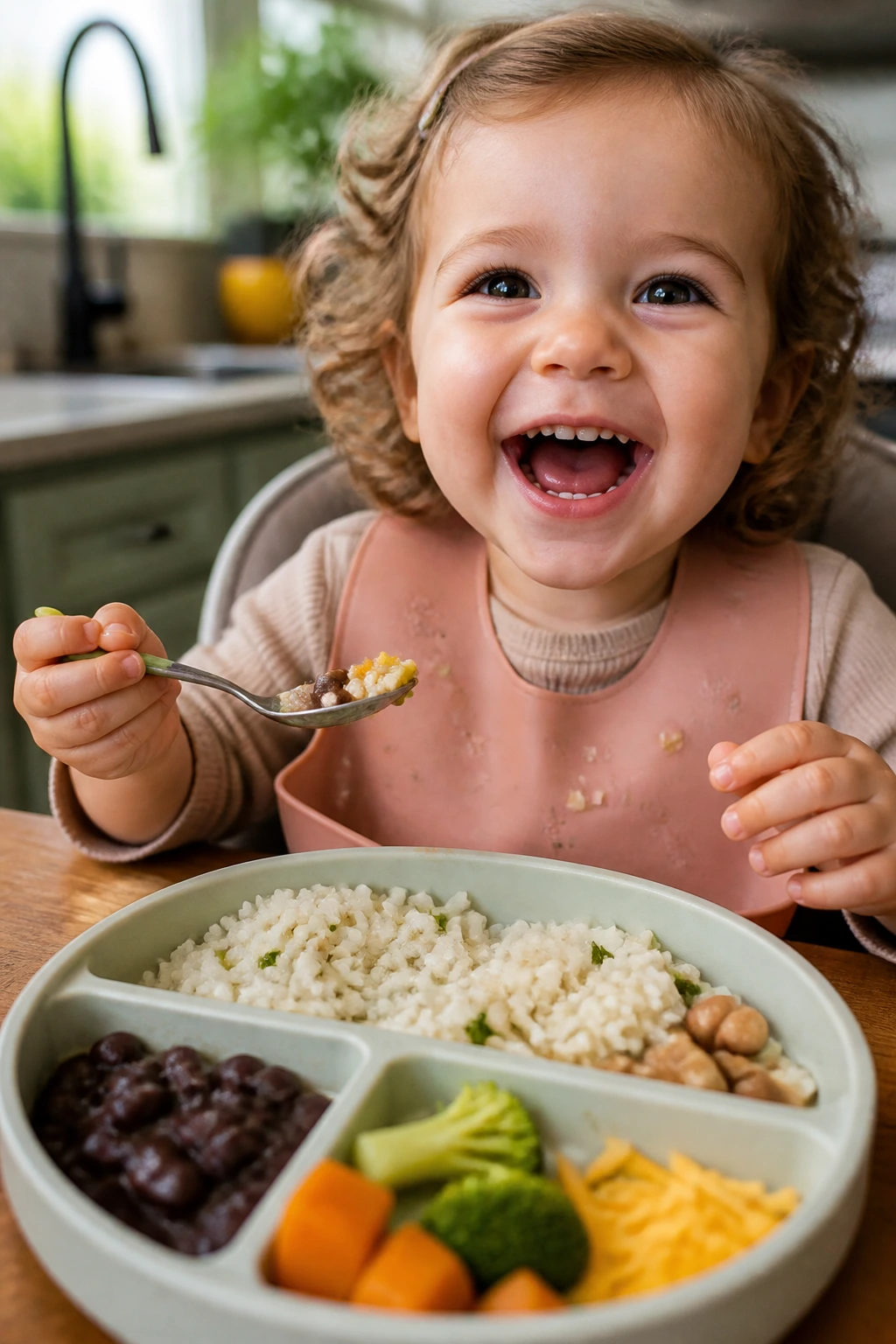
The best toddler meal is not the prettiest one and not the most virtuous one. It is the plate that comes back with fewer crumbs, fewer tears, and enough leftovers to tell you it worked. Small portions, soft textures, familiar foods, and a little fat or protein go a long way.
Once you stop trying to make every plate look like a magazine spread, the whole thing gets easier. A bowl of yogurt and oats. Eggs and toast. Rice, beans, and cheese. Chicken with soft vegetables. These are not flashy meals. They are the ones that keep toddlers fed and parents sane, which is a much better trade.
Keep the pieces simple, keep the portions small, and keep repeating the meals that disappear fastest. The kitchen gets calmer when the food fits the child instead of the other way around.