



A protein-packed quick healthy Friday night dinner should feel like a reward, not a cleanup assignment. This one does. You get browned chicken, chickpeas that go a little creamy at the edges, onions that turn sweet in the pan, and a cool lemon-yogurt drizzle that wakes the whole thing up. It’s the kind of dinner that smells like you did more work than you actually did.
What I like most is that it eats like a real meal, not a compromise. The chicken brings the obvious protein, but the chickpeas and Greek yogurt quietly do a lot of heavy lifting, too. A cup of cooked chickpeas carries roughly 15 grams of protein, and plain Greek yogurt adds another sturdy hit, so you end up with a skillet that lands squarely in that satisfying, post-workout, end-of-week zone without feeling heavy or fussy.
And yes, it’s fast. If you can slice an onion without getting sentimental about it, you can get this on the table in about 35 minutes. The skillet gets glossy with tomato paste, paprika, garlic, and lemon; the spinach wilts down in seconds; the whole thing finishes with enough brightness to keep you from reaching for the takeout menu.
Why This Skillet Earns Its Spot on a Friday
-
Fast enough for a tired evening: The chicken sears in one skillet while the sauce builds underneath it, so you’re not juggling three pans while half-listening to a podcast.
-
Protein without the brick feeling: Chicken thighs, chickpeas, and Greek yogurt make the meal sturdy, but the lemon and tomatoes keep it from eating like a protein shake in dinner form.
-
Pantry-friendly on purpose: Canned chickpeas, canned tomatoes, broth, and tomato paste are the sort of things that can live in the cupboard until the moment you need them.
-
One skillet, one bowl, one small mess: The yogurt sauce gets its own bowl, and that’s about the only extra dish you truly need.
-
Flexible enough for the table you actually have: Spoon it over rice, scoop it with warm pita, pile it into bowls with greens, or eat it straight from the skillet if nobody’s watching.
-
Uses simple ingredients in a smart way: Browning the tomato paste for 30 seconds and crushing the garlic into hot oil gives the dish depth that tastes far more deliberate than the ingredient list suggests.
Fast Facts at the Counter
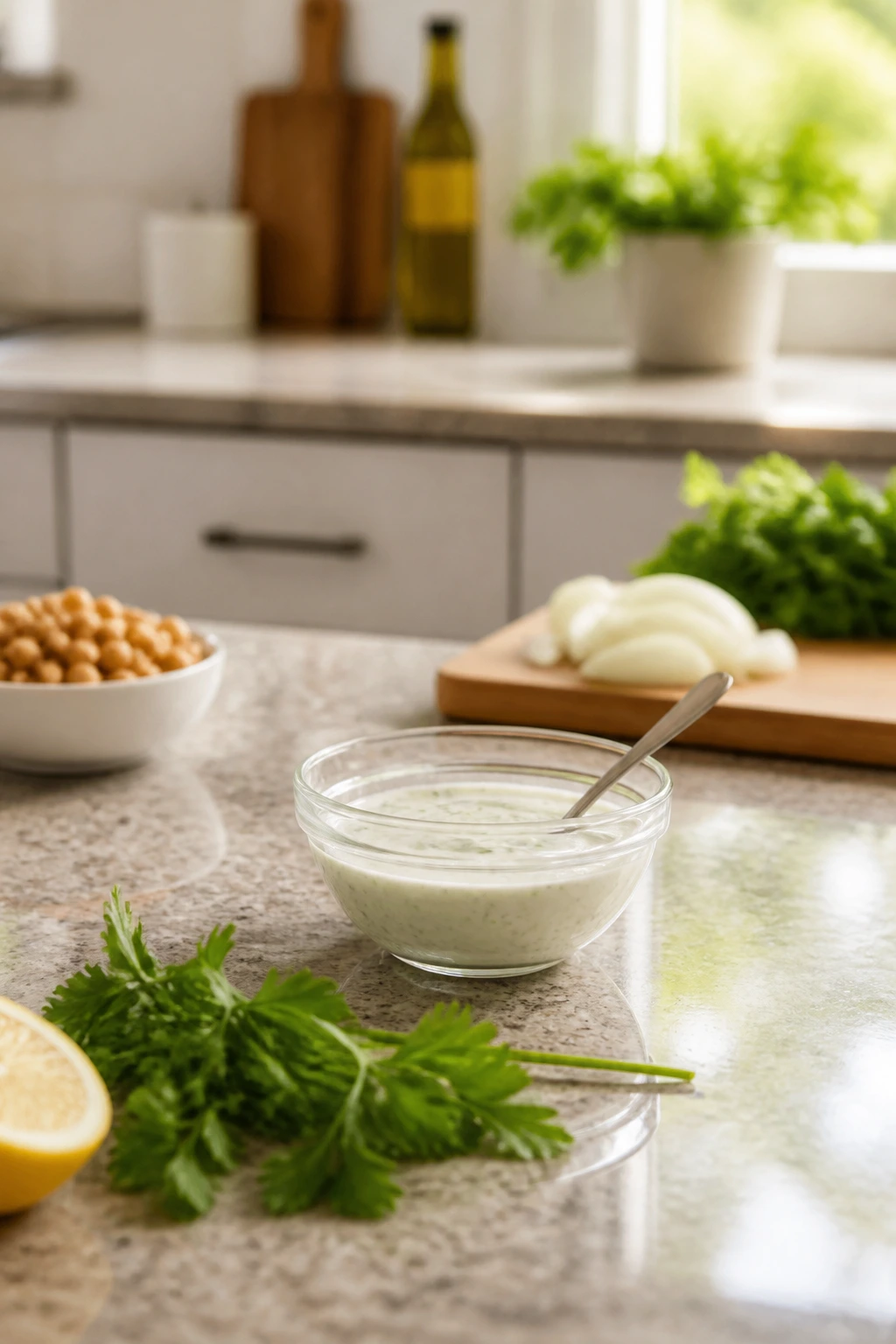
The timing here is honest, which I appreciate. If you make the yogurt sauce first and cut the chicken before the pan gets hot, the whole dinner moves quickly and doesn’t devolve into a frantic scramble with a sizzling skillet and a cold cutting board.
Yield: Serves 4
Prep Time: 15 minutes
Cook Time: 20 minutes
Total Time: 35 minutes
Difficulty: Beginner — the recipe uses basic knife work, one skillet, and a thermometer if you want the chicken to be exactly right.
Chill/Rest Time: 5 minutes, just enough for the sauce to settle and the chicken juices to stop racing across the cutting board.
Best Served: Right away, while the chicken is hot and the yogurt is cool.
What Goes Into the Pan
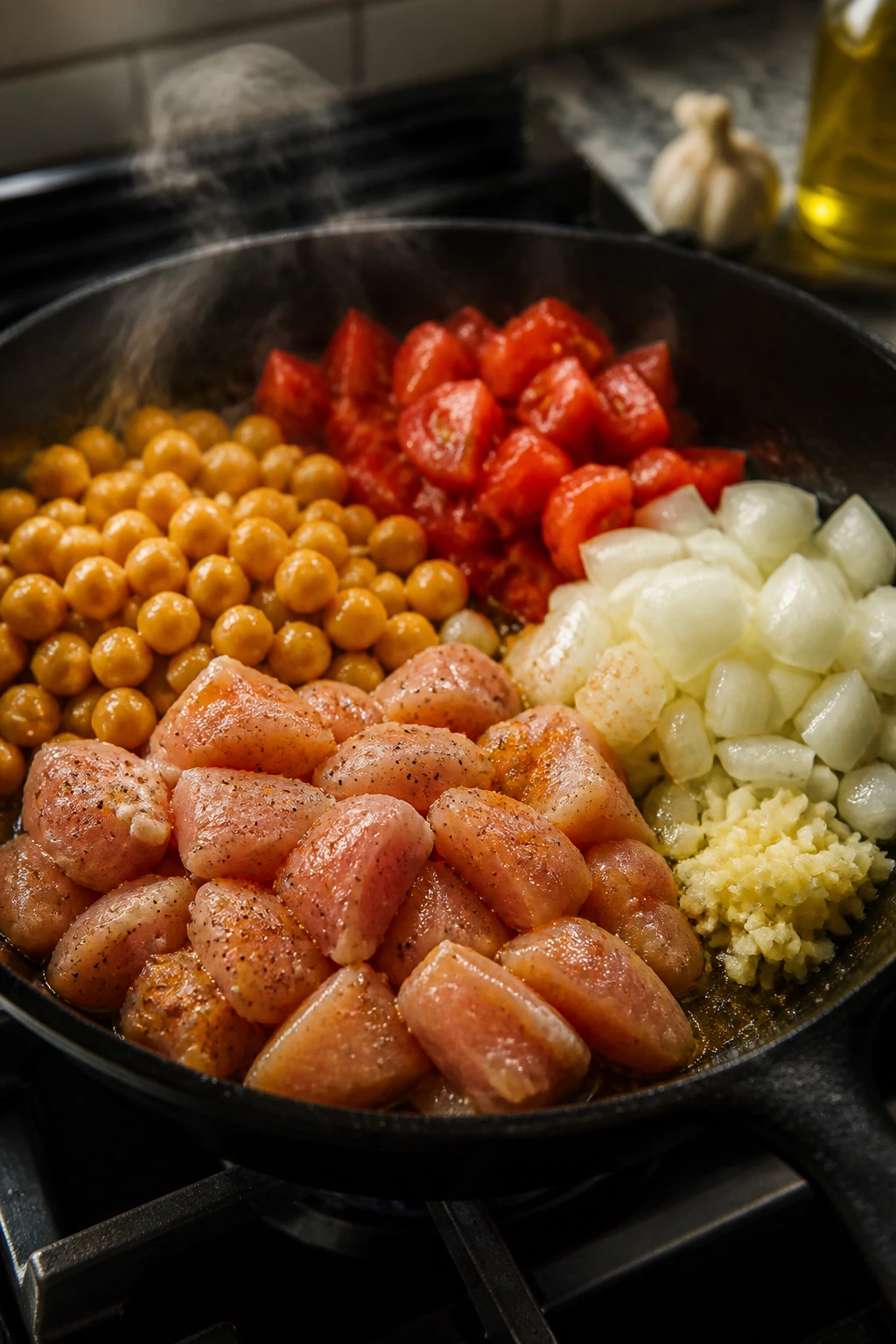
For the Chicken and Skillet:
- 1 1/2 pounds boneless, skinless chicken thighs, cut into 1-inch pieces
- 1 1/2 teaspoons kosher salt, divided
- 1/2 teaspoon black pepper
- 1 teaspoon smoked paprika
- 1/2 teaspoon ground cumin
- 2 tablespoons olive oil, divided
- 1 medium yellow onion, thinly sliced
- 4 garlic cloves, minced
- 1 tablespoon tomato paste
- 1 (15-ounce) can chickpeas, drained and rinsed
- 1 (14.5-ounce) can diced tomatoes, with juices
- 1/2 cup low-sodium chicken broth
- 5 ounces baby spinach
- 1 lemon, zested and juiced
- 1/4 cup chopped fresh parsley
- 1/4 teaspoon red pepper flakes, optional
For the Herbed Yogurt Drizzle:
- 3/4 cup plain Greek yogurt
- 1 tablespoon lemon juice
- 1 tablespoon olive oil
- 1 tablespoon chopped fresh dill or parsley
- Pinch fine salt
That ingredient list is deliberately ordinary. No specialty shopping trip. No hard-to-find spice blend. The trick is in how the pieces behave together: the chicken browns, the chickpeas soak up the sauce, the spinach disappears into the steam, and the yogurt lands on top like a cold, tangy counterweight.
Why Each Ingredient Matters
Chicken That Stays Juicy
What to use: 1 1/2 pounds boneless, skinless chicken thighs, cut into 1-inch pieces.
Preparation: Pat the chicken dry before cutting, then season it right before it hits the skillet. The smaller pieces brown faster and give you more crisp edges than whole breasts would.
Substitutions: Boneless chicken breasts work if that’s what you have, but they need a shorter sear and a more careful eye. Turkey cutlets or even firm tofu can step in if you change the cooking time and treat them gently.
Tips: Thighs are forgiving. If your skillet runs hot or you get distracted by a text, thighs still tend to stay juicy, which is why I keep coming back to them for quick dinners like this.
Chickpeas, Tomatoes, and Greens
What to use: 1 can chickpeas, 1 can diced tomatoes, 1/2 cup broth, and 5 ounces baby spinach.
Preparation: Drain and rinse the chickpeas well so the sauce stays clean, not cloudy. Keep the spinach whole and add it at the very end so it wilts without melting into a green puddle.
Substitutions: Cannellini beans give a softer bite, black beans pull the flavor in a different direction, and frozen spinach can work if you thaw and squeeze it dry first. Fire-roasted tomatoes bring a smokier edge if you like a little more depth.
Tips: Chickpeas are the reason this meal feels substantial. They give the pan texture and bulk, and the skins pick up the spice and tomato in a way that makes every bite feel a little fuller.
Aromatics and Sauce Base
What to use: 1 medium yellow onion, 4 garlic cloves, 1 tablespoon tomato paste, smoked paprika, cumin, salt, pepper, and optional red pepper flakes.
Preparation: Slice the onion thin so it softens in minutes, and mince the garlic finely enough that it melts into the sauce instead of sitting in sharp little pieces. Stir the tomato paste into the oil long enough for it to darken a shade or two.
Substitutions: Sweet onion works if that’s what’s on the counter, and if you’re out of cumin, a tiny pinch of coriander gives a softer, warmer flavor. Regular paprika can replace smoked paprika, though you’ll lose a little of the grill-like depth.
Tips: Tomato paste is where this dish gets its backbone. If you skip the brief sizzle in oil, the sauce will taste thinner and flatter than it should.
Lemon and Yogurt for the Finish
What to use: 1 lemon for zest and juice in the skillet, plus 3/4 cup Greek yogurt, 1 tablespoon lemon juice, 1 tablespoon olive oil, and herbs for the drizzle.
Preparation: Zest the lemon before juicing it. Whisk the yogurt sauce until it looks smooth and spoonable, not stiff, then keep it cold until serving.
Substitutions: Labneh makes the sauce thicker, sour cream makes it richer, and a tahini-lemon drizzle can stand in if you want a dairy-free finish. Dill is a little more punchy than parsley, but both work.
Tips: Cold yogurt over hot food is the point. It gives the skillet a clean, creamy finish without turning the whole pan heavy.
The Tools That Keep It Moving
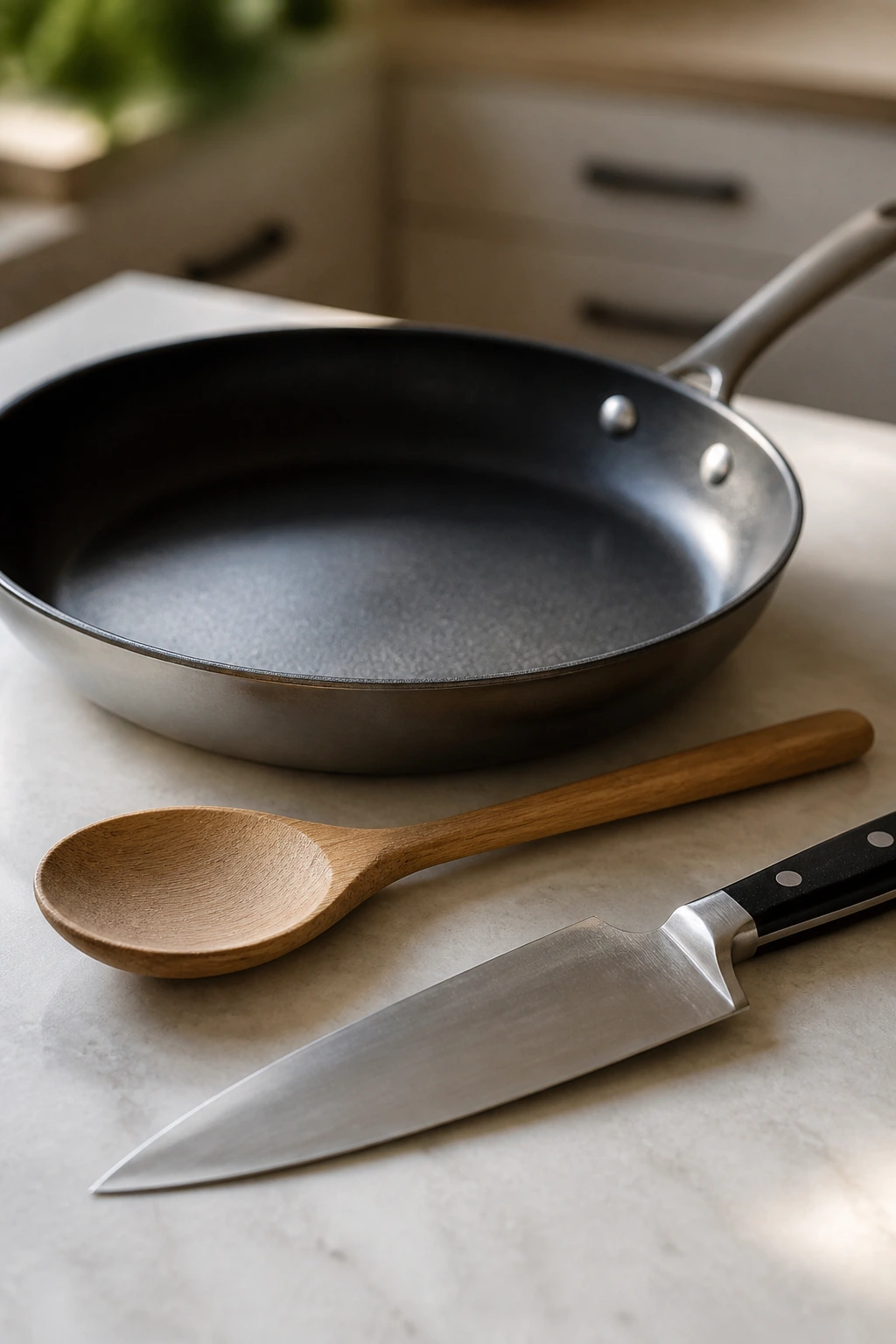
You do not need a mountain of gear for this one. A few solid tools make the process smoother and keep the chicken from steaming in its own moisture.
-
12-inch skillet: This is the big one. You want enough surface area for the chicken to brown instead of crowding into a soft pile.
-
Wooden spoon or heatproof spatula: Handy for scraping up the browned bits when the broth and tomatoes go in.
-
Sharp chef’s knife: Thin onion slices and 1-inch chicken pieces are much easier when the knife actually cuts.
-
Cutting board: A sturdy board keeps the chicken prep from sliding around while you work.
-
Small mixing bowl: For the yogurt drizzle. A wide bowl makes whisking easier and keeps the sauce smooth.
-
Microplane or fine grater: Best for lemon zest. A coarse grater works in a pinch, but it tends to drag too much of the white pith with it.
-
Instant-read thermometer: Optional, but I use one when I’m cooking chicken breast instead of thighs. 165°F is the number that keeps the meat safe without drying it out.
Building the Skillet, Step by Step
Make the yogurt drizzle first:
- In a small bowl, whisk together the Greek yogurt, 1 tablespoon lemon juice, 1 tablespoon olive oil, dill or parsley, and a pinch of salt until smooth. The mixture should look glossy and loose enough to spoon, not thick like frosting. Set it aside in the fridge while you cook.
Season the chicken: 2. Pat the chicken dry with paper towels, then toss it with 1 teaspoon of the salt, the black pepper, smoked paprika, and cumin. Every piece should look lightly coated, not buried. Dry chicken browns; wet chicken sulks.
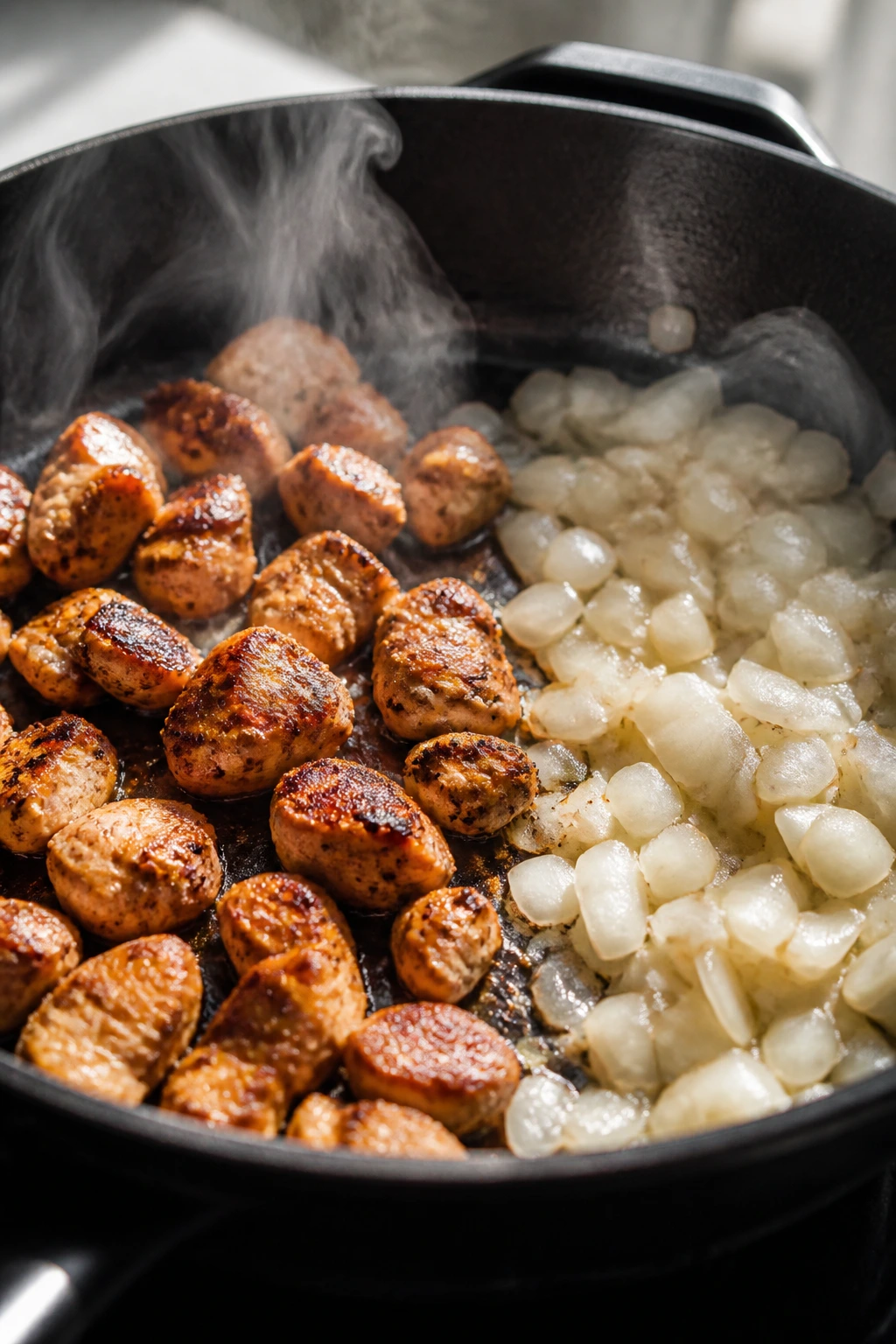
Sear the chicken: 3. Heat 1 tablespoon of the olive oil in a 12-inch skillet over medium-high heat until it shimmers. Add the chicken in a single layer and leave it alone for 3 to 4 minutes so the first side can brown. Turn the pieces and cook another 2 to 3 minutes, until the second side has color and the chicken is almost cooked through. If the skillet looks crowded, cook in two batches. Move the chicken to a plate.
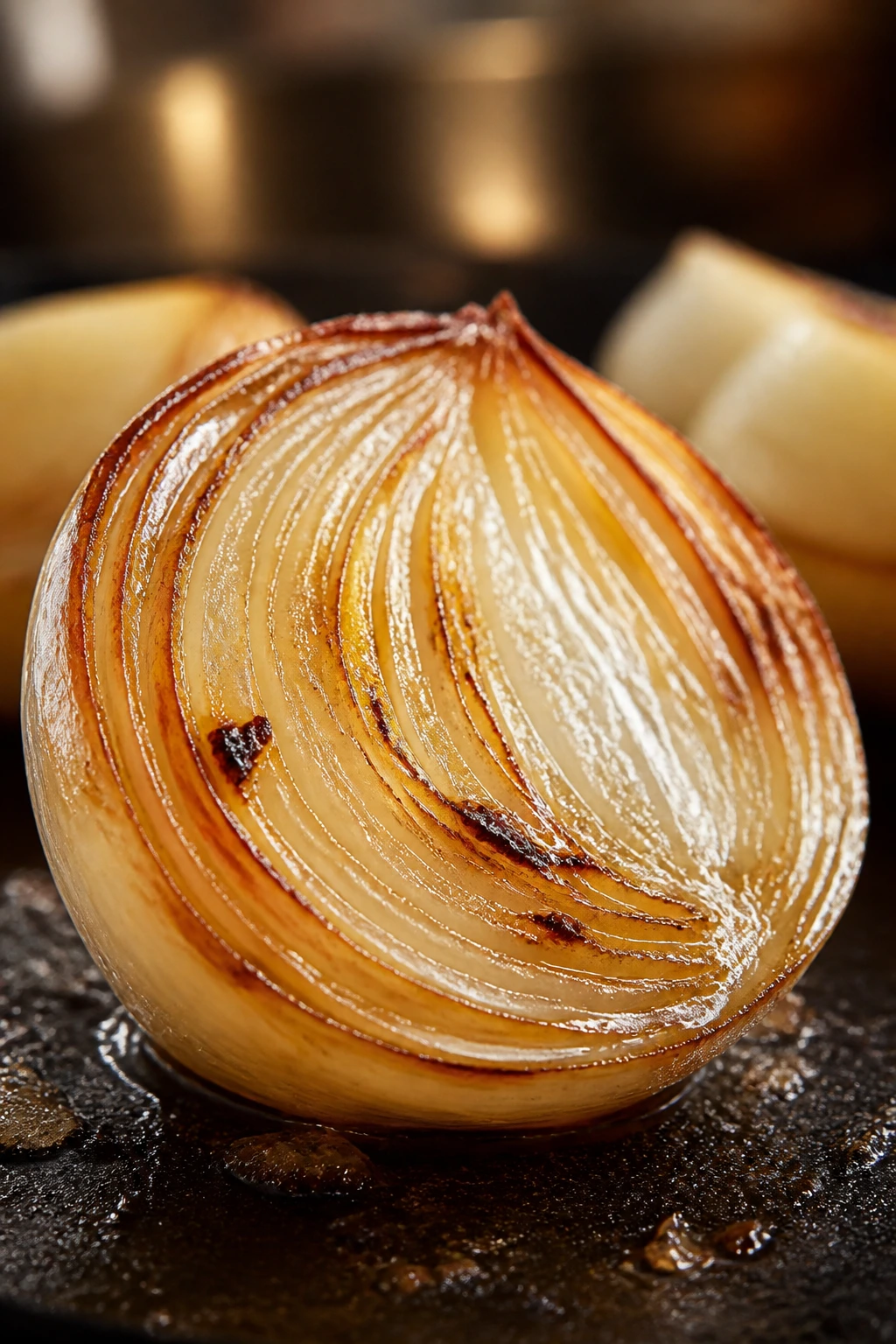
Soften the onion: 4. Reduce the heat to medium and add the remaining 1 tablespoon of olive oil. Stir in the onion with a small pinch of the remaining salt and cook for 3 to 4 minutes, stirring occasionally, until the onion turns translucent and the edges start to look golden.
Build the flavor base: 5. Add the garlic and tomato paste and stir constantly for 30 to 45 seconds. The garlic should smell sweet, not sharp, and the tomato paste should darken from bright red to a deeper brick color. Do not let the garlic sit dry in the pan.
Simmer the chickpeas and tomatoes: 6. Stir in the chickpeas, diced tomatoes with their juices, and the chicken broth. Use the spoon to scrape up any browned bits from the bottom of the skillet. Simmer for 5 to 6 minutes, uncovered, until the sauce reduces slightly and the chickpeas take on the color of the spices. If the pan looks too dry, add a splash more broth.
Finish with greens and lemon: 7. Add the spinach in handfuls, stirring until it wilts. Then stir in the lemon zest, lemon juice, and the chicken with any juices that pooled on the plate. Cook for 1 to 2 minutes more, just until the chicken is hot and the spinach is fully wilted. Stop before the spinach turns dark and slippery.
Serve: 8. Turn off the heat and stir in the parsley. Taste the sauce and add the remaining salt if it needs it. Spoon the skillet into bowls and top each serving with a generous drizzle of the yogurt sauce.
How to Serve It Without Fuss
Presentation:
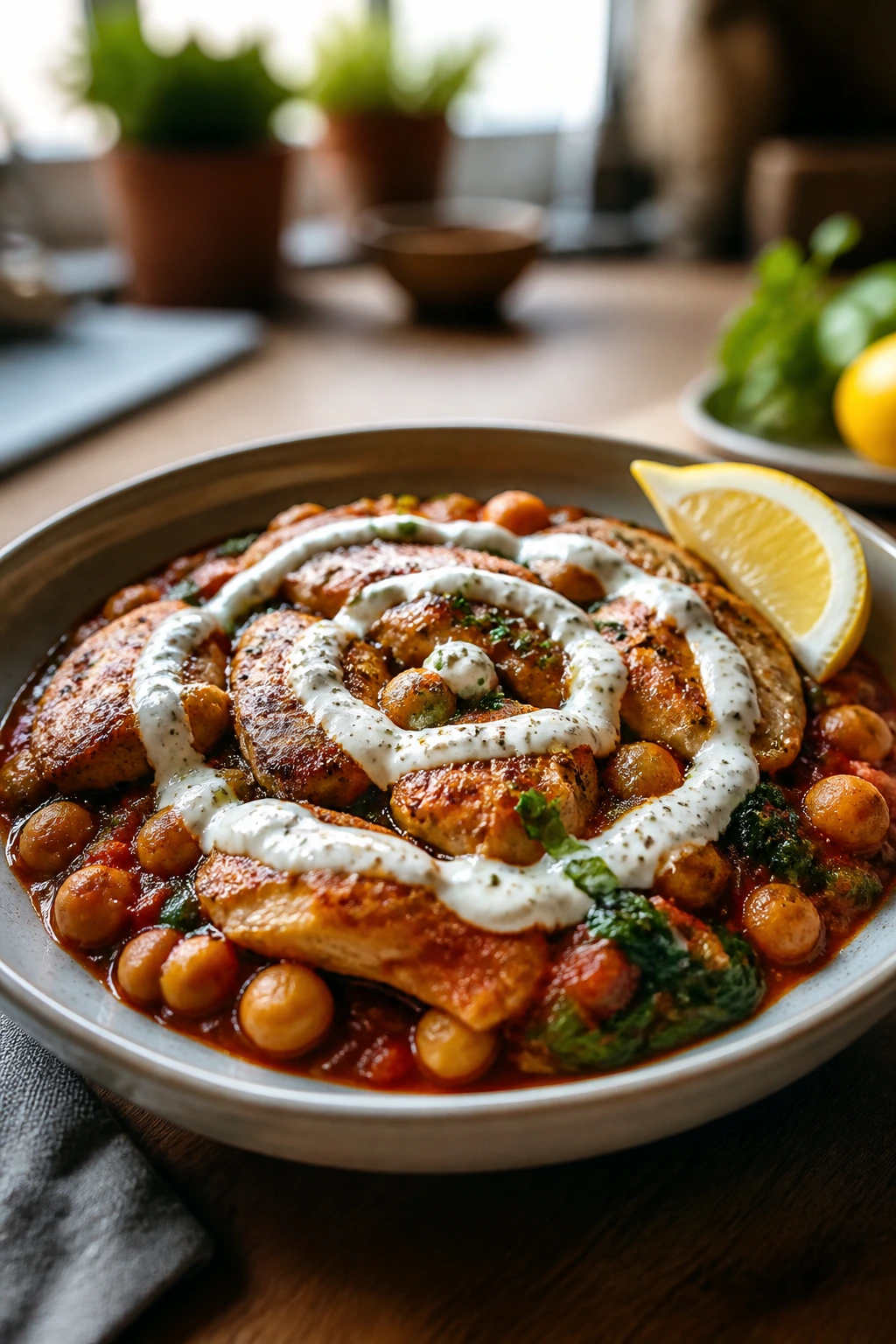
Use shallow bowls rather than dinner plates. They catch the tomato-y sauce and make the chicken, chickpeas, and spinach look intentional instead of scattered. A spoonful of yogurt swirled over the top and a few lemon wedges on the side go a long way.
Accompaniments:
I like this with fluffy couscous, brown rice, or warm pita for scooping. If you want to keep the meal lighter, a cucumber salad with dill and a pinch of salt works nicely because it echoes the lemon and yogurt without adding more heat to the table.
Portions:
Plan on about 1 1/2 cups per person if you’re serving it as the whole meal. If you’re pairing it with grains, the skillet will stretch farther and you can comfortably feed 5 with smaller bowls. For a hungrier crowd, serve it with rice and let people top their bowl with extra yogurt.
Beverage Pairing:
Cold sparkling water with lemon keeps the whole plate bright. If you want wine, a dry white like Sauvignon Blanc or Pinot Grigio fits the lemon and herbs without fighting the paprika.
Small Tweaks That Make It Taste Better
Flavor Enhancement:
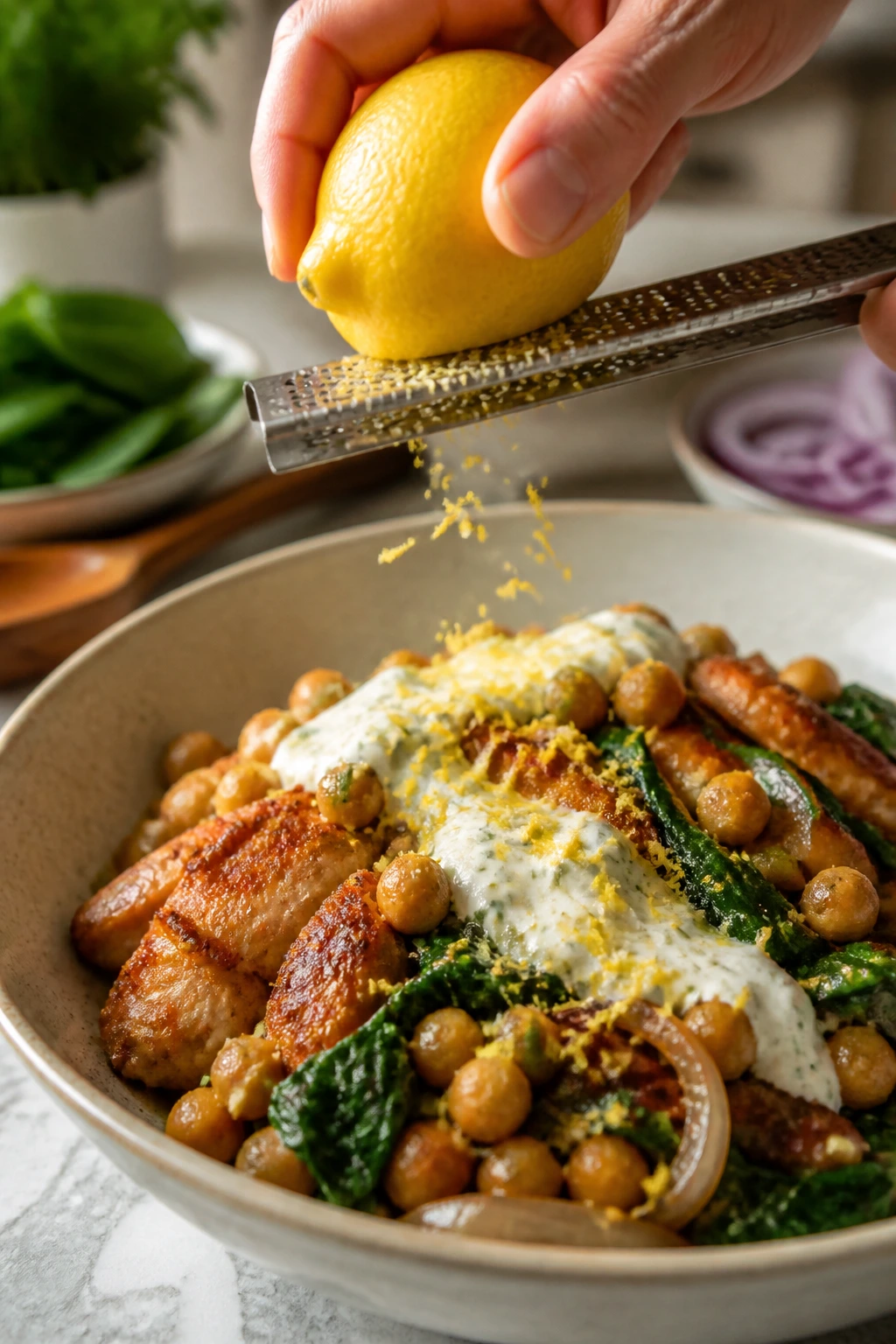
A tiny extra hit of lemon zest at the end changes the whole bowl. Not more juice. Zest. Juice makes the sauce sharper; zest gives you that bright, almost floral edge that shows up in the nose before the first bite even lands.
Time-Saver:
Buy pre-washed baby spinach and slice the onion while the skillet heats. The whole recipe moves faster when the only thing you’re doing at the stove is cooking, not hunting for a missing spoon or peeling garlic with damp hands.
Cost-Saver:
Chicken thighs are often cheaper than breasts and more forgiving, which is a nice two-for-one when you want dinner to feel low-stress. Canned chickpeas are cheaper than fresh protein add-ins and give you a sturdy, pantry-level backup meal.
Make-It-Yours:
If you like heat, add a spoonful of harissa or a pinch of cayenne to the tomato paste stage. If you want a softer profile for kids or spice-shy adults, leave out the red pepper flakes and serve the sauce with extra lemon on the side instead.
One more thing: keep the yogurt sauce separate until the moment you serve. If you stir it directly into the hot skillet, it can loosen too much or break, and then you’ve got a warm, curdled mess where a cool finish should be.
Common Mistakes That Drag It Down
-
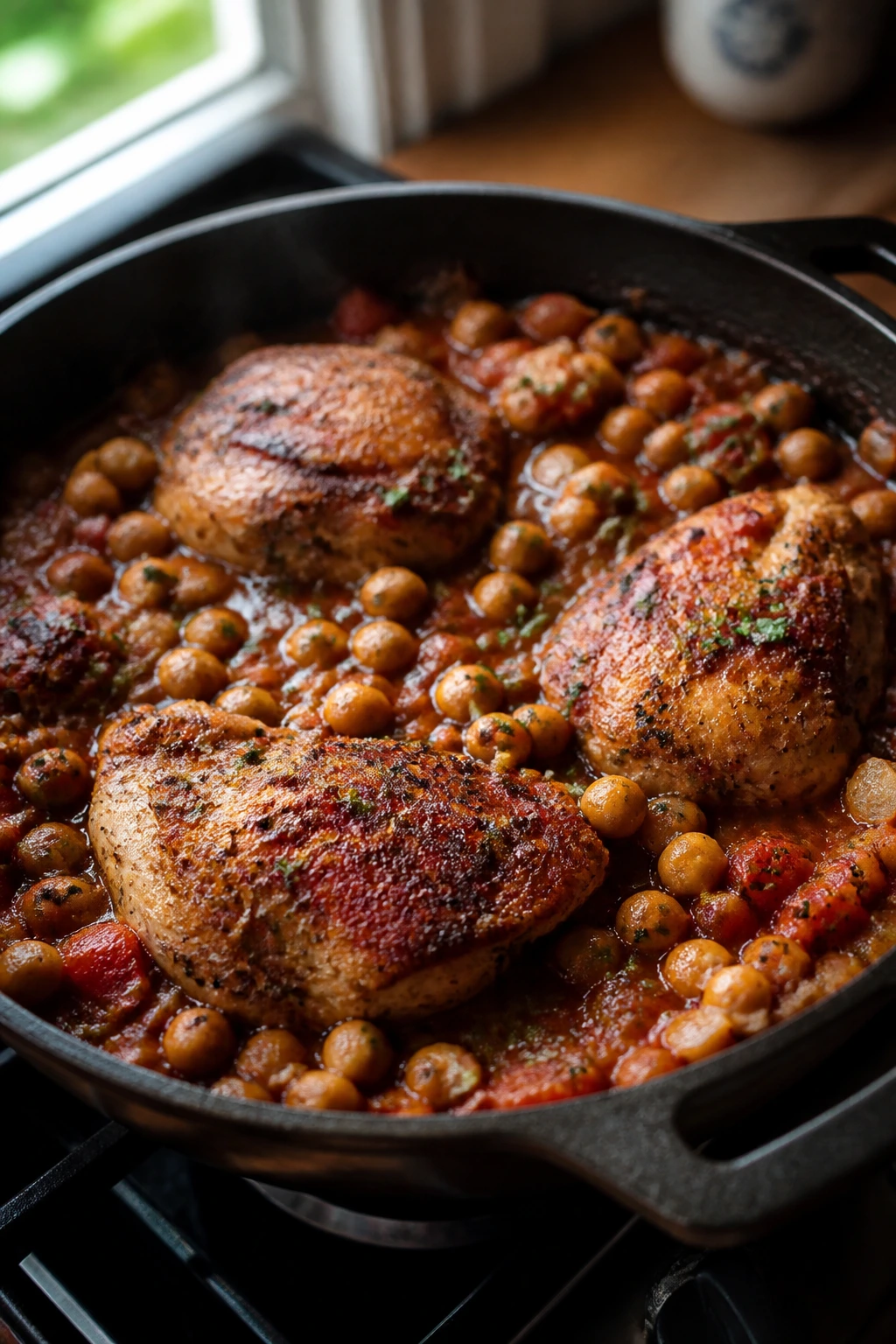
Crowding the chicken: If all the pieces sit too tightly in the pan, they steam instead of browning. The fix is boring but effective: work in batches and keep the layer loose.
-
Skipping the tomato paste step: Tomato paste needs a quick fry in oil or it tastes raw and thin. When it’s right, the color deepens and the smell turns sweet and concentrated.
-
Adding spinach too early: Spinach only needs a minute or two. If it goes in with the tomatoes and simmers the whole time, it comes out dark, stringy, and strangely wet.
-
Pouring yogurt into the hot skillet: Heat can make the sauce split or go grainy. Spoon it on top at the end, or serve it at the table in a small bowl.
-
Using too little salt: Chickpeas, tomatoes, and spinach all need seasoning more than people expect. Taste the sauce after the final simmer and adjust it before you call it done.
-
Letting the chicken dry out: Chicken breast, especially, goes from juicy to chalky fast. If you swap it in, pull it as soon as the internal temperature hits 165°F and don’t walk away while it finishes.
Variations That Fit Different Tables
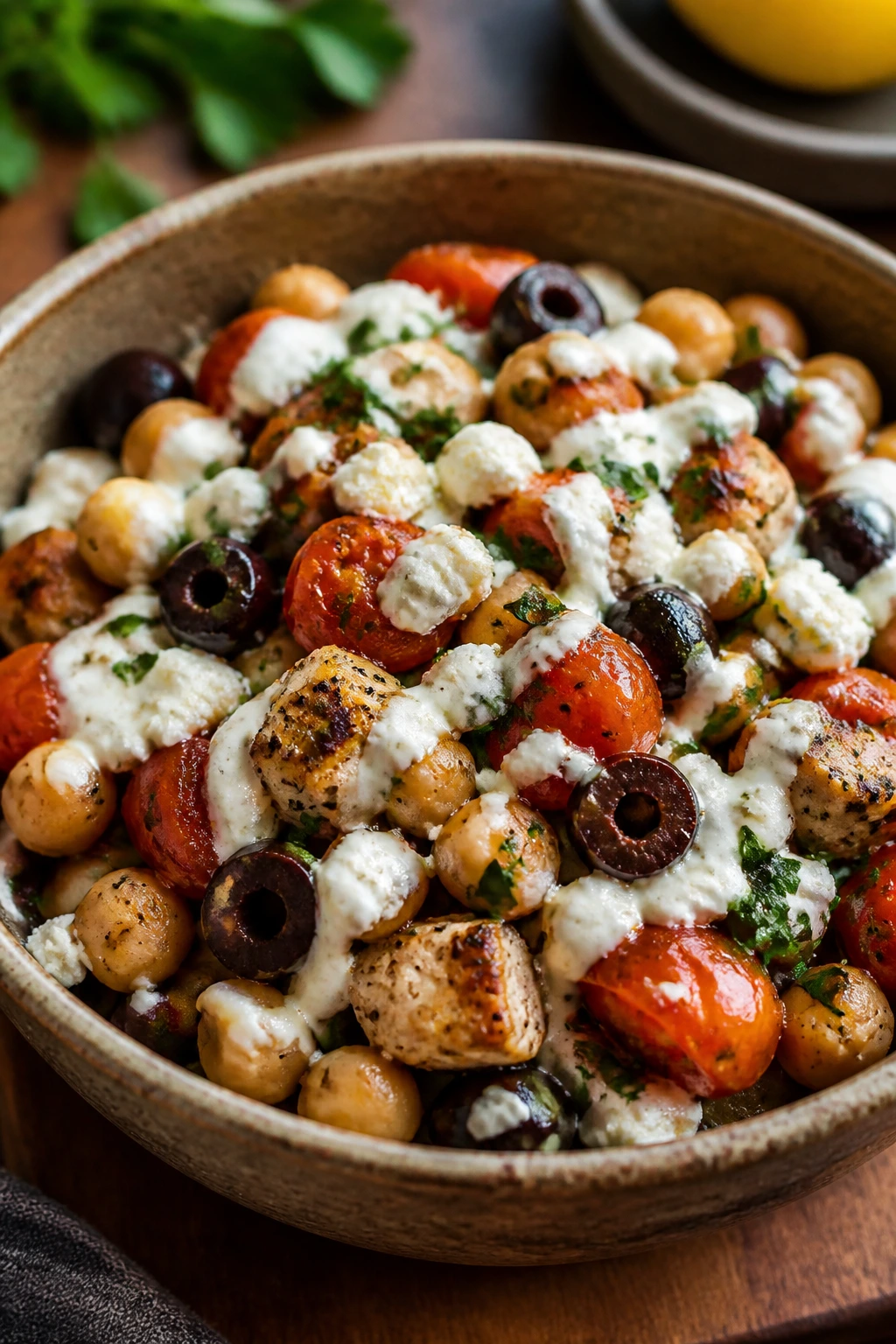
Mediterranean Pantry Skillet:
Add a handful of sliced olives and a sprinkle of oregano to the tomato base, then finish with crumbled feta instead of the yogurt drizzle if you want a saltier, more briny bowl. This version leans harder into the olive-and-lemon side of the pan.
Smoky Chipotle Chickpea Chicken:
Swap the smoked paprika for 1 minced chipotle pepper in adobo and use black beans instead of chickpeas. The sauce gets darker and hotter, with a deeper smoke that feels a little more Southwest than Mediterranean.
Dairy-Free Tahini Finish:
Replace the yogurt drizzle with 2 tablespoons tahini, 1 tablespoon lemon juice, and 1 to 2 tablespoons warm water whisked together until pourable. That gives you the same cool contrast, only nuttier and a little more earthy.
Ground Turkey Shortcut:
Use 1 1/2 pounds ground turkey instead of chicken pieces and break it up in the skillet until it’s browned. The timing gets even faster, and the sauce still works because the chickpeas and tomatoes keep the pan from feeling lean or dry.
Vegetarian Chickpea-Forward Bowl:
Skip the chicken and add an extra can of chickpeas plus 8 ounces of sliced mushrooms sautéed with the onion. The mushrooms bring a meaty bite, and the chickpeas carry the protein in a way that still makes the dish feel substantial.
Make-Ahead, Storage, and Reheating
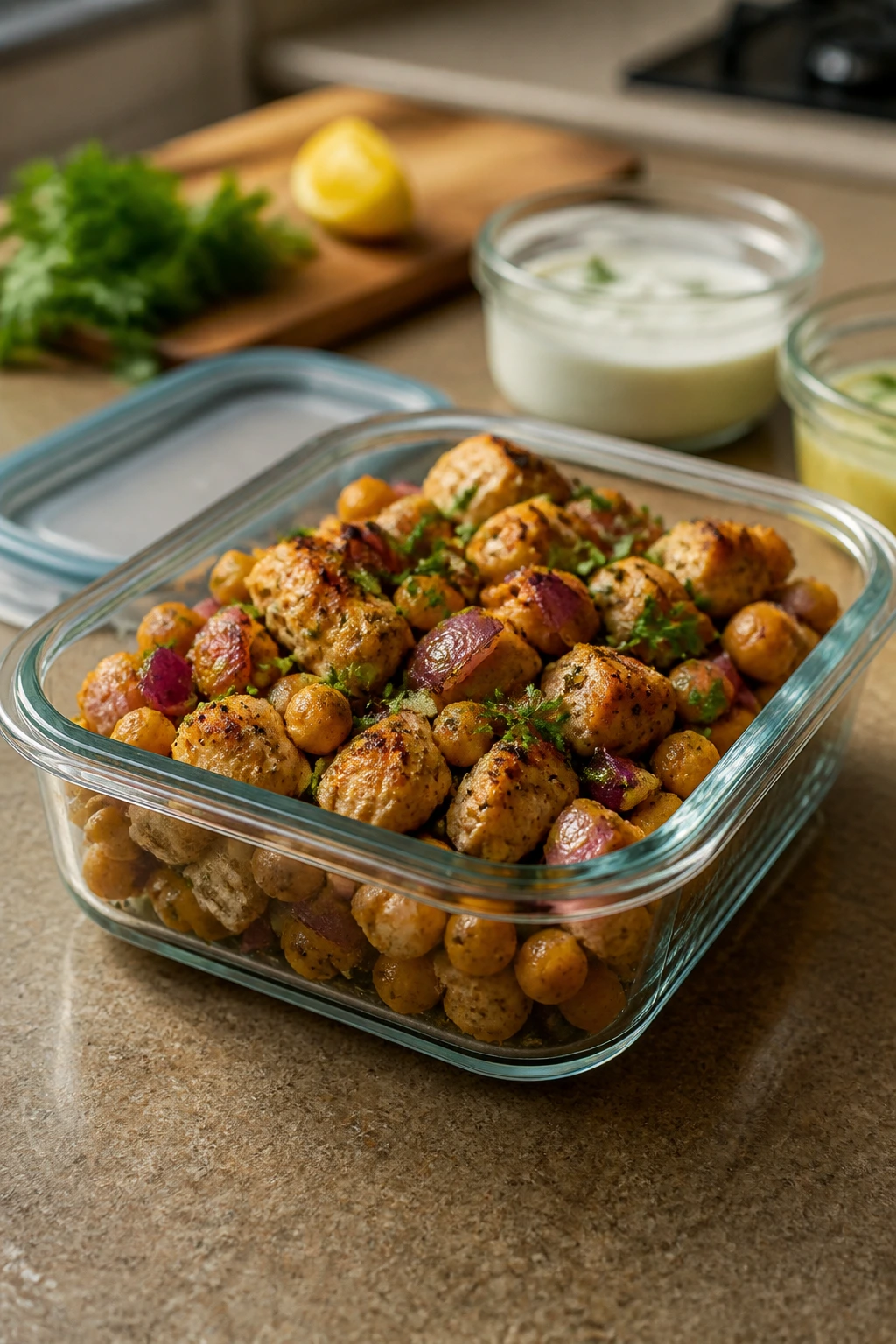
The yogurt sauce can be mixed up to 2 days ahead and stored in the refrigerator in a small covered container. Give it a quick stir before serving because it may loosen a little as it sits. I would not freeze it; dairy sauces usually come back lumpy or split, and this one is meant to stay cold and clean.
The chicken-chickpea skillet keeps well for 3 to 4 days in the fridge in airtight containers. For the best texture, cool it quickly, pack it into shallow containers, and reheat only what you plan to eat. If you know you’ll be freezing portions, slightly undercook the spinach on purpose or leave it out and stir in fresh spinach when you reheat the thawed base.
Freezer life is about 2 months if you want the sauce and chicken to taste clean after thawing. The skillet will still be safe longer, but the tomatoes get dull and the spinach turns softer than I’d like. Thaw overnight in the refrigerator, then reheat in a covered skillet over medium-low heat with a splash of broth for 5 to 7 minutes, stirring once or twice until hot. The microwave works too; use short bursts and cover the bowl so the chicken doesn’t dry out at the edges.
If you’re packing lunches, store grains separately from the skillet. Rice and couscous soak up the sauce fast, which is fine for dinner but annoying if you want lunch to still look like lunch the next day.
Questions People Actually Ask

Can I use chicken breasts instead of thighs?
Yes, and the recipe still works well. Cut the breasts into even 1-inch pieces and pull them the moment they reach 165°F, because they dry out faster than thighs and don’t forgive a long simmer.
Can I make this with frozen spinach?
You can, but thaw it first and squeeze it dry in a clean towel or with your hands. If you skip that step, the pan turns watery and the sauce loses its body.
What if I don’t have Greek yogurt for the drizzle?
Plain skyr, labneh, or sour cream can stand in. Labneh gives the thickest, tangiest result; sour cream is richer and a little softer in flavor, so it’s the one I’d use if the kids are suspicious of anything sharp.
Can I leave out the chickpeas?
Yes, but the dish loses some of its fullness. If you skip them, add extra spinach, mushrooms, or serve the chicken over rice so the pan still feels like dinner and not a lone protein with sauce.
How do I keep the chicken juicy?
Don’t crowd the pan, and don’t keep cooking it while you finish the sauce. The chicken should come back into the skillet only at the end, just long enough to heat through and drink a little of the sauce.
Can I make the whole thing in cast iron?
Absolutely. Cast iron gives you a better sear, which I like here, but it also holds heat longer, so lower the burner a touch once the onions go in. That prevents the garlic and tomato paste from scorching.
What if the sauce gets too thick?
Add a splash of broth, not water if you can help it. Broth keeps the flavor rounded, and a few tablespoons are usually enough to loosen the sauce until it clings to the spoon instead of sitting in a paste at the bottom of the pan.
A Dinner That Ends the Week Well
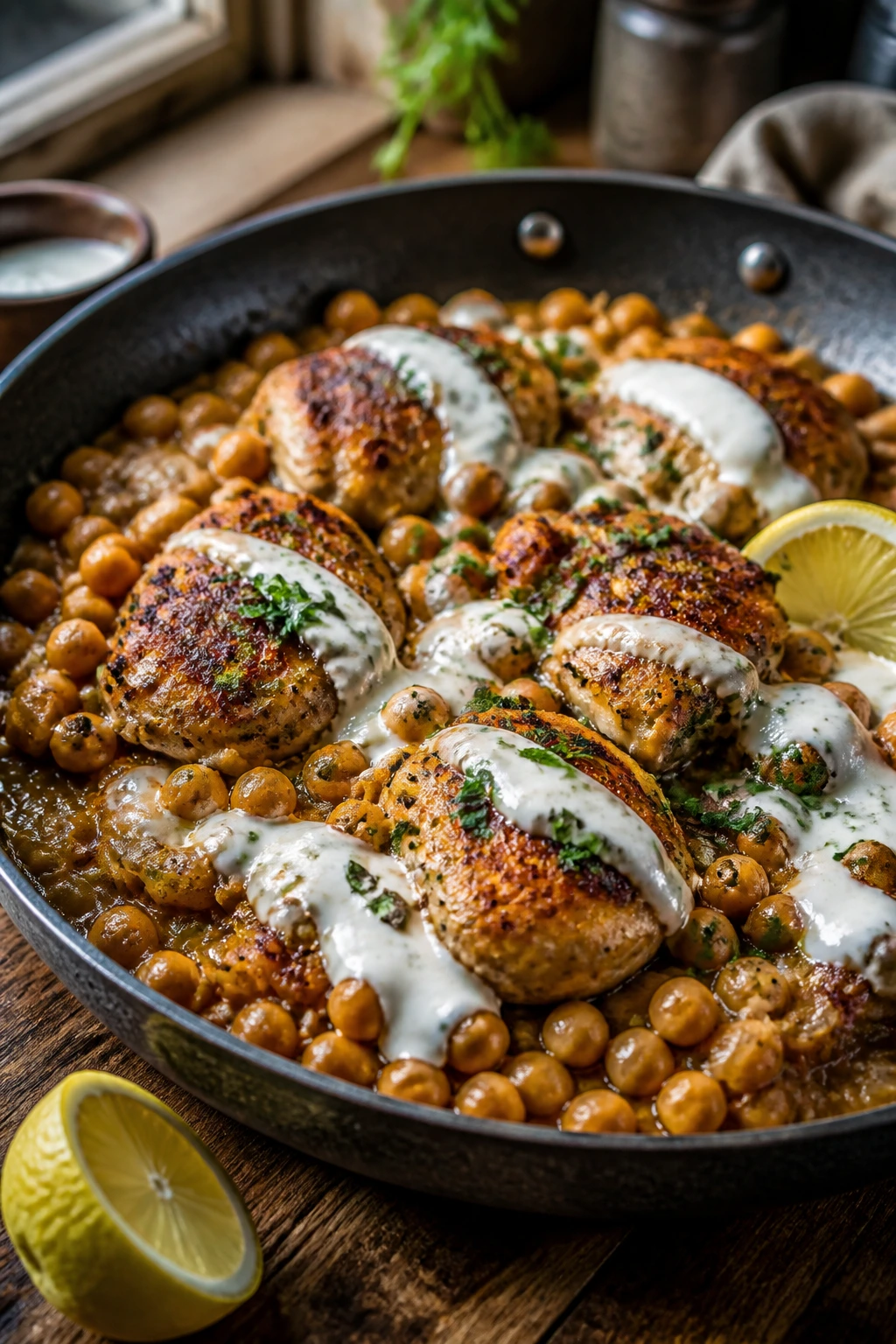
Friday night doesn’t need a dramatic recipe. Sometimes it needs one skillet, a sharp knife, and a dinner that feels built rather than improvised. This one gets there with browned chicken, chickpeas that soak up the sauce, and a cold yogurt finish that keeps the whole pan from tipping into heaviness.
I keep coming back to meals like this because they solve a real problem: you’re hungry, you want something that tastes like effort, and you do not want the kitchen to look like a crime scene when you’re done. Keep a can of chickpeas, a tub of Greek yogurt, and a lemon in the kitchen, and the next end-of-week dinner gets a lot easier to handle.
Lemon-Garlic Chicken, Chickpea, and Spinach Skillet — Recipe Card
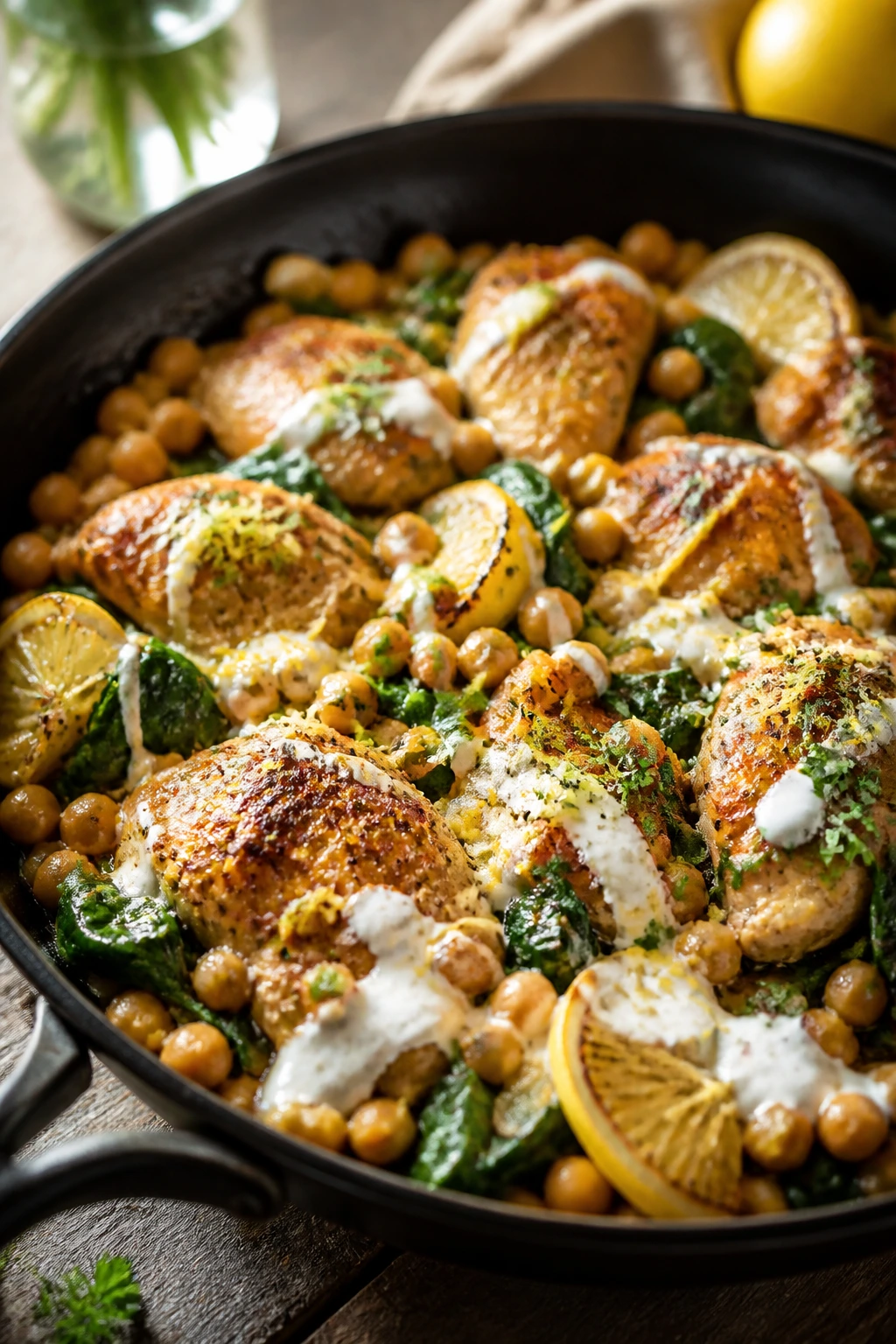
Recipe Name: Lemon-Garlic Chicken, Chickpea, and Spinach Skillet with Herbed Yogurt
Description: A fast one-skillet dinner with browned chicken, chickpeas, spinach, and a cool lemon-yogurt drizzle. It’s filling, bright, and built for nights when you want real dinner without a long cleanup.
Prep Time: 15 minutes
Cook Time: 20 minutes
Total Time: 35 minutes
Course: Dinner, Main Course
Cuisine: Mediterranean-inspired, American
Servings: 4
Calories: about 470 kcal per serving
Ingredients
For the Chicken and Skillet:
- 1 1/2 pounds boneless, skinless chicken thighs, cut into 1-inch pieces
- 1 1/2 teaspoons kosher salt, divided
- 1/2 teaspoon black pepper
- 1 teaspoon smoked paprika
- 1/2 teaspoon ground cumin
- 2 tablespoons olive oil, divided
- 1 medium yellow onion, thinly sliced
- 4 garlic cloves, minced
- 1 tablespoon tomato paste
- 1 (15-ounce) can chickpeas, drained and rinsed
- 1 (14.5-ounce) can diced tomatoes, with juices
- 1/2 cup low-sodium chicken broth
- 5 ounces baby spinach
- 1 lemon, zested and juiced
- 1/4 cup chopped fresh parsley
- 1/4 teaspoon red pepper flakes, optional
For the Herbed Yogurt Drizzle:
- 3/4 cup plain Greek yogurt
- 1 tablespoon lemon juice
- 1 tablespoon olive oil
- 1 tablespoon chopped fresh dill or parsley
- Pinch fine salt
Instructions
-
Whisk together the Greek yogurt, 1 tablespoon lemon juice, 1 tablespoon olive oil, dill or parsley, and a pinch of salt in a small bowl. Chill while you cook.
-
Toss the chicken with 1 teaspoon of the salt, the pepper, smoked paprika, and cumin.
-
Heat 1 tablespoon olive oil in a 12-inch skillet over medium-high heat. Sear the chicken in a single layer for 3 to 4 minutes on the first side and 2 to 3 minutes on the second side, until browned and nearly cooked through. Transfer to a plate.
-
Add the remaining 1 tablespoon olive oil to the skillet. Cook the onion with a pinch of salt for 3 to 4 minutes, until translucent and lightly golden.
-
Stir in the garlic and tomato paste and cook for 30 to 45 seconds, until fragrant and darker in color.
-
Add the chickpeas, diced tomatoes with juices, and chicken broth. Simmer for 5 to 6 minutes, scraping up the browned bits from the skillet.
-
Stir in the spinach, lemon zest, lemon juice, and cooked chicken with any juices from the plate. Cook for 1 to 2 minutes, until the spinach is wilted and the chicken is hot.
-
Stir in the parsley, taste for salt, and serve with the yogurt drizzle spooned over the top.
Notes: Thighs stay juicier than breasts, but either works if you cook to temperature. If the sauce thickens too much, loosen it with a splash of broth. Keep the yogurt sauce cold and add it at the table, not in the pan.