



A good pizza bowl doesn’t need dough to feel like pizza. It needs hot tomato sauce, something salty and melty, and enough Tuscan flavor to make you forget the crust never showed up. When the bowl is right, the cheese stretches, the sauce bubbles at the edges, and the first spoonful tastes like a pizza parlor got a pantry makeover from a hilltown trattoria.
Tuscan cooking is made for this format. Olive oil, cannellini beans, rosemary, kale, artichokes, sun-dried tomatoes, olives, pecorino, and cured meats already know how to live together. Put them in bowls, bake until the top goes glossy and browned in spots, and you get a dinner that feels rustic without being fussy.
The best part is the flexibility. Some of these bowls start with polenta, some with cauliflower rice, some with beans or roasted vegetables, and that’s exactly the point: these pizza bowls can be lean, rich, spicy, or deeply savory, but they should always taste like something you’d want with a spoon and a hunk of bread on the side.
Why You’ll Want These Tuscan Pizza Bowls in Rotation
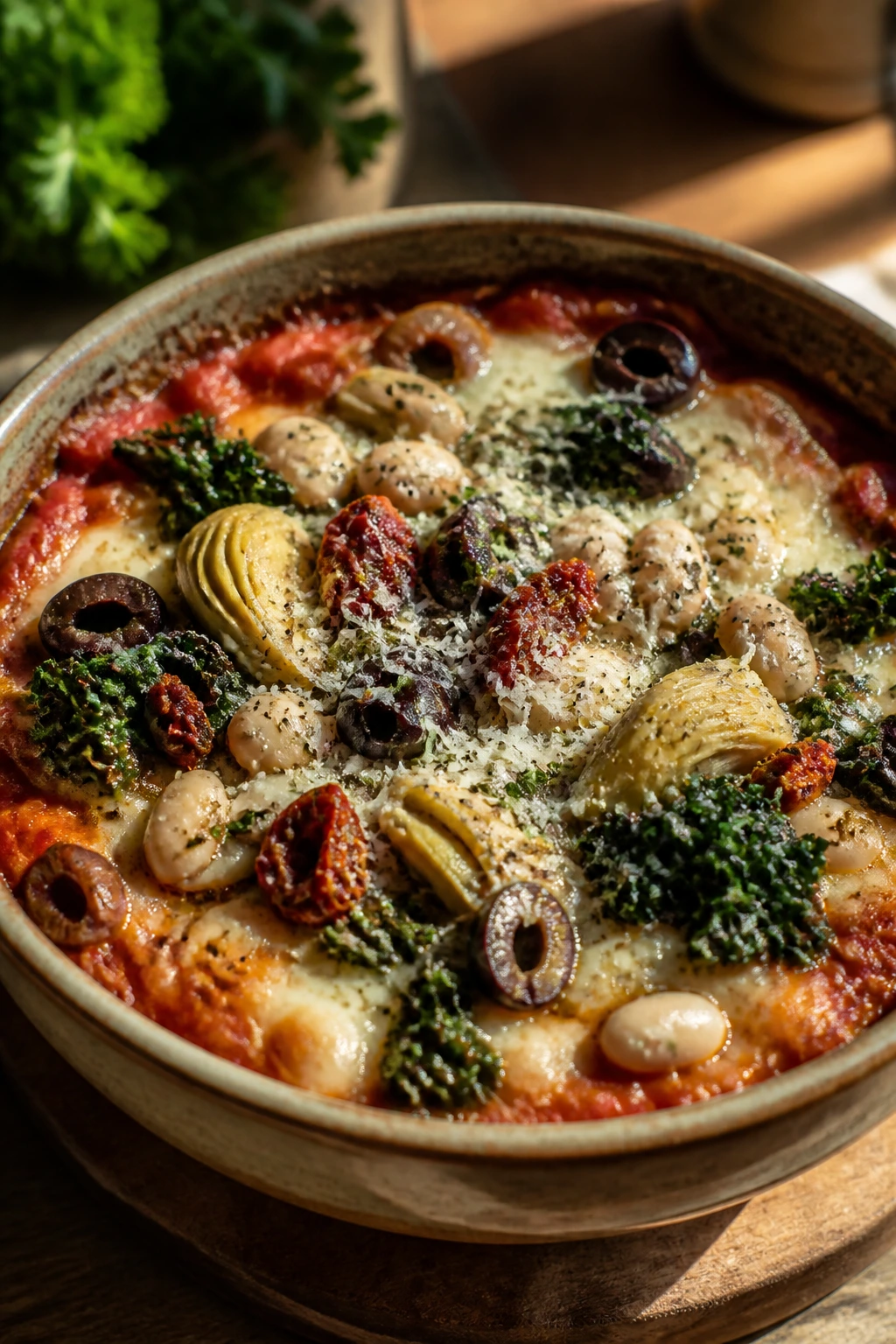
-
Crust-free doesn’t mean boring: The sauce, cheese, and toppings carry the whole job here, so you still get the bubbling, salty, tomato-heavy payoff of pizza without kneading, proofing, or rolling dough.
-
Tuscan pantry staples do the heavy lifting: Cannellini beans, kale, rosemary, olives, artichokes, sun-dried tomatoes, and pecorino show up in different combinations, which makes the whole collection feel tied together instead of random.
-
They use leftovers well: Cooked chicken, roasted eggplant, extra polenta, stray mushrooms, and that half-bag of spinach all slide into these bowls without turning soggy or strange.
-
The texture stays interesting: A good bowl gives you a little sauce, a little crisp edge, something creamy, and something with chew. That’s the difference between a dinner that feels assembled and one that feels thought through.
-
Weeknight-friendly, but not dull: Most of these recipes rely on one skillet, a short oven blast, and ingredients you can keep around without much drama.
1. Sun-Dried Tomato Margherita Pizza Bowl
This is the bowl I make when I want the clean, familiar line of a Margherita pizza but don’t feel like dealing with crust. The sun-dried tomatoes bring a chewy, almost jammy bite, while fresh mozzarella melts into soft white pools over the sauce. Basil goes on at the end, which matters more than people think. If you bake basil, it turns dark and loses its snap.
Why It Works:
The trick here is layering tomato three different ways: marinara for body, cherry tomatoes for juice, and sun-dried tomatoes for concentrated sweetness. That gives the bowl a deeper tomato flavor than a plain sauce-and-cheese setup. Cauliflower rice underneath keeps the base light and catches the sauce instead of letting it puddle. It’s a small move, but it keeps every spoonful balanced.
Key Ingredients:
- 2 cups cauliflower rice, squeezed dry if thawed
- 2 cups marinara sauce
- 1/3 cup oil-packed sun-dried tomatoes, chopped
- 1 cup cherry tomatoes, halved
- 8 oz fresh mozzarella, torn into pieces
- 2 cloves garlic, minced
- 2 tablespoons olive oil
- 2 tablespoons grated Parmesan
- 8 basil leaves, torn
- Salt and black pepper, to taste
Quick Steps:
- Preheat the oven to 425°F (220°C) and set four oven-safe bowls or ramekins on a sheet pan.
- Warm the olive oil in a skillet over medium heat, then cook the garlic and sun-dried tomatoes for 30 to 45 seconds, just until fragrant.
- Stir in the marinara and simmer for 3 minutes until it thickens slightly and looks glossy rather than watery.
- Divide the cauliflower rice among the bowls and season it lightly with salt and pepper.
- Spoon the sauce over the cauliflower rice, then top with cherry tomatoes, mozzarella, and Parmesan.
- Bake for 12 to 15 minutes, until the cheese is melted and the edges are bubbling; broil for 1 minute if you want a little color.
- Finish with torn basil and a thread of olive oil.
Equipment for This Recipe:
- 10-inch skillet
- 4 small oven-safe bowls or 1-quart ramekins
- Rimmed sheet pan
- Wooden spoon or spatula
How to Serve This Dish:
Serve it while the cheese is still loose and glossy, with the basil scattered over the top so it stays bright. A side of garlicky arugula or a slab of toasted ciabatta makes the bowl feel complete.
Pro Tips for This Recipe:
- Blot the sun-dried tomatoes if they’re very oily; too much oil can make the sauce taste heavy.
- If your cauliflower rice is damp, cook it in the skillet for 2 extra minutes before assembling.
- Add the basil only after baking. It tastes fresher and looks better.
- A pinch of sugar is unnecessary unless your marinara tastes sharp and thin.
Variations on This Dish:
- Caprese Burrata Finish: Swap the mozzarella for 4 oz burrata and add it after baking so it softens rather than melts away.
- Spicy Calabrian Snap: Stir 1 teaspoon Calabrian chile paste into the sauce for a warm, smoky burn.
- Polenta Base Swap: Replace the cauliflower rice with 1 1/2 cups soft cooked polenta for a richer, more spoonable bowl.
Common Mistakes to Avoid with This Dish:
- Using wet cauliflower rice: It turns the bowl loose and puddly. Cook off the moisture first.
- Overbaking the mozzarella: Fresh mozzarella can go tight and rubbery if you leave it in too long. Pull the bowls when the cheese has just melted.
- Skipping the basil finish: You lose the sharp, green lift that makes the bowl taste fresh instead of flat.
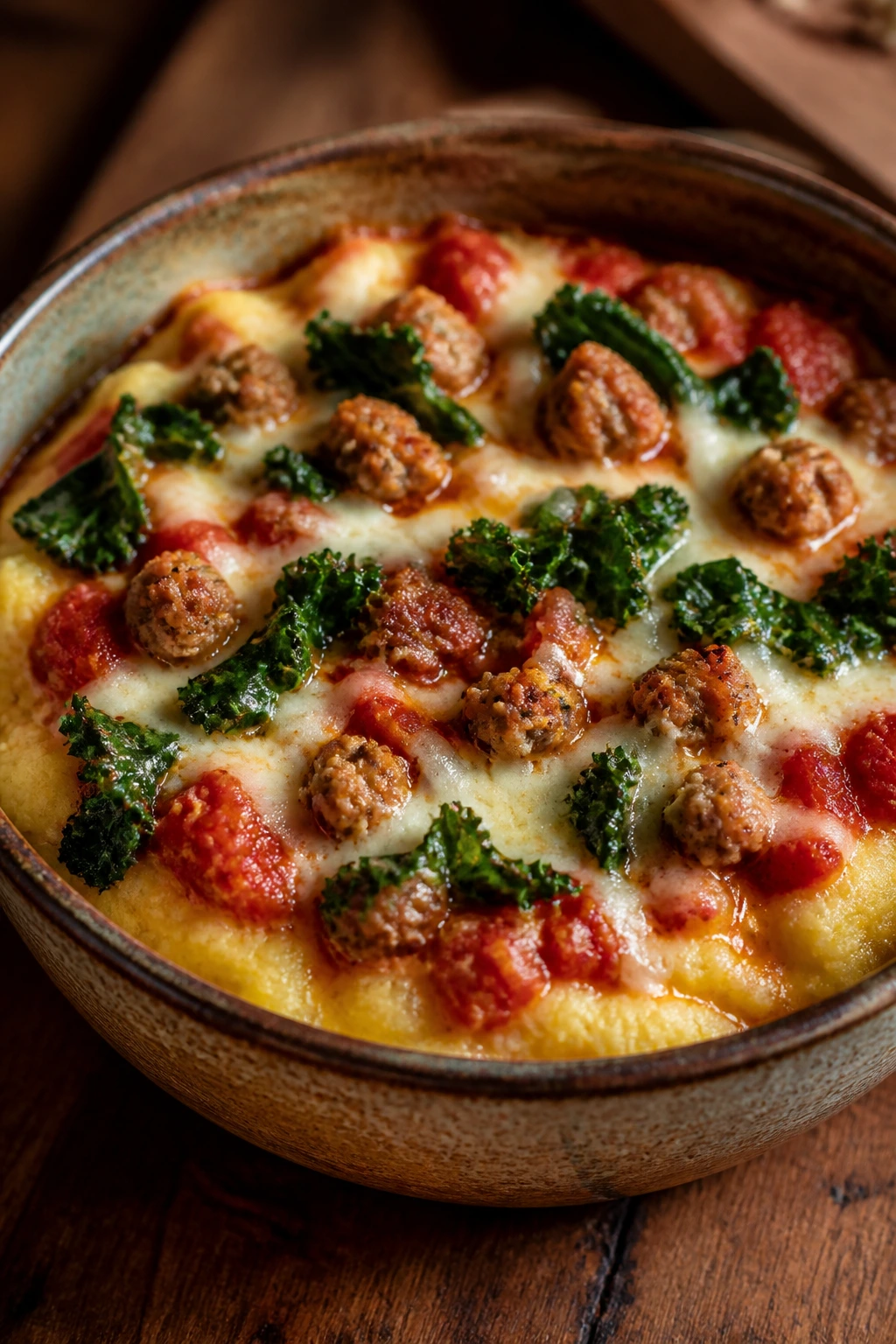
2. Italian Sausage and Kale Pizza Bowl
If you want a bowl that eats like supper, not a light lunch, this is the one. The sausage gives you fat and fennel, the kale softens into the sauce without disappearing, and the cannellini beans make the whole thing feel sturdy. It smells like a skillet that has done some work.
Why It Works:
Italian sausage already brings garlic, fennel, salt, and pepper, so you do not need to pile on the seasonings. The kale gets wilted in the rendered fat, which takes the edge off its bitterness, and the beans stretch the bowl without making it bland. I like this one over polenta because the creamy base stands up to the rich sausage instead of getting lost under it.
Key Ingredients:
- 1 lb Italian sausage, casings removed
- 1 small yellow onion, thinly sliced
- 3 cloves garlic, minced
- 1 tsp fennel seeds, lightly crushed
- 4 cups kale, stems removed and chopped
- 1 cup cannellini beans, drained and rinsed
- 1 3/4 cups marinara sauce
- 1 1/2 cups cooked polenta
- 1 1/2 cups shredded mozzarella
- 2 tablespoons grated Pecorino Romano
Quick Steps:
- Preheat the oven to 425°F (220°C).
- Brown the sausage in a skillet over medium-high heat, breaking it into crumbles, until no pink remains and the edges start to brown, about 6 to 7 minutes.
- Add the onion and fennel seeds and cook for 3 minutes, until the onion softens and smells sweet.
- Stir in the garlic, kale, and beans. Cook for 2 minutes, just until the kale turns dark green and collapses.
- Add the marinara and simmer for 2 to 3 minutes so the sauce clings to the sausage instead of sliding off it.
- Divide the polenta into bowls, spoon the sausage mixture over the top, and cover with mozzarella and Pecorino.
- Bake for 10 to 12 minutes until bubbling, then rest for 2 minutes before serving.
Equipment for This Recipe:
- Large skillet
- Wooden spoon
- 4 oven-safe bowls
- Sheet pan for catching drips
How to Serve This Dish:
This one wants a fork and a thick slice of bread. Serve it with a simple fennel or arugula salad, because the peppery bite cuts through the sausage nicely.
Pro Tips for This Recipe:
- Use hot Italian sausage if you want a little heat, but mild sausage gives the fennel room to show.
- Don’t rush the onion. A few extra minutes makes the sauce taste rounder.
- If your kale is tough, chop it finer than you think you need to.
- Drain the cannellini beans well. Extra bean liquid can thin the sauce.
Variations on This Dish:
- Turkey Sausage Swap: Use turkey sausage and add 1 tablespoon olive oil so the skillet doesn’t go dry.
- Bean-Heavy Pantry Version: Replace half the sausage with an extra cup of cannellini beans for a lighter bowl.
- Chili Oil Finish: Drizzle with chili oil after baking if you want a sharper, hotter finish.
Common Mistakes to Avoid with This Dish:
- Starting with cold polenta: It can seize into a firm lump. Warm it first with a splash of water.
- Overcrowding the skillet: The sausage should brown, not steam. Work in a wide pan.
- Using too much cheese: The bowl needs a melted lid, not a cheese blanket so thick the sausage flavor disappears.
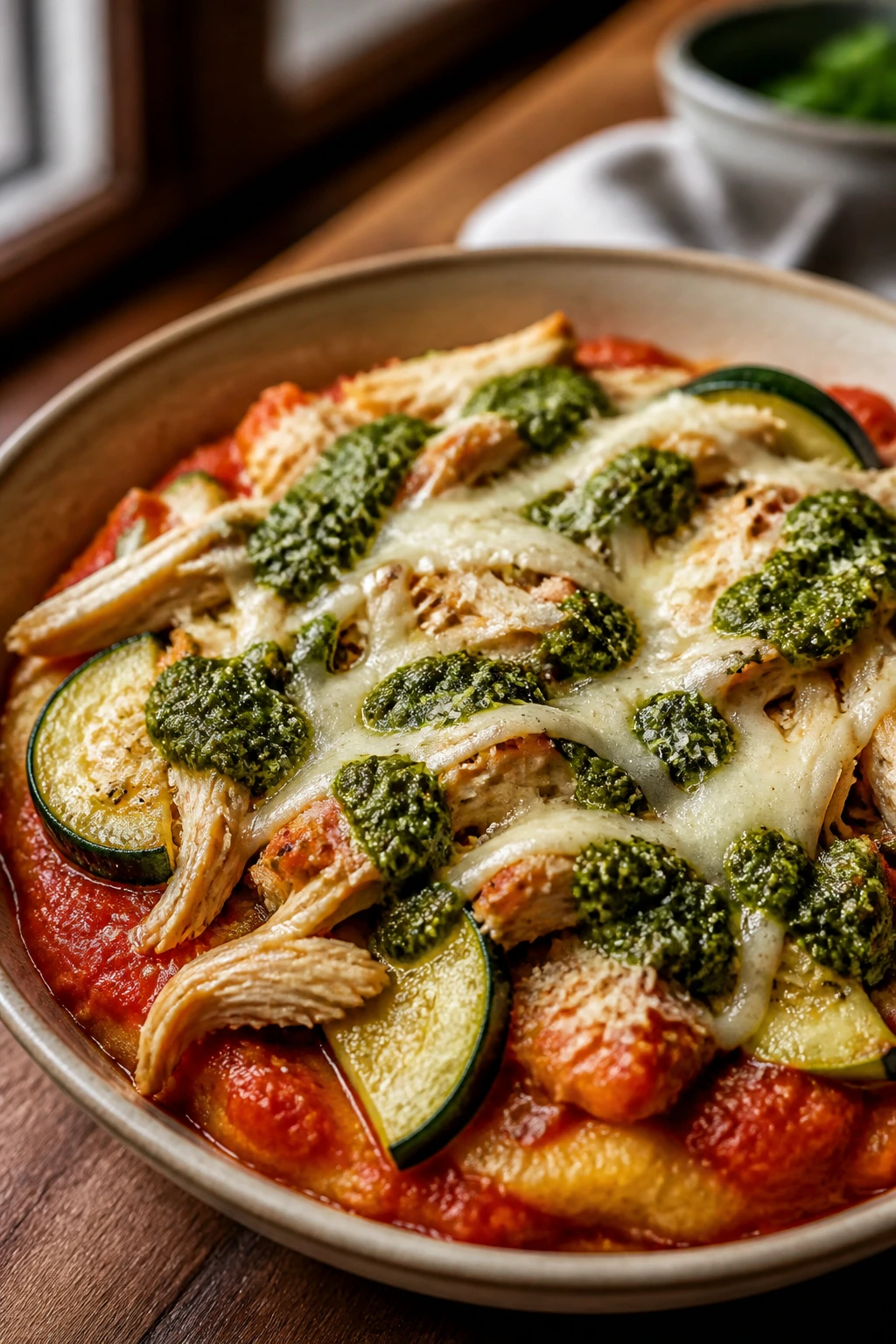
3. Chicken Pesto Pizza Bowl
This one smells like a backyard herb patch and a hot pan. The pesto gives the chicken a green, garlicky edge, while the roasted zucchini keeps the bowl from turning into a one-note chicken-and-cheese situation. It’s the kind of bowl that tastes better with each bite because the tomato, basil, and garlic keep talking to each other.
Why It Works:
Chicken carries the pesto without fighting it, and zucchini brings a soft, sweet vegetable note that feels very Tuscan. A little marinara underneath keeps the bowl in pizza territory, while the pesto gets spooned on in streaks so it doesn’t disappear into the sauce. That contrast matters. If you dump everything together, it gets muddy.
Key Ingredients:
- 2 cups cooked shredded chicken
- 2 tablespoons olive oil
- 1 medium zucchini, cut into half-moons
- 2 cups marinara sauce
- 1/4 cup basil pesto
- 8 oz shredded mozzarella
- 1/4 cup grated Parmesan
- 1 clove garlic, minced
- 1 tablespoon chopped basil
- Salt and black pepper, to taste
Quick Steps:
- Preheat the oven to 425°F (220°C).
- Heat the olive oil in a skillet over medium heat, then sauté the zucchini with a pinch of salt for 4 to 5 minutes until the edges turn golden.
- Stir in the garlic and chicken, then cook for 1 minute until the chicken is hot through.
- Add the marinara and simmer for 2 minutes.
- Divide the mixture among four bowls, then spoon the pesto over the top in ribbons.
- Cover with mozzarella and Parmesan, then bake for 10 to 12 minutes until melted and bubbling.
- Finish with chopped basil right before serving.
Equipment for This Recipe:
- Skillet
- Spoon for swirling pesto
- 4 oven-safe bowls
- Sheet pan
How to Serve This Dish:
Serve it with roasted potatoes if you want a bigger meal, or keep it light with shaved fennel and lemon on the side. I like this bowl best when the pesto is still visible in green streaks.
Pro Tips for This Recipe:
- Use thick pesto. Thin, oily pesto disappears into the sauce.
- If the chicken is already seasoned, hold back on the salt until the end.
- Let the zucchini pick up a little color in the skillet; pale zucchini tastes watery.
- Add pesto after the sauce goes into the bowl, not before baking.
Variations on This Dish:
- Sun-Dried Tomato Pesto Version: Add 1/4 cup chopped sun-dried tomatoes for a sweeter, deeper tomato note.
- Dairy-Free Bowl: Use dairy-free pesto and a good melting plant-based mozzarella.
- Rosemary Chicken Swap: Replace half the pesto with chopped rosemary and olive oil for a more rustic profile.
Common Mistakes to Avoid with This Dish:
- Using watery zucchini: It dilutes the sauce. Sauté until the pan looks dry again.
- Baking the pesto too hard: It loses its fresh herb flavor. Add it in ribbons before the cheese.
- Underheating the chicken: Cold chicken makes the whole bowl feel flat. Warm it fully before assembling.
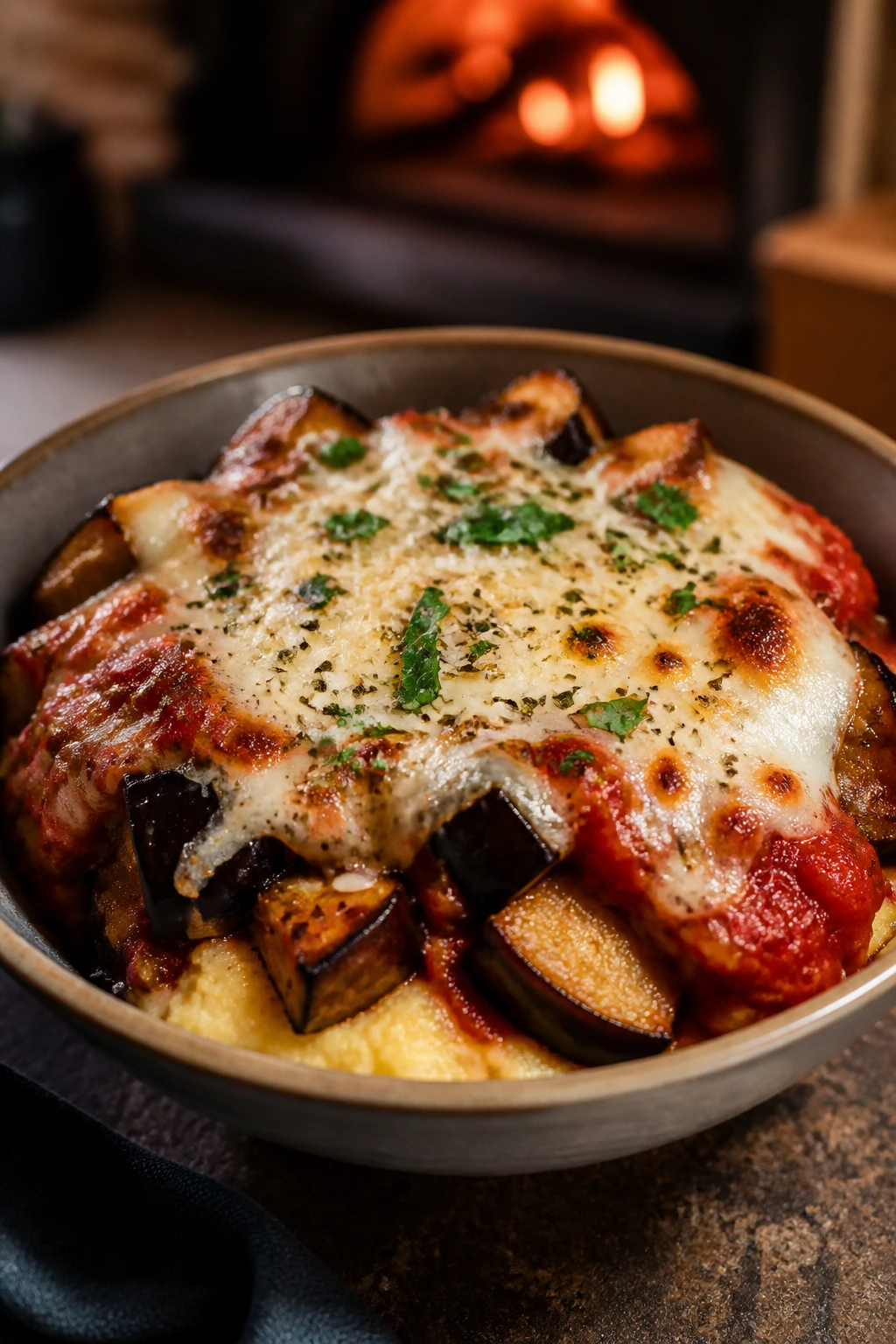
4. Eggplant Parmesan Pizza Bowl
Eggplant parmesan already wants to be spooned from a dish, so turning it into a pizza bowl feels almost too easy. The eggplant gets soft in the center and browned at the edges, the sauce clings to it, and the cheese melts into those little ridges the slices make as they roast. This is the bowl for anyone who likes tomato and cheese but wants the vegetable to be more than a token gesture.
Why It Works:
Eggplant needs two things to taste good here: enough heat to brown, and enough salt to pull out its spongy tendency. Roast it first and it behaves. Then the sauce and mozzarella finish the job, while a polenta base makes the bowl feel like a proper supper instead of a side dish pretending to be dinner.
Key Ingredients:
- 1 medium eggplant, cut into 1-inch cubes
- 2 tablespoons olive oil
- 1/2 teaspoon kosher salt
- 2 cups marinara sauce
- 1 1/2 cups cooked polenta
- 8 oz shredded mozzarella
- 1/4 cup grated Parmesan
- 1 teaspoon dried oregano
- 1 clove garlic, minced
- 1 tablespoon chopped parsley
Quick Steps:
- Preheat the oven to 425°F (220°C).
- Toss the eggplant with olive oil and salt on a sheet pan. Roast for 18 to 20 minutes, flipping once, until browned at the edges and tender in the middle.
- Warm the marinara with garlic and oregano in a small saucepan for 3 minutes.
- Divide the polenta among four oven-safe bowls.
- Spoon the sauce over the polenta, pile on the roasted eggplant, and top with mozzarella and Parmesan.
- Bake for 10 to 12 minutes until the cheese is melted and the bowl is bubbling around the edges.
- Finish with parsley.
Equipment for This Recipe:
- Rimmed sheet pan
- Saucepan
- 4 oven-safe bowls
- Spatula
How to Serve This Dish:
Serve with toasted bread if you want to chase the sauce around the bowl, or with a chopped tomato salad if you want the plate to stay bright and simple. This one holds heat well, so give it a minute before diving in.
Pro Tips for This Recipe:
- Cut the eggplant evenly so it roasts at the same speed.
- If your eggplant is old and seedy, salt it for 15 minutes, rinse, and dry it before roasting.
- Don’t skip the polenta base. It gives the bowl structure.
- A small splash of balsamic at the end works well if the sauce tastes sharp.
Variations on This Dish:
- Breadcrumb Crunch Finish: Add 2 tablespoons toasted breadcrumbs after baking for a little texture.
- Spicy Arrabbiata Swap: Use spicy marinara if you want the bowl hotter and sharper.
- Zucchini Mix-In: Roast 1 zucchini with the eggplant for a lighter version.
Common Mistakes to Avoid with This Dish:
- Skipping the roast on the eggplant: Raw eggplant goes rubbery. It needs high heat first.
- Using too much sauce: Eggplant can soak it up fast. Keep the layer modest.
- Adding parsley before baking: It dries out. Save it for the end.
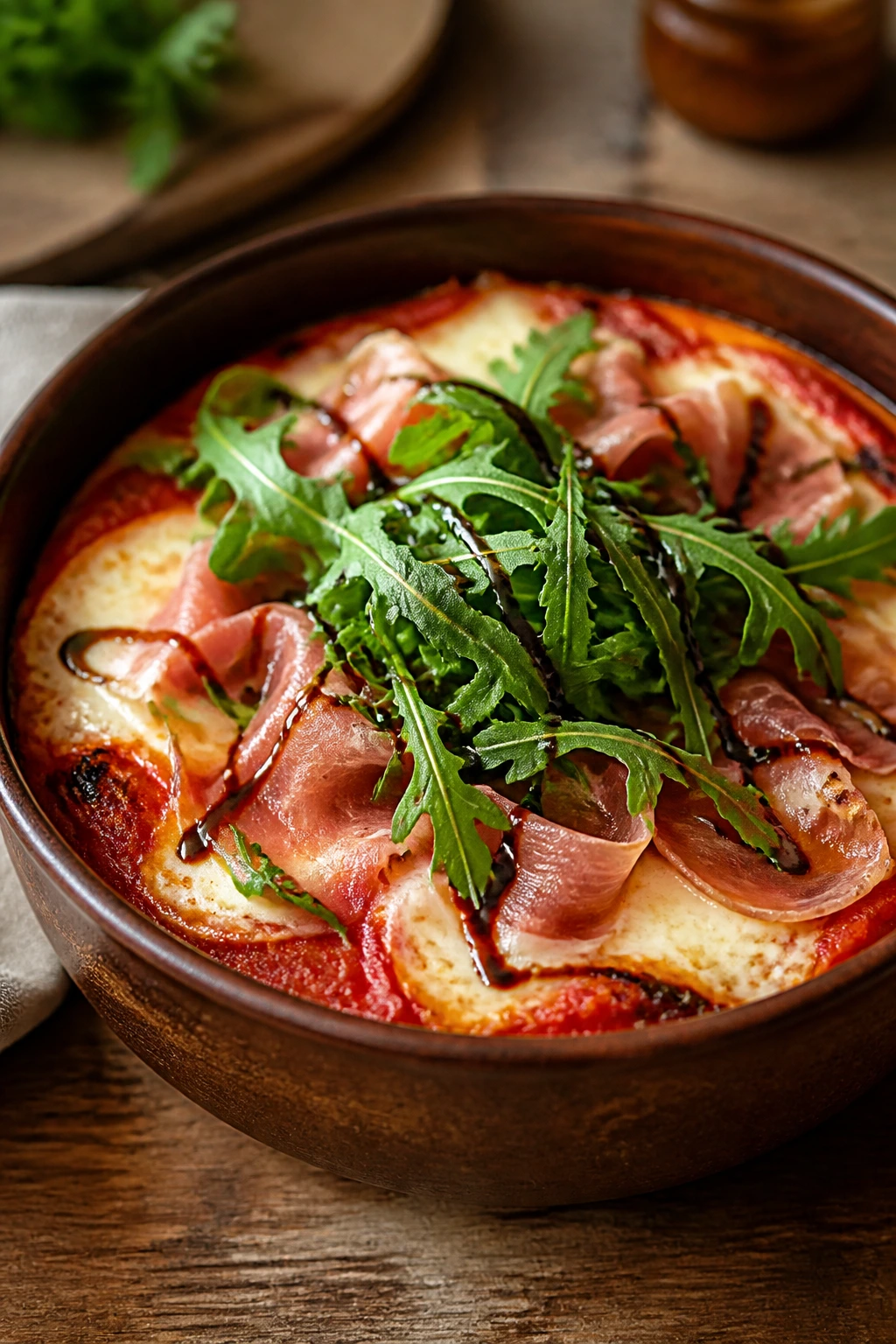
5. Prosciutto and Arugula Pizza Bowl
This is the sharp, salty bowl in the group. Prosciutto brings a clean cured-meat bite, arugula gives you pepper and lift, and the balsamic glaze at the end adds the kind of sweet-dark note that makes the whole thing feel polished without trying too hard. I like it when the greens stay vivid and the prosciutto just warms, not crisps into a brittle chip.
Why It Works:
Prosciutto should not be cooked to death. It needs the heat from the bowl, not a long bake, so it stays silky instead of turning stiff. Arugula works best when it lands on top after baking, because the leaves wilt only a little and keep their peppery bite. The sauce can be a little more restrained here; the cured meat brings plenty of salt.
Key Ingredients:
- 2 cups marinara sauce
- 1 cup sautéed mushrooms, optional but useful
- 8 oz shredded mozzarella
- 4 ounces prosciutto, torn into ribbons
- 4 cups arugula
- 1 tablespoon olive oil
- 1 tablespoon balsamic glaze
- 2 tablespoons shaved Parmesan
- 1/2 teaspoon black pepper
- 1 1/2 cups cooked cauliflower rice or polenta
Quick Steps:
- Preheat the oven to 425°F (220°C).
- Warm the marinara and sautéed mushrooms together for 2 minutes.
- Divide the cauliflower rice or polenta among four bowls.
- Spoon the sauce over the base, then top with mozzarella.
- Bake for 10 to 12 minutes until the cheese melts and the sauce bubbles.
- Add the prosciutto and arugula right after baking, then drizzle with balsamic glaze and olive oil.
- Finish with Parmesan and black pepper.
Equipment for This Recipe:
- Skillet
- 4 oven-safe bowls
- Sheet pan
- Tongs for the arugula
How to Serve This Dish:
Serve it with a lemony salad or a few slices of toasted sourdough. The bowl looks best when the greens spill over the edge a little.
Pro Tips for This Recipe:
- Don’t bake the arugula. It turns limp and muddy.
- If you use mushrooms, cook off their liquid before adding sauce.
- Prosciutto is salty, so taste the sauce before adding extra salt.
- A few shavings of pecorino are even better than Parmesan if you want more bite.
Variations on This Dish:
- Fig and Prosciutto Twist: Add 2 tablespoons chopped dried figs after baking for a sweet-salty edge.
- Tomato-Only Version: Skip the mushrooms if you want the sauce to stay cleaner and brighter.
- Hot Honey Finish: Drizzle with 1 teaspoon hot honey instead of balsamic for a sweeter finish.
Common Mistakes to Avoid with This Dish:
- Baking the prosciutto too long: It dries out fast. Add it after the oven.
- Using wet greens: Pat the arugula dry so it doesn’t water down the bowl.
- Overdoing the sauce: Prosciutto and balsamic already bring intensity. Let them breathe.
6. Mushroom, Taleggio, and Rosemary Pizza Bowl
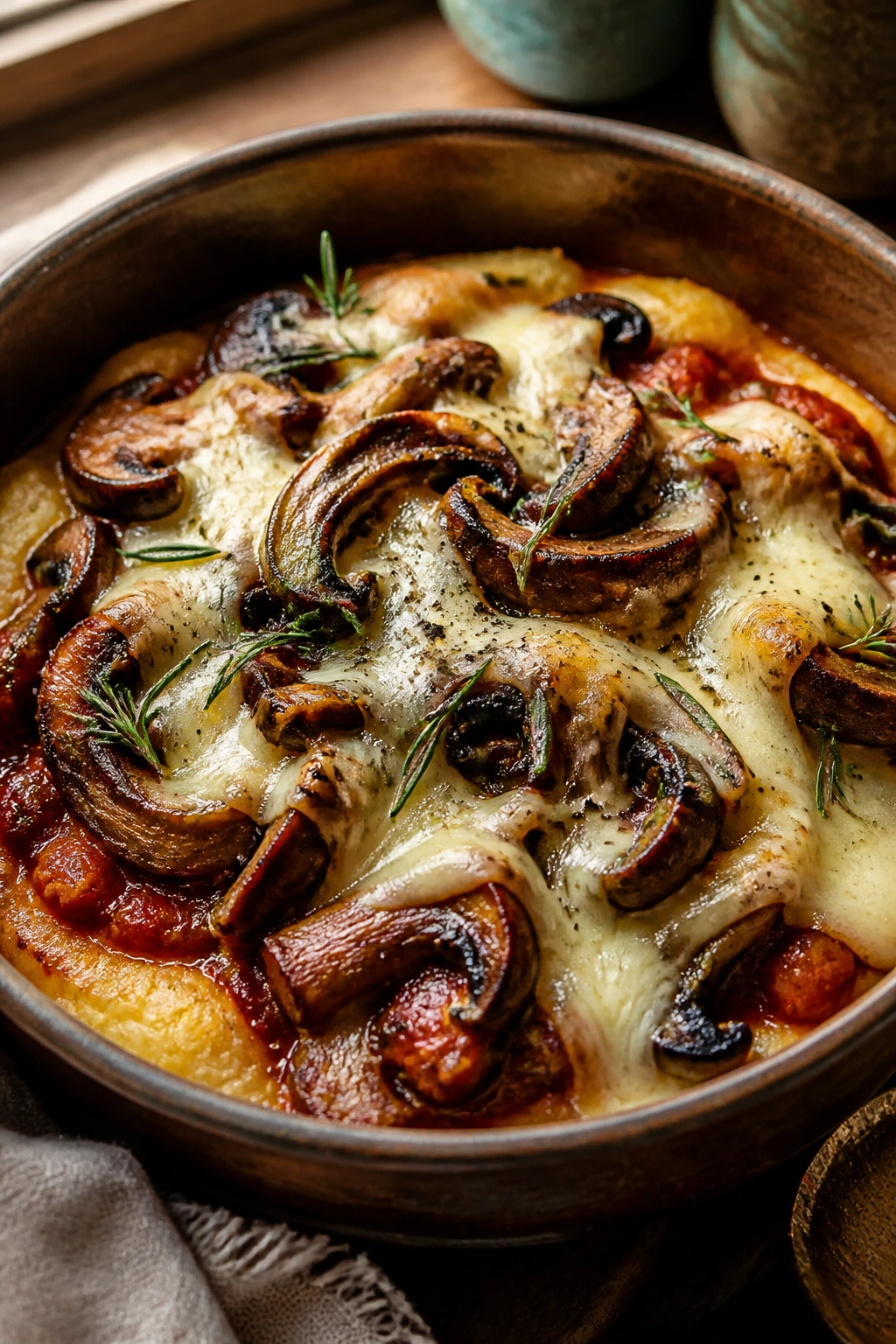
This bowl leans earthy, creamy, and a little bit old-world in the best way. The mushrooms go deep and brown if you give them enough heat, and Taleggio melts into a soft, fragrant layer that tastes richer than mozzarella alone ever could. Rosemary keeps the whole thing from drifting into soft, anonymous comfort food.
Why It Works:
Mushrooms need space in the pan, not a crowd. When they sear properly, they lose their raw edge and pick up a meaty flavor that stands up to the cheese. Taleggio is one of those cheeses that melts quickly and smells stronger than it tastes; inside a hot bowl, that’s exactly what you want. Polenta underneath gives you a silky base that catches the mushrooms without fighting them.
Key Ingredients:
- 1 lb mixed mushrooms, sliced
- 1 small shallot, finely chopped
- 2 tablespoons olive oil
- 1 teaspoon chopped fresh rosemary
- 2 cups marinara sauce
- 1 1/2 cups cooked polenta
- 4 ounces Taleggio, rind removed and sliced
- 2 tablespoons grated Parmesan
- 1/2 teaspoon black pepper
- 1 tablespoon chopped parsley
Quick Steps:
- Preheat the oven to 425°F (220°C).
- Heat the olive oil in a skillet over medium-high heat, then cook the mushrooms in a single layer until they release their liquid and brown, about 8 minutes.
- Add the shallot and rosemary and cook for 2 minutes until fragrant.
- Stir in the marinara and black pepper and simmer for 2 minutes.
- Spoon the polenta into the bowls, top with the mushroom mixture, then arrange Taleggio and Parmesan over the surface.
- Bake for 10 to 12 minutes until the cheese is melted and the top looks silky.
- Finish with parsley.
Equipment for This Recipe:
- Large skillet
- Spoon
- 4 oven-safe bowls
- Small knife for the cheese
How to Serve This Dish:
This bowl wants a simple green salad and maybe a little crusty bread. It’s rich enough that a few bites go a long way, so don’t overfill the bowl.
Pro Tips for This Recipe:
- Leave the mushrooms alone long enough to brown. Stirring too often slows the sear.
- Taleggio melts fast; cut it thin so it spreads evenly.
- If rosemary is strong for you, use half fresh and half thyme.
- A spoonful of ricotta on top at the end gives the bowl extra creaminess.
Variations on This Dish:
- Fontina Swap: Use fontina if you want a milder melt and less funk.
- Garlic White Sauce Version: Replace half the marinara with a quick garlic cream sauce for a richer bowl.
- Wild Mushroom Upgrade: Mix in shiitakes or oyster mushrooms for a more layered texture.
Common Mistakes to Avoid with This Dish:
- Crowding the mushrooms: They steam instead of browning. Cook in batches if needed.
- Using cheese with the rind intact: The rind can stay chewy in the oven. Trim it off first.
- Skipping the black pepper: The bowl needs a little edge to keep the creaminess lively.
7. Meatball and Pepper Pizza Bowl
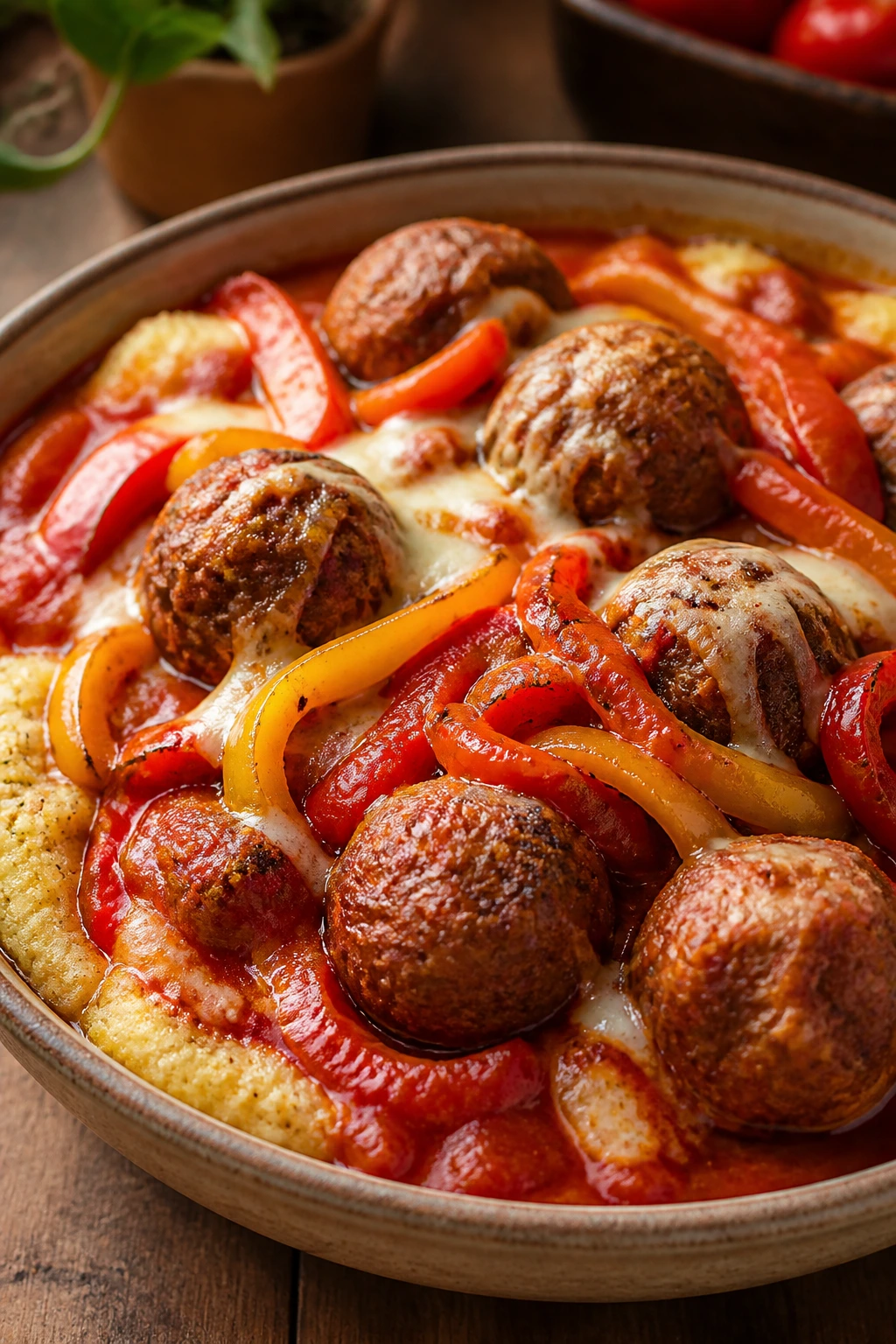
This tastes like the red-sauce part of an Italian-American pizzeria menu got pushed into a bowl and left to settle into itself. The meatballs give you heft, the peppers go sweet and soft, and the onions turn almost jammy if you cook them long enough. It’s a bowl with clear dinner energy.
Why It Works:
Meatballs are already built for tomato sauce, so the only real job is keeping them juicy and not overcooking them in the oven. Bell peppers and onions bring sweetness that rounds out the sauce, and the polenta base soaks up the juices instead of letting them run everywhere. If you use pre-cooked meatballs, this becomes a fast, nearly no-drama dinner.
Key Ingredients:
- 12 small cooked meatballs
- 1 red bell pepper, sliced
- 1 yellow bell pepper, sliced
- 1 small onion, sliced
- 2 tablespoons olive oil
- 2 cups marinara sauce
- 1 1/2 cups cooked polenta
- 8 oz shredded mozzarella
- 2 tablespoons grated Parmesan
- 1 teaspoon dried oregano
Quick Steps:
- Preheat the oven to 425°F (220°C).
- Heat olive oil in a skillet over medium heat and cook the peppers and onion with oregano for 8 minutes until soft and lightly browned.
- Add the marinara and meatballs and simmer for 3 minutes, just until everything is hot.
- Divide the polenta among four bowls.
- Spoon the meatball mixture over the top and cover with mozzarella and Parmesan.
- Bake for 10 to 12 minutes until the cheese is melted and the sauce bubbles around the edges.
Equipment for This Recipe:
- Skillet
- 4 oven-safe bowls
- Spoon
- Sheet pan
How to Serve This Dish:
Serve it with a chopped salad or roasted broccoli. If you want to stretch the meal, a loaf of bread on the table is the easy answer.
Pro Tips for This Recipe:
- If your meatballs are raw, brown them first and finish them in the sauce.
- Cook the peppers until the skins start to wrinkle a little. That is when they taste sweet.
- Don’t use giant meatballs. Small ones stay tender and spoonable.
- A pinch of red pepper flakes wakes up the sauce if it tastes sleepy.
Variations on This Dish:
- Turkey Meatball Bowl: Use turkey meatballs and add 1 tablespoon olive oil to the skillet.
- Spicy Pepperoncini Version: Add chopped pepperoncini for a sharper, brinier bite.
- Cheese-Forward Finish: Use provolone instead of some of the mozzarella for more stretch.
Common Mistakes to Avoid with This Dish:
- Overcooking the meatballs: They can dry out in the oven if they start too far along.
- Leaving the peppers crunchy: They should soften enough to blend into the sauce.
- Using a thin sauce: Meatballs need a sauce that coats them, not one that slides away.
8. Shrimp, Garlic, and White Bean Pizza Bowl
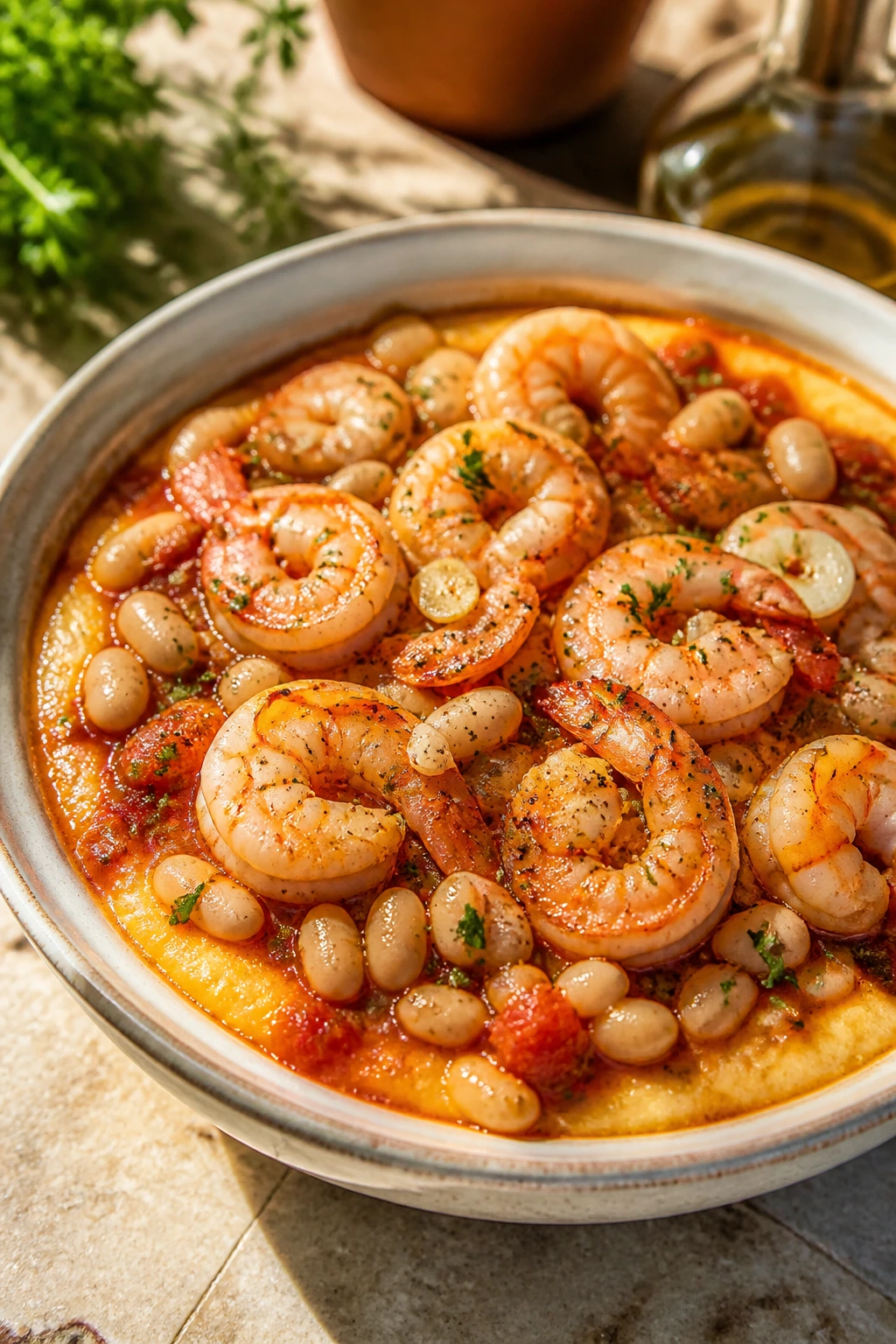
This bowl is lighter on its feet than the sausage or meatball versions, but it still has backbone. The shrimp cook fast, the white beans give the sauce something creamy to land on, and the garlic turns sweet instead of sharp once it hits the pan. If you want a bowl that tastes clean but still feels like dinner, this is the one.
Why It Works:
Shrimp need very little time, which makes them good for a bowl that finishes in the oven. White beans mellow the tomato and help the sauce feel almost velvety, while a little lemon zest at the end keeps the whole dish from feeling heavy. The trick is to season the beans before the shrimp go in, so the base isn’t bland under all that seafood.
Key Ingredients:
- 1 lb large shrimp, peeled and deveined
- 2 tablespoons olive oil
- 4 cloves garlic, minced
- 1 cup cannellini beans, drained and rinsed
- 2 cups crushed tomatoes
- 1/2 teaspoon red pepper flakes
- 1 teaspoon lemon zest
- 8 oz shredded mozzarella or provolone
- 2 tablespoons chopped parsley
- 1 1/2 cups cooked polenta
Quick Steps:
- Preheat the oven to 400°F (205°C).
- Heat the olive oil in a skillet over medium heat, then cook the garlic and red pepper flakes for 30 seconds.
- Stir in the beans and tomatoes and simmer for 4 minutes until the sauce thickens slightly.
- Nestle the shrimp into the sauce and cook for 1 minute on each side, just until they begin to turn pink.
- Divide the polenta among four bowls, then spoon the shrimp and bean mixture over it.
- Top with mozzarella or provolone and bake for 6 to 8 minutes, only until the cheese melts and the shrimp are just cooked through.
- Finish with lemon zest and parsley.
Equipment for This Recipe:
- Skillet with straight sides
- 4 oven-safe bowls
- Zester or microplane
- Spoon
How to Serve This Dish:
Serve it with a crisp green salad and a wedge of lemon for squeezing. A little crusty bread helps gather the sauce, which is half the point.
Pro Tips for This Recipe:
- Shrimp go from tender to bouncy fast. Pull the bowl the moment they turn opaque.
- Use beans that are well drained so the sauce stays concentrated.
- If you want a stronger Tuscan note, add chopped rosemary with the garlic.
- Don’t overload the cheese. Seafood needs some space.
Variations on This Dish:
- Herb-Lemon Version: Add chopped dill or parsley if you want a brighter finish.
- Tomato-Free White Sauce Bowl: Swap the tomatoes for 1 cup ricotta and 1/2 cup broth for a softer, creamier bowl.
- Scallop Swap: Small scallops can replace the shrimp, but they need even less cooking time.
Common Mistakes to Avoid with This Dish:
- Overcooking the shrimp: They turn rubbery fast. Keep the oven time short.
- Using watery tomatoes: Thick crushed tomatoes are better than thin, juicy ones.
- Forgetting the acid: The lemon zest matters. Without it, the bowl can taste heavy.
9. Spinach, Ricotta, and Lemon Pizza Bowl
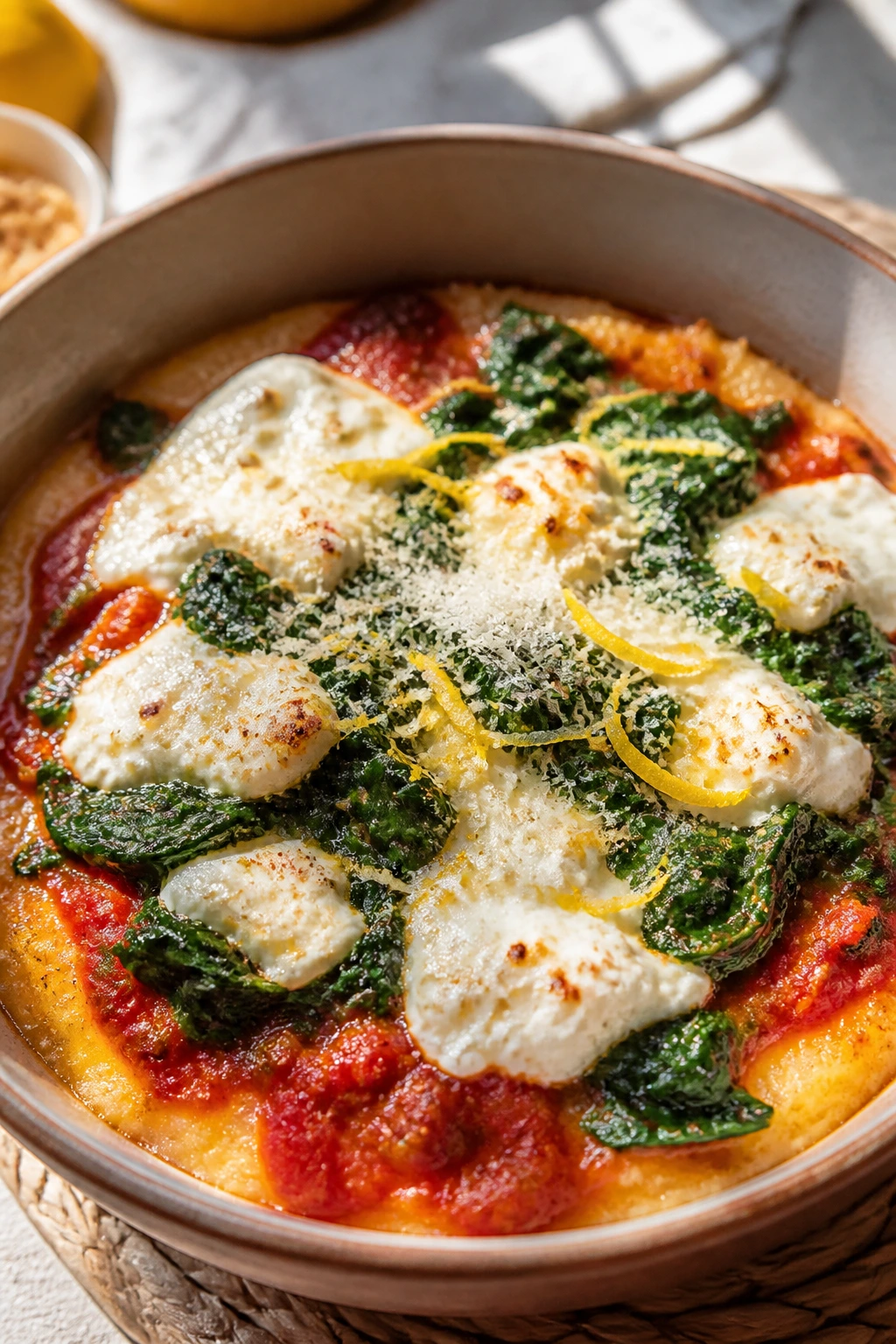
This is the gentlest bowl in the group, but it isn’t shy. Ricotta gives you creamy pockets, spinach collapses into the sauce in a soft green layer, and lemon zest pulls the whole bowl upward so it doesn’t feel like a cheese-only meal. It tastes clean, warm, and a little airy.
Why It Works:
Ricotta behaves like a soft landing pad for tomato sauce. It doesn’t melt into nothing the way mozzarella can; it stays in little spoonable clouds. Spinach cooks down to almost nothing, which is why you need a good amount of it, and lemon zest keeps the dairy from feeling flat. This is one of those bowls that’s better when the cheese and greens are layered instead of mixed into a single paste.
Key Ingredients:
- 6 cups baby spinach
- 2 tablespoons olive oil
- 2 cloves garlic, minced
- 2 cups marinara sauce
- 1 cup ricotta cheese
- 8 oz shredded mozzarella
- 1 teaspoon lemon zest
- 2 tablespoons grated Parmesan
- 1/4 teaspoon nutmeg
- 1 1/2 cups cooked cauliflower rice or polenta
Quick Steps:
- Preheat the oven to 425°F (220°C).
- Heat olive oil in a skillet over medium heat, then cook the garlic for 30 seconds.
- Add the spinach and toss until it just wilts, about 1 minute.
- Stir in the marinara and nutmeg and simmer for 2 minutes.
- Divide the cauliflower rice or polenta among four bowls, then spoon the spinach sauce over it.
- Dollop the ricotta across the surface, add mozzarella and Parmesan, and bake for 10 to 12 minutes until melted.
- Finish with lemon zest.
Equipment for This Recipe:
- Skillet
- Spoon
- 4 oven-safe bowls
- Microplane for zest
How to Serve This Dish:
Serve it with toasted fennel bread or a simple cucumber salad. I like this one with extra lemon on the table because some people want more brightness.
Pro Tips for This Recipe:
- Don’t overcook the spinach. Wilt it and move on.
- Use whole-milk ricotta if you want the bowl to feel richer and smoother.
- Add the ricotta in dollops, not a solid layer. It gives you better texture.
- A pinch of nutmeg disappears into the background and makes the spinach taste sweeter.
Variations on This Dish:
- Baked Egg Addition: Crack an egg on top before baking for a breakfast-style bowl.
- Garlic-Herb Ricotta: Stir chopped basil or parsley into the ricotta before assembling.
- Dairy-Lighter Bowl: Use half ricotta and half drained cottage cheese for a lighter fill.
Common Mistakes to Avoid with This Dish:
- Too much spinach water: Cook it down well or the bowl turns soupy.
- Mixing the ricotta into the sauce: You lose the creamy pockets. Keep it separate.
- Skipping the zest: The lemon keeps the whole dish awake.
10. Artichoke, Olive, and Feta Pizza Bowl
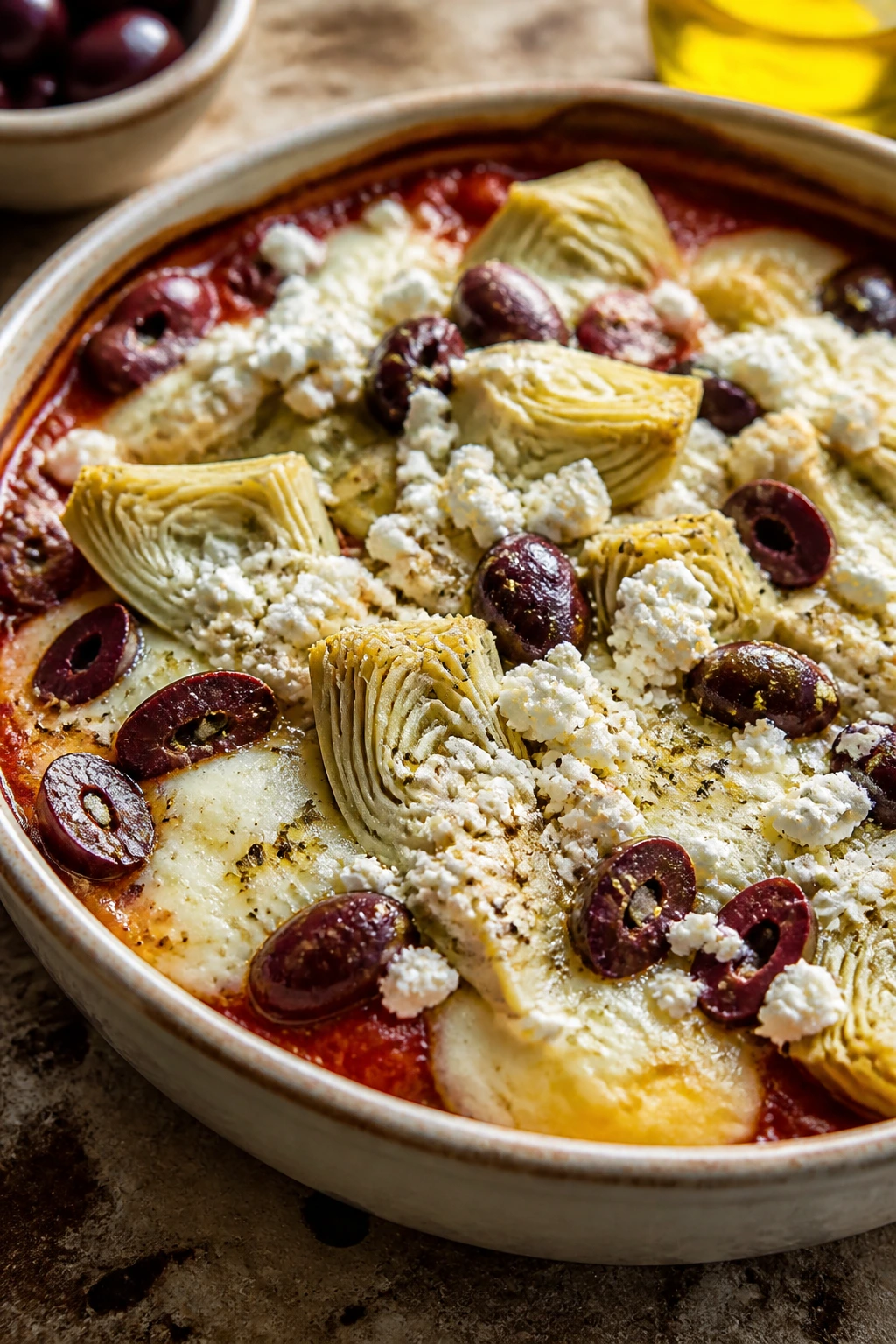
This bowl goes straight for salty, briny flavor. Artichokes bring a soft bite, olives bring the snap, and feta lands at the end with just enough crumble to keep the cheese from being too smooth. It’s the bowl I reach for when I want something that tastes more Mediterranean than heavy.
Why It Works:
Artichokes and olives already behave like pizza toppings, which makes the whole idea feel obvious once you taste it. Feta doesn’t melt the way mozzarella does, so it stays in little sharp pockets that cut through the tomato sauce. A little mozzarella underneath helps everything bind together, but the feta is the voice you remember.
Key Ingredients:
- 1 can artichoke hearts, drained and quartered
- 1/2 cup pitted Kalamata olives
- 1/2 cup sliced roasted red peppers
- 2 cloves garlic, minced
- 2 cups marinara sauce
- 6 oz shredded mozzarella
- 1/2 cup crumbled feta
- 2 tablespoons olive oil
- 1 teaspoon dried oregano
- 1 1/2 cups cooked polenta
Quick Steps:
- Preheat the oven to 425°F (220°C).
- Warm the olive oil in a skillet, then cook the garlic and oregano for 30 seconds.
- Add the artichokes, olives, and roasted red peppers and cook for 2 minutes so the vegetables take on a little color.
- Stir in the marinara and simmer for 2 minutes.
- Divide the polenta among four bowls, top with the artichoke mixture, then add mozzarella and feta.
- Bake for 10 to 12 minutes until the mozzarella melts and the feta softens at the edges.
Equipment for This Recipe:
- Skillet
- 4 oven-safe bowls
- Spoon
- Can opener
How to Serve This Dish:
Serve it with chopped tomatoes, cucumbers, or a bitter green salad. A piece of warm bread helps catch the salty juices that settle at the bottom.
Pro Tips for This Recipe:
- Drain the artichokes well or the bowl gets watery.
- Use olives with some bite to them, not the soft bland kind.
- Feta should be crumbled over the top, not buried.
- A little chopped dill is good here if you want the bowl to lean brighter.
Variations on This Dish:
- No-Feta Version: Use provolone or mozzarella only if you want a softer melt.
- Caper Boost: Add 1 tablespoon capers for extra brine.
- Roasted Onion Version: Add caramelized onions if you want sweetness against the olives.
Common Mistakes to Avoid with This Dish:
- Using wet jarred artichokes: They water down the sauce. Drain and pat them dry.
- Over-salting early: Olives and feta bring enough salt on their own.
- Baking feta too long: It can dry out. Let it soften, not scorch.
11. Polenta, Soppressata, and Onion Pizza Bowl
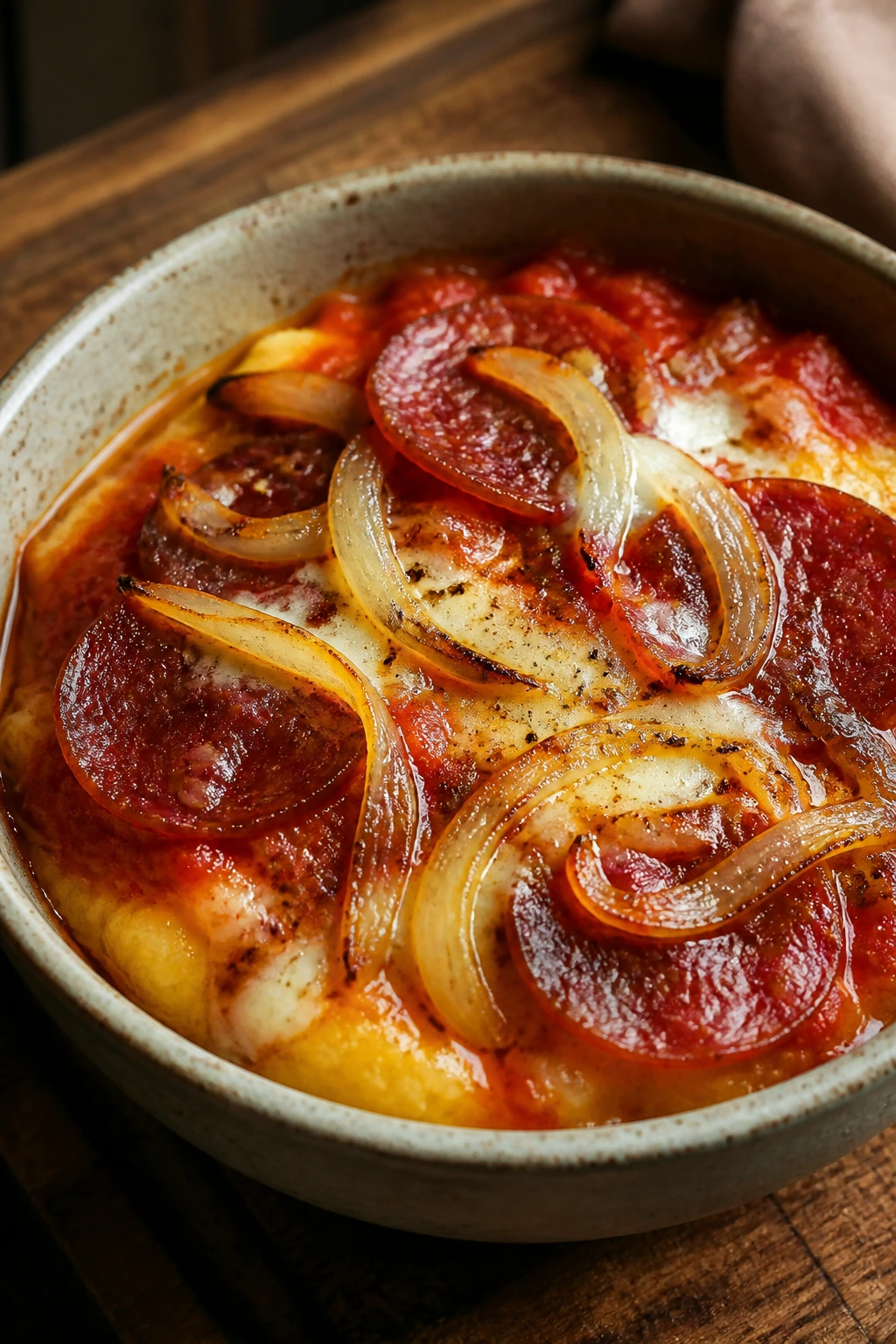
This is the bowl that feels the most like a red-sauce special. Soppressata brings peppery fat, the onions turn sweet and soft, and creamy polenta underneath turns the whole thing into something you’d happily eat with a spoon and a little patience. It’s rich, but the kind of rich that knows when to stop.
Why It Works:
Polenta is the right base when you want the bowl to feel almost like a baked dish rather than a loose topping situation. Soppressata brings enough spice and fat that the sauce doesn’t need much help, and onions give you sweetness that keeps the cured meat from tasting blunt. Because soppressata is already cooked, the oven only needs to warm it and let the edges curl slightly.
Key Ingredients:
- 1 small yellow onion, thinly sliced
- 1 tablespoon olive oil
- 4 ounces soppressata, sliced or torn
- 2 cups marinara sauce
- 1 1/2 cups cooked polenta
- 8 oz shredded mozzarella
- 2 tablespoons grated Parmesan
- 1 teaspoon dried oregano
- 1/2 teaspoon red pepper flakes
- 1 tablespoon chopped basil
Quick Steps:
- Preheat the oven to 425°F (220°C).
- Cook the onion in olive oil over medium heat for 8 to 10 minutes until soft and golden.
- Add the soppressata, oregano, and red pepper flakes, then cook for 1 minute just to wake up the fat and spice.
- Stir in the marinara and simmer for 2 minutes.
- Divide the polenta among four bowls, then spoon the sauce over it and top with mozzarella and Parmesan.
- Bake for 10 to 12 minutes until the cheese melts and the edges bubble.
- Add basil after baking.
Equipment for This Recipe:
- Skillet
- 4 oven-safe bowls
- Wooden spoon
- Sheet pan
How to Serve This Dish:
Serve it with a shaved fennel salad or roasted broccoli. It’s hearty enough that you don’t need much else unless you want bread for the sauce.
Pro Tips for This Recipe:
- Let the onions go farther than you think; pale onions taste flat here.
- Soppressata can be salty, so taste the sauce before adding more salt.
- If the polenta is very stiff, stir in a splash of hot water or broth.
- Basil works better than parsley with this meat-and-tomato combo.
Variations on This Dish:
- Pepperoni Swap: Use pepperoni if that’s what you have; it gives a firmer, more familiar pizza flavor.
- Sweet Onion Version: Replace yellow onion with sweet onion for a softer finish.
- Extra-Cheesy Bowl: Add fontina with the mozzarella for a richer melt.
Common Mistakes to Avoid with This Dish:
- Cold polenta straight from the fridge: It clumps. Warm it first.
- Overcooking the soppressata: It should crisp lightly at the edges, not dry out.
- Using a bland sauce: The bowl leans on contrast, so the sauce needs decent flavor.
12. Zucchini, Corn, and Basil Pizza Bowl
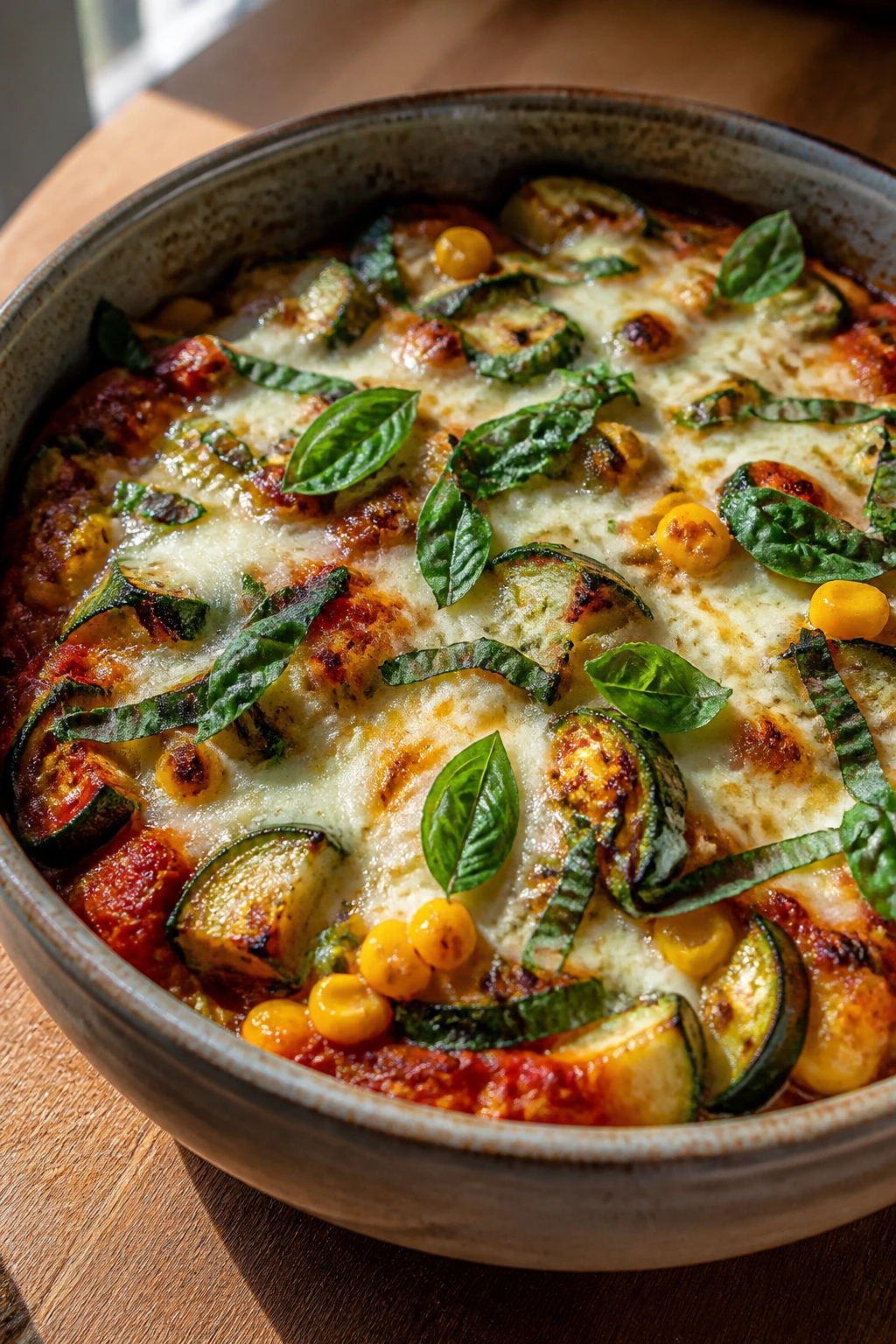
This bowl tastes like late summer, but it still works when the weather isn’t trying to cooperate. Zucchini brings a soft, almost buttery texture when you cook it hard enough, corn adds a little pop, and basil keeps the whole thing bright. It’s a good one when you want vegetables to feel like the point, not the side note.
Why It Works:
Zucchini and corn both give off water, which is why the skillet needs enough heat to push that moisture out before the sauce goes in. Once they’re browned a little, they taste sweeter and more concentrated. The tomato sauce keeps everything in pizza territory, while the basil at the end gives the bowl a fresh finish that makes it feel less heavy.
Key Ingredients:
- 2 medium zucchini, diced
- 1 cup corn kernels, fresh or frozen
- 2 tablespoons olive oil
- 2 cloves garlic, minced
- 2 cups marinara sauce
- 8 oz shredded mozzarella
- 2 tablespoons grated Parmesan
- 1 teaspoon dried oregano
- 1/4 teaspoon black pepper
- 1 1/2 cups cooked cauliflower rice or polenta
- 1/4 cup chopped basil
Quick Steps:
- Preheat the oven to 425°F (220°C).
- Heat olive oil in a skillet over medium-high heat, then cook the zucchini and corn for 6 to 7 minutes until the edges pick up color.
- Add the garlic, oregano, and black pepper and cook for 30 seconds.
- Stir in the marinara and simmer for 2 minutes.
- Divide the cauliflower rice or polenta among four bowls, then spoon the vegetable mixture over the top.
- Add mozzarella and Parmesan, then bake for 10 to 12 minutes until melted.
- Finish with basil.
Equipment for This Recipe:
- Large skillet
- 4 oven-safe bowls
- Spoon
- Cutting board and knife
How to Serve This Dish:
Serve it with a tomato salad or a simple green salad with olive oil and lemon. A few grinds of black pepper on top make the bowl smell sharper right away.
Pro Tips for This Recipe:
- Let the zucchini get a little brown; pale zucchini tastes bland.
- Frozen corn works well, but thaw it first so it doesn’t cool the pan.
- If your basil is delicate, tear it by hand rather than chopping it.
- A spoon of ricotta on top can make the bowl feel fuller without changing the flavor much.
Variations on This Dish:
- Roasted Pepper Add-In: Add 1/2 cup chopped roasted red peppers for more sweetness.
- Spicy Kernel Bowl: Use a pinch of red pepper flakes if you want some heat.
- Fresh Mozzarella Version: Tear fresh mozzarella on top if you want a softer, juicier melt.
Common Mistakes to Avoid with This Dish:
- Not cooking off the zucchini water: The bowl turns soupy fast.
- Skipping the browning: Color equals flavor here.
- Adding basil too early: It fades and blackens in the oven.
13. Cannellini Bean and Broccoli Rabe Pizza Bowl
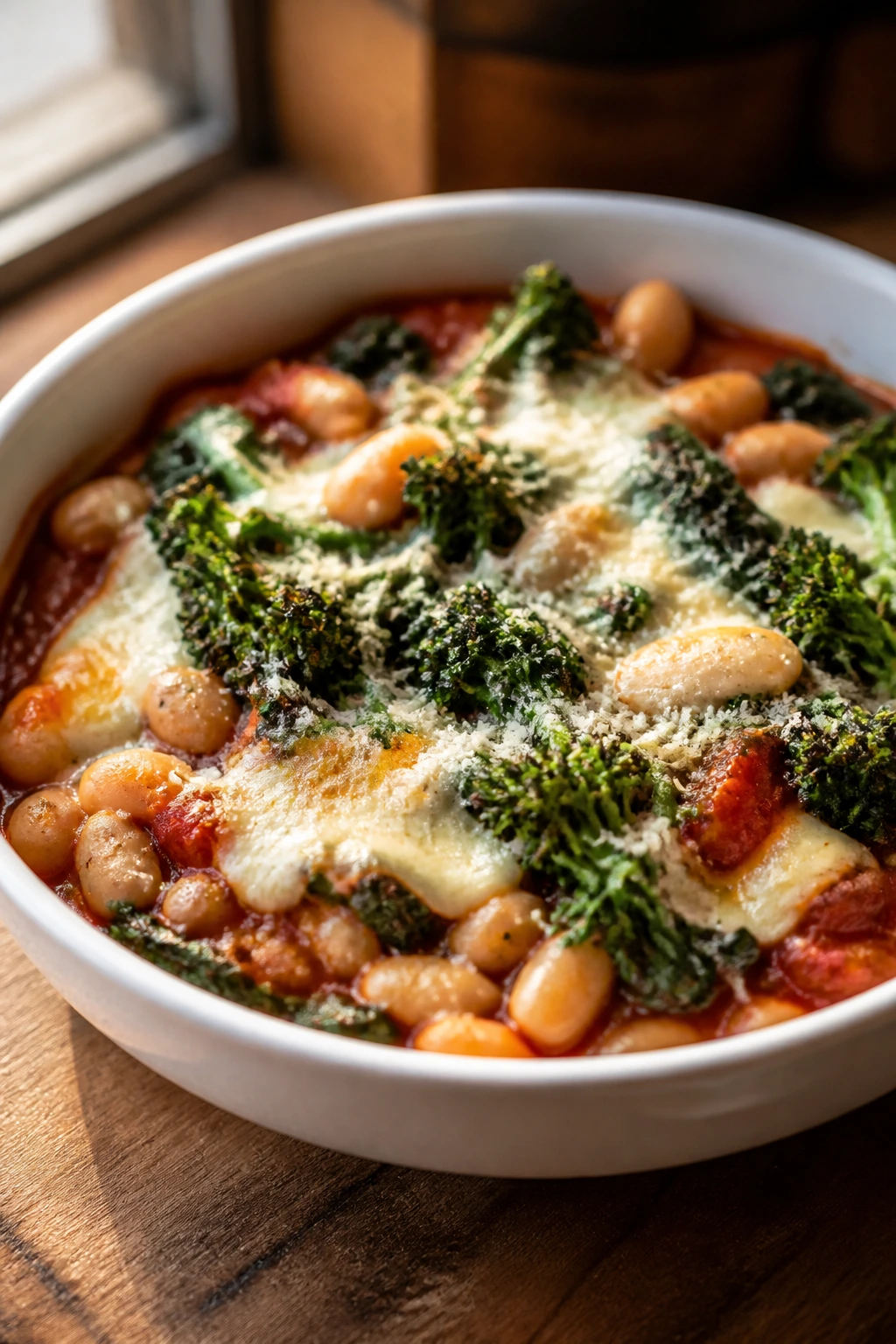
This is the bowl that tastes most like it came out of a farmhouse kitchen. Cannellini beans make it creamy without dairy, broccoli rabe brings bitterness and bite, and garlic fills in the gaps so the bowl still feels full. It’s a good reminder that pizza flavors don’t have to lean on meat to feel satisfying.
Why It Works:
Cannellini beans are soft enough to absorb sauce but sturdy enough not to dissolve. Broccoli rabe needs a quick blanch or sauté so it loses its raw bitterness just enough to become appetizing rather than aggressive. Pecorino adds a salty finish that makes the beans taste sharper, and a little mozzarella helps everything melt together.
Key Ingredients:
- 1 bunch broccoli rabe, trimmed
- 2 tablespoons olive oil
- 4 cloves garlic, sliced
- 1 cup cannellini beans, drained and rinsed
- 2 cups marinara sauce
- 1/2 teaspoon red pepper flakes
- 8 oz shredded mozzarella
- 2 tablespoons grated Pecorino Romano
- 1 1/2 cups cooked polenta
- Salt and black pepper, to taste
Quick Steps:
- Preheat the oven to 425°F (220°C).
- Blanch the broccoli rabe in salted boiling water for 1 minute, then drain and chop it; this takes the sharp edge off.
- Heat olive oil in a skillet, then cook the garlic and red pepper flakes for 30 seconds.
- Add the broccoli rabe and beans and cook for 2 minutes.
- Stir in the marinara and simmer for 2 minutes.
- Divide the polenta among four bowls, top with the bean mixture, and cover with mozzarella and Pecorino.
- Bake for 10 to 12 minutes until melted and bubbling.
Equipment for This Recipe:
- Large skillet
- Medium pot for blanching
- 4 oven-safe bowls
- Strainer
How to Serve This Dish:
Serve with crusty bread or a simple salad with shaved fennel. This bowl has enough bitterness that a little lemon on the side can be useful.
Pro Tips for This Recipe:
- Don’t skip the blanch if your broccoli rabe is very bitter.
- Slicing the garlic thin lets it soften without burning.
- If the beans are a little dry, smash a few of them into the sauce for body.
- Pecorino gives the bowl a sharper finish than Parmesan.
Variations on This Dish:
- Sausage Addition: Add 8 ounces browned Italian sausage if you want more heft.
- White Sauce Bowl: Replace half the marinara with a garlic olive oil sauce for a lighter version.
- Broccolini Swap: Use broccolini if you want a milder green.
Common Mistakes to Avoid with This Dish:
- Using raw broccoli rabe straight in the bowl: It can stay too bitter. Blanch or sauté it first.
- Skipping the beans’ seasoning: Beans absorb flavor, so they need salt.
- Burning the garlic: It goes bitter fast. Keep the heat moderate.
14. Butternut Squash and Sage Pizza Bowl
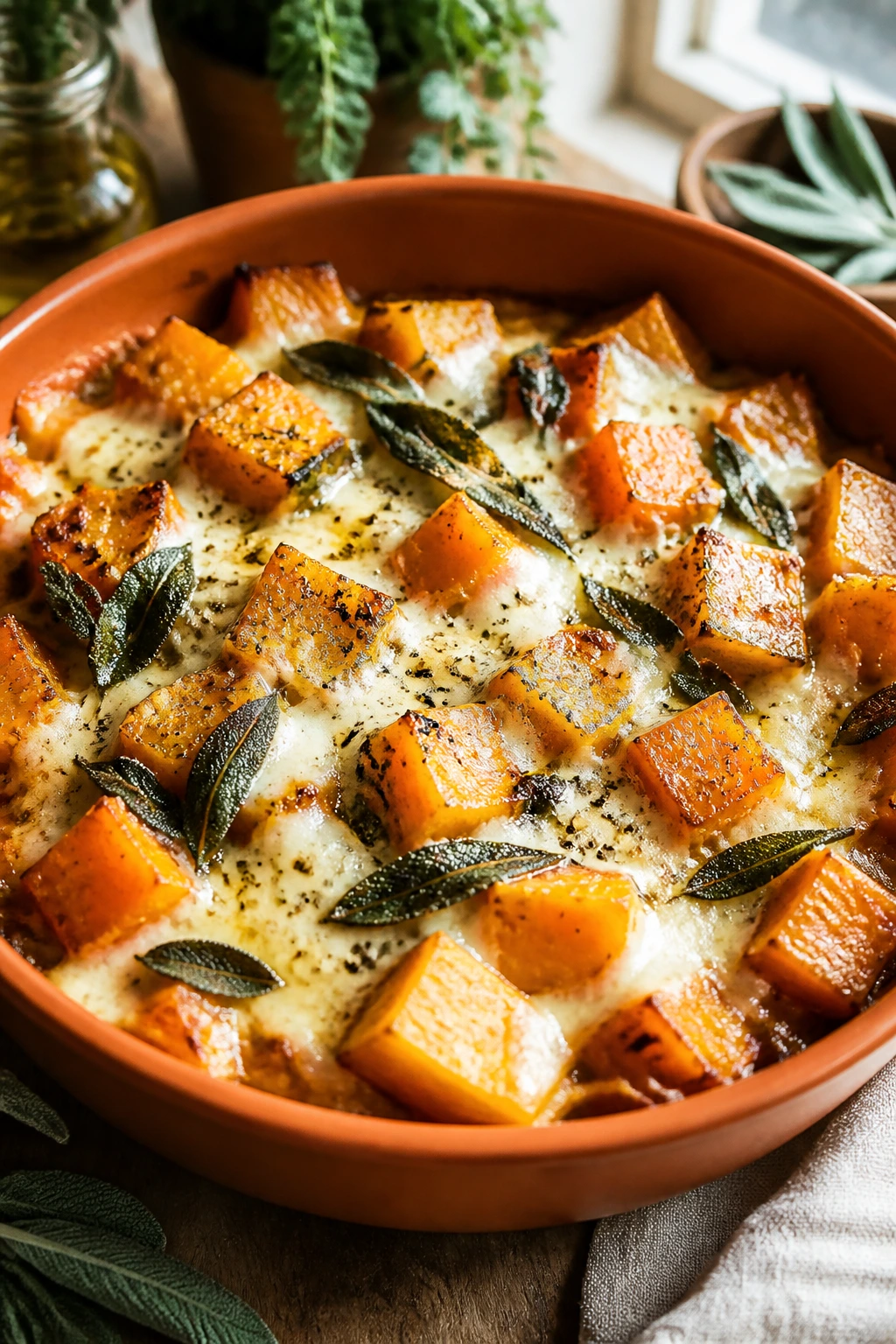
This bowl is the sweetest one in the set, but it still feels rooted and savory. Butternut squash turns soft and caramelized, sage gives it a woodsy note, and fontina melts into the squash like it belongs there. It’s the bowl you make when you want pizza flavors to wear a sweater.
Why It Works:
Roasted squash needs heat to become interesting. At lower temperatures it tastes flat, but at 425°F it turns nutty and a little sticky around the edges. Sage is strong enough to stand up to that sweetness, and fontina melts smoothly without taking over the whole bowl. If you want the bowl to taste richer, a little onion helps a lot.
Key Ingredients:
- 3 cups butternut squash, peeled and cubed
- 2 tablespoons olive oil
- 1 small red onion, sliced
- 1 teaspoon chopped fresh sage
- 2 cups marinara sauce
- 1 1/2 cups cooked cauliflower rice or polenta
- 8 oz shredded fontina or mozzarella
- 2 tablespoons grated Parmesan
- Salt and black pepper, to taste
- 1 teaspoon balsamic glaze
Quick Steps:
- Preheat the oven to 425°F (220°C).
- Toss the squash and onion with olive oil, sage, salt, and pepper on a sheet pan. Roast for 20 minutes until the squash is tender and the edges brown.
- Warm the marinara in a small saucepan for 2 to 3 minutes.
- Divide the cauliflower rice or polenta among four bowls.
- Spoon the sauce over the base, add the roasted squash and onions, then top with fontina and Parmesan.
- Bake for 10 minutes until melted, then finish with a tiny drizzle of balsamic glaze.
Equipment for This Recipe:
- Rimmed sheet pan
- Saucepan
- 4 oven-safe bowls
- Spatula
How to Serve This Dish:
Serve it with a bitter green salad or toasted bread rubbed with garlic. The balsamic finish is subtle, so don’t drown the bowl in it.
Pro Tips for This Recipe:
- Cut the squash into even cubes so it roasts at the same speed.
- Fresh sage is better here than dried. Dried sage can taste dusty.
- If the onions start to burn, move them to the cooler side of the pan.
- Fontina gives a better melt than hard cheeses alone.
Variations on This Dish:
- Sweet Potato Swap: Use sweet potato cubes if squash isn’t on hand.
- Rosemary Version: Replace half the sage with rosemary for a more piney edge.
- Creamier Bowl: Add 2 tablespoons ricotta under the cheese for a softer interior.
Common Mistakes to Avoid with This Dish:
- Underroasting the squash: Pale squash tastes like steam. Wait for the edges to color.
- Using too much balsamic: It should hint, not dominate.
- Forgetting salt: Squash needs salt or it reads sugary.
15. Tuna, Caper, and Tomato Pizza Bowl
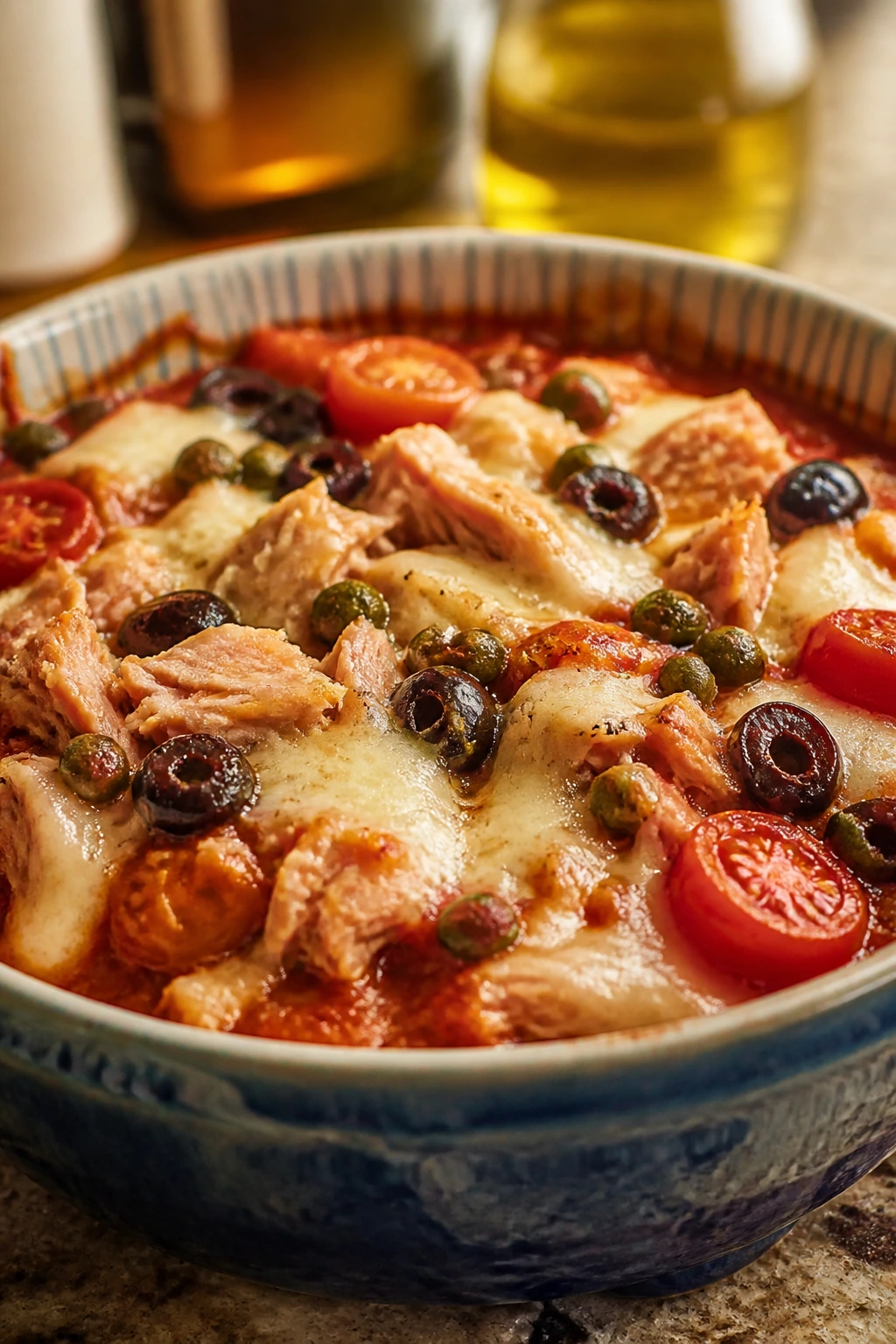
This one sounds unusual until you taste it, and then the logic lands hard. Tuna brings a briny, meaty backbone, capers add sharp little pops, and tomatoes keep the bowl anchored in pizza territory. It’s savory in a way that feels close to a pantry lunch but warmer and more satisfying.
Why It Works:
Canned tuna can be plain if you treat it like a filler, but in a hot tomato bowl it becomes something else. Capers and olives add the salt and acid that canned fish wants, and a mild cheese such as provolone softens the edges without hiding the flavor. This bowl is best when the tuna stays chunky, not broken into a paste.
Key Ingredients:
- 2 cans tuna in olive oil, drained
- 2 tablespoons olive oil
- 2 cloves garlic, minced
- 1/2 cup capers, rinsed
- 1/2 cup sliced olives
- 1 cup cherry tomatoes, halved
- 2 cups marinara sauce
- 8 oz shredded provolone or mozzarella
- 1 tablespoon chopped parsley
- 1 1/2 cups cooked polenta
Quick Steps:
- Preheat the oven to 425°F (220°C).
- Warm the olive oil in a skillet and cook the garlic for 30 seconds.
- Add the capers, olives, and cherry tomatoes and cook for 2 minutes until the tomatoes start to soften.
- Stir in the tuna and marinara, keeping the tuna in larger pieces.
- Divide the polenta among four bowls, spoon the tuna mixture over it, and top with provolone or mozzarella.
- Bake for 8 to 10 minutes, just until the cheese melts.
- Finish with parsley.
Equipment for This Recipe:
- Skillet
- 4 oven-safe bowls
- Spoon
- Can opener
How to Serve This Dish:
Serve it with peppery greens and a squeeze of lemon. A little toasted bread on the side helps because the sauce is too good to leave behind.
Pro Tips for This Recipe:
- Use tuna packed in olive oil if you can. It tastes fuller.
- Rinse the capers or the bowl can get too salty too fast.
- Keep the tuna in chunks. Shredded tuna feels dry here.
- A pinch of chili flakes works if you want more heat.
Variations on This Dish:
- White Bean Tuna Bowl: Add 1/2 cup cannellini beans for a softer, more Tuscan feel.
- Lemon Herb Finish: Add lemon zest and dill if you want a brighter seafood profile.
- No-Cheese Version: Skip the cheese and finish with olive oil and breadcrumbs for a lighter bowl.
Common Mistakes to Avoid with This Dish:
- Using tuna that’s too dry: Oil-packed tuna handles the sauce better.
- Overbaking the fish: It only needs to warm through. Too long, and it gets chalky.
- Too many salty toppings: Capers, olives, and cheese need a careful hand.
16. Breakfast Egg and Pancetta Pizza Bowl
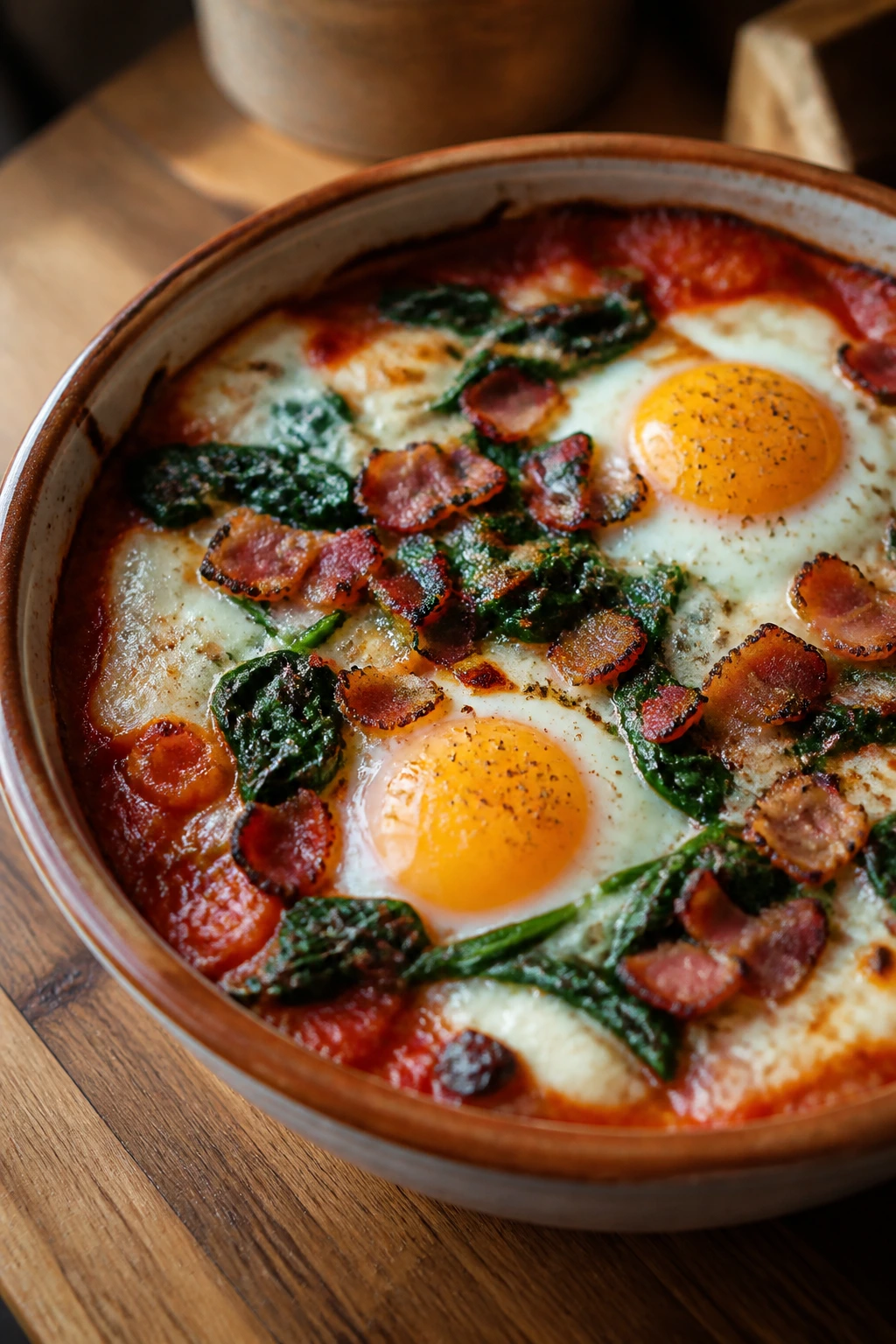
This is the one that makes the kitchen smell like Sunday morning and a pizzeria at the same time. Pancetta crisps into tiny salty bites, spinach softens under the eggs, and the yolks turn the tomato sauce into something rich and silky when you break them open. It’s breakfast, but with a sharper, more savory edge.
Why It Works:
Eggs like a hot oven, but they need a shorter bake than most of the other bowls. Pancetta gives you fat and salt, which means the sauce doesn’t need much help, and spinach brings just enough green to keep the bowl from feeling too heavy. The key move is making little wells so the eggs settle where they belong.
Key Ingredients:
- 4 ounces pancetta, diced
- 4 cups baby spinach
- 2 cloves garlic, minced
- 1 1/2 cups marinara sauce
- 4 large eggs
- 6 oz shredded mozzarella
- 2 tablespoons grated Parmesan
- 1 tablespoon olive oil
- 1/4 teaspoon black pepper
- 1 tablespoon chopped basil
Quick Steps:
- Preheat the oven to 400°F (205°C).
- Cook the pancetta in a skillet over medium heat until crisp, about 5 minutes.
- Add the olive oil, garlic, and spinach, and cook just until the spinach wilts.
- Stir in the marinara and pepper and simmer for 2 minutes.
- Divide the mixture among four bowls, then make a small well in the center of each.
- Crack one egg into each well, top with mozzarella and Parmesan, and bake for 10 to 12 minutes until the whites are set but the yolks still jiggle a little.
- Finish with basil and serve right away.
Equipment for This Recipe:
- Skillet
- 4 oven-safe bowls
- Spoon
- Small bowl for cracking eggs if needed
How to Serve This Dish:
Serve it with toast for dipping. If you want a fuller plate, add roasted potatoes or a fruit salad on the side.
Pro Tips for This Recipe:
- Crack the eggs into a small bowl first so you can slide them gently into the wells.
- Pull the bowls when the whites are just set; they keep cooking out of the oven.
- Use enough sauce to keep the base moist but not so much that the eggs float.
- A tiny pinch of chili flakes wakes up the pancetta.
Variations on This Dish:
- Shaved Fennel Version: Add a little sautéed fennel for sweetness.
- Egg White Bowl: Use two egg whites plus one whole egg per bowl if you want a lighter result.
- Mild Cheese Swap: Fontina melts more softly if you want a gentler breakfast bowl.
Common Mistakes to Avoid with This Dish:
- Baking too long: The yolk disappears from runny to hard in a blink.
- Adding eggs to boiling sauce: It can overcook the bottoms fast. Let the sauce settle first.
- Skipping the wells: Eggs spread and cook unevenly without them.
17. Caprese Chicken and Pesto Pizza Bowl
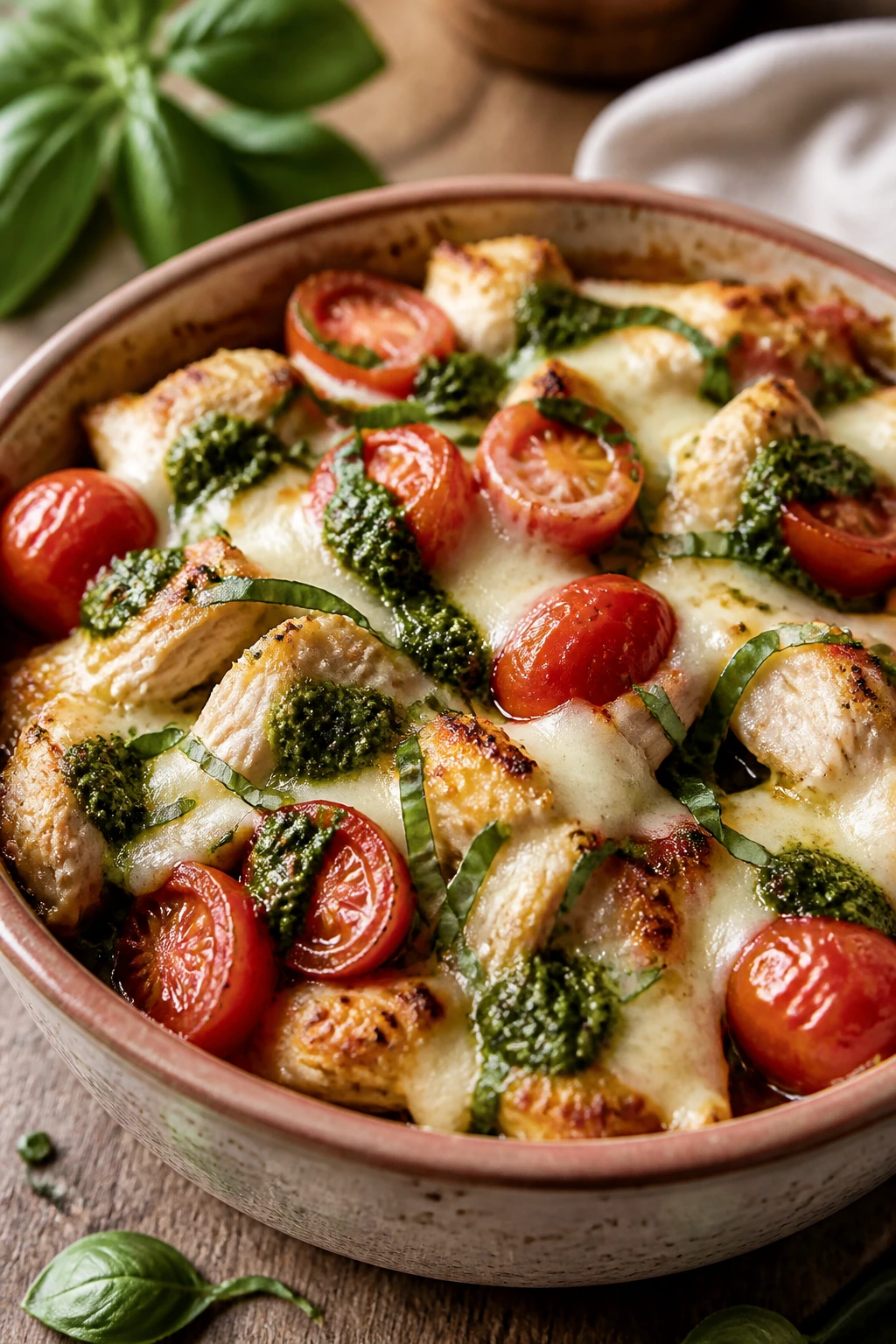
This bowl tastes like a caprese salad decided to sit down for dinner. The chicken keeps it filling, the tomatoes burst and soften in the oven, and the basil pesto threads through the whole thing with a sharp green note. It’s tidy, bright, and more satisfying than it looks at first glance.
Why It Works:
Caprese flavors depend on freshness, which is why this bowl needs tomatoes that still taste like tomatoes. The chicken gives you substance, pesto gives you garlic and basil, and mozzarella brings the soft melt that ties it together. A little balsamic at the end is enough to make the tomatoes taste sweeter without turning the bowl syrupy.
Key Ingredients:
- 2 cups cooked chicken, shredded or chopped
- 2 cups cherry tomatoes
- 2 tablespoons olive oil
- 2 cups marinara sauce
- 1/4 cup basil pesto
- 8 oz fresh mozzarella, torn
- 2 tablespoons grated Parmesan
- 1 tablespoon balsamic glaze
- 1/4 teaspoon black pepper
- 1 tablespoon torn basil
Quick Steps:
- Preheat the oven to 425°F (220°C).
- Toss the tomatoes with olive oil and black pepper, then roast them on a sheet pan for 10 minutes until they start to blister.
- Warm the chicken and marinara together in a skillet for 3 minutes.
- Divide the mixture among four bowls and spoon pesto over the top in small ribbons.
- Add the roasted tomatoes, mozzarella, and Parmesan.
- Bake for 10 minutes until the cheese melts, then finish with balsamic glaze and basil.
Equipment for This Recipe:
- Skillet
- Sheet pan
- 4 oven-safe bowls
- Spoon
How to Serve This Dish:
Serve it with a crisp lettuce salad or toasted bread rubbed with garlic. It looks best when the tomatoes sit high on the melted cheese, not buried underneath it.
Pro Tips for This Recipe:
- Roast the tomatoes first. It deepens the flavor and keeps the bowl from tasting flat.
- Use thick pesto so it stays visible.
- If the chicken is bland, salt it before adding sauce.
- Don’t overdo the balsamic glaze. A little goes a long way.
Variations on This Dish:
- Burrata Finish: Replace half the mozzarella with burrata for a softer center.
- Roasted Pepper Caprese: Add roasted red peppers if you want more sweetness.
- Pesto-Free Version: Use basil leaves and olive oil if you want a cleaner finish.
Common Mistakes to Avoid with This Dish:
- Using flavorless tomatoes: The bowl leans on them. Choose ripe cherry tomatoes.
- Drowning the bowl in pesto: It should accent the dish, not take it over.
- Baking fresh basil: It turns dark and loses its snap. Add it at the end.
18. Roasted Cauliflower and Provolone Pizza Bowl
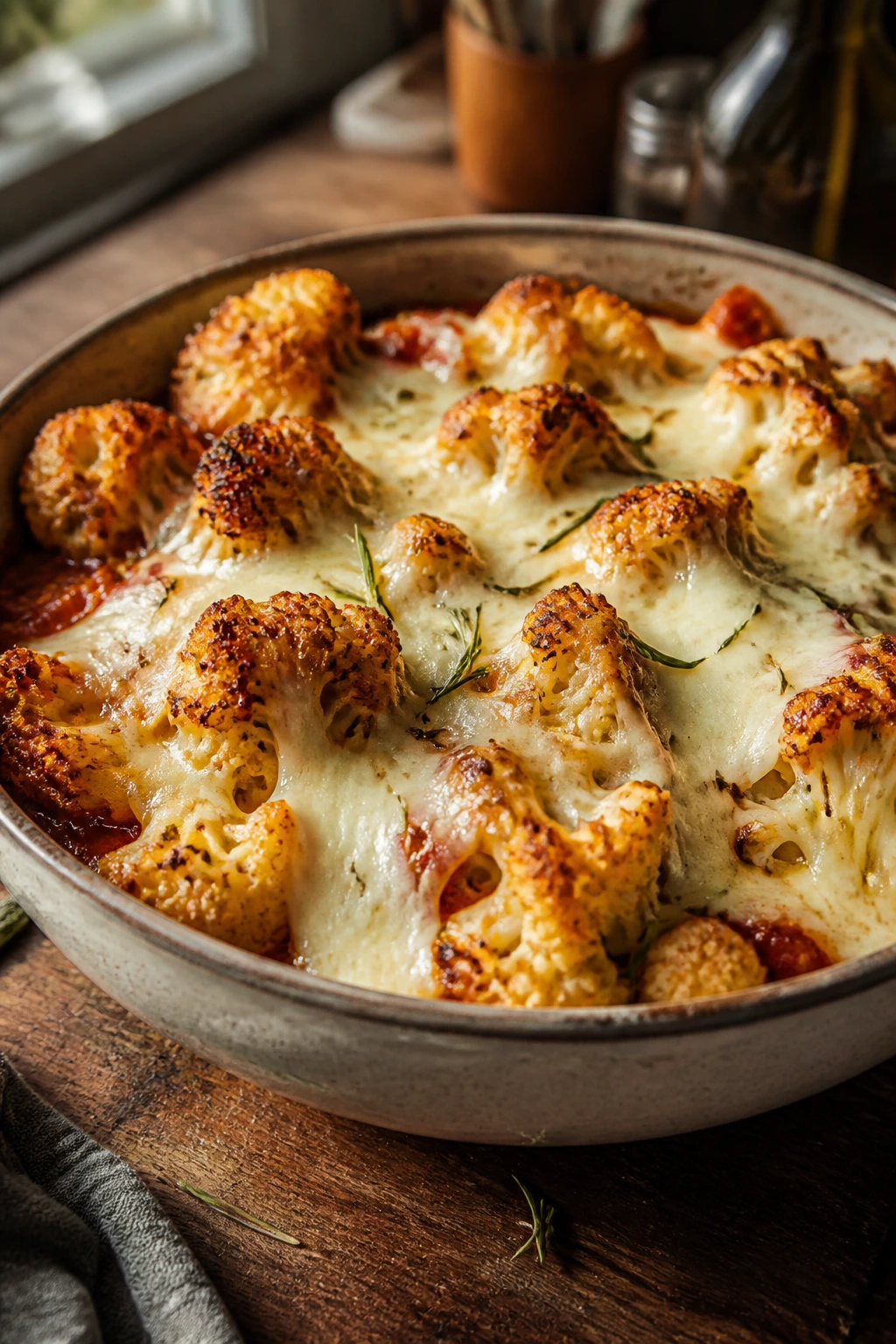
This bowl is the quiet one that keeps getting finished first. Roasted cauliflower brings a nutty, browned flavor, provolone melts into a soft blanket, and rosemary gives the whole thing a little lift. It’s one of the easiest bowls to like because it doesn’t try to do too much.
Why It Works:
Cauliflower behaves better when it gets actual heat and room on the pan. Once it browns, it tastes less like a vegetable placeholder and more like a savory base. Provolone has enough stretch to feel pizza-like, but it doesn’t cover the roasted cauliflower’s flavor the way a heavier cheese can. Rosemary keeps the bowl from becoming too soft and creamy.
Key Ingredients:
- 1 large head cauliflower, cut into florets
- 3 tablespoons olive oil
- 1 teaspoon chopped rosemary
- 3 cloves garlic, minced
- 2 cups marinara sauce
- 8 oz shredded provolone
- 2 tablespoons grated Parmesan
- 1/2 teaspoon black pepper
- 1 1/2 cups cooked polenta or cauliflower rice
- Salt, to taste
Quick Steps:
- Preheat the oven to 425°F (220°C).
- Toss the cauliflower with olive oil, rosemary, salt, and pepper on a sheet pan. Roast for 20 minutes until browned at the edges.
- Stir the garlic into the marinara and warm it for 2 minutes.
- Divide the polenta or cauliflower rice among four bowls.
- Spoon the sauce over the base, add the roasted cauliflower, and top with provolone and Parmesan.
- Bake for 10 to 12 minutes until the cheese melts and the bowl bubbles around the rim.
Equipment for This Recipe:
- Rimmed sheet pan
- Skillet or small saucepan
- 4 oven-safe bowls
- Spatula
How to Serve This Dish:
Serve it with a salad dressed in olive oil and lemon, or with toasted bread if you want something for the sauce. A little extra rosemary on top works if you like a more fragrant finish.
Pro Tips for This Recipe:
- Roast the cauliflower in a single layer or it steams.
- Provolone melts nicely, but shred it yourself if you want a smoother top.
- If the cauliflower is pale, give it a few more minutes in the oven before assembling.
- A spoon of ricotta under the cauliflower makes the bowl richer without losing the roasted flavor.
Variations on This Dish:
- Garlic-Parmesan Version: Add 1 extra clove garlic and a heavier shower of Parmesan for more bite.
- Olive Addition: Toss in sliced olives if you want more brine.
- Broccoli Swap: Broccoli works the same way if cauliflower isn’t in the kitchen.
Common Mistakes to Avoid with This Dish:
- Underroasting the cauliflower: Pale florets taste bland. Let the edges brown.
- Using too much sauce: The roasted cauliflower should still be visible.
- Shredding the cheese too early: Pre-shredded provolone can clump; a block melts better.
Why Tuscan Ingredients Work So Well in a Pizza Bowl
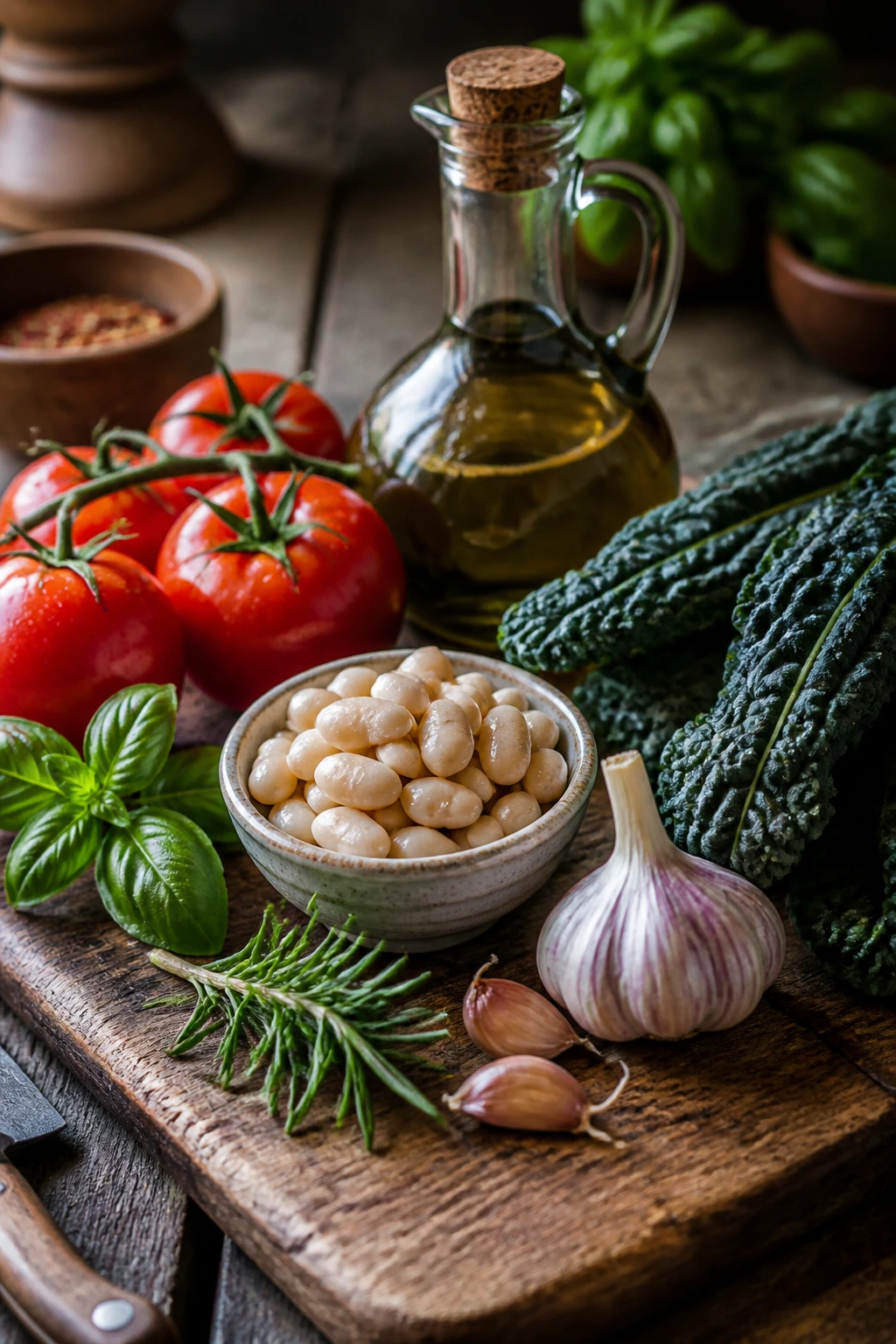
Tuscan cooking has always been good at making plain things taste like enough. Olive oil, greens, beans, garlic, cured meat, tomatoes, and herbs do most of the work without needing cream or a lot of extras. That is exactly why these bowls make sense. The format is blunt, almost practical, and Tuscan ingredients don’t mind blunt.
The bowl also fixes a problem that pizza sometimes creates: too much moisture trapped under dough. Once the crust is gone, tomatoes can reduce properly, vegetables can brown before they go into the bowl, and cheese can melt on top instead of steaming underneath. You get more contrast, not less. That’s the part I like most.
A good Tuscan pizza bowl should taste layered. First the salt, then the tomato, then the herb, then the creamy or chewy piece that keeps your spoon going back in. The ingredients are simple. The order matters.
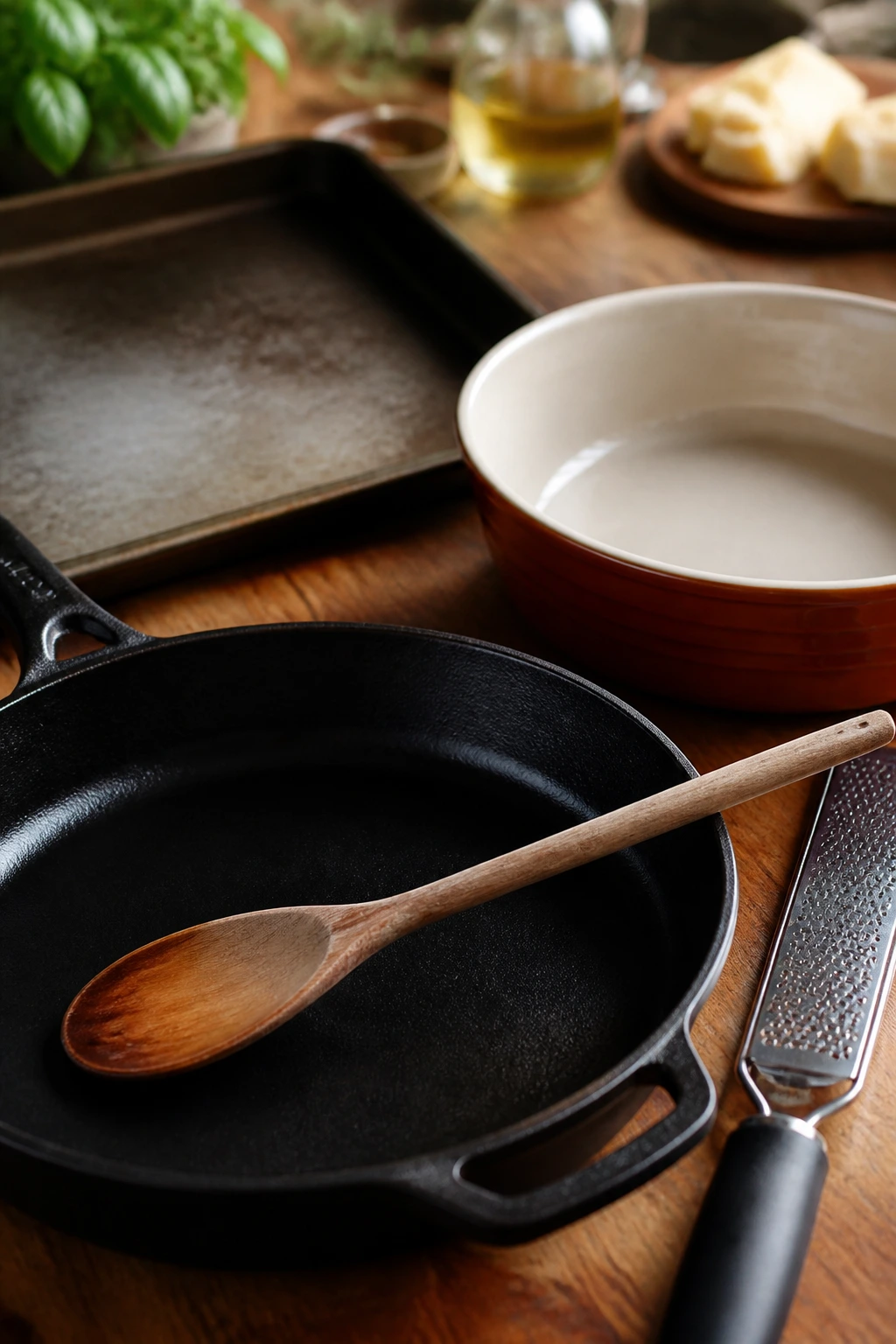
Essential Equipment for These Recipes
-
Oven-safe bowls or ramekins: Shallow stoneware bowls work best because they heat evenly and give the cheese room to bubble without spilling over.
-
Large skillet: This is where the flavor starts. You need enough room to brown sausage, mushrooms, zucchini, or greens instead of steaming them.
-
Rimmed sheet pan: Put the bowls on a sheet pan so you catch drips and can move several bowls in and out at once without fuss.
-
Wooden spoon or heatproof spatula: Useful for breaking up sausage, stirring sauce, and keeping tender ingredients from tearing.
-
Fine grater or microplane: Good for Parmesan, Pecorino, lemon zest, and garlic if you want it to melt into the bowl instead of sitting in chunks.
-
Strainer or colander: Needed for beans, artichokes, tuna, and anything jarred that comes with extra liquid.
-
Tongs: Handy for arugula, spinach, and hot roasted vegetables.
-
Knife and cutting board: A sharp knife matters more than people admit, especially for onions, zucchini, and herbs.
Smart Shopping and Ingredient Tips
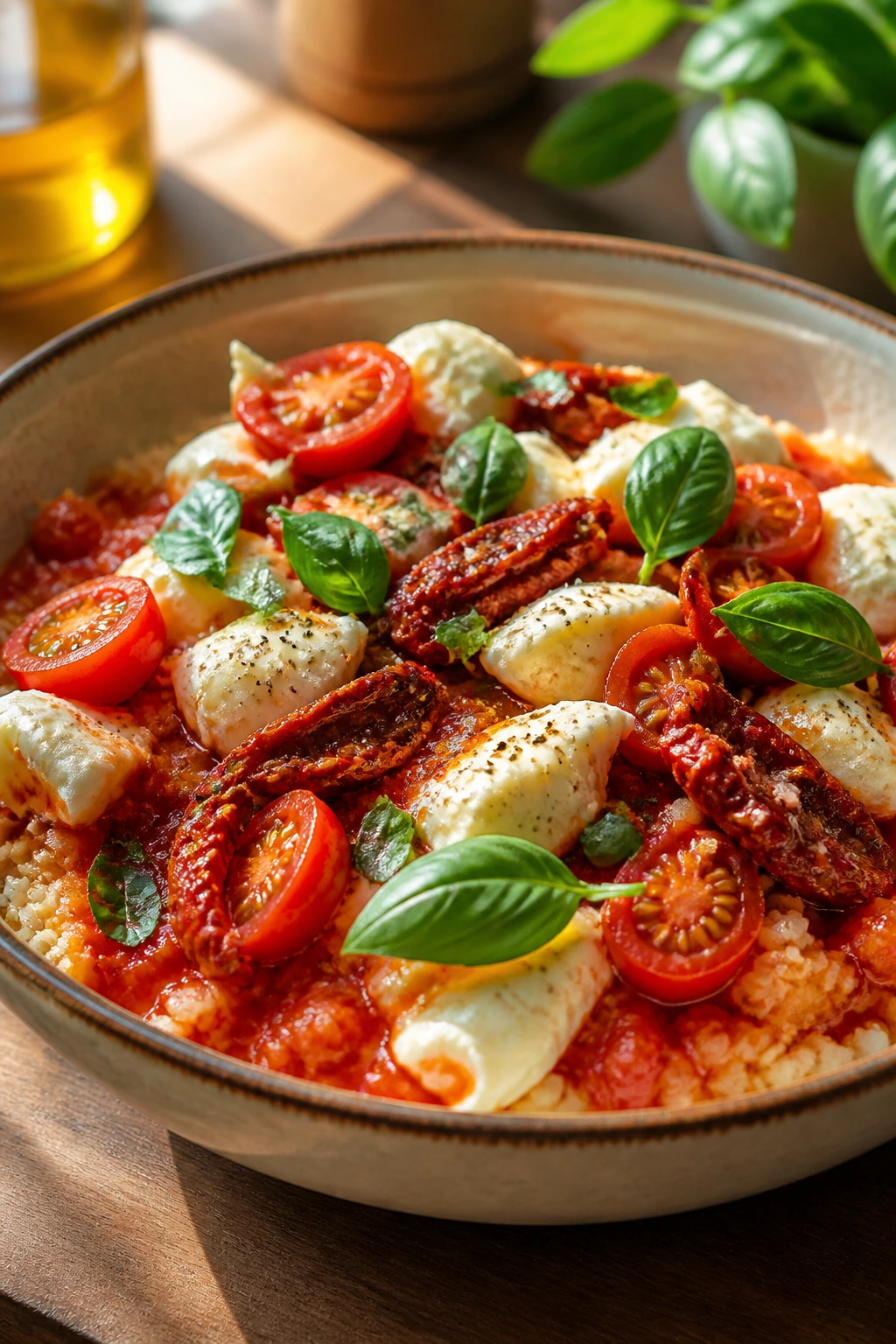
Buy the sauce first. If the marinara tastes flat from the jar, it will taste flatter after baking. Look for one with tomatoes, olive oil, garlic, and salt near the front of the list, not a sauce that leans on sugar to feel finished. A good jarred sauce saves time, but it should still taste like tomatoes, not dessert.
Cheese matters more than most people want to hear. Low-moisture mozzarella melts cleaner for these bowls, while fresh mozzarella gives you softer, juicier pockets. If you use fresh mozzarella, drain it on paper towels for at least 10 minutes before it goes into the bowl. Hard cheeses such as Parmesan and Pecorino are there for salt and edge, not for bulk.
For vegetables, choose the versions that can take heat. Zucchini should be firm, not floppy. Eggplant should feel heavy for its size. Mushrooms need dry caps, not slimy ones. Artichokes and roasted peppers should be well drained or the bowl will start out watery and end that way.
On the meat side, Italian sausage, pancetta, prosciutto, and soppressata all bring different strengths. Sausage gives you fat and seasoning. Pancetta gives you crisp bits. Prosciutto is best added at the end so it stays tender. Cured meats are salty enough that you should taste before adding more salt to the pan.
Beans are a quiet helper here. Cannellini beans, in particular, take on tomato and garlic beautifully and make the bowls feel more substantial. Rinse them well, then let them drain completely. Wet beans dilute the sauce more than people expect.
How to Serve These Recipes
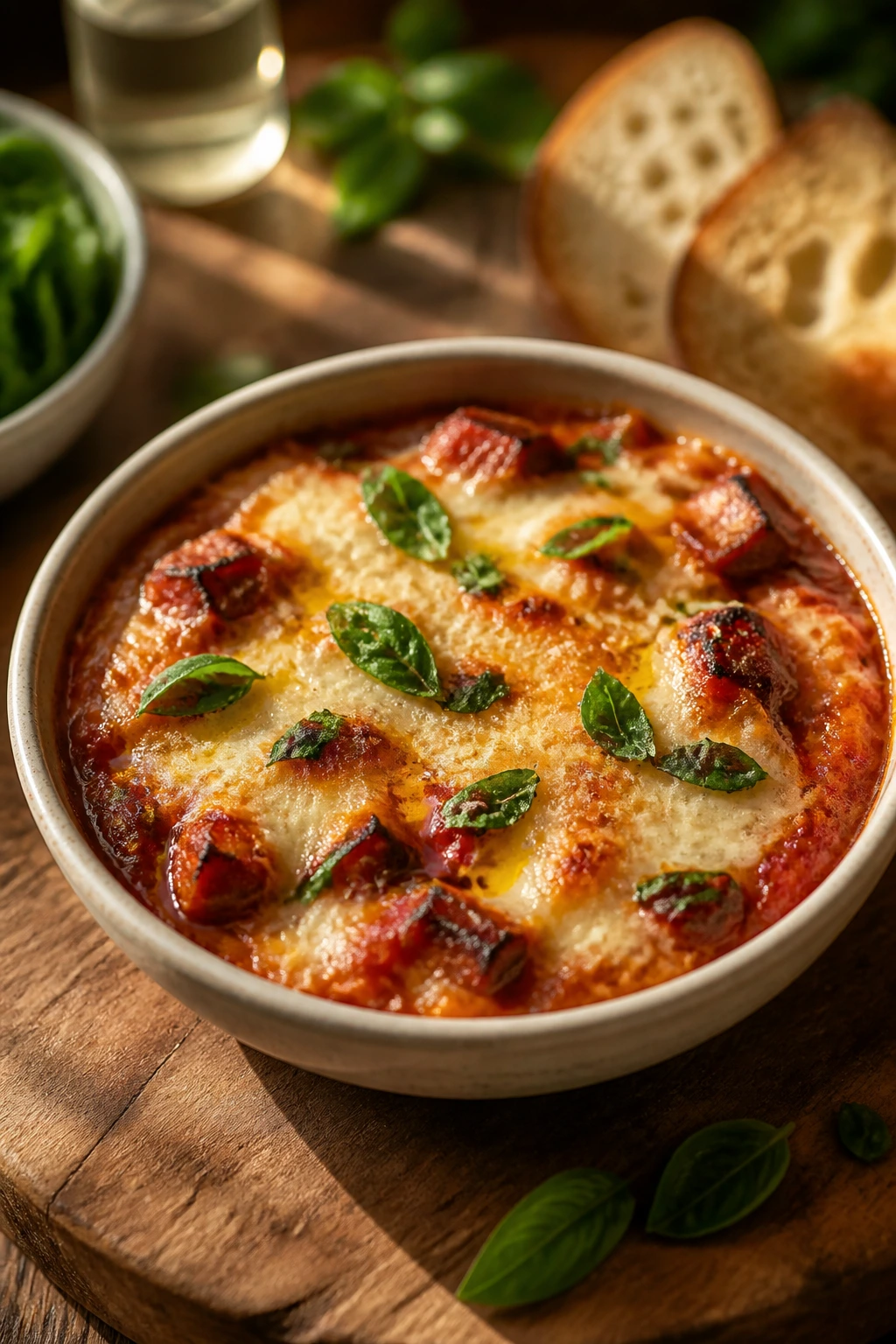
Presentation:
Use shallow, oven-safe bowls so the cheese can brown in a wide layer instead of sinking into the middle. Finish with a small handful of torn basil, a few shavings of Pecorino, or a thread of olive oil so the top looks fresh, not sealed shut.
Accompaniments:
A bitter green salad with lemon dressing works across almost all of these bowls. So does toasted ciabatta, garlic bread, or a simple fennel salad. If you want a fuller spread, roasted potatoes or a tray of broccoli rabe fit the mood without stealing the show.
Portions:
For a main meal, plan on one full bowl per person, especially if the bowl includes polenta, beans, or meat. If you’re serving a salad and bread with it, the bowls can be a little smaller. These are easy to scale up: just use a bigger sheet pan and keep the ratio of sauce to toppings steady.
Beverage Pairing:
A medium-bodied red such as Chianti works with the tomato-heavy bowls and cured meats. For lighter bowls, a crisp Vermentino or even sparkling water with lemon keeps the plate from feeling heavy. I also like a dry rosé with the artichoke, olive, and seafood versions.
Additional Tips and Flavor Boosters
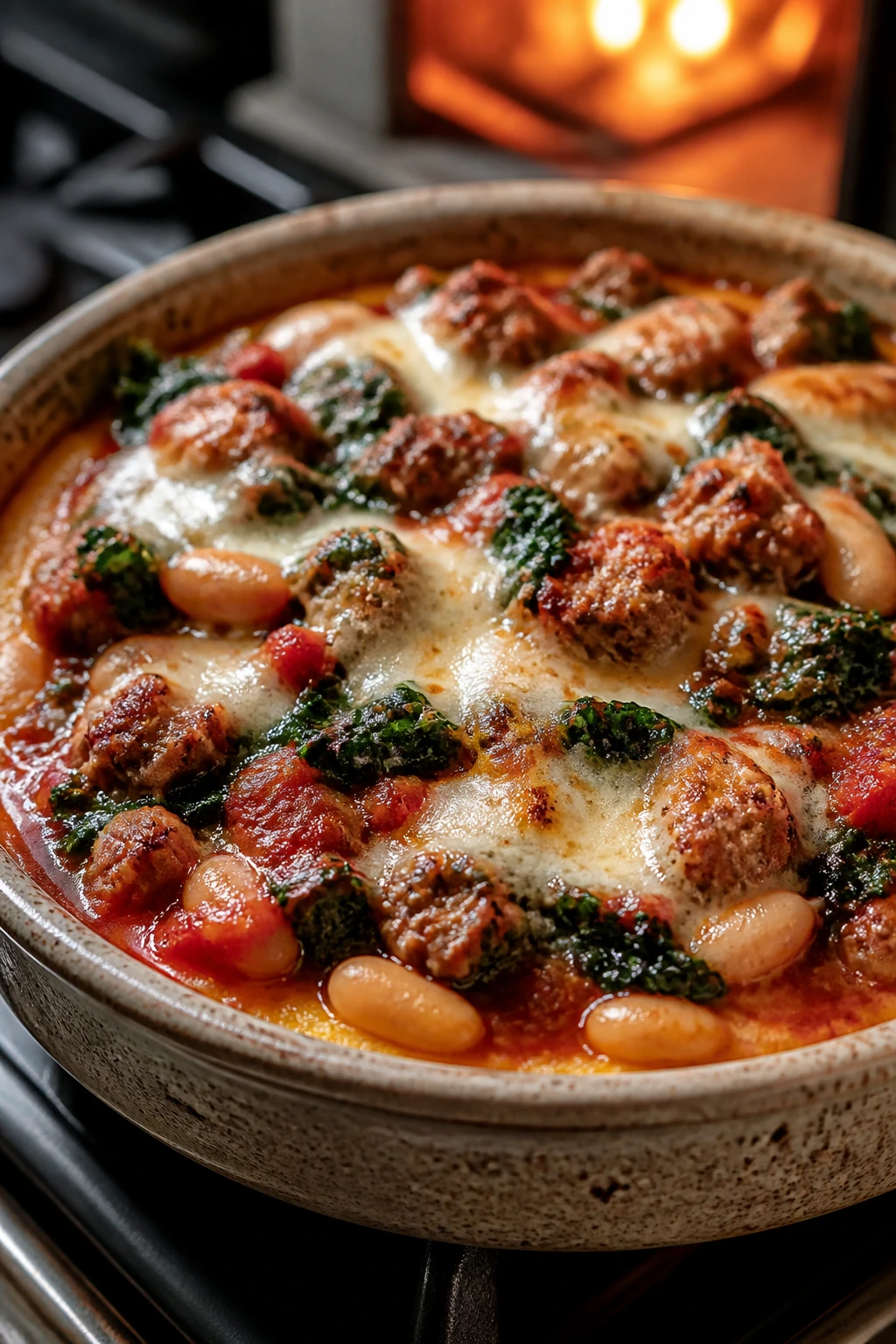
Flavor Enhancement:
A tiny finishing drizzle of good olive oil changes more than it should. It makes roasted vegetables taste less dry and gives tomato sauce a silky top note. If you like a little heat, use a few drops of Calabrian chile oil at the end instead of stirring heat into the whole pan.
Customization:
Swap polenta for cauliflower rice when you want a lighter bowl, or use crusty bread cubes if you want something closer to panzanella-meets-pizza. Beans can stand in for meat in almost any of these bowls, and mushrooms can carry more weight than people think if they’re browned properly.
Serving Suggestions:
Torn basil, chopped parsley, lemon zest, and grated Pecorino are the easiest finishers to keep around. A few toasted breadcrumbs over the top add crunch that actual pizza crust would have provided. Don’t use a thick crust of breadcrumbs, though. A light dusting is better.
Make-It-Yours:
For dairy-free bowls, use olive oil, dairy-free pesto, and a good plant-based melt, then lean harder on herbs and olives for flavor. For a higher-protein bowl, add extra chicken, sausage, shrimp, or white beans rather than doubling the cheese. For a vegetarian version, make mushrooms, eggplant, beans, and artichokes do the work and don’t apologize for it.
Make-Ahead, Storage, and Reheating Guidance
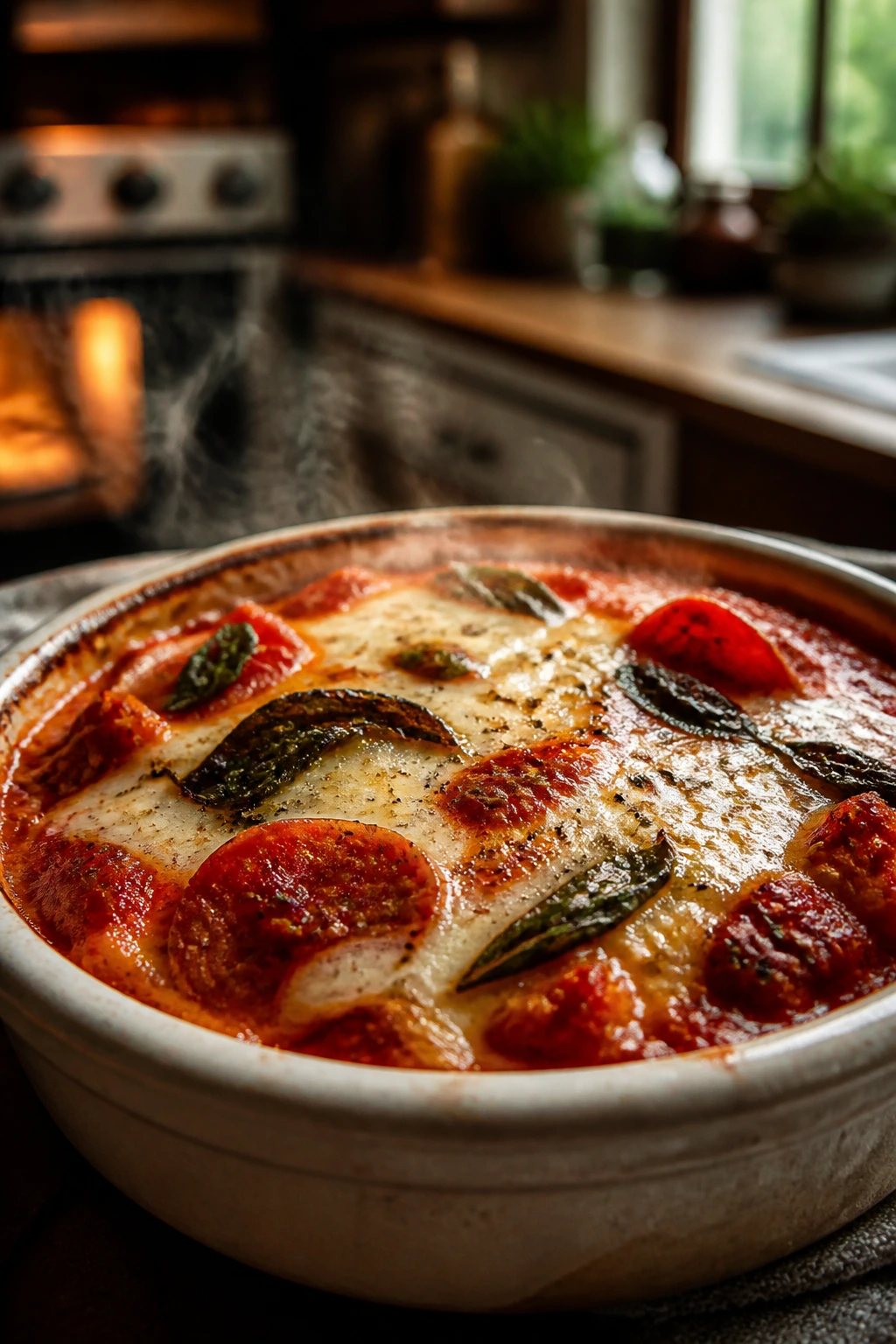
Most of these bowls keep well for 3 to 4 days in the fridge, but they store best when the fresh finishing items stay separate. Basil, arugula, and balsamic glaze should go on after reheating, not before. If you’re making ahead, cook the sauce, roast the vegetables, and brown the meat first, then assemble and bake when you’re ready to eat.
The freezer works best for the saucy, sturdy bowls: sausage and kale, meatball and pepper, eggplant parm, cannellini bean, and roasted cauliflower all freeze well for up to 2 months. Shrimp, eggs, arugula, and ricotta-heavy bowls do not freeze with the same grace. They get a little grainy or rubbery, which is the kind of texture no one needs.
For reheating, the oven wins. Cover the bowl loosely with foil and warm at 350°F for 12 to 15 minutes, then uncover for the last 3 minutes if you want the top to re-soften. If you’re in a hurry, microwave in 45-second bursts, but stop before the cheese splits. For bowls with eggs, use low heat and check early so the yolk doesn’t turn chalky. For bowls with greens or herbs, add those after reheating so they don’t fade into the sauce.
Variations and Adaptations to Try
-
Dairy-Free Olive Oil Bowls: Skip the mozzarella and lean on olive oil, garlic, olives, beans, and herbs. The bowls lose the cheese pull, but they gain a brighter, cleaner finish that works especially well with artichokes, tuna, and broccoli rabe.
-
Polenta First: If you want the bowls to feel heartier, make polenta the base for nearly any recipe here. It soaks up tomato sauce well and gives you a spoonable bottom layer that tastes more like a baked supper than a lighter bowl.
-
Vegetarian Pantry Version: Use cannellini beans, mushrooms, eggplant, spinach, artichokes, and roasted peppers. That mix has enough chew and salt to replace meat without making the bowls feel empty.
-
Spicy Calabrian Kick: Stir Calabrian chile paste or red pepper flakes into the sauce and finish with chili oil. It works especially well in the sausage, shrimp, tuna, and margherita bowls where the heat can sit against the tomato.
-
Kid-Mild Cheese Bowls: Keep the sauce simple, skip the capers and olives, and lean on mozzarella and a little Parmesan. Zucchini, chicken, and meatball bowls tend to be the easiest starting point for younger eaters.
Common Mistakes to Avoid
-
Making the bowl too wet: Water from zucchini, spinach, mushrooms, artichokes, or thawed cauliflower rice can turn the whole thing loose. Cook off moisture first, drain well, and don’t rush that part.
-
Using sauce that tastes flat before it bakes: A watery or weak marinara will not improve in the oven. Taste it first and simmer it down if it needs more body.
-
Burying the toppings under too much cheese: The cheese should hold the bowl together, not smother the vegetables or meat. If the surface looks sealed, you probably used too much.
-
Adding delicate greens too early: Arugula and basil are toppings, not baking ingredients. Put them on after the heat so they still taste like themselves.
-
Overbaking seafood or eggs: Shrimp and eggs need a short, careful finish. If you walk away, they go from tender to dull fast.
-
Forgetting salt in the base: Polenta, cauliflower rice, and beans need seasoning before the toppings go on. If the bottom tastes bland, the whole bowl tastes half-finished.
Frequently Asked Questions
What exactly is a pizza bowl?
It’s a crust-free pizza format served in an oven-safe bowl or ramekin. You get the sauce, cheese, and toppings in a hot, bubbling dish without needing dough.
What base works best if I don’t want polenta or cauliflower rice?
Cannellini beans, sautéed greens, roasted eggplant, and even chopped mushrooms can work as the base. The best choice is the one that can handle sauce without turning soggy.
Can I make these ahead of time?
Yes. Cook the sauce and toppings 2 to 3 days ahead, then store them separately and assemble before baking. Bowls with fresh herbs, arugula, or eggs are better assembled right before cooking.
How do I stop the bowls from turning watery?
Drain canned ingredients well, roast wet vegetables first, and simmer the sauce long enough that it coats a spoon instead of running off it. Also, keep fresh mozzarella drained and pat dry any jarred vegetables.
Can I freeze pizza bowls?
The sausage, meatball, bean, and roasted vegetable versions freeze well for up to 2 months. Bowls with eggs, fresh arugula, or a lot of ricotta are better fresh because the texture changes after thawing.
What cheese melts best for these bowls?
Low-moisture mozzarella gives the cleanest melt. Provolone, fontina, and even a little Taleggio bring extra flavor, while Parmesan and Pecorino work best as finishing cheeses rather than the main melt.
Can I make these without an oven-safe bowl?
Yes. Assemble everything in a small baking dish or cast-iron skillet and bake it there. The shape changes, but the flavor does not.
How can I make them a little lighter without losing the Tuscan feel?
Use beans, greens, cauliflower rice, and olive oil instead of heavier meats and extra cheese. The Tuscan profile still comes through because the herbs, garlic, tomatoes, and beans do the talking.
What should I do if the cheese browns before the center is hot?
Tent the bowl loosely with foil and give it a few more minutes in the oven. That keeps the top from burning while the sauce and base finish heating through.
A Tuscan Habit Worth Keeping
The nice thing about these bowls is that they don’t ask for a ceremony. They ask for a hot oven, a decent sauce, and a few ingredients that know how to taste like themselves. That’s a good trade. You get dinner with the comfort of pizza and the sturdier, woodier flavors that make Tuscan cooking so easy to come back to.
If you keep a jar of marinara, a ball of mozzarella, and a few olives, beans, or greens in the kitchen, these bowls stop being a special project and start feeling like a habit. And that’s the real pleasure here: the next time you want pizza flavor without the whole dough production, the bowl is already waiting.