



Caprese goes flat fast when the tomatoes taste like refrigerator water and the mozzarella is still cold enough to dull your teeth. A proper herbed Caprese appetizer fixes that with embarrassingly simple moves: ripe tomatoes at room temperature, fresh mozzarella that’s been drained dry, and an herb oil that smells like basil the second it hits the bowl.
The “like Nonna used to make” part matters because it keeps the plate honest. No clutter. No heavy sauce. No thousand-ingredient detour pretending to be Italian. Just tomatoes, cheese, herbs, olive oil, and enough salt to wake everything up. That’s the kind of food that looks casual on the table and gets eaten with a speed that makes you glad you made extra.
I like this kind of appetizer because it punishes laziness in the best way. Slice the tomatoes too early and don’t drain the cheese? You get a puddle. Use dull, flavorless tomatoes? The plate goes mute. But if you handle the ingredients with a little care — 10 minutes here, 5 minutes there — the whole thing suddenly tastes more polished than the effort suggests.
That’s the whole trick. Small moves, big payoff. And once you see how much difference a short rest makes, you’ll stop throwing caprese together five minutes before guests walk in and hoping for the best.
Why This Herbed Caprese Appetizer Belongs at the Front of the Table
Fresh Ingredients: The dish has nowhere to hide, which is exactly why good tomatoes and good mozzarella matter so much; one ripe tomato can carry half the flavor of the platter.
No-Cook Ease: You only need a knife, a bowl, and a platter, so there’s no stove traffic and no last-minute panic over a burner running too hot.
Herb Layering: Basil, parsley, oregano, and chives don’t make the plate fussy; they give the olive oil a green, savory depth that a plain drizzle never gets to.
Party Friendly: The slices look generous and clear on a platter, so people can serve themselves without stabbing at a bowl of dressed salad and splashing oil on their sleeves.
Flexible Serving: It works as a first course, a snack with bread, or one piece of a bigger antipasto spread, and it never feels out of place next to olives, roasted peppers, or cured meats.
Worth the Extra 10 Minutes: Salting the tomatoes and letting the finished platter sit briefly changes the texture in a way that’s hard to fake later. The tomatoes soften just enough, and the oil picks up the herb aroma.
Yield: Serves 6 as an appetizer
Prep Time: 20 minutes
Cook Time: 0 minutes
Total Time: 30 minutes
Chill/Rest Time: 10 minutes
Difficulty: Beginner — there’s no heat, but the slicing, draining, and seasoning need a little care if you want the platter to stay neat.
Best Served: At room temperature, within 20 to 30 minutes of assembly
What to Buy When the Tomatoes Have to Carry the Dish
The whole appetizer rises or falls with the shopping bag. That sounds dramatic for a tomato platter, but it’s true. If the tomatoes are bland, watery, or hard at the center, all the herbs in the kitchen will not rescue them. If the mozzarella is left soaking wet, the plate will slide around like it’s trying to escape.
Buy tomatoes that feel heavy for their size and smell like something when you sniff the stem end. Heirlooms bring sweetness and color, but a good vine-ripened tomato can work just as well if it’s actually ripe. The same goes for mozzarella: fresh, milky, soft, and drained. Not the rubbery block that lives in the dairy case for months.
For the Caprese Platter:
- 4 large ripe tomatoes, about 2 pounds total, sliced 1/4-inch thick
- 12 ounces fresh mozzarella, drained and patted dry, sliced 1/4-inch thick
- 1/4 cup extra-virgin olive oil
- 2 tablespoons fresh basil leaves, thinly sliced, plus 12 small leaves for garnish
- 1 tablespoon finely chopped flat-leaf parsley
- 1 teaspoon finely chopped fresh oregano or 1/2 teaspoon dried oregano
- 1 tablespoon finely sliced chives
- 1 small garlic clove, finely grated
- 1 teaspoon flaky sea salt, plus more to finish
- 1/2 teaspoon freshly ground black pepper
- 1 tablespoon balsamic glaze, optional but recommended for a sweet finish
Tomatoes
What to use: 4 large ripe tomatoes, about 2 pounds total. I like heirlooms when I can get them because their flavor runs deeper, but the dish works with good vine-ripened tomatoes if they’re actually ripe and soft at the stem end.
Preparation: Slice them 1/4-inch thick so they hold their shape and still melt a little under the oil and salt. If one tomato is much larger than the others, cut the slices in half so the platter stays balanced and easy to pick up.
Substitutions: Cherry tomatoes can be halved for a more rustic, bite-size version, and plum tomatoes can work if they’re the only ripe option. I would not use pale supermarket tomatoes that are hard enough to bounce; they’ll taste like nothing and stay that way.
Tips: Let the sliced tomatoes sit on paper towels with a light sprinkle of salt for 5 to 10 minutes. That short rest pulls out excess juice without collapsing the flesh, and it keeps the platter from turning into a red lake.
Fresh Mozzarella
What to use: 12 ounces fresh mozzarella, ideally packed in whey or water. Mozzarella di bufala has more flavor and a softer center, while regular fresh cow’s milk mozzarella is a little firmer and easier to slice cleanly.
Preparation: Drain it on paper towels for about 10 minutes before slicing. Keep the slices about the same thickness as the tomato slices so the bites feel even and the platter doesn’t wobble when you stack the layers.
Substitutions: Burrata makes a richer, softer version, but it behaves differently and needs a gentler hand. Bocconcini or ciliegine work if you want a smaller, party-bite version, though you’ll lose that classic tomato-and-cheese slice pattern.
Tips: Cold mozzarella slices cleaner, but fridge-cold cheese eats flat. Let it sit out long enough to lose the chill, then pat it dry again right before assembly. Wet cheese is the enemy here. Full stop.
Herb Oil and Seasoning
What to use: 1/4 cup extra-virgin olive oil, 2 tablespoons thinly sliced basil, 1 tablespoon chopped parsley, 1 teaspoon chopped oregano or 1/2 teaspoon dried oregano, 1 tablespoon sliced chives, 1 grated garlic clove, 1/2 teaspoon black pepper, and part of the flaky salt.
Preparation: Finely chop the herbs so they distribute through the oil instead of floating in clumps. Grate the garlic on the smallest side of a microplane so it disappears into the oil instead of landing in sharp little bites.
Substitutions: If you only have basil and parsley, that’s enough. Rosemary is too loud here, and dill pushes the dish away from its Italian lane. Keep the herbs green, soft, and savory.
Tips: Let the herb oil sit for 5 minutes before using it. Garlic needs a minute to calm down in the oil, and the basil perfumes the whole mixture more evenly when it has a little breathing room.
The Finish
What to use: 1 tablespoon balsamic glaze, optional but worth keeping around, plus the remaining flaky salt and black pepper.
Preparation: Drizzle the glaze in a thin line or a loose zigzag, not a heavy flood. The goal is a sharp, glossy accent, not a brown sauce that covers the tomato.
Substitutions: A thin aged balsamic vinegar works if you want a sharper finish. You can also skip it entirely for a cleaner, more old-school plate and lean on the olive oil, herbs, and salt.
Tips: Add the final salt right before serving so it stays crisp on the tongue. If you salt too early, it dissolves into the tomato juices and loses that tiny burst you want in the first bite.
The Tools That Keep the Platter Neat
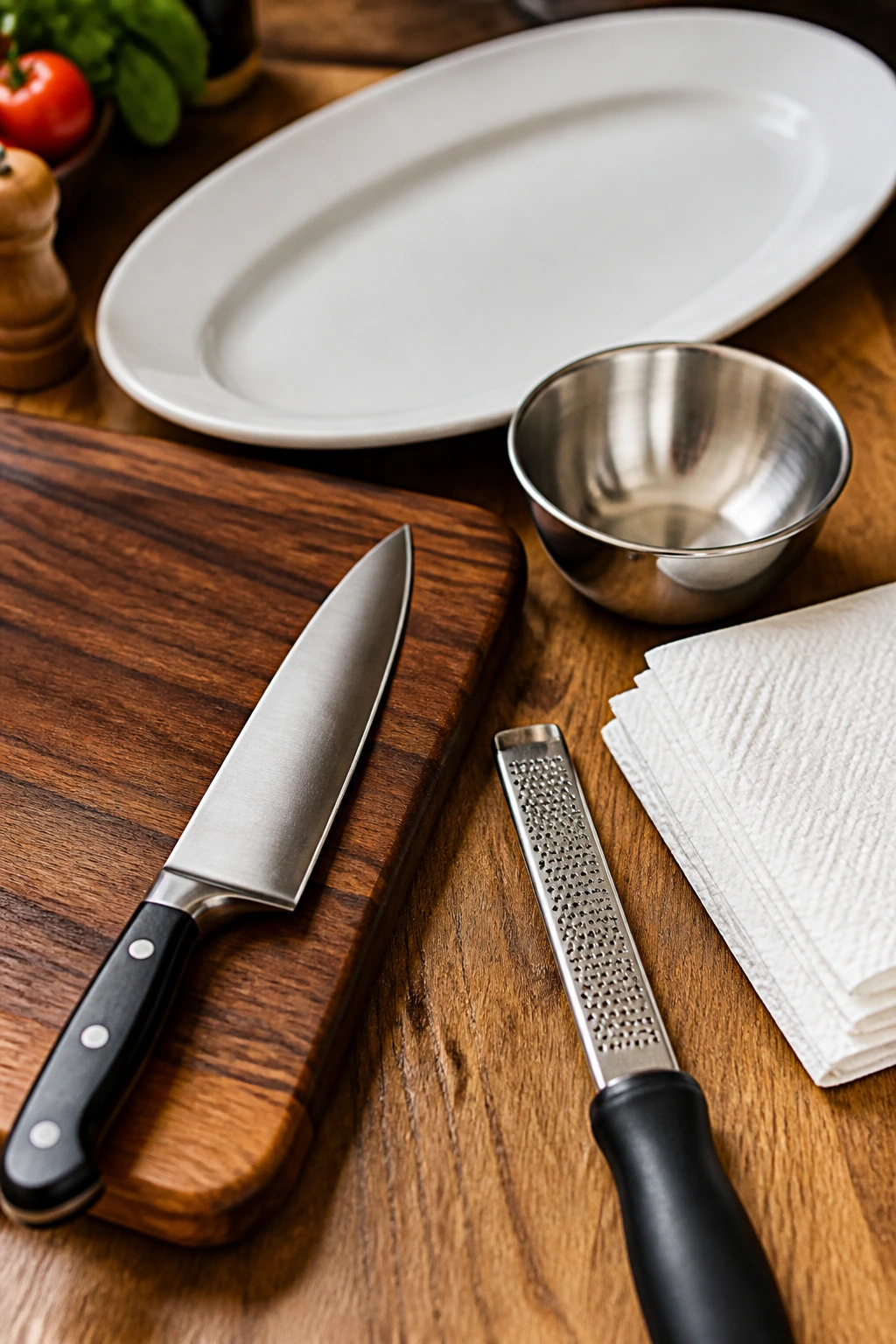
A caprese platter looks effortless when the prep is tidy. That tidy part is not accidental. A sharp knife, a wide platter, and a bowl for the herb oil keep you from wrestling slippery tomatoes while guests stand there pretending not to watch.
A deep bowl is the wrong shape for this dish. It hides the layers and traps juice. A wide, shallow platter gives the tomatoes room to breathe and lets the mozzarella sit beside them instead of sinking into a pile.
- Large serving platter or shallow board: A wide, flat surface keeps the slices visible and makes the dish feel generous instead of cramped.
- Sharp chef’s knife or serrated knife: Use the sharpest blade you own; dull knives crush ripe tomatoes and tear the mozzarella.
- Cutting board with a stable surface: If it slides, tuck a damp towel under it. Tomatoes are not the time for a skating rink.
- Small mixing bowl: You need this for the herb oil so the garlic and herbs can be whisked together before they hit the platter.
- Microplane or fine grater: This is the cleanest way to grate the garlic into the oil without leaving chewy bits behind.
- Paper towels or a clean kitchen towel: They’re useful for draining mozzarella and blotting tomato slices if they leak more than expected.
- Measuring spoons: The herb oil tastes better when the salt and balsamic are measured with some care instead of guessed at from the wrist.
How to Assemble the Platter Without Turning It Watery
Assembly goes faster when you respect the sequence. Drain first. Slice second. Season third. If you rush past that order, you end up chasing juice around the plate with a spoon, and that is never a graceful look.
Prep the Produce
-
Set the mozzarella on a layer of paper towels for about 10 minutes while you prep the tomatoes and herbs. This gives you a drier surface and a cleaner slice.
-
Slice the tomatoes and mozzarella into 1/4-inch rounds. Keep the slices similar in size whenever you can; if a tomato slice is huge, trim it in half so the platter stays easy to manage.
-
Lay the tomato slices on paper towels and sprinkle them lightly with about half of the flaky salt. Let them sit for 5 to 10 minutes until a little moisture appears on the surface and the towels pick it up. Do not skip this if your tomatoes are especially juicy.
Build the Herb Oil
-
In a small bowl, whisk together the olive oil, basil, parsley, oregano, chives, grated garlic, black pepper, and the remaining flaky salt. Let the mixture sit for 5 minutes so the garlic softens and the herbs start to perfume the oil.
-
Taste a drop on the end of a spoon. It should taste salty enough to wake up the tomatoes and green enough to smell like an herb patch after rain. If it tastes flat, add another small pinch of salt. If it tastes too sharp, add a teaspoon more olive oil.
Assemble the Platter
-
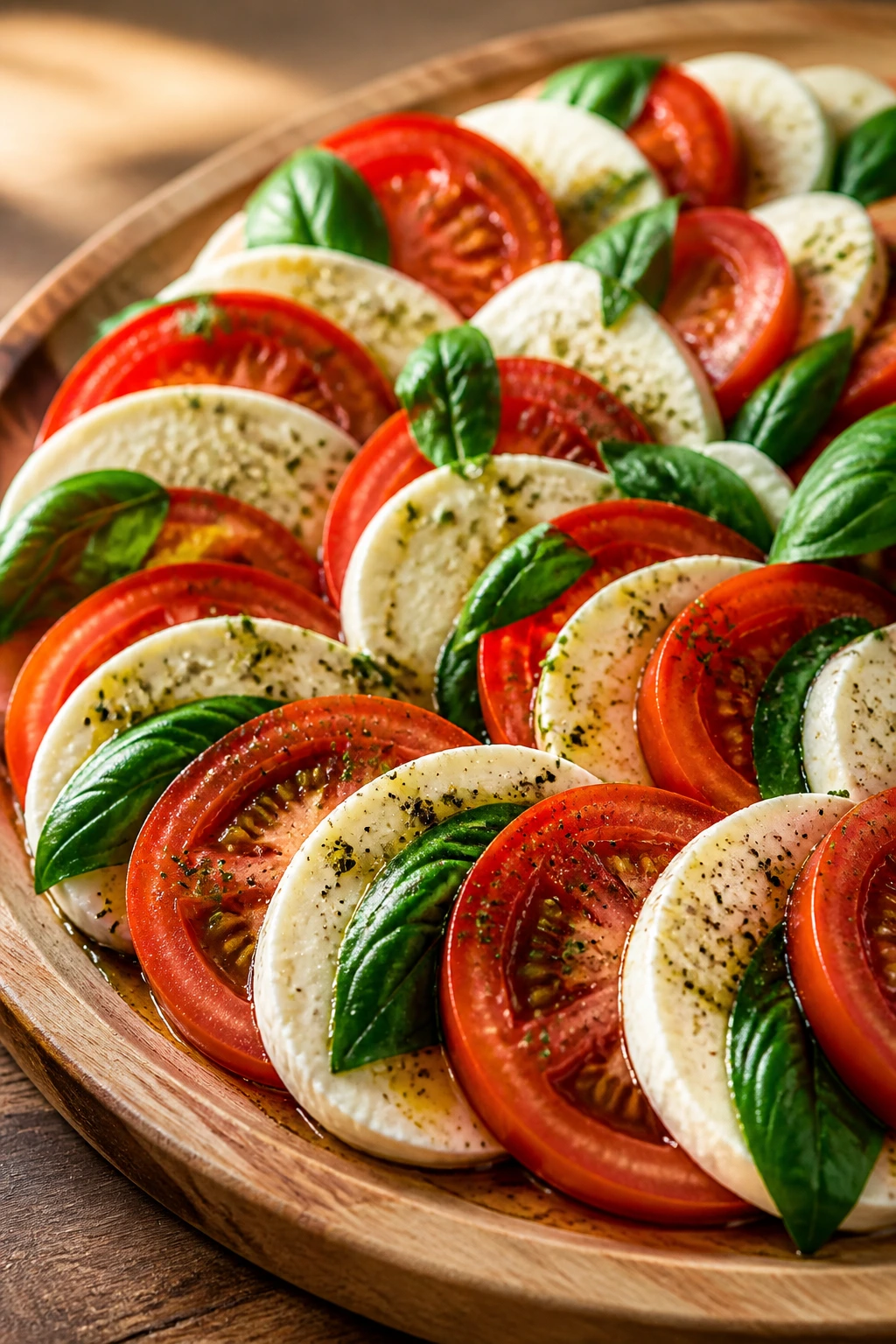
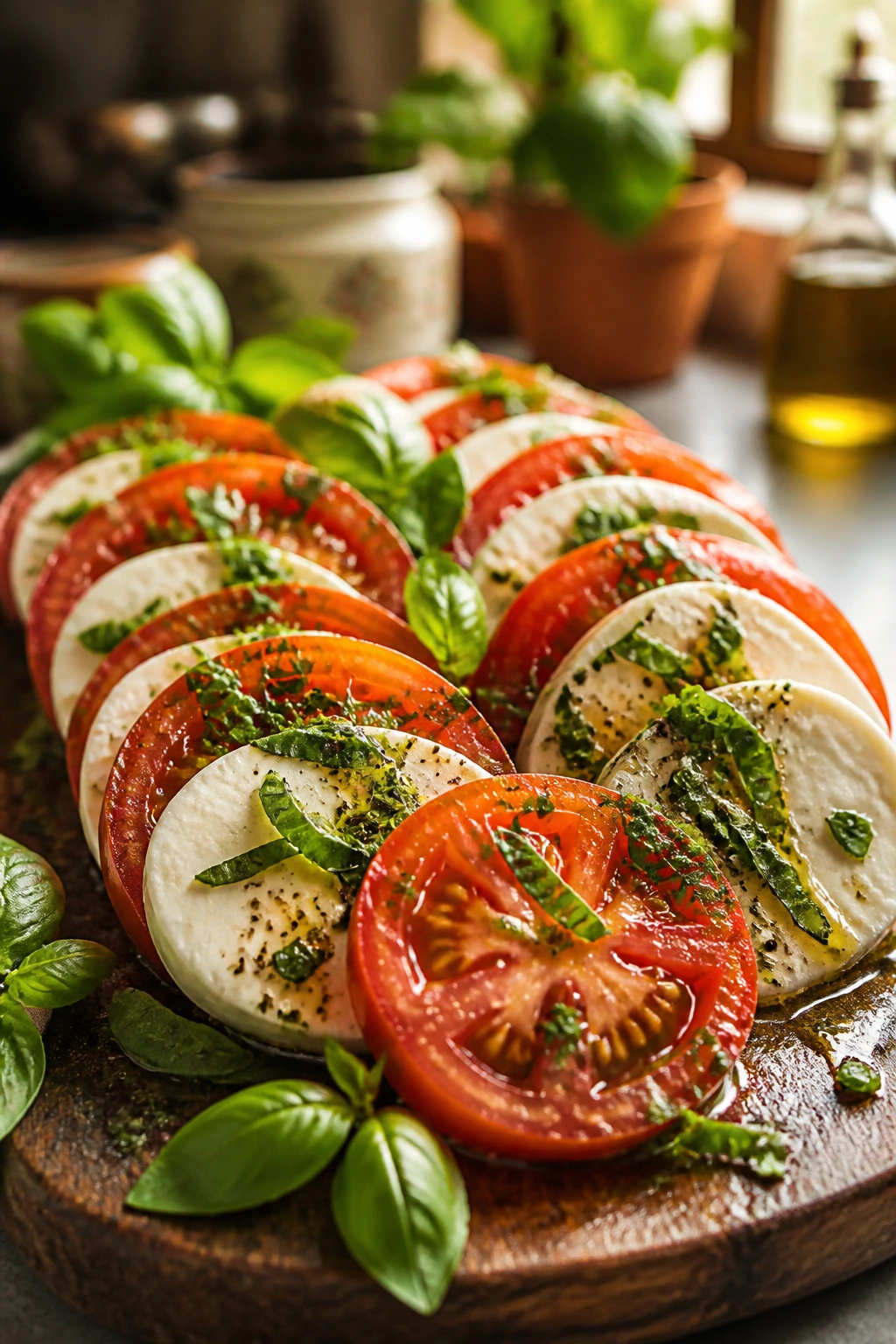
Arrange the tomato slices and mozzarella slices on a large platter in overlapping rows, alternating red and white so the colors show clearly. Leave a little empty space at the edges; crowded caprese looks clumsy and the slices slide into each other.
-
Spoon the herb oil evenly over the top, letting some of it land on the platter itself. Drizzle the balsamic glaze in a thin line if you’re using it, then scatter the basil leaves over the top and finish with a final pinch of flaky salt. Let the platter sit for 10 minutes at room temperature before serving. That short rest is where the flavor settles in.
The finished platter should glisten, not pool. If you see standing liquid, blot it gently with the corner of a paper towel before the last sprinkle of herbs.
Why a Short Rest Changes the Finish
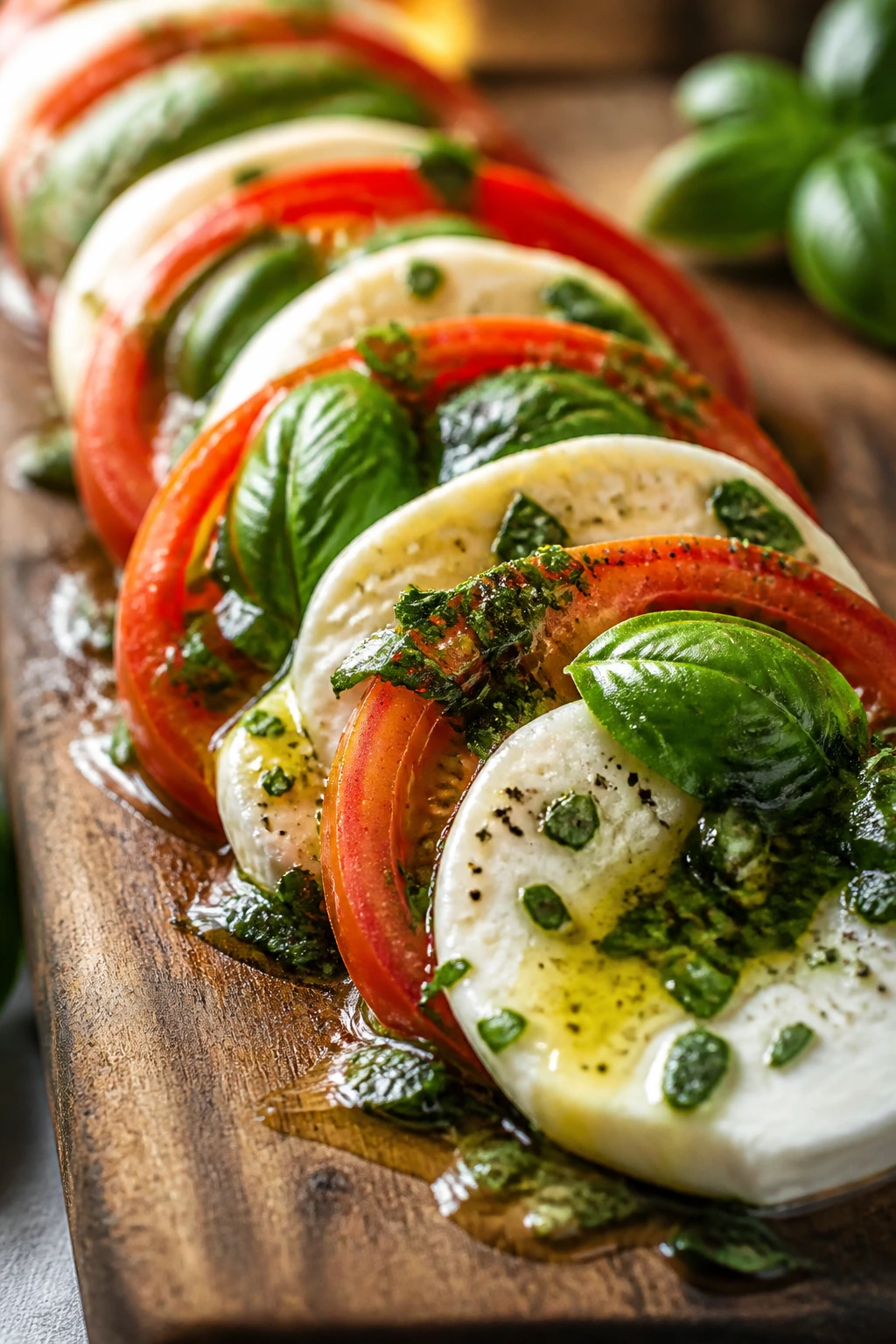
Ten minutes does not sound like much. It is enough. That’s the part most people skip because they want to serve the plate the second it looks assembled, and then they wonder why it tastes a little separated instead of unified.
The salt starts pulling a small amount of juice from the tomatoes, but not enough to make them collapse. The oil catches that juice and carries the garlic and herbs across the plate. Basil stops tasting like garnish and starts tasting like part of the dressing. Even the mozzarella, which can feel a bit cold and blank at first, softens into the same temperature range as the tomatoes.
If you let the platter sit much longer than 20 to 25 minutes, especially in a warm room, the tomatoes can start slumping and the cheese gets too soft at the edges. So yes, rest it. No, do not leave it hanging around for an hour while you make six other things.
The sweet spot is short and obvious: assemble, wait, serve. That’s it.
If you’re hosting outdoors or carrying the platter from kitchen to patio, keep the components separate until the last moment and drizzle the oil once the plate is set down. It feels fussy for about 30 seconds. Then you taste the difference and stop complaining.
How to Serve It Like It Belongs on the Table
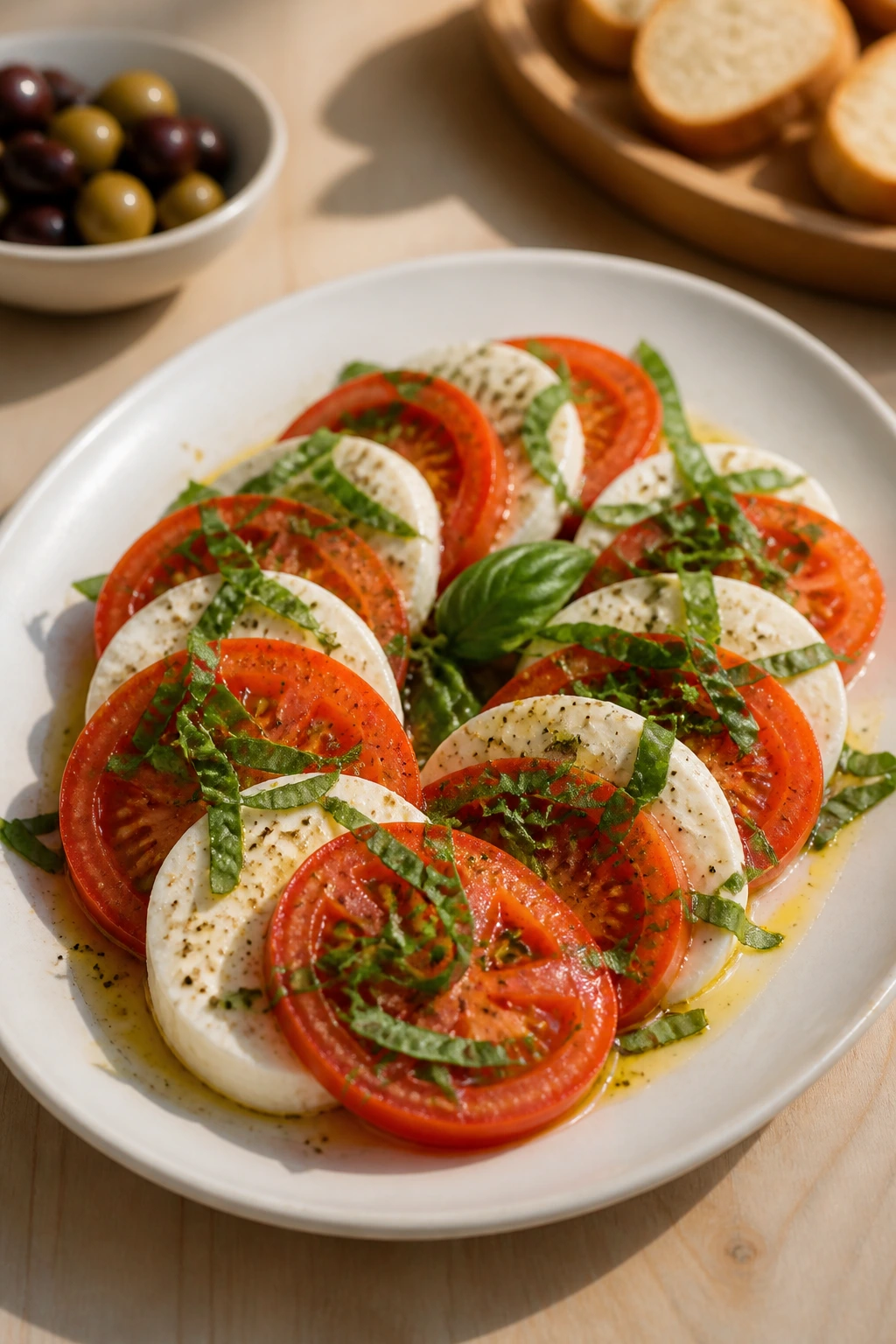
Presentation: Put the platter on the table before the rest of the meal if you want it to vanish quickly. A white or pale serving platter makes the red tomatoes, green basil, and pale mozzarella look crisp and clean, and the overlapping rows feel more inviting than a bowlful ever could.
Accompaniments: A crusty baguette, grilled ciabatta, or a slab of warm focaccia is the obvious partner because it soaks up the herb oil without fighting the tomatoes. I also like it beside marinated olives, a shaved fennel salad, or roasted peppers if the table needs a few extra colors. If you’re building a larger antipasto spread, place this near the bread and away from anything saucy so the slices stay neat.
Portions: As written, this serves 6 as an appetizer or 4 if you’re using it as the main starter before pasta or grilled fish. For a crowd of 10 to 12, make two platters instead of one giant one; the second platter stays prettier, and people don’t have to dig through a pile to reach the cheese.
Beverage Pairing: A chilled Vermentino or Pinot Grigio fits the herb oil and tomato acidity without weighing the plate down. If you want a red, go with a light Sangiovese served slightly cool. For a nonalcoholic pour, sparkling water with lemon and a bruised basil leaf is sharper than plain water and fits the whole mood better.
Small Upgrades That Make the Herbs Sing
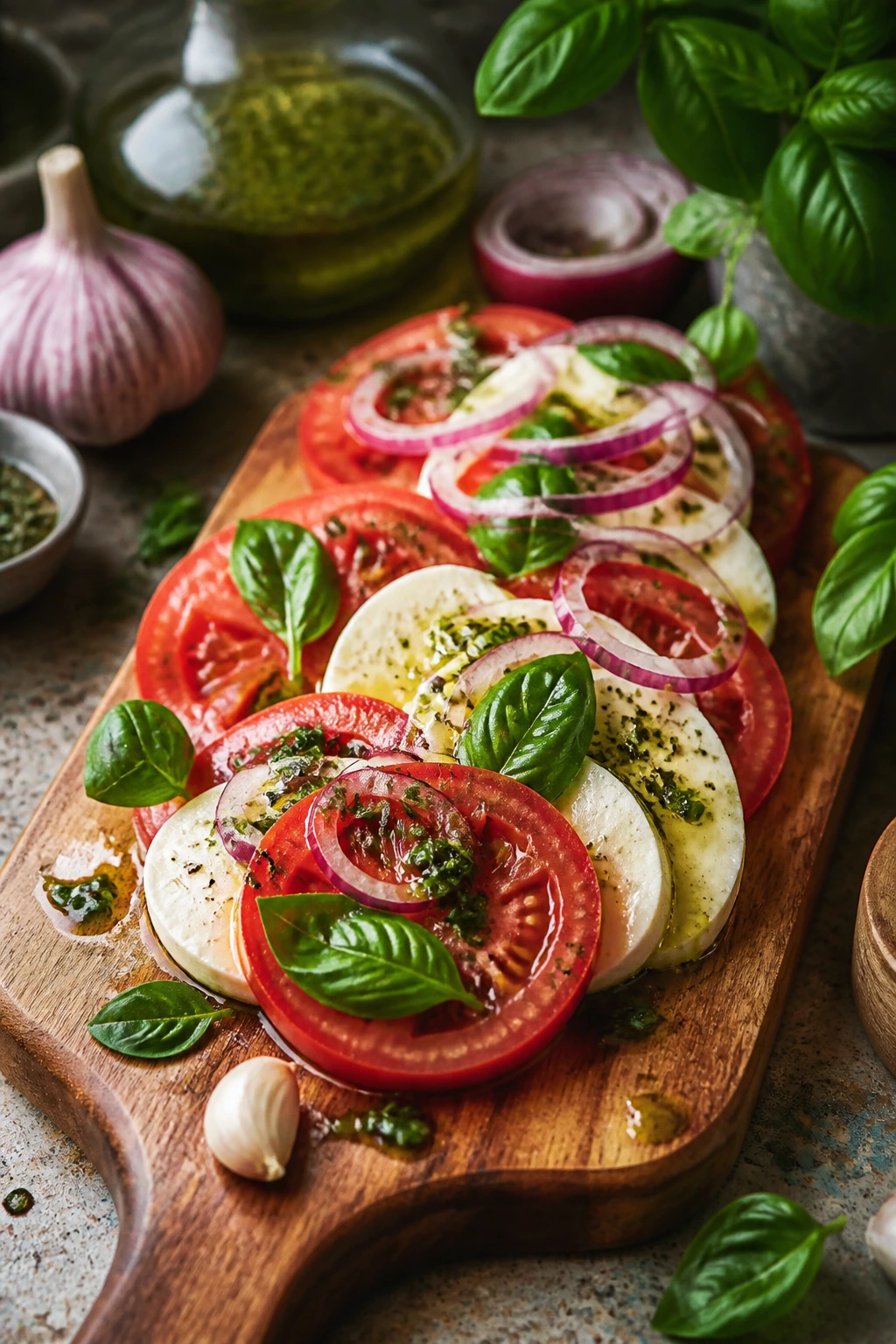
Flavor Enhancement: Rub the serving platter lightly with the cut side of a garlic clove before you arrange the slices, then use the same clove in the herb oil if you want a stronger garlic note. It’s a tiny old-school move, and it gives the plate a quiet hum that a plain oil drizzle never has.
Customization: Add a few paper-thin slices of red onion if you want the platter to lean more antipasto than pure caprese. A pinch of red pepper flakes also works, but use less than you think; you want heat in the background, not a tomato fight in your mouth.
Serving Suggestions: Keep a handful of whole basil leaves on top, not just chopped herbs in the oil. The whole leaves look fresh, and when people break them with a fork, the smell jumps out in a way chopped basil can’t quite match. I also like to finish with one last pinch of flaky salt at the table, because the first bite lands better when the salt crystals are still crisp.
Make-It-Yours: For a lower-sodium version, skip the extra finishing salt and let the garlic, pepper, and herbs do more of the work. For a dairy-free variation, use thick slices of marinated tofu or an almond-based cheese, but keep the tomato-herb-oil structure the same so the dish still reads like caprese in spirit.
The Mistakes That Turn Caprese Watery or Flat
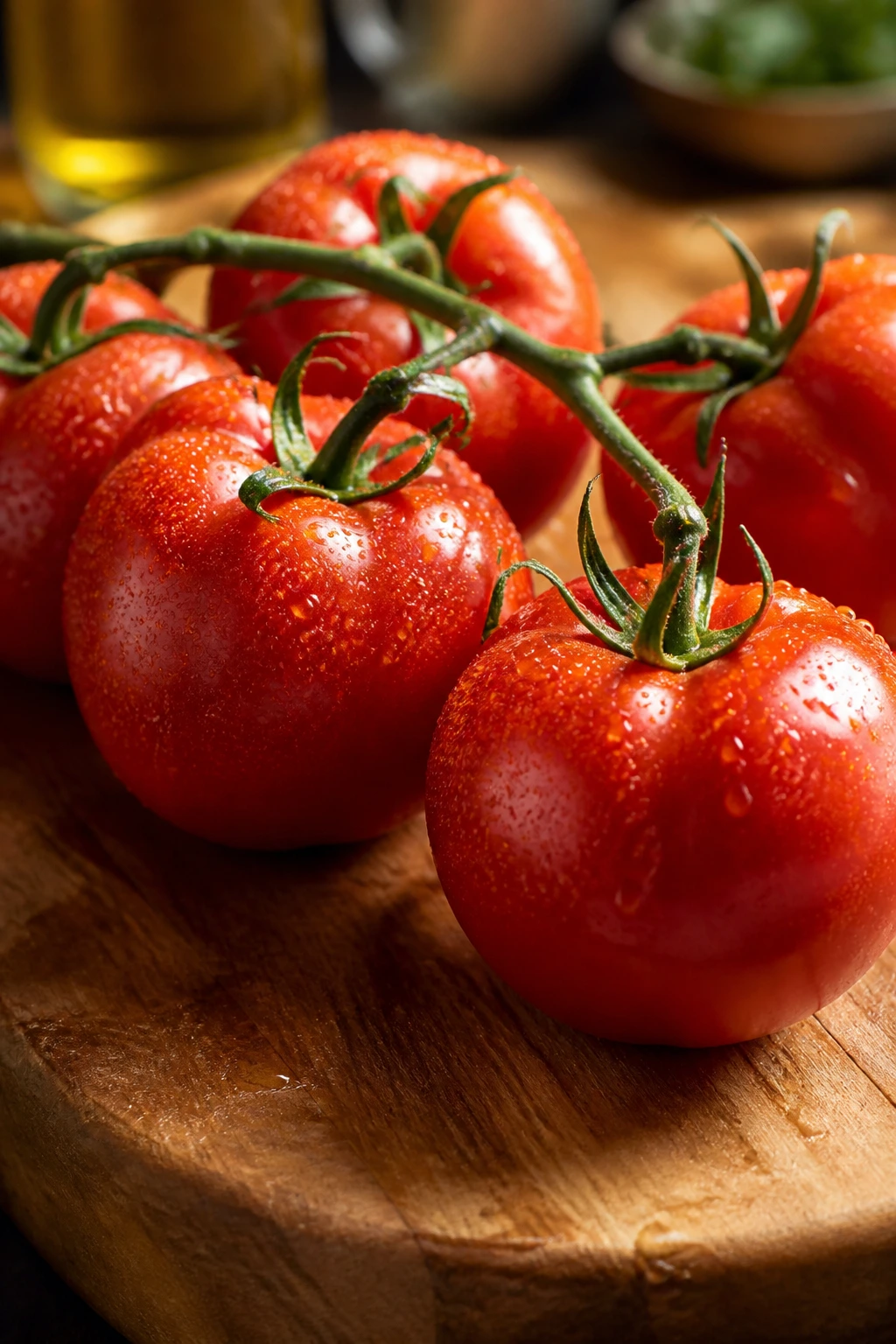
Caprese looks easy because, honestly, it is easy. That is exactly why people get sloppy with it. A few small mistakes change the whole bite, and the damage shows up fast.
-
Using tomatoes straight from the refrigerator: Cold tomatoes taste muted and firm in the wrong way. Let them sit on the counter for 30 to 60 minutes before slicing so the flavor opens up and the texture softens a little.
-
Skipping the mozzarella drain: Fresh mozzarella carries a lot of surface moisture, and that moisture slides onto the platter the second you slice it. Drain it on paper towels for 10 minutes, then pat it again before assembly.
-
Over-salting too early: Salt helps the tomatoes, but if you dump too much on too soon, the slices give up water and the platter turns thin. Use a light hand during the first salt, then add the final pinch right before serving.
-
Drowning the plate in balsamic: A heavy drizzle covers the tomato flavor and makes the cheese look muddy. Keep the balsamic light and thin, or skip it altogether if your tomatoes are excellent.
-
Chopping the basil too far ahead: Basil darkens and bruises after it’s cut, especially if the pieces are tiny. Slice it just before mixing the oil, and leave a few leaves whole for the top so the platter looks fresh instead of tired.
-
Assembling too early: This is the mistake that makes the dish sag. If you build the platter an hour ahead, the tomatoes keep shedding juice, the mozzarella softens, and the herbs lose their pop. Assemble close to serving time and you’ll avoid all three problems at once.
Variations That Still Feel Familiar
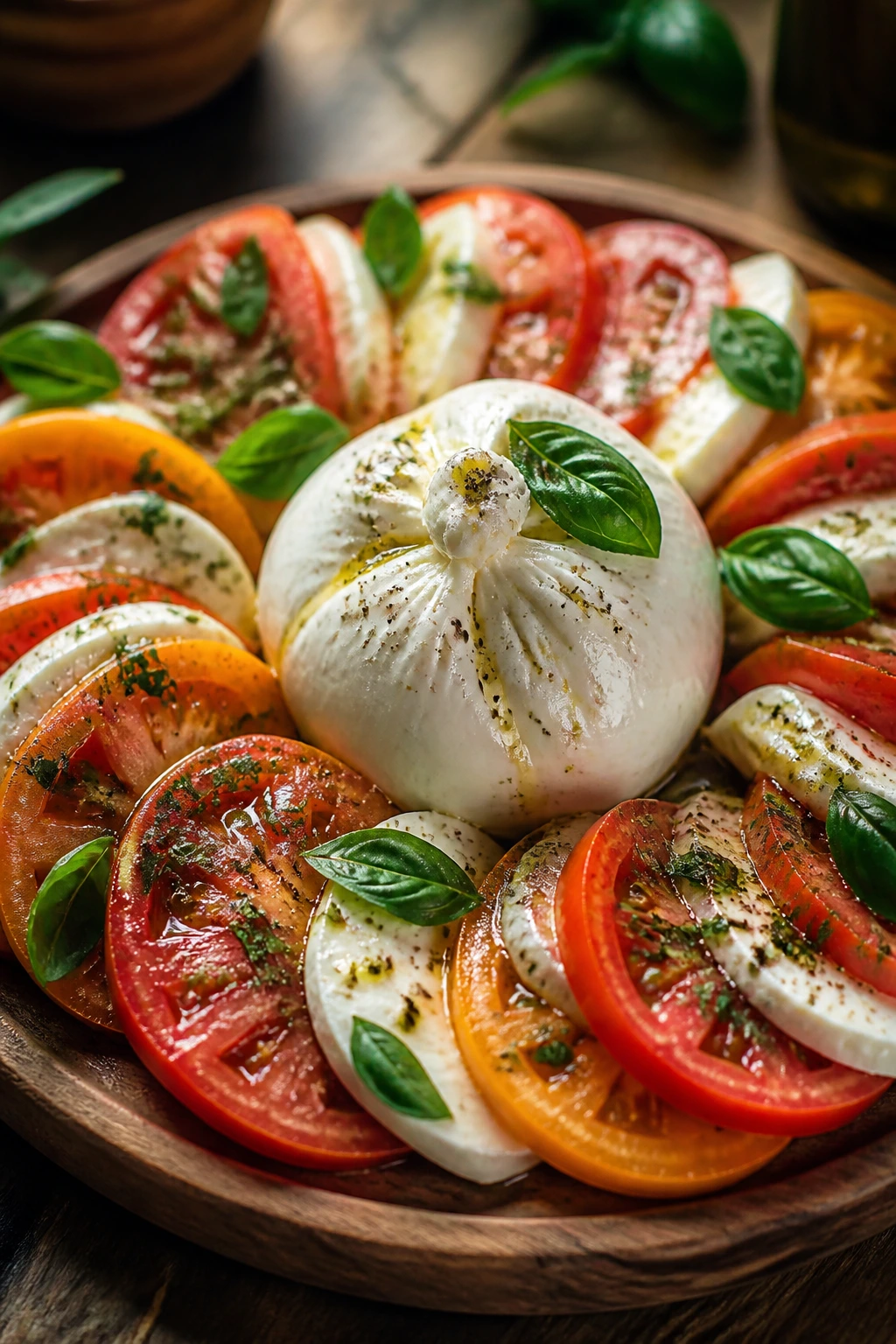
Burrata Centerpiece: Swap the sliced mozzarella for 8 ounces of burrata and place it in the middle of the platter. Tear it open at the table so the creamy center spills into the herb oil, and cut the olive oil back by a tablespoon because burrata brings its own richness.
Stone-Fruit Caprese: Replace half the tomatoes with ripe peach or nectarine slices when you want a sweeter, softer edge. Basil still belongs here, and a little mint can sneak in without taking over; the fruit needs to taste like a cousin of the tomato, not a dessert course.
Skewer-Style Party Bites: Use cherry tomatoes and bocconcini on small skewers with folded basil leaves tucked between them. Brush the finished skewers with the herb oil instead of drizzling it from above, which keeps them cleaner for passing around a crowded room.
Old-Style Garlic Plate: Skip the balsamic glaze, increase the parsley slightly, and rub the platter with garlic before adding the slices. This version tastes more stripped down and a little more old-world, the way a table plate might show up before Sunday dinner when nobody is trying to dress things up.
Dairy-Free Mediterranean Plate: Replace the mozzarella with thick slices of marinated tofu or a firm almond-based cheese and keep the herb oil exactly the same. It won’t be traditional caprese, and that’s fine; the tomatoes, herbs, and olive oil still give the same bright first bite.
Make-Ahead, Storage, and Leftovers
The best part of this appetizer is also the part that limits its shelf life: it wants to be fresh. That doesn’t mean you can’t prep smart. It just means you should keep the components separate until the last possible minute.
The herb oil can be mixed up to 3 days ahead and stored in the refrigerator in a small jar. The olive oil may thicken in the cold, so bring it back to room temperature and stir or shake it before using. If the garlic flavor gets a little sharper after sitting overnight, that’s normal.
The tomatoes can be sliced up to 30 minutes ahead and held on paper towels with a light sprinkle of salt. Any longer than that and they start losing their edges. If you need to prep earlier than that, leave them whole until just before serving and slice them later.
The mozzarella can be drained and sliced up to 2 hours ahead. Store it between paper towels in a covered container in the fridge, then let it sit out for 10 to 15 minutes before assembling so it loses the hard chill.
The assembled platter is best eaten within 20 to 30 minutes of finishing it. You can refrigerate leftovers for up to 1 day, but the tomatoes soften and the basil darkens. I wouldn’t bother reheating anything here; the dish isn’t built for heat. If you have leftovers, eat them cold or let them warm on the counter for 15 to 20 minutes before serving again.
If you’re hosting outdoors or delaying dinner, keep everything separate and set out smaller refills instead of one massive platter. That keeps the first round pretty and saves the cheese from sitting in a puddle while people wander over with another drink.
Questions People Ask Before Making It
Can I use cherry tomatoes instead of slicing tomatoes?
Yes, and they work well when you want a more bite-size, party-friendly version. Halve them, salt them lightly, and expect a little more juice in the bowl because cut cherry tomatoes release moisture fast.
Do I have to use balsamic glaze?
No. The dish is cleaner without it, and some of the nicest caprese platters never see balsamic at all. If you want a sweeter finish, use a light hand so the glaze stays in the background.
What mozzarella works best?
Fresh mozzarella packed in whey or water is the right move. Avoid low-moisture block mozzarella; it slices differently, tastes saltier, and turns the plate into something closer to pizza topping than caprese.
Can I make the herbed Caprese appetizer ahead of time?
You can prep the herb oil, tomatoes, and mozzarella separately ahead of time, but I would not assemble the full platter until close to serving. The moment those slices stack, the clock starts on moisture.
How do I keep the platter from getting watery?
Drain the mozzarella well, salt the tomato slices lightly, and don’t overdo the balsamic. A shallow platter also helps because the liquid spreads out instead of pooling in the middle.
Can I use dried herbs if I don’t have fresh ones?
Use dried oregano if that’s all you have, but keep it modest and skip dried basil if you can. Dried basil usually tastes dusty here, while oregano keeps its shape better and still belongs in the Italian lane.
What if my tomatoes taste bland?
Salt them a little longer, use a better olive oil, and add a touch more black pepper. If they still taste flat, a tiny bit of balsamic glaze or a pinch of sugar can help, but poor tomatoes are still poor tomatoes.
Is this served cold or at room temperature?
Room temperature is better. Cold cheese tastes stiff and cold tomatoes taste dim, so let the platter sit for a short rest before serving if you want the flavors to show up properly.
A Platter Worth Setting Down Twice
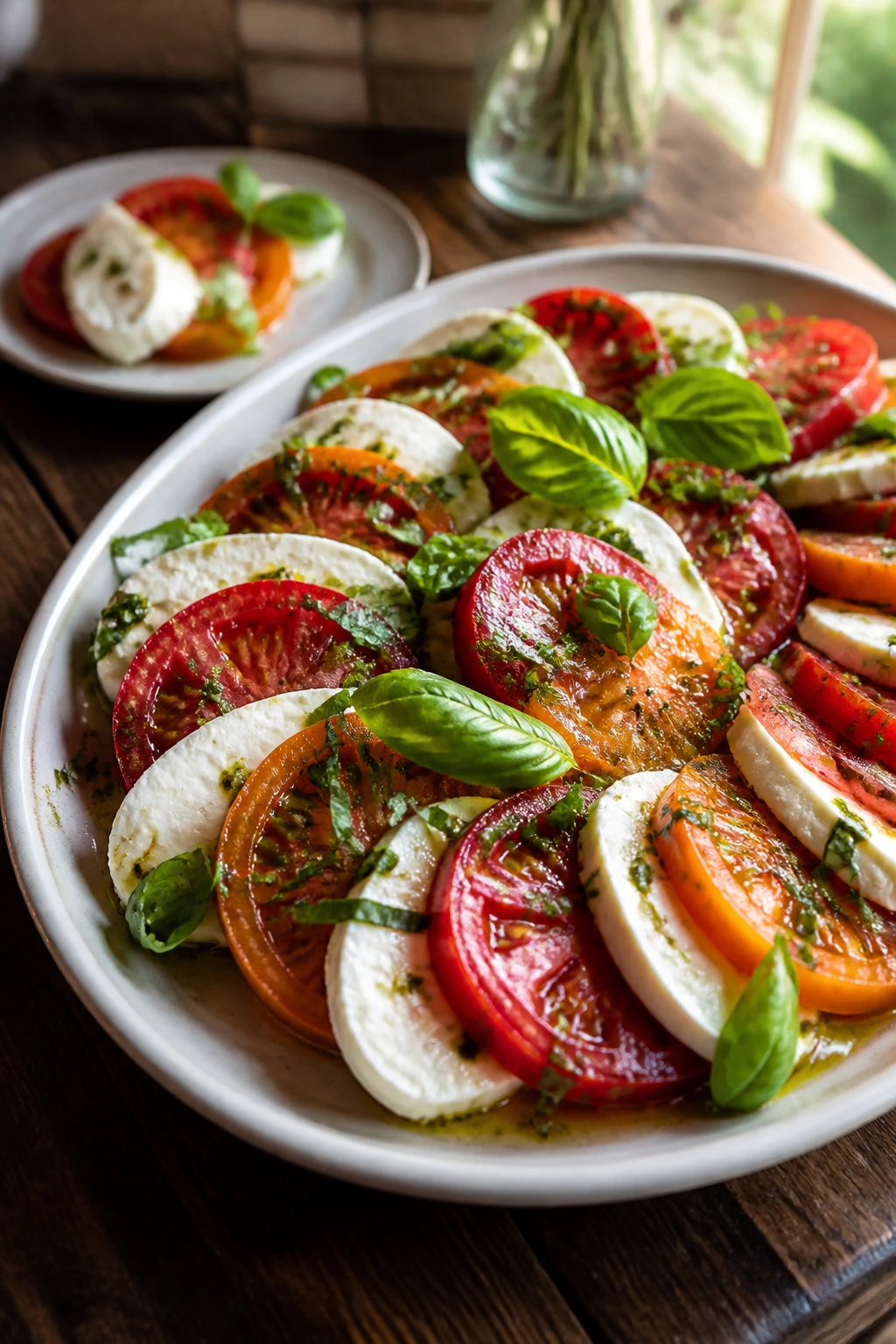
There’s a reason a simple caprese platter keeps surviving every fancy appetizer trend that tries to replace it. When the tomatoes are ripe and the herbs are fresh, the plate doesn’t need rescuing. It needs a clean knife, good olive oil, and enough restraint to leave the ingredients alone.
That’s where the Nonna feeling comes from, really. Not nostalgia. Not a story. Just food that knows exactly what it is and refuses to dress itself up any further. Make it once with good tomatoes and a proper rest, and you’ll stop thinking of caprese as a filler starter. It starts acting like the first thing people remember.
Herbed Caprese Appetizer Like Nonna Used to Make — Recipe Card
Recipe Name: Herbed Caprese Appetizer Like Nonna Used to Make
Description: Ripe tomatoes, fresh mozzarella, and a bright herb oil come together on one platter for a simple Italian-style appetizer that tastes best at room temperature.
Prep Time: 20 minutes
Cook Time: 0 minutes
Total Time: 30 minutes
Course: Appetizer
Cuisine: Italian / Italian-American
Servings: 6
Calories: about 250 kcal per serving
Ingredients
For the Caprese Platter:
- 4 large ripe tomatoes, about 2 pounds total, sliced 1/4-inch thick
- 12 ounces fresh mozzarella, drained and patted dry, sliced 1/4-inch thick
- 1/4 cup extra-virgin olive oil
- 2 tablespoons fresh basil leaves, thinly sliced, plus 12 small leaves for garnish
- 1 tablespoon finely chopped flat-leaf parsley
- 1 teaspoon finely chopped fresh oregano or 1/2 teaspoon dried oregano
- 1 tablespoon finely sliced chives
- 1 small garlic clove, finely grated
- 1 teaspoon flaky sea salt, plus more to finish
- 1/2 teaspoon freshly ground black pepper
- 1 tablespoon balsamic glaze, optional but recommended
Instructions
-
Drain the mozzarella on paper towels for 10 minutes. Slice the tomatoes and mozzarella into 1/4-inch rounds, and sprinkle the tomato slices lightly with some of the flaky salt. Let the tomatoes sit for 5 to 10 minutes.
-
Whisk the olive oil, basil, parsley, oregano, chives, garlic, black pepper, and remaining flaky salt in a small bowl. Let the herb oil sit for 5 minutes.
-
Arrange the tomato slices and mozzarella slices on a large platter in overlapping rows or a loose circle.
-
Spoon the herb oil evenly over the top and drizzle with balsamic glaze if using.
-
Finish with the basil leaves and a final pinch of flaky salt. Rest for 10 minutes at room temperature, then serve.
Notes: Drain the mozzarella well, don’t drown the platter in balsamic, and serve within 30 minutes of assembly for the best texture.