



A slow cooker isn’t the first thing most people think of for crockpot recipes Chinese food style, but on a lazy Sunday it does something a wok can’t: it takes a tough cut, a sticky sauce, and a handful of aromatics, then turns them into dinner while you read, nap, or watch the lid fog up from across the kitchen. That’s the whole appeal. You get the glossy soy-ginger perfume, the sweet burn of garlic, the little snap of scallion at the end — all without standing over a burner for half the afternoon.
The trick is knowing what belongs in the pot early and what needs to wait. Broccoli goes in late. Sesame oil goes in at the end. Cornstarch needs heat and patience, but not forever. Once you learn those rhythms, the slow cooker starts to make a lot more sense for Chinese-American takeout flavors than people expect.
And honestly, some dishes improve in the crockpot. Braises get deeper. Pork gets silkier. Saucy chicken pulls apart with almost no effort. The recipes below lean into that strength instead of fighting it, which is why they work so well for a long, unfussy Sunday.
Why You’ll Love This Collection
-
Takeout flavor without the stovetop shuffle: These recipes build the same sweet-salty-spicy profile you’d expect from Chinese-American takeout, but the slow cooker does the long simmering for you.
-
A lot of pantry ingredients do the heavy lifting: Soy sauce, rice vinegar, garlic, ginger, hoisin, sesame oil, and brown sugar show up again and again because they’re reliable, cheap, and do real work.
-
The best cuts get even better: Chicken thighs, pork shoulder, short ribs, and beef chuck soften in the crockpot instead of drying out, which is exactly why they belong here.
-
Easy to time around rice or noodles: Most of these dishes only need one final boil for rice, noodles, or a quick veg side, so the rest of dinner stays calm.
-
Built for leftovers: Saucy Chinese-inspired slow cooker dishes often taste deeper the next day, especially the beef, pork, and noodle-tossed recipes.
-
Flexible for spice, sugar, and veg: You can push these toward fiery, mild, sweet, or vegetable-heavy without breaking the structure of the dish.
1. Crockpot General Tso’s Chicken
This is the sticky, glossy version people usually order out, only the chicken gets a little more tender and a little less frantic. The sauce clings in that dark amber way that makes you want rice more than you want a fancy plate.
Why It Works:
General Tso’s needs heat, sweetness, vinegar, and garlic in the same bite, and the slow cooker lets those flavors melt together instead of shouting over each other. Chicken thighs hold up better than breasts here, because they stay juicy through a 4-hour cook. The final cornstarch slurry matters; without it, you get sauce, not that lacquered coating.
Key Ingredients:
- 2 lbs boneless, skinless chicken thighs, cut into 1 1/2-inch pieces
- 1/2 cup low-sodium soy sauce
- 1/3 cup rice vinegar
- 1/3 cup honey
- 3 tablespoons hoisin sauce
- 4 cloves garlic, minced
- 1 tablespoon grated fresh ginger
- 1/2 teaspoon crushed red pepper flakes
- 2 tablespoons cornstarch mixed with 2 tablespoons cold water
- 2 tablespoons sliced scallions and 1 teaspoon sesame seeds for finishing
Quick Steps:
- Whisk soy sauce, vinegar, honey, hoisin, garlic, ginger, and red pepper flakes in the crockpot.
- Add the chicken and stir to coat.
- Cook on low for 4 to 5 hours, until the chicken is tender and reads 165°F.
- Stir in the cornstarch slurry, cover, and cook on high for 15 to 20 minutes until the sauce looks glossy and thick.
- Finish with scallions and sesame seeds.
Equipment for This Recipe:
- 5- to 7-quart slow cooker
- Small whisk
- Measuring spoons
- Slotted spoon for serving
How to Serve This Dish:
Pile it over steamed jasmine rice and let the sauce seep into the grains. Add blanched broccoli or sugar snap peas on the side if you want a green bite that stays crisp.
Pro Tips for This Recipe:
- Don’t overdo the red pepper flakes: The dish should tingle, not burn your mouth numb.
- Use thighs, not breasts: Breasts can go stringy after a long hold.
- Thicken at the end only: If you thicken too early, the sauce can turn gluey.
Variations on This Dish:
- Orange-Glazed Tso’s: Add 2 tablespoons orange marmalade and 1 teaspoon zest for a brighter finish.
- Vegetable Tso’s: Swap in cauliflower florets and mushrooms for the chicken, then shorten the cook to keep texture.
- Gluten-Free Version: Use tamari and a gluten-free hoisin.
Common Mistakes to Avoid with This Dish:
- Adding the cornstarch too soon: The sauce gets pasty and dull. Wait until the end.
- Cooking on high the whole time: The chicken cooks, sure, but the sauce loses its depth.
- Skipping the vinegar: Without acid, the whole dish tastes flat and sticky.
2. Crockpot Orange Chicken
Orange chicken needs that bright citrus edge, not just sweetness. This version gets it from fresh orange juice, zest, and a little soy to keep the sauce from turning into candy.
Why It Works:
Orange juice can disappear in long cooking if you don’t balance it, so the soy sauce and rice vinegar keep the glaze sharp enough to taste like orange, not orange soda. Chicken thighs are forgiving here, and the sauce thickens into a syrupy coat that sticks to rice and roasted vegetables. The zest at the end is non-negotiable.
Key Ingredients:
- 2 lbs boneless, skinless chicken thighs
- 3/4 cup fresh orange juice
- 1 tablespoon orange zest
- 1/3 cup low-sodium soy sauce
- 1/4 cup brown sugar
- 2 tablespoons rice vinegar
- 3 cloves garlic, minced
- 1 tablespoon grated ginger
- 2 tablespoons cornstarch mixed with 2 tablespoons water
- 1 tablespoon sesame seeds
Quick Steps:
- Whisk orange juice, zest, soy sauce, brown sugar, vinegar, garlic, and ginger in the crockpot.
- Add the chicken and turn to coat.
- Cook on low for 4 hours, until the chicken is tender.
- Stir in the cornstarch slurry and cook on high for 15 minutes until the sauce turns glossy.
- Top with sesame seeds and a little extra zest.
Equipment for This Recipe:
- Slow cooker
- Citrus zester
- Small bowl for slurry
- Tongs
How to Serve This Dish:
Serve with plain rice or coconut rice and a side of broccoli. The orange glaze is bright enough to carry a simple plate, which is useful on a Sunday when nobody wants extra work.
Pro Tips for This Recipe:
- Use fresh juice if you can: Bottled orange juice can taste muddy after long cooking.
- Zest before juicing: It’s easier, and you’ll get more aroma.
- Taste the sauce before thickening: If your oranges are very sweet, add another teaspoon of vinegar.
Variations on This Dish:
- Spicy Orange Chicken: Add 1 to 2 teaspoons chili garlic sauce.
- Pineapple Orange Chicken: Replace 1/4 cup of the juice with pineapple juice.
- Dairy-Free Crispy Finish: Broil the cooked chicken on a sheet pan for 3 to 4 minutes before saucing.
Common Mistakes to Avoid with This Dish:
- Using too much sugar: Orange juice already brings sweetness.
- Leaving out the zest: The sauce tastes vague without it.
- Adding the sauce overcooked chicken: Keep an eye on the 4-hour mark; dry chicken ruins the whole thing.
3. Crockpot Honey Garlic Chicken
This one is the easiest kind of slow cooker comfort: glossy, garlicky, and a little sticky on the spoon. It smells like you roasted something far more complicated than you did.
Why It Works:
Honey and garlic are natural slow cooker partners because the honey mellows the garlic while still keeping it front and center. Chicken thighs stay juicy, and the sauce reduces into a dense glaze only after the final cornstarch thickener goes in. A touch of sesame oil at the end makes the whole pot smell finished.
Key Ingredients:
- 2 lbs boneless, skinless chicken thighs
- 1/2 cup honey
- 1/2 cup low-sodium soy sauce
- 8 cloves garlic, minced
- 1 tablespoon rice vinegar
- 1 teaspoon grated ginger
- 1/2 teaspoon black pepper
- 2 tablespoons cornstarch mixed with 2 tablespoons water
- 1 teaspoon toasted sesame oil
- 2 sliced scallions
Quick Steps:
- Whisk honey, soy sauce, garlic, vinegar, ginger, and black pepper in the crockpot.
- Add the chicken and coat it well.
- Cook on low for 4 to 5 hours until tender.
- Stir in the cornstarch slurry, cover, and cook on high for 15 minutes.
- Finish with sesame oil and scallions.
Equipment for This Recipe:
- Slow cooker
- Measuring cup
- Garlic press or knife
- Whisk
How to Serve This Dish:
Spoon it over rice with a pile of steamed green beans. The extra sauce is worth chasing with rice, so keep the bowl shallow and the rice fluffy.
Pro Tips for This Recipe:
- Don’t burn the garlic in the measuring spoon: Mince it finely so it disperses in the sauce.
- Add sesame oil last: Long heat flattens its flavor.
- Give the sauce a taste after thickening: Honey varies a lot; a splash of vinegar can wake it up.
Variations on This Dish:
- Ginger-Forward Version: Double the ginger and add a few slices of fresh ginger to the pot.
- Chicken and Pineapple: Add 1 cup pineapple chunks in the last hour.
- Low-Sugar Version: Cut the honey to 1/3 cup and add 2 tablespoons orange juice for balance.
Common Mistakes to Avoid with This Dish:
- Overcooking breast meat: If you swap in breasts, stop at 3 to 4 hours on low.
- Skipping the slurry: Without it, the sauce stays thin and slips off the chicken.
- Using raw garlic in huge chunks: It stays sharp and a little harsh.
4. Slow Cooker Beef and Broccoli
Beef and broccoli is one of the cleanest slow cooker wins in the whole category. The beef gets soft, the sauce gets dark and savory, and the broccoli stays green if you treat it like a late guest, not an early one.
Why It Works:
Flank steak or chuck roast both work, but they need time to relax into the soy-garlic sauce. Broccoli should go in near the end so it keeps a little bite instead of collapsing into khaki mush. A cornstarch finish makes the sauce cling to each slice of beef.
Key Ingredients:
- 2 lbs flank steak or chuck roast, sliced thin against the grain
- 1/2 cup low-sodium soy sauce
- 1/2 cup beef broth
- 1/4 cup brown sugar
- 3 cloves garlic, minced
- 1 tablespoon grated ginger
- 1 tablespoon sesame oil
- 4 cups broccoli florets
- 2 tablespoons cornstarch mixed with 2 tablespoons water
- 1 tablespoon sesame seeds
Quick Steps:
- Whisk soy sauce, broth, sugar, garlic, ginger, and sesame oil in the crockpot.
- Add the beef and stir to coat.
- Cook on low for 5 to 6 hours until the beef is tender.
- Add broccoli for the last 20 to 30 minutes.
- Stir in the slurry, cook on high for 10 to 15 minutes, and finish with sesame seeds.
Equipment for This Recipe:
- Slow cooker
- Sharp knife
- Cutting board
- Slotted spoon
How to Serve This Dish:
Rice is the obvious move. If you want more texture, serve it with cucumber salad or sautéed bok choy on the side.
Pro Tips for This Recipe:
- Slice the beef thinly: Half frozen beef slices cleanly.
- Add broccoli late: Early broccoli turns soft and gray-green.
- Use low-sodium soy: The sauce reduces and can get salty fast.
Variations on This Dish:
- Spicy Broccoli Beef: Add 1 teaspoon chili paste and a pinch of red pepper flakes.
- Mushroom Broccoli Beef: Add sliced cremini mushrooms in the first hour.
- Sesame-Garlic Version: Stir in another teaspoon of sesame oil at the end.
Common Mistakes to Avoid with This Dish:
- Cutting with the grain: The beef gets chewy.
- Overcrowding with broccoli: Too much veg can water down the sauce.
- Cooking on high from the start: The beef tightens before it has time to soften.
5. Crockpot Mongolian Beef
Mongolian beef belongs in that sweet-savory lane where brown sugar meets soy and nobody complains. In the slow cooker, it becomes more braise than stir-fry, which is not a flaw if you like soft beef that drinks sauce.
Why It Works:
The dish depends on a strong sauce and thin beef, and the crockpot gives the sauce time to sink in. Hoisin adds body, brown sugar adds gloss, and scallions at the end keep the whole thing from feeling one-note. It’s a smart dish for chuck roast if you don’t feel like fussing with flank steak.
Key Ingredients:
- 2 lbs flank steak or chuck roast, thinly sliced
- 1/2 cup soy sauce
- 1/3 cup brown sugar
- 1/4 cup hoisin sauce
- 1/2 cup beef broth
- 4 cloves garlic, minced
- 1 tablespoon grated ginger
- 1/2 teaspoon red pepper flakes
- 4 sliced scallions
- 2 tablespoons cornstarch mixed with 2 tablespoons water
Quick Steps:
- Whisk soy sauce, sugar, hoisin, broth, garlic, ginger, and red pepper flakes.
- Add beef and turn to coat.
- Cook on low for 5 hours until tender.
- Stir in slurry and cook on high for 15 minutes until thick.
- Fold in half the scallions and scatter the rest on top.
Equipment for This Recipe:
- Slow cooker
- Whisk
- Measuring cups
- Tongs
How to Serve This Dish:
Serve it with rice and a quick pile of sautéed spinach. The sweet sauce needs something plain beside it, or it starts to feel too sticky.
Pro Tips for This Recipe:
- Freeze the beef for 20 minutes before slicing: It gives you paper-thin slices.
- Don’t drown it in hoisin: Too much makes the sauce heavy.
- Finish with fresh scallions: They cut the sweetness better than dried herbs ever could.
Variations on This Dish:
- Garlic Scallion Mongolian Beef: Add a full extra scallion bunch.
- Mushroom Mongolian Beef: Toss in sliced shiitake mushrooms at the start.
- Lower-Sugar Version: Reduce brown sugar to 1/4 cup and add 1 tablespoon rice vinegar.
Common Mistakes to Avoid with This Dish:
- Using thick beef chunks: They won’t absorb the sauce well.
- Skipping the cornstarch slurry: You’ll end up with soup.
- Serving it without a plain starch: The sweetness needs balance.
6. Crockpot Cashew Chicken
Cashew chicken should have a little crunch, which means the cashews go in late and the vegetables need to keep some shape. Done right, it has that glossy takeout look without the mystery.
Why It Works:
Chicken thighs or breasts both work here, but the sauce needs hoisin and soy to give it enough depth. Bell peppers and snap peas can stay bright if you add them near the end, and the cashews should only warm through so they keep their snap. That mix of soft chicken and crunchy nuts is the point.
Key Ingredients:
- 2 lbs boneless chicken thighs, cut into pieces
- 1/2 cup low-sodium soy sauce
- 1/4 cup hoisin sauce
- 1/4 cup chicken broth
- 3 cloves garlic, minced
- 1 tablespoon grated ginger
- 1 red bell pepper, sliced
- 1 cup sugar snap peas
- 1 cup unsalted roasted cashews
- 2 tablespoons cornstarch mixed with 2 tablespoons water
- 1 tablespoon sesame oil
Quick Steps:
- Whisk soy sauce, hoisin, broth, garlic, and ginger in the crockpot.
- Add chicken and cook on low for 4 to 5 hours.
- Stir in bell pepper and snap peas for the last 30 minutes.
- Add the slurry and cook on high for 10 to 15 minutes until the sauce thickens.
- Fold in cashews and sesame oil just before serving.
Equipment for This Recipe:
- Slow cooker
- Cutting board
- Slotted spoon
- Small bowl for slurry
How to Serve This Dish:
Rice works, but so does rice noodles if you want a softer bowl. Keep the cashews on top if you like the crunch to survive the steam.
Pro Tips for This Recipe:
- Use unsalted cashews: Salted ones can push the dish over the edge.
- Add vegetables late: Their color matters as much as their texture.
- Taste before adding more soy: Hoisin already brings salt.
Variations on This Dish:
- Spicy Cashew Chicken: Add 1 teaspoon chili garlic sauce.
- Pineapple Cashew Chicken: Stir in 1 cup pineapple chunks at the end.
- Tofu Cashew Version: Use extra-firm tofu cubes and shorten the cook.
Common Mistakes to Avoid with This Dish:
- Putting cashews in too early: They go soft and lose their point.
- Overcooking bell peppers: They turn limp fast.
- Using too much slurry: The sauce should coat, not set up like pudding.
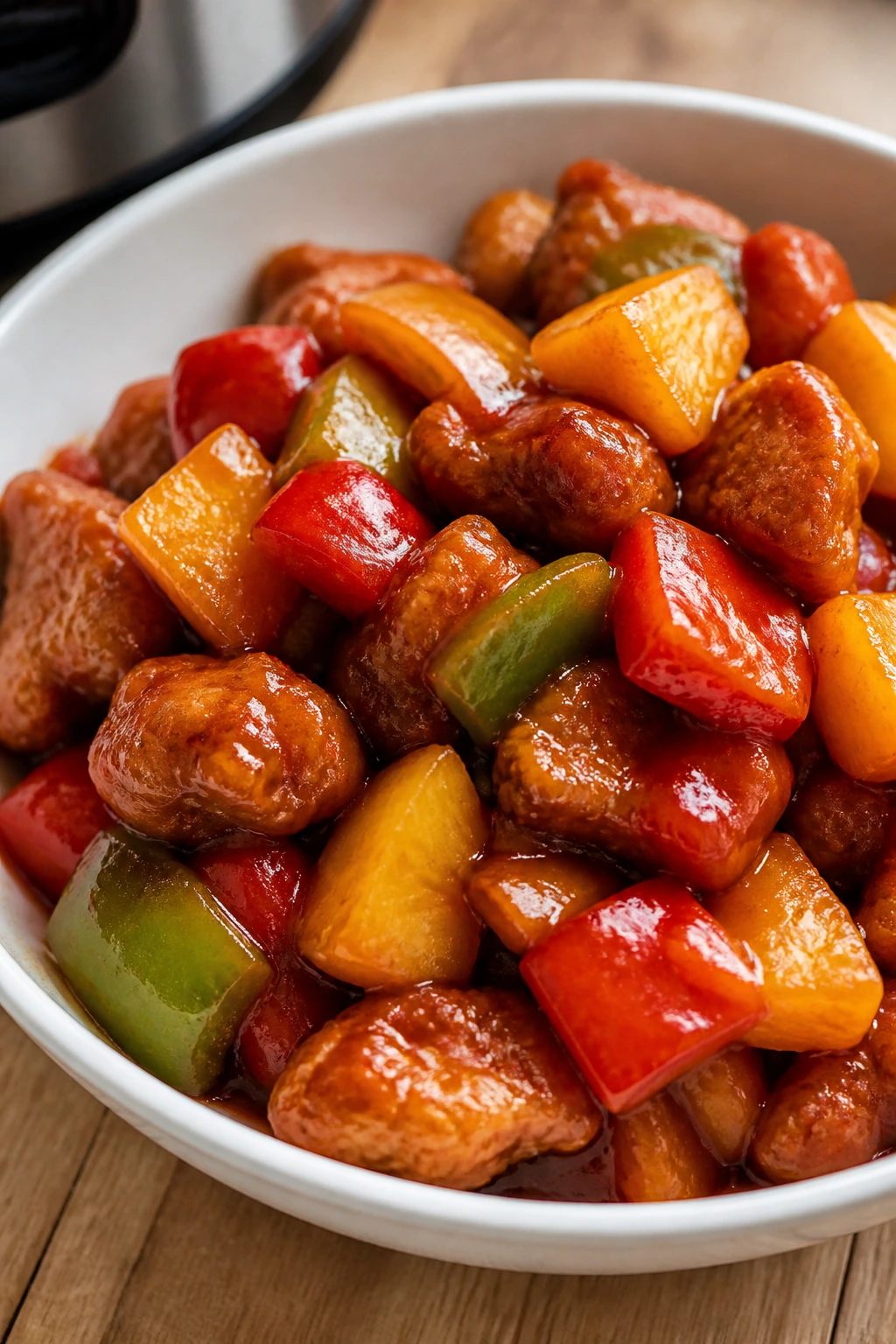
7. Crockpot Sweet and Sour Pork
This one leans into the bright red, sweet-tart profile people recognize immediately. Pineapple, vinegar, and bell peppers do the heavy lifting, and pork shoulder makes the texture work without much drama.
Why It Works:
Sweet and sour sauce needs enough acid to cut the sugar, which is why pineapple juice and rice vinegar are both here. Pork shoulder turns tender after a long cook and doesn’t dry out the way lean chops do. The vegetables go in late so they keep a little crunch and color.
Key Ingredients:
- 2 lbs pork shoulder, cut into 1 1/2-inch chunks
- 1 cup pineapple chunks, drained if canned
- 1/2 cup pineapple juice
- 1/3 cup rice vinegar
- 1/3 cup brown sugar
- 1/4 cup ketchup
- 2 tablespoons soy sauce
- 1 red bell pepper, chopped
- 1 green bell pepper, chopped
- 2 tablespoons cornstarch mixed with 2 tablespoons water
Quick Steps:
- Whisk pineapple juice, vinegar, sugar, ketchup, and soy sauce in the crockpot.
- Add pork and cook on low for 6 to 7 hours.
- Stir in pineapple and bell peppers for the last 30 minutes.
- Add the slurry and cook on high until the sauce turns glossy.
- Serve once the pork shreds easily but still holds shape.
Equipment for This Recipe:
- Slow cooker
- Tongs
- Measuring cups
- Medium knife
How to Serve This Dish:
Serve over rice with a side of steamed cabbage or green beans. The sauce is bright enough that you don’t need much else.
Pro Tips for This Recipe:
- Drain canned pineapple well: Extra juice can thin the sauce.
- Taste the sauce before adding more sugar: Pineapple sweetness varies.
- Cut pork in even chunks: Uneven pieces cook unevenly.
Variations on This Dish:
- Pineapple-Forward Version: Add more pineapple and cut the ketchup slightly.
- Spicy Sweet and Sour Pork: Add a teaspoon of chili garlic sauce.
- Chicken Swap: Chicken thighs work with the same sauce, but shorten the cook.
Common Mistakes to Avoid with This Dish:
- Using pork loin: It gets dry before the sauce is finished.
- Adding peppers too early: They go soft and lose their bite.
- Making it too sweet: The vinegar is there for a reason.
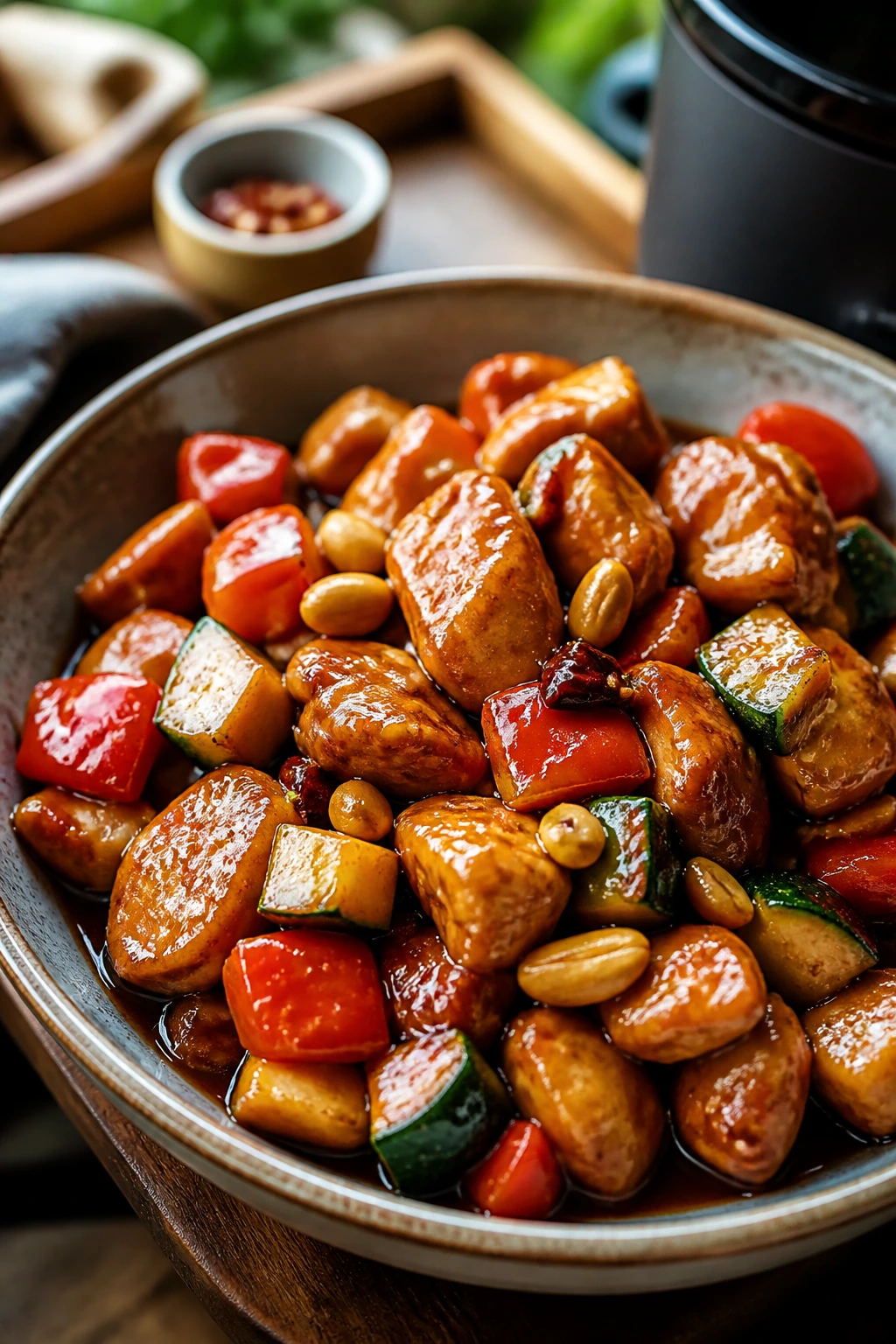
8. Slow Cooker Kung Pao Chicken
Kung Pao in a slow cooker is less snappy than the wok version, but the flavor still lands: chile, soy, garlic, peanuts, and that little sweet edge that keeps you going back for one more bite.
Why It Works:
The slow cooker can’t replicate the seared, smoky hit of wok cooking, so the sauce has to carry the dish. Chili garlic sauce, soy, vinegar, and peanuts give it the right profile, while chicken thighs stay juicy through the long simmer. Bell peppers and zucchini hold up better than delicate vegetables here.
Key Ingredients:
- 2 lbs boneless chicken thighs
- 1/2 cup low-sodium soy sauce
- 1/4 cup rice vinegar
- 1/4 cup honey
- 2 tablespoons chili garlic sauce
- 3 cloves garlic, minced
- 1 tablespoon grated ginger
- 1 red bell pepper, chopped
- 1 zucchini, chopped
- 3/4 cup roasted peanuts
- 2 tablespoons cornstarch mixed with 2 tablespoons water
Quick Steps:
- Whisk soy sauce, vinegar, honey, chili garlic sauce, garlic, and ginger.
- Add chicken and cook on low for 4 hours.
- Add bell pepper and zucchini for the last 30 minutes.
- Stir in slurry and cook on high until the sauce thickens.
- Fold in peanuts right before serving.
Equipment for This Recipe:
- Slow cooker
- Wooden spoon
- Small bowl for slurry
- Chopping knife
How to Serve This Dish:
Rice is the right base. If you want more crunch, serve with shredded cucumber or quick-pickled carrots.
Pro Tips for This Recipe:
- Keep the peanuts out until the end: They stay crisp that way.
- Don’t overload the pot with vegetables: The sauce needs room to thicken.
- Use chile garlic sauce, not just hot sauce: The texture matters.
Variations on This Dish:
- Extra-Spicy Version: Add dried red chiles and a pinch of Sichuan pepper.
- Cashew-Kung Pao Hybrid: Swap peanuts for cashews if that’s what’s in the pantry.
- Vegetarian Version: Use cauliflower and mushrooms, then shorten the cook.
Common Mistakes to Avoid with This Dish:
- Expecting wok-level crispness: That’s not what this method gives you.
- Using soft peanuts: They turn mushy fast.
- Adding too much sweetener: The dish should still bite back.
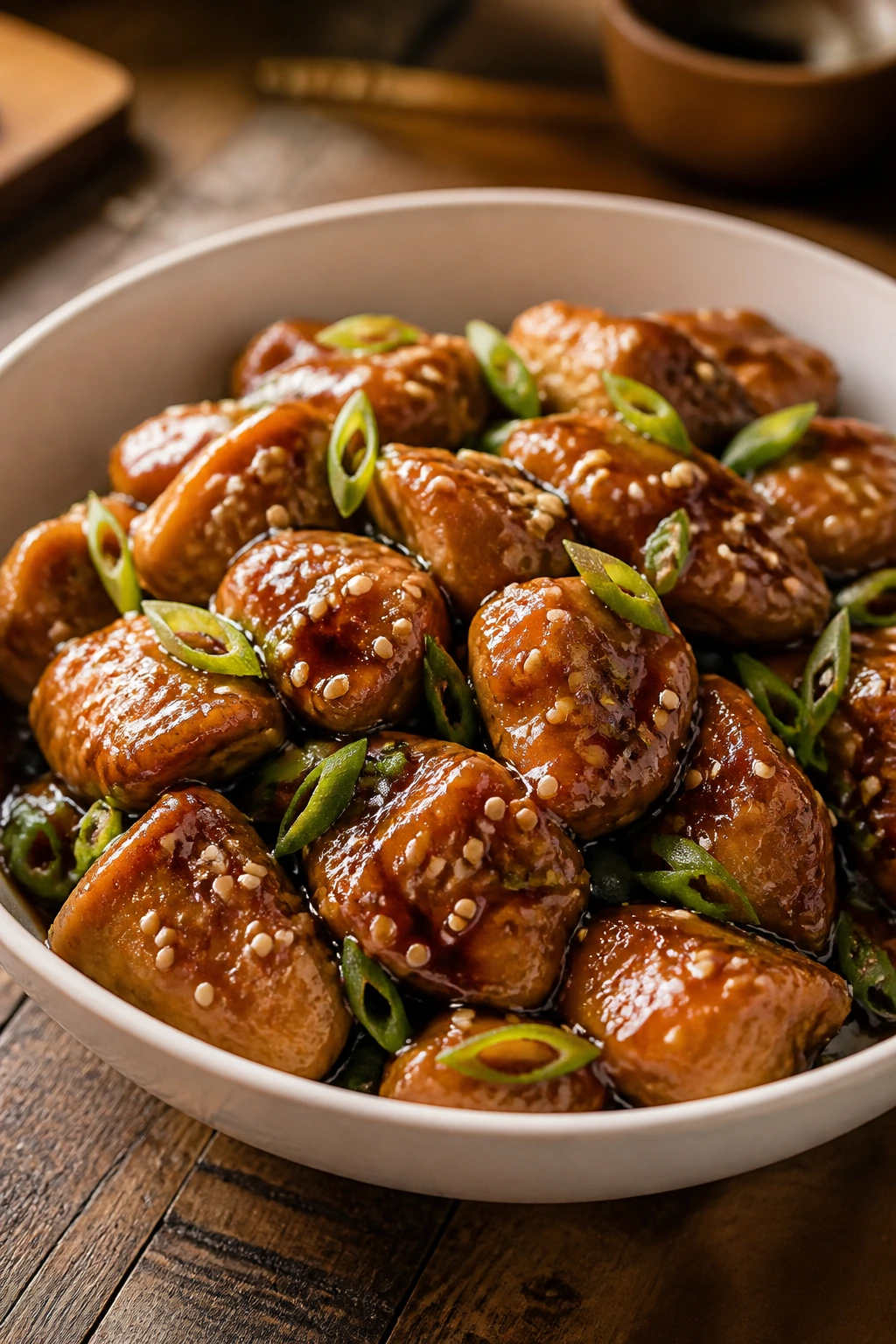
9. Crockpot Sesame Chicken
Sesame chicken needs balance more than complexity. The flavor is sweet, nutty, and salty, with a finish that smells like toasted sesame oil the second the lid comes off.
Why It Works:
The sauce only needs a few ingredients to taste right, but each one needs to do a job. Soy sauce gives salt, honey gives shine, rice vinegar keeps it from flattening, and sesame oil comes in at the end where it can actually be smelled. Chicken thighs remain the safer bet for long cooking.
Key Ingredients:
- 2 lbs boneless chicken thighs
- 1/2 cup soy sauce
- 1/3 cup honey
- 2 tablespoons rice vinegar
- 3 cloves garlic, minced
- 1 tablespoon grated ginger
- 1 tablespoon toasted sesame oil
- 2 tablespoons cornstarch mixed with 2 tablespoons water
- 2 tablespoons sesame seeds
- 2 sliced scallions
Quick Steps:
- Whisk soy sauce, honey, vinegar, garlic, and ginger.
- Add chicken and cook on low for 4 to 5 hours.
- Stir in slurry and cook on high for 15 minutes until sticky.
- Finish with sesame oil, seeds, and scallions.
- Serve once the sauce coats the spoon in a thin sheen.
Equipment for This Recipe:
- Slow cooker
- Whisk
- Measuring spoons
- Tongs
How to Serve This Dish:
Serve over rice with steamed broccoli or bok choy. The sesame flavor comes through best when the plate is simple.
Pro Tips for This Recipe:
- Use toasted sesame oil, not plain oil: The smell is half the dish.
- Keep the honey measured, not guessed: Too much and the sauce gets cloying.
- Add seeds at the end: They keep a little nuttiness.
Variations on This Dish:
- Orange Sesame Chicken: Add orange zest and 2 tablespoons orange juice.
- Garlic Sesame Chicken: Double the garlic and skip the ginger.
- Spicy Sesame Chicken: Stir in chili flakes or chili crisp at serving.
Common Mistakes to Avoid with This Dish:
- Cooking the sesame oil for hours: It loses its edge.
- Skipping acid: The sauce turns heavy without vinegar.
- Using dry breast meat: It can work, but you need to watch the clock.
10. Chinese BBQ Pork (Char Siu-Inspired)
Char siu is built on a sticky red glaze and pork that’s tender enough to shred with a fork, even if you decide to slice it later. The slow cooker handles the long, gentle part; a quick broil at the end gives you the edges people love most.
Why It Works:
Pork shoulder takes to sweet-salty marinades better than lean cuts because it has enough fat to stay moist. Hoisin, soy, honey, five-spice powder, and a little ketchup create that familiar red lacquer without needing a rotisserie. The broiler finish is where the color sharpens up.
Key Ingredients:
- 3 lbs pork shoulder, cut into large strips
- 1/2 cup hoisin sauce
- 1/3 cup soy sauce
- 1/4 cup honey
- 2 tablespoons ketchup
- 2 teaspoons Chinese five-spice powder
- 4 cloves garlic, minced
- 1 tablespoon rice vinegar
- 1 teaspoon sesame oil
- 2 tablespoons sliced scallions
Quick Steps:
- Whisk hoisin, soy sauce, honey, ketchup, five-spice, garlic, vinegar, and sesame oil.
- Coat the pork and place it in the crockpot.
- Cook on low for 7 to 8 hours until it pulls apart easily.
- Transfer to a foil-lined sheet pan and broil for 3 to 5 minutes until the edges caramelize.
- Slice or shred, then scatter with scallions.
Equipment for This Recipe:
- Slow cooker
- Rimmed sheet pan
- Foil
- Tongs
How to Serve This Dish:
Slice it over rice, stuff it into steamed buns, or pile it into lettuce cups. The broiled edges are worth keeping visible.
Pro Tips for This Recipe:
- Use pork shoulder, not loin: Char siu needs fat.
- Broil only briefly: The sugar burns fast.
- Save the pot juices: Spoon them over rice.
Variations on This Dish:
- Spicy Char Siu: Add chili garlic sauce to the marinade.
- Pineapple Char Siu: Add pineapple rings in the last hour.
- Gluten-Free Char Siu: Use tamari and gluten-free hoisin.
Common Mistakes to Avoid with This Dish:
- Skipping the broil: You lose the classic caramelized edge.
- Using too little seasoning: The pork needs a bold marinade.
- Over-slicing before resting: The juices run out.
11. Crockpot Chicken Lo Mein
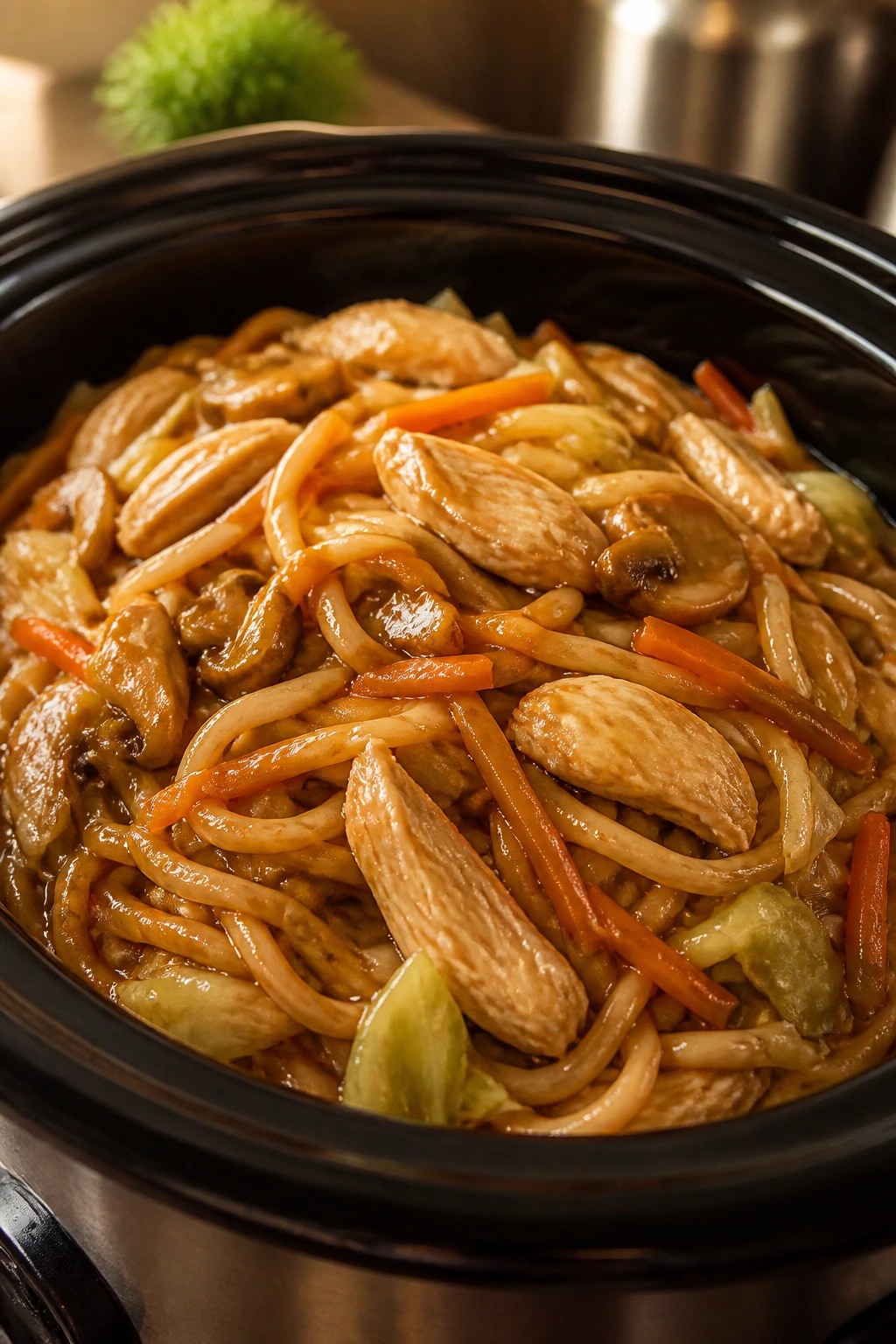
Lo mein wants noodles that stay springy, so the noodles join late and the sauce does the early work. In a slow cooker, the chicken and vegetables become the flavor base, not the thing you boil into oblivion.
Why It Works:
The crockpot builds a savory broth with soy, oyster sauce, garlic, and ginger, then the cooked noodles soak up just enough without turning to paste. Chicken thighs stay better than breasts here, and mushrooms give the dish the soft, takeout-style texture it needs. The noodles go in at the very end, period.
Key Ingredients:
- 2 lbs boneless chicken thighs
- 8 oz lo mein noodles or spaghetti, cooked separately
- 1/2 cup soy sauce
- 1/4 cup oyster sauce
- 1/2 cup chicken broth
- 3 cloves garlic, minced
- 1 tablespoon grated ginger
- 2 carrots, julienned
- 2 cups sliced cabbage
- 1 cup sliced mushrooms
- 1 tablespoon sesame oil
Quick Steps:
- Whisk soy sauce, oyster sauce, broth, garlic, and ginger in the crockpot.
- Add chicken, carrots, cabbage, and mushrooms.
- Cook on low for 4 to 5 hours until the chicken is tender.
- Toss in cooked noodles during the last 10 minutes with sesame oil.
- Stir until the noodles are coated and glossy.
Equipment for This Recipe:
- Slow cooker
- Large pot for noodles
- Tongs
- Cutting board
How to Serve This Dish:
Serve it in wide bowls with scallions on top. If you like a little crunch, add toasted sesame seeds or a handful of shredded cabbage at the end.
Pro Tips for This Recipe:
- Cook noodles separately: The crockpot will wreck them.
- Cut vegetables thinly: Thick carrot sticks stay raw in the middle.
- Use oyster sauce if you have it: It gives the dish a deeper takeout flavor.
Variations on This Dish:
- Shrimp Lo Mein Style: Add cooked shrimp in the last 15 minutes.
- Spicy Garlic Lo Mein: Stir in chili crisp before serving.
- Vegetable Lo Mein: Skip the chicken and add more mushrooms and cabbage.
Common Mistakes to Avoid with This Dish:
- Cooking the noodles from raw in the pot: They turn gluey.
- Adding sesame oil early: It loses its aroma.
- Using too much broth: Lo mein should be coated, not soupy.
12. Crockpot Vegetable Chow Mein
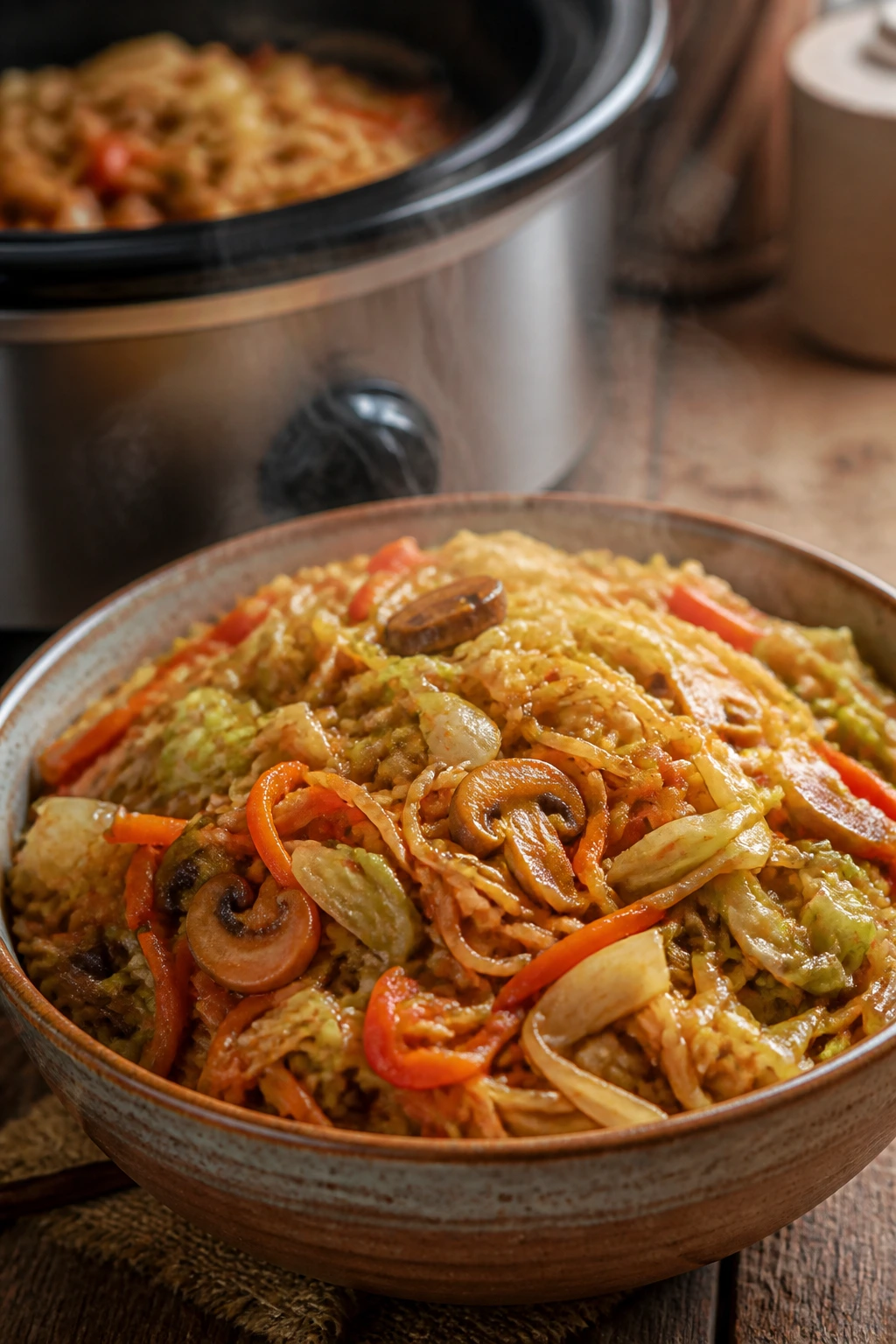
This is the one you make when the pantry looks bare but not empty. Cabbage, carrots, mushrooms, and sauce can still taste like dinner if the seasoning is sharp enough.
Why It Works:
Chow mein needs a savory, slightly sweet sauce and vegetables that still have some life left in them. The slow cooker softens the harder vegetables, but you still want to add the quick-cooking ones late so the bowl doesn’t turn flat and tired. Cooked noodles go in at the end with the sauce clinging in thin streaks.
Key Ingredients:
- 8 oz chow mein noodles or spaghetti, cooked separately
- 2 cups shredded cabbage
- 2 carrots, thinly sliced
- 2 cups sliced mushrooms
- 1 red bell pepper, sliced
- 1/2 cup soy sauce
- 1/4 cup vegetable broth
- 2 tablespoons oyster sauce or vegetarian mushroom sauce
- 3 cloves garlic, minced
- 1 tablespoon sesame oil
Quick Steps:
- Whisk soy sauce, broth, oyster sauce, garlic, and sesame oil in the crockpot.
- Add cabbage, carrots, mushrooms, and bell pepper.
- Cook on low for 2 1/2 to 3 hours, until the vegetables are tender but not collapsing.
- Add cooked noodles and toss until coated.
- Serve immediately so the noodles stay springy.
Equipment for This Recipe:
- Slow cooker
- Large pot for noodles
- Tongs
- Sharp knife
How to Serve This Dish:
A fried egg on top makes it more substantial. If you want crunch, add bean sprouts or roasted peanuts right before eating.
Pro Tips for This Recipe:
- Don’t overcook the vegetables: Chow mein needs texture.
- Use a wide noodle shape if possible: It grabs sauce better.
- Toss fast once the noodles go in: They can clump if you linger.
Variations on This Dish:
- Tofu Chow Mein: Add cubes of firm tofu in the last hour.
- Spicy Chow Mein: Add chili garlic sauce to the broth.
- Bean Sprout Finish: Stir in bean sprouts right before serving.
Common Mistakes to Avoid with This Dish:
- Treating it like soup: It should be saucy, not submerged.
- Adding noodles too soon: They soak up too much liquid.
- Using bland broth: The sauce needs depth.
13. Crockpot Hot and Sour Soup
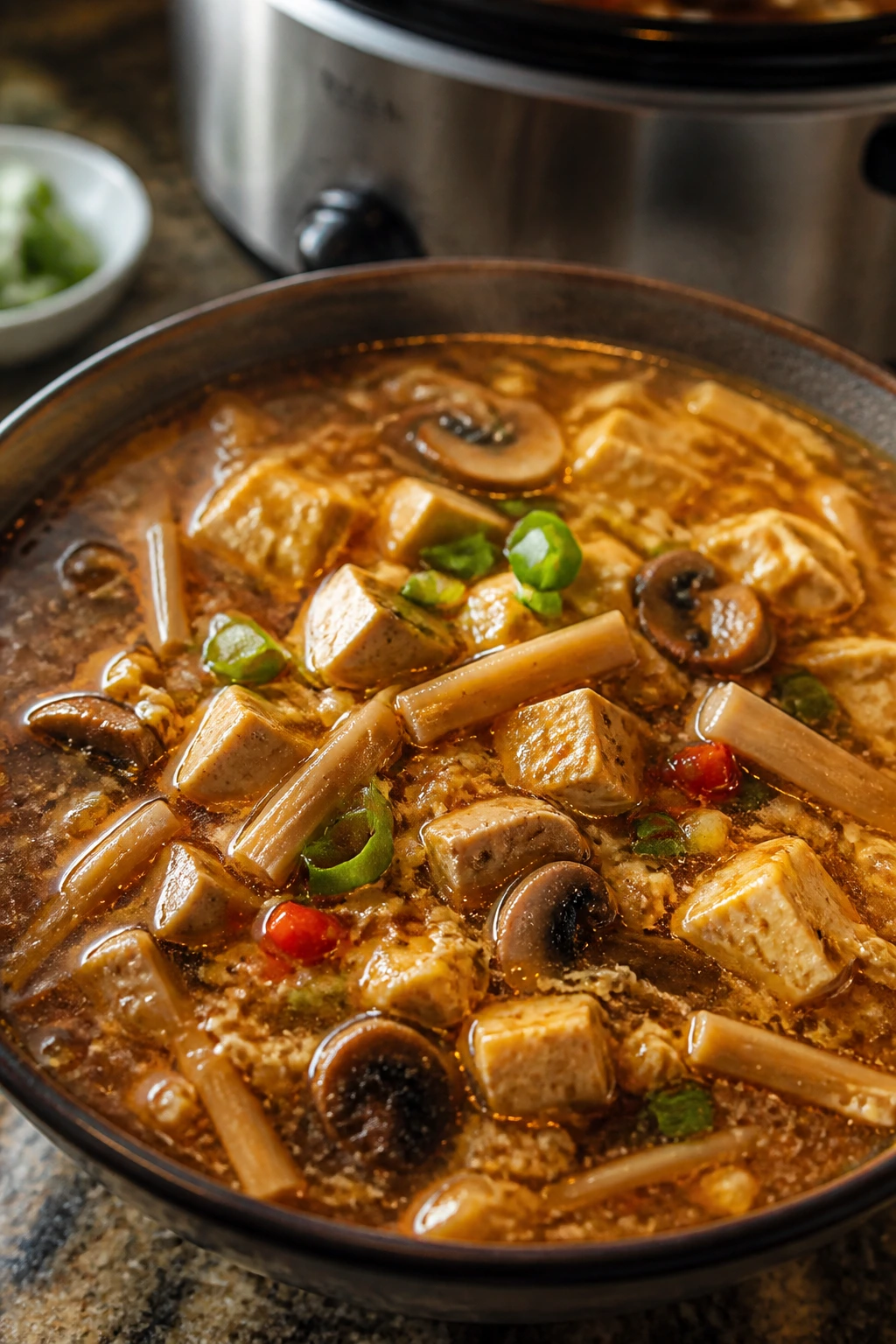
Hot and sour soup in the slow cooker gets rounder and softer than the restaurant version, but that’s not a bad thing. The vinegar, white pepper, mushrooms, and tofu create a bowl with real backbone.
Why It Works:
This soup wants time for mushrooms and aromatics to give up their flavor, and the slow cooker handles that without much effort. Vinegar and white pepper should go in later so they stay sharp. The egg swirl at the end gives the broth a silky look without turning it into custard.
Key Ingredients:
- 6 cups chicken broth
- 1 cup sliced mushrooms
- 1/2 cup bamboo shoots, drained
- 1/2 cup firm tofu, cut into small cubes
- 2 tablespoons soy sauce
- 2 tablespoons rice vinegar
- 1 to 2 teaspoons white pepper
- 1 tablespoon chili garlic sauce
- 2 tablespoons cornstarch mixed with 2 tablespoons water
- 2 eggs, lightly beaten
Quick Steps:
- Combine broth, mushrooms, bamboo shoots, tofu, soy sauce, and chili garlic sauce in the crockpot.
- Cook on low for 3 to 4 hours.
- Stir in vinegar and white pepper.
- Add the slurry and cook on high for 10 minutes.
- With the pot on low, drizzle in eggs while stirring gently.
Equipment for This Recipe:
- Slow cooker
- Whisk
- Ladle
- Small bowl for eggs
How to Serve This Dish:
Serve it in bowls with sliced scallions on top. A side of steamed dumplings makes it feel like an actual meal instead of a starter.
Pro Tips for This Recipe:
- Add the vinegar near the end: It stays brighter.
- Use white pepper, not black: The flavor is different and more fitting here.
- Stir while adding eggs: You want ribbons, not blobs.
Variations on This Dish:
- Extra-Spicy Version: Add more chili garlic sauce.
- Vegetable Hot and Sour: Add thin carrots and baby corn.
- Pork Hot and Sour: Add shredded leftover pork shoulder.
Common Mistakes to Avoid with This Dish:
- Putting vinegar in at the start: It fades.
- Boiling the eggs hard: They get stringy.
- Using too much tofu: The soup should still taste like broth.
14. Crockpot Wonton Soup
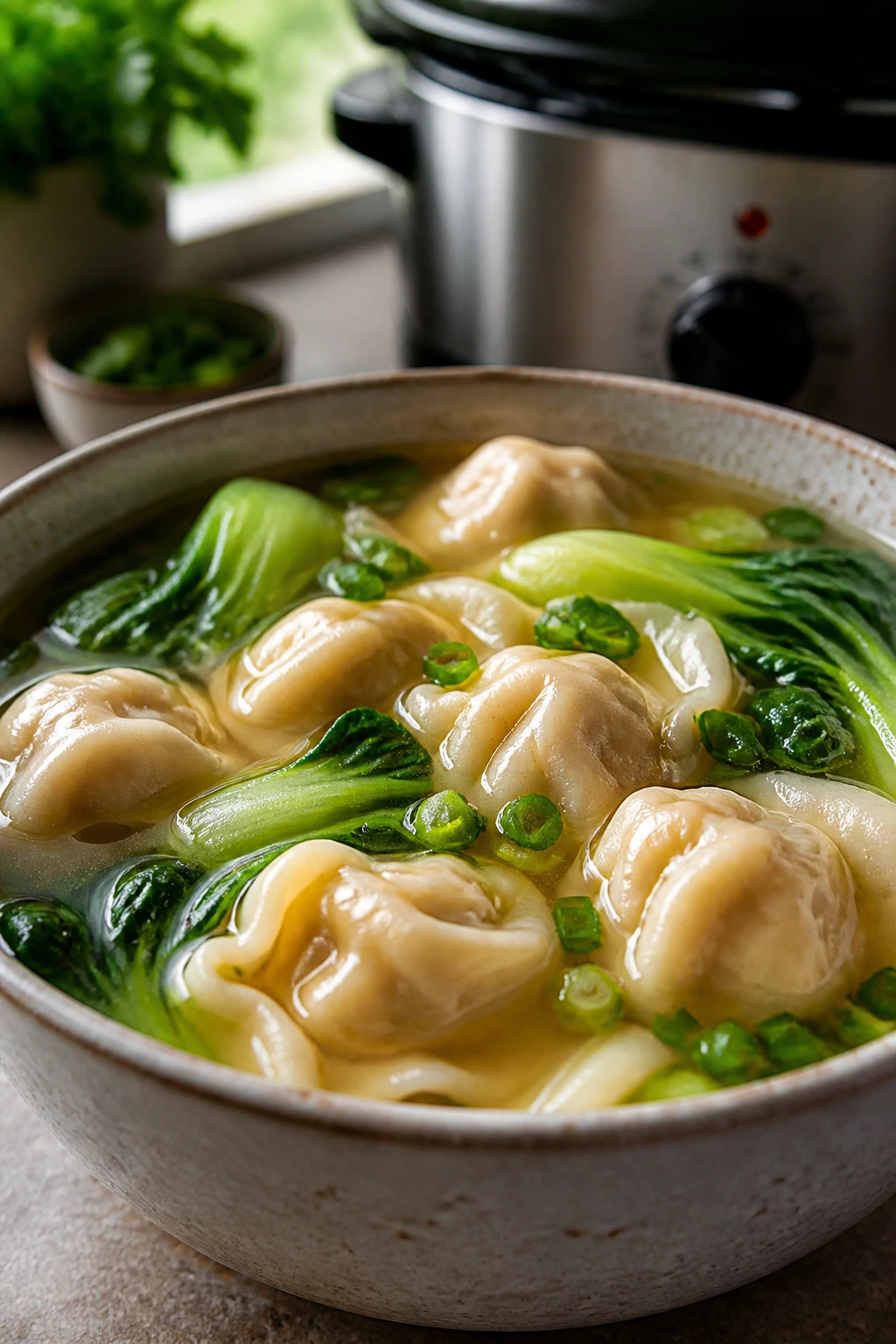
Frozen wontons are the cheat code here, and I mean that kindly. The broth is what the slow cooker really does well: ginger, garlic, chicken stock, and bok choy turning into something that tastes like you paid attention.
Why It Works:
The broth needs time; the wontons do not. That’s the whole method. By keeping the dumplings frozen until late, you avoid the soggy wrapper problem and still get a bowl that tastes fuller than canned soup ever could.
Key Ingredients:
- 6 cups chicken broth
- 2 tablespoons grated ginger
- 3 cloves garlic, sliced
- 1 tablespoon soy sauce
- 1 teaspoon sesame oil
- 12 to 16 frozen wontons
- 2 cups baby bok choy, halved
- 2 sliced scallions
- Optional chili oil for serving
Quick Steps:
- Combine broth, ginger, garlic, soy sauce, and sesame oil in the crockpot.
- Cook on low for 3 to 4 hours.
- Add frozen wontons and bok choy during the last 25 to 30 minutes.
- Cook until the wontons are heated through and the bok choy is tender.
- Ladle into bowls and top with scallions.
Equipment for This Recipe:
- Slow cooker
- Ladle
- Sharp knife
- Slotted spoon
How to Serve This Dish:
Serve as a light dinner with extra chili oil and a side of rice if you want more bulk. It’s especially nice when you don’t feel like chewing much.
Pro Tips for This Recipe:
- Keep wontons frozen until the last stretch: They hold together better.
- Use a good broth: This soup has nowhere to hide.
- Don’t overcook bok choy: It should still look green.
Variations on This Dish:
- Shrimp Wonton Soup: Use shrimp wontons and a touch of fish sauce.
- Mushroom Wonton Soup: Add sliced shiitakes to the broth.
- Ginger-Heavy Version: Double the ginger and add a few slices for serving.
Common Mistakes to Avoid with This Dish:
- Adding wontons at the start: They break apart.
- Using too much sesame oil: It can take over the broth.
- Leaving out the greens: The bowl tastes one-dimensional without them.
15. Crockpot Egg Drop Soup
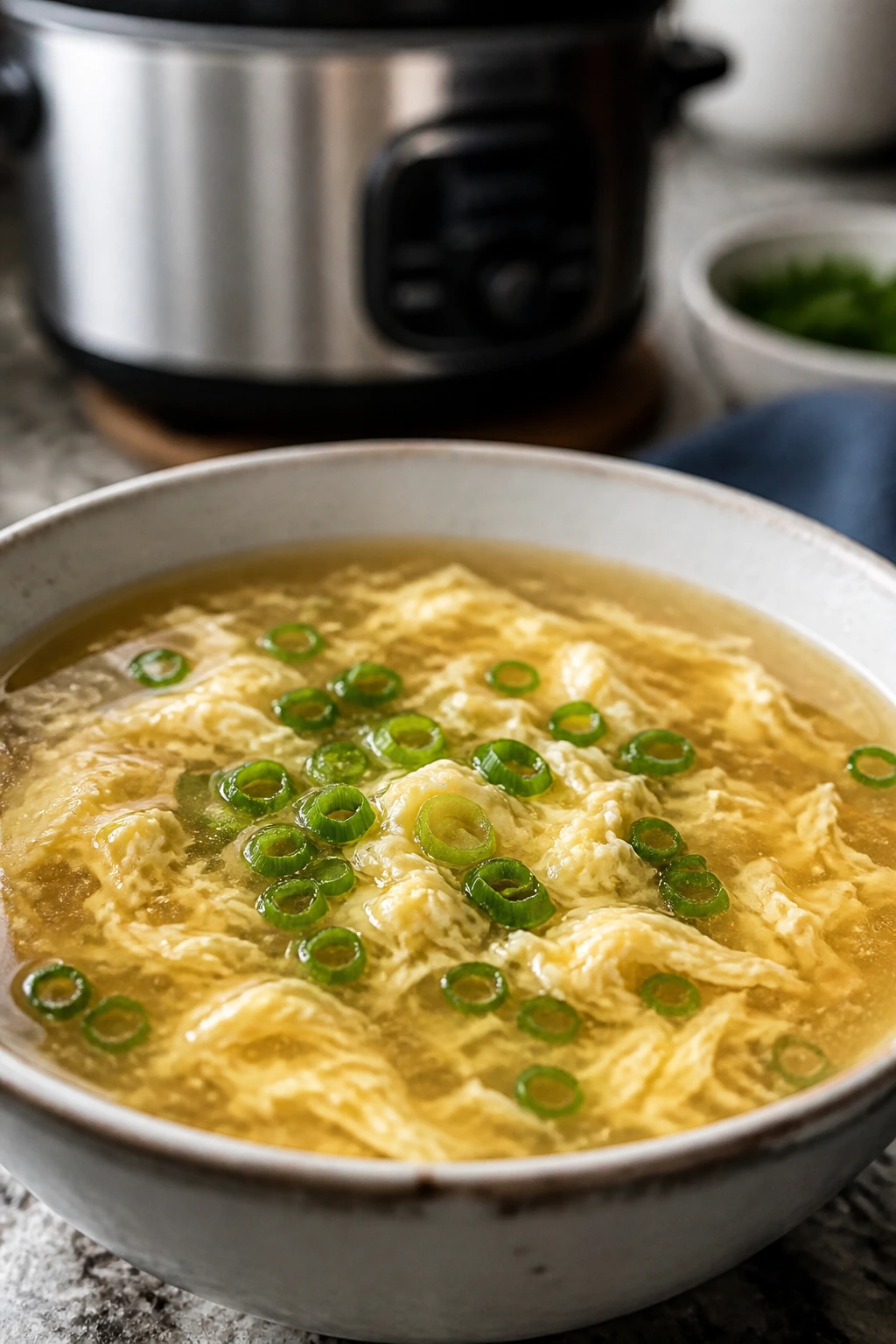
Egg drop soup is all about texture, and the slow cooker gives you the broth base without any fuss. The eggs go in at the end in thin ribbons, which is the part people notice first.
Why It Works:
The broth needs gentle heat, not a rolling boil, or the eggs clump instead of forming strands. Cornstarch gives the soup just enough body so the egg ribbons float instead of sinking in a thin, watery bowl. Scallions and white pepper finish the job.
Key Ingredients:
- 6 cups chicken broth
- 1 tablespoon grated ginger
- 1 teaspoon soy sauce
- 1 tablespoon cornstarch mixed with 1 tablespoon water
- 3 eggs, lightly beaten
- 2 sliced scallions
- 1/4 teaspoon white pepper
- Optional 1/2 cup frozen corn
Quick Steps:
- Heat broth, ginger, soy sauce, and optional corn on low for 2 to 3 hours.
- Stir in the slurry and cook on high for 10 minutes.
- Reduce to low and stir the broth in one direction.
- Slowly drizzle in the eggs while stirring to form ribbons.
- Finish with white pepper and scallions.
Equipment for This Recipe:
- Slow cooker
- Whisk
- Ladle
- Small bowl for eggs
How to Serve This Dish:
Serve it as a starter or with dumplings and rice. It’s soft, light, and oddly soothing when the broth is well seasoned.
Pro Tips for This Recipe:
- Beat the eggs just enough: You want smooth ribbons, not foam.
- Keep the broth hot but not boiling: That’s what sets the texture.
- Taste for salt before the eggs go in: It’s easier to correct then.
Variations on This Dish:
- Corn Egg Drop Soup: Add extra corn for sweetness.
- Spinach Egg Drop Soup: Stir in baby spinach at the end.
- Ginger-Scallion Version: Use more ginger and a bigger scallion finish.
Common Mistakes to Avoid with This Dish:
- Pouring eggs into a violent boil: You get scraps instead of ribbons.
- Underseasoning the broth: The eggs soften flavor, so the broth has to carry more.
- Adding too much cornstarch: It turns the soup gummy.
16. Crockpot Mapo Tofu
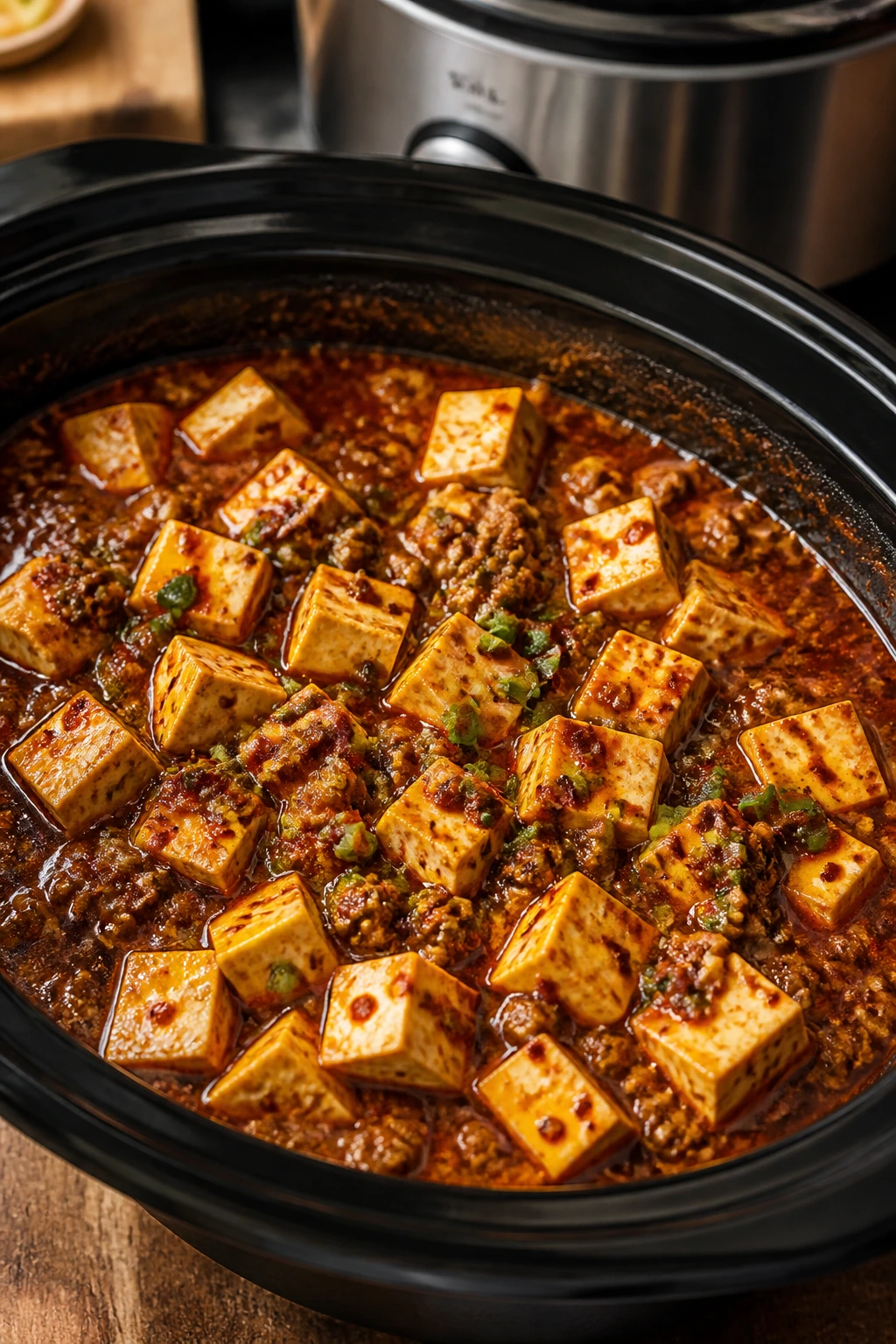
Mapo tofu is a spicy, silken, deeply savory dish that depends on texture contrasts. The crockpot does well with the saucy part, while the tofu joins late so it stays intact.
Why It Works:
Doubanjiang or chili bean paste gives mapo tofu its signature flavor, and ground pork deepens the sauce without much effort. Tofu is delicate, so it should be added near the end after the meat sauce has had time to concentrate. Sichuan pepper adds that tongue-tingling edge people either chase or fear.
Key Ingredients:
- 1 lb ground pork
- 2 blocks firm or extra-firm tofu, cut into cubes
- 2 tablespoons doubanjiang
- 2 tablespoons soy sauce
- 1 cup chicken or vegetable broth
- 3 cloves garlic, minced
- 1 tablespoon grated ginger
- 1 teaspoon Sichuan peppercorns, crushed
- 2 tablespoons cornstarch mixed with 2 tablespoons water
- 2 sliced scallions
Quick Steps:
- Brown the pork in a skillet if you want deeper flavor, then add it to the crockpot.
- Add doubanjiang, soy sauce, broth, garlic, ginger, and Sichuan pepper.
- Cook on low for 3 to 4 hours.
- Gently fold in tofu for the last 20 to 30 minutes.
- Stir in the slurry, then top with scallions.
Equipment for This Recipe:
- Slow cooker
- Skillet, optional but helpful
- Spatula
- Slotted spoon
How to Serve This Dish:
Serve it over steamed rice and keep the rice plain. The sauce is the point, and it needs something steady beneath it.
Pro Tips for This Recipe:
- Handle tofu gently: Cubes break easily.
- Use the right amount of doubanjiang: Too much and it overpowers everything.
- Crush Sichuan pepper lightly: You want aroma, not powder.
Variations on This Dish:
- Vegetarian Mapo Tofu: Skip the pork and use mushrooms.
- Milder Version: Use half the doubanjiang and more broth.
- Extra-Numbing Version: Add a little Sichuan pepper oil at the end.
Common Mistakes to Avoid with This Dish:
- Boiling tofu for hours: It falls apart.
- Using soft tofu: It cannot hold the sauce well.
- Skipping the peppercorns: The dish loses its identity.
17. Slow Cooker Szechuan Chicken
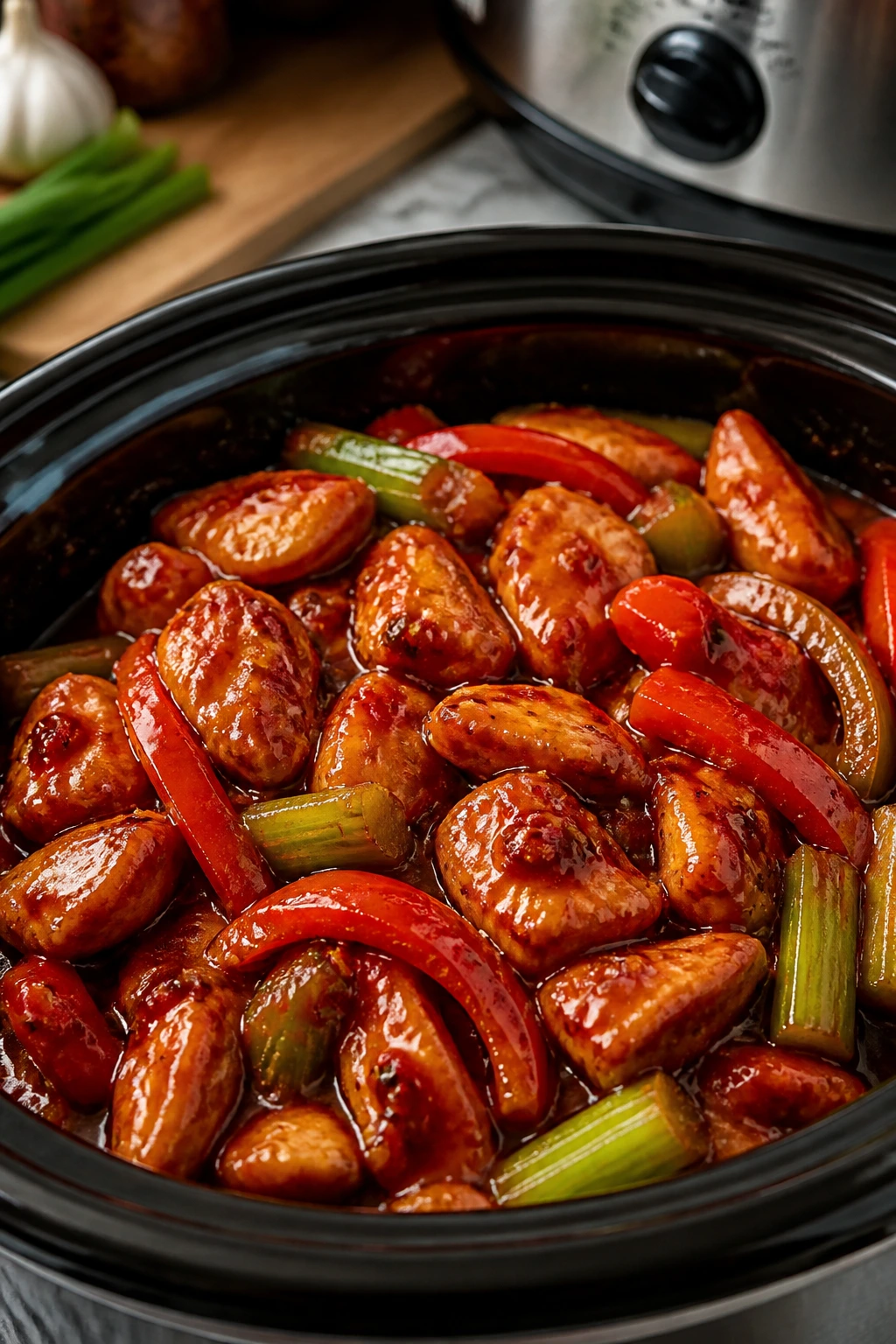
Szechuan chicken wants heat with a little citrusy sharpness, not just brute force spice. The slow cooker lets the sauce deepen while the peppers stay just soft enough.
Why It Works:
This version leans on chili paste, garlic, ginger, soy, and black vinegar or rice vinegar to get that bright, hot finish. Chicken thighs are the safe choice for a long cook, and bell peppers or celery add texture that survives the pot. A little Sichuan pepper goes a long way.
Key Ingredients:
- 2 lbs boneless chicken thighs
- 1/2 cup soy sauce
- 1/4 cup rice vinegar
- 2 tablespoons chili bean paste or chili garlic sauce
- 3 cloves garlic, minced
- 1 tablespoon grated ginger
- 1 red bell pepper, sliced
- 1 cup sliced celery
- 1 teaspoon crushed Sichuan peppercorns
- 2 tablespoons cornstarch mixed with 2 tablespoons water
Quick Steps:
- Whisk soy sauce, vinegar, chili paste, garlic, ginger, and Sichuan pepper.
- Add chicken and cook on low for 4 hours.
- Add bell pepper and celery for the last 30 minutes.
- Stir in the slurry and cook on high until the sauce thickens.
- Serve once the glaze looks dark and sticky.
Equipment for This Recipe:
- Slow cooker
- Measuring spoons
- Tongs
- Sharp knife
How to Serve This Dish:
Rice is the anchor. Add a plate of cucumber slices or a quick cabbage slaw if you want to cool the heat a little.
Pro Tips for This Recipe:
- Start with less chili paste: You can add heat, not take it out.
- Use vinegar with backbone: That sharp edge keeps the dish from tasting heavy.
- Don’t skip the celery: It brings a clean crunch.
Variations on This Dish:
- Szechuan Beef: Swap in thinly sliced flank steak and shorten the cook.
- Vegetable Szechuan: Use cauliflower and mushrooms.
- Extra-Hot Version: Add dried chiles during the first hour.
Common Mistakes to Avoid with This Dish:
- Confusing heat with flavor: You need both.
- Using too much liquid: The sauce should coat, not pool.
- Adding celery at the start: It turns limp and loses bite.
18. Garlic Ginger Short Ribs
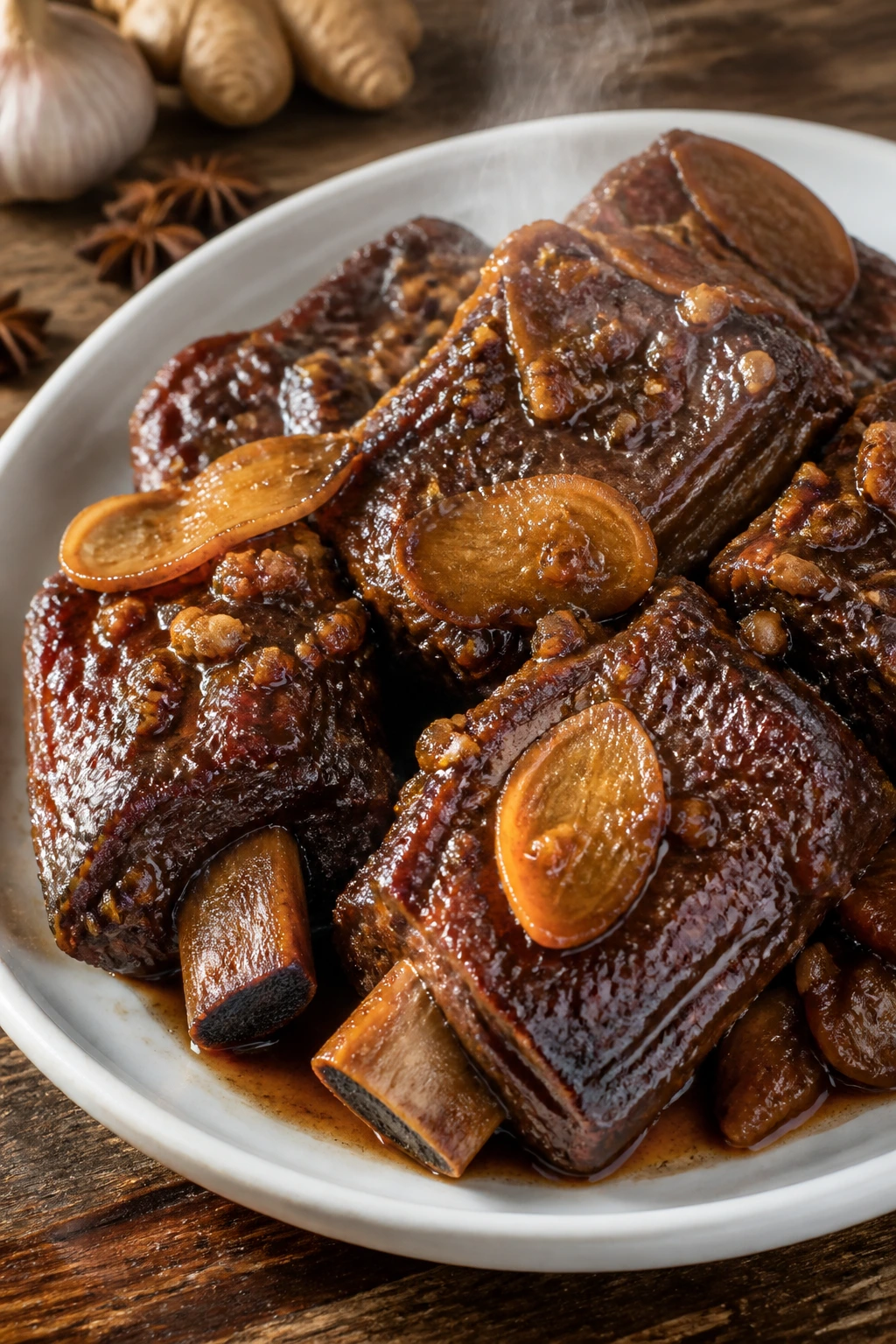
Short ribs are one of those cuts that make the slow cooker look smarter than it is. After a long braise, the meat slips off the bone and the sauce smells like ginger, garlic, and star anise in a way that fills the whole kitchen.
Why It Works:
Beef short ribs have fat and connective tissue that need time to soften, and that’s exactly what a low slow cooker setting does. Soy sauce and rice wine give the braise body, while star anise and ginger push it toward Chinese braised-beef territory. The meat doesn’t need much else.
Key Ingredients:
- 3 lbs beef short ribs
- 1/2 cup soy sauce
- 1/2 cup beef broth
- 1/4 cup rice wine or dry sherry
- 1/4 cup brown sugar
- 6 cloves garlic, smashed
- 2 tablespoons sliced ginger
- 2 whole star anise
- 2 sliced scallions
- 1 tablespoon sesame oil
Quick Steps:
- Whisk soy sauce, broth, rice wine, sugar, garlic, ginger, and star anise.
- Add short ribs and coat well.
- Cook on low for 8 hours until the meat is falling apart.
- Skim excess fat if needed, then finish with sesame oil and scallions.
- Serve bone-in or pull the meat off for rice bowls.
Equipment for This Recipe:
- Large slow cooker
- Slotted spoon
- Fat separator, optional
- Tongs
How to Serve This Dish:
Serve over rice with wilted greens or napa cabbage. The braising liquid is rich enough that a little goes a long way.
Pro Tips for This Recipe:
- Leave the ribs in a single layer if you can: They cook more evenly.
- Don’t skip the star anise: It gives the braise its shape.
- Skim the fat before serving: The sauce tastes cleaner.
Variations on This Dish:
- Five-Spice Short Ribs: Add 1 teaspoon Chinese five-spice powder.
- Spicy Short Ribs: Add dried chiles and a little chili paste.
- Mushroom Short Ribs: Add shiitakes in the last 2 hours.
Common Mistakes to Avoid with This Dish:
- Rushing the cook time: Short ribs need the full braise.
- Using too much sugar: You want deep braise, not dessert.
- Serving with no starch: The sauce deserves rice.
19. Crockpot Five-Spice Chicken Thighs
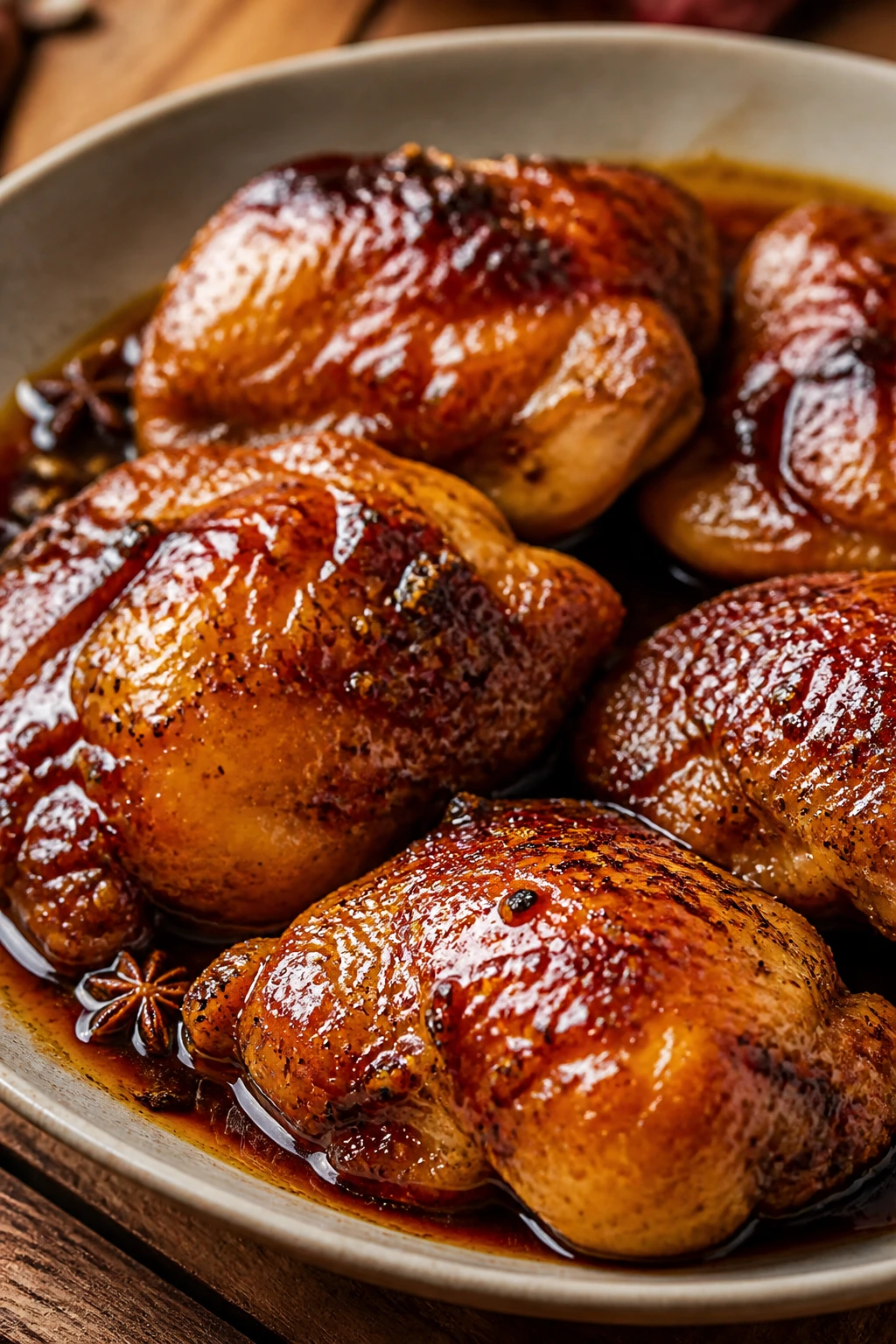
Five-spice has a way of making a short ingredient list taste deliberate. It brings clove, cinnamon, fennel, and star anise into one dusty little spoonful, which is why it works so well with chicken thighs.
Why It Works:
The spice blend does most of the flavor work, so the rest of the recipe stays simple: soy, honey, garlic, and a bit of vinegar. Chicken thighs give the seasoning time to sink in without drying out. The result is braised, lightly sweet, and deeply fragrant.
Key Ingredients:
- 2 lbs boneless chicken thighs
- 1/2 cup soy sauce
- 1/4 cup honey
- 2 teaspoons Chinese five-spice powder
- 4 cloves garlic, minced
- 1 tablespoon rice vinegar
- 1 tablespoon sesame oil
- 2 sliced scallions
- 2 tablespoons cornstarch mixed with 2 tablespoons water
Quick Steps:
- Whisk soy sauce, honey, five-spice, garlic, vinegar, and sesame oil.
- Add chicken and cook on low for 4 hours.
- Stir in slurry for the last 15 minutes.
- Finish with scallions.
- Serve once the sauce looks lightly glossy and not watery.
Equipment for This Recipe:
- Slow cooker
- Whisk
- Measuring spoons
- Tongs
How to Serve This Dish:
Rice works, but this also likes simple noodles or a bed of sautéed cabbage. Keep the plate plain so the spice blend stays the focus.
Pro Tips for This Recipe:
- Use five-spice sparingly: Too much and the dish tastes perfumey.
- Add vinegar at the end if needed: It brightens the spice.
- Let the sauce rest 5 minutes before serving: It thickens a little more.
Variations on This Dish:
- Five-Spice Pork: Use pork shoulder in place of chicken.
- Honey-Soy Thighs: Skip the five-spice for a softer flavor.
- Citrus Five-Spice: Add orange zest for a brighter edge.
Common Mistakes to Avoid with This Dish:
- Overusing the spice blend: It should hint, not overwhelm.
- Cooking on high too long: The sauce can taste harsh.
- Skipping the slurry: The sauce needs a little body.
20. Crockpot Lemon Chicken
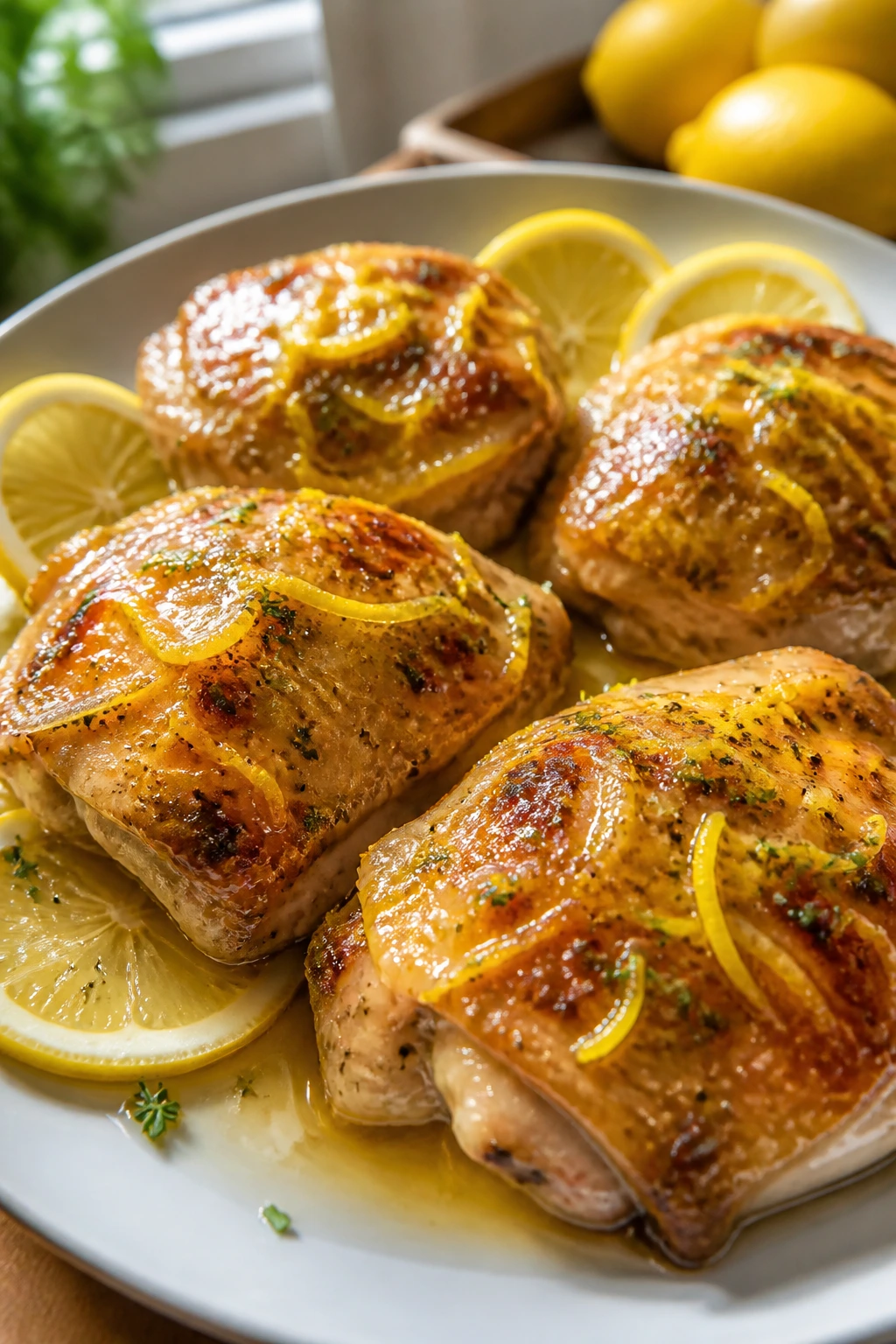
Chinese-American lemon chicken should taste bright, tart, and a little sticky, not like lemon candy. The slow cooker lets the chicken get tender while the glaze stays clean.
Why It Works:
Lemon juice needs sweetness and soy to keep it from tasting thin or harsh after long cooking. Chicken thighs are more forgiving, and a little zest at the end keeps the lemon flavor from disappearing into the sauce. The dish wants sharpness, not heaviness.
Key Ingredients:
- 2 lbs boneless chicken thighs
- 1/2 cup chicken broth
- 1/3 cup lemon juice
- 1 tablespoon lemon zest
- 1/4 cup honey
- 2 tablespoons soy sauce
- 3 cloves garlic, minced
- 1 tablespoon cornstarch mixed with 1 tablespoon water
- 1 tablespoon butter or neutral oil
- 2 sliced scallions
Quick Steps:
- Whisk broth, lemon juice, zest, honey, soy sauce, and garlic.
- Add chicken and cook on low for 4 hours.
- Stir in the slurry and cook on high for 10 to 15 minutes.
- Finish with butter and scallions.
- Serve once the sauce is bright and lightly syrupy.
Equipment for This Recipe:
- Slow cooker
- Zester
- Whisk
- Small bowl
How to Serve This Dish:
Rice is the best partner, though mashed potatoes work if you want a softer plate. Add steamed broccoli or asparagus to keep the lemon from feeling too sweet.
Pro Tips for This Recipe:
- Use both juice and zest: One without the other tastes flat.
- Taste after thickening: Lemon can go sharp fast.
- Add butter at the end: It smooths the glaze.
Variations on This Dish:
- Ginger Lemon Chicken: Add 1 tablespoon grated ginger.
- Spicy Lemon Chicken: Add a pinch of chili flakes.
- Orange-Lemon Hybrid: Use half orange juice and half lemon juice.
Common Mistakes to Avoid with This Dish:
- Using too much lemon juice: The sauce can turn sharply sour.
- Leaving out the sweetener: It needs balance.
- Adding zest too early: The bright top note fades.
21. Crockpot Black Pepper Chicken
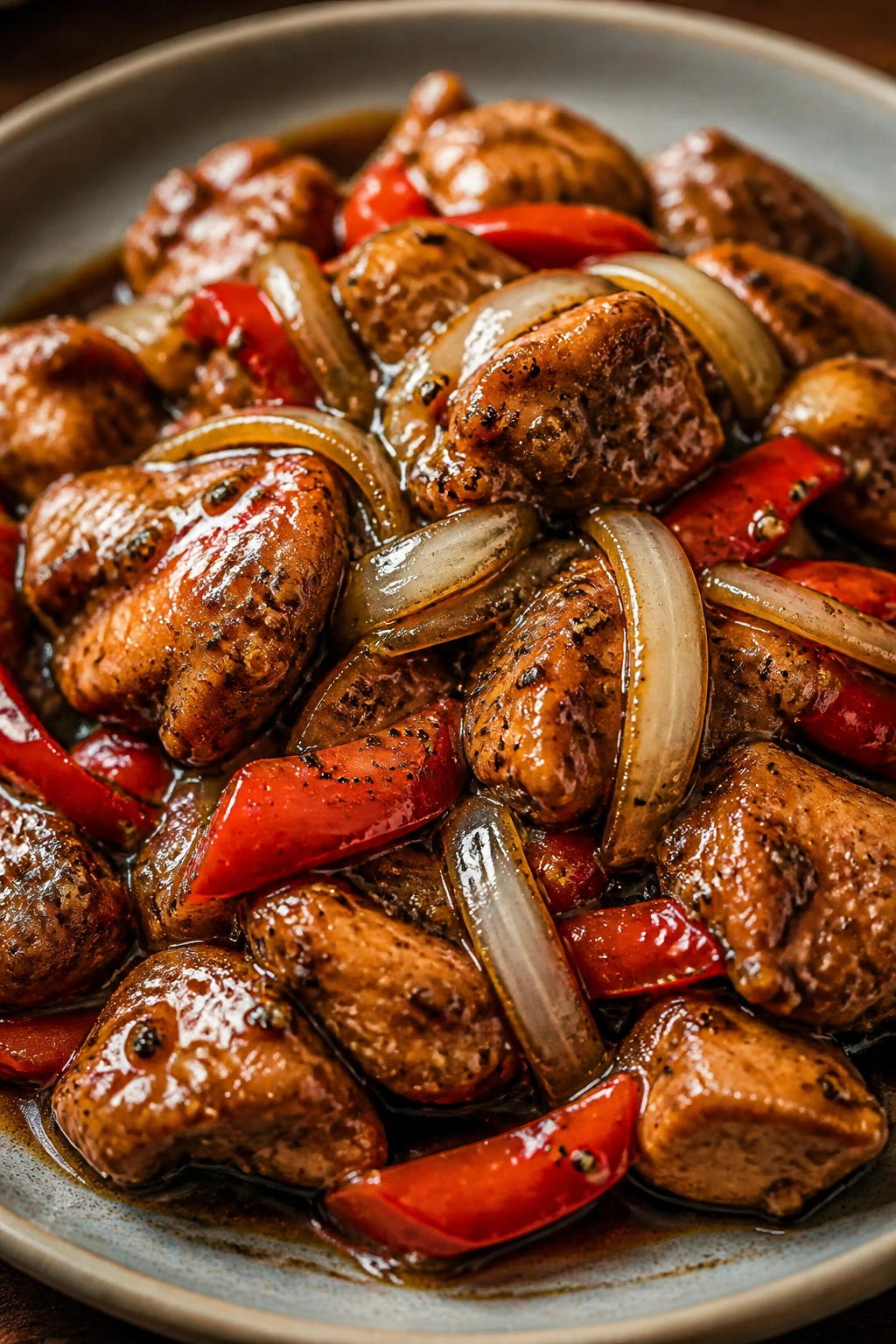
Black pepper chicken is the one that smells like takeout before you even plate it. Pepper, garlic, onion, and soy sauce make a blunt but satisfying argument.
Why It Works:
Black pepper needs room to bloom, and a long slow cook softens its edge while keeping the flavor present. Bell peppers and onions add sweetness and texture, while oyster sauce gives the sauce more depth than soy alone can manage. This is one of the better recipes for chicken breasts if you really want to use them.
Key Ingredients:
- 2 lbs boneless chicken thighs or breasts
- 1/2 cup soy sauce
- 1/4 cup oyster sauce
- 1/4 cup chicken broth
- 2 tablespoons coarsely ground black pepper
- 1 onion, sliced
- 1 red bell pepper, sliced
- 3 cloves garlic, minced
- 1 tablespoon grated ginger
- 2 tablespoons cornstarch mixed with 2 tablespoons water
Quick Steps:
- Whisk soy sauce, oyster sauce, broth, black pepper, garlic, and ginger.
- Add chicken, onion, and bell pepper.
- Cook on low for 4 to 5 hours.
- Stir in slurry and cook on high until the sauce thickens.
- Serve once the pepper aroma is strong but not bitter.
Equipment for This Recipe:
- Slow cooker
- Pepper grinder
- Measuring cups
- Tongs
How to Serve This Dish:
Serve with rice and maybe a handful of quick-steamed snow peas. The dish has a strong voice, so the sides should stay quiet.
Pro Tips for This Recipe:
- Use coarse pepper, not fine dust: The flavor stays cleaner.
- Don’t use more pepper than the recipe calls for: It can turn harsh.
- Slice onions thick enough to survive the cook: Thin slices vanish.
Variations on This Dish:
- Extra Onion Version: Add a second onion for sweetness.
- Mushroom Black Pepper Chicken: Add shiitakes for earthiness.
- Heat-Lover’s Version: Add chili paste along with the black pepper.
Common Mistakes to Avoid with This Dish:
- Grinding pepper too fine: It tastes dusty.
- Using watery chicken pieces: Pat them dry if you can.
- Overcooking breasts: They dry out faster than thighs.
22. Crockpot Hunan Beef
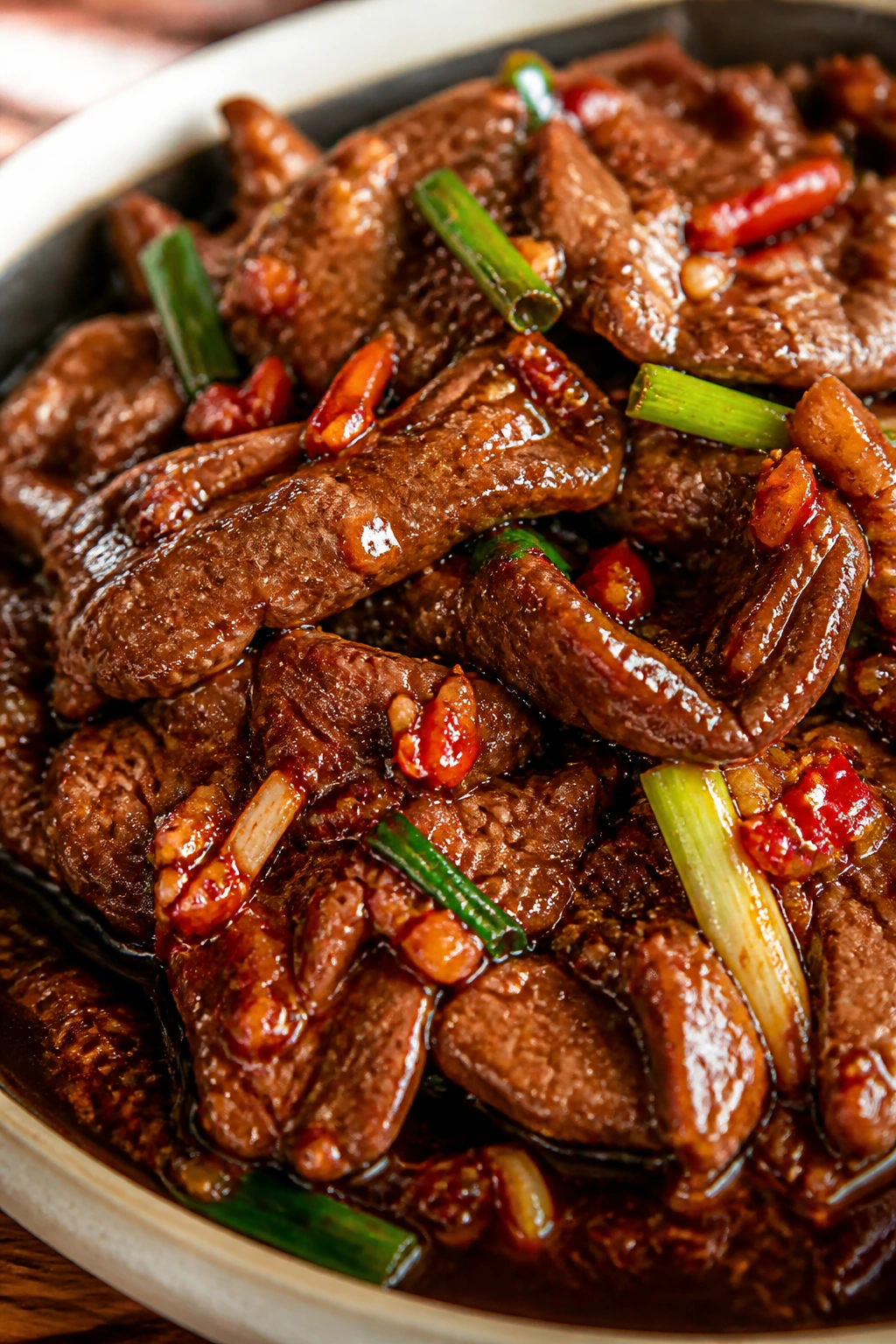
Hunan beef is supposed to feel bold, savory, and a little fiery. The slow cooker softens the beef and lets chili bean paste and garlic settle into the sauce in a way that’s easy to love.
Why It Works:
Hunan-style flavor leans hotter and more direct than some sweet takeout sauces, so the sauce needs chili bean paste, soy, garlic, and vinegar. Beef chuck stands up well to the long cook, and celery or bell peppers give it a little crunch if added late. It’s a strong dish, not a shy one.
Key Ingredients:
- 2 lbs beef chuck, thinly sliced
- 1/2 cup beef broth
- 1/4 cup soy sauce
- 2 tablespoons chili bean paste
- 2 tablespoons rice vinegar
- 3 cloves garlic, minced
- 1 tablespoon grated ginger
- 1 bell pepper, sliced
- 1 cup sliced celery
- 2 tablespoons cornstarch mixed with 2 tablespoons water
Quick Steps:
- Whisk broth, soy sauce, chili bean paste, vinegar, garlic, and ginger.
- Add beef and cook on low for 5 to 6 hours.
- Add bell pepper and celery in the last 30 minutes.
- Stir in slurry and cook on high until the sauce thickens.
- Serve once the beef is tender and the sauce smells sharp.
Equipment for This Recipe:
- Slow cooker
- Sharp knife
- Cutting board
- Whisk
How to Serve This Dish:
Rice is the cleanest match. Add a cucumber salad or simple stir-fried greens if you want to cool the heat.
Pro Tips for This Recipe:
- Thin slicing matters: Thick beef stays chewy.
- Use chili bean paste carefully: It’s stronger than it looks.
- Add vegetables late: Celery should still snap a little.
Variations on This Dish:
- Hunan Chicken: Use chicken thighs and shorten the cook.
- Extra-Vinegary Version: Add another teaspoon of rice vinegar at the end.
- Mushroom Hunan Beef: Add mushrooms in the first hour.
Common Mistakes to Avoid with This Dish:
- Making it too sweet: Hunan should stay brisk.
- Overloading with liquid: The sauce should cling.
- Using celery that’s too thin: It disappears.
23. Crockpot Moo Shu Chicken
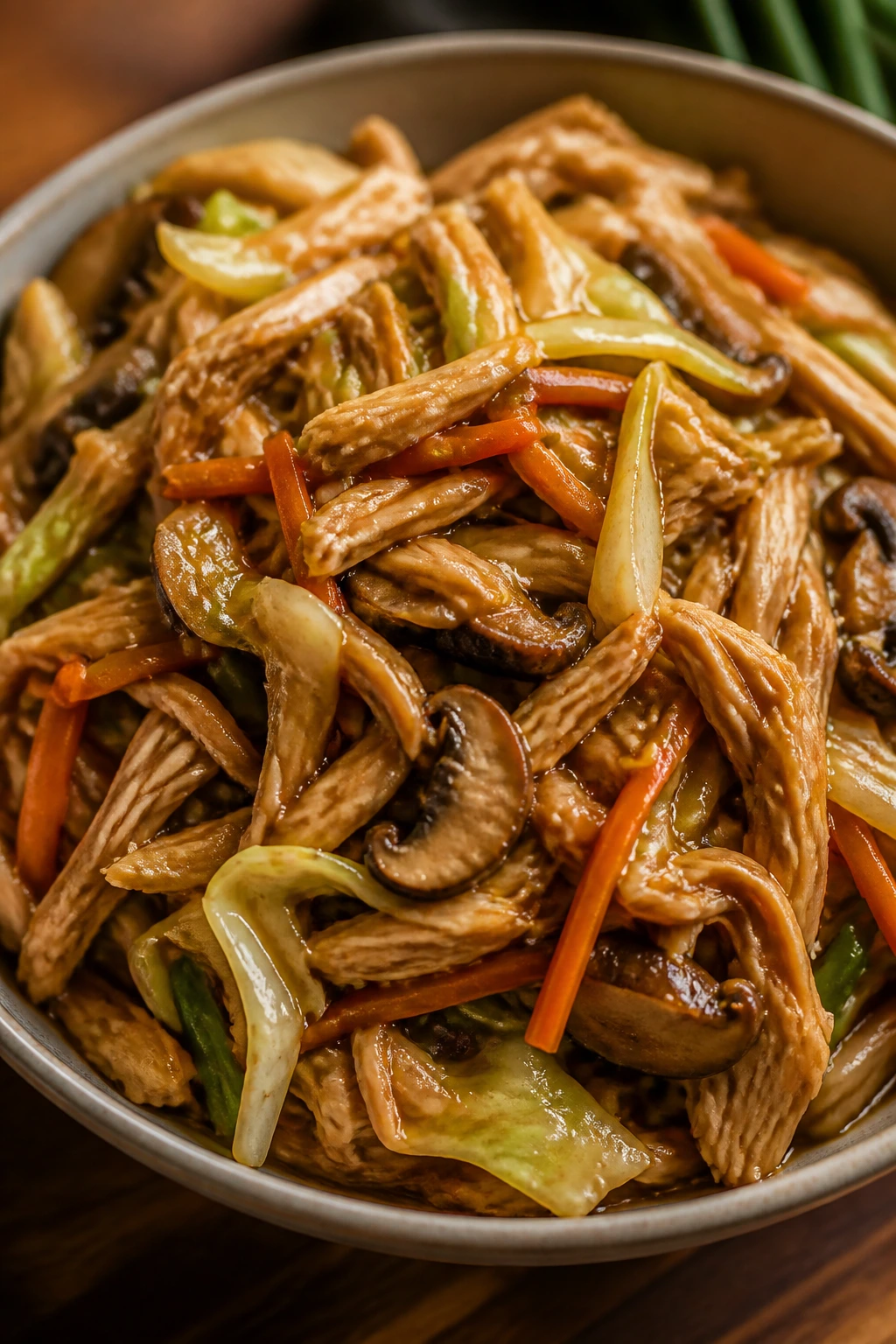
Moo shu chicken works in the slow cooker because the filling is the heart of it. The pancakes or tortillas can wait; the cabbage, mushrooms, and chicken are what matter first.
Why It Works:
This dish is really about the savory filling and the hoisin finish. Cabbage, mushrooms, and chicken thighs soften together while ginger and garlic keep the flavor bright. Scrambled eggs folded in at the end make it feel more like moo shu and less like generic chicken and cabbage.
Key Ingredients:
- 2 lbs boneless chicken thighs, shredded or chopped
- 3 cups shredded cabbage
- 2 cups sliced mushrooms
- 2 carrots, julienned
- 1/2 cup soy sauce
- 2 tablespoons hoisin sauce
- 3 cloves garlic, minced
- 1 tablespoon grated ginger
- 2 eggs, lightly beaten
- 8 small tortillas or Mandarin pancakes
Quick Steps:
- Combine chicken, cabbage, mushrooms, carrots, soy sauce, hoisin, garlic, and ginger in the crockpot.
- Cook on low for 4 hours.
- Stir in beaten eggs during the last 10 minutes and cover until set.
- Spoon the filling into warm tortillas or pancakes.
- Add extra hoisin if you want a sweeter bite.
Equipment for This Recipe:
- Slow cooker
- Large spoon
- Small whisk
- Skillet or steamer for tortillas, optional
How to Serve This Dish:
Serve family-style with warm wrappers, sliced cucumbers, and extra hoisin. It becomes a fun hands-on meal without much extra work.
Pro Tips for This Recipe:
- Shred the chicken if it’s very tender: It helps the filling hold together.
- Don’t add the eggs too early: They should just set.
- Warm the wrappers: Cold tortillas fight the filling.
Variations on This Dish:
- Pork Moo Shu: Use shredded pork shoulder instead of chicken.
- Vegetable Moo Shu: Skip meat and add more mushrooms.
- Spicy Moo Shu: Add chili paste to the filling.
Common Mistakes to Avoid with This Dish:
- Cooking the cabbage into mush: Keep some texture.
- Forgetting the hoisin at serving: It’s part of the identity.
- Stuffing cold wrappers: They tear more easily.
24. Crockpot Braised Cabbage with Pork Belly
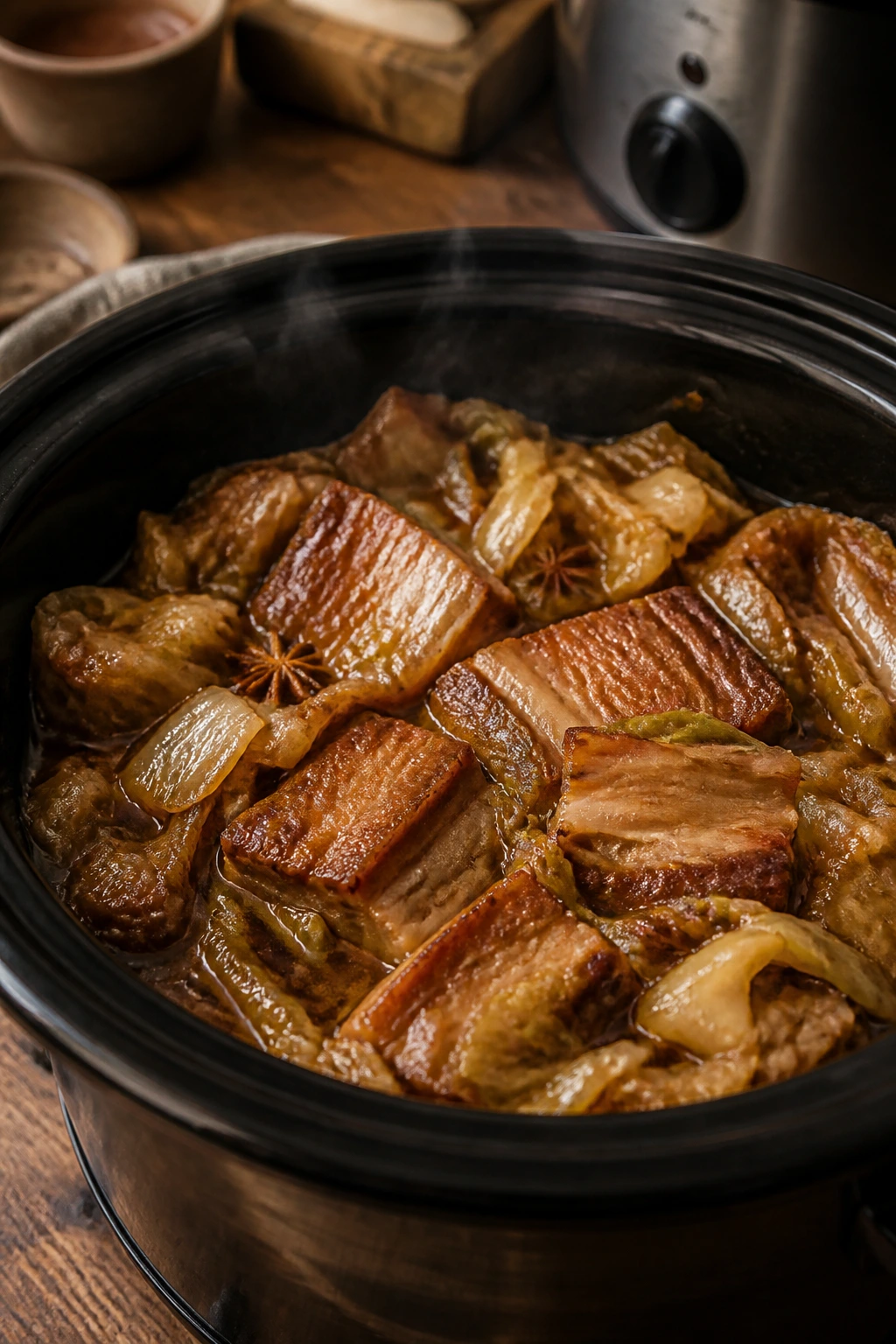
Pork belly and cabbage are a classic marriage for a reason. The fat melts into the cabbage, the broth gets silky, and the whole pot tastes better than the sum of its parts.
Why It Works:
Pork belly needs slow, steady heat so the collagen and fat can loosen without turning greasy. Napa cabbage is sturdy enough to hold up, and ginger, soy, and star anise keep the braise from feeling heavy. This is one of those dishes that tastes more composed than the ingredient list suggests.
Key Ingredients:
- 2 lbs pork belly, cut into thick strips
- 1 large napa cabbage, chopped
- 1/2 cup soy sauce
- 1 cup chicken broth
- 2 tablespoons Shaoxing wine or dry sherry
- 4 cloves garlic, smashed
- 2 tablespoons sliced ginger
- 2 whole star anise
- 2 scallions, sliced
Quick Steps:
- Add pork belly, soy sauce, broth, wine, garlic, ginger, and star anise to the crockpot.
- Cook on low for 5 hours.
- Add cabbage for the last 45 minutes.
- Cook until the cabbage is soft but not falling apart.
- Finish with scallions before serving.
Equipment for This Recipe:
- Slow cooker
- Sharp knife
- Slotted spoon
- Tongs
How to Serve This Dish:
Serve with plain rice because the braise is rich. A little chili oil on top is optional, but it plays nicely with the cabbage.
Pro Tips for This Recipe:
- Trim some of the pork belly fat if it’s excessive: You want rich, not slick.
- Add cabbage late: It should keep its shape.
- Skim the surface if needed: A cleaner broth tastes better.
Variations on This Dish:
- Pork Shoulder Version: Use shoulder if pork belly feels too rich.
- Mushroom Cabbage Braise: Add shiitakes for earthiness.
- Spicy Cabbage Braise: Add dried chiles and a spoon of chili paste.
Common Mistakes to Avoid with This Dish:
- Putting cabbage in too early: It disappears.
- Using too little liquid: The braise needs some broth to work.
- Expecting the fat to vanish completely: Skim what you can.
25. Crockpot Chinese Spare Ribs
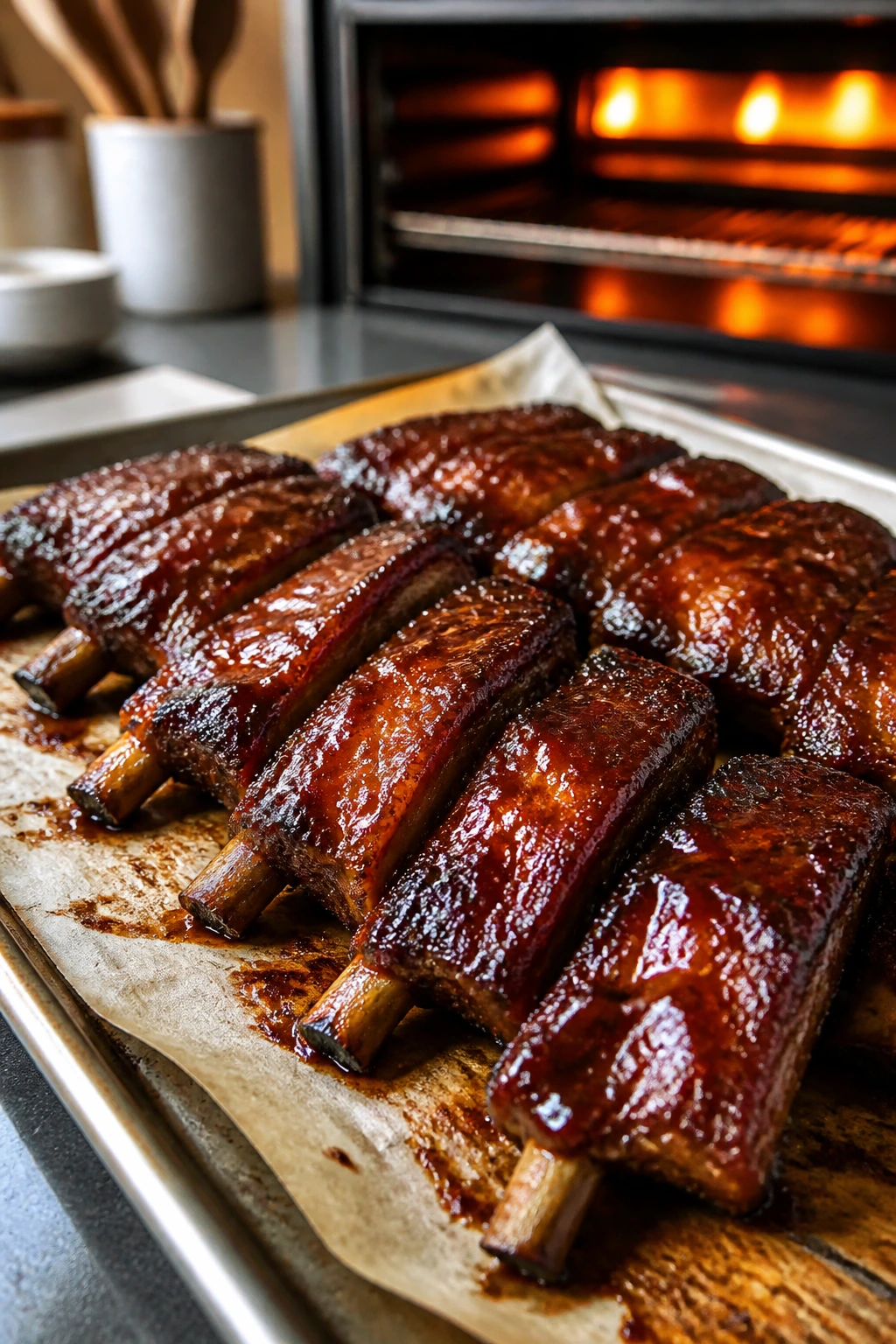
Sticky, sweet, and a little smoky at the edges, these ribs are the kind of thing people pick up with their hands even when a fork is right there. The slow cooker does the softening; a quick finish gives the ribs their burnished look.
Why It Works:
Spare ribs contain enough connective tissue to benefit from a long braise, and the sauce needs time to cling. Hoisin, soy, honey, garlic, and five-spice create a flavor profile that feels familiar but richer than a rushed oven version. A quick broil at the end is the difference between good ribs and ribs that look finished.
Key Ingredients:
- 3 lbs pork spare ribs, cut into manageable sections
- 1/2 cup hoisin sauce
- 1/3 cup soy sauce
- 1/3 cup honey
- 4 cloves garlic, minced
- 1 teaspoon Chinese five-spice powder
- 2 tablespoons rice vinegar
- 1 tablespoon sesame oil
- 2 tablespoons sesame seeds
Quick Steps:
- Whisk hoisin, soy sauce, honey, garlic, five-spice, vinegar, and sesame oil.
- Coat ribs and place them in the crockpot.
- Cook on low for 7 to 8 hours until very tender.
- Transfer to a sheet pan and broil 3 to 5 minutes until the edges caramelize.
- Sprinkle with sesame seeds before serving.
Equipment for This Recipe:
- Slow cooker
- Rimmed sheet pan
- Foil
- Tongs
How to Serve This Dish:
Serve with rice and pickled cucumbers or steamed broccoli. The ribs are rich, so the sides should stay crisp and sharp.
Pro Tips for This Recipe:
- Leave room in the pot if you can: Crowded ribs steam more than braise.
- Broil carefully: The sugar burns fast.
- Let them rest a few minutes before serving: The sauce settles.
Variations on This Dish:
- Spicy Ribs: Add chili paste to the glaze.
- Orange Ribs: Add orange zest and a splash of juice.
- Garlic-Heavy Ribs: Double the garlic and cut the honey slightly.
Common Mistakes to Avoid with This Dish:
- Skipping the finish step: The texture needs that caramelized edge.
- Using baby back ribs without adjusting time: They cook a little faster.
- Turning the sauce too sweet: Ribs need balance.
26. Crockpot Garlic Soy Tofu and Mushrooms
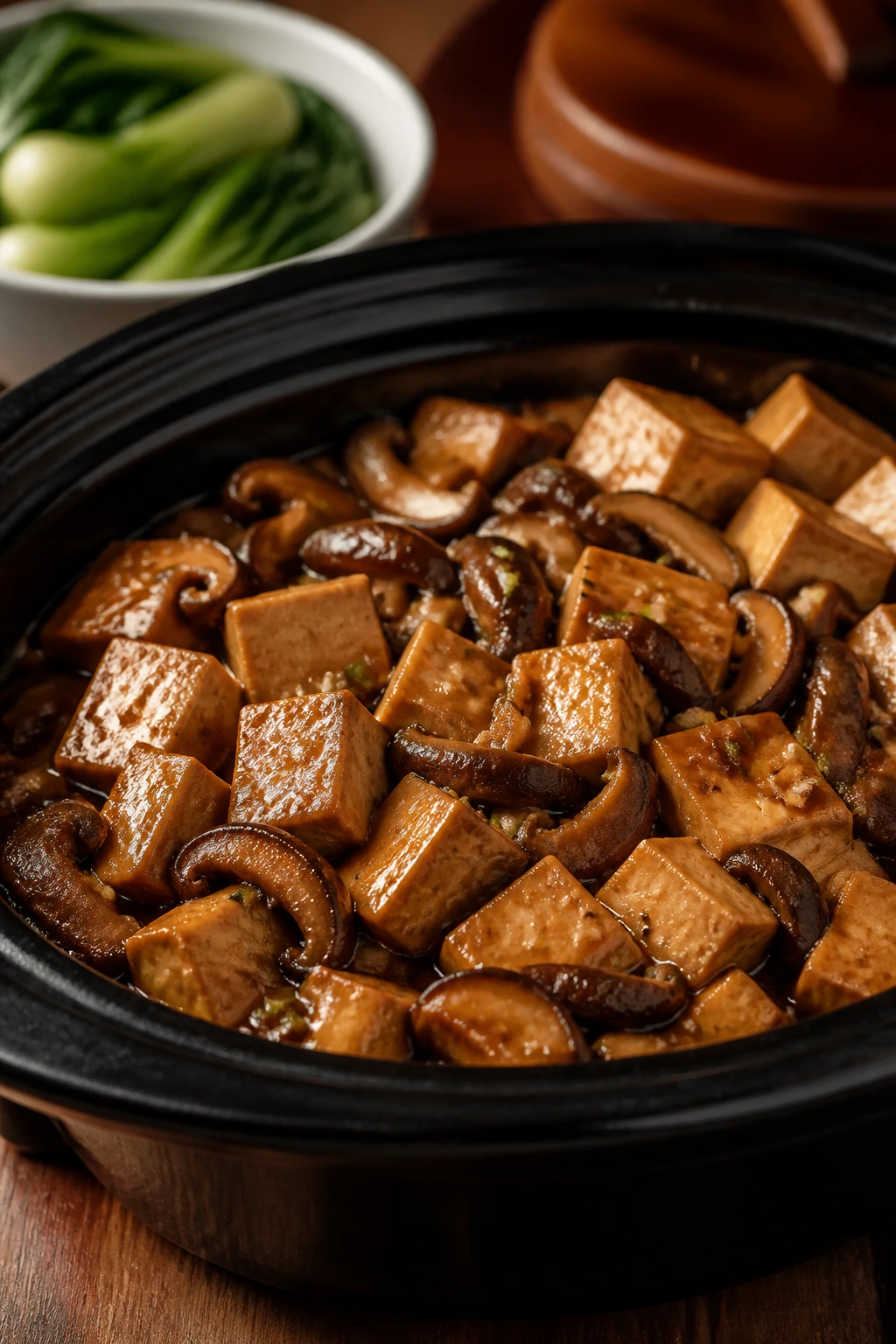
Tofu in a slow cooker is a patience dish. The trick is choosing firm tofu, adding it late enough to stay intact, and giving the mushrooms enough time to make the sauce taste like something.
Why It Works:
Mushrooms bring umami, tofu brings softness, and garlic-soy sauce ties them together. Since tofu can go fragile, it should join the pot near the end, after the broth has already picked up the mushroom flavor. A tiny bit of sesame oil finishes the bowl nicely.
Key Ingredients:
- 2 blocks firm tofu, pressed and cubed
- 3 cups sliced mushrooms
- 2 cups baby bok choy, halved
- 1/2 cup soy sauce
- 1/2 cup vegetable broth
- 4 cloves garlic, minced
- 1 tablespoon grated ginger
- 1 tablespoon oyster sauce or mushroom sauce
- 1 teaspoon sesame oil
- 2 tablespoons cornstarch mixed with 2 tablespoons water
Quick Steps:
- Combine mushrooms, soy sauce, broth, garlic, ginger, and oyster sauce in the crockpot.
- Cook on low for 2 1/2 to 3 hours.
- Add tofu and bok choy for the last 20 to 30 minutes.
- Stir in slurry and cook on high until lightly thickened.
- Finish with sesame oil.
Equipment for This Recipe:
- Slow cooker
- Tofu press or clean towel
- Slotted spoon
- Small bowl for slurry
How to Serve This Dish:
Serve over rice or with noodles. If you want more texture, add crushed peanuts or sesame seeds at the table.
Pro Tips for This Recipe:
- Press the tofu first: It helps it hold shape.
- Add bok choy late: The stems stay tender and the leaves stay green.
- Choose mushrooms with flavor: Shiitake or cremini beat plain white mushrooms.
Variations on This Dish:
- Spicy Tofu and Mushrooms: Add chili garlic sauce.
- Brown-Bean Version: Use fermented black beans or a black bean garlic sauce.
- Mixed Vegetable Version: Add carrots and snow peas near the end.
Common Mistakes to Avoid with This Dish:
- Adding tofu too early: It breaks apart.
- Using watery tofu: It turns the sauce thin.
- Skipping the mushroom base: Then the dish tastes hollow.
27. Crockpot Dan Dan Noodles with Pork
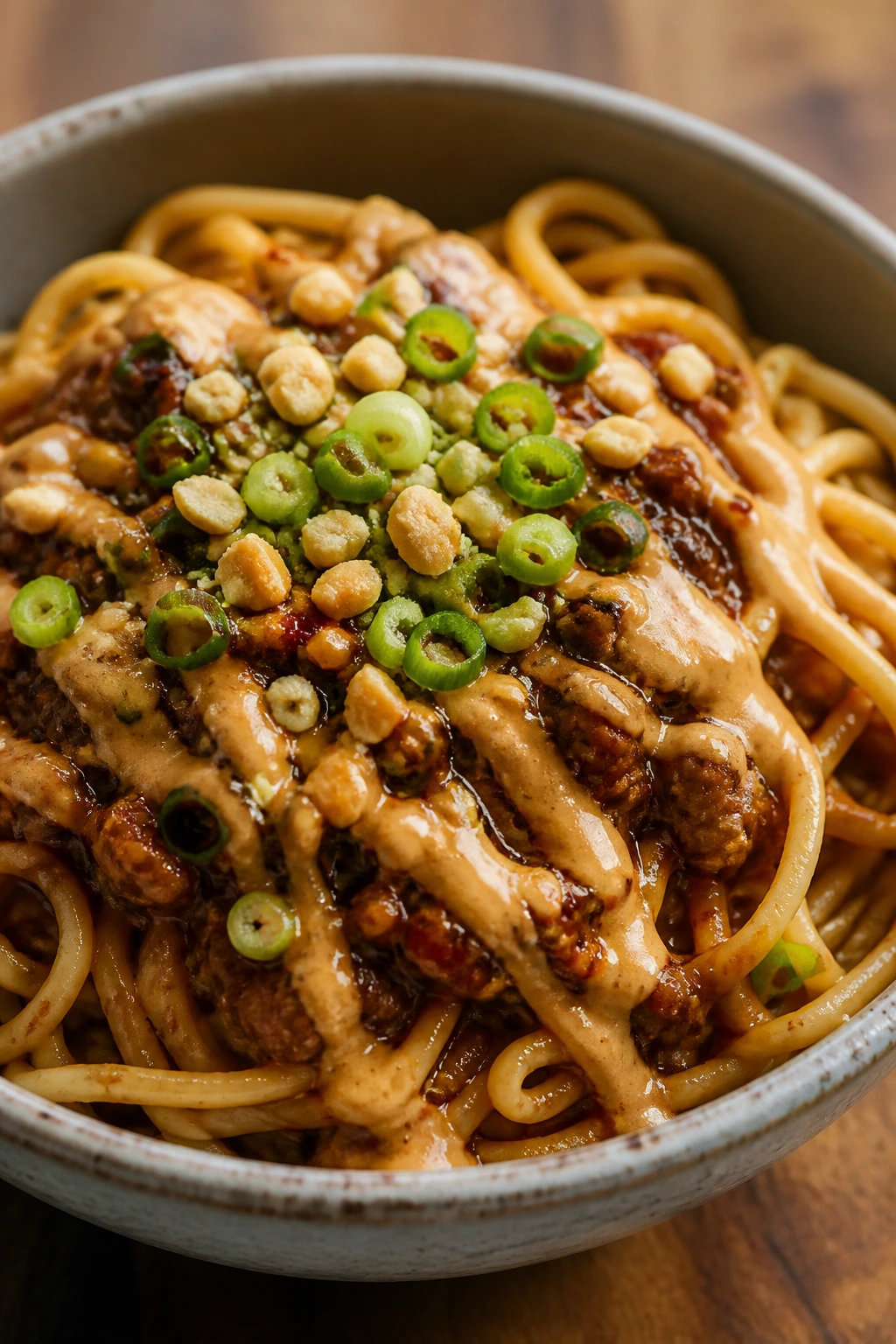
Dan dan noodles are usually built fast, but the slow cooker can handle the pork sauce in a way that makes weeknight prep easier later. The noodles still need a separate boil, and that’s fine; the sauce is the main event.
Why It Works:
Ground pork takes well to chili bean paste, soy, garlic, and ginger, and the long gentle simmer gives the sauce depth. Sesame paste or tahini adds that creamy nutty base people expect from dan dan flavor, even if you’re not making a street-stall version. Noodles are added at serving time so they keep their bite.
Key Ingredients:
- 1 1/2 lbs ground pork
- 2 tablespoons chili bean paste
- 2 tablespoons soy sauce
- 1/4 cup chicken broth
- 2 tablespoons sesame paste or tahini
- 3 cloves garlic, minced
- 1 tablespoon grated ginger
- 8 oz noodles, cooked separately
- 2 sliced scallions
- 1/4 cup chopped peanuts
Quick Steps:
- Brown the pork in a skillet if you want deeper flavor, then add it to the crockpot.
- Stir in chili bean paste, soy sauce, broth, sesame paste, garlic, and ginger.
- Cook on low for 3 to 4 hours.
- Toss with cooked noodles at serving time or spoon over noodles in bowls.
- Finish with scallions and peanuts.
Equipment for This Recipe:
- Slow cooker
- Skillet, optional
- Pot for noodles
- Wooden spoon
How to Serve This Dish:
Serve in shallow bowls with extra scallions and peanuts. A side of cucumber slices helps cool the heat and cut the sesame richness.
Pro Tips for This Recipe:
- Brown the pork if you have time: It deepens the flavor.
- Cook noodles separately: They need their own water and timing.
- Adjust the sauce with broth, not more chili paste: It keeps the balance.
Variations on This Dish:
- Vegetarian Dan Dan: Use mushrooms and crumbled tofu.
- Extra-Sesame Version: Add a spoon more sesame paste at serving.
- Chili-Oil Finish: Drizzle chili oil over each bowl.
Common Mistakes to Avoid with This Dish:
- Turning the sauce into a soup: It should cling to noodles.
- Using too little salt: Chili bean paste is strong, but the noodle base still needs seasoning.
- Adding peanuts too early: They soften quickly.
28. Crockpot Chicken Congee with Ginger
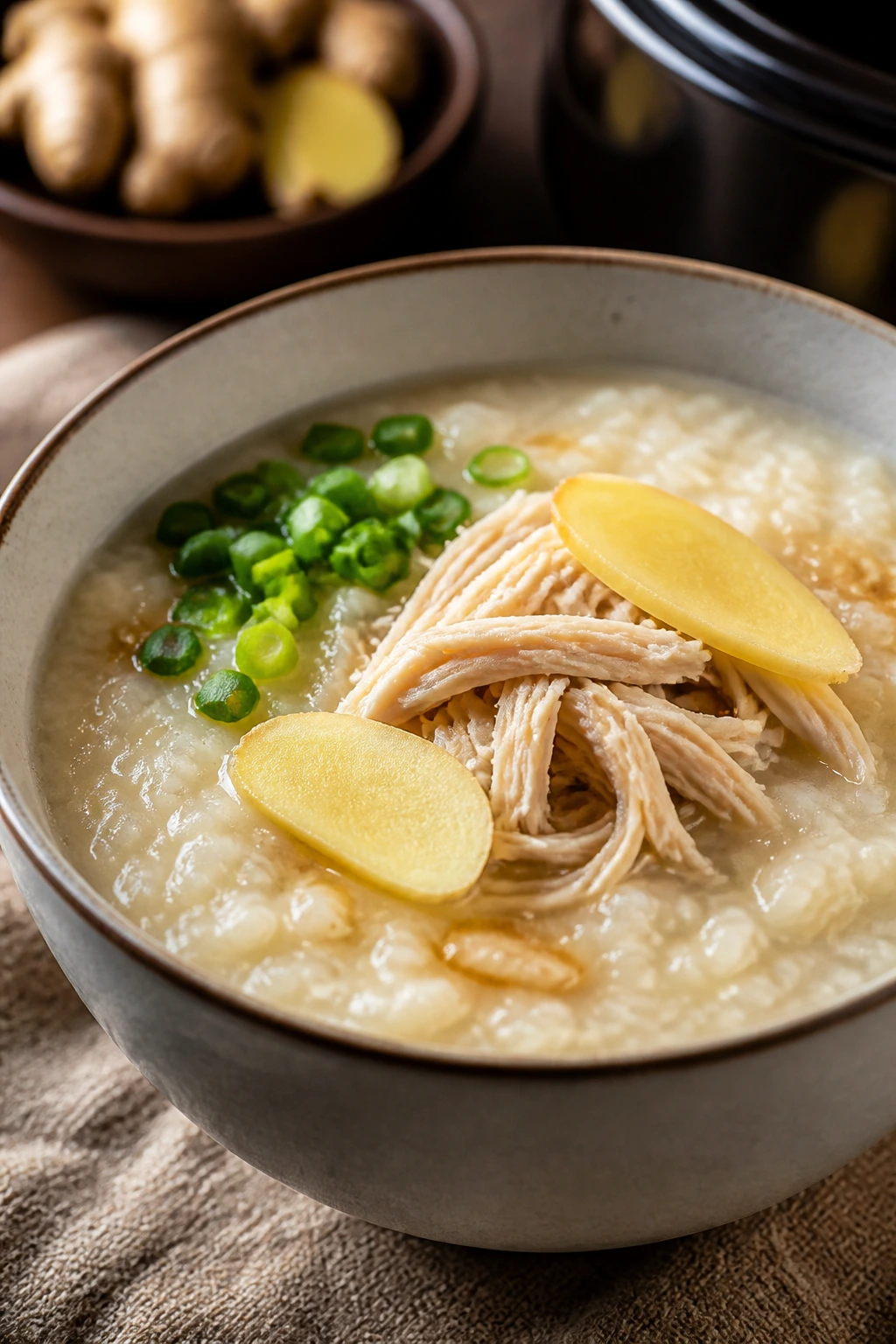
Congee is the soft landing at the end of a long Sunday. It’s warm, plain in the best way, and deeply comforting without asking for much besides patience and a few toppings.
Why It Works:
Rice breaks down into a creamy porridge after hours in broth, and the slow cooker handles that transformation better than a rushed stovetop boil. Chicken thighs add richness, ginger keeps the bowl lively, and scallions or soy sauce at the end let each person season their own bowl. It’s one of the most forgiving recipes in the group.
Key Ingredients:
- 1 cup uncooked jasmine rice, rinsed well
- 8 cups chicken broth
- 1 1/2 lbs boneless chicken thighs
- 2 tablespoons sliced ginger
- 2 cloves garlic, smashed
- 1 teaspoon salt, or to taste
- 2 sliced scallions
- Soy sauce and sesame oil for serving
Quick Steps:
- Combine rice, broth, chicken thighs, ginger, garlic, and salt in the crockpot.
- Cook on low for 6 to 7 hours, stirring once or twice if you’re around.
- Shred the chicken and return it to the pot.
- Cook 20 to 30 minutes more until the congee is creamy and the rice has broken down.
- Serve with scallions, soy sauce, and sesame oil.
Equipment for This Recipe:
- Slow cooker
- Ladle
- Fork for shredding
- Measuring cup
How to Serve This Dish:
Serve hot in deep bowls with extra toppings on the side: pickled mustard greens, soft-boiled eggs, chili crisp, or more scallions. It’s one of those dishes where everyone can build their own bowl.
Pro Tips for This Recipe:
- Rinse the rice well: It helps the porridge turn silky.
- Stir if your slow cooker runs hot: Rice can stick at the edges.
- Add toppings at the table: Each bowl can go in a different direction.
Variations on This Dish:
- Pork Congee: Use shredded pork shoulder instead of chicken.
- Mushroom Congee: Add shiitakes for deeper flavor.
- Centred-on-Ginger Version: Double the ginger if you want a sharper bowl.
Common Mistakes to Avoid with This Dish:
- Using too little liquid: Congee needs a lot of broth.
- Leaving the chicken whole at the end: Shred it so it blends into the porridge.
- Skipping the toppings: They’re what keep each bowl interesting.
Why the Slow Cooker Fits These Chinese-Inspired Dishes
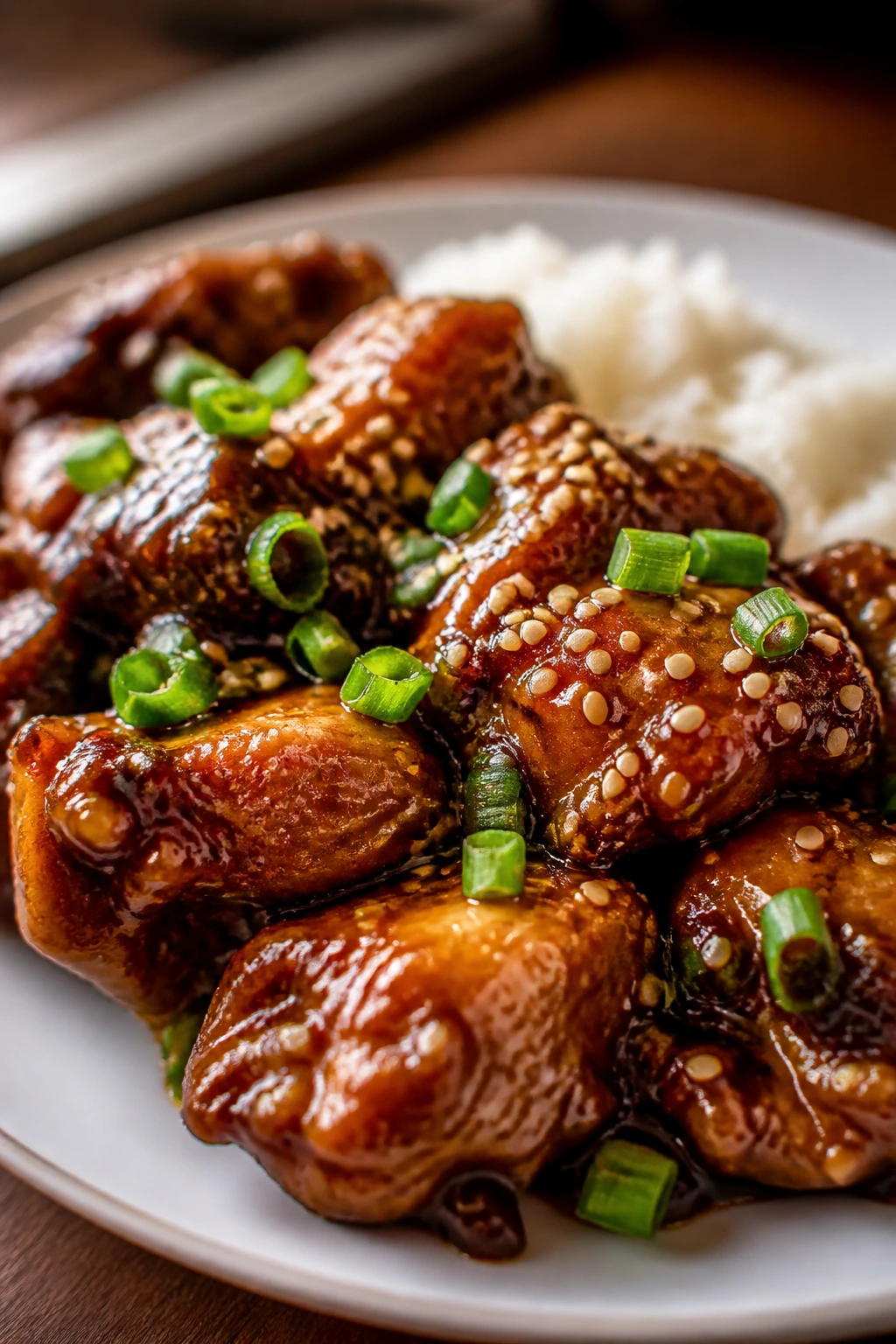
A slow cooker is best when time and low heat can do something useful, and that’s exactly why it suits braised pork, saucy chicken, rich beef, and brothy soups. Chinese-American takeout flavors often lean on soy sauce, vinegar, sugar, garlic, ginger, sesame oil, hoisin, and chili paste — ingredients that do not need high heat to become convincing. They need time to mellow into each other. That’s the whole trick.
The other piece is texture control. The crockpot is brilliant for meat that should go soft and for broth that should taste like it has been working all day. It is terrible for broccoli, noodles, cashews, and anything you hope will stay crisp if you abuse it. So the method is not “dump everything and hope.” It’s more like: build the sauce, cook the sturdy stuff, then add the delicate bits when they still have a pulse.
I also think the slow cooker helps at home because it makes Chinese-style cooking less fussy. You do not need a restaurant burner, a carbon-steel wok, or the reflexes of someone who grew up in a commercial kitchen. You need timing, a decent sauce, and the sense to add the greens at the end. That’s it.
Essential Equipment for These Recipes
- 5- to 7-quart slow cooker: Big enough for braises, noodle sauces, and soups without crowding.
- Sharp chef’s knife: Thin slicing matters for beef, pork, cabbage, and onions.
- Cutting board with a damp towel under it: Keeps everything from sliding while you chop.
- Measuring cups and spoons: These sauces depend on the right balance of soy, vinegar, sugar, and water.
- Small whisk: Useful for dissolving cornstarch, hoisin, and chili paste evenly.
- Slotted spoon or tongs: Makes it easier to lift meat without breaking it apart.
- Small bowls for slurries and garnishes: Cornstarch, scallions, sesame seeds, and chili oil are easier to manage when they’re already prepped.
- Separate pot for noodles or rice: Many of these dishes are better when starch is cooked apart and added at the end.
- Sheet pan and foil: Handy for broiling char siu, spare ribs, or sticky chicken edges.
- Tofu press or clean kitchen towel: Not mandatory, but helpful for firming tofu before it goes in.
Smart Shopping and Ingredient Tips
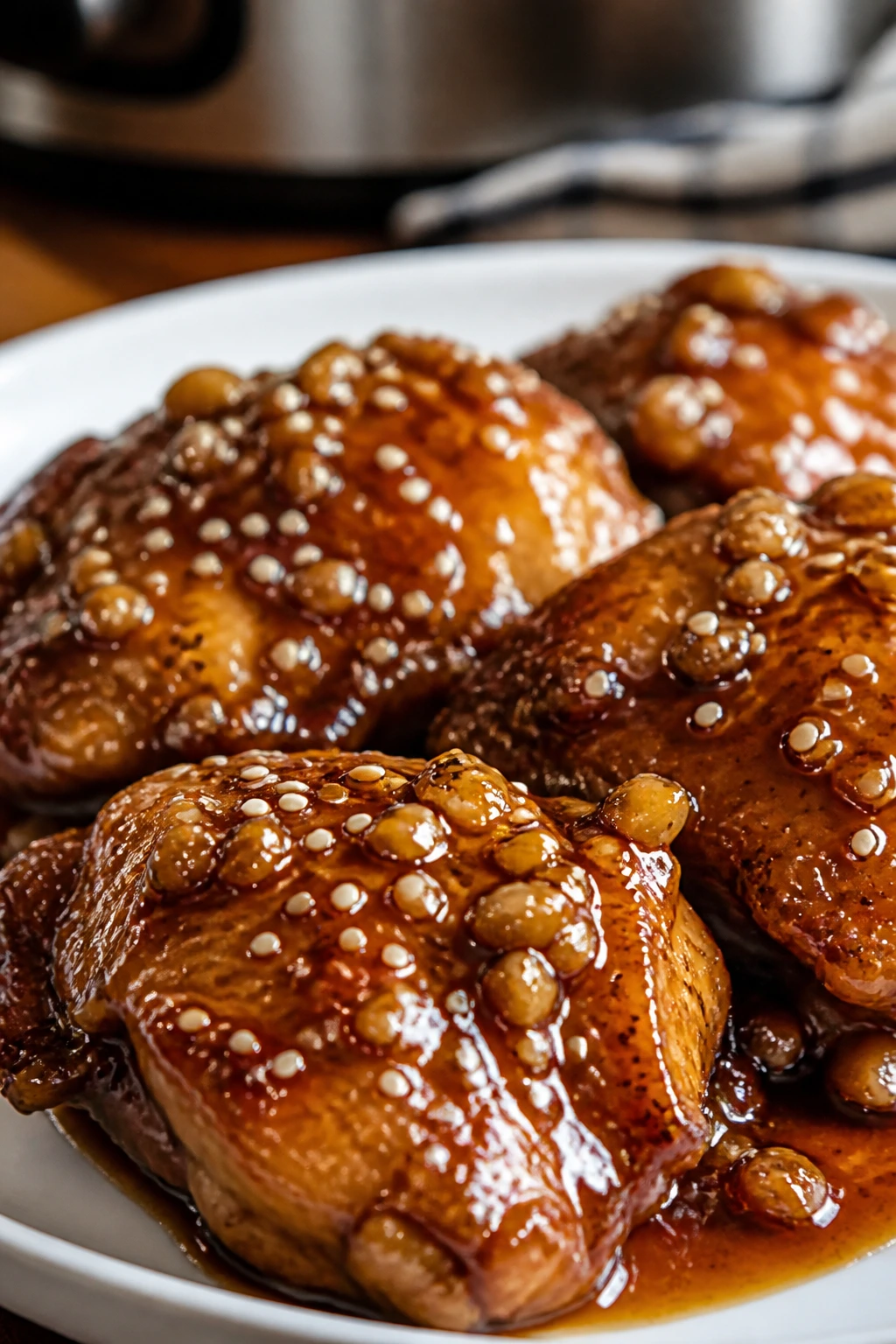
Soy sauce is not one-size-fits-all. If you use regular soy sauce in every recipe, a few of these dishes will edge toward salty, especially after the sauce reduces for hours. Low-sodium soy gives you breathing room, and you can always add a spoonful more at the end. Tamari works too if you need gluten-free sauce, though the flavor is a little rounder and less sharp.
Buy rice vinegar instead of white vinegar when you can. Rice vinegar brings a softer tang that suits sweet-sour sauces, orange chicken, sesame chicken, and the braises. White vinegar can work in a pinch, but it tends to hit harder and can make the sauce feel rough if you’re heavy-handed.
For protein, choose cuts that like long heat. Chicken thighs, pork shoulder, beef chuck, and short ribs earn their keep. Chicken breast can work in a few recipes, but it needs less time and a tighter eye; otherwise it dries out and gets stringy. If you see a cheap pork shoulder or a good pack of chicken thighs, that’s usually the smarter buy than a leaner cut that will fight the crockpot the whole way.
A lot of these dishes depend on hoisin sauce, oyster sauce, sesame oil, chili garlic sauce, and five-spice powder. None of them need huge amounts, but they each add a different note. Hoisin gives sweetness and body. Oyster sauce deepens savory flavor. Sesame oil belongs at the end because heat flattens it. Five-spice should be measured, not sprinkled by instinct. It’s stronger than it looks.
Frozen vegetables are useful here, especially for soups and simple braises, but add them late. Broccoli, snow peas, bok choy, and mixed peppers can all go from useful to mushy if they sit under heat too long. For noodles, cook them separately unless the recipe says otherwise. Crockpots are good at many things. Springy noodles are not one of them.
How to Serve These Recipes
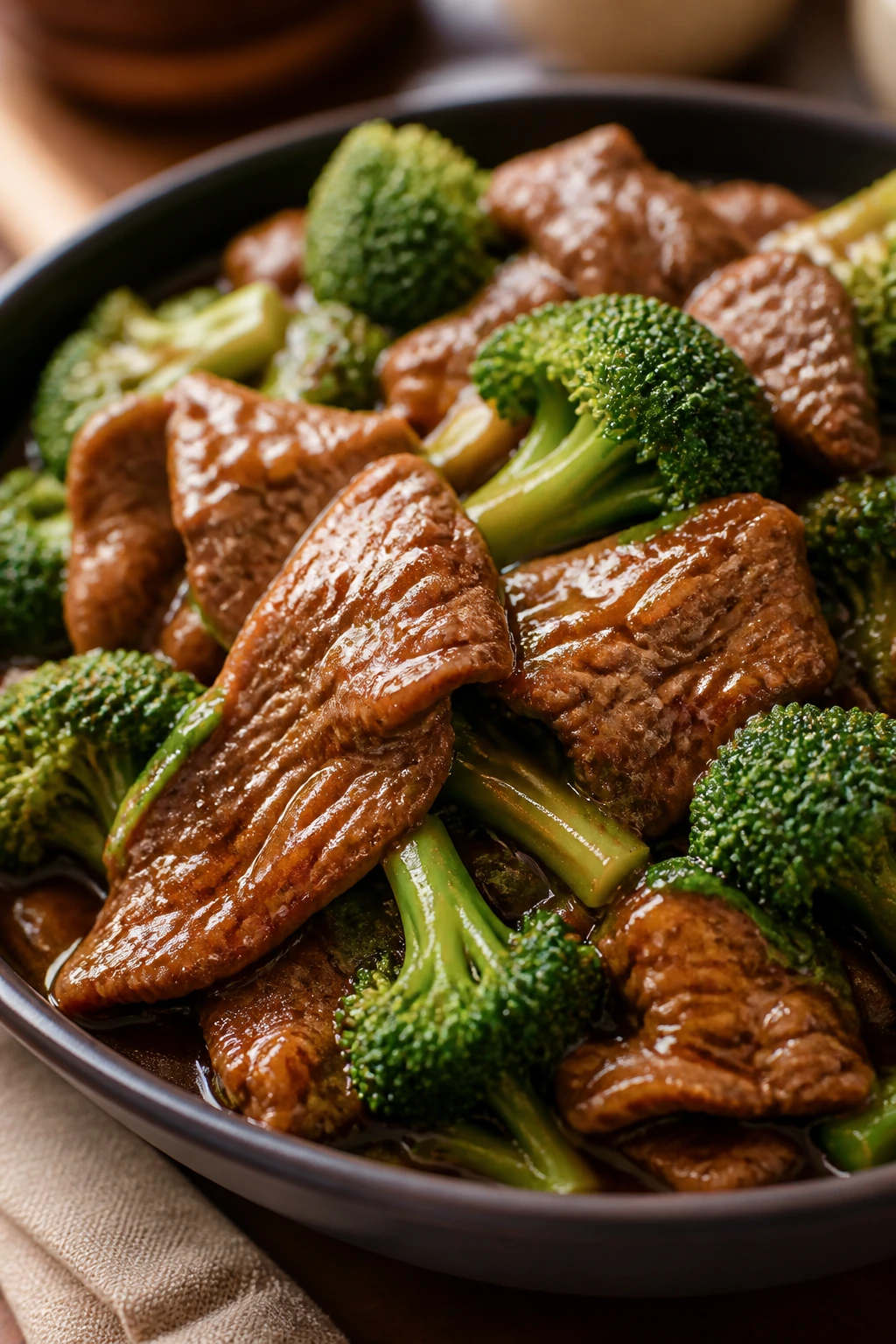
Presentation:
Use shallow bowls for saucy dishes and deep bowls for soups and congee. Scatter scallions, sesame seeds, chopped peanuts, or a light drizzle of chili oil over the top so the dish looks finished, not just cooked. For ribs and char siu, slice against the grain and fan the meat across rice so the glaze shows.
Accompaniments:
Steamed jasmine rice is the safest universal side, but brown rice, fried rice, lo mein noodles, or plain rice noodles all have a place. For balance, add a green vegetable that stays crisp: bok choy, broccoli, snap peas, snow peas, or a quick cucumber salad. If the dish is rich — short ribs, pork belly, ribs — keep the side simple and sharp.
Portions:
Most of these recipes feed 4 to 6 people, though congee and soup can stretch farther when served with sides. For a bigger crowd, make the sauce heavier and cook the protein in batches if your slow cooker feels crowded. For smaller households, freeze half before adding final garnishes so the texture stays cleaner when you reheat it.
Beverage Pairing:
Hot tea — especially jasmine, oolong, or a plain green tea — works with almost all of these dishes. For something colder, a dry sparkling water with lime keeps sweet sauces from feeling too heavy. If you want alcohol, a crisp lager or a dry Riesling pairs neatly with orange chicken, sesame chicken, and sweet-sour pork.
Additional Tips and Flavor Boosters
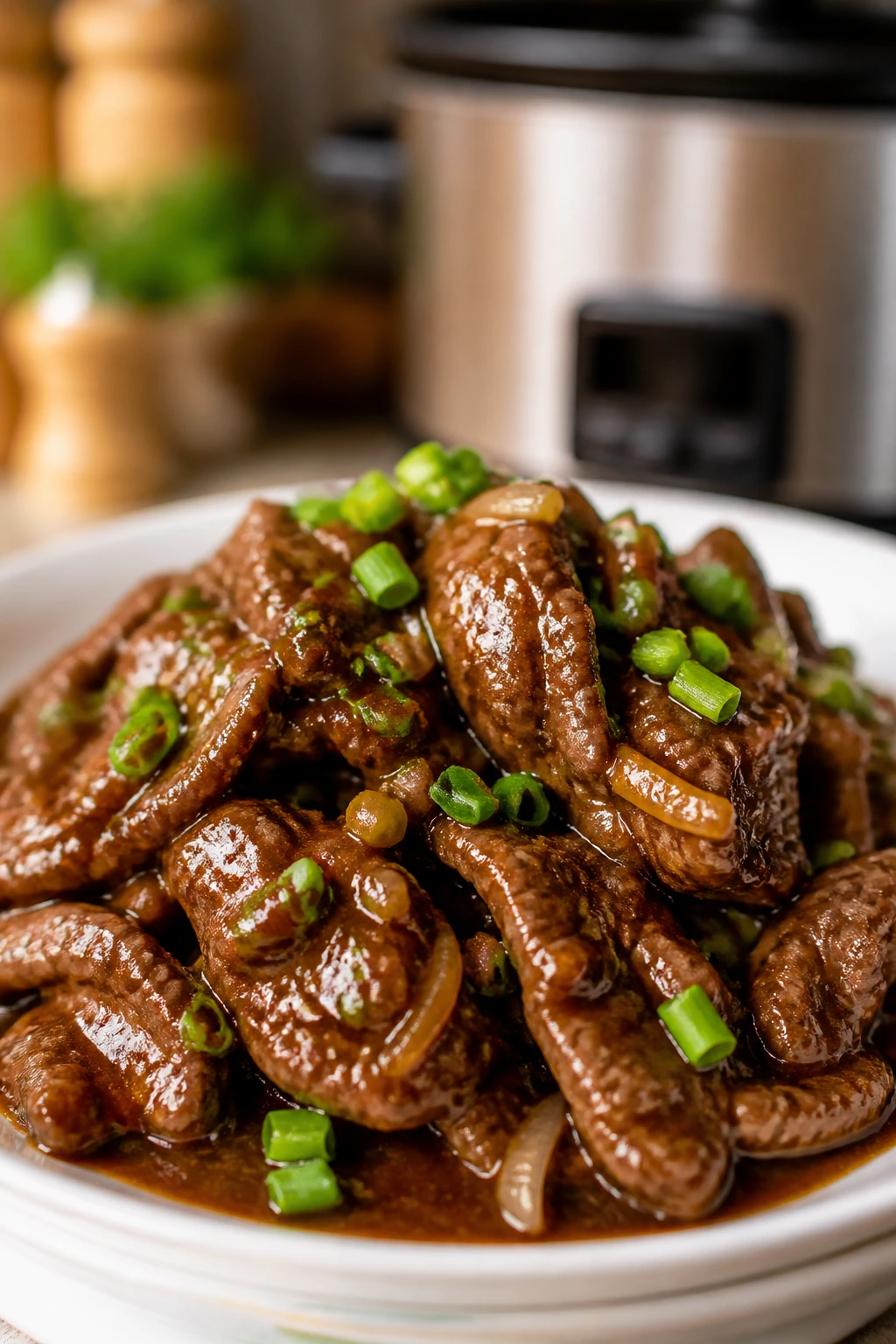
Flavor Enhancement:
A spoonful of toasted sesame oil at the very end can make a flat sauce smell alive again. So can a tiny splash of rice vinegar right before serving, especially in dishes that lean sweet. If a sauce tastes dull, do not add more sugar first; add acid, then taste again.
Customization:
A lot of these dishes can take mushrooms, bell peppers, cabbage, or snap peas without losing their identity. If you want more heat, add chili garlic sauce or dried red chiles. If you want a gentler bowl, hold back on the chili and push the ginger instead.
Serving Suggestions:
Keep chopped scallions, sesame seeds, crushed peanuts, and chili oil on the table. Those little finishes make a slow cooker meal feel intentional instead of accidental. A wedge of lime can work too, though it belongs more naturally with the brighter dishes like lemon chicken or orange chicken.
Make-It-Yours:
For gluten-free eating, use tamari and make sure your hoisin and chili sauces are labeled gluten-free. For dairy-free cooking, most of these recipes already qualify; the only thing to watch is butter in a lemon glaze or optional finish. For lower-sugar versions, cut the honey or brown sugar by a third and add vinegar, ginger, or zest to keep the flavor from flattening.
Make-Ahead, Storage, and Reheating Guidance
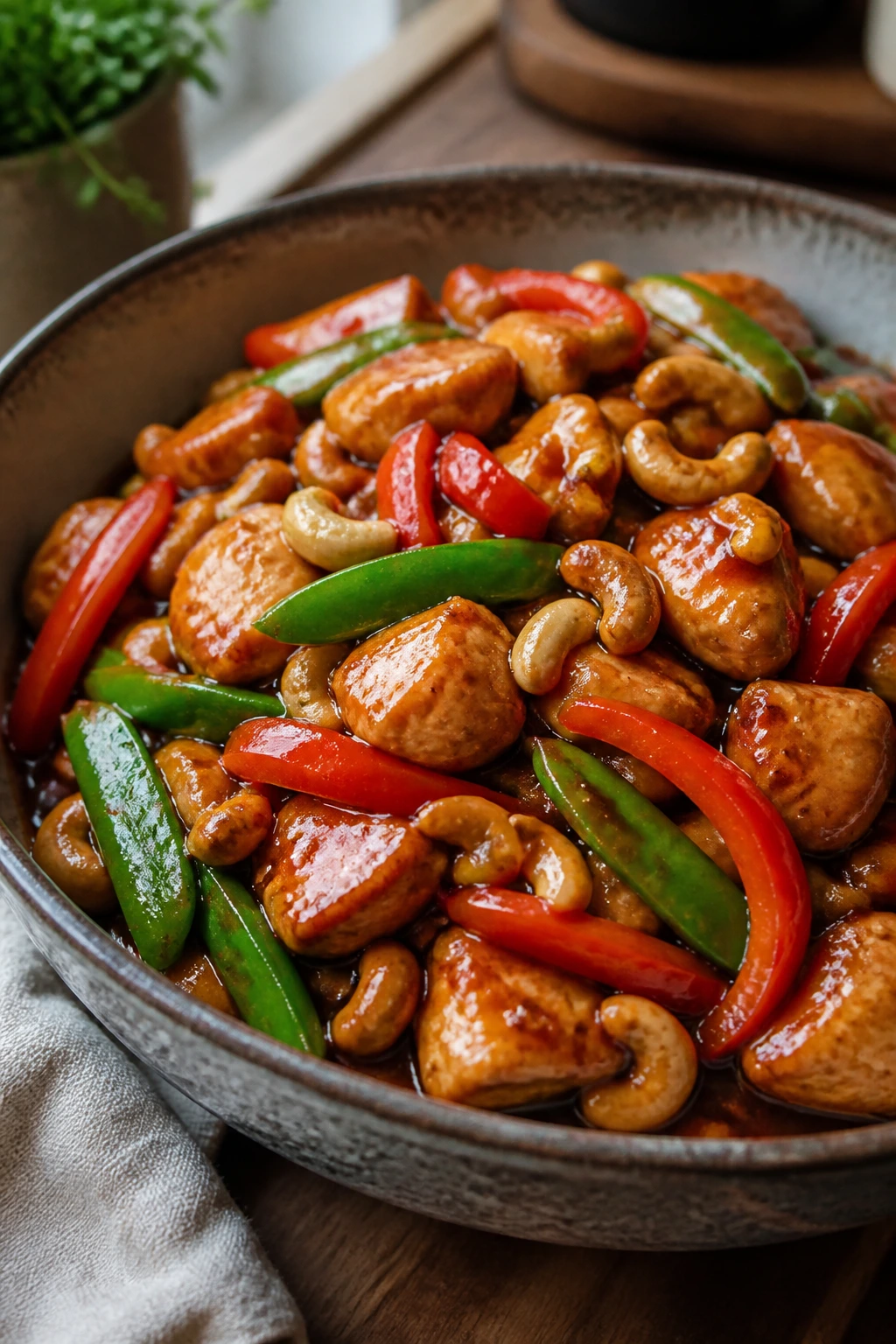
Most of the chicken, beef, pork, and tofu dishes keep well in the refrigerator for 3 to 4 days in sealed containers. Soups and congee also hold for about that long, though congee may thicken into a firm block overnight. That is normal. Just stir in a splash of broth or water when you reheat it.
Freezer life depends on the recipe. Saucy meats like General Tso’s chicken, orange chicken, honey garlic chicken, Mongolian beef, and short ribs freeze well for up to 2 to 3 months. Rice dishes, noodle dishes, and recipes with broccoli or bok choy are more temperamental after freezing, so I usually freeze the protein and sauce alone, then cook fresh rice or noodles later. That makes a better meal and avoids limp vegetables.
For reheating, use the stovetop when you can. A skillet over medium-low heat with a spoonful or two of water revives sauce faster than a microwave and helps keep the texture from turning rubbery. If you must use the microwave, cover the dish loosely and heat in 45-second bursts, stirring between rounds. Soups reheat well on the stove. Congee needs more liquid and a bit of patience.
If a dish uses crispy garnish, keep that separate. Cashews, peanuts, sesame seeds, and scallions all taste brighter when they’re added after reheating, not before. Broccoli and snap peas are the same way. If you know you’ll be storing leftovers, hold back some of the fresh green garnish and finish each portion separately.
Variations and Adaptations to Try
Gluten-Free Pantry Swap
Use tamari instead of soy sauce and check the labels on hoisin, chili bean paste, and oyster sauce. Some brands hide wheat in the background. This swap works cleanly in the beef, chicken, and pork dishes, and the flavor difference is small enough that most people won’t notice once the sauce is simmered.
Lower-Sugar Takeout Style
Cut the honey or brown sugar by about one-third and add a little more rice vinegar, ginger, or orange zest to keep the sauce lively. This works especially well for orange chicken, sesame chicken, sweet and sour pork, and General Tso’s chicken. The sauce will be a little less lacquered, but it won’t taste thin if you keep the acid in balance.
Vegetable-Forward Sunday Pot
Use cauliflower, mushrooms, cabbage, snap peas, bok choy, and tofu as the main body of the meal. The trick is adding quick-cooking vegetables late and using a stronger sauce base than you would with meat, because vegetables need more seasoning to feel complete. This version is especially good in chow mein, mapo tofu, hot and sour soup, and garlic soy bowls.
Heat-It-Up Version
Add chili garlic sauce, dried red chiles, or Sichuan pepper to any dish that feels too tame. Don’t dump heat in at the beginning and hope for the best; add half first, taste after thickening, then decide if the dish needs more. A little heat can wake up sticky sauces that lean too sweet.
Family-Mild Version
Pull back the chili and black pepper, keep the ginger, and make the sauce a little rounder with honey or orange juice. This works for kids or for anyone who wants Chinese takeout flavors without the burn. Serve chili oil on the side so the adults can finish their own bowls the way they like.
Big-Batch Freezer Kit
Cook the protein and sauce, cool them fast, and freeze in meal-size containers before adding noodles, broccoli, or cashews. That keeps the texture cleaner and makes future dinners easier. It’s the best move for beef and broccoli, Mongolian beef, sesame chicken, and braised pork dishes.
Common Mistakes to Avoid
The first mistake is adding delicate vegetables too early. Broccoli, bok choy, snow peas, and bell peppers can all survive a little heat, but not an entire slow-cooker cycle unless you want them soft and drab. Add them during the last 20 to 45 minutes, depending on how sturdy they are, and they’ll still look like food when the lid comes off.
The second mistake is treating noodles like they belong in the crockpot from the start. They don’t. Even sturdier noodles turn gummy or slurp up too much sauce if they sit in the pot for hours. Cook them separately unless the recipe is specifically built to handle them at the end.
The third mistake is overusing sugar and then wondering why the sauce tastes sticky but flat. Sweet sauces need acid — rice vinegar, lemon juice, orange zest, or even a tiny splash of black vinegar — or they collapse into one note. If a dish tastes dull, don’t fix it with more sugar first. Fix it with brightness.
The fourth mistake is choosing the wrong cut of meat. Lean chicken breast and pork loin can work in some recipes, but they are not the best default for a slow cooker. Chicken thighs, pork shoulder, chuck roast, and short ribs have the fat and connective tissue that make this method worth using in the first place.
The fifth mistake is thickening too soon. Cornstarch only works properly at the end, after the liquid has already picked up flavor. If you thicken early and let it simmer for hours, the sauce can turn dull, gluey, or oddly shiny in the wrong way. Wait until the last 10 to 20 minutes. Every time.
Frequently Asked Questions
Can I use chicken breasts instead of thighs in these crockpot recipes?
Yes, in some of them, but you need to shorten the cooking time and watch closely. Breasts work best in the lighter sauces like lemon chicken or honey garlic chicken, while thighs are safer for General Tso’s, sesame chicken, and orange chicken because they stay juicy longer.
Do I need to brown the meat first?
You do not have to, but browning adds real flavor to beef, pork, and ground pork dishes. If you have time, searing the meat in a hot skillet before it goes into the crockpot gives the finished sauce more depth. If you’re short on energy, skip it and lean on a strong sauce.
Why do my vegetables turn mushy in the slow cooker?
They probably went in too early or were cut too small. Broccoli, bok choy, snap peas, and bell peppers need the last part of the cook, not the first. Harder vegetables like carrots and celery can go earlier, but even those do better when they’re sliced with some thickness.
Can I cook noodles directly in the crockpot?
You can, but I wouldn’t unless the recipe is specifically designed that way. Most noodle dishes taste better when the noodles are boiled separately and added at the end, because slow cooker heat turns them soft and heavy. Lo mein and chow mein especially need that separation.
What if my sauce comes out too thin?
Mix a cornstarch slurry with cold water and stir it in near the end, then cook on high for 10 to 20 minutes. If it’s still thin, crack the lid for a few minutes so extra steam can escape. Do not keep adding cornstarch in spoonfuls without giving it time to work.
Can I freeze these dishes?
Yes, especially the saucy meat dishes and soups. Beef, pork, shredded chicken, and congee freeze well, but noodles and crisp vegetables do not. Freeze the sauce and protein on their own if you want the best texture later.
How do I keep the flavors from tasting flat or too sweet?
Use acid and salt in balance. Rice vinegar, lemon juice, black vinegar, or even a small splash of Shaoxing wine can wake the dish up, while low-sodium soy gives you room to adjust at the end. Taste after thickening, not before.
Can I make these recipes less spicy for kids?
Yes. Leave out the chili paste, dried chiles, and extra black pepper, then add those at the table for adults. Dishes like sesame chicken, orange chicken, honey garlic chicken, and congee are easiest to keep mild without losing their shape.
Quiet Sundays, Better Bowls
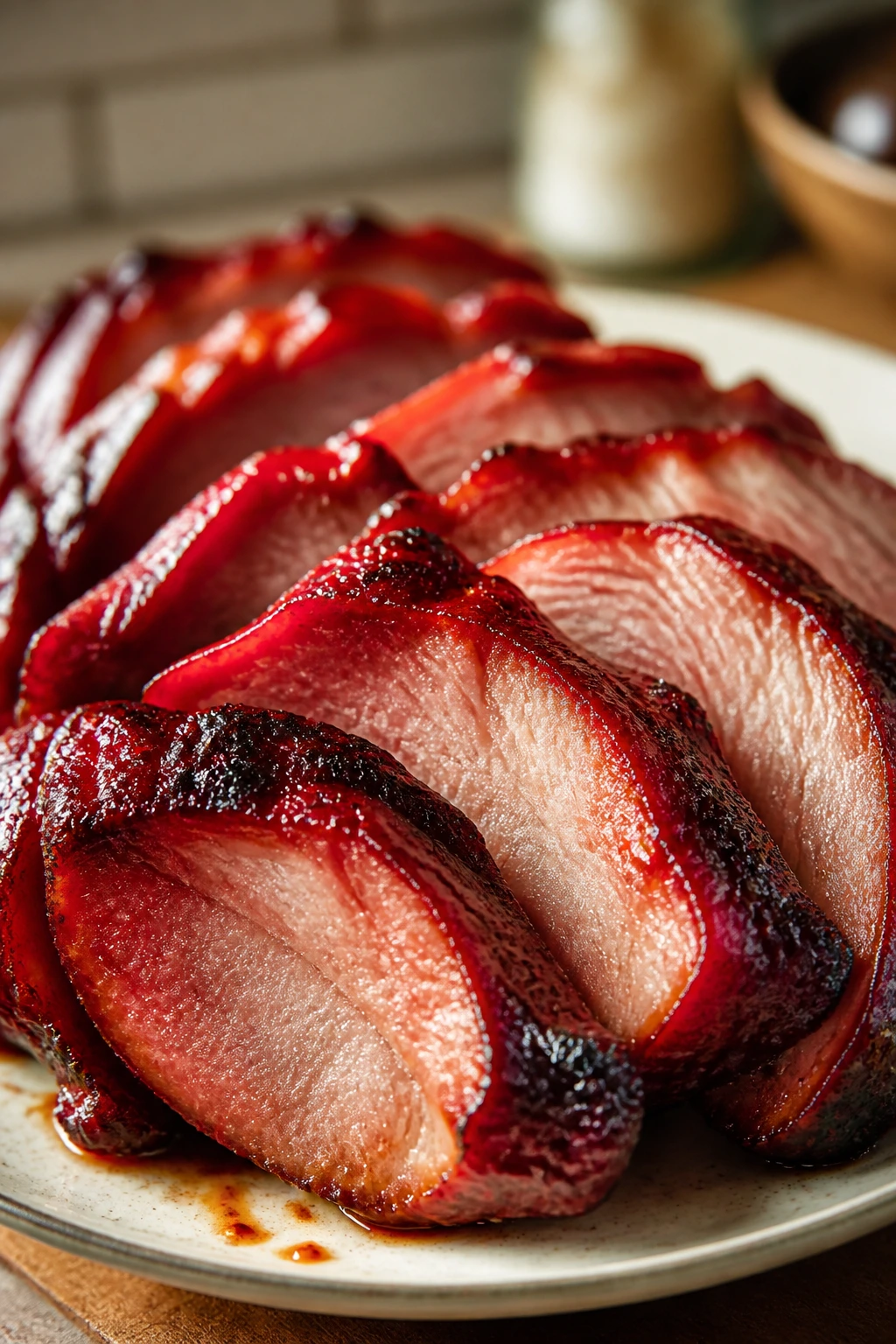
There’s a reason these crockpot recipes Chinese food fans can actually use keep showing up in real kitchens. They do not ask for a special burner or a complicated sauce station. They ask for timing, a little restraint, and the sense to let the slow cooker do the part it does best.
The best bowls here are the ones with a little contrast: soft chicken and crisp scallions, braised pork and plain rice, sticky sauce and something fresh on the side. That’s what makes a lazy Sunday dinner feel complete instead of merely easy. Pick one recipe, keep the garnishes close, and let the lid tell you when dinner is close.