



Healthy weeknight dinners families under 500 calories do not have to mean tiny portions, dry chicken, and everyone poking around the plate for the one decent bite. The better move is simpler: build dinner around a real protein, add vegetables that actually matter, and keep the starch in a measured lane instead of letting it swallow the whole plate.
That’s the pattern I keep coming back to. A skillet of turkey and peppers, a sheet pan of salmon with potatoes, a bowl of chickpeas and spinach, a pasta dish with a lean meat sauce—each one can land comfortably under 500 calories if you stop thinking in “diet food” terms and start thinking in balance. A family meal does not need to be heavy to feel complete. It needs salt in the right place, enough texture to stay interesting, and a finish that wakes up the whole pan.
I also like recipes like these because they behave on a Tuesday. They use pantry basics, they don’t demand a dozen tiny prep jobs, and the leftovers still taste like dinner instead of surrender. If you’ve ever tried to feed a mixed-age table with different appetites, you already know the real challenge isn’t calories. It’s making something that feels generous without turning into a calorie bomb.
Why These Family Dinners Stay Full and Light
-
Lean protein does the heavy lifting: Chicken breast, turkey, shrimp, cod, tofu, beans, and salmon bring enough substance that nobody feels like they’ve been handed a side dish for dinner.
-
Vegetables carry volume without drama: Broccoli, cabbage, spinach, peppers, zucchini, asparagus, and cauliflower make the plate look full and give you the chewing satisfaction people miss when dinner is too small.
-
Starch is present, not dominant: Rice, pasta, tortillas, pita, and potatoes show up in measured amounts, which is how you keep flavor and still stay under the calorie ceiling.
-
Sauce and acid matter more than extra cheese: Salsa, lemon, tomato, yogurt, miso, soy sauce, and broth bring the punch. That is where a lot of these dinners get their personality.
-
Leftovers stay useful: Most of these recipes reheat cleanly for lunch or another dinner, especially the soups, bowls, skillet meals, and pasta dishes.
-
Families can build their own plates: Bowls, wraps, pitas, quesadillas, and taco-style dinners let everyone assemble a serving that fits their appetite without cooking three separate meals.
1. Lemon Garlic Chicken and Broccoli Rice Bowls
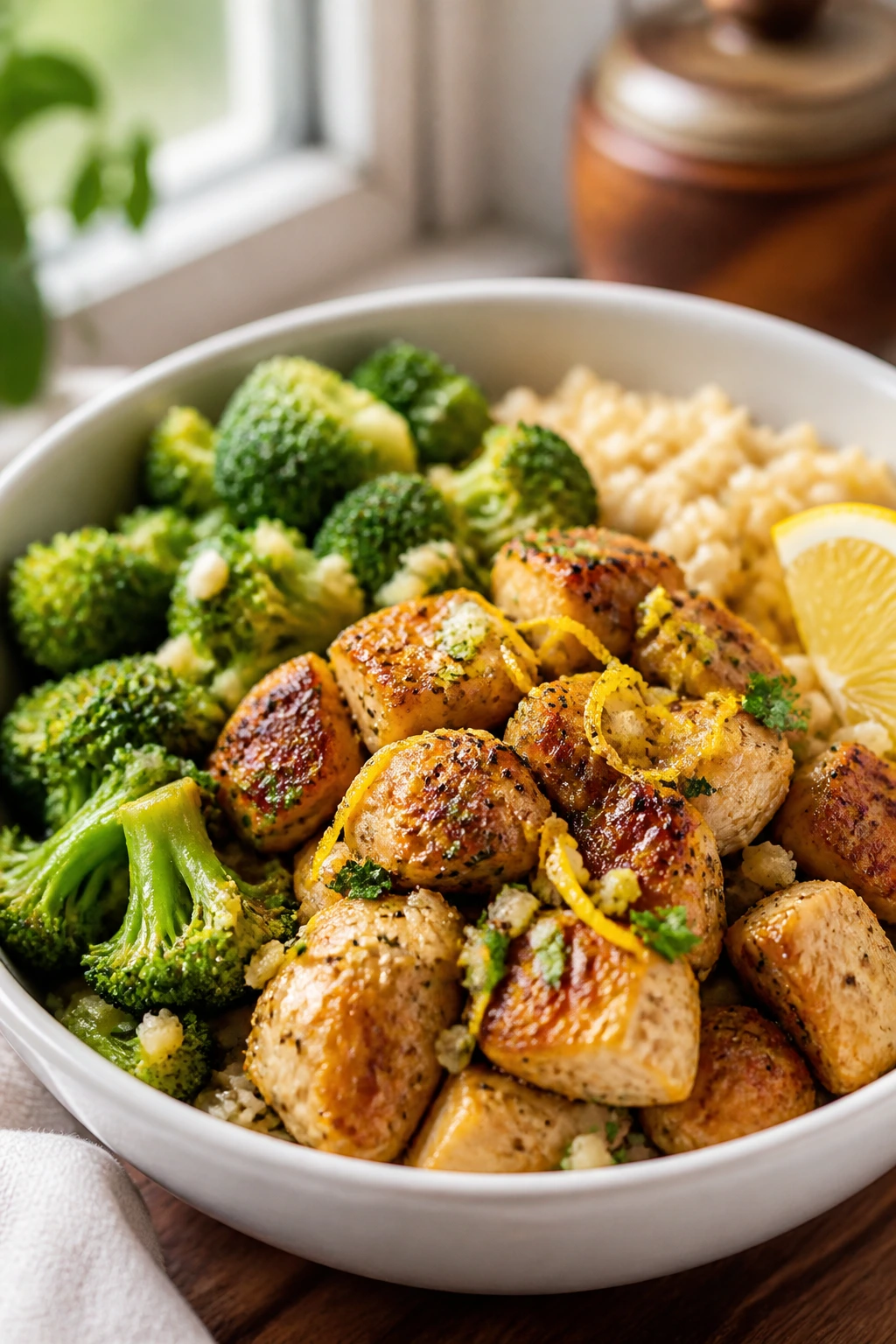
Lemon garlic chicken bowls are one of those meals that look plain on paper and then disappear fast once they hit the table. The chicken picks up a little browning in the pan, the broccoli keeps a bit of bite, and the lemon juice cuts through the rice so the whole bowl tastes bright instead of heavy. At about 390 calories per serving, it lands in the sweet spot for healthy weeknight dinners families under 500 calories.
Why It Works:
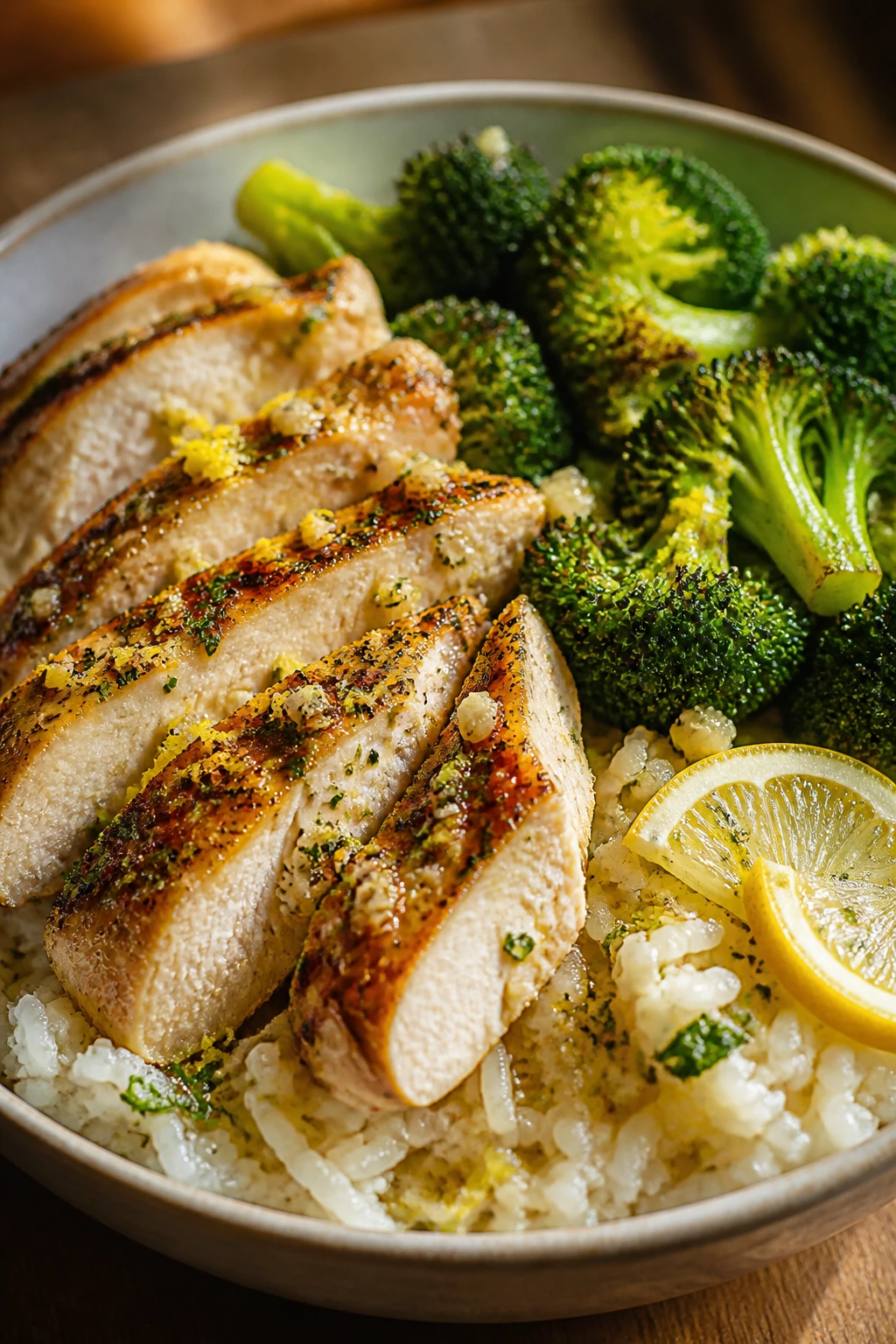
Chicken breast gives you a high-protein base without a lot of extra fat, and broccoli bulks out the bowl so the rice portion can stay sensible. The garlic cooks in the pan drippings, which gives the whole dish a deeper flavor than a quick squeeze of lemon at the end. I also like this one because the leftovers don’t dry out if you keep the sauce light.
Key Ingredients:
- 1 lb boneless, skinless chicken breast, cut into 1-inch pieces
- 1 tablespoon olive oil
- 4 cups broccoli florets
- 2 cups cooked brown rice
- 3 garlic cloves, minced
- 1 lemon, zested and juiced
- 1/4 cup low-sodium chicken broth
- 1 teaspoon paprika
- Salt and black pepper, to taste
Quick Steps:
- Season the chicken. Toss the chicken pieces with salt, pepper, and paprika until lightly coated.
- Sear the chicken. Heat the olive oil in a large skillet over medium-high heat and cook the chicken for 5 to 6 minutes, stirring once or twice, until browned and cooked through.
- Add the garlic. Stir in the minced garlic for 30 seconds, just until fragrant. Do not let it brown or it will turn bitter.
- Cook the broccoli. Add the broccoli and broth, cover the pan, and cook for 3 to 4 minutes until the broccoli turns bright green and tender-crisp.
- Finish with lemon. Stir in the lemon zest and juice, then taste and adjust with more salt if needed.
- Serve over rice. Spoon the chicken and broccoli over warm brown rice and scrape every last bit of pan juice over the top.
Equipment for This Recipe:
- Large 12-inch skillet
- Cutting board and chef’s knife
- Measuring cups and spoons
- Citrus zester or microplane
How to Serve This Dish:
Serve the bowls with extra lemon wedges and a spoonful of the pan juices over the rice. A simple cucumber salad or steamed green beans beside it keeps the plate tidy and fresh.
Pro Tips for This Recipe:
- Cut the chicken into even pieces so it cooks before the broccoli goes soft.
- Use day-old rice if you have it; it soaks up the lemony pan juice better than freshly cooked rice.
- If your broccoli stalks are thick, slice them thin so the pieces cook at the same pace as the florets.
- A pinch of red pepper flakes at the end gives the bowl more edge without adding calories.
Variations on This Dish:
- Creamy Yogurt Finish: Stir 2 tablespoons plain Greek yogurt into the rice after plating for a softer, tangier bowl.
- Spicy Lemon Bowl: Add 1/2 teaspoon crushed red pepper and a splash of hot sauce with the lemon juice.
- Cauliflower Rice Swap: Replace half the brown rice with cauliflower rice if you want a lighter plate that still looks full.
Common Mistakes to Avoid with This Dish:
- Crowding the pan: If the chicken steams instead of browns, the bowl tastes flat. Cook in two batches if needed.
- Overcooking the broccoli: Mushy broccoli loses the crisp bite that makes this meal work. Stop when it’s still a little firm.
- Adding lemon too early: Acid can turn sharp and dull under high heat. Finish with it at the end.
2. Turkey Taco Lettuce Wraps with Black Beans and Corn
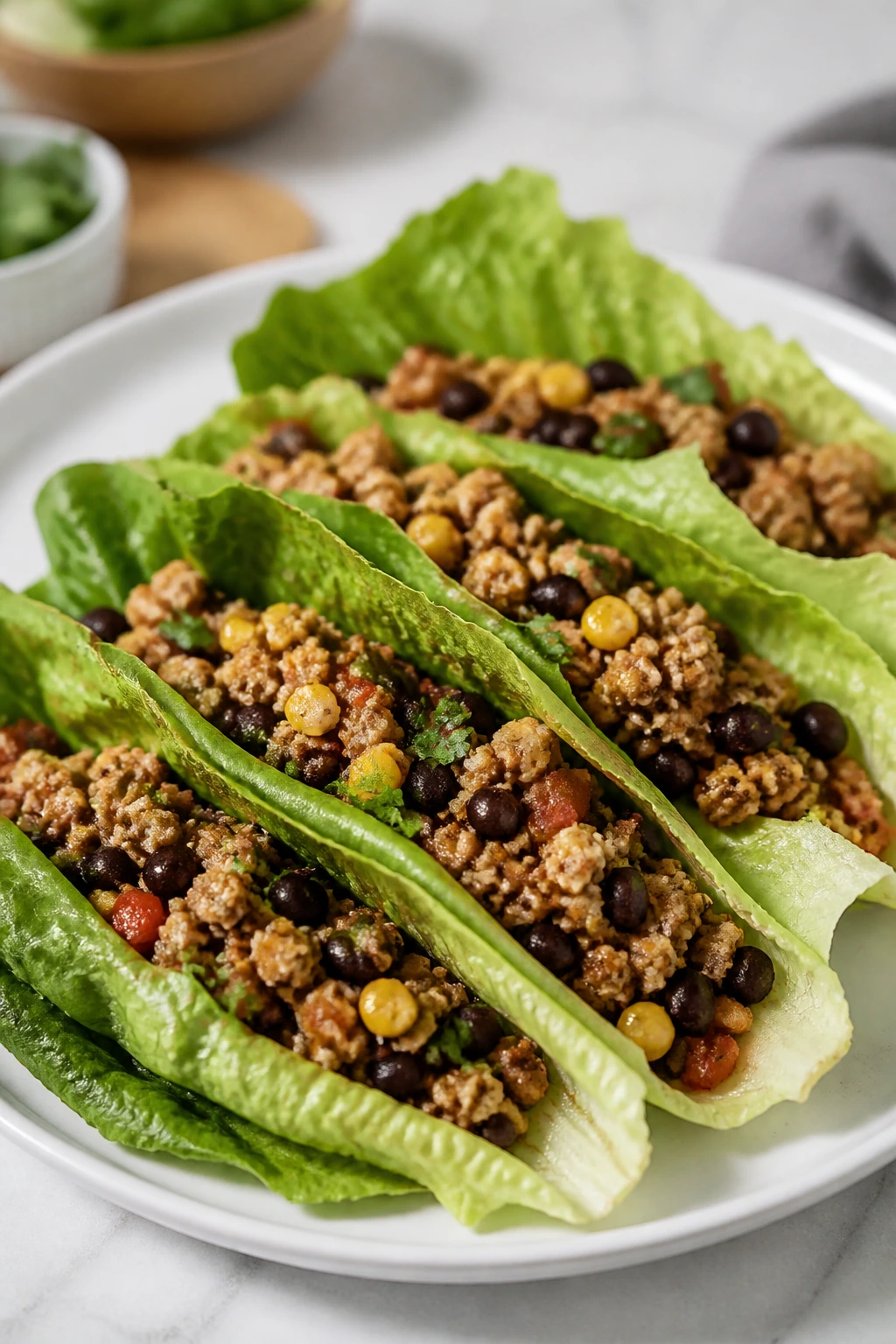
Taco night can stay under control without feeling stingy. These lettuce wraps bring seasoned turkey, sweet corn, and black beans into one crunchy, messy, very normal family dinner, and the whole plate comes in around 330 calories per serving if you keep the toppings measured.
Why It Works:
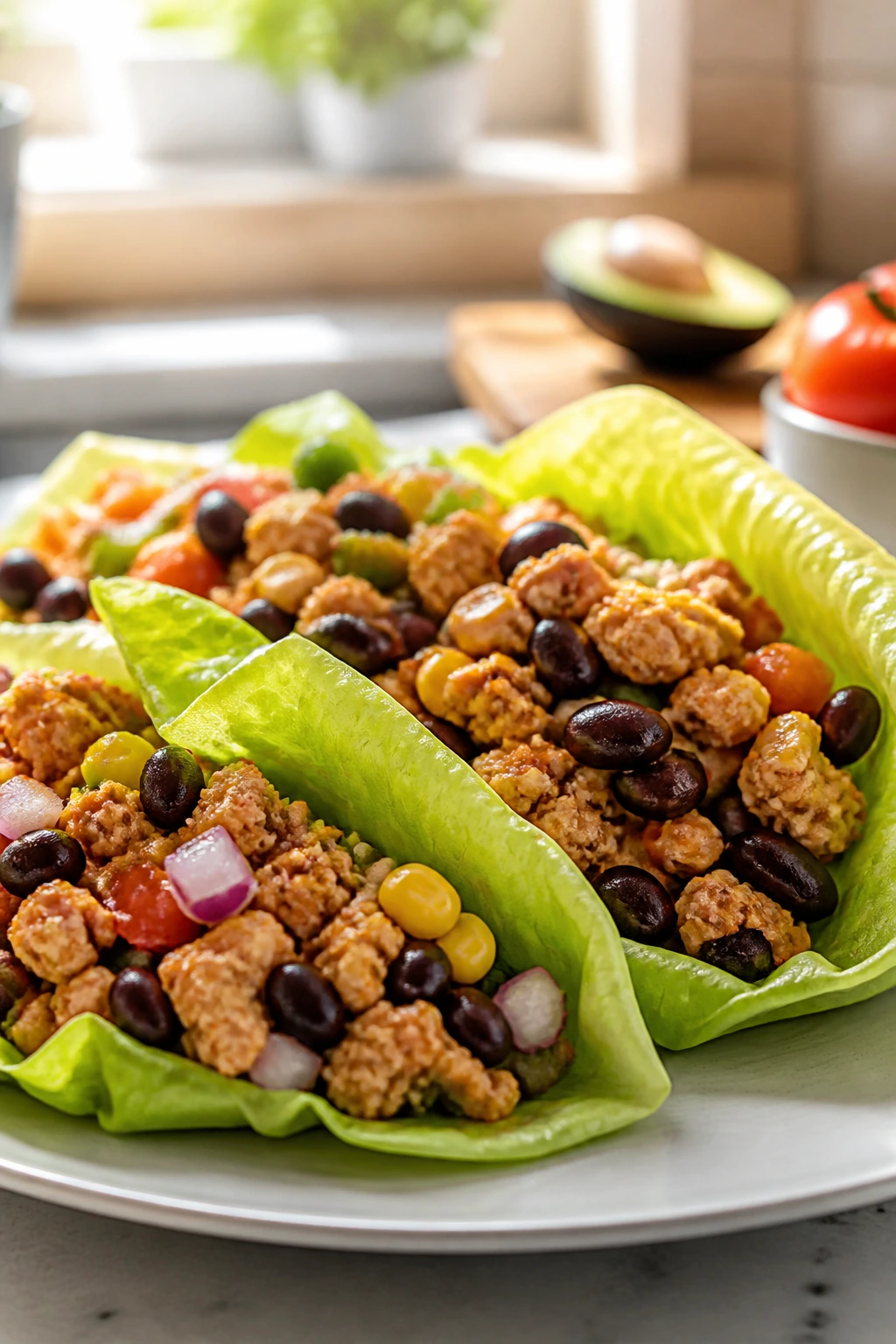
Ground turkey is lean enough to keep calories down, but it still takes taco seasoning well and browns nicely in the pan. Black beans add fiber, corn adds sweetness, and romaine gives you crunch without the tortilla calories. I like that this one can be built at the table, which keeps picky eaters from treating dinner like a negotiation.
Key Ingredients:
- 1 lb lean ground turkey
- 1 teaspoon olive oil
- 1/2 cup finely diced onion
- 1 tablespoon taco seasoning
- 1 cup canned black beans, rinsed and drained
- 1 cup frozen corn, thawed
- 1/2 cup salsa
Keeping dinner under 500 calories gets hard fast when the family is hungry, the clock is loud, and everyone wants something that feels like real food. These healthy weeknight dinners families under 500 calories are built for that exact moment: enough protein to hold the line, enough vegetables to make the plate look full, and enough flavor that nobody starts hunting for crackers ten minutes later.
The trick is not to make dinner tiny. It’s to make the calories work harder. A good weeknight plate has browned chicken, tender fish, a decent heap of vegetables, and a starch that shows up in a measured way instead of taking over the whole bowl. That’s why these kinds of meals feel satisfying while still staying in range.
I like dinners like this because they behave in real homes. They use ordinary ingredients, they don’t demand culinary heroics, and the leftovers are useful instead of sad. A skillet, a sheet pan, a pot of rice, a bag of frozen vegetables, maybe a lemon you forgot was in the crisper drawer—that’s the territory here. Simple. Practical. Not boring.
Why This Collection Works on Busy Nights
-
Portions feel normal: These meals are built around full plates, not tiny servings, so kids and adults can eat without immediately raiding the pantry afterward.
-
The calories stay controlled because the fat is measured: A tablespoon of olive oil, a little cheese, a sensible amount of rice or pasta—that’s how these recipes stay under 500 without turning dry.
-
There’s enough color on the plate: Broccoli, peppers, tomatoes, cabbage, spinach, green beans, and carrots make the food look and taste fresh instead of weighty.
-
Most of the recipes reheat well: Bowls, soups, stir-fries, and pasta dishes hold up for lunch the next day if you do not drown them in extra sauce.
-
You can scale them up fast: Need more food? Most of these recipes double cleanly with one extra pan or pot.
-
They solve the “healthy but still dinner” problem: These are not snack plates in disguise. They eat like evening meals, which is the whole point.
1. Lemon Garlic Chicken and Broccoli Rice Bowls
Bright lemon, browned chicken, and broccoli with a little bite make this bowl feel clean without feeling skimpy. It lands around 390 calories per serving, and that matters on a night when you want dinner to taste like dinner, not a compromise.
Why It Works:
Chicken breast gives the bowl enough protein to carry the meal, while broccoli adds volume so the rice portion can stay reasonable. The garlic cooks in the same skillet as the chicken, which means the sauce picks up some real flavor instead of tasting like it came from a bottle. The lemon goes in at the end, where it stays sharp and fresh.
Key Ingredients:
- 1 lb boneless, skinless chicken breast, cut into 1-inch pieces
- 1 tablespoon olive oil
- 4 cups broccoli florets
- 2 cups cooked brown rice
- 3 garlic cloves, minced
- 1 lemon, zested and juiced
- 1/4 cup low-sodium chicken broth
- 1 teaspoon paprika
- Salt and black pepper, to taste
Quick Steps:
- Toss the chicken with paprika, salt, and pepper.
- Heat the olive oil in a large skillet over medium-high heat and cook the chicken for 5 to 6 minutes until browned.
- Stir in the garlic for 30 seconds, just until fragrant. Do not let it brown.
- Add the broccoli and broth, cover, and cook for 3 to 4 minutes until the broccoli is bright green and tender-crisp.
- Stir in the lemon zest and juice, then spoon over warm rice.
Equipment for This Recipe:
- Large 12-inch skillet
- Cutting board and knife
- Measuring cups and spoons
- Citrus zester or microplane
How to Serve This Dish:
Scoop the chicken and broccoli over the rice and drizzle the pan juices over everything. A few lemon wedges on the side make the whole bowl taste sharper.
Pro Tips for This Recipe:
- Use day-old rice if you have it; it absorbs the sauce without turning sticky.
- Cut the broccoli small enough to cook in the same window as the chicken.
- A pinch of red pepper flakes adds heat without changing the calorie count.
Variations on This Dish:
- Yogurt Finish: Stir 2 tablespoons plain Greek yogurt into the rice for a creamier bowl.
- Spicy Lemon: Add 1/2 teaspoon crushed red pepper with the garlic.
- Cauliflower-Rice Blend: Swap half the rice for cauliflower rice if you want a lighter plate.
Common Mistakes to Avoid with This Dish:
- Crowding the skillet: The chicken steams instead of browning.
- Overcooking the broccoli: It turns dull and soft.
- Adding lemon too early: The flavor gets flat under high heat.
2. Turkey Taco Lettuce Wraps with Black Beans and Corn
This is taco night with the volume turned down on calories, not flavor. The turkey stays juicy, the beans add enough heft to matter, and the romaine gives every bite a cold crunch. Each serving comes in around 330 calories if you keep the toppings sane.
Why It Works:
Lean ground turkey takes taco seasoning well, and black beans give the wraps fiber that helps them eat like a meal. Corn brings sweetness, salsa keeps the filling saucy, and lettuce replaces the tortilla without making the dinner feel like a stunt. You can set everything on the table and let people build their own wraps, which saves arguments.
Key Ingredients:
- 1 lb lean ground turkey
- 1 teaspoon olive oil
- 1/2 cup finely diced onion
- 1 tablespoon taco seasoning
- 1 cup canned black beans, rinsed and drained
- 1 cup frozen corn, thawed
- 1/2 cup salsa
- 1 large head romaine lettuce, leaves separated
- 1/2 avocado, diced
- 2 tablespoons chopped cilantro
Quick Steps:
- Heat the olive oil in a skillet over medium heat and cook the onion for 2 to 3 minutes until soft.
- Add the turkey and break it up with a spoon; cook for 5 to 6 minutes until no pink remains.
- Stir in the taco seasoning, black beans, corn, and salsa.
- Simmer for 2 to 3 minutes until the filling looks thick and glossy.
- Spoon into romaine leaves and finish with avocado and cilantro.
Equipment for This Recipe:
- Large skillet
- Wooden spoon
- Sharp knife
- Serving platter
How to Serve This Dish:
Pile the filling into the biggest romaine leaves and serve with lime wedges. A sliced tomato salad on the side keeps the plate fresh.
Pro Tips for This Recipe:
- Let the salsa reduce a little so the filling does not run out of the lettuce.
- Dry the romaine leaves after washing; water makes the wraps slip.
- If your turkey is extra lean, add a splash of broth so it stays moist.
Variations on This Dish:
- Cheesy Taco Cups: Add 1/4 cup shredded cheddar to the hot filling before serving.
- Bean-Forward Version: Use half a pound of turkey and 1 1/2 cups black beans.
- Spicy Street Taco Style: Add diced jalapeño and hot sauce.
Common Mistakes to Avoid with This Dish:
- Using warm, wet lettuce: It tears and slides.
- Skipping the simmer: The filling stays loose and watery.
- Overloading the wraps: One sturdy leaf beats three messy ones.
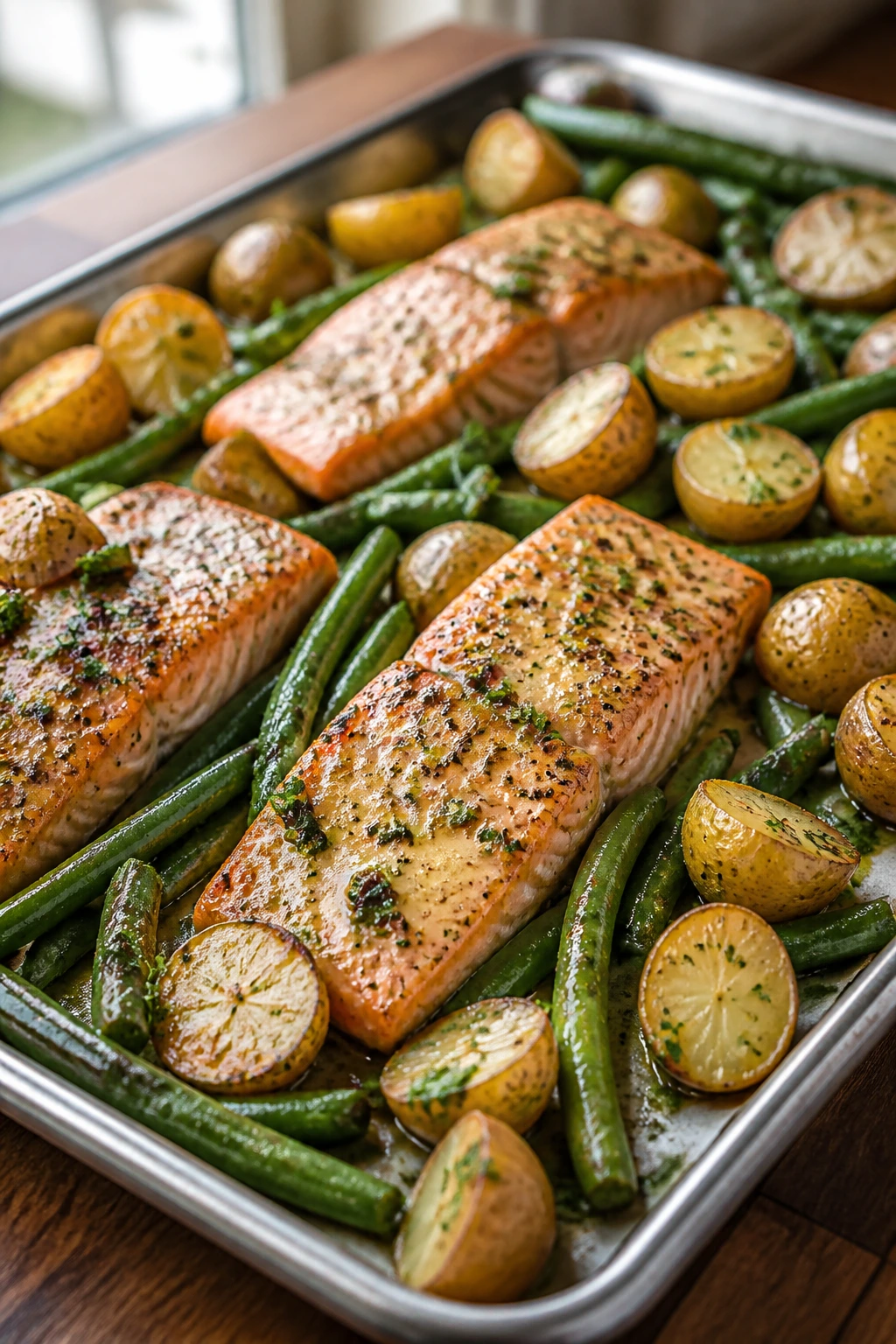
3. Sheet Pan Salmon with Green Beans and Baby Potatoes
Salmon, green beans, and little roasted potatoes are one of those dinners that looks fancier than it is. The fish flakes in big soft pieces, the potatoes go crisp at the edges, and the whole tray comes in around 470 calories per serving if you keep the olive oil measured.
Why It Works:
Salmon gives you rich flavor without needing a heavy sauce, and the potatoes roast on the same pan so dinner feels complete. Green beans cook fast and stay snappy, which keeps the plate from going mushy. A little Dijon and lemon over the top sharpens the whole tray.
Key Ingredients:
- 1 1/2 lb salmon fillet, cut into 4 portions
- 1 lb baby potatoes, halved
- 12 oz green beans, trimmed
- 2 tablespoons olive oil
- 1 tablespoon Dijon mustard
- 2 garlic cloves, minced
- 1 lemon, sliced and juiced
- 1 teaspoon dried dill
- Salt and black pepper, to taste
Quick Steps:
- Heat the oven to 425°F and line a sheet pan with parchment.
- Toss the potatoes with 1 tablespoon olive oil, salt, and pepper; roast for 15 minutes.
- Add the green beans, salmon, remaining olive oil, Dijon, garlic, dill, and lemon slices.
- Roast for 12 to 14 minutes more, until the salmon flakes and the potatoes are tender.
- Finish with lemon juice before serving.
Equipment for This Recipe:
- Rimmed sheet pan
- Parchment paper
- Mixing bowl
- Fish spatula, if you have one
How to Serve This Dish:
Serve the salmon straight from the pan with the lemon slices tucked beside it. A spoonful of plain yogurt with dill on the side works well if you want a cool sauce.
Pro Tips for This Recipe:
- Cut the potatoes small enough that they finish on time.
- Put the salmon on the sheet pan only after the potatoes have started to soften.
- Dry the salmon before seasoning so the top roasts instead of steaming.
Variations on This Dish:
- Honey-Mustard Version: Add 1 teaspoon honey to the Dijon mixture.
- Herb-Crusted Salmon: Sprinkle chopped parsley and dill over the fish before roasting.
- Parsnip Swap: Use chopped parsnips instead of potatoes for a slightly lighter tray.
Common Mistakes to Avoid with This Dish:
- Starting everything at once: The potatoes end up raw.
- Overbaking the fish: It goes chalky fast.
- Skipping the parchment: The sugars from the fish and mustard stick hard.
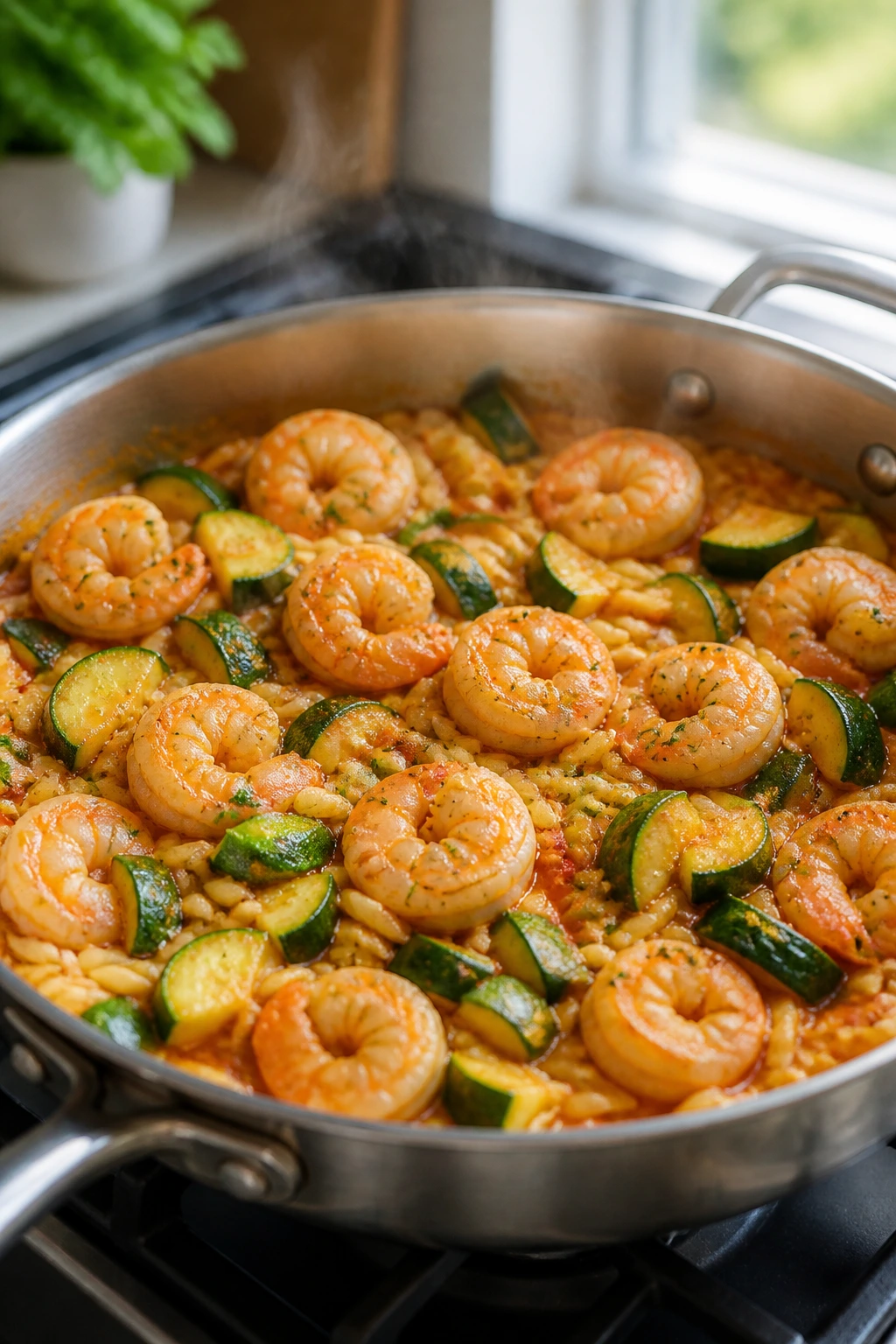
4. Shrimp and Zucchini Skillet with Orzo
Shrimp cooks fast, zucchini softens just enough, and orzo gives the skillet a little body without making it heavy. This one sits around 430 calories per serving and works especially well when you want dinner on the table without babysitting a pan for half the evening.
Why It Works:
Shrimp brings a lot of flavor for the calories, and orzo cooks directly in the skillet so it soaks up the broth and tomato juices. Zucchini disappears into the mix in a good way; it adds moisture and volume without stealing the show. The whole thing feels saucy, which helps a lower-calorie dinner avoid that dry, empty feeling.
Key Ingredients:
- 1 lb raw shrimp, peeled and deveined
- 8 oz dry orzo
- 2 medium zucchini, diced
- 1 cup cherry tomatoes, halved
- 1/2 onion, diced
- 3 garlic cloves, minced
- 2 cups low-sodium chicken broth
- 1 tablespoon olive oil
- 1/4 cup crumbled feta
- 1 teaspoon dried oregano
Quick Steps:
- Heat the olive oil in a large skillet over medium heat and cook the onion for 3 minutes.
- Stir in the garlic, zucchini, tomatoes, and oregano; cook for 3 to 4 minutes.
- Add the orzo and broth, bring to a simmer, and cook for 8 to 10 minutes, stirring often.
- Nestle in the shrimp and cook for 3 to 4 minutes until pink and curled.
- Top with feta and serve while the orzo is still glossy.
Equipment for This Recipe:
- Large deep skillet
- Wooden spoon
- Measuring cups
- Knife and cutting board
How to Serve This Dish:
Ladle it into shallow bowls so the broth stays around the pasta. A plain cucumber salad makes a sharp side if you want more crunch.
Pro Tips for This Recipe:
- Stir the orzo often so it does not stick to the skillet bottom.
- Use medium shrimp, not jumbo; they cook in the same window as the pasta.
- Add a splash of broth at the end if the skillet looks dry.
Variations on This Dish:
- Lemon-Feta Finish: Add lemon zest right before serving.
- Tomato-Basil Version: Swap oregano for torn basil and add extra tomatoes.
- No-Cheese Version: Leave off the feta and finish with parsley and black pepper.
Common Mistakes to Avoid with This Dish:
- Overcooking shrimp: It turns rubbery in a flash.
- Walking away from the orzo: It can stick if left alone.
- Adding too much broth: The skillet becomes soupy instead of saucy.
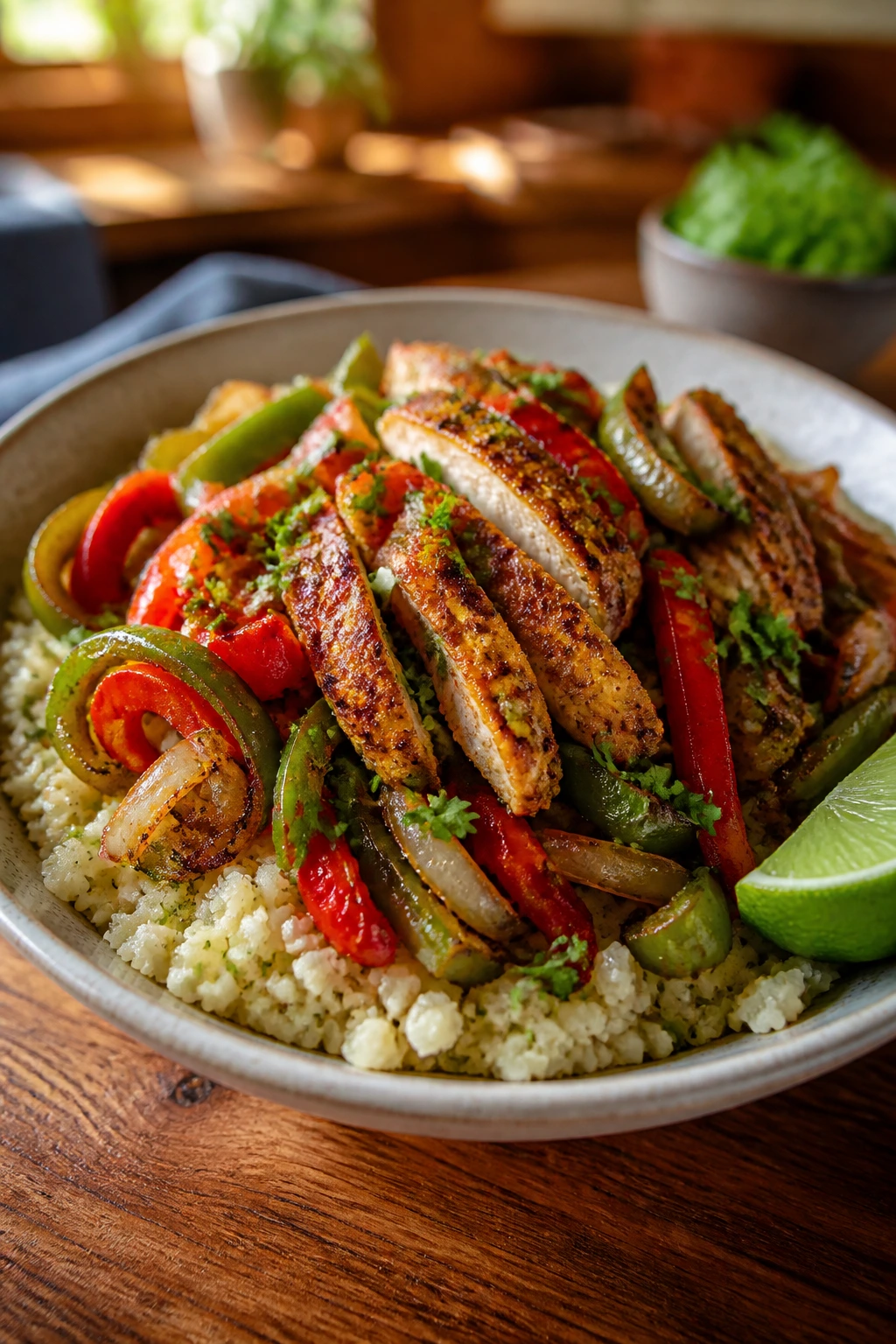
5. Chicken Fajita Cauliflower Rice Bowls
These bowls smell like a fajita skillet the second the peppers hit the heat. You get charred edges, juicy chicken, and enough spice to make cauliflower rice feel like a real base instead of a compromise. Each serving lands around 360 calories.
Why It Works:
The chicken and peppers carry the flavor, while cauliflower rice keeps the carb load down without making the plate tiny. A hot skillet gives you those browned edges that taste like the restaurant version people usually order, and lime at the end keeps the bowl from feeling heavy. Add salsa, and the whole thing wakes up.
Key Ingredients:
- 1 lb boneless, skinless chicken breast, sliced thin
- 2 bell peppers, sliced
- 1 medium onion, sliced
- 4 cups cauliflower rice
- 1 tablespoon olive oil
- 1 tablespoon fajita seasoning
- 1 lime, juiced
- 1/2 cup salsa
- 2 tablespoons chopped cilantro
- Salt, to taste
Quick Steps:
- Toss the chicken with fajita seasoning and a pinch of salt.
- Heat the oil in a large skillet over medium-high heat and cook the chicken for 5 to 6 minutes.
- Add the peppers and onion; cook for 4 to 5 minutes until the edges start to char.
- Stir in the cauliflower rice and cook for 3 minutes until hot.
- Finish with lime juice, salsa, and cilantro.
Equipment for This Recipe:
- Large skillet
- Spatula
- Microplane or citrus juicer
- Cutting board
How to Serve This Dish:
Serve with extra salsa and maybe a spoonful of Greek yogurt if your family likes a creamy topping. A few avocado slices keep the plate from feeling too lean.
Pro Tips for This Recipe:
- Slice the chicken thin so it browns before the vegetables soften too much.
- Use a very hot pan for the peppers; that char matters.
- Squeeze the lime right at the end so the bowl tastes fresh.
Variations on This Dish:
- Steak Swap: Use flank steak in thin strips and cook it fast.
- Bean Boost: Stir in 1/2 cup black beans for extra fiber.
- Cheese Finish: Add 1 ounce shredded pepper jack per serving if calories allow.
Common Mistakes to Avoid with This Dish:
- Using soggy cauliflower rice: It turns watery.
- Slicing peppers too thick: They stay raw in the middle.
- Underseasoning the chicken: The bowl tastes like plain vegetables.
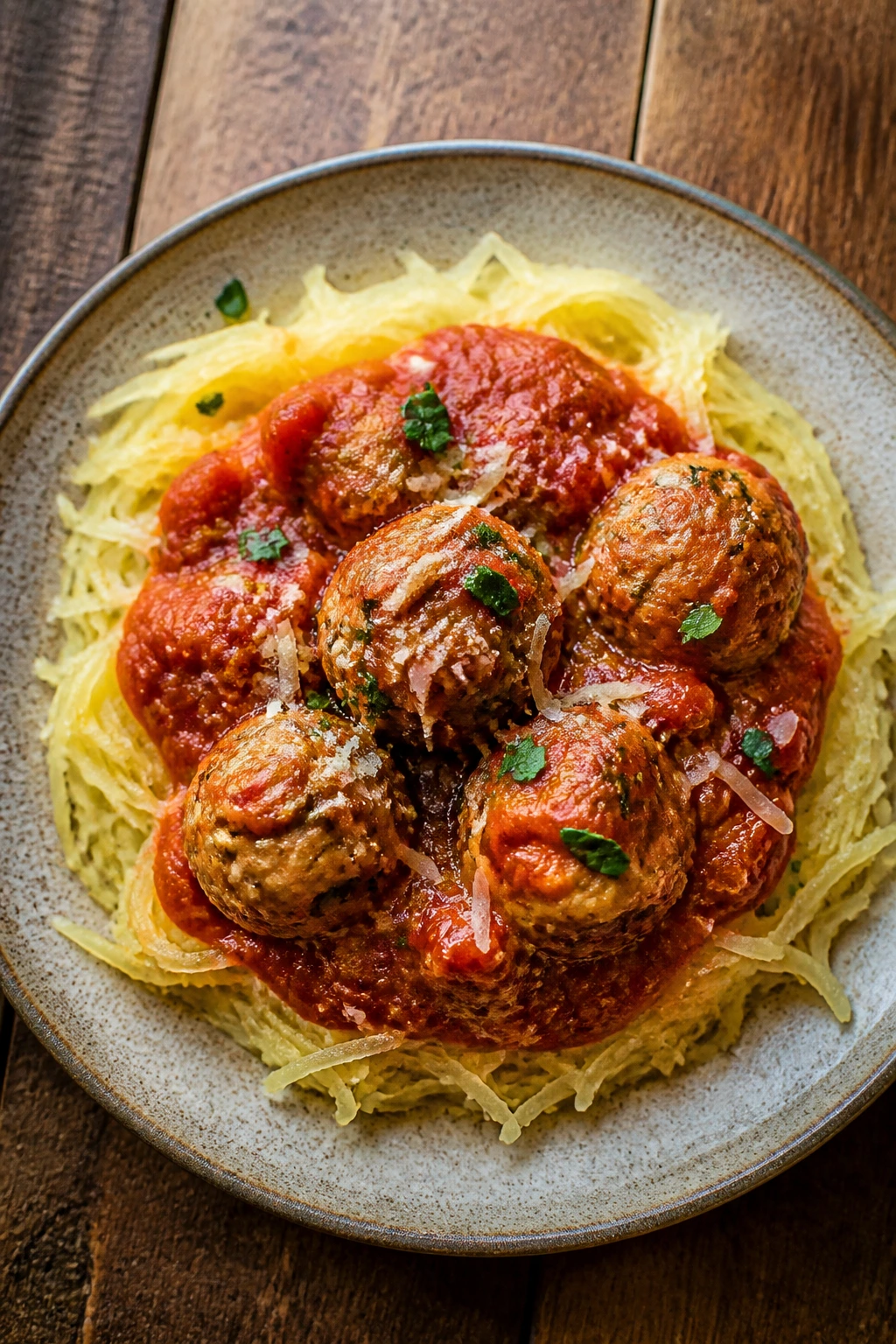
6. Turkey Meatball Marinara with Spaghetti Squash
This dinner scratches the pasta itch without leaning hard on pasta. The meatballs stay tender, the marinara clings to the strands of squash, and the whole plate lands around 420 calories per serving if you keep the cheese modest.
Why It Works:
Ground turkey makes a lean meatball that still feels substantial, especially when you mix in egg and breadcrumbs for moisture. Spaghetti squash gives you the fork-twirl texture people want from a red-sauce dinner, and the marinara keeps the plate saucy enough to feel like a proper meal. The meatballs can bake while the squash roasts, which makes the timing easy.
Key Ingredients:
- 1 lb ground turkey
- 1 egg
- 1/3 cup breadcrumbs
- 2 tablespoons grated Parmesan
- 1 teaspoon Italian seasoning
- 1 medium spaghetti squash
- 2 cups marinara sauce
- 1 tablespoon olive oil
- 2 tablespoons chopped basil
- Salt and pepper, to taste
Quick Steps:
- Heat the oven to 400°F and roast the halved spaghetti squash cut-side down for 35 to 40 minutes.
- Mix the turkey, egg, breadcrumbs, Parmesan, seasoning, salt, and pepper, then shape into 16 meatballs.
- Bake the meatballs for 15 to 18 minutes until cooked through.
- Warm the marinara in a saucepan and toss it with the squash strands.
- Top with meatballs and basil.
Equipment for This Recipe:
- Rimmed baking sheet
- Large bowl
- Saucepan
- Fork for shredding squash
How to Serve This Dish:
Pile the squash into shallow bowls and nestle the meatballs on top so the sauce pools underneath. A green salad with sharp vinaigrette is all you need beside it.
Pro Tips for This Recipe:
- Do not overmix the meatball mixture or they turn dense.
- Cool the squash for a few minutes before scraping it; the steam is hot.
- If the marinara tastes flat, add a pinch of salt before serving.
Variations on This Dish:
- Mozzarella Melt: Add 1 tablespoon shredded mozzarella per plate and broil briefly.
- Chicken-Turkey Blend: Use half ground chicken for a lighter meatball.
- Herby Red Sauce: Stir chopped parsley and oregano into the marinara.
Common Mistakes to Avoid with This Dish:
- Overbaking the squash: It gets watery.
- Making meatballs too large: They brown outside before cooking through.
- Serving without salt in the sauce: The squash needs seasoning to taste like dinner.
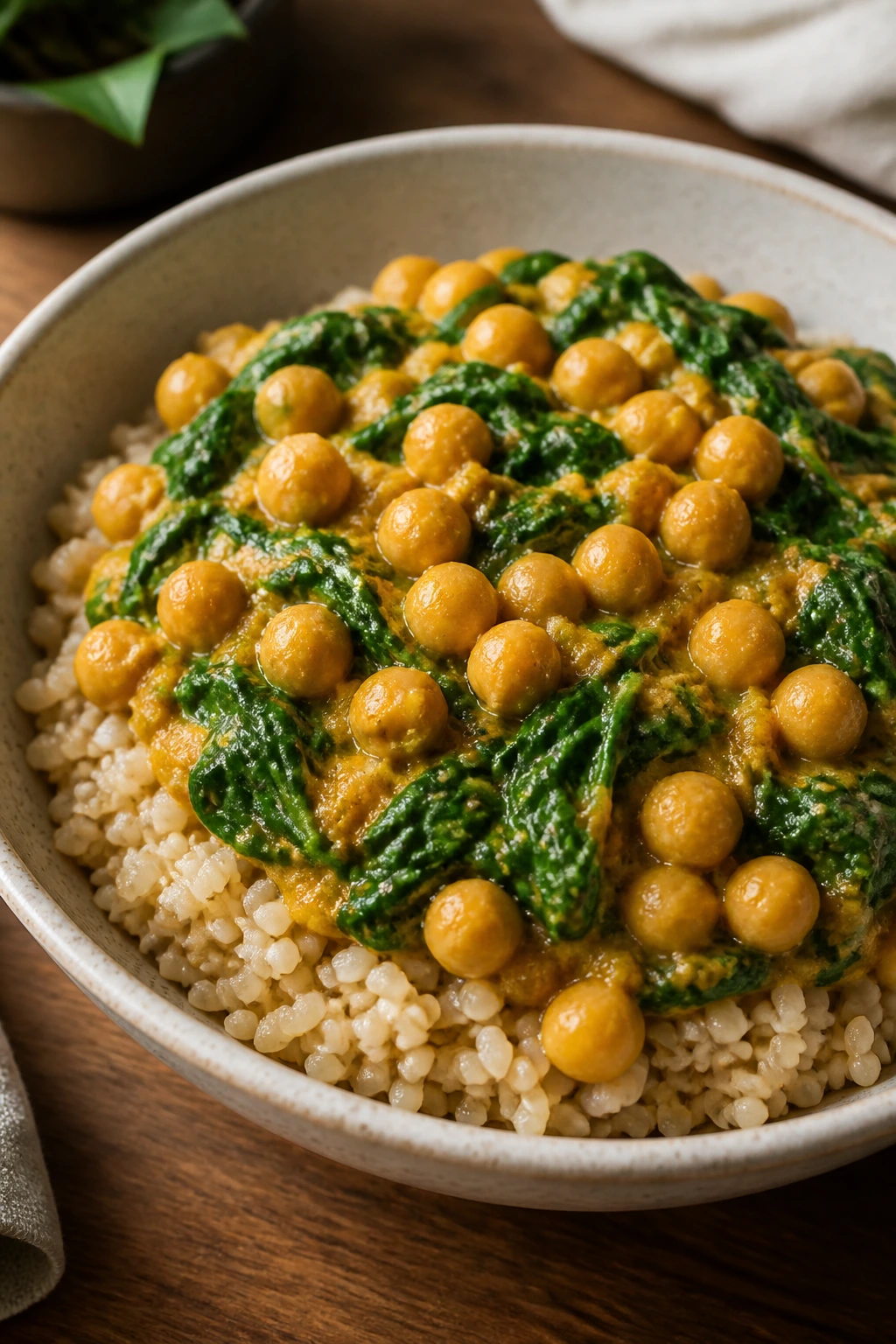
7. Chickpea Spinach Curry with Brown Rice
This is the kind of curry that earns its place on a weeknight because it runs on pantry food and still tastes layered. The chickpeas soften into the sauce, the spinach melts down, and each serving comes in around 440 calories with brown rice.
Why It Works:
Chickpeas bring fiber and enough heft to keep the meal from feeling thin. A little light coconut milk gives the curry body, but not the kind that leaves you sluggish, and curry powder plus ginger gives you warmth without a long ingredient list. It’s one of the easiest ways to make a meatless dinner feel complete.
Key Ingredients:
- 2 tablespoons olive oil
- 1 onion, diced
- 3 garlic cloves, minced
- 1 tablespoon fresh ginger, grated
- 2 tablespoons curry powder
- 2 cans chickpeas, rinsed and drained
- 1 can light coconut milk
- 1 cup vegetable broth
- 4 cups fresh spinach
- 2 cups cooked brown rice
- Salt, to taste
Quick Steps:
- Heat the oil in a pot over medium heat and cook the onion for 5 minutes.
- Stir in the garlic, ginger, and curry powder for 30 seconds.
- Add the chickpeas, coconut milk, and broth; simmer for 10 minutes.
- Stir in the spinach and cook just until wilted.
- Spoon over brown rice and taste for salt.
Equipment for This Recipe:
- Medium pot
- Wooden spoon
- Measuring cups
- Fine grater for ginger
How to Serve This Dish:
Serve with a squeeze of lime and a spoonful of yogurt if your family likes a cool finish. A few cucumber slices on the side are a nice break from the warm spices.
Pro Tips for This Recipe:
- Toast the curry powder for a few seconds before adding liquid.
- If you want a thicker curry, mash a few chickpeas against the pot.
- Use baby spinach if you want the greens to disappear faster.
Variations on This Dish:
- Sweet Potato Curry: Add 1 diced sweet potato with the onion.
- Tomato Curry: Stir in 1 cup crushed tomatoes for a sharper sauce.
- Extra-Protein Bowl: Add cubed baked tofu or a boiled egg on top.
Common Mistakes to Avoid with This Dish:
- Boiling the coconut milk hard: It can split.
- Adding spinach too early: It turns gray and limp.
- Skipping salt at the end: Chickpeas need it.
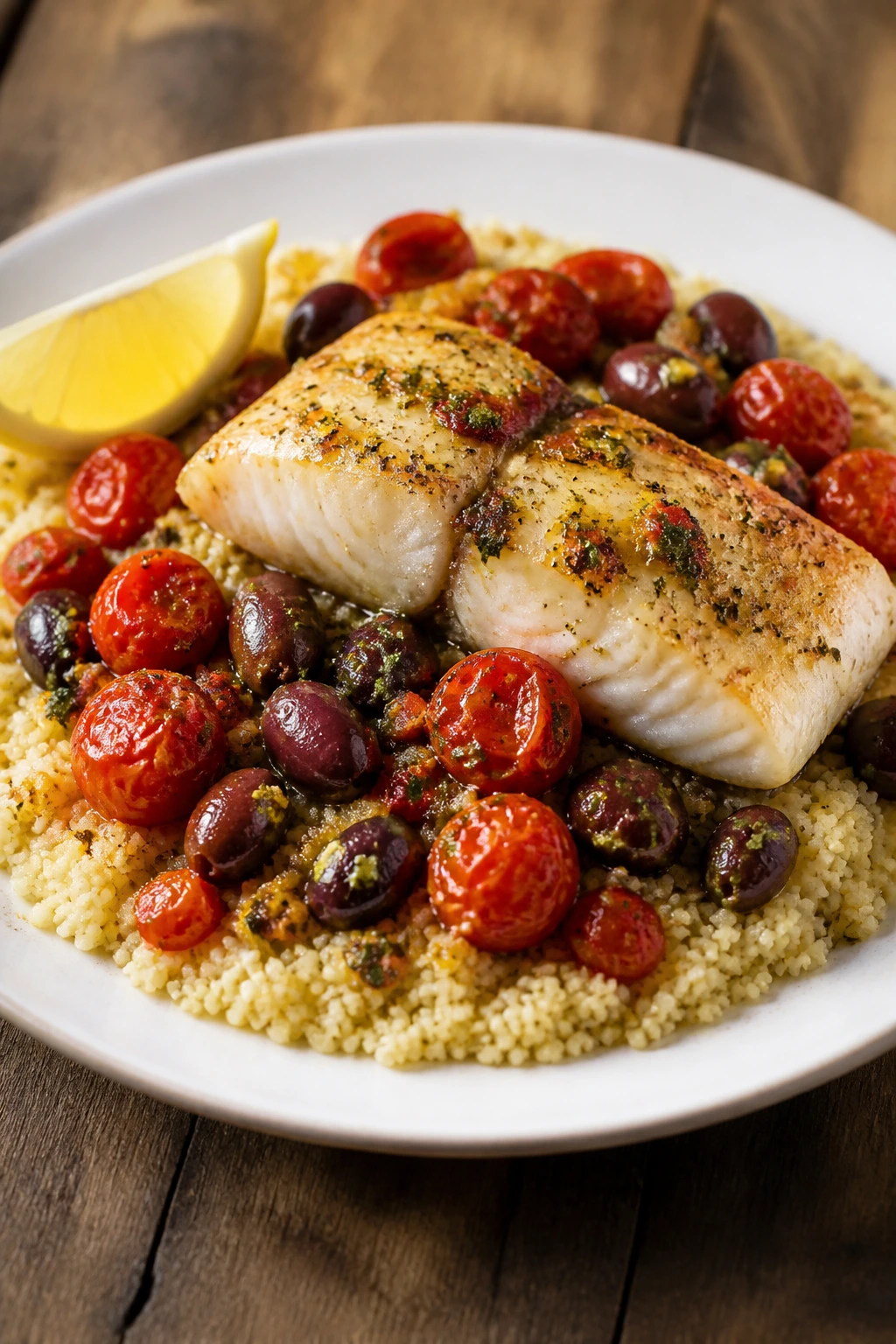
8. Baked Cod with Tomatoes, Olives, and Couscous
Cod is mild in the best way, which makes it useful when you want a fish dinner that does not taste fishy. The tomatoes burst in the oven, the olives bring the salt, and the couscous catches the juices for a total of about 390 calories per serving.
Why It Works:
Cod cooks quickly and stays lean, so the calories stay low without much effort. The tomatoes and olives do the real flavor work here, which is smart cooking, not cheating. Couscous cooks in minutes and gives you enough starch to make the plate feel finished.
Key Ingredients:
- 4 cod fillets, about 5 oz each
- 2 cups cherry tomatoes
- 1/2 cup pitted olives
- 1 tablespoon olive oil
- 2 garlic cloves, minced
- 1 teaspoon dried oregano
- 1 cup dry couscous
- 1 1/4 cups hot vegetable broth
- 1 lemon, sliced
- Salt and pepper, to taste
Quick Steps:
- Heat the oven to 400°F and place the cod in a baking dish.
- Scatter the tomatoes, olives, garlic, oregano, oil, salt, and pepper around the fish.
- Bake for 12 to 15 minutes until the cod flakes easily.
- Pour the hot broth over the couscous, cover, and let it stand for 5 minutes.
- Fluff the couscous and serve with the baked cod and pan juices.
Equipment for This Recipe:
- Baking dish
- Small saucepan or kettle
- Fork for fluffing couscous
- Measuring cups
How to Serve This Dish:
Serve the cod over the couscous so the tomato juices run into the grains. A few chopped herbs on top make it look brighter without changing the calorie count.
Pro Tips for This Recipe:
- Keep the cod pieces similar in thickness so they finish together.
- Use a shallow baking dish so the fish roasts rather than steams.
- Add the lemon after baking for a cleaner taste.
Variations on This Dish:
- Capers and Parsley: Swap olives for capers and add parsley.
- Cherry Tomato-Free Version: Use drained canned tomatoes if fresh ones are not good.
- Herbed Couscous: Stir dill or basil into the couscous.
Common Mistakes to Avoid with This Dish:
- Overbaking cod: It dries out fast.
- Using too much liquid under the fish: It poaches instead of bakes.
- Forgetting to season the couscous: Plain couscous tastes empty.
9. Veggie-Packed Egg Fried Rice with Edamame
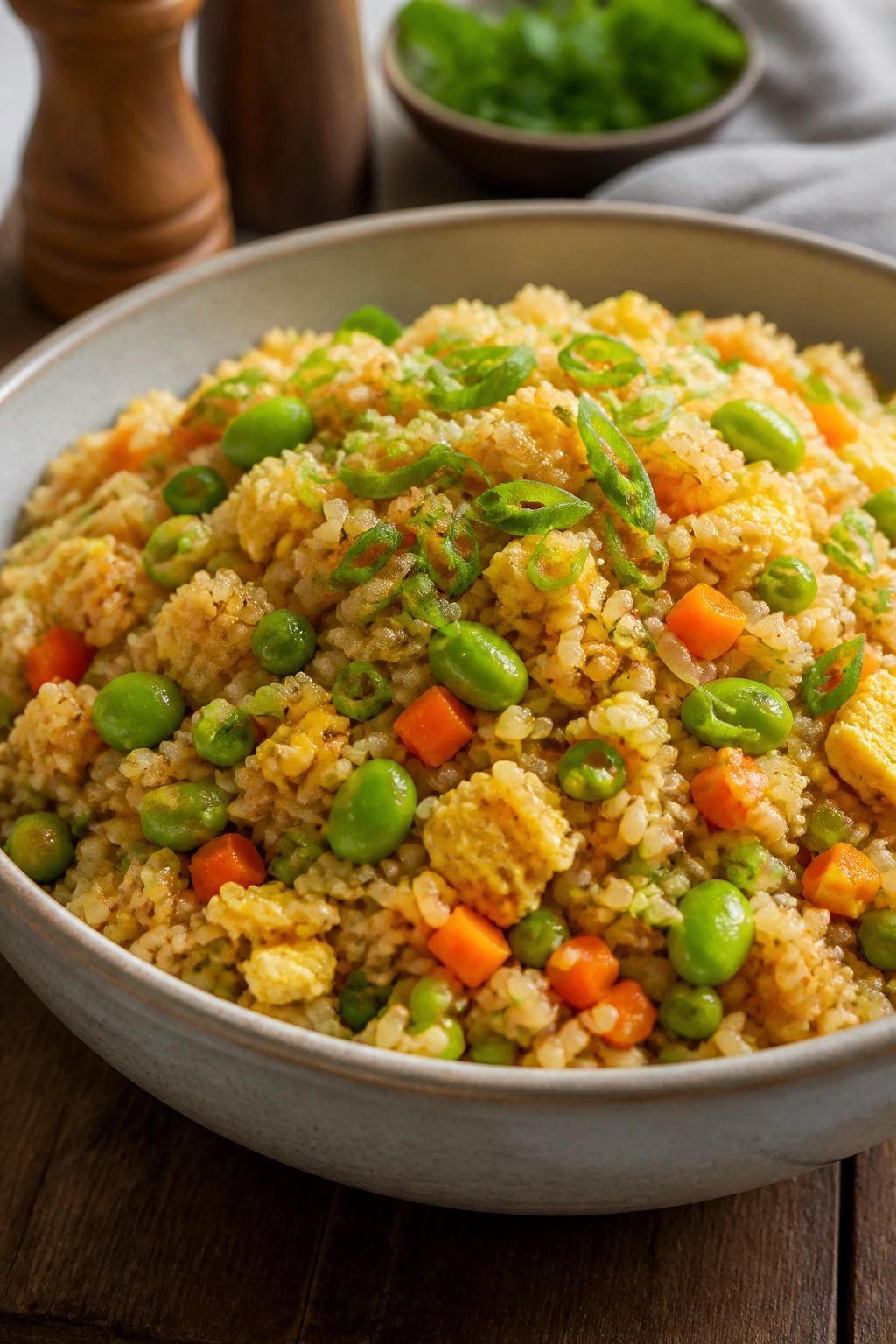
Egg fried rice is one of the fastest ways to make leftovers feel useful again. With edamame, peas, carrots, and eggs, the bowl lands around 420 calories per serving and still eats like a proper dinner.
Why It Works:
Cold rice fries better than fresh rice, so the texture comes out loose instead of mushy. Eggs and edamame add protein, and the vegetables bulk up the pan without turning it into a salad. A little sesame oil at the end goes a long way; use it like a finish, not like cooking fat.
Key Ingredients:
- 4 cups cooked brown rice, chilled
- 3 eggs, beaten
- 1 cup shelled edamame
- 1 cup frozen peas and carrots
- 3 scallions, sliced
- 2 tablespoons soy sauce
- 1 tablespoon sesame oil
- 1 tablespoon neutral oil
- 1 garlic clove, minced
- Black pepper, to taste
Quick Steps:
- Heat the neutral oil in a large skillet or wok over medium-high heat.
- Scramble the eggs, then slide them onto a plate.
- Cook the garlic, peas, carrots, edamame, and scallions for 2 to 3 minutes.
- Add the rice and soy sauce, then stir-fry for 4 to 5 minutes until hot and lightly crisp.
- Fold the eggs back in and finish with sesame oil and black pepper.
Equipment for This Recipe:
- Large skillet or wok
- Spatula
- Mixing bowl
- Measuring spoons
How to Serve This Dish:
Serve it in wide bowls so the rice stays fluffy. A side of sliced cucumbers or quick pickles cuts through the savory flavor.
Pro Tips for This Recipe:
- Break up the rice with your hands before it hits the pan.
- Cook in a wide skillet so moisture can evaporate.
- Add sesame oil at the end; it tastes stronger that way.
Variations on This Dish:
- Chicken Fried Rice: Add 1 cup diced cooked chicken.
- Veg-Heavy Version: Double the peas and carrots, cut the rice by 1 cup.
- Ginger Rice: Add 1 teaspoon grated ginger with the garlic.
Common Mistakes to Avoid with This Dish:
- Using hot, fresh rice: It clumps.
- Overcrowding the pan: The rice steams instead of fries.
- Pouring in too much soy sauce: The rice turns soggy and salty.
10. Light Chicken Parmesan with Roasted Zucchini
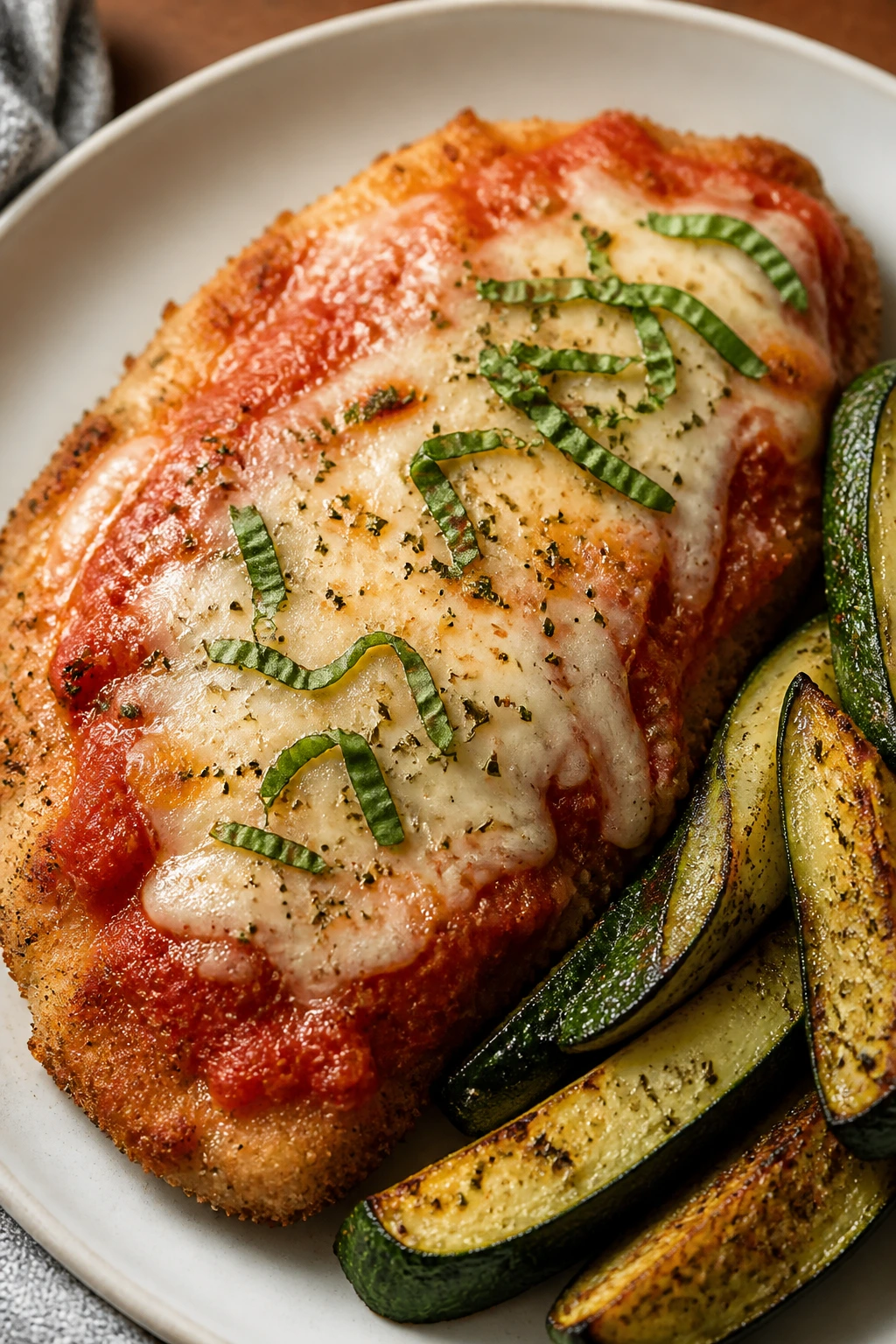
Chicken Parmesan does not have to come in a heavy brick of cheese and pasta. This version uses a thinner breading, a modest layer of mozzarella, and roasted zucchini on the side, landing around 480 calories per serving.
Why It Works:
You still get the crisp chicken coating and the melted cheese pull people want, but the breading stays thin and the sauce stays bright. Zucchini takes the place of a giant pasta pile and soaks up the marinara in a more useful way than a big bowl of noodles would. It’s hearty without dragging the meal down.
Key Ingredients:
- 2 boneless, skinless chicken breasts, halved horizontally
- 1/2 cup breadcrumbs
- 2 tablespoons grated Parmesan
- 1 egg, beaten
- 1 cup marinara sauce
- 1/2 cup shredded mozzarella
- 2 medium zucchini, sliced lengthwise
- 1 tablespoon olive oil
- Salt, pepper, and Italian seasoning, to taste
Quick Steps:
- Heat the oven to 425°F and line a baking sheet.
- Dip the chicken in egg, then breadcrumbs mixed with Parmesan and seasoning.
- Bake the chicken for 15 minutes, flip, then spoon marinara and mozzarella over the top.
- Roast the zucchini with olive oil, salt, and pepper on the same pan for 12 to 15 minutes.
- Bake until the cheese melts and the chicken reaches 165°F.
Equipment for This Recipe:
- Baking sheet
- Shallow bowl for breading
- Meat thermometer
- Tongs
How to Serve This Dish:
Serve the chicken over the roasted zucchini with extra marinara on the side. If you want a little more food on the table, add a crisp salad instead of more starch.
Pro Tips for This Recipe:
- Pound the chicken lightly so it cooks evenly.
- Use shredded mozzarella sparingly; too much turns greasy.
- Let the chicken rest for 3 minutes before cutting so the juices stay put.
Variations on This Dish:
- Eggplant Parm Style: Use thick slices of eggplant instead of chicken.
- Gluten-Free Version: Use gluten-free breadcrumbs.
- Spicy Marinara: Stir chili flakes into the sauce.
Common Mistakes to Avoid with This Dish:
- Using too much cheese: It slides off and pools.
- Skipping the flip: The bottom coating stays pale.
- Serving with watery zucchini: Roast it until the edges brown.
11. Black Bean and Sweet Potato Stuffed Peppers
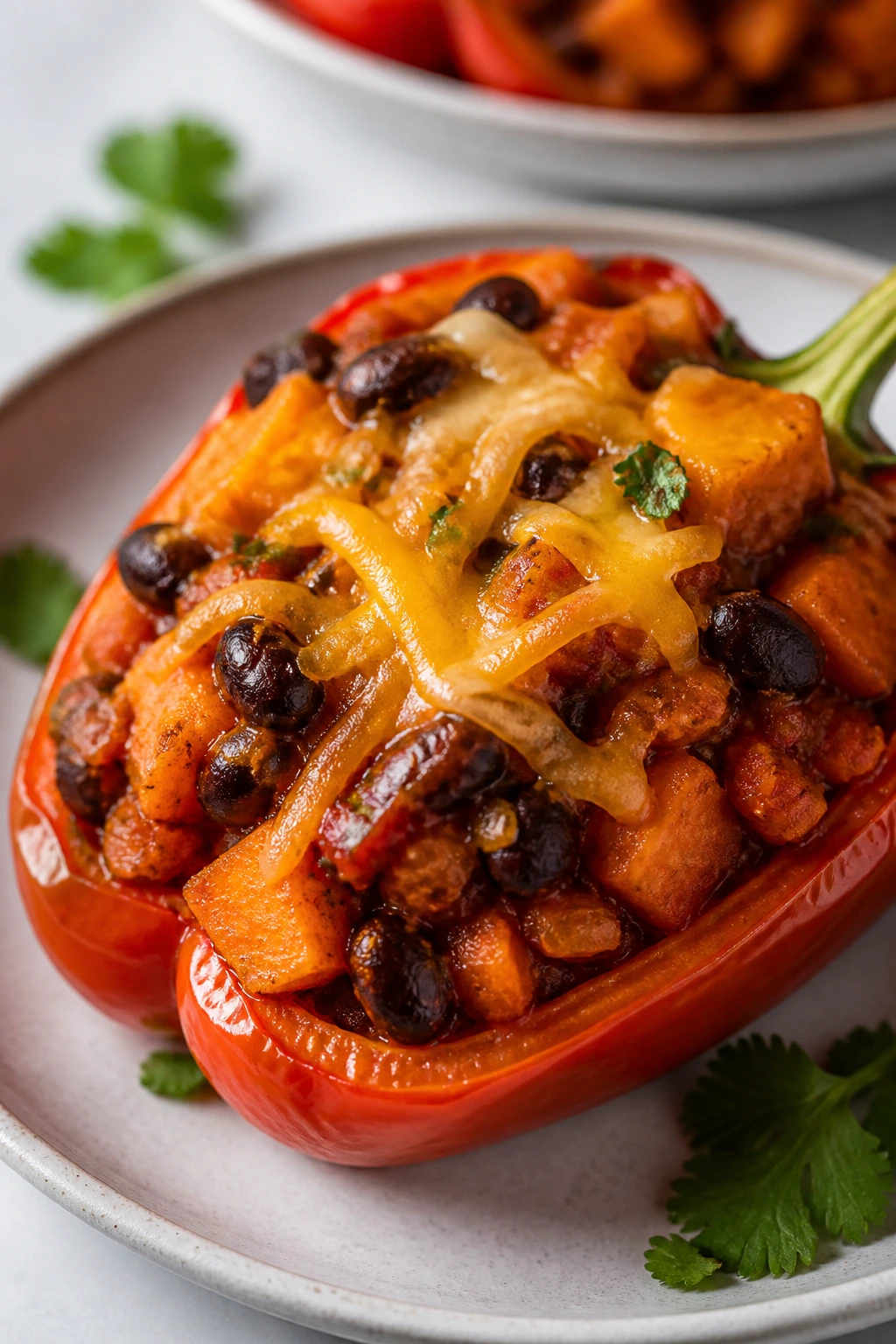
Stuffed peppers can be bland if you don’t season the filling well, but these are not bland. The sweet potato brings softness, the black beans bring substance, and the peppers roast until the edges slump just enough. One stuffed pepper half lands around 380 calories.
Why It Works:
Sweet potato and black beans make a filling that eats like a full meal without needing meat. Salsa keeps everything moist, and a small amount of cheese on top gives you the melted finish people expect from stuffed peppers. The peppers themselves do the serving for you, which is one less side dish to worry about.
Key Ingredients:
- 4 large bell peppers, halved and seeded
- 2 medium sweet potatoes, peeled and diced
- 1 can black beans, rinsed and drained
- 1 cup corn
- 1 cup salsa
- 1 teaspoon cumin
- 1/2 cup shredded cheddar
- 1 tablespoon olive oil
- Salt and pepper, to taste
Quick Steps:
- Heat the oven to 400°F and roast the sweet potatoes with oil, salt, and pepper for 20 minutes.
- Mix the roasted sweet potatoes with beans, corn, salsa, and cumin.
- Fill the pepper halves and top with cheddar.
- Bake for 20 to 25 minutes until the peppers soften and the cheese melts.
- Let rest for 5 minutes before serving.
Equipment for This Recipe:
- Baking dish
- Mixing bowl
- Knife and spoon
- Sheet pan for sweet potatoes
How to Serve This Dish:
Serve two pepper halves per adult and one per child, depending on appetite. A dollop of Greek yogurt or sour cream on top helps balance the sweetness.
Pro Tips for This Recipe:
- Roast the sweet potatoes first so the filling is not grainy.
- Choose peppers that can stand upright if you want a cleaner presentation.
- If the filling looks dry, add 2 tablespoons extra salsa.
Variations on This Dish:
- Mexican Street Corn Version: Add a little cotija and lime zest.
- Turkey Mix-In: Stir in 1 cup cooked ground turkey for extra protein.
- Mild Kid Version: Use mild salsa and skip the cumin if needed.
Common Mistakes to Avoid with This Dish:
- Undercooking the peppers: They stay crunchy and awkward.
- Using watery salsa: The filling turns loose.
- Skipping the rest time: The hot filling spills out.
12. Teriyaki Turkey Stir-Fry with Snap Peas
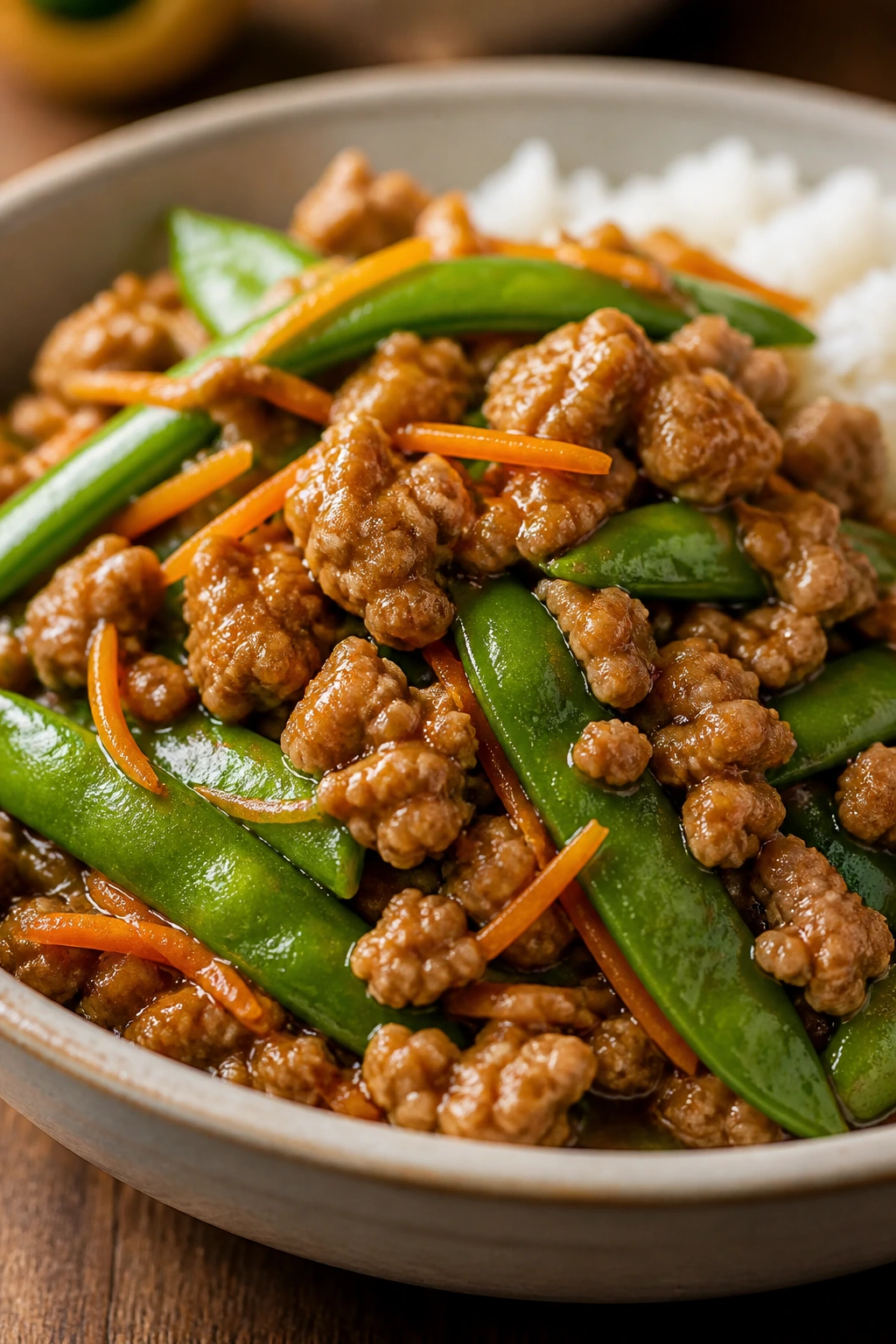
This stir-fry has the glossy look people expect from takeout, but the sauce is lighter and the vegetables stay crisp. With brown rice, it sits around 410 calories per serving.
Why It Works:
Ground turkey is quick, affordable, and easy to season with teriyaki flavors. Snap peas and carrots bring crunch, while the sauce clings to the turkey instead of pooling at the bottom of the pan. A small amount of rice rounds it out without taking over the bowl.
Key Ingredients:
- 1 lb lean ground turkey
- 1 tablespoon neutral oil
- 2 cups snap peas
- 1 cup shredded carrots
- 1 red bell pepper, sliced
- 1/3 cup teriyaki sauce
- 2 cups cooked brown rice
- 2 scallions, sliced
- 1 teaspoon grated ginger
- 1 teaspoon sesame seeds
Quick Steps:
- Heat the oil in a skillet over medium-high heat and cook the turkey for 5 to 6 minutes.
- Add the ginger, snap peas, carrots, and bell pepper; stir-fry for 3 to 4 minutes.
- Pour in the teriyaki sauce and cook for 1 to 2 minutes until glossy.
- Serve over brown rice and top with scallions and sesame seeds.
Equipment for This Recipe:
- Large skillet or wok
- Spatula
- Measuring cups
- Knife and board
How to Serve This Dish:
Serve it in bowls so the rice catches the sauce. A side of sliced oranges or pineapple fits the sweet-savory profile nicely.
Pro Tips for This Recipe:
- Keep the heat high enough to sear, not simmer.
- Use a teriyaki sauce that is not too sweet; thick sugary sauces can get sticky fast.
- Add the scallions at the end so they stay bright.
Variations on This Dish:
- Chicken Version: Swap in ground chicken without changing the cook time much.
- Spicy Teriyaki: Add chili garlic paste.
- Broccoli Swap: Replace snap peas with small broccoli florets.
Common Mistakes to Avoid with This Dish:
- Cooking the vegetables too long: They lose the crunch.
- Using too much sauce: The calories climb fast.
- Letting the turkey sit in a wet pan: It steams and gets soft.
13. Greek Chicken Pita Pockets with Tzatziki
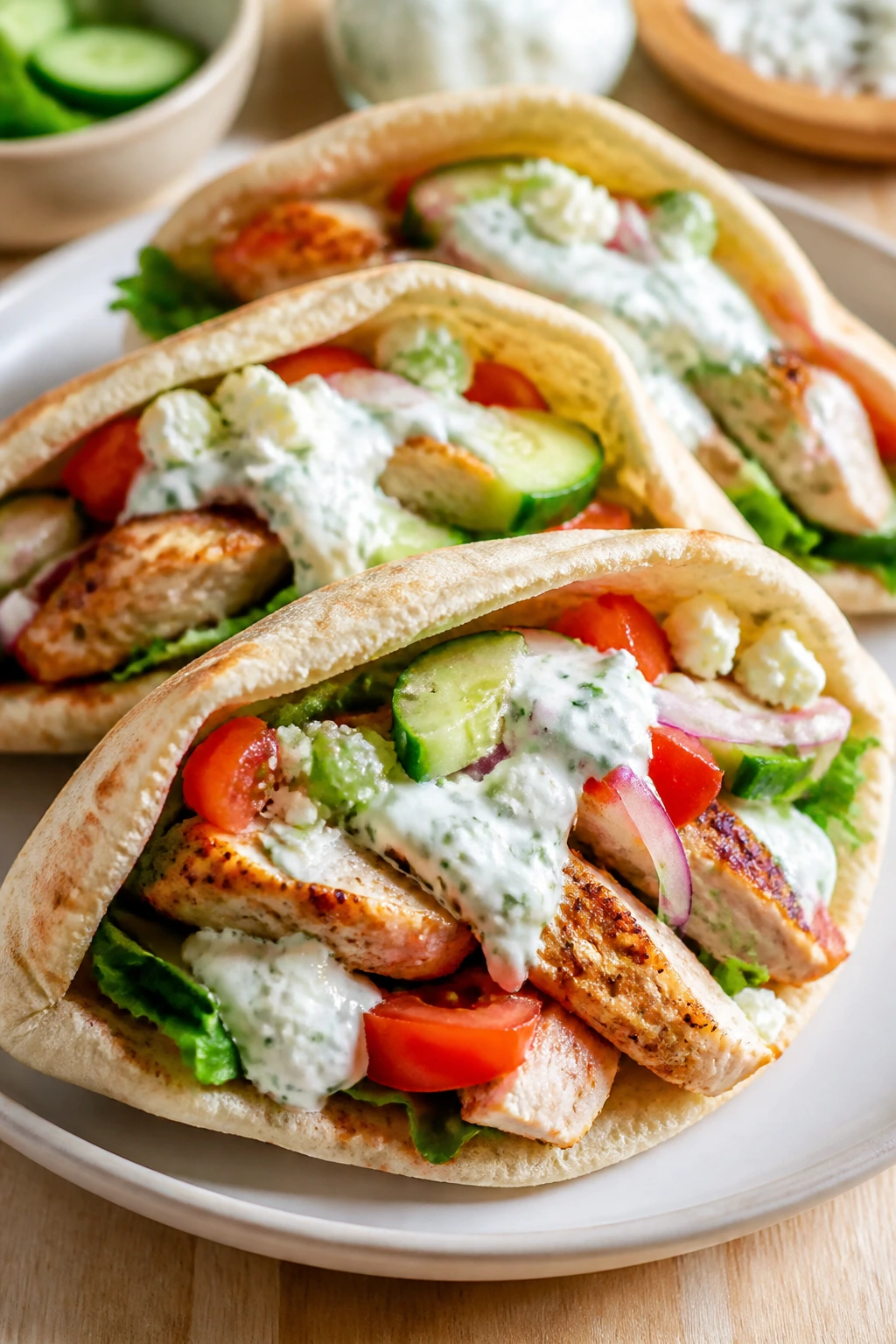
These pita pockets taste like something from a quick-casual lunch spot, but they work better at dinner because you can actually feed people with them. The chicken is lemony, the vegetables stay crisp, and the whole meal lands around 430 calories per serving.
Why It Works:
Greek yogurt does double duty here as a marinade base and as the tzatziki sauce, which keeps the ingredients short and the flavor clean. Pita pockets make the dinner easy to portion, and cucumber plus tomato add enough freshness that the meal does not feel heavy. Feta is optional, but a small amount goes a long way.
Key Ingredients:
- 1 lb chicken breast, diced
- 2 tablespoons plain Greek yogurt
- 1 tablespoon lemon juice
- 1 teaspoon dried oregano
- 4 whole-wheat pitas, split
- 1 cucumber, diced
- 1 cup cherry tomatoes, halved
- 1/4 red onion, thinly sliced
- 1/2 cup tzatziki
- 1/4 cup feta, crumbled
Quick Steps:
- Toss the chicken with yogurt, lemon juice, oregano, salt, and pepper.
- Cook the chicken in a skillet over medium-high heat for 6 to 7 minutes until browned and cooked through.
- Warm the pitas briefly in the oven or a dry skillet.
- Fill each pita with chicken, cucumber, tomatoes, onion, tzatziki, and feta.
- Serve while the pita is still warm.
Equipment for This Recipe:
- Skillet
- Cutting board and knife
- Small bowl for mixing
- Tongs
How to Serve This Dish:
Serve the pitas cut in half so they are easier to hold. A handful of olives or a simple green salad makes the plate feel complete.
Pro Tips for This Recipe:
- Marinate the chicken for 15 minutes if you have the time.
- Warm the pita or it will split when stuffed.
- Drain the cucumber a little if it is very watery.
Variations on This Dish:
- Chicken Bowl Version: Skip the pita and serve over chopped lettuce.
- Falafel Night: Replace the chicken with baked falafel.
- Lemon-Dill Twist: Add fresh dill to the tzatziki.
Common Mistakes to Avoid with This Dish:
- Stuffing cold pitas: They crack.
- Using too much tzatziki: The pocket turns soggy.
- Cutting chicken too large: It falls out in chunks.
14. White Bean and Kale Soup with Turkey Sausage
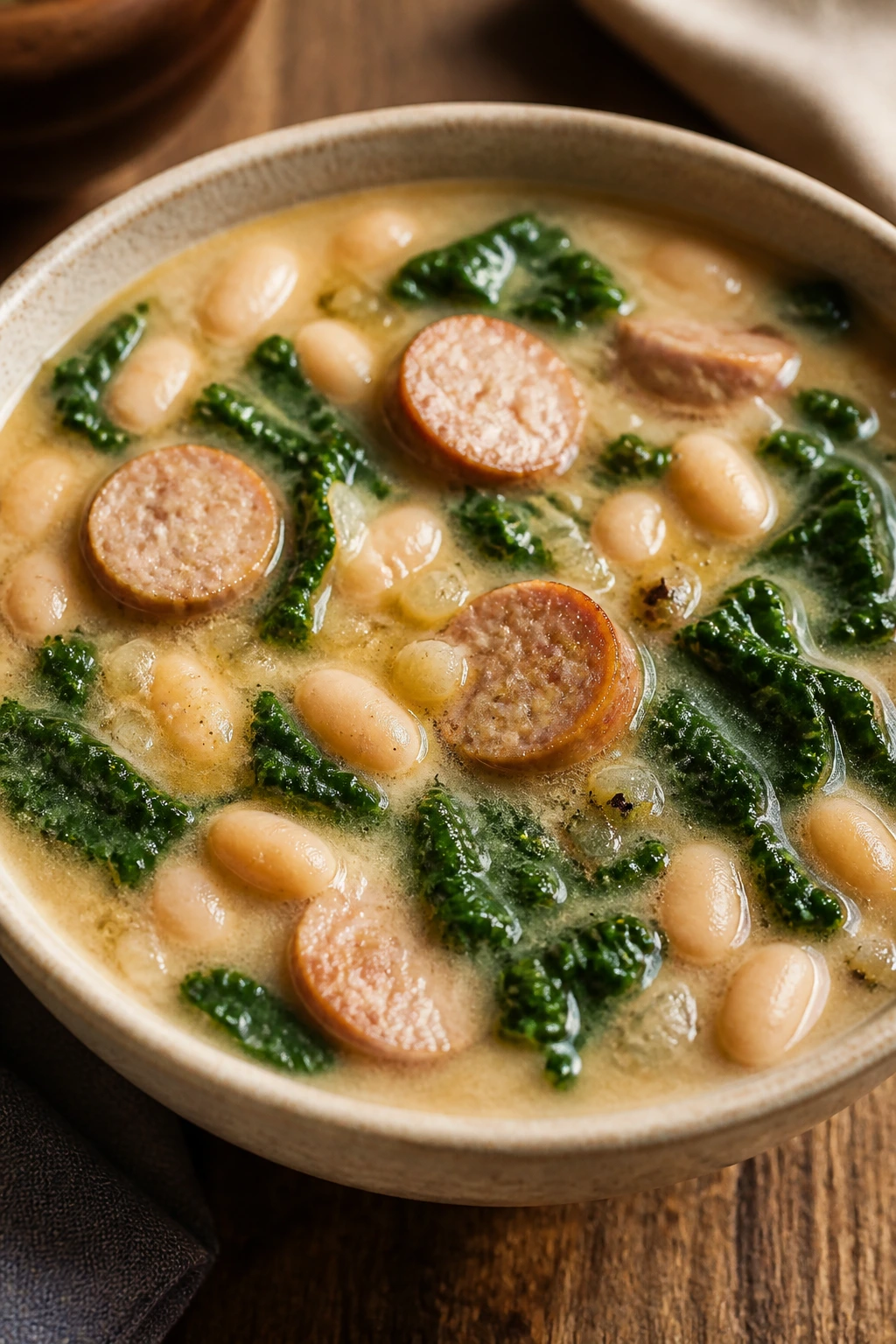
Soup sounds modest until the pot starts smelling like garlic, herbs, and browned sausage. White beans make it thick, kale gives it chew, and each bowl comes in around 370 calories without needing bread to save it.
Why It Works:
Turkey sausage adds enough fat and seasoning to flavor the whole pot, while white beans make the broth creamy without cream. Kale holds up better than spinach, so the soup can simmer without collapsing into green threads. It is one of the best examples of a dinner that feels bigger than its calorie count.
Key Ingredients:
- 8 oz turkey sausage, sliced
- 1 tablespoon olive oil
- 1 onion, diced
- 2 carrots, sliced
- 2 celery stalks, sliced
- 3 garlic cloves, minced
- 2 cans white beans, rinsed and drained
- 6 cups low-sodium chicken broth
- 4 cups chopped kale
- 1 teaspoon dried thyme
Quick Steps:
- Brown the sausage in a soup pot over medium heat, then remove it.
- Cook the onion, carrots, and celery in the same pot for 5 minutes.
- Add the garlic, thyme, beans, broth, and sausage; simmer for 15 minutes.
- Stir in the kale and cook for 3 to 4 minutes until tender.
- Taste and season before serving.
Equipment for This Recipe:
- Large soup pot
- Ladle
- Wooden spoon
- Knife and cutting board
How to Serve This Dish:
Serve in deep bowls with a little black pepper on top. If you want bread, a thin slice of crusty toast is enough.
Pro Tips for This Recipe:
- Brown the sausage first; it builds flavor in the pot.
- Mash a few beans against the side for a thicker broth.
- Add the kale at the end so it stays green and pleasant.
Variations on This Dish:
- Italian Herb Version: Add rosemary and a spoonful of tomato paste.
- Chicken Sausage Swap: Use chicken sausage if that is what you have.
- Extra-Vegetable Soup: Add diced zucchini in the last 10 minutes.
Common Mistakes to Avoid with This Dish:
- Skipping the browning step: The soup tastes flatter.
- Overcooking kale: It turns bitter and dull.
- Using full-sodium broth with no taste test: The soup can get too salty once it reduces.
15. Sesame Tofu and Broccoli Bowls
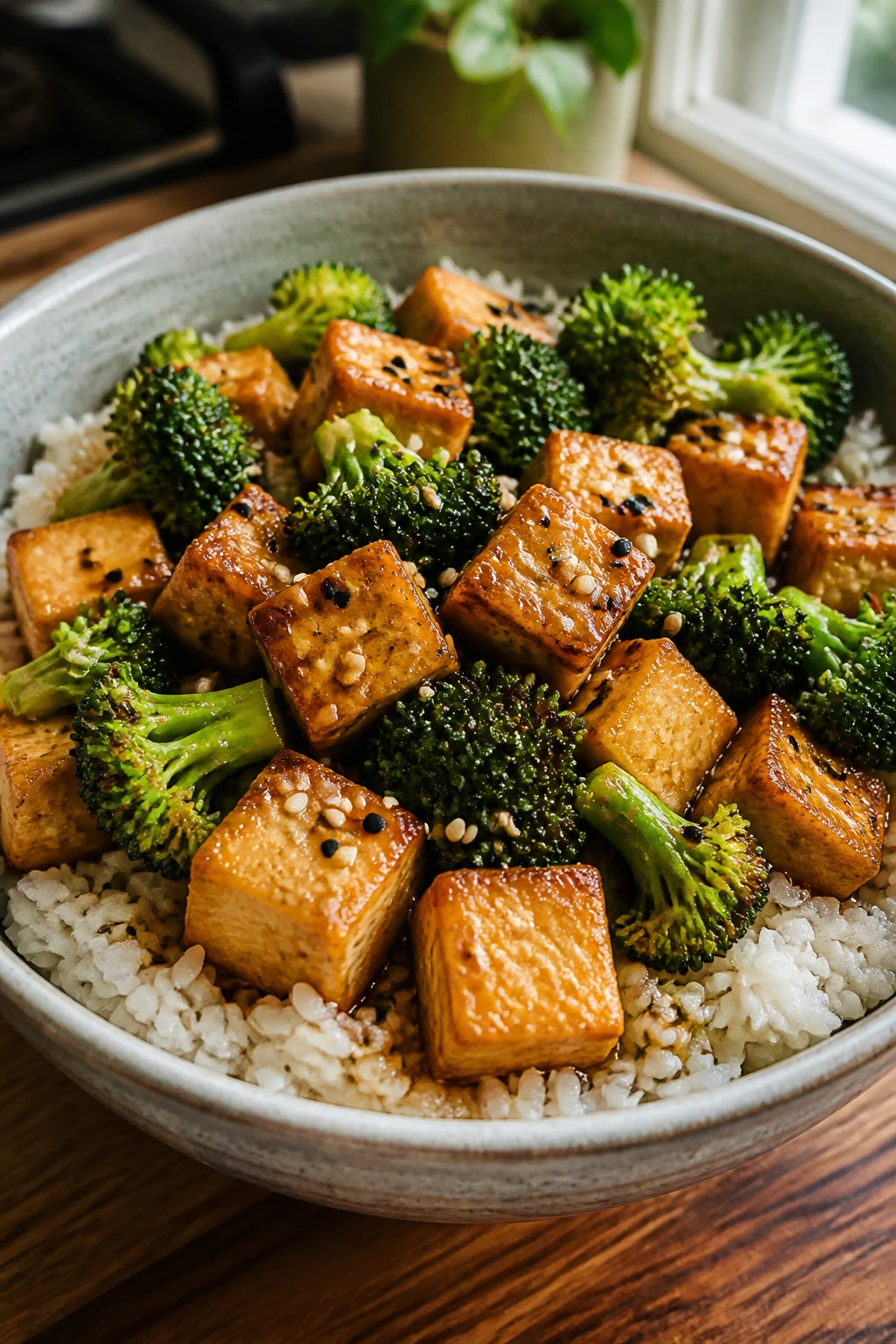
This is the meatless dinner that wins over skeptical eaters because the tofu gets crisp edges and the broccoli soaks up the sauce. With rice, it stays around 400 calories per serving and feels like takeout in a good way.
Why It Works:
Extra-firm tofu holds its shape if you dry it well and let it brown, which is where the texture comes from. Broccoli gives the bowl bulk, and a quick sesame-soy sauce brings salt, sweetness, and a little nutty finish without a heavy glaze. The bowl works because every part has a job.
Key Ingredients:
- 14 oz extra-firm tofu, pressed and cubed
- 4 cups broccoli florets
- 2 cups cooked rice
- 1 tablespoon neutral oil
- 2 tablespoons soy sauce
- 1 tablespoon sesame oil
- 1 tablespoon honey
- 1 teaspoon grated ginger
- 1 garlic clove, minced
- 1 tablespoon sesame seeds
Quick Steps:
- Pat the tofu dry and brown it in oil over medium-high heat for 8 to 10 minutes.
- Add the broccoli and cook for 3 to 4 minutes.
- Stir together soy sauce, sesame oil, honey, ginger, and garlic, then pour it into the skillet.
- Cook for 1 minute until the sauce lightly coats the tofu.
- Serve over rice and top with sesame seeds.
Equipment for This Recipe:
- Large skillet
- Paper towels
- Small bowl
- Spatula
How to Serve This Dish:
Serve in bowls with the rice underneath and the sauce spooned over the top. A few sliced scallions make it look finished without adding much.
Pro Tips for This Recipe:
- Press the tofu for at least 15 minutes so it browns better.
- Do not stir it constantly; let the tofu sit and form a crust.
- If the sauce seems too strong, add 1 tablespoon water.
Variations on This Dish:
- Spicy Sesame Bowl: Add chili crisp or sriracha.
- Brown Rice Swap: Use quinoa if you want a different grain.
- Cashew Finish: Sprinkle chopped cashews on top for crunch.
Common Mistakes to Avoid with This Dish:
- Using wet tofu: It never gets crisp.
- Overcrowding the skillet: The tofu softens.
- Adding the sauce too soon: The browning disappears.
16. Pork Tenderloin with Apples and Brussels Sprouts
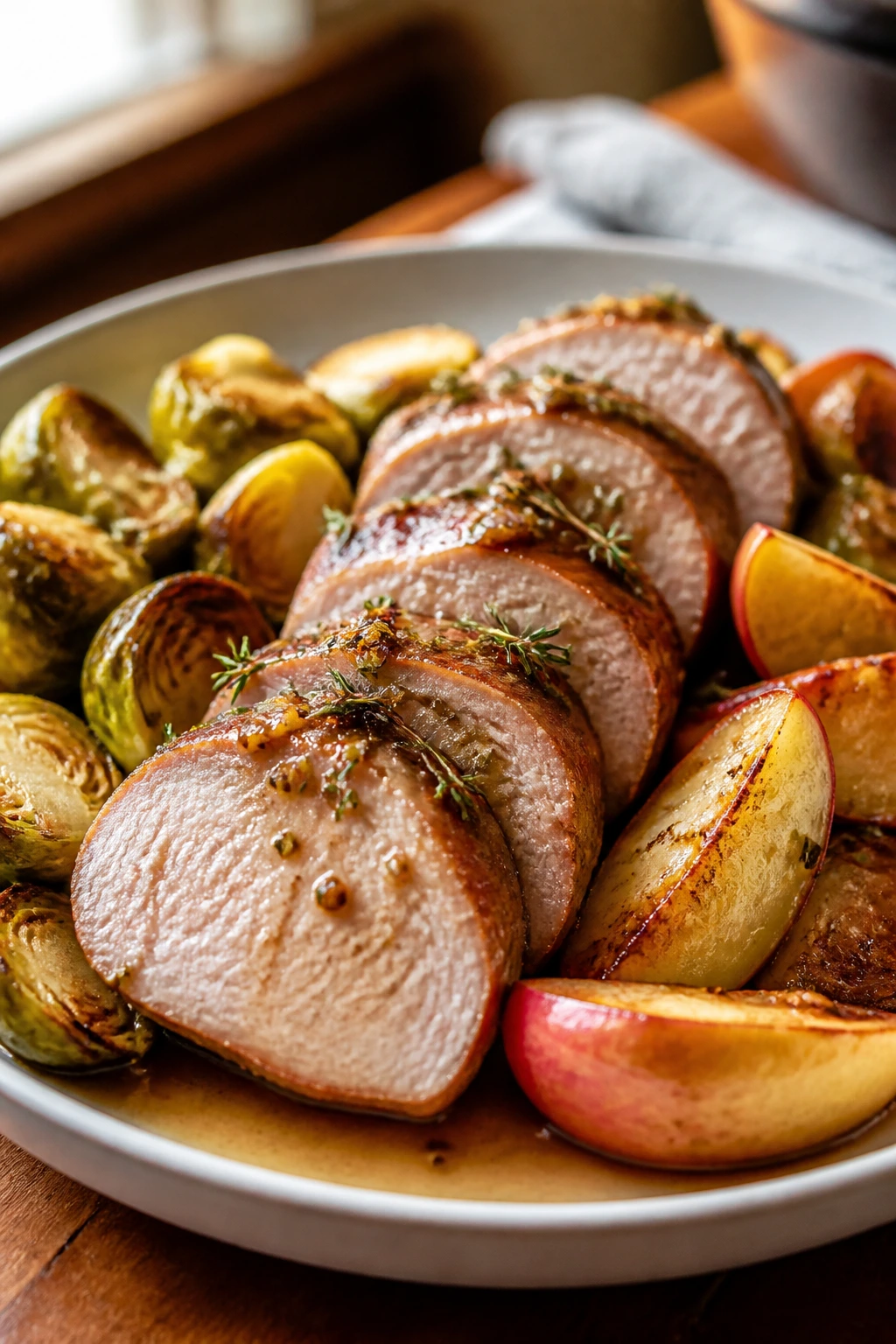
Pork tenderloin is lean enough to fit this list, but it still gives you a meaty center that feels like a real dinner. Roasted apples and Brussels sprouts bring sweetness and bite, and the plate comes in around 460 calories per serving.
Why It Works:
Tenderloin cooks quickly and stays tender if you do not overdo it. Brussels sprouts roast into little caramelized edges, while apple wedges soften and release just enough juice to make the pan taste like autumn without turning sweet. A little Dijon ties it together with almost no extra calories.
Key Ingredients:
- 1 1/2 lb pork tenderloin
- 1 lb Brussels sprouts, halved
- 2 apples, cored and sliced
- 1 tablespoon olive oil
- 1 tablespoon Dijon mustard
- 1 teaspoon thyme
- 1 teaspoon salt, divided
- 1/2 teaspoon black pepper
- 1/4 cup low-sodium chicken broth
Quick Steps:
- Heat the oven to 425°F.
- Rub the pork with Dijon, thyme, salt, and pepper.
- Toss the Brussels sprouts and apples with olive oil and the remaining salt.
- Roast everything for 20 to 25 minutes, turning the vegetables once.
- Rest the pork for 5 minutes, slice, and serve with the pan juices.
Equipment for This Recipe:
- Sheet pan
- Sharp knife
- Meat thermometer
- Tongs
How to Serve This Dish:
Slice the pork into medallions and place the apples and sprouts around it. A spoonful of the roasting juices over the top keeps the plate from drying out.
Pro Tips for This Recipe:
- Pull the pork when it reaches 145°F and let it rest.
- Cut the Brussels sprouts evenly so they roast at the same pace.
- Use firm apples that hold shape, not applesauce-soft ones.
Variations on This Dish:
- Mustard-Herb Version: Add rosemary and a little whole-grain mustard.
- Sweet Potato Addition: Add cubed sweet potato if you want a bigger tray.
- Balsamic Finish: Drizzle a teaspoon of balsamic over the vegetables at the end.
Common Mistakes to Avoid with This Dish:
- Overcooking the pork: It dries out fast.
- Cutting the apples too thin: They collapse.
- Skipping the rest: The juices run all over the board.
17. Mediterranean Tuna Pasta with Peas
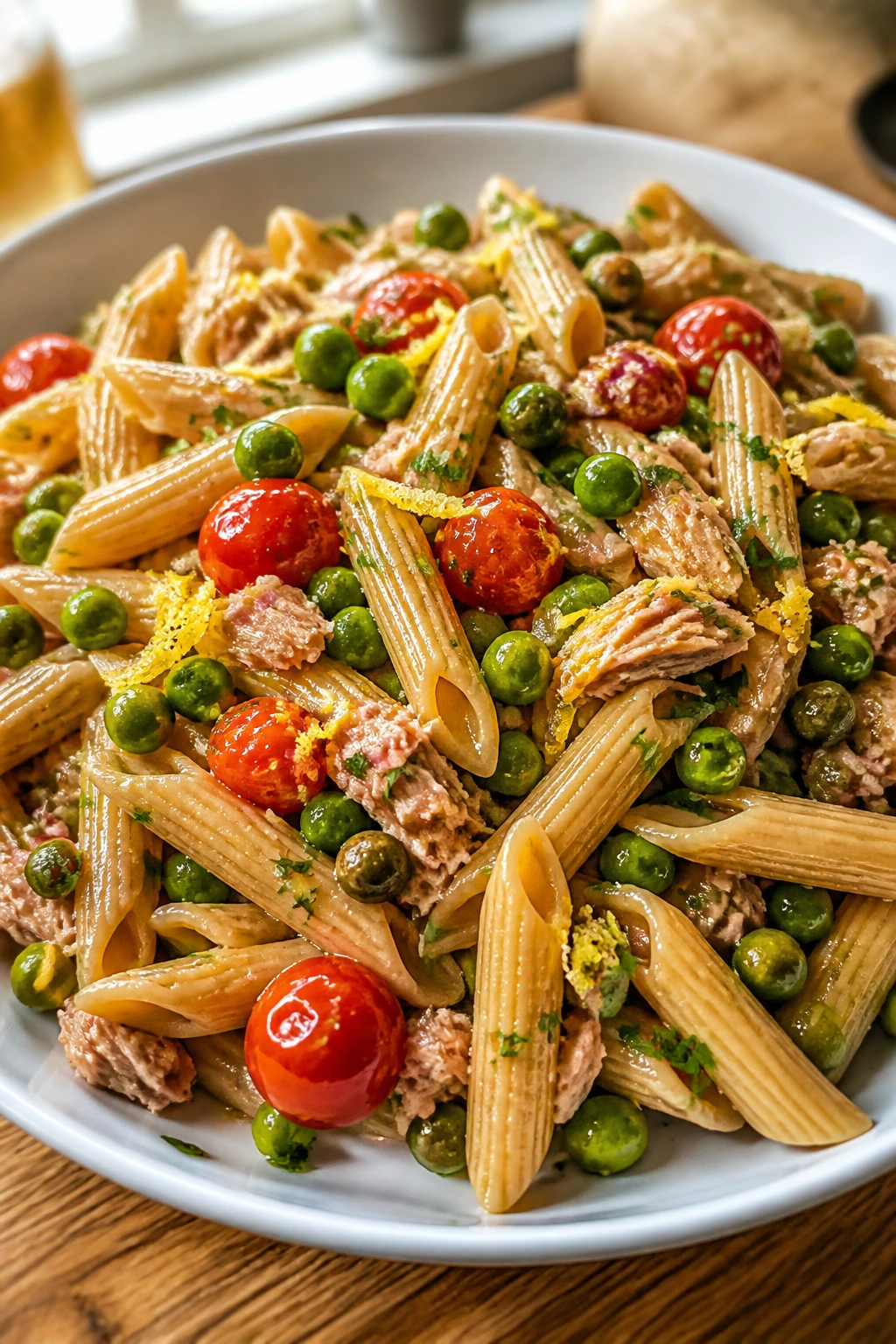
Canned tuna earns its keep here. It mixes into whole-wheat pasta with peas, tomatoes, lemon, and capers, making a dinner that tastes far more deliberate than the effort required. One serving lands around 430 calories.
Why It Works:
Tuna gives you a cheap, lean protein that does not need much help. Peas bring sweetness, tomatoes add juice, and capers supply the salty punch that keeps the dish from feeling flat. The lemon at the end matters; it keeps canned tuna from tasting heavy or dull.
Key Ingredients:
- 8 oz whole-wheat pasta
- 2 cans tuna in water, drained
- 1 cup frozen peas
- 1 cup cherry tomatoes, halved
- 2 tablespoons capers
- 2 tablespoons olive oil
- 2 garlic cloves, minced
- 1 lemon, zested and juiced
- 2 tablespoons chopped parsley
- Salt and pepper, to taste
Quick Steps:
- Cook the pasta until al dente, then reserve 1/2 cup pasta water.
- Warm the olive oil in a skillet and cook the garlic for 30 seconds.
- Add the peas, tomatoes, capers, tuna, and a splash of pasta water.
- Toss in the pasta and lemon juice until glossy.
- Finish with parsley and black pepper.
Equipment for This Recipe:
- Large pot
- Large skillet
- Colander
- Zester
How to Serve This Dish:
Serve it in shallow bowls with extra lemon on the side. A green salad with cucumber and red onion keeps the meal light.
Pro Tips for This Recipe:
- Use tuna packed in water, not oil, if you want to keep calories down.
- Reserve pasta water; it helps the sauce cling.
- Add the parsley after the heat is off so it stays fresh.
Variations on This Dish:
- Olive Version: Add chopped kalamata olives.
- Spinach Version: Stir in a few handfuls of spinach at the end.
- No-Pasta Bowl: Serve over cauliflower rice for a lighter twist.
Common Mistakes to Avoid with This Dish:
- Overcooking the pasta: It turns soft when tossed.
- Skipping the lemon: The dish tastes flat.
- Using dry tuna straight from the can: It needs moisture from the pan.
18. Chili-Lime Tilapia Tacos with Cabbage Slaw
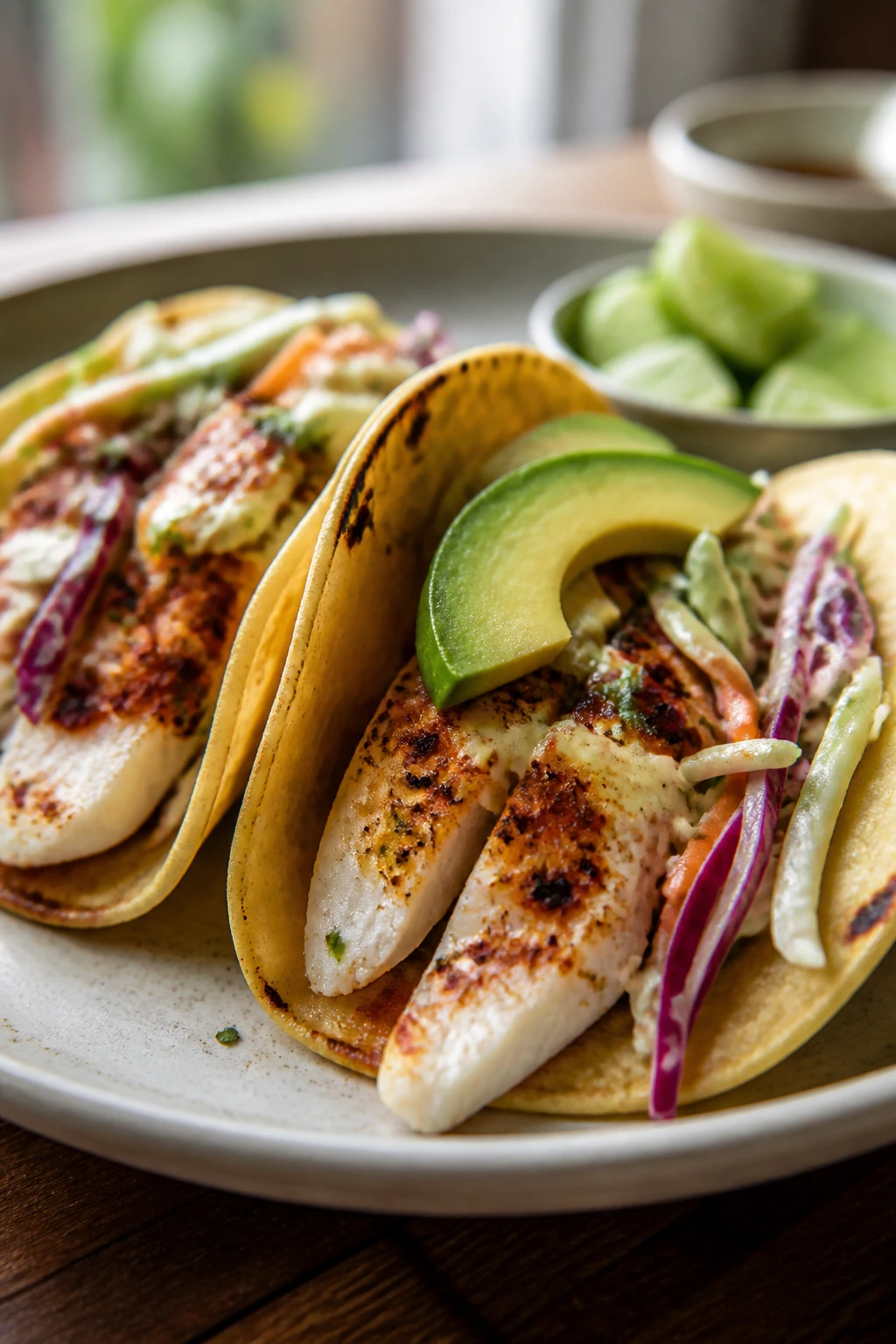
These tacos taste bright, crunchy, and a little messy in the best way. The fish cooks in minutes, the slaw stays crisp, and two tacos land around 340 calories per serving depending on toppings.
Why It Works:
Tilapia is mild and cheap, which makes it easy to season boldly with chili, lime, and garlic. Cabbage slaw gives the tacos crunch without a mayonnaise load, and corn tortillas keep the calories lower than a heavy flour shell. A spoonful of yogurt or salsa is enough to finish it.
Key Ingredients:
- 1 1/2 lb tilapia fillets
- 1 tablespoon olive oil
- 1 teaspoon chili powder
- 1/2 teaspoon garlic powder
- 8 small corn tortillas
- 3 cups shredded cabbage
- 1 lime, juiced
- 1/4 cup plain Greek yogurt
- 1/2 avocado, sliced
- Salt, to taste
Quick Steps:
- Season the tilapia with chili powder, garlic powder, salt, and a little oil.
- Cook the fish in a skillet over medium-high heat for 2 to 3 minutes per side until it flakes.
- Toss the cabbage with lime juice, yogurt, and salt.
- Warm the tortillas in a dry skillet.
- Fill with fish, slaw, and avocado.
Equipment for This Recipe:
- Nonstick skillet
- Mixing bowl
- Fish spatula or thin spatula
- Towel for warming tortillas
How to Serve This Dish:
Serve the tacos immediately so the cabbage stays crisp. A little extra lime on the side is the easiest finish.
Pro Tips for This Recipe:
- Pat the fish dry before seasoning.
- Do not overfill the tacos; two good tacos beat three collapsing ones.
- Warm tortillas in a dry skillet, not the microwave, if you want better texture.
Variations on This Dish:
- Baked Fish Version: Bake the fillets at 425°F for 10 to 12 minutes.
- Spicy Slaw: Add hot sauce to the cabbage mix.
- Mango Salsa Swap: Replace the avocado with mango salsa for sweetness.
Common Mistakes to Avoid with This Dish:
- Overcooking tilapia: It dries out fast.
- Using soggy slaw: The tacos fall apart.
- Skipping salt on the fish: Mild fish needs it.
19. Beef and Mushroom Skillet with Mashed Cauliflower
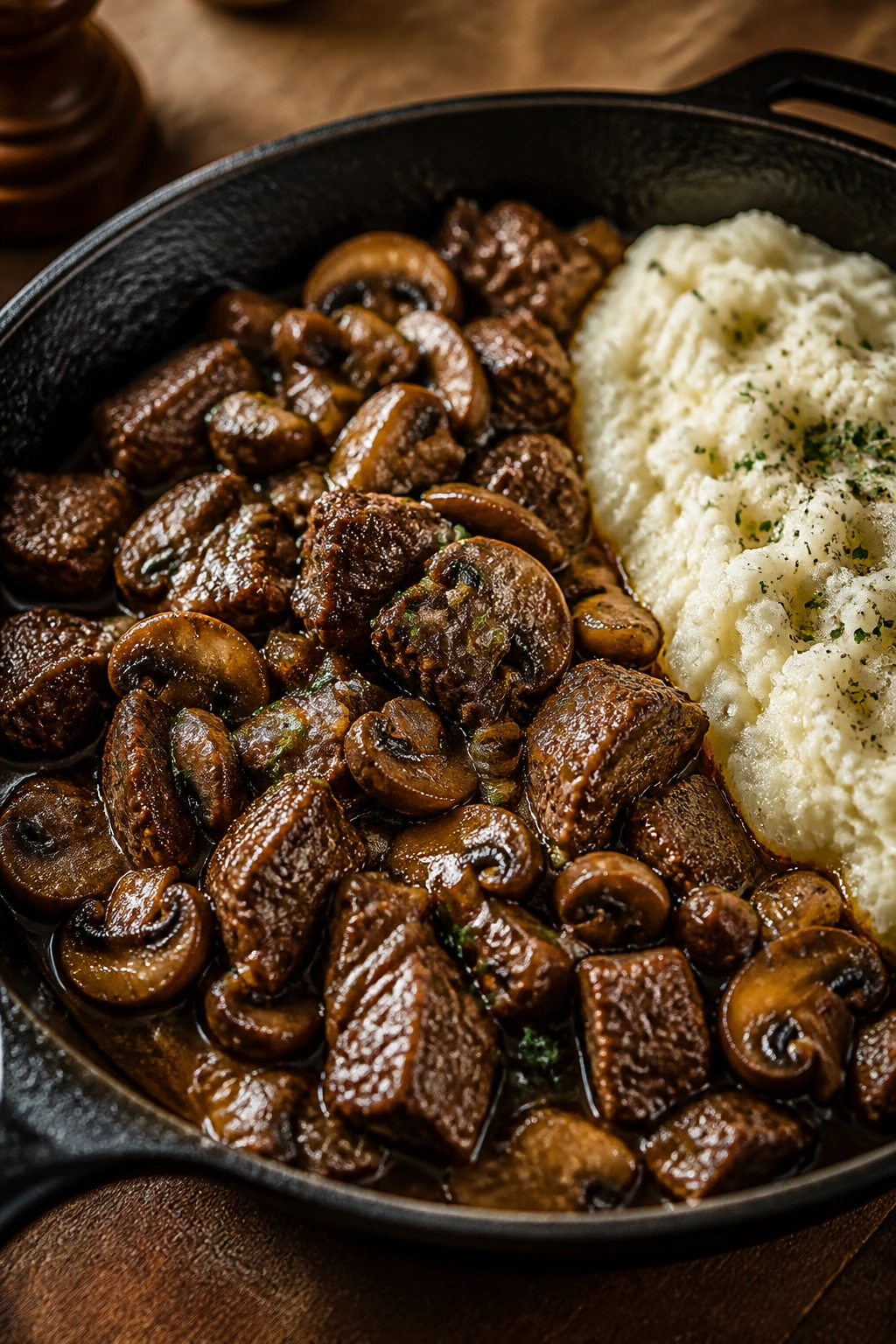
This dinner tastes like comfort food that got a quieter, more practical haircut. The beef and mushrooms make a savory pan sauce, and the mashed cauliflower keeps the plate steady without pushing the calories too high. It comes in around 470 calories per serving.
Why It Works:
Lean ground beef gives you that familiar meaty flavor, while mushrooms stretch the skillet with very little calorie cost. Mashed cauliflower stands in for potatoes without pretending to be something else; it’s creamy enough to catch the sauce and light enough to keep the plate in range. The result is blunt, satisfying, and useful.
Key Ingredients:
- 1 lb lean ground beef
- 8 oz mushrooms, sliced
- 1 small onion, diced
- 2 garlic cloves, minced
- 1 head cauliflower, cut into florets
- 2 tablespoons milk
- 1 tablespoon butter
- 1 cup beef broth
- 1 teaspoon Worcestershire sauce
- Salt and pepper, to taste
Quick Steps:
- Steam or boil the cauliflower until tender, then mash with milk, butter, salt, and pepper.
- Brown the beef in a skillet over medium heat, then drain excess fat.
- Add onion, mushrooms, and garlic; cook until the mushrooms release and reabsorb their moisture.
- Pour in broth and Worcestershire sauce, then simmer until the pan looks glossy.
- Serve the beef mixture over the mashed cauliflower.
Equipment for This Recipe:
- Large skillet
- Pot or steamer for cauliflower
- Potato masher or fork
- Colander
How to Serve This Dish:
Mound the cauliflower on the plate first and spoon the beef and mushrooms over the top. A few chopped chives make the dinner look more finished.
Pro Tips for This Recipe:
- Cook the mushrooms until they darken; that’s where the flavor is.
- Drain beef well if there is a lot of fat in the pan.
- Mash the cauliflower while it is still hot for a smoother texture.
Variations on This Dish:
- Ground Turkey Swap: Use lean turkey for a lighter version.
- Herbed Gravy Style: Add thyme and rosemary to the broth.
- Cheddar Cauliflower: Stir 2 tablespoons cheddar into the mash.
Common Mistakes to Avoid with This Dish:
- Leaving the beef greasy: The sauce gets heavy.
- Underseasoning the cauliflower: It tastes like plain vegetable mash.
- Rushing the mushrooms: They need time to brown.
20. Veggie Lentil Bolognese over Whole-Wheat Pasta
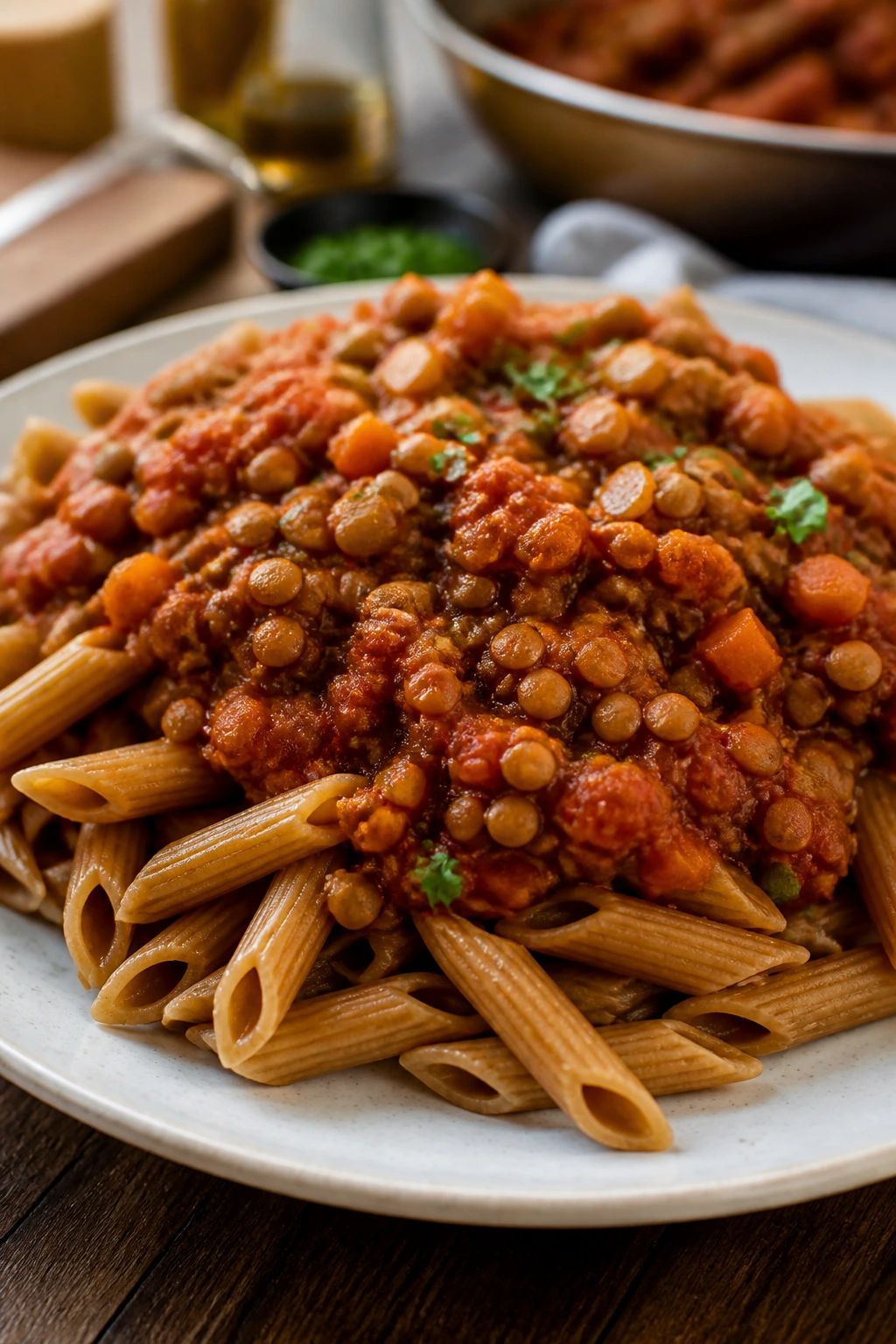
Lentil Bolognese is one of those dinners that earns respect after the first bowl. The sauce turns thick and savory, the lentils bring body, and the whole-wheat pasta gives enough chew to make the meal feel substantial. It sits around 450 calories per serving.
Why It Works:
Lentils do a convincing job of standing in for part of the meat you might normally expect in Bolognese, and they bring fiber that helps the dinner actually carry you through the night. Carrots, celery, onion, and tomato build a sauce with real depth, and whole-wheat pasta gives you a sturdier bite than standard noodles. It reheats well, which is worth a lot.
Key Ingredients:
- 1 tablespoon olive oil
- 1 onion, diced
- 2 carrots, diced
- 2 celery stalks, diced
- 3 garlic cloves, minced
- 1 cup dry brown or green lentils, rinsed
- 1 can crushed tomatoes
- 2 cups vegetable broth
- 8 oz whole-wheat pasta
- 2 tablespoons grated Parmesan
- Salt, pepper, and Italian seasoning, to taste
Quick Steps:
- Cook the onion, carrots, and celery in olive oil for 5 to 6 minutes.
- Add garlic and Italian seasoning for 30 seconds.
- Stir in lentils, crushed tomatoes, and broth; simmer for 25 to 30 minutes until the lentils are tender.
- Cook the pasta until al dente and reserve a little pasta water.
- Toss the pasta with the sauce and Parmesan.
Equipment for This Recipe:
- Large pot
- Skillet or Dutch oven
- Wooden spoon
- Colander
How to Serve This Dish:
Serve in wide bowls with extra Parmesan and black pepper on top. A green salad keeps the plate from feeling too red-sauce heavy.
Pro Tips for This Recipe:
- Simmer the sauce until the lentils are soft but not falling apart.
- Save pasta water to loosen the sauce if it thickens too much.
- Use brown or green lentils, not red, or the texture gets too mushy.
Variations on This Dish:
- Meaty Blend: Add 1/2 pound lean ground beef if you want a richer sauce.
- Mushroom Bolognese: Stir in chopped mushrooms with the vegetables.
- No-Dairy Version: Skip the Parmesan and finish with olive oil and herbs.
Common Mistakes to Avoid with This Dish:
- Undercooking the lentils: The sauce tastes grainy.
- Using too much pasta: The sauce gets lost.
- Forgetting to salt the sauce: Lentils need seasoning to taste full.
How These Dinners Keep the Calories in Check
The quiet trick behind healthy weeknight dinners families under 500 calories is not fancy math. It’s structure. A lean protein starts the plate, vegetables add volume, and starch gets measured instead of guessed. That balance lets dinner feel normal, which is where most low-calorie meal plans fall apart. People do not abandon them because the ideas are bad. They abandon them because the food feels small.
The recipes here also lean on ingredients that carry flavor without a big calorie price tag. Lemon, vinegar, salsa, mustard, tomatoes, garlic, ginger, herbs, capers, and yogurt all bring punch in ways cheese and cream cannot match in the same amount. That matters on a Tuesday when you want the table to go quiet because everyone is eating, not because they have given up.
Why the Pan Matters
A skillet or sheet pan does more than save dishes. It concentrates flavor. Chicken browns in the same pan where the garlic and broth go in, salmon roasts beside potatoes that pick up the fish juices, and a stir-fry builds layers because the vegetables touch the hot surface instead of being boiled in a separate pot. That is one reason these meals taste bigger than their calorie count suggests.
Essential Equipment for These Recipes
-
Large skillet or sauté pan: The workhorse for chicken, turkey, shrimp, stir-fries, and skillet pasta.
-
Rimmed sheet pan: Best for salmon, pork tenderloin, roasted vegetables, and baked chicken dinners.
-
Large soup pot or Dutch oven: Needed for soups, curries, and lentil sauces that simmer for 20 minutes or more.
-
Sharp chef’s knife: Thin slicing matters with peppers, onions, chicken, and cabbage.
-
Cutting board: One for vegetables and, if possible, a second for raw meat and fish.
-
Measuring cups and spoons: These recipes stay under 500 because the oil, rice, pasta, and cheese are measured, not poured.
-
Meat thermometer: Especially useful for chicken, salmon, pork, and turkey meatballs.
-
Colander: Pasta, rice, and canned beans all need a clean drain.
-
Mixing bowls: Handy for marinades, slaws, meatball mixtures, and quick sauces.
-
Parchment paper or foil: Makes sheet-pan cleanup easier and keeps sticky sauces from welding themselves to the pan.
Smart Shopping and Ingredient Tips
Lean protein is the place to pay attention. Chicken breast, turkey, cod, tilapia, shrimp, pork tenderloin, tofu, and tuna all help keep dinner in range, but the exact cut matters. A package of ground turkey that is 93 percent lean behaves differently from 99 percent lean; the first tastes juicier, the second needs more help from sauce or broth. I usually take the slightly less lean option if the recipe is short on fat elsewhere.
Frozen vegetables are not a consolation prize. Frozen broccoli, cauliflower rice, peas, edamame, snap peas, and corn often taste better than sad, tired produce from the back of the crisper, and they save time. The only caution is moisture: thaw and drain anything that would flood a skillet, like frozen shrimp or zucchini blends.
For grains and starches, buy the plain version and season it yourself. Brown rice, couscous, whole-wheat pasta, tortillas, pita, or orzo are all easy to portion, and the calorie control comes from measuring the serving, not chasing some special “light” package. If the recipe says 2 cups cooked rice, that means cooked rice, not a heaping pot that somehow turns into five cups.
Canned goods deserve a quick label scan. Low-sodium broth, no-salt-added tomatoes, tuna in water, and rinsed beans are all easier to season well than standard versions that come in salty from the start. That one choice keeps your sauce flexible.
How to Serve These Recipes
Presentation: Put the protein where people can see it. Bowls look better when the chicken or tofu sits on top instead of buried under rice, and sheet-pan meals look better when you keep the fish or pork whole until the last minute. A lemon wedge, a scattering of herbs, or a spoon of sauce makes a plain plate look finished.
Accompaniments: Keep sides simple and sharp. A cucumber salad, sliced tomatoes, steamed green beans, roasted carrots, or a light slaw works across most of these dinners without turning the table into a second meal. If you want bread, keep it to one roll, one pita, or one small slice instead of treating bread as a second entrée.
Portions: Most of these recipes are written for 4 servings, which is a good family middle ground. For hungrier adults, add more vegetables first, then more protein, then more starch if needed. For smaller kids, portion the protein and veggies onto a smaller plate and let them ask for seconds.
Beverage Pairing: Sparkling water with lemon is the easy answer, and it fits almost every dinner here. Unsweetened iced tea, light beer, or a dry white wine also works with the fish, chicken, and pasta dishes if you want something a little more grown-up.
Additional Tips and Flavor Boosters
Flavor Enhancement: A little acid at the end changes everything. Lemon juice, lime juice, a splash of vinegar, or a spoonful of yogurt can make a low-calorie dinner taste brighter without changing the structure of the meal.
Customization: Keep a few add-ins nearby: avocado, feta, shredded cheese, chili crisp, chopped herbs, or sliced scallions. Each one can move a dish in a different direction without forcing you to rewrite the whole recipe.
Serving Suggestions: Garnishes are not decoration here. Parsley on fish, cilantro on taco bowls, sesame seeds on tofu, or basil on pasta gives a finished taste and makes the plate feel more deliberate.
Make-It-Yours: If you need dairy-free, skip cheese and use more herbs or a spoon of olive oil. If you need gluten-free, lean on rice bowls, lettuce wraps, corn tortillas, polenta, or cauliflower mash. If you need higher protein, add a fried egg, extra beans, or an extra ounce of meat rather than doubling the starch.
Make-Ahead, Storage, and Reheating Guidance
Most of these dinners keep 3 to 4 days in the refrigerator if you store them in shallow airtight containers. Soups, curries, and saucy skillet meals usually taste even better the next day because the seasoning settles in overnight. Dry-seeming items like fish tacos and lettuce wraps are the exception; keep the components separate and assemble right before eating.
Freezing works best for the saucy or hearty dishes: turkey meatballs, lentil Bolognese, white bean soup, chickpea curry, and some chicken skillet meals hold up for up to 2 months in the freezer. Pasta dishes and rice bowls freeze fine too, though the texture softens a bit. If you know you’ll freeze a meal, stop cooking the vegetables just before they’re completely tender so they don’t turn mushy on thawing.
For reheating, use the method that protects texture. Skillet meals do best in a covered pan over medium-low heat with a spoonful of broth or water. Soups reheat gently on the stove, not hard-boiled in the microwave. Sheet-pan fish and chicken can be warmed in a 300°F oven for 10 to 15 minutes; that keeps the coating or surface from turning leathery. Rice bowls and pasta often need a splash of water before microwaving so they loosen instead of drying into a brick.
Variations and Adaptations to Try
Gluten-Free Swap: Use rice, potatoes, corn tortillas, cauliflower rice, or gluten-free pasta anywhere the recipe calls for wheat. The flavor stays the same; only the base changes.
Dairy-Free Version: Skip feta, Parmesan, cheddar, yogurt sauces, and mozzarella, then replace them with extra herbs, olives, lemon, or a drizzle of olive oil. You lose some richness, but the food still works.
Higher-Protein Build: Add one extra egg, a few more ounces of chicken or turkey, or half a cup of beans. That is the cleanest way to make the meal more filling without throwing the calorie count off a cliff.
Kid-Friendly Mild Mode: Hold back the chili flakes, use mild salsa, reduce the garlic a bit, and serve sauces on the side. Kids are often fine with the same food if the heat is not shoved into every bite.
Budget Pantry Night: Lean on canned beans, tuna, frozen vegetables, brown rice, and eggs. Those ingredients stretch well and save you from making a store run when the fridge looks bare.
Regional Flavor Turn: Push these recipes toward different flavors with one or two changes: curry powder and coconut milk for a South Asian feel, oregano and olives for Mediterranean, chili-lime and cabbage for a taco plate, or ginger-soy-sesame for a lighter takeout style.
Common Mistakes to Avoid
The first mistake is treating calories like the enemy and flavor like collateral damage. That usually leads to underseasoned chicken, watery vegetables, and dinners nobody wants twice. The fix is simple: measure the oil, salt the food properly, and use acid at the end so the meal tastes awake.
The second is leaning too hard on “healthy” substitutes without thinking about texture. Cauliflower rice, spaghetti squash, lettuce wraps, and zucchini noodles all need the right treatment. If you overcook them, they go limp and drag the whole plate down.
Third, people often drown a lower-calorie meal in cheese or sauce because they are trying to make it satisfying. A little helps. A lot changes the math fast. Use cheese the way you’d use perfume: a few notes, not a bath.
Fourth, many home cooks ignore moisture control. Wet tofu will not crisp, soggy lettuce will not hold a wrap, and watery zucchini will make a skillet pasta taste flat. Pat dry, drain, rest, and reduce. Those boring steps matter.
Fifth, portions get fuzzy. If the goal is a dinner under 500 calories, a loose pour of rice or a casual handful of pasta can undo the whole plan. Measure the starch once or twice until your eye learns what a real serving looks like.
Frequently Asked Questions
Can I make these dinners without a calorie counter?
Yes. Use the plate method as your guide: half vegetables, one quarter protein, one quarter starch. That gets you close enough for most of these recipes without turning dinner into math homework.
Which recipes are best for picky eaters?
The chicken bowls, turkey taco wraps, teriyaki stir-fry, Greek pita pockets, and chicken Parmesan tend to work well because the flavors are familiar and the ingredients stay separate enough to deconstruct if needed.
Can I swap chicken breast for chicken thighs?
You can, but thighs bring more fat and calories. If you make the swap, use a smaller amount of oil and keep the portion size tight so the meal still fits the 500-calorie target.
What if I do not have brown rice or whole-wheat pasta?
White rice or regular pasta will still work; just keep the serving measured. The calories stay reasonable if the portion is modest and the rest of the plate is built from vegetables and lean protein.
Which recipes freeze best?
The lentil Bolognese, white bean soup, turkey meatballs, chickpea curry, and beef-mushroom skillet all freeze well. Recipes with lettuce, crispy coatings, or delicate fish are better eaten fresh.
How do I keep these meals from tasting bland?
Salt each layer a little, not all at once. Then finish with something sharp: lemon, lime, vinegar, yogurt, mustard, salsa, or capers. That last hit makes a low-calorie meal taste complete.
Can I double these recipes for a bigger family?
Yes, most of them scale cleanly. The only catch is pan space; if you double a stir-fry or a chicken skillet, cook in batches so the food browns instead of steaming.
What should I make when I only have 20 minutes?
Go for the shrimp skillet, fried rice, tacos, tuna pasta, or tilapia tacos. Those dishes rely on quick-cooking ingredients and do not need a long oven time.
A Weeknight Dinner Habit That Actually Holds
The best part of this kind of cooking is not the calorie count. It’s the calm that comes from knowing dinner can be satisfying without being huge. Once you’ve got a few bowls, skillets, sheet pans, and soups in rotation, the whole week starts to feel less frantic. Less guesswork. Fewer desperate takeout decisions.
If you keep a few good sauces, a few lean proteins, and a couple of vegetables that actually get eaten, these healthy weeknight dinners families under 500 calories stop feeling like a special project and start feeling like your normal way of feeding people. That’s the real win.