



The best healthy dinners for meal prep Sundays are not the ones that look prettiest in the tray. They’re the ones that still taste like dinner on Wednesday night, after the rice has chilled, the greens have softened a little, and the sauce has settled into the corners of the container without turning everything soggy.
That’s the standard I use when I build a week of meals. The protein has to reheat without going chalky. The vegetables need enough structure to survive three days in the fridge. And the whole thing has to be practical enough that you can cook it once, portion it cleanly, and stop thinking about dinner until the containers start running low.
A good meal-prep dinner is usually not fussy. It’s roasted, braised, stir-fried, baked, or simmered in a way that gives leftovers a fighting chance. Crisp-skinned fish with wet sauce on top? Tricky. A sturdy grain bowl with a bright dressing? Much better. The recipes below lean hard into that common sense. They’re the kind of meals that still feel deliberate when you eat them out of a glass container with a fork.
Why These Dinners Work So Well for Meal Prep Sundays
- They hold texture after chilling: Roasted vegetables, saucy skillet meals, and braises stay in good shape for 3 to 4 days, which is the sweet spot for weekday leftovers.
- They build a full dinner in one container: Each recipe gives you protein, vegetables, and a satisfying base without forcing you to cook three separate sides.
- They reheat without drama: Most of these dinners come back to life in a skillet, microwave, or oven without splitting, drying out, or turning watery.
- They use smart, repeat-friendly ingredients: Chicken, beans, rice, quinoa, sweet potatoes, cabbage, and broccoli show up for a reason. They’re sturdy, cheap enough to buy in bulk, and easy to season in different directions.
- They let you pack sauces the right way: A little separation goes a long way. A lemon yogurt sauce in one cup, a tahini drizzle in another, and the main dish in the container keeps lunch from going limp.
- They make Sunday cooking feel worth it: One focused cooking session can cover several dinners, and that feeling of opening the fridge and finding actual food is oddly satisfying.
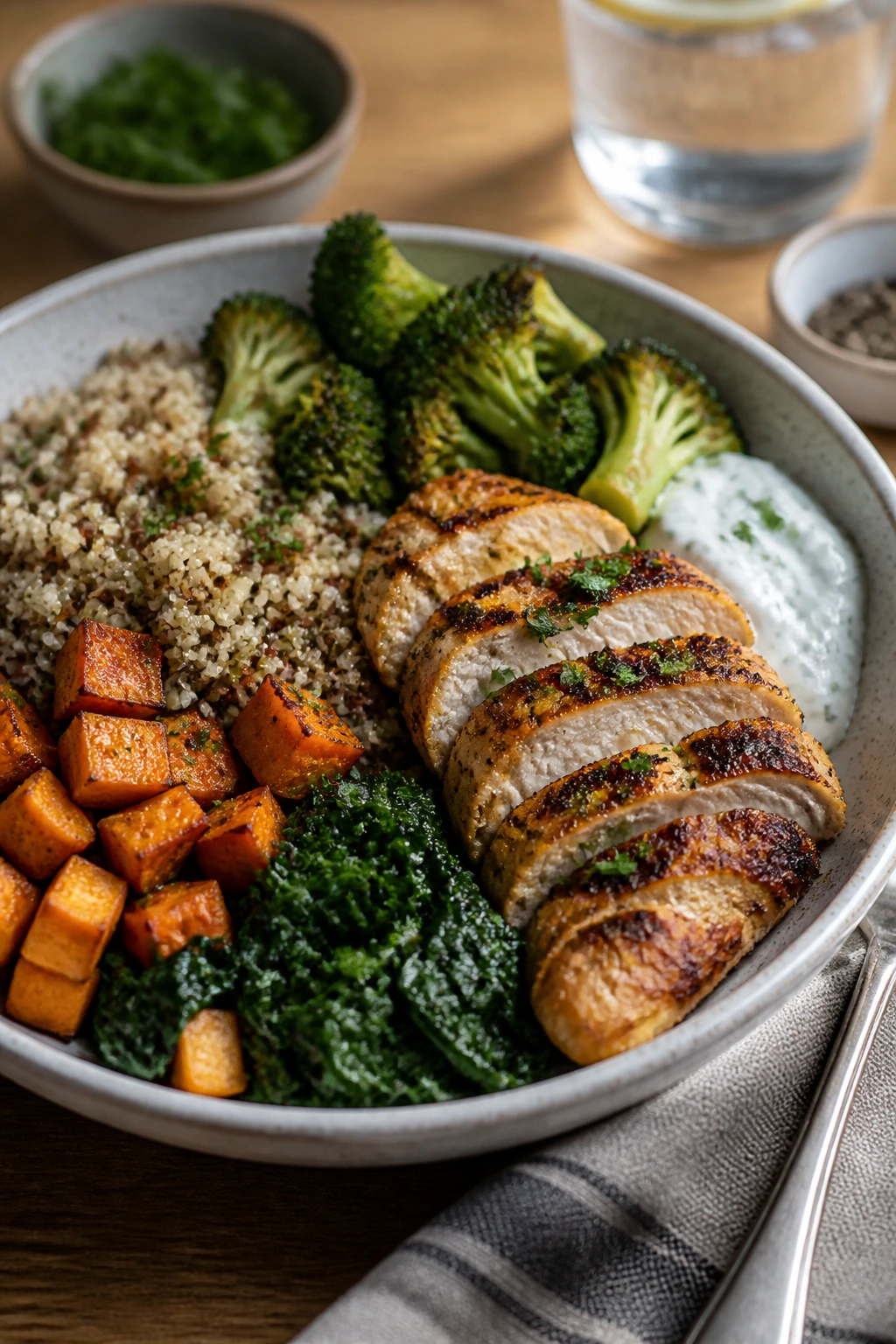
1. Lemon-Garlic Chicken and Roasted Broccoli Bowls
A tray of lemon-garlic chicken and broccoli smells like the kind of Sunday cooking that actually gets used. The chicken gets a little bronzed at the edges, the broccoli turns crisp-tender instead of soggy, and the lemon cuts through the whole thing so the leftovers don’t taste flat on day three.
This is the bowl I make when I want dinner to feel clean and direct. No sauce drama. No weird texture issues. Just juicy chicken, roasted veg, and a base of brown rice or quinoa that soaks up the pan juices.
Why It Works:
The chicken thighs stay tender after reheating, which is the real test here. Breast meat can work too, but thighs forgive a few extra minutes in the oven and still taste good after a second warm-up. Broccoli roasts fast enough to keep some bite, and the lemon zest in the seasoning mix keeps the whole bowl tasting bright instead of heavy.
Key Ingredients:
- 1 1/2 pounds boneless, skinless chicken thighs — trim excess fat so the pieces roast instead of steaming.
- 6 cups broccoli florets — cut them into medium pieces so they brown at the edges.
- 3 tablespoons olive oil — helps the seasoning cling and keeps the broccoli from drying out.
- 1 lemon, zested and juiced — the zest goes in the seasoning; the juice finishes the bowl.
- 4 garlic cloves, minced — gives the chicken its base flavor.
- 1 teaspoon paprika — adds color and a little warmth.
- 1 teaspoon dried oregano — gives the chicken a savory, almost Mediterranean edge.
- 1 1/2 teaspoons kosher salt — enough to season both chicken and broccoli.
- 1/2 teaspoon black pepper — keeps the flavor from going dull.
- 3 cups cooked brown rice or quinoa — a sturdy base that holds up in the fridge.
Quick Steps:
- Preheat the oven to 425°F (220°C) and line a large sheet pan with parchment paper.
- Toss the broccoli with 1 tablespoon olive oil, 1/2 teaspoon salt, and 1/4 teaspoon pepper. Spread it out on one side of the pan.
- Season the chicken with the remaining olive oil, garlic, lemon zest, paprika, oregano, salt, pepper, and half the lemon juice. Coat it well so the spices stick.
- Arrange the chicken on the other side of the sheet pan in a single layer.
- Roast for 20 to 25 minutes, flipping the broccoli once halfway through, until the chicken reaches 165°F at the thickest point and the broccoli has browned tips.
- Finish with the remaining lemon juice and let the chicken rest for 5 minutes before slicing. Spoon over rice or quinoa and pack into containers.
Equipment for This Recipe:
- Large rimmed sheet pan — crowding is the fastest way to get pale broccoli.
- Parchment paper — makes cleanup easier and keeps the lemon from sticking.
- Instant-read thermometer — the easiest way to avoid dry chicken.
- Sharp chef’s knife — useful for trimming and slicing the chicken cleanly.
How to Serve This Dish:
I like this bowl with a spoonful of extra lemon juice or a quick yogurt drizzle on top. Add a handful of cucumber slices or cherry tomatoes if you want the plate to look fresher. It serves 4 well, or 3 very hungry people if you pile the rice high.
Pro Tips for This Recipe:
- Cut the broccoli into evenly sized florets so the small bits do not burn before the thick stems are done.
- If your chicken thighs are very large, butterfly them lightly so they cook at the same rate as the vegetables.
- Add the lemon juice after roasting, not before. It tastes sharper that way and won’t dull in the oven.
- If you want more browning, switch the oven to broil for 1 to 2 minutes at the end and watch it closely.
Variations on This Dish:
- Herby Yogurt Bowl: Stir 1/2 cup plain Greek yogurt with dill and a splash of lemon juice, then drizzle it over the finished bowl.
- Spicy Harissa Version: Replace the paprika and oregano with 1 tablespoon harissa paste for a deeper, chili-forward flavor.
- Rice-Free Plate: Swap the grains for cauliflower rice and add a side of roasted carrots for a lower-carb container.
Common Mistakes to Avoid with This Dish:
- Packing the sheet pan too tightly: The broccoli steams and the chicken goes pale. Leave space between pieces.
- Skipping the rest time: Slice the chicken too soon and the juices run across the cutting board instead of into the bowl.
- Using too much lemon before roasting: The flavor gets muted in the oven. Save some juice for the end.
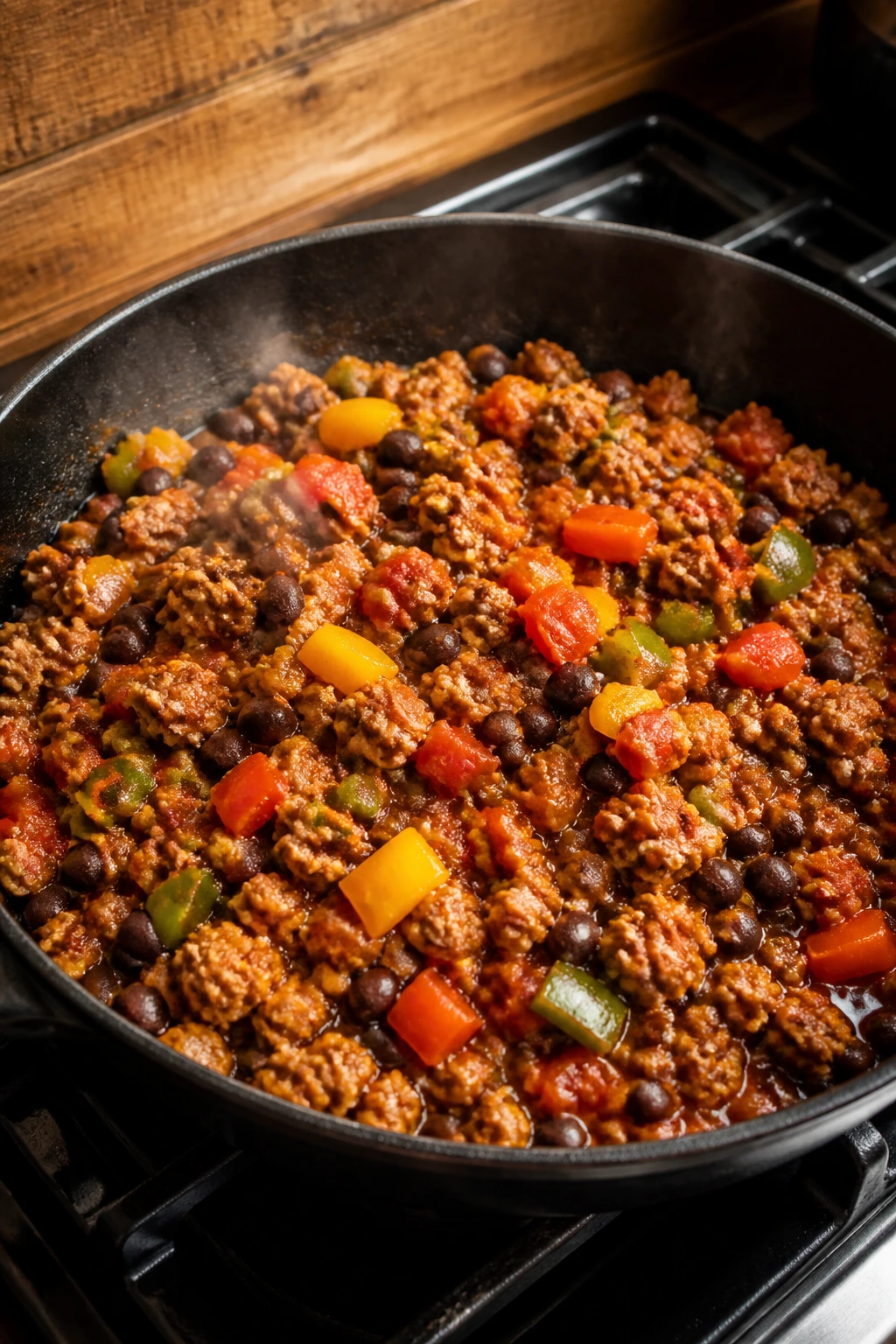
2. Turkey and Black Bean Taco Skillet
This skillet smells like taco night, but it behaves like meal prep. The turkey turns crumbly and savory, the black beans stay creamy, and the peppers soften just enough to melt into the sauce without disappearing.
I like this one because it’s fast, forgiving, and easy to stretch. If you’ve got one pound of turkey and a pantry can of beans, you’re halfway done.
Why It Works:
Ground turkey takes taco seasoning well, but it needs moisture. Salsa handles that job better than plain tomato sauce because it brings acid, salt, and spice in one move. Black beans add fiber and keep the filling from feeling too lean, which matters when this is the center of a dinner container.
Key Ingredients:
- 1 1/2 pounds ground turkey — 93% lean gives you flavor without too much grease.
- 1 tablespoon olive oil — only if your pan is dry.
- 1 medium yellow onion, diced — builds the base of the skillet.
- 1 red bell pepper, diced — adds sweetness and color.
- 1 green bell pepper, diced — keeps the skillet from tasting one-note.
- 3 cloves garlic, minced — gives the filling a sharper edge.
- 2 tablespoons taco seasoning — store-bought or homemade both work.
- 1 cup salsa — keeps the mixture moist.
- 1 can (15 ounces) black beans, rinsed and drained — adds bulk and a soft, creamy bite.
- 1 cup frozen corn — optional, but I like the pop.
- 2 tablespoons lime juice — wakes up the whole skillet at the end.
- 3 cups cooked brown rice or cauliflower rice — your base for serving.
Quick Steps:
- Warm the oil in a large skillet over medium-high heat.
- Cook the onion and peppers for 5 to 6 minutes, stirring, until they soften and the edges start to brown.
- Add the turkey and garlic. Break up the meat with a spoon and cook for 6 to 8 minutes, until no pink remains.
- Stir in the taco seasoning, salsa, black beans, and corn. Reduce the heat to medium and simmer for 4 to 5 minutes until the mixture thickens.
- Finish with lime juice and taste for salt. The filling should be saucy, not soupy.
- Spoon over rice and cool before portioning into containers.
Equipment for This Recipe:
- Large deep skillet or sauté pan — gives you room to stir without spilling.
- Wooden spoon or spatula — useful for breaking up the turkey.
- Colander — handy for rinsing the beans.
- Measuring spoons — taco seasoning is one of those places where guesswork gets loud fast.
How to Serve This Dish:
This is good with chopped cilantro, sliced avocado, or a few pickled jalapeños if you want sharpness. Pack the rice in the bottom of the container and the skillet mixture on top so the grains catch the juices. It also works as a burrito filling if you want to stop pretending you need a fork.
Pro Tips for This Recipe:
- Let the peppers brown slightly before adding the turkey. That small bit of caramelization matters.
- If your salsa is very thin, simmer the skillet for an extra 2 to 3 minutes so the filling doesn’t flood the rice.
- Stir in the lime juice off the heat. It tastes cleaner and brighter that way.
- Use a mild salsa if you want to add hot sauce later at the table. That gives you control over the heat.
Variations on This Dish:
- Cheesy Taco Bowl: Stir in 1/2 cup shredded cheddar at the end for a softer, richer filling.
- Cauliflower Taco Mix: Skip the rice and serve the turkey mixture over shredded lettuce and cauliflower rice.
- Bean-Heavy Version: Add a second can of beans and cut the turkey to 1 pound if you want a more budget-friendly skillet.
Common Mistakes to Avoid with This Dish:
- Cooking the turkey on high heat the whole time: The outside dries out before the inside cooks. Medium-high at the start, then medium once the sauce goes in.
- Adding too little salsa: The filling gets crumbly and dusty. It should clump softly on the spoon.
- Forgetting to drain the beans: Extra can liquid makes the skillet watery and the rice soggy.
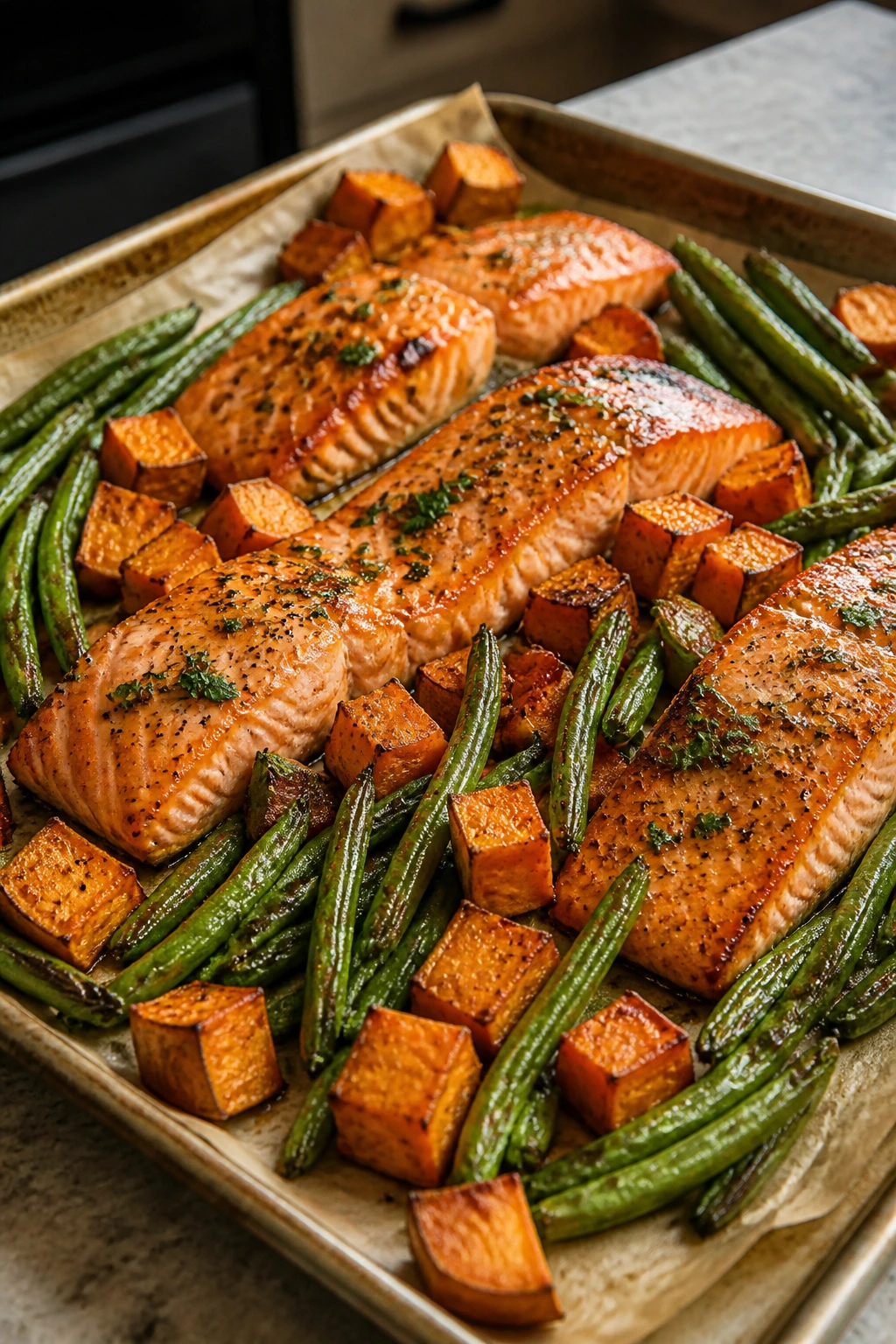
3. Sheet-Pan Salmon with Sweet Potatoes and Green Beans
Salmon and roasted sweet potatoes make one of those dinners that looks more polished than it feels to cook. The sweet potatoes go soft and caramelized, the green beans blister at the tips, and the salmon stays flaky if you pull it at the right moment.
This is the rare meal-prep fish dinner that still earns its place on Thursday. The trick is keeping the vegetables fully roasted and the salmon cooked just to doneness, not beyond it.
Why It Works:
Sweet potatoes hold up better than regular potatoes when reheated, especially if you cut them into 3/4-inch cubes. Green beans roast quickly and keep their shape, which matters because soggy green beans are a morale problem. Salmon gives you protein that reheats gently in the microwave or better yet, is eaten room temperature with a squeeze of lemon.
Key Ingredients:
- 4 salmon fillets, about 6 ounces each — skin-on or skinless both work.
- 2 medium sweet potatoes, peeled and cut into 3/4-inch cubes — small enough to cook through in one roast.
- 1 pound green beans, trimmed — keep them whole for better texture.
- 3 tablespoons olive oil — helps the vegetables brown.
- 1 teaspoon garlic powder — seasons the potatoes evenly.
- 1 teaspoon paprika — gives the salmon color and a little warmth.
- 1 teaspoon kosher salt — split between vegetables and fish.
- 1/2 teaspoon black pepper — enough to sharpen the flavors.
- 1 lemon, cut into wedges — for serving.
- 2 tablespoons chopped dill or parsley — brightens the finished tray.
Quick Steps:
- Preheat the oven to 425°F (220°C) and line two sheet pans, or one large pan if you’re careful with spacing.
- Toss the sweet potatoes with 2 tablespoons olive oil, garlic powder, 1/2 teaspoon salt, and 1/4 teaspoon pepper. Roast them for 15 minutes.
- Add the green beans to the same pan, tossing them with the remaining oil and a pinch of salt. Roast for 10 minutes more.
- Season the salmon with paprika, the remaining salt, and pepper.
- Nestle the salmon onto the pan and roast for 10 to 12 minutes, until the fish flakes easily and the center is still moist.
- Finish with herbs and lemon. Let the tray cool for a few minutes before packing.
Equipment for This Recipe:
- Rimmed sheet pan — the roasted vegetables need the sides to hold in juices.
- Parchment paper or foil — keeps the fish from sticking.
- Fish spatula — nice to have, though a regular spatula works.
- Sharp knife and cutting board — for the sweet potatoes.
How to Serve This Dish:
I’d serve it with a lemon wedge and a spoonful of herbed yogurt or mustard-dill sauce if you want extra moisture. The plate looks best with the potatoes on one side, beans on the other, and the salmon laid across the center. Keep the fish portion slightly smaller if you’re pairing it with a grain on the side.
Pro Tips for This Recipe:
- Cut the sweet potatoes the same size. If one cube is twice the size of the others, it will still be hard in the middle when the rest is done.
- Don’t overcrowd the green beans. They need contact with hot metal to blister.
- Pull the salmon when it still looks a little glossy in the center. Carryover heat will finish it.
- If you’re meal-prepping, store the lemon separately so the fish does not get too sharp in the fridge.
Variations on This Dish:
- Maple-Mustard Salmon: Brush the salmon with 1 tablespoon Dijon and 1 tablespoon maple syrup before roasting.
- Garlic-Herb Vegetables: Swap paprika for Italian seasoning and add sliced red onion to the tray.
- Cauliflower Swap: Replace half the sweet potatoes with cauliflower florets for a lighter, less sweet bowl.
Common Mistakes to Avoid with This Dish:
- Roasting everything at once from the start: The salmon overcooks before the potatoes soften. Give the potatoes a head start.
- Cutting the sweet potatoes too large: Big chunks make the whole tray feel underdone.
- Packing the fish into a hot container: Let it cool a little first so it doesn’t steam itself apart.
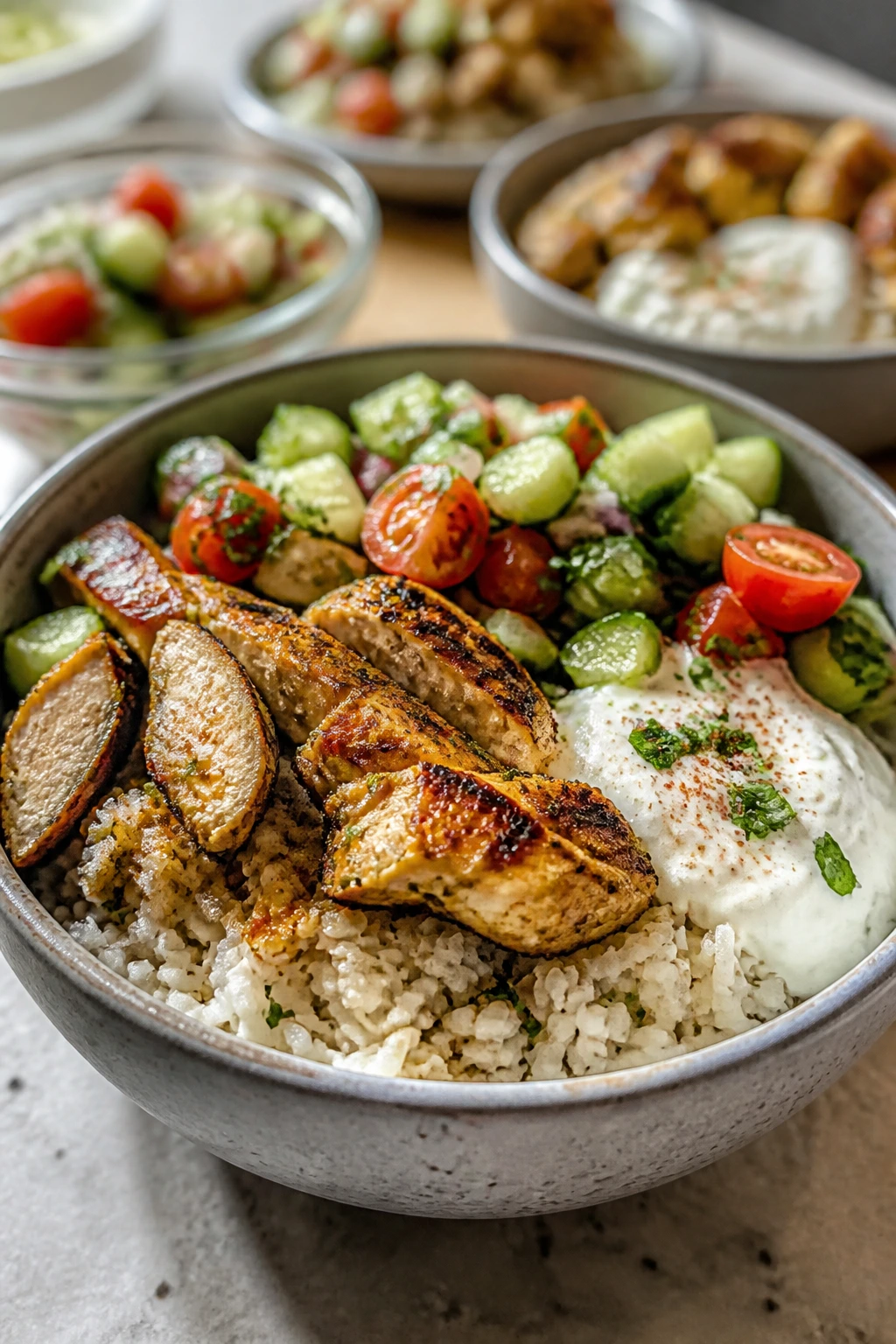
4. Chicken Shawarma Rice Bowls
If you like dinner that smells bold before it even hits the table, chicken shawarma bowls have a strong case. The spice mix is warm and earthy, the chicken gets a little charred around the edges, and the cool cucumber-tomato topping keeps the whole thing from feeling heavy.
These bowls are one of my favorite meal prep moves because the components stay separate until the last minute. That means the rice stays fluffy, the vegetables stay crisp, and the sauce doesn’t swamp the bowl on day two.
Why It Works:
Shawarma-style seasoning uses cumin, coriander, paprika, turmeric, and cinnamon, which means you get a lot of flavor without needing a complicated sauce. Yogurt tenderizes the chicken and gives you a little tang. A simple cucumber salad on top brings water content and crunch, which is exactly what a reheated rice bowl needs.
Key Ingredients:
- 2 pounds boneless, skinless chicken thighs — the best cut here because it stays juicy.
- 1/2 cup plain Greek yogurt — tenderizes the chicken and helps the spices cling.
- 2 tablespoons olive oil — adds richness and helps with browning.
- 2 teaspoons cumin — the backbone of the spice mix.
- 2 teaspoons paprika — gives color and a roasted flavor.
- 1 teaspoon ground coriander — adds citrusy depth.
- 1 teaspoon turmeric — for color and a warm, earthy note.
- 1/2 teaspoon cinnamon — use a light hand; it should be background, not dessert.
- 1 teaspoon kosher salt — keeps the seasoning balanced.
- 3 cups cooked rice — white, brown, or basmati.
- 1 cucumber, diced — for the fresh topping.
- 1 cup cherry tomatoes, halved — adds sweetness and juice.
- 1/2 small red onion, thinly sliced — gives bite.
- 1 tablespoon lemon juice — for the topping.
- 1/2 cup tahini sauce or tzatziki — for serving.
Quick Steps:
- Mix the yogurt, olive oil, spices, and salt in a bowl.
- Coat the chicken thighs in the marinade and let them sit for at least 15 minutes while the oven heats, or up to overnight.
- Preheat the oven to 425°F (220°C) and line a sheet pan.
- Arrange the chicken on the pan and roast for 20 to 25 minutes, until browned and cooked to 165°F.
- Rest the chicken for 5 minutes, then slice it.
- Mix the cucumber, tomatoes, red onion, and lemon juice in a small bowl.
- Build the bowls with rice, chicken, the cucumber mixture, and sauce.
Equipment for This Recipe:
- Mixing bowl — for the marinade.
- Sheet pan — for even roasting.
- Sharp knife — shawarma chicken slices cleanly when rested.
- Small bowl — for the vegetable topping.
How to Serve This Dish:
I like these bowls topped with parsley and a little extra lemon. They eat well warm or at room temperature, which makes them excellent for lunch as well as dinner. Add a warm pita on the side if you want something to scoop with.
Pro Tips for This Recipe:
- Marinate the chicken at least 15 minutes. The yogurt does real work even in a short window.
- Slice the chicken across the grain after resting so it stays tender.
- If you like more char, broil the chicken for 1 to 2 minutes at the end.
- Keep the sauce separate until serving if you want the rice to stay fluffy.
Variations on This Dish:
- Spicy Shawarma Bowls: Add 1/2 teaspoon cayenne or a spoonful of harissa to the marinade.
- Lettuce Wrap Version: Serve the chicken and topping over romaine instead of rice.
- Chicken-Free Bowl: Swap in extra-firm tofu cubes and roast them for 25 minutes.
Common Mistakes to Avoid with This Dish:
- Using too much cinnamon: The bowl starts tasting sweet in a way that does not belong here.
- Skipping the rest after roasting: The chicken releases juice all over the board.
- Drowning the rice in sauce: A little sauce goes a long way; too much makes the bowl heavy.
5. Turkey Meatballs with Zucchini Noodles
Turkey meatballs are one of those dishes that can go bland fast if you’re careless. When they’re done right, though, they’re tender in the center, lightly browned on the outside, and good enough to eat three days later without sighing.
I like them with zucchini noodles because the whole plate stays lighter than pasta, but still feels like dinner. The key is keeping the sauce warm and the zoodles brief on the heat. Nobody wants watery vegetables under a pile of meatballs.
Why It Works:
Ground turkey needs help, and the help comes from egg, breadcrumbs, parmesan, and enough seasoning to make the meatball taste like a full thought. Baking them instead of pan-frying keeps the cleanup easy. Zucchini noodles cook in a minute or two, which prevents them from turning limp before you even close the container.
Key Ingredients:
- 1 1/2 pounds ground turkey — lean, but not the driest option you can find.
- 1 large egg — binds the meatballs.
- 1/2 cup whole-wheat breadcrumbs — keeps them light and tender.
- 1/4 cup grated parmesan — adds salt and savory depth.
- 2 cloves garlic, minced — gives the meatballs more character.
- 2 tablespoons chopped parsley — a fresh note that keeps the turkey from tasting flat.
- 1 teaspoon kosher salt — essential here.
- 1/2 teaspoon black pepper — sharpens the flavor.
- 1 teaspoon dried Italian seasoning — easy flavor insurance.
- 4 medium zucchini, spiralized — your noodle base.
- 2 cups marinara sauce — choose one with fewer added sugars if that matters to you.
Quick Steps:
- Preheat the oven to 400°F (205°C) and line a sheet pan with parchment.
- Mix the turkey, egg, breadcrumbs, parmesan, garlic, parsley, salt, pepper, and Italian seasoning in a bowl until just combined.
- Roll the mixture into 16 meatballs and place them on the pan with space between each one.
- Bake for 15 to 18 minutes, until the meatballs reach 165°F and are lightly browned.
- Warm the marinara in a skillet over low heat.
- Quickly sauté the zucchini noodles for 1 to 2 minutes with a pinch of salt, just until barely softened.
- Serve the meatballs over the zoodles with marinara spooned on top.
Equipment for This Recipe:
- Large bowl — for mixing without mashing the meat.
- Rimmed sheet pan — keeps the meatballs contained.
- Box grater or microplane — if you want fresh parmesan.
- Spiralizer — helpful, though store-bought zoodles work fine.
How to Serve This Dish:
Pile the meatballs in a shallow bowl so the sauce can sit around them without drowning the zucchini. A little extra parmesan on top is worth it. If you want more staying power for dinner, add a slice of toasted whole-grain bread on the side.
Pro Tips for This Recipe:
- Mix the meatball mixture gently. If you pack it too hard, the meatballs get dense.
- Use a cookie scoop if you want even sizes and even cooking.
- Salt the zoodles lightly after cooking so they don’t taste watery.
- Let the meatballs cool before storing so condensation does not make the sauce thin.
Variations on This Dish:
- Spicy Arrabbiata Meatballs: Use arrabbiata sauce instead of marinara for more heat.
- Gluten-Free Meatballs: Swap the breadcrumbs for almond flour or gluten-free crumbs.
- Hidden Veg Version: Grate 1 small zucchini into the meatball mix and squeeze out the liquid first.
Common Mistakes to Avoid with This Dish:
- Overcooking the zucchini noodles: They turn into slick ribbons fast. One or two minutes is enough.
- Using very lean turkey only: It can dry out. 93% lean is the safer move.
- Skipping the parmesan or salt: Turkey needs both to taste like something.
6. Mediterranean Chickpea Quinoa Bake
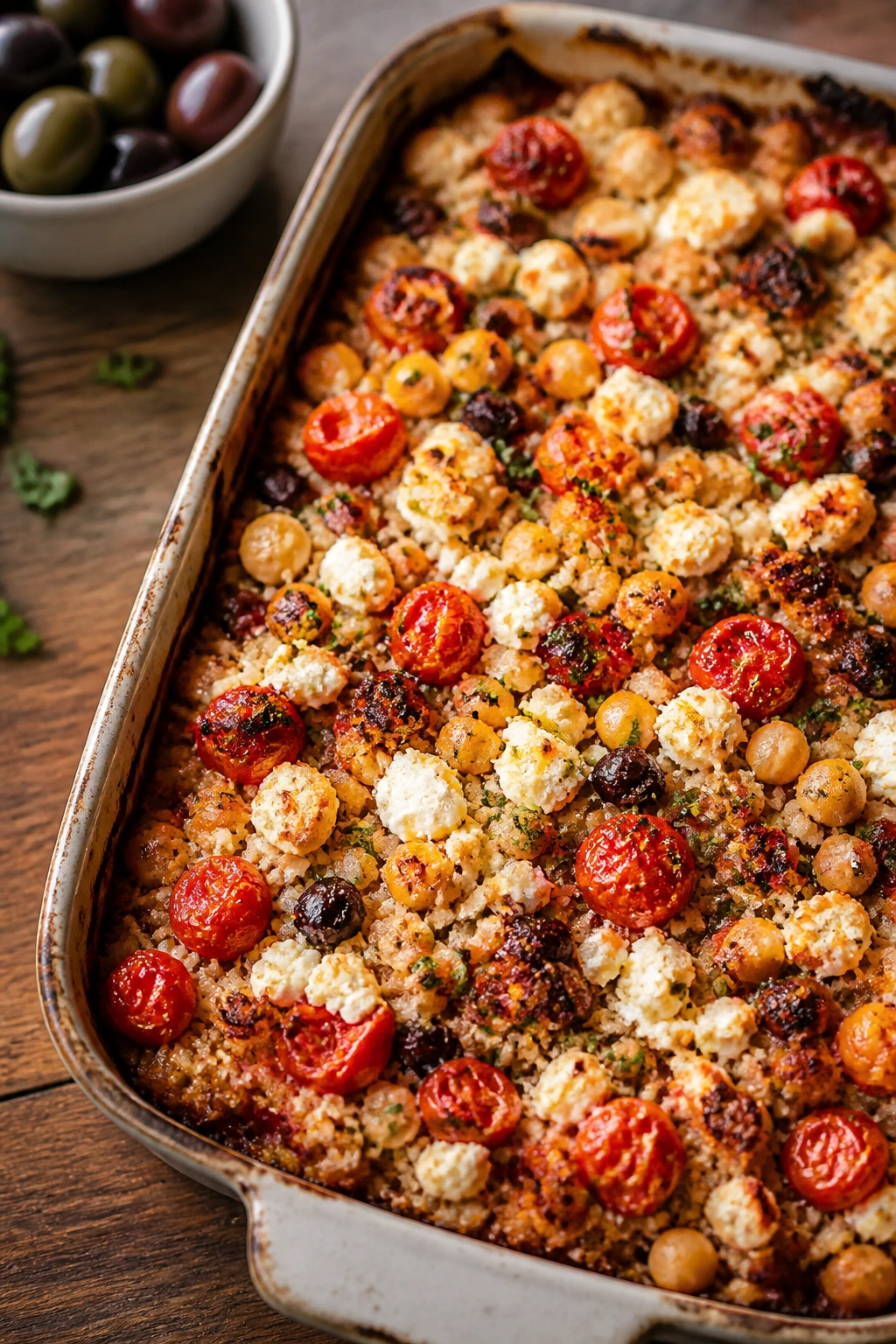
This is the casserole I pull out when I want a vegetarian dinner that does not feel like an apology. The quinoa bakes up fluffy, the chickpeas stay intact, and the feta melts just enough to make the whole dish taste salted and finished.
It’s one of the easiest healthy dinners for meal prep Sundays because it tastes good warm, room temperature, or reheated. That flexibility is worth a lot when you’re staring at a fridge full of containers.
Why It Works:
Chickpeas bring protein and body. Quinoa brings a nutty bite and doesn’t collapse into mush the way some grains do. Tomatoes, spinach, and olives add moisture and acidity, which keeps the bake from feeling dry or heavy after a few days in the fridge.
Key Ingredients:
- 1 1/2 cups uncooked quinoa, rinsed — rinsing removes the bitter coating.
- 2 cups vegetable broth — helps the quinoa cook with flavor.
- 2 cans (15 ounces each) chickpeas, rinsed and drained — the main protein.
- 5 ounces baby spinach — wilts into the bake.
- 1 pint cherry tomatoes, halved — adds juiciness.
- 1/2 cup sliced Kalamata olives — gives salt and depth.
- 1/2 red onion, thinly sliced — sharpens the mix.
- 3 tablespoons olive oil — keeps the bake from drying.
- 2 teaspoons dried oregano — classic Mediterranean flavor.
- 1 teaspoon garlic powder — easy seasoning that spreads evenly.
- 1/2 teaspoon salt — go lightly because the olives and feta bring salt too.
- 1/2 teaspoon black pepper — for balance.
- 3/4 cup crumbled feta — finishes the bake with a creamy, salty note.
- 1 lemon, cut into wedges — for serving.
Quick Steps:
- Preheat the oven to 375°F (190°C) and grease a 9×13-inch baking dish.
- Combine the quinoa and broth in a saucepan and simmer for about 15 minutes, until the liquid is absorbed.
- Stir the quinoa with chickpeas, spinach, tomatoes, olives, onion, olive oil, oregano, garlic powder, salt, and pepper.
- Transfer the mixture to the baking dish and sprinkle the feta on top.
- Bake for 20 to 25 minutes, until the tomatoes have softened and the top looks lightly golden in spots.
- Let it rest for 10 minutes so the quinoa sets before scooping.
- Finish with lemon juice and portion into containers.
Equipment for This Recipe:
- Medium saucepan — for the quinoa.
- 9×13-inch baking dish — gives the bake room to set.
- Wooden spoon — for folding everything together.
- Fine-mesh strainer — useful for rinsing quinoa and chickpeas.
How to Serve This Dish:
Serve it with a spoonful of plain yogurt or tzatziki if you want a cooler, creamier edge. A simple cucumber salad makes the plate feel brighter. This one is good in a deeper bowl so the quinoa doesn’t scatter all over the counter.
Pro Tips for This Recipe:
- Rinse the quinoa until the water runs mostly clear. That bitter coating can show up in a big way.
- Don’t overbake it. You want the tomatoes softened, not collapsed into sauce.
- Add the feta after the quinoa has cooled slightly if you want cleaner white pieces on top.
- If you want more punch, stir in a spoonful of lemon zest before baking.
Variations on This Dish:
- Artichoke Bake: Add 1 cup chopped artichoke hearts for a tangier version.
- Dairy-Free Version: Skip the feta and finish with chopped parsley and extra lemon.
- Roasted Veg Swap: Replace half the spinach with roasted zucchini or cauliflower for more texture.
Common Mistakes to Avoid with This Dish:
- Using quinoa that hasn’t been rinsed: The bitterness is hard to miss.
- Adding too much liquid: The bake turns wet instead of fluffy.
- Forgetting the rest time: Scooping too early makes the casserole fall apart.
7. Teriyaki Turkey Stir-Fry with Brown Rice
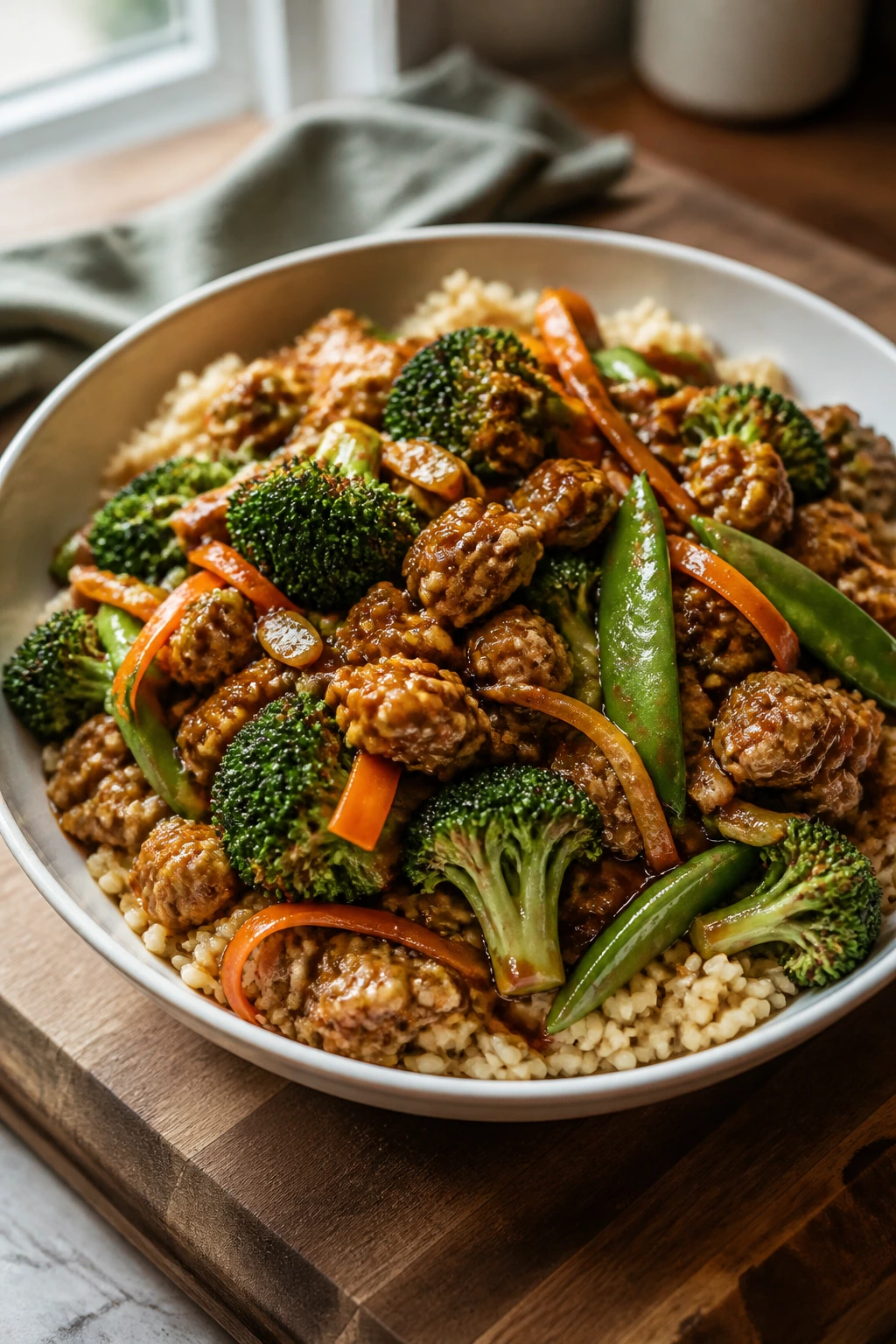
A good stir-fry should smell like ginger the moment the pan heats up. This one does. The turkey browns fast, the vegetables keep a bit of snap, and the teriyaki glaze clings instead of pooling at the bottom of the container.
This is a strong meal-prep dinner because it reheats fast and stays familiar without getting boring. Brown rice gives it a sturdier base than white rice, and the turkey keeps it lighter than a takeout version.
Why It Works:
Ground turkey is fast, but it needs a sauce with enough body to keep the dish from tasting dry. A simple teriyaki mix of soy sauce, honey, ginger, garlic, and cornstarch coats the meat and vegetables in a glossy layer. Broccoli, carrots, and snap peas hold their shape better than softer vegetables, which matters on day four.
Key Ingredients:
- 1 1/2 pounds ground turkey — 93% lean is a good middle ground.
- 2 tablespoons sesame oil — a little goes a long way.
- 3 cups broccoli florets — cut small enough to cook evenly.
- 2 carrots, thinly sliced — add sweetness and color.
- 1 cup snap peas — stay crisp if you don’t overcook them.
- 3 cloves garlic, minced — the base flavor.
- 1 tablespoon fresh ginger, grated — gives the stir-fry its sharp, warm note.
- 1/3 cup low-sodium soy sauce — the salty backbone.
- 2 tablespoons honey — balances the soy sauce.
- 1 tablespoon rice vinegar — brightens the glaze.
- 1 tablespoon cornstarch mixed with 2 tablespoons water — thickens the sauce.
- 3 cups cooked brown rice — sturdy enough for leftovers.
- 2 tablespoons sliced green onions — for finishing.
- 1 teaspoon sesame seeds — optional, but nice.
Quick Steps:
- Warm 1 tablespoon sesame oil in a large skillet over medium-high heat.
- Cook the turkey for 5 to 7 minutes, breaking it up until it is browned and no longer pink.
- Add the broccoli and carrots with the remaining sesame oil. Stir-fry for 4 minutes.
- Add the snap peas, garlic, and ginger and cook for 1 minute, just until fragrant.
- Stir in the soy sauce, honey, and rice vinegar. Bring it to a simmer.
- Pour in the cornstarch slurry and cook for 1 to 2 minutes until the sauce turns glossy and coats the turkey.
- Serve over brown rice and top with green onions and sesame seeds.
Equipment for This Recipe:
- Large skillet or wok — gives the vegetables room to move.
- Wooden spoon or spatula — for breaking the turkey apart.
- Microplane or small grater — if you’re using fresh ginger.
- Measuring spoons — the glaze is better when the balance is right.
How to Serve This Dish:
This sits nicely in a wide, shallow container with the rice at the bottom and the stir-fry on top. A few extra green onions make it look and taste fresher. If you want more crunch, pack some sliced cucumbers separately and add them after reheating.
Pro Tips for This Recipe:
- Keep the heat up while the vegetables cook so they don’t go limp.
- Mix the sauce before you start cooking. Stir-fry moves fast.
- Use low-sodium soy sauce or the finished dish can taste salty on reheating.
- If the sauce gets too thick, splash in 1 to 2 tablespoons of water.
Variations on This Dish:
- Sesame Broccoli Bowl: Double the broccoli and skip the carrots for a greener dish.
- Chicken Swap: Replace the turkey with ground chicken if that’s what you’ve got.
- Heat-Forward Version: Stir in 1 teaspoon chili garlic sauce at the end.
Common Mistakes to Avoid with This Dish:
- Crowding the pan: The vegetables steam and lose their snap.
- Adding the sauce too early: It can reduce too fast and turn sticky.
- Using cold, wet rice directly from the fridge: Warm it separately or it clumps hard.
8. Baked Cod with Tomato Olive Relish and Couscous
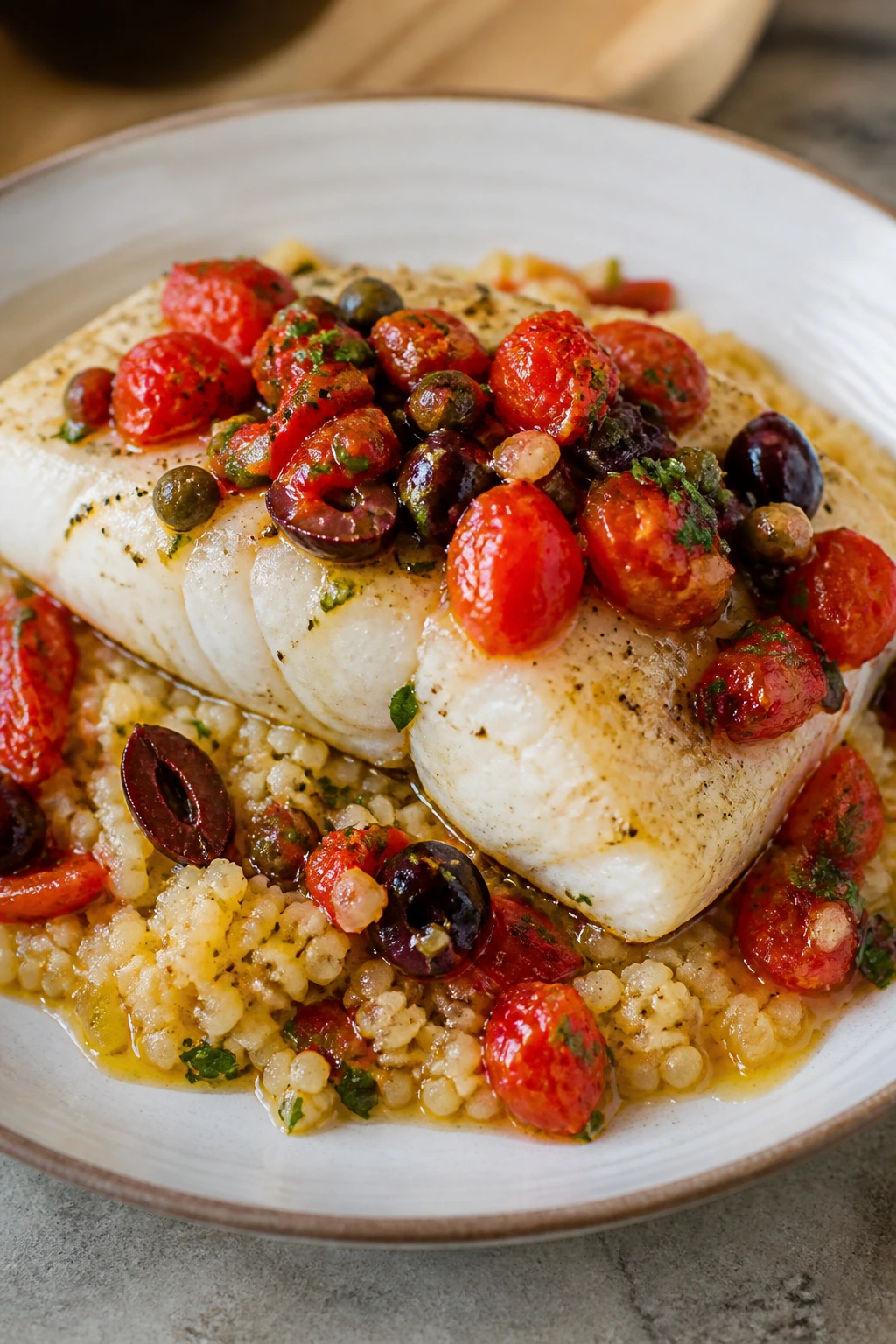
Cod is delicate, which is why it gets mishandled so often. Bake it gently, give it a salty tomato relish, and it becomes a clean, light dinner that still feels complete in a meal-prep container.
I like this recipe because it’s quick without feeling empty. The couscous catches the tomato juices, the olives bring bite, and the cod flakes into big soft pieces when you use the right temperature.
Why It Works:
Cod cooks fast and stays mild, which makes it a good blank canvas for a bright topping. The tomato-olive relish adds acid and salt after the fish is cooked, so the flavor stays sharp rather than muted. Couscous is useful here because it steams in minutes and soaks up the pan juices without becoming dense.
Key Ingredients:
- 4 cod fillets, about 6 ounces each — look for fillets with even thickness.
- 2 tablespoons olive oil — for the fish and relish.
- 1 pint cherry tomatoes, halved — the base of the relish.
- 1/3 cup chopped Kalamata olives — salty and briny.
- 2 tablespoons capers, drained — add extra punch.
- 2 cloves garlic, minced — gives the relish structure.
- 1 tablespoon red wine vinegar — sharpens the topping.
- 1 teaspoon dried oregano — keeps the flavors grounded.
- 1/2 teaspoon salt — be careful; olives and capers already bring salt.
- 1/4 teaspoon black pepper — enough for a little edge.
- 1 cup couscous — cooks fast and holds the juices.
- 1 1/4 cups hot vegetable or chicken broth — for the couscous.
- 2 tablespoons chopped parsley — for serving.
- Lemon wedges — always useful with cod.
Quick Steps:
- Preheat the oven to 400°F (205°C) and line a baking dish with parchment.
- Mix the tomatoes, olives, capers, garlic, vinegar, oregano, 1 tablespoon olive oil, salt, and pepper in a bowl.
- Place the cod in the baking dish and spoon a little olive oil over the top.
- Bake for 12 to 15 minutes, until the fish flakes easily and looks opaque in the center.
- Pour the hot broth over the couscous in a bowl, cover, and let it sit for 5 minutes. Fluff with a fork.
- Spoon the tomato-olive relish over the cod and serve on the couscous with parsley and lemon.
Equipment for This Recipe:
- Baking dish — one with enough room for the fish to lie flat.
- Mixing bowl — for the relish.
- Fork — to fluff the couscous.
- Fine grater or knife — if you want to mince the garlic finely.
How to Serve This Dish:
Serve this in a shallow bowl so the couscous can catch the relish. A few extra parsley leaves make it look less like leftovers and more like dinner. If you want a side, keep it simple: cucumbers, arugula, or nothing at all.
Pro Tips for This Recipe:
- Choose cod fillets that are roughly the same thickness so they finish together.
- Do not overbake the fish. Dry cod is a common disappointment.
- Mix the relish ahead of time if you want the flavors to soften and blend.
- Add the parsley at the end so it stays fresh and green.
Variations on This Dish:
- Mediterranean White Fish: Swap cod for haddock or halibut.
- Spicy Relish Version: Add 1/4 teaspoon red pepper flakes to the tomatoes.
- Orzo Base: Replace couscous with whole-wheat orzo if you want a more pasta-like feel.
Common Mistakes to Avoid with This Dish:
- Baking the fish until it looks dry: Cod should flake, not crumble into dust.
- Salting the relish too heavily: Capers and olives already do a lot of the work.
- Skipping the lemon: The fish needs that final bright hit.
9. Lentil and Spinach Curry
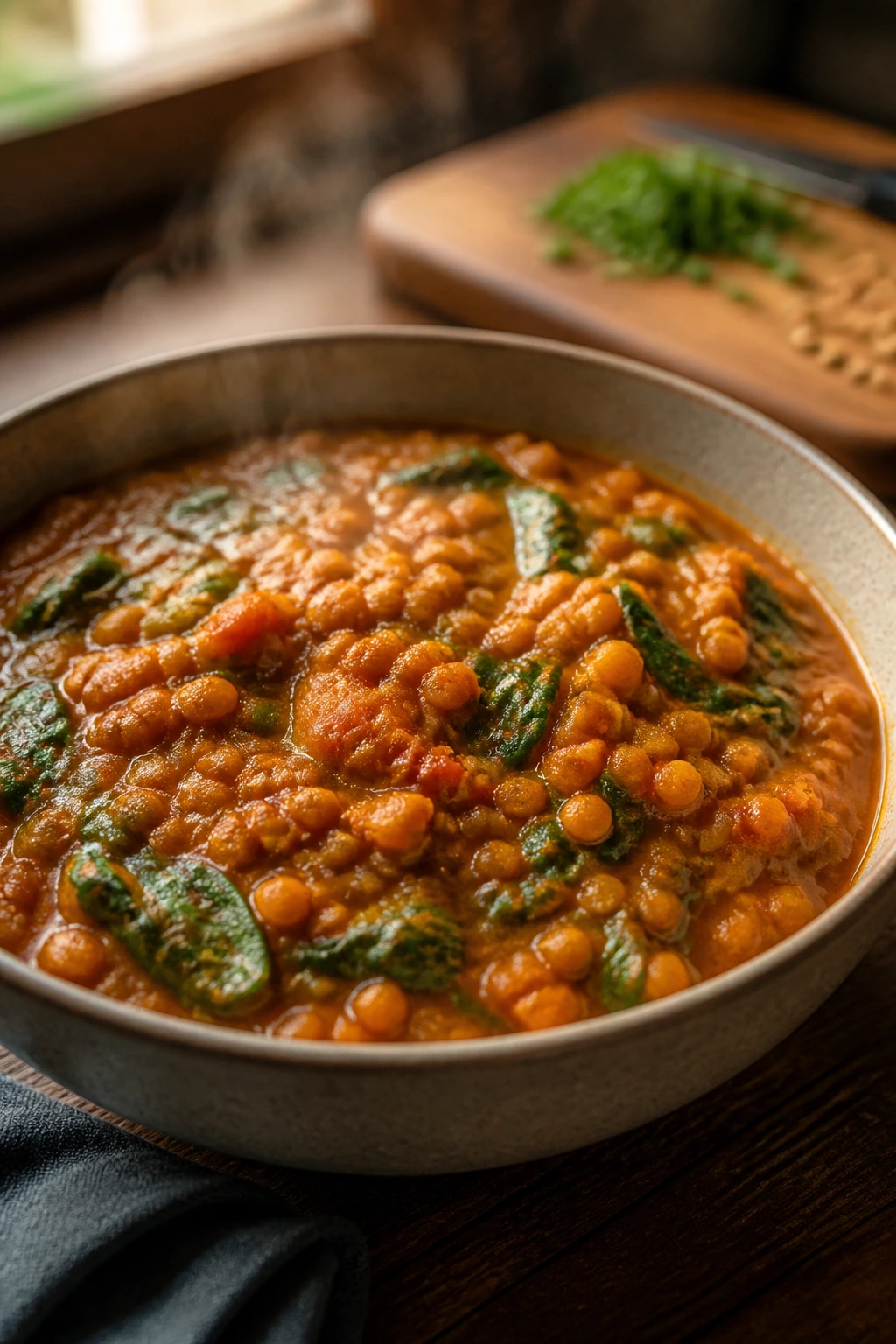
Lentil curry is one of those dinners that gets better when it sits for a day. The lentils soften into the sauce, the spinach melts down, and the whole pot turns thick and spoonable without needing cream.
If you want a meal-prep dinner that freezes well, this is a strong candidate. Red lentils cook quickly, cost less than meat, and still bring enough body that you don’t miss it.
Why It Works:
Red lentils break down as they cook, which naturally thickens the curry. Coconut milk adds richness, but a light version keeps the dish from feeling heavy. Tomato, onion, garlic, and ginger build a base that tastes fuller on day two, which is exactly what you want from a batch-cooked dinner.
Key Ingredients:
- 1 1/2 cups red lentils, rinsed — they cook quickly and thicken the sauce.
- 1 tablespoon olive oil — for the aromatics.
- 1 medium onion, diced — the flavor base.
- 3 cloves garlic, minced — essential here.
- 1 tablespoon fresh ginger, grated — gives the curry lift.
- 2 tablespoons curry powder — use one you actually like the smell of.
- 1 teaspoon ground cumin — adds earthiness.
- 1 can (14 ounces) diced tomatoes — for acidity and body.
- 1 can (13.5 ounces) light coconut milk — gives richness without making it too heavy.
- 3 cups vegetable broth — helps the lentils cook evenly.
- 5 ounces baby spinach — folds in at the end.
- 1 teaspoon salt — adjust after simmering.
- 1/2 teaspoon black pepper — optional, but useful.
- 2 cups cooked brown rice — a sturdy serving base.
- Lime wedges and cilantro — for finishing.
Quick Steps:
- Warm the oil in a pot over medium heat.
- Cook the onion for 5 minutes until soft and translucent.
- Add the garlic, ginger, curry powder, and cumin and cook for 30 seconds until fragrant.
- Stir in the lentils, tomatoes, coconut milk, broth, salt, and pepper.
- Simmer for 18 to 22 minutes, stirring now and then, until the lentils are soft and the curry is thick.
- Fold in the spinach and cook for 1 to 2 minutes until wilted.
- Serve over rice with cilantro and lime.
Equipment for This Recipe:
- Medium or large pot — the curry thickens as it cooks.
- Wooden spoon — for stirring lentils off the bottom.
- Measuring cups — broth matters here.
- Ladle — helpful for portioning.
How to Serve This Dish:
This curry likes a rice bowl, but it also works with naan if you want a more substantial dinner. A spoonful of yogurt on top cools the spices in a nice way. Use a deep container for storage because lentil curry settles and thickens.
Pro Tips for This Recipe:
- Rinse the lentils until the water is not cloudy. It helps them cook cleaner.
- Stir frequently near the end so the thickening curry doesn’t catch on the bottom.
- Add more broth if you want a looser texture for serving.
- Taste again after it sits. Lentils absorb salt.
Variations on This Dish:
- Golden Curry: Add 1 teaspoon turmeric and a pinch of black pepper for a brighter color.
- Chunky Veg Version: Stir in roasted cauliflower or sweet potato cubes.
- Lentil Soup Style: Add an extra 2 cups broth and serve it more like a stew.
Common Mistakes to Avoid with This Dish:
- Letting the curry boil too hard: The bottom can scorch and the top can splatter.
- Adding spinach too early: It disappears into the pot before it’s needed.
- Under-salting at the end: Lentils need a final seasoning check once they’ve absorbed the liquid.
10. Chicken Fajita Cauliflower Rice Bowls
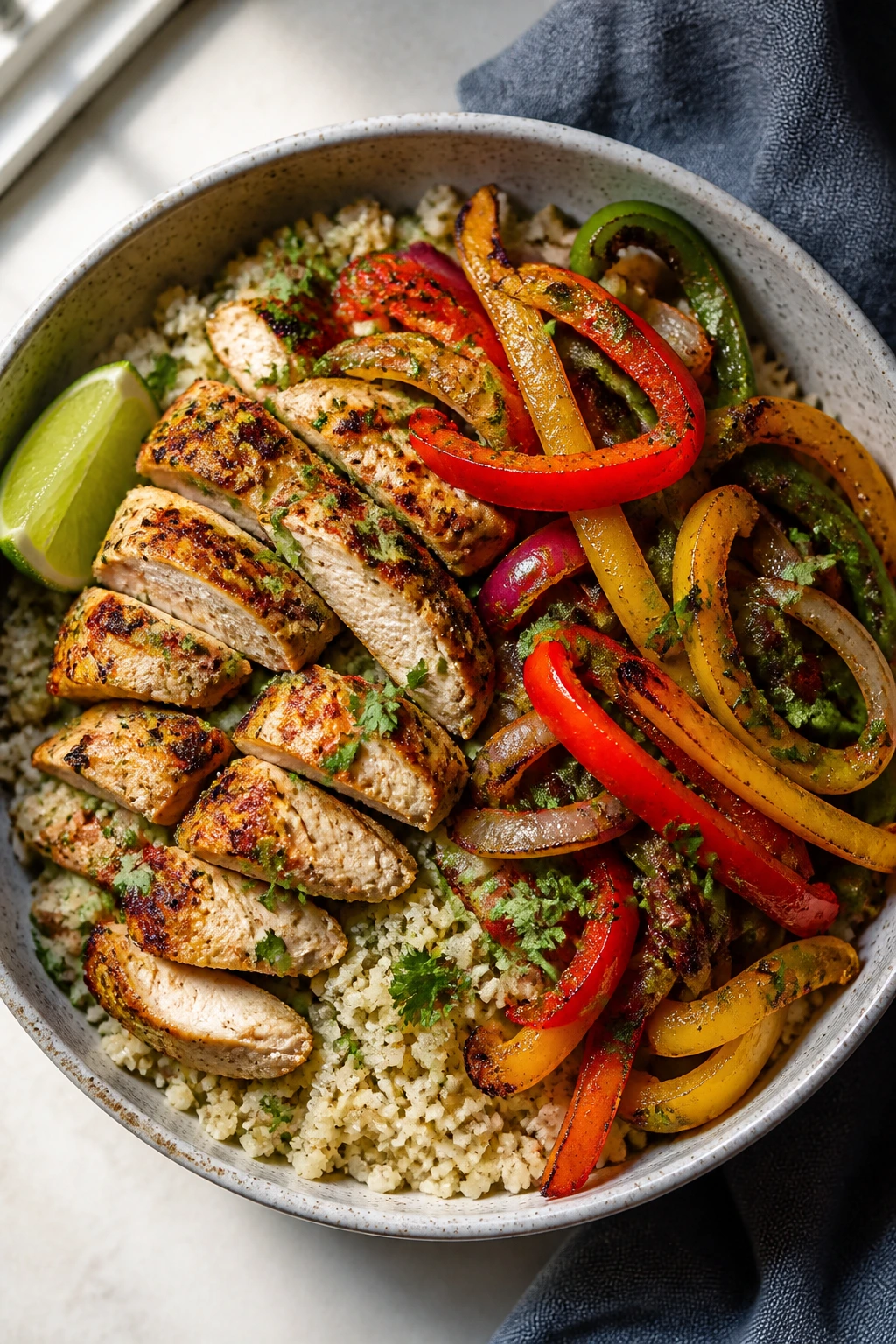
This is what I make when I want fajita flavor without the carb-heavy crash afterward. The chicken gets seared with smoky spices, the peppers stay sweet, and the cauliflower rice soaks up the pan juices without making the bowl feel wet.
The best version of this dish has a little char on the vegetables. Not burnt. Charred. That edge is what keeps it from tasting like a generic healthy bowl.
Why It Works:
Fajita seasoning likes heat. It blooms in oil, coats the chicken, and sticks to the peppers in a way that makes every bite taste cooked, not assembled. Cauliflower rice is useful because it takes on flavor fast and keeps the meal lighter, while avocado adds enough richness to make the bowl feel finished.
Key Ingredients:
- 1 1/2 pounds boneless, skinless chicken breast or thighs — thighs stay juicier, breasts are leaner.
- 2 tablespoons olive oil — for searing.
- 2 bell peppers, sliced — use different colors if you want sweeter flavor.
- 1 large red onion, sliced — softens into the pan nicely.
- 2 tablespoons fajita seasoning — or a mix of chili powder, cumin, garlic powder, and paprika.
- 4 cups cauliflower rice — fresh or frozen.
- 1 lime, juiced — brightens the whole bowl.
- 1 avocado, sliced — for creaminess.
- 2 tablespoons chopped cilantro — fresh finish.
- Salt and pepper — to taste.
Quick Steps:
- Heat 1 tablespoon olive oil in a large skillet over medium-high heat.
- Season the chicken with fajita seasoning, salt, and pepper.
- Cook the chicken for 4 to 6 minutes per side, until browned and cooked through. Rest it before slicing.
- Add the remaining oil, peppers, and onion to the same skillet and cook for 6 to 8 minutes, until softened and lightly charred.
- Warm the cauliflower rice in a second pan or microwave for 3 to 4 minutes, then stir in lime juice and a pinch of salt.
- Slice the chicken and build the bowls with cauliflower rice, peppers, onion, avocado, and cilantro.
Equipment for This Recipe:
- Large skillet — wide enough for browning the chicken.
- Second skillet or microwave-safe bowl — for the cauliflower rice.
- Sharp knife — for clean chicken slices.
- Cutting board — the obvious one, but worth naming.
How to Serve This Dish:
Serve it with extra lime and a spoonful of salsa if you want more moisture. The bowl looks best when the chicken is fanned over the vegetables instead of buried. It also takes well to shredded lettuce under the cauliflower rice if you want more volume.
Pro Tips for This Recipe:
- Don’t move the chicken too soon. Let it brown before you flip it.
- If using frozen cauliflower rice, cook off the moisture in a hot pan first.
- Slice the onion thick enough that it keeps a little texture.
- Add avocado right before eating so it stays clean and green.
Variations on This Dish:
- Bean Boost: Add black beans for more fiber and a fuller container.
- Cheesy Version: Top with a small handful of shredded Monterey Jack.
- Sheet Pan Shortcut: Roast the chicken, peppers, and onion together at 425°F for 20 to 22 minutes.
Common Mistakes to Avoid with This Dish:
- Using wet cauliflower rice straight from the bag: It turns the bowl limp.
- Overcooking the chicken breast: Slice it dry and it loses its appeal fast.
- Skipping the acid: Lime juice or salsa keeps the bowl from tasting flat.
11. Greek Turkey Stuffed Peppers
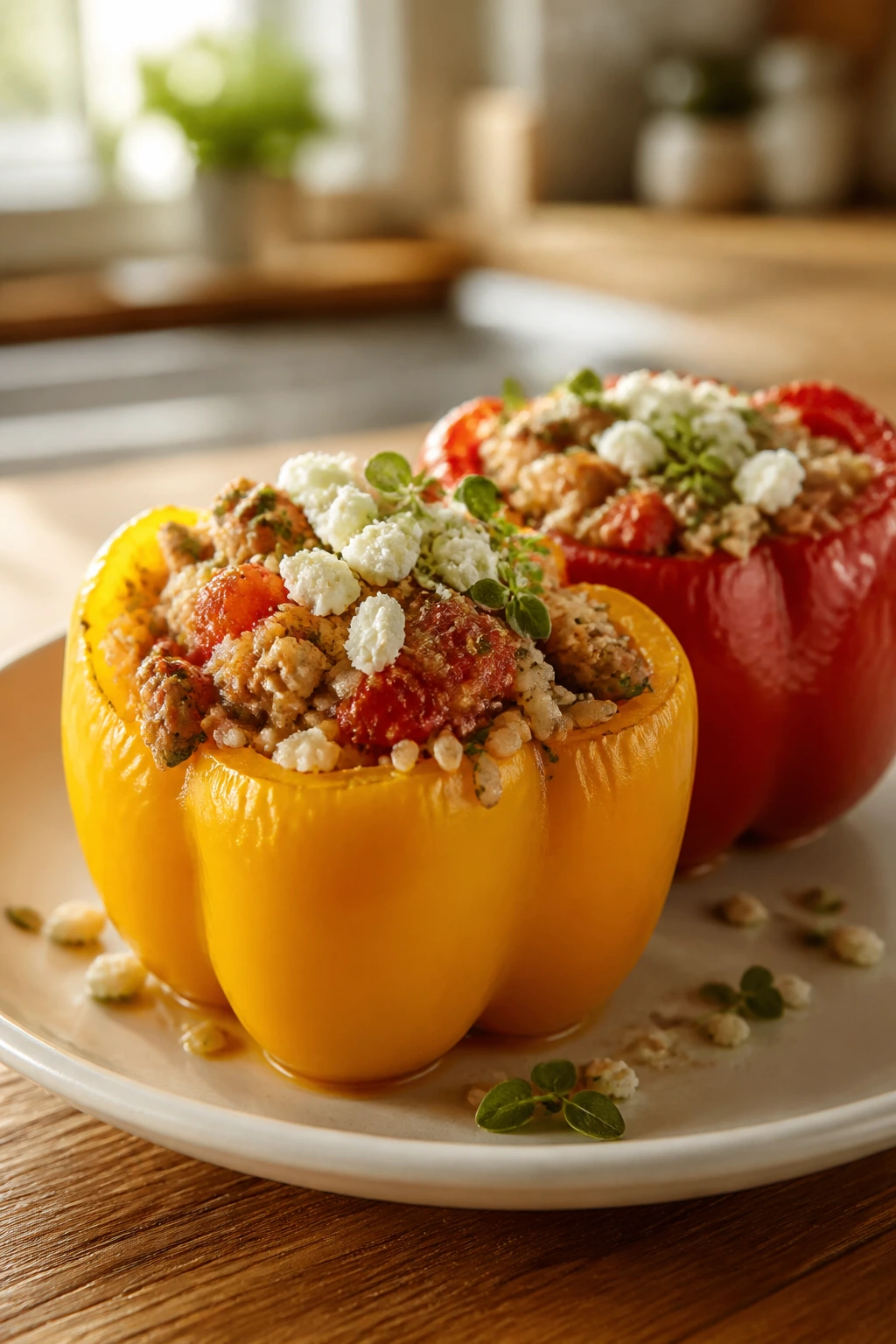
Stuffed peppers have a reputation for being old-school, but this version earns its keep. The turkey is seasoned with oregano and garlic, the rice turns savory inside the pepper, and the feta on top gives the whole thing a salty edge.
These hold up well for meal prep because the pepper shell protects the filling. That is useful. It means the rice stays together and the filling doesn’t slosh around in the container.
Why It Works:
Bell peppers soften in the oven without collapsing if you don’t overbake them. Ground turkey gives the filling a lean base, and tomato sauce keeps the mixture moist enough to reheat cleanly. Feta and oregano push the flavor toward Greece without needing a long ingredient list.
Key Ingredients:
- 6 large bell peppers — choose peppers that can stand upright.
- 1 1/2 pounds ground turkey — lean enough for a healthy dinner, still flavorful.
- 1 tablespoon olive oil — for the skillet.
- 1 small onion, diced — the base flavor.
- 3 cloves garlic, minced — necessary.
- 1 cup cooked brown rice or quinoa — helps the filling hold together.
- 1 cup tomato sauce — keeps the mixture juicy.
- 2 teaspoons dried oregano — gives the Greek flavor.
- 1 teaspoon salt — season the filling well.
- 1/2 teaspoon black pepper — for balance.
- 3/4 cup crumbled feta — for topping.
- 2 tablespoons chopped parsley — for serving.
Quick Steps:
- Preheat the oven to 375°F (190°C) and lightly oil a baking dish.
- Slice the tops off the peppers and remove the seeds. If needed, trim the bottoms slightly so they stand up.
- Cook the onion and garlic in olive oil over medium heat for 3 minutes.
- Add the turkey and cook until no pink remains, breaking it into small pieces.
- Stir in the rice, tomato sauce, oregano, salt, and pepper. Simmer for 2 to 3 minutes until combined.
- Fill the peppers and place them in the baking dish. Top with feta.
- Bake for 30 to 35 minutes until the peppers are tender and the filling is hot.
- Finish with parsley and let them rest before storing.
Equipment for This Recipe:
- Baking dish — one that holds the peppers snugly.
- Large skillet — for the filling.
- Sharp knife — for coring the peppers.
- Spoon — for stuffing without tearing the pepper walls.
How to Serve This Dish:
One stuffed pepper makes a generous dinner portion. I like a simple cucumber salad or a side of plain Greek yogurt with lemon beside it. The plate looks better if you spoon a little tomato sauce around the pepper rather than overloading the top.
Pro Tips for This Recipe:
- Use peppers with flat bottoms when possible. They stand up more reliably.
- Pre-cook the filling before stuffing so the turkey is fully seasoned.
- If you want softer peppers, parboil them for 3 minutes before baking.
- Let them cool before closing the lid on storage containers.
Variations on This Dish:
- Vegetarian Pepper Boats: Swap the turkey for lentils and extra mushrooms.
- Spiced Rice Version: Use cumin and mint in the filling for a warmer flavor.
- Mini Pepper Batch: Stuff small peppers for a lighter serving or appetizer-style dinner.
Common Mistakes to Avoid with This Dish:
- Using peppers that tip over in the dish: They leak filling and cook unevenly.
- Underseasoning the turkey mixture: The pepper shell needs a well-seasoned filling.
- Baking too long: The peppers collapse and go watery.
12. Sesame Ginger Tofu with Broccoli and Rice
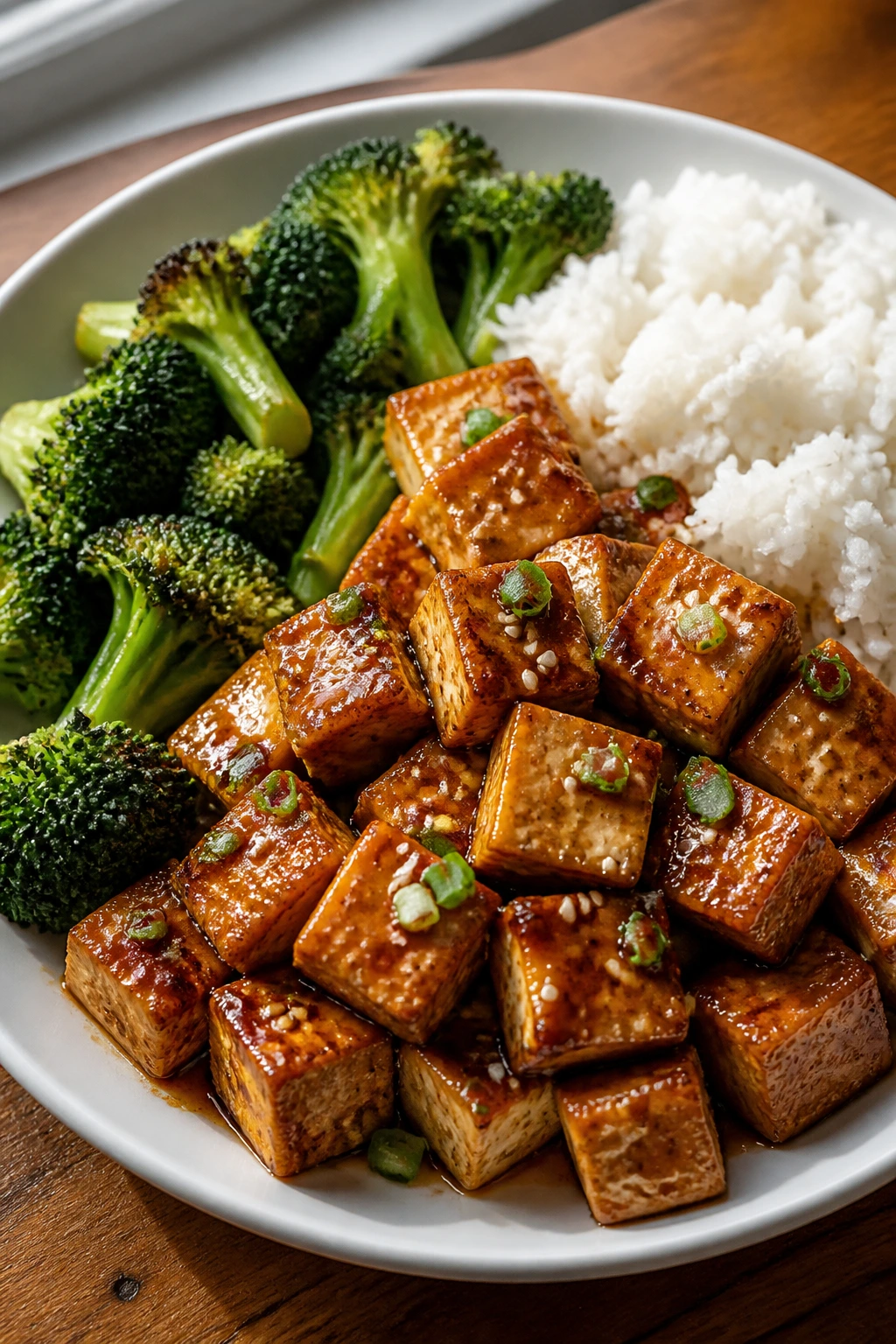
Tofu gets a bad reputation from people who have only eaten it when it was cooked badly. Give it a hot pan, enough seasoning, and a sticky sesame-ginger sauce, and it turns into something worth repeating.
This dinner is especially useful for meal prep because the tofu firms up in the fridge and the sauce keeps the rice from tasting plain. The broccoli adds some crunch, which matters when the protein is soft by nature.
Why It Works:
Extra-firm tofu holds its shape best once you press out some water. Cornstarch helps it brown, and the sauce clings to the outside instead of sliding off. Ginger and sesame oil make the tofu taste much more decisive, which is the whole point.
Key Ingredients:
- 2 blocks extra-firm tofu, 14 ounces each — press before cooking.
- 2 tablespoons cornstarch — helps the tofu crisp.
- 2 tablespoons neutral oil — for frying.
- 4 cups broccoli florets — a strong vegetable choice here.
- 1 red bell pepper, sliced — adds sweetness and color.
- 3 cups cooked rice — brown or jasmine both work.
- 1/4 cup low-sodium soy sauce — the salty base.
- 2 tablespoons rice vinegar — sharpens the sauce.
- 1 tablespoon honey or maple syrup — balances the soy sauce.
- 1 tablespoon sesame oil — use it for flavor, not frying.
- 1 tablespoon grated ginger — brightens the sauce.
- 2 cloves garlic, minced — necessary.
- 2 teaspoons sesame seeds — for finishing.
- 2 sliced green onions — for serving.
Quick Steps:
- Press the tofu for 15 minutes, then cut it into 1-inch cubes.
- Toss the tofu with cornstarch until lightly coated.
- Heat the neutral oil in a skillet over medium-high heat and cook the tofu for 8 to 10 minutes, turning until golden on most sides.
- Add the broccoli and bell pepper and stir-fry for 4 to 5 minutes.
- Whisk the soy sauce, rice vinegar, honey, sesame oil, ginger, and garlic in a small bowl.
- Pour the sauce into the skillet and cook for 1 to 2 minutes until it thickens and coats everything.
- Serve over rice and finish with sesame seeds and green onions.
Equipment for This Recipe:
- Skillet — a wide one makes browning easier.
- Tofu press or clean towel with a heavy pan — either works.
- Small bowl — for the sauce.
- Spatula — useful for turning tofu without breaking it.
How to Serve This Dish:
Serve this with rice in the bottom and the tofu and vegetables stacked on top so the sauce can drip through. If you want extra crunch, add a few raw cucumber slices on the side. It also works cold, which is more than I can say for a lot of tofu dinners.
Pro Tips for This Recipe:
- Press the tofu long enough to remove obvious surface moisture. That helps browning.
- Don’t stir the tofu too early or you’ll tear off the crust.
- Add the sauce at the end so it coats instead of evaporates.
- Use maple syrup if you want a deeper flavor than honey.
Variations on This Dish:
- Peanut-Sesame Version: Stir 1 tablespoon peanut butter into the sauce.
- Edamame Boost: Add 1 cup shelled edamame for more protein and color.
- Spicy Tofu Bowl: Add chili flakes or a spoonful of chili crisp at serving.
Common Mistakes to Avoid with This Dish:
- Cooking wet tofu straight from the package: It steams and never browns.
- Using too much oil: The tofu turns greasy instead of crisp.
- Overcrowding the pan: Browning happens in contact with hot metal, not in a pile.
13. Beef and Cabbage Stir-Fry
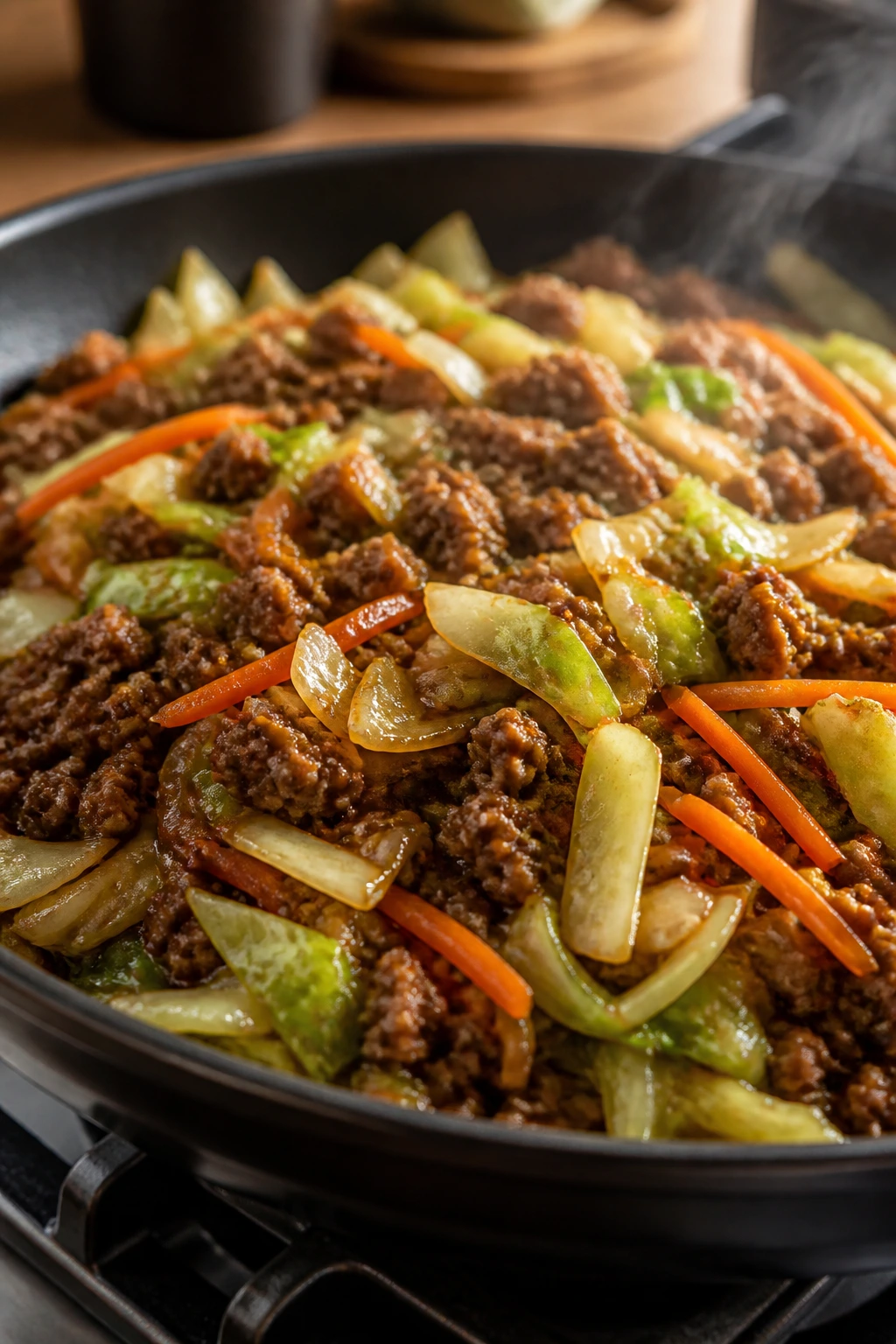
This is the kind of dinner that tastes like you cooked longer than you did. The cabbage softens, the beef gets savory, and the ginger-garlic sauce pulls the whole thing together with almost no effort.
Cabbage deserves more credit in meal prep. It holds texture, it is cheap, and it doesn’t collapse into sadness like some vegetables do after two days in the fridge.
Why It Works:
Lean ground beef brings enough fat for flavor without making the stir-fry greasy. Cabbage and carrots stay sturdy, and they absorb sauce without disintegrating. The whole dish reheats well because nothing in it depends on a crispy finish.
Key Ingredients:
- 1 1/2 pounds lean ground beef — 90/10 is a nice balance.
- 1 tablespoon neutral oil — only if the beef is very lean.
- 1 small onion, sliced — gives the stir-fry sweetness.
- 4 cups shredded green cabbage — the main vegetable.
- 2 carrots, julienned or thinly sliced — add a little sweetness and bite.
- 3 cloves garlic, minced — important.
- 1 tablespoon grated ginger — for freshness.
- 1/4 cup low-sodium soy sauce — the sauce base.
- 2 tablespoons rice vinegar — keeps it from tasting heavy.
- 1 tablespoon sesame oil — finish the dish with it.
- 1 teaspoon honey — rounds the sauce.
- 3 cups cooked rice — your serving base.
- 2 sliced green onions — for the top.
Quick Steps:
- Brown the beef in a large skillet over medium-high heat for 6 to 7 minutes.
- Add the onion, cabbage, and carrots and cook for 5 minutes, stirring often.
- Stir in the garlic and ginger and cook for 30 seconds.
- Mix the soy sauce, vinegar, sesame oil, and honey in a small bowl.
- Pour the sauce into the skillet and cook for 2 to 3 minutes until everything is coated and glossy.
- Serve over rice and finish with green onions.
Equipment for This Recipe:
- Large skillet or wok — space matters with cabbage.
- Wooden spoon — for breaking up the beef.
- Sharp knife — for slicing cabbage and carrots.
- Small bowl — for the sauce.
How to Serve This Dish:
I like this with a squeeze of lime or a dab of sriracha on top. It’s sturdy enough to eat straight from a container, which is part of the charm. If you want more volume, serve it over extra cabbage slaw instead of more rice.
Pro Tips for This Recipe:
- Drain excess beef fat if your pan gets greasy.
- Slice the cabbage into manageable ribbons, not giant chunks.
- Add the sauce after the cabbage starts to soften so it can soak in.
- Taste before serving; cabbage can take more salt than you expect.
Variations on This Dish:
- Korean-Style Version: Add gochujang and a sprinkle of sesame seeds.
- Extra Veg Bowl: Stir in mushrooms or snap peas.
- Lower-Carb Plate: Serve it over cauliflower rice or shredded cabbage alone.
Common Mistakes to Avoid with This Dish:
- Letting the cabbage cook too long: It loses its bite and gets swampy.
- Using very sweet sauce: The dish turns heavy fast.
- Skipping the vinegar: The beef and cabbage need acidity.
14. One-Pan Pesto Chicken with Tomatoes and Asparagus
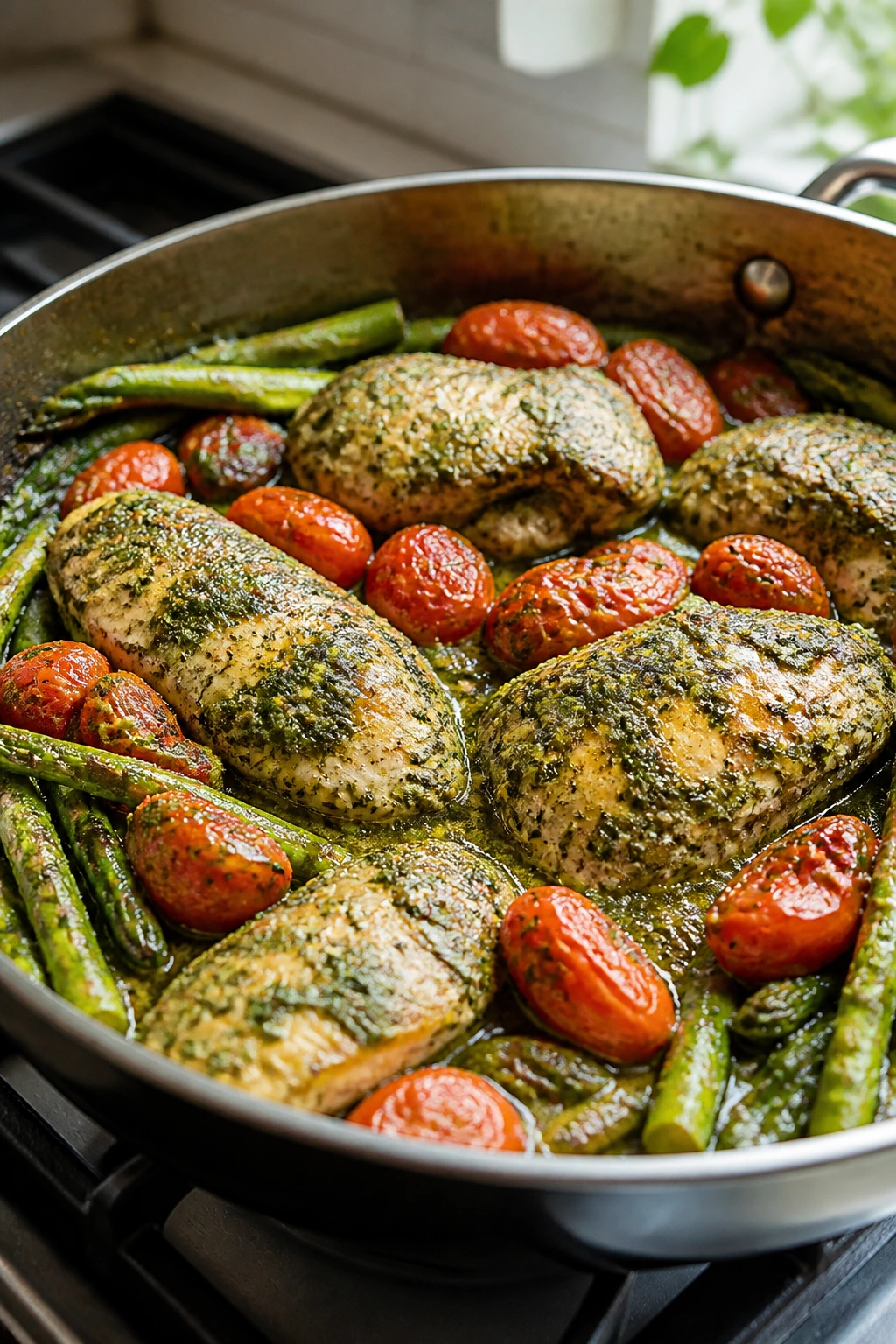
Pesto has a strong personality, and that’s useful here. It coats the chicken, leaks into the tomatoes, and gives the asparagus enough flavor that the whole pan tastes finished without a second sauce.
This is one of the most forgiving dinners in the collection. If your chicken is a touch thicker on one side or your asparagus spears vary, the pan still works.
Why It Works:
Chicken and pesto are a natural pair because the fat in the pesto helps the chicken stay moist while baking. Tomatoes burst in the oven and create a little sauce of their own. Asparagus cooks fast, so it stays green and crisp-tender instead of turning drab.
Key Ingredients:
- 1 1/2 pounds boneless, skinless chicken breasts or thighs — thighs stay juicier.
- 1/3 cup basil pesto — store-bought is fine if it tastes like basil.
- 1 pint cherry tomatoes — they burst and make their own pan juices.
- 1 bunch asparagus, trimmed — choose spears of similar thickness.
- 2 tablespoons olive oil — for the vegetables.
- 1/2 teaspoon salt — depending on how salty your pesto is.
- 1/4 teaspoon black pepper — enough for balance.
- 1/2 cup cooked farro or quinoa per serving — optional, but useful for meal prep.
- 1 lemon, cut into wedges — for serving.
Quick Steps:
- Preheat the oven to 425°F (220°C) and line a sheet pan.
- Coat the chicken with pesto and place it on the pan.
- Toss the asparagus and tomatoes with olive oil, salt, and pepper.
- Spread the vegetables around the chicken in a single layer.
- Bake for 18 to 22 minutes, until the chicken reaches 165°F and the tomatoes have burst.
- Rest for 5 minutes, then serve over farro or quinoa with lemon.
Equipment for This Recipe:
- Sheet pan — the whole meal lives on it.
- Parchment paper — makes cleanup easy.
- Tongs — for moving the asparagus without tearing it.
- Instant-read thermometer — especially useful with chicken breasts.
How to Serve This Dish:
This looks best over a bed of farro or quinoa that catches the pesto juices. A few basil leaves on top make it feel brighter. If you want a more substantial dinner, add a side salad with lemon dressing.
Pro Tips for This Recipe:
- Use asparagus that’s not too thick or too woody. Mid-sized spears roast best.
- If using chicken breasts, pound them lightly so they cook evenly.
- Add extra pesto after baking if you want a stronger basil hit.
- Let the tomatoes burst naturally; don’t smash them before the oven does the work.
Variations on This Dish:
- Mozzarella Finish: Add torn mozzarella in the last 3 minutes of baking.
- Dairy-Free Pesto Bowl: Use a dairy-free pesto and skip any cheese finish.
- Vegetable-Heavy Tray: Swap half the chicken for zucchini rounds or mushrooms.
Common Mistakes to Avoid with This Dish:
- Using overloaded pesto: It can make the tray oily instead of flavorful.
- Overcooking the asparagus: It turns slim and mushy fast.
- Not lining the pan: The pesto and tomato juices can stick hard.
15. White Bean and Kale Soup with Turkey Sausage
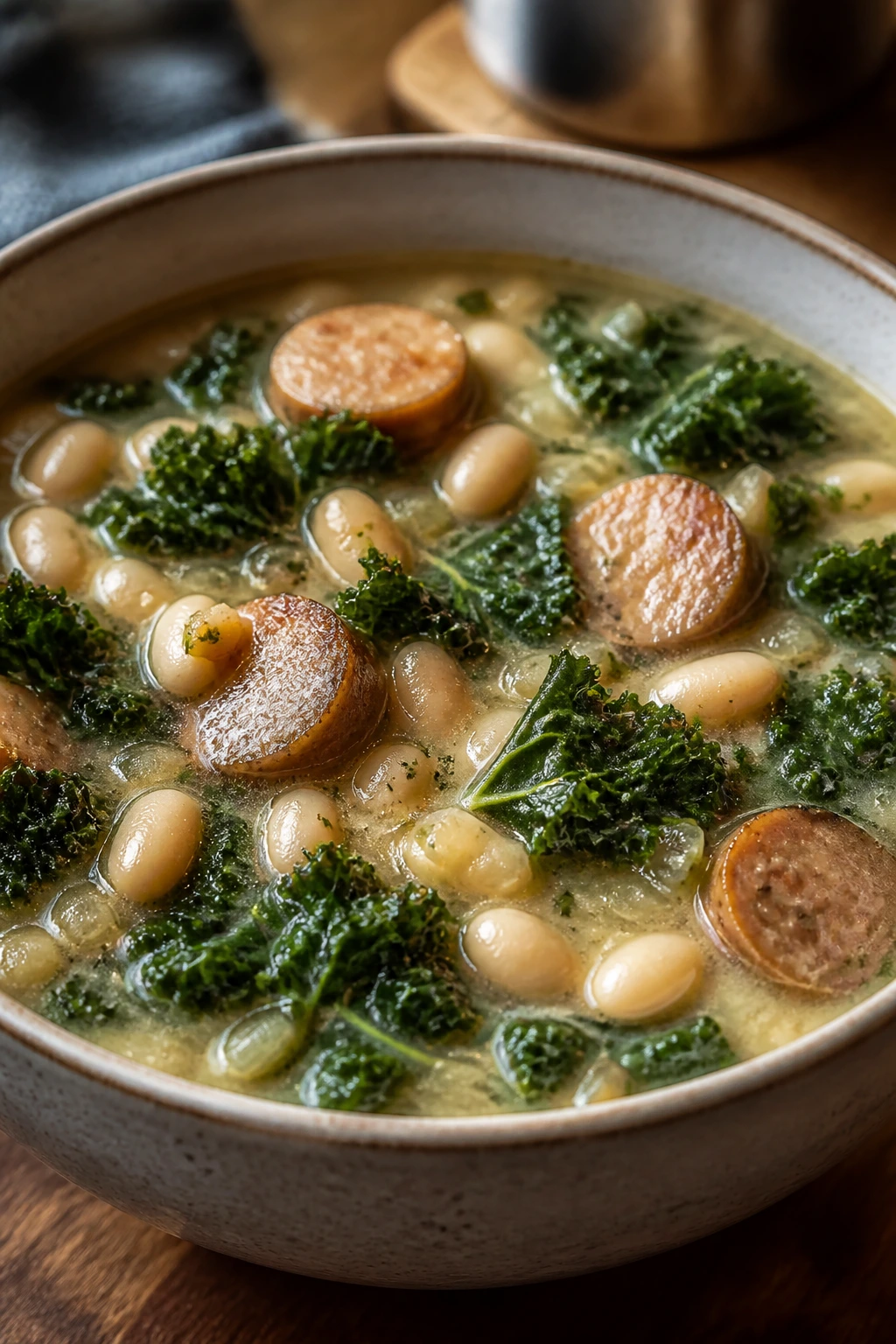
Soup earns a place in meal prep when it can thicken overnight without becoming glue. This one does. The white beans make it creamy without actual cream, the kale gives it bite, and the turkey sausage brings enough salt and spice that you don’t need to fuss over it.
I reach for this when I want a dinner that can be reheated on the stove in 5 minutes and still feel like a real meal. A piece of crusty bread on the side does not hurt.
Why It Works:
White beans break down a little as they simmer, which creates body in the broth. Turkey sausage gives you built-in seasoning, and kale stays sturdy instead of collapsing the way spinach can. The soup tastes even better the next day because the bean broth and sausage seasoning settle together.
Key Ingredients:
- 1 pound turkey sausage, casings removed if needed — choose mild or spicy.
- 1 tablespoon olive oil — if the sausage is very lean.
- 1 onion, diced — the start of the soup.
- 2 carrots, diced — add sweetness.
- 2 celery stalks, diced — classic soup base.
- 3 cloves garlic, minced — necessary.
- 2 cans (15 ounces each) white beans, rinsed and drained — cannellini or great northern.
- 6 cups low-sodium chicken broth — enough for a proper soup.
- 1 teaspoon dried thyme — gives the broth depth.
- 1 bay leaf — optional, but nice.
- 1 bunch kale, stems removed and leaves chopped — the green body of the soup.
- 1/2 teaspoon black pepper — to taste.
- Salt — add at the end because sausage can be salty.
- 1 tablespoon lemon juice — brightens the finished bowl.
Quick Steps:
- Brown the sausage in a large pot over medium heat, breaking it into pieces.
- Add the onion, carrots, and celery and cook for 5 to 6 minutes until softened.
- Stir in the garlic and thyme and cook for 30 seconds.
- Add the beans, broth, and bay leaf. Bring to a simmer.
- Cook for 15 minutes, then mash a few beans against the side of the pot with a spoon to thicken the broth.
- Add the kale and simmer for 5 more minutes until tender.
- Finish with lemon juice and adjust salt before serving.
Equipment for This Recipe:
- Large soup pot or Dutch oven — gives the soup room to simmer.
- Wooden spoon — for breaking up the sausage.
- Ladle — for easy container filling.
- Knife and cutting board — a lot of soup success is vegetable prep.
How to Serve This Dish:
Serve it with a drizzle of olive oil and a crack of black pepper on top. A slice of sourdough or a piece of toasted whole-grain bread turns it into a full dinner. Use a deep bowl if you’re eating immediately; the beans and sausage settle in the bottom.
Pro Tips for This Recipe:
- Mash some beans to give the broth a creamier body without adding dairy.
- Remove kale stems; they stay chewy if you leave them in.
- Add lemon juice at the end so the soup tastes lively.
- If the soup thickens too much after chilling, loosen it with a splash of broth or water.
Variations on This Dish:
- Tuscan-Style Soup: Add chopped rosemary and a little grated parmesan.
- Spicy Sausage Version: Use hot turkey sausage and extra red pepper flakes.
- Bean-and-Greens Freezer Batch: Leave out the kale and add it fresh after reheating.
Common Mistakes to Avoid with This Dish:
- Adding the kale too early: It can go dull and overly soft.
- Not seasoning at the end: Soup needs a final salt check after simmering.
- Using very salty broth and sausage together: The flavor gets muddy instead of clean.
16. Shrimp and Quinoa Cajun Skillet
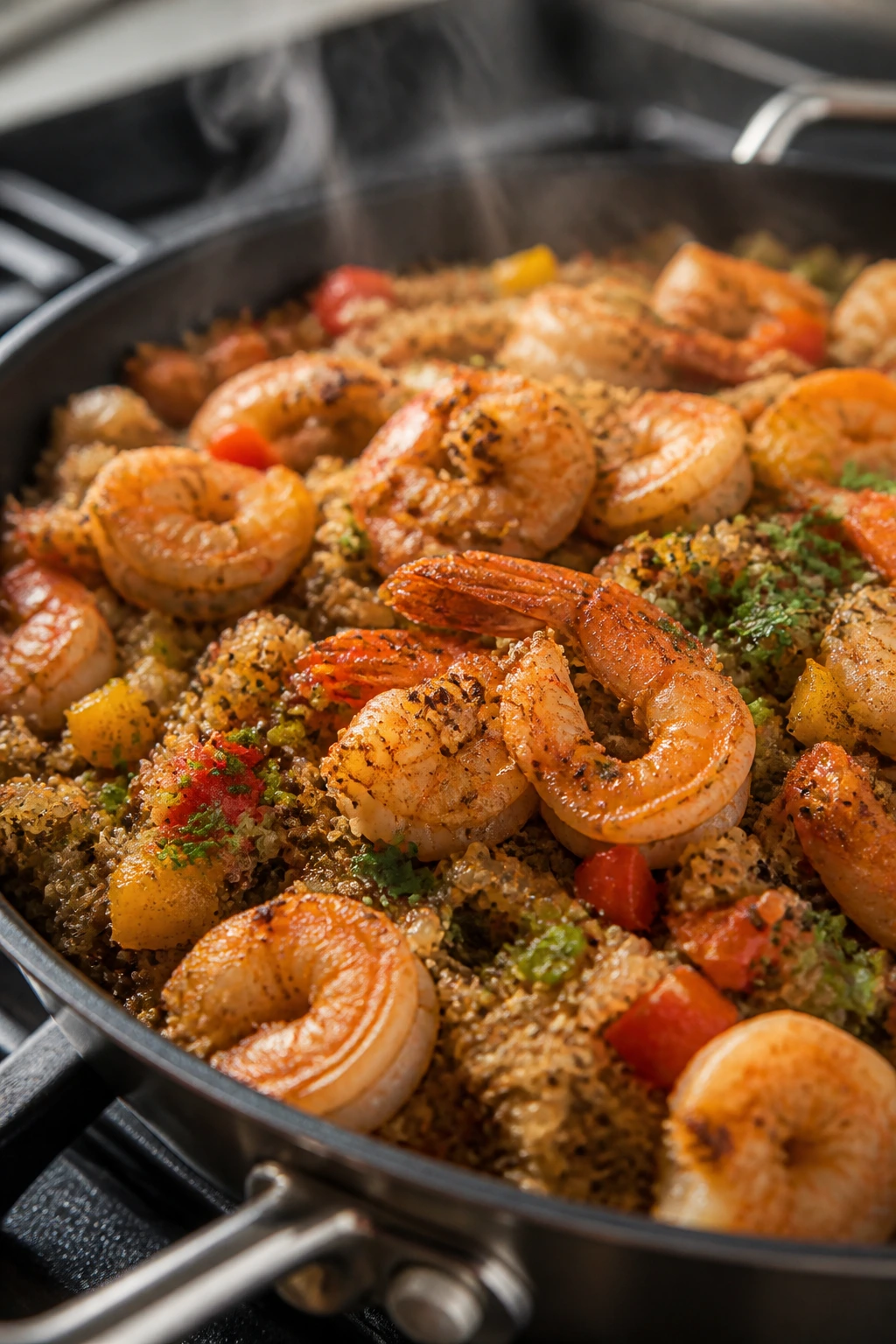
Shrimp cooks fast, which is both the charm and the trap. Get the timing right, and you have a smoky, bright skillet dinner that feels lively even after it’s been packed and reheated. Miss it, and you get rubber.
This one works best when the quinoa is cooked separately and the shrimp are added at the very end. That keeps the seafood tender and the grains fluffy.
Why It Works:
Shrimp brings a clean protein that doesn’t need long cooking. Cajun seasoning carries heat and salt, while quinoa adds enough structure to stand in for rice without getting mushy. Bell peppers and corn bring sweetness that softens the spice in the right way.
Key Ingredients:
- 1 1/2 pounds shrimp, peeled and deveined — medium or large size.
- 1 tablespoon olive oil — for the skillet.
- 1 bell pepper, diced — color and sweetness.
- 1 small onion, diced — flavor base.
- 2 cloves garlic, minced — necessary.
- 1 1/2 cups cooked quinoa — keep it fluffy.
- 1 cup corn — frozen is fine.
- 2 teaspoons Cajun seasoning — or more if yours is mild.
- 1/2 teaspoon salt — depending on the seasoning blend.
- 1/4 teaspoon black pepper — optional.
- 1 lemon, juiced — brightens the shrimp.
- 2 tablespoons chopped parsley — for finishing.
Quick Steps:
- Heat the oil in a large skillet over medium-high heat.
- Cook the onion and bell pepper for 4 to 5 minutes until softened.
- Add the garlic and corn and cook for 1 minute.
- Stir in the quinoa and Cajun seasoning until everything is evenly coated.
- Push the mixture to the side and add the shrimp in a single layer.
- Cook the shrimp for 2 to 3 minutes per side, until pink and opaque.
- Squeeze over lemon juice and finish with parsley.
Equipment for This Recipe:
- Large skillet — wide enough for shrimp in one layer.
- Spatula — for folding the quinoa through the vegetables.
- Citrus juicer or fork — for the lemon.
- Measuring spoons — Cajun seasoning can swing hard if you guess.
How to Serve This Dish:
This skillet is strong enough to eat on its own, but I like it with a spoonful of yogurt or avocado on the side if the seasoning runs hot. Pack it in a shallow container so the shrimp sit on top instead of burying themselves under the grains. A lemon wedge helps at reheating time.
Pro Tips for This Recipe:
- Dry the shrimp with paper towels before cooking so they sear instead of steam.
- Cook the shrimp last. Every extra minute matters.
- Use quinoa that’s already cooled and fluffed so it doesn’t clump.
- If your Cajun blend is salty, reduce the added salt.
Variations on This Dish:
- Creole Version: Add a spoonful of tomato paste and a splash of broth.
- Garlic Butter Finish: Stir in 1 tablespoon butter at the end for a richer skillet.
- Vegetable-Heavy Bowl: Add zucchini or spinach in the last minute of cooking.
Common Mistakes to Avoid with This Dish:
- Overcooking the shrimp: They become firm and squeaky.
- Using wet quinoa straight from the pot: It turns gluey.
- Adding all the seasoning before tasting: Cajun blends vary a lot in salt and heat.
17. Egg Roll in a Bowl with Ground Chicken
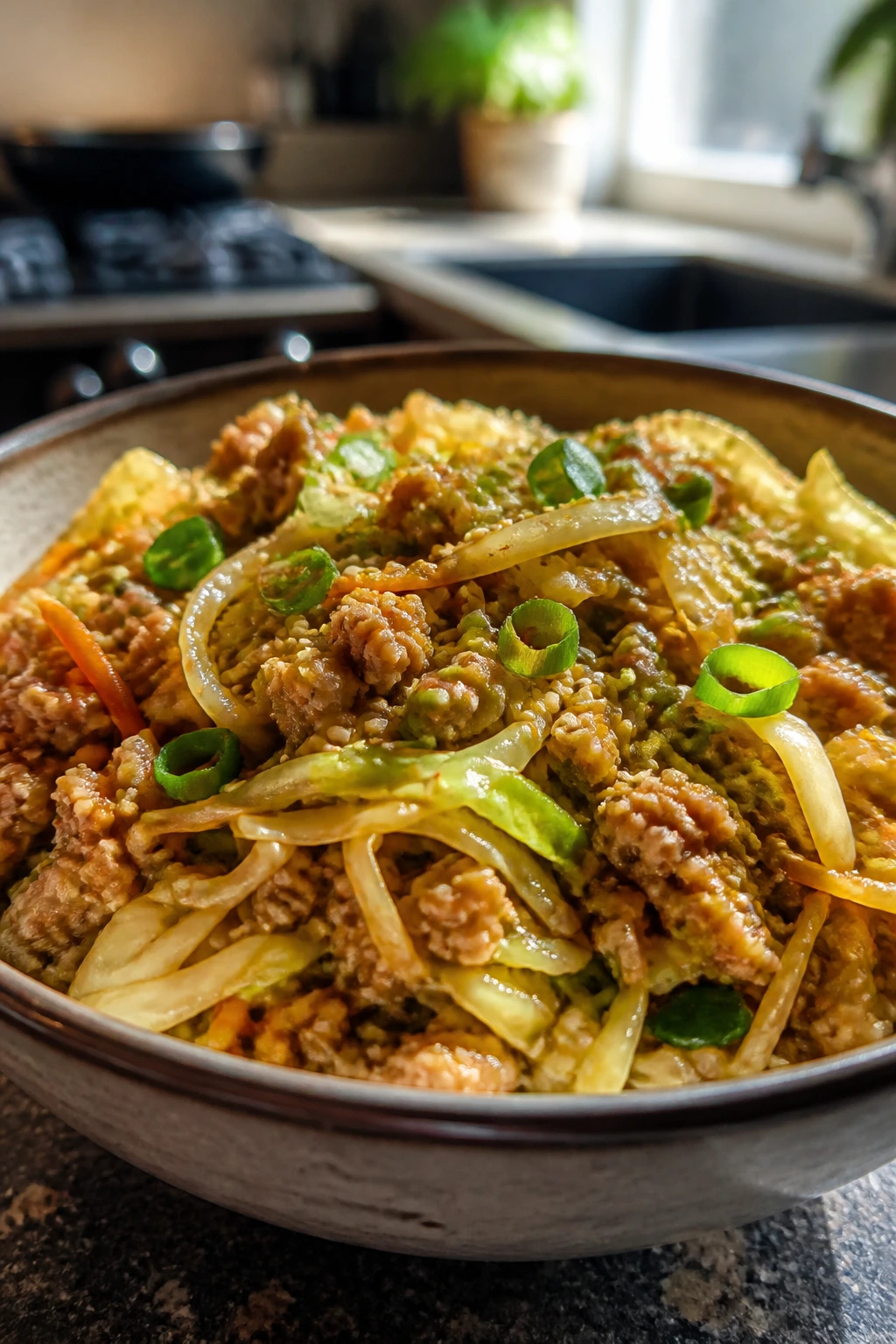
This is the dinner version of solving a problem with one skillet. You get the flavor of an egg roll filling without the wrapper, which means less mess and more leftover-friendly texture.
The cabbage stays crisp-tender, the chicken takes on the ginger and soy sauce fast, and the whole thing reheats in a minute or two. That makes it one of the easiest healthy dinners for meal prep Sundays when you are tired of pretending to enjoy separate side dishes.
Why It Works:
Ground chicken cooks quickly and absorbs seasoning well. Cabbage slaw gives you volume without making the dish dense. Sesame oil and rice vinegar bring the familiar takeout flavor profile, which is the whole reason this works in the first place.
Key Ingredients:
- 1 1/2 pounds ground chicken — mild enough to take on the sauce.
- 1 tablespoon neutral oil — for the skillet.
- 1 bag (12 ounces) coleslaw mix — cabbage and carrots in one move.
- 3 cloves garlic, minced — essential.
- 1 tablespoon fresh ginger, grated — gives the filling its edge.
- 1/4 cup low-sodium soy sauce — the salty base.
- 1 tablespoon rice vinegar — brightens the mix.
- 1 tablespoon sesame oil — use it at the end for flavor.
- 2 green onions, sliced — for freshness.
- 1 teaspoon sesame seeds — optional.
- Cooked rice, cauliflower rice, or shredded lettuce — for serving.
Quick Steps:
- Heat the oil in a large skillet over medium-high heat.
- Cook the ground chicken for 5 to 7 minutes, breaking it apart until no pink remains.
- Add the garlic and ginger and stir for 30 seconds.
- Toss in the coleslaw mix and cook for 3 to 4 minutes, until slightly softened but still crisp.
- Add the soy sauce and rice vinegar and cook for 1 minute.
- Finish with sesame oil and green onions.
- Serve over your chosen base or eat it as-is.
Equipment for This Recipe:
- Large skillet — the cabbage needs space.
- Wooden spoon — for breaking up the chicken.
- Grater or microplane — for fresh ginger.
- Colander — optional, for draining excess liquid if needed.
How to Serve This Dish:
I like this in a bowl with a small pile of rice underneath and a few sesame seeds on top. It also works well wrapped in lettuce leaves if you want a lighter dinner. Add chili crisp if you want heat that lingers.
Pro Tips for This Recipe:
- Don’t overcook the cabbage. A little bite is part of the appeal.
- Use coleslaw mix to save chopping time, but choose a fresh bag with crisp strands.
- Add sesame oil at the end; cooking it too hard dulls the flavor.
- Taste before salting. Soy sauce already brings plenty.
Variations on This Dish:
- Pork Version: Swap in ground pork for a richer filling.
- Ginger-Heavy Bowl: Add extra ginger and a splash of mirin.
- No-Rice Plate: Serve over shredded romaine or napa cabbage for a lower-carb meal.
Common Mistakes to Avoid with This Dish:
- Letting the cabbage cook down to nothing: It should still have body.
- Using too much sesame oil early: The flavor gets lost.
- Skipping the acid: Rice vinegar is what keeps the bowl from tasting flat.
18. Chili-Lime Pork Tenderloin with Roasted Veggies
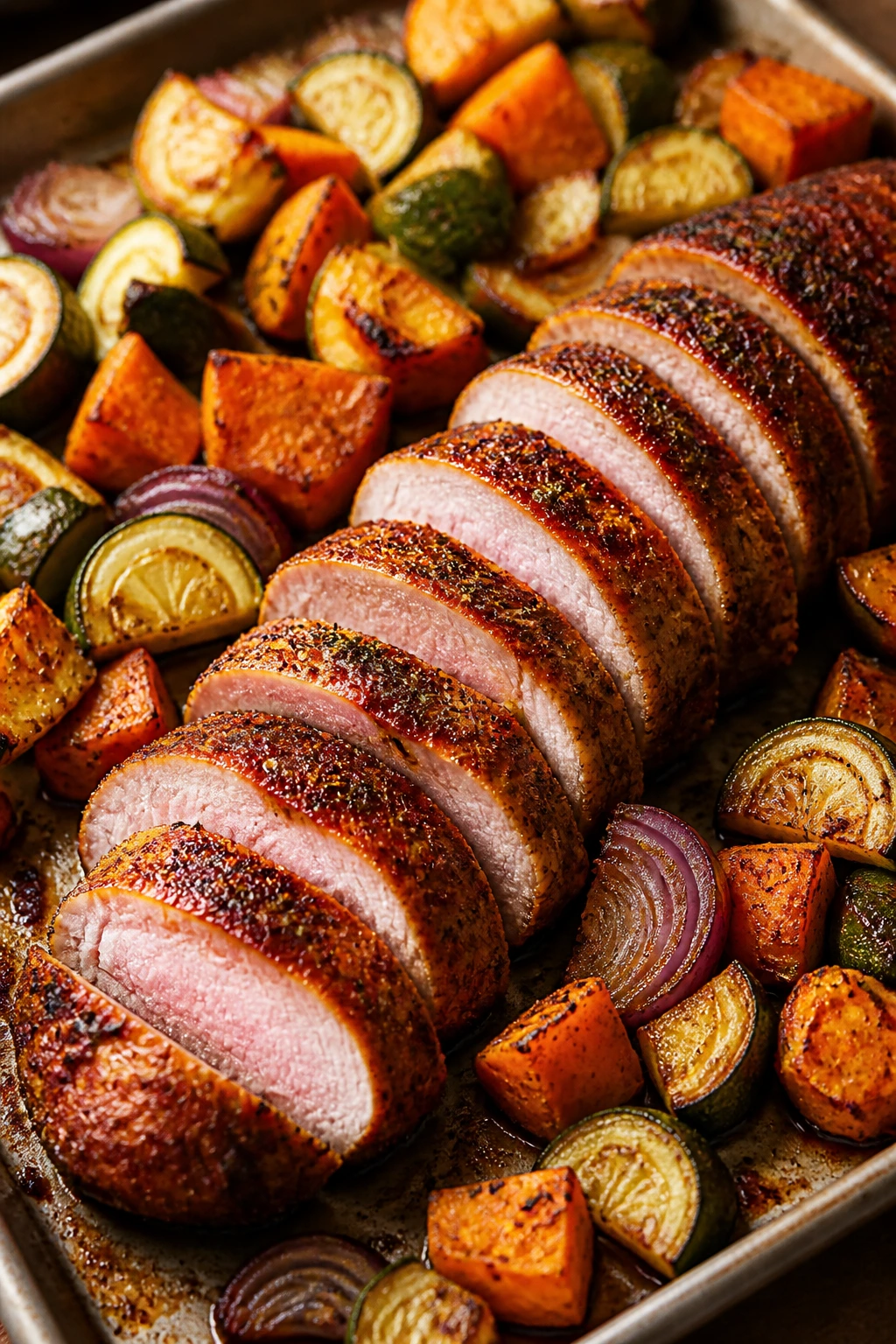
Pork tenderloin is one of the easiest lean proteins to overcook, which is why I like it with a strong chili-lime rub and roasted vegetables that can finish in the same time window. The meat stays juicy if you pull it at the right temp, and the lime brings enough brightness to wake up the leftovers.
This is a tidy, practical dinner. Everything roasts, everything portions well, and the leftovers still taste intentional instead of accidental.
Why It Works:
Pork tenderloin is lean and mild, so it needs a bold seasoning layer. Chili powder, cumin, garlic, and lime build that layer fast. Sweet potatoes and zucchini roast at a pace that matches the pork, which means you can cook the whole dinner without babysitting three different pans.
Key Ingredients:
- 1 1/2 to 2 pounds pork tenderloin — trim any silver skin.
- 2 tablespoons olive oil — for the meat and vegetables.
- 2 teaspoons chili powder — the main seasoning.
- 1 teaspoon cumin — adds warmth.
- 1 teaspoon garlic powder — helps the rub stick.
- 1 teaspoon kosher salt — necessary for the pork.
- 1/2 teaspoon black pepper — balances the spice.
- 2 medium sweet potatoes, cut into wedges — sturdy and meal-prep friendly.
- 2 zucchini, cut into thick half-moons — roast quickly.
- 1 red onion, cut into wedges — sweetens in the oven.
- 1 lime, juiced — for finishing.
- 2 tablespoons chopped cilantro — for serving.
Quick Steps:
- Preheat the oven to 425°F (220°C) and line a sheet pan.
- Toss the sweet potatoes and onion with 1 tablespoon olive oil, salt, and pepper. Roast for 15 minutes.
- Rub the pork tenderloin with the remaining oil, chili powder, cumin, garlic powder, salt, and pepper.
- Add the pork and zucchini to the pan and roast for 15 to 18 minutes, until the pork reaches 145°F in the center and the vegetables are tender.
- Rest the pork for 5 to 10 minutes before slicing.
- Squeeze lime juice over everything and finish with cilantro.
Equipment for This Recipe:
- Sheet pan — large enough to keep the vegetables in one layer.
- Instant-read thermometer — the best way to avoid dry pork.
- Sharp knife — for clean slices after resting.
- Parchment paper — optional, but useful.
How to Serve This Dish:
Slice the pork across the grain and fan it over the vegetables. A spoonful of salsa verde or avocado crema works well if you want a sauce. This one plates nicely in a wider container because the pork slices stay neat.
Pro Tips for This Recipe:
- Pull the pork at 145°F, not much higher. Tenderloin dries out quickly.
- Rest the meat before slicing or the juices will run out.
- Cut the sweet potatoes into wedges small enough to finish on time.
- Add the lime after roasting so the seasoning stays bright.
Variations on This Dish:
- Smoky Chipotle Version: Swap chili powder for chipotle powder and a little smoked paprika.
- Honey-Lime Finish: Add 1 teaspoon honey to the lime juice for a sweet edge.
- Vegetable Swap: Use broccoli or Brussels sprouts instead of zucchini if you want firmer leftovers.
Common Mistakes to Avoid with This Dish:
- Overcooking the pork: Tenderloin goes from juicy to dry fast.
- Cutting too soon: Rest time matters here more than most people think.
- Using huge sweet potato wedges: They’ll still be hard when the pork is done.
Why These Dinners Hold Up Better Than Most Leftovers
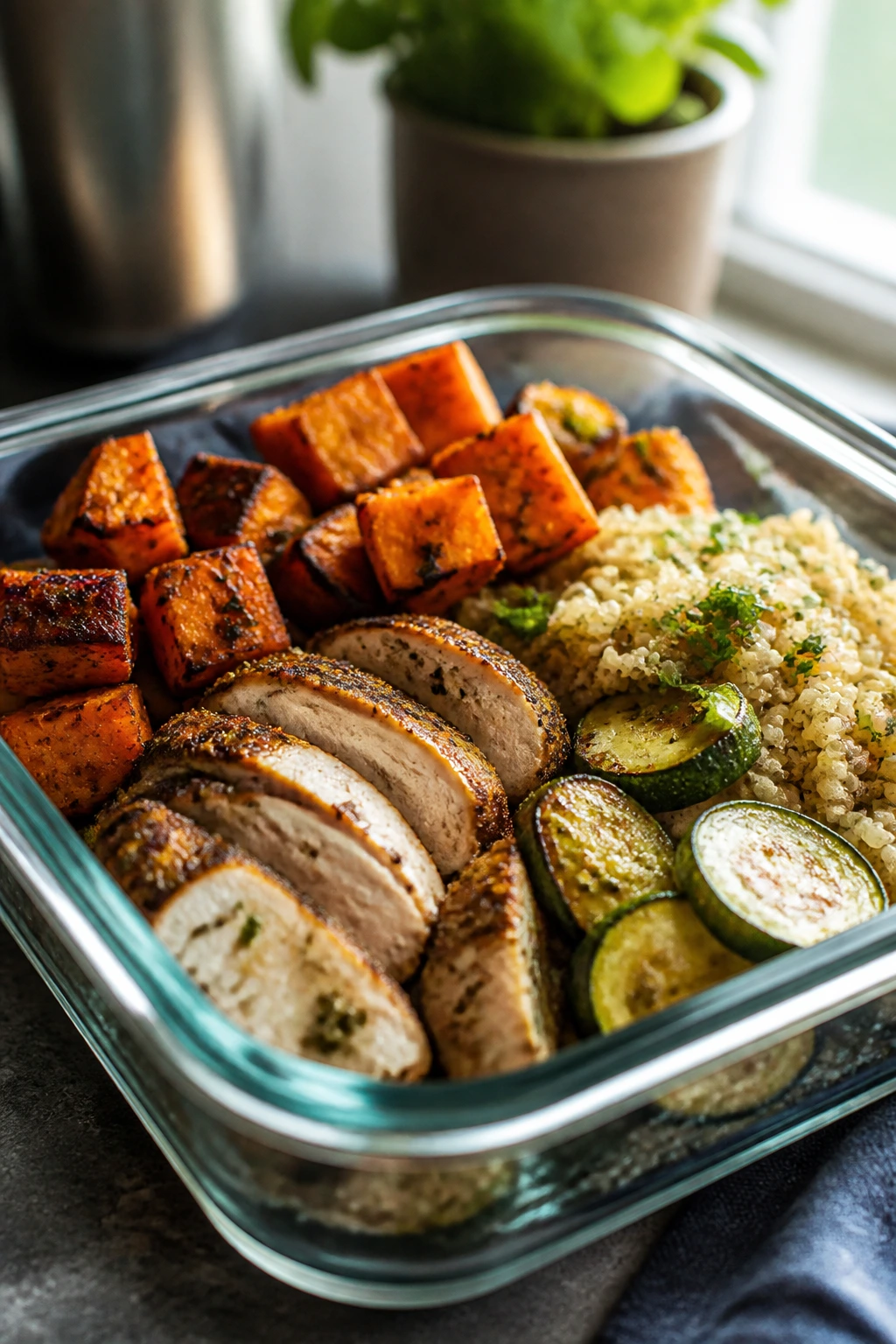
Meal prep Sundays work best when you cook with the fridge in mind instead of the moment you’re standing at the stove. That sounds obvious, but it changes everything. A dish that is perfect straight from the oven can be a mess two days later if the vegetables collapse, the sauce separates, or the grains go gummy. These dinners avoid that because they use sturdy vegetables, controlled moisture, and cooking methods that leave the food a little more stable than a one-night-only recipe would.
Roasting, braising, simmering, and skillet cooking all show up here for a reason. Those methods build flavor without asking the food to stay crisp for days. A sheet-pan dinner can cool into a clean, portionable lunch. A curry or soup can thicken in the fridge and taste even better once the spices settle. A stir-fry can reheat in a skillet in minutes without losing its shape. That is the whole game.
The other thing I like about this mix is how it handles sauces. A good meal-prep dinner does not drown itself. It gives you enough moisture to survive reheating, then lets you add fresh lemon, yogurt, herbs, or a spoon of sauce at the end. That small habit keeps leftovers from tasting like a second draft.
Essential Equipment for These Recipes
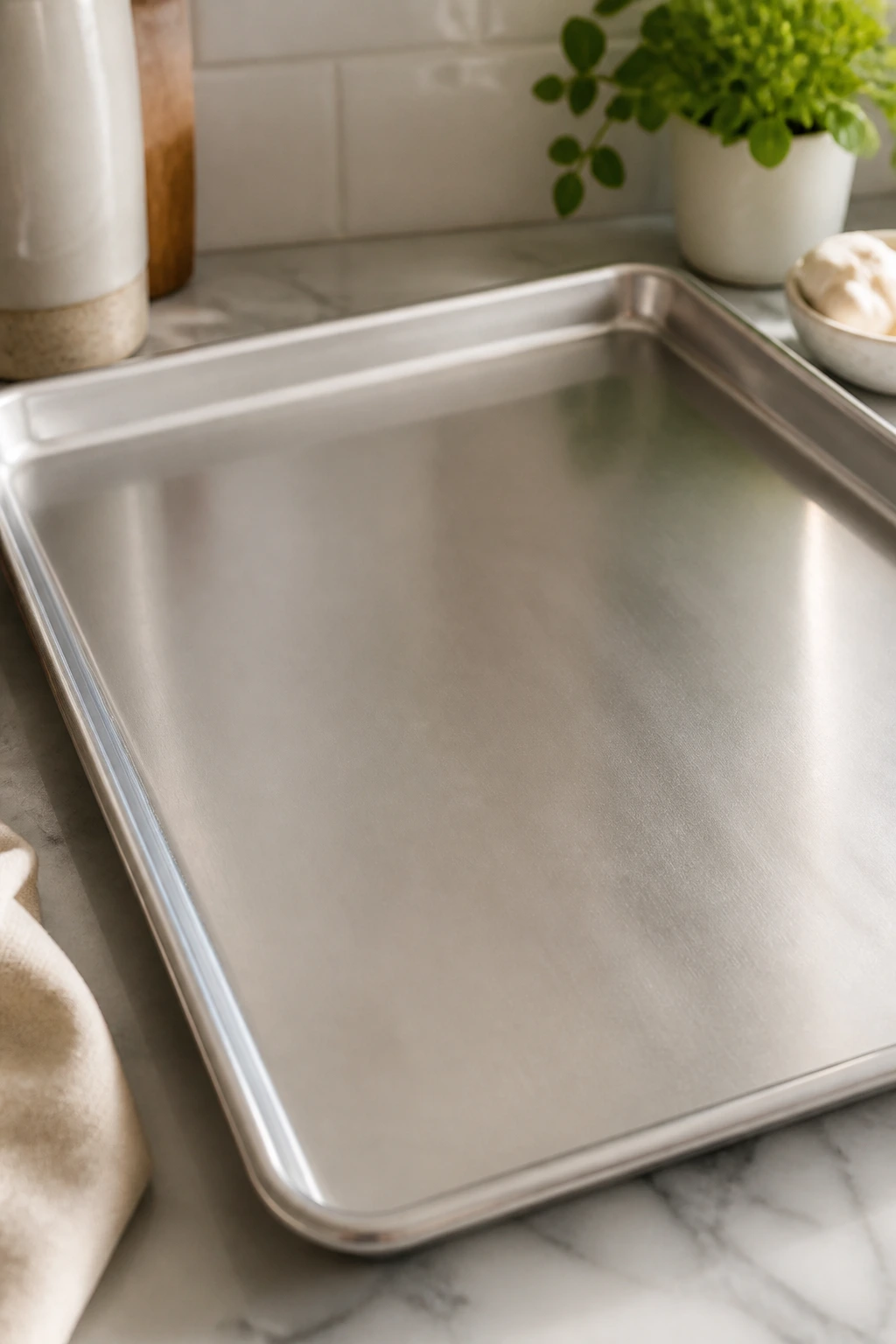
- Large rimmed sheet pans: You’ll use these for chicken, salmon, pork, and roasted vegetables; the sides help keep juices from running off.
- A 12-inch skillet or sauté pan: This is the workhorse for tacos, stir-fries, egg roll bowls, and quick sears.
- A Dutch oven or heavy soup pot: Useful for curry and soup because it holds heat evenly and gives you room to simmer.
- Instant-read thermometer: The easiest way to avoid dry chicken, overcooked salmon, and pork that crossed the line.
- Sharp chef’s knife: Meal prep starts with prep, and clean cutting makes every recipe faster and safer.
- Cutting boards, preferably two: One for raw protein and one for vegetables. Less mess. Less cross-contamination.
- Mixing bowls in two or three sizes: Marinades, sauces, and chopped toppings need separate space.
- Fine-mesh strainer: Helpful for rinsing beans, quinoa, and lentils without losing half the pantry down the sink.
- Meal-prep containers with tight lids: Glass or sturdy BPA-free plastic both work; choose containers that stack without sliding around.
- Parchment paper or foil: Not glamorous, but it saves time on cleanup and keeps sheet-pan dinners from sticking.
Smart Shopping and Ingredient Tips
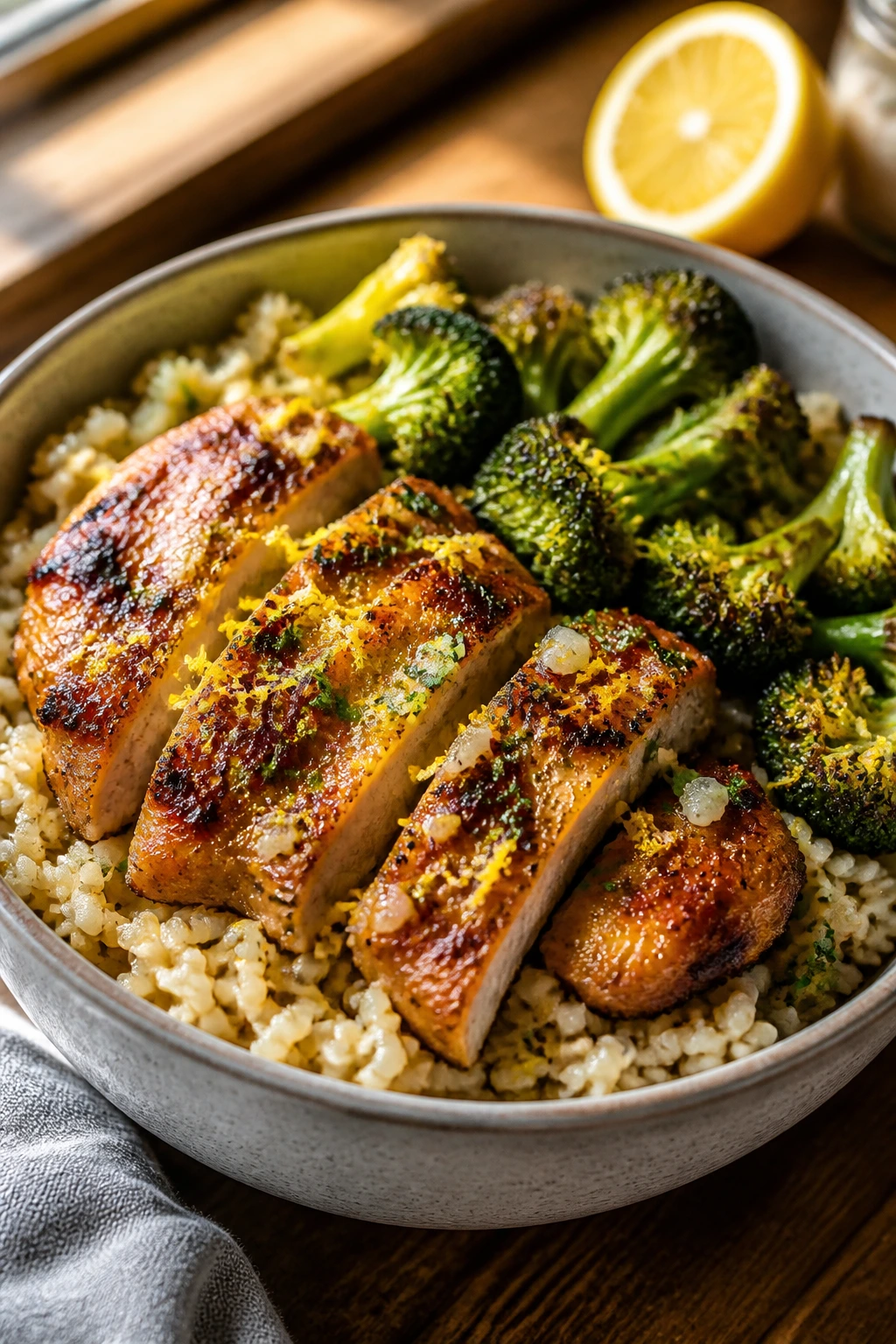
The easiest way to make healthy dinners for meal prep Sundays better is to shop like someone who knows the fridge has opinions. Start with proteins that stay friendly after reheating. Chicken thighs, ground turkey, salmon, tofu, pork tenderloin, and shrimp all behave differently once cooked, and that matters. Thighs and braised dishes hold up best over several days. Shrimp and cod are more delicate, so they’re best when cooked just to doneness and eaten sooner in the week.
Vegetables need the same kind of thinking. Broccoli, cauliflower, cabbage, green beans, peppers, sweet potatoes, carrots, and kale are the reliable ones. They keep structure. Watery vegetables, especially if they’re chopped too small, can turn soft and dull by day three. If you want to use zucchini or spinach, add them with care and accept that they’re there for freshness rather than long-term texture.
For grains, brown rice, quinoa, couscous, farro, and oats-based savory bowls all make sense, but choose based on how you like leftovers to feel. Brown rice and farro stay chewy. Quinoa is lighter and faster. Couscous is fine for a quick meal, but it can clump if overcooked or packed too wet. If you know you’ll reheat meals in the microwave, a grain that stays separate is worth more than one that turns creamy.
Sauces matter more than most people think. Look for low-sodium soy sauce, salsa with short ingredient lists, yogurt that tastes tangy rather than sour, and pesto that smells like basil instead of oil. If a jarred sauce tastes flat on its own, it will probably taste flatter after a few days in the fridge.
How to Serve These Recipes
Presentation:
Pack the sturdier items first: rice, quinoa, couscous, beans, or roasted potatoes on the bottom, then the protein on top, then any fresh herb or sauce in a small separate cup. At the table, a handful of chopped parsley, cilantro, green onion, or lemon zest makes leftovers look like dinner instead of assembly-line food.
Accompaniments:
The collection leans nicely on simple sides: cucumber salad, plain Greek yogurt, pita, toasted whole-grain bread, sliced avocado, or a handful of greens with lemon dressing. For saucier dishes like curry, soup, or taco skillet bowls, you may not need anything else. For lighter plates like cod or salmon, one extra crunchy side keeps the meal feeling complete.
Portions:
Most of these recipes serve 4, and a standard dinner container usually holds 1 to 1 1/2 cups of the main mixture plus 1/2 to 1 cup of grain or vegetables. If you’re cooking for a bigger household, double the tray-pans and soup recipes before you double the stir-fries; crowded skillets can get sloppy fast.
Beverage Pairing:
Cold water with lemon is the safe answer, but I also like sparkling water with lime for the spicier dishes and unsweetened iced tea with the richer ones. For something warmer, a simple ginger tea works especially well with the curry, shawarma, and egg-roll-in-a-bowl recipes.
Additional Tips and Flavor Boosters
Flavor Enhancement:
A finishing acid is the easiest upgrade in this whole collection. Keep lemons, limes, or red wine vinegar handy and use them at the end, not halfway through. A squeeze of citrus right before eating is the difference between “good leftovers” and “I’d make this again.”
Customization:
If you like heat, keep chili crisp, harissa, or hot sauce on the table instead of loading every recipe with spice from the start. That lets each person tune the bowl without making the base too aggressive. If you prefer milder food, add a spoonful of yogurt or tahini to smooth things out.
Serving Suggestions:
Fresh herbs do more than look pretty. Parsley, cilantro, dill, and basil all sharpen the flavor of reheated food, which tends to go a little dull in the fridge. Even 1 tablespoon chopped over the top changes the feel of a bowl.
Make-It-Yours:
For dairy-free meals, skip cheese and lean on tahini, avocado, or olive oil for richness. For gluten-free versions, most of these recipes only need a sauce swap and a grain check. For higher-protein meals, add a second can of beans, an extra egg, or a few more ounces of chicken rather than changing the whole recipe.
Make-Ahead, Storage, and Reheating Guidance
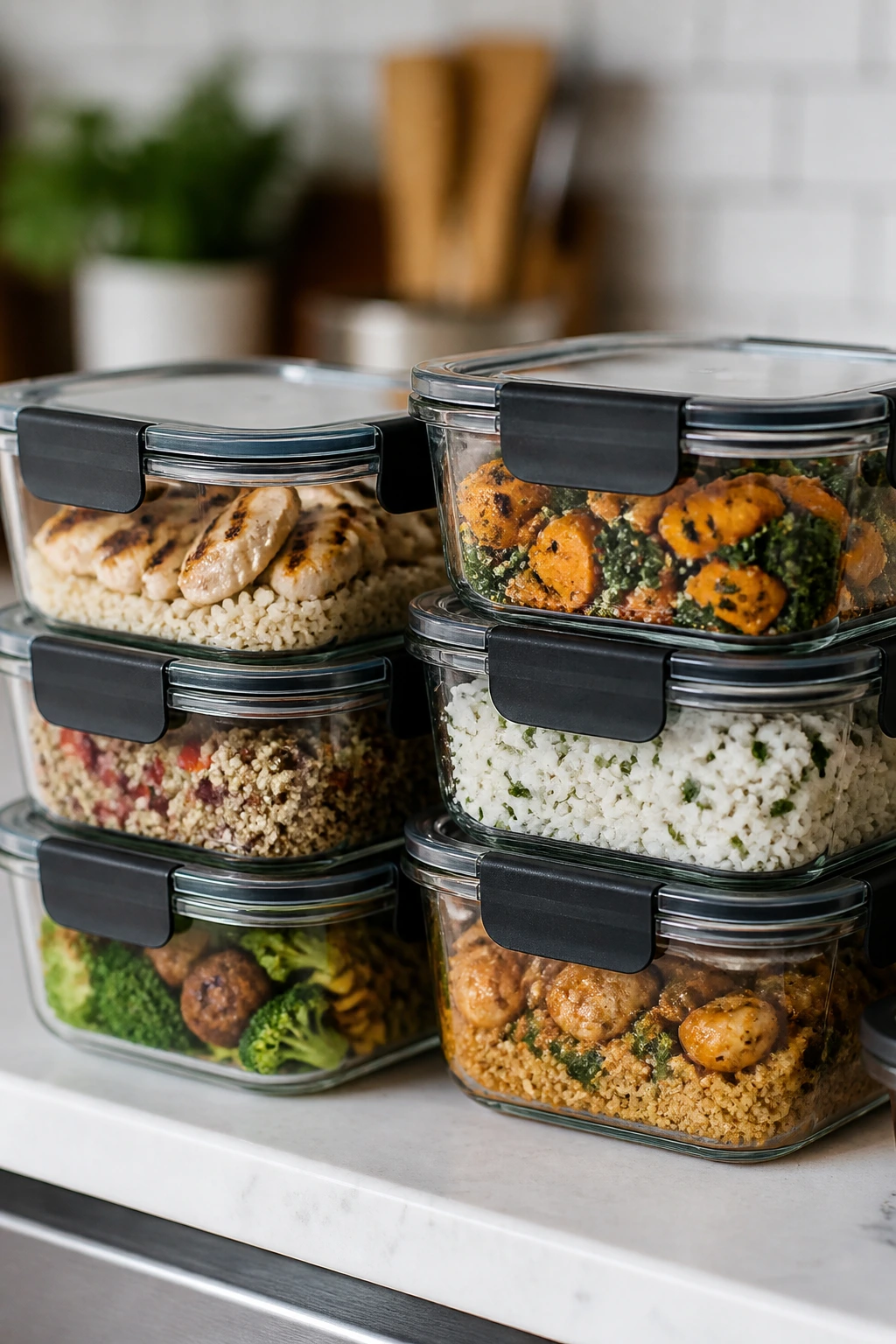
Most of these dinners keep well for 3 to 4 days in the refrigerator when stored in airtight containers. Soups, curries, and bean-based dishes can stretch a bit farther in texture, but fish and shrimp are best eaten earlier in the week, ideally within 2 to 3 days. If you’re packing a mixed meal, cool the food before sealing the lids so condensation doesn’t turn the vegetables soft.
Freezing works well for the lentil curry, white bean soup, turkey skillet meals, stuffed peppers, and many of the chicken-based dishes. They’ll keep for up to 2 months frozen without much trouble. Cod, shrimp, and zucchini-heavy recipes are less freezer-friendly because their texture changes on thawing. If you want to freeze a dish with a sauce, freeze the sauce and base together, but add fresh herbs, yogurt, avocado, or delicate greens after reheating.
For reheating, the method matters. Microwave: cover loosely and heat in 60- to 90-second bursts, stirring halfway through if the food is saucy. Skillet: best for stir-fries, taco fillings, egg roll bowls, and tofu; add 1 to 2 tablespoons of water or broth and warm over medium heat. Oven: useful for stuffed peppers, sheet-pan dinners, and pork; cover with foil and warm at 325°F until hot in the center. Soup and curry: reheat gently on the stove over medium-low so the bottom does not scorch.
If a grain bowl looks dry after chilling, don’t panic. A teaspoon of olive oil, a squeeze of lemon, or a spoonful of yogurt fixes more than most people expect. That tiny refresh is often what makes leftovers feel like a choice instead of a compromise.
Variations and Adaptations to Try
Lower-Carb Containers:
Swap rice, quinoa, or couscous for cauliflower rice, shredded cabbage, or roasted extra vegetables. This works especially well with taco bowls, stir-fries, shawarma bowls, and egg-roll-in-a-bowl recipes. You keep the same seasoning profile, just with a lighter base.
Dairy-Free Week:
Skip feta, parmesan, and yogurt, then replace the creamy finish with tahini, avocado, olive oil, or a dairy-free yogurt if you like the texture. The chicken bowls, curry, salmon tray, and pesto chicken all adapt cleanly. Just make sure the sauce still has a little body.
Kid-Friendly Mild Mode:
Keep the spice blends gentle and serve hot sauce, chili flakes, or sriracha at the table instead of mixing them in. Taco skillet, fajita bowls, shawarma bowls, and Cajun shrimp all get easier when the heat is optional. Plain rice on the side helps too.
Budget Pantry Batch:
Lean into beans, lentils, cabbage, eggs, and chicken thighs. The chickpea quinoa bake, lentil curry, cabbage stir-fry, turkey taco skillet, and egg roll bowl are especially kind to the grocery budget. Save the salmon and shrimp for weeks when you want to spend a little more.
Mediterranean Tilt:
Add lemon, oregano, parsley, olives, and feta to the chicken, chickpea, cod, and turkey pepper recipes. The flavor becomes brighter and more cohesive when you keep the seasonings in the same family. I like this route when I want leftovers that still taste fresh after chilling.
Spice-Forward Version:
Harissa, chipotle, gochujang, Cajun seasoning, and chili crisp all fit naturally into this collection. Add them where the base is creamy or grain-heavy so the heat has something to cling to. A little goes farther than most people think.
Common Mistakes to Avoid
Cooking for the first day only:
A recipe can taste fine fresh and still fall apart later. If the vegetables are too soft, the sauce is too thin, or the protein is overdone, the leftovers suffer. Choose methods and textures that keep their shape after chilling.
Packing everything together too early:
Sauces, fresh herbs, avocado, yogurt, and crunchy toppings all do better when stored separately. If they sit on the hot food from Sunday through Wednesday, the texture gets muddy. A tiny cup in the lunch container solves a lot.
Ignoring moisture control:
This shows up as watery vegetables, gummy rice, soggy zucchini, or soupy bowls. Roast at high enough heat, drain beans properly, and let cooked ingredients cool before sealing them up. Steam is useful in the pot; it is not your friend in the container.
Overcooking lean protein:
Chicken breast, cod, pork tenderloin, and shrimp all go dry if you treat them like they’re indestructible. Pull them at the right internal temperature and let carryover heat finish the job. Dry protein is hard to rescue.
Underseasoning after reheating:
Food that tasted lively on Sunday can taste tired by Tuesday. A little lemon, salt, vinegar, or fresh herb at the end restores the edges. Leftovers rarely need more complexity; they usually need a brighter finish.
Choosing the wrong base for the recipe:
Soft noodles and delicate greens are a bad bet for meal prep. Farro, brown rice, quinoa, cabbage, potatoes, beans, and sturdy roasted vegetables handle storage much better. The base matters as much as the protein.
Frequently Asked Questions
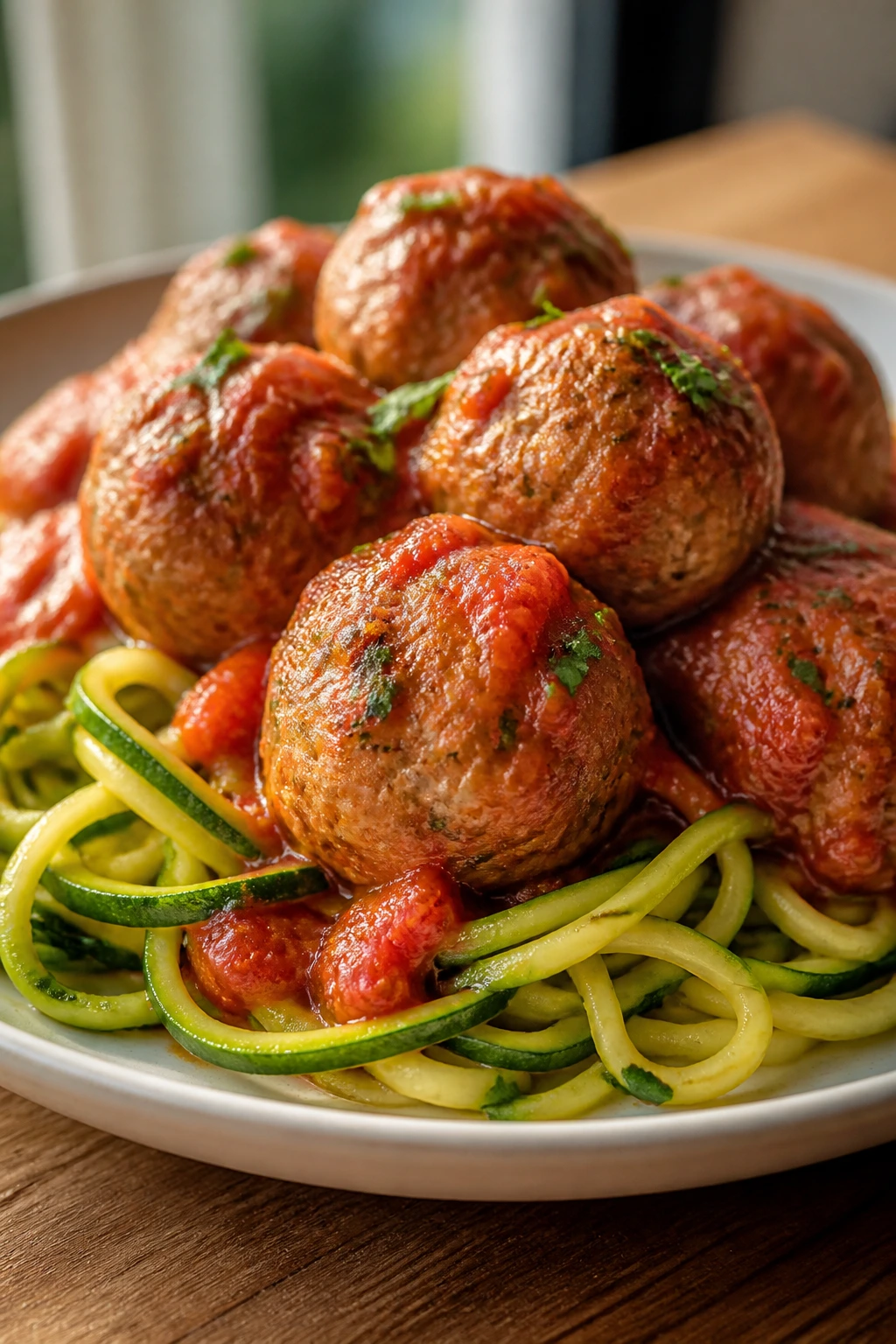
Can I cook all of these dinners on the same Sunday?
You can, but I would not do all 18 in one stretch unless you have a very large kitchen and a second refrigerator shelf ready to go. Pick 3 to 5 recipes that share ingredients or equipment, then batch the grains and chopped vegetables together where possible.
Which recipes freeze best?
The lentil curry, white bean soup, turkey taco skillet filling, stuffed peppers, cabbage stir-fry, and several of the chicken dishes freeze well. Shrimp, cod, zucchini noodles, and avocado-based bowls are much less forgiving after thawing.
How do I keep rice from getting hard in the fridge?
Cool it fully before sealing the container, then add a teaspoon of water when reheating. Brown rice, farro, and quinoa tend to hold up better than very soft white rice if you know the meal will sit for a few days.
What’s the best way to reheat sheet-pan meals?
A skillet or oven works better than the microwave for most roasted dinners. Use foil in the oven at 325°F, or warm in a skillet over medium heat with a splash of water if the pan ingredients need moisture.
Can I swap chicken breasts for thighs in these recipes?
Yes, in most cases, but chicken breasts need closer timing and a little more care. If you use breasts in the sheet-pan, shawarma, pesto, or fajita recipes, check them early and slice them only after resting.
How do I stop meal prep food from tasting bland by midweek?
Keep a bright finishing ingredient on hand: lemon, lime, vinegar, herbs, yogurt, or a little chili sauce. That final hit of acid or salt makes leftovers taste newly cooked without changing the whole recipe.
Can I make the vegetable portions ahead of the protein?
Absolutely. Chop peppers, onions, broccoli, carrots, cabbage, and sweet potatoes a day or two ahead if you want Sunday to move faster. Store them dry in sealed containers or zip bags with a paper towel to catch extra moisture.
What should I do if a dish comes out too watery?
Simmer it a few minutes longer on the stove if it’s a skillet meal, or spoon the liquid off before portioning if it’s a roasted dish. For rice bowls, keep the sauce separate next time and pack the grains underneath rather than mixing everything together.
Are these dinners good for work lunches too?
Yes, most of them are built for exactly that kind of reheating. The taco skillet, shawarma bowls, curry, egg roll bowl, lentil soup, and stuffed peppers are especially strong for lunch because they taste stable after sitting overnight.
Which recipes are best if I only have one pan or one pot?
The taco skillet, cabbage stir-fry, egg roll bowl, curry, soup, and lentil dish are the easiest one-pan or one-pot wins. If the oven is already busy, start there first.
The Sunday Batch That Pays Off
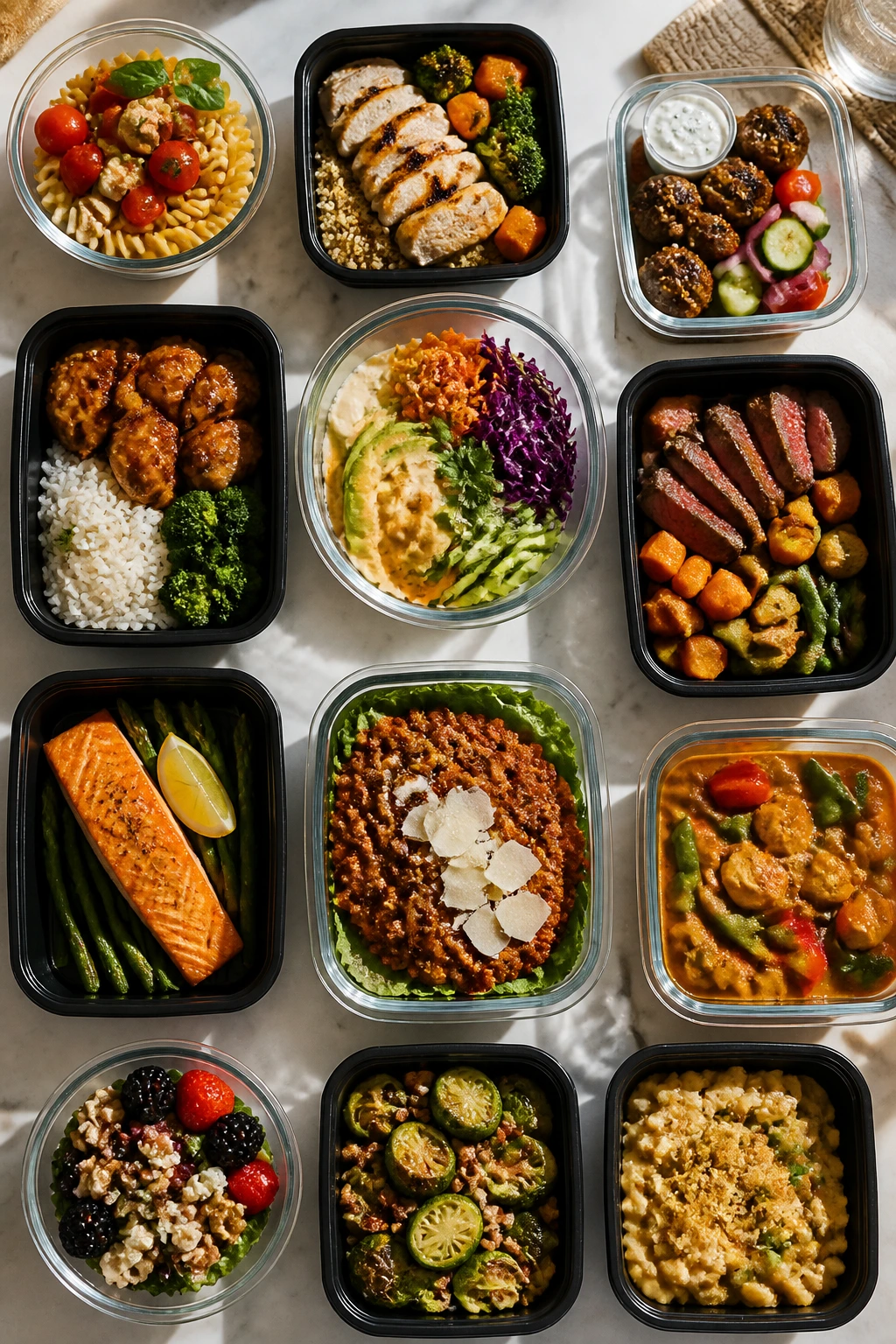
Meal prep only feels tedious when the food does not earn the effort. These dinners do. They use sturdy ingredients, sensible cooking methods, and enough flavor to survive the week without turning into beige regret.
The trick is not chasing perfection. It is building meals that stay useful after the first serving. If you open the fridge on a busy night and see chicken bowls, soup, curry, or a roasted tray that still looks good, Sunday has already done its job.