



The first clue that dinner is about to turn into a negotiation is a tiny nose wrinkle before the plate even hits the table.
Kid friendly dinners for picky eaters work best when they stay recognizable: golden chicken strips, noodles with a glossy sauce, cheese that melts into an even blanket, and vegetables chopped so small they disappear into the background. The shape matters. The smell matters. A plate that looks familiar buys you a lot more goodwill than a clever recipe that tries to impress adults first.
What saves your sanity isn’t magic. It’s repetition, mild seasoning, and a few textures kids already trust. A good dinner for a picky eater usually has one clean protein, one simple starch, and one “safe” flavor they can spot from across the room. That might be ketchup, butter, cheese, rice, or plain pasta. Fine. Use the safe thing. That’s not failure; that’s dinner getting eaten.
That’s why the recipes below lean on familiar shapes, quick cooking methods, and grocery-store ingredients you can buy without a scavenger hunt. If you’ve ever stood in the kitchen trying to decide whether a child will accept a sauce, a breadcrumb crust, or a noodle shape, you’re in the right place.
Why These Dinners Keep the Peace at the Table
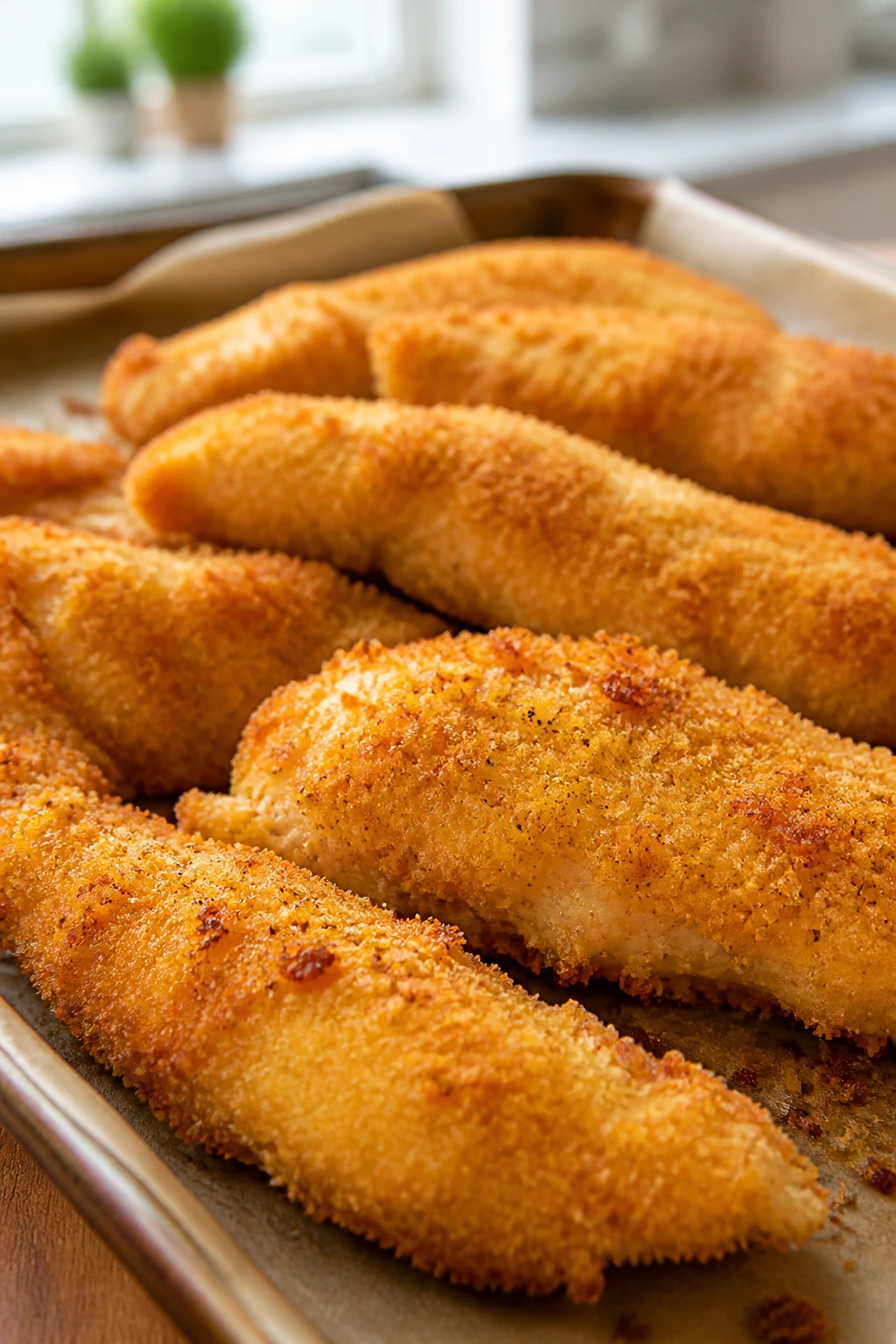
- Familiar shapes: Chicken tenders, sliders, flatbreads, and noodles tend to get more traction than mixed casseroles because kids can see what they’re eating.
- Mild by design: These recipes stay gentle on garlic, heat, and sharp spices, which means you can season the adult portions at the end instead of making one batch risky.
- Built-in escape routes: Several dishes can be served deconstructed, so a child can eat the chicken, the rice, or the cheese without having to touch the part they distrust.
- Fast cleanup: Sheet pans, skillets, and one-pot pasta show up again and again, and that matters when dinner already needs a little diplomacy.
- Leftovers that still make sense: These meals reheat in a way kids recognize, which is far better than a mystery casserole that comes back looking new and suspicious.
1. Crispy Baked Chicken Tenders
A tray of these comes out with the kind of smell that pulls kids toward the kitchen before you call them. The coating turns deeply golden, the chicken stays juicy, and the whole thing feels familiar enough that even a cautious eater usually gives it a try.
Why It Works:
Chicken tenders are a near-perfect picky-eater dinner because the shape is predictable and the flavor is plain on purpose. Baking at 425°F gives you a crisp crust without deep-frying, and the panko keeps the outside light instead of heavy. I like this version because it’s one of those rare dinners where the texture does the selling for you.
Key Ingredients:
- 1 1/2 pounds chicken tenders — Choose even-sized pieces so they bake at the same pace.
- 1 cup all-purpose flour — The dry base helps the coating cling.
- 2 large eggs — Beat them well so the crumbs stick evenly.
- 2 tablespoons milk — Loosens the egg mixture just enough for a thinner coating.
- 2 cups panko breadcrumbs — These give the best crunch.
- 1 cup finely grated parmesan — Adds salty flavor without making the crust heavy.
- 1 teaspoon kosher salt — Keeps the chicken from tasting flat.
- 1 teaspoon paprika — Adds color more than heat.
- 1/2 teaspoon garlic powder — Optional for mild savory depth.
- 2 tablespoons olive oil or cooking spray — Helps the crust brown.
Quick Steps:
- Preheat the oven to 425°F and set a wire rack on a rimmed baking sheet.
- Set up three shallow bowls: flour in one, beaten eggs and milk in the second, panko, parmesan, salt, paprika, and garlic powder in the third.
- Dredge each tender in flour, then egg, then crumb mixture, pressing lightly so the coating sticks.
- Arrange the coated tenders on the rack in a single layer and mist them with oil or spray.
- Bake for 15 to 18 minutes, flipping once halfway through, until the coating is crisp and the chicken reaches 165°F in the thickest piece.
- Rest for 3 minutes before serving so the crust stays put when you move them.
Equipment for This Recipe:
- Rimmed baking sheet — Keeps crumbs contained.
- Wire rack — Helps air circulate under the chicken.
- Three shallow bowls — Makes breading easier.
- Instant-read thermometer — The best way to avoid dry chicken.
How to Serve This Dish:
Pile them beside ketchup, honey mustard, or plain ranch and let the child choose. Add fries, cucumber spears, or apple slices if you want the plate to feel complete without adding another fight.
Pro Tips for This Recipe:
- Pat the chicken dry first; wet tenders make the coating slip.
- Use a rack if you can. Bottoms that sit flat on a pan get soggy fast.
- Press the crumbs on lightly but firmly. No need to pack them hard.
- If your oven runs cool, give the tray another 2 minutes before you flip.
Variations on This Dish:
- Parmesan-Only Crust: Skip the paprika and garlic powder, then use extra parmesan for a milder, saltier finish.
- Gluten-Free Tenders: Swap in gluten-free flour and gluten-free panko. The texture stays close enough that most kids won’t notice.
- Air-Fryer Version: Cook at 390°F for about 10 to 12 minutes, flipping once, until crisp and cooked through.
Common Mistakes to Avoid with This Dish:
- Skipping the rack: The underside turns soft if the tenders sit directly on the pan.
- Overcrowding the sheet: The crumbs steam instead of crisping, and you lose that crunch.
- Pulling them too early: A pale coating with raw spots usually means the chicken still needs a couple of minutes.
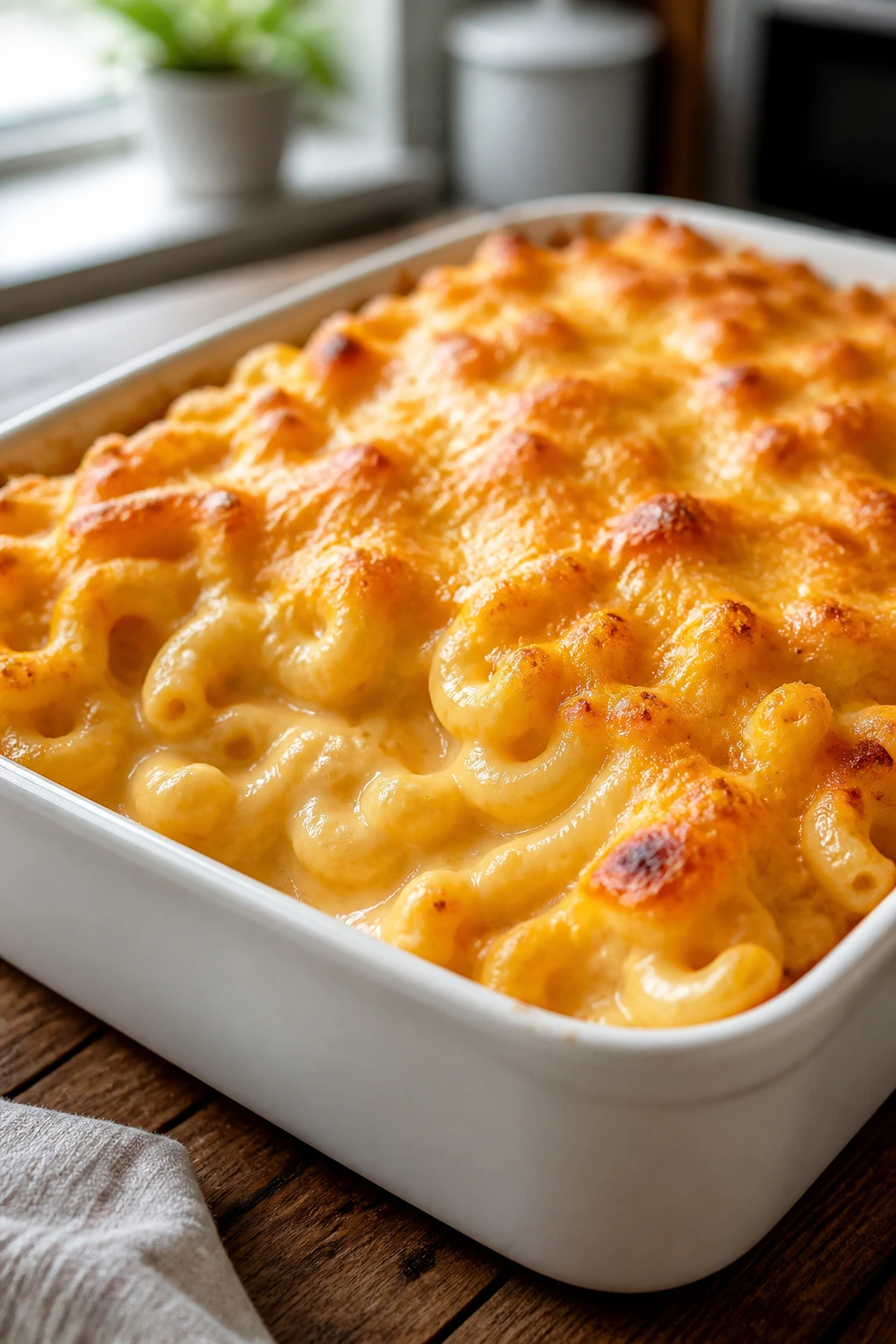
2. Cheesy Baked Mac and Cheese
This is the sort of dinner that disappears fast because nobody needs a sales pitch. You get soft noodles, a creamy cheese sauce, and a browned top that adds just enough texture to keep each bite interesting.
Why It Works:
Mac and cheese is one of the safest bets for picky eaters because every part of it is familiar. Elbow macaroni gives the right bite, and a mix of cheddar and mozzarella keeps the sauce mild without becoming bland. Baking it for a short stretch at 375°F gives you that thin, browned top that kids often treat like the best part.
Key Ingredients:
- 12 ounces elbow macaroni — Holds sauce in every bend.
- 4 tablespoons butter — Starts the roux and adds richness.
- 4 tablespoons all-purpose flour — Thickens the sauce.
- 3 cups whole milk, warmed — Warm milk makes the sauce smoother.
- 2 cups shredded sharp cheddar — Gives the main cheese flavor.
- 1 cup shredded mozzarella — Makes the sauce stretch and stay creamy.
- 1 teaspoon kosher salt — Important, since pasta and cheese both need help.
- 1/2 teaspoon black pepper — Optional, but keeps the flavor from going flat.
- 1/2 teaspoon mustard powder — A small amount sharpens the cheese without tasting like mustard.
- 1/2 cup panko mixed with 2 tablespoons melted butter — Creates the top crust.
Quick Steps:
- Boil the macaroni in salted water until just shy of al dente, then drain.
- Melt the butter in a saucepan over medium heat, whisk in the flour, and cook for 1 minute until it smells nutty.
- Whisk in the warm milk slowly and cook for 3 to 5 minutes until the sauce thickens enough to coat a spoon.
- Stir in the cheddar, mozzarella, salt, pepper, and mustard powder until smooth.
- Fold the pasta into the cheese sauce, then pour into a buttered baking dish.
- Top with buttery panko and bake at 375°F for 20 to 25 minutes, until the top is golden and the edges bubble.
Equipment for This Recipe:
- Large saucepan — For the sauce.
- Whisk — Prevents lumps in the roux.
- 9×13-inch baking dish — Gives enough room for bubbling edges.
- Box grater — Freshly shredded cheese melts better.
How to Serve This Dish:
Serve it in shallow bowls with peas, steamed broccoli, or plain sliced hot dogs on the side. For kids who like structure, keep the vegetables separate rather than stirring them in.
Pro Tips for This Recipe:
- Shred cheese from a block if you want the smoothest sauce.
- Don’t boil the sauce hard after the cheese goes in; high heat can make it grainy.
- Undercook the pasta by a minute so it stays soft after baking.
- A splash of pasta water can loosen the sauce if it gets too thick before baking.
Variations on This Dish:
- Broccoli Cheddar Version: Fold in 2 cups of small steamed broccoli florets.
- Bacon Topping Version: Add 6 chopped crisp bacon slices to the panko topping.
- Stovetop-Only Version: Skip the baking dish and serve it straight from the pot for an even softer texture.
Common Mistakes to Avoid with This Dish:
- Using cold milk in the sauce: It makes the roux seize and slows the whole process.
- Overbaking: The sauce tightens up and can turn dry around the edges.
- Choosing only super-sharp cheese: Too much sharp cheddar can taste harsh to picky eaters; the mozzarella keeps it gentle.
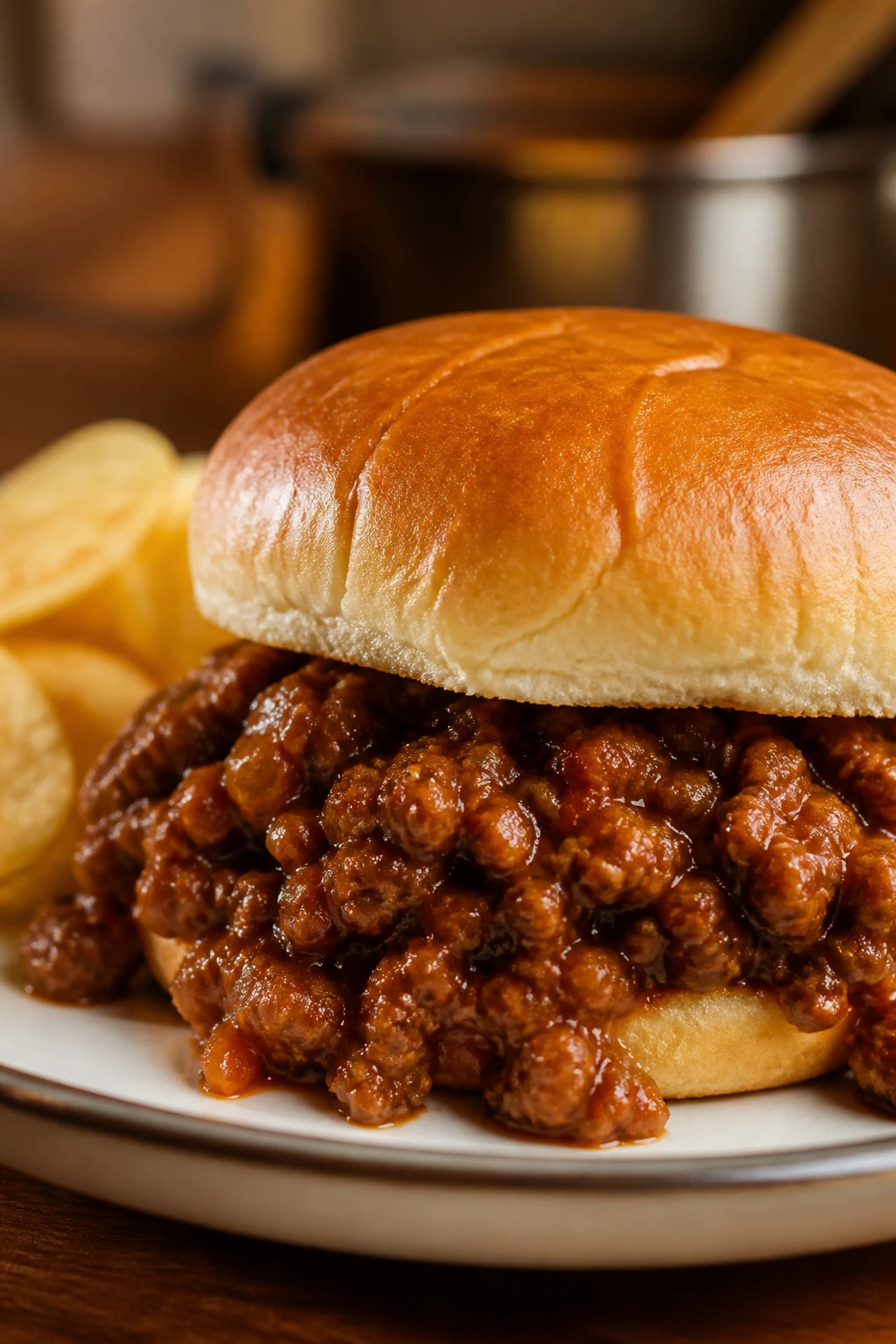
3. Simple Sloppy Joes
This is messy in the best possible way. The filling turns glossy and spoonable, the buns soften just enough under the heat, and the whole plate feels like the kind of dinner that does not ask too many questions.
Why It Works:
Sloppy joes land well with picky eaters because the flavors are sweet, savory, and very recognizable. The meat is chopped fine, the sauce clings to every bite, and you can keep the whole thing mild by choosing ketchup, tomato paste, and just a little Worcestershire. Toasted buns matter here. They keep the bottom from turning soggy halfway through dinner.
Key Ingredients:
- 1 pound ground beef or ground turkey — Use 85/15 beef or 93/7 turkey for enough flavor.
- 1 small yellow onion, finely diced — Melts into the filling as it cooks.
- 2 cloves garlic, minced — Optional, but a small amount keeps the sauce from tasting flat.
- 3/4 cup ketchup — Gives the classic sweet tomato base.
- 2 tablespoons tomato paste — Deepens the flavor.
- 1 tablespoon Worcestershire sauce — Adds savory depth.
- 1 tablespoon brown sugar — Balances the tomato.
- 1 teaspoon yellow mustard — Sharpens the sauce without making it spicy.
- 1/2 teaspoon salt — Brings the filling into focus.
- 6 hamburger buns, lightly toasted — The toast matters more than people think.
Quick Steps:
- Brown the beef or turkey in a skillet over medium-high heat, breaking it up as it cooks.
- Add the onion and garlic and cook for 3 to 4 minutes, until the onion looks soft and glossy.
- Stir in the ketchup, tomato paste, Worcestershire, brown sugar, mustard, and salt.
- Simmer on low for 8 to 10 minutes, stirring now and then, until the sauce thickens and coats the meat.
- Toast the buns under the broiler or in a dry skillet for a minute or two.
- Spoon the filling onto the buns and serve right away.
Equipment for This Recipe:
- Large skillet — A wide pan gives the meat room to brown.
- Wooden spoon or spatula — Good for breaking up the meat.
- Broiler-safe tray or skillet — Helpful for toasting buns.
How to Serve This Dish:
Put pickle chips, potato wedges, or carrot sticks on the side. A few people like a slice of cheddar melted on top, but I’d keep that optional and let each eater decide.
Pro Tips for This Recipe:
- Drain off excess fat if you use beef; greasy filling slips right out of the bun.
- Let the sauce simmer long enough to thicken. Thin sloppy joes drip everywhere.
- Toasting the buns gives them a little backbone and keeps the sandwich from collapsing.
Variations on This Dish:
- BBQ-Style Filling: Swap half the ketchup for barbecue sauce for a sweeter, smokier version.
- Turkey-and-Corn Version: Stir in 1 cup thawed corn kernels for extra color and a little crunch.
- Meatless Version: Use 2 cups cooked lentils in place of the meat and simmer the sauce a few minutes longer.
Common Mistakes to Avoid with This Dish:
- Leaving the filling too wet: It soaks the bun and turns dinner into a mess.
- Overdoing the mustard or Worcestershire: Small amounts help; too much starts to taste sharp.
- Serving on soft buns straight from the bag: Toast them. Seriously. It changes everything here.
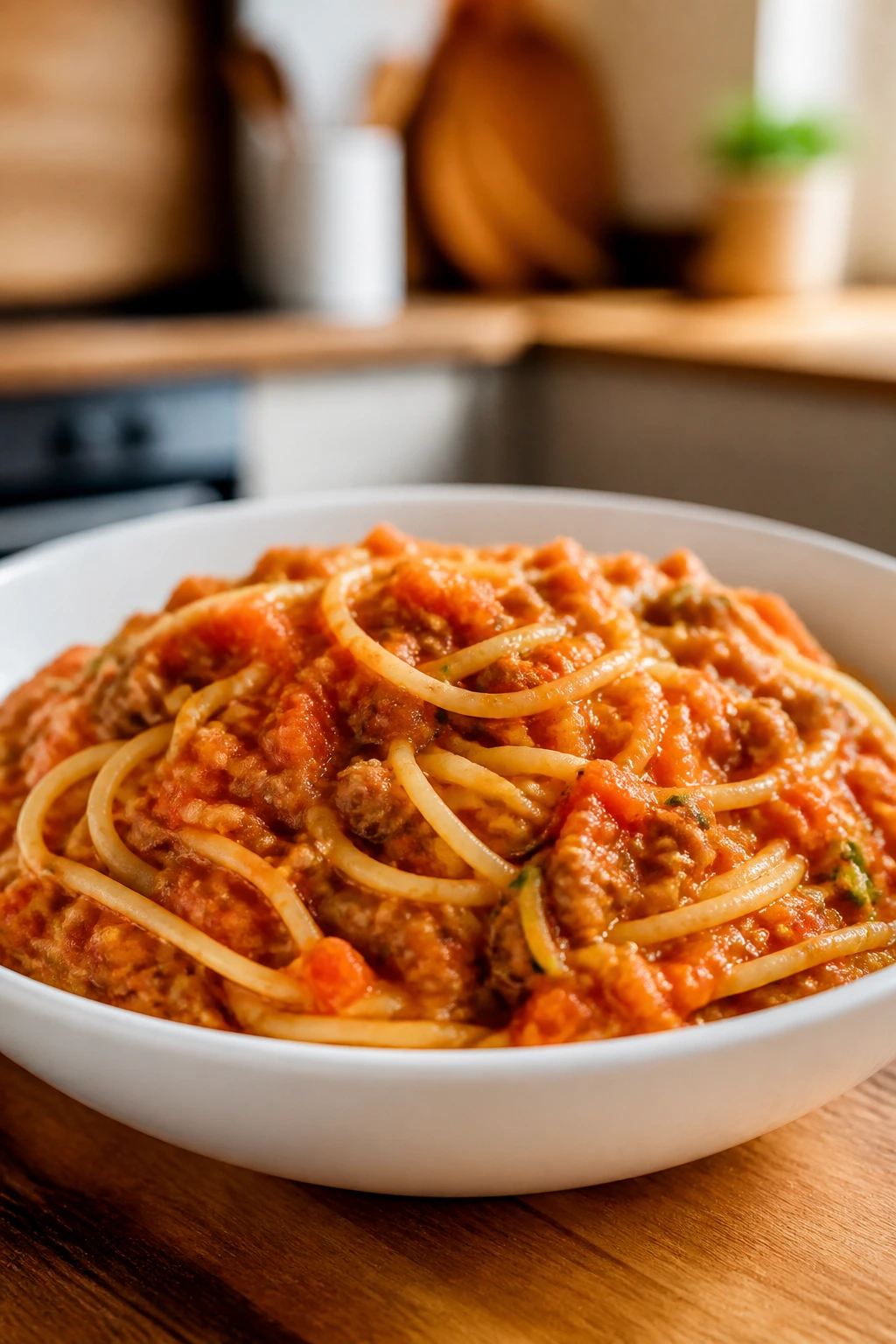
4. Hidden-Veggie Spaghetti
The trick with this one is not hiding vegetables so hard that dinner turns strange. The better move is to mince them fine enough that they melt into the sauce and leave the pasta looking like a normal bowl of spaghetti, which is exactly what most picky eaters want.
Why It Works:
Spaghetti already has the right shape: long, familiar, and easy to twirl. When you grate carrots and zucchini into a tomato sauce, they soften into the background instead of standing out. Ground turkey or beef gives the sauce enough body that the vegetables do not feel like a substitution. They feel like part of the sauce, which is the whole point.
Key Ingredients:
- 12 ounces spaghetti — A standard box is enough for a family meal.
- 1 tablespoon olive oil — For sautéing the vegetables.
- 1 small onion, finely diced — Builds the base flavor.
- 1 medium carrot, finely grated — Melts into the sauce.
- 1 medium zucchini, finely grated and squeezed dry — Adds moisture and disappears into the mix.
- 1 pound ground turkey or ground beef — Keep the pieces small.
- 24 ounces marinara sauce — Use a mild jarred sauce you trust.
- 1 teaspoon Italian seasoning — Light seasoning only.
- 1/2 teaspoon salt — Adjust after tasting.
- 1/2 cup grated parmesan — For serving.
Quick Steps:
- Cook the spaghetti in salted water until al dente, then drain.
- Warm the olive oil in a skillet over medium heat and cook the onion, carrot, and zucchini for 4 to 5 minutes until soft.
- Add the ground turkey or beef and cook until browned, breaking it up as you go.
- Stir in the marinara and Italian seasoning, then simmer for 10 to 15 minutes until the sauce tastes rounded and the vegetables have fully softened.
- Toss the pasta with the sauce and add a splash of pasta water if it looks dry.
- Top with parmesan and serve.
Equipment for This Recipe:
- Large pot — For the pasta.
- Large skillet or sauté pan — For the sauce.
- Box grater — Makes the vegetables disappear faster.
- Colander — For draining the spaghetti.
How to Serve This Dish:
Keep garlic bread on the side and let the sauce stay on the pasta instead of piling on extra toppings. If you want a vegetable alongside it, serve cucumber coins or a few steamed green beans in a separate bowl.
Pro Tips for This Recipe:
- Squeeze the grated zucchini in a clean towel or it will water down the sauce.
- A mild jarred marinara is easier to control than a strong, heavily spiced one.
- If you want more richness, stir in 1 tablespoon of butter at the end.
Variations on This Dish:
- Meatless Weeknight Version: Skip the ground meat and add 1 cup cooked lentils for a softer, earthier sauce.
- Cheesy Baked Version: Mix the spaghetti and sauce with 1 cup mozzarella, top with more cheese, and bake at 375°F for 15 minutes.
- Plain Red Sauce Version: Leave the vegetables out entirely and serve the sauce simple and smooth for the most cautious eaters.
Common Mistakes to Avoid with This Dish:
- Leaving the zucchini wet: Extra moisture makes the sauce thin.
- Using a strong sauce too early: Spicy or herb-heavy marinara can turn kids off fast.
- Overcooking the pasta: Spaghetti that goes too soft loses the texture kids expect.
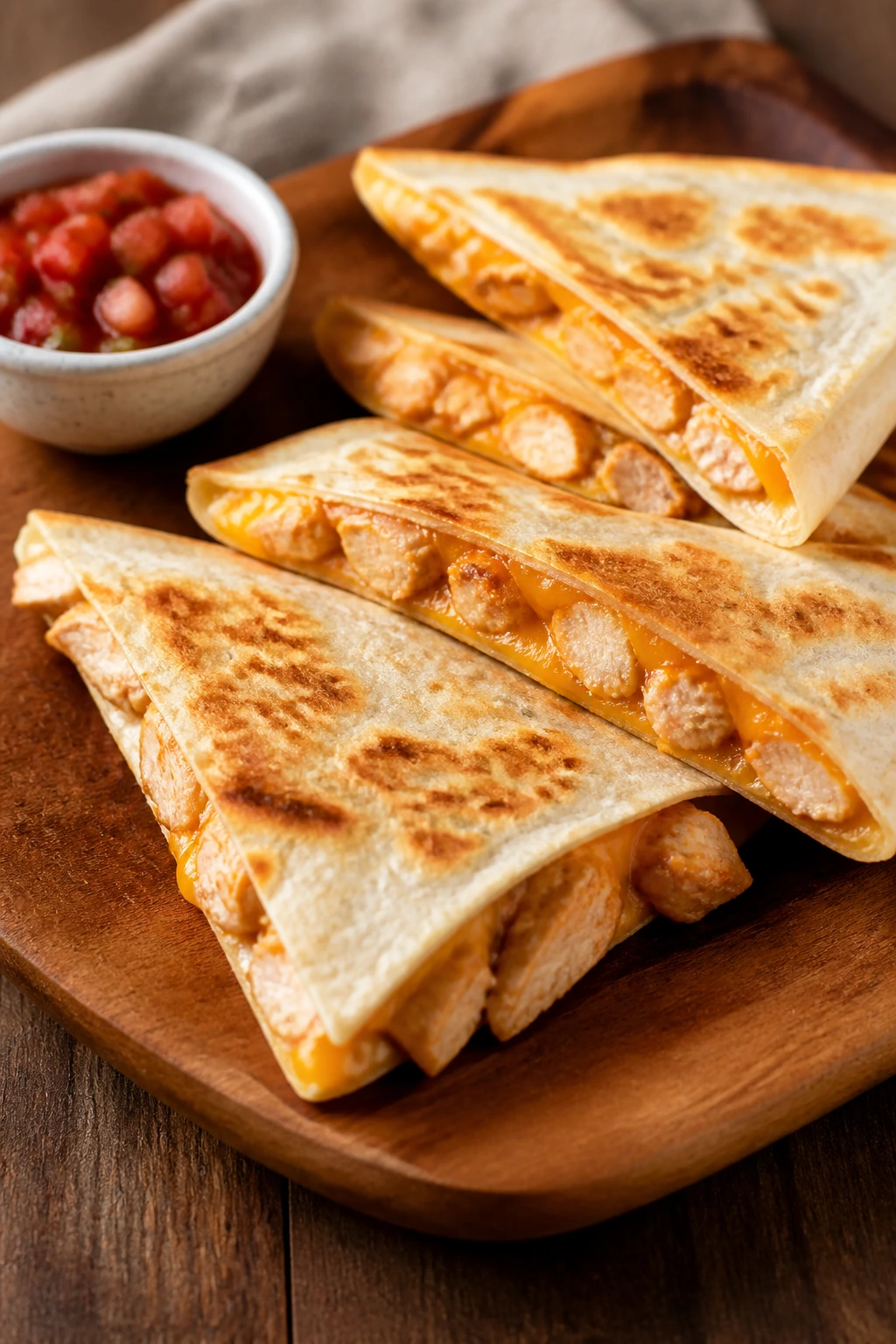
5. Chicken Quesadillas
A quesadilla is one of the few dinners that can look almost identical every time and still feel like a win. The tortilla crisps on the outside, the cheese melts in the middle, and the chicken stays tucked away in small, manageable pieces.
Why It Works:
Picky eaters tend to trust food that can be held in one hand. Quesadillas are built for that. You can keep the filling mild, serve the salsa on the side, and cut the whole thing into tidy triangles that feel less like “a meal” and more like something worth picking up.
Key Ingredients:
- 2 cups shredded cooked chicken — Rotisserie chicken makes this fast.
- 1 1/2 cups shredded cheddar or Monterey Jack — Mild, melty cheese is the goal.
- 4 large flour tortillas — Soft tortillas fold without cracking.
- 2 tablespoons butter — For crisping the outside.
- 1/4 teaspoon salt — Only if your chicken is plain.
- 2 tablespoons mild salsa, optional — Best served on the side for cautious eaters.
- Sour cream for serving — Optional, but many kids like it.
- 1/2 avocado, sliced, optional — Leave it off the main quesadilla if needed.
Quick Steps:
- Heat a skillet over medium-low and melt a little butter in it.
- Lay one tortilla in the pan and scatter cheese over half of it.
- Add the chicken in a thin layer, then top with a little more cheese so the tortilla seals properly.
- Fold the tortilla and cook for 2 to 3 minutes per side until the outside is golden and the cheese has melted.
- Transfer to a cutting board and rest for 1 minute before slicing into wedges.
- Serve with salsa and sour cream on the side.
Equipment for This Recipe:
- 10- or 12-inch skillet — Big enough to fold without crowding.
- Spatula — For flipping cleanly.
- Cutting board — For slicing into wedges.
How to Serve This Dish:
Pair the wedges with fruit, corn, or plain rice so the plate stays familiar. Keep the salsa separate. Kids who like dipping will go for it, and kids who don’t can ignore it without drama.
Pro Tips for This Recipe:
- Keep the heat medium-low. High heat burns tortillas before the cheese melts.
- Do not overfill. A stuffed quesadilla leaks and tears.
- Let it rest for a minute before slicing so the filling stays inside.
Variations on This Dish:
- Bean-and-Cheese Version: Swap the chicken for 1 cup canned black beans, rinsed and mashed slightly.
- Pizza Quesadilla: Use mozzarella, a spoonful of pizza sauce, and tiny bits of pepperoni.
- Breakfast Quesadilla: Fill with scrambled eggs, cheese, and chopped sausage for a morning-style dinner.
Common Mistakes to Avoid with This Dish:
- Using too much filling: The tortilla breaks and the cheese escapes.
- Cooking too hot: The outside darkens before the middle melts.
- Skipping the rest time: Hot cheese runs out the second you cut it.
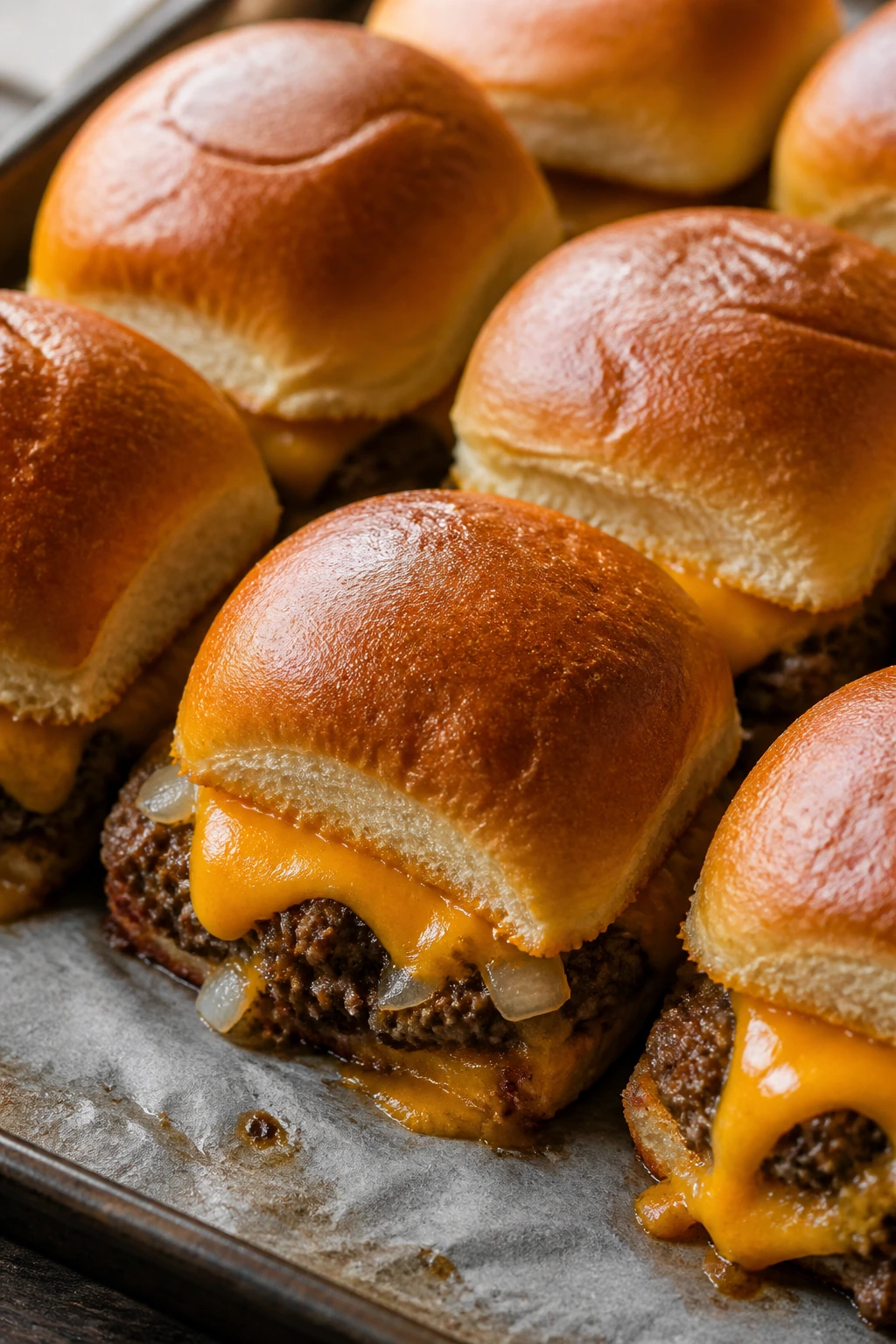
6. Cheeseburger Sliders
These little sandwiches feel casual in a way kids understand right away. The beef is familiar, the cheese melts into the bun, and the whole tray comes out looking like something you can grab without using a fork.
Why It Works:
Sliders are useful because they shrink the burger experience down to a size that does not overwhelm. The soft roll, the salty beef, and the melted cheese all stay simple. Bake them as a tray and you get less fuss than making individual burgers, which is one reason I keep this one in the regular rotation.
Key Ingredients:
- 1 1/2 pounds ground beef — 85/15 gives enough flavor without too much grease.
- 1 small onion, grated or finely minced — Melts into the beef.
- 1 teaspoon salt — Builds the burger flavor.
- 1/2 teaspoon black pepper — Optional, but useful.
- 1 tablespoon ketchup — Keeps the filling tender and familiar.
- 12 slider buns — Soft rolls work best.
- 8 slices cheddar cheese — Mild and easy to melt.
- 2 tablespoons melted butter — For brushing the tops.
- 1 tablespoon sesame seeds, optional — A classic burger finish if your crowd likes it.
Quick Steps:
- Preheat the oven to 375°F and line a baking dish or sheet pan with foil.
- Brown the beef with the onion, salt, pepper, and ketchup in a skillet over medium-high heat.
- Drain the excess fat if needed, then spread the beef evenly over the bottom halves of the slider buns.
- Top with cheddar, replace the bun tops, and brush the tops with melted butter.
- Bake for 12 to 15 minutes, until the cheese melts and the buns turn lightly golden.
- Slice and serve warm.
Equipment for This Recipe:
- Large skillet — For browning the beef.
- 9×13-inch baking dish or rimmed sheet pan — Holds the sliders in place.
- Pastry brush — Useful for the butter topping.
How to Serve This Dish:
Serve with oven fries or a few tomato slices and keep pickles on a separate plate. That way everyone can build their own burger without negotiating the whole tray.
Pro Tips for This Recipe:
- Grating the onion keeps the filling soft and less noticeable.
- If your buns are very soft, toast the bottoms for a minute before filling.
- Keep the beef layer even so every slider gets the same amount.
Variations on This Dish:
- Bacon Cheeseburger Sliders: Add a little cooked, crumbled bacon between the beef and cheese.
- Turkey Slider Version: Use ground turkey and add a touch more ketchup for moisture.
- Plain Cheeseburger Version: Skip onion and sesame seeds if you need the shortest path to acceptance.
Common Mistakes to Avoid with This Dish:
- Using too much grease: It leaks into the buns and makes the bottoms soggy.
- Skipping the butter on top: The buns bake up pale and dry.
- Overstuffing the tray: The sliders need space so they heat evenly.
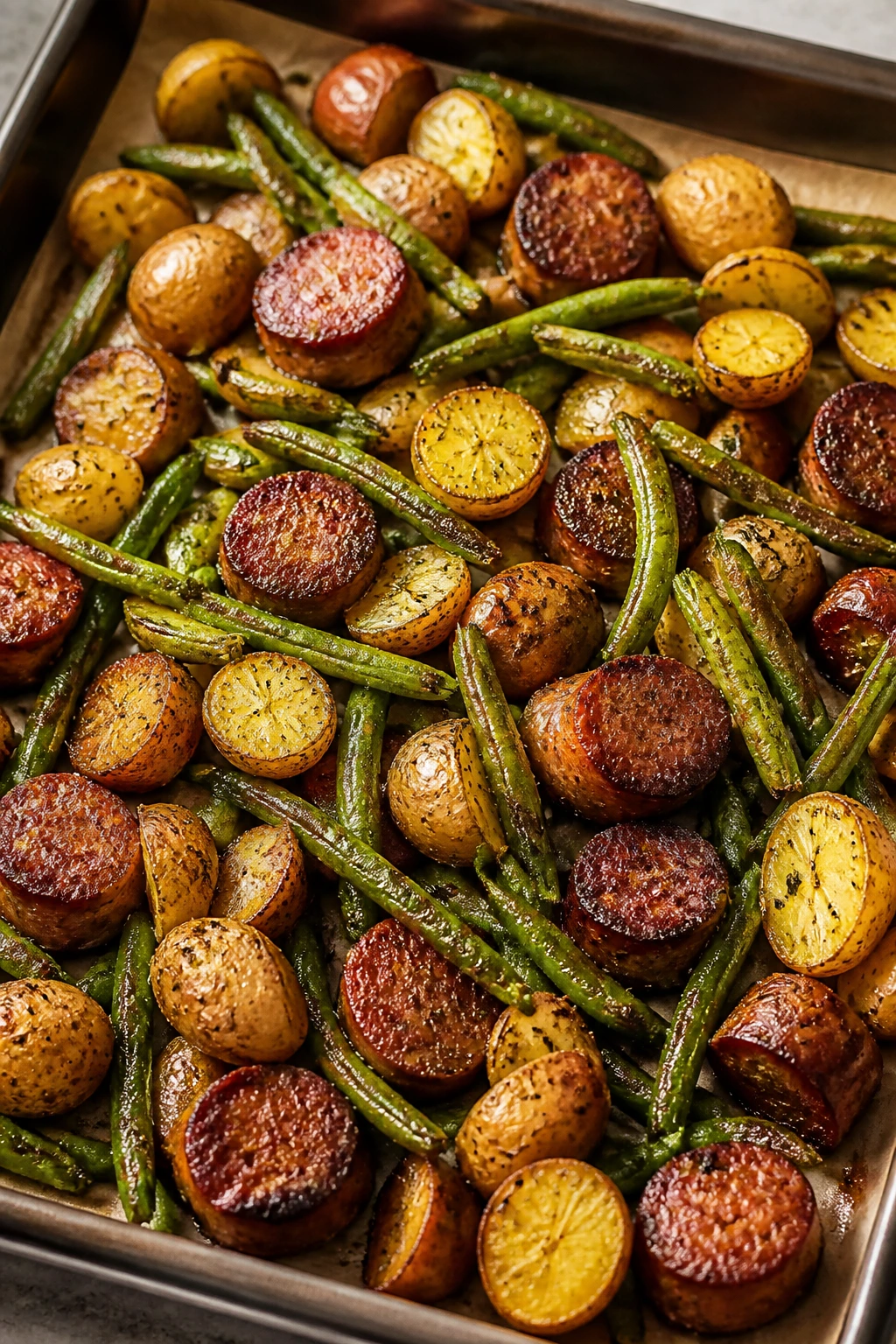
7. Sheet Pan Sausage, Potatoes, and Green Beans
This is the kind of dinner that makes sense the second it lands on the table. Crispy sausage, tender potatoes, and green beans with a little caramelized edge — nothing weird, nothing fussy, and only one sheet pan to wash.
Why It Works:
A sheet-pan dinner helps picky eaters because every piece is separate. No sauce pooling in one corner. No hidden textures. The potatoes get the longest roast, the sausage brings salt and smoke, and the green beans stay crisp-tender if you add them halfway through. That timing matters.
Key Ingredients:
- 1 1/2 pounds baby potatoes, halved — Small potatoes roast faster and stay creamy.
- 12 ounces smoked sausage, sliced into coins — Choose a mild style.
- 12 ounces green beans, trimmed — Add color and a little snap.
- 2 tablespoons olive oil — Helps everything brown.
- 1 teaspoon garlic powder — Mild seasoning.
- 1 teaspoon paprika — Adds warmth and color.
- 1 teaspoon kosher salt — Adjust after tasting.
- 1/2 teaspoon black pepper — Optional.
Quick Steps:
- Preheat the oven to 425°F and line a rimmed sheet pan with parchment.
- Toss the potatoes with half the oil, garlic powder, paprika, salt, and pepper.
- Roast the potatoes for 15 minutes to get them started.
- Add the sausage and green beans tossed with the remaining oil, then spread everything into a single layer.
- Roast for another 12 to 15 minutes until the potatoes are tender and the sausage edges are browned.
- Serve hot, with mustard on the side if anyone wants it.
Equipment for This Recipe:
- Rimmed sheet pan — Essential here.
- Mixing bowl — For tossing the vegetables.
- Sharp knife — To halve the potatoes cleanly.
How to Serve This Dish:
I like this with warm rolls or a small bowl of applesauce for a sweet contrast. If you need a fuller plate, add a spoonful of rice or buttered noodles without changing the mood of the meal.
Pro Tips for This Recipe:
- Cut the potatoes small and evenly or they’ll lag behind the sausage.
- Keep the green beans on the outside of the pan if your oven has hot spots.
- Don’t skip the halfway toss; it gives you better browning.
Variations on This Dish:
- Chicken Sausage Version: Swap in mild chicken sausage for a lighter flavor.
- Carrot-and-Potato Version: Add sliced carrots with the potatoes if you want extra sweetness.
- Garlic Butter Finish: Toss everything with 1 tablespoon melted butter at the end for a richer finish.
Common Mistakes to Avoid with This Dish:
- Crowding the pan: Steam kills the roasted edges.
- Adding the green beans too early: They turn dull and soft.
- Using giant potato chunks: They take too long and the sausage overcooks while waiting.
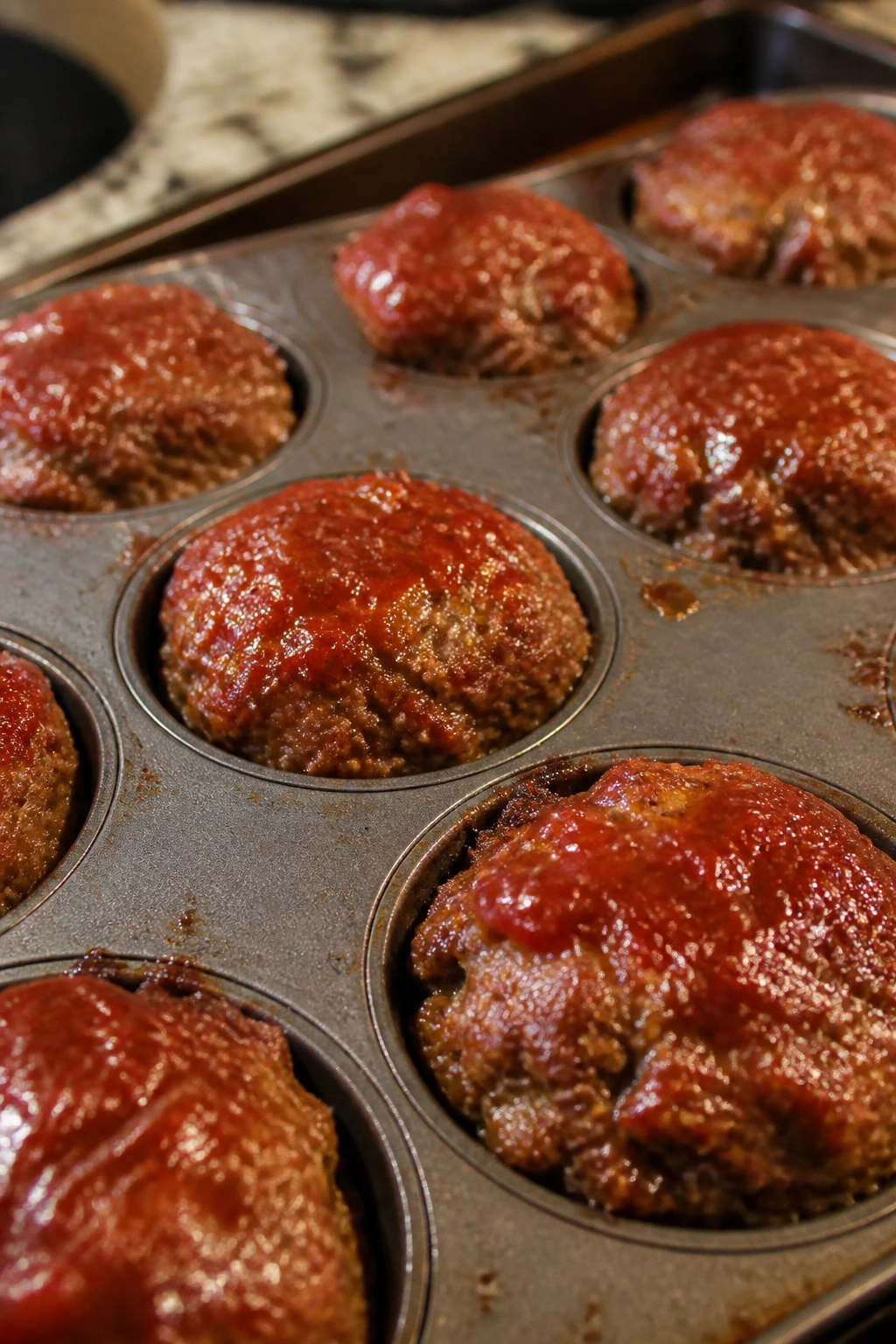
8. Mini Meatloaf Muffins
Meatloaf gets less resistance when it shrinks into individual portions. Muffin tin meatloaves bake faster, look neat on the plate, and keep the glaze where it belongs instead of sliding off the side of a giant loaf.
Why It Works:
Kids often do better with food that has a clean shape. These mini loaves have a soft center, a caramelized top, and the same ketchup glaze many children already like. Baking them in a muffin tin gives you predictable portions and shortens the cook time, which is a gift on a school night.
Key Ingredients:
- 1 1/2 pounds ground beef or ground turkey — Use beef for more flavor or turkey for a lighter bite.
- 1 cup plain breadcrumbs — Holds the loaf together.
- 1 large egg — Binds everything.
- 1 small onion, finely grated — Disappears into the mix.
- 1/4 cup milk — Keeps the meatloaf from drying out.
- 2 tablespoons ketchup — Built into the mix for a familiar flavor.
- 1 tablespoon Worcestershire sauce — Adds depth.
- 1 teaspoon salt — Necessary for a full flavor.
- 1/2 teaspoon pepper — Optional.
- 1/3 cup ketchup mixed with 1 tablespoon brown sugar — The glaze.
Quick Steps:
- Preheat the oven to 400°F and grease a 12-cup muffin tin.
- Mix the beef, breadcrumbs, egg, onion, milk, ketchup, Worcestershire, salt, and pepper in a bowl until just combined.
- Divide the mixture evenly among the muffin cups, packing gently.
- Top each one with a spoonful of glaze.
- Bake for 18 to 22 minutes, until the centers reach 160°F for beef or 165°F for turkey.
- Rest for 5 minutes before lifting them out.
Equipment for This Recipe:
- 12-cup muffin tin — The whole point of the recipe.
- Mixing bowl — Big enough to combine everything without spilling.
- Instant-read thermometer — Prevents overcooking.
How to Serve This Dish:
Serve with mashed potatoes and peas, or cut the minis in half and tuck them into rolls. The glaze gives enough sweetness that you do not need a complicated side.
Pro Tips for This Recipe:
- Mix just until combined. Overmixing makes the muffins dense.
- Grating the onion keeps the texture smoother for picky eaters.
- Let them rest before removing so they stay in one piece.
Variations on This Dish:
- BBQ Glaze Version: Swap the ketchup glaze for barbecue sauce.
- Turkey-and-Parmesan Version: Add 1/4 cup parmesan to the mix for a milder savory note.
- Gluten-Free Version: Use gluten-free breadcrumbs and check that your Worcestershire sauce is gluten-free.
Common Mistakes to Avoid with This Dish:
- Packing the meat too tightly: The muffins turn heavy.
- Skipping the glaze: You lose the shiny top that makes them feel familiar.
- Overbaking: Turkey dries out fast if you leave it in too long.
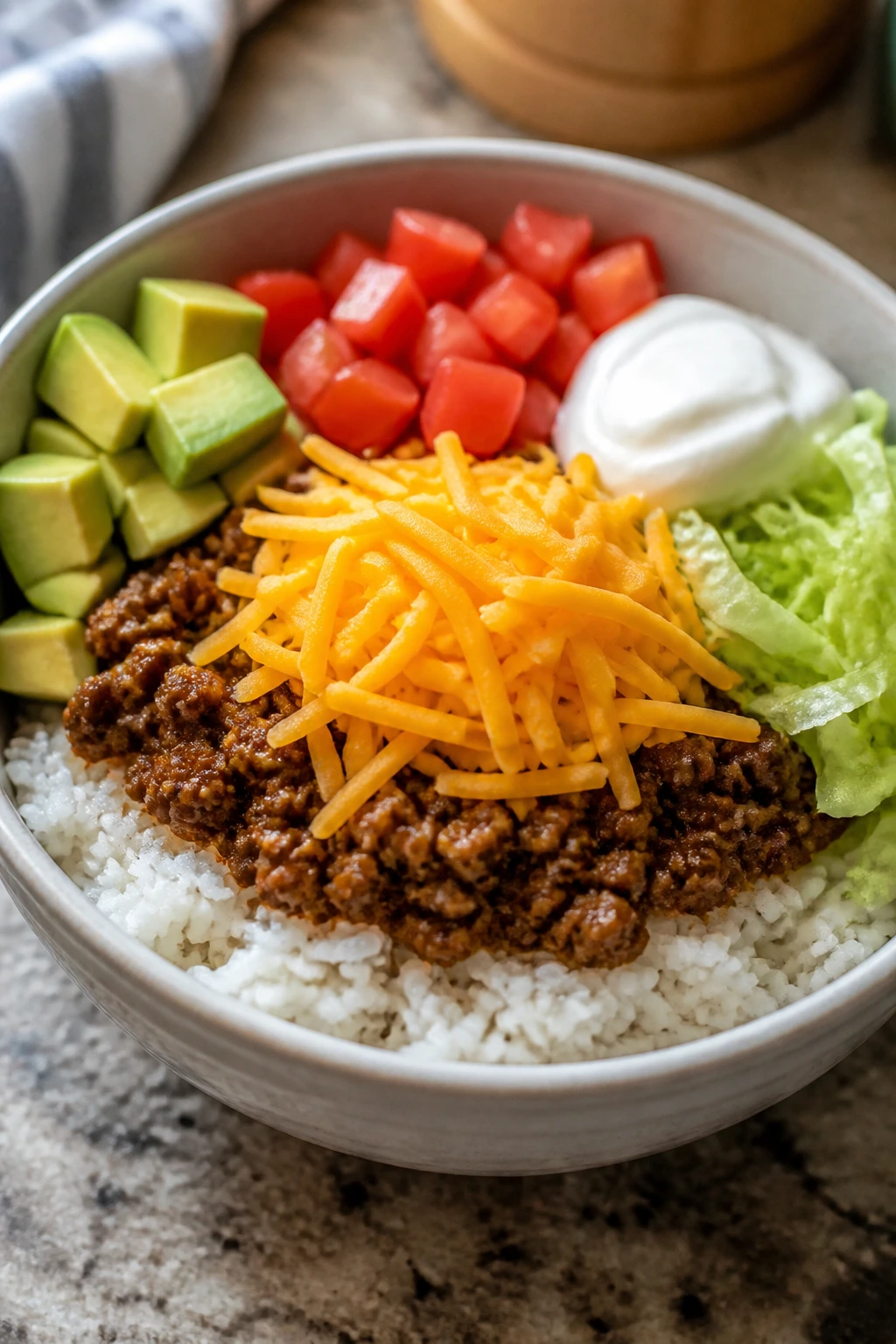
9. Mild Taco Rice Bowls
These bowls let everyone build the plate they can handle. Rice at the bottom, seasoned meat in the middle, cheese on top, and the extras lined up separately. That format matters when some kids want every topping and others want plain rice with one piece of cheese.
Why It Works:
A taco bowl solves the texture problem by letting each ingredient stay distinct. The rice is soft, the meat is savory but not hot, and the toppings can stay optional. Use a mild taco seasoning and keep the salsa on the side, and you get the flavor of tacos without forcing a fully mixed bowl on anyone.
Key Ingredients:
- 2 cups cooked white rice — Warm and fluffy, not sticky.
- 1 pound ground beef or turkey — A mild base for the seasoning.
- 1 tablespoon mild taco seasoning — Use less than you would for taco night.
- 1/4 cup water — Helps the seasoning cling.
- 1 cup shredded cheddar — The easiest cheese for kids to accept.
- 1 cup shredded lettuce — Optional, kept on the side if needed.
- 1/2 cup corn, thawed or warmed — Sweet and simple.
- 1/2 cup salsa — Mild salsa only.
- 1/2 cup sour cream — Cools the bowl down.
Quick Steps:
- Cook the rice and keep it warm.
- Brown the meat in a skillet over medium-high heat, then drain excess fat.
- Stir in taco seasoning and water and simmer for 2 to 3 minutes until the mixture looks saucy but not wet.
- Spoon rice into bowls, then top with the meat and cheese.
- Add lettuce, corn, salsa, and sour cream on the side or in neat piles.
- Serve immediately while the rice is still warm.
Equipment for This Recipe:
- Skillet — For the meat.
- Saucepan or rice cooker — For the rice.
- Serving bowls — Helpful for keeping toppings separate.
How to Serve This Dish:
Set the bowl components on the table buffet-style. Kids often do better when they can choose one topping at a time, and adults can pile theirs higher without changing the base recipe.
Pro Tips for This Recipe:
- Use mild seasoning first; you can always add heat to the adult bowl.
- Warm the rice before assembling or the cheese won’t melt as nicely.
- Keep watery toppings like salsa or tomatoes in separate bowls.
Variations on This Dish:
- Burrito Bowl Version: Add black beans and avocado if your crowd accepts them.
- Nacho Bowl Version: Swap rice for crushed tortilla chips and use a little queso.
- Cauliflower Rice Version: Use cauliflower rice for one portion and keep the toppings the same.
Common Mistakes to Avoid with This Dish:
- Over-seasoning the meat: Taco spice that tastes fine to adults can be too much for a picky kid.
- Using soggy rice: Rice that’s too wet turns the bowl into mush.
- Mixing everything together too soon: Let each eater build their own bowl.
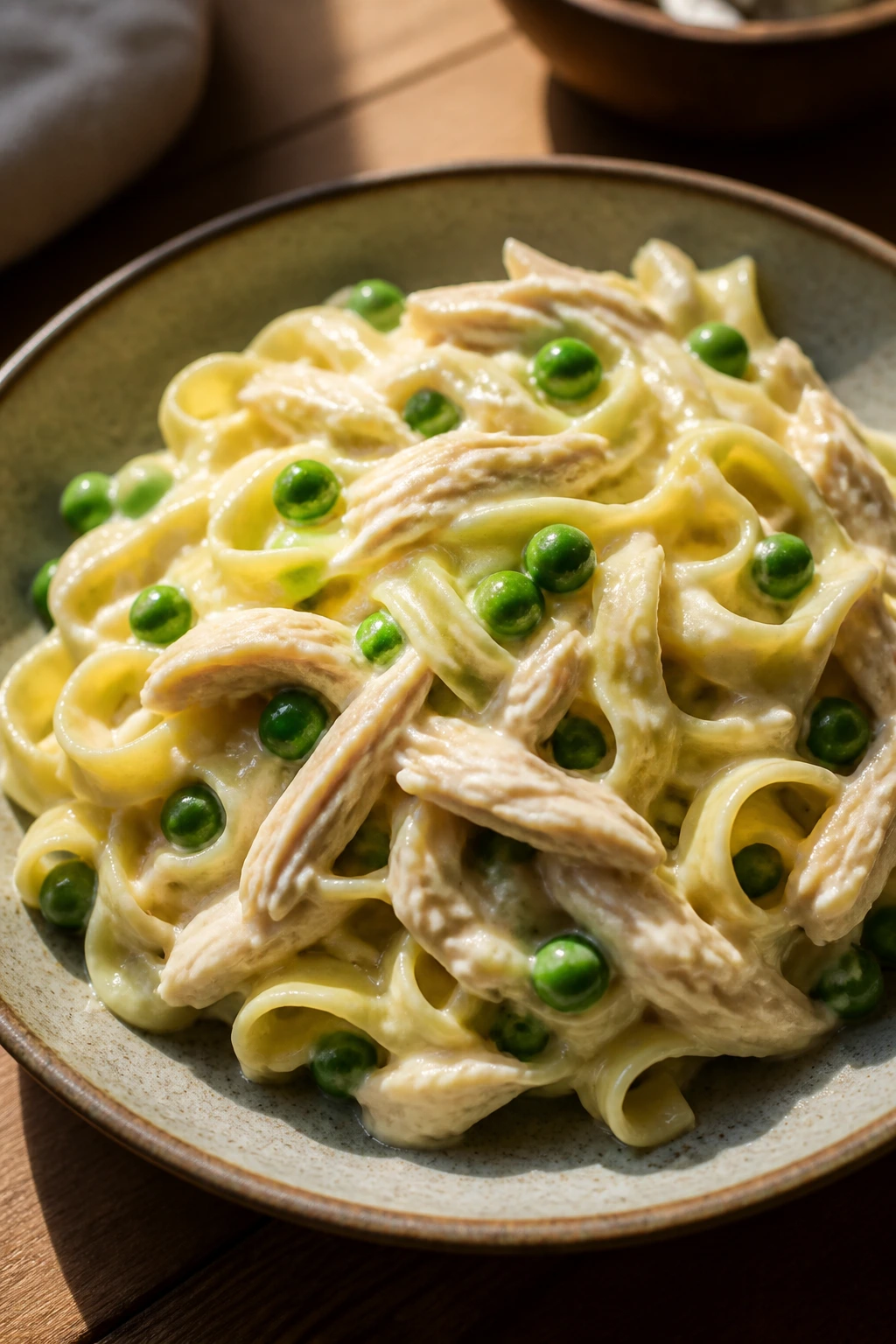
10. Creamy Buttered Noodles with Chicken and Peas
This is the dinner equivalent of a clean white shirt: plain, useful, and easy to trust. Buttered noodles get the kids in the door, and the chicken and peas make the plate feel like an actual meal instead of a side dish pretending to be one.
Why It Works:
The sauce is gentle, the noodles are soft, and the add-ins are small enough not to startle anyone. Frozen peas are one of the best shortcuts in this entire category because they cook in minutes and keep a bright pop of color. Rotisserie chicken makes the whole thing fast enough for a weeknight, which is why I like it so much.
Key Ingredients:
- 12 ounces egg noodles — Their soft texture is easy for kids.
- 2 tablespoons butter — The main flavor here.
- 1 cup frozen peas — Thaw fast in the hot pasta water.
- 2 cups cooked chicken, shredded or diced — Rotisserie chicken works well.
- 1/2 cup chicken broth — Keeps the noodles glossy.
- 1/3 cup heavy cream or whole milk — Makes the sauce creamy.
- 1/2 cup grated parmesan — Adds salt and body.
- 1/2 teaspoon salt — Taste before adding more.
- 1/4 teaspoon black pepper — Optional.
Quick Steps:
- Boil the noodles in salted water until tender, then reserve a cup of the cooking water and drain.
- Melt the butter in the empty pot over low heat.
- Stir in the broth and cream, then add the peas and chicken.
- Toss in the noodles and parmesan until everything is coated and glossy.
- Add a splash of pasta water if the noodles look dry.
- Serve warm, with a little extra parmesan on top if wanted.
Equipment for This Recipe:
- Large pot — For boiling and tossing the noodles.
- Colander — To drain the pasta.
- Wooden spoon — For gentle mixing.
How to Serve This Dish:
I’d serve this with cucumber slices or a soft roll. The meal is mild enough that you can keep the side very plain and still feel like you’ve put together a full plate.
Pro Tips for This Recipe:
- Save that pasta water. A couple tablespoons can rescue a dry batch fast.
- Frozen peas work better than canned peas here. They stay brighter and less mushy.
- Shred the chicken into small pieces so it blends with the noodles.
Variations on This Dish:
- Tuna Noodle Version: Swap the chicken for 2 drained cans of tuna if that works better for your family.
- Garlic-Butter Version: Add 1 minced garlic clove to the butter for adults who want a little more flavor.
- Lemony Version: Stir in 1 teaspoon lemon juice at the end if your kids tolerate a bit of brightness.
Common Mistakes to Avoid with This Dish:
- Overcooking the noodles: Soft noodles can turn gluey fast.
- Skipping the pasta water: The sauce can feel dry and tight.
- Using peas that were boiled too long: They turn dull and lose their sweet pop.
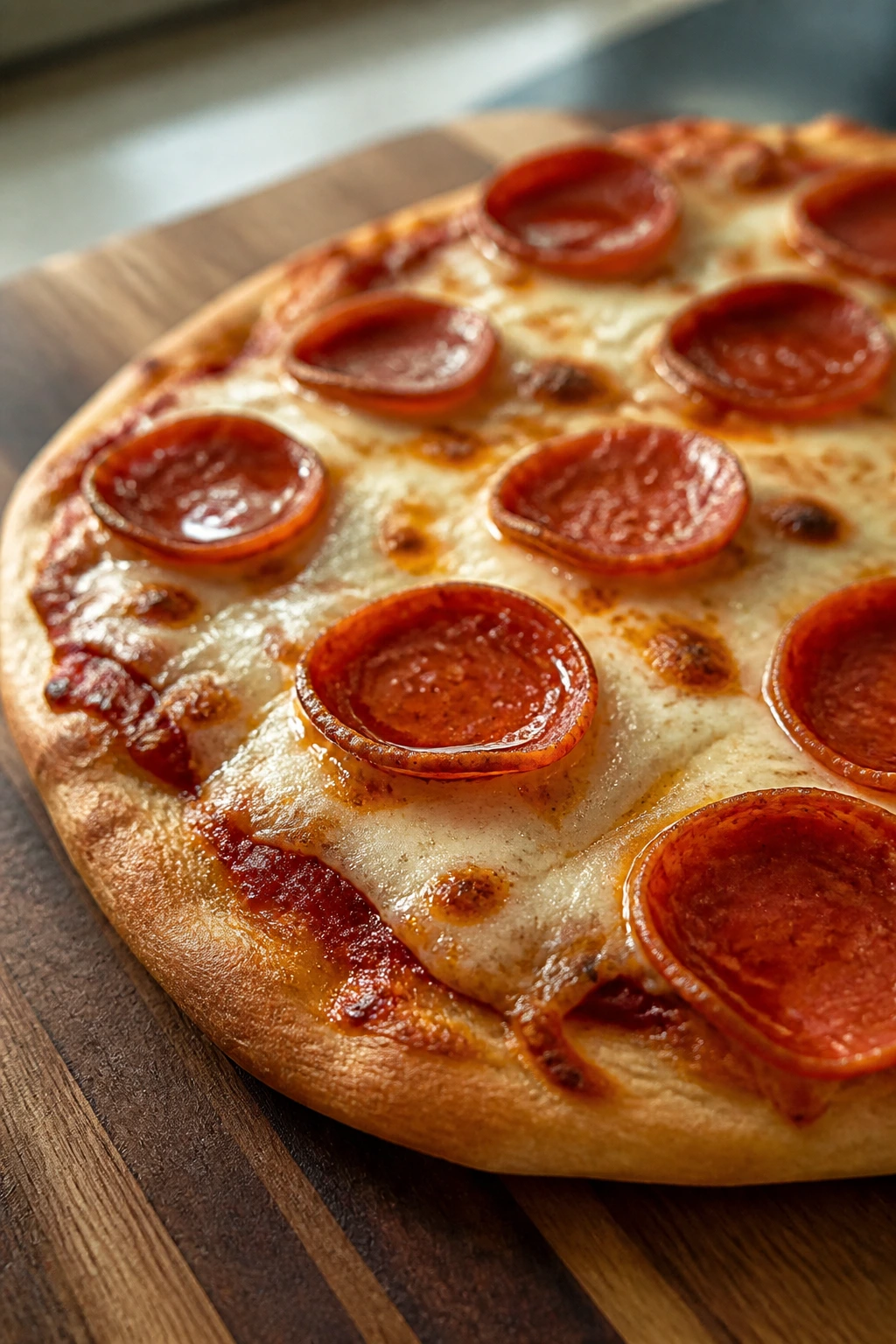
11. Pepperoni Pizza Flatbreads
This is pizza night without the full project. The crust gets crisp at the edges, the cheese melts fast, and the pepperoni stays exactly where kids expect it to be. No surprise vegetables hiding under the cheese. No complicated dough work.
Why It Works:
Flatbreads give you the pizza flavor people want without the time sink of making dough. They bake quickly, which keeps the cheese from overcooking, and they’re easy to slice into manageable pieces. For picky eaters, the power is in the shape and the consistency. It feels like pizza. It tastes like pizza. Nothing else is required.
Key Ingredients:
- 4 naan or flatbreads — Store-bought keeps this easy.
- 1 cup pizza sauce — Use a mild sauce.
- 2 cups shredded mozzarella — The classic melt.
- 1 cup sliced pepperoni — Cut larger slices in half if needed.
- 1 tablespoon olive oil — Helps the edges crisp.
- 1/2 teaspoon Italian seasoning — Optional, and use lightly.
Quick Steps:
- Preheat the oven to 425°F.
- Brush each flatbread lightly with olive oil and set them on a baking sheet.
- Spread a thin layer of pizza sauce over each one.
- Scatter mozzarella evenly, then add pepperoni.
- Bake for 8 to 10 minutes, until the cheese bubbles and the edges turn crisp.
- Rest for a minute before slicing so the cheese stays on the flatbread instead of sliding off.
Equipment for This Recipe:
- Rimmed sheet pan — For easy baking.
- Pastry brush — Helpful for the oil.
- Pizza cutter or sharp knife — For clean slices.
How to Serve This Dish:
Serve with fruit, a handful of carrot sticks, or a small salad if anyone is interested. Keep the flatbread itself simple and let each person dip in extra sauce if they want more.
Pro Tips for This Recipe:
- Pre-bake the flatbread for 2 minutes if it seems very soft.
- Use a thin layer of sauce; too much turns the crust soggy.
- Let the pizza sit briefly before cutting so the cheese sets up.
Variations on This Dish:
- Cheese-Only Version: Leave off the pepperoni for the most cautious eaters.
- Mini Face Pizza Version: Let kids add pepperoni “eyes” after the cheese goes on.
- Calzone Fold Version: Fold the flatbread over like a half-moon for a handheld dinner.
Common Mistakes to Avoid with This Dish:
- Overloading the toppings: The bread loses its crisp edges.
- Skipping the rest minute: The cheese slides and burns mouths.
- Using a thick sauce layer: The flatbread turns soft instead of crisp.
12. Baked Ziti
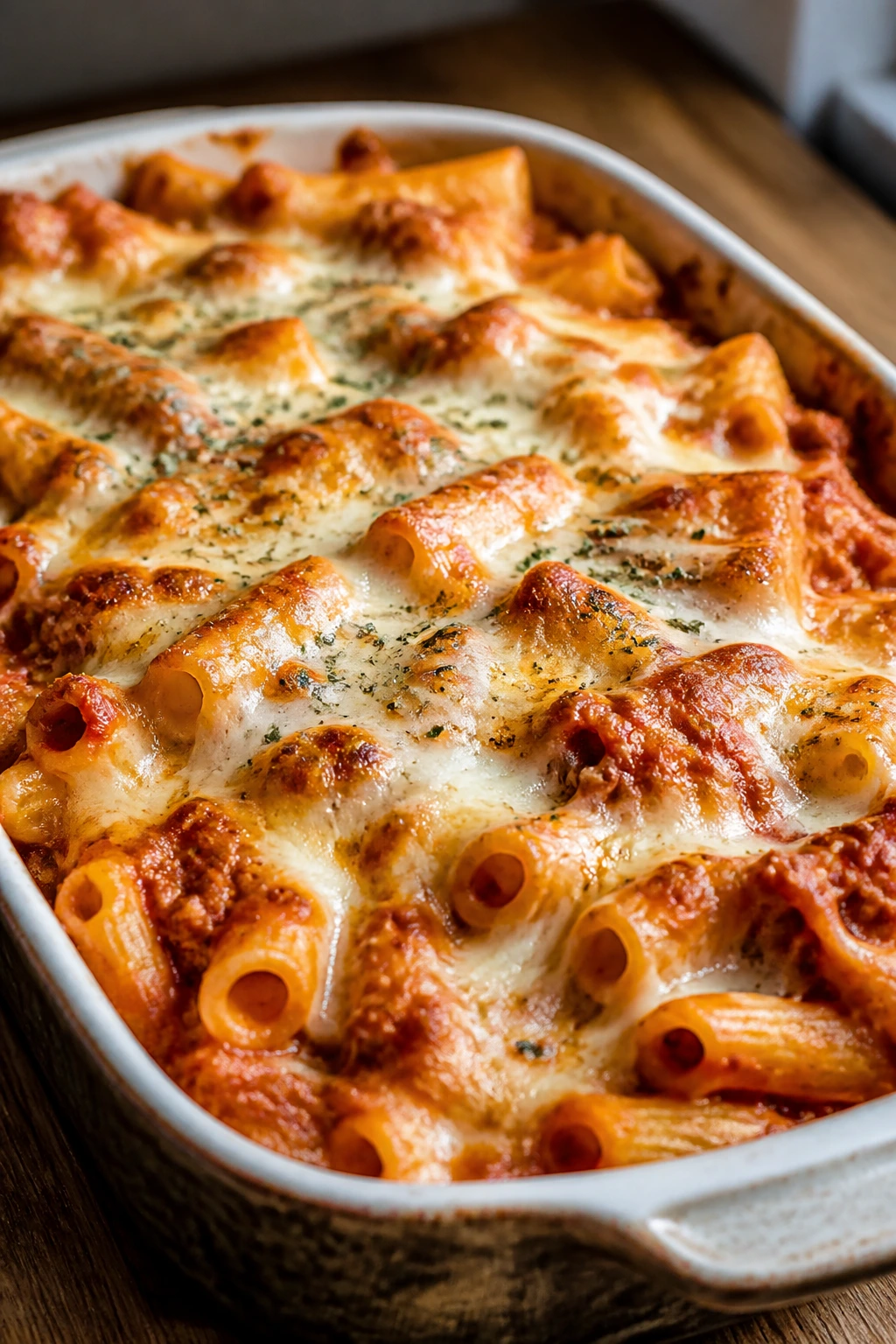
Baked ziti is what happens when pasta gets a little dressy without becoming difficult. The noodles soften into sauce, the cheese melts into pockets and strings, and the top turns bronzed in spots that look far more complicated than the recipe is.
Why It Works:
Ziti is chunkier than spaghetti, which makes it a little easier for kids to grab. The pasta catches sauce inside the tubes, the cheese melts into the gaps, and the bake gives everything a more unified texture. If you want a dinner that can sit on the table for a few minutes without falling apart, this is a strong one.
Key Ingredients:
- 1 pound ziti — Or penne if that’s what you have.
- 24 ounces marinara sauce — Mild and not too acidic.
- 1 pound ground beef or Italian sausage, optional — Use if you want extra protein.
- 1 cup ricotta — Softens the casserole.
- 2 cups shredded mozzarella — For melting.
- 1/2 cup grated parmesan — Adds salt and depth.
- 1 teaspoon salt — Adjust to taste.
- 1/2 teaspoon Italian seasoning — Light enough for picky eaters.
Quick Steps:
- Boil the ziti until just under al dente, then drain.
- Cook the meat, if using, then stir in the marinara and simmer for 5 minutes.
- Mix the pasta with the sauce, ricotta, half the mozzarella, and parmesan.
- Spread the mixture into a greased baking dish and top with the remaining mozzarella.
- Bake at 375°F for 25 to 30 minutes, until bubbling and browned at the edges.
- Rest for 10 minutes before scooping so the pasta settles.
Equipment for This Recipe:
- Large pot — For boiling the pasta.
- 9×13-inch baking dish — For the casserole.
- Mixing bowl — Helpful if you want to combine everything separately.
How to Serve This Dish:
Serve with garlic bread and a very plain green vegetable, or nothing at all if dinner needs to stay simple. A small salad on the side is fine, but I would not bury the ziti under extras.
Pro Tips for This Recipe:
- Undercook the pasta by a minute so it does not go mushy in the oven.
- Let the casserole rest before cutting or it will spread too far.
- If the sauce tastes sharp, a teaspoon of butter rounds it out fast.
Variations on This Dish:
- Meatless Ziti: Skip the meat and add 1 cup chopped spinach if your eaters will accept it.
- Extra-Cheesy Ziti: Add 1 cup fontina or provolone for a richer melt.
- Cottage Cheese Version: Swap ricotta for cottage cheese if that’s what’s in the fridge.
Common Mistakes to Avoid with This Dish:
- Overcooking the pasta first: The oven finishes the job.
- Skipping the rest time: The pan turns messy and loose.
- Using too little sauce: Ziti needs enough sauce to stay soft after baking.
13. Teriyaki Chicken Rice Bowls
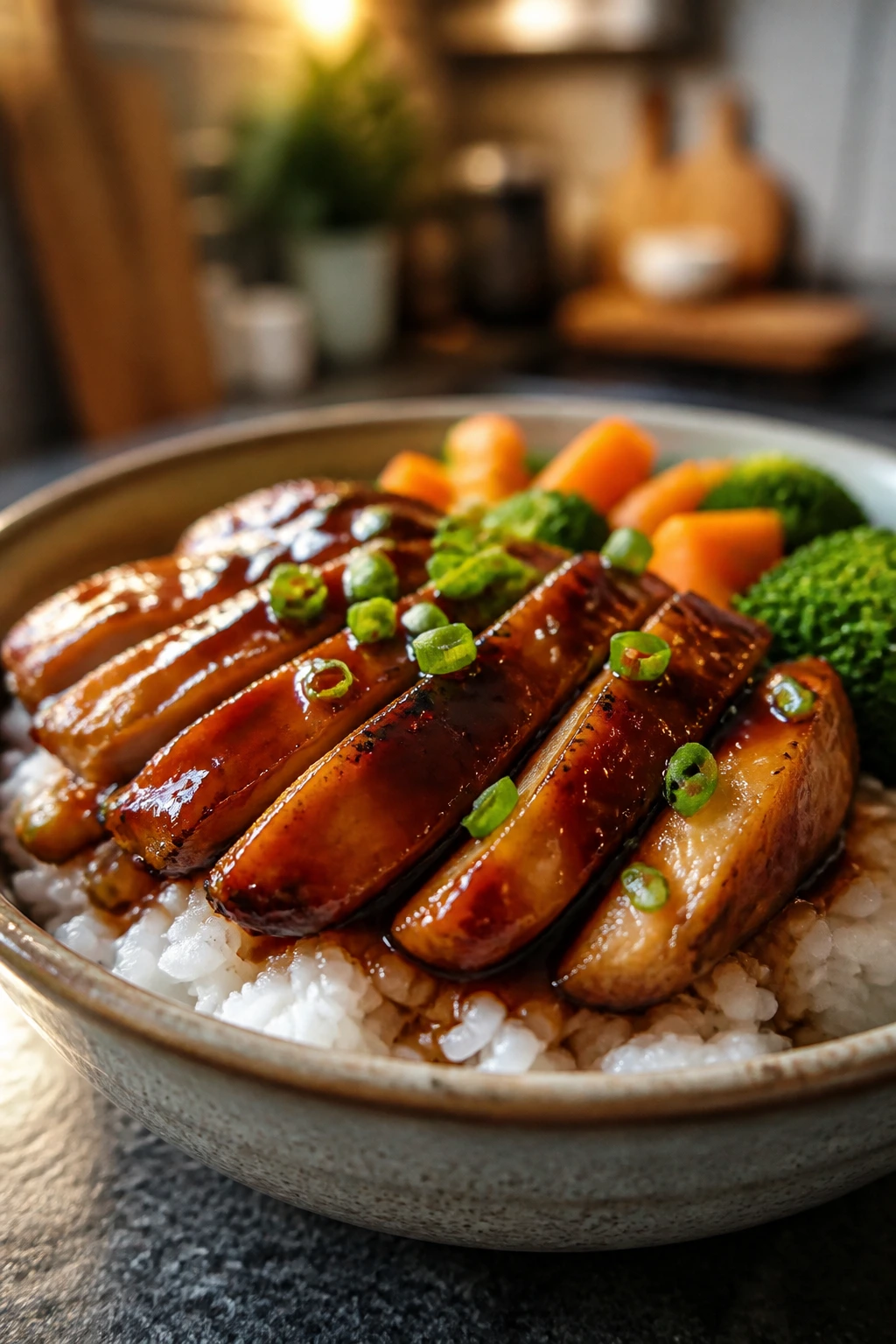
These bowls are mild, shiny, and easy to separate, which is exactly why they work. The chicken gets coated in a sweet-savory sauce, the rice stays plain underneath, and any vegetables can sit off to the side where they won’t scare the rest of the plate.
Why It Works:
Teriyaki has a built-in appeal for kids because it tastes a little sweet and a little salty without needing much heat. Serving it over rice lets you control the ratio. If someone wants only rice and chicken, fine. If someone wants broccoli, that can stay in its own corner and keep the peace.
Key Ingredients:
- 1 1/2 pounds boneless skinless chicken thighs or breasts — Thighs stay juicier.
- 2 cups cooked white rice — Warm and fluffy.
- 1/4 cup soy sauce — Use low-sodium if possible.
- 2 tablespoons honey — Gives the sauce its mild sweetness.
- 2 tablespoons water — Loosens the sauce.
- 1 teaspoon cornstarch — Thickens everything.
- 1 clove garlic, minced — Optional and very small.
- 1 teaspoon grated ginger — Optional, only if your crowd tolerates it.
- 1 cup steamed broccoli or snap peas — Optional side.
Quick Steps:
- Whisk the soy sauce, honey, water, cornstarch, garlic, and ginger in a small bowl.
- Cook the chicken in a skillet over medium heat until browned and cooked through, about 6 to 8 minutes per side for breasts or a little less for thigh pieces.
- Pour the sauce into the pan and simmer for 2 to 3 minutes until thick and glossy.
- Slice or chop the chicken into bite-size pieces.
- Spoon rice into bowls and top with chicken and sauce.
- Serve the vegetables on the side.
Equipment for This Recipe:
- Skillet — For the chicken and sauce.
- Small bowl and whisk — For mixing the sauce.
- Rice cooker or saucepan — For the rice.
How to Serve This Dish:
Keep the sauce light on the rice and offer extra on the side. A few sesame seeds can be nice for adults, but leave them off the main serving if you know the table prefers simple food.
Pro Tips for This Recipe:
- Use chicken thighs if you want more forgiveness; breasts dry out faster.
- Don’t drown the rice in sauce. A little shine goes a long way.
- If the sauce looks thin, let it bubble another minute before serving.
Variations on This Dish:
- Pineapple Teriyaki: Add a few drained pineapple chunks for a sweeter bowl.
- Tofu Teriyaki: Use firm tofu cubes instead of chicken and sear until golden.
- Sesame-Free Version: Skip sesame oil or seeds if you need a cleaner flavor profile.
Common Mistakes to Avoid with This Dish:
- Adding too much ginger: It can take over fast.
- Overcooking the chicken: Dry chicken is a fast way to lose the room.
- Making the sauce too strong: A teriyaki bowl should taste balanced, not sticky-sweet.
14. Turkey Meatballs with Mashed Potatoes
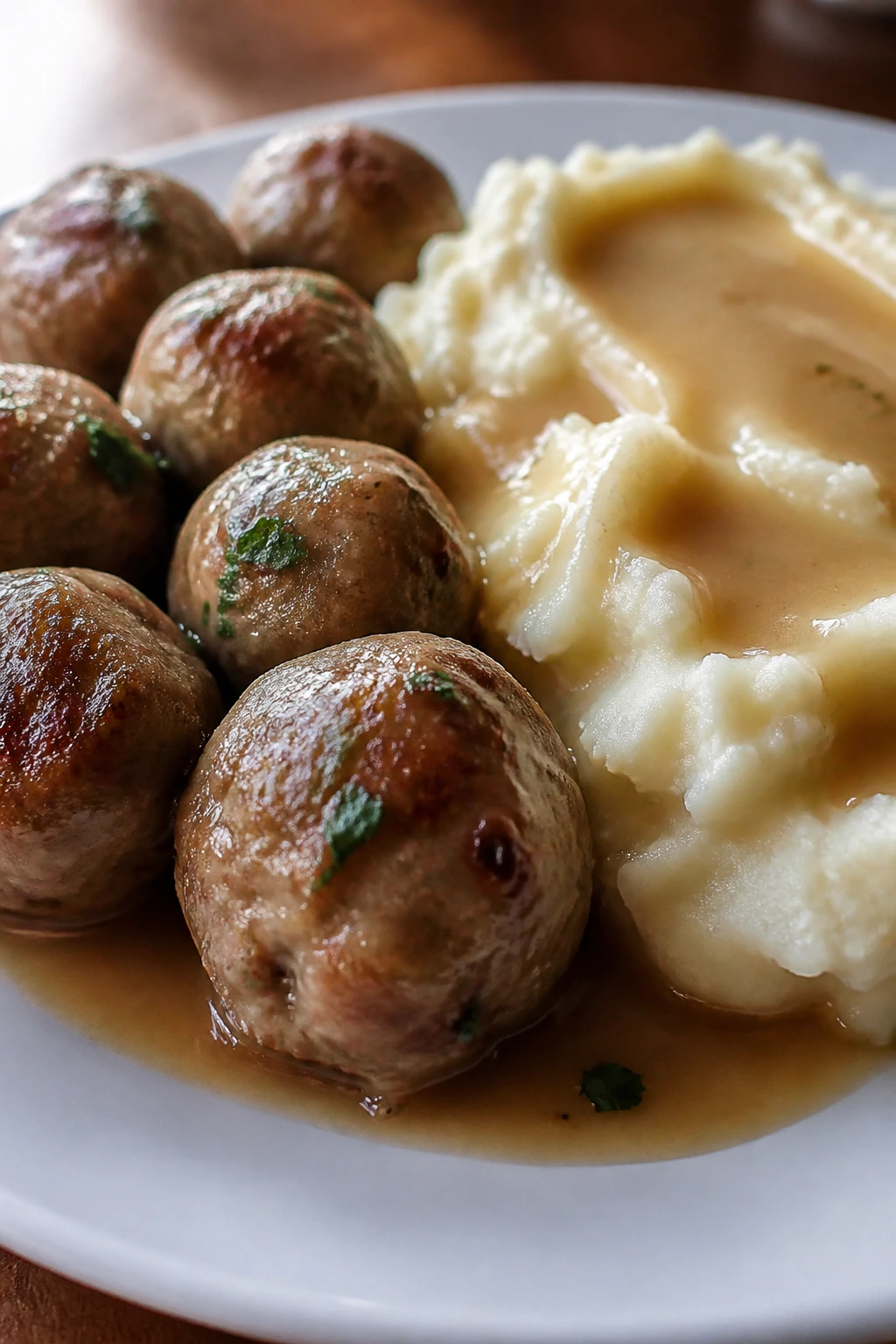
There’s a reason meatballs keep showing up in family cooking. They’re small, predictable, and easy to eat. Add mashed potatoes and a mild gravy, and the dinner turns soft, warm, and friendly in a way that usually gets a real response at the table.
Why It Works:
Ground turkey can be a little dry if you treat it badly, but meatballs give you a chance to add moisture and shape. A pan gravy over mashed potatoes ties the whole plate together without making it too assertive. This dinner works because every bite stays soft, savory, and recognizable.
Key Ingredients:
- 1 1/2 pounds ground turkey — Fresh, not overly lean if possible.
- 1 large egg — Helps bind the meatballs.
- 1/2 cup plain breadcrumbs — Keeps the texture tender.
- 1/4 cup grated parmesan — Adds a savory note.
- 2 tablespoons milk — Helps with moisture.
- 1 teaspoon salt — Necessary for flavor.
- 1/2 teaspoon pepper — Optional.
- 2 pounds Yukon Gold potatoes, peeled and chunked — They mash smoothly.
- 4 tablespoons butter — For the potatoes.
- 1/2 cup milk — For the mash.
- 2 tablespoons butter + 2 tablespoons flour + 1 1/2 cups chicken broth — For a simple gravy.
Quick Steps:
- Preheat the oven to 400°F and line a baking sheet with parchment.
- Mix the turkey, egg, breadcrumbs, parmesan, milk, salt, and pepper until just combined.
- Roll into small meatballs and bake for 15 to 18 minutes, until they reach 165°F.
- Boil the potatoes in salted water until tender, then drain and mash with butter and milk.
- Make the gravy by cooking butter and flour together for a minute, whisking in broth, and simmering until smooth.
- Serve the meatballs over the potatoes with gravy spooned on top.
Equipment for This Recipe:
- Baking sheet — For the meatballs.
- Large pot — For the potatoes.
- Saucepan — For the gravy.
- Potato masher — For a smooth finish.
How to Serve This Dish:
A spoonful of peas on the side helps without stealing attention from the main plate. If your table likes a little sweetness, a dab of cranberry sauce can work beside the meatballs too.
Pro Tips for This Recipe:
- Keep the meat mixture loose; tight packing makes dense meatballs.
- Yukon Gold potatoes mash creamier than russets here.
- The gravy should be smooth and thin enough to pour, not paste-like.
Variations on This Dish:
- Beef Meatball Version: Swap in half beef and half turkey for a deeper flavor.
- Swedish-Style Mild Gravy: Add a little sour cream to the gravy for a softer, tangier finish.
- Gluten-Free Version: Use gluten-free breadcrumbs and cornstarch-thickened gravy.
Common Mistakes to Avoid with This Dish:
- Overmixing the turkey: It turns springy and dry.
- Gluey mashed potatoes: That usually means too much mashing.
- Gravy that is too thick: Kids tend to reject a paste-like sauce.
15. Oven Fish Sticks and Potato Wedges
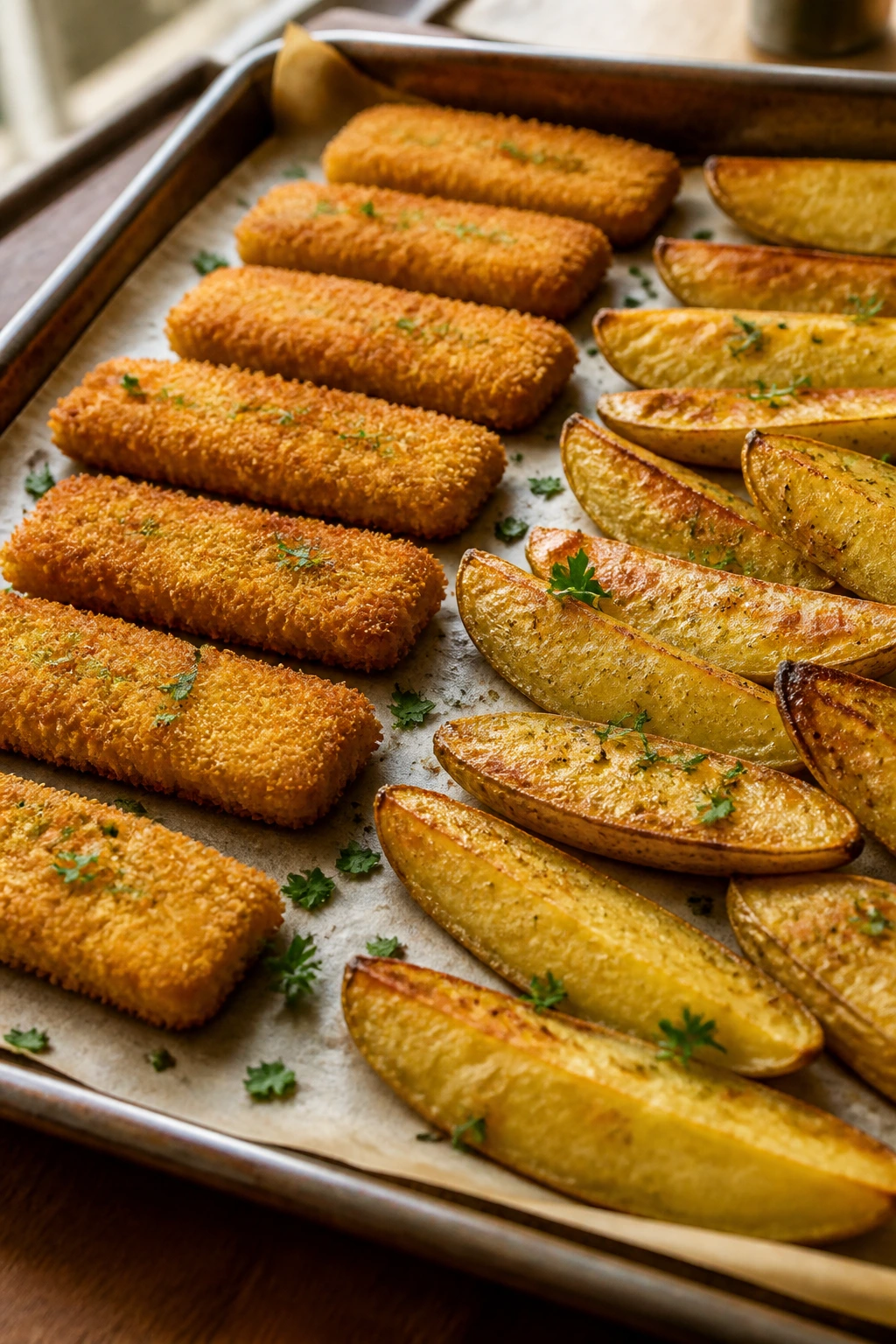
Fish sticks are one of those rare dinners that can be both nostalgic and practical. The coating gets crisp in the oven, the fish stays mild, and the potato wedges roast right alongside it so you’re not juggling three pans.
Why It Works:
White fish like cod or haddock has a gentle flavor, which helps a lot when you’re feeding cautious eaters. Panko adds a cleaner crunch than fine breadcrumbs, and the potato wedges give you a familiar side that does not compete with the fish. Keep the breading dry and the wedges well spaced, and you get a tray that feels much more intentional than the work it took.
Key Ingredients:
- 1 1/2 pounds cod or haddock fillets, cut into strips — Mild fish is the best fit.
- 1 cup flour — First coating layer.
- 2 large eggs — Helps the crumbs stick.
- 2 cups panko breadcrumbs — For crisping.
- 1 teaspoon salt — Split between fish and potatoes.
- 1/2 teaspoon paprika — Optional and mild.
- 2 pounds russet potatoes, cut into wedges — The classic side.
- 2 tablespoons olive oil — For the wedges.
- Tartar sauce or ketchup for serving — Keep it separate.
Quick Steps:
- Preheat the oven to 425°F and line two sheet pans, or one very large one.
- Toss the potato wedges with olive oil, half the salt, and a little paprika.
- Bake the wedges for 15 minutes so they get a head start.
- Set up flour, beaten eggs, and panko in three shallow bowls.
- Coat the fish strips in flour, then egg, then panko, and place them on the second pan.
- Bake the fish and potatoes for another 12 to 15 minutes, until the fish flakes and the crumbs are golden.
Equipment for This Recipe:
- Two rimmed sheet pans — Makes timing easier.
- Three shallow bowls — For breading.
- Fish spatula or wide spatula — Useful for lifting the sticks.
How to Serve This Dish:
Serve with peas, tartar sauce, or plain ketchup depending on the child. If you want a little more dinner on the plate, add buttered corn or a soft roll.
Pro Tips for This Recipe:
- Dry the fish well before breading; moisture ruins the crust.
- Keep the wedges in a single layer so they roast, not steam.
- Flip the fish gently if the panko looks pale on one side.
Variations on This Dish:
- Air-Fryer Fish Sticks: Cook at 390°F until the coating is crisp and the fish flakes easily.
- Salmon Bite Version: Use salmon if your family prefers a stronger fish flavor.
- Gluten-Free Version: Use gluten-free flour and panko for the same basic method.
Common Mistakes to Avoid with This Dish:
- Using wet fish: The breading slides right off.
- Crowding the pan: The coating turns soft.
- Overbaking: Fish turns chalky if you leave it in too long.
16. Chicken Fried Rice
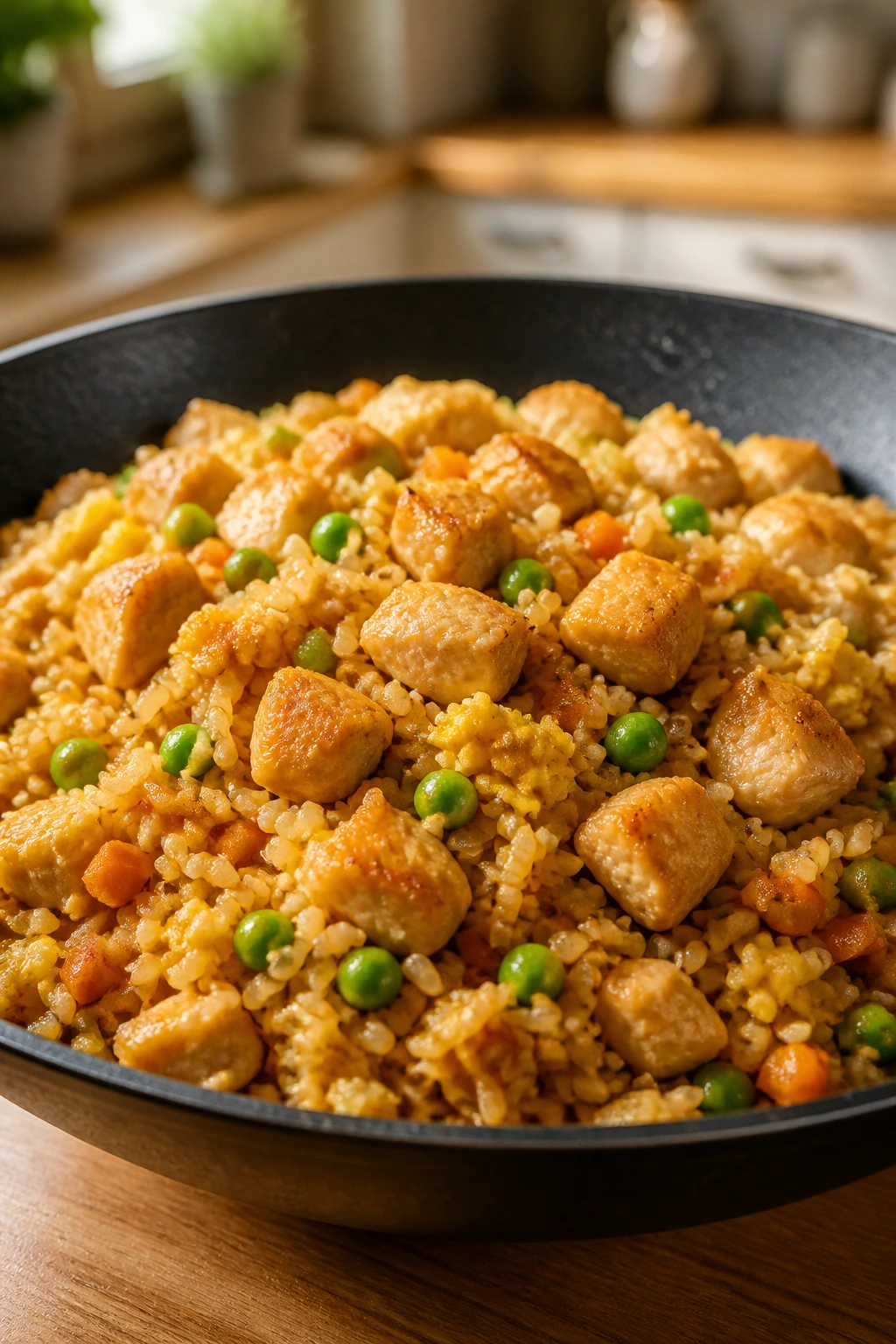
This is the dinner you make when there’s cooked rice in the fridge and not much patience left in the building. The eggs stay soft, the chicken pieces are small, and the soy sauce does just enough work without turning the bowl dark or salty.
Why It Works:
Fried rice is one of the best ways to use leftovers without making dinner feel recycled. Cold rice fries better than fresh rice, and a small amount of sauce gives you flavor without making the dish wet. Kids often accept it because each bite looks like a normal bite-sized mix rather than a saucy pile.
Key Ingredients:
- 4 cups cold cooked rice — Day-old rice fries best.
- 1 1/2 cups cooked chicken, diced — Small pieces mix in easily.
- 2 large eggs, beaten — Adds soft richness.
- 1 cup frozen peas and carrots — Keep the pieces small.
- 2 tablespoons neutral oil — For the pan.
- 2 tablespoons low-sodium soy sauce — Start small.
- 1 tablespoon butter — Optional, for flavor.
- 1 teaspoon sesame oil, optional — Use lightly or skip.
Quick Steps:
- Heat the oil in a large skillet or wok over medium-high heat.
- Scramble the eggs quickly, then push them to the side.
- Add the chicken and frozen vegetables and stir for 2 minutes until warmed through.
- Stir in the cold rice and break up any clumps with the spoon.
- Add soy sauce and butter, then toss for another 2 to 3 minutes until everything is hot and lightly glossy.
- Serve immediately.
Equipment for This Recipe:
- Large skillet or wok — Room matters here.
- Spatula — For breaking up the rice.
- Mixing bowl — For beating the eggs.
How to Serve This Dish:
A few cucumber slices, oranges, or plain edamame can sit beside it without much effort. I’d keep extra soy sauce on the table rather than mixing more into the pan.
Pro Tips for This Recipe:
- Use cold rice or the grains clump and go mushy.
- High heat helps the rice fry instead of steam.
- Keep the soy sauce light at first. You can always add a little more.
Variations on This Dish:
- Ham Fried Rice: Swap the chicken for diced ham if that’s what you have.
- Shrimp Fried Rice: Use small shrimp and cook them just until pink.
- Vegetable-Heavy Version: Add finely diced broccoli or corn if your crowd will accept it.
Common Mistakes to Avoid with This Dish:
- Using fresh, hot rice: It gets sticky.
- Adding too much sauce: The rice loses its texture.
- Cooking on low heat: You want a little sizzle, not a soft stir.
17. Breakfast-for-Dinner Pancakes and Sausage
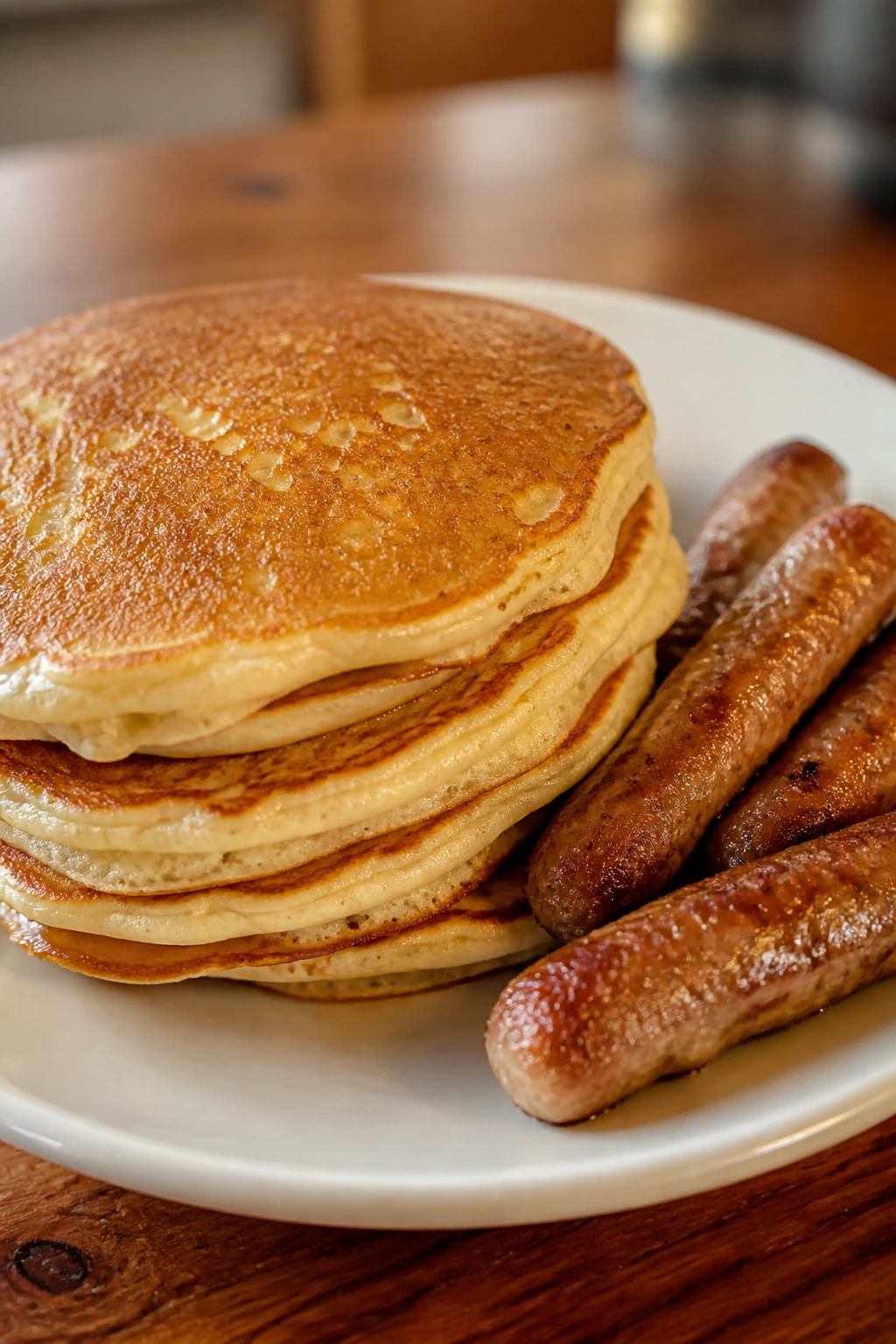
Pancakes at dinner have a way of calming a chaotic table. The syrup is familiar, the sausage is easy to portion, and the whole meal feels like a small exception to the usual rules — which kids tend to appreciate more than adults admit.
Why It Works:
Breakfast food is already on the safe list for a lot of picky eaters. Pancakes are soft, sweet, and predictable. Sausage adds protein without changing the mood of the meal, and you can pair the plate with fruit or scrambled eggs if you want to make it fuller without making it louder.
Key Ingredients:
- 2 cups pancake mix — Or your favorite homemade batter.
- 1 1/2 cups milk — Adjust for a pourable batter.
- 1 large egg — For structure.
- 2 tablespoons melted butter — Adds flavor.
- 8 breakfast sausage links — Mild sausage works best.
- 2 tablespoons butter for the pan — Prevents sticking.
- Syrup for serving — Keep it simple.
- 1 cup fruit, optional — Berries or sliced bananas are easy.
Quick Steps:
- Cook the sausage in a skillet over medium heat until browned and cooked through.
- Whisk the pancake mix, milk, egg, and melted butter until just combined; a few lumps are fine.
- Heat a griddle or skillet over medium and butter it lightly.
- Scoop batter onto the pan and cook for 2 to 3 minutes per side until bubbles form and the edges look set.
- Keep finished pancakes warm in a low oven if needed.
- Serve with sausage and syrup.
Equipment for This Recipe:
- Skillet or griddle — For the pancakes and sausage.
- Whisk — For the batter.
- Spatula — For flipping.
How to Serve This Dish:
Put the pancakes in a stack and keep the sausage beside them instead of under them. That small separation makes the plate easier for picky eaters to read.
Pro Tips for This Recipe:
- Don’t overmix the batter or the pancakes get tough.
- Keep the heat medium, not high, or the pancakes brown before they cook through.
- Pat the sausage dry if it throws off a lot of grease.
Variations on This Dish:
- Banana Pancake Version: Mash 1 ripe banana into the batter for a little sweetness.
- Turkey Sausage Version: Swap in mild turkey sausage for a leaner plate.
- Gluten-Free Version: Use a good gluten-free pancake mix and cook a minute longer if needed.
Common Mistakes to Avoid with This Dish:
- Cooking the pancakes too hot: The outside darkens too fast.
- Using very thin batter: The pancakes spread and turn flimsy.
- Stacking them while steamy: They go soggy. Give them a minute.
18. Loaded Baked Potatoes with Cheddar and Broccoli
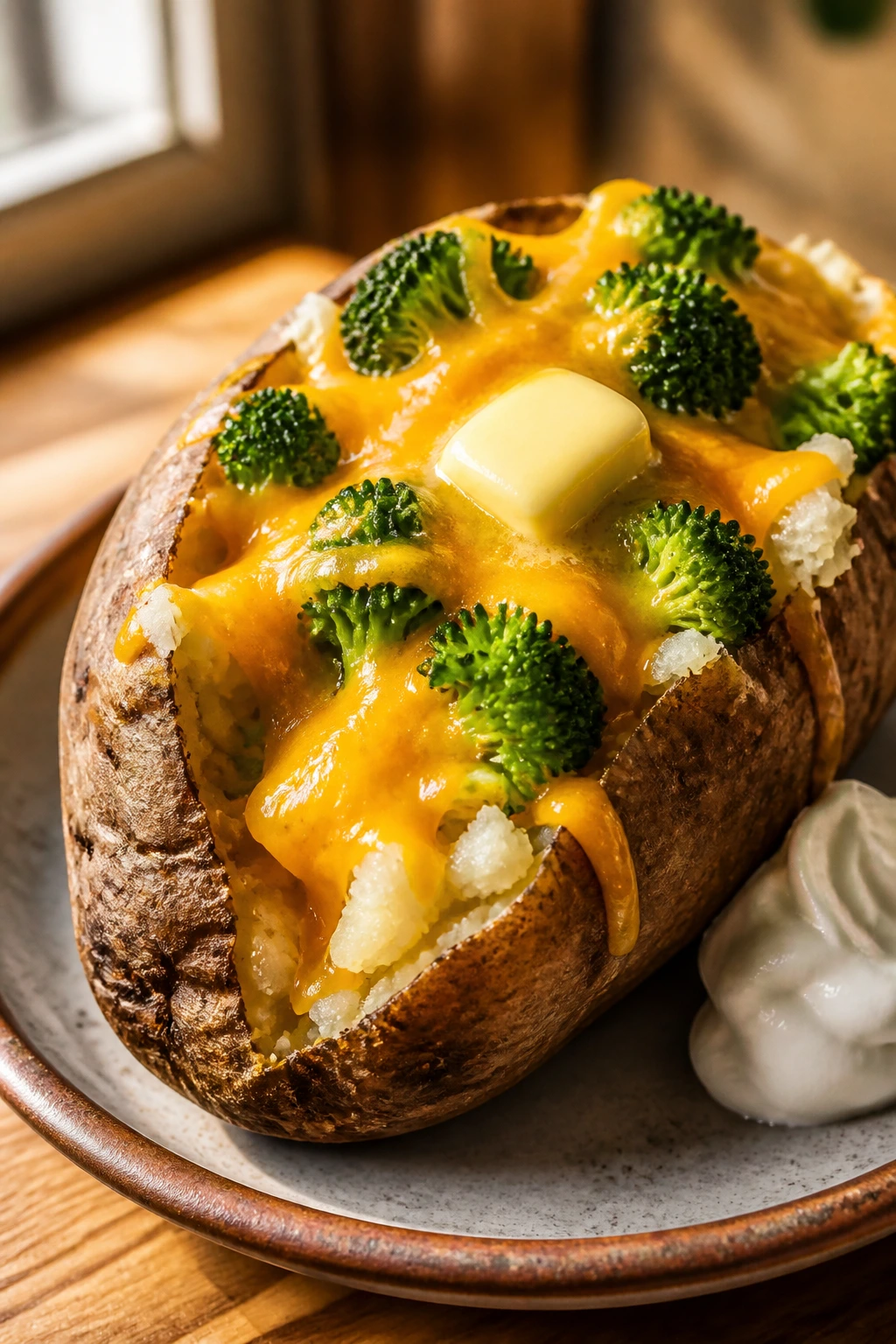
A baked potato can feel like a blank slate, and that’s the appeal. Kids can take the toppings they trust and ignore the rest. Adults can load theirs up a little more, which is useful when one dinner needs to satisfy different moods at the same table.
Why It Works:
Russet potatoes are sturdy and familiar. Once baked, they turn fluffy inside and crisp on the skin if you treat them right. Add cheddar, broccoli, butter, and sour cream, and you get a dinner that can be eaten with a fork but still feels simple enough for kids who like separate parts.
Key Ingredients:
- 4 large russet potatoes — Scrubbed clean.
- 1 tablespoon olive oil — For the skins.
- 1 teaspoon kosher salt — For the outside.
- 2 cups broccoli florets, steamed until tender — Chop them small.
- 2 cups shredded cheddar — Mild and melty.
- 1 cup sour cream — Optional, but useful.
- 4 tablespoons butter — For the potato centers.
- 4 slices cooked bacon, crumbled, optional — Keep it on the side if needed.
Quick Steps:
- Preheat the oven to 425°F.
- Pierce the potatoes several times with a fork, rub with olive oil, and sprinkle with salt.
- Bake directly on the oven rack for 50 to 60 minutes, until the skin feels crisp and the centers are soft.
- Split each potato open and fluff the insides with a fork.
- Add butter, cheddar, broccoli, and any other toppings you want.
- Return to the oven for 3 to 5 minutes if you want the cheese melted.
Equipment for This Recipe:
- Baking sheet or oven rack — For the potatoes.
- Fork — For piercing and fluffing.
- Small saucepan or steamer — For the broccoli.
How to Serve This Dish:
Keep toppings in separate bowls and let each person build their own. A side salad or some sliced fruit makes the plate feel finished without making the potato feel crowded.
Pro Tips for This Recipe:
- Don’t wrap the potatoes in foil. Foil softens the skin.
- Chop the broccoli small so it blends into the potato more easily.
- Warm the toppings before assembling if you want the cheese to melt quickly.
Variations on This Dish:
- Chicken Potatoes: Add shredded rotisserie chicken for a fuller main dish.
- Cheese-Only Version: Leave off the broccoli if that’s a deal-breaker.
- Taco Potato Version: Use mild taco meat, cheddar, and a little sour cream.
Common Mistakes to Avoid with This Dish:
- Undercooking the potatoes: The center should feel soft when squeezed lightly.
- Using giant broccoli pieces: They stand out too much for some kids.
- Loading them too early: The skins can soften before everyone sits down.
19. Cheesy Tortellini in Tomato Cream
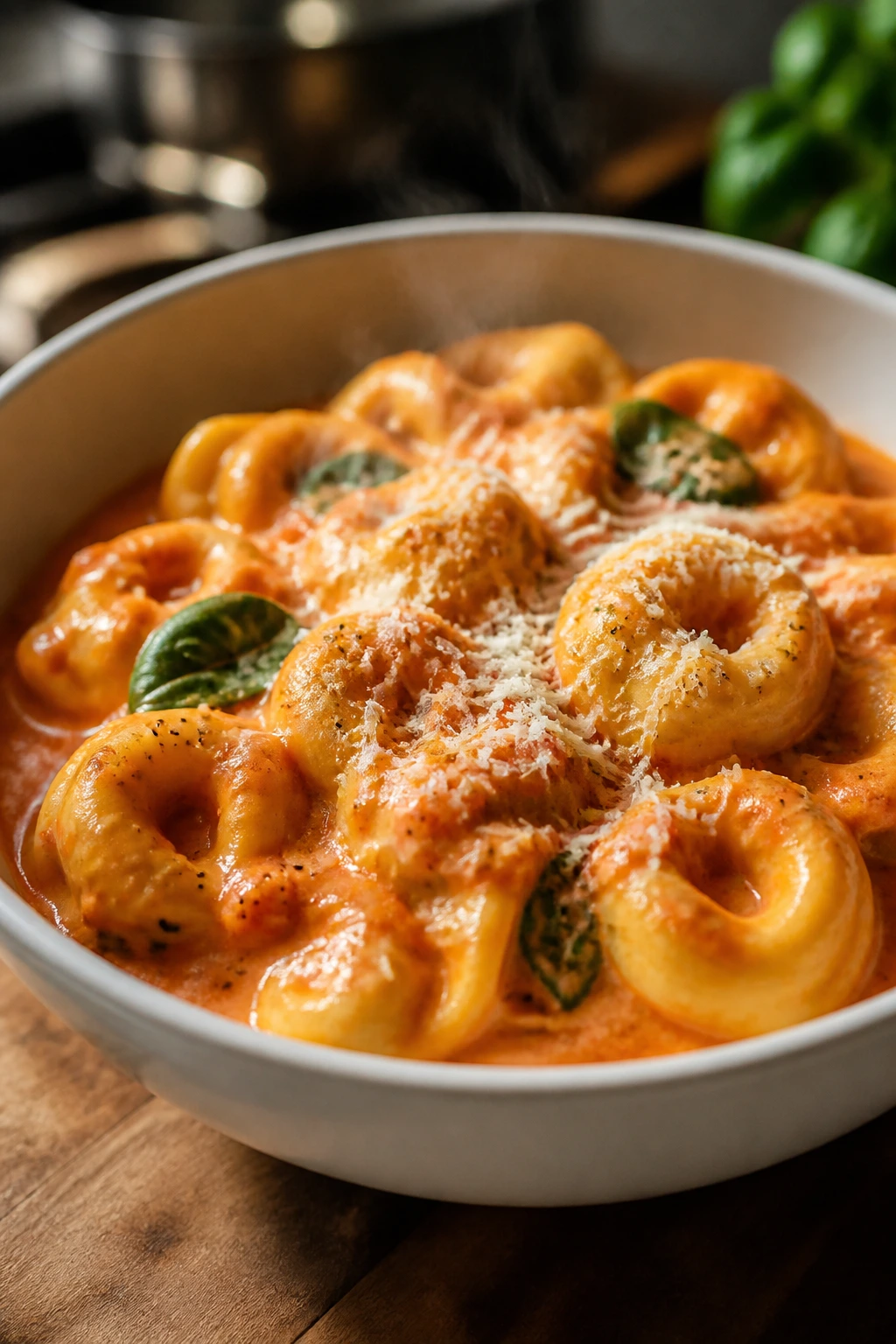
This one looks more involved than it is. Tortellini is already filled, so dinner starts with a head start, and a tomato cream sauce softens the edges without making the flavor sharp. The bowl ends up rich, warm, and very easy to eat.
Why It Works:
Cheese tortellini is one of the easiest ways to make pasta feel special without asking a kid to learn a new food. The filling is already inside the pasta, the sauce is smooth, and the whole thing cooks in minutes. I like tomato cream because it tones down the acidity of plain tomato sauce while staying mild enough for picky palates.
Key Ingredients:
- 20 ounces refrigerated cheese tortellini — Fresh tortellini cooks quickly.
- 2 cups marinara sauce — Mild and smooth.
- 1/2 cup heavy cream — Rounds out the tomato.
- 2 tablespoons butter — Adds richness.
- 1/2 cup grated parmesan — For salt and body.
- 1 cup baby spinach, optional — Chop it small if you use it.
- 1/2 teaspoon salt — Taste before adding more.
- 1/4 teaspoon black pepper — Optional.
Quick Steps:
- Warm the marinara and butter in a large skillet over medium heat.
- Stir in the cream and parmesan and cook for 2 minutes until the sauce looks smooth.
- Add the tortellini and simmer gently for 4 to 5 minutes, until the pasta is tender.
- Fold in spinach if using and let it wilt.
- Taste and adjust with salt.
- Serve hot with more parmesan on top.
Equipment for This Recipe:
- Large skillet or wide saucepan — Enough space for the tortellini.
- Wooden spoon — For gentle stirring.
- Grater — For the parmesan.
How to Serve This Dish:
Serve it with breadsticks or a plain salad if the table wants something extra. I’d keep the garnish minimal: just cheese, maybe a little parsley, and nothing that makes the bowl feel fancy.
Pro Tips for This Recipe:
- Simmer gently. Hard boiling can split the cream.
- Use refrigerated tortellini, not dried, if you want the fastest path.
- Add spinach at the end so it softens without turning dull.
Variations on This Dish:
- Sausage Tortellini: Stir in cooked mild Italian sausage if the family wants more protein.
- Plain Buttered Tortellini: Skip the tomato cream entirely and toss with butter and parmesan.
- Dairy-Light Version: Use less cream and a little pasta water for a looser sauce.
Common Mistakes to Avoid with This Dish:
- Boiling the sauce hard: The cream can split.
- Overcooking the tortellini: It gets too soft fast.
- Using a very acidic sauce: Kids usually like tomato sauce better when it’s mellowed with cream.
20. Mild Chili Mac
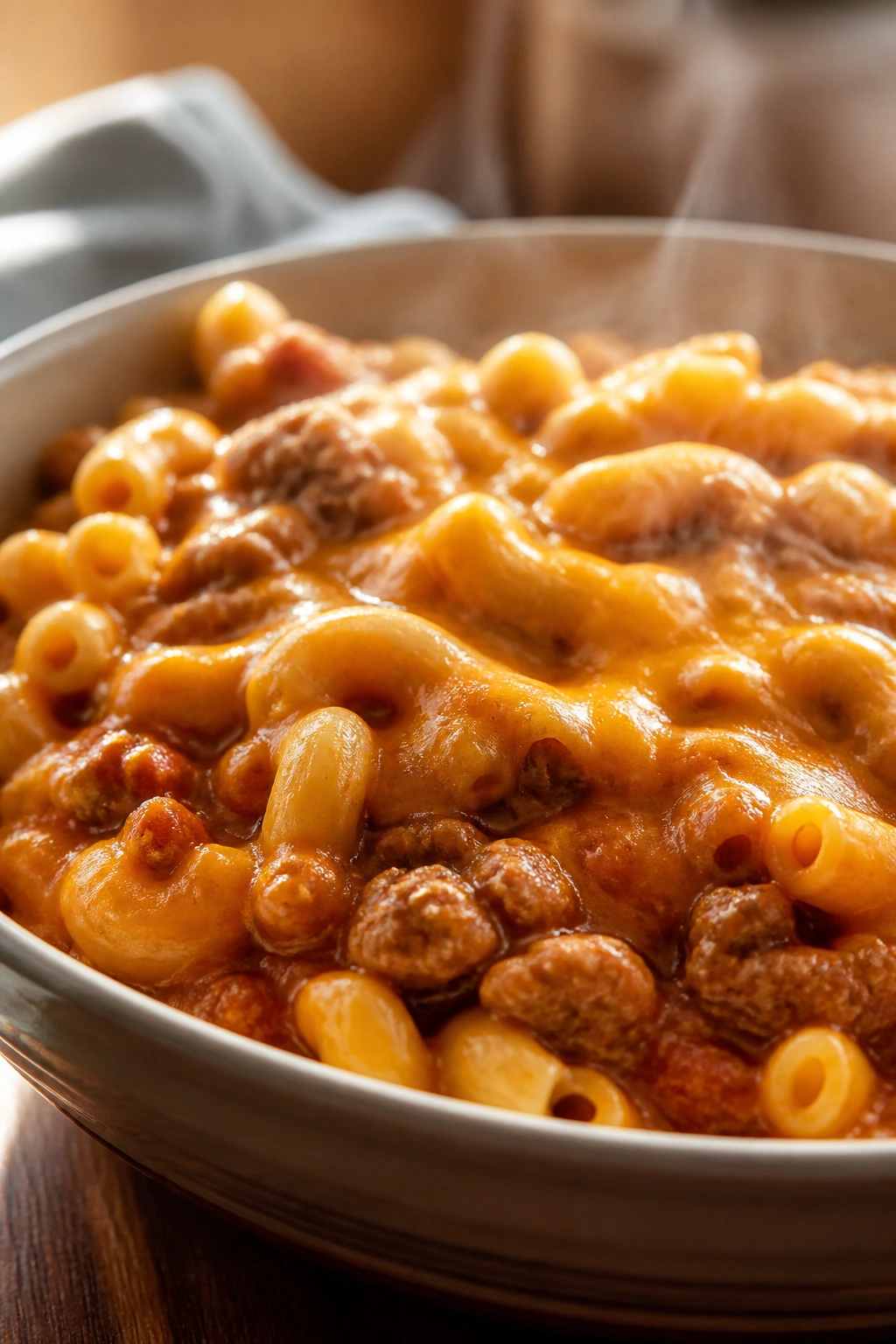
Chili mac has the kind of cross-over appeal that makes dinner easier than it sounds. You get pasta, cheese, and a lightly seasoned meat sauce in one bowl. The trick is to keep the spice low and the sauce thick enough to coat the noodles without turning soupy.
Why It Works:
This is comfort food with training wheels. The macaroni keeps it familiar, the chili flavor stays soft, and the cheese smooths out anything sharp. For picky eaters, the best version is the one that tastes like macaroni first and chili second. That means mild seasoning, not a heavy hand with heat.
Key Ingredients:
- 1 pound ground beef or turkey — Your choice.
- 1 small onion, finely diced — Softens into the sauce.
- 2 cloves garlic, minced — Optional.
- 2 tablespoons mild chili powder — Keep it gentle.
- 1 teaspoon salt — Start here and adjust later.
- 1 can (15 ounces) tomato sauce — Gives the base.
- 1 cup beef or chicken broth — Helps the sauce simmer.
- 2 cups elbow macaroni, uncooked — Cooks right in the pot.
- 1 1/2 cups shredded cheddar — For finishing.
- 1 tablespoon butter — Rounds out the sauce.
Quick Steps:
- Brown the meat with the onion in a large pot over medium heat.
- Add garlic, chili powder, salt, tomato sauce, and broth, then bring to a simmer.
- Stir in the macaroni and cook uncovered for 8 to 10 minutes, stirring often, until the pasta is tender and the sauce thickens.
- Add the butter and half the cheese, then stir until melted.
- Top with the remaining cheese and let it sit for a minute.
- Serve warm.
Equipment for This Recipe:
- Large pot or Dutch oven — Everything happens here.
- Wooden spoon — For stirring.
- Measuring cups — Helpful for keeping the sauce balanced.
How to Serve This Dish:
A square of cornbread or a few crackers on the side keeps the meal grounded. If you need vegetables, serve them separately so the chili mac stays the main event.
Pro Tips for This Recipe:
- Keep the chili powder mild. The dish should taste cozy, not hot.
- Stir often while the macaroni cooks so it doesn’t stick.
- Add a splash of broth if the pot tightens up before the pasta finishes.
Variations on This Dish:
- Bean Version: Add 1 cup rinsed kidney or pinto beans if your crowd accepts them.
- Extra-Cheesy Version: Stir in more cheddar and a spoonful of cream cheese.
- Skillet Version: Cook the pasta separately and combine everything in a large skillet for a drier finish.
Common Mistakes to Avoid with This Dish:
- Making it too spicy: Kids usually reject heat long before they reject flavor.
- Letting it dry out: Chili mac should stay saucy.
- Overcooking the pasta in the pot: Stir and check early so it doesn’t turn soft.
Why These Simple Dinners Work So Well
Picky eating is often less about flavor than about control. A child sees a sauce they don’t recognize, a mixed casserole they can’t separate, or a texture that looks wrong, and the whole meal gets rejected before the first bite. That’s why these kid friendly dinners for picky eaters lean on visible parts: chicken you can point to, noodles you can twirl, potatoes you can split open, cheese you can see melting. Familiarity buys trust.
The other thing these recipes do well is let you split the table without cooking two separate dinners. Sauce on the side, toppings in bowls, vegetables tucked into one corner or cooked separately — those small choices keep the meal flexible. And flexible is the name of the game when one person wants plain pasta, another wants extra cheese, and someone else is asking whether the green thing has to touch anything.
Most of the dishes here also rely on short cooking windows. That matters more than people admit. A dinner that takes 15 minutes at the stove gives you time to keep an eye on the child who is already suspicious of the tray. A casserole that bakes quietly in the oven gives you breathing room. A sheet-pan meal keeps cleanup sane. None of that is glamorous. It works.
Essential Equipment for These Recipes
- Rimmed sheet pans — You’ll use these for chicken tenders, fish sticks, potato wedges, sliders, and several roasted dinners.
- Large nonstick or stainless skillet — Good for sloppy joes, quesadillas, fried rice, teriyaki chicken, and chili mac.
- 9×13-inch baking dish — The workhorse for mac and cheese, baked ziti, and any baked pasta that needs a browned top.
- Large pot or Dutch oven — Needed for pasta, chili mac, noodles, and boiling potatoes.
- Wire rack — Helps breaded foods crisp on all sides instead of going soggy underneath.
- Instant-read thermometer — Worth keeping on hand for chicken, turkey, meatballs, and fish.
- Box grater — Freshly shredded cheese and grated onion both matter in these recipes.
- Cutting board and sharp knife — Basic, yes, but you’ll use them constantly.
- Measuring cups and spoons — These recipes rely on mild seasoning and balanced sauces, not guesswork.
- Tongs and a sturdy spatula — Useful for flipping chicken, fish, and sliders without tearing the coating.
Smart Shopping and Ingredient Tips
The fastest way to make these dinners easier is to shop for ingredients that can play more than one role. A block of cheddar can become quesadillas, mac and cheese, chili mac, and slider topping. A rotisserie chicken can show up in quesadillas, buttered noodles, rice bowls, and baked potatoes. One bag of frozen peas can slide into noodles, rice, fried rice, or a side dish without much trouble.
I’d also keep an eye on seasoning strength. Mild salsa, low-sodium soy sauce, plain breadcrumbs, panko, and jarred marinara with a short ingredient list are your friends here. The less aggressive the base is, the easier it is to adjust for a child who notices every little thing. Strong sauces can be useful, but they need to be used on purpose, not by accident.
For meat, I prefer 85/15 ground beef for burgers, sloppy joes, and chili mac because it brings flavor without swimming in grease. For turkey, 93/7 usually gives a better balance than extra-lean versions, which can dry out fast. For chicken, thighs are more forgiving in skillet dishes, while breasts work fine in breaded or sauced recipes as long as you don’t overcook them.
Frozen vegetables are not a compromise here. They are a shortcut that behaves well. Peas, corn, broccoli florets, and green beans all handle weeknight cooking without demanding much prep, and they often taste better than tired produce that has been sitting in the fridge drawer for too long.
How to Serve These Recipes
Presentation:
Keep the plate readable. That means separate piles, not a heap. Chicken tenders stay on one side, fries or potatoes on the other, and dips in a small bowl. Kids trust a plate that looks organized, and organized food tends to get eaten faster.
Accompaniments:
Choose sides that don’t fight the main dish. Buttered bread, fruit, cucumbers, steamed corn, peas, or a tiny bowl of carrots all make sense across this collection. For pasta dishes, garlic bread is the easy win. For sheet-pan meals, applesauce or a plain roll fits better than a loaded side.
Portions:
For most of these dinners, a child portion lands around 1 main item, 1 starch, and 1 small side. Think 2 to 3 chicken tenders, 1 cup pasta, 1 slider, or 1 loaded potato depending on age. Adults can scale up by adding a second serving of the protein or a bigger vegetable side without changing the recipe.
Beverage Pairing:
Water is the default, and honestly, it usually should be. For something a little more fun, milk pairs well with mac and cheese or pancakes, while sparkling water with lemon makes sheet-pan dinners feel a little fresher. Keep drinks simple. A complicated beverage rarely helps a picky dinner.
Additional Tips and Flavor Boosters
Flavor Enhancement: A small finish can make a mild dinner taste more finished. A knob of butter melted into noodles, a shower of parmesan over pasta, or a brush of butter on slider tops adds more than a long list of spices ever will. That’s the kind of upgrade picky eaters often accept without noticing the fuss.
Customization: Keep one or two add-ins in separate bowls. Red pepper flakes for adults, chopped herbs for the people who want them, hot sauce for the one family member who insists, extra cheese for the rest. The trick is not forcing the same flavor profile on everyone at once. That never goes well.
Serving Suggestions: Tiny dipping bowls help more than people expect. Ketchup for tenders, ranch for quesadillas, sour cream for taco bowls, tartar sauce for fish sticks, extra marinara for pizza flatbreads. Dips give kids control, and control tends to beat resistance.
Make-It-Yours: If you need dairy-free, use olive oil, dairy-free cheese, or skip the cheese and lean on crisp texture and mild sauce. For gluten-free, use GF pasta, breadcrumbs, tortillas, and flour blends where needed. For a higher-vegetable plate, keep the vegetables chopped small or offer them on the side. That last part matters. Some kids will eat a carrot coin next to the food they trust long before they’ll eat it inside the food.
Make-Ahead, Storage, and Reheating Guidance
Most of these dinners keep well for 3 to 4 days in the refrigerator if you cool them quickly and store them in shallow airtight containers. Baked pasta, meatballs, chili mac, sloppy joe filling, and meatloaf muffins usually reheat best. Breaded foods, quesadillas, and fish sticks are fussier; they still taste fine, but the crust softens.
For the freezer, up to 2 months is a good target for most cooked fillings, meatballs, sauces, and baked pasta. Sloppy joe filling freezes especially well. Meatballs do too. Mac and cheese can freeze, though the sauce may loosen a bit on reheating. If you want the texture to stay cleaner, freeze the components separately and assemble later.
Reheat casseroles and baked pastas in a 325°F oven with foil on top until warm through, usually 15 to 25 minutes depending on the size of the portion. Skillet dishes like fried rice, buttered noodles, and chili mac do better with a splash of broth or water and medium-low heat so the starch loosens instead of tightening. Quesadillas and sliders can be reheated in a dry skillet or toaster oven for a few minutes so the bread stays in shape.
Breaded items are best reheated on a rack in the oven or air fryer. That keeps the crust from turning limp. If you microwave them, the coating softens fast. Sometimes that’s fine. Sometimes it isn’t. If crisp matters, use dry heat.
For make-ahead work, assemble casseroles the night before, then bake them the next day. You can also brown meat, shred cheese, and wash vegetables a day or two ahead so dinner becomes mostly assembly. That is the sort of prep that pays off without making your kitchen feel like a warehouse.
Variations and Adaptations to Try
The Sauce-on-the-Side Approach:
If one child likes plain food and another wants everything coated, serve sauces separately instead of built in. That works for chicken tenders, quesadillas, rice bowls, fish sticks, and even sliders. It keeps the base familiar and gives you freedom at the table.
The Mild-to-More Flavor Split:
Cook the base recipe gently, then add heat or extra herbs at the end to adult portions only. A sprinkle of red pepper flakes on one plate does not make the whole pan risky. This is one of the easiest ways to stop cooking two entirely different dinners.
The Gluten-Free Pantry Swap:
Use gluten-free pasta, crumbs, and tortillas where needed, and lean on rice, potatoes, and corn for the rest. The recipes that survive this swap the best are chili mac, taco bowls, baked potatoes, rice dishes, and sheet-pan meals. Breaded foods need a little more care, but they still work.
The Dairy-Light Plate:
Skip the heavy cheese sauce and use olive oil, broth, or tomato-based sauces instead. Sloppy joes, teriyaki bowls, sheet-pan sausage dinners, and fried rice handle this easily. For the baked dishes, dairy-free cheese can work, though I’d keep expectations modest and focus on texture.
The Vegetable Respect Plan:
Instead of hiding vegetables in everything, keep them tiny and soft where they can blend, or keep them separate where they won’t cause trouble. Grated carrots in spaghetti, broccoli on baked potatoes, peas in noodles, and corn in rice bowls all fit this approach. The point is not to trick kids. It’s to lower the friction.
The One-Protein, Many-Dinners Plan:
Cook one batch of shredded chicken, one pot of rice, or one pan of ground beef and turn it into multiple meals during the week. Shredded chicken becomes quesadillas, buttered noodles, or rice bowls. Ground beef becomes sloppy joes, chili mac, or sliders. That kind of repetition helps picky eaters too, because the food starts to feel familiar.
Common Mistakes to Avoid
The first mistake is mixing everything together too aggressively. Kids who already distrust dinner tend to dislike mystery textures. When the rice, sauce, vegetables, and protein all become one indistinct pile, you lose the parts they were willing to eat. Keep components visible whenever you can.
Another common problem is seasoning like you’re cooking for a spice-loving adult table. Mild dinners need enough salt to taste alive, but not enough garlic, chili, or pepper to make a child back away from the plate. Start small. You can add more to your own portion later.
Overcooking proteins is another easy way to lose the meal. Dry chicken tenders, chalky fish sticks, and crumbly meatballs are hard for anyone to enjoy, but especially for picky eaters who already need a reason to trust the food. Use a thermometer when you can. It saves a lot of guesswork.
Then there’s making crispy foods and then trapping them under steam. Breaded chicken, sliders, and fish sticks need air. If you stack them or cover them too soon, the coating softens and the whole point of the texture disappears. Let them rest a minute on a rack, then serve.
A lot of people also make the mistake of trying to win the whole plate at once. If your child only likes three components, give them those three components and build from there. Dinner does not need to be a test. It needs to get eaten.
Frequently Asked Questions
What if my child refuses sauce altogether?
Keep the sauce off the plate and serve it in a tiny cup on the side. That works for pasta, tacos, chicken tenders, rice bowls, and sliders. A child who dislikes sauce usually tolerates it better when it stays optional.
Can I use rotisserie chicken in more than one of these dinners?
Yes, and you should. Rotisserie chicken is especially useful in quesadillas, buttered noodles, rice bowls, sliders, and baked potatoes. Shred it small so it blends with the other ingredients.
Which of these recipes freeze best?
Sloppy joe filling, meatballs, chili mac, baked ziti, and many pasta sauces freeze well. Breaded items and tortillas don’t keep their best texture in the freezer, so I’d freeze the filling instead and assemble later.
How do I get kids to eat vegetables without turning dinner into a standoff?
Use vegetables in two ways: tiny and blended, or separate and optional. Grated carrot in spaghetti is very different from a big pile of broccoli on the plate. Start with the version they already accept, then move slowly.
Can I make these dinners in advance?
Yes. Most casseroles, meatballs, sauces, and cooked meats can be made a day ahead and reheated gently. Pasta dishes usually benefit from a splash of broth or water when reheating so they loosen back up.
What if the dinner tastes bland after I cook it?
Add salt first, then a little butter or cheese, then a mild acid like a touch of lemon juice or tomato sauce depending on the recipe. Bland food usually needs one of those three things more than it needs more spices.
Are frozen vegetables fine here, or should I use fresh?
Frozen is fine for peas, corn, green beans, and broccoli florets. In several of these recipes, frozen vegetables are actually better because they’re already trimmed, quick to cook, and less likely to go soft before dinner is ready.
How do I scale these recipes for a bigger family?
Double the protein and starch first, then taste the seasoning before you double that too. Sauces and cheese often need less scaling than people think. The biggest trap is crowding the pan, so use a second sheet pan or larger casserole dish if needed.
What if my child only eats plain pasta or plain meat?
Start there. Put the sauce, vegetables, and extras on the side and keep the base food exactly the way they already trust it. Over time, you can nudge the plate by adding one small thing at a time — a little parmesan, a few peas, a dab of sauce — instead of changing everything in one night.
A Quieter Dinner Table
A picky eater dinner is not a puzzle to solve once and never think about again. It’s a rhythm. The same chicken tender might work three different ways. The same cheese might show up in pasta, sliders, and quesadillas. The same bowl of rice can become dinner with a different topping and a different mood.
That’s the part I like best about this collection. None of these meals asks for a big speech at the table. They just show up in a shape kids already understand, and that lowers the volume in the room. Not every night will go smoothly. Some plates will come back with a missing tomato, a skipped green bean, or a cheese edge carefully avoided. Fine. That still counts.
Pick one dinner that matches the ingredients in your kitchen and the temperament at your table. Make it once. Then make it again. The second time, the whole thing usually runs a little easier, and that is how dinner starts feeling less like a standoff and more like a routine you can actually live with.