



Cheese is often the difference between a dinner that disappears and one that gets pushed around the plate until everybody is “done” in that tired, suspicious way kids do when they’ve decided a meal is not worth the effort. A little melted cheese changes the mood fast. It softens sharp edges, hides a few vegetables, and gives a familiar salty pull that most kids recognize before they’ve even taken a bite.
The trick is not loading everything with more cheese and hoping for the best. That usually turns dinner into a greasy, blobby mess. The better move is to use cheese with a purpose: bind a filling, smooth out a sauce, hold a tortilla together, crisp on top of pasta, or turn plain potatoes into something a child will actually carry back to the table without a protest.
And yes, the details matter. Mild cheddar behaves differently from mozzarella. Block cheese melts differently from bagged shreds. A quesadilla cooked until the tortilla is speckled and crisp gets eaten faster than one that comes off pale and limp. Those little texture choices are the difference between “fine, I guess” and a clean plate.
Why These Cheesy Dinners Earn a Spot in Rotation
-
Familiar Shapes: Kids usually trust food that looks like food they already know, so a grilled cheese, a pasta bowl, or a folded quesadilla gets less pushback than a casserole with six things hidden inside it.
-
Fast Heat, Fast Payoff: Most cheesy kid meals work in 15 to 25 minutes because cheese doesn’t ask for much drama; once the filling is warm and the edges are crisp, dinner is basically done.
-
Texture Does Half the Work: Melted cheese gives soft foods some structure, and crisped cheese gives soft fillings a little contrast. That combination matters more than fancy seasoning.
-
Easy Protein Add-Ins: Eggs, beans, rotisserie chicken, leftover beef, or even a spoonful of Greek yogurt in a sauce can turn a cheese-heavy dish into a real meal without changing the flavor much.
-
Vegetables Can Stay Small: Finely chopped spinach, grated zucchini, tiny broccoli florets, or peas tucked into a sauce are easier to accept than a giant pile of mixed vegetables sitting on the side like a test.
-
You Can Keep the Bar Low: These dinners do not need a long ingredient list or a complicated grocery run. A block of cheddar, tortillas, pasta, bread, eggs, and a jar of sauce can cover a lot of ground.
Why Mild Cheese Wins on a Picky Plate
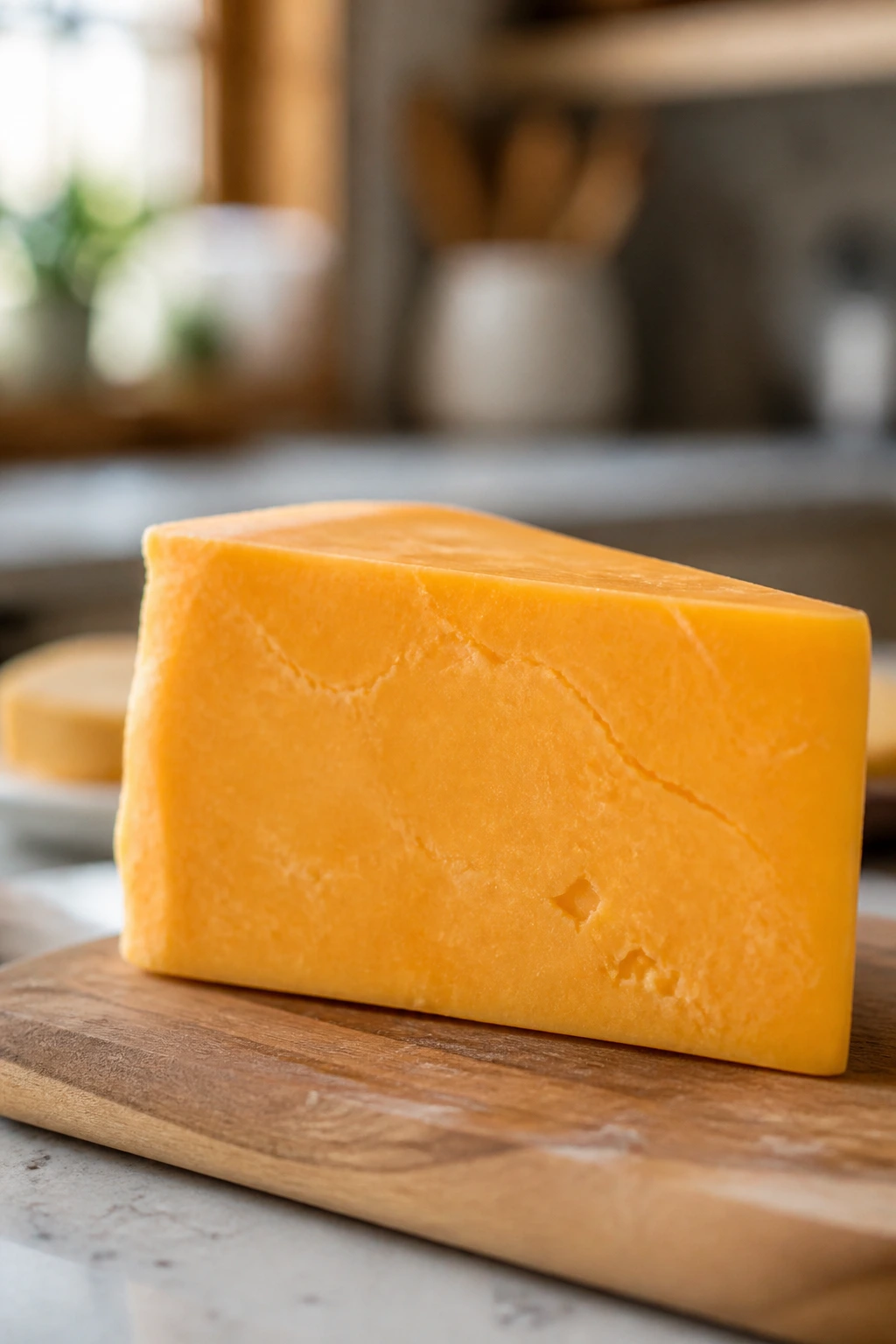
Strong cheese is where a lot of home cooks lose the room. Sharp cheddar, funky blue cheese, and overly browned edges can be fantastic on your plate and a hard no on a child’s. Mild cheeses give you more room to work. They melt smoothly, they taste familiar, and they do not announce themselves the second they hit the tongue.
I reach for a small group over and over: mild cheddar, mozzarella, Monterey Jack, Colby Jack, cream cheese, and American slices. That is the working crew. Cheddar brings salt and a little backbone. Mozzarella stretches. Monterey Jack melts clean and stays mellow. Cream cheese smooths a sauce. American, for all its humble reputation, makes one of the softest grilled cheeses you can hand to a kid who is still deciding whether toast should be warm or just barely warm.
The cheeses that do the most heavy lifting
- Mild cheddar: Best when you want obvious cheese flavor without the sharp bite that can make some kids pause mid-chew.
- Mozzarella: The stretch sells the meal. It is especially good on pizza, pasta bakes, and quesadillas.
- Monterey Jack: Soft, creamy, and easygoing. It disappears into the background in a good way.
- Cream cheese: Useful for sauces, stuffed pasta, and breakfast bakes when you want a smooth texture.
- American cheese: Not glamorous. Very useful. It melts into a silky, uniform layer that is hard to beat in grilled cheese.
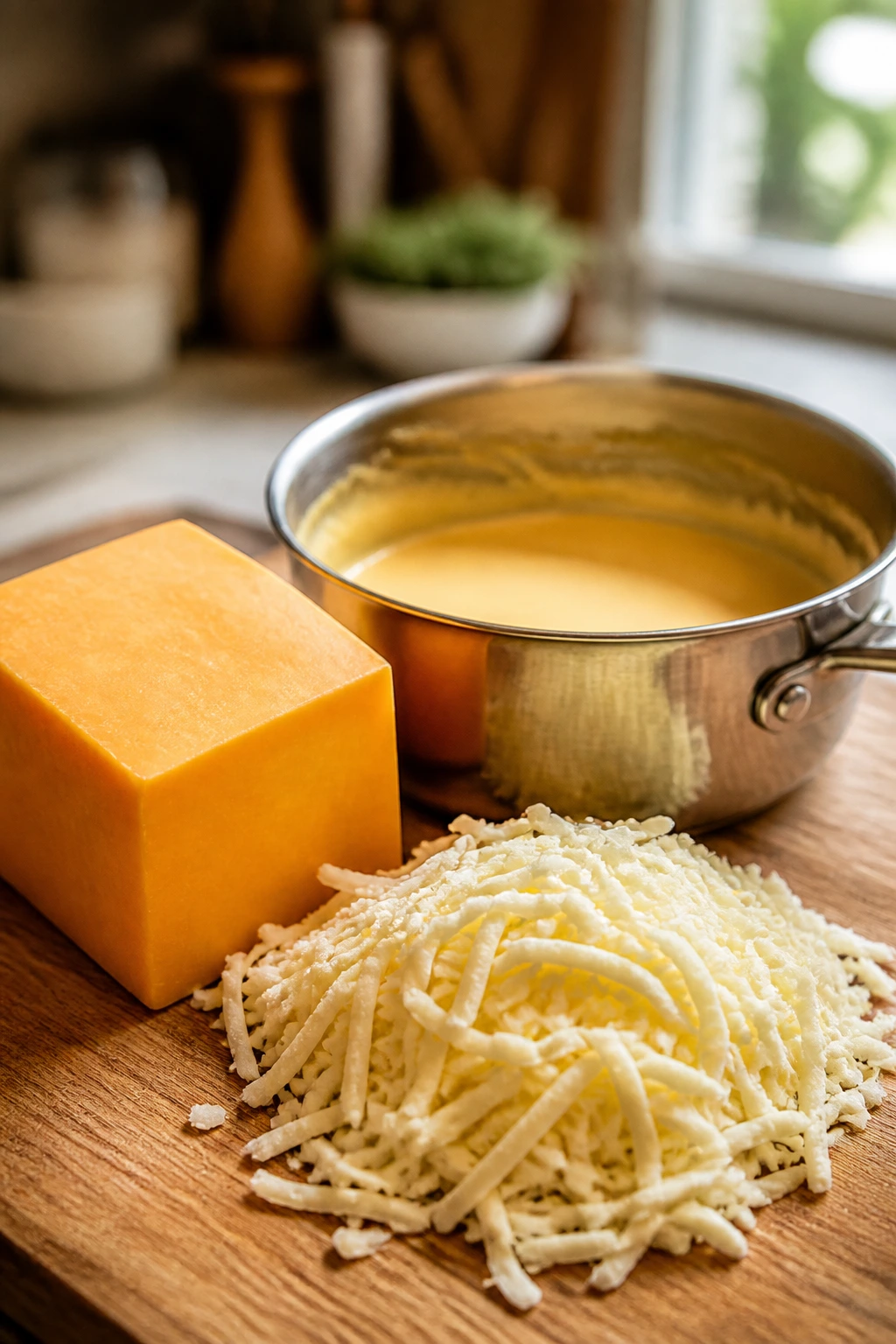
Block cheese usually melts better in sauces because it does not have the extra starches and powders that pre-shredded bags use to keep the strands from clumping. That said, pre-shredded cheese is fine for topping and for nights when no one has the patience to grate anything. I use both. Fancy purity is not the goal here.
The other thing that helps? Keeping the cheese layer visible. Kids trust what they can see. A golden top, a clean fold, a little stretch when you lift a slice—those cues do more than a long speech about dinner ever will.
Stovetop Mac and Cheese That Feels Like Real Dinner
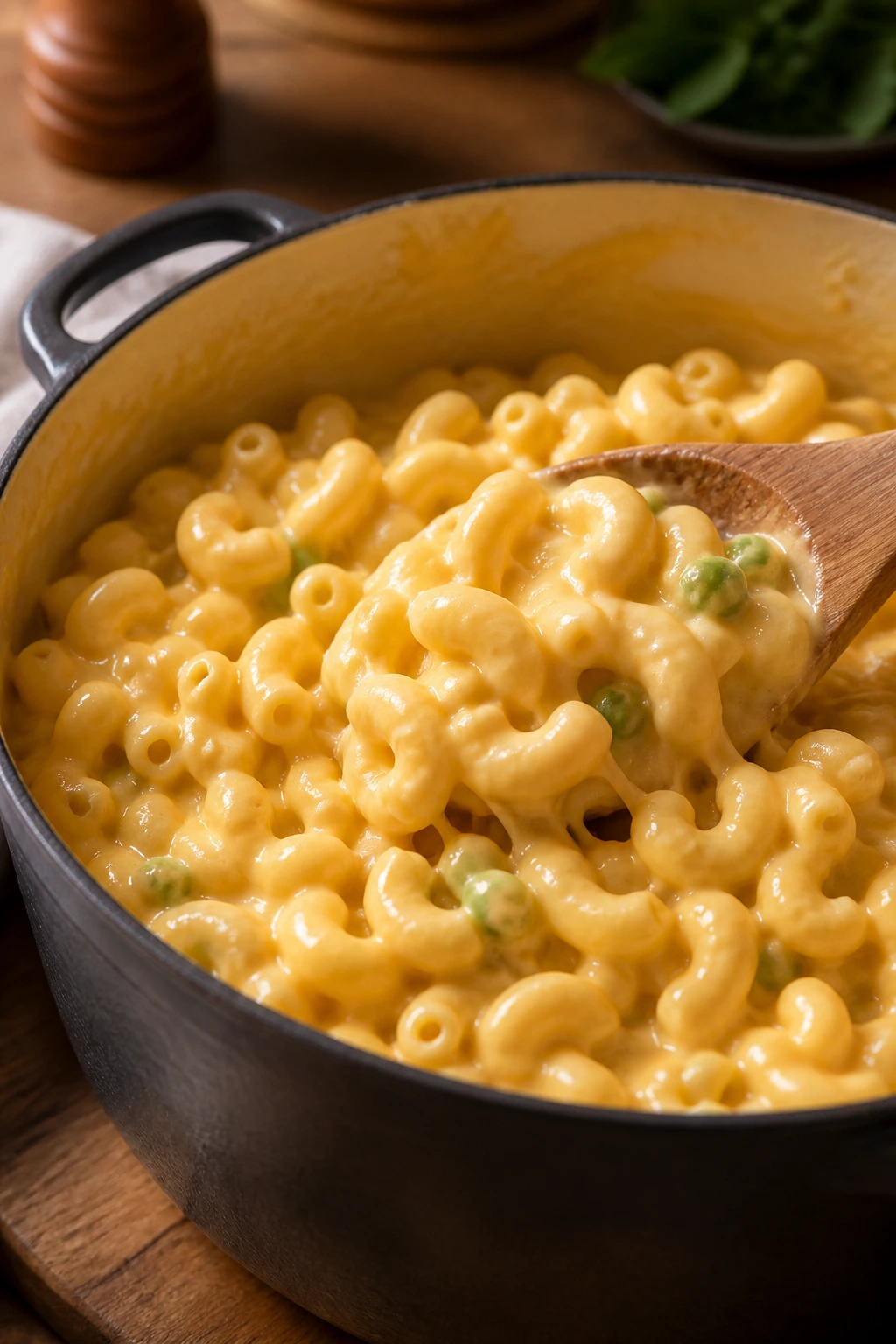
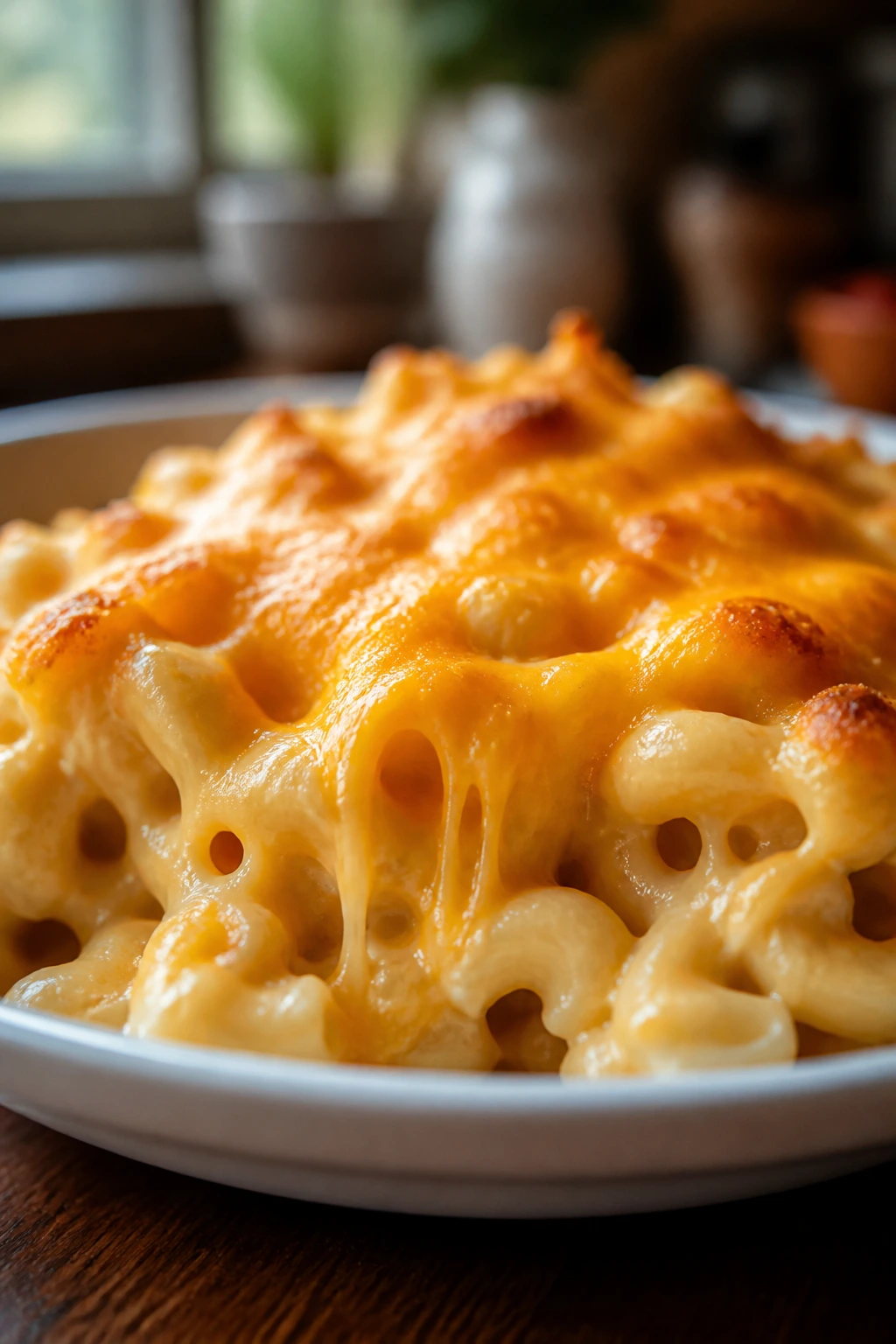
Mac and cheese has a reputation for being a side dish that got promoted. Treat it like a main, and it works harder. The best kid-friendly version is creamy, not stiff, with elbows or shells that trap sauce in the little curves. I like it with one add-in only at first: peas, tiny broccoli, diced ham, or shredded rotisserie chicken. Any more than that, and you start turning a comfort bowl into a scavenger hunt.
The sauce matters. A good stovetop cheese sauce should coat the back of a spoon and stay glossy, not turn into glue once it cools for two minutes. That means you want enough milk or evaporated milk to keep the sauce loose while the pasta finishes cooking. If you like your mac baked, fine, but for a lot of kids the stovetop version wins because it stays soft, spoonable, and familiar.
What makes it work at the table
A pot of mac and cheese gives you an easy place to add protein without changing the shape of the meal. Dice ham small. Use chopped chicken the size of corn kernels. Stir peas in at the very end so they keep their color and do not go chalky. This is the kind of dinner where one vegetable can go a long way if you keep the pieces small enough that they do not become the main event.
The cheese blend matters too. Mild cheddar handles flavor, but a little Monterey Jack or mozzarella keeps the sauce smoother. If you want extra silk, a spoonful of cream cheese or evaporated milk helps. That one move changes the mouthfeel more than most people expect. The sauce stops feeling like melted shredded cheese and starts feeling like a real sauce.
Best pasta shapes for kids
- Elbows: Classic for a reason. Easy to scoop and easy to chew.
- Shells: They trap sauce inside the curve.
- Cavatappi: A little more texture, still kid-friendly, and less slippery than straight noodles.
- Rotini: Good if you want pasta that grabs sauce without sliding around.
Skip the fancy topping pile if the kid you’re feeding dislikes crunchy surfaces. A baked breadcrumb crust can be lovely, but it can also become a deal-breaker. Keep the top softly browned, or skip the oven entirely and serve it straight from the stovetop when the sauce is at its creamiest.
Quesadillas That Fold Cleanly and Stay Crisp
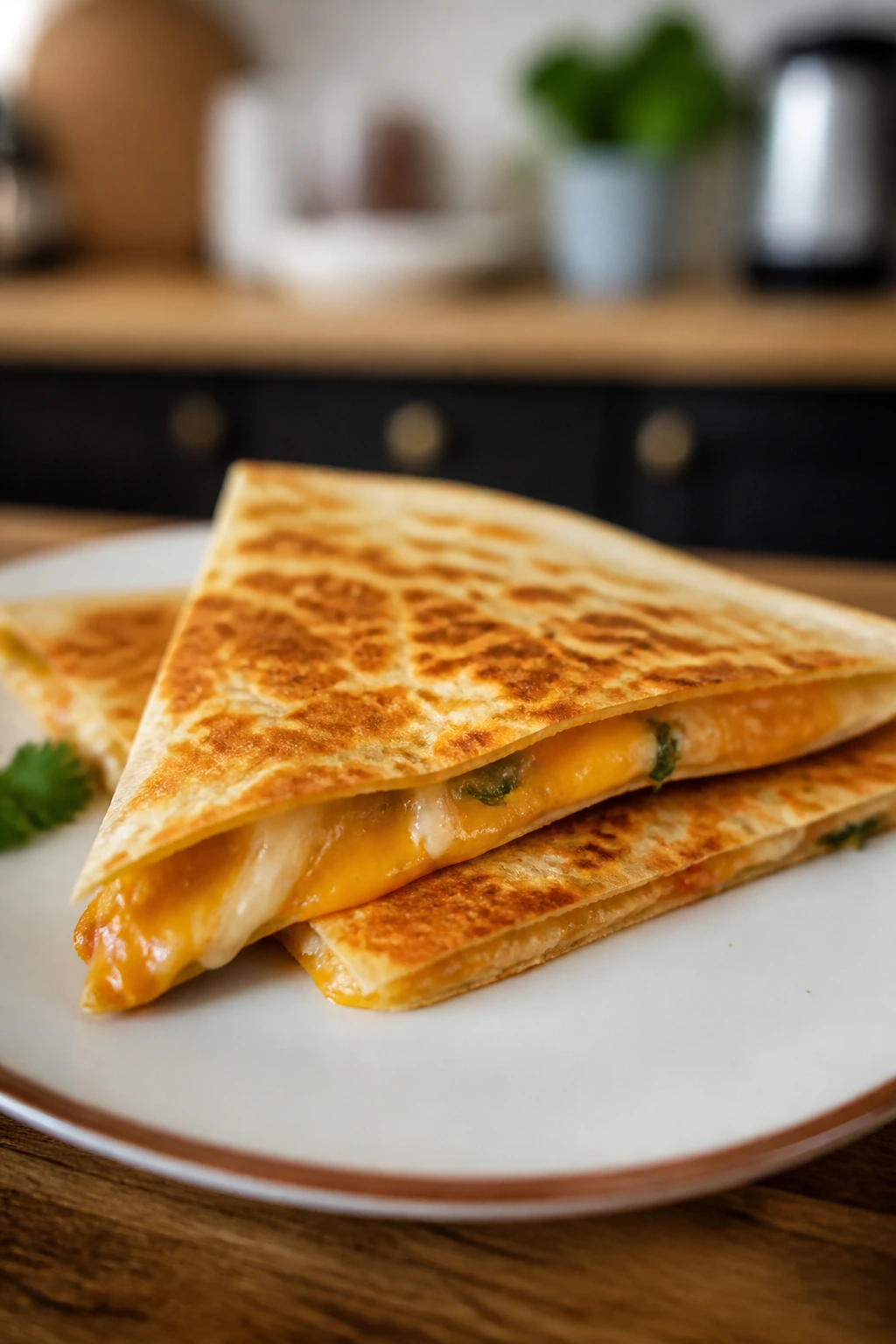
Quesadillas are one of the few dinners that can disappear from the skillet and land on a plate without losing their shape. That matters. A child who likes a clean triangle and a crisp edge is far more likely to eat than a child handed a floppy wrap that tears the second it is picked up.
The filling should be thin. Not skimpy—thin. Cheese first, filling second, cheese on top again if you want better glue. Chicken needs to be shredded or chopped very small. Beans should be mashed a bit so they do not roll around like loose marbles inside the tortilla. Spinach, if you use it, should be chopped finely and squeezed dry. Wet fillings are the enemy here. They steam the tortilla from the inside and make the whole thing soft.
Cook the quesadilla over medium heat for 2 to 3 minutes per side, usually just long enough for the tortilla to pick up golden brown freckles and the cheese to melt all the way through. That speckled surface is not decoration. It tells you the tortilla has crisped enough to stay together when sliced.
The filling formula that keeps complaints down
- Tortilla: Flour tortillas hold better than corn for this job.
- Cheese: Mild cheddar, Monterey Jack, or mozzarella work best.
- Protein: Shredded chicken, black beans, or scrambled eggs.
- Veg: Finely chopped peppers, spinach, or mushrooms, cooked first.
- Dip: Salsa, sour cream, or plain Greek yogurt on the side.
I like quesadillas for mixed-age tables because you can build one very plain one and one slightly more interesting one from the same skillet. Same ingredients. Different fillings. That is a small miracle on a busy night.
Cut them into wedges, not long strips, unless your child prefers handheld pieces. A triangle is easier to grip, easier to dip, and less likely to unravel. And if you want to keep the bottom from getting greasy, let the quesadilla sit on a cutting board for a minute before slicing. Straight from pan to plate is tempting. It also makes the cheese run a little too much.
Mini Pizzas When You Need Dinner in Fifteen Minutes
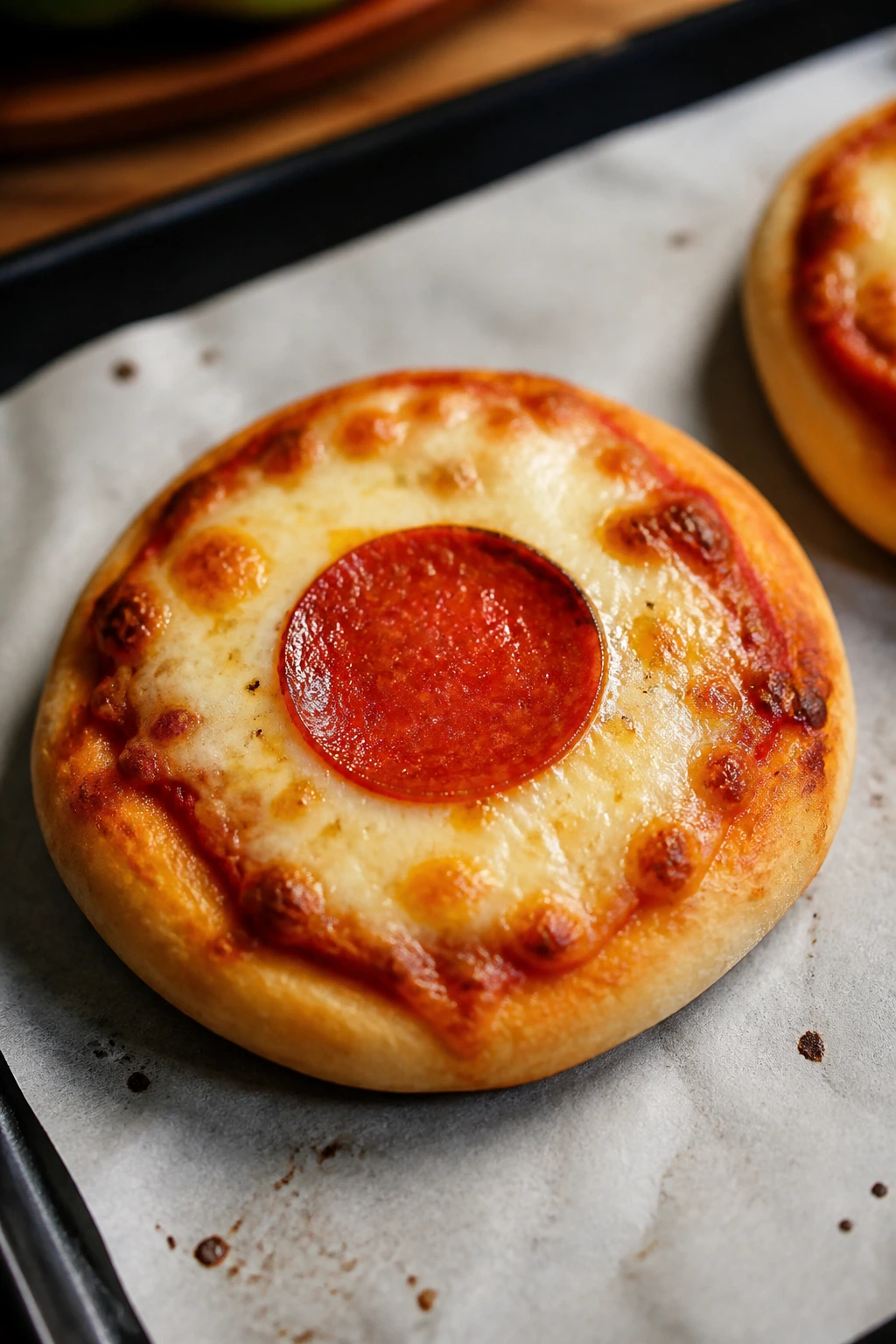
Mini pizzas work because they offer control. Kids can see exactly what is on them. A spoon of sauce, a blanket of cheese, maybe one topping—done. The base can be English muffins, naan, pita, tortillas, or split slider buns if that is what is in the house. I have strong feelings about this: if the bread is sturdy enough to hold sauce for ten minutes without going soggy, it is fair game.
The sauce layer should be thin. Too much tomato sauce makes the base wet and the edges limp. Too little and the whole thing tastes like toasted bread with cheese. The right amount is just enough to stain the surface and give the cheese something to cling to. Keep the cheese generous, but not so thick that the middle stays cold while the edges darken.
Bake mini pizzas at 425°F until the cheese bubbles and the bread edges turn golden, usually 6 to 10 minutes depending on the base. Tortilla pizzas go faster. Naan and English muffins need a little longer. If the cheese is browned on top but the bread still feels soft in the middle, give it one more minute. Kids tend to prefer a pizza that bends without cracking.
Toppings that tend to get eaten
- Plain cheese: Still undefeated.
- Pepperoni: Salty and familiar.
- Tiny diced ham: Especially good on naan or English muffins.
- Corn: Mild sweetness that works better than a lot of parents expect.
- Very small mushroom pieces: Only if they are cooked first and not slimy.
This is one of the easiest meals to let kids assemble themselves. Keep the topping choices to two or three, and do not turn it into a buffet. Too many options slow dinner down and lead to strange combinations nobody wants to touch. One sauce. One cheese. One topping. That is enough.
A small side salad is fine if your child accepts it. Fruit slices, cucumber spears, or carrot sticks may be the safer play. The pizza is doing the main work. The rest of the plate should not compete.
Baked Pasta Skillets With a Melty Top
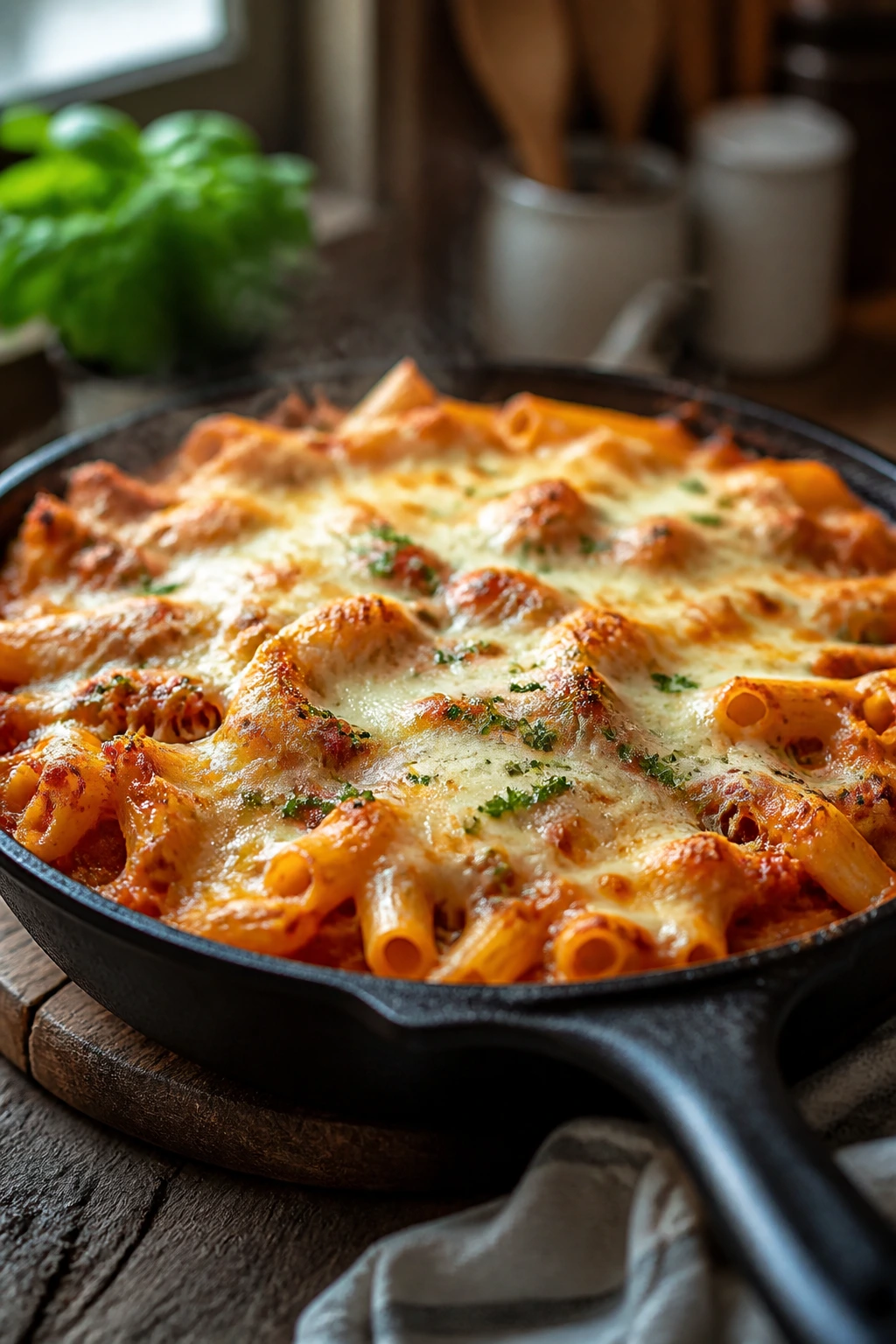
Pasta bakes feel like a bigger dinner because they arrive bubbling and browned, but they can still move fast if you use short pasta and a straightforward sauce. This is where jarred marinara earns its keep. Add a little ricotta or cream cheese for softness, a handful of mozzarella for stretch, and a sprinkle of cheddar if you want a sharper finish. The result is somewhere between baked ziti and a skillet casserole.
Choose pasta shapes that can hold sauce and still feel easy to eat: penne, rotini, shells, or ziti. Boil them just shy of done—about a minute less than the package says—because they will finish in the oven. If you fully cook the pasta first, it can go soft and lose the bounce that makes kids keep eating. Nobody wants mushy noodles stuck in a cheese-heavy bake.
The top should be molten, not crusty. A dark brown cheese lid looks nice in photos and can be too much for picky eaters who dislike crispy bits. Lightly golden is usually the sweet spot. If you want more color, add it only to one corner so the child who likes the browned top can claim it without the whole dish changing personality.
Best add-ins when you need the pasta to be a full meal
- Shredded chicken: Mix it in before baking so it stays moist.
- Ground turkey or beef: Brown it first and drain well.
- Peas: Stir them in frozen; they thaw in the oven.
- Spinach: Chop it finely so it disappears into the sauce.
- Ricotta or cottage cheese: Makes the bake softer and richer.
I prefer pasta skillets over giant casserole dishes on nights when you want fewer dishes and a faster bake. A wide skillet gives you more surface area, which means more browned edges and quicker melting. Those edges matter. Kids who refuse the center often eat the crispy corner where the cheese has turned just a touch firmer.
If your child likes plain noodles, start with a small amount of sauce and keep the cheese on top. If they like a little more flavor, add garlic powder, a pinch of oregano, and enough salt to wake the sauce up. Not a lot. Just enough.
Broccoli Cheddar Soup That Even Dunkers Like
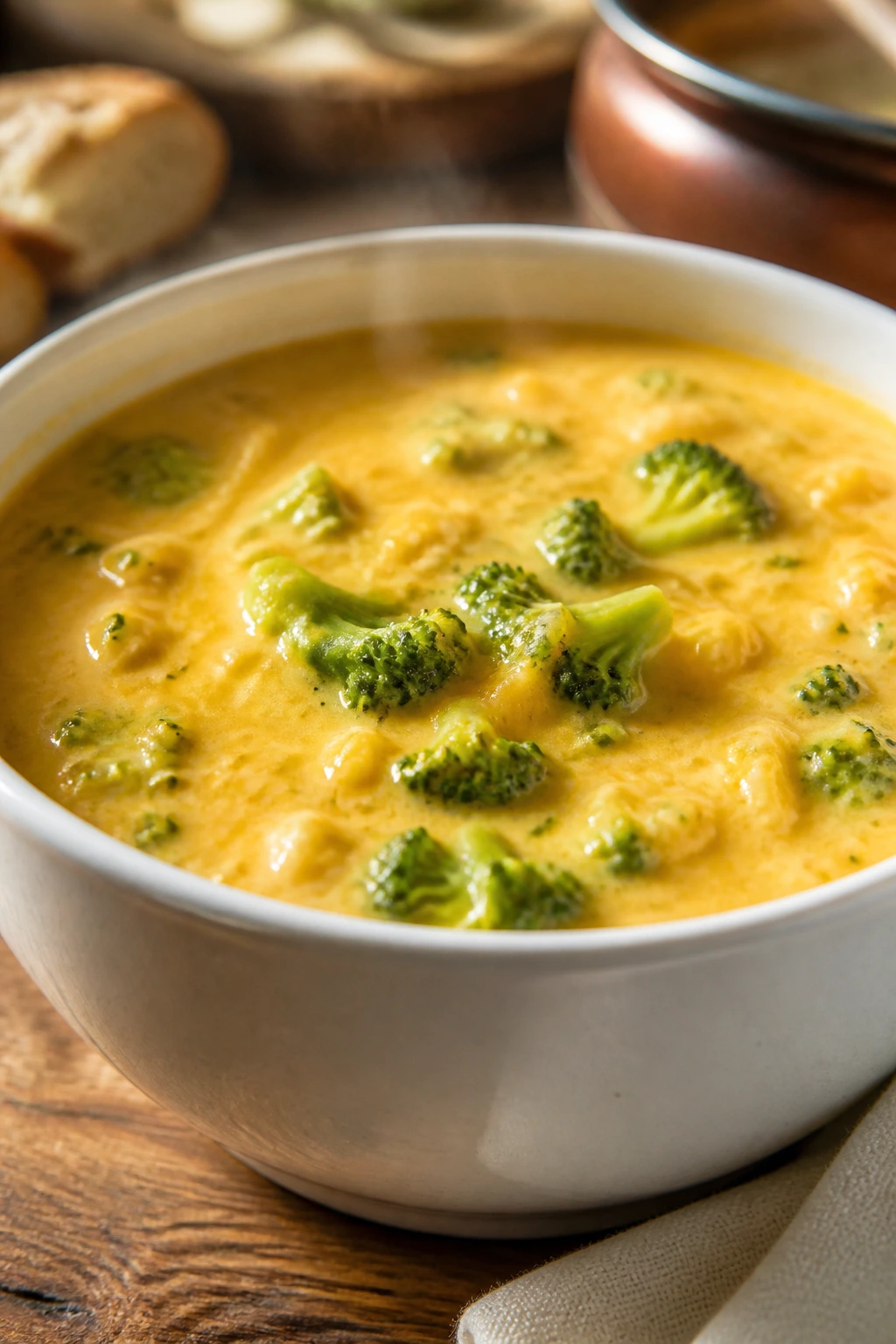
Soup is a harder sell when the eater wants to know exactly what every spoonful contains. Broccoli cheddar gets around that by leaning into a cheese flavor kids already trust. The trick is to keep the broccoli soft and the base creamy, not grainy. If you want to keep the soup friendly, chop the florets small and cut the stems into thin coins so there are no giant green trees bobbing around the bowl.
A little blending changes everything. You do not have to puree the whole pot. Blend half, leave half chunky, and you get a soup that feels smooth without losing all texture. That approach helps a lot with kids who are suspicious of visible vegetables but still okay with a few soft pieces in each spoonful.
The cheese should melt in off the heat or over very low heat. Boiling cheddar can make it separate and go oily, which creates those sad little orange streaks nobody wants. Stir it in patiently. A little cream or milk helps the final texture stay soft and spoonable. Serve with toasted bread fingers or crackers for dunking, because dunking keeps some children engaged long enough to finish the bowl.
What to serve with soup so it reads as dinner
- Toasted bread strips: Easy to grip and better than a full slice for little hands.
- Crackers: Especially if the child likes crunch.
- Apple slices: A sweet side helps balance the salty soup.
- Turkey roll-ups: Useful when you need extra protein on the plate.
This is one of those meals that benefits from a little extra salt at the end, not before. Cheese soups often taste flat right when the cheese goes in, then wake up after a minute or two. Taste again before serving. A squeeze of lemon can help too if the soup feels heavy, though I would keep that very light for young kids.
If the broccoli texture is the problem, not the flavor, cut it smaller next time. Texture complaints rarely need a new recipe. They usually need a sharper knife.
Egg Muffins and Frittata Bites for Tiny Hands
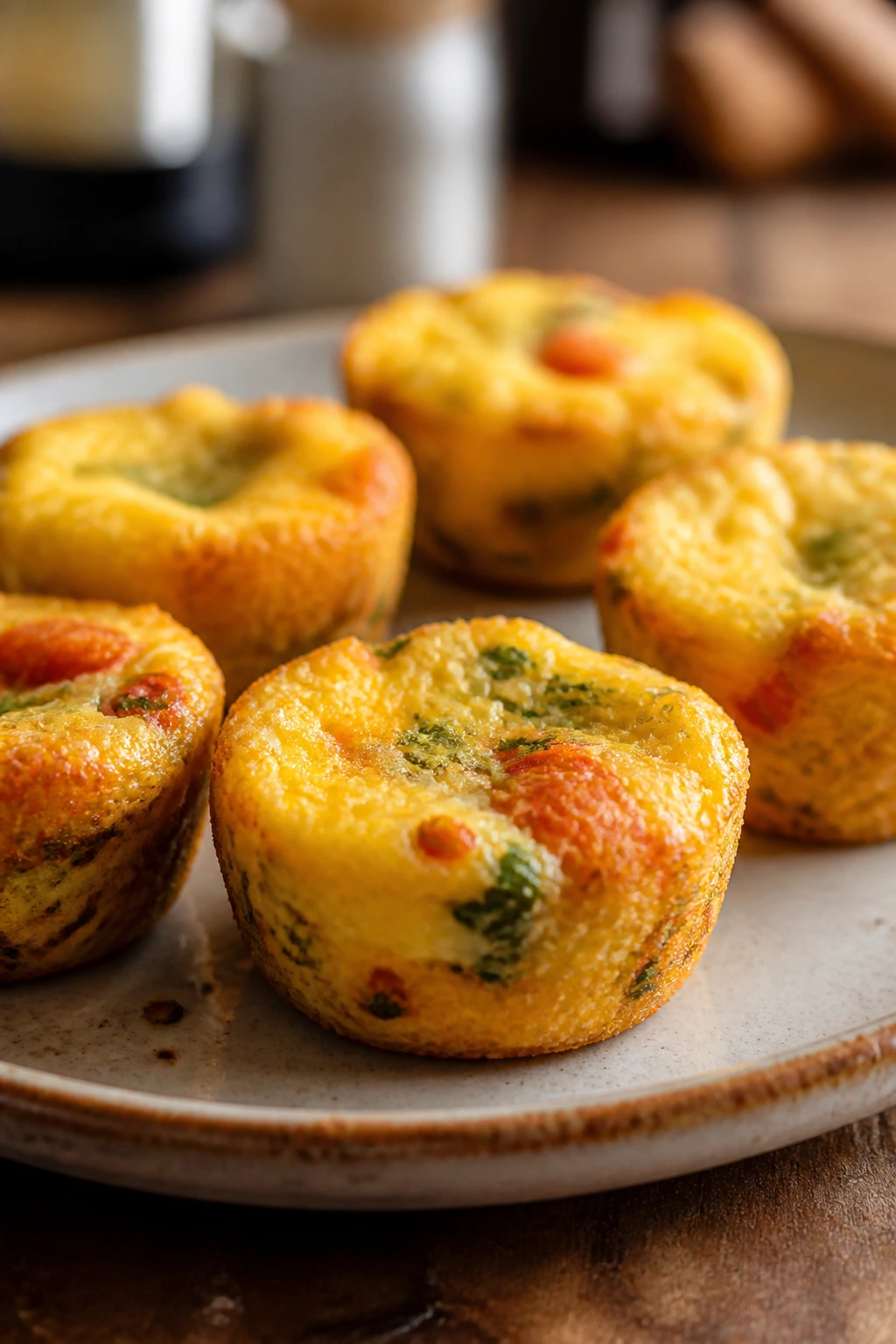
Egg muffins are breakfast food that got wise to the dinner hour. They are neat, portable, and forgiving. That alone makes them useful. Eggs set with cheese and a little finely chopped vegetable can be eaten hot, warm, or even at room temperature, which gives you more room to survive chaos at the table.
A muffin tin is the whole trick. Whisk the eggs with a pinch of salt, fold in shredded cheese, then add tiny bits of cooked vegetable or ham. Bake until the centers are just set and the tops no longer jiggle when the tin is tapped. Overbaking turns them rubbery fast. You want a soft, springy bite that still smells like cheese and eggs, not a dry little sponge.
Kids like these because they look like small, self-contained objects. That sounds silly, but it matters. Food that sits in one piece often feels easier to try than food that spills everywhere. You can even make half the batch plain and half with one mild add-in, like spinach or diced turkey, without changing the batter much.
A few fillings that stay gentle
- Cheddar and ham: The most straightforward version.
- Mozzarella and spinach: Soft flavor, soft texture.
- Monterey Jack and corn: Mild and a little sweet.
- Cream cheese and chives: Best if the child likes smooth, custardy egg bites.
These keep well for a few days in the fridge, which makes them a good make-ahead option. They also work in lunchboxes if the child likes eggs cold. That is not every kid, and that is fine. Some children prefer their eggs hot enough to steam the plate, while others are happy with a cold bite in the car. Know your audience.
A small dollop of ketchup on the side can help for kids who want a familiar dip. I know, I know. Purists will complain. Feed the kid, not the argument.
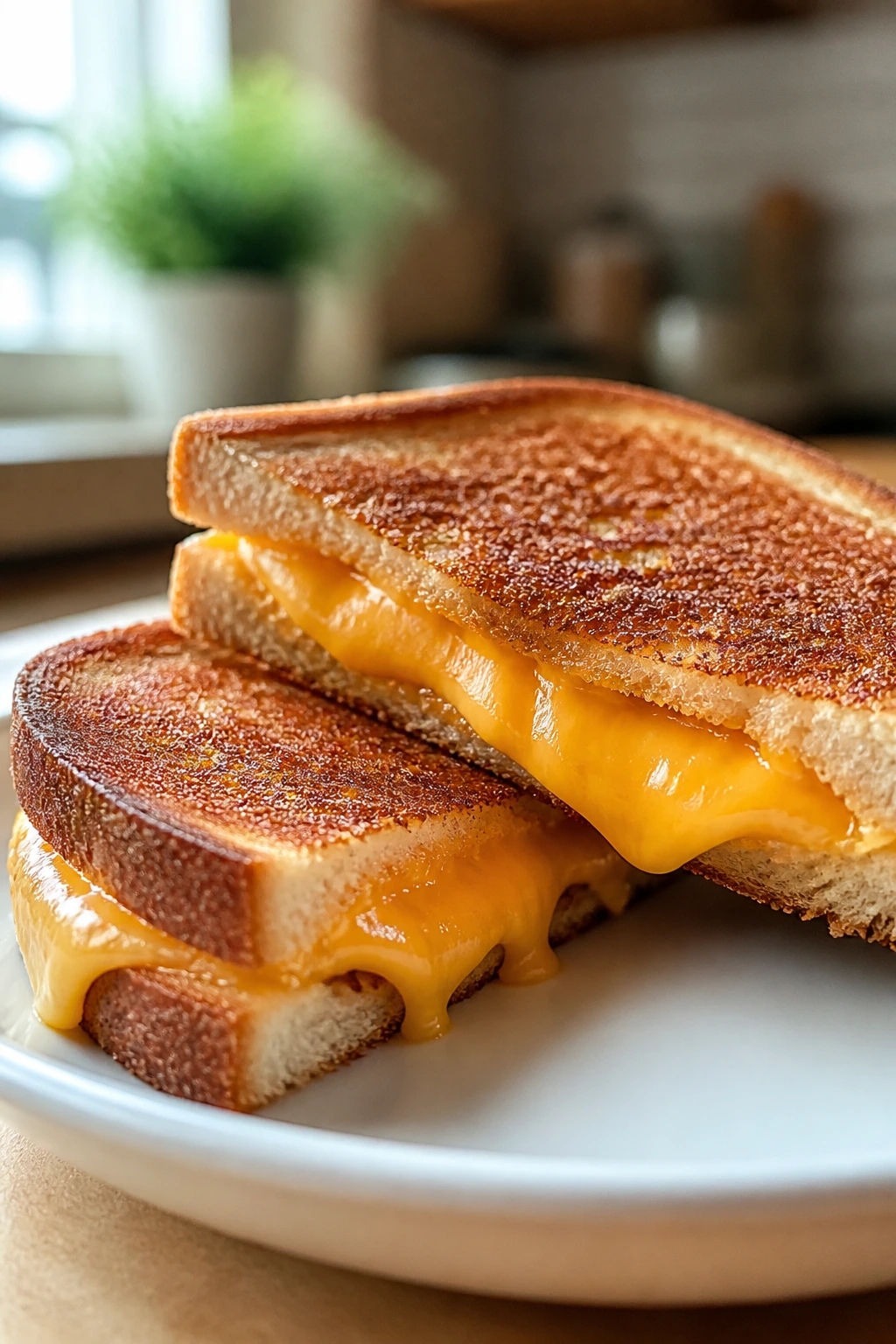
Grilled Cheese With a Side That Makes It Count
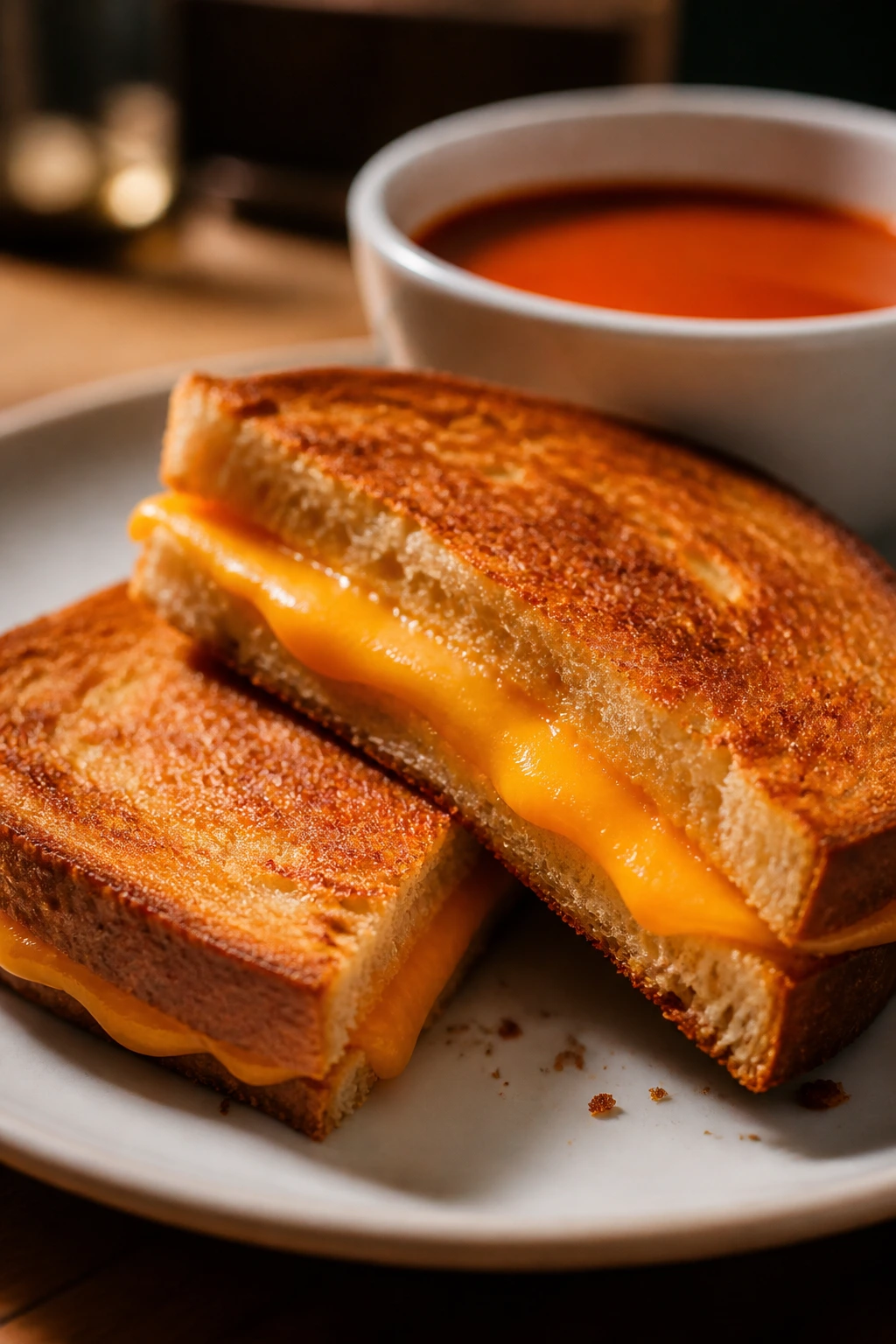
Grilled cheese has one job: deliver melted cheese between browned bread without dripping butter everywhere. When it works, it is almost absurdly effective. But a lonely sandwich on a plate can feel more like a snack than dinner, especially for older kids. The fix is simple. Give it a side that has some heft.
The sandwich itself should be cooked over medium-low heat so the bread browns slowly while the cheese melts all the way through. Too much heat gives you dark bread and cold cheese, which is a betrayal in sandwich form. Use enough butter or mayonnaise on the outside to get an even golden crust, then slice it diagonally if your kid likes a crisp edge and an easy grip. Diagonal cuts are not cosmetic. They create more exposed cheese and that small pull matters.
American cheese is the softest choice, but cheddar, mozzarella, or a cheddar-mozzarella blend can work well too. I like mixing two cheeses if I want flavor and stretch. One for taste. One for melt. That is the whole game.
Sides that make grilled cheese feel like dinner
- Tomato soup: The classic, because dunking keeps a picky eater engaged.
- Sliced apples: Sharp sweetness to cut the richness.
- Cucumber spears: Cool and crisp next to the hot sandwich.
- Turkey or ham strips: A quick protein side if the sandwich is meatless.
Keep the sandwich itself plain if the child is wary. Fancy add-ins like tomato slices or caramelized onions can be great for adults and still be one step too far for a wary kid. Serve those on your own plate if you want them. No need to overcomplicate a dinner that already works.
The best grilled cheese is eaten immediately. Not later. Not after a long speech. Right away, while the cheese is soft and the crust still crackles when you cut it.
Loaded Potatoes and Sweet Potatoes That Carry the Load
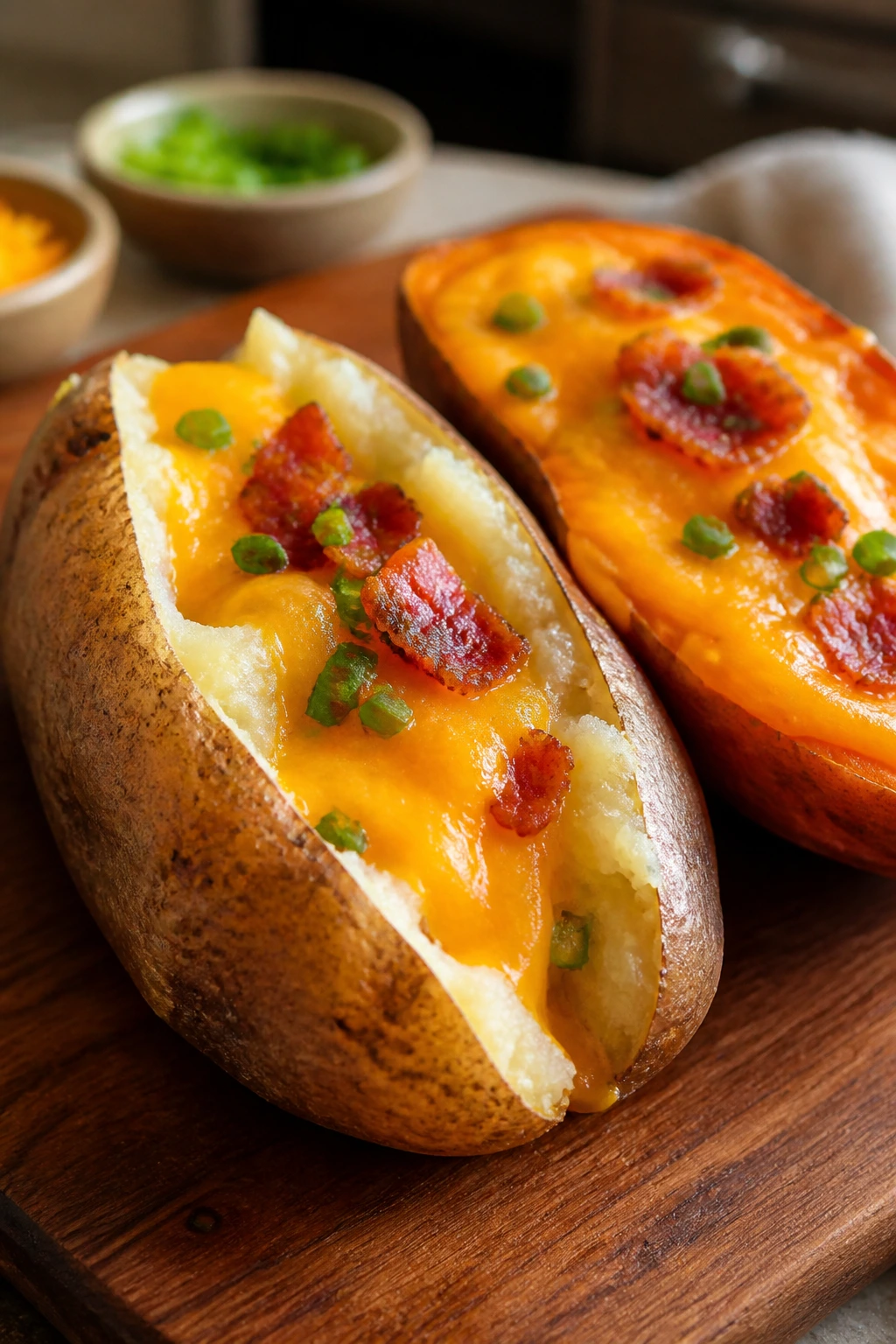
Potatoes are the quiet heroes of cheese-heavy kid dinners. A baked russet gives you a fluffy, salty base. A sweet potato brings a little natural sweetness that can make cheese feel friendlier, especially if your child likes the combination of sweet and savory. Both versions are cheap, filling, and easy to top with whatever else is in the kitchen.
The key is to split the potato open while it is still hot so the steam escapes and the flesh goes fluffy instead of dense. Then fork it up a little, add butter or olive oil, and melt the cheese directly into the center. For russets, cheddar and sour cream make sense. For sweet potatoes, I like mozzarella, a little cheddar, or even a sprinkle of cinnamon only if the child likes that sweet direction. You do not need to force the issue.
This is also one of the better places to use leftovers. Shredded chicken, black beans, taco meat, steamed broccoli, or corn can all sit on top of a potato without causing a texture revolt. The potato is stable. It can carry the load.
Toppings that work without creating a mess
- Cheddar and bacon bits: Salty, familiar, and easy to understand.
- Cheddar and black beans: Good if you want protein without meat.
- Mozzarella and broccoli: Mild enough for cautious eaters.
- Butter and Parmesan: A simpler path for children who do not want a lot of change.
Microwaving potatoes is not a culinary crime on a busy night. Pierce them first, cook until soft, and finish in a hot oven or air fryer if you want the skin to crisp a little. That little finishing step makes a big difference in how the meal feels. Soft inside, slightly crisp outside. Very hard to argue with.
Sweet potatoes can be a strong move for kids who like softer, sweeter food. Russets are better if your child wants a classic baked potato flavor. Keep both in rotation and see which gets picked up first.
Rice Bowls and Leftovers Built Around Cheese
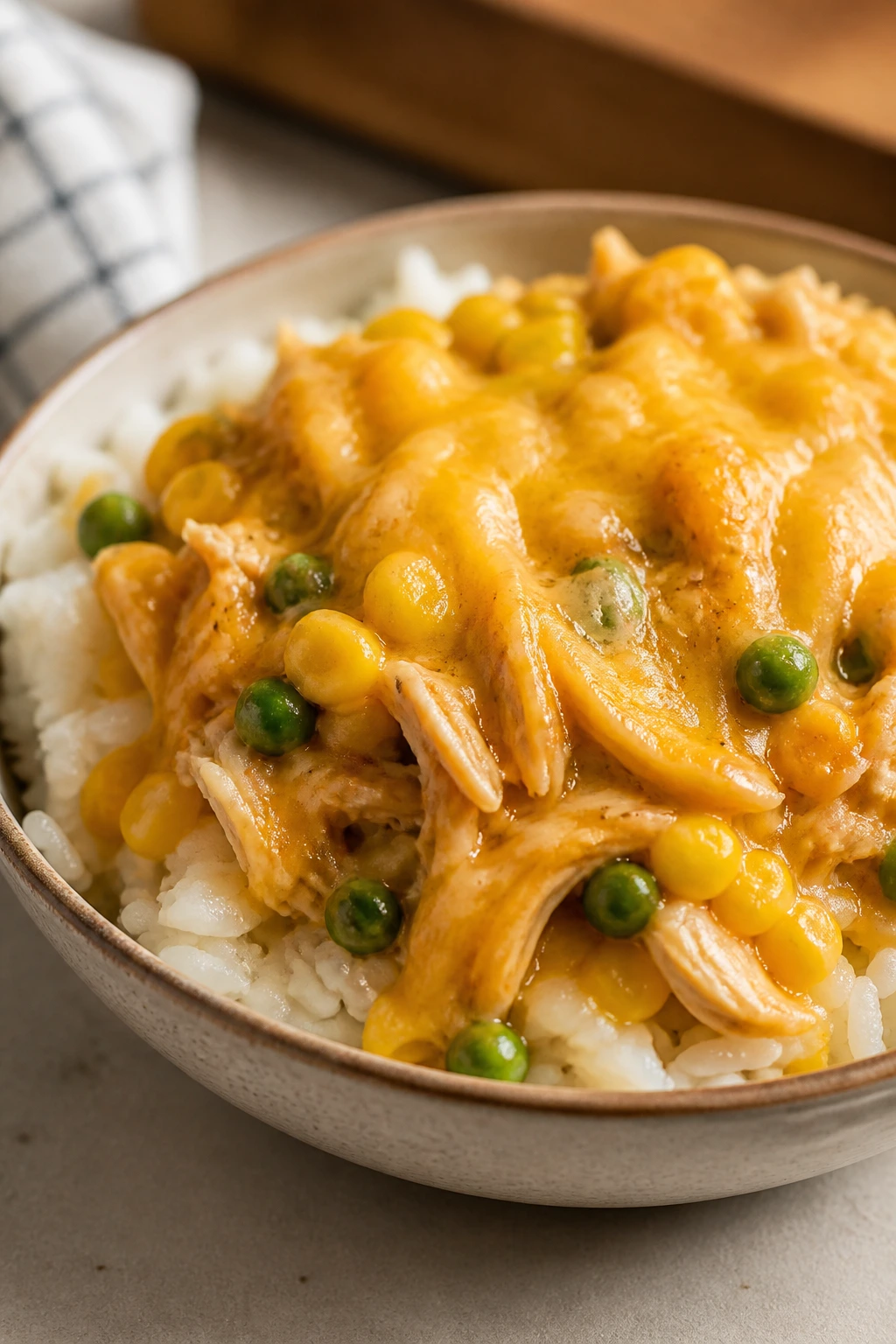
Rice bowls are useful because they turn leftovers into something that feels chosen rather than cobbled together. A scoop of rice, a handful of cheese, a protein, and one vegetable can make dinner look planned even if it started as a fridge cleanup. Kids often accept bowls better than mixed casseroles because they can see what they are getting and stir things together on their own terms.
Cheese works here as a finish, not always the main flavor. A warm bowl of rice with cheddar, scrambled egg, shredded chicken, corn, or peas can be more appealing than you expect if the rice is fluffy and not wet. Monterey Jack melts in softly. Cheddar adds more flavor. A spoonful of cream cheese mixed in with hot rice can make the whole bowl feel silkier, which helps if the child is sensitive to dry food.
The best part? You can scale a rice bowl up or down without changing the whole meal. A small scoop for a younger child. A bigger bowl for an older one. Same ingredients, different amount.
Easy combinations that work on tired nights
- Cheddar, chicken, and corn: Tastes familiar and eats fast.
- Monterey Jack, black beans, and rice: Mild, soft, and filling.
- Cream cheese, scrambled egg, and rice: Great for breakfast-for-dinner nights.
- Mozzarella, peas, and leftover meatballs: A strange sentence, but a workable bowl.
Rice bowls do need moisture. Dry rice with dry toppings will not help you. A little broth, salsa, or sauce keeps things cohesive. If the rice is cold from the fridge, heat it fully before adding cheese so the cheese softens instead of sitting in stubborn little pieces on top.
This is also a good place to let each kid build their own version. Give them two toppings and one cheese. That’s enough choice to feel involved, but not so much that dinner turns into a craft project.
What to Put Next to the Cheese Without Starting a Negotiation
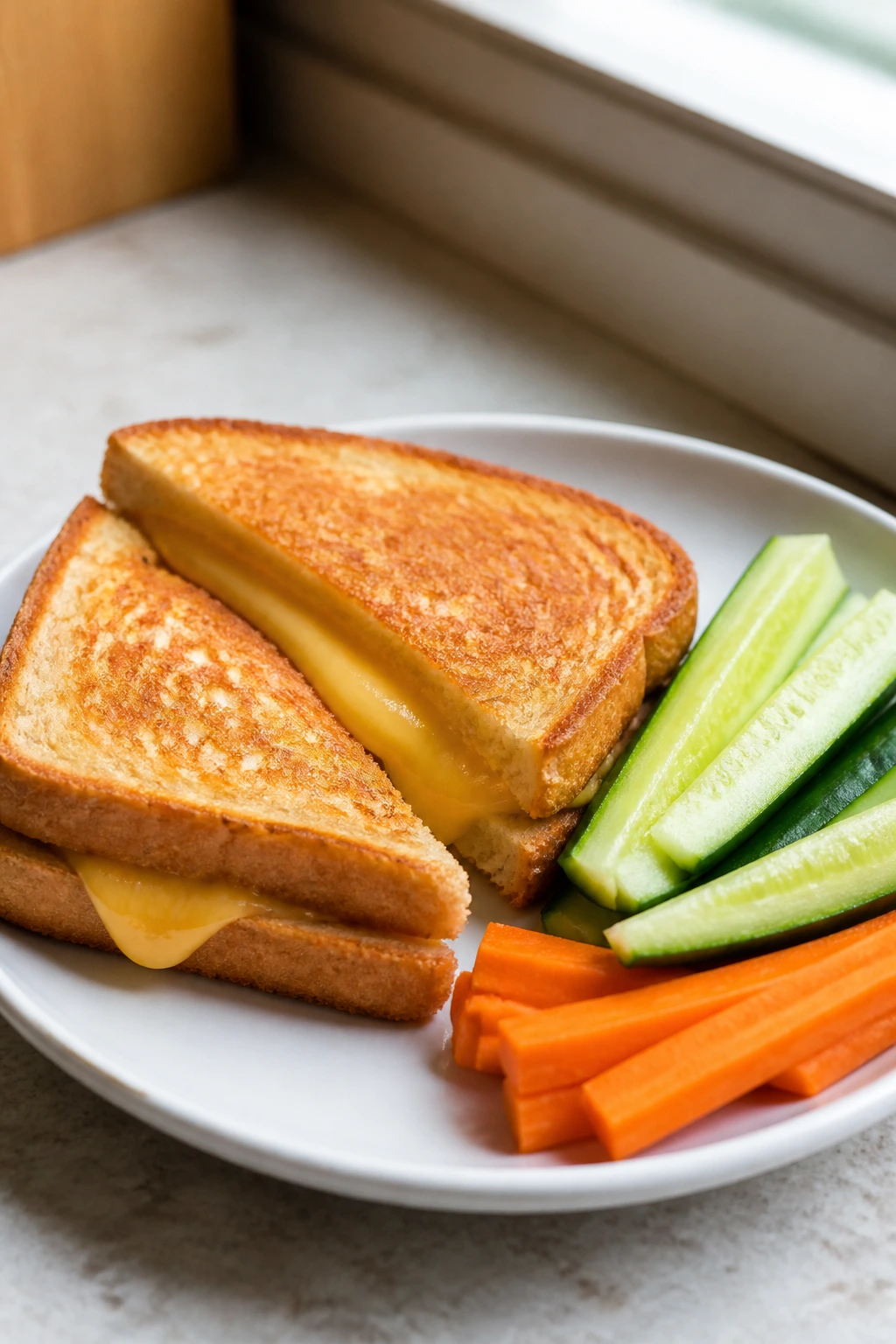
Cheese dinners work best when the rest of the plate plays a supporting role. You do not need a full spread. You need one or two sides that are easy to eat, low drama, and familiar enough that the child doesn’t start treating the meal like a quiz.
Presentation: Keep the main item warm and visible. Cut sandwiches into halves or triangles, slice quesadillas into wedges, and serve pasta in shallow bowls so the cheese stays on top instead of disappearing to the bottom. A small plate often works better than a big one because the food looks less scattered.
Accompaniments: Fruit slices, cucumber spears, peas, carrot sticks, tomato soup, applesauce, and simple roasted broccoli are reliable partners. If the main dish is already rich, pick a cool crisp side. If the main dish is lighter, go with a warm soup or a soft vegetable.
Portions: For younger kids, start with a smaller serving and keep seconds ready. A half quesadilla, one grilled cheese half, one egg muffin, or a modest bowl of pasta is enough for many small eaters. Older kids often want the same meal with a bigger scoop and one extra side. Small plates help the food feel manageable.
Beverage Pairing: Water is fine and usually the least disruptive choice. Milk works well with grilled cheese, mac and cheese, and pizza-style meals. For soup or rice bowls, a cool drink keeps the plate from feeling too heavy. I would skip sugary drinks at the table unless you want the meal to end in a sugar swing.
The main idea is balance. Rich cheese wants something fresh, crisp, or juicy next to it. That little contrast makes the meal easier to finish. It also keeps you from feeling like every dinner needs another ladle of sauce to be complete.
Pantry and Fridge Staples That Save You at 5:30
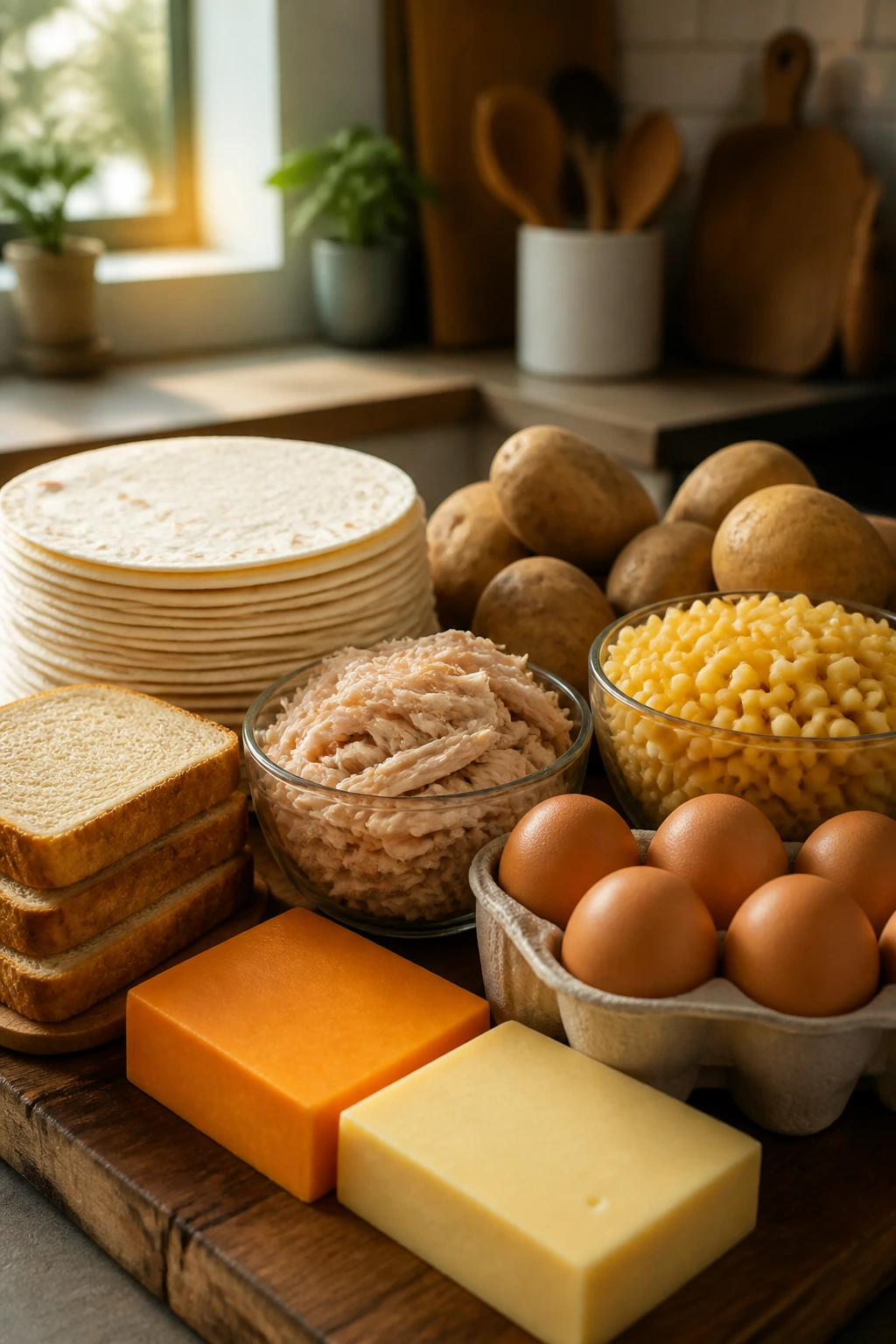
A good cheese dinner starts before the stove is on. If the fridge already holds the right building blocks, you can put together a real meal without staring into the freezer and making a grocery list in your head. I keep a short set of staples around for this exact reason: tortillas, pasta, eggs, bread, shredded chicken, potatoes, a jar of marinara, and at least two kinds of cheese.
The cheese itself should cover different jobs. One block of mild cheddar for flavor. One bag of mozzarella for stretch. One tub of cream cheese for sauces or egg bakes. If you keep only one cheese on hand, dinner gets repetitive fast. With three, you can make mac, quesadillas, pizza toast, soup, eggs, or a potato topping without much thought.
Frozen vegetables are worth keeping too, especially peas, corn, broccoli florets, and chopped spinach. They cook quickly, they are usually soft enough for little mouths, and they do not rot in the crisper drawer while you are busy doing everything else. That is not a small thing.
My short emergency shelf
- Tortillas: For quesadillas, wraps, and quick pizzas.
- Short pasta: Elbows, shells, penne, or rotini for fast cheese sauces.
- Eggs: Cheap, fast, and easy to dress up.
- Bread or English muffins: For grilled cheese and mini pizzas.
- Potatoes: Russets or sweet potatoes for bake-and-top dinners.
- Jarred marinara: A fast base for pasta or pizza.
- Frozen peas and corn: Sweet enough for many kids to accept.
- Rotisserie chicken or leftovers: The easiest protein add-in.
- Mild cheddar and mozzarella: Two cheeses that cover a lot of ground.
Pay attention to salt levels in packaged items. Cheese, jarred sauce, and deli meat can stack sodium fast. That does not mean you have to avoid them. It means you should season the rest of the meal with a lighter hand until you know what the packaged parts are bringing.
A well-stocked fridge makes the 5:30 panic less theatrical. That’s the real advantage. Not elegance. Not a perfect menu. Just a meal you can build before the kids start orbiting the kitchen.
Practical Shortcuts That Make Cheesy Meals Faster
Time-Saver: Cook one starch ahead of time. A pot of rice, a tray of potatoes, or a container of pasta in the fridge gives you a head start when dinner needs to happen fast. Warm it up, add cheese, and the meal is already halfway there.
Flavor Enhancement: Stir a tiny bit of Dijon mustard, garlic powder, or dry mustard into cheese sauce. Not enough to make the food taste “fancy.” Just enough to keep the flavor from flattening out after the cheese melts. One teaspoon can change a whole pot.
Pro Move: Use two cheeses, not four. One for melt and one for taste is enough. Too many cheeses can turn a simple meal into a salty blur, and kids usually do not reward that extra effort. They just want it to taste the same every time.
Cost-Saver: Beans, eggs, potatoes, rice, and pasta stretch cheese farther than meat does. That does not mean you cannot add meat. It means you do not need it to make the meal feel complete. A bowl of cheesy rice with peas and an egg can be dinner.
Texture Fix: Keep watery vegetables out of the hot pan until the end, and pat chopped spinach or zucchini dry before it goes in. Extra water turns cheese sauces thin and tortillas soggy. That is one of the fastest ways to lose a kid’s trust.
Make-It-Yours: Offer one optional topping, not six. A little salsa, a few diced tomatoes, a spoon of yogurt, or a side of apples lets kids feel in control without creating chaos on the counter.
I also like to keep one “plain” version of the meal ready and let adults add hot sauce, pepper flakes, pickled jalapeños, or extra herbs at the table. Kids notice when dinner tastes safe. Grown-ups notice when dinner tastes like they got forgotten. Both can be fixed with one small final touch.
Mistakes That Make Kids Push the Plate Away
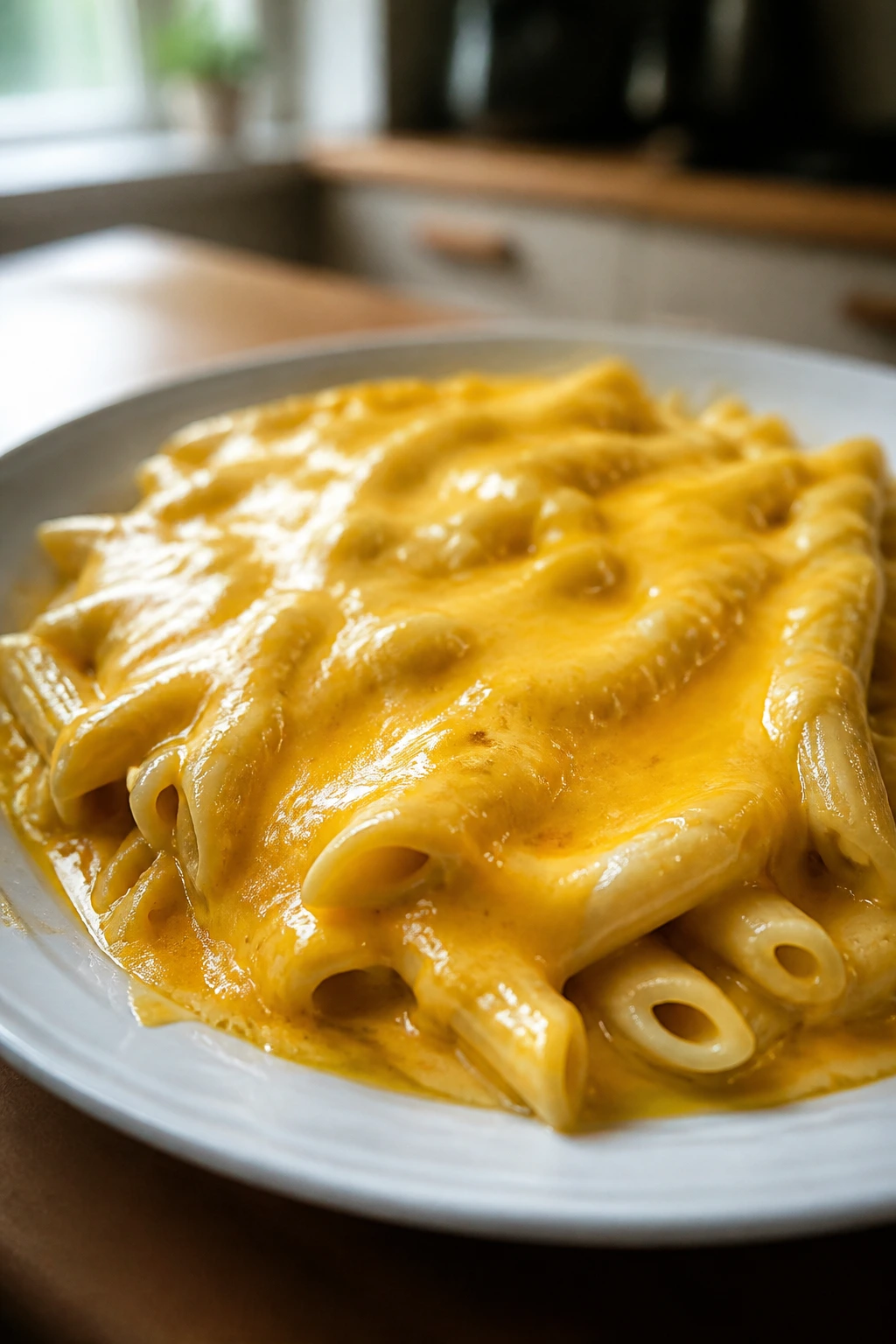
Too much cheese can be the wrong move. That sounds backward, but it happens all the time. The meal turns greasy, heavy, and weirdly one-note, and kids take two bites before they are done with it. The fix is to use enough cheese to tie the dish together, then stop. You want melt, not sludge.
Another common miss is serving food that is too hot. Cheese burns stay in a child’s memory for a long time. If the filling is still lava-hot, the kid is not tasting dinner; they are bracing for damage. Let baked pasta, soup, and quesadillas sit for a few minutes before serving. That pause helps the texture settle too.
Soggy bread is a dinner killer. Mini pizzas on thin, watery bread bases or grilled cheese that sits in the pan too long can go limp fast. Use bread that can stand up to moisture, keep sauce layers thin, and move the food to a plate the second it is done. If the bottom needs crisping, give it one more minute in the pan rather than hoping it will fix itself on the plate.
Four more mistakes that show up often
- Using only strong cheese: Sharp, funky, or very salty cheese can overwhelm mild palates. Start with a softer cheese and mix in stronger flavor later if the child is willing.
- Hiding vegetables too aggressively: Giant chunks of broccoli or wet, undercooked zucchini feel like a trap. Chop small, cook soft, and keep the texture consistent.
- Overstuffing quesadillas or sandwiches: The filling spills out, the bread tears, and the child ends up eating a mess instead of dinner. Thin layers hold better.
- Turning every meal into a negotiation: Too many options slow things down and make the child focus on what is missing. Give one or two choices, then move on.
The easiest fix, honestly, is to keep the meal visually simple. One main color. One obvious cheese. One familiar shape. That does not mean boring. It means readable.
Named Variations for Different Ages and Appetite Levels
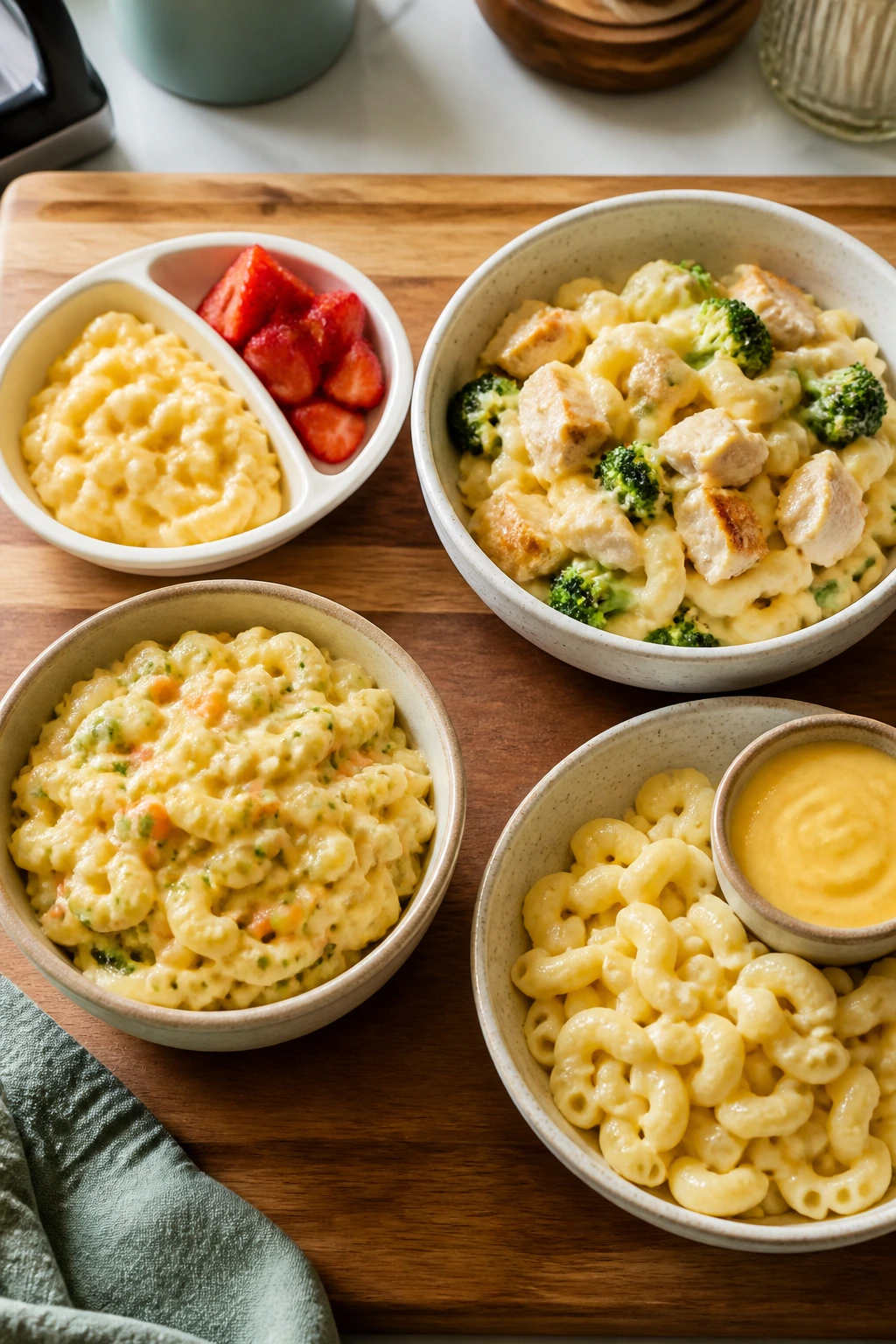
Tiny-Hand Toddler Plate: Keep the food in very small pieces and make the cheese the main visible part. Quesadilla strips, pasta spirals, or mini egg muffins work well because they can be grabbed, not stabbed. Skip spicy seasonings and keep dips on the side so the child stays in control.
Big-Kid Protein Bowl: Add more chicken, beans, or eggs and cut the cheese a little lighter so the bowl feels more like dinner and less like a snack. Older kids often want a stronger texture contrast too, so roasted broccoli, toasted breadcrumbs, or crisp tortilla strips can help.
Vegetable-Safe Version: Use finely chopped or grated vegetables that melt into the dish instead of sitting on top of it. Spinach disappears into mac and cheese. Grated zucchini can vanish into pasta sauce. Tiny peas work better than giant florets if texture is the issue.
Dairy-Light Night: Keep the cheese flavor but reduce the amount. Use a smaller portion of sharp cheddar for flavor, then stretch the dish with beans, potatoes, rice, or eggs. This works well when a child likes cheese but does not want a heavy meal.
Sauce-On-The-Side Setup: Some kids like cheese but hate mixed textures. Serve the base plain—pasta, rice, potatoes, or grilled cheese—and put a little sauce, soup, or salsa in a separate cup. That gives them the comfort of choice without forcing a mixed bite.
Those variations matter because the goal is not to make one perfect dinner. It is to make a dinner that survives the actual child in front of you. That’s a different job. Better, honestly.
Tools That Make Cheese Dinners Less Annoying
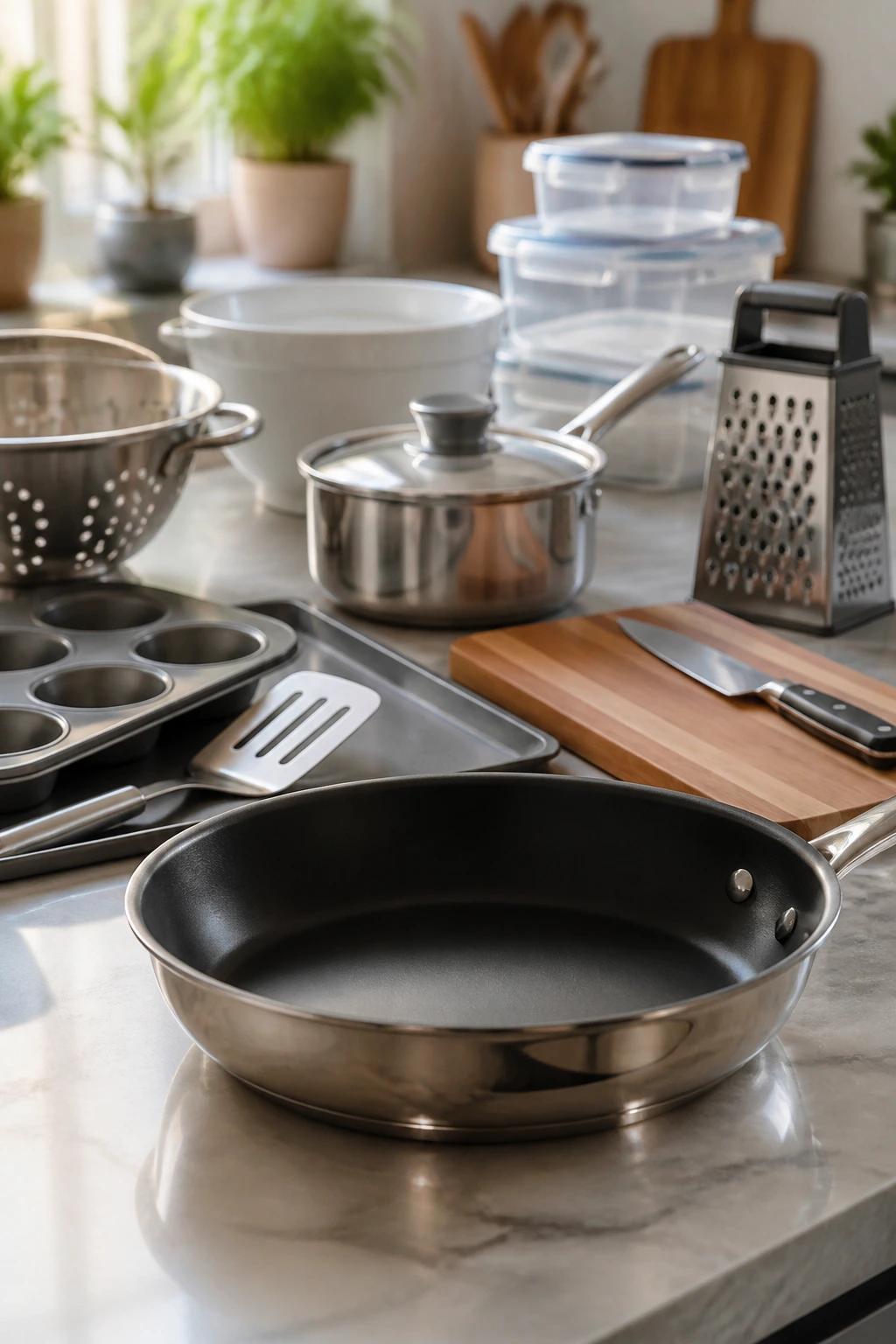
A few tools show up over and over when cheese is the plan. None of them are fancy. Most of them are already in the kitchen. The point is speed and control, not gadget collecting.
- 12-inch skillet: Big enough for quesadillas, grilled cheese, and quick skillet pasta without crowding.
- Rimmed sheet pan: Useful for mini pizzas, baked pasta finishes, and roasted sides.
- Saucepan: For mac and cheese, soup, and quick cheese sauces.
- Box grater: Better than pre-grating if you want smoother melting.
- Sharp chef’s knife: Helps you cut vegetables small enough that kids will not notice every piece.
- Cutting board: One that stays put. A damp towel underneath helps.
- Muffin tin: For egg muffins and portioned bakes.
- Spatula: A thin one is best for grilled cheese and quesadillas.
- Colander: For draining pasta without turning the sink into a mess.
- Microwave-safe bowl: Handy for reheating rice, potatoes, and sauce components.
- Airtight containers: Needed if you are making ahead or saving leftovers.
One tool I would not skip is a decent spatula. Cheese-heavy foods stick in weird ways, and a flimsy spatula will fold in half when you try to lift a quesadilla or grilled cheese. That tiny annoyance becomes a big one when you’re tired.
If you like to make cheese dinners often, keep the grater and skillet within reach. Out-of-sight tools get used less, and then everyone ends up back at the same old plain dinner. Convenience wins more often than inspiration does.
Make-Ahead, Storage, and Reheating Rules
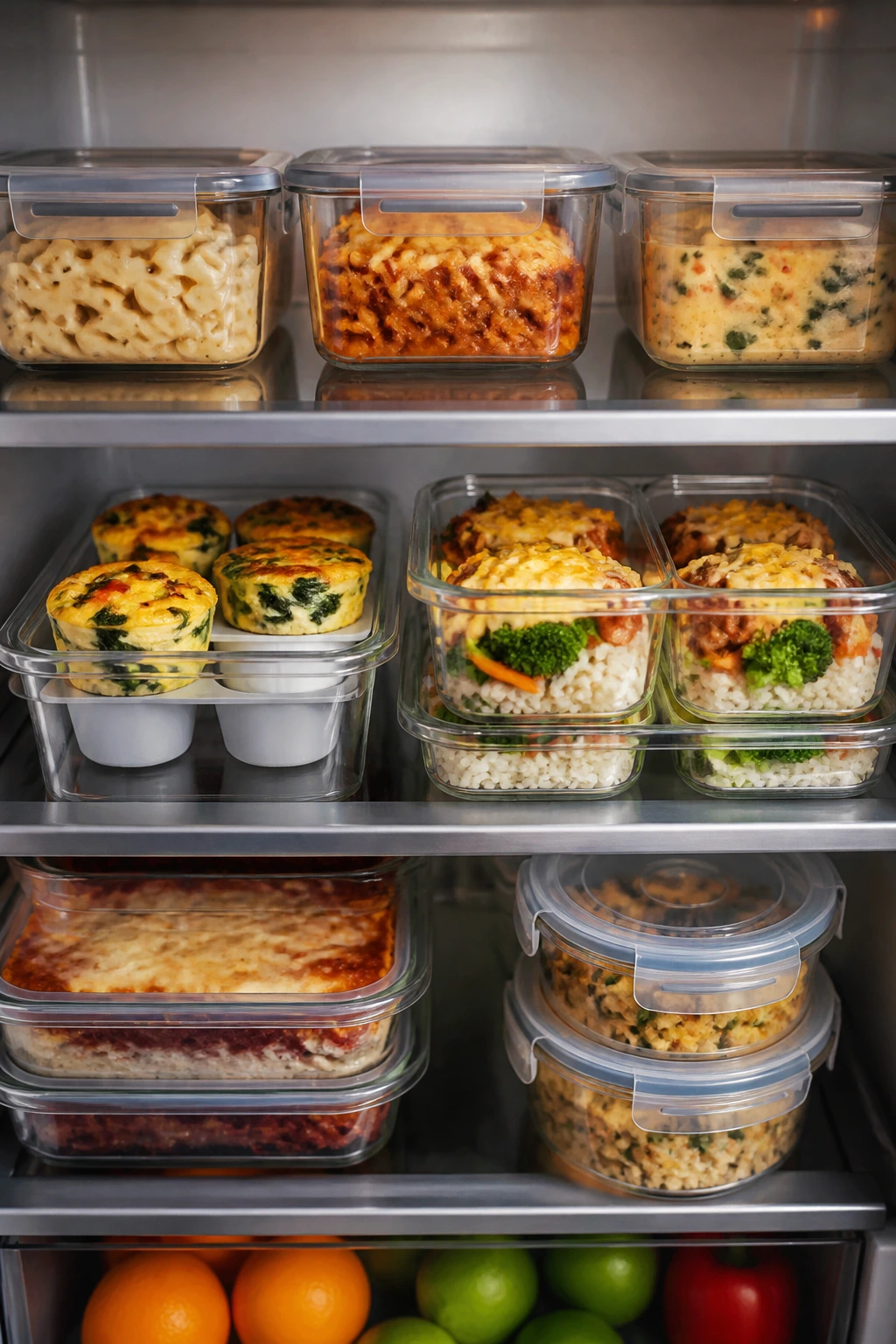
Most of these meals keep better than people think, but not all of them reheat in the same way. Mac and cheese, pasta bakes, soup, egg muffins, loaded potatoes, and rice bowls all store well if you cool them quickly and move them into shallow containers. In the fridge, most hold for 3 to 4 days. Soup often stretches to 4 days if it is handled cleanly. Egg muffins usually stay in good shape for 3 to 4 days. Rice and pasta should be eaten within that same window.
Freezing is useful for some of them and pointless for others. Broccoli cheddar soup, baked pasta, mac and cheese, egg muffins, and rice bowls freeze reasonably well for up to 2 months in airtight containers. Quesadillas can freeze too, though the tortilla gets a little softer after reheating. Grilled cheese is the least freezer-friendly of the bunch. It can be done, but the bread usually loses the best part of itself—the crisp exterior.
Reheat pasta and mac and cheese gently with a splash of milk or water, either on low heat in a saucepan or in short bursts in the microwave. Stir between bursts. Quesadillas come back best in a dry skillet over medium heat rather than the microwave, which makes the tortilla limp. Egg muffins can go in the microwave for 20 to 30 seconds, or in a low oven until warm through.
Potatoes reheat well in the microwave if you cover them loosely, then finish in the oven or air fryer if you want the skin crisp again. Soup is best reheated slowly on the stove. If it was frozen, thaw it in the fridge overnight and stir well while warming so the dairy does not split.
Make-ahead works best when you keep components separate. Cooked pasta can sit alone. Cheese sauce can wait. Tortillas stay separate from the filling until the last minute. That little bit of planning keeps everything from turning into one soft, damp container that nobody wants to open.
Questions Parents Ask About Cheese Dinners
What cheese melts best for kids who are picky?
Mozzarella, mild cheddar, Monterey Jack, and American are the easiest starting points. Mozzarella gives you stretch, cheddar gives you familiar flavor, and Monterey Jack stays soft without tasting sharp. If the child is very cautious, American cheese is often the easiest first step because it melts so smoothly.
Can I use pre-shredded cheese, or should I grate my own?
Pre-shredded cheese is fine for topping and for nights when time matters more than perfect melt. Grated block cheese melts smoother in sauces because it does not carry the same anti-caking powders. If you are making mac and cheese or soup, block cheese usually gives a better texture.
How do I hide vegetables without making dinner weird?
Keep the vegetables small, cooked soft, and matched to the texture of the meal. Finely chopped spinach vanishes into mac and cheese. Grated zucchini can disappear into pasta sauce. Giant chunks are the problem, not the vegetable itself.
What if my child only wants plain cheese and bread?
That is still a start. Feed the child the food they trust, then add one tiny side they can ignore if needed—fruit, cucumbers, or a few peas. Repeated exposure matters more than one big dinner battle, and plain cheese toast is a better base than a plate that gets rejected outright.
Can these meals be made without an oven?
Yes. Quesadillas, mac and cheese, soup, egg muffins in a stovetop-friendly setup, loaded potatoes, and rice bowls all work without one. Mini pizzas and pasta bakes lose some of their charm, but you can still make skillet versions or use a covered pan to melt the cheese.
How do I stop quesadillas and grilled cheese from getting soggy?
Use medium heat, not high heat, and keep fillings thin. Drain wet ingredients well, let the sandwich rest for a minute before slicing, and move it off the pan the moment the bread turns golden. If the filling is too wet, the bread will never recover.
Are there ways to make these meals a little lighter without losing the cheese part?
Yes. Keep the cheese as a flavor layer instead of the entire meal. Use smaller amounts of cheese with eggs, beans, potatoes, or rice, and add vegetables or lean protein for volume. The cheese still does the job, but it doesn’t have to carry the whole plate alone.
What if the cheese sauce turns grainy or oily?
That usually means the heat was too high or the cheese went in too fast. Pull the pan off the burner, add a splash of milk, and stir gently over lower heat. If it has already split badly, blending a small portion can help, but prevention is easier than rescue.
Can I pack these for lunch the next day?
Most of them travel well, especially egg muffins, pasta bakes, rice bowls, and quesadillas. Grilled cheese is the most fragile one, but it can still be packed if you toast it lightly and accept that the crust will soften. For lunch boxes, keep dips and wet sides separate.
A Calm Finish for Busy Nights
Cheesy quick meals are not about tricking kids into eating something they never wanted. That approach gets old fast, and kids can smell it from across the table. Better to make food that looks familiar, tastes gentle, and still gives you enough room to add protein or vegetables without turning dinner into a project.
A good cheese dinner is usually a small, practical win: a skillet that comes together before everyone gets cross, a bowl that gets eaten without bargaining, a sandwich that lands on the plate hot and intact. That is worth more than a complicated casserole with a long ingredient list and a pile of leftovers nobody wants.
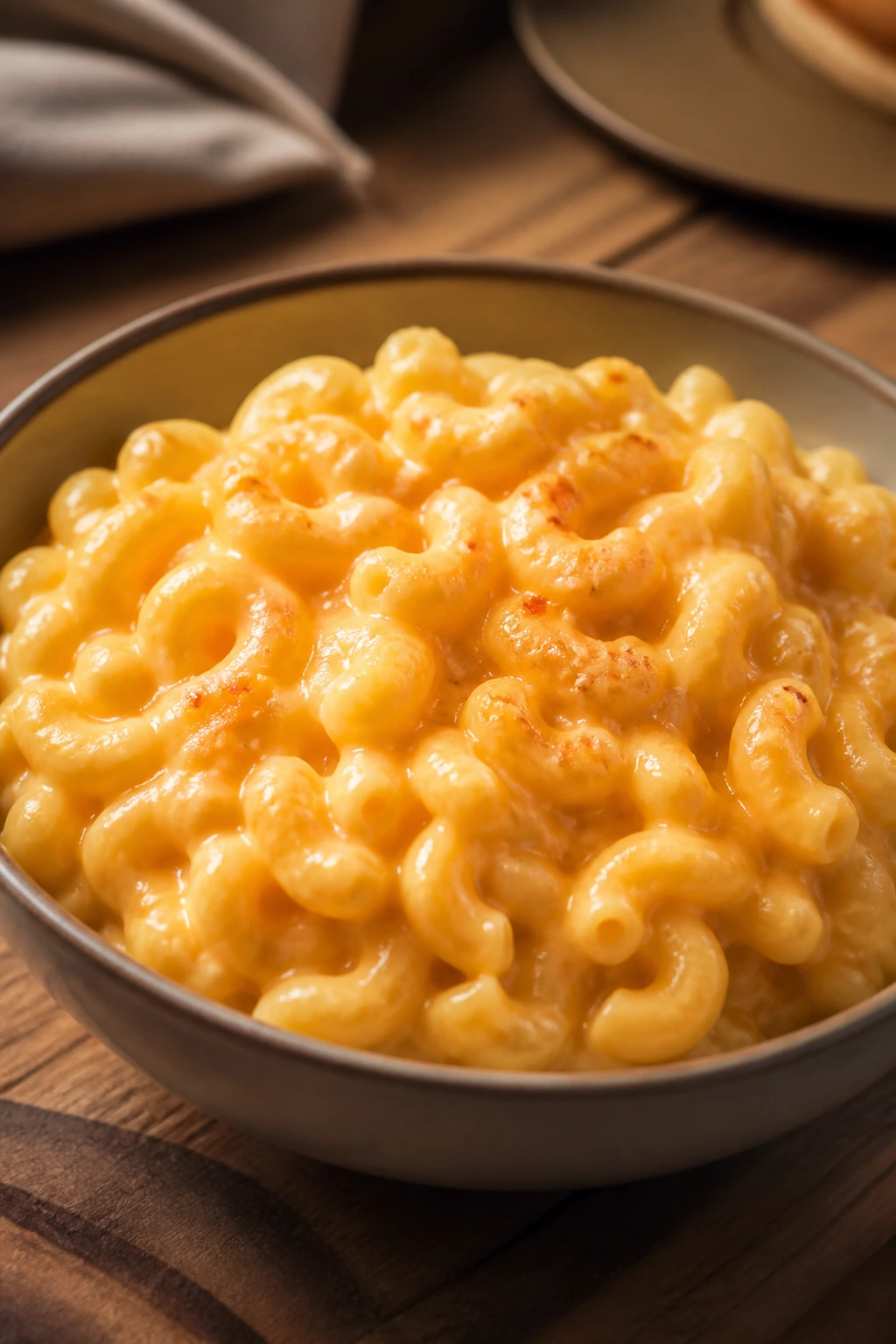
Keep one or two of these in rotation, and the next tired night will feel less like a scramble. Sometimes a plain quesadilla or a bowl of mac and cheese does more for family peace than any elaborate meal ever could.