



A quiet plate wins more dinners than a clever one. If you’re hunting for an easy dinner for kids picky eaters, the real trick is not sneaking spinach into everything or turning carrots into a secret mission. It’s making dinner look familiar enough that a cautious kid doesn’t feel ambushed before the first bite.
Kids turn away from dinner for reasons that make perfect sense from their side of the table. Sauce touching everything, a vegetable hiding in a soft casserole, a smell that hits the room too hard, a bite that mixes crunch and mush in the same forkful — any of that can be enough. The food doesn’t have to be bad. It just has to feel uncertain.
I like dinners that give children some control without turning the kitchen into a short-order diner. One base. One mild protein. One thing on the side that they can ignore without a speech. That’s the shape of a meal that gets eaten, and the shape is where the whole game starts.
Why This Dinner Strategy Gets Eaten
- Familiar shapes: Round meatballs, triangle quesadillas, short pasta, and rice are easier to trust than a mixed pile of mystery.
- Separate pieces: When sauce stays in a small bowl, kids can decide how much touches the bite instead of getting surprised by it.
- Repeatable bases: Rice, noodles, potatoes, tortillas, and eggs can carry a week’s worth of dinners without feeling like the same meal twice.
- Mild seasoning first: Salt, butter, cheese, and a little garlic go farther with picky eaters than a big spice cabinet.
- Texture you can read: Crisp edges, soft centers, and clear ingredients help kids understand what’s on the plate.
- Less waste: The same plain chicken, pasta, or rice can turn into several meals, which means fewer sad containers in the back of the fridge.
Why Picky Eaters Push Back on Dinner
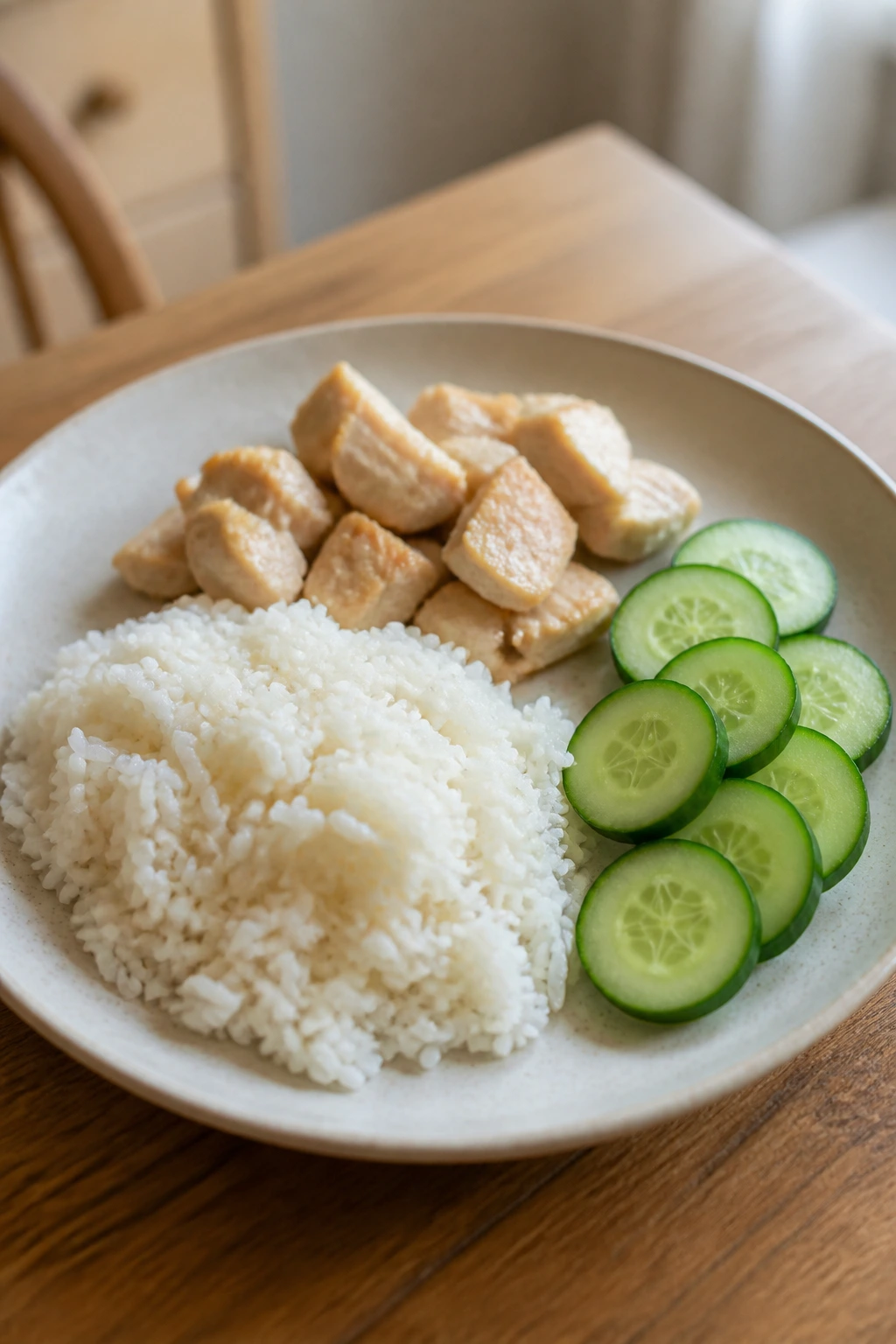
Most picky eaters are not staging a philosophical protest. They’re reacting to sensory stuff adults often stop noticing: mush, smell, heat, sauce, and food that all looks the same. A child who eats plain rice and plain chicken may still reject chicken-and-rice soup because the rice has gone soft and the chicken has lost its edges. That is not stubbornness. That is texture.
Color matters more than we like to admit. A plate full of beige food can still be eaten, but a beige food that also smells strong and arrives steaming hot can feel heavy before a fork even lands. The same child might happily eat cucumber coins, buttered noodles, and a chicken strip, because each piece looks like itself.
Mixed dishes create another problem: they remove choice. A casserole tells a kid, “Take it or leave it.” A plate with separate items says, “Start with what you know.” That small difference changes the whole mood at dinner.
And pressure makes everything worse. The more grown-ups talk, hover, bargain, or count bites, the more dinner becomes a test. Kids rarely eat better when they feel watched. They eat better when the food is readable, the plate is calm, and the first bite doesn’t come with a lecture.
The Plate Formula That Works for Easy Dinner for Kids Picky Eaters
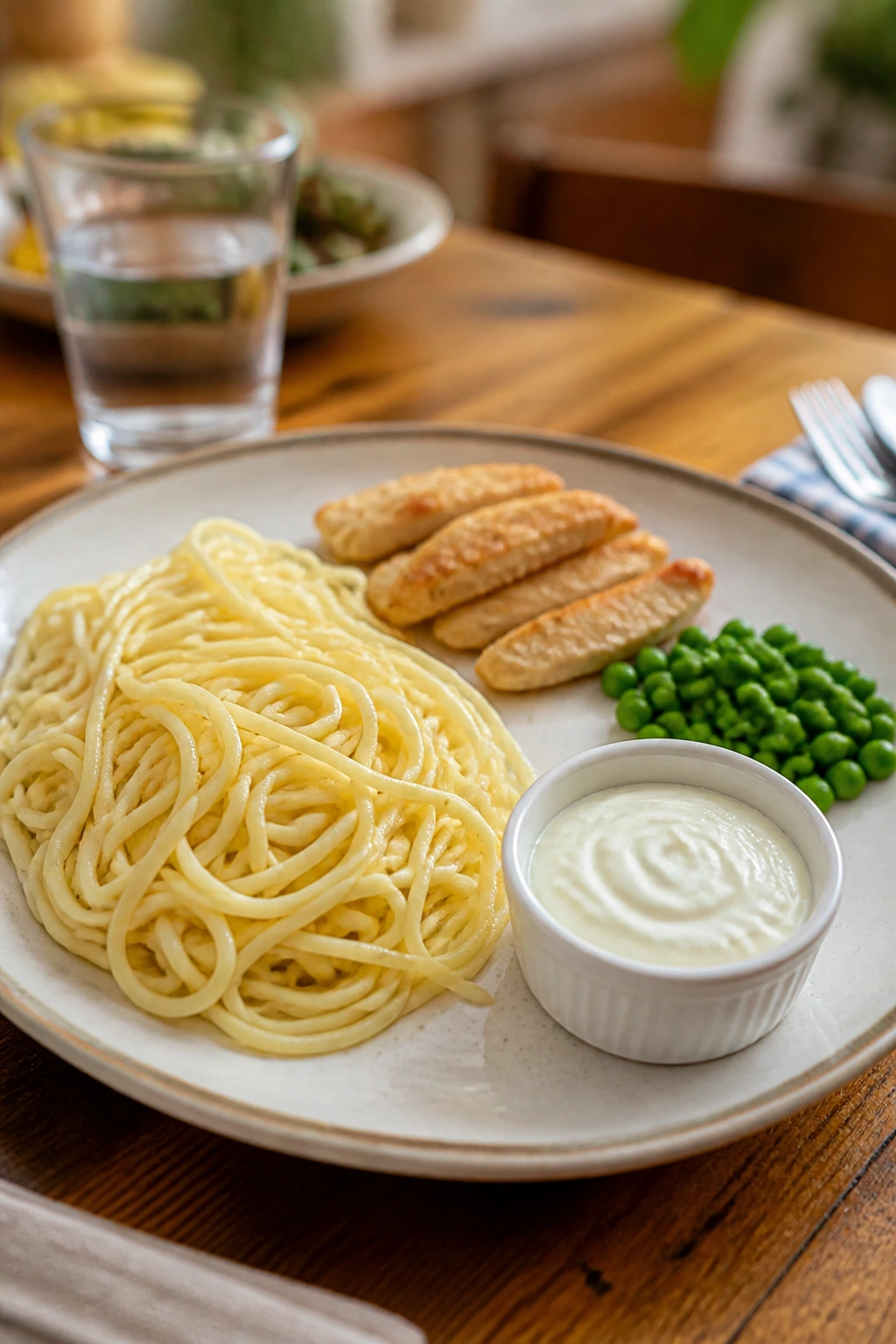
A plate that works for picky eaters usually has the same four parts. Nothing fancy. Just enough structure that a child can understand the meal at a glance.
Start with one familiar base. That might be buttered noodles, plain rice, roasted potatoes, toasted bread, or warm tortillas. This is the anchor. It should be a food the child has already accepted at least a few times.
Add one mild protein. Chicken strips, scrambled eggs, meatballs, cheese, beans, or fish sticks all count. The protein does not need to be hidden. It just needs to be calm and easy to bite.
Then place one vegetable or fruit in a separate spot. Peas, carrot coins, cucumber slices, apple wedges, or roasted broccoli are all better when they are not mixed into everything else. A tiny portion is enough. A tablespoon is more honest than a mountain.
Finish with one dip, drizzle, or topping. Marinara, ranch, yogurt dip, sour cream, butter, grated cheese, or mild salsa gives kids a little control over each bite. That control matters more than grown-ups usually think.
A plate with four clear parts looks less risky than one bowl of combined food. That is the whole trick. Not deception. Not drama. Just enough clarity for a nervous kid to start.
Six Dinner Shapes Kids Recognize Fast
Buttered Pasta Bowls
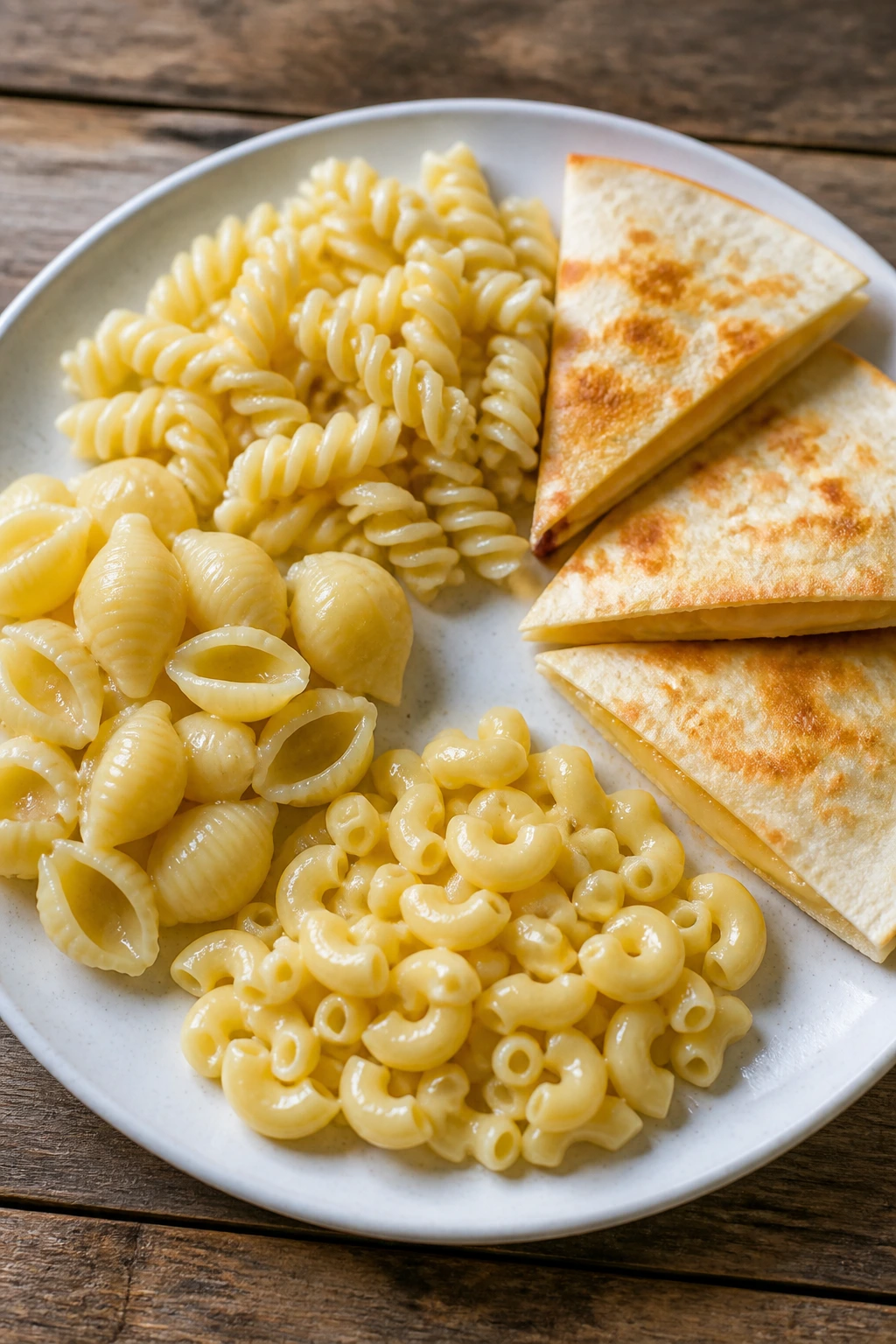
Pasta is one of the easiest dinner shapes for cautious eaters because it has a soft, predictable texture and a familiar smell. Rotini, shells, and elbows usually work better than long noodles here; they’re easy to stab with a fork, and they hold a little butter or cheese without becoming slick. If your child likes plain noodles, start there and add chicken, peas, or a sprinkle of parmesan at the table instead of inside the pot.
The key is to stop before the pasta gets heavy with sauce. A small pat of butter, a spoonful of olive oil, and grated cheese can be enough. I like keeping the vegetables separate — a small bowl of peas or roasted carrots on the side feels much safer than a mixed pasta bake. If you want to build from leftovers, this is where shredded rotisserie chicken earns its keep.
Quesadilla Wedges
A quesadilla is dinner in a shape kids already understand: a crisp triangle with a melted middle. Use flour tortillas, a mild cheese like mozzarella or Monterey Jack, and a thin layer of filling so it seals cleanly. Cook it over medium heat for 2 to 3 minutes per side until the outside has golden spots and the cheese is fully melted.
Cutting it into triangles matters. Big, floppy wedges feel harder to handle; smaller triangles invite a bite. Serve salsa, sour cream, or guacamole in separate little bowls. And if a child hates salsa, that’s fine. A plain cheese quesadilla still counts as dinner.
Sheet-Pan Chicken and Potatoes
This is the meal I reach for when I want one pan, one smell, and fewer arguments. Chicken tenders or small chicken thighs roast well alongside potato coins or small chunks at 425°F. The potatoes need a head start, so give them about 15 minutes before adding the chicken. That way, the edges brown instead of just steaming.
Keep vegetables in their own corner of the pan. Carrot sticks, broccoli florets, or green beans can roast beside the potatoes, but do not bury them under the chicken juices if the child is sensitive to mixed flavors. A kid who refuses a casserole may happily eat a roasted potato with crisp edges and a chicken strip that still looks like a chicken strip.
Meatballs With Rice or Noodles
Meatballs are one of the best shapes for picky eaters because they are compact, consistent, and easy to dip. Frozen meatballs are perfectly fine when the rest of the day has been busy; warm them in mild marinara or a little broth until they’re hot all the way through. Homemade meatballs work too, but don’t make them too large. Smaller meatballs are easier to manage and feel less intimidating.
Serve them with rice, buttered noodles, or a plain roll. Keep extra sauce on the side if your child dislikes wet food. A meatball that stays visible on the plate is often more acceptable than one that disappears under red sauce.
Fried Rice With Egg
Fried rice works because it uses tiny, separate pieces. Day-old rice fries better than fresh rice because the grains stay distinct instead of turning gummy. Scramble one or two eggs in a little oil, add cold rice, then toss in peas, minced carrots, or a handful of corn. A small splash of soy sauce is enough; you’re aiming for savory, not salty.
A child who dislikes mixed casseroles may still eat fried rice because each grain behaves like its own little piece. Serve cucumber sticks, apple slices, or plain fruit on the side if you want an extra safe food. Keep the vegetables small and visible. Big chunks can change the whole feel.
Breakfast-for-Dinner Plates
I don’t care how old the child is — breakfast for dinner still works when the evening goes sideways. Scrambled eggs, toast soldiers, fruit, and a little sausage or bacon can be a real dinner, not a cheat. The flavors are plain, the pieces are separate, and the smell is usually familiar enough to lower the guard.
This is the meal to make when the day has already been loud. It also saves you when everyone is too hungry to wait for a long recipe. Keep the eggs soft, the toast crisp, and the fruit cold. That combination seems to reset the whole table.
Sauces, Dips, and Toppings That Let Kids Stay in Control
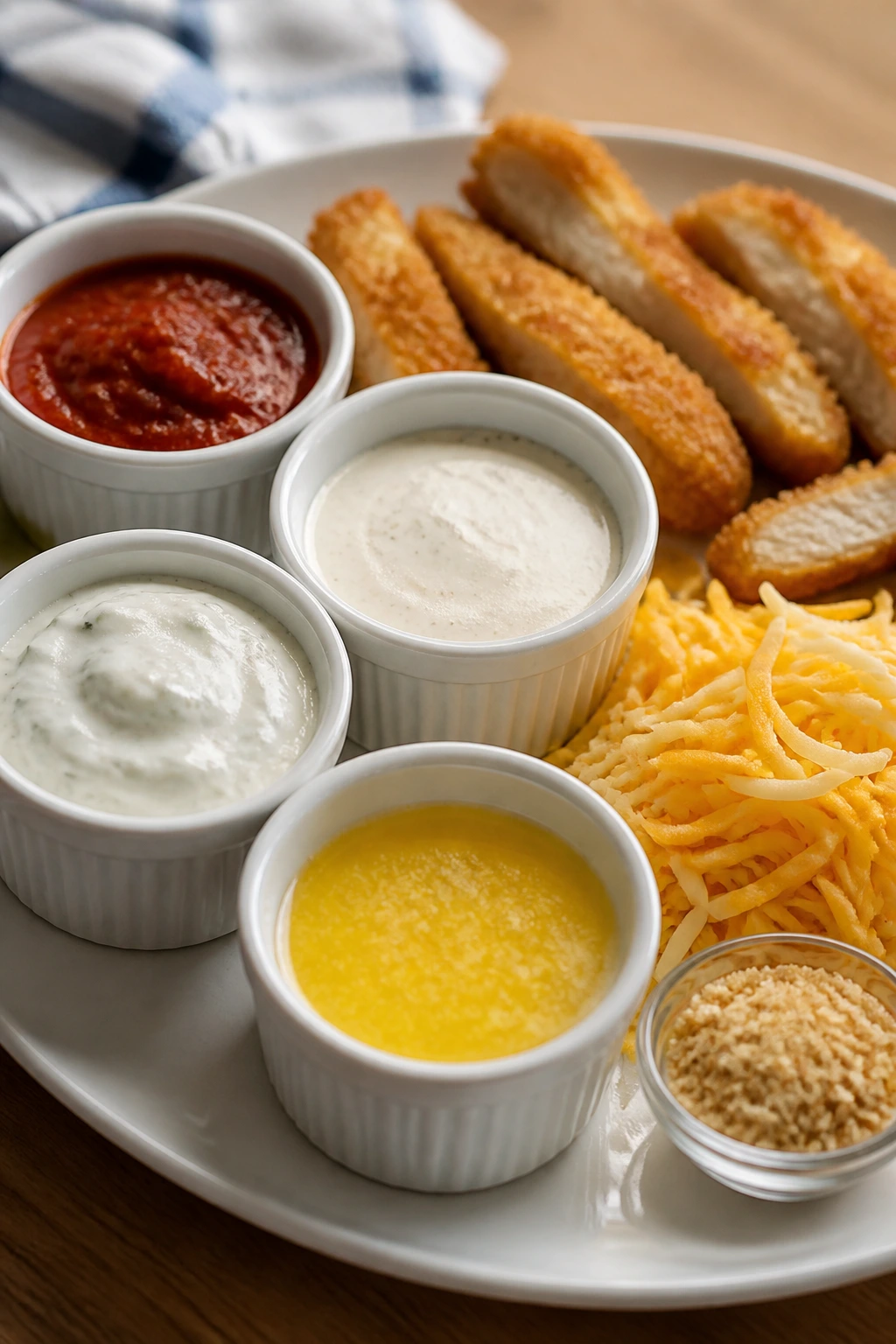
Sauce is a tool, not a bath. That’s the first rule. A small bowl of marinara, ranch, yogurt dip, or melted butter gives kids control over the bite, and control is what calms a cautious eater down.
I like to think of dips in pairs. Quesadillas want salsa, sour cream, or guacamole. Chicken strips usually do well with ranch or honey mustard if the child likes sweet dips. Meatballs go neatly with a spoonful of marinara on the side. Roasted potatoes can take ketchup, ranch, or just butter and salt. Fried rice needs very little, but a tiny dish of soy sauce can help older kids who like a saltier finish.
The best sauce strategy is also the least messy. Serve it in a ramekin or a tiny cup. Put a little on the table, not all over the plate. When a sauce hits everything at once, some kids read the entire meal as “wet food,” and wet food can be a deal breaker. A child who likes dipping but hates drizzling is not being difficult. They’re making a texture request.
Toppings help too, but only if they stay simple. Grated cheese on pasta, a sprinkle of parmesan on eggs, chopped chives on potatoes, or a few sesame seeds on rice can make the food feel finished without changing the meal into something new. Keep the topping light. The point is interest, not camouflage.
How to Build One Family Dinner Without Cooking Twice
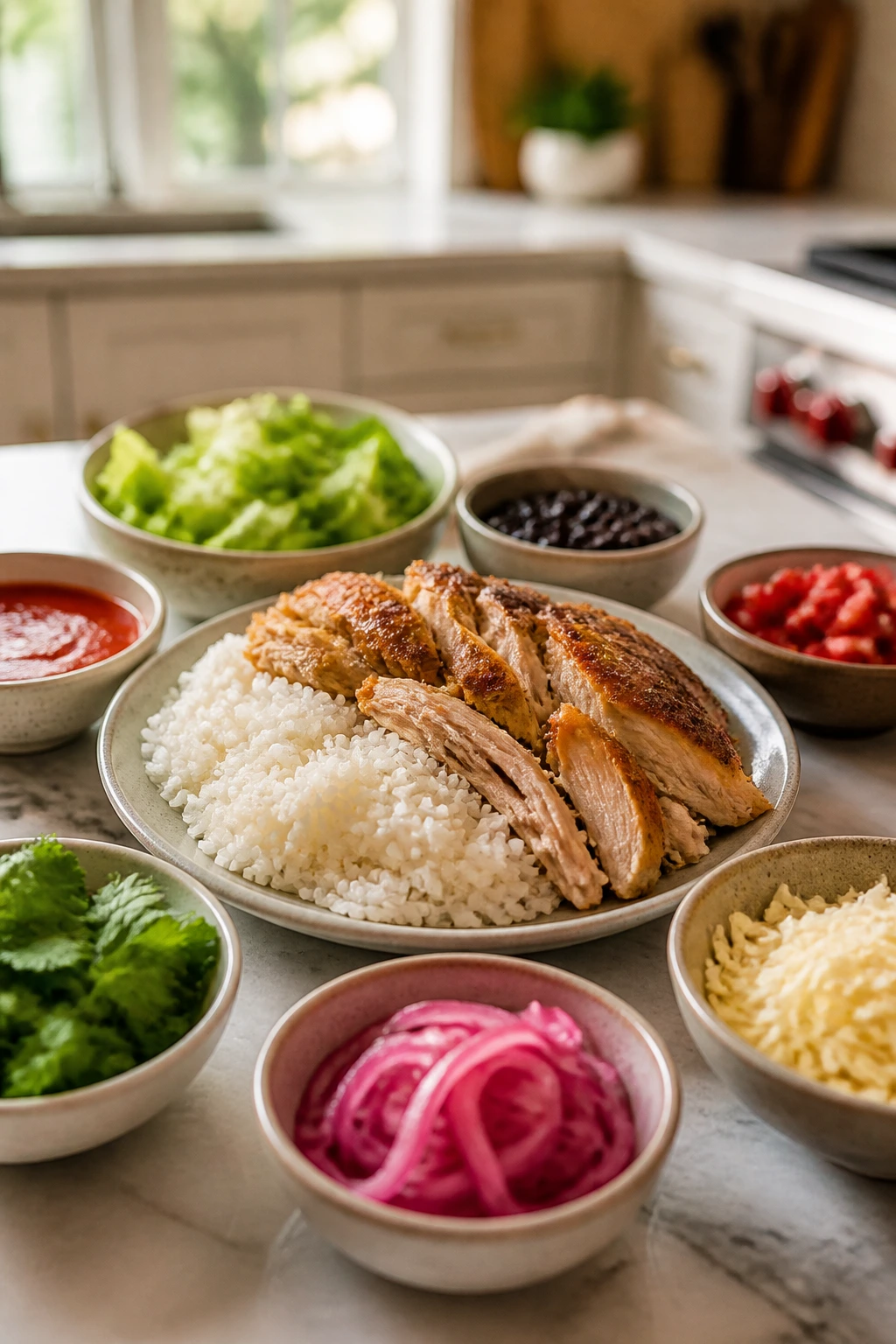
The best weeknight dinner system does not make separate meals. It makes one base meal with room for different finishes. That sounds small, but it changes everything.
Start with a single protein and a single starch. Roast chicken, baked meatballs, taco beef, or scrambled eggs can all play the same role. Then put the add-ons in separate bowls so each person can build the plate they want. Adults get hot sauce, herbs, pickled onions, or extra greens. Kids get butter, cheese, plain rice, or a dip they already trust.
A taco night is a good example. You can put seasoned ground beef, shredded chicken, tortillas, cheese, rice, and chopped lettuce on the table. The child who hates mixed food gets a plain tortilla with cheese and a few spoonfuls of meat. The adult gets the same ingredients with salsa and cabbage. Same shopping list. Same oven. Different plates.
That’s the point. One meal. Not one flavor for everyone.
Deconstructed dinners work the same way. Serve chicken on one plate, potatoes on another, and broccoli on the side. Or turn last night’s roast chicken into quesadillas for the kids and a salad bowl for the adults. The food is shared, even when the plating isn’t. And that little shift keeps you out of the trap where one child’s dinner becomes a second cooking project.
Shopping Smart for Easy Dinner for Kids Picky Eaters
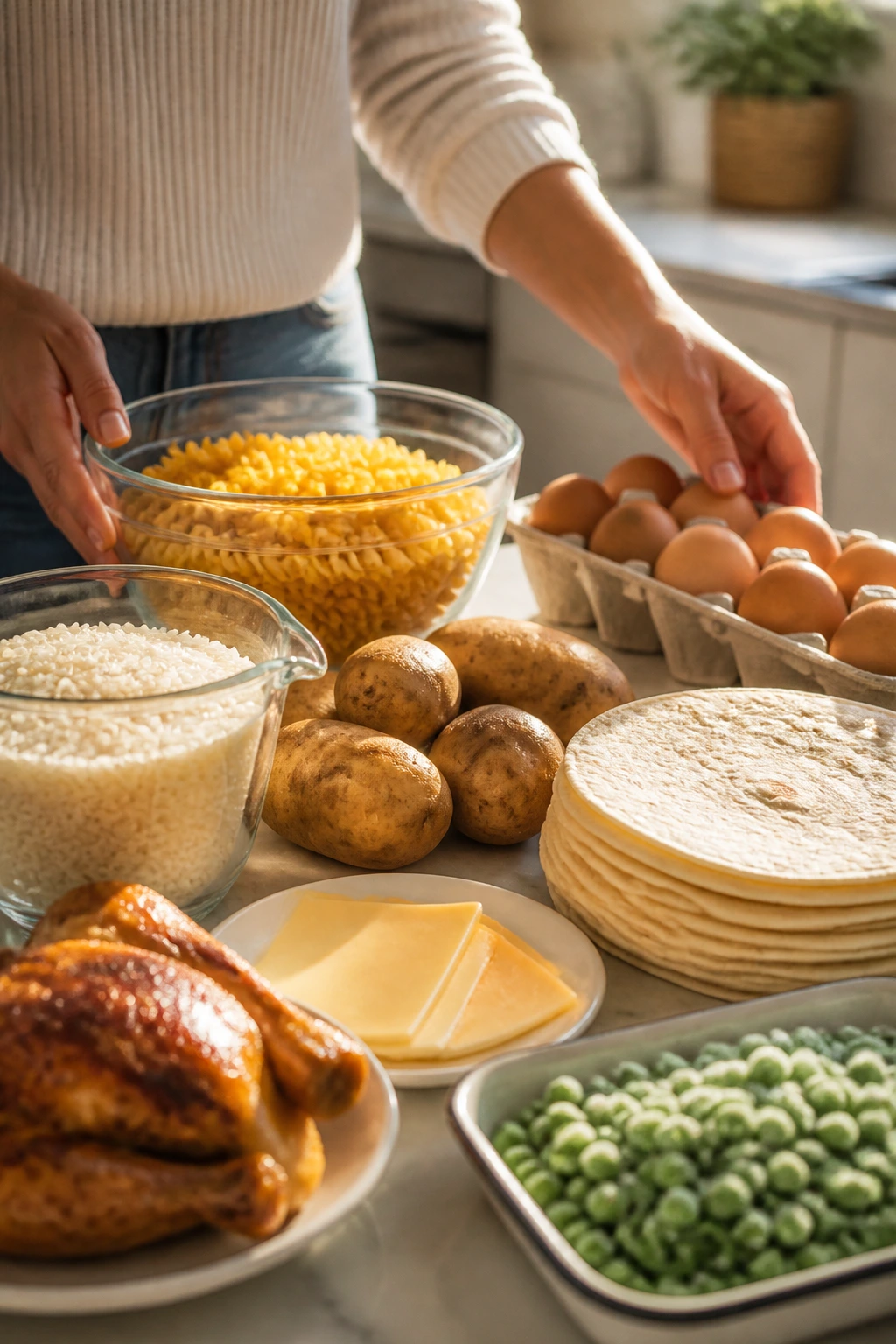
A grocery list for picky eaters should be short, plain, and useful across several meals. That’s not boring. That’s smart. The fewer special ingredients you buy, the more likely dinner is to get made before everyone turns into a gremlin.
Buy these first:
- Small pasta shapes like rotini, shells, or elbows, because they’re easy to butter, cheese, or sauce lightly.
- Rice in a big bag or a microwaveable backup pack, since it works with chicken, eggs, meatballs, and vegetables.
- Flour tortillas for quesadillas, roll-ups, and quick wraps.
- Potatoes for roasting, mashing, or turning into wedges.
- Eggs because they can become breakfast-for-dinner, fried rice, or a fast backup meal.
- Rotisserie chicken, plain chicken thighs, or chicken tenders for easy protein.
- Frozen meatballs for nights when the fridge is thin.
- Mild cheese like cheddar, mozzarella, or Monterey Jack.
- Frozen peas, corn, green beans, or broccoli florets because they keep well and cook fast.
- Marinara, ranch, salsa, butter, and plain yogurt for dips and finishes.
Skip the fancy shortcut unless you already know it works: pre-seasoned chicken, heavy sauce blends, and vegetable mixes with peppers and onions can create too many surprises in one pan. A simple bag of plain broccoli florets usually costs less and gives you more control.
One thing I like to do is keep a “safe dinner shelf” in the pantry and freezer. Pasta, tortillas, rice, meatballs, and a jar of marinara mean dinner is always one base away from being done. That’s a much better feeling than staring into the fridge and hoping inspiration shows up.
The Tools That Make Weeknight Dinner Less Frantic
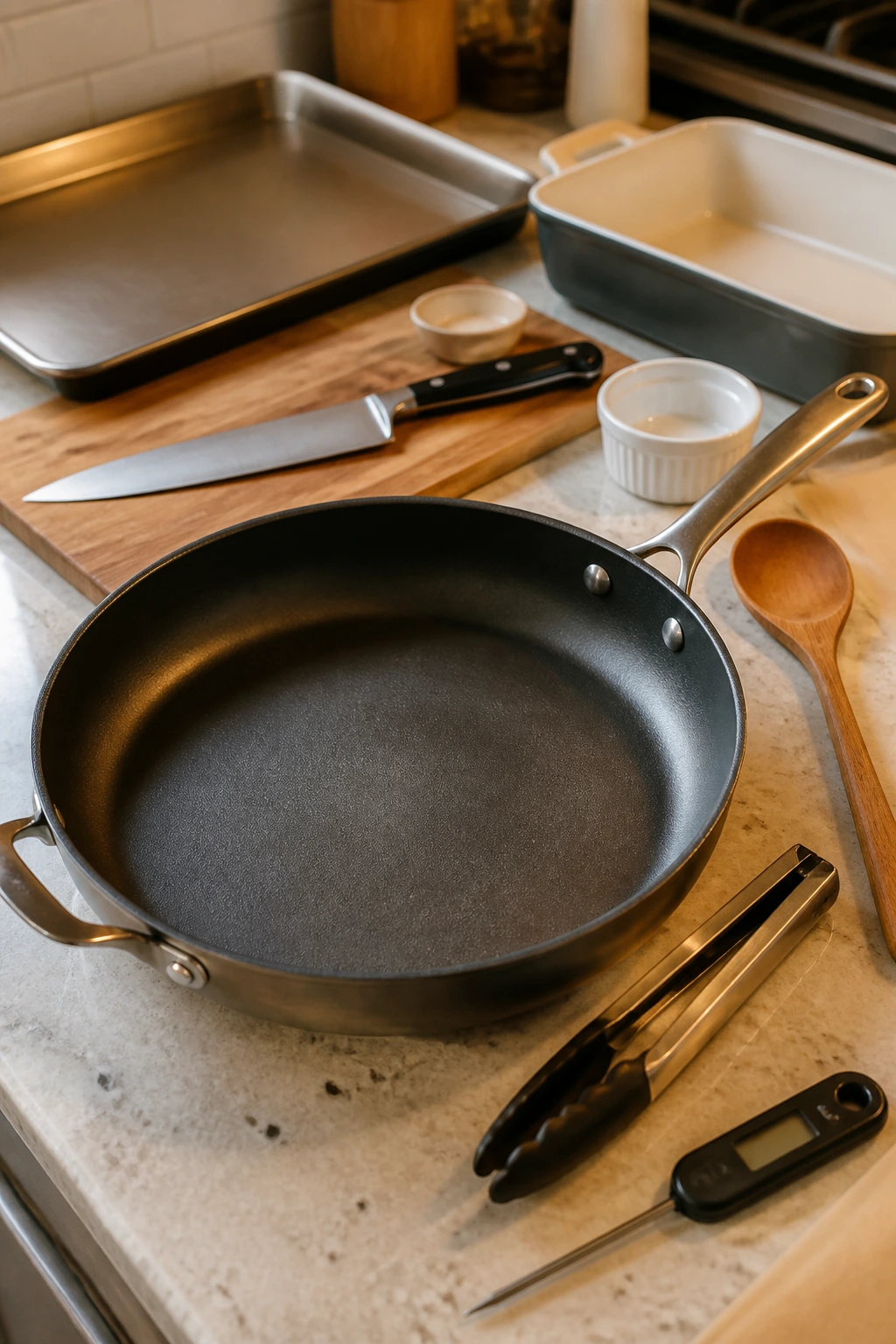
A few boring tools do more for family dinner than one expensive gadget ever will. If the kitchen is fighting you, start here.
- 12-inch skillet or sauté pan: Big enough for quesadillas, fried rice, chicken pieces, and quick reheats without crowding.
- Rimmed sheet pan: Essential for sheet-pan chicken, potatoes, and roasted vegetables that need room to brown.
- 9×13-inch baking dish: Useful for baked pasta, casseroles, meatballs, or reheated leftovers.
- Sharp chef’s knife: A blunt knife turns carrots into a chore and makes prep feel endless.
- Cutting board with a damp towel underneath: Keeps the board from sliding when you’re slicing fruit or making dinner fast.
- Wooden spoon or silicone spatula: Good for rice, eggs, and anything that sticks.
- Tongs: Handy for flipping chicken strips, meatballs, and potato wedges.
- Small ramekins or condiment cups: Perfect for dips, sauces, ketchup, ranch, and “leave it on the side” toppings.
- Instant-read thermometer: Helps you stop guessing with chicken; 165°F in the thickest part is the number that matters.
- Parchment paper or foil: Makes sheet-pan cleanup less annoying, which matters when dinner has already tested your patience.
- Airtight containers: Useful for storing cooked rice, meatballs, pasta, and chopped vegetables separately.
- Air fryer, optional: Nice for reheating crispy foods, but not required. A hot oven can do the job too.
The useful part here is not the shopping list. It’s the setup. When the pan is the right size, the sauce has its own cup, and the knife is sharp, dinner starts to feel calmer before the food even hits the heat.
How to Serve Dinner So the Plate Looks Friendly
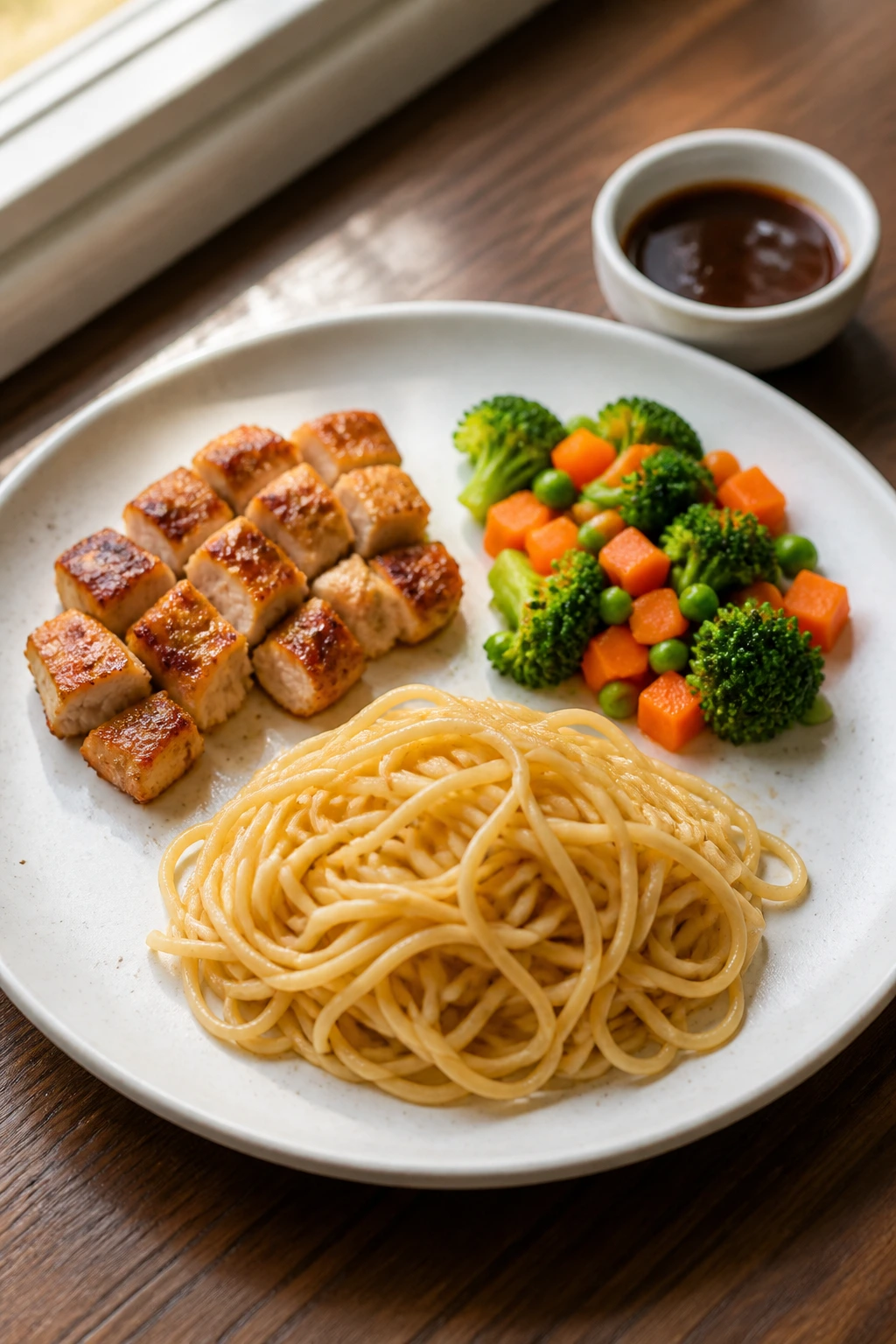
Presentation: Keep foods in separate piles instead of mashing them together. A divided plate or even a regular plate with clear spaces can help a child read the meal at a glance. I like putting the safest food in the same spot every time — maybe noodles at the bottom, protein on the side, and vegetables in one small mound. It becomes familiar fast. If the meal is saucy, use a small bowl. Wet food spreads faster than you think, and spread-out sauce can change the whole mood of the plate.
Accompaniments: A simple sidecar can save dinner. Toast, fruit, applesauce, cucumber sticks, or plain crackers work well because they’re predictable and easy to nibble on while the rest of the meal gets sorted out. For pasta nights, a few slices of garlic toast are enough. For chicken or meatballs, an apple or pear can calm the plate with a cold, sweet bite between savory bites. Keep the side small. You’re offering backup, not building a second dinner.
Portions: Start smaller than your instinct says. A child-sized plate might only need 1/4 to 1/2 cup of starch, 2 to 3 ounces of protein, and 1 to 2 tablespoons of vegetables. A plate that looks too full can stop the first bite before it happens. Refill if they ask. A second scoop feels better than a mountain they were never going to finish.
Beverage Pairing: Plain water works with almost everything. Milk is a good fit for pasta, quesadillas, and breakfast-for-dinner plates. If the meal includes a little salt or spice, cold water or a lightly diluted juice can soften the finish. I’d keep fizzy drinks out of the habit lane unless they’re already part of your home routine.
Small Tweaks That Make Picky Eaters More Likely to Try a Bite
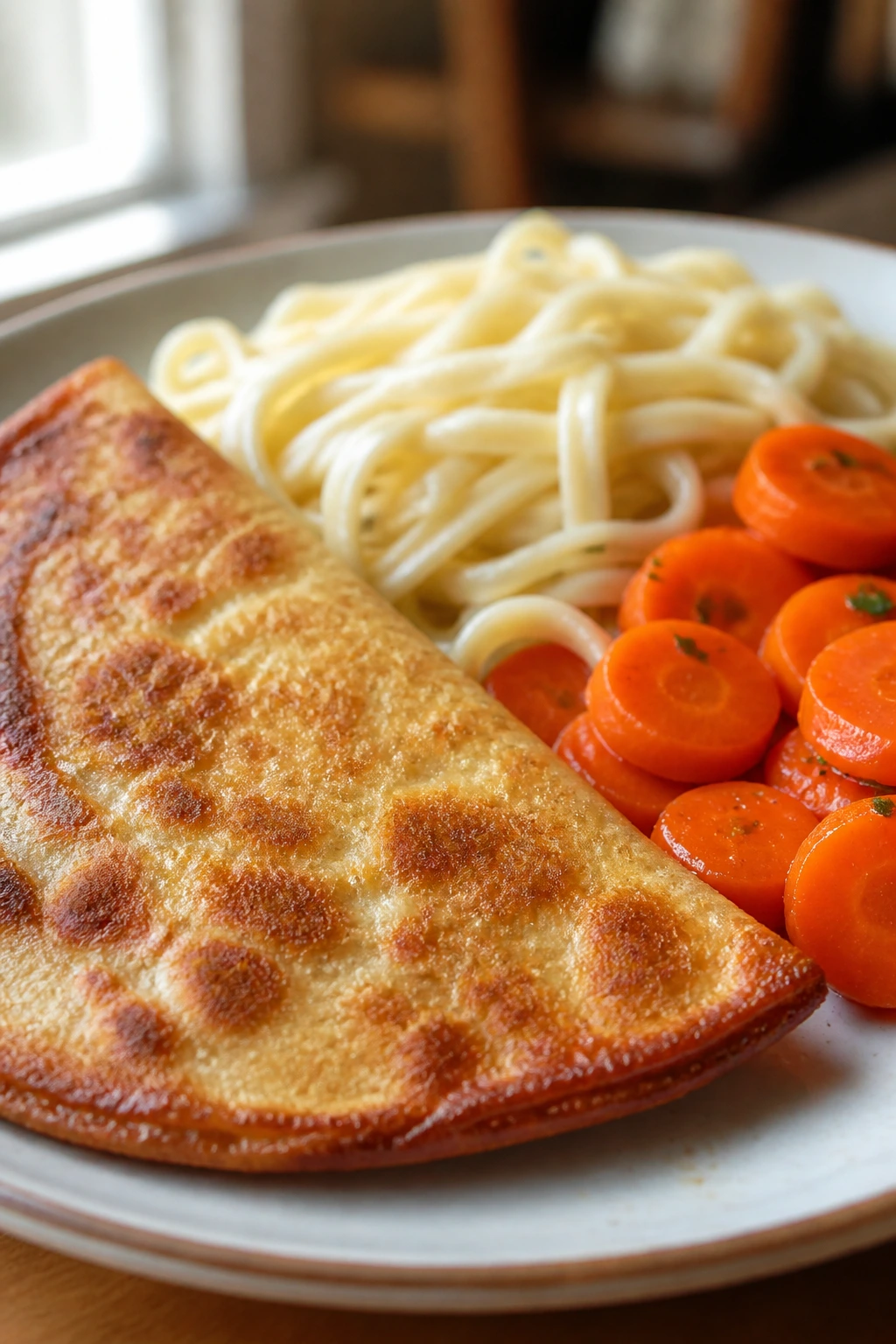
Temperature matters more than people think. Food that’s too hot can make a kid wary for the rest of the meal. Let baked pizza, quesadillas, or roasted chicken sit for 2 to 4 minutes before serving so the first bite doesn’t scorch a mouth. Cold food matters too. If a child likes cucumbers or fruit cold, don’t let them sit under the heat lamp of the oven door.
Texture is your friend when you control it. One crisp thing on the plate can change everything. Toast the tortilla, brown the meatball, roast the potato until the edges go gold, or leave the apple slices crisp instead of softening them. A child who distrusts mush often eats better when one bite has a little snap.
Choice should be small and real. Ask “peas or cucumbers?” not “What do you want for dinner?” The first question gives control. The second hands over the whole job. A small choice lowers tension without inviting a menu fight.
Keep novelty tiny. Put one new thing beside two known things. Not inside. Not blended. Just there. A carrot coin next to noodles is less frightening than carrot coins hidden in sauce. If the child touches it, great. If not, the plate still works.
Timing beats persuasion. Serve dinner before everyone is past hungry. Once a child is overtired and hangry, even a favorite food can be rejected out of spite, fatigue, or both. A 15-minute backup meal often works better than a perfect recipe that shows up too late.
Repeat the same food in a different shape. Shredded chicken one night. Chicken quesadilla the next. Meatballs today, meatball sliders tomorrow. The flavor can stay the same while the form changes, and form is half the battle.
No miracle here. Just a few tiny shifts that make the table feel safer.
Common Mistakes That Make Dinner Harder Than It Needs to Be
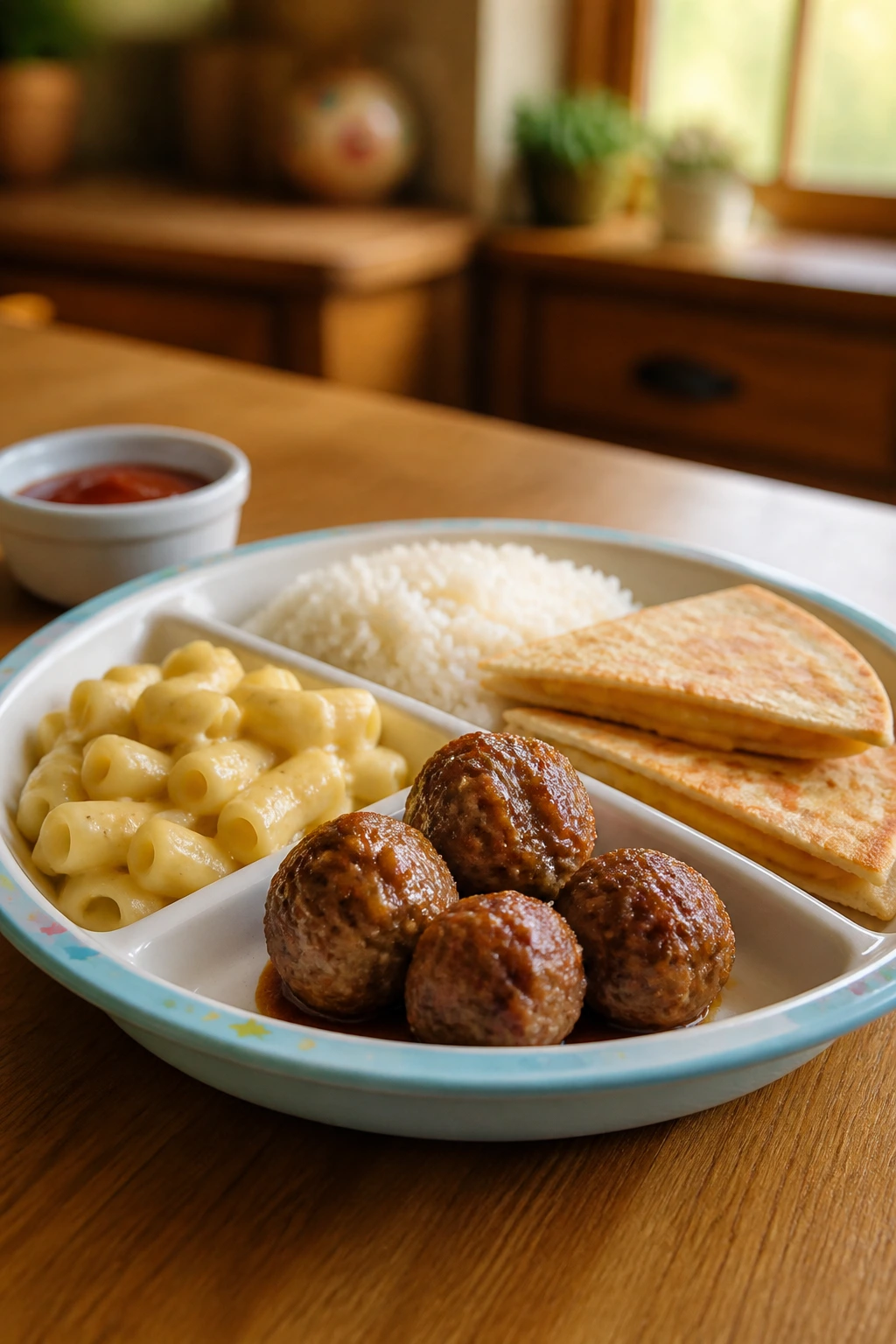
- Packing the plate with too many items: A crowded plate can overwhelm a cautious eater before the fork moves. Keep it to three or four parts, and use a side bowl for anything extra.
- Letting sauce cover everything: Soggy food changes texture fast, and some kids hate the smell of sauce more than the sauce itself. Serve it on the side and let the child decide.
- Making hidden vegetables the whole plan: A child may still notice the different texture, even if the vegetable is blended. Use visible vegetables too, so trust doesn’t get chipped away by every bite.
- Serving dinner too late: Waiting until kids are exhausted, overheated, or starving often guarantees more refusal. A simple backup like eggs, toast, or buttered noodles can save the night.
- Turning dinner into a negotiation: Bargaining over three bites or threatening dessert usually makes the whole scene louder. Keep your voice neutral and let the food do the work.
- Cooking a separate meal every time: Short-order cooking teaches kids that refusal gets a custom replacement. A better move is one base dinner with one safe backup item, not a second recipe.
Variations and Alternatives for Different Eaters
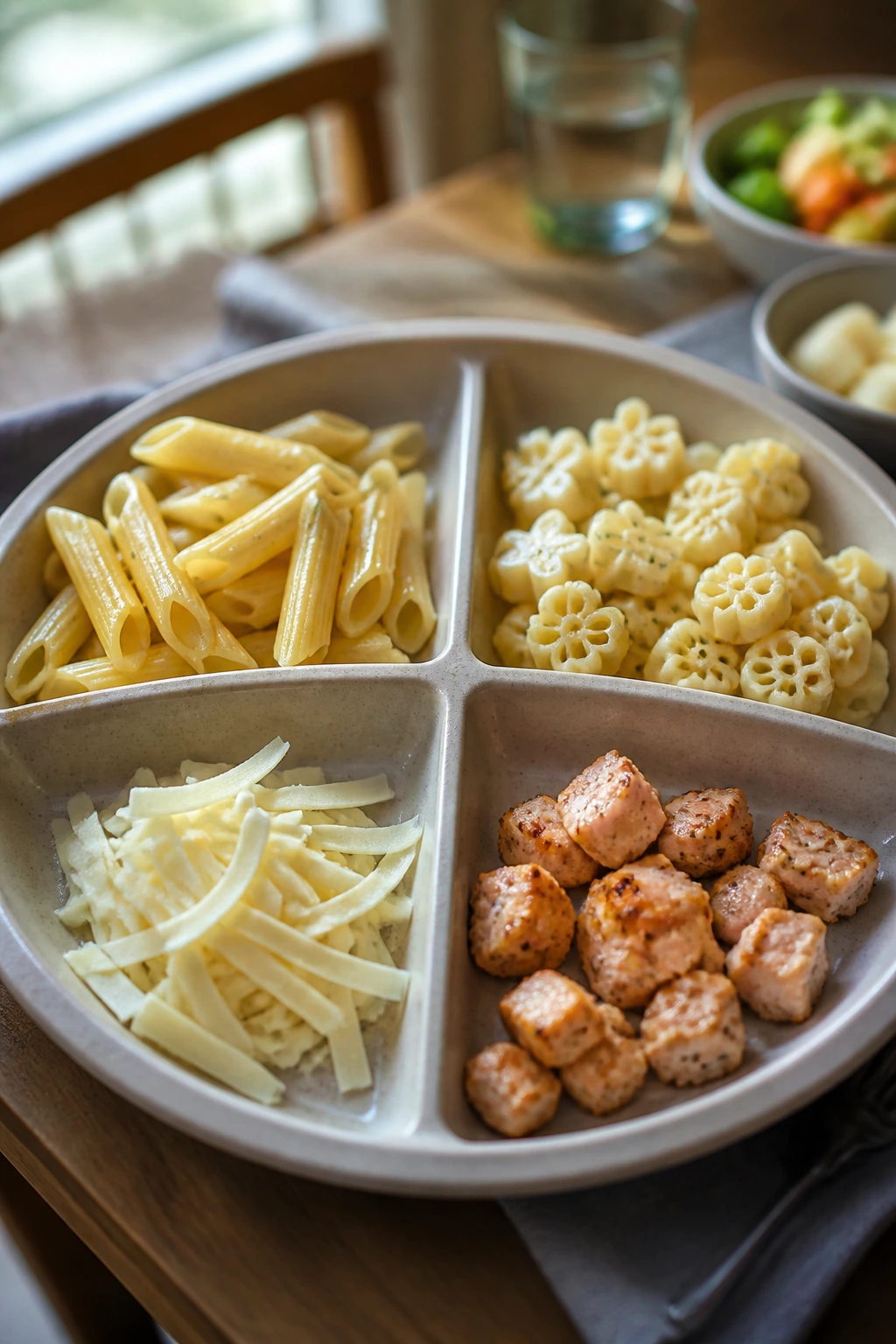
No-Sauce Night: Keep marinara, ranch, salsa, and yogurt dip in small cups and leave the plate mostly dry. This works well for kids who hate wet food or get suspicious when everything starts looking slippery. Butter, olive oil, or a little cheese can finish the meal without changing the texture much.
Dairy-Light Comfort: Use olive oil, mashed avocado, hummus, or a dairy-free cheese you already know melts well. This version helps when dairy is a stomach issue or when your child likes plain food more than creamy food. Keep the flavors simple; dairy-free meals can get odd fast if you pile on too many strong seasonings.
Gluten-Free Shape Shift: Swap wheat pasta for corn tortillas, rice, potatoes, or gluten-free pasta that keeps its shape after reheating. Some gluten-free pastas go soft if they sit too long, so cook them just to tender and rinse them lightly if the package calls for it. The shape matters as much as the flour.
Protein-Plus Plate: Add eggs, chicken, turkey meatballs, or beans to a base your child already accepts. This is the move for kids who eat well at lunch but come up short at dinner. Start with a small protein portion and keep the rest of the plate familiar.
Vegetable Sidecar: Roast carrots, broccoli, green beans, or cauliflower on a separate tray until browned at the edges, then serve them beside the main dish. A separate tray keeps the vegetable from tasting like it was steamed into submission. If a child only eats one roasted vegetable, that still counts.
Breakfast-For-Dinner Reset: Scrambled eggs, toast, fruit, and sausage can rescue a night when nothing else is landing. It’s not a cheat meal. It’s a dinner that respects tired people.
Make-Ahead, Storage, and Leftover Rescue
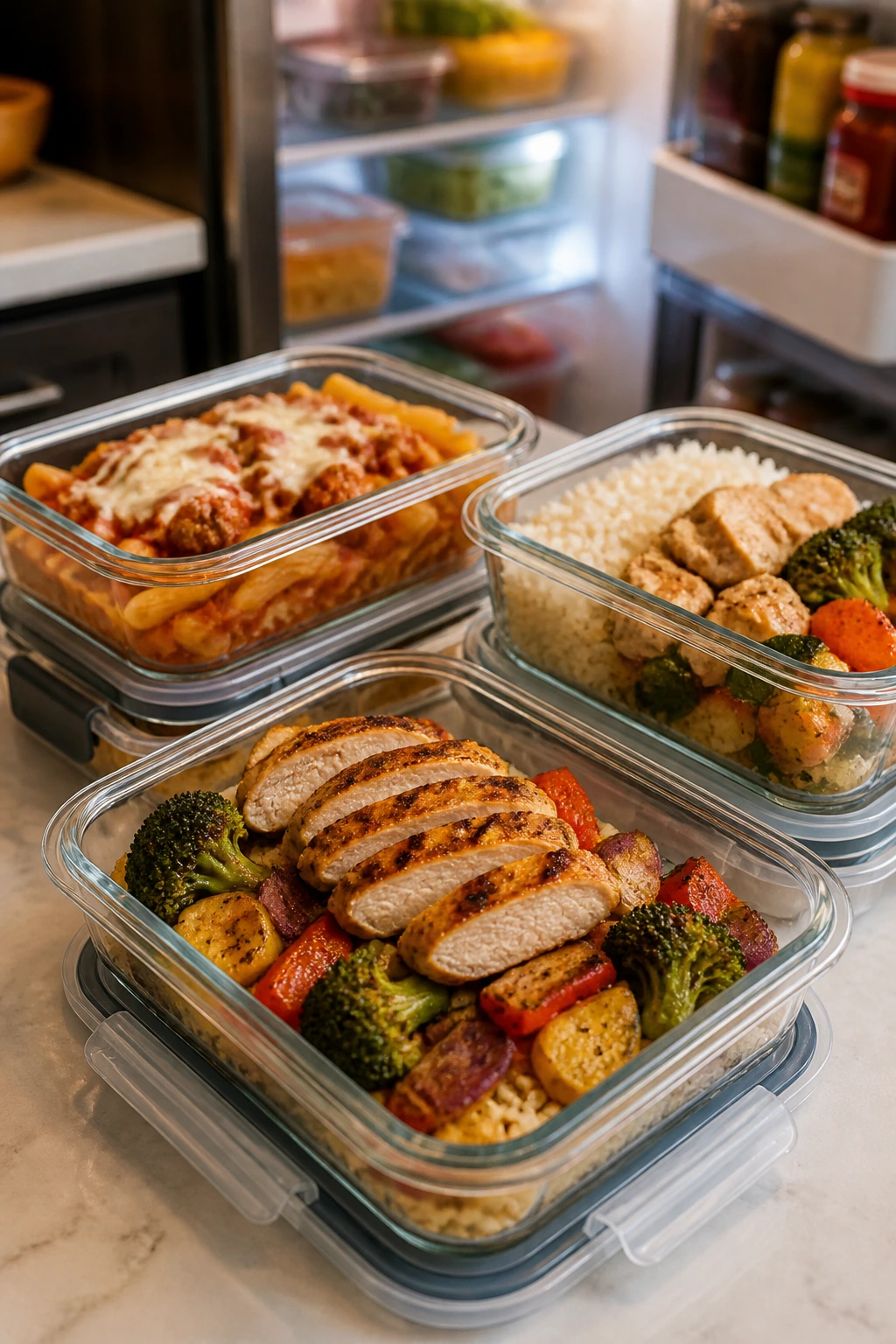
Fridge: Most cooked chicken, meatballs, pasta, rice, and roasted vegetables keep well for 3 to 4 days in airtight containers. Cool them fast, within about 2 hours, and use shallow containers so the food chills evenly. Rice needs extra care; get it into the fridge promptly instead of leaving it on the counter while the table gets cleared.
Freezer: Cooked chicken, meatballs, rice, and burrito or quesadilla fillings usually freeze for 2 to 3 months with good texture. Pasta is a little trickier — it can freeze, but the texture may go soft when reheated, so I freeze it only if it’s in a sauce that can handle the thaw. Label everything. Half the battle is knowing what’s in the container.
Reheating: For crispy foods like chicken tenders or roasted potatoes, use a 375°F oven for 10 to 15 minutes or an air fryer for a few minutes until the edges wake back up. For rice or pasta, a skillet with a splash of water or broth works better than blasting the whole thing in the microwave. Saucy foods can go in the microwave covered with a damp paper towel; stir once halfway through so the center doesn’t stay cold. Chicken should reach 165°F when reheated.
Make-ahead: Chop vegetables, shred cheese, portion out dips, and cook rice or chicken a day ahead if the week is crowded. Keeping components separate makes dinner feel fresh even when the work happened earlier. A tray of cooked chicken, a bowl of rice, and a few cut cucumbers can become three different dinners with almost no extra effort.
Leftover rescue: Quesadillas, fried rice, pasta bowls, and lunch wraps are the best homes for leftovers from picky-eater meals. Yesterday’s chicken becomes today’s quesadilla filling. Leftover rice becomes fried rice. Roasted potatoes can be reheated in a skillet until the edges crisp again.
Questions Parents Ask at the Table

What is the easiest dinner for a very picky eater?
Usually it’s a meal with one known starch, one mild protein, and a dip on the side. Buttered noodles with chicken, a cheese quesadilla, or eggs and toast are common starters because the pieces are familiar and the smell is mild.
Should I hide vegetables in dinner?
Sometimes a little puree in sauce is fine, but hidden vegetables should not be the whole strategy. Visible vegetables served in tiny portions build more trust because the child can see what they’re being asked to eat.
How many foods should go on the plate?
Three or four is a good range for most kids. More than that can make the plate feel noisy, especially if the textures all clash. If your child gets overwhelmed fast, start with two familiar foods and one very small new one.
What if my child only eats plain carbs?
Keep the carbs, but add a protein in a calm form. Cheese, eggs, chicken, meatballs, or beans can slide in beside the safe starch without making the plate look like a battle. Small steps beat giant changes here.
Can I make these dinners ahead of time?
Yes. Cook the protein and starch ahead, then store sauces and crunchy parts separately. That keeps the food from getting soggy and makes it easier to reheat in a way your child will still accept.
What if sauces are the problem?
Serve them on the side and use tiny cups. If even that feels like too much, skip sauce and finish the meal with butter, cheese, salt, or olive oil instead. Some kids want flavor; they just do not want wet food spreading across the plate.
How do I handle siblings who like different foods?
Build one base meal and let each child choose between two sides or two dips. One child can take plain noodles, another can add marinara, and both can eat from the same kitchen plan. That keeps you from cooking a second dinner every night.
When should I worry about picky eating?
If your child gags often, has a tiny safe-food list, loses weight, or seems distressed by many textures, bring it up with a pediatrician or feeding specialist. Ordinary picky eating is common. Severe food refusal is a different thing.
A Quieter Way to End the Day
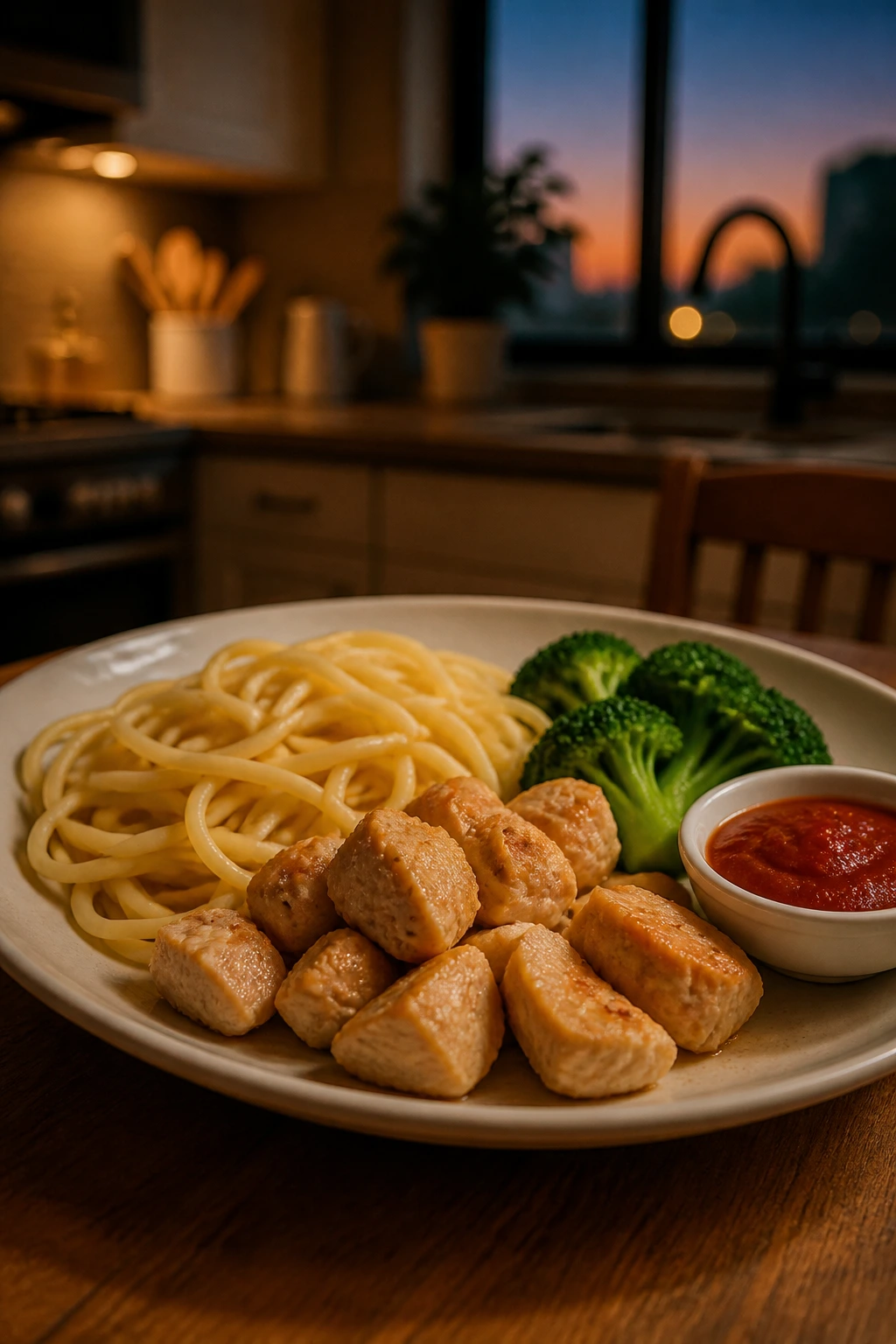
Dinner doesn’t need to look impressive. It needs to land. The meals that work best for picky eaters are usually the calm ones: a clear base, a mild protein, one vegetable that stays visible, and a sauce that doesn’t flood the plate.
That sounds plain because it is plain. And plain is often exactly what a tired kid can handle.
Start with one familiar shape tonight — noodles, quesadillas, meatballs, rice, eggs — and keep the sauce in a cup until someone asks for it. That small shift can turn the whole table from a stand-off into a meal.