



The best wok dinners make a loud, confident kind of dinner. Garlic hits hot oil and turns sweet in seconds. Broccoli stays green and snappy, noodles pick up sauce without drowning, and the whole thing lands on the table while it still smells alive. For Asian family night, that speed matters, but so does the feeling at the table: bowls passed around, rice mounded high, one dish sliding into the next.
A wok earns its keep because it cooks fast and keeps ingredients distinct. Beef stays beefy, shrimp stay tender, tofu actually gets a crust, and vegetables don’t collapse into a soft blur. That’s the real appeal here. You can build a dinner from chicken thighs, rice, noodles, greens, a few pantry sauces, and whatever vegetables need attention before they wilt in the drawer.
Twenty recipes give you room to rotate flavors instead of repeating the same stir-fry every time someone asks what’s for dinner. Some are glossy and sweet. Some lean peppery or spicy. A few feel like takeout at its best, while others are the kind of low-fuss, high-reward meals that keep a busy kitchen from falling apart.
Why These Wok Dinners Work So Well for Family Night
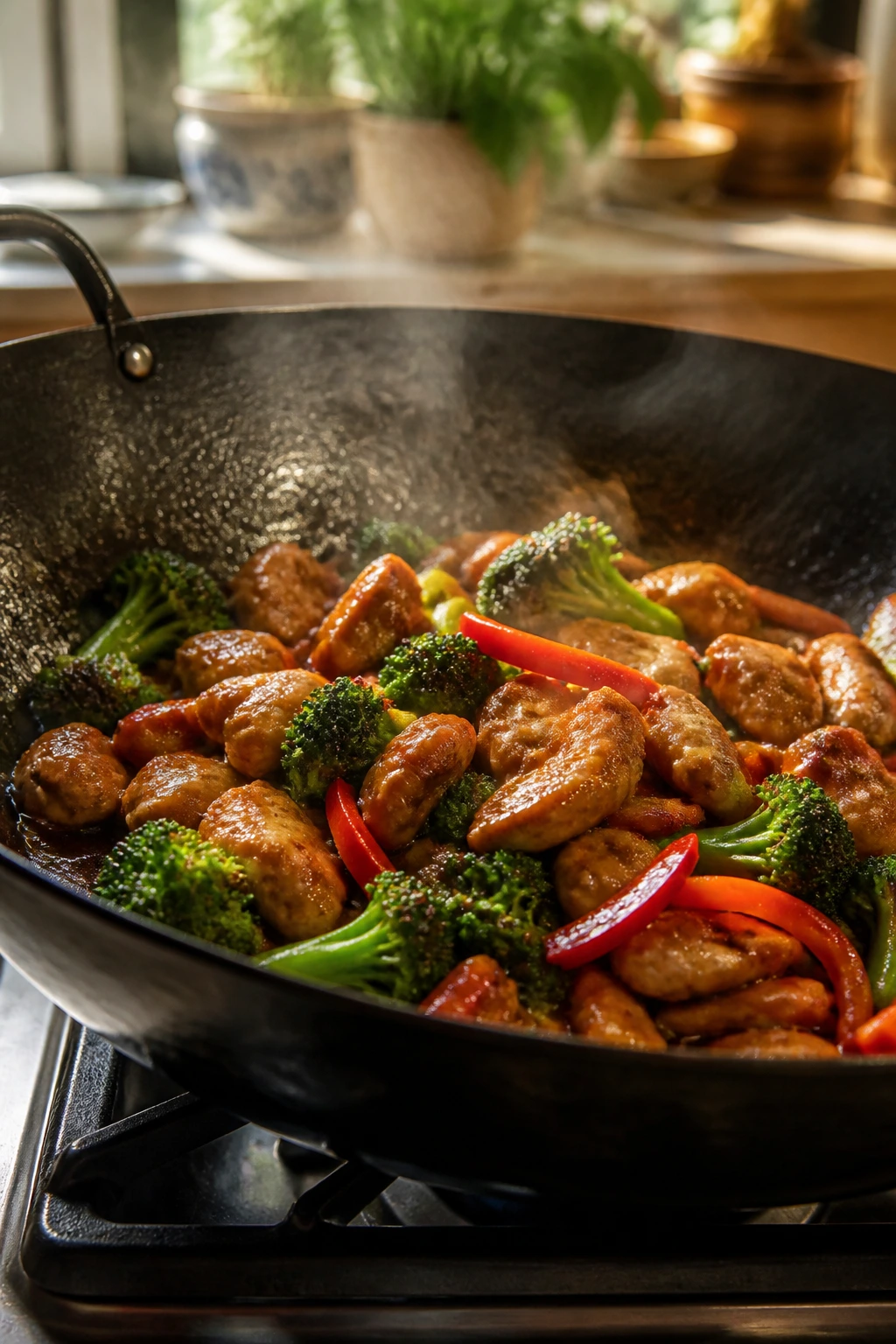
- Fast enough for real life: Most of these meals come together in about 30 minutes, which means you can cook after work without turning dinner into a project.
- Built for mixed appetites: A wok lets you keep heat separate from the table, so the person who loves chilies and the person who wants plain noodles can both be happy.
- One pan, less cleanup: A good stir-fry keeps the sink from filling up with half a dozen pots, and that matters more than people admit.
- Flexible with what’s on hand: Chicken thighs, shrimp, tofu, cabbage, carrots, peppers, broccoli, rice, and noodles can all step in without making the meal feel like a compromise.
- Saucy without being soggy: These dishes rely on quick reduction and cornstarch, so the sauce coats the food instead of pooling at the bottom of the plate.
- Easy to scale up: Wok dinners are forgiving when you need to feed one extra person or stretch a pound of protein a little farther with vegetables and rice.
1. Beef and Broccoli Stir-Fry
Beef and broccoli is the dish that quietly reminds you why stir-fry became a weeknight staple in the first place. The broccoli stays crisp, the beef gets a little edge from the wok, and the sauce settles into that glossy place between savory and rich. It smells like garlic and soy the second the pan heats up. That is usually enough to draw people into the kitchen.
Why It Works
Thinly sliced beef cooks fast enough to stay tender, and broccoli handles the heat without going limp if you give it a quick blanch or a brief head start in the wok. The sauce thickens from cornstarch, which means it clings to every floret instead of sliding off into a puddle. A little oyster sauce adds depth that plain soy sauce does not give you. Keep the heat high and the pan moving, and the whole dish finishes with a clean, takeout-style shine.
For the Beef:
- 1½ lbs flank steak, thinly sliced against the grain
- 1 tablespoon soy sauce
- 1 tablespoon cornstarch
- 1 teaspoon sesame oil
For the Broccoli and Sauce:
- 4 cups broccoli florets
- 2 tablespoons neutral oil
- 3 cloves garlic, minced
- 1 tablespoon fresh ginger, grated
- ¼ cup low-sodium soy sauce
- 2 tablespoons oyster sauce
- ½ cup beef broth
- 1 tablespoon brown sugar
- 1 teaspoon cornstarch mixed with 1 tablespoon water
- Toss the sliced beef with soy sauce, cornstarch, and sesame oil, then let it sit for 10 minutes while you prep the vegetables.
- Bring a pot of salted water to a boil and blanch the broccoli for 60 seconds, then drain and run it under cold water so it stays bright green.
- Heat a wok over high heat until it starts to smoke lightly, then add the neutral oil.
- Sear the beef in a single layer for 1 to 2 minutes per side, working in batches if needed so the meat browns instead of steaming.
- Add the garlic and ginger, stirring for about 20 seconds until fragrant, then pour in the soy sauce, oyster sauce, broth, and brown sugar.
- Stir in the broccoli, then add the cornstarch slurry and toss for 30 to 60 seconds until the sauce turns glossy and coats the beef.
- Slice the steak while it’s slightly firm from the fridge; it cuts cleaner that way.
- Don’t skip the brief blanch on the broccoli if you like a vivid color and crisp bite.
- A spoonful of chili crisp at the end gives the whole pan a sharper finish.
2. Chicken Chow Mein
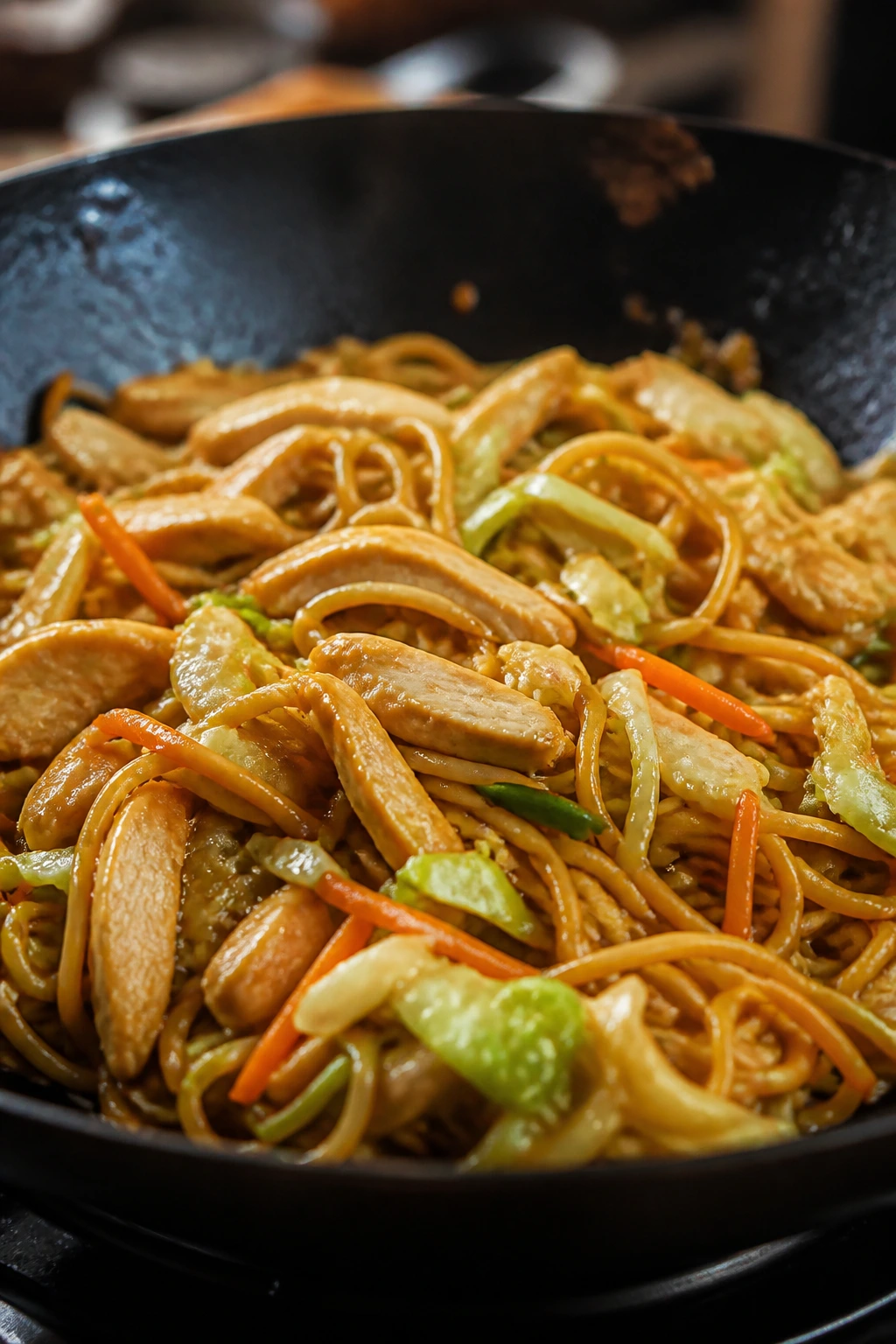
Chicken chow mein has that familiar tangle of noodles, cabbage, and sweet-savory sauce that makes people keep reaching back for one more forkful. It looks busy in the pan and somehow still feels tidy on the plate. The noodles should be coated, not drowned. That’s the whole trick.
Why This Version Holds Its Shape
Chow mein works because you’re cooking several ingredients just long enough to wake them up, then bringing them together at the end. Fresh or parboiled noodles absorb the sauce fast, so you need to keep the wok hot and the toss quick. Cabbage and carrots add crunch that survives the heat better than delicate greens. If you want the noodles to stay separate, dry them well before they go into the pan.
For the Chicken and Noodles:
- 1 lb boneless, skinless chicken thighs, thinly sliced
- 8 oz chow mein noodles
- 2 tablespoons soy sauce
- 1 tablespoon cornstarch
- 1 tablespoon neutral oil
For the Vegetables and Sauce:
- 2 cups shredded cabbage
- 1 cup shredded carrots
- 1 cup bean sprouts
- 3 scallions, sliced
- 3 cloves garlic, minced
- 1 tablespoon ginger, minced
- 3 tablespoons soy sauce
- 1 tablespoon oyster sauce
- ½ cup chicken broth
- 1 teaspoon sesame oil
- Cook the chow mein noodles according to the package directions, stopping 1 minute before they’re fully tender, then drain and rinse lightly with warm water.
- Toss the chicken with soy sauce, cornstarch, and oil so the surface looks slick rather than dry.
- Heat the wok over high heat and sear the chicken for 2 to 3 minutes until the edges turn golden and the pieces are just cooked through.
- Add the garlic, ginger, cabbage, and carrots, then stir-fry for 2 minutes until the vegetables soften slightly but still have some snap.
- Stir in the noodles, soy sauce, oyster sauce, and broth, using tongs or chopsticks to loosen everything into one even mix.
- Fold in the bean sprouts, scallions, and sesame oil, then cook for 30 seconds more and serve hot.
- If you use dried noodles, cook them one notch shy of done; they finish in the wok.
- Bean sprouts go in at the end or they turn limp fast.
- A squeeze of lime gives the whole dish a brighter edge if you want it.
3. Garlic Ginger Shrimp with Snow Peas
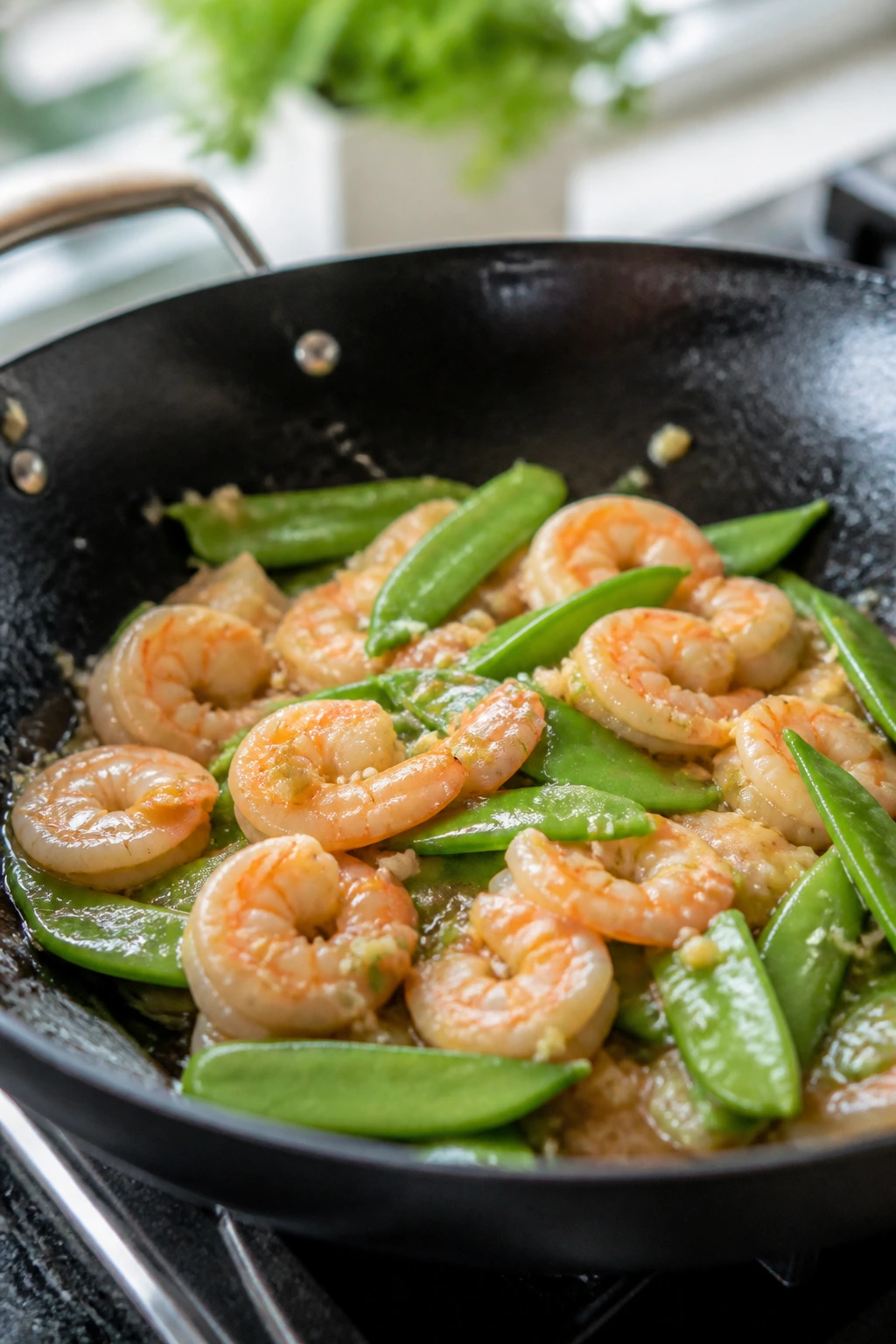
Shrimp and snow peas is one of those dinners that looks cleaner than it has any right to look. The shrimp turn pink and curved, the peas stay crisp and green, and the sauce lands lightly instead of flooding the pan. There’s a kind of quiet confidence to it. Quick. Bright. Done.
Why the Shrimp Stay Tender
Shrimp cook in a narrow window, which is exactly why they’re perfect for the wok. High heat gives them a seared edge before the flesh goes rubbery, and snow peas need only a minute or two to taste sweet instead of raw. Garlic and ginger do the heavy lifting here; the sauce should support them, not bury them. If the shrimp are dry when they hit the wok, they brown faster and keep their shape better.
For the Shrimp:
- 1½ lbs large shrimp, peeled and deveined
- 1 tablespoon soy sauce
- 1 teaspoon cornstarch
- 1 teaspoon sesame oil
For the Stir-Fry:
- 2 cups snow peas, trimmed
- 3 cloves garlic, minced
- 1 tablespoon fresh ginger, minced
- 2 tablespoons neutral oil
- 3 tablespoons low-sodium soy sauce
- 1 tablespoon rice vinegar
- 1 tablespoon honey
- ¼ teaspoon red pepper flakes
- 2 scallions, sliced
- Pat the shrimp dry, then toss them with soy sauce, cornstarch, and sesame oil.
- Mix the soy sauce, rice vinegar, honey, and red pepper flakes in a small bowl.
- Heat the wok over high heat, add the neutral oil, and sear the shrimp for about 1 minute per side until they’re just pink.
- Add the garlic, ginger, and snow peas, then stir-fry for 60 to 90 seconds until the peas turn bright and the garlic smells sweet.
- Pour in the sauce and toss for 30 seconds until it lightly coats the shrimp.
- Finish with scallions and serve right away.
- Don’t overcook the shrimp in the first round; they’ll finish fast.
- Dry snow peas are better than wet ones, or they’ll steam.
- Serve this over jasmine rice if you want the sauce to catch somewhere.
4. Sesame Tofu and Bok Choy
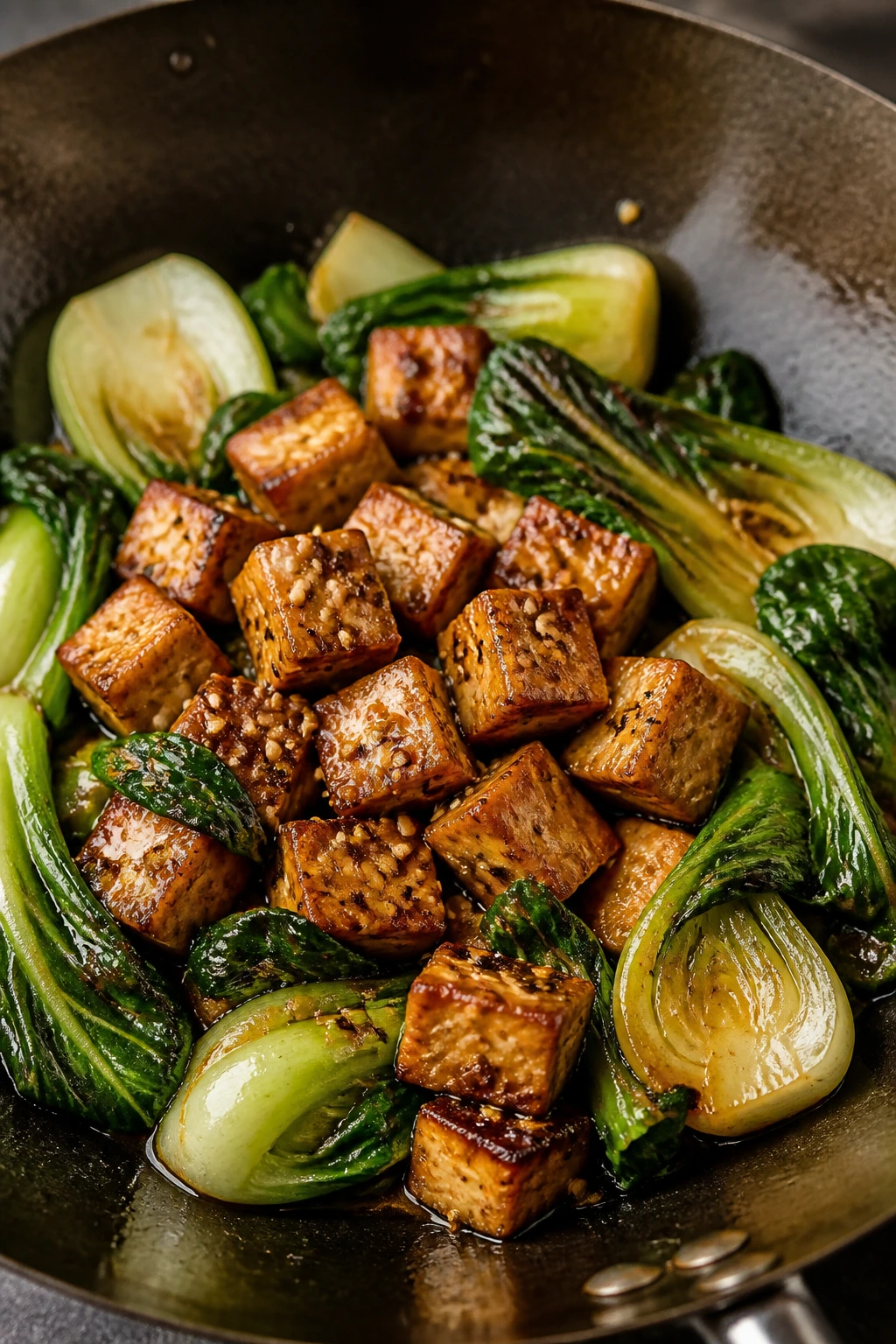
Tofu gets treated badly in a lot of kitchens, which is a shame. When you press it, cut it into the right size, and let it sear properly, it can hold its own in a wok dinner without pretending to be meat. Bok choy adds that tender-crisp green bite, and sesame brings the whole thing together. The pan smells nutty and garlicky, which is half the appeal.
Why Tofu Belongs in the Middle of the Meal
Extra-firm tofu behaves best here because it has enough structure to brown before it falls apart. A thin dusting of cornstarch gives the surface a slight crust, and that crust catches sauce better than plain tofu ever could. Bok choy cooks quickly, especially if you separate the stems from the leaves. Add the leaves last or they’ll disappear into the pan.
For the Tofu:
- 1 block extra-firm tofu, about 14 oz, pressed and cubed
- 2 tablespoons cornstarch
- 1 tablespoon neutral oil
- 1 teaspoon sesame oil
For the Vegetables and Sauce:
- 3 heads baby bok choy, halved or quartered
- 1 cup sliced mushrooms
- 3 cloves garlic, minced
- 1 tablespoon ginger, minced
- 3 tablespoons soy sauce
- 1 tablespoon rice vinegar
- 1 tablespoon maple syrup or honey
- 1 teaspoon chili crisp or chili oil
- 1 tablespoon toasted sesame seeds
- Press the tofu for 15 to 20 minutes, then cut it into 1-inch cubes and toss lightly with cornstarch.
- Whisk the soy sauce, rice vinegar, maple syrup, and chili crisp together in a small bowl.
- Heat the wok over medium-high to high heat and sear the tofu in the neutral oil until the edges are golden on at least two sides, about 6 to 8 minutes total.
- Add the mushrooms, bok choy stems, garlic, and ginger, then stir-fry for 2 minutes.
- Drop in the bok choy leaves, pour in the sauce, and toss for 30 to 45 seconds until the leaves wilt and the sauce turns shiny.
- Finish with sesame oil and sesame seeds.
- Pressing tofu is not optional if you want a crust.
- Use a nonstick skillet if your wok surface is temperamental.
- A spoonful of chili crisp at the end gives the tofu a more layered heat.
5. Pork and Cabbage Fried Rice
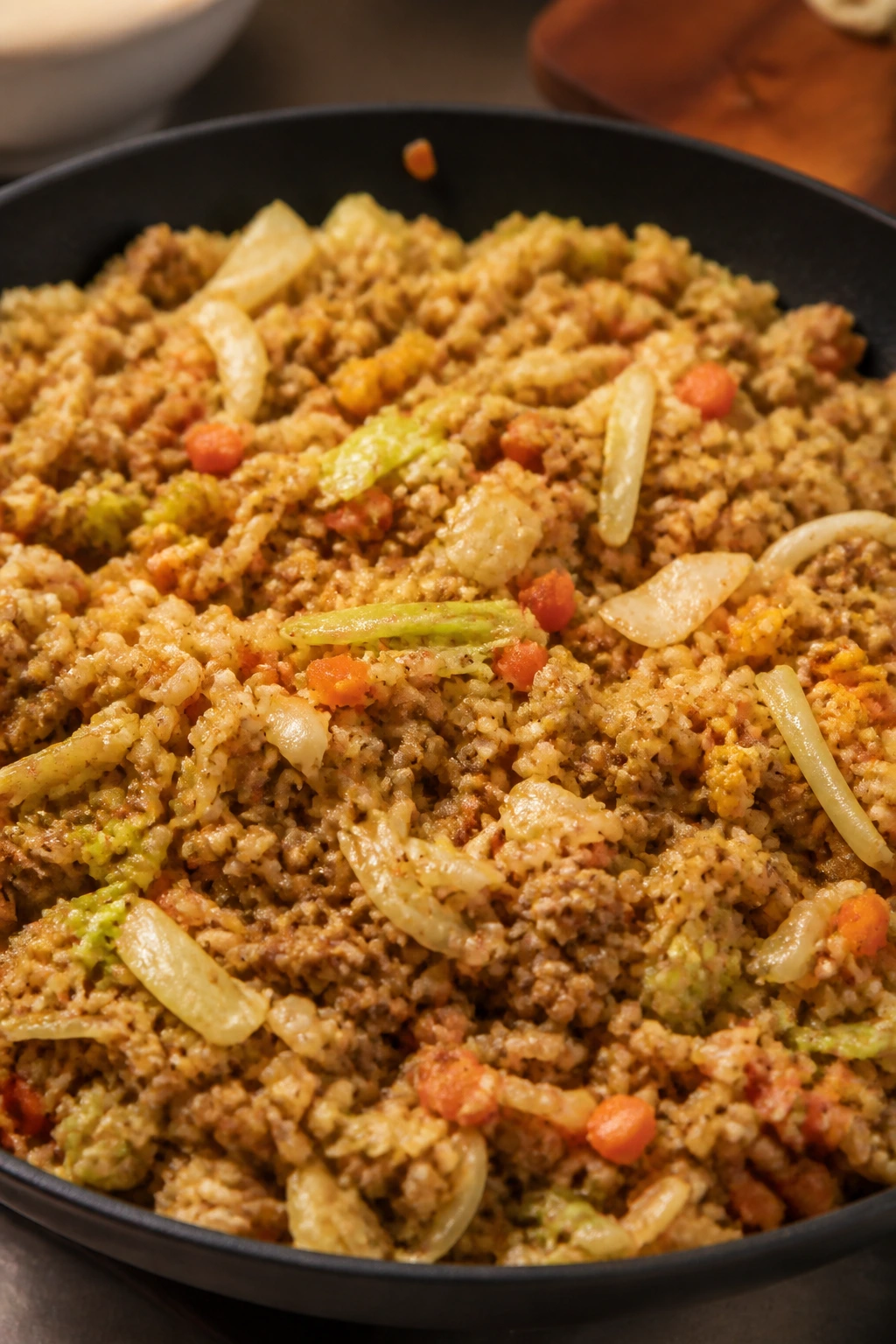
Pork and cabbage fried rice is what happens when dinner gets practical in the best way. It uses leftover rice, turns a cheap cabbage into something sweet and good, and turns a pound of ground pork into a meal that feels complete. The eggs make the rice softer and richer. The whole thing tastes like it came together by instinct, which is usually a sign the cook knew exactly what they were doing.
Why Fried Rice Fills the Gaps
Day-old rice is drier, so it fries instead of clumping, and that matters more than almost any fancy ingredient you could add. Cabbage softens into the rice without losing all of its bite, while pork brings enough fat to season the pan. Eggs give you tiny rich ribbons through the grains. It’s one of the easiest ways to feed a crowd without stretching the budget too thin.
For the Rice:
- 4 cups cooked white rice, chilled
- 1 lb ground pork
- 2 eggs, beaten
- 2 cups shredded cabbage
- 1 cup diced carrots
- 3 scallions, sliced
- 2 tablespoons neutral oil
For the Seasoning:
- 3 tablespoons soy sauce
- 1 tablespoon oyster sauce
- 1 teaspoon sesame oil
- 2 cloves garlic, minced
- 1 teaspoon grated ginger
- 1 teaspoon fish sauce, optional
- Break up the cold rice with your hands or a spoon so the grains separate before cooking.
- Heat the wok over high heat and brown the ground pork in the neutral oil, breaking it into small crumbles as it cooks.
- Push the pork to one side, pour in the eggs, and scramble them until they’re just set.
- Add the garlic, ginger, cabbage, and carrots, then stir-fry for 2 minutes until the cabbage softens at the edges.
- Add the rice, soy sauce, oyster sauce, and fish sauce, then toss for 2 to 3 minutes until everything is hot and evenly seasoned.
- Finish with sesame oil and scallions, then serve immediately.
- Freshly cooked rice will go sticky and heavy; chill it first.
- Don’t drown the pan in soy sauce or the rice turns muddy.
- This is a good place to use up leftover peas or diced green beans.
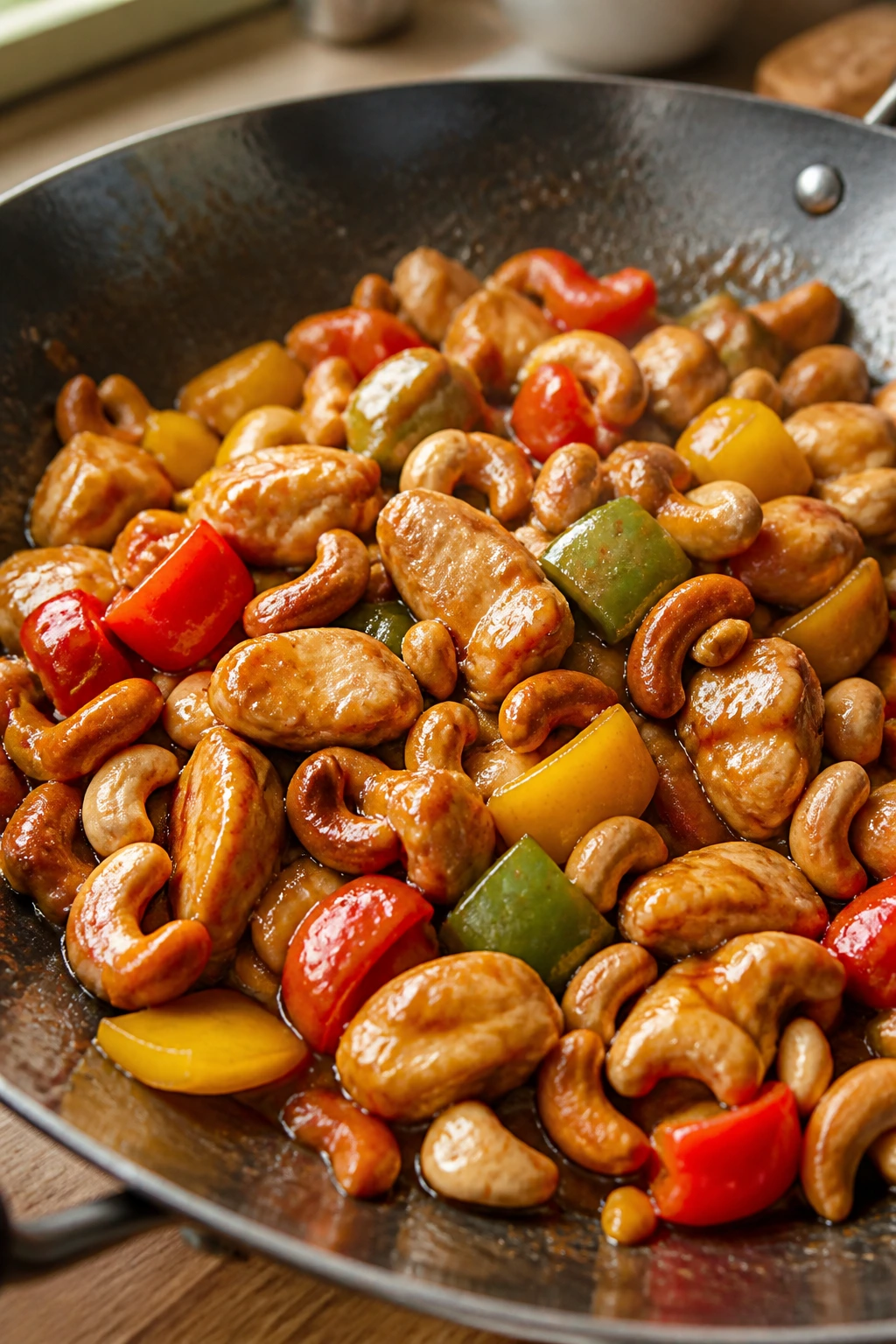
6. Cashew Chicken with Bell Peppers
Cashew chicken is the dish that knows how to be friendly without being dull. The chicken stays juicy, the cashews bring crunch, and the bell peppers soften just enough to taste sweet. The sauce is savory with a little brightness, and it clings to the chicken instead of sliding around the plate. It’s one of the safest bets on this whole list.
Why Cashews Matter
Cashews do two jobs here. They add texture, and they give the dish a slightly buttery finish that makes the sauce feel fuller than it really is. Bell peppers keep the whole pan colorful and sweet, which matters if you’re feeding kids or anyone suspicious of greens. A little hoisin deepens the sauce without making it heavy. That’s the balance that keeps this one from tasting one-note.
For the Chicken:
- 1½ lbs boneless chicken thighs, cut into bite-size pieces
- 1 tablespoon soy sauce
- 1 tablespoon cornstarch
- 1 tablespoon neutral oil
For the Stir-Fry:
- 1 cup roasted cashews
- 2 bell peppers, sliced
- 1 small onion, sliced
- 3 cloves garlic, minced
- 1 tablespoon ginger, minced
- 3 tablespoons soy sauce
- 1 tablespoon hoisin sauce
- 1 tablespoon rice vinegar
- ½ cup chicken broth
- 1 teaspoon sesame oil
- Toss the chicken with soy sauce and cornstarch.
- Whisk soy sauce, hoisin, rice vinegar, broth, and sesame oil in a small bowl.
- Heat the wok over high heat and cook the chicken until the edges brown and the center is no longer pink, about 5 to 6 minutes.
- Add the onion and bell peppers, stir-frying for 2 minutes until the onion starts to soften.
- Stir in garlic and ginger for 20 seconds, then pour in the sauce and cook until it thickens slightly.
- Fold in the cashews and serve as soon as the sauce looks glossy.
- Toast the cashews again if they’ve lost their crunch.
- Chicken thighs stay juicier than breast meat in a hot wok.
- A handful of sliced scallions at the end sharpens the flavor.
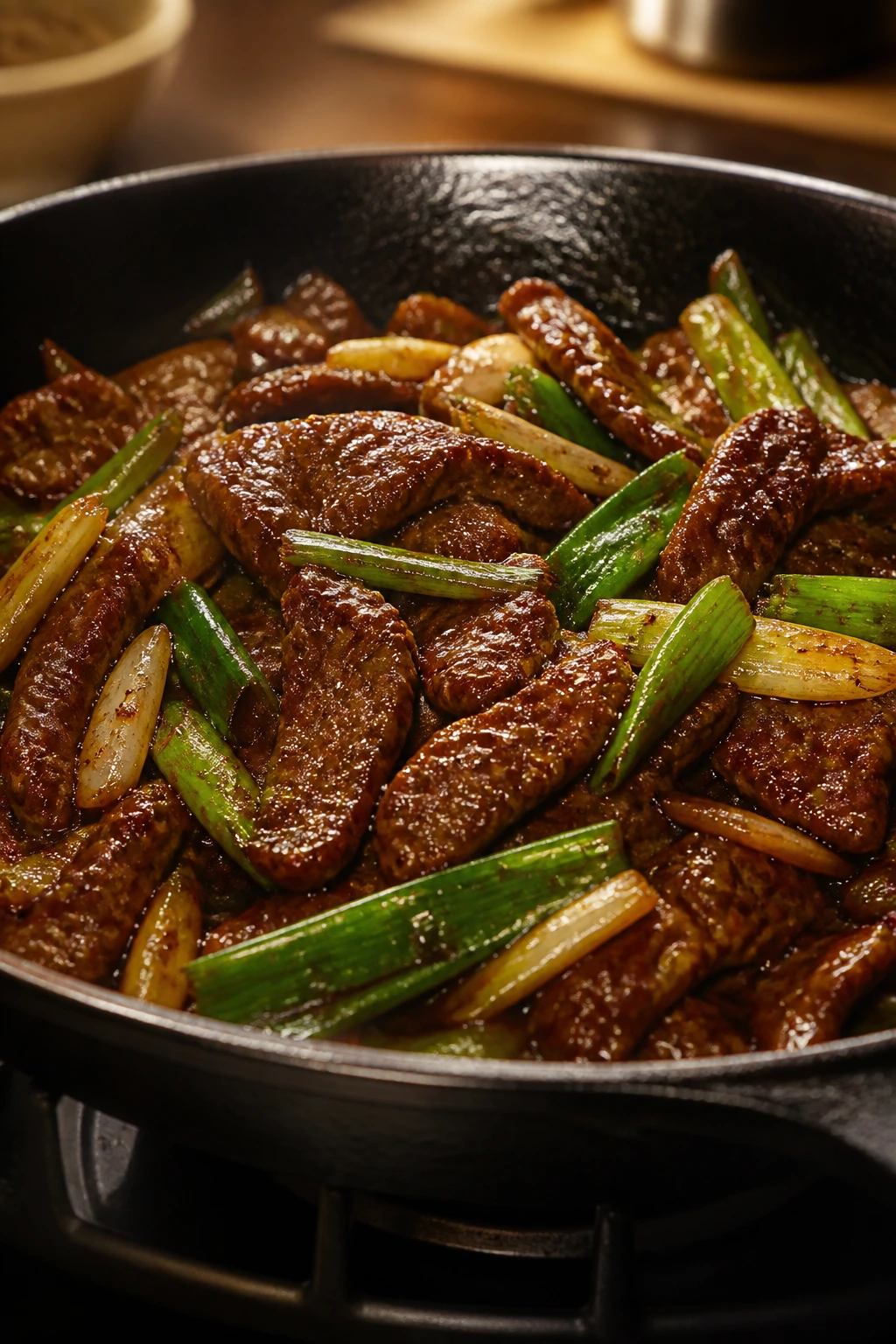
7. Mongolian Beef with Scallions
Mongolian beef has that sweet-salty edge that makes people go back for more even when they say they’re full. The beef gets seared hard, the sauce turns dark and sticky, and the scallions soften just enough to lose their raw bite. It smells bold. Not delicate. That’s part of the charm.
Why the Sauce Clings
The dish depends on a fast, aggressive sear on thin beef slices, plus a sauce that reduces quickly enough to lacquer the meat. Brown sugar adds the signature shine, while soy sauce and a little water keep it from turning into candy. Scallions are not just garnish here; they bring sharpness that cuts through the sweetness. If you leave them out, the dish loses its snap.
For the Beef:
- 1½ lbs flank steak, thinly sliced against the grain
- 1 tablespoon cornstarch
- 1 tablespoon soy sauce
- 1 tablespoon neutral oil
For the Sauce and Finish:
- 5 scallions, cut into 2-inch pieces
- 3 cloves garlic, minced
- 1 tablespoon ginger, minced
- ¼ cup soy sauce
- ¼ cup water
- 3 tablespoons brown sugar
- 1 teaspoon cornstarch
- ¼ teaspoon chili flakes
- Toss the beef with cornstarch, soy sauce, and oil, then let it sit for 10 minutes.
- Stir together the soy sauce, water, brown sugar, cornstarch, and chili flakes.
- Heat the wok until very hot, then sear the beef in batches for 1 to 2 minutes per side.
- Add the garlic and ginger, stirring for 20 seconds until fragrant.
- Pour in the sauce and cook for 1 to 2 minutes until it thickens and turns glossy.
- Toss in the scallions for the last 30 seconds, just long enough to soften them slightly.
- Slice the beef as thinly as you can.
- If the wok gets crowded, the beef steams instead of browning.
- Serve this with plain rice so the sauce has something to lean on.
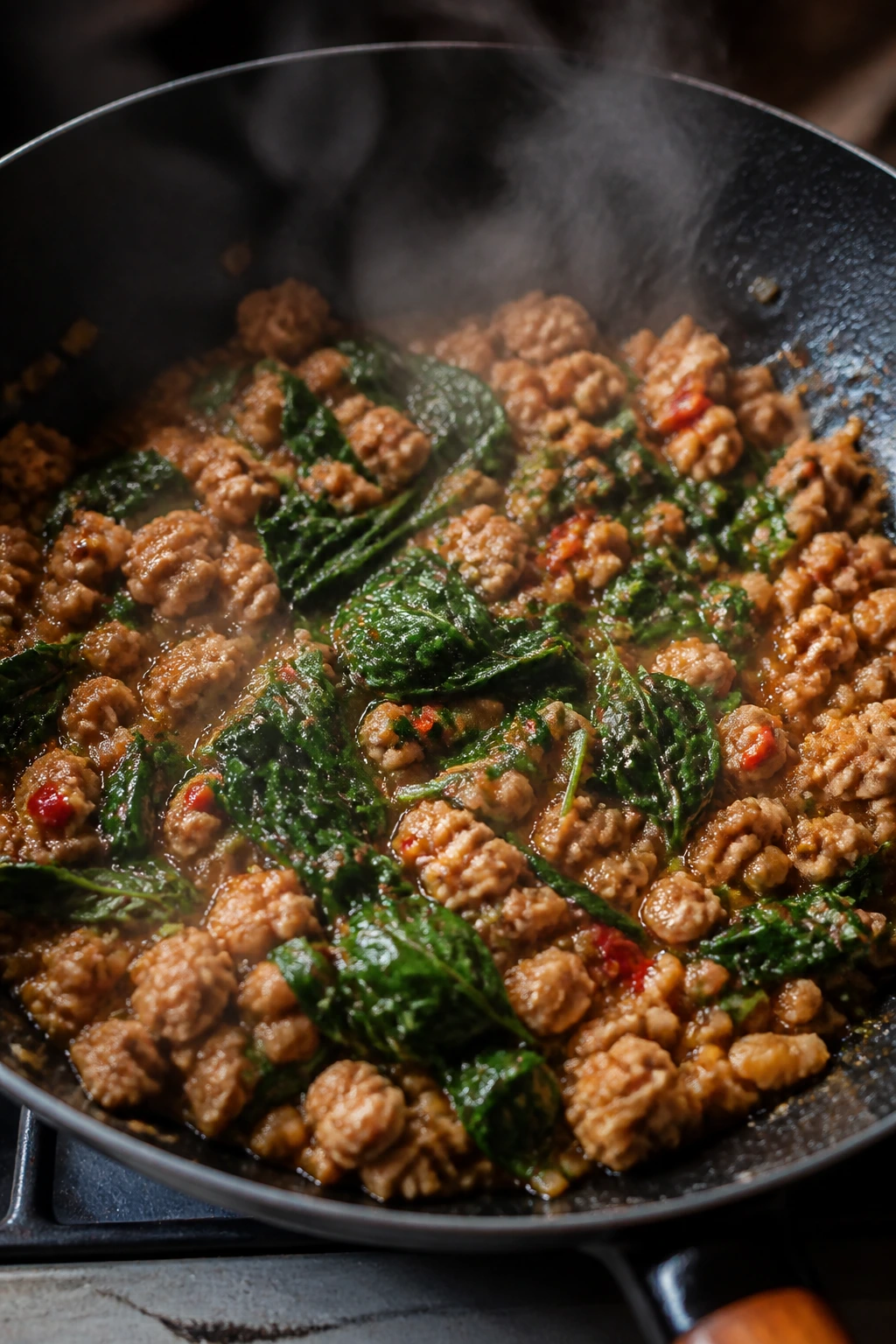
8. Thai Basil Chicken
Thai basil chicken is loud in the best way. Garlic, chilies, and fish sauce hit the pan first, and the smell is so sharp it almost reads as peppery. The basil goes in at the end and wilts into a green, slightly anise-scented heap that makes the whole dish feel alive. It’s fast, satisfying, and a little dangerous if you like heat.
Why Thai Basil Changes the Whole Dish
Ground chicken is ideal because it crumbles into rough little pieces that soak up sauce without taking long to cook. Thai basil is the key move; regular sweet basil works in a pinch, but the flavor shifts more toward clove and mint when you use the Thai variety. A little sugar rounds out the fish sauce so the dish lands savory rather than aggressively salty. Keep the heat high, and don’t let the basil cook for long or it loses its perfume.
For the Chicken:
- 1½ lbs ground chicken
- 2 tablespoons neutral oil
- 4 cloves garlic, minced
- 2 to 4 Thai chilies or 1 serrano pepper, minced
For the Sauce and Finish:
- 2 tablespoons fish sauce
- 1 tablespoon soy sauce
- 1 teaspoon sugar
- 1 cup green beans, cut into 1-inch pieces
- 2 cups packed Thai basil leaves
- 1 fried egg per serving, optional
- Cooked jasmine rice, for serving
- Mix the fish sauce, soy sauce, and sugar in a small bowl.
- Heat the wok over high heat and cook the garlic and chilies in the oil for 20 seconds.
- Add the ground chicken and break it apart as it cooks, letting the edges brown slightly.
- Stir in the green beans and cook for 2 minutes until they’re bright and just tender.
- Pour in the sauce and toss until the chicken is fully coated.
- Turn off the heat, add the basil leaves, and stir just until they wilt.
- Thai basil should go in off the heat so it stays fragrant.
- A fried egg on top makes the bowl feel more like a meal.
- If your family is heat-shy, cut the chilies down and serve extra at the table.
9. Teriyaki Salmon with Asparagus
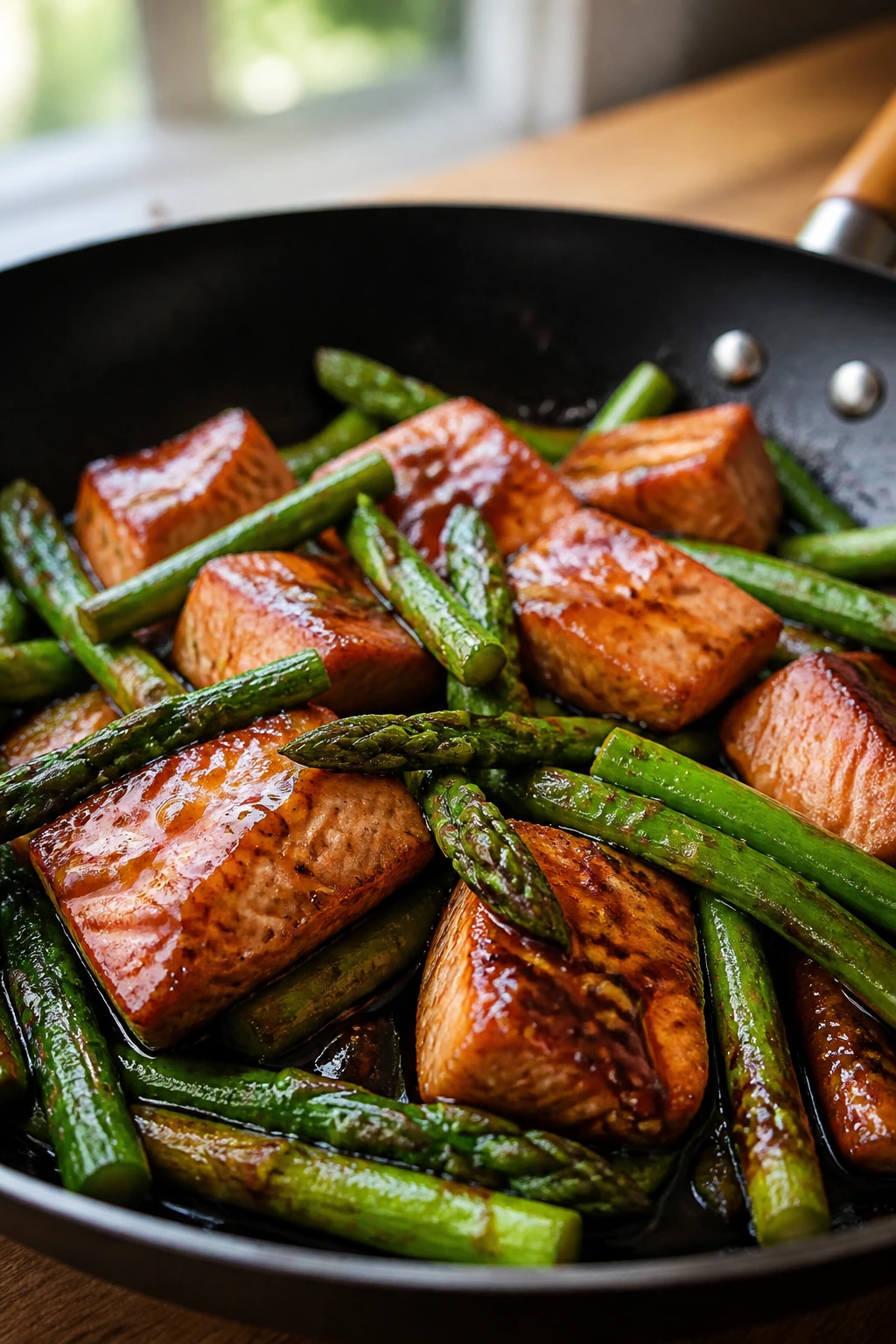
Salmon in a wok sounds unusual until you try it. Then it makes sense. The fish sears fast, the skinless cubes hold together well, and asparagus takes the heat without turning gray. Teriyaki sauce gives the whole pan a sweet-salty glaze that makes the salmon feel rich without becoming heavy.
Why Salmon Can Handle the Wok
The trick is to cut the salmon into large pieces so it browns without falling apart, and to keep the turning gentle. Asparagus cooks quickly enough to finish alongside the fish, which means you can keep the whole meal in one pan. The teriyaki glaze should be slightly reduced before it hits the salmon, or it slides right off. That tiny bit of thickness makes the difference.
For the Salmon:
- 1½ lbs skinless salmon fillet, cut into 2-inch chunks
- 1 tablespoon soy sauce
- 1 teaspoon cornstarch
- 1 tablespoon neutral oil
For the Vegetables and Glaze:
- 1 bunch asparagus, trimmed and cut into 2-inch pieces
- 3 cloves garlic, minced
- 1 tablespoon ginger, minced
- ¼ cup soy sauce
- 2 tablespoons honey
- 2 tablespoons water
- 1 tablespoon rice vinegar
- 1 teaspoon sesame oil
- Sesame seeds and scallions, for finishing
- Whisk the soy sauce, honey, water, rice vinegar, and sesame oil together.
- Toss the salmon with soy sauce and cornstarch very gently.
- Heat the wok over medium-high heat and sear the salmon for 1 to 2 minutes per side until lightly browned.
- Remove the salmon and cook the asparagus for 2 minutes with garlic and ginger.
- Pour in the glaze and let it bubble for 30 seconds.
- Return the salmon and toss carefully just until coated, then top with sesame seeds and scallions.
- Pat the salmon dry before it hits the wok.
- Keep the chunks large so they don’t break apart.
- This is one of the better options if you want a fish dinner that still feels sturdy.
10. Sweet and Sour Chicken
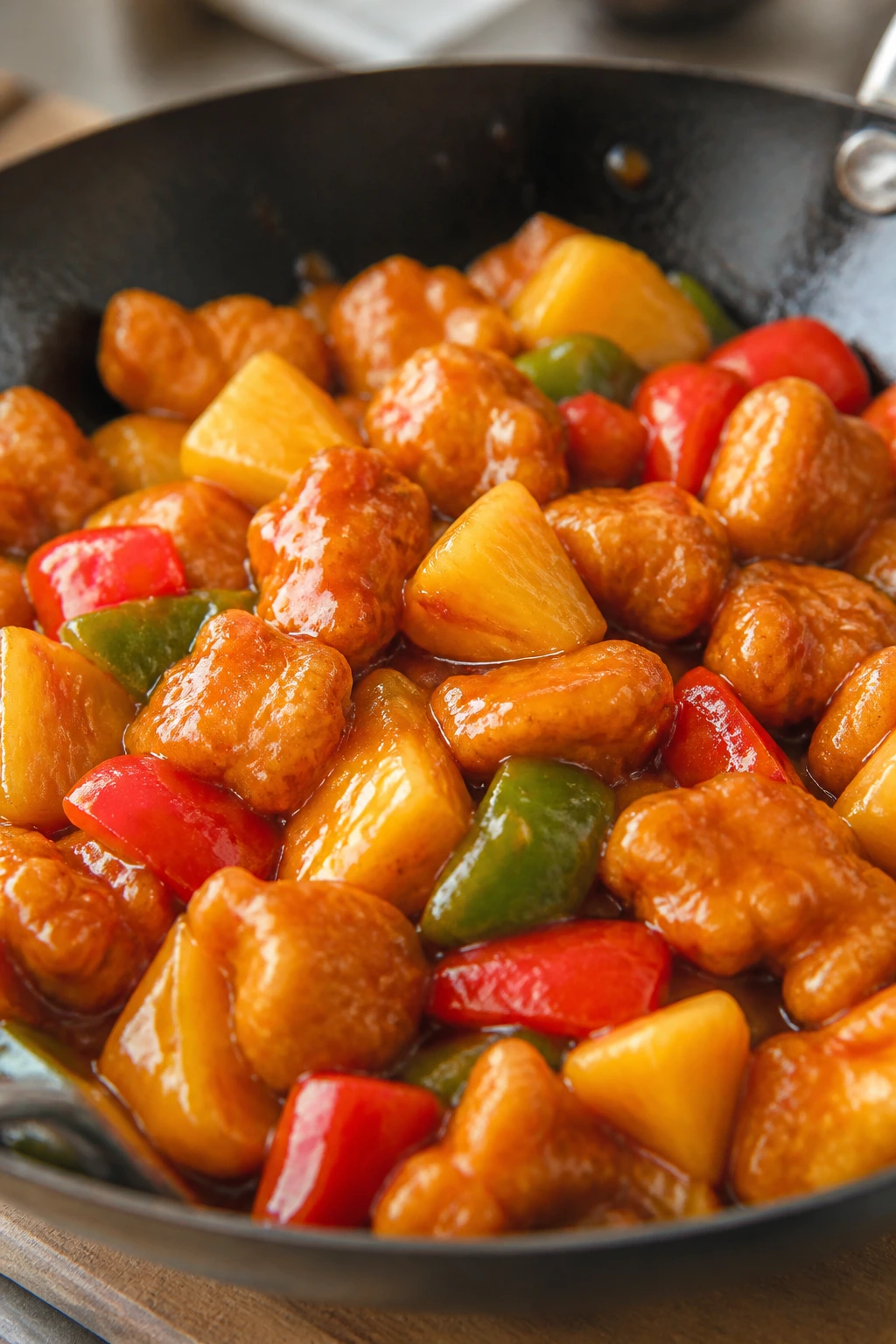
Sweet and sour chicken has a bright, shiny look that children tend to trust immediately. The pineapple brings sweetness, the vinegar keeps the sauce lively, and the bell peppers give the pan color and crunch. It’s not subtle. It doesn’t need to be. Some dinners should arrive with a little theater.
Why Sweet and Sour Still Wins
The sauce works because it balances sugar, acid, and salt in a way that feels familiar without being flat. Pineapple juice helps thin the sauce and gives it a rounder fruit note than plain water. Chicken thighs stay juicier than breast meat if you’re tossing everything in a hot pan. Cook the peppers until they soften at the edges, not all the way through, or the dish loses its bite.
For the Chicken:
- 1½ lbs boneless chicken thighs, cut into bite-size pieces
- 1 tablespoon cornstarch
- 1 tablespoon soy sauce
- 1 tablespoon neutral oil
For the Sauce and Vegetables:
- 1 cup pineapple chunks, fresh or canned and drained
- 1 red bell pepper, chopped
- 1 green bell pepper, chopped
- 1 small onion, cut into wedges
- 3 cloves garlic, minced
- 1 tablespoon ginger, minced
- ¼ cup rice vinegar
- ¼ cup pineapple juice
- 2 tablespoons ketchup
- 2 tablespoons brown sugar
- 1 teaspoon cornstarch mixed with 1 tablespoon water
- Toss the chicken with cornstarch and soy sauce.
- Whisk vinegar, pineapple juice, ketchup, brown sugar, and the cornstarch slurry in a bowl.
- Heat the wok over high heat and sear the chicken until golden and cooked through, about 5 to 6 minutes.
- Add the onion and bell peppers, stir-frying for 2 minutes.
- Stir in garlic and ginger, then pour in the sauce and cook until it thickens.
- Fold in the pineapple chunks for the last minute so they warm without turning mushy.
- If using canned pineapple, keep a little juice for the sauce.
- Don’t let the peppers go limp; the crunch matters.
- A pinch of white pepper gives the sauce a little more edge if you like it.
11. Singapore Curry Noodles
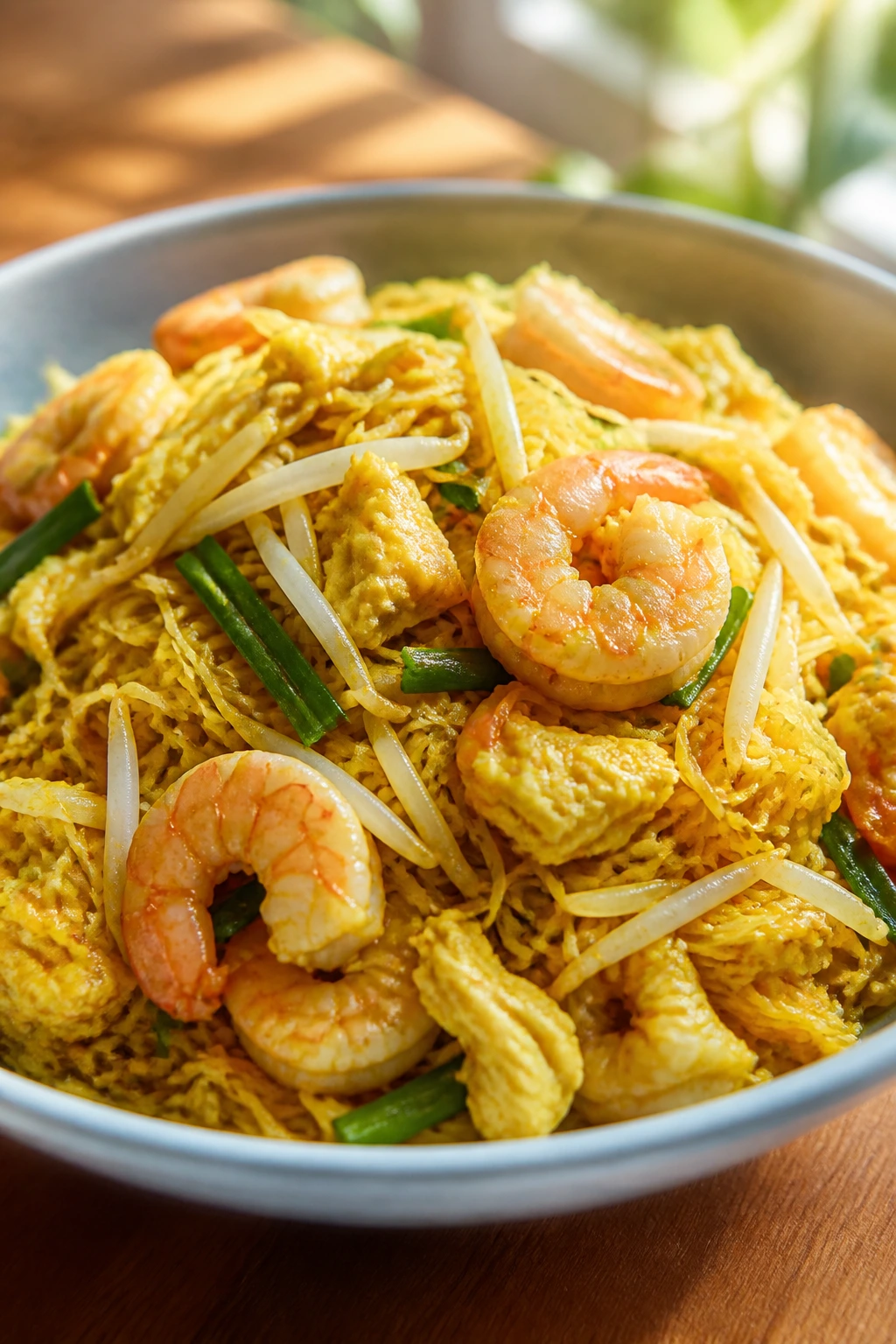
Singapore curry noodles have a sunny, yellow look that makes the table feel brighter the second the pan lands. Rice vermicelli picks up curry powder fast, shrimp or chicken can come along for the ride, and the vegetables stay loose instead of glued together. It’s a dish with movement. Everything in it seems to want to keep going.
Why These Noodles Need a Fast Toss
Rice vermicelli is delicate, which means you want it soft enough to separate but not so soft that it breaks into shards. The curry powder blooms in oil first, which gives the noodles their color and makes the spice taste fuller. Eggs add body, and bean sprouts give the final bite. Once the noodles hit the wok, the work should go quickly or they seize up.
For the Noodles and Protein:
- 8 oz rice vermicelli
- 1 lb shrimp, peeled and deveined, or 1 lb thinly sliced chicken thigh
- 2 eggs, beaten
- 2 tablespoons neutral oil
For the Vegetables and Seasoning:
- 1 cup shredded cabbage
- 1 cup shredded carrots
- 1 cup bean sprouts
- 2 cloves garlic, minced
- 1 tablespoon shallot, minced
- 1 tablespoon curry powder
- 1 teaspoon turmeric
- 2 tablespoons soy sauce
- 1 tablespoon oyster sauce
- 2 scallions, sliced
- Soak the rice vermicelli in hot water until flexible, then drain well.
- Heat the wok over high heat and scramble the eggs quickly in the oil, then set them aside.
- Cook the shrimp or chicken until just done, then remove from the pan.
- Add garlic, shallot, curry powder, and turmeric, stirring for 20 seconds until the oil turns golden.
- Add the cabbage, carrots, noodles, soy sauce, and oyster sauce, tossing with tongs to loosen everything.
- Fold in the eggs, protein, bean sprouts, and scallions, then toss for 30 seconds and serve.
- Cut the noodles once with kitchen scissors if they’re too long to toss well.
- The curry powder should hit hot oil, not dry noodles.
- This tastes best when the noodles are still springy, not soft.
12. Bulgogi Beef Rice Bowls
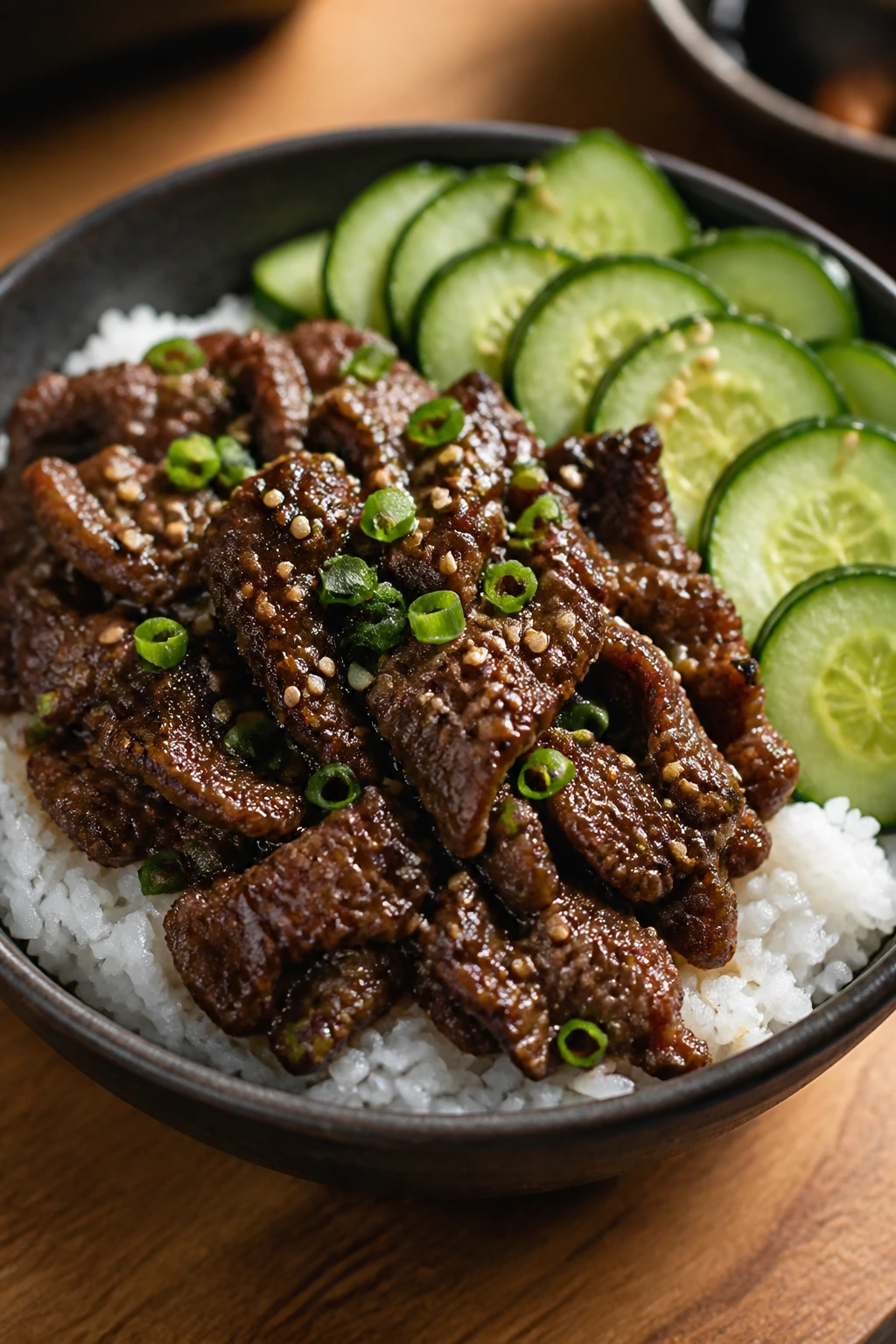
Bulgogi beef is a sharp reminder that a wok dinner can still feel polished without being fussy. The beef is thin, the marinade is sweet-salty with a little fruitiness, and the onions pick up just enough char to taste deeper than they look. Piled over rice with cucumber or spinach, it turns into a bowl people tend to build their own way.
Why Bulgogi Works Best in Strips
Thin slices of beef absorb marinade fast, so you don’t need hours to get flavor into the meat. A grated pear or apple softens the marinade and helps the beef brown, which is why bulgogi tastes round rather than merely salty. The wok’s heat gives you fast caramelization, and that matters here more than long cooking. If you use beef that’s too thick, the whole dish loses its delicate texture.
For the Beef:
- 1½ lbs sirloin or ribeye, sliced very thin
- ¼ cup soy sauce
- 2 tablespoons brown sugar
- 1 tablespoon sesame oil
- 2 cloves garlic, minced
- 1 tablespoon grated ginger
- 2 tablespoons grated pear or apple
- 1 tablespoon neutral oil
For the Bowls:
- 1 onion, sliced
- 1 cup mushrooms, sliced
- 2 cups baby spinach
- 4 cups cooked rice
- 3 scallions, sliced
- Sesame seeds, for finishing
- Whisk soy sauce, brown sugar, sesame oil, garlic, ginger, and grated pear or apple.
- Marinate the beef for 15 to 30 minutes while you prep the rest.
- Heat the wok over high heat and sear the beef in batches until browned and just cooked through.
- Add the onion and mushrooms, stir-frying for 2 minutes until the onion softens.
- Toss in the spinach and let it wilt for 30 seconds.
- Serve over rice with scallions and sesame seeds.
- Freeze the beef for 15 minutes before slicing if you want cleaner pieces.
- Use pear for a softer, more traditional sweetness; apple works if that’s what you have.
- A bowl of sliced cucumbers on the side keeps the meal crisp.
13. Vegetable Lo Mein with Mushrooms
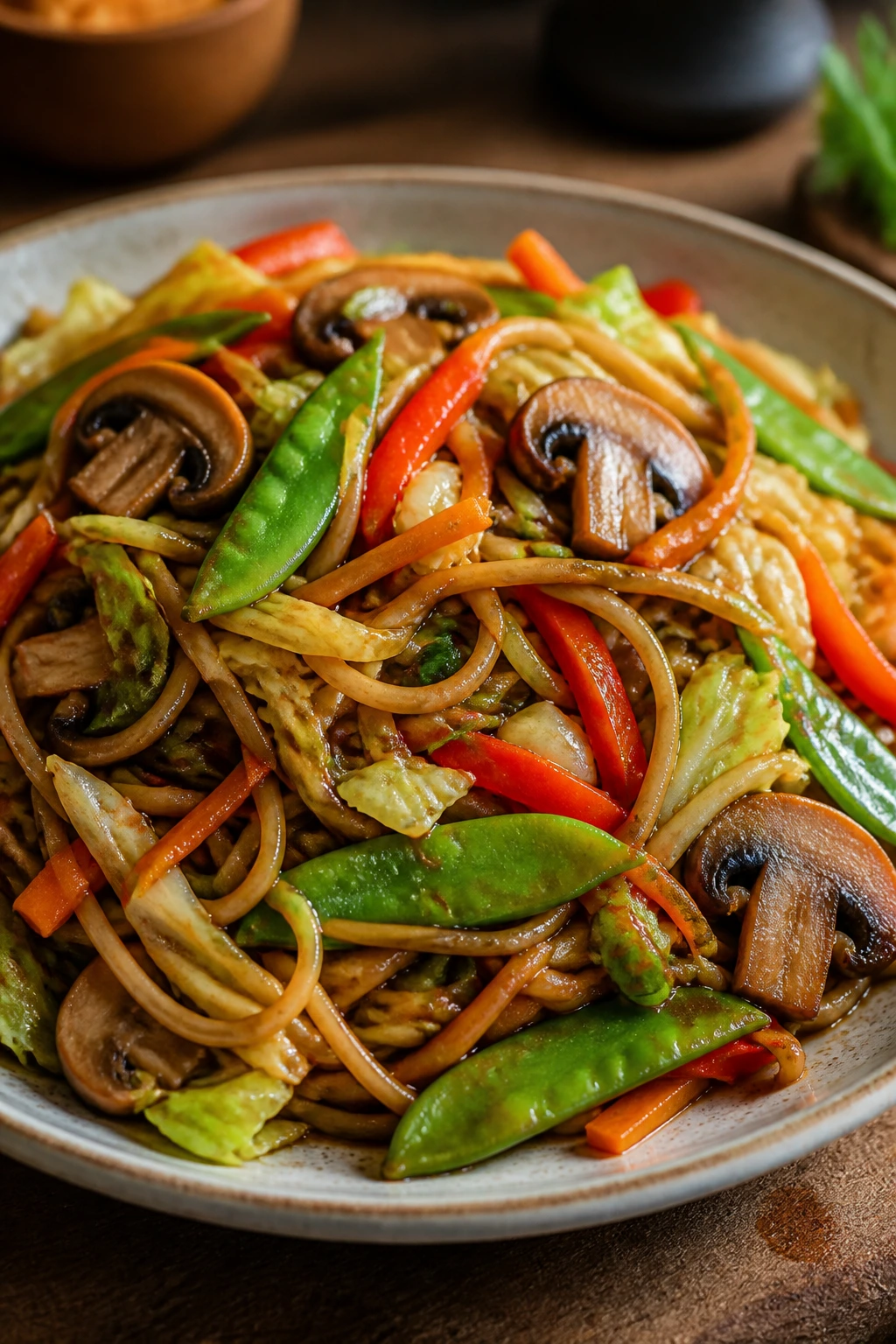
Vegetable lo mein is the one I reach for when the fridge looks scattered and I want dinner to still taste intentional. Mushrooms bring depth, cabbage brings sweetness, and the noodles soak up sauce without turning heavy. It’s the kind of vegetarian wok dinner that doesn’t apologize for itself. Good. It shouldn’t.
Why Lo Mein Loves Mushrooms
Mushrooms carry a lot of flavor in a stir-fry because they brown before they shrink too much, and their savory taste gives the dish a fuller base. Lo mein noodles are chewy enough to stand up to tossing, which means they stay satisfying even without meat. Use a sauce that’s balanced and not too salty, because the noodles will drink in whatever you give them. A mix of soy, oyster sauce, and sesame oil is enough.
For the Noodles and Vegetables:
- 12 oz lo mein noodles
- 2 cups sliced mushrooms
- 2 cups shredded cabbage
- 1 cup shredded carrots
- 1 bell pepper, sliced
- 1 cup snow peas
- 3 cloves garlic, minced
- 1 tablespoon ginger, minced
For the Sauce:
- 3 tablespoons soy sauce
- 1 tablespoon oyster sauce or vegetarian stir-fry sauce
- 1 tablespoon rice vinegar
- 1 teaspoon sugar
- 1 teaspoon sesame oil
- 2 tablespoons neutral oil
- 2 scallions, sliced
- Cook the noodles until just tender, then drain and toss lightly with a little oil so they don’t clump.
- Whisk the soy sauce, oyster sauce, rice vinegar, sugar, and sesame oil together.
- Heat the wok over high heat and cook the mushrooms until they release moisture and start to brown.
- Add cabbage, carrots, bell pepper, snow peas, garlic, and ginger, then stir-fry for 2 minutes.
- Add the noodles and sauce, then toss until everything is evenly coated.
- Finish with scallions and serve while the noodles still have a little bounce.
- If you want more protein, add tofu cubes or a scrambled egg.
- Don’t overcook the mushrooms; they should taste browned, not shriveled.
- A few drops of black vinegar at the end give the noodles a nice lift.
14. Ginger Scallion Chicken and Green Beans
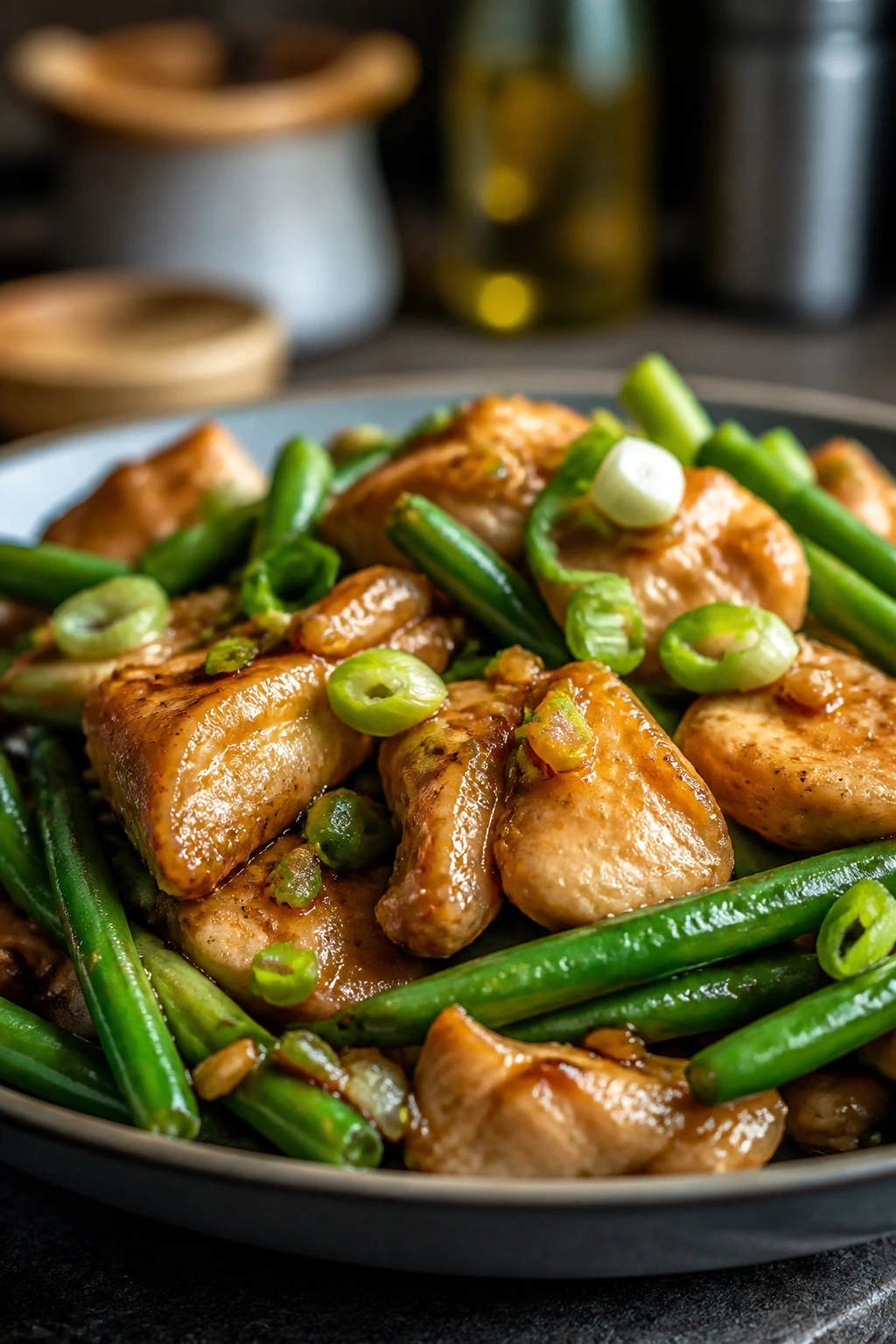
Ginger scallion chicken has a clean, sharp flavor that feels especially good when you want something less sweet and more direct. The green beans stay bright, the chicken gets coated in a light sauce, and the scallions add a fresh bite right at the end. This is the dish that reminds you simple doesn’t mean plain. It just means every ingredient has to earn its place.
Why Scallions and Ginger Do So Much Work
Ginger and scallions are a classic pairing because they hit different notes: one warm and peppery, the other green and sharp. Chicken thighs handle the wok better than breast meat here, since the quick cook can dry breast out if you’re distracted for even a minute. Green beans taste best when they’re blistered at the edges and still snap when you bite them. That texture gives the dish some backbone.
For the Chicken:
- 1½ lbs boneless chicken thighs, cut into strips
- 1 tablespoon soy sauce
- 1 tablespoon cornstarch
- 1 tablespoon neutral oil
For the Vegetables and Sauce:
- 2 cups green beans, trimmed
- 4 scallions, cut into 2-inch pieces
- 3 cloves garlic, minced
- 1 tablespoon ginger, minced
- 3 tablespoons soy sauce
- ¼ cup chicken broth
- 1 tablespoon rice vinegar
- 1 teaspoon sugar
- 1 teaspoon sesame oil
- Toss the chicken with soy sauce and cornstarch.
- Whisk soy sauce, broth, rice vinegar, sugar, and sesame oil together.
- Blanch the green beans for 1 minute if you want them extra crisp, then drain.
- Heat the wok over high heat and sear the chicken until golden and cooked through.
- Add the green beans, garlic, and ginger, then stir-fry for 2 minutes.
- Pour in the sauce, add the scallions, and cook until the liquid reduces to a light glaze.
- Green beans can be blanched ahead and chilled.
- If you want more heat, add a teaspoon of chili paste with the sauce.
- Keep the scallions in big pieces so they don’t disappear.
15. Shrimp Fried Rice with Edamame
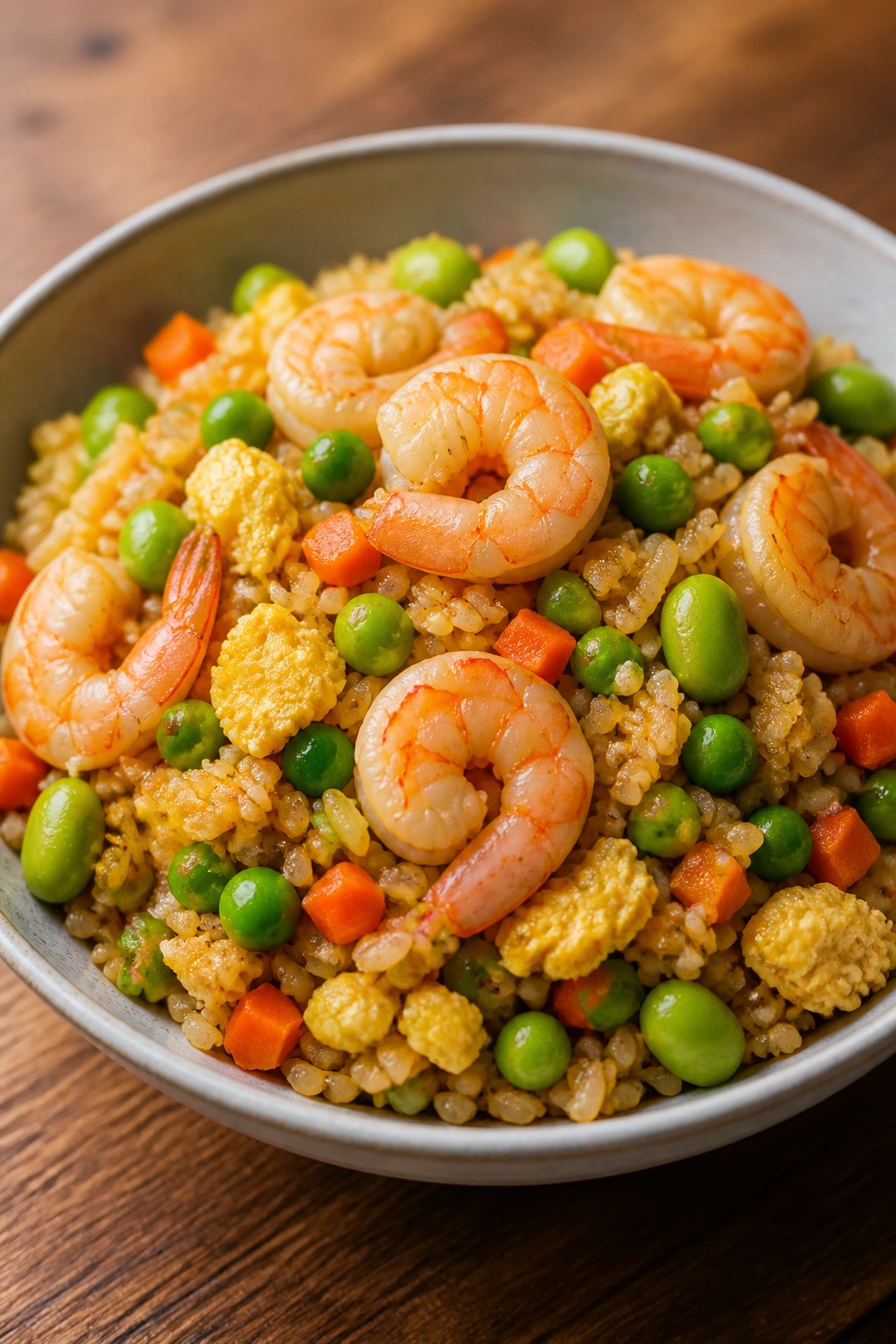
Shrimp fried rice is one of those dishes that feels casual until you notice how many small decisions made it work. The rice needs to be cold, the shrimp need to be juicy, and the edamame should pop against the grains like little green beads. It’s colorful without trying too hard. That’s a good sign on a weeknight.
Why This Fried Rice Feels Complete
Edamame adds a slight snap and enough protein to make the fried rice feel more substantial without making it dense. Shrimp cook quickly, so they’re best added near the beginning and brought back at the end if needed. The egg helps glue the rice together in a loose, glossy way. If the pan is hot and the rice is dry, the whole thing turns out better than people expect from leftovers.
For the Rice:
- 4 cups cooked jasmine rice, chilled
- 1 lb shrimp, peeled and deveined
- 2 eggs, beaten
- 1 cup shelled edamame
- 1 cup frozen peas and diced carrots
- 3 scallions, sliced
- 2 cloves garlic, minced
- 2 tablespoons neutral oil
For the Seasoning:
- 3 tablespoons soy sauce
- 1 tablespoon sesame oil
- 1 teaspoon white pepper
- 1 teaspoon rice vinegar
- Pat the shrimp dry and season lightly with a pinch of salt.
- Heat the wok over high heat and sear the shrimp for 1 minute per side, then set aside.
- Scramble the eggs in the wok and remove them when they’re just set.
- Add the garlic, peas, carrots, and edamame, then stir-fry for 2 minutes.
- Add the rice, soy sauce, white pepper, and rice vinegar, breaking up any clumps as you toss.
- Fold in the shrimp, eggs, scallions, and sesame oil, then serve once everything is hot.
- If the rice is clumpy, break it up before it goes into the wok.
- White pepper gives fried rice a cleaner finish than black pepper here.
- A little extra sesame oil at the end makes the bowl smell finished.
16. Char Siu Pork Noodle Stir-Fry
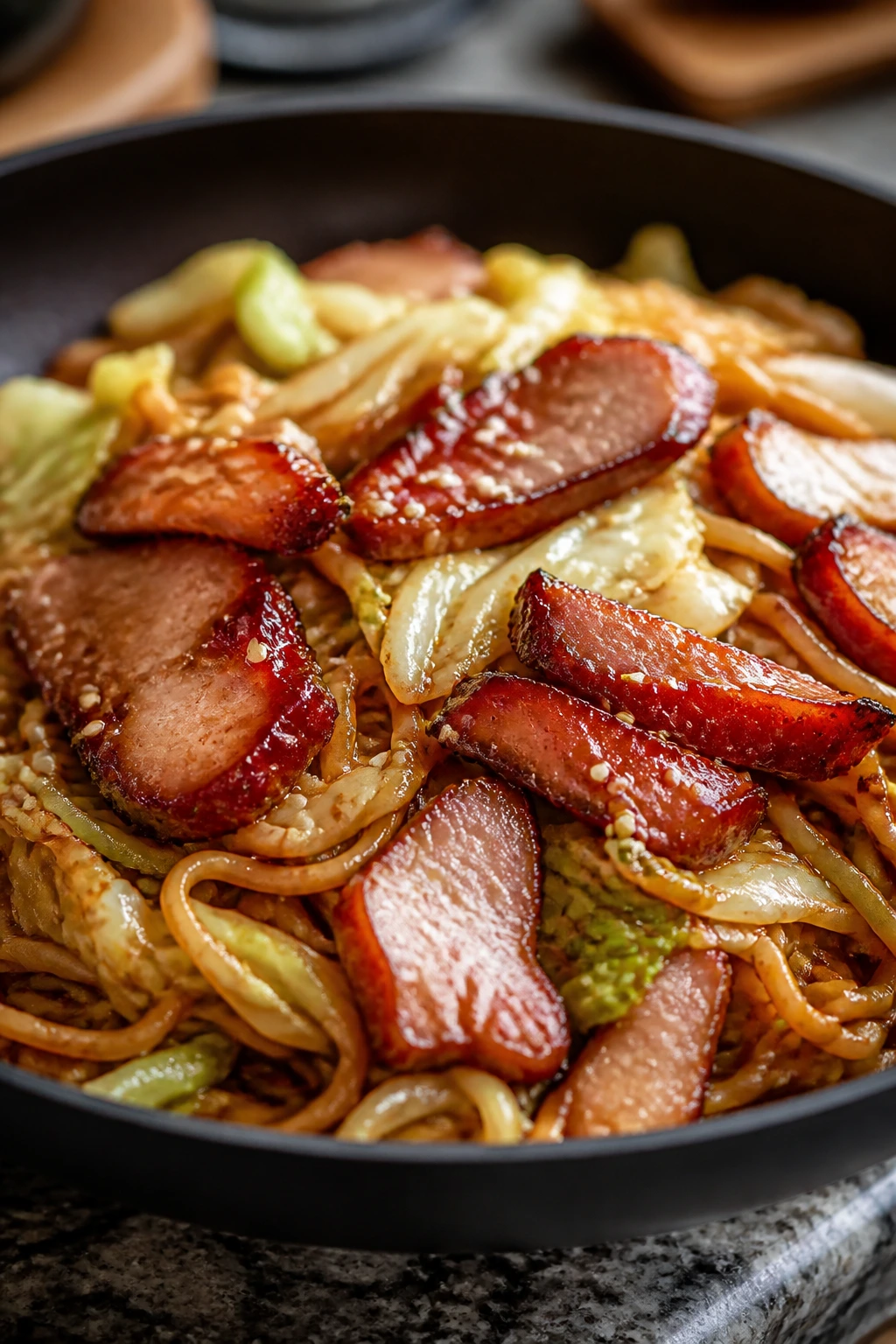
Char siu pork turns a normal noodle dinner into something with a little swagger. The meat is sweet, red, and sticky at the edges, which means it brings its own seasoning to the pan. Paired with cabbage and egg noodles, it tastes rich without requiring you to cook a separate sauce from scratch. That is a very good kind of shortcut.
Why Char Siu Makes It Special
The pork already carries a strong glaze, so the rest of the stir-fry has to support it instead of competing. Egg noodles soak up sauce quickly, and cabbage gives the dish a fresh, faintly sweet crunch that keeps the pork from dominating every bite. If you use store-bought char siu, slice it thin so it warms evenly. If you make it ahead, the noodles come together even faster.
For the Noodles and Pork:
- 12 oz fresh or dried egg noodles
- 1 lb char siu pork, sliced thin
- 2 cups shredded napa cabbage
- 1 cup shredded carrots
- 2 scallions, sliced
- 2 cloves garlic, minced
- 1 tablespoon ginger, minced
For the Sauce:
- 2 tablespoons soy sauce
- 1 tablespoon oyster sauce
- 1 tablespoon hoisin sauce
- 1 teaspoon sesame oil
- 1 tablespoon neutral oil
- ½ cup bean sprouts, optional
- Cook the egg noodles until just tender, then drain and toss with a little oil.
- Whisk soy sauce, oyster sauce, hoisin, and sesame oil together.
- Heat the wok over high heat and stir-fry the cabbage and carrots for 2 minutes.
- Add garlic and ginger, then toss in the char siu pork and let it warm through.
- Add the noodles and sauce, tossing until everything looks glossy and evenly coated.
- Finish with scallions and bean sprouts if you’re using them.
- Thin slices of pork warm faster and mix better with the noodles.
- Don’t overdo the hoisin or the dish turns too sweet.
- This one is excellent with leftover roast pork if char siu isn’t around.
17. Mapo Tofu with Ground Pork
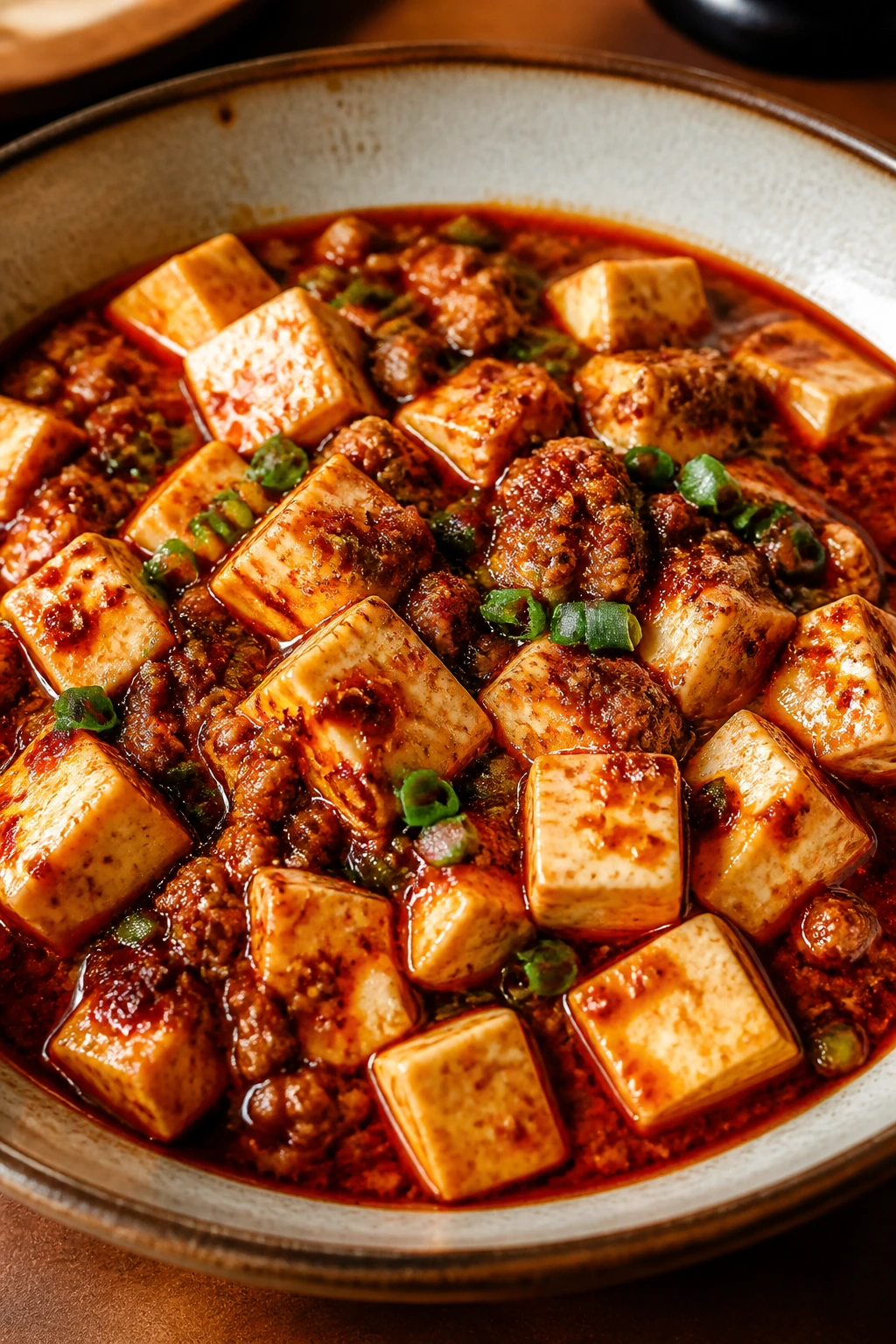
Mapo tofu is the dish on this list that has the most edge. It’s silky, spicy, savory, and a little numbing if you use Sichuan peppercorn. Ground pork gives the sauce body, and tofu softens the intensity without making the meal bland. It’s not a shy dish. That’s why it’s memorable.
Why Mapo Tofu Needs a Light Hand
Tofu can break apart fast if you stir too hard, so the whole dish rewards restraint. The sauce gets its depth from doubanjiang, a fermented chili bean paste, which gives you heat, salt, and funk in one spoonful. Ground pork keeps the sauce from feeling thin, and a small amount of cornstarch brings everything together at the end. If you want family-friendly heat, use less doubanjiang and skip extra chili oil at the table.
For the Tofu and Pork:
- 1 block medium or soft tofu, about 14 oz, cut into 1-inch cubes
- ½ lb ground pork
- 2 tablespoons neutral oil
- 2 cloves garlic, minced
- 1 tablespoon ginger, minced
For the Sauce:
- 1½ tablespoons doubanjiang
- 1 tablespoon soy sauce
- 1 cup chicken broth
- 1 teaspoon sugar
- 1 teaspoon cornstarch mixed with 1 tablespoon water
- ½ teaspoon ground Sichuan peppercorn, optional
- 2 scallions, sliced
- Chili oil, optional
- Bring a pot of water to a gentle simmer and blanch the tofu for 1 minute, then drain carefully.
- Heat the wok over medium-high heat and cook the ground pork until it loses its pink color.
- Add the garlic, ginger, and doubanjiang, stirring for 20 seconds so the paste blooms in the oil.
- Pour in the broth, soy sauce, and sugar, then bring the sauce to a gentle simmer.
- Add the tofu cubes and stir carefully with a spoon, not a spatula, so the cubes stay intact.
- Stir in the cornstarch slurry, sprinkle in Sichuan peppercorn if using, and finish with scallions.
- Soft tofu gives the most delicate texture, but medium tofu holds up better.
- Don’t skip the tofu blanch if you want a cleaner, fresher taste.
- A little chili oil at the table lets each person set their own heat level.
18. Black Pepper Beef and Onions
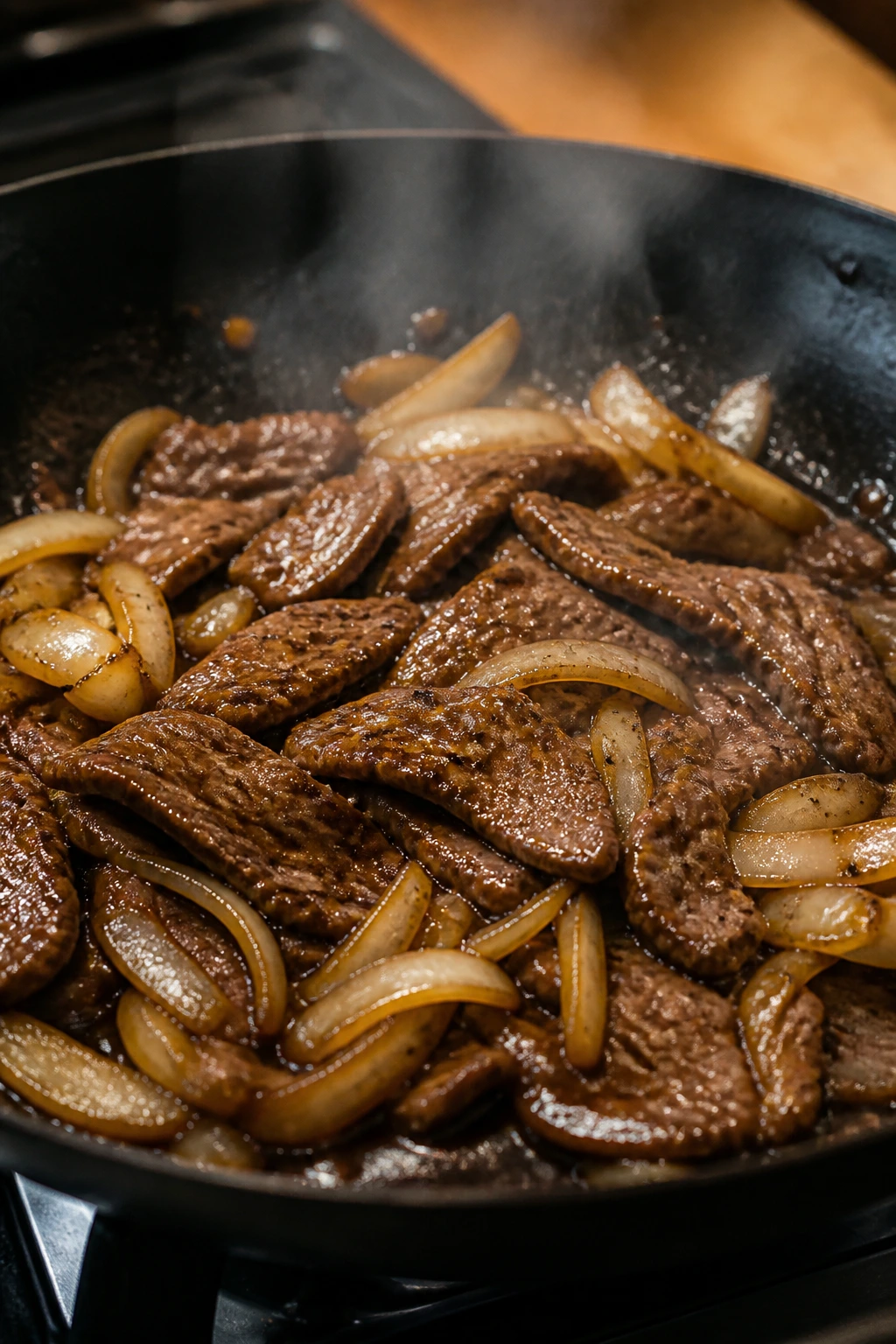
Black pepper beef is the dish that proves pepper can carry a meal when it’s used with purpose. The beef gets a proper sear, the onions soften into sweetness, and the black pepper comes through with a warm, almost smoky bite. It feels bolder than sweet-sauced stir-fries, which is useful when everyone at the table wants something with a little attitude.
Why Black Pepper Should Be Coarse
Freshly cracked black pepper tastes sharper and more aromatic than the dusty stuff that has been sitting in a jar for months. Beef needs that bite, especially when the sauce is savory and slightly thickened. Onions bring sweetness that keeps the pepper from tasting harsh. A few bell peppers or celery slices can add crunch, but they shouldn’t take over the pan.
For the Beef:
- 1½ lbs flank steak, sliced thin
- 1 tablespoon soy sauce
- 1 tablespoon cornstarch
- 1 tablespoon neutral oil
For the Sauce and Vegetables:
- 1 large onion, sliced
- 1 bell pepper, sliced
- 3 cloves garlic, minced
- 1 tablespoon ginger, minced
- 2 tablespoons soy sauce
- 1 tablespoon oyster sauce
- ½ cup beef broth
- 1 tablespoon coarsely ground black pepper
- 1 teaspoon cornstarch mixed with 1 tablespoon water
- Toss the beef with soy sauce, cornstarch, and oil.
- Whisk the soy sauce, oyster sauce, broth, black pepper, and cornstarch slurry together.
- Heat the wok over high heat and sear the beef in batches until browned.
- Add the onions and bell pepper, stirring for 2 minutes until the onion softens at the edges.
- Stir in garlic and ginger, then pour in the sauce and cook until it thickens.
- Return the beef to the wok, toss once, and serve immediately.
- Use coarse pepper, not powder, or the flavor gets flat.
- Don’t let the onions turn mushy; some texture keeps the dish lively.
- This one is good over rice or tucked into lettuce cups.
19. Yakisoba with Chicken and Cabbage
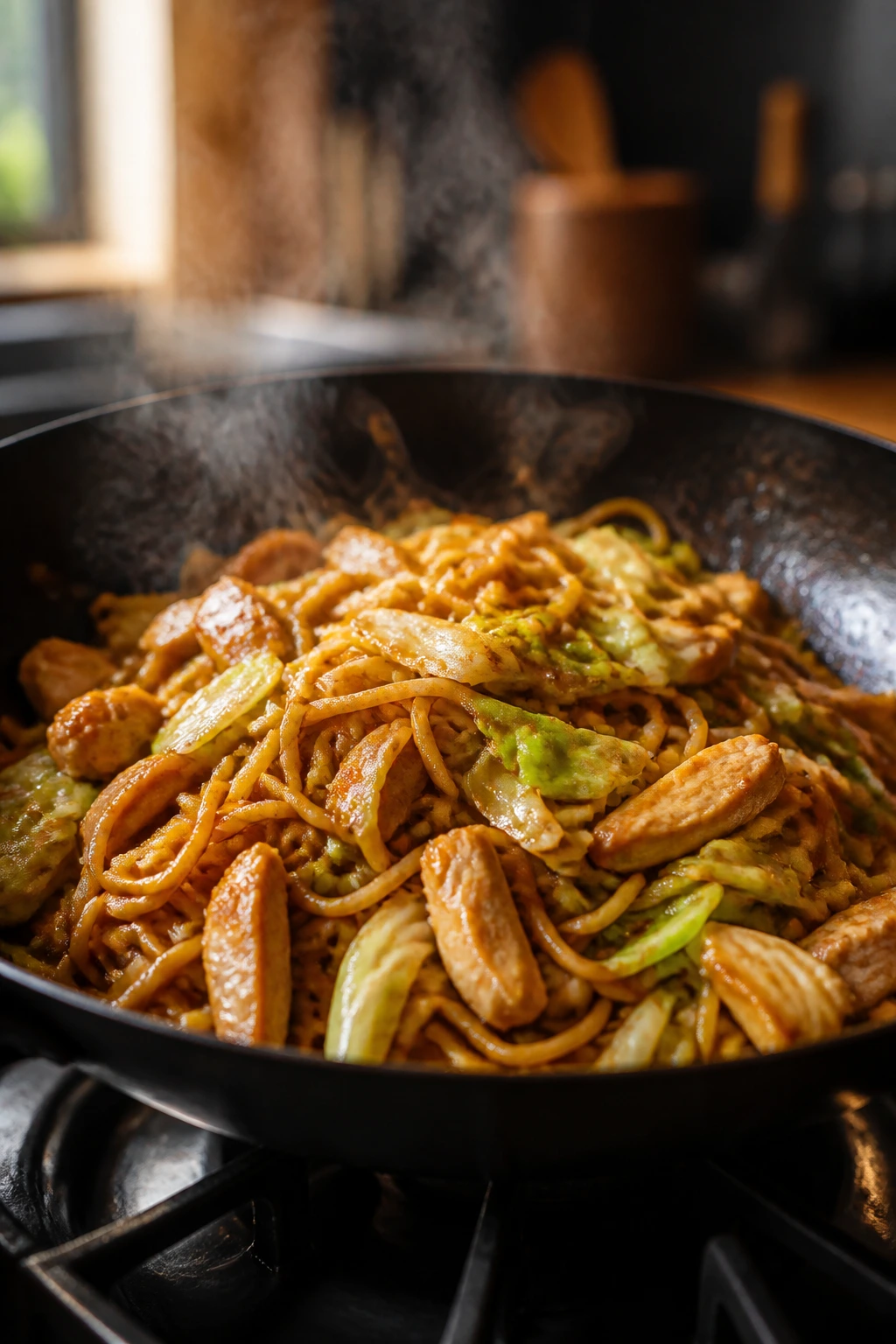
Yakisoba is one of the most comforting noodle dishes on the list because it feels a little messy in the best possible way. The noodles are chewy, the cabbage softens into the sauce, and the chicken gives the pan enough heft to count as dinner. It smells a little sweet, a little savory, and a little like the food you wish more street stalls could put in your kitchen.
Why Yakisoba Gets So Satisfying
Yakisoba sauce usually leans on Worcestershire, oyster sauce, and ketchup, which sounds odd until you taste the balance. The result is deep, tangy, and a little sweet. Cabbage softens into ribbons, while the noodles brown in spots if you give them enough contact with the pan. That browned edge matters. It’s where the flavor lives.
For the Noodles and Chicken:
- 12 oz yakisoba noodles or ramen noodles
- 1 lb boneless chicken thighs, sliced thin
- 2 cups shredded cabbage
- 1 cup shredded carrots
- 1 small onion, sliced
- 2 tablespoons neutral oil
For the Sauce and Finish:
- 2 tablespoons Worcestershire sauce
- 1 tablespoon oyster sauce
- 1 tablespoon ketchup
- 1 tablespoon soy sauce
- 1 teaspoon sugar
- 1 teaspoon sesame oil
- 2 scallions, sliced
- Pickled ginger, optional
- Cook the noodles until they loosen, then drain and toss with a drop of oil.
- Whisk Worcestershire, oyster sauce, ketchup, soy sauce, sugar, and sesame oil together.
- Heat the wok over high heat and cook the chicken until browned and cooked through.
- Add the onion, cabbage, and carrots, then stir-fry for 2 minutes until the cabbage starts to wilt.
- Add the noodles and sauce, tossing until the noodles brown in spots and the sauce coats them.
- Finish with scallions and pickled ginger if you want a sharper bite.
- If you use ramen, discard the seasoning packets.
- Let the noodles sit against the hot wok for a few seconds between tosses to get a little color.
- Pickled ginger gives the dish a bright, clean finish.
20. Pineapple Pork Stir-Fry with Snap Peas
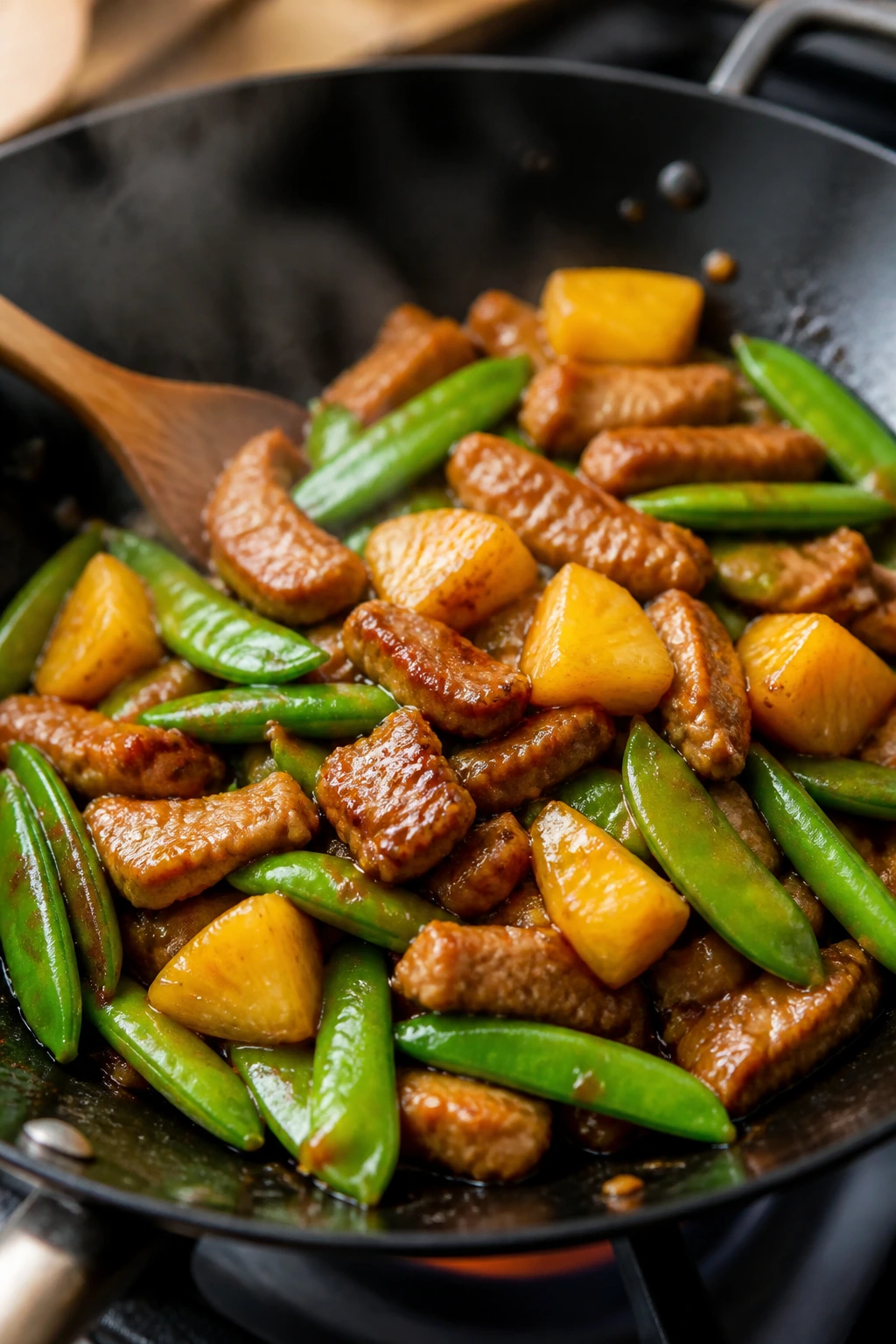
Pineapple pork is the bright, sweet-savory finish this collection deserves. The pork browns well, the pineapple softens into juicy pockets, and the snap peas stay crisp enough to keep the bowl from feeling heavy. It has that pleasant tension between sweet fruit and salty sauce that makes people keep poking around the pan for more.
Why Pineapple Works Here
Pineapple brings acid, sweetness, and moisture, which means the sauce gets built almost for free. Pork tenderloin cooks quickly and stays tender if you slice it thin, while snap peas keep the texture light. A little lime at the end sharpens the whole dish so it doesn’t read as candy. That last squeeze matters more than you’d think.
For the Pork:
- 1½ lbs pork tenderloin, thinly sliced
- 1 tablespoon soy sauce
- 1 tablespoon cornstarch
- 1 tablespoon neutral oil
For the Stir-Fry:
- 1½ cups pineapple chunks
- 2 cups snap peas
- 1 red bell pepper, sliced
- 3 cloves garlic, minced
- 1 tablespoon ginger, minced
- 3 tablespoons soy sauce
- 1 tablespoon honey
- 1 tablespoon lime juice
- 1 teaspoon sesame oil
- 2 scallions, sliced
- Toss the pork with soy sauce and cornstarch.
- Whisk soy sauce, honey, lime juice, and sesame oil in a small bowl.
- Heat the wok over high heat and sear the pork until lightly browned, about 2 to 3 minutes.
- Add the bell pepper, snap peas, garlic, and ginger, then stir-fry for 2 minutes.
- Add the pineapple and sauce, tossing for 30 to 45 seconds until the fruit warms and the sauce glosses the pork.
- Finish with scallions and serve immediately.
- Add the pineapple near the end so it stays juicy.
- Pork tenderloin cooks fast; keep the slices thin.
- A few chili flakes give the sweet fruit a sharper edge if you want it.
Why Wok Dinners Win on Family Night
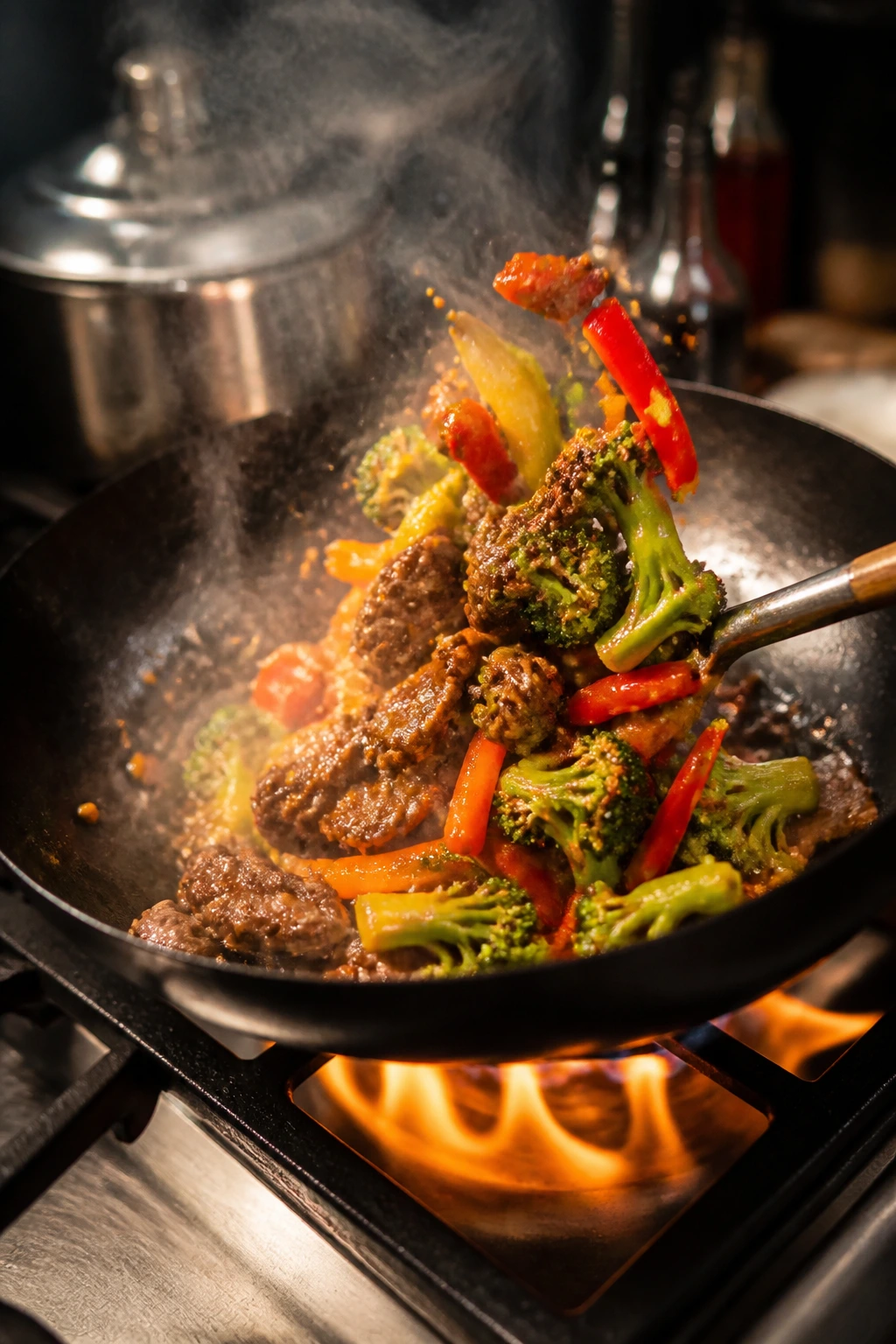
A wok is built for speed, but that’s only half the story. The real advantage is control. You can keep broccoli crisp, shrimp tender, tofu browned, and noodles saucy without making the whole meal taste like it came from one heavy pot. That separation of textures is why wok dinners feel so satisfying. They taste distinct.
Family night also gets easier when dinner can flex. A good stir-fry doesn’t care whether the table wants rice or noodles, whether someone skips meat, or whether one person wants more heat than the next. You can move a pan of beef and broccoli into bowls, tuck fried rice under shrimp, or pile Thai basil chicken over jasmine rice and call it done. No drama. Just dinner.
The other thing I love about wok cooking is how little fuss it asks for once the prep is done. Chop. Mix the sauce. Heat the pan hard. That’s the rhythm. It’s fast enough to stay interesting and predictable enough that you can do it on a tired weeknight without drifting into takeout mode.
Essential Equipment for These Wok Dinners
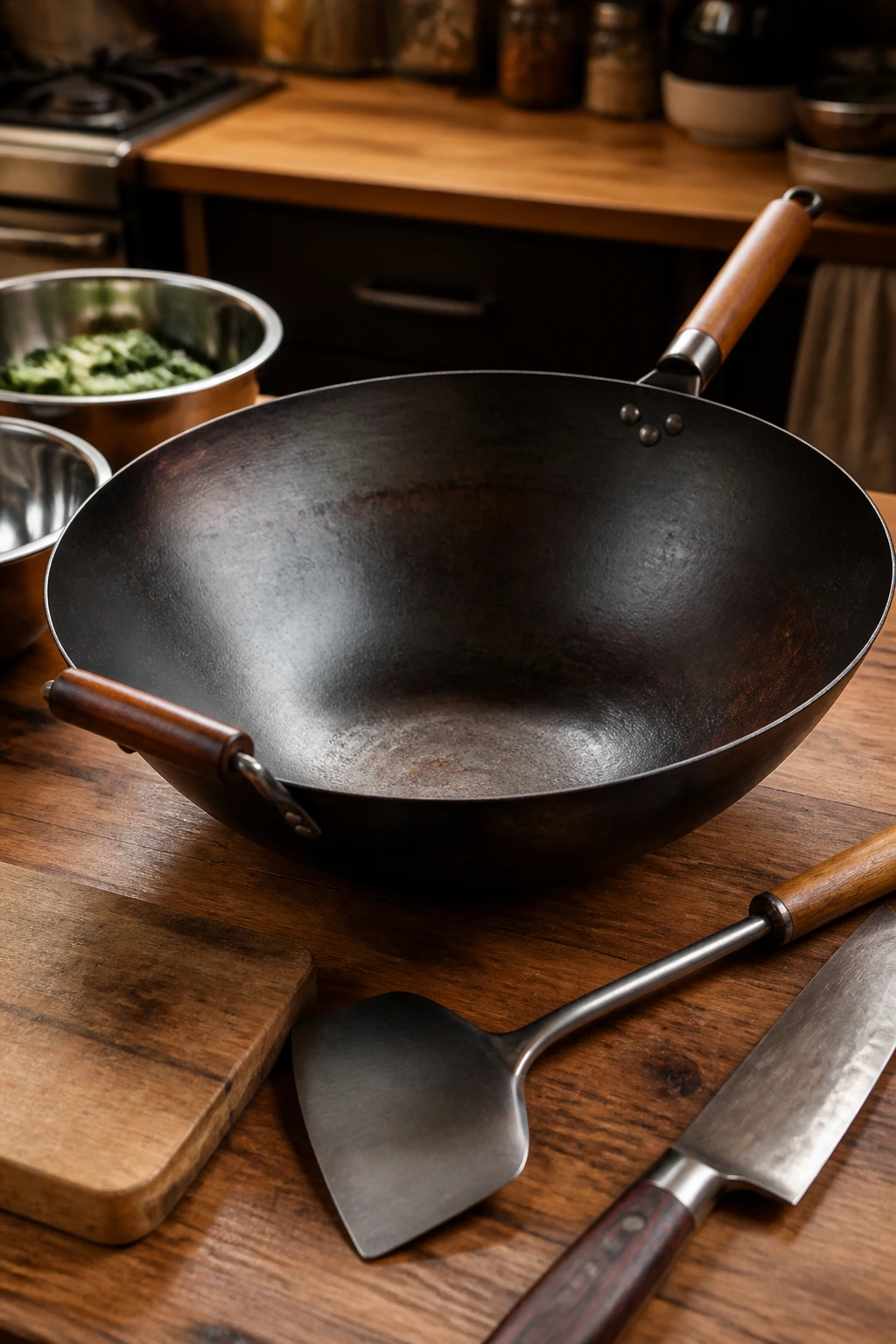
- 14-inch wok or large skillet: A carbon steel wok is ideal, but a wide skillet with high sides works if that’s what you own.
- Wok spatula or thin metal spatula: This helps you scoop, turn, and keep food moving without smashing it.
- Sharp chef’s knife: Thin slices matter, especially for beef, chicken, pork, and cabbage.
- Cutting board: A stable board keeps prep fast and safe when you’re moving through a lot of ingredients.
- Mixing bowls: Use at least two for sauces and marinated proteins so the cooking side stays organized.
- Measuring spoons and cups: Stir-fry sauces depend on balance, not guesswork.
- Tongs or chopsticks: Great for noodles, greens, and anything that needs a gentler toss.
- Fine-mesh strainer: Useful for draining noodles or blanching vegetables.
- Rice cooker or medium saucepan: If rice is part of the plan, get it going first so it’s ready when the wok is.
- Airtight containers: Handy for chilling leftover rice or storing prepped vegetables.
Smart Shopping and Ingredient Tips for Better Wok Dinners
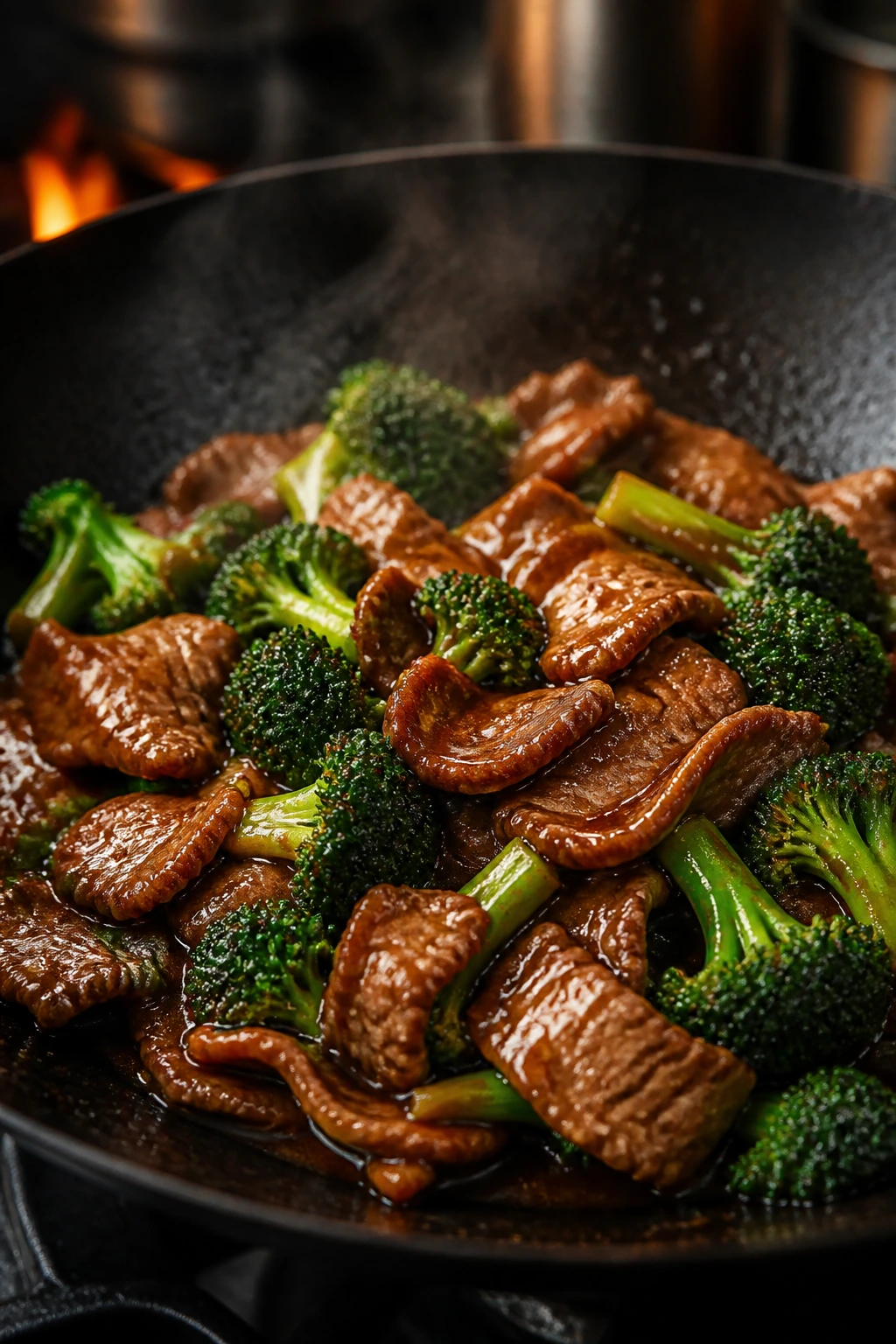
A good stir-fry starts at the store, and the smartest buys are usually the boring-looking ones. For beef, choose flank steak, sirloin, or ribeye and slice it against the grain as thinly as you can. For chicken, thighs are more forgiving than breasts because they stay juicy under high heat. Shrimp should smell clean, not fishy, and if you can buy them already peeled and deveined, do it. Your future self will thank you.
Vegetables matter more than people expect. Broccoli, cabbage, bok choy, green beans, snap peas, mushrooms, onions, and bell peppers all handle a hot wok without collapsing. Leafy greens and bean sprouts should go in near the end. If a vegetable is watery, like zucchini or tomatoes, use it sparingly or the sauce will thin out. Frozen vegetables can work too, especially peas, edamame, and cut green beans. Thaw them and pat them dry first.
Sauces are where the flavor gets built, and you do not need a pantry that looks like a specialty market to make these meals taste good. Soy sauce, oyster sauce, sesame oil, rice vinegar, cornstarch, garlic, ginger, and a little sugar can take you a long way. If a recipe calls for fish sauce, Shaoxing wine, or doubanjiang, treat them as flavor accents, not volume ingredients. One or two small bottles can cover a lot of dinners.
Rice and noodles deserve a little respect too. Day-old rice fries better than fresh rice because it’s dry and separate. Fresh noodles should be cooked just shy of done. Dried noodles need plenty of water and a quick drain. If the package says to rinse, rinse. If it doesn’t, don’t invent a step just because it sounds tidy.
How to Serve These Recipes
Presentation: Spoon stir-fries into wide shallow bowls when you want the sauce to stay visible, or pile them family-style on a platter with rice tucked beside the main dish. A scatter of scallions, sesame seeds, chopped herbs, or chili oil makes the food look finished without much effort.
Accompaniments: Jasmine rice, short-grain rice, fried rice, lo mein, and rice vermicelli all work across the collection. Add a simple cucumber salad, quick-pickled carrots, steamed dumplings, or a bowl of clear soup if you want the table to feel fuller.
Portions: Most of these recipes feed 4 people comfortably, especially when you add rice or noodles. For bigger appetites, use 1½ times the rice or noodle base before increasing the protein too much; that keeps the meal balanced instead of dense.
Beverage Pairing: Cold green tea, jasmine tea, light lager, or sparkling water with lime all fit these flavors well. Sweeter dishes like sweet and sour chicken or pineapple pork also play nicely with ginger beer that isn’t too sugary.
Additional Tips and Flavor Boosters
Flavor Enhancement: A tiny drizzle of sesame oil at the end can make a whole pan smell more complete, but keep it off the high heat or it loses its aroma. Chili crisp, black vinegar, lime juice, or a spoonful of hoisin can sharpen a dish that tastes flat.
Customization: Add mushrooms to almost any of these recipes if you want more savory depth. Bell peppers, snap peas, bok choy, cabbage, and green beans are easy swaps that keep the wok moving without changing the basic feel of the meal.
Serving Suggestions: Finish chicken and noodle dishes with scallions and toasted sesame seeds. Give Thai and Vietnamese-inspired bowls fresh basil, cilantro, or lime wedges. For richer dishes, a handful of roasted peanuts or cashews brings crunch that a soft sauce can’t provide.
Make-It-Yours: Use tamari instead of soy sauce for a gluten-free version. Swap tofu, mushrooms, or edamame into the vegetarian slots. If you want less sodium, cut the soy sauce by a third and lean harder on garlic, ginger, citrus, and vinegar.
Make-Ahead, Storage, and Reheating Guidance
Most wok dinners do well with a little planning, but they don’t all behave the same once they’ve cooled. Proteins can usually be sliced and marinated up to 24 hours ahead, and vegetables can be chopped 1 to 2 days in advance if they’re stored dry in sealed containers with a paper towel. Sauces keep well in the fridge for 3 to 4 days, which makes weeknight cooking much calmer.
Cooked stir-fries last 3 to 4 days in the refrigerator if you cool them quickly and pack them in shallow containers. Fried rice and noodle dishes also keep for about 3 to 4 days, though noodles soften a little each day. Shrimp dishes are best eaten within 2 to 3 days because seafood turns tired faster than chicken or beef. Tofu holds up fine for a few days, though the crust softens a bit.
Freezing works best for saucy meat dishes like beef and broccoli, Mongolian beef, sweet and sour chicken, or cashew chicken. Pack them in airtight containers and freeze for up to 2 months. Noodle dishes can freeze, but the texture usually changes enough that I’d rather freeze the protein and sauce separately, then cook fresh noodles later. Rice freezes well for up to 1 month if you flatten it in a bag so it thaws evenly.
For reheating, a skillet beats the microwave when you want the best texture. Add a spoonful of water and warm the food over medium heat, stirring until it’s hot all the way through. Use the microwave when you have to, but cover the food loosely so it doesn’t dry out. Shrimp should be reheated gently and only until warm, not sizzling. Tofu and vegetables should be heated just enough to wake them back up.
Variations and Adaptations to Try
Gluten-Free Pantry Swap: Use tamari instead of soy sauce and check oyster sauce or hoisin labels for wheat. Rice noodles, rice vermicelli, and plain rice make the swap easy in most of these dinners. Cornstarch still works exactly the same for thickening.
Lower-Sodium Wok Night: Cut the soy sauce by a third and add a little more ginger, garlic, lime, or rice vinegar to keep the flavor awake. Broth helps stretch the sauce without making it bland. This works especially well in fried rice and noodle dishes, where seasoning can disappear fast.
Vegetarian Table Mix: Replace chicken, beef, or pork with extra-firm tofu, tempeh, or a mix of mushrooms and edamame. The key is giving the replacement some browning before the sauce goes in. That crust matters more than the protein choice itself.
Mild Family Version: Skip fresh chilies and keep chili oil or sambal on the table instead of in the pan. Sweet-sour chicken, beef and broccoli, chow mein, and teriyaki salmon all adapt nicely to this approach. Kids usually prefer the sauce mixed into the pan rather than heat hiding in every bite.
Spice-Lover Upgrade: Add Thai chilies, chili crisp, or Sichuan peppercorn after the main sauce has thickened so the heat stays layered. A little white pepper in fried rice or a spoonful of doubanjiang in tofu dishes can shift the whole profile without making the dish impossible for everyone else.
Common Mistakes to Avoid
The biggest mistake is crowding the wok. If too much food goes in at once, the pan drops in temperature and everything starts steaming. That leaves beef gray, broccoli soft, and chicken pale instead of browned. Cook in batches when you need to. It feels slower for about five minutes and saves the whole meal.
Another common problem is using wet ingredients straight from the fridge. Damp beef, soggy tofu, or un-drained vegetables bring extra moisture into the pan, which dilutes the sauce and kills browning. Pat proteins dry, drain noodles well, and thaw frozen vegetables before they hit the wok. The difference shows up fast.
Sauce mistakes are easy to make because stir-fry sauce looks simple. Too much soy sauce makes the dish taste flat and salty. Too little thickener leaves liquid pooling under the food. Mix the sauce before cooking so you can taste it once and adjust with sugar, vinegar, or broth before it goes in.
People also overcook noodles. Chow mein, lo mein, yakisoba, and Singapore noodles all need to stay springy, which means they should leave the pot a minute early and finish in the wok. If you wait until they’re fully soft before tossing them, they turn gluey once the sauce hits.
Finally, don’t add delicate aromatics too early. Basil, scallions, bean sprouts, and sesame oil all lose their best flavor when they spend too long over the flame. Save them for the last minute, or off the heat entirely, and the whole dish tastes brighter.
Frequently Asked Questions
Can I make these wok dinners in a regular skillet?
Yes, and a wide skillet with high sides is better than forcing a small pan to do too much. You won’t get quite the same tossing motion as a wok, but high heat and a roomy surface still give you good browning.
What’s the best oil for stir-frying?
Use a neutral oil with a high smoke point, like canola, avocado, peanut, or grapeseed oil. Save toasted sesame oil for finishing, because it brings flavor but burns fast.
How do I keep vegetables crisp instead of soggy?
Cut them to a similar size, cook them hot, and don’t overcrowd the pan. Vegetables like broccoli, snap peas, cabbage, and green beans should still have a little bite when they leave the wok.
Can I prep everything ahead of time?
Absolutely. Stir-fries are one of the best meal-prep dinners because the chopping, sauce mixing, and protein slicing can all happen earlier in the day. Keep wet ingredients dry and sauces separate until cooking time.
What if my sauce turns watery?
Let it bubble for another 30 to 60 seconds so it reduces, or stir in a small cornstarch slurry. Too much liquid usually means the wok was overcrowded, so the next batch should be cooked in smaller portions.
Which recipes here are best for kids?
Beef and broccoli, chow mein, cashew chicken, teriyaki salmon, sweet and sour chicken, and shrimp fried rice tend to be the easiest sells. Keep the heat low, set chili oil on the side, and let kids build bowls with rice or noodles.
How can I make these dishes gluten-free?
Tamari is the easiest soy sauce swap, and rice noodles or plain rice replace wheat noodles without trouble. Check oyster sauce, hoisin, and any bottled teriyaki or yakisoba-style sauce before you buy them.
Do I need a screaming-hot burner?
No, though strong heat helps. A home burner plus a hot pan can still make excellent stir-fries if you cook in batches and keep the ingredients dry.
What’s the easiest way to avoid overcooking shrimp or salmon?
Cook them first, remove them while you finish the vegetables and sauce, then return them at the end just to warm through. Seafood goes from perfect to overdone quickly, so that small pause is worth the extra step.
Can I double these recipes for a bigger family?
You can, but don’t dump twice the food into the wok at once. Double the ingredients, not the crowding. Cooking in batches keeps the texture right and the sauce from thinning out.
A Table Worth Repeating
Wok dinners work because they’re fast without feeling careless. That’s rare. A hot pan, a good sauce, and the right vegetables can turn the same handful of pantry ingredients into twenty meals that never feel exactly alike. That’s the part I like most: the rhythm stays familiar, but the flavors keep moving.
If you keep a couple of these in rotation, family night gets easier to repeat without getting dull. Beef one week, tofu the next, noodles after that, maybe salmon or fried rice when the fridge starts looking plain. The wok stays hot, and dinner keeps its nerve.
| Recipe | Prep Time | Cook Time | Total Time | Servings | Standout Detail |
|---|---|---|---|---|---|
| Beef and Broccoli Stir-Fry | 15 min | 10 min | 25 min | 4 | glossy sauce that clings to every floret |
| Chicken Chow Mein | 20 min | 15 min | 35 min | 4 | classic noodle tangle with real crunch |
| Garlic Ginger Shrimp with Snow Peas | 15 min | 10 min | 25 min | 4 | the fastest bright dinner in the bunch |
| Sesame Tofu and Bok Choy | 20 min | 15 min | 35 min | 4 | crisp tofu with a nutty sesame finish |
| Pork and Cabbage Fried Rice | 15 min | 15 min | 30 min | 4 | a budget-friendly rice bowl with depth |
| Cashew Chicken with Bell Peppers | 20 min | 15 min | 35 min | 4 | crunchy cashews make the whole pan pop |
| Mongolian Beef with Scallions | 15 min | 15 min | 30 min | 4 | sweet-salty beef with a sticky shine |
| Thai Basil Chicken | 15 min | 15 min | 30 min | 4 | fragrant basil and punchy garlic heat |
| Teriyaki Salmon with Asparagus | 15 min | 15 min | 30 min | 4 | fast fish dinner with a polished glaze |
| Sweet and Sour Chicken | 20 min | 20 min | 40 min | 4 | pineapple and peppers in a bright sauce |
| Singapore Curry Noodles | 20 min | 15 min | 35 min | 4 to 5 | curry-tinted noodles with a sunny color |
| Bulgogi Beef Rice Bowls | 20 min | 15 min | 35 min | 4 | pear-sweet marinade and tender beef strips |
| Vegetable Lo Mein with Mushrooms | 20 min | 15 min | 35 min | 4 | meatless noodles with real savory depth |
| Ginger Scallion Chicken and Green Beans | 15 min | 20 min | 35 min | 4 | clean ginger flavor with crisp green beans |
| Shrimp Fried Rice with Edamame | 15 min | 15 min | 30 min | 4 | a complete fried rice with good texture |
| Char Siu Pork Noodle Stir-Fry | 20 min | 15 min | 35 min | 4 | sweet roasted pork gives instant flavor |
| Mapo Tofu with Ground Pork | 15 min | 20 min | 35 min | 4 | silken tofu with a spicy, savory kick |
| Black Pepper Beef and Onions | 15 min | 15 min | 30 min | 4 | coarse pepper makes the sauce sing |
| Yakisoba with Chicken and Cabbage | 20 min | 15 min | 35 min | 4 | chewy noodles with a tangy street-food feel |
| Pineapple Pork Stir-Fry with Snap Peas | 20 min | 15 min | 35 min | 4 | sweet pineapple balanced by lime and snap peas |