



A post-workout power smoothie has one job: make the blender earn its counter space. After a hard run, a heavy lift, or a sweaty spin class, nobody wants a fussy snack that needs cutlery, toast, and a side quest. You want something cold, dense, fast, and built with enough protein and carbohydrate to actually do something useful.
The trick is balance. Too much fruit and you get a sugar rush that fades fast. Too much protein powder and the drink turns chalky and thin. The best recovery smoothies land somewhere in the middle: creamy from yogurt, milk, or nut butter; bright from fruit; and substantial enough that you can feel your body settle after the first few gulps. That’s the sweet spot this collection lives in.
And yes, the blender matters. A weak one will leave oats gritty, spinach stringy, and frozen fruit in little icy shards that catch in your teeth. A decent one turns the whole thing into a smooth, drinkable meal. That’s the difference between “I made a smoothie” and “I actually recovered.”
Why These Post-Workout Smoothies Earn Their Keep
-
Protein is built in: Every recipe leans on Greek yogurt, cottage cheese, milk, kefir, tofu, or protein powder so you’re not drinking flavored juice after training.
-
Carbs show up on purpose: Bananas, berries, mango, oats, dates, and pineapple help replace the fuel you burned instead of leaving you flat an hour later.
-
They don’t all taste the same: Some lean creamy and dessert-like, some are bright and tart, and a few are almost refreshing enough to feel like a cold shower in a glass.
-
They’re easy to scale: Most of these can be made as a 12-ounce snack or stretched into a 20-ounce meal shake with another half banana, extra yogurt, or more oats.
-
They’re forgiving: If your workout ran long or your fridge is half empty, these recipes still work with frozen fruit, pantry oats, and a splash more milk.
-
They fit real life: A smoothie like this is what you make when you want to refuel before the next thing starts knocking on the door.
1. Banana Peanut Butter Recovery Smoothie
A cold banana and peanut butter smoothie is the safest place to start because it tastes familiar, blends thick, and feels like food instead of a diet trick. The frozen banana gives it body, the peanut butter brings that salty, roasted edge, and the yogurt keeps it from turning into a pure sugar bomb.
If you lift weights, this one is hard to beat after a session where your legs feel a little hollow. It’s creamy, nutty, and heavy enough to count as a meal if you drink it slowly.
Why It Works:
The banana replaces quick carbs, the Greek yogurt adds protein, and the peanut butter gives staying power so you don’t go hunting for crackers 45 minutes later. The oats thicken the blend without making it taste like porridge, and the pinch of salt wakes up the peanut flavor. If you use a frozen banana, the texture lands somewhere between a shake and soft-serve.
Key Ingredients:
- 1 large frozen banana, sliced before freezing
- 1 cup unsweetened milk, dairy or soy
- 1/2 cup plain Greek yogurt
- 2 tablespoons natural peanut butter
- 1 scoop vanilla whey or plant protein, about 25 grams
- 1 tablespoon rolled oats
- 1/2 teaspoon cinnamon
- 1 pinch fine salt
- 4 to 6 ice cubes, optional if the banana is fully frozen
Quick Steps:
- Add the milk, yogurt, peanut butter, protein powder, oats, cinnamon, and salt to the blender first.
- Drop in the frozen banana pieces and ice, if using.
- Blend on low for 10 seconds, then move to high for 30 to 45 seconds until the mixture looks silky and no oat flecks remain.
- Stop and scrape down the sides once if the peanut butter clings to the jar.
- Blend again for 10 seconds, then pour immediately into a tall glass.
Equipment for This Recipe:
- High-speed blender
- Measuring cups and spoons
- Rubber spatula
- Tall glass or shaker cup
How to Serve This Dish:
Serve it ice-cold in a tall glass with a light dusting of cinnamon on top. If you want it to feel more like breakfast, pair it with a slice of toast or a rice cake, but honestly this one can stand alone.
Pro Tips for This Recipe:
- Use frozen banana chunks, not whole frozen bananas; they blend faster and spare your blender.
- If the smoothie tastes flat, add an extra pinch of salt before reaching for honey.
- Natural peanut butter gives a cleaner flavor than the sweet, stabilized stuff.
- If your protein powder runs sweet, skip any added sweetener entirely.
Variations on This Dish:
- Chocolate Peanut Recovery: Add 1 tablespoon cocoa powder and use chocolate protein powder for a richer, dessert-style version.
- Oat-Heavy Breakfast Blend: Increase the oats to 1/4 cup and add 2 extra tablespoons milk for a thicker, more filling glass.
- Nut-Free Swap: Use sunflower seed butter instead of peanut butter; the flavor is a little earthier, but the texture holds up well.
Common Mistakes to Avoid with This Dish:
- Don’t use a warm banana. The smoothie turns thin and loses that thick, cold texture fast.
- Don’t dump all the liquid in at once if your blender is small; start with 3/4 cup and add more only if needed.
- Don’t skip the salt. The smoothie will taste dull and oddly sweet without it.
2. Berry Greek Yogurt Smoothie
This one is bright, tart, and a little more wake-up-call than the banana-heavy blends. Frozen berries keep the texture frosty, and the Greek yogurt makes the drink thick enough that it feels like a real refuel instead of colored milk.
The flavor is clean. No weird aftertaste, no heavy nut butter fog. Just berries, creaminess, and enough protein to matter.
Why It Works:
Berries bring fast-digesting carbs and a sharp flavor that keeps the yogurt from tasting blunt. Chia seeds add a tiny amount of thickness and help the smoothie hold together if you sip it slowly. The lemon juice sharpens the berry flavor, which matters more than people think; a few drops can keep a fruit smoothie from tasting flat.
Key Ingredients:
- 1 cup frozen mixed berries
- 1/2 frozen banana
- 3/4 cup plain Greek yogurt
- 3/4 cup unsweetened almond milk
- 1 scoop vanilla protein powder
- 1 tablespoon chia seeds
- 1 teaspoon honey, optional
- 1 teaspoon lemon juice
- 1 pinch salt
Quick Steps:
- Pour the almond milk into the blender first.
- Add the Greek yogurt, protein powder, chia seeds, honey if using, lemon juice, and salt.
- Add the frozen berries and banana.
- Blend for 45 to 60 seconds, stopping once to push ingredients toward the blades if needed.
- Taste and adjust with a little more lemon if the berries are especially sweet.
Equipment for This Recipe:
- Blender
- Measuring cups and spoons
- Citrus juicer or fork for lemon juice
- Spatula
How to Serve This Dish:
Pour it into a chilled glass and top with a few whole berries if you like the look of it. It works well after a morning workout or as a midday reset when you want something cold but not heavy.
Pro Tips for This Recipe:
- Keep the banana to half a fruit if you want the berries to stay in charge.
- If the smoothie gets too thick, add milk 1 tablespoon at a time.
- Fresh lemon juice makes this taste sharper than bottled juice.
- If you use sweetened yogurt, skip the honey.
Variations on This Dish:
- Strawberry-Forward Version: Use all strawberries and add a few raspberries for a softer, less tart profile.
- Blueberry-Lemon Twist: Swap in blueberries and double the lemon juice for a brighter edge.
- Dairy-Free Bowlable Blend: Use coconut yogurt and plant protein for a vegan version with a little more tropical flavor.
Common Mistakes to Avoid with This Dish:
- Don’t overdo the chia seeds. More than 1 tablespoon can make the texture gluey.
- Don’t use watery yogurt. Thin yogurt makes the whole thing taste skimpy.
- Don’t forget the salt; berries need it to taste alive.
3. Chocolate Cherry Recovery Smoothie
Chocolate and cherries are one of those pairings that feels indulgent but still makes sense after a workout. The cherries bring sharp fruit flavor, the chocolate powder adds depth, and the almond butter rounds it out so the finish isn’t bitter.
This one drinks like a treat, but it’s built like recovery food. It’s especially good when you’re tired enough that plain fruit sounds annoying.
Why It Works:
Cherries are juicy and naturally tart, which helps keep the chocolate from feeling heavy. Greek yogurt and protein powder bring the protein count up without making the smoothie taste like a supplement aisle. The cocoa powder gives the drink a deeper chocolate note than protein powder alone, and the almond butter softens the edges.
Key Ingredients:
- 1 cup frozen dark sweet cherries
- 3/4 cup plain Greek yogurt
- 1 cup milk, dairy or soy
- 1 scoop chocolate protein powder
- 1 tablespoon unsweetened cocoa powder
- 1 tablespoon almond butter
- 1/4 teaspoon vanilla extract
- 1 pinch salt
- 4 ice cubes, optional
Quick Steps:
- Add the milk, yogurt, chocolate protein powder, cocoa powder, almond butter, vanilla, and salt to the blender.
- Add the frozen cherries and ice, if using.
- Blend on high for 45 seconds until the color turns glossy and uniform.
- Check for almond butter streaks along the sides and blend 10 seconds more if needed.
- Pour immediately; this one thickens a bit as it sits.
Equipment for This Recipe:
- Blender
- Measuring cups and spoons
- Rubber spatula
- 16-ounce glass
How to Serve This Dish:
Serve it cold with a few halved cherries on top if you want it to look polished. It pairs well with a slice of whole-grain toast or a hard-boiled egg if you want something solid beside it.
Pro Tips for This Recipe:
- Use frozen cherries, not canned pie filling. Pie filling will make the smoothie sticky and oddly sweet.
- If your protein powder tastes chalky, increase the cocoa powder by 1/2 tablespoon.
- A tiny pinch of salt makes the chocolate read darker and less sugary.
- If the smoothie gets too thick, add milk a tablespoon at a time instead of watering it down fast.
Variations on This Dish:
- Black Forest Recovery: Add 1 tablespoon more cherries and a few cacao nibs for a sharper, slightly crunchy finish.
- Mocha Cherry Blend: Add 1/2 teaspoon instant espresso powder for a coffee note that works well after early workouts.
- Plant-Based Version: Use soy yogurt and plant protein; soy tends to keep the texture closer to the dairy version.
Common Mistakes to Avoid with This Dish:
- Don’t use too much cocoa. The drink can turn bitter fast.
- Don’t skip the vanilla; it smooths the chocolate edge.
- Don’t blend forever. Overblending warms the cherries and flattens the flavor.
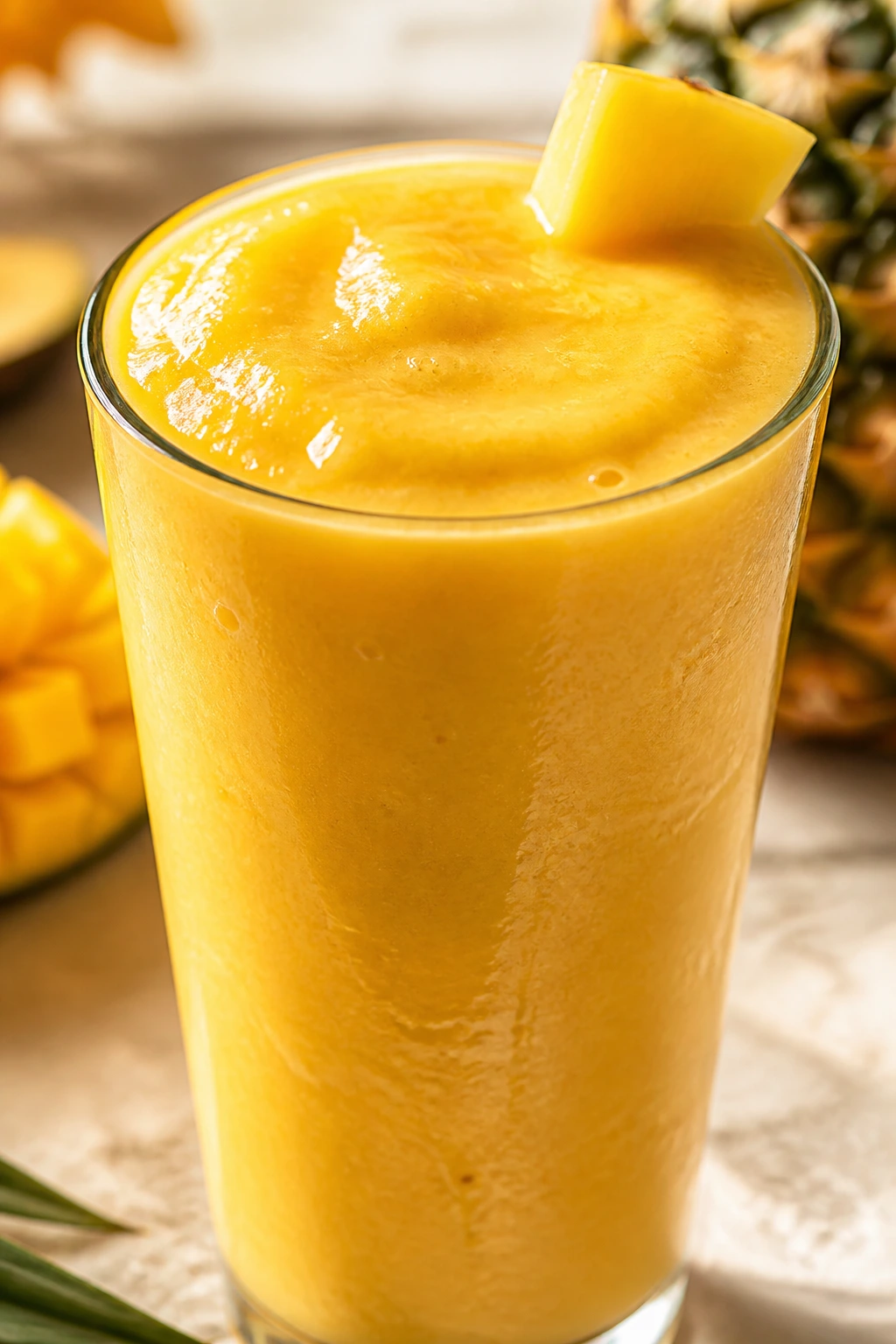
4. Tropical Mango Pineapple Smoothie
This is the one that tastes like a clean reset after a sweaty session. Mango brings body, pineapple adds brightness, and coconut water gives the drink a lighter, more hydrating feel than milk-based smoothies.
It’s not thick like a milkshake. That’s the point. When you want something cold and clean rather than rich, this one lands exactly where it should.
Why It Works:
Mango and pineapple deliver quick carbs, while coconut water replaces a little of the fluid and potassium you lost. Greek yogurt or a plant-based yogurt keeps the blend from feeling hollow, and hemp hearts add a soft, nutty protein boost without changing the flavor much. Lime juice matters here because tropical fruit can taste one-note without acid.
Key Ingredients:
- 1 cup frozen mango chunks
- 3/4 cup frozen pineapple chunks
- 3/4 cup coconut water
- 1/2 cup plain Greek yogurt or coconut yogurt
- 1 scoop vanilla protein powder
- 1 tablespoon hemp hearts
- 1 teaspoon lime juice
- 1 pinch salt
Quick Steps:
- Add the coconut water, yogurt, protein powder, hemp hearts, lime juice, and salt to the blender.
- Add the mango and pineapple.
- Blend for 40 to 60 seconds until the mixture turns smooth and pale gold.
- Taste and add a splash more coconut water if you want a looser sip.
- Pour into a chilled glass and drink soon, while it still tastes sharp and cold.
Equipment for This Recipe:
- Blender
- Measuring cups and spoons
- Citrus juicer or knife
- Tall glass
How to Serve This Dish:
This shines in a chilled glass with a lime wedge on the rim. It works well after cardio sessions, hot-weather training, or any workout where you’d rather drink something bright than eat something dense.
Pro Tips for This Recipe:
- Frozen fruit gives the best texture; fresh fruit makes it too thin.
- Coconut water varies a lot in sweetness, so taste before adding honey.
- Use a plain vanilla protein powder so it doesn’t fight the fruit.
- A pinch of salt sharpens pineapple more than extra sweetener does.
Variations on This Dish:
- Creamier Island Blend: Swap coconut yogurt for Greek yogurt if you want more body.
- Mango-Lime Cooler: Add more lime zest and skip the pineapple for a softer, rounder flavor.
- Extra-Protein Version: Add 1/2 cup silken tofu; it blends in quietly and doesn’t leave a beany taste.
Common Mistakes to Avoid with This Dish:
- Don’t add too much ice. It dulls the tropical flavor fast.
- Don’t use sweetened coconut water unless you want a much sweeter drink.
- Don’t forget the acid. Without lime, the fruit can taste sleepy.
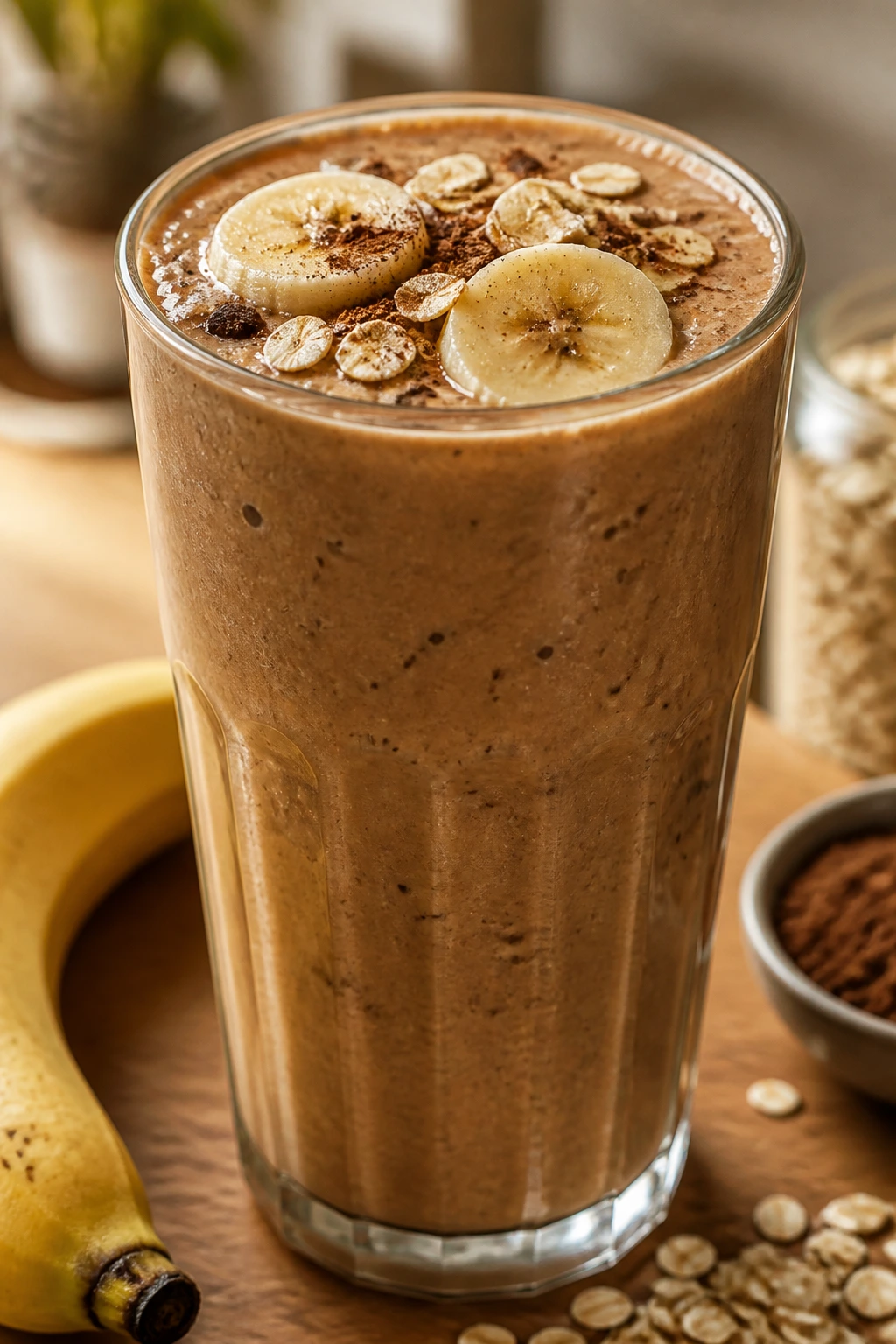
5. Mocha Banana Oat Smoothie
Coffee after a workout is great. Coffee with protein, banana, and oats is better, because it actually behaves like food instead of a caffeine delivery system. This blend is for the days when you want your recovery drink to pull double duty as breakfast.
The banana softens the coffee edge, the oats make it feel substantial, and the cocoa keeps it from tasting like flavored milk.
Why It Works:
The combination of caffeine, carbs, and protein hits a lot of boxes at once, especially after morning training. Oats add slow-digesting texture so the smoothie sticks around longer than a plain coffee drink. The cocoa and cinnamon make the mocha flavor read clearly even if you use a mild protein powder.
Key Ingredients:
- 1 frozen banana
- 1/2 cup cold brew coffee
- 1/2 cup milk, dairy or oat
- 3/4 cup plain Greek yogurt
- 1 scoop chocolate or vanilla protein powder
- 2 tablespoons rolled oats
- 1 teaspoon cocoa powder
- 1/2 teaspoon cinnamon
- 1 pinch salt
- 1 teaspoon maple syrup, optional
Quick Steps:
- Add the cold brew, milk, yogurt, protein powder, oats, cocoa powder, cinnamon, salt, and maple syrup if using.
- Add the frozen banana.
- Blend for 45 to 60 seconds until the oats disappear and the drink looks like a mocha shake.
- Taste and add a splash more coffee if you want more bite, or more milk if it feels too strong.
- Pour and drink it right away; the banana will thicken it as it rests.
Equipment for This Recipe:
- Blender
- Measuring cups and spoons
- Spatula
- 16-ounce glass or travel cup
How to Serve This Dish:
This is best in a travel mug if you’re heading out the door. If you’re sitting down, top it with a light dusting of cinnamon rather than whipped cream; that keeps it in recovery territory.
Pro Tips for This Recipe:
- Use cold brew, not hot coffee. Hot coffee melts the frozen banana too fast.
- A chocolate protein powder makes the mocha flavor more obvious.
- If your oats are coarse, let them sit in the milk for 5 minutes first.
- Too much coffee can make the smoothie thin and harsh; keep the ratio modest.
Variations on This Dish:
- Espresso Kick: Replace the cold brew with 1 chilled shot of espresso and 1/2 cup milk.
- Nutty Mocha: Add 1 tablespoon almond butter for a richer finish.
- Dairy-Free Caffeine Shake: Use oat milk and plant protein; oat milk keeps the texture especially soft.
Common Mistakes to Avoid with This Dish:
- Don’t dump in hot coffee. You’ll lose the thick texture before you even start blending.
- Don’t overdo the maple syrup. Banana already brings sweetness.
- Don’t skip the salt; coffee tastes flatter without it.
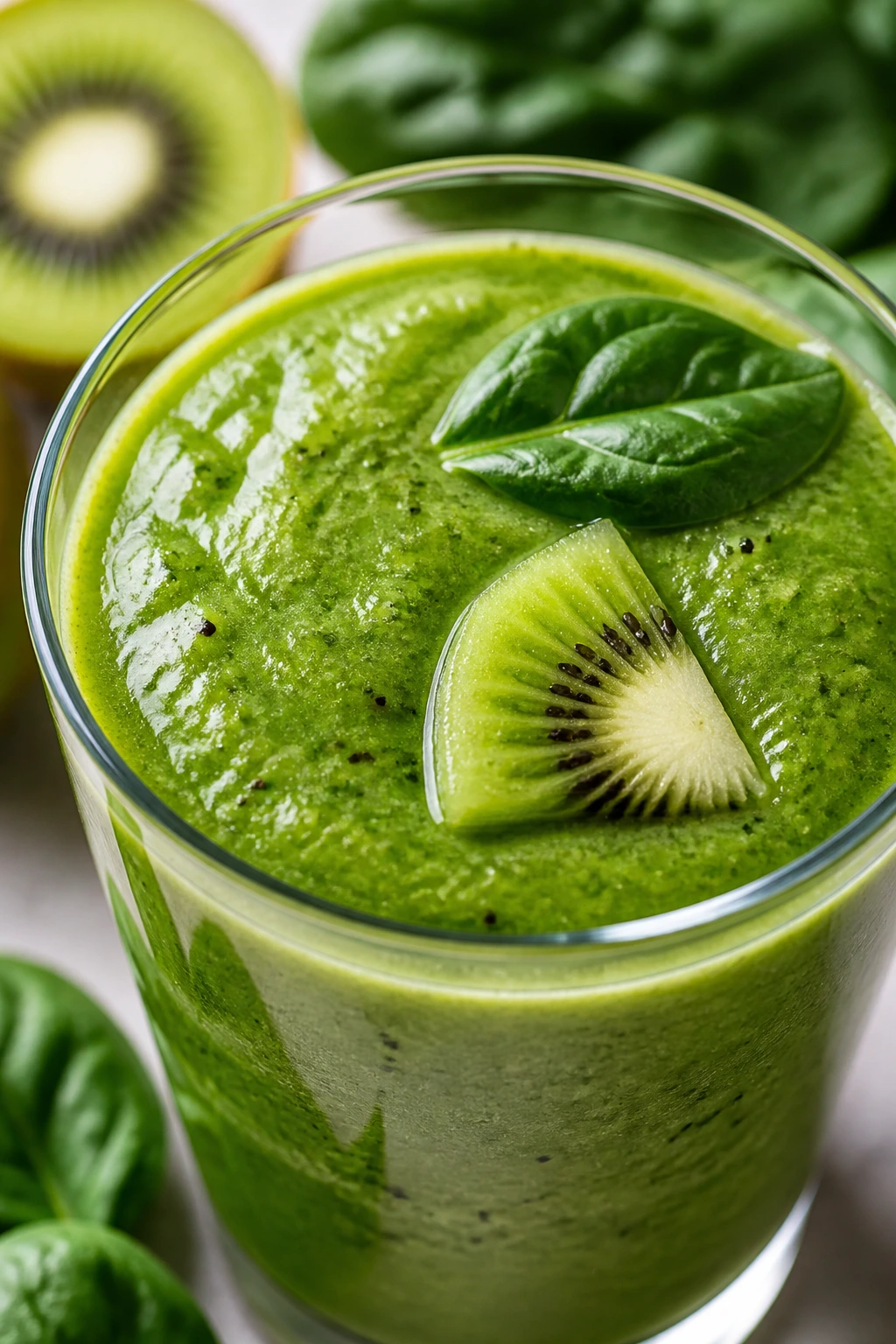
6. Green Kiwi Spinach Smoothie
This is the green smoothie for people who do not trust green smoothies. The kiwi keeps it sharp, the banana keeps it drinkable, and the spinach disappears into the background instead of shouting from the glass.
It’s bright, clean, and a little tart. If you want something that feels light after a brutal workout, this is the one.
Why It Works:
Kiwi brings vitamin C and a vivid tang that keeps spinach from tasting like lawn clippings. Greek yogurt or kefir adds protein and a little tang of its own, which helps the whole drink taste fresher. Chia seeds make the texture more satisfying without making it heavy.
Key Ingredients:
- 2 ripe kiwis, peeled and chopped
- 1 cup packed baby spinach
- 1 frozen banana
- 3/4 cup plain kefir or Greek yogurt
- 3/4 cup cold water or coconut water
- 1 scoop vanilla protein powder
- 1 tablespoon chia seeds
- 1 teaspoon lime juice
- 1 pinch salt
Quick Steps:
- Add the water, kefir or yogurt, protein powder, chia seeds, lime juice, and salt to the blender.
- Add the spinach first, then the kiwi and frozen banana.
- Blend for 45 seconds until no green flecks remain.
- Let the smoothie sit for 1 minute if you want the chia to thicken it slightly.
- Blend again briefly, then pour and drink cold.
Equipment for This Recipe:
- Blender
- Cutting board and knife
- Spoon for peeling kiwi
- Measuring cups and spoons
How to Serve This Dish:
Serve it in a clear glass if you want the pale green color to show through. It pairs nicely with a few crackers or a slice of toast, but it also works as a quick standalone recovery drink.
Pro Tips for This Recipe:
- Use ripe kiwi; hard kiwi tastes sour and woody.
- Spinach blends cleaner than kale here and doesn’t need stems removed.
- If you want a more tropical note, swap coconut water for plain water.
- Chia thickens fast, so don’t let the smoothie sit too long before drinking.
Variations on This Dish:
- Pineapple Green Version: Replace half the banana with frozen pineapple for a brighter, sweeter blend.
- Kefir Tang Blend: Use kefir instead of yogurt for a thinner, more tart finish.
- No-Seed Version: Skip chia if you dislike texture and add a few ice cubes instead.
Common Mistakes to Avoid with This Dish:
- Don’t use overripe kiwi that smells fermented. It throws the whole smoothie off.
- Don’t overload the blender with spinach; a packed cup is plenty.
- Don’t expect it to taste like dessert. It’s fresh, not sugary.
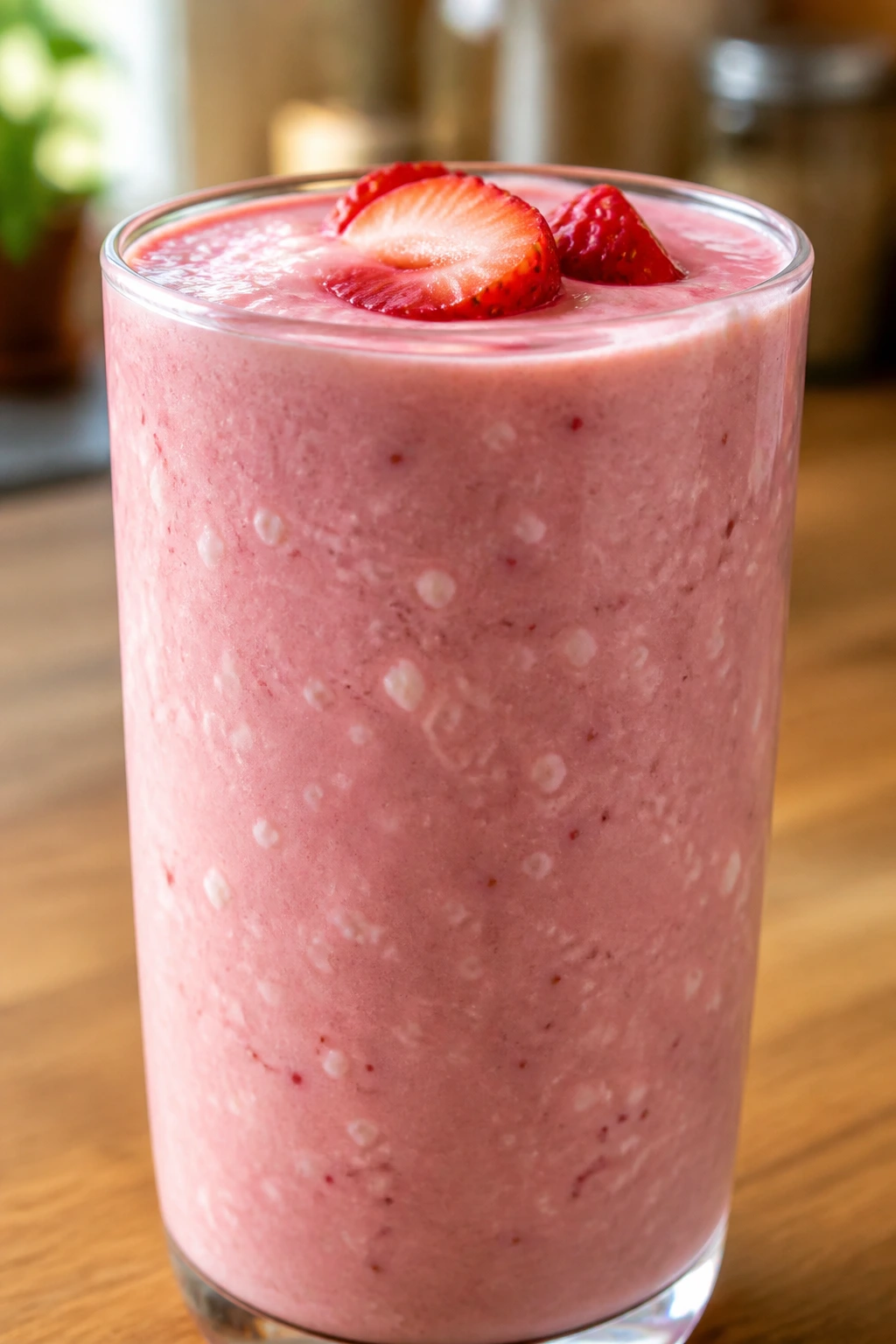
7. Strawberry Cottage Cheese Smoothie
Cottage cheese in a smoothie sounds odd until you try it. Then it makes sense: thick, cool, lightly tangy, and far more filling than a fruit-only blend. Strawberries keep it bright and familiar, so the cottage cheese just disappears into the creaminess.
This is the smoothie you make when you want protein without the usual powdery edge.
Why It Works:
Cottage cheese brings a big protein boost and a dense, creamy body that a lot of yogurt-based smoothies don’t quite match. Strawberries give it sweetness and color, while a little honey keeps the tang in check. The banana helps the cottage cheese blend smoothly, which matters because the texture can get grainy if you rush it.
Key Ingredients:
- 1 cup frozen strawberries
- 1/2 frozen banana
- 1/2 cup cottage cheese
- 3/4 cup milk, dairy or soy
- 1 tablespoon chia seeds
- 1 teaspoon honey
- 1/2 teaspoon vanilla extract
- 1 pinch salt
Quick Steps:
- Add the milk, cottage cheese, chia seeds, honey, vanilla, and salt to the blender.
- Add the frozen strawberries and banana.
- Blend for 60 seconds, a little longer than usual, until the cottage cheese is fully smooth.
- If you still see tiny curds, blend for 10 to 15 seconds more.
- Pour and let it sit for 1 minute if you want the chia to thicken it slightly.
Equipment for This Recipe:
- Blender
- Measuring cups and spoons
- Spatula
- Tall glass
How to Serve This Dish:
Serve it cold with a strawberry on the rim if you feel like being slightly extra. It’s dense enough to drink slowly, so it works well after strength training when you want something that eats more like food.
Pro Tips for This Recipe:
- Use small-curd cottage cheese for a smoother finish.
- Blend a little longer than you think you need; cottage cheese rewards patience.
- If the smoothie tastes too tangy, add another half teaspoon honey.
- Frozen strawberries usually beat fresh ones here because they help the texture set up.
Variations on This Dish:
- Blueberry Cottage Blend: Swap strawberries for blueberries and add lemon zest.
- Higher-Calorie Version: Add 1 tablespoon almond butter for extra staying power.
- Lighter Dairy-Free Swap: Use thick soy yogurt instead of cottage cheese and milk.
Common Mistakes to Avoid with This Dish:
- Don’t underblend it. Grainy cottage cheese ruins the whole point.
- Don’t use watery cottage cheese if you want a thick result.
- Don’t overload it with sweetener; strawberries usually need less help than you think.
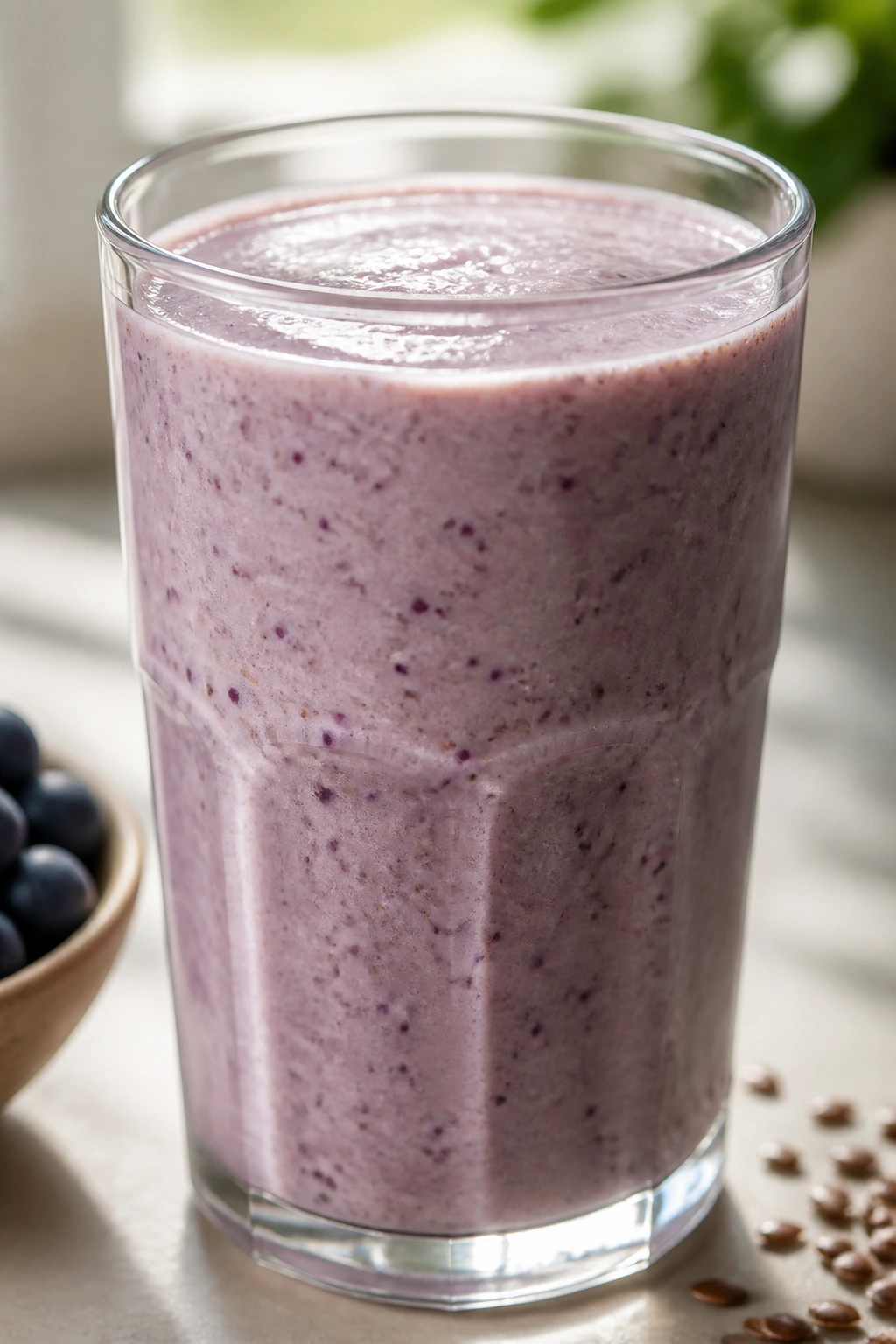
8. Blueberry Flax Vanilla Smoothie
Blueberries have a calm, clean flavor that plays well with vanilla and yogurt. Add flaxseed and the whole drink gets a gentle nutty note, plus a little more body so it doesn’t vanish before you’re done with it.
This one is understated. In a good way. It’s the smoothie you make when you want recovery without a sugar rush.
Why It Works:
Blueberries are easy on the blender and pair well with vanilla protein powder, which keeps the flavor soft instead of sharp. Ground flaxseed adds fiber and a slightly toasty edge, while banana gives the smoothie enough sweetness to feel complete. The lemon zest wakes up the blueberry flavor without making it sour.
Key Ingredients:
- 1 cup frozen blueberries
- 1 frozen banana
- 3/4 cup plain Greek yogurt
- 3/4 cup milk, dairy or oat
- 1 scoop vanilla protein powder
- 1 tablespoon ground flaxseed
- 1/2 teaspoon lemon zest
- 1 pinch salt
Quick Steps:
- Add the milk, yogurt, protein powder, flaxseed, lemon zest, and salt to the blender.
- Add the frozen blueberries and banana.
- Blend for 45 to 60 seconds until the mixture is completely smooth and pale purple.
- Taste and add a splash more milk if the flax thickens it too much.
- Pour right away; flax keeps thickening as it sits.
Equipment for This Recipe:
- Blender
- Measuring cups and spoons
- Microplane or small grater for zest
- Glass
How to Serve This Dish:
Serve it in a clear glass so the color does the work for you. It pairs nicely with a handful of almonds or a slice of whole-grain toast if you want to stretch it into a bigger breakfast.
Pro Tips for This Recipe:
- Use ground flax, not whole seeds, or you’ll get grit.
- Lemon zest does more here than lemon juice.
- If your yogurt is extra thick, blend with the milk first before adding fruit.
- A ripe banana helps the blueberries taste sweeter without extra honey.
Variations on This Dish:
- Berry Patch Mix: Use half blueberries and half raspberries for a sharper finish.
- Creamier Vanilla Version: Add 1 tablespoon nut butter for a softer, richer taste.
- Dairy-Free Bowl: Use oat milk and coconut yogurt for a looser, fragrant blend.
Common Mistakes to Avoid with This Dish:
- Don’t use whole flaxseed unless you want texture in your teeth.
- Don’t skip the banana unless you’re adding another sweet fruit.
- Don’t overblend until the smoothie gets warm.
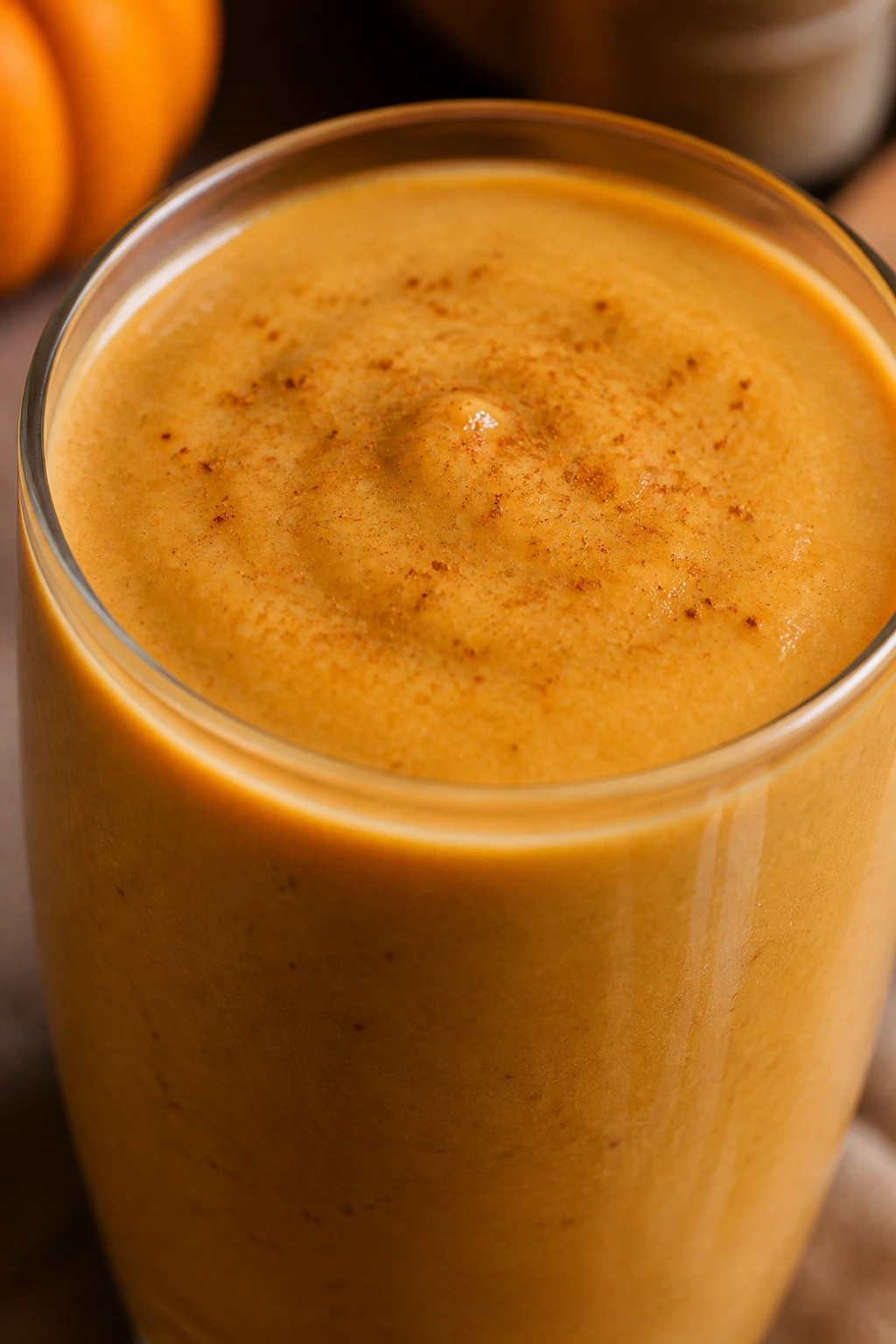
9. Pumpkin Pie Protein Smoothie
Pumpkin in a smoothie sounds odd for about ten seconds, then it makes sense. The puree gives the drink a thick, almost custard-like body, and the spice mix turns the whole thing into something that feels more like breakfast than a drink.
This one is especially good after cooler-weather training, but I’d make it any time the fridge has an open can of pumpkin staring back at me.
Why It Works:
Pumpkin puree adds texture without much sugar, so the smoothie can feel rich without becoming syrupy. Banana and maple syrup provide the sweetness that pumpkin needs, while protein powder and yogurt keep it in recovery territory. Almond butter adds enough fat to make the spice stick.
Key Ingredients:
- 1/2 cup pumpkin puree, not pie filling
- 1 frozen banana
- 3/4 cup plain Greek yogurt
- 3/4 cup milk, dairy or almond
- 1 scoop vanilla protein powder
- 1 tablespoon almond butter
- 1 teaspoon pumpkin pie spice
- 1 teaspoon maple syrup
- 1 pinch salt
Quick Steps:
- Add the milk, yogurt, protein powder, almond butter, spice, maple syrup, and salt to the blender.
- Add the pumpkin puree and frozen banana.
- Blend for 45 seconds until the mixture turns thick and smooth.
- Taste and add another small drizzle of maple if the pumpkin flavor feels too blunt.
- Serve immediately, because this one thickens fast.
Equipment for This Recipe:
- Blender
- Measuring cups and spoons
- Rubber spatula
- Glass or insulated mug
How to Serve This Dish:
Pour it into a mug if you want it to feel almost like a latte without the coffee. A light sprinkle of cinnamon or pumpkin pie spice on top makes it look finished without turning it fussy.
Pro Tips for This Recipe:
- Use plain pumpkin puree only; pie filling already has sugar and spice added.
- Frozen banana is what keeps the texture creamy.
- If the smoothie tastes flat, the fix is usually more salt, not more sweetener.
- Almond butter keeps the spice from tasting dry and dusty.
Variations on This Dish:
- Ginger Pumpkin Blend: Add 1/4 teaspoon ground ginger for a warmer finish.
- Chocolate Pumpkin Shake: Add 1 tablespoon cocoa powder for a deeper, more dessert-like version.
- Lower-Sugar Version: Skip the maple syrup and rely on a very ripe banana.
Common Mistakes to Avoid with This Dish:
- Don’t use pumpkin pie filling. It throws off the whole balance.
- Don’t under-season it; pumpkin needs spice and salt.
- Don’t make it too thin, or it loses the pie-like feel.
10. Pineapple Coconut Turmeric Smoothie
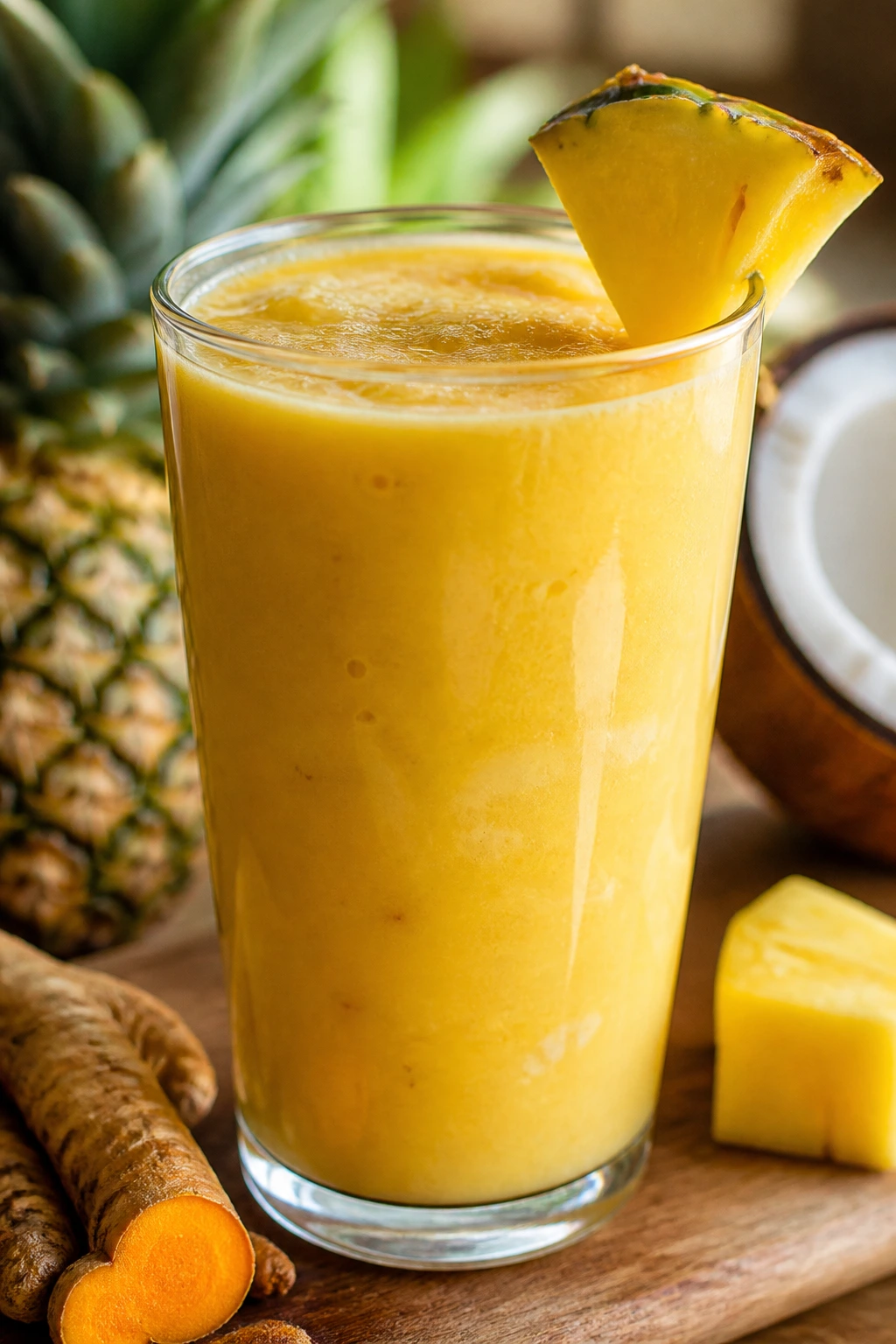
This one tastes sunny before you even take a sip. Pineapple is sharp, coconut milk is soft, and turmeric gives the drink that gold color people either love or side-eye until they taste it.
It’s not the sweetest smoothie in the group. It’s the one you make when you want something bright, lightly creamy, and a little different from the usual fruit-and-yogurt setup.
Why It Works:
Pineapple delivers quick carbs, coconut milk gives the body a silky texture, and lime keeps the sweetness from running away. Turmeric adds an earthy note that works better with pineapple than people expect, especially when you finish with a pinch of black pepper. Protein powder and chia seeds help the drink feel more complete.
Key Ingredients:
- 1 cup frozen pineapple chunks
- 1/2 frozen banana
- 3/4 cup unsweetened coconut milk beverage
- 1/2 cup plain Greek yogurt or coconut yogurt
- 1 scoop vanilla protein powder
- 1 tablespoon chia seeds
- 1/2 teaspoon ground turmeric
- 1 pinch black pepper
- 1 teaspoon lime juice
- 1 pinch salt
Quick Steps:
- Add the coconut milk, yogurt, protein powder, chia seeds, turmeric, pepper, lime juice, and salt to the blender.
- Add the pineapple and banana.
- Blend for 45 to 60 seconds until the color turns golden and the chia starts to disappear.
- Taste and add more lime if it needs sharper edges.
- Drink it cold and soon.
Equipment for This Recipe:
- Blender
- Measuring spoons
- Citrus juicer
- Glass
How to Serve This Dish:
Serve it in a chilled glass with a thin pineapple wedge if you like a little garnish. It’s especially good after cardio or a workout where you want something less heavy than a dairy-based smoothie.
Pro Tips for This Recipe:
- Don’t use canned pineapple in syrup; it makes the smoothie cloying.
- A tiny pinch of black pepper is enough. More than that tastes odd.
- Use coconut milk beverage, not canned coconut milk, unless you want a much richer drink.
- Lime zest can sharpen the flavor without adding more liquid.
Variations on This Dish:
- Creamier Tropical Blend: Swap coconut yogurt in for the Greek yogurt and add 1 tablespoon hemp hearts.
- Mango-Turmeric Version: Replace half the pineapple with mango for a softer sweetness.
- Extra-Hydrating Cut: Use coconut water instead of coconut milk for a lighter, thinner sip.
Common Mistakes to Avoid with This Dish:
- Don’t overdo turmeric; too much tastes dusty.
- Don’t skip the pepper if you want the spice flavor to bloom.
- Don’t expect it to be thick like a shake unless you add more yogurt.
11. Avocado Cocoa Smoothie
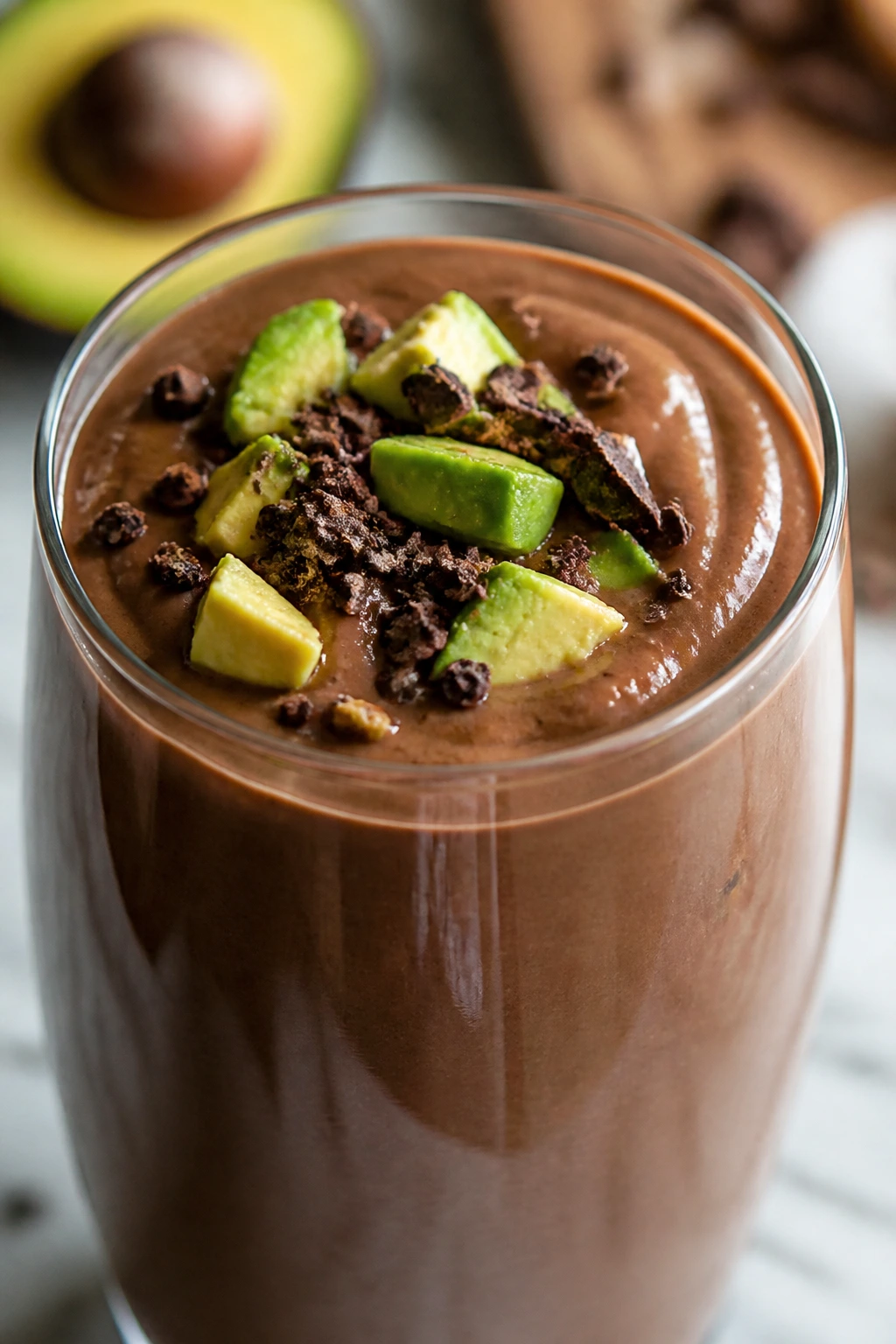
Avocado in a smoothie makes people nervous until they taste what it does: creamy, clean, and almost velvety without turning the drink into guacamole in a glass. Cocoa and banana cover the avocado’s flavor, so you get a rich chocolate smoothie with a much smoother finish.
This one is for days when you want your post-workout drink to feel substantial, not airy.
Why It Works:
Avocado brings body and healthy fat, which helps the smoothie feel satisfying after training. Banana adds sweetness and carbs, cocoa gives depth, and protein powder makes the drink useful instead of just pleasant. A little salt is important here because avocado can make sweet flavors seem muted unless you wake them up.
Key Ingredients:
- 1/2 ripe avocado
- 1 frozen banana
- 1 cup milk, dairy or oat
- 1 scoop chocolate protein powder
- 1 tablespoon unsweetened cocoa powder
- 1 tablespoon peanut or almond butter
- 1 teaspoon honey or date syrup
- 1 pinch salt
Quick Steps:
- Add the milk, protein powder, cocoa powder, nut butter, sweetener, and salt to the blender.
- Scoop in the avocado flesh.
- Add the frozen banana.
- Blend for 45 to 60 seconds until the texture looks glossy and completely smooth.
- Taste and add a splash more milk if the avocado makes it too thick.
Equipment for This Recipe:
- Blender
- Spoon for scooping avocado
- Measuring spoons and cups
- Tall glass
How to Serve This Dish:
Serve it in a chilled glass with a light cocoa dusting on top. It can work as a full mini-meal after a hard lift, especially if you pair it with toast or nothing at all and let the smoothie do the work.
Pro Tips for This Recipe:
- Use ripe avocado; under-ripe avocado tastes grassy.
- Frozen banana is non-negotiable if you want dessert-like texture.
- If the cocoa tastes sharp, add a touch more sweetener rather than more milk.
- The smoothie is best right after blending because avocado can dull the flavor if it sits too long.
Variations on This Dish:
- Mint Chocolate Version: Add 2 small mint leaves or a drop of peppermint extract.
- Espresso Cocoa Blend: Add 1/2 teaspoon espresso powder for a darker finish.
- Dairy-Free Thick Shake: Use oat milk and plant protein for a softer, sweeter blend.
Common Mistakes to Avoid with This Dish:
- Don’t use too much avocado. Half is enough.
- Don’t skip the banana unless you replace it with another sweet fruit.
- Don’t blend until warm; avocado changes texture when overheated.
12. Orange Creamsicle Protein Smoothie
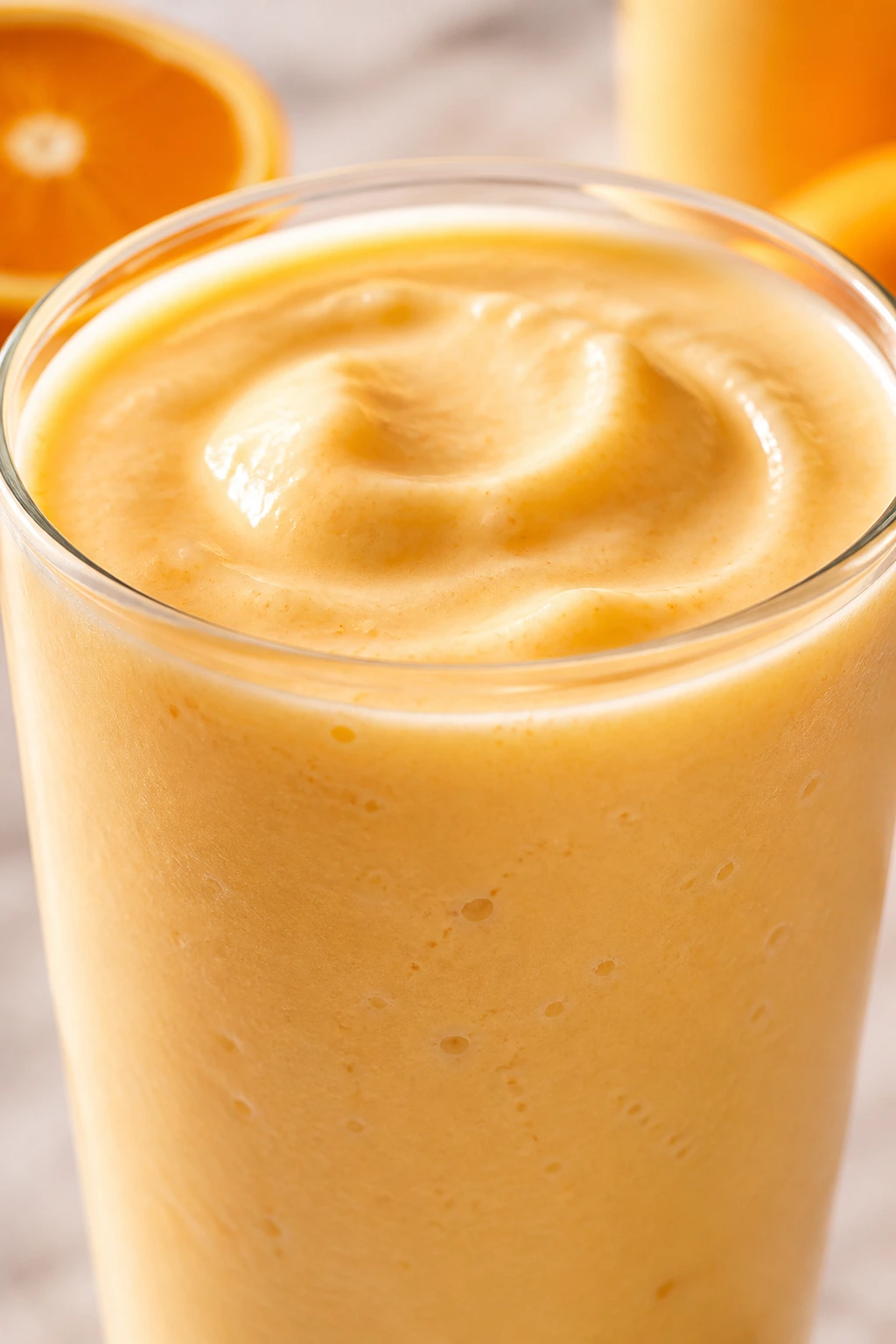
This tastes like a creamsicle that found a gym bag. The orange juice is bright and familiar, the vanilla yogurt softens the edges, and the banana gives it that thick, cold center people expect from a good smoothie.
It’s a nice change when you’re tired of berry blends and want something citrusy without being sour.
Why It Works:
Orange juice brings quick carbs and a clean, familiar flavor that most protein powders don’t fight. Greek yogurt adds creaminess and protein, while frozen banana gives the blend body so it doesn’t come out watery. Vanilla and orange zest make the flavor read like dessert instead of juice.
Key Ingredients:
- 3/4 cup orange juice, chilled
- 1/2 cup plain Greek yogurt
- 1 frozen banana
- 1 scoop vanilla protein powder
- 1 teaspoon orange zest
- 1/2 teaspoon vanilla extract
- 1 tablespoon rolled oats
- 1 pinch salt
- 4 ice cubes, optional
Quick Steps:
- Add the orange juice, yogurt, protein powder, orange zest, vanilla, oats, and salt to the blender.
- Add the frozen banana and ice, if using.
- Blend for 45 seconds until the oats disappear and the drink turns pale orange and creamy.
- Taste and add a little more zest if you want the orange flavor sharper.
- Pour immediately and drink cold.
Equipment for This Recipe:
- Blender
- Microplane or fine grater
- Measuring cups and spoons
- Glass
How to Serve This Dish:
Serve it in a chilled glass with a little orange zest on top. It works well after a morning workout or any session where you want something bright and easy to drink.
Pro Tips for This Recipe:
- Fresh orange zest matters more than extra juice.
- Keep the banana fully frozen if you want that classic creamy texture.
- If your orange juice is very sweet, cut it with a splash of water.
- Oats help the smoothie feel more like breakfast and less like juice.
Variations on This Dish:
- Mango Creamsicle: Swap half the banana for mango for a softer tropical note.
- Higher-Protein Version: Add 1/4 cup cottage cheese and blend well.
- Low-Acid Cut: Use tangerine juice instead of orange if you want a gentler citrus edge.
Common Mistakes to Avoid with This Dish:
- Don’t use orange juice from concentrate that tastes flat and metallic.
- Don’t add too much vanilla. It can take over the orange quickly.
- Don’t skip the oats if you want a meal-like smoothie.
13. Matcha Pear Ginger Smoothie
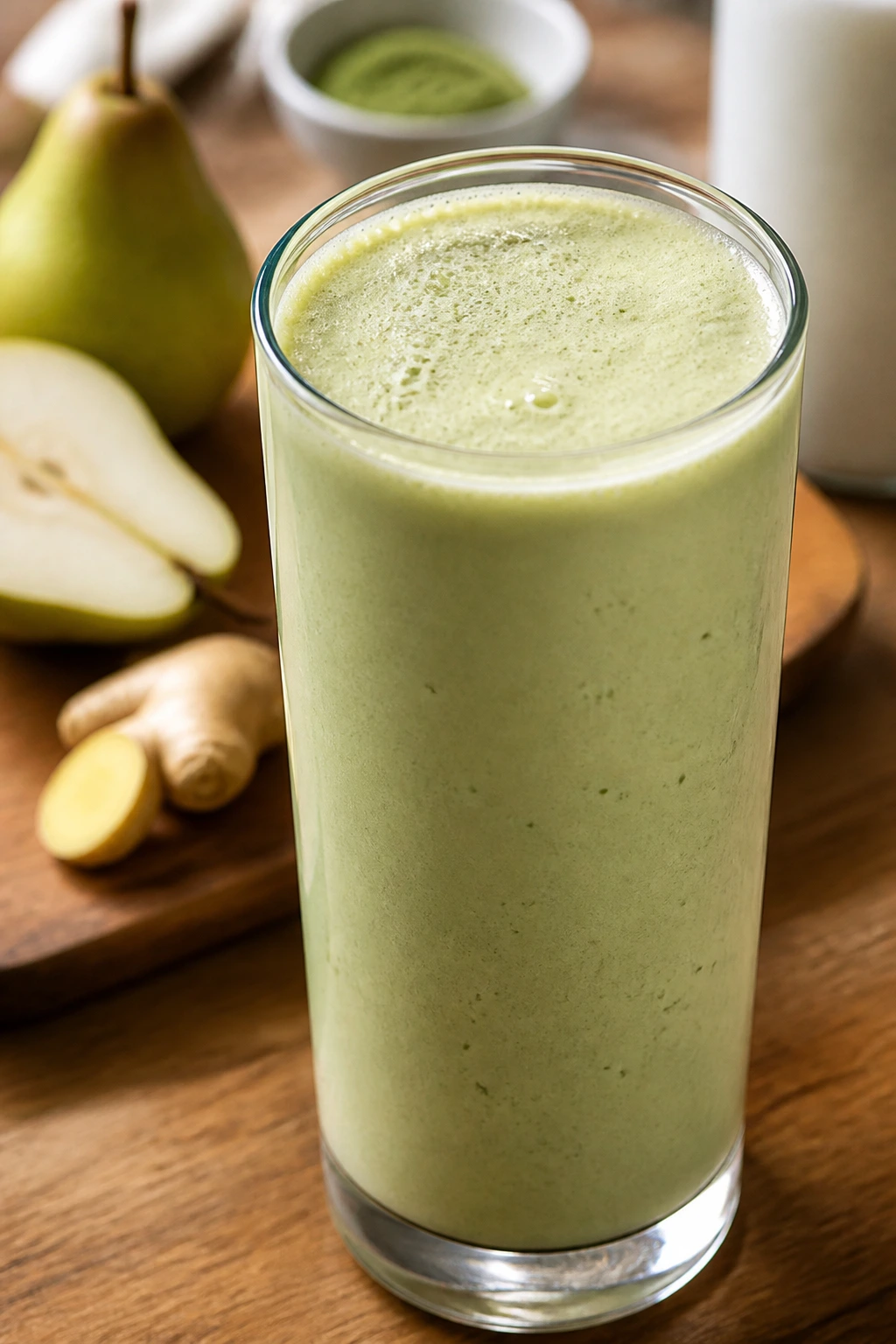
Matcha gives this smoothie a gentle green-tea edge, pear makes it soft and floral, and ginger gives it enough bite to keep the whole thing from turning sleepy. It’s less sweet than the fruitier blends, which is exactly why I like it on days when my appetite is weird after training.
The flavor lands somewhere between fresh and slightly tea-like. Not breakfast cereal. Not dessert. Something cleaner.
Why It Works:
Pear blends into a soft, mellow sweetness that doesn’t overpower matcha. Ginger adds a sharp finish that cuts through the creaminess of yogurt and protein powder. Hemp hearts give the smoothie a little richness without dragging it toward nuttiness.
Key Ingredients:
- 1 ripe pear, cored and chopped
- 1 frozen banana
- 3/4 cup plain Greek yogurt
- 3/4 cup unsweetened almond milk
- 1 scoop vanilla protein powder
- 1 teaspoon matcha powder
- 1/2 teaspoon fresh grated ginger
- 1 tablespoon hemp hearts
- 1 pinch salt
Quick Steps:
- Add the almond milk, yogurt, protein powder, matcha, ginger, hemp hearts, and salt to the blender.
- Add the pear and frozen banana.
- Blend for 45 to 60 seconds until the drink is smooth and pale green.
- Taste and add a few ice cubes if you want it colder and less sweet.
- Pour immediately; matcha tastes best when it is fresh and cold.
Equipment for This Recipe:
- Blender
- Knife and cutting board
- Measuring spoons and cups
- Grater for ginger
How to Serve This Dish:
Serve it in a clear glass so the soft green color shows through. It’s a good fit for a late-morning recovery drink when you want something lighter than chocolate but more substantial than tea.
Pro Tips for This Recipe:
- Use a mild matcha, not a bitter one that tastes dusty.
- Fresh ginger is much better here than powdered ginger.
- If pear isn’t ripe, the smoothie will taste thin and grainy.
- Blend matcha with the liquid first so it disperses evenly.
Variations on This Dish:
- Pineapple Matcha Spin: Replace the pear with pineapple for a brighter, sharper result.
- Creamier Tea Blend: Add 1 tablespoon cashew butter for a softer finish.
- Dairy-Free Version: Use soy yogurt for more protein and a fuller body.
Common Mistakes to Avoid with This Dish:
- Don’t use too much matcha. One teaspoon is plenty.
- Don’t leave the ginger out if you want the flavor to stay lively.
- Don’t use underripe pear; it makes the smoothie grainy.
14. Cucumber Mint Lime Smoothie
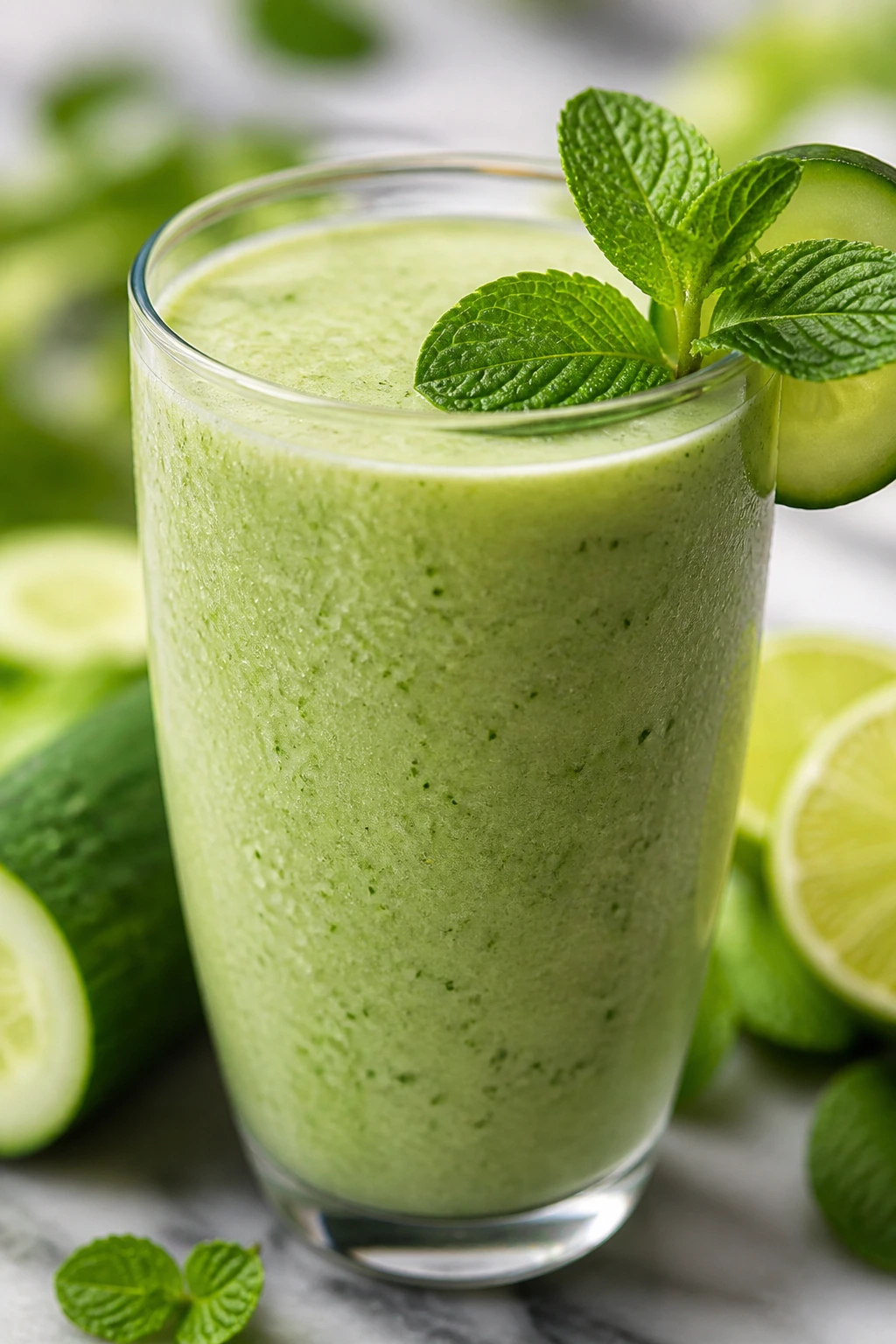
This one tastes like cold air after exercise. Cucumber keeps it crisp, mint gives it a clean finish, and lime brings enough brightness to make the whole thing feel awake instead of watery.
It’s a lighter recovery smoothie, not a dessert in disguise. That’s what makes it useful after hot workouts or long cardio sessions.
Why It Works:
Cucumber adds hydration and a mild flavor that doesn’t fight the rest of the glass. Mint and lime keep the drink sharp, while kefir or yogurt and protein powder make sure it still counts as post-workout fuel. A small amount of apple gives the smoothie enough sweetness to stay balanced.
Key Ingredients:
- 1/2 medium cucumber, peeled if the skin is thick
- 1 small green apple, cored and chopped
- 3/4 cup plain kefir or Greek yogurt
- 3/4 cup cold water
- 1 scoop vanilla protein powder
- 8 to 10 fresh mint leaves
- 1 tablespoon lime juice
- 1 tablespoon chia seeds
- 1 pinch salt
Quick Steps:
- Add the water, kefir or yogurt, protein powder, lime juice, chia seeds, mint, and salt to the blender.
- Add the cucumber and apple.
- Blend for 45 seconds until the mixture looks pale and smooth.
- Let it sit 1 minute if you want the chia to thicken the texture.
- Stir or pulse once, then pour.
Equipment for This Recipe:
- Blender
- Cutting board and knife
- Measuring spoons and cups
- Glass
How to Serve This Dish:
Serve it very cold, ideally in a chilled glass. It works nicely after running, cycling, or any workout where you’re more interested in cooling down than eating a heavy snack.
Pro Tips for This Recipe:
- Peel thick cucumber skin if your blender isn’t powerful.
- Fresh mint matters; dried mint tastes dusty here.
- Green apples keep the flavor crisp, while red apples make it sweeter and softer.
- Don’t let it sit too long or the mint loses its clean edge.
Variations on This Dish:
- Pineapple Mint Cooler: Swap the apple for pineapple if you want more sweetness.
- Extra-Green Blend: Add a handful of spinach; the mint hides it well.
- Dairy-Free Reset: Use coconut yogurt and water for a lighter, tangier result.
Common Mistakes to Avoid with This Dish:
- Don’t overblend the mint or the flavor can turn bitter.
- Don’t use too much cucumber without enough fruit; the drink gets thin fast.
- Don’t skip salt; light, watery smoothies need it most.
15. Cherry Beet Recovery Smoothie
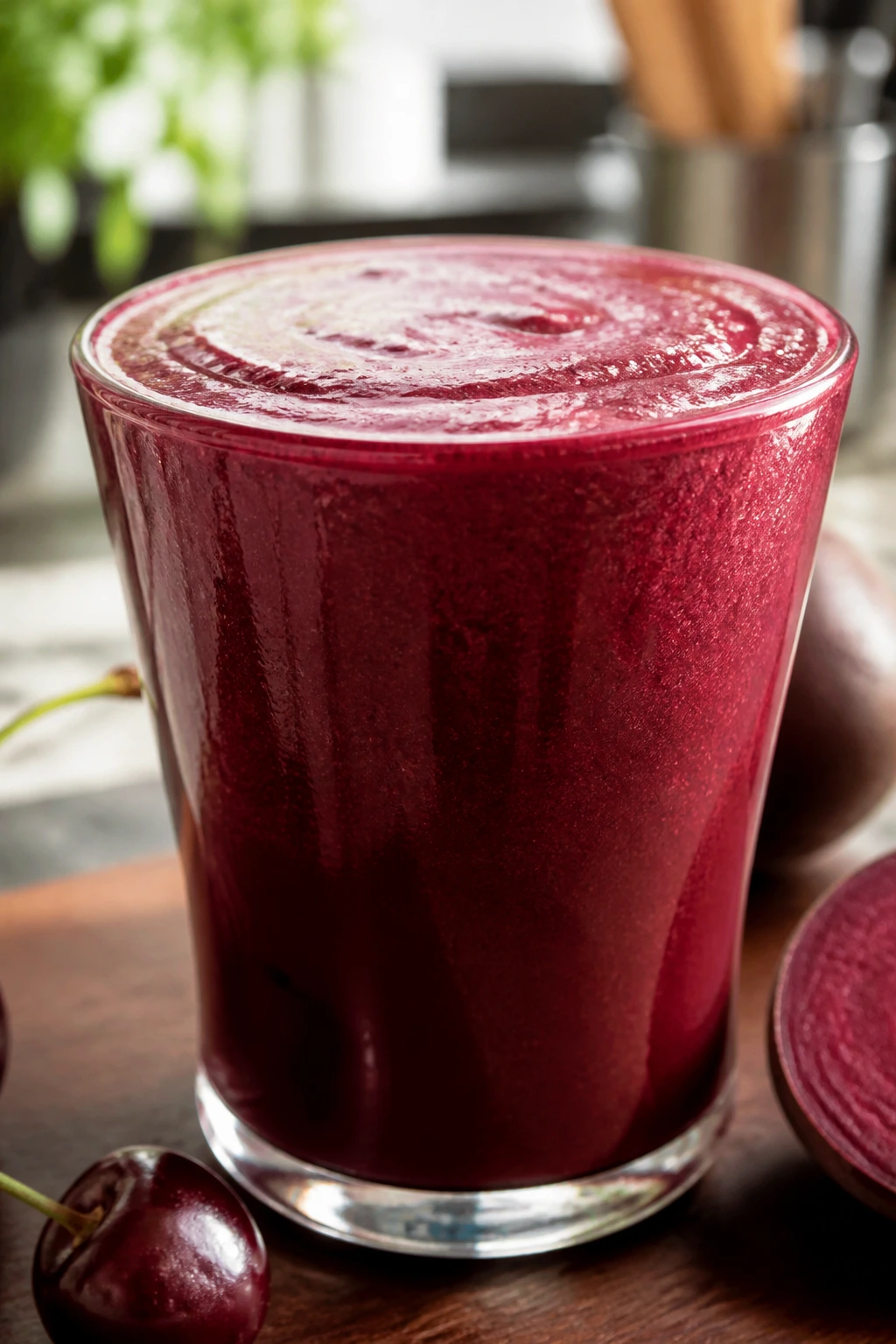
Beet in a smoothie can go one of two ways: earthy and vibrant, or muddy and weird. Cherries are what save it here. They bring sweetness and acid, which keep the beet flavor grounded and make the color look like polished ruby instead of dirt.
This one feels a little more serious than the fruit-heavy blends. In a good way.
Why It Works:
Cooked beet adds body and a deep color without much sugar. Frozen cherries handle most of the flavor work, and chocolate protein powder gives the earthiness a place to land. Greek yogurt smooths the edges, while a little honey rounds out the finish.
Key Ingredients:
- 1 cup frozen cherries
- 1 small cooked beet, about 1/2 cup chopped, chilled
- 3/4 cup plain Greek yogurt
- 3/4 cup almond milk
- 1 scoop chocolate protein powder
- 1 tablespoon rolled oats
- 1 teaspoon honey
- 1 pinch salt
Quick Steps:
- Add the almond milk, yogurt, protein powder, oats, honey, and salt to the blender.
- Add the beet and cherries.
- Blend for 60 seconds until the beet disappears completely and the color turns deep purple-red.
- Add a splash more milk if the beet makes it too thick.
- Pour and drink cold.
Equipment for This Recipe:
- Blender
- Measuring cups and spoons
- Knife if the beet needs chopping
- Rubber spatula
How to Serve This Dish:
Serve it in a clear glass if you want the color to show off a little. It pairs well with a plain rice cake or toast, since the smoothie itself brings plenty of flavor.
Pro Tips for This Recipe:
- Use cooked beet, not raw, unless your blender is very strong.
- Pre-chilled beet blends more smoothly and tastes less sharp.
- Chocolate protein powder covers the earthy note better than vanilla.
- Start with a small beet; too much can dominate the cherry flavor.
Variations on This Dish:
- Vanilla Beet Blend: Use vanilla protein and add 1 teaspoon cocoa for a softer finish.
- Tart Cherry Boost: Add 1 tablespoon tart cherry juice for a sharper recovery drink.
- Plant-Based Version: Use soy yogurt and plant protein for a vegan option with enough body.
Common Mistakes to Avoid with This Dish:
- Don’t use raw beet unless you enjoy chewing your smoothie.
- Don’t overwhelm it with sweetener; the cherries should stay bright.
- Don’t skip the oats if you want more staying power.
16. Mango Carrot Ginger Smoothie
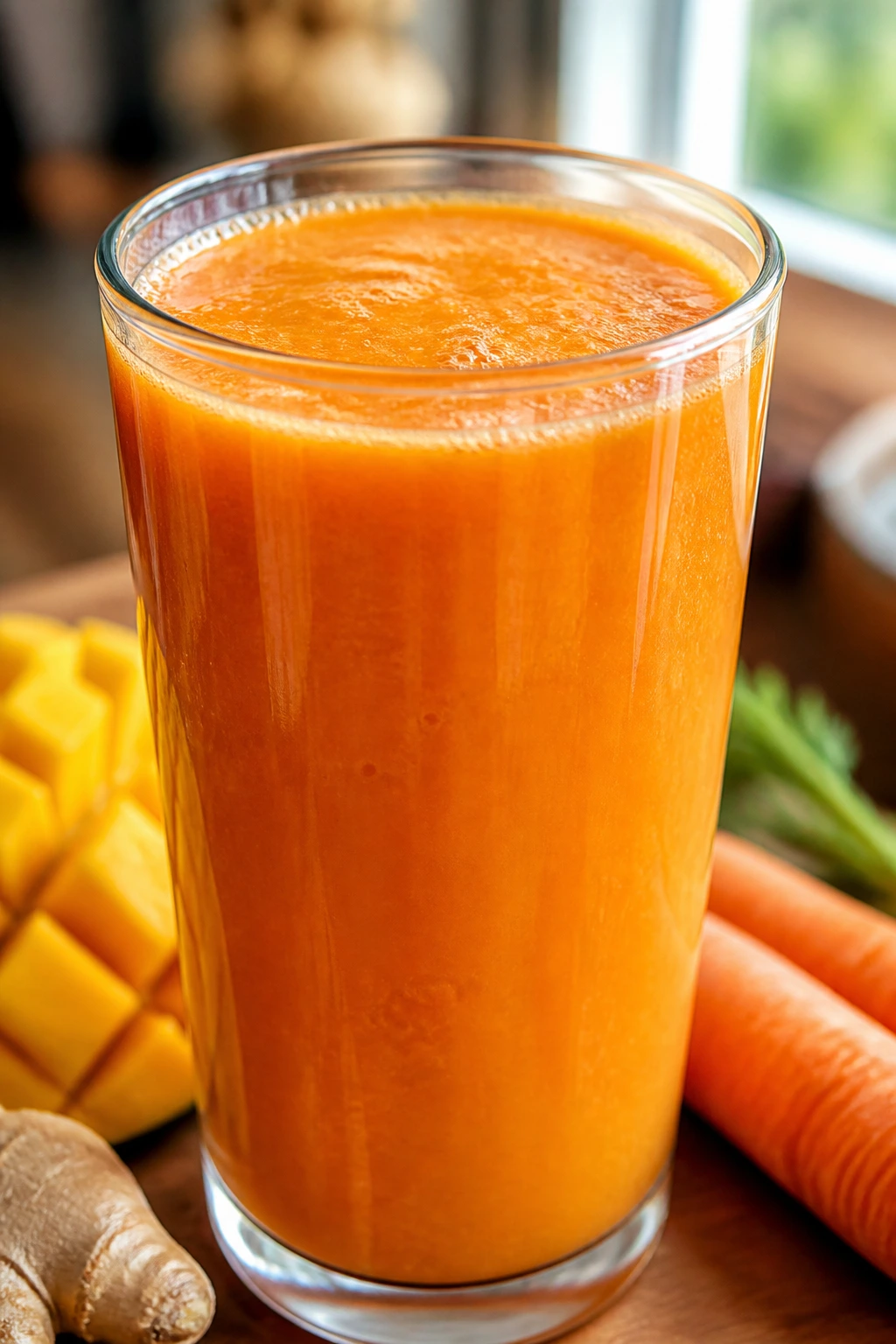
This smoothie tastes like a bright orange morning and a clean finish. Mango brings sweetness, carrot adds an understated earthy note, and ginger keeps the whole thing from drifting into baby-food territory.
It’s one of my favorites for mixed workouts because it feels fresh without being thin.
Why It Works:
Mango and carrot both carry natural sweetness, but ginger wakes the drink up so it doesn’t taste dull. Greek yogurt and protein powder add enough substance to make it post-workout fuel instead of just a vitamin drink. Lime juice helps the carrot taste cleaner and the mango taste sharper.
Key Ingredients:
- 1 cup frozen mango chunks
- 1/2 cup carrot juice
- 1/2 frozen banana
- 3/4 cup plain Greek yogurt
- 1 scoop vanilla protein powder
- 1/2 teaspoon fresh grated ginger
- 1 tablespoon hemp hearts
- 1 teaspoon lime juice
- 1 pinch salt
Quick Steps:
- Add the carrot juice, yogurt, protein powder, ginger, hemp hearts, lime juice, and salt to the blender.
- Add the mango and banana.
- Blend for 45 to 60 seconds until smooth and bright orange.
- Taste and add a little more lime if the carrot flavor feels too muted.
- Pour immediately.
Equipment for This Recipe:
- Blender
- Measuring cups and spoons
- Grater for ginger
- Glass
How to Serve This Dish:
Serve it in a tall glass with a tiny mint sprig if you want a fresh look. It works well after outdoor workouts or any session where you’re craving something clean and not too sweet.
Pro Tips for This Recipe:
- Fresh ginger gives a sharper finish than powdered ginger.
- Carrot juice blends better than raw carrot if your blender is average.
- Frozen mango is the engine here; don’t swap it for fresh unless you add more ice.
- Lime keeps the carrot from tasting flat.
Variations on This Dish:
- Creamier Citrus-Carrot Blend: Add 1/4 avocado for a silkier texture.
- Pineapple Swap: Replace half the mango with pineapple for more acid.
- Dairy-Free Version: Use coconut yogurt and a plant protein powder.
Common Mistakes to Avoid with This Dish:
- Don’t use too much ginger unless you want the smoothie hot and sharp.
- Don’t skip lime; the carrot needs the lift.
- Don’t make it too watery with extra juice.
17. Raspberry Tahini Date Smoothie
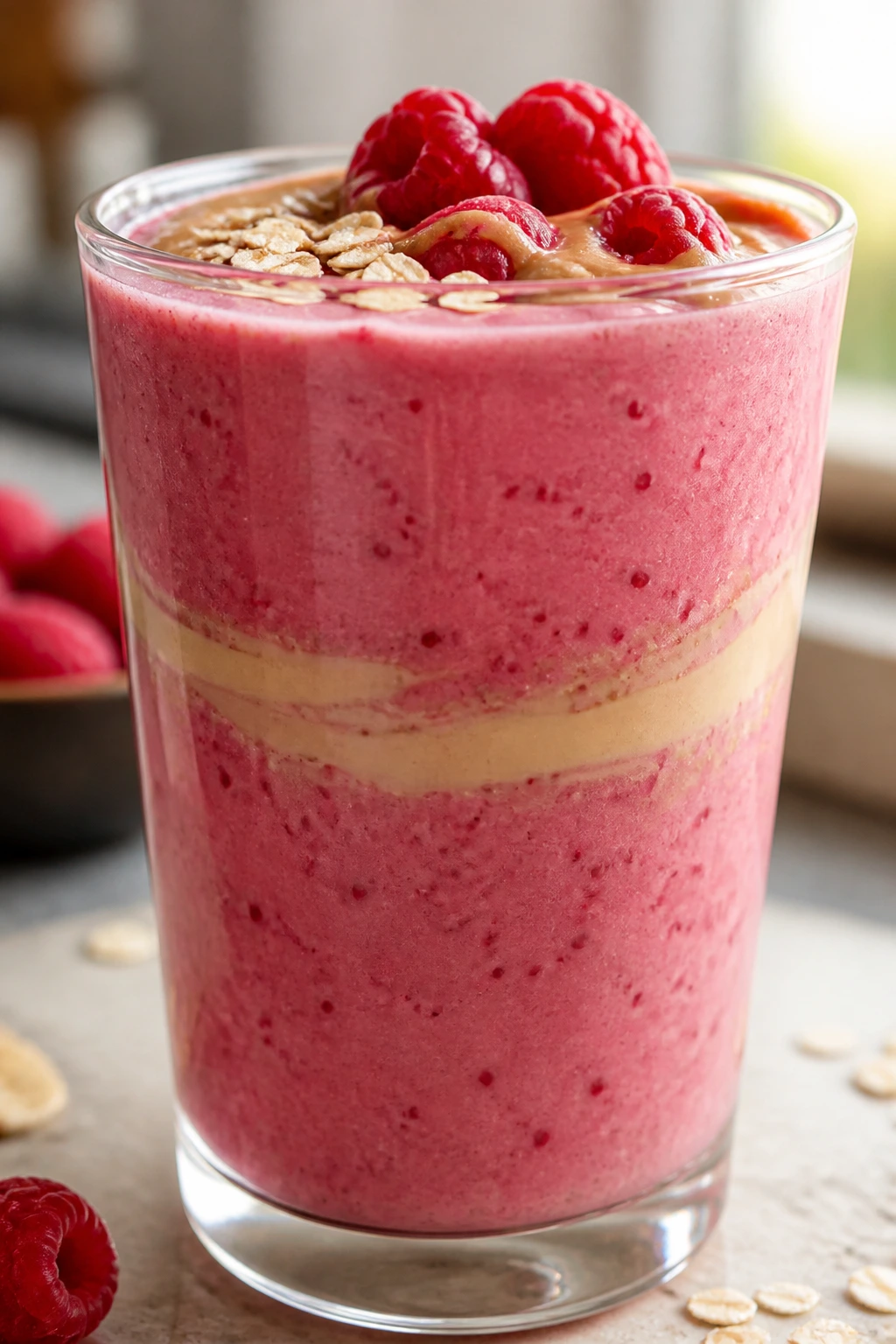
Tahini in a smoothie sounds strange until you realize it brings a nutty, almost sesame-caramel depth that peanut butter can’t quite match. Raspberries keep it lively, dates add sweetness, and the result tastes layered instead of one-note.
This is the smoothie for people who get bored quickly. It has a little edge.
Why It Works:
Raspberries are tart enough to cut through tahini’s richness, while dates bring caramel-like sweetness without needing added sugar. Greek yogurt and protein powder keep the structure in place, and oats give the smoothie a thicker, more substantial texture. The salt is non-negotiable here; tahini tastes flat without it.
Key Ingredients:
- 1 cup frozen raspberries
- 2 pitted Medjool dates
- 1 tablespoon tahini
- 3/4 cup plain Greek yogurt
- 3/4 cup milk, dairy or soy
- 1 scoop vanilla protein powder
- 1 tablespoon rolled oats
- 1 pinch salt
Quick Steps:
- Add the milk, yogurt, protein powder, tahini, oats, and salt to the blender.
- Add the dates and frozen raspberries.
- Blend for 45 to 60 seconds until the dates disappear and the color turns deep pink.
- If the smoothie is too thick, add another splash of milk.
- Pour and drink right away.
Equipment for This Recipe:
- Blender
- Measuring cups and spoons
- Knife to pit dates if needed
- Spatula
How to Serve This Dish:
Serve it cold with a few sesame seeds on top if you want to lean into the tahini idea. It’s filling enough to count as a snack after lifting or as a lighter breakfast after cardio.
Pro Tips for This Recipe:
- Soft Medjool dates blend best.
- If your dates are dry, soak them in warm water for 5 minutes first.
- Tahini can taste bitter if you use too much; 1 tablespoon is enough.
- Raspberries are tart, so taste before adding any sweetener.
Variations on This Dish:
- Chocolate Tahini Version: Add 1 tablespoon cocoa powder for a deeper, darker blend.
- Strawberry Swap: Use strawberries instead of raspberries if you want a softer flavor.
- Higher-Fat Shake: Add 1 tablespoon more tahini and skip the oats.
Common Mistakes to Avoid with This Dish:
- Don’t use a giant scoop of tahini. It overwhelms the fruit quickly.
- Don’t skip soaking dry dates.
- Don’t forget to pit the dates. It happens more often than people admit.
18. Vanilla Peach Hemp Smoothie
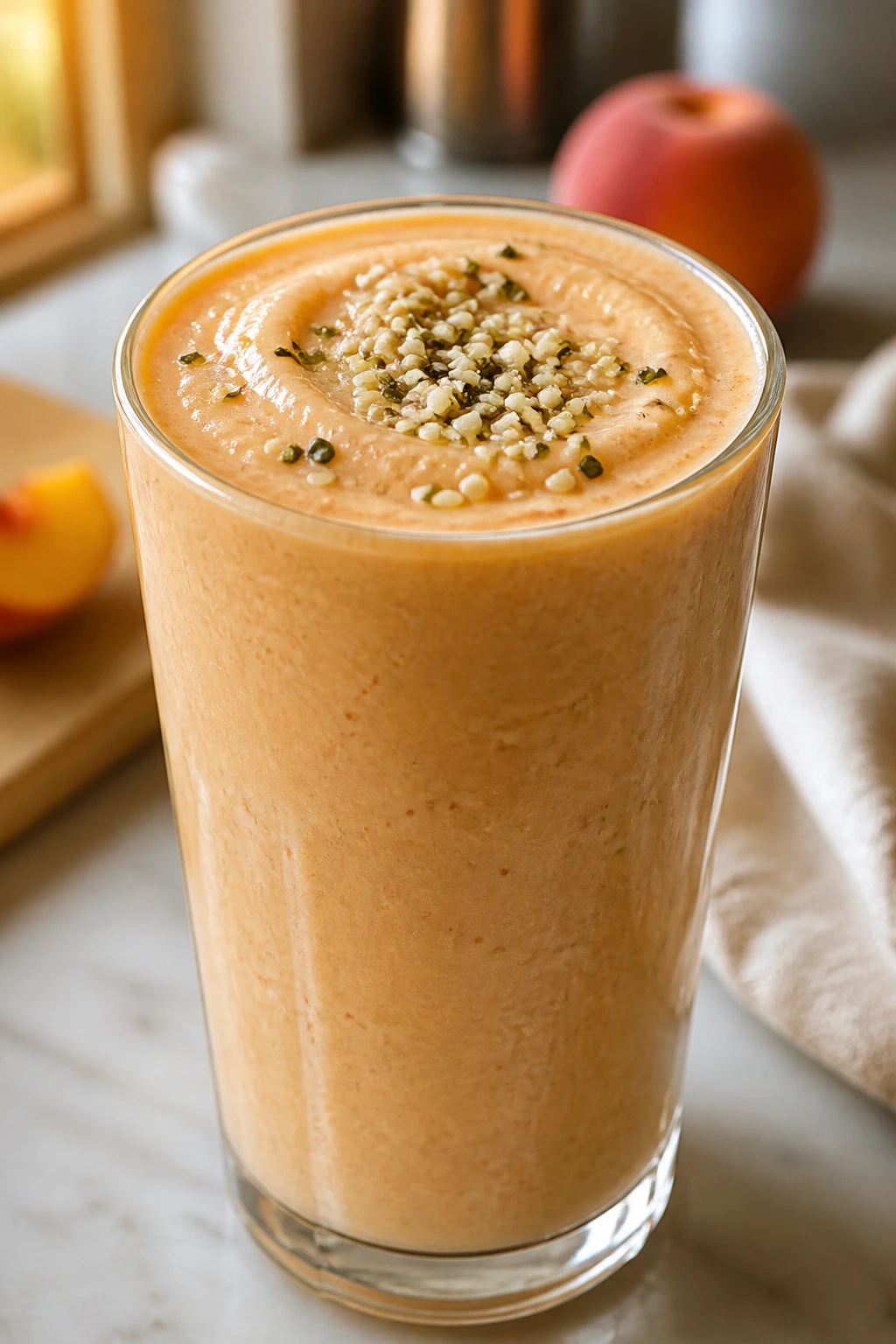
This one tastes like late-summer fruit without needing a ton of sugar. Peaches bring a soft floral sweetness, hemp hearts add a nutty finish, and vanilla ties the whole thing together so it tastes round rather than thin.
It’s one of the gentler smoothies in the set. Not bland. Gentle.
Why It Works:
Frozen peaches make a smooth, velvety base, and kefir or yogurt gives the drink a little tang that keeps peach flavor from turning dull. Hemp hearts add protein and a subtle nuttiness that works especially well with vanilla. A touch of lemon helps the peaches taste brighter without becoming sour.
Key Ingredients:
- 1 cup frozen peach slices
- 1 frozen banana
- 3/4 cup plain kefir or Greek yogurt
- 1 scoop vanilla protein powder
- 2 tablespoons hemp hearts
- 1 teaspoon vanilla extract
- 1 teaspoon lemon juice
- 1 pinch salt
Quick Steps:
- Add the kefir or yogurt, protein powder, hemp hearts, vanilla, lemon juice, and salt to the blender.
- Add the peaches and banana.
- Blend for 45 seconds until the smoothie looks pale cream and no peach fibers remain.
- Taste and add a little more lemon if it needs more lift.
- Serve cold.
Equipment for This Recipe:
- Blender
- Measuring cups and spoons
- Knife if using fresh peaches
- Tall glass
How to Serve This Dish:
Serve it in a chilled glass with a peach slice on the rim if you want to lean into the fruit. It works well when you want a lighter post-workout drink that still feels satisfying.
Pro Tips for This Recipe:
- Frozen peaches usually give a better texture than fresh ones.
- Kefir makes the flavor a little tangier and looser than Greek yogurt.
- Hemp hearts blend smoothly, so don’t be shy with them.
- If your peaches are bland, a little extra lemon helps more than extra sweetener.
Variations on This Dish:
- Apricot Peach Blend: Replace half the peaches with apricots for a sharper flavor.
- Creamier Vanilla Shake: Add 1 tablespoon cashew butter for more richness.
- Dairy-Free Version: Use coconut yogurt and plant protein.
Common Mistakes to Avoid with This Dish:
- Don’t over-sweeten peach smoothies; they lose their clean flavor.
- Don’t use white-flesh peaches that taste flat unless you’re adding more lemon.
- Don’t skip the salt. It wakes up the vanilla.
19. Apple Pie Oat Smoothie
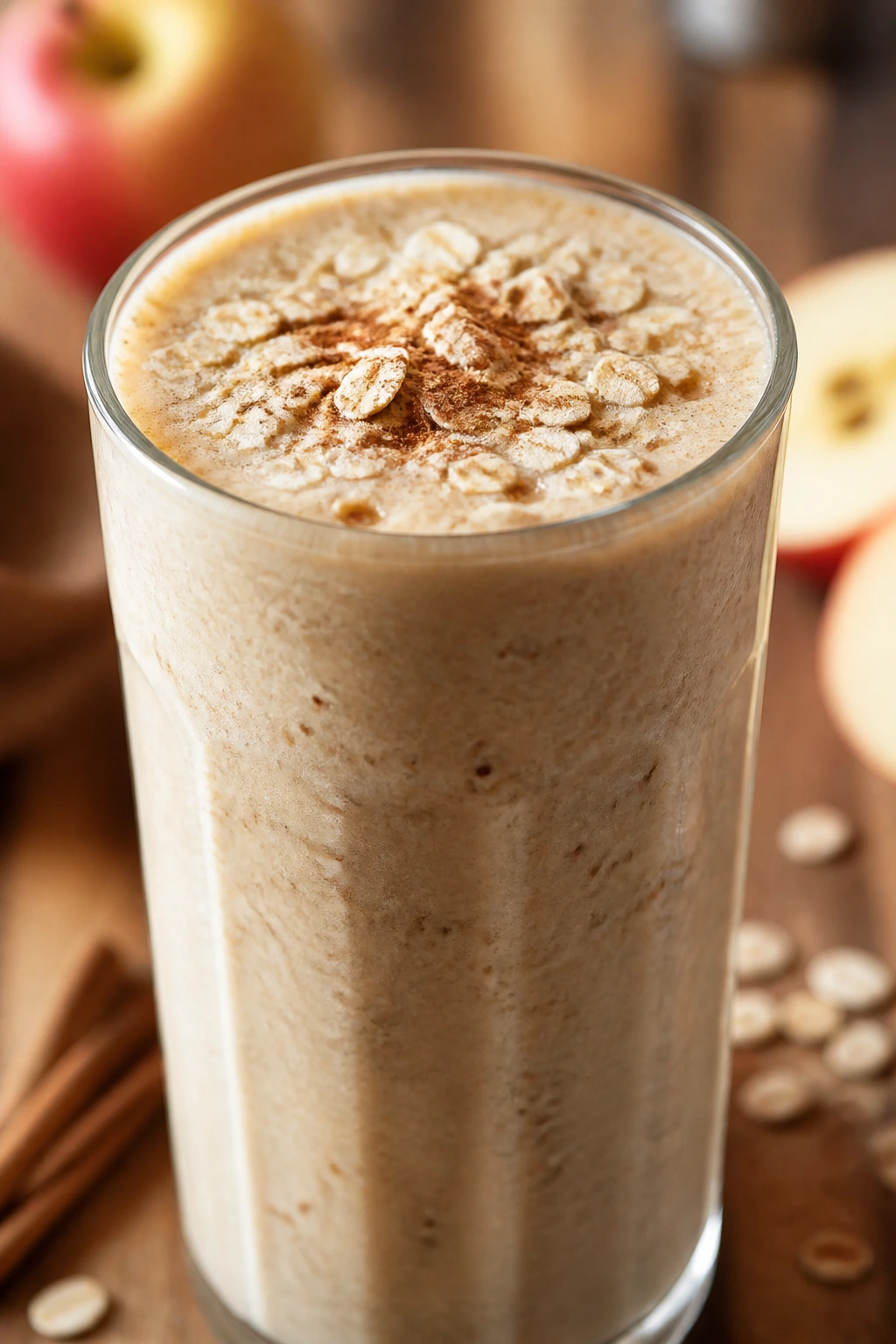
This one is for people who miss breakfast after a workout. Apples, cinnamon, oats, and almond butter make the smoothie taste like apple pie that got its act together and went to the gym.
It’s thicker and more filling than the fruit-only drinks, which makes sense because apples and oats are doing some real work here.
Why It Works:
Apple brings a crisp sweetness that cinnamon can actually support, instead of drown out. Oats give the blend body and slow it down a little, while Greek yogurt and protein powder give it enough protein to matter after training. Almond butter fills out the texture so the smoothie doesn’t feel like flavored oatmeal in a rush.
Key Ingredients:
- 1 medium apple, cored and chopped
- 1 frozen banana
- 3/4 cup plain Greek yogurt
- 3/4 cup milk, dairy or oat
- 1 scoop vanilla protein powder
- 1/4 cup rolled oats
- 1 tablespoon almond butter
- 1 teaspoon cinnamon
- 1 teaspoon maple syrup
- 1 pinch salt
Quick Steps:
- Add the milk, yogurt, protein powder, oats, almond butter, cinnamon, maple syrup, and salt to the blender.
- Add the chopped apple and frozen banana.
- Blend for 60 seconds until the apple is fully broken down and the smoothie looks creamy.
- If it seems grainy, blend 10 seconds more.
- Pour into a glass and drink while cold.
Equipment for This Recipe:
- Blender
- Knife and cutting board
- Measuring cups and spoons
- Spatula
How to Serve This Dish:
Serve it in a tall glass with a cinnamon dusting on top. If you want a bigger meal, pair it with a boiled egg or a piece of whole-grain toast.
Pro Tips for This Recipe:
- Chop the apple small so the blender has an easier time.
- A tart apple, like Granny Smith, keeps the smoothie brighter.
- If you want a softer flavor, use Honeycrisp or Fuji.
- Let the oats sit in the milk for 2 to 3 minutes if your blender is weak.
Variations on This Dish:
- Pear Pie Version: Swap the apple for ripe pear and reduce the cinnamon slightly.
- Nutty Oat Blend: Add 1 tablespoon peanut butter for a heavier finish.
- Lower-Sugar Cut: Skip the maple syrup if your banana is very ripe.
Common Mistakes to Avoid with This Dish:
- Don’t use huge apple chunks unless you have a serious blender.
- Don’t forget to core the apple thoroughly; the core is not a texture upgrade.
- Don’t overdo cinnamon or the smoothie turns dusty.
20. Salted Caramel Coffee Smoothie
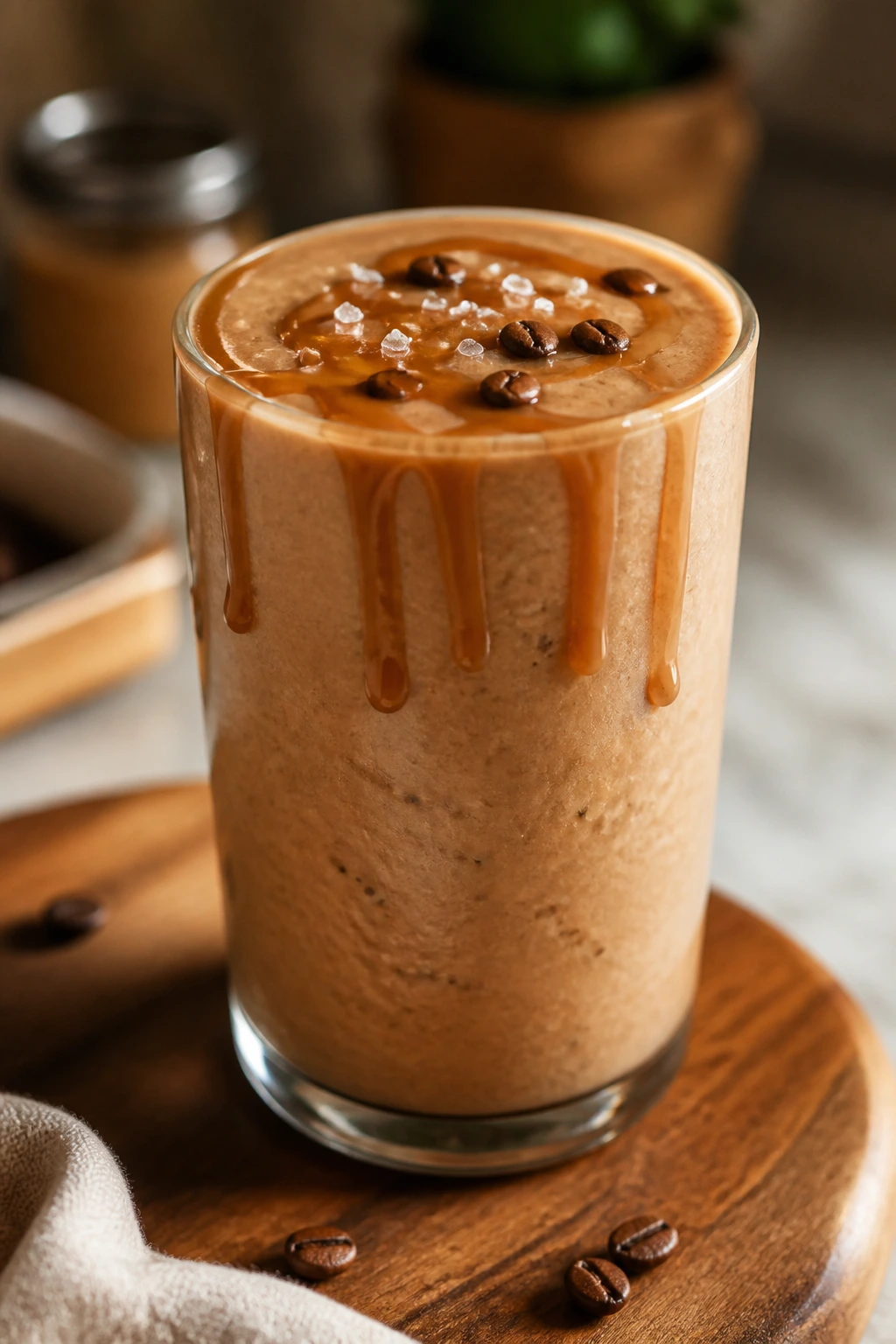
This is the smoothie for people who want dessert energy without actually making dessert. Dates, coffee, banana, and vanilla protein create a caramel-like flavor that feels rich even though there’s no actual caramel sauce involved.
It’s smooth, a little bitter, a little sweet, and very drinkable after a hard morning session.
Why It Works:
Coffee gives the blend a grown-up edge, dates bring deep sweetness, and banana adds thickness so the drink feels substantial. Greek yogurt and protein powder keep it useful as recovery fuel, while a pinch of salt makes the caramel note taste more convincing. The almond butter rounds out the whole thing and keeps the coffee from feeling sharp.
Key Ingredients:
- 1 frozen banana
- 1/2 cup cold brew coffee
- 1/2 cup milk, dairy or oat
- 3/4 cup plain Greek yogurt
- 1 scoop vanilla protein powder
- 2 pitted Medjool dates
- 1 tablespoon almond butter
- 1/2 teaspoon vanilla extract
- 1 pinch salt
- 4 ice cubes, optional
Quick Steps:
- Add the cold brew, milk, yogurt, protein powder, dates, almond butter, vanilla, and salt to the blender.
- Add the frozen banana and ice, if using.
- Blend for 45 to 60 seconds until the dates disappear and the smoothie looks smooth and tan.
- Taste and add a splash more coffee if you want more bite.
- Pour immediately.
Equipment for This Recipe:
- Blender
- Measuring cups and spoons
- Knife if your dates need pitting
- Tall glass or travel cup
How to Serve This Dish:
Serve it cold in a travel cup if you’re headed out the door. If you’re having it at home, a few coffee beans on top look nice, but they’re optional and mostly for show.
Pro Tips for This Recipe:
- Soak dry dates in warm water for 5 minutes if your blender is average.
- Use cold brew for a smoother coffee flavor than hot-brewed coffee.
- A tiny pinch more salt can make the caramel note pop.
- Keep the banana frozen or the smoothie becomes too coffee-forward.
Variations on This Dish:
- Chocolate Caramel Coffee: Add 1 tablespoon cocoa powder for a mocha-caramel angle.
- Extra-Caffeinated Version: Replace half the cold brew with chilled espresso.
- Dairy-Free Blend: Use oat yogurt and oat milk; they suit the flavor well.
Common Mistakes to Avoid with This Dish:
- Don’t use hot coffee. It melts the banana and thins the whole drink.
- Don’t skip the dates if you want the caramel-like finish.
- Don’t let the coffee dominate; the banana should still be noticeable.
21. Watermelon Strawberry Electrolyte Smoothie
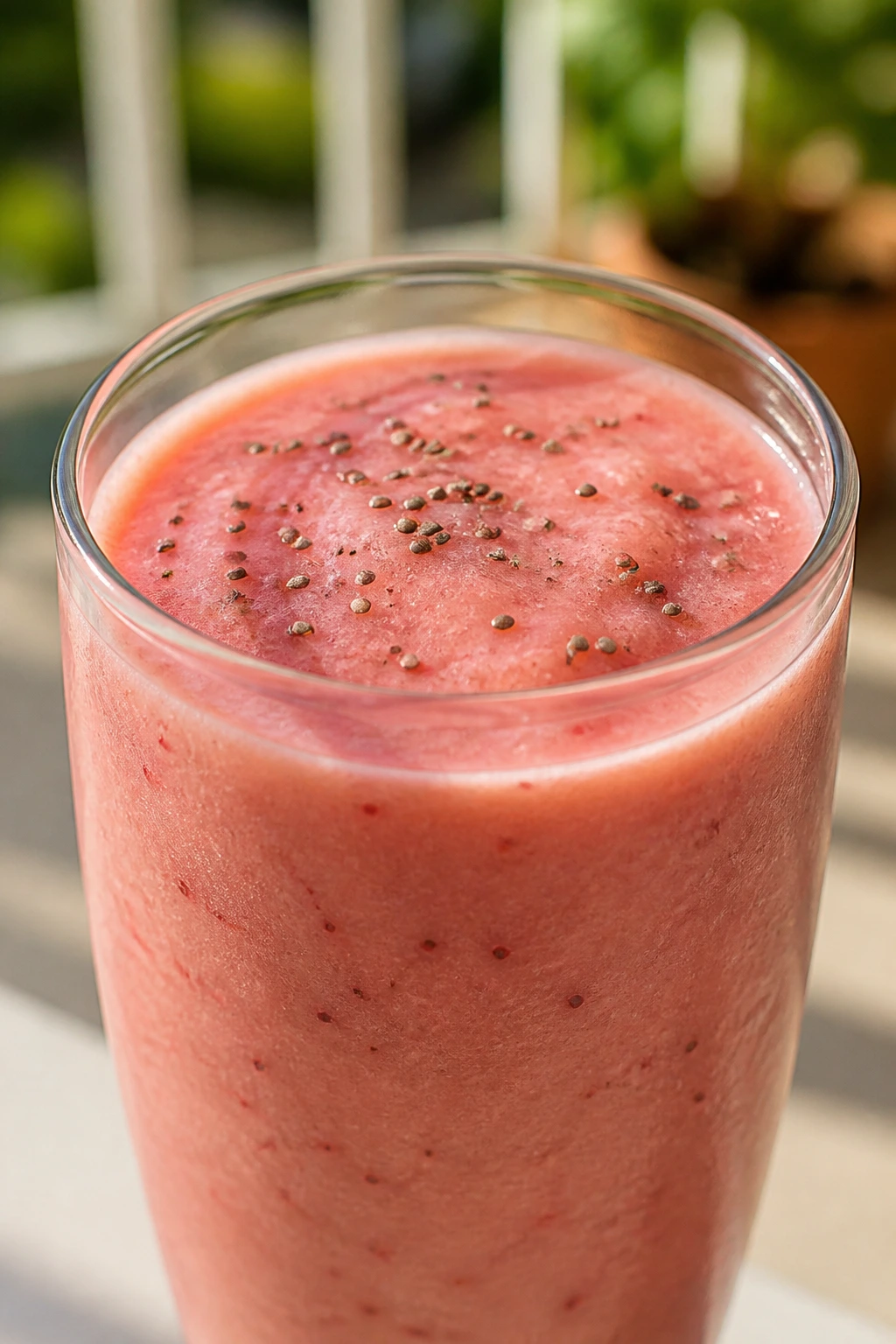
This is the lightest smoothie here, and that’s its strength. Watermelon is mostly water, strawberries give it body, coconut water adds a little electrolyte support, and the lime keeps the flavor from going flat.
It’s the one I’d make after a sweaty outdoor workout when the idea of a thick milkshake sounds wrong.
Why It Works:
Watermelon brings hydration and a clean, almost cooling sweetness. Strawberries give the blend some structure, while Greek yogurt or coconut yogurt and protein powder make sure it still qualifies as recovery food. Chia seeds help the drink feel less watery without making it heavy.
Key Ingredients:
- 2 cups frozen watermelon cubes
- 1 cup frozen strawberries
- 3/4 cup coconut water
- 1/2 cup plain Greek yogurt or coconut yogurt
- 1 scoop vanilla or unflavored protein powder
- 1 tablespoon chia seeds
- 1 tablespoon lime juice
- 1 pinch salt
Quick Steps:
- Add the coconut water, yogurt, protein powder, chia seeds, lime juice, and salt to the blender.
- Add the frozen watermelon and strawberries.
- Blend for 45 to 60 seconds until smooth and pale pink.
- Taste and add a splash more coconut water if you want it lighter.
- Serve right away while it’s cold and crisp.
Equipment for This Recipe:
- Blender
- Measuring cups and spoons
- Knife if you’re cubing fresh watermelon
- Glass
How to Serve This Dish:
Serve it in a chilled glass with a strawberry slice on the rim. It’s especially good after a long run, a hot training session, or any workout where you need fluid more than heft.
Pro Tips for This Recipe:
- Freeze watermelon cubes ahead of time if you want a slushier texture.
- Don’t use too much chia or the drink turns jelly-like fast.
- Lime keeps the watermelon from tasting flat.
- If using coconut yogurt, choose one with a clean flavor rather than a dessert-style version.
Variations on This Dish:
- Mint Watermelon Cooler: Add 4 mint leaves for a more refreshing finish.
- Berry-Hydration Blend: Swap half the strawberries for raspberries for more tang.
- Higher-Protein Version: Use Greek yogurt and add an extra half scoop protein powder.
Common Mistakes to Avoid with This Dish:
- Don’t let it sit too long before drinking; watermelon separates fast.
- Don’t use fresh room-temperature watermelon unless you add ice.
- Don’t overdo the protein powder or the drink loses its clean, light feel.
Why These Smoothies Work Better Than Random Snack Hunting
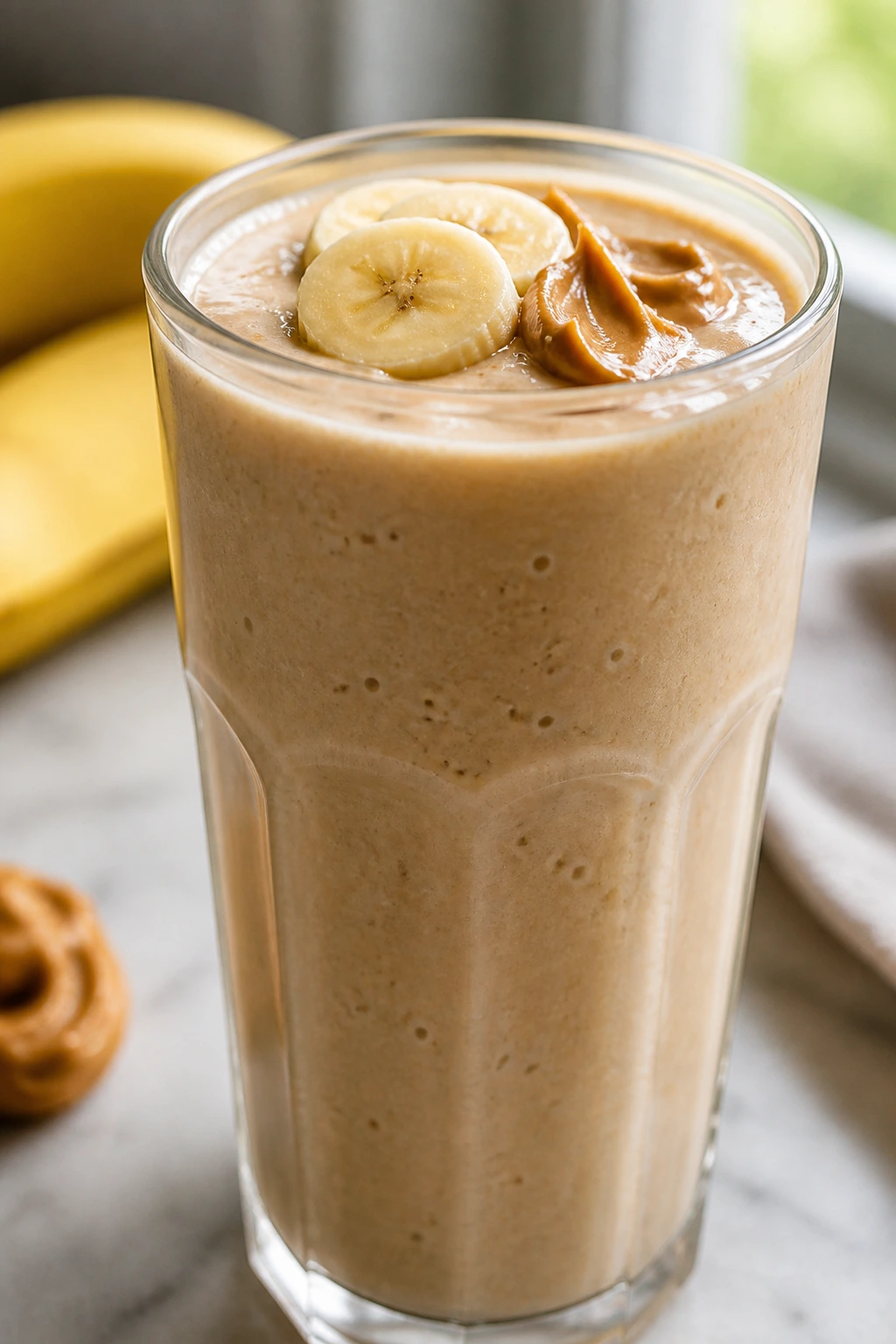
A good recovery smoothie does three jobs at once, and that’s why it beats grazing through the kitchen after training. You’re replacing fluid, giving your muscles protein, and bringing back some carbs without needing a cutting board. That matters more when you’re tired than any clean-eating slogan ever will.
The balance is the whole trick. A smoothie built from fruit alone tastes good for five minutes and then leaves you back in the pantry. A smoothie built from protein alone tastes like a supplement in a cup. The useful middle ground is where Greek yogurt, milk, kefir, protein powder, nut butter, oats, and fruit actually start pulling together.
Temperature matters too. Cold fruit and ice make the drink feel more refreshing, which is one reason frozen fruit is such a workhorse here. It also gives body without watering the flavor down. Fresh fruit can work, but you’ll usually need less liquid and a little more ice to get the same feel.
And there’s a small but real bonus: smoothies let you eat faster when your appetite is weird. After a tough workout, that happens a lot. You may not want a full plate. A thick glass is easier to handle, and if it’s built right, it keeps you from crashing half an hour later.
Essential Equipment for These Recipes
-
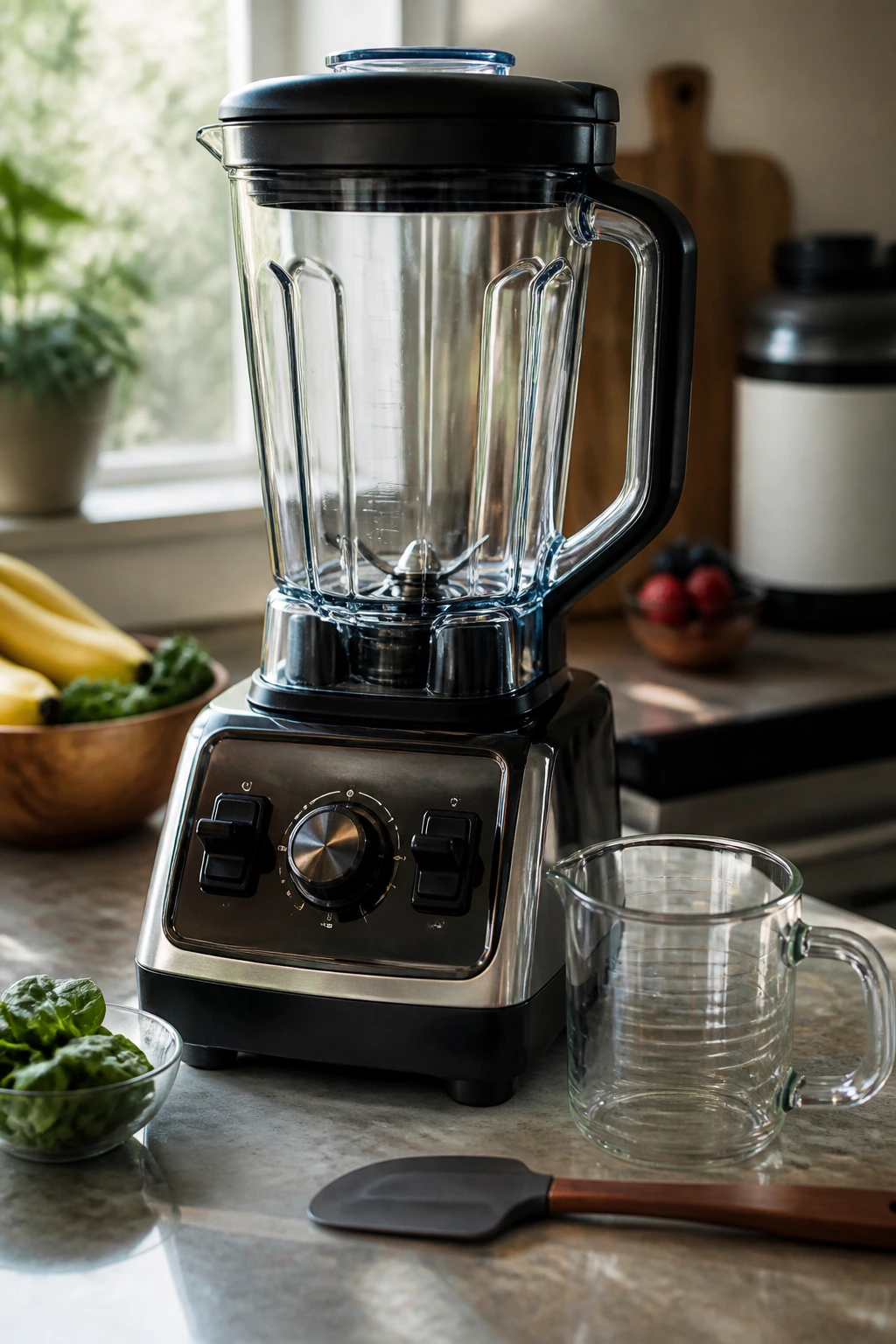
A decent blender: A high-speed blender handles frozen fruit, oats, and chia with less fuss, but a standard blender will work if you cut fruit smaller and add liquid first.
-
Measuring cups and spoons: Smoothie recipes look loose, but the balance matters more than people think, especially with protein powder and chia.
-
Rubber spatula: This helps push thick mixtures down toward the blades without stopping to dig with a spoon.
-
Tall glasses or travel cups: A narrow glass makes thicker smoothies easier to pour; a lidded cup helps if you’re heading out.
-
Knife and cutting board: Useful for pears, apples, cucumbers, kiwi, and any fruit you’re freezing in chunks later.
-
Microplane or fine grater: Handy for lemon zest, lime zest, orange zest, and fresh ginger.
-
Freezer-safe containers or bags: Great for smoothie packs, pre-portioned fruit, or chopped banana so you can blend fast without measuring from scratch.
-
Small kitchen scale, optional: Nice if you want repeatable protein and calorie amounts, though it isn’t required for a good smoothie.
Smart Shopping and Ingredient Tips
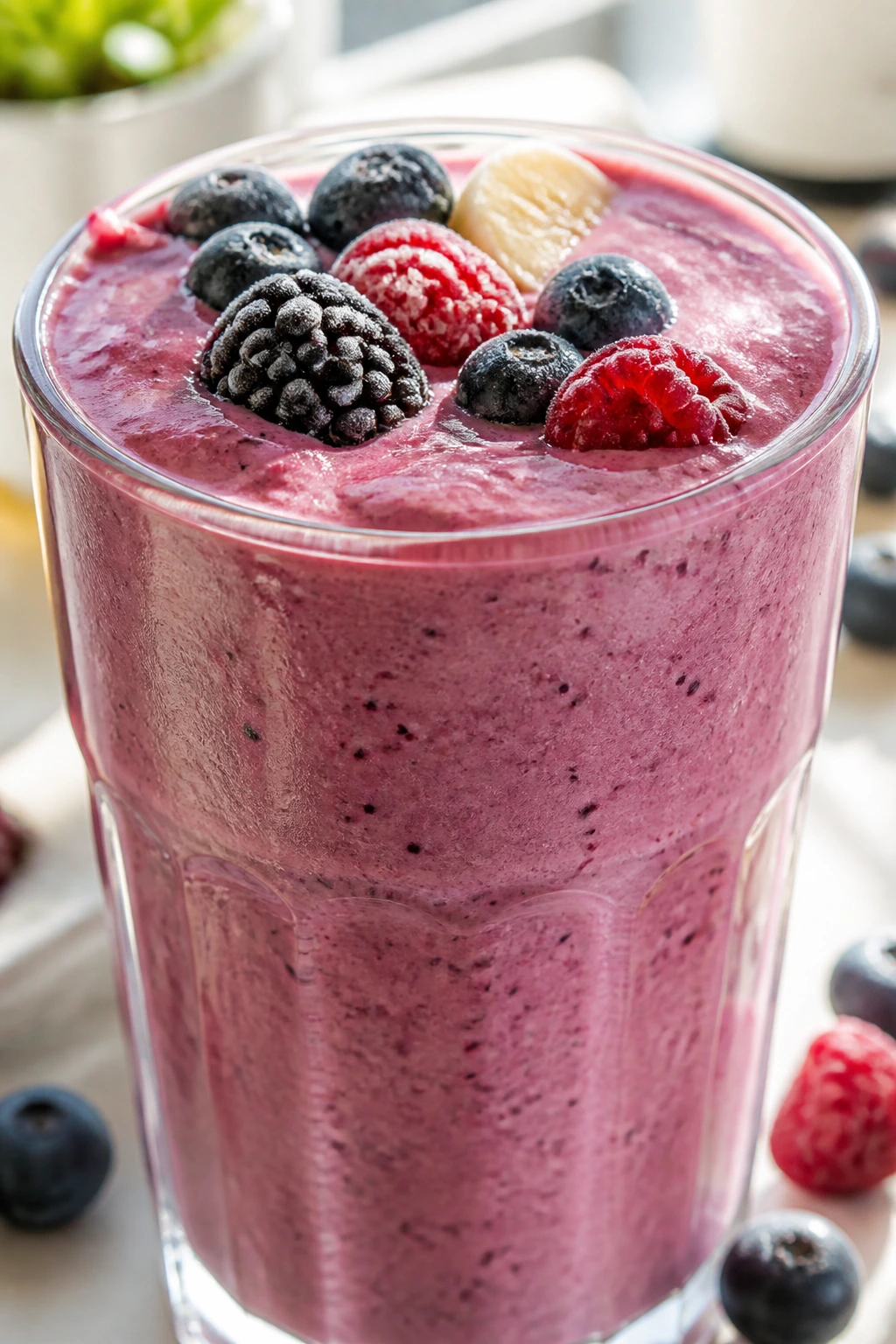
Frozen fruit is the backbone of most of these smoothies, and I’d buy it without apology. It blends thick, tastes bright, and saves you from constantly rescuing limp bananas from the counter. Berries, mango, pineapple, cherries, peaches, and watermelon all freeze well, and frozen fruit usually gives you a better texture than fresh fruit plus ice.
Greek yogurt should be plain, not dessert-sweetened. The fruit is already doing enough. If you buy flavored yogurt, check the sugar and the texture; some brands are thin enough to make the whole smoothie watery. Cottage cheese should be small-curd if you want a smoother blend, and kefir should taste tangy rather than aggressively sour.
Protein powder is the one ingredient people tend to buy badly. A chalky powder can ruin a smoothie faster than a bad banana. Vanilla is the safest all-purpose choice, chocolate works best in the cocoa, cherry, mocha, and beet blends, and unflavored protein is useful if you want the fruit to stay in charge. If your powder tastes too sweet on its own, use less sweetener everywhere else.
Nut butters should be runny enough to blend easily. If a jar has separated badly and the top layer is dry, stir it well before measuring. Natural peanut butter, almond butter, tahini, and cashew butter all work; just remember that each one changes the flavor a lot. Tahini is earthy, almond butter is mild, and peanut butter is loud in a good way.
For liquids, unsweetened milk, oat milk, soy milk, coconut water, and plain water all have different jobs. Soy milk and dairy milk bring more protein. Coconut water brings a lighter feel. Water is fine when the fruit and yogurt already provide enough body. If you’re using fresh fruit instead of frozen, expect to add a few ice cubes and maybe a little less liquid at first.
How to Serve These Recipes
Presentation:
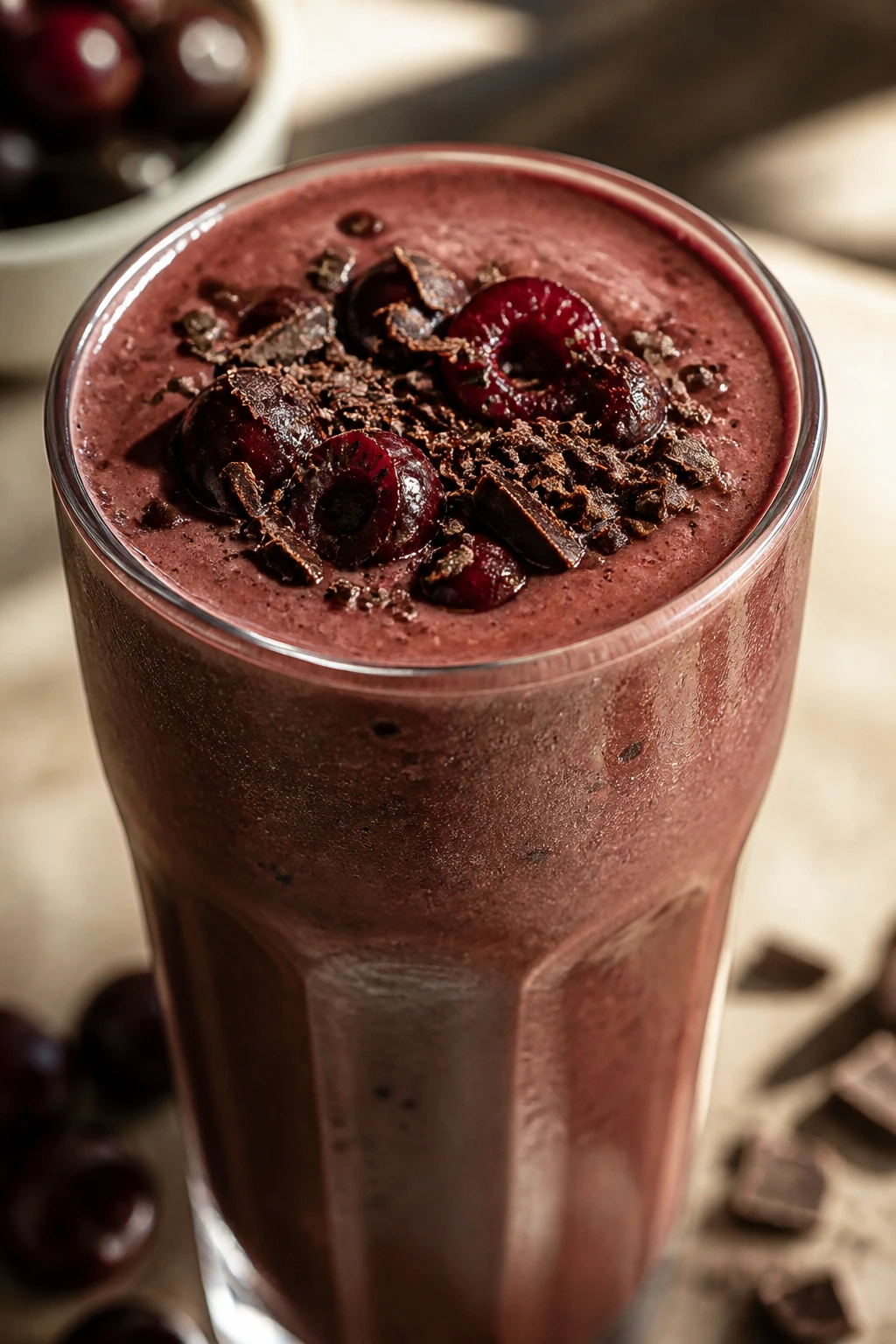
Pour smoothies into chilled glasses whenever you can. A smooth top, a light dusting of cinnamon or cocoa, or a few pieces of fruit on the rim makes them look finished without turning them into a project.
Accompaniments:
If the smoothie is your whole meal, pair it with toast, a boiled egg, rice cakes with nut butter, or a small bowl of oats. Fruit-forward smoothies play well with something salty. Coffee or chocolate smoothies stand up to plain toast better than anything fussy.
Portions:
Most of these make 12 to 16 ounces, which is right for a snack or a lighter recovery drink. If you just finished a long run or a hard lifting session, stretch one recipe to 18 to 20 ounces by adding extra yogurt, half a banana, or 1 to 2 more tablespoons oats. For a smaller serving, cut the fruit and liquid by about a third.
Beverage Pairing:
A big smoothie usually doesn’t need another drink, but plain water is the cleanest companion, especially after a salty workout. For the coffee blends, a small cup of black coffee or espresso on the side makes sense; for the fruit-heavy ones, iced green tea or sparkling water with lime keeps things sharp.
Additional Tips and Flavor Boosters
Flavor Enhancement:
A pinch of salt is the quiet hero in most of these recipes. It sharpens fruit, smooths chocolate, and keeps nut butter from tasting flat. Citrus zest does the same kind of work for berries, oranges, peaches, and mango.
Customization:
If you want more staying power, add 2 tablespoons oats or 1 tablespoon chia. If you want a lighter drink, reduce the yogurt a little and replace it with more coconut water or milk. If you want the smoothie to feel more like a shake, add another half banana or 1/4 avocado.
Serving Suggestions:
Top the smoothie with a few seeds, a sprinkle of cinnamon, or a spoonful of granola only if you’re drinking it at a table. If it’s going in a cup to go, keep the top clean. Smoothies are already messy enough without extra garnish falling into your car seat.
Make-It-Yours:
For dairy-free versions, soy yogurt and soy milk usually give the best protein bump. For nut-free blends, sunflower seed butter or tahini works well. If you need more carbs after a long session, use two bananas or add dates. If you need less sugar, skip honey and lean on ripe fruit.
Make-Ahead, Storage, and Reheating Guidance
Smoothies are best blended fresh. That’s the honest answer. Once they sit, the texture separates, the foam collapses, and the bright fruit flavor softens. If you must make one ahead, store it in a tightly sealed jar in the fridge for up to 24 hours, then shake hard and re-blend with a few ice cubes or a splash of milk, water, or coconut water.
For true make-ahead convenience, freeze smoothie packs instead of finished drinks. Portion fruit, oats, chia, protein powder, and even spinach into freezer bags or containers, then add the liquid when you’re ready to blend. Most frozen fruit packs keep well for 2 to 3 months if they’re sealed tightly and kept away from freezer burn.
Some ingredients can also be prepped separately. Bananas can be sliced and frozen in a single layer before going into bags. Cooked beet, chopped apple, and peeled kiwi can be frozen in small portions. If you’re using dates, pit them ahead of time so you’re not wrestling with them before the blender is even on.
Reheating is not the move for smoothies. Don’t heat them. If the drink is too cold or too thick, let it sit for 3 to 5 minutes at room temperature, then stir or re-blend. If it’s too warm, add a few ice cubes. If it’s too thin after storage, a spoonful of yogurt or a frozen fruit chunk can bring it back.
Variations and Adaptations to Try
The Dairy-Free Recovery Lineup:
Use soy milk or oat milk, swap Greek yogurt for soy yogurt or coconut yogurt, and choose a plant protein powder with a flavor you already like. Soy tends to be the best stand-in when you want the protein count to stay high. Coconut yogurt tastes good in tropical and berry blends, but it usually needs the help of protein powder to count as a real recovery drink.
The Higher-Protein Builder Blend:
Add one extra half scoop of protein powder, 1/4 cup cottage cheese, or 2 tablespoons hemp hearts. This works especially well after strength training when you want the smoothie to hold you for longer. Keep the liquid modest so the extra protein doesn’t make the drink chalky.
The Lower-Sugar Version:
Use fewer bananas, skip honey, and lean on berries, kiwi, cucumber, citrus, or avocado for flavor. Unsweetened yogurt and a little lime or lemon keep the smoothie from tasting flat. This version works best when you care more about recovery than dessert energy.
The Nut-Free Gym Bag Blend:
Swap peanut butter and almond butter for sunflower seed butter or tahini. Sunflower seed butter gives the closest texture to nut butter, while tahini is more savory and works best in berry, raspberry, or chocolate blends. Check protein powders and granolas too; hidden nuts show up in weird places.
The Extra-Hydration Cut:
Use coconut water, cucumber, watermelon, pineapple, lime, and a smaller amount of yogurt. This is the move after hot-weather runs or long rides when you want fluids first and thickness second. A tiny pinch of salt helps the drink taste complete.
The Meal-Size Version:
Add 1/4 cup oats, an extra half banana, and 1 more tablespoon nut butter or hemp hearts. This turns a snack into a full breakfast shake without making it feel like cement. If the blender struggles, add liquid in stages instead of all at once.
Common Mistakes to Avoid
Too much ice:
A lot of people try to force thickness with ice, and the smoothie ends up cold but flavorless. Frozen fruit gives better body and better taste. If you need more thickness, use banana, oats, yogurt, chia, or avocado before you reach for another handful of cubes.
Not enough protein:
A fruit smoothie without a real protein source tastes fine and leaves you hungry fast. Greek yogurt, kefir, cottage cheese, soy yogurt, protein powder, hemp hearts, or silken tofu each solve that problem in different ways. Pick at least one solid protein anchor and don’t pretend fruit alone is enough after a hard workout.
Overloading the blender at once:
Dumping everything in without a liquid base is how you get a stalled blender and a lumpy mess. Add liquid first, then soft ingredients, then frozen fruit and ice. If the blades stop moving, pause and scrape, or you’ll burn time and patience.
Forgetting salt and acid:
Smoothies need a little edge. A pinch of salt makes berry, chocolate, nut butter, and banana blends taste fuller, while lemon, lime, or orange zest keeps fruit from tasting sleepy. Skip them and the drink can taste oddly flat, even if the ingredients are good.
Using watery fruit or yogurt:
Some ingredients sound healthy but make the smoothie thin. Very ripe peaches, watery yogurt, and fresh fruit without enough frozen backup can turn the texture weak. Use frozen fruit when you want body, or compensate with oats, chia, or a little less liquid.
Letting it sit too long:
Smoothies separate. That isn’t a failure; it’s what ingredients do. If you’re making one ahead, expect to shake or re-blend it, and don’t wait half the day before drinking a yogurt-heavy blend.
Frequently Asked Questions
Can I make these without protein powder?
Yes. Use Greek yogurt, cottage cheese, soy yogurt, kefir, hemp hearts, silken tofu, or a mix of those instead. You may need to increase the amount a little to get the same staying power.
What’s the best liquid for a post-workout smoothie?
Milk and soy milk give the most protein, coconut water gives the lightest feel, and oat milk sits in the middle with a soft texture. If the fruit and yogurt are already rich, plain water works better than people expect.
How do I make a smoothie thicker without adding sugar?
Use frozen fruit, banana, oats, chia, avocado, or less liquid. That’s the cleanest path. Ice thickens too, but it waters the flavor down more than people think.
Can I prep smoothie packs in advance?
Absolutely. Put fruit, greens, oats, chia, and even protein powder into freezer bags, then add liquid when you’re ready to blend. That saves the most time on busy mornings because the measuring is already done.
How long can a smoothie sit in the fridge?
A finished smoothie is best within a few hours and still usable up to 24 hours in a sealed container. It will separate, so shake it hard or re-blend before drinking.
What if my smoothie tastes chalky?
That usually means too much protein powder or a powder that doesn’t agree with the rest of the ingredients. Add more banana, yogurt, nut butter, or cocoa to soften it, and make sure you’re not using too little liquid.
Can I use fresh fruit instead of frozen?
Yes, but you’ll usually need ice or a cooler liquid base to get the same texture. Frozen fruit gives you better thickness and a colder drink without adding extra water.
Are these smoothies okay after cardio and strength training?
They can work for both, but the mix changes a little depending on the workout. After cardio, a lighter blend with coconut water or citrus can feel better; after lifting, the thicker yogurt, nut butter, and oat versions usually keep you full longer.
How do I make these nut-free for school or the office?
Use sunflower seed butter, tahini, or skip the nut butter and lean on oats, chia, yogurt, or avocado for body. Check your protein powder label too, because some blends carry nut warnings.
Can I scale these recipes for two servings?
Yes, and it’s easy. Double the ingredients, but don’t double the ice blindly; add it at the end if the texture needs it. If your blender is small, make two separate batches so you don’t end up with half-blended fruit stuck around the blades.
A Better Blender Habit
The best part of a post-workout power smoothie is not that it looks neat in a glass. It’s that it solves a problem fast. You get fluid back, you get protein in, and you don’t have to stand at the stove when your legs are still a little shaky.
Once you get used to thinking in terms of fruit, protein, liquid, and texture, the whole thing becomes second nature. Some days you’ll want thick and nutty. Some days you’ll want cold and bright. Either way, a good smoothie is one of those small kitchen habits that pays you back the minute the workout is over.