



Some chicken dinners ask for a marinade, a long oven bake, and more patience than a Tuesday usually has. Tender quick chicken is the opposite: thin cutlets, a hot skillet, and a lemon-garlic pan sauce that comes together while the rice is still steaming. When the pan is set up right, the outside picks up a pale gold crust, the center stays juicy, and the whole plate tastes far more deliberate than the clock suggests.
The part people often miss is that “quick” and “tender” are not opposites here. They work together. A breast that’s sliced into even cutlets cooks in minutes instead of wandering around the pan, and a light flour coat gives the surface enough structure to brown without sealing the chicken into a dry little packet. That’s the difference between an okay fast dinner and one you keep making because it never lets you down.
I like this kind of skillet chicken because it respects the evening. No unnecessary ceremony. No half-empty spice hunt. Just a short list of ingredients, a hot pan, and a sauce that clings instead of sliding off into the plate. The lemon sharpens the butter, the garlic softens as it cooks, and the capers — if you use them — give the sauce a briny snap that wakes everything up.
Why This Chicken Stays Juicy When Time Is Short
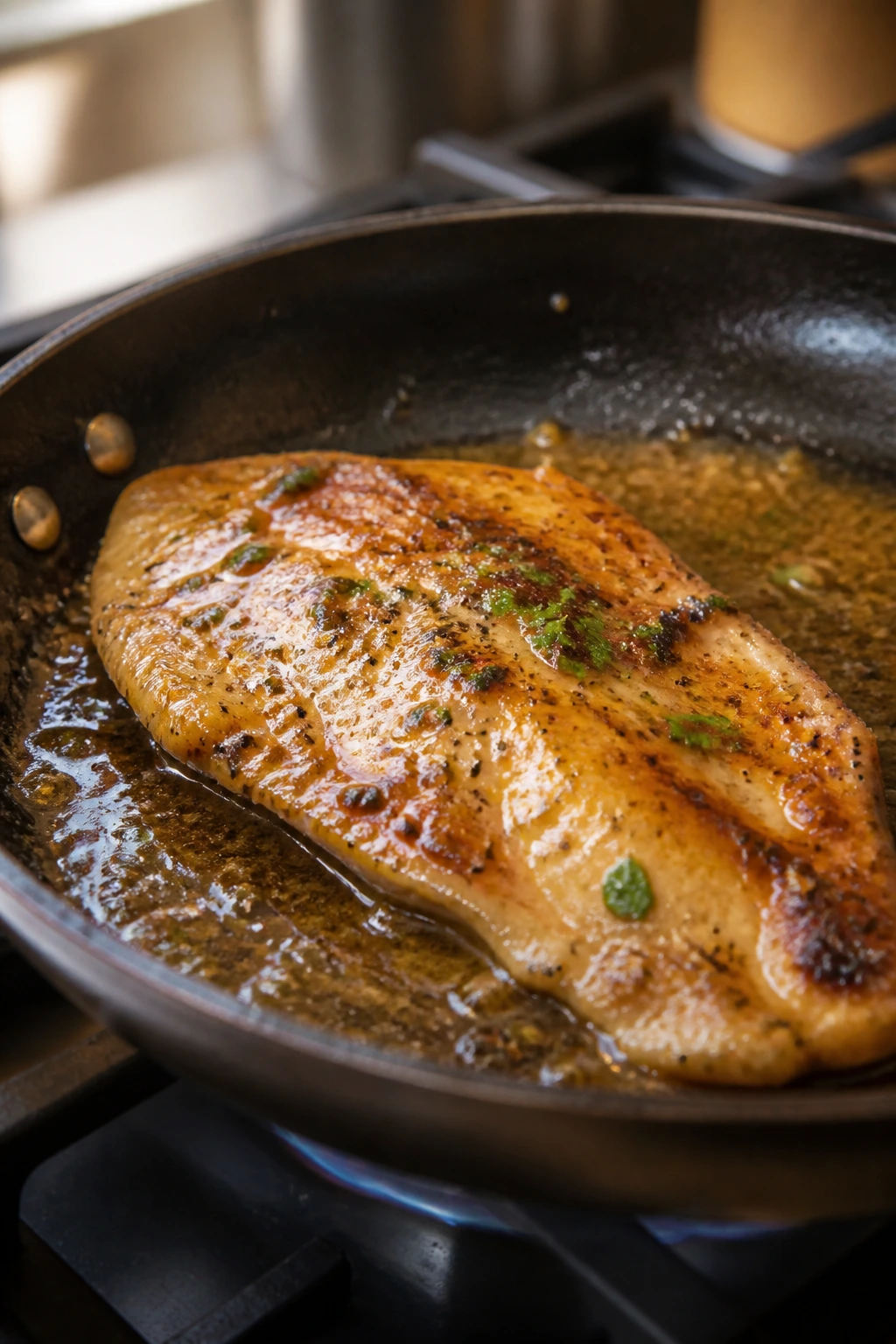
The secret is not one big trick. It’s three small ones, all doing their job at once.
First, the chicken is cut thin. Thick chicken breasts are the usual troublemakers on weeknights because the outside overcooks while the center is still catching up. Slice them into even cutlets or pound them to about 1/2 inch, and the heat has a fair shot at reaching the middle before the surface dries out. That alone changes the whole dinner.
Second, the pan gets hot enough to brown the chicken before it starts to steam. Moisture is the enemy of color. If the chicken goes into a lukewarm skillet, it leaks, puddles, and turns pale and rubbery. If the skillet is properly hot and the oil shimmers, the surface sears fast and the juices stay where they belong.
Third, the chicken finishes in a sauce instead of sitting naked on a plate. That sauce matters more than people give it credit for. A few spoonfuls of broth, lemon, Dijon, and butter do not just add flavor; they create a glossy coat that keeps the chicken from tasting dry the second it leaves the pan.
One more thing. Chicken breast is not the problem. Poor timing is. A thermometer solves more weeknight chicken problems than any marinade ever will.
Why You’ll Keep This Skillet Chicken in Rotation
-
Fast Pan Time: The chicken sears in about 5 to 7 minutes total once it’s cut into cutlets, which means dinner can be on the table before a pot of pasta has fully drained.
-
Tender by Design: Thin, evenly pounded chicken cooks at the same rate from edge to center, so you do not get those dry outer rings that make breast meat feel like a compromise.
-
One Skillet, Less Mess: The pan sauce uses the browned bits left behind after searing, so the good stuff stays in the dish instead of getting scrubbed off the pan and thrown away.
-
Built-In Sauce: You are not juggling a separate side sauce or bottled backup. The lemon-garlic sauce is part of the recipe, which gives the whole plate a finished taste even when the side dishes are plain.
-
Flexible Sides: Rice, mashed potatoes, buttered noodles, roasted potatoes, or a hunk of bread all make sense here. The sauce has enough body to support starch without drowning it.
-
Easy to Scale: A second skillet handles a double batch without drama. That matters on the nights when one person wants seconds before the first round is even plated.
Timing, Yield, and the Nightly Reality Check
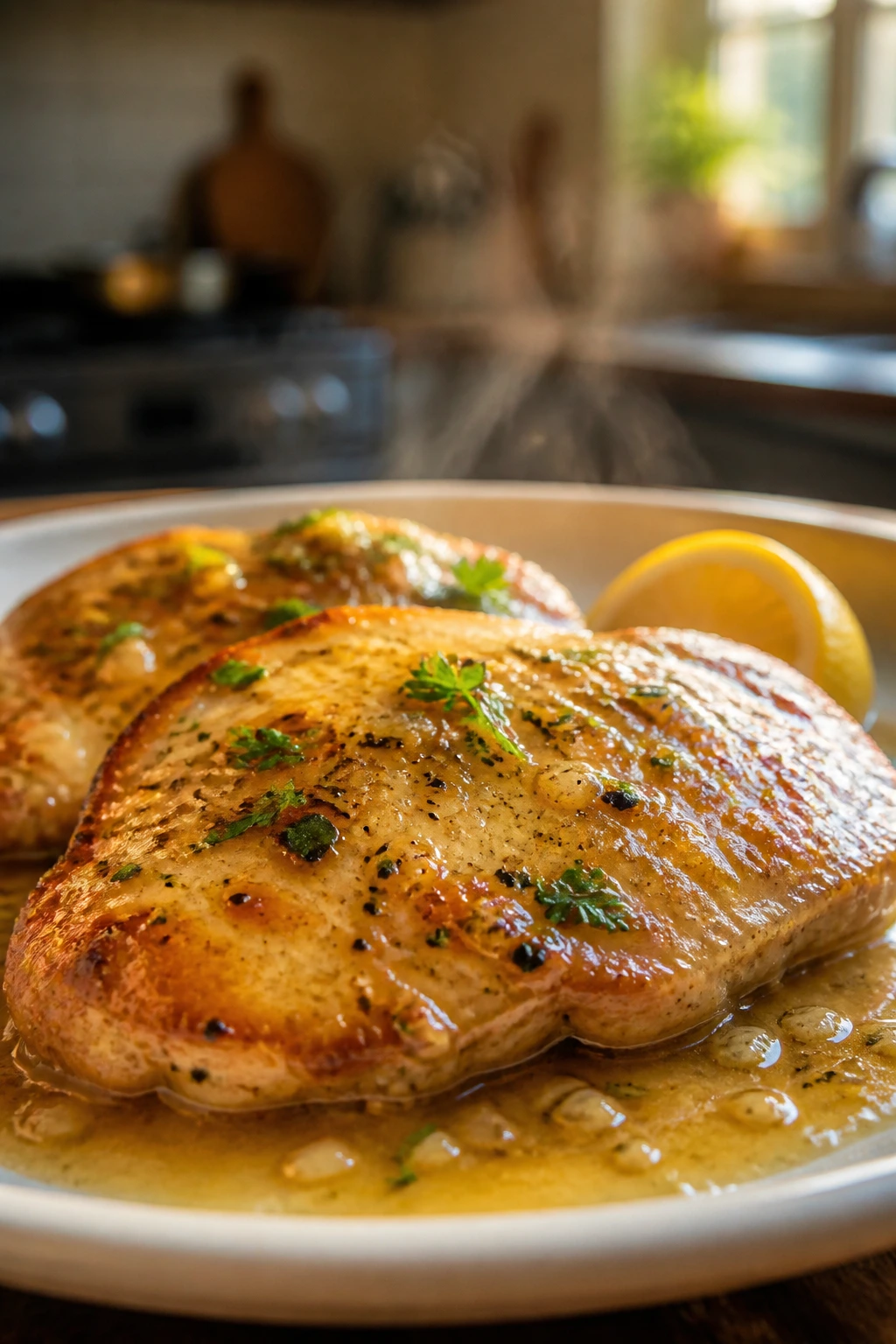
Yield: Serves 4
Prep Time: 15 minutes
Cook Time: 15 minutes
Total Time: 30 minutes
Difficulty: Beginner — the method is straightforward, and the one thing that really matters is not overcooking the chicken.
Best Served: Right after the chicken goes back into the sauce and gets glossy.
A lot of “30-minute” dinners are lying to you a little. This one is not. The active cooking happens fast, and the sauce comes together while the chicken rests for a minute on the plate. If you already have the side dish going — rice, potatoes, or a quick green salad — the timing feels even calmer.
Use breasts for a leaner result, or switch to thighs if you want a more forgiving cut. Thighs can handle a little more heat and a little more time without turning dry, which makes them useful when the stove is crowded and the phone keeps ringing. Either way, the recipe is built to be realistic, not fussy.
Ingredients for Tender Quick Chicken
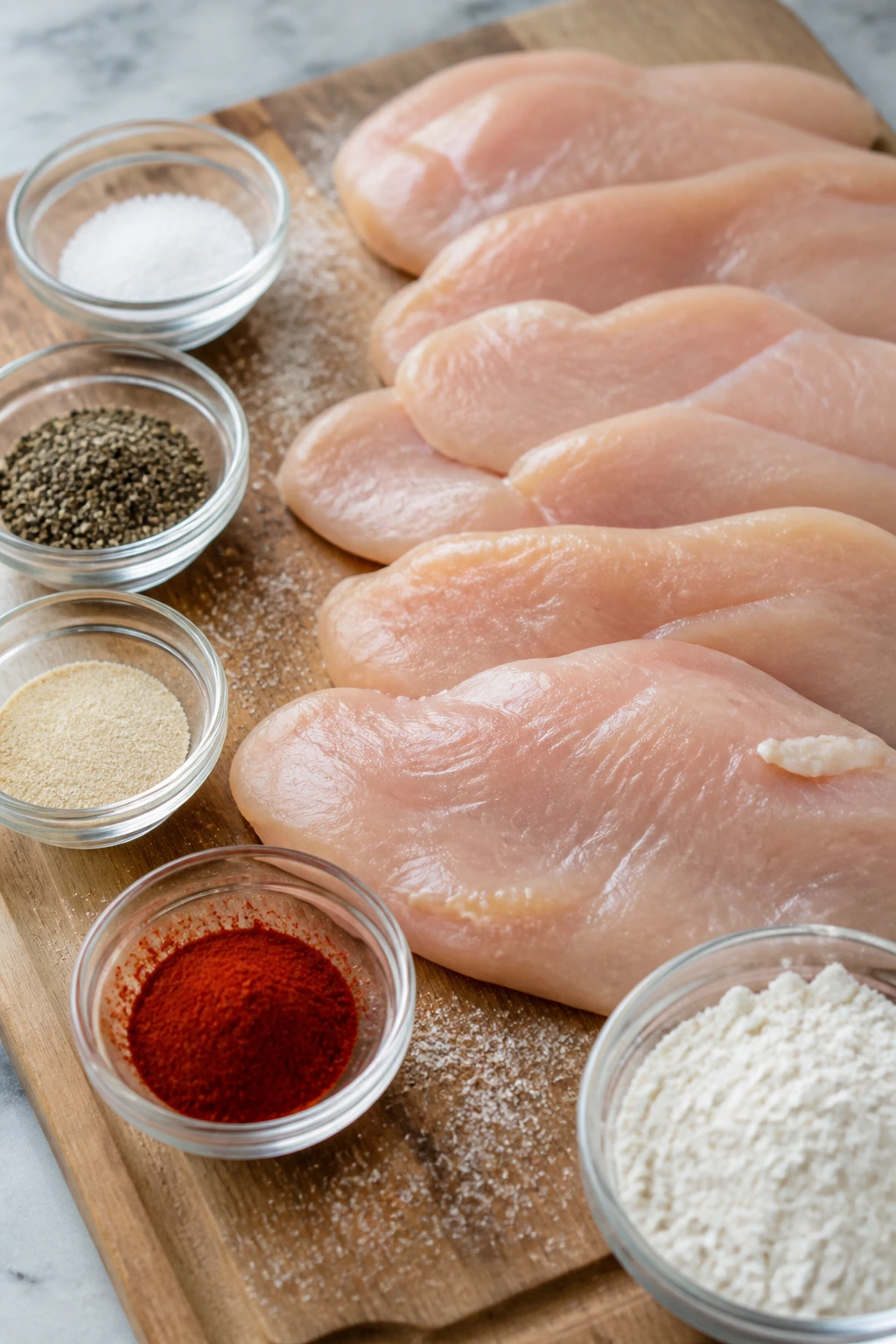
For the Chicken
- 1½ lbs boneless, skinless chicken breasts, cut horizontally into 4 cutlets or pounded to 1/2-inch thickness
- 1 tsp kosher salt
- 1/2 tsp black pepper
- 1 tsp garlic powder
- 1 tsp smoked paprika
- 3 tbsp all-purpose flour
- 2 tbsp olive oil
For the Pan Sauce
- 2 tbsp unsalted butter, divided
- 3 cloves garlic, minced
- 1/2 cup low-sodium chicken broth
- 2 tbsp fresh lemon juice
- 1 tsp Dijon mustard
- 1 tbsp capers, drained and rinsed, optional
For Finishing
- 1 tsp finely grated lemon zest
- 2 tbsp chopped fresh parsley
What Each Ingredient Does in the Pan
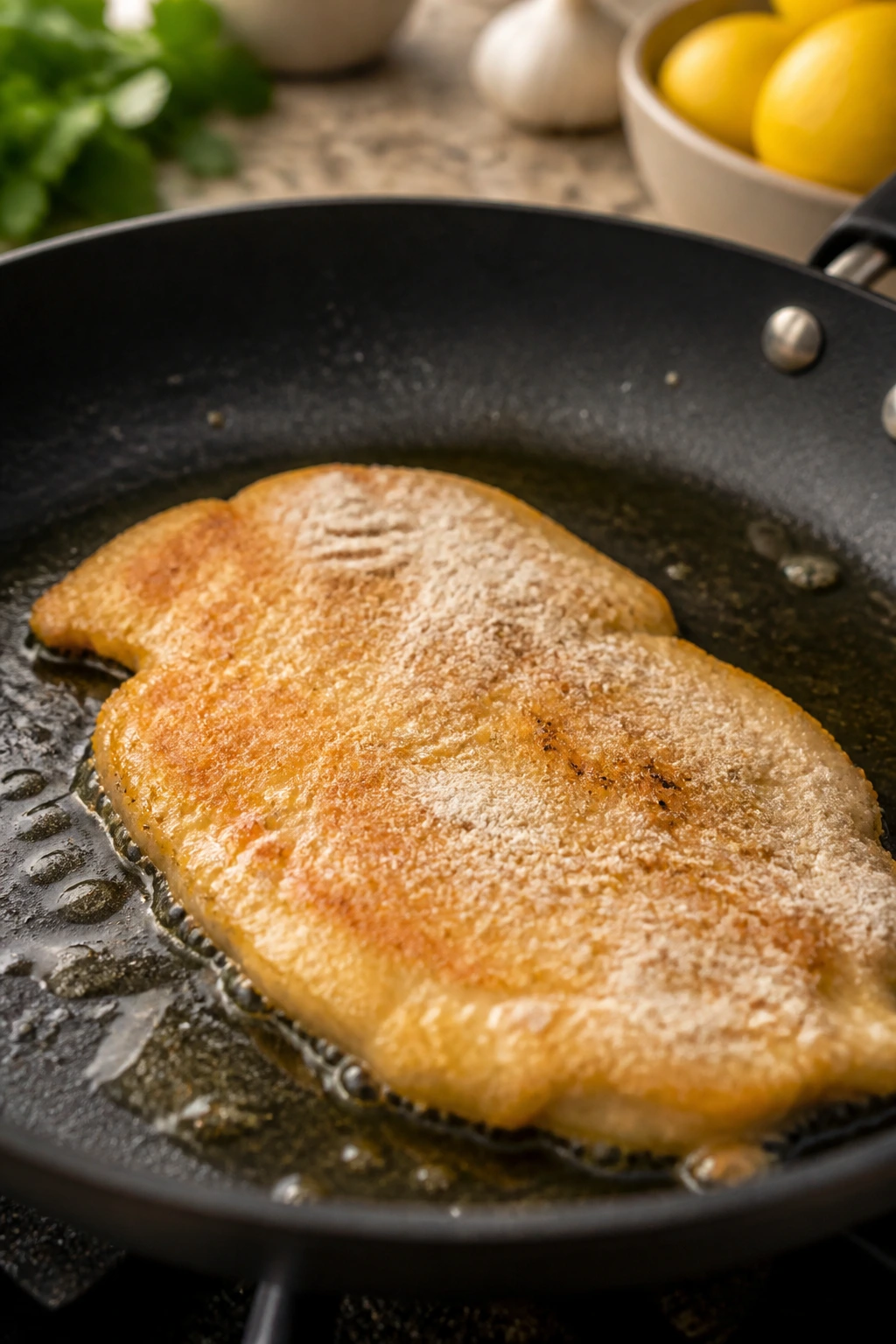
The Chicken Itself
What to use: 1½ lbs boneless, skinless chicken breasts, either sliced into 4 cutlets or pounded to an even 1/2-inch thickness.
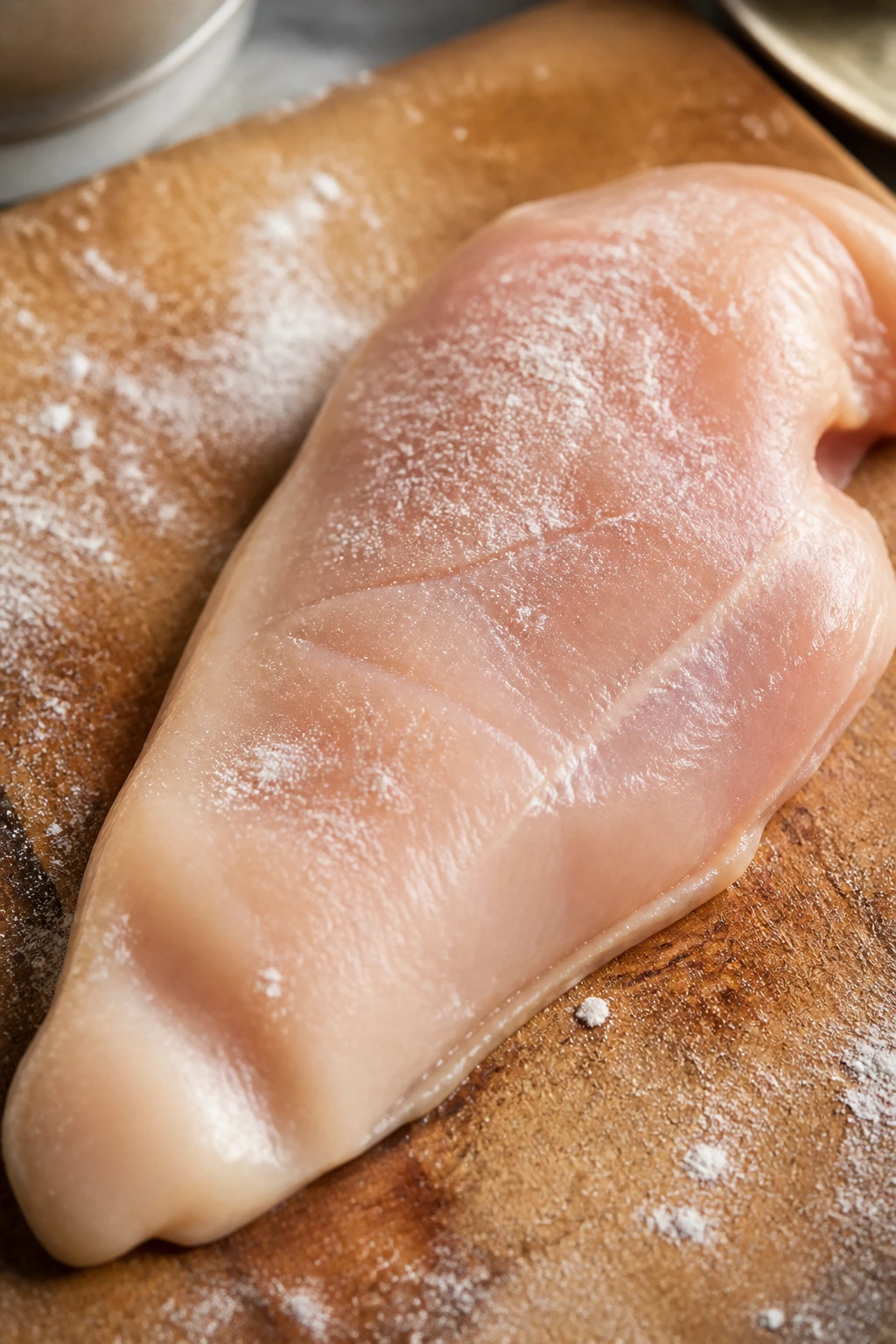
Preparation: Pat the chicken dry before anything else. If the breasts are large, slice them horizontally first, then finish with a meat mallet or rolling pin so the pieces cook at the same speed.
Substitutions: Boneless, skinless chicken thighs work well here. They need a slightly longer sear, but they are forgiving and stay juicy even if the heat runs a touch high.
Tips: Dry chicken browns better. Wet chicken steams, and steaming is where weeknight chicken starts going wrong.
The Seasoning Coat
What to use: 1 tsp kosher salt, 1/2 tsp black pepper, 1 tsp garlic powder, 1 tsp smoked paprika, and 3 tbsp all-purpose flour.
Preparation: Mix the salt, pepper, garlic powder, paprika, and flour in a shallow bowl. Dredge the chicken lightly so it gets a thin, dusty coat rather than a heavy crust.
Substitutions: Use a gluten-free all-purpose flour blend if needed, or swap in 2 tbsp cornstarch plus 1 tbsp rice flour for a crisper, lighter coating.
Tips: The coating should look faint, not caked on. Too much flour turns the pan sauce pasty and makes the crust taste raw in spots.
The Lemon-Garlic Pan Sauce
What to use: 2 tbsp olive oil, 2 tbsp unsalted butter, 3 cloves garlic, 1/2 cup low-sodium chicken broth, 2 tbsp fresh lemon juice, 1 tsp Dijon mustard, and 1 tbsp capers if you like a briny edge.
Preparation: Measure the broth, lemon juice, and Dijon before the chicken hits the pan. Once the cutlets are seared, the sauce comes together fast and does not wait for you to hunt around the kitchen.
Substitutions: White wine can replace half the broth if you want a sharper sauce. If capers are not your thing, use chopped green olives or leave them out entirely.
Tips: The lemon goes in after the garlic has had a brief start. Garlic that burns turns bitter in seconds, and bitter garlic is hard to hide in a sauce this simple.
The Fresh Finish
What to use: 1 tsp finely grated lemon zest and 2 tbsp chopped fresh parsley.
Preparation: Zest the lemon before juicing it. Chop the parsley close to serving time so it stays bright and does not wilt into a dull green heap.
Substitutions: Dill gives the dish a softer, more herbal finish. Basil works too, though it changes the tone of the sauce and pushes it toward a warmer, sweeter flavor.
Tips: Finishing herbs matter more than people think. They are not decoration; they give the chicken a fresh top note that keeps the sauce from tasting flat.
The Tools That Keep the Job Clean and Fast
-
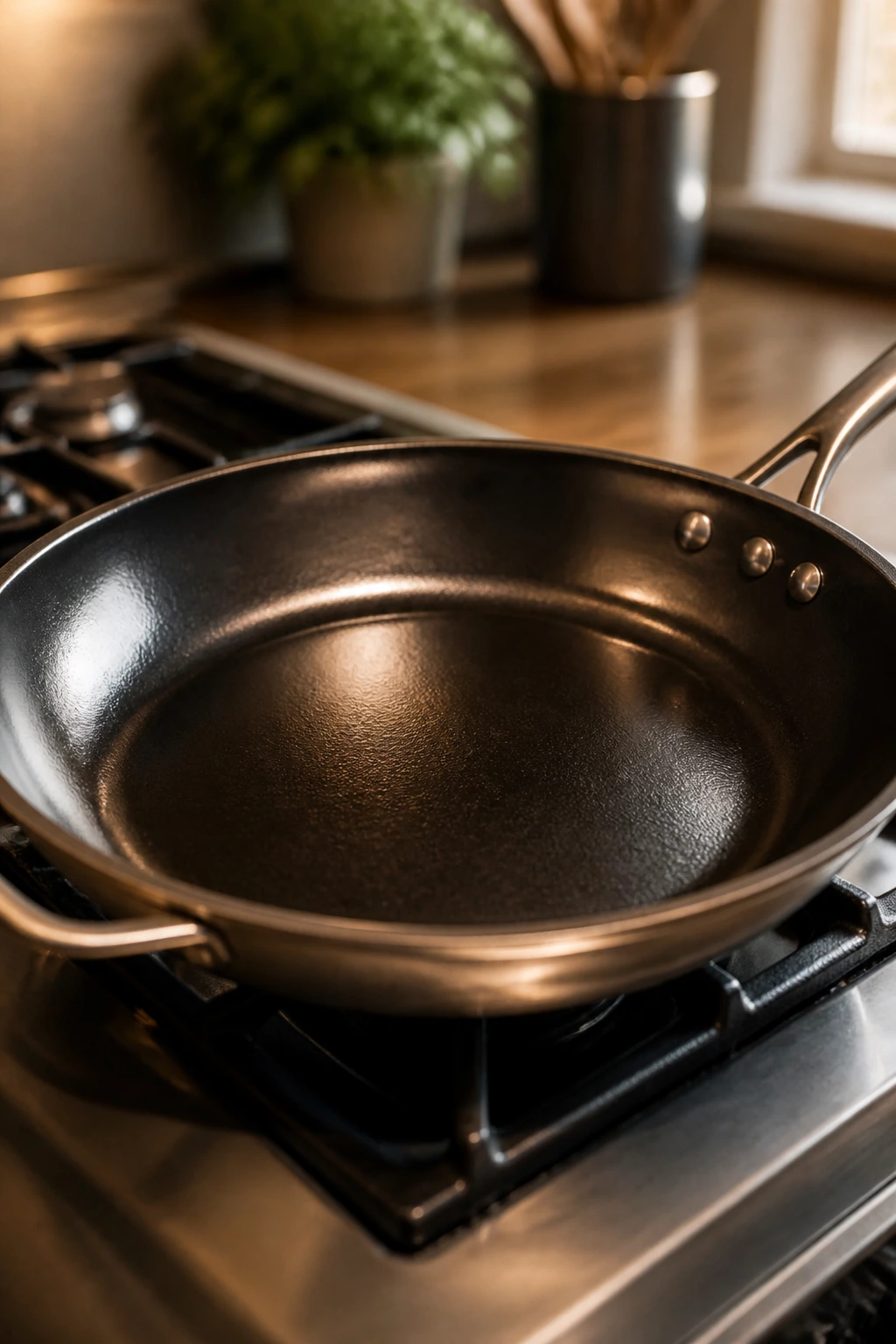
12-inch skillet: A stainless-steel or cast-iron skillet gives you enough surface area to sear the cutlets without overcrowding them.
-
Meat mallet or rolling pin: Either one helps even out thick chicken breasts so they cook at the same pace.
-
Instant-read thermometer: This is the fastest way to stop guessing. Chicken breast should reach 165°F at the thickest point.
-
Tongs: Better than a fork, because you do not want to stab the chicken and lose the juices you worked for.
-
Shallow bowl or pie plate: Ideal for mixing the flour seasoning and dredging the cutlets without making a mess.
-
Small whisk: Useful for pulling the sauce together quickly so the Dijon disappears into the broth instead of floating in little streaks.
-
Microplane or fine grater: Handy for the lemon zest at the end. A coarse grater works, but the zest is cleaner and finer when grated lightly.
How to Cook Tender Quick Chicken Without Guessing
Prep the Chicken
-
Pat the chicken breasts dry with paper towels, then slice each breast horizontally into 2 thinner cutlets if they are thick. If the pieces still vary in height, place them between two sheets of parchment and pound to about 1/2 inch thick. Even thickness is what keeps the chicken tender and fast-cooking.
-
In a shallow bowl, stir together the salt, pepper, garlic powder, smoked paprika, and flour until the seasoning looks evenly speckled through the flour. Dredge each cutlet lightly on both sides and shake off the excess. You want a thin dusting, not a flour shell.
Sear the Chicken
-
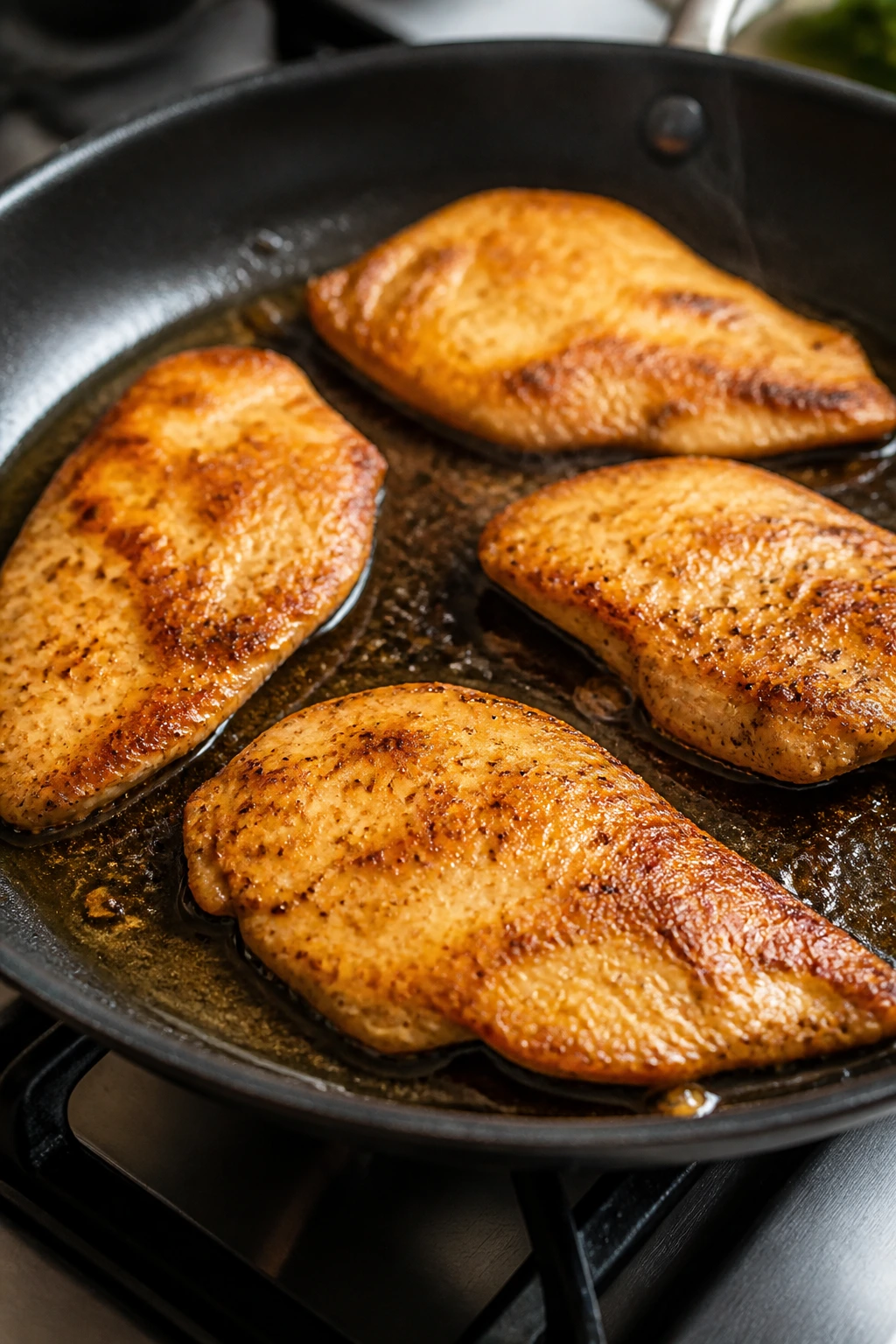
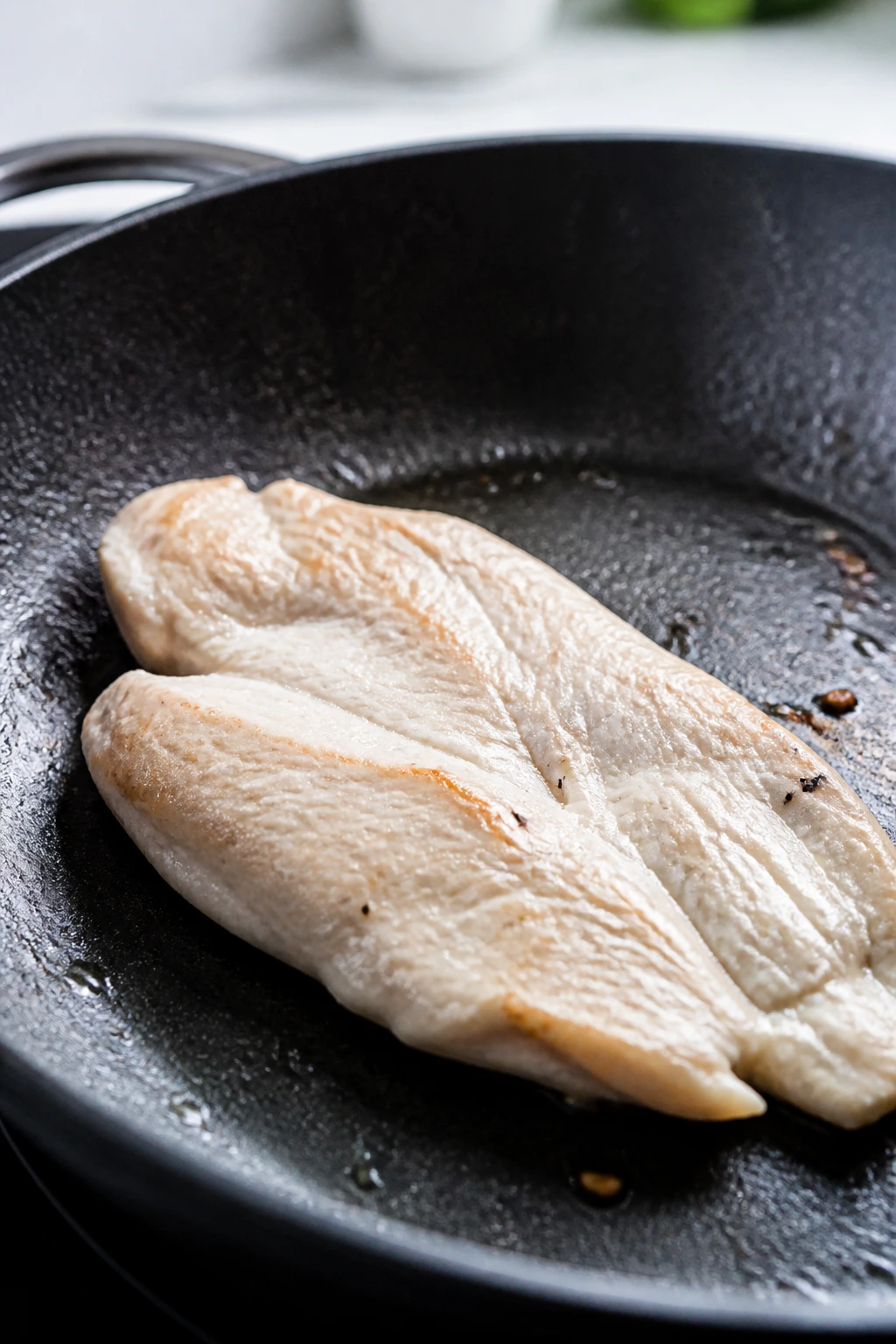
Set a 12-inch skillet over medium-high heat and add the olive oil. When the oil shimmers and moves easily across the pan, lay in the chicken cutlets in a single layer. Do not crowd the pan; cook in two batches if the pieces do not fit with space around them.
-
Cook the chicken for 3 to 4 minutes on the first side, without moving it, until the underside is deep golden and releases easily from the skillet. Flip and cook for another 2 to 3 minutes, until the second side is browned and the thickest part of each cutlet reads 165°F on an instant-read thermometer. Transfer the chicken to a plate. If a piece is thick in the center, give it a minute more rather than guessing.
Build the Sauce
-
Reduce the heat to medium and add 1 tablespoon of the butter to the skillet. When it melts, add the minced garlic and stir for about 20 to 30 seconds, just until it smells sweet and sharp, not brown. Pour in the chicken broth, lemon juice, and Dijon mustard, then whisk until the mustard disappears into the liquid. If you are using capers, add them now. Simmer for 1 to 2 minutes, scraping up the browned bits from the bottom of the pan. Those browned bits are the flavor.
-
Stir in the remaining 1 tablespoon butter and let it melt into the sauce. The sauce should look glossy and lightly thickened, enough to coat the back of a spoon without turning heavy. If it still seems thin, simmer for another 30 seconds. Do not boil it hard once the lemon is in, or the sauce can taste sharp and lose its shine.
Finish and Serve
- Return the chicken and any juices from the plate to the skillet. Spoon the sauce over the cutlets and let everything warm together for 1 minute. Turn off the heat, scatter over the lemon zest and parsley, and let the chicken rest for 2 minutes before serving. The sauce will settle and cling a little more during that short rest. That tiny pause matters.
How to Serve It Without Making More Work
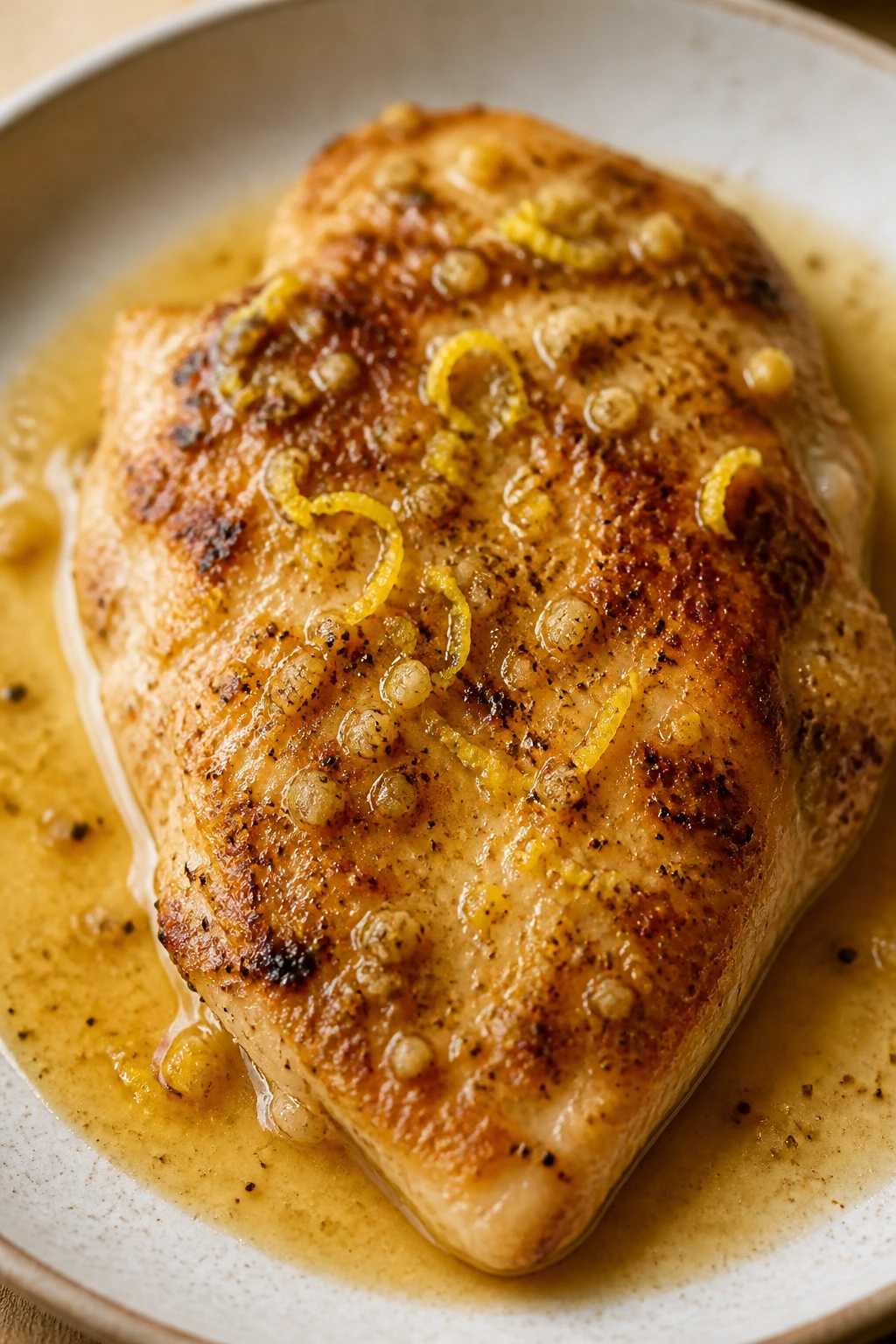
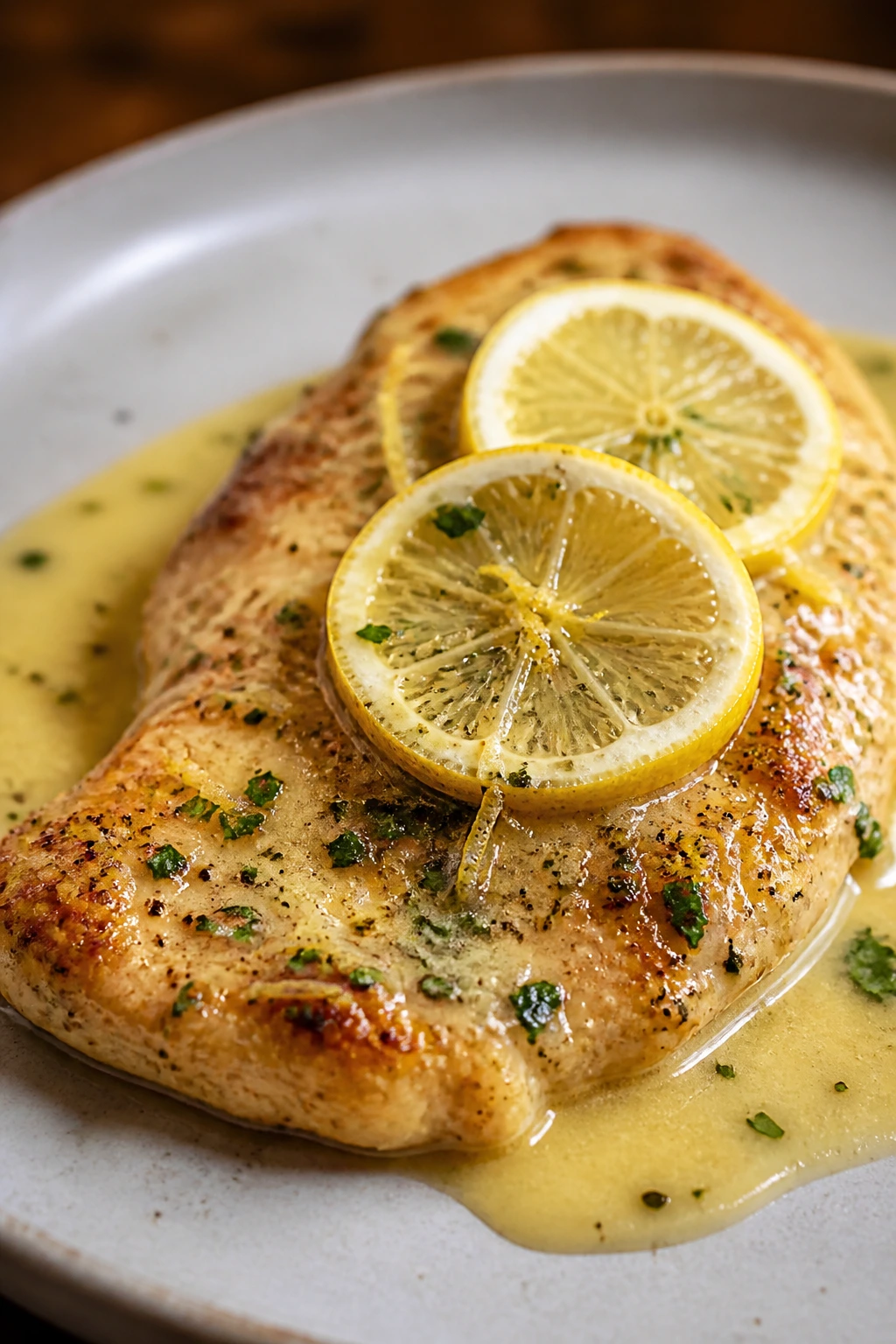
Presentation: Slide one cutlet onto each plate and spoon the pan sauce over the top so it pools at the edges and picks up the parsley and capers. A few lemon zest flecks on the chicken make it look fresh rather than sauced-over.
Accompaniments: Buttered rice is the easiest landing spot for the sauce, but mashed potatoes are better if you want something softer and more luxurious under the chicken. Roasted green beans, broccolini, or a blunt little arugula salad with lemon dressing all keep the plate from feeling heavy.
Portions: One average cutlet per person is plenty if you are serving sides. If you serve this over rice or pasta, slice the chicken on a slight diagonal and fan it across the starch so the sauce spreads farther and looks generous. For bigger appetites, plan on 6 ounces of cooked chicken per person.
Beverage Pairing: Dry white wine works well here, especially something crisp and not too oaky. If you are skipping alcohol, sparkling water with a lemon wedge or unsweetened iced tea keeps the lemon in the food from clashing with the drink.
Small Moves That Make the Chicken Better
Flavor Enhancement: Add a pinch of red pepper flakes with the garlic if you want the sauce to wake up at the back of the tongue. It does not make the dish “spicy” in a loud way; it just keeps the lemon from feeling one-note.
Time-Saver: Slice and pound the chicken earlier in the day, then store it covered in the fridge so the actual dinner move is just dredging and searing. I would not dredge too far ahead because the flour can turn gummy. Ten minutes before cooking is plenty.
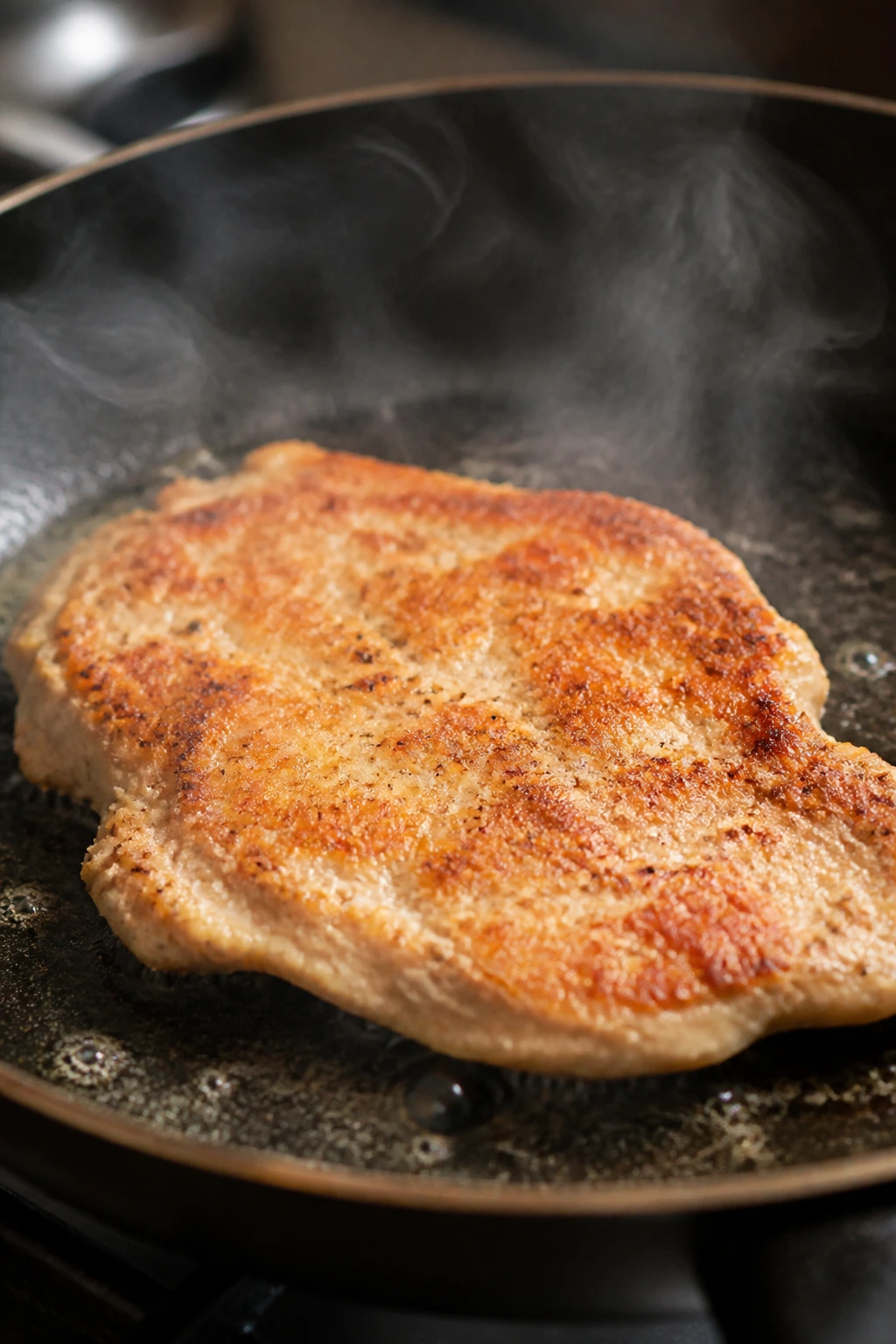
Better Sear: Let the flour-coated chicken sit on a plate for 3 to 5 minutes before it hits the skillet. The coating hydrates a little, which helps it cling and brown instead of flaking off at the first flip.
Sauce Upgrade: If you like a silkier sauce, whisk in the final tablespoon of butter off the heat rather than while the pan is boiling. That tiny move gives the sauce a glossy finish that feels more deliberate than a fast weeknight dinner has any right to feel.
Make-It-Yours: Replace the parsley with dill for a brighter, almost springy finish, or use thyme if you want something quieter and more savory. Small herb swaps change the whole tone of the dish without forcing you to rebuild the recipe.
The Mistakes That Turn Fast Chicken Tough
Using thick chicken straight from the package. Thick breasts cook unevenly, so the outside dries while the middle finishes. Slice them open or pound them to a consistent 1/2 inch before they ever see the pan.
Starting with wet chicken. If the surface is damp, the flour coating turns patchy and the skillet releases steam instead of crust. Pat the chicken dry with paper towels and let the coating cling to the meat before searing.
Crowding the skillet. Two or three cutlets jammed shoulder to shoulder will lower the pan temperature and leave you with pale chicken and weak sauce. Cook in batches if you need to; the extra 5 minutes is better than trying to rescue steamed chicken.
Burning the garlic. Garlic only needs 20 to 30 seconds in hot butter before it turns fragrant. Let it go too long and the sauce picks up a bitter edge that lemon cannot hide.
Skipping the thermometer. Guessing is how chicken breast becomes dusty and beige. Pull the thickest part at 165°F and trust the number, not the color alone.
Over-reducing the sauce. A sauce that goes too far becomes salty and sharp instead of glossy. If the liquid is reducing fast, lower the heat and stop when it coats a spoon lightly.
Variations for Different Cravings and Pantry States
Creamy Lemon Skillet
Stir 1/4 cup heavy cream into the sauce after the broth and lemon have reduced for a minute. The result is softer and richer, and it works especially well over mashed potatoes or egg noodles. I would keep the lemon at 2 tablespoons so the cream does not dull it.
Parmesan-Crusted Cutlets
Replace 1 tablespoon of the flour with 2 tablespoons finely grated Parmesan and keep the dredge light. The cheese browns into tiny salty bits on the surface, which gives the chicken a sharper edge without turning it into full breading. Serve this version with a simple green salad and bread.
Herb Garden Chicken
Add 1 teaspoon dried thyme to the flour mixture and finish with extra parsley plus a little dill. This is the version I’d make with rice or couscous because the herbs give the sauce a softer, less briny feel. It tastes quieter in a good way.
Spicy Pantry Chicken
Add 1/4 teaspoon cayenne and an extra 1/2 teaspoon smoked paprika to the flour mixture. The heat stays in the background, more warm than hot, and it balances the lemon if you like a little bite with dinner.
Dairy-Free Bright Chicken
Skip the butter and cook the garlic in another tablespoon of olive oil, then finish the sauce with a bit more lemon zest. The sauce will be less rich but still glossy enough to coat the chicken, and the flavor gets a cleaner, sharper edge.
Make-Ahead, Storage, and Reheating Without Sadness
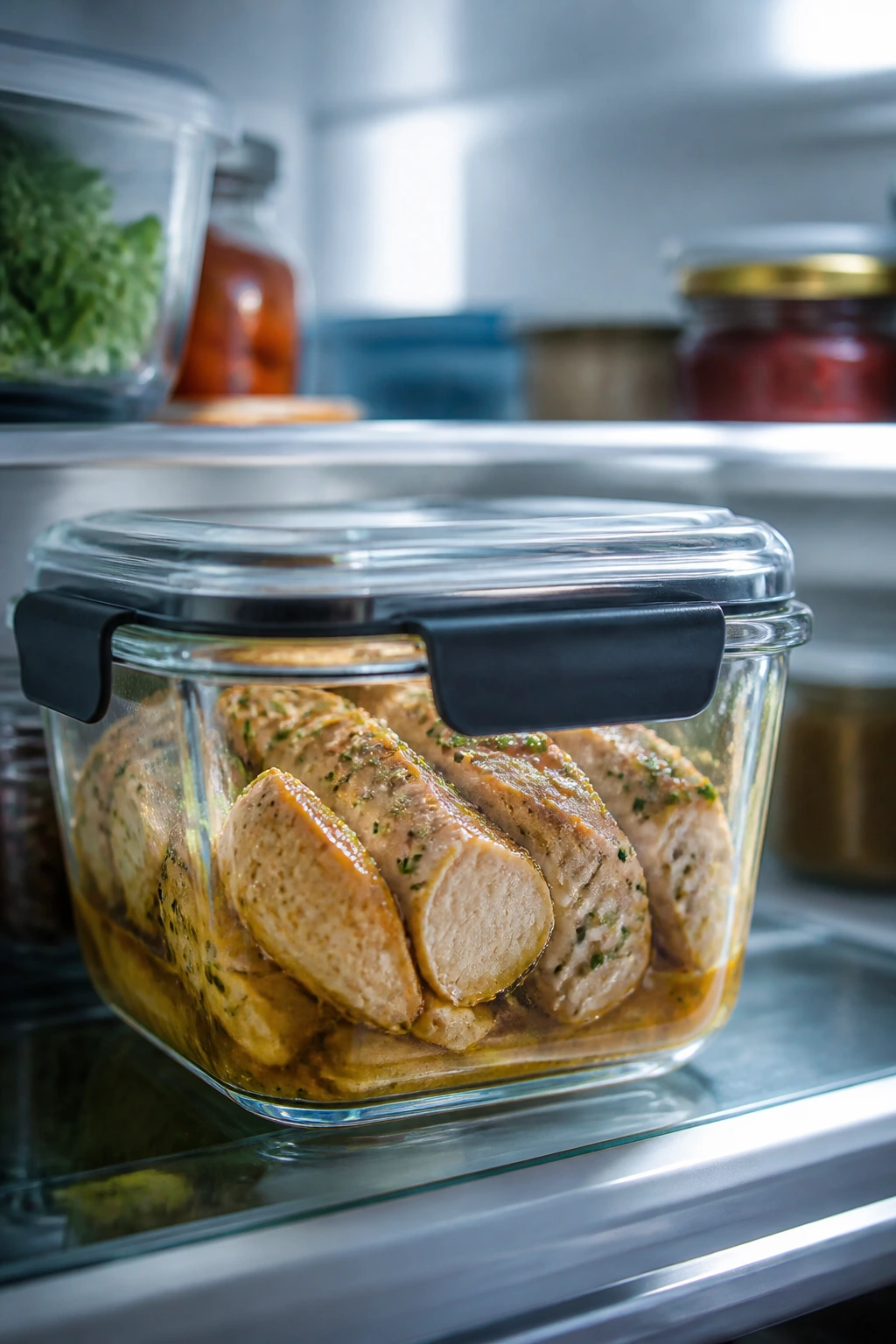
Cooked chicken keeps well in the fridge for 3 to 4 days in an airtight container. If you store the chicken with a little sauce over the top, it holds moisture better than if you pack the pieces dry and hope for the best. Let it cool first, but do not leave it on the counter longer than 2 hours.
You can freeze the cooked chicken for up to 2 months. I like freezing individual portions in shallow containers so they thaw evenly and do not sit in one giant block of ice. The sauce freezes fine, though it may need a quick whisk after reheating to bring the texture back together.
For the best reheating result, use a skillet over low heat with 1 to 2 tablespoons of broth or water. Cover the pan for a minute or two so the steam loosens the chicken, then uncover and warm gently until it is hot through. The microwave works in a pinch, but use 50% power and short bursts so the chicken does not turn stringy at the edges.
For make-ahead prep, slice and pound the chicken up to 24 hours in advance and keep it covered in the fridge. Mix the seasoning ahead too, though I would dredge the chicken right before cooking so the flour stays light. The sauce ingredients can be measured earlier in the day, which shaves off the annoying little delays that make weeknight cooking feel heavier than it is.
Questions People Ask Before They Cook It
Can I use chicken thighs instead of breasts?
Yes, and they are often more forgiving. Boneless, skinless thighs usually need a few extra minutes in the pan, and they taste especially good if you cook them to about 175°F, where the fat has had time to soften the texture.
Do I have to use flour?
No, but the flour helps with browning and gives the sauce a little body. If you want a gluten-free version, use a gluten-free all-purpose blend or a mix of cornstarch and rice flour so the coating stays light.
What if my chicken breasts are huge?
Cut them in half horizontally before anything else. Big grocery-store breasts are often thick enough to need slicing and pounding, and trying to cook them whole is how a “fast” dinner turns into a dry one.
Can I bake this instead of frying it?
You can sear the cutlets in the skillet first, then move the pan to a 400°F oven for 4 to 6 minutes if the centers still need help. That works best with an oven-safe skillet and cutlets of even thickness.
What if the sauce tastes too sharp?
Add another tablespoon of broth and a small knob of butter, then taste again. Lemon can get aggressive if the pan reduces too far, and a little extra fat or liquid usually smooths it out fast.
Is this good for meal prep?
Yes, though it is best when reheated gently rather than blasted in the microwave. Slice the chicken before storing it so it warms evenly, and keep a little sauce with each portion so the meat does not dry out in the fridge.
Can I double the recipe without changing anything else?
Yes, but use two skillets or cook in batches. If you crowd a single pan with double the chicken, the temperature drops and you end up steaming the cutlets instead of searing them.
A Back-Pocket Chicken Dinner
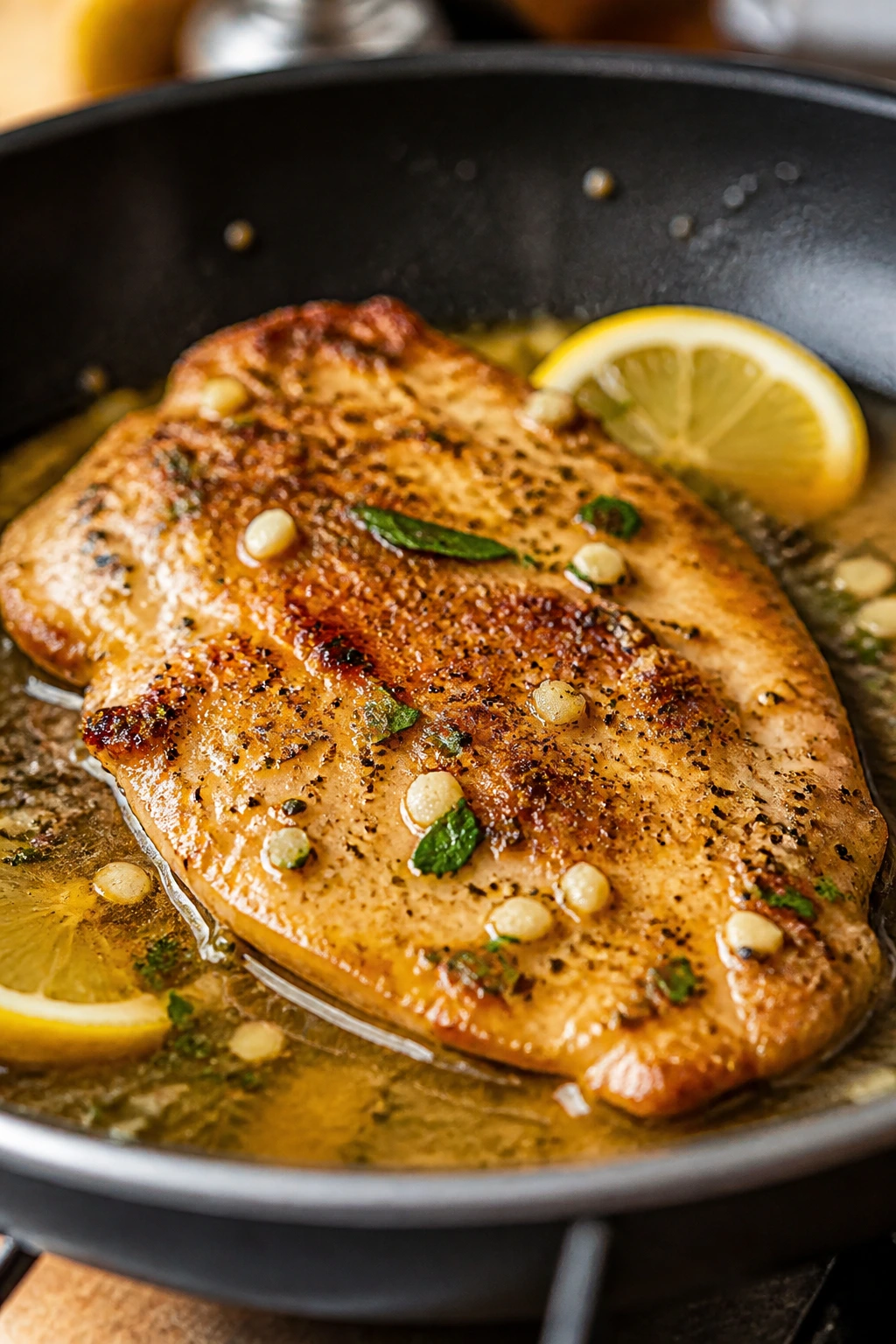
This is the kind of dinner that pays rent in a real kitchen. The ingredient list is short, but the result does not taste short. Thin chicken, a hot skillet, and a sauce that gets built from the browned bits left behind — that combination solves more weeknight problems than most people give it credit for.
Keep a couple of lemons around, a package of chicken in the fridge or freezer, and a skillet you trust. On the nights when energy is low and everyone wants food at the same time, this is the one you’ll reach for without thinking too hard.
Tender Quick Chicken — Recipe Card
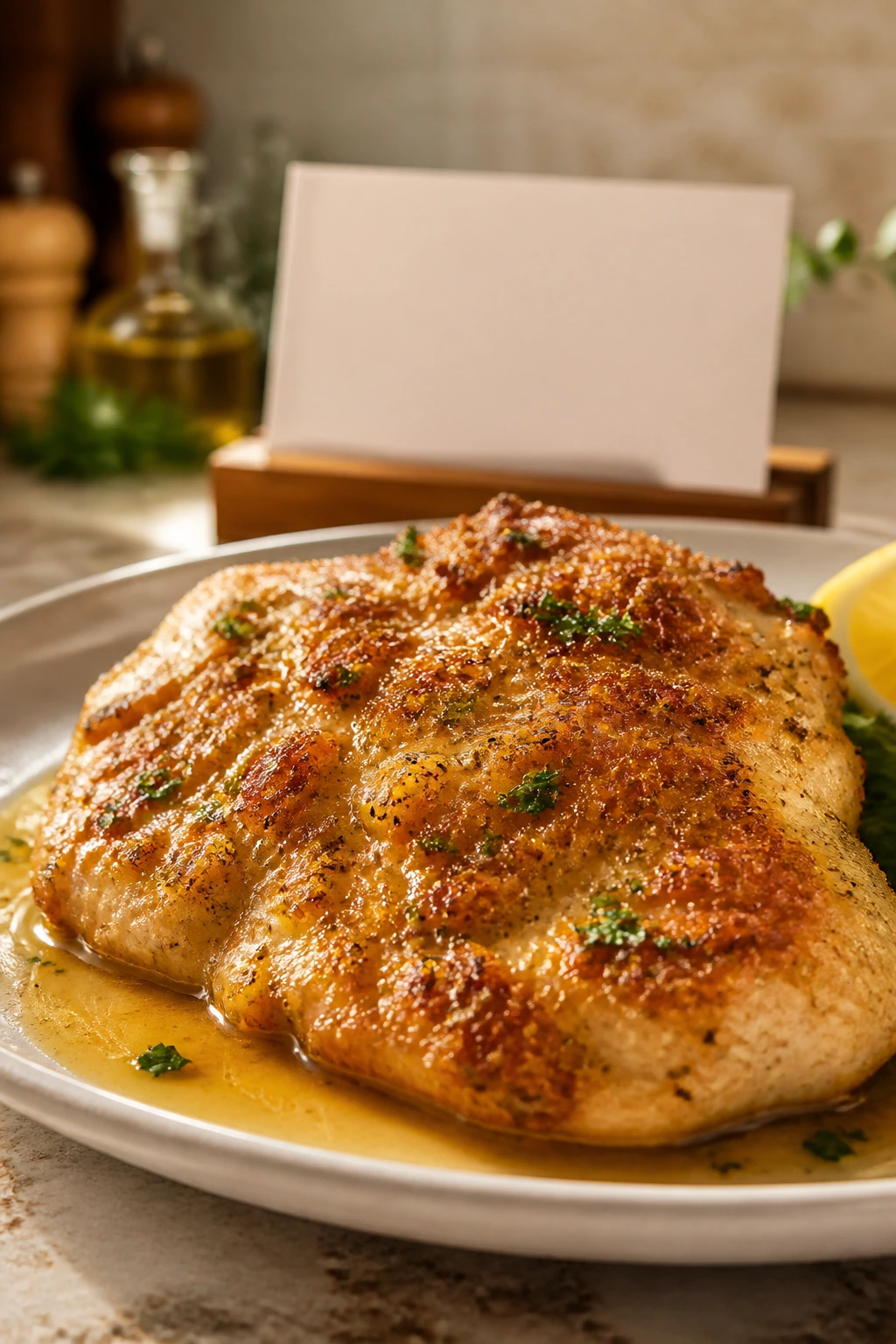
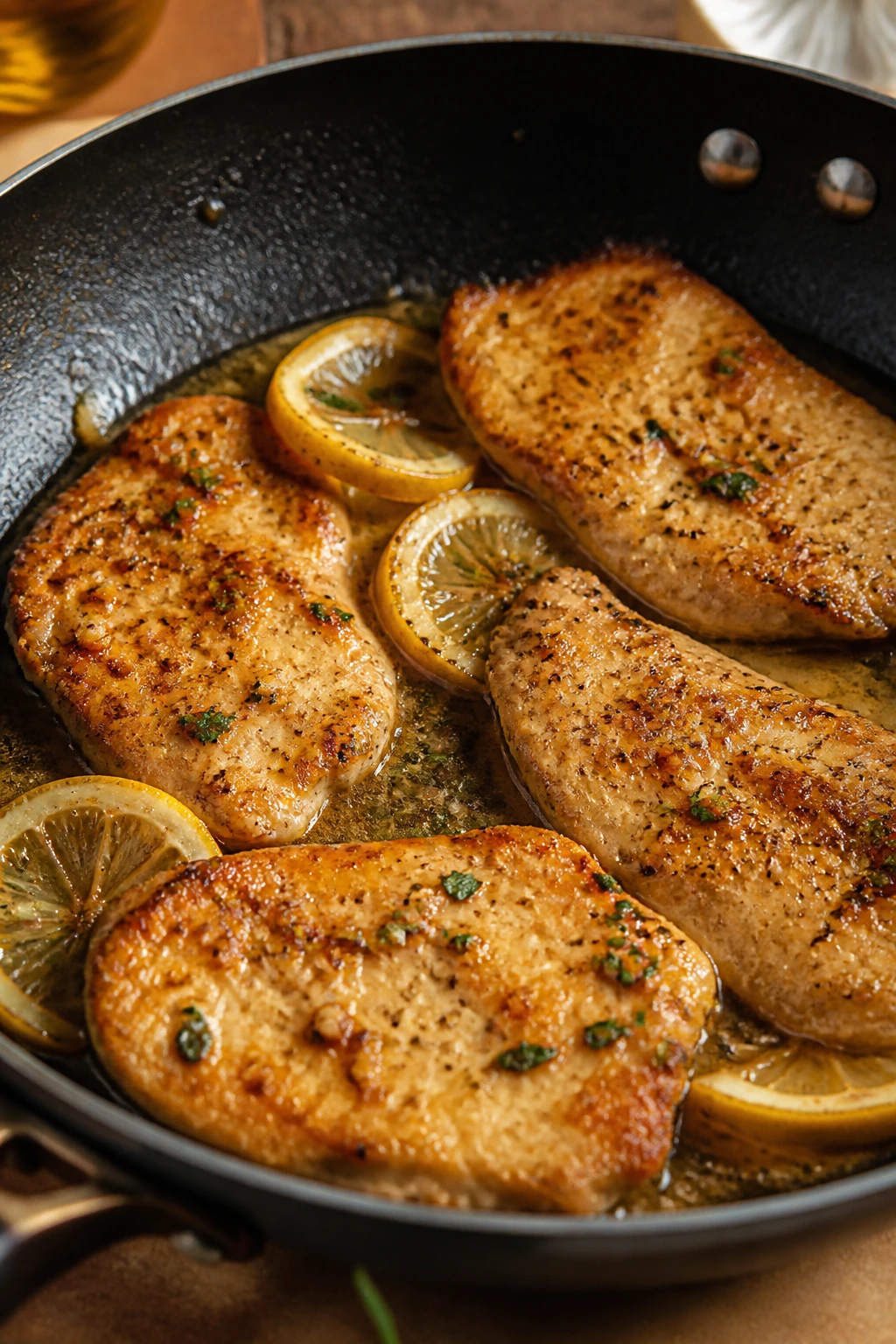
Recipe Name: Tender Quick Chicken for Weeknight Dinners
Description: Thin chicken cutlets are lightly seasoned, seared until golden, and finished in a lemon-garlic pan sauce with Dijon and parsley. It’s the kind of skillet dinner that tastes like you paid attention, even if you were moving fast.
Prep Time: 15 minutes
Cook Time: 15 minutes
Total Time: 30 minutes
Course: Dinner, Main Course
Cuisine: American
Servings: 4 servings
Calories: About 320 kcal per serving
Ingredients
For the Chicken:
- 1½ lbs boneless, skinless chicken breasts, cut horizontally into 4 cutlets or pounded to 1/2-inch thickness
- 1 tsp kosher salt
- 1/2 tsp black pepper
- 1 tsp garlic powder
- 1 tsp smoked paprika
- 3 tbsp all-purpose flour
- 2 tbsp olive oil
For the Pan Sauce:
- 2 tbsp unsalted butter, divided
- 3 cloves garlic, minced
- 1/2 cup low-sodium chicken broth
- 2 tbsp fresh lemon juice
- 1 tsp Dijon mustard
- 1 tbsp capers, drained and rinsed, optional
For Finishing:
- 1 tsp finely grated lemon zest
- 2 tbsp chopped fresh parsley
Instructions
-
Pat the chicken dry, slice thick breasts into cutlets, and pound to an even 1/2-inch thickness if needed.
-
Mix the salt, pepper, garlic powder, smoked paprika, and flour in a shallow bowl, then dredge the chicken lightly on both sides and shake off the excess.
-
Heat the olive oil in a 12-inch skillet over medium-high heat until shimmering.
-
Sear the chicken for 3 to 4 minutes on the first side and 2 to 3 minutes on the second, until golden and the thickest part reaches 165°F. Transfer to a plate.
-
Reduce the heat to medium, melt 1 tablespoon of butter, and stir in the garlic for 20 to 30 seconds.
-
Add the broth, lemon juice, Dijon mustard, and capers if using. Simmer for 1 to 2 minutes, scraping up the browned bits.
-
Stir in the remaining 1 tablespoon butter, then return the chicken and any juices to the skillet and spoon sauce over the top for 1 minute.
-
Turn off the heat, finish with lemon zest and parsley, and serve right away.
Notes: Use chicken thighs if you want a richer, more forgiving cut; cook them a few minutes longer. Reheat gently with a splash of broth so the sauce stays silky.