



A post-workout juice recipe earns its place when dinner needs to happen before the kitchen heat becomes unbearable. Cold, bright, and fast matters more than fancy here, and the best glasses in this category taste like they were made for the moment your shoulders drop and the fridge finally feels like a relief.
These juices are not trying to replace a proper meal in every case. That would be a bad promise. They’re the clean, quick thing you can make beside eggs, rotisserie chicken, rice bowls, or a pile of leftovers when you want fruit, acid, water, and a little salt without turning on every burner in the house.
The smart versions lean on watermelon, cucumber, citrus, beets, ginger, celery, herbs, and a few well-chosen vegetables that do more than fill space. They cool you down. They wake up your palate. And when they’re built with enough balance, they make a tired, half-stumbled-into dinner feel pulled together instead of improvised.
Why These Juices Earn Their Place Beside a Fast Dinner
- Fast Cleanup: Most of these use 4 to 6 ingredients and one cutting board, so you’re not left with a sink full of equipment when you’d rather be eating.
- Recovery-Friendly Balance: Water-rich produce, citrus, and a pinch of salt show up again and again because they give a juice more purpose than sweetness alone.
- Dinner-Friendly Flavor: These aren’t all tropical sugar bombs; several are sharp, savory, or earthy enough to sit beside chicken, eggs, toast, or grains without feeling off-theme.
- Flexible Equipment: A juicer works well, but a blender and a fine-mesh strainer can handle berries, papaya, and softer fruit without much drama.
- Make-Ahead Friendly: A few of these hold up for a day in the fridge, and almost all of them can be frozen in cubes if you want a fast chill without watering them down.
- Easy to Scale: Once you know the fruit-to-veg balance, you can double a batch for two dinners or shrink it to one glass without changing the method.
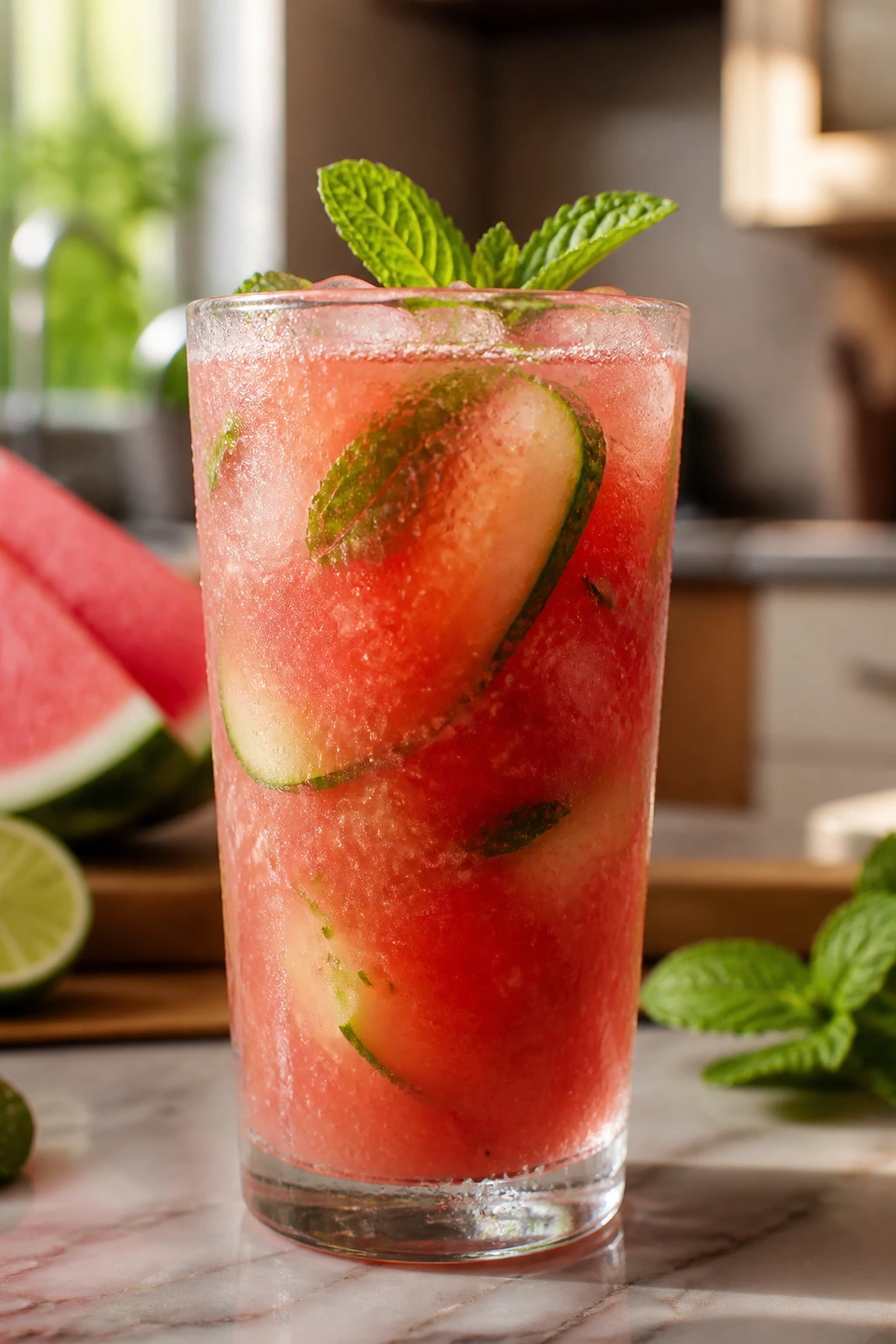
1. Watermelon Cucumber Mint Recovery Juice
Watermelon and cucumber make a juice that tastes cold before it even hits the glass. Mint lifts the finish, lime keeps the sweetness from flattening out, and a tiny pinch of salt gives the whole thing a sharper edge.
This is the bottle I want when dinner is something simple and salty — eggs on toast, leftover chicken, or a wrap that needs a clean, bright side. It takes the edge off heat fast.
Why It Works: Watermelon brings quick, juicy sweetness and plenty of liquid, while cucumber keeps the flavor light instead of syrupy. Mint and lime turn a very simple drink into something that tastes finished, and the salt gives it a recovery-friendly, almost sports-drink snap without making it taste like one.
Key Ingredients:
- 3 cups seedless watermelon chunks, chilled
- 1 medium cucumber, peeled if waxed and cut into chunks
- 8 fresh mint leaves
- 1 lime, peeled and seeded
- 1/4 cup cold coconut water
- 1 pinch fine sea salt
Quick Steps:
- Wash, chill, and chop the watermelon and cucumber into juicer-friendly pieces.
- Run the watermelon, cucumber, mint, and lime through a juicer, or blend with the coconut water for 30 to 45 seconds if you’re using a blender.
- Strain the blender version through a fine-mesh sieve if you want a cleaner pour.
- Stir in the salt, taste, and add a squeeze more lime if the watermelon runs very sweet.
Equipment for This Recipe:
- Juicer or high-speed blender
- Fine-mesh sieve, if blending
- Sharp knife and cutting board
- Chilled glass or small pitcher
How to Serve This Dish: Pour it over a few ice cubes in a short glass and serve it next to something salty, like egg salad toast or a chicken wrap. A cucumber ribbon or mint sprig looks nice, but you don’t need more than that.
Pro Tips for This Recipe:
- Use watermelon that feels heavy for its size; dry, mealy melon makes a thin juice.
- Keep the cucumber cold. Room-temperature cucumber tastes flatter.
- Salt last. It’s easy to overshoot when the juice is already sweet.
Variations on This Dish:
- Lime-Salt Sparkler: Top the finished juice with 1/4 cup plain sparkling water for a fizzy, lighter drink.
- Ginger-Cool Version: Add a 1-inch knob of peeled ginger for a sharper finish that cuts through heavier dinners.
Common Mistakes to Avoid with This Dish:
- Using overripe melon: The juice turns dull and almost mushy in flavor. Pick firm, bright fruit.
- Skipping the acid: Without lime, the drink reads as straight sweetness. One lime keeps it crisp.
- Serving it warm: This one collapses fast if the fruit wasn’t chilled first. Keep the produce cold.
2. Beet Orange Ginger Juice
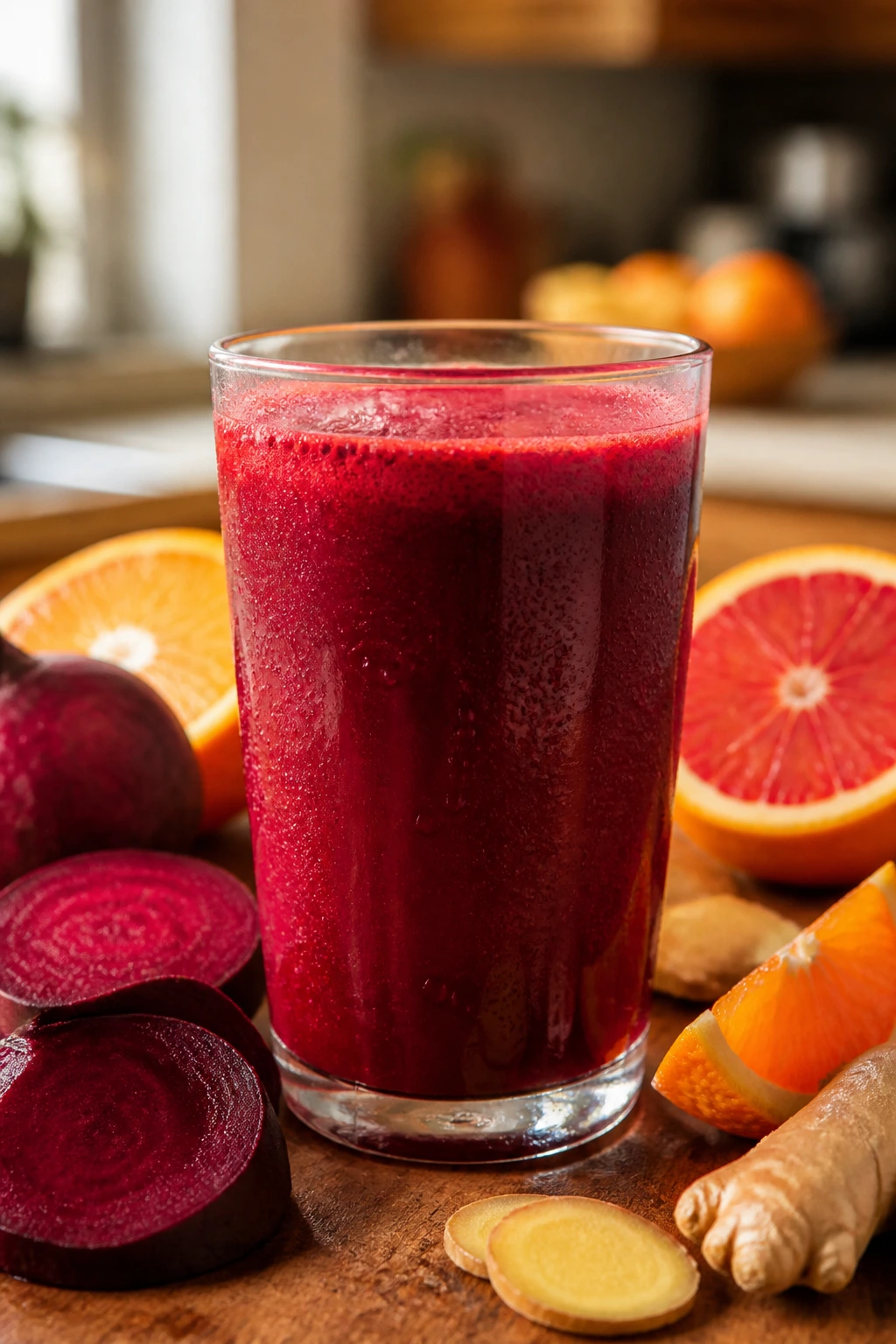
Beet juice gets a bad reputation from weak versions that taste like dirt and not much else. Orange and ginger fix that fast. The citrus pulls the flavor upward, the ginger gives it a little heat, and the beet brings that deep, dense color that looks almost bruised in the best way.
I like this one when dinner is going to be plain — grilled chicken, rice, and a salad. It gives the plate some energy.
Why It Works: Beets bring earthiness and natural sweetness, oranges bring acidity and aroma, and ginger keeps the whole thing from feeling heavy. If you’ve only had beet juice by itself, this is the version that makes sense of it; the orange softens the edges, and the ginger keeps it awake.
Key Ingredients:
- 2 medium beets, scrubbed and trimmed
- 2 large oranges, peeled and seeded
- 1-inch piece fresh ginger, peeled
- 1 small apple, cored
- 1/4 cup cold water, if blending
- 1 pinch fine sea salt
Quick Steps:
- Trim the beets into chunks small enough for your juicer or blender.
- Juice the beets, oranges, ginger, and apple, or blend with the cold water for 45 seconds until smooth.
- Strain the blender version if you want a cleaner texture.
- Stir in the salt, then taste for balance; if the beets are strong, add another orange wedge.
Equipment for This Recipe:
- Juicer or blender
- Fine-mesh strainer
- Vegetable peeler
- Sharp knife
How to Serve This Dish: Serve it in a tall glass with no extra fuss. This juice goes well with roasted chicken, turkey cutlets, or a grain bowl because it has enough body to stand beside something simple.
Pro Tips for This Recipe:
- Smaller beets tend to taste sweeter and less muddy.
- Peel the ginger well; the skin can leave a rough edge.
- Rinse your juicer parts right away. Beet stains settle fast.
Variations on This Dish:
- Grapefruit Beet Twist: Swap one orange for 1 large grapefruit if you want a sharper, more bitter edge.
- Carrot-Beet Blend: Replace the apple with 2 medium carrots for a less sweet, more savory drink.
Common Mistakes to Avoid with This Dish:
- Using giant beets without tasting first: Huge beets can be woody and overly earthy. Smaller ones usually behave better.
- Forgetting the citrus: Beets need acid, or they turn flat. Orange matters here.
- Blending and serving without straining: Beet pulp can make the texture thick in a way you probably don’t want.
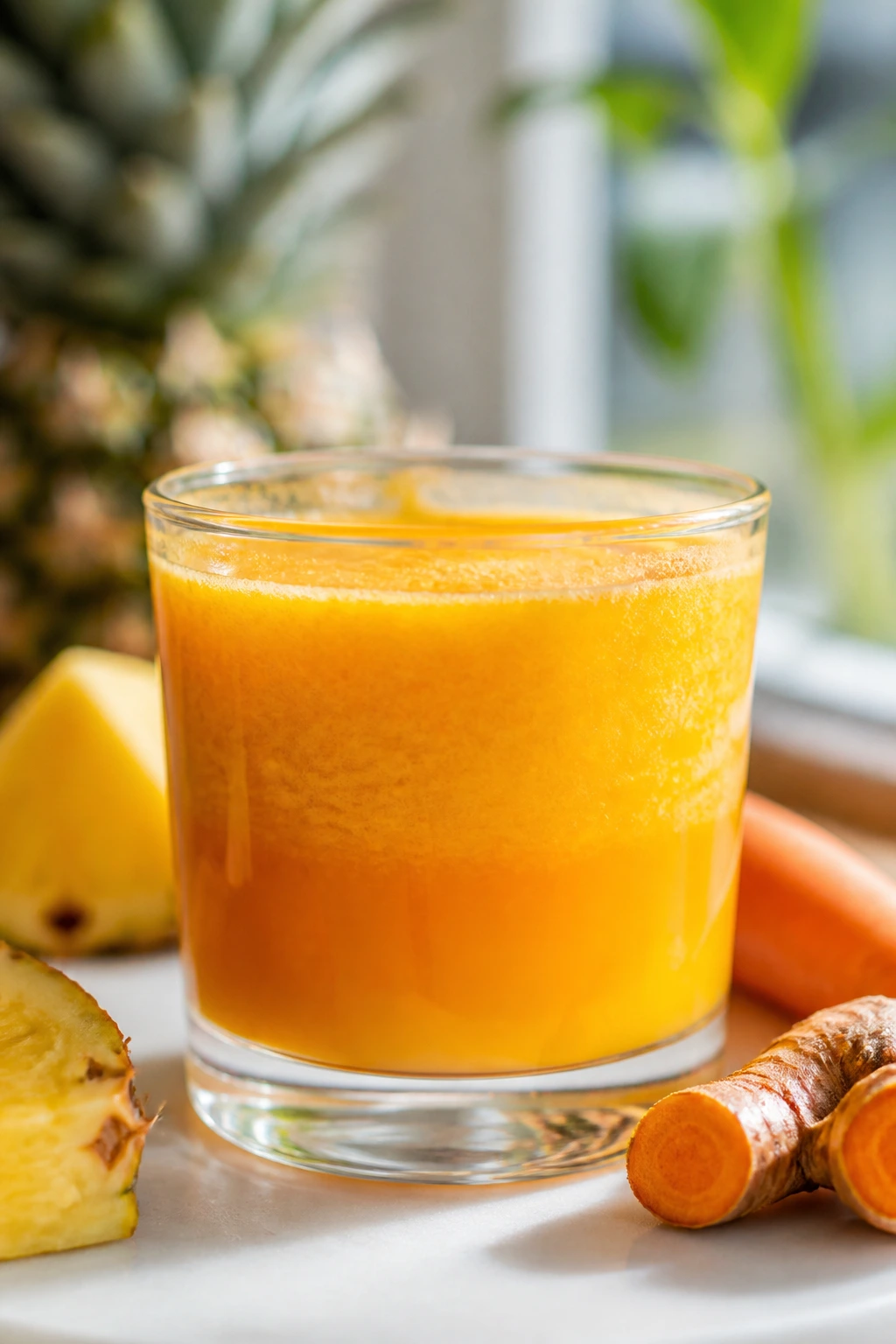
3. Pineapple Carrot Turmeric Juice
This one has a sunny, almost golden look, and it tastes like it too. Pineapple leads, carrot fills the middle, and turmeric adds a dry, earthy note that keeps the sweetness from sliding off the rails.
It’s a solid choice when dinner is a quick chicken sandwich or a rice plate and you want the drink to feel a little brighter than plain water.
Why It Works: Pineapple carries a lot of the flavor load, carrot adds body without much sweetness, and turmeric brings a warm finish that plays well with ginger if you want to push it in that direction. The result is punchy rather than sugary.
Key Ingredients:
- 2 cups pineapple chunks, chilled
- 3 medium carrots, scrubbed and chopped
- 1-inch piece fresh turmeric, peeled
- 1/2 lemon, peeled and seeded
- 1/4 cup cold water, if blending
- 1 pinch fine sea salt
Quick Steps:
- Chop the carrots into narrow pieces so they feed through easily.
- Juice the pineapple, carrots, turmeric, and lemon, or blend with cold water for 40 seconds.
- Strain if you want a smoother pour.
- Stir in the salt and taste; if it leans too sweet, add a bit more lemon.
Equipment for This Recipe:
- Juicer or blender
- Fine-mesh strainer
- Cutting board and knife
- Vegetable peeler
How to Serve This Dish: Pour it cold into a slim glass and serve it with something crisp, like a turkey wrap or a toasted chickpea sandwich. It also works well next to roasted chicken with a simple salad.
Pro Tips for This Recipe:
- Wear gloves if you handle fresh turmeric a lot; it stains fingers fast.
- Use pineapple that smells sweet at the stem end but still feels firm.
- If your carrot juice tastes flat, add lemon before you reach for honey.
Variations on This Dish:
- Ginger Gold: Add a 1-inch piece of peeled ginger for a sharper recovery drink.
- Creamier Citrus Version: Blend in 1/2 ripe banana only if you want a less juice-like, more filling finish. It changes the texture a lot.
Common Mistakes to Avoid with This Dish:
- Using under-ripe pineapple: It tastes harsh and acidic in the wrong way. Choose fruit that smells ripe.
- Skipping the lemon: Carrot and pineapple need acid or they blur together.
- Letting turmeric sit on white counters: Clean spills fast. It stains almost anything it touches.
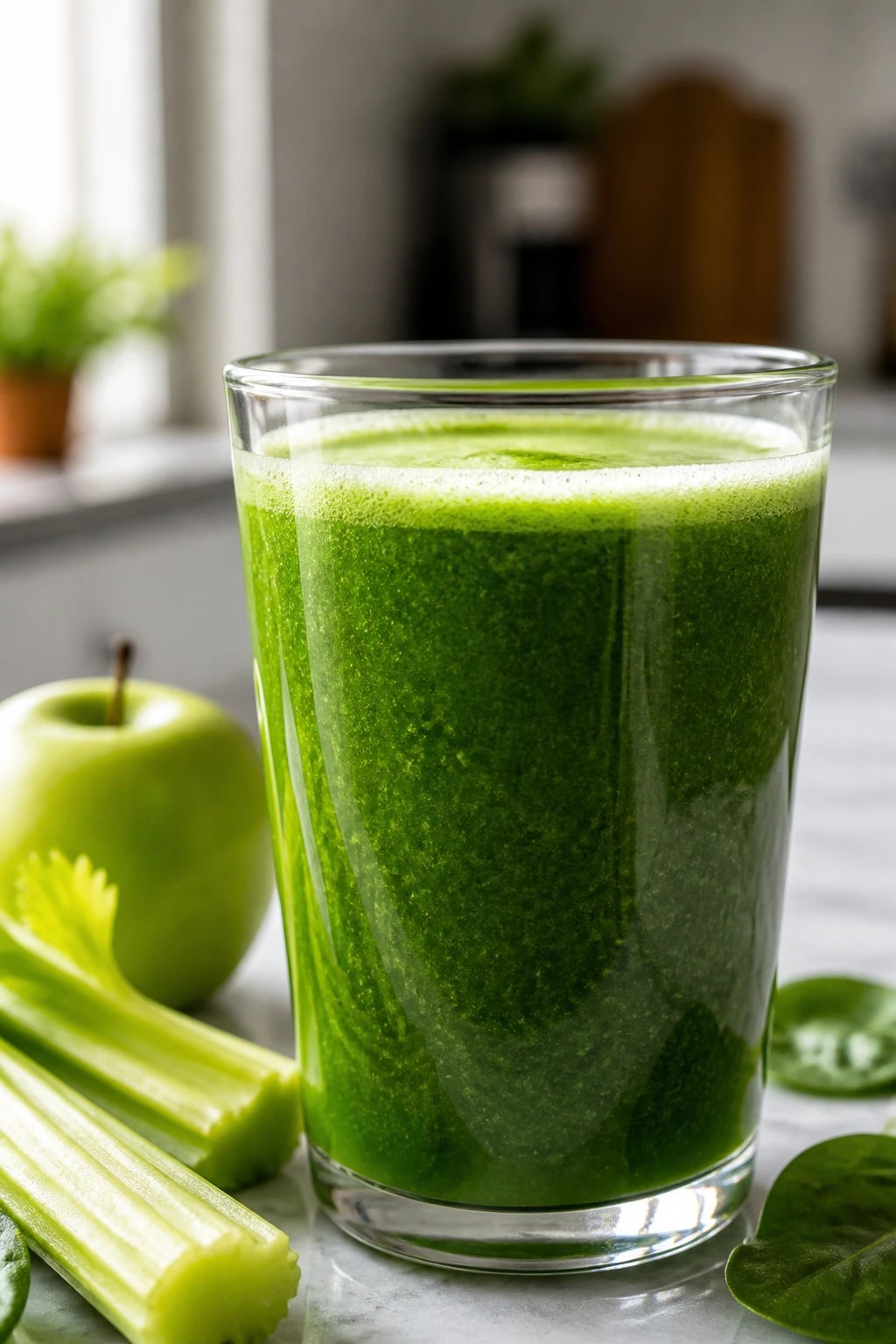
4. Green Apple Celery Spinach Juice
This is the green juice for people who do not want a green juice that tastes like lawn clippings. Apple leads, celery keeps it crisp, and spinach stays in the background instead of taking over.
I reach for this when dinner is going to be leftovers or a grilled chicken salad. It’s light, clean, and sharp enough to reset your palate.
Why It Works: Celery brings sodium and water, spinach brings color without much bitterness, and green apple gives you enough sweetness to keep the drink from turning austere. A squeeze of lemon is what makes the whole thing feel deliberate rather than accidental.
Key Ingredients:
- 2 green apples, cored and chopped
- 4 celery stalks, trimmed
- 2 packed cups baby spinach
- 1 lemon, peeled and seeded
- 1/4 cup cold water, if blending
- 1 pinch fine sea salt
Quick Steps:
- Wash the spinach well and trim the celery into manageable pieces.
- Juice the apple, celery, spinach, and lemon, or blend with cold water for about 45 seconds.
- Strain if you want a smoother texture.
- Stir in salt, taste, and chill for 5 minutes before serving if you want the flavor to settle.
Equipment for This Recipe:
- Juicer or blender
- Fine-mesh sieve
- Salad spinner or clean towel for drying greens
- Knife and board
How to Serve This Dish: Serve it very cold in a small tumbler, not a huge glass. A piece of toast with avocado or a chicken pita is enough alongside it.
Pro Tips for This Recipe:
- Choose crisp apples; soft ones make the juice taste tired.
- Dry the spinach well so you don’t dilute the flavor.
- If the celery is stringy, peel the outside ribs lightly with a vegetable peeler.
Variations on This Dish:
- Pear Green Swap: Replace one apple with one ripe pear for a softer, rounder flavor.
- Lemon-Mint Lift: Add 4 mint leaves for a brighter finish if you’re serving it with a heavier dinner.
Common Mistakes to Avoid with This Dish:
- Using old celery: Limp celery tastes hollow. Crisp stalks matter.
- Overloading spinach: Too much and the juice gets chalky. Keep it measured.
- Serving immediately after blending: A brief chill makes the apple and lemon taste cleaner.
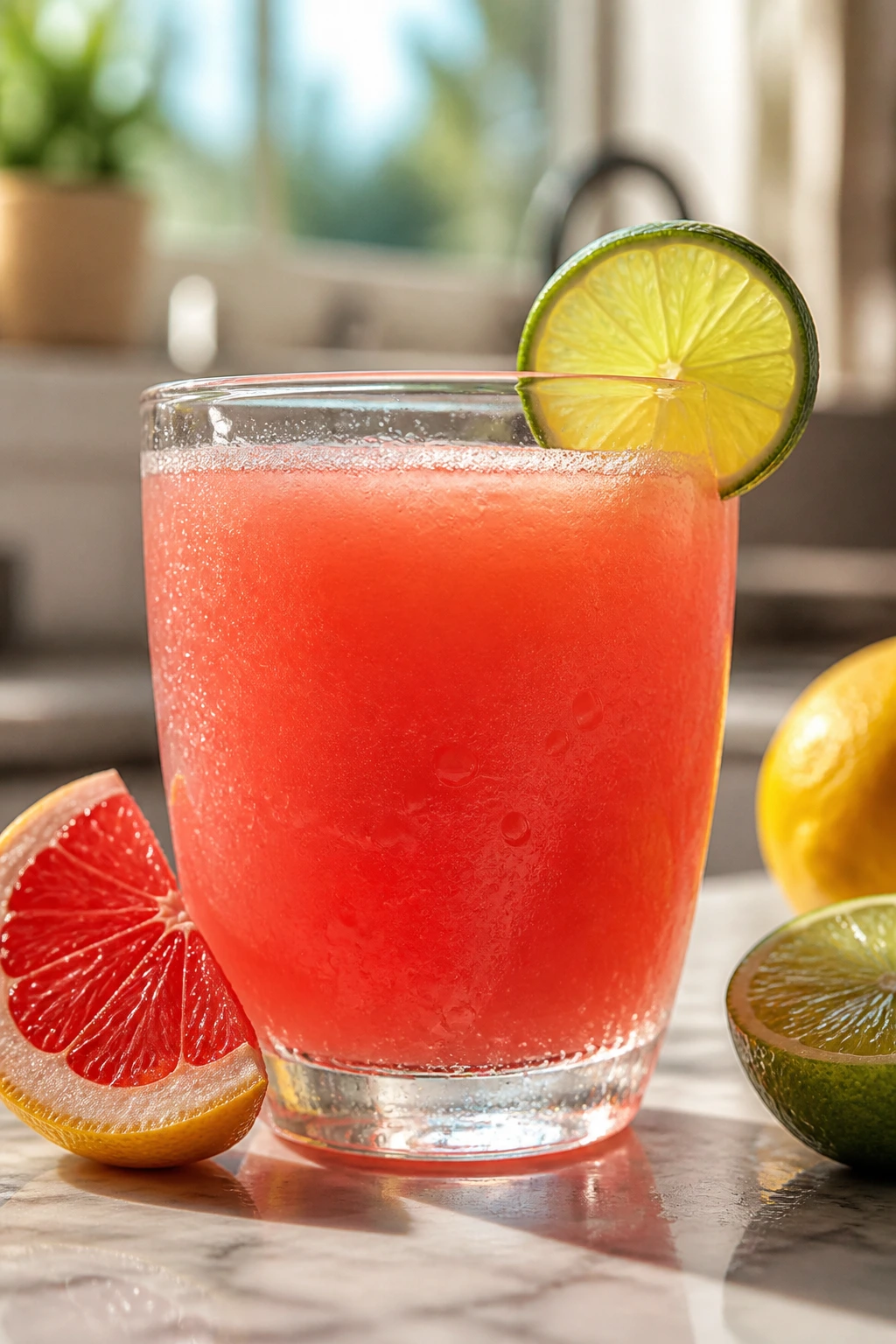
5. Grapefruit Lime Salt Juice
This one is sharp, lean, and not interested in being sugary. Grapefruit leads with bitterness, lime tightens the edges, and a tiny pinch of salt turns it from a tart sip into something that actually tastes polished.
It’s the kind of drink I’d make when dinner is chicken cutlets or a turkey sandwich and I want the drink to cut through the food instead of competing with it.
Why It Works: Grapefruit gives you bright acidity and a little bitterness, lime adds another layer of sharpness, and salt keeps the drink from tasting thin. If you like citrus with some backbone, this is a strong choice.
Key Ingredients:
- 2 large grapefruits, peeled and seeded
- 1 lime, peeled and seeded
- 1 small green apple, cored
- 1/4 cup cold water, if blending
- 1 pinch fine sea salt
- 2 to 3 ice cubes, to serve
Quick Steps:
- Remove as much pith from the grapefruit as you can; bitter pith ruins the clean finish.
- Juice the grapefruit, lime, and apple, or blend with water for 30 to 40 seconds.
- Strain if needed, then stir in salt.
- Serve over ice while the citrus still tastes bright.
Equipment for This Recipe:
- Juicer or blender
- Fine-mesh sieve
- Citrus reamer or knife
- Chilled glass
How to Serve This Dish: Pour it into a narrow glass and keep the garnish minimal. It works well beside eggs, chicken salad, or a plate with salty cheese and crackers.
Pro Tips for This Recipe:
- The white pith is the enemy here. Trim carefully.
- If the grapefruit is especially bitter, use a sweeter apple.
- Salt can make grapefruit taste more vivid; use only a pinch.
Variations on This Dish:
- Rosemary Citrus: Rub the glass with a rosemary sprig before serving, then strain it out. It adds a savory note.
- Sparkling Citrus: Top with a splash of plain seltzer for a lighter finish.
Common Mistakes to Avoid with This Dish:
- Leaving pith on the fruit: That bitterness takes over fast.
- Adding too much sweetener: Sugar flattens the sharp edge that makes this juice work.
- Using pink grapefruit blindly: Some are sweet, some are not. Taste before adjusting.
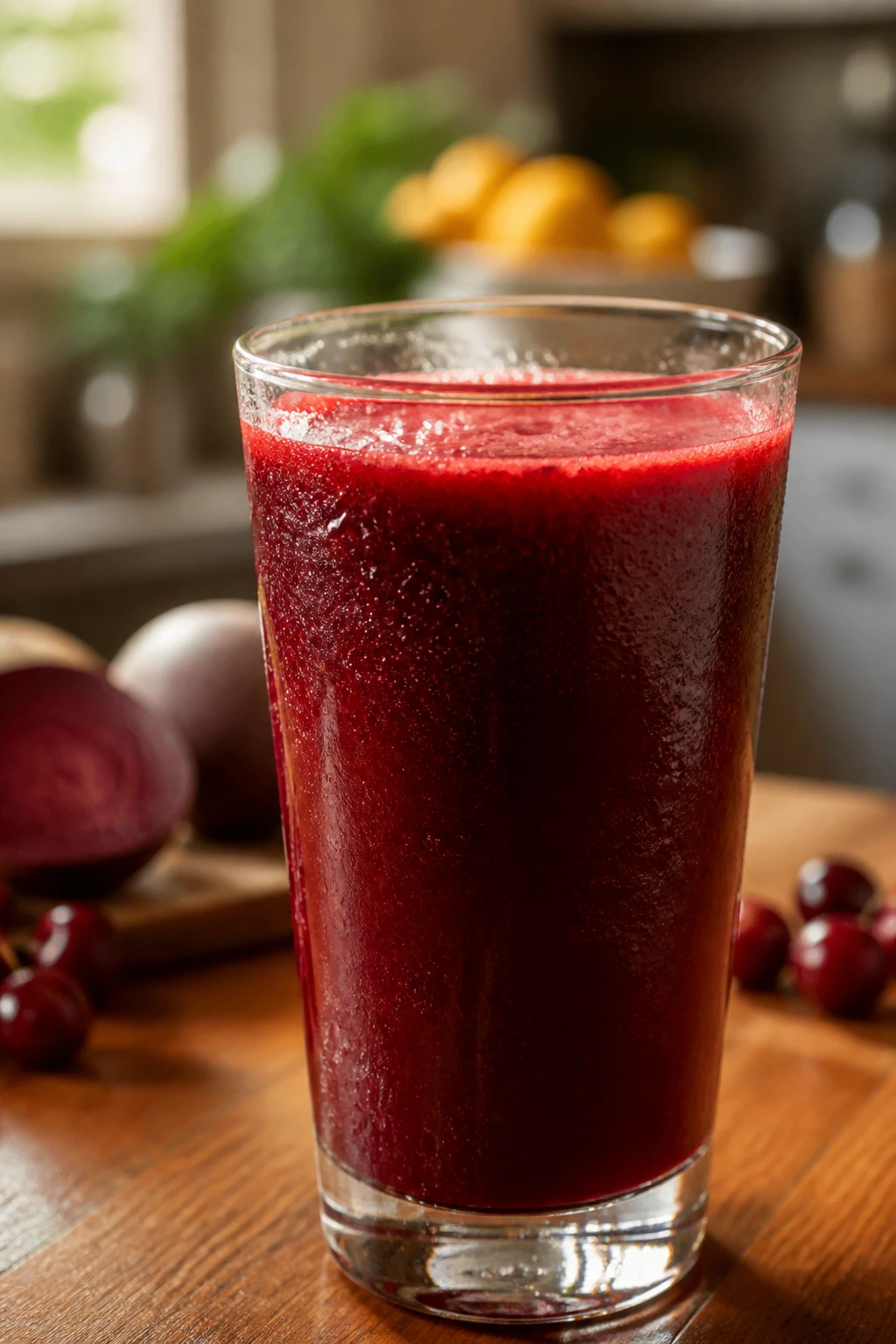
6. Cherry Beet Recovery Juice
Cherry and beet sound heavy together, but they’re not when you give them enough acid. The cherry keeps it fruity, the beet adds depth, and lemon cuts through so the whole glass stays brisk.
This is a strong after-workout option when dinner is just a quick plate of chicken and roasted vegetables. It feels more substantial than a cucumber juice, but it’s still fast.
Why It Works: Tart cherries bring a deep, dark fruit note that works well with earthy beet, and lemon keeps both from turning muddy. If you want a juice that tastes a little more serious and a little less beachy, this is it.
Key Ingredients:
- 1 1/2 cups pitted tart cherries, fresh or thawed frozen
- 1 medium beet, scrubbed and chopped
- 1 lemon, peeled and seeded
- 1 small pear, cored
- 1/4 cup cold water, if blending
- 1 pinch fine sea salt
Quick Steps:
- Chop the beet into small pieces and pit the cherries if needed.
- Blend the cherries, beet, lemon, pear, and water for 45 seconds, or juice the beet first if your machine handles it well.
- Strain through a fine-mesh sieve for a cleaner glass.
- Stir in salt, then chill briefly before pouring.
Equipment for This Recipe:
- High-speed blender or juicer
- Fine-mesh strainer
- Measuring cup
- Sharp knife
How to Serve This Dish: Serve it cold in a small glass. It’s good with turkey sliders, chicken skewers, or a rice-and-bean bowl that needs a bright, fruity drink beside it.
Pro Tips for This Recipe:
- Frozen cherries work fine and often taste better than soft fresh ones.
- Pear smooths the beet flavor without making the juice too sweet.
- Strain well; beet fibers can make this drink feel gritty.
Variations on This Dish:
- Orange Cherry Swap: Replace the lemon with 1 small orange for a rounder, sweeter version.
- Ginger Shot Finish: Add 1/2 inch of ginger for a sharper, more wakeful edge.
Common Mistakes to Avoid with This Dish:
- Using too much beet: The drink turns earthy in a hurry. One medium beet is plenty.
- Skipping acid: Cherry and beet need lemon to stay bright.
- Not chilling the fruit first: Room-temp cherries taste flat here.
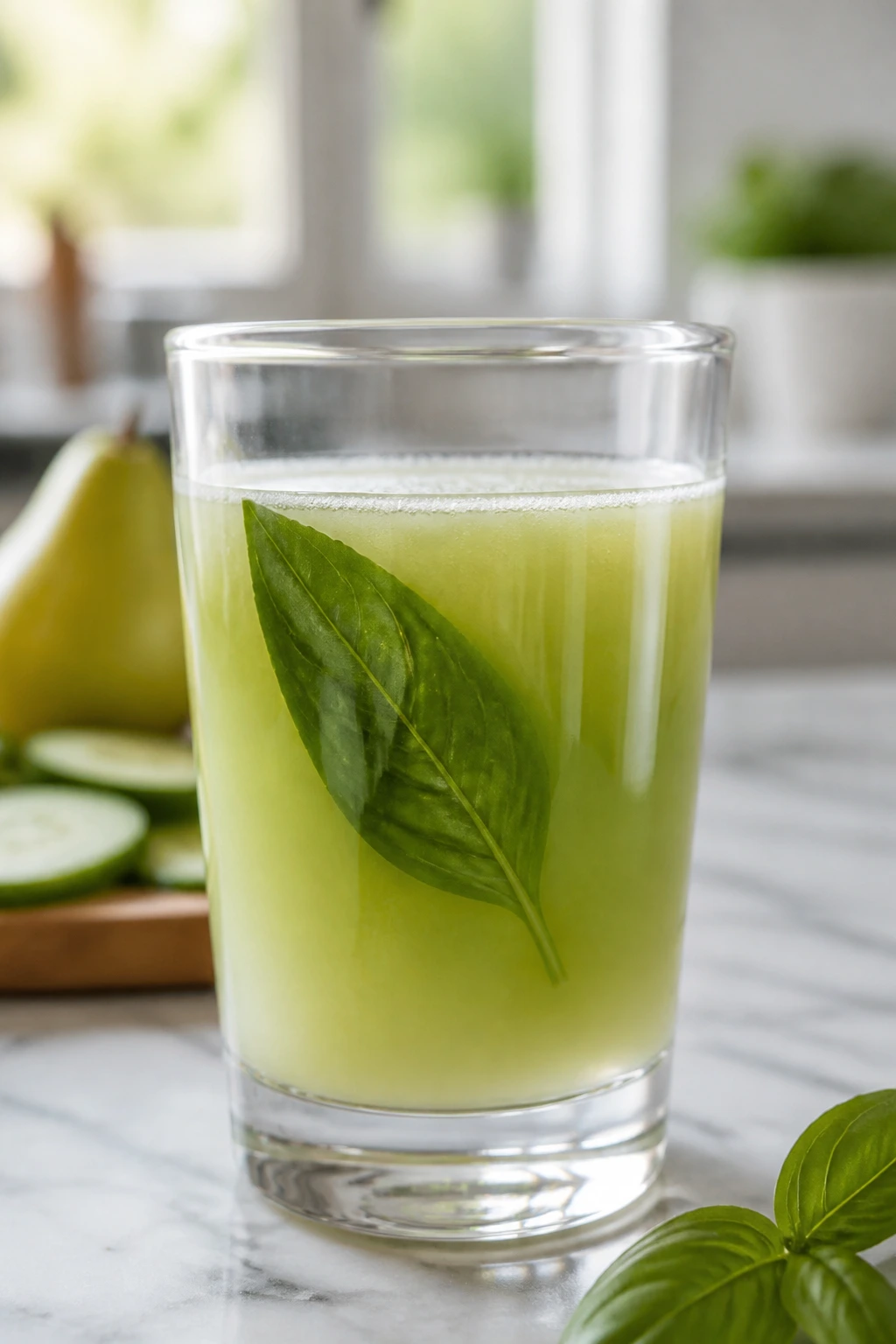
7. Cucumber Pear Basil Juice
Cucumber and pear make a soft, clean base, and basil gives the juice a garden smell that reads fresher than mint in some glasses. It’s quieter than the citrus-heavy drinks, which is exactly why I like it.
This is the one I’d pour next to leftover chicken or a simple toasted sandwich when I want something cool without a sharp bite.
Why It Works: Pear gives body and gentle sweetness, cucumber keeps the drink hydrating, and basil makes the flavor feel deliberate instead of watered down. A little lemon wakes up the pear and stops the juice from drifting into baby-food territory.
Key Ingredients:
- 1 large ripe pear, cored
- 1 medium cucumber, chopped
- 6 basil leaves
- 1/2 lemon, peeled and seeded
- 1/4 cup cold water, if blending
- 1 pinch fine sea salt
Quick Steps:
- Core the pear and chop the cucumber into bite-size pieces.
- Blend with the basil, lemon, and water for 35 to 45 seconds, or juice if your machine handles soft fruit well.
- Strain if you want a clearer pour.
- Stir in salt and serve cold.
Equipment for This Recipe:
- Blender or juicer
- Fine-mesh strainer
- Knife and cutting board
- Small pitcher
How to Serve This Dish: Serve it in a chilled tumbler with a basil leaf on top. It goes well with chicken salad, tuna toast, or a rice bowl with leftovers.
Pro Tips for This Recipe:
- Use a ripe pear, but not a mushy one.
- Basil bruises fast, so add it late if you’re blending and serving later.
- A squeeze more lemon is better than too much salt here.
Variations on This Dish:
- Mint-Pear Version: Swap basil for mint if you want a cooler finish.
- Cucumber-Lime Shift: Use lime instead of lemon for a sharper, less floral glass.
Common Mistakes to Avoid with This Dish:
- Using an underripe pear: It tastes grainy and bland.
- Overpowering the basil: Too much reads medicinal. Keep it to a few leaves.
- Skipping the strain step with a weak blender: Nobody wants pear foam with chunks.
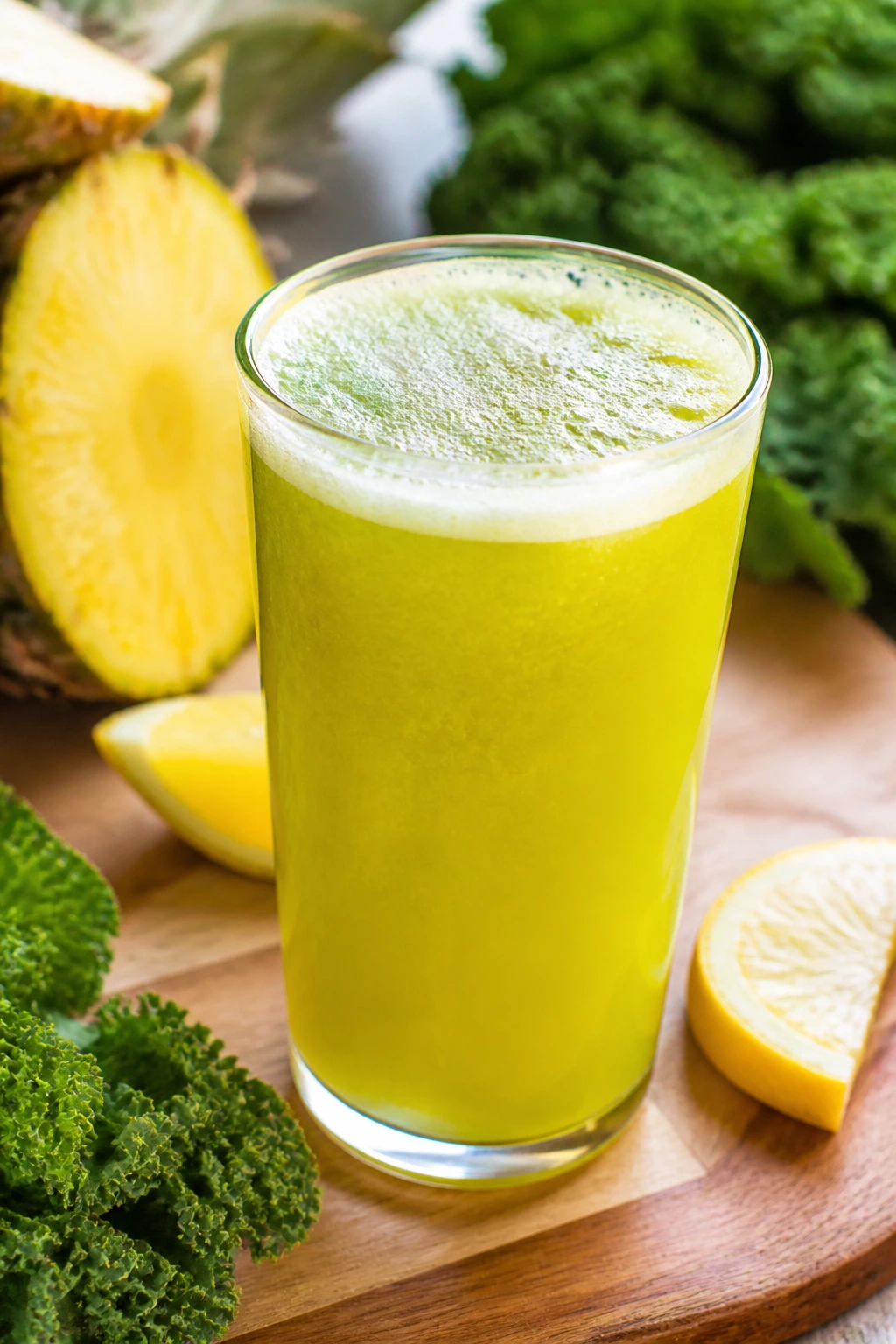
8. Pineapple Kale Lemon Juice
Pineapple is doing the heavy lifting here, and that’s the right move. Kale brings color and a little bitterness, while lemon keeps the drink from tasting like sweet fruit punch with leafy bits.
I like this when dinner is a quick chicken bowl or a skillet of rice and vegetables. It feels a touch more grown-up than plain pineapple juice.
Why It Works: Pineapple masks a lot of kale’s rough edges, lemon sharpens the whole glass, and the result lands somewhere between tropical and green. If you’ve had kale juice that felt punishing, this is the friendlier version.
Key Ingredients:
- 2 cups pineapple chunks
- 2 packed cups chopped kale, tough stems removed
- 1 lemon, peeled and seeded
- 1 small apple, cored
- 1/4 cup cold water, if blending
- 1 pinch fine sea salt
Quick Steps:
- Strip the kale leaves from the stems and wash them well.
- Juice the pineapple, kale, lemon, and apple, or blend with water for 45 seconds.
- Strain if blending, then taste.
- Add salt and a bit more lemon if the kale still comes through too strongly.
Equipment for This Recipe:
- Juicer or blender
- Fine-mesh sieve
- Salad spinner or towel
- Sharp knife
How to Serve This Dish: Pour it into a small glass and drink it cold, not iced to death. It goes well with grilled chicken, a turkey sandwich, or a hummus plate.
Pro Tips for This Recipe:
- Remove kale stems. They turn bitter and stringy.
- Use sweet pineapple, not tart.
- If your blender is weak, add the pineapple first so it helps break down the kale.
Variations on This Dish:
- Ginger Kale Glow: Add 1-inch ginger for a sharper finish.
- Pineapple-Cucumber Cut: Replace half the kale with cucumber for a lighter drink.
Common Mistakes to Avoid with This Dish:
- Leaving the kale stems in: That’s where the bitterness lives.
- Using too much apple: Then the pineapple gets buried.
- Serving it at room temperature: Chilling makes the pineapple taste cleaner.
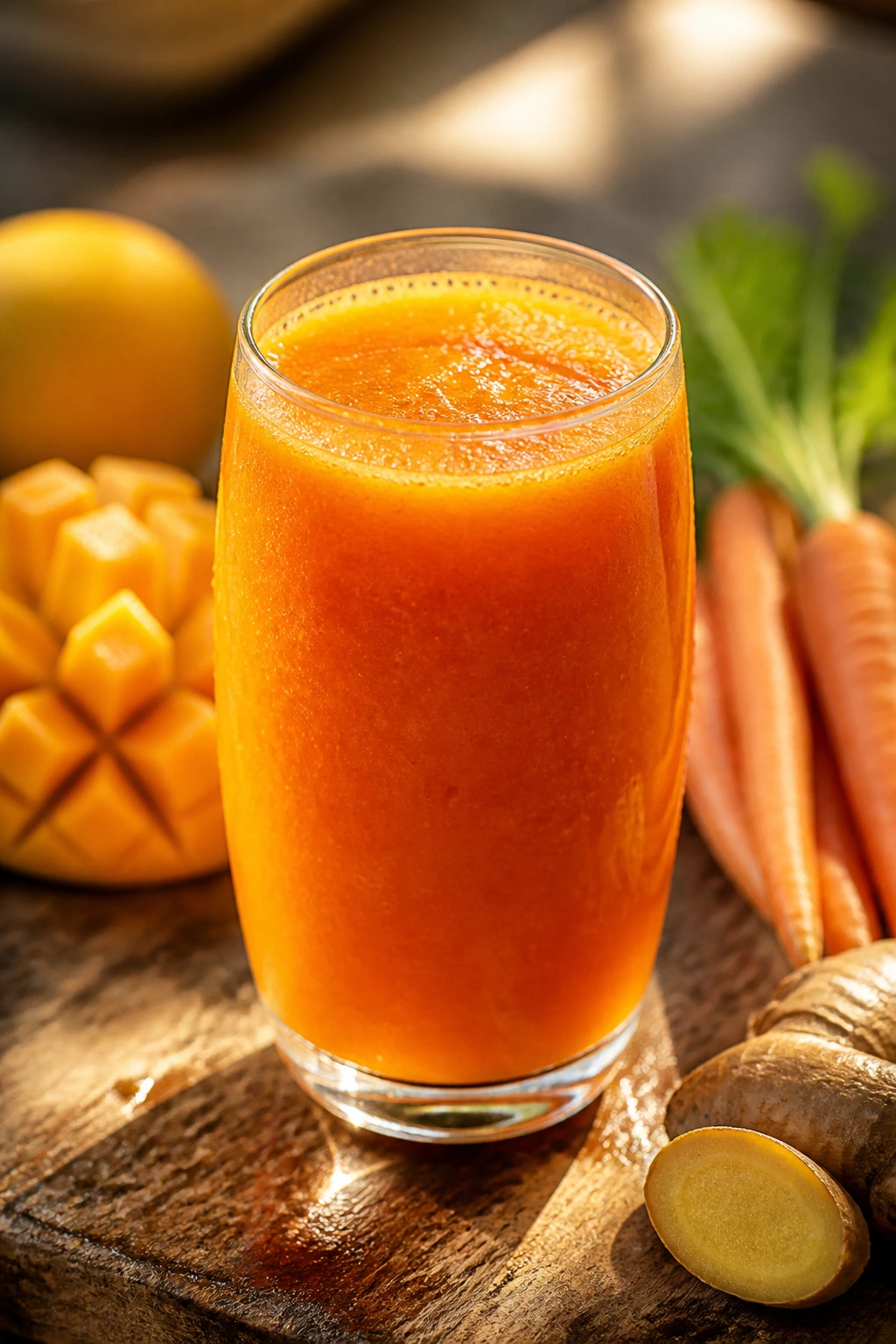
9. Mango Carrot Ginger Juice
Mango and carrot give this one a soft, velvety sweetness, and ginger keeps it from feeling sleepy. It’s one of the more dessert-leaning juices here, but the ginger helps it stay useful after a workout.
This works well beside a chicken wrap or a fast grain bowl because the flavor is warm, not icy-sharp.
Why It Works: Mango brings body and sweetness, carrot adds color and a gentle earth note, and ginger gives the juice enough bite to feel balanced. It’s especially good if you want something richer without turning it into a smoothie.
Key Ingredients:
- 1 large ripe mango, peeled and pitted
- 3 medium carrots, scrubbed and chopped
- 1-inch piece fresh ginger, peeled
- 1/2 lime, peeled and seeded
- 1/4 cup cold water, if blending
- 1 pinch fine sea salt
Quick Steps:
- Cut the mango flesh away from the pit and chop the carrots small.
- Blend the mango, carrots, ginger, lime, and water until smooth, about 45 seconds.
- Strain for a lighter texture if you want it to pour like juice.
- Stir in salt and chill before serving.
Equipment for This Recipe:
- High-speed blender
- Fine-mesh strainer
- Vegetable peeler
- Cutting board and knife
How to Serve This Dish: Serve it in a narrow glass with no garnish unless you want a small lime wheel. It goes well with grilled chicken, rice cakes with peanut butter, or a quick wrap.
Pro Tips for This Recipe:
- Mango needs to be ripe or the drink tastes flat.
- Use a strong blender; carrots need a little help.
- Strain only if you want a cleaner, more drinkable finish.
Variations on This Dish:
- Turmeric Mango: Add a 1/2-inch piece of peeled turmeric for a deeper gold color and earthier finish.
- Orange Mango Version: Swap lime for orange if you want softer acidity.
Common Mistakes to Avoid with This Dish:
- Using a hard mango: The flavor won’t rescue the texture.
- Forgetting to chop the carrots small: Big chunks make weak blenders struggle.
- Serving without acid: Mango and carrot need lime or orange to stay lively.
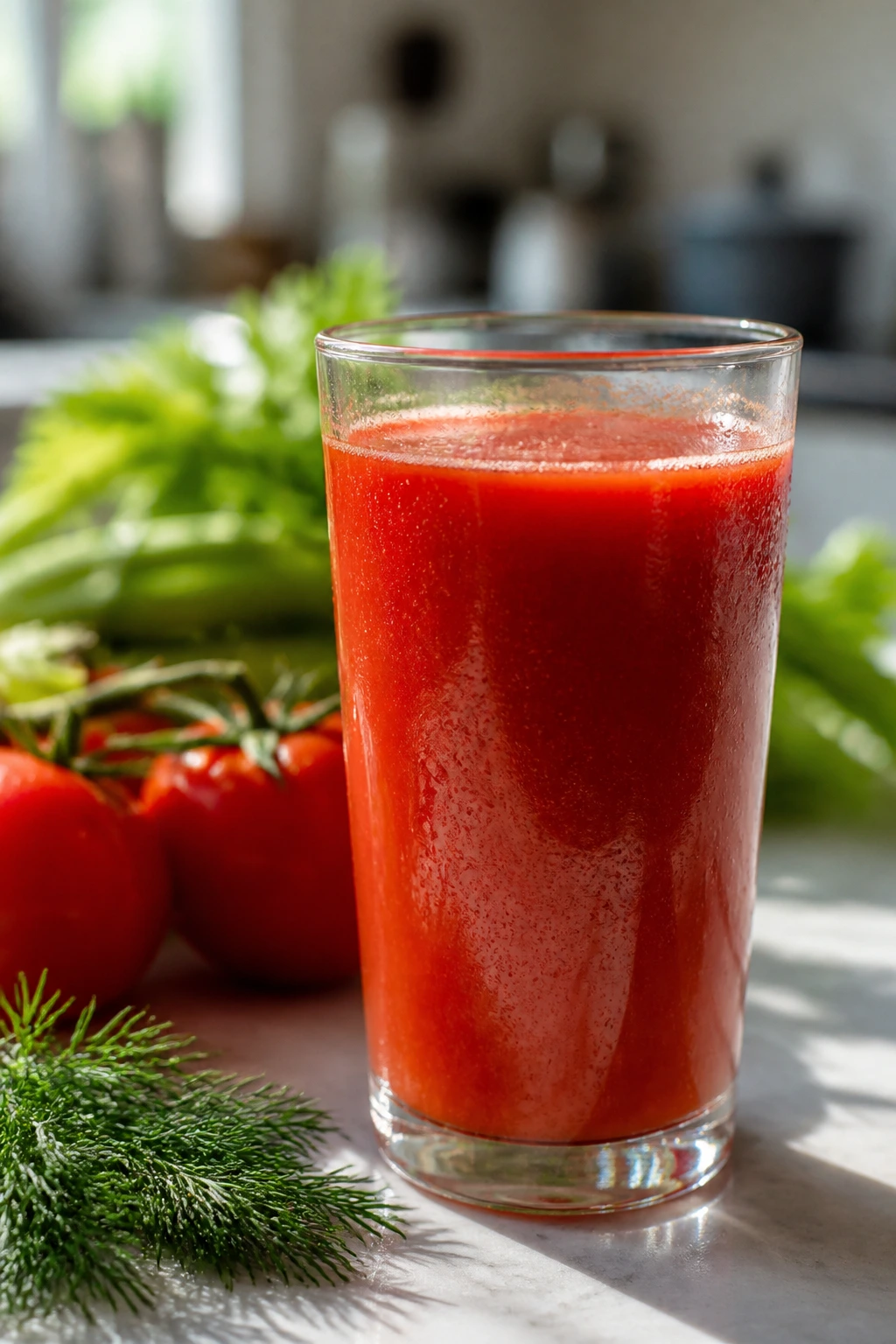
10. Tomato Celery Dill Juice
This is where the collection gets savory. Tomato brings body, celery gives it a clean snap, and dill makes the whole thing smell like a proper kitchen instead of a juice bar.
I’d put this beside a chicken sandwich, turkey cutlets, or even a grilled cheese. It has enough salt-adjacent flavor to feel like food.
Why It Works: Tomatoes bring a natural umami note, celery keeps the drink crisp, and dill adds a herb finish that feels grown-up and specific. If you want a juice that leans dinner instead of snack, this is one of the best places to start.
Key Ingredients:
- 3 medium ripe tomatoes, quartered
- 4 celery stalks, chopped
- 1/4 cup fresh dill, lightly packed
- 1/2 lemon, peeled and seeded
- 1 pinch fine sea salt
- 1/4 cup cold water, if blending
Quick Steps:
- Core the tomatoes and chop the celery into shorter pieces.
- Juice the tomatoes, celery, dill, and lemon, or blend with cold water for 30 to 45 seconds.
- Strain if you prefer a smoother, thinner pour.
- Stir in salt and taste before adding more lemon.
Equipment for This Recipe:
- Juicer or blender
- Fine-mesh sieve
- Sharp knife
- Measuring cup
How to Serve This Dish: Serve it cold in a small tumbler with a celery leaf or dill sprig. It works especially well with chicken, egg salad, or a savory toast.
Pro Tips for This Recipe:
- Ripe tomatoes matter. Mealy tomatoes make this taste thin.
- Dill should be fresh, not dried.
- If it tastes flat, add lemon before more salt.
Variations on This Dish:
- Peppery Garden Version: Add a tiny pinch of black pepper for a more Bloody-Mary feel.
- Cucumber Tomato Swap: Replace one tomato with cucumber for a lighter, less dense glass.
Common Mistakes to Avoid with This Dish:
- Using bland tomatoes: The drink will taste watery. Choose ripe, fragrant fruit.
- Overdoing dill: Too much can make it taste swampy. Use a light hand.
- Serving it warm: Tomato juice gets sleepy fast unless it’s chilled.
11. Apple Fennel Lemon Juice
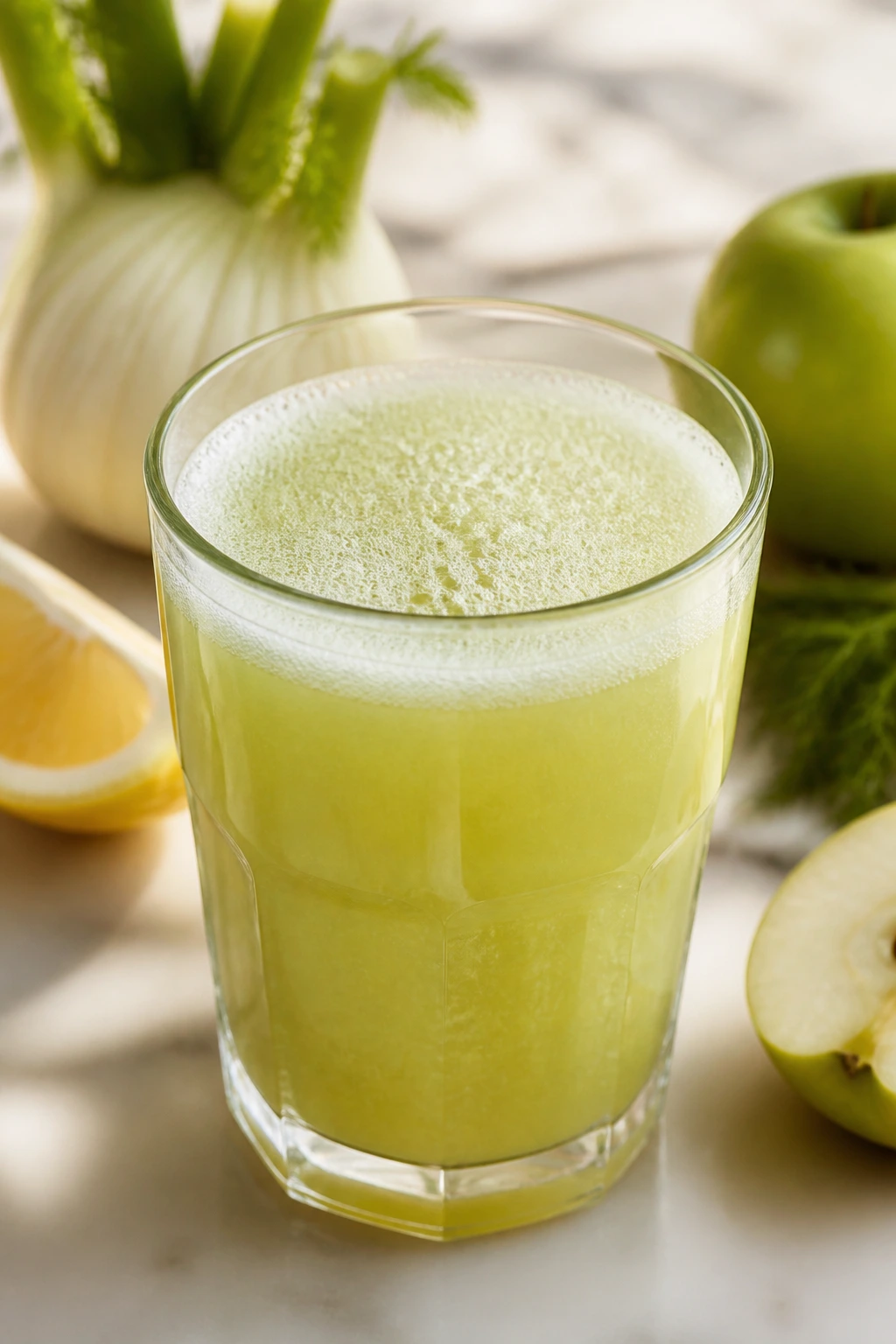
Fennel can be polarizing, but with apple and lemon it becomes crisp and almost sweet. The flavor lands somewhere between licorice and fresh celery, only brighter and cleaner.
This is a good one when dinner is roasted chicken or a simple grain bowl. It cuts through richer food without getting aggressive.
Why It Works: Apple smooths the fennel’s edge, lemon sharpens the profile, and fennel adds a clean, almost perfumed note that reads expensive without being fussy. It’s a good bridge between fruity and savory.
Key Ingredients:
- 2 medium apples, cored
- 1 small fennel bulb, trimmed and sliced
- 1 lemon, peeled and seeded
- 1/4 cup cold water, if blending
- 1 pinch fine sea salt
- 1/2 green apple, if you want extra sharpness
Quick Steps:
- Trim the fennel fronds if you want to save them for garnish.
- Juice the apples, fennel, and lemon, or blend with water until smooth.
- Strain if needed.
- Stir in salt and chill briefly.
Equipment for This Recipe:
- Juicer or blender
- Fine-mesh strainer
- Knife and board
- Measuring cup
How to Serve This Dish: Serve in a chilled glass with a tiny fennel frond on top if you kept one. It goes with chicken, turkey, or a grilled veggie plate.
Pro Tips for This Recipe:
- Slice fennel thin if you’re blending; it breaks down more evenly.
- Use crisp apples like Granny Smith or Honeycrisp.
- A little extra lemon keeps fennel from getting too sweet.
Variations on This Dish:
- Pear-Fennel Version: Swap one apple for one pear for a softer finish.
- Cucumber Lift: Add half a cucumber if you want a lighter drink.
Common Mistakes to Avoid with This Dish:
- Using too much fennel: The licorice note takes over. One small bulb is enough.
- Skipping the lemon: Then it tastes murky.
- Using soft apples: Soft fruit makes the juice flat and muddy.
12. Strawberry Watermelon Lime Juice
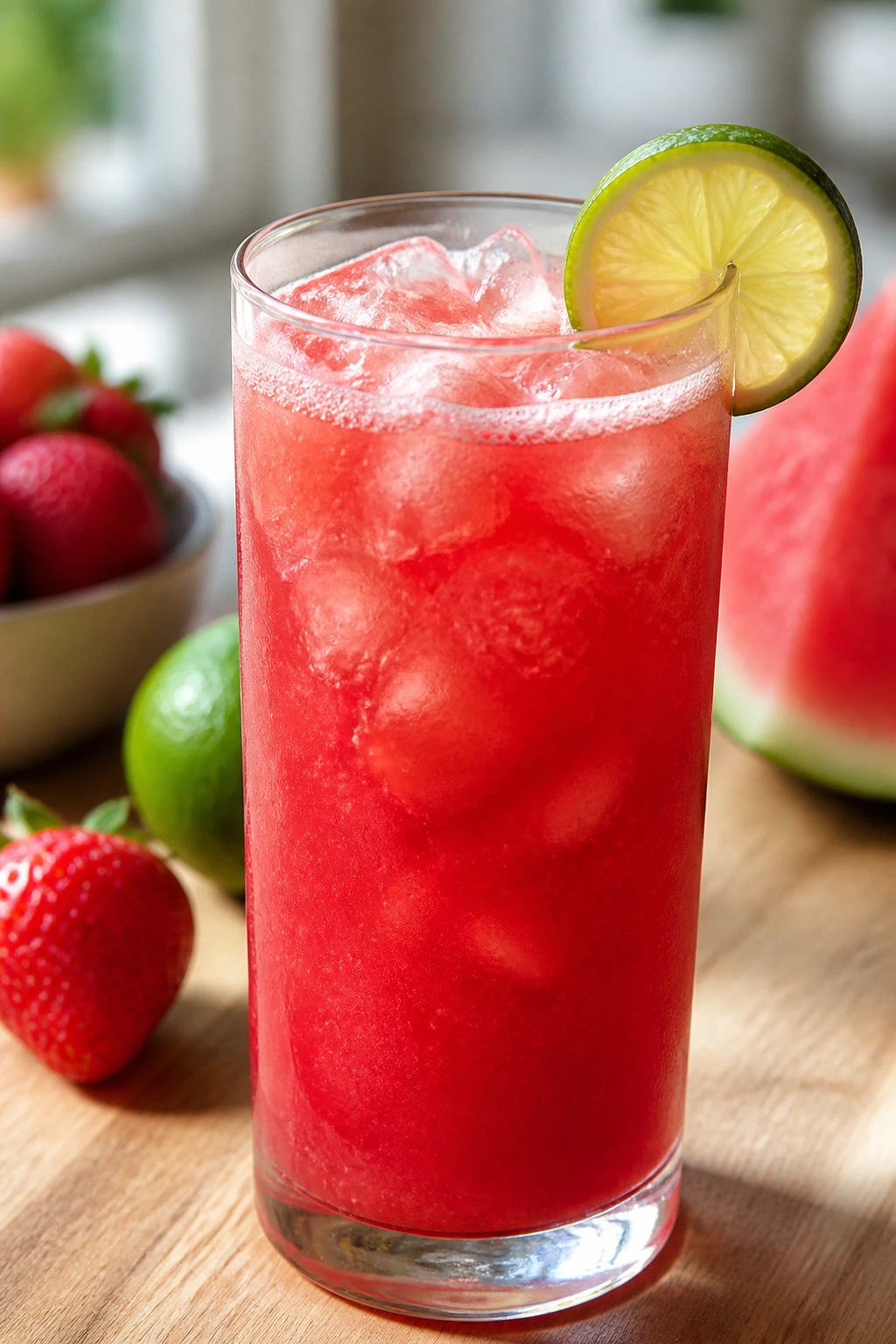
This is the easiest one to love if you want something bright and pink without much work. Strawberry and watermelon are both soft, juicy fruits, so they blend quickly and taste friendly from the first sip.
It’s a good match for quick dinners that run salty — chicken quesadillas, leftover fried rice, or a turkey sandwich.
Why It Works: Watermelon keeps the drink wet and refreshing, strawberries bring perfume and color, and lime keeps the whole thing from turning candy-sweet. The result is simple, but not flimsy.
Key Ingredients:
- 2 cups watermelon chunks
- 1 1/2 cups strawberries, hulled
- 1 lime, peeled and seeded
- 1/4 cup cold water, if blending
- 1 pinch fine sea salt
- 4 mint leaves, optional
Quick Steps:
- Hull the strawberries and chop the watermelon into rough pieces.
- Blend with the lime and water for 30 to 40 seconds.
- Strain only if you want a cleaner, less pulpy glass.
- Add salt, taste, and chill before pouring.
Equipment for This Recipe:
- Blender
- Fine-mesh sieve, optional
- Knife and cutting board
- Chilled glasses
How to Serve This Dish: Pour it over crushed ice if you want it to feel extra cold. It goes especially well with salty dinner foods and plain toast.
Pro Tips for This Recipe:
- Use ripe strawberries; pale ones taste hollow.
- Don’t skip the salt — it keeps the fruit from tasting flat.
- If the watermelon is very sweet, lean harder on lime.
Variations on This Dish:
- Basil Berry Twist: Swap mint for basil if you want a more savory finish.
- Sparkling Strawberry Watermelon: Add plain seltzer just before serving.
Common Mistakes to Avoid with This Dish:
- Using underripe strawberries: They make the drink taste sharp in the wrong way.
- Adding too much water: That can wash out both fruits.
- Serving from a warm pitcher: Chill the fruit first or the flavor fades fast.
13. Orange Carrot Beet Juice
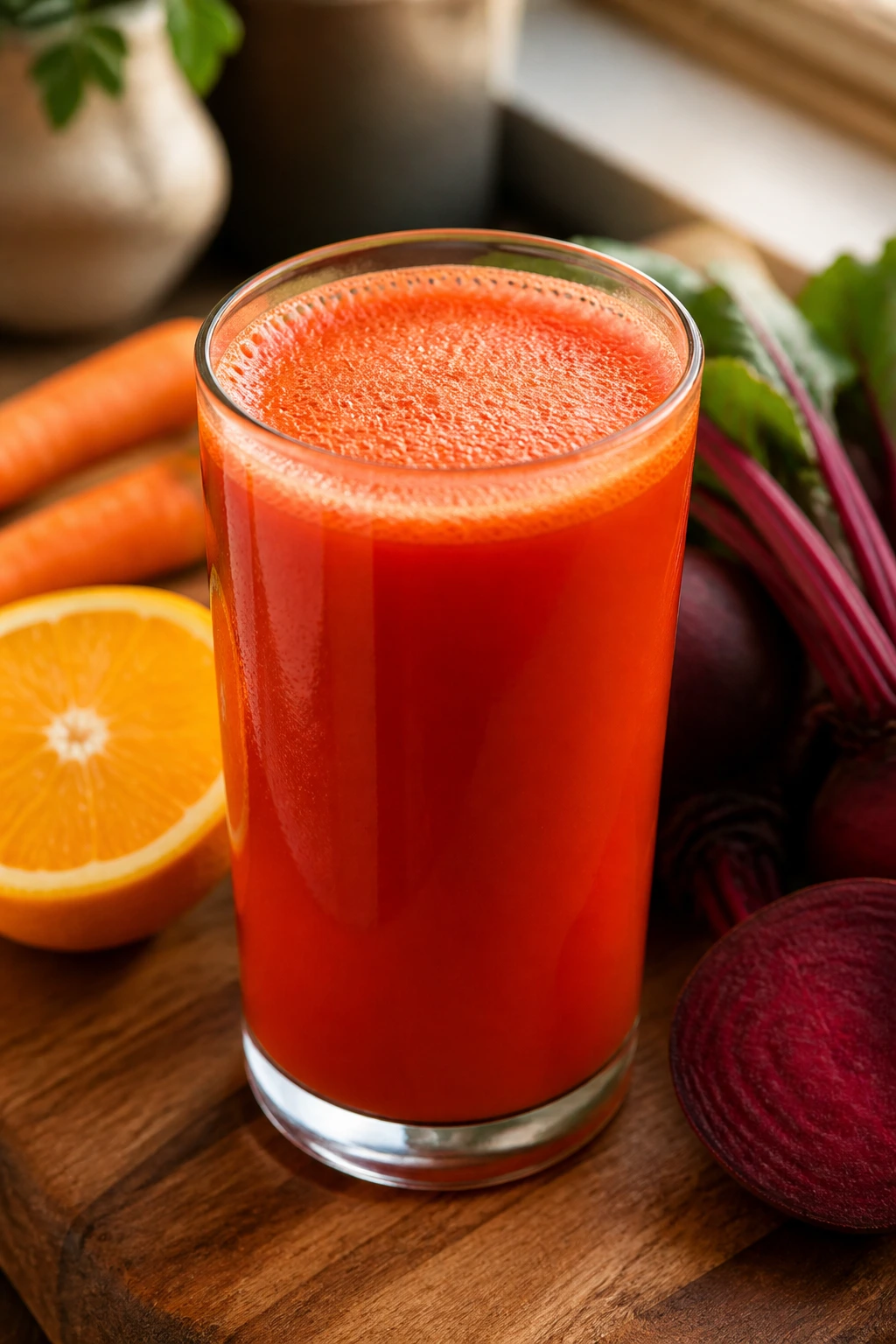
Orange, carrot, and beet can go in a heavy direction if you’re not careful, but the citrus keeps it moving. This one tastes like deep sweetness with a dry finish.
I like it when dinner is a chicken bowl or a plate of leftovers that needs color and a little lift.
Why It Works: Orange softens the beet, carrot fills out the middle, and the three ingredients together make a juice that tastes fuller than any one of them alone. Lemon is optional, but a little extra acid can make it pop.
Key Ingredients:
- 2 oranges, peeled and seeded
- 2 medium carrots, scrubbed and chopped
- 1 medium beet, scrubbed and chopped
- 1/2 lemon, peeled and seeded
- 1 pinch fine sea salt
- 1/4 cup cold water, if blending
Quick Steps:
- Chop the carrot and beet into thin pieces.
- Juice all the produce, or blend with the water for 45 seconds and strain.
- Stir in salt and taste for balance.
- Chill 5 minutes before serving if you want the flavors to settle.
Equipment for This Recipe:
- Juicer or blender
- Fine-mesh strainer
- Vegetable peeler
- Sharp knife
How to Serve This Dish: Serve it cold in a clear glass so the color does the work. It pairs well with chicken, turkey, or a bowl of rice and vegetables.
Pro Tips for This Recipe:
- Use beets that feel firm, not rubbery.
- If the juice tastes too earthy, add a little more orange.
- Strain well if you dislike grit.
Variations on This Dish:
- Ginger Orange Beet: Add 1-inch ginger for a sharper, more wakeful sip.
- Apple-Carrot Beet Swap: Replace one orange with an apple for a milder, less acidic drink.
Common Mistakes to Avoid with This Dish:
- Too much beet, not enough citrus: The drink turns muddy.
- Using old carrots: They taste woody and weak.
- Skipping the chill: Cold temperature makes citrus taste cleaner.
14. Cucumber Kiwi Mint Juice
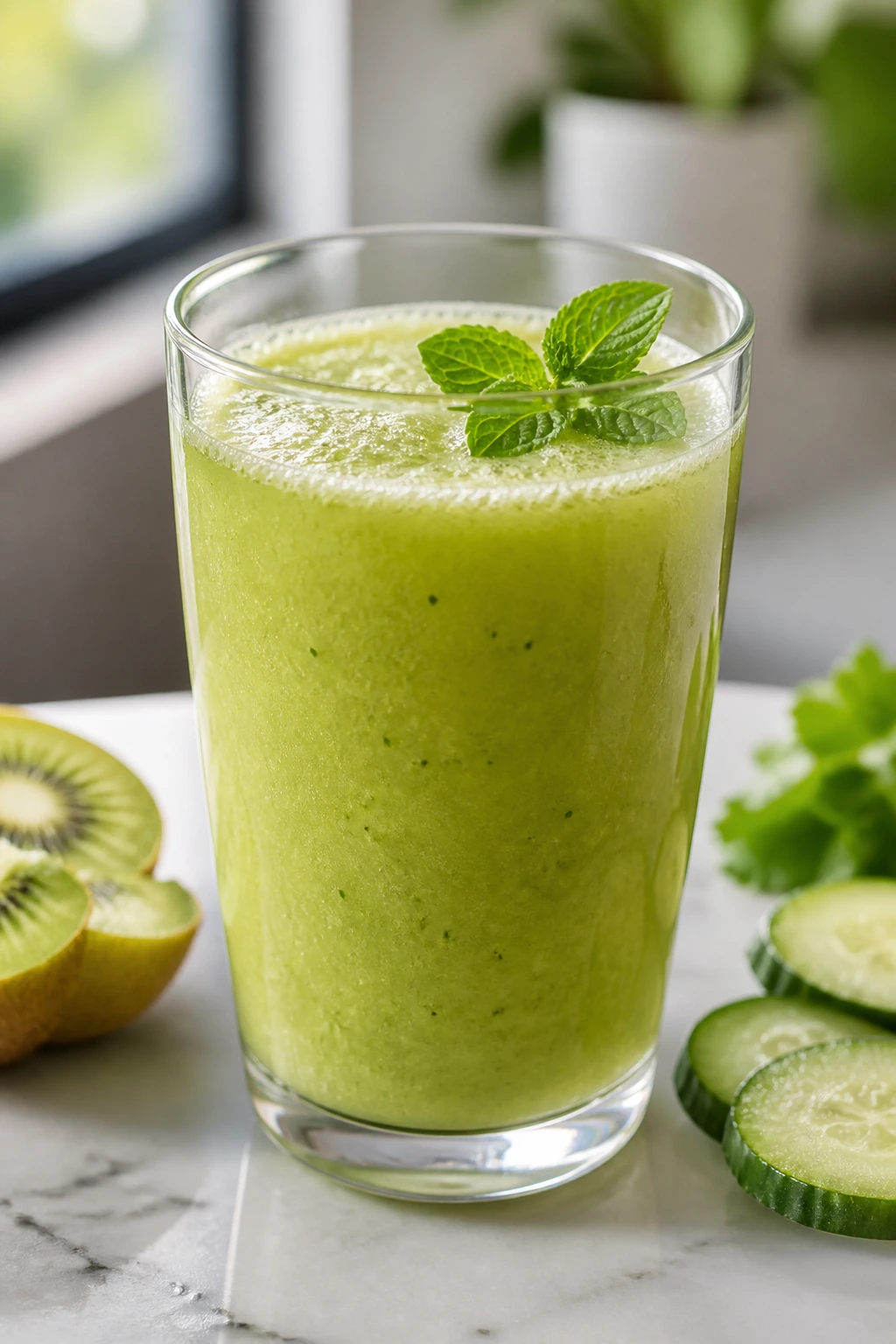
Kiwi brings a tart, floral sharpness that cuts through cucumber’s calm, and mint keeps the whole glass cool. It tastes fresh in a way that feels almost immediate.
This one is good when dinner is simple and a little dry — chicken wraps, toast, or leftover rice and vegetables.
Why It Works: Kiwi is bright and acidic, cucumber adds volume without much sweetness, and mint gives the drink a cool finish. It’s a green juice that doesn’t lean bitter.
Key Ingredients:
- 4 ripe kiwis, peeled
- 1 medium cucumber, chopped
- 8 mint leaves
- 1/2 lime, peeled and seeded
- 1/4 cup cold water, if blending
- 1 pinch fine sea salt
Quick Steps:
- Peel the kiwis and chop the cucumber into chunks.
- Blend with mint, lime, and water for about 35 seconds.
- Strain if you want a smoother texture.
- Add salt and serve cold.
Equipment for This Recipe:
- Blender
- Fine-mesh sieve
- Peeler
- Knife and board
How to Serve This Dish: Serve it in a chilled small glass with a mint leaf on top. It goes nicely with chicken salad, hummus toast, or a simple turkey sandwich.
Pro Tips for This Recipe:
- Use kiwis that give slightly under pressure, not hard ones.
- If the lime is very sharp, start with half and taste.
- Don’t over-blend mint or it can turn grassy.
Variations on This Dish:
- Ginger Kiwi Lift: Add a tiny knob of ginger for a spicier finish.
- Pear Kiwi Blend: Replace one kiwi with pear if you want a softer edge.
Common Mistakes to Avoid with This Dish:
- Using underripe kiwi: It tastes sour and thin.
- Too much mint: That can take over fast. Keep it modest.
- Not straining enough: Kiwi seeds can make the texture feel noisy.
15. Blueberry Spinach Apple Juice
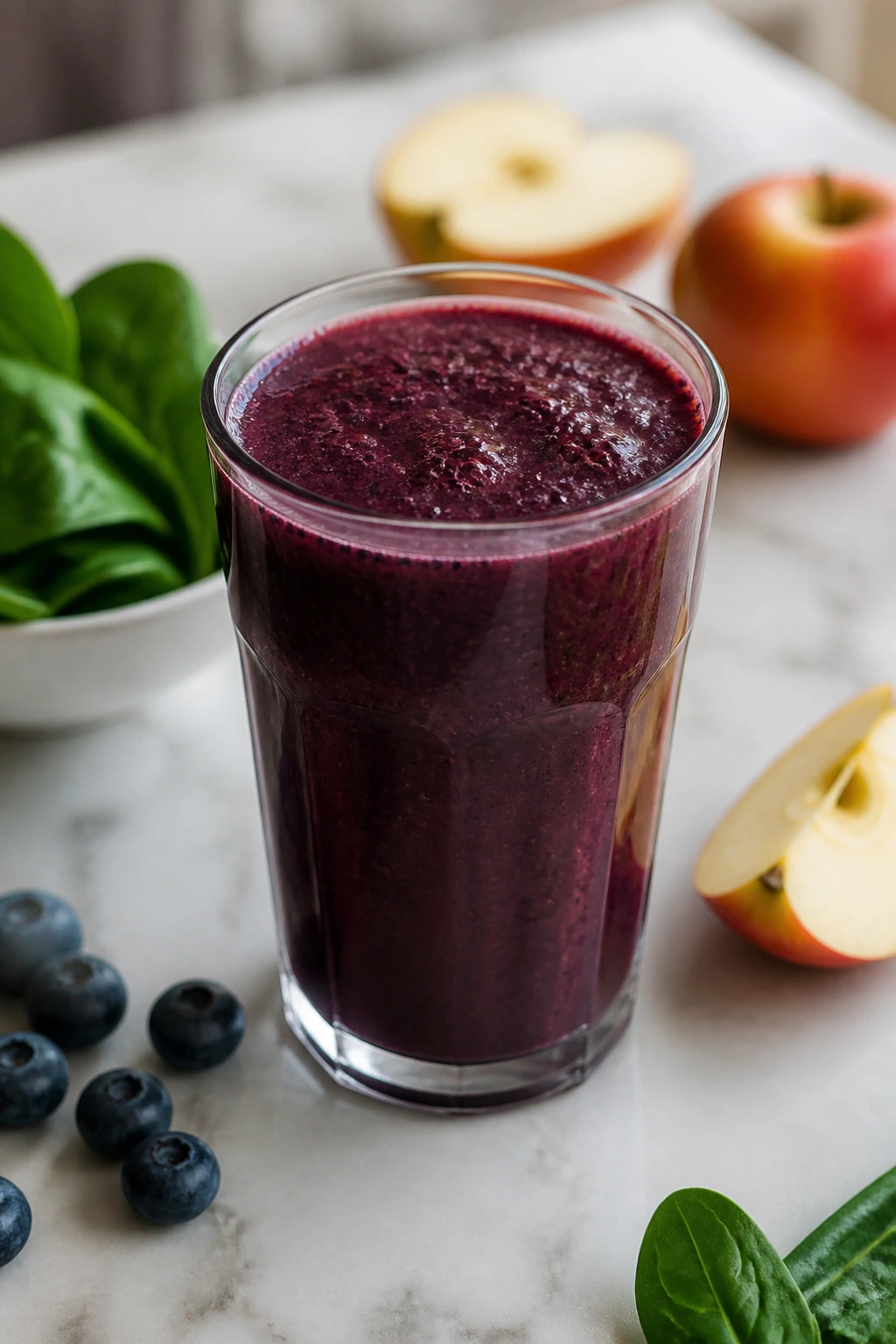
Blueberries don’t act like a classic juicing fruit, so this one makes more sense in a blender. The berries bring a deep, dark sweetness, apple keeps the structure light, and spinach disappears into the background more than you’d expect.
I like this with a quick dinner that’s plain on purpose — grilled chicken, rice, or a veggie wrap.
Why It Works: Blueberries add color and flavor without needing much help, apples make the texture easier to drink, and spinach gives you the green note without turning the juice into a salad. Lemon keeps the berries from tasting dusty.
Key Ingredients:
- 1 1/2 cups blueberries, fresh or thawed frozen
- 1 medium apple, cored
- 2 packed cups baby spinach
- 1/2 lemon, peeled and seeded
- 1/2 cup cold water
- 1 pinch fine sea salt
Quick Steps:
- Rinse the spinach and core the apple.
- Blend everything on high for 45 seconds until very smooth.
- Strain through a fine-mesh sieve for a cleaner drink.
- Stir in salt, then chill or pour over ice.
Equipment for This Recipe:
- High-speed blender
- Fine-mesh strainer
- Measuring cup
- Knife and cutting board
How to Serve This Dish: Serve it cold in a clear glass so the deep purple color shows through. It pairs well with chicken, turkey, or peanut butter toast.
Pro Tips for This Recipe:
- Frozen blueberries work fine and often taste cleaner.
- Use a sweet apple if your berries are tart.
- Strain well; blueberry skins can leave a rough finish.
Variations on This Dish:
- Lemon-Berry Lift: Add an extra squeeze of lemon for a brighter finish.
- Mint Blueberry Version: A few mint leaves make the berry flavor feel sharper.
Common Mistakes to Avoid with This Dish:
- Expecting a juicer to handle blueberries well: It usually won’t. Use a blender.
- Leaving too much pulp behind: The drink can feel heavy if you don’t strain.
- Skipping the lemon: Blueberries need acid or they taste flat.
16. Pomegranate Orange Ginger Juice
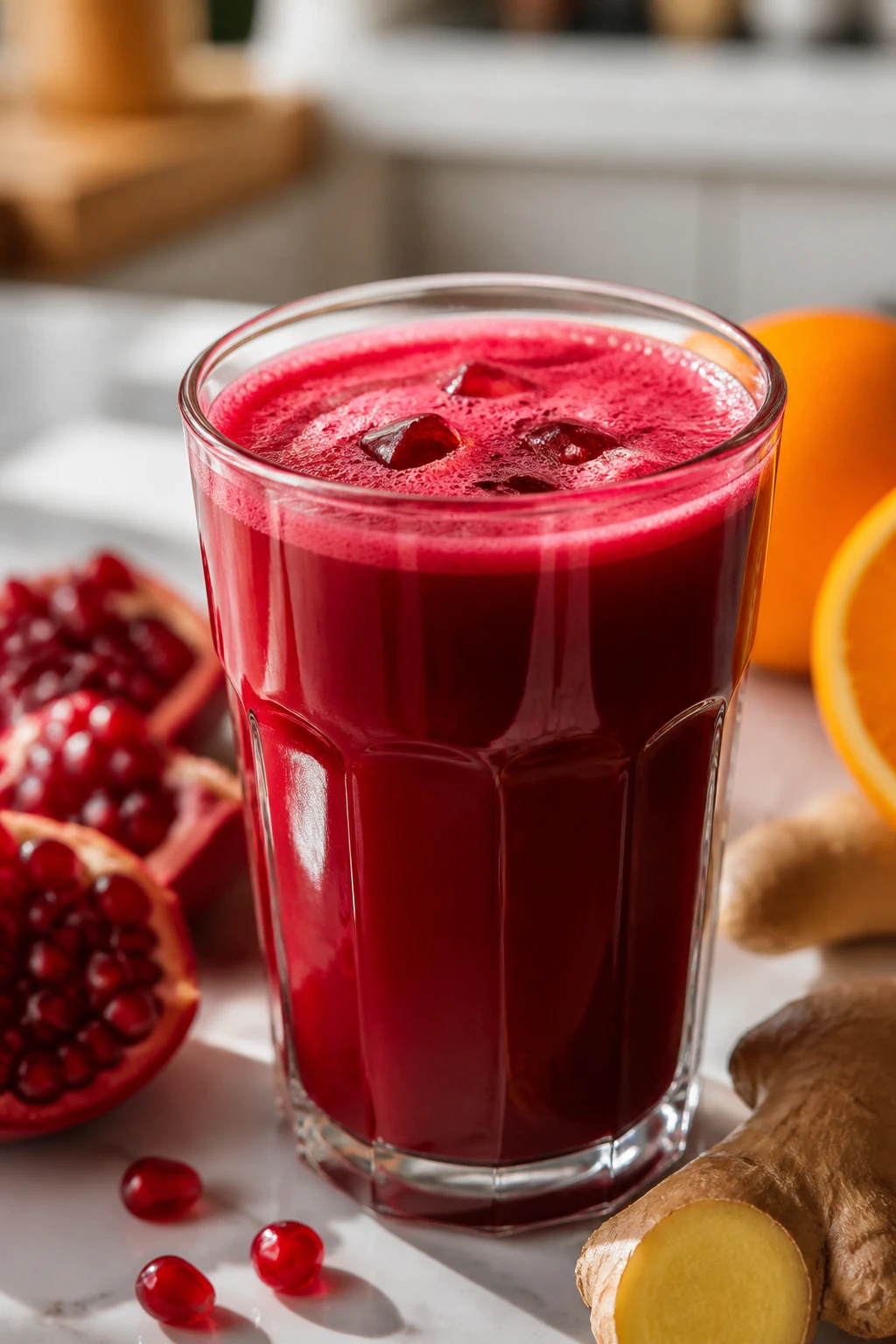
Pomegranate juice has a deep, wine-dark flavor, and orange and ginger give it some lift. This is one of the more intense drinks in the collection, which makes it nice beside a quiet dinner.
It works especially well with roast chicken or a turkey sandwich because the fruit has enough backbone to stand up to savory food.
Why It Works: Pomegranate brings tartness and color, orange softens the edges, and ginger adds a little heat at the back of the throat. It tastes deliberate, not sugary.
Key Ingredients:
- 1 cup pomegranate arils
- 2 oranges, peeled and seeded
- 1-inch piece ginger, peeled
- 1 small apple, cored
- 1/4 cup cold water, if blending
- 1 pinch fine sea salt
Quick Steps:
- Gather the arils and chop the apple if needed.
- Blend the pomegranate, orange, ginger, apple, and water for 40 seconds.
- Strain carefully if you want a smooth pour.
- Add salt and chill before serving.
Equipment for This Recipe:
- Blender
- Fine-mesh strainer
- Knife and board
- Measuring cup
How to Serve This Dish: Pour into a small glass; this one tastes richer than it looks. It sits well beside roasted poultry, simple grain bowls, or a cheese plate if dinner is light.
Pro Tips for This Recipe:
- Pomegranate seeds are messy; work over a bowl.
- Ginger should be peeled thinly to avoid waste.
- Taste before salting — pomegranate can already lean sharp.
Variations on This Dish:
- Lemon Pomegranate Version: Swap one orange for lemon if you want a more puckering finish.
- Berry Pomegranate Blend: Add 1/2 cup strawberries for a softer top note.
Common Mistakes to Avoid with This Dish:
- Using stale arils: They taste flat and dry.
- Not straining enough: Pomegranate pulp can feel gritty.
- Going heavy on ginger: A little goes a long way here.
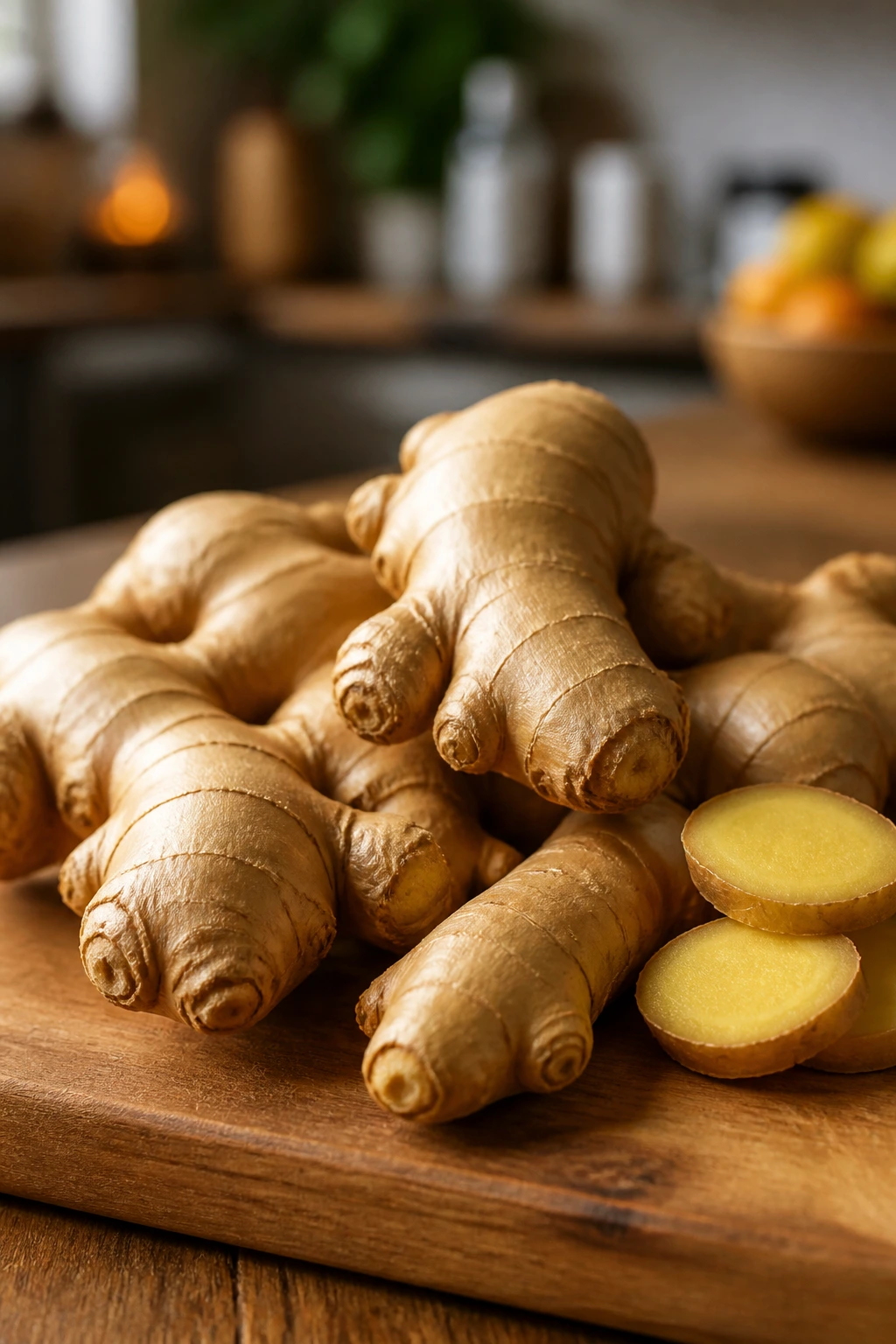
17. Pear Ginger Lemon Juice
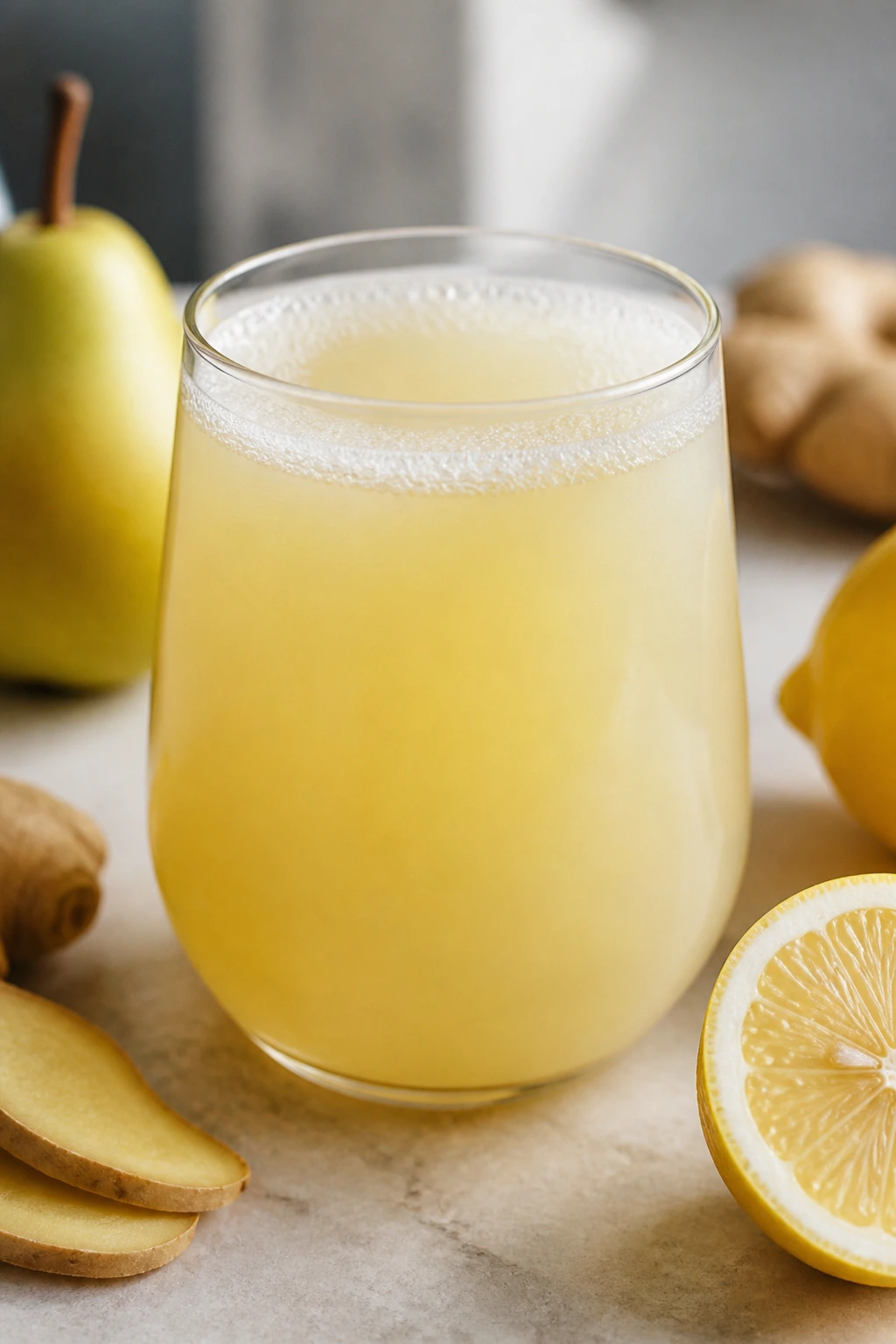
Pear is one of the quietest fruits in the kitchen, which is exactly why it works here. Ginger gives the drink a pulse, lemon sharpens it, and the whole thing feels calm but not sleepy.
I’d pour this with chicken salad, toast, or a plain rice bowl when I want something light that still feels composed.
Why It Works: Pear adds soft sweetness and a round texture, ginger cuts through that softness, and lemon keeps the drink fresh. It’s an easy way to get a clean juice without a loud flavor profile.
Key Ingredients:
- 2 ripe pears, cored
- 1-inch piece fresh ginger, peeled
- 1 lemon, peeled and seeded
- 1/4 cup cold water, if blending
- 1 pinch fine sea salt
- 4 cucumber slices, optional for extra freshness
Quick Steps:
- Core the pears and chop them into juicer-friendly pieces.
- Juice the pears, ginger, and lemon, or blend with water for 30 to 40 seconds.
- Strain if you want a thinner drink.
- Stir in salt and chill briefly.
Equipment for This Recipe:
- Juicer or blender
- Fine-mesh sieve
- Knife and cutting board
- Small pitcher
How to Serve This Dish: Serve it very cold and keep the garnish minimal. It works well with chicken, turkey, or a hummus sandwich.
Pro Tips for This Recipe:
- Pears should be ripe enough to yield to pressure, but not mushy.
- Fresh ginger is sharper than powdered; use the real thing.
- If the drink tastes too soft, add more lemon before sweetener.
Variations on This Dish:
- Pear-Cucumber Cooler: Add cucumber for a lighter, more hydrating finish.
- Pear-Mint Swap: Use mint instead of cucumber if you want a cooler aroma.
Common Mistakes to Avoid with This Dish:
- Using underripe pears: The juice tastes grainy and flat.
- Too much ginger: It will bulldoze the pear.
- Serving without chill: Warm pear juice tastes dull fast.
18. Celery Cucumber Green Grape Juice
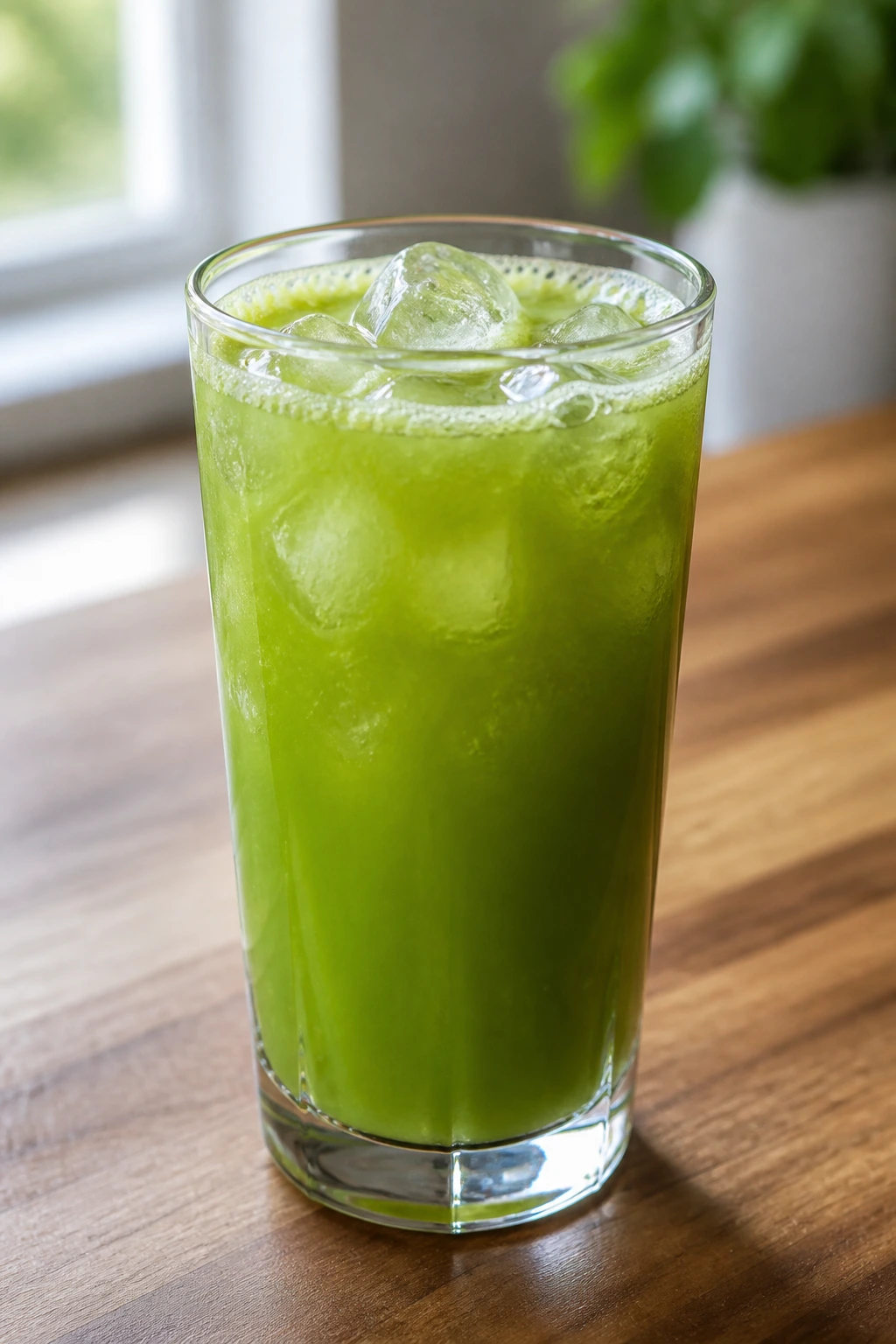
This one is all about a crisp, cold snap. Green grapes bring the sweetness, celery adds salt and bite, and cucumber keeps the whole thing watery in the right way.
It’s a good sidecar for a quick dinner that leans savory — chicken, eggs, or a simple sandwich.
Why It Works: Green grapes offer enough sugar to make celery friendly, cucumber keeps the juice light, and lemon helps everything taste clearer. It’s one of the easiest green juices to drink fast.
Key Ingredients:
- 2 cups green grapes, stems removed
- 3 celery stalks, chopped
- 1 medium cucumber, chopped
- 1/2 lemon, peeled and seeded
- 1 pinch fine sea salt
- 1/4 cup cold water, if blending
Quick Steps:
- Rinse the grapes and trim the celery.
- Juice the grapes, celery, cucumber, and lemon, or blend with water for 35 to 45 seconds.
- Strain if needed.
- Stir in salt and serve over ice.
Equipment for This Recipe:
- Juicer or blender
- Fine-mesh strainer
- Cutting board and knife
- Chilled glass
How to Serve This Dish: Serve in a tall, cold glass with no garnish unless you want a celery leaf. It pairs neatly with chicken wraps, egg toast, or a tuna sandwich.
Pro Tips for This Recipe:
- Grapes should be cold or the drink gets flabby.
- If your celery is very stringy, peel the outer ribs lightly.
- Don’t skip the lemon; it keeps the grape flavor from turning jammy.
Variations on This Dish:
- Mint Grape Version: Add mint for a cooler finish.
- Apple-Grape Swap: Replace half the grapes with apple if you want less sugar.
Common Mistakes to Avoid with This Dish:
- Using warm grapes: They make the juice taste dull.
- Not washing celery well: Dirt in celery ribs ruins the clean finish.
- Over-salting: Celery already brings some saltiness.
19. Watermelon Strawberry Basil Juice
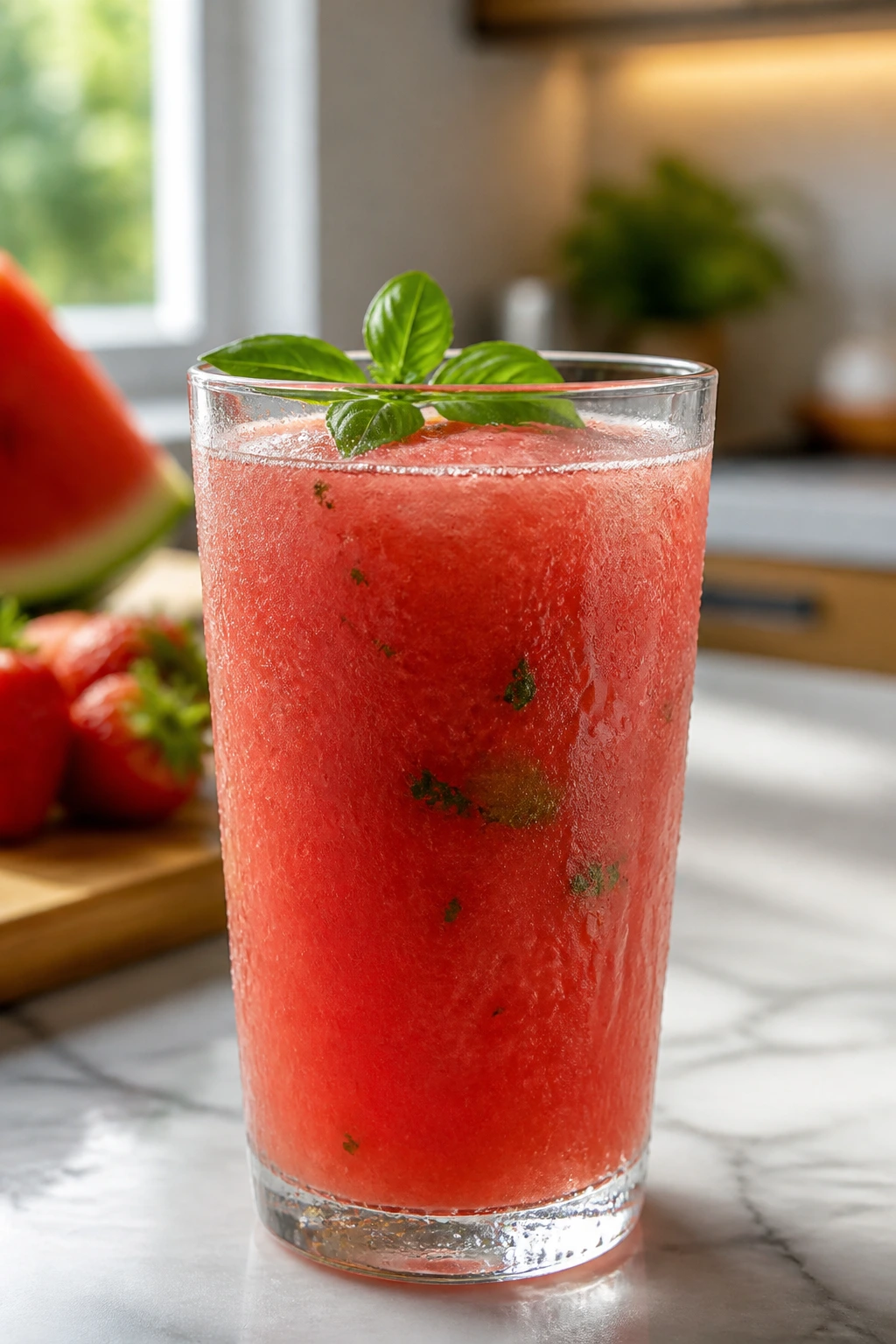
Watermelon and strawberry make a juice that’s easy to love, but basil keeps it from feeling like candy. The herb gives it a little green line through the sweetness.
This is one I’d pour with a quick dinner on a hot plate — chicken cutlets, rice, or even a simple sandwich.
Why It Works: Watermelon keeps everything refreshing, strawberries add fragrance, and basil brings a savory edge that stops the fruit from drifting into dessert territory. Lime sharpens the finish.
Key Ingredients:
- 2 cups watermelon chunks
- 1 1/2 cups strawberries, hulled
- 5 basil leaves
- 1 lime, peeled and seeded
- 1/4 cup cold water, if blending
- 1 pinch fine sea salt
Quick Steps:
- Hull the strawberries and chop the watermelon.
- Blend with basil, lime, and water for 30 to 40 seconds.
- Strain if you want a thinner pour.
- Stir in salt and serve cold.
Equipment for This Recipe:
- Blender
- Fine-mesh sieve
- Knife and board
- Chilled glasses
How to Serve This Dish: Pour it over ice and serve right away. It goes with salty dinners, chicken wraps, or toast with something savory on top.
Pro Tips for This Recipe:
- Basil bruises easily, so don’t overblend it.
- A little salt wakes up both fruits.
- If the strawberries are pale, add more lime for brightness.
Variations on This Dish:
- Mint Berry Swap: Use mint instead of basil for a cooler profile.
- Sparkling Watermelon Berry: Add seltzer at the end for a lighter drink.
Common Mistakes to Avoid with This Dish:
- Too much water: That drains the fruit flavor.
- Overusing basil: It turns medicinal fast.
- Serving after it warms up: The strawberries lose their brightness.
20. Beet Pineapple Lime Juice
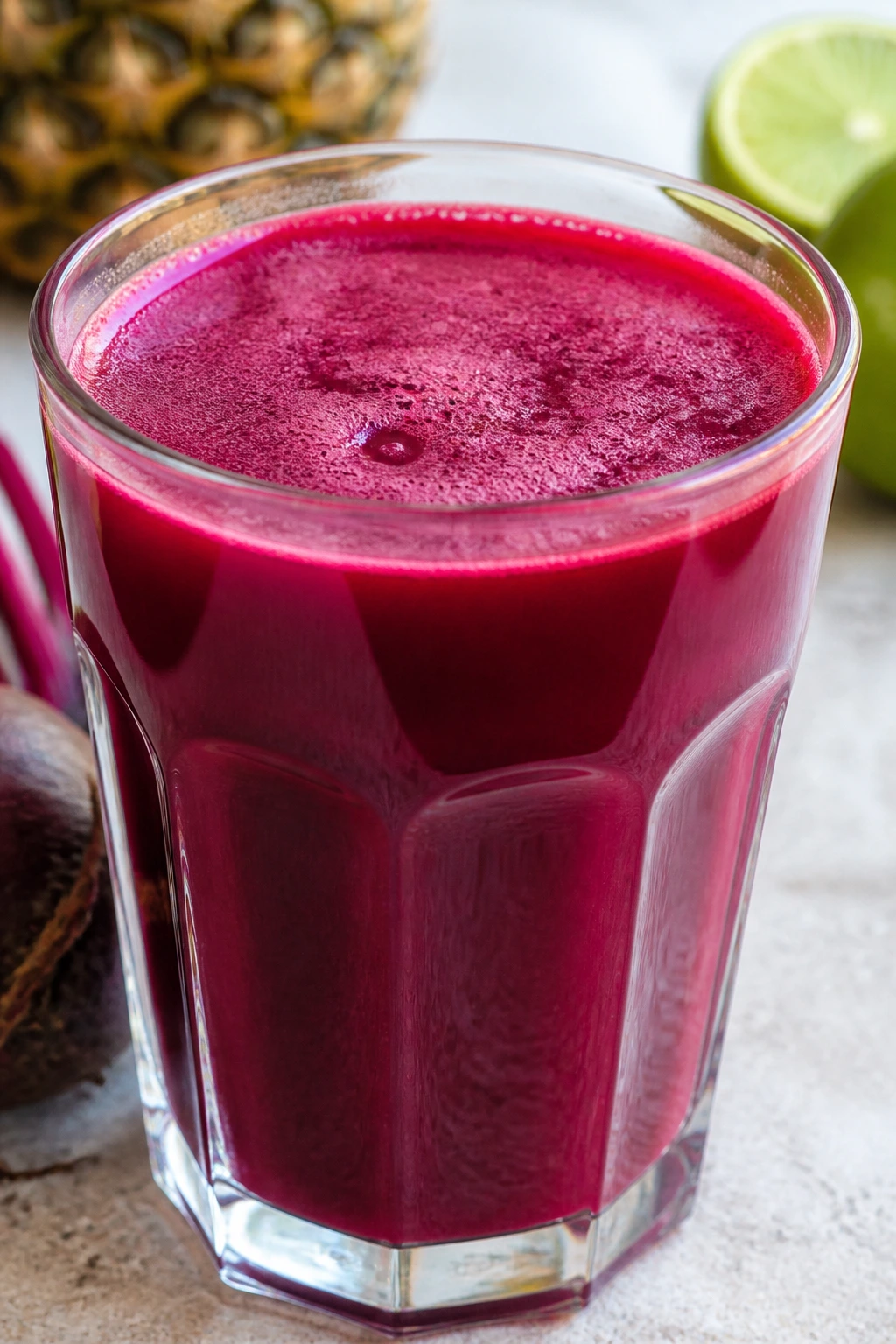
Beet and pineapple is a smarter pairing than it sounds. Pineapple keeps the beet from tasting too earthy, and lime makes the whole thing snap into place.
It’s a strong choice beside grilled chicken or a plain rice bowl because it has enough color and acidity to wake up a tired plate.
Why It Works: Pineapple sweetens the beet and gives the juice some lift, while lime keeps the finish sharp. The result tastes deeper than a straight fruit juice but still fresh.
Key Ingredients:
- 1 medium beet, scrubbed and chopped
- 1 1/2 cups pineapple chunks
- 1 lime, peeled and seeded
- 1 small apple, cored
- 1 pinch fine sea salt
- 1/4 cup cold water, if blending
Quick Steps:
- Chop the beet into small pieces so it won’t fight the blender or juicer.
- Juice the beet, pineapple, lime, and apple, or blend with water for 45 seconds.
- Strain if you want a cleaner drink.
- Stir in salt and taste for balance.
Equipment for This Recipe:
- Juicer or blender
- Fine-mesh strainer
- Vegetable peeler
- Knife and board
How to Serve This Dish: Serve it very cold, preferably in a clear glass because the color is half the fun. It pairs well with chicken, turkey, or a grain bowl.
Pro Tips for This Recipe:
- Small beets taste sweeter than giant ones.
- Pineapple should be ripe enough to smell sweet.
- If it tastes too earthy, add more lime before adding sweetener.
Variations on This Dish:
- Ginger Beet-Pineapple: Add ginger for more bite.
- Orange Beet-Lime: Replace the apple with orange for a rounder citrus flavor.
Common Mistakes to Avoid with This Dish:
- Overdoing the beet: It can turn muddy fast.
- Using underripe pineapple: Then the drink gets harsh.
- Letting it sit too long: Beet flavor deepens over time, sometimes in a rough way.
21. Papaya Orange Lime Juice
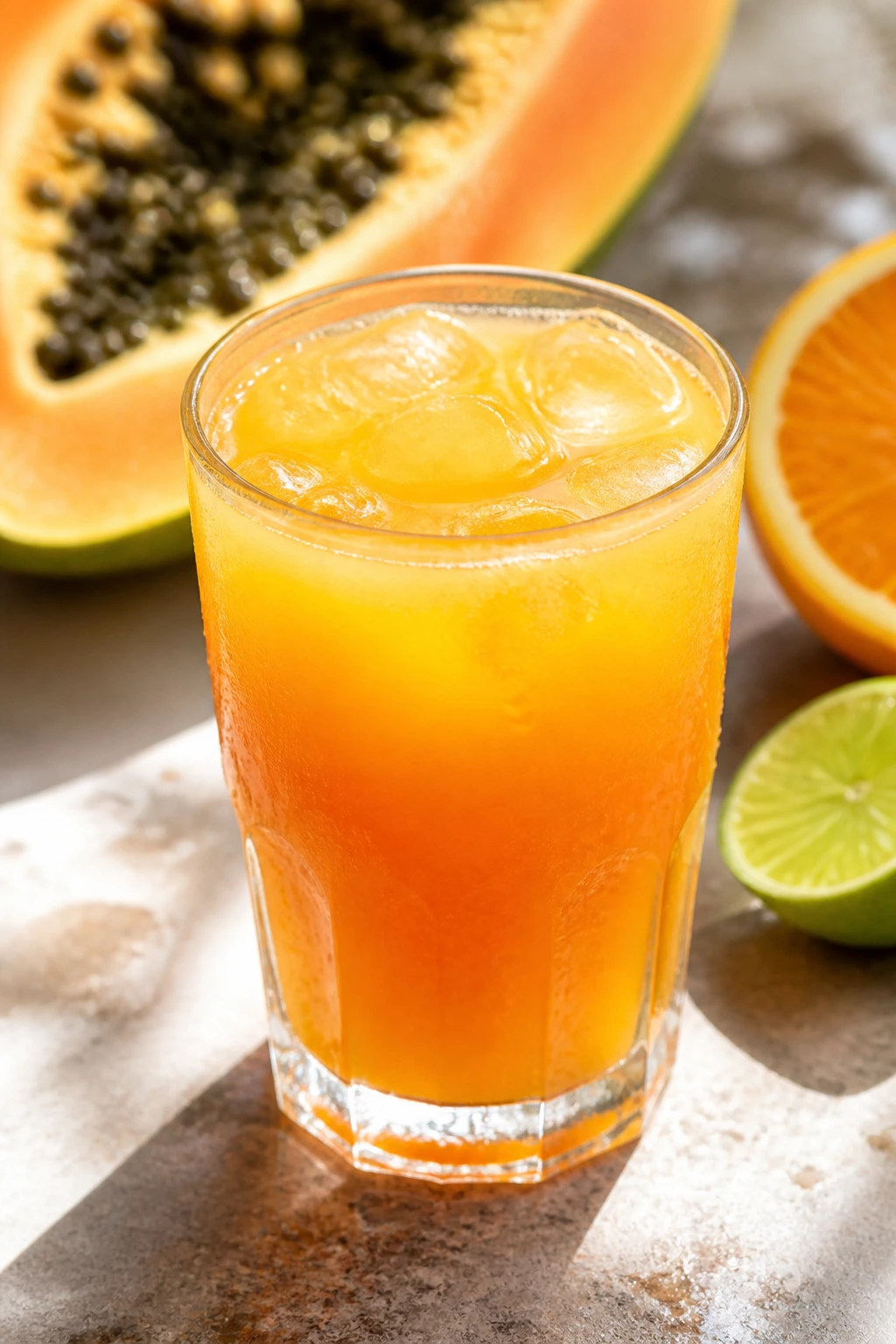
Papaya makes a softer, almost silky juice, and orange and lime give it enough shape to stay interesting. It’s tropical, yes, but not shouty.
I like this when dinner is a quick chicken wrap or leftover rice and vegetables. It feels relaxed without being lazy.
Why It Works: Papaya has a mellow sweetness and a soft body, orange adds brightness, and lime cuts through the richness so the drink doesn’t blur. It’s especially good if you want something gentler after a hard workout.
Key Ingredients:
- 2 cups ripe papaya cubes, peeled and seeded
- 2 oranges, peeled and seeded
- 1 lime, peeled and seeded
- 1/2 inch fresh ginger, peeled
- 1/4 cup cold water, if blending
- 1 pinch fine sea salt
Quick Steps:
- Peel, seed, and cube the papaya.
- Blend the papaya, orange, lime, ginger, and water for 35 to 45 seconds.
- Strain if you want a cleaner finish.
- Stir in salt and serve cold.
Equipment for This Recipe:
- Blender
- Fine-mesh sieve
- Knife and cutting board
- Measuring cup
How to Serve This Dish: Serve it in a chilled glass with no garnish, or a small lime wedge if you want one. It goes nicely beside chicken, tofu, or a simple salad sandwich.
Pro Tips for This Recipe:
- Papaya needs to be ripe or it tastes bland and chalky.
- Remove all seeds; they’re bitter.
- Ginger should stay subtle so it doesn’t bury the papaya.
Variations on This Dish:
- Pineapple Papaya Swap: Replace one orange with pineapple for a sharper tropical note.
- Mint Papaya Version: Add a few mint leaves for a cooler finish.
Common Mistakes to Avoid with This Dish:
- Using unripe papaya: The texture and flavor both suffer.
- Overpowering the fruit with ginger: Keep it light.
- Serving without chilling: Papaya tastes much flatter warm.
22. Honeydew Cucumber Mint Juice
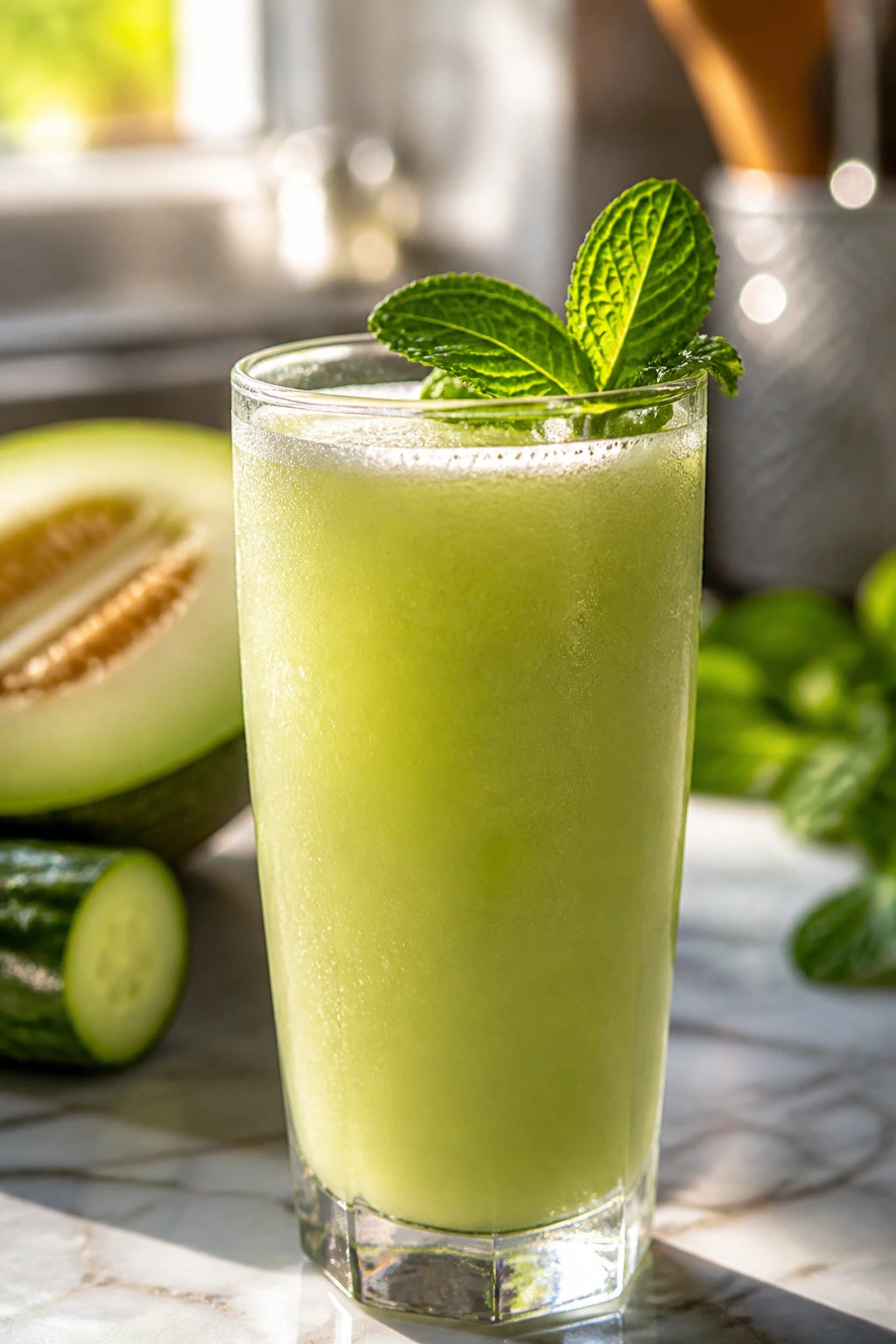
Honeydew has a clean, almost creamy sweetness when it’s ripe, and cucumber keeps it from getting heavy. Mint gives it that cold, fresh smell people expect from a good summer glass.
This is a natural fit with a simple dinner like chicken salad, toast, or a grain bowl with leftovers.
Why It Works: Honeydew brings a delicate sweetness that cucumber won’t crush, mint sharpens the aroma, and lime keeps the juice from feeling washed out. It’s subtle, which is often what you want after a workout.
Key Ingredients:
- 3 cups honeydew chunks
- 1 medium cucumber, chopped
- 8 mint leaves
- 1/2 lime, peeled and seeded
- 1 pinch fine sea salt
- 1/4 cup cold water, if blending
Quick Steps:
- Cut the honeydew into chunks and chill them if possible.
- Juice the honeydew, cucumber, mint, and lime, or blend with water for 30 to 40 seconds.
- Strain if you want a lighter pour.
- Add salt and serve over ice.
Equipment for This Recipe:
- Juicer or blender
- Fine-mesh strainer
- Knife and cutting board
- Chilled pitcher
How to Serve This Dish: Pour it into a chilled glass and serve it with dinner that needs a refreshing counterpoint. Chicken wraps, egg sandwiches, or a simple rice bowl all fit.
Pro Tips for This Recipe:
- A ripe honeydew should smell fragrant at the stem end.
- Mint should be fresh and bright, not limp.
- If the melon is bland, more lime is better than sugar.
Variations on This Dish:
- Basil Melon Version: Swap mint for basil if you want a greener flavor.
- Ginger Melon Lift: Add a sliver of ginger for more bite.
Common Mistakes to Avoid with This Dish:
- Using tasteless melon: Nothing fixes bland honeydew.
- Too much water in the blender: The flavor disappears.
- Skipping acid: Honeydew needs lime or it falls flat.
23. Carrot Apple Turmeric Juice
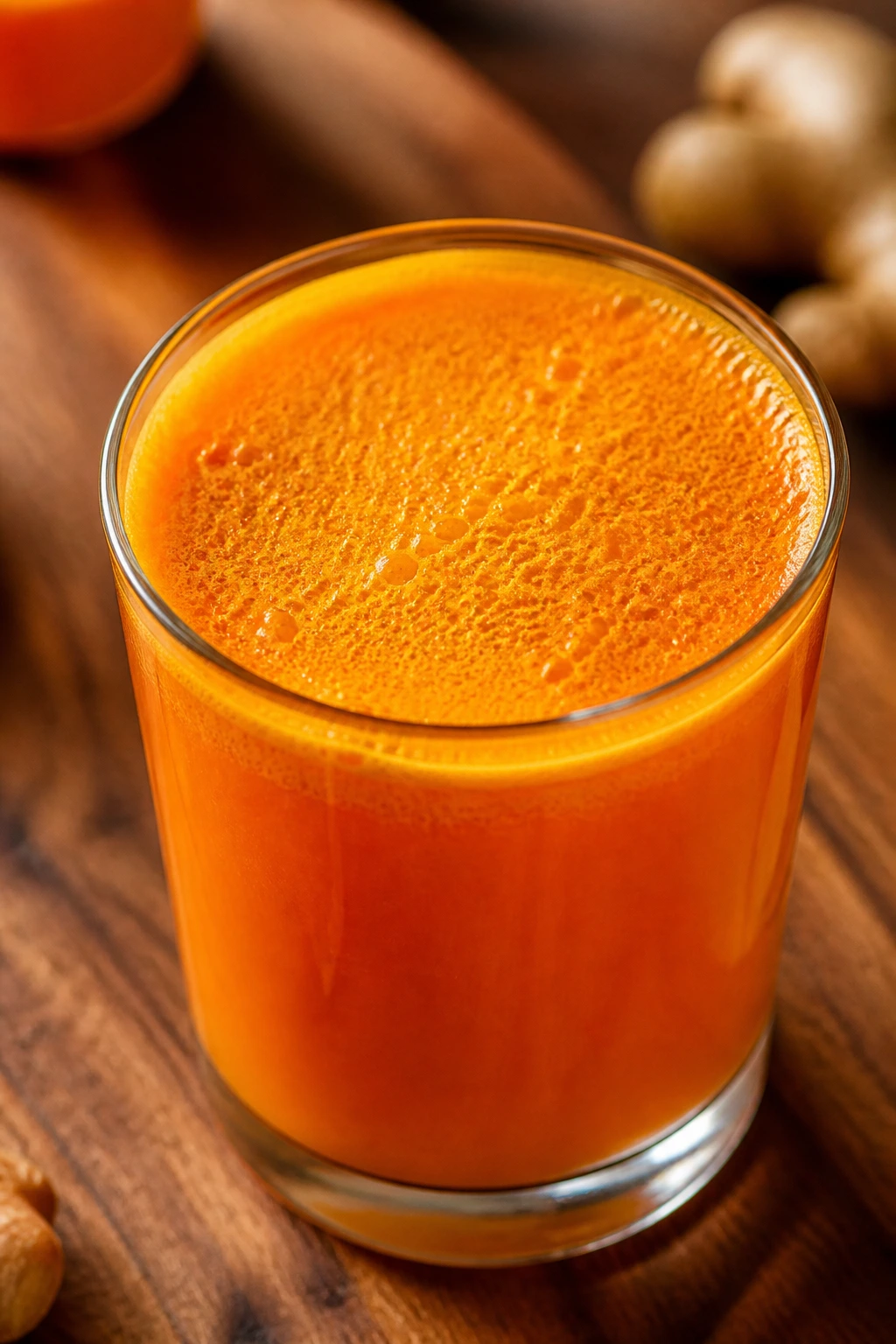
Carrot and apple are a safe, friendly pair, and turmeric gives them a little spine. This is one of the easiest juices in the collection to drink fast without thinking about it too much.
It sits well beside chicken, a toasted sandwich, or a quick rice bowl because the flavor is round but not heavy.
Why It Works: Carrot provides body, apple adds sweetness, and turmeric brings a dry warmth that makes the drink feel more grounded. Lemon keeps everything from turning too soft.
Key Ingredients:
- 3 medium carrots, scrubbed and chopped
- 2 apples, cored
- 1-inch piece fresh turmeric, peeled
- 1/2 lemon, peeled and seeded
- 1 pinch fine sea salt
- 1/4 cup cold water, if blending
Quick Steps:
- Chop the carrots and apples into pieces that feed easily.
- Juice the carrots, apples, turmeric, and lemon, or blend with water for 40 seconds.
- Strain if needed.
- Stir in salt and chill briefly.
Equipment for This Recipe:
- Juicer or blender
- Fine-mesh sieve
- Vegetable peeler
- Knife and board
How to Serve This Dish: Serve it cold in a small glass. It goes well with chicken, turkey, or a cheese toast if dinner is very quick.
Pro Tips for This Recipe:
- Carrots should be firm and crisp.
- Turmeric stains, so rinse your board soon.
- If the drink feels too soft, add another squeeze of lemon.
Variations on This Dish:
- Ginger Carrot Apple: Add ginger for a sharper finish.
- Orange Carrot Turmeric: Replace one apple with orange for more citrus lift.
Common Mistakes to Avoid with This Dish:
- Using tired carrots: They taste woody.
- Letting turmeric sit on the counter: It stains fast.
- Skipping the acid: Apple and carrot alone can taste flat.
24. Grapefruit Cucumber Rosemary Juice
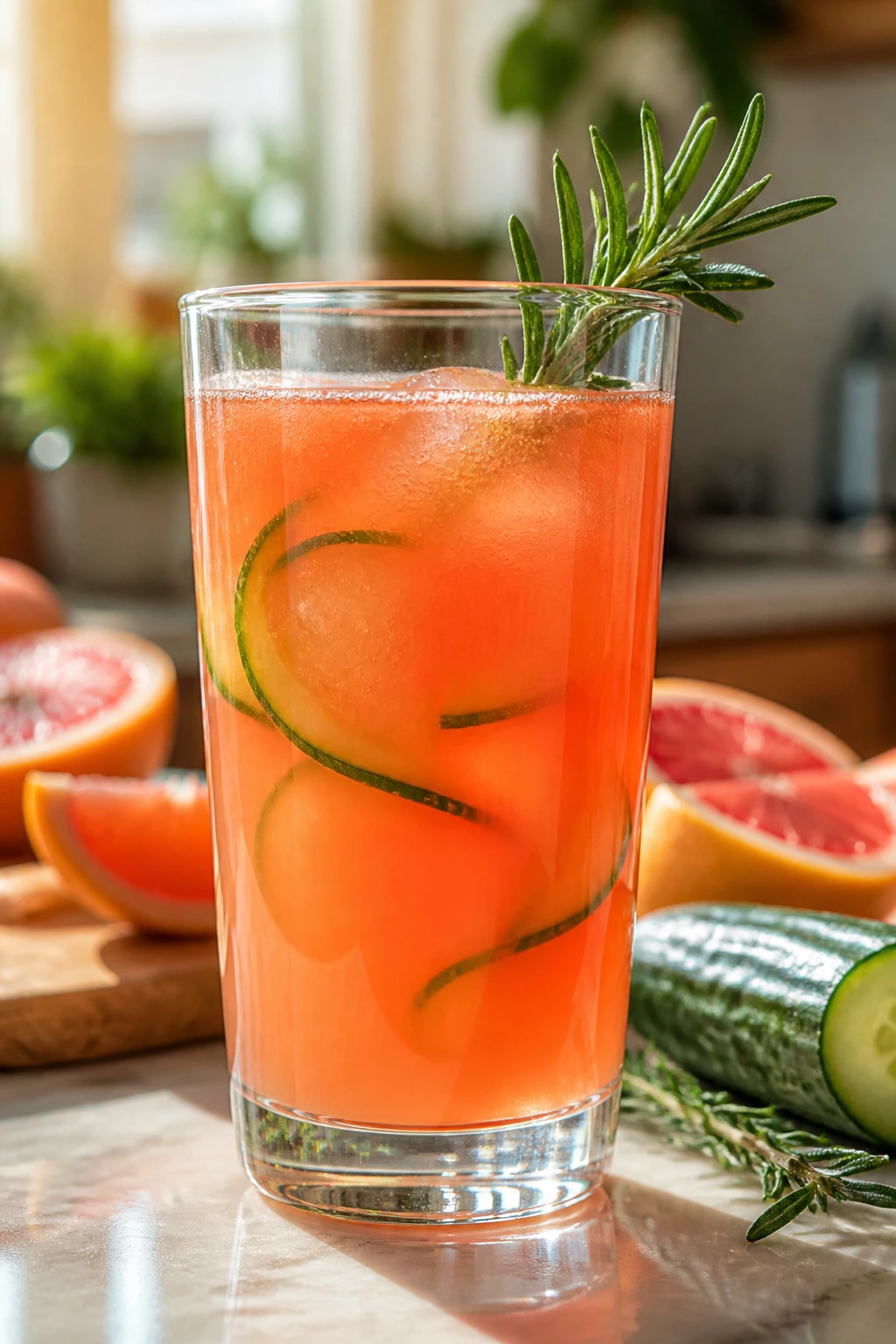
Rosemary is a strange but useful move in juice. It sounds like a roast chicken ingredient, and that’s part of the charm. Grapefruit brings bite, cucumber cools everything down, and rosemary gives the drink a piney, savory edge.
This is the one I’d make when dinner is chicken cutlets or a salty snack plate and I want the glass to feel more structured than sweet.
Why It Works: Grapefruit gives bitterness and acid, cucumber keeps the body light, and rosemary adds an aromatic note that turns a simple drink into something memorable. Used carefully, it tastes crisp, not perfumed.
Key Ingredients:
- 1 large grapefruit, peeled and seeded
- 1 medium cucumber, chopped
- 1 small rosemary sprig
- 1 green apple, cored
- 1 pinch fine sea salt
- 1/4 cup cold water, if blending
Quick Steps:
- Strip one or two tiny rosemary leaves from the stem.
- Juice the grapefruit, cucumber, rosemary, and apple, or blend with water for 30 seconds.
- Strain if blending.
- Taste, then add salt and a little more grapefruit if needed.
Equipment for This Recipe:
- Juicer or blender
- Fine-mesh sieve
- Small paring knife
- Chilled glass
How to Serve This Dish: Serve it in a slim glass with a rosemary sprig only if you want the aroma. It goes especially well with roast chicken, turkey slices, or a savory sandwich.
Pro Tips for This Recipe:
- Rosemary should be used lightly; one sprig is enough.
- Trim pith off the grapefruit carefully.
- If the rosemary tastes too strong, strain quickly and don’t let it sit.
Variations on This Dish:
- Lemon Rosemary Version: Use lemon instead of grapefruit for a sharper, cleaner taste.
- Cucumber-Apple Swap: Replace grapefruit with apple if you want the rosemary to feel softer.
Common Mistakes to Avoid with This Dish:
- Overusing rosemary: It can turn piney in a bad way.
- Leaving pith on the grapefruit: That bitterness overwhelms everything else.
- Serving it warm: Cold helps the herb stay elegant instead of sharp.
25. Pineapple Cucumber Jalapeño Juice
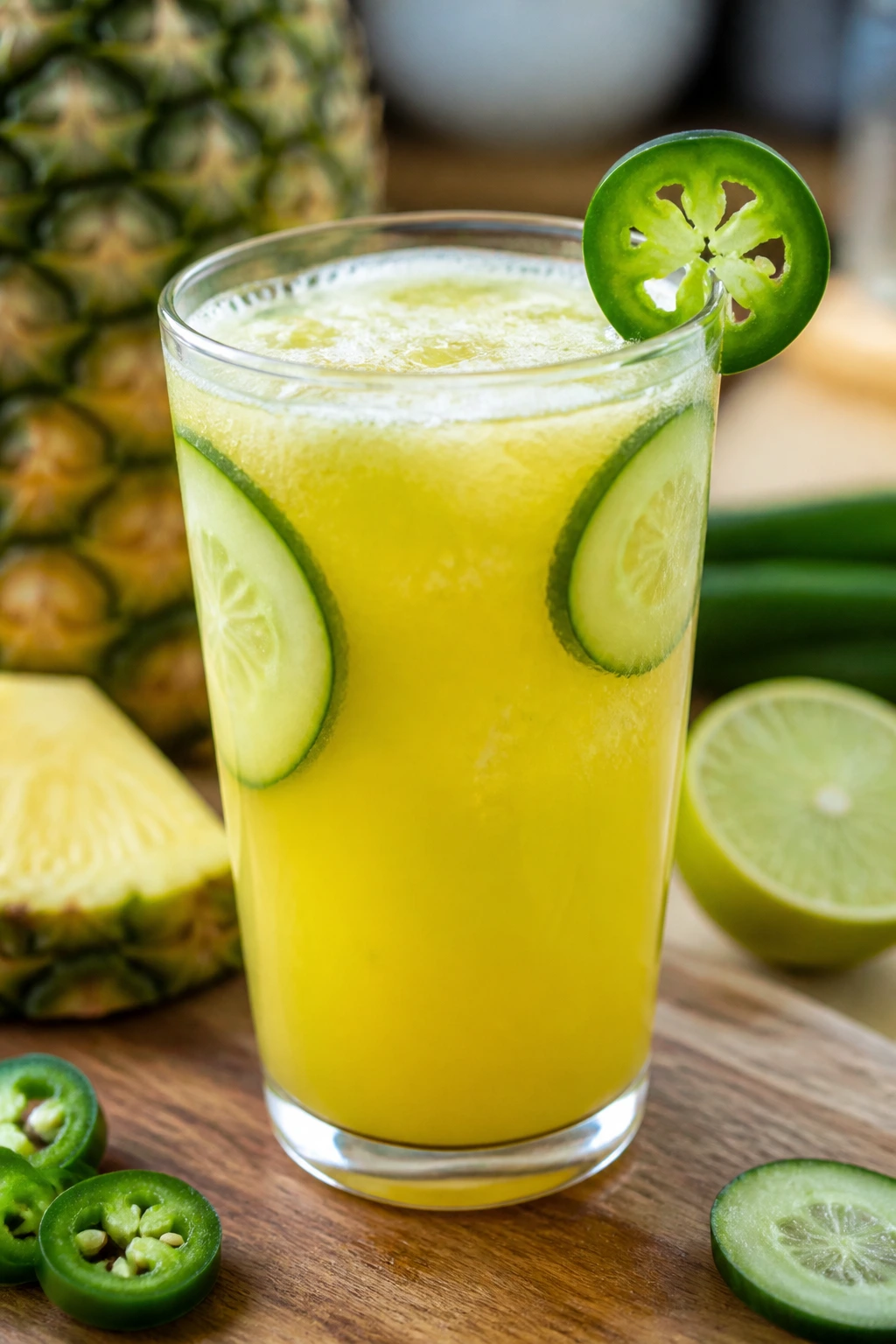
This one wakes you up. Pineapple brings the sweetness, cucumber cools it down, and jalapeño gives the drink a small spark that hangs around just long enough.
I’d pair it with a chicken quesadilla, grilled poultry, or a rice bowl because the heat and sweetness help cut through salty food.
Why It Works: Pineapple and cucumber give you a fast contrast of sweet and cool, while jalapeño keeps the drink from feeling flat. Lime pulls the edges tight and makes the finish cleaner.
Key Ingredients:
- 2 cups pineapple chunks
- 1 medium cucumber, chopped
- 1/2 small jalapeño, seeded if you want less heat
- 1 lime, peeled and seeded
- 1 pinch fine sea salt
- 1/4 cup cold water, if blending
Quick Steps:
- Remove most seeds from the jalapeño if you want a gentler heat.
- Juice the pineapple, cucumber, jalapeño, and lime, or blend with water for 30 to 40 seconds.
- Strain if needed.
- Stir in salt and taste before adding more pepper.
Equipment for This Recipe:
- Juicer or blender
- Fine-mesh strainer
- Knife and cutting board
- Gloves if you’re sensitive to peppers
How to Serve This Dish: Serve it cold and small; a little heat goes a long way. It’s good with chicken tacos, grilled cutlets, or any dinner that needs a cold counterpoint.
Pro Tips for This Recipe:
- Seed the jalapeño if you want flavor without a burn.
- Pineapple should be ripe enough to smell sweet.
- Taste before adding more pepper; it gets hotter as it sits.
Variations on This Dish:
- Mint Heat Version: Add mint for a cooler, more layered finish.
- Ginger Pineapple Cucumber: Swap jalapeño for ginger if you want heat without pepper flavor.
Common Mistakes to Avoid with This Dish:
- Using too much jalapeño: The heat can erase the fruit.
- Choosing underripe pineapple: Then the drink turns harsh.
- Serving it too slowly after mixing: The pepper note builds over time.
26. Carrot Tomato Red Pepper Juice
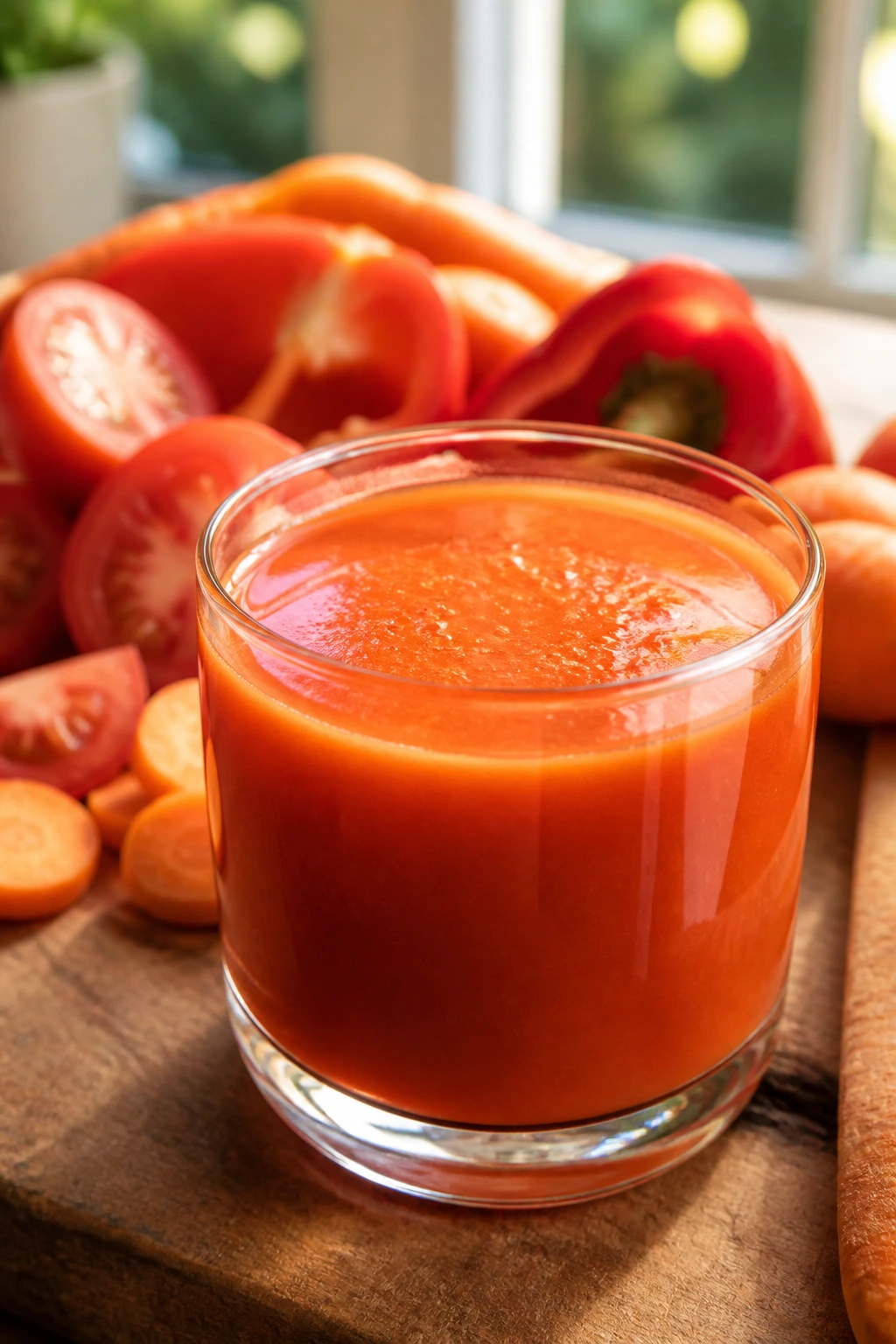
This is one of the most dinner-like juices in the whole set. Tomato, carrot, and red pepper give it body, and a little lemon keeps it from feeling like soup that forgot to be soup.
It’s the drink I’d make with chicken, a grilled sandwich, or a plate of roasted leftovers when I want something savory and cold.
Why It Works: Tomato brings umami, carrot adds sweetness, and red pepper gives a fresh, clean finish. The lemon keeps the mix bright, and the salt helps it taste complete.
Key Ingredients:
- 2 medium tomatoes, quartered
- 2 medium carrots, chopped
- 1 red bell pepper, seeded and chopped
- 1/2 lemon, peeled and seeded
- 1 pinch fine sea salt
- 1/4 cup cold water, if blending
Quick Steps:
- Seed and chop the pepper, then chop the carrots smaller.
- Juice the tomatoes, carrots, pepper, and lemon, or blend with water for 45 seconds.
- Strain if you want a smoother texture.
- Stir in salt and chill before serving.
Equipment for This Recipe:
- Juicer or blender
- Fine-mesh sieve
- Knife and cutting board
- Measuring cup
How to Serve This Dish: Serve it cold in a short glass with a celery stick if you like that sort of thing. It pairs well with chicken, turkey, or grilled cheese.
Pro Tips for This Recipe:
- Ripe tomatoes matter much more than quantity.
- Red pepper should be firm and glossy.
- If the drink tastes too much like raw tomato, add more lemon.
Variations on This Dish:
- Spicy Garden Version: Add a pinch of black pepper or a tiny sliver of jalapeño.
- Cucumber Tomato Pepper: Replace one carrot with cucumber for a lighter, less dense glass.
Common Mistakes to Avoid with This Dish:
- Using bland tomatoes: The whole drink falls flat.
- Forgetting to strain if needed: Pepper skins can make it rough.
- Too much carrot: It can bury the savory notes.
27. Plum Ginger Lemon Juice
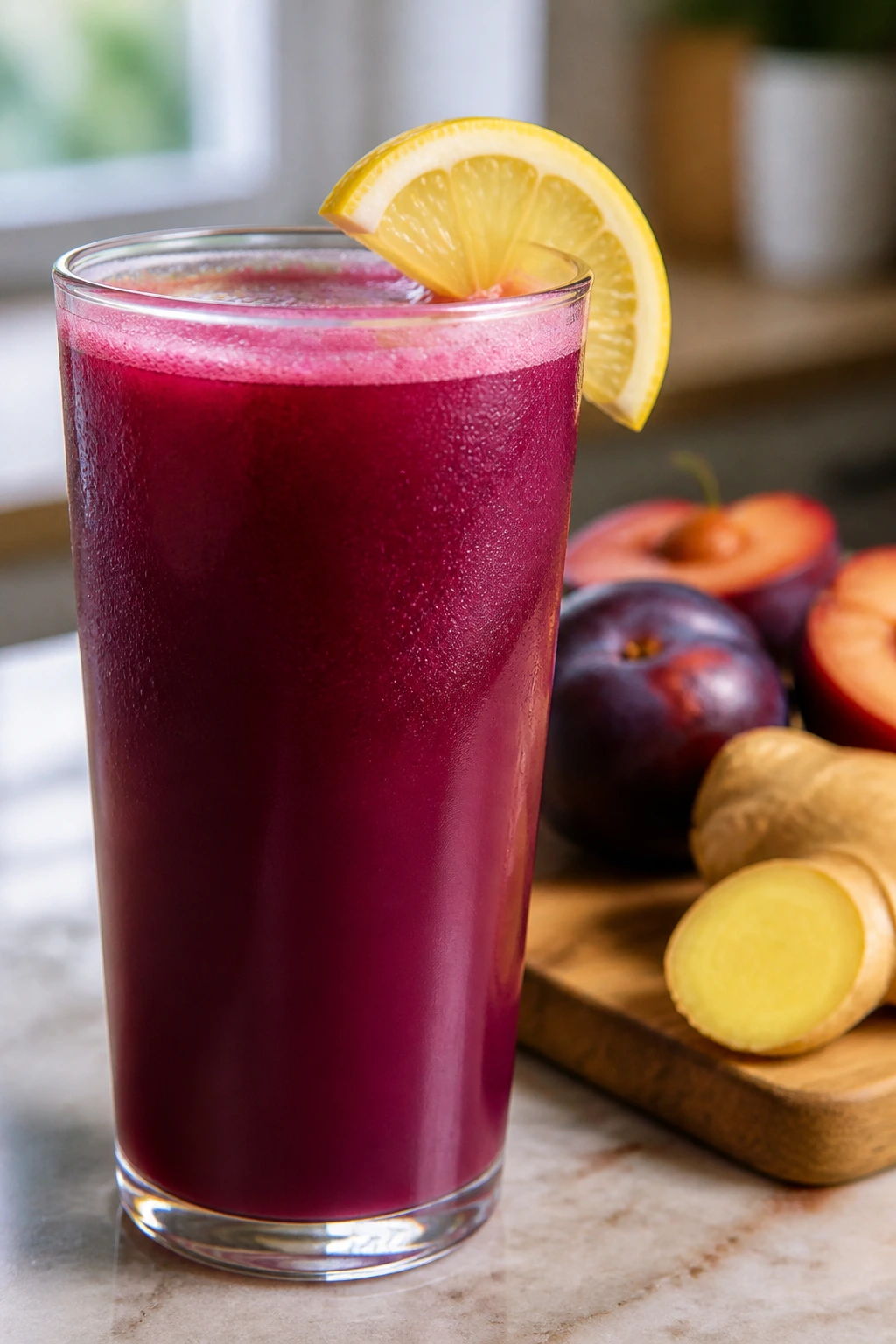
Plums bring a tart, jammy sweetness that ginger cuts cleanly, and lemon keeps the whole drink bright. It’s not a common juice combination, which is part of why it’s worth making.
I like this beside chicken or a simple toast-based dinner because the flavor feels a little sharper than the usual fruit glass.
Why It Works: Plums have enough acidity and depth to stand on their own, ginger adds a spicy edge, and lemon keeps the drink from drifting into syrup territory. It’s a good late-day juice when you want fruit with some structure.
Key Ingredients:
- 4 ripe plums, pitted
- 1-inch piece fresh ginger, peeled
- 1 lemon, peeled and seeded
- 1/2 pear, cored
- 1/4 cup cold water, if blending
- 1 pinch fine sea salt
Quick Steps:
- Pit the plums and chop them roughly.
- Blend with ginger, lemon, pear, and water for 35 to 45 seconds.
- Strain if you want a cleaner pour.
- Stir in salt and serve chilled.
Equipment for This Recipe:
- Blender
- Fine-mesh strainer
- Knife and cutting board
- Small pitcher
How to Serve This Dish: Serve it in a chilled glass with no garnish unless you want a plum slice. It goes well with roast chicken, turkey, or a simple sandwich.
Pro Tips for This Recipe:
- Choose plums that are ripe but not collapsing.
- Pear softens the tartness without making the juice feel heavy.
- If the plums are very sweet, add a little extra lemon.
Variations on This Dish:
- Mint Plum Version: Add mint for a cooler, more lifted finish.
- Orange Plum Swap: Replace the lemon with orange for a rounder glass.
Common Mistakes to Avoid with This Dish:
- Using hard plums: They taste sour and dull.
- Skipping the pear or another soft fruit: The texture can turn too sharp.
- Serving without enough chill: Plum flavor tastes looser warm.
28. Mixed Citrus Berry Recovery Juice
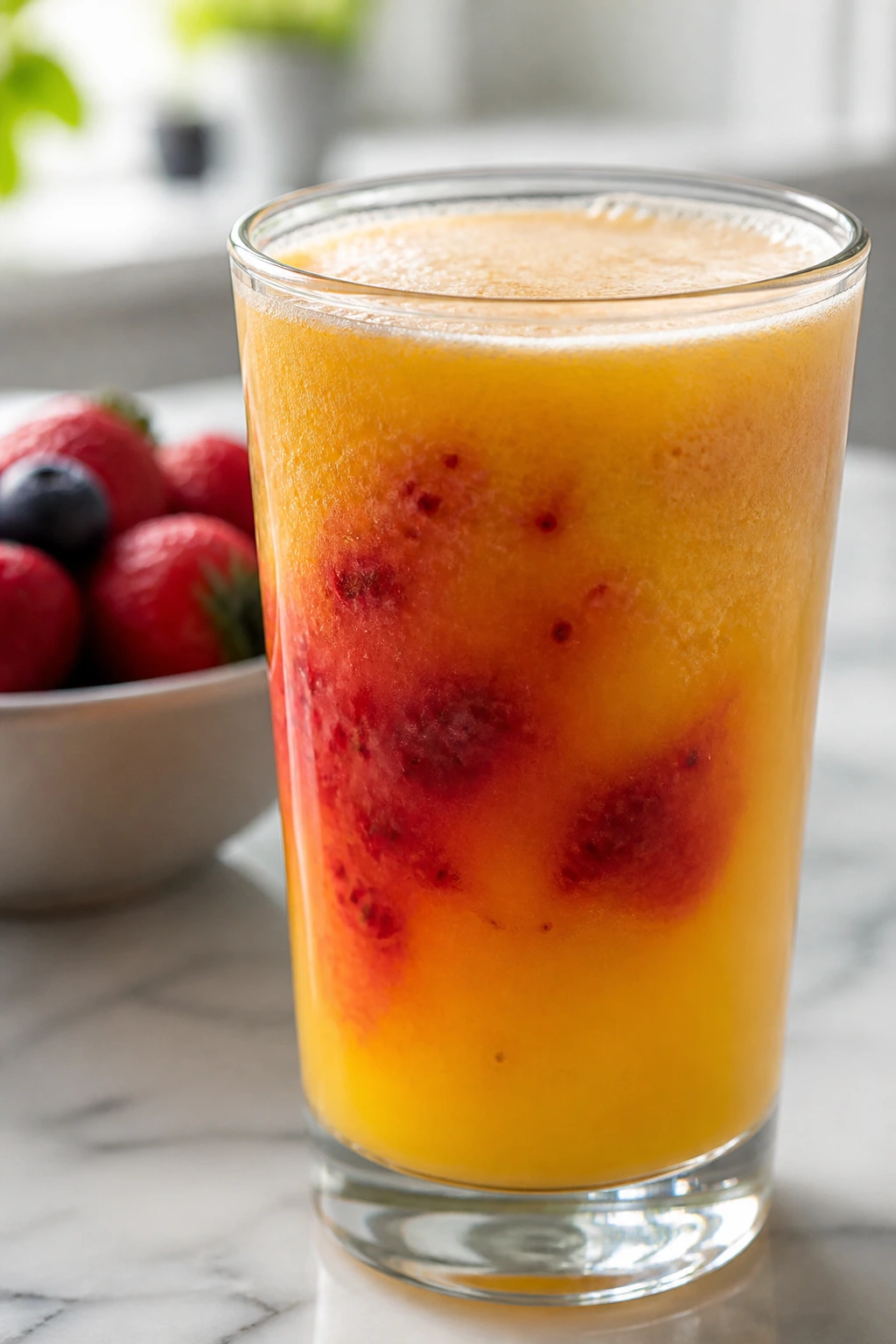
This one is a good catch-all when the fridge has odds and ends. Oranges, berries, and lemon give you sharpness and color, and the whole thing tastes lively enough to stand beside a plain dinner.
It’s a strong finish to the collection because it’s easy to scale, easy to chill, and easy to pair with chicken, toast, or leftovers.
Why It Works: Citrus keeps the drink bright, berries add fruit depth, and lemon sharpens everything so it doesn’t taste like a random mix of produce. It’s the kind of juice that feels useful without being complicated.
Key Ingredients:
- 2 oranges, peeled and seeded
- 1 cup mixed berries, fresh or thawed frozen
- 1 lemon, peeled and seeded
- 1 small apple, cored
- 1/4 cup cold water, if blending
- 1 pinch fine sea salt
Quick Steps:
- Peel and seed the citrus so the juice stays smooth.
- Blend the oranges, berries, lemon, apple, and water for about 45 seconds.
- Strain if you want a cleaner glass.
- Stir in salt and chill briefly before serving.
Equipment for This Recipe:
- Blender
- Fine-mesh sieve
- Knife and cutting board
- Measuring cup
How to Serve This Dish: Pour it into a chilled glass and keep the garnish simple. It works with chicken sandwiches, turkey wraps, or a quick rice bowl that needs something cold beside it.
Pro Tips for This Recipe:
- Frozen berries are fine and often easier to keep on hand.
- Use a sweet apple if the berries are tart.
- Strain well if you dislike berry seeds.
Variations on This Dish:
- Ginger Citrus Berry: Add a small piece of ginger for more bite.
- Sparkling Berry Citrus: Top with seltzer right before serving for a lighter drink.
Common Mistakes to Avoid with This Dish:
- Using too much water: The flavor falls apart.
- Skipping the strain step: Berry seeds can make the texture rough.
- Leaving citrus pith on: It turns the juice bitter faster than you expect.
What Makes a Recovery Juice Worth Making After a Hard Session
The drinks that work best after training usually do three plain things at once: they rehydrate, they give you a little quick energy, and they taste clean enough that you’ll actually finish the glass. That’s the whole trick. Not magic. Not powder dust. Just produce, acid, and a bit of salt in the right balance.
A sweaty workout leaves you wanting fluid first, then food. That’s why the strongest juices in this collection lean on cucumber, celery, watermelon, citrus, and softened fruit like pear or pineapple. They move fast, they don’t sit heavy, and they can sit next to a simple dinner without taking over the plate.
I’m partial to juices that taste different from one another, too. A sweet one has its place, but the savory tomato-celery glass does more for a chicken sandwich than another sugary fruit blend ever will. Same with beet-orange or grapefruit-lime. They cut through food. They wake up the meal. That matters when dinner is a 10-minute project and not a whole event.
The best part is how little equipment these need if you pick the fruit well. A decent knife, a juicer or blender, and a fine-mesh sieve can handle a ridiculous amount of flavor with almost no cleanup. That’s not a glamorous point, but it’s the real one.
Essential Equipment for These Recipes
- Juicer or high-speed blender: A juicer is fastest for watery produce; a blender handles berries, papaya, and softer fruit better.
- Fine-mesh sieve or nut milk bag: This gives you a cleaner, more drinkable texture, especially with berries or fibrous greens.
- Sharp chef’s knife: Chopping fruit and vegetables into manageable pieces makes every recipe faster and easier.
- Cutting board with a damp towel underneath: It keeps the board from sliding when you’re working with wet produce.
- Citrus reamer or handheld juicer: Worth keeping around if you make a lot of citrus-forward drinks.
- Vegetable peeler: Handy for ginger, turmeric, and any waxed produce you want to peel.
- Large pitcher or glass jar with a lid: Better than a flimsy cup if you’re making two servings or storing leftovers.
- Ice cube trays: Useful for freezing extra juice into cubes for quick chilling later.
Smart Shopping for Juicy Produce and Good Flavor
The biggest mistake people make with juice is buying produce that looks fine from across the aisle and tastes tired by the time it hits the glass. Ripeness matters, but so does water content, skin texture, and how much pith, stem, or seed you’re willing to deal with. Good juice starts at the store.
For citrus, pick fruit that feels heavy for its size. That usually means more juice and less dry membrane. With watermelon and honeydew, weight matters more than showy color; a melon that feels dense and has a sweet smell at the stem end is usually the better buy. Beets should be firm, smooth, and small to medium rather than giant. Giant beets can taste woody and weirdly flat.
Celery and cucumber are your quiet workhorses. Crisp stalks and firm cucumbers make a cleaner juice, and older produce tends to leave you with a thin, stale flavor that no amount of lemon can rescue. Greens should be bright and dry, not slimy or bruised. If the spinach looks tired in the bag, it will taste tired in the glass.
Berries are tricky. Fresh berries are lovely when they’re in season and actually ripe, but frozen berries are often the smarter choice for a blender-based juice. They’re picked at peak ripeness and they save you from paying for fruit that will spoil before you use it. Same logic with pineapple: if the fruit doesn’t smell sweet at the base, leave it alone.
How to Serve These Recipes
Presentation: Use chilled glasses whenever possible. A cold glass keeps the juice tasting cleaner, and a few of these drinks — especially beet, citrus, and berry blends — look better in narrow clear tumblers than in wide mugs. A herb sprig, citrus wheel, cucumber ribbon, or celery leaf is enough garnish; anything more starts to look performative.
Accompaniments: These juices go best with quick dinners that have protein and salt: chicken salad, turkey sandwiches, egg toast, rice bowls, hummus plates, or leftover roasted chicken. If you want a full plate without much cooking, add toast, a handful of crackers with cheese, or a bowl of leftover grains. The juice should sharpen the meal, not fight it.
Portions: For most people, 8 to 12 ounces is the sweet spot after a workout when the juice is part of dinner. Go smaller — 6 ounces or so — if the flavor is intense or if you’re serving it beside a full meal. If you’re making two servings, double the batch rather than splitting one juice at the last second; the flavor stays better that way.
Beverage Pairing: Since the juice is the main drink, pair it with plain still water, sparkling water, or unsweetened iced tea if you want something extra on the table. That keeps the meal from feeling sugary or overcomplicated.
Additional Tips and Flavor Boosters
Flavor Enhancement: A pinch of fine sea salt is the easiest upgrade in the whole article. It sharpens watermelon, brightens citrus, and makes tomato-based juice taste more like food than fruit water. Use it lightly, though; you want a lift, not a salty drink.
Customization: If you want a sweeter juice, reach for mango, pear, ripe apple, or pineapple. If you want a sharper one, add lemon, lime, grapefruit, ginger, or a small piece of jalapeño. Cucumber and celery are the safest ways to stretch a batch without making it taste empty.
Serving Suggestions: Serve the fruit-forward juices over ice, but don’t drown them in it. For savory juices, skip the ice if it waters the flavor down too fast. A celery stalk, mint sprig, or rosemary leaf can add aroma, but you only need one small touch.
Make-It-Yours: If you want lower sugar, lean harder on cucumber, celery, spinach, and tomato. If you want more post-workout carbs, use pineapple, orange, mango, or watermelon. If you need a more filling glass, make the juice slightly thicker by blending and straining less aggressively.
Make-Ahead, Storage, and Reheating Guidance
Fresh juice is best the day it’s made. That sounds boring, but it’s true. The flavor is sharper, the color is better, and the texture hasn’t had time to separate into layers that need shaking every 30 seconds.
Most of these juices hold well in the refrigerator for 24 hours, and some citrus-heavy or strongly flavored blends can last up to 48 hours in a tightly sealed glass jar filled nearly to the top. Green juices and anything with apple, pear, or fresh herbs fade faster, so treat them like same-day drinks if you can. Beet and tomato juices usually keep their flavor a little better, though beet color stains everything, so use glass.
Freezing works surprisingly well for leftover juice if you want to save a batch without losing it to the back of the fridge. Pour the juice into ice cube trays or small freezer-safe containers and freeze for up to 2 months. Thaw cubes in the refrigerator overnight, then shake or stir before serving. The texture won’t be as crisp as fresh juice, but it’s better than throwing it away.
There’s no real reheating step here. These are cold drinks. If they warm up, pour them over ice or chill the glass first. If you used a blender and didn’t strain, expect more separation and shake before serving. If a juice smells fermented or tastes fizzy in a way you didn’t plan, toss it.
Variations and Adaptations to Try
Lower-Sugar Sippers: Use cucumber, celery, lemon, lime, spinach, basil, and tomato as your base, then add just enough fruit to make the drink pleasant. Watermelon, pear, and green apple are your safest balancing acts. This style works best when you want the juice beside a full dinner instead of as the main event.
Extra-Electrolyte Blend: Add a tiny pinch of salt to watermelon, cucumber, citrus, or tomato juices. Coconut water also fits well in softer blends like pineapple-cucumber or watermelon-mint. Keep the salt subtle; the goal is a more useful drink, not a briny one.
Blender-First Batch: If your produce includes berries, papaya, or very soft fruit, blend and strain instead of trying to force everything through a juicer. This gives you more control over texture and lets you use fruit that would otherwise be awkward. It’s the right move for blueberry, plum, and papaya juices.
Savory Dinner Side: Lean into tomato, celery, dill, rosemary, grapefruit, cucumber, and a little black pepper if you want a juice that behaves like a side dish. These are the glasses I’d put next to chicken, turkey, or a grilled sandwich. They taste more like part of dinner than a separate snack.
Spice-It-Up Version: Ginger and jalapeño work differently, so pick your lane. Ginger gives clean heat with fruit; jalapeño gives a sharper, more immediate burn with pineapple, cucumber, or tomato. Use one or the other first, then decide whether the drink needs more edge.
Common Mistakes to Avoid
- Making every juice too sweet: Pineapple, mango, orange, and watermelon are easy to overuse. Without cucumber, celery, citrus, or salt, the glass can taste like melted candy instead of something you want after a workout.
- Using tired produce: Soft pears, wrinkled cucumbers, dull celery, and old citrus make dull juice. Freshness matters more here than in many other recipes because there’s nowhere for weak flavor to hide.
- Forgetting to strain blender juices when needed: Blueberry, kiwi, plum, and some beet blends can feel gritty if you skip this. A fine-mesh sieve turns a rough drink into something smooth enough to sip easily.
- Serving everything warm: Cold ingredients matter. A chilled glass, refrigerated fruit, and a few ice cubes can make the difference between crisp and flat.
- Ignoring acid: Juice without lemon, lime, or another sour note often tastes unfinished. Acid doesn’t just make things tart; it makes fruit taste clearer.
- Using too much salt: A pinch wakes things up. A heavy hand ruins the whole batch. If you can taste salt first, you’ve gone too far.
Frequently Asked Questions
Can I make these without a juicer?
Yes. A blender and a fine-mesh sieve can handle nearly everything here, especially berries, papaya, pears, plums, and softer citrus blends. Add a little cold water to help the blades move, then strain if you want a cleaner texture.
Which recipes are best after a hard strength workout?
Beet-orange-ginger, cherry beet, and beet-pineapple-lime are strong choices because they lean on quick fruit sugar and flavor that feels a little more substantial. If you like something lighter, watermelon-cucumber-mint works too, especially with a pinch of salt.
Can I make these the night before?
You can, but fresh is better. If you do prep ahead, make the juice, pour it into a glass jar filled close to the top, seal it tightly, and refrigerate it for no more than 24 hours for the best flavor.
What if my juice tastes bitter?
Usually it means too much pith, too much grapefruit skin, too much rosemary, or too much kale stem. Fix it with more citrus, a bit more fruit, or a small splash of coconut water rather than piling on sugar right away.
Can I add protein to make it more like dinner?
You can, but once you add yogurt, protein powder, or nut butter, you’re moving into smoothie territory. If you want dinner to feel more complete, keep the juice as-is and serve it beside chicken, eggs, toast, beans, or a grain bowl.
Do frozen fruits work in these recipes?
Absolutely. Frozen berries, mango, cherries, and pineapple can make the flavor cleaner and colder. Let hard frozen pieces soften for a minute or two so your blender doesn’t struggle.
How do I keep green juices from tasting grassy?
Use more apple, pear, lemon, or cucumber and less leafy green. Spinach is usually milder than kale, and trimming thick stems from celery or kale helps a lot.
Can I freeze leftover juice?
Yes, and it’s a good way to avoid waste. Freeze it in ice cube trays, then thaw in the fridge overnight or drop the cubes into a fresh glass to chill it without watering it down.
The Cold-Glass Shortcut
The nicest thing about these juices is not that they’re trendy. It’s that they’re fast, cold, and honest. When dinner is a pan of eggs, a chicken wrap, leftover rice, or a quick sandwich, a bright glass of juice can change the mood of the whole meal without asking for much from you.
Keep a few of the core ingredients on hand — citrus, cucumber, apples, ginger, something green, something red — and you’ve got a recovery drink ready before the skillet even warms up. That’s a very good trade.