



Honey glazed chicken can go wrong in two irritating ways: the meat dries out, or the sauce turns from glossy and sticky to scorched and bitter before anyone sits down. The trick is not some elaborate marinade or a pantry full of specialty bottles. It’s a smart cut of chicken, a hot pan, and a glaze that knows when to stop cooking.
I reach for boneless, skinless thighs here because they stay supple even after a hard sear and a short simmer in the sauce. Breasts can work, but they need more attention and a much shorter finish. Thighs give you breathing room, which is exactly what a weeknight dinner should do. Not demand. Not punish. Just show up and behave.
The sauce is the part people remember. Honey gives the lacquer. Soy sauce keeps the sweetness from sliding into dessert territory. Garlic and ginger make the kitchen smell alive, and a little vinegar keeps the whole thing from feeling heavy. When it’s done right, the glaze should cling in a thin, shiny layer that looks almost too good to leave in the pan.
Why This Honey Glazed Chicken Earns a Spot in the Rotation
-
Forgiving texture: Boneless thighs stay juicy at a higher internal temperature, so you have room to finish the glaze without crossing into dry, stringy chicken.
-
One-pan cleanup: The browned bits left behind after searing become part of the sauce, which is the kind of kitchen math I can get behind.
-
Sweet, salty, sharp balance: Honey alone can taste flat, but soy sauce, vinegar, garlic, and ginger keep every bite moving.
-
Fast enough for a regular night: The whole dish lands in about 35 minutes, and most of that time is the chicken doing what chicken already knows how to do.
-
Easy to serve with basics: Rice, noodles, potatoes, steamed broccoli, sautéed green beans — the glaze works hard enough that the side dish does not need to be fancy.
-
Good hot and still useful later: Leftovers reheat well if you treat the sauce gently, which matters when lunch the next day is not exactly a celebration but still deserves to taste like one.
Timing, Yield, and the Kind of Weeknight This Fits
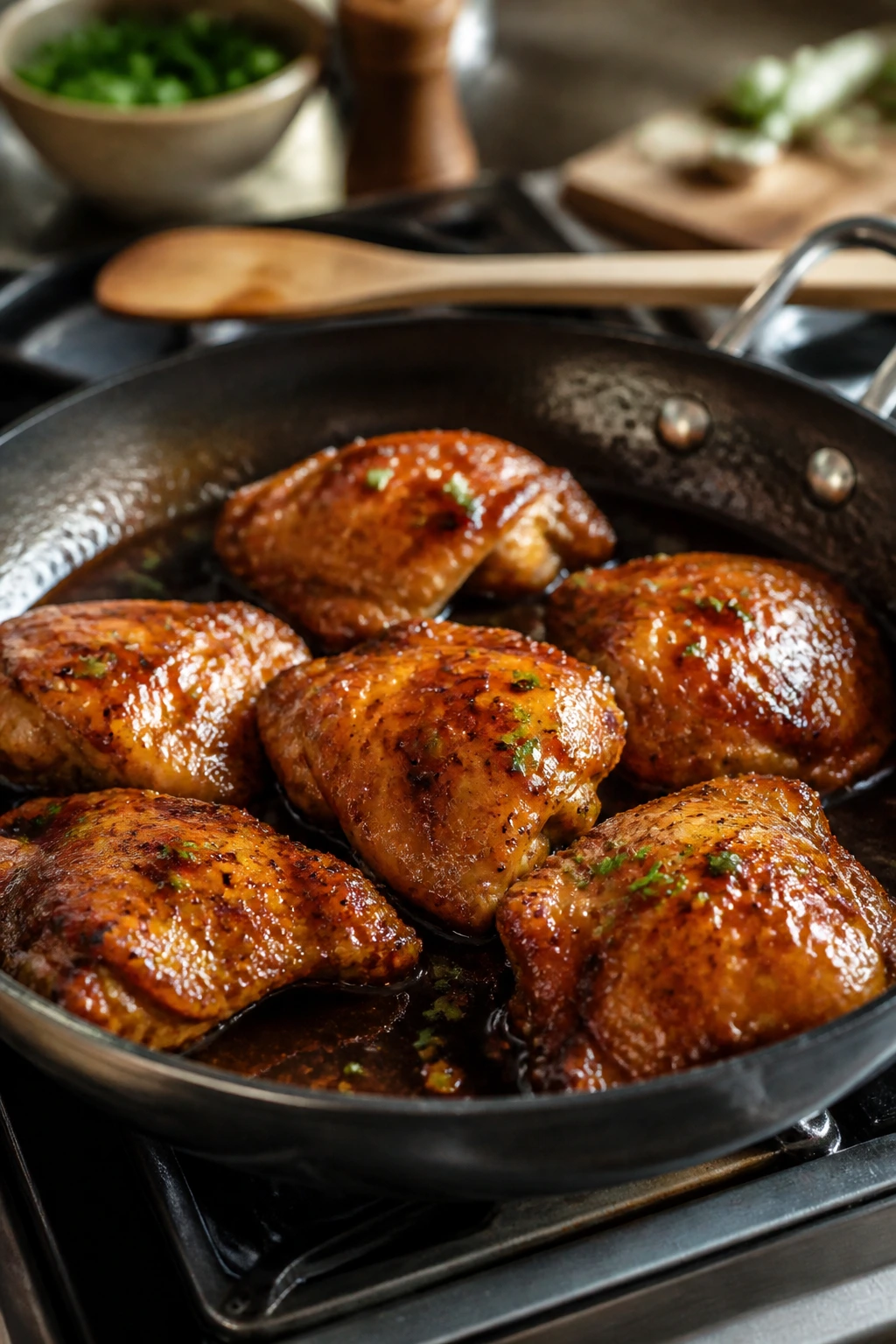
A dish like this lives or dies by pace. The chicken needs enough heat to brown, but the honey needs enough respect not to burn. Get those two things right and dinner feels calm, which is almost a novelty on a weekday.
Yield: Serves 4
Prep Time: 15 minutes
Cook Time: 20 minutes
Total Time: 35 minutes
Difficulty: Beginner — the steps are straightforward, but a thermometer and a little attention to the pan keep the chicken tender and the glaze glossy.
Rest Time: 3 minutes
Best Served: Right away, while the sauce is hot and clingy
The timing works best when you start your rice or vegetables first. By the time the chicken is glazed and resting, the side dish is usually ready too. That little overlap is what makes the whole meal feel smooth instead of scrambled.
The Exact Ingredients That Make the Glaze Stick
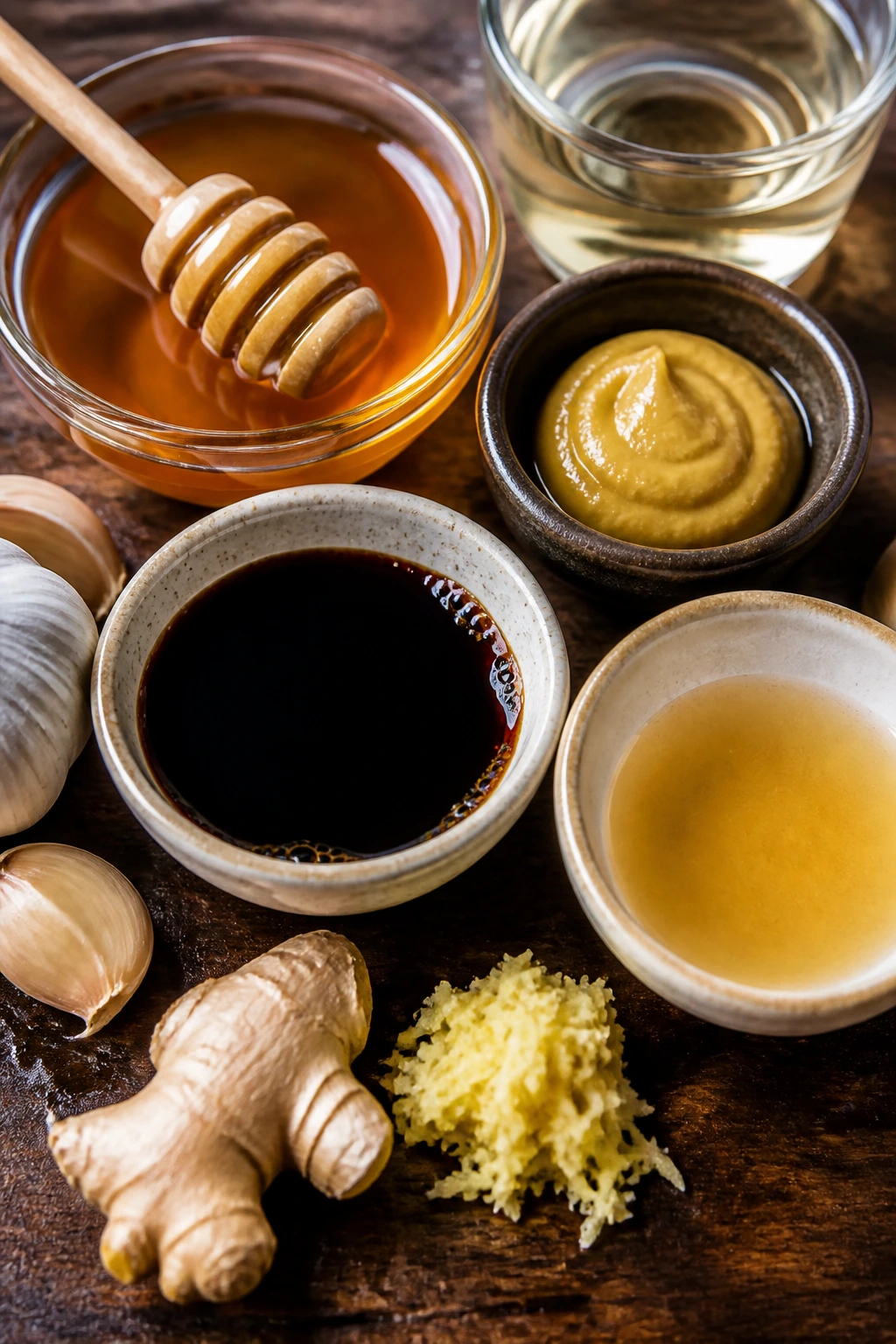
For the Chicken
- 1¾ pounds boneless, skinless chicken thighs, trimmed of excess fat and patted dry
- 1 teaspoon kosher salt
- ½ teaspoon black pepper
- 1 teaspoon garlic powder
- 2 tablespoons cornstarch
- 1 tablespoon neutral oil, such as avocado or canola
For the Honey Glaze
- ⅓ cup honey
- ¼ cup low-sodium soy sauce
- 2 tablespoons rice vinegar or apple cider vinegar
- 2 tablespoons low-sodium chicken broth or water
- 3 garlic cloves, finely minced
- 1 teaspoon fresh ginger, finely grated
- 1 teaspoon Dijon mustard
- 1 teaspoon sesame oil, optional, for a toasted note
- 1 tablespoon unsalted butter, optional, for extra sheen
For Finishing
- 1 teaspoon cornstarch mixed with 1 tablespoon cold water, optional, for a thicker glaze
- 2 scallions, thinly sliced
- 1 teaspoon toasted sesame seeds
Why Each Ingredient Pulls Its Weight
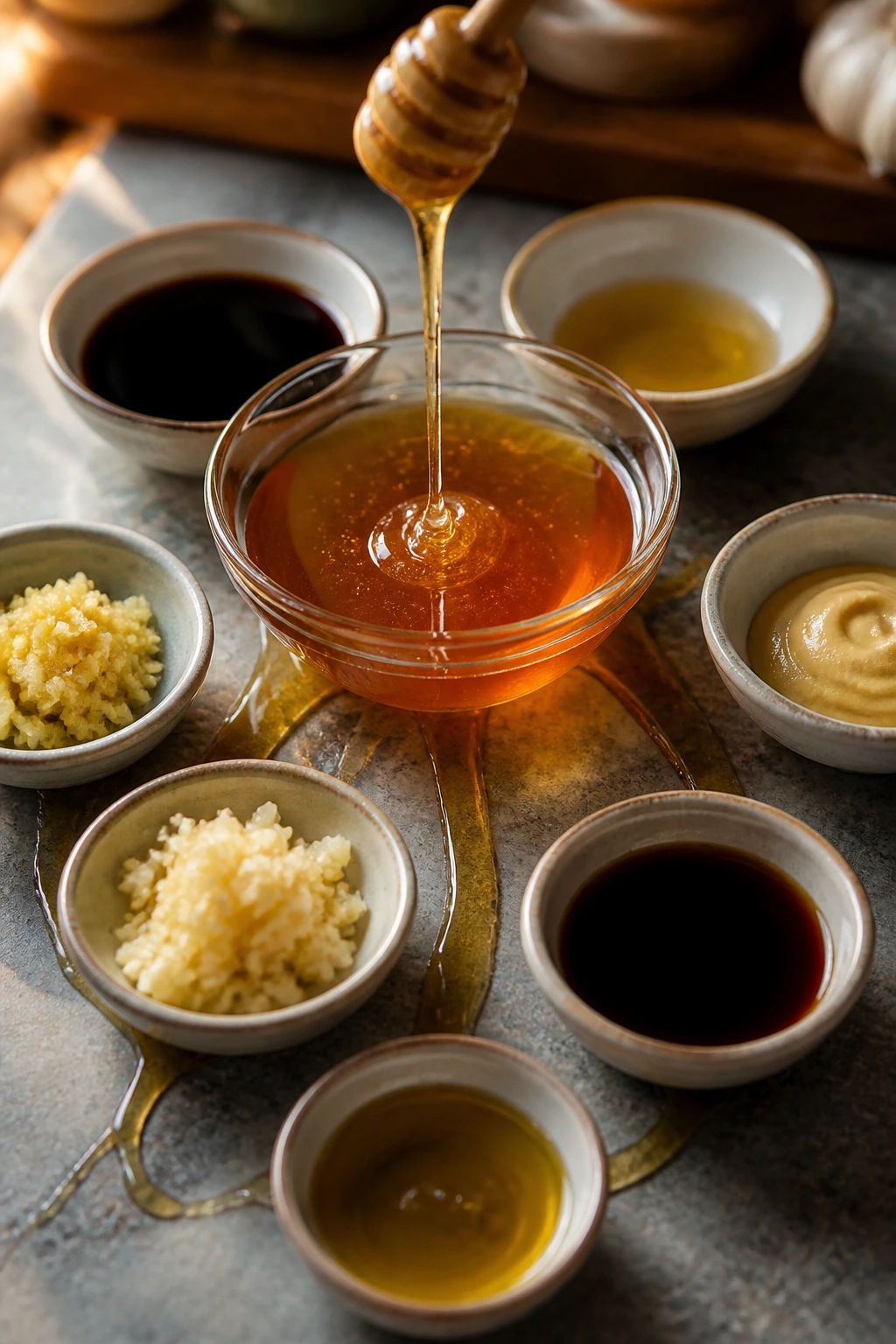
Chicken Thighs
What to use: 1¾ pounds boneless, skinless chicken thighs is the sweet spot here. That amount gives you enough surface area for browning without crowding a standard 12-inch skillet.
Preparation: Trim away the loose fatty flaps and pat the thighs very dry with paper towels before seasoning. Dry chicken browns; damp chicken steams, and steaming is the enemy of a sticky glaze.
Substitutions: Boneless, skinless chicken breasts can work, but slice large breasts in half horizontally so they cook evenly. Chicken tenderloins also work in a pinch, though they cook faster and need a closer eye.
Tips: Thighs are at their best when they reach 175°F to 180°F in the thickest part. That sounds high if you grew up being told to stop at 165°F, but thighs are a different animal; they get more tender, not less, as they climb a bit higher.
The Sweet-Salty Glaze
What to use: Honey, low-sodium soy sauce, vinegar, broth or water, Dijon mustard, garlic, ginger, and a little sesame oil if you want a toasted finish. The balance matters more than the exact brand.
Preparation: Whisk the glaze before the chicken goes in the pan so the honey fully dissolves and the garlic and ginger are evenly distributed. If you dump them in separately, the honey can sink and the seasoning can clump.
Substitutions: Tamari swaps cleanly for soy sauce if you need gluten-free sauce. Rice vinegar gives the cleanest finish, but apple cider vinegar works too if that’s what sits in your cupboard.
Tips: Dijon is not there to make this taste like mustard. It helps the glaze stay smooth and gives the sauce a little backbone so the honey does not flatten out the flavor.
Seasoning and Coating
What to use: Kosher salt, black pepper, garlic powder, cornstarch, and neutral oil. That’s the simple engine behind the crust.
Preparation: Toss the chicken with the dry seasonings first, then dust it lightly with cornstarch. The coating should look barely chalky, not pasty; if you see clumps, you used too much.
Substitutions: Arrowroot can stand in for cornstarch if that’s what you have. Flour works too, but it browns a little less cleanly and gives the sauce a softer finish.
Tips: Cornstarch does two jobs at once here: it helps the chicken take on a little color and gives the glaze something to cling to. That tiny coating makes a bigger difference than most people expect.
Finishing Touches
What to use: Scallions, sesame seeds, butter, and sesame oil if you like a more rounded finish. These are not decorative afterthoughts; they change the last bite.
Preparation: Slice the scallions before you start cooking so you’re not hunting for a knife while the glaze is bubbling. If you’re using sesame seeds, toast them briefly in a dry pan or buy them already toasted.
Substitutions: Chopped cilantro, a squeeze of lime, or a pinch of red pepper flakes can replace the scallions if your fridge is bare. The finish can move in a brighter or spicier direction without breaking the dish.
Tips: Add butter and sesame oil off the heat. Honey burns fast, butter can separate, and both are happier if the pan has stopped roaring when they go in.
The Tools That Keep the Chicken Tender, Not Fussy
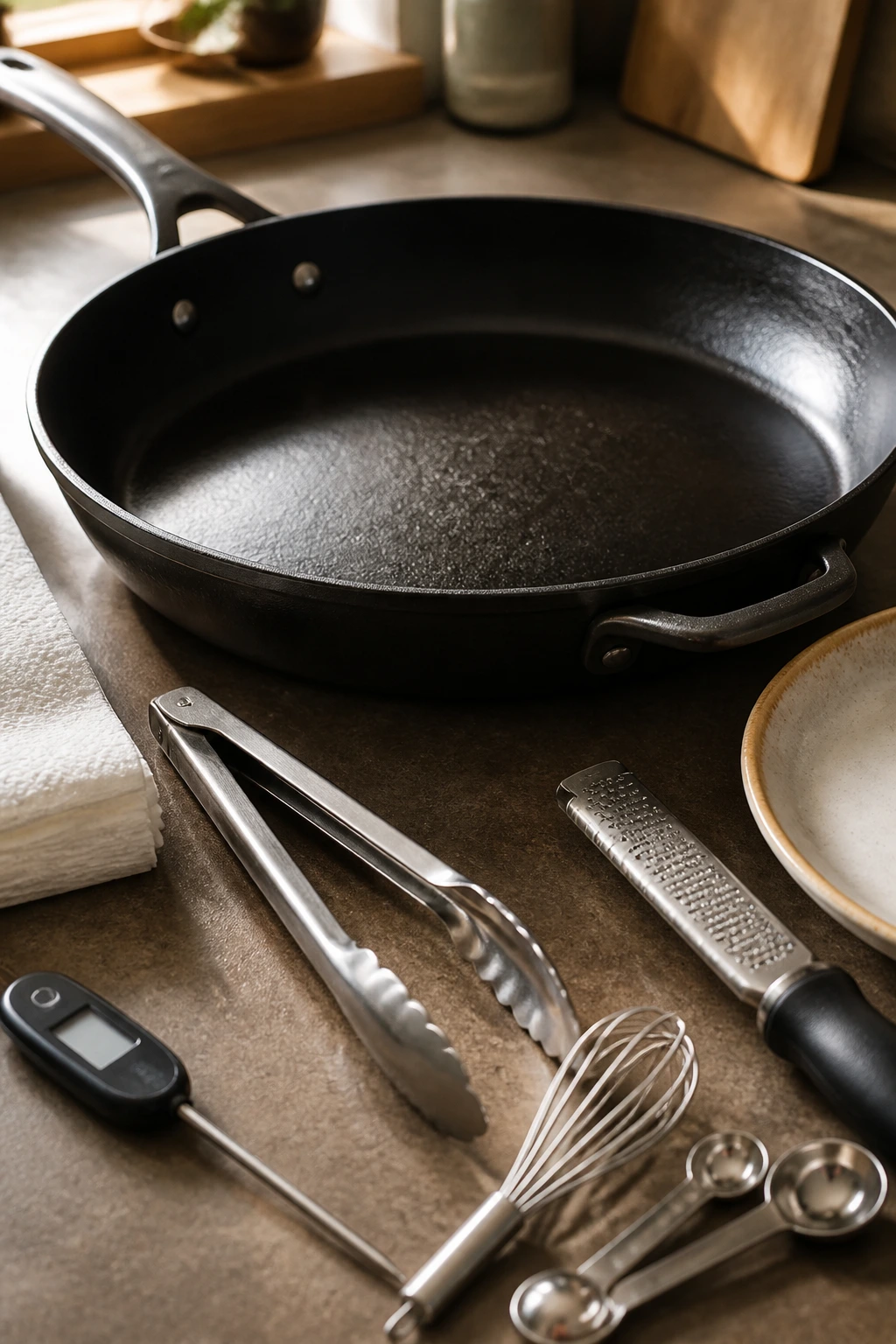
- 12-inch heavy skillet or sauté pan — Big enough for a single layer of chicken so the pieces brown instead of crowding each other.
- Instant-read thermometer — The cleanest way to know when thighs are tender and done without guessing by color.
- Small whisk — Helps the honey, soy sauce, vinegar, and mustard come together without sticky streaks.
- Tongs — Better than a fork for turning chicken; they keep the juices where they belong.
- Paper towels — Dry chicken is better chicken in this recipe. No substitute does that job as well.
- Microplane or fine grater — Useful for ginger and garlic if you want them to melt into the glaze instead of floating in little bits.
- Measuring cups and spoons — The sauce depends on balance, and this is not a recipe that rewards eyeballing the honey.
- Plate or rimmed sheet pan — A place for the chicken to rest while the glaze comes together.
How to Cook Honey Glazed Chicken in One Skillet
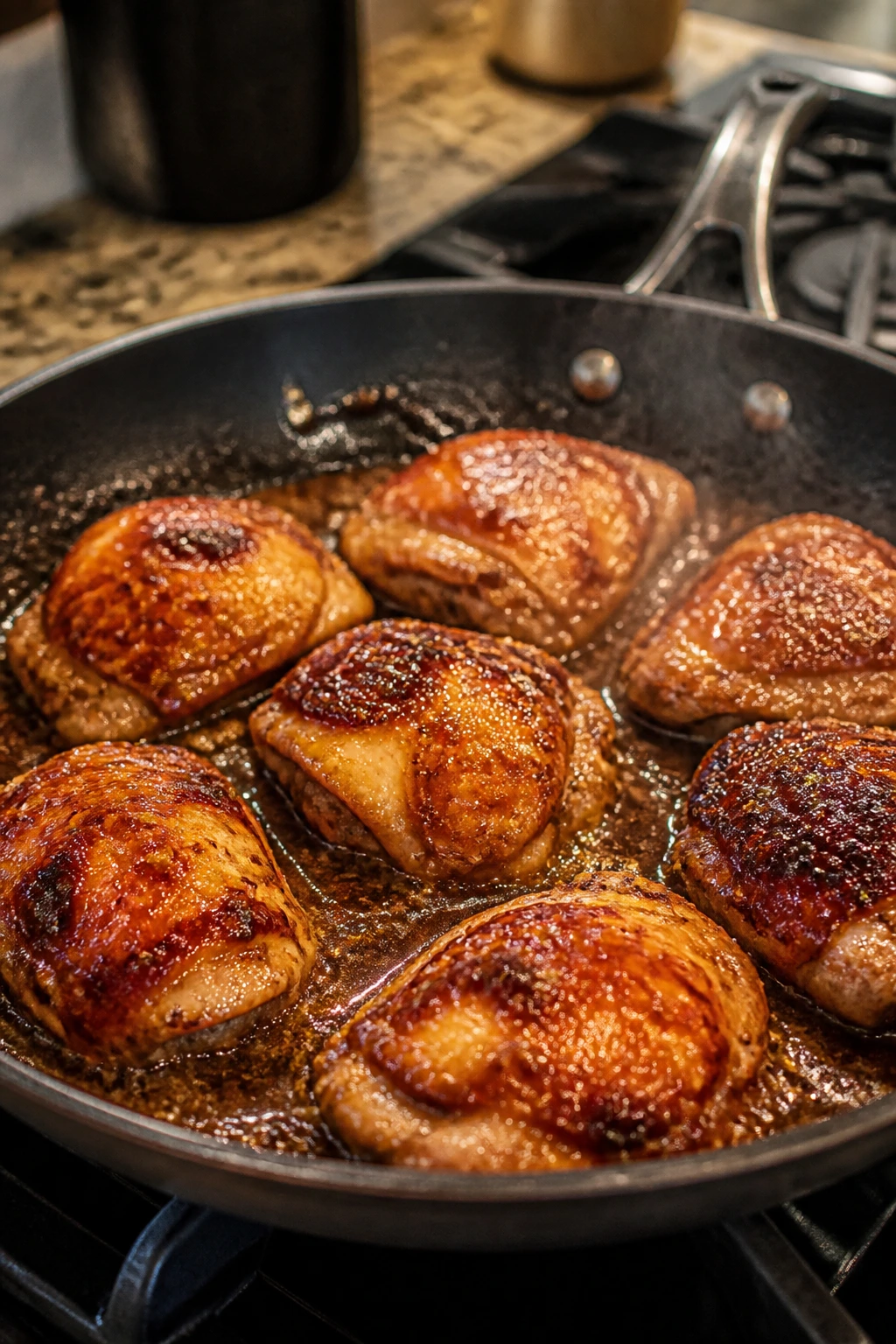
Prep the Chicken
-
Pat the chicken thighs very dry with paper towels, then trim away any loose fat or ragged edges. Season all over with the salt, pepper, and garlic powder.
-
Sprinkle the cornstarch over the thighs and toss until every piece is coated in a thin, dusty layer. Do not pile on extra cornstarch; a light coating is enough to help browning and sauce cling.
-
In a small bowl or liquid measuring cup, whisk together the honey, soy sauce, vinegar, broth or water, garlic, ginger, Dijon mustard, and sesame oil if you’re using it. The mixture should look smooth and glossy, with no honey sinking to the bottom.
Sear and Build the Glaze
-
Set a 12-inch skillet over medium-high heat and add the oil. Let it heat for about 1 to 2 minutes, until the oil shimmers and moves easily across the pan.
-
Arrange the chicken thighs in a single layer. Cook for 5 to 6 minutes without moving them, until the underside is deep golden brown and releases from the pan with little resistance. Flip and cook for 3 to 4 minutes on the second side. If your skillet is crowded, work in batches; crowded chicken steams, and steamed chicken will not brown well.
-
Transfer the chicken to a plate. If the pan looks greasy, pour off all but about 1 tablespoon of fat, leaving the browned bits behind in the skillet.
-
Reduce the heat to medium and pour in the glaze mixture. Stir and scrape the bottom of the pan for 2 to 3 minutes, until the liquid is bubbling steadily and the color deepens slightly. The smell should shift from raw garlic to sweet-savory and warm.
-
If you want a thicker glaze, whisk the cornstarch slurry, then drizzle it into the simmering sauce and cook for 30 to 45 seconds, stirring constantly, until the glaze coats the back of a spoon. Stop as soon as it looks lacquered; if you keep going, it can turn gummy.
Finish and Rest
-
Return the chicken and any juices to the skillet. Turn each piece to coat, then simmer for 2 to 4 minutes, spooning sauce over the top, until the thighs reach 175°F to 180°F in the thickest part and the glaze clings in shiny ribbons.
-
Remove the skillet from the heat and stir in the butter if you’re using it. Let the chicken rest for 3 minutes, then finish with scallions and sesame seeds. That short rest helps the glaze settle instead of running off the plate.
How to Plate It So Dinner Looks Intentional
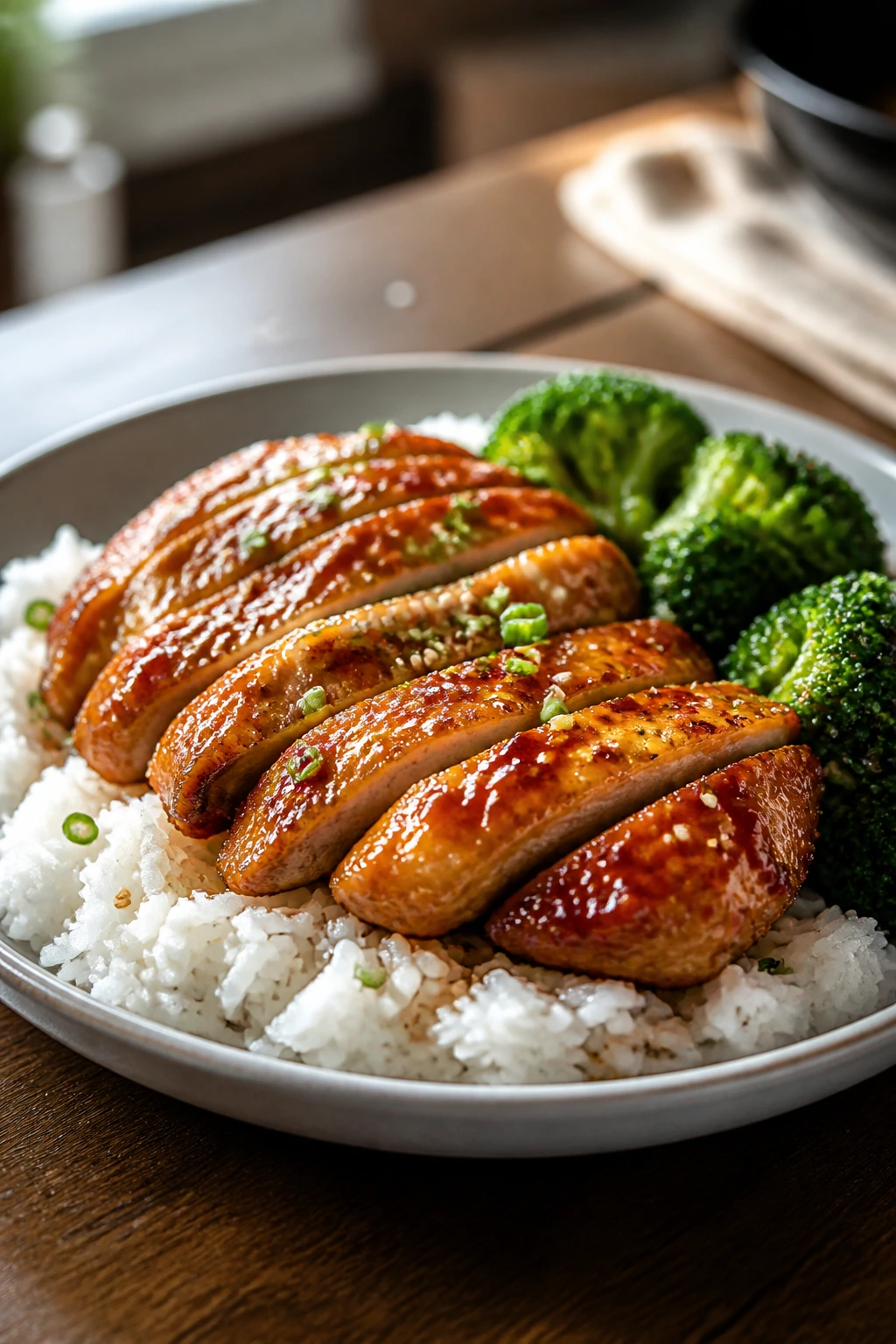
The nicest way to serve this is on top of steamed jasmine rice, with the sauce spooned over both the chicken and the rice. The grains catch the glaze and turn almost jewel-like around the edges, which is a lot of payoff for a very ordinary bowl of rice.
Presentation: Slice the chicken on a slight diagonal if you want a more polished plate, or leave the thighs whole and let the glossy sauce do the talking. A scattering of scallions and sesame seeds keeps the top from looking flat, and a few broccoli florets or snap peas beside the chicken make the whole plate feel finished.
Accompaniments: Jasmine rice is the most natural partner, but mashed potatoes soak up the sauce beautifully too. Steamed broccoli, roasted green beans, sautéed bok choy, or a crisp cucumber salad all give the plate some contrast, which matters because the glaze is soft and sticky.
Portions: Plan on about 1 thigh per person if the pieces are large and you have sides. If the thighs are smaller or you know your crowd likes seconds, count on 2 each and make a little extra glaze. A few extra spoonfuls of sauce are never wasted.
Beverage Pairing: An off-dry riesling handles the honey and soy without fighting them. A light lager or a sparkling water with lime also works if you want the meal to stay casual and clean.
Small Tweaks That Make the Glaze Taste Deeper
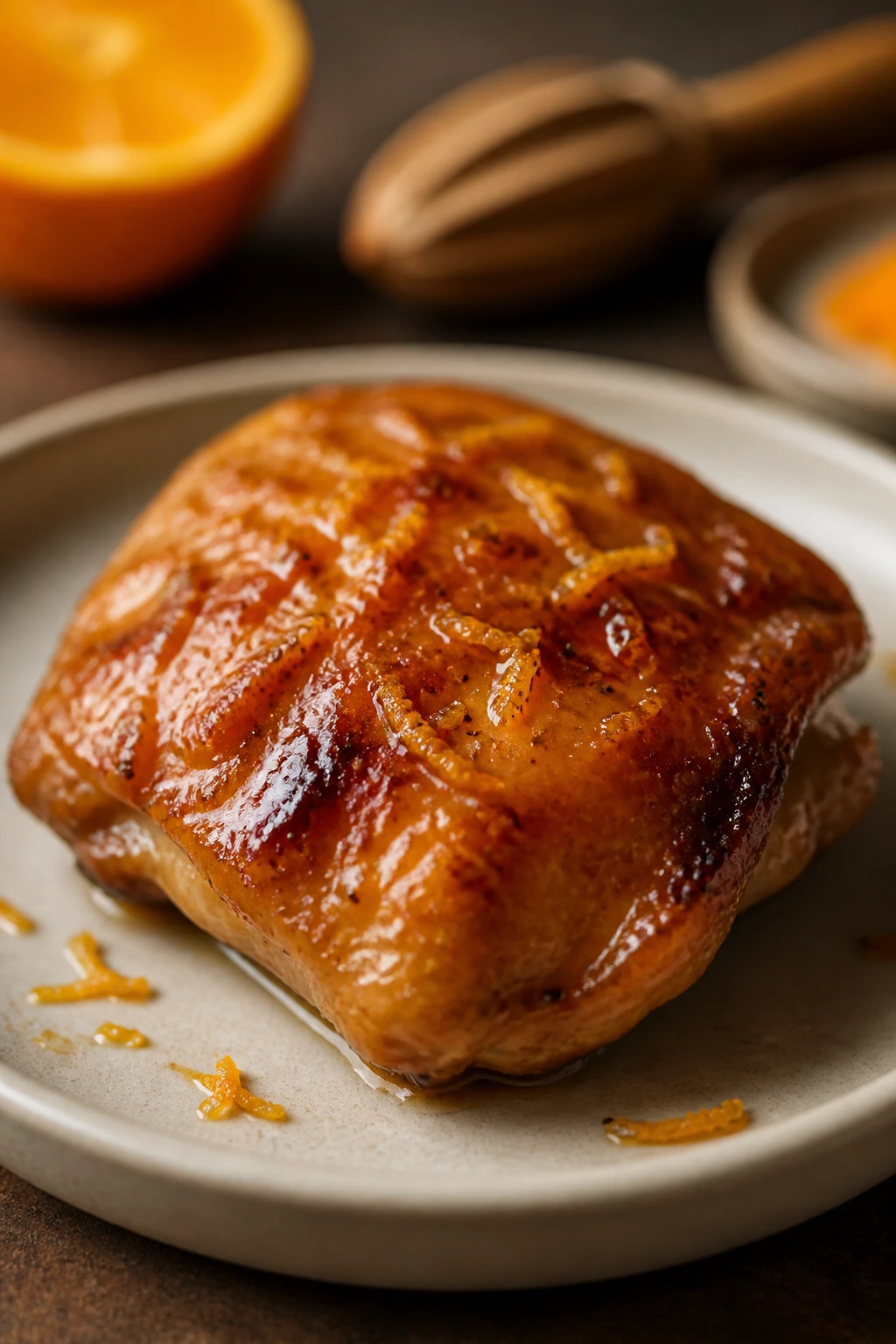
Flavor Enhancement: A teaspoon of orange zest stirred into the glaze at the end gives the honey a brighter edge, especially if you’re serving the chicken with rice and broccoli. It should taste fresh, not citrusy in a perfume way.
Time-Saver: Whisk the glaze in the same measuring cup you used for the honey. A quick splash of the broth or water loosens the sticky streaks, and you waste less time scraping the cup with a spoon.
Pro Move: If the pan has browned bits that look dark but not burned, deglaze with the glaze mixture right away. Those tiny bits melt into the sauce and give it a deeper, more cooked flavor than straight honey ever could.
Cost-Saver: Buy chicken thighs in a larger family pack, trim them once, and freeze them in recipe-size portions. This dish is cheap enough already, but that little bit of prep makes it even easier to pull together on a tired evening.
Make-It-Yours: Red pepper flakes, chili crisp, or a spoonful of gochujang can nudge the glaze toward sweet heat. If spice is not your thing, a small knob of butter at the end gives the sauce a rounder, softer finish instead.
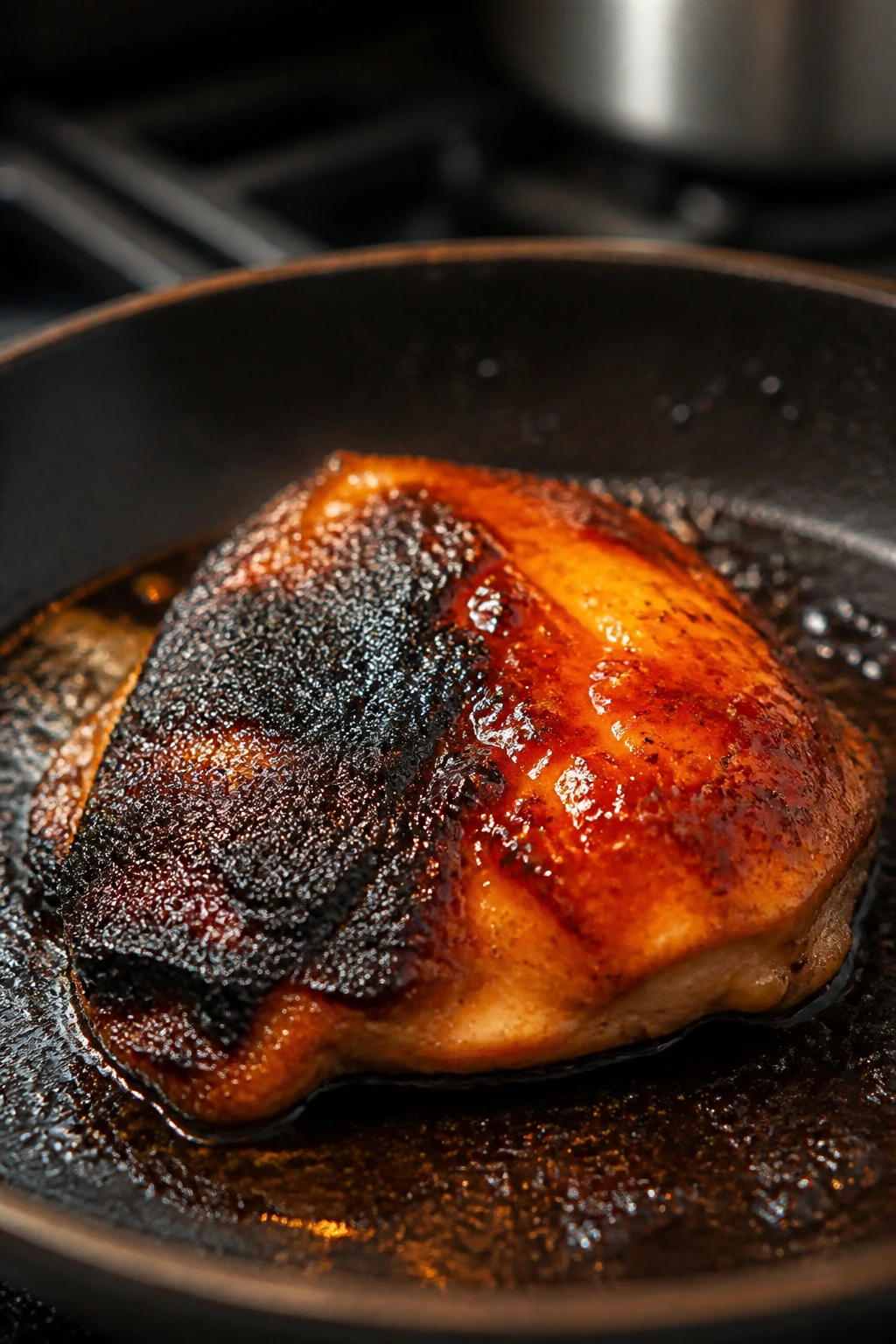
The Mistakes That Turn a Good Glaze Into a Burnt One
-
Starting with wet chicken. The chicken will hiss and steam instead of browning, and the glaze will slide off instead of clinging. Pat the thighs dry until the surface looks matte before you season them.
-
Rushing the honey over high heat. Honey can go from amber to bitter fast. Sear the chicken first, then add the sauce once the heat is lowered and the pan has a little breathing room.
-
Crowding the skillet. If the pieces are packed tightly, they release moisture and the bottom of the pan turns gray. Use a bigger skillet or cook in two batches; the crust you save is worth the extra minute.
-
Calling the chicken done at 165°F and stopping there. That temperature is safe, but thighs usually eat better a little higher. Aim for 175°F to 180°F if you want the meat to feel tender and relaxed, not tight.
-
Over-thickening the glaze. Too much cornstarch slurry turns the sauce into a sticky paste instead of a glossy coating. Add the slurry in tiny amounts and stop the moment it coats a spoon.
-
Leaving the finished chicken in a blazing hot pan. Honey continues to tighten as it sits, and an already-thick glaze can seize into a sticky patch. Pull the skillet off the heat as soon as the sauce looks right.
Flavor Variations for Different Tables
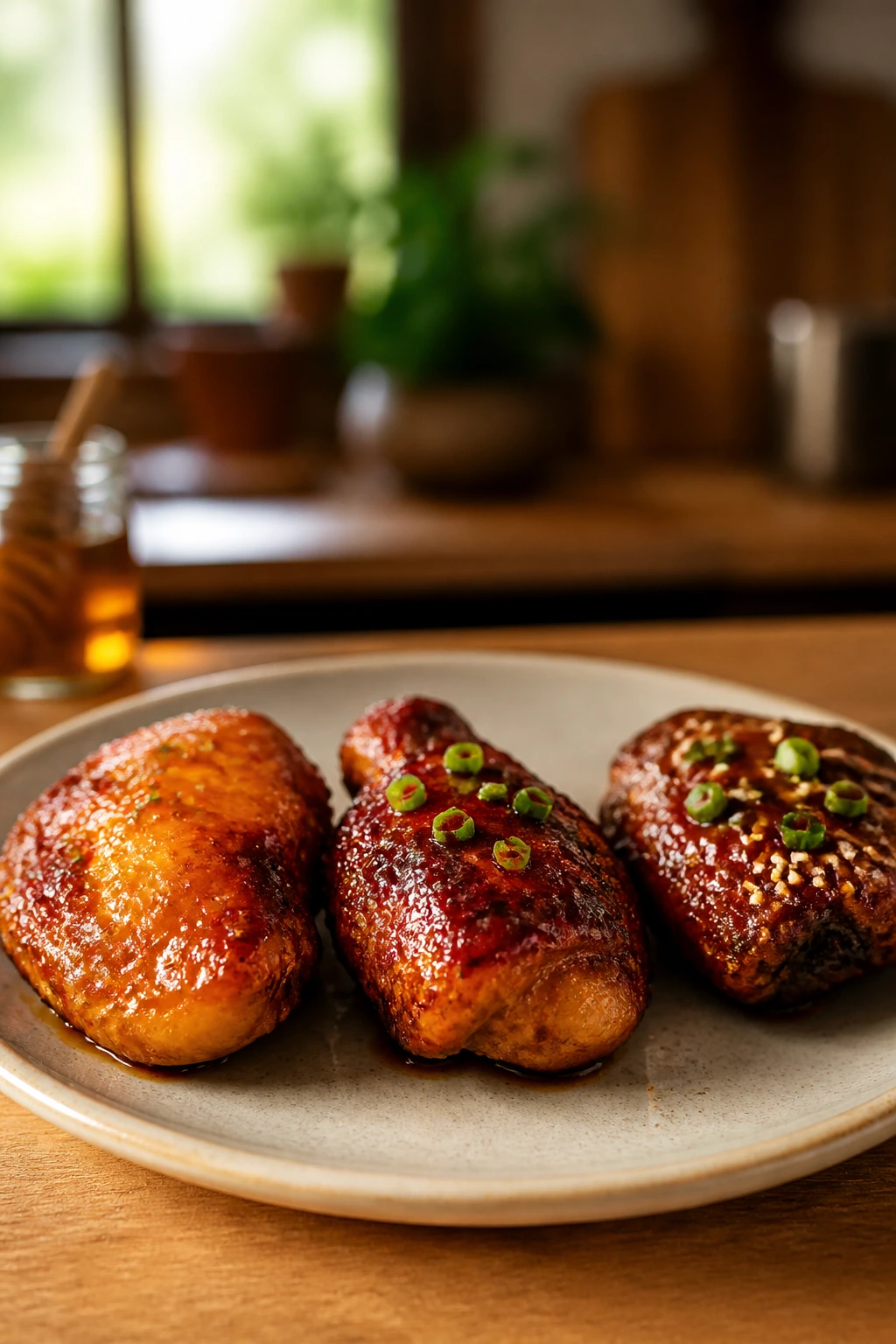
Orange-Honey Skillet Chicken
Swap the 2 tablespoons of broth for 2 tablespoons of orange juice and add 1 teaspoon of orange zest to the glaze. The result is brighter and a little softer, with a citrus note that plays well with rice or noodles.
Gochujang Honey Chicken
Stir 1 to 2 teaspoons of gochujang into the glaze before it goes into the pan. It adds heat, depth, and a red-brown color that makes the sauce look almost like takeout, but with more bite.
Sesame-Ginger Version
Increase the fresh ginger to 2 teaspoons and finish with the full teaspoon of sesame oil. This version leans into the toasty, nutty side of the glaze and works especially well with steamed bok choy or sautéed greens.
Breast-Friendly Cutlets
If you want to use chicken breasts, slice two large breasts horizontally into cutlets so they cook evenly. Sear them for a shorter time, then finish only until they hit 165°F, because breasts dry out faster and do not enjoy the long simmer that thighs do.
Chili-Lime Finish
Add a pinch of red pepper flakes to the glaze and finish the chicken with a squeeze of lime just before serving. That sharp, bright finish cuts through the honey and gives the whole plate a little edge.
Make-Ahead, Storage, and Reheating Without Drying It Out
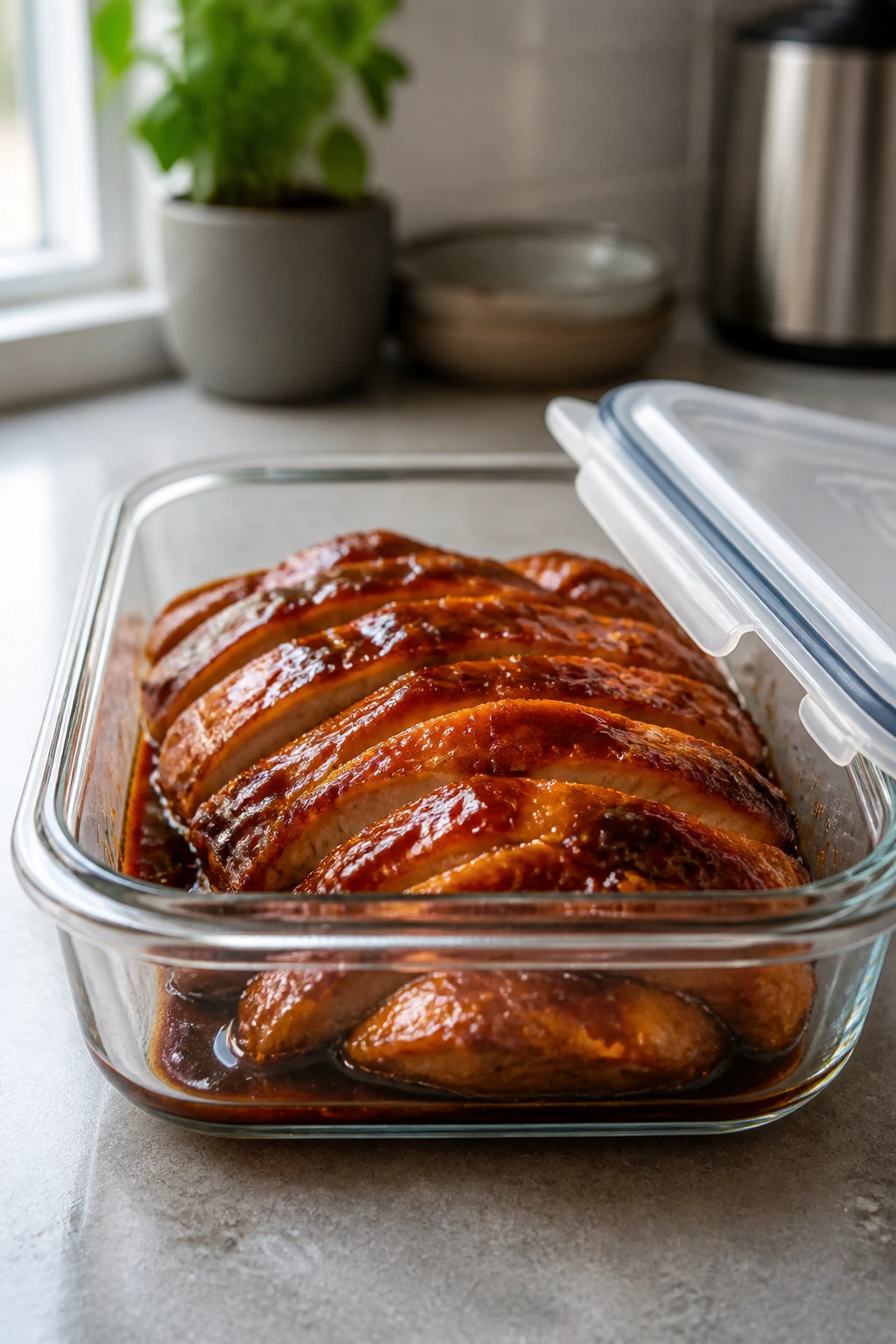
This chicken keeps well if you cool it properly and do not drown it in too much extra sauce before chilling. Let the chicken sit for about 15 to 20 minutes after cooking, then pack it into airtight containers and refrigerate within 2 hours. Food safety is the boring part nobody wants to think about, but this is where texture survives or gets ruined.
In the fridge, the chicken stays good for 3 to 4 days. The sauce will thicken as it chills, which is normal. If the glaze looks a little too tight when you reheat it, a tablespoon or two of water or broth loosens it back to a spoonable consistency.
For the freezer, pack the chicken and sauce together in a freezer-safe container or bag for up to 2 months. I like to freeze it in smaller portions rather than one big block because it reheats more evenly. Thaw it overnight in the fridge if you can; that slower thaw keeps the texture better than forcing it in a microwave.
Reheat the chicken in a skillet over medium-low heat with a splash of water or broth, covered for 4 to 6 minutes, until hot through. Uncover for the last minute if you want the glaze to tighten again. The microwave works too, but use 50% power in 30-second bursts and cover the dish with a damp paper towel so the chicken does not dry out around the edges.
If you want to get ahead, whisk the glaze up to 2 days in advance and keep it refrigerated in a jar. You can also season the chicken a few hours ahead and hold it in the fridge, uncovered or lightly covered, so the surface dries a bit before it hits the pan. That small step improves browning more than people expect.
Questions People Actually Ask Before They Cook This
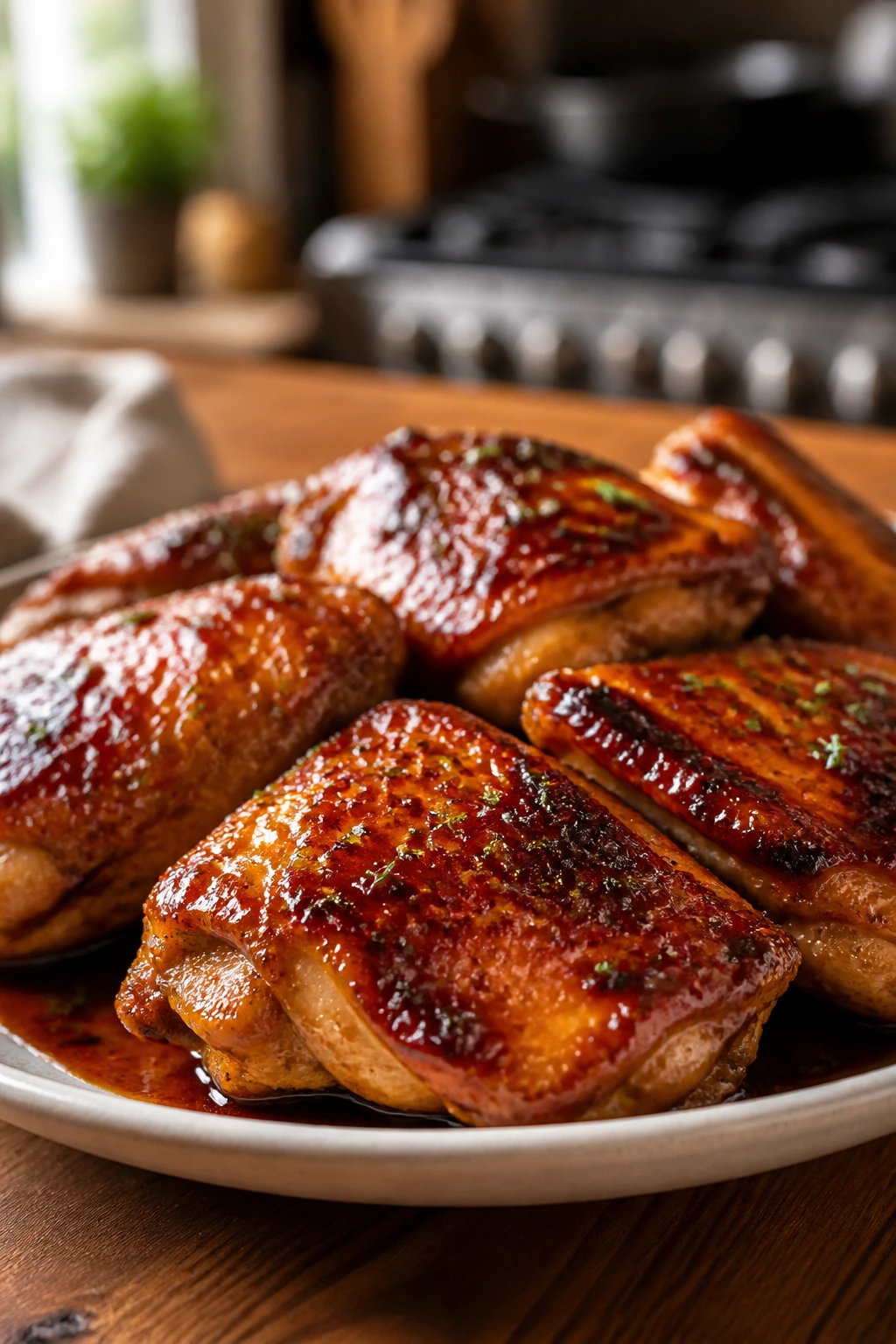
Can I use chicken breasts instead of thighs?
Yes, but cut large breasts into thinner cutlets so they cook at the same pace. Pull them as soon as they reach 165°F, because breasts do not have the same tenderness cushion that thighs do.
Do I need to marinate the chicken first?
No. The seasoning on the chicken and the glaze in the pan do enough heavy lifting that a long marinade is unnecessary. If you want a little extra flavor, salt the thighs 30 minutes ahead and leave them uncovered in the fridge.
How do I keep the honey from burning?
Brown the chicken first, then lower the heat before the glaze goes in. Honey burns when it sits too long over high heat, so the sauce should simmer, not rage.
Can I make this gluten-free?
Use tamari instead of soy sauce and double-check that your cornstarch and Dijon are gluten-free. The rest of the recipe already fits that direction without much fuss.
What if the glaze gets too thick before the chicken is fully cooked?
Add a tablespoon or two of broth or water and stir it in. That loosens the sauce without changing the flavor much, and it gives the chicken a little more time to finish gently.
Can I bake it instead of cooking it on the stove?
You can bake the chicken on a sheet pan at 425°F, then brush on the glaze during the last few minutes. The skillet version gives you better browning and a thicker pan sauce, so I reach for that first when I have the option.
Can I double the recipe?
Yes, but sear the chicken in batches so the pan stays hot enough to brown. The glaze may need an extra minute or two to reduce if you double the liquid, and that’s normal.
What side dish soaks up the sauce best?
Jasmine rice does a fine job, but mashed potatoes are the sleeper pick if you want the sauce to disappear quickly. Noodles work too, especially if you like the glaze to coat every strand.
Why This One Keeps Coming Back
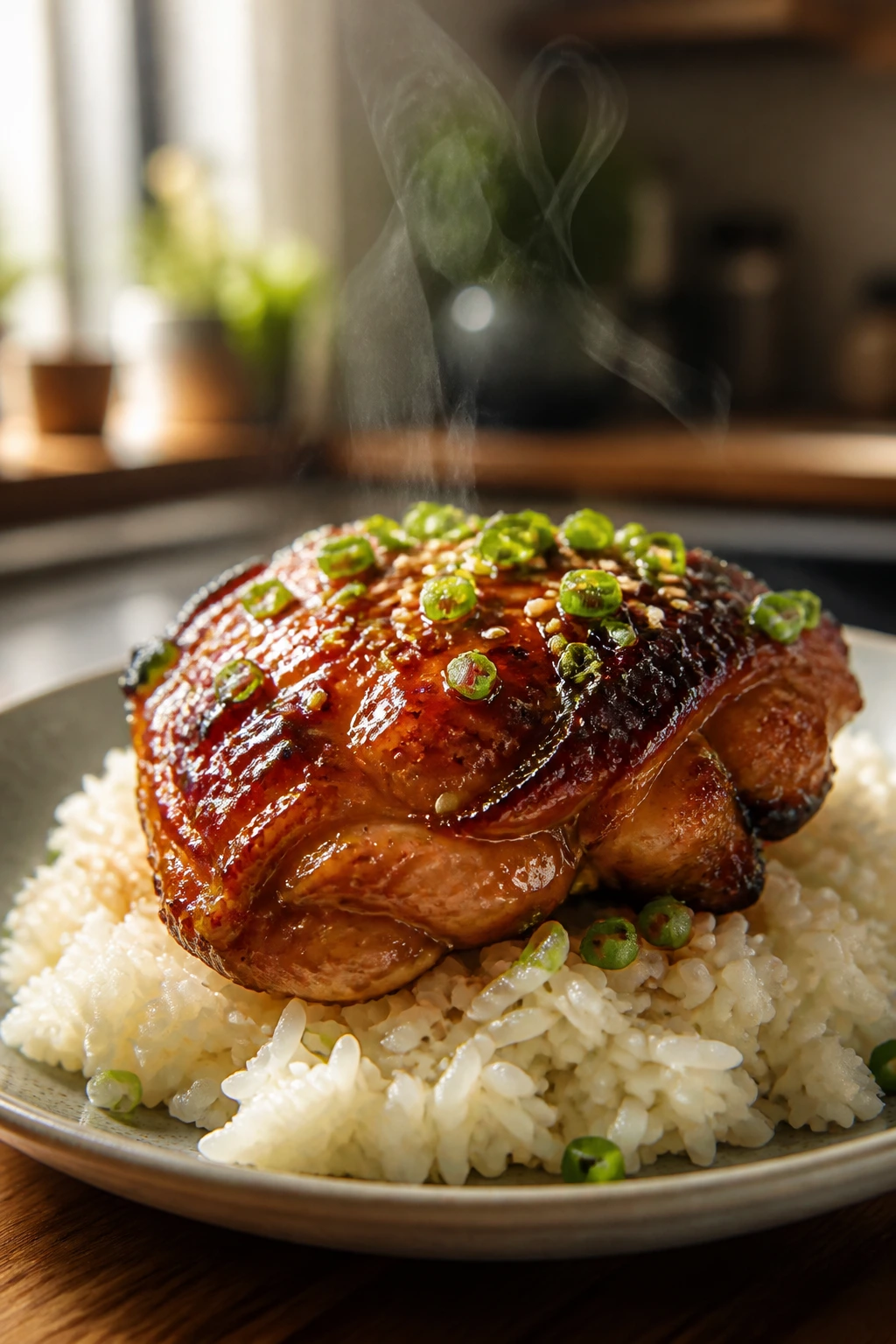
There’s a reason honey glazed chicken keeps showing up in the weeknight pile: it hits a narrow target without being fussy. The chicken stays tender, the sauce tastes balanced instead of sugary, and the whole pan finishes with enough gloss to make an ordinary dinner feel intentional.
I like recipes that do one job well and do not ask for applause. This is one of them. Keep the heat moderate, trust the thermometer, and let the glaze reduce until it clings. That’s the whole trick, and once you’ve made it once, it tends to stay in the rotation.
Honey Glazed Chicken for Weeknight Dinners — Recipe Card
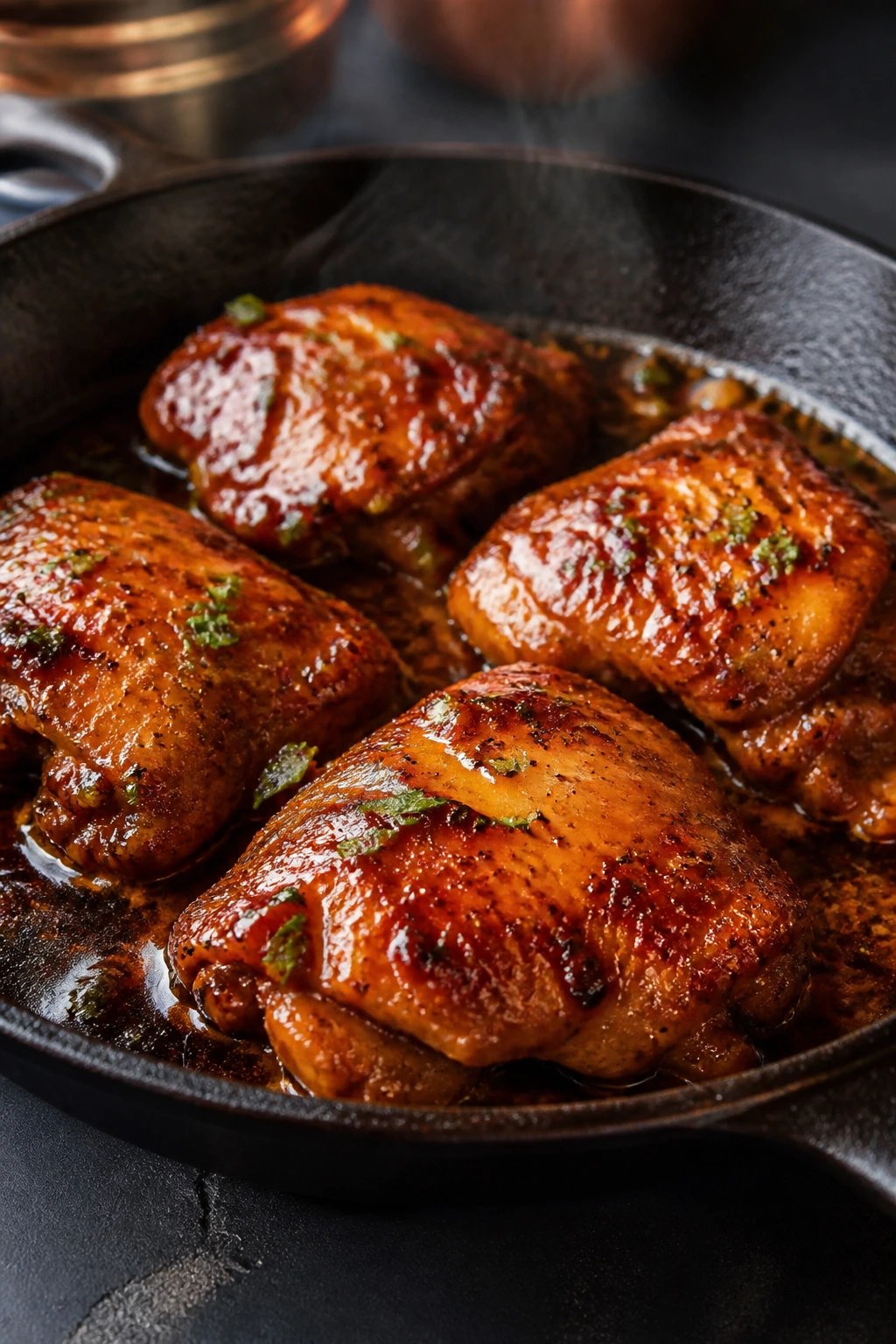
Recipe Name: Honey Glazed Chicken for Weeknight Dinners
Description: Tender boneless chicken thighs seared in a skillet and finished with a sweet-salty honey glaze made with soy sauce, garlic, ginger, vinegar, and a little Dijon. The sauce turns glossy and sticky enough to spoon over rice, noodles, or vegetables.
Prep Time: 15 minutes
Cook Time: 20 minutes
Total Time: 35 minutes
Course: Main Course
Cuisine: American
Servings: 4 servings
Calories: About 400 kcal per serving
Ingredients
For the Chicken:
- 1¾ pounds boneless, skinless chicken thighs, trimmed of excess fat and patted dry
- 1 teaspoon kosher salt
- ½ teaspoon black pepper
- 1 teaspoon garlic powder
- 2 tablespoons cornstarch
- 1 tablespoon neutral oil, such as avocado or canola
For the Honey Glaze:
- ⅓ cup honey
- ¼ cup low-sodium soy sauce
- 2 tablespoons rice vinegar or apple cider vinegar
- 2 tablespoons low-sodium chicken broth or water
- 3 garlic cloves, finely minced
- 1 teaspoon fresh ginger, finely grated
- 1 teaspoon Dijon mustard
- 1 teaspoon sesame oil, optional
- 1 tablespoon unsalted butter, optional
For Finishing:
- 1 teaspoon cornstarch mixed with 1 tablespoon cold water, optional, for a thicker glaze
- 2 scallions, thinly sliced
- 1 teaspoon toasted sesame seeds
Instructions
-
Pat the chicken thighs dry, trim excess fat, and season with the salt, pepper, and garlic powder.
-
Toss the chicken with the cornstarch until lightly coated.
-
Whisk together the honey, soy sauce, vinegar, broth or water, garlic, ginger, Dijon mustard, and sesame oil if using.
-
Heat the oil in a 12-inch skillet over medium-high heat. Add the chicken in a single layer and cook until browned on the first side, then flip and brown the second side.
-
Transfer the chicken to a plate. Lower the heat to medium and pour the glaze into the skillet, scraping up the browned bits as it simmers.
-
If you want a thicker sauce, whisk in the cornstarch slurry and simmer briefly until the glaze coats a spoon.
-
Return the chicken and any juices to the skillet and simmer, turning to coat, until the chicken reaches 175°F to 180°F and the sauce clings in glossy ribbons.
-
Remove from the heat, stir in the butter if using, rest for 3 minutes, then finish with scallions and sesame seeds.
Notes: Thighs stay juicier than breasts here, and the glaze should simmer rather than boil hard. If the sauce thickens too much on reheating, loosen it with a splash of water or broth.