



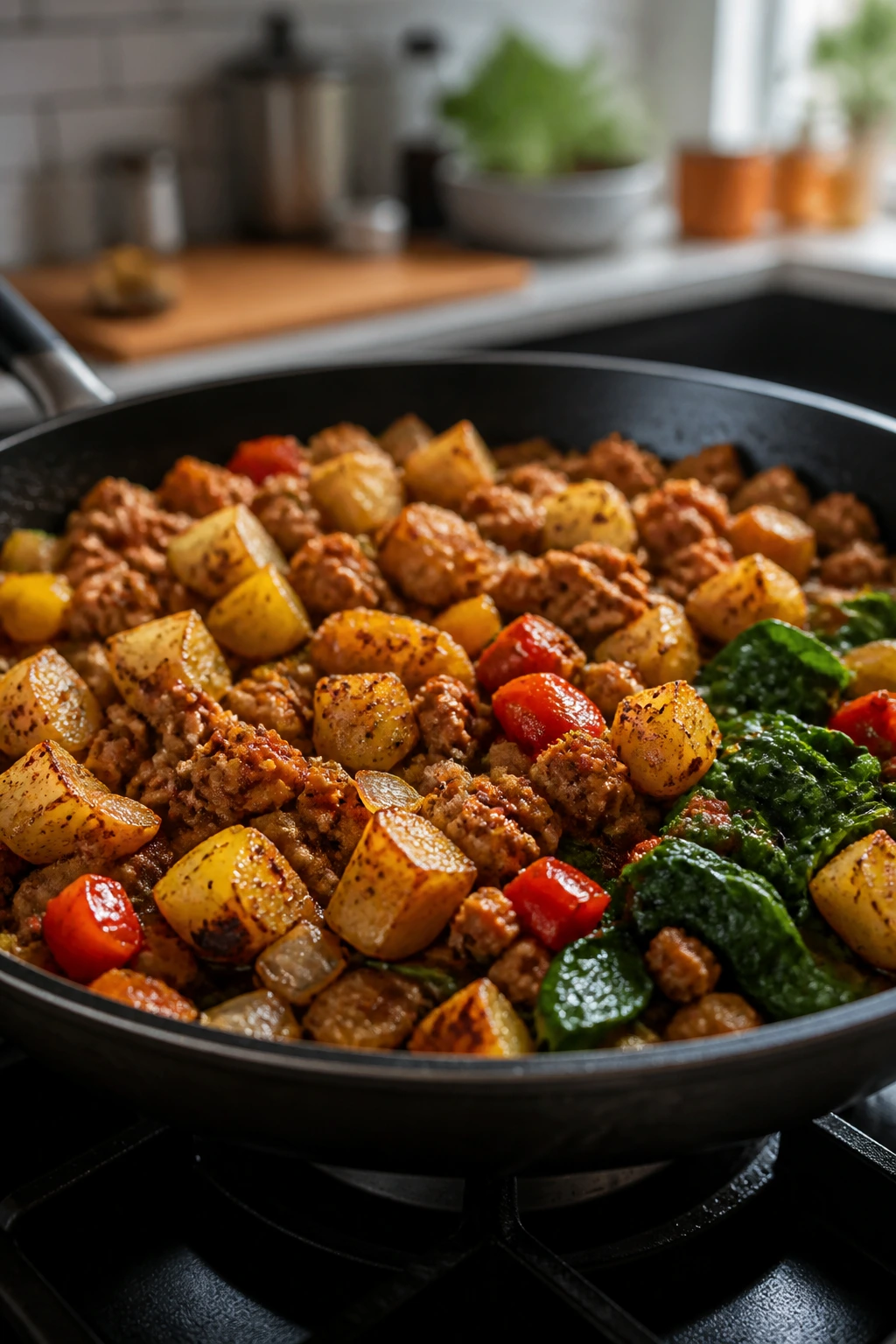
Some weeknights need a skillet that earns its keep. Not a casserole that asks for an extra bowl, not a slow braise that ties up the stove, and not a turkey dinner that tastes like it was cooked out of duty. A good crispy turkey skillet gives you browned meat, tender potatoes, and a glossy pan sauce in one pan, and the best part is the texture: those little toasted bits on the turkey that taste savory and a little nutty instead of pale and bland.
Ground turkey gets a bad reputation for being polite to the point of boring. Stir it too soon and that’s exactly what you get. Leave it alone for a few minutes in a hot skillet, though, and the surface starts to brown, the edges crinkle, and the whole pan gets a deeper, roastier smell that makes the room feel like dinner is actually happening. That’s the trick here. Not magic. Timing.
I like this style of skillet dinner because it solves the two things that usually make a weeknight feel annoying: the pan gets flavor from the food, and the food gets flavor from the pan. The potatoes pick up the browned bits. The tomato paste darkens for a minute before the broth goes in. The spinach vanishes at the end and leaves the skillet looking finished, not heavy. That’s the kind of recipe that sticks around because it is practical and worth eating.
Why This Crispy Turkey Skillet Earns a Spot on Busy Nights
-
Browned edges, not pale crumbles: The turkey gets a real sear if you let it sit undisturbed for 2 to 3 minutes before breaking it apart, which is the difference between dinner that tastes cooked and dinner that tastes rushed.
-
Everything in one pan, but not everything at once: Potatoes go first, turkey goes second, vegetables go third, and that order matters because each ingredient needs a different amount of heat and time.
-
A sauce without fuss: Tomato paste, Dijon, Worcestershire, and broth make a light glaze instead of a heavy gravy, so the skillet stays lively rather than mushy.
-
Flexible at the table: Spoon it over rice, tuck it into warm tortillas, or serve it with bread if you want something to mop up the pan juices.
-
Leftovers are useful: The potatoes and turkey reheat better than a lot of ground-meat dinners because the sauce keeps the meat from drying out the second time around.
-
Easy to stretch: Add mushrooms, peas, or a few handfuls of cabbage without changing the method, which makes this a useful template instead of a one-off meal.
The Yield, Timing, and Exact Ingredients for a Crispy Turkey Skillet
Yield: 4 servings
Prep Time: 20 minutes
Cook Time: 30 minutes
Total Time: 50 minutes
Difficulty: Beginner — the steps are straightforward, but the browning depends on heat control and resisting the urge to stir too soon.
Best Served: Right away, while the potatoes still have crisp edges
Chill/Rest Time: None
For the Skillet
- 1 1/2 pounds 93% lean ground turkey
- 1 pound baby Yukon gold potatoes, halved; quarter larger ones
- 2 tablespoons olive oil, divided
- 1 small yellow onion, diced
- 1 red bell pepper, diced
- 3 garlic cloves, minced
- 2 tablespoons tomato paste
- 1 tablespoon Dijon mustard
- 1 tablespoon Worcestershire sauce
- 1/2 cup low-sodium chicken broth
- 1 teaspoon cornstarch
- 2 teaspoons smoked paprika
- 1 teaspoon dried thyme
- 1 1/4 teaspoons kosher salt, divided
- 1/2 teaspoon black pepper, divided
- 1/4 teaspoon red pepper flakes
- 2 cups baby spinach, loosely packed
- 1 tablespoon unsalted butter
- 1 tablespoon fresh lemon juice
- 2 tablespoons chopped parsley
- 2 tablespoons grated Parmesan, optional
Why Each Ingredient Has a Job
Ground Turkey
What to use: 1 1/2 pounds of 93% lean ground turkey gives you enough fat to brown properly without turning greasy.
Preparation: Let the package sit out for 10 minutes while you cut the vegetables so it loses the fridge chill, and blot it with paper towels if there’s visible moisture.
Substitutions: 90% lean ground turkey gives you a little more richness; ground chicken works too, though it usually needs an extra teaspoon of oil.
Tips: The wetter the meat is when it hits the pan, the more it steams before browning. Dry surface. Better crust.
Baby Yukon Gold Potatoes
What to use: 1 pound of baby Yukon gold potatoes, halved, or quartered if they’re larger than a golf ball.
Preparation: Keep the pieces roughly the same size so they finish at the same time, and dry them well after cutting.
Substitutions: Red potatoes hold their shape almost as well; russets turn fluffier and break apart sooner, which is fine if you want a more rustic skillet.
Tips: Yukon golds are the sweet spot here because they stay intact while still getting creamy inside. That waxy texture is the reason they work.
Onion, Bell Pepper, and Garlic
What to use: 1 small yellow onion, 1 red bell pepper, and 3 garlic cloves.
Preparation: Dice the onion finely so it softens before the turkey dries out, and cut the pepper into small pieces so it doesn’t feel chunky next to the potatoes.
Substitutions: White onion, shallots, mushrooms, or zucchini can stand in if that’s what you have. If you use zucchini, add it late so it does not go watery.
Tips: Garlic belongs near the end of the sauté, not at the beginning. Once it turns bitter, there’s no fix.
Sauce Builders
What to use: 2 tablespoons tomato paste, 1 tablespoon Dijon mustard, 1 tablespoon Worcestershire sauce, 1/2 cup low-sodium chicken broth, and 1 teaspoon cornstarch.
Preparation: Whisk the broth and cornstarch together before it goes into the skillet so the sauce thickens smoothly.
Substitutions: Tamari can replace Worcestershire if you want a gluten-free swap; a splash of soy sauce works too. Vegetable broth is fine if that’s what’s in the fridge.
Tips: Tomato paste needs direct heat for a minute. That little darkening step takes the raw edge out and gives the whole pan a deeper, almost roasted flavor.
Seasonings and Finish
What to use: 2 teaspoons smoked paprika, 1 teaspoon dried thyme, 1 1/4 teaspoons kosher salt, 1/2 teaspoon black pepper, 1/4 teaspoon red pepper flakes, 1 tablespoon butter, 1 tablespoon lemon juice, 2 tablespoons chopped parsley, and optional Parmesan.
Preparation: Mix the dry seasonings into the turkey before it browns so they cling to the meat instead of floating in the sauce.
Substitutions: Fresh thyme works if you have it; use 1 tablespoon chopped fresh leaves instead of dried. Dill or chives can replace parsley if you want a fresher finish.
Tips: The lemon juice goes in at the end, not the middle. If you cook the acid too long, it disappears and you lose the lift it gives the pan.
How the Skillet Comes Together, Step by Step
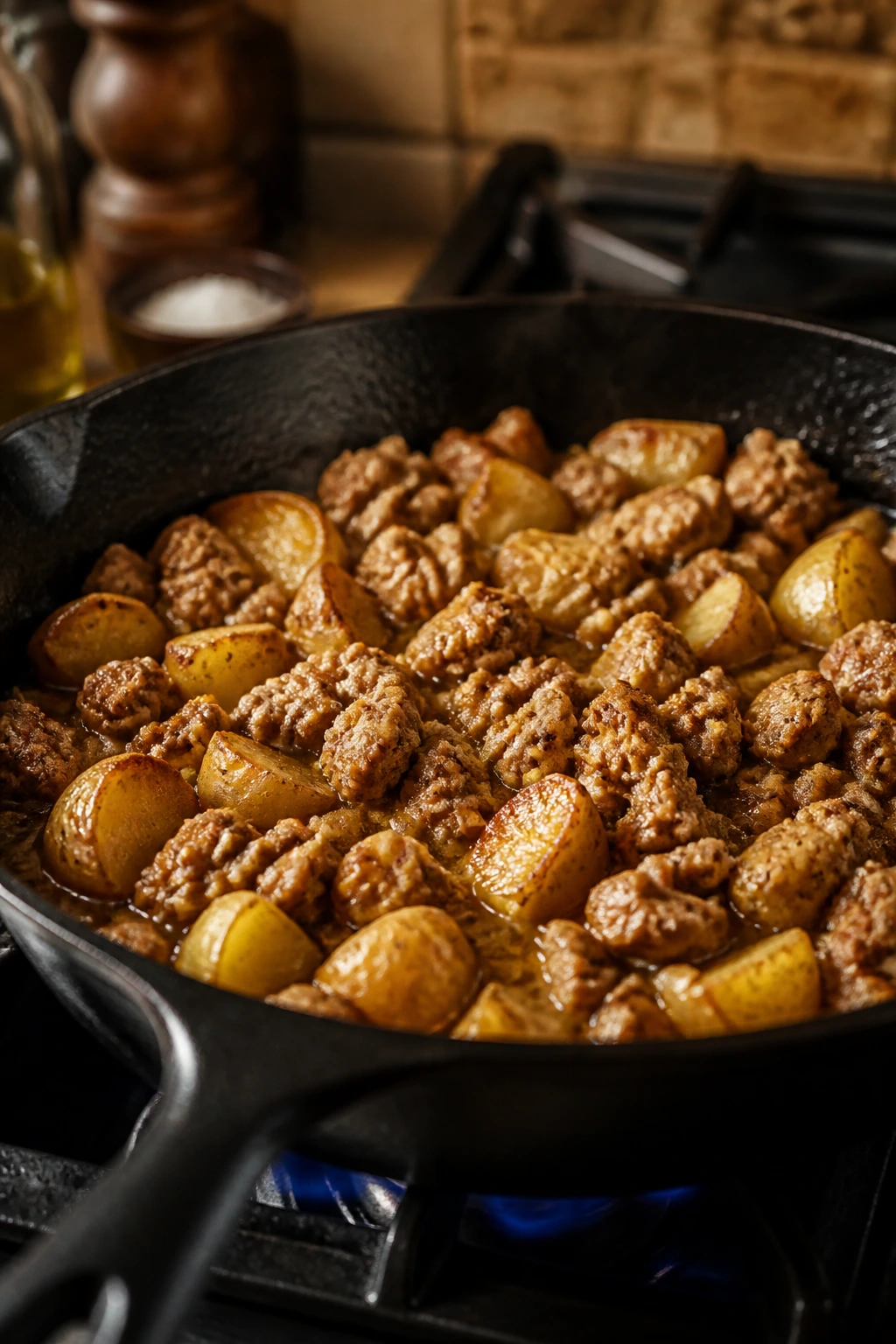
Prepare the Potatoes:
-
Heat 1 tablespoon of the olive oil in a large 12-inch skillet over medium heat for 1 minute.
-
Add the potatoes in a single layer, cut sides down where possible, and season them with 1/2 teaspoon of the salt and 1/4 teaspoon of the black pepper. Cook for 6 to 8 minutes without crowding or constantly stirring, until the bottoms are golden and the edges are starting to color.
-
Add 2 tablespoons of water, cover the skillet for 2 minutes, then uncover and cook for 2 to 3 minutes more until the potatoes are fork-tender and browned in spots. Transfer them to a plate.
Crisp the Turkey:
-
Add the remaining 1 tablespoon of olive oil to the skillet. Add the ground turkey in an even layer, then sprinkle on the paprika, thyme, remaining salt, remaining pepper, and red pepper flakes.
-
Cook the turkey for 2 to 3 minutes without stirring. Then break it into large crumbles with a wooden spoon and continue cooking for 4 to 5 minutes, pressing some of the meat back into the skillet so it gets direct contact with the heat. The turkey should be browned, no longer pink, and register 165°F in the thickest pieces. Do not keep stirring every 20 seconds — that is how you lose the crisp bits.
Build the Flavor:
-
Add the onion and bell pepper and cook for 4 to 5 minutes, stirring now and then, until the onion turns translucent and the pepper softens but still has a little bite.
-
Stir in the garlic and tomato paste and cook for 1 minute, until the tomato paste darkens and smells sweet, not raw. If the garlic starts to brown hard, lower the heat immediately.
Glaze and Finish:
-
In a small bowl, whisk the chicken broth and cornstarch together until smooth. Stir in the Dijon and Worcestershire, then pour the mixture into the skillet and scrape up the browned bits from the bottom.
-
Return the potatoes to the skillet and simmer for 2 to 3 minutes, until the sauce thickens enough to coat the meat and vegetables in a thin glossy layer. If the pan looks dry, add another tablespoon or two of broth.
-
Add the spinach and butter, stir until the spinach wilts, about 30 to 45 seconds, then turn off the heat. Finish with lemon juice, parsley, and Parmesan if using. Taste and adjust the salt before serving.
Why the Order of Browning Matters More Than People Think
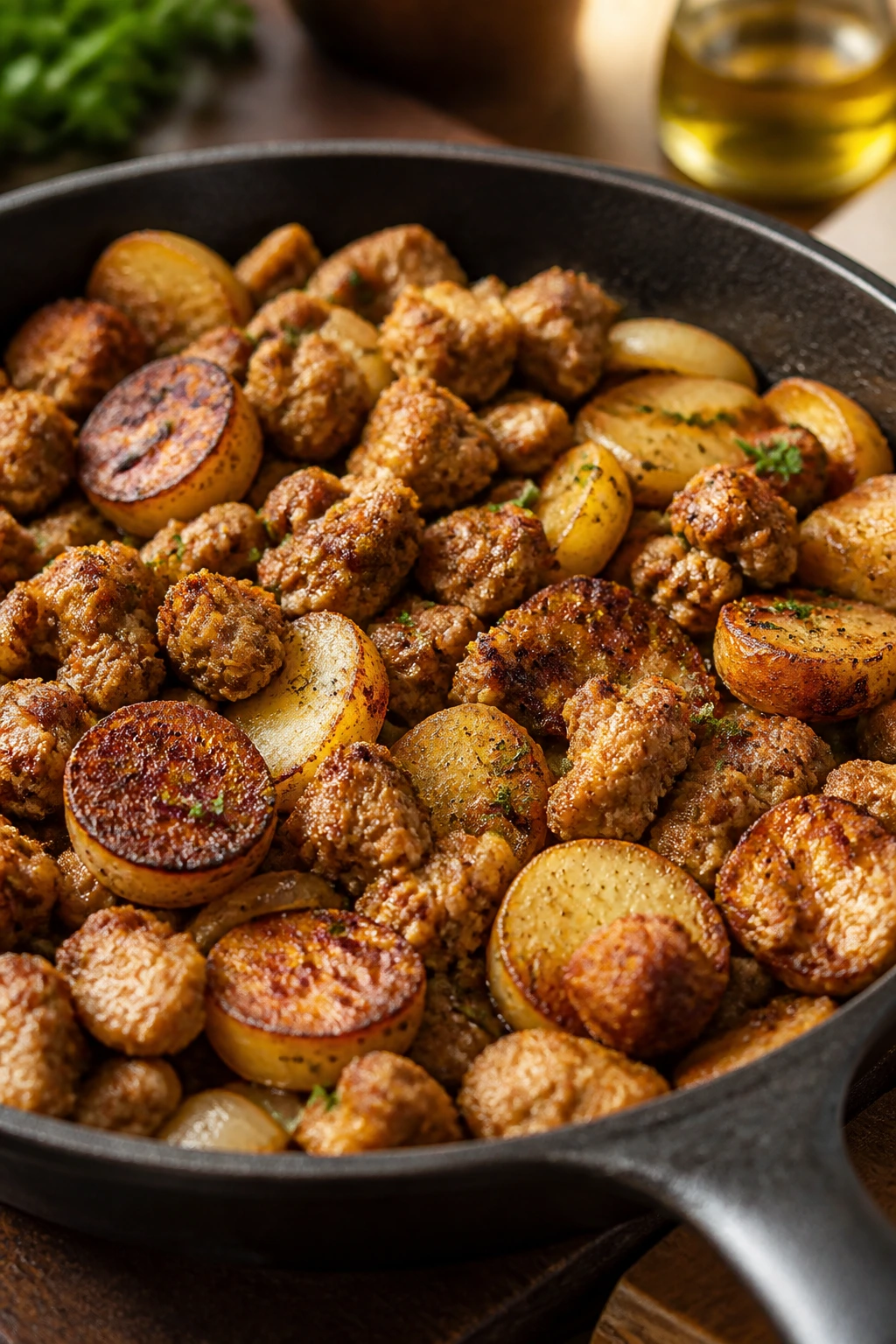
Potatoes need the first turn in the pan because they are the slowest part of the dinner. If the turkey goes in first, it gives off moisture before the potatoes have a chance to pick up color, and the whole skillet drifts toward steam instead of browning. That’s how a one-pan dinner turns limp. This version avoids that by giving the potatoes direct contact with the hot metal first, then moving them aside once they’ve earned some color.
The turkey gets a different treatment. It wants space, heat, and a little silence. The first 2 to 3 minutes are where the flavor happens. Not later. That’s when the meat develops the browned patches that make the whole skillet taste deeper than the ingredient list suggests. Once you break it up, you still want the pieces to touch the pan, which is why large crumbles work better than tiny fragments here.
Then comes the part that cooks often rush: the tomato paste. It should hit the hot pan after the vegetables soften, not before, because it needs direct heat to lose that tinny raw note. Tomato paste is a thick, concentrated ingredient; let it sit for a minute and it changes from “paste in a can” to “why does this smell so savory?” That small move is doing more work than any fancy finishing sauce ever could.
What to Keep on the Counter Beside the Pan
-
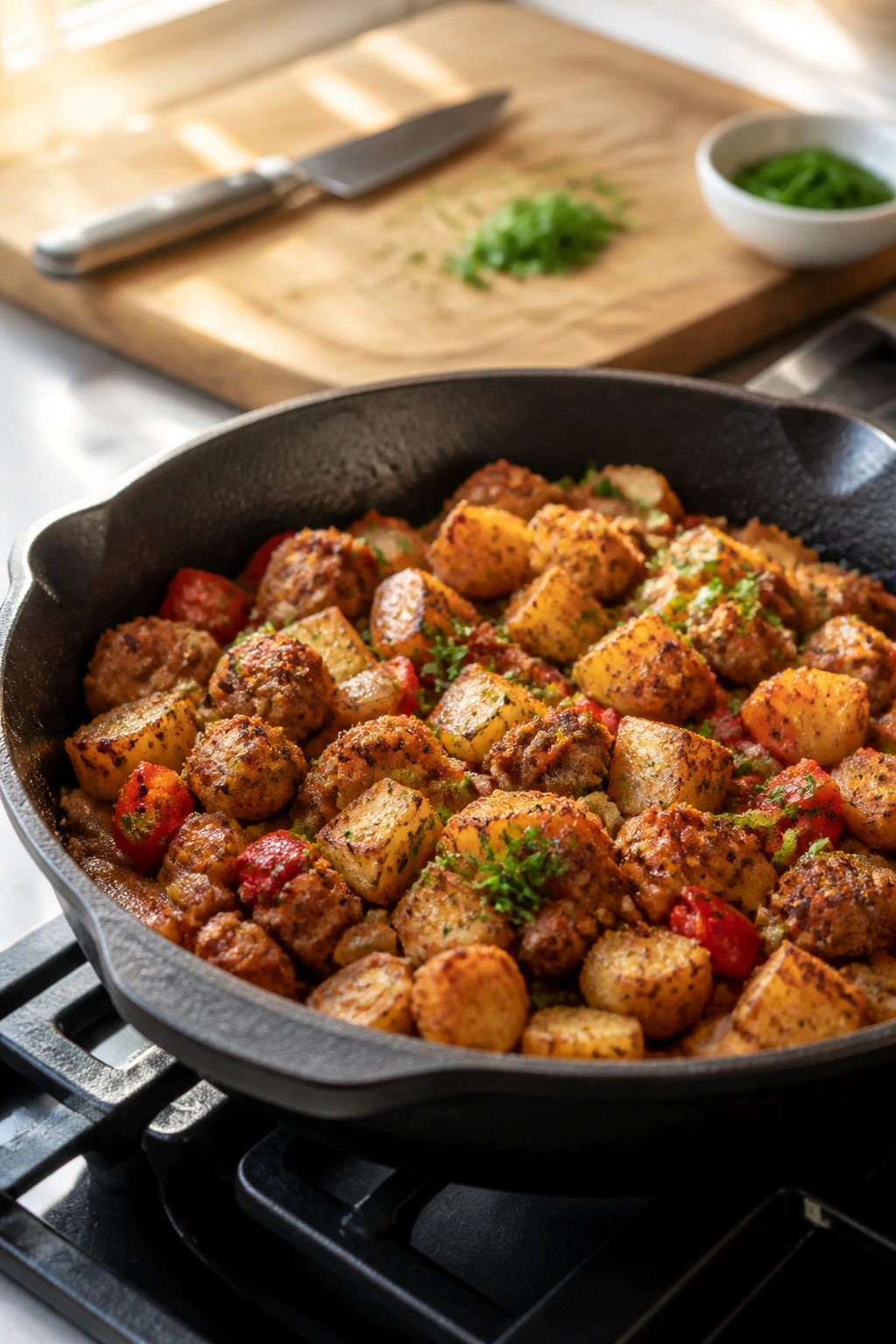
12-inch skillet: Cast iron gives the strongest browning, but a heavy stainless skillet works too. If your pan is smaller, cook the potatoes and turkey in batches instead of stuffing everything in.
-
Wooden spoon or sturdy spatula: You need something that can break up the turkey without scraping the coating out of a nonstick pan.
-
Cutting board and chef’s knife: A sharp knife matters here because the onion and pepper need to be diced small enough to soften at the same pace as the rest of the pan.
-
Small bowl: This is for whisking the broth and cornstarch together so the sauce thickens smoothly.
-
Measuring spoons and cups: The sauce is light, so the balance matters. Too much broth and it turns watery; too little and you lose the glaze.
-
Instant-read thermometer: Optional, but handy. Ground turkey should reach 165°F in the center, and checking takes the guesswork out of the browning stage.
-
Paper towels: Useful for drying the potatoes and blotting wet turkey, both of which help the skillet brown instead of steam.
-
Lid or small sheet pan: Helpful for the brief potato steam at the beginning. If you do not have a lid, a sheet pan laid over the skillet works in a pinch.
A good skillet dinner is mostly about heat management, but the right tools make the whole thing calmer. A wide pan gives the turkey room. A small bowl keeps the sauce from clumping. A thermometer shuts down the “is it done?” anxiety fast.
How to Serve It So It Feels Like a Real Dinner
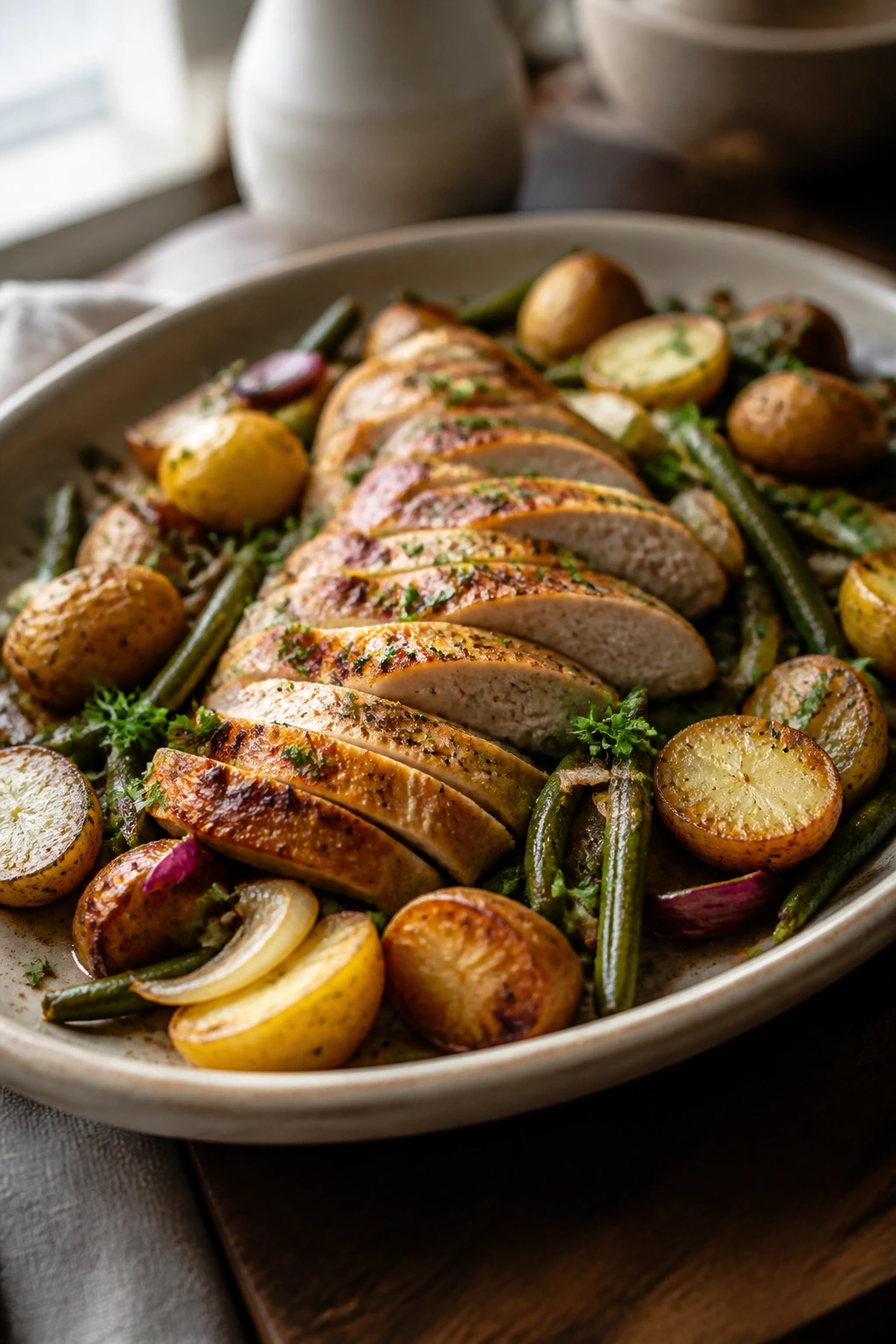
Presentation: Spoon the turkey, potatoes, and vegetables into a shallow bowl or straight onto a warm platter, then scatter the parsley over the top so the green stays bright. I like to leave a little space around the edges instead of piling it into a tight mound; the browned bits show better that way, and the skillet looks more intentional.
Accompaniments: You do not need much because the potatoes are already doing part of the starch job. A crisp green salad with a sharp vinaigrette, sliced cucumbers with a pinch of salt, or warm crusty bread are the best companions. If you want to stretch the meal, spoon the skillet over rice or buttered egg noodles and let the sauce soak in.
Portions: Four generous servings is the honest answer, especially if you serve it with bread or a salad. If you need to feed six, add another half pound of potatoes and a handful of mushrooms or frozen peas. If you want smaller portions for lunch, this breaks into neat containers without turning sad.
Beverage Pairing: A dry cider, a light lager, or sparkling water with lemon all fit the skillet’s savory, slightly smoky profile. If you prefer wine, something crisp and dry — a Sauvignon Blanc or an unoaked white — keeps the sauce from feeling heavy.
The Small Upgrades That Change the Whole Pan
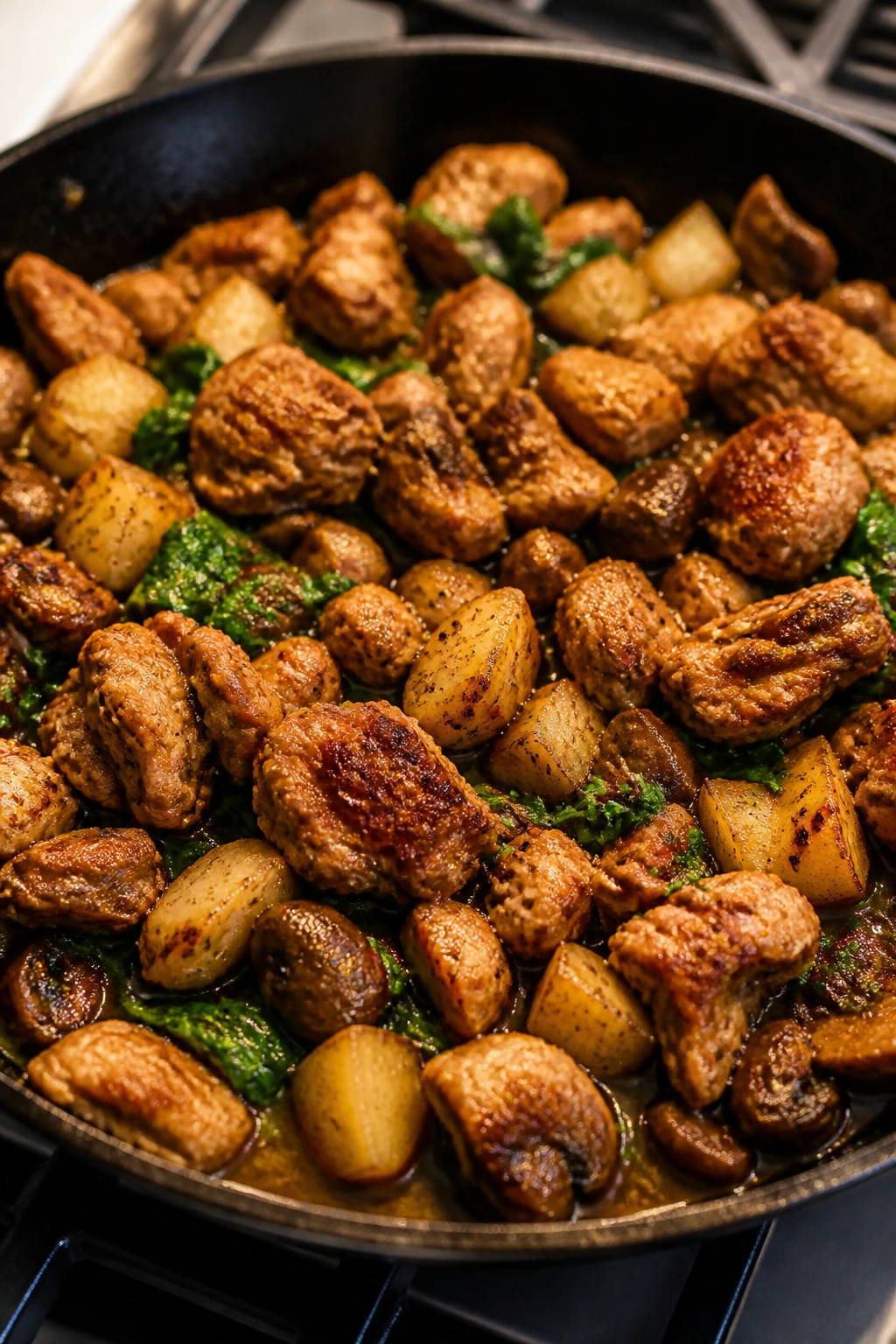
Flavor Enhancement: A teaspoon of tamari stirred into the broth makes the turkey taste deeper without turning the dish into soy sauce territory. If you like a brighter finish, add a little lemon zest with the parsley. Tiny move. Big difference.
Time-Saver: Dice the onion and pepper while the potatoes cook. That sounds obvious until you are standing at the stove with a knife in one hand and a pan threatening to burn in the other. Prep while the first stage is doing its thing, not after.
Pro Move: Use larger turkey crumbles instead of mashing the meat into fine bits. Bigger pieces give you more browned surface area, and more browned surface area means more of that savory, crisp edge people notice even if they cannot name why it tastes better.
Cost-Saver: If you need to stretch the pan without buying more turkey, add sliced mushrooms, chopped cabbage, or an extra cup of spinach. Mushrooms are especially good here because they brown in the turkey fat and pick up the paprika like they were made for it.
Make-It-Yours: For a fresher finish, swap parsley for dill or chives. For a little more heat, add a pinch more red pepper flakes at the end instead of loading the whole pan with spice at the start. That keeps the flavor clearer.
Common Mistakes That Make Turkey Go Soft
-
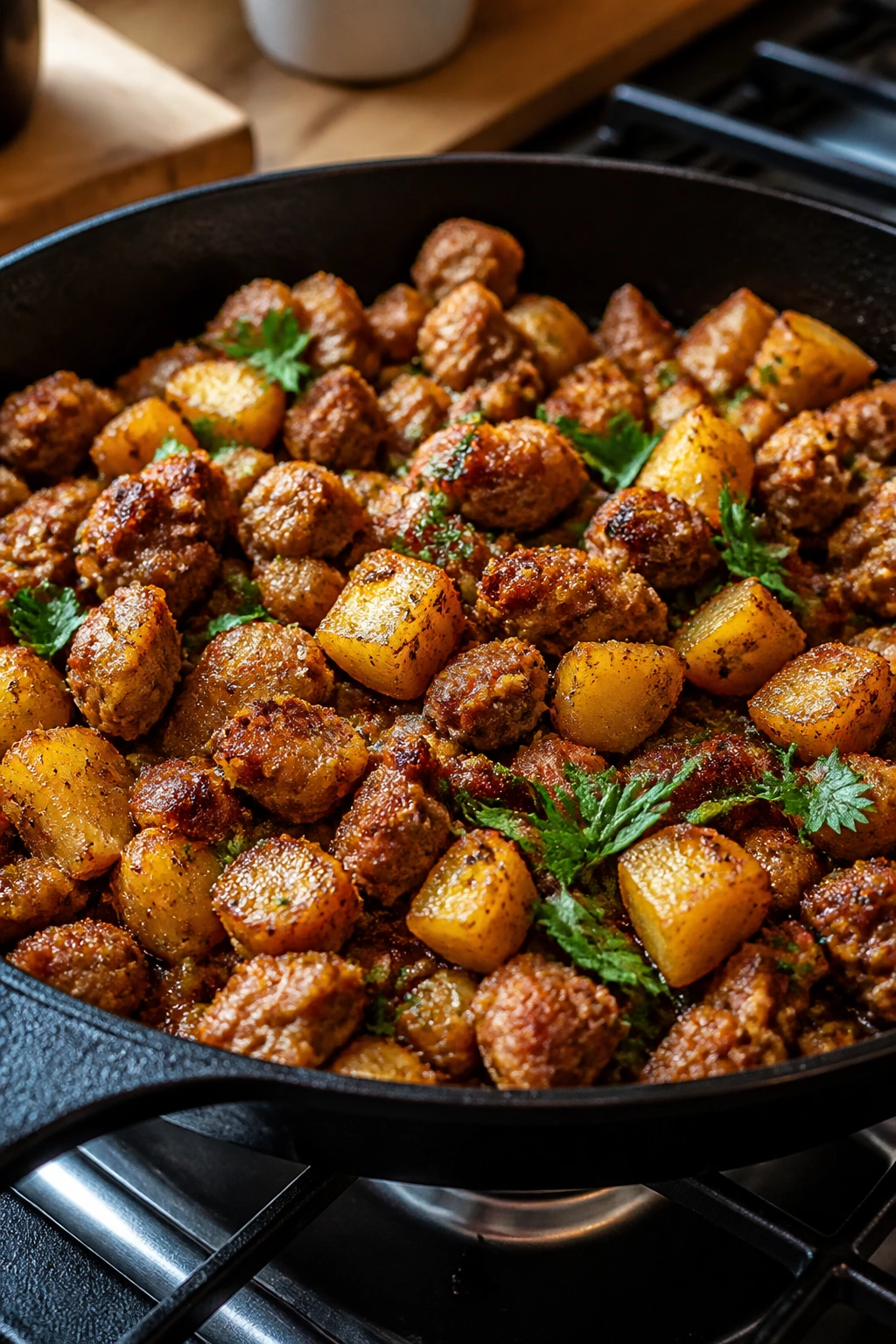
Stirring the turkey too early: The symptom is pale, tiny crumbles with no crust. The fix is simple: let the meat sit in the hot skillet for 2 to 3 minutes before breaking it up, then leave a few larger pieces alone long enough to brown.
-
Crowding the potatoes: If the potatoes are piled on top of each other, they steam and turn slippery instead of crisp. Use a 12-inch skillet, cut them into even pieces, and give them a single layer at the start. If the pan is too tight, cook them in batches.
-
Adding garlic before the onion softens: Burnt garlic smells sharp and bitter, and once it goes there, the sauce carries that edge. Wait until the onion is translucent, then add the garlic for the last minute only.
-
Using ultra-lean turkey without adjustment: 99% lean turkey can work, but it cooks dry faster and gives you less browning fat. Add an extra teaspoon of oil and watch the heat more closely, or choose 93% lean for a better balance.
-
Pouring in broth and stopping too soon: Thin sauce is the usual result when the liquid goes in but does not simmer long enough to tighten. Give it 2 to 3 minutes so it reduces into a light glaze before you add the spinach.
-
Forgetting the final acid: Without the lemon juice, the skillet can taste flat and a little heavy. Acid at the end is what wakes up the potatoes and keeps the turkey from tasting like a lump.
Variations and Swaps That Still Taste Like Dinner
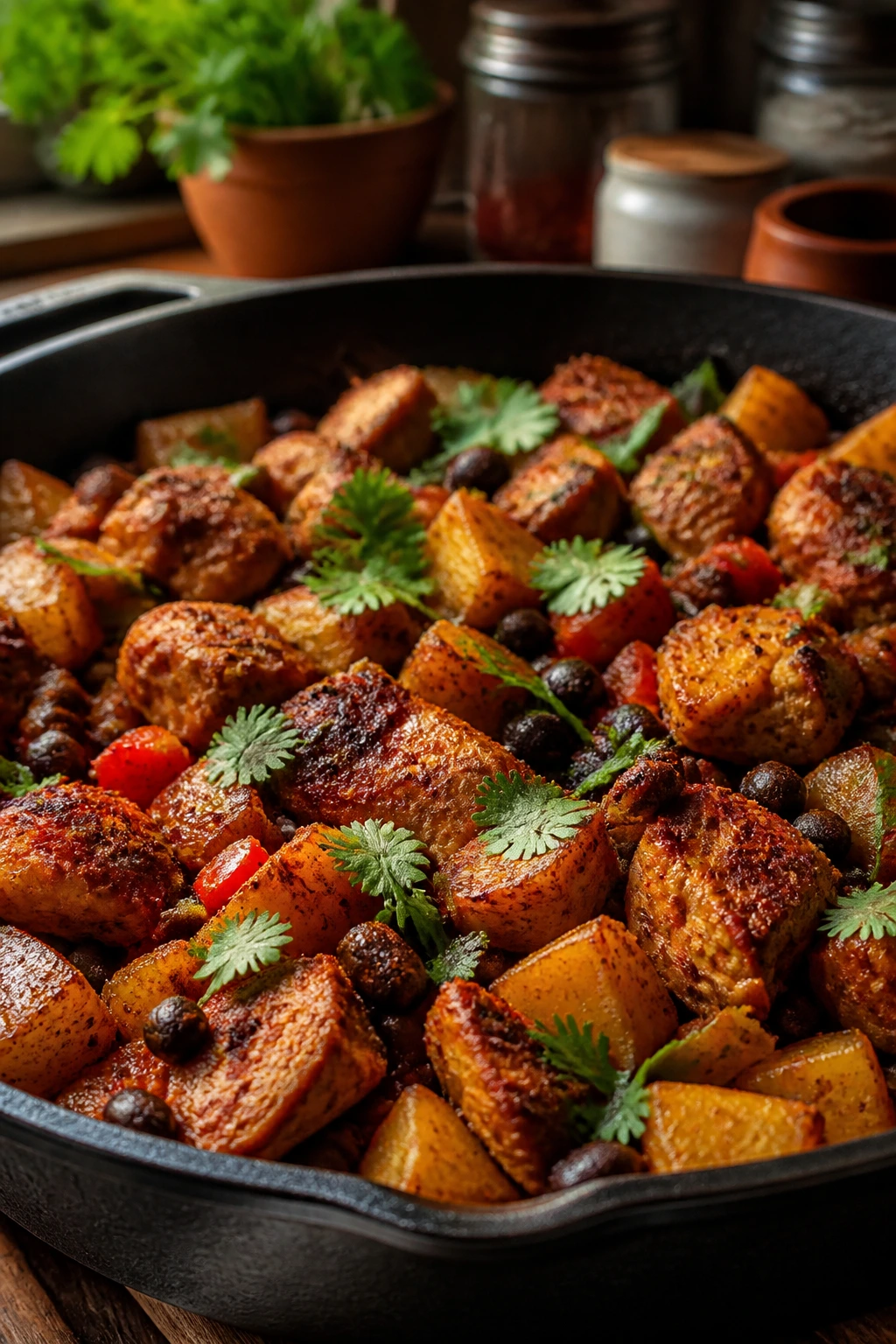
Smoky Tex-Mex Skillet: Add 1 teaspoon ground cumin and 1/2 teaspoon chili powder with the paprika, then finish with cilantro instead of parsley and a squeeze of lime. Black beans fit nicely here if you want a heartier pan, but add them near the end so they stay intact.
Mushroom and Thyme Pan Dinner: Replace the red bell pepper with 8 ounces of sliced cremini mushrooms. Let the mushrooms brown after the turkey so they pick up the drippings, and keep the thyme in place because it plays nicely with that earthy flavor.
Lemon-Dill Version: Swap the parsley for dill and add a little lemon zest with the juice. This version tastes lighter and cleaner, and it makes more sense if you plan to serve the skillet with cucumber salad or bread on the side.
Gluten-Free and Dairy-Free Setup: Use a gluten-free Worcestershire sauce or replace it with tamari. Skip the Parmesan, use vegetable broth if needed, and the skillet still has enough flavor to stand on its own.
Spicy Calabrian Twist: Stir 1 to 2 teaspoons of Calabrian chili paste into the broth mixture if you want heat with a little tang. It gives the sauce a deeper red color and a sharper finish without making the whole pan feel aggressively spicy.
Make-Ahead, Storage, and Reheating Without Soggy Potatoes
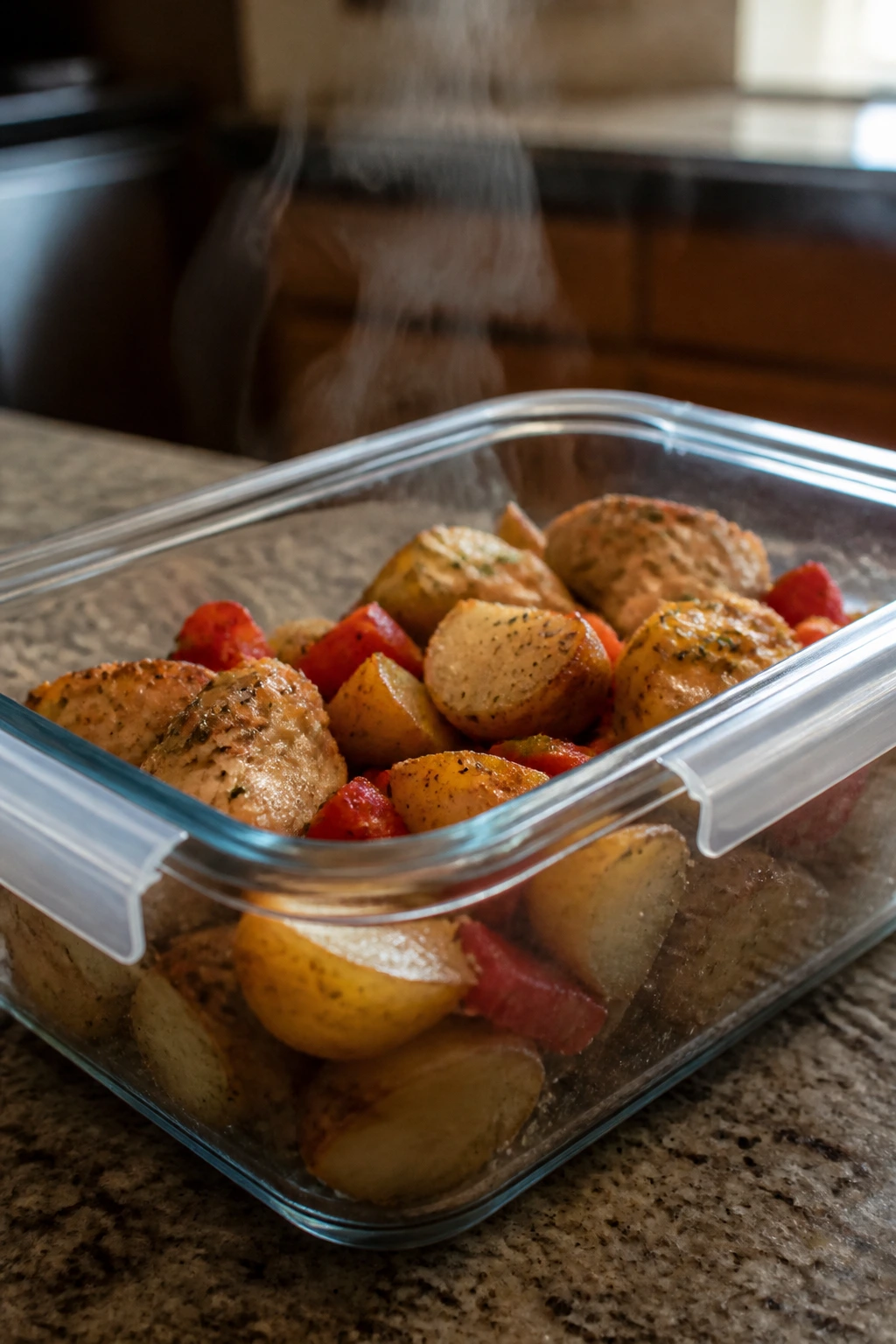
This skillet keeps well, but the texture is best when the turkey and potatoes are reheated gently instead of blasted on high. Once the pan cools, pack leftovers into airtight containers within 2 hours. They’ll hold in the refrigerator for 3 to 4 days. I would not leave this one sitting on the counter longer than that cooling window; ground turkey deserves the same food-safety treatment as any other cooked meat.
For the freezer, this is safe for up to 2 months, though the potatoes soften a little after thawing. If you know you plan to freeze part of the batch, undercook the potatoes by a minute or two so they do not collapse later. Freeze in shallow containers or zip bags pressed flat. They thaw faster, and the sauce doesn’t separate as badly.
Reheat in a skillet over medium-low heat with 1 to 2 tablespoons of broth or water. Cover for a minute, then uncover and let the liquid cook off so the turkey doesn’t dry out. The microwave works for lunch, but use 50 percent power and stop once or twice to stir; otherwise the potatoes turn mealy on the edges and the turkey goes rubbery in the middle. If you want the crispest result, the skillet always wins.
Make-ahead help is simple. You can chop the onion, pepper, and parsley a day ahead, and you can cut the potatoes earlier in the day if you keep them submerged in cold water in the fridge. Just dry them well before they hit the pan — wet potatoes are the enemy of browning.
Questions Home Cooks Ask About Crispy Turkey Skillet
Can I use ground chicken instead of ground turkey?
Yes, and the method barely changes. Ground chicken tends to be a little softer in flavor, so I’d keep the smoked paprika and Dijon exactly as written and not skimp on the lemon at the end. If your chicken is very lean, add a touch more oil so it does not go chalky.
Do I need a cast-iron skillet for this recipe?
No, but a heavy skillet helps. Cast iron gives you the strongest browning on the potatoes and turkey, while stainless steel still works well if you watch the heat and give the pan enough time to preheat. Nonstick is the weakest choice for crisp edges, though it will still cook the dish.
What if I only have 99% lean ground turkey?
Use it if that is what you’ve got, but add an extra teaspoon of olive oil and keep a close eye on the pan. The meat will cook faster and can dry out if you leave it on the heat too long, so pull it as soon as it reaches 165°F and the juices look clear.
Can I make this ahead for lunch or meal prep?
Yes. It actually packs neatly because the potatoes hold shape and the sauce keeps the turkey from drying out. Reheat it in a skillet if you can; if not, use the microwave at reduced power and add a teaspoon of water before heating.
How do I keep the potatoes from going mushy?
Cut them evenly, dry them well, and give them room in the pan. If the pieces are different sizes, the tiny ones will turn soft before the big ones are tender, which is how you end up with a skillet that tastes mixed up instead of cohesive.
Can I make this without potatoes?
Absolutely. Mushrooms, zucchini, cauliflower florets, or even chopped cabbage can take the place of the potatoes, though the cook time changes. If you skip the potatoes, add another vegetable that can stand up to a hot skillet without turning watery.
What if my skillet looks dry before the potatoes are done?
Add a tablespoon or two of water, cover it for a minute or two, and keep going. That brief steam softens the centers without sacrificing the browned bottom you already worked for. The trick is to uncover the pan again once the potatoes are nearly tender so the moisture can cook off.
Can I freeze leftovers with the potatoes in them?
Yes, but the potatoes will be softer after thawing. If you plan to freeze the skillet, keep the pieces on the larger side and reheat in a pan rather than the microwave so the surface dries out a bit instead of turning pasty.
A Weeknight Pan Dinner Worth Repeating
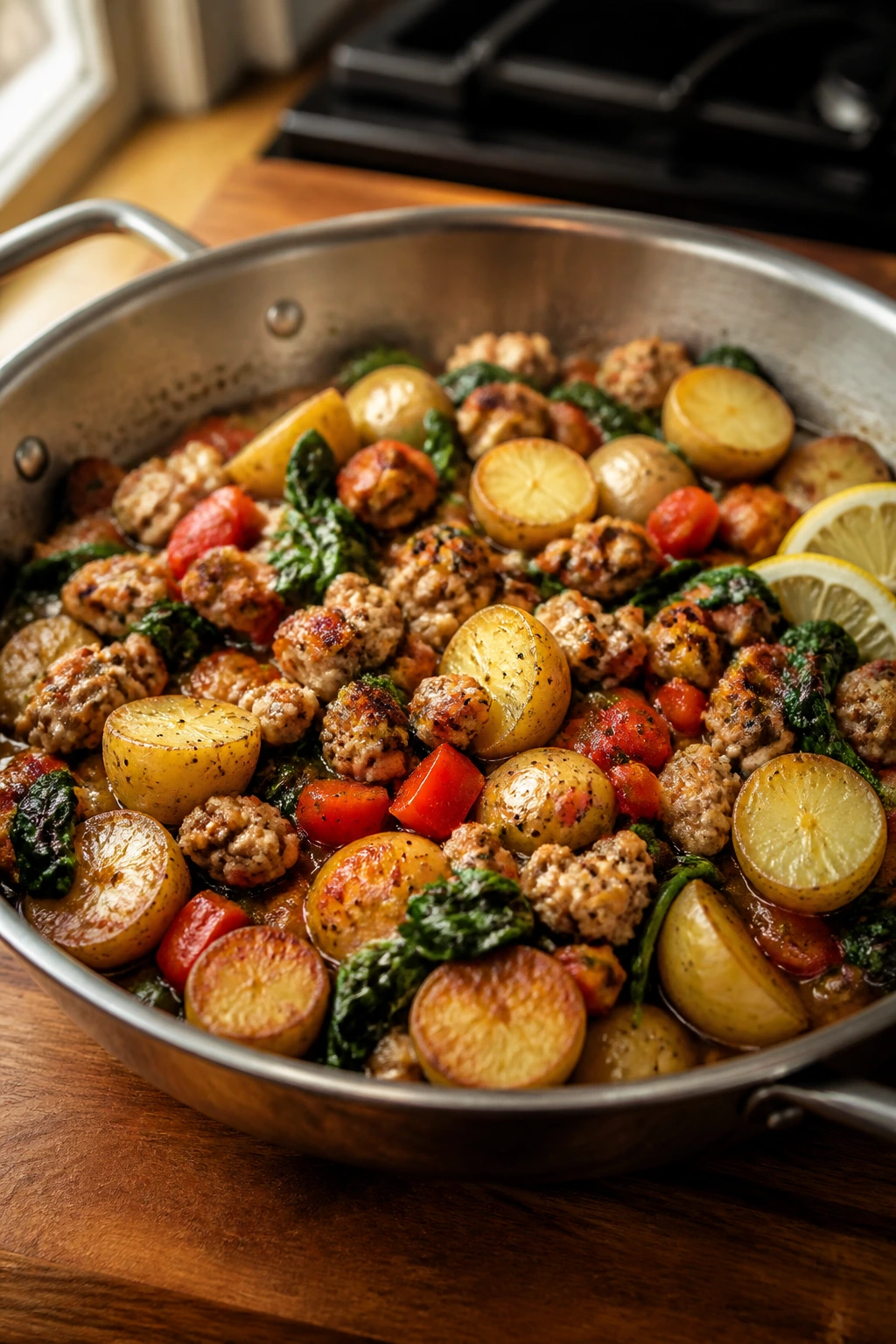
There’s nothing flashy about a skillet dinner like this, and that is exactly why it works. The turkey browns. The potatoes take on the savory bits left in the pan. The sauce stays light enough to coat everything instead of burying it, and the final hit of lemon keeps the whole thing from feeling dull by the third bite.
I keep coming back to recipes like this because they respect the actual shape of a weeknight. You want dinner on the table without a mess, but you also want to eat something that tastes like somebody paid attention. This does that. Leave the meat alone long enough to brown, keep the pan hot, and let the sauce finish the work. The next time the clock is running louder than you’d like, this is the kind of pan I’d trust.
Crispy Turkey Skillet for Weeknight Dinners — Recipe Card
Recipe Name: Crispy Turkey Skillet for Weeknight Dinners
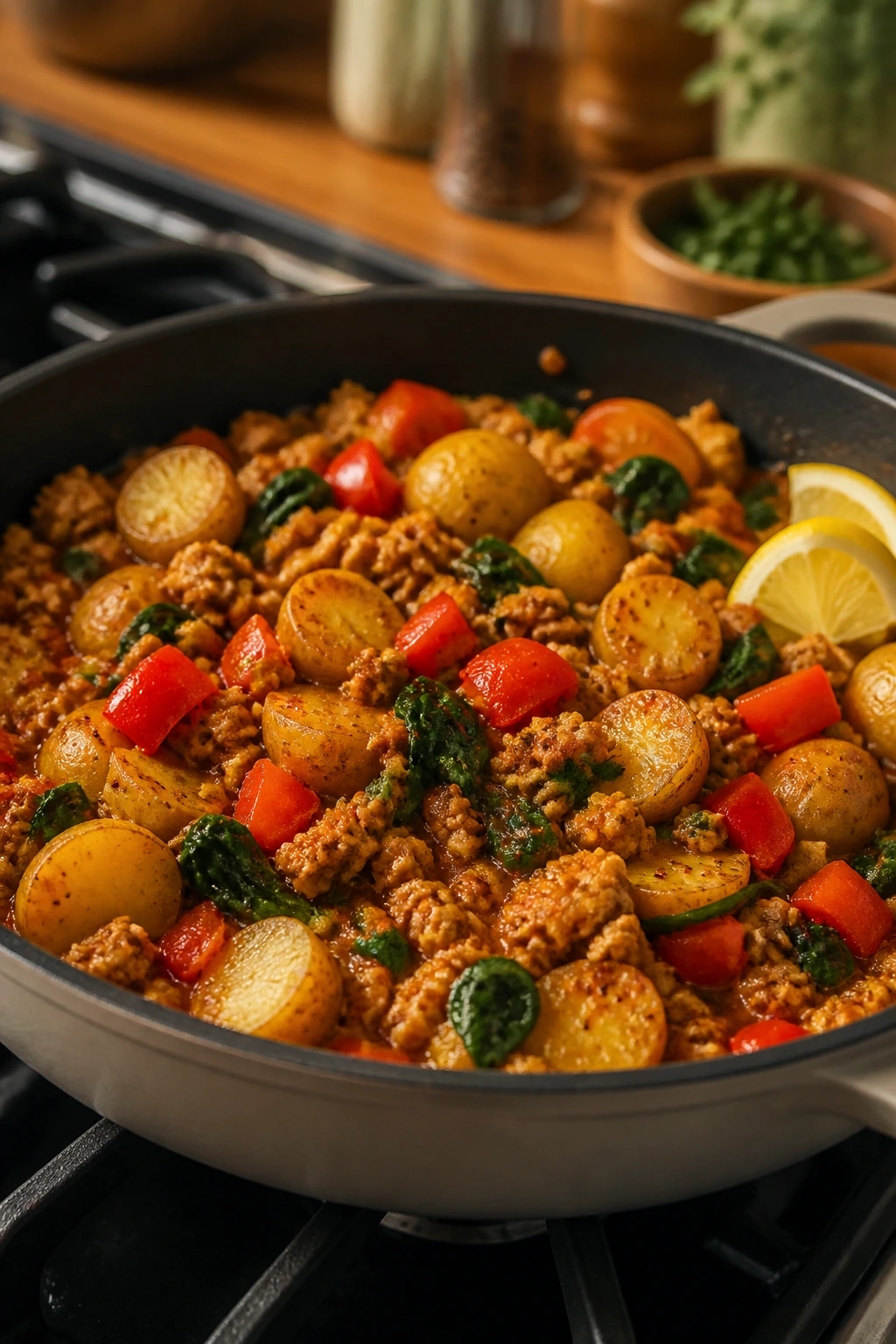
Description: Ground turkey, baby Yukon gold potatoes, peppers, and spinach cook together in a glossy mustard-tomato pan sauce with browned edges and a bright lemon finish.
Prep Time: 20 minutes
Cook Time: 30 minutes
Total Time: 50 minutes
Course: Dinner, Main Course
Cuisine: American
Servings: 4 servings
Calories: About 430 kcal per serving
Ingredients
- 1 1/2 pounds 93% lean ground turkey
- 1 pound baby Yukon gold potatoes, halved; quarter larger ones
- 2 tablespoons olive oil, divided
- 1 small yellow onion, diced
- 1 red bell pepper, diced
- 3 garlic cloves, minced
- 2 tablespoons tomato paste
- 1 tablespoon Dijon mustard
- 1 tablespoon Worcestershire sauce
- 1/2 cup low-sodium chicken broth
- 1 teaspoon cornstarch
- 2 teaspoons smoked paprika
- 1 teaspoon dried thyme
- 1 1/4 teaspoons kosher salt, divided
- 1/2 teaspoon black pepper, divided
- 1/4 teaspoon red pepper flakes
- 2 cups baby spinach, loosely packed
- 1 tablespoon unsalted butter
- 1 tablespoon fresh lemon juice
- 2 tablespoons chopped parsley
- 2 tablespoons grated Parmesan, optional
Instructions
-
Heat 1 tablespoon of the olive oil in a large 12-inch skillet over medium heat. Add the potatoes, season with 1/2 teaspoon of the salt and 1/4 teaspoon of the black pepper, and cook for 6 to 8 minutes until browned on the cut sides.
-
Add 2 tablespoons of water, cover the skillet for 2 minutes, then uncover and cook 2 to 3 minutes more until the potatoes are fork-tender. Transfer them to a plate.
-
Add the remaining 1 tablespoon of olive oil to the skillet. Add the ground turkey in an even layer, then season with the smoked paprika, thyme, remaining salt, remaining pepper, and red pepper flakes.
-
Cook the turkey for 2 to 3 minutes without stirring, then break it into large crumbles and continue cooking for 4 to 5 minutes until browned and cooked through.
-
Add the onion and bell pepper and cook for 4 to 5 minutes until softened. Stir in the garlic and tomato paste and cook for 1 minute.
-
Whisk the chicken broth and cornstarch together, then stir in the Dijon and Worcestershire sauce. Pour the mixture into the skillet and scrape up the browned bits from the pan.
-
Return the potatoes to the skillet and simmer for 2 to 3 minutes until the sauce thickens and coats the turkey and vegetables.
-
Add the spinach and butter and stir until the spinach wilts. Remove from heat, add the lemon juice and parsley, and finish with Parmesan if using.
Notes: For the best browning, keep the turkey in large crumbles and do not stir constantly. Leftovers keep in the refrigerator for 3 to 4 days and reheat best in a skillet with a splash of broth.