



A post-workout meal for runners who are picky has one job: get carbs, protein, and a little salt back into the body without turning dinner into a negotiation. That sounds simple until you’ve got a hungry runner at the table staring at a bowl with too many colors, too much sauce, or one suspicious green thing tucked in the corner. The best fix is usually boring on paper and smart on the plate.
The runners’ post-workout meal for picky eaters tends to work best when it stays familiar. Rice, pasta, potatoes, eggs, chicken, turkey, yogurt, bananas, toast — foods with soft textures and mild flavors that don’t ask much from tired legs or tired brains. There’s a reason these meals show up again and again in real kitchens. They disappear fast.
A lot of recovery advice gets tangled up in perfect ratios and aggressive “health” food talk. Fine. But if the plate doesn’t get eaten, none of that matters. The meals below lean on predictable textures, easy seasoning, and enough substance to actually refill the tank after a run, whether the run was a brisk 3 miler or a long, sweaty grind that left your shoes crusted with salt.
Why These Plates Win After a Run
- Carbs show up first: Rice, pasta, oats, potatoes, bread, and tortillas refill glycogen without making the meal feel heavy or weird.
- Protein stays plain and useful: Chicken, turkey, eggs, Greek yogurt, and cottage cheese bring recovery protein in forms most picky eaters already trust.
- Textures stay familiar: Creamy, soft, tender, and lightly crisp beat crunchy, slimy, or heavily mixed every time.
- Assembly stays fast: Most of these meals use one pan, one pot, or one bowl, which matters when hunger is loud and patience is thin.
- Easy to split and customize: You can keep one portion plain and add hot sauce, herbs, or extra cheese to the other without cooking two dinners.
1. Chicken and Rice Recovery Bowl
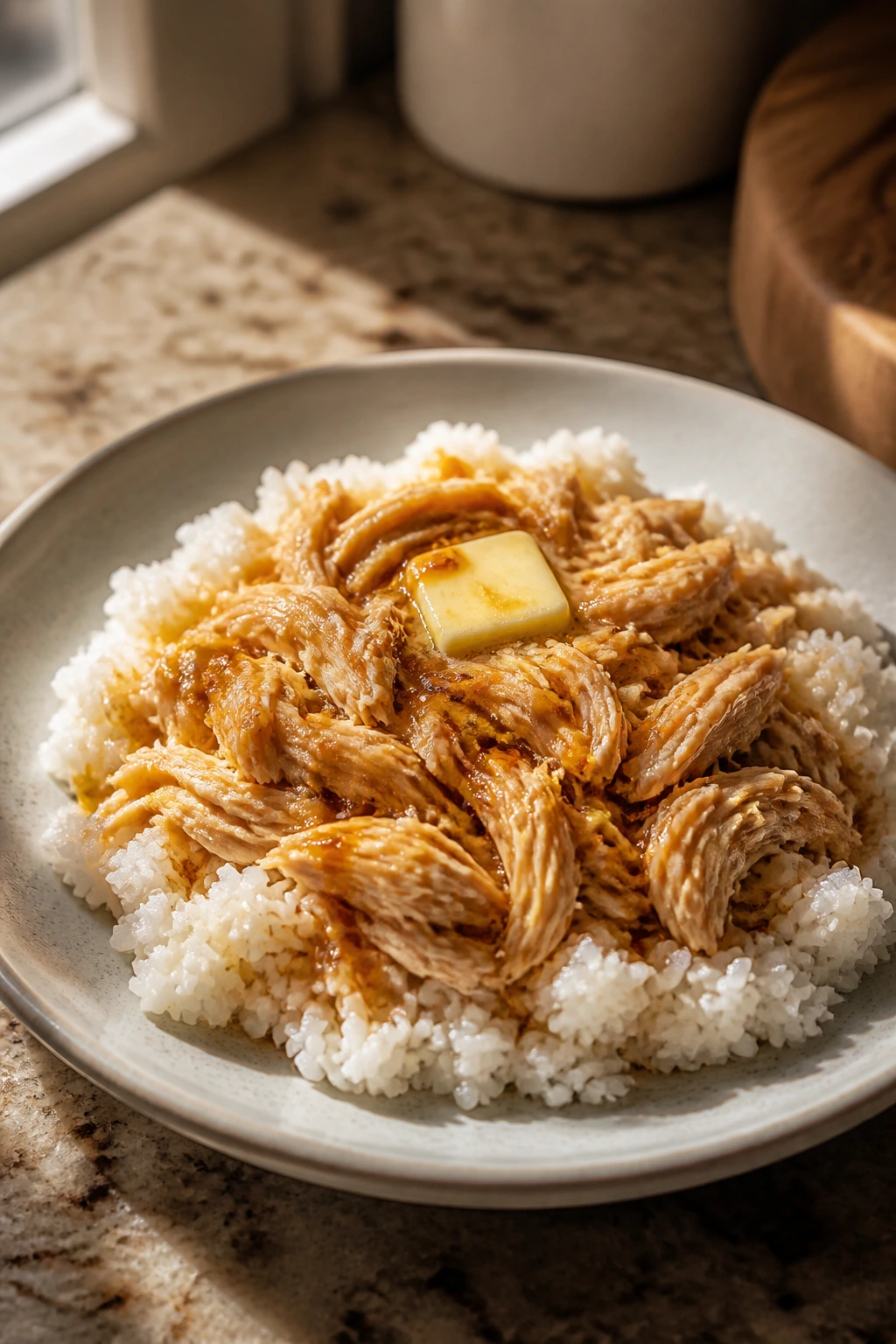
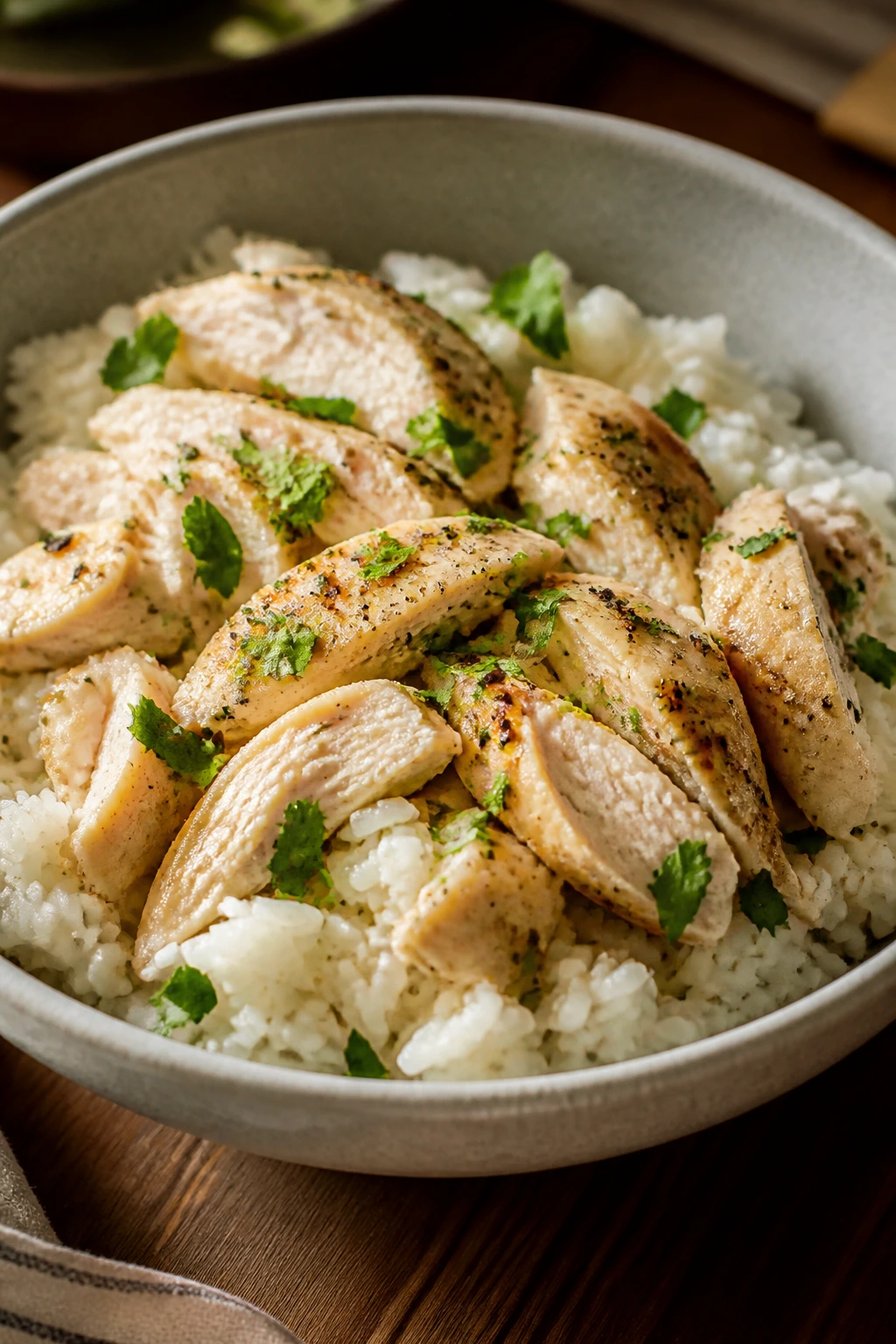
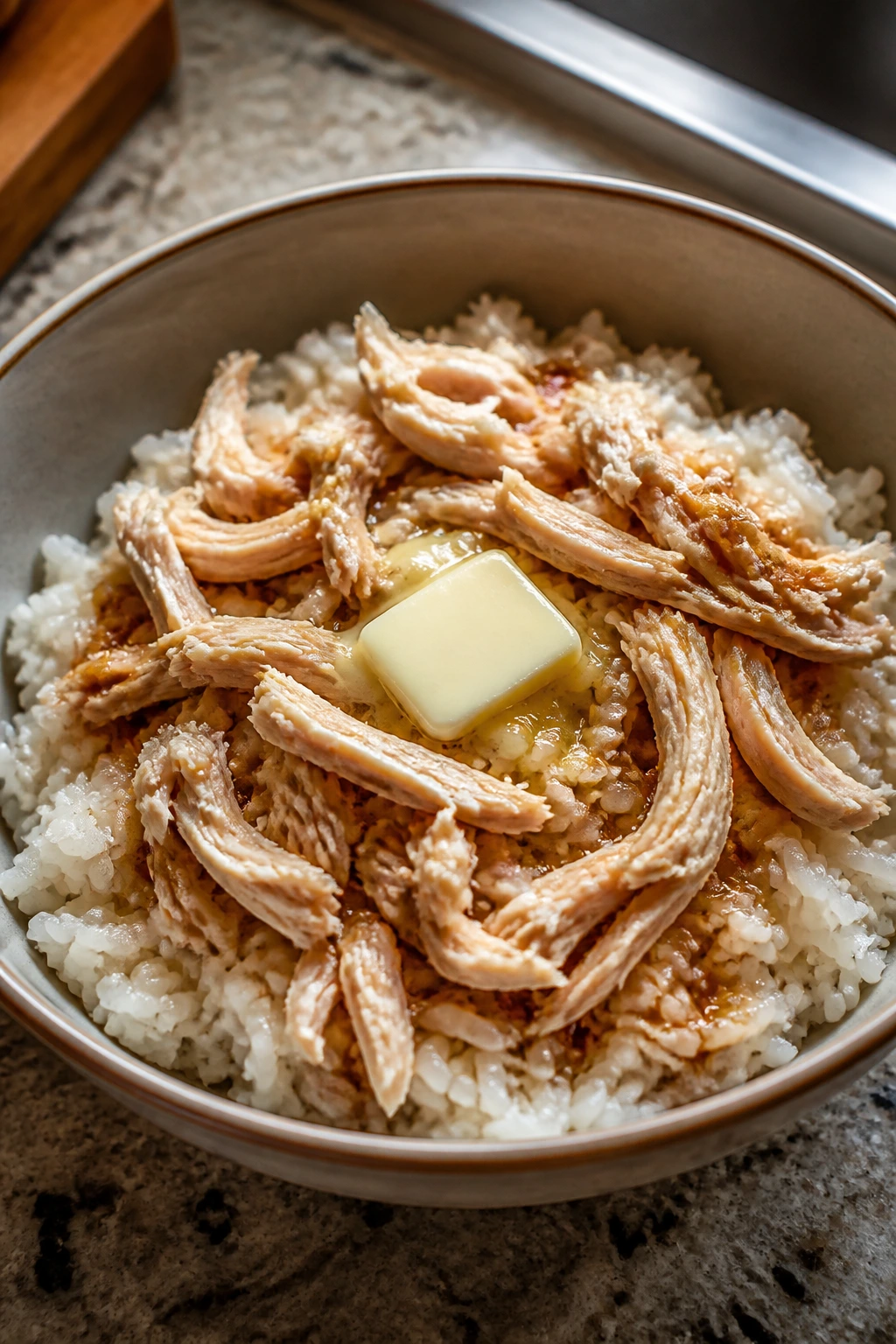
Warm rice, shredded chicken, and a little butter make this bowl feel almost plain in the best way. It’s the kind of meal that calms post-run hunger without asking anyone to analyze the garnish.
Why It Works:
Carbs from the rice help refill what the run burned through, while the chicken brings easy protein without a chewy fight. Butter and a touch of soy sauce make the bowl taste finished, not sad. It lands in that sweet spot between “recovery food” and “food I’ll actually eat.”
Key Ingredients:
- 2 cups cooked jasmine rice
- 1½ cups shredded cooked chicken
- 1 tablespoon butter
- 1 teaspoon soy sauce
- ½ cup finely diced carrots, steamed
- 1 tablespoon chopped chives
- Pinch of salt
Quick Steps:
- Warm the rice in a microwave-safe bowl with 1 tablespoon water for 60 to 90 seconds.
- Heat the chicken and butter in a skillet over medium heat until hot and glossy.
- Stir in the soy sauce, carrots, and salt.
- Spoon over the rice and finish with chives.
Equipment for This Recipe:
- Medium skillet
- Microwave-safe bowl
- Wooden spoon
How to Serve This Dish:
Serve it in a wide bowl so the rice stays fluffy instead of packed down. A sliced apple or a banana on the side makes the meal feel complete without adding another project.
Pro Tips for This Recipe:
- Use day-old rice if you have it; it stays separate instead of sticky.
- Keep the carrots small and soft. Big chunks scare picky eaters for no good reason.
- Rotisserie chicken works fine here, and it saves time.
Variations on This Dish:
- Garlic-Parmesan Bowl: Add 1 tablespoon grated Parmesan and a pinch of garlic powder.
- Teriyaki Bowl: Swap the soy sauce for 1½ tablespoons teriyaki sauce.
- Dairy-Free Version: Skip the butter and finish with a teaspoon of olive oil.
Common Mistakes to Avoid with This Dish:
- Using cold, clumpy rice: It feels stiff. Warm it with a splash of water so it loosens.
- Over-saucing the bowl: Too much soy makes the whole thing taste muddy. Start small.
- Dry chicken chunks: Warm the chicken gently, not in a ripping-hot pan.
2. Turkey Pasta Shells with Parmesan
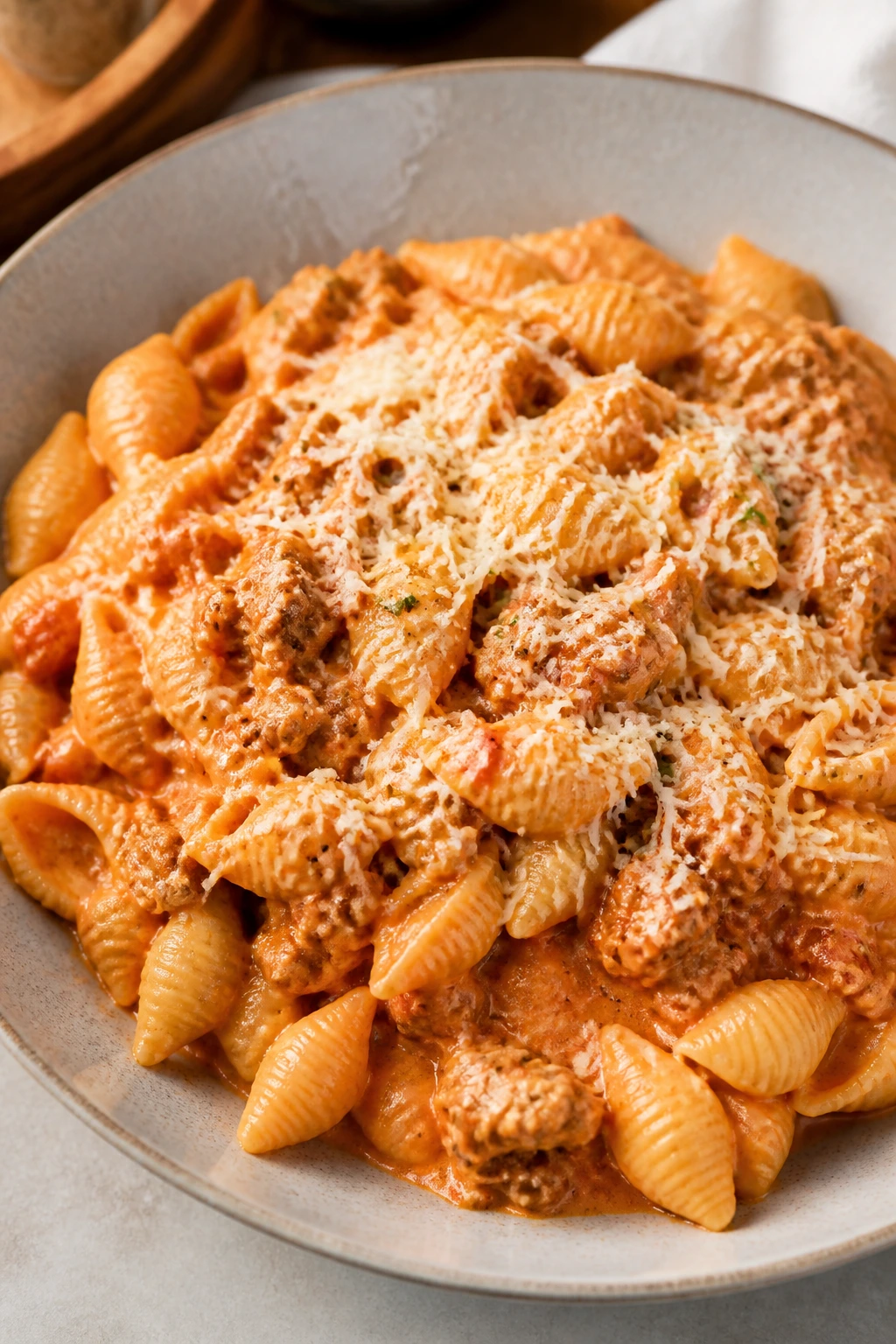
Small pasta shells cling to sauce in a way picky eaters usually tolerate better than long noodles. Ground turkey keeps the texture mild, and the Parmesan finishes the whole pan with a salty edge.
Why It Works:
This meal hits the recovery target without tasting like a “fitness” recipe. Pasta gives the carbs, turkey gives the protein, and a spoonful of cream softens the sauce just enough to keep it smooth. It’s especially useful after evening runs, when a bowl of something warm settles better than another cold snack.
Key Ingredients:
- 8 ounces medium pasta shells
- 1 pound ground turkey
- 1 tablespoon olive oil
- 1 cup smooth marinara sauce
- ¼ cup heavy cream
- ⅓ cup grated Parmesan
- 1 teaspoon Italian seasoning
- Salt and black pepper
Quick Steps:
- Boil the shells in salted water until just tender, then drain.
- Brown the turkey in olive oil over medium-high heat, breaking it up small.
- Stir in marinara, cream, seasoning, salt, and pepper.
- Fold in the pasta and Parmesan until coated.
- Serve while the sauce still looks glossy.
Equipment for This Recipe:
- Large pot
- Deep skillet
- Colander
How to Serve This Dish:
Pile it into shallow bowls so the shells don’t disappear in a deep mound. A piece of garlic toast works if the eater wants more carbs, but the pasta already carries the meal.
Pro Tips for This Recipe:
- Cook the shells one minute short of the package time. They finish in the sauce.
- Use smooth marinara, not chunky tomato sauce, if texture matters.
- Ground turkey should be browned well; pale turkey tastes flat.
Variations on This Dish:
- Cheesy Bake: Top with mozzarella and broil for 2 minutes.
- Pesto Swirl: Stir in 1 tablespoon pesto at the end.
- Lower-Fat Version: Skip the cream and add extra marinara.
Common Mistakes to Avoid with This Dish:
- Overcooking the shells: Mushy pasta turns this into paste. Drain early.
- Skipping salt in the pasta water: The whole dish tastes dull without it.
- Lumping the turkey: Break it into small bits while it cooks.
3. Egg and Cheese Quesadilla with Salsa
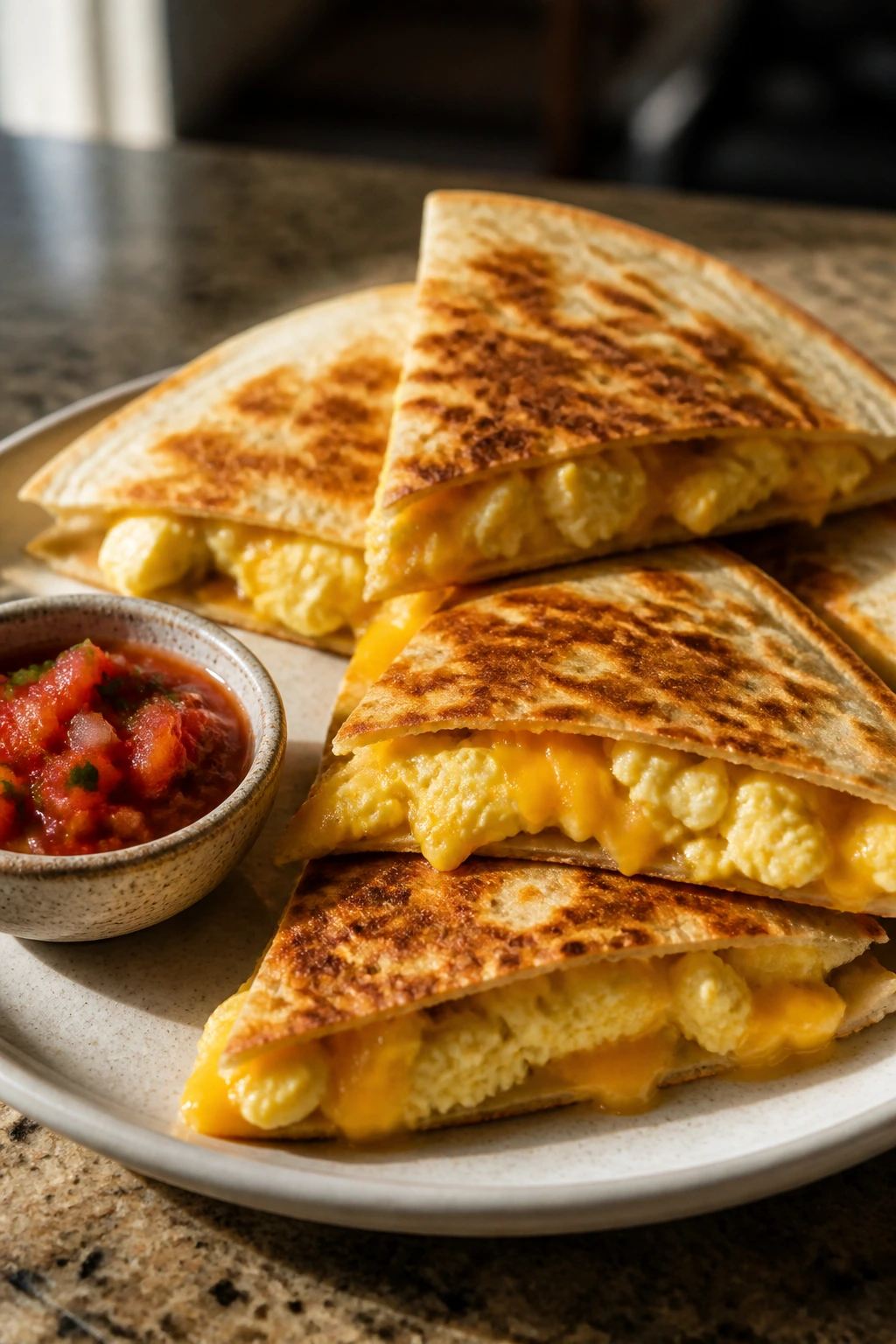
Hot tortilla, melted cheese, soft eggs. That’s the whole appeal. It’s fast, familiar, and not fussy enough to trigger a dinner-table standoff.
Why It Works:
Eggs bring protein, the tortilla brings easy carbs, and cheese gives enough fat to make the meal feel satisfying after a run. The texture stays simple — crisp outside, soft inside — which is exactly why picky eaters keep coming back to it. A little salsa on the side lets the bold eaters add heat without forcing it on everyone else.
Key Ingredients:
- 2 large flour tortillas
- 3 large eggs
- 1 tablespoon butter
- 1 cup shredded cheddar
- 2 tablespoons mild salsa
- Pinch of salt
Quick Steps:
- Whisk the eggs with salt and scramble them in butter over medium heat.
- Lay one tortilla in a skillet and sprinkle on half the cheese.
- Add the eggs, then the remaining cheese, and top with the second tortilla.
- Cook 2 to 3 minutes per side until golden and melted.
- Cut into wedges and serve with salsa.
Equipment for This Recipe:
- Nonstick skillet
- Spatula
- Bowl and fork
How to Serve This Dish:
Serve it hot and sliced into triangles, with the salsa kept off to the side if the eater hates wet fillings. A handful of grapes or a yogurt cup rounds it out nicely.
Pro Tips for This Recipe:
- Keep the heat medium, not high, or the tortilla burns before the cheese melts.
- Shred your own cheese if you want a cleaner melt.
- Don’t overfill the quesadilla; the filling will slide out.
Variations on This Dish:
- Turkey Breakfast Quesadilla: Add ¼ cup chopped turkey sausage.
- Mild Bean Version: Add ¼ cup refried beans for extra carbs.
- Dairy-Light Swap: Use less cheese and add extra egg.
Common Mistakes to Avoid with This Dish:
- Too much filling: The quesadilla tears and leaks. Keep it modest.
- Cooking too fast: Burned tortilla, cold center. Slow down.
- Skipping the rest before cutting: Let it sit 1 minute so the cheese settles.
4. Mild Chicken Fried Rice
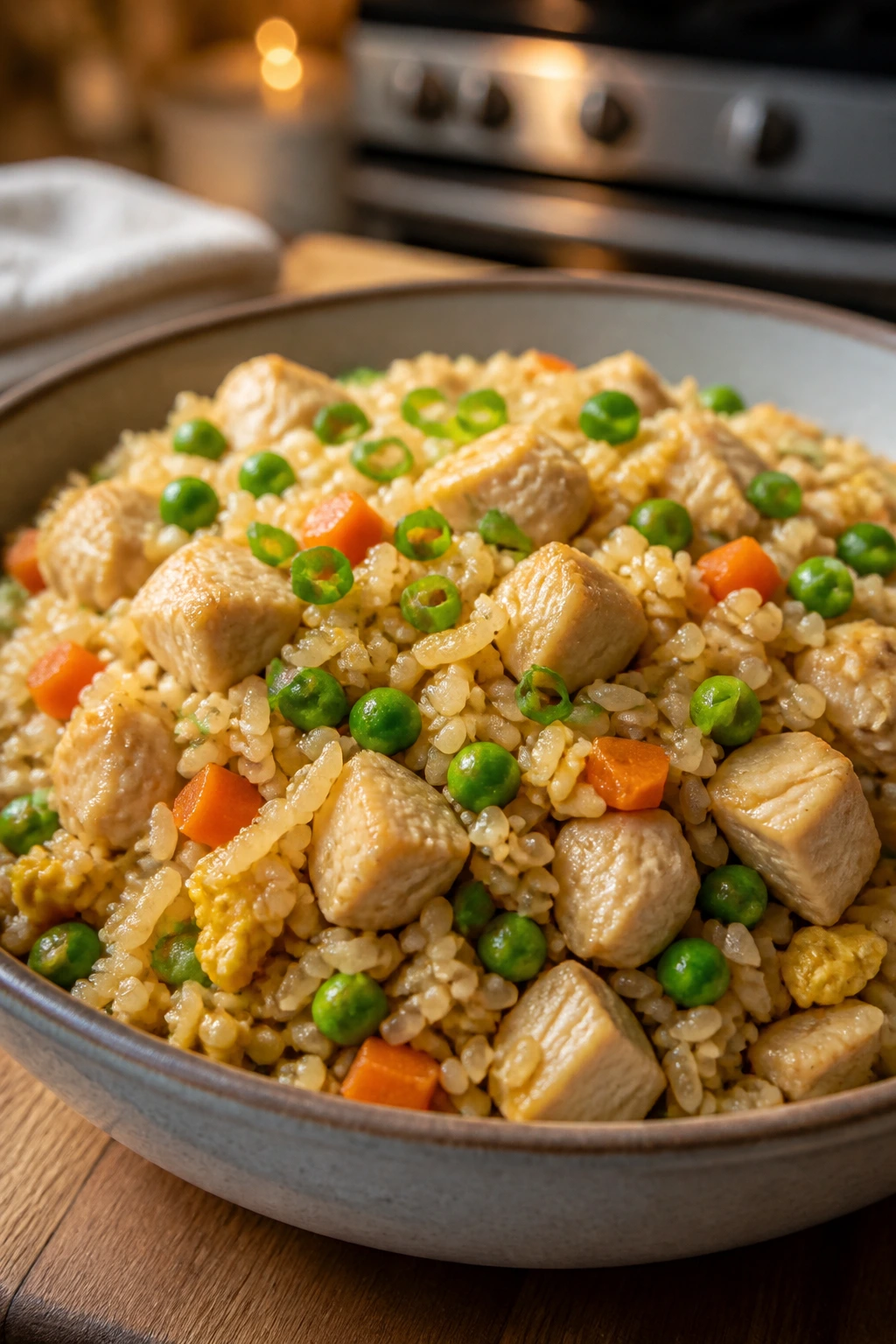
Fried rice is the sneaky recovery meal that looks casual but covers the basics well. If the rice is cold, the chicken is chopped fine, and the seasoning stays restrained, picky eaters usually stop arguing.
Why It Works:
Rice refuels fast, chicken adds protein, and eggs make the bowl feel fuller without adding a new flavor fight. The frozen peas and carrots are optional in spirit, but small pieces disappear better than big vegetable chunks. A hot skillet gives the rice those little toasted edges that make the whole thing feel less like leftovers.
Key Ingredients:
- 3 cups cooked white rice
- 1 cup diced cooked chicken
- 2 large eggs
- 1 cup frozen peas and carrots
- 1 tablespoon sesame oil
- 1 tablespoon soy sauce
- 1 tablespoon neutral oil
- 1 green onion, sliced thin
Quick Steps:
- Scramble the eggs in a hot skillet, then set them aside.
- Add the oil, rice, and chicken, and stir-fry over medium-high heat.
- Toss in the peas and carrots and cook until hot.
- Stir in soy sauce, sesame oil, and eggs.
- Finish with green onion.
Equipment for This Recipe:
- Large skillet or wok
- Spatula
- Small bowl for the eggs
How to Serve This Dish:
Serve it in a bowl with a fork, not chopsticks, unless the eater wants the fork anyway. A side of orange slices or pineapple works if you want something cold and sweet after a hard run.
Pro Tips for This Recipe:
- Use cold rice. Fresh rice gets mushy fast.
- Dice the chicken small so it blends in.
- Don’t flood the pan with soy sauce; a little goes a long way.
Variations on This Dish:
- Egg-Heavy Version: Add a third egg for more protein.
- Sesame Chicken Version: Finish with a drizzle of honey and extra sesame oil.
- No-Vegetable Version: Skip the peas and carrots entirely. It still works.
Common Mistakes to Avoid with This Dish:
- Wet rice: It clumps and steams instead of frying.
- Crowding the skillet: The rice turns soft. Work in one layer.
- Adding soy too early: The flavor cooks off and the rice darkens unevenly.
5. Peanut Butter Banana Yogurt Smoothie
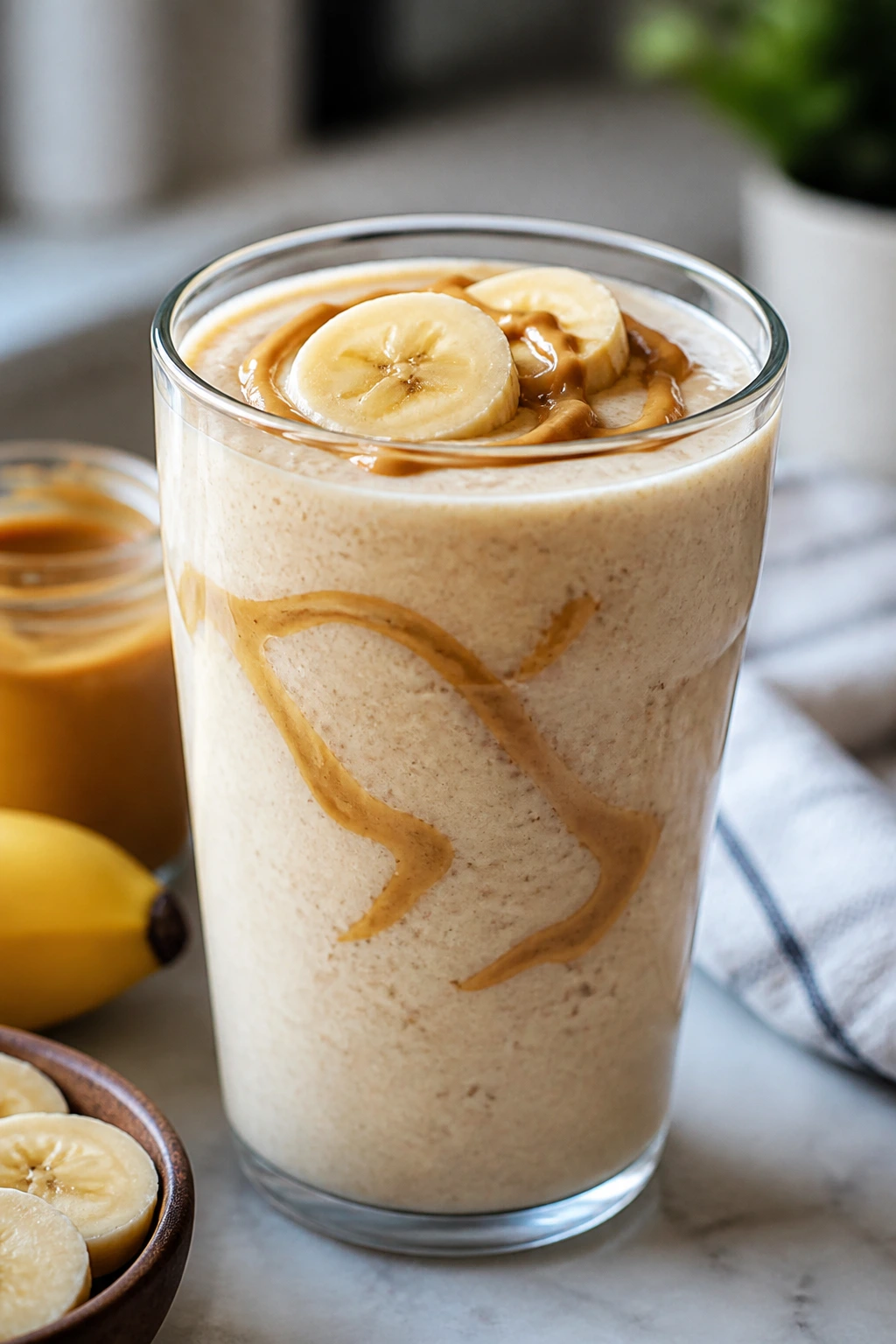
Cold, creamy, and mildly sweet, this smoothie is what you make when chewing sounds like work. It drinks like breakfast but behaves like recovery food.
Why It Works:
Banana gives fast carbs, Greek yogurt brings protein, and peanut butter adds enough richness to keep the glass from feeling thin and pointless. Oats make it more filling without turning it into paste, as long as you blend long enough. It’s a good option right after a run when appetite is there but patience isn’t.
Key Ingredients:
- 1 large banana
- 1 cup plain Greek yogurt
- 2 tablespoons peanut butter
- ¼ cup rolled oats
- ¾ cup milk
- 1 teaspoon honey
- Pinch of salt
Quick Steps:
- Add everything to a blender.
- Blend for 30 to 45 seconds until completely smooth.
- Taste and add a splash more milk if needed.
- Pour into a tall glass and drink right away.
Equipment for This Recipe:
- Blender
- Measuring cups
- Tall glass
How to Serve This Dish:
Serve it cold with a straw and a spoon if it’s thick. If the runner wants something to chew, pair it with a slice of toast instead of chasing the smoothie with more sweetness.
Pro Tips for This Recipe:
- Freeze the banana first for a colder, thicker drink.
- Use smooth peanut butter, not crunchy.
- A tiny pinch of salt makes the banana taste more like banana.
Variations on This Dish:
- Chocolate Version: Add 1 tablespoon cocoa powder.
- Berry Version: Swap half the banana for frozen strawberries.
- Higher-Protein Version: Add ½ cup more yogurt and a splash more milk.
Common Mistakes to Avoid with This Recipe:
- Too little liquid: The blender stalls and the texture turns paste-like.
- Overloading with oats: It gets chalky and heavy.
- Skipping the salt: The smoothie tastes flatter than it should.
6. Turkey Meatballs with Buttered Noodles
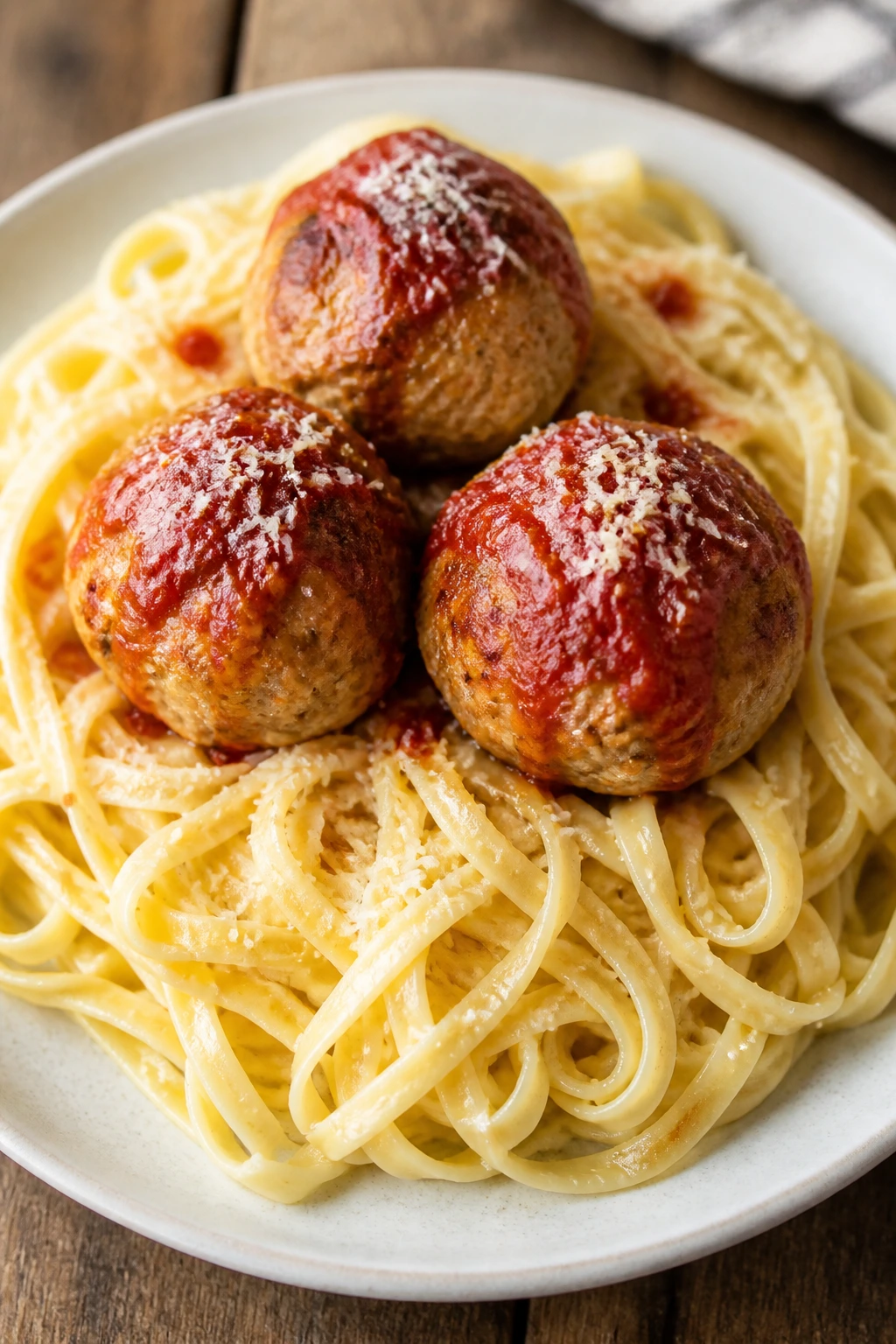
This one tastes like comfort food, which matters more than people admit after a run. Turkey meatballs stay mild, and buttered noodles make the plate feel familiar enough for a picky eater to trust.
Why It Works:
The noodles refill energy stores, while the meatballs bring a solid hit of protein without a strong flavor profile. Breadcrumbs and egg keep the meatballs tender instead of dry. A little Parmesan on top finishes the dish without turning it into a cheese bomb.
Key Ingredients:
- 1 pound ground turkey
- ½ cup breadcrumbs
- 1 large egg
- 2 tablespoons grated Parmesan
- 8 ounces egg noodles
- 2 tablespoons butter
- 1 cup marinara sauce
- 1 teaspoon garlic powder
Quick Steps:
- Mix turkey, breadcrumbs, egg, Parmesan, and garlic powder.
- Form 1½-inch meatballs and bake at 400°F for 15 minutes.
- Boil the noodles until tender, then drain.
- Toss noodles with butter and spoon warm marinara over the meatballs.
Equipment for This Recipe:
- Rimmed baking sheet
- Mixing bowl
- Medium pot
How to Serve This Dish:
Serve the noodles first, then nestle the meatballs on top so the plate looks tidy. A few cucumber slices on the side keep the meal crisp without changing the main flavor.
Pro Tips for This Recipe:
- Wet your hands before shaping the meatballs. It stops sticking.
- Don’t overmix the turkey or the meatballs get dense.
- Bake on parchment so cleanup stays simple.
Variations on This Dish:
- Creamy Version: Stir 2 tablespoons cream into the marinara.
- Slider Version: Tuck the meatballs into soft rolls.
- Gluten-Free Version: Use gluten-free breadcrumbs and pasta.
Common Mistakes to Avoid with This Dish:
- Making tiny meatballs: They dry out before the center cooks.
- Packing the mixture too tightly: The texture gets rubbery.
- Overcooking the noodles: They’ll fall apart when tossed.
7. Chicken Alfredo with Peas
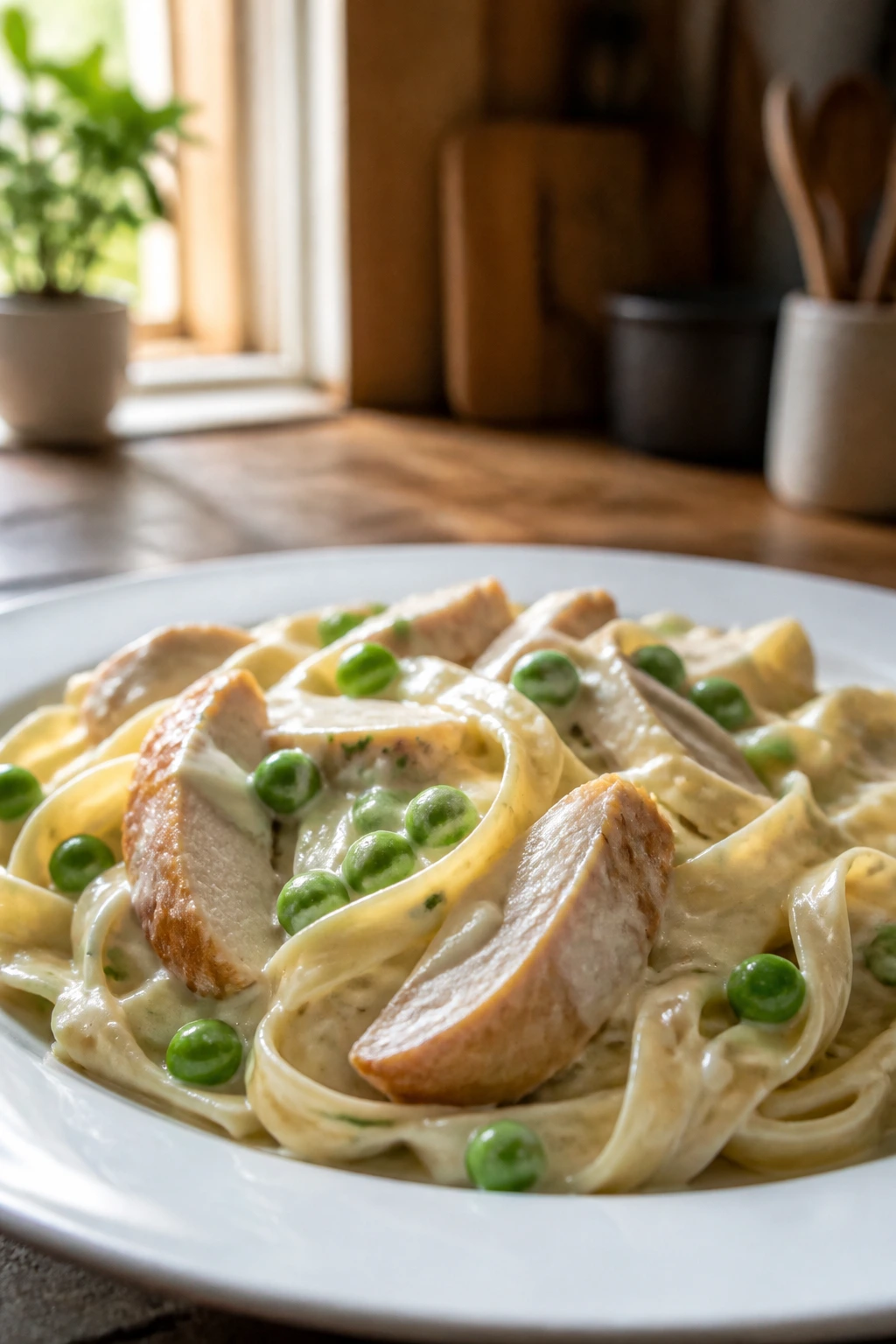
Alfredo gets a bad reputation when it’s clumsy. Done right, it’s just a creamy pasta bowl with chicken that tastes plain enough for a picky eater and rich enough to feel like a treat.
Why It Works:
Pasta gives the carbs, chicken supplies the protein, and the sauce sticks to every bite instead of sitting in a puddle at the bottom. Peas are optional, but their tiny size makes them easier to hide than bigger vegetables. This is a strong choice after a long run when the body wants something dense and warm.
Key Ingredients:
- 8 ounces fettuccine or penne
- 1½ cups cooked chicken, sliced
- 2 tablespoons butter
- 1 cup heavy cream
- ¾ cup grated Parmesan
- ½ cup frozen peas
- ½ teaspoon salt
- Black pepper
Quick Steps:
- Cook the pasta until al dente, then drain.
- Melt butter in a skillet and add cream over medium heat.
- Stir in Parmesan until the sauce looks smooth and glossy.
- Add chicken, peas, and pasta, then toss until coated.
- Season with salt and pepper.
Equipment for This Recipe:
- Large pot
- Deep skillet
- Tongs
How to Serve This Dish:
Serve it immediately while the sauce is still silky. A slice of garlic bread fits, but the pasta is rich enough that a plain piece of fruit after is often enough.
Pro Tips for This Recipe:
- Grate the Parmesan finely so it melts without clumping.
- Don’t boil the cream hard. Gentle heat keeps the sauce smooth.
- Save ¼ cup pasta water in case the sauce tightens up.
Variations on This Dish:
- Lighter Version: Use half-and-half instead of cream.
- Lemon Version: Add 1 teaspoon lemon zest at the end.
- Chicken-Free Version: Use scrambled eggs for a softer protein swap.
Common Mistakes to Avoid with This Dish:
- Boiling the sauce hard: It can split. Keep it low.
- Adding cheese too fast: It turns grainy. Stir gradually.
- Using overcooked pasta: It collapses under the sauce.
8. Cottage Cheese Fruit Toast
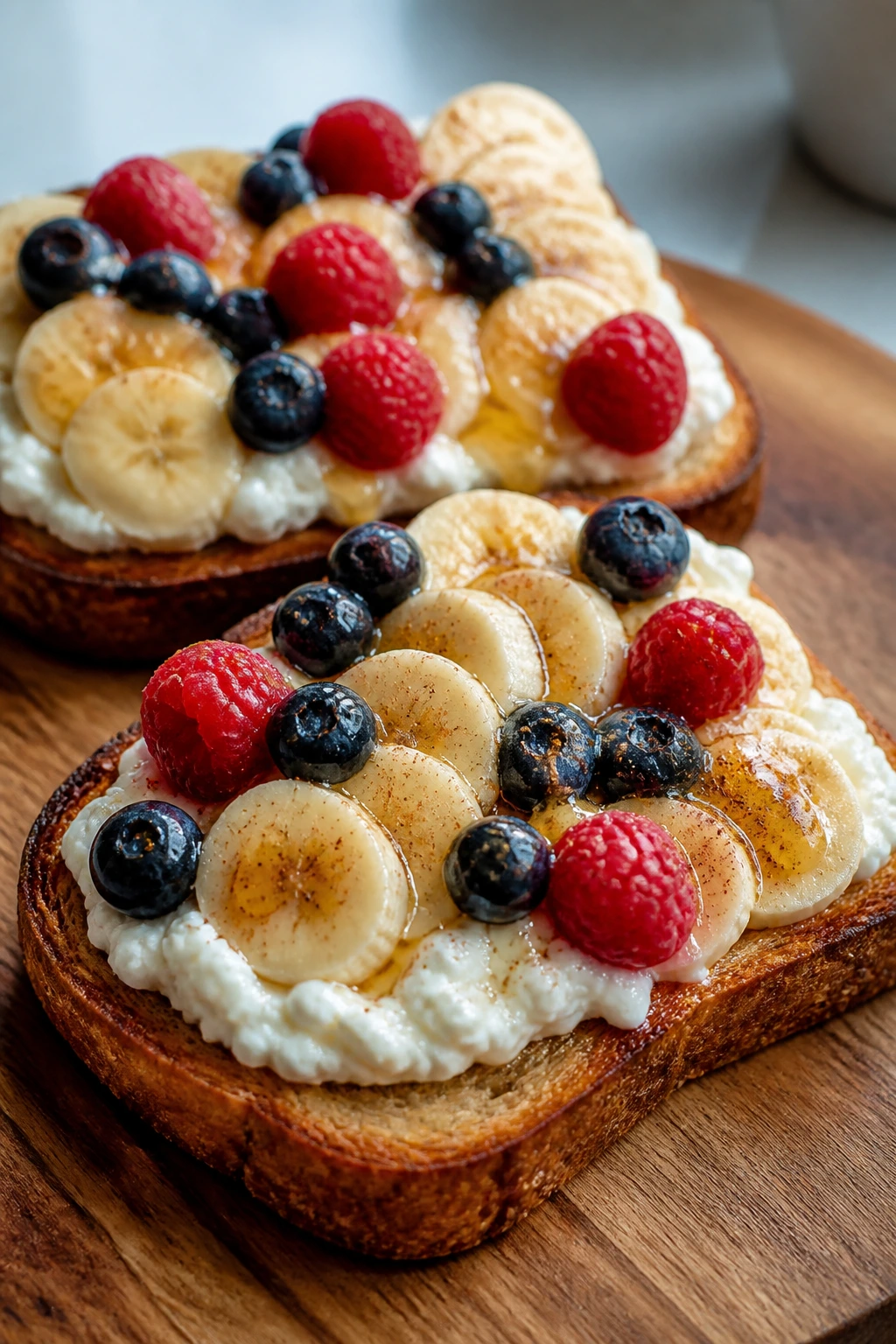
Cold fruit, creamy cottage cheese, and warm toast make a recovery snack that feels almost too plain until you eat half of it in three bites. Picky eaters often like it because every part stays separate.
Why It Works:
Cottage cheese gives a solid protein base, toast adds carbs, and fruit brings quick sweetness without a heavy sauce. The contrast matters here — warm bread, cool topping, soft fruit — but none of it gets weird. It’s a good “I need something now” meal when a full plate sounds like too much.
Key Ingredients:
- 2 slices thick bread
- ¾ cup cottage cheese
- ½ banana, sliced
- ¼ cup berries
- 1 teaspoon honey
- Pinch of cinnamon
Quick Steps:
- Toast the bread until golden and crisp.
- Spread cottage cheese over each slice.
- Top with banana slices and berries.
- Drizzle honey and dust lightly with cinnamon.
Equipment for This Recipe:
- Toaster
- Butter knife
- Small bowl
How to Serve This Dish:
Serve it open-faced so the topping stays visible and easy to pick apart. A boiled egg on the side works if you want a little more protein without changing the flavor much.
Pro Tips for This Recipe:
- Choose thick bread so it doesn’t go soggy.
- Drain cottage cheese if it looks watery.
- Slice the fruit thin; big chunks slide off.
Variations on This Dish:
- Savory Version: Swap fruit for tomato and a pinch of salt.
- Nutty Version: Add 1 teaspoon peanut butter under the cottage cheese.
- Extra-Filling Version: Add a second slice of toast and make it a sandwich.
Common Mistakes to Avoid with This Dish:
- Using thin toast: It goes limp fast.
- Overloading with fruit: The toast breaks.
- Skipping the salt on savory versions: Cottage cheese can taste flat without it.
9. Breakfast Burrito with Eggs and Turkey Sausage
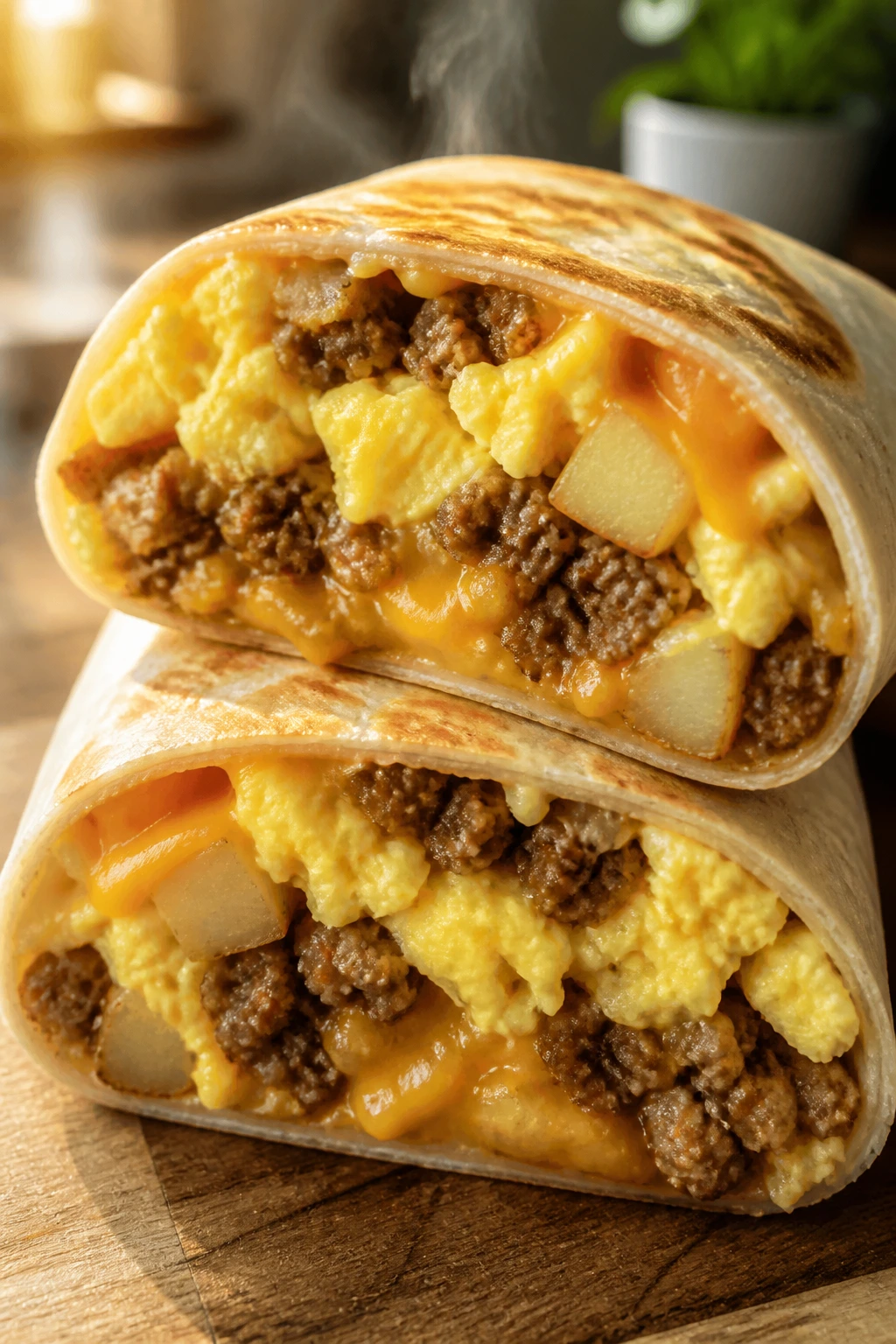
A breakfast burrito does a lot of work for one hand-held wrap. It’s portable, warm, and predictable, which is why runners and picky eaters keep making it after tough mornings.
Why It Works:
Eggs and turkey sausage bring protein, while the tortilla and potatoes carry the carbs that matter after a run. The filling stays soft, which makes each bite easy. If you cook the potatoes small, they disappear into the burrito instead of turning it into a chunky wrestling match.
Key Ingredients:
- 2 large flour tortillas
- 4 large eggs
- ½ cup cooked turkey sausage, crumbled
- 1 cup diced cooked potatoes
- ½ cup shredded cheddar
- 1 tablespoon butter
- 2 tablespoons mild salsa
- Salt
Quick Steps:
- Scramble the eggs in butter until just set.
- Warm the sausage and potatoes in a skillet.
- Lay eggs, sausage, potatoes, cheese, and salsa on each tortilla.
- Roll tightly, folding the sides in first.
- Toast seam-side down for 1 minute per side.
Equipment for This Recipe:
- Skillet
- Spatula
- Plate for rolling
How to Serve This Dish:
Wrap it in foil if the runner wants to eat it later or on the go. If serving at the table, cut it in half so the filling looks tidy and easier to manage.
Pro Tips for This Recipe:
- Don’t overcook the eggs; soft eggs make a better burrito.
- Dice the potatoes small so the burrito rolls cleanly.
- Warm the tortillas first so they don’t crack.
Variations on This Dish:
- Cheesy Hash Brown Version: Swap diced potatoes for hash browns.
- No-Salsa Version: Leave the salsa out and serve it on the side.
- Higher-Protein Version: Add extra egg whites.
Common Mistakes to Avoid with This Dish:
- Overstuffing the wrap: It splits when you roll it.
- Using cold tortillas: They tear. Warm them first.
- Skipping the seam-side toast: The burrito opens up.
10. Baked Potato with Chicken and Cheddar
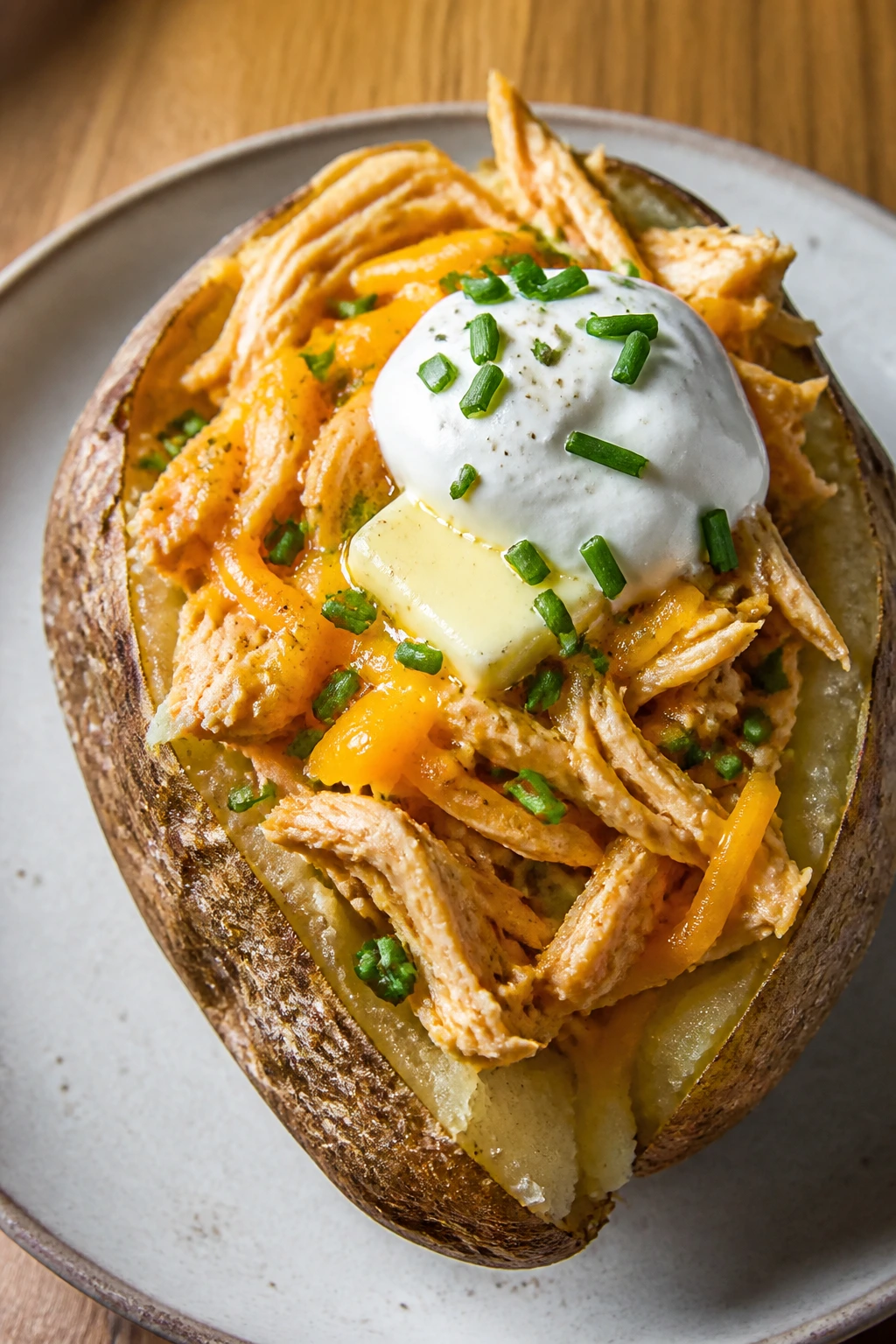
A baked potato gives you a soft, familiar base that picky eaters can usually get behind. Add chicken and cheddar, and you’ve got recovery food with almost no fuss.
Why It Works:
The potato handles the carbs, the chicken brings protein, and the cheese makes the whole thing feel finished instead of dry. Baking the potato until the skin tightens and the inside goes fluffy is what makes this work. The texture is part of the appeal.
Key Ingredients:
- 2 large russet potatoes
- 1½ cups shredded cooked chicken
- ½ cup shredded cheddar
- 2 tablespoons sour cream or Greek yogurt
- 1 tablespoon butter
- 1 tablespoon chopped chives
- Salt
Quick Steps:
- Bake potatoes at 425°F for 50 to 60 minutes until fork-tender.
- Split them open and fluff the insides with a fork.
- Add butter, chicken, and cheddar.
- Return to the oven for 3 minutes to melt the cheese.
- Top with sour cream and chives.
Equipment for This Recipe:
- Oven
- Baking sheet
- Fork
How to Serve This Dish:
Serve it on a plate with the skin intact so it feels substantial. A side salad can wait; this potato already carries the meal, and it does not need a lot of competition.
Pro Tips for This Recipe:
- Scrub the potato skins well. They’re part of the experience.
- Pierce the potato before baking so steam escapes.
- Warm the chicken before stuffing so the center stays hot.
Variations on This Dish:
- BBQ Version: Swap sour cream for 1 tablespoon barbecue sauce.
- Garlic Version: Mix garlic powder into the butter.
- Mini Version: Use small potatoes for lighter portions.
Common Mistakes to Avoid with This Dish:
- Underbaking the potato: The inside stays chalky.
- Using cold filling: The whole thing cools too fast.
- Skipping the fluffing step: You lose the soft center.
11. Chicken Noodle Soup with Crackers
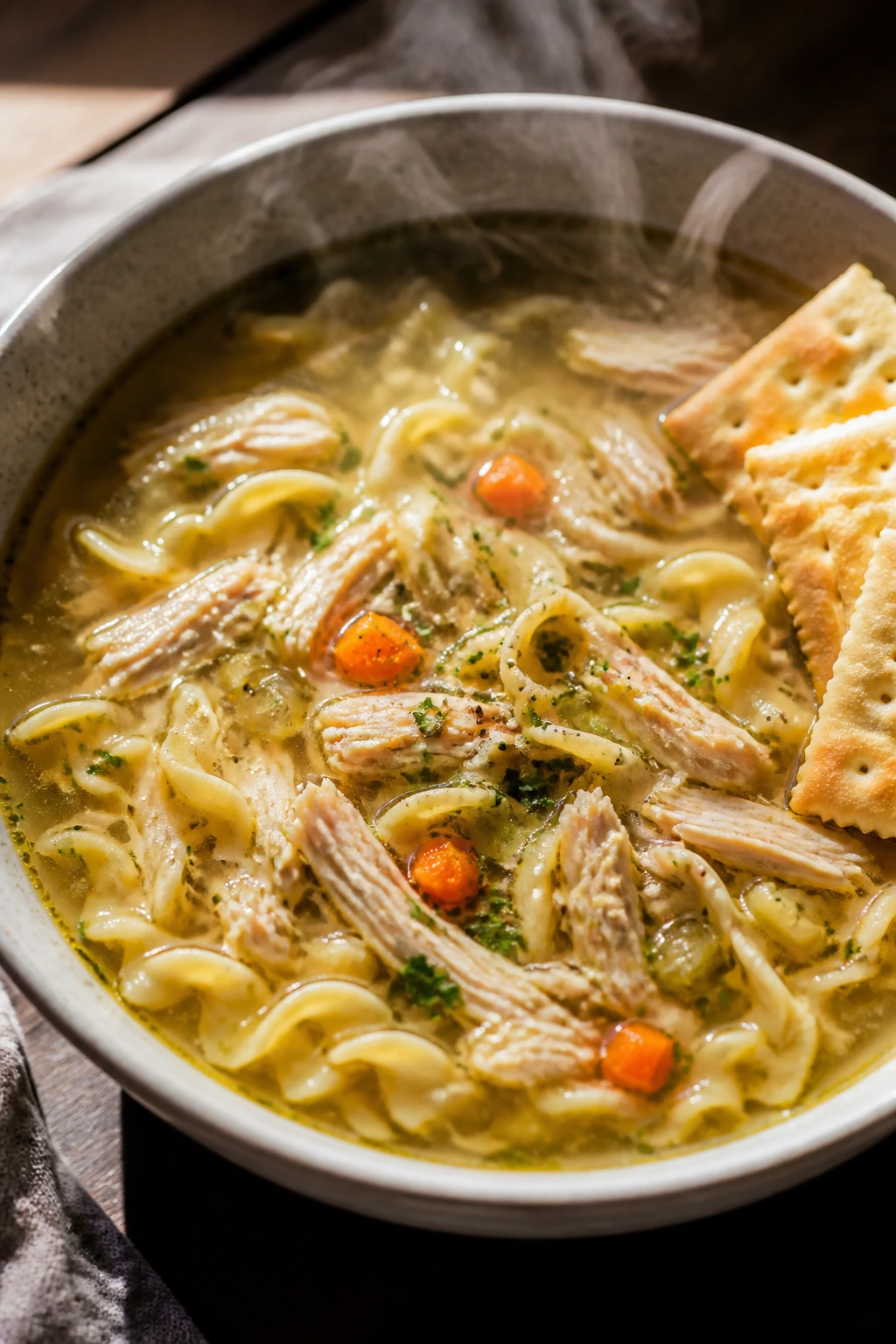
Soup sounds simple until you’re the one making it after a workout and trying to feed someone picky. Keep the broth clear, the noodles soft, and the chicken shredded fine. That’s the trick.
Why It Works:
Soup restores fluid and sodium while the noodles and chicken provide carbs and protein in an easy-to-swallow format. It’s especially useful when a runner is hungry but not ready for a heavy plate. Crackers on the side add a little crunch without making the bowl complicated.
Key Ingredients:
- 6 cups chicken broth
- 2 cups shredded cooked chicken
- 2 cups egg noodles
- 1 cup sliced carrots
- 2 tablespoons butter
- 1 teaspoon salt
- Black pepper
- Saltine crackers
Quick Steps:
- Melt butter in a pot and add carrots.
- Pour in broth and simmer 10 minutes until the carrots soften.
- Add noodles and cook until tender.
- Stir in chicken, salt, and pepper, then heat through.
- Serve with crackers on the side.
Equipment for This Recipe:
- Large soup pot
- Ladle
- Cutting board
How to Serve This Dish:
Serve it in a deep bowl with crackers left whole until the eater wants them. The soup should be hot enough to steam but not so hot that the noodles turn limp from sitting too long.
Pro Tips for This Recipe:
- Use low-sodium broth if you want to control the salt yourself.
- Cut the carrots thin so they soften fast.
- Add chicken at the end so it doesn’t dry out.
Variations on This Dish:
- Rice Version: Use cooked rice instead of noodles.
- Lemon Version: Add 1 teaspoon lemon juice for brightness.
- Extra-Hearty Version: Stir in a handful of peas.
Common Mistakes to Avoid with This Dish:
- Overcooking the noodles: They swell and go mushy.
- Boiling the chicken too long: It gets stringy.
- Under-seasoning the broth: Soup tastes empty without enough salt.
12. Teriyaki Chicken Rice Box
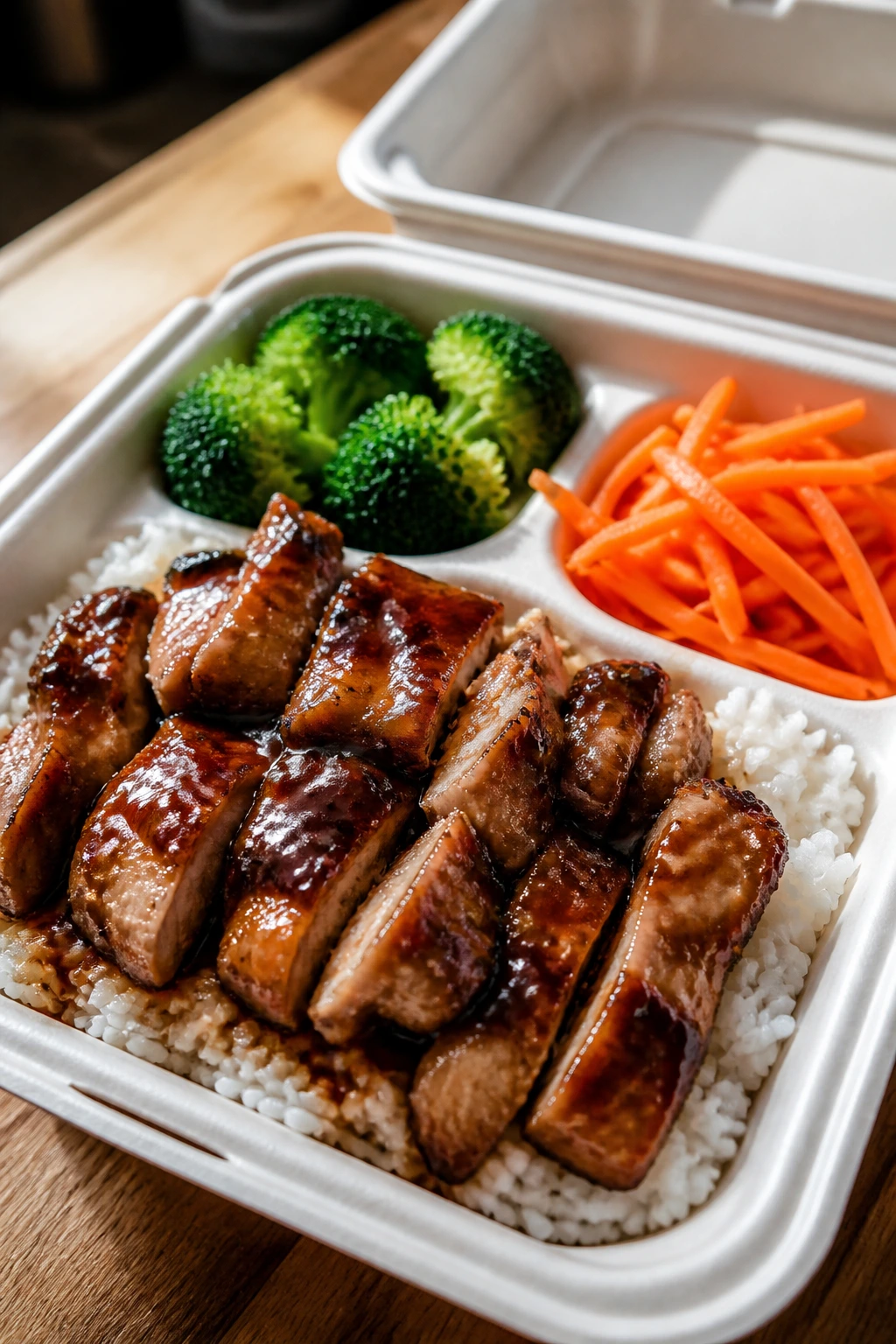
This is the meal for someone who wants takeout flavor without the takeout attitude. Sweet-savory chicken, rice, and a few soft vegetables go into one tidy box and stay there.
Why It Works:
Teriyaki brings enough flavor to feel satisfying, but not so much that picky eaters start peeling things off the plate. Rice anchors the dish, and chicken thighs stay juicy after reheating better than breast meat. Small carrot or broccoli pieces can hide in plain sight if you keep them tender.
Key Ingredients:
- 2 cups cooked rice
- 1 pound boneless chicken thighs, chopped
- ⅓ cup teriyaki sauce
- 1 tablespoon oil
- 1 cup small broccoli florets
- ½ cup matchstick carrots
- 1 teaspoon sesame seeds
Quick Steps:
- Cook the chicken in oil over medium-high heat until browned and done.
- Add broccoli and carrots with 2 tablespoons water, then cover for 2 minutes.
- Stir in teriyaki sauce and simmer until glossy.
- Spoon over rice and top with sesame seeds.
Equipment for This Recipe:
- Large skillet
- Lid
- Rice cooker or pot
How to Serve This Dish:
Pack it into a lunch container or serve it in a square bowl for that tidy box feel. If the runner wants more carbs, add a second scoop of rice instead of more sauce.
Pro Tips for This Recipe:
- Chop the chicken small so it cooks quickly and soaks up sauce.
- Keep the vegetables tender-crisp at most.
- Use thighs if you want a juicier result after reheating.
Variations on This Dish:
- Pineapple Version: Add ¼ cup pineapple chunks.
- Brown Rice Version: Use brown rice if the eater likes a chewier bite.
- Sticky Version: Reduce the sauce a little longer for a thicker glaze.
Common Mistakes to Avoid with This Dish:
- Sauce added too early: It burns and tastes bitter.
- Vegetables cooked to mush: They lose all appeal.
- Using too little rice: The plate feels unbalanced.
13. Mac and Cheese with Diced Chicken
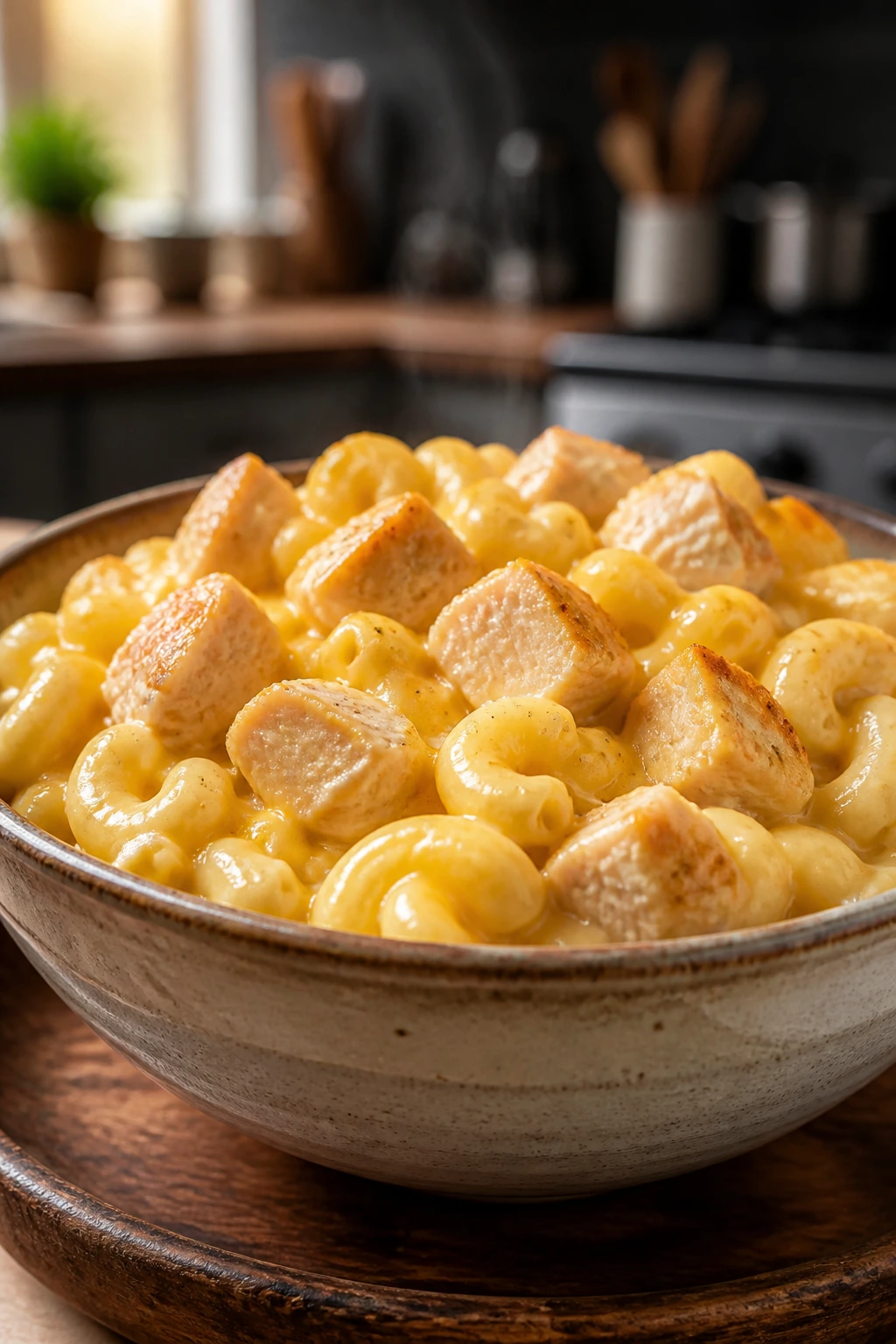
Mac and cheese earns its place here because it’s familiar, soft, and hard to argue with after a hard run. Chicken turns it from side dish into recovery meal without changing the personality of the bowl.
Why It Works:
The pasta and cheese deliver carbs and calories, while the chicken lifts the protein count enough to matter. The sauce should stay creamy, not gluey. If you keep the cheese sharp but not aggressive, even cautious eaters usually clear the bowl.
Key Ingredients:
- 8 ounces elbow macaroni
- 1½ cups diced cooked chicken
- 2 tablespoons butter
- 2 tablespoons flour
- 2 cups milk
- 2 cups shredded cheddar
- ½ teaspoon salt
- Pinch of paprika
Quick Steps:
- Cook macaroni until just tender, then drain.
- Melt butter, whisk in flour, and cook 1 minute.
- Add milk and stir until slightly thickened.
- Stir in cheddar, chicken, and macaroni.
- Season and serve while the cheese still stretches.
Equipment for This Recipe:
- Medium pot
- Whisk
- Colander
How to Serve This Dish:
Serve it right away, because mac and cheese loses some charm as it cools. A few apple slices on the side cut through the richness without changing the main plate.
Pro Tips for This Recipe:
- Grate cheese from the block so it melts smoother.
- Stir the sauce constantly while thickening.
- Don’t let the milk boil hard or it scorches.
Variations on This Dish:
- White Cheddar Version: Swap half the cheddar for white cheddar.
- Breadcrumb Top: Bake with buttered breadcrumbs for 5 minutes.
- Extra-Soft Version: Use small shells instead of elbows.
Common Mistakes to Avoid with This Dish:
- Overcooked pasta: It breaks in the sauce.
- Adding cheese too fast: The sauce turns grainy.
- Using too much flour: The cheese sauce gets pasty.
14. Banana Oat Pancakes with Greek Yogurt

These pancakes are soft, sweet, and plain enough that most picky eaters stop fighting them after the first bite. Greek yogurt on top adds protein without turning breakfast into dessert with paperwork.
Why It Works:
Banana gives quick carbs and flavor, oats add staying power, and eggs hold everything together. The pancakes stay tender if you don’t overmix them. Served with yogurt, they make a decent post-run breakfast that doesn’t feel like a compromise.
Key Ingredients:
- 1 large banana
- 2 large eggs
- ½ cup rolled oats
- 1 teaspoon baking powder
- 1 tablespoon milk
- 1 tablespoon butter
- ½ cup plain Greek yogurt
- 1 teaspoon maple syrup
Quick Steps:
- Blend banana, eggs, oats, baking powder, and milk until smooth.
- Heat butter in a skillet over medium heat.
- Spoon batter into 3-inch pancakes and cook 2 minutes per side.
- Serve with Greek yogurt and maple syrup.
Equipment for This Recipe:
- Blender or fork
- Nonstick skillet
- Spatula
How to Serve This Dish:
Stack them in two or three layers and spoon yogurt over the top. A few berries keep the plate lively, but don’t bury the pancakes under fruit if the eater hates mixed textures.
Pro Tips for This Recipe:
- Let the batter sit 2 minutes so the oats hydrate.
- Flip only when the edges look set and the top has bubbles.
- Keep the heat moderate; banana batter browns fast.
Variations on This Dish:
- Cinnamon Roll Version: Add ½ teaspoon cinnamon.
- Berry Version: Fold in ¼ cup blueberries.
- Higher-Protein Version: Add an extra egg white.
Common Mistakes to Avoid with This Dish:
- Batter too thin: The pancakes spread too much.
- Flipping too early: They fall apart.
- Overcrowding the pan: The temperature drops and they cook unevenly.
15. Turkey Quesadilla with Rice
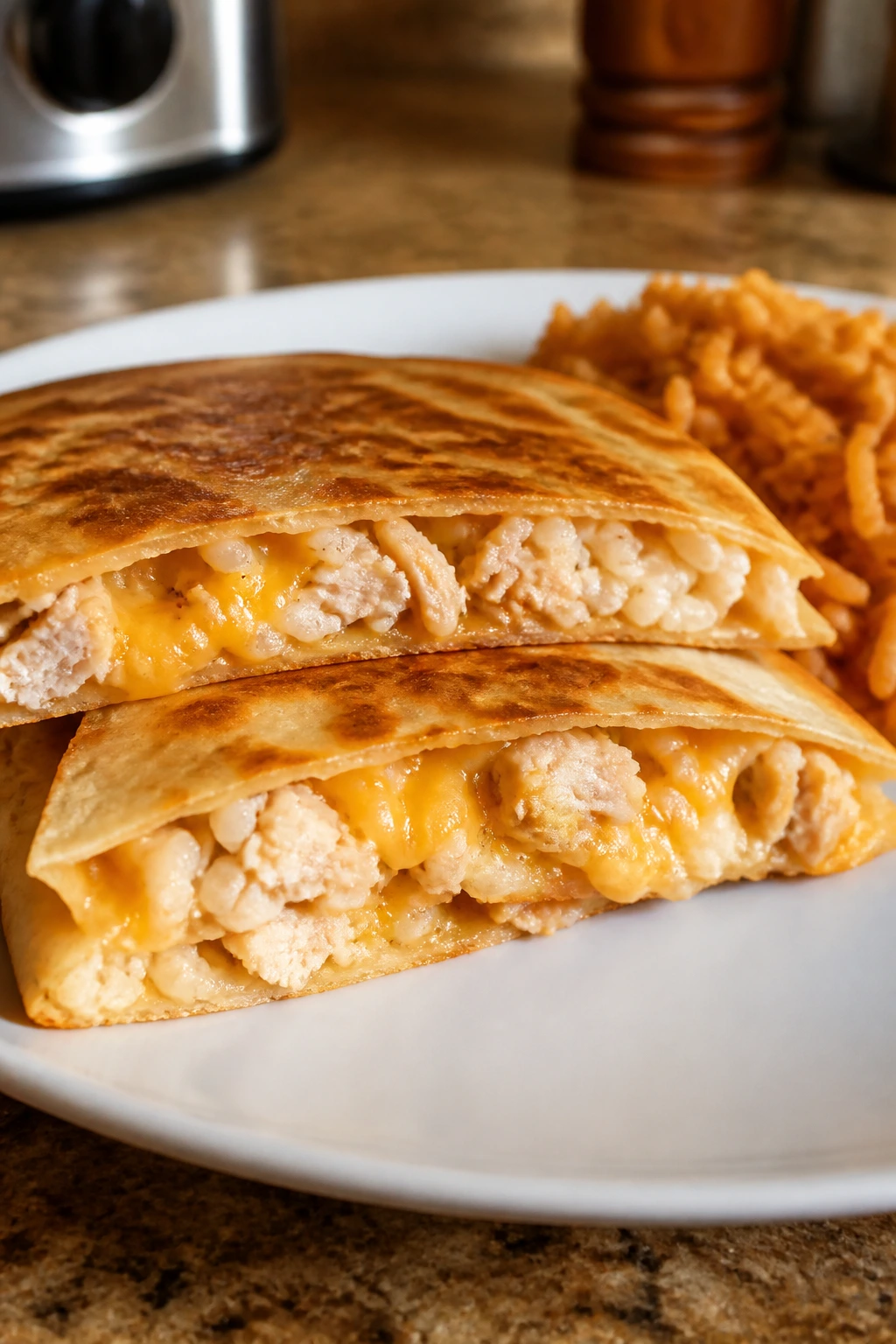
This is the stealth meal that eats like comfort food but carries a little more staying power. The rice inside the quesadilla makes it surprisingly filling, and the turkey keeps the flavor mild.
Why It Works:
A quesadilla gives you warm tortilla, melted cheese, and a filling that feels controlled rather than messy. Rice stretches the carbs without a lot of extra taste, which picky eaters usually appreciate. If you cut the turkey small, it disappears into the cheese instead of standing out.
Key Ingredients:
- 2 large flour tortillas
- ¾ cup cooked rice
- 1 cup chopped cooked turkey
- 1 cup shredded Monterey Jack
- 1 tablespoon butter
- 2 tablespoons mild salsa
- Pinch of salt
Quick Steps:
- Mix the rice and turkey with a pinch of salt.
- Lay one tortilla in a skillet and sprinkle on half the cheese.
- Add the rice mixture, salsa, and the remaining cheese.
- Top with the second tortilla and cook 2 to 3 minutes per side.
Equipment for This Recipe:
- Skillet
- Spatula
- Bowl for mixing
How to Serve This Dish:
Serve it cut into wedges, with salsa or plain Greek yogurt for dipping. If you’re feeding a very cautious eater, keep the rice filling mild and let the sauces stay outside the tortilla.
Pro Tips for This Recipe:
- Spread the filling thinly so the quesadilla stays flat.
- Use medium heat to melt the cheese without burning the tortilla.
- Rest it 1 minute before slicing or the filling spills out.
Variations on This Dish:
- Cheddar Version: Swap Monterey Jack for cheddar.
- Chicken Swap: Use chopped chicken instead of turkey.
- No-Salsa Version: Leave the salsa out and add a pinch of garlic powder.
Common Mistakes to Avoid with This Dish:
- Too much rice: The quesadilla opens and leaks.
- Heat too high: The tortilla turns dark before the center melts.
- Skipping the rest: The filling runs everywhere.
16. Chicken Pita Pockets with Ranch
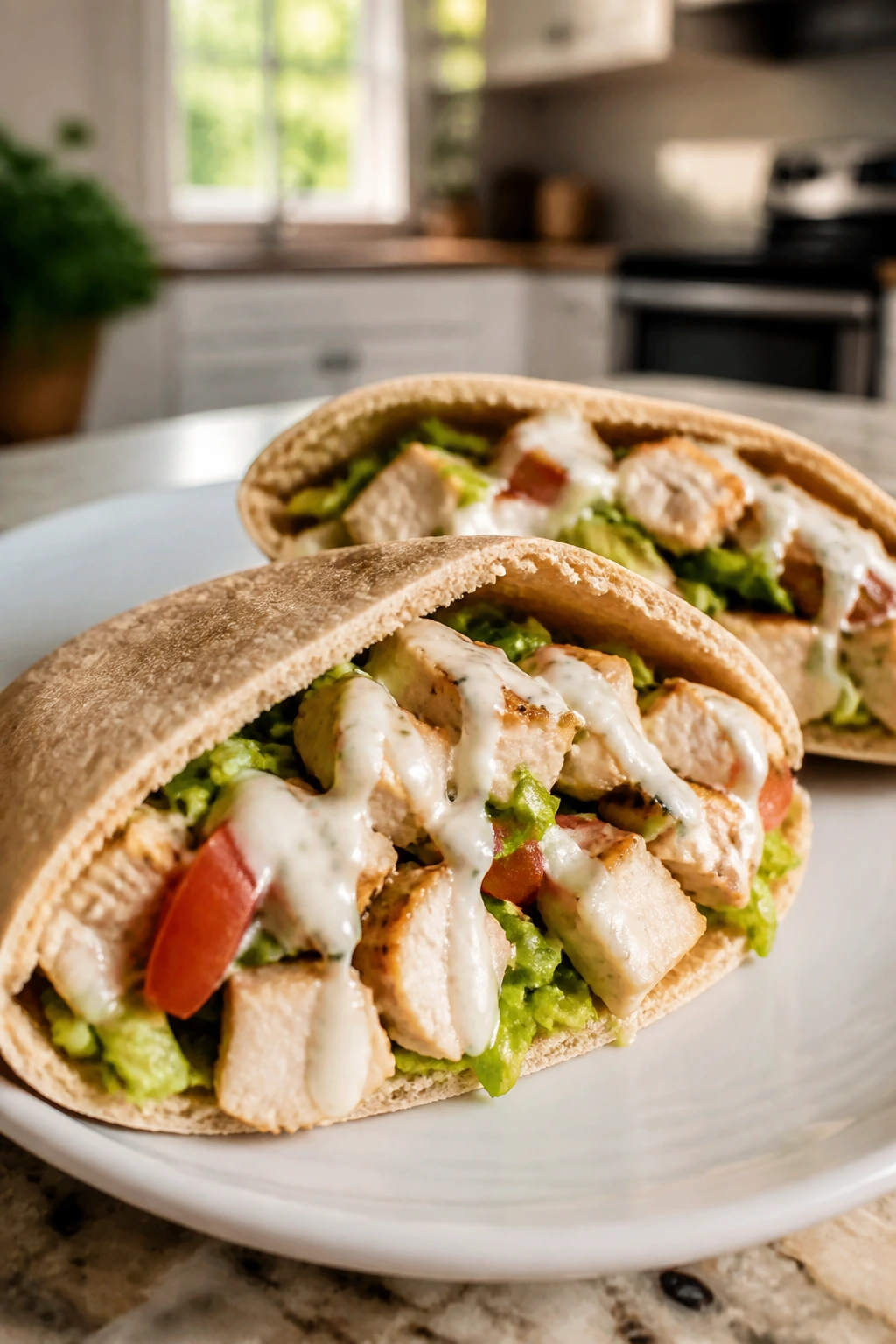
A pita pocket is handy because it hides the filling. That matters when the eater wants chicken but not a full salad situation. Ranch helps, but not too much.
Why It Works:
Pita gives the carbs, chicken gives protein, and the pocket keeps the meal tidy. Ranch dressing is mild and familiar, so it softens the whole thing without taking over. If you keep the vegetables chopped small, the texture stays manageable.
Key Ingredients:
- 2 pita pockets
- 1½ cups chopped cooked chicken
- 2 tablespoons ranch dressing
- ¼ cup shredded lettuce
- ¼ cup diced tomato
- 2 tablespoons shredded cheddar
- Salt and pepper
Quick Steps:
- Warm the pita in a dry skillet for 30 seconds per side.
- Toss chicken with ranch, salt, and pepper.
- Open the pita pockets gently.
- Fill with chicken, lettuce, tomato, and cheddar.
Equipment for This Recipe:
- Skillet
- Knife
- Small bowl
How to Serve This Dish:
Serve the pockets whole or cut them in half if you want a cleaner bite. A handful of pretzels or some fruit on the side keeps the meal from feeling too light.
Pro Tips for This Recipe:
- Warm the pita first so it doesn’t crack when stuffed.
- Don’t overfill; the pocket tears fast.
- Use chopped chicken, not long shreds, for easier bites.
Variations on This Dish:
- Buffalo Version: Swap ranch for a little mild buffalo sauce.
- Greek Version: Use cucumber and a spoon of tzatziki.
- Cheese-Forward Version: Add extra cheddar and skip the tomato.
Common Mistakes to Avoid with This Recipe:
- Cold pita: It splits when you open it.
- Too much dressing: The pocket gets soggy.
- Large vegetable pieces: They make every bite awkward.
17. Yogurt Parfait with Oats and Honey
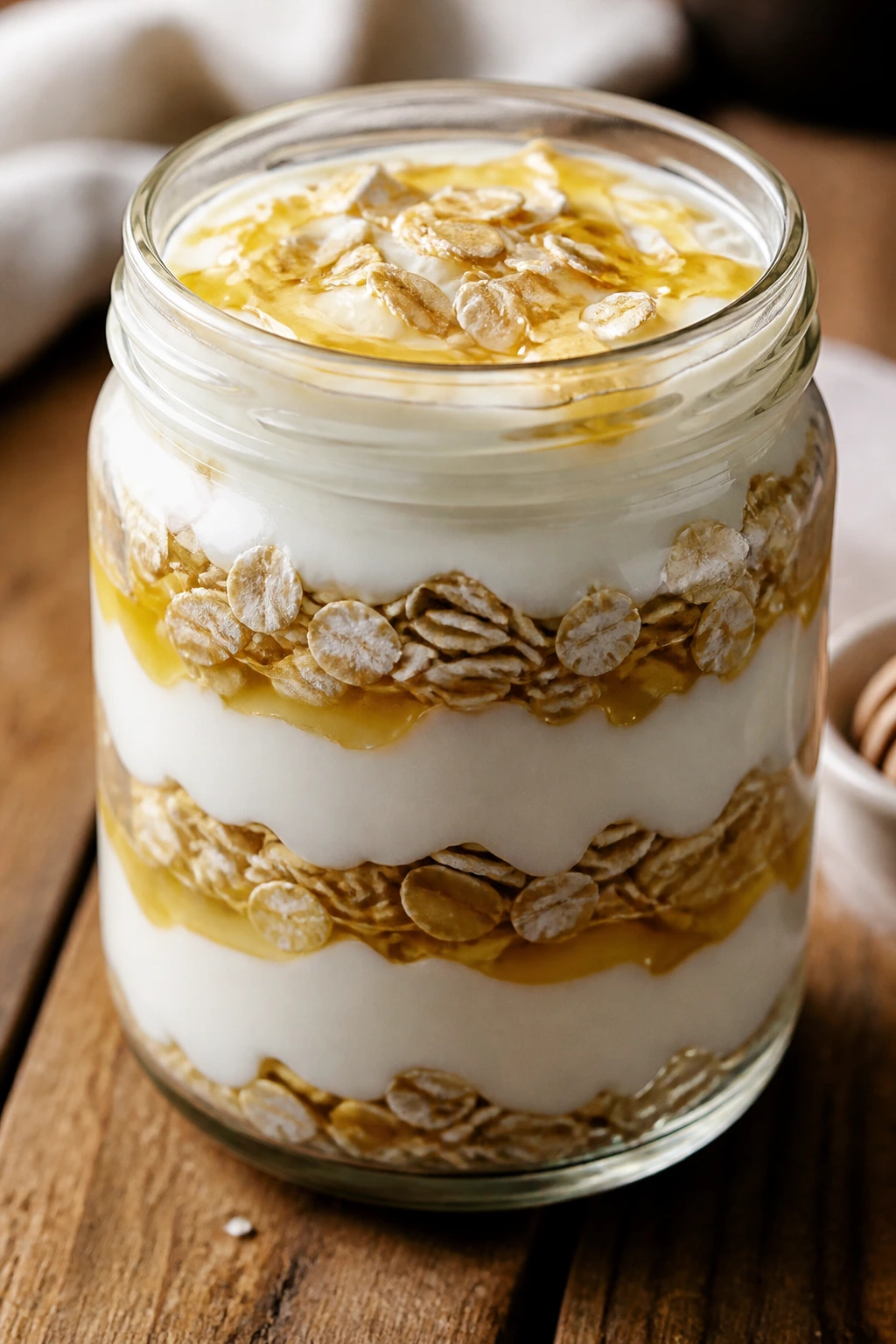
Not every recovery meal has to be hot. Some days the appetite wants cold, sweet, and neat — no skillet, no oven, no explaining yourself.
Why It Works:
Greek yogurt covers protein, oats bring carbs, and honey gives quick sweetness that picky eaters usually accept without complaint. The trick is layering it so the texture stays interesting but not chaotic. If you keep the granola amount modest, the crunch stays in the background instead of taking over.
Key Ingredients:
- 1½ cups plain Greek yogurt
- ½ cup rolled oats or granola
- 1 banana, sliced
- ½ cup berries
- 1 teaspoon honey
- 1 tablespoon chopped almonds, optional
Quick Steps:
- Spoon half the yogurt into a bowl or jar.
- Add oats, banana, and berries.
- Repeat with the remaining yogurt and toppings.
- Drizzle honey over the top and serve right away.
Equipment for This Recipe:
- Bowl or jar
- Spoon
- Knife
How to Serve This Dish:
Serve it cold and layered so the person eating it can decide whether to scoop deep or eat around the fruit. It works well after shorter runs or as a second breakfast when the first plate was too small.
Pro Tips for This Recipe:
- Use thick yogurt so the layers stay put.
- Slice the banana at the last minute so it doesn’t brown.
- Keep granola light if crunch is a problem.
Variations on This Dish:
- Peanut Butter Version: Swirl in 1 teaspoon peanut butter.
- Berry-Only Version: Skip the banana and double the berries.
- High-Calorie Version: Add extra oats and a second drizzle of honey.
Common Mistakes to Avoid with This Recipe:
- Too much granola: It turns into a dry chewing session.
- Watery yogurt: The parfait gets sloppy.
- Making it too far ahead: The oats soften and blur the layers.
18. Turkey Rice Casserole
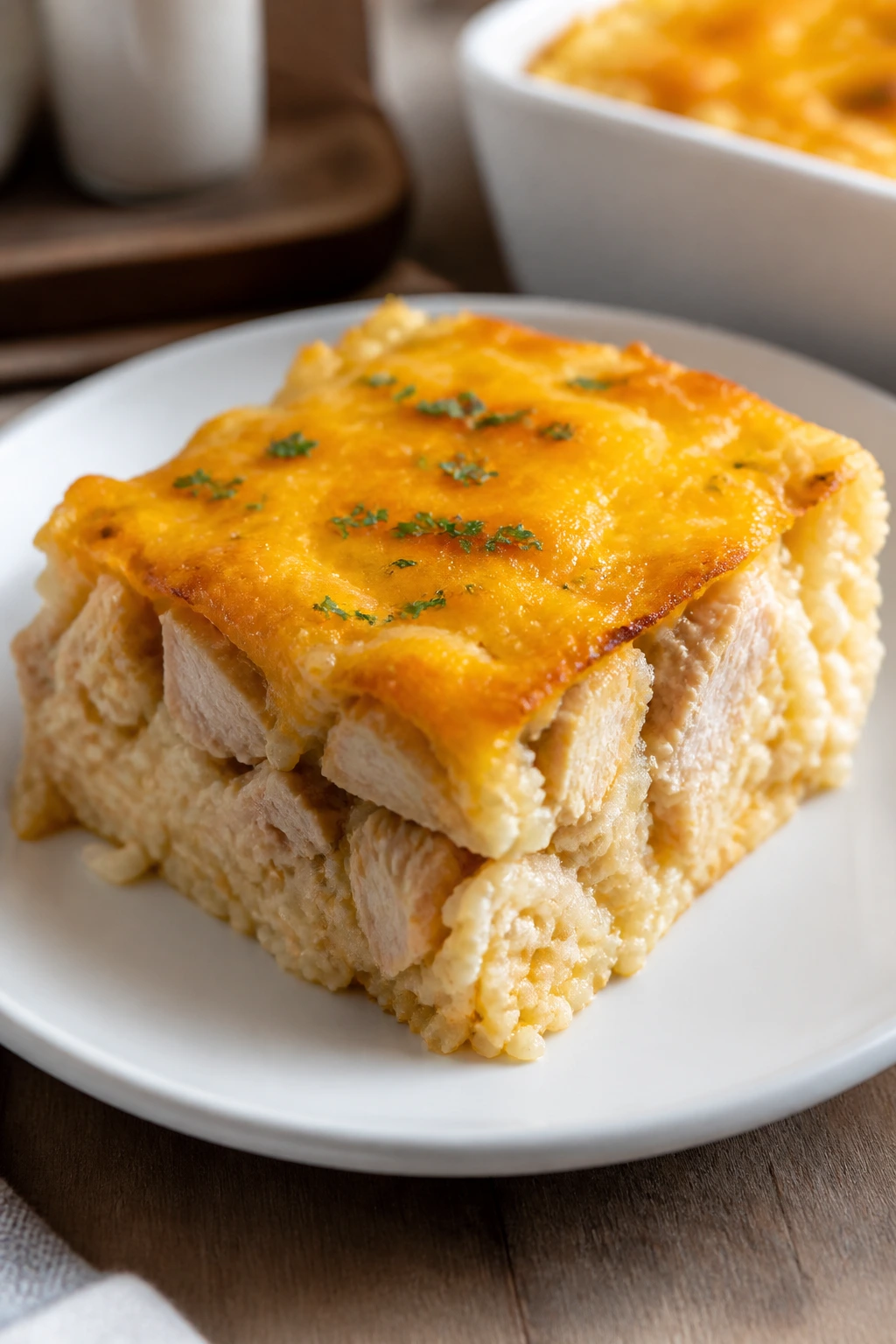
This casserole is the answer when the runner is hungry, the kitchen is tired, and the picky eater wants something that looks like one thing instead of six. Rice, turkey, and cheese hold it together.
Why It Works:
The casserole gives a full plate of carbs and protein in a soft, familiar texture. Cream of chicken soup or a simple white sauce keeps it moist through baking. It’s one of the better make-ahead options because the flavors settle together overnight instead of fighting each other.
Key Ingredients:
- 3 cups cooked rice
- 1 pound ground turkey
- 1 can cream of chicken soup
- 1 cup shredded cheddar
- ½ cup milk
- 1 cup frozen peas
- 1 teaspoon onion powder
- Salt and pepper
Quick Steps:
- Brown the turkey in a skillet until no pink remains.
- Stir turkey, rice, soup, milk, peas, and seasoning in a baking dish.
- Top with cheddar.
- Bake at 375°F for 20 minutes until bubbling.
Equipment for This Recipe:
- Skillet
- 9×13-inch baking dish
- Spoon
How to Serve This Dish:
Serve it in squares so the casserole stays neat on the plate. A plain roll works if you want more carbs, but the rice already makes this feel complete.
Pro Tips for This Recipe:
- Use cooked, cooled rice so the bake doesn’t turn gummy.
- Let it rest 5 minutes before serving.
- Choose small peas if you want them to blend in better.
Variations on This Dish:
- Broccoli Version: Swap peas for tiny broccoli florets.
- Creamier Version: Add 2 tablespoons sour cream.
- Gluten-Free Version: Use gluten-free soup or a simple homemade white sauce.
Common Mistakes to Avoid with This Dish:
- Too little liquid: The bake dries out.
- Using undercooked rice: It stays hard in the oven.
- Skipping the rest time: The casserole falls apart.
19. Chicken Caesar Wrap
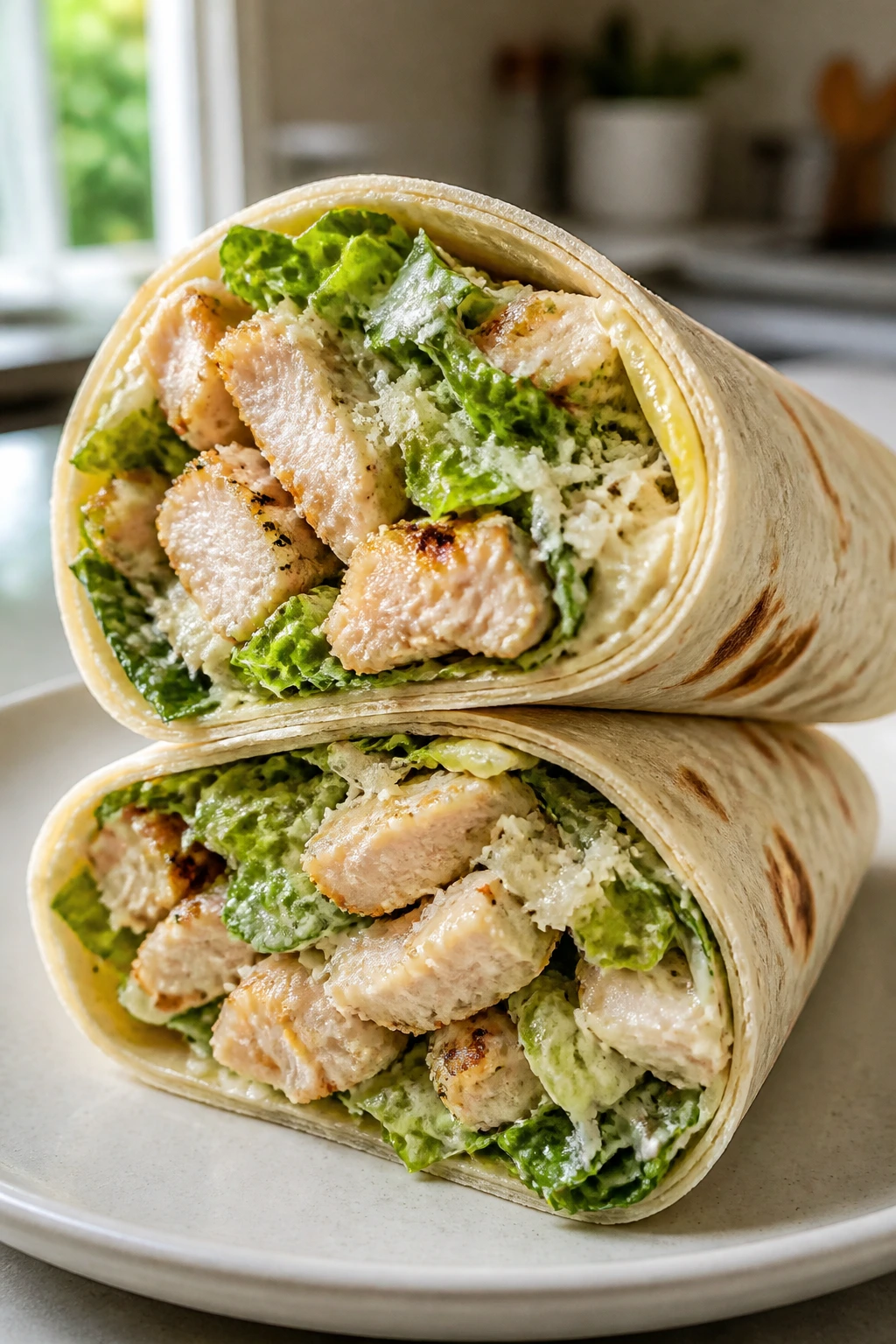
Caesar dressing, chicken, tortilla. That’s enough for most picky eaters to relax. The lettuce adds crunch, but if someone hates too much green, you can keep it light.
Why It Works:
The wrap gives you carbs in a format that feels portable, while chicken and Parmesan add enough protein and salt to make the meal satisfying after training. Caesar dressing is familiar and creamy, which makes the flavor less likely to trigger complaints. It’s a good walk-in-the-door meal.
Key Ingredients:
- 2 large tortillas
- 1½ cups chopped cooked chicken
- 1 cup chopped romaine lettuce
- 2 tablespoons Caesar dressing
- 2 tablespoons grated Parmesan
- ¼ cup crushed croutons, optional
Quick Steps:
- Toss chicken with Caesar dressing and Parmesan.
- Lay the tortillas flat and add lettuce.
- Spoon the chicken mixture on top.
- Add croutons if using, then roll tightly.
- Slice in half and serve.
Equipment for This Recipe:
- Knife
- Mixing bowl
- Cutting board
How to Serve This Dish:
Serve it whole or halved, wrapped in parchment if it’s being eaten later. A few carrot sticks on the side work if the eater wants a little crunch but not a full salad.
Pro Tips for This Recipe:
- Go light on the dressing or the wrap turns soggy.
- Chop the lettuce small so it doesn’t poke out everywhere.
- Warm the tortillas for 10 seconds so they roll cleanly.
Variations on This Dish:
- Turkey Caesar Wrap: Swap chicken for turkey.
- No-Crunch Version: Leave out croutons entirely.
- Cheesy Version: Add a little mozzarella with the Parmesan.
Common Mistakes to Avoid with This Recipe:
- Too much dressing: The tortilla gets wet fast.
- Big lettuce pieces: They make the wrap hard to bite.
- Rolling too loosely: The filling slides out.
20. French Toast with Scrambled Eggs and Berries
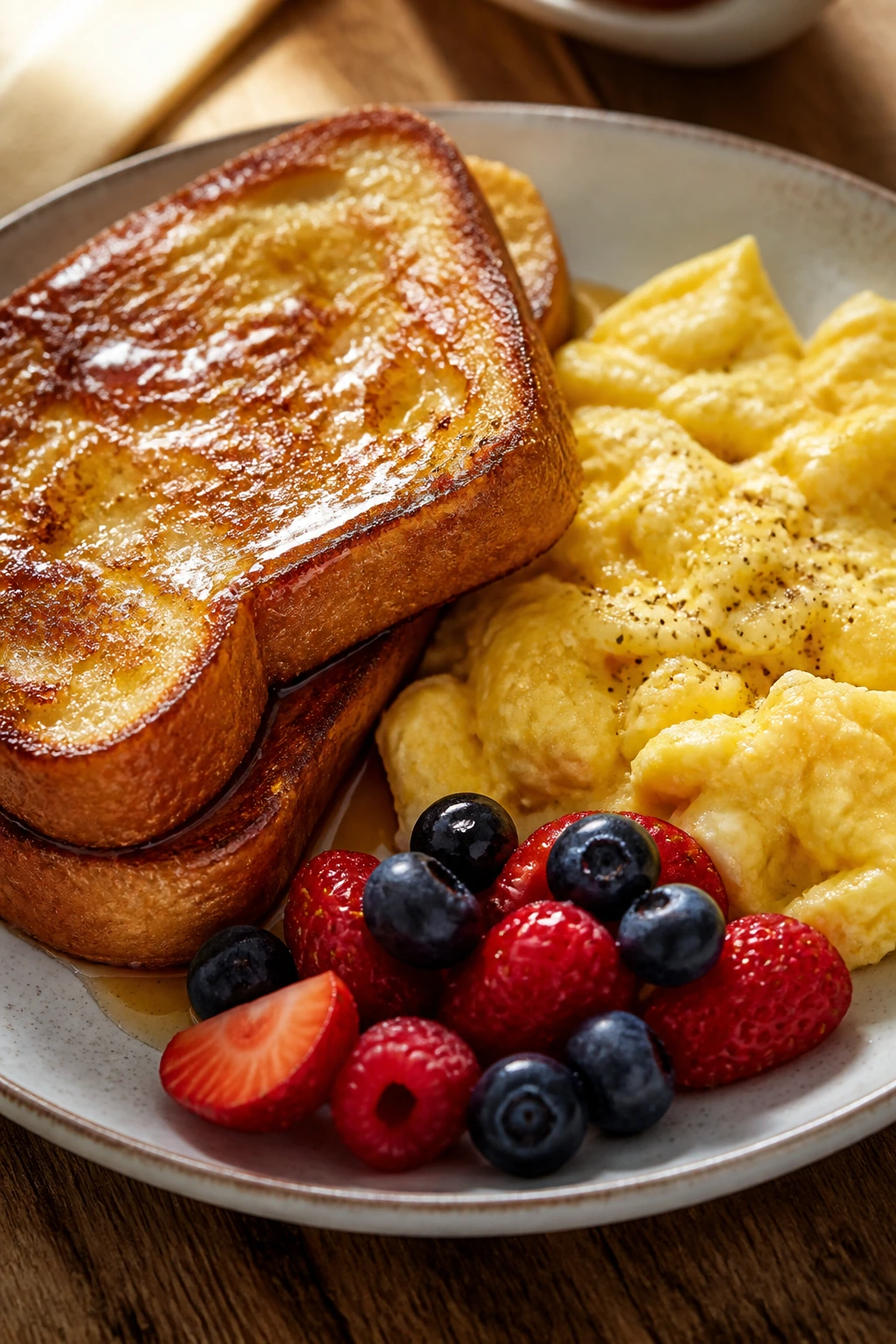
Sweet toast and eggs is a classic recovery move because it covers both sides of the breakfast question. The berries keep it from feeling heavy, and picky eaters usually accept French toast faster than they admit.
Why It Works:
Bread and berries refill carbs, eggs add protein, and the whole plate stays soft enough for tired mouths. French toast also makes day-old bread useful, which I always appreciate. It’s one of those meals that feels like brunch but works like recovery food.
Key Ingredients:
- 4 slices thick bread
- 3 large eggs
- ¼ cup milk
- 1 teaspoon cinnamon
- 1 tablespoon butter
- 2 eggs for scrambling
- ½ cup berries
- 1 tablespoon maple syrup
Quick Steps:
- Whisk 3 eggs, milk, and cinnamon in a shallow bowl.
- Dip bread briefly and cook in butter until golden, 2 to 3 minutes per side.
- Scramble the remaining 2 eggs in a second pan or after the toast.
- Serve with berries and a light drizzle of maple syrup.
Equipment for This Recipe:
- Skillet
- Shallow bowl
- Whisk or fork
How to Serve This Dish:
Stack the toast and place the eggs off to the side so the plate looks controlled, not messy. If the runner wants a sturdier meal, add turkey bacon, but the base plate already works.
Pro Tips for This Recipe:
- Use thick bread so it doesn’t collapse in the custard.
- Soak the bread fast, not long.
- Cook over medium heat so the outside browns before the inside burns.
Variations on This Dish:
- Banana Version: Add sliced banana on top.
- Savory Version: Skip cinnamon and add a pinch of salt and pepper.
- Higher-Protein Version: Beat an extra egg into the custard.
Common Mistakes to Avoid with This Recipe:
- Bread soaked too long: It falls apart.
- Heat too high: The outside goes dark before the center cooks.
- Skipping salt in the eggs: The whole plate tastes flat.
21. Sheet Pan Chicken and Potatoes
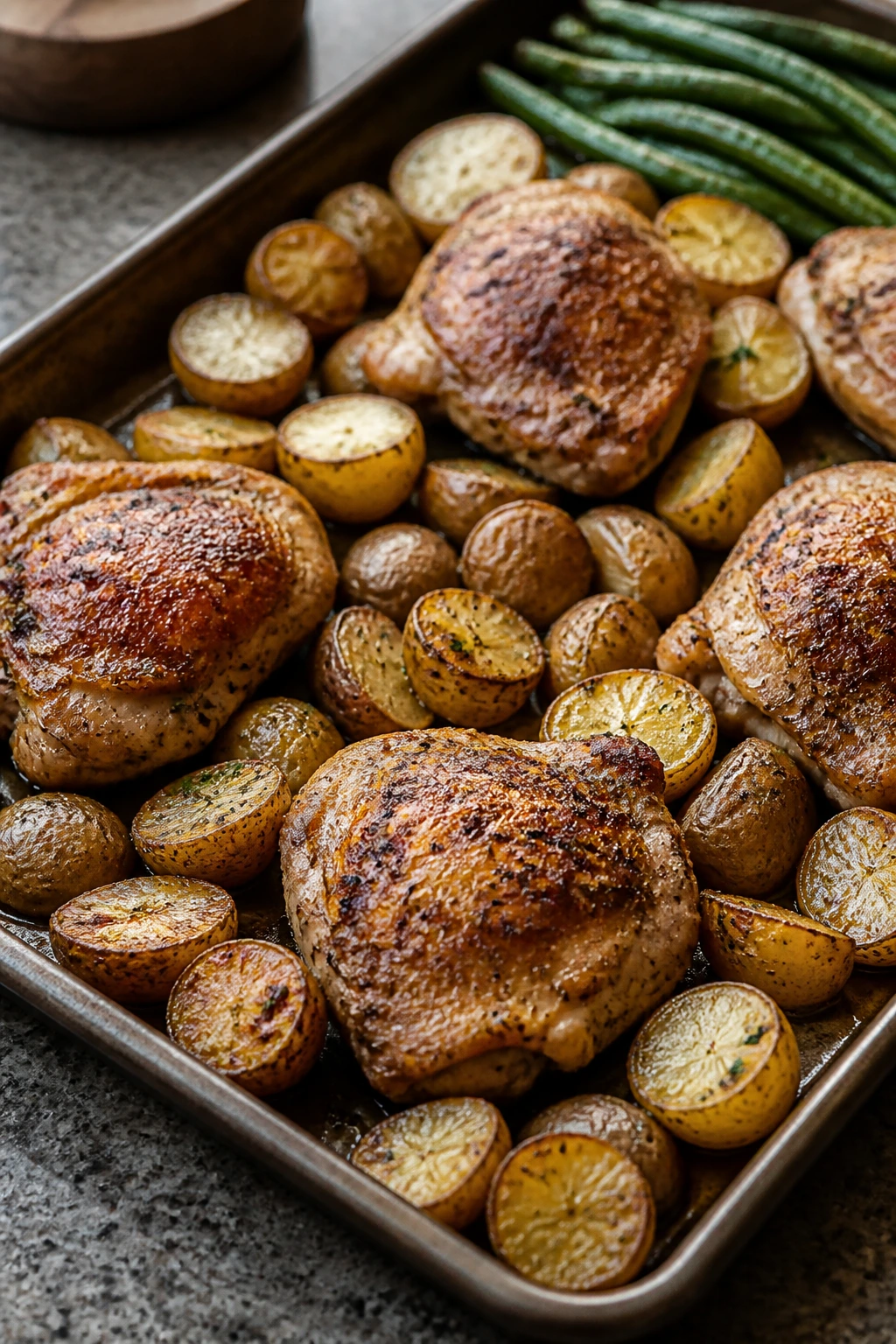
There’s a reason sheet-pan dinners keep showing up in real kitchens. Chicken, potatoes, and a little seasoning get roasted together, and the result is plain in the best possible sense.
Why It Works:
Potatoes bring the carbs, chicken brings the protein, and roasting gives both enough flavor that you don’t need a complicated sauce. If you cut the potatoes small and keep the seasoning familiar, picky eaters tend to accept this one without a fight. The sheet pan also means fewer dishes, which is no small thing when everyone is already hungry.
Key Ingredients:
- 1½ pounds chicken thighs
- 1 pound baby potatoes, halved
- 2 tablespoons olive oil
- 1 teaspoon garlic powder
- 1 teaspoon salt
- ½ teaspoon black pepper
- 1 cup green beans, optional
- 1 tablespoon chopped parsley
Quick Steps:
- Heat the oven to 425°F and line a sheet pan.
- Toss potatoes with half the oil, salt, pepper, and garlic powder.
- Add chicken and coat with the remaining oil and seasoning.
- Roast 25 to 30 minutes, until chicken reaches 165°F and potatoes are tender.
- Add green beans for the last 10 minutes if using.
Equipment for This Recipe:
- Rimmed sheet pan
- Mixing bowl
- Instant-read thermometer
How to Serve This Dish:
Serve it straight from the pan if you want the simplest version, or plate it in a shallow bowl with the juices spooned over the top. A slice of bread or a piece of fruit rounds it out without crowding the plate.
Pro Tips for This Recipe:
- Cut potatoes evenly so they cook at the same pace.
- Don’t crowd the pan or the food steams instead of roasts.
- Thighs stay juicier than breasts after reheating.
Variations on This Dish:
- Paprika Version: Add 1 teaspoon paprika for a little warmth.
- Lemon Version: Finish with lemon juice and parsley.
- Root Veg Version: Swap half the potatoes for carrots.
Common Mistakes to Avoid with This Recipe:
- Uneven potato sizes: Some pieces burn while others stay hard.
- Skipping the thermometer: Chicken can dry out fast.
- Overcrowding the sheet pan: The edges never brown properly.
Why This Recovery Style Works When Food Needs to Be Easy
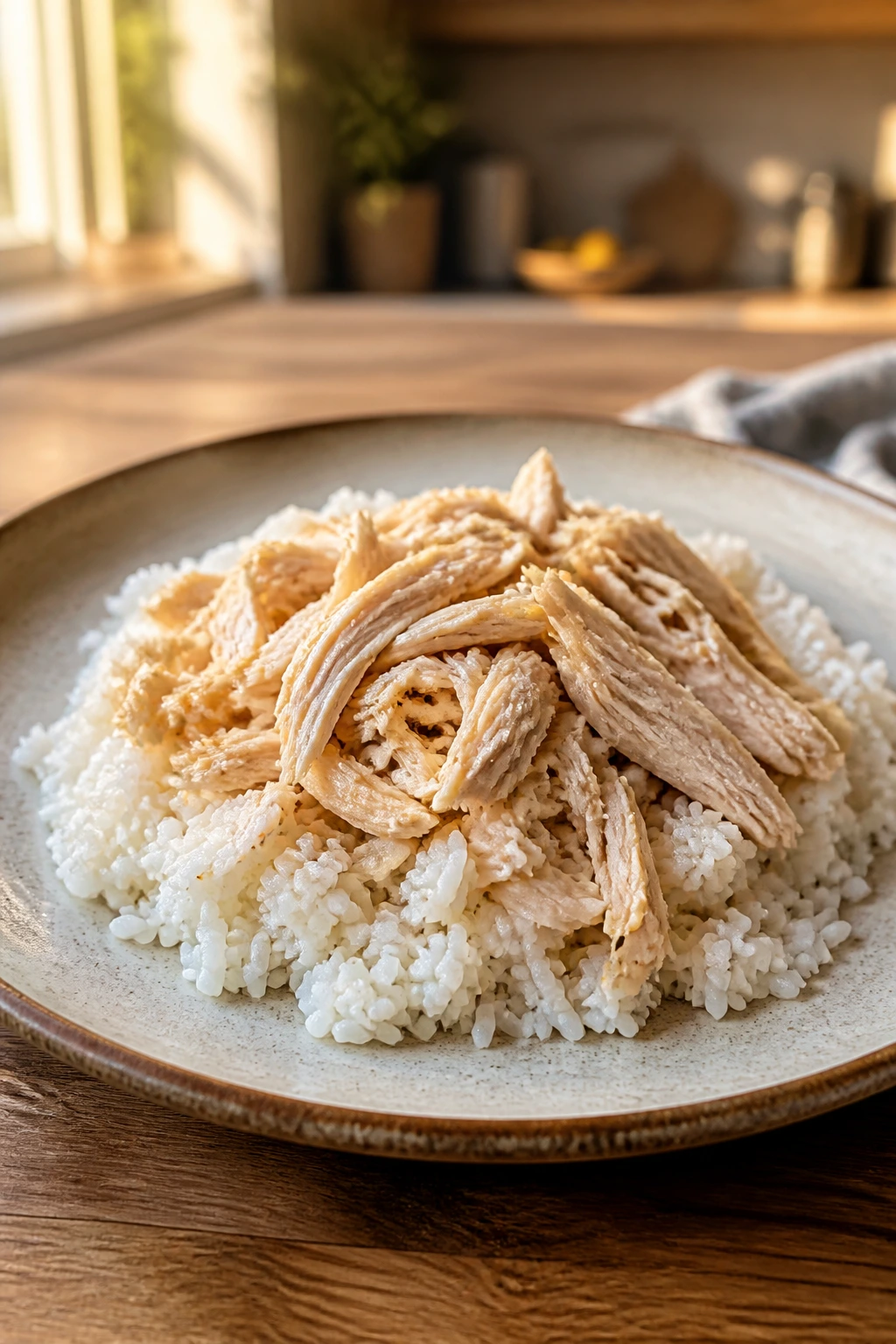
A runner coming off a workout usually needs three things: carbs for refueling, protein for repair, and a plate that doesn’t create extra work. That’s why the meals above lean hard on rice, pasta, potatoes, tortillas, oats, bread, chicken, turkey, eggs, and yogurt. They’re familiar. They reheat well. They don’t demand a palate that’s feeling adventurous after a run.
The picky-eater piece matters more than most nutrition talk admits. Texture can make or break a recovery meal faster than seasoning can save it. A bowl of rice with shredded chicken goes down fast because nothing in it surprises the mouth. A thick sauce, a bitter green, or a stray crunchy vegetable chunk can stop the whole thing cold. That isn’t fussiness in a moral sense. It’s just reality.
Why the Carb-and-Protein Pairing Matters
After harder runs, your body tends to take up carbohydrate more readily, and a meal with a decent amount of protein helps support muscle repair. In practice, that means a plate with rice and chicken, pasta and turkey, or eggs and toast does a better job than a lone smoothie or a plain bowl of greens. You do not need to calculate every gram to benefit from the pattern.
The smartest meals here keep the carb portion visible and the protein portion easy to chew. That’s the part many recovery recipes get wrong. They make the food look disciplined instead of edible.
Why Mild Flavors Win More Often Than Fancy Ones
Picky eaters usually don’t need more spice. They need less friction. Mild salt, butter, cheese, yogurt, and simple sauces create a low-stress plate that still tastes finished. Add heat at the table if you want it. Don’t build the whole dish around someone else’s chili oil habit.
Essential Equipment for These Recipes
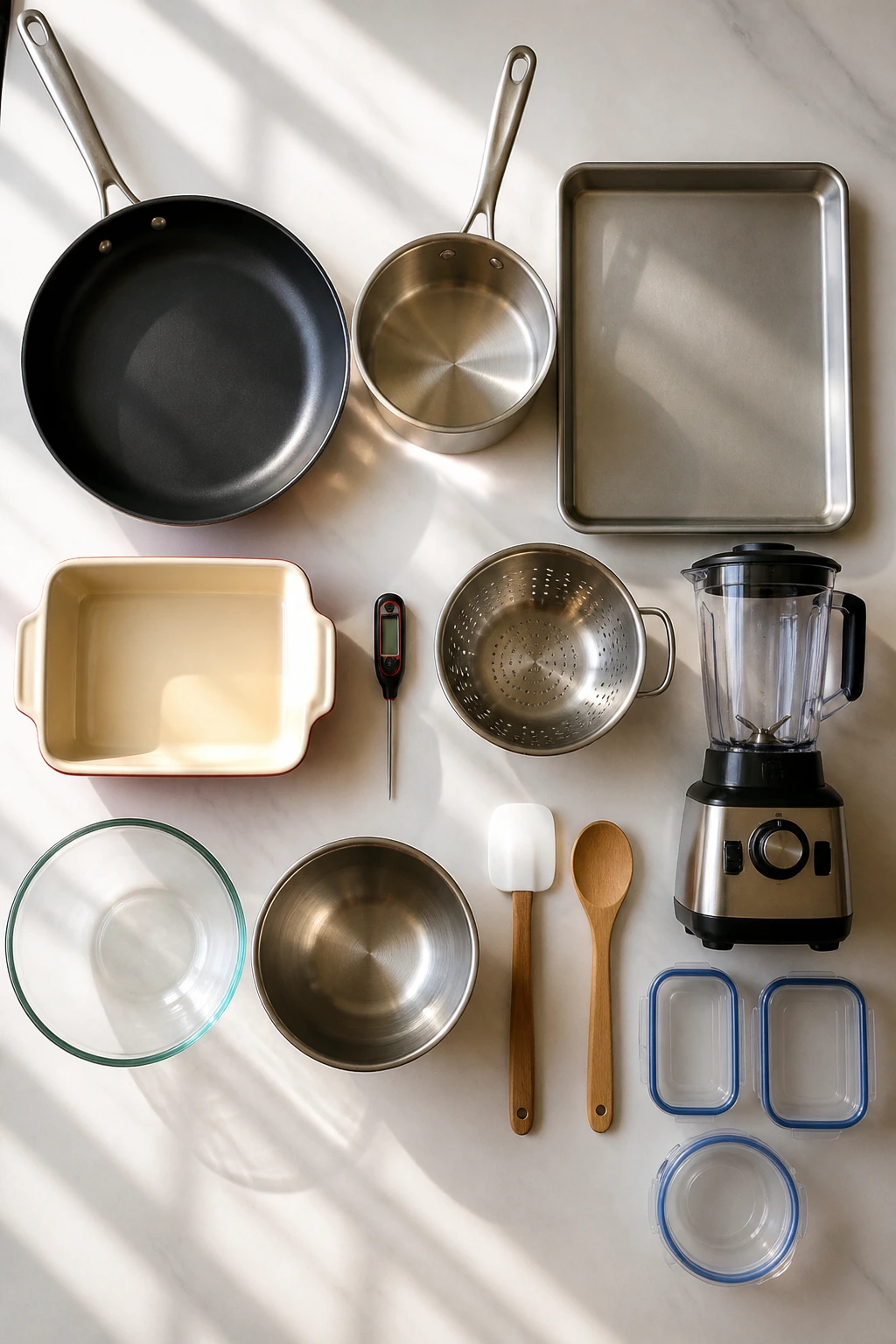
- Large skillet or sauté pan: Useful for fried rice, quesadillas, and quick chicken or turkey fillings.
- Medium saucepan or pot: Needed for pasta, noodles, soup, and any boil-and-drain recipe.
- Rimmed baking sheet: The workhorse for sheet-pan chicken, baked potatoes, and meatballs.
- 9×13-inch baking dish: Handy for casseroles and anything baked under cheese.
- Instant-read thermometer: The easiest way to keep chicken juicy and safe without guessing.
- Colander: Necessary for pasta, noodles, and rice dishes that need draining.
- Mixing bowls: You’ll want at least two — one for dry or cold mixing, one for sauces or eggs.
- Spatula and wooden spoon: A flexible spatula helps with eggs and quesadillas; a wooden spoon is better for sauces.
- Blender: Only needed for the smoothie and any oat batter you want extra smooth.
- Airtight containers: Good for meal prep portions, leftovers, and rice bowls that need to travel.
Smart Shopping and Ingredient Tips
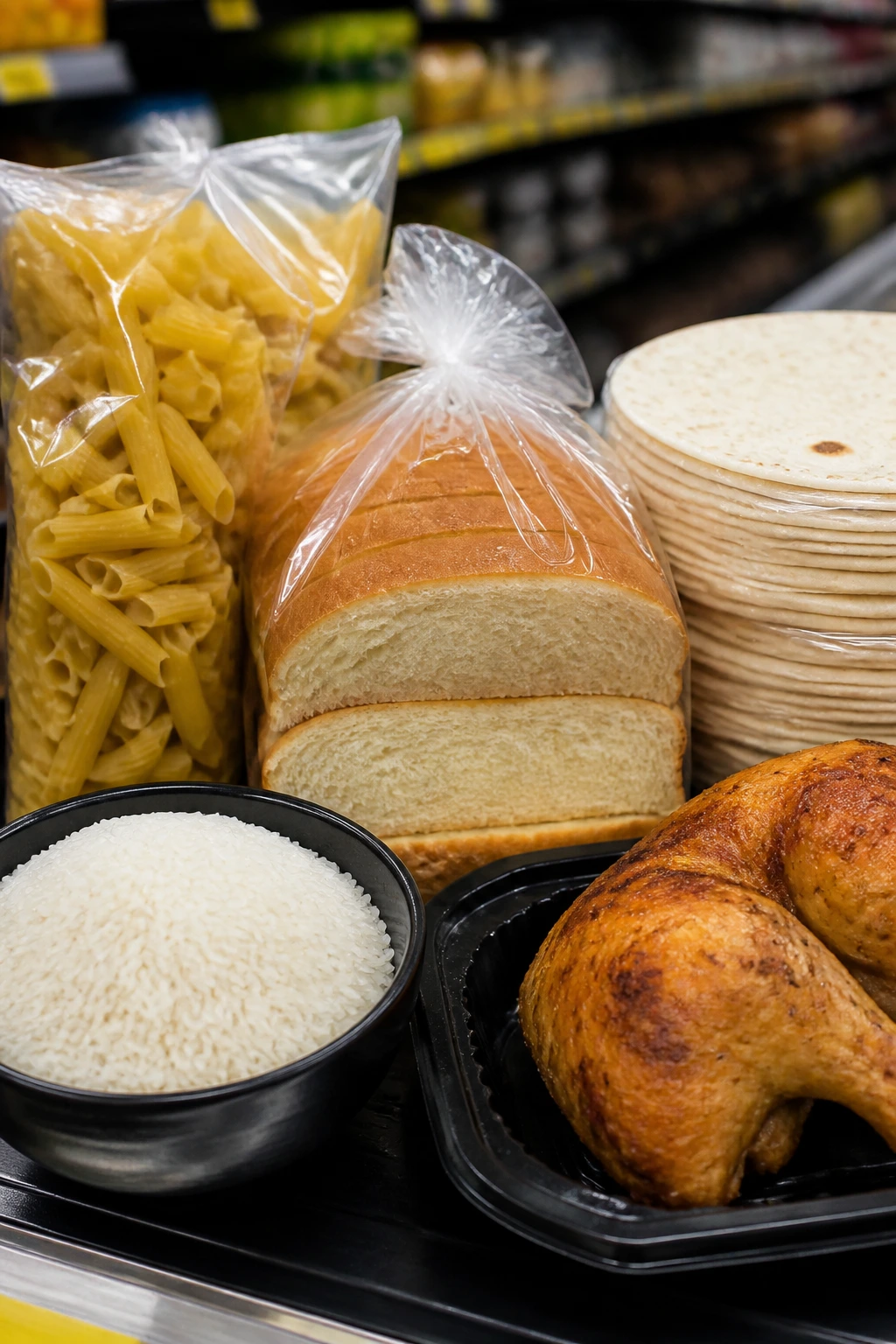
The best shopping move for this kind of cooking is buying ingredients that stay mild after reheating. Jasmine rice, long-grain rice, pasta shells, elbows, potatoes, flour tortillas, and thick bread all hold up well and don’t fight the rest of the plate. I’d pick those before I’d pick something fancy and brittle every time.
For protein, rotisserie chicken, boneless thighs, ground turkey, eggs, Greek yogurt, and cottage cheese cover most of the collection with very little drama. Rotisserie chicken is the quiet hero here because it saves time and stays tender in bowls, wraps, and casseroles. Ground turkey works best when it’s not the ultra-lean kind; 93% lean usually tastes better than the driest, lowest-fat option.
Sauces matter, but they should stay smooth. Smooth marinara, mild salsa, teriyaki sauce, ranch, Caesar dressing, and low-sodium broth keep the recipes familiar. Chunky sauces can turn picky eaters suspicious fast. If the eater hates visible vegetables, buy the smallest-cut versions you can find — frozen peas, diced carrots, baby potatoes, and tiny broccoli florets blend better than big, uneven chunks.
A small note on dairy: block cheese, plain Greek yogurt, and cottage cheese all do useful work here, but they should be chosen for texture first and nutrition second. Thick yogurt stays spoonable. Cottage cheese with smaller curds usually goes over better. Cheese that’s pre-shredded is fine in a pinch, though block cheese melts a little smoother in sauces and quesadillas.
How to Serve These Recipes
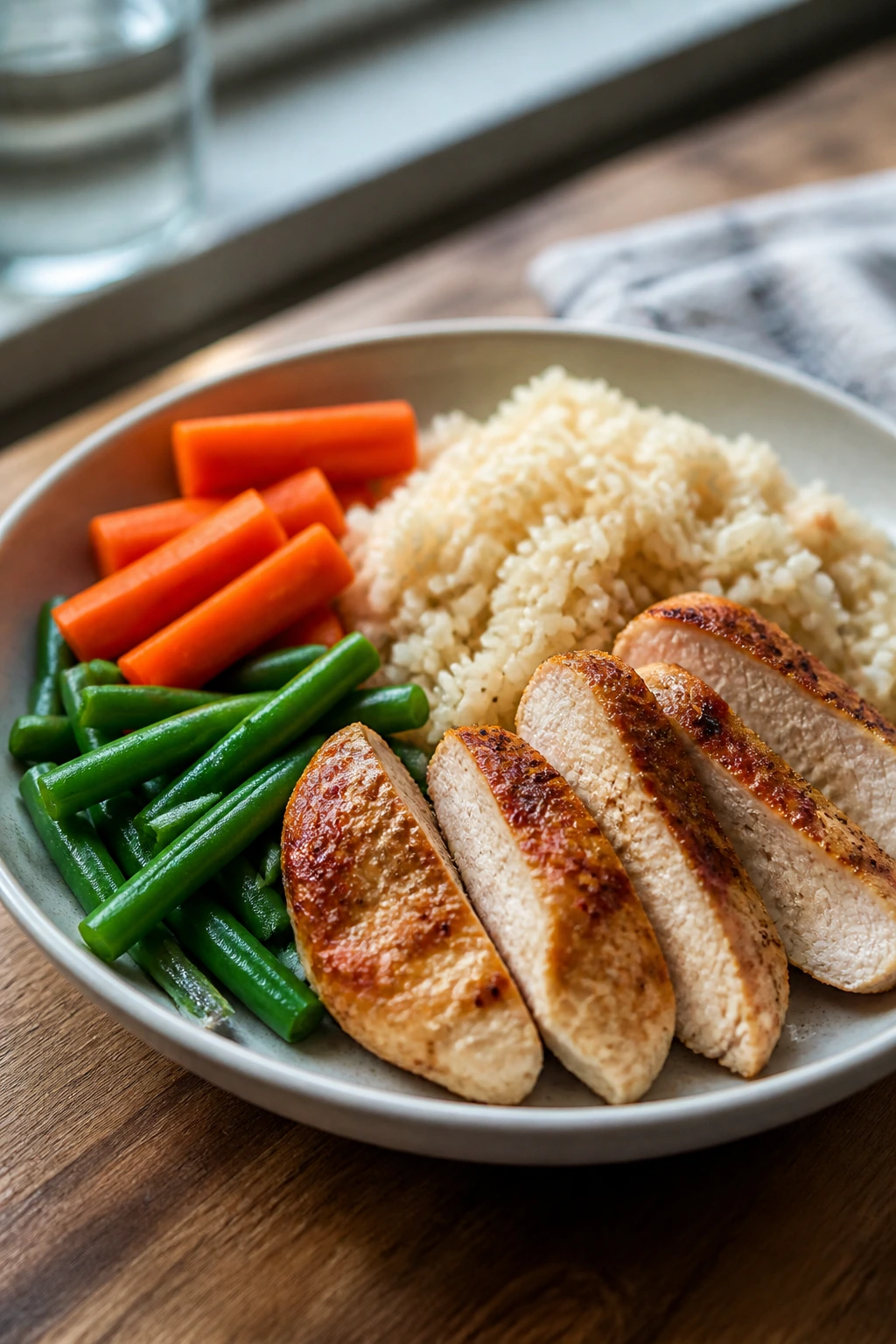
Presentation: Keep the plate tidy and familiar. Shallow bowls work better than deep ones for rice, pasta, and casserole because they show the food instead of burying it. Wraps, quesadillas, and burritos should be cut cleanly down the center so the filling looks intentional, not exploded.
Accompaniments: Fruit is the easiest sidekick here. Bananas, apples, grapes, orange slices, and berries all fit next to salty or savory meals without creating extra texture problems. If the meal is light, add a roll, toast, crackers, or an extra scoop of rice rather than a complicated side salad that nobody asked for.
Portions: Most of these recipes land well as a single serving for one hungry runner, but long-run days often call for a bigger carb portion. A second slice of toast, another half cup of rice, or one extra tortilla usually solves the “still hungry” problem better than chasing the meal with random snacks 20 minutes later.
Beverage Pairing: Water is the default, but chocolate milk, diluted fruit juice, or a lightly salted drink make sense after hotter runs. If the meal is rich — Alfredo, mac and cheese, baked potato — something cold and plain usually feels best.
Additional Tips and Flavor Boosters
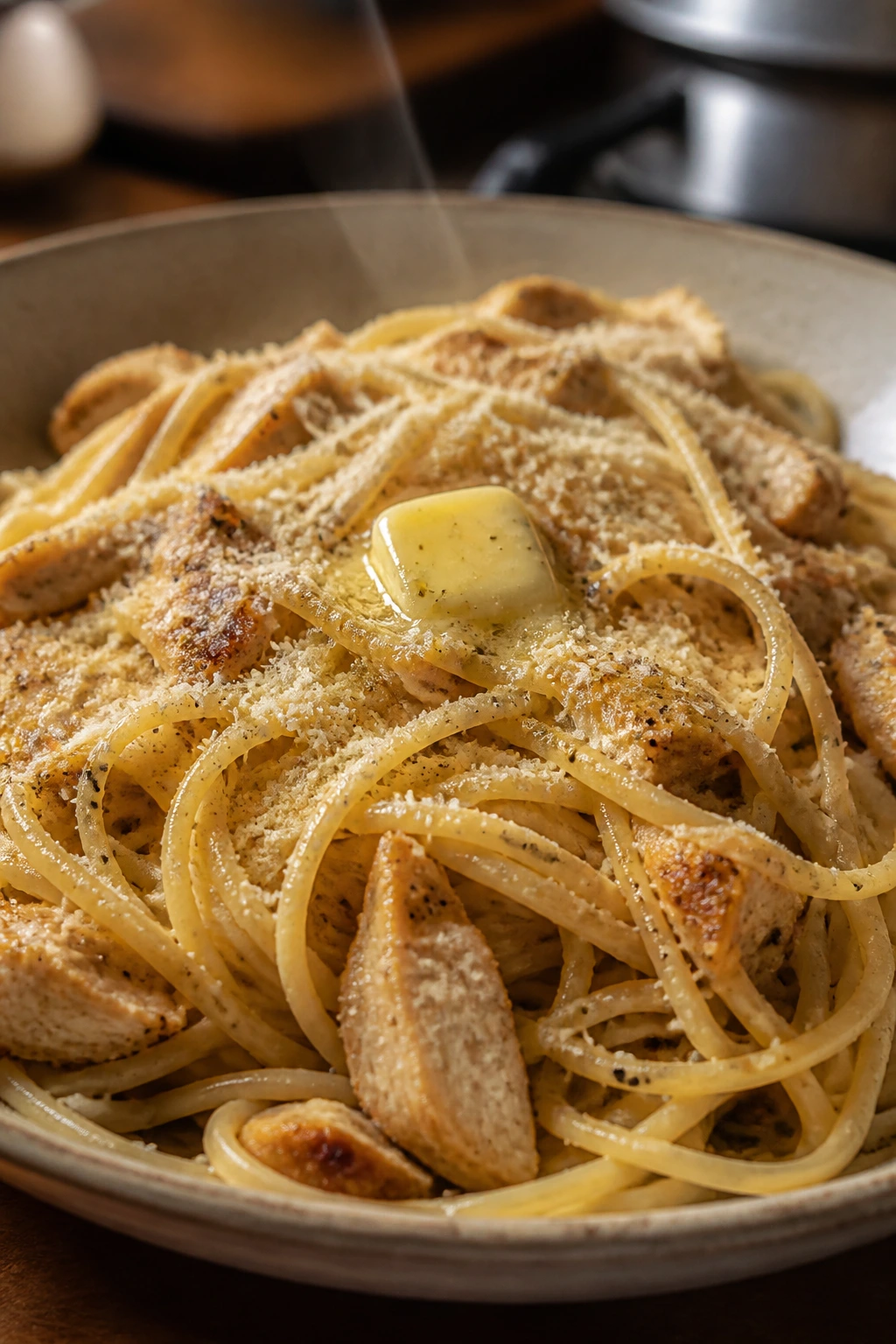
Flavor Enhancement: A small finishing touch goes a long way here. A teaspoon of melted butter over rice, a dusting of Parmesan on pasta, or a little honey over yogurt can turn “functional food” into something people finish without coaxing.
Customization: Keep the base plain and let people build at the table. Salsa for the burrito, extra cheese for the quesadilla, soy sauce for the rice bowl, or ranch for the wrap. That approach saves arguments and keeps the main cooking simple.
Serving Suggestions: Thin herbs, not big leafy piles. Chives, parsley, and green onion add a fresh look without changing the mood of the dish. A squeeze of lemon works on chicken and potato plates, but use it lightly or it takes over.
Make-It-Yours: For a dairy-free version, use olive oil instead of butter and skip the cheese-heavy finishers. For a gluten-free version, lean on rice bowls, baked potatoes, and corn tortillas. For an extra-protein plate, add another egg, more chicken, or a side of Greek yogurt.
Make-Ahead, Storage, and Reheating Guidance
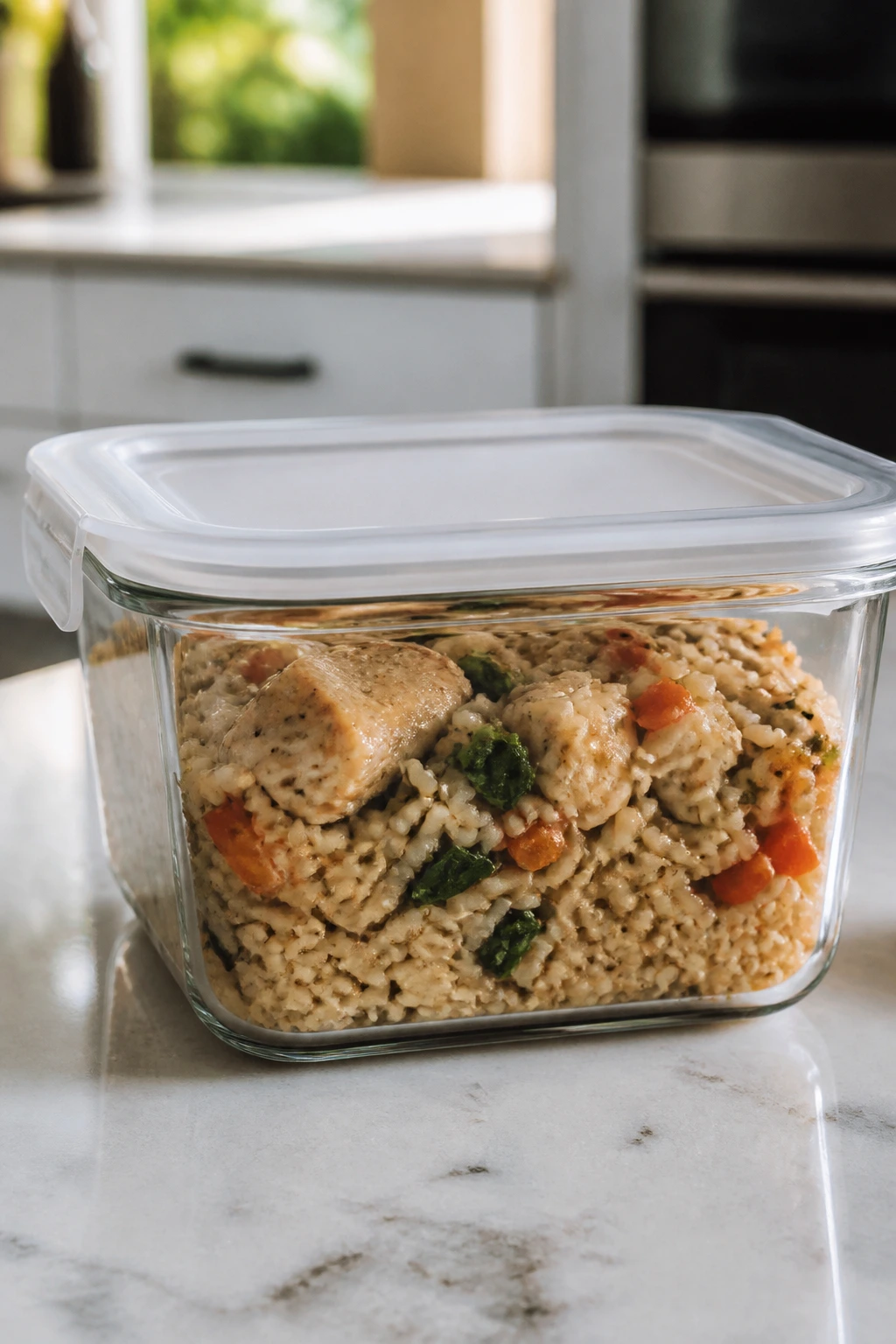
Most of the cooked chicken, turkey, pasta, rice, and casserole recipes keep 3 to 4 days in the refrigerator in airtight containers. Soups usually hold well for up to 4 days, and baked casseroles can freeze for up to 2 months if they’re cooled fully before wrapping. Smoothie ingredients are best frozen as pre-portioned packs; they keep their best texture for about 1 month.
Reheat rice bowls, pasta, and casseroles in the microwave with a splash of water, covered loosely, so they steam instead of drying out. Chicken and turkey dishes also do well in a skillet over medium heat with a spoonful of broth or water. Soups should be reheated gently until steaming, not boiling hard, or the noodles go soft and the chicken toughens.
Quesadillas, wraps, and toast-based meals are better fresh, but you can prep the fillings ahead and assemble them later. That’s the move I’d make for picky eaters, honestly. It keeps the bread from going limp and gives you a fresher plate with almost no extra effort.
If you want one practical rule, use it here: cook the base ahead, assemble the crisp parts later. Rice, meat, pasta, and sauces tolerate the fridge. Tortillas, toast, and crunchy toppings do not.
Variations and Adaptations to Try
The Salt-First Recovery Plate: If a runner comes back sweaty and drained, keep the meal plain but salt it properly. Rice bowls, potatoes, and chicken taste far more finished with a little salt than with another sauce dumped over them.
The Soft-Texture Build: This version leans on soups, casseroles, smoothies, mashed potatoes, yogurt bowls, and pasta. It’s the best path when the eater wants comfort without chewing through a mountain of crunchy add-ons.
The High-Protein Push: Add an extra egg, increase the chicken or turkey portion, or pair the meal with Greek yogurt. This works well after harder sessions when the meal needs to pull more of the recovery load.
The No-Red-Sauce Route: Swap marinara-based meals for butter, cheese, ranch, yogurt, or broth-based dishes. Some picky eaters dislike tomato sauce more than they dislike vegetables, and that one swap can change everything.
The Portable Lunchbox Set: Turn the rice bowls, quesadillas, wraps, and pasta dishes into containers that travel well. Keep sauces on the side where possible, and choose foods that stay good warm or at room temperature.
The Gentle Veg Upgrade: Use tiny amounts of peas, finely diced carrots, small broccoli florets, or chopped lettuce rather than big vegetable portions. The goal is to keep the plate recognizable while giving it a little more color and bite.
Common Mistakes to Avoid
Skipping the carbs. A lot of people make a protein-only meal after a run and wonder why they’re still hungry an hour later. Chicken breast on its own is not enough here. Put rice, potatoes, bread, pasta, oats, or tortillas on the plate.
Making the food too dry. Reheated chicken, turkey, and pasta can go from fine to cardboard fast. A little butter, sauce, broth, yogurt, or cheese protects the texture and makes the meal easier to eat.
Adding too many textures at once. Picky eaters often lose interest when a bowl has crunchy, soft, wet, and chewy all competing for attention. Pick one main texture and let everything else stay in the background.
Forgetting sodium. After a sweaty run, plain food can taste flat. Salt the pasta water, season the potatoes, season the chicken, and don’t be shy about a little broth or soy sauce.
Overcooking the protein. Dry chicken and rubbery turkey are the fastest way to ruin a recovery meal. Pull chicken at 165°F, keep turkey just cooked through, and stop turning eggs the second they’re set.
Frequently Asked Questions
How soon after a run should I eat?
A meal within about 30 to 90 minutes usually works well for most runners, especially after harder sessions. If a full meal sounds impossible, start with something small like a smoothie or yogurt bowl, then eat the bigger plate later.
How much protein should a post-workout meal have?
A range around 20 to 30 grams of protein is a useful target for many adults after training. That’s easy to hit with chicken, turkey, eggs, Greek yogurt, or cottage cheese without having to build a giant plate.
What if I can’t handle a heavy meal right after running?
Go softer and smaller first. Smoothies, yogurt parfaits, toast with eggs, or a small bowl of rice and chicken are easier to swallow than a giant casserole when your stomach is still catching up.
Are these meals good for long-run days too?
Yes, but bump the carb portion. Add more rice, another tortilla, a second potato, or an extra slice of toast. Long-run recovery usually needs more fuel than a short easy run.
Can I use rotisserie chicken in most of these recipes?
Absolutely. It’s one of the best shortcuts in the whole collection because it saves time and stays tender in bowls, wraps, soups, and casseroles. Just watch the salt if the chicken is heavily seasoned already.
Which recipes are best for meal prep?
The rice bowls, casseroles, pasta dishes, soup, and sheet-pan chicken all keep well for several days. Wraps, quesadillas, and toast are better assembled fresh, though the fillings can still be prepped ahead.
How do I make these more kid-friendly or partner-friendly?
Keep the main plate plain and put the sauces, herbs, salsa, or hot sauce on the side. That way one person can add more flavor while the picky eater gets the food exactly the way they want it.
Can I freeze any of these?
Yes. Casseroles, cooked chicken and rice, meatballs, soup without overcooked noodles, and turkey rice bake well after freezing. Wraps, toast, and yogurt dishes do not freeze well and should stay out of the freezer.
The Plates That Actually Get Eaten
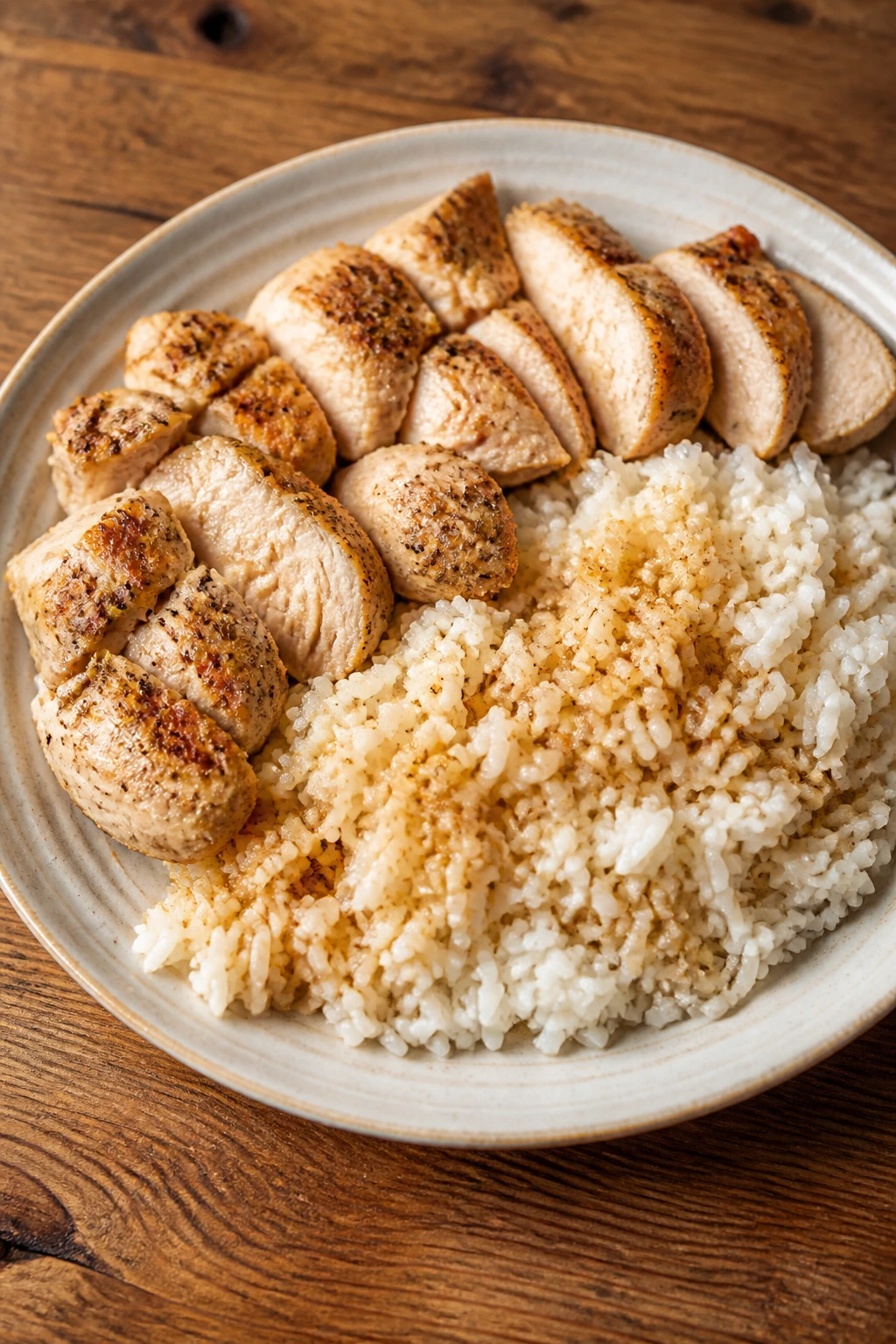
The nicest thing about a recovery meal isn’t how clever it sounds. It’s whether the runner eats the whole thing without negotiating with the plate. That’s why mild flavor, soft texture, and enough carbs matter so much more than chasing some perfect sports-nutrition fantasy.
A picky eater who finishes chicken and rice, a quesadilla, or a bowl of pasta is getting farther than the person who planned a beautiful meal and then picked at it for 20 minutes. Keep the food familiar. Keep the portions honest. Salt it well. That’s usually enough.
And if one of these becomes the post-run default in your kitchen, good. Repetition is underrated when the goal is recovery, not culinary performance art.