



A pan of roasted chicken bites can save a weeknight dinner without feeling like a compromise. When the pieces are cut small, tossed with oil and smoked paprika, and sent into a hot 425°F oven, the edges go brown and a little crisp while the centers stay juicy enough to eat straight off the pan.
I reach for boneless, skinless chicken thighs here because they forgive a lot. A breast can be good too, but thighs give you a wider safety margin when the phone rings, the rice takes longer than it should, or you forget the pan is in the oven for an extra minute. The smell is what gets me first: garlic going sweet, paprika warming up, and that faint roasted-meat scent that means dinner is actually happening.
The trick is less about fancy seasoning and more about control. You want dry chicken, a thin coating of oil and cornstarch, enough space between the pieces, and a finish of lemon and parsley after the roast—not before. Get those parts right, and roasted chicken bites become the kind of weekday dinner you can put on repeat without getting bored of the result.
Why You’ll Keep Coming Back to This Pan of Chicken Bites
Fast finish: From cutting board to table, this lands in about half an hour, and most of that is hands-off oven time.
Juicy texture: Thigh meat stays tender even if you leave the pan in for a couple of extra minutes, which is a small mercy on a busy night.
Built for leftovers: The small pieces reheat more evenly than whole roasted chicken pieces, so tomorrow’s lunch doesn’t turn stringy at the edges.
Easy to steer in different directions: The seasoning base is neutral enough to lean lemony, smoky, spicy, or garlicky without changing the method.
Less mess than skillet chicken: No oil splatter on the stove, no constant flipping, and no chasing pieces around a crowded pan.
Good with almost anything: Rice, potatoes, salad, pasta, pita, roasted vegetables—this chicken doesn’t fight the plate.
Why Roasted Chicken Bites Work So Well on a Busy Night
A lot of weeknight chicken recipes promise speed, then quietly ask you to babysit a skillet. Roasted chicken bites ask for something better: a hot oven, a sheet pan, and a little discipline about spacing. That’s it.
The size matters. Once chicken is cut into 1-inch pieces, each cube gets more exposed surface area, which means more browning. Browning is where the flavor lives here. Not in a heavy sauce, not in a breading, not in a long marinade. Just direct heat and a dry enough surface to let the edges color instead of steam.
I also like that roasted chicken bites behave like a bridge between plain chicken breast and fried nuggets. They’re not trying to be snack food, but they are easy to grab with a fork, spoon into a bowl, tuck into a tortilla, or scatter over greens. And because they’re not breaded, the seasoning stays clean and sharp. You can taste the garlic, the paprika, the pepper, and then the lemon at the end wakes the whole pan up.
One detail that matters more than people expect: metal pans brown better than glass. Glass heats slowly and tends to soften the underside of the chicken before the edges get much color. A bare rimmed sheet pan does the job best. If your oven runs cool, the pieces may need a few extra minutes, but the shape of the method stays the same.
Ingredients, Yield, and Timing at a Glance
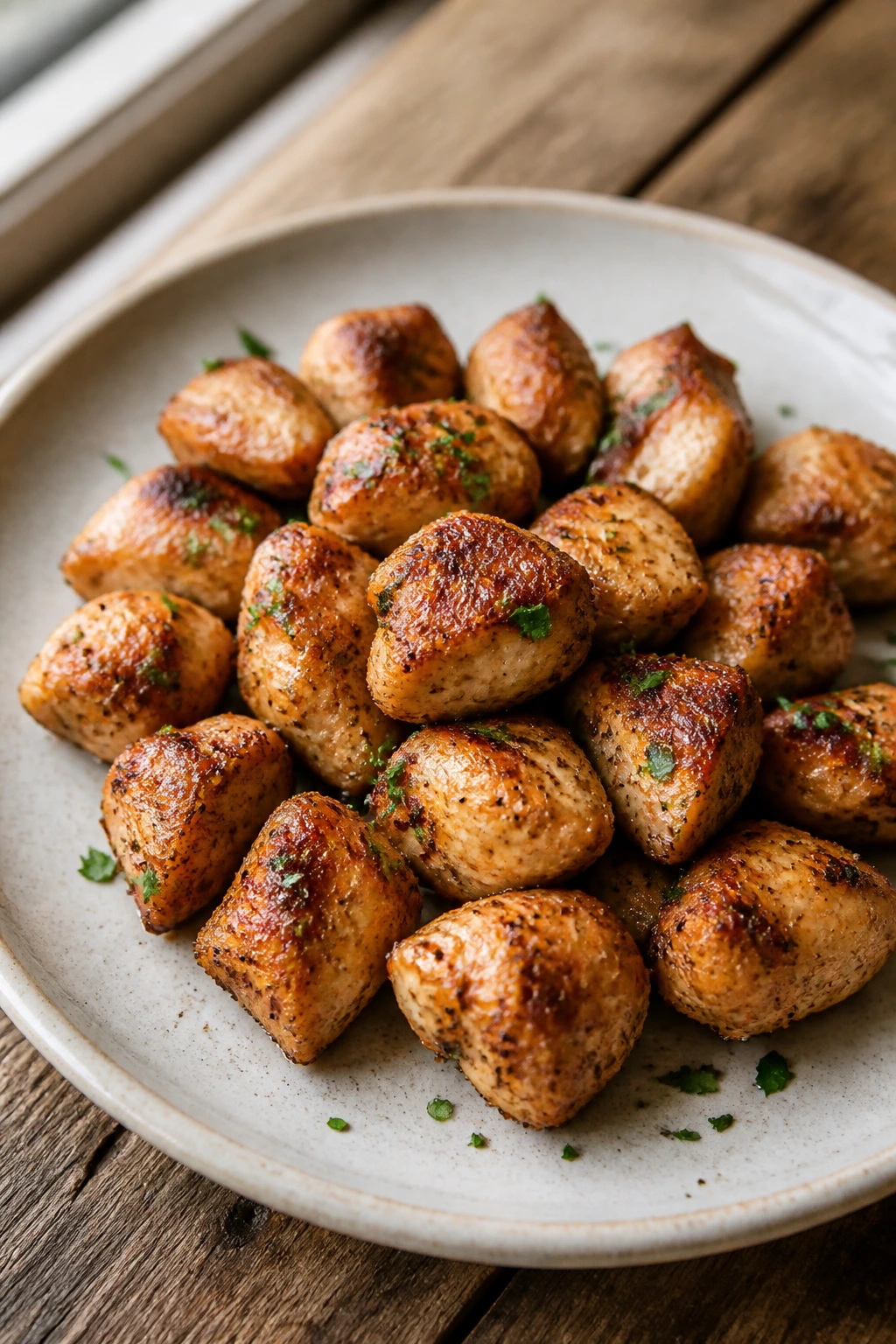
This is a short ingredient list on purpose. Roasted chicken bites work because each ingredient has a job, and none of them are there to hide the chicken. The cornstarch gives the surface a faint dry cling that helps with browning. The lemon and parsley wait until the end, where they can do their best work.
Yield: Serves 4 as a main dish, or 5 to 6 when served with rice, potatoes, or a large salad.
Prep Time: 15 minutes
Cook Time: 18 minutes
Total Time: 33 minutes
Difficulty: Beginner — the method is straightforward, and doneness is checked with a thermometer rather than guesswork.
Chill/Rest Time: 5 minutes
Best Served: Warm, right after roasting, with lemon juice and parsley on top.
For the Chicken Bites:
- 2 pounds boneless, skinless chicken thighs, cut into 1-inch pieces
- 2 tablespoons olive oil
- 1 tablespoon cornstarch
- 1 1/2 teaspoons kosher salt
- 1 teaspoon garlic powder
- 1 teaspoon onion powder
- 1 teaspoon smoked paprika
- 1/2 teaspoon dried oregano
- 1/2 teaspoon freshly ground black pepper
- 1/4 teaspoon crushed red pepper flakes, optional
For Finishing:
- 1 tablespoon fresh lemon juice
- 2 tablespoons chopped flat-leaf parsley
- Lemon wedges, for serving
What Each Ingredient Does in the Oven
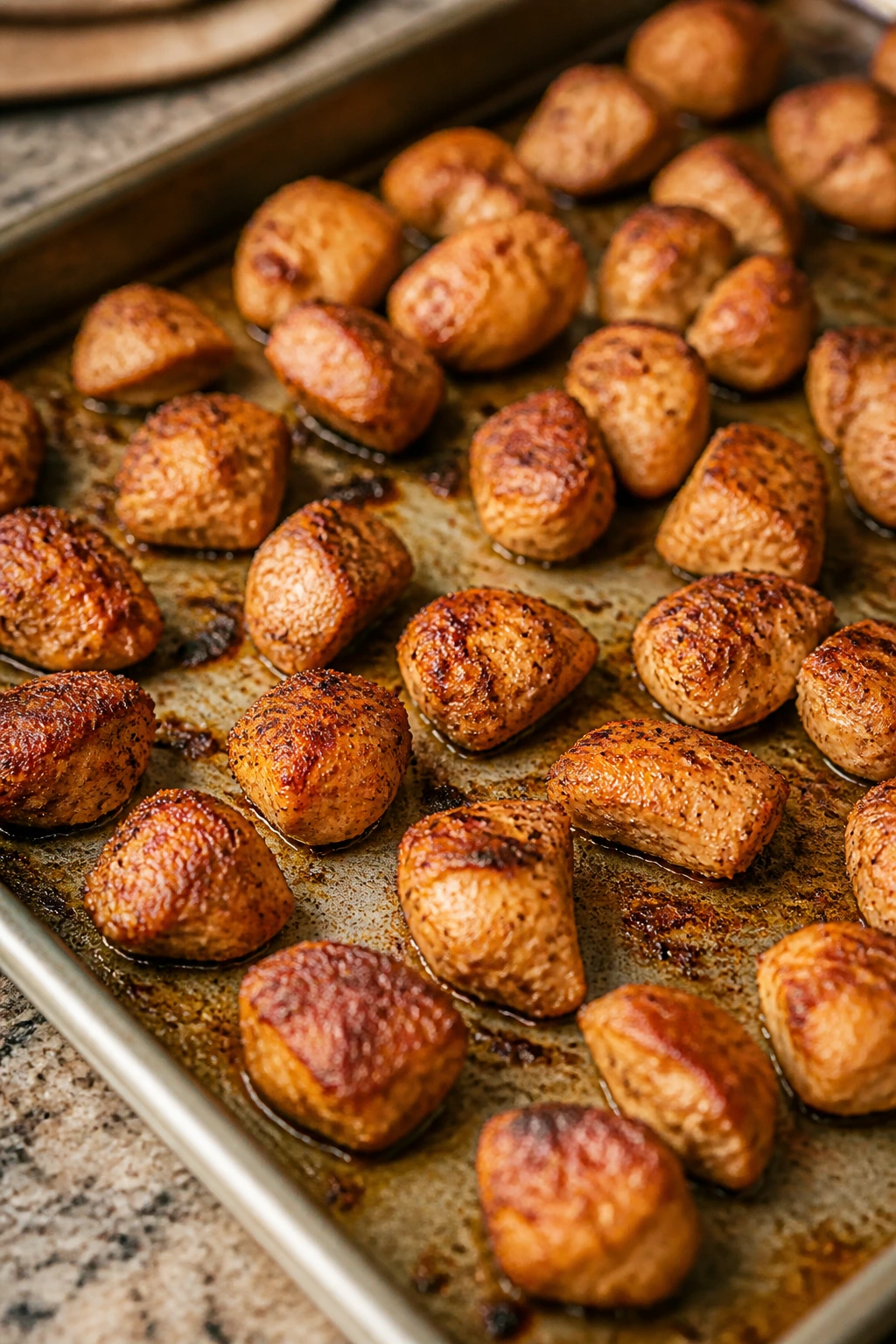
The Chicken Itself
What to use: 2 pounds boneless, skinless chicken thighs, cut into 1-inch pieces.
Preparation: Trim off any obvious hard fat, then cut the thighs into pieces that are close in size so they finish together.
Substitutions: Boneless, skinless chicken breast works, but cut it into slightly larger 1 1/4-inch pieces and start checking it earlier.
Tips: Thighs give you a little more breathing room if the oven runs hot or the pan sits for an extra minute before serving.
Oil and Cornstarch
What to use: 2 tablespoons olive oil plus 1 tablespoon cornstarch.
Preparation: Toss the chicken with the oil first so the dry spices can cling, then dust on the cornstarch so it coats the surface in a thin film.
Substitutions: Avocado oil works in place of olive oil, and arrowroot can stand in for cornstarch if that’s what you keep in the pantry.
Tips: The cornstarch is not there to thicken anything. It dries the surface a little, which helps the chicken roast instead of sit there looking pale.
The Seasoning Blend
What to use: Kosher salt, garlic powder, onion powder, smoked paprika, oregano, black pepper, and a pinch of red pepper flakes if you want heat.
Preparation: Mix the dry seasonings together before they hit the chicken so the salt doesn’t cluster in one spot.
Substitutions: Sweet paprika can replace smoked paprika for a softer flavor, and thyme can step in for oregano if that’s what’s in the cabinet.
Tips: Garlic powder works better than fresh garlic here because fresh pieces can burn before the chicken is done.
The Finish
What to use: 1 tablespoon fresh lemon juice, 2 tablespoons chopped parsley, and lemon wedges at the table.
Preparation: Wait until the chicken comes out of the oven before adding the lemon juice and parsley.
Substitutions: Chopped dill, scallions, or cilantro can replace parsley depending on what side dishes you’re serving.
Tips: Acid belongs at the end. Add it too early and it blunts browning, which is the whole reason this recipe tastes good.
The Small Tools That Make the Job Easier
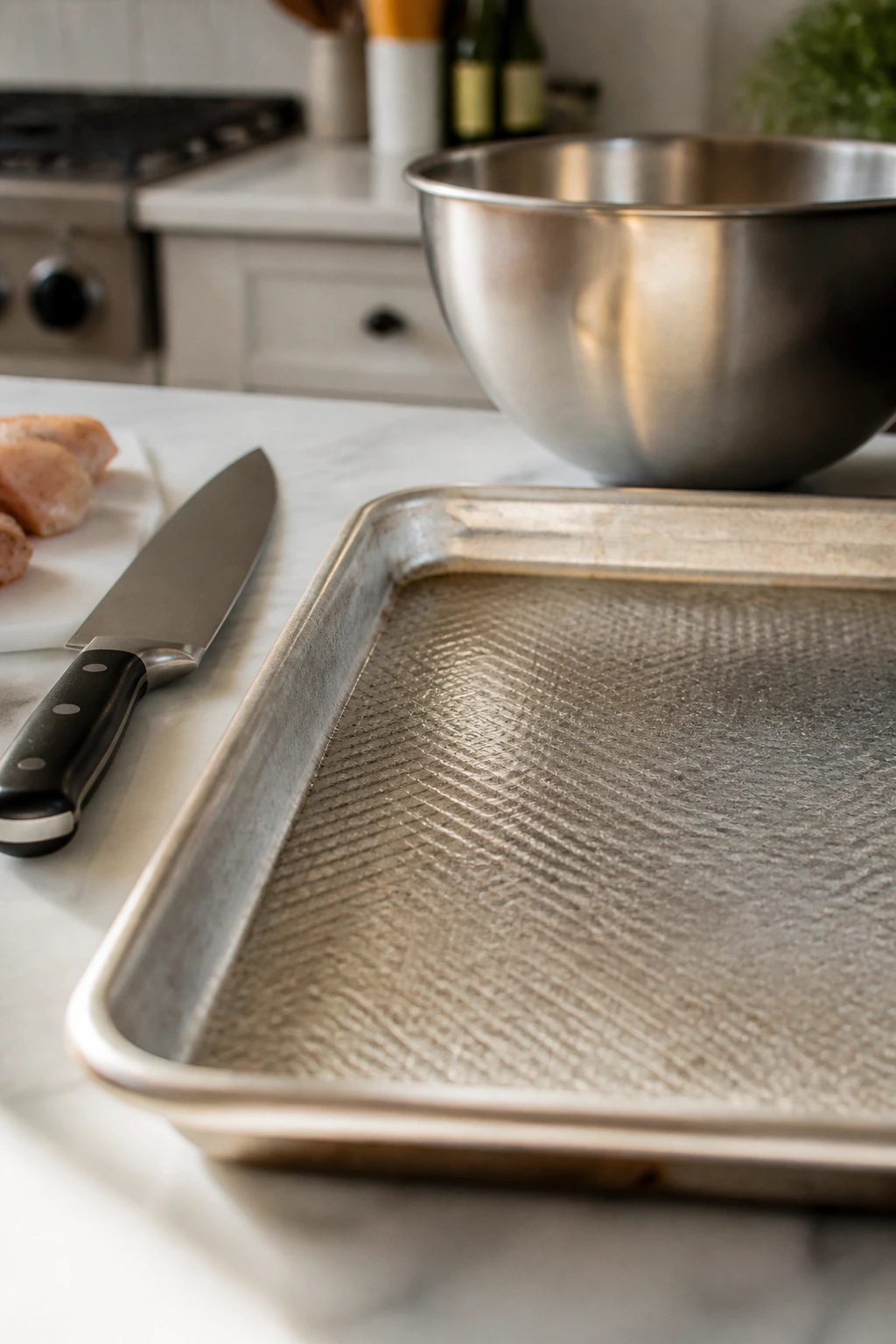
- Rimmed half-sheet pan: A metal pan gives the chicken better color than a glass dish or a deep casserole.
- Large mixing bowl: You need room to toss the pieces without flinging half the seasoning onto the counter.
- Chef’s knife: A sharp knife makes 1-inch pieces faster and cleaner, which matters when you’re cutting slippery chicken thighs.
- Cutting board with a stable surface: A damp kitchen towel under the board keeps it from sliding while you work.
- Instant-read thermometer: This is the difference between juicy chicken and guessed-at chicken.
- Silicone spatula or tongs: Either one helps flip the bites without tearing the browned sides off.
- Paper towels: Dry chicken browns better. Wet chicken steams.
- Microplane or citrus juicer, optional: Handy for a little lemon zest or a clean squeeze at the end.
How to Roast Chicken Bites Step by Step
Phase 1: Heat the Oven and Prep the Chicken
-
Preheat the oven to 425°F (220°C) and position a rack in the upper-middle position. If your oven runs cool, give it a full preheat so the first round of chicken starts sizzling right away.
-
Pat the chicken pieces dry with paper towels and place them in a large bowl. Dry chicken gives the seasoning something to cling to, and it also browns faster once it hits the pan.
Phase 2: Season and Coat
-
In a small bowl, mix the cornstarch, salt, garlic powder, onion powder, smoked paprika, oregano, black pepper, and red pepper flakes if using. Sprinkle the olive oil over the chicken, toss once, then add the seasoning mix and toss again until the pieces are lightly coated and there are no dry pockets left in the bowl.
-
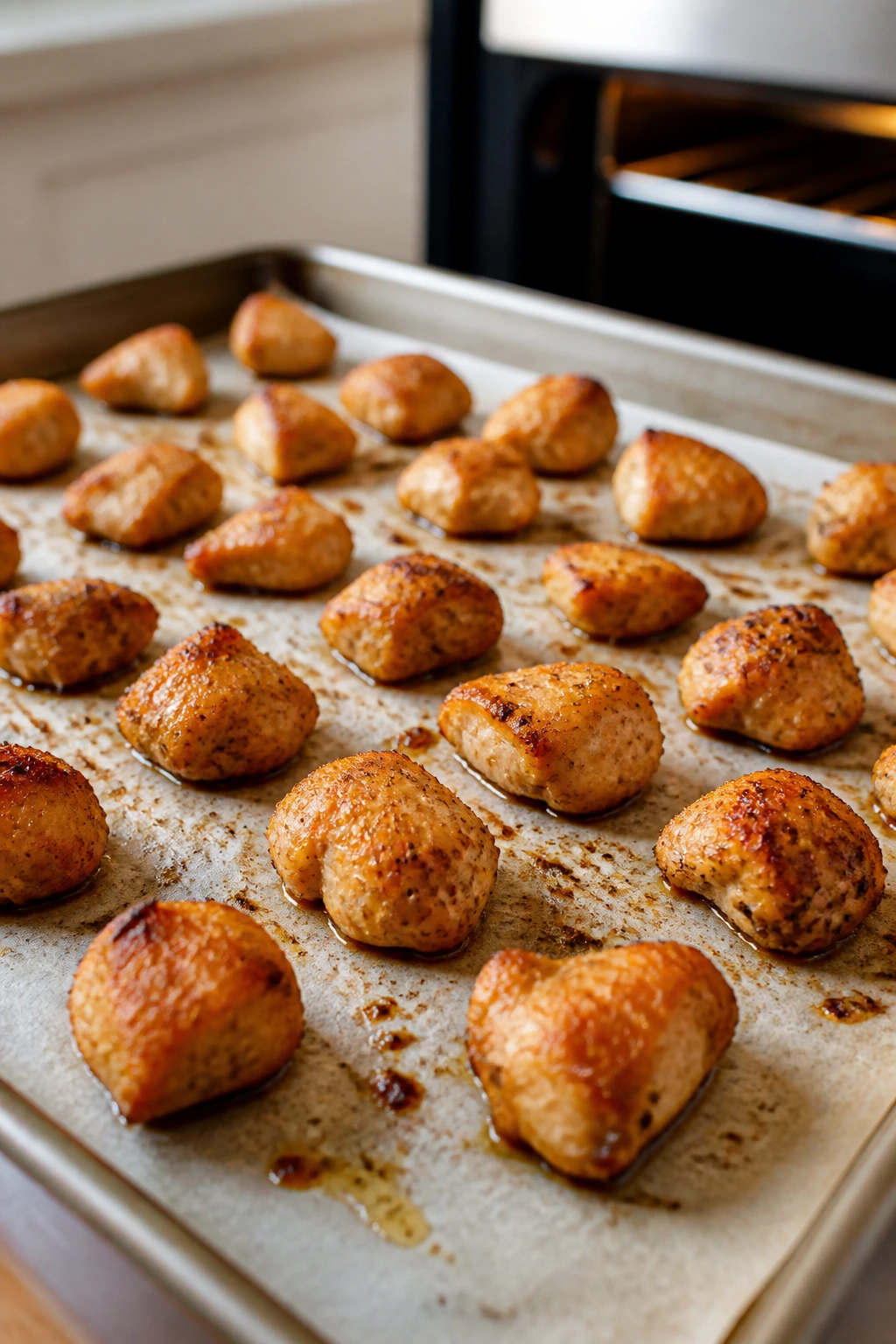
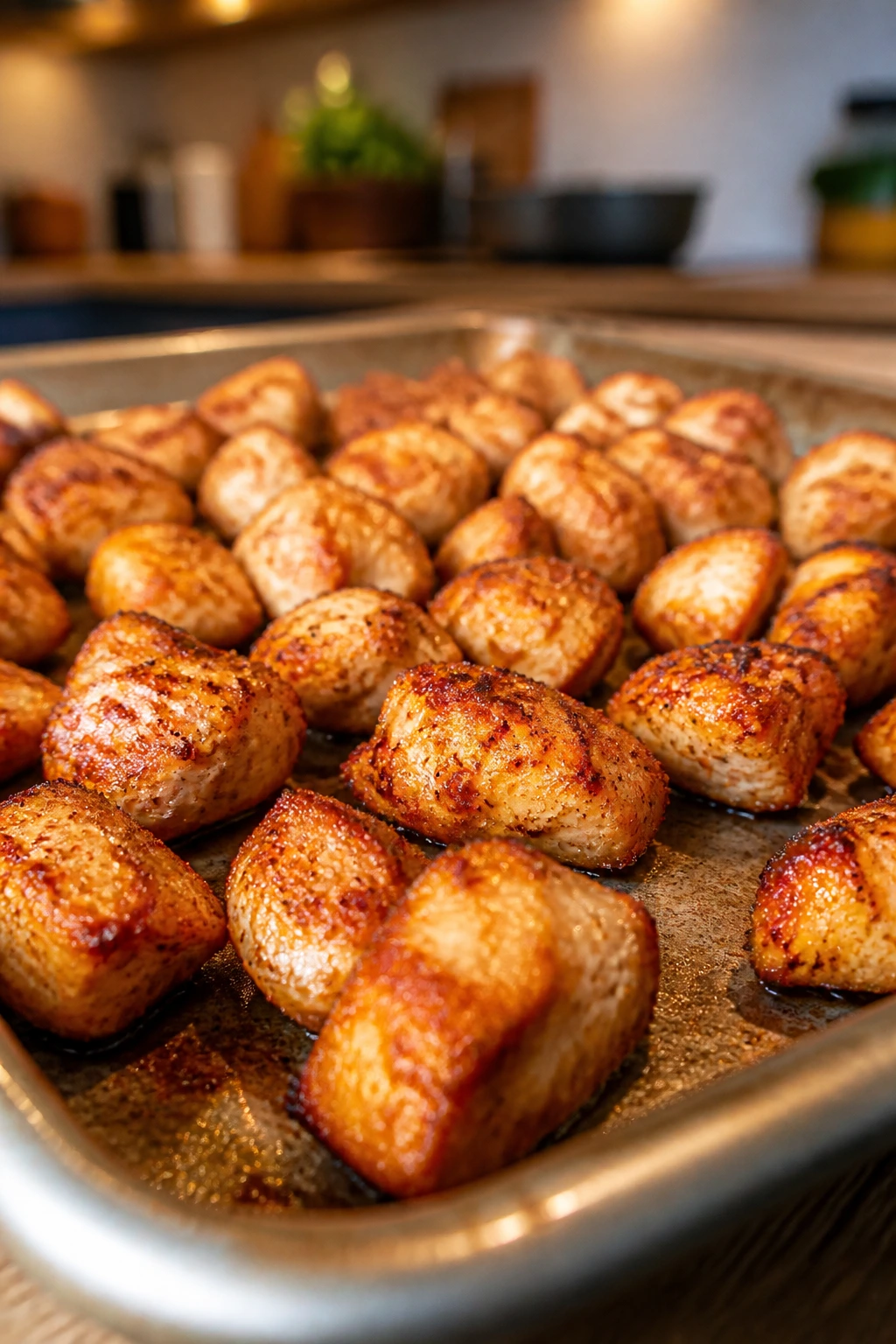
Spread the chicken on a rimmed metal baking sheet in a single layer, leaving at least 1 inch between pieces. If the pan looks crowded, use two pans instead of squeezing everything onto one. Crowding traps steam, and steam is the enemy of browning.
Phase 3: Roast and Finish
-
Roast for 10 minutes, then flip or stir the pieces with a spatula. Return the pan to the oven for another 6 to 10 minutes, until the thickest piece reads 165°F (74°C) on an instant-read thermometer and the edges have turned deep gold.
-
Let the chicken rest on the pan for 5 minutes, then finish with the lemon juice and parsley. Serve warm. If you want a little darker color, broil for 1 to 2 minutes at the end, but stay close to the oven; paprika can go from browned to bitter faster than you’d think.
How to Serve Roasted Chicken Bites
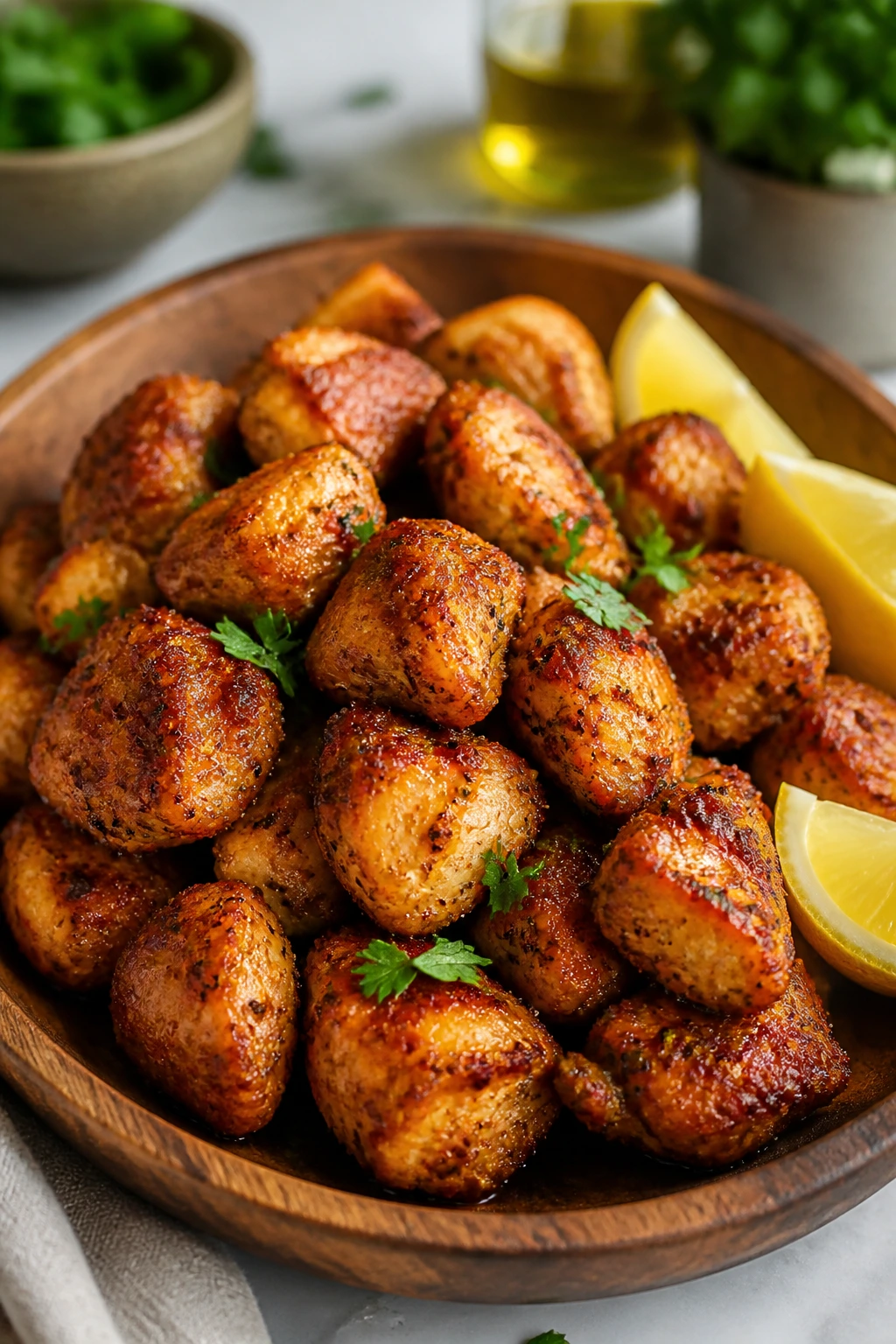
Presentation: Spoon the chicken into a shallow bowl or onto a warm platter so the browned sides stay visible. A quick scatter of parsley and a few lemon wedges make the pan look finished without turning it fussy.
Accompaniments: Rice is the easiest landing spot, but these chicken bites also work with roasted potatoes, buttered noodles, couscous, pita, green beans, broccoli, or a chopped salad. If the night feels chaotic, plain rice with a pat of butter and a squeeze of lemon is enough.
Portions: Count on about 8 ounces of raw chicken per adult for a main dish portion. Four people can eat this as dinner, and five or six can eat it comfortably if you’re adding a starch and a vegetable.
Beverage Pairing: A crisp lager, a dry sauvignon blanc, or sparkling water with lemon all keep the plate from feeling heavy. I’d skip anything sweet; the seasoning already carries enough flavor.
Small Tweaks That Make the Chicken Taste Brighter
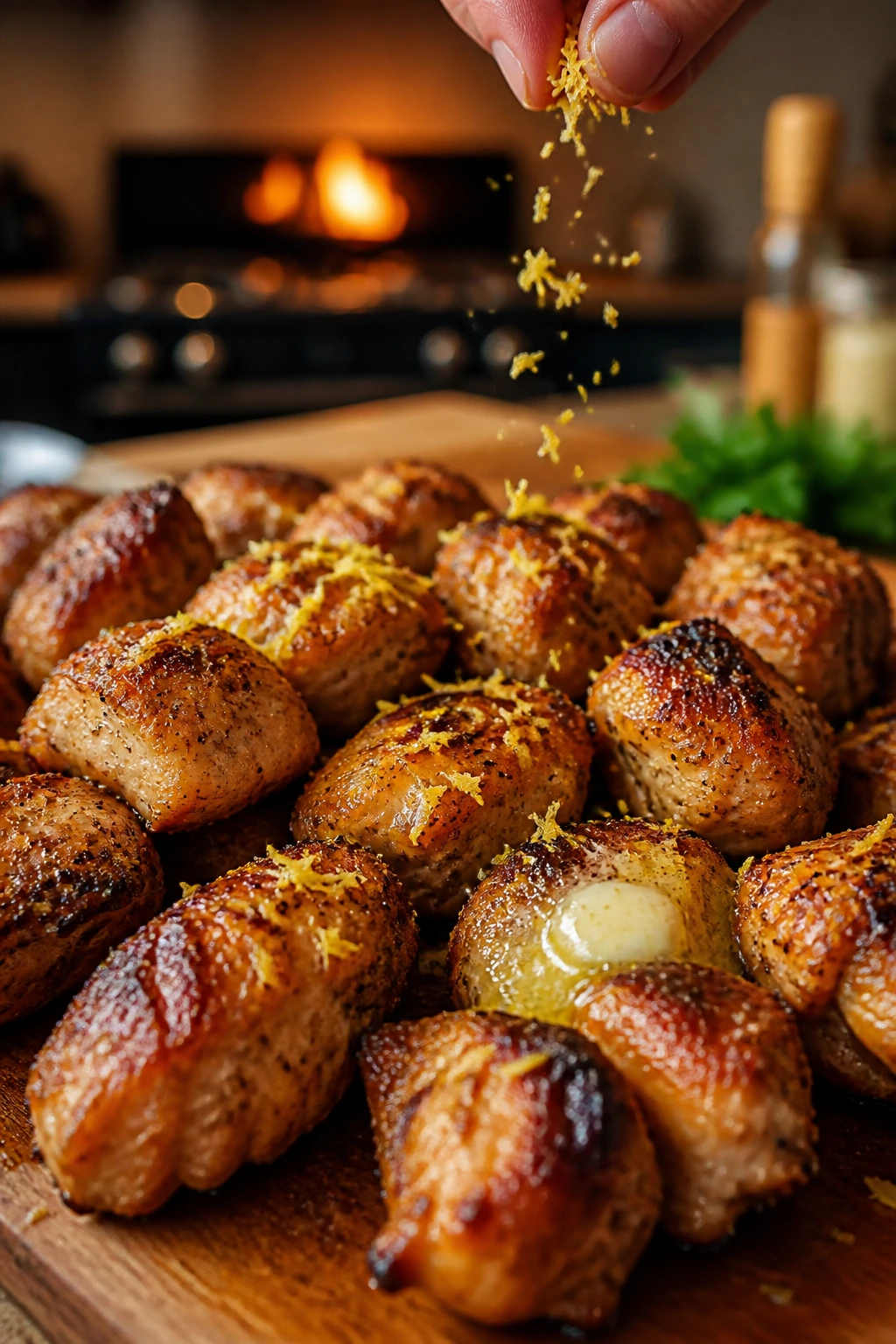
Flavor Enhancement: A teaspoon of lemon zest stirred in after roasting gives the bites a sharper, cleaner finish than extra juice alone. If you like richer food, add 1 tablespoon of butter to the hot pan and toss the chicken quickly so the edges pick up a light gloss.
Customization: Swap the smoked paprika for chili powder and add 1 teaspoon ground cumin if you want a taco-style direction. Or lean herbier with thyme and a pinch of rosemary, which makes the chicken feel more at home next to roasted potatoes.
Serving Suggestions: A spoonful of yogurt-garlic sauce, chimichurri, or even a simple drizzle of olive oil and lemon can change the mood of the whole plate. The chicken doesn’t need much, but a sauce helps when you want the dinner to feel less bare.
Cost-Saver: Buy chicken thighs in a family pack, trim them yourself, and portion the raw pieces into freezer bags. Thighs are usually cheaper than breast meat, and they hold up better once cooked and reheated.
The Mistakes That Dry Out Chicken Bites
-
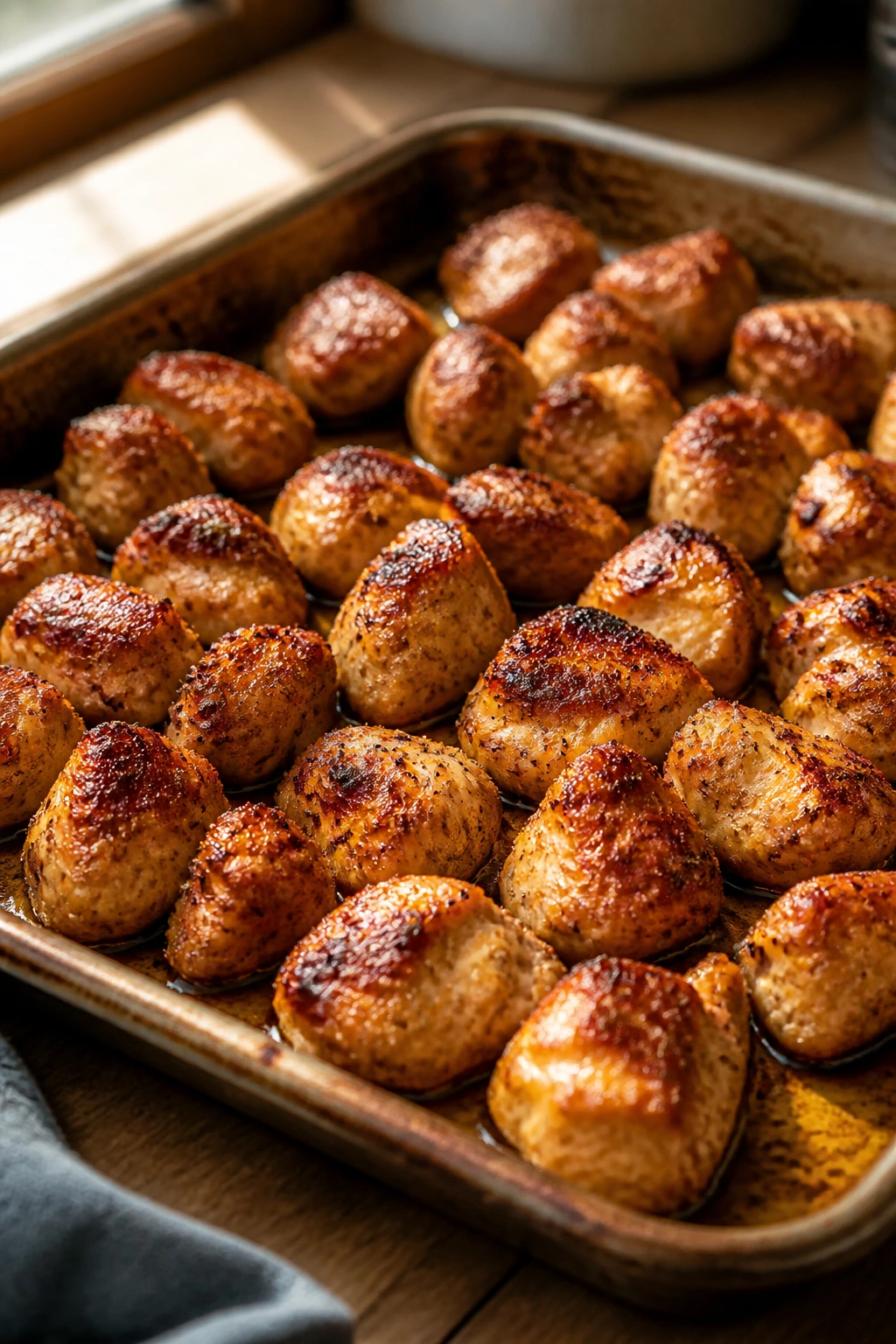
Crowding the pan: If the pieces touch, the chicken steams instead of roasts, and the edges stay beige. Use two pans if needed; the extra wash-up is worth it.
-
Skipping the dry pat-down: Wet chicken carries moisture onto the pan, which slows browning and makes the seasoning slide around. Paper towels take ten seconds and change the result.
-
Cutting uneven pieces: Big chunks stay pale while tiny ones dry out. Aim for pieces around 1 inch, and don’t obsess over perfection—just keep the spread small enough that the pan can heat them evenly.
-
Trusting the clock over the thermometer: Ovens lie. Some run hot, some run cool, and some bounce around every time the door opens. Pull the chicken when the thickest piece reaches 165°F, then let the carryover heat do the last bit of work.
-
Adding lemon before roasting: Acid before heat can mute the browning and flatten the flavor. Lemon juice belongs at the end, where it can stay bright instead of getting cooked off.
Flavor Variations That Still Roast Well
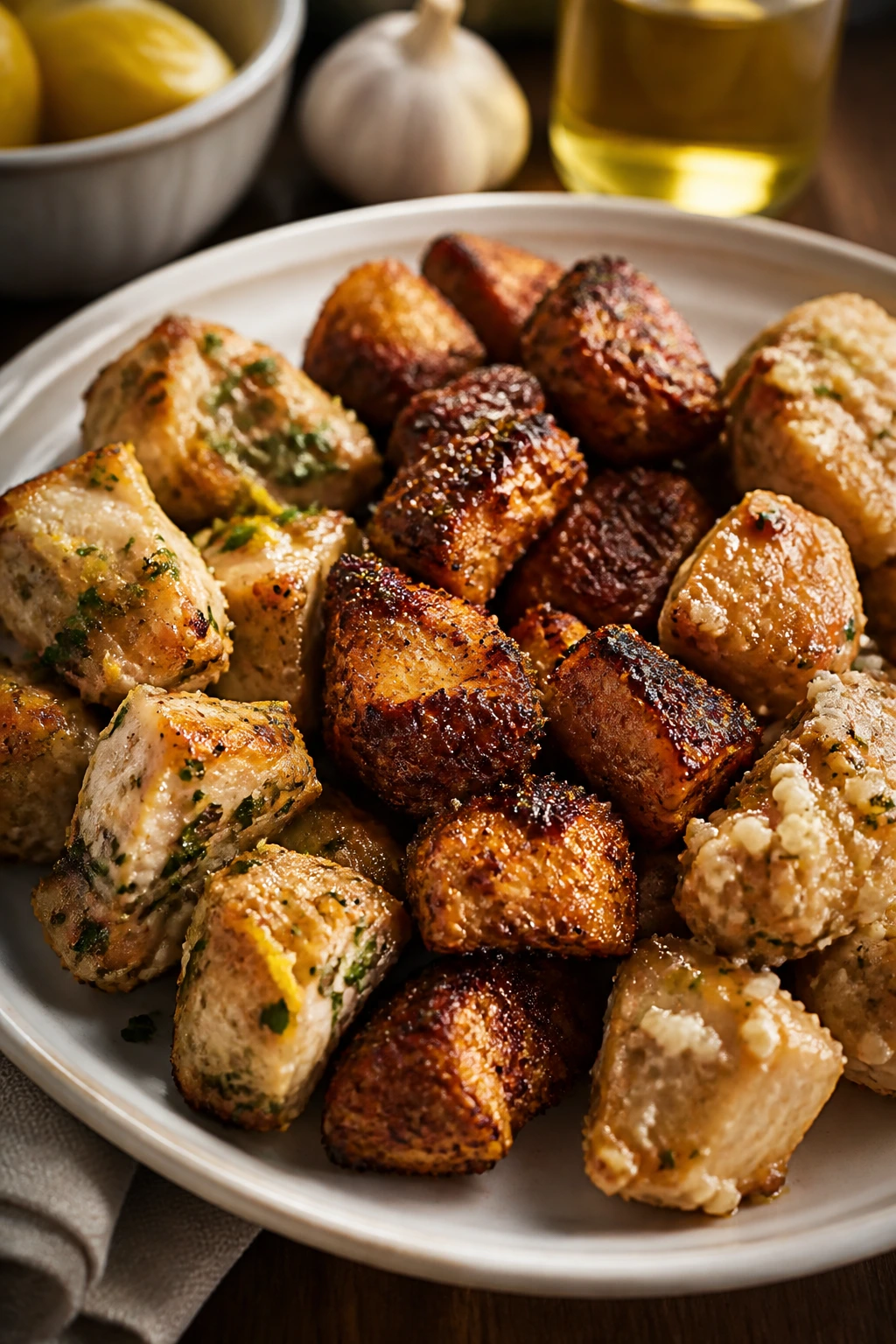
Lemon-Herb Chicken Bites: Keep the base recipe, then add 1 teaspoon lemon zest to the seasoning mix and swap oregano for thyme. Finish with extra parsley and serve alongside roasted potatoes or green beans.
Smoky Cajun Chicken Bites: Replace the paprika, oregano, garlic powder, and onion powder with 2 1/2 teaspoons Cajun seasoning and a pinch of black pepper. The chicken gets a little more heat and a darker edge, which works well over rice or tucked into wraps.
Garlic-Parmesan Finish: Roast the chicken exactly as written, then toss the hot bites with 2 tablespoons finely grated Parmesan and 1 tablespoon melted butter. Add the cheese after roasting so it clings instead of scorching.
Taco Night Chicken Bites: Use 1 1/2 teaspoons chili powder, 1 teaspoon cumin, 1 teaspoon garlic powder, 1/2 teaspoon paprika, and 1/2 teaspoon oregano. Finish with lime juice instead of lemon and serve in tortillas with shredded lettuce and salsa.
Honey-Soy Glazed Chicken Bites: Roast the chicken with the base seasoning, then toss the finished bites with 1 tablespoon soy sauce, 1 tablespoon honey, and 1 teaspoon rice vinegar warmed together in a small pan. It gives you a sticky edge without turning the whole tray sugary.
Make-Ahead, Storage, and Reheating Without Rubbery Chicken
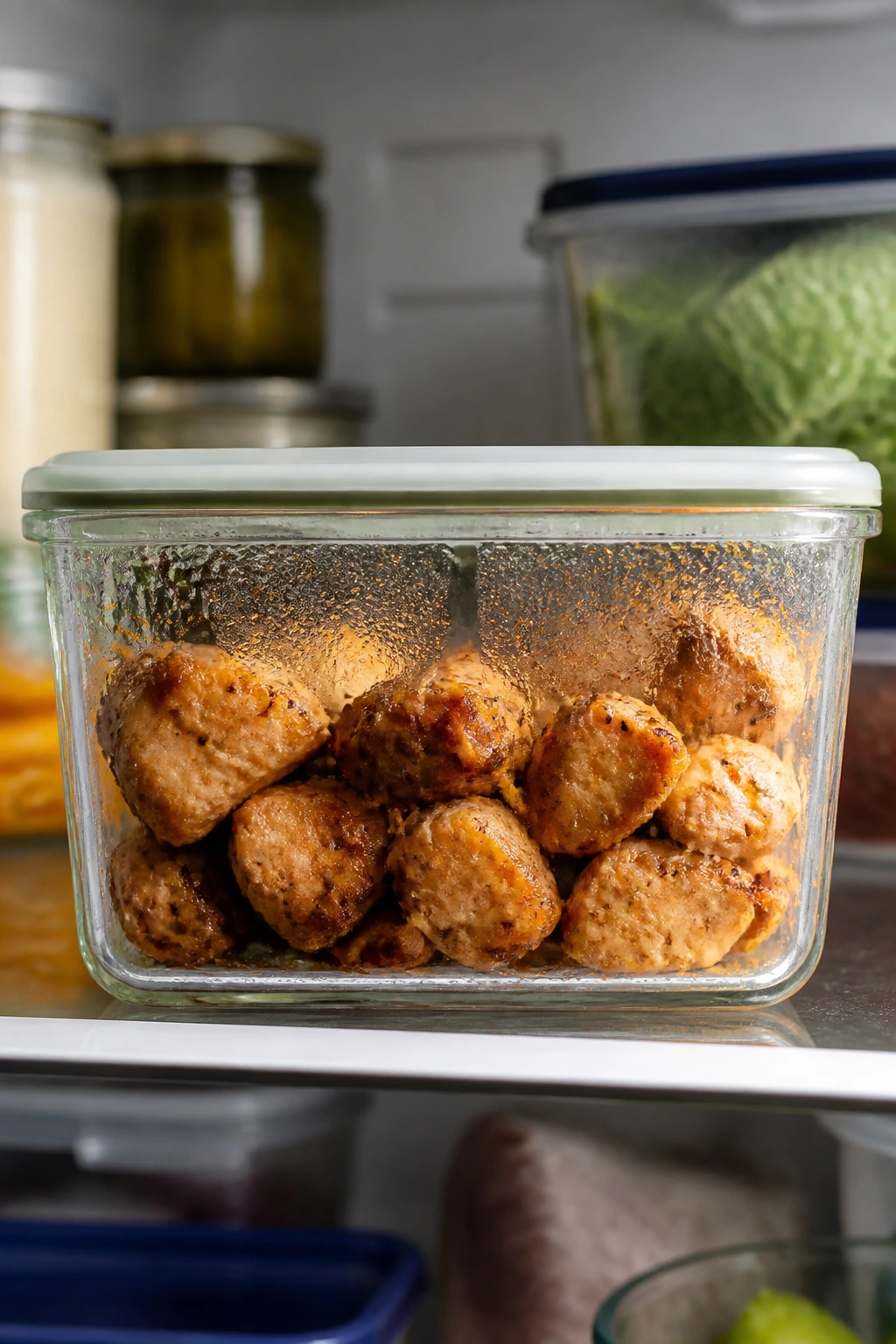
In the Fridge
Cooked chicken bites keep well in an airtight container in the refrigerator for 3 to 4 days. Let them cool for a few minutes after roasting, then get them into the container once the steam starts to settle; sealing in a ton of heat turns the chicken soft and a little wet.
In the Freezer
The cooked bites freeze for up to 2 months if you spread them out on a tray first, freeze until firm, and then transfer them to a freezer bag or container. That first tray-freeze step matters more than people think. It keeps the pieces from welding into one cold brick.
Reheating the Right Way
For the best texture, reheat the chicken in a 375°F (190°C) oven for 6 to 8 minutes on a sheet pan, or in an air fryer at 350°F (175°C) for 3 to 5 minutes. A skillet over medium-low heat works too, especially if you add a teaspoon of water and cover the pan for the first minute to warm the centers before uncovering to re-crisp the edges.
Make-Ahead Notes
You can cut and season the raw chicken up to 24 hours ahead and keep it covered in the refrigerator. I’d hold the lemon juice until the end, though. Acid sitting overnight changes the surface just enough to dull the browning, and there’s no reason to give up that color.
Room Temperature Safety
Don’t leave cooked chicken out longer than 2 hours. If the kitchen is warm or the tray is sitting near the stove while you finish sides, get the leftovers packed away sooner.
Frequently Asked Questions About Roasted Chicken Bites
Can I use chicken breast instead of thighs?
Yes, and the recipe still works, but breast meat needs more attention. Cut it into slightly larger pieces, start checking it a few minutes early, and pull it as soon as the thickest part reaches 165°F so it doesn’t go chalky.
Do I really need the cornstarch?
You don’t have to use it, but I wouldn’t skip it if you want better browning. The light coating helps the surface dry out just enough to color in the oven instead of turning flat and pale.
Can I make these in an air fryer?
Yes. Cook the seasoned chicken in a single layer at 400°F for about 10 to 12 minutes, shaking the basket halfway through. Work in batches if needed; piling pieces on top of each other defeats the point.
What if my chicken starts browning before it reaches 165°F?
Lower the oven temperature by 25 degrees and finish the pieces a few minutes longer, or move the pan to a lower rack. Dark edges are fine, but bitter spice on scorched spots is not the flavor you want.
Can I prep the chicken ahead of time?
Absolutely. Cut and season the chicken up to a day ahead, then keep it covered in the fridge. If you’re doing it that way, hold back the lemon and parsley until after roasting so the finish stays fresh.
How do I know the chicken is done without cutting every piece open?
Use an instant-read thermometer in the thickest piece on the pan. Once it reads 165°F, the rest should be close enough that a five-minute rest will carry them to a safe place without drying out.
Can I double the recipe for a bigger group?
Yes, but use two sheet pans and rotate them halfway through cooking. One overloaded pan will steam, and you’ll lose the browned edges that make these bites worth making.
What should I do if the leftovers taste a little dry?
Turn them into something that brings moisture back: a rice bowl with sauce, a wrap with yogurt, or a quick skillet toss with a spoonful of broth. Dry chicken is much easier to rescue once it’s chopped or sliced than when it’s sitting whole on a plate.
A Small Dinner That Keeps Paying Off
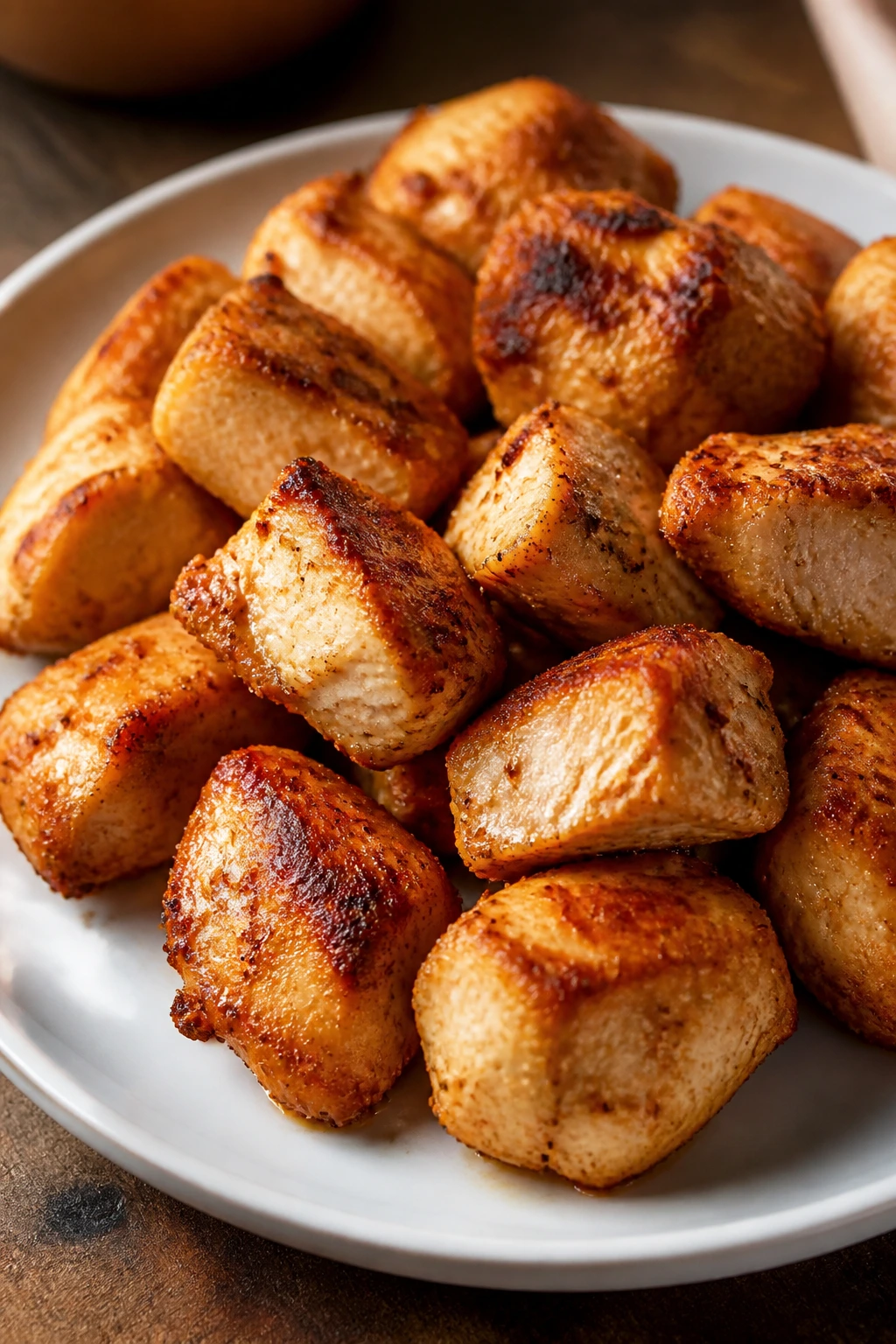
There’s a reason roasted chicken bites keep ending up back on my table: they solve the hardest part of dinner without acting like a project. You get browned edges, juicy centers, and a flavor profile that can shift with one seasoning change or one sauce on the side. That’s the sort of flexibility that matters when the evening has already been chopped into pieces.
The nicest part is how little ritual this recipe asks for. Dry the chicken, season it well, give it room on the pan, and check the temperature once. After that, the oven takes over, and you can spend the next 15 minutes getting the rest of dinner into place.
Roasted Chicken Bites for Weeknight Dinners — Recipe Card
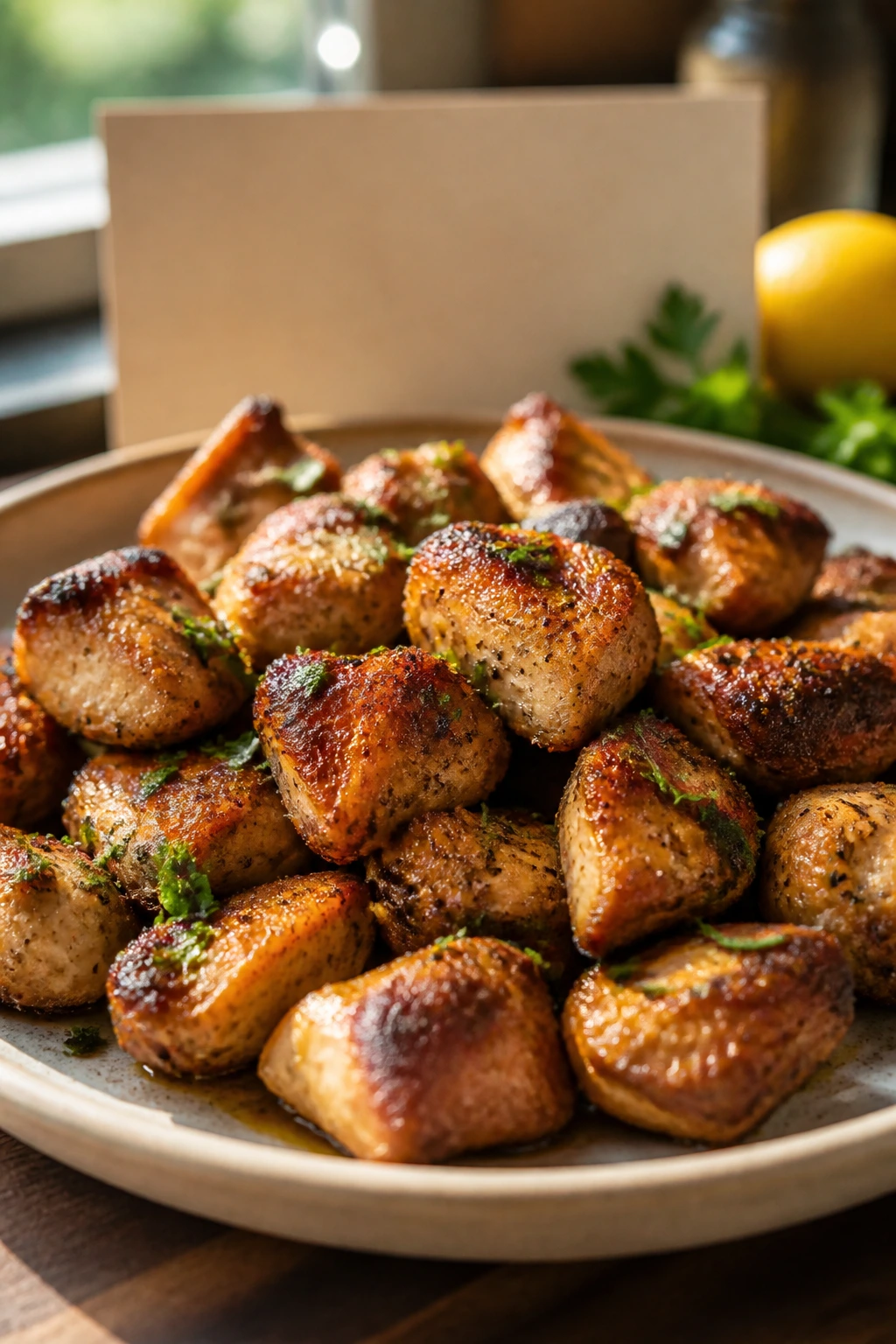
Recipe Name: Roasted Chicken Bites for Weeknight Dinners
Description: Bite-size chicken thighs roasted at high heat until the edges turn brown and the centers stay juicy. Lemon juice and parsley finish the pan with a bright, clean edge.
Prep Time: 15 minutes
Cook Time: 18 minutes
Total Time: 33 minutes
Course: Main Course
Cuisine: American
Servings: 4 servings
Calories: About 540 kcal per serving
Ingredients
For the Chicken Bites:
- 2 pounds boneless, skinless chicken thighs, cut into 1-inch pieces
- 2 tablespoons olive oil
- 1 tablespoon cornstarch
- 1 1/2 teaspoons kosher salt
- 1 teaspoon garlic powder
- 1 teaspoon onion powder
- 1 teaspoon smoked paprika
- 1/2 teaspoon dried oregano
- 1/2 teaspoon freshly ground black pepper
- 1/4 teaspoon crushed red pepper flakes, optional
For Finishing:
- 1 tablespoon fresh lemon juice
- 2 tablespoons chopped flat-leaf parsley
- Lemon wedges, for serving
Instructions
- Preheat the oven to 425°F (220°C) and position a rack in the upper-middle position.
- Pat the chicken pieces dry and place them in a large bowl.
- Mix the cornstarch, salt, garlic powder, onion powder, smoked paprika, oregano, black pepper, and red pepper flakes if using. Toss the chicken with the olive oil, then add the seasoning mix and coat evenly.
- Spread the chicken in a single layer on a rimmed metal baking sheet with space between the pieces.
- Roast for 10 minutes, flip or stir, then roast for 6 to 10 minutes more until the thickest piece reaches 165°F (74°C).
- Rest for 5 minutes, then finish with lemon juice and parsley. Serve with lemon wedges.
Notes: Use two sheet pans if the chicken feels crowded. If you swap in chicken breast, cut the pieces a little larger and start checking a few minutes early.