



Pork belly recipes have a way of making a Sunday table feel slower in the best possible sense. The cut asks for patience, but it pays you back with a crackly edge, a soft middle, and a pan of drippings that smells like onions, garlic, and browned sugar long before the first plate hits the table. When pork belly is cooked well, it doesn’t feel heavy or fussy. It feels deliberate.
What people miss with pork belly is that it isn’t only a crispy roast and it isn’t only bacon-adjacent richness. It braises beautifully. It glazes beautifully. It slices, cubes, shreds, and crisps in ways that a leaner cut never will. That fat cap is not a problem to work around; it’s the whole point. Give it salt, time, and heat in the right order, and it turns into something that belongs next to mashed potatoes, rice, cabbage, beans, noodles, dumplings, or a stack of warm buns.
These pork belly recipes lean into that range. Some are sticky and lacquered, some are spoon-tender, and some are built for a loud crackle when you cut through the skin. The common thread is simple: each one knows exactly what to do with all that fat, and none of them wastes the good parts.
Why These Pork Belly Dinners Earn Their Place at Sunday Supper
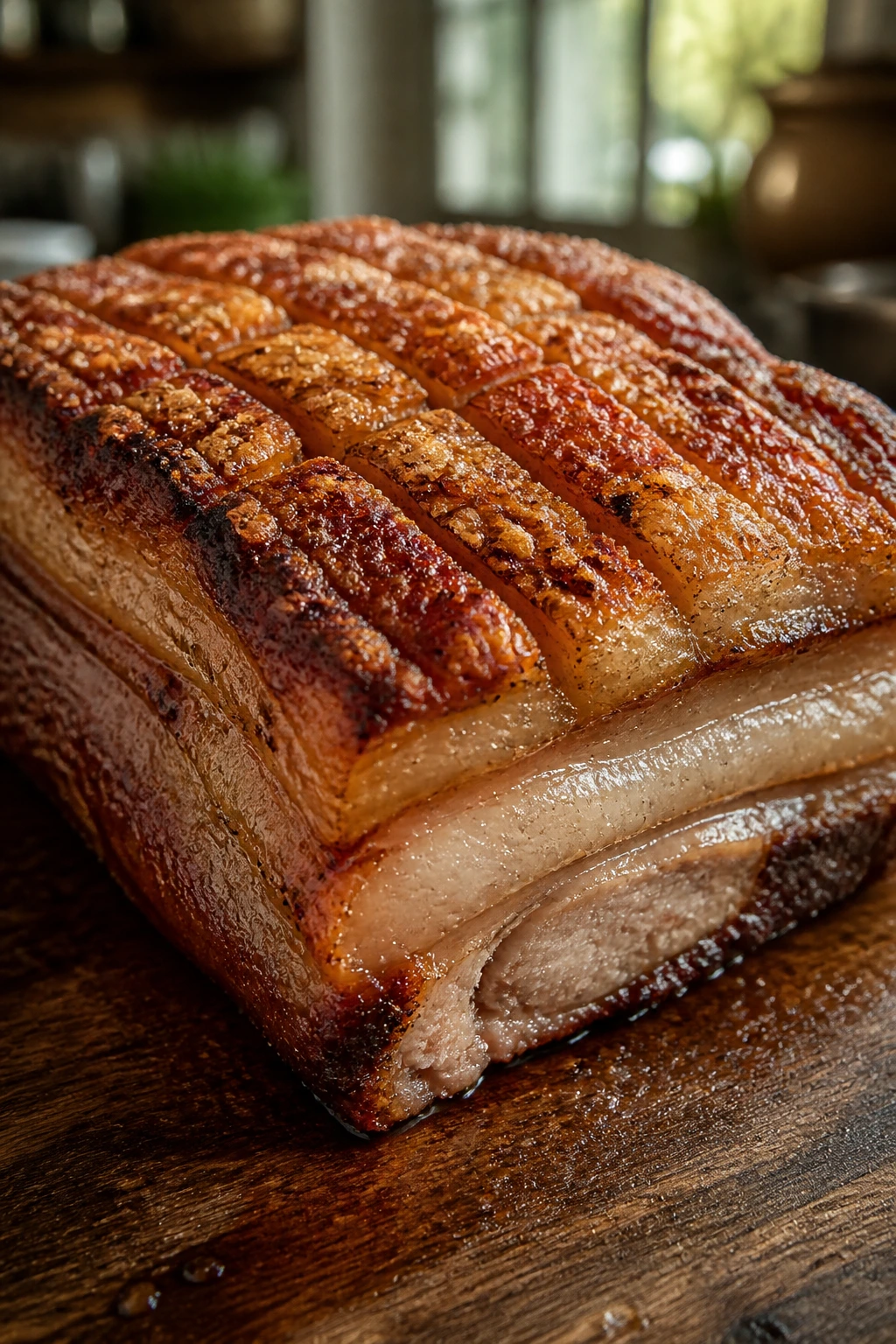
-
Slow Heat, Big Payoff: Pork belly likes a low oven, a covered braise, or a patient render before it gets a hard blast of heat at the end, and that two-step method is where the best texture lives.
-
The Fat Carries Flavor: Garlic, soy, cider, mustard, miso, wine, and vinegar all cling to pork belly’s surface in a way they just don’t on leaner cuts.
-
One Cut, Many Dishes: A single slab can become crackling roast, stew meat, sandwich filling, bowl topping, or burnt ends, which makes it unusually flexible for a Sunday menu.
-
It Handles Acid Well: Pickles, cabbage, mustard greens, orange, lime, vinegar, and sauerkraut keep the richness honest instead of letting it blur the whole plate.
-
Leftovers Hold Up: Pork belly reheats better than a lot of roast meats, especially when you keep the sauce separate and re-crisp the top before serving.
-
It Feels Special Without Being Fragile: You do need to pay attention, but pork belly is forgiving in the places that matter most. A braise that goes 15 minutes long is usually fine. A slab that rests 10 minutes too long after roasting is still worth slicing.
1. Crispy Oven-Roasted Pork Belly with Apple Cider Jus
A well-roasted pork belly is a study in contrast: glassy skin on top, soft rendered fat underneath, and a center that slices cleanly instead of oozing across the board. The apple cider jus keeps the whole thing from tipping into pure richness. It’s the sort of plate that makes the kitchen smell like a holiday, even when it’s just a regular Sunday.
Why It Works:
Roasting the belly low first gives the fat time to render before the skin takes on color. That final high-heat blast is where the crackle happens, and the cider jus cuts through the fat with sharp, sweet acidity instead of more sugar.
Key Ingredients:
- 2 pounds skin-on pork belly, scored in 1/4-inch lines
- 2 teaspoons kosher salt
- 1 teaspoon black pepper
- 1 tablespoon olive oil
- 1 medium yellow onion, sliced
- 1 cup apple cider
- 1 tablespoon Dijon mustard
- 2 teaspoons fresh thyme leaves
- 1 tablespoon cold unsalted butter
Quick Steps:
- Pat the pork belly very dry, rub it with salt, pepper, and oil, then let it sit uncovered for 30 minutes if you can.
- Roast at 300°F for 1 1/2 to 2 hours on a rack over a sheet pan until the fat has started to melt and the belly feels supple.
- Raise the oven to 450°F and roast for 20 to 25 minutes more, until the skin is blistered and audibly crisp. Do not walk away during this part.
- Simmer the onion, cider, Dijon, and thyme for 8 to 10 minutes, then whisk in the butter and spoon the jus over sliced pork belly.
Equipment for This Recipe:
- Rimmed sheet pan with a wire rack
- Instant-read thermometer
- Small saucepan
- Sharp carving knife
How to Serve This Dish:
Slice it into thick slabs and serve with mashed potatoes, roasted carrots, or a pile of garlicky greens. The plate should look like it means business: crisp top, glossy sauce, and a little steam coming off the potatoes.
Pro Tips for This Recipe:
- Score only through the skin and fat, not into the meat, or the juices will run out too early.
- A wire rack matters here. Without it, the belly sits in its own fat and softens on the bottom.
- Rest the meat for 10 to 15 minutes before slicing so the rendered fat settles a bit.
Variations on This Dish:
- Cider-Mustard Finish: Stir an extra teaspoon of Dijon into the jus for a sharper edge.
- Herb-Roasted Version: Add rosemary and sage to the pan for a more woodsy flavor.
- Spicy Orchard Twist: Add a pinch of red pepper flakes to the cider sauce.
Common Mistakes to Avoid with This Dish:
- Soft Skin From Damp Meat: If the skin isn’t dry before roasting, it steams. Pat it down and air-dry if time allows.
- Burning the Jus: Cider can reduce fast. Pull it the moment it turns glossy and syrupy, not when it turns jammy.
- Slicing Too Soon: Cut early and the rendered fat runs everywhere. Give it a short rest first.
2. Sticky Soy-Garlic Pork Belly Burnt Ends
Burnt ends don’t need brisket to work. Pork belly gets the same sticky, sticky-edge treatment in less time, and honestly, I think it wears the sauce better. The outside turns dark and lacquered while the inside stays rich and juicy, which is exactly what you want when the table gets quiet for the first few bites.
Why It Works:
The cube shape gives you more surface area, which means more browning and more sauce cling. A low roast first renders the fat; a second roast with the glaze sets the sticky edges without turning the whole tray into sugar candy.
Key Ingredients:
- 2 pounds skinless pork belly, cut into 1 1/2-inch cubes
- 2 teaspoons kosher salt
- 1 teaspoon black pepper
- 1/3 cup soy sauce
- 3 tablespoons brown sugar
- 4 garlic cloves, minced
- 1 tablespoon grated fresh ginger
- 2 tablespoons rice vinegar
- 2 tablespoons ketchup or hoisin
- 1 teaspoon red pepper flakes
Quick Steps:
- Toss the pork belly cubes with salt and pepper, then spread them out on a parchment-lined sheet pan.
- Roast at 275°F for 2 hours, turning once halfway through, until the edges are browned and the fat has started to render.
- Stir the soy sauce, brown sugar, garlic, ginger, vinegar, ketchup, and red pepper flakes into a quick glaze.
- Toss the hot pork belly in the glaze and return it to the oven for 15 to 20 minutes at 400°F until the edges are dark and sticky. If the sauce starts to burn, pull the tray.
Equipment for This Recipe:
- Rimmed sheet pan
- Parchment paper
- Mixing bowl
- Tongs
How to Serve This Dish:
Pile the burnt ends over steamed rice or tuck them into buns with a sharp cabbage slaw. The best plate has contrast: sticky pork, cold crunch, and something plain underneath to catch the glaze.
Pro Tips for This Recipe:
- Cut the cubes evenly so they brown at the same rate.
- Don’t sauce them too early. The sugar needs rendered fat and heat, not raw pork juice.
- A little black vinegar on the finished tray sharpens the glaze beautifully.
Variations on This Dish:
- Honey-Sriracha Burnt Ends: Swap half the brown sugar for honey and add a tablespoon of sriracha.
- Smokehouse Shortcut: Add smoked paprika to the dry seasoning if you’re baking indoors.
- Sesame-Green Onion Finish: Sprinkle toasted sesame seeds and sliced scallions over the top before serving.
Common Mistakes to Avoid with This Dish:
- Crowding the Tray: If the cubes touch, they steam. Use two pans if you need to.
- Glazing Too Early: Sugar burns before pork belly finishes rendering, and the result tastes bitter.
- Skipping the Second Roast: That second heat wave is what turns them into burnt ends instead of plain glazed cubes.
3. Five-Spice Pork Belly with Honey and Ginger
Five-spice can go clumsy fast, but on pork belly it feels right at home. The warm anise note cuts through the richness, the ginger sharpens the edges, and the honey gives you that glossy finish that sticks to your fingers a little. Good Sunday food should leave evidence on the napkin.
Why It Works:
Five-spice loves fatty meat because the fat spreads those aromatics across the whole bite. A light glaze near the end gives you shine without making the belly cloying, and the vinegar keeps the honey from flattening everything.
Key Ingredients:
- 2 1/2 pounds skinless pork belly, sliced into 2-inch strips
- 2 teaspoons five-spice powder
- 1 1/2 teaspoons kosher salt
- 1 tablespoon grated fresh ginger
- 3 tablespoons honey
- 2 tablespoons soy sauce
- 1 tablespoon rice vinegar
- 3 garlic cloves, minced
- 2 scallions, sliced
Quick Steps:
- Rub the pork belly with five-spice, salt, ginger, and garlic, then let it sit for 20 to 30 minutes.
- Arrange the strips on a rack over a sheet pan and roast at 325°F for 1 hour.
- Brush with the honey, soy, and rice vinegar mixture, then roast for 15 more minutes.
- Finish under the broiler for 2 to 3 minutes until the surface turns shiny and browned at the edges.
Equipment for This Recipe:
- Wire rack
- Sheet pan
- Pastry brush
- Small bowl for the glaze
How to Serve This Dish:
Serve it with jasmine rice and sautéed bok choy, or slice it into short pieces and pile it over noodles. The plate wants something green and something plain so the spice can stay in the foreground.
Pro Tips for This Recipe:
- Use a light hand with five-spice; too much and the belly tastes like potpourri.
- Brush the glaze on only after the first roast or the honey will scorch.
- A few drops of rice vinegar at the very end wake the whole thing up.
Variations on This Dish:
- Orange-Ginger Version: Swap half the honey for orange marmalade.
- Chili Crisp Finish: Spoon a little chili crisp over the sliced pork before serving.
- Sesame Roast: Add toasted sesame oil to the glaze for a deeper nutty note.
Common Mistakes to Avoid with This Dish:
- Overloading the Spice: Five-spice is loud. Keep it balanced, or it takes over.
- Broiling Too Long: The honey burns fast, so watch the edges like a hawk.
- Serving It Alone: This needs rice, noodles, or greens to keep the richness in line.
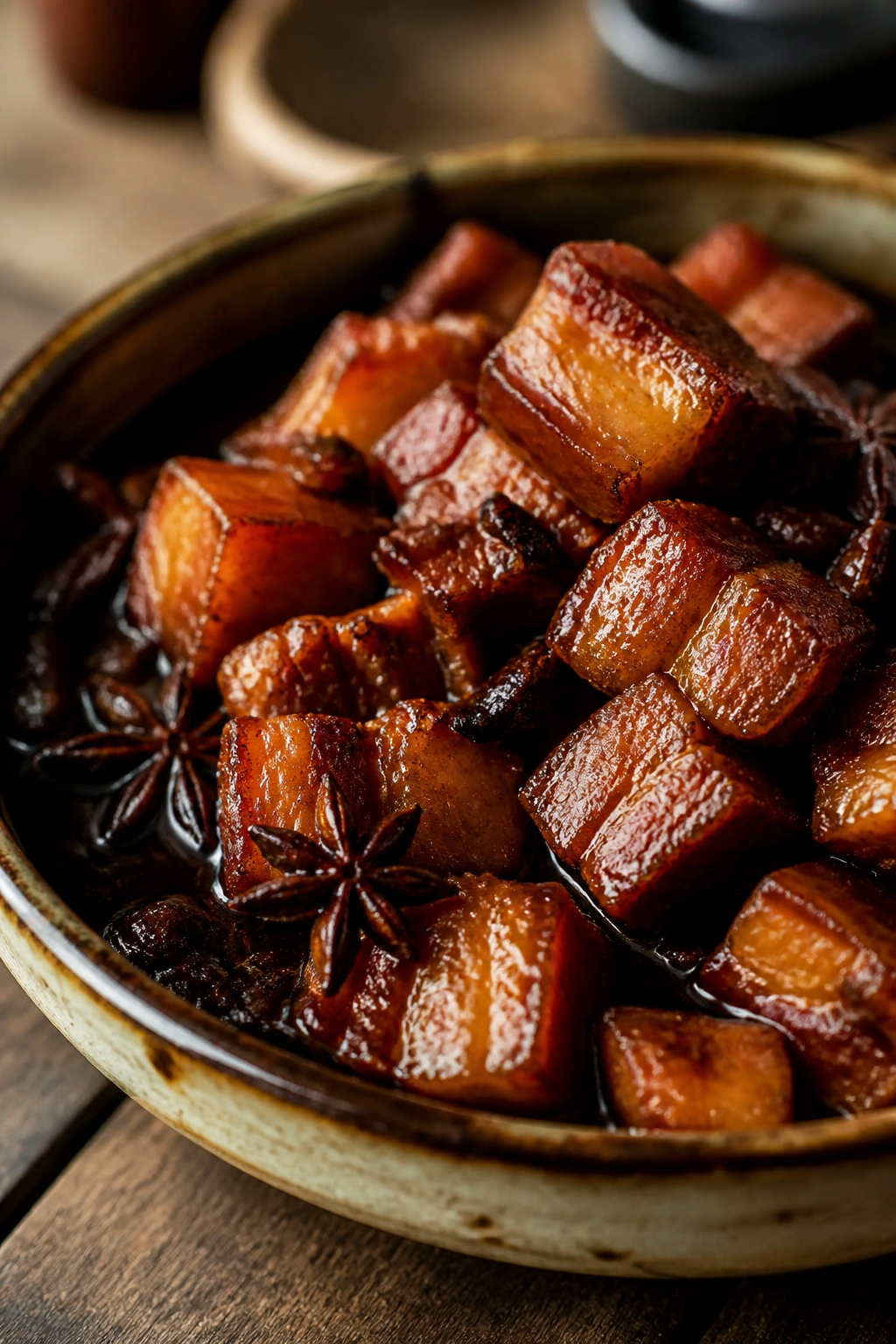
4. Braised Pork Belly with Soy, Shaoxing, and Star Anise
This is the version that makes the house smell like you’ve been cooking for hours, even if you’ve mostly been waiting on the stove. The belly becomes spoon-tender, the sauce turns dark and glossy, and the star anise gives the whole pot that deep, slightly sweet perfume that feels impossible to rush.
Why It Works:
Braising takes advantage of pork belly’s connective tissue and fat. The long, gentle simmer breaks everything down without drying the meat, and the Shaoxing wine gives the sauce more depth than plain stock ever could.
Key Ingredients:
- 2 pounds pork belly, skinless and cut into 1 1/2-inch cubes
- 2 tablespoons neutral oil
- 1 onion, chopped
- 4 garlic cloves, smashed
- 2-inch piece fresh ginger, sliced
- 1/3 cup soy sauce
- 1/4 cup Shaoxing wine
- 2 star anise pods
- 2 tablespoons brown sugar
- 2 cups chicken stock
- 2 scallions, cut into 2-inch lengths
Quick Steps:
- Brown the pork belly in oil over medium-high heat until the edges are golden on all sides.
- Add the onion, garlic, and ginger, and cook for 2 minutes until fragrant.
- Stir in soy sauce, Shaoxing wine, star anise, sugar, and stock, then bring it to a simmer.
- Cover and cook on low for 2 hours, until the pork belly is fork-tender and the sauce coats the back of a spoon.
- Uncover for the last 15 minutes to thicken the sauce, then finish with scallions.
Equipment for This Recipe:
- Dutch oven
- Wooden spoon
- Lid
- Fine-mesh spoon or ladle for skimming
How to Serve This Dish:
Serve over white rice, with cucumbers dressed in rice vinegar on the side. The sauce should pool into the rice and still leave some glossy streaks on top of the meat.
Pro Tips for This Recipe:
- Brown the belly in batches so it sears instead of steaming.
- If the sauce looks oily, skim a little fat from the top before serving.
- Star anise is strong; two pods are enough here.
Variations on This Dish:
- Tangerine-Braised Version: Add a strip of orange peel to the braise.
- Chili-Heat Variation: Add dried chilies or a spoonful of chili bean paste.
- Brown Sugar Swap: Use palm sugar if you want a rounder sweetness.
Common Mistakes to Avoid with This Dish:
- Boiling the Pot: A hard boil makes the pork tighten up. Keep it at a lazy simmer.
- Using Too Much Soy: The sauce should be deep, not salty.
- Skipping the Reduction: If the liquid stays thin, the dish tastes flat instead of glossy.
5. Pork Belly Adobo with Vinegar and Bay Leaves
Adobo works because it knows how to be blunt. Vinegar, soy, garlic, bay, pepper. That’s the whole argument, and it’s a good one. Pork belly gives the sauce enough fat to feel rich, while the vinegar keeps it from settling into something sleepy.
Why It Works:
Pork belly stands up to vinegar better than leaner cuts because the fat buffers the sharpness. The long simmer pulls garlic and bay into the meat, and the sauce deepens without needing thickeners.
Key Ingredients:
- 2 pounds pork belly, cut into 2-inch pieces
- 1 tablespoon neutral oil
- 8 garlic cloves, smashed
- 1 medium onion, sliced
- 1/2 cup soy sauce
- 1/2 cup cane or coconut vinegar
- 4 bay leaves
- 1 teaspoon whole black peppercorns
- 1 cup water
Quick Steps:
- Brown the pork belly in oil until the edges are golden.
- Add the garlic and onion, then cook for 2 minutes until the garlic smells sweet.
- Pour in soy sauce, vinegar, bay leaves, peppercorns, and water, then bring to a simmer. Do not stir much once the vinegar goes in.
- Cover and cook for 45 minutes to 1 hour, then uncover and simmer 10 more minutes until the sauce clings to the meat.
Equipment for This Recipe:
- Deep skillet or Dutch oven
- Lid
- Slotted spoon
- Measuring cup
How to Serve This Dish:
Adobo wants hot rice and, if you have it, a simple sautéed green like bok choy or spinach. Spoon the sauce generously; the rice should catch every dark, salty drop.
Pro Tips for This Recipe:
- A mix of soy and vinegar keeps the flavor round instead of one-dimensional.
- Let the finished adobo sit for 10 minutes before serving. It settles into itself.
- If the sauce tastes too sharp, add a splash of water rather than more sugar.
Variations on This Dish:
- Garlic-Heavy Version: Add an extra 4 cloves of garlic for a bolder pot.
- Coconut Adobo: Replace 1/4 cup of the water with coconut milk near the end.
- Peppercorn Bite: Crush the peppercorns lightly for more heat.
Common Mistakes to Avoid with This Dish:
- Stirring Constantly: Adobo doesn’t need to be fussed over once it starts simmering.
- Over-Sweetening: Sugar should not flatten the vinegar; it only rounds it out.
- Cooking Too Fast: High heat tightens the pork and dulls the sauce.
6. Braised Pork Belly and Cabbage with Mustard Seeds
Cabbage loves pork fat. That’s the whole reason this dish belongs on a Sunday table. The cabbage softens into the sauce, the mustard seeds pop in the pan, and the belly leaves enough richness behind that you don’t need to pretend it’s anything other than comfort food.
Why It Works:
The cabbage catches the rendered fat and absorbs the savory braising liquid, which makes every bite feel seasoned all the way through. Mustard seeds add little bursts of sharpness that keep the dish from getting sleepy.
Key Ingredients:
- 2 pounds pork belly, skinless and cut into 1 1/2-inch chunks
- 1 tablespoon neutral oil
- 1 teaspoon mustard seeds
- 1 onion, thinly sliced
- 1 small green cabbage, cored and cut into wedges
- 2 cups chicken stock
- 1 tablespoon cider vinegar
- 1 teaspoon caraway seeds
- 1 teaspoon kosher salt
Quick Steps:
- Brown the pork belly in oil until the edges are golden.
- Add the mustard seeds and onion, cooking until the seeds start to pop and the onion softens.
- Nestle the cabbage wedges around the pork, add stock, vinegar, caraway, and salt, then cover.
- Braise at 325°F for 1 hour, until the cabbage is tender and the pork belly is soft enough to cut with a spoon.
Equipment for This Recipe:
- Dutch oven or braising pan
- Tongs
- Lid
- Sharp chef’s knife
How to Serve This Dish:
Serve it in shallow bowls with rye bread or mashed potatoes under it. A spoonful of mustard on the side does a lot of good here.
Pro Tips for This Recipe:
- Cut the cabbage into wedges so it stays intact during braising.
- A splash of vinegar at the end sharpens the whole pot.
- If the pan looks dry before the cabbage softens, add a little more stock.
Variations on This Dish:
- Apple-Cabbage Twist: Add sliced apple for a sweeter finish.
- Smoked Paprika Version: Stir in 1 teaspoon smoked paprika with the stock.
- Dill Finish: Toss chopped dill over the pot right before serving.
Common Mistakes to Avoid with This Dish:
- Slicing the Cabbage Too Thin: Thin shreds disappear. Wedges hold their shape.
- Not Browning the Belly: That browning is where a lot of the flavor lives.
- Skipping Acid: Without vinegar, the fat can flatten the whole bowl.
7. Gochujang-Glazed Pork Belly Lettuce Wraps
These wraps are sticky, spicy, and bright enough that you can eat more than you think you should. The pork belly is the rich center, but the lettuce, cucumber, and herbs do the work of keeping each bite crisp. I like them on a table where people help themselves.
Why It Works:
Gochujang brings heat, sweetness, and fermented depth, which makes it a smart partner for fatty pork belly. Lettuce wraps turn a rich cut into something lighter on the plate without stripping away the flavor.
Key Ingredients:
- 2 pounds skinless pork belly, cut into 1-inch strips
- 2 tablespoons gochujang
- 2 tablespoons honey
- 2 tablespoons soy sauce
- 2 garlic cloves, grated
- 1 tablespoon rice vinegar
- 1 head butter lettuce, leaves separated
- 1 cucumber, thinly sliced
- 2 scallions, sliced
- 1 tablespoon toasted sesame seeds
Quick Steps:
- Toss the pork belly with half the gochujang, soy sauce, garlic, and vinegar, then spread it on a sheet pan.
- Roast at 400°F for 35 to 40 minutes until browned and rendered.
- Stir the remaining gochujang with honey and a splash of water, then brush it over the pork and broil for 2 to 3 minutes.
- Spoon the pork into lettuce leaves, then top with cucumber, scallions, and sesame seeds.
Equipment for This Recipe:
- Sheet pan
- Mixing bowl
- Pastry brush
- Serving platter
How to Serve This Dish:
Set everything out family-style and let people build their own wraps. A side of steamed rice or simple noodle salad turns it into a fuller meal.
Pro Tips for This Recipe:
- Keep the lettuce leaves cold and dry so they don’t collapse under the pork.
- Add the final glaze only at the end. Gochujang burns faster than it looks.
- A squeeze of lime right before serving sharpens the whole plate.
Variations on This Dish:
- Milder Bowl Version: Skip the lettuce and serve over rice.
- Kimchi Addition: Add chopped kimchi for extra bite.
- Sesame-Mayo Finish: Drizzle with a quick sesame mayo for a creamier wrap.
Common Mistakes to Avoid with This Dish:
- Overfilling the Leaves: Two bites is the sweet spot. A three-bite wrap falls apart.
- Wet Lettuce: Dry the leaves or the sauce slips right off.
- Brittle Glaze: Broil just long enough to set the surface, not blacken it.
8. Pork Belly Tacos with Pineapple and Red Onion
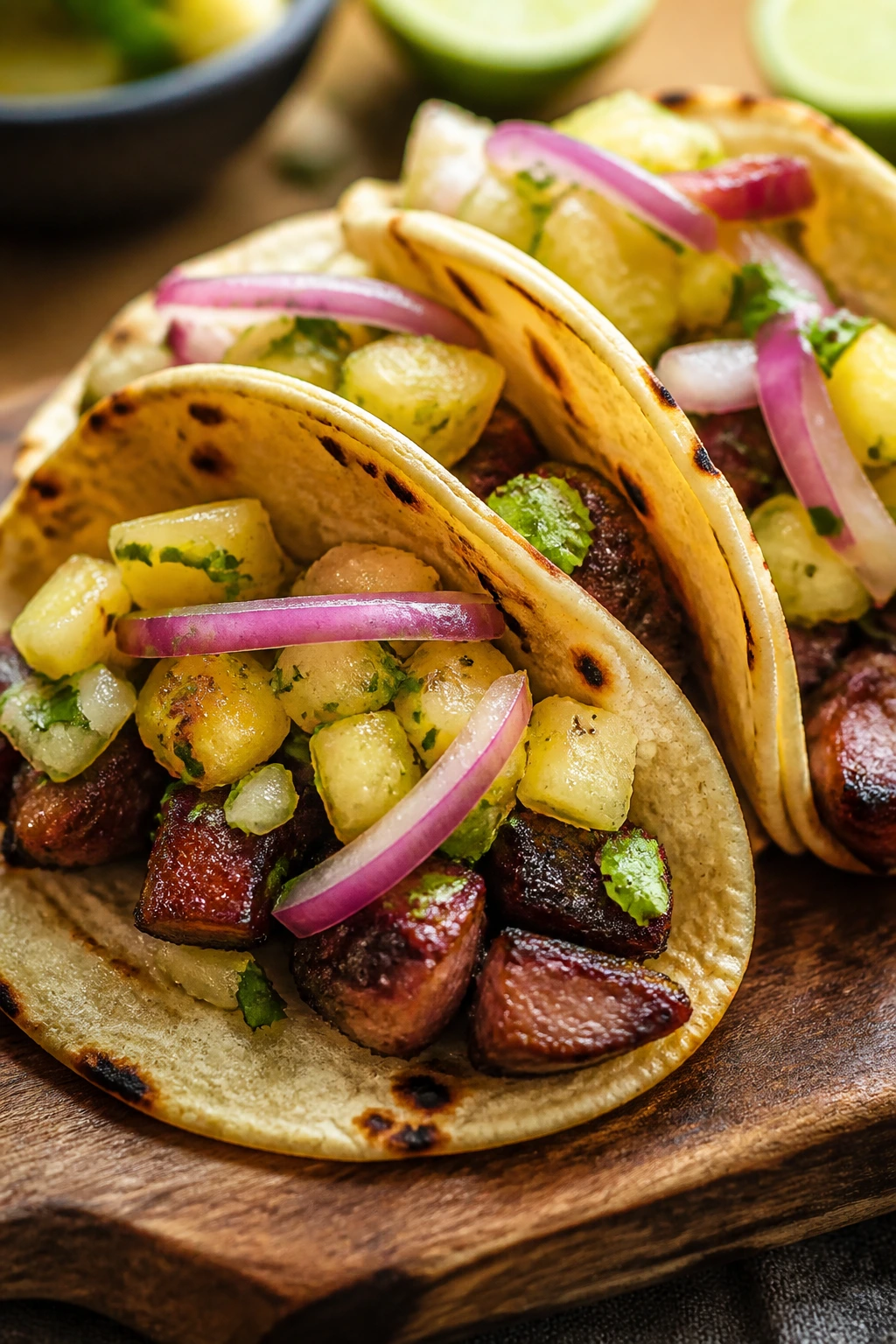
These tacos need heat, acid, and crunch. Pork belly brings the richness, pineapple brings the bright snap, and red onion keeps the whole thing from drifting into mush. They’re casual, but not sloppy, which is a nice trick for a Sunday supper.
Why It Works:
Crisped pork belly gives you the same juicy bite people love in taco fillings, only with more depth. Pineapple salsa and lime keep the pork from feeling heavy, and warm tortillas carry the fat in a way cold shells never do.
Key Ingredients:
- 2 pounds pork belly, cut into 1-inch cubes
- 1 teaspoon chili powder
- 1 teaspoon ground cumin
- 1 teaspoon kosher salt
- 1 cup diced pineapple
- 1/2 red onion, finely diced
- 1 lime, juiced
- 1/4 cup cilantro leaves
- 8 small corn tortillas
- 4 radishes, thinly sliced
Quick Steps:
- Toss the pork belly with chili powder, cumin, and salt, then spread it on a sheet pan.
- Roast at 425°F for 30 to 35 minutes until the cubes are browned and crisp at the edges.
- Mix the pineapple, red onion, lime juice, and cilantro for a quick salsa.
- Warm the tortillas, pile in the pork belly, and top with salsa and radishes.
Equipment for This Recipe:
- Sheet pan
- Mixing bowl
- Skillet or tortilla warmer
- Small knife for the salsa
How to Serve This Dish:
Serve with black beans or a simple cabbage slaw if you want a fuller meal. These tacos look best when the filling spills a little over the edge and the pineapple glows against the pork.
Pro Tips for This Recipe:
- Dry the pineapple a bit if it’s very juicy or the tacos get slippery.
- Warm the tortillas over a flame or dry skillet for better flavor.
- A pinch of flaky salt on the finished tacos is not overkill.
Variations on This Dish:
- Chipotle Version: Add chipotle powder to the pork seasoning.
- Pineapple-Avocado Swap: Use diced avocado for a softer, richer topping.
- Pickled Onion Upgrade: Swap raw onion for quick-pickled red onion.
Common Mistakes to Avoid with This Dish:
- Using Cold Tortillas: They crack. Warm them first.
- Too Much Filling: Pork belly needs room to breathe, or the taco gets greasy.
- Skipping Lime: The acid keeps the pork from tasting flat.
9. Pork Belly Ramen with Jammy Eggs and Scallions
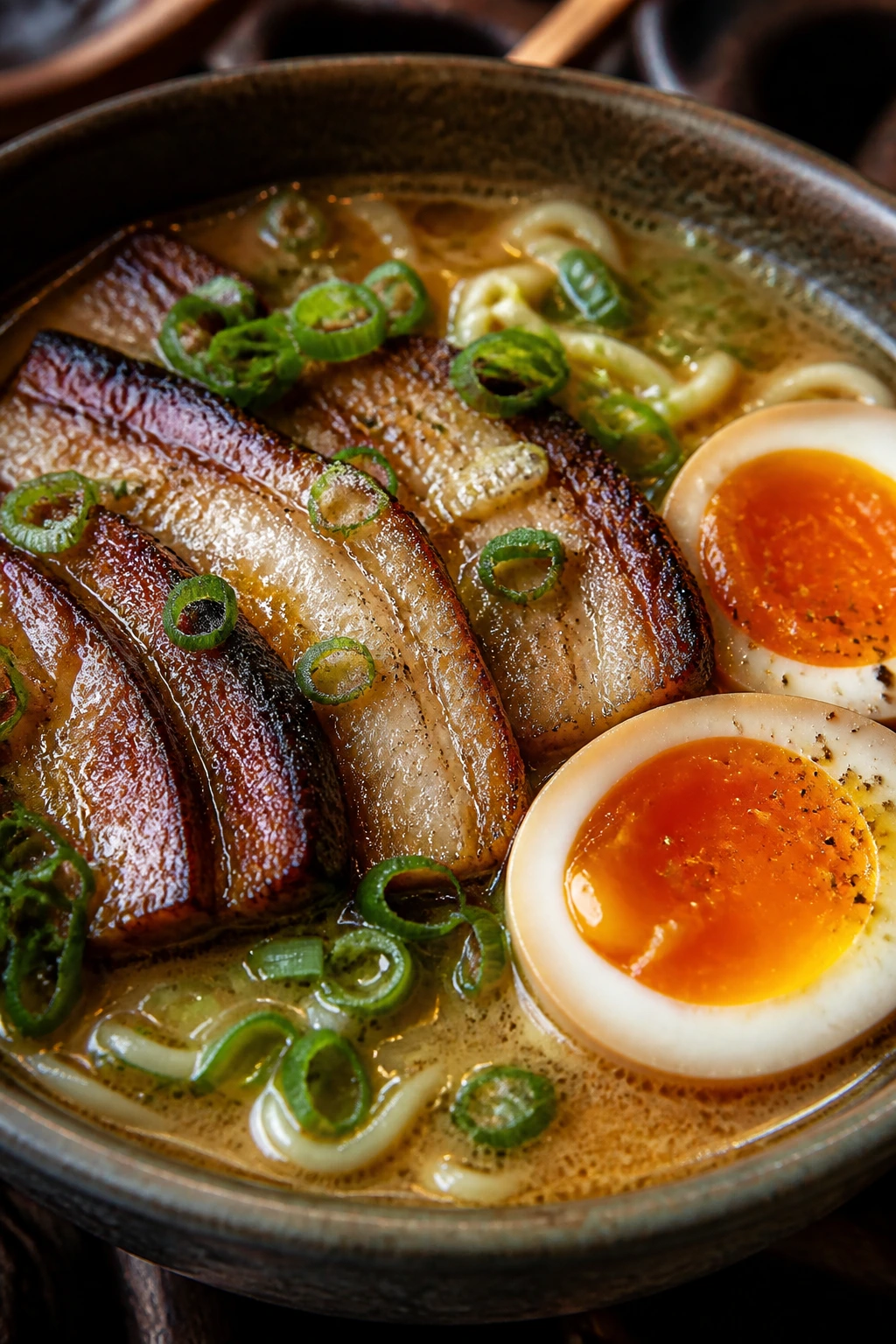
Ramen is one of the easiest places to let pork belly show off. The broth carries the perfume, the noodles carry the sauce, and the pork belly sits on top like it knows it belongs there. A jammy egg on the side never hurts either.
Why It Works:
Ramen gives you a salty, savory broth that meets pork belly exactly where it lives. Roasting the belly first builds a little crust, and the eggs add another layer of richness without making the bowl feel clumsy.
Key Ingredients:
- 1 1/2 pounds pork belly, skinless
- 6 cups chicken broth
- 2 tablespoons white miso
- 3 tablespoons soy sauce
- 1 tablespoon grated ginger
- 2 garlic cloves, smashed
- 8 ounces ramen noodles
- 4 large eggs
- 2 scallions, sliced
- 1 teaspoon sesame oil
Quick Steps:
- Roast the pork belly at 375°F for 35 to 45 minutes until browned and cooked through.
- Simmer the broth with miso, soy sauce, ginger, and garlic for 15 minutes, then strain if you want a cleaner bowl.
- Soft-boil the eggs for 6 1/2 to 7 minutes, then chill and peel them.
- Cook the noodles, divide them into bowls, ladle over the broth, and top with sliced pork belly, halved eggs, scallions, and sesame oil.
Equipment for This Recipe:
- Sheet pan
- Medium pot
- Slotted spoon
- Noodle bowls
How to Serve This Dish:
Use deep bowls and keep the toppings arranged in neat little sections if you want the bowl to look thoughtful. A little chili oil on the side lets each person tune the heat.
Pro Tips for This Recipe:
- Don’t boil miso hard; it dulls the flavor.
- Use broth that tastes good on its own. Ramen won’t hide a weak base.
- Slice the pork belly after it rests so the pieces stay tidy in the bowl.
Variations on This Dish:
- Spicy Miso Bowl: Stir chili paste into the broth.
- Shiitake Version: Simmer dried mushrooms in the broth for deeper flavor.
- Soy-Braised Shortcut: Use leftover braised belly instead of roasting it fresh.
Common Mistakes to Avoid with This Dish:
- Overcooked Eggs: Jammy is the goal. Dry yolks look sad in ramen.
- Wimpy Broth: Taste the broth before you build the bowl. It should be savory enough to stand up to noodles and pork.
- Soggy Belly: Roast or reheat the pork separately so it keeps some edge.
10. Cantonese Crispy Pork Belly with Mustard Greens
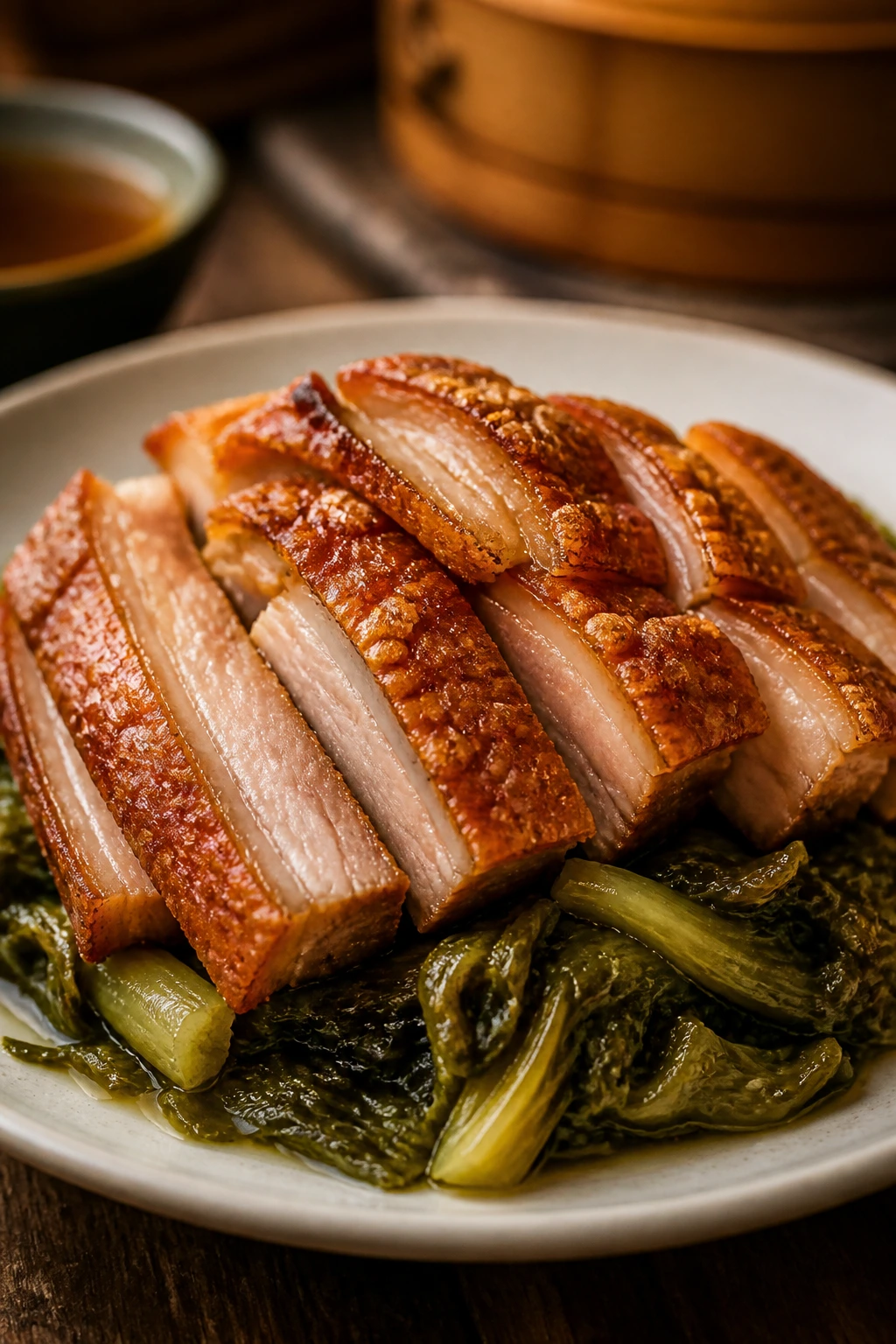
Crispy pork belly done the Cantonese way has an almost architectural quality. The skin blisters into tiny bubbles, the meat stays juicy, and the mustard greens give the plate a bitter, clean edge that makes the crackling feel earned. This is the dish that makes people lean in before they even sit down.
Why It Works:
The skin wants dry heat and a dry surface, which is why scoring and drying matter so much here. Mustard greens are the right side because their bite balances the salt and fat instead of competing with it.
Key Ingredients:
- 2 1/2 pounds skin-on pork belly
- 2 teaspoons kosher salt
- 1 teaspoon five-spice powder
- 1 tablespoon rice wine vinegar
- 1 tablespoon oil
- 1 pound mustard greens, trimmed
- 3 garlic cloves, sliced
- 1 tablespoon oyster sauce
- 1/4 cup chicken stock
Quick Steps:
- Score the skin, dry the belly well, and rub the meat side with salt and five-spice.
- Roast at 325°F for 1 hour, then raise the heat to 475°F and roast 20 to 25 minutes until the skin bubbles and crisps.
- Sauté the garlic in oil, add mustard greens, oyster sauce, and stock, and cook until just tender.
- Slice the pork belly and serve it over the greens with a drizzle of vinegar.
Equipment for This Recipe:
- Sharp knife
- Roasting pan with rack
- Skillet
- Tongs
How to Serve This Dish:
Serve it with steamed rice and perhaps a little chili sauce on the side. The skin should crack when cut, and the greens should look glossy, not swampy.
Pro Tips for This Recipe:
- Dry the skin uncovered in the refrigerator for a few hours if you can.
- Keep vinegar off the skin until serving time or you soften the crackle.
- A razor-sharp knife makes cleaner slices through the crackling top.
Variations on This Dish:
- Garlic-Chili Greens: Add a pinch of dried chili to the mustard greens.
- Orange Zest Finish: Grate a little orange zest over the sliced pork.
- Black Bean Twist: Serve with a spoonful of black bean sauce instead of oyster sauce.
Common Mistakes to Avoid with This Dish:
- Moisture on the Skin: That’s the enemy of crackle.
- Cutting with a Dull Knife: The skin shatters instead of slicing.
- Ignoring the Greens: They’re not decoration. They’re the counterweight.
11. Maple-Mustard Pork Belly with Roasted Apples and Onions
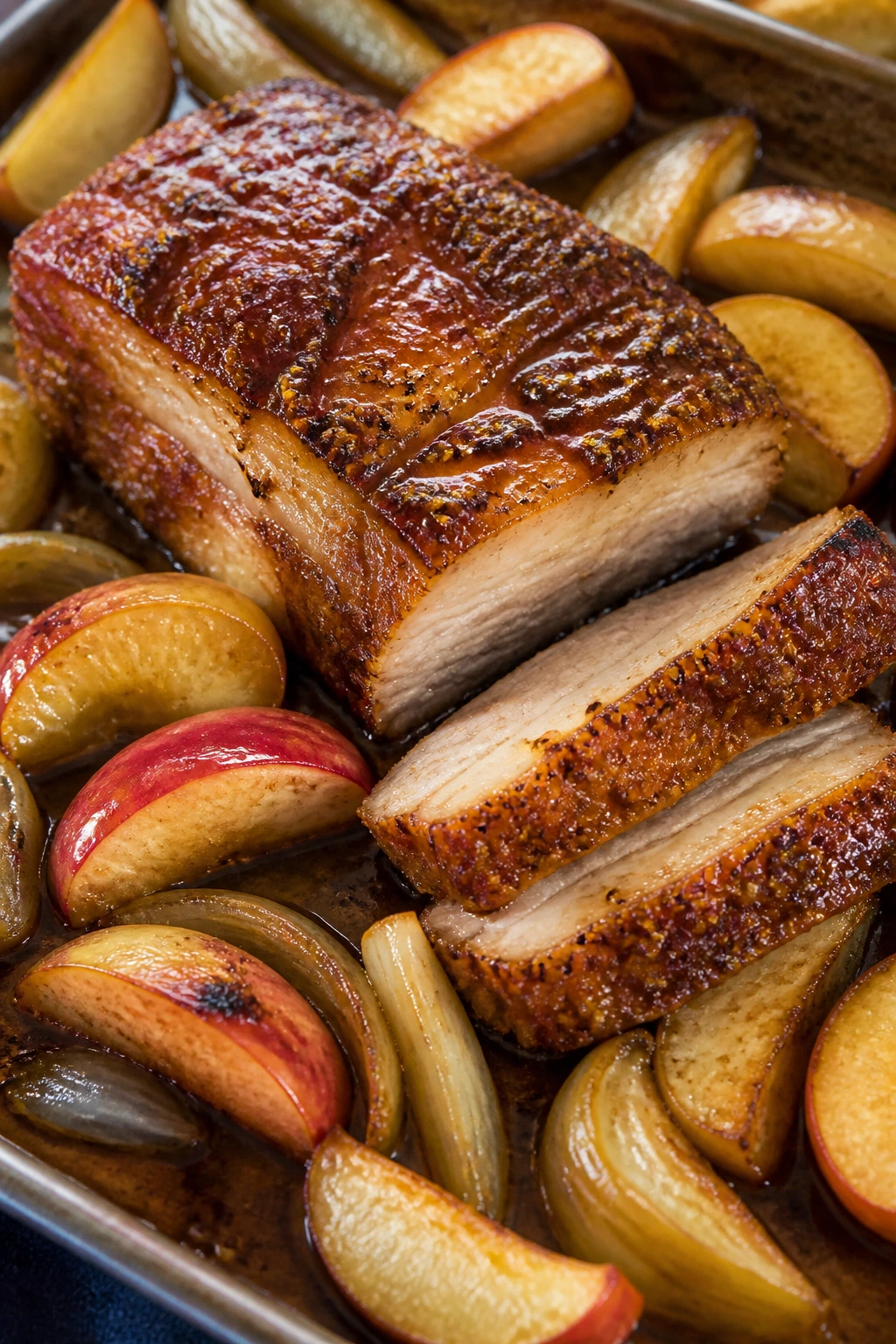
Apples and pork belly have a way of making each other taste smarter. The maple and mustard glaze turns sticky in the oven, the onions collapse into sweetness, and the apples keep enough shape to give you a soft bite instead of a purée. It’s a proper Sunday plate, not a gimmick.
Why It Works:
Maple gives the glaze body, mustard gives it bite, and the apples bring acidity that keeps the fat from feeling flat. Roasting everything together lets the fruit pick up pork drippings, which is exactly where the flavor comes from.
Key Ingredients:
- 2 pounds pork belly, cut into thick slices
- 2 tablespoons Dijon mustard
- 2 tablespoons whole-grain mustard
- 3 tablespoons maple syrup
- 1 tablespoon apple cider vinegar
- 2 apples, cored and sliced
- 1 large onion, cut into wedges
- 2 teaspoons thyme leaves
- 1 teaspoon kosher salt
Quick Steps:
- Whisk the mustards, maple syrup, vinegar, thyme, and salt, then coat the pork belly slices.
- Arrange the pork, apples, and onion on a sheet pan.
- Roast at 375°F for 45 to 55 minutes, turning the apples once, until the pork is browned and the onions are soft.
- Spoon the pan juices over the pork before serving.
Equipment for This Recipe:
- Sheet pan
- Mixing bowl
- Tongs
- Carving board
How to Serve This Dish:
This wants roasted potatoes or a simple parsnip mash. Put the apples and onions right under the pork so the juices run into them.
Pro Tips for This Recipe:
- Choose firm apples like Honeycrisp or Pink Lady so they hold their shape.
- Don’t overdo the maple or the glaze gets sticky in the wrong way.
- A little black pepper on top just before serving is worth it.
Variations on This Dish:
- Fennel Addition: Roast fennel wedges with the apples.
- Cider-Brined Version: Brine the pork belly briefly in apple cider for extra flavor.
- Dijon-Only Finish: Skip the maple and go sharper with more mustard and cider.
Common Mistakes to Avoid with This Dish:
- Using Soft Apples: They collapse before the pork finishes.
- Too Much Sweetness: The mustard should still speak up.
- Skipping Pan Juices: That glossy sauce is half the point.
12. Pork Belly and White Bean Skillet with Rosemary
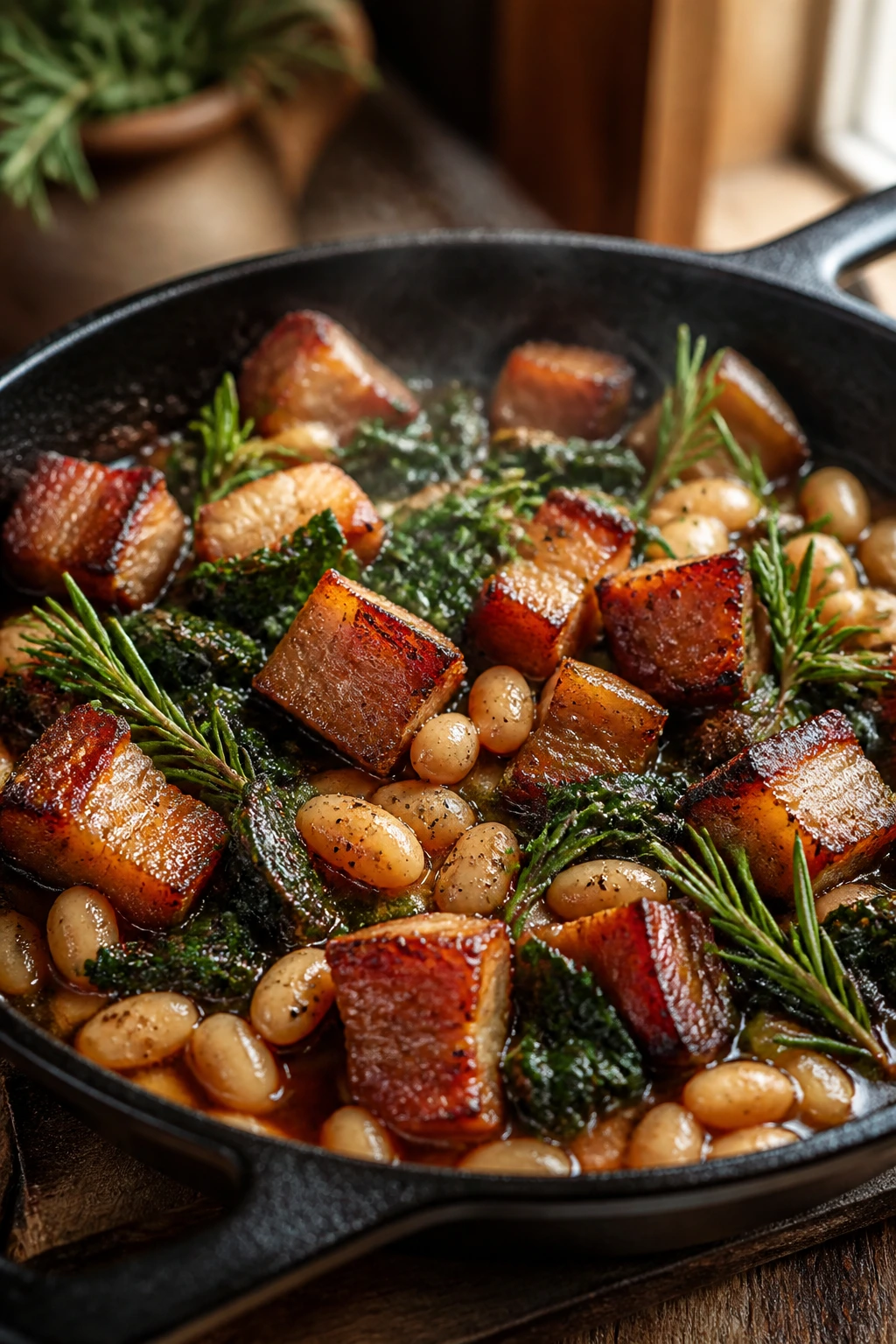
White beans are the quiet partner here, and that’s why the skillet works. They soak up the pork fat, the rosemary gives the pot a piney edge, and the kale or greens keep the bowl from turning into a puddle of richness. Simple food, done with enough attention, can be the best thing on the table.
Why It Works:
Pork belly gives the beans seasoning from the start instead of just sitting beside them. The starch from the beans thickens the pan slightly, so you end with something spoonable without having to reach for cream or flour.
Key Ingredients:
- 1 1/2 pounds pork belly, cut into 1-inch cubes
- 1 tablespoon olive oil
- 1 onion, chopped
- 3 garlic cloves, minced
- 1 tablespoon chopped rosemary
- 2 cans cannellini beans, drained and rinsed
- 1 cup chicken stock
- 2 cups chopped kale
- 1 tablespoon lemon juice
Quick Steps:
- Brown the pork belly cubes in olive oil until the fat renders and the edges color.
- Add the onion, garlic, and rosemary, and cook until the onion softens.
- Stir in the beans and stock, then simmer 15 minutes until the liquid thickens a bit.
- Add the kale and lemon juice, and cook until the greens wilt.
Equipment for This Recipe:
- Large skillet with a lid
- Wooden spoon
- Can opener
- Citrus juicer
How to Serve This Dish:
Serve it straight from the skillet with crusty bread. The broth should be loose enough to spoon, but not soupy enough to need a ladle and an apology.
Pro Tips for This Recipe:
- Mash a few beans against the side of the pan to thicken the liquid naturally.
- Lemon at the end matters. It wakes up the beans.
- Use a wide skillet so the belly browns instead of steaming.
Variations on This Dish:
- Tomato Version: Add a spoonful of tomato paste with the onions.
- Sausage Swap: Mix in a little sausage if you want more smoke.
- Swiss Chard Change-Up: Use chard instead of kale for a softer green.
Common Mistakes to Avoid with This Dish:
- Forgetting to Brown the Pork: The skillet will taste flatter if you rush this.
- Overcooking the Kale: It should wilt, not dissolve.
- Too Much Stock: You want a thick, spoonable pan, not a bean soup.
13. Beer-Braised Pork Belly with Potatoes and Carrots
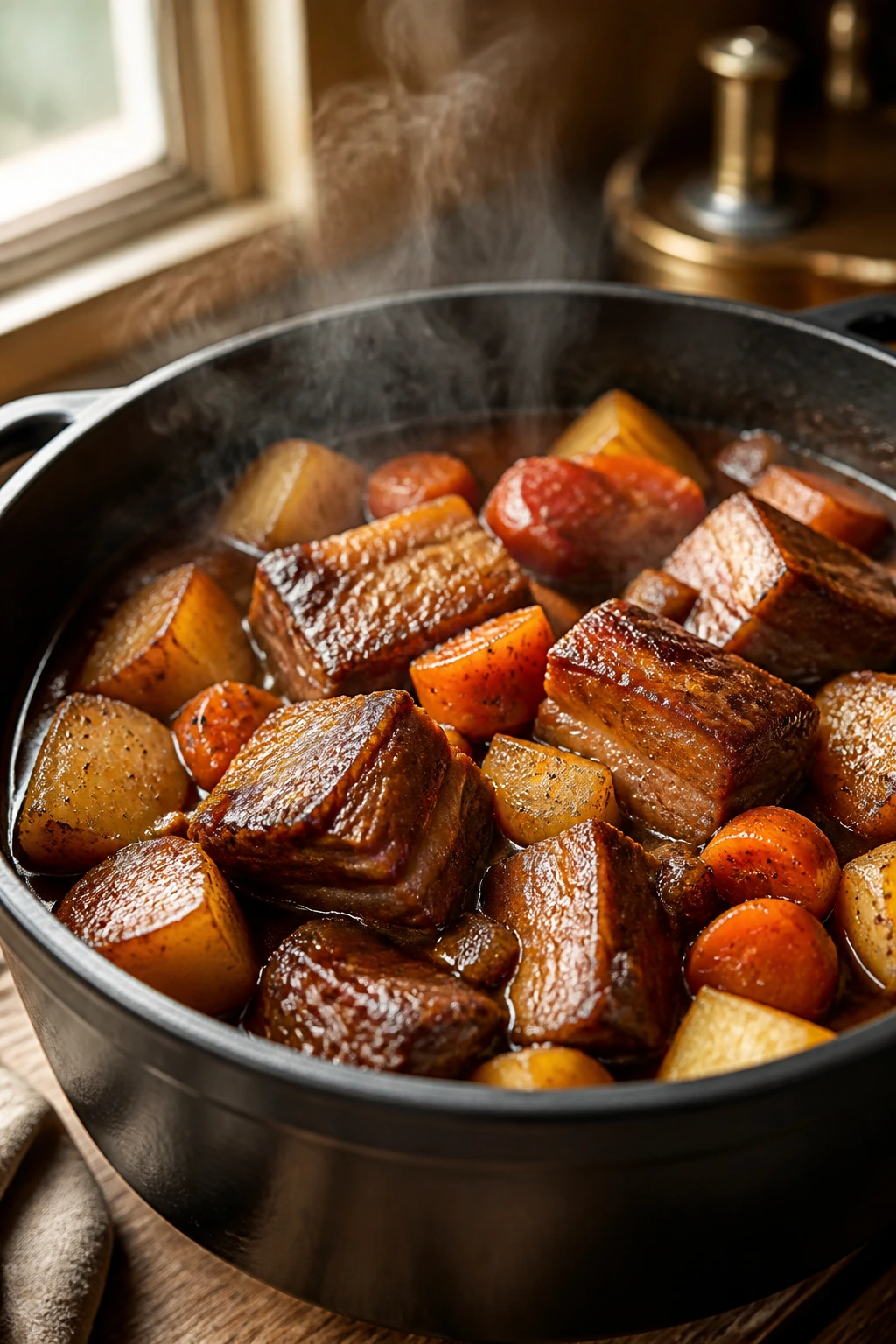
Beer-braised pork belly has an honest, sturdy feel to it. The potatoes soak up the braising liquid, the carrots go sweet at the edges, and the beer gives the sauce a round, slightly bitter backbone that keeps the fat in check. It’s the kind of dinner that fills a room without trying to impress anyone.
Why It Works:
Beer brings malt, bitterness, and a little carbonation-clean edge before it cooks down. The potatoes act like sponges for the sauce, and the long braise turns the belly tender without losing shape.
Key Ingredients:
- 2 pounds pork belly, cut into 2-inch chunks
- 1 tablespoon oil
- 1 onion, sliced
- 3 garlic cloves, smashed
- 2 cups beer
- 1 cup chicken stock
- 4 medium potatoes, cut into wedges
- 3 carrots, cut into thick rounds
- 1 tablespoon tomato paste
- 2 bay leaves
Quick Steps:
- Brown the pork belly in oil, then set it aside.
- Cook the onion and garlic for 3 minutes, stir in tomato paste, then pour in beer and stock.
- Return the pork, add potatoes, carrots, and bay leaves, then cover and braise at 325°F for 1 1/2 hours.
- Uncover for the last 20 minutes until the sauce thickens and the vegetables are tender.
Equipment for This Recipe:
- Dutch oven
- Wooden spoon
- Lid
- Pot holder, because that lid gets heavy
How to Serve This Dish:
Spoon it into deep bowls and add parsley or chives on top. A slice of sourdough on the side is not optional in my book.
Pro Tips for This Recipe:
- Use a beer you’d drink. Bitter, dark, or amber all work; overly sweet beer does not.
- Cut the potatoes large enough that they don’t collapse.
- If the sauce tastes thin, simmer uncovered a few extra minutes.
Variations on This Dish:
- Stout Version: Use stout for a deeper, roastier sauce.
- Mushroom Addition: Add sliced mushrooms with the onions.
- Root Vegetable Swap: Use parsnips or turnips in place of some potatoes.
Common Mistakes to Avoid with This Dish:
- Tiny Potato Pieces: They disappear before the pork is done.
- Flat Beer Choice: The brew matters more than people think.
- Overcrowding the Pot: The liquid should just cover the ingredients, not drown them.
14. Miso-Glazed Pork Belly with Sesame Broccolini
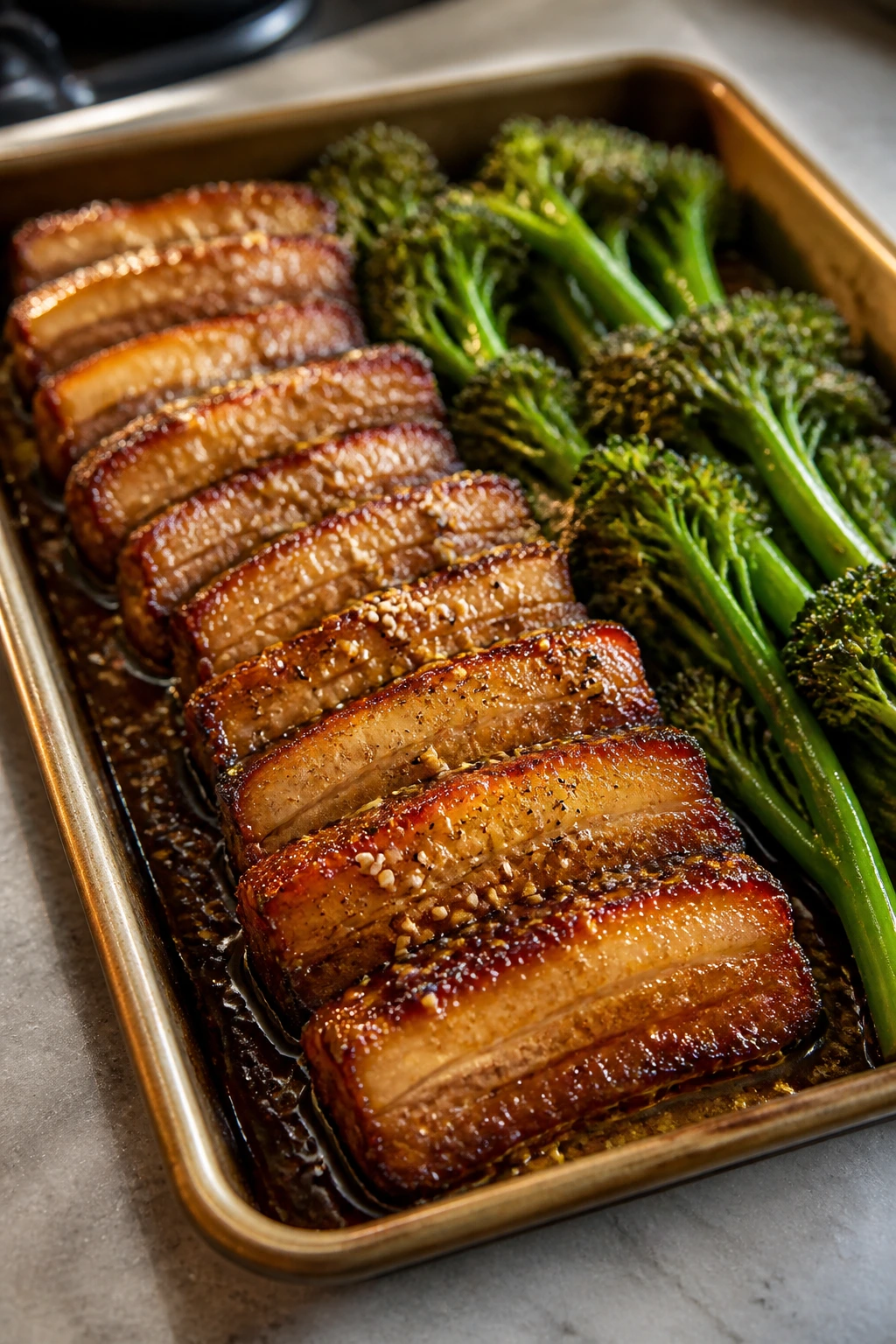
Miso is one of those ingredients that makes pork belly taste more expensive than it is. The glaze turns salty-sweet and a little toasty in the oven, and the broccolini soaks up the sesame oil around the edges. It’s glossy food, and I mean that in the best way.
Why It Works:
Miso brings fermented depth, which is a nice match for fatty meat. Broccolini cooks quickly enough to stay bright and crisp-tender, so the plate gets a green edge that doesn’t fight the glaze.
Key Ingredients:
- 2 pounds pork belly, skinless and sliced into 1-inch strips
- 2 tablespoons white miso
- 2 tablespoons honey
- 1 tablespoon rice vinegar
- 1 tablespoon sesame oil
- 1 pound broccolini
- 2 garlic cloves, minced
- 1 tablespoon toasted sesame seeds
- 2 scallions, sliced
Quick Steps:
- Roast the pork belly at 400°F for 30 minutes.
- Whisk the miso, honey, vinegar, and sesame oil into a glaze.
- Toss the broccolini with garlic and a little oil, then add it to the pan with the pork for 10 more minutes.
- Brush on the glaze and broil for 2 to 3 minutes until the edges caramelize.
Equipment for This Recipe:
- Sheet pan
- Small bowl
- Pastry brush
- Tongs
How to Serve This Dish:
Serve with plain rice so the glaze has somewhere to go. A few sesame seeds and scallions on top are enough; the dish already does a lot.
Pro Tips for This Recipe:
- White miso is milder and easier to balance than red miso here.
- Keep the glaze off the hottest part of the oven until the end.
- Broccolini can burn at the tips, so watch it closely.
Variations on This Dish:
- Ginger Miso Version: Add grated ginger to the glaze.
- Chili Miso Finish: Stir in chili crisp for heat.
- Asparagus Swap: Use asparagus instead of broccolini when it’s in good shape.
Common Mistakes to Avoid with This Dish:
- Broiling Too Long: Miso can turn bitter fast.
- Wet Broccolini: Dry it before roasting or it steams.
- Using Too Much Glaze Early: Save some for the end so the finish stays glossy.
15. Pork Belly Fried Rice with Ginger and Scallions
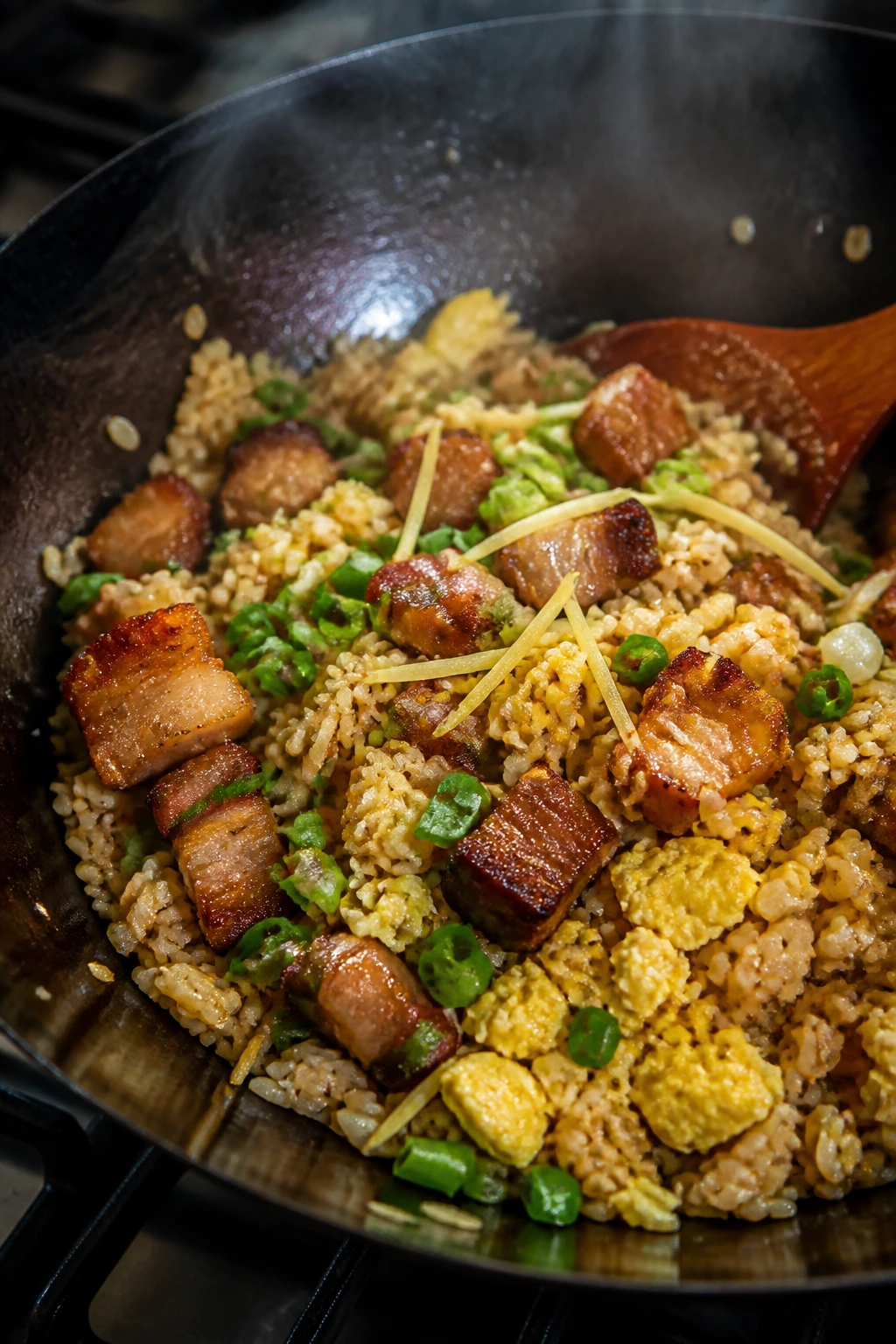
Pork belly fried rice is one of those dishes that forgives a cold fridge and a little chaos. Day-old rice gets crisp in the pan, the pork belly adds little hits of richness, and the ginger and scallions keep the whole thing from feeling heavy. You can eat it out of a bowl or straight from the skillet. I won’t judge.
Why It Works:
Fried rice wants dry, cold rice because wet grains clump and steam. Pork belly gives you enough fat to coat the rice without needing much else, and the ginger keeps the flavor sharp.
Key Ingredients:
- 1 pound cooked pork belly, chopped
- 4 cups cooked day-old rice
- 2 large eggs, beaten
- 2 tablespoons neutral oil
- 1 tablespoon grated ginger
- 3 scallions, sliced
- 1/2 cup frozen peas
- 2 tablespoons soy sauce
- 1 teaspoon sesame oil
Quick Steps:
- Heat the oil in a large skillet and fry the pork belly pieces until the edges crisp.
- Add the ginger and scallions, then push everything aside and scramble the eggs in the empty space.
- Add the rice and peas, breaking up any clumps as you stir.
- Drizzle with soy sauce and sesame oil, then cook until the rice is hot and a few grains start to crisp.
Equipment for This Recipe:
- Large skillet or wok
- Spatula
- Mixing bowl for the eggs
- Measuring spoons
How to Serve This Dish:
Serve with sliced cucumber or a quick vinegar pickle. The best bowl has a few browned bits mixed in with the rice and at least one crisp pork edge on top.
Pro Tips for This Recipe:
- Cold rice is non-negotiable. Warm rice turns gummy.
- Use a wide pan so you can spread the rice out.
- Add soy sauce around the edge of the pan for a little sizzle.
Variations on This Dish:
- Kimchi Fried Rice: Swap peas for chopped kimchi.
- Garlic Fried Rice: Add extra garlic with the ginger.
- Corn and Scallion Version: Stir in corn for a sweet pop.
Common Mistakes to Avoid with This Dish:
- Using Fresh Rice: It clumps and goes sticky.
- Overcrowding the Pan: The rice needs room to fry.
- Adding Too Much Soy: The rice should be savory, not wet.
16. Pork Belly Sliders with Quick Pickles and Slaw
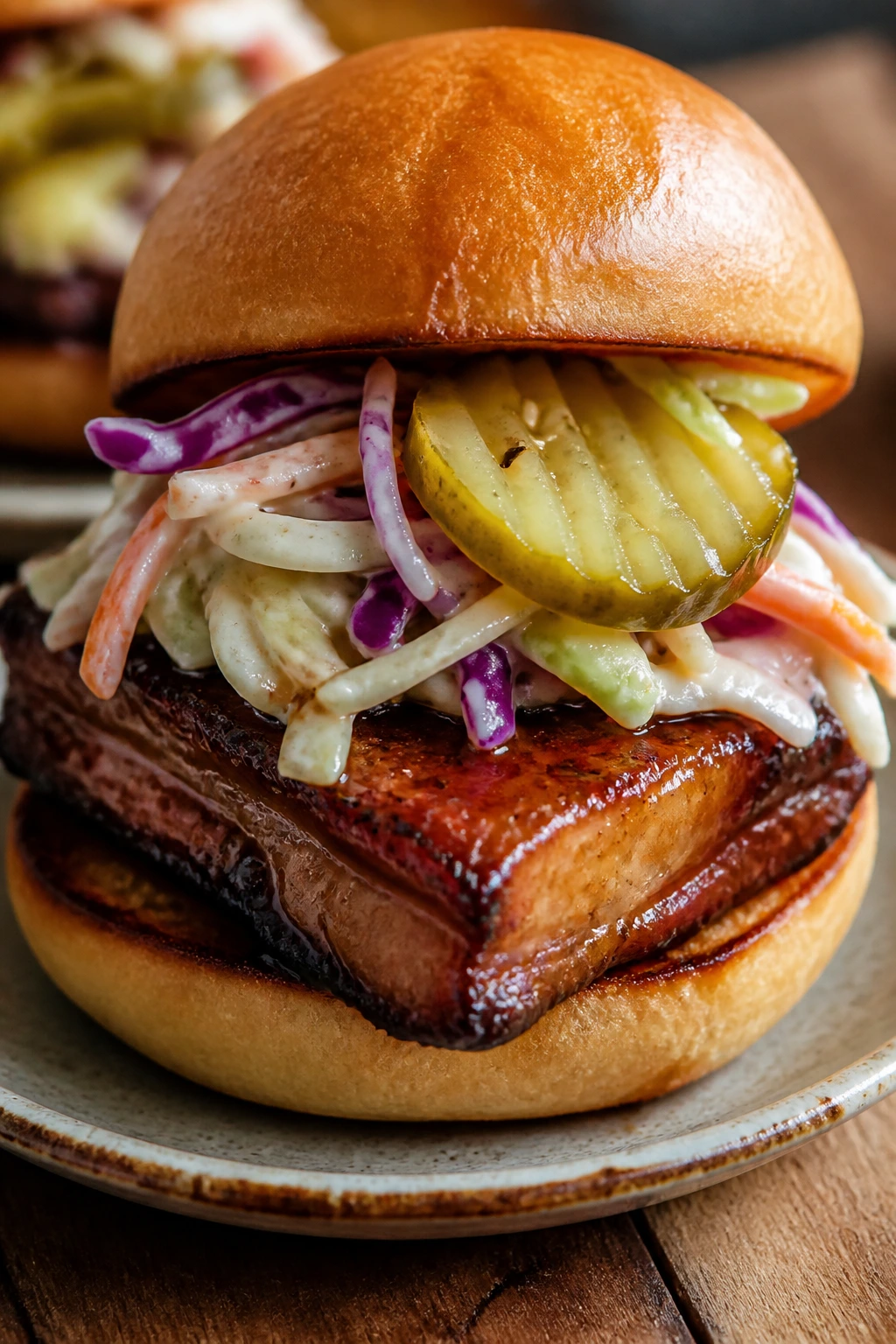
Sliders ask for tenderness, crunch, and enough salt to wake up the bun. Pork belly gives you the tender part. The pickles and slaw do the rest. It’s not hard to understand why they disappear fast at the table.
Why It Works:
Rich meat in a small bun needs acid and texture, or it collapses under its own weight. Quick pickles and slaw cut through the belly and keep each bite lively instead of greasy.
Key Ingredients:
- 2 pounds pork belly, skinless and cut into 1-inch strips
- 1 tablespoon barbecue rub or salt and pepper
- 12 slider buns
- 1 cup shredded cabbage
- 1/2 cup mayonnaise
- 2 tablespoons apple cider vinegar
- 1 tablespoon sugar
- 1/2 cup dill pickle chips
- 1 tablespoon mustard
Quick Steps:
- Roast or braise the pork belly until tender, then crisp the edges in a hot skillet.
- Mix the cabbage, mayonnaise, vinegar, sugar, and mustard for a quick slaw.
- Toast the slider buns lightly.
- Build the sliders with pork belly, slaw, and pickle chips.
Equipment for This Recipe:
- Sheet pan or skillet
- Small mixing bowl
- Knife and cutting board
- Serving platter
How to Serve This Dish:
Set these out as a hand-held supper with chips, potato salad, or roasted broccoli. The best slider is a little messy, but not so messy it needs a fork.
Pro Tips for This Recipe:
- Toasting the buns keeps them from going soggy.
- Slice the belly thinly enough that the bun doesn’t fight back.
- A little extra mustard on the bun helps the whole thing taste sharper.
Variations on This Dish:
- BBQ Slider Version: Toss the pork in barbecue sauce before assembling.
- Asian Slaw Swap: Use rice vinegar, sesame oil, and cilantro in the slaw.
- Spicy Pickle Finish: Add jalapeño slices for heat.
Common Mistakes to Avoid with This Dish:
- Wet Buns: Toast them.
- Too Much Sauce: Sliders should be saucy, not collapsing.
- Skipping Crunch: Without slaw or pickles, the pork feels too dense.
17. Pork Belly Confit with Garlic and Thyme
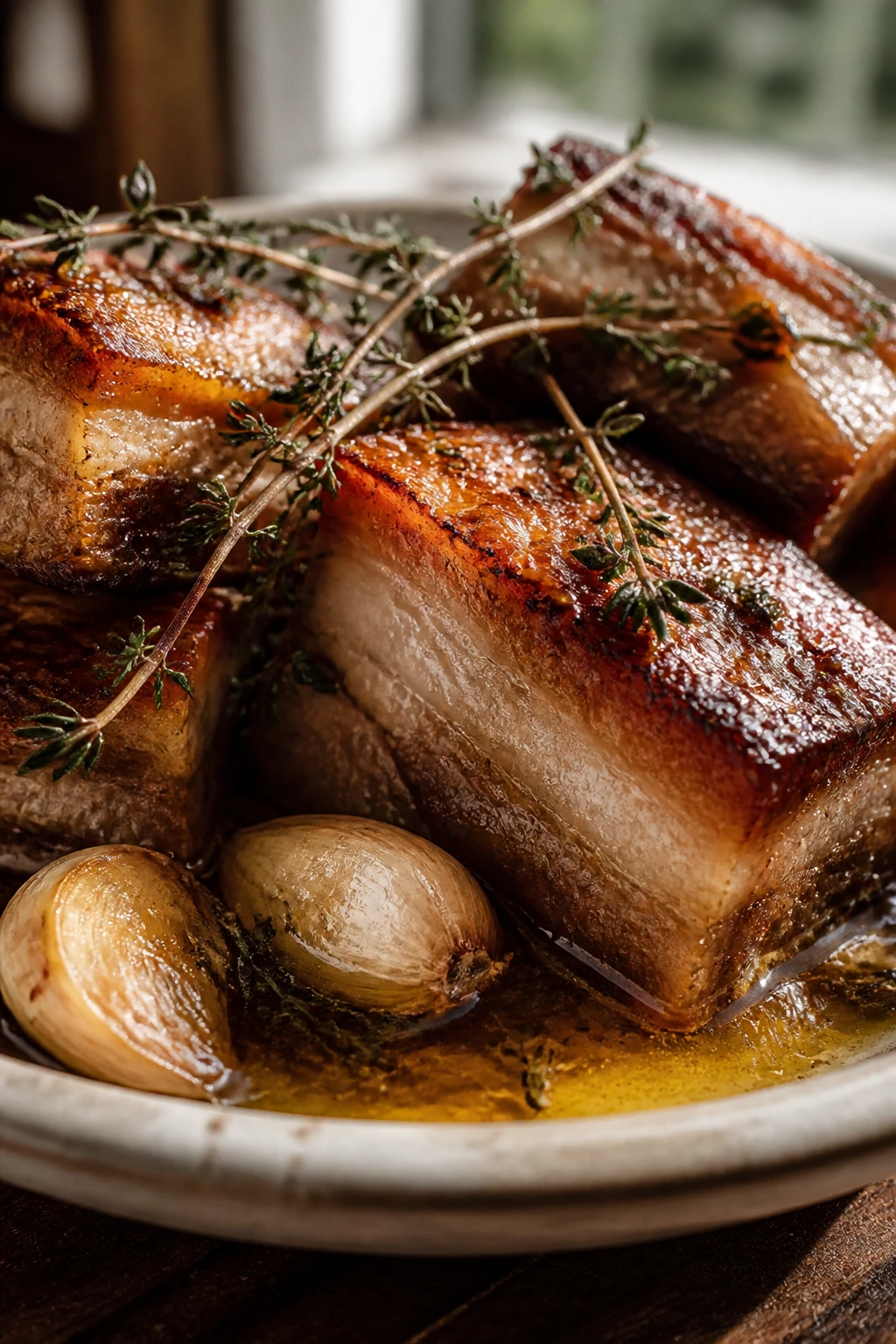
Confit sounds fancy, but in practice it’s mostly a quiet oven doing patient work. Pork belly turns silky, garlic softens into something spreadable, and thyme perfumes the fat so the whole kitchen smells like a very good day. This is one of the best ways to turn a slab into something spoonable.
Why It Works:
Low heat and fat protect the pork from drying out while it cooks. The result is more tender than a roast and richer than a straight braise, with a finish that can be crisped in a pan right before serving.
Key Ingredients:
- 2 pounds pork belly, skinless and cut into large chunks
- 2 cups duck fat or neutral oil
- 6 garlic cloves, smashed
- 6 thyme sprigs
- 2 bay leaves
- 1 teaspoon black peppercorns
- 2 teaspoons kosher salt
- 1 teaspoon lemon zest
Quick Steps:
- Season the pork belly with salt, pepper, and lemon zest, then arrange it in a small baking dish.
- Add the garlic, thyme, and bay leaves, then pour in enough fat to mostly cover the meat.
- Cook at 250°F for 3 hours until the pork is tender enough to press with a fork.
- Let it rest in the fat, then sear the pieces in a hot skillet just before serving if you want a browned edge.
Equipment for This Recipe:
- Small baking dish or Dutch oven
- Foil or lid
- Skillet for finishing
- Slotted spoon
How to Serve This Dish:
Serve with crispy potatoes, sautéed greens, or a loaf of bread you don’t mind using for sauce. The pork should look glossy and pale gold, with herbs tucked around the edges.
Pro Tips for This Recipe:
- If duck fat isn’t in the house, neutral oil works, though the flavor is quieter.
- Let the pork cool in the fat if you’re making it ahead.
- Sear only the pieces you’re serving so the rest stay tender.
Variations on This Dish:
- Rosemary Confit: Swap thyme for rosemary.
- Garlic-Heavy Version: Add extra garlic cloves, but keep the heat low.
- Citrus Confit: Add orange peel with the lemon zest.
Common Mistakes to Avoid with This Dish:
- Too Much Heat: Confit is about patience, not speed.
- Letting the Meat Dry Out: Keep it in the fat if possible.
- Serving Without a Crisp Finish: A quick sear gives the dish shape.
18. Pork Belly and Lentil Stew with Tomato and Bay
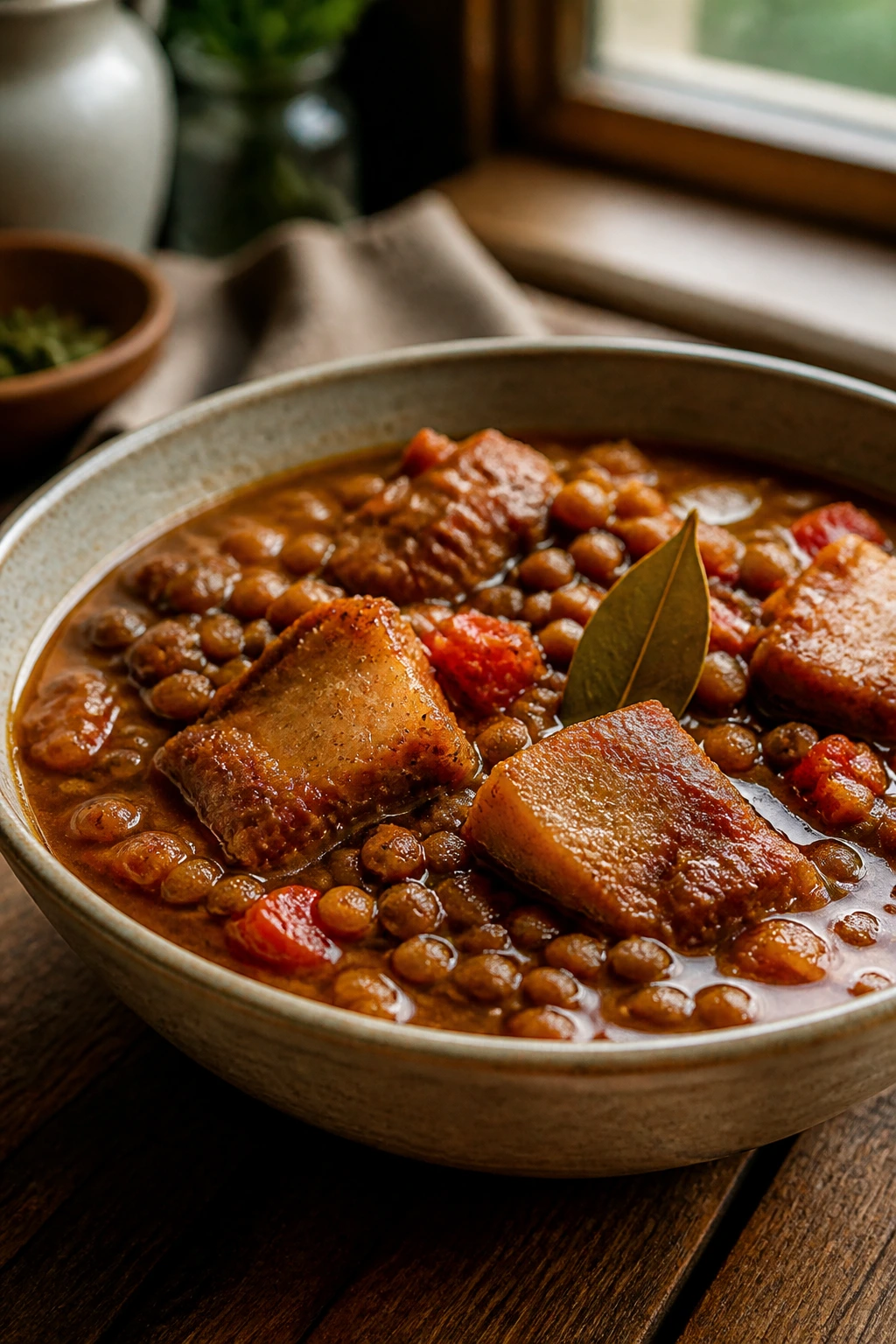
Lentils are the bean cousin that don’t mind being cooked with fatty meat, which makes them perfect here. The stew gets thick, the tomato gives it a little lift, and the pork belly turns the whole pot savory without taking over. It’s sturdy food, the sort you want on a cold plate and a bigger spoon.
Why It Works:
Lentils absorb flavor faster than most legumes, so they pick up the pork drippings as they simmer. Bay and tomato keep the stew tasting layered instead of merely rich.
Key Ingredients:
- 1 1/2 pounds pork belly, cut into 1-inch cubes
- 1 tablespoon oil
- 1 onion, chopped
- 2 carrots, chopped
- 2 celery stalks, chopped
- 1 tablespoon tomato paste
- 1 cup brown lentils, rinsed
- 5 cups chicken stock
- 2 bay leaves
- 1 teaspoon smoked paprika
Quick Steps:
- Brown the pork belly in oil, then set it aside.
- Cook the onion, carrots, and celery until softened, then stir in tomato paste and paprika.
- Add lentils, stock, bay leaves, and the pork belly, then simmer 35 to 45 minutes until the lentils are tender.
- Season with salt and pepper and let it sit for 10 minutes before serving.
Equipment for This Recipe:
- Dutch oven
- Wooden spoon
- Ladle
- Cutting board
How to Serve This Dish:
Serve it in bowls with crusty bread or over boiled potatoes if you want a heavier supper. A handful of parsley on top keeps the stew from looking brown and one-note.
Pro Tips for This Recipe:
- Brown the tomato paste for 30 seconds before adding liquid; it deepens the flavor.
- Add more stock if the lentils drink the pot dry before they’re done.
- A splash of vinegar at the end brightens the stew a lot.
Variations on This Dish:
- French-Style Version: Add thyme and a little white wine.
- Lemony Finish: Use lemon juice instead of vinegar at the end.
- Greens Addition: Stir in spinach or kale right before serving.
Common Mistakes to Avoid with This Dish:
- Undercooking the Lentils: They should be tender, not chalky.
- Skipping the Tomato Paste: It adds depth fast.
- Making It Too Thin: This should sit somewhere between soup and stew.
19. Pork Belly Carnitas with Orange and Cumin
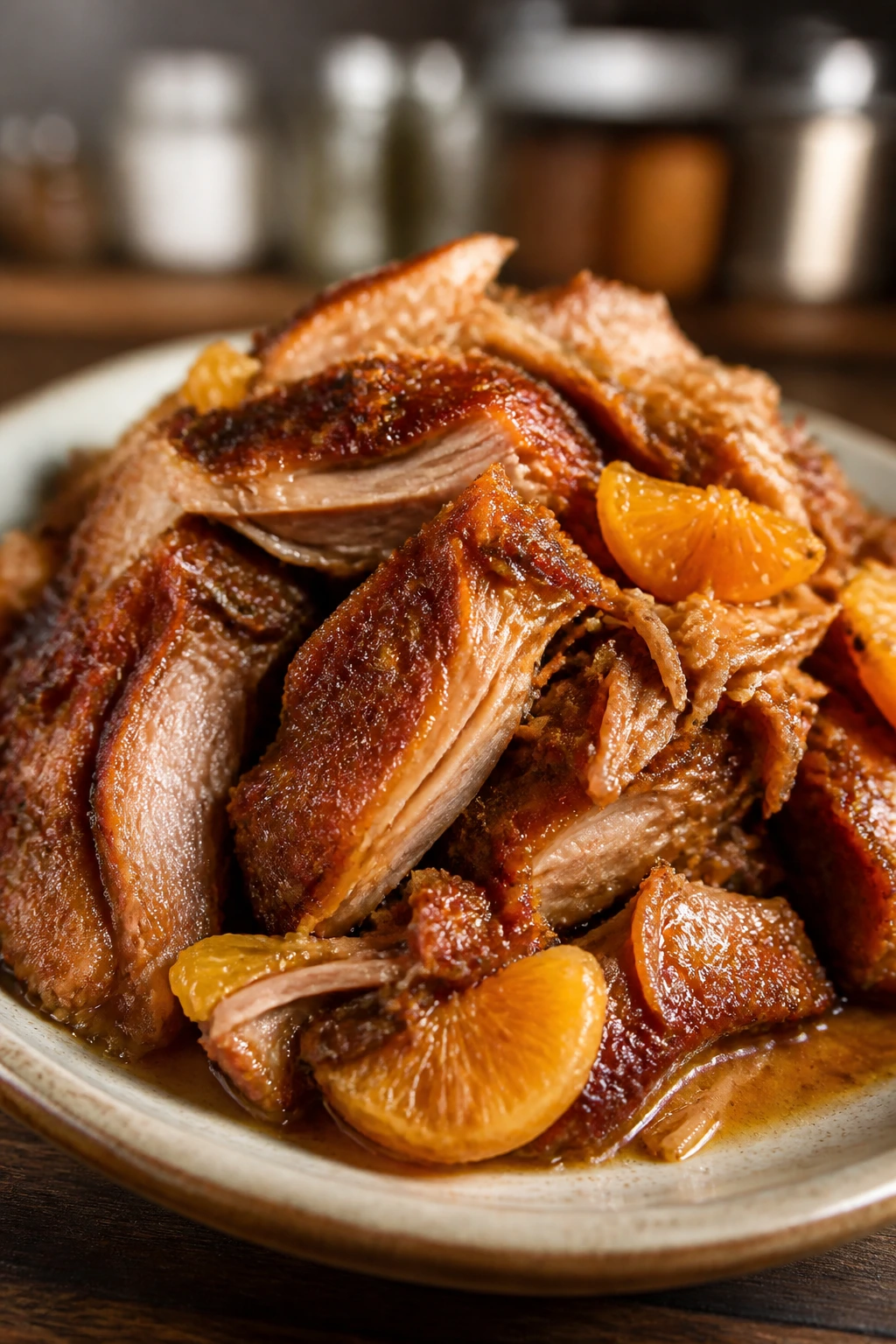
Carnitas should shred in rough, juicy pieces with crisp little corners that catch salt. Pork belly is an obvious fit because it already has the fat you’d normally need to coax out of shoulder. Orange, cumin, and oregano bring the warmth, and the finishing crisp is the part people remember.
Why It Works:
The long roast lets the belly go soft, then the exposed surface crisps as the liquid cooks down. Orange juice adds fragrance and brightness, which keeps the pork from feeling heavy even after it’s shredded.
Key Ingredients:
- 2 1/2 pounds pork belly, cut into large chunks
- 1 orange, juiced
- 1 lime, juiced
- 1 onion, sliced
- 4 garlic cloves, smashed
- 2 teaspoons ground cumin
- 1 teaspoon dried oregano
- 2 bay leaves
- 1 1/2 teaspoons kosher salt
Quick Steps:
- Toss the pork with salt, cumin, oregano, orange juice, lime juice, onion, garlic, and bay leaves.
- Roast covered at 300°F for 2 hours until the pork is tender.
- Uncover, raise the heat to 425°F, and roast 20 to 25 minutes until the edges crisp.
- Shred lightly with two forks and toss with the pan juices.
Equipment for This Recipe:
- Dutch oven or covered baking dish
- Two forks
- Lime juicer
- Sheet pan if you finish the crisping separately
How to Serve This Dish:
Carnitas are good in tacos, bowls, or piled over rice with beans. Keep a bowl of salsa, sliced radishes, and lime wedges nearby because the pork likes a sharp finish.
Pro Tips for This Recipe:
- Don’t shred too fine; the rough pieces catch more crisp edges.
- If the pan is dry before crisping, splash in a little stock or water.
- Salt at the beginning matters. It seasons the whole roast.
Variations on This Dish:
- Chipotle Carnitas: Add chipotle in adobo for smoke.
- Citrus Trio: Use orange, lime, and a little grapefruit juice.
- Pork Belly Bowl: Serve over rice with beans and avocado instead of tortillas.
Common Mistakes to Avoid with This Dish:
- Skipping the Final Crisp: Without it, carnitas taste soft but not finished.
- Too Much Liquid at the End: Shredded pork should be juicy, not swimming.
- Over-Shredding: Leave some bigger chunks.
20. Pork Belly Banh Mi with Pickled Carrots
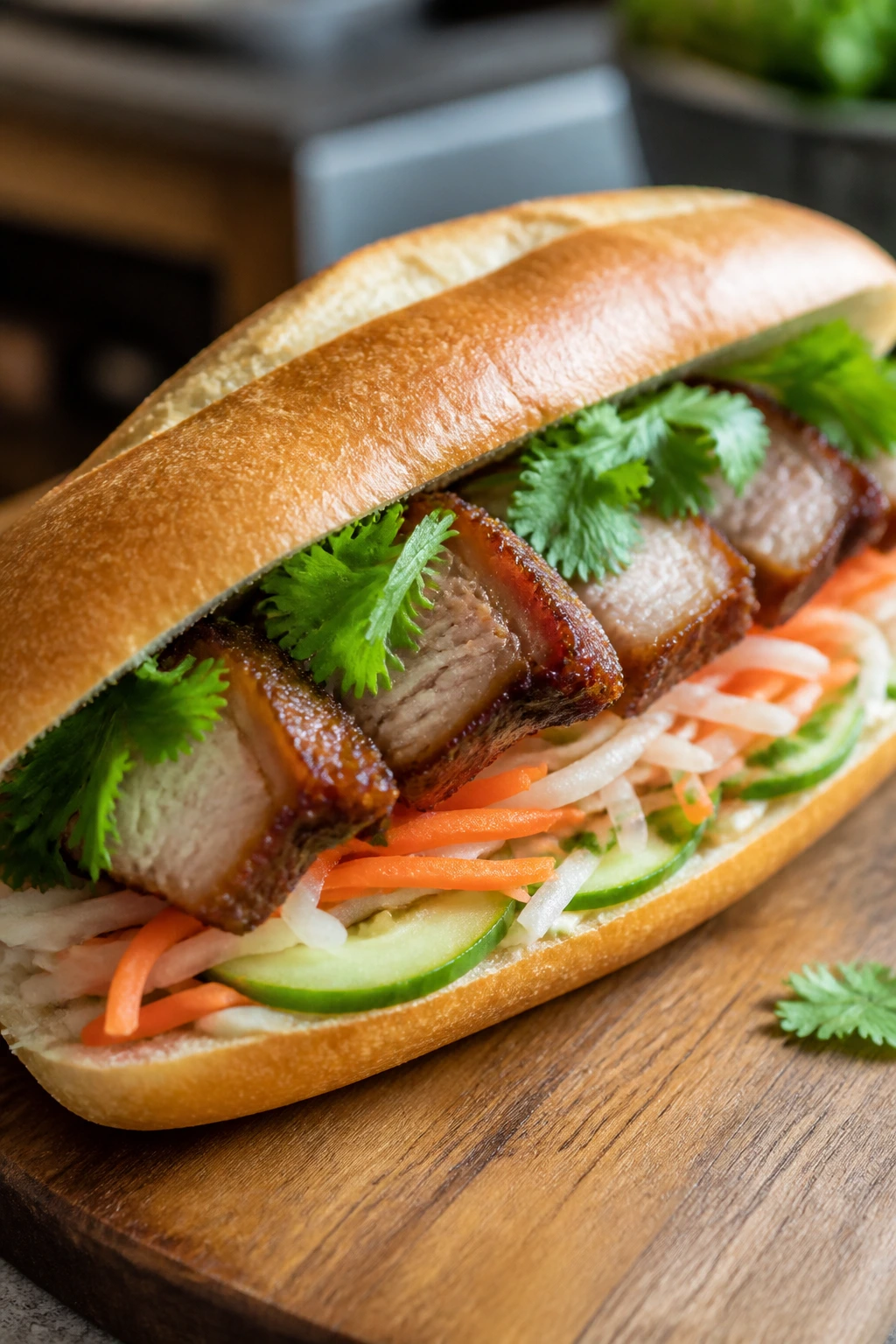
Banh mi needs contrast in every bite: hot and cold, rich and sharp, soft and crunchy. Pork belly gives the warmth, the pickled carrots and daikon bring acid, and the baguette does what a good baguette should do — hold the whole thing together without getting soggy too fast. That’s a satisfying sandwich.
Why It Works:
Fish sauce and soy season the pork with salt and depth, while pickles and herbs cut through the fat. The bread matters almost as much as the filling here because it needs to stay crisp outside and tender inside.
Key Ingredients:
- 1 1/2 pounds pork belly, sliced into 1/2-inch strips
- 2 tablespoons soy sauce
- 1 tablespoon fish sauce
- 1 tablespoon brown sugar
- 2 garlic cloves, minced
- 1 carrot, julienned
- 1 small daikon, julienned
- 2 tablespoons rice vinegar
- 4 baguette rolls, split
- 1 cucumber, sliced
- 1/2 cup cilantro leaves
Quick Steps:
- Marinate the pork with soy sauce, fish sauce, brown sugar, and garlic for 20 minutes.
- Roast or pan-sear the pork belly until browned and cooked through.
- Toss the carrot and daikon with rice vinegar and a pinch of salt.
- Split and toast the baguettes, then fill with pork, pickles, cucumber, and cilantro.
Equipment for This Recipe:
- Skillet or sheet pan
- Small bowl
- Sharp knife
- Toaster or oven
How to Serve This Dish:
Serve the sandwiches wrapped halfway in parchment so they’re easier to hold. A few jalapeño slices or a swipe of mayo on the bread adds a nice extra layer.
Pro Tips for This Recipe:
- Toast the bread. Cold baguette makes the whole sandwich feel stiff.
- Thin-cut pork belly cooks and sandwiches better than huge chunks.
- Let the pickles sit for 10 minutes so they soften slightly.
Variations on This Dish:
- Spicy Mayo Version: Add sriracha to the mayo.
- Grilled Pork Belly: Char the pork under a broiler for more edge.
- Daikon-Free Swap: Use all carrots if that’s what’s in the fridge.
Common Mistakes to Avoid with This Dish:
- Soggy Bread: Keep the pickles drained.
- Underseasoned Pork: The sandwich needs the meat to taste like something.
- Too Much Mayo: It should support the fillings, not bury them.
21. Pork Belly Curry with Coconut Milk and Lime
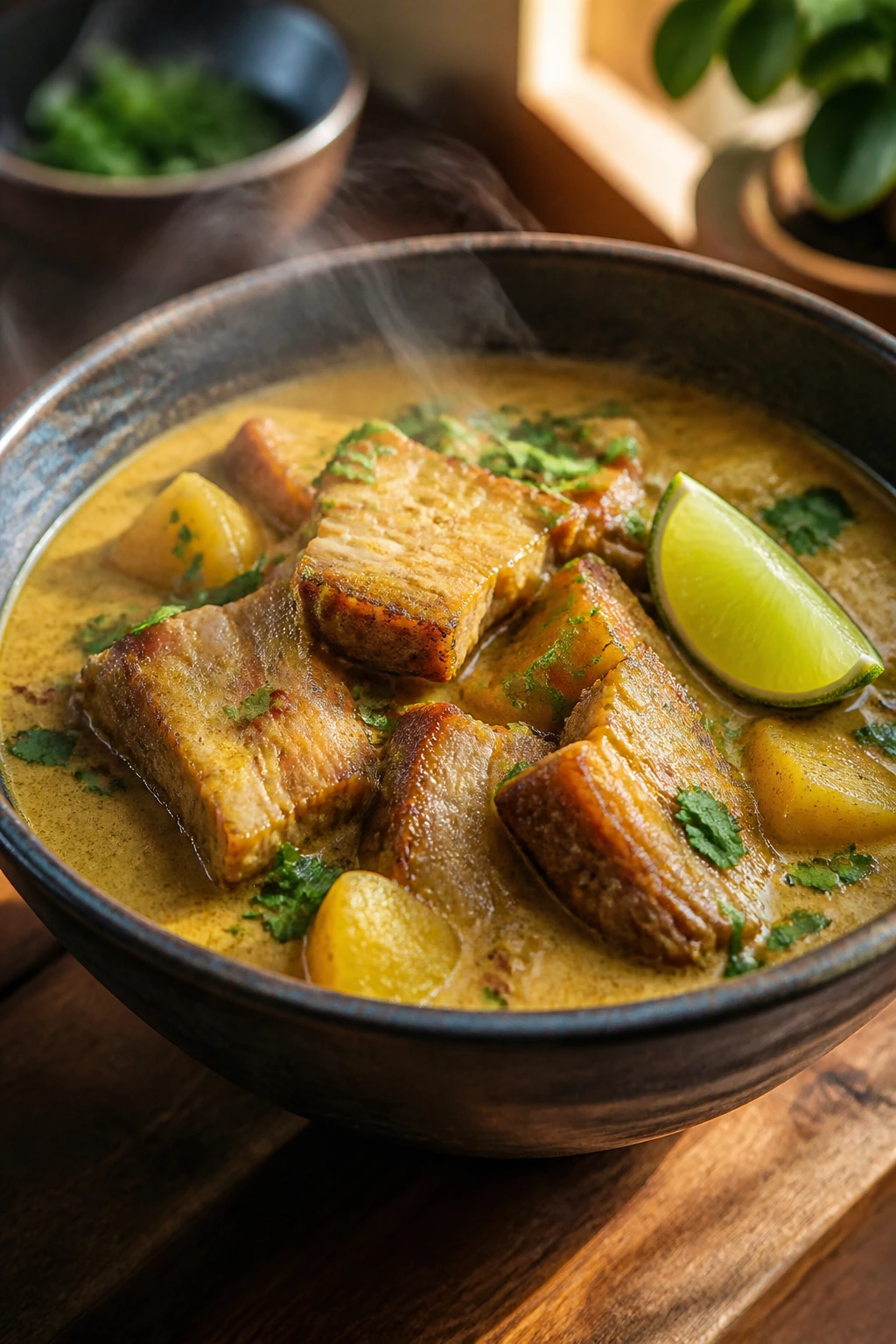
Coconut curry softens pork belly’s edges in a way that feels almost unfair. The sauce turns silky, the lime keeps it bright, and the pork gives the curry enough body that you don’t need to build a lot of side dishes around it. Rice, a spoon, and maybe some herbs. That’s enough.
Why It Works:
The fat in the pork belly melts into the coconut milk, which makes the sauce richer without requiring a roux or a long reduction. Lime at the end sharpens the curry and keeps the palate awake.
Key Ingredients:
- 2 pounds pork belly, cut into 1-inch cubes
- 1 tablespoon oil
- 1 onion, sliced
- 2 tablespoons curry paste
- 1 tablespoon grated ginger
- 2 garlic cloves, minced
- 1 can coconut milk
- 1 cup chicken stock
- 2 potatoes, cubed
- 1 lime, juiced
Quick Steps:
- Brown the pork belly in oil, then set it aside.
- Cook the onion, ginger, garlic, and curry paste until fragrant.
- Add coconut milk, stock, potatoes, and the pork belly, then simmer 35 to 40 minutes until the potatoes are tender.
- Finish with lime juice and cilantro.
Equipment for This Recipe:
- Deep skillet or Dutch oven
- Wooden spoon
- Ladle
- Citrus juicer
How to Serve This Dish:
Serve it over jasmine rice with a little chopped cilantro on top. A spoonful of quick cucumber salad on the side is a smart move because the curry is rich.
Pro Tips for This Recipe:
- Fry the curry paste briefly before adding liquid.
- Choose a curry paste you actually like; brands vary a lot in heat and salt.
- If the sauce gets too thick, loosen it with stock.
Variations on This Dish:
- Red Curry Version: Use red curry paste for more heat.
- Sweet Potato Swap: Replace potatoes with sweet potatoes.
- Herb Finish: Add Thai basil if you want a sharper herbal note.
Common Mistakes to Avoid with This Dish:
- Boiling Coconut Milk Hard: It can split.
- Weak Curry Paste: The paste does the heavy lifting.
- Forgetting Lime: The dish needs that bright finish.
22. Pork Belly with Sauerkraut, Caraway, and Mustard
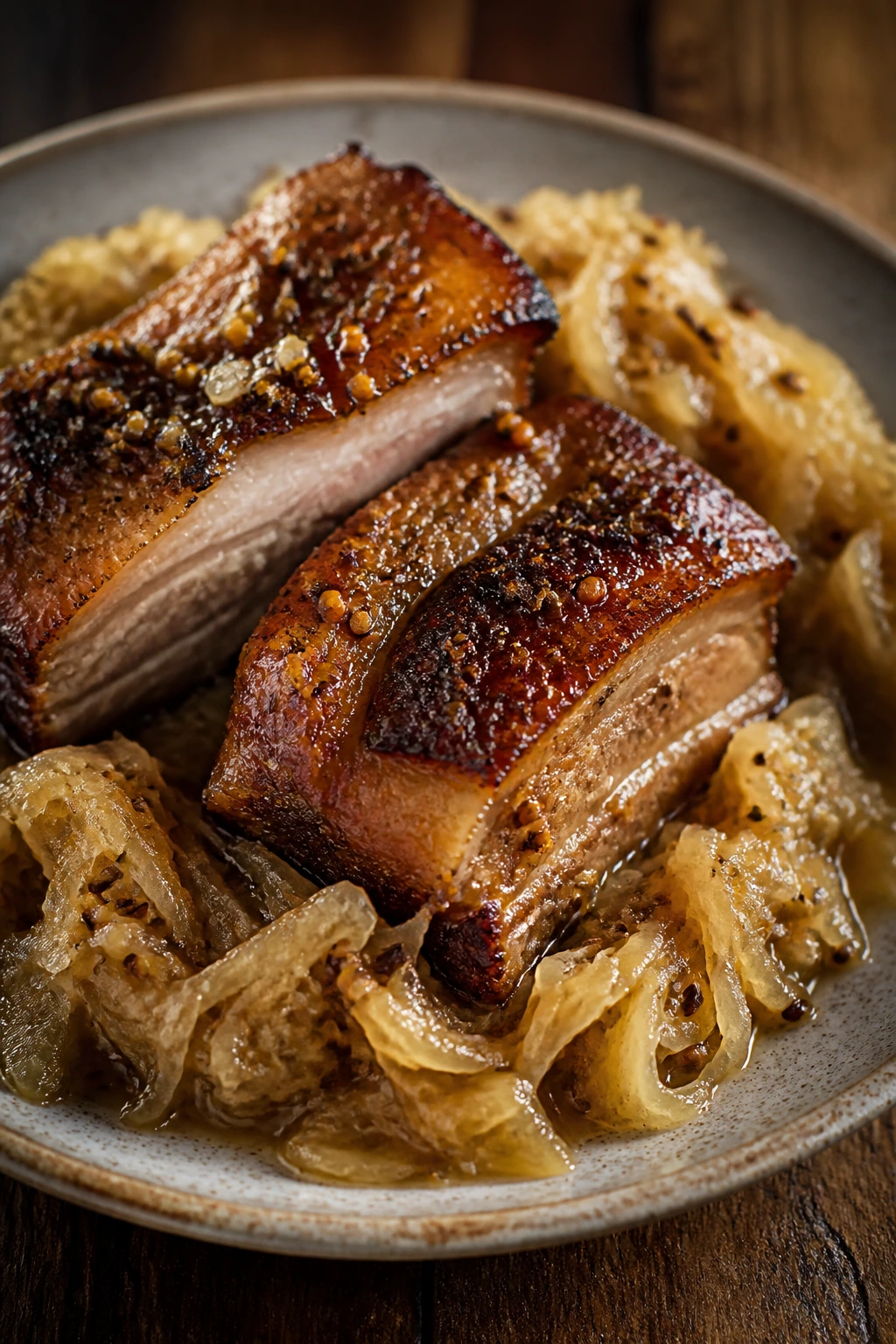
Sauerkraut and pork belly belong together for a reason. The kraut’s sharp tang slices through the fat, caraway adds that dry, earthy note, and mustard brings the whole dish into focus. This is the plate you make when you want the table to feel grounded and not flashy.
Why It Works:
Sauerkraut already has acid and salt, which means it seasons the pork as it cooks. A little apple or onion softens the kraut’s edge and makes the braise taste rounder instead of harsh.
Key Ingredients:
- 2 pounds pork belly, cut into large chunks
- 1 tablespoon oil
- 1 onion, sliced
- 2 cups sauerkraut, drained slightly
- 1 teaspoon caraway seeds
- 1 apple, sliced
- 1 tablespoon whole-grain mustard
- 1 cup chicken stock
- 1 teaspoon black pepper
Quick Steps:
- Brown the pork belly in oil, then remove it.
- Cook the onion and caraway for 3 minutes, then stir in the sauerkraut, apple, mustard, stock, and pepper.
- Return the pork, cover, and braise at 325°F for 1 1/2 hours until the pork is tender.
- Serve with extra mustard on the side.
Equipment for This Recipe:
- Dutch oven
- Wooden spoon
- Lid
- Measuring spoons
How to Serve This Dish:
Serve with boiled potatoes or dark bread, and spoon the kraut over the pork instead of to the side. That way the acid gets into every bite instead of sitting politely.
Pro Tips for This Recipe:
- Drain the sauerkraut a bit if it’s very salty.
- Keep the apple slices thick enough to hold shape.
- A little mustard at the end tastes brighter than cooking it all away.
Variations on This Dish:
- Smoked Paprika Addition: Add 1 teaspoon for warmth.
- Caraway-Free Version: Use fennel seed if you like that flavor better.
- Beer Braise: Replace half the stock with beer.
Common Mistakes to Avoid with This Dish:
- Using Undrained Kraut: The pot can go briny fast.
- Skipping the Apple: It isn’t decoration; it balances the acid.
- Overcooking the Pork: Tender is the goal, not stringy.
23. Pork Belly Rice Bowls with Chili Crisp and Soft Eggs
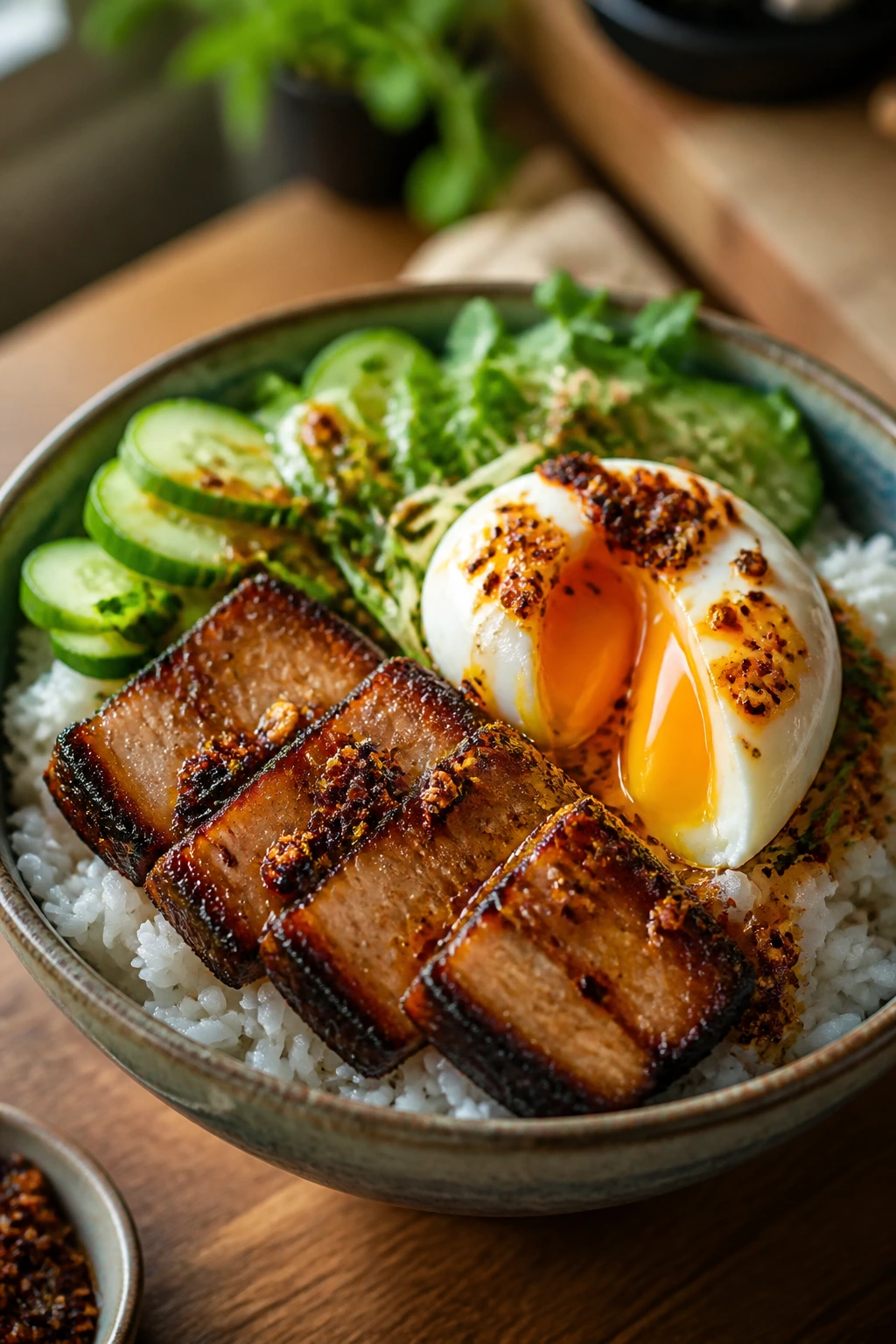
Rice bowls are where pork belly becomes easy forkfuls. The soft egg yolk mixes with chili crisp, the cucumber cools things down, and the pork belly gives every bite some weight. It’s a tidy supper, which is useful when the rest of life is not.
Why It Works:
A bowl format lets you control the richness with crisp vegetables and hot sauce instead of pretending the pork is light. Chili crisp adds texture, not just heat, and a soft egg gives the bowl a creamy center.
Key Ingredients:
- 1 1/2 pounds pork belly, sliced into 1-inch pieces
- 3 cups cooked rice
- 4 large eggs
- 1 cucumber, sliced
- 2 cups baby spinach or greens
- 2 tablespoons chili crisp
- 2 tablespoons soy sauce
- 1 tablespoon rice vinegar
- 2 scallions, sliced
Quick Steps:
- Roast or pan-fry the pork belly until crisp at the edges.
- Soft-boil the eggs for 6 1/2 minutes, then chill and peel them.
- Wilt the greens in a hot pan or leave them raw if you want more crunch.
- Build bowls with rice, pork belly, eggs, cucumber, greens, chili crisp, soy sauce, vinegar, and scallions.
Equipment for This Recipe:
- Skillet or sheet pan
- Small saucepan
- Bowl for ice water
- Serving bowls
How to Serve This Dish:
Serve it in wide bowls so the toppings stay visible and don’t bury the rice. A sprinkle of sesame seeds or furikake is a nice final touch if you have it.
Pro Tips for This Recipe:
- A little vinegar over the cucumber makes the bowl taste sharper.
- Keep the rice hot so the chili crisp loosens slightly.
- If you want more crunch, add chopped peanuts.
Variations on This Dish:
- Kimchi Bowl: Replace cucumber with kimchi.
- Teriyaki Version: Swap soy and vinegar for a sweet teriyaki glaze.
- Brown Rice Swap: Use brown rice if you want more chew.
Common Mistakes to Avoid with This Dish:
- Cold Rice Straight From the Fridge: Reheat it or it tastes flat.
- Dry Eggs: Soft yolks are part of the bowl’s texture.
- Too Much Chili Crisp: It should accent the bowl, not flood it.
24. Pork Belly and Sweet Potato Sheet Pan Dinner
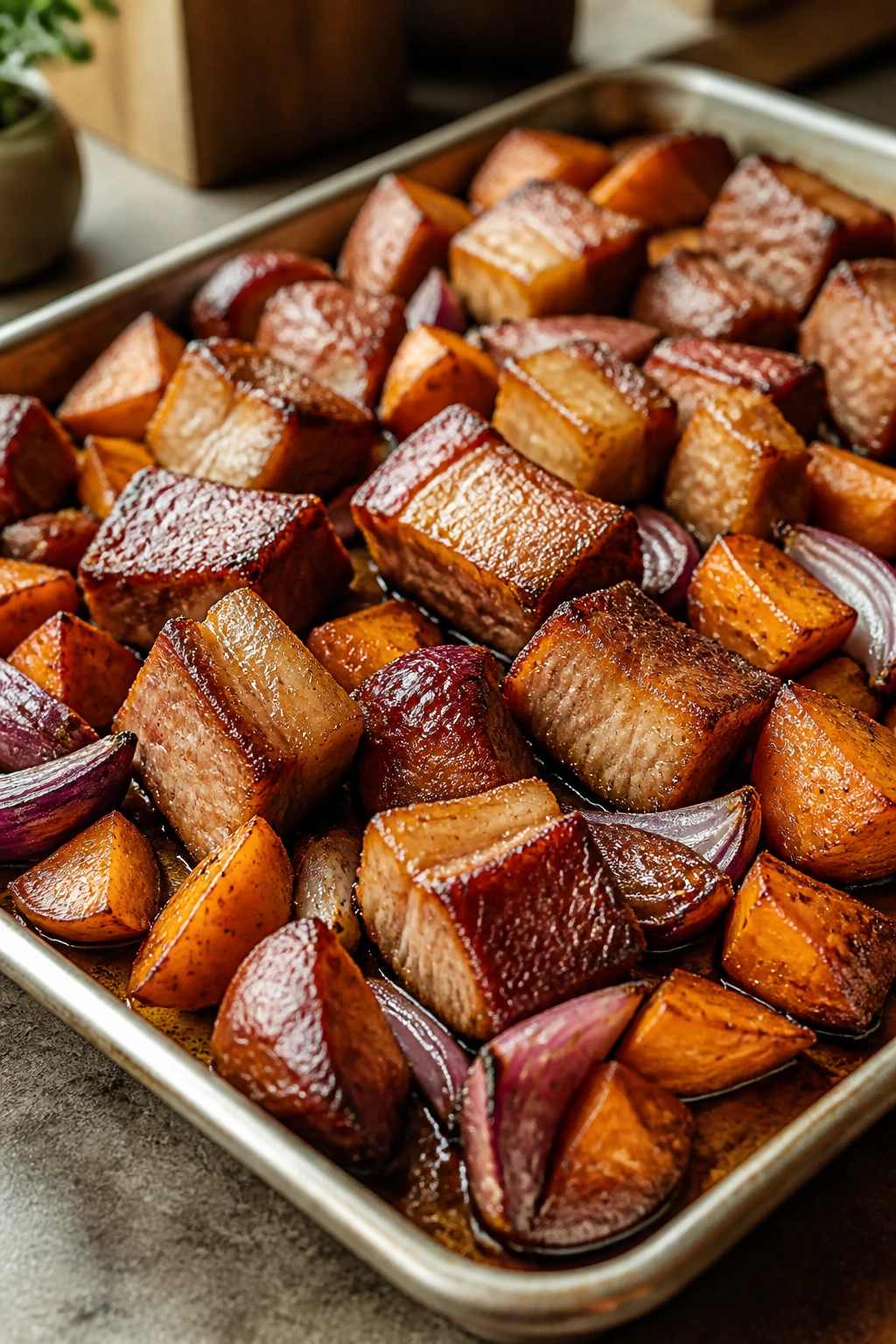
A sheet pan dinner is useful when you want pork belly and a vegetable to finish at the same time. Sweet potatoes go caramel on the edges, red onion softens, and the pork belly drops fat onto everything in the pan. It’s a clean setup, but the flavor is messy in a good way.
Why It Works:
Sweet potatoes can handle the fat and get sweeter as they roast. Pork belly cubes brown at the same temperature, and the pan drippings season the vegetables without any extra work.
Key Ingredients:
- 2 pounds pork belly, cut into 1-inch cubes
- 2 large sweet potatoes, peeled and cubed
- 1 red onion, cut into wedges
- 2 tablespoons olive oil
- 1 teaspoon smoked paprika
- 1 teaspoon thyme leaves
- 1 tablespoon maple syrup
- 1 teaspoon kosher salt
Quick Steps:
- Toss the sweet potatoes and onion with oil, paprika, thyme, and salt.
- Spread them on a sheet pan with the pork belly cubes.
- Roast at 425°F for 35 to 45 minutes, stirring once, until the sweet potatoes are tender and the pork is browned.
- Drizzle with maple syrup in the last 5 minutes for a glossy finish.
Equipment for This Recipe:
- Large rimmed sheet pan
- Spatula
- Mixing bowl
- Parchment paper, optional for easier cleanup
How to Serve This Dish:
Serve it with a handful of chopped parsley and maybe a spoonful of yogurt or mustard on the side. The pan should look bronzed and a little sticky at the edges.
Pro Tips for This Recipe:
- Cut everything to a similar size so it cooks evenly.
- Stir once halfway through so the sweet potatoes don’t glue themselves down.
- If the pork browns before the potatoes soften, lower the oven slightly and keep going.
Variations on This Dish:
- Rosemary Version: Use rosemary instead of thyme.
- Apple Addition: Add apple wedges in the last 15 minutes.
- Chili Finish: Sprinkle chili flakes before serving.
Common Mistakes to Avoid with This Dish:
- Uneven Cubes: Small pieces burn before large ones finish.
- Overcrowding: The pan needs space or everything steams.
- Adding Maple Too Early: Sugar can scorch if it goes on at the start.
25. Charred Pork Belly with Green Beans and Peanut Sauce
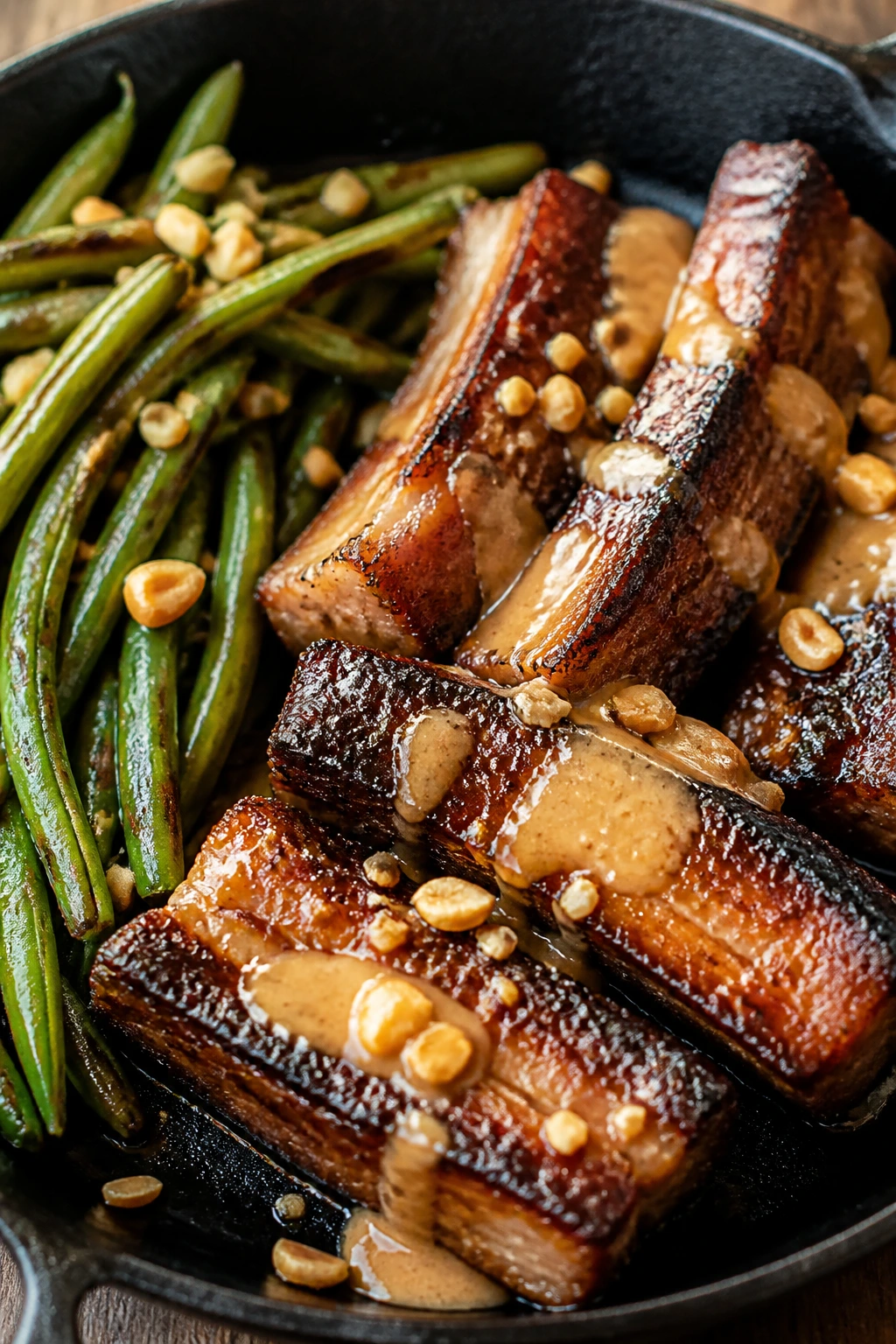
Green beans and pork belly are better together than they have any right to be. The beans bring snap, the peanut sauce brings salt and body, and the charred edges of the pork give the whole plate a smoky note even if you cooked it indoors. This is the kind of dinner that tastes sharper than it looks.
Why It Works:
Peanut sauce has enough fat and salt to stand beside pork belly without getting lost. Green beans stay crisp if you char them quickly, which gives the plate the texture contrast it needs.
Key Ingredients:
- 2 pounds pork belly, sliced into thick strips
- 1 pound green beans, trimmed
- 1 tablespoon neutral oil
- 1/4 cup peanut butter
- 1 tablespoon soy sauce
- 1 tablespoon lime juice
- 1 garlic clove, grated
- 1 teaspoon grated ginger
- 1 teaspoon chili sauce or flakes
Quick Steps:
- Cook the pork belly in a hot skillet or under the broiler until the edges char.
- Char the green beans in a separate pan with a little oil until blistered.
- Whisk the peanut butter, soy sauce, lime juice, garlic, ginger, chili, and a splash of warm water into a smooth sauce.
- Serve the pork and beans with the sauce drizzled over the top.
Equipment for This Recipe:
- Cast-iron skillet or broiler pan
- Small bowl
- Whisk
- Tongs
How to Serve This Dish:
Serve over rice or with noodles if you want a larger meal. The sauce should be thick enough to cling, but loose enough to drizzle.
Pro Tips for This Recipe:
- Warm water makes peanut sauce smoother than cold water.
- Don’t overcook the beans; they should still snap.
- A squeeze of extra lime at the end keeps the sauce from feeling heavy.
Variations on This Dish:
- Sesame Peanut Version: Add a little sesame oil to the sauce.
- Broccolini Swap: Use broccolini instead of green beans.
- Noodle Bowl Change: Toss everything with rice noodles.
Common Mistakes to Avoid with This Dish:
- Thin Sauce: Peanut butter needs enough liquid to drizzle.
- Gray Beans: Blister them hard and fast.
- No Acid: Lime is what keeps the sauce lively.
26. Pork Belly and Dumplings in Ginger Broth
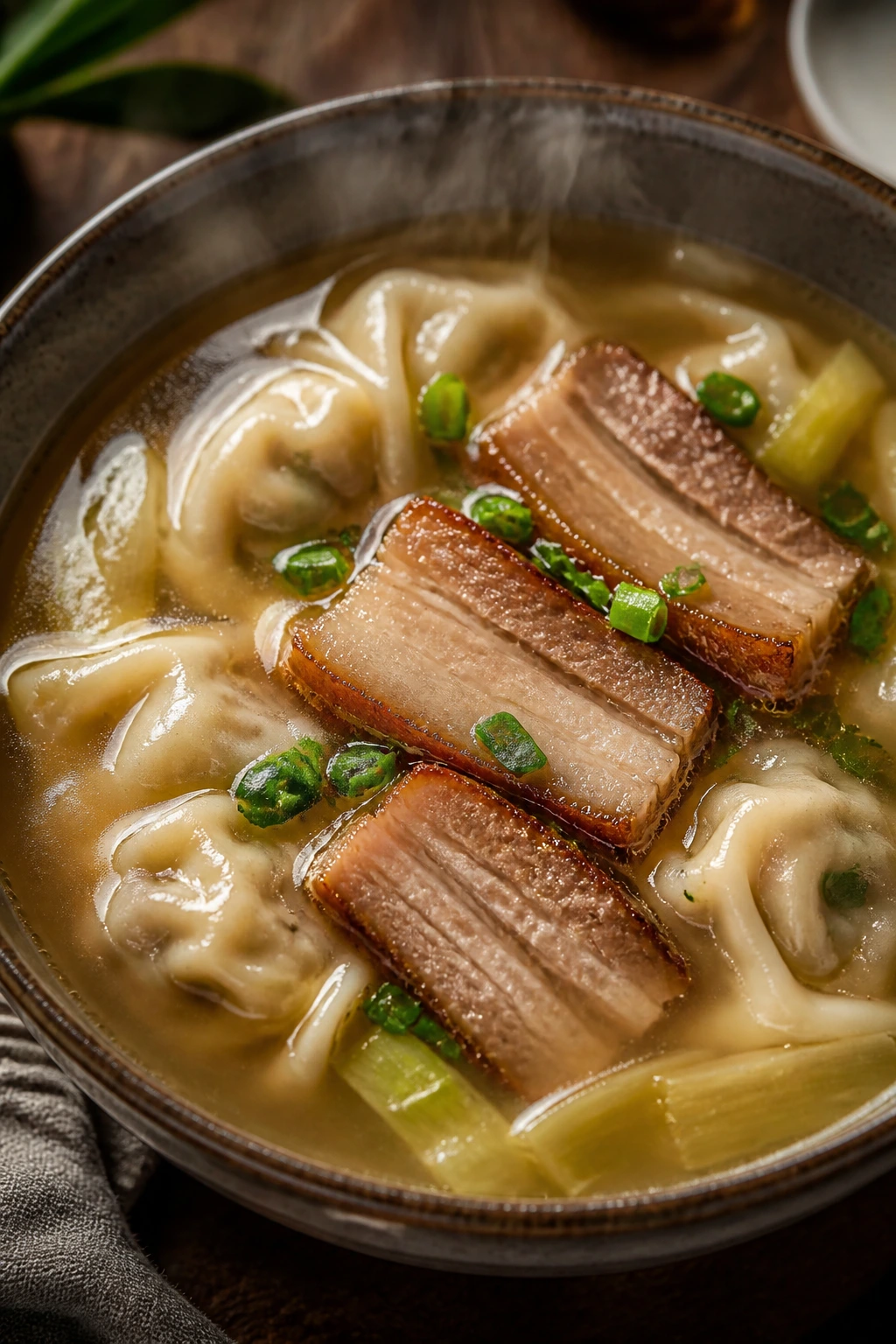
Dumplings in ginger broth are the rainy-night answer to leftover pork belly, though I would happily make them on a dry night too. The broth is warm and clean, the dumplings bring chew, and the pork belly turns the bowl into something you don’t forget the second you put the spoon down.
Why It Works:
The ginger broth cuts through the richness and keeps the dumplings from tasting flat. Pork belly adds a savory base note, while mushrooms and bok choy make the bowl feel complete without too much effort.
Key Ingredients:
- 1 pound cooked pork belly, sliced
- 4 cups chicken broth
- 2 tablespoons grated ginger
- 2 garlic cloves, smashed
- 2 tablespoons soy sauce
- 1 tablespoon rice vinegar
- 12 frozen dumplings
- 1 cup sliced mushrooms
- 2 cups baby bok choy
- 2 scallions, sliced
Quick Steps:
- Simmer the broth with ginger, garlic, soy sauce, and vinegar for 10 minutes.
- Add mushrooms and bok choy, cooking until the greens soften.
- Drop in the dumplings and cook according to the package directions.
- Add the pork belly at the end just to warm it through, then finish with scallions.
Equipment for This Recipe:
- Medium stockpot
- Ladle
- Slotted spoon
- Soup bowls
How to Serve This Dish:
Serve it in deep bowls with chili oil on the side. The broth should be clear enough to sip, but rich enough that the pork belly doesn’t feel like an add-on.
Pro Tips for This Recipe:
- Use cooked pork belly here, not raw, or the timing gets awkward.
- Add the pork only at the end so it doesn’t overcook.
- A little sesame oil on top adds a nice finish.
Variations on This Dish:
- Spicy Broth: Add chili paste or a sliced fresh chili.
- Noodle Addition: Drop in rice noodles for a fuller bowl.
- Wonton Swap: Use wontons instead of dumplings if that’s what you have.
Common Mistakes to Avoid with This Dish:
- Overcooking the Dumplings: Follow the package timing closely.
- Cloudy, Flat Broth: Taste it before adding the dumplings.
- Adding Raw Pork Late: Leftover pork is the right move here.
27. BBQ Pork Belly Burnt Ends with Coleslaw
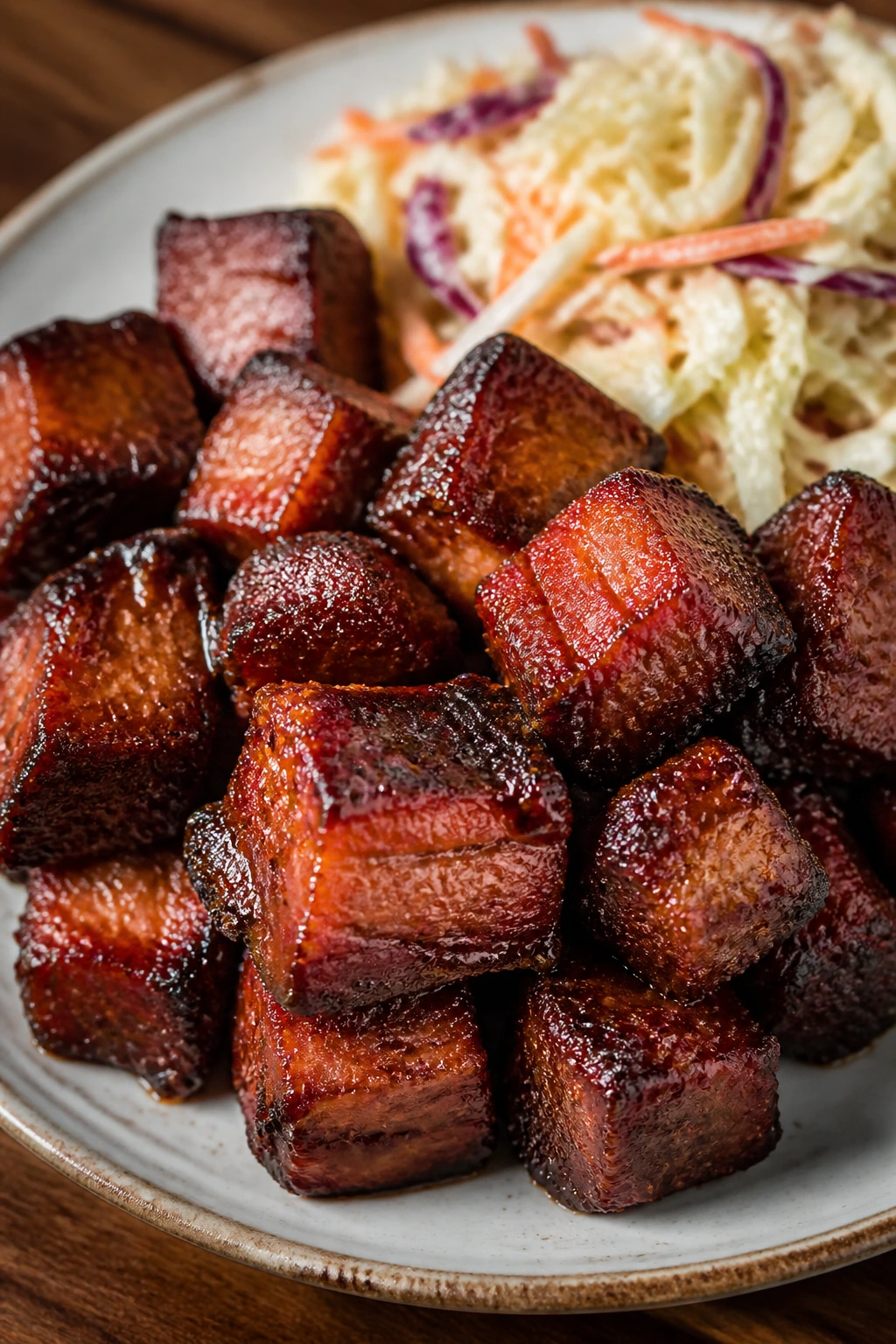
Barbecue sauce and pork belly get along a little too well, which is why burnt ends are such a trap in the best way. The sugar caramelizes, the edges darken, and the slaw adds the bite that keeps you reaching for another piece. If you like the corner pieces, this is your dish.
Why It Works:
The slow roast renders the belly before the sauce goes on, so the meat stays tender beneath the sticky exterior. Coleslaw matters because it gives the plate crunch and acid, which keeps the burnt ends from tasting too sweet.
Key Ingredients:
- 2 1/2 pounds pork belly, cut into 1 1/2-inch cubes
- 2 tablespoons barbecue rub
- 1 cup barbecue sauce
- 2 tablespoons brown sugar
- 1 tablespoon apple cider vinegar
- 3 cups shredded cabbage
- 1/4 cup mayonnaise
- 1 tablespoon white vinegar
- 1 teaspoon celery seed
Quick Steps:
- Season the pork belly cubes with barbecue rub and roast at 275°F for 2 hours.
- Toss the hot cubes with barbecue sauce, brown sugar, and cider vinegar.
- Return them to the oven at 400°F for 15 to 20 minutes until sticky and dark at the edges.
- Mix the cabbage, mayonnaise, white vinegar, and celery seed for a quick slaw.
Equipment for This Recipe:
- Sheet pan
- Large bowl
- Tongs
- Serving platter
How to Serve This Dish:
Pile the burnt ends next to the slaw rather than on top of it. Add cornbread, baked beans, or potato salad if you want a full barbecue-style spread.
Pro Tips for This Recipe:
- Don’t let the sauce drown the pork before the second bake.
- A little cider vinegar keeps the glaze from tasting too sweet.
- Make the slaw at the end so it stays crisp.
Variations on This Dish:
- Spicier BBQ Version: Add hot sauce to the glaze.
- Mustard Slaw Swap: Use mustard in the slaw dressing.
- Smoked Paprika Rub: Add paprika if your rub is mild.
Common Mistakes to Avoid with This Dish:
- Saucing Too Early: That leads to burned sugar, not burnt ends.
- No Acid in the Slaw: You need the sharpness.
- Tiny Cubes: Larger cubes stay juicy inside.
28. Pork Belly with Braised Fennel and White Wine
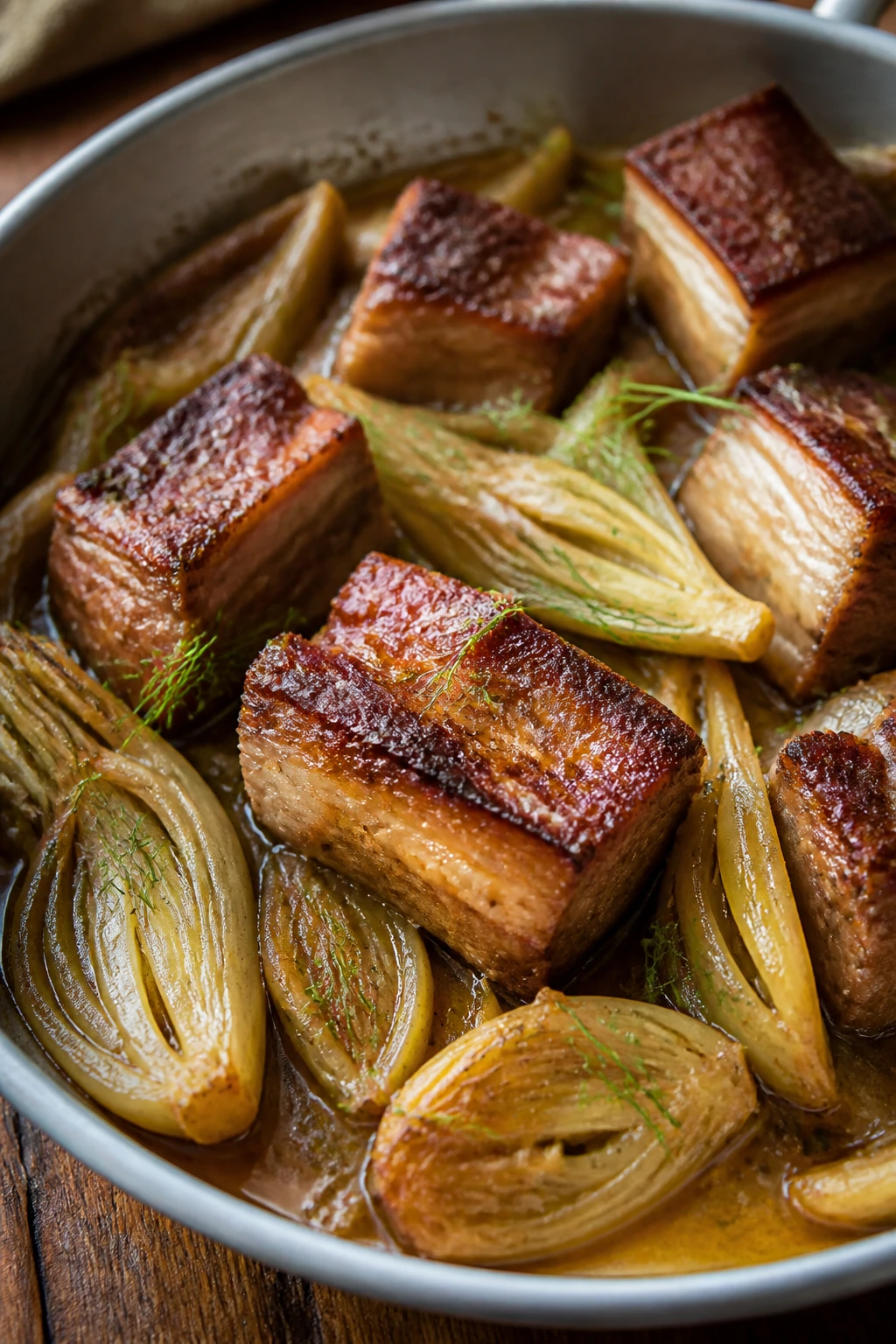
Fennel is one of the best vegetables to cook under pork belly because it softens, sweetens, and picks up the sauce without losing its own voice. White wine keeps the braise bright, and the whole thing lands somewhere between elegant and deeply homely, which is exactly the lane Sunday supper should occupy.
Why It Works:
Fennel turns sweet when it braises, which makes it a natural partner for fatty pork. White wine gives the pot a light edge, and a little lemon zest at the end keeps the final sauce from feeling dull.
Key Ingredients:
- 2 pounds pork belly, cut into large chunks
- 2 fennel bulbs, sliced into wedges
- 1 onion, sliced
- 3 garlic cloves, sliced
- 1 cup dry white wine
- 1 cup chicken stock
- 1 tablespoon olive oil
- 1 teaspoon lemon zest
- 1 tablespoon chopped parsley
Quick Steps:
- Brown the pork belly in olive oil, then set it aside.
- Cook the fennel, onion, and garlic until the edges start to soften and color.
- Add the wine and stock, return the pork, and braise covered at 325°F for 1 1/2 hours.
- Finish with lemon zest and parsley before serving.
Equipment for This Recipe:
- Dutch oven
- Wooden spoon
- Lid
- Zester
How to Serve This Dish:
Serve it with buttered noodles, mashed potatoes, or a crusty loaf that can handle the sauce. The fennel should look soft and glossy, almost like it melted around the pork.
Pro Tips for This Recipe:
- Use dry white wine, not sweet, or the braise gets muddled.
- Keep the fennel wedges large enough that they don’t disappear.
- A final squeeze of lemon juice can sharpen the whole dish.
Variations on This Dish:
- Orange-Fennel Version: Add a strip of orange peel with the wine.
- Tomato Addition: Stir in a spoonful of tomato paste for more depth.
- Herb Swap: Use tarragon instead of parsley for a softer anise note.
Common Mistakes to Avoid with This Dish:
- Cutting the Fennel Too Small: It turns to threads.
- Using Sweet Wine: The braise should be savory.
- Skipping the Finish: Lemon zest or juice gives the sauce its final shape.
Why Pork Belly Belongs at the Center of a Sunday Table
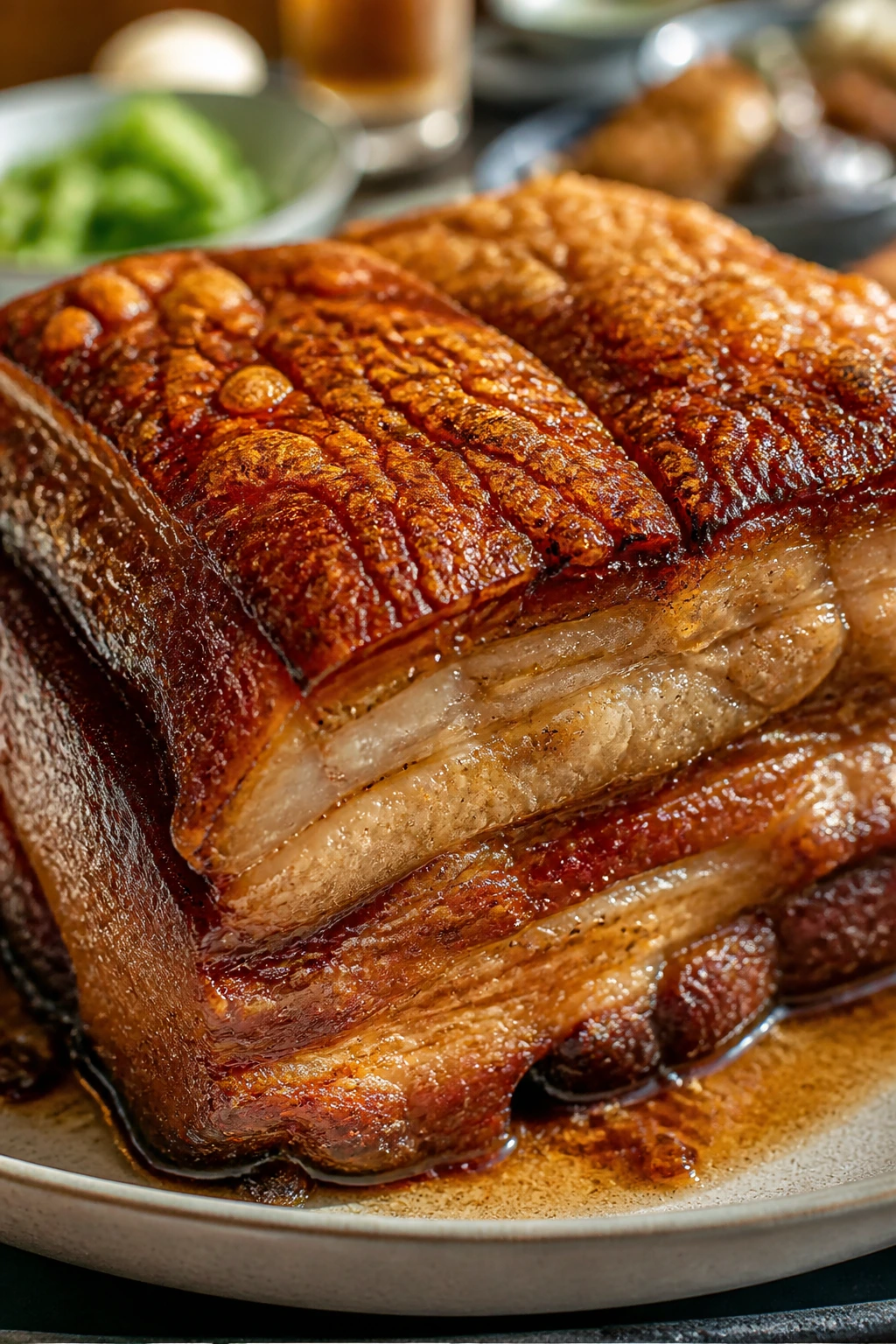
Pork belly has two jobs, and it does both better than most cuts. It can roast until the skin snaps, or it can braise until the meat yields to a spoon. That’s the range that makes it such a strong Sunday supper choice. You can push it toward crackling, toward lacquered glaze, toward stew, toward noodles, toward sandwiches. The cut doesn’t fight back. It takes the shape you give it.
The fat cap does the work
Fat gets treated like a flaw too often. With pork belly, the fat is the engine. It carries salt, carries spice, carries aromatics, and gives you the rendered drippings that make potatoes, cabbage, beans, and rice taste seasoned without much effort. When the fat is handled with patience, you get more flavor per bite, not less.
Why braise first, crisp later
A lot of pork belly recipes fall apart because they try to make the cut do one thing too fast. High heat alone can burn the outside before the center softens. A covered braise or a slow roast first solves that problem by rendering the fat and softening the meat. Then the final hot blast gives you the browning that makes the dish feel finished.
Why acid and crunch matter
Rich meat needs a bright partner. Pickles, cabbage, mustard greens, vinegar, citrus, apple, and sauerkraut keep the plate from tasting sticky or monotonous. I like to think of acid and crunch as the seatbelt on a pork belly dinner. Without them, the meal still works. With them, it feels balanced enough that you want another bite.
Essential Equipment for These Recipes
-
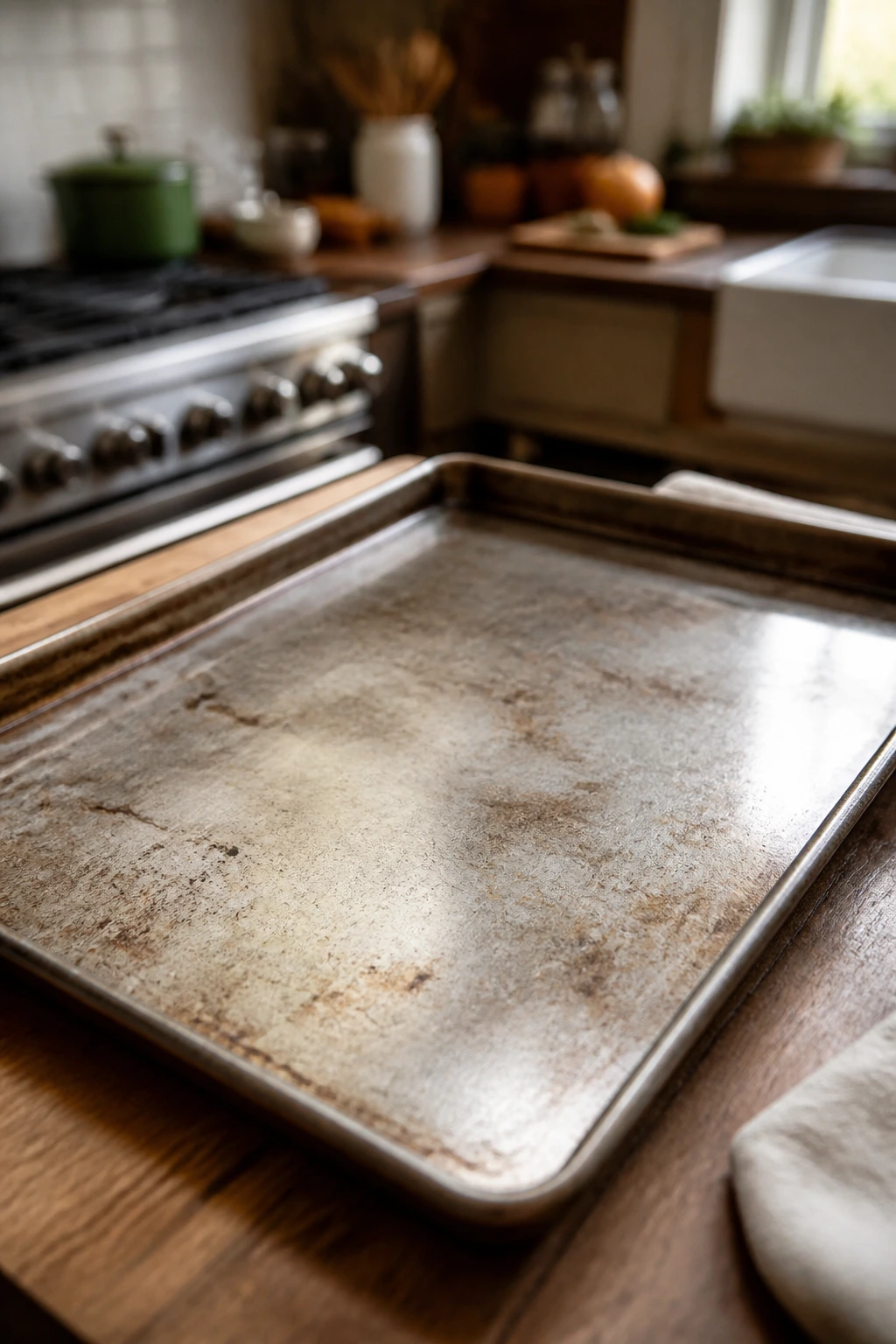
Rimmed sheet pans: Use these for roasting, burnt ends, glazed belly, and anything that needs space to brown instead of steam.
-
Wire racks: The rack lifts pork belly off the pan so fat can drip away and the underside doesn’t soften.
-
Dutch ovens or heavy braising pots: These hold heat evenly for braises, stews, adobo, curries, and long oven cooks.
-
Instant-read thermometer: Pork belly often cooks by texture rather than a strict temperature, but the thermometer helps you know when the meat has crossed into tender territory.
-
Sharp chef’s knife: Skin-on pork belly, crackling, and fully rendered slabs all cut better with a knife that actually slices instead of sawing.
-
Tongs: Useful for turning cubes, moving hot pork, and handling pieces that would shred if you tried to fork them.
-
Small saucepan: Handy for quick sauces, jus, glazes, and reductions that don’t belong in the main pan.
-
Mixing bowls: You’ll need them more than once for marinades, slaws, pickles, and glazes.
-
Fine-mesh strainer: Optional, but worth keeping around for cleaner broths and sauces.
-
Airtight storage containers: Pork belly leftovers are happiest sealed up with their sauce instead of left to dry out in the fridge.
Smart Shopping and Ingredient Tips
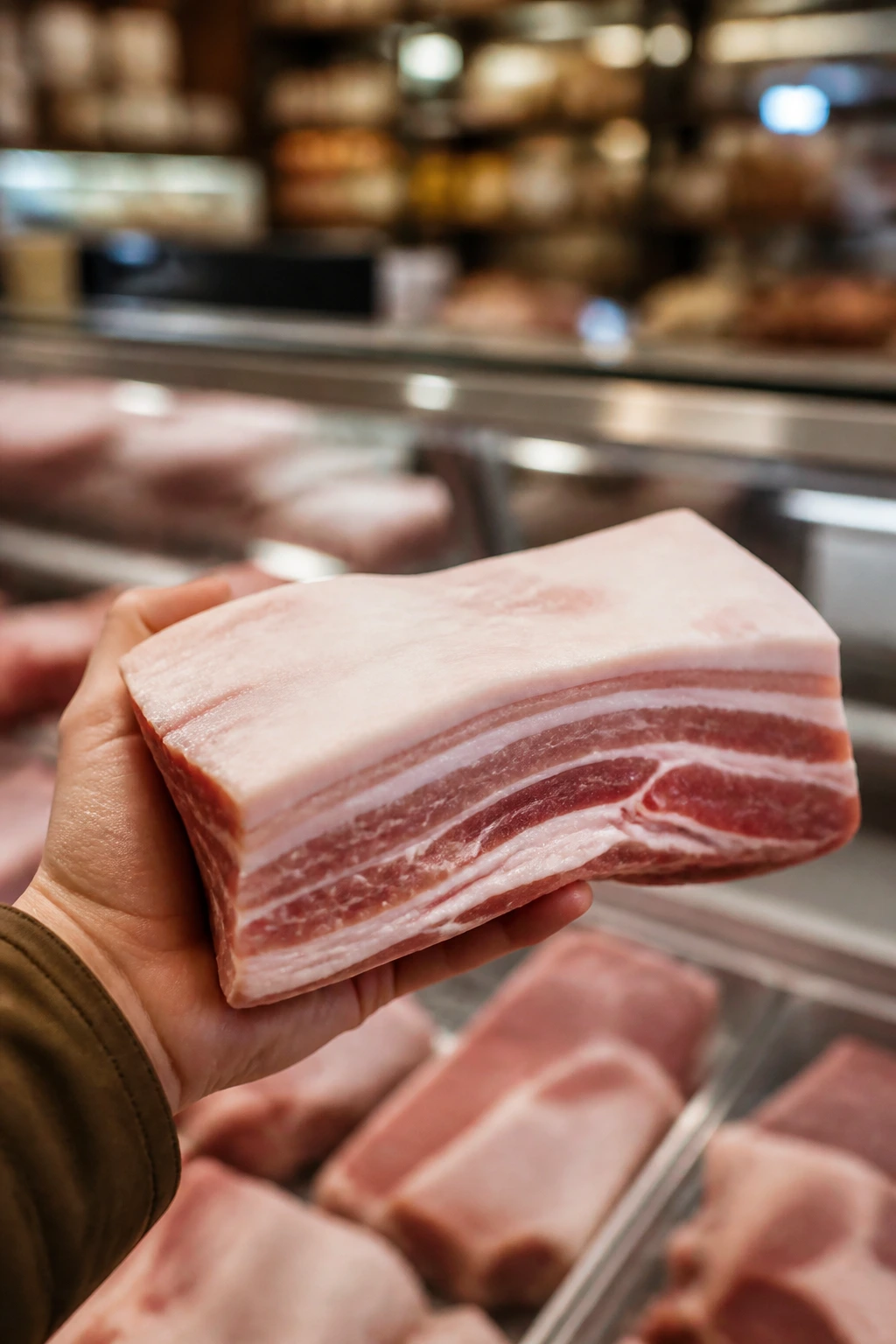
The easiest way to make pork belly recipes better is to buy a better slab. Look for pork belly with even layers of meat and fat, not a thick fatty cap with almost no meat in the middle. For roasting, a skin-on slab around 1 1/2 inches thick gives you enough structure for crisping. For braises and cubes, skinless belly is often easier because it cooks down cleanly and doesn’t need a crackling finish.
If you can, ask the butcher to cut the slab to size. A whole belly can be awkward to score at home, and even scoring makes a difference when the top needs to blister. Fresh pork belly should smell clean and neutral, never sharp. Frozen belly is fine too, and often a smart buy if you plan to braise or cube it later.
The pantry ingredients matter more than people think. Good soy sauce tastes deeper and less salty than the bargain stuff. Miso should smell nutty, not sour. Vinegar needs to be sharp enough to cut fat, not sugary. If a recipe calls for apple cider, use the real unsweetened kind; apple juice works in a pinch, but cider gives the sauce more body.
For glaze-heavy recipes, buy the sweetener you actually like. Honey, maple, brown sugar, and palm sugar each behave a little differently. Honey gets sticky fast. Maple tastes rounder. Brown sugar gives you that dark caramel note. Pick the one that fits the rest of the plate instead of treating them as interchangeable.
How to Serve These Recipes
Presentation:
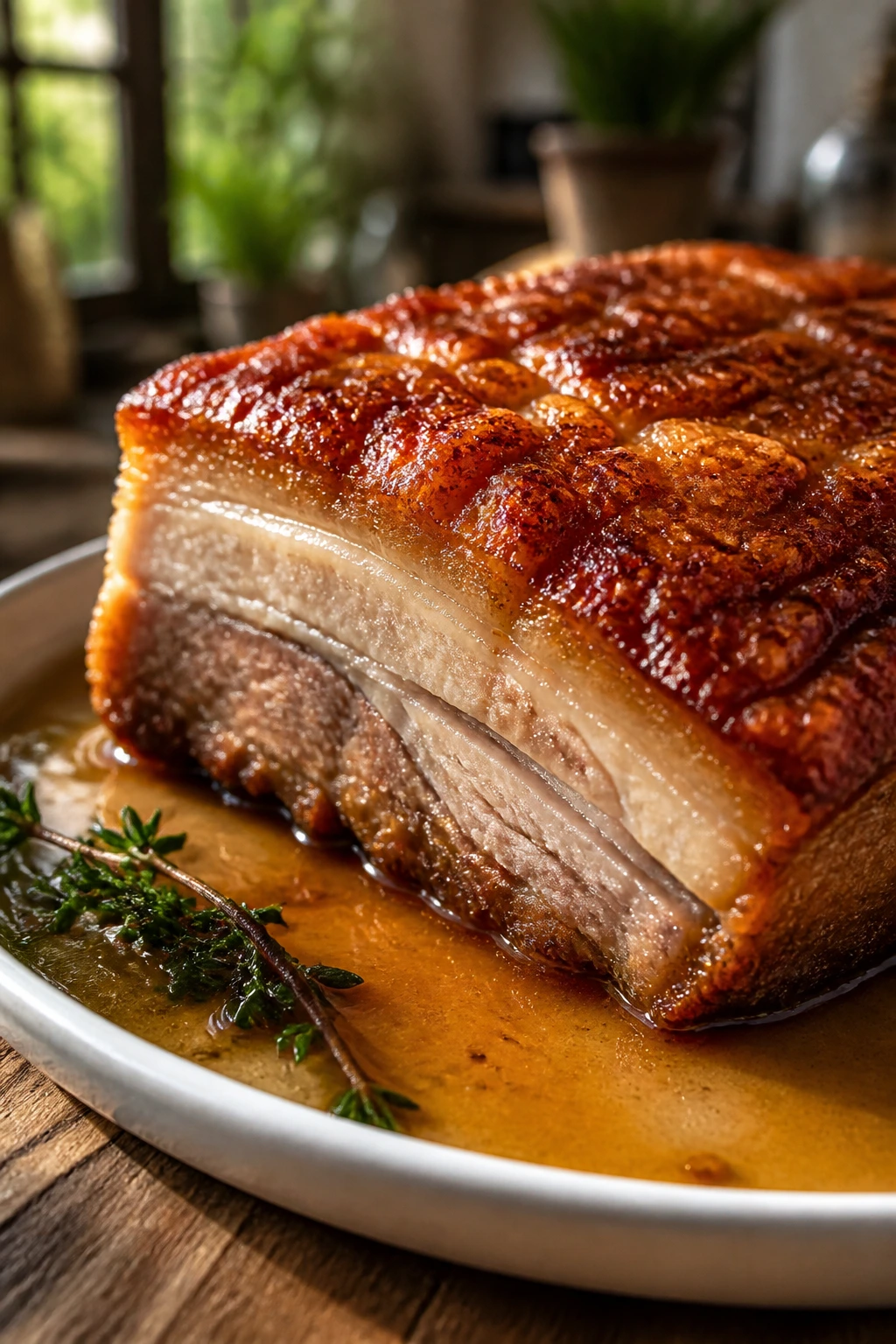
Pork belly looks best when it has one thing happening on top and one thing happening underneath. Stack crisp pieces over rice or potatoes, spoon braised cabbage or beans around the edges, and finish with something green or bright so the plate doesn’t read as a brown blur. If the pork has crackling, slice it last so the top stays loud and intact.
Accompaniments:
Think in contrasts. Creamy mashed potatoes, steamed rice, buttered noodles, crusty bread, cabbage slaw, cucumber salad, mustard greens, and quick pickles all make sense here. The richer the pork dish, the sharper the side should be. A sticky glaze wants something plain. A braise wants bread. A roast wants bitter greens or acid on the side.
Portions:
A 2-pound pork belly usually feeds 4 to 6 people, depending on how you serve it. As a main course with starch and vegetables, plan on roughly 6 to 8 ounces per person before trimming. If you’re serving it as tacos, sliders, or bowl toppings, you can stretch it farther because the sides do some of the work.
Beverage Pairing:
Dry cider is one of the best matches because it echoes the pork’s richness without feeling syrupy. A crisp lager or a dry riesling also works well, especially with glazed, spicy, or fried versions. If you want a nonalcoholic option, sparkling water with lime or a tart apple drink keeps the palate clean between bites.
Additional Tips and Flavor Boosters
Flavor Enhancement:
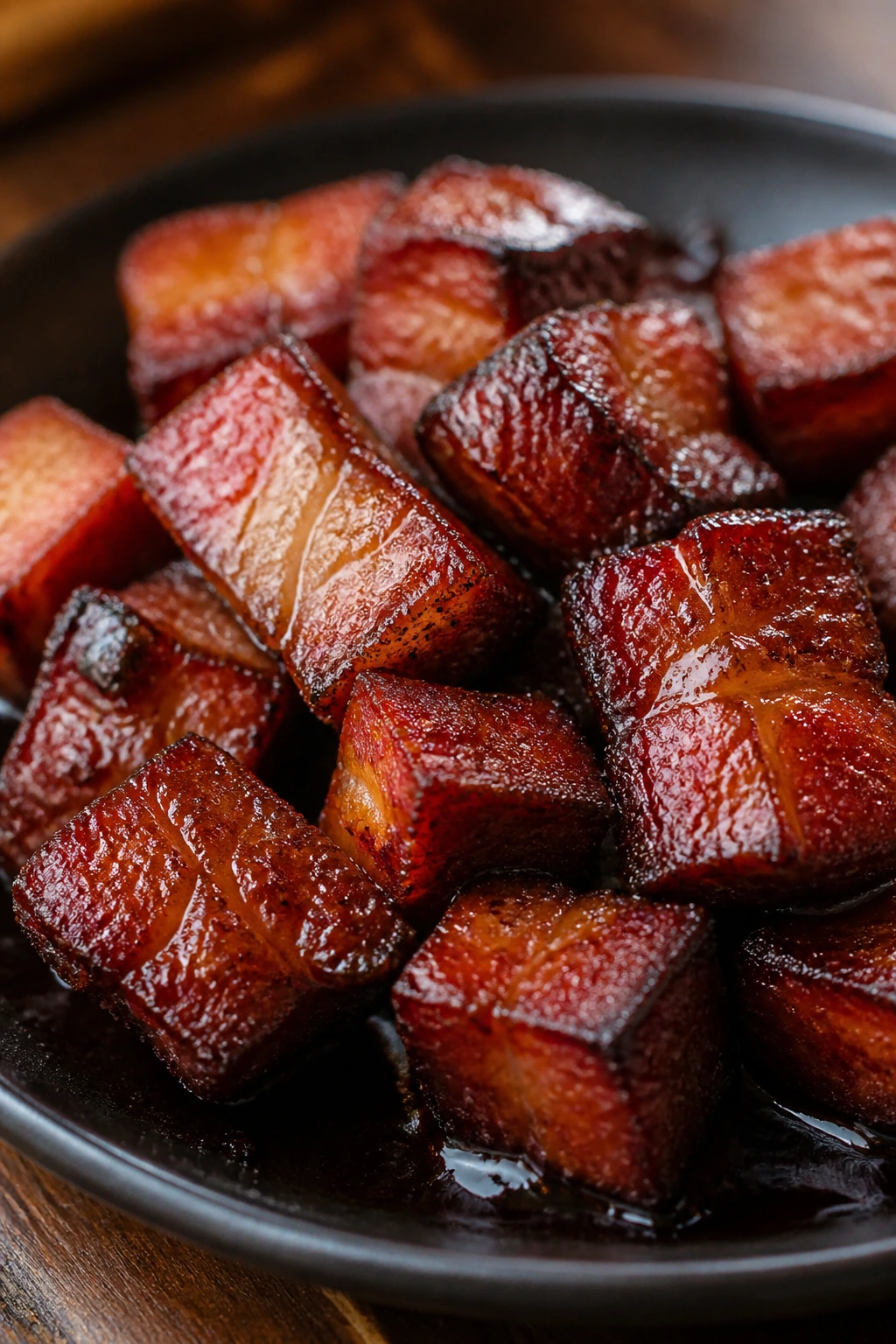
A final spoonful of vinegar, lime juice, or pickle brine can rescue a dish that tastes too heavy at the table. Pork belly loves salt, but it needs a little acid at the finish or the richness flattens out. I reach for cider vinegar with roasted versions, rice vinegar with Asian-style dishes, and lemon with braises.
Customization:
If you want more heat, add chili crisp, crushed red pepper, gochugaru, or a chopped fresh chili near the end instead of at the start. Early heat can muddy the sauce; late heat keeps it bright. If you want more sweetness, use apples, maple, or orange zest rather than dumping in more sugar.
Serving Suggestions:
Fresh herbs matter more than they look like they should. Scallions, cilantro, parsley, dill, and thyme all give pork belly a cleaner finish. Toasted sesame seeds, crispy onions, or a handful of chopped peanuts can add just enough texture to keep a soft dish from feeling one-note.
Make-It-Yours:
For gluten-free cooking, use tamari or coconut aminos where soy sauce appears, and check barbecue sauce labels carefully. For dairy-free plates, most of these recipes already work as written; the trick is to finish with acid instead of butter when you want shine. For a lighter feel, pair belly with cabbage, greens, or beans rather than piling it onto another starch.
Make-Ahead, Storage, and Reheating Guidance
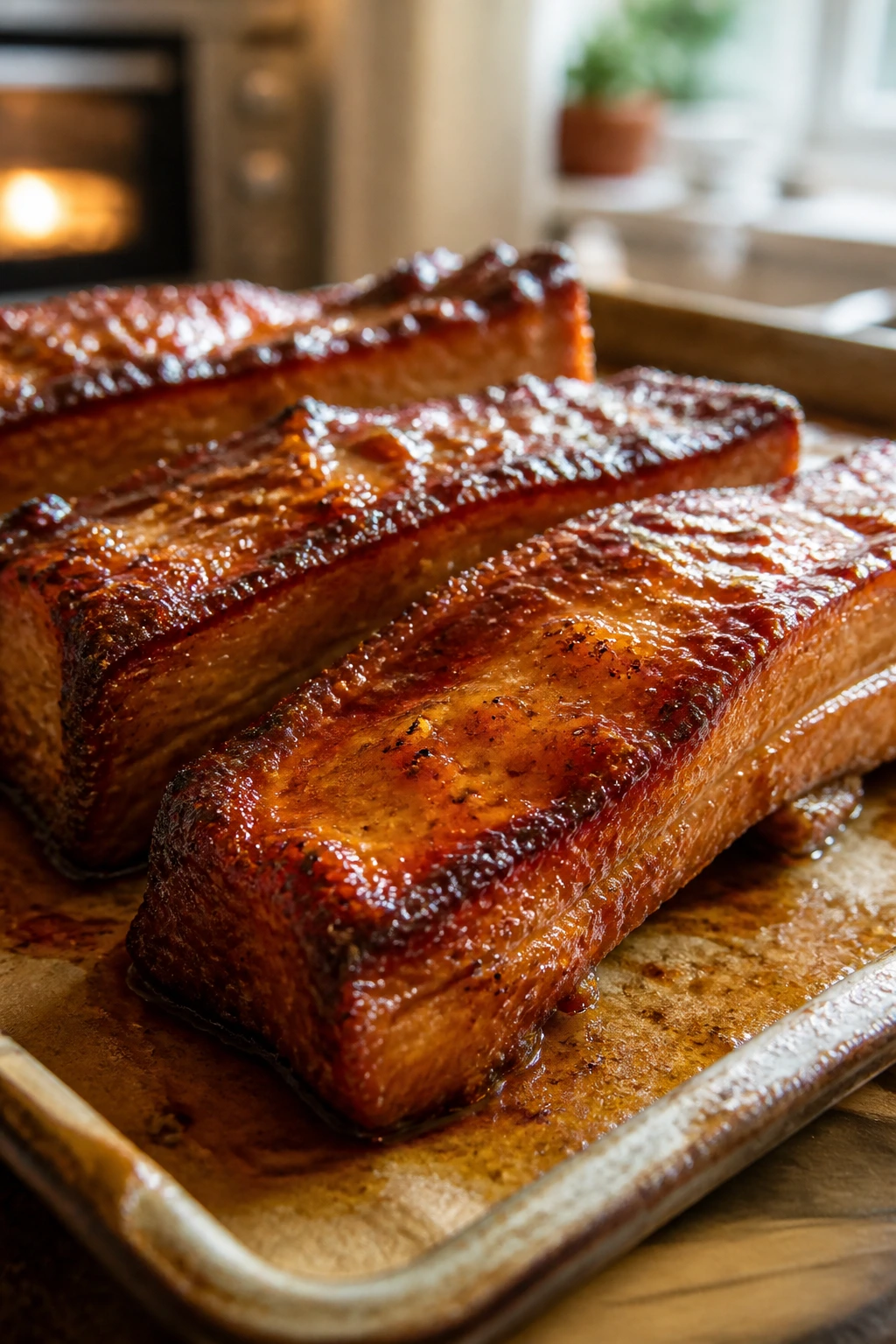
Pork belly is one of the better make-ahead meats because it keeps its flavor and texture when treated right. Braised dishes, adobo, stews, and curry usually keep 3 to 4 days in the refrigerator in a sealed container. Roasted or glazed belly also keeps that long, though the crisp top softens. If you want to freeze it, pack the pork and sauce separately when possible and use it within 2 months for the best texture.
The fridge is friendly to braises. In fact, many of them taste better the next day because the sauce settles and the fat firms up enough to skim or lift away. Reheat braised pork belly gently on the stovetop over low heat or in a 300°F oven, covered, with a splash of stock if the sauce has tightened. A quick stir halfway through keeps the bottom from catching.
Crispy skin is the exception. Store it uncovered or loosely wrapped in the fridge if you can, but don’t expect it to stay crackling. To bring it back, reheat on a rack in a 375°F oven for 10 to 15 minutes, then finish under the broiler for a minute or two if needed. That works for roast belly, burnt ends, and glazed strips.
For bowls, noodles, fried rice, tacos, and sandwiches, store the components separately. Keep cold toppings cold, warm pork warm, and bread or tortillas aside until serving. Once pork belly sits inside a bun or a rice bowl for too long, the texture goes soft fast. That isn’t a failure. It’s just the nature of the thing.
Variations and Adaptations to Try
Gluten-Free Pantry Swap:
Use tamari in place of soy sauce and check your miso, curry paste, and barbecue sauce labels carefully. A lot of the recipes here are already close to gluten-free, so the main job is watching the sneaky bottled ingredients. Rice, potatoes, beans, cabbage, and greens make easy safe sides.
Lower-Sodium Sunday:
Cut soy sauce back by a quarter or a third, then make up the flavor with vinegar, citrus, garlic, and fresh herbs. Pork belly is naturally rich enough that you do not need to hit it with a wall of salt to make it taste good. A sharper finish does more work than more salt in most of these dishes.
Sweet-and-Spicy Family Version:
Use maple, honey, or orange juice to soften heat for a mixed table. That works especially well with burnt ends, gochujang glaze, carnitas, and tacos. Add the hot element at the table instead of in the pan if you want everyone eating the same base recipe.
Extra-Crisp Oven Method:
For any skin-on roast, dry the belly uncovered in the refrigerator for a few hours, then roast on a rack so air can move around it. Finish with a hot oven or a brief broiler pass only at the end. That little bit of air-drying does more than most expensive tricks people talk themselves into.
Braise-Then-Brown Approach:
When you want tenderness and color, braise the pork belly first, chill it, then slice or cube it and brown it in a skillet before serving. This works beautifully for adobo, curry, stews, and braises that need a little edge right before the plate hits the table.
Regional Flavor Switch:
The same cut can move across a few kitchens without much trouble. Soy, miso, and gochujang lean east; fennel, white wine, mustard, and sauerkraut lean west; orange, cumin, and chili turn it toward Latin flavors. Once you understand the fat, you can move the seasoning almost anywhere.
Common Mistakes to Avoid
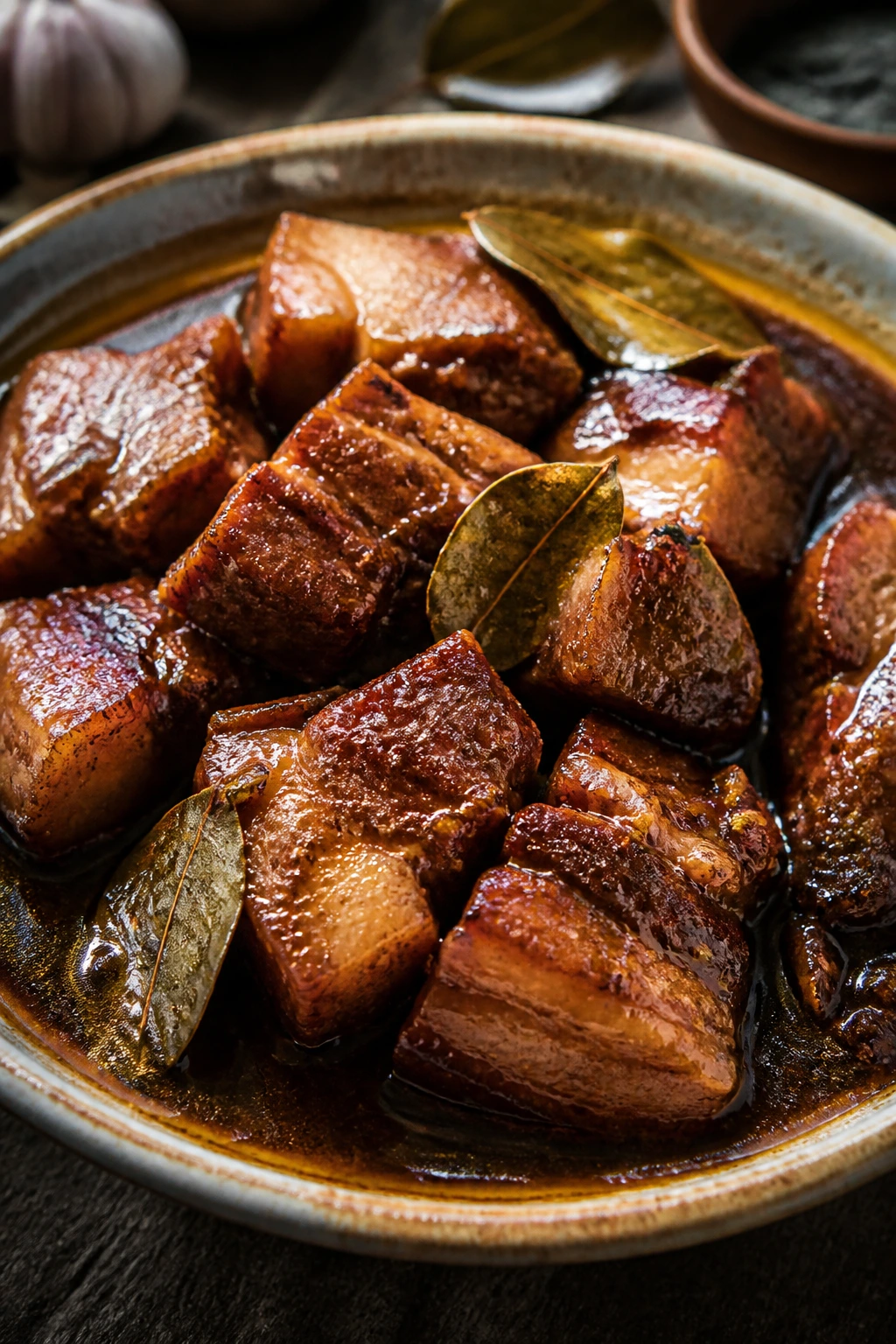
-
Starting With Wet Pork: Moisture is the enemy of browning and crisp skin. Pat the belly dry with paper towels, and if you have time, let it sit uncovered in the fridge for better results.
-
Turning the Heat Up Too Early: Pork belly needs rendering before it needs aggression. If you blast it with high heat from the start, the outside can go dark while the fat underneath stays chewy.
-
Slicing Before Resting: Cut too soon and the juices run out onto the board instead of staying in the meat. Give roasted pork belly at least 10 minutes to settle before you carve it.
-
Overloading the Pan: Crowded pieces steam, and steamed pork belly never develops the kind of edge people hope for. Use two pans if you need to; that extra sheet pan is cheaper than a weak dinner.
-
Forgetting Acid or Freshness: Pork belly without something sharp beside it can feel heavy by the third bite. Vinegar, citrus, pickles, herbs, mustard, and greens are not garnish here. They are part of the structure.
-
Treating Every Recipe the Same: Burnt ends want sugar and a final roast. Braises want gentle heat. Crackling wants dry skin and a hot finish. Pork belly is flexible, but it is not magic. Each style asks for a different final move.
Frequently Asked Questions
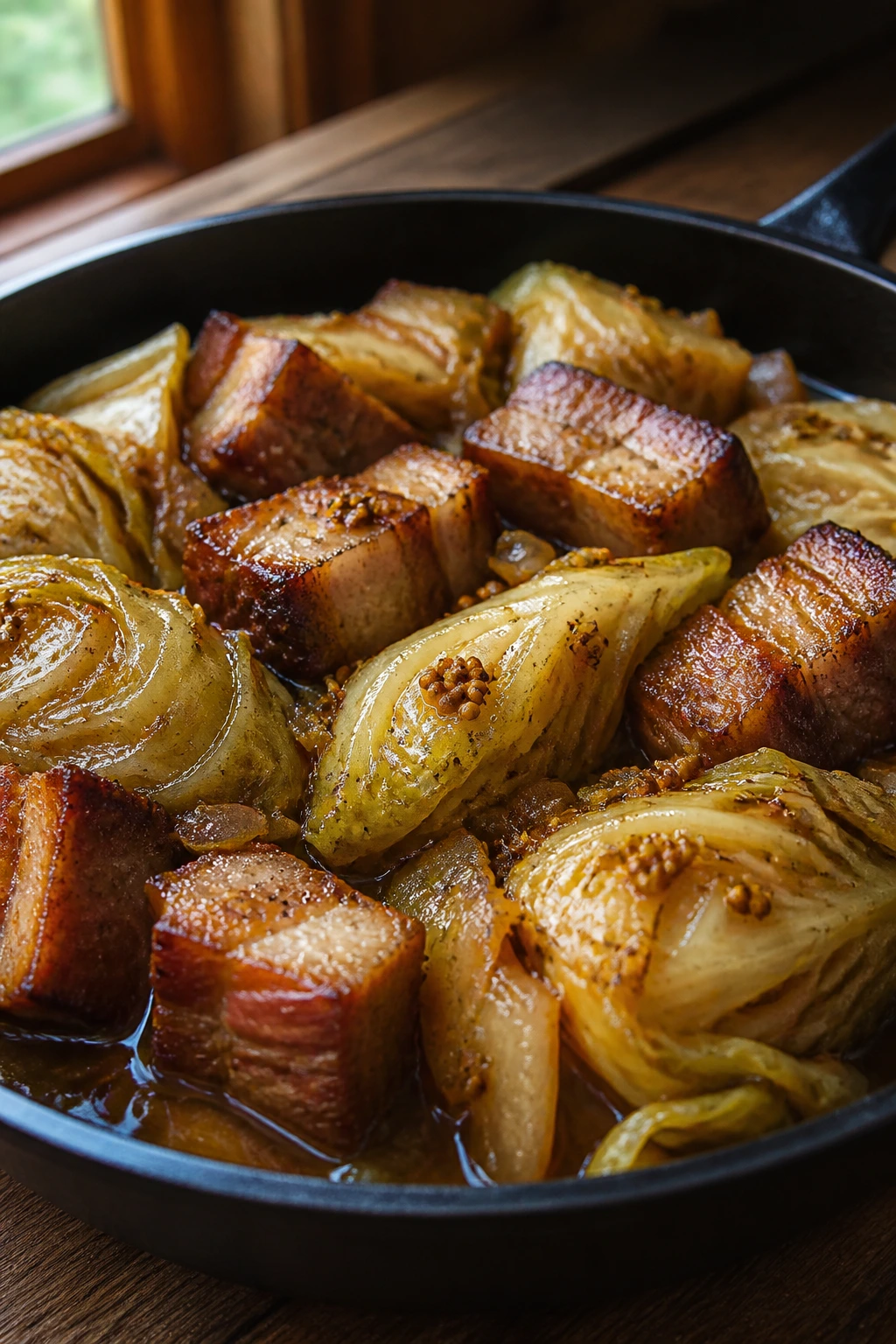
What’s the best thickness for pork belly recipes?
For roasting and crackling, a slab around 1 1/2 inches thick is easy to manage. For braises, thicker chunks work fine because they hold together and stay juicy. If your belly is much thinner than that, shorten the cook time and watch the edges closely.
Should I buy skin-on or skinless pork belly?
Skin-on is the right pick when you want crackling or a blistered top. Skinless is easier for braises, cubes, burnt ends, sliders, and bowls. If you’re unsure, ask the butcher to cut both styles from the same slab.
Can I make pork belly ahead of time?
Yes, and some versions get better overnight. Braises, adobo, stews, curry, and carnitas all hold well in the fridge and reheat beautifully. For crispy roast belly, cook it ahead but re-crisp it in a hot oven before serving.
What internal temperature should pork belly reach?
Safety-wise, pork only needs to reach the minimum safe temperature for whole cuts, but pork belly is mostly about texture. For tenderness, many braises and roasts go well past that point, often into the 180s or 190s Fahrenheit, where the fat and connective tissue soften properly.
How do I keep the skin crisp?
Dry it first, score it carefully, and roast it on a rack so the fat can drip away. Once the skin gets crisp, don’t cover it right away or the steam will soften it. If you need to reheat it, use a hot oven rather than the microwave.
Can I use pork shoulder instead of pork belly?
You can in some recipes, especially braises, stews, and carnitas-style dishes, but the texture changes a lot. Pork shoulder is leaner and shreds differently, while pork belly gives you the rich, silky bite that defines these recipes. For crispy roasts and burnt ends, shoulder is not the same thing at all.
Why does my pork belly sometimes taste greasy?
Usually because it needs more rendering or a sharper side dish. If the fat isn’t fully softened before the finish, the mouthfeel stays heavy. Acid, greens, pickles, and proper browning all help keep the dish in balance.
Can I use an air fryer or slow cooker for any of these?
A slow cooker works best for braises, adobo, and some curry-style dishes, though you may still want to brown the pork first in a skillet. An air fryer can handle smaller pork belly cubes or strips for a crisp finish, but it isn’t ideal for a whole slab with crackling. Match the tool to the texture you want.
A Sunday Table Worth Lingering Over
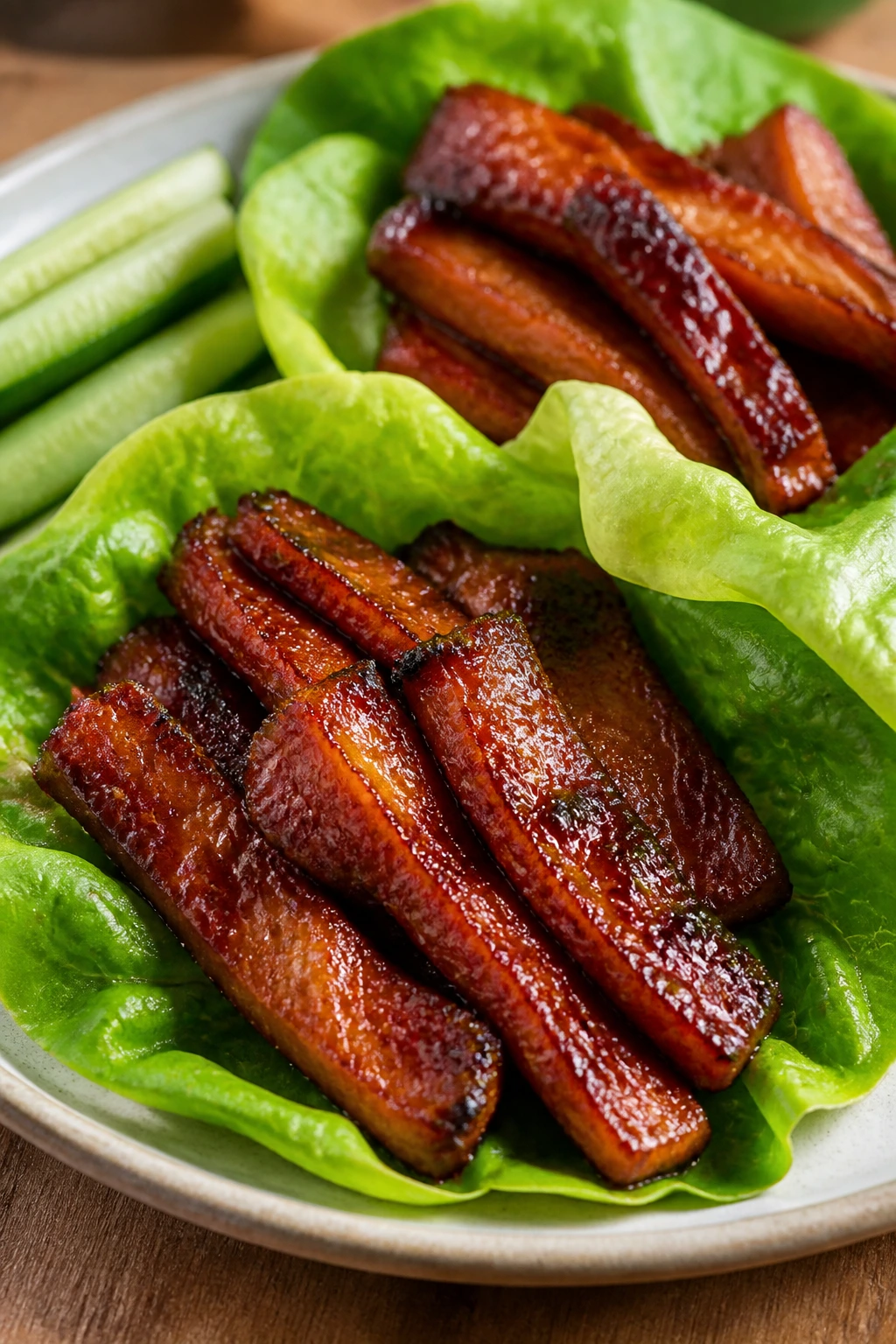
Pork belly rewards patience in a way that feels almost old-fashioned. You salt it, score it, braise it, roast it, glaze it, or crisp it, and it comes back with texture that keeps changing from the first cut to the last bite. That’s a useful thing for Sunday supper, where the meal should feel a little unrushed and a little generous.
The recipes above are not trying to tame pork belly into being something else. They’re trying to put it in the right setting. Crisp skin with cider. Sticky cubes with soy. Braised slabs with beans, cabbage, fennel, or wine. Sandwiches, bowls, noodles, and tacos when the table wants to feel looser. Pick one that matches your mood, give the fat enough time to do its job, and the rest of the meal tends to fall into place.