



If bacon has trained your palate to chase crisp edges, rendered fat, and a pan that smells like breakfast before the coffee’s even brewed, sausage can absolutely hit the same nerve — if you cook it with a little more patience. The best sausage cooking tips are not about fancy gear. They’re about heat control, fat management, and knowing when to leave the meat alone.
That matters because sausage and bacon are cousins, not twins. Bacon arrives thin and stubborn; sausage comes thicker, juicier, and far easier to overcook on the outside while the center is still underdone. A fresh pork link can look done from across the room and still need another few minutes to reach a safe 160°F in the middle. A smoked sausage can dry out before the casing ever gives you that snap bacon lovers like so much.
Get the details right, though, and sausage turns into the kind of food bacon lovers keep reaching for: browned edges, glossy drippings, a savory middle, and enough salt, smoke, and fat to make plain toast feel like part of dinner. A good skillet, a thermometer, and a little restraint will do more than any bottled seasoning blend. The first fix starts before the pan gets hot.
Why These Sausage Cooking Tips Work for Bacon Lovers
-
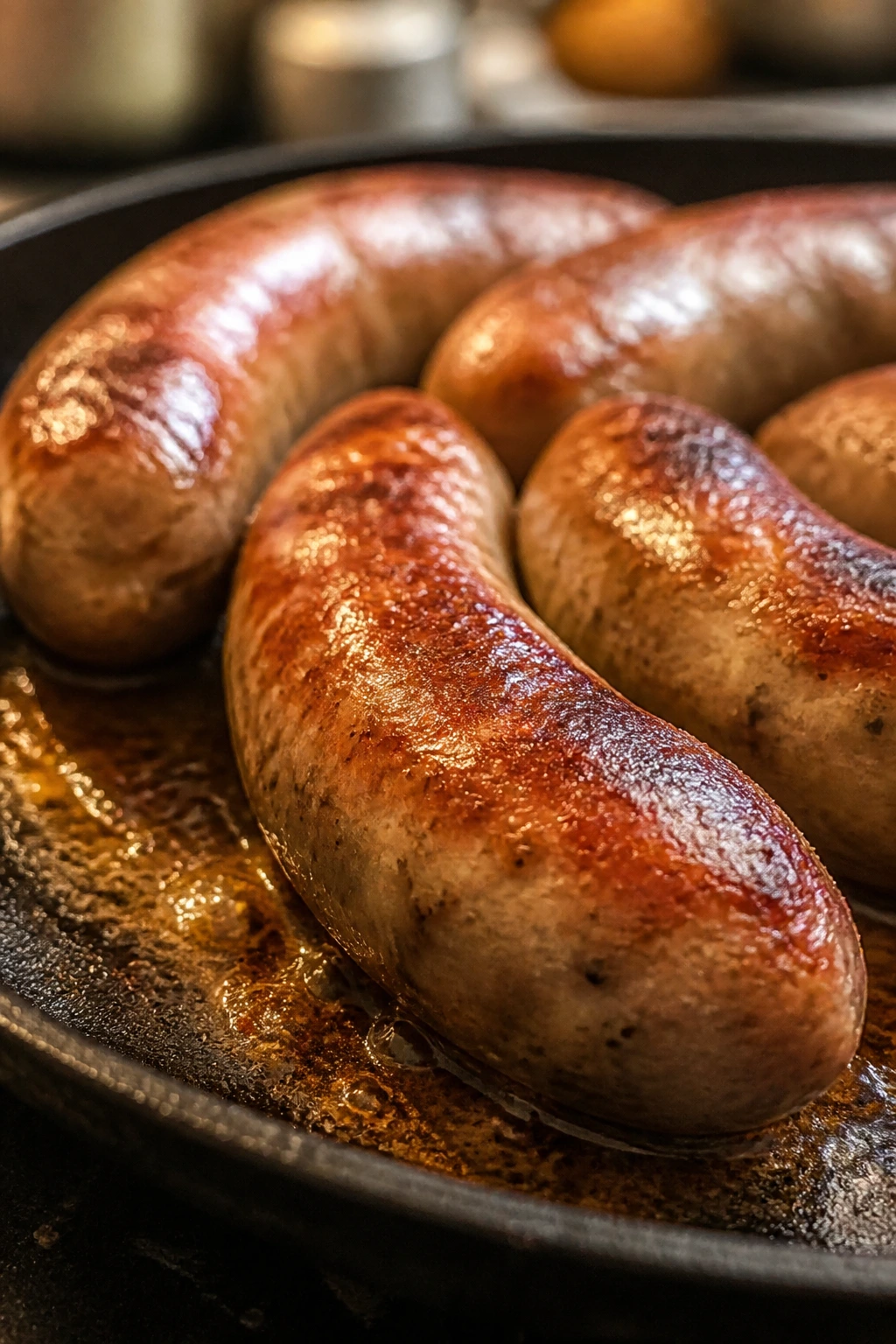
Rendered fat is the prize: Sausage rewards the same kind of patient browning that makes bacon worth standing over, because the best flavor shows up after the fat melts and the surface turns deep gold.
-
Salt adds up fast: Bacon, smoked sausage, and cured links all bring their own salt, so these tips lean toward balance instead of dumping more seasoning into a pan that’s already carrying plenty.
-
Texture matters more than you think: Bacon lovers notice crunch, snap, and crackle; sausage gives you all three if you brown it steadily and stop overworking it.
-
One pan can do a lot: Good sausage drippings are almost too useful — they can season eggs, potatoes, cabbage, onions, beans, or a quick pan sauce without extra effort.
-
The thermometer saves dinner: A quick temperature check at 160°F for pork sausage keeps you from serving a link that looks gorgeous outside and chalky inside.
1. Start With Sausage That Has Enough Fat
Fat is not the enemy here. It’s the reason sausage tastes like sausage instead of dry meat wrapped in a casing.
Look for pork sausage with enough marbling that the surface feels supple in the pack, not stiff and tight. Lean sausage can be fine in a pasta sauce or soup, but if you want that rich, almost bacon-like mouthfeel, a little fat is what gives you the pay-off. I’d rather cook a sausage that renders neatly than one that stays dry and squeaky.
If the package has a long ingredient list, pause. A short list of pork, salt, spices, and maybe sugar usually cooks more predictably than a heavily processed link with lots of fillers. That doesn’t mean you need artisan sausage from a fancy case. It means the meat should behave like meat.
The best bacon lovers know this instinctively: fat carries flavor, but only if you treat it with some care. Too little, and the sausage eats lean. Too much heat, and the fat runs out before it has a chance to do its job.
2. Begin Fresh Links in a Cold Pan
Cold pan. Honest heat. That’s the move.
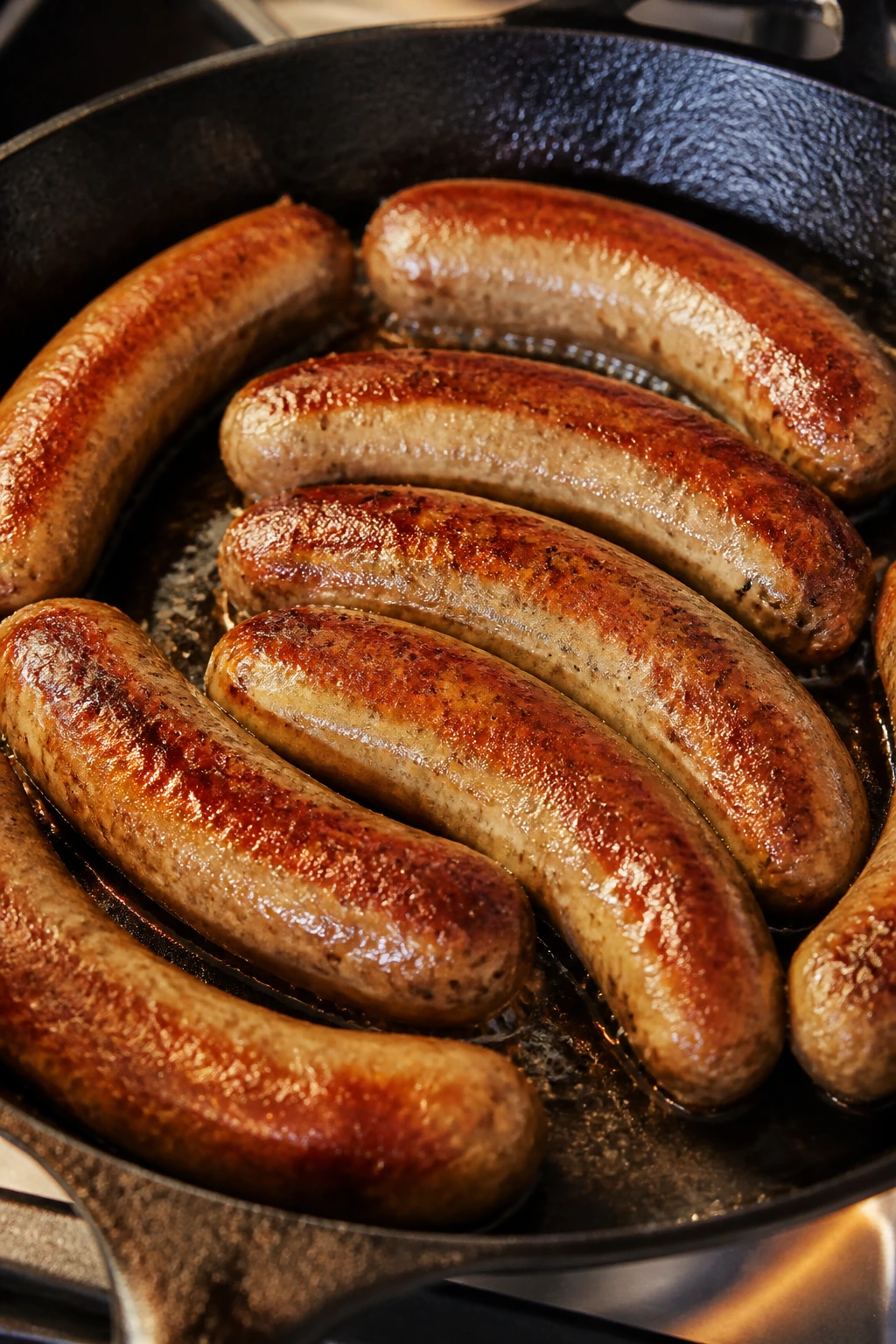
Fresh sausage links do better when they start in a skillet before the burner climbs to medium. The casing heats slowly, the fat begins to soften instead of violently spitting, and the outside gets a chance to brown without splitting open too soon. That first quiet minute matters more than it looks like it should.
If you drop links into a screaming-hot pan, the casing tightens before the center has any chance to warm through. The result is a tight, wrinkled shell and a middle that still needs work. A cold-start skillet gives the sausage time to come up together, which is exactly what you want from a thick fresh link.
I usually set the links in the pan, then turn the heat to medium. Not medium-high. Not “let’s see what happens.” Medium. Give it a little patience and you’ll get a better color and a cleaner snap.
3. Keep the Heat at Medium, Not High
High heat is seductive. It sounds efficient. It also burns the outside before the middle has time to wake up.
Medium heat gives sausage time to render and brown in the same pan. That matters even more if the links are thick, because the outside needs to crisp at the same pace the center cooks. Bacon can survive a sharper blast because it’s thin. Sausage can’t hide from a bad heat setting.
The cue I trust is the sound. At medium heat, the pan should hiss steadily, not roar. If the fat starts splattering hard enough to make you step back, the flame is too hot. Lower it. Sausage likes a controlled sizzle, not a tantrum.
What medium heat looks like
- The fat bubbles gently around the links.
- The casing turns golden before it gets dark brown.
- You can turn the sausage without the pan smoking like a campfire.
That’s the sweet spot.
4. Give Each Piece Room to Brown
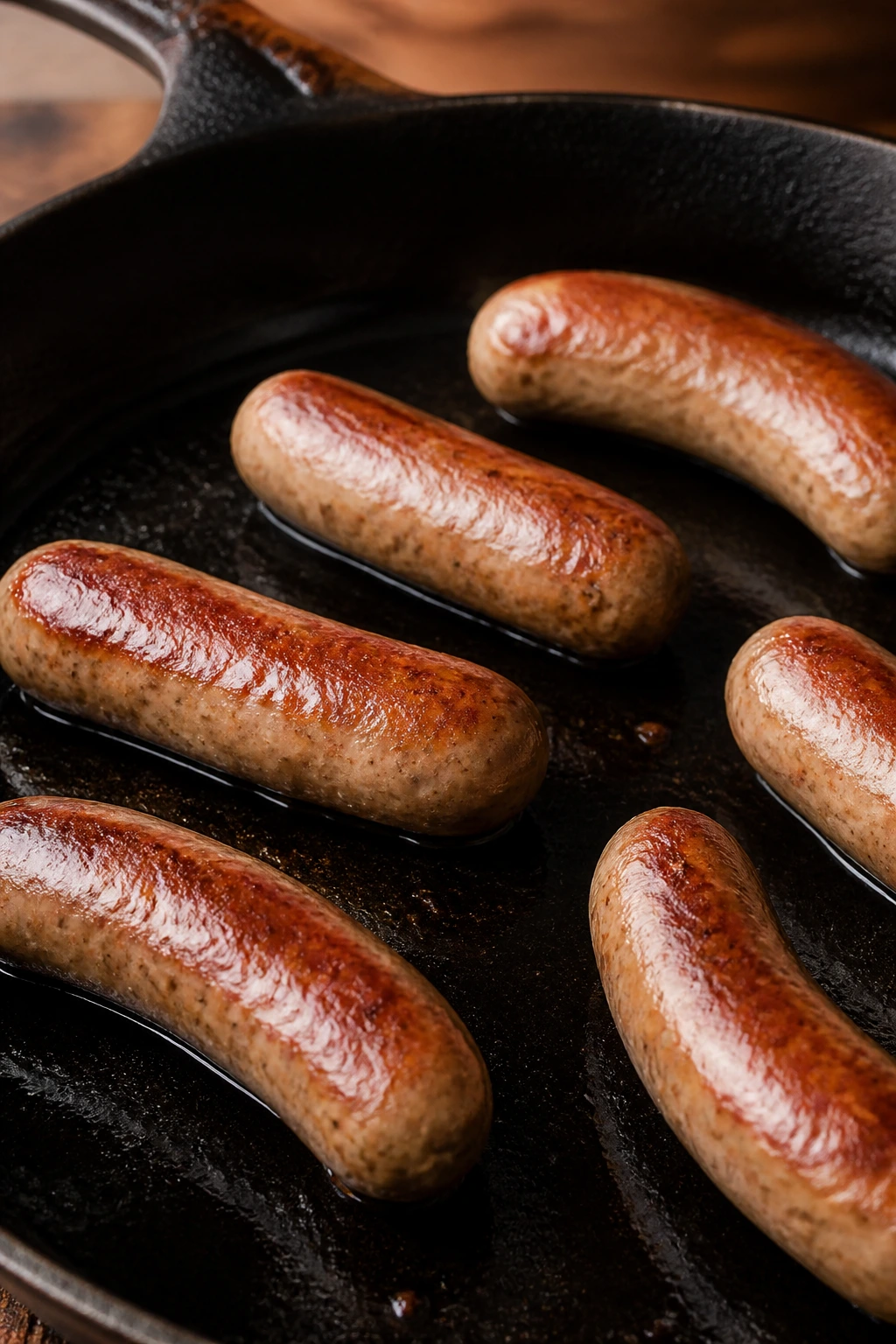
Crowding is the classic mistake, and it’s a greedy one.
When sausages sit too close together, the moisture that escapes has nowhere to go. It hangs around the pan, turns to steam, and softens the casing. Instead of browning, you get pale links with slippery skins and a pan full of hot moisture. That is not the bacon-like texture most people are after.
Leave space between the links. If you can’t fit them with at least a little breathing room, cook in batches. Yes, batches. It’s worth washing one extra spatula later if it means the sausage actually browns.
This matters just as much for sliced sausage or crumbles. Spread the pieces out and let the first side set before stirring. Browned meat tastes deeper because the surface has had time to caramelize. Steam just tastes like heat.
5. Turn Less Often Than You Think

Most people flip sausage too much. They can’t help it. The pan looks active, the links look pale on one side, and the hand reaches for the tongs.
Wait.
Let one side make real contact with the pan for a couple of minutes before you turn it. You want to see a deep golden patch, not a pale tan stripe. When the sausage has time to sit, the surface dries just enough to brown properly. Turn too early and you keep resetting the process.
For links, I like to turn every 2 to 3 minutes, not every 30 seconds. For patties, give the first side enough time to form a crust before you even think about moving them. Less handling means better browning, fewer torn casings, and less juice running out on the cutting board later.
6. Use a Thermometer, Not a Cut
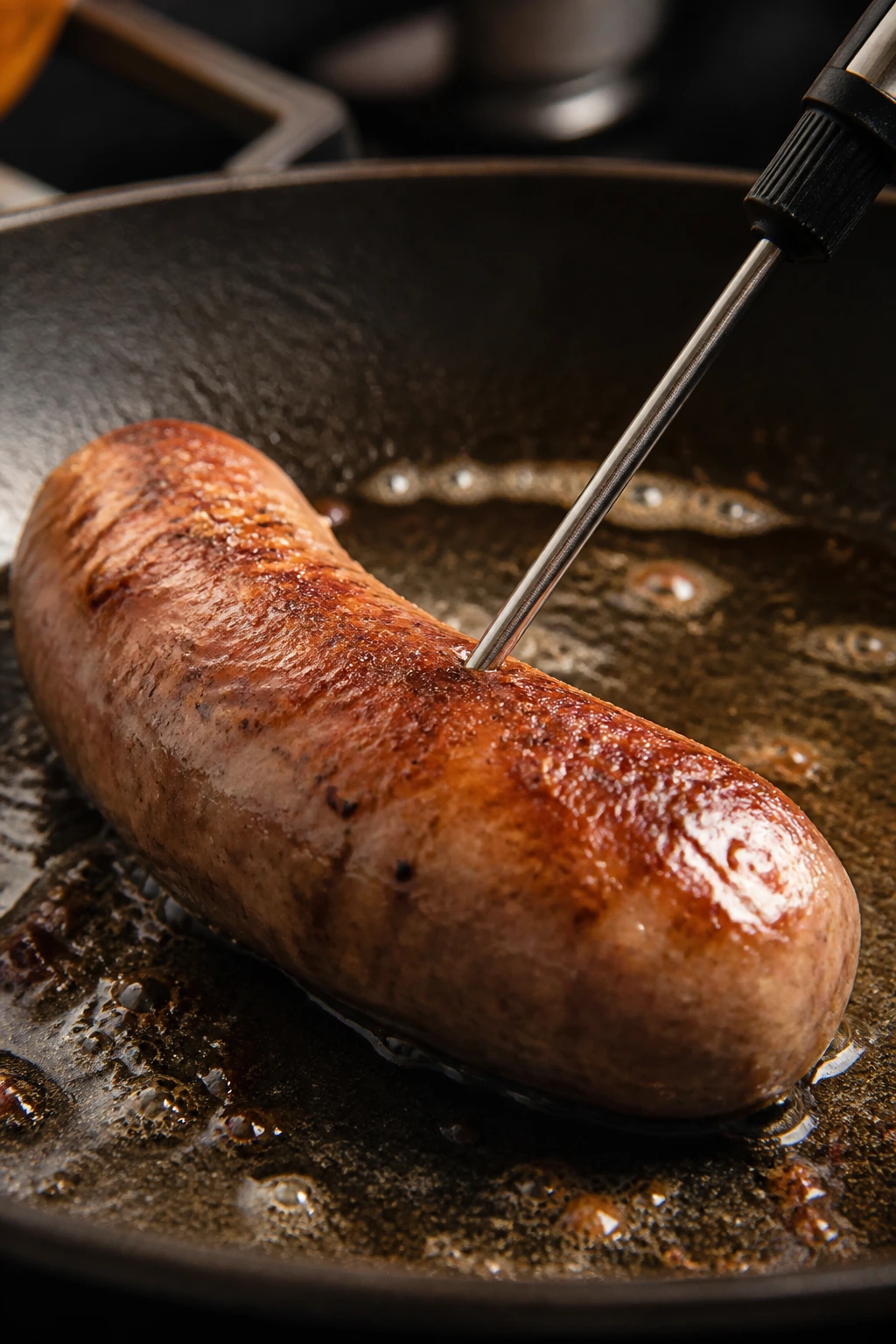
A thermometer is not optional if you want sausage done right.
People cut a sausage open and call that “checking.” All they really do is let the juices run out and guess at the center from the color of the middle. That’s a bad trade. A fresh pork sausage should hit 160°F / 71°C in the center. Poultry sausage needs 165°F / 74°C. Smoked sausage may already be fully cooked, but reheating it properly still matters if you want a better texture.
What the thermometer should tell you
- Insert it from the side of the link, not the top.
- Aim for the thickest part.
- Stop cooking a few degrees early if the sausage will rest for a minute or two.
The thermometer saves you from the gray middle problem and the dried-out casing problem at the same time. That’s a useful tool, not a fancy one.
7. Save the Drippings Like Bacon Fat
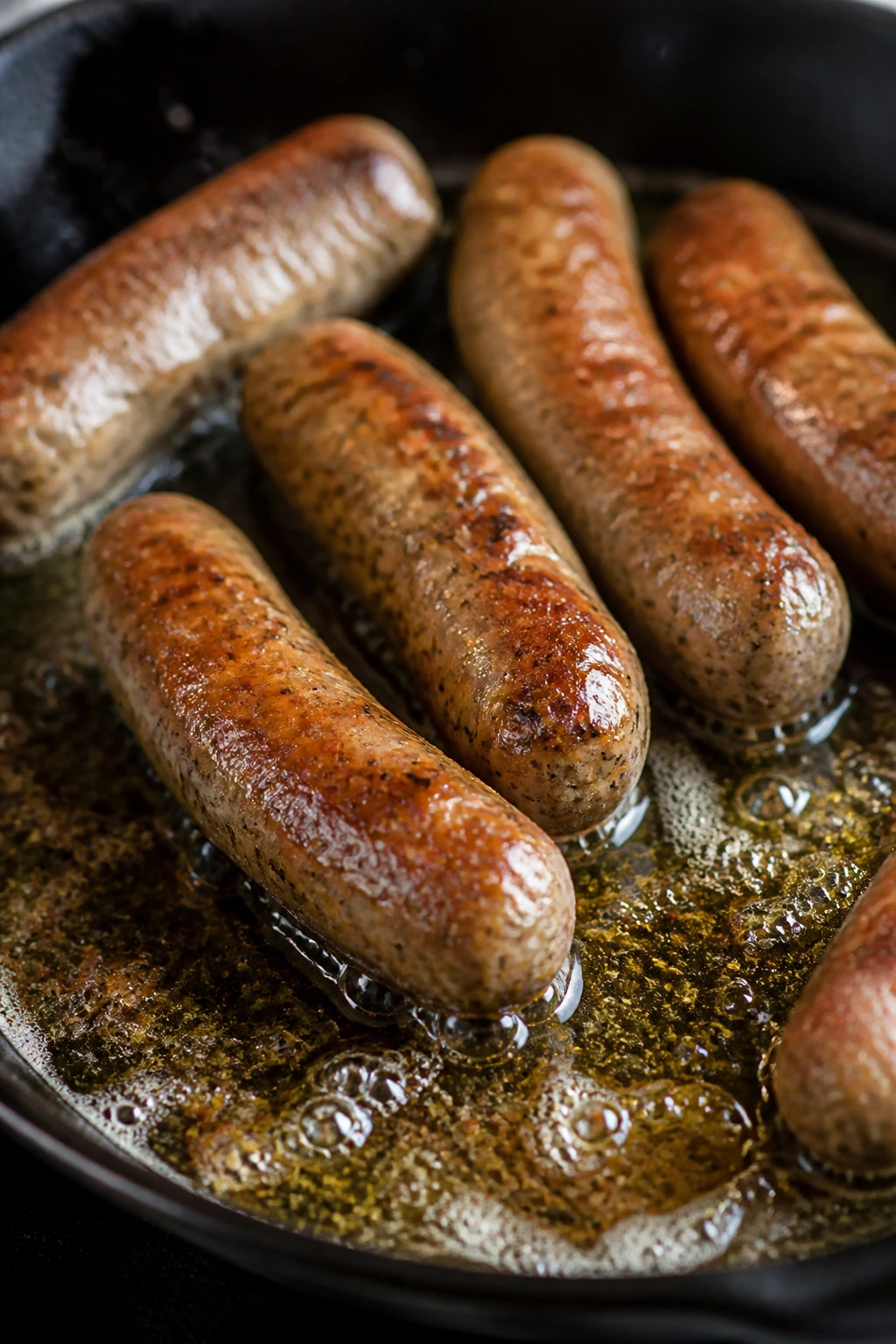
Good sausage drippings deserve the same respect bacon fat gets around here.
Once the sausage is cooked, pour off the excess fat into a heatproof bowl or jar, but leave a spoonful or two in the pan. Those drippings are perfect for onions, cabbage, eggs, potatoes, or even a quick pan gravy. They’re salty, savory, and already carrying the spices from the sausage.
I keep a small jar in the fridge for exactly this reason. Not a huge stockpile. Just enough to slick a skillet when I need a head start on flavor. If the sausage was heavily seasoned, use a lighter hand and taste as you go. Those drippings can be intense.
Bacon lovers understand this move instantly. You’re not throwing flavor away. You’re moving it.
8. Add a Splash of Water for Thick Links
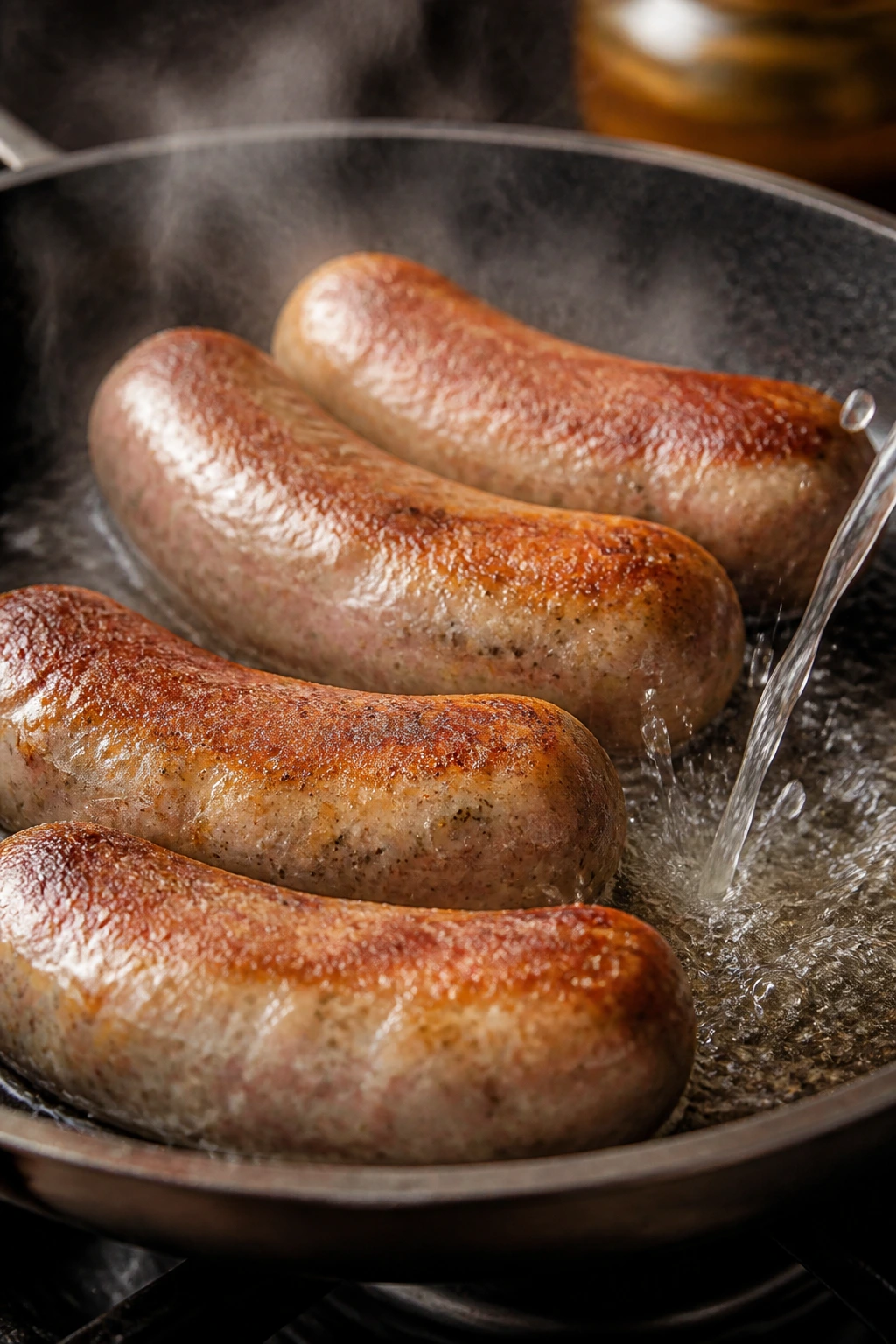
Thick links can brown on the outside before the center is anywhere near done. A splash of water solves that without drying the sausage out.
Add 2 to 3 tablespoons of water to the hot pan after the links have picked up some color, then cover it for a couple of minutes. The steam helps cook the inside gently. Once the water evaporates, uncover the pan and let the casing finish crisping.
This trick works especially well for bratwurst, fresh Italian sausage, and any link so plump it seems to laugh at the skillet. The water is not there for flavor. It’s there for control.
If the pan dries out too fast, add another tablespoon. Tiny amounts are enough. You’re building tenderness first, then crispness.
9. Score Thick Sausages Lightly
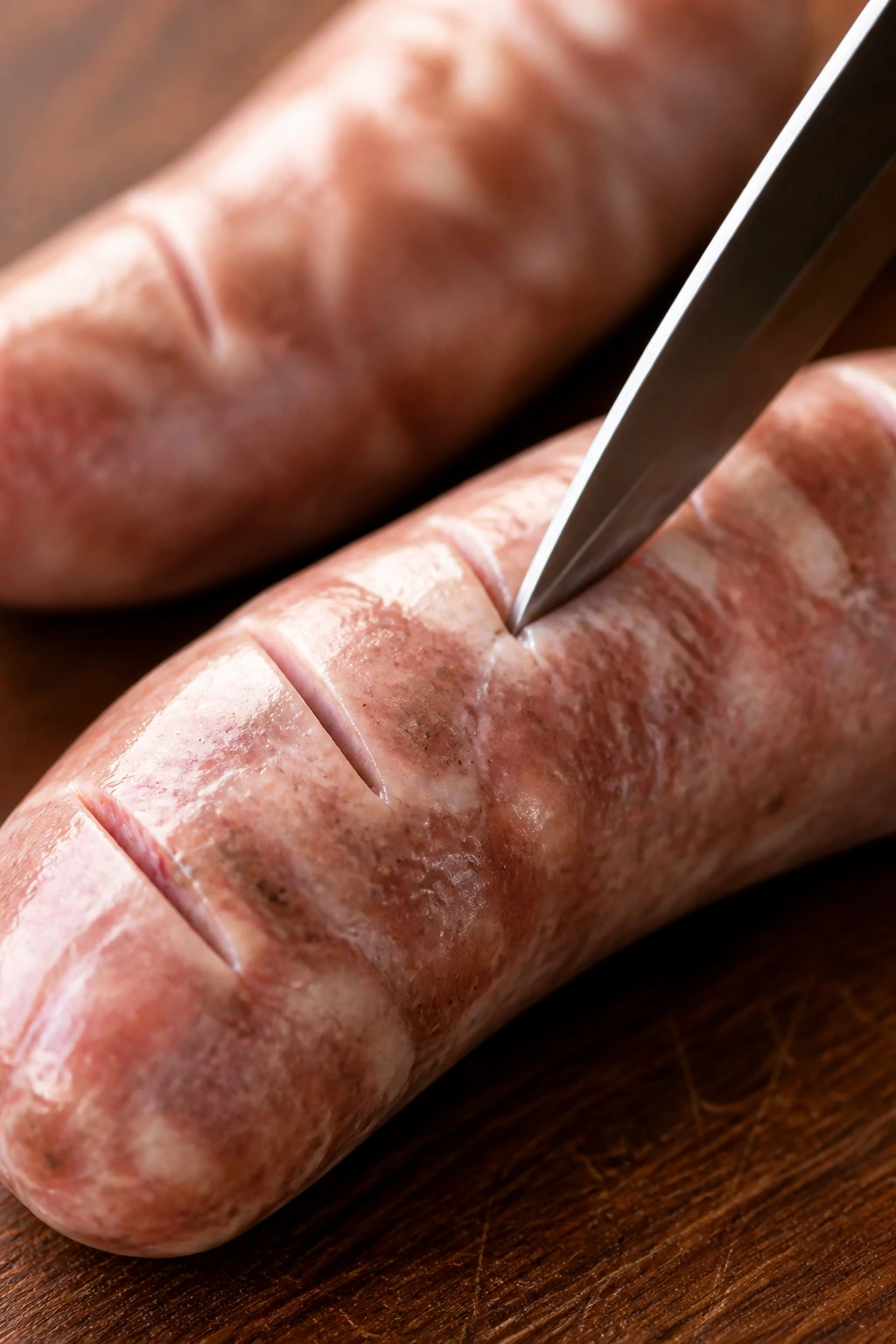
A few shallow cuts can help a stubborn sausage cook more evenly. The key word is shallow.
You are not carving the link open. You’re making tiny slits in the casing, just enough to give steam a route out and help the fat render a touch faster. If you cut too deep, the juices escape and the sausage turns dry. If you score too many times, the casing loses its job completely.
This works best with especially thick fresh links that keep splitting on one side before the middle is done. It also helps with grilled sausages that need a little more speed. Use the tip of a sharp knife and make two or three light slashes on each side.
Not every sausage needs this. Some links cook better left alone. But when a casing keeps puffing up like a balloon, a few careful scores can make the difference.
10. Finish Under the Broiler
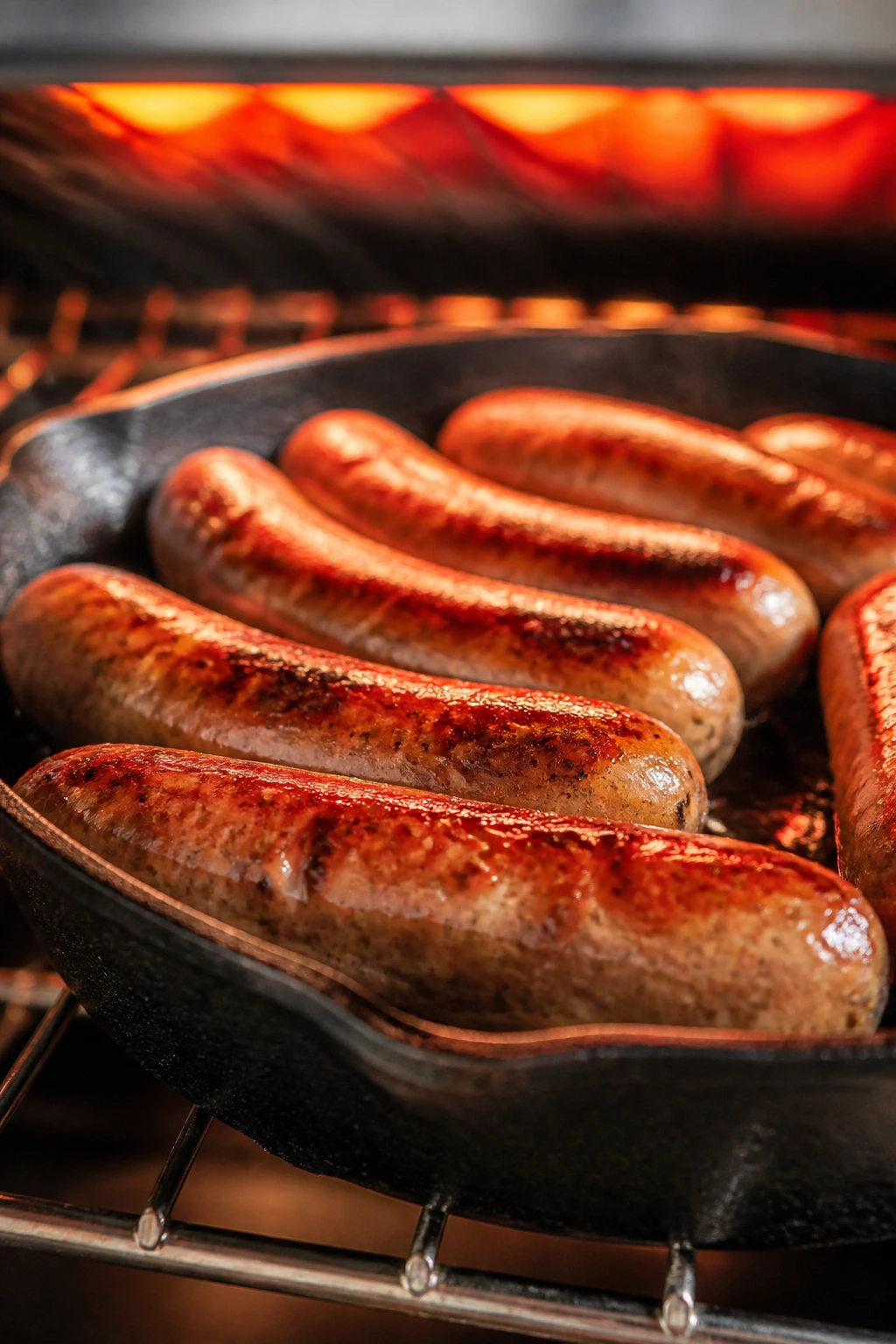
The broiler is a cheat code for sausage skin.
If the links are cooked through but the outside still looks a little flat, move them to a rimmed sheet pan and set them under the broiler for a minute or two. Watch closely. The casing can go from “almost there” to blistered and bitter in less time than you’d like.
This is especially useful for sausages that were started gently in a skillet or par-cooked in a braise. The broiler gives you that last hard edge, the one bacon lovers tend to like. It’s the same basic satisfaction: soft inside, browned outside, no dead zones in the middle.
Keep the pan on the middle rack if your broiler runs hot. If you smell smoke, it’s already too late.
11. Rest Before You Slice
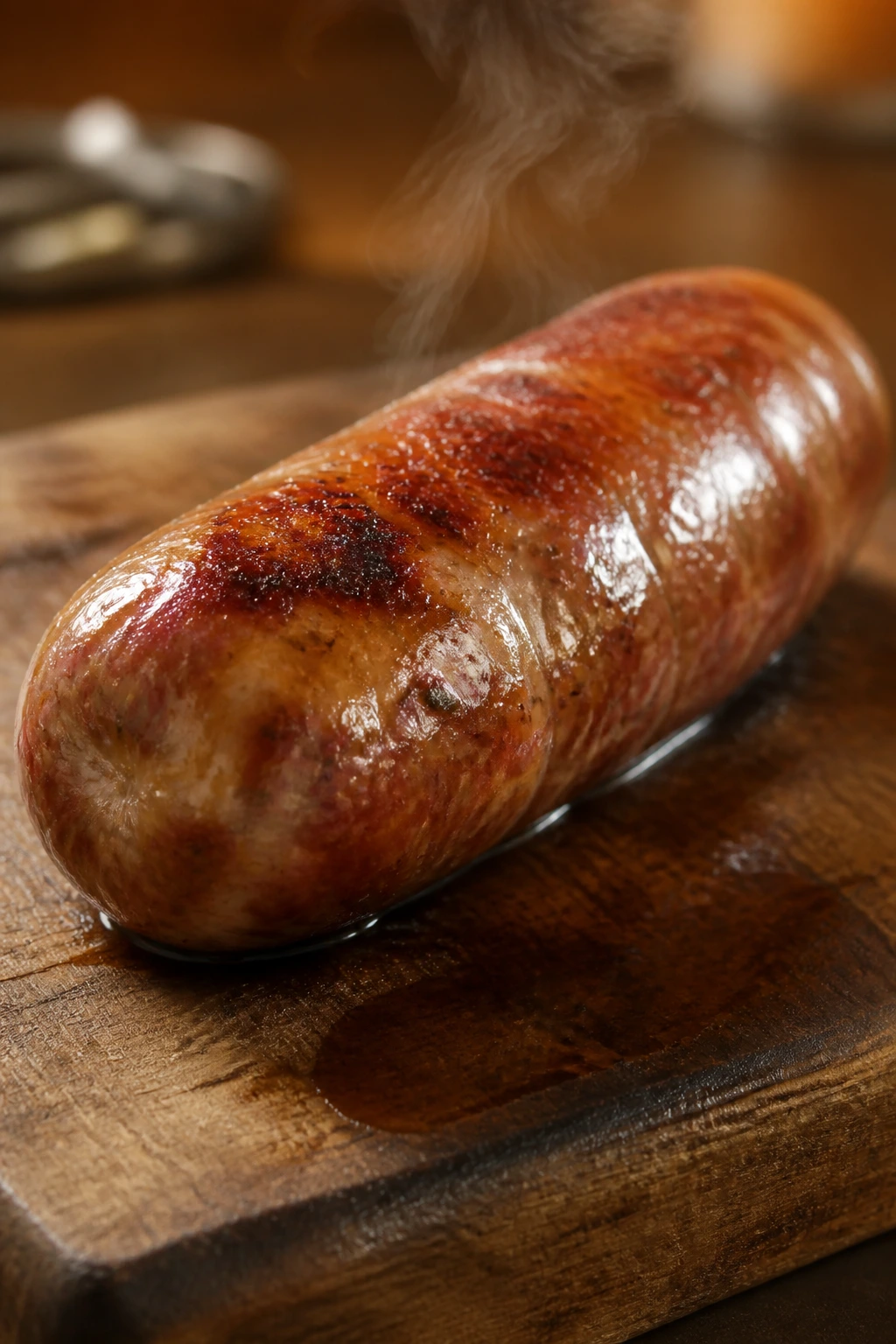
A sausage that comes straight out of the pan is too loose in the middle.
Give it 3 to 5 minutes on a plate or cutting board before slicing. That short rest lets the juices settle back into the meat instead of flooding the board. The casing also firms up a bit, which makes cleaner slices and a better bite.
You can get away with cutting bacon right away because the slices are thin. Sausage needs a moment. Skip the rest and the inside can look wetter than it really is, which makes people think it’s undercooked. Often it isn’t. It just hasn’t settled.
Resting also helps with breakfast sausage patties and crumbled sausage, not only links. A brief pause keeps the texture from turning mushy the second it leaves the heat.
12. Choose the Right Sausage Style for the Job
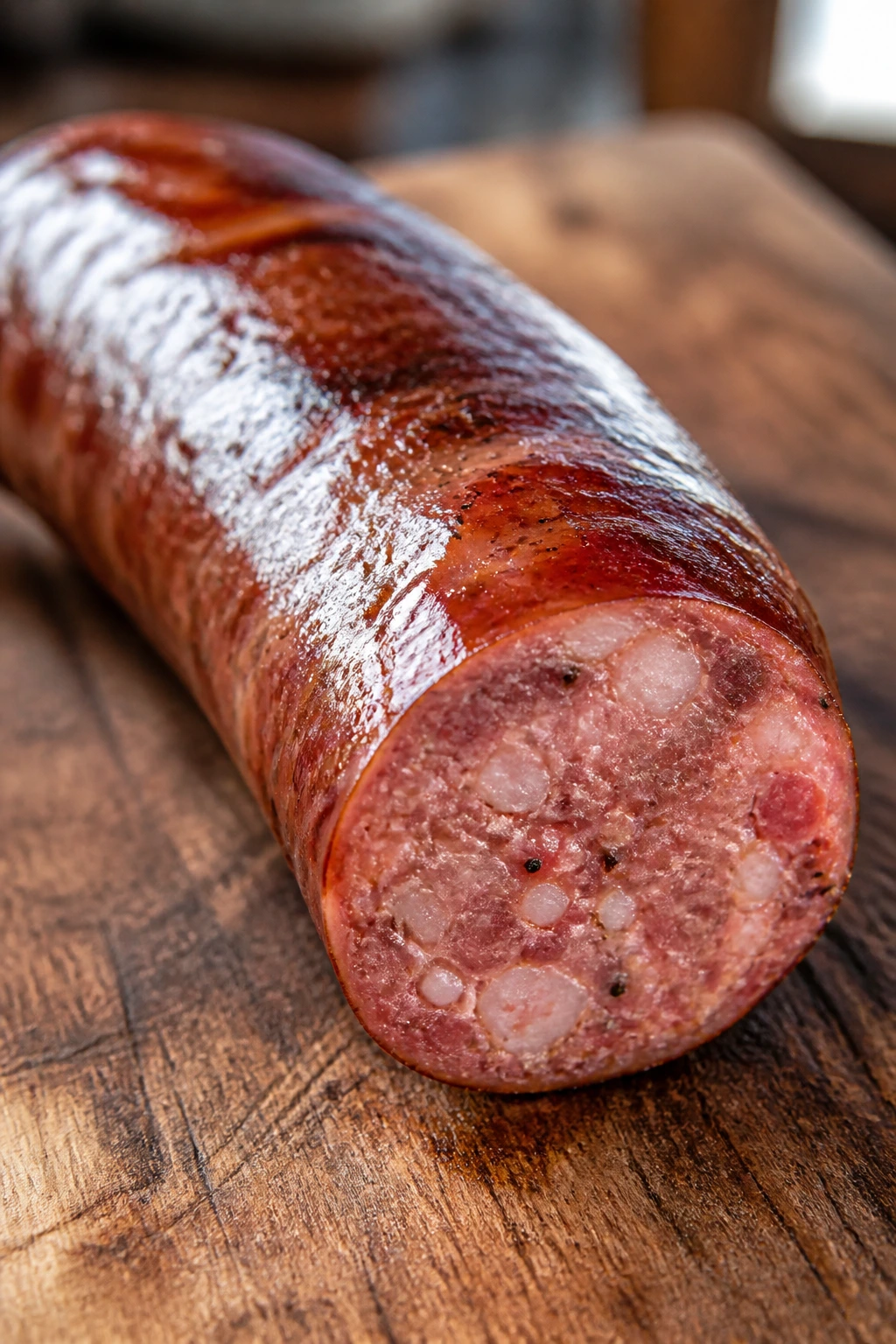
Not every sausage is trying to do the same thing.
Fresh breakfast sausage wants to be near eggs, biscuits, and potatoes. Italian sausage is happier in tomato sauce, on pizza, or with peppers. Kielbasa and other smoked sausages make fast skillet dinners and sheet pan meals feel richer. Bratwurst likes the grill, beer, onions, and mustard. Pick the style that actually fits the dish instead of forcing one sausage to do a job it hates.
Bacon lovers usually lean toward smoky, salty, savory flavors, so it’s tempting to choose the darkest, most heavily smoked sausage in the case. Sometimes that works. Sometimes it turns the whole plate muddy. If bacon is already in the dish, choose a sausage with less smoke so the flavors don’t trip over each other.
One sausage. One job. Life gets easier.
13. Match Casing to Cooking Method
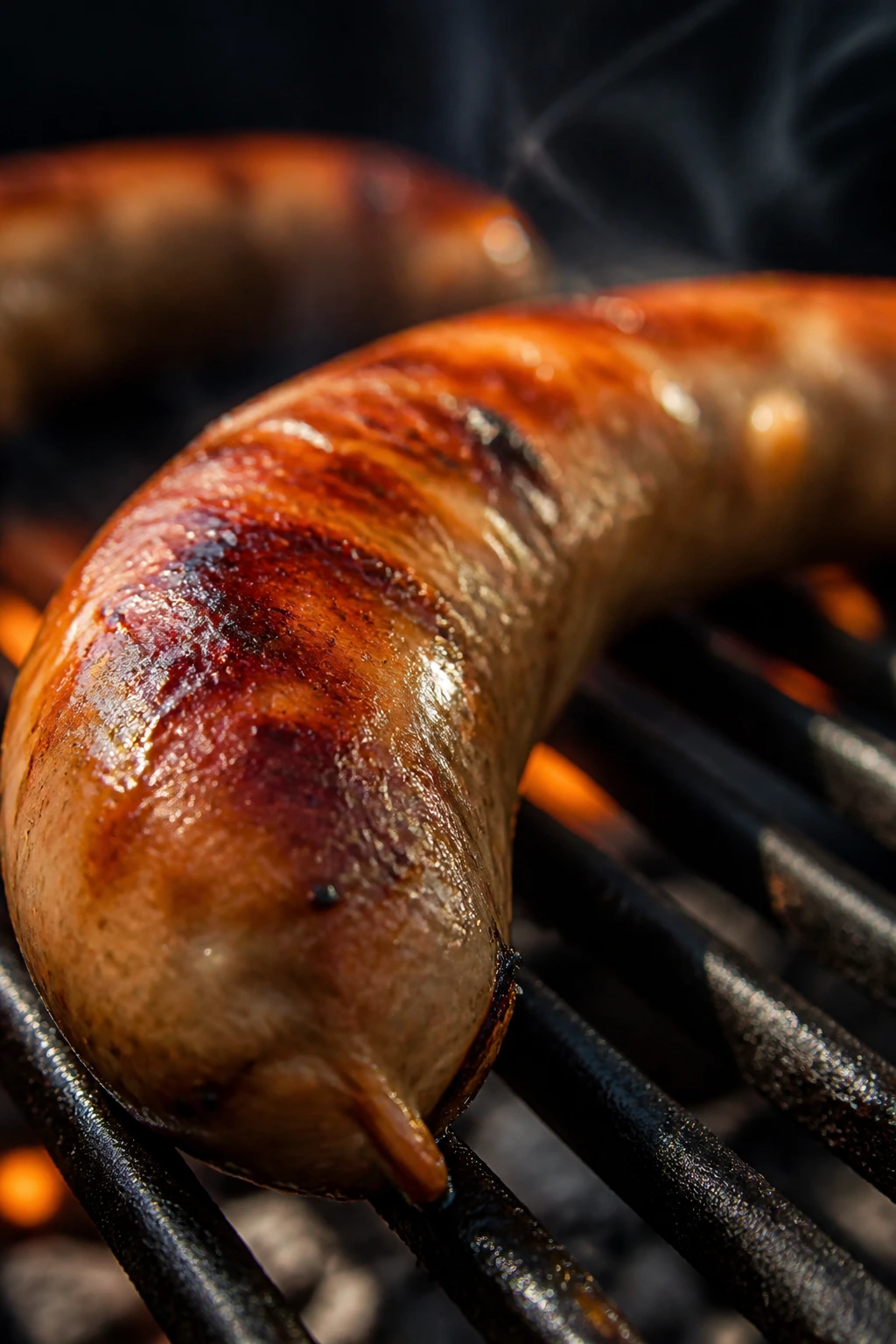
The casing changes everything.
Natural casings give you more snap and better browning, which makes them a good pick for grilling and pan-frying. Collagen or skinless sausages are easier to crumble into sauces, stuffing, and hashes. Fresh links with tough casings can still cook well, but they need gentler heat and more patience.
If you want that clean bite bacon lovers chase in a crisp strip, natural casing is usually the move. If you want the sausage to disappear into a pasta sauce, you don’t need that same snap. The method should decide the casing, not the other way around.
The short version
- Grill or skillet: natural casing.
- Sauce or casserole: loose, skinless, or crumbled sausage.
- Breakfast patties: gentle handling, no casing needed.
That’s the decision tree I trust.
14. Use Two Heat Zones on the Grill
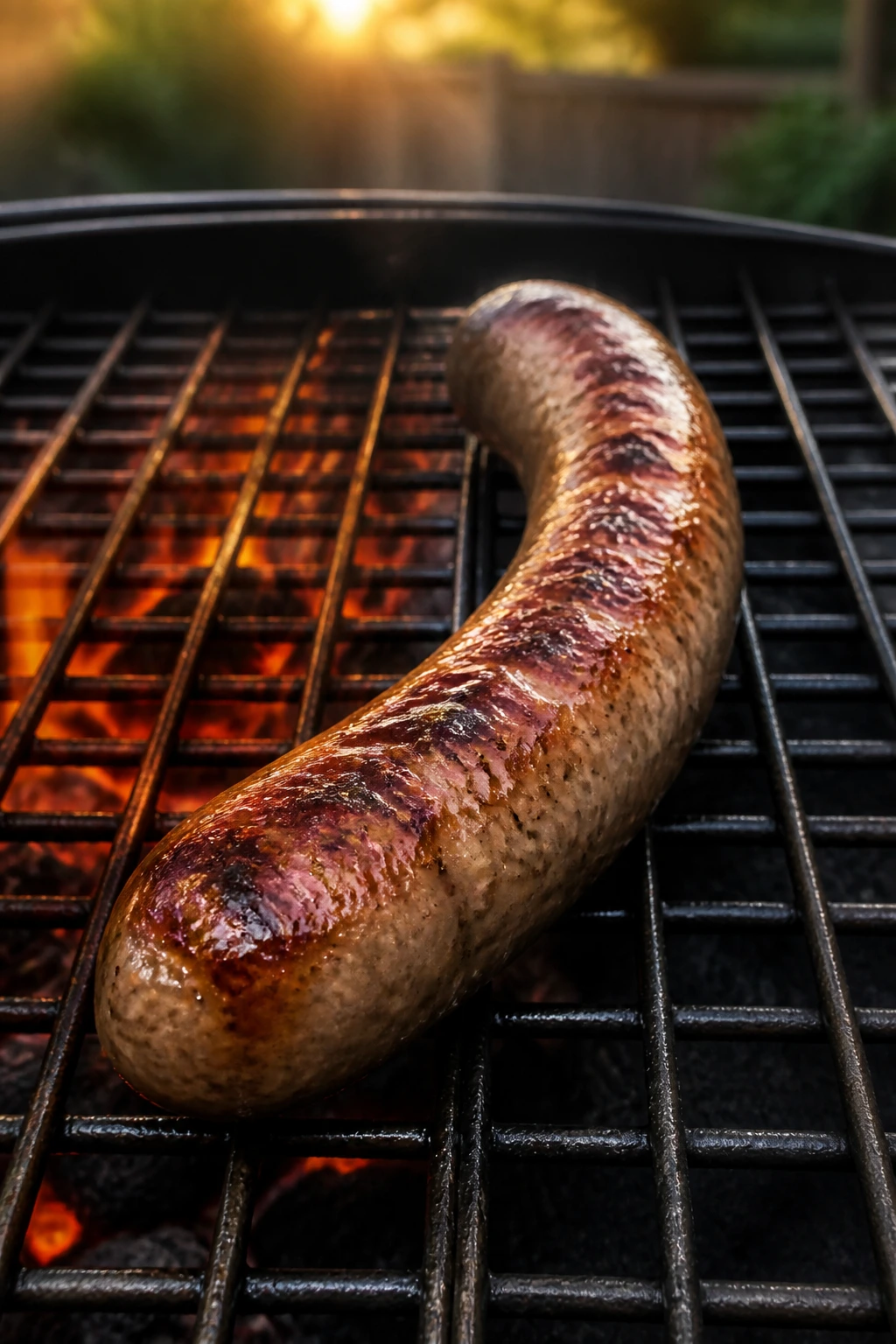
The grill is excellent for sausage, but only if you stop treating every inch of it the same.
Set up one hot side and one cooler side. Start the sausages over direct heat long enough to brown the casing, then move them to indirect heat to finish cooking through. Thick links especially benefit from this method, because the outside gets its color without the inside drying out.
The lid matters too. Closed lid, steady heat, and a little patience give you a more even result than constant flipping over an open flame. If fat drips and flares, move the sausage immediately. Don’t stand there and admire the fire.
This is a good place to think like a bacon cook: brown first, then manage the fat. Same principle. Different cut.
15. Let Acid Cut the Richness
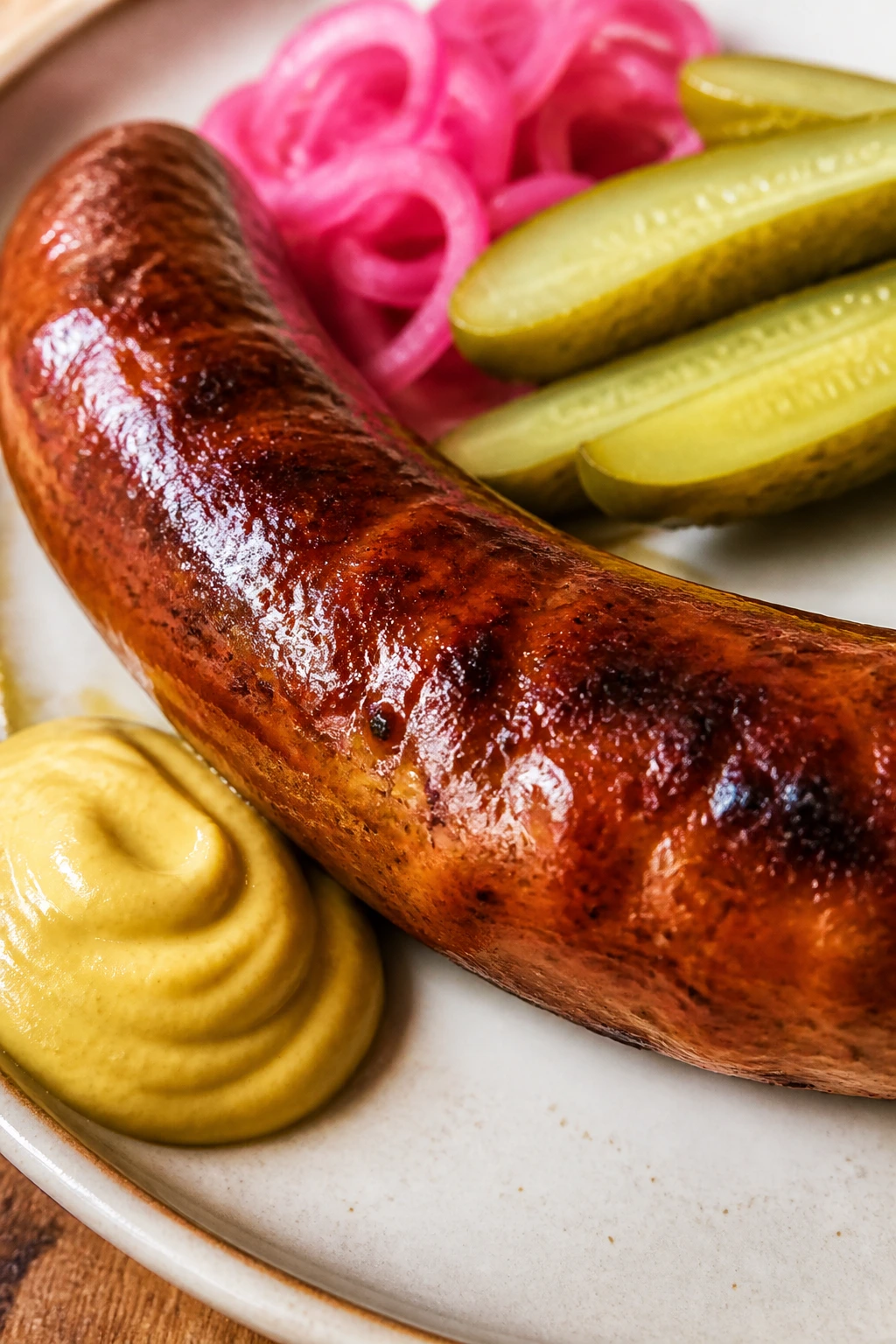
Rich sausage tastes better when something sharp is sitting next to it.
Mustard, pickled onions, sauerkraut, vinegar slaw, lemon juice, or even a splash of apple cider vinegar can make the whole plate taste brighter. Bacon lovers already know this trick, whether they say it out loud or not. Fat gets tiring without contrast. Acid wakes it up.
If you’re serving sausage on a bun, think mustard and pickles. If it’s on a plate, think cabbage or a tart apple side. If the dish feels heavy, acid is usually the fix before more salt or spice enters the conversation.
You do not need a lot. A teaspoon here, a spoonful there. Enough to cut the richness, not enough to turn dinner into salad dressing.
16. Build Flavor With Onions and Garlic
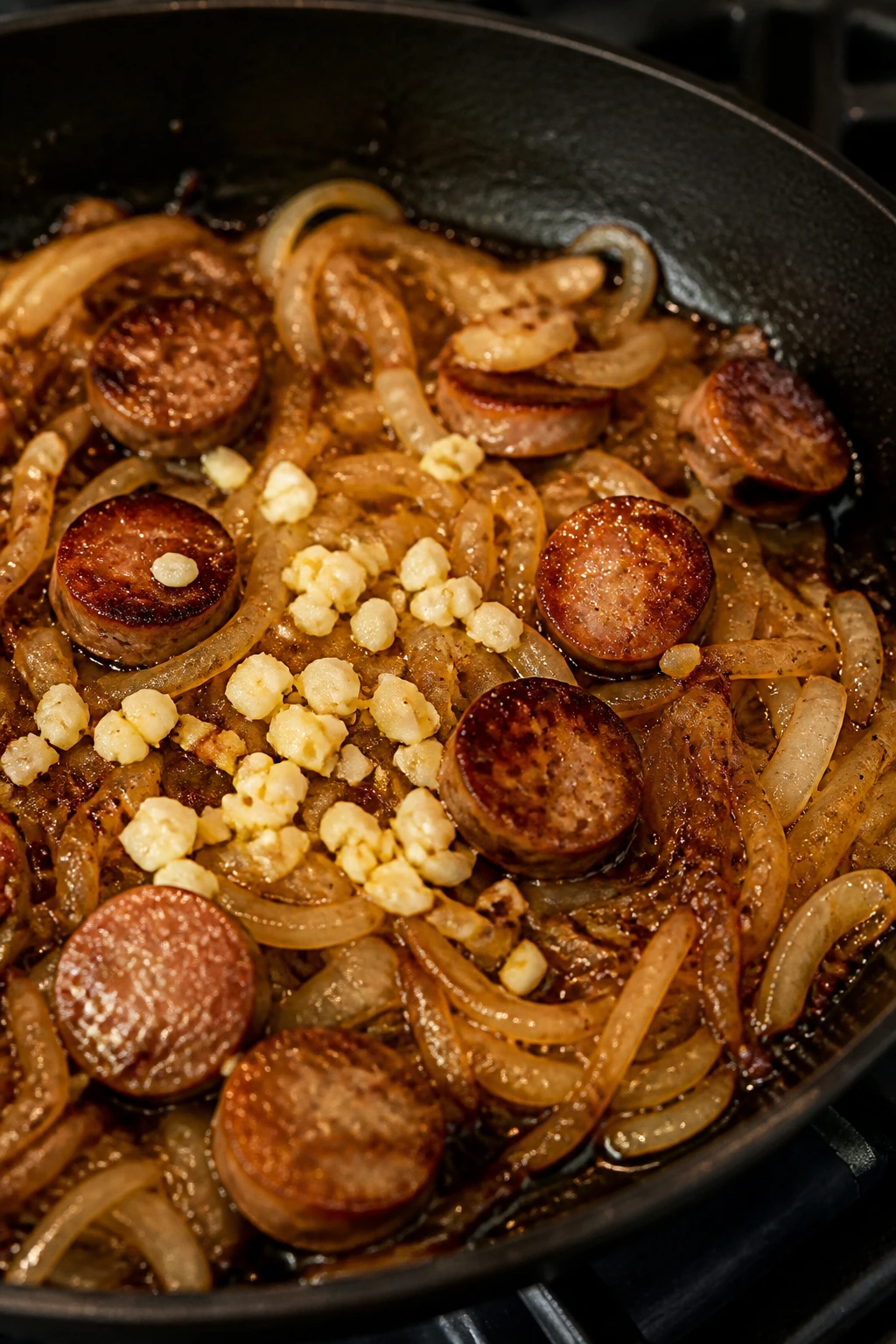
A sausage pan without onions feels a little bare to me.
Onions cook beautifully in sausage drippings, and they soak up the fat in a way that turns them sweet and browned around the edges. Garlic should go in later, once the onions have softened, because it burns fast and bitter garlic ruins the whole pan. Let the onions do the heavy lifting first.
This is one of those places where a small timing shift matters. Onions need a few minutes. Garlic needs less than that. Add both together and the garlic can go harsh while the onions still taste raw. Keep them separate by a minute or two and the skillet turns into an actual meal instead of just cooked meat.
If you’re cooking bacon and sausage together, cook the bacon first, remove it, then let the onions go in the rendered fat before the sausage comes back to the pan. That layering is where the good stuff lives.
17. Treat Bacon as a Seasoning, Not the Whole Dish
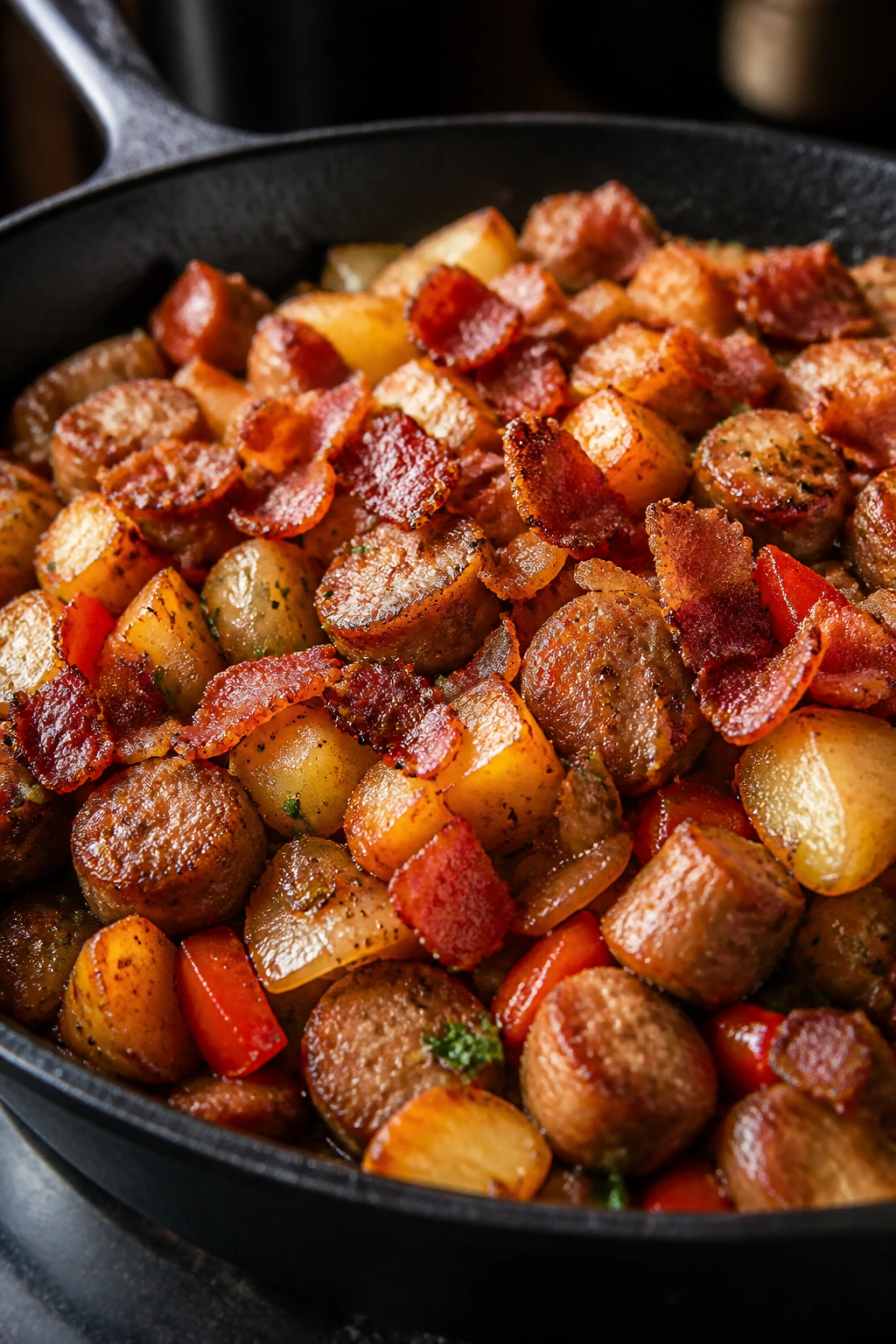
Bacon and sausage can play together, but only if one of them agrees to stay in the background.
Use bacon as a flavor tool: a strip or two chopped small, a few crisp bits stirred in near the end, or bacon fat used to start onions before the sausage goes in. If you pile on too much bacon, the sausage disappears. The dish starts tasting like smoke and salt instead of meat with character.
I like bacon best when it sharpens the sausage, not when it swallows it. A little crisp bacon in a sausage hash? Good. Half a pound of bacon under a couple of links? That’s heavy enough to flatten the plate.
Bacon lovers sometimes need to hear this. More bacon is not always better. Better bacon is better.
18. Go Easy on Extra Salt

This is the boring tip. It’s also the one people ignore right before they regret dinner.
Many sausages are already seasoned heavily, and bacon adds more salt on top of that. Taste before you shake salt into the pan, especially if the sausage is smoked, cured, or packed with a spice mix. A little black pepper, red pepper, fennel, or mustard powder can do more useful work than another full pinch of salt.
I’m not saying don’t season. I’m saying season with a light hand until the sausage is cooked and plated. Once you taste it, the right amount of salt becomes obvious. Before that, you’re guessing blind.
Salt is a lever, not a reflex.
19. Brown Cut Sausage Face-Down First
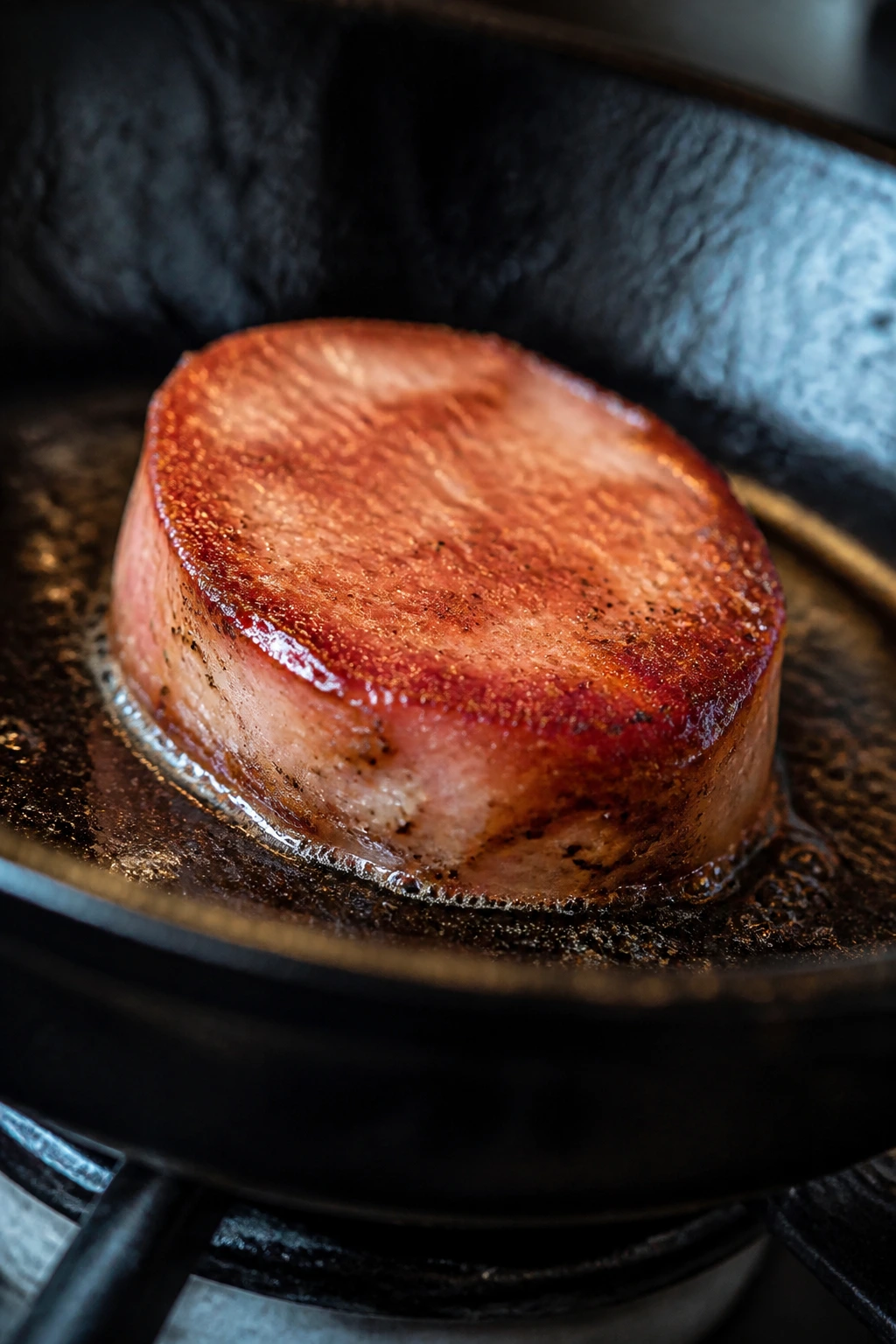
When sausage is sliced or split, don’t treat all sides the same.
Put the cut side down in the pan first. That flat surface gets the best contact and browns fastest, which means more flavor in less time. This works well for sausage halves on buns, slices for pasta, or coins for breakfast hash. You get the browned edge that bacon lovers notice immediately.
Give that cut side time. Don’t keep tossing it around. Once it forms a crust, turn it just once or twice to finish the rest of the surface. The texture gets better, and the meat stays firmer instead of crumbling.
If a sausage is already cooked, face-down browning is also a good rescue move. A minute or two in a dry skillet can wake it back up.
20. Use Beer or Cider for a Gentle Braise
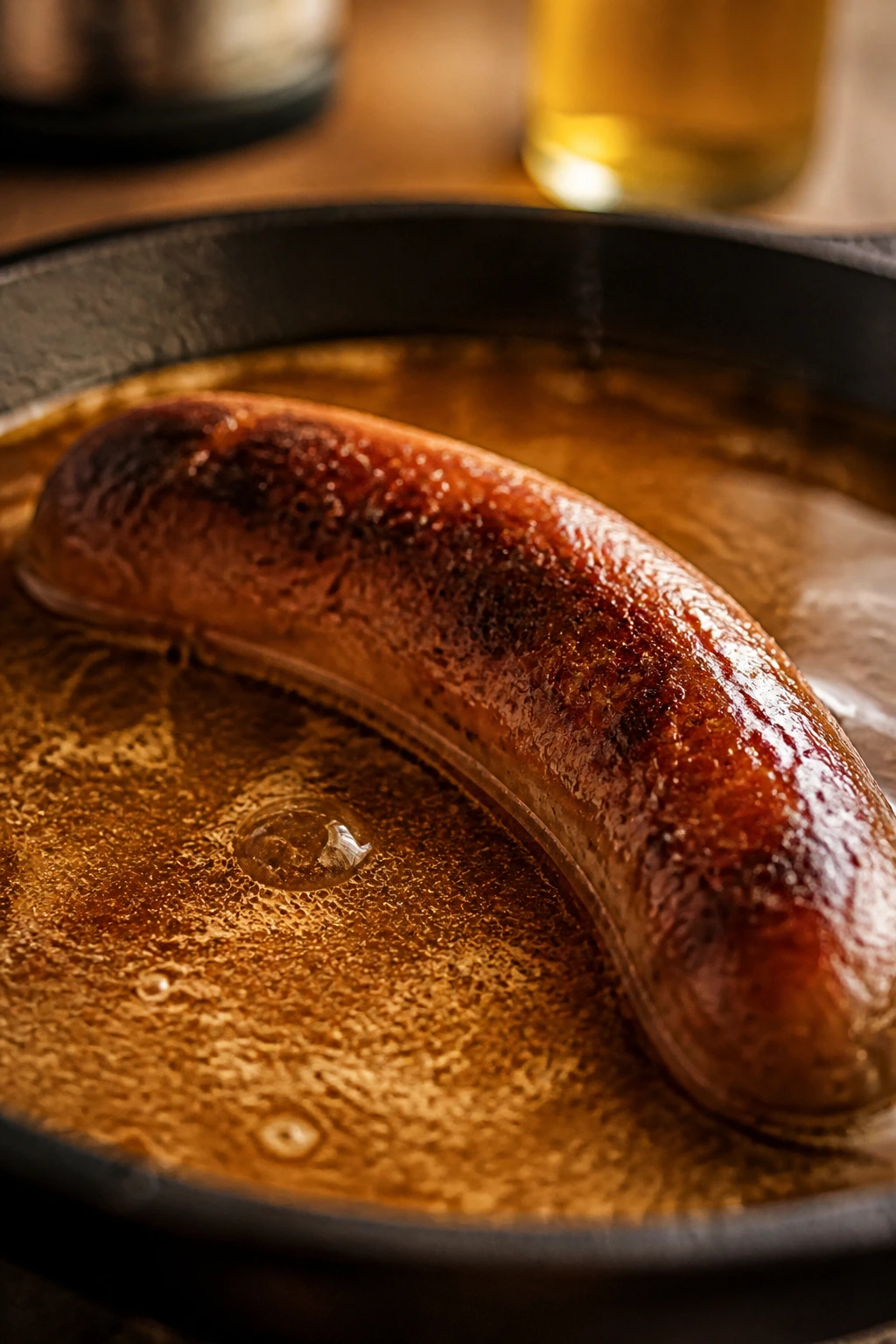
A little liquid can turn a tough cooking job into an easy one.
Beer, hard cider, or even plain stock can help finish thick sausages in the skillet without blasting them with high heat. Add about 1/2 to 1 cup, bring it to a simmer, cover for a few minutes, then uncover and let the liquid cook off. The sausage stays juicy, and the pan picks up a deeper, more savory smell.
This is a natural fit for bratwurst and fresh pork links. It’s also handy when you want a softer finish before browning the sausage again. The liquid should support the meat, not drown it. You’re aiming for a gentle braise, not soup.
If you like that beer-and-onion plate from a cookout or ballpark stand, this is the move that gets you close at home.
21. Stop the Pan Before It Smokes Out
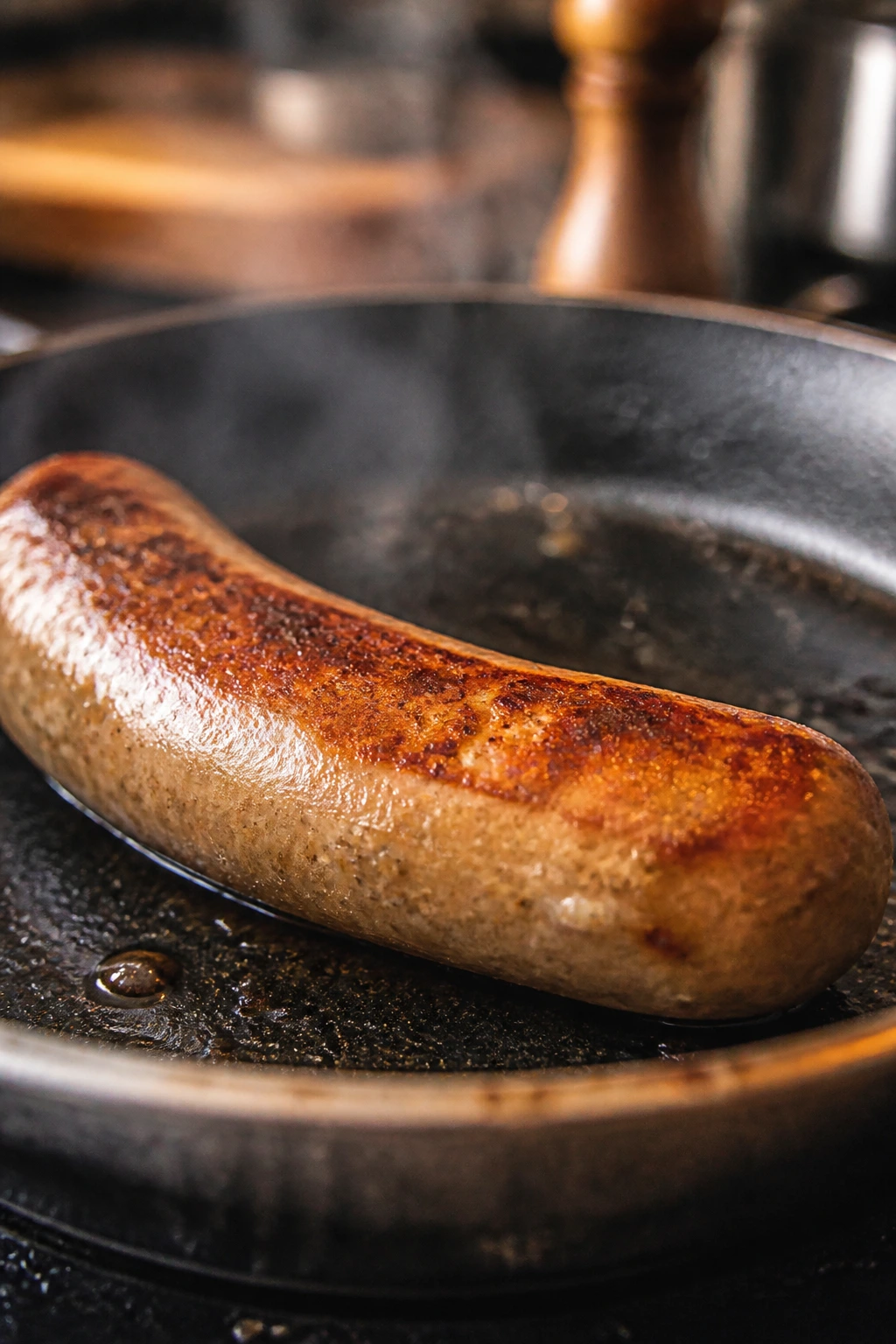
Bitter fat is the enemy of a good sausage pan.
If the skillet starts smoking hard, lower the heat or pull the pan off the burner for a minute. Burned drippings taste harsh and muddy, and they can make even a good sausage taste like it missed its moment. Bacon can handle a certain level of crispness; sausage needs a little more control.
Watch the color of the fat. Shimmering is fine. Browned and smoking is not the same thing. If you’re cooking a lot of fat-heavy sausage, pour off excess grease partway through rather than letting it pool and scorch.
A clean pan makes better food. Not a sterile pan. A clean one.
22. Slice on the Bias for Better Texture
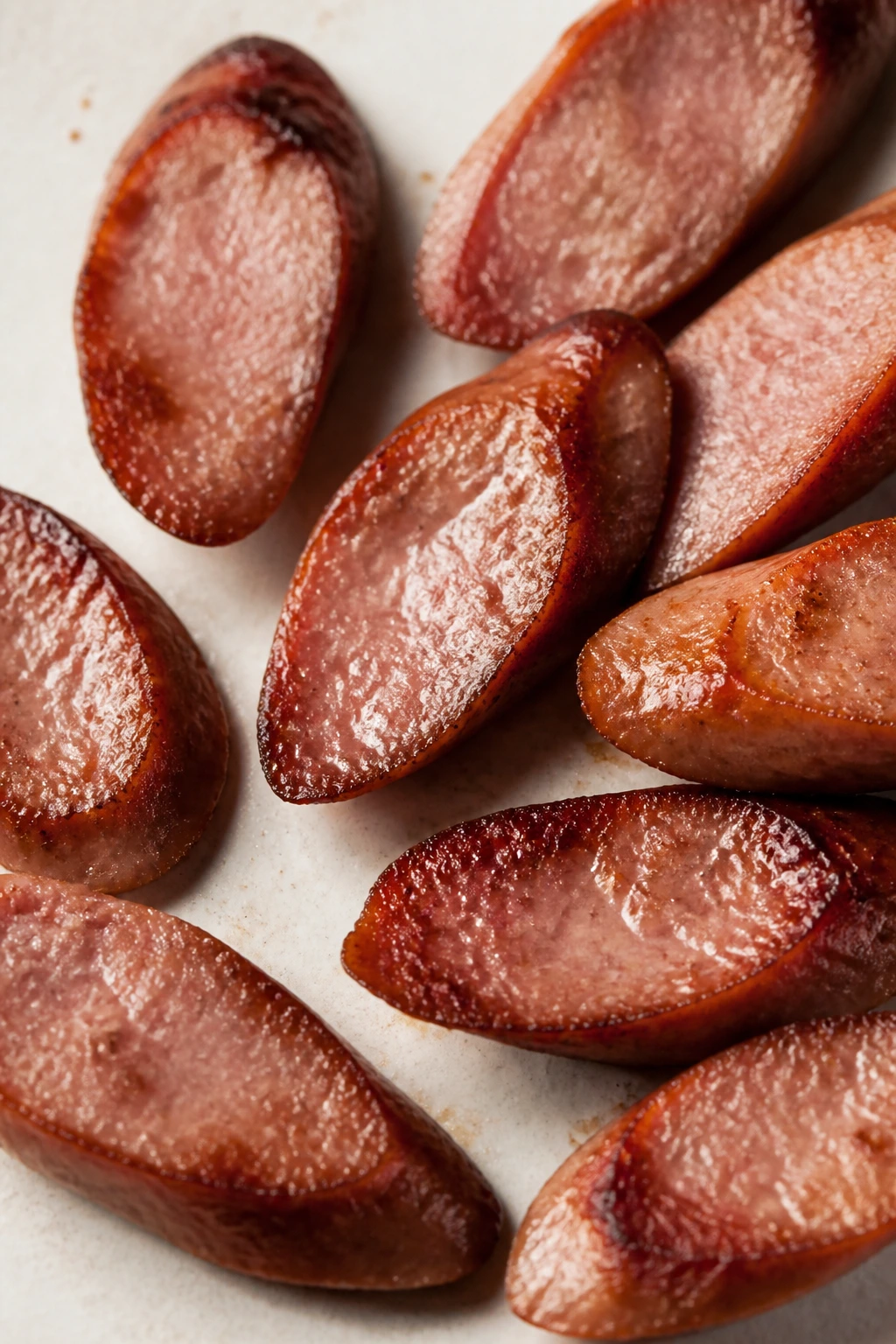
Cutting sausage on a sharp angle does more than make it look neat.
Bias slices expose more browned edge, which means more surface flavor in each bite. That matters for sandwiches, grain bowls, pasta, and breakfast plates where the sausage is being served in pieces instead of whole. Straight-round slices are fine. Bias slices give you more of the good part.
I like 1/2-inch slices for most links. Thin slices can dry out fast; too thick and they behave like little meat logs. A slight angle gives you a wider face without making the pieces flimsy. It’s a small move, but it changes how the sausage eats.
If you ever wondered why diner sausage coins taste more savory than they look, this is part of the answer.
23. Crisp the Cut Edges of Crumbled Sausage
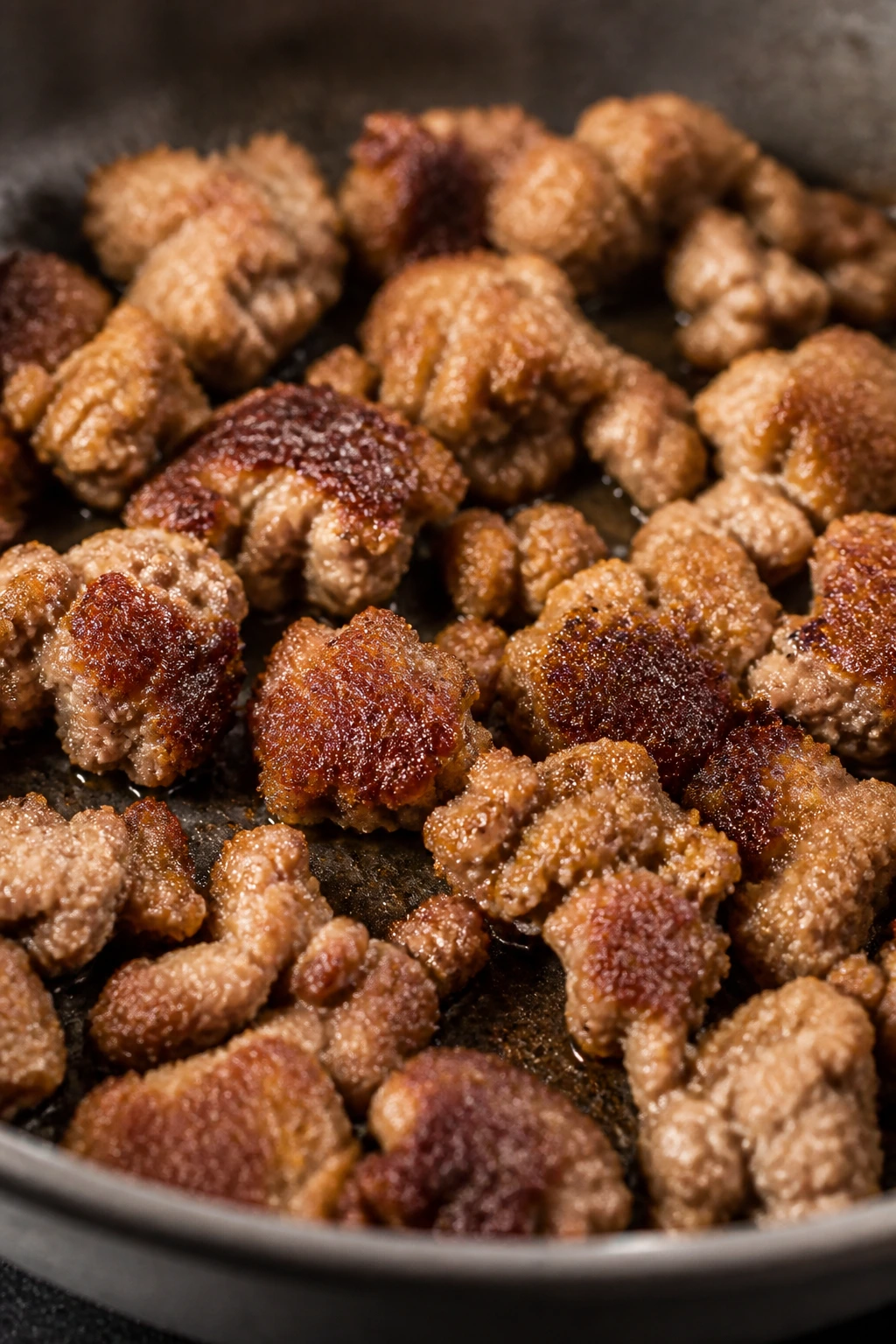
Loose sausage needs a different kind of attention.
Break it into walnut-size pieces in the pan, then let one side sit long enough to brown before stirring. Those little crusty edges are where the flavor comes from. If you keep stirring, the meat steams and turns soft. If you let it sit, you get browned bits that taste deep and a little nutty.
This is the move for breakfast sausage, pizza topping, pasta sauce, stuffed peppers, and cabbage skillets. The pan should look messy at first. That’s fine. Messy is how the good bits happen.
The trick is patience in tiny doses. Brown a patch, break it up, brown another patch. Don’t stir it into anonymity.
24. Think in Portions, Not in Individual Links
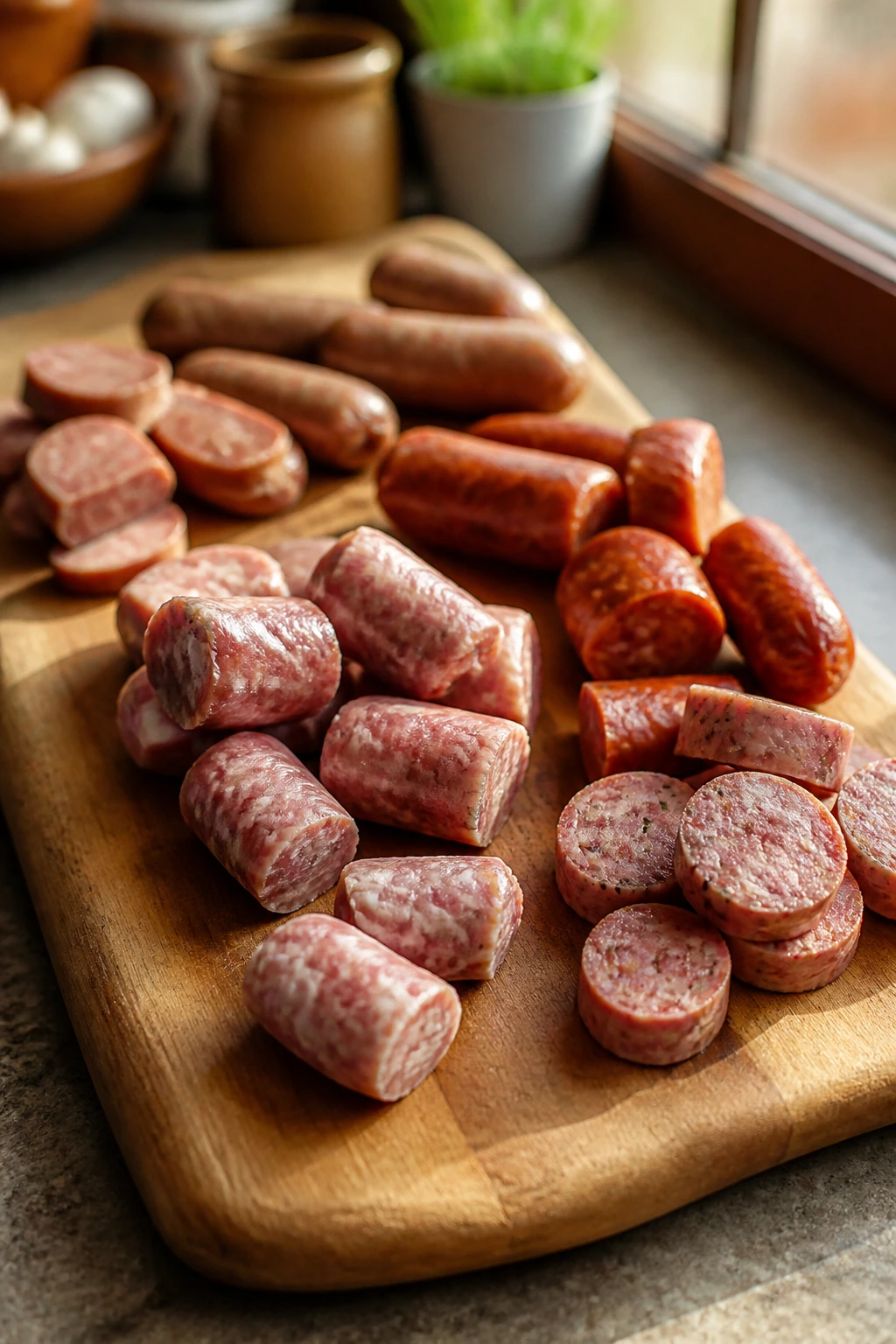
A single sausage link is not a full plan.
Some links are 3 ounces. Some are 7. Some packs are built for breakfast and some for dinner. If you only count pieces, you’ll undercook the real hunger or overcook the plate by accident. Think in ounces, roles, and appetite. Two small breakfast links may be enough with eggs and toast; one large brat can carry a bun and a pile of onions.
This helps with bacon too. Bacon is often treated as a side character because the slices are easy to count. Sausage deserves the same kind of practical thinking. A heavy link with sides can be a full meal. A few slices in pasta are a garnish with teeth.
Portion size keeps your timing honest, too. Bigger links need more gentle heat. Smaller pieces need less. That’s not abstract. That’s dinner.
25. Use Mustard and Pickles as a Reset Button
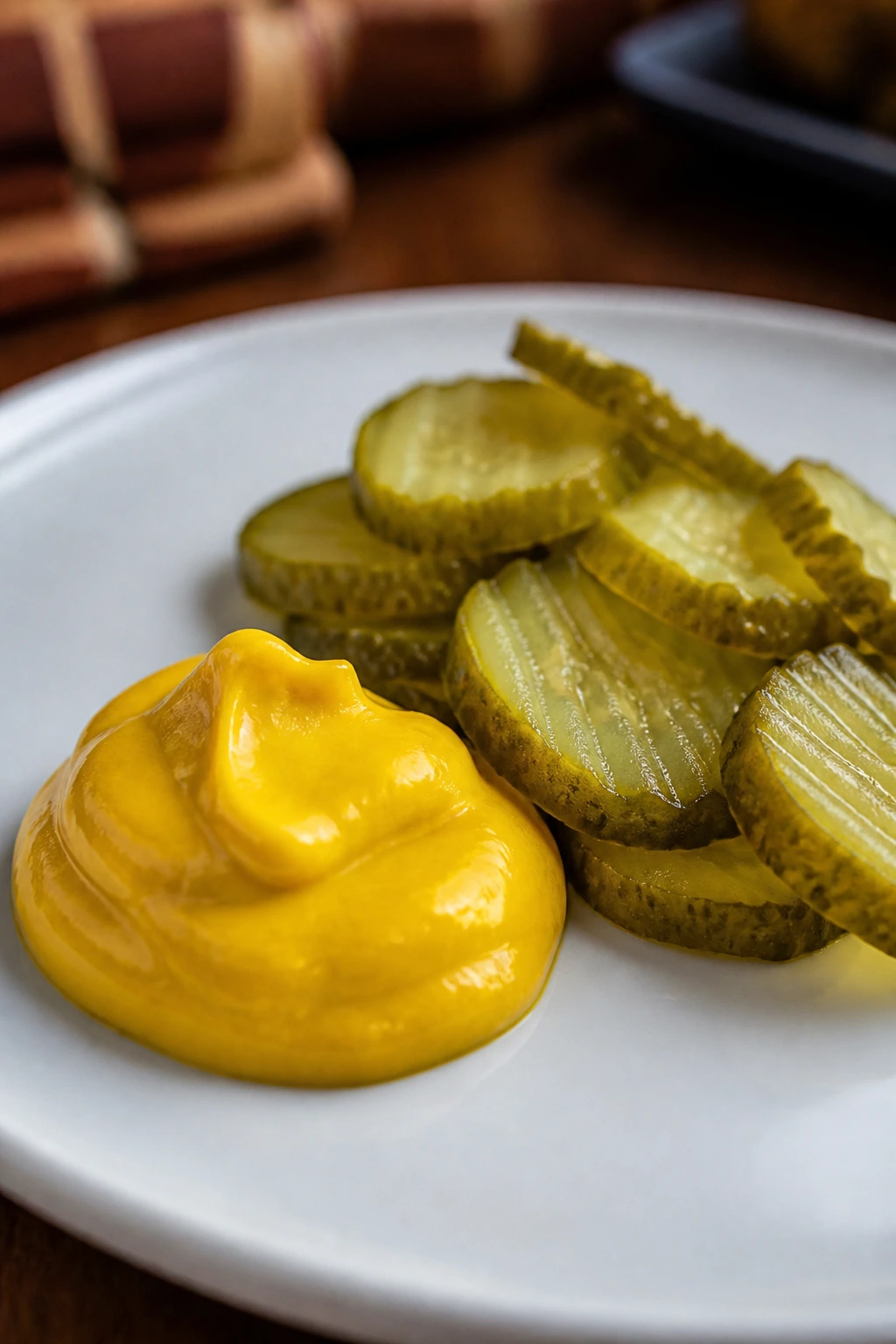
When sausage starts to feel too rich, salty, or smoky, the fix is usually sitting in the condiment drawer.
Dijon, yellow mustard, pickled onions, cornichons, dill pickles, sauerkraut, and pepperoncini all pull the plate back into balance. They cut through fat the way a bright squeeze of lemon does on fish. Bacon lovers already understand this logic. It’s the reason a greasy breakfast tastes better with hot sauce or pickles on the side.
I like mustard especially because it stays sharp without making the dish watery. A smear on a bun. A spoonful on the plate. A drizzle mixed into pan juices. Any of those can wake up a sausage that’s starting to taste one-note.
The richer the sausage, the harder you should lean on acid and crunch.
26. Make Breakfast Sausage a Little Peppery
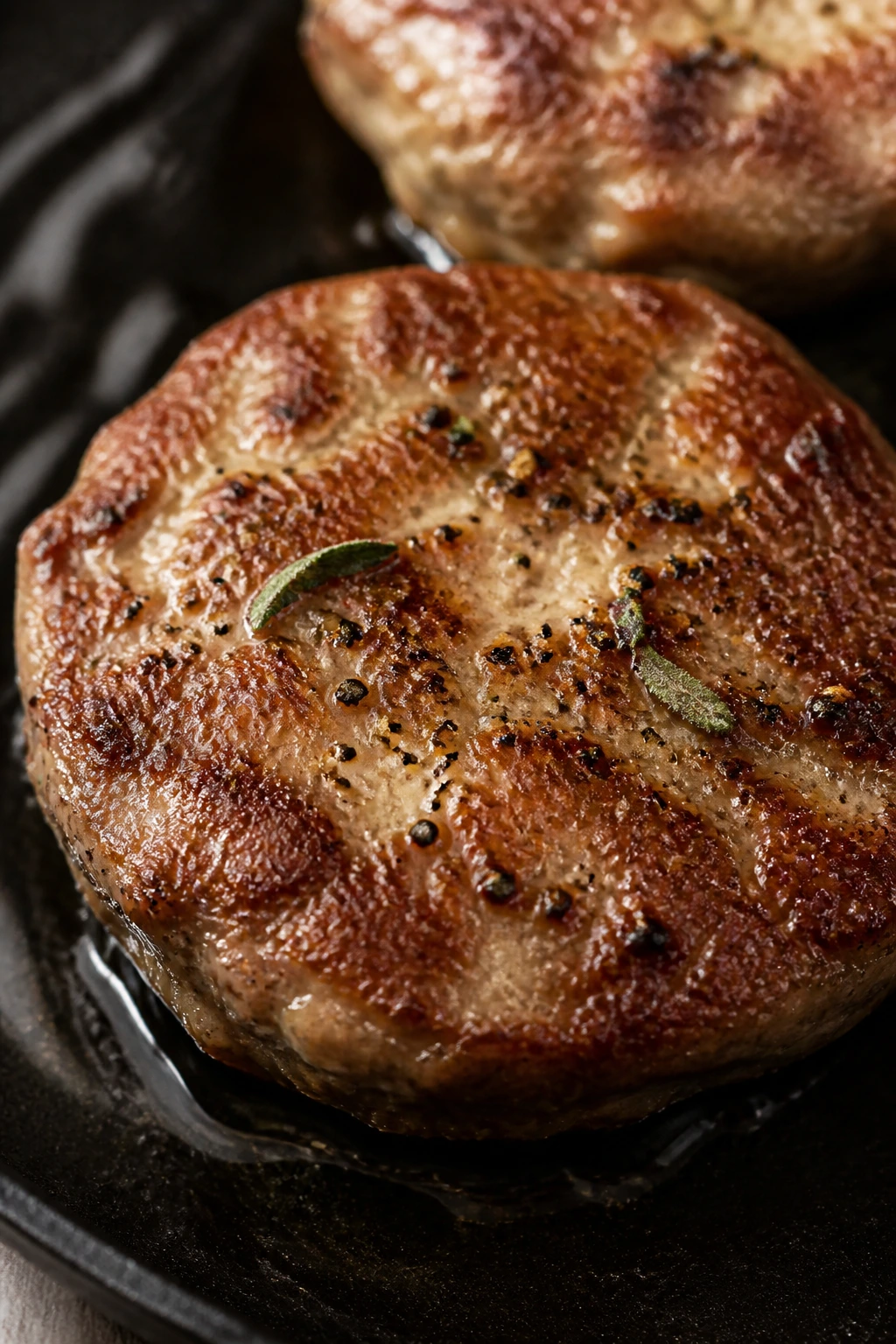
Breakfast sausage should wake you up a bit.
Extra black pepper, a pinch of red pepper flakes, and a small amount of sage make breakfast sausage taste brighter without turning it into something else. Bacon lovers usually want that salty-savory punch, but breakfast sausage benefits from a little edge. Bland sausage is a waste of the skillet.
If you’re mixing your own, start with black pepper and sage, then taste a tiny cooked test patty before adjusting. Add more heat if you want, but don’t pile on too many flavors at once. Breakfast sausage should still taste like breakfast, not an argument.
A little pepper in the pan also pairs well with crispy bacon on the same plate. The two meats stop competing and start sounding like they belong together.
27. Reheat Gently So the Casing Stays Snappy
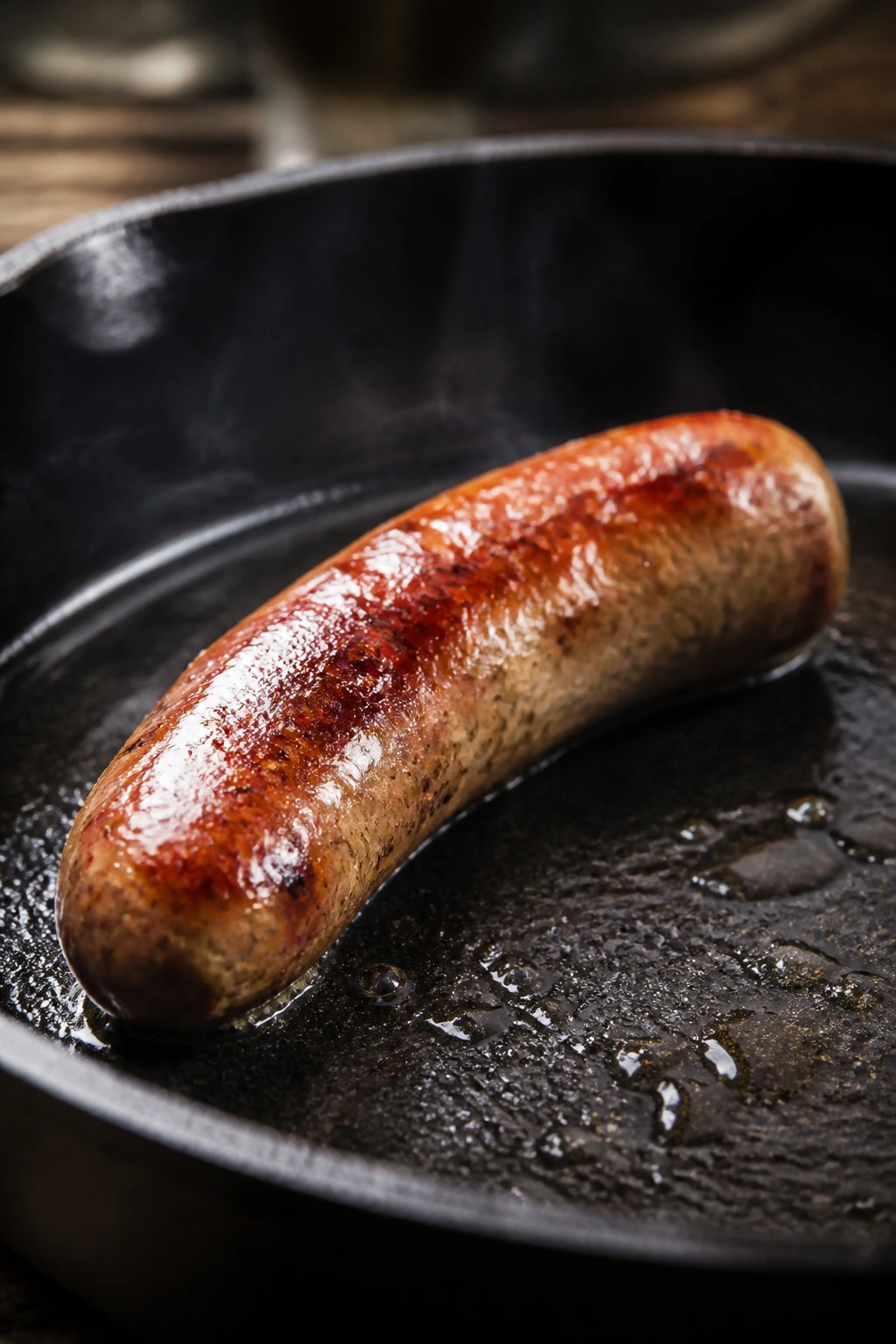
Leftovers can be good. Reheated sausage that tastes boiled is not.
For links, use a skillet over medium-low with a tablespoon of water, cover for a minute, then uncover to re-crisp the casing. For patties, a 350°F oven or air fryer works better than a long microwave run. Smoked sausage slices can be warmed in a pan with a lid, then finished uncovered so the cut edges firm up again.
Microwaves are fast, but they’re rough. They heat unevenly and make the casing leathery or the interior rubbery. If you have time, gentle heat is worth it. That same patience you used to cook the sausage in the first place should carry into the leftovers.
A good reheat should taste like second helpings, not leftovers.
28. Turn Leftovers Into a Second Meal
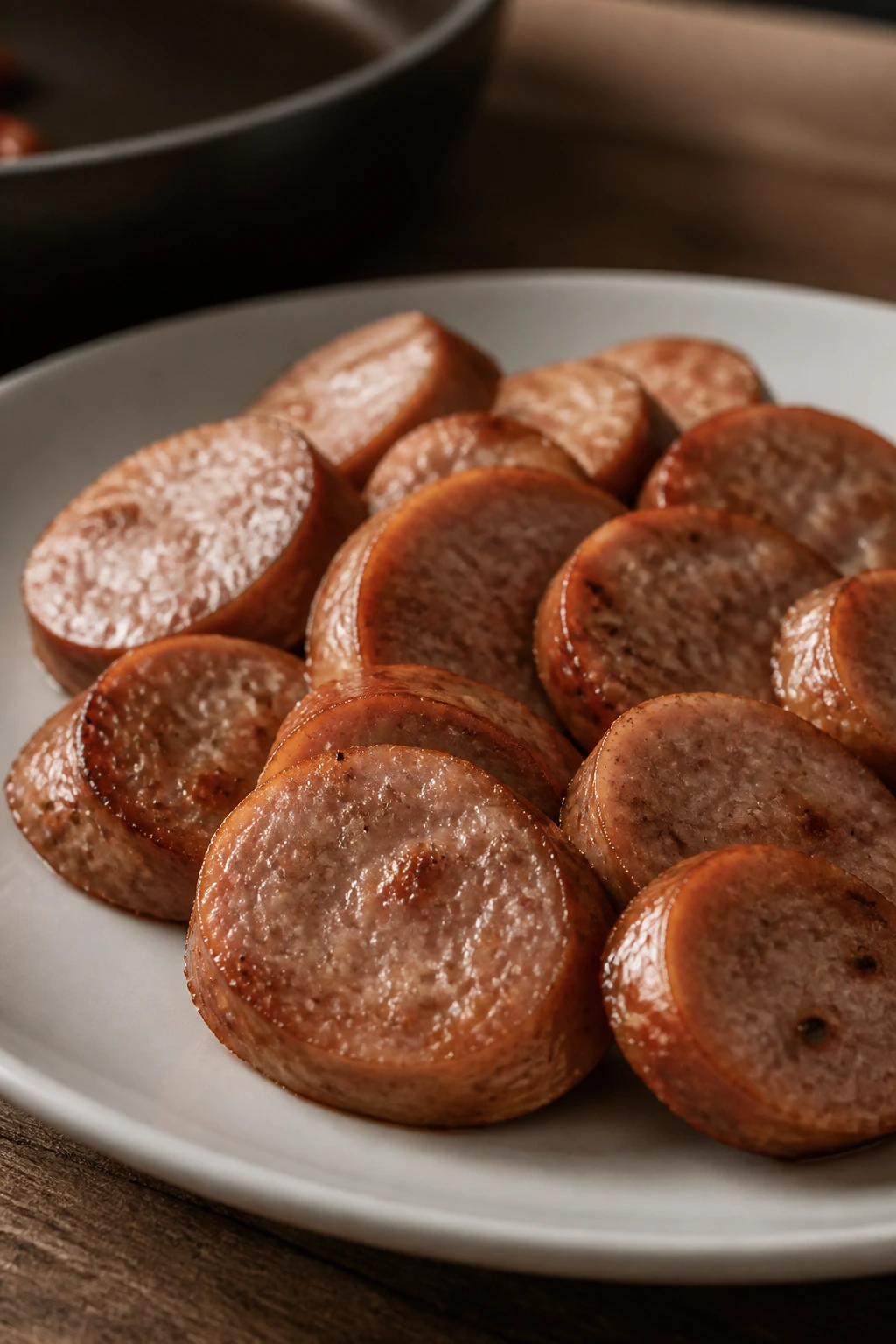
Cooked sausage should not die in a lonely container.
Slice it into eggs, dice it for fried rice, fold it into pasta, scatter it over pizza, or stir it into beans and greens. The flavor is already built; you’re just giving it a new job. Bacon lovers tend to be good at this, because bacon crumbs and bacon ends always find their way into hash or salad or soup. Sausage deserves the same second life.
Cold sausage is easier to cut cleanly, which makes it even better for leftovers. Keep the pieces thick enough to stay meaty, then re-crisp them in a hot pan before serving. You’re not starting from scratch. You’re stealing a head start.
Honestly, this is where sausage gets clever. One good cook can turn into three better meals.
Why Steady Heat Beats a Hot Blast
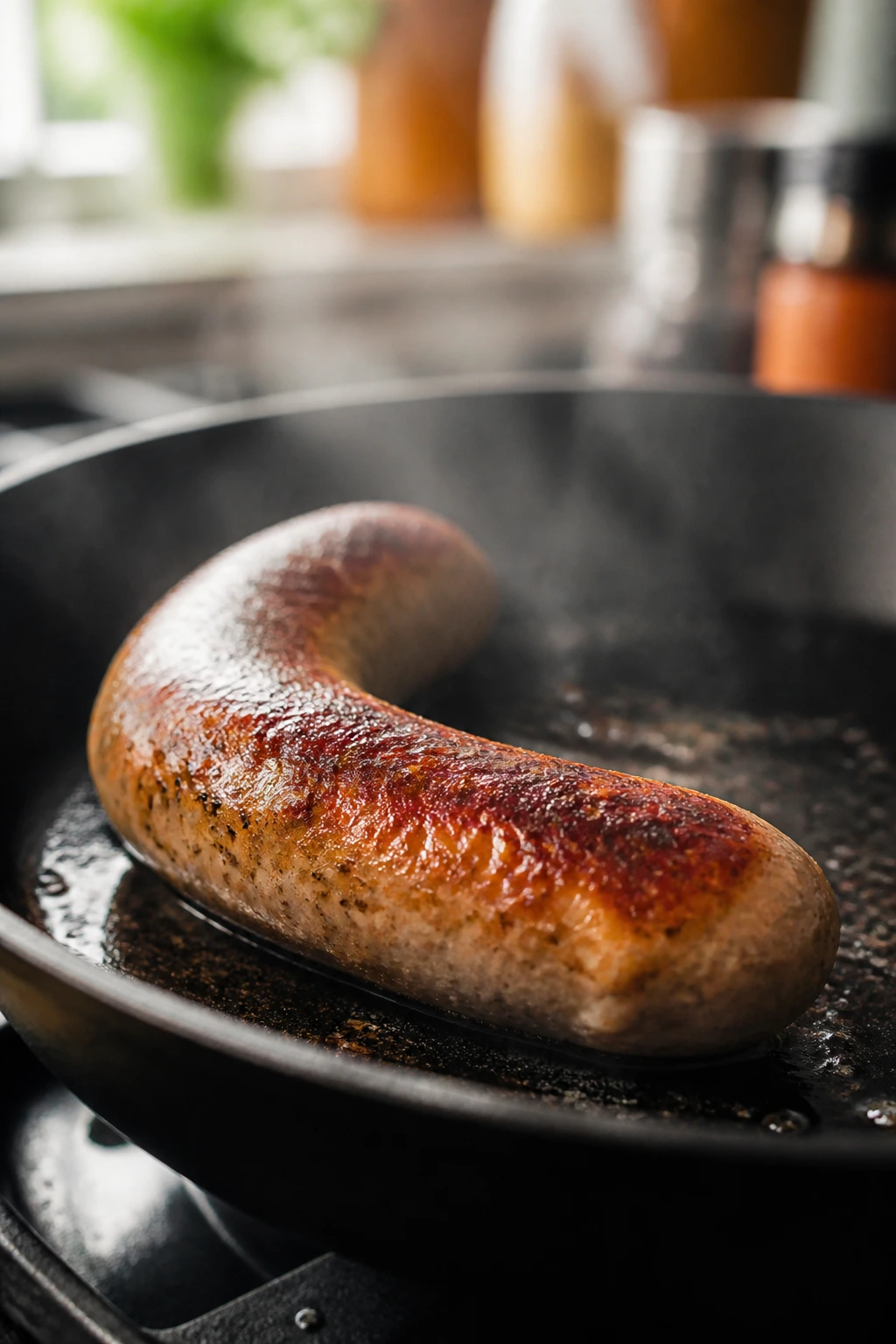
Sausage cooks best when the heat stays calm. That sounds almost too simple, but simple rules usually survive because they keep working after the first pan is dirty and the second batch is waiting.
Fresh pork sausage is a mix of meat, fat, salt, and spices that needs time to warm through without losing its juices. Push it too hard and the casing tightens before the middle is ready. Pull back the heat and the fat renders more evenly, the surface browns with less drama, and the inside stays tender enough to slice cleanly.
Bacon lovers usually understand the value of rendered fat. What sausage adds is thickness. That extra thickness is exactly why a cold start, a thermometer, and a little restraint matter so much. One minute of patience at the skillet often does more good than five extra shakes of seasoning.
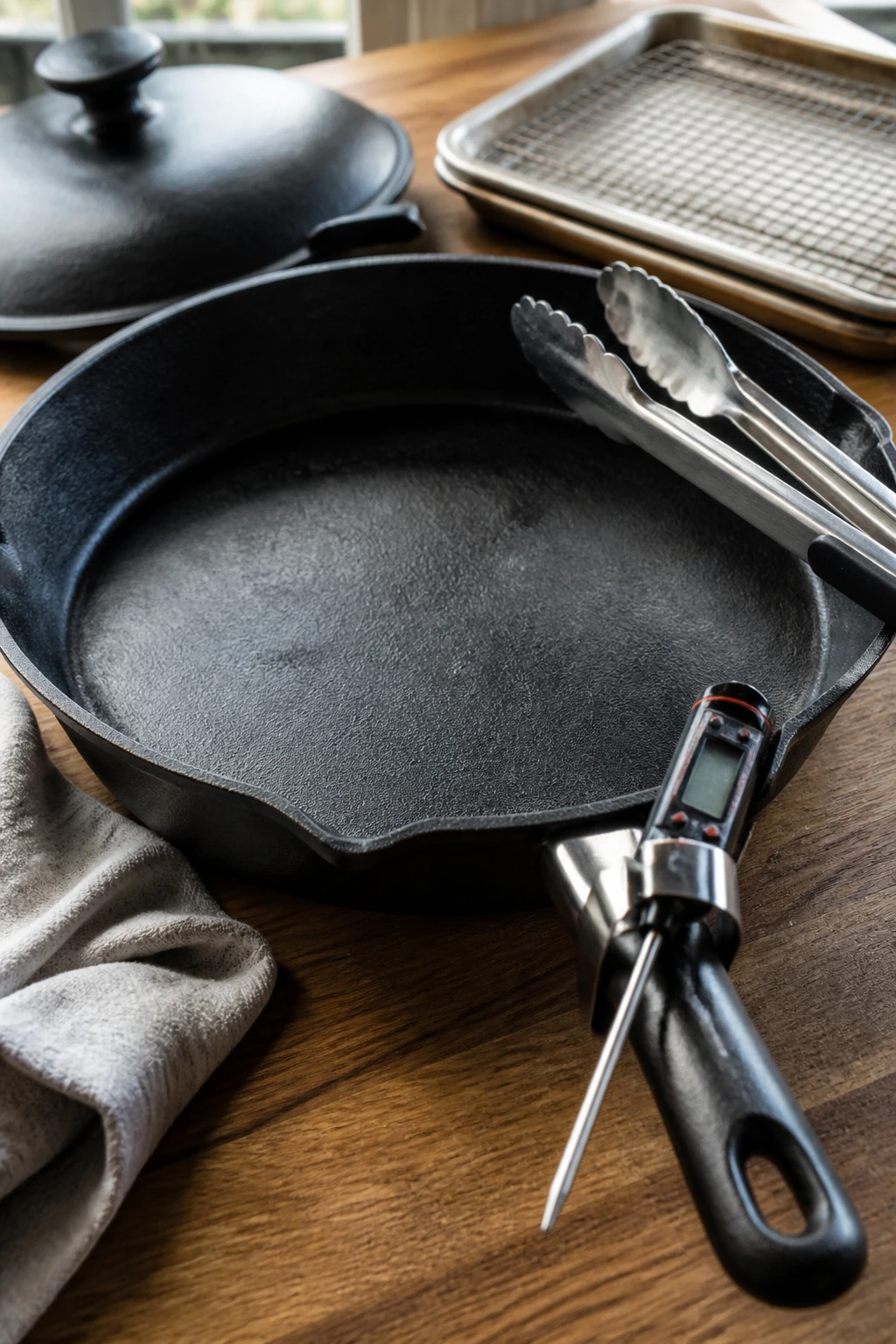
Essential Equipment for These Sausage Tips
-
12-inch cast-iron or stainless skillet: Big enough to keep sausages from crowding and sturdy enough to hold steady heat.
-
Instant-read thermometer: The fastest way to know when pork sausage has reached 160°F without cutting into it.
-
Tongs: Better than a fork for turning links without puncturing the casing.
-
Rimmed sheet pan: Useful for finishing sausage under the broiler or moving cooked links out of the skillet.
-
Wire rack: Helpful if you want oven-roasted sausage with less pooled grease underneath.
-
Sharp chef’s knife: Needed for scoring, slicing on the bias, and cutting leftovers cleanly.
-
Heatproof bowl or jar: Perfect for saving drippings or bacon fat for eggs and vegetables.
-
Lid that fits your skillet: Handy for the water-steam finish on thick links.
Smart Shopping and Ingredient Tips
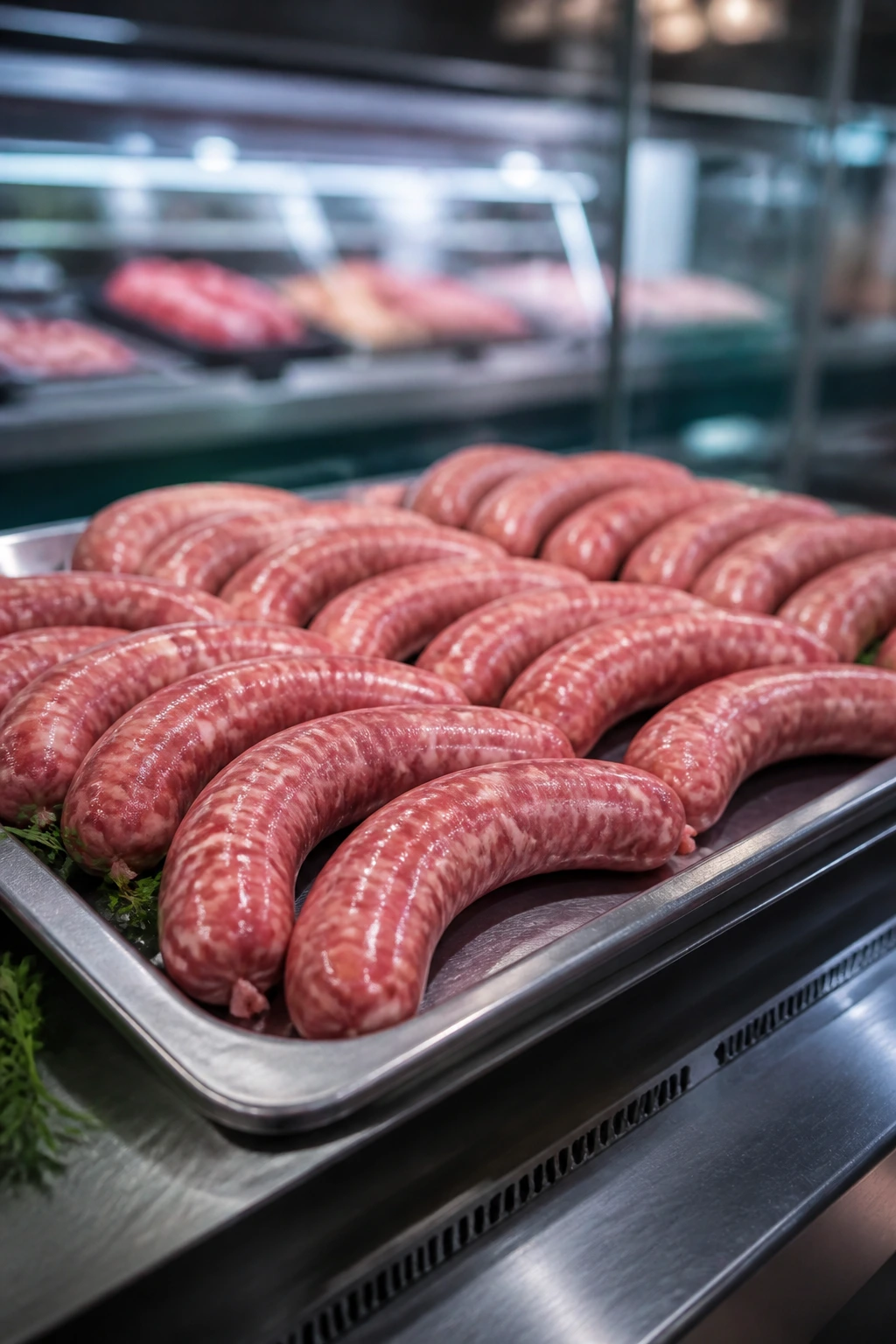
The package tells you more than the label usually does. For fresh sausage, look for a short ingredient list and a pack that feels cold and firm, not swollen or wet. If you want juicy links, choose sausage with enough fat to feel supple in the hand. Lean versions can work, but they need a gentler cook and a little more help from drippings or sauce.
Bacon lovers often gravitate toward smoky sausage, and that’s fair, but not every smoked link needs to taste like a campfire. If bacon is already part of the meal, pick a sausage with moderate smoke so the flavors don’t flatten each other. Fresh Italian sausage, bratwurst, breakfast sausage, kielbasa, and chorizo all have their own personalities. Buy the one that matches the dish you actually plan to make.
For bacon, thin slices crisp fast and add a salty note to sausage dishes; thick-cut bacon brings more chew and slower render. Use thin-cut when you want a garnish or mix-in. Use thick-cut when the bacon is one of the main flavors and you’re willing to give it a proper pan.
Frozen sausage is fine if it’s sealed well and thawed in the fridge, not on the counter. Thawing slowly keeps the texture better and makes the casing less likely to split when it hits heat. Raw sausage should be cooked within a day or two of purchase if it’s in the fridge; if you won’t use it, freeze it.
How to Serve Sausage After You Cook It Right
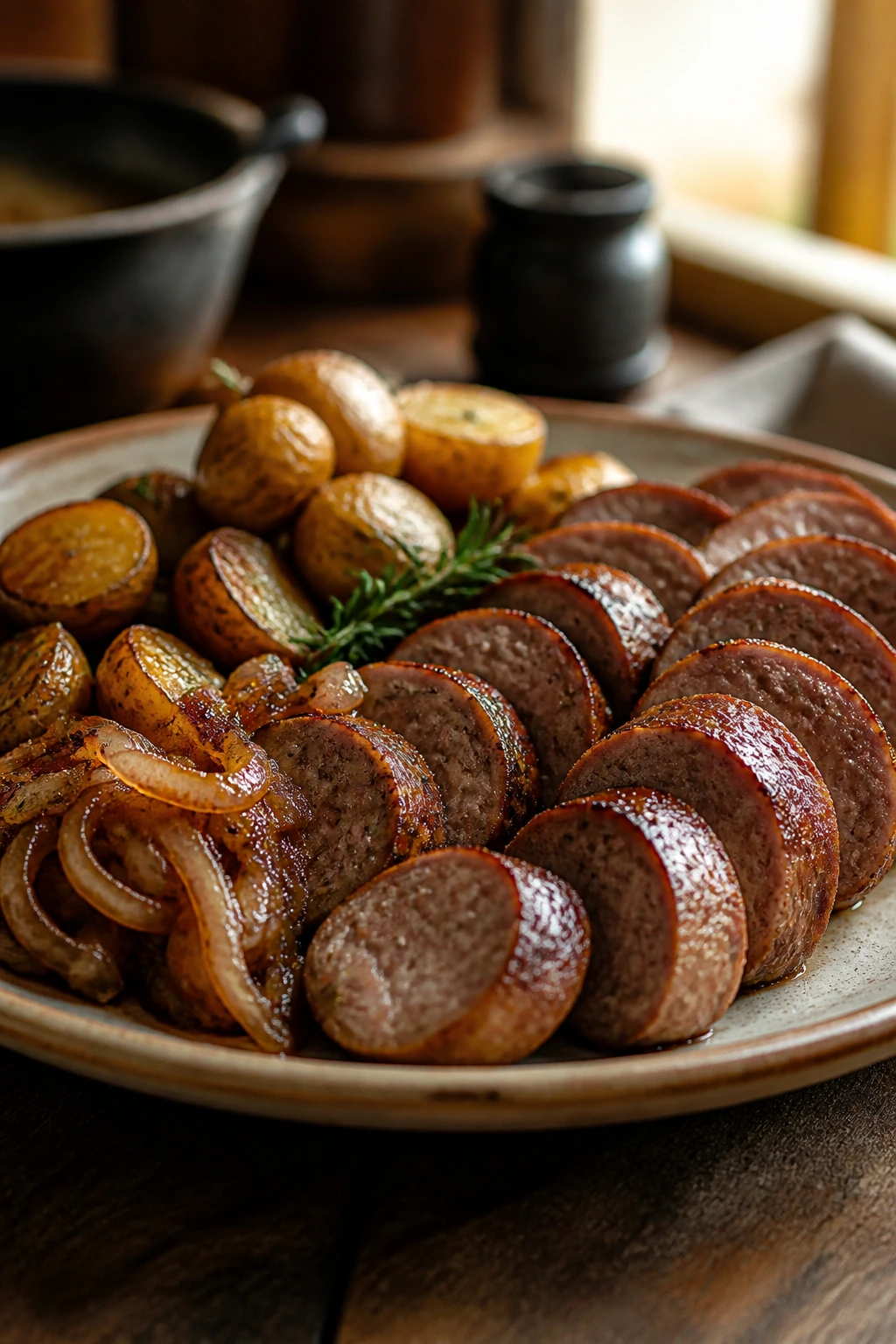
Presentation: Slice links on a sharp bias and fan them across a warm platter, or leave them whole and nestle them over onions, cabbage, or potatoes so the drippings have somewhere to go. A little chopped parsley or chives helps, but the real show is the browned casing and glossy surface.
Accompaniments: Eggs, toast, biscuits, roasted potatoes, polenta, sauerkraut, mustard, grilled onions, apple slices, and simple greens all make sense here. Bacon lovers tend to like something sharp or starchy alongside sausage, because the fat needs contrast or it starts to feel heavy.
Portions: Plan on one standard breakfast link per person with eggs and sides, or two smaller links if sausage is the main event. For dinner, one larger brat or two medium links with vegetables and bread is a sane portion. Crumbled sausage stretches further in pasta, soup, or beans, so a pound often feeds more people than a pile of whole links.
Beverage Pairing: Black coffee is the obvious breakfast answer. Dry cider, amber beer, or sparkling water with lemon all cut through richness later in the day. If you want something nonalcoholic with a little bite, iced tea with lemon does the job without getting in the way.
Additional Tips and Flavor Boosters
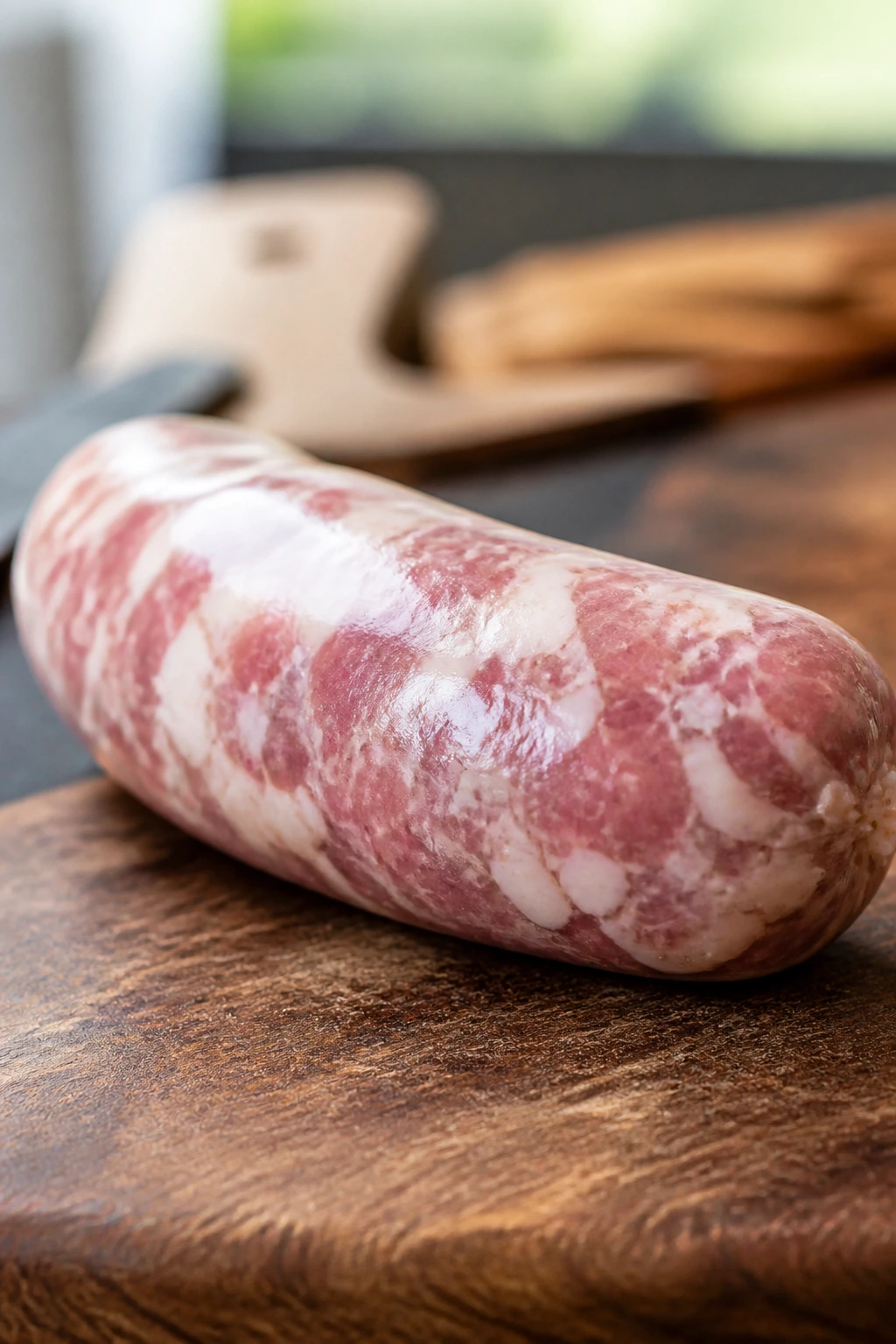
Flavor Enhancement: A teaspoon of Dijon stirred into the pan drippings, or a splash of apple cider vinegar over the finished sausage, wakes up the whole plate. Bacon lovers tend to chase salt and smoke; acid keeps both from becoming heavy.
Customization: A little fennel makes pork sausage taste more Italian. Black pepper and sage push it toward breakfast. Red pepper flakes, smoked paprika, or a spoonful of caramelized onions can move the same sausage in a spicier or sweeter direction without changing the cooking method.
Serving Suggestions: Try crisp pickled onions, chopped herbs, or a spoonful of grainy mustard on top of sliced links. If the sausage is going into buns, toast the buns first. A warm, dry bun holds up better against drippings than a soft one that goes soggy in three bites.
Make-It-Yours: For a lighter plate, pair sausage with cabbage, greens, or a tomato salad instead of adding more meat. For a richer plate, use bacon fat in the skillet and keep the garnish bright. For a kid-friendly plate, stick with mild sausage and a touch of maple or apple on the side, not in the pan.
Make-Ahead, Storage, and Reheating Guidance
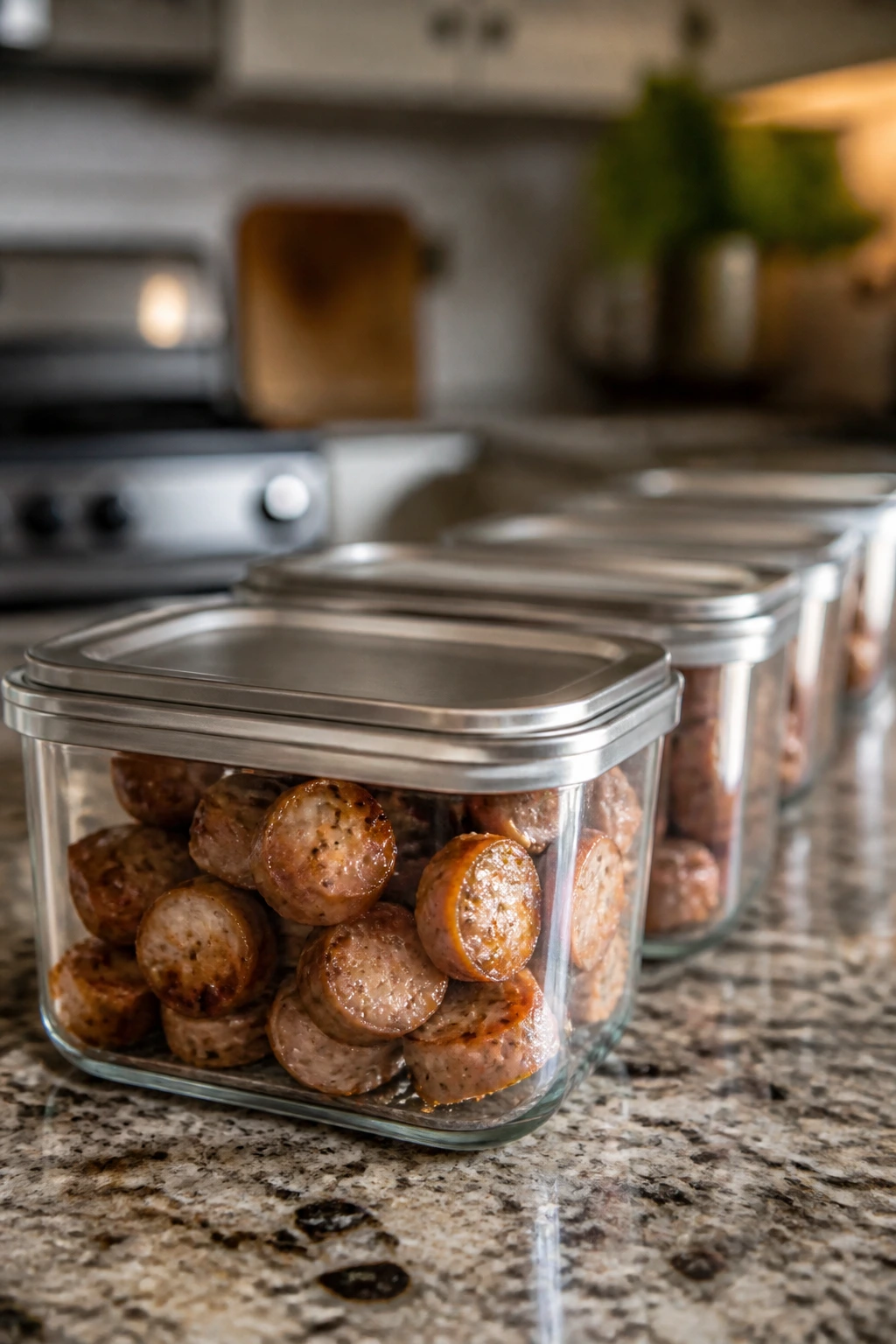
Cooked sausage keeps 3 to 4 days in the refrigerator if it goes into a shallow airtight container after it cools. If you want to freeze it, wrap links or patties tightly and store them for up to 2 months for the best texture. After that, they’re usually still safe if properly frozen, but the casing and fat start to lose their charm.
Raw sausage should stay cold and get cooked within 1 to 2 days, or it should go straight into the freezer. Thaw it in the fridge, not on the counter. That keeps the texture tighter and helps the link brown instead of leaking before it hits the pan.
For reheating, a skillet is still the best option. Use medium-low heat, add a tablespoon of water if the sausage looks dry, cover briefly, then uncover so the casing firms back up. An oven at 325°F works well for links and thicker pieces; an air fryer at 350°F for a few minutes also gives you a decent re-crisp. The microwave is the last choice, not the first one.
If you’ve cooked bacon and sausage together, store them separately when you can. Bacon keeps its crunch better on its own, and sausage reheats with less mess when it isn’t sitting in bacon crumbs and grease. Leftover sausage often tastes better sliced the next day than it did whole the first time around.
Variations and Adaptations to Try
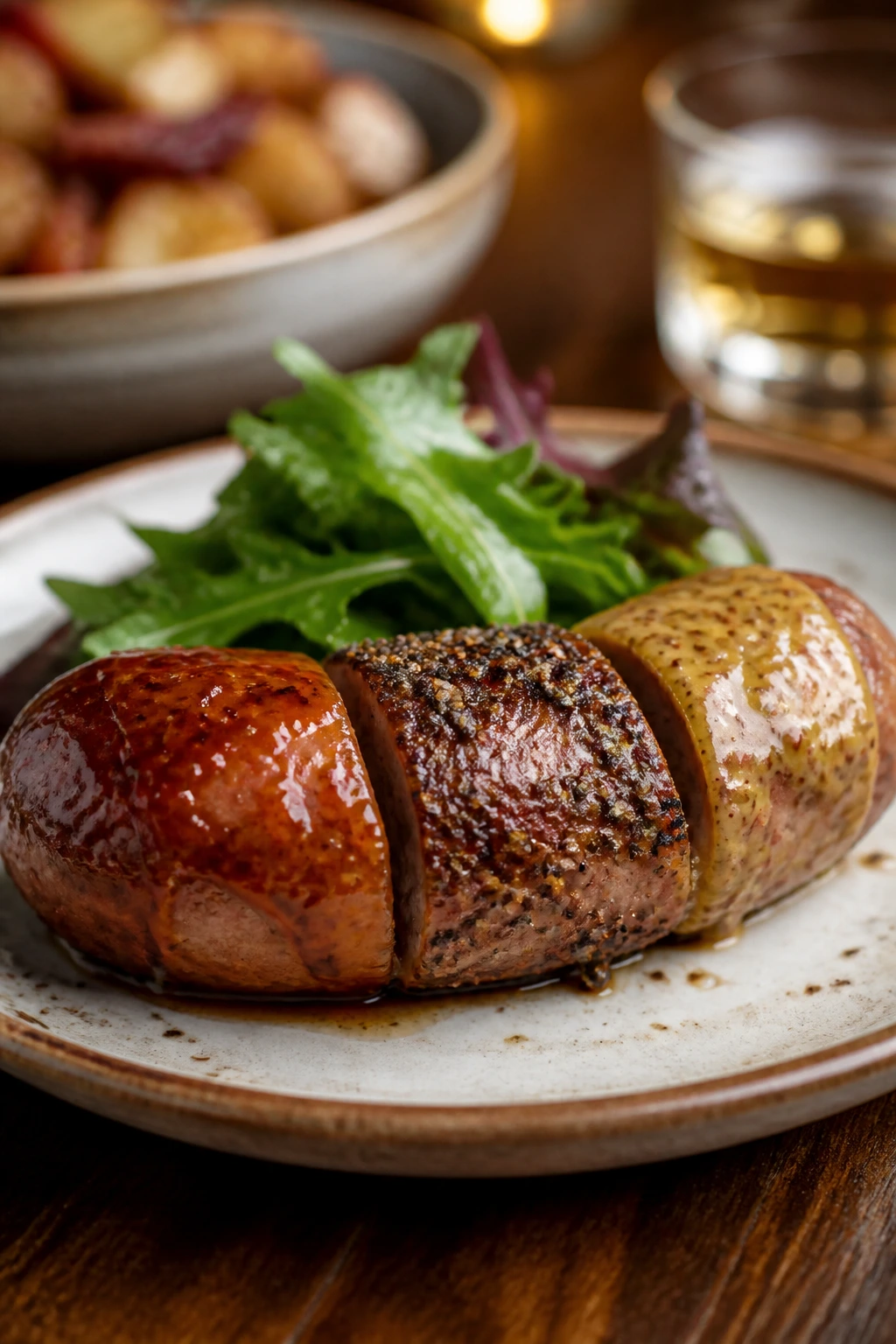
Maple-Black-Pepper Breakfast Drift: Brush the sausage with a tiny amount of maple syrup during the last minute of cooking, then hit it with extra black pepper. The sweet edge works best with breakfast links or patties, and it keeps the flavor in the breakfast lane instead of turning candy-like.
Beer-and-Onion Brat Night: Cook bratwurst gently in a shallow bath of beer and sliced onions, then finish them on the grill or under the broiler. The onions turn soft and sweet, the sausage stays juicy, and you get that cookout smell without having to stand over a flare-up.
Mustard-Kraut Plate: Serve browned sausage with warm sauerkraut, whole-grain mustard, and roasted potatoes. The kraut cuts the richness hard, which bacon lovers usually appreciate after the third bite.
Smoky Sheet-Pan Supper: Roast sausage with potatoes, peppers, and onions on a rimmed sheet pan. A little smoked paprika in the vegetables ties the whole tray together, and the sausage drippings season everything under it.
Bacon-and-Sausage Hash: Crisp chopped bacon first, then cook sausage in the drippings with onions and potatoes. Finish with a splash of vinegar or hot sauce. That combination is rich, salty, and completely unapologetic, which is exactly the point.
Common Mistakes to Avoid
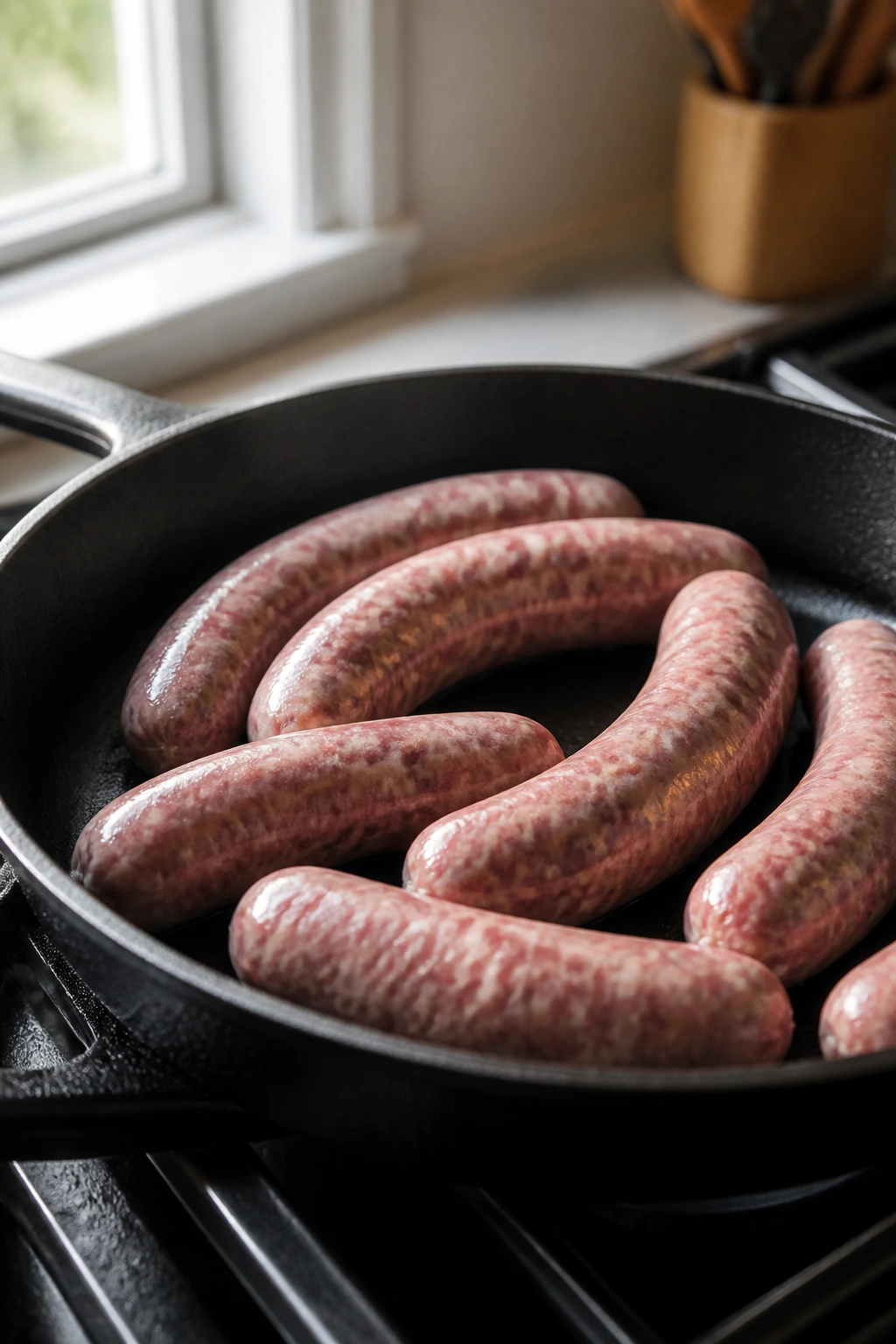
Using too much heat: The casing browns before the middle is done, and you end up with split links or a dry center. Drop the heat and give the sausage time to render instead of blasting it.
Crowding the pan: If the sausages sit shoulder to shoulder, they steam instead of brown. Cook in batches or use a larger skillet.
Trusting color alone: A browned casing does not guarantee a safe center. Use a thermometer and stop guessing.
Salting too early: Bacon, smoked sausage, and some fresh sausages already bring plenty of salt. Taste after cooking before you add more.
Cutting too soon: Slice immediately and the juices run out. Rest the sausage for a few minutes so the inside stays juicy.
Reheating too hard: A microwave blast turns good sausage rubbery. Use a skillet, oven, or air fryer and bring it back slowly.
Frequently Asked Questions
What temperature should pork sausage reach?
Fresh pork sausage should reach 160°F / 71°C in the center. If it’s poultry sausage, take it to 165°F / 74°C. A thermometer is the cleanest way to know you’re done without cutting the link open.
Should you start sausage in a cold pan?
For fresh links, yes. Starting cold gives the casing time to warm up with the fat, which helps prevent splitting and uneven browning. Smoked sausage can handle a warmer pan, but a gentler start still gives you better control.
Can you cook bacon and sausage in the same pan?
You can, but it works better if you cook the bacon first, remove it, and then cook the sausage in the rendered fat. That keeps the bacon crisp enough to use as a garnish or mix-in later. If you toss both in at once, the pan can crowd fast.
How do you keep sausage juicy?
Use medium heat, avoid constant flipping, and stop cooking when the thermometer says the center is ready. Resting the sausage for a few minutes before slicing helps keep the juices inside instead of on the board.
Is it better to bake or pan-fry sausage?
Pan-frying gives you more browning and more control over the drippings. Baking is easier for large batches and sheet-pan dinners. If you want the deepest crust, start in a skillet and finish in the oven or under the broiler.
What should you do if the casing splits?
Lower the heat and stop poking the sausage. A split casing usually means the pan was too hot or the sausage was handled too aggressively. It’s still edible, but the juices leak faster, so move it to gentler heat right away.
Can you cook sausage from frozen?
You can, but it’s not my favorite method. Thawing in the fridge gives you better browning and a more even center. If you must cook from frozen, use lower heat and give it extra time so the outside doesn’t dry out before the middle is done.
How do you make sausage taste more like bacon without adding bacon?
Choose a sausage with a little smoke, then finish it with black pepper, a browned pan, and something acidic like mustard or vinegar. That mix gives you the salty-savory-browned profile bacon lovers chase without turning the plate into a smoke bomb.
The Sound of the Pan
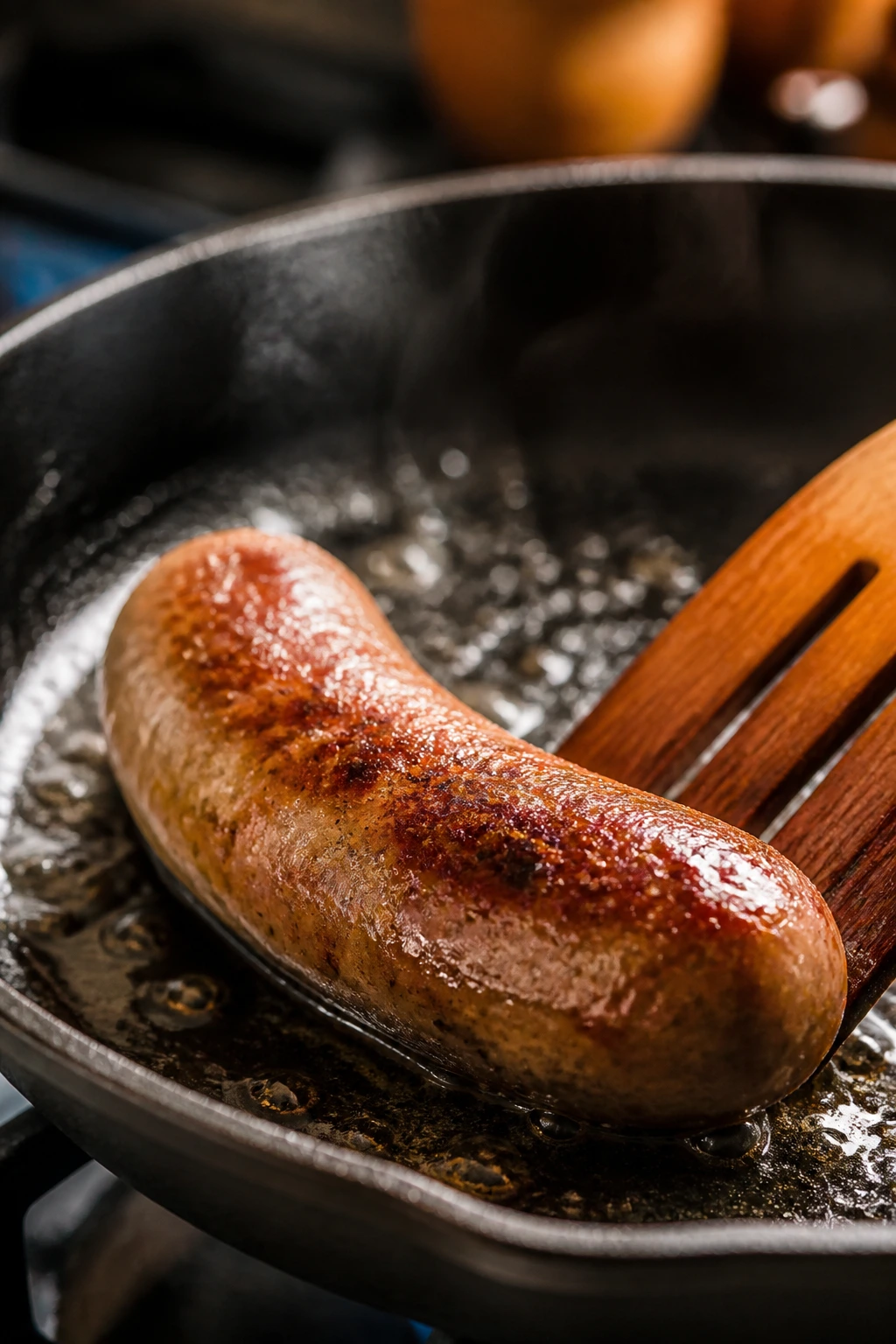
A good sausage pan sounds steady, not frantic. That’s the whole trick tucked into 28 different moves: enough heat to brown, enough patience to keep the center juicy, and enough restraint to let the sausage speak for itself.
Bacon lovers usually know the feeling they’re after before they know the method. Crisp edge. Savory fat. A finish that tastes browned, not burned. Sausage rewards that same instinct, but it asks for a slower hand and a thermometer. Give it those two things and it stops being the backup meat.
The next time a link hits the skillet, listen for the quieter, steadier sizzle. That’s the sound of dinner getting handled the right way.