



Some dinners vanish before the ketchup even hits the plate. That’s the standard I use for kid meals kids will actually eat: familiar shapes, gentle seasoning, and one obvious texture — crisp, creamy, saucy, or soft — that a child can predict on sight. If the food looks like a pile of mixed intentions, most kids will poke at it and ask for crackers.
That’s why the meals that survive in real kitchens tend to be simple in a very specific way. A tender strip to dip. A slider you can hold with one hand. Pasta coated in a sauce that clings instead of pooling in the bowl. Once you notice those patterns, the whole “picky eater” problem stops feeling mysterious and starts feeling like menu design.
These recipes lean into that logic. They use short ingredient lists, manageable pans, and flavors that stay mild without tasting flat, because bland food is not the goal — food that gets eaten is. Some are freezer-friendly, some make easy lunches, and a few are the sort of emergency dinners I’d trust on a night when everyone is hungry and patience has gone missing. Start with the first section, and you’ll see the pattern fast.
Why These Kid Meals Actually Work at the Table
-
Familiar shapes calm the plate down: Sticks, wedges, sliders, muffins, and small pasta shapes look easy before the first bite, which matters more than adults want to admit.
-
Mild seasoning keeps the first bite friendly: Garlic powder, cheddar, butter, and a little salt go a long way without bringing a hard edge that tiny taste buds reject.
-
Dipping makes food feel like a choice: Ketchup, ranch, salsa, marinara, and yogurt sauce give kids some control, and that alone can change how fast a plate disappears.
-
Small portions lower the stakes: Mini meatballs, muffin-tin bakes, and cut-up quesadillas look manageable instead of intimidating, even when the recipe is the same one you’d serve adults.
-
Leftovers hold up well: These meals reheat without turning sad and limp by lunch the next day, which saves a lot of money and even more sanity.
-
Most of them use pantry and freezer staples: Pasta, tortillas, cheese, eggs, rice, canned tomatoes, and frozen vegetables do a lot of heavy lifting here, which means fewer emergency store runs.
1. Mini Baked Chicken Tenders
These are the chicken tenders that disappear before the second tray is out of the oven. The coating bakes into a craggy, golden shell, and the chicken stays juicy if you don’t overbake it.
Why It Works:
The shape does half the work. Kids trust chicken in stick form, especially when it feels crisp on the outside and soft in the middle. Baking at 425°F gives the panko time to brown without needing a fryer, and a wire rack keeps the bottoms from going soggy.
Key Ingredients:
- 1 1/2 pounds chicken tenders — Cut from breast meat if needed; keep pieces close in size so they cook evenly.
- 1 cup all-purpose flour — The first layer helps the egg grab onto the chicken.
- 2 large eggs + 1 tablespoon milk — This makes the coating stick without getting thick and clumpy.
- 1 1/2 cups panko breadcrumbs — Panko gives the crunchy edges kids tend to pick off first.
- 1 teaspoon kosher salt, 1 teaspoon paprika, 1 teaspoon garlic powder, 1/2 teaspoon black pepper — Mild seasoning with enough flavor to keep the chicken from tasting flat.
- Cooking spray or 2 tablespoons oil — A light mist helps the coating toast instead of drying out.
Quick Steps:
- Preheat and set up: Heat the oven to 425°F (220°C) and line a rimmed sheet pan with foil or parchment. Set a wire rack on top if you have one.
- Build the breading station: Put flour in one shallow bowl, whisk eggs and milk in a second bowl, and mix panko with the salt, paprika, garlic powder, and pepper in a third.
- Coat the chicken: Dredge each tender in flour, dip it in egg, then press it into the panko so the crumbs cling in a thick layer.
- Bake until crisp: Arrange the tenders on the rack, spray lightly with oil, and bake for 16 to 18 minutes, flipping once halfway through, until the crust is deep golden and the thickest piece hits 165°F.
- Rest for 3 minutes: Let them sit briefly so the coating settles before serving.
Equipment for This Recipe:
- Rimmed sheet pan
- Wire rack, if you want extra crunch
- Three shallow bowls
- Tongs or a fork for breading
How to Serve This Dish:
Pile them on a plate with ketchup, honey mustard, or ranch and add apple slices or steamed peas on the side. They also fit neatly into lunchboxes if you pack the dip in a small container.
Pro Tips for This Recipe:
- Press the panko on with your fingertips; a loose dusting falls off in the oven.
- Don’t crowd the pan. Air needs room to move around the chicken.
- If your tenders are thick at one end, lightly pound them so the ends cook at the same pace.
Variations on This Dish:
- Parmesan Crust: Swap 1/2 cup of the panko for finely grated Parmesan for a saltier, sharper crust.
- Cornflake Crunch: Crushed cornflakes work well if you want a sweeter, louder crunch.
- Gluten-Free Swap: Use gluten-free flour and gluten-free breadcrumbs; the method stays the same.
Common Mistakes to Avoid with This Dish:
- Skipping the flour: The egg slides off and leaves bald spots.
- Baking too long: Chicken tenders dry out fast; pull them when they reach 165°F, not when they look “extra done.”
- Using too much oil: A heavy pour softens the crust instead of crisping it.
2. Cheesy Quesadilla Wedges
A good quesadilla is mostly about restraint. Too much filling, and it leaks; too little, and kids lose interest. The sweet spot is a thin blanket of cheese that melts into the tortilla and seals everything together.
Why It Works:
The wedges are easy to hold, easy to dip, and easy to cut into smaller bites for younger kids. A hot skillet gives the tortilla those browned patches that smell nutty when they hit the plate, and that matters. People underestimate smell.
Key Ingredients:
- 4 medium flour tortillas — Soft tortillas fold and brown better than stiff ones.
- 2 cups shredded cheddar — Sharp enough to taste like something, mild enough for most kids.
- 1 cup shredded Monterey Jack — Helps the melt stay stretchy.
- 1 cup cooked shredded chicken or 1 cup mashed black beans — Optional, but useful when you want the quesadilla to count as dinner.
- 1 tablespoon butter or neutral oil — For browning the outside.
- Salsa, sour cream, or guacamole — Choose one or two for dipping.
Quick Steps:
- Warm the skillet: Heat a large skillet over medium heat.
- Assemble the quesadilla: Sprinkle cheese over half of each tortilla, add the chicken or beans if using, then top with a little more cheese. Fold shut.
- Cook the first side: Melt butter in the skillet and cook one quesadilla for 2 to 3 minutes, until the bottom is spotted gold and the cheese starts to soften.
- Flip and finish: Turn it carefully and cook the second side for 1 to 2 minutes more, pressing lightly with a spatula.
- Rest and cut: Let it sit for 1 minute, then cut into wedges so the cheese stays put.
Equipment for This Recipe:
- Large skillet
- Wide spatula
- Sharp knife or pizza cutter
- Cutting board
How to Serve This Dish:
Serve the wedges with salsa for the bold kids and sour cream for the cautious ones. Add cucumber coins or fruit on the side if you want the plate to look complete without making a big production out of it.
Pro Tips for This Recipe:
- Shred your own cheese if you can. Pre-shredded cheese works, but it melts a little less smoothly.
- Keep the heat at medium. High heat burns the tortilla before the cheese melts.
- Let the quesadilla rest for a minute before slicing or the filling will smear out.
Variations on This Dish:
- Breakfast Quesadilla: Add scrambled eggs and breakfast sausage.
- Veggie-Soft Version: Fold in finely chopped spinach or very small diced peppers.
- Bean and Cheese Classic: Skip the chicken and use mashed black beans for a softer, cheaper filling.
Common Mistakes to Avoid with This Dish:
- Overstuffing the tortilla: The filling leaks out and sticks to the pan.
- Cutting too soon: Hot cheese runs everywhere. Give it a minute.
- Using a cold pan: The tortilla dries out before it browns.
3. Classic Mac and Cheese
This is the version that wins over the skeptical kid who “doesn’t like cheese” and then asks for a second bowl. The sauce should be glossy, clingy, and rich enough to coat every elbow without turning gluey.
Why It Works:
Mac and cheese is one of the easiest meals to accept because the flavor is familiar and the texture is soft without being boring. The trick is using enough cheese for taste, but not so much that the sauce breaks. A little mustard powder helps the cheddar taste sharper without making the dish taste like mustard.
Key Ingredients:
- 12 ounces elbow macaroni — Small pasta catches sauce in every curve.
- 4 tablespoons butter — For the roux.
- 4 tablespoons all-purpose flour — Thickens the sauce.
- 3 cups whole milk — Gives the sauce body.
- 1 teaspoon kosher salt + 1/2 teaspoon mustard powder — Pulls the cheese flavor forward.
- 3 cups shredded sharp cheddar — The main flavor.
- 1 cup shredded mozzarella — For stretch.
Quick Steps:
- Cook the pasta: Boil the macaroni in salted water until just shy of tender, about 1 minute less than the box says. Drain.
- Make the roux: Melt butter in a saucepan over medium heat, whisk in the flour, and cook for 1 minute until it smells a little nutty.
- Build the sauce: Slowly whisk in the milk and cook for 4 to 6 minutes, until the sauce thickens enough to coat a spoon.
- Melt in the cheese: Lower the heat, add the cheddar, mozzarella, salt, and mustard powder, and stir until smooth. Do not boil once the cheese goes in.
- Combine and bake: Fold in the pasta, scrape into a buttered 9×13-inch dish, and bake at 375°F for 15 minutes.
- Rest briefly: Let it sit for 5 minutes so the sauce settles.
Equipment for This Recipe:
- Large pot
- Saucepan
- Whisk
- 9×13-inch baking dish
How to Serve This Dish:
Spoon it into shallow bowls and top with a dusting of Parmesan if your kids tolerate it. A few peas on the side make the plate look calmer, which is useful when you’re serving this next to a very opinionated eater.
Pro Tips for This Recipe:
- Grate the cheese yourself if you want the smoothest sauce.
- Undercook the pasta slightly; it keeps softening in the oven.
- If the sauce seems too thick, add a splash of milk before baking.
Variations on This Dish:
- Hidden Veggie Version: Blend in a little cooked cauliflower before adding the cheese.
- Bacon Topping: Add crumbled bacon on top for kids who like salt and crunch.
- Stovetop Shortcut: Skip the bake and serve it right after mixing.
Common Mistakes to Avoid with This Dish:
- Using low heat after the cheese melts: Keep stirring, but don’t let the sauce boil.
- Overcooking the pasta: Mushy macaroni turns the whole dish soft in a bad way.
- Adding watery vegetables: They thin the sauce and make it slippery.
4. Buttered Noodles with Parmesan and Peas
Simple food gets mocked until a hungry child eats three forkfuls in silence. Buttered noodles are plain in the best possible way, especially when the peas are sweet and the Parmesan melts into a salty, buttery glaze.
Why It Works:
This meal is fast, soft, and easy to portion. The peas add color and a little sweetness without turning the bowl into a vegetable lecture. If your child is in a “nothing mixed together” phase, this is a useful compromise.
Key Ingredients:
- 12 ounces spaghetti or linguine — Long noodles twirl easily.
- 4 tablespoons butter — The main sauce.
- 1 1/2 cups frozen peas — Sweet, fast, and cheap.
- 3/4 cup finely grated Parmesan — Salty finish.
- 1 small garlic clove, minced — Optional, but it lifts the butter.
- 1/2 teaspoon salt — Start small; Parmesan brings salt too.
Quick Steps:
- Boil the noodles: Cook the pasta in salted water until tender, then reserve 1/2 cup of the cooking water before draining.
- Warm the peas: Drop the peas into the hot pasta water for the last 1 minute, then drain everything together.
- Melt the butter: Return the pot to low heat and melt the butter with the garlic, if using, for 30 seconds.
- Toss everything together: Add the noodles, peas, Parmesan, and a splash of cooking water, then stir until glossy.
- Finish and serve: Taste, add a pinch more salt if needed, and plate right away.
Equipment for This Recipe:
- Large pot
- Colander
- Wooden spoon
- Box grater
How to Serve This Dish:
Serve with chicken nuggets, meatballs, or sliced fruit if you need to stretch it into a fuller meal. It also works as a side dish next to nearly anything from the freezer.
Pro Tips for This Recipe:
- Use the pasta water. It helps the butter and cheese coat the noodles.
- Grate the Parmesan finely so it melts instead of sitting in clumps.
- If the noodles sit too long, stir in another spoonful of butter.
Variations on This Dish:
- Lemon Butter Noodles: Add a little lemon zest for kids who like brighter flavors.
- Cheesy Veg Bowl: Stir in chopped steamed broccoli instead of peas.
- Protein Add-On: Top with shredded rotisserie chicken.
Common Mistakes to Avoid with This Dish:
- Rinsing the pasta: You wash away starch that helps the sauce cling.
- Using too much garlic: This dish should stay gentle.
- Letting it dry out: Serve it hot and add pasta water if needed.
5. Mini Turkey Meatballs
These small meatballs are soft enough for little teeth and sturdy enough to pack into lunch. They taste mild, but the Parmesan and garlic give them enough character that adults won’t resent making them.
Why It Works:
Mini meatballs cook fast and stay tender when you mix the meat just until combined. Baking them keeps the kitchen cleaner than pan-frying, and the size makes them easier for kids to manage with a fork or toothpick. No drama. That matters.
Key Ingredients:
- 1 pound ground turkey — Lean enough for everyday meals, but don’t overcook it.
- 1/2 cup breadcrumbs — Holds the meatballs together.
- 1 large egg — Binder.
- 1/4 cup milk — Keeps the mixture soft.
- 1/4 cup grated Parmesan — Flavor and salt.
- 1 teaspoon salt, 1 teaspoon Italian seasoning, 1/2 teaspoon garlic powder — Gentle seasoning.
Quick Steps:
- Preheat the oven: Heat to 400°F (205°C) and line a sheet pan.
- Mix lightly: Combine the turkey, breadcrumbs, egg, milk, Parmesan, salt, seasoning, and garlic powder in a bowl until just mixed. Do not overwork the meat.
- Shape the meatballs: Roll into 1-inch balls and place them a little apart on the pan.
- Bake until done: Bake for 12 to 14 minutes, until the centers hit 165°F and the outside looks lightly browned.
- Serve warm: Spoon over pasta, rice, or toothpicks with marinara.
Equipment for This Recipe:
- Rimmed sheet pan
- Mixing bowl
- Small scoop or spoon
- Instant-read thermometer
How to Serve This Dish:
They’re best with marinara and spaghetti, but they also work in a lunchbox with a few grapes and a soft roll. Small hands usually prefer them on their own, dipped into sauce.
Pro Tips for This Recipe:
- Wet your hands a little before rolling so the mixture doesn’t stick.
- If the mix feels loose, chill it for 10 minutes before shaping.
- Pull them right at 165°F; turkey gets dry fast.
Variations on This Dish:
- Cheesy Core: Push a tiny cube of mozzarella into each meatball.
- Baked Swedish Style: Swap Italian seasoning for a pinch of nutmeg and serve with mashed potatoes.
- Gluten-Free Version: Use gluten-free breadcrumbs.
Common Mistakes to Avoid with This Dish:
- Packing the meat too tightly: You get dense little bricks.
- Using very lean turkey breast only: It can dry out before the center is done.
- Skipping the thermometer: Turkey meatballs should reach 165°F.
6. Fluffy Pancake Dippers
Pancakes in stick form have a different kind of charm. They’re still pancakes, but now they can be dipped in syrup without the usual fork wrestling match.
Why It Works:
Kids like control, and pancake dippers hand over control one piece at a time. The batter should be thick enough to hold a shape but not so stiff that the centers stay gummy. A hot griddle makes the outside set quickly, which is what keeps the strips from falling apart when you cut them.
Key Ingredients:
- 2 cups all-purpose flour — The base.
- 2 tablespoons sugar — A little sweetness without making them dessert.
- 2 teaspoons baking powder — Lift.
- 1/2 teaspoon salt — Needed, even in sweet batter.
- 2 large eggs — Structure.
- 1 3/4 cups buttermilk or milk — For the batter.
- 3 tablespoons melted butter — Flavor and tenderness.
- 1 teaspoon vanilla — Optional, but nice.
Quick Steps:
- Mix the dry ingredients: Whisk flour, sugar, baking powder, and salt in a large bowl.
- Add the wet ingredients: Stir in the eggs, buttermilk, melted butter, and vanilla until just combined; a few lumps are fine.
- Cook the pancakes: Heat a buttered skillet or griddle over medium heat and pour the batter into small ovals. Cook for 2 to 3 minutes per side until golden.
- Cool and cut: Let them cool for 2 minutes, then slice into strips.
- Serve warm: Stack them with syrup for dipping.
Equipment for This Recipe:
- Mixing bowl
- Whisk
- Griddle or skillet
- Spatula
How to Serve This Dish:
Serve with berries, sliced bananas, or scrambled eggs if you want the plate to feel like breakfast instead of a snack. A small cup of warm syrup works better than pouring it over everything.
Pro Tips for This Recipe:
- Don’t overmix the batter; a few lumps keep the pancakes tender.
- If the pan is too hot, the outsides brown before the middle sets.
- Cut the pancakes once they cool a little so they don’t shred.
Variations on This Dish:
- Blueberry Dot Version: Scatter a few berries on each pancake before flipping.
- Cinnamon Roll Style: Add extra cinnamon and a drizzle of cream cheese glaze.
- Whole-Wheat Swap: Use half whole-wheat flour for a nuttier flavor.
Common Mistakes to Avoid with This Dish:
- Thin batter: The pancakes spread too much and tear when sliced.
- Skipping the rest time: Let the batter sit 5 minutes so the baking powder wakes up.
- Overcrowding the griddle: You need room to flip them cleanly.
7. French Toast Sticks
French toast sticks feel like diner food scaled to a child’s hands. They’re soft in the center, bronzed at the edges, and excellent for dipping into maple syrup or yogurt.
Why It Works:
Day-old bread works better here because it soaks up the custard without turning to mush. Cutting the slices into sticks before or after cooking makes the whole thing less fussy. The texture lands right between tender and crisp, which is the sweet spot for a lot of kids.
Key Ingredients:
- 8 slices thick sandwich bread or Texas toast — Slightly stale is best.
- 3 large eggs — Custard base.
- 1 cup milk — Thins the custard.
- 1 teaspoon cinnamon — Gentle warmth.
- 1 teaspoon vanilla — Makes the toast smell like breakfast.
- 2 tablespoons butter — For the skillet.
- Powdered sugar or maple syrup — Optional finish.
Quick Steps:
- Whisk the custard: Beat eggs, milk, cinnamon, vanilla, and a pinch of salt in a shallow bowl.
- Cut the bread: Slice each piece into 3 sticks.
- Soak briefly: Dip each stick into the custard for 1 to 2 seconds per side. Do not soak until soggy.
- Cook in butter: Fry in a skillet over medium heat for 2 to 3 minutes per side, until golden and set.
- Serve right away: Dust with powdered sugar or pass maple syrup.
Equipment for This Recipe:
- Shallow bowl
- Skillet or griddle
- Spatula
- Knife and cutting board
How to Serve This Dish:
Set out syrup in a little cup and add bacon or fruit if you want a fuller breakfast plate. They also hold up well beside scrambled eggs.
Pro Tips for This Recipe:
- Thick bread keeps the sticks from falling apart.
- If the bread is very fresh, toast it lightly first.
- Wipe the skillet between batches if the butter starts to brown too dark.
Variations on This Dish:
- Baked Batch: Arrange the sticks on a sheet pan and bake at 375°F until set.
- Pumpkin Spice Version: Add a spoonful of pumpkin puree and extra cinnamon.
- Coconut Milk Swap: Use coconut milk for a slightly richer custard.
Common Mistakes to Avoid with This Dish:
- Soaking too long: The bread breaks and the center gets wet.
- Using too much heat: The outside burns before the custard cooks through.
- Skipping the salt: Even sweet breakfast food needs it.
8. Sloppy Joe Sliders
Sloppy Joes belong in the category of meals that feel messy in a good way. The sauce is sweet, tangy, and thick enough to stay on the bun instead of flooding the plate.
Why It Works:
Slider buns are easier for small hands than full-size sandwiches, and the filling is soft enough to chew without work. The sauce cooks down so it clings to the meat. That cling is the whole game.
Key Ingredients:
- 1 pound ground beef or ground turkey — Either one works.
- 1/2 small onion, finely diced — Melts into the sauce.
- 1 cup ketchup — The main sauce.
- 1/2 cup tomato sauce — Thickens the mixture.
- 1 tablespoon brown sugar — Sweetness.
- 1 tablespoon Worcestershire sauce + 1 teaspoon yellow mustard — Tang.
- 12 slider buns — Soft buns hold up well.
Quick Steps:
- Brown the meat: Cook the meat and onion in a skillet over medium heat until the meat is no longer pink and the onion softens.
- Drain if needed: Spoon off excess fat so the filling doesn’t turn greasy.
- Add the sauce: Stir in ketchup, tomato sauce, brown sugar, Worcestershire, mustard, and a pinch of salt.
- Simmer: Cook for 8 to 10 minutes until thick and spoonable.
- Build the sliders: Fill the buns and serve warm.
Equipment for This Recipe:
- Large skillet
- Wooden spoon
- Cutting board
- Baking sheet, if you want to warm the assembled sliders
How to Serve This Dish:
Serve with carrot sticks, pickle chips, or a pile of oven fries. The sandwiches are rich enough that a crisp side helps the plate feel balanced.
Pro Tips for This Recipe:
- Simmer long enough for the sauce to thicken; watery filling slides right out.
- Toast the buns lightly if you want them to survive lunchboxes.
- Add a slice of American cheese if your kids like a melty finish.
Variations on This Dish:
- Cheddar Melt Sliders: Add cheese on top of the hot filling.
- BBQ Version: Swap half the ketchup for barbecue sauce.
- Turkey Shortcut: Use turkey and a little extra butter for flavor.
Common Mistakes to Avoid with This Dish:
- Sauce too thin: It makes the buns soggy.
- Overcooking the meat: Dry filling doesn’t cling as well.
- Using stiff bread rolls: Soft slider buns are better here.
9. Cheeseburger Pasta Skillet
This is what happens when a burger and a bowl of pasta decide to stop pretending they’re separate things. It tastes like a cheeseburger, but the noodles catch the sauce and make the whole meal easier to eat.
Why It Works:
Kids recognize the flavors quickly: beef, cheese, a little tomato, a little tang. The one-pan method keeps the pasta from needing a separate pot, and the sauce thickens directly in the skillet so it coats instead of puddles.
Key Ingredients:
- 1 pound ground beef — The classic version.
- 1 small onion, diced — Flavor base.
- 12 ounces elbow macaroni — Small shapes hold the sauce best.
- 3 cups beef broth — Cooks the pasta.
- 1 cup milk — Makes it creamy.
- 1/3 cup ketchup + 1 tablespoon yellow mustard — Cheeseburger flavor.
- 2 cups shredded cheddar — Stir in at the end.
Quick Steps:
- Brown the beef and onion: Cook in a deep skillet over medium heat until the meat is cooked through and the onion is soft.
- Add the pasta and liquid: Stir in macaroni, broth, milk, ketchup, mustard, salt, and pepper.
- Simmer: Cook uncovered for 10 to 12 minutes, stirring often, until the pasta is tender and most of the liquid is absorbed.
- Melt in the cheese: Turn the heat low and stir in the cheddar until smooth.
- Serve hot: Let it sit for 2 minutes so it thickens.
Equipment for This Recipe:
- Deep skillet or sauté pan
- Wooden spoon
- Measuring cup
- Box grater
How to Serve This Dish:
Spoon it into bowls with diced pickles on the side if your family likes that burger-shop flavor. A simple cucumber salad helps cut the richness.
Pro Tips for This Recipe:
- Stir often once the pasta goes in or the bottom can catch.
- Use freshly shredded cheddar for the smoothest melt.
- If it gets too thick, add a splash more broth.
Variations on This Dish:
- Bacon Cheeseburger Skillet: Stir in cooked bacon pieces.
- Pickle-Lover Version: Add a spoonful of pickle juice at the end.
- Milder Version: Reduce the mustard and bump up the cheese.
Common Mistakes to Avoid with This Dish:
- Not stirring enough: Pasta sticks to the skillet.
- Adding cheese while boiling: It can turn grainy.
- Using tiny amounts of seasoning: The dish tastes flat.
10. Pizza Bagels
There’s a reason pizza bagels show up in so many lunchboxes. They’re tiny, familiar, and crisp at the edges, with enough melted cheese to make them feel like a treat.
Why It Works:
The bagel halves hold the sauce without getting flimsy, and kids recognize the flavor before the first bite. You can keep the toppings as plain or as loaded as your household allows, which makes this one useful for mixed-age dinners.
Key Ingredients:
- 6 mini bagels, split — Or 3 regular bagels cut in half.
- 1 cup pizza sauce — Keep it thick.
- 2 cups shredded mozzarella — The melt matters here.
- 24 pepperoni slices — Optional, but popular.
- 1/2 teaspoon dried oregano — Small amount, big payoff.
- Olive oil spray — Helps the edges crisp.
Quick Steps:
- Heat the oven: Set it to 425°F (220°C).
- Toast the bagels lightly: A quick 2-minute toast helps keep them from getting soggy.
- Top the bagels: Spread sauce on each half, add mozzarella, pepperoni if using, and a pinch of oregano.
- Bake: Cook for 8 to 10 minutes, until the cheese is melted and the edges are toasted.
- Cool briefly: Wait 1 to 2 minutes before serving.
Equipment for This Recipe:
- Sheet pan
- Spoon
- Oven
- Toaster or broiler, optional
How to Serve This Dish:
Serve with carrot sticks, grapes, or a small salad if you want a faster dinner to feel more complete. They also pack well for lunch once they cool.
Pro Tips for This Recipe:
- Use thick sauce so the bagels don’t go wet underneath.
- Put the cheese all the way to the edges for better coverage.
- Watch the last two minutes closely; bagels can brown fast.
Variations on This Dish:
- Veggie Pizza Bagels: Add finely chopped bell pepper or mushrooms.
- Cheese-Only Version: Skip the pepperoni and keep it simple.
- English Muffin Swap: Works when bagels are not on hand.
Common Mistakes to Avoid with This Dish:
- Too much sauce: The bagels turn mushy.
- Underbaking: The cheese should fully melt, not just soften.
- Skipping the toast step: The bottoms can get damp fast.
11. Baked Ziti with Hidden Veggies
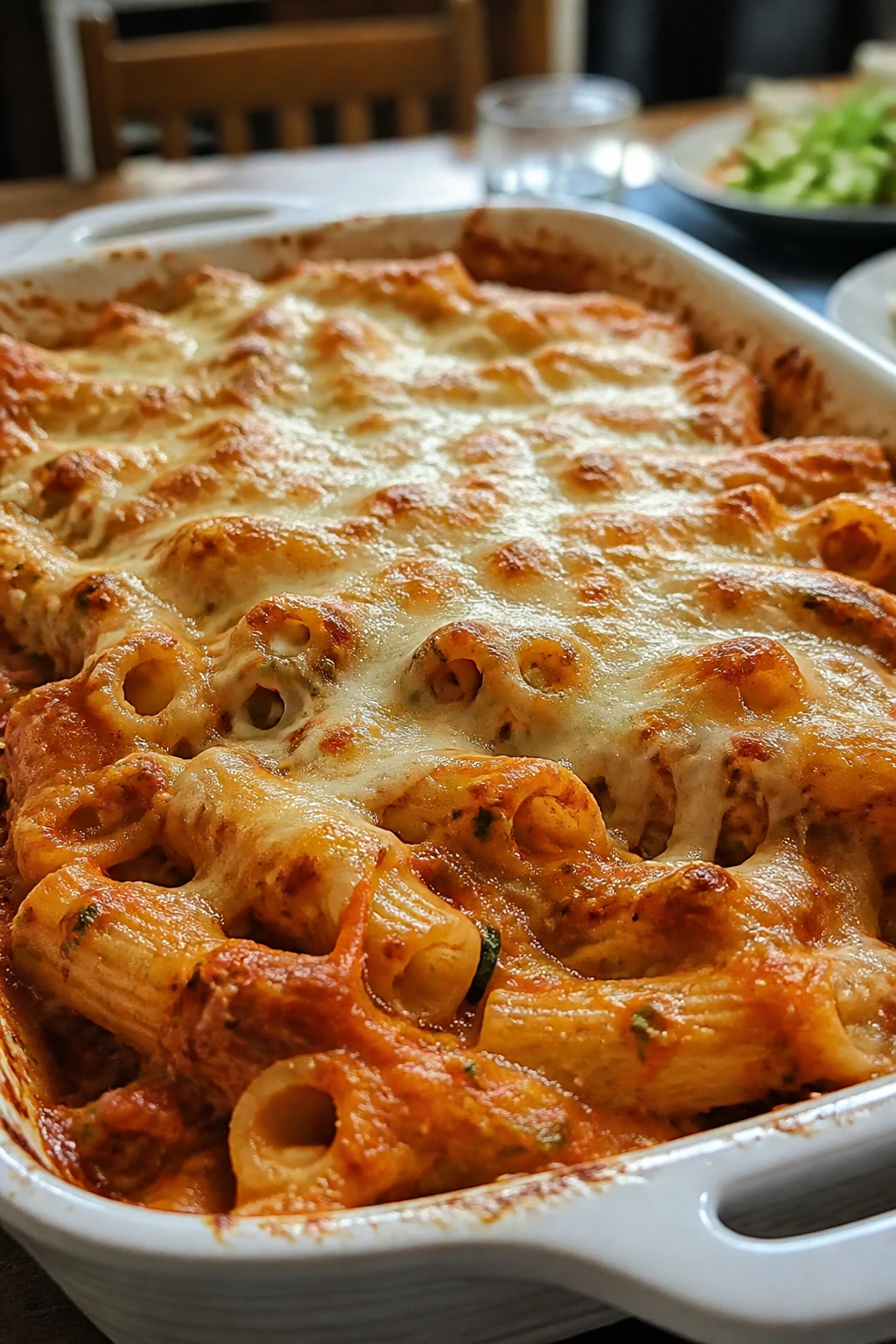
This is the casserole I make when I want dinner to look like a normal pasta bake while quietly doing a little extra work. The sauce hides grated zucchini and carrot, but the cheese is what kids notice first.
Why It Works:
Baked ziti gives you the comfort of pasta with the structure of a casserole, which makes leftovers easier to serve. The vegetables disappear into the sauce once they cook down, so the texture stays smooth instead of chunky. That matters when texture, not flavor, is the real obstacle.
Key Ingredients:
- 1 pound ziti or penne — A sturdy shape.
- 24 ounces marinara sauce — Good sauce gives the dish body.
- 1 cup grated zucchini, squeezed dry — Mild and nearly invisible.
- 1 cup finely grated carrot — Adds sweetness.
- 15 ounces ricotta — Creamy layers.
- 2 cups shredded mozzarella — Melt on top.
- 1 egg + 1/2 cup grated Parmesan — Helps the ricotta mixture hold together.
Quick Steps:
- Cook the pasta: Boil until just shy of tender, then drain.
- Mix the filling: Stir ricotta, egg, Parmesan, zucchini, carrot, salt, and Italian seasoning together.
- Combine with sauce: Toss the pasta with marinara and half the mozzarella.
- Layer the casserole: Spread half the pasta in a baking dish, dollop on the ricotta mixture, then add the rest of the pasta and the remaining cheese.
- Bake: Cook at 375°F for 25 to 30 minutes, until bubbling and browned on top.
Equipment for This Recipe:
- Large pot
- Mixing bowl
- 9×13-inch baking dish
- Box grater
How to Serve This Dish:
Serve with garlic bread and a few cucumber slices. A small salad helps the plate feel less heavy without pushing the kids away from the main dish.
Pro Tips for This Recipe:
- Squeeze the zucchini dry or it waters down the sauce.
- Let the casserole rest for 10 minutes before cutting.
- If you want more browned edges, broil for 1 minute at the end.
Variations on This Dish:
- Meaty Version: Add browned ground beef or turkey to the sauce.
- Cheese-Heavy Version: Swap some ricotta for cottage cheese.
- Spinach Swap: Replace the carrot with finely chopped cooked spinach.
Common Mistakes to Avoid with This Dish:
- Skipping the squeeze on the zucchini: The bake turns loose.
- Overcooking the pasta: It gets mushy in the oven.
- Cutting too soon: The layers need a few minutes to settle.
12. Chicken and Rice Casserole
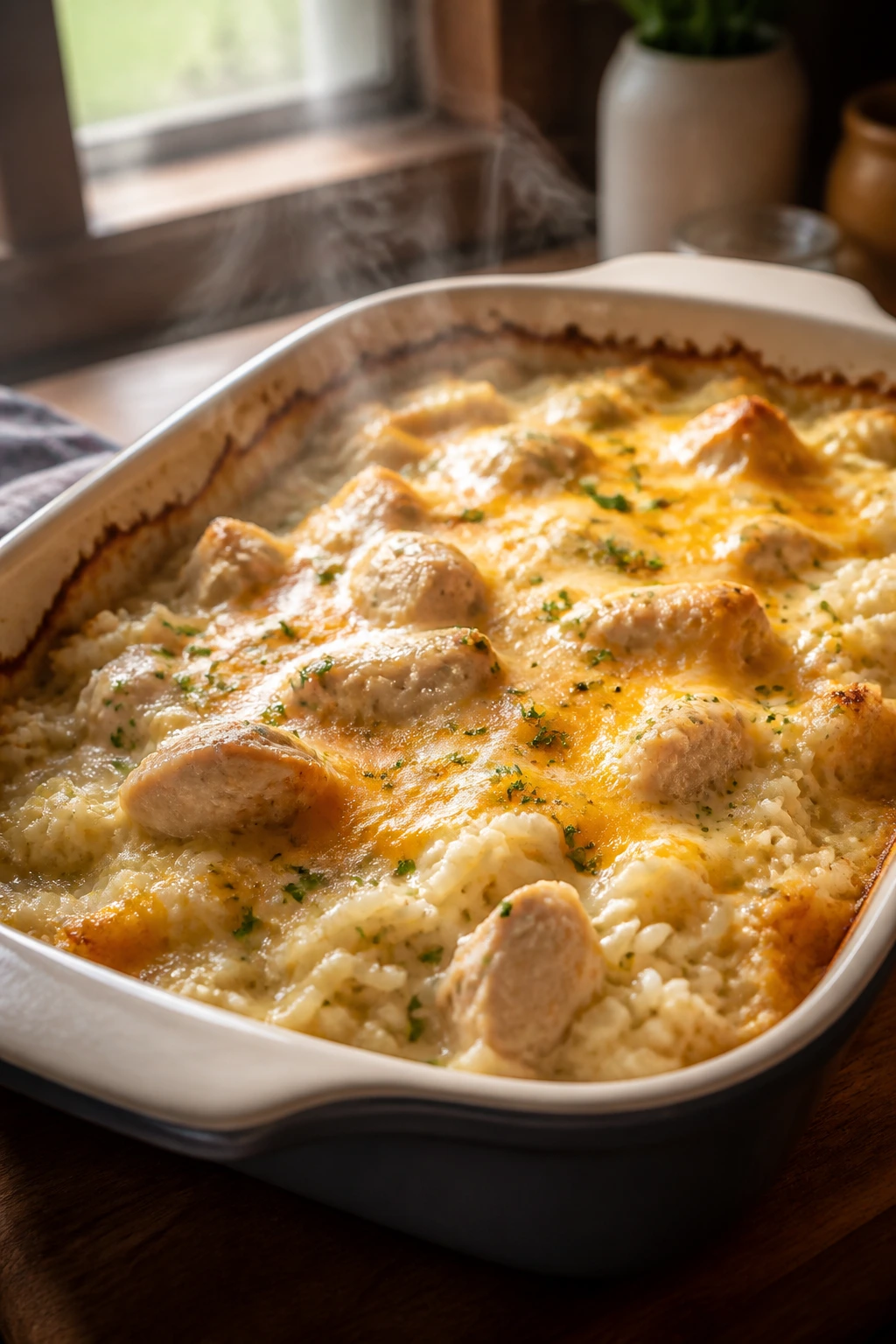
This is the sort of meal that quietly saves a weeknight. Chicken, rice, and a creamy sauce bake together into something soft, warm, and easy to scoop without fighting the food.
Why It Works:
Rice absorbs flavor as it bakes, so every bite tastes more complete than a plain bowl of chicken and rice. The chicken stays juicy if it sits on top of the rice and cooks gently in the steam. That top layer matters. It’s not just for looks.
Key Ingredients:
- 1 1/2 pounds boneless, skinless chicken thighs or breasts — Thighs stay juicier.
- 1 1/2 cups long-grain white rice — Do not use quick-cook rice here.
- 2 1/2 cups chicken broth — The rice needs enough liquid.
- 1 can (10 1/2 ounces) cream of chicken soup — Or 1 cup thick white sauce.
- 1 cup diced carrots — Small pieces cook through.
- 1 cup frozen peas — Stir in near the end.
- 1 small onion, finely diced + 1 tablespoon butter — Flavor.
Quick Steps:
- Preheat and prep: Heat the oven to 375°F (190°C) and butter a 9×13-inch dish.
- Build the base: Stir the rice, broth, soup, carrots, onion, butter, and a pinch of salt in the dish.
- Add the chicken: Nestle the chicken on top and season lightly.
- Cover and bake: Seal tightly with foil and bake for 40 minutes.
- Finish uncovered: Remove foil, stir in peas, and bake 10 to 15 minutes more until the rice is tender and the chicken reaches 165°F.
Equipment for This Recipe:
- 9×13-inch baking dish
- Aluminum foil
- Mixing spoon
- Instant-read thermometer
How to Serve This Dish:
Scoop it into shallow bowls and add extra buttered peas if your kids like things plain. A slice of soft bread helps catch the creamy rice.
Pro Tips for This Recipe:
- Use long-grain rice, not instant.
- Keep the foil tight so steam cooks the rice evenly.
- If the rice is still firm, add 1/4 cup broth and bake 5 minutes longer.
Variations on This Dish:
- Broccoli Chicken Rice: Add small broccoli florets with the peas.
- Cheddar Version: Stir in 1 cup shredded cheddar before baking.
- Rotisserie Shortcut: Use shredded cooked chicken and shorten the bake slightly.
Common Mistakes to Avoid with This Dish:
- Using the wrong rice: Instant rice gets mushy; brown rice needs a different liquid ratio.
- Leaving the dish uncovered too soon: The rice dries before it softens.
- Cutting chicken before checking temperature: Thighs and breasts should hit 165°F.
13. Grilled Cheese and Tomato Soup
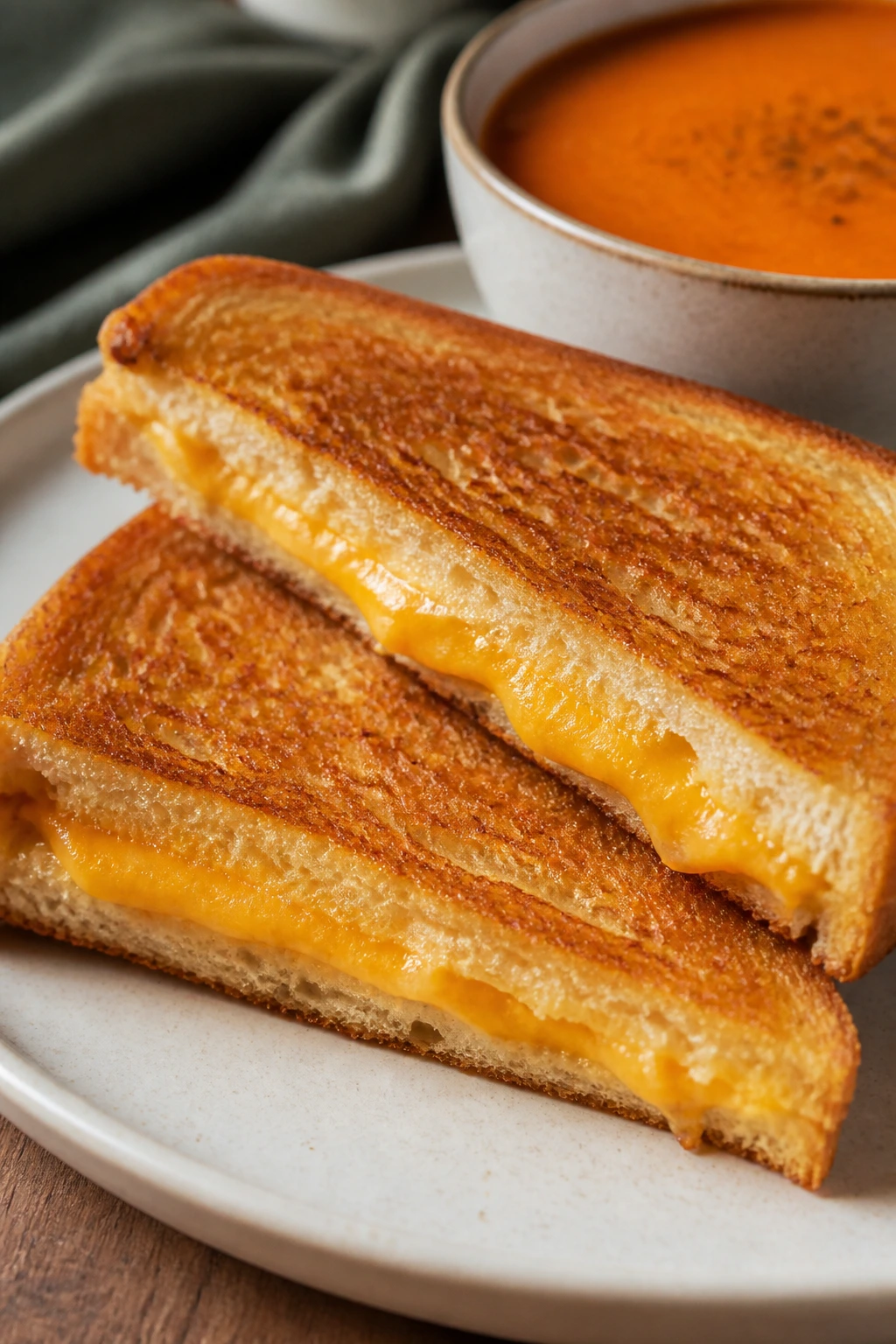
This combo works because it gives kids two familiar textures at once: crisp bread and smooth soup. The sandwich is salty, the soup is gently sweet, and neither one asks much of the eater.
Why It Works:
Grilled cheese is practically designed for picky eaters. The crunchy exterior and melted middle make each bite feel predictable, while tomato soup offers a soft dip instead of a confrontation. A tiny pinch of sugar in the soup helps the tomatoes taste rounder instead of sharp.
Key Ingredients:
- 8 slices sandwich bread — Soft white bread or sturdy country bread both work.
- 8 slices cheddar or American cheese — American melts especially smoothly.
- 4 tablespoons butter — For the bread.
- 1 tablespoon olive oil — For the soup base.
- 1 onion, chopped + 2 garlic cloves, minced — Flavor.
- 1 can or 1 large jar crushed tomatoes, about 28 ounces — Soup base.
- 2 cups broth + 1/2 cup cream — Smooths it out.
Quick Steps:
- Start the soup: Cook onion in oil over medium heat until soft, then add garlic for 30 seconds.
- Simmer: Stir in tomatoes, broth, salt, and a pinch of sugar, then simmer for 15 minutes. Blend if you want it smooth, then stir in cream.
- Build the sandwiches: Butter the outside of each bread slice and layer cheese inside.
- Grill: Cook in a skillet over medium-low heat for 3 to 4 minutes per side, until the bread is deep golden and the cheese is melted.
- Serve together: Ladle the soup into bowls and cut the sandwiches on the diagonal.
Equipment for This Recipe:
- Soup pot
- Skillet
- Blender or immersion blender, optional
- Spatula
How to Serve This Dish:
Keep the soup in a small bowl for dipping and add apple slices or carrot sticks on the side. Half sandwiches are easier for smaller kids to handle.
Pro Tips for This Recipe:
- Medium-low heat protects the bread from burning before the cheese melts.
- Blend the soup if your kids prefer a silky texture.
- American cheese melts more smoothly than many blocks of cheddar.
Variations on This Dish:
- Add-Pasta Soup: Stir in tiny cooked pasta shapes.
- Extra Creamy Version: Add a spoonful of butter at the end.
- Pesto Sandwich: Spread a thin layer of pesto inside the grilled cheese for older kids.
Common Mistakes to Avoid with This Dish:
- Hot pan, cold center: The sandwich burns before the cheese melts.
- Soup too acidic: A small pinch of sugar helps.
- Watery soup: Simmer long enough to reduce it.
14. Taco Pasta
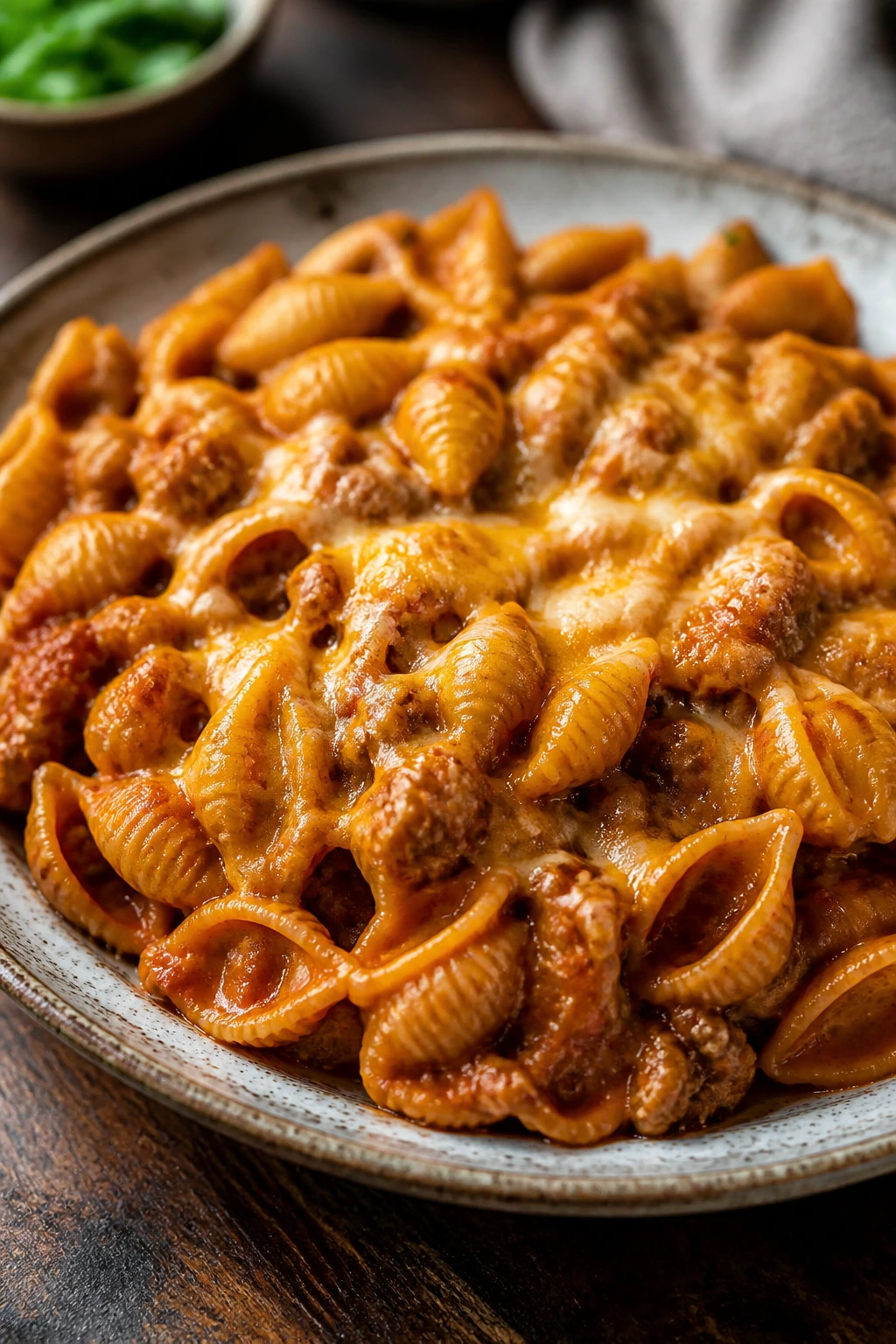
Taco pasta is what you make when you want the flavor of tacos without handing every child a pile of ingredients to assemble. The shells catch the sauce, and the cheese ties the whole pan together.
Why It Works:
It tastes familiar even to cautious eaters because the seasoning is warm rather than aggressive. The pasta makes the meal feel softer and less messy than tacos, and one pot means fewer dishes. Sometimes the easiest dinner is the one that looks like someone already decided for everyone.
Key Ingredients:
- 1 pound ground beef or turkey — Either one works.
- 12 ounces medium pasta shells — Their curves trap sauce.
- 1 packet taco seasoning or 2 tablespoons homemade seasoning — Mild is fine.
- 1 cup salsa — Choose a mild jar.
- 2 cups broth — Cooks the pasta.
- 1 cup corn — Frozen or canned.
- 1 1/2 cups shredded cheddar — Stir in at the end.
Quick Steps:
- Brown the meat: Cook the beef or turkey in a deep skillet until done.
- Add the seasoning: Stir in taco seasoning, salsa, broth, and a pinch of salt.
- Cook the pasta: Add the shells and simmer for 10 to 12 minutes, stirring often, until tender.
- Finish the pan: Stir in corn and cheese until melted.
- Serve warm: Let it sit for 2 minutes before scooping.
Equipment for This Recipe:
- Deep skillet or Dutch oven
- Wooden spoon
- Measuring cups
- Lid, optional for the simmer
How to Serve This Dish:
Top each bowl with a spoon of sour cream if your kids like it, and set out crushed tortilla chips for crunch. A few cherry tomatoes on the side are nice if anyone is feeling cooperative.
Pro Tips for This Recipe:
- Keep the salsa mild; heat shows up faster in a one-pot dish.
- Stir often so the pasta doesn’t stick.
- Add a splash more broth if the pan gets dry before the shells are tender.
Variations on This Dish:
- Chicken Taco Pasta: Use shredded chicken instead of ground meat.
- Bean Version: Skip the meat and add black beans.
- Cheesy Bake: Pour into a casserole dish, top with extra cheese, and broil briefly.
Common Mistakes to Avoid with This Dish:
- Too much seasoning: Taco packets can overwhelm a kid’s palate.
- Letting it go dry: The pasta needs enough liquid to cook.
- Overcooking the shells: They should stay tender, not collapse.
15. Homemade Fish Sticks
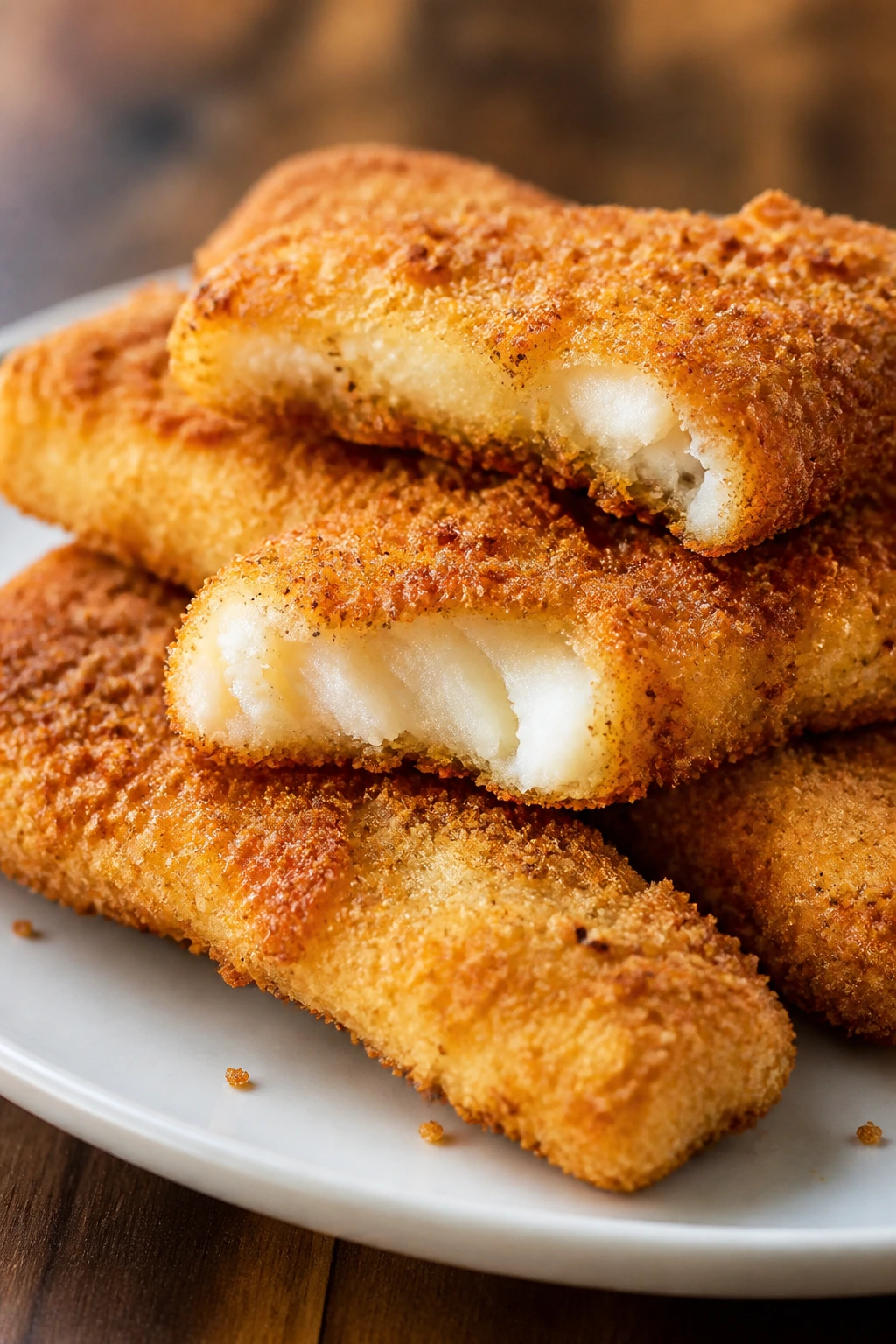
Fish sticks work when they’re crisp, mild, and not at all fishy in a loud way. The breading should crackle a little when you bite it, and the fish inside should stay flaky.
Why It Works:
Cod and haddock are mild enough for kids who usually refuse seafood. Baking them on a rack gives you crunch without frying, and the stick shape makes them easy to dunk into tartar sauce or ketchup. That last part matters more than pride.
Key Ingredients:
- 1 1/2 pounds cod or haddock fillets — Cut into finger-length strips.
- 1/2 cup flour — First layer.
- 2 large eggs + 1 tablespoon milk — Binder.
- 1 1/2 cups panko breadcrumbs — Crunch.
- 1 teaspoon salt, 1 teaspoon paprika, 1/2 teaspoon garlic powder — Gentle seasoning.
- Cooking spray — Helps with browning.
Quick Steps:
- Heat the oven: Set it to 425°F (220°C) and line a sheet pan.
- Cut and coat: Pat the fish dry, then coat each strip in flour, egg, and panko.
- Set on a rack: Arrange the fish on a wire rack or the pan itself and spray lightly with oil.
- Bake: Cook for 15 to 18 minutes, flipping once, until the coating is crisp and the fish flakes easily at 145°F.
- Serve hot: Give them lemon wedges or dip if the family uses them.
Equipment for This Recipe:
- Sheet pan
- Wire rack, optional but helpful
- Three bowls
- Fish spatula or regular spatula
How to Serve This Dish:
Serve with oven fries, coleslaw, or peas. A little lemon on the side brightens the plate for adults without changing the kid flavor too much.
Pro Tips for This Recipe:
- Pat the fish dry before breading. Wet fish makes soggy crumbs.
- Don’t overbake; fish dries out fast.
- If you want extra crunch, toast the panko in a dry skillet first.
Variations on This Dish:
- Parmesan Crust: Mix Parmesan into the panko.
- Cornflake Fish Sticks: Use crushed cornflakes instead of panko.
- Air-Fryer Version: Cook at 400°F until crisp and cooked through.
Common Mistakes to Avoid with This Dish:
- Using wet fish straight from the package: The breading slips off.
- Cooking until hard: Fish should flake, not feel chalky.
- Serving without dip: Kids usually like a sauce on the side.
16. Honey Garlic Chicken Bites
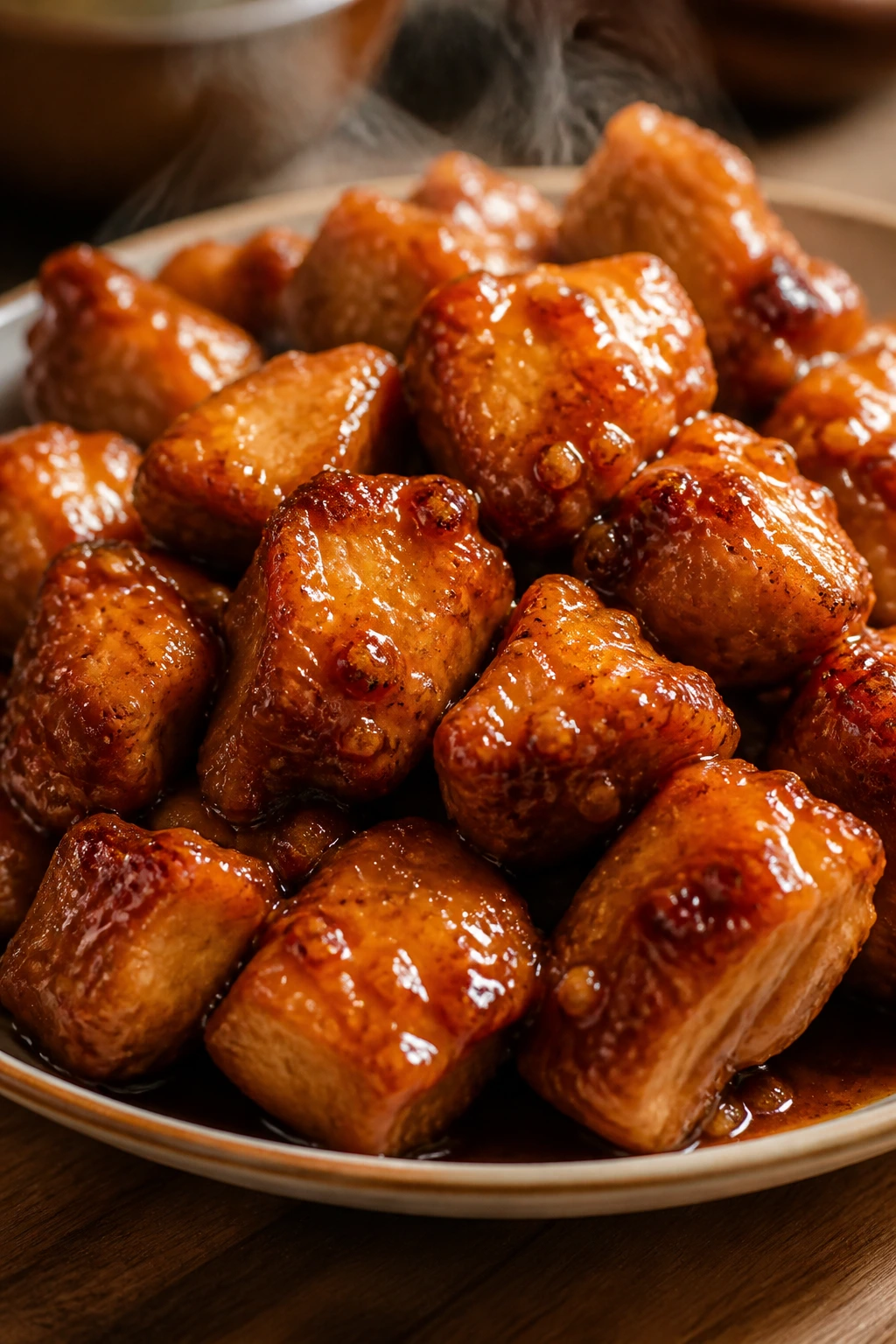
These chicken bites are sweet, sticky, and shiny in the pan in a way that usually gets people interested before they know what they’re eating. The sauce clings to each cube instead of sliding off.
Why It Works:
Honey rounds out the garlic, which keeps the flavor friendly. Cornstarch on the chicken gives the sauce something to hold onto, and a quick sear makes the edges a little crisp. That mix of soft and sticky is a strong one for kids.
Key Ingredients:
- 1 1/2 pounds boneless chicken breast, cut into 1-inch cubes — Uniform pieces cook evenly.
- 1/3 cup cornstarch — Helps the chicken brown.
- 1 teaspoon salt — Season the chicken first.
- 2 tablespoons oil — For the pan.
- 1/4 cup honey — Sweetness.
- 1/4 cup soy sauce — Salty base.
- 3 garlic cloves, minced + 2 tablespoons water — Sauce.
Quick Steps:
- Coat the chicken: Toss the cubes with cornstarch and salt until lightly dusted.
- Sear: Heat oil in a skillet over medium-high heat and cook the chicken for 5 to 7 minutes, turning until browned and cooked through.
- Make the sauce: Stir honey, soy sauce, garlic, water, and a splash of vinegar together in a small bowl.
- Glaze the chicken: Pour the sauce into the skillet and toss for 1 to 2 minutes until glossy.
- Serve immediately: Spoon over rice or noodles.
Equipment for This Recipe:
- Large skillet
- Mixing bowl
- Spoon or spatula
- Cutting board
How to Serve This Dish:
Serve over white rice with steamed broccoli or cucumber slices. The sauce also works well with buttered noodles if rice feels like too much effort.
Pro Tips for This Recipe:
- Cut the chicken into even cubes so the pan cooks evenly.
- Don’t crowd the skillet or the chicken steams.
- Add the sauce at the end; honey burns faster than people expect.
Variations on This Dish:
- Sesame Finish: Add sesame oil and seeds at the end.
- Milder Version: Use less garlic and a bit more honey.
- Orange Twist: Stir in a spoonful of orange juice.
Common Mistakes to Avoid with This Dish:
- Burning the sauce: Honey can scorch in a hot pan.
- Uneven cubes: Some pieces dry out before others cook.
- Serving too late: The glaze thickens as it cools.
17. Mini Corn Dog Muffins

Mini corn dog muffins are one of those recipes that feel like a little trick, but a kind one. They bake into tender cornmeal bites with a hot dog center, and kids tend to understand the joke immediately.
Why It Works:
Cornbread and hot dogs are already familiar flavors, so this lands fast. The mini muffin tin keeps the portions small and the edges browned, which gives each bite more texture than a regular pan would. They’re lunchbox-friendly too, and that earns points.
Key Ingredients:
- 1 cup yellow cornmeal — For flavor and texture.
- 1 cup all-purpose flour — Keeps the muffins soft.
- 2 tablespoons sugar — A touch of sweetness.
- 1 tablespoon baking powder — Lift.
- 1/2 teaspoon salt — Necessary.
- 1 cup milk + 1 large egg — Batter.
- 1/4 cup melted butter — Richness.
- 8 hot dogs, cut into small pieces — The center.
Quick Steps:
- Preheat the oven: Heat to 375°F (190°C) and grease a mini muffin tin.
- Mix the batter: Whisk cornmeal, flour, sugar, baking powder, and salt, then stir in milk, egg, and melted butter.
- Fill the cups: Spoon batter into the tin halfway, press one hot dog piece into each cup, then cover lightly with more batter.
- Bake: Cook for 12 to 14 minutes, until golden and set.
- Cool slightly: Let them rest for 5 minutes before removing.
Equipment for This Recipe:
- Mini muffin tin
- Mixing bowl
- Spoon or small scoop
- Cooling rack
How to Serve This Dish:
Serve with mustard or ketchup and a pile of fruit on the side. They make a decent after-school dinner if you add a salad or raw vegetables.
Pro Tips for This Recipe:
- Grease the pan well so the edges release cleanly.
- Cut the hot dogs small enough that every cup gets some.
- Don’t overfill or they’ll mushroom over the top.
Variations on This Dish:
- Cheesy Corn Dog Muffins: Stir cheddar into the batter.
- Jalapeño Adult Version: Add a few minced pickled jalapeños for grown-up plates.
- Mini Sausage Swap: Use sliced cooked breakfast sausage instead of hot dogs.
Common Mistakes to Avoid with This Dish:
- Batter too thin: The hot dog sinks.
- Overbaking: They dry out fast.
- Skipping the rest time: Hot muffins break apart when rushed.
18. Creamy Broccoli Cheddar Pasta
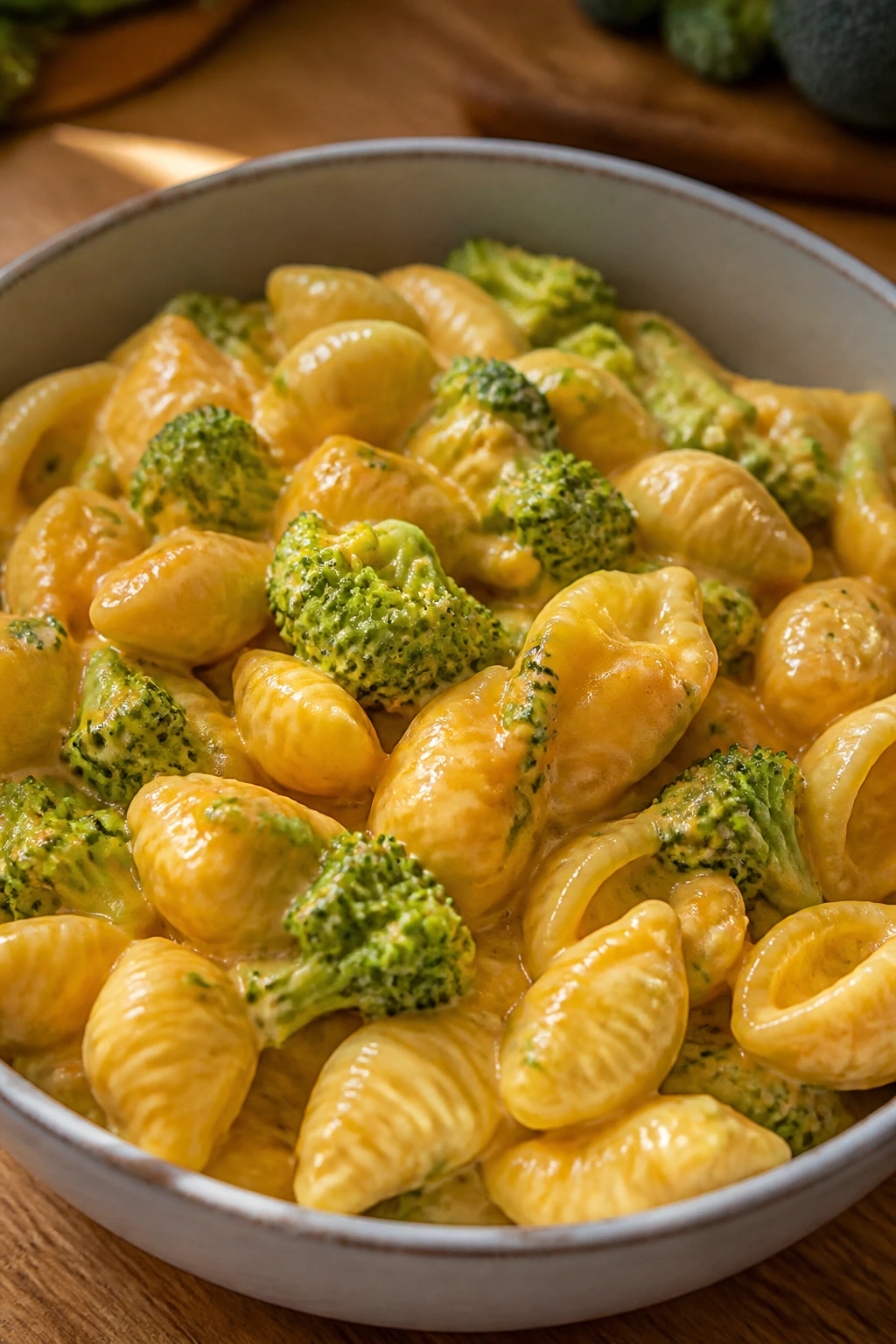
Broccoli becomes a lot more acceptable when it gets folded into pasta with cheddar. The sauce should be silky and bright orange, with small florets soft enough that nobody has to fight them.
Why It Works:
This is a good bridge meal for kids who need vegetables to arrive disguised in a familiar sauce. The pasta softens the broccoli’s edges, and the cheddar keeps the flavor anchored in “mac and cheese territory.” That’s the zone.
Key Ingredients:
- 12 ounces pasta shells or elbows — Holds sauce well.
- 3 cups small broccoli florets — Chop them fine.
- 3 tablespoons butter — Base.
- 3 tablespoons flour — Thickener.
- 3 cups milk — Sauce.
- 2 cups shredded cheddar — Main flavor.
- 1/2 teaspoon salt + 1/4 teaspoon garlic powder — Gentle seasoning.
Quick Steps:
- Cook the pasta and broccoli: Boil the pasta, and drop the broccoli into the water for the last 2 minutes. Drain, saving 1/2 cup of water.
- Make the sauce: Melt butter, whisk in flour, then add milk and simmer until thickened.
- Add the cheese: Lower the heat and stir in cheddar, salt, and garlic powder.
- Combine: Toss in pasta, broccoli, and a splash of reserved water until creamy.
- Serve warm: Eat right away so the sauce stays smooth.
Equipment for This Recipe:
- Large pot
- Saucepan
- Whisk
- Colander
How to Serve This Dish:
Serve it as a main bowl or beside simple chicken strips. A few extra shreds of cheddar on top won’t hurt.
Pro Tips for This Recipe:
- Chop the broccoli small so it cooks quickly and eats easily.
- Use the pasta water to loosen the sauce if needed.
- Add the cheese on low heat so it stays smooth.
Variations on This Dish:
- Cauliflower Swap: Replace half the broccoli with cauliflower.
- Baked Version: Transfer to a dish, top with breadcrumbs, and bake 10 minutes.
- Ham Add-In: Stir in diced ham for a fuller meal.
Common Mistakes to Avoid with This Dish:
- Broccoli too large: Kids pick it out.
- Sauce boiling after cheese goes in: It can get grainy.
- Letting it sit too long: The sauce thickens fast.
19. Breakfast Quesadillas
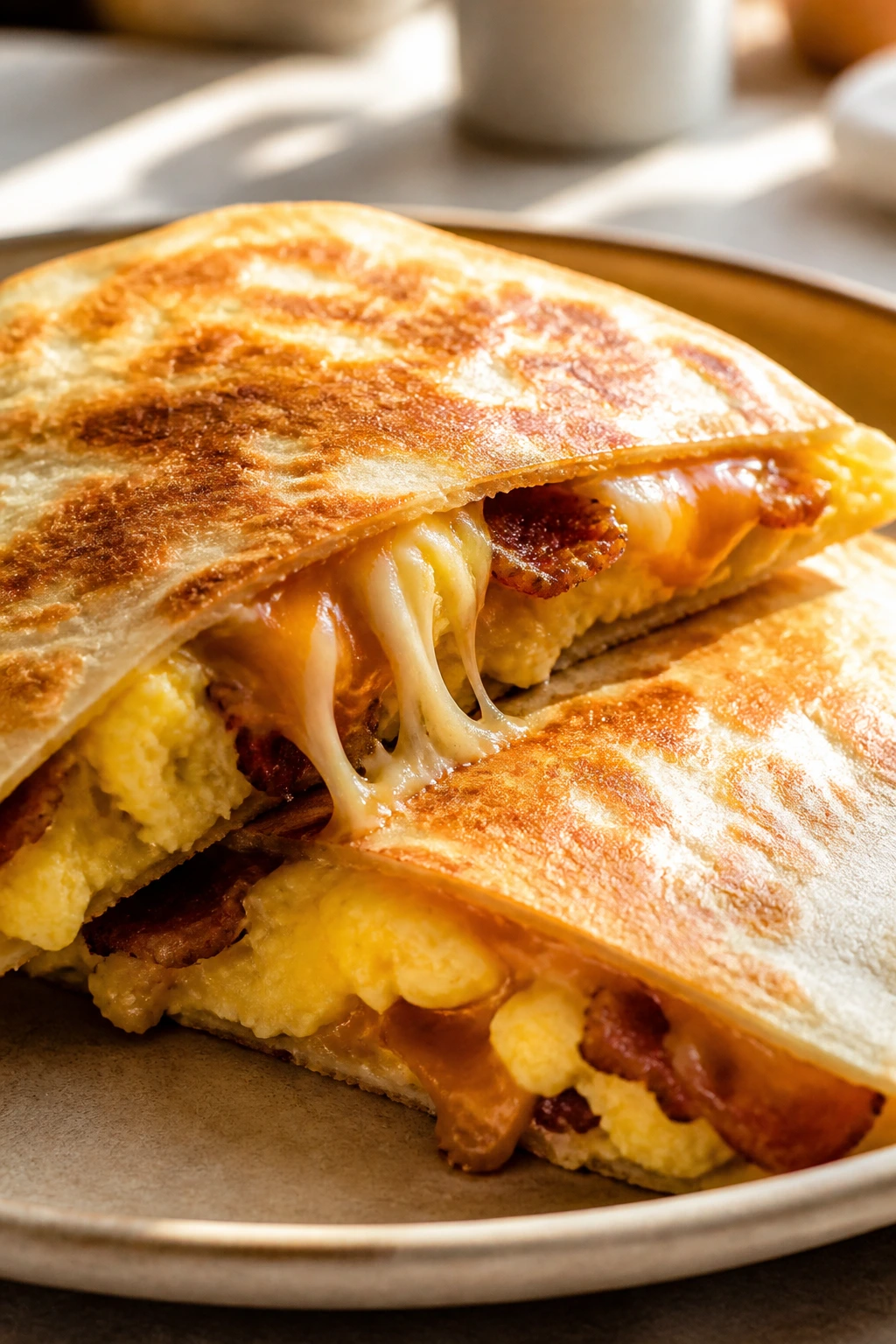
Eggs inside a quesadilla sound ordinary until you cut into one and see the melted cheese stretching through the tortilla. Breakfast suddenly looks neat enough for a school morning.
Why It Works:
The tortilla wraps the eggs, cheese, and meat into one manageable piece. Kids who refuse a plate of scrambled eggs will often eat them sealed inside a quesadilla because the edges are crisp and the inside stays soft. Weird, but useful.
Key Ingredients:
- 4 flour tortillas — Medium size.
- 6 large eggs — Enough for filling.
- 1 tablespoon butter — For the eggs.
- 1 cup shredded cheddar — Melts into the eggs.
- 4 slices cooked bacon or 1 cup cooked breakfast sausage — Optional.
- 1/2 cup finely chopped spinach — Optional, but can disappear inside.
Quick Steps:
- Scramble the eggs softly: Cook eggs in butter over low heat until just set, not dry.
- Assemble: Lay out tortillas, add eggs, cheese, and bacon or sausage to one half, then fold shut.
- Toast the quesadillas: Cook in a skillet over medium heat for 2 to 3 minutes per side until golden and melted.
- Rest and cut: Wait 1 minute, then slice into wedges.
- Serve warm: Add salsa or sour cream if wanted.
Equipment for This Recipe:
- Skillet
- Spatula
- Mixing bowl
- Knife or pizza cutter
How to Serve This Dish:
Serve with orange slices or berries and keep the dipping sauce separate. They work for dinner too, especially with a little fruit and a handful of baby carrots.
Pro Tips for This Recipe:
- Keep the eggs slightly soft; they’ll finish cooking in the skillet.
- Use a dry skillet if the tortilla is browning too fast.
- Don’t overfill, or the quesadilla splits.
Variations on This Dish:
- Bean Breakfast Quesadilla: Replace the meat with refried beans.
- Ham and Cheese Version: Use diced ham instead of bacon.
- Plain Egg and Cheese: Best for very cautious eaters.
Common Mistakes to Avoid with This Dish:
- Overcooking the eggs first: They turn rubbery inside the tortilla.
- Too much filling: The fold won’t seal.
- Cutting immediately: The cheese spills out.
20. Chicken Fried Rice
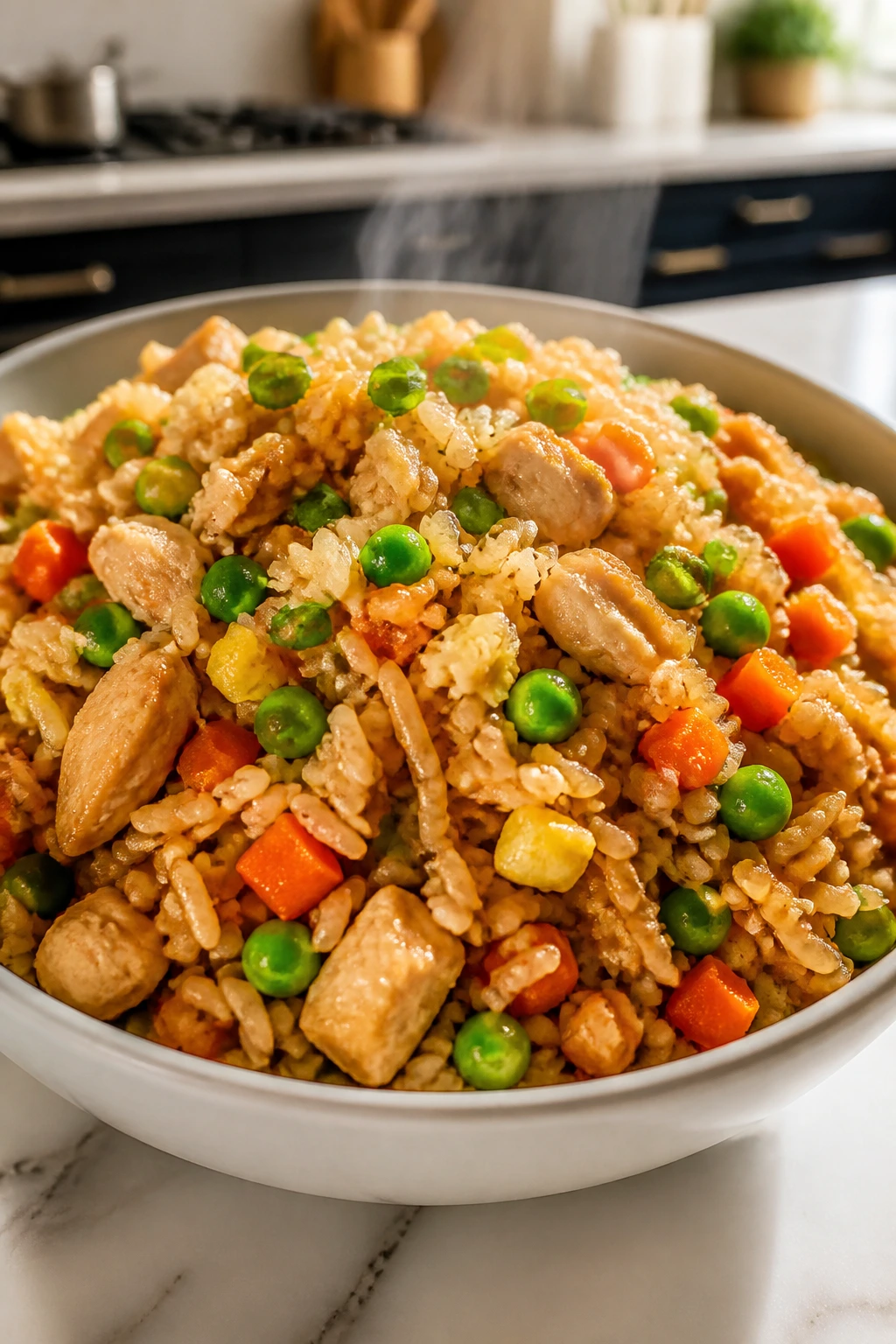
This is one of those meals that tastes better than the pantry list suggests. Cold rice, eggs, chicken, peas, and carrots all turn into something savory and quick once the skillet gets hot.
Why It Works:
Fried rice is built from bite-size pieces, which kids usually handle better than big mixed dishes. Using cold rice keeps the grains separate instead of sticky, and a little soy sauce gives the meal enough flavor without turning it dark or heavy. It’s fast. That helps.
Key Ingredients:
- 4 cups cold cooked white rice — Day-old rice works best.
- 1 pound cooked diced chicken — Rotisserie chicken is fine.
- 2 large eggs — Scrambled in the pan.
- 1 cup frozen peas and carrots — Easy vegetable mix.
- 3 tablespoons soy sauce — Start with this amount.
- 1 tablespoon butter + 1 tablespoon sesame oil — Flavor and finish.
- 2 scallions, sliced — Optional.
Quick Steps:
- Heat the skillet: Use a large skillet or wok over medium-high heat.
- Scramble the eggs: Melt the butter and cook the eggs just until set, then move them to a plate.
- Cook the chicken and vegetables: Stir-fry the chicken, peas, and carrots until hot.
- Add the rice: Break up any clumps and stir in the rice, soy sauce, and sesame oil. Cook for 3 to 4 minutes until hot and lightly toasted.
- Return the eggs: Fold them back in and serve.
Equipment for This Recipe:
- Large skillet or wok
- Spatula
- Small bowl
- Measuring spoon
How to Serve This Dish:
Serve in shallow bowls with extra soy sauce on the side for older kids who want more salt. A few cucumber slices can cool the plate down without much effort.
Pro Tips for This Recipe:
- Use cold rice. Warm rice clumps.
- Keep everything moving so nothing burns.
- Chop the chicken small so it blends into the rice instead of sitting on top.
Variations on This Dish:
- Veggie-Only Fried Rice: Leave out the chicken and add more egg.
- Pineapple Version: Add small pieces of pineapple for kids who like sweet-savory food.
- Mild Garlic Fried Rice: Add a little minced garlic at the start.
Common Mistakes to Avoid with This Dish:
- Fresh rice: It turns gummy.
- Too much soy sauce: The dish gets salty fast.
- Overcrowding the pan: The rice steams instead of frying.
21. Baked Chicken Taquitos
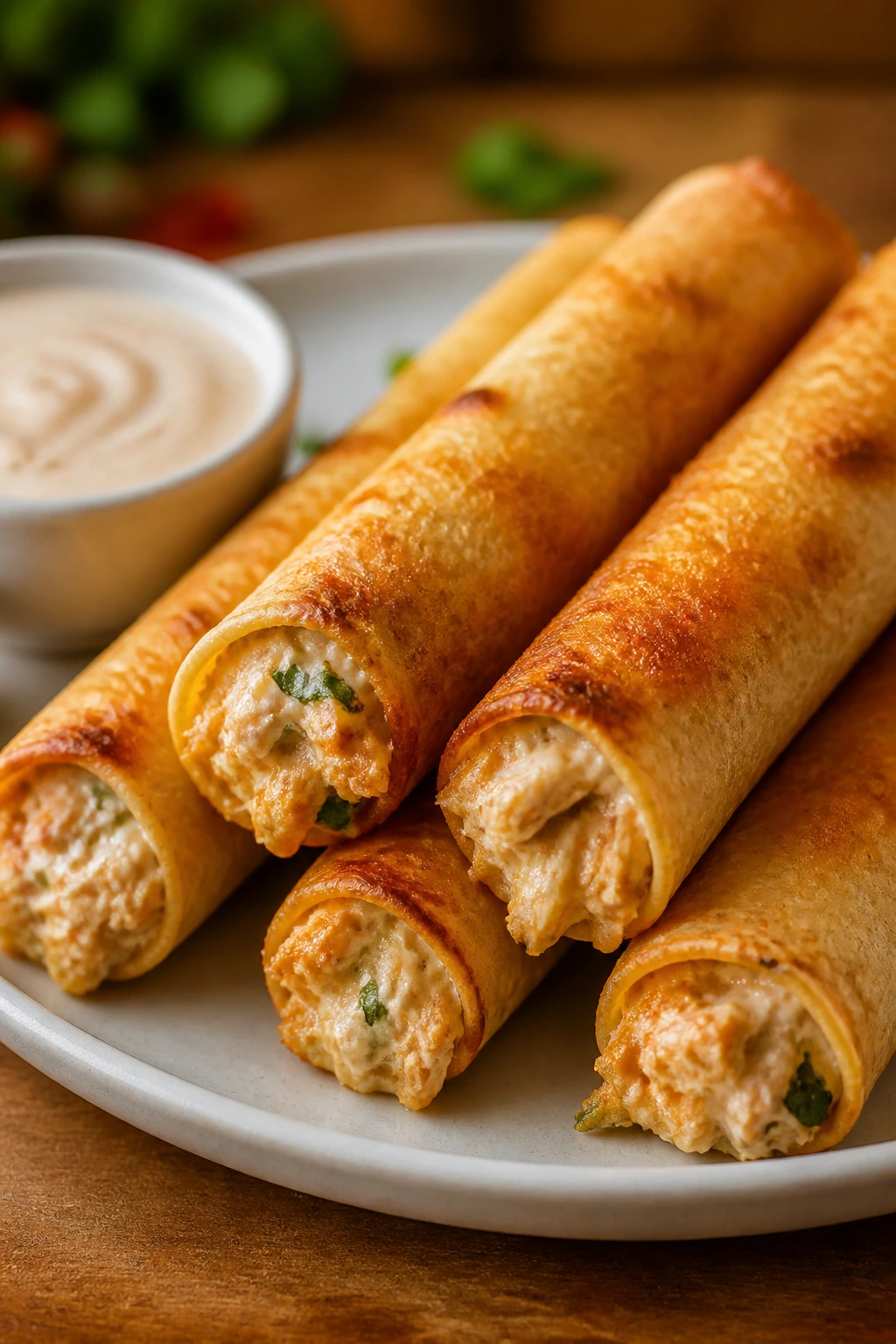
Taquitos give you the crunchy edge of a fried snack without making the kitchen smell like a fryer. The filling is creamy, the outside gets crisp, and the whole thing is easy to dip.
Why It Works:
Rolling the filling inside small tortillas keeps the portions neat, and baking gives you enough crunch to make the meal feel fun. The cream cheese softens the chicken so the filling stays moist even after reheating. That’s why these show up in lunchboxes a lot.
Key Ingredients:
- 2 cups shredded cooked chicken — Rotisserie chicken is fine.
- 4 ounces cream cheese, softened — Helps the filling stay creamy.
- 1 cup shredded cheddar — Melts into the filling.
- 1 teaspoon mild cumin + 1/2 teaspoon salt — Gentle seasoning.
- 12 small flour tortillas — Easier to roll than large ones.
- Cooking spray — For crisping.
Quick Steps:
- Preheat the oven: Heat to 425°F (220°C).
- Mix the filling: Stir chicken, cream cheese, cheddar, cumin, and salt together until well combined.
- Roll the taquitos: Spoon filling onto each tortilla, roll tightly, and place seam-side down on a sheet pan.
- Bake: Spray lightly with oil and bake for 15 to 18 minutes, turning once, until crisp.
- Serve warm: Offer salsa or sour cream.
Equipment for This Recipe:
- Sheet pan
- Mixing bowl
- Spoon
- Tongs
How to Serve This Dish:
Serve with rice, corn, or sliced fruit. A little avocado on the side works if your kids tolerate green food when it behaves itself.
Pro Tips for This Recipe:
- Warm the tortillas for 10 seconds in the microwave so they roll without cracking.
- Roll tightly or the filling leaks out.
- Don’t overstuff; a thin line of filling is enough.
Variations on This Dish:
- Bean Taquitos: Swap part of the chicken for refried beans.
- Cheesy Bean and Chicken: Add extra cheddar for a gooier center.
- Air-Fryer Taquitos: Cook at 400°F until crisp.
Common Mistakes to Avoid with This Dish:
- Dry filling: Add a little more cream cheese if needed.
- Loose rolls: They open in the oven.
- Skipping the spray: The shells stay pale.
22. Mini Shepherd’s Pie Cups
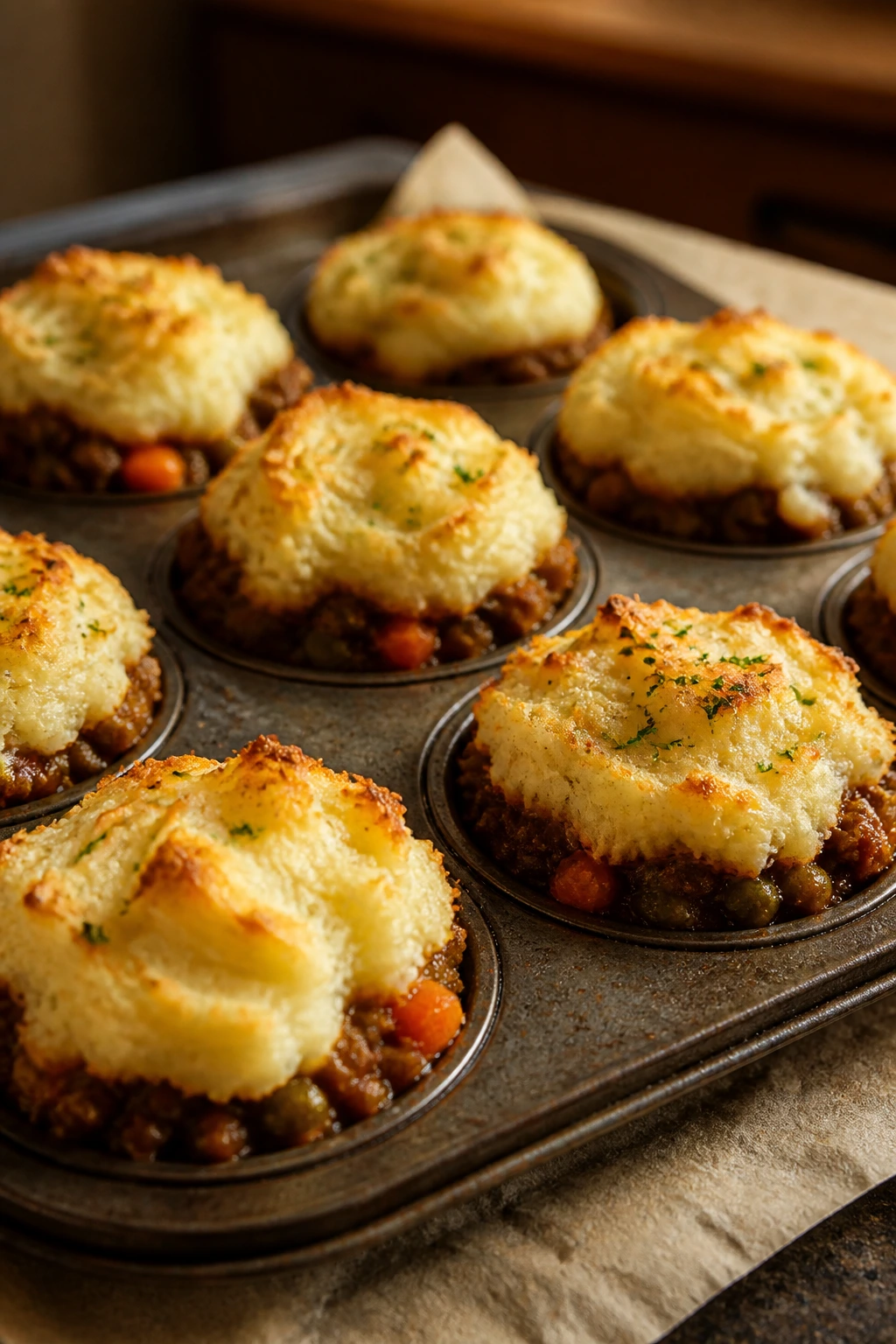
These little pies are old-school comfort food in a muffin tin. The mashed potato top browns a little, the meat filling stays savory, and each cup comes out as its own complete serving.
Why It Works:
Kids often accept shepherd’s pie more easily when it’s portioned into cups. The layers are clear: potatoes on top, meat underneath, vegetables tucked in the middle. That kind of structure feels less mysterious than a casserole dish.
Key Ingredients:
- 1 pound ground beef or turkey — Beef gives a deeper flavor; turkey stays lighter.
- 1 cup peas and carrots — Frozen works well.
- 1 tablespoon tomato paste — Adds body.
- 1 cup beef broth — Builds the gravy.
- 2 cups mashed potatoes — Fresh or leftover.
- 1 tablespoon butter — For the top, if you want extra browning.
- Salt and pepper — Enough to taste.
Quick Steps:
- Preheat the oven: Set it to 400°F (205°C) and grease a muffin tin.
- Cook the filling: Brown the meat, then stir in tomato paste, broth, peas, carrots, and seasoning. Simmer until thick.
- Fill the cups: Spoon the meat mixture into muffin wells.
- Top with potatoes: Pipe or spoon mashed potatoes over each cup and dot with butter.
- Bake: Cook for 15 to 18 minutes until the tops are lightly browned.
Equipment for This Recipe:
- Muffin tin
- Skillet
- Mixing spoon
- Potato masher, if making potatoes fresh
How to Serve This Dish:
Serve with applesauce or steamed green beans on the side. The cups also travel well if packed once they cool.
Pro Tips for This Recipe:
- Make the filling thick or it will bubble over.
- If using leftover mashed potatoes, warm them a bit first so they spread easily.
- Let the cups rest for 5 minutes before lifting them out.
Variations on This Dish:
- Cheddar Top: Sprinkle cheese on the potatoes before baking.
- Sweet Potato Version: Use mashed sweet potatoes for the top layer.
- Lamb Classic: Use ground lamb if you want a richer flavor.
Common Mistakes to Avoid with This Dish:
- Filling too wet: The bottoms don’t set.
- Potatoes too stiff: They won’t spread over the meat.
- Removing too early: The cups need a short rest to hold together.
23. Baked Ravioli
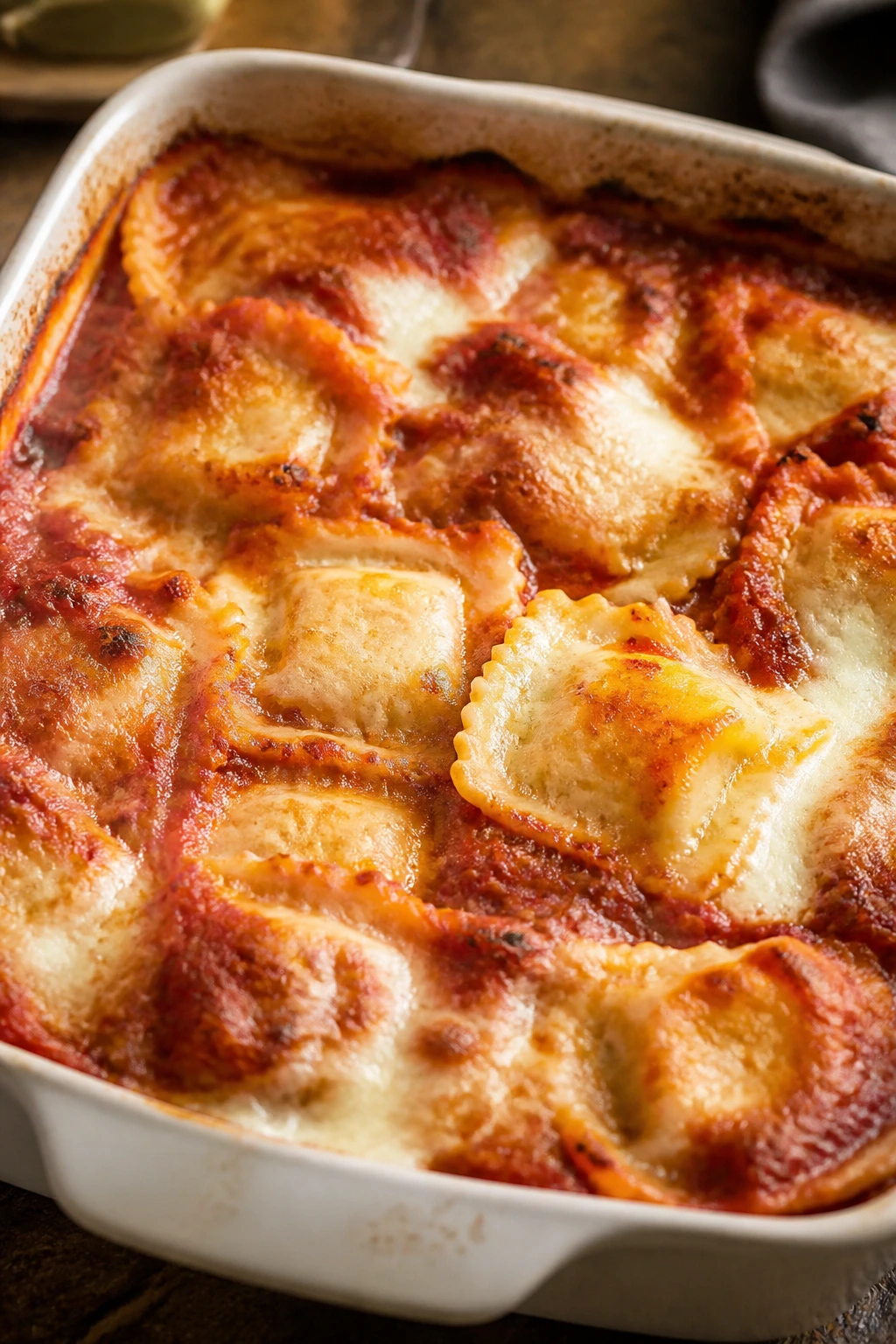
Frozen ravioli turns into a proper dinner with very little effort, which is exactly why it belongs here. Cheese-filled pasta, tomato sauce, and mozzarella make a soft, bubbling bake that kids usually trust right away.
Why It Works:
The ravioli already contains the filling, so there’s less for kids to sort through on the plate. Baking it with sauce and cheese gives you a casserole-like top layer while keeping the pasta soft underneath. It is a low-fuss win.
Key Ingredients:
- 24 ounces frozen cheese ravioli — No need to thaw.
- 24 ounces marinara sauce — Thick sauce is best.
- 1 cup ricotta — Optional, but creamy.
- 2 cups shredded mozzarella — For the top.
- 1/4 cup grated Parmesan — Salty finish.
- 1 teaspoon dried basil or Italian seasoning — Optional.
Quick Steps:
- Preheat the oven: Heat to 400°F (205°C).
- Layer the sauce: Spread a thin layer of marinara in a baking dish.
- Add the ravioli: Place the frozen ravioli in a single layer, top with the rest of the sauce, dollops of ricotta if using, mozzarella, and Parmesan.
- Bake covered: Cook for 25 minutes covered with foil.
- Finish uncovered: Bake 10 minutes more until bubbling and browned.
Equipment for This Recipe:
- Baking dish
- Foil
- Spoon
- Oven mitts
How to Serve This Dish:
Serve with garlic bread and a few baby carrots. If the kids want less sauce, spoon the ravioli out carefully and keep the extra sauce on the side.
Pro Tips for This Recipe:
- Don’t thaw the ravioli or it can get mushy.
- Use a thick sauce so the bake doesn’t go watery.
- Let it rest for 10 minutes before serving.
Variations on This Dish:
- Meat Ravioli Upgrade: Use beef or sausage ravioli.
- Spinach Layer: Add a thin layer of cooked spinach under the cheese.
- White Sauce Version: Swap marinara for Alfredo-style sauce.
Common Mistakes to Avoid with This Dish:
- Too much sauce: The pasta floats and gets soft in a bad way.
- Skipping the foil: The top browns too soon.
- Serving too hot: The filling burns little mouths fast.
24. Turkey Burgers
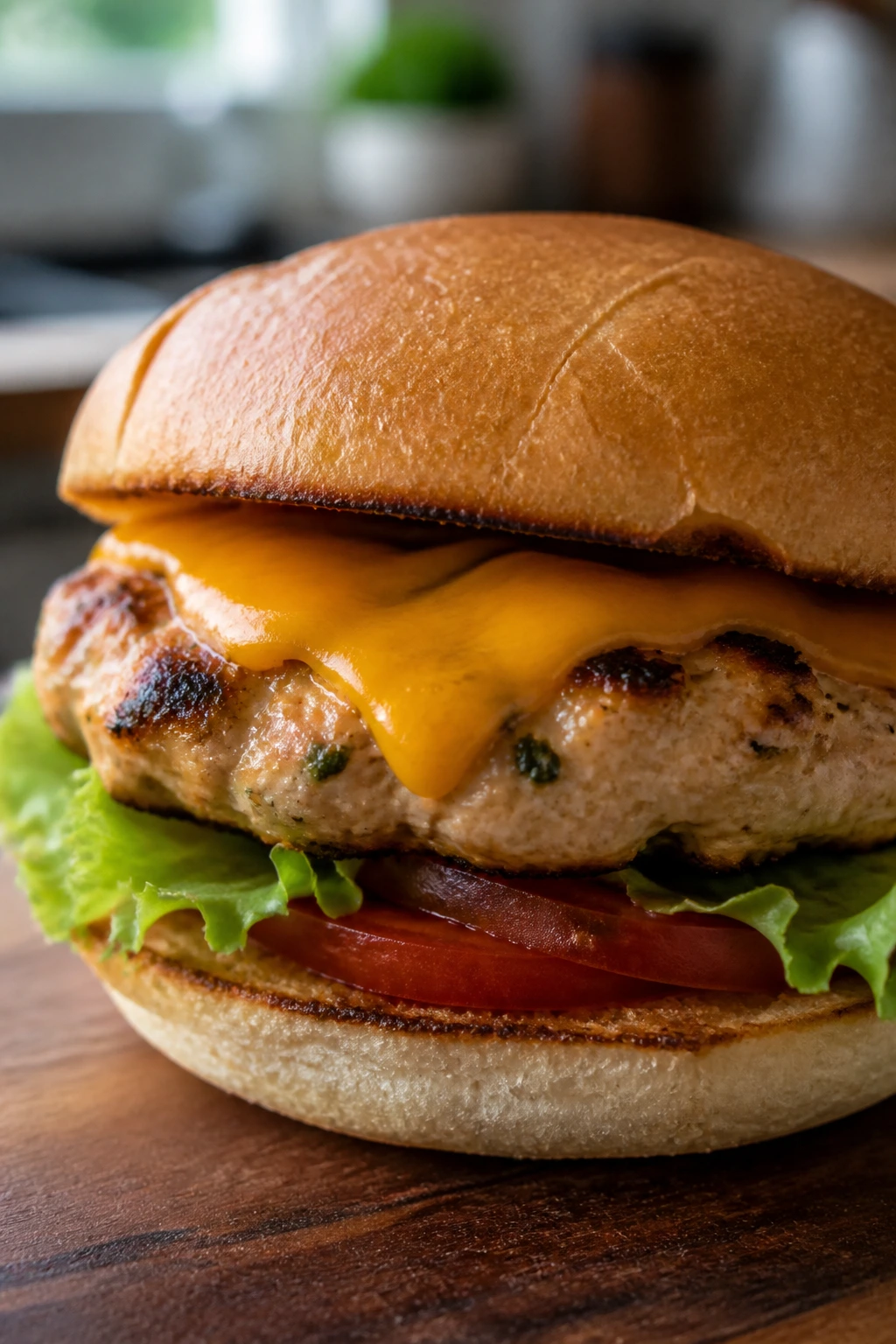
Turkey burgers get a bad reputation when they’re dry and bland. These are not that. They’re seasoned enough to taste like dinner and juicy enough that kids won’t spend the whole meal asking for ketchup.
Why It Works:
The egg and breadcrumbs keep the patties tender, and a little ketchup in the mix adds moisture and familiarity. Turkey takes on seasoning well, but it needs help to stay soft. That’s where the fat and the salt matter.
Key Ingredients:
- 1 1/2 pounds ground turkey — Not extra-lean if you can help it.
- 1 large egg — Binder.
- 1/2 cup breadcrumbs — Keeps the burgers tender.
- 1 teaspoon salt, 1 teaspoon garlic powder, 1 teaspoon onion powder — Mild seasoning.
- 1 tablespoon ketchup — Moisture and flavor.
- 4 to 6 buns — Depending on patty size.
Quick Steps:
- Mix gently: Combine turkey, egg, breadcrumbs, seasonings, and ketchup until just blended.
- Shape patties: Form into 4 or 6 patties and make a small dent in the center of each one.
- Cook: Grill or pan-sear over medium heat for 4 to 5 minutes per side, until the centers reach 165°F.
- Rest: Let the burgers sit for 3 minutes.
- Assemble: Serve on buns with cheese if wanted.
Equipment for This Recipe:
- Mixing bowl
- Skillet or grill
- Spatula
- Thermometer
How to Serve This Dish:
Serve with oven fries, sliced tomatoes, or cucumber spears. Smaller patties are easier for kids than giant restaurant-style burgers.
Pro Tips for This Recipe:
- Don’t press the burgers while they cook or you squeeze out the moisture.
- Use a thermometer; turkey should reach 165°F.
- Toast the buns lightly so they don’t go limp.
Variations on This Dish:
- Cheeseburger Style: Add a slice of cheddar in the last minute.
- Mini Sliders: Make smaller patties for younger kids.
- BBQ Turkey Burgers: Brush with sauce during the last minute.
Common Mistakes to Avoid with This Dish:
- Overmixing: The patties turn dense.
- Too-lean turkey: Dry burgers are the fastest way to lose a kid.
- Skipping the rest: Juices need a minute to settle.
25. Mini Breakfast Burritos
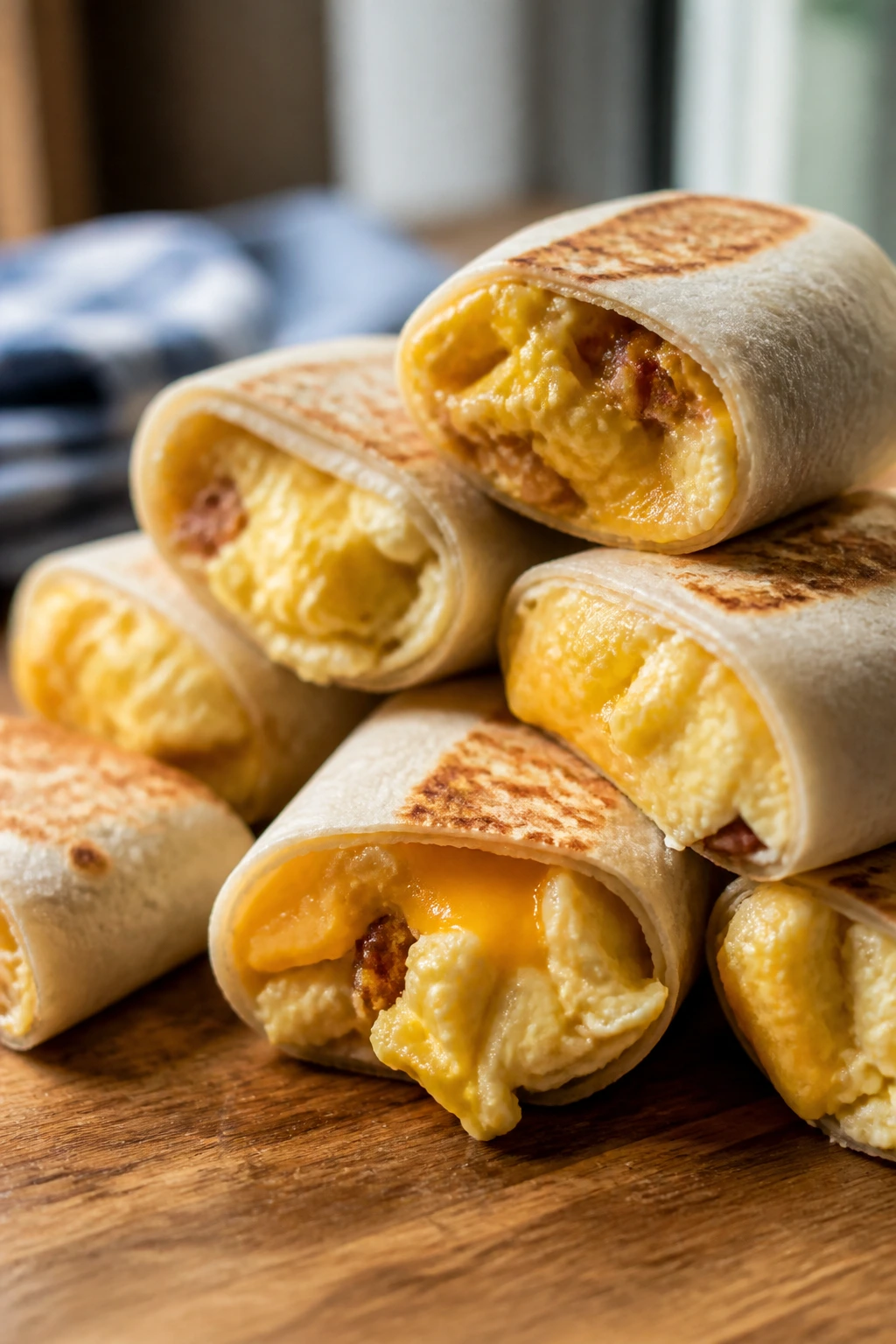
Breakfast burritos are useful because they can be eaten one-handed on a sleepy morning, which is a real design feature in family life. The mini size keeps the filling from spilling everywhere.
Why It Works:
Eggs, cheese, and sausage or beans are already familiar breakfast foods. Rolling them into small tortillas makes them easy to freeze, reheat, and hand over without a fork. It’s a practical meal, not a showy one.
Key Ingredients:
- 8 large eggs — Soft-scrambled.
- 1 tablespoon butter — For cooking the eggs.
- 1 cup shredded cheddar — Melts into the filling.
- 1 cup cooked breakfast sausage or black beans — Choose based on your household.
- 8 small flour tortillas — Easier to roll.
- Salsa, optional — Pack on the side.
Quick Steps:
- Scramble the eggs: Cook them in butter over low heat until just set.
- Warm the tortillas: Heat briefly so they roll without cracking.
- Fill and roll: Add eggs, cheese, and sausage or beans to each tortilla, then roll tight.
- Toast if you like: Brown seam-side down in a skillet for 1 to 2 minutes.
- Serve or freeze: Cool before wrapping for later.
Equipment for This Recipe:
- Skillet
- Spatula
- Microwave or dry pan for warming tortillas
- Foil or freezer wrap
How to Serve This Dish:
Serve with fruit and a little salsa on the side. If you want a fuller breakfast, add yogurt or a small handful of berries.
Pro Tips for This Recipe:
- Keep the eggs soft since they reheat.
- Don’t overfill or the tortilla tears.
- Wrap each burrito tightly if you’re freezing them.
Variations on This Dish:
- Potato Burrito: Add small cubes of cooked potato.
- Veggie Version: Use spinach and beans instead of sausage.
- Mild Chorizo Swap: For older kids, a little chorizo changes the flavor fast.
Common Mistakes to Avoid with This Dish:
- Wet filling: It makes the tortilla soggy.
- Rolling too loosely: The burrito falls apart.
- Reheating too hard: Eggs turn rubbery.
26. Chili Mac
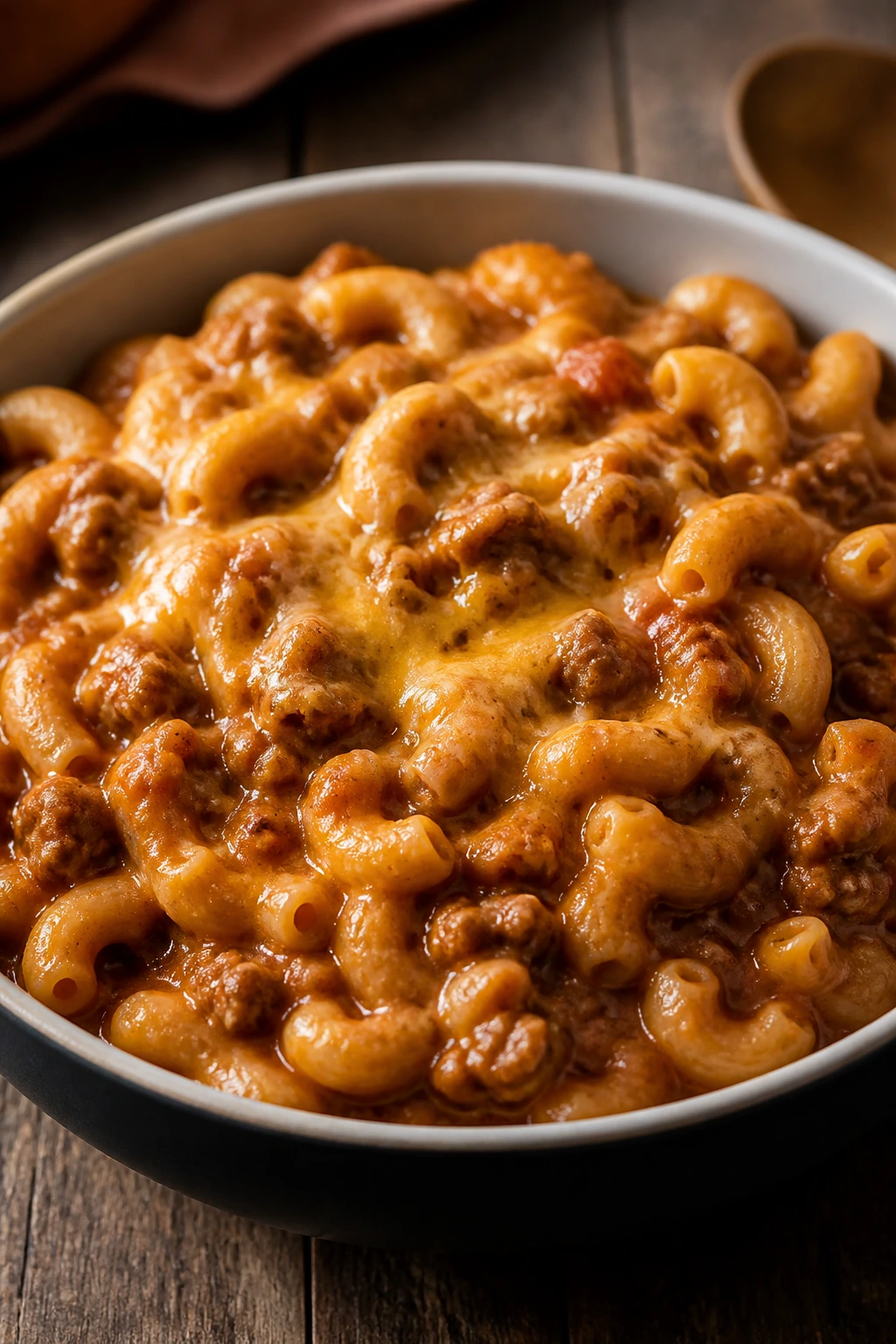
Chili mac is dinner with a backbone. It’s hearty, cheesy, and built from flavors kids already know: pasta, beef, tomatoes, and melted cheddar.
Why It Works:
The chili seasoning is warm but not sharp if you keep the spice level mild. The macaroni softens the whole thing into a spoonable bowl, which helps if you’re feeding kids who don’t want a lot of separate parts on the plate. One pot again. That’s not nothing.
Key Ingredients:
- 1 pound ground beef — Or turkey.
- 1 small onion, diced — Flavor base.
- 2 cloves garlic, minced — Optional.
- 12 ounces elbow macaroni — The right shape here.
- 1 can diced tomatoes, 15 ounces — Sauce body.
- 2 cups broth — Cooks the pasta.
- 1 tablespoon chili powder + 1 teaspoon cumin — Keep it mild.
- 2 cups shredded cheddar — Finish.
Quick Steps:
- Brown the meat: Cook beef and onion until the meat is done and the onion softens.
- Add seasoning and tomatoes: Stir in garlic, chili powder, cumin, tomatoes, broth, and a little salt.
- Cook the pasta: Add macaroni and simmer for 10 to 12 minutes until tender.
- Melt the cheese: Turn the heat low and stir in cheddar.
- Serve hot: Let it sit for 2 minutes before scooping.
Equipment for This Recipe:
- Large skillet or Dutch oven
- Wooden spoon
- Measuring cup
- Ladle
How to Serve This Dish:
Serve with cornbread or a simple green salad if your crew tolerates it. A spoonful of sour cream can calm the spice for smaller kids.
Pro Tips for This Recipe:
- Use mild chili powder, not a smoky hot blend.
- Stir often so the macaroni doesn’t stick.
- Add broth if the pan gets too thick before the pasta softens.
Variations on This Dish:
- Bean Chili Mac: Add a can of beans.
- Baked Chili Mac: Top with extra cheese and broil until bubbly.
- Hidden Veggie Version: Stir in grated zucchini or carrot.
Common Mistakes to Avoid with This Dish:
- Too much heat in the seasoning: Kids notice that fast.
- Dry pan: Pasta needs enough liquid to cook.
- Cheese in a boiling pan: It can separate.
27. BBQ Chicken Flatbread
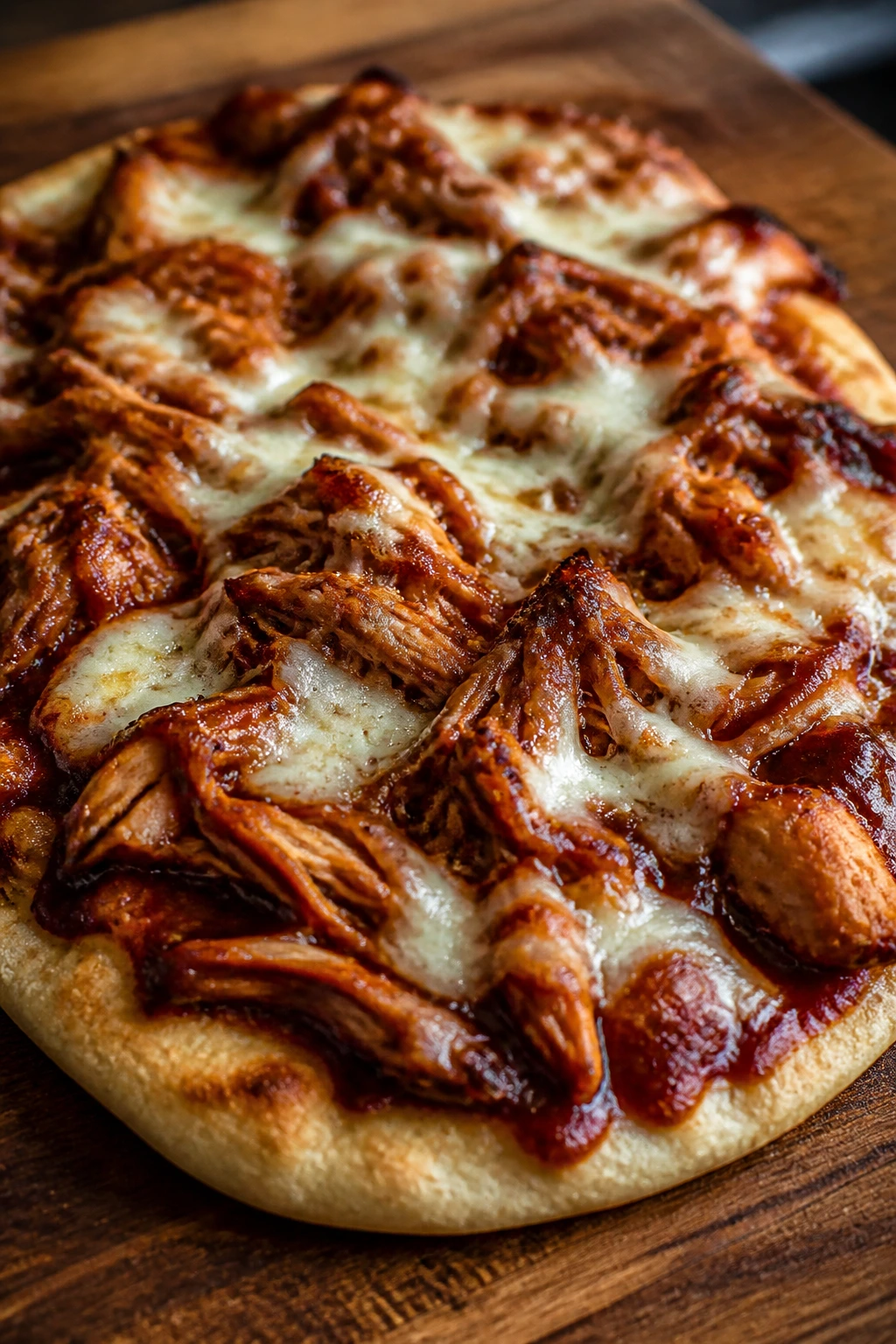
Flatbread gives you the speed of pizza with a little more wiggle room on toppings. The BBQ sauce makes the chicken sweet and sticky, which tends to go over better than a sharp tomato sauce.
Why It Works:
The crust stays thin and crisp, so the meal feels fast without seeming flimsy. Flatbread also lets you control the topping spread, which matters when you’re feeding one child who wants plain bread and another who likes everything. Same dinner, different tolerance.
Key Ingredients:
- 2 naan or flatbreads — Store-bought is fine.
- 2 cups shredded cooked chicken — Rotisserie chicken works.
- 1/2 cup barbecue sauce — Mild and not too smoky.
- 2 cups shredded mozzarella — Melt.
- 1/4 small red onion, very thinly sliced — Optional.
- 2 teaspoons olive oil — Helps crisp the edges.
Quick Steps:
- Preheat the oven: Set to 425°F (220°C).
- Prep the chicken: Toss the chicken with barbecue sauce.
- Build the flatbreads: Brush the flatbreads with oil, top with cheese, chicken, and onion if using.
- Bake: Cook for 8 to 10 minutes, until the cheese melts and the edges crisp.
- Slice and serve: Cut into strips or squares.
Equipment for This Recipe:
- Sheet pan
- Spoon
- Knife or pizza cutter
- Oven
How to Serve This Dish:
Serve with cucumber slices or corn kernels on the side. Cut into squares for younger kids and larger slices for older ones.
Pro Tips for This Recipe:
- Don’t overload the flatbread or the middle stays soft.
- Use a sauce you’d actually put on chicken; some BBQ sauces are too sharp.
- Let it rest a minute before slicing so the cheese settles.
Variations on This Dish:
- Pineapple Chicken Flatbread: Add tiny pineapple pieces.
- Ranch Drizzle: Finish with a little ranch for kids who like creamy sauces.
- Veggie Flatbread: Add very thin peppers or spinach.
Common Mistakes to Avoid with This Dish:
- Too much sauce: It soaks the bread.
- Baking too long: Flatbread can get hard quickly.
- Skipping the oil brush: The crust won’t crisp the same way.
28. Creamy Tomato Tortellini
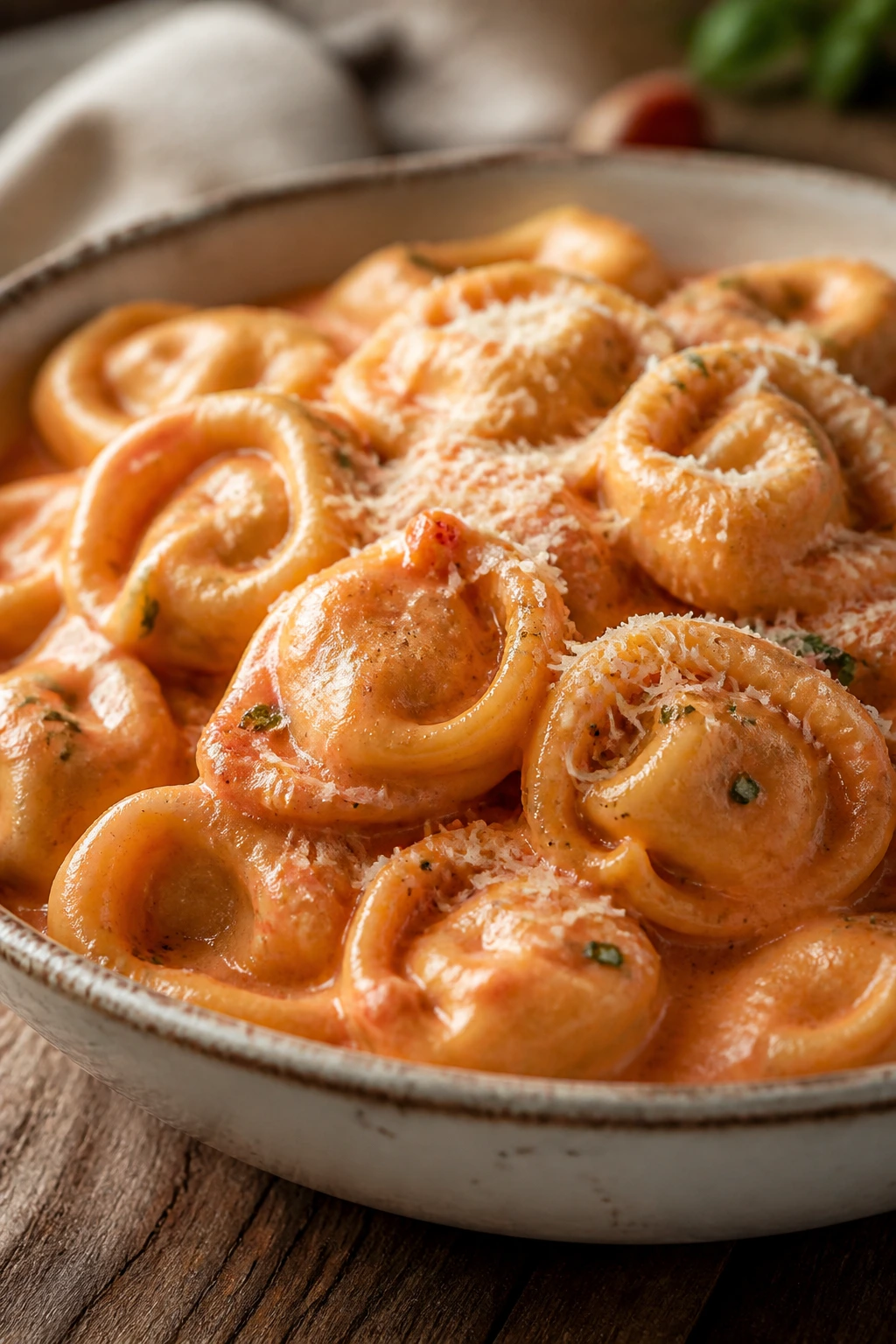
Cheese tortellini is already doing half the job before you open the package. Add tomato sauce and a little cream, and you have a bowl that feels richer than the ingredient list suggests.
Why It Works:
Stuffed pasta gives kids a soft bite with a built-in cheesy center. The cream tames the tomato sauce so it tastes round instead of sharp, and the whole dish comes together in the time it takes to boil water plus a few minutes.
Key Ingredients:
- 20 ounces cheese tortellini — Fresh or refrigerated.
- 24 ounces marinara sauce — Thick and smooth.
- 1 cup heavy cream — For the creamy finish.
- 1 tablespoon butter — Makes the sauce silkier.
- 1/2 cup grated Parmesan — Adds salt and depth.
- 1 teaspoon dried basil — Optional.
Quick Steps:
- Cook the tortellini: Boil until the pasta floats and is tender, then drain.
- Warm the sauce: Simmer marinara, cream, butter, and basil in a skillet over low heat for 5 minutes.
- Add the pasta: Fold in tortellini and Parmesan until coated.
- Heat through: Cook for 1 to 2 minutes more, just until everything is hot.
- Serve right away: It’s best while the sauce is glossy.
Equipment for This Recipe:
- Large pot
- Skillet
- Colander
- Wooden spoon
How to Serve This Dish:
Serve with garlic bread and steamed broccoli if you’re trying to get a vegetable onto the table. A little extra Parmesan on top is welcome.
Pro Tips for This Recipe:
- Keep the sauce on low once cream is added.
- Don’t boil the tortellini after mixing or it can split.
- Reserve a splash of pasta water in case the sauce tightens too much.
Variations on This Dish:
- Spinach Tortellini: Use spinach-filled pasta if your kids like it.
- Hidden Veg Sauce: Blend in cooked carrot or squash.
- Sausage Version: Add cooked Italian sausage for bigger appetites.
Common Mistakes to Avoid with This Dish:
- Boiling the cream sauce: It can separate.
- Overcooking tortellini: The filling leaks.
- Using thin sauce: It won’t coat the pasta well.
29. Hidden-Spinach Meatloaf Muffins
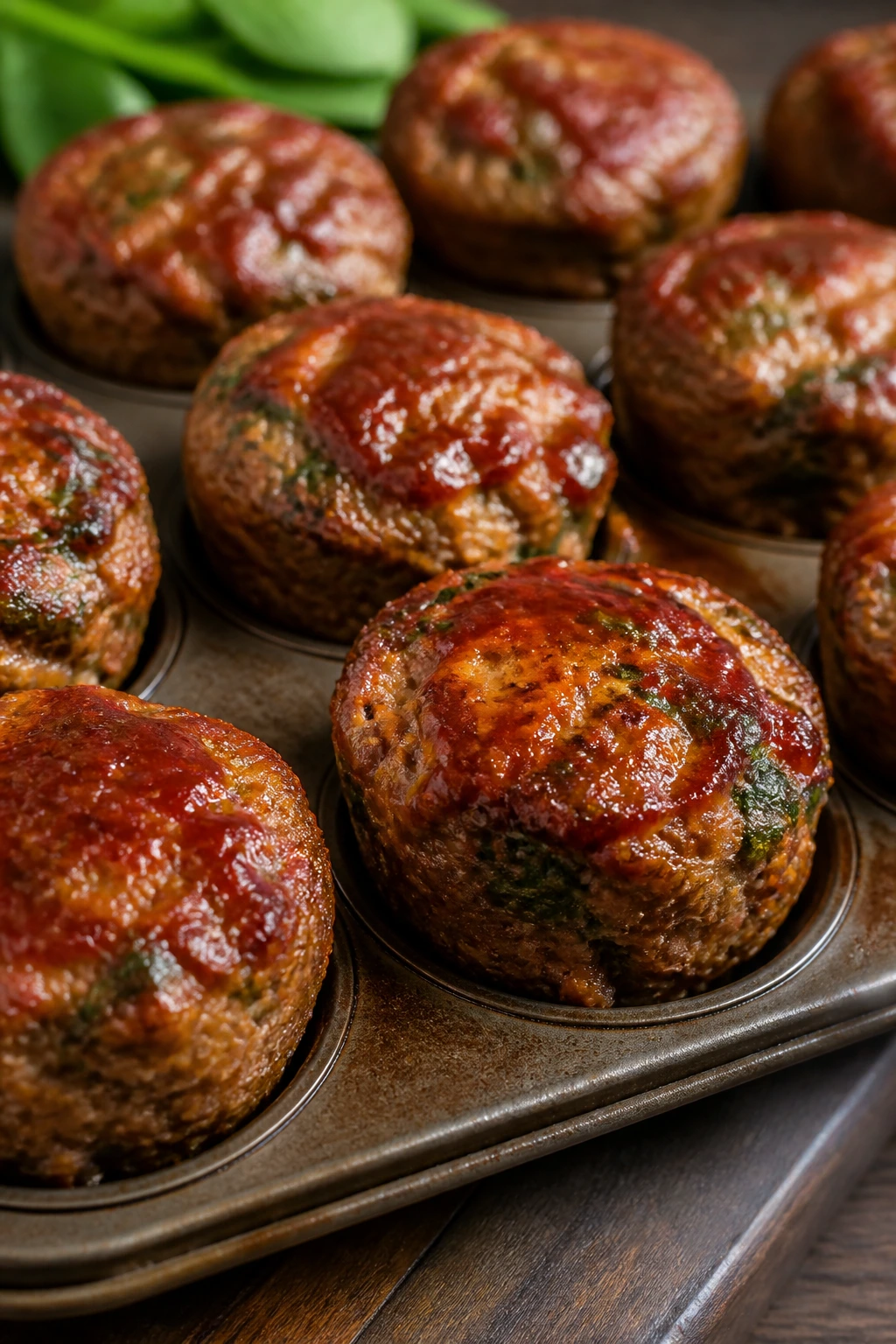
Meatloaf gets a friendlier look when it’s baked in muffin cups. The spinach disappears into the mix, the glaze caramelizes on top, and each little portion comes out neatly.
Why It Works:
A muffin shape is easier for kids to accept than a big loaf on a platter. The glaze gives each cup a sweet, sticky top that makes the meat feel less plain, and the spinach vanishes once it cooks down. No one needs to announce it. That’s part of the charm.
Key Ingredients:
- 1 1/2 pounds ground beef or turkey — Beef is richer; turkey is lighter.
- 1 cup finely chopped spinach — Squeeze it dry if it’s cooked.
- 1 large egg — Binder.
- 1/2 cup breadcrumbs — Holds the mixture together.
- 1/4 cup milk — Keeps it moist.
- 1 small onion, grated — Softens into the meat.
- 1/2 cup ketchup — For the glaze.
Quick Steps:
- Preheat the oven: Heat to 400°F (205°C) and grease a muffin tin.
- Mix the meat: Combine meat, spinach, egg, breadcrumbs, milk, onion, salt, and pepper until just mixed.
- Fill the cups: Divide the mixture among the muffin wells.
- Glaze: Spoon ketchup over each cup.
- Bake: Cook for 18 to 20 minutes, until the centers reach 160°F for beef or 165°F for turkey.
Equipment for This Recipe:
- Muffin tin
- Mixing bowl
- Box grater
- Thermometer
How to Serve This Dish:
Serve with mashed potatoes or buttered noodles. A side of peas or corn keeps the plate from looking too brown.
Pro Tips for This Recipe:
- Grate the onion so it melts into the mixture.
- Don’t pack the meat too tightly into the cups.
- Let them rest for 5 minutes before removing.
Variations on This Dish:
- BBQ Glaze: Swap ketchup for barbecue sauce.
- Mini Dinner Loaf: Bake in a small loaf pan instead.
- Cheddar Center: Add a little cheese in the middle of each cup.
Common Mistakes to Avoid with This Dish:
- Wet spinach: It makes the meatloaf loose.
- Too much mixing: The muffins turn dense.
- Undercooking turkey: Check the temperature.
30. Tuna Noodle Casserole
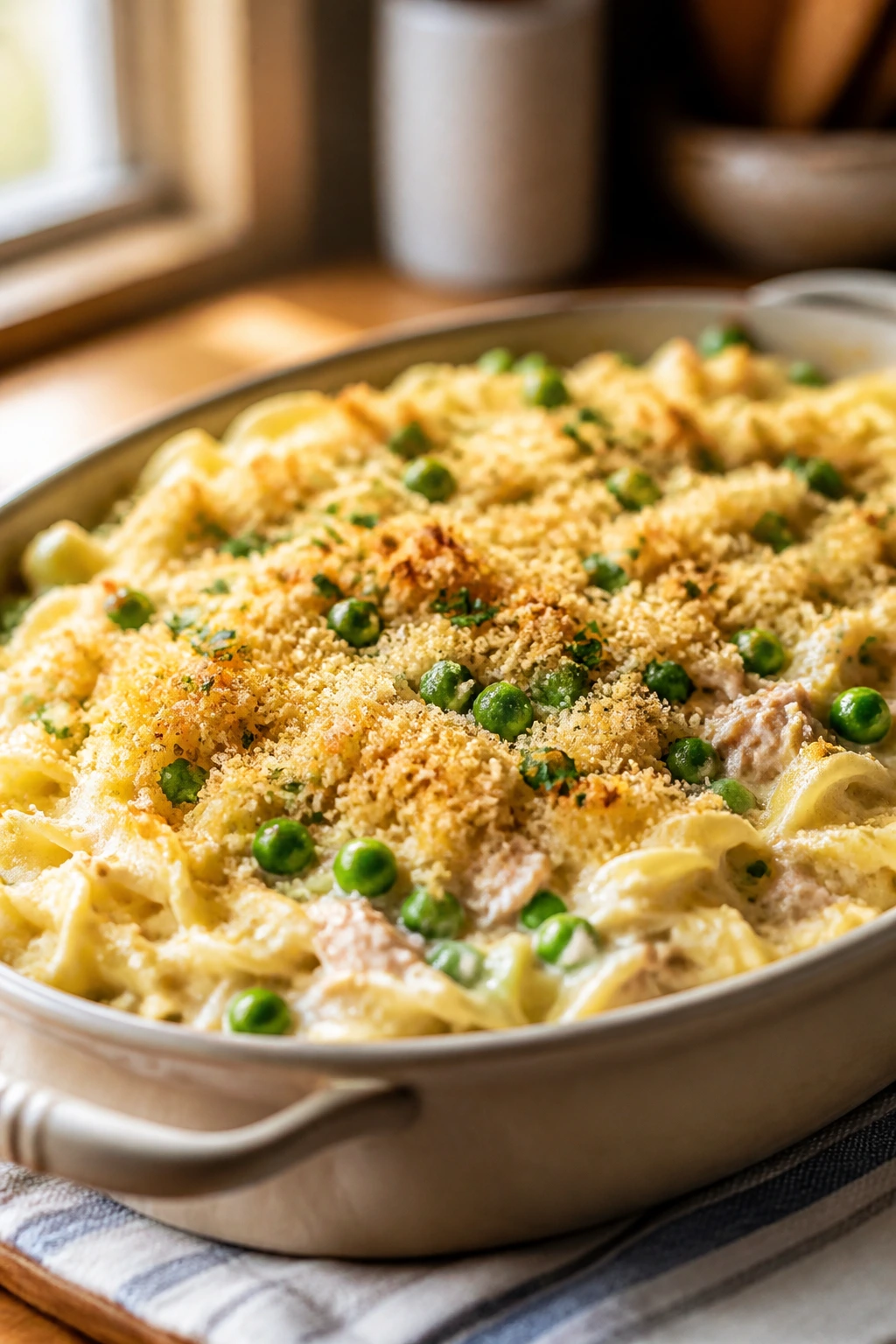
Tuna noodle casserole sits in that old-fashioned category that still works when dinner needs to be easy, creamy, and cheap. The crunchy topping is what keeps it from feeling like baby food for adults.
Why It Works:
The noodles are soft, the sauce is mild, and the tuna gets folded into something much gentler than plain canned fish. Peas add a little color and sweetness, which helps balance the richness. It’s not flashy. It just gets eaten.
Key Ingredients:
- 12 ounces egg noodles — Tender and familiar.
- 2 cans tuna, drained — Chunk light or solid white.
- 1 cup peas — Frozen is fine.
- 1 can cream of mushroom soup — Or homemade white sauce.
- 1 cup milk — Loosens the sauce.
- 1 1/2 cups shredded cheddar — Flavor.
- 1/2 cup breadcrumbs — Top.
Quick Steps:
- Cook the noodles: Boil until just tender, then drain.
- Mix the casserole: Stir noodles, tuna, peas, soup, milk, half the cheese, and seasoning together.
- Fill the dish: Scrape into a buttered baking dish.
- Top it: Add remaining cheese and breadcrumbs.
- Bake: Cook at 375°F for 20 to 25 minutes, until bubbling and lightly browned.
Equipment for This Recipe:
- Large pot
- Baking dish
- Mixing spoon
- Small bowl for the topping
How to Serve This Dish:
Serve with steamed green beans or sliced apples. If the tuna flavor is too strong for your crowd, a little extra cheddar helps.
Pro Tips for This Recipe:
- Drain the tuna well so the casserole doesn’t turn watery.
- Don’t overcook the noodles before baking.
- Toast the breadcrumbs in a dry skillet first if you want more crunch.
Variations on This Dish:
- Potato Chip Top: Crushed chips make a salty crust.
- Chicken Swap: Use shredded chicken instead of tuna.
- Milder Version: Add extra cheese and fewer peas.
Common Mistakes to Avoid with This Dish:
- Undrained tuna: The casserole loosens.
- Overbaked noodles: They get soft fast.
- Skipping the topping: The texture needs contrast.
31. Peanut Butter Banana Wraps
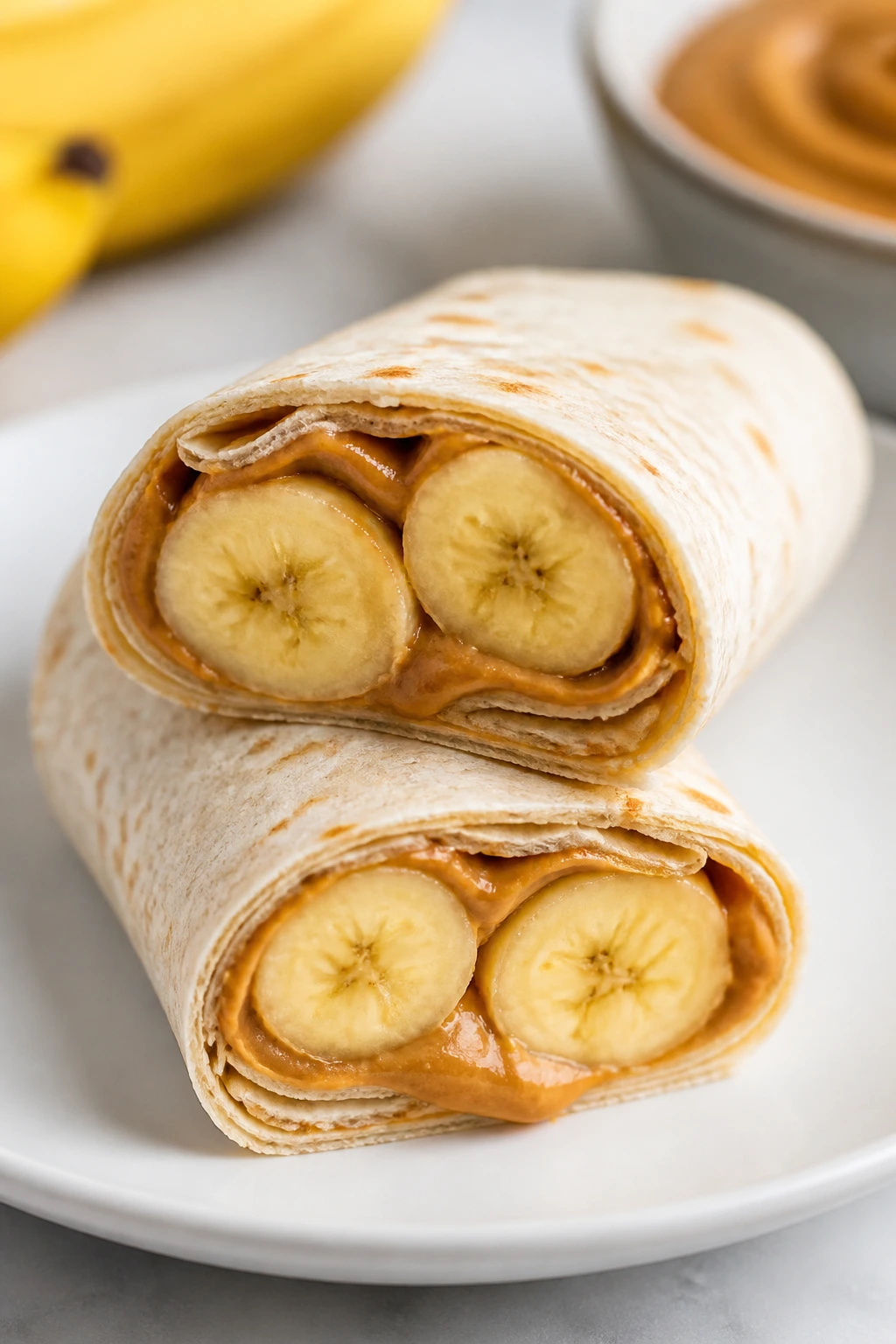
This is the meal you make when you need something fast that still feels like a real lunch. The bananas bring sweetness, the peanut butter adds protein and fat, and the wrap keeps everything together.
Why It Works:
The ingredients are already familiar, so there’s little resistance. Rolling them into a tortilla makes the food easier to carry, slice, and eat without a big cleanup. If your child likes peanut butter toast, this lands in the same neighborhood.
Key Ingredients:
- 4 flour tortillas — Medium size.
- 1/2 cup peanut butter — Smooth spreads easiest.
- 2 ripe bananas — Slice thinly.
- 2 tablespoons honey — Optional.
- 1 teaspoon cinnamon — Optional.
- 1/2 cup granola — Optional for crunch.
Quick Steps:
- Spread the peanut butter: Cover each tortilla with a thin layer.
- Add the banana: Lay banana slices in a line down the center.
- Finish and roll: Drizzle honey, add cinnamon or granola if using, then roll tightly.
- Slice if needed: Cut in half for smaller kids.
- Serve right away or wrap for later.
Equipment for This Recipe:
- Knife
- Cutting board
- Spoon
- Plastic wrap or parchment for packing
How to Serve This Dish:
Serve with milk, apple slices, or yogurt. It’s especially handy for after-school food when people are already wandering around the kitchen.
Pro Tips for This Recipe:
- Use ripe bananas that still hold their shape.
- Don’t overfill or the wrap splits.
- Toast the wrap in a dry skillet if you want a firmer bite.
Variations on This Dish:
- Sunflower Butter Swap: Good for peanut-free households.
- Berry Version: Add sliced strawberries.
- Chocolate Sprinkle: A few mini chips make it feel special.
Common Mistakes to Avoid with This Recipe:
- Too much peanut butter: The wrap gets greasy and hard to roll.
- Bananas sliced too thick: They slide out.
- Making them too far ahead: The tortilla softens.
32. Veggie Fried Rice
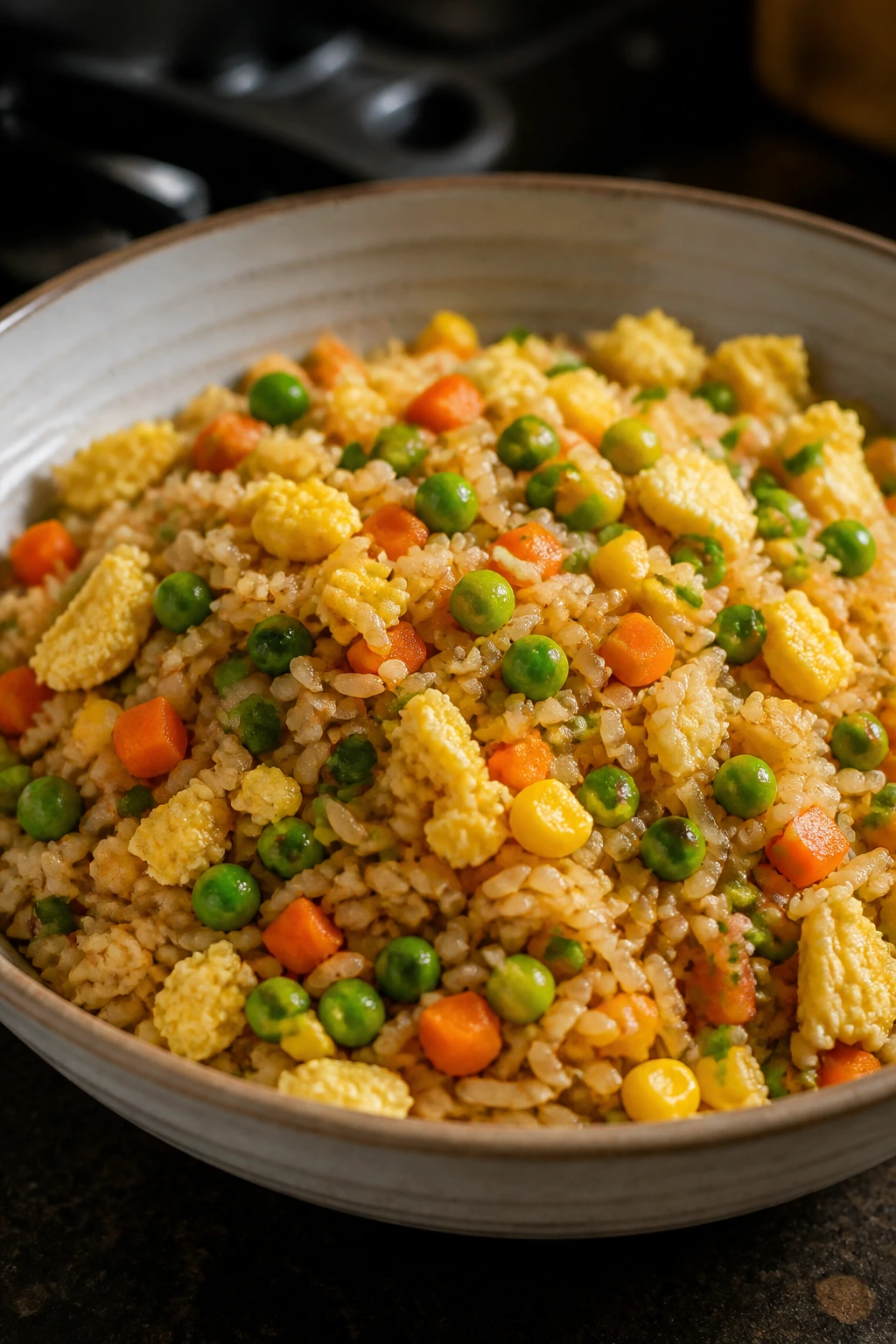
Veggie fried rice is where the leftover rice gets a second life. It’s colorful, fast, and easier to sell when the vegetables are chopped small and the soy sauce is kept under control.
Why It Works:
The rice grains should stay separate, the vegetables should stay bite-sized, and the flavor should be savory without going too salty. Eggs make the dish feel more complete, and the pan gives the rice a few toasty bits that are worth fighting over.
Key Ingredients:
- 4 cups cold cooked rice — Day-old is best.
- 2 large eggs — Scrambled into the rice.
- 1 cup mixed vegetables — Frozen peas, carrots, and corn work.
- 3 tablespoons soy sauce — Start light.
- 1 tablespoon butter + 1 teaspoon sesame oil — Flavor.
- 2 tablespoons diced scallions — Optional.
Quick Steps:
- Scramble the eggs: Cook them in butter over medium heat, then set aside.
- Cook the vegetables: Stir-fry the veggies until hot.
- Add the rice: Break up the clumps and toss with soy sauce and sesame oil.
- Return the eggs: Fold them in and cook for 2 more minutes.
- Serve hot: Taste before adding more salt.
Equipment for This Recipe:
- Large skillet or wok
- Spatula
- Bowl
- Measuring spoon
How to Serve This Dish:
Serve in bowls with sliced cucumber or edamame on the side. If you have leftover chicken, stir it in and turn the dish into a fuller dinner.
Pro Tips for This Recipe:
- Cold rice makes a huge difference.
- Keep the heat high enough to toast the rice a little.
- Cut vegetables small so nobody has to work around them.
Variations on This Dish:
- Chicken Fried Rice Cousin: Add diced chicken.
- Egg-Heavy Version: Use 3 eggs for more protein.
- Sesame Pea Version: Add extra peas and a little sesame seed.
Common Mistakes to Avoid with This Recipe:
- Using fresh rice: It clumps.
- Too much soy sauce: The dish gets dark and salty.
- Not heating the pan enough: You want a little toast, not steam.
33. Mini Pizza Pockets
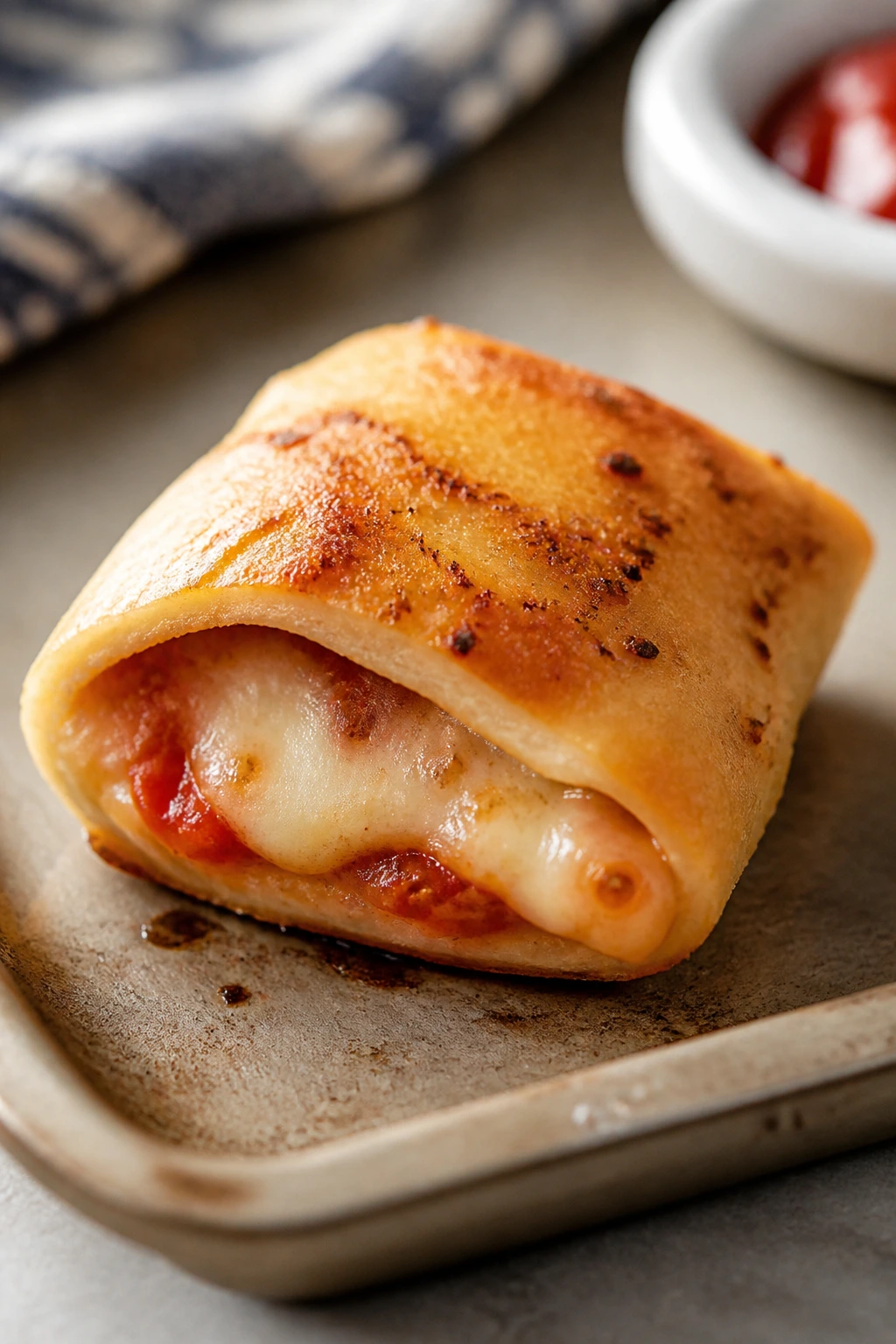
Mini pizza pockets are what happens when pizza gets compressed into a hand-held pastry. The dough seals around the filling, which keeps the cheese inside and the fingers cleaner than a normal slice.
Why It Works:
Kids like pockets because they feel self-contained and easy to hold. The soft dough bakes around the sauce and cheese, and the pepperoni or ham gives enough salt to keep the flavor obvious without being intense.
Key Ingredients:
- 1 pound pizza dough or 1 can refrigerated biscuit dough — Biscuit dough is the faster route.
- 1 cup pizza sauce — Thick sauce only.
- 2 cups shredded mozzarella — Melty center.
- 1 cup pepperoni or diced ham — Optional filling.
- 1 teaspoon dried oregano — A small amount goes far.
- Olive oil spray — For the tops.
Quick Steps:
- Heat the oven: Set to 400°F (205°C).
- Divide the dough: Cut into 8 to 10 pieces and flatten each one.
- Fill and seal: Spoon a little sauce, cheese, and meat onto one side, fold over, and press the edges shut with a fork.
- Bake: Spray the tops lightly and bake for 12 to 15 minutes, until golden.
- Cool a little: The filling stays hot.
Equipment for This Recipe:
- Baking sheet
- Fork
- Rolling pin, optional
- Pastry brush or spray
How to Serve This Dish:
Serve with more sauce for dipping and a side of fruit. They work well for dinner or packed lunches after they cool.
Pro Tips for This Recipe:
- Don’t overfill or the pockets split open.
- Pinch the seams firmly.
- Let them cool for a few minutes before handing them over.
Variations on This Dish:
- Cheese-Only Pocket: For very cautious eaters.
- Veggie Pocket: Add tiny chopped mushrooms or peppers.
- Pesto Version: Swap a little pesto for the sauce in older kids’ portions.
Common Mistakes to Avoid with This Dish:
- Wet sauce: It leaks and softens the dough.
- Loose edges: The filling escapes in the oven.
- Serving too hot: Melted cheese burns quickly.
34. Ham and Cheese Sliders
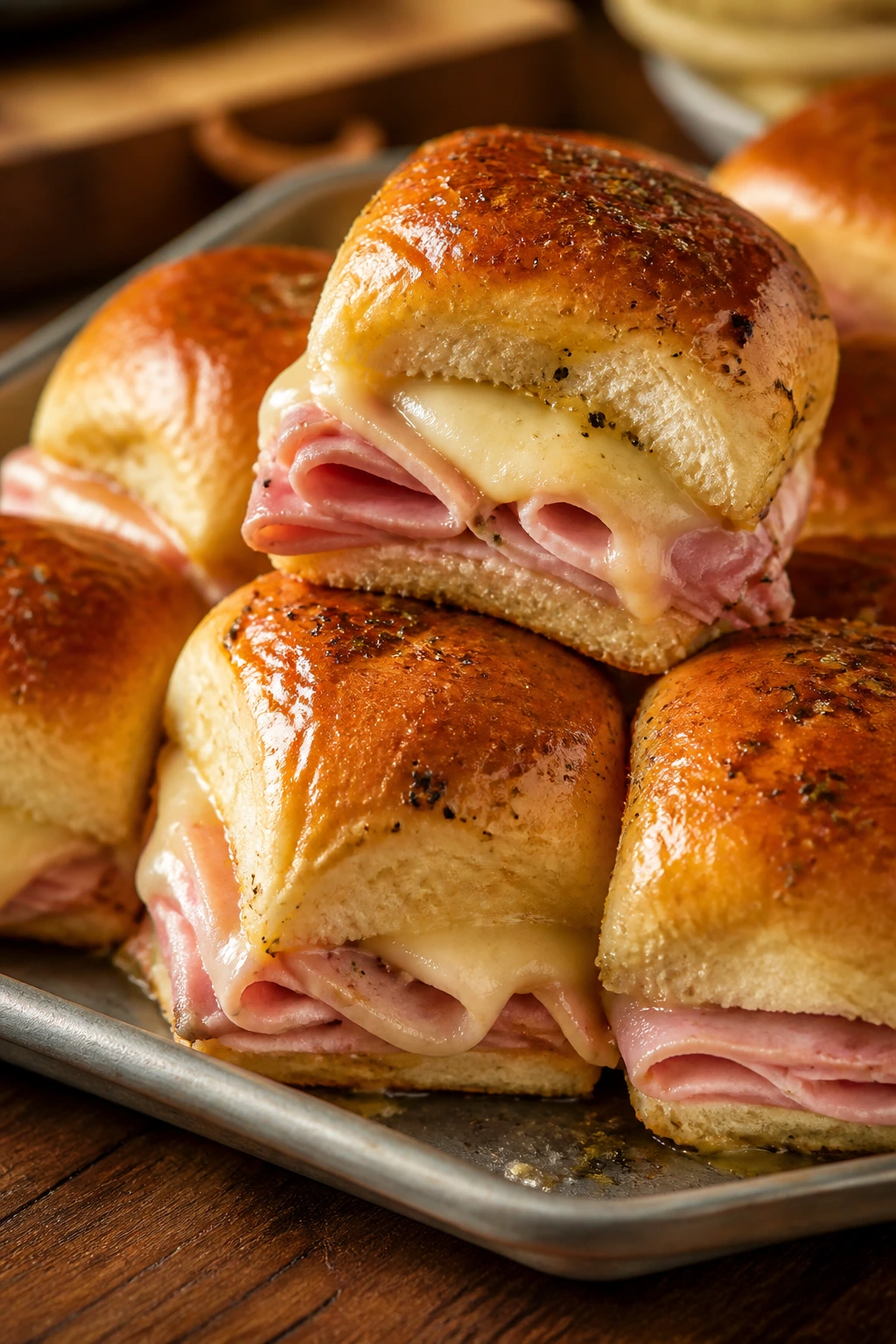
Ham and cheese sliders are the kind of thing that disappears from a pan before people finish asking who made them. Soft rolls, salty ham, and a buttery top mean the flavor lands fast.
Why It Works:
The sweet rolls and mild cheese keep the ham from tasting too sharp, and the tray-bake method makes enough for a family without extra work. The butter glaze on top turns the rolls golden and keeps them from drying out.
Key Ingredients:
- 12 Hawaiian rolls — Still attached in a slab if possible.
- 1 pound sliced ham — Thin slices stack well.
- 8 slices Swiss or cheddar — Choose whichever your kids trust.
- 1/2 cup melted butter — For the glaze.
- 1 tablespoon Dijon mustard — Optional, but it brightens the filling.
- 1 teaspoon onion powder — Gentle savoriness.
Quick Steps:
- Preheat the oven: Heat to 350°F (175°C).
- Slice the rolls: Cut the whole slab horizontally so the tops and bottoms stay together.
- Layer the filling: Add ham and cheese, then replace the top half.
- Brush with butter: Mix butter, Dijon, and onion powder, then spoon it over the tops.
- Bake: Cover with foil for 10 minutes, uncover, and bake 5 to 7 minutes more until warm and lightly golden.
Equipment for This Recipe:
- Baking dish
- Sharp knife
- Pastry brush or spoon
- Foil
How to Serve This Dish:
Serve with chips, pickles, or a small bowl of soup. They are also good on the table when people are eating at different times, which happens more than anyone plans for.
Pro Tips for This Recipe:
- Keep the rolls attached while slicing for easier assembly.
- Don’t skip the foil for the first part of baking.
- Use thin ham slices so the sliders stay neat.
Variations on This Dish:
- Turkey and Cheese Sliders: Swap the ham for turkey.
- Poppy Seed Top: Add poppy seeds to the butter glaze.
- Plain Roll Version: Skip mustard if the kids prefer a softer flavor.
Common Mistakes to Avoid with This Dish:
- Using thick bread: It turns the sliders bulky.
- Skipping the glaze: The tops dry out.
- Overbaking uncovered: The rolls get hard fast.
35. Loaded Baked Potato Bowls
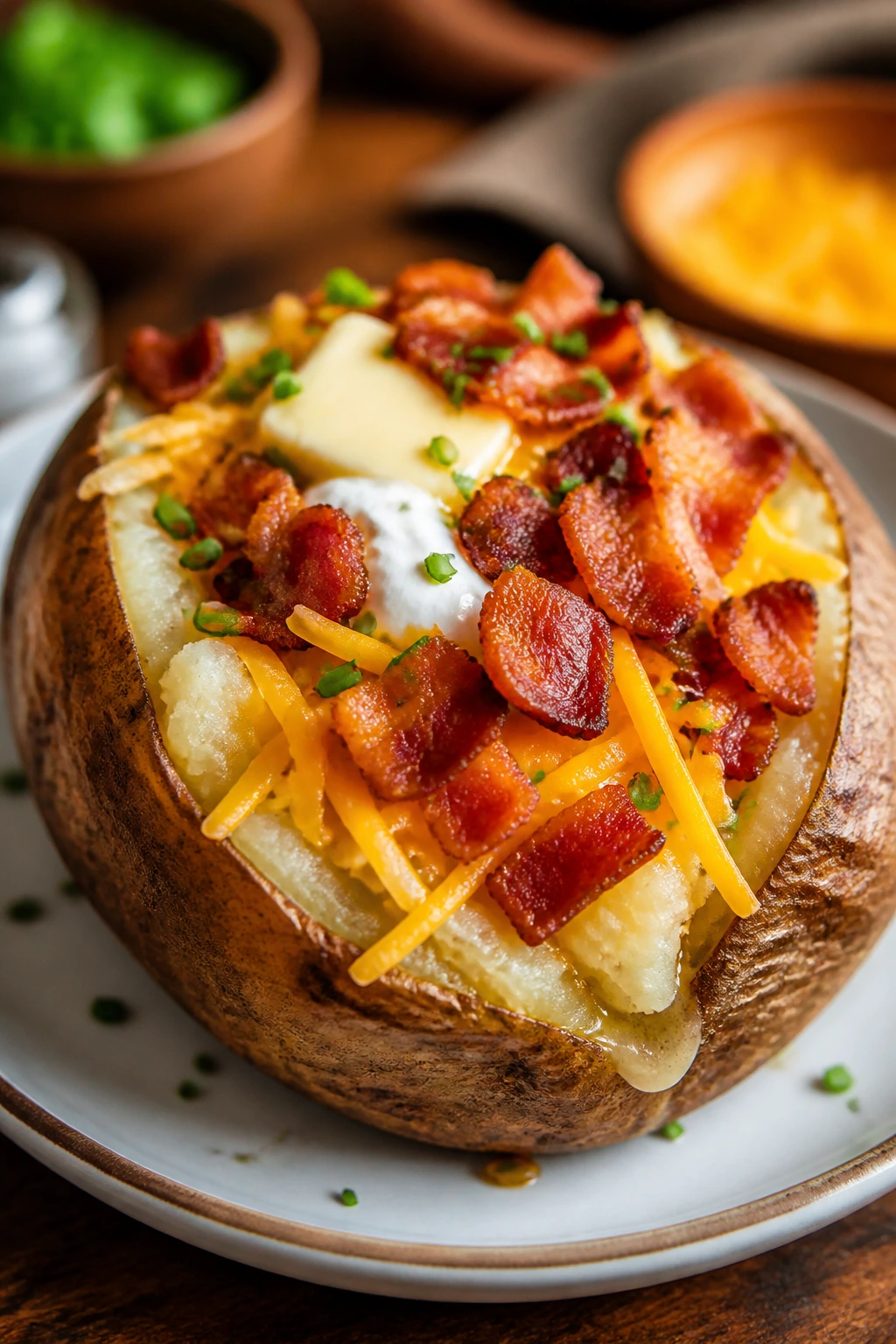
Loaded baked potatoes are one of the few dinners that can look plain and still feel complete once the toppings go on. Butter, cheese, and sour cream do a lot of heavy lifting, and the potato itself is soft enough for almost everyone.
Why It Works:
The bowl format lets each person build their own plate without making a separate dinner. A baked potato can be as simple or as loaded as the eater wants, which is ideal when one child wants bacon and another wants only cheese. Flexibility is the whole story.
Key Ingredients:
- 4 large russet potatoes — Scrubbed and dried.
- 2 tablespoons oil — For the skins.
- 2 tablespoons butter — For serving.
- 1/2 cup sour cream — Classic topping.
- 1 1/2 cups shredded cheddar — Melted on top.
- 6 slices cooked bacon, crumbled — Optional.
- 2 scallions, sliced — Optional.
Quick Steps:
- Bake the potatoes: Heat the oven to 425°F (220°C), rub potatoes with oil and salt, and bake for 50 to 60 minutes until the skins are crisp and the centers are soft.
- Split them open: Cut a slit down the center and fluff the insides with a fork.
- Add toppings: Top with butter, cheese, sour cream, bacon, and scallions if using.
- Melt the cheese: Return to the oven for 2 to 3 minutes if you want the cheese fully melted.
- Serve hot: They should feel steamy and soft in the middle.
Equipment for This Recipe:
- Sheet pan
- Fork
- Knife
- Oven mitts
How to Serve This Dish:
Serve the potatoes with broccoli, a simple salad, or shredded chicken on the side if you need to make the meal bigger. A few toppings in separate bowls let each kid build their own version.
Pro Tips for This Recipe:
- Choose russets; they bake fluffy inside.
- Prick the potatoes before baking so they don’t burst.
- Salt the skins so they taste good, not just the filling.
Variations on This Dish:
- Broccoli Cheddar Bowl: Add steamed broccoli.
- Chili Potato: Spoon chili over the top for a heartier dinner.
- Plain Butter Bowl: For the child who wants almost nothing on the plate.
Common Mistakes to Avoid with This Dish:
- Undercooked centers: The potato should squeeze easily at the sides.
- Skipping the oil on the skin: You lose the best texture.
- Overloading with wet toppings: The potato gets soggy.
Why a Familiar Shape Beats a Fancy Recipe
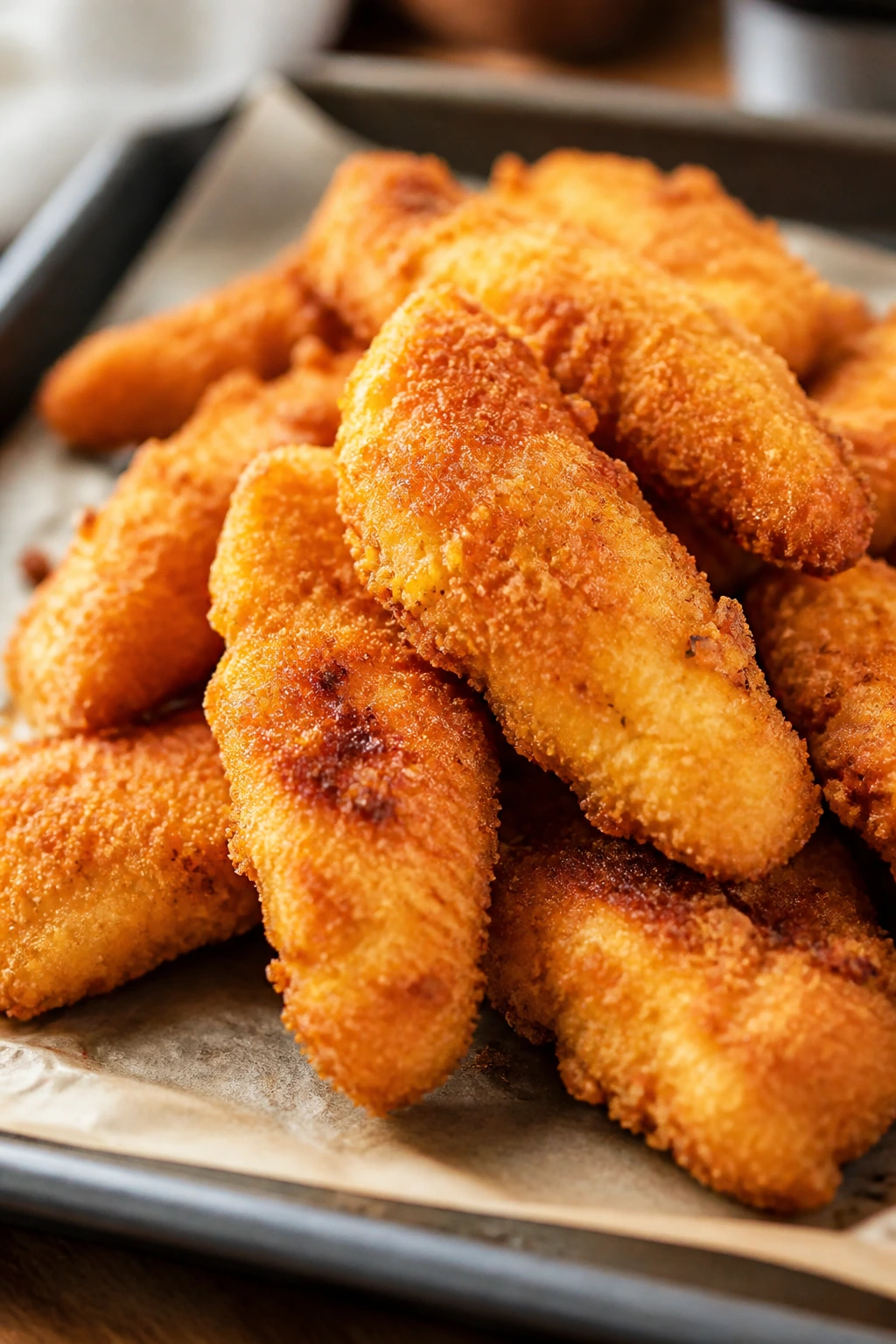
A lot of kid meals fail because they ask for trust before they’ve earned it. A casserole with five hidden vegetables might be clever, but a child usually notices the texture before they notice the nutrition. Shapes help. So do dips, small portions, and sauces that cling instead of pool at the bottom of the bowl.
The other thing that matters is repetition. Kids eat better when dinner looks like dinner from last Tuesday, just a little different. A slider, a wedge, a stick, a muffin-tin bite — those forms give a child something to recognize before they have to decide whether they’re brave enough to taste it. That’s not a flaw in the kid. It’s just how food works when you’re small and the plate looks bigger than you do.
Essential Equipment for These Recipes
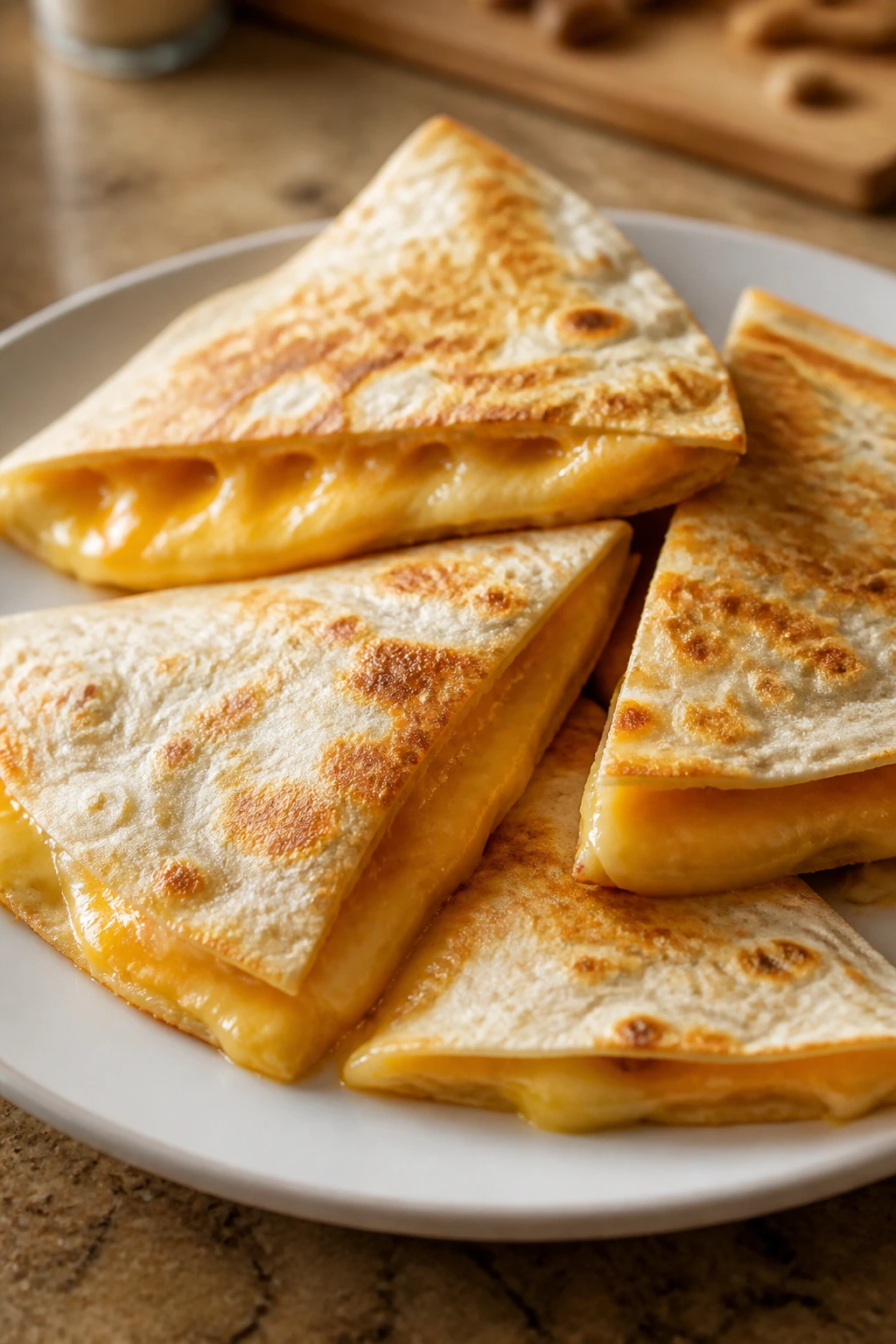
-
Rimmed sheet pans — Useful for chicken tenders, fish sticks, pizza bagels, taquitos, and flatbreads.
-
Large skillet or sauté pan — You’ll use it for quesadillas, fried rice, turkey burgers, honey garlic chicken, and grilled cheese.
-
9×13-inch baking dish — The workhorse for casseroles like baked ziti, chicken and rice, and ravioli bake.
-
Muffin tin — Best for mini corn dog muffins, shepherd’s pie cups, and meatloaf muffins.
-
Large pot — Needed for pasta, soups, and anything that starts with boiling water.
-
Whisk — Important for cheese sauces and custards so the mixture stays smooth.
-
Instant-read thermometer — Worth keeping nearby for chicken, turkey, fish, and meatballs.
-
Colander — For every pasta dish and any recipe using blanched vegetables.
-
Sharp knife and cutting board — Cutting tortillas, sliders, and vegetables cleanly makes the whole process easier.
-
Wire rack — Optional, but it keeps breaded foods crisp while they bake.
Smart Shopping and Ingredient Tips
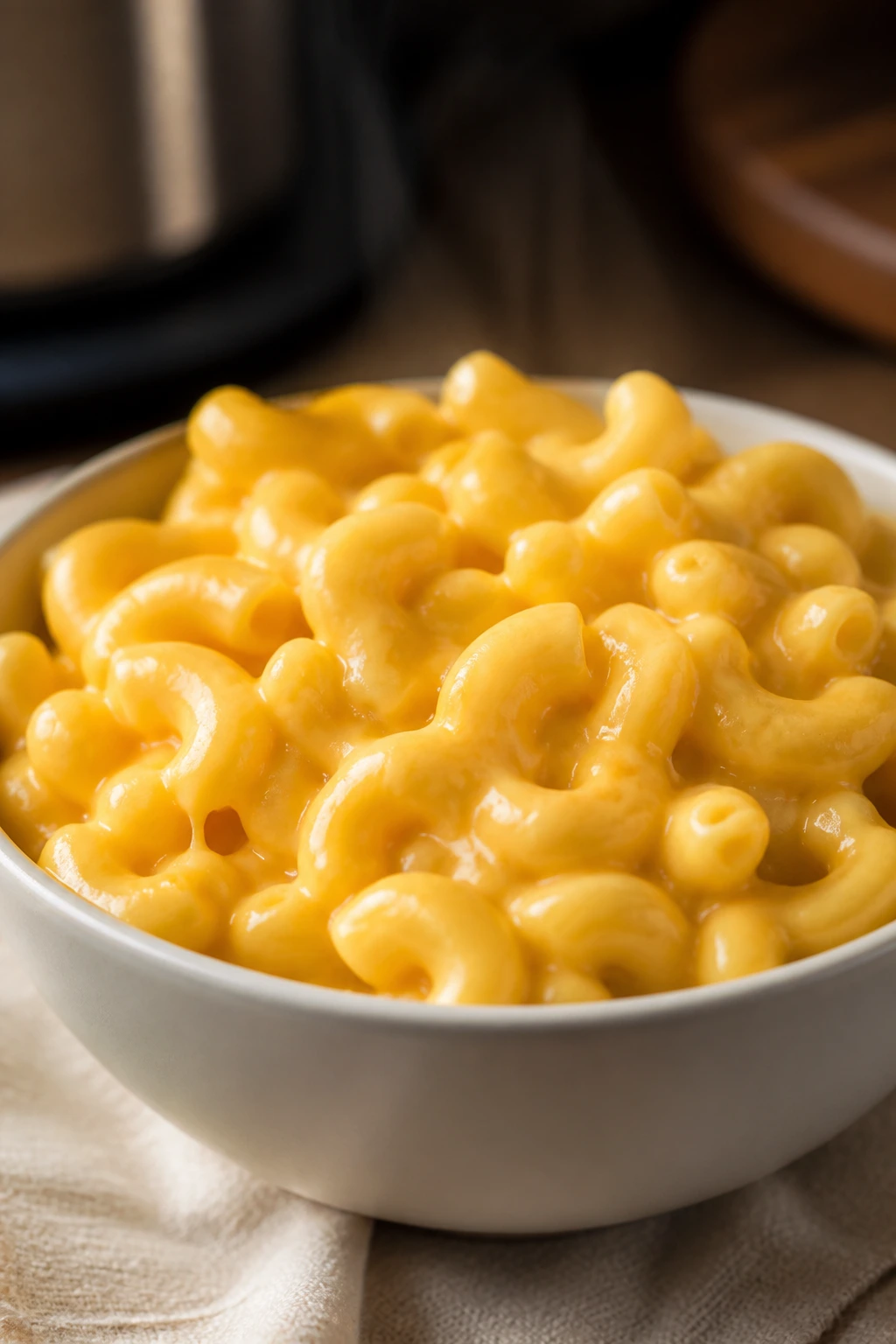
Pick ingredients that behave well under heat, not just ingredients that sound healthy on the package. For cheese, sharp cheddar gives the most flavor in mac and cheese, quesadillas, and casseroles, while mozzarella brings the stretch that kids notice right away. If you buy only one extra cheese, make it cheddar. It shows up in half this list for a reason.
Frozen vegetables are not a compromise here. Frozen peas, carrots, broccoli florets, and corn often taste cleaner than tired fresh produce because they’re usually frozen close to harvest. That makes them perfect for fried rice, pasta bakes, and chicken casseroles. I’d rather use a solid bag of frozen peas than a sad clamshell of vegetables that sat in the fridge too long.
For proteins, look for cuts that stay moist. Chicken thighs are more forgiving than breasts in casseroles, while ground turkey needs a little fat or binder to stay juicy in burgers and meatballs. If you’re buying fish for fish sticks, cod and haddock are milder than many other white fish and usually less aggressive on the nose.
Choose thick sauces when a recipe has bread or dough. Pizza sauce that’s too thin will soak a bagel. Marinara that’s watery will turn baked ravioli soft and loose. The same goes for barbecue sauce and sloppy joe sauce — you want them spoonable, not runny.
Bread matters too. Soft slider buns, Hawaiian rolls, tortillas, and thick sandwich bread all hold up better than crusty loaves when the goal is a child-friendly bite. Save the crusty artisan stuff for dinner when people are paying attention. This list is built for speed and fewer complaints.
How to Serve These Recipes
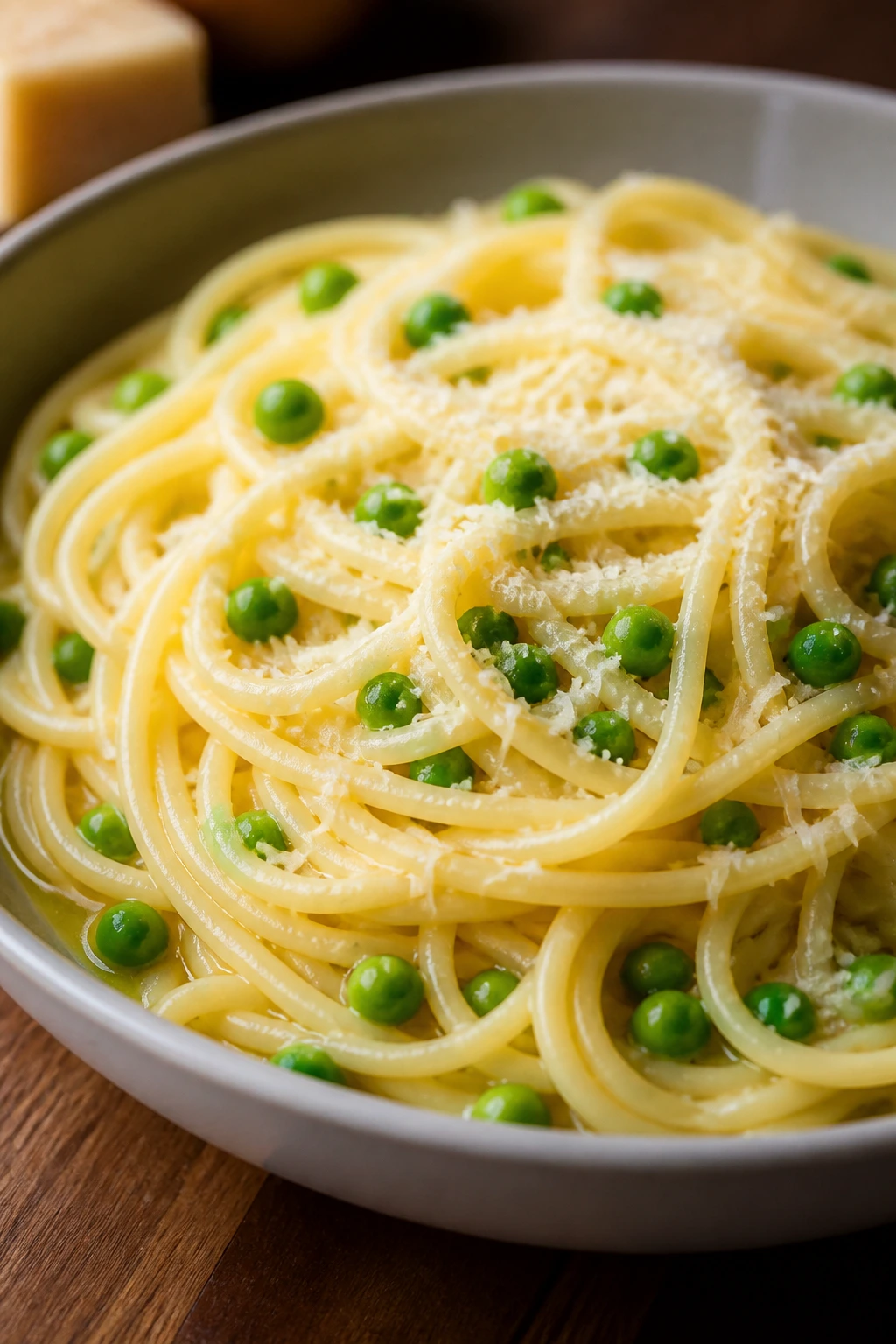
Presentation: Keep the plate simple and small. A neat pile of chicken tenders, a little cup of dip, and one fruit or vegetable on the side reads better to kids than a crowded dinner plate with too many moving parts.
Accompaniments: The best pairings here are boring in the best way — apple slices with chicken, cucumber coins with sliders, peas with noodles, carrot sticks with quesadillas, and steamed broccoli with mac and cheese or baked ziti. If you want a dinner to feel fuller, add one mild starch and one fresh side, not five random things.
Portions: Younger kids usually eat best when they can see the whole meal at once. Two chicken tenders, half a quesadilla, a small bowl of pasta, or one loaded potato is often enough. Older kids can handle a second helping if the first portion looked manageable rather than oversized.
Beverage Pairing: Water is the easy answer, but milk works especially well with mac and cheese, grilled cheese, pancakes, and breakfast burritos. For lunches or warmer plates, cold apple juice diluted with water keeps the drink from overpowering the meal.
Additional Tips and Flavor Boosters
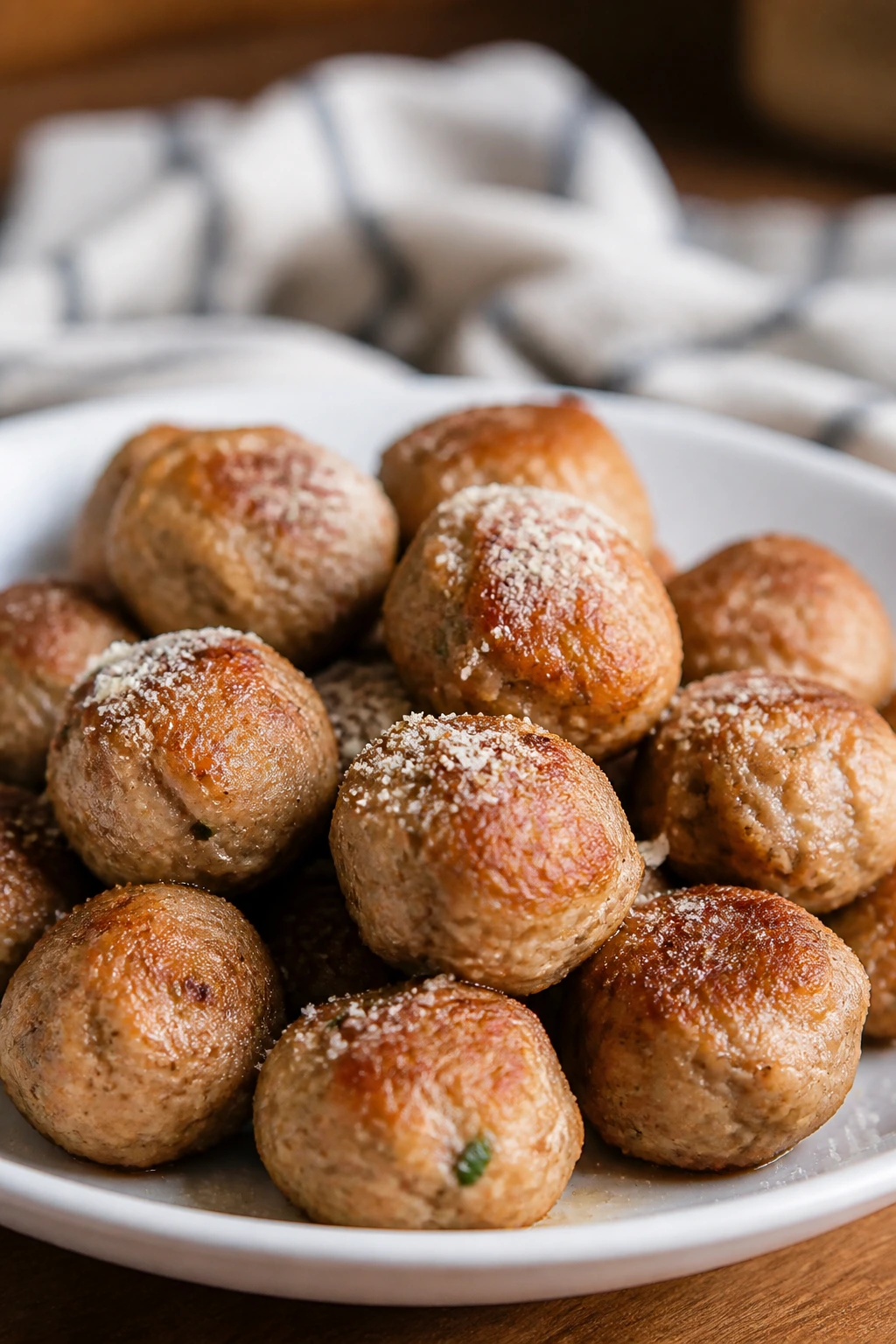
Flavor Enhancement: A finishing sprinkle of Parmesan on pasta, a little flaky salt on potatoes, or a quick brush of melted butter on slider tops can lift a dish without changing the kid-friendly flavor profile. Small changes make the plate feel cared for.
Customization: Keep one or two add-ins nearby and let the child choose. Extra cheese, corn, peas, chopped spinach, bacon, or a mild dipping sauce gives a little control without turning dinner into a build-your-own bar that exhausts everyone.
Serving Suggestions: Cut food into shapes that fit the hand and the mood. Wedges for quesadillas, strips for pancakes, cups for shepherd’s pie, and squares for flatbread all reduce the amount of fork wrestling. Garnish only when the garnish has a job; parsley can stay in the herb jar unless it improves the bite.
Make-It-Yours: For dairy-free plates, use dairy-free cheese only where it melts well — pizza, quesadillas, and flatbreads are safer bets than delicate sauces. For gluten-free meals, lean on rice bowls, baked potatoes, fried rice, and cornmeal-based recipes. For lower-sodium cooking, choose low-salt broth, go light on cheese, and keep bottled sauces on the side.
Make-Ahead, Storage, and Reheating Guidance
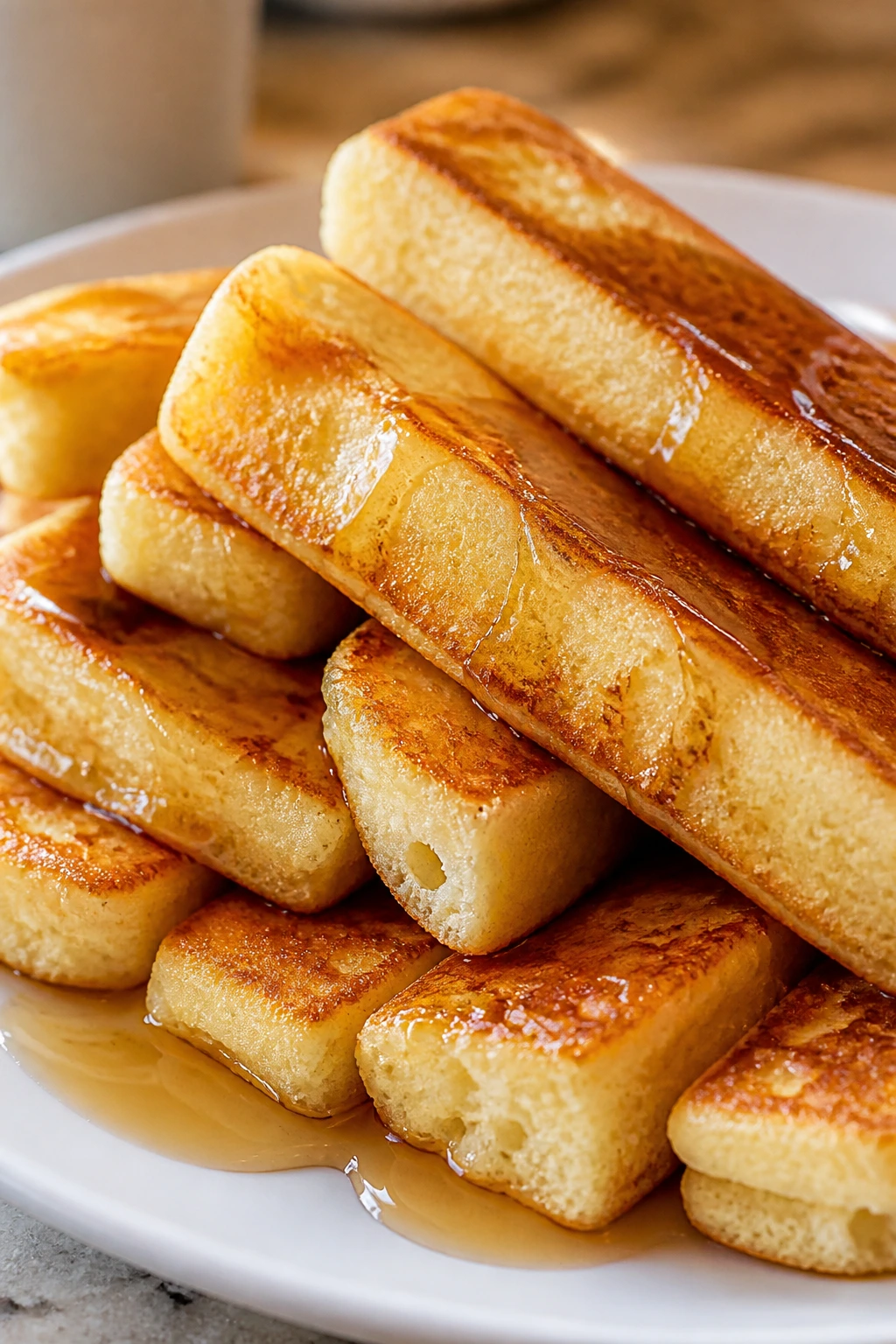
Most of these meals keep 3 to 4 days in the refrigerator if they’re cooled promptly and stored in airtight containers. Casseroles, meatballs, chili mac, fried rice, and pasta bakes usually reheat well the next day. Food with breading — chicken tenders, fish sticks, taquitos, and pizza bagels — does better in the oven or toaster oven than in the microwave, because the microwave softens the crust.
For the freezer, aim for up to 2 months on items that freeze cleanly: mini meatballs, breakfast burritos, taquitos, sliders, cooked chicken bites, and some casseroles. Wrap individual portions tightly first, then move them into a freezer bag or container. That extra layer stops freezer smell from creeping in.
Reheat casseroles and pasta bakes at 350°F covered with foil until hot in the center, usually 15 to 25 minutes depending on the portion. Add a spoonful of milk or broth to mac and cheese, baked ziti, or tomato tortellini if the sauce has tightened up in the fridge. For skillet meals like fried rice, cheeseburger pasta, and honey garlic chicken, a covered pan over low heat works better than blasting everything in the microwave.
Breakfast burritos and mini quesadillas are easy to reheat in a skillet for a better texture. Give them 2 to 3 minutes per side over medium-low heat, or microwave them briefly and finish in a dry pan to wake up the tortilla. Fish sticks and chicken tenders can go back into a 400°F oven for 8 to 10 minutes so the coating crisps again.
Rice dishes deserve one extra caution: cool them quickly, store them within 2 hours, and reheat until steaming hot. That keeps the texture better and avoids the stale, dry grain problem that shows up when rice sits too long in the fridge.
Variations and Adaptations to Try
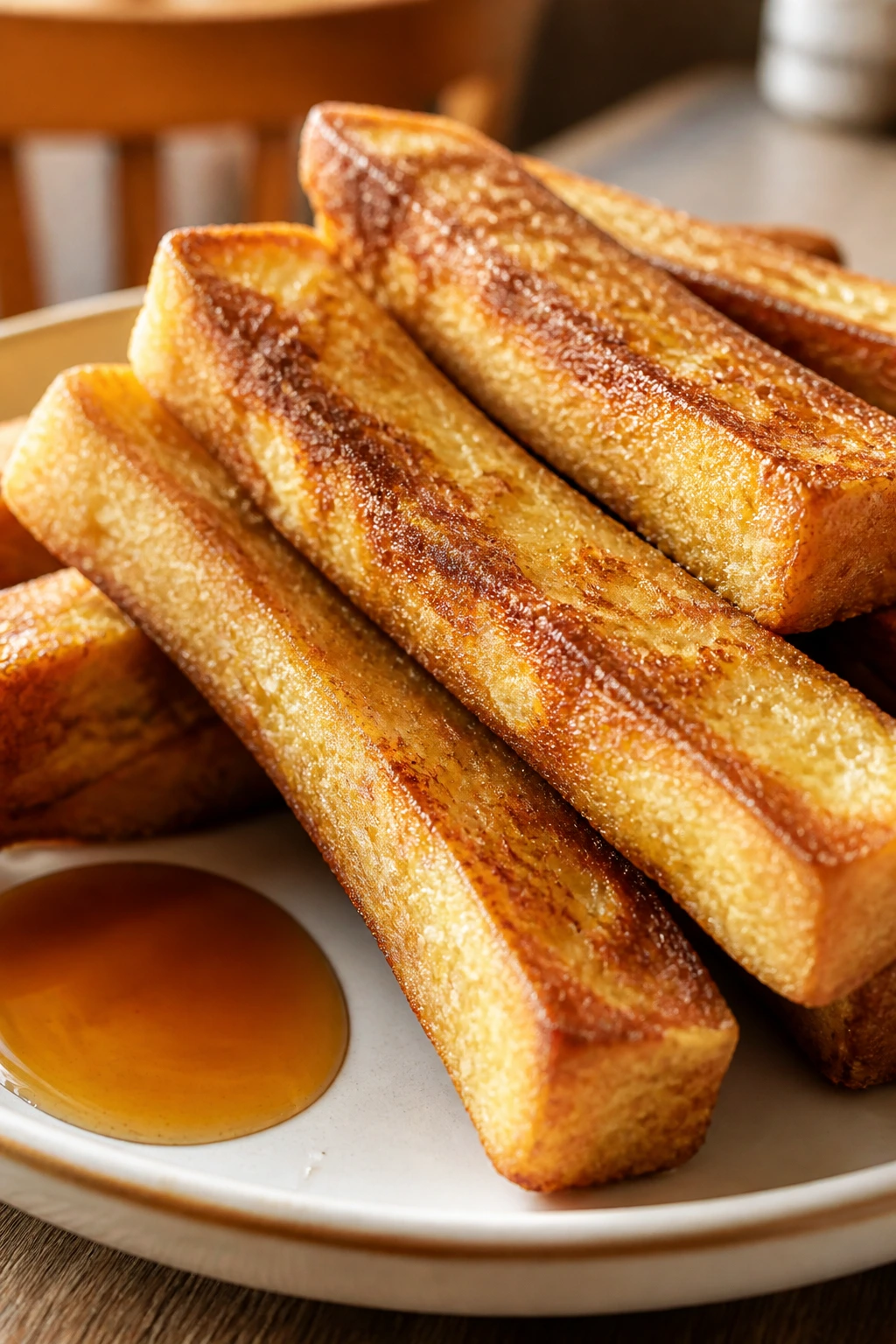
Gluten-Free Lunchbox Fixes: Chicken tenders, fish sticks, fried rice, baked potatoes, and turkey burgers all adapt cleanly with gluten-free breadcrumbs, buns, or no bread at all. Quesadillas and tacos are also easy to keep gluten-free if you check the tortillas.
Dairy-Light Plates: Use olive oil instead of butter in fried rice, tomato soup, or roasted potatoes. For pasta bakes, a dairy-free shredded cheese that melts well can work, but test one dish first; some brands stay rubbery instead of melting.
Veggie-First Swaps: Hidden zucchini in baked ziti, broccoli in pasta, spinach in meatloaf muffins, and peas in fried rice all add produce without changing the shape of the meal. If your kids push back on visible vegetables, chop them finer before cooking so they fold into the food instead of sitting on top.
Freezer-First Batch Cooking: Mini meatballs, breakfast burritos, taquitos, sliders, and shepherd’s pie cups are the smartest make-ahead options in this list. Freeze them on a tray first so they don’t clump together, then bag them once solid.
Milder Kid Plates: Keep salsa mild, use American cheese where a sharper cheese might feel loud, and hold the black pepper back a little in the first round. You can always add more flavor to the adult portion at the table.
Bigger Appetite Upgrades: Turn the lighter meals into fuller dinners with a side of rice, a baked potato, or a second protein. Chicken tenders with buttered noodles, grilled cheese with tomato soup, and flatbread with a small salad are all easy ways to stretch dinner without changing the core recipe.
Common Mistakes to Avoid
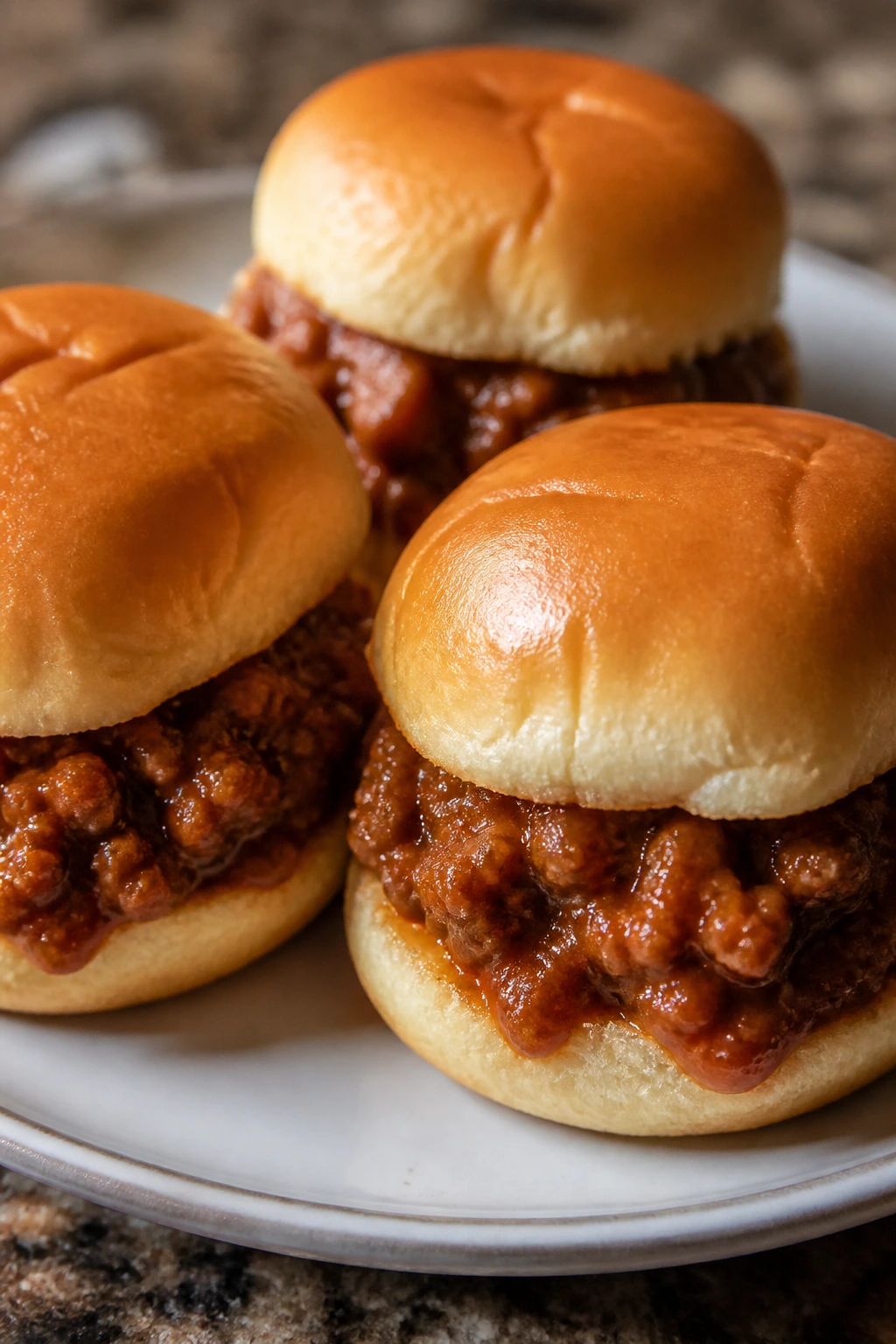
Making everything “kid-friendly” by removing all flavor: That usually backfires. Mild is not the same as bland. Butter, salt, cheese, and a little acid from sauce or mustard keep the food interesting enough to finish.
Overloading the plate: A mountain of food can shut down a small eater before the first bite. Smaller portions with a second serving offered later often work better than a giant plate that looks impossible.
Serving breaded foods straight from a covered container: Steam ruins crunch. Chicken tenders, fish sticks, taquitos, sliders, and pizza bagels need air for a minute before you pack them up or they lose their texture.
Using sauces that are too thin: Thin sauce runs off bagels, tortillas, potatoes, and pasta. Thick sauce sticks to the food and tastes richer, which is why so many of these recipes rely on reduction, cheese, or a quick simmer.
Ignoring texture differences: Kids who refuse “mixed” food often still eat the same ingredients when they’re separated. Keep toppings visible on some meals and tucked inside on others. The point is choice, not trickery.
Forgetting that temperature matters: A lot of kid meals are best when they’ve had a minute off the heat. Too hot, and the cheese burns mouths; too cool, and the sauce tightens or the crust softens. That short rest window matters more than people admit.
Frequently Asked Questions
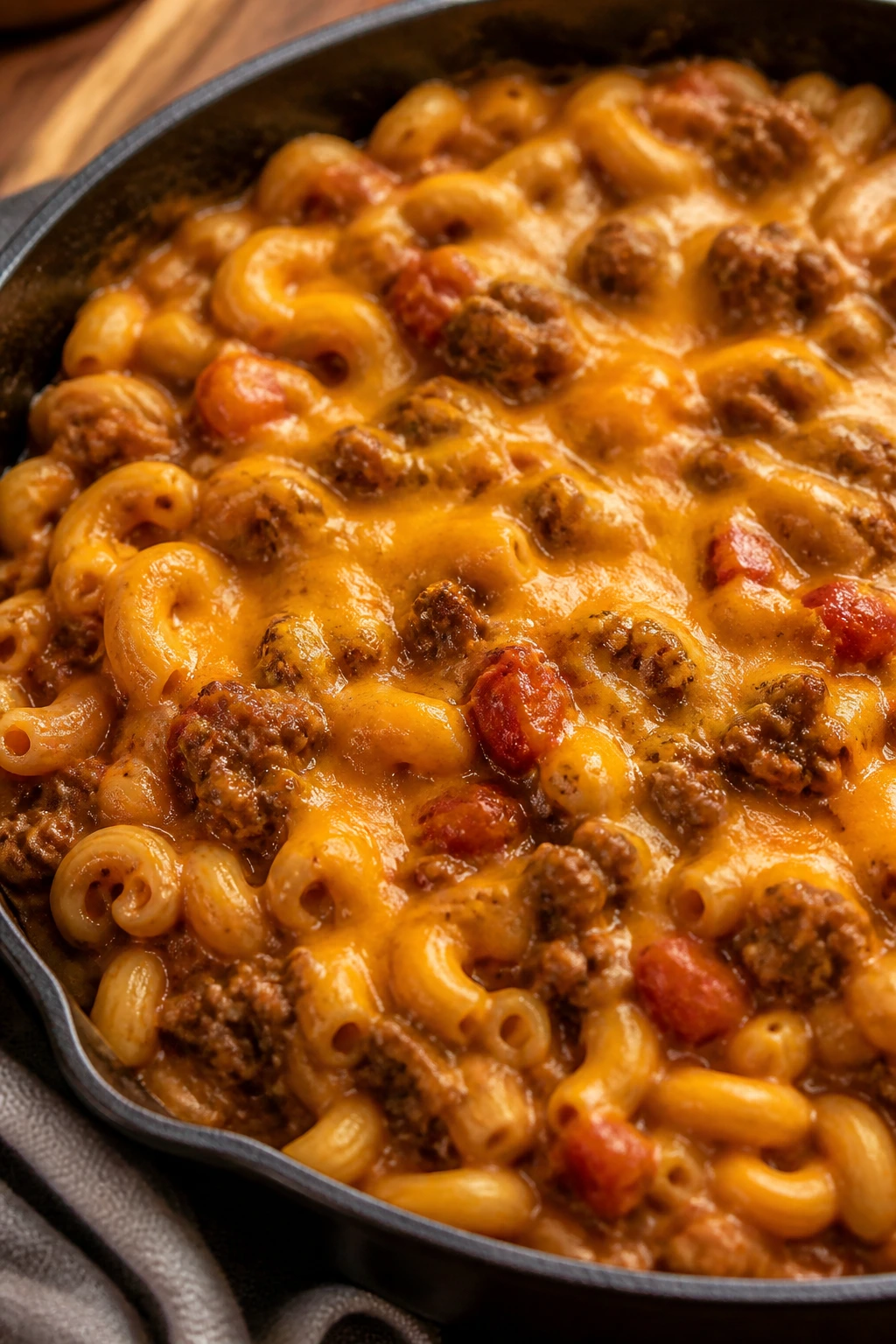
Which of these meals freeze best?
Mini breakfast burritos, mini meatballs, taquitos, shepherd’s pie cups, sloppy joe filling, and many casseroles freeze well. For the best texture, freeze them in single servings and reheat from chilled or thawed, not frozen solid, unless the recipe is already a casserole.
How do I get a picky eater to try a new meal without a fight?
Keep one part of the plate familiar. If you’re serving a new casserole, add fruit or buttered noodles the child already trusts. A small “safe food” next to the new item lowers the pressure enough that tasting feels optional instead of confrontational.
Can I make these recipes ahead for school nights?
Yes, and several are built for it. Chicken tenders, mac and cheese, taco pasta, fried rice, meatballs, and baked ziti all reheat well if you store them in shallow containers so they cool evenly.
What if my child only eats plain food?
Start with the mildest versions: buttered noodles, grilled cheese, pizza bagels, pancakes, French toast sticks, and loaded potatoes with only butter and cheese. Once those land, add one small new thing at a time — a dip, a vegetable, or a softer seasoning.
Are these meals okay for toddlers?
Most of them are, with a little adjustment. Cut food into small pieces, keep the salt lighter, skip anything too crunchy or too hot, and choose soft options like meatballs, casseroles, noodles, burritos, and scrambled eggs inside wraps.
How can I keep quesadillas, sliders, or wraps from getting soggy in the lunchbox?
Cool them first, then pack any dip or sauce separately. A paper towel in the lunch container can help absorb extra moisture, and a brief toast in a dry skillet before packing keeps the bread or tortilla firmer.
Can I swap in rotisserie chicken for most of these recipes?
Absolutely. Rotisserie chicken is one of the easiest shortcuts in the list, and it works in quesadillas, taquitos, fried rice, pasta bakes, flatbreads, and chicken casseroles. Just keep the chicken pieces small so they blend into the dish.
What should I make when the kids want dinner right now?
Pizza bagels, buttered noodles, quesadillas, peanut butter banana wraps, and grilled cheese with tomato soup are the fastest wins. They rely on pantry staples and don’t ask for much chopping or waiting.
How do I keep the food from getting cold before everyone sits down?
Warm plates help, but the bigger trick is staging the meal. Finish the starch first, keep the sauce covered, and hold breaded items on a rack in a low oven around 200°F for a short time if needed.
The Clean-Plate Habit
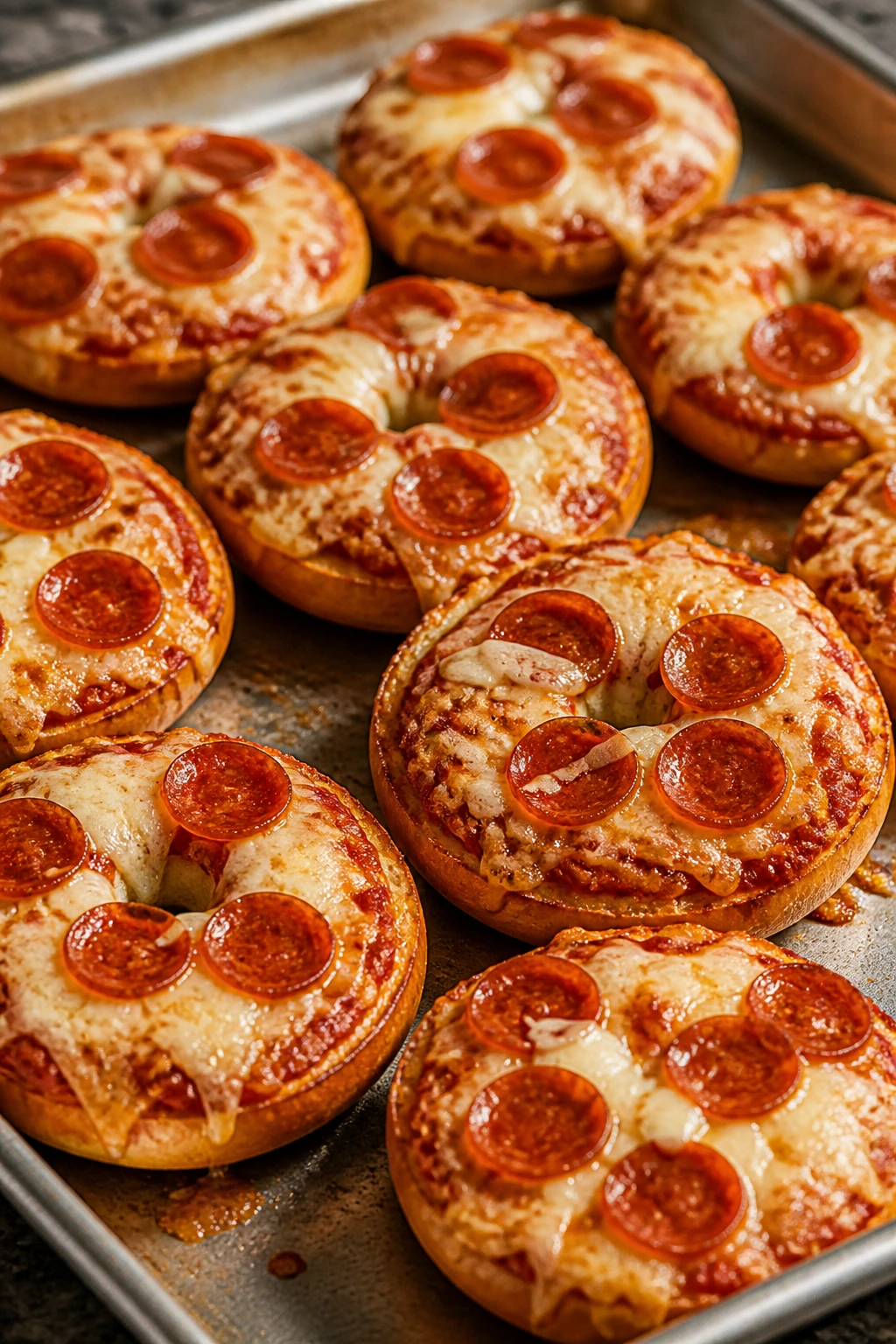
The nicest thing about kid meals kids will actually eat is that they lower the temperature in the room. You stop making five separate dinners. The child stops treating every meal like a negotiation. And the food on the plate starts looking like something built for real life instead of a magazine shoot.
A few of these will become regulars. That’s the point. Keep the chicken tenders, the buttered noodles, the quesadillas, and the breakfast burritos in your back pocket, then rotate in the casseroles and skillet meals when the week asks for more. Dinner gets easier when the food is recognizable before the first bite.