



A good takeout dinner has a short shelf life. The noodles start going soft before you’ve even found the chopsticks, the rice cools into a sad clump, and the crisp chicken you paid extra for loses the plot on the car ride home. The best Asian dinners recipes better than takeout solve that problem at the root: they hit the table hot, glossy, and textured the way the dish is supposed to be.
That’s the real advantage of cooking these dishes yourself. You get the broccoli still snappy, the scallions still bright, the rice still fluffy, and the sauce exactly where you want it — coating the food, not collecting in a carton. And you’re not stuck with someone else’s idea of sweetness, salt, or heat. If you want more chile, add it. If you like a sharper finish, splash in more vinegar. Easy.
I also like that these dinners live on pantry backbone and fresh finish. Soy sauce, rice vinegar, sesame oil, curry paste, noodles, rice, ginger, garlic. That’s the engine. From there, a handful of vegetables, a protein, and a smart sauce carry most of the work. The result is dinner with more flavor control and less filler, which is why these dishes keep winning on my own weeknight table.
Why This Collection Makes Weeknight Dinner Easier
-
Hot food stays hot: These recipes are built to eat right away, so you don’t lose texture to a paper box or a long delivery run.
-
Pantry staples do most of the work: Soy sauce, rice, noodles, curry paste, sesame oil, and rice vinegar show up again and again, which keeps shopping simple.
-
The sauces are balanced at home: You can push salt, acid, sweetness, or heat in the direction you actually like instead of accepting a one-size-fits-all version.
-
Many of them cook fast: Stir-fries, noodle bowls, fried rice, and lettuce wraps can land on the table in about 30 minutes if your rice is already cooked.
-
The leftovers hold up: Plenty of these dishes reheat better than delivery because you can store the sauce separately or keep the crisp parts crisp.
-
You control the texture: That’s the whole point. Broccoli can stay green, tofu can stay crisp, and salmon can stay flaky instead of steamy.
1. Ginger Scallion Chicken Rice Bowls
A hot skillet, a fistful of scallions, and ginger that perfumes the whole kitchen — this bowl tastes cleaner and brighter than the usual delivery version. The chicken gets a quick sear, the sauce turns glossy in minutes, and the rice underneath catches every drop.
Why It Works: Chicken thighs stay juicy even when the pan runs hot, which is exactly what you want here. The ginger-scallion sauce is fast enough to stay sharp instead of cooking into something flat and muddy.
Key Ingredients:
- 1 1/2 lb boneless skinless chicken thighs
- 2 cups cooked jasmine rice
- 3 scallions, thinly sliced
- 1 tablespoon grated fresh ginger
- 2 cloves garlic, minced
- 3 tablespoons soy sauce
- 1 tablespoon rice vinegar
- 1 tablespoon sesame oil
Quick Steps:
- Pat the chicken dry and season lightly with salt.
- Heat 1 tablespoon oil in a skillet over medium-high heat and sear the chicken for 5 to 6 minutes per side, until browned and cooked through.
- Add ginger, garlic, soy sauce, rice vinegar, and 2 tablespoons water; simmer 1 minute until glossy.
- Spoon over rice, drizzle with sesame oil, and top with scallions.
Equipment for This Recipe:
- Large skillet
- Cutting board and knife
- Small bowl for the sauce
How to Serve This Dish: Pile the chicken over a bowl of rice with quick cucumber slices on the side. A soft egg on top makes it richer, but it’s not required.
Pro Tips for This Recipe:
- Dry chicken sears better. Wet thighs steam.
- Add the scallions at the very end so they stay sharp.
- A tiny pinch of sugar smooths the soy if your brand runs salty.
Variations on This Dish:
- Spicy Chili Version: Add sliced fresno chile or chili crisp with the sauce.
- Tofu Swap: Use extra-firm tofu, pressed and cubed, instead of chicken.
- Brown Rice Bowl: Swap jasmine rice for brown rice and add a splash more sauce.
Common Mistakes to Avoid with This Dish:
- Crowding the skillet: The chicken steams instead of browning. Cook in batches if needed.
- Burning the ginger: Add it after the sear, not at the start.
- Drowning the rice: The sauce should coat, not flood.
2. Beef and Broccoli Stir-Fry
Beef and broccoli is one of those dishes that exposes weak takeout fast. Home-cooked, the broccoli stays green and the beef stays tender, because you control the heat and the timing instead of hoping for the best in a steam tray.
Why It Works: Thin-sliced flank steak cooks in minutes, especially if you slice it against the grain. A quick sauce of soy, oyster sauce, garlic, and broth clings to the meat without turning the broccoli soggy.
Key Ingredients:
- 1 lb flank steak, thinly sliced
- 4 cups broccoli florets
- 3 cloves garlic, minced
- 1/4 cup soy sauce
- 2 tablespoons oyster sauce
- 1/2 cup beef broth
- 1 tablespoon cornstarch
- 1 tablespoon sesame oil
Quick Steps:
- Toss the steak with cornstarch and 1 tablespoon soy sauce.
- Blanch the broccoli for 1 minute in boiling water, then drain.
- Stir-fry the beef in hot oil for 2 to 3 minutes, until browned at the edges.
- Add garlic, broccoli, remaining sauce, and broth; cook 1 to 2 minutes until glossy.
Equipment for This Recipe:
- Wok or large skillet
- Slotted spoon
- Small bowl
How to Serve This Dish: Serve with steamed rice and nothing too fussy. The sauce is the point, so keep the rest plain.
Pro Tips for This Recipe:
- Slice the beef thin while it’s still slightly firm.
- Blanching the broccoli keeps it bright and speeds up the stir-fry.
- A few drops of sesame oil at the end make the whole pan smell richer.
Variations on This Dish:
- Black Pepper Kick: Add 1 teaspoon freshly cracked black pepper.
- Mushroom Stretch: Add sliced shiitakes for more body.
- Gluten-Free Fix: Use tamari instead of soy sauce.
Common Mistakes to Avoid with This Dish:
- Thick sauce syndrome: Too much cornstarch turns it gluey. Measure it.
- Overcooking the broccoli: It should still have some bite.
- Using stew meat: It stays chewy. Use flank, sirloin, or skirt.
3. Crispy Sesame Tofu
This is the tofu dish that wins over skeptics because it actually has texture. The cubes go golden in the pan, the sauce turns sticky and salty-sweet, and the sesame finish gives each bite a nutty snap.
Why It Works: Extra-firm tofu, pressed well, fries instead of collapsing. Cornstarch builds the crisp shell, and a fast soy-rice vinegar glaze keeps the dish lively instead of heavy.
Key Ingredients:
- 1 block extra-firm tofu, 14 to 16 oz
- 2 tablespoons cornstarch
- 3 tablespoons soy sauce
- 1 tablespoon rice vinegar
- 1 tablespoon honey or maple syrup
- 1 tablespoon sesame oil
- 2 scallions, sliced
- 1 tablespoon sesame seeds
Quick Steps:
- Press the tofu for 15 minutes, then cut into 1-inch cubes.
- Toss with cornstarch and a pinch of salt.
- Pan-fry in 2 tablespoons oil over medium-high heat for 8 to 10 minutes, turning until golden on several sides.
- Stir together soy sauce, vinegar, honey, and sesame oil, then toss with the tofu for 30 seconds.
Equipment for This Recipe:
- Nonstick or cast-iron skillet
- Tofu press or paper towels
- Mixing bowl
How to Serve This Dish: Put it over rice with steamed bok choy or shredded cabbage. The sauce also works on noodles if you want a lighter bowl.
Pro Tips for This Recipe:
- Press the tofu longer than you think you need to.
- Don’t stir constantly; let the crust form.
- Add sesame seeds after saucing so they stay toasty.
Variations on This Dish:
- Spicy Gochujang Version: Stir 1 tablespoon gochujang into the sauce.
- Orange Sesame Tofu: Add 1 tablespoon orange juice and some zest.
- Air-Fryer Route: Cook at 400°F for 12 to 15 minutes, shaking halfway.
Common Mistakes to Avoid with This Dish:
- Skipping the press: Water ruins the crisp shell.
- Saucing too early: The tofu softens before it browns.
- Using silken tofu: It falls apart.
4. Thai Basil Pork
The first thing you notice is the smell. Garlic, chile, fish sauce, and basil hit the pan in a way that feels almost unfair to delivery. This dish is fast, a little fiery, and best eaten the second it comes off the heat.
Why It Works: Ground pork cooks in a single layer and soaks up the sauce quickly. Thai basil adds a peppery, almost clove-like finish that plain basil can’t quite mimic.
Key Ingredients:
- 1 lb ground pork
- 4 cloves garlic, minced
- 2 to 3 Thai chiles, sliced
- 2 tablespoons fish sauce
- 1 tablespoon soy sauce
- 1 teaspoon sugar
- 2 cups Thai basil leaves
- 2 cups cooked jasmine rice
Quick Steps:
- Heat a wok over medium-high and cook the pork until it starts to brown.
- Add garlic and chiles; stir for 30 seconds until fragrant.
- Stir in fish sauce, soy sauce, and sugar.
- Turn off the heat and fold in Thai basil until just wilted.
Equipment for This Recipe:
- Wok or large skillet
- Wooden spoon
- Small bowl
How to Serve This Dish: Spoon it over jasmine rice with a fried egg if you like the yolk runny. A few cucumber slices cool down the heat.
Pro Tips for This Recipe:
- Use Thai basil if you can find it; regular basil is softer and sweeter.
- Keep the heat high enough to brown the pork, not boil it.
- Add basil off the heat so it stays fragrant.
Variations on This Dish:
- Chicken Version: Ground chicken works, though it’s leaner.
- Vegetable Boost: Add green beans or diced bell pepper.
- Less Spicy Path: Use one chile and more garlic.
Common Mistakes to Avoid with This Dish:
- Overcrowding the pan: The pork steams and loses flavor.
- Cooking the basil too long: It turns dark and flat.
- Going light on fish sauce: The dish needs that salty depth.
5. Chicken Lo Mein
Lo mein should be slippery, not sticky, and that’s where home cooking wins. You can keep the noodles springy, the vegetables crunchy, and the sauce balanced enough that it coats everything without turning the bowl gummy.
Why It Works: Cooked noodles tossed with a quick soy-oyster sauce pick up flavor fast. Thin chicken pieces and high heat keep the stir-fry from dragging.
Key Ingredients:
- 8 oz lo mein noodles
- 1 lb chicken breast or thighs, sliced thin
- 2 cups shredded cabbage
- 1 carrot, julienned
- 3 tablespoons soy sauce
- 1 tablespoon oyster sauce
- 1 tablespoon sesame oil
- 2 cloves garlic, minced
Quick Steps:
- Boil the noodles until just tender, then drain and toss with a little oil.
- Stir-fry chicken for 4 to 5 minutes until cooked through.
- Add garlic, cabbage, and carrot; cook 2 minutes.
- Toss in noodles, soy sauce, oyster sauce, and sesame oil until glossy.
Equipment for This Recipe:
- Large skillet or wok
- Pot for noodles
- Tongs
How to Serve This Dish: Serve hot in wide bowls with extra scallions on top. A side of quick pickles or chili oil is enough.
Pro Tips for This Recipe:
- Undercook the noodles by a minute if they’ll sit in the pan.
- Keep the vegetables a little crisp; they should still have texture.
- A splash of noodle water can loosen the sauce if needed.
Variations on This Dish:
- Shrimp Lo Mein: Swap in peeled shrimp and cook them first.
- Vegetable-Heavy Bowl: Add mushrooms and snap peas.
- Peanut-Sesame Finish: Stir in 1 tablespoon peanut butter for a richer sauce.
Common Mistakes to Avoid with This Dish:
- Overcooking the noodles: They collapse once sauced.
- Using too much sauce: It turns into a wet tangle.
- Skipping the oil toss: Sticking becomes a problem fast.
6. Shrimp Fried Rice
If fried rice is bland, the problem is usually the pan, not the recipe. Hot heat, day-old rice, and quick seasoning give you separate grains, browned shrimp, and that smoky edge people chase in restaurant versions.
Why It Works: Cold rice fries instead of steaming. Shrimp cooks in minutes, so everything can finish together without the seafood turning rubbery.
Key Ingredients:
- 3 cups cooked, chilled rice
- 1 lb shrimp, peeled and deveined
- 2 eggs, beaten
- 1 cup frozen peas and carrots
- 3 scallions, sliced
- 2 tablespoons soy sauce
- 1 tablespoon sesame oil
- 2 tablespoons neutral oil
Quick Steps:
- Heat oil in a large skillet over high heat and cook the shrimp 1 to 2 minutes per side.
- Push the shrimp aside, scramble the eggs, and remove everything to a plate.
- Add rice and cook 3 to 4 minutes, breaking up clumps.
- Stir in peas, carrots, soy sauce, sesame oil, shrimp, eggs, and scallions.
Equipment for This Recipe:
- Large skillet or wok
- Spatula
- Mixing bowl
How to Serve This Dish: Fried rice is a full meal on its own, but I like it with sliced cucumbers and a little chili sauce. A squeeze of lime also sharpens it up.
Pro Tips for This Recipe:
- Use rice that’s been chilled and broken up before cooking.
- Don’t be shy with heat; fried rice needs a hard pan.
- Add sesame oil at the end so the flavor stays obvious.
Variations on This Dish:
- Pineapple Shrimp Fried Rice: Add diced pineapple at the end.
- Chicken Swap: Use diced cooked chicken instead of shrimp.
- Garlic Fried Rice: Add an extra 2 cloves garlic at the start.
Common Mistakes to Avoid with This Dish:
- Fresh, wet rice: It clumps and steams.
- Too much soy sauce: The rice turns dark and salty.
- Overcooking shrimp: It turns tight and squeaky.
7. Korean Beef Bulgogi Bowls
Bulgogi tastes like a marinated grill job that somehow learned how to work on a weeknight. The beef is sweet, savory, and a little smoky if you get the pan hot enough, and the rice underneath catches all the sauce.
Why It Works: Thin-sliced beef marinates fast because the slices are so small. Pear or sugar helps tenderize and caramelize the meat, while sesame oil gives the whole bowl a roasted note.
Key Ingredients:
- 1 1/2 lb thinly sliced ribeye or flank steak
- 1/4 cup soy sauce
- 2 tablespoons brown sugar
- 1 tablespoon grated pear or 1 tablespoon sugar
- 2 cloves garlic, minced
- 1 tablespoon sesame oil
- 2 cups cooked rice
- 2 scallions, sliced
Quick Steps:
- Mix soy sauce, sugar, pear, garlic, and sesame oil.
- Marinate the beef for 20 to 30 minutes.
- Sear in a hot skillet for 2 to 3 minutes in batches.
- Serve over rice with scallions and sesame seeds.
Equipment for This Recipe:
- Large skillet or grill pan
- Mixing bowl
- Sharp knife
How to Serve This Dish: Top the bowl with cucumber ribbons or quick-pickled carrots. A fried egg works if you want more richness.
Pro Tips for This Recipe:
- Slice the beef while it’s still cold; it’s easier to cut thin.
- Don’t marinate for hours if the slices are very thin.
- Cook in batches so the beef browns instead of steaming.
Variations on This Dish:
- Spicy Bulgogi: Add gochujang to the marinade.
- Chicken Bulgogi: Use thin chicken thighs.
- Lettuce Wrap Version: Skip the rice and wrap in butter lettuce.
Common Mistakes to Avoid with This Dish:
- Thick beef slices: They won’t soak up flavor quickly.
- Wet pan: You lose the sear.
- Too much sugar in the marinade: It burns before the beef finishes.
8. Mapo Tofu with Pork
Mapo tofu should be loose, spicy, and tingling at the edges. The best version isn’t stiff or over-thickened; it’s a deep red sauce with silken tofu that slips around the spoon and clings to rice.
Why It Works: Ground pork gives the sauce depth without making it heavy. Doubanjiang and chile oil bring the heat, while tofu softens the whole thing so each bite has contrast.
Key Ingredients:
- 1 block soft or medium tofu, about 14 oz
- 8 oz ground pork
- 2 tablespoons doubanjiang
- 1 tablespoon chili oil
- 2 cloves garlic, minced
- 1 tablespoon soy sauce
- 1/2 cup chicken broth
- 2 scallions, sliced
Quick Steps:
- Cut the tofu into cubes and blanch for 1 minute in simmering water.
- Brown the pork in a skillet, then add garlic and doubanjiang.
- Stir in broth, soy sauce, and chili oil.
- Add tofu and simmer gently for 3 to 4 minutes, then finish with scallions.
Equipment for This Recipe:
- Skillet or wok
- Slotted spoon
- Small saucepan
How to Serve This Dish: Spoon it over plain steamed rice. It does not need much else, though wilted greens on the side help.
Pro Tips for This Recipe:
- Handle the tofu gently once it’s in the sauce.
- Blanching the tofu keeps it from breaking apart in the pan.
- If you can find Sichuan pepper, a pinch adds the numbing finish.
Variations on This Dish:
- Vegetarian Mapo: Use mushrooms instead of pork.
- Extra-Chile Version: Add more chili oil and sliced dried chiles.
- Mild Weeknight Bowl: Use half the doubanjiang and extra broth.
Common Mistakes to Avoid with This Dish:
- Boiling the tofu hard: It breaks.
- Underseasoning the sauce: Rice will swallow it.
- Using too much cornstarch: The sauce turns paste-like.
9. Teriyaki Salmon
Teriyaki salmon at home is all about glaze control. The fish stays flaky, the sauce gets lacquered instead of syrupy, and you can stop cooking the second the salmon hits that clean, buttery center.
Why It Works: Salmon has enough fat to stay moist under high heat. A quick soy-mirin glaze reduces fast, so you get shine without a candy coating.
Key Ingredients:
- 4 salmon fillets, about 6 oz each
- 1/4 cup soy sauce
- 3 tablespoons mirin
- 2 tablespoons brown sugar
- 1 teaspoon grated ginger
- 1 teaspoon sesame oil
- 2 cups cooked rice
- 2 scallions, sliced
Quick Steps:
- Whisk soy sauce, mirin, sugar, ginger, and sesame oil.
- Brush the salmon with a little glaze.
- Broil or pan-sear for 8 to 10 minutes total, brushing once more near the end.
- Simmer leftover glaze 1 to 2 minutes, then spoon over the fish.
Equipment for This Recipe:
- Baking sheet or skillet
- Small saucepan
- Pastry brush
How to Serve This Dish: Serve with rice and something green like broccoli or snap peas. A lemon wedge on the side is not traditional, but it works.
Pro Tips for This Recipe:
- Don’t overcook salmon; it keeps cooking after it leaves the pan.
- Reduce the glaze separately so it doesn’t burn on the fish.
- Skin-on fillets hold together better under the broiler.
Variations on This Dish:
- Miso Teriyaki: Stir a teaspoon of white miso into the glaze.
- Spicy Version: Add a little sriracha.
- Sesame-Crusted Salmon: Press sesame seeds onto the fish before cooking.
Common Mistakes to Avoid with This Dish:
- Glazing too early: The sugar burns.
- Overbaking the fish: It dries out.
- Skipping the reduction: The sauce tastes thin.
10. Vietnamese Lemongrass Chicken
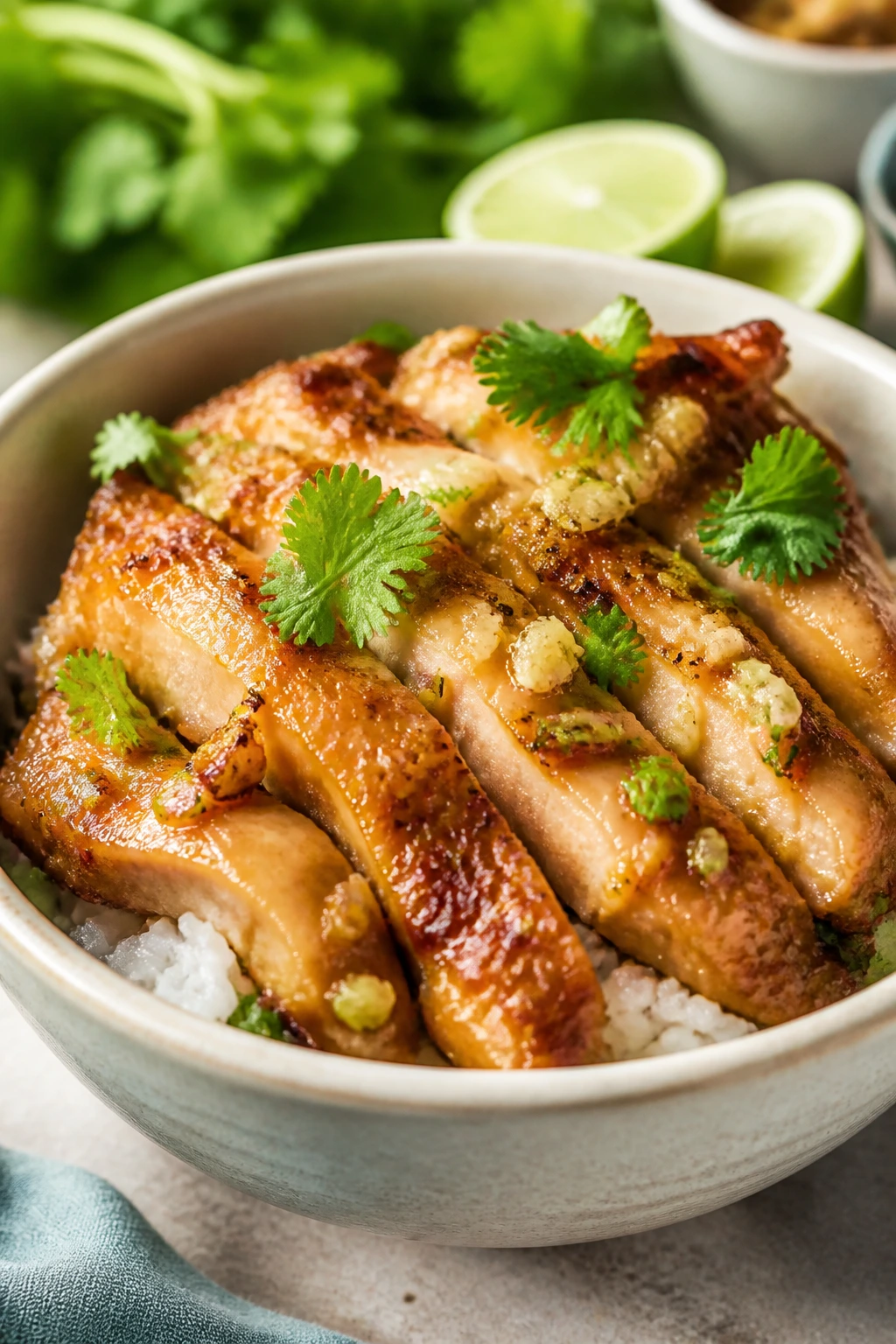
Lemongrass brings a clean, citrusy edge that feels brighter than most takeout marinades. Once it hits the heat with garlic and fish sauce, the chicken smells sharp and sweet in a way that pulls you straight to the pan.
Why It Works: Lemongrass cuts through the richness of chicken thighs. A short marinade is enough because the flavoring ingredients are aggressive and the cook time is fast.
Key Ingredients:
- 1 1/2 lb chicken thighs, sliced
- 2 stalks lemongrass, finely minced
- 3 cloves garlic, minced
- 2 tablespoons fish sauce
- 1 tablespoon sugar
- 1 tablespoon lime juice
- 2 cups cooked rice
- Fresh cilantro for serving
Quick Steps:
- Mix lemongrass, garlic, fish sauce, sugar, and lime juice.
- Marinate the chicken for 15 to 20 minutes.
- Sear in a hot skillet until browned and cooked through, about 8 minutes.
- Serve over rice with cilantro and extra lime.
Equipment for This Recipe:
- Skillet or wok
- Sharp knife
- Mixing bowl
How to Serve This Dish: I like this with cucumber, herbs, and maybe a little pickled carrot on top. It stays light, but it doesn’t feel thin.
Pro Tips for This Recipe:
- Trim lemongrass well; only the tender inner part should be minced.
- A little sugar helps the chicken brown.
- Don’t marinate all day or the lime can blur the flavor.
Variations on This Dish:
- Lemongrass Pork: Swap in sliced pork shoulder.
- Bowl Style: Serve over rice noodles instead of rice.
- Chili Lime Finish: Add sliced bird’s-eye chile and more lime.
Common Mistakes to Avoid with This Dish:
- Using woody lemongrass stalks: They’re too fibrous.
- Too much lime in the marinade: It can dominate.
- Weak heat: You want browning on the edges.
11. Pan-Fried Pork Dumplings with Chili Crisp
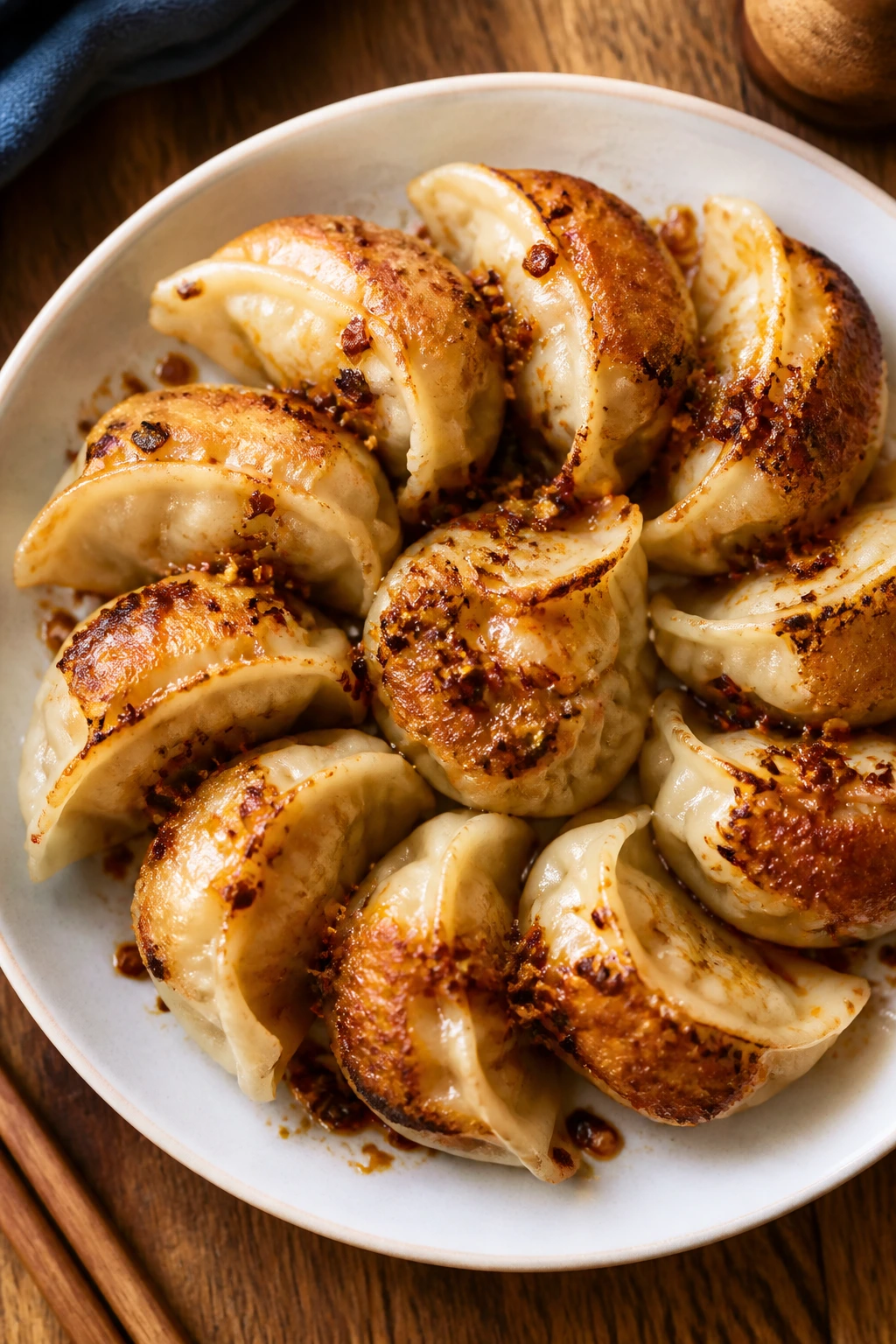
Dumplings are one of the few dishes that actually justify a little extra work. The bottoms go crisp, the tops stay tender, and a spoon of chili crisp over black vinegar makes the whole plate taste far more deliberate than a delivery bag ever could.
Why It Works: A pan-fry-and-steam method gives you both crunch and softness. Ground pork with cabbage, ginger, and scallions stays juicy and keeps the filling from turning dense.
Key Ingredients:
- 1 lb ground pork
- 2 cups finely shredded napa cabbage
- 3 scallions, minced
- 1 tablespoon grated ginger
- 2 tablespoons soy sauce
- 1 tablespoon sesame oil
- 30 dumpling wrappers
- Chili crisp and black vinegar for serving
Quick Steps:
- Mix pork, cabbage, scallions, ginger, soy sauce, and sesame oil.
- Fill wrappers and seal tightly with a little water.
- Pan-fry in oil until the bottoms brown, about 2 minutes.
- Add water, cover, and steam until the wrappers turn tender, 4 to 5 minutes.
Equipment for This Recipe:
- Large skillet with lid
- Small bowl of water
- Baking sheet for finished dumplings
How to Serve This Dish: Serve the dumplings in a tight circle with a dipping sauce of black vinegar and chili crisp. Add a pile of greens if you want to make it dinner, not just a plate of snacks.
Pro Tips for This Recipe:
- Squeeze excess moisture from the cabbage.
- Seal the edges well so the filling stays inside.
- Don’t let the dumplings sit too long before cooking; wrappers dry out.
Variations on This Dish:
- Shrimp Dumplings: Replace half the pork with chopped shrimp.
- Vegetable Dumplings: Use mushrooms, cabbage, and tofu.
- Frozen Shortcut: Freeze on a tray, then cook straight from frozen with extra steaming time.
Common Mistakes to Avoid with This Dish:
- Overfilling wrappers: They burst.
- Weak seal: The filling leaks into the pan.
- Too much steam water: The dumplings go soggy instead of crisp.
12. Singapore Curry Noodles
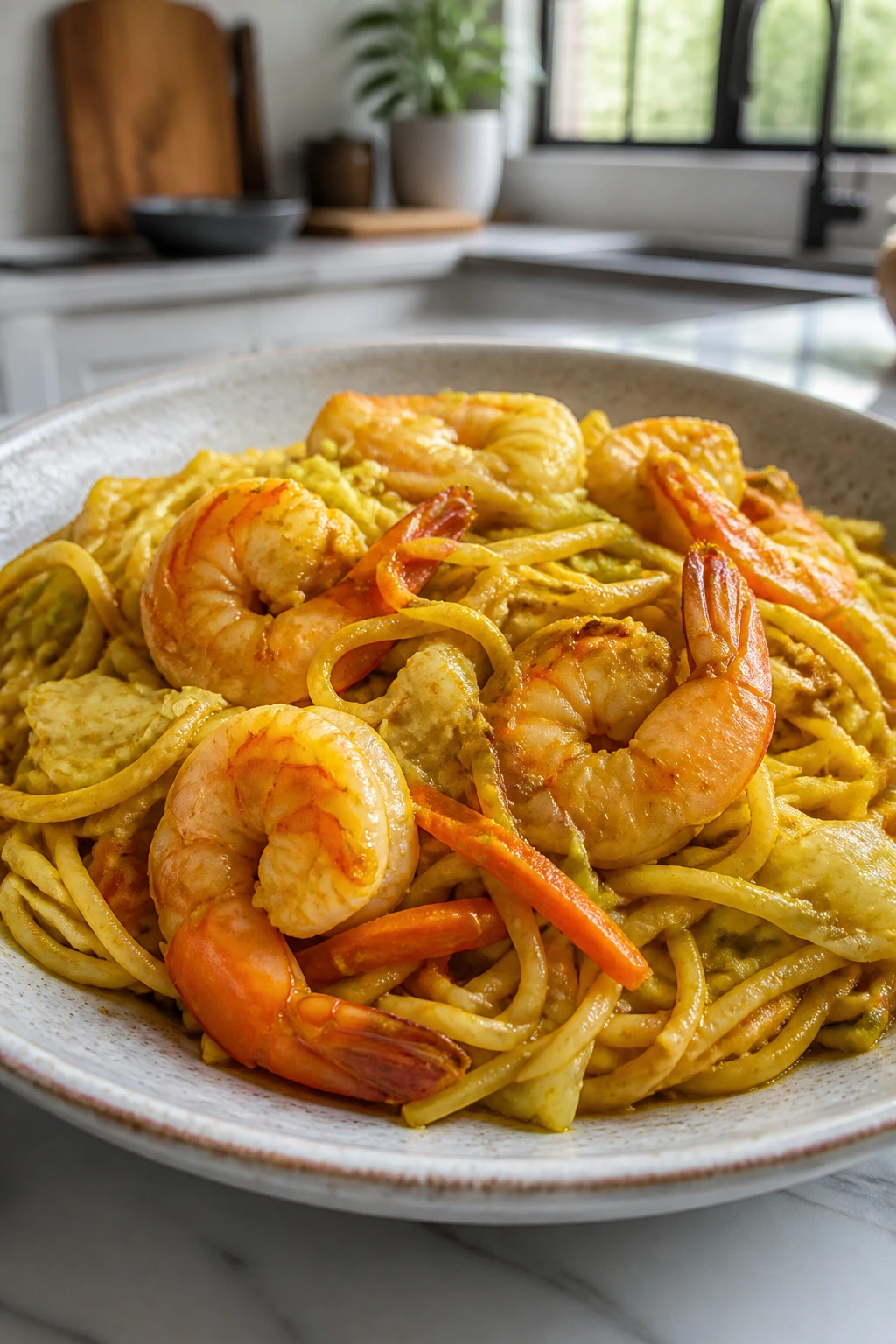
These noodles are all motion and no wasted space: curry aroma, shrimp, cabbage, and thin rice noodles tangled in a bright yellow tangle. They’re fast, colorful, and the opposite of the limp noodle takeout usually delivers after a long ride.
Why It Works: Curry powder gives the noodles a warm, savory base, while coconut milk or broth keeps them loose enough to toss. The whole dish cooks in one pan if you keep the ingredients prepped.
Key Ingredients:
- 8 oz rice vermicelli or thin rice noodles
- 8 oz shrimp, peeled
- 1 cup shredded cabbage
- 1 small carrot, julienned
- 1 tablespoon curry powder
- 2 tablespoons soy sauce
- 1 tablespoon coconut milk or water
- 2 scallions, sliced
Quick Steps:
- Soak or boil the noodles until pliable, then drain.
- Stir-fry shrimp until just pink.
- Add cabbage, carrot, curry powder, soy sauce, and coconut milk.
- Toss in noodles and scallions until evenly coated.
Equipment for This Recipe:
- Wok or large skillet
- Pot or bowl for noodles
- Tongs
How to Serve This Dish: Serve immediately with lime wedges. If you want more substance, add a fried egg or a handful of bean sprouts.
Pro Tips for This Recipe:
- Keep the noodles a little firmer than you think.
- Curry powder can burn, so add liquid quickly.
- Thin vegetables cook best here; thick chunks slow everything down.
Variations on This Dish:
- Chicken Curry Noodles: Use thin-sliced chicken instead of shrimp.
- Tofu Version: Crisp tofu cubes first, then add them at the end.
- More Saucy Bowl: Increase coconut milk by 2 tablespoons.
Common Mistakes to Avoid with This Dish:
- Over-soaking noodles: They fall apart in the pan.
- Dry curry powder: It tastes harsh if it burns.
- Crowding the pan: The noodles clump instead of tossing.
13. General Tso’s Chicken
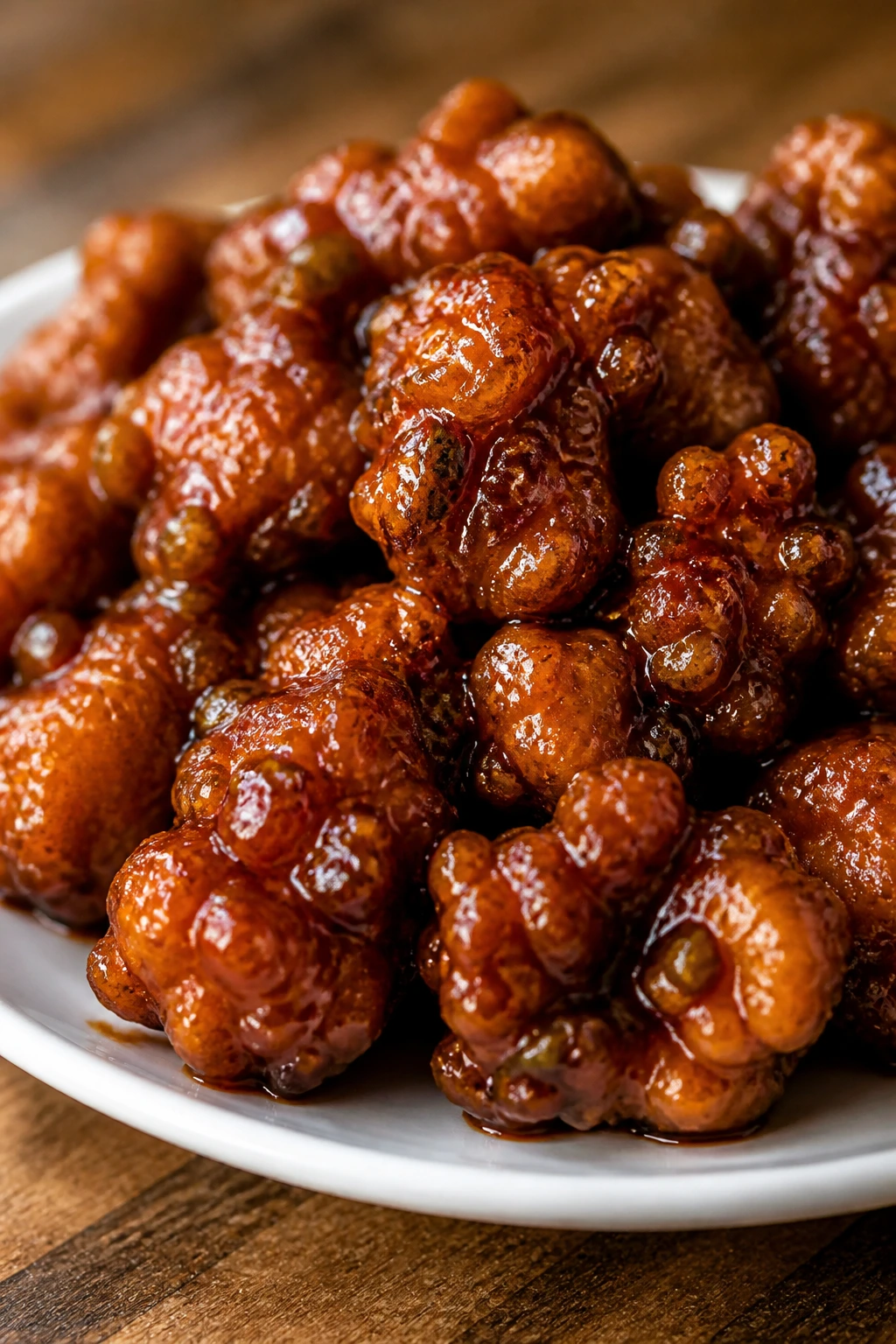
General Tso’s at home should be crisp on the outside and sticky, spicy, and a little sharp on the finish. That’s the version worth making, not the overly sweet, floppy version that sometimes arrives lukewarm in a carton.
Why It Works: A cornstarch coating fries into a crunchy shell that holds up under sauce. Ginger, garlic, vinegar, and chile balance the sweetness so the dish tastes alive instead of syrupy.
Key Ingredients:
- 1 1/2 lb chicken thighs, bite-sized pieces
- 1/2 cup cornstarch
- 1/4 cup soy sauce
- 2 tablespoons rice vinegar
- 2 tablespoons sugar
- 3 cloves garlic, minced
- 1 tablespoon grated ginger
- 1 teaspoon red pepper flakes
Quick Steps:
- Toss the chicken with cornstarch and a pinch of salt.
- Fry or pan-fry until crisp and cooked through.
- Simmer soy sauce, vinegar, sugar, garlic, ginger, and pepper flakes until slightly thickened.
- Toss chicken in the sauce and serve right away.
Equipment for This Recipe:
- Deep skillet or wok
- Tongs
- Small saucepan
How to Serve This Dish: Serve with white rice and steamed broccoli. The broccoli catches the sauce well and keeps the plate from feeling too heavy.
Pro Tips for This Recipe:
- Fry in batches so the coating stays crisp.
- Sauce should be thick enough to cling, not soak.
- Toss the chicken right before serving; don’t let it sit.
Variations on This Dish:
- Orange Tso’s: Add orange zest and a little juice.
- Baked Version: Bake the coated chicken at 425°F until crisp.
- Extra-Spicy Version: Add sliced dried chiles to the sauce.
Common Mistakes to Avoid with This Dish:
- Saucing too early: The crust softens fast.
- Too much sugar: The sauce turns cloying.
- Undercooked chicken pieces: Keep them bite-sized and even.
14. Sweet and Sour Pork
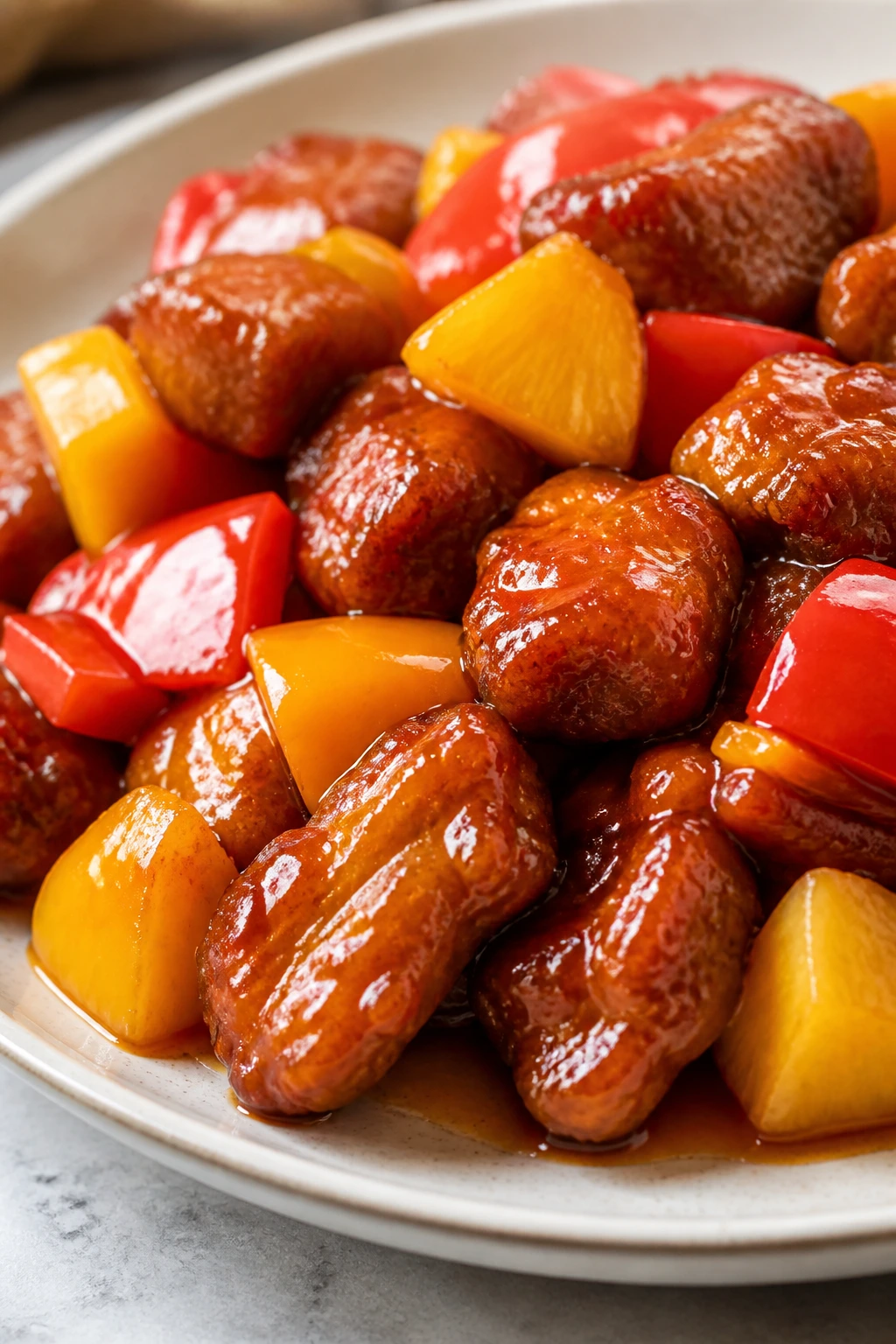
Sweet and sour pork works when the sauce is bright and the pork still has a little crunch left in the bite. Pineapple, bell pepper, and vinegar need each other here; leave one out and the whole plate gets dull.
Why It Works: A quick fry or hard sear gives the pork a firm surface that survives the sauce. The vinegar cuts through the sugar so the dish tastes punchy instead of sticky.
Key Ingredients:
- 1 1/2 lb pork tenderloin, cubed
- 1/2 cup cornstarch
- 1 bell pepper, chopped
- 1 cup pineapple chunks
- 1/4 cup ketchup
- 2 tablespoons rice vinegar
- 2 tablespoons sugar
- 1 tablespoon soy sauce
Quick Steps:
- Coat pork in cornstarch and brown until crisp on the edges.
- Stir-fry bell pepper and pineapple for 2 minutes.
- Mix ketchup, vinegar, sugar, and soy sauce in the pan.
- Toss pork back in and cook until glossy.
Equipment for This Recipe:
- Large skillet or wok
- Mixing bowl
- Slotted spoon
How to Serve This Dish: Put it over rice and keep the garnish simple. A few scallions and a pinch of sesame seeds are enough.
Pro Tips for This Recipe:
- Pineapple juice can help sweeten the sauce, but don’t add too much.
- Pork tenderloin cooks quickly; watch it closely.
- Let the sauce bubble before tossing so it tightens up.
Variations on This Dish:
- Chicken Version: Use thigh meat if you want more juiciness.
- Less Sweet Style: Cut the sugar by a third and add more vinegar.
- Vegetable-Heavy Bowl: Add onion and extra bell pepper.
Common Mistakes to Avoid with This Dish:
- Overcoating the pork: It gets chalky.
- Too much ketchup: The sauce tastes flat.
- Soft pineapple only: Use fruit that still has some structure.
15. Japanese Chicken Curry
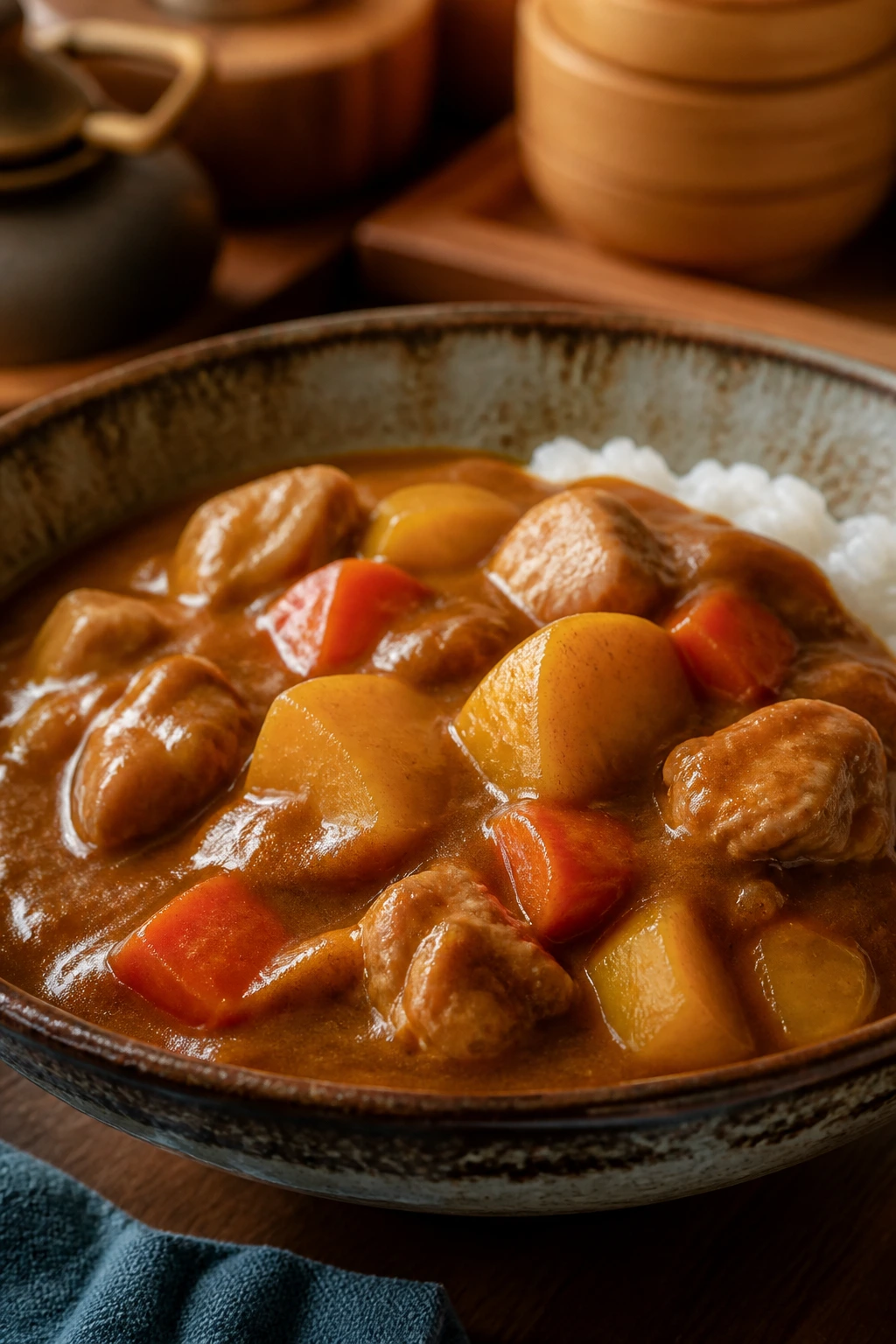
This is the kind of curry that tastes like comfort without being flat or mushy. The sauce is thick, gently sweet, and deeply savory, with carrots and potatoes giving the bowl some actual body.
Why It Works: Japanese curry roux melts into stock and gives you a velvety sauce fast. Chicken thighs stay tender through the simmer, and onions add the sweetness that makes the curry taste finished.
Key Ingredients:
- 1 1/2 lb chicken thighs
- 1 large onion, sliced
- 2 carrots, chunked
- 2 potatoes, chunked
- 1 package Japanese curry roux, about 3 oz
- 4 cups water or stock
- 2 cups cooked rice
Quick Steps:
- Brown the chicken and onions in a pot.
- Add carrots, potatoes, and water or stock.
- Simmer until vegetables are tender, 20 to 25 minutes.
- Stir in curry roux until dissolved and glossy.
Equipment for This Recipe:
- Heavy pot
- Wooden spoon
- Rice pot or rice cooker
How to Serve This Dish: Spoon the curry beside a mound of rice, not on top of it. Pickles or a crisp salad keep the plate from getting too heavy.
Pro Tips for This Recipe:
- Cut the vegetables into even pieces so they finish together.
- Add more water if the curry gets too thick.
- Curry tastes even better after a short rest off the heat.
Variations on This Dish:
- Pork Curry: Use pork shoulder in place of chicken.
- Vegetable Curry: Skip the meat and add mushrooms.
- Curry Cutlet Bowl: Top with a breaded cutlet for extra crunch.
Common Mistakes to Avoid with This Dish:
- Boiling hard after adding roux: The sauce can break.
- Potato chunks too large: They lag behind.
- Skipping the onions: The sauce tastes flatter.
16. Pad Thai with Shrimp
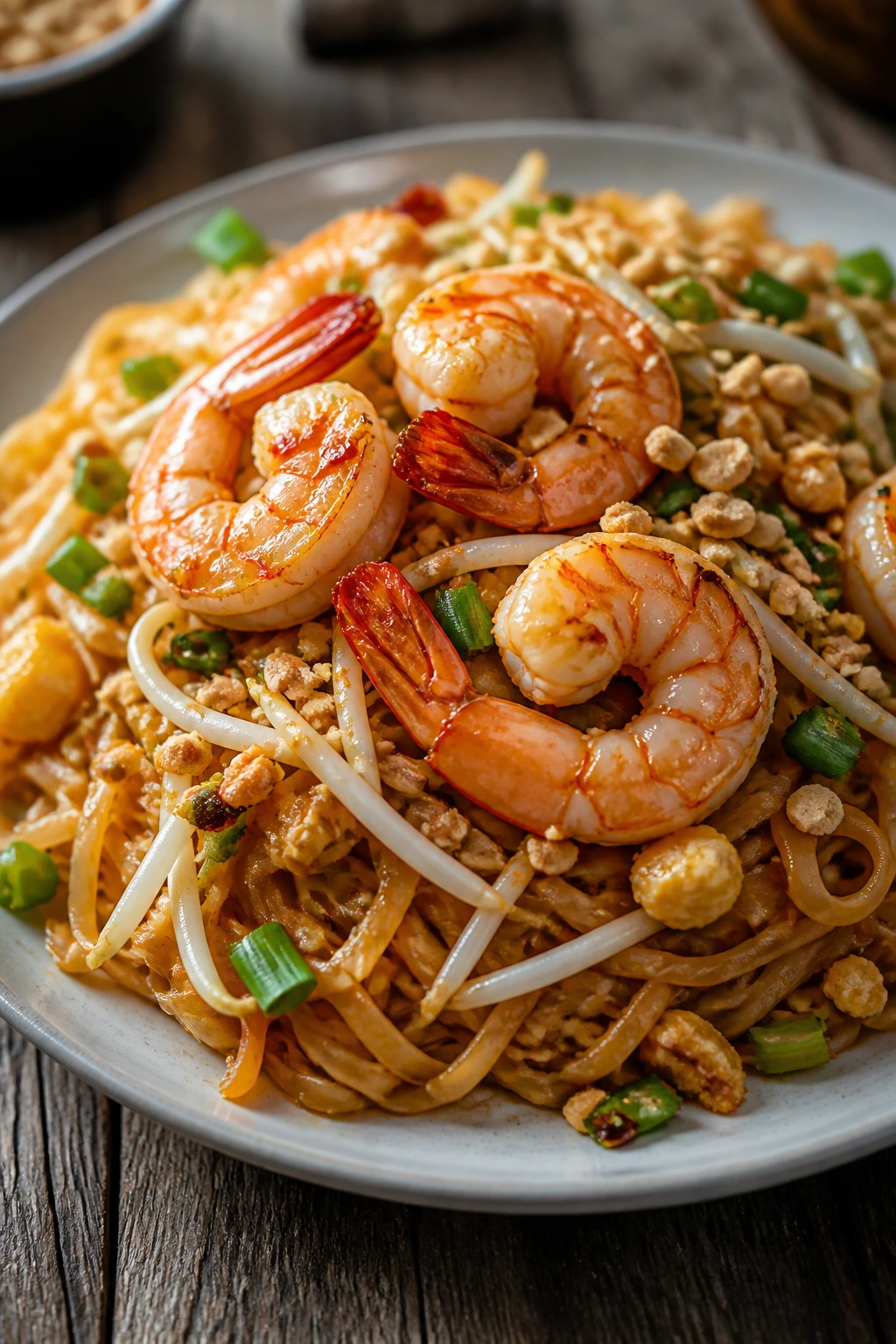
Pad Thai should be sweet, sour, and nutty, but never syrupy. The noodles need room to move, the shrimp needs a fast sear, and the tamarind-fish sauce balance has to stay bright enough to taste like a finished dish, not a candy glaze.
Why It Works: Tamarind gives the sauce its clean sour edge, while fish sauce and sugar round it out. Rice noodles absorb flavor fast, so the timing is about finishing in the pan, not cooking there forever.
Key Ingredients:
- 8 oz rice noodles
- 1 lb shrimp, peeled
- 2 eggs
- 2 tablespoons tamarind paste
- 2 tablespoons fish sauce
- 1 1/2 tablespoons sugar
- 2 cups bean sprouts
- 1/4 cup crushed peanuts
Quick Steps:
- Soak noodles until flexible, then drain.
- Stir-fry shrimp and set aside.
- Scramble eggs in the pan, then add noodles and sauce.
- Toss in shrimp, bean sprouts, and peanuts until coated.
Equipment for This Recipe:
- Wok or wide skillet
- Pot for soaking noodles
- Tongs
How to Serve This Dish: Serve with lime wedges, extra peanuts, and maybe a few chives. It’s best hot and slightly tangled.
Pro Tips for This Recipe:
- Don’t over-soak the noodles.
- Keep the sauce mixed before it hits the pan.
- Add bean sprouts at the very end so they stay crunchy.
Variations on This Dish:
- Chicken Pad Thai: Use thin-sliced chicken thighs.
- Tofu Pad Thai: Crisp tofu first for texture.
- Extra-Tangy Style: Add a little more tamarind instead of more sugar.
Common Mistakes to Avoid with This Dish:
- Soft noodles from the start: They turn mushy.
- Too much sugar: The dish loses its edge.
- Cooking everything in a crowded pan: The noodles clump.
17. Miso Udon Soup with Mushrooms
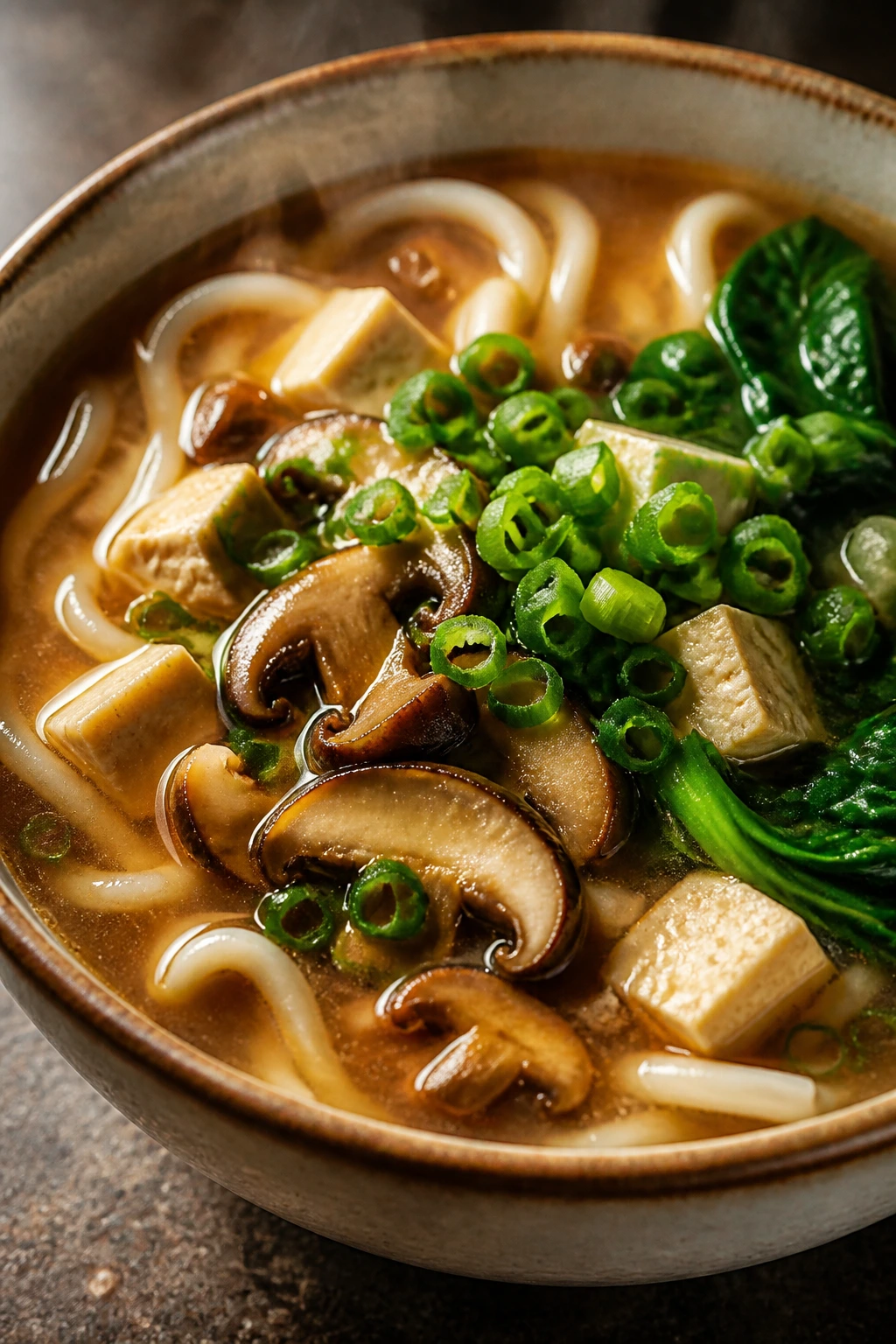
This is the calmer dish in the collection, but don’t call it plain. Thick udon, mushrooms, tofu, and miso broth make a bowl that feels restorative without turning bland or brothy in a forgettable way.
Why It Works: Miso adds depth without needing a long simmer. Udon noodles bring chew, while mushrooms add a meaty note that keeps the soup feeling substantial.
Key Ingredients:
- 8 oz udon noodles
- 4 cups dashi or broth
- 2 tablespoons miso paste
- 1 cup mushrooms, sliced
- 1 cup cubed tofu
- 1 cup spinach
- 2 scallions, sliced
Quick Steps:
- Simmer mushrooms in the broth for 5 minutes.
- Stir in tofu and udon noodles until heated through.
- Lower the heat and dissolve miso in a ladleful of broth before returning it to the pot.
- Add spinach and scallions just before serving.
Equipment for This Recipe:
- Soup pot
- Ladle
- Small bowl for dissolving miso
How to Serve This Dish: Serve it straight from the pot into deep bowls. A few sesame seeds or a drizzle of chili oil work if you want more punch.
Pro Tips for This Recipe:
- Don’t boil miso hard; it gets dull.
- Dissolve miso separately so it blends smoothly.
- Udon only needs a few minutes if it’s fresh or pre-cooked.
Variations on This Dish:
- Chicken Udon Soup: Add shredded cooked chicken.
- Spicy Miso Bowl: Stir in chile paste.
- Greens Swap: Use bok choy or napa cabbage instead of spinach.
Common Mistakes to Avoid with This Dish:
- Boiling the miso: It flattens the flavor.
- Overcooking udon: The noodles lose their chew.
- Too little broth: The bowl gets heavy instead of slurpy.
18. Char Siu Pork
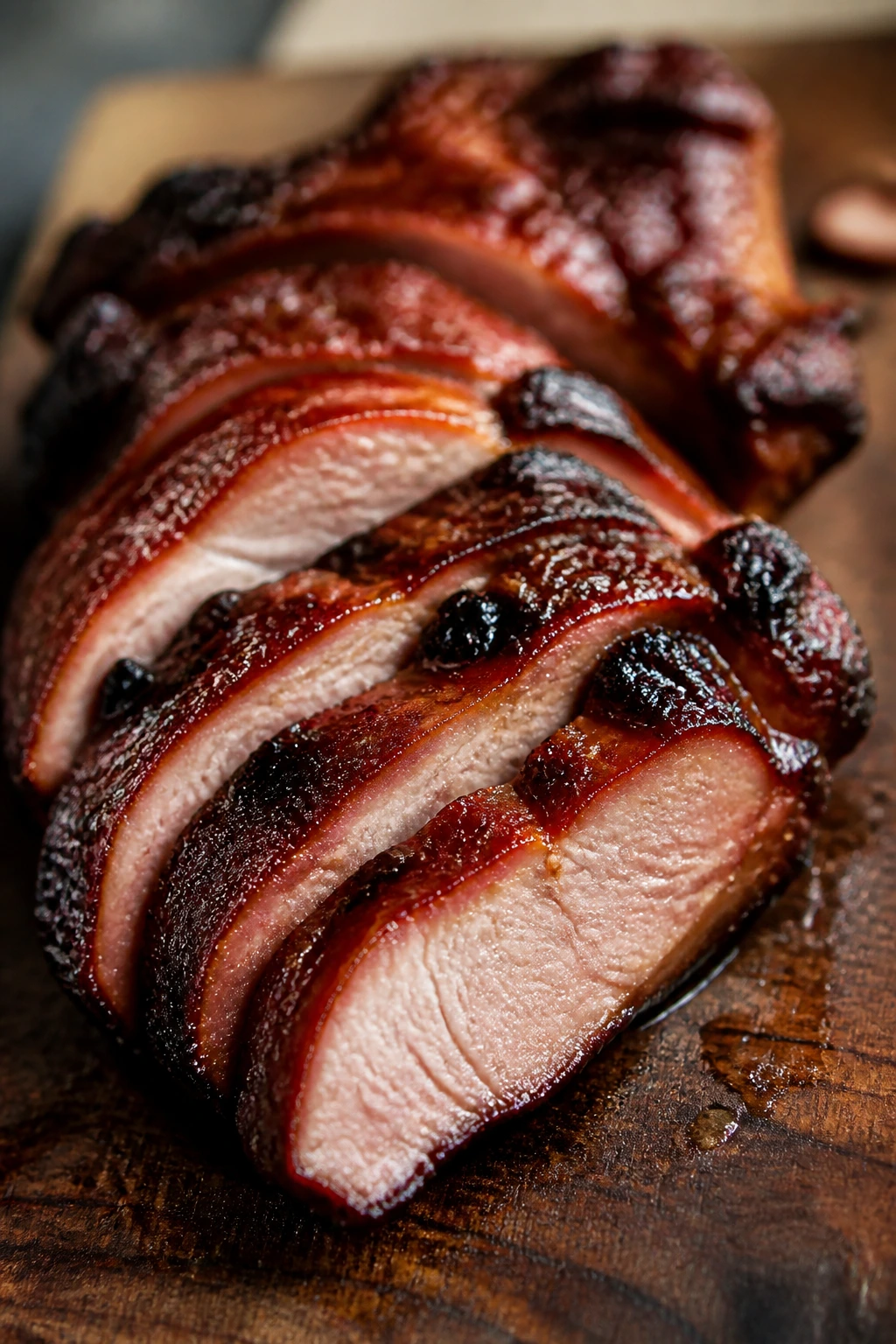
Char siu has a particular kind of perfume — sweet, savory, and smoky at the edges — that store-bought versions rarely get right. Home-roasted, the pork gets sticky on the outside and juicy in the middle, which is the whole game.
Why It Works: A sweet-savory marinade with hoisin, soy, and five-spice caramelizes during roasting. Pork shoulder or loin both work, but shoulder gives you a little more forgiveness.
Key Ingredients:
- 2 lb pork shoulder or pork loin
- 1/4 cup hoisin sauce
- 3 tablespoons soy sauce
- 2 tablespoons honey
- 1 tablespoon Chinese five-spice
- 2 cloves garlic, grated
- 1 tablespoon rice wine or water
- 2 scallions, sliced
Quick Steps:
- Marinate the pork for at least 1 hour, or overnight if you can.
- Roast at 400°F for 35 to 45 minutes, turning and basting once or twice.
- Rest 10 minutes before slicing.
- Finish with scallions.
Equipment for This Recipe:
- Roasting pan
- Wire rack
- Basting brush
How to Serve This Dish: Serve with rice, sautéed greens, or tucked into steamed buns. Leftovers are especially good cold, sliced thin.
Pro Tips for This Recipe:
- Don’t overbaste early or the sugars can burn.
- A rack keeps the pork from sitting in drippings.
- Slice against the grain for better tenderness.
Variations on This Dish:
- Spicy Char Siu: Add a spoon of chili paste.
- Five-Spice Free: Use less if the flavor is too strong for you.
- Honey-Only Glaze: Great if you want a more familiar sweet finish.
Common Mistakes to Avoid with This Dish:
- Skipping the rest: The juices run out.
- Too hot an oven: The glaze burns before the pork cooks.
- Cutting with the grain: The meat feels tougher than it is.
19. Chicken Katsu Curry
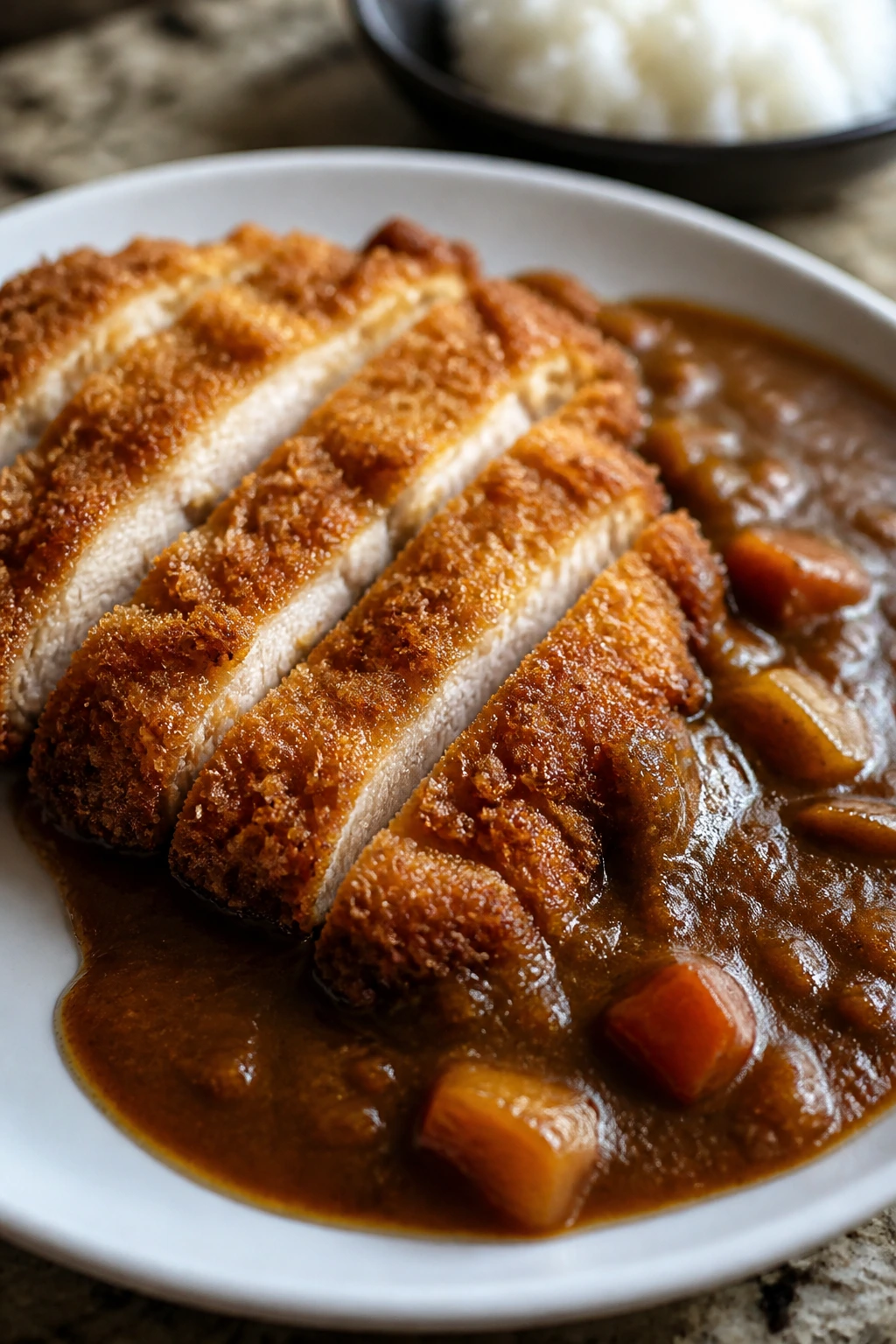
Crisp breaded chicken under a thick curry sauce is one of those combinations that sounds almost too easy until you taste it. The crunchy crust stays distinct if you sauce carefully, and that contrast is half the pleasure.
Why It Works: Panko crumbs fry or bake into a craggy shell that stays crisp longer than fine breadcrumbs. Japanese curry sauce adds enough moisture and flavor that the dish never feels dry.
Key Ingredients:
- 4 chicken cutlets
- 1 cup panko breadcrumbs
- 2 eggs, beaten
- 1 cup flour
- 1 package Japanese curry roux
- 4 cups water or stock
- 2 cups cooked rice
Quick Steps:
- Dredge chicken in flour, egg, and panko.
- Fry or bake until golden and cooked through.
- Make curry sauce in a separate pot.
- Serve the cutlet beside rice with curry spooned on the side or partly over the top.
Equipment for This Recipe:
- Shallow bowls for breading
- Skillet or sheet pan
- Saucepan
How to Serve This Dish: Keep some of the cutlet uncovered so the crust can stay crisp. Shredded cabbage on the side gives the plate some crunch.
Pro Tips for This Recipe:
- Press the panko on firmly.
- Keep sauce off the cutlet until the last second.
- Thin cutlets cook more evenly than thick ones.
Variations on This Dish:
- Pork Katsu Curry: Use pork cutlets instead of chicken.
- Air-Fryer Katsu: Spritz with oil and cook until crisp.
- Extra-Crunch Katsu: Double-dip the chicken in egg and panko.
Common Mistakes to Avoid with This Dish:
- Soaking the crust in sauce: It goes limp.
- Uneven cutlets: Thick spots stay underdone.
- Stale panko: It won’t brown as well.
20. Dan Dan Noodles
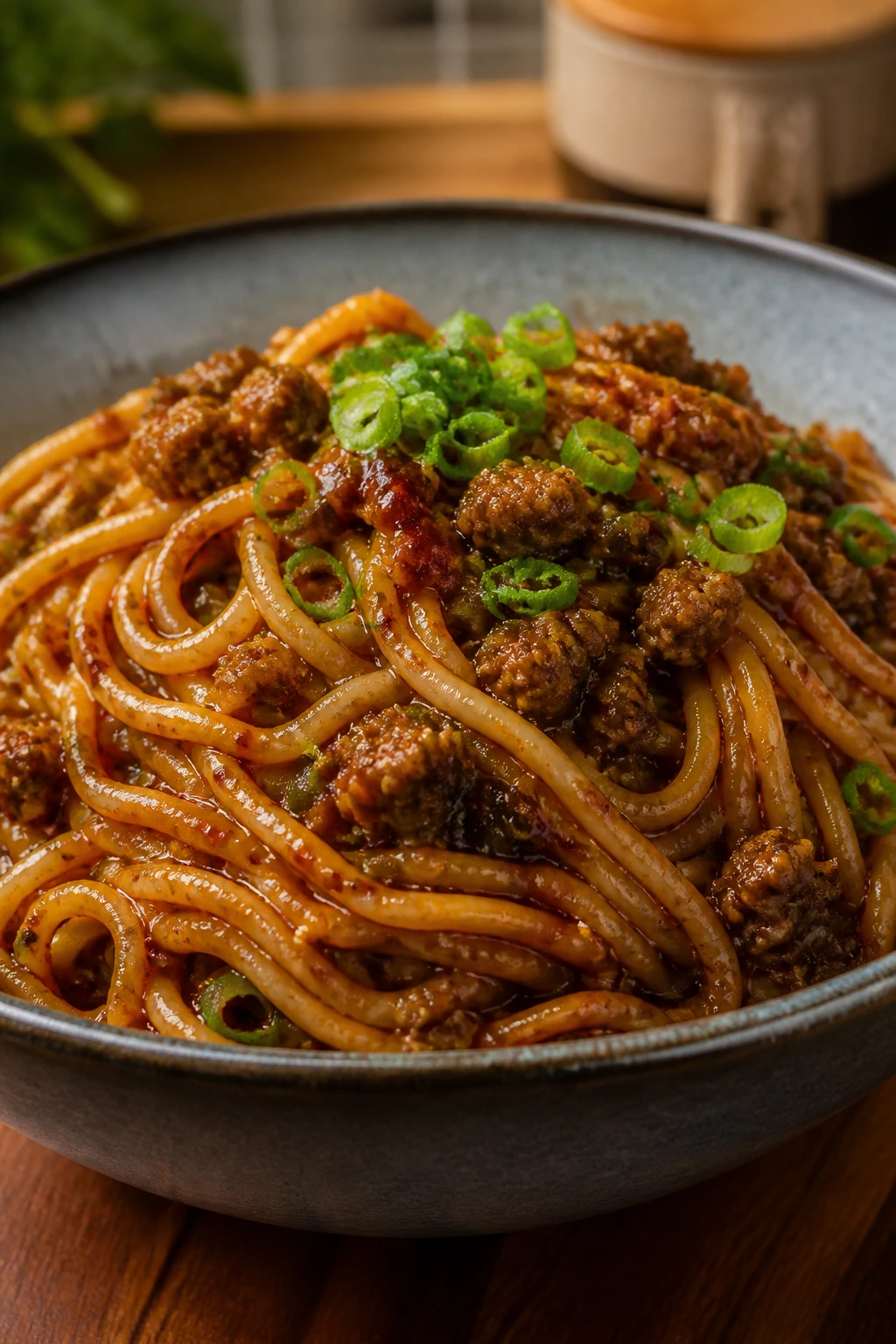
Dan dan noodles should feel a little dangerous. The sauce is nutty, chile-bright, and savory enough to cling to every strand, with pork and pickled bits breaking through the richness. It’s a noodle bowl with actual character.
Why It Works: Sesame paste or peanut butter builds body, while chili oil and vinegar keep the sauce from getting heavy. Ground pork adds a salty, meaty layer that makes the bowl feel complete.
Key Ingredients:
- 8 oz noodles
- 8 oz ground pork
- 2 tablespoons sesame paste or peanut butter
- 2 tablespoons chili oil
- 1 tablespoon soy sauce
- 1 tablespoon black vinegar
- 1 teaspoon sugar
- 2 scallions, sliced
Quick Steps:
- Cook noodles and drain well.
- Brown the pork in a skillet.
- Whisk sauce ingredients with a splash of noodle water.
- Toss noodles with sauce, pork, and scallions.
Equipment for This Recipe:
- Pot for noodles
- Skillet
- Bowl for the sauce
How to Serve This Dish: Serve in a shallow bowl so the sauce spreads across the noodles. A little extra chili oil on top never hurts.
Pro Tips for This Recipe:
- Thin the sauce with hot noodle water, not plain cold water.
- Keep the pork crumbly, not compacted.
- Black vinegar gives the dish its snap; don’t skip it.
Variations on This Dish:
- Vegetarian Dan Dan: Use mushrooms or crumbled tofu.
- Peanut Version: Peanut butter works if sesame paste is hard to find.
- Extra-Numbing Style: Add Sichuan pepper oil.
Common Mistakes to Avoid with This Dish:
- Sauce too thick: It clings like paste instead of coating.
- Skipping acid: The bowl tastes flat.
- Overcooking noodles: They lose their bounce.
21. Black Pepper Beef
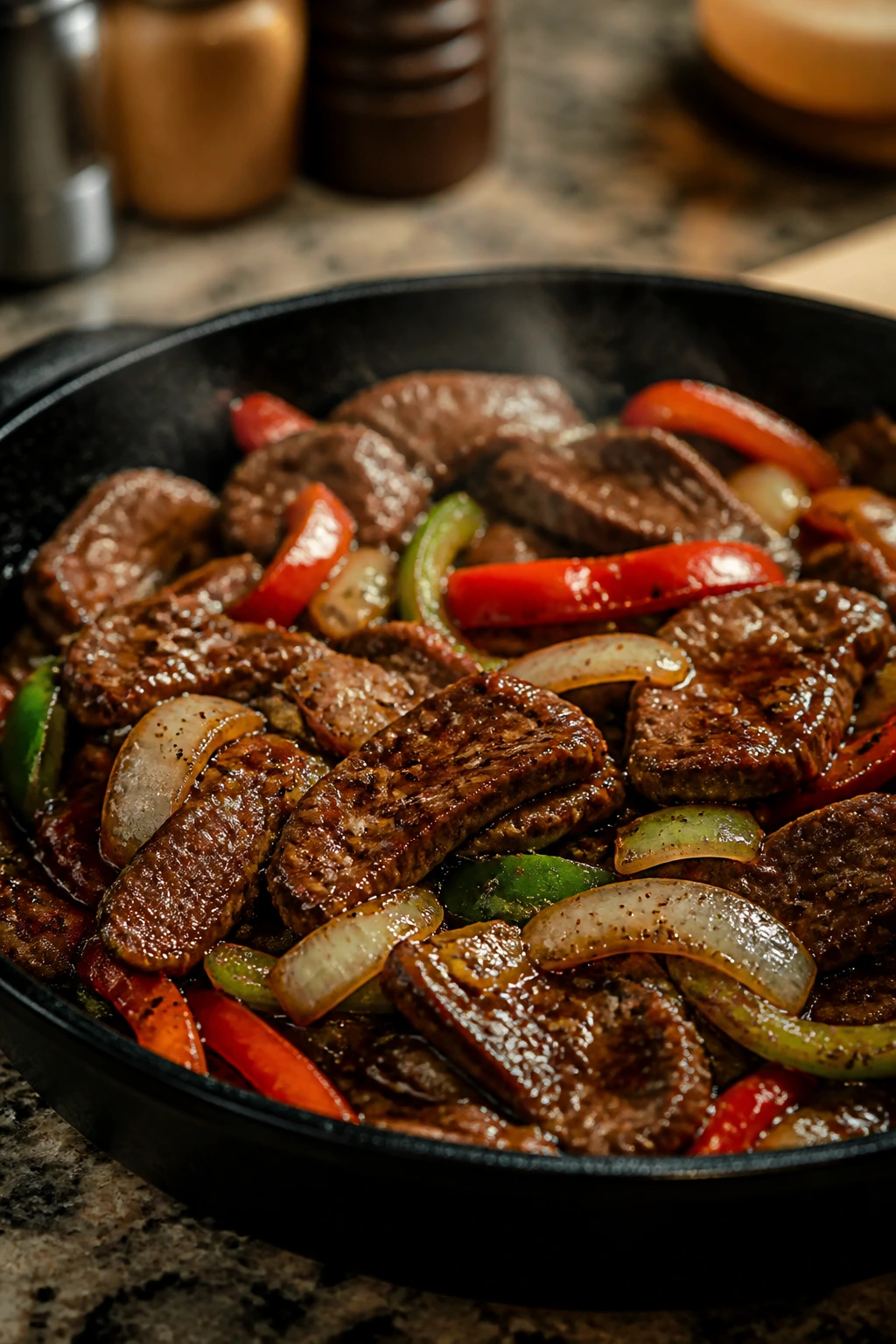
This one has that restaurant smell — pepper, onion, and hot beef hitting a pan that’s been properly heated. The sauce is savory and sharp, not sweet, which makes it one of the best fast dinners in the bunch.
Why It Works: Black pepper tastes warmer and deeper when it’s freshly cracked. A simple soy-oyster base coats the beef without burying the pepper.
Key Ingredients:
- 1 lb flank steak, sliced thin
- 1 onion, sliced
- 1 bell pepper, sliced
- 2 tablespoons soy sauce
- 1 tablespoon oyster sauce
- 1 tablespoon freshly cracked black pepper
- 2 cloves garlic, minced
- 1 tablespoon cornstarch
Quick Steps:
- Toss beef with cornstarch and soy sauce.
- Sear beef in a hot skillet for 2 minutes, then set aside.
- Stir-fry onion, pepper, and garlic for 3 minutes.
- Return beef, add oyster sauce and black pepper, and toss 30 seconds.
Equipment for This Recipe:
- Large skillet or wok
- Sharp knife
- Mixing bowl
How to Serve This Dish: Serve over steamed rice or rice noodles. The peppers keep it from feeling like a one-note meat dish.
Pro Tips for This Recipe:
- Freshly cracked pepper matters here.
- Keep the pan hot enough to get edges on the beef.
- Slice onions a little thick so they don’t disappear.
Variations on This Dish:
- Mushroom Black Pepper Beef: Add shiitakes.
- More Sauce: Add a splash of broth.
- Chicken Version: Thin chicken thighs work well too.
Common Mistakes to Avoid with This Dish:
- Using ground pepper from a dusty jar: It tastes flat.
- Soggy vegetables: Cook them quickly.
- Beef too thick: It won’t sear fast enough.
22. Veggie Chow Mein
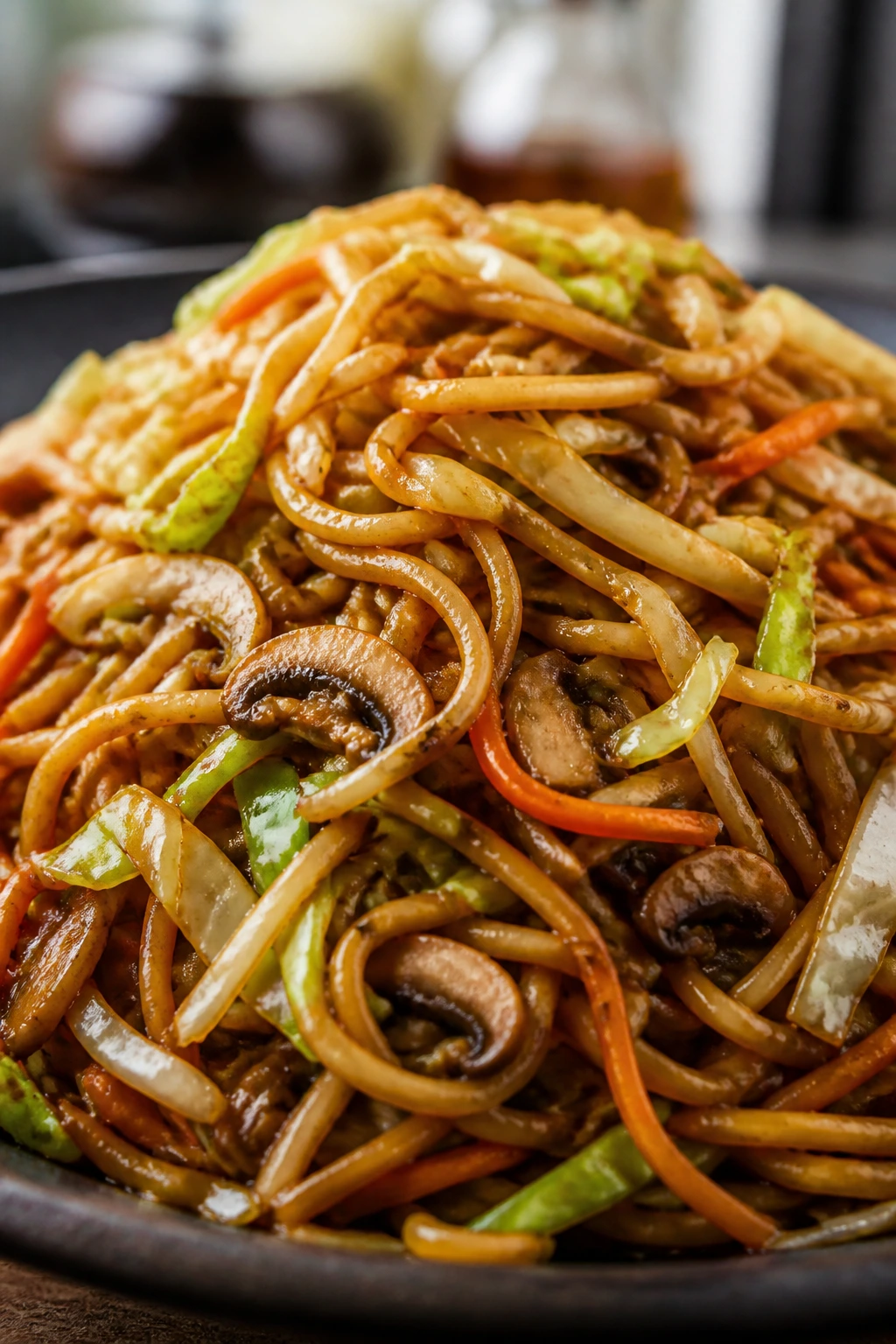
Chow mein should be about the noodles first and the vegetables second, even when the vegetables are the reason you feel good about ordering it. The key is quick heat so the cabbage stays sweet and the noodles stay springy.
Why It Works: Pre-cooked noodles fry faster than raw noodles ever could. A mix of cabbage, carrots, and mushrooms gives enough texture to make the bowl feel layered.
Key Ingredients:
- 8 oz chow mein noodles
- 2 cups shredded cabbage
- 1 carrot, julienned
- 1 cup sliced mushrooms
- 2 tablespoons soy sauce
- 1 tablespoon oyster sauce or mushroom sauce
- 1 tablespoon sesame oil
- 2 cloves garlic, minced
Quick Steps:
- Cook noodles until tender and drain.
- Stir-fry vegetables and garlic for 3 minutes.
- Add noodles, soy sauce, and oyster sauce.
- Toss until the noodles pick up a light sheen.
Equipment for This Recipe:
- Wok or wide skillet
- Pot for noodles
- Tongs
How to Serve This Dish: Serve it hot with a chili oil drizzle or a few pickled vegetables on the side. It can stand alone or sit under a fried egg.
Pro Tips for This Recipe:
- Don’t drown the noodles in sauce.
- Keep the vegetables moving so they don’t scorch.
- If the pan looks dry, add a spoon of noodle water.
Variations on This Dish:
- Tofu Chow Mein: Add crisp tofu cubes.
- Cabbage and Bean Sprout Version: Nice if you want more crunch.
- Spicy Garlic Chow Mein: Add a minced chile and extra garlic.
Common Mistakes to Avoid with This Dish:
- Soft noodles: They fall apart in the pan.
- Too much sauce: It turns heavy fast.
- Low heat: The vegetables go watery.
23. Thai Green Curry Chicken
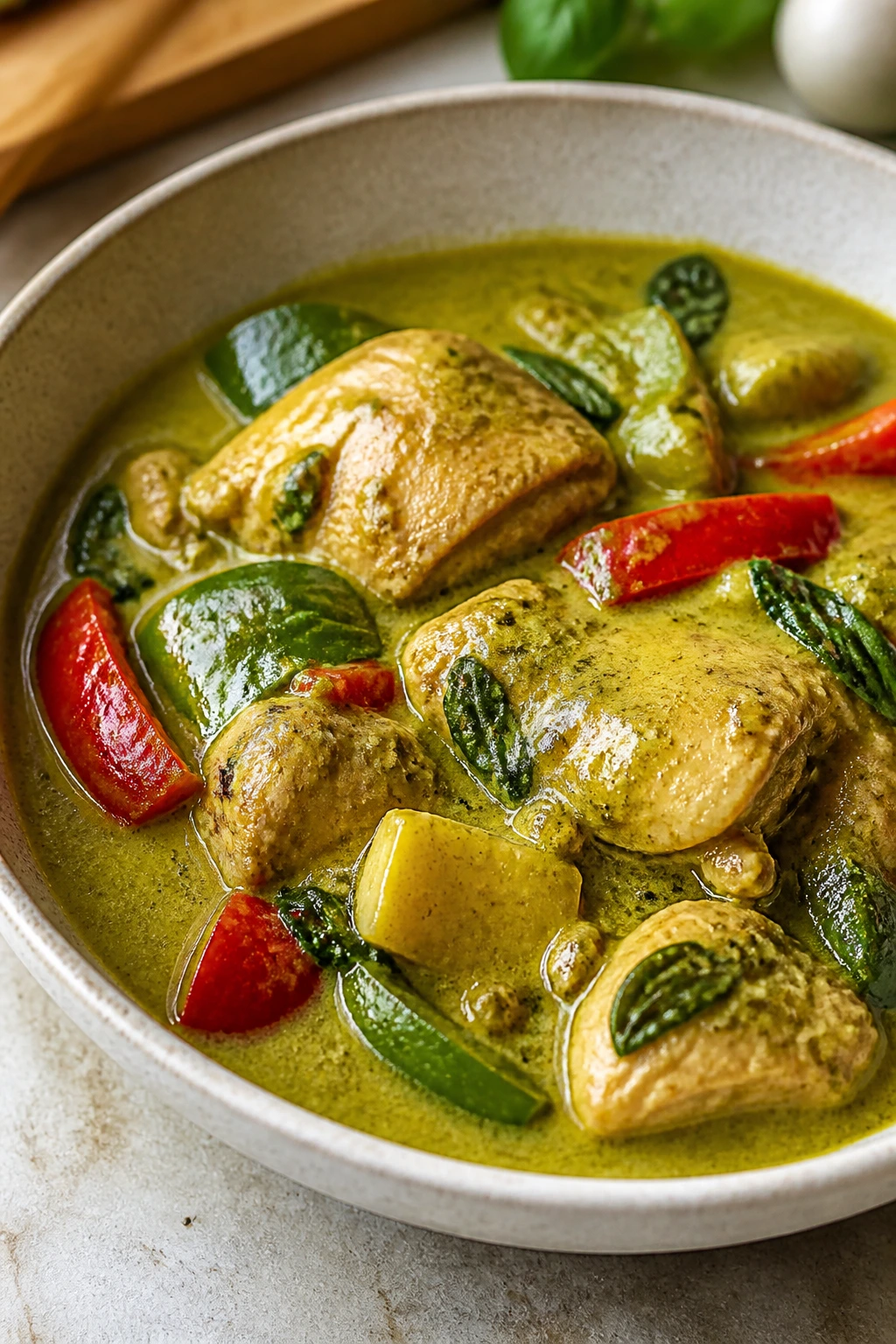
Green curry has a way of making a weeknight feel less ordinary without asking for a long simmer. Coconut milk, green curry paste, and basil create a sauce that’s fragrant, creamy, and a little sharp at the edges.
Why It Works: Curry paste blooms in oil, which wakes up the aromatics before the coconut milk goes in. Chicken thighs hold their texture in the sauce better than breast meat.
Key Ingredients:
- 1 1/2 lb chicken thighs
- 2 tablespoons green curry paste
- 1 can coconut milk, 13 to 14 oz
- 1 cup sliced bell pepper
- 1 cup bamboo shoots
- 1 tablespoon fish sauce
- 1 teaspoon sugar
- Thai basil or regular basil for serving
Quick Steps:
- Cook curry paste in oil for 30 seconds.
- Add coconut milk and simmer until smooth.
- Add chicken and vegetables; cook 10 to 12 minutes.
- Finish with fish sauce, sugar, and basil.
Equipment for This Recipe:
- Saucepan or deep skillet
- Wooden spoon
- Knife and cutting board
How to Serve This Dish: Serve with jasmine rice so the sauce has something to land on. Lime wedges help if the curry tastes a little heavy.
Pro Tips for This Recipe:
- Fry the paste briefly before adding liquid.
- Don’t boil coconut milk hard or it can separate.
- Taste for salt after the fish sauce goes in.
Variations on This Dish:
- Shrimp Green Curry: Add shrimp near the end.
- Vegetable Curry: Load it with zucchini and eggplant.
- Milder Bowl: Use less curry paste and more coconut milk.
Common Mistakes to Avoid with This Dish:
- Skipping the paste fry: The curry tastes flat.
- Overcooking basil: It loses its scent.
- Too much liquid: The curry becomes thin and dull.
24. Korean Japchae
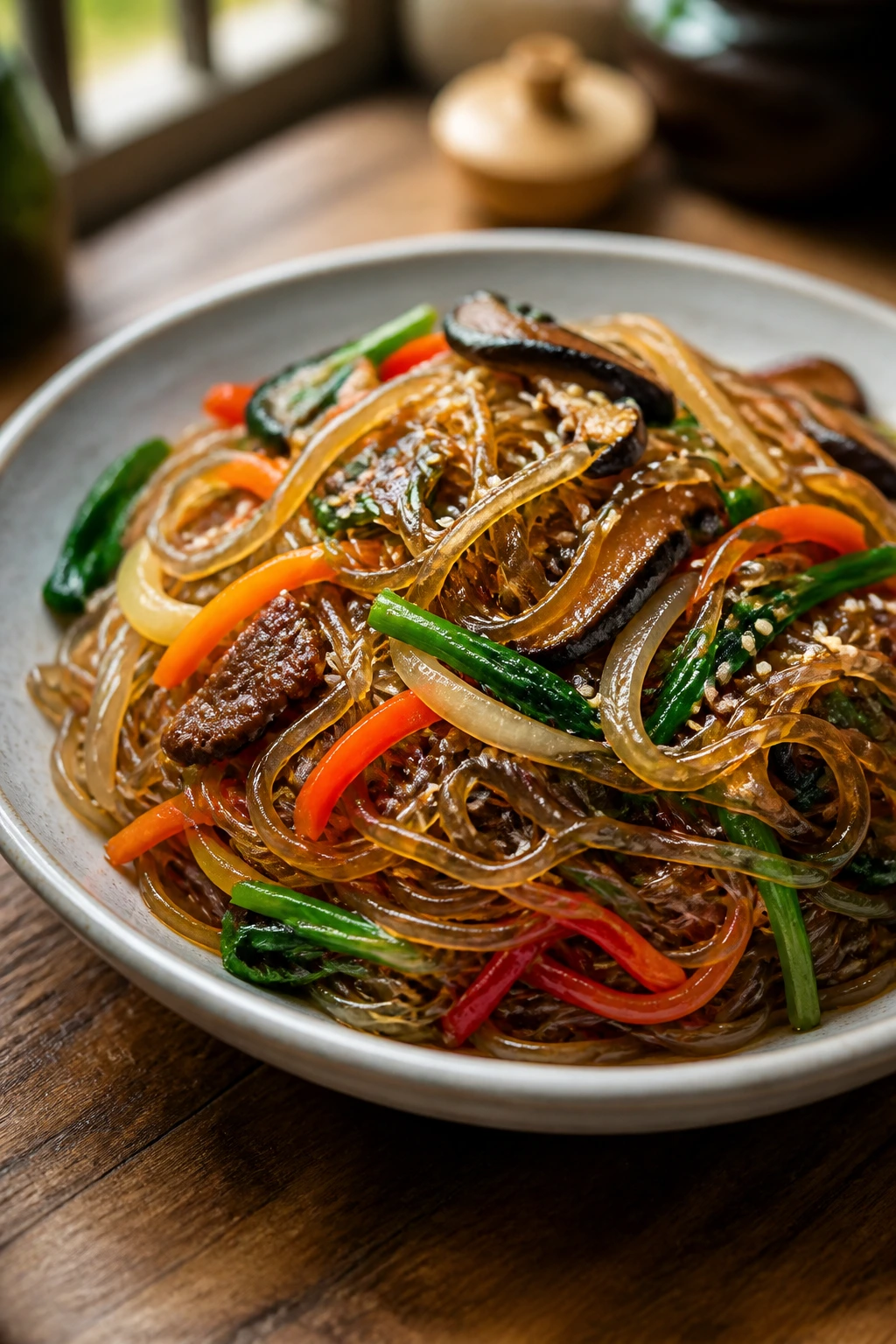
Japchae is one of the few noodle dishes that feels polished without feeling fussy. The glass noodles turn glossy, the vegetables keep their shape, and sesame oil gives the whole bowl a clean, toasted finish.
Why It Works: Sweet potato noodles absorb sauce without getting mushy. The stir-fried vegetables stay distinct, which makes every bite slightly different.
Key Ingredients:
- 8 oz sweet potato noodles
- 1/2 lb beef or mushrooms
- 1 carrot, julienned
- 1 cup spinach
- 1 onion, sliced
- 3 tablespoons soy sauce
- 1 tablespoon sugar
- 1 tablespoon sesame oil
Quick Steps:
- Cook noodles until tender, then rinse and drain.
- Stir-fry beef or mushrooms and vegetables separately if needed.
- Mix soy sauce, sugar, and sesame oil.
- Toss everything together and finish with sesame seeds.
Equipment for This Recipe:
- Pot for noodles
- Large skillet
- Colander
How to Serve This Dish: Serve warm or at room temperature. It’s good as a dinner bowl or as part of a bigger spread with kimchi.
Pro Tips for This Recipe:
- Keep the noodles slightly underdone before the final toss.
- Cook vegetables in stages if your pan is small.
- A little sugar helps the soy glaze the noodles.
Variations on This Dish:
- Vegetarian Japchae: Use mushrooms only.
- Spicy Japchae: Add a spoon of gochujang.
- Chicken Japchae: Thin-sliced chicken works well too.
Common Mistakes to Avoid with This Dish:
- Overcooking the noodles: They become slippery in a bad way.
- Crowding the pan: The vegetables steam.
- Skipping sesame oil: The dish loses its character.
25. Orange Chicken
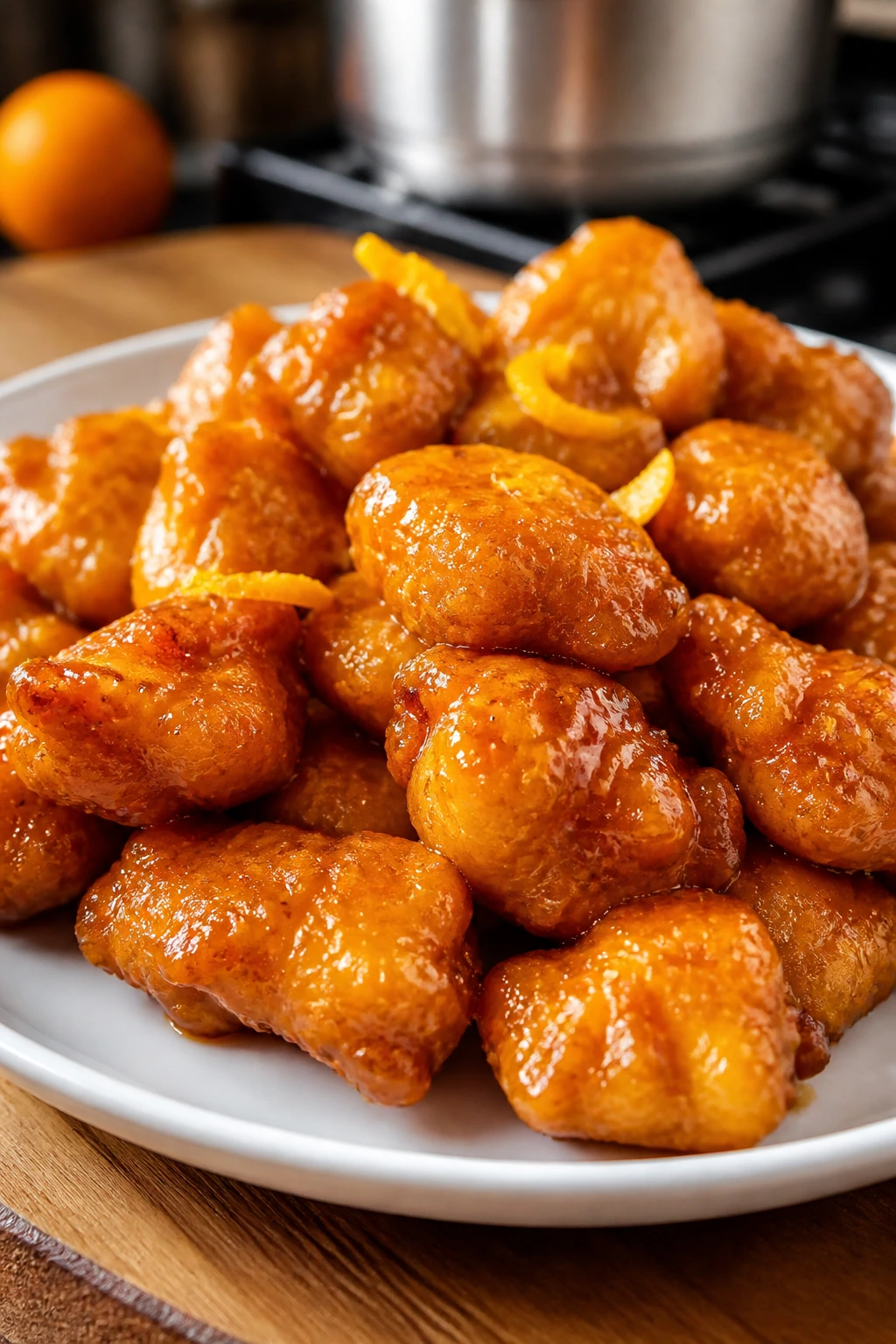
Orange chicken needs three things to work: crisp chicken, bright citrus, and a sauce that’s sticky without turning syrupy. Home-made, you can get all three in a way that fast-food versions usually miss.
Why It Works: Cornstarch or a light batter gives the chicken a shell that stands up to sauce. Orange juice and zest keep the flavor lively, while vinegar keeps the sweetness under control.
Key Ingredients:
- 1 1/2 lb chicken thighs, bite-sized
- 1/2 cup cornstarch
- 1/2 cup orange juice
- 1 tablespoon orange zest
- 2 tablespoons soy sauce
- 2 tablespoons rice vinegar
- 2 tablespoons sugar
- 2 cloves garlic, minced
Quick Steps:
- Coat chicken lightly with cornstarch and brown until crisp.
- Simmer orange juice, zest, soy sauce, vinegar, sugar, and garlic.
- Reduce until glossy.
- Toss chicken in the sauce and serve immediately.
Equipment for This Recipe:
- Large skillet
- Small saucepan
- Zester or fine grater
How to Serve This Dish: Serve with rice and steamed broccoli. A few sesame seeds on top look good and add a tiny crunch.
Pro Tips for This Recipe:
- Zest the orange before juicing it.
- Don’t let the sauce reduce to candy.
- Toss the chicken right before plating so it stays crisp.
Variations on This Dish:
- Tangerine Version: Use tangerine juice if you have it.
- Spicy Orange Chicken: Add red pepper flakes or chile paste.
- Baked Chicken: Bake the coated pieces until golden before saucing.
Common Mistakes to Avoid with This Dish:
- Sauce too sweet: Add more vinegar.
- Chicken soggy in sauce: Coat and toss fast.
- Burning the garlic: Add it after the juice starts to simmer.
26. Peanut Sesame Noodles
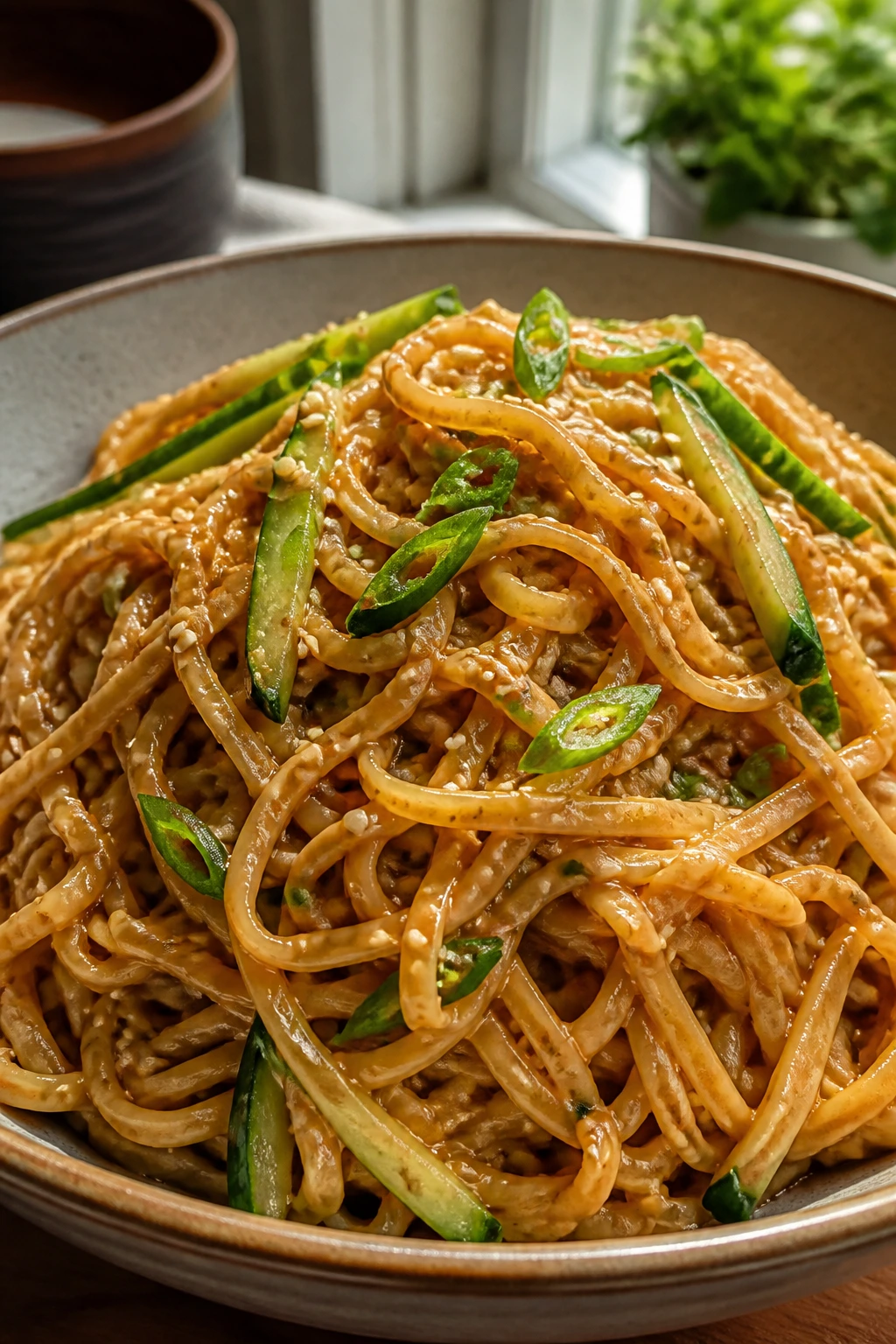
These noodles are the kind of dinner you make when the fridge looks sparse but you still want something with a pulse. Peanut butter, soy, sesame oil, and rice vinegar turn plain noodles into something rich, salty, and a little tangy.
Why It Works: Peanut butter gives body without needing cream. The vinegar and sesame oil keep the sauce from tasting heavy, which is what saves it from becoming glue.
Key Ingredients:
- 8 oz noodles or spaghetti
- 3 tablespoons peanut butter
- 2 tablespoons soy sauce
- 1 tablespoon rice vinegar
- 1 tablespoon sesame oil
- 1 teaspoon honey
- 1 cucumber, sliced
- 2 scallions, sliced
Quick Steps:
- Cook and drain the noodles.
- Whisk peanut butter, soy sauce, vinegar, sesame oil, honey, and a little hot water.
- Toss with noodles until coated.
- Top with cucumber and scallions.
Equipment for This Recipe:
- Pot
- Mixing bowl
- Whisk or fork
How to Serve This Dish: Serve cold, room temperature, or warm. It works as a main or as a side beside grilled chicken or tofu.
Pro Tips for This Recipe:
- Warm water helps the sauce turn smooth.
- A small pinch of salt may be needed depending on the peanut butter.
- Cucumber slices keep the bowl from feeling too dense.
Variations on This Dish:
- Spicy Peanut Noodles: Add chili oil.
- Thai-Style Version: Add lime juice and cilantro.
- Protein Bowl: Toss in shredded chicken or tofu.
Common Mistakes to Avoid with This Dish:
- Sauce too thick: Add water a spoon at a time.
- Too much peanut butter: It drowns the noodles.
- Overcooking noodles: They won’t hold the sauce well.
27. Teriyaki Turkey Meatballs
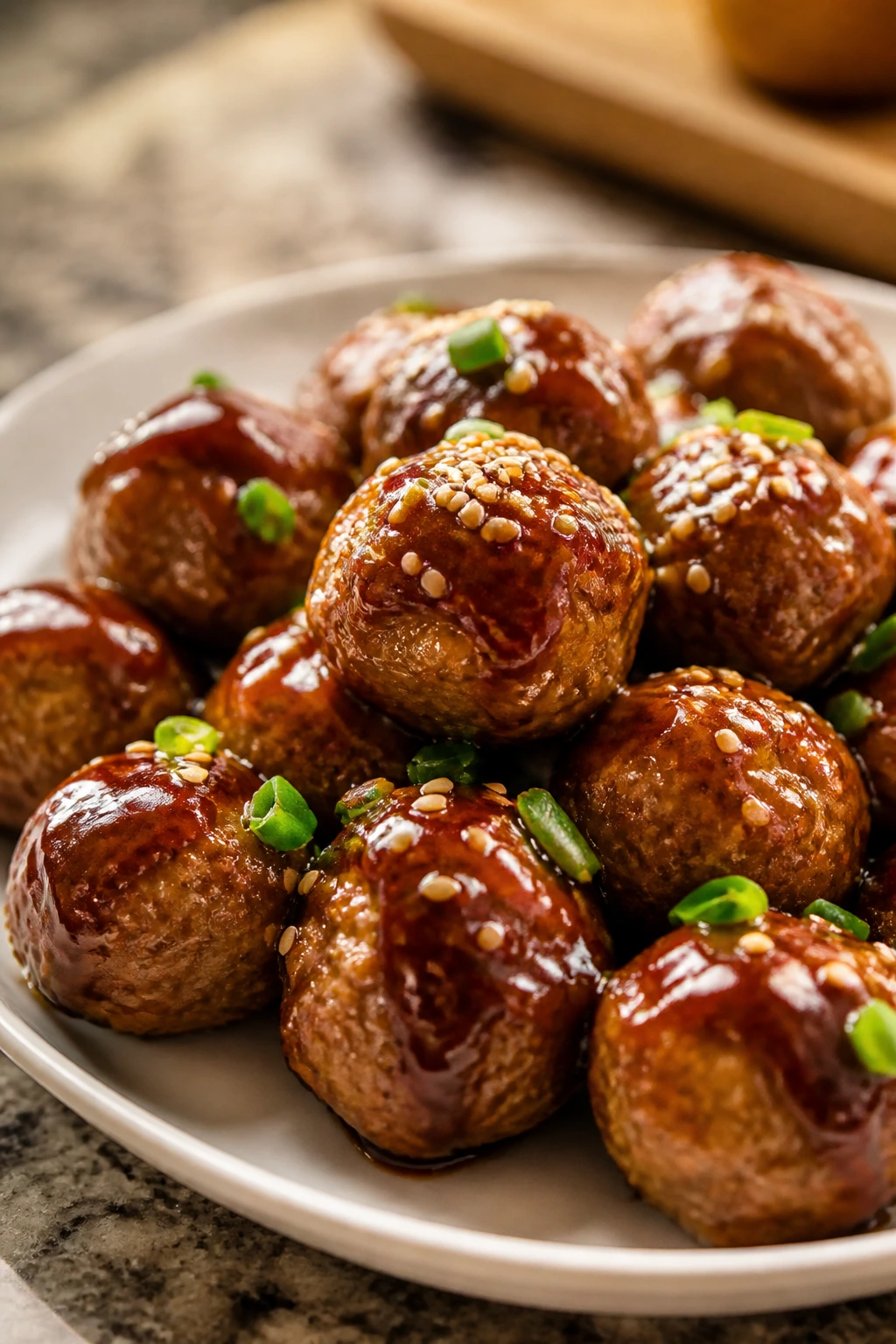
Meatballs in teriyaki glaze feel a little like a trick because they’re modest on paper and rich on the plate. The turkey stays tender, the glaze clings, and the whole thing eats like a bowl that asked for seconds.
Why It Works: Breadcrumbs and egg keep turkey meatballs from drying out. The teriyaki glaze gives sweetness, salt, and shine in one short reduction.
Key Ingredients:
- 1 lb ground turkey
- 1/2 cup panko breadcrumbs
- 1 egg
- 2 cloves garlic, minced
- 1 tablespoon grated ginger
- 1/4 cup soy sauce
- 2 tablespoons brown sugar
- 1 tablespoon sesame oil
Quick Steps:
- Mix turkey, panko, egg, garlic, and ginger.
- Shape into 1 1/2-inch meatballs and bake or pan-sear until cooked through.
- Simmer soy sauce, brown sugar, and sesame oil into a glaze.
- Toss the meatballs in the sauce and serve.
Equipment for This Recipe:
- Baking sheet or skillet
- Mixing bowl
- Small saucepan
How to Serve This Dish: Put them over rice with broccoli or green beans. They also work well in a lunch box the next day.
Pro Tips for This Recipe:
- Don’t overmix the meatball mixture.
- A quick broil at the end helps the glaze set.
- Add a spoon of water if the glaze tightens too much.
Variations on This Dish:
- Chicken Meatballs: Ground chicken works the same way.
- Gochujang Glaze: Stir in 1 tablespoon gochujang.
- Sesame-Lime Finish: Add a splash of lime before serving.
Common Mistakes to Avoid with This Dish:
- Dry meatballs: Overbaking does it.
- Loose texture: Not enough binder.
- Too-thick glaze: It becomes tacky instead of shiny.
28. Hot and Sour Tofu Soup
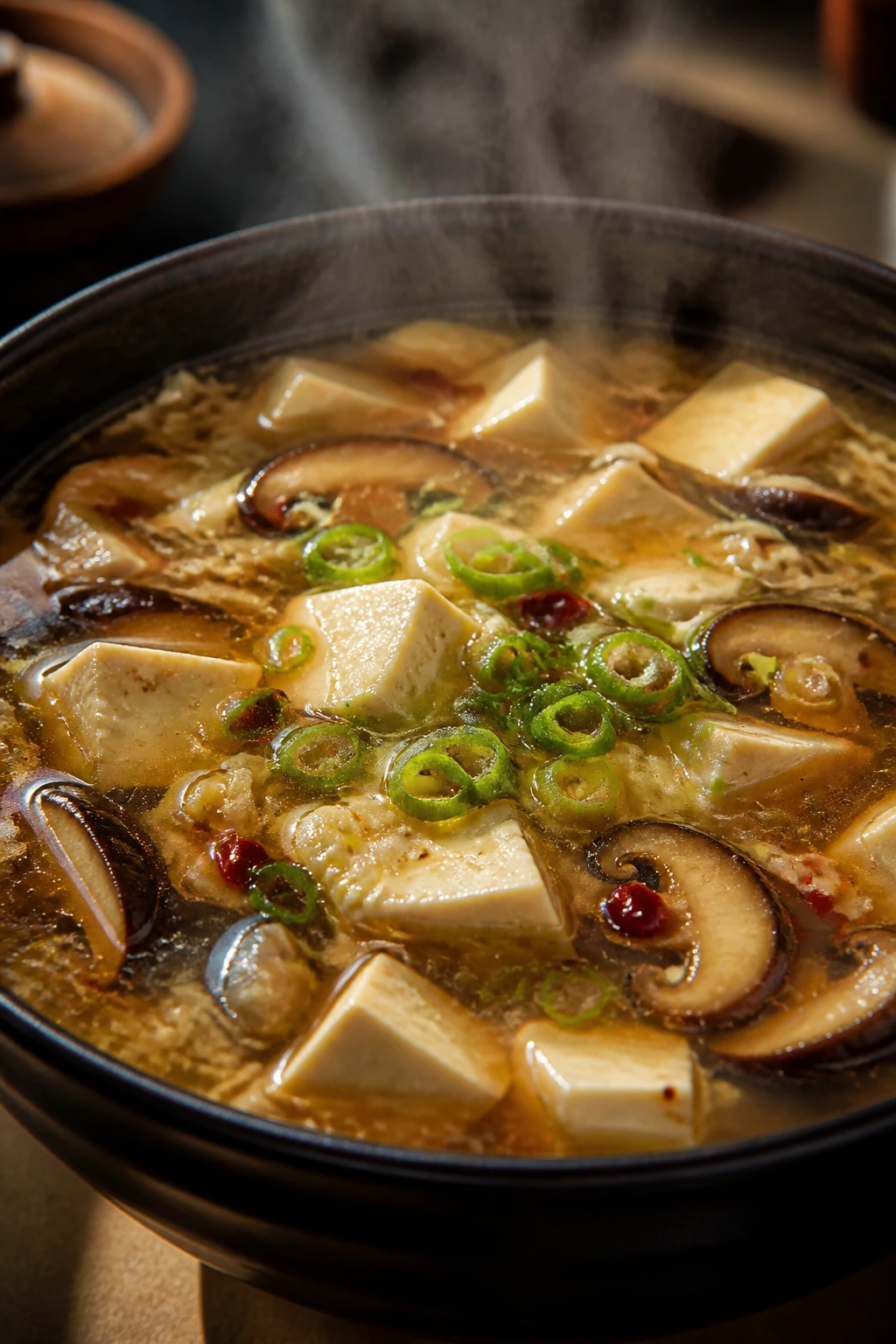
Hot and sour soup should wake you up a little. The vinegar tugs at the tongue, the white pepper lingers, and tofu plus mushrooms give the broth enough body to make it dinner, not just a starter.
Why It Works: The vinegar should hit last so the flavor stays bright. Tofu and mushrooms make the soup feel substantial without turning it into a stew.
Key Ingredients:
- 1 block firm tofu, cubed
- 1 cup mushrooms, sliced
- 4 cups chicken or vegetable broth
- 2 tablespoons rice vinegar
- 1 tablespoon soy sauce
- 1 teaspoon white pepper
- 2 eggs, beaten
- 1 tablespoon cornstarch mixed with 2 tablespoons water
Quick Steps:
- Simmer mushrooms in broth for 5 minutes.
- Add tofu, soy sauce, and white pepper.
- Stir in cornstarch slurry until lightly thickened.
- Drizzle in eggs, then finish with rice vinegar.
Equipment for This Recipe:
- Soup pot
- Whisk
- Ladle
How to Serve This Dish: Serve in deep bowls with sliced scallions on top. If you want it to feel more like dinner, add a side of rice.
Pro Tips for This Recipe:
- Add vinegar at the end so it stays sharp.
- Drizzle eggs slowly for better ribbons.
- White pepper tastes different from black pepper; it matters here.
Variations on This Dish:
- Spicier Broth: Add chili oil.
- Vegetable Version: Use bamboo shoots and carrots.
- Chicken Soup Version: Add shredded chicken if you want more protein.
Common Mistakes to Avoid with This Dish:
- Too much cornstarch: The soup becomes heavy.
- Boiling after vinegar: The flavor gets dull.
- Tiny tofu cubes: They disappear into the broth.
29. Pineapple Fried Rice
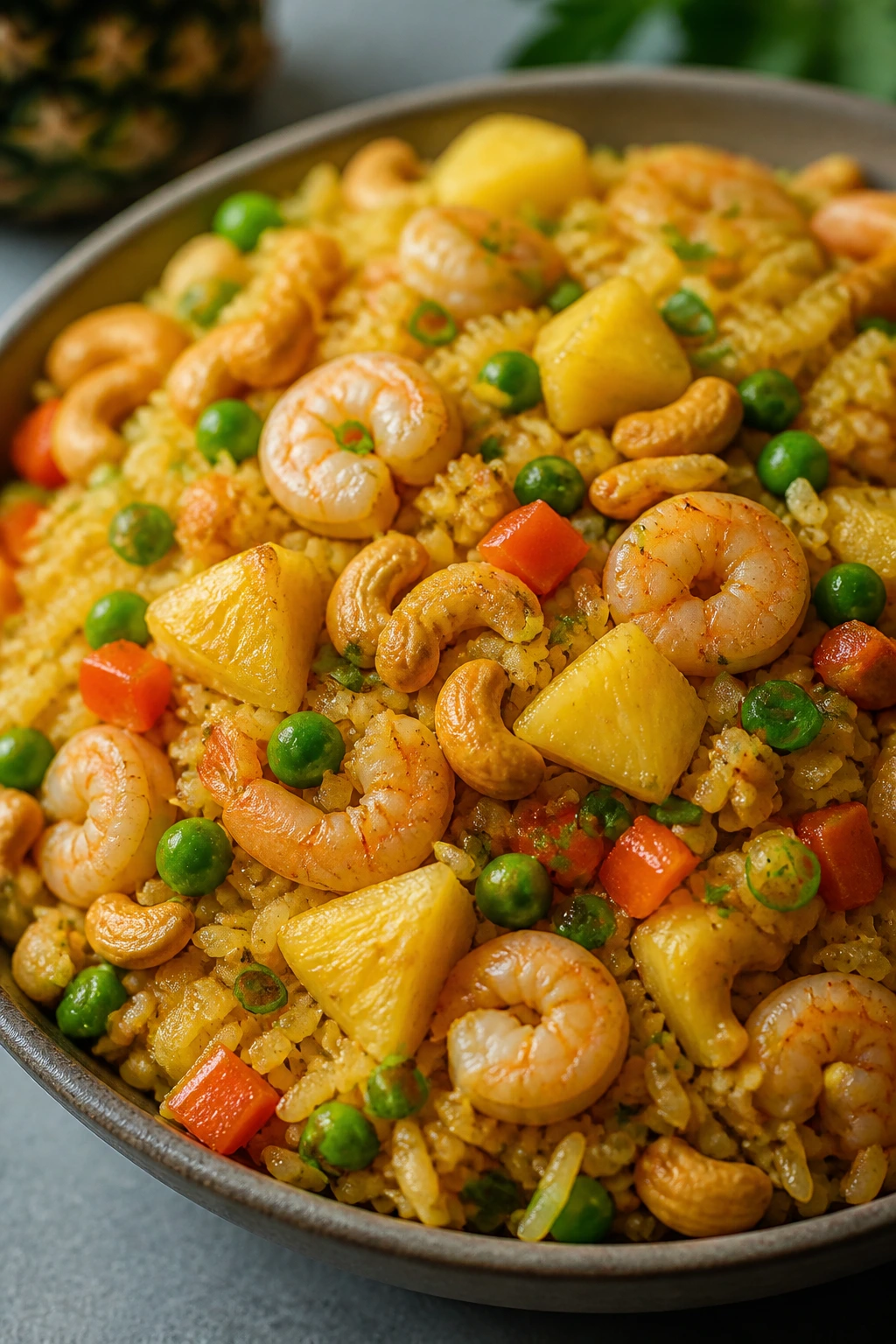
Pineapple fried rice sounds playful, but the good versions are balanced, not sugary. The rice stays savory, the pineapple adds sharp sweetness, and the curry powder gives the dish a warm edge that keeps it from tasting like dessert.
Why It Works: Day-old rice fries cleanly. Pineapple brings moisture and acidity, while cashews or shrimp make the bowl feel complete instead of gimmicky.
Key Ingredients:
- 3 cups cooked, chilled rice
- 1 cup pineapple chunks
- 1/2 lb shrimp or diced chicken
- 1 egg
- 1 tablespoon curry powder
- 2 tablespoons soy sauce
- 1 tablespoon fish sauce
- 1/4 cup cashews
Quick Steps:
- Cook shrimp or chicken and set aside.
- Scramble the egg in the pan.
- Add rice, curry powder, soy sauce, and fish sauce; fry until hot.
- Fold in pineapple, cashews, and protein.
Equipment for This Recipe:
- Large skillet or wok
- Spatula
- Bowl for the rice
How to Serve This Dish: Serve it in a shallow bowl with lime and scallions. If you want a little drama, spoon it into a hollowed pineapple half.
Pro Tips for This Recipe:
- Use chilled rice that’s been broken apart.
- Pineapple should be diced small enough to mix evenly.
- Curry powder needs oil to bloom, so don’t add it to a dry pan.
Variations on This Dish:
- Vegetarian Version: Use tofu and cashews.
- Coconut Rice Twist: Add a splash of coconut milk.
- Spicy Style: Add sliced chile or sambal.
Common Mistakes to Avoid with This Dish:
- Too much pineapple: It turns the dish sweet.
- Wet rice: It clumps.
- Weak seasoning: Fried rice needs salt and acid.
30. Mongolian Beef
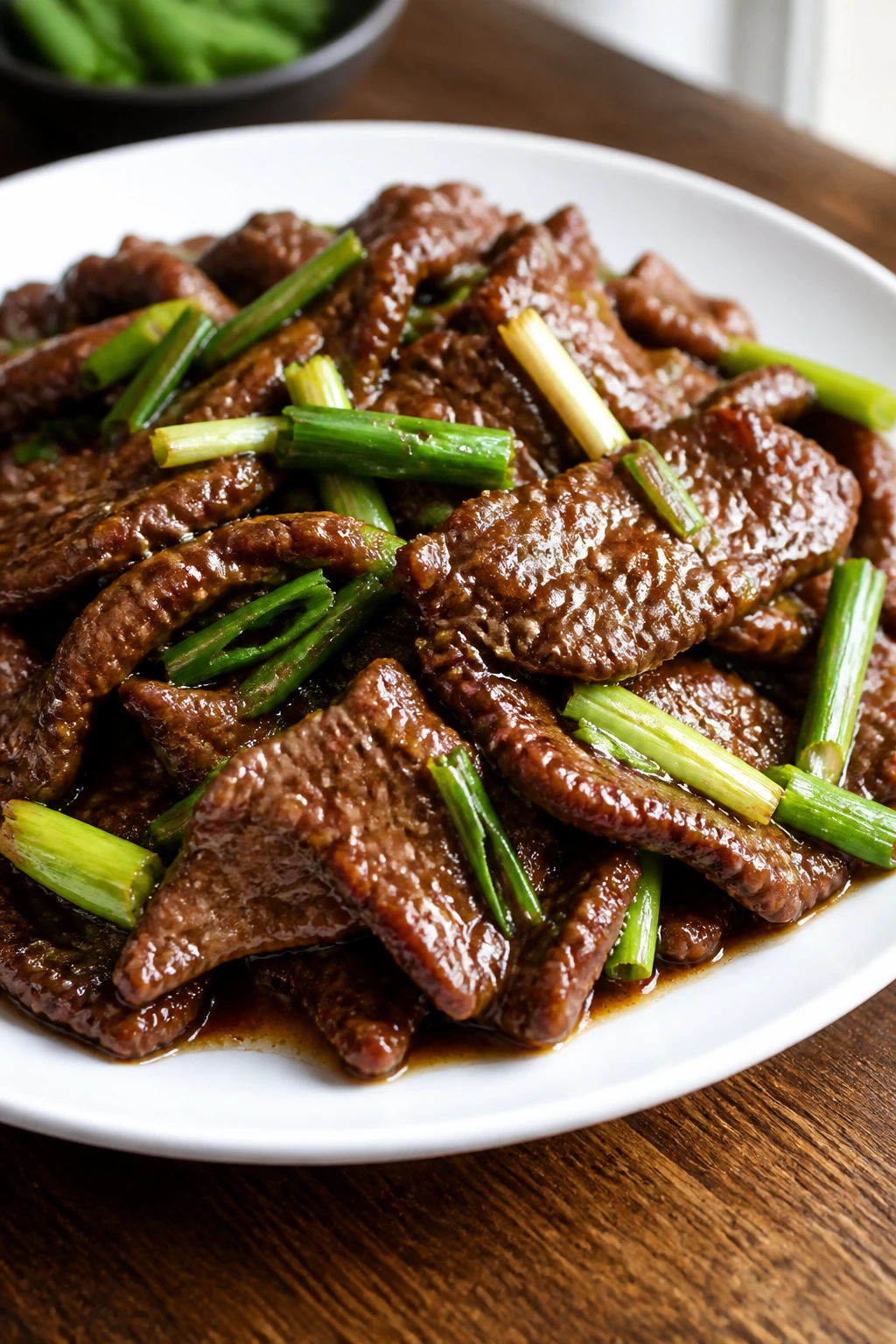
Mongolian beef is famous for being sweet-savory and fast, but the home version can be better because you can get the beef actually browned. The sauce should coat the meat, not drown it, and the scallions should stay green and fresh.
Why It Works: Thin beef fries quickly and takes on a nice edge. Brown sugar, soy, ginger, and garlic build a sauce that reduces into a glossy coating in under five minutes.
Key Ingredients:
- 1 lb flank steak, sliced thin
- 1/4 cup cornstarch
- 1/4 cup soy sauce
- 2 tablespoons brown sugar
- 2 cloves garlic, minced
- 1 tablespoon grated ginger
- 4 scallions, cut into lengths
- 1 tablespoon neutral oil
Quick Steps:
- Coat beef in cornstarch.
- Fry beef until crisp at the edges, then remove.
- Simmer soy sauce, brown sugar, garlic, and ginger until slightly thick.
- Toss beef and scallions in the sauce for 30 seconds.
Equipment for This Recipe:
- Skillet or wok
- Tongs
- Small saucepan
How to Serve This Dish: Serve with rice and a plain vegetable like bok choy or broccoli. The sauce is strong enough that you don’t need much else.
Pro Tips for This Recipe:
- Don’t skip the cornstarch coating.
- Scallions should go in at the end so they stay vivid.
- Slice beef thin enough that it cooks fast.
Variations on This Dish:
- Chicken Mongolian: Use thin chicken thighs.
- Garlic-Heavy Style: Add another clove or two.
- Spicy Mongolian Beef: Add chile flakes or chili oil.
Common Mistakes to Avoid with This Dish:
- Soggy beef: The pan wasn’t hot enough.
- Burnt sugar: The sauce reduced too far.
- Dark scallions: They were cooked too long.
31. Chicken Khao Soi
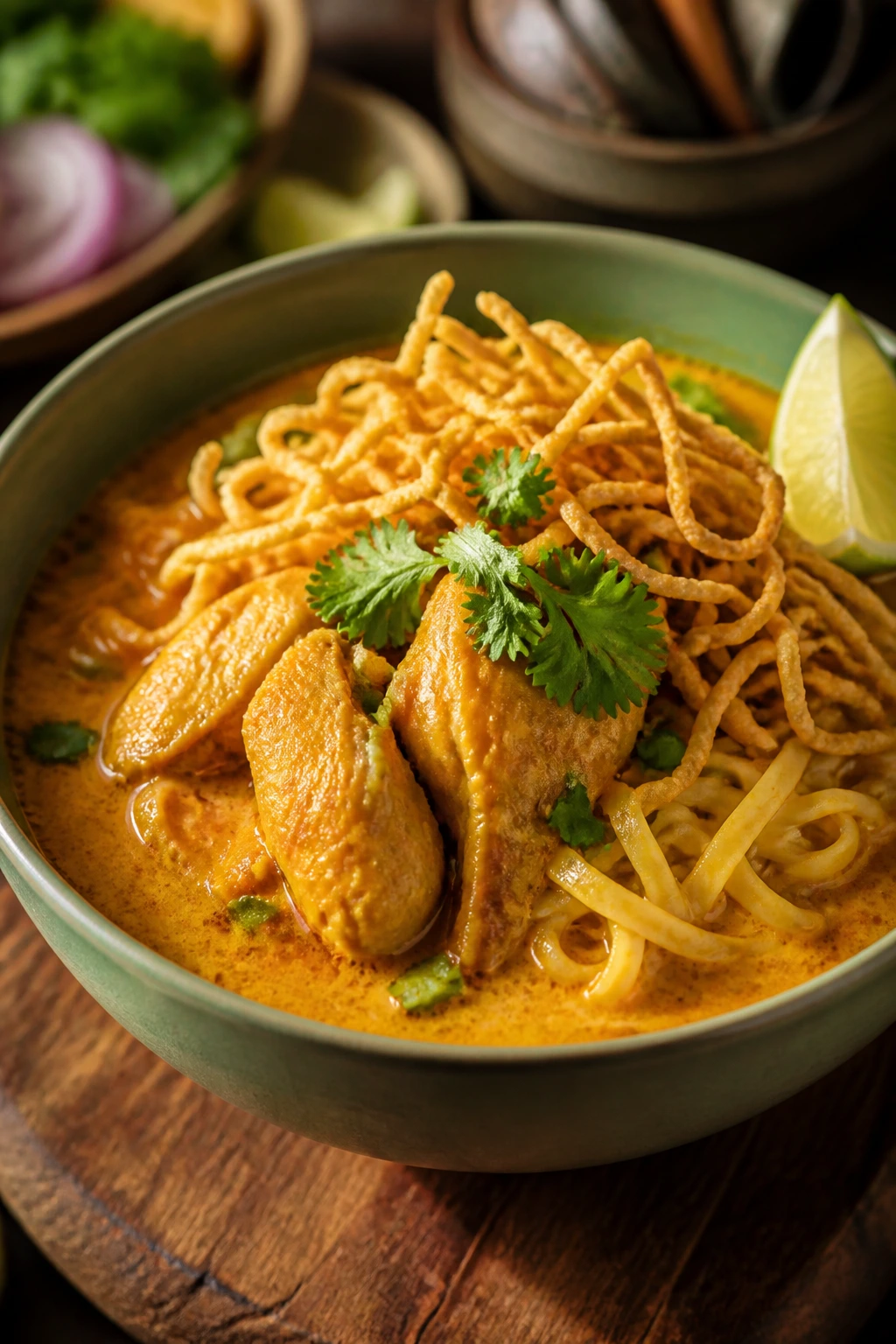
Khao soi is the bowl that makes coconut curry feel layered instead of simple. Soft noodles, curried chicken, and crunchy noodle topping give you a soup with textures that keep changing as you eat.
Why It Works: Coconut milk and curry paste create a rich broth, while both soft and crispy noodles keep the bowl from flattening out. Chicken thighs stay tender during the simmer.
Key Ingredients:
- 1 1/2 lb chicken thighs
- 2 tablespoons red curry paste
- 1 can coconut milk, 13 to 14 oz
- 4 cups chicken broth
- 8 oz egg noodles
- 1 cup crispy fried noodles or extra noodles fried until crisp
- Lime wedges and cilantro
Quick Steps:
- Cook curry paste in oil for 30 seconds.
- Add coconut milk and broth, then simmer chicken until tender.
- Cook egg noodles separately.
- Assemble with soft noodles, curry chicken, crispy noodles, cilantro, and lime.
Equipment for This Recipe:
- Soup pot
- Separate pot for noodles
- Tongs
How to Serve This Dish: Serve in large bowls with lime on the side. Pickled mustard greens, if you have them, are excellent here.
Pro Tips for This Recipe:
- Crisp noodles are not optional if you want the full effect.
- Taste the broth before serving; it should be rich and salty enough.
- Keep the lime bright and fresh.
Variations on This Dish:
- Beef Khao Soi: Use short ribs or stewing beef.
- Vegetable Khao Soi: Mushrooms and tofu work well.
- Milder Broth: Use less curry paste and more broth.
Common Mistakes to Avoid with This Dish:
- Skipping the noodle crunch: The bowl loses contrast.
- Weak broth: It needs salt and depth.
- Overcooked chicken: Pull it when tender.
32. Shoyu Ramen with Soft Eggs
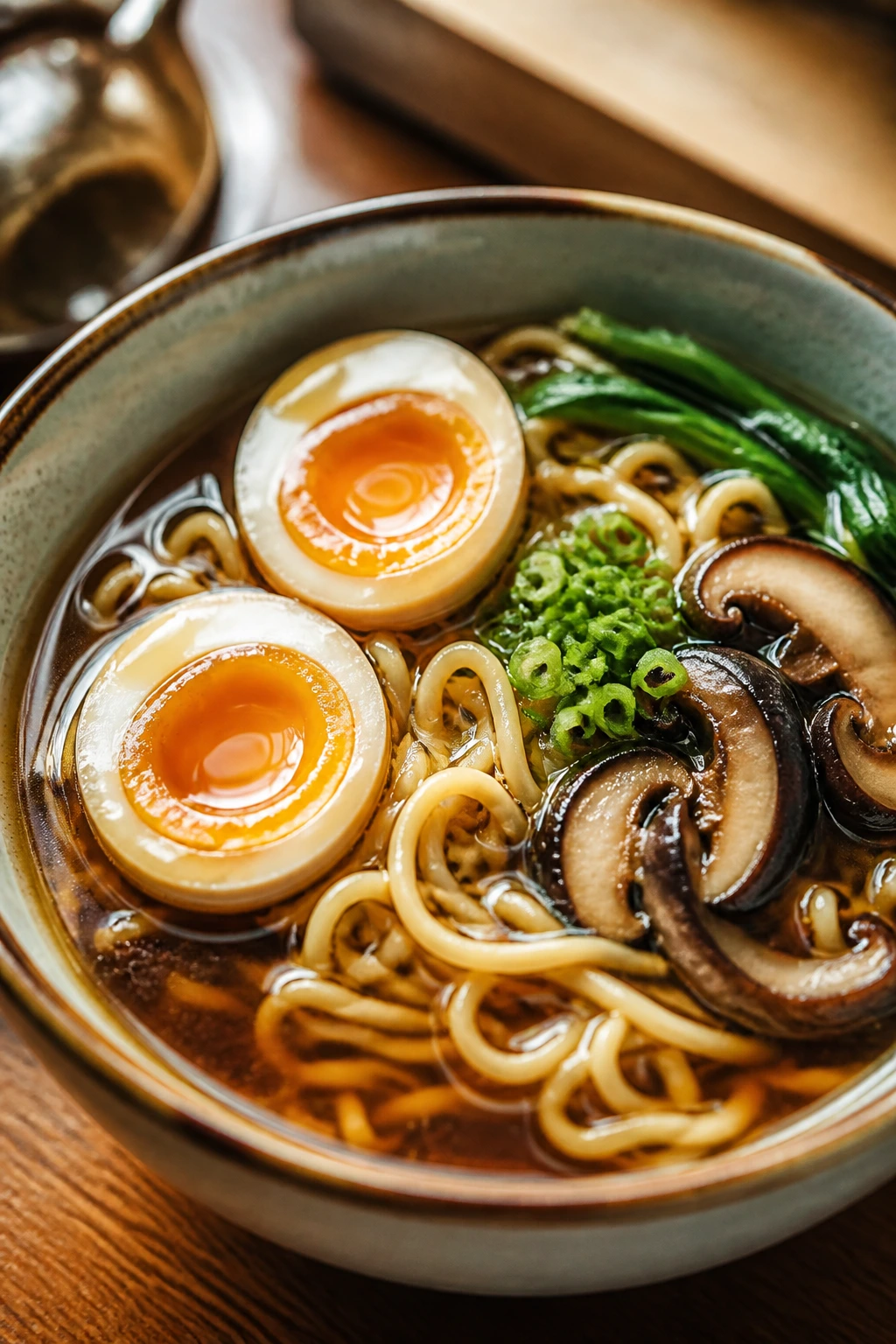
Ramen from scratch can turn into a project, but shoyu ramen at home can still be worth the bowl if you keep the broth clear and the toppings sharp. Soy seasoning, soft eggs, and chewy noodles do most of the work.
Why It Works: Shoyu broth is lighter than creamy ramen, so it comes together faster. Soft eggs and mushrooms add richness without making the soup heavy.
Key Ingredients:
- 4 packs ramen noodles
- 4 cups chicken broth
- 1/4 cup soy sauce
- 1 tablespoon mirin
- 2 soft-boiled eggs
- 1 cup mushrooms, sliced
- 1 cup bok choy or spinach
- 2 scallions, sliced
Quick Steps:
- Simmer broth with soy sauce and mirin.
- Cook noodles separately.
- Soft-boil eggs for 6 1/2 minutes, then peel.
- Assemble bowls with noodles, broth, vegetables, and eggs.
Equipment for This Recipe:
- Soup pot
- Small saucepan
- Timer
How to Serve This Dish: Serve immediately, with the eggs halved over the top. Add chili oil if you want more heat.
Pro Tips for This Recipe:
- Keep broth at a gentle simmer, not a hard boil.
- Season the broth before assembling.
- Rinse the eggs in cold water after boiling for cleaner peeling.
Variations on This Dish:
- Chicken Ramen: Add shredded chicken.
- Miso-Shoyu Blend: Stir in a spoon of miso.
- Spicy Ramen: Add chile paste or chili crisp.
Common Mistakes to Avoid with This Dish:
- Cooking noodles in the broth: It muddies the soup.
- Overboiling eggs: The yolks turn chalky.
- Underseasoned broth: It tastes watery.
33. Scallion Oil Noodles
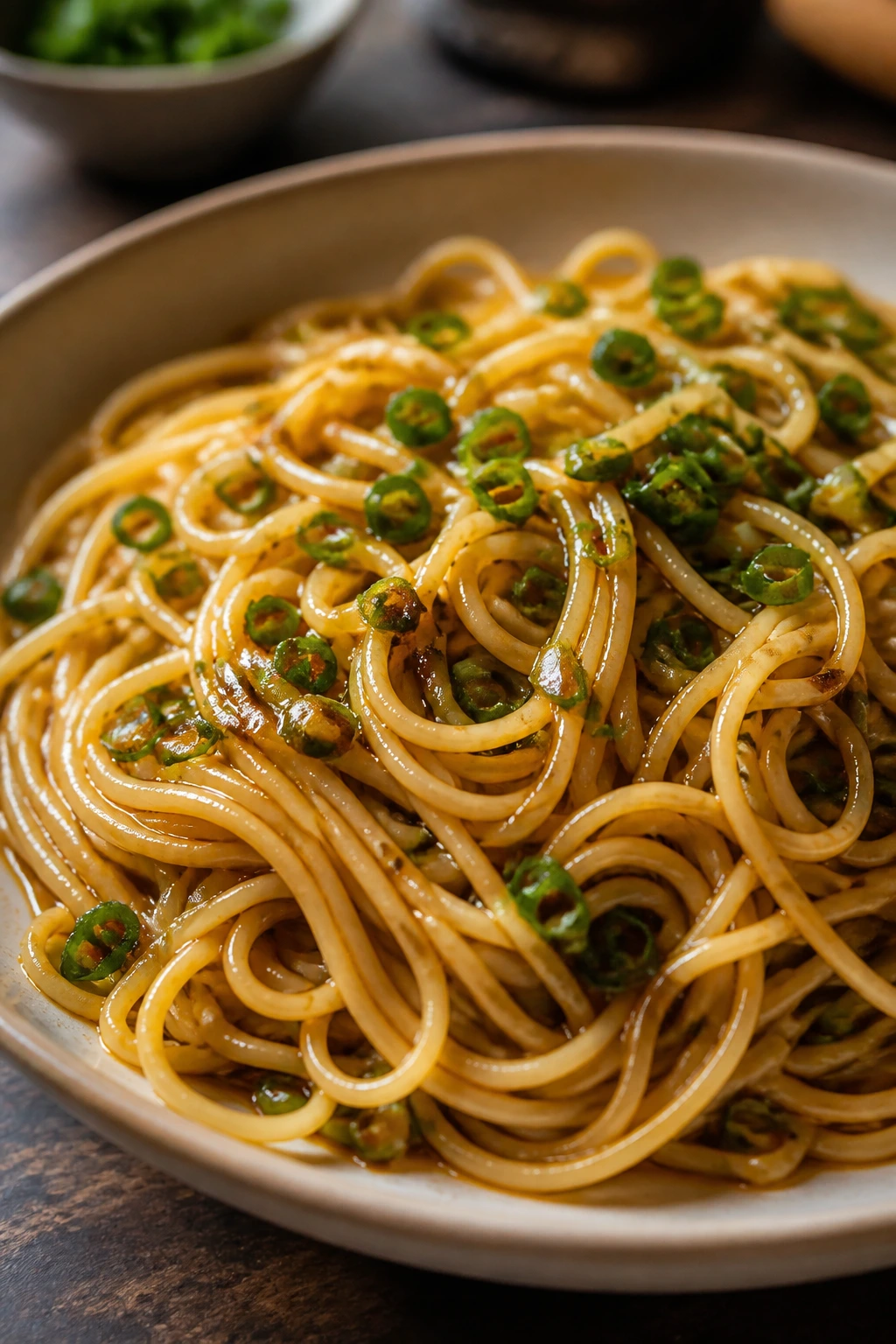
Scallion oil noodles are almost insultingly simple until you taste them. The scallions melt into the oil, the noodles pick up that sweet-savory flavor, and suddenly a bare pantry dinner tastes intentional.
Why It Works: Hot oil transforms scallions from sharp to mellow and fragrant. Soy sauce and a little sugar turn the oil into a fast sauce that clings to noodles with almost no effort.
Key Ingredients:
- 8 oz noodles
- 1 bunch scallions, chopped
- 1/4 cup neutral oil
- 2 tablespoons soy sauce
- 1 teaspoon sugar
- 1 fried egg, optional
- Sesame seeds, optional
Quick Steps:
- Cook the noodles and drain.
- Heat oil with scallions until fragrant and lightly softened.
- Stir in soy sauce and sugar.
- Toss with noodles and top with an egg if you want one.
Equipment for This Recipe:
- Pot
- Small skillet
- Tongs
How to Serve This Dish: Serve as-is for a stripped-down dinner, or add blanched greens if you need more bulk. A soft egg makes it feel richer fast.
Pro Tips for This Recipe:
- Don’t scorch the scallions; they should smell sweet.
- Use more scallion whites for depth and greens for freshness.
- A spoon of noodle water helps the sauce spread.
Variations on This Dish:
- Garlic Scallion Noodles: Add minced garlic to the oil.
- Chili Scallion Noodles: Add red pepper flakes.
- Sesame Finish: Drizzle sesame oil at the end.
Common Mistakes to Avoid with This Dish:
- Too-hot oil: The scallions burn.
- Dry noodles: They need a little starchy water.
- No salt balance: Soy sauce must season enough.
34. Coconut Curry Laksa
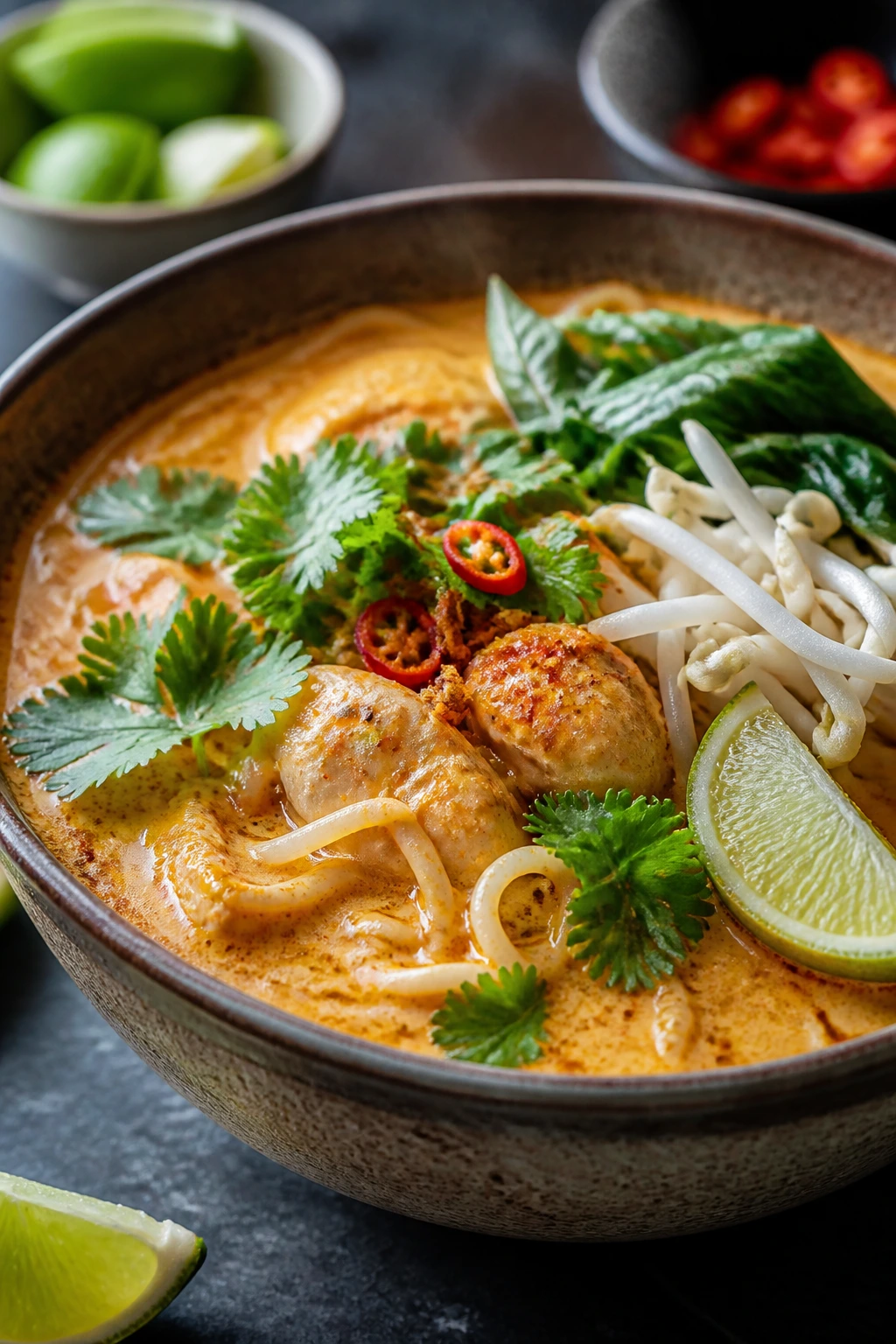
Laksa is the bowl that refuses to be subtle, and that’s why it works. Coconut milk, curry paste, noodles, herbs, and lime create a soup that’s rich, sharp, and layered enough to feel like a full meal.
Why It Works: Coconut milk softens curry paste’s heat while keeping the broth creamy. Rice noodles or egg noodles soak up flavor fast, so every bite stays well seasoned.
Key Ingredients:
- 8 oz rice noodles
- 2 tablespoons laksa paste or red curry paste
- 1 can coconut milk, 13 to 14 oz
- 4 cups broth
- 1/2 lb shrimp or chicken
- 1 cup bean sprouts
- Cilantro and lime for serving
- 1 tablespoon fish sauce
Quick Steps:
- Fry the paste briefly in oil.
- Add coconut milk and broth and simmer 5 minutes.
- Cook shrimp or chicken in the broth until done.
- Add noodles, bean sprouts, herbs, and lime.
Equipment for This Recipe:
- Soup pot
- Tongs
- Bowl for noodles
How to Serve This Dish: Serve in deep bowls with lime wedges and fresh herbs. The broth should be hot enough to perfume the whole table.
Pro Tips for This Recipe:
- Fry the paste before adding liquid.
- Don’t let the coconut milk boil hard.
- Bean sprouts should stay crisp.
Variations on This Dish:
- Tofu Laksa: Use crisp tofu.
- Mild Laksa: Cut the paste back and add more broth.
- Extra-Herby Bowl: Finish with mint and basil.
Common Mistakes to Avoid with This Dish:
- Flat broth: The paste needs frying.
- Overcooked noodles: They become mushy.
- Weak acid: Lime is not optional here.
35. Steamed Fish with Ginger and Soy
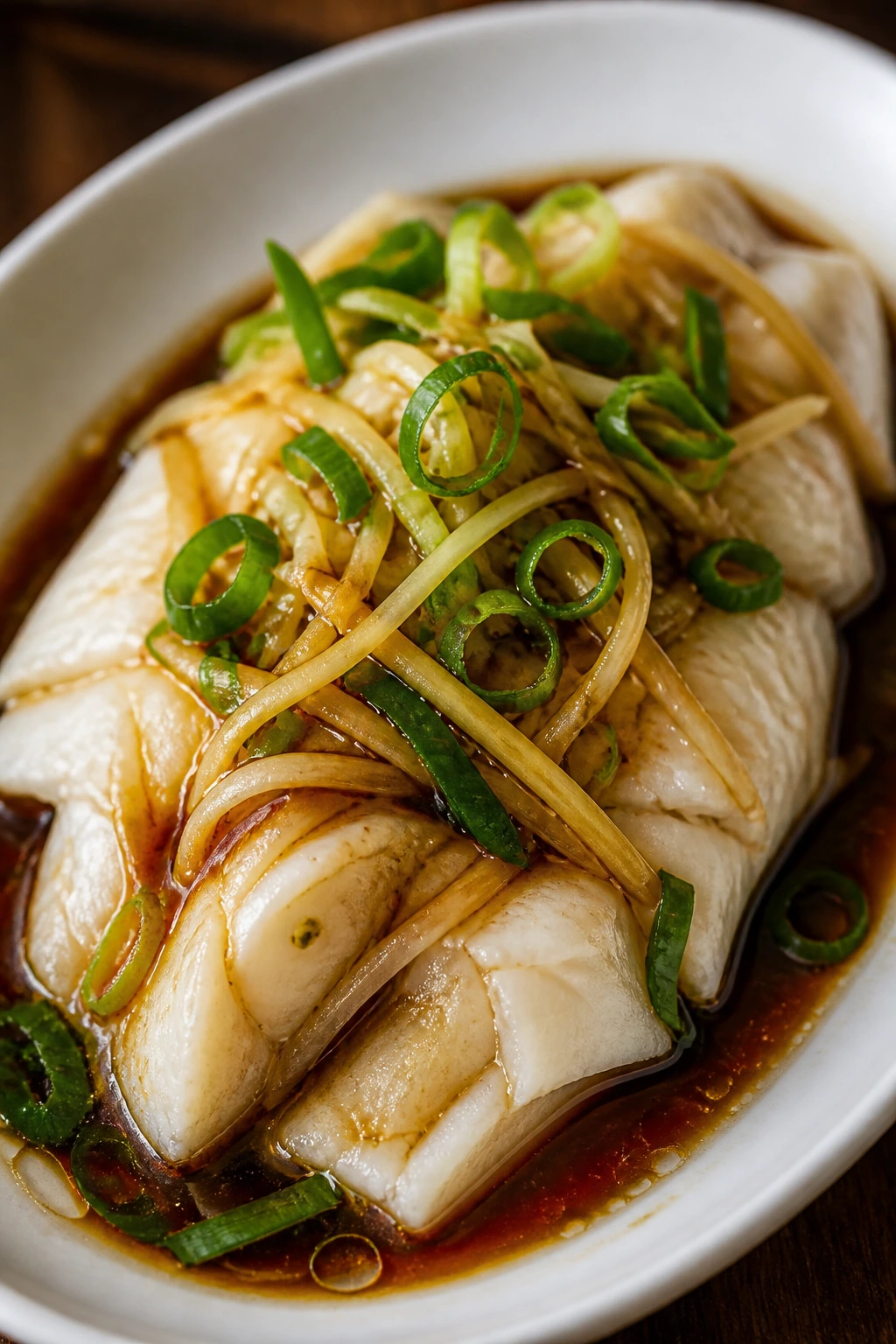
Steamed fish sounds delicate because it is, but that’s not a weakness. Done right, it’s clean, juicy, and fragrant with ginger and scallion, which is exactly why it beats many restaurant versions that get overcooked in the back kitchen.
Why It Works: Steaming keeps the flesh moist. Ginger and scallion perfume the fish, while soy sauce and sesame oil create the salty finish.
Key Ingredients:
- 2 white fish fillets, about 6 oz each
- 1 tablespoon grated ginger
- 2 scallions, julienned
- 2 tablespoons soy sauce
- 1 tablespoon rice wine or dry sherry
- 1 teaspoon sesame oil
- 1 teaspoon neutral oil
- Cilantro, optional
Quick Steps:
- Set the fish on a heatproof plate and top with ginger.
- Steam until the fish flakes easily, about 8 to 10 minutes.
- Warm soy sauce and rice wine in a small pan.
- Pour the sauce over the fish and finish with scallions and sesame oil.
Equipment for This Recipe:
- Steamer basket or setup
- Heatproof plate
- Small saucepan
How to Serve This Dish: Serve with rice and wilted greens. Keep the sides plain so the fish stays central.
Pro Tips for This Recipe:
- Use fillets of even thickness.
- Don’t oversteam; the fish should flake, not fall apart.
- Pour hot oil over the scallions if you want a more aromatic finish.
Variations on This Dish:
- Soy-Chili Version: Add sliced chile to the top.
- Mushroom Steam: Tuck shiitakes under the fish.
- Lighter Citrus Finish: Add a little lime zest.
Common Mistakes to Avoid with This Dish:
- Overcooked fish: A few extra minutes matters.
- Too much sauce: It drowns the delicate flesh.
- Steam not hot enough: The fish cooks unevenly.
36. Taiwanese Beef Noodle Soup
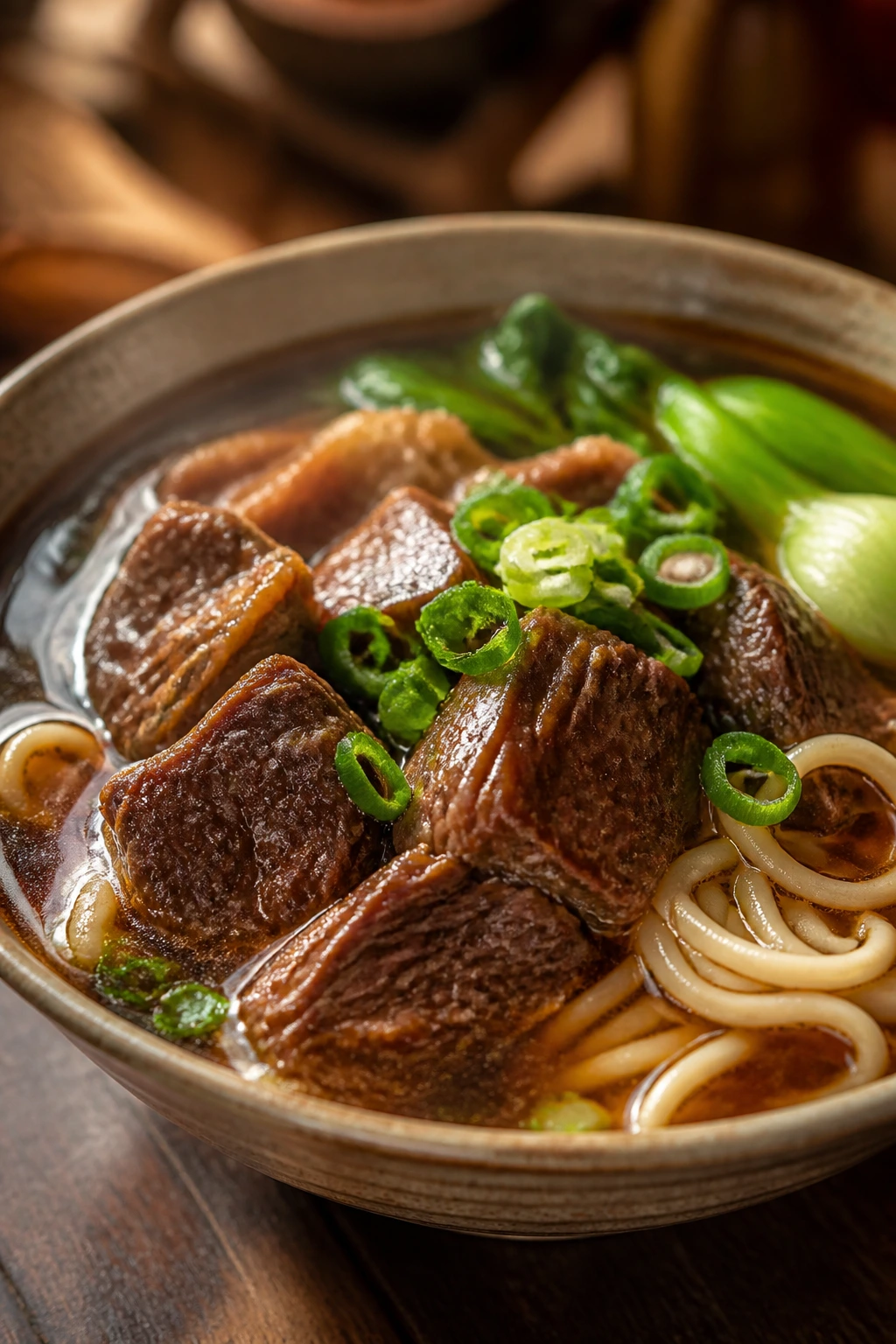
This is a serious bowl, the kind that simmers long enough to make the kitchen smell like star anise and soy. Beef becomes tender, broth gets deep and a little spicy, and the noodles turn it into dinner that holds up on cold evenings.
Why It Works: Long simmering coaxes collagen out of the beef into the broth. Soy, chili bean paste, and aromatics make the soup taste older and richer than the ingredients list suggests.
Key Ingredients:
- 2 lb beef chuck or shank
- 6 cups beef broth
- 1/4 cup soy sauce
- 2 tablespoons chili bean paste
- 2 star anise
- 2 cloves garlic, smashed
- 8 oz noodles
- Bok choy for serving
Quick Steps:
- Brown the beef in a pot.
- Add broth, soy sauce, chili bean paste, star anise, and garlic.
- Simmer until the beef is tender, 1 1/2 to 2 hours.
- Cook noodles separately and assemble with bok choy.
Equipment for This Recipe:
- Heavy pot or Dutch oven
- Slotted spoon
- Pot for noodles
How to Serve This Dish: Serve in wide bowls so the beef and broth have room. A spoonful of pickled mustard greens on top is excellent if you have them.
Pro Tips for This Recipe:
- Skim the broth early if you want it cleaner.
- Cook noodles separately so they stay springy.
- Let the beef rest in the broth before serving.
Variations on This Dish:
- Spicier Bowl: Add more chili bean paste.
- Short-Cut Version: Use a pressure cooker.
- Veggie Add-On: Mushrooms fit naturally here.
Common Mistakes to Avoid with This Dish:
- Boiling too hard: The broth goes cloudy and tough.
- Undercooked beef: Chuck needs time.
- Cooking noodles in the soup: They over-soften.
37. Kung Pao Shrimp
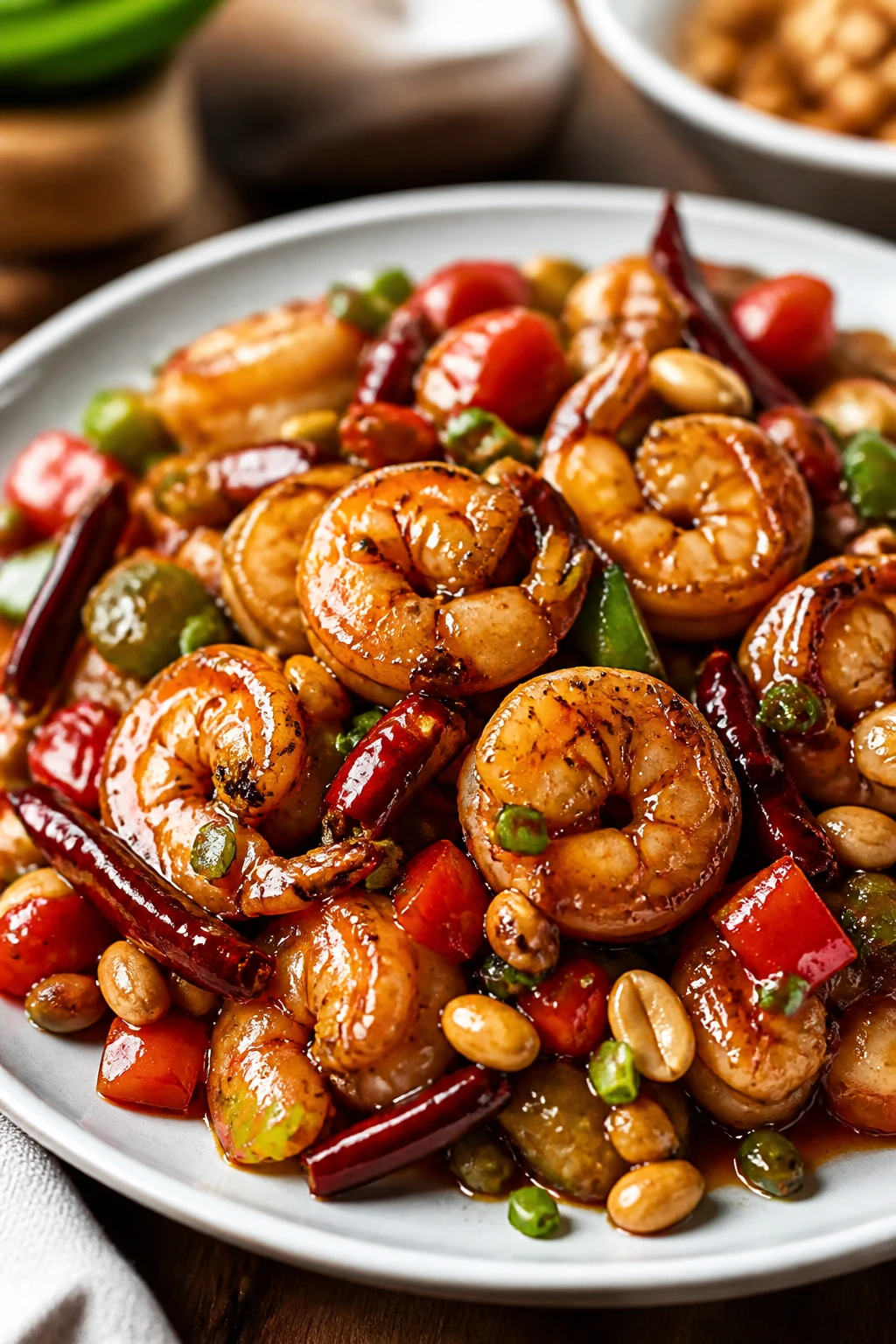
Kung Pao shrimp is all about contrast: spicy, salty, tart, and crunchy. The shrimp cooks fast, the peanuts bring a little snap, and the dried chiles add heat without taking over the whole bowl.
Why It Works: A short stir-fry keeps shrimp tender. Rice vinegar and sugar balance the soy sauce, which is what keeps the dish from drifting into one-dimensional heat.
Key Ingredients:
- 1 lb shrimp, peeled
- 1/2 cup peanuts
- 6 dried chiles
- 1 bell pepper, diced
- 2 cloves garlic, minced
- 2 tablespoons soy sauce
- 1 tablespoon rice vinegar
- 1 teaspoon sugar
Quick Steps:
- Stir-fry dried chiles briefly in oil.
- Add shrimp and cook until just pink.
- Stir in bell pepper, garlic, soy sauce, vinegar, and sugar.
- Toss with peanuts and serve.
Equipment for This Recipe:
- Wok or skillet
- Tongs
- Small bowl
How to Serve This Dish: Serve over rice with a few extra chiles on top if you like heat. It also works with noodles, though rice is cleaner.
Pro Tips for This Recipe:
- Don’t burn the dried chiles; they turn bitter.
- Shrimp only needs a short cook.
- Toast the peanuts first if you want more flavor.
Variations on This Dish:
- Chicken Kung Pao: Use diced thigh meat.
- Cashew Swap: Cashews work if peanuts are an issue.
- Extra-Vinegar Version: Add a bit more rice vinegar for brightness.
Common Mistakes to Avoid with This Dish:
- Overcooked shrimp: They turn rubbery fast.
- Too many chiles: Heat can drown the balance.
- Sauce too sweet: Add vinegar to cut it.
38. Broccoli Beef Rice Noodles
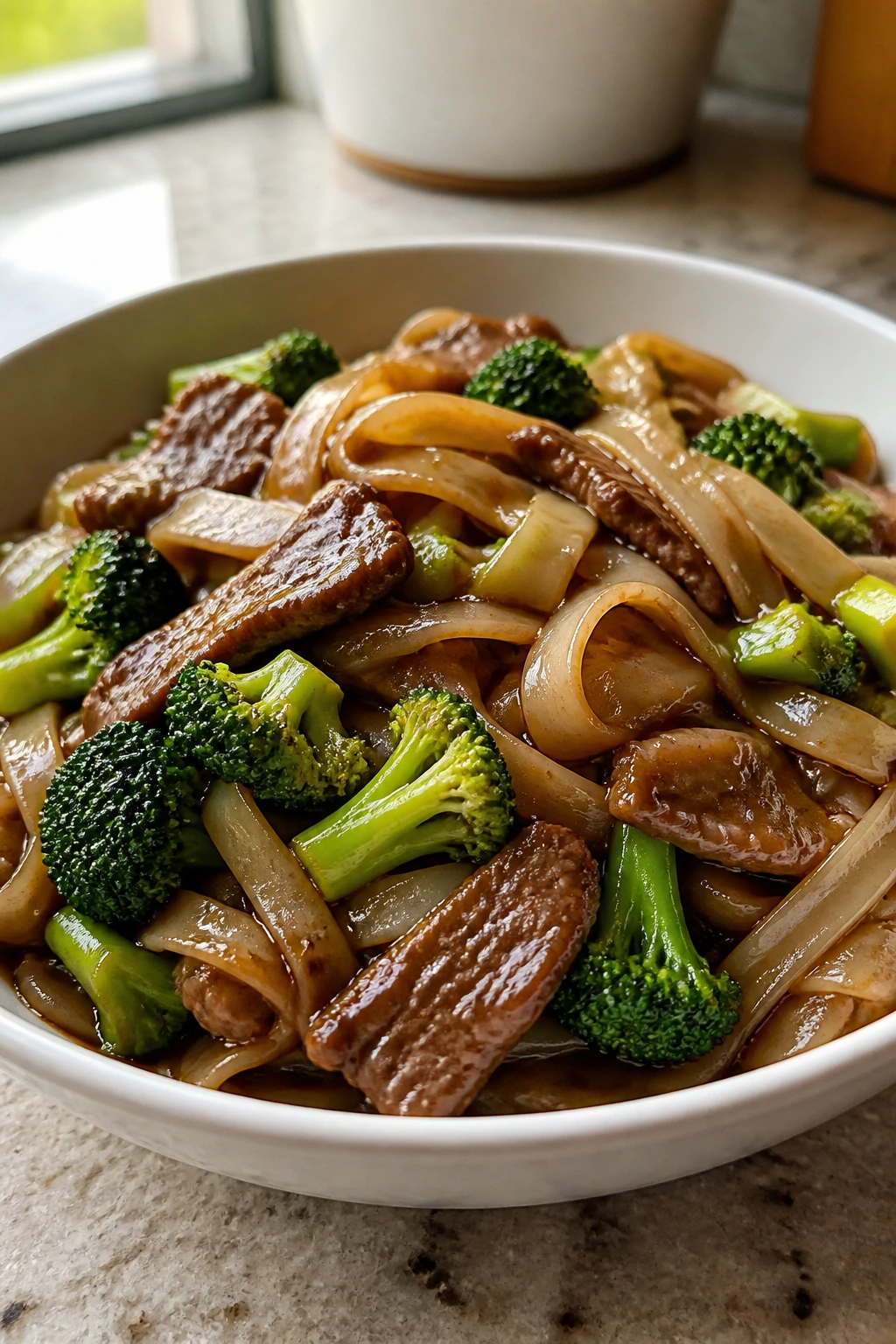
If you like beef and broccoli but want something slurpier, rice noodles are the move. They soak up sauce in a way that makes the whole dish feel silkier, while broccoli keeps the texture honest.
Why It Works: Rice noodles carry sauce without needing much oil. The broccoli gives bite, and the beef lends the dish enough heft to stand as dinner.
Key Ingredients:
- 8 oz rice noodles
- 1 lb flank steak, sliced thin
- 4 cups broccoli florets
- 3 tablespoons soy sauce
- 1 tablespoon oyster sauce
- 2 cloves garlic, minced
- 1 tablespoon cornstarch
- 1 tablespoon sesame oil
Quick Steps:
- Soak or cook the noodles until tender.
- Brown the beef and remove it.
- Stir-fry broccoli and garlic for 2 minutes.
- Add noodles, beef, soy sauce, oyster sauce, and sesame oil; toss to coat.
Equipment for This Recipe:
- Large skillet or wok
- Pot for noodles
- Tongs
How to Serve This Dish: Serve immediately while the noodles still have bounce. A squeeze of lime or splash of vinegar wakes up the sauce nicely.
Pro Tips for This Recipe:
- Keep rice noodles a little firmer than you think.
- Thin broccoli florets cook more evenly.
- A splash of hot water can loosen the sauce.
Variations on This Dish:
- Mushroom Rice Noodles: Add shiitakes.
- Chicken Swap: Thin chicken thighs work well.
- More Garlic: Great if you want a sharper finish.
Common Mistakes to Avoid with This Dish:
- Sticky noodles: Toss them with a little oil after cooking.
- Thick broccoli stems: Slice them thin so they cook on time.
- Weak sauce: Rice noodles need enough seasoning.
39. Gochujang Chicken Lettuce Wraps
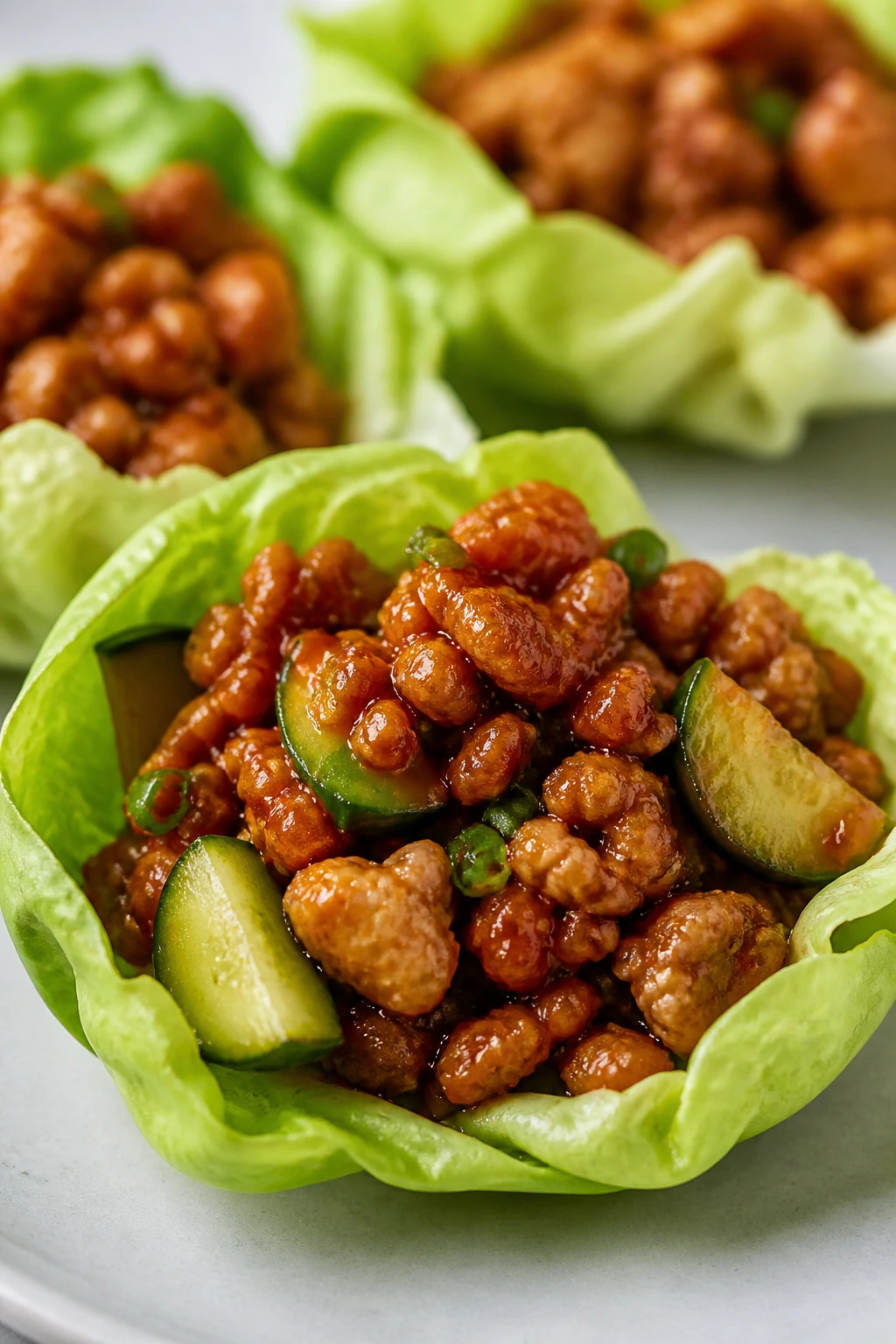
These wraps bring the fun back to dinner. The chicken is sticky and spicy, the lettuce stays cold and crisp, and the cucumber gives you that clean crunch that keeps the whole thing from feeling heavy.
Why It Works: Gochujang brings heat, depth, and sweetness in one spoonful. Lettuce wraps are fast because the filling cooks in one pan and the rest is just assembly.
Key Ingredients:
- 1 lb ground chicken
- 2 tablespoons gochujang
- 1 tablespoon soy sauce
- 1 tablespoon rice vinegar
- 1 tablespoon honey
- 1 cucumber, sliced
- Butter lettuce leaves
- 2 scallions, sliced
Quick Steps:
- Brown the chicken in a skillet.
- Stir in gochujang, soy sauce, vinegar, and honey.
- Cook until the sauce tightens and coats the chicken.
- Spoon into lettuce leaves with cucumber and scallions.
Equipment for This Recipe:
- Skillet
- Spoon
- Serving platter
How to Serve This Dish: Serve the filling in a bowl with lettuce leaves stacked beside it. Let everyone build their own wraps.
Pro Tips for This Recipe:
- Keep the lettuce cold so it stays crisp.
- Add a little water if the sauce gets too thick.
- Cucumber slices cool the heat without fighting the flavor.
Variations on This Dish:
- Turkey Version: Ground turkey works the same way.
- Rice Bowl Version: Spoon the filling over rice.
- More Vegetable Version: Add diced mushrooms or carrots.
Common Mistakes to Avoid with This Dish:
- Wilted lettuce: Don’t prep it too far ahead.
- Overly thick sauce: It should coat, not cement.
- Barely seasoned chicken: Gochujang still needs soy and acid.
40. Nasi Goreng
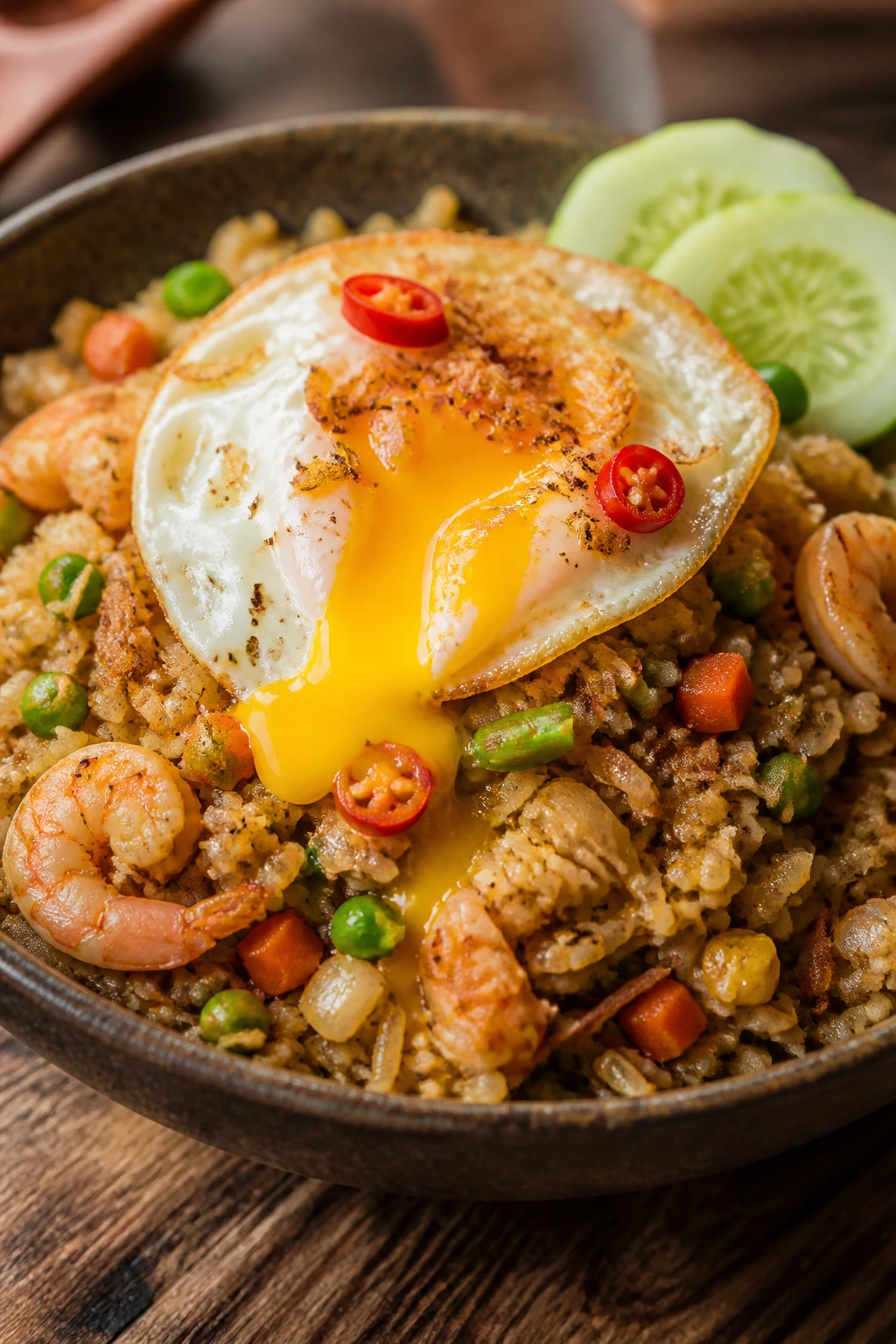
Nasi goreng is fried rice with a little more swagger. The soy, sambal, and fried egg turn leftover rice into a dish that feels layered and satisfying, not like a cleanup operation.
Why It Works: Cold rice fries in the pan instead of collapsing. A fried egg on top adds richness, and sweet-savory seasoning keeps the rice from tasting plain.
Key Ingredients:
- 3 cups cooked, chilled rice
- 1/2 lb shrimp or diced chicken
- 2 eggs
- 2 tablespoons soy sauce
- 1 tablespoon sambal or chili sauce
- 1 tablespoon neutral oil
- 2 scallions, sliced
- Fried shallots, optional
Quick Steps:
- Fry shrimp or chicken and set aside.
- Scramble one egg in the pan, then add rice.
- Stir in soy sauce and sambal until the rice is evenly colored.
- Top with the second fried egg and scallions.
Equipment for This Recipe:
- Large skillet or wok
- Spatula
- Bowl for the rice
How to Serve This Dish: Serve with cucumber or a little sliced tomato on the side. The fried egg should be runny if you want the bowl to feel richer.
Pro Tips for This Recipe:
- Use rice that’s been chilled and broken up.
- Fried shallots add a lot with very little effort.
- Taste before salting; soy sauce carries most of it.
Variations on This Dish:
- Vegetable Nasi Goreng: Use diced carrots and peas.
- Spicier Bowl: Add more sambal.
- Chicken-and-Shrimp Mix: Works if you want more protein.
Common Mistakes to Avoid with This Dish:
- Fresh rice: It clumps.
- No fried egg: You lose part of the point.
- Too much soy: The rice gets heavy.
41. Soy Garlic Pork Chops
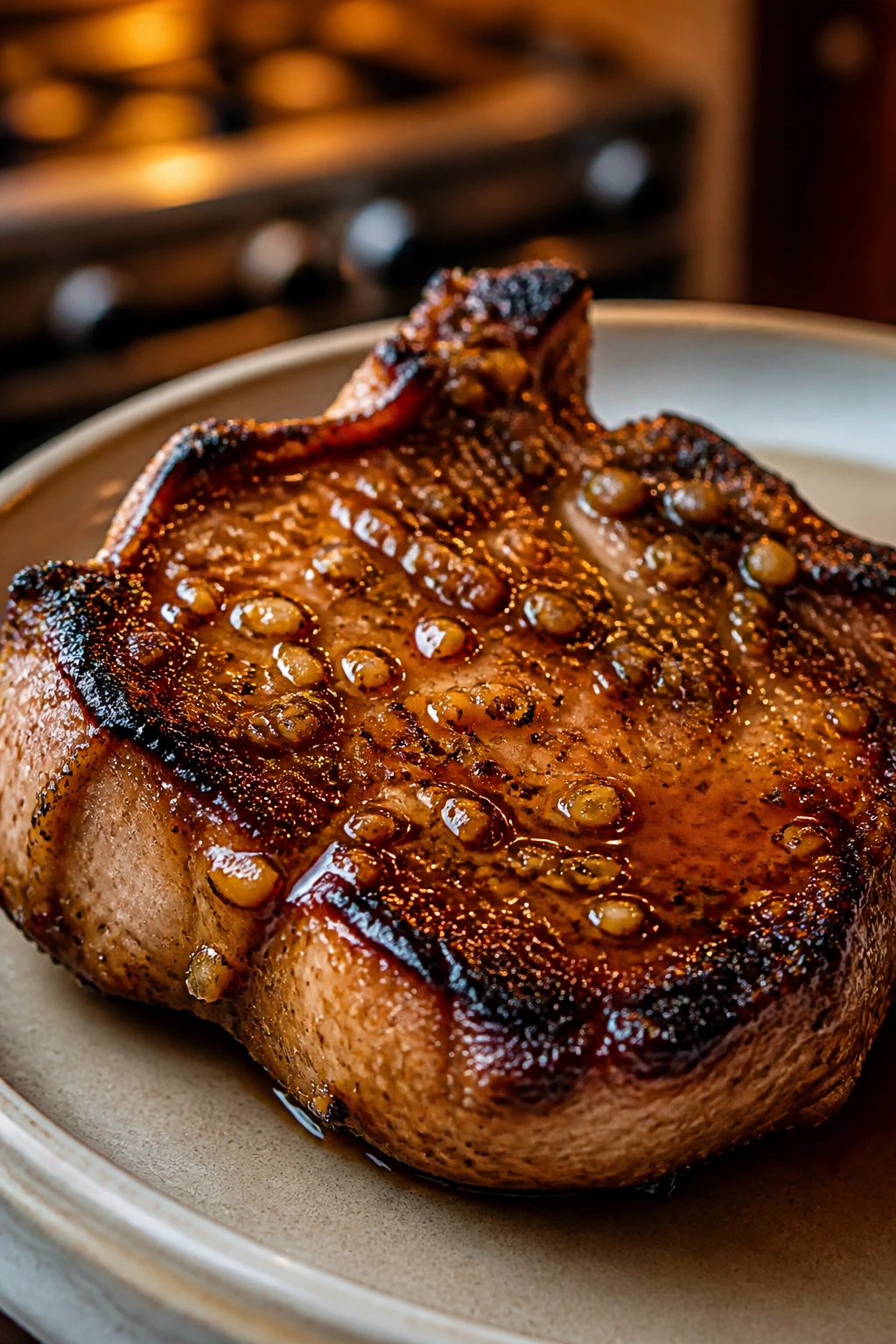
Pork chops often get overcooked because people rush them or drown them in sauce. This version keeps them juicy, with a soy-garlic glaze that turns shiny and savory in the last few minutes.
Why It Works: A quick sear builds flavor before the glaze goes in. Garlic, soy, honey, and rice vinegar balance out the pork without hiding it.
Key Ingredients:
- 4 pork chops, bone-in or boneless
- 3 tablespoons soy sauce
- 2 cloves garlic, minced
- 1 tablespoon honey
- 1 tablespoon rice vinegar
- 1 teaspoon grated ginger
- 1 tablespoon neutral oil
Quick Steps:
- Season the pork chops lightly.
- Sear 4 to 5 minutes per side until browned.
- Stir soy sauce, garlic, honey, vinegar, and ginger together.
- Pour in the glaze and cook 1 minute until shiny.
Equipment for This Recipe:
- Skillet
- Spoon
- Small bowl
How to Serve This Dish: Serve with rice and bok choy or green beans. The sauce also tastes good spooned over mashed potatoes, which is not traditional but works.
Pro Tips for This Recipe:
- Bone-in chops stay juicier.
- Don’t overcook; pork is better slightly earlier than too late.
- Let the glaze bubble just enough to thicken.
Variations on This Dish:
- Spicy Garlic Chops: Add chile flakes.
- Pineapple Glaze: Add a spoon of pineapple juice.
- Double-Garlic Style: Use garlic in both the sear and glaze.
Common Mistakes to Avoid with This Dish:
- Dry chops: Cook them too long and they seize up.
- Raw garlic in a hot pan: It burns quickly.
- Thin glaze: Reduce it a little more.
42. Chili Oil Wontons
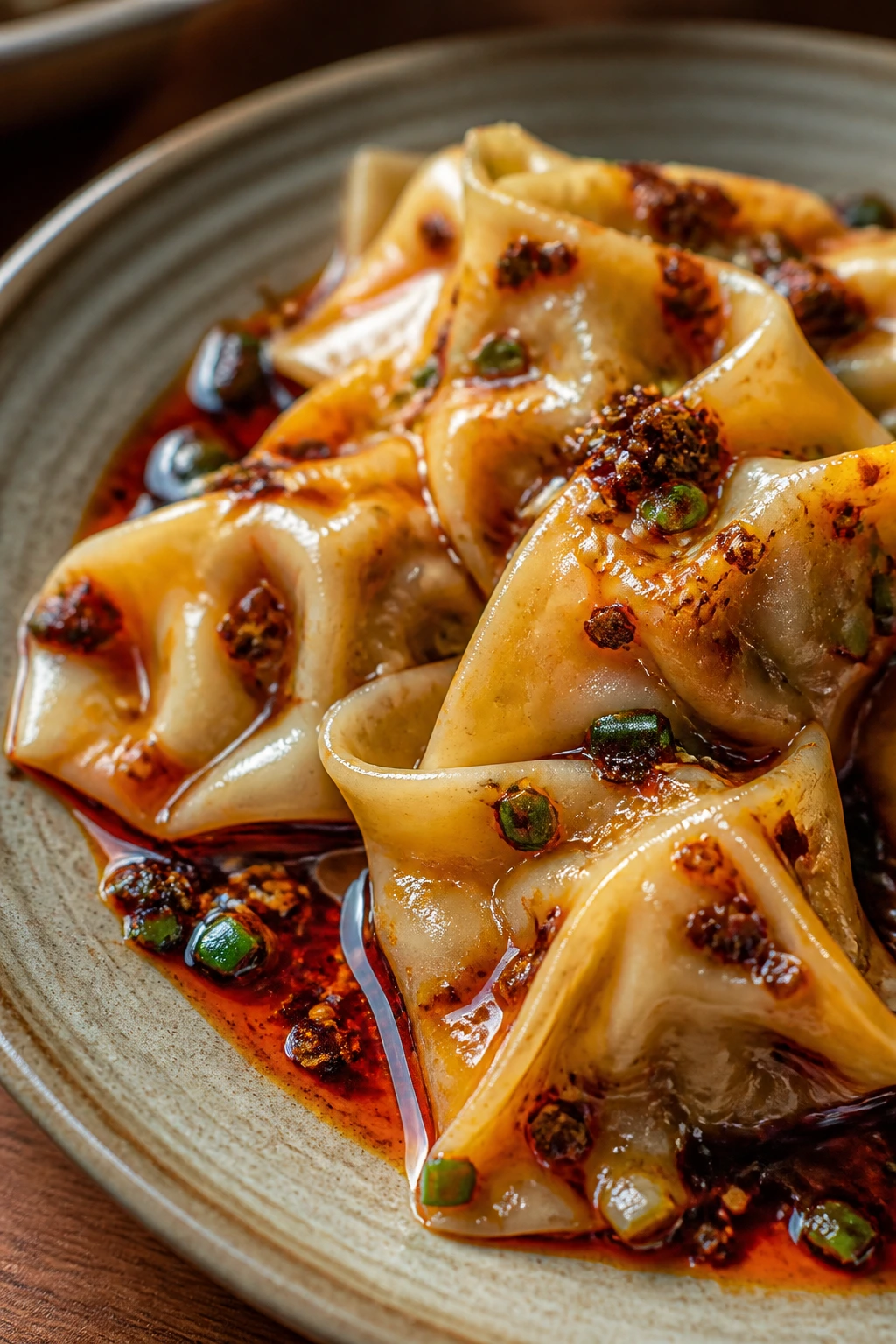
Chili oil wontons are one of those dishes that feels like a shortcut and a prize at the same time. Soft dumplings, sharp vinegar, heat, and sesame all hit together in a way that makes a small plate eat like a real meal.
Why It Works: Frozen or homemade wontons both handle the sauce well. Chili oil and black vinegar bring heat and acid, which keeps the dish from feeling too soft or bland.
Key Ingredients:
- 20 wontons or dumplings
- 2 tablespoons chili oil
- 1 tablespoon black vinegar
- 1 tablespoon soy sauce
- 1 teaspoon sugar
- 1 scallion, sliced
- 1 teaspoon sesame seeds
Quick Steps:
- Boil or steam the wontons until cooked.
- Stir chili oil, black vinegar, soy sauce, and sugar in a bowl.
- Toss or spoon sauce over the wontons.
- Finish with scallions and sesame seeds.
Equipment for This Recipe:
- Pot or steamer
- Bowl for the sauce
- Slotted spoon
How to Serve This Dish: Serve as a starter or as a light dinner with a plate of greens. If you want more substance, add a bowl of broth on the side.
Pro Tips for This Recipe:
- Don’t overcook fresh wontons; they split.
- Sauce should be sharp, not sweet.
- A few spoonfuls of noodle water can help the sauce cling.
Variations on This Dish:
- Sesame Peanut Sauce: Swap in peanut butter for part of the chili oil.
- Extra-Hot Version: Add more chili crisp.
- Vegetable Wontons: Mushroom or cabbage fillings work well.
Common Mistakes to Avoid with This Dish:
- Lukewarm sauce: It tastes flat.
- Too much sugar: The tang disappears.
- Broken wontons: Boil them gently.
43. Coconut Curry Mussels
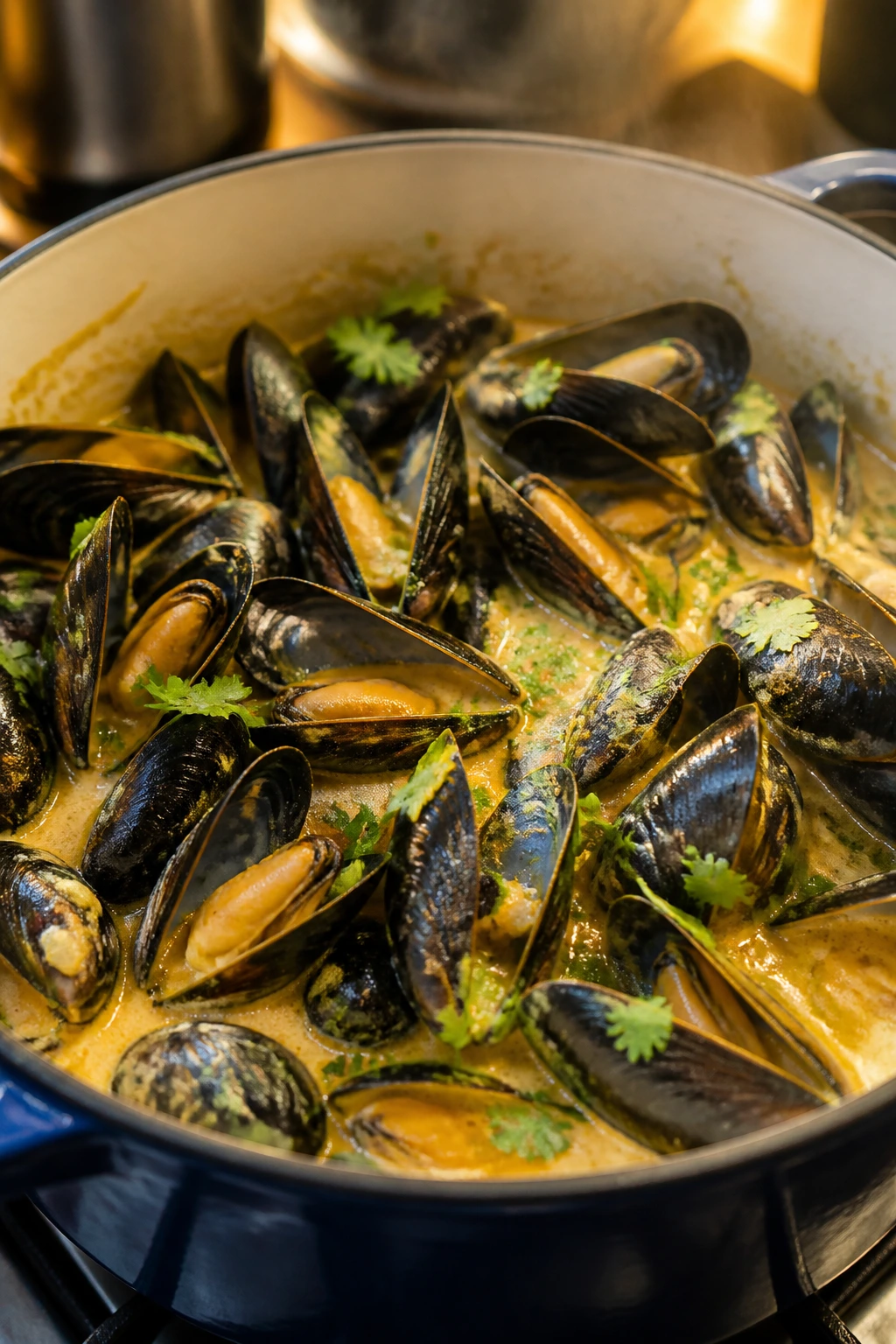
Mussels in coconut curry broth feel like restaurant food until you realize how quickly they cook. The shells open, the broth turns fragrant, and the whole pot comes together faster than most people expect.
Why It Works: Mussels cook fast and pick up flavor from the broth almost immediately. Coconut milk softens the curry paste, while lime keeps the final bowl from feeling heavy.
Key Ingredients:
- 2 lb mussels, cleaned
- 1 tablespoon curry paste
- 1 can coconut milk, 13 to 14 oz
- 1 cup broth
- 2 cloves garlic, minced
- 1 tablespoon lime juice
- Cilantro for serving
- Rice or bread for serving
Quick Steps:
- Cook garlic and curry paste for 30 seconds.
- Add coconut milk and broth and bring to a simmer.
- Add mussels, cover, and cook until they open, 5 to 7 minutes.
- Finish with lime and cilantro.
Equipment for This Recipe:
- Large pot with lid
- Bowl for cleaned mussels
- Ladle
How to Serve This Dish: Serve with rice or crusty bread to soak up the broth. Discard any mussels that stay closed after cooking.
Pro Tips for This Recipe:
- Clean the shells thoroughly.
- Don’t overcook; mussels toughen fast.
- Taste the broth before adding lime.
Variations on This Dish:
- Tomato Coconut Version: Add a spoon of tomato paste.
- Spicier Curry: Use more paste.
- Herb Finish: Basil and cilantro both work.
Common Mistakes to Avoid with This Dish:
- Dirty mussels: They make the broth gritty.
- Overcooking shellfish: The meat shrinks.
- Too much curry paste: It can overwhelm the sweetness.
44. Chicken Tikka Masala
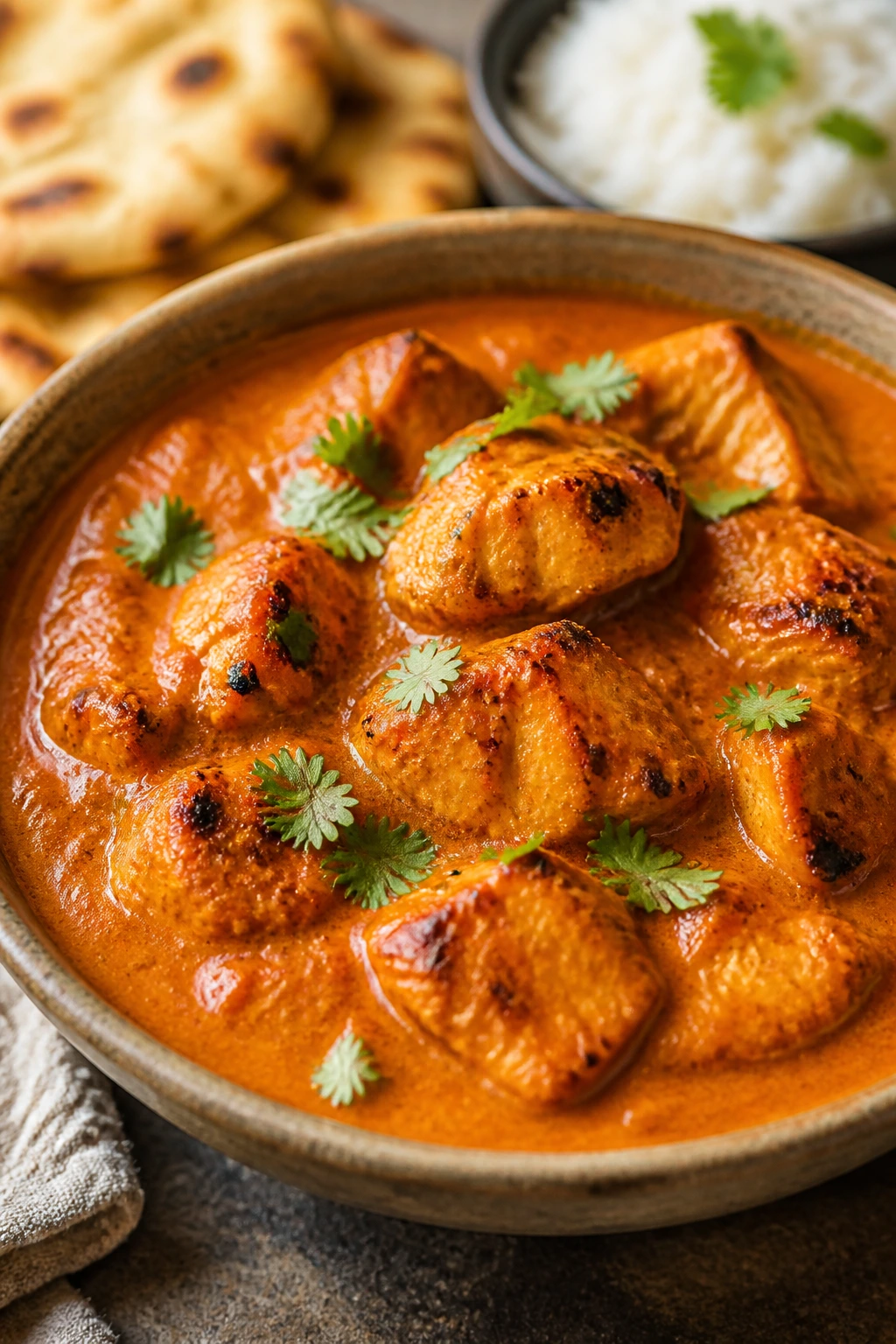
Chicken tikka masala is one of those dishes people order out of habit, then forget how good it can taste fresh and hot from a skillet. The sauce should be creamy and spiced, not sugary, and the chicken should still have a little char on it.
Why It Works: Yogurt tenderizes the chicken, and a short high-heat cook helps it develop browned edges. The tomato cream sauce carries spice without turning thin.
Key Ingredients:
- 1 1/2 lb chicken thighs, cubed
- 1/2 cup plain yogurt
- 2 tablespoons tikka or garam masala
- 1 onion, chopped
- 1 can crushed tomatoes, 14 to 15 oz
- 1/2 cup cream or coconut milk
- 2 cloves garlic, minced
- 1 tablespoon grated ginger
Quick Steps:
- Marinate chicken in yogurt and spices for 20 minutes.
- Brown the chicken in a skillet and set aside.
- Cook onion, garlic, and ginger, then add tomatoes.
- Stir in cream and return chicken to the sauce.
Equipment for This Recipe:
- Skillet or sauté pan
- Mixing bowl
- Wooden spoon
How to Serve This Dish: Serve with naan or basmati rice. A little cilantro on top and a squeeze of lemon make it feel finished.
Pro Tips for This Recipe:
- Brown the chicken first so the sauce tastes deeper.
- Use full-fat yogurt if possible.
- Let the sauce simmer long enough to lose the raw tomato edge.
Variations on This Dish:
- Coconut Tikka: Use coconut milk instead of cream.
- Paneer Version: Swap in paneer cubes.
- Spicier Sauce: Add cayenne or more masala.
Common Mistakes to Avoid with This Dish:
- Boiling the cream: It can split.
- Underseasoned sauce: Salt matters here.
- Dry chicken breast: Thighs are safer.
45. Chicken Satay Skewers with Cucumber Salad
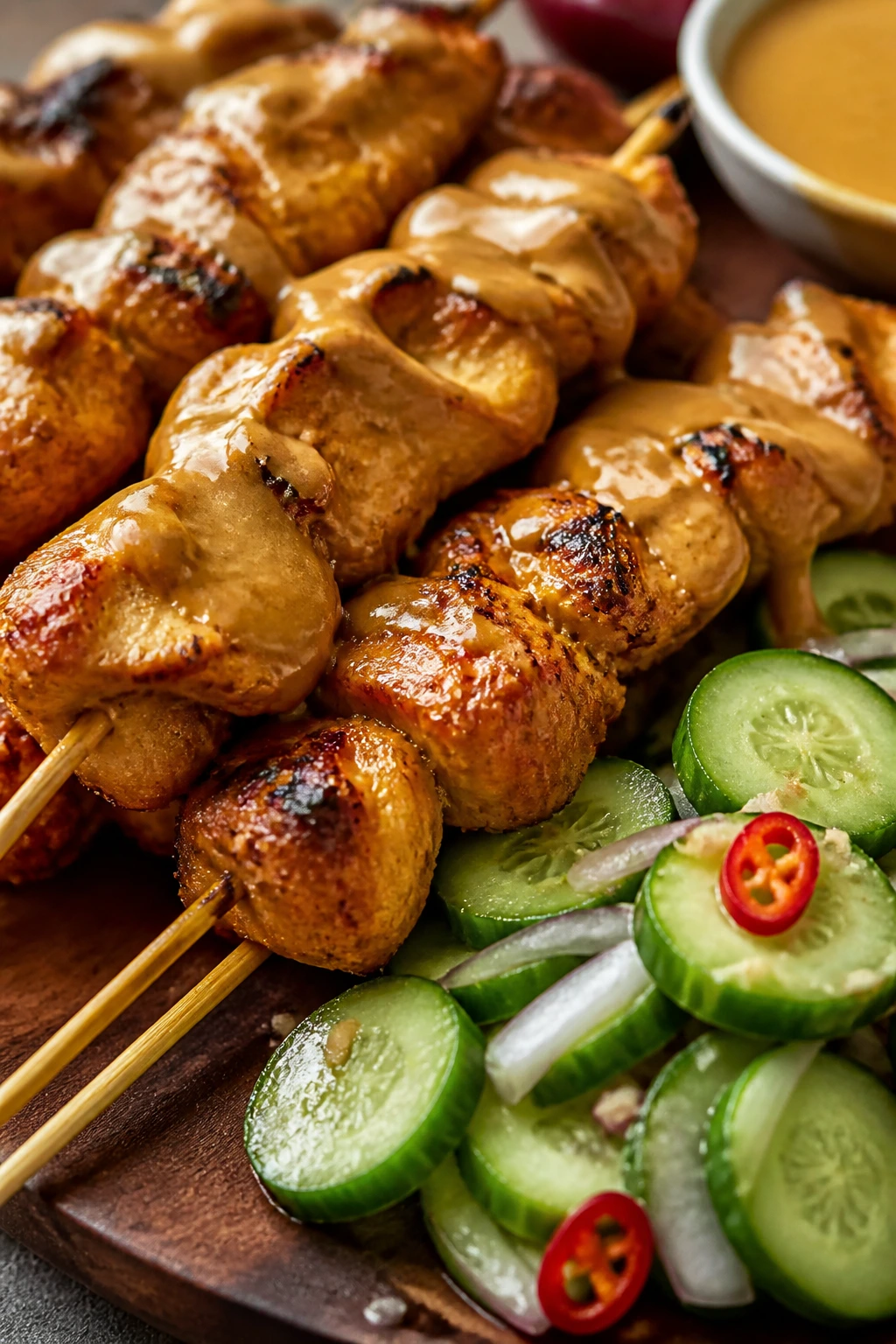
Satay dinner works because it gives you char, sauce, and crunch in one plate. The chicken gets smoky on the edges, the peanut sauce is rich without being heavy, and the cucumber salad cools the whole thing down.
Why It Works: Thin chicken strips cook quickly on skewers. Peanut sauce adds enough fat and salt to make the meal feel complete, while cucumber salad cuts through it with acid.
Key Ingredients:
- 1 1/2 lb chicken thighs, sliced
- 2 tablespoons curry powder
- 2 tablespoons soy sauce
- 2 tablespoons peanut butter
- 1 tablespoon lime juice
- 1 cucumber, sliced
- 1 tablespoon rice vinegar
- Skewers
Quick Steps:
- Marinate the chicken with curry powder and soy sauce.
- Thread onto skewers and grill or broil until charred and cooked through.
- Whisk peanut butter, lime juice, and a splash of water for sauce.
- Toss cucumber with vinegar and serve alongside.
Equipment for This Recipe:
- Skewers
- Grill pan or broiler pan
- Mixing bowls
How to Serve This Dish: Serve the skewers over rice with cucumber salad on the side. Extra peanut sauce belongs in a bowl for dipping.
Pro Tips for This Recipe:
- Soak wooden skewers if you’re grilling.
- Thin chicken strips cook more evenly.
- The peanut sauce should pour, not sit in a lump.
Variations on This Dish:
- Tofu Satay: Use firm tofu cubes.
- Spicy Peanut Sauce: Add chili crisp.
- No-Skewer Version: Pan-sear the chicken strips instead.
Common Mistakes to Avoid with This Dish:
- Thick chicken pieces: They cook unevenly.
- Dry peanut sauce: Thin it with warm water.
- Skipping the cucumber: It matters more than it looks.
46. Bibimbap Bowls
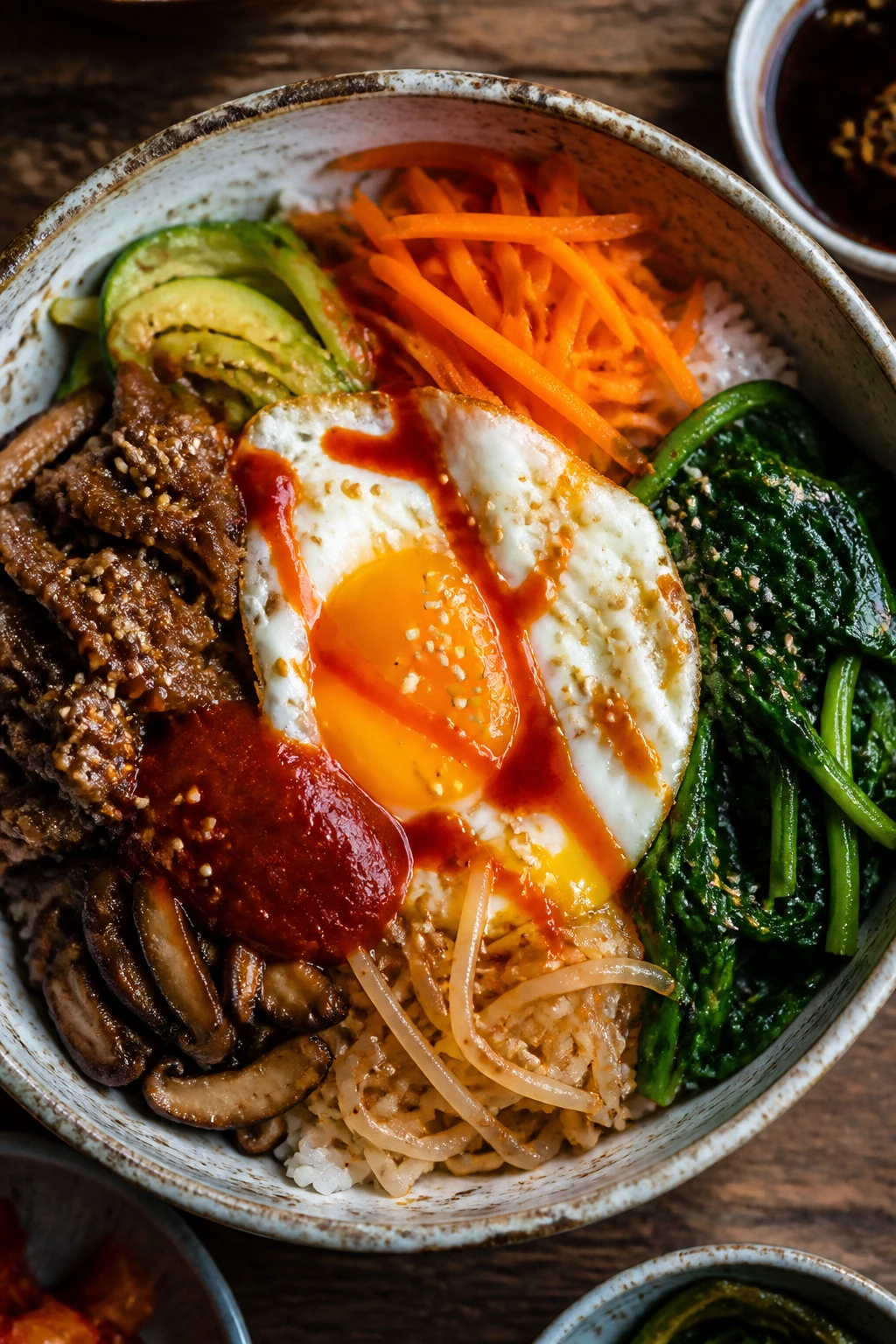
Bibimbap is the cleanest kind of chaos: rice, vegetables, protein, and a fried egg all sitting in one bowl, each with its own seasoning. The pleasure comes from mixing it at the table and watching the whole thing turn glossy with sauce.
Why It Works: Separate vegetable components keep their texture. Gochujang brings heat and sweetness, and the egg yolk gives the bowl a built-in sauce.
Key Ingredients:
- 2 cups cooked rice
- 1 cup spinach
- 1 carrot, julienned
- 1 cup mushrooms, sliced
- 1/2 lb beef or tofu
- 2 eggs
- 2 tablespoons gochujang
- 1 tablespoon sesame oil
Quick Steps:
- Cook each vegetable quickly and season lightly.
- Brown the beef or tofu.
- Fry the eggs.
- Assemble rice, vegetables, protein, and egg with gochujang and sesame oil.
Equipment for This Recipe:
- Skillet
- Rice bowls
- Small pans or one pan used in stages
How to Serve This Dish: Serve in wide bowls so the colors stay visible before mixing. A little sesame seed garnish is enough.
Pro Tips for This Recipe:
- Season each vegetable separately.
- Use a hot pan so vegetables don’t go limp.
- The egg yolk should stay runny if you want the classic finish.
Variations on This Dish:
- Vegetarian Bibimbap: Use mushrooms and tofu.
- Spicy Bibimbap: Add more gochujang.
- Brown Rice Version: Works well if you want more chew.
Common Mistakes to Avoid with This Dish:
- Everything cooked together: The bowl loses contrast.
- Too little sauce: It tastes dry after mixing.
- Cold rice straight from the fridge: Warm it first.
47. Banh Mi Chicken Rice Bowls
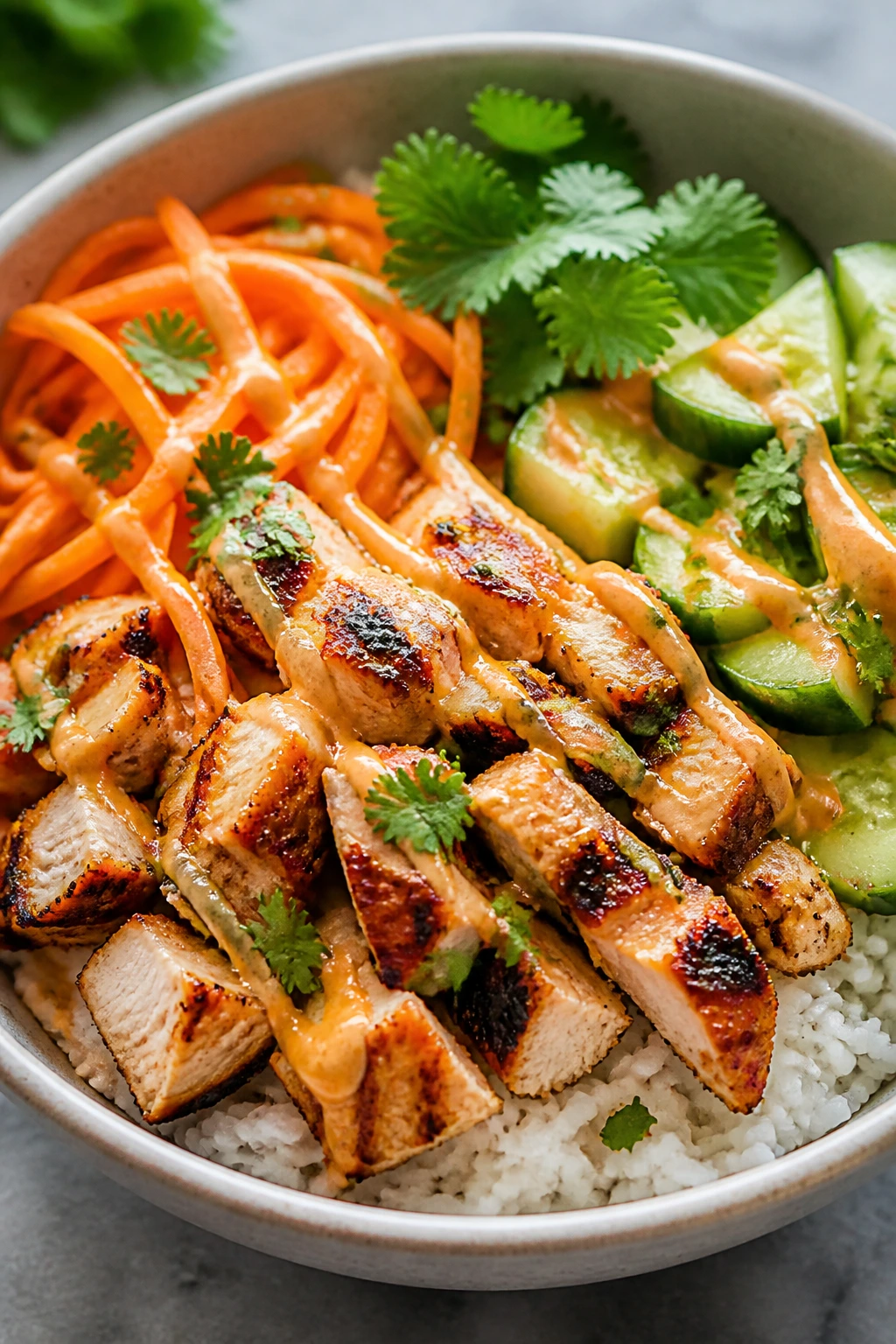
A banh mi bowl skips the bread but keeps the best parts: pickled vegetables, herbs, savory chicken, and something creamy or spicy to tie it together. The result is lighter than a sandwich and easier to scale for dinner.
Why It Works: Quick pickles bring acid and crunch. The chicken carries the savory base, and the rice gives the bowl enough substance to count as dinner.
Key Ingredients:
- 1 1/2 lb chicken thighs
- 2 cups cooked rice
- 1 carrot, julienned
- 1 cucumber, sliced
- 2 tablespoons rice vinegar
- 1 tablespoon sugar
- 2 tablespoons mayo or sriracha mayo
- Cilantro and scallions
Quick Steps:
- Quick-pickle carrot with vinegar and sugar for 15 minutes.
- Sear or roast the chicken until cooked through.
- Assemble rice with chicken, pickles, cucumber, and herbs.
- Drizzle with mayo or sriracha mayo.
Equipment for This Recipe:
- Skillet or sheet pan
- Mixing bowl
- Knife and cutting board
How to Serve This Dish: Serve cold pickles over hot rice and chicken for the best contrast. If you want more crunch, add sliced radish.
Pro Tips for This Recipe:
- Don’t skip the herbs.
- A sharp pickle makes the whole bowl feel brighter.
- Chicken thighs hold up better than breast meat.
Variations on This Dish:
- Pork Bowl: Use lemongrass pork instead.
- Tofu Bowl: Crisp tofu and keep the mayo vegan if needed.
- Spicier Bowl: Add jalapeño or more sriracha.
Common Mistakes to Avoid with This Dish:
- Weak pickles: The bowl gets flat.
- Too much mayo: It smothers the fresh parts.
- Dry chicken: Keep it juicy and lightly sauced.
48. Garlic Sauce Eggplant
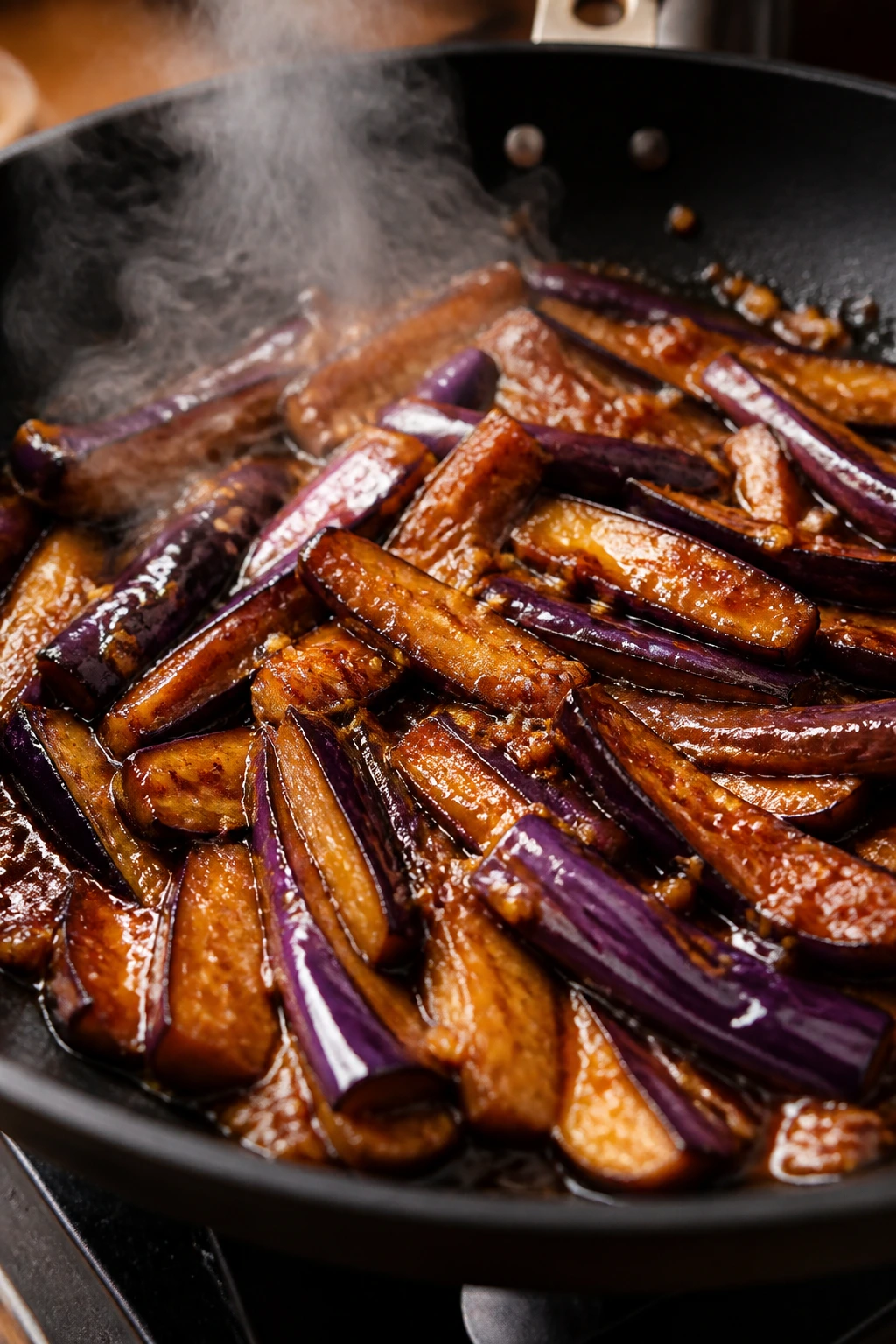
Eggplant in garlic sauce can turn silky and rich fast, but only if the eggplant gets proper heat. Done well, it soaks up the sauce like a sponge and gives you that lush, almost meaty texture people keep trying to recreate.
Why It Works: Eggplant loves high heat and enough oil to brown properly. Garlic, soy, vinegar, and a little sugar create a glossy sauce that coats the pieces instead of pooling underneath.
Key Ingredients:
- 2 medium eggplants, cut into batons
- 4 cloves garlic, minced
- 2 tablespoons soy sauce
- 1 tablespoon rice vinegar
- 1 teaspoon sugar
- 1 tablespoon cornstarch mixed with water
- 2 scallions, sliced
- 2 tablespoons neutral oil
Quick Steps:
- Brown the eggplant in oil until softened and golden.
- Cook garlic briefly, then add soy sauce, vinegar, and sugar.
- Stir in the cornstarch slurry to thicken.
- Toss eggplant back in and finish with scallions.
Equipment for This Recipe:
- Large skillet
- Knife and cutting board
- Small bowl for slurry
How to Serve This Dish: Serve over rice and let the sauce soak into the grains. It also works as a vegetable side next to grilled chicken or tofu.
Pro Tips for This Recipe:
- Eggplant needs enough oil to brown, not dry-fry.
- Cut pieces evenly so they soften at the same speed.
- Add the slurry gradually; it thickens fast.
Variations on This Dish:
- Spicy Garlic Eggplant: Add chile paste.
- Pork Version: Stir in ground pork at the start.
- Tofu and Eggplant: Add crisp tofu cubes at the end.
Common Mistakes to Avoid with This Dish:
- Undercooked eggplant: It stays spongy.
- Too little sauce: The dish feels unfinished.
- Burned garlic: Add it after the eggplant softens.
49. Yakisoba with Cabbage and Pork
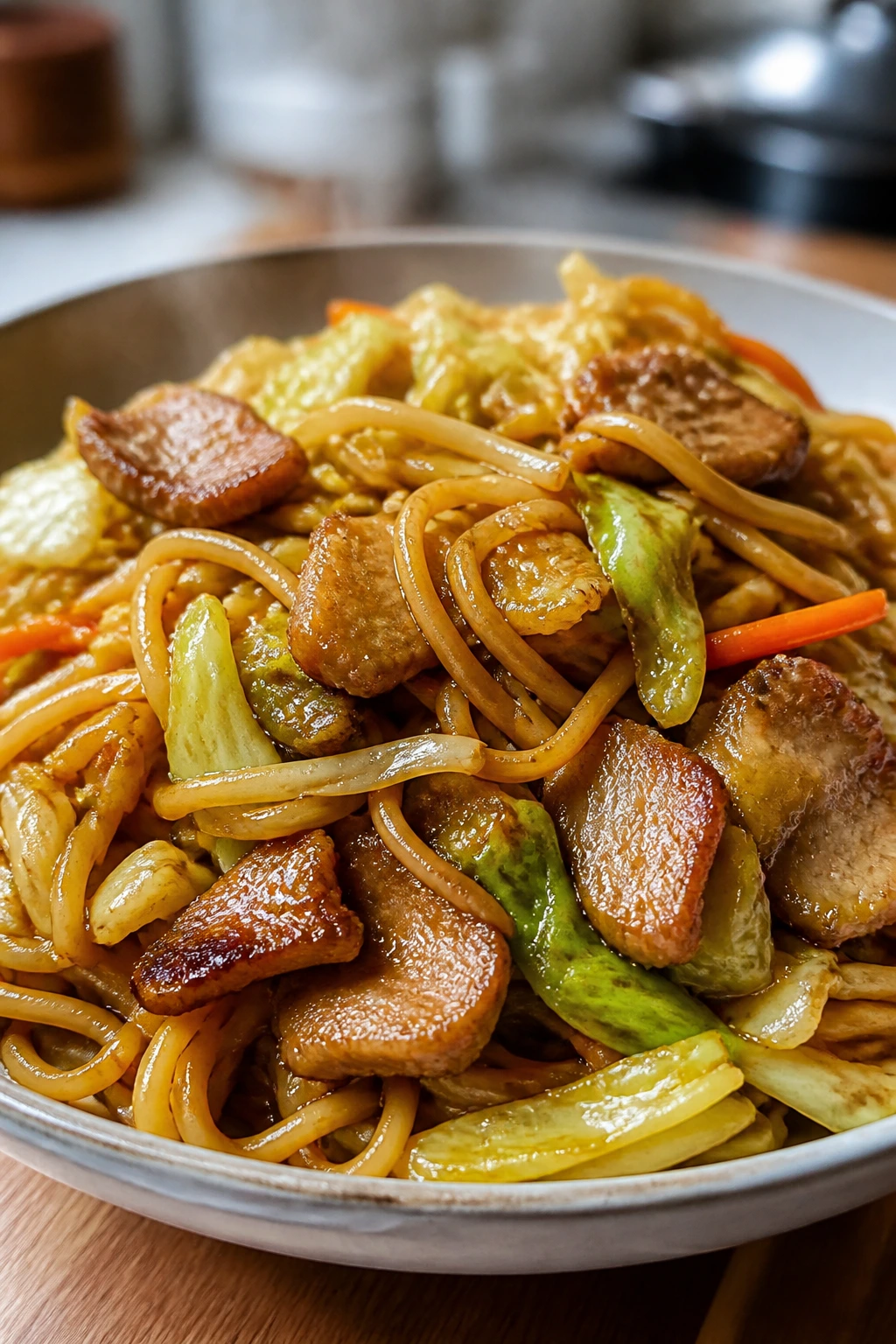
Yakisoba has that satisfying noodle-shop energy, but it’s best when the noodles get a little char and the cabbage stays sweet. Pork, cabbage, and tangy sauce make a fast dinner that feels fuller than it looks.
Why It Works: Pre-cooked noodles fry quickly and absorb the sauce without breaking. Cabbage and pork cook at roughly the same speed if you slice them thin.
Key Ingredients:
- 2 packs yakisoba noodles or 8 oz cooked noodles
- 1/2 lb sliced pork
- 2 cups shredded cabbage
- 1 carrot, julienned
- 2 tablespoons yakisoba sauce or Worcestershire-soy mix
- 1 tablespoon neutral oil
- Pickled ginger for serving
- Scallions for serving
Quick Steps:
- Brown the pork in a hot skillet.
- Add cabbage and carrot; cook until softened but still lively.
- Toss in noodles and sauce.
- Cook until the noodles pick up some color and edge.
Equipment for This Recipe:
- Large skillet or wok
- Tongs
- Knife
How to Serve This Dish: Serve with pickled ginger and a little mayo drizzle if you like that style. It’s best hot and straight from the pan.
Pro Tips for This Recipe:
- Break noodle blocks apart before adding them.
- A hot pan helps the sauce cling.
- Cabbage should still have bite when you plate it.
Variations on This Dish:
- Chicken Yakisoba: Use sliced chicken thigh.
- Vegetable Yakisoba: Add mushrooms and bean sprouts.
- Spicy Version: Stir in chili oil or sriracha.
Common Mistakes to Avoid with This Dish:
- Wet noodles: They clump.
- Soft cabbage: It disappears.
- Too much sauce: The noodles go soggy.
50. Coconut Curry Meatballs
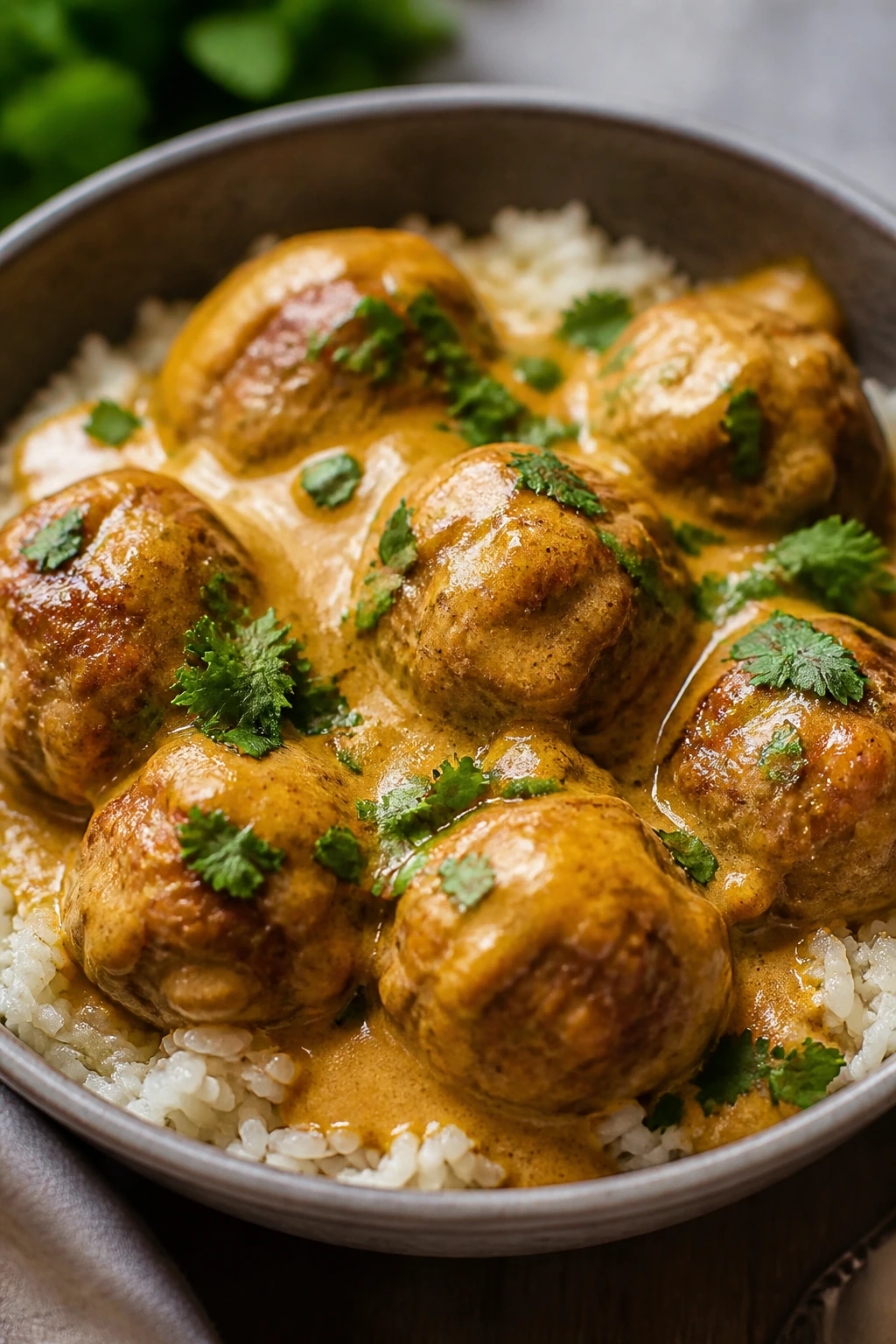
These meatballs finish the list the way a good final course should: rich, fragrant, and easy to put over rice. The coconut curry sauce gives them lift, and the herbs on top keep the bowl from feeling too dense.
Why It Works: Meatballs stay tender when you don’t pack them too tightly. Coconut milk, curry paste, and lime make a sauce that tastes layered without needing a long simmer.
Key Ingredients:
- 1 lb ground chicken or turkey
- 1/2 cup breadcrumbs
- 1 egg
- 2 tablespoons curry paste
- 1 can coconut milk, 13 to 14 oz
- 1 tablespoon lime juice
- 2 cups cooked rice
- Basil or cilantro for serving
Quick Steps:
- Mix meat, breadcrumbs, and egg, then shape into meatballs.
- Bake or pan-sear until cooked through.
- Simmer curry paste with coconut milk until smooth.
- Add lime juice, return the meatballs, and spoon over rice.
Equipment for This Recipe:
- Mixing bowl
- Baking sheet or skillet
- Saucepan
How to Serve This Dish: Serve over rice with herbs and maybe a few sliced chiles. It looks best in a deep bowl so the sauce stays around the meatballs.
Pro Tips for This Recipe:
- Don’t overmix the meat.
- Curry paste should fry briefly before the coconut milk goes in.
- A final squeeze of lime sharpens the sauce.
Variations on This Dish:
- Beef Meatballs: Use ground beef for a richer finish.
- Vegetable Curry Bowl: Add spinach or peas to the sauce.
- Red Curry Version: Use a brighter, hotter curry paste.
Common Mistakes to Avoid with This Dish:
- Dense meatballs: They were packed too hard.
- Broken curry sauce: Don’t boil coconut milk aggressively.
- Flat finish: Lime or another acid fixes that.
Why Stir-Fries, Bowls, and Saucy Noodles Win at Home
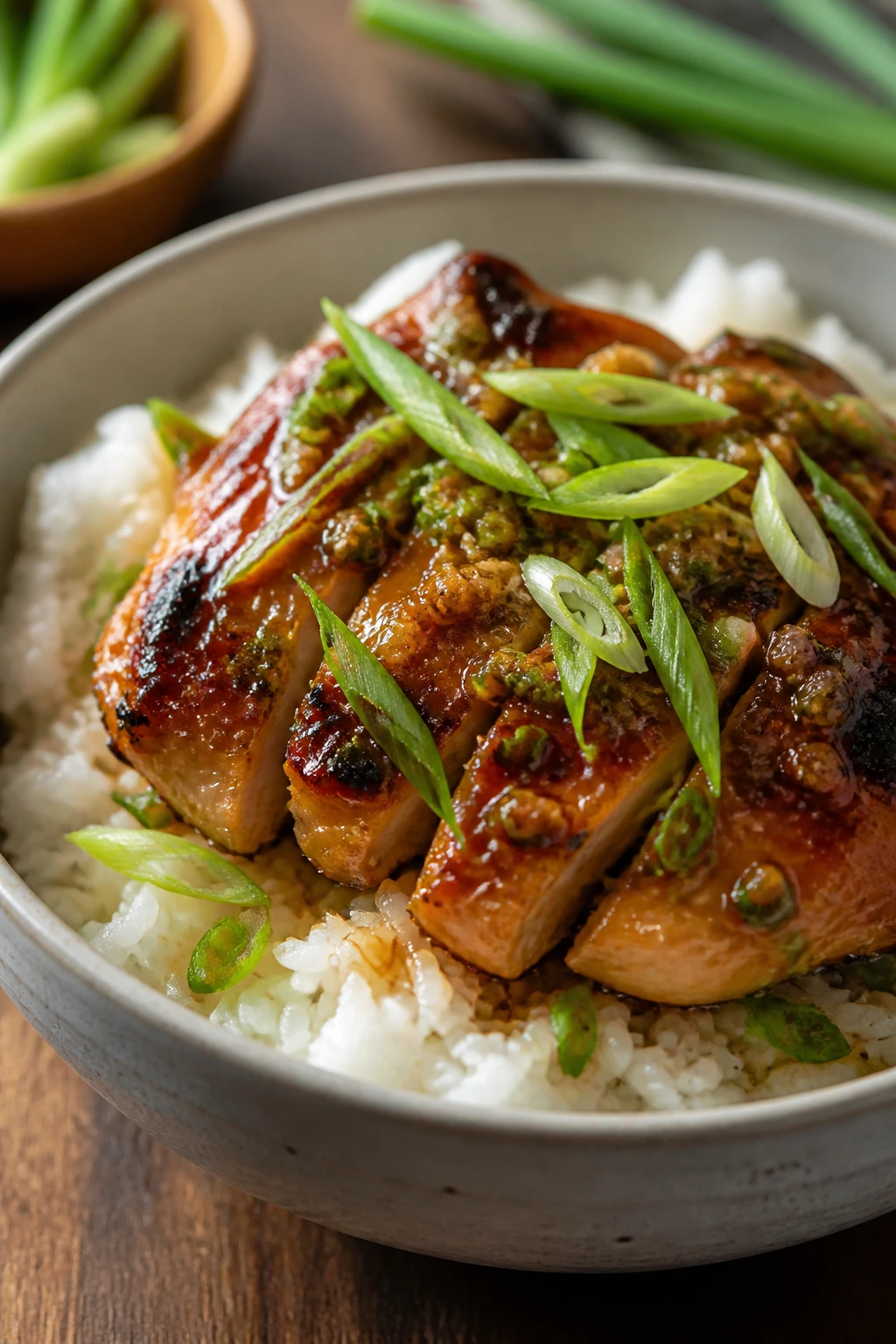
The dishes that beat takeout most often share the same trait: they’re built for speed without asking you to sacrifice texture. Stir-fries keep vegetables crisp because the heat is high and the cook time is short. Rice bowls give sauces a place to land without making the whole plate soggy. Noodles, when handled right, stay springy instead of slumping into one damp mass.
That’s why this collection leans hard on wok cooking, quick marinades, and smart finishes. A little cornstarch gives you a crust. A splash of vinegar keeps sweet sauces from getting dull. Sesame oil goes in at the end because it smells best when it isn’t cooked to death. These are small choices, but they’re the difference between a decent dinner and one you keep making again.
I’m also a fan of recipes that let you work in stages. Cook the rice, then the protein, then the sauce. Or make the pickles while the chicken sears. That rhythm matters because it keeps the pan hot and the cook calm. And calm cooks tend to make better dinner.
Essential Equipment for These Recipes
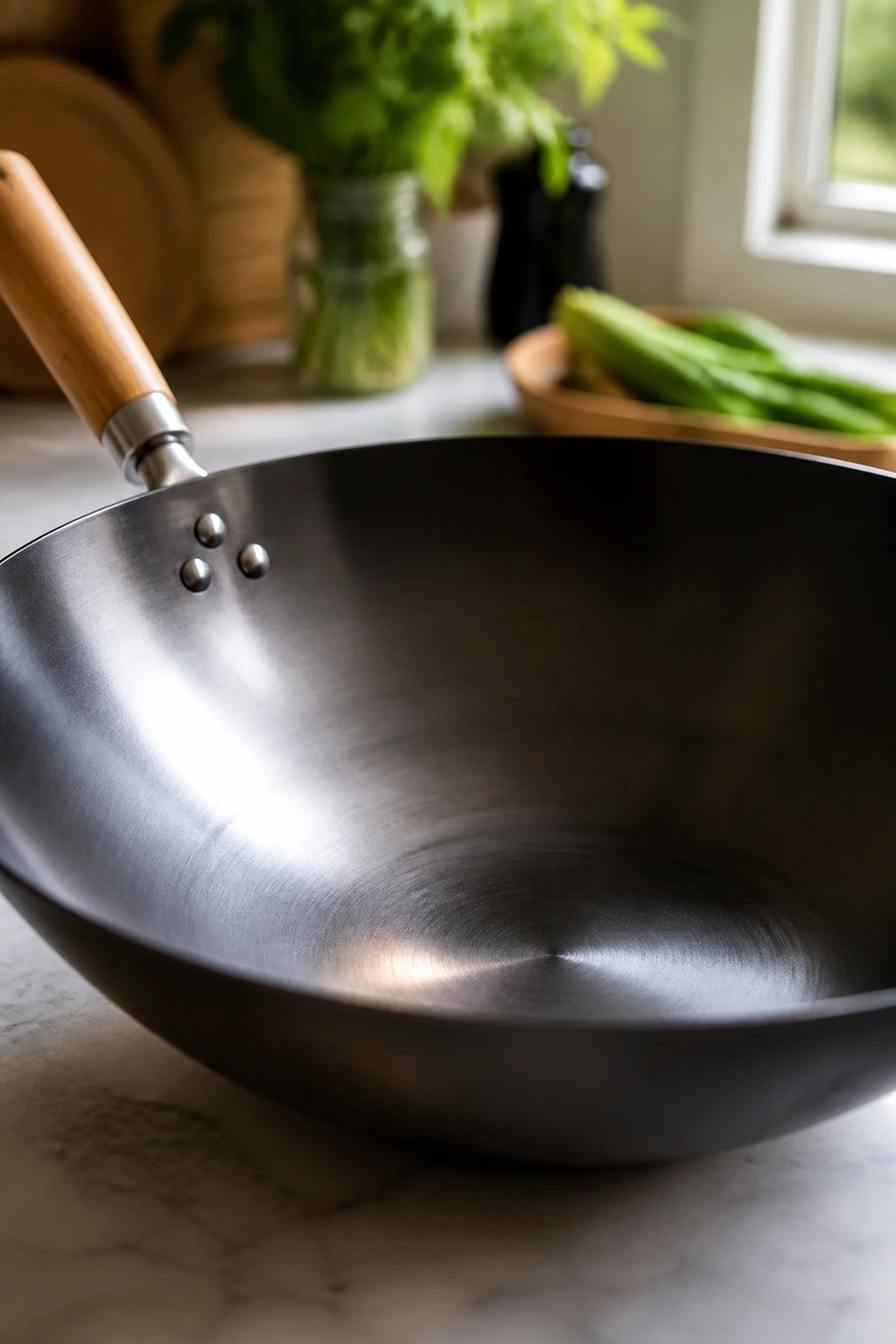
-
Wok or large skillet: The best all-purpose tool here, especially for stir-fries, noodle dishes, and fried rice.
-
Heavy saucepan or Dutch oven: Use this for curries, soups, braises, and anything that needs steady simmering.
-
Rice cooker or covered pot: Jasmine rice, short-grain rice, and fried-rice leftovers all benefit from reliable rice cooking.
-
Sharp knife and cutting board: Thin slicing matters for beef, pork, chicken, and vegetables.
-
Tongs: Handy for turning chicken, shrimp, noodles, and dumplings without smashing them.
-
Slotted spoon: Great for dumplings, fried items, and moving protein in and out of sauce.
-
Mixing bowls: You’ll use these for marinades, sauces, cornstarch coatings, and quick pickles.
-
Fine grater or microplane: Best for ginger, garlic, citrus zest, and a smoother sauce.
-
Small whisk: Keeps sauces like teriyaki, peanut sauce, and curry blends from clumping.
-
Steamer basket or improvised steaming setup: Needed for fish, dumplings, and some noodle dishes.
Smart Shopping for Soy Sauce, Noodles, Rice, and Curry Paste
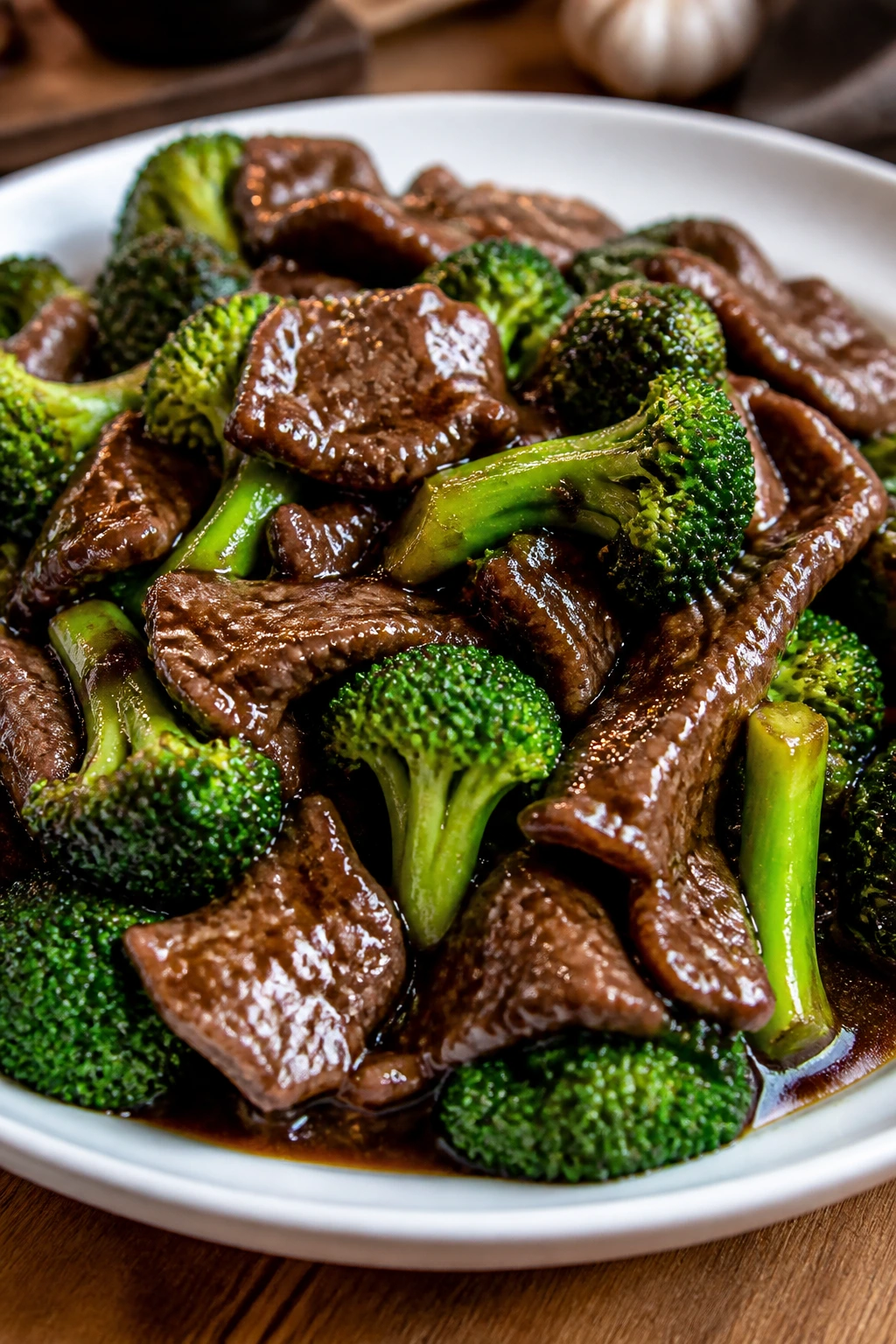
Start with soy sauce and buy the kind you actually like to taste. A standard all-purpose soy sauce works for most of these dinners, but low-sodium is easier to control if you cook a lot with it. Oyster sauce, fish sauce, rice vinegar, sesame oil, and gochujang do a huge amount of work here, so it makes sense to buy decent versions, not mystery bottles that taste like saltwater.
Rice choice matters more than people admit. Jasmine rice gives you fragrant, fluffy grains for curries, bowls, and stir-fries. Short-grain rice clumps a little more and suits donburi-style bowls or sushi-adjacent meals. For fried rice, use rice that has already chilled and dried out a bit; fresh rice fights back in the pan.
With noodles, texture beats branding. Dried rice noodles, egg noodles, ramen, udon, lo mein noodles, sweet potato noodles, and yakisoba each behave differently, so don’t swap blindly. If you can’t find one specific noodle, look for a similar width and shape, then watch the cook time closely. Thin noodles overcook fast. Thick noodles need a longer soak or simmer.
Curry paste and curry roux are not interchangeable in every recipe, but both are handy. Curry roux gives you a thicker, milder sauce for Japanese curry. Thai curry paste wants coconut milk and a quick fry in oil before it gets liquid added. If a jar smells flat when you open it, it’ll taste flat in the dish. Fresh-smelling paste wins every time.
Protein shopping is the last piece. Chicken thighs are usually the safest bet for stir-fries, curries, and braises because they stay juicy. Flank steak and ribeye need thin slicing. Shrimp should smell clean, never sour. Tofu should be firm enough to hold a shape under a spatula. Those little details save more dinners than any trick recipe.
How to Serve These Dinners
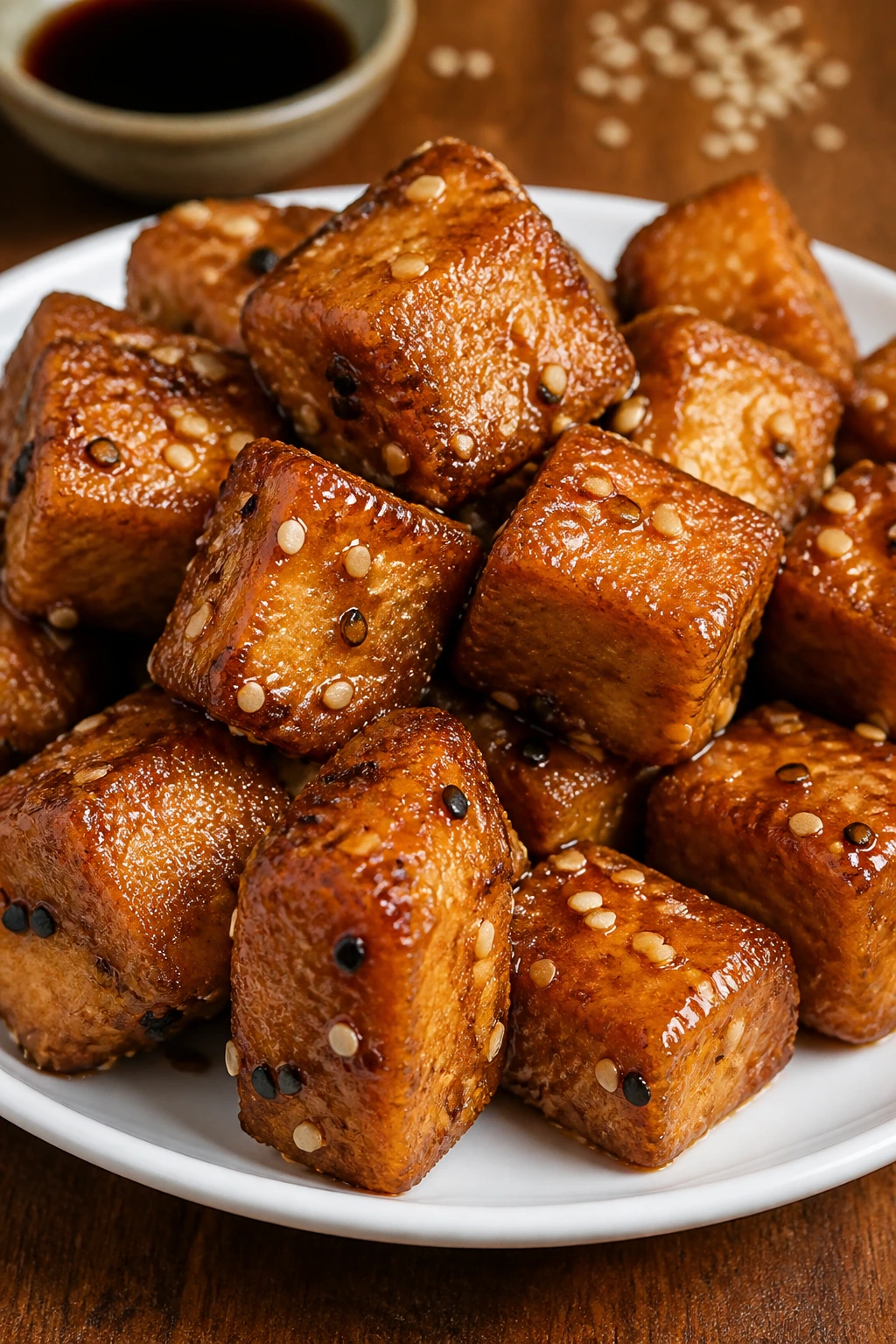
Presentation: Keep the bowl or plate simple enough that the food looks like itself. Rice bowls want a centered pile of protein with sauce around the edge. Noodles look best in wide bowls. Crispy dishes like katsu or dumplings should stay partly uncovered so the crunch still reads when they hit the table.
Accompaniments: A cool cucumber salad, quick pickles, steamed greens, or a plain cabbage slaw can quiet a rich curry or fried dish without asking for much work. Rice is the default for a reason, but noodles, lettuce wraps, and even roasted potatoes can make a smart landing spot when the dish is saucy.
Portions: Most of these recipes serve 4 in a practical dinner sense, though noodle bowls and soups can stretch further if you add vegetables or an egg. For hungrier eaters, build the plate around rice or noodles first, then add enough protein to make the bowl feel complete. If you’re cooking for kids, keep the sauce on the side and let them dip.
Beverage Pairing: Jasmine tea, iced green tea, crisp lager, or a ginger-forward mocktail all play well with these flavors. For richer curries and fried dishes, something cold and clean helps. For noodle bowls and steamed dishes, tea keeps the meal feeling light.
Additional Tips and Flavor Boosters
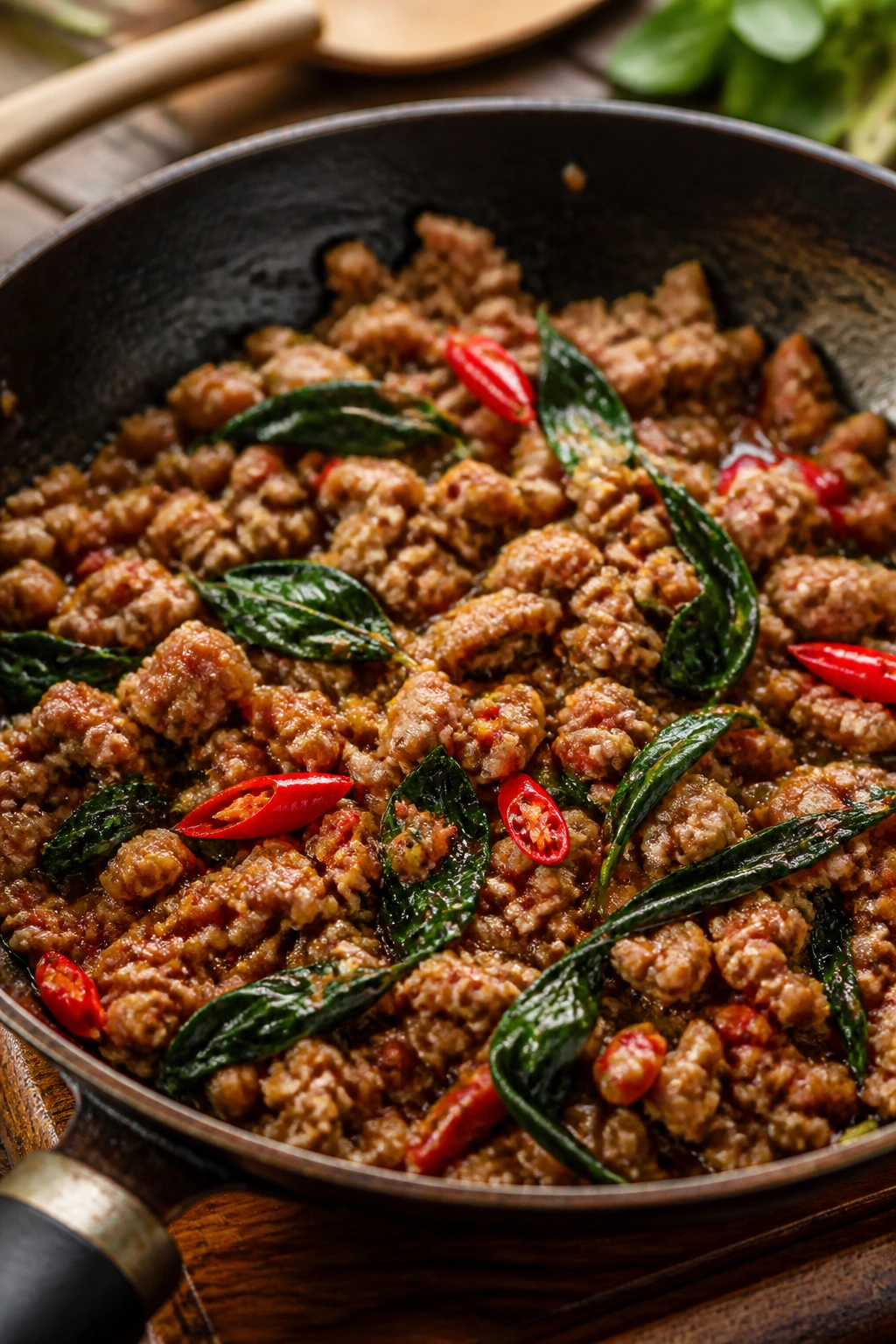
Flavor Enhancement: A final splash of rice vinegar, black vinegar, or lime juice often does more than another spoonful of soy sauce. Acid wakes up rice, noodles, fried chicken, and curries without making them taste louder.
Customization: Keep a few add-ins ready: sliced scallions, sesame seeds, chili crisp, cilantro, pickled vegetables, fried shallots, and soft-boiled eggs. They let one base recipe swing from mild to bold without much extra work.
Serving Suggestions: Serve crisp dishes on warm plates and saucy dishes in deep bowls. That sounds small, but temperature and shape change how the food feels the second it reaches the table.
Make-It-Yours: If you want a vegetarian version, tofu, mushrooms, egg, and eggplant do the heavy lifting in most of these recipes. For gluten-free cooking, tamari and rice noodles cover a lot of ground. For lower-sodium meals, lean on citrus, herbs, garlic, and chile so you don’t have to push the salt.
Make-Ahead, Storage, and Reheating Guidance
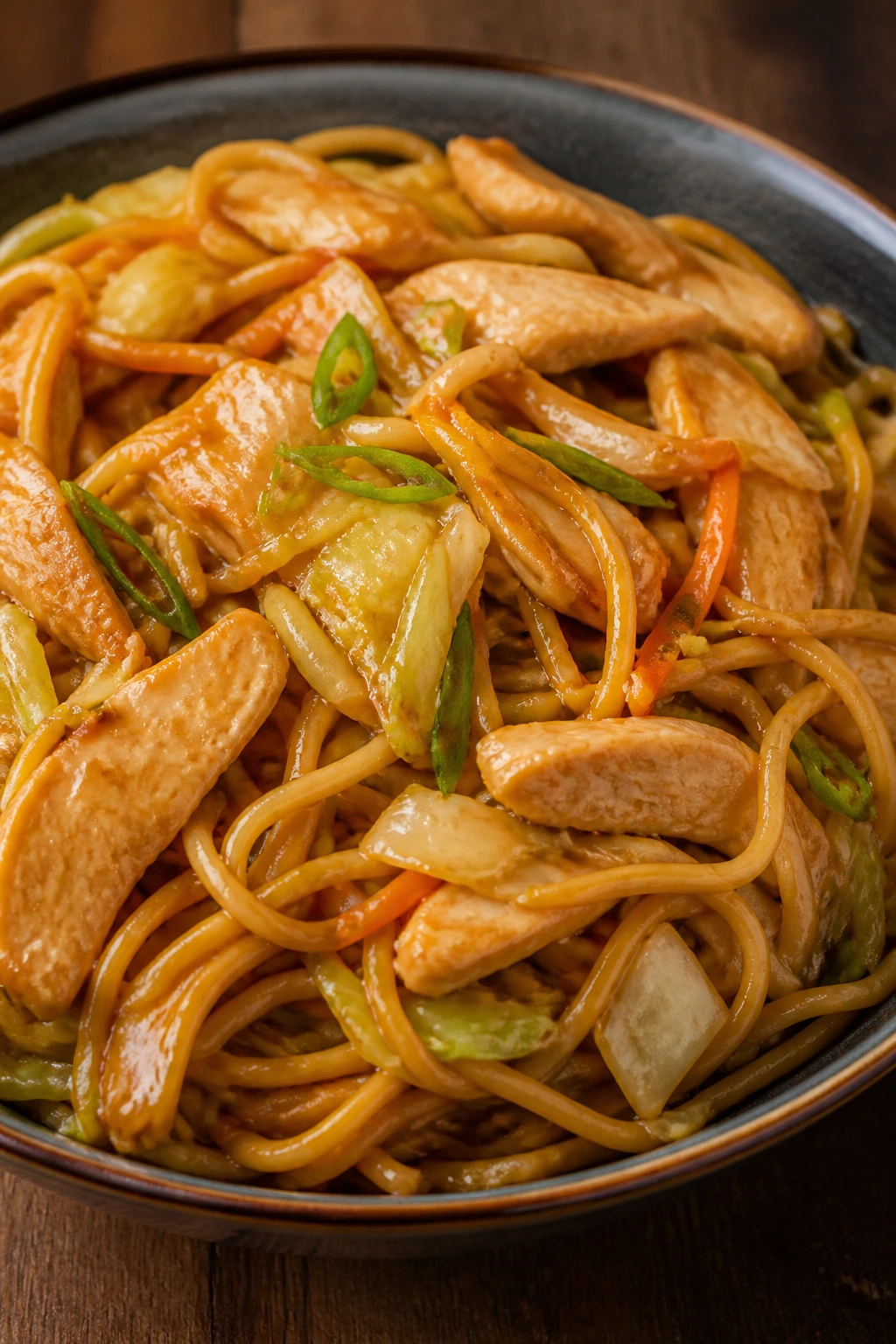
Most of these dishes keep well for 3 to 4 days in the refrigerator if you cool them quickly and store them in sealed containers. Fried rice, curry, braised beef, and noodle bowls all do fine in the fridge, though noodles tend to drink up sauce overnight. Keep garnishes separate when you can. Scallions, herbs, fried shallots, sesame seeds, cucumber, and chili crisp are all better added right before eating.
For the freezer, the best candidates are braises, curry sauces, meatballs, cooked chicken, and some soups. They usually hold for up to 2 months frozen without losing much quality. Fried items, steamed fish, and delicate noodle dishes are not as happy in the freezer. If you want to freeze dumplings, freeze them uncooked on a tray, then bag them once hard. That’s the cleanest move.
Reheating depends on the format. Stir-fries and fried rice reheat best in a skillet over medium heat with a spoon or two of water to loosen the sauce. Curries and soups do well on the stovetop over low heat. Noodles usually need a splash of water and a quick toss, not a long simmer. Rice bowls can be microwaved with a damp paper towel over the top to keep the grains from drying out.
Make-ahead prep helps a lot here. You can slice vegetables, mix sauces, marinate proteins, and cook rice a day ahead. That means the actual dinner often takes less than 20 minutes once the pan gets hot. If you’re doing a big batch of any stir-fry, store the sauce separately and combine only what you plan to eat. That keeps texture from slipping.
Variations and Adaptations to Try
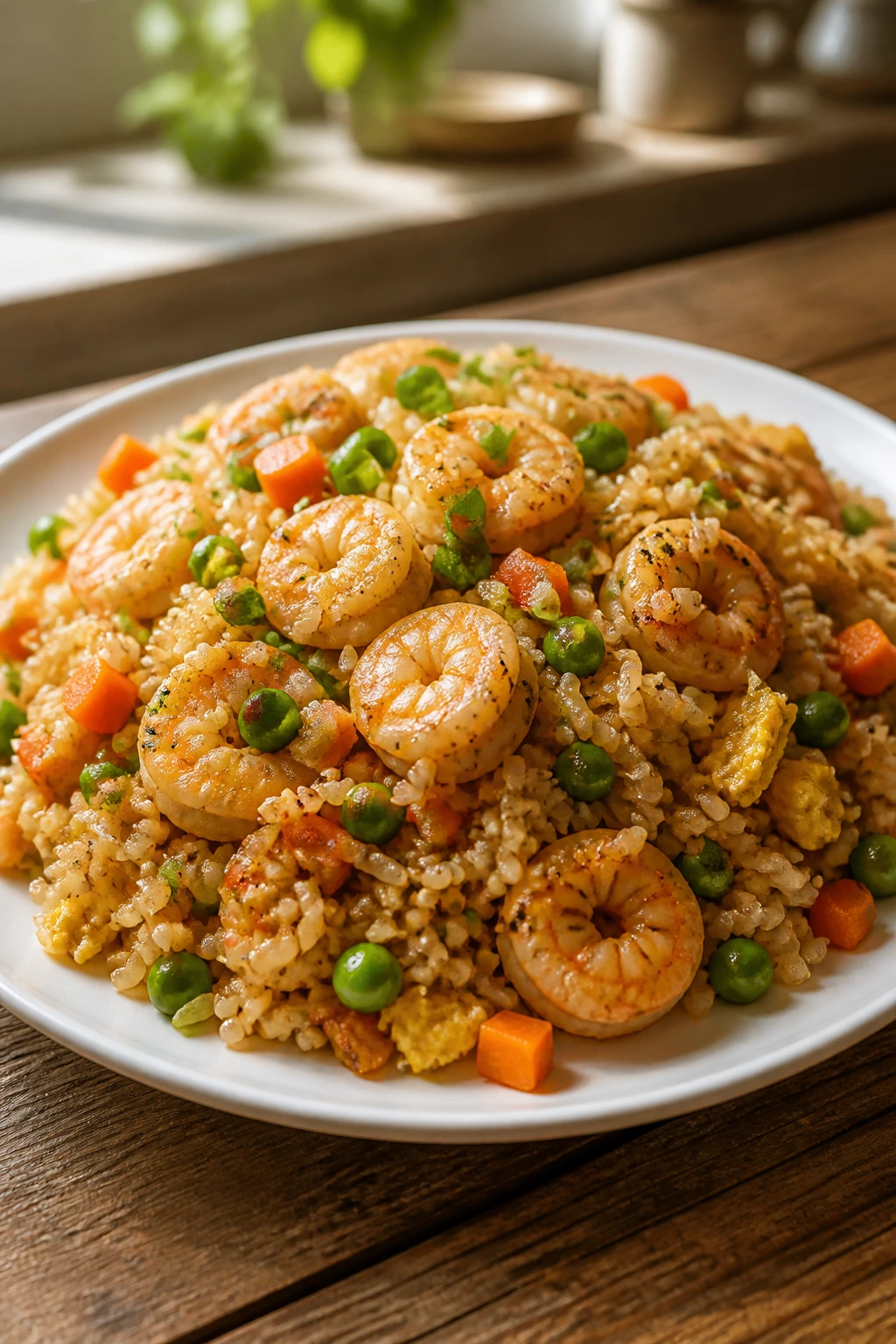
Gluten-Free Pantry Swap: Tamari replaces soy sauce in most of these recipes, and rice noodles, rice, and sweet potato noodles already fit the job well. Check curry paste and bottled sauces for hidden wheat, because they’re the usual troublemakers.
Vegetable-First Night: Start with mushrooms, eggplant, cabbage, broccoli, bok choy, and tofu. These ingredients handle heat well and carry sauce better than people expect, especially if you brown them instead of steaming them into softness.
Lower-Sodium Route: Use low-sodium soy sauce, then add flavor with ginger, garlic, citrus, vinegar, scallions, and chile. If the dish still tastes flat, it usually needs acidity before it needs more salt.
Spice-Level Control: Keep chili crisp, sambal, gochujang, dried chiles, and white pepper on the table instead of burying them in the pan. That way one dinner can satisfy the heat-seekers and the cautious eaters without becoming two separate meals.
No-Wok Version: A large skillet can handle almost everything here. Heat management matters more than shape. Give the pan a minute to recover between batches, and don’t pile in too much food at once.
Lighter Weeknight Bowl: Lean on rice bowls, steamed fish, soups, and lettuce wraps when you want the same flavor family without the fried finish. They still taste complete, which is the part that matters.
Common Mistakes to Avoid
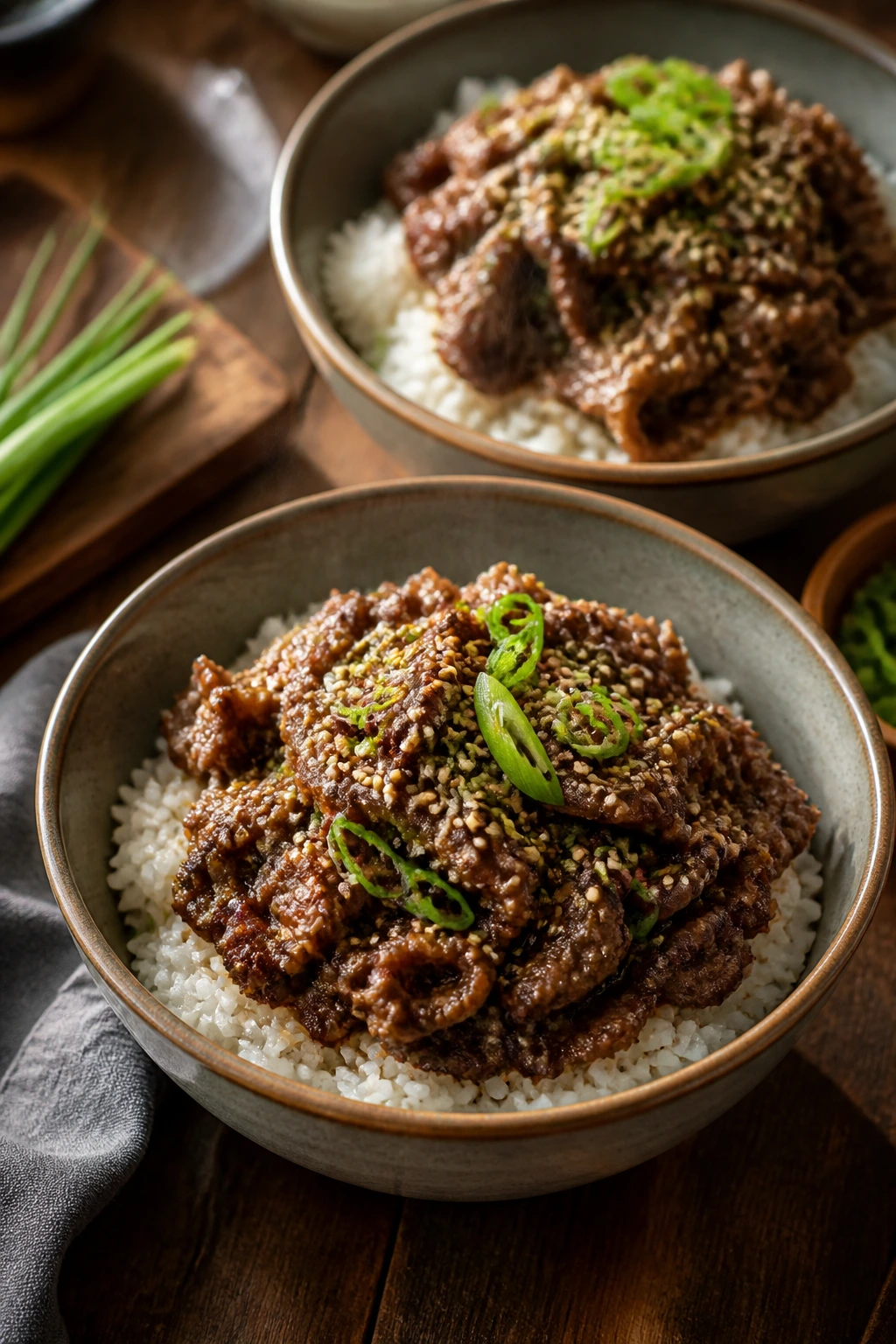
The first mistake is crowding the pan. It’s the most common one because everyone wants dinner faster, but a packed skillet drops in temperature and turns beef chewy, tofu pale, and broccoli limp. Cook in batches when the pan starts looking crowded.
The second mistake is treating sauces like they’re all the same. Stir-fry sauce, curry sauce, glaze, and soup broth each need a different level of thickness. A teriyaki glaze should cling. A ramen broth should stay loose. A noodle sauce needs to coat. If you thicken everything the same way, the dishes all start tasting heavy.
Fresh rice is another trap. It looks harmless, but it’s too moist for fried rice and nasi goreng. Chilled rice breaks apart, fries, and absorbs seasoning. Fresh rice steams, clumps, and leaves the pan with that sticky-bottom problem nobody wants.
Overcooking proteins ruins more of these dinners than bad seasoning does. Shrimp turns rubbery in minutes. Salmon keeps carrying over after it leaves the heat. Pork chops dry out fast. Chicken breast needs more care than thighs. If you’ve ever wondered why a dish tastes “off,” the answer is often timing, not the sauce.
The last mistake is skipping acid at the end. Soy sauce brings salt, but it doesn’t brighten the food by itself. A squeeze of lime, a splash of vinegar, or a hit of black vinegar can wake up the whole pan. One little correction often fixes the whole bowl.
Frequently Asked Questions
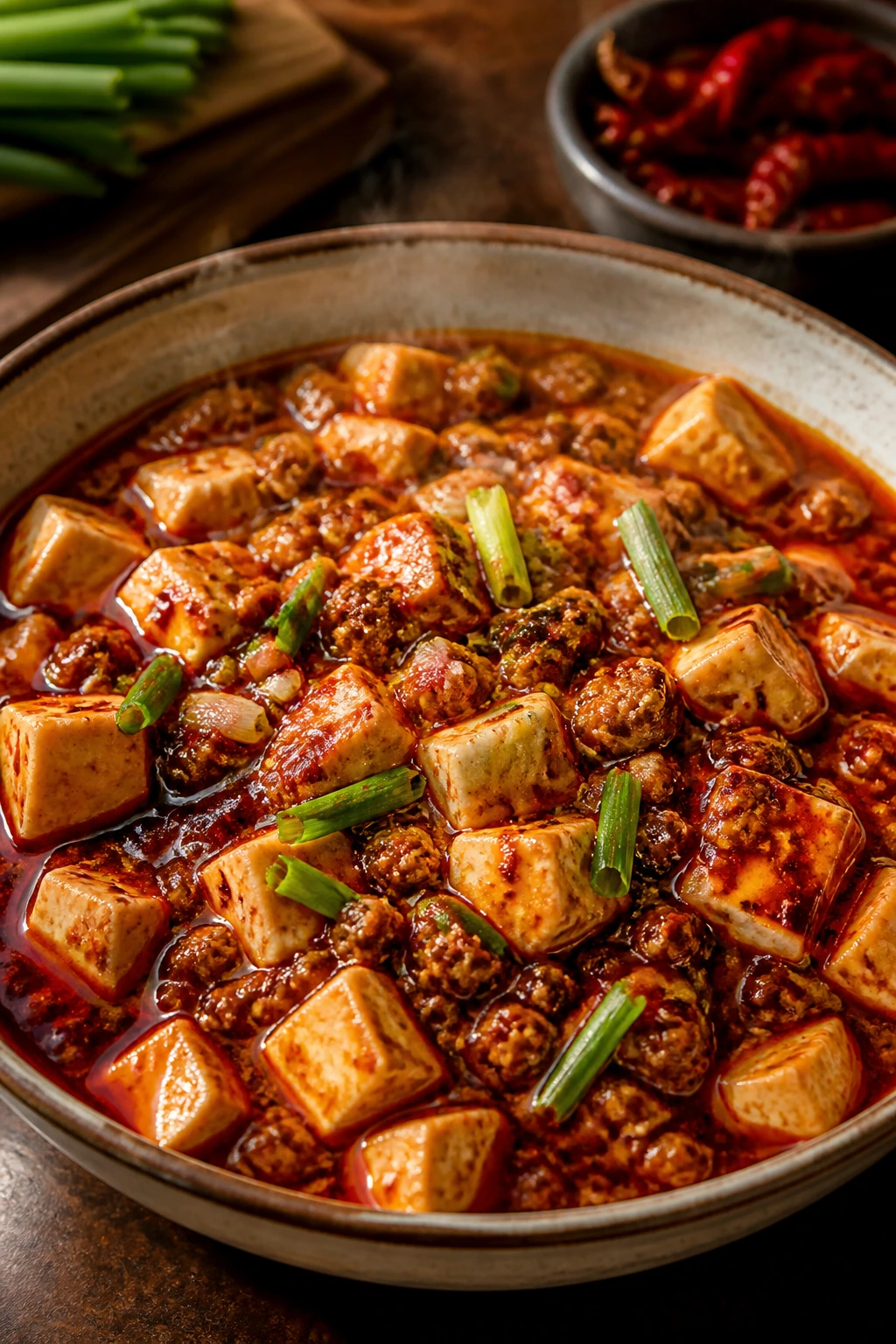
Can I use chicken breast instead of chicken thighs?
Yes, but it needs more care. Chicken breast works fine in stir-fries, bowls, and curry if you slice it thin and cook it quickly. If you leave it on the heat too long, it dries out fast, so thighs are the safer choice for most of these recipes.
What’s the best rice for Asian dinners at home?
Jasmine rice is the easiest all-purpose pick because it stays fluffy and fragrant. Short-grain rice works better when you want a stickier bowl, and chilled rice is the right choice for fried rice. If you only keep one kind around, jasmine gives you the widest range.
Do I really need a wok?
Nope. A large skillet with decent heat works for most of these dishes. A wok helps when you want fast tossing and quick evaporation, but a heavy skillet can still make excellent stir-fries, noodles, and fried rice if you keep the pan hot and don’t crowd it.
How do I keep noodles from sticking together?
Cook them just until tender, drain them well, and toss them with a little oil if they’ll sit before going into the pan. Also, don’t let the sauce sit too long before mixing. Once noodles cool and dry, they start clinging to themselves.
Can I make these recipes vegetarian?
Yes, and several of them already lean that way. Tofu, mushrooms, egg, eggplant, and cabbage can carry a lot of flavor if you brown them properly. For vegetarian swaps, use mushroom sauce or tamari where oyster sauce or fish sauce would normally go.
Which recipes freeze well?
Braises, soups, curry sauces, meatballs, and cooked chicken freeze best. Fried chicken, steamed fish, and crispy dumplings don’t come back as well after freezing. If you want freezer-friendly noodles, freeze the sauce and protein separately from the noodles.
How do I reheat fried rice without drying it out?
Use a skillet over medium heat with a spoonful or two of water, then cover briefly so the steam loosens the rice. Once it warms through, uncover and let it dry for a minute so the grains separate again. The microwave works too, but the skillet gives better texture.
What if I don’t have specialty sauces like gochujang or doubanjiang?
You can still cook plenty of these recipes with what’s on hand, but the flavor will shift. For gochujang, try a mix of chile paste and a little miso or soy. For doubanjiang, use chili garlic sauce plus a touch of miso and soy. It won’t be exact, but it keeps the dish in the right neighborhood.
The Takeout Box Can Stay Closed
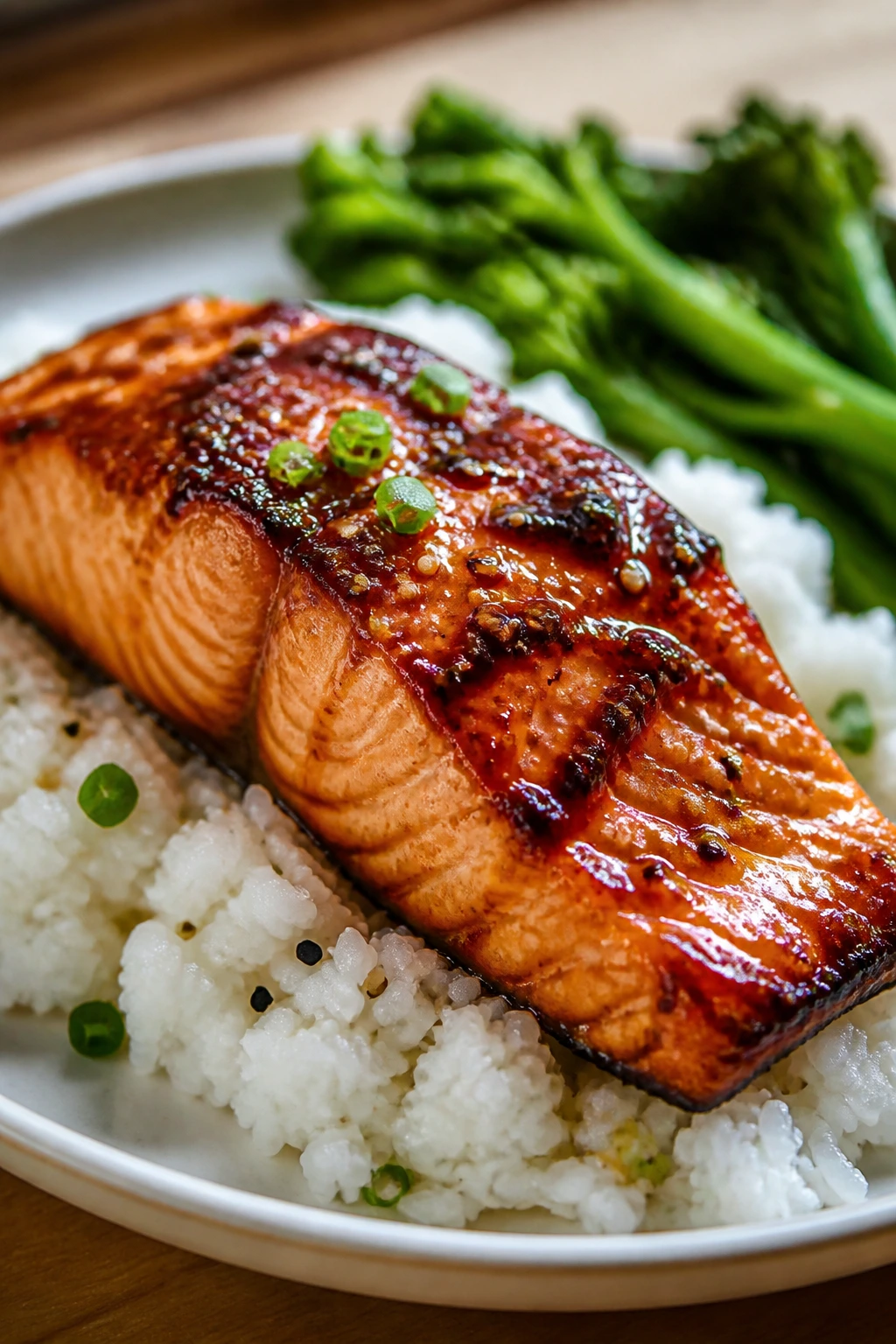
The real win here isn’t that homemade Asian dinner is cheaper, though it usually is. It’s that you get to keep the parts takeout loses on the road: crisp edges, bright herbs, hot rice, and sauces that taste sharp instead of tired. Once you get used to that difference, a lot of delivery meals start feeling like a compromise.
I’d start with the dishes that fit your rhythm. If you want fast and loud, go for fried rice, lo mein, or General Tso’s chicken. If you want something calmer, pick miso soup, steamed fish, or a curry. The nice part is that the skills overlap. Once you know how to handle heat, acid, and texture, the whole collection gets easier.
If there’s a single habit worth keeping, it’s this: cook the food hot and serve it immediately. That’s the piece delivery can’t fake.