



Spicy Asian flavors usually miss the mark at home for one boring reason: the cook reaches for heat before building the base. A pan of garlic, ginger, soy, vinegar, and chili oil smells alive; a bowl with a squirt of hot sauce over plain noodles tastes like it was assembled in a hurry. The gap between those two outcomes is smaller than people think, but the order matters. A lot.
Takeout gets credit for “spice,” but what you’re actually tasting is layering. There’s the first hit of chili, then the savory depth from soy or fermented paste, then a little sweetness to soften the edge, and finally acid to keep the whole thing from tasting heavy. When all of that lands in the same bite, the food feels louder without being messy. That’s the trick. Not more heat. Better heat.
And Asian food is not one thing, which is where a lot of home cooks get tripped up. Sichuan heat behaves differently from Korean heat, and Thai heat has its own bright, sharp personality. Once you stop treating chili as the whole story, you start cooking with more control and, honestly, with less frustration. The pan stops fighting you.
Why Spicy Asian Flavors Need Layers, Not Just More Chili
The fastest way to make a spicy dish taste flat is to keep adding chile and ignore everything else. Chili brings burn, sure, but burn alone dies fast on the tongue. What keeps people reaching back into the bowl is contrast: salty, sour, savory, a little fat, and something crisp to bite against.
Heat is only the first note
A dish built on chili alone usually tastes hot in the first three bites and dull by the sixth. Add soy sauce or fish sauce, and the heat gets a backbone. Add black vinegar or lime, and the whole thing feels brighter instead of heavier.
That’s why restaurant-style noodles and stir-fries taste so composed. They’re not trying to overwhelm your mouth. They’re giving your mouth more to do.
Sugar is not there to make it sweet
A teaspoon of sugar in a stir-fry sauce does not turn dinner into candy. It rounds off the rough edges of garlic, chili, and soy so the flavor reads as full instead of harsh. Without that small bit of sweetness, spicy food can feel sharp and thin, especially if you’re using a hot pepper paste or a lot of dried flakes.
That doesn’t mean you should drown the pan. It means you should respect the balance.
Umami keeps the bowl from collapsing
Fermented ingredients carry a lot of the work here. Soy sauce, doubanjiang, miso, oyster sauce, gochujang, fish sauce, and even a pinch of MSG add depth that plain salt can’t touch. One spoonful of the right fermented base can make the difference between “I made noodles” and “I made dinner I want again tomorrow.”
Heat should arrive with a shadow. Otherwise it just looks loud and tastes thin.
The Flavor Map Behind a Great Spicy Bowl
What does a bowl need to taste full instead of hot? Four things, always: salt, acid, sweetness, and body. Leave one out, and the whole thing starts leaning. Leave two out, and you’re basically trying to carry dinner on chili alone, which is a rough job for any ingredient.
Salt and umami carry the weight
Salt does more than season. It sharpens the meat, wakes up vegetables, and makes chili feel deeper. That’s why a spoon of light soy sauce often does more for a dish than another spoon of chili paste.
Umami sits underneath the salt and makes the whole thing feel complete. A little oyster sauce in a beef stir-fry, a dab of miso in a noodle bowl, or a teaspoon of doubanjiang in hot oil can make the flavor seem larger without making the food taste complicated.
Acid keeps the heat bright
If a spicy bowl feels sleepy, acid is usually the missing piece. Rice vinegar gives a clean snap. Black vinegar brings a darker, maltier edge. Lime juice is sharper and more immediate, which is why it works so well with Thai-style dishes and seafood.
A useful habit: taste the sauce after the pan comes off the heat and add acid in tiny amounts. One teaspoon can wake the whole thing up. Two can change the whole personality.
Fat and aroma make it stick around
Chili is volatile; it needs something to ride on. Oil carries garlic, ginger, scallions, Sichuan peppercorn, toasted sesame, and dried chili flakes in a way water never can. That’s the reason a spoonful of hot oil poured over noodles can smell like half a kitchen.
A bowl should smell good before it reaches your mouth. If the aroma is flat, the flavor usually is too.
Picking the Right Kind of Heat: Fresh Chilies, Chili Oil, Pastes, and Peppercorn
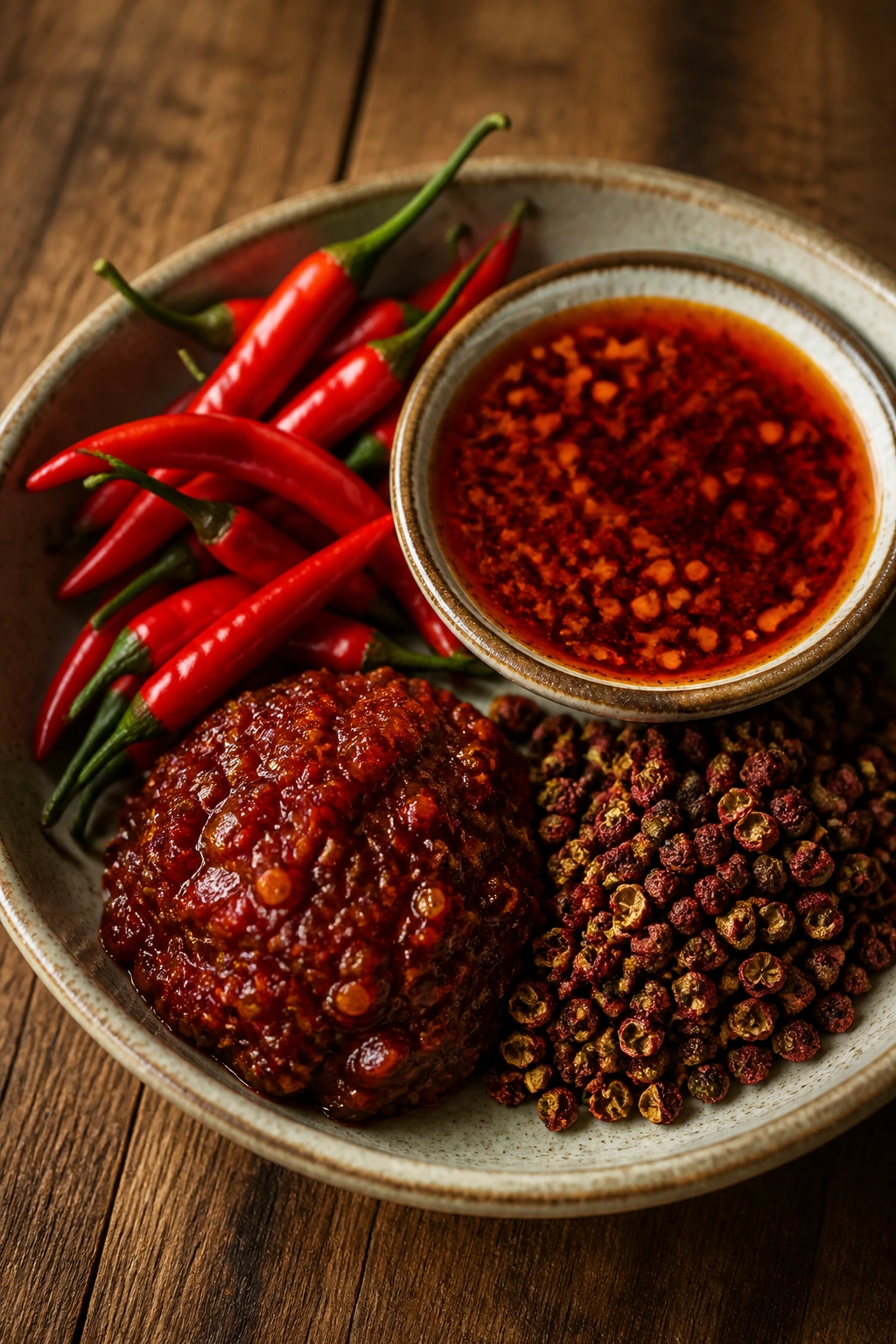
Not all spicy heat behaves the same way, and using the wrong kind in the wrong dish is how people end up blaming the recipe instead of the ingredient. Fresh chilies are bright and direct. Chili oil is rounder and more forgiving. Fermented pastes give depth. Sichuan peppercorn doesn’t even taste “hot” in the usual sense — it tingles and numbs the lips a little, which changes the whole bite.
Fresh chilies for a sharp, green edge
Bird’s eye chilies, Fresno chilies, serranos, and long red chilies each bring a different personality. Bird’s eye chilies are small but loud. Fresnos are milder and sweeter, which makes them easier if you want visible spice without the kind of burn that takes over the rest of dinner.
Fresh chilies work best when they’re added late or lightly sautéed in oil for just 10 to 20 seconds. If they brown hard, they go bitter. If they’re raw and chopped fine, they can be almost grassy and piercing.
Chili oil and chili crisp for rounded heat
Chili oil carries a smooth, even burn, while chili crisp brings crunch and toasted bits of garlic, shallot, and spice. For noodles, dumplings, and rice bowls, chili crisp is one of the easiest ways to make a simple dinner taste deliberate. A tablespoon on top of plain rice can do more than people expect.
Look for chili oils that smell roasted, not burnt. Good ones have a warm, brick-red color and a little depth. If the jar smells only oily or aggressively smoky, it can flatten a dish instead of building it.
Fermented pastes for deeper spice
Doubanjiang, gochujang, sambal oelek, and miso all live in the spicy pantry, but they don’t behave the same way. Doubanjiang is salty, fermented, and pungent — a little goes a long way in Sichuan-style cooking. Gochujang is thicker and sweeter, which makes it good for glazes and braises. Sambal oelek is cleaner and more direct, a handy option when you want straight chili without extra sweetness.
These pastes like oil. Bloom them for 20 to 30 seconds before you add liquid, and they’ll taste fuller.
Sichuan peppercorn for the tingle
Sichuan peppercorn is not pepper in the black-pepper sense. It brings a citrusy, almost electric tingle that changes how chili lands on the tongue. Toast it in a dry pan for about 30 seconds, until it smells citrusy and warm, then grind it coarsely. Too fine, and it gets sandy. Too much, and it takes over the whole dish.
That numbing bite is part of the charm. Keep it restrained, though. It should support the heat, not mute your mouth.
The Sauce Formula That Makes Food Glossy Instead of Watery
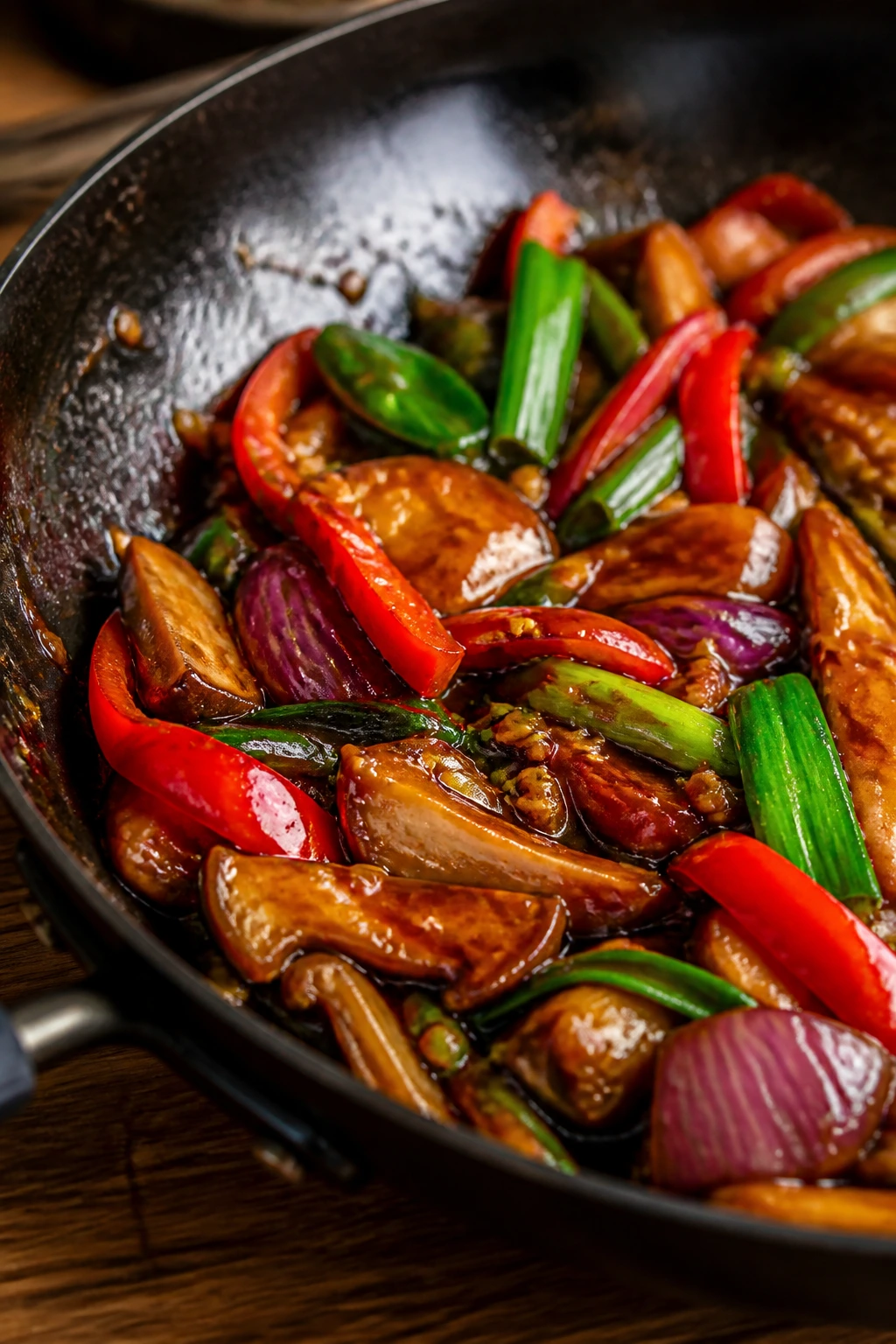
Takeout sauces look thick because they’re built to cling. That shine comes from a few repeatable choices: enough salt to season the whole pan, a little sugar to round the edges, acid to keep it awake, and either starch or reduction to give the sauce some grip.
Start with a savory backbone
A basic spicy stir-fry sauce usually starts with soy sauce, sometimes plus oyster sauce or fish sauce. Soy gives salt and color. Oyster sauce adds that glossy, savory note that makes vegetables and meat taste like they were cooked with purpose. Fish sauce goes farther and faster; use it when you want a deeper, saltier base with a little funk in the background.
For a pan meant to serve 3 or 4, a useful shape is 2 to 3 tablespoons soy sauce, 1 tablespoon of another savory sauce, and 1 tablespoon liquid such as stock, water, or Shaoxing wine.
Give the sauce body
Sauce needs something to coat the food. Cornstarch is the easy fix, and it works best when whisked with cold liquid before it hits the pan. A light slurry — about 1 teaspoon cornstarch to 1 tablespoon cold water — is enough for a small stir-fry. More than that, and the sauce starts to look gluey instead of glossy.
Sometimes reduction does the job better than starch. If the pan is hot and the sauce is fairly small, let it bubble for 30 to 60 seconds until it thickens naturally. That gives you a cleaner finish and a better smell.
Finish with acid and oil at the end
Acid belongs near the finish, not at the start. Vinegar that cooks too long can go dull. Sesame oil is even more delicate; it should usually be the last thing you add, and not much of it. A teaspoon can perfume an entire pan.
If a sauce tastes heavy, a splash of rice vinegar fixes more than another spoon of soy ever will.
Stir-Frying at Home Without Losing the Crunch
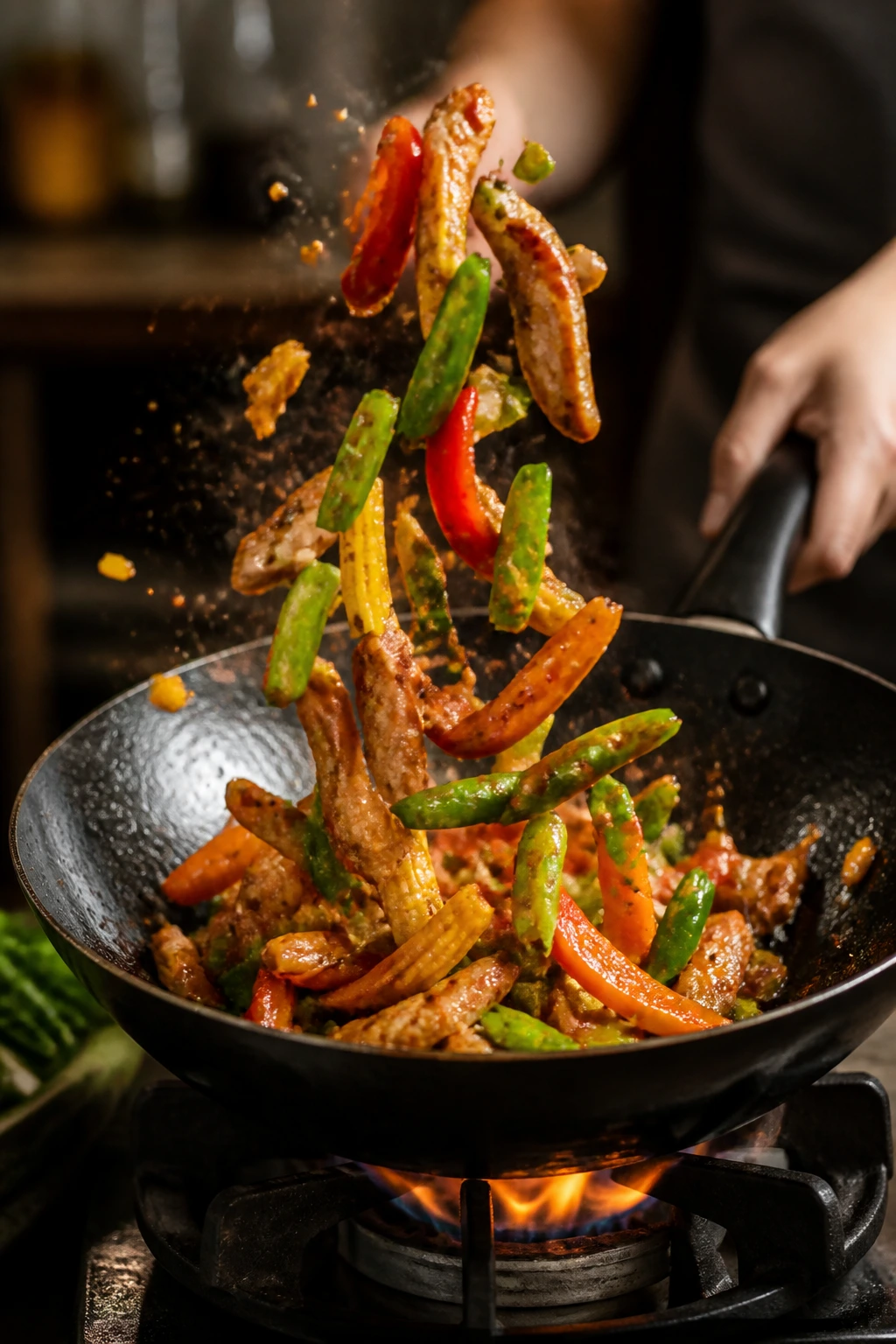
A home burner won’t behave like a restaurant wok station. Fine. It doesn’t have to. What matters is using enough heat, enough space, and the right order. Crowding the pan is the quickest way to turn a stir-fry into a steam bath.
The pan has to be hot before the food goes in
Preheat the pan over medium-high to high heat for 2 to 3 minutes. Add oil, swirl it, and wait until it shimmers. If the oil is smoking hard, back off a little; if it looks still and flat, the pan is too cold. You want that in-between moment where everything seems ready to move fast.
That one detail changes the texture of the whole dish.
Cook in pieces, not all at once
Protein usually goes first, because it benefits from direct contact with the hot surface. Pull it out when it’s just cooked through or just under, then add aromatics, then firmer vegetables, then softer ones, then the sauce. This sequence matters because garlic and ginger need only 20 to 30 seconds, while broccoli and carrots need more like 2 to 4 minutes, depending on how small you cut them.
If you put everything in together, the vegetables give off water before the pan has a chance to sear anything. The result tastes boiled, and nobody needs that.
Keep the sauce ready before you start
Stir-fry moves fast enough that you won’t have time to measure soy or hunt for vinegar once the garlic hits the oil. Mix your sauce in a small bowl before the burner goes on. Keep the ingredients near the stove. If you’re doing a noodle dish, have the noodles drained and loosened too.
Speed here is not about stress. It’s about not giving the food time to get soggy.
Noodles, Rice, and Wrappers That Carry Spice Best
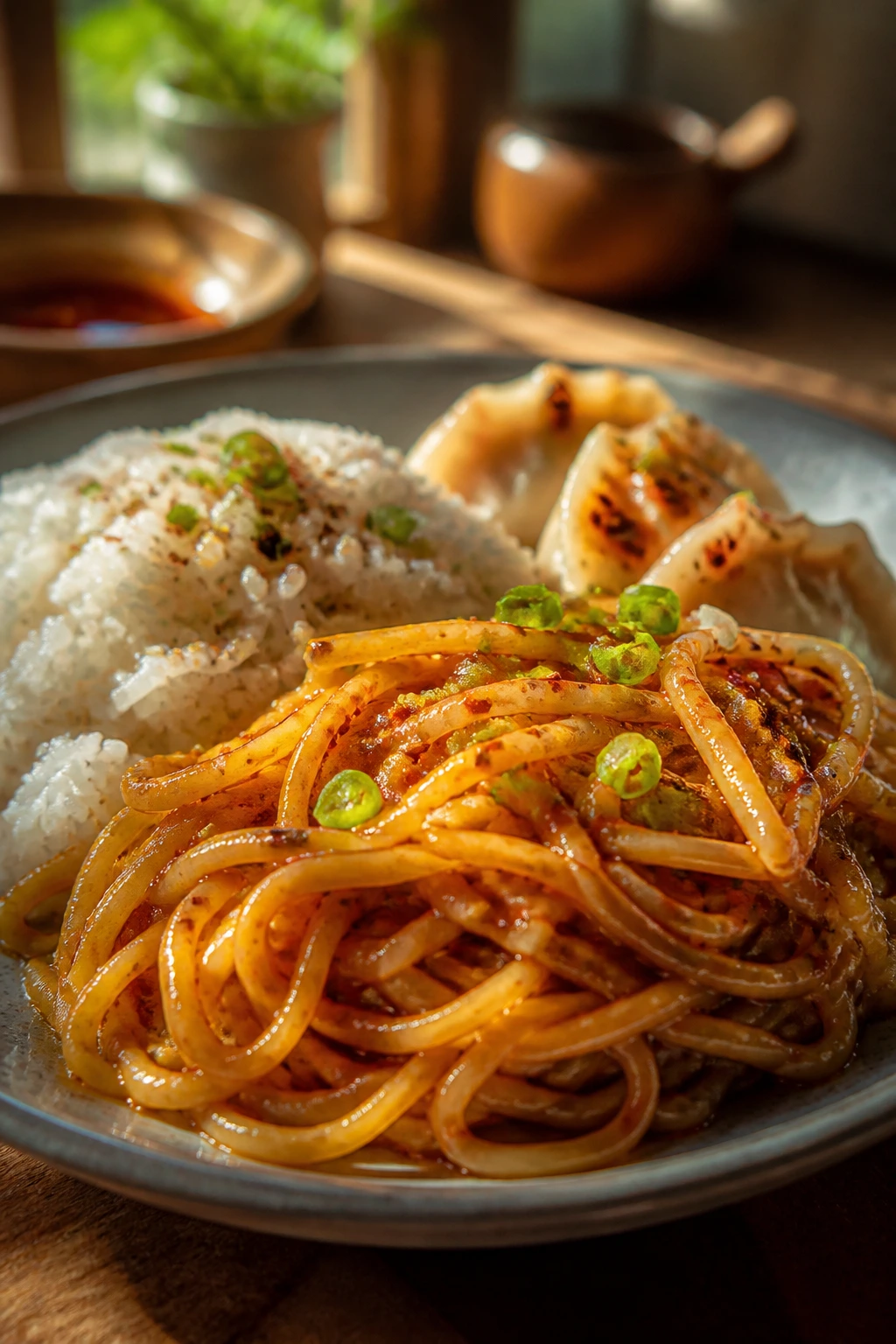
Not every starch plays the same role. Some are there to soak up sauce. Others need a thicker coating. A few need restraint because they can go mushy if you hit them with too much liquid.
Noodles want cling
Fresh lo mein, wheat noodles, ramen-style noodles, and udon all like sauces that are thick enough to coat but not so thick that they cement together. Lo mein is especially forgiving because the strands are sturdy and a little springy. Udon brings a chewy bite that stands up well to chili oil and sesame.
Rice noodles are more delicate. They do best with a looser sauce and quick tossing. If you drown them, they break. If you under-sauce them, they taste dry at the edges.
Rice wants balance
Jasmine rice is the classic choice for saucy Chinese- and Southeast Asian-inspired dishes because the grains stay separate and fragrant. Day-old rice is better for fried rice because it has dried out a bit in the fridge. Fresh rice clumps, which can still be fine in a sauced bowl, but not if you want clean grains.
Fried rice should look a little dry at first glance. That’s not a flaw. It means each grain can carry seasoning instead of turning into paste.
Wrappers and dumplings need a dipping strategy
Dumplings, bao, scallion pancakes, and lettuce cups don’t get the same sauce treatment as noodles or rice. They need a spicy dip, a chili oil drizzle, or a spoonful of minced chile and vinegar on the side. That keeps the wrapper from getting limp before you eat the second one.
For this kind of food, the sauce should be louder than the wrapper, not heavier.
Proteins That Love Bold Sauce
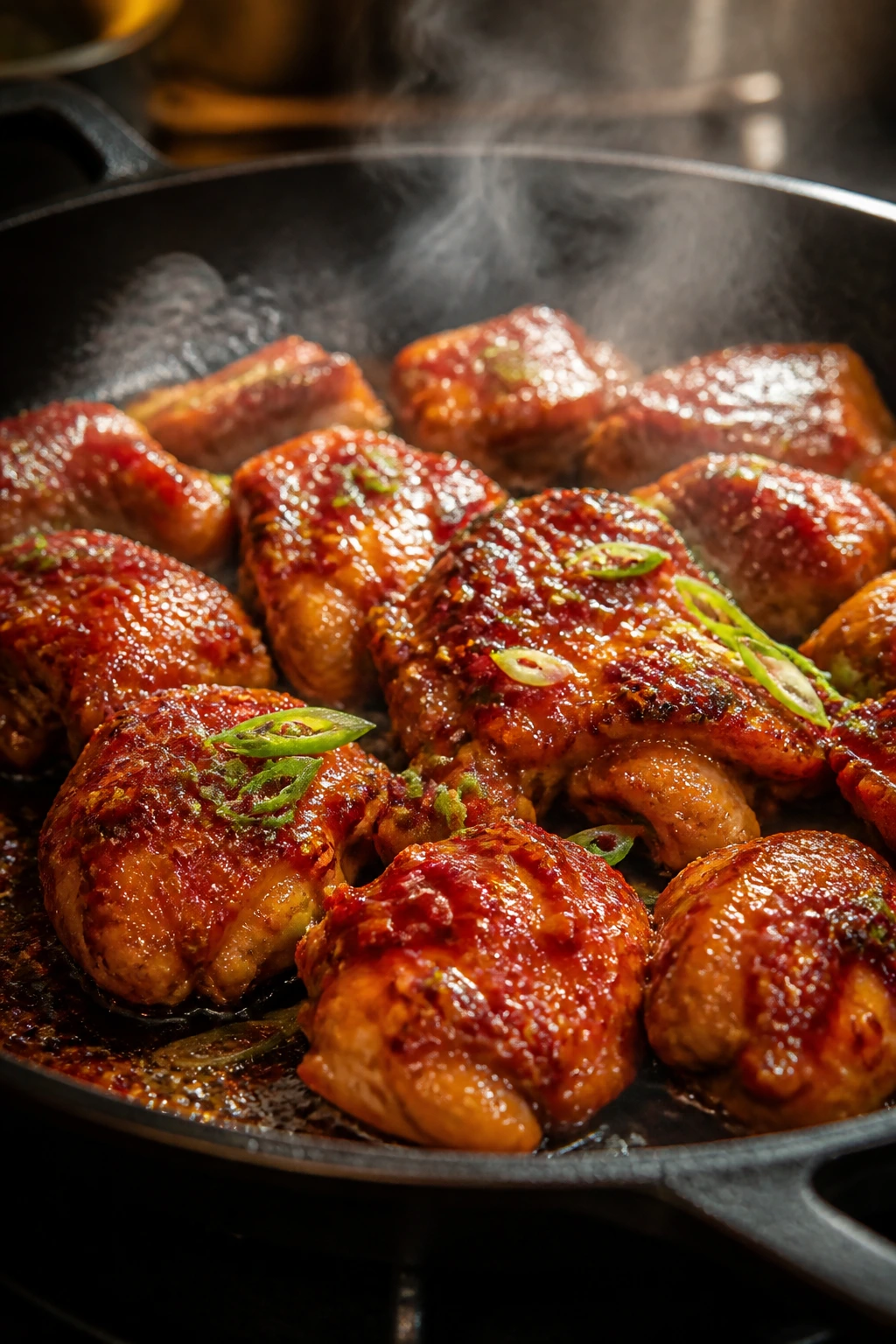
Some proteins practically beg for spicy Asian seasoning. Others can handle it if you treat them right. The main thing is to think about texture first. If the protein gets dry or chewy under heat, the dish starts fighting itself.
Chicken thighs: My first pick for stir-fries and saucy bowls. They stay juicy, they brown well, and they forgive a minute or two of extra cooking. Slice them thinly across the grain and toss them with a little cornstarch if you want that soft, velvety coating many restaurant dishes have.
Chicken breast: It works, but it needs more care. Cut it into even pieces and pull it the moment it turns opaque, because breast meat goes from tender to chalky faster than thighs do. I use it when I want a lighter bowl, then make sure the sauce has enough oil and vinegar to keep things from feeling dry.
Beef flank or skirt: These cuts love high heat and fast cooking. Slice them against the grain, not with it, or the meat will chew like a rubber band. A quick marinade with soy, a little sugar, ginger, and cornstarch gives you the glossy finish that people associate with restaurant beef and broccoli.
Shrimp: Fast, sweet, and easy to ruin if you’re distracted. Shrimp cooks in a few minutes and turns firm when it’s done; when it curls into a tight little C, it’s usually there. Add it late, toss only until opaque, and get it off the heat before it turns spongy.
Tofu: Extra-firm tofu, pressed for 15 to 30 minutes, handles spicy sauce better than softer types. A light dusting of cornstarch before frying gives the cubes a crust that holds onto chili crisp and soy glaze. Fry it until the edges are golden, not pale.
Pork: Tenderloin works for quick stir-fries, while shoulder belongs in slow-braised or braised-noodle dishes. Pork likes garlic, black vinegar, and fermented chili paste. It also handles sweetness better than a lot of people expect, which is why it shows up so often in Chinese-American takeout dishes.
Eggs: Don’t overlook them. A soft scramble folded into spicy rice or noodles adds richness and a silkier mouthfeel. Eggs are especially good when the rest of the dish is sharp and hot, because they blunt the edges without muting the flavor.
Vegetables, Toppings, and Texture
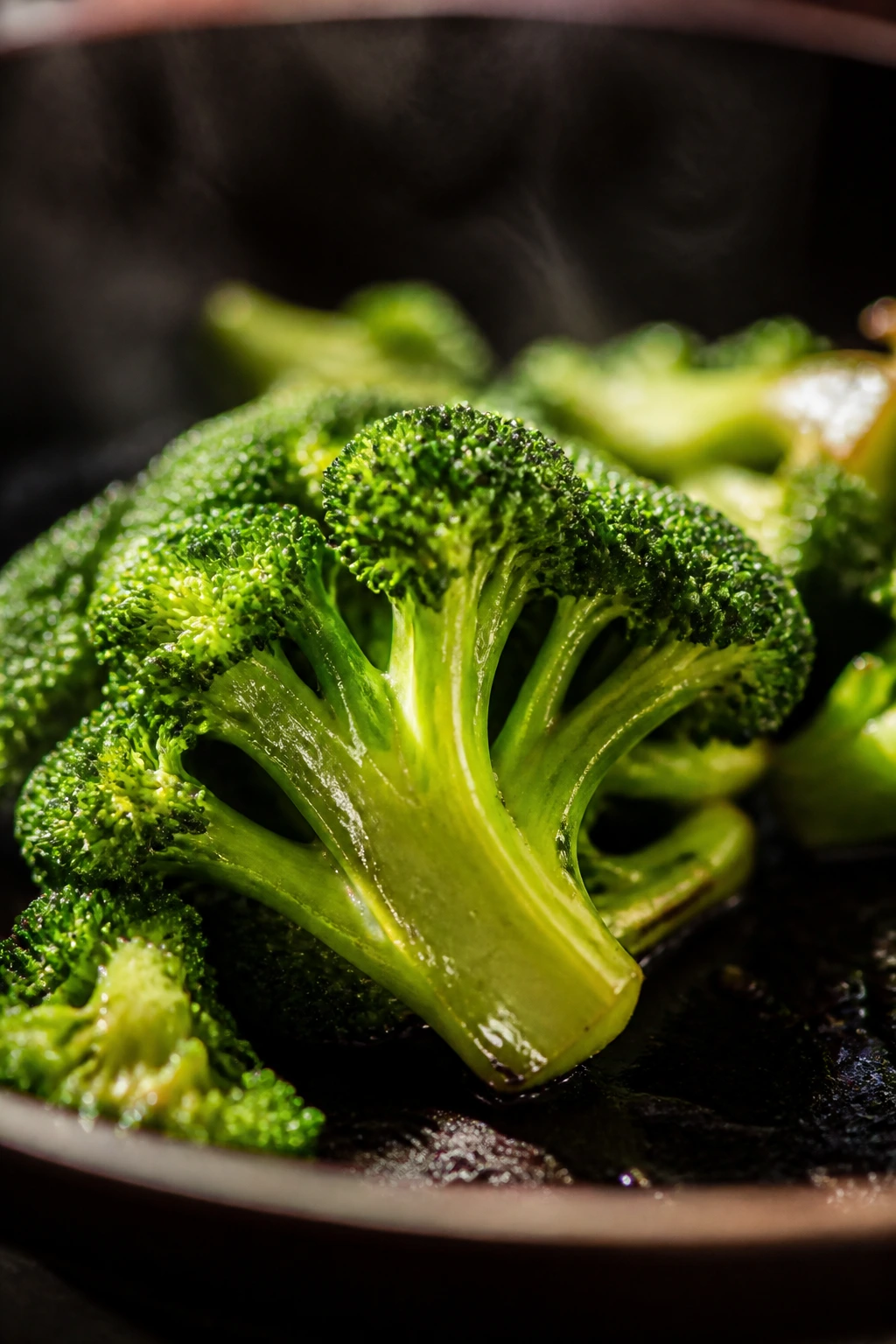
A spicy bowl without crunch goes soft fast. The sauce can be perfect and the dish still feels dull if every bite has the same texture. That’s why the best spicy Asian food often comes with a little snap, a little chew, and a little something toasted on top.
Vegetables that hold up to heat
Broccoli, broccolini, bok choy, napa cabbage, green beans, snow peas, snap peas, mushrooms, bell peppers, and carrots all do well in spicy dishes. Broccoli and carrots need a head start or a quick blanch. Mushrooms like high heat and a dry pan so they can brown before they throw off water. Napa cabbage and bok choy cook fast and make good volume without making the bowl feel heavy.
A useful trick: blanch broccoli for 60 to 90 seconds, then drain it well before it goes into the wok. That way it turns bright green and stays crisp at the stem.
Toppings that wake the whole dish
Scallions, cilantro, Thai basil, toasted sesame seeds, peanuts, cashews, fried shallots, and crisp garlic all work as finishing touches. They’re not garnish in the decorative sense. They’re texture and aroma. A spoonful of peanuts on chili noodles is the difference between “fine” and “I want another bowl.”
Keep the wet toppings separate until the last second. If you bury herbs under sauce too early, they lose their scent and become green wallpaper.
Pickled things pull their weight
Pickled cucumbers, quick-pickled onions, pickled radish, and lightly vinegared cabbage all do a quiet job in spicy meals. They cool the palate between bites, which lets the chili feel sharper instead of numbing. Even a few thin pickle slices on the side can make a heavy meal feel cleaner.
That contrast matters more than people think. Heat wants a reset button.
Pantry Staples Worth Keeping for Weeknight Flavor
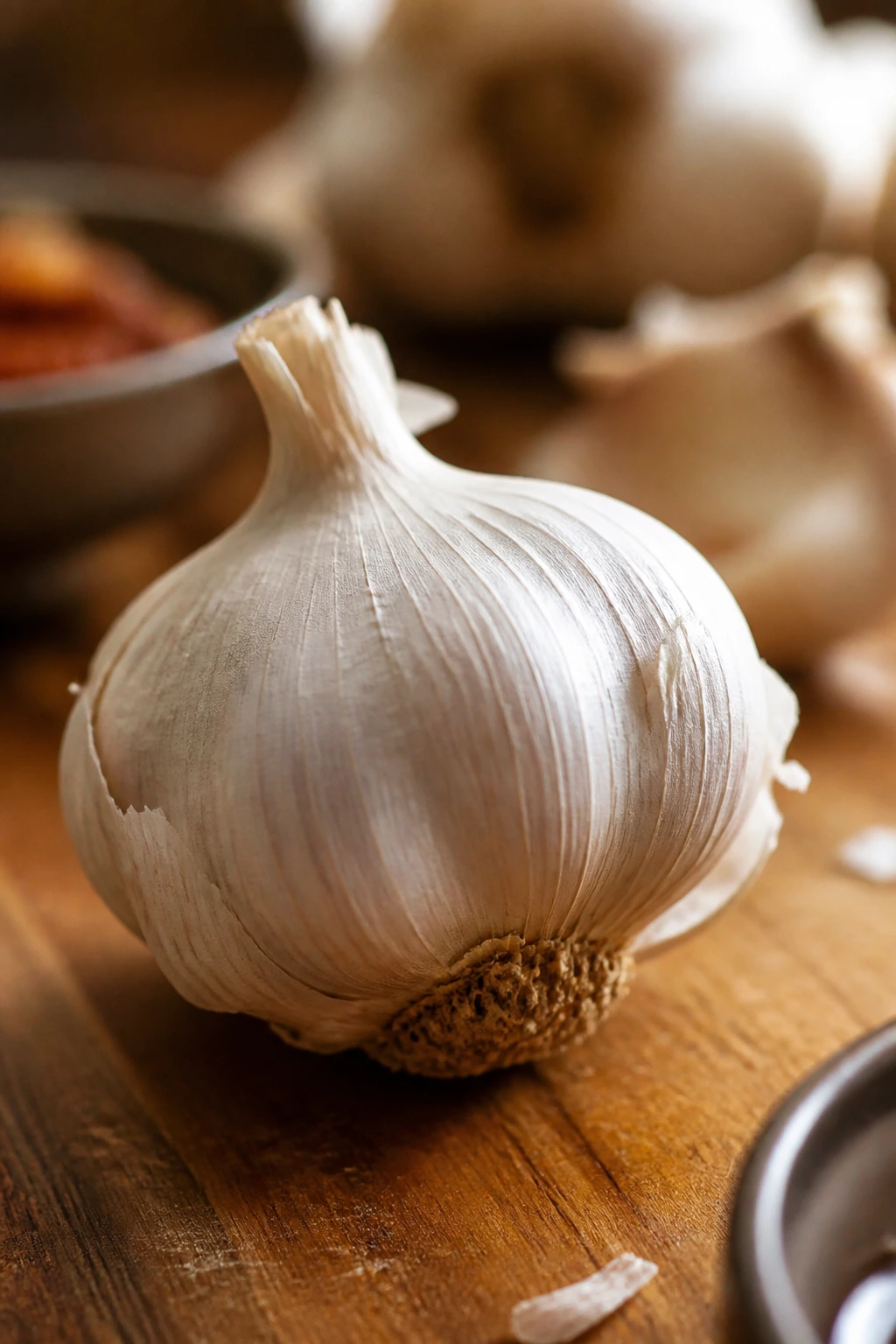
A compact pantry can do a lot of damage in the best possible way. You do not need twenty bottles and twelve chili pastes. You need a small set of ingredients that pull their weight and don’t fight each other.
Soy and fermented bases
Light soy sauce is the workhorse. It seasons without darkening everything too much. Dark soy sauce is for color and a faint caramel note; use it sparingly. Oyster sauce adds shine and a rounded savory taste, especially in beef, chicken, and vegetable stir-fries. Doubanjiang is the heavier Sichuan option — salty, fermented, and deeply savory. Gochujang brings heat with sweetness and body.
If you only buy one fermented chili base, buy the one you’ll actually use three times. A bottle that sits untouched is just expensive shelf decoration.
Acids and sweeteners
Rice vinegar is the cleanest, most flexible acid for quick dishes. Chinese black vinegar brings more depth and a little smoke. Lime juice belongs in Thai-leaning dishes and any bowl that needs a fresh finish. For sweetness, plain sugar works just as well as honey in many sauces, though honey brings a softer note.
A tiny bit of sugar isn’t a dessert move. It’s a balance move.
Oils and finishing condiments
Neutral oil is for cooking. Toasted sesame oil is for finishing. Chili oil and chili crisp give heat plus fragrance plus texture if you choose the crisp version. Shaoxing wine adds a savory, almost nutty depth that dry sherry can mimic if you can’t find it.
And yes, MSG has a place here if you use it thoughtfully. A small pinch can round out soy-based sauces and make them taste fuller without changing the dish into something else. You don’t need much. A quarter teaspoon in a pan for three or four servings is plenty.
How to Push Spicy Asian Flavors Past the Takeout Zone
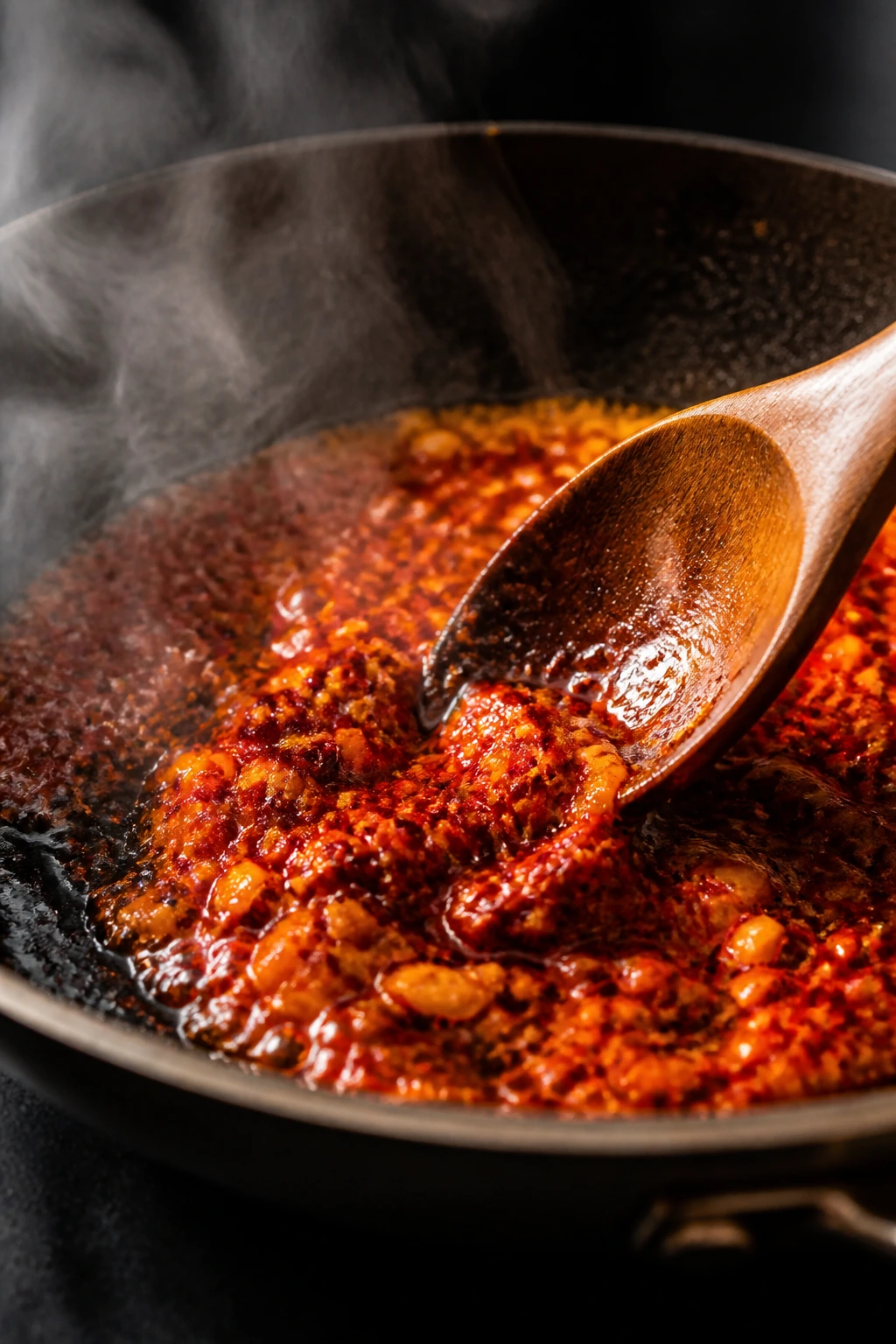
Small moves change the whole bowl. Not dramatic ones. Tiny ones. The difference between a home dish that tastes “good enough” and one that makes you reach for the pan again usually comes from a few sharp decisions made at the stove.
Flavor Enhancement: Bloom chili paste in oil for 20 to 30 seconds before adding liquid. That short fry wakes up the paste and makes the oil taste red and fragrant instead of raw and muddy. The kitchen will smell better almost immediately.
Time-Saver: Mix a jar of sauce base ahead of time: soy sauce, vinegar, a little sugar, minced garlic, ginger, and a spoon of chili paste. It keeps for several days in the fridge and turns a fast stir-fry into a 10-minute job once the chopping is done.
Pro Move: Cut protein and vegetables in similar widths so they cook at the same pace. Thin beef strips, sliced mushrooms, and slivers of pepper all finish around the same time, which keeps the pan from becoming a mix of overdone and underdone pieces.
Cost-Saver: Use cabbage, carrots, onions, and tofu when pricier vegetables or seafood aren’t in the plan. They take sauce well and hold their shape, especially if you keep the cut clean and the heat high.
Make-It-Yours: If you want less sodium, lean harder on vinegar, lime, and aromatics rather than just thinning the soy sauce. If you want more heat without more burn, add chili crisp at the end and keep the fresh garlic mellow. If you want a richer bowl, finish with a few drops of toasted sesame oil instead of another pour of sauce.
Little work. Big payoff.
Common Mistakes That Flatten Spicy Asian Food
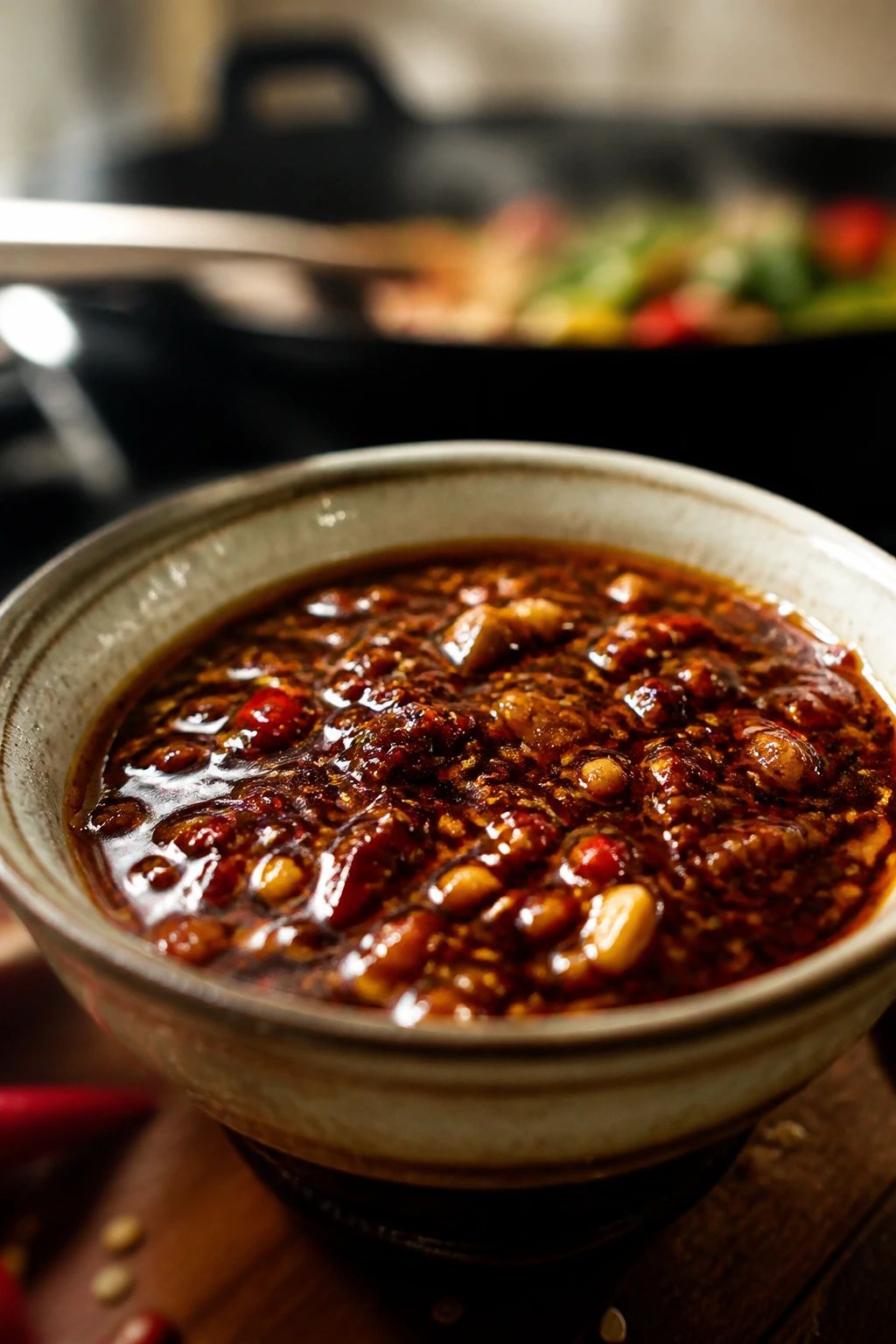
The same mistakes show up over and over, and they’re fixable once you know what to look for. The dish usually isn’t ruined. It’s just missing one obvious thing or has too much of another.
-
Crowding the pan: If the food steams instead of searing, the vegetables go limp and the sauce turns thin. Cook in smaller batches, even if that feels slower. The extra minute you spend doing two rounds is cheaper than rescuing soggy dinner.
-
Burning garlic, chili flakes, or paste: Bitter garlic can take over a whole stir-fry in seconds, and burnt chili tastes harsh instead of hot. Keep the oil hot but not smoking hard, and move quickly once the aromatics go in. If your garlic is browning before the sauce is added, the pan is too hot or you waited too long.
-
Using only soy sauce for seasoning: Soy alone makes food salty, not complete. If the dish tastes one-note, add acid first, then a little sugar, then a savory paste or stock. Most people reach for more soy when they actually need balance.
-
Adding sesame oil too early: Toasted sesame oil loses its charm when cooked hard. It belongs at the end, in a small amount. If the whole kitchen smells like sesame before the food is plated, you’ve probably used too much.
-
Skipping texture contrast: Sauce over noodles without peanuts, scallions, crisp vegetables, or pickled bites can feel soft and samey. A handful of crunch changes how the whole bowl tastes. It also keeps the dish from feeling greasy.
-
Thickening the sauce until it turns gluey: Cornstarch works fast, and too much of it makes the sauce behave like paste. Start small, reduce first, and only add more thickener if the sauce still runs off the spoon like water.
Regional Swaps and Variations Worth Trying
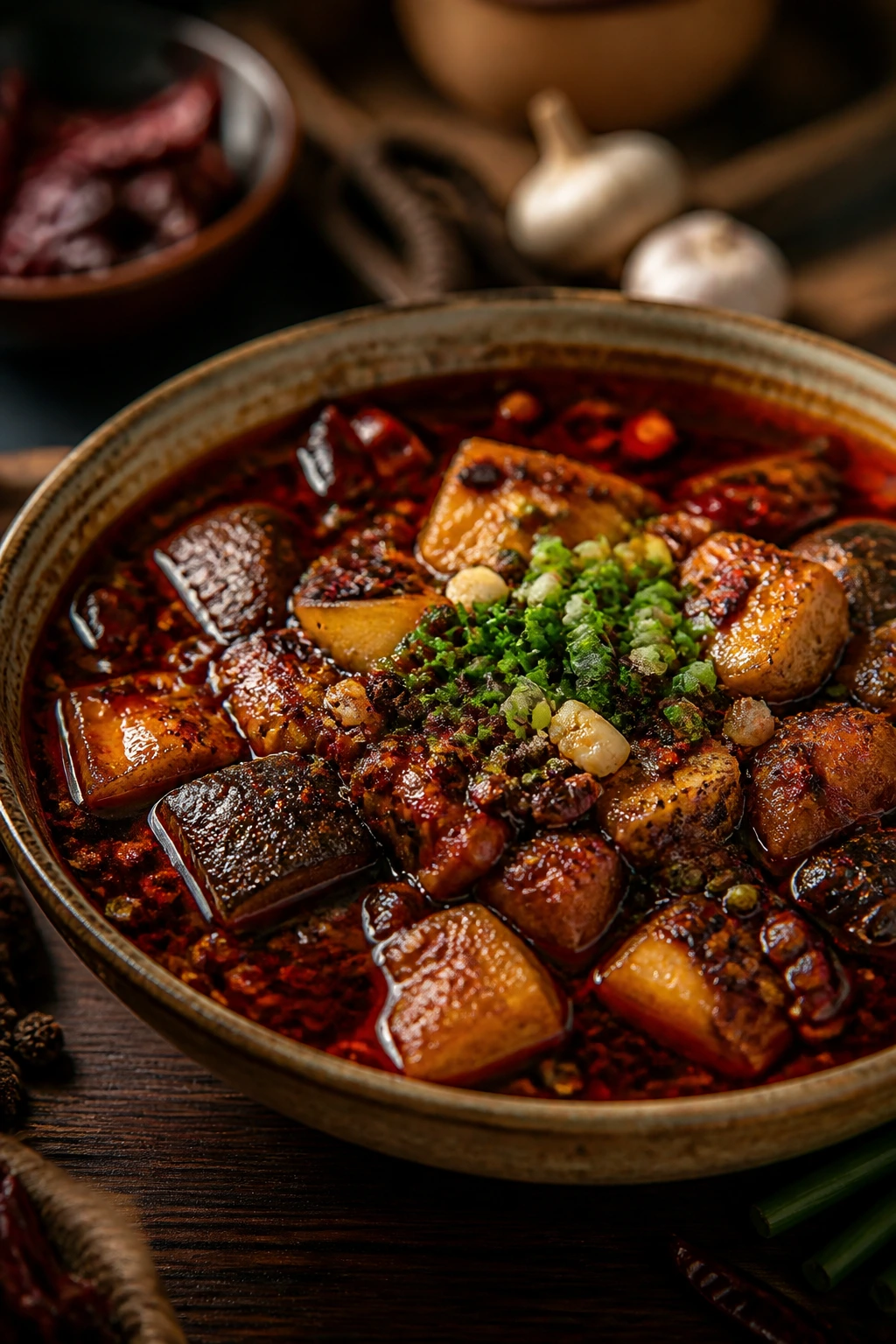
The broad “spicy Asian” label hides a lot of different flavor lanes. That’s actually useful. Once you know the lane, you can swap without guessing.
Sichuan Fire Bowl: Use doubanjiang, Sichuan peppercorn, garlic, and black vinegar with pork, tofu, or eggplant. The flavor should be salty, numbing, and deep, not sweet. A little minced scallion on top is enough; this version doesn’t need much decoration.
Korean Pantry Heat: Gochujang and gochugaru give you heat with body and color. Add soy sauce, garlic, sesame oil at the end, and a touch of honey or sugar. It works especially well with chicken thighs, noodles, or rice bowls where you want the sauce thick enough to coat every grain.
Thai Lime-Chili Brightness: Fish sauce, lime juice, fresh chilies, garlic, and a small amount of sugar make a sharp, lively combination. This is the lane for shrimp, basil, and vegetables that should stay vivid and fast. The sauce should taste punchy and fresh rather than heavy.
Cantonese Garlic-Chili Stir-Fry: This version leans on garlic, ginger, soy, oyster sauce, and a gentler chile presence. It’s the route for people who want spice without a long burn. Broccoli, beef, and snap peas fit well here because they hold the sauce and keep their own shape.
Weeknight Pantry Bowl: Chili crisp, soy sauce, rice vinegar, a little honey, and whatever protein or vegetable you already have. It’s not fussy, and it doesn’t pretend to be. The point is speed plus enough structure that the bowl still tastes finished.
Vegetarian Mushroom Umami: Use mushrooms, tofu, a little miso, soy, ginger, and chili oil. Mushrooms bring their own savory depth, so the dish doesn’t feel like a compromise. This version is especially good when you want a meaty feel without meat.
How to Serve Spicy Asian Flavors at the Table
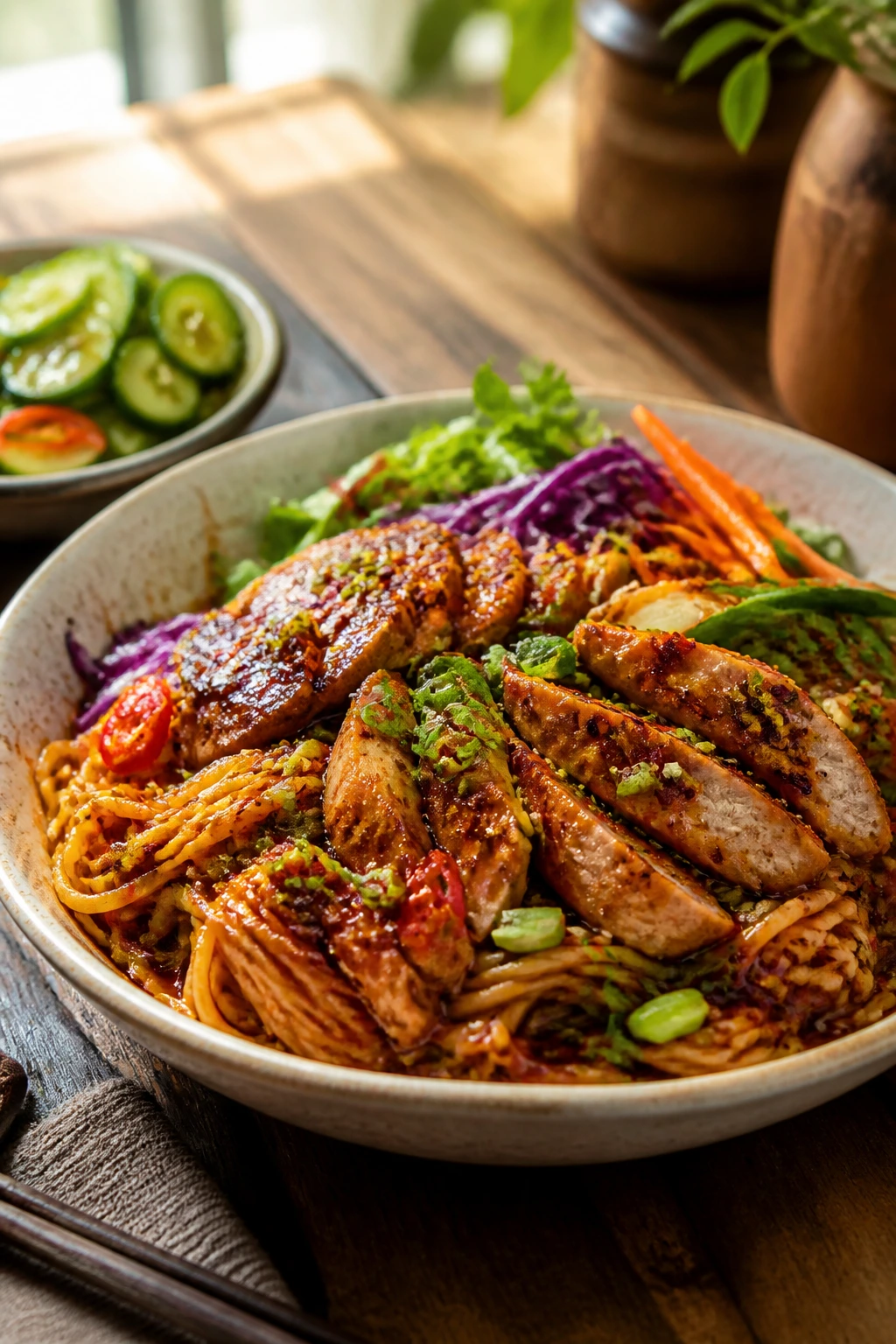
A good spicy dish should look like it’s ready to be eaten, not staged. The trick is keeping the colors distinct enough that you can see the scallions, the chili oil, the vegetables, and the protein instead of one brown mass. Serve it hot, but don’t bury every ingredient under the sauce. A little space on the plate or bowl helps the whole thing read as intentional.
Presentation: Spoon saucy noodles into a wide bowl, or pile stir-fry over a shallow bed of rice so the glossy top stays visible. Finish with scallions, sesame seeds, and a few drops of chili oil right before serving. If there’s cucumber salad or pickled vegetables on the side, keep them in a separate small dish so they stay crisp.
Accompaniments: Steamed jasmine rice, fried rice, scallion pancakes, simple cucumber salad, quick-pickled radish, and steamed greens all work across a lot of spicy Asian dishes. For something richer, add dumplings or lettuce cups. For something lighter, plain rice and blanched bok choy are enough.
Portions: A solid starting point is about 1 cup of rice or noodles plus 1 to 1½ cups of stir-fry or saucy topping per adult. If the dish is heavy on vegetables, lean toward the larger portion. If it’s rich with meat or chili oil, a little less goes farther than you think.
Beverage Pairing: Jasmine tea, cold barley tea, a dry lager, or an off-dry riesling all play nicely with heat. Sparkling water with lime works when you want something clean and non-alcoholic. If the dish leans Thai, a cold beer or a lightly sweet tea makes sense; if it leans Sichuan, something crisp and dry keeps the spice sharp.
Essential Tools for Better Spicy Cooking
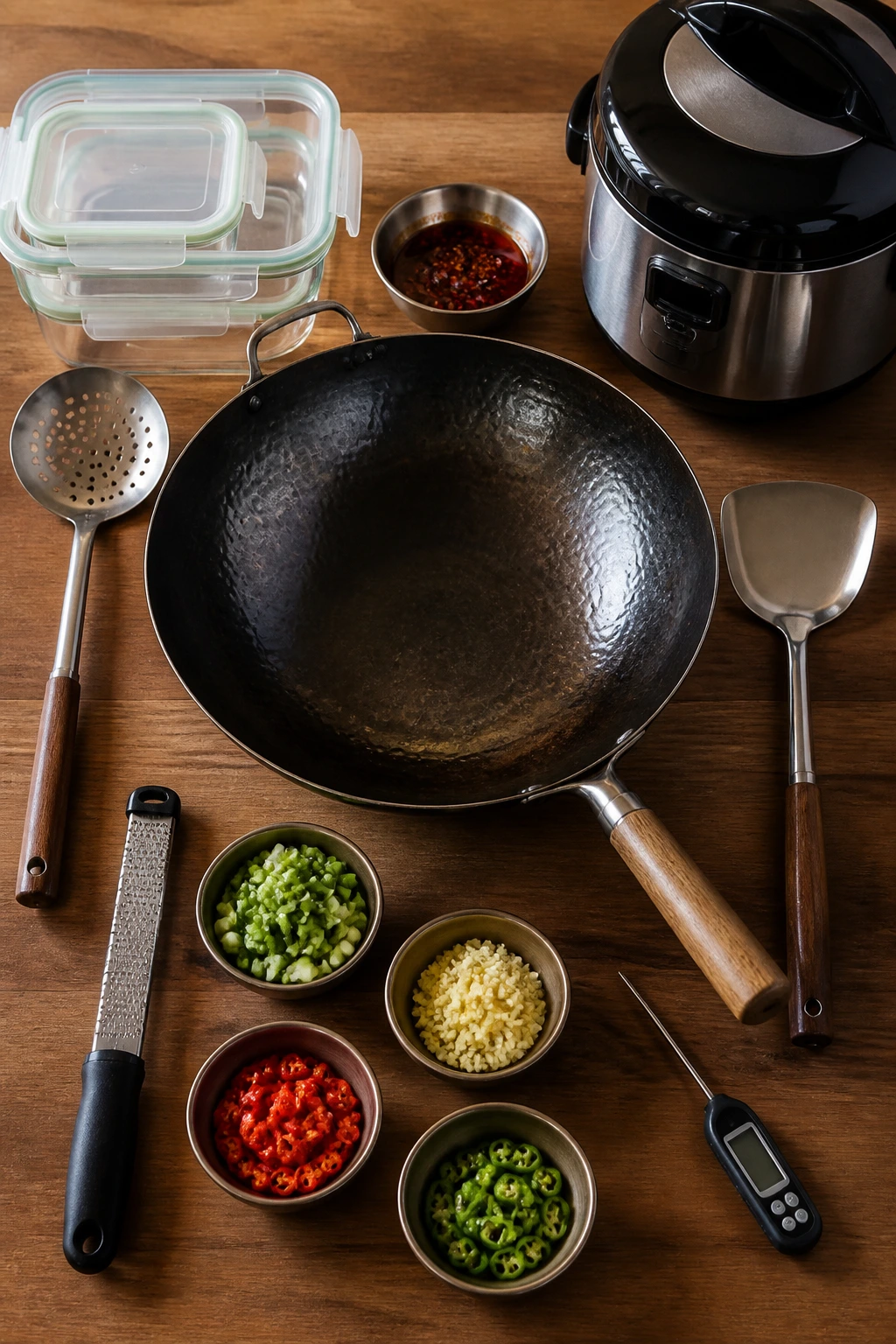
- Wok or 12-inch stainless-steel skillet: A wok gives you room to toss, but a good skillet works fine on a home burner if you don’t crowd it.
- Strong spatula or wok turner: You want something that can scrape the bottom and move food fast without bending.
- Small prep bowls: Aromatics, sauce, and chopped vegetables need to be staged before the heat goes on. Once the pan is hot, there’s no time to mince ginger.
- Instant-read thermometer: Helpful for chicken, pork, and shrimp if you want less guesswork and fewer dry edges.
- Microplane or fine grater: Excellent for ginger and garlic when you want them to melt into sauce instead of showing up as chunks.
- Rice cooker or heavy pot with lid: Not required, but very useful when the spicy main needs a clean starch on the side.
- Slotted spoon or spider: Handy for lifting blanched vegetables or fried tofu out of hot oil without dumping extra liquid back into the pan.
- Airtight containers: You’ll need these for sauce, leftover rice, or prepped vegetables. Shallow containers cool faster and store better.
Make-Ahead, Storage, and Reheating
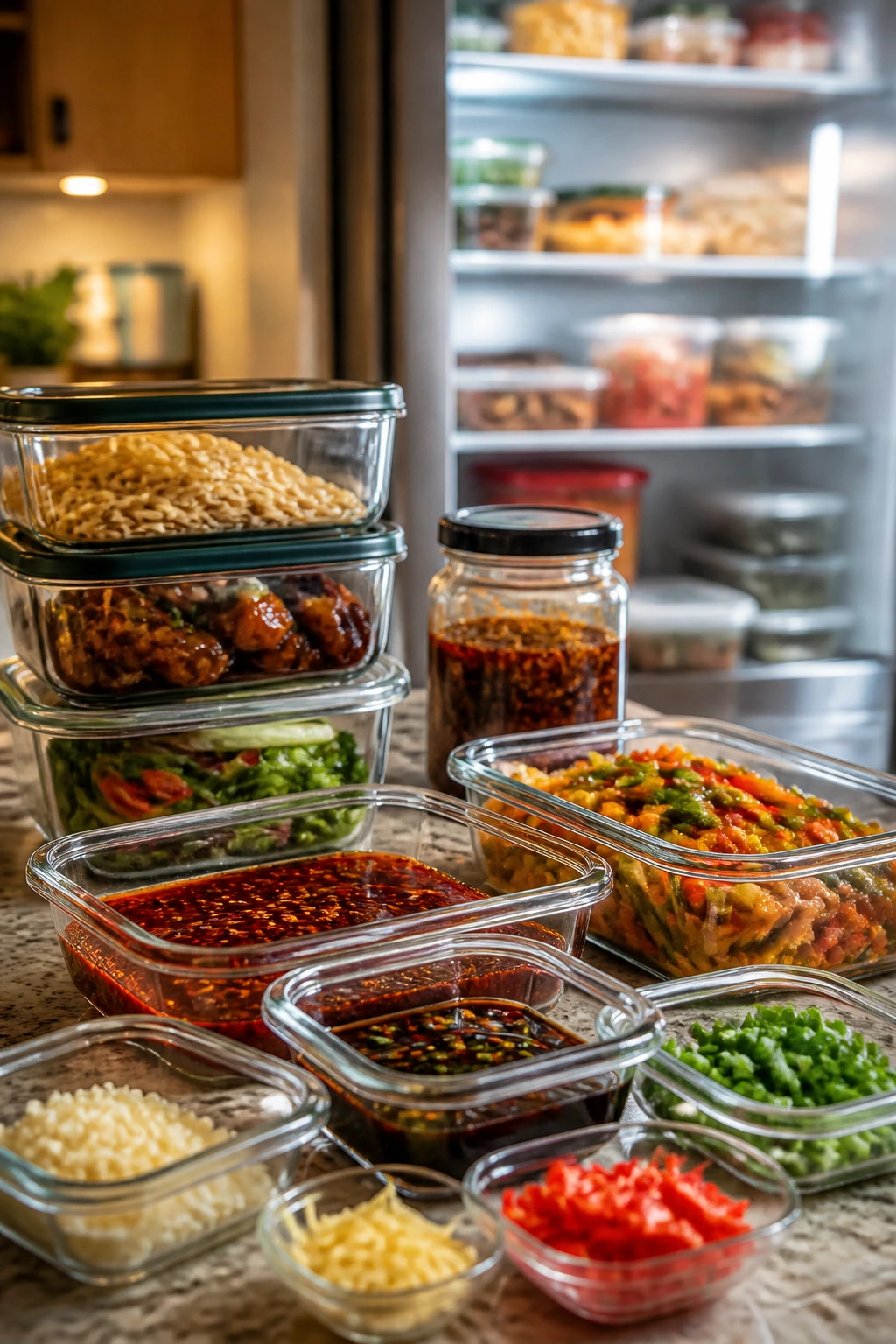
Spicy stir-fries and saucy bowls do fine as leftovers if you handle them with a little care. The problem is usually water, not flavor. If the food sits in a deep container while still hot, steam condenses and the texture softens.
What can be made ahead
Sauces can usually be mixed 3 to 5 days ahead and kept refrigerated in a sealed jar. Aromatics can be chopped a day in advance, though garlic and ginger smell strongest when they’re fresh. Proteins can be sliced and marinated up to 24 hours ahead; after that, the texture can turn mushy, especially with acidic ingredients.
Cooked rice is easiest to make ahead if you spread it out to cool, then chill it in a shallow container. It keeps well for 3 to 4 days. That’s the sweet spot for fried rice.
What keeps well, and what doesn’t
Cooked stir-fries and noodle dishes generally keep 3 to 4 days in the fridge. Noodles soften over time, so they’re best in the first two days. Fried rice also keeps 3 to 4 days, though the grains lose a little fluff after the second day.
Chili oils and homemade chili crisp should be stored in the fridge if they contain fresh garlic, shallots, or other perishable bits. Use them within 1 to 2 weeks for best flavor and food safety. Plain commercial chili oil or crisp can last longer if the label says so, but homemade versions deserve more caution.
Best reheating methods
For stir-fries and noodle dishes, a skillet is better than the microwave. Add a teaspoon or two of water or stock, cover briefly, and warm over medium heat until the food is steaming again. For rice, use a skillet with a little oil or a microwave with a damp paper towel over the bowl. For tofu or chicken, keep the heat moderate so the edges don’t dry out.
Seafood is the fussiest leftover. Reheat it gently and don’t overdo it. If it smells tired in the fridge, it probably won’t be better after a second round of heat.
Frequently Asked Questions
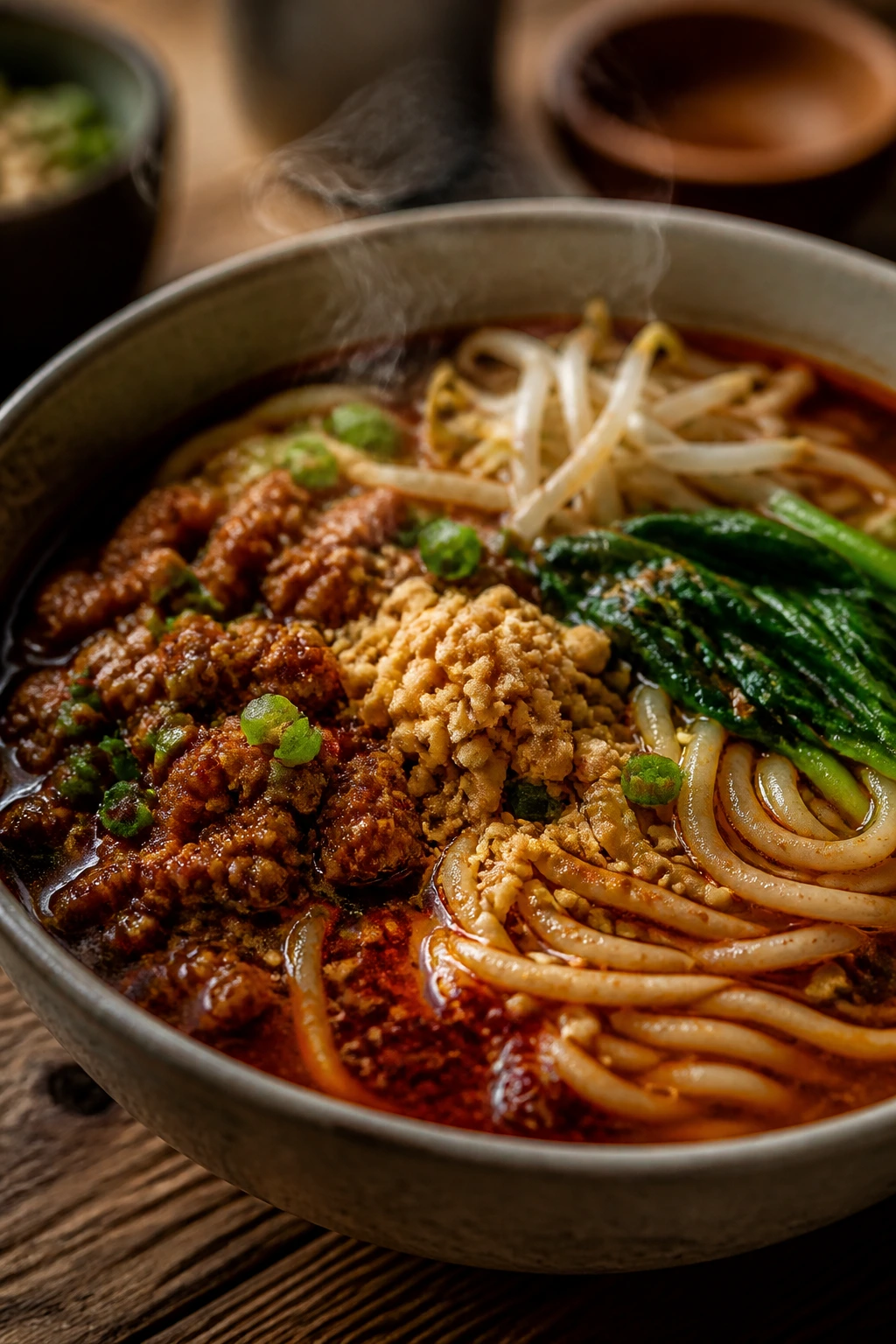
What makes takeout-style spicy food taste so good?
It’s usually the balance, not the burner. Good takeout-style food layers salt, acid, chili, fat, and a little sweetness so each bite changes a bit as you eat it.
Do I need a wok to make spicy Asian flavors at home?
No. A wide stainless-steel skillet or cast-iron pan works if you preheat it properly and cook in smaller batches. The pan shape helps, but the heat control matters more.
What if my dish tastes hot but bland?
That usually means it needs acid, salt, or umami rather than more chili. Add a splash of rice vinegar or lime, then taste again before reaching for another spoonful of soy sauce.
Is chili crisp the same thing as chili oil?
Not quite. Chili oil is mostly infused oil and spice, while chili crisp usually includes crunchy bits like fried garlic, shallots, or fermented flakes. Chili crisp adds texture; chili oil adds smooth heat.
Can I make these dishes less spicy without making them dull?
Yes. Keep the garlic, ginger, soy, and vinegar where they are, then cut the chili amount in half and finish with toasted sesame oil or scallions. The dish will still taste built, just less aggressive.
Which protein is easiest for spicy stir-fries?
Chicken thighs and tofu are probably the most forgiving. Thighs stay juicy under high heat, and firm tofu takes on sauce without falling apart if you press it first and brown it well.
How do I stop garlic and chili from tasting bitter?
Don’t let them sit in hot oil too long. Bloom them briefly — 20 to 30 seconds is often enough — then add liquid or the rest of the ingredients before they darken.
Can I make this gluten-free?
Yes, but check your sauces carefully. Use tamari or a certified gluten-free soy sauce, and choose a gluten-free oyster-style sauce or a combination of tamari, rice vinegar, and a little sugar to replace it.
Does MSG help, or is it optional?
Optional, but useful. A small pinch rounds out soy-based sauces and makes them taste fuller without changing the dish into something else. You do not need much; too much starts to feel obvious.
A Better Bowl Tonight
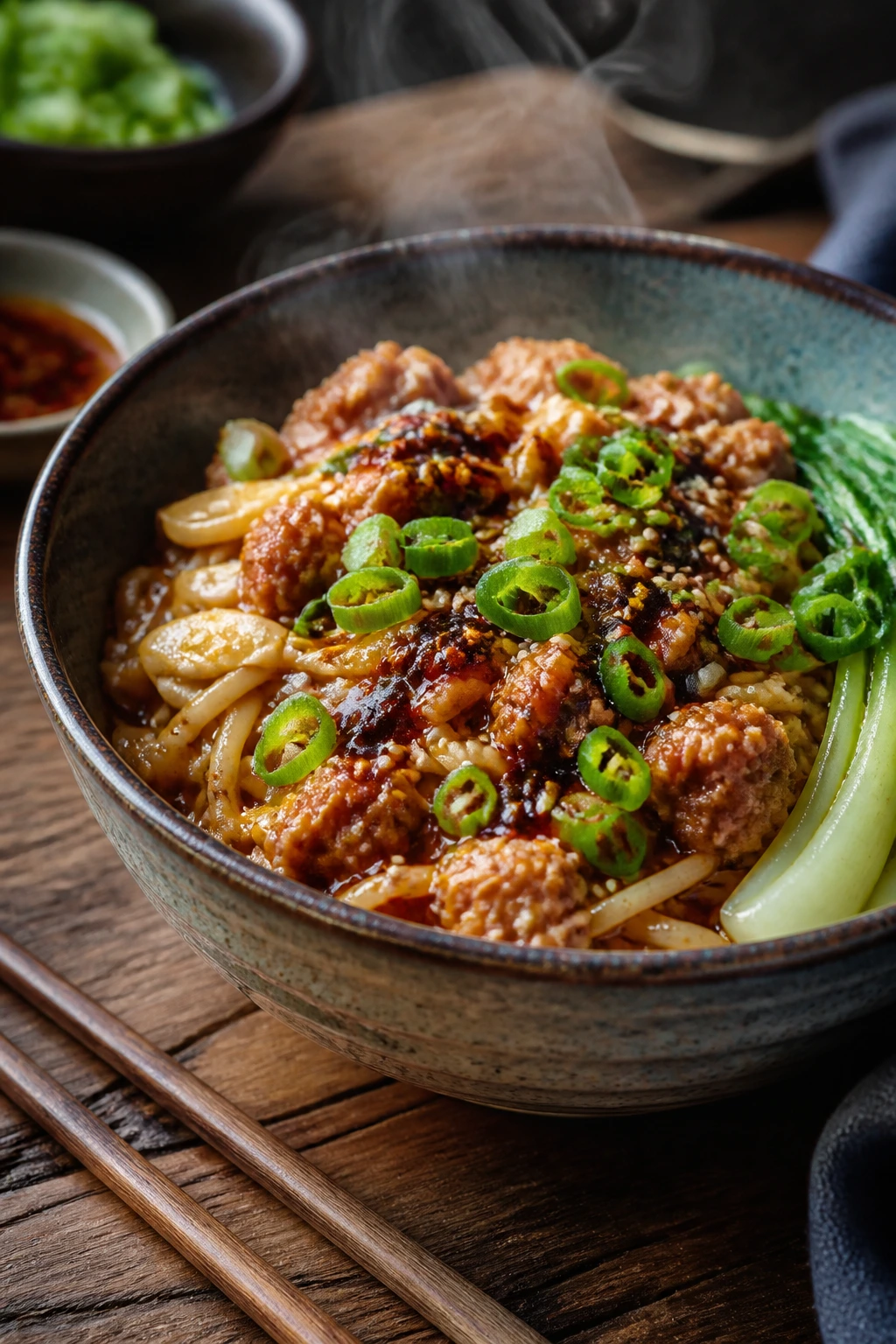
The easiest way to get better spicy food at home is to stop asking chili to do all the work. Let soy bring the salt, let vinegar sharpen the edges, let a little sugar smooth the rough parts, and let oil carry the aroma across the whole pan. That’s how a bowl starts tasting finished instead of improvised.
Keep one jar of chili crisp, one bottle of rice vinegar or black vinegar, and one fermented paste you actually like. That small cluster of ingredients can turn noodles, rice, tofu, chicken, beef, or vegetables into dinner that feels deliberate without taking all night. The next time the takeout menu starts looking familiar, reach for the skillet first.