



Takeout has a nasty habit of arriving right when the rice is paling and the vegetables are going limp. The container smells promising, sure, but by the time you peel back the lid, the sauce has usually settled into one soggy corner and the crisp edges you hoped for are gone. That’s exactly why authentic Chinese recipes at home can feel like such a small victory: you get the smoke of the wok, the snap of fresh aromatics, the vinegar hit that still tastes sharp, and the freedom to eat the dish at the exact second it’s at its best.
The funny thing is that most of these dishes are not complicated. They’re fast, yes, but speed is only part of the story. A proper kung pao chicken depends on a hot pan and a good balance of soy, vinegar, sugar, dried chiles, and Sichuan peppercorns. Mapo tofu lives or dies by the seasoning in the sauce. Scallion pancakes need rested dough and enough oil to blister the layers. None of that is hard. It just asks for a little attention, which is usually more than delivery can offer.
What you get in return is food that tastes alive. The chile oil is brighter. The noodles stay springy. The fish tastes like fish, not sauce. And the best part is that many of these recipes rely on the same backbone ingredients — light soy sauce, dark soy sauce, Shaoxing wine, Chinkiang vinegar, doubanjiang, sesame oil, toasted Sichuan peppercorns — so once your pantry is set, the rest moves quickly. The first batch teaches you the rhythm. After that, it starts to feel natural.
Why This Collection Belongs in Your Weeknight Rotation
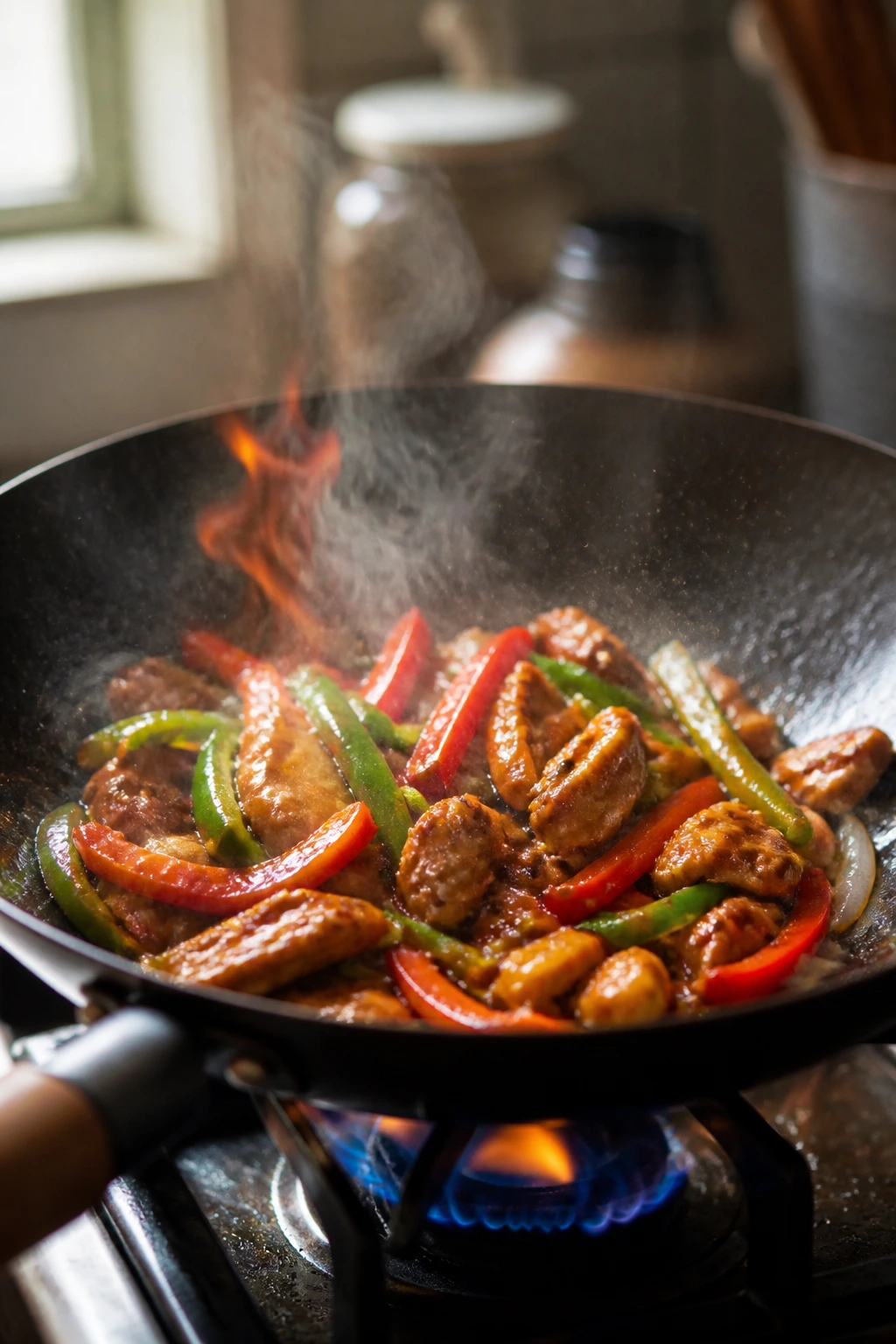
- Wok Heat Does the Heavy Lifting: High heat and short cooking times keep vegetables crisp, meat tender, and sauces glossy instead of muddy.
- One Pantry, Many Dishes: A few core Chinese condiments show up again and again, so the shopping list gets shorter after the first round.
- Takeout Timing Problems Disappear: You eat the food hot, right out of the pan or steamer, which matters more than most people admit.
- Regional Flavors Stay Distinct: Sichuan heat, Cantonese sweetness, Northern wheat dishes, and homestyle stir-fries each have their own personality.
- Fast Dishes and Slow Dishes Live Together: Some recipes finish in 15 minutes. Others braise until the kitchen smells like soy, ginger, and star anise for an hour.
- Better Texture, Every Time: You control the oil, the salt, the thickness of the sauce, and whether the vegetables still have a bite.
1. Kung Pao Chicken
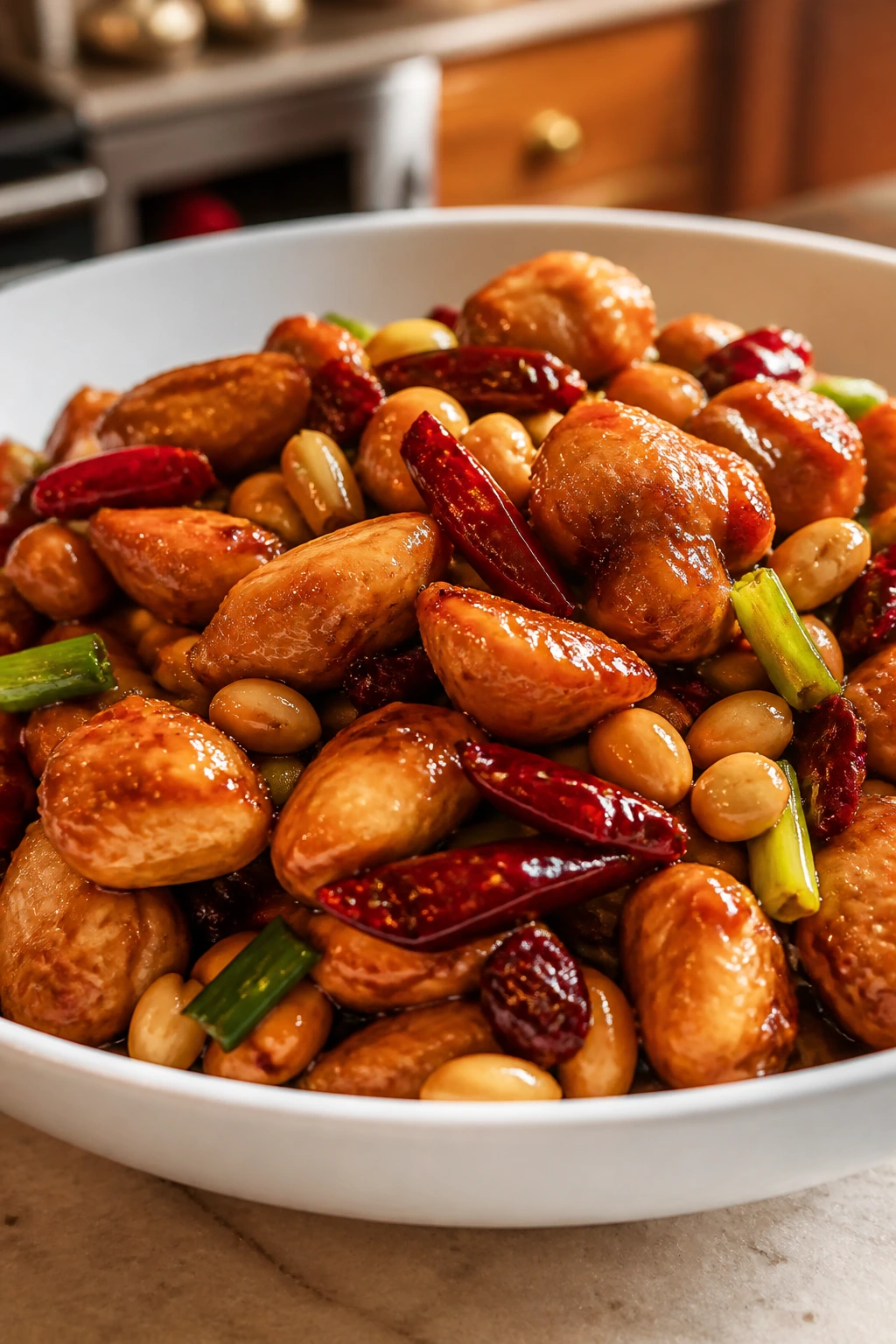
Kung pao chicken should taste sharp, nutty, and a little dangerous. The dried chiles lend heat, the Sichuan peppercorn leaves that strange citrusy tingle on your tongue, and the peanuts give the whole thing a quiet crunch that saves it from feeling heavy. If you’ve only had the thick, sweet takeout version, this one will feel leaner and cleaner.
Why It Works:
The sauce hits three directions at once: salty from soy, tangy from Chinkiang vinegar, and just sweet enough to round the heat. Velveting the chicken with cornstarch and a little Shaoxing wine keeps the pieces tender, even over high heat. The chiles bloom in oil for a few seconds, which perfumes the pan before the chicken goes in.
Key Ingredients:
- 1 lb boneless chicken thighs, cut into 1-inch pieces
- 1 tablespoon Shaoxing wine
- 1 tablespoon light soy sauce
- 1 tablespoon cornstarch
- 2 tablespoons peanut oil
- 8 to 10 dried red chiles, trimmed
- 2 teaspoons Sichuan peppercorns
- 3 garlic cloves, minced
- 1 tablespoon minced ginger
- 1/4 cup roasted peanuts
- 2 tablespoons Chinkiang vinegar
- 1 tablespoon sugar
- 2 scallions, cut into 1-inch pieces
Quick Steps:
- Toss the chicken with Shaoxing wine, soy sauce, and cornstarch. Rest 10 minutes.
- Mix vinegar, sugar, and 1 tablespoon water in a small bowl.
- Heat peanut oil in a wok over medium-high heat. Add chiles and Sichuan peppercorns for 10 to 15 seconds.
- Add chicken and stir-fry 4 to 5 minutes until just cooked through.
- Stir in garlic, ginger, scallions, peanuts, and the sauce. Cook 30 to 45 seconds until glossy.
Equipment for This Recipe:
- Wok or 12-inch skillet
- Small mixing bowl
- Spatula or wok chuan
- Sharp knife
How to Serve This Dish:
Pile it over plain jasmine rice so the sauce soaks into the grains. A little extra scallion on top keeps the dish bright, and the peanuts should still crack when you bite them. It’s the kind of dinner that vanishes before you’ve finished setting the table.
Pro Tips for This Recipe:
- Use thighs, not breasts, if you want meat that stays juicy during a fast stir-fry.
- Don’t let the chiles blacken; if they smell bitter, you’ve gone too far.
- Toast the Sichuan peppercorns in a dry pan first if yours are old and pale.
- Make the sauce before you start cooking. This moves fast.
Variations on This Dish:
- Cashew Swap: Use roasted cashews in place of peanuts for a softer crunch.
- Extra-Sour Version: Add another teaspoon of vinegar right at the end if you like more bite.
- Mild Home Style: Cut the chiles to 4 and keep the peppercorns light.
Common Mistakes to Avoid with This Dish:
- Crowding the pan: The chicken steams instead of browns. Cook in two batches if needed.
- Adding the sauce too early: It can burn before the chicken is done. Wait until the end.
- Using too much sugar: The dish turns sticky instead of balanced. Keep it measured.
2. Mapo Tofu
Mapo tofu is one of those dishes that looks humble and tastes like someone turned up the flavor dial on purpose. Silken tofu wobbles in a red, glossy sauce that smells of fermented bean paste, garlic, and chile oil. The minced pork is there for depth, not bulk.
Why It Works:
The dish depends on contrast: soft tofu, tiny bits of browned pork, and a sauce that’s both spicy and savory. Doubanjiang brings fermented heat, while a little stock loosens it into something that coats a spoon instead of clinging in paste form. The tofu never needs a hard stir, which keeps the cubes intact.
Key Ingredients:
- 14 oz soft or medium tofu, cut into 1-inch cubes
- 6 oz ground pork
- 1 tablespoon doubanjiang
- 1 teaspoon fermented black beans, rinsed and chopped
- 2 garlic cloves, minced
- 1 tablespoon minced ginger
- 1 cup chicken stock
- 1 tablespoon light soy sauce
- 1 teaspoon sugar
- 1 teaspoon cornstarch mixed with 1 tablespoon water
- 1 teaspoon toasted sesame oil
- 1 tablespoon chili oil
- 2 scallions, sliced
Quick Steps:
- Simmer the tofu in lightly salted water for 2 minutes, then drain gently.
- Brown the pork in a wok over medium-high heat.
- Stir in doubanjiang, black beans, garlic, and ginger for 30 seconds.
- Add stock, soy sauce, and sugar; bring to a simmer.
- Slide in the tofu and cook 3 minutes without stirring hard.
- Stir in the cornstarch slurry, sesame oil, and chili oil until the sauce thickens.
Equipment for This Recipe:
- Wok or deep skillet
- Slotted spoon
- Small bowl for slurry
- Spatula
How to Serve This Dish:
Serve it hot over steamed rice and spoon some of the red oil over the top. A scatter of scallions gives it lift. Don’t overthink the side dishes; this wants rice and nothing fussy.
Pro Tips for This Recipe:
- Use soft tofu if you want the classic silken texture; medium tofu is easier for beginners.
- Rinsing the tofu in hot water before cooking helps it hold shape.
- Doubanjiang varies a lot in saltiness. Taste before adding extra soy.
- Let the sauce bubble lightly after the slurry goes in. That’s when it turns silky.
Variations on This Dish:
- Vegetable Mapo: Swap the pork for finely chopped mushrooms.
- Chicken Mapo: Use ground chicken for a lighter, less fatty version.
- Extra-Numb Sichuan Style: Add more Sichuan peppercorn oil at the finish.
Common Mistakes to Avoid with This Dish:
- Stirring too hard: The tofu breaks into crumbs. Fold, don’t mash.
- Skipping the simmer in salted water: The tofu can taste flat and fragile.
- Using too little stock: You end up with a dry paste instead of a proper sauce.
3. Dan Dan Noodles
Dan dan noodles should feel slippery, savory, and a little sly. You get chili oil, sesame paste, Sichuan peppercorn, preserved vegetable, and minced pork all tangled around wheat noodles that need to stay springy. The best bites are messy in the right way.
Why It Works:
This is a layered bowl, not a one-note spicy noodle dish. The sesame paste smooths out the heat, while the preserved mustard greens add salt and a faint funk that keeps the sauce from tasting flat. If your noodles are cooked properly — just tender, not soft — the sauce clings in the best possible way.
Key Ingredients:
- 8 oz Chinese wheat noodles or thin wheat noodles
- 6 oz ground pork
- 1 tablespoon peanut oil
- 1 tablespoon soy sauce
- 1 tablespoon Shaoxing wine
- 2 tablespoons sesame paste
- 1 tablespoon chili oil
- 1 teaspoon Chinkiang vinegar
- 1 teaspoon sugar
- 1 tablespoon crushed preserved mustard greens
- 1 teaspoon ground Sichuan peppercorn
- 2 scallions, chopped
Quick Steps:
- Brown the pork in oil with soy sauce and Shaoxing wine.
- Stir sesame paste, chili oil, vinegar, sugar, and 2 tablespoons hot water into a smooth sauce.
- Cook the noodles until just tender, then drain well.
- Divide the sauce between bowls.
- Top with noodles, pork, mustard greens, peppercorn, and scallions.
- Toss hard right before eating so the sauce coats every strand.
Equipment for This Recipe:
- Pot for noodles
- Small skillet
- Two serving bowls
- Chopsticks or tongs
How to Serve This Dish:
Serve it in deep bowls so the sauce doesn’t escape onto the table. A quick cucumber side works well if you want something cold and crisp next to the heat. Eat it fast; noodles like this lose their magic when they sit.
Pro Tips for This Recipe:
- Thin the sesame paste with hot water before adding it to the noodles.
- Salted preserved mustard greens can be intense. A tablespoon is enough.
- Shake extra oil off the noodles before saucing them.
- Make the pork ahead if you want a faster meal.
Variations on This Dish:
- Pork-Free Bowl: Use minced shiitake mushrooms for a meatier texture.
- Extra-Nutty Version: Add a spoon of peanut butter if you can’t find sesame paste.
- Cold-Weather Richness: Finish with a teaspoon of lard or chicken fat.
Common Mistakes to Avoid with This Dish:
- Overcooking the noodles: They go mushy fast once sauced.
- Using sesame sauce straight from the jar: It’s too stiff; loosen it first.
- Skipping the vinegar: The bowl tastes heavy without that sharp edge.
4. Hot and Sour Soup
Hot and sour soup should prick your nose before the first sip. The pepper, vinegar, tofu, mushrooms, and egg ribbons all show up in one bowl, and the broth should feel light but assertive. If it tastes muddy, something went wrong with the balance.
Why It Works:
The soup works because the heat and acidity are balanced at the end, not buried at the start. Bamboo shoots and wood ear mushrooms give it the slippery, crunchy textures that make each spoonful different from the last. Cornstarch thickens the broth just enough to give it body without turning it into gravy.
Key Ingredients:
- 6 cups chicken stock
- 1 cup sliced shiitake mushrooms
- 1/2 cup bamboo shoots, thinly sliced
- 1/2 cup shredded tofu
- 2 tablespoons soy sauce
- 2 tablespoons Chinkiang vinegar
- 1 teaspoon white pepper
- 1 tablespoon cornstarch mixed with 2 tablespoons water
- 1 egg, beaten
- 1 teaspoon sesame oil
- 2 scallions, sliced
Quick Steps:
- Bring stock, mushrooms, and bamboo shoots to a simmer.
- Add soy sauce, white pepper, and shredded tofu.
- Stir in the cornstarch slurry until the broth looks lightly glossy.
- Slowly drizzle in the egg while stirring to form ribbons.
- Add vinegar and sesame oil off the heat, then taste.
- Finish with scallions and serve immediately.
Equipment for This Recipe:
- Soup pot
- Whisk or chopsticks
- Small bowl for slurry
- Ladle
How to Serve This Dish:
Serve it in warmed bowls with extra vinegar on the table for people who like a sharper edge. A few fried wonton strips are optional, but I usually skip them; the soup stands on its own. It’s best while the steam is still rising.
Pro Tips for This Recipe:
- Add vinegar at the end so it stays bright.
- White pepper gives the classic heat; black pepper tastes different.
- If you want a fuller broth, use half stock and half chicken bone broth.
- Stir the soup in one direction when adding the egg for neater ribbons.
Variations on This Dish:
- Spicier Bowl: Add a teaspoon of chile oil with the vinegar.
- Vegetarian Version: Use vegetable stock and extra mushrooms.
- Seafood Touch: Add a few shrimp in the last 2 minutes.
Common Mistakes to Avoid with This Dish:
- Over-thickening: It should be silky, not gluey.
- Adding vinegar too early: The sharpness cooks off.
- Dumping in the egg all at once: You’ll get clumps instead of ribbons.
5. Scallion Pancakes
Scallion pancakes are all about layers, crackle, and that faint toasted flavor that shows up when the dough is rolled thin enough and the pan has enough oil. They’re not delicate. Good. They should have browned patches and chewy centers.
Why It Works:
The dough is simple flour, water, and salt, but the lamination comes from brushing on oil and rolling in the scallions before coiling and flattening. That’s what gives you the layered pull when you tear them apart. Resting the dough matters more than people think; it relaxes the gluten and makes rolling less of a fight.
Key Ingredients:
- 2 cups all-purpose flour
- 3/4 cup hot water
- 1/2 teaspoon salt
- 2 tablespoons sesame oil
- 4 scallions, finely sliced
- 2 tablespoons neutral oil for frying
- 1/2 teaspoon salt for filling
Quick Steps:
- Mix flour, salt, and hot water into a shaggy dough; knead 5 minutes.
- Rest the dough 30 minutes.
- Divide, roll thin, brush with sesame oil, and scatter scallions and salt.
- Coil each round into a spiral, then flatten again.
- Fry in neutral oil over medium heat 3 to 4 minutes per side until blistered and golden.
Equipment for This Recipe:
- Mixing bowl
- Rolling pin
- Nonstick skillet or cast-iron skillet
- Pastry brush
How to Serve This Dish:
Cut them into wedges and serve with a soy-vinegar dipping sauce. They’re excellent next to congee, soup, or any braise that needs a carb with a little personality. If you stack them while hot, they stay softer; if you want crunch, cool them on a rack.
Pro Tips for This Recipe:
- Hot water dough rolls more easily than cold-water dough.
- Don’t skimp on oil between layers.
- Roll the spiral flat slowly so the layers stay distinct.
- Reheat in a dry skillet, not the microwave.
Variations on This Dish:
- Five-Spice Version: Add a pinch of five-spice to the filling.
- Garlic Scallion Twist: Mix minced garlic into the oil.
- Sesame Crust: Sprinkle sesame seeds on the outside before frying.
Common Mistakes to Avoid with This Dish:
- Using too much flour while rolling: The dough dries out and tears.
- Cooking on high heat: The outside burns before the middle cooks.
- Skipping the rest: The dough fights you and shrinks back.
6. Egg Fried Rice
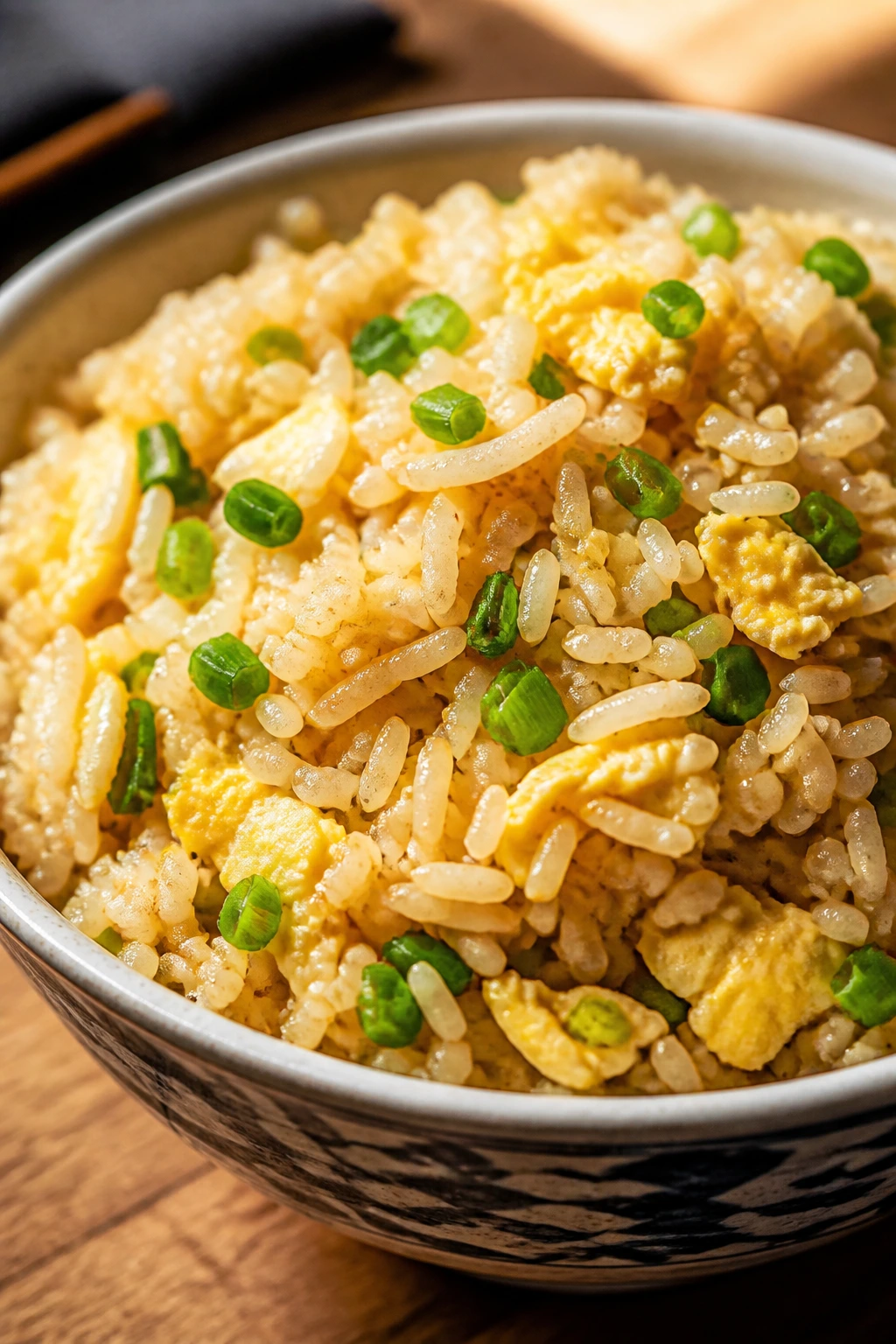
Egg fried rice should smell like toasted rice, not like a wet scramble. The grains need to stay separate, the egg needs to coat in soft ribbons, and the scallions should hit the pan late so they stay green and sharp. Leftover rice is the secret, but it’s not the only one.
Why It Works:
Cold, day-old rice dries out enough to fry instead of steam. That means the grains can pick up soy sauce without collapsing. A hot wok and a quick scramble of eggs before the rice goes in build the base flavor without making the whole thing heavy.
Key Ingredients:
- 3 cups cooked jasmine rice, chilled
- 2 eggs, beaten
- 2 tablespoons neutral oil
- 2 scallions, sliced
- 1/2 cup diced carrots, optional
- 1/2 cup frozen peas, optional
- 1 tablespoon light soy sauce
- 1 teaspoon dark soy sauce
- 1/2 teaspoon salt, if needed
- 1 teaspoon sesame oil
Quick Steps:
- Heat oil in a wok over high heat.
- Scramble the eggs for 20 to 30 seconds, then remove.
- Add carrots and peas if using; stir-fry 1 minute.
- Add rice and break up clumps with a spatula.
- Season with soy sauces and salt, then return the eggs.
- Toss in scallions and sesame oil right before serving.
Equipment for This Recipe:
- Wok or large skillet
- Spatula
- Bowl for beaten eggs
- Rice paddle, if you like one
How to Serve This Dish:
Serve it plain with a fried egg on top if you want a richer bowl. It also sits nicely next to any saucy stir-fry because the rice mops up the extra sauce. Keep it loose, not packed into a mound.
Pro Tips for This Recipe:
- Break up rice clumps before it hits the pan.
- Use very hot heat and keep the rice moving.
- Dark soy adds color, not much salt; don’t swap it in blindly.
- If your rice is fresh, spread it on a tray and chill it first.
Variations on This Dish:
- Shrimp Fried Rice: Add cooked shrimp at the end.
- Spam-and-Egg Version: Dice and crisp Spam for a salty riff.
- Vegetable Bowl: Add corn and diced bell pepper for color.
Common Mistakes to Avoid with This Dish:
- Using wet, fresh rice: It turns gummy.
- Overcrowding with add-ins: The pan loses heat.
- Adding sesame oil too early: It can fade; finish with it.
7. Char Siu
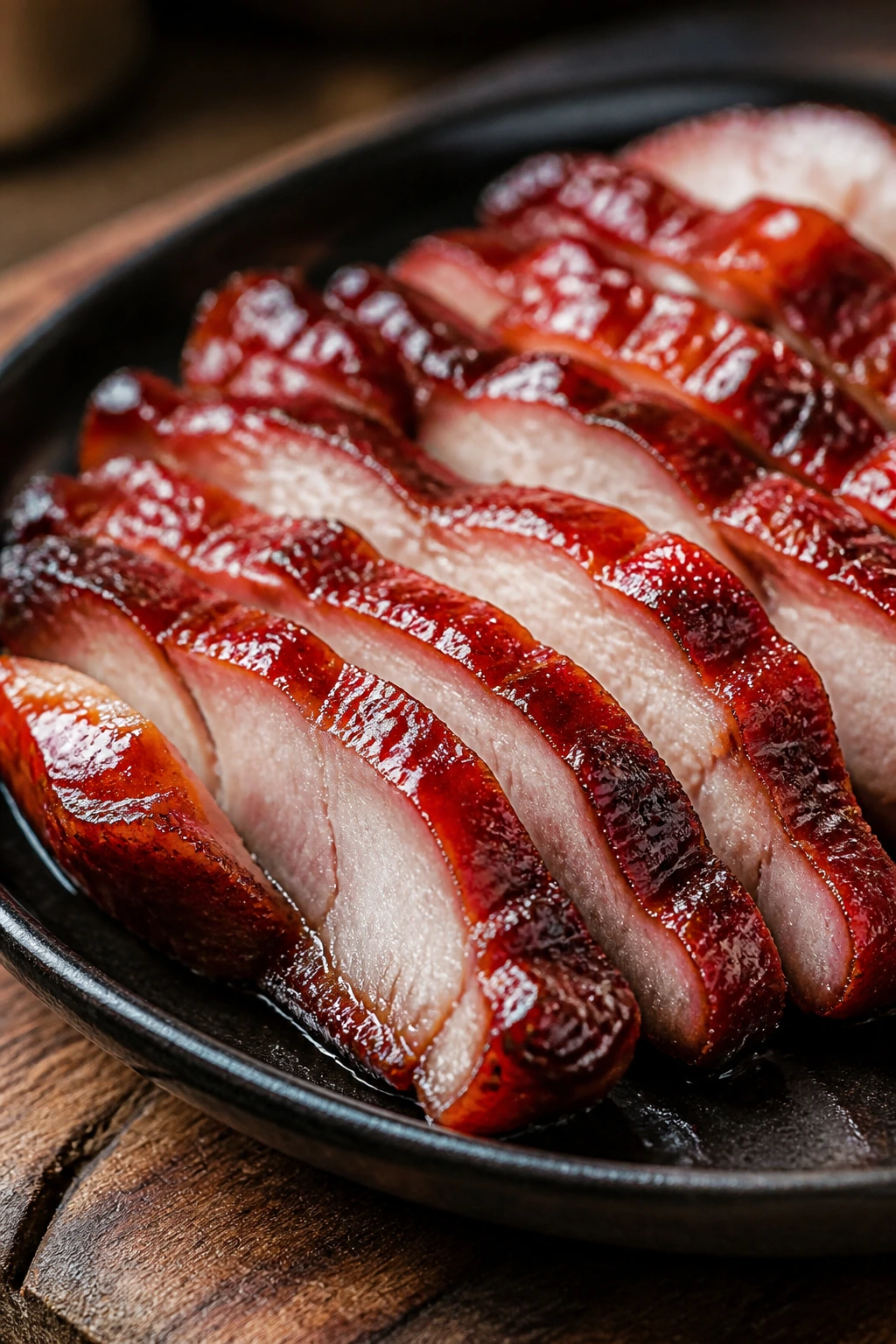
Char siu is glossy, sticky, and just a little sweet in the way good Cantonese roast pork should be. The edges caramelize, the fat turns silky, and the smell — hoisin, five-spice, honey, soy — hangs around the kitchen long after the tray comes out. This is one of those recipes that rewards patience more than effort.
Why It Works:
The marinade does most of the work. Hoisin, honey, soy, oyster sauce, and five-spice soak into the pork shoulder or neck, while a hot oven builds the lacquered crust. Basting halfway through keeps the surface from drying out and gives you that deep red-brown finish.
Key Ingredients:
- 2 lbs pork shoulder, cut into 2-inch strips
- 3 tablespoons hoisin sauce
- 2 tablespoons honey
- 2 tablespoons light soy sauce
- 1 tablespoon oyster sauce
- 1 tablespoon Shaoxing wine
- 1 teaspoon five-spice powder
- 2 garlic cloves, grated
- 1 teaspoon sesame oil
- 1 tablespoon red fermented bean curd juice, optional
Quick Steps:
- Mix the marinade and coat the pork.
- Marinate at least 4 hours, or overnight.
- Roast on a rack at 425°F / 220°C for 20 minutes.
- Baste, turn, and roast 15 to 20 minutes more until sticky and cooked through.
- Rest 10 minutes before slicing.
Equipment for This Recipe:
- Rimmed baking sheet
- Wire rack
- Pastry brush
- Mixing bowl
How to Serve This Dish:
Slice it thin and serve with steamed rice or tucked into fluffy buns. A spoon of the pan juices over the top keeps the meat glossy. Cold cucumber slices are a good reset between bites.
Pro Tips for This Recipe:
- A rack helps the fat drip away and the edges caramelize.
- Don’t marinate in too much honey; the surface can burn.
- If the pork darkens early, tent it loosely with foil.
- Save extra char siu for fried rice or noodle bowls.
Variations on This Dish:
- Redder Cantonese Style: Add red fermented bean curd for color.
- Pineapple Glaze: Brush with a little pineapple juice in the last 5 minutes.
- Lean Cut Option: Use pork tenderloin, but shorten the roast time.
Common Mistakes to Avoid with This Dish:
- Skipping the rack: The pork steams underneath.
- Carving too soon: The juices spill out.
- Using a weak oven: You need real heat for the lacquer.
8. Pork and Chive Dumplings
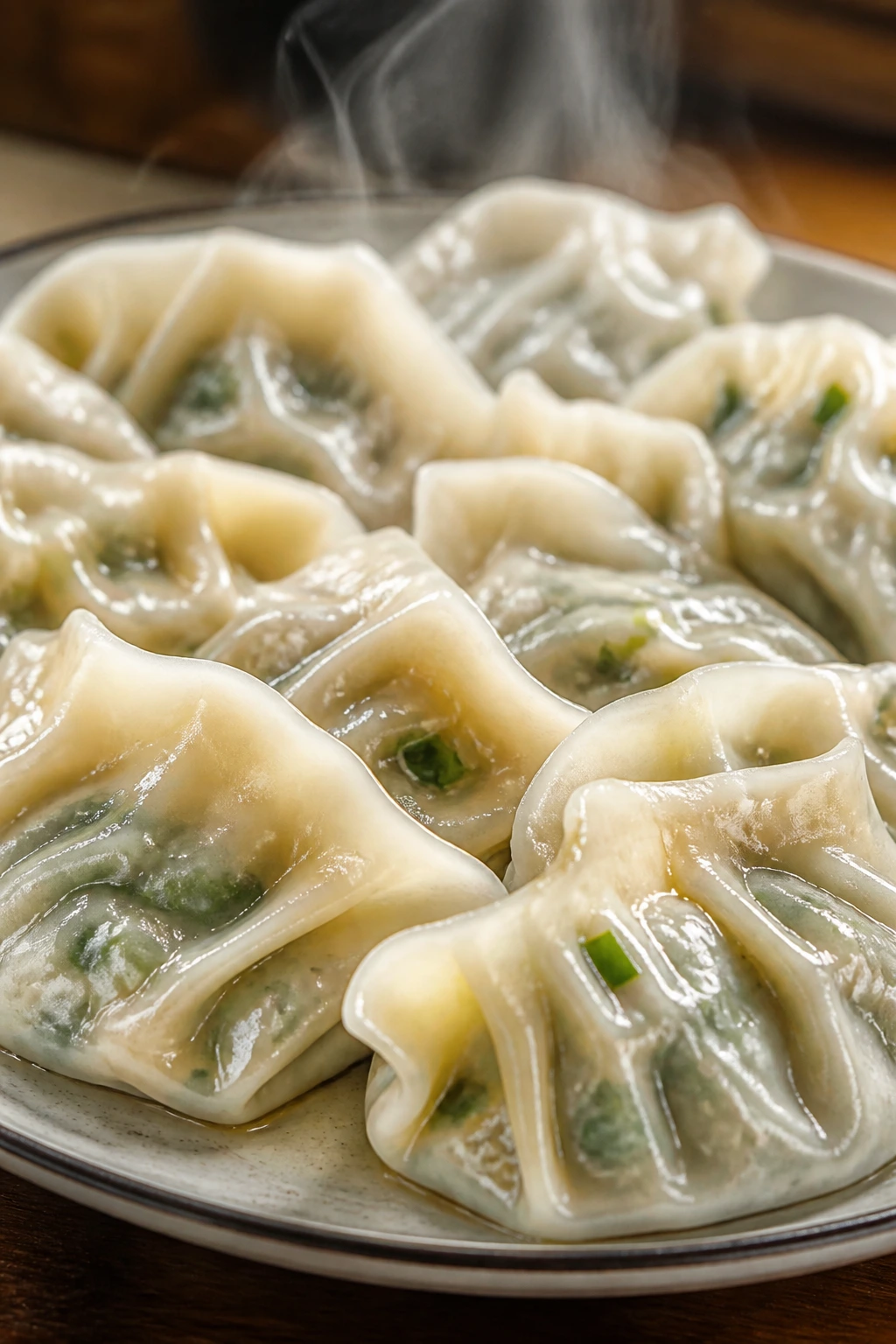
Pork and chive dumplings are the kind of food that disappears while you’re still folding the last tray. The filling should be juicy, green from chives, and seasoned enough that you could eat one plain and not feel cheated. Wrapped well, they freeze beautifully.
Why It Works:
The pork needs enough fat to stay tender after steaming or pan-frying, and the chives give the filling a clean onion flavor that cuts through the richness. A little sesame oil and soy sauce are enough; heavy seasoning makes the filling leak. The dumpling skin should be rolled thin at the edges, slightly thicker in the center.
Key Ingredients:
- 1 lb ground pork
- 1 1/2 cups Chinese chives, finely chopped
- 2 tablespoons light soy sauce
- 1 tablespoon Shaoxing wine
- 1 teaspoon sesame oil
- 1 teaspoon grated ginger
- 1/2 teaspoon salt
- 1/2 teaspoon white pepper
- 40 round dumpling wrappers
- 1 egg beaten with 1 tablespoon water, for sealing
Quick Steps:
- Mix pork, soy, wine, sesame oil, ginger, salt, and white pepper.
- Fold in the chives gently.
- Place a teaspoon of filling in each wrapper and seal with egg wash.
- Steam 8 to 10 minutes, or pan-fry and steam for potstickers.
- Serve hot with vinegar and chile oil.
Equipment for This Recipe:
- Mixing bowl
- Small spoon
- Steamer basket or skillet
- Damp towel for wrappers
How to Serve This Dish:
Serve with black vinegar, chile oil, and thin sliced ginger. A plate of dumplings next to hot soup makes a full meal without much fuss. They’re best eaten the minute the wrapper softens and the filling is still juicy.
Pro Tips for This Recipe:
- Keep wrappers covered so they don’t dry out.
- Don’t overfill. It makes sealing messy and popping more likely.
- If the filling seems wet, chill it 20 minutes before folding.
- Freeze uncooked dumplings on a tray before bagging them.
Variations on This Dish:
- Shrimp and Chive: Use half pork, half chopped shrimp.
- Cabbage Version: Add squeezed-out napa cabbage for more volume.
- Pan-Fried Potsticker Style: Crisp the bottoms, then steam in the pan.
Common Mistakes to Avoid with This Dish:
- Wet filling: It bursts the wrapper. Drain or chill before folding.
- Dry edges: They won’t seal. Keep a damp cloth nearby.
- Crowding the steamer: Dumplings stick together.
9. Pan-Fried Potstickers
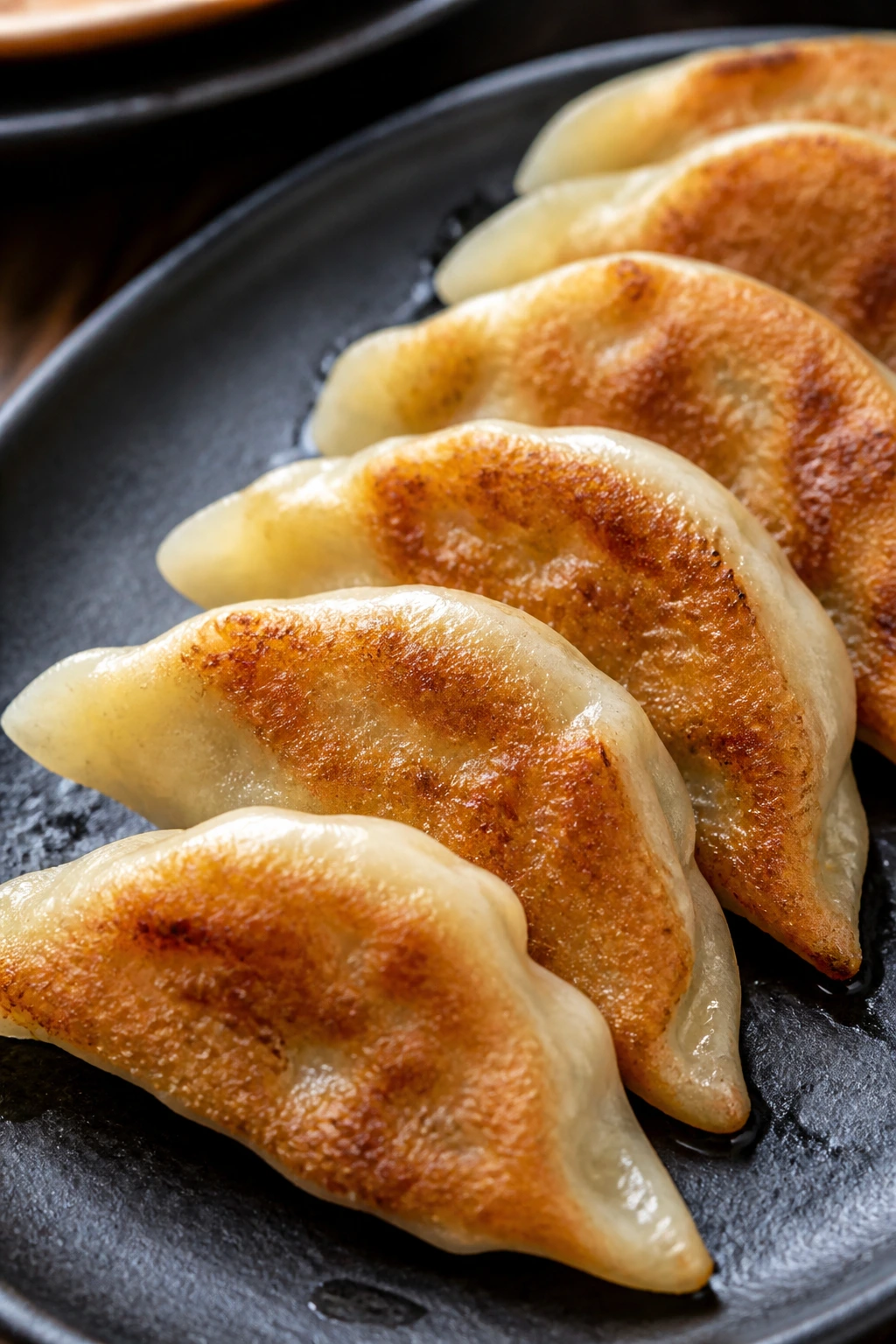
Potstickers win on texture. The bottoms go bronze and crisp, the tops stay soft and steamed, and the filling stays tucked inside until you bite down. A good pan-stick-and-steam method gives you both crunch and tenderness in one skillet.
Why It Works:
The trick is the flour-water slurry or simple water steam after searing, which cooks the wrapper from below and above at the same time. Once the water cooks off, the oil at the bottom finishes the crust. That contrast is the point.
Key Ingredients:
- 30 dumpling wrappers
- 1 lb ground pork
- 1 cup napa cabbage, finely chopped and squeezed dry
- 2 tablespoons light soy sauce
- 1 tablespoon Shaoxing wine
- 1 teaspoon sesame oil
- 1 teaspoon minced ginger
- 1/2 teaspoon salt
- 1 tablespoon neutral oil
- 1/2 cup water for steaming in the pan
Quick Steps:
- Mix the filling and fill the wrappers.
- Heat oil in a skillet over medium-high heat.
- Set dumplings in the pan and fry until the bottoms are golden.
- Add water, cover, and steam 6 to 8 minutes.
- Uncover and cook until the water evaporates and the bottoms crisp again.
Equipment for This Recipe:
- Nonstick or cast-iron skillet with lid
- Spatula
- Small bowl of water or slurry
- Plate lined with parchment
How to Serve This Dish:
Pile them on a warm platter with vinegar dipping sauce. I like them with a bowl of soup so the meal doesn’t lean too hard on one texture. Eat the first one fast; that crackly bottom is the whole joy.
Pro Tips for This Recipe:
- Don’t move the dumplings too early or you’ll tear the crust.
- If the filling is juicy, cut back the steaming water slightly.
- A nonstick pan is easier than cast iron if you’re new to the method.
- Seal the dumplings firmly so they don’t split while steaming.
Variations on This Dish:
- Chicken Potstickers: Use ground chicken and add a little extra sesame oil.
- Vegetable Version: Mushroom, cabbage, and tofu work well.
- Sesame Chili Finish: Drizzle with chile oil and toasted sesame seeds.
Common Mistakes to Avoid with This Dish:
- Too much water in the pan: The dumplings go soggy.
- Lifting them while they’re still pale: Let the crust set first.
- No lid: They won’t steam through.
10. Beef and Broccoli
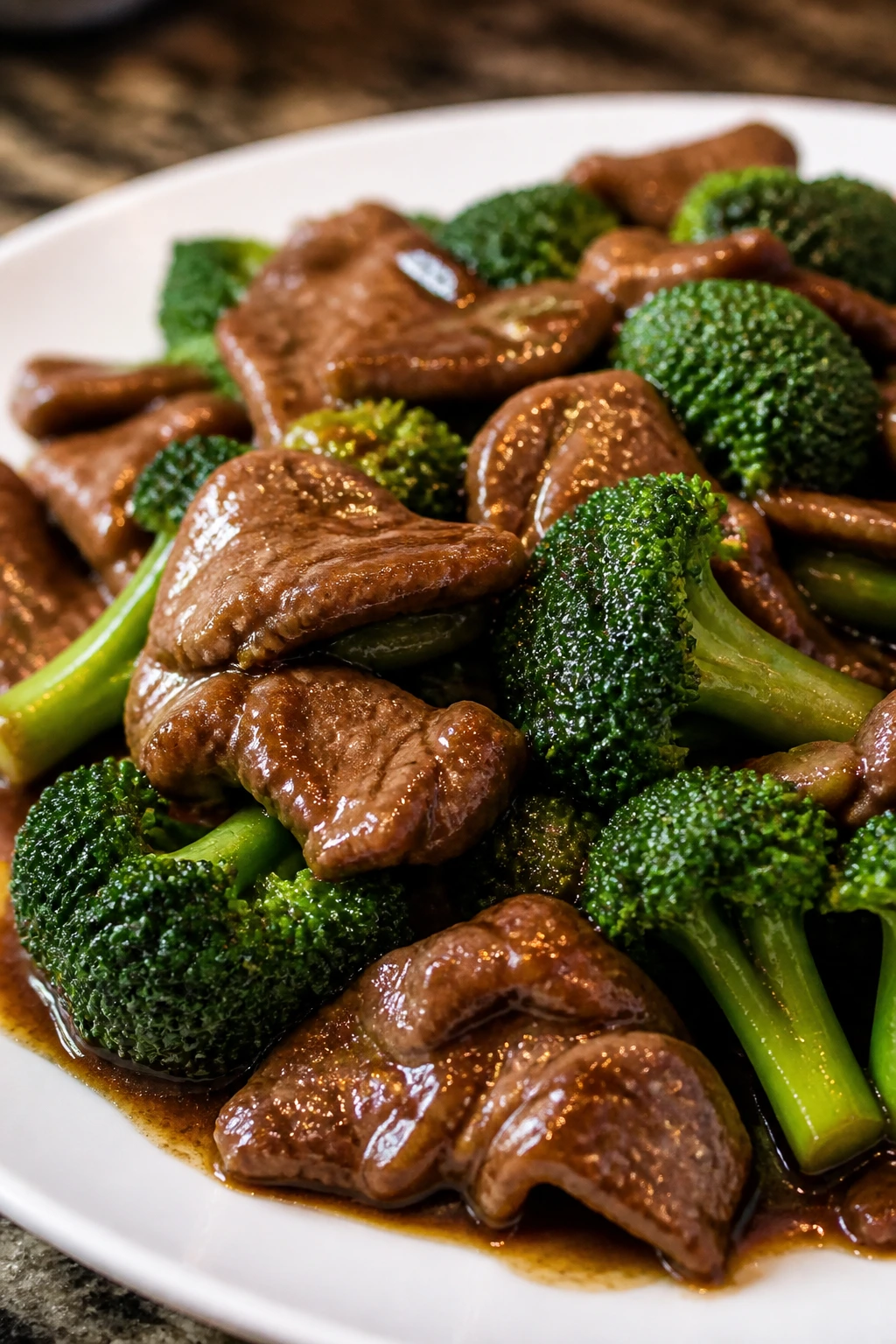
Beef and broccoli is one of the best examples of a dish that rewards a little technique. The beef should be tender enough to chew without effort, the broccoli bright green and still crisp, and the sauce thin enough to glaze rather than drown the bowl. Heavy sauce is the enemy here.
Why It Works:
Velveting the beef with cornstarch, soy, and a touch of oil protects it during the stir-fry. Blanching or briefly steaming the broccoli before it hits the pan keeps the color clean and the stems tender. Oyster sauce gives the broth a deep, savory backbone.
Key Ingredients:
- 1 lb flank steak, sliced thin against the grain
- 2 cups broccoli florets
- 1 tablespoon soy sauce
- 1 tablespoon Shaoxing wine
- 1 tablespoon cornstarch
- 2 tablespoons neutral oil
- 2 garlic cloves, minced
- 1/4 cup beef stock
- 2 tablespoons oyster sauce
- 1 teaspoon sugar
- 1 teaspoon sesame oil
Quick Steps:
- Marinate the beef with soy, wine, and cornstarch for 15 minutes.
- Blanch broccoli 1 minute, then drain.
- Sear the beef in hot oil in a single layer.
- Add garlic, stock, oyster sauce, and sugar.
- Return broccoli and toss until coated.
- Finish with sesame oil and serve hot.
Equipment for This Recipe:
- Wok or large skillet
- Slotted spoon
- Mixing bowl
- Knife for slicing meat thin
How to Serve This Dish:
Serve over rice or wide noodles if you want more bulk. The plate should look glossy, not flooded. A sprinkle of sesame seeds is optional, but the real flavor comes from the beef and sauce, not the garnish.
Pro Tips for This Recipe:
- Freeze the beef 20 minutes before slicing for cleaner cuts.
- Slice against the grain or the meat turns chewy.
- Don’t overcook the broccoli; it should still snap a little.
- Add a splash of water if the sauce tightens too fast.
Variations on This Dish:
- Mushroom Broccoli: Add sliced shiitakes for extra savoriness.
- Spicy Chili Oil Version: Stir in 1 teaspoon chili oil at the end.
- Chicken Swap: Use chicken thigh strips and shorten the sear time.
Common Mistakes to Avoid with This Dish:
- Thick sauce: It should glaze, not puddle.
- Overcooked beef: Thin slices need only a brief sear.
- Raw broccoli: It stays hard if you skip blanching.
11. Salt and Pepper Shrimp
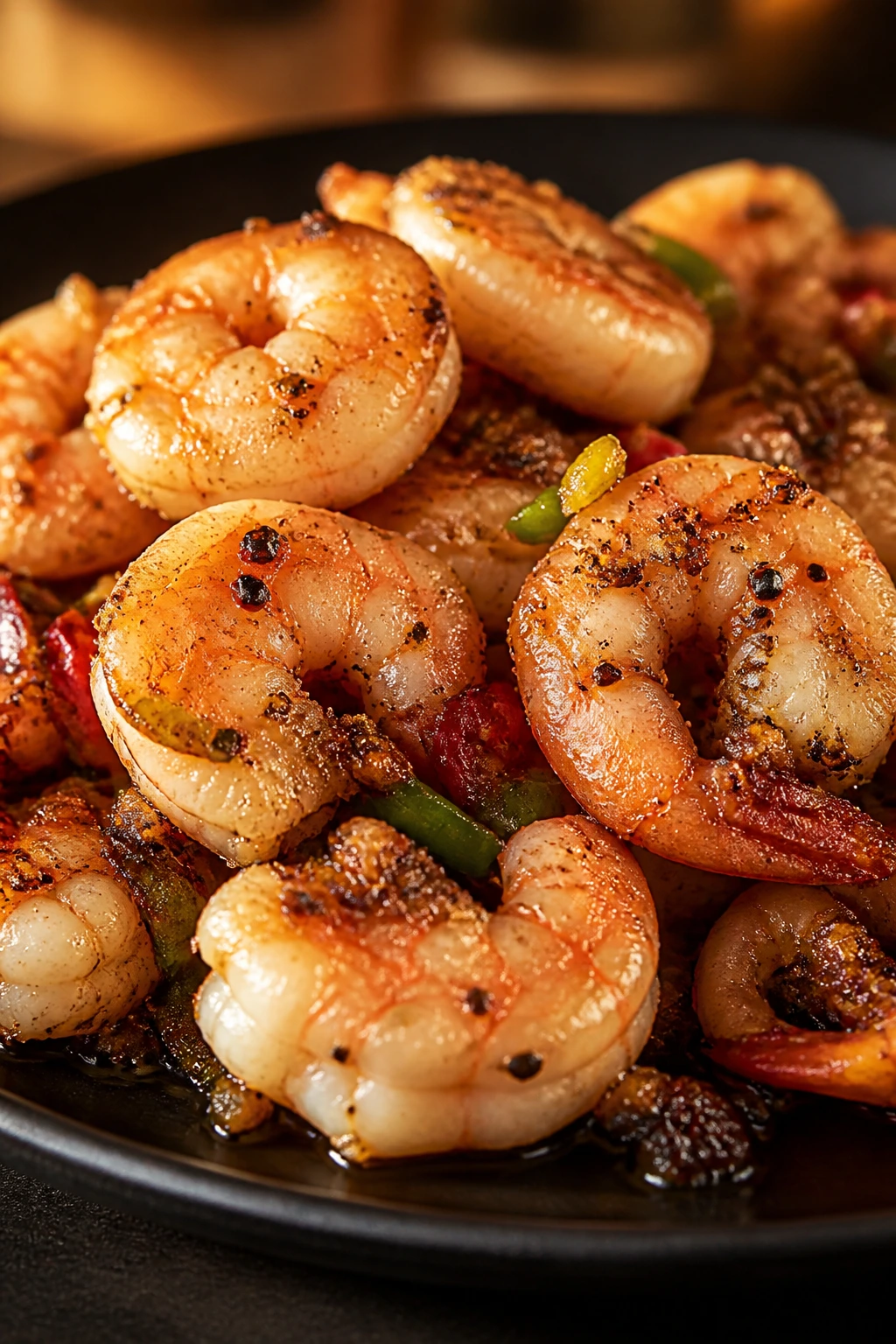
Salt and pepper shrimp tastes like the fryer and the sea had a very good argument. The shells can stay on if you like the crackly texture; the spice coating should cling in tiny specks, and the shrimp itself should stay juicy. Don’t bury it under sauce. That would miss the point.
Why It Works:
This dish relies on dry seasoning after a quick fry, which keeps the coating crisp. Fresh shrimp, dried well, take on the light cornstarch dusting better than wet shrimp. Scallions, garlic, and fresh chile turn the pan fragrant in seconds.
Key Ingredients:
- 1 lb large shrimp, peeled and deveined, shells optional
- 2 tablespoons cornstarch
- 1 teaspoon salt
- 1 teaspoon white pepper
- 1/2 teaspoon five-spice powder, optional
- 3 tablespoons neutral oil
- 4 garlic cloves, minced
- 2 scallions, sliced
- 1 fresh red chile, sliced
Quick Steps:
- Pat shrimp very dry.
- Toss with cornstarch, salt, white pepper, and five-spice.
- Fry in hot oil 1 to 2 minutes per side until pink and crisp.
- Remove the shrimp, then sauté garlic, scallions, and chile for 20 seconds.
- Toss everything together and serve immediately.
Equipment for This Recipe:
- Deep skillet or wok
- Paper towels
- Slotted spoon
- Mixing bowl
How to Serve This Dish:
Serve with plain rice and a plate of stir-fried greens. The shrimp should be hot, salty, and slightly blistered at the edges. A squeeze of lime is not traditional everywhere, but it’s fine if you like a brighter finish.
Pro Tips for This Recipe:
- Dry shrimp fry better than damp shrimp.
- Work in batches if the pan is crowded.
- Don’t let the garlic darken; it turns bitter fast.
- If you keep the shells on, crack them lightly before frying.
Variations on This Dish:
- Chili Salt Version: Add crushed dried chile to the seasoning.
- Garlic-Heavy Style: Double the garlic and skip the five-spice.
- Squid Swap: Rings of squid cook in about the same time.
Common Mistakes to Avoid with This Dish:
- Too much starch: The coating turns pasty.
- Low oil temperature: The shrimp absorb oil instead of crisping.
- Leaving the shrimp in the pan too long: They toughen.
12. Twice-Cooked Pork
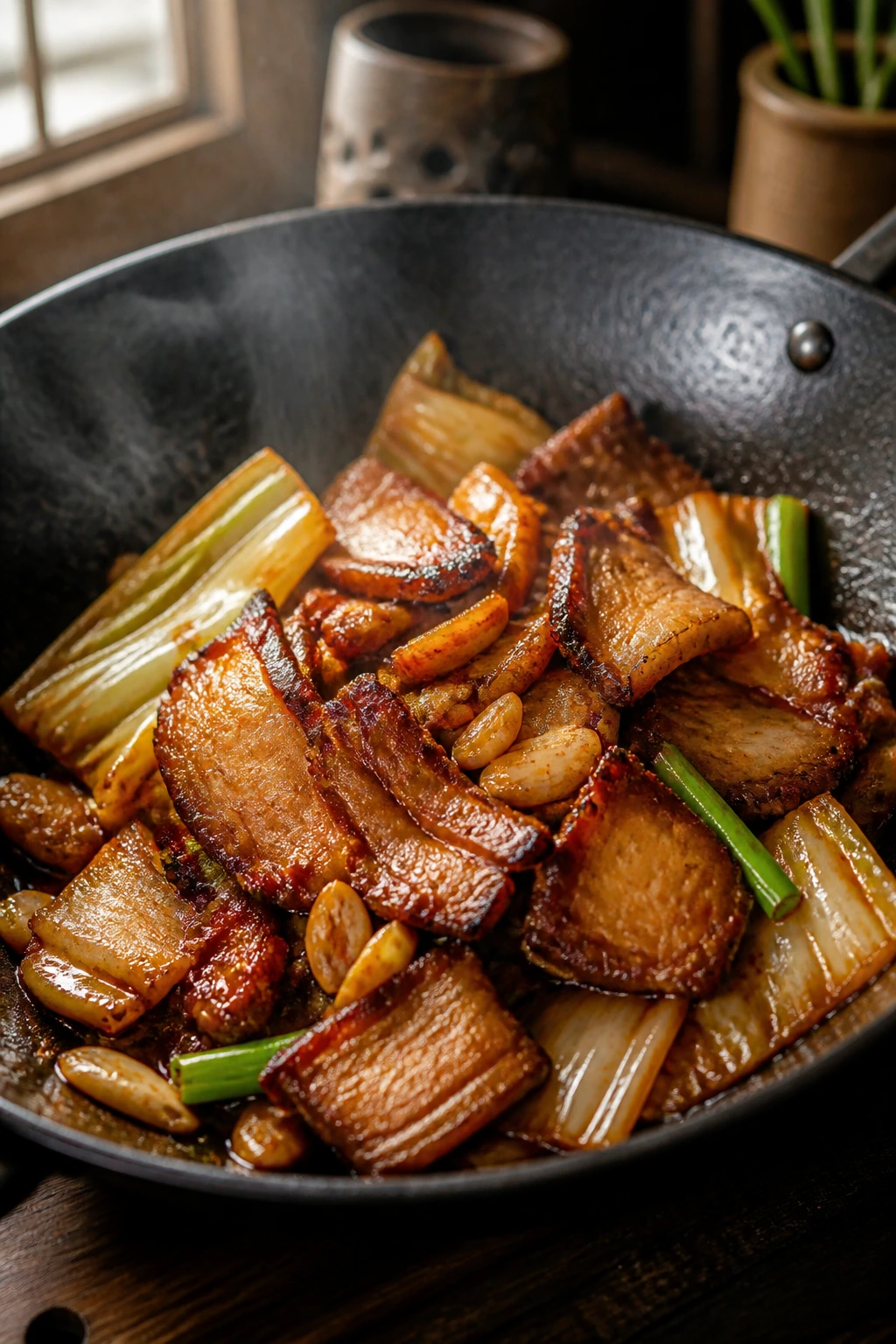
Twice-cooked pork is smoky, fatty, and deeply savory, with cabbage or leeks soaking up the chile bean sauce around the pork slices. The first cook softens the meat; the second gives it edge and color. It’s rustic in the best sense.
Why It Works:
Pork belly or shoulder gets simmered until just tender, then sliced thin and stir-fried with doubanjiang and aromatics. That two-step process is what gives the dish its name and its texture. The pork fat renders again in the wok, carrying the sauce across every slice.
Key Ingredients:
- 1 lb pork belly or pork shoulder
- 1 tablespoon Shaoxing wine
- 1 tablespoon doubanjiang
- 2 tablespoons neutral oil
- 2 garlic cloves, sliced
- 1 tablespoon ginger, sliced
- 1 cup green peppers, sliced
- 1 cup napa cabbage, sliced
- 1 tablespoon light soy sauce
- 1 teaspoon sugar
Quick Steps:
- Simmer pork with wine and water for 25 to 30 minutes until just tender.
- Cool and slice thin.
- Fry the pork slices in oil until the edges curl.
- Add doubanjiang, garlic, and ginger.
- Stir in vegetables, soy, and sugar.
- Cook until the cabbage softens and the sauce clings.
Equipment for This Recipe:
- Pot for simmering
- Wok or skillet
- Slotted spoon
- Sharp knife
How to Serve This Dish:
Serve with rice and maybe a simple cucumber side if the chile paste runs hot. It has enough richness to stand alone, but the rice is what makes the sauce feel complete. The pork should be layered, not chopped into bits.
Pro Tips for This Recipe:
- Chill the pork before slicing; the cuts will be cleaner.
- Slice as thin as you can without shredding the meat.
- Doubanjiang burns if you leave it alone too long.
- Use green pepper or leek for contrast; plain onion works, but it’s softer.
Variations on This Dish:
- Leek Version: Use thick leeks instead of cabbage.
- Mild Home Version: Reduce the doubanjiang and add more soy.
- Bean Sprout Swap: Add bean sprouts for crunch at the end.
Common Mistakes to Avoid with This Dish:
- Overboiling the pork: It becomes dry in the second cook.
- Skipping the chill before slicing: The meat falls apart.
- Burning the bean paste: Stir fast and keep the heat steady.
13. Cumin Lamb Stir-Fry
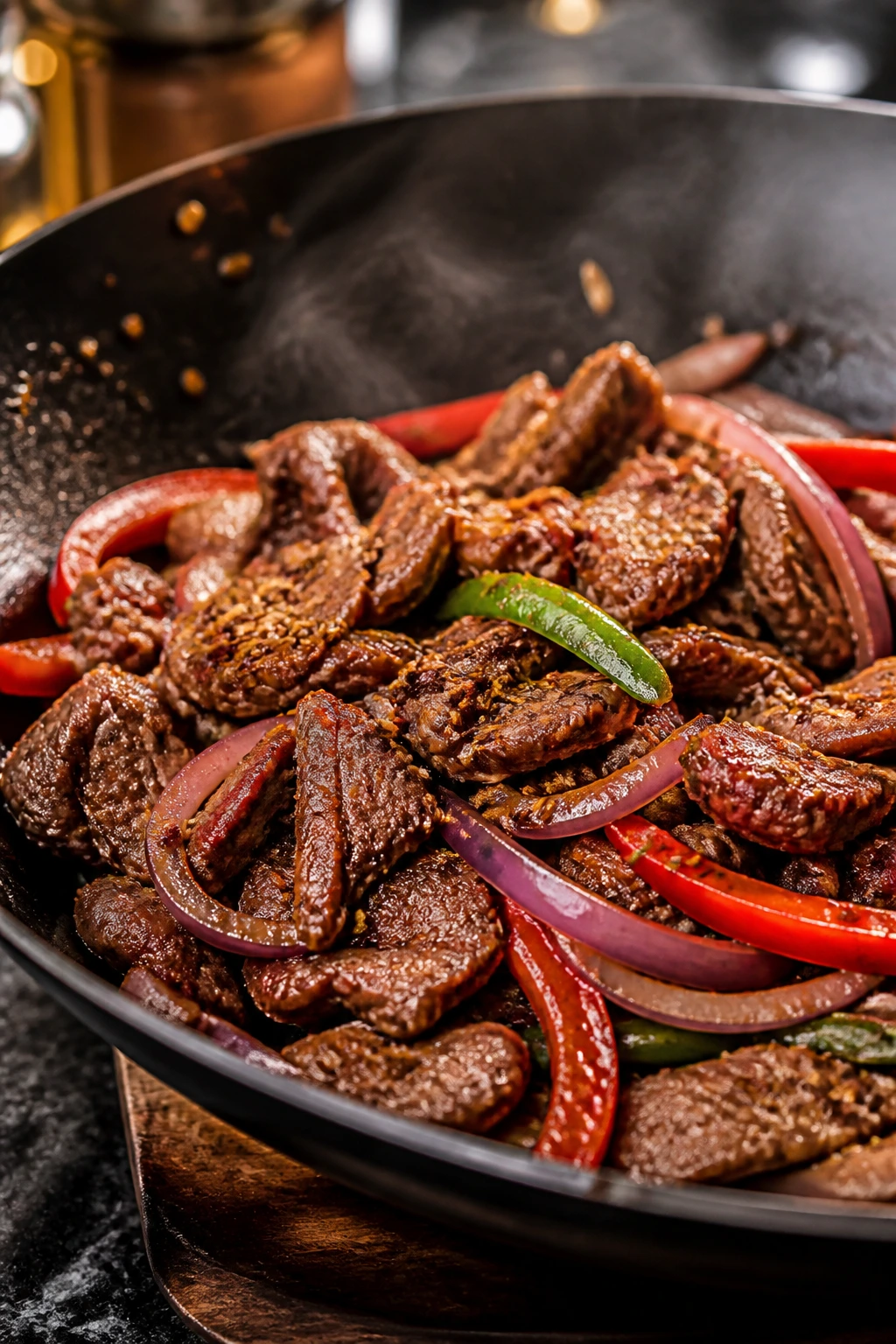
Cumin lamb tastes like a street-grill pan got invited indoors. The lamb is spicy, smoky, and covered in cumin seed and chile flakes, with onions or peppers adding a sweet edge. It’s bold without being heavy.
Why It Works:
Lamb and cumin are old friends. A quick marinate keeps the lamb from drying out, while high heat gives the meat browned edges and a faint char. Toasted cumin seeds make a bigger difference than ground cumin alone; they hit harder and smell warmer.
Key Ingredients:
- 1 lb lamb shoulder or leg, thinly sliced
- 1 tablespoon soy sauce
- 1 tablespoon Shaoxing wine
- 1 teaspoon cornstarch
- 2 tablespoons neutral oil
- 2 teaspoons cumin seeds
- 1 teaspoon ground cumin
- 1 teaspoon chile flakes
- 1 red onion, sliced
- 2 garlic cloves, minced
- 1 bell pepper, sliced
- Salt to taste
Quick Steps:
- Marinate lamb with soy, wine, and cornstarch for 15 minutes.
- Toast cumin seeds in a dry pan until fragrant.
- Stir-fry lamb in hot oil until browned.
- Add onion, pepper, garlic, cumin seeds, ground cumin, and chile flakes.
- Toss until the spices coat the meat and the onions soften.
Equipment for This Recipe:
- Wok or heavy skillet
- Small dry pan for spices
- Sharp knife
- Spatula
How to Serve This Dish:
Serve with flat rice or plain white rice. It also works well wrapped in lettuce leaves if you want a lighter hand. Don’t hide the lamb under sauce; the spice crust is the point.
Pro Tips for This Recipe:
- Slice the lamb thinly against the grain.
- Don’t skip the toasted cumin seeds.
- Onion gives sweetness; peppers give snap. Use both if you can.
- Keep the wok hot so the lamb sears fast.
Variations on This Dish:
- Beef Cumin Stir-Fry: Beef flank can stand in for lamb.
- Extra-Chile Version: Add whole dried chiles with the cumin seeds.
- Skewer-Inspired Style: Finish with a dusting of smoked paprika.
Common Mistakes to Avoid with This Dish:
- Using ground cumin only: The flavor is flatter.
- Crowding the pan: The lamb steams.
- Overcooking the meat: Thin slices need only a short sear.
14. Fish-Fragrant Eggplant
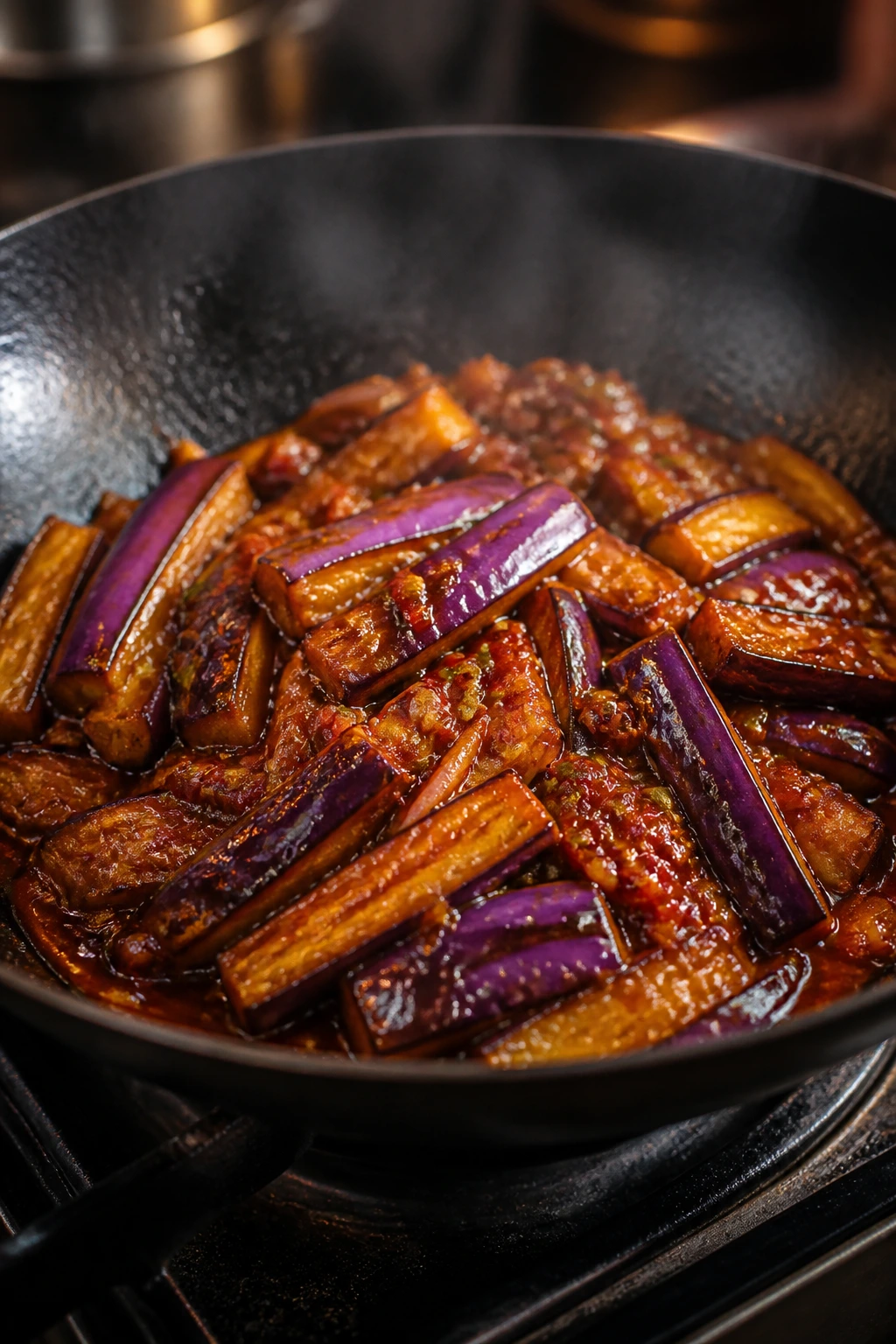
Fish-fragrant eggplant is one of the great trick names in Chinese cooking. There’s no fish in it. The sauce is sweet, sour, garlicky, and hot, and it was built to wake up deep-fried eggplant. The eggplant goes soft and silky, almost jammy, which is exactly what it should do.
Why It Works:
Eggplant drinks oil, so a quick fry or a salt-and-rest method is the first decision you make. After that, the sauce — soy, vinegar, sugar, garlic, ginger, doubanjiang — does the heavy lifting. The name refers to the flavor profile used with fish in Sichuan cooking, not the ingredient list.
Key Ingredients:
- 2 medium Chinese eggplants, cut into batons
- 2 tablespoons cornstarch
- 3 tablespoons neutral oil
- 1 tablespoon doubanjiang
- 3 garlic cloves, minced
- 1 tablespoon ginger, minced
- 2 tablespoons soy sauce
- 1 tablespoon Chinkiang vinegar
- 1 tablespoon sugar
- 1/2 cup water or stock
- 1 scallion, sliced
Quick Steps:
- Toss eggplant with cornstarch and a little salt.
- Fry or pan-sear until browned and soft.
- Cook doubanjiang, garlic, and ginger in oil for 30 seconds.
- Add soy, vinegar, sugar, and water.
- Return eggplant and simmer until the sauce sinks in.
Equipment for This Recipe:
- Wok or skillet
- Knife and cutting board
- Slotted spoon if frying
- Small bowl for sauce
How to Serve This Dish:
Serve over rice while the eggplant is still glossy. It’s rich enough to be a main dish if you add tofu or pork, but I like it as a centerpiece alongside a plain green vegetable. The sauce should puddle a little at the bottom of the bowl.
Pro Tips for This Recipe:
- Chinese eggplants are thinner and less seedy than globe eggplants.
- Salting helps, but don’t overdo it or the sauce will taste harsh.
- If you fry the eggplant, drain it well before saucing.
- A touch of sugar matters here; it rounds the vinegar and chile.
Variations on This Dish:
- Pork Mince Version: Add ground pork after the aromatics.
- Vegetarian Bowl: Use mushrooms for extra depth.
- Milder Pantry Style: Use less doubanjiang and more vinegar.
Common Mistakes to Avoid with This Dish:
- Skimping on oil: The eggplant turns dry and leathery.
- Using too much sugar: The flavor turns flat-sweet.
- Letting the garlic burn: It takes on a bitter edge.
15. Tomato and Egg Stir-Fry
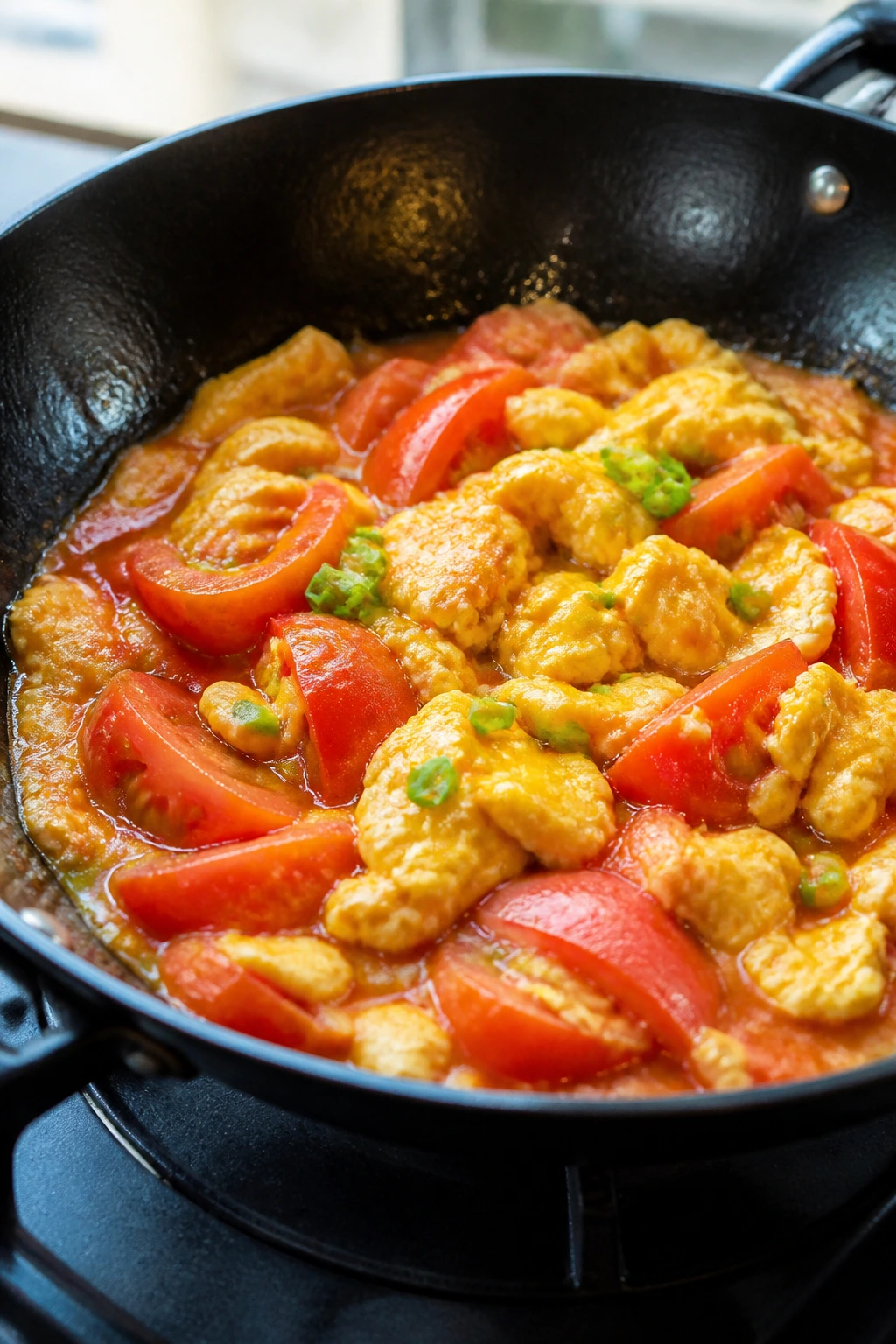
Tomato and egg stir-fry is the sort of home dish that tastes like a clean shirt and a hot pan. The tomatoes should collapse into a glossy sauce, the eggs soft and custardy, and the whole thing should smell sweet, not acidic. It’s humble food, but the good kind.
Why It Works:
The eggs are cooked first and set aside so they stay tender, then folded back into the tomatoes near the end. A small amount of sugar is traditional and helps the tomatoes taste ripe rather than sharp. If your tomatoes are weak, peeling them is worth the trouble.
Key Ingredients:
- 4 eggs
- 3 medium tomatoes, cut into wedges
- 2 tablespoons neutral oil
- 1 teaspoon salt
- 1 teaspoon sugar
- 2 tablespoons water
- 2 scallions, sliced
Quick Steps:
- Scramble eggs in hot oil until just set, then remove.
- Cook tomatoes with salt and sugar until they break down.
- Add water if needed to make a light sauce.
- Return eggs and toss gently for 30 seconds.
- Finish with scallions.
Equipment for This Recipe:
- Skillet or wok
- Bowl for eggs
- Spatula
- Knife
How to Serve This Dish:
Serve with plain rice. That’s the classic move, and it works because the tomato sauce slips into the rice like gravy. It also makes a good lunch box dish if you keep the rice separate.
Pro Tips for This Recipe:
- Don’t overcook the eggs at the first stage.
- Ripe tomatoes need less sugar than pale winter tomatoes.
- If you want a thicker sauce, let the tomatoes cook down longer before adding eggs.
- A splash of sesame oil is optional, not required.
Variations on This Dish:
- Scallion-Heavy Version: Use extra scallions and fewer tomatoes for a greener finish.
- Tofu Add-In: Stir in cubed tofu for more body.
- Tomato Soup Style: Add more water and serve it over noodles.
Common Mistakes to Avoid with This Dish:
- Overcooking the eggs: They get rubbery.
- Skipping the sugar: The tomatoes can taste flat and sour.
- Using watery tomatoes without simmering: The pan ends up thin and bland.
16. Hong Shao Rou
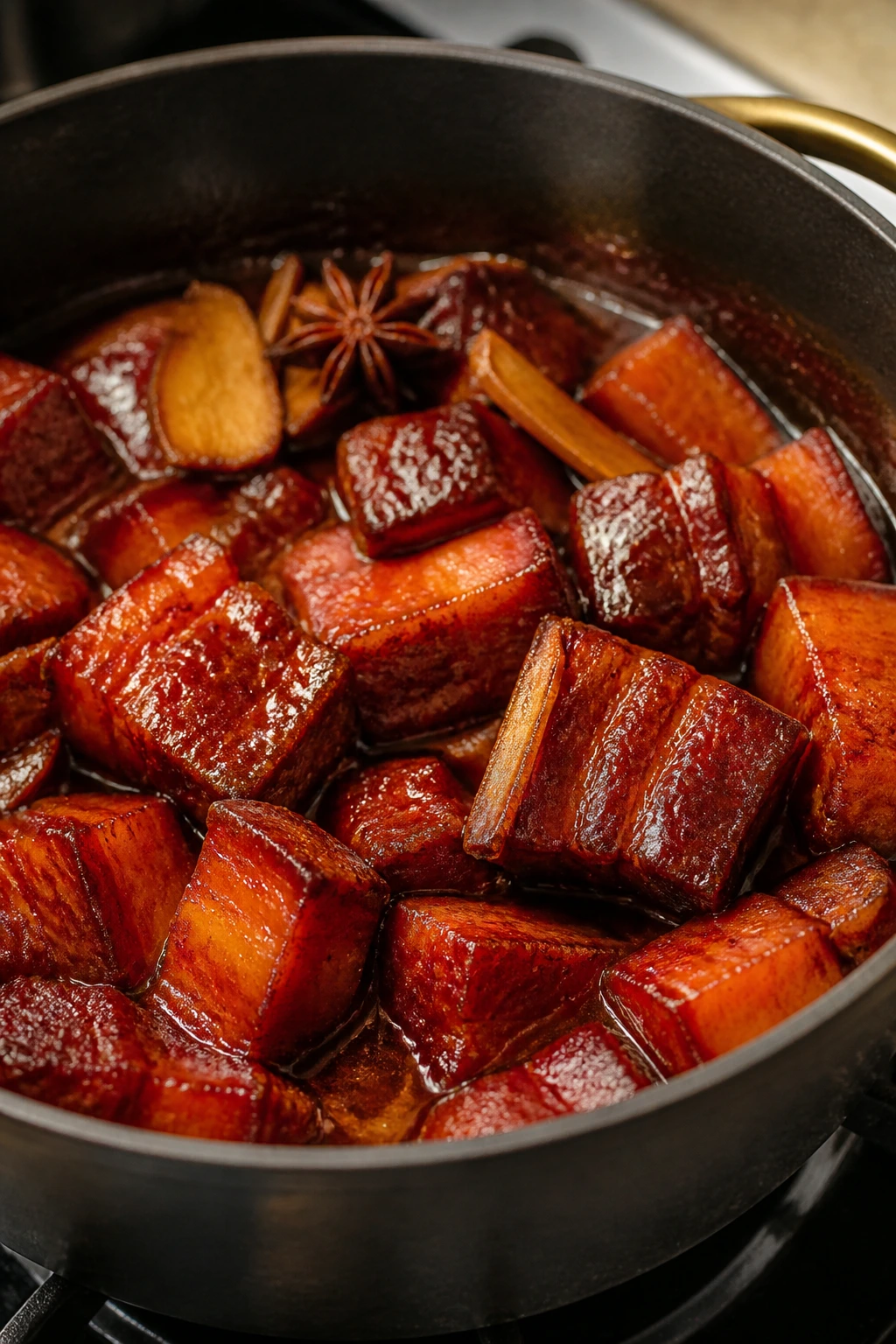
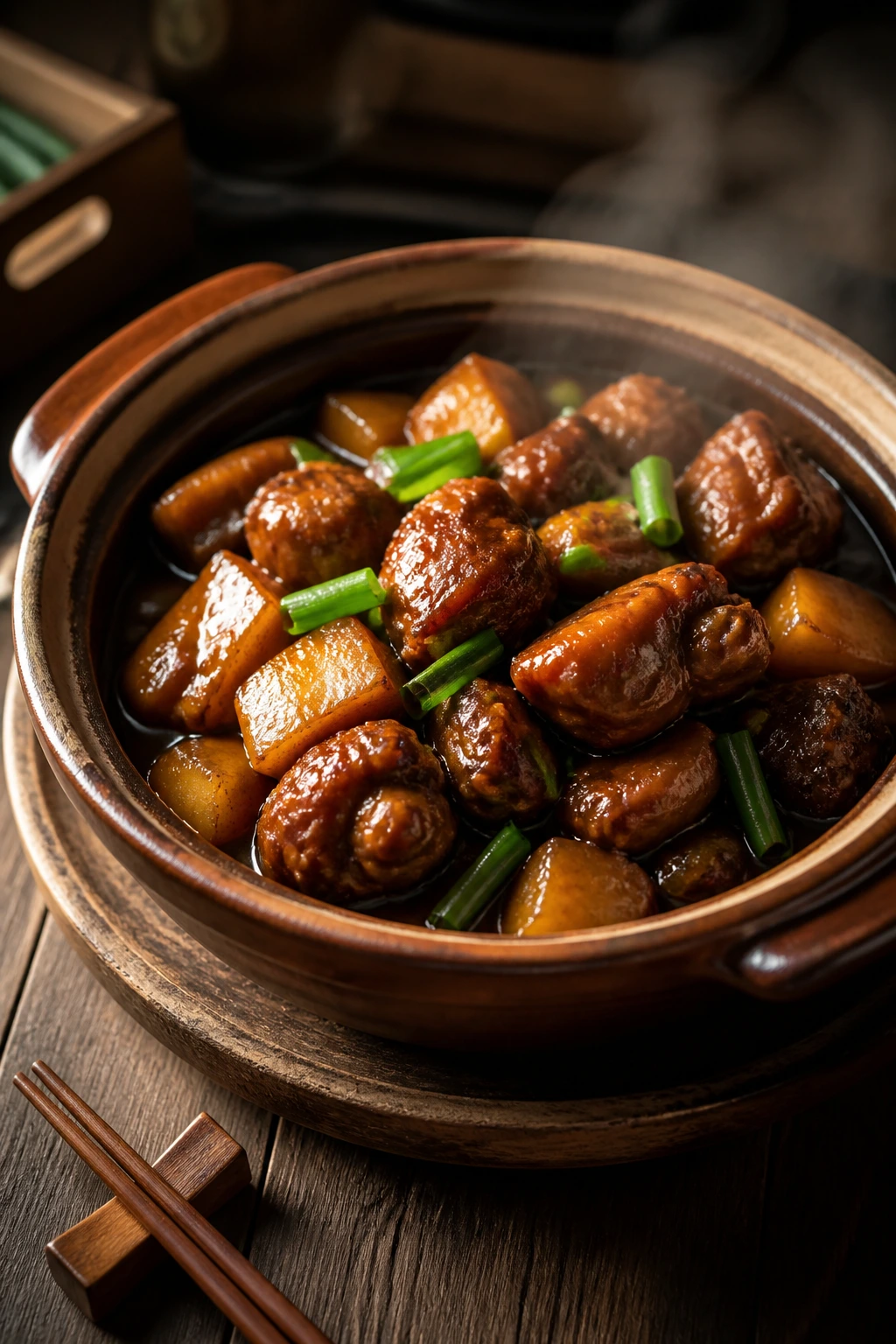
Hong shao rou, or red-braised pork belly, is the dish that makes people fall suspiciously quiet at the table. The pork turns lacquered and tender, with fat that melts instead of feeling greasy. Star anise, ginger, soy, sugar, and Shaoxing wine build a deep, brown sauce that tastes like patience.
Why It Works:
The pork is first blanched or quickly seared, then slowly braised so the fat softens and the sauce thickens. Rock sugar is traditional, but plain sugar works if you keep the heat controlled. The final glaze should cling to the pork in a thin, shiny coat, not a sticky shell.
Key Ingredients:
- 2 lbs pork belly, cut into 1 1/2-inch cubes
- 2 tablespoons neutral oil
- 2 tablespoons sugar or rock sugar
- 3 slices ginger
- 2 scallions, tied
- 2 tablespoons light soy sauce
- 1 tablespoon dark soy sauce
- 3 tablespoons Shaoxing wine
- 2 star anise
- 2 cups water
Quick Steps:
- Blanch pork belly 3 minutes, then drain.
- Melt sugar in oil until amber.
- Add pork and coat in caramel.
- Stir in ginger, scallions, soy sauces, wine, star anise, and water.
- Simmer covered 45 to 60 minutes until tender.
- Reduce uncovered until glossy.
Equipment for This Recipe:
- Heavy pot or Dutch oven
- Slotted spoon
- Lid
- Sharp knife
How to Serve This Dish:
Serve over rice with some of the braising sauce spooned on top. A plate of blanched greens beside it keeps the meal from feeling too rich. The pork should jiggle slightly when you lift it.
Pro Tips for This Recipe:
- Don’t rush the caramel stage; pale sugar won’t give enough depth.
- Keep the braise at a gentle bubble, not a violent boil.
- If the sauce gets too thick, add a splash of hot water.
- Chill leftovers before reheating; the flavor deepens overnight.
Variations on This Dish:
- Egg-Braised Version: Add hard-boiled eggs in the last 20 minutes.
- Bok Choy Serving Style: Braise over a bed of bok choy.
- Tangerine Peel Note: A strip of dried orange peel adds a bright edge.
Common Mistakes to Avoid with This Dish:
- Boiling too hard: The pork can tighten up.
- Burning the sugar: It turns bitter in a second.
- Overreducing too early: The sauce can go from glossy to burnt.
17. Wuhan Hot Dry Noodles
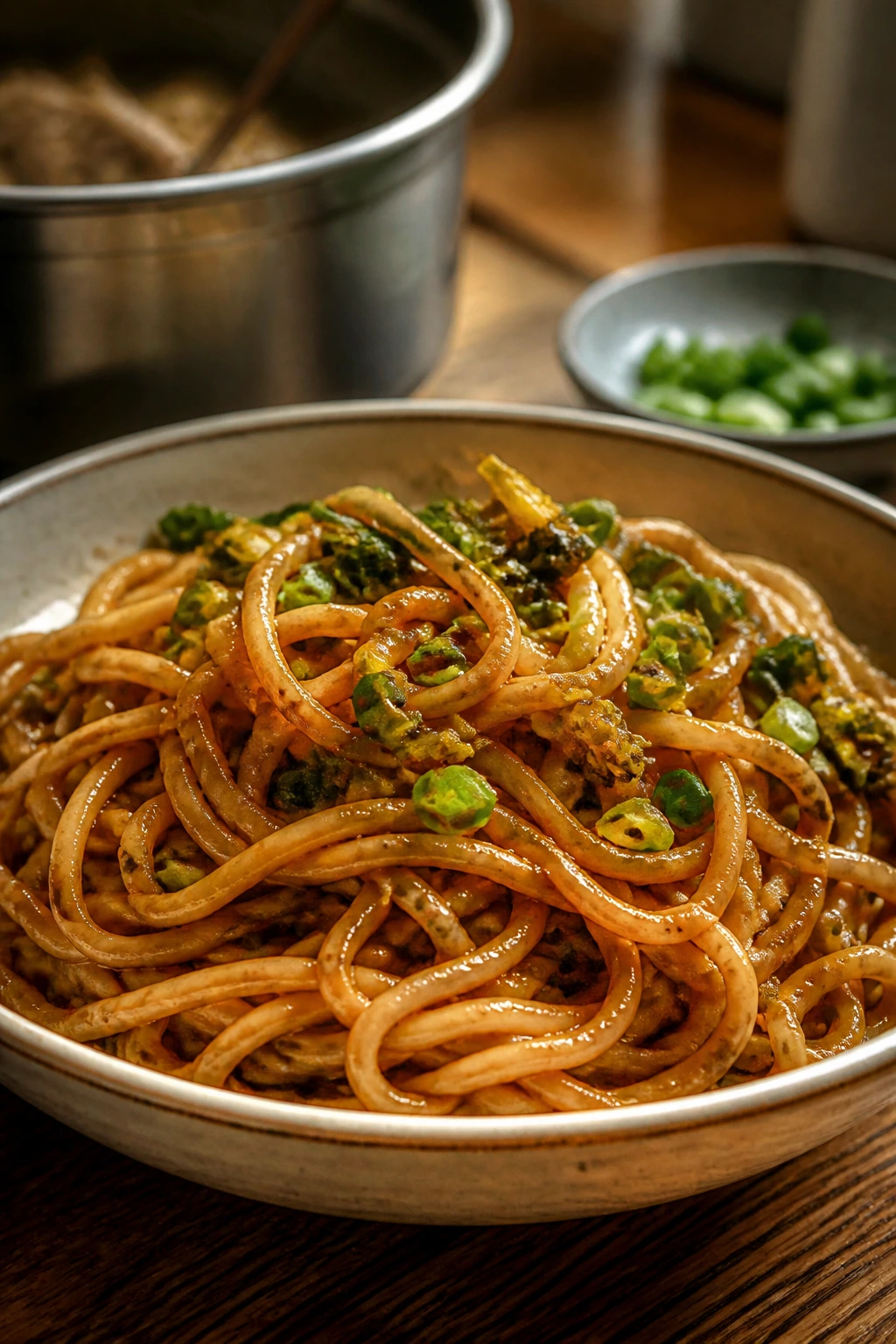
Wuhan hot dry noodles are springy, sesame-rich, and built for breakfast crowds, not dainty little bowls. The noodles are dressed, mixed, and eaten while still warm enough for the sesame paste to coat everything smoothly. It’s a street-food breakfast that works at home with surprising ease.
Why It Works:
The sesame paste and sesame oil give the noodles body, while pickled vegetables and scallions cut the richness. The secret is to toss the noodles while they still have a little warmth, so the sauce loosens and spreads instead of clumping. Once the noodles cool, the bowl starts to tighten.
Key Ingredients:
- 8 oz fresh or dried alkaline-style noodles
- 2 tablespoons sesame paste
- 1 tablespoon sesame oil
- 1 tablespoon soy sauce
- 1 teaspoon sugar
- 2 tablespoons pickled mustard greens, chopped
- 2 scallions, sliced
- 1 teaspoon chili oil
- 1 tablespoon hot noodle cooking water
Quick Steps:
- Cook noodles until just tender, then drain well.
- Stir sesame paste, sesame oil, soy, sugar, and noodle water into a smooth sauce.
- Toss noodles with the sauce while still warm.
- Top with pickled mustard greens, scallions, and chili oil.
- Mix again and eat right away.
Equipment for This Recipe:
- Pot
- Mixing bowl
- Chopsticks or tongs
- Small spoon
How to Serve This Dish:
Serve in a wide bowl so the noodles can be tossed properly at the table. A boiled egg on the side is common and makes the bowl feel more complete. The flavor is strongest in the first few minutes.
Pro Tips for This Recipe:
- Warm noodles absorb sesame sauce better than cold noodles.
- Thin the sesame paste a little at a time; it goes from paste to sauce slowly.
- Pickled greens are not optional if you want the real balance.
- Use alkaline noodles if you can find them.
Variations on This Dish:
- Peanut-Sesame Blend: Add a spoon of peanut butter if sesame paste is hard to find.
- Veg-Heavy Bowl: Add cucumber matchsticks for crunch.
- More Heat: Increase the chili oil, but keep the sesame base.
Common Mistakes to Avoid with This Dish:
- Rinsing the noodles cold: You lose the warmth that helps the sauce cling.
- Using too little sauce: The noodles taste dry.
- Skipping the pickles: The bowl gets heavy fast.
18. Scallion Oil Noodles
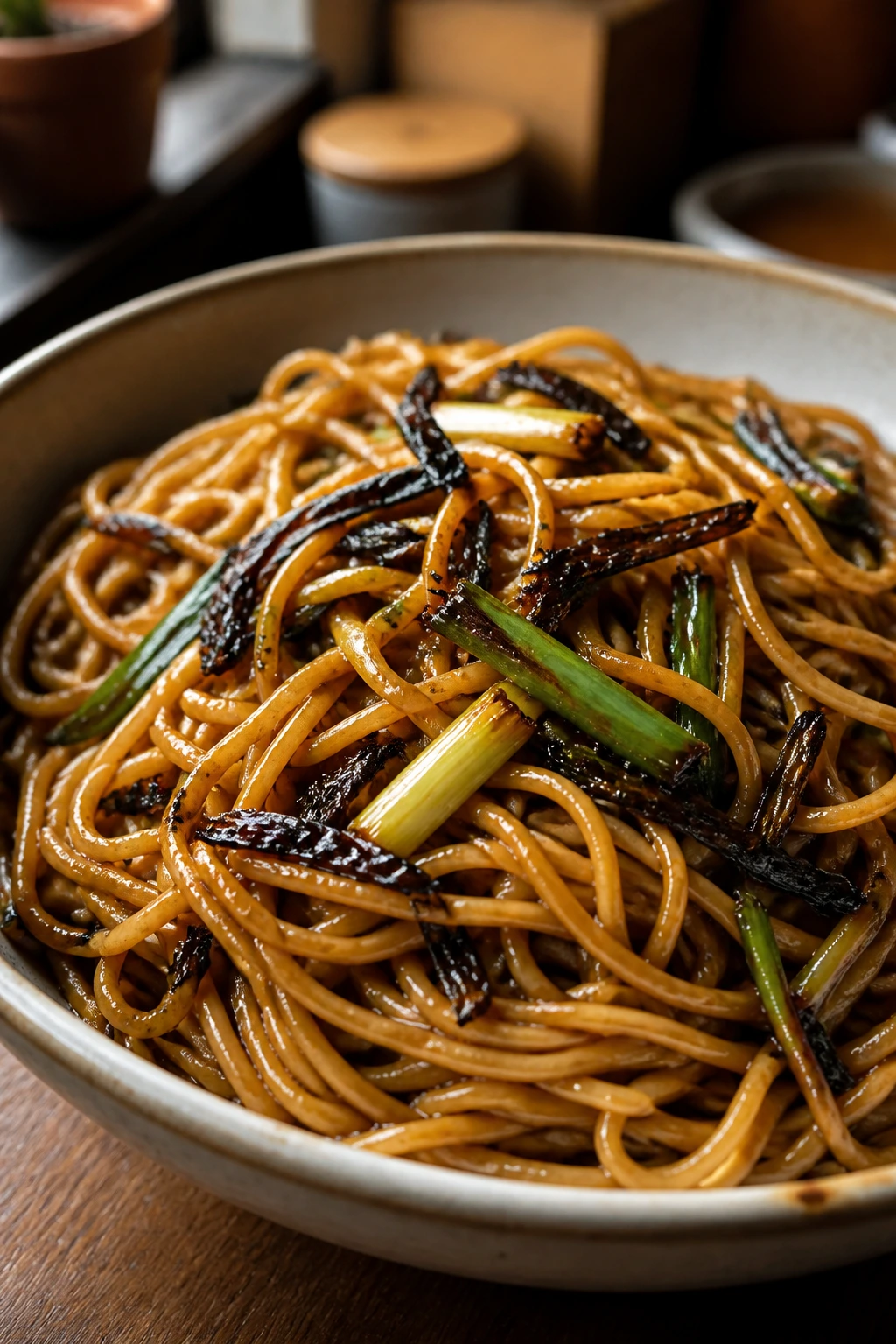
Scallion oil noodles are the kind of dish that looks almost too plain until you taste the first forkful. The scallions fry slowly in oil until they turn dark and sweet, and that oil gets mixed with soy and sugar to make a sauce that tastes richer than it should. Cheap, fast, and better than it has any right to be.
Why It Works:
The scallions need time to brown gently; rushed scallions taste grassy, not sweet. Once the oil picks up their flavor, it becomes the base of the sauce. Fresh noodles or thin wheat noodles grab the sauce more evenly than thick pasta ever will.
Key Ingredients:
- 8 oz fresh noodles or dried wheat noodles
- 1 cup scallions, cut into 2-inch lengths
- 3 tablespoons neutral oil
- 2 tablespoons light soy sauce
- 1 teaspoon dark soy sauce
- 1 teaspoon sugar
- 1 tablespoon hot noodle water
Quick Steps:
- Fry scallions in oil over medium-low heat until browned and soft.
- Stir in soy sauces, sugar, and noodle water.
- Cook noodles until just tender.
- Drain and toss with the scallion oil sauce.
- Serve immediately.
Equipment for This Recipe:
- Skillet
- Pot
- Tongs
- Strainer
How to Serve This Dish:
Serve alone or with a fried egg if you want more richness. A side of cucumber or blanched greens keeps the meal from feeling too one-note. The noodles should glisten, not swim.
Pro Tips for This Recipe:
- Don’t crank the heat; burnt scallions taste bitter.
- Use more scallions than you think you need.
- Fresh noodles make this especially silky.
- A tiny splash of vinegar can sharpen the final bowl.
Variations on This Dish:
- Garlic Scallion Version: Add minced garlic in the last minute.
- Chili Oil Finish: Drizzle with chile oil for heat.
- Sesame Touch: Add a teaspoon of sesame oil at the end.
Common Mistakes to Avoid with This Dish:
- Burning the scallions: They go bitter, fast.
- Not enough oil: The sauce won’t coat the noodles.
- Overcooking the noodles: They lose their chew.
19. Wonton Soup
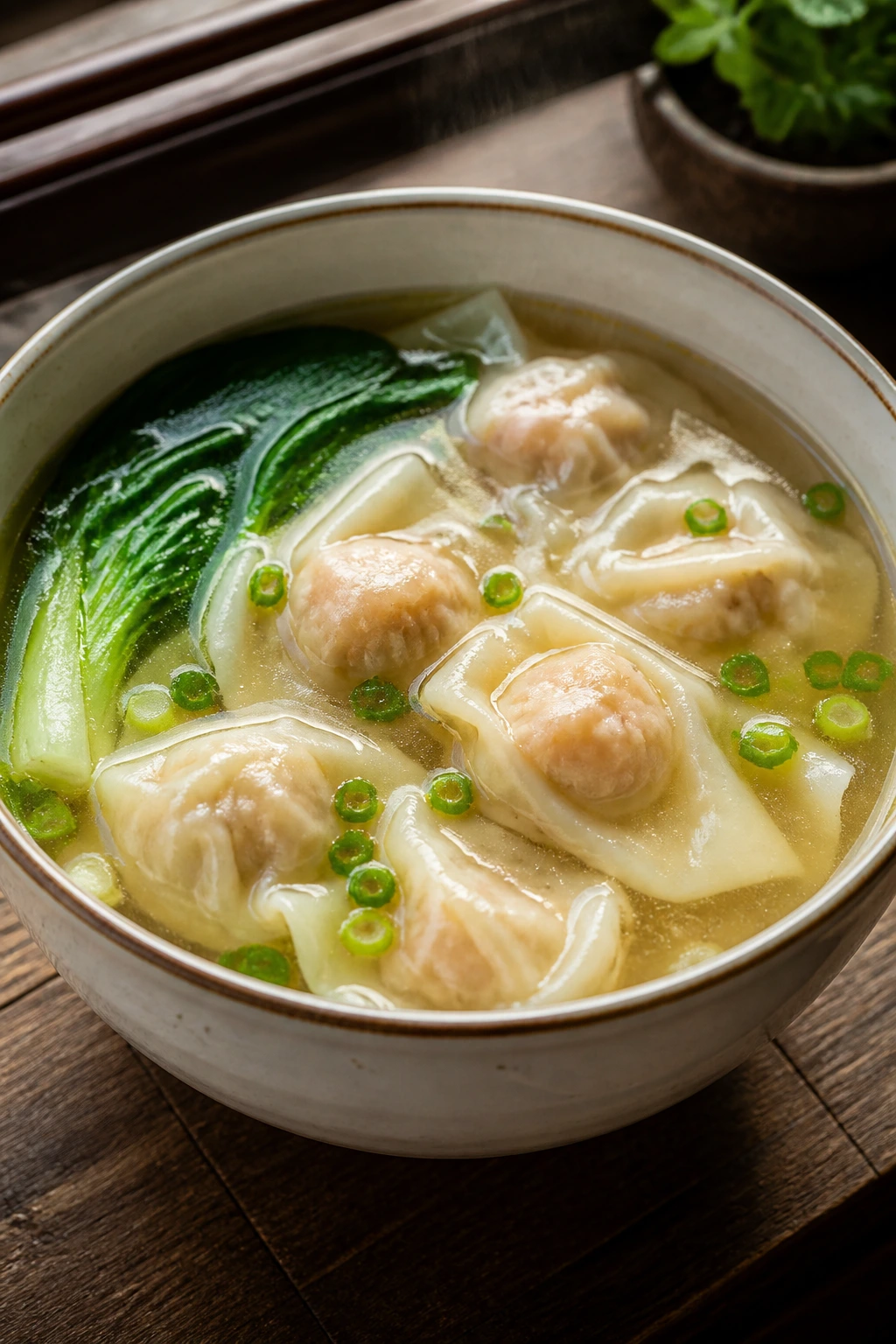
Wonton soup is gentle in a way that feels deliberate, not bland. The wrappers go silky, the filling stays juicy, and the broth should taste clean enough to sip between bites. It’s a bowl that looks simple until you realize every part has been tuned.
Why It Works:
The filling needs enough fat, usually from pork, to stay tender in hot broth. A light stock — chicken, pork, or both — keeps the wontons from floating in a broth that tastes muddy. Bok choy or spinach adds a little green color and a slight bite at the end.
Key Ingredients:
- 40 wonton wrappers
- 1 lb ground pork
- 1 tablespoon light soy sauce
- 1 tablespoon Shaoxing wine
- 1 teaspoon sesame oil
- 1 teaspoon grated ginger
- 1 scallion, minced
- 6 cups chicken stock
- 2 baby bok choy, halved
- 1/2 teaspoon salt, as needed
Quick Steps:
- Mix the pork filling and fold into wontons.
- Bring stock to a simmer.
- Cook bok choy 1 minute in the broth.
- Drop in wontons and simmer 4 to 5 minutes until they float and the wrappers look translucent.
- Serve hot with a few drops of sesame oil.
Equipment for This Recipe:
- Soup pot
- Bowl for filling
- Small brush or finger bowl of water
- Slotted spoon
How to Serve This Dish:
Serve in warm bowls with chili oil on the side. A few fried scallions or cilantro leaves are enough garnish. The broth should stay clear enough that you can see the wontons through it.
Pro Tips for This Recipe:
- Keep wrappers covered with a damp towel.
- Don’t overstuff; a teaspoon is plenty.
- Freeze extra wontons on a tray before storing.
- Taste the broth before salting, since soy in the filling adds seasoning.
Variations on This Dish:
- Shrimp Wontons: Chop shrimp and mix with pork.
- Chicken Broth Light Bowl: Use a lighter stock for a cleaner finish.
- Vegetable Filling: Mushrooms and tofu can stand in for pork.
Common Mistakes to Avoid with This Dish:
- Boiling hard: Wontons can break apart.
- Underseasoned filling: The broth masks weak filling.
- Dry wrappers: They crack while folding.
20. Steamed Fish with Ginger and Scallions
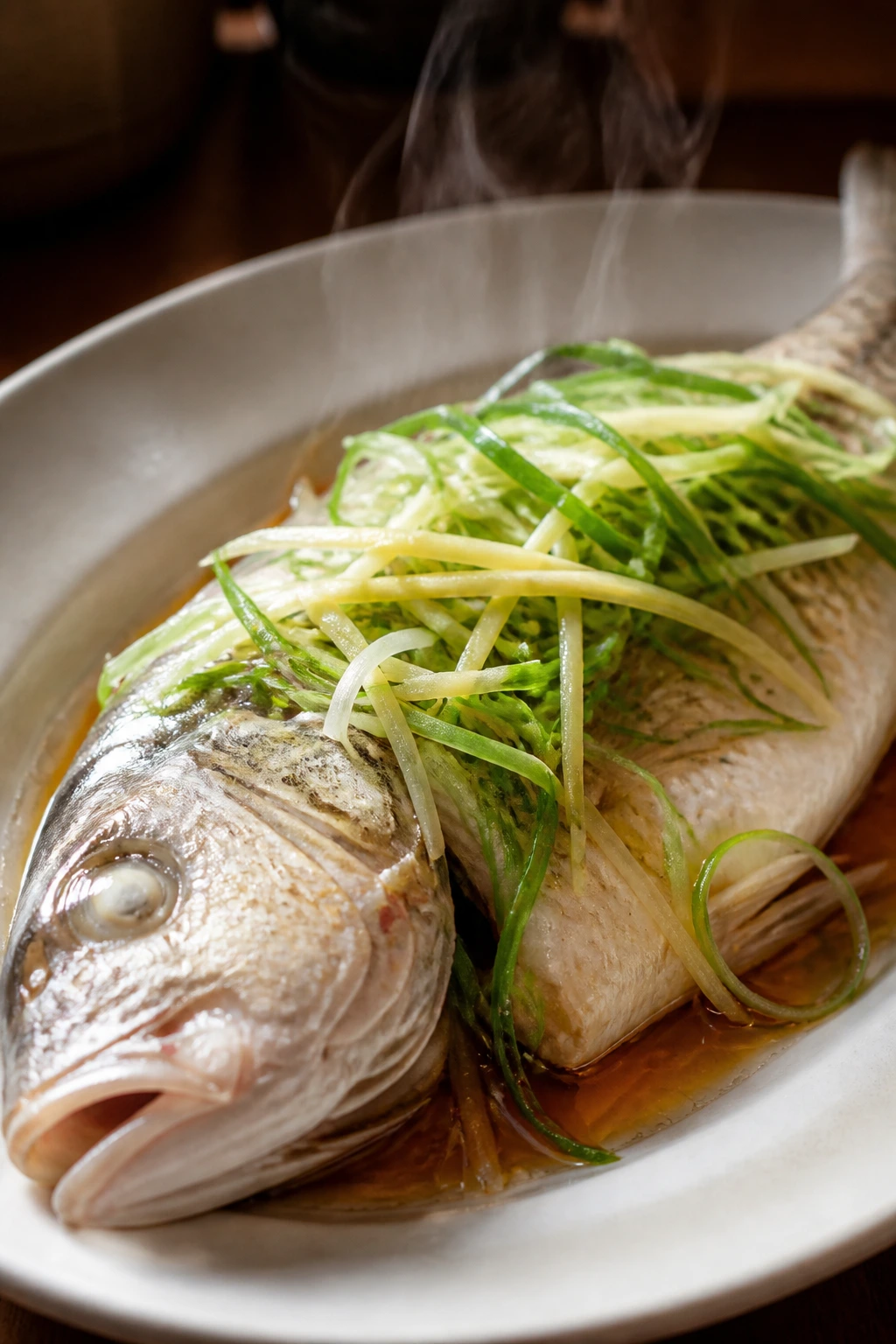
Steamed fish with ginger and scallions is one of the clearest examples of restraint paying off. The fish should taste sweet and clean, with soy sauce and hot oil adding the finishing notes, not hiding the flavor. If the fish smells fishy, it usually means it wasn’t fresh enough to begin with.
Why It Works:
Steaming keeps delicate fish moist and lets the aromatics do the work. Ginger underneath the fish and scallions on top make the steam itself smell good, which matters more than people think. A little soy sauce mixed with a splash of hot oil becomes the dressing at the end.
Key Ingredients:
- 1 whole white fish, 1 1/2 to 2 lbs, cleaned
- 3 slices ginger, plus 2 tablespoons julienned ginger
- 3 scallions, shredded or julienned
- 2 tablespoons light soy sauce
- 1 tablespoon Shaoxing wine
- 1 tablespoon neutral oil
- 1 tablespoon hot water
Quick Steps:
- Pat fish dry and rub with wine.
- Set ginger in the steaming dish and place fish on top.
- Steam over boiling water 8 to 12 minutes, depending on thickness.
- Mix soy sauce and hot water.
- Top fish with scallions and ginger, then pour over hot oil.
- Add soy mixture and serve immediately.
Equipment for This Recipe:
- Steamer basket or wok with rack
- Heatproof plate
- Small saucepan or spoon for hot oil
- Sharp knife
How to Serve This Dish:
Serve with plain rice and a simple green vegetable. The fish should be brought to the table whole if possible; the drama is part of the meal. Once the oil hits the scallions, the smell changes instantly.
Pro Tips for This Recipe:
- Use fish with even thickness so it cooks evenly.
- Steam only until the flesh flakes; overcooking ruins the texture.
- Shred the scallions finely so they soften under the oil.
- A clean fish smell is the first sign you’re on track.
Variations on This Dish:
- Ginger-Heavy Version: Add more ginger under the fish for a sharper aroma.
- Soy-Scallion Sauce: Pour a little more soy mixture over the plate if you like stronger seasoning.
- Filet Version: Use thick fish fillets if you don’t want to steam a whole fish.
Common Mistakes to Avoid with This Dish:
- Oversteaming: The flesh turns chalky.
- Using a heavy sauce: It buries the fish.
- Skipping the hot oil finish: You lose the aroma lift.
21. Lion’s Head Meatballs
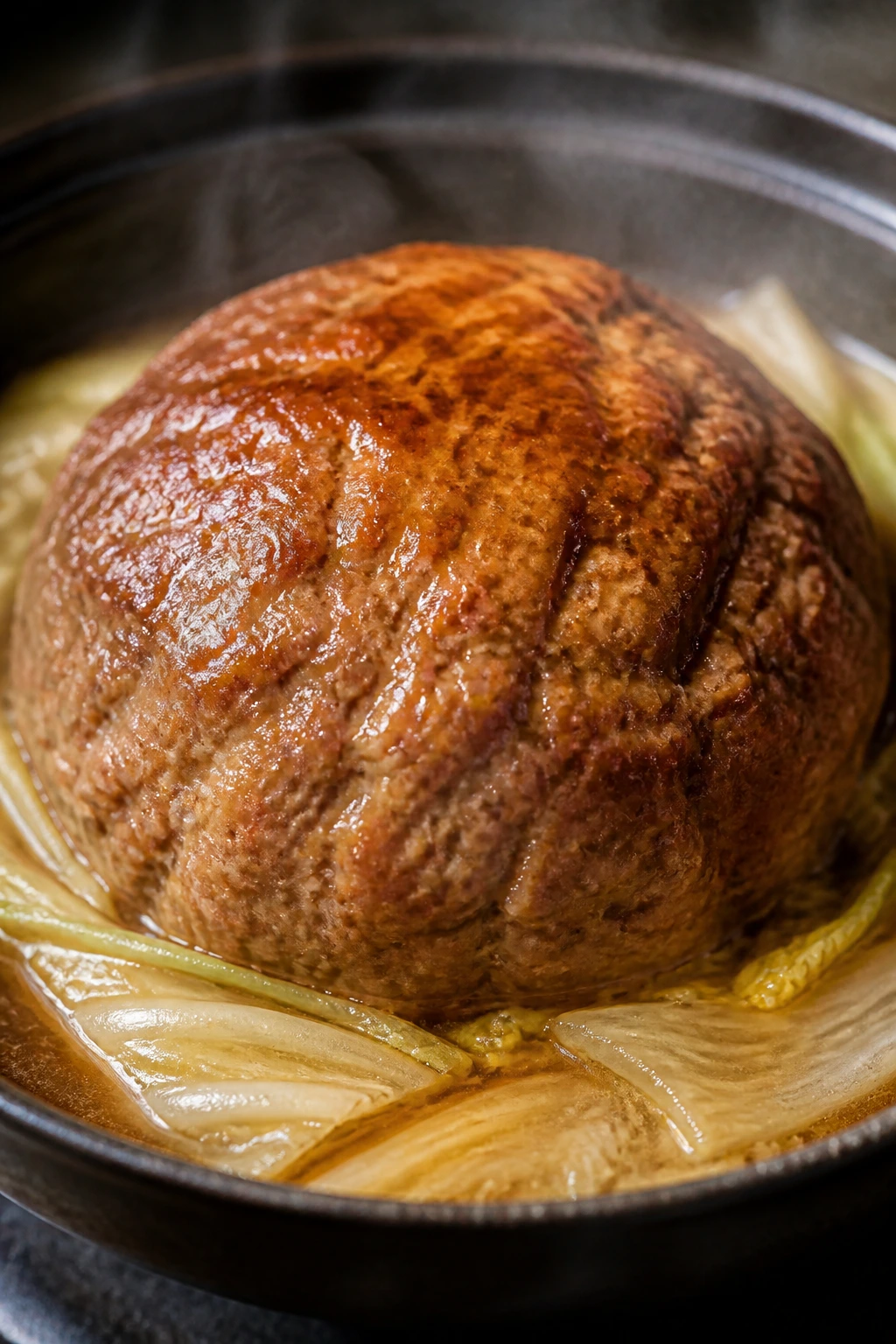
Lion’s head meatballs are big, soft pork meatballs braised with napa cabbage until everything tastes sweet and savory at once. The texture should be tender enough to cut with a spoon. They’re homey in the richest way.
Why It Works:
The meatballs contain enough fat and a little starch to stay soft during braising. The cabbage steams in the broth and absorbs the pork juices, which makes the whole pot taste deeper by the time it’s done. Gentle simmering keeps the meatballs from tightening up.
Key Ingredients:
- 1 lb ground pork
- 1 egg
- 2 tablespoons cornstarch
- 1 tablespoon soy sauce
- 1 tablespoon Shaoxing wine
- 1 teaspoon ginger, grated
- 1/2 teaspoon salt
- 1 small napa cabbage, cut into wedges
- 2 cups chicken stock
- 1 teaspoon sesame oil
Quick Steps:
- Mix pork, egg, cornstarch, soy, wine, ginger, and salt.
- Form large meatballs with wet hands.
- Brown gently in oil, or skip browning for a softer finish.
- Nest the cabbage in a pot with stock and add meatballs.
- Simmer 25 to 30 minutes until tender.
- Finish with sesame oil.
Equipment for This Recipe:
- Large pot or Dutch oven
- Mixing bowl
- Wet hands or spoon for shaping
- Slotted spoon
How to Serve This Dish:
Serve in a wide bowl with the cabbage underneath and the meatballs on top. Rice works, but the broth and cabbage already make it feel complete. It’s a cold-weather dish if there ever was one.
Pro Tips for This Recipe:
- Mix the pork until it just becomes sticky; that helps the texture.
- Bigger meatballs are more forgiving than tiny ones.
- Keep the simmer gentle so they don’t break.
- A little pork fat improves tenderness; lean pork can feel dry.
Variations on This Dish:
- Braised Mushroom Version: Add shiitakes to the broth.
- Bok Choy Swap: Use bok choy instead of napa cabbage.
- Smaller Party Meatballs: Make them golf-ball size for appetizers.
Common Mistakes to Avoid with This Dish:
- Rolling the meatballs too tight: They turn dense.
- Boiling hard: They fall apart.
- Underseasoning the pork: The broth can’t do all the work.
22. Dry-Fried Green Beans
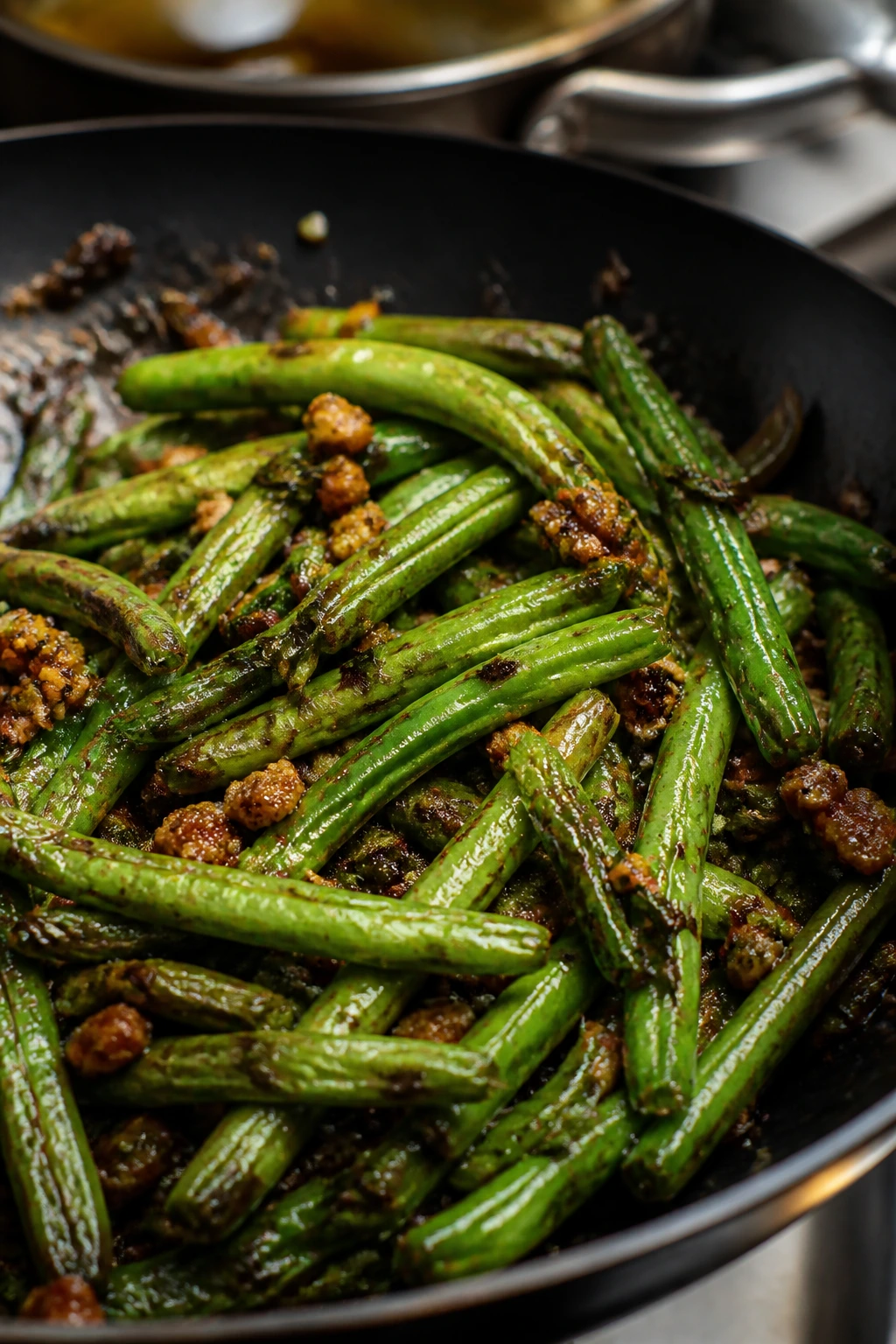
Dry-fried green beans are blistered, wrinkled, and just a little smoky, with minced pork, garlic, and preserved mustard greens clinging to the pods. They’re the opposite of limp beans from a steam tray. Crisp edges matter here.
Why It Works:
The beans need to blister in oil until they shrivel a bit and take on brown spots. That dry-frying method concentrates the flavor and changes the texture in a way boiling never will. The pork and preserved greens bring salt and depth without turning the dish saucy.
Key Ingredients:
- 12 oz green beans, trimmed
- 2 tablespoons neutral oil
- 4 oz ground pork
- 3 garlic cloves, minced
- 1 tablespoon preserved mustard greens, chopped
- 1 tablespoon soy sauce
- 1 teaspoon sugar
- 1 teaspoon sesame oil
Quick Steps:
- Fry green beans in oil over medium-high heat until blistered.
- Remove beans and drain excess oil.
- Cook pork until it loses its pink color.
- Add garlic and preserved mustard greens.
- Return beans, add soy and sugar, and toss well.
- Finish with sesame oil.
Equipment for This Recipe:
- Wok or skillet
- Slotted spoon
- Knife
- Bowl lined with paper towels
How to Serve This Dish:
Serve next to rice and one braised dish so the table has contrast. The beans should still have bite in the center. A little oil on the plate is normal; too much is not.
Pro Tips for This Recipe:
- Trim the beans evenly so they cook at the same pace.
- Don’t dump in too many beans at once.
- Preserved mustard greens are salty, so taste before adding more soy.
- If you don’t want pork, mushrooms work.
Variations on This Dish:
- Vegetarian Style: Use finely chopped shiitakes instead of pork.
- Chili Bean Paste Version: Add a teaspoon of doubanjiang.
- Garlic-Forward Twist: Double the garlic and skip the preserved greens.
Common Mistakes to Avoid with This Dish:
- Under-frying the beans: They taste raw and grassy.
- Over-salting: Preserved greens already bring salt.
- Skipping the oil drain: The dish feels greasy, not crisp.
23. Chongqing Spicy Chicken
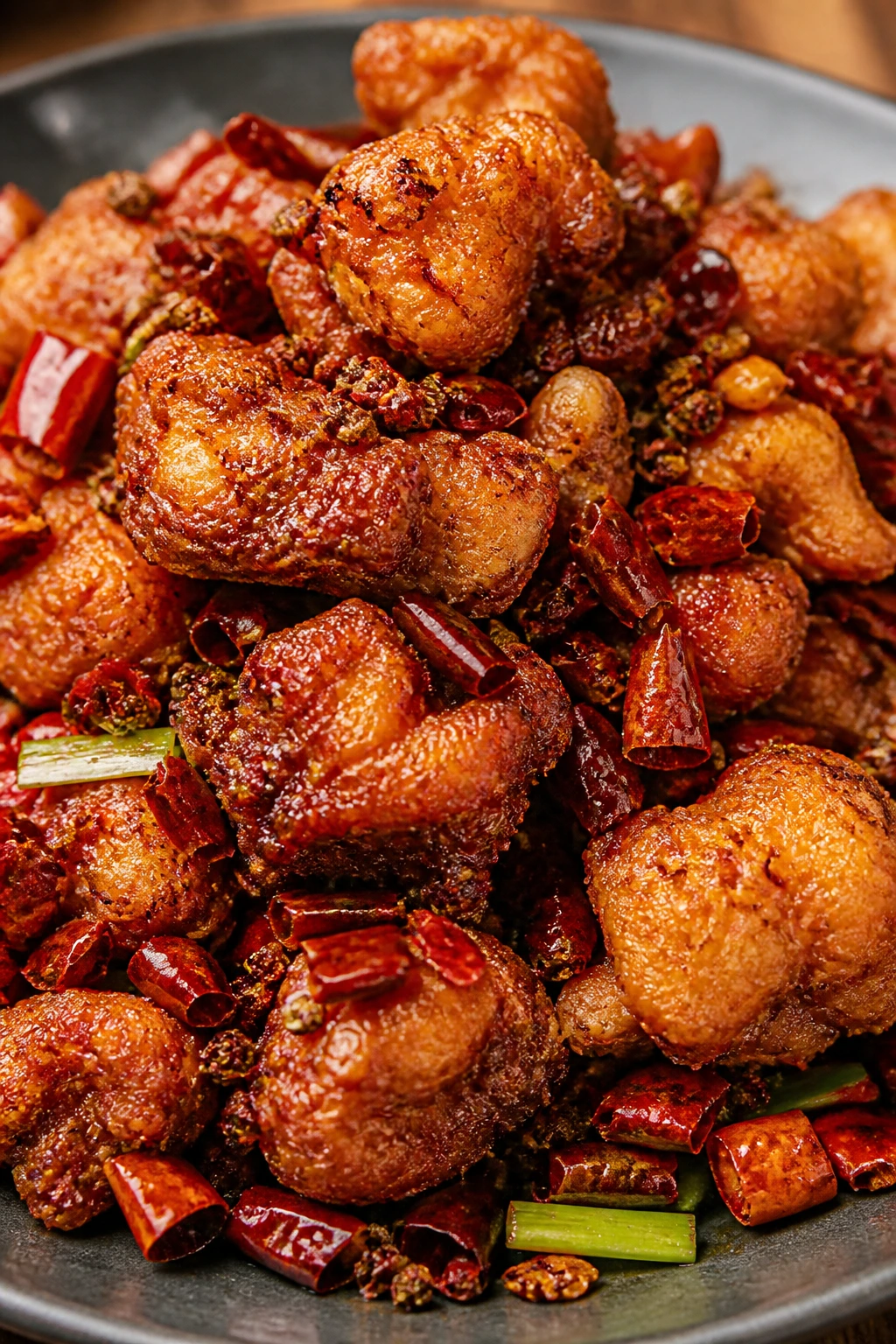
Chongqing spicy chicken is a mountain of crisp fried chicken buried under dried chiles and Sichuan peppercorns. You fish out the pieces with chopsticks, shaking off the spices, and every bite should be crunchy, numbing, and loud. It’s not subtle. That’s the appeal.
Why It Works:
The chicken is first coated lightly and fried until crisp, then tossed with a whole pan of chiles and peppercorns that perfume the oil. The result is more about aroma and texture than sauce. If the frying oil is hot enough, the coating stays crisp even under the spices.
Key Ingredients:
- 1 1/2 lbs chicken thighs, cut into bite-size pieces
- 1 tablespoon soy sauce
- 1 tablespoon Shaoxing wine
- 2 tablespoons cornstarch
- 1/2 teaspoon salt
- 1/4 cup neutral oil
- 12 dried red chiles
- 2 teaspoons Sichuan peppercorns
- 3 garlic cloves, sliced
- 2 scallions, cut into lengths
Quick Steps:
- Marinate chicken with soy, wine, cornstarch, and salt.
- Fry chicken until crisp and golden; remove.
- Fry chiles and peppercorns briefly in the same oil.
- Add garlic and scallions.
- Toss chicken back in and coat quickly.
Equipment for This Recipe:
- Wok or deep skillet
- Slotted spoon
- Paper towels
- Bowl for marinade
How to Serve This Dish:
Serve with a bowl of rice and a cold cucumber side if you need something to reset your mouth. You will also want napkins. A lot of them. The dish is meant to be picked through, not neatly plated.
Pro Tips for This Recipe:
- Fry the chicken in batches so the coating stays crisp.
- Don’t let the chiles burn; the oil should smell spicy, not bitter.
- Use thighs for better texture.
- Shake off excess starch before frying.
Variations on This Dish:
- Less Numbing Version: Reduce the Sichuan peppercorn.
- Wing Style: Use chicken wings, but extend the fry slightly.
- Garlic Chili Style: Add more garlic and fewer chiles.
Common Mistakes to Avoid with This Dish:
- Overcrowding the fryer: The chicken turns pale and oily.
- Burning the chiles: Bitter spices ruin the dish.
- Saucing it like a stir-fry: This is a dry, spicy dish.
24. Steamed Spare Ribs with Black Bean Garlic
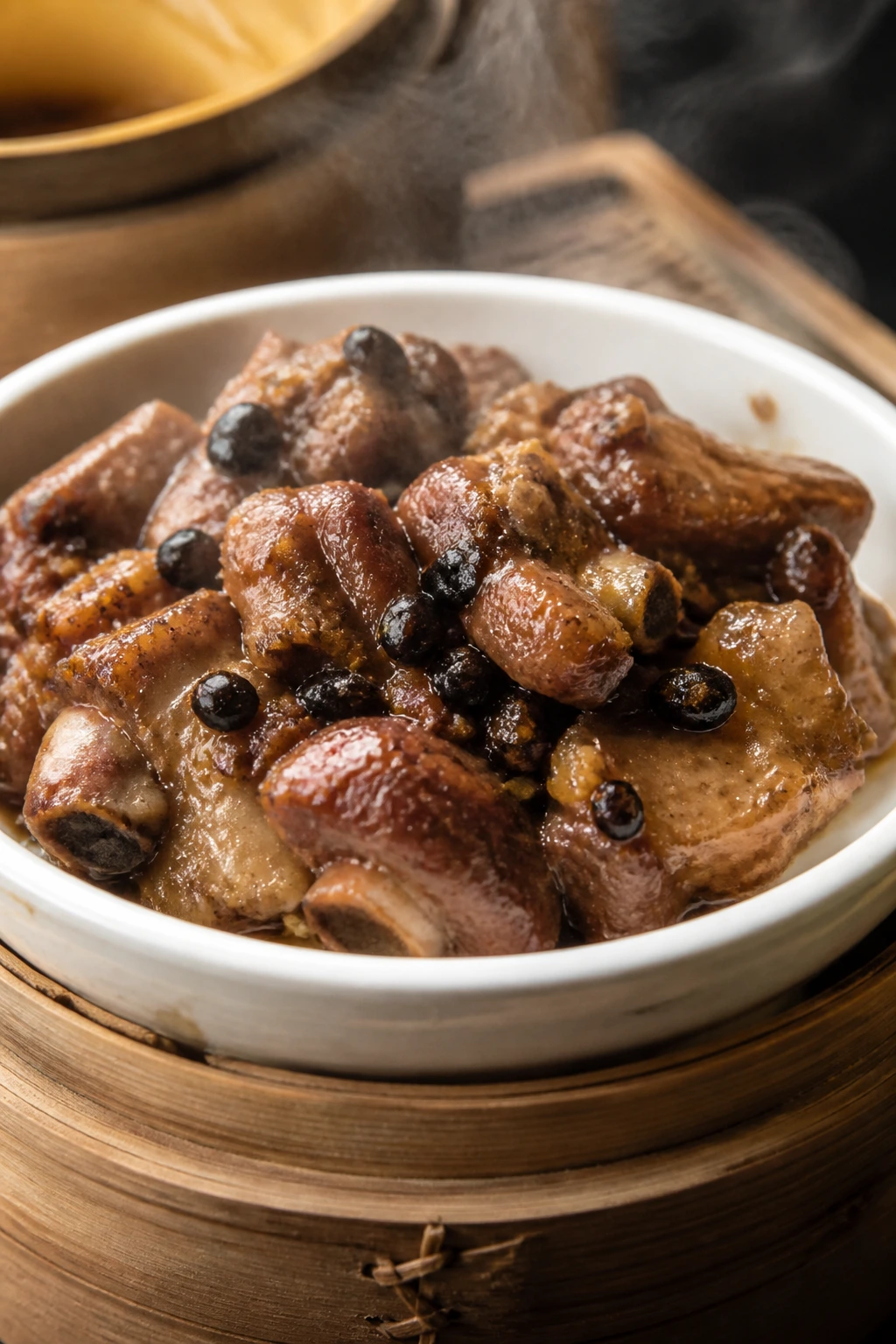
Steamed spare ribs with black bean garlic are glossy, salty, and tender in a way that pan-cooked ribs rarely manage. The black beans bring fermented depth, the garlic sharpens the whole thing, and the steaming keeps the meat juicy. It’s dim sum comfort with a little edge.
Why It Works:
Steaming lets the ribs cook slowly without drying out, and the cornstarch in the marinade helps the sauce cling to each piece. Fermented black beans are the backbone here; they taste salty, earthy, and slightly sweet if you rinse them first. A little sugar balances the salt.
Key Ingredients:
- 1 1/2 lbs pork spare ribs, cut into bite-size pieces
- 1 tablespoon fermented black beans, rinsed and chopped
- 3 garlic cloves, minced
- 1 tablespoon light soy sauce
- 1 tablespoon Shaoxing wine
- 1 teaspoon sugar
- 1 tablespoon cornstarch
- 1 teaspoon sesame oil
- 1 scallion, sliced
Quick Steps:
- Marinate ribs with black beans, garlic, soy, wine, sugar, cornstarch, and sesame oil.
- Rest 20 minutes.
- Spread ribs on a heatproof plate.
- Steam over boiling water 25 to 35 minutes until tender.
- Garnish with scallions and serve hot.
Equipment for This Recipe:
- Steamer or wok with rack
- Heatproof plate
- Mixing bowl
- Tongs
How to Serve This Dish:
Serve as part of a rice meal with a simple green vegetable. The sauce should pool lightly at the bottom of the plate, not turn soupy. These are small enough to share but rich enough to want your own portion.
Pro Tips for This Recipe:
- Rinse black beans lightly; they’re potent.
- Cut the ribs evenly so they steam at the same pace.
- A shallow plate helps the steam move around the meat.
- Do not over-marinate or the ribs can get too salty.
Variations on This Dish:
- Taro Base: Steam the ribs over cubes of taro.
- Chili Bean Version: Add a spoon of doubanjiang for heat.
- Mushroom Pairing: Steam with shiitakes for extra savoriness.
Common Mistakes to Avoid with This Dish:
- Using ribs that are too thick: They take forever and can stay chewy.
- Not rinsing the black beans: The salt can dominate.
- Oversteaming without checking: The meat should be tender, not shredded.
25. Braised Tofu with Minced Pork
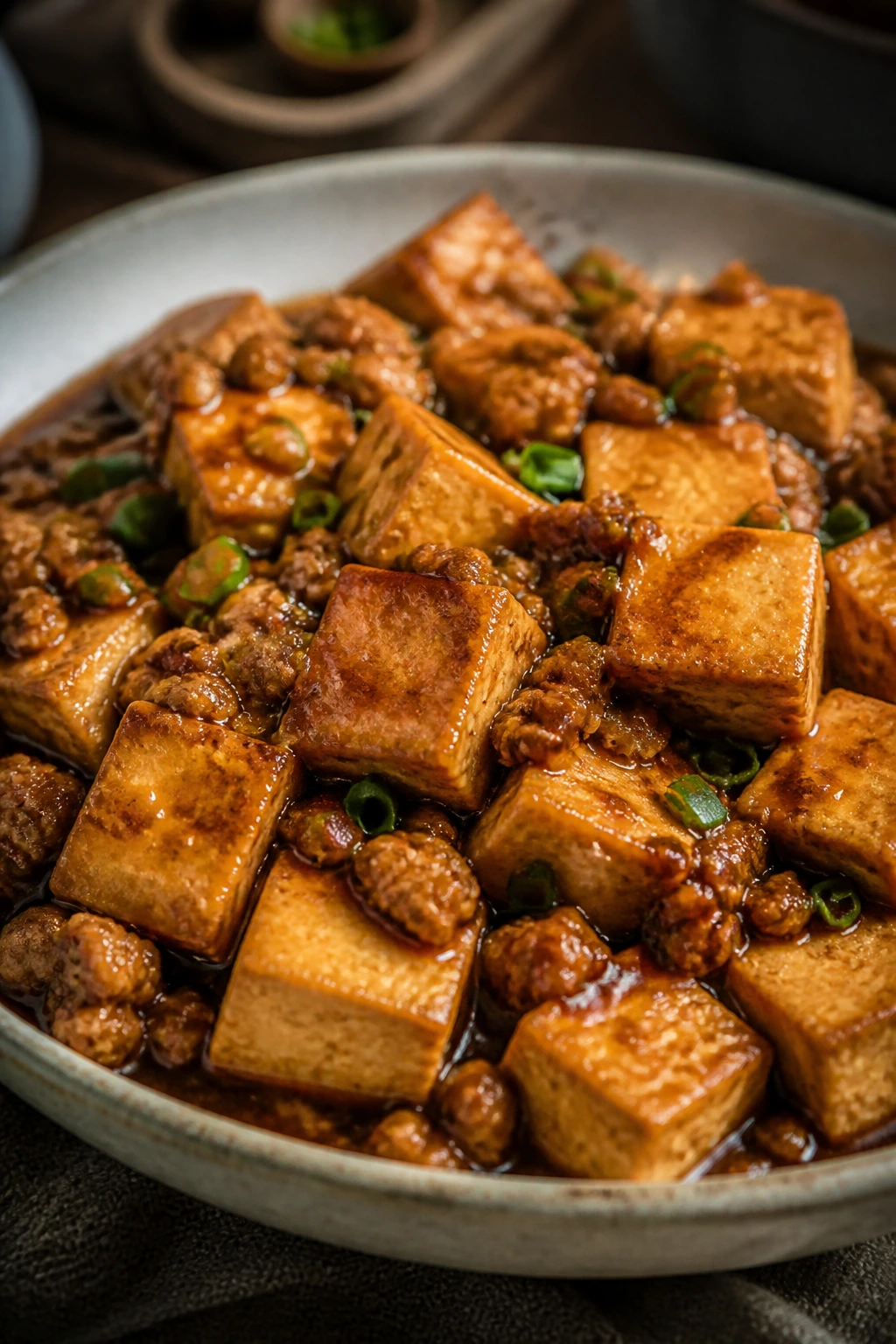
Braised tofu with minced pork is a weekday dish that tastes like someone spent more time on it than they did. The tofu turns soft but not soggy, the pork seasons the sauce, and the whole thing comes together in one pan with enough flavor to stand up to rice. It’s the sort of recipe you make once and then keep mentally filing away.
Why It Works:
Firm tofu browns lightly before braising, which keeps the cubes intact and gives them a little skin. The minced pork builds the sauce, and a mix of soy, oyster sauce, and stock gives the tofu something to soak up. A short simmer is enough; tofu does not need a long bath.
Key Ingredients:
- 14 oz firm tofu, cut into cubes
- 6 oz ground pork
- 2 tablespoons neutral oil
- 2 garlic cloves, minced
- 1 tablespoon ginger, minced
- 1 tablespoon soy sauce
- 1 tablespoon oyster sauce
- 1 cup chicken stock
- 1 teaspoon cornstarch mixed with 1 tablespoon water
- 1 scallion, sliced
Quick Steps:
- Brown tofu lightly on all sides in oil.
- Cook pork until crumbly and no longer pink.
- Add garlic and ginger.
- Stir in soy, oyster sauce, and stock.
- Return tofu and simmer 3 to 4 minutes.
- Thicken lightly with slurry and finish with scallions.
Equipment for This Recipe:
- Nonstick skillet or wok
- Spatula
- Small bowl for slurry
- Tofu press or paper towels
How to Serve This Dish:
Serve over rice while the sauce is still loose enough to soak in. It also makes a good second dish on a family table because it isn’t aggressively spicy. The tofu should hold shape but feel soft when you press it with a spoon.
Pro Tips for This Recipe:
- Dry the tofu well before browning.
- Use firm tofu, not silken, for this style.
- A little sauce goes further than you think.
- If the pork is lean, add a touch more oil.
Variations on This Dish:
- Spicy Bean Paste Version: Add doubanjiang for more punch.
- Mushroom Tofu: Swap pork for chopped mushrooms.
- Eggplant Add-In: Toss in fried eggplant cubes for a richer dish.
Common Mistakes to Avoid with This Dish:
- Using watery tofu: It breaks apart and steams poorly.
- Skipping the browning: The dish tastes flat.
- Boiling too long: The tofu can collapse.
26. Chinese Egg Custard
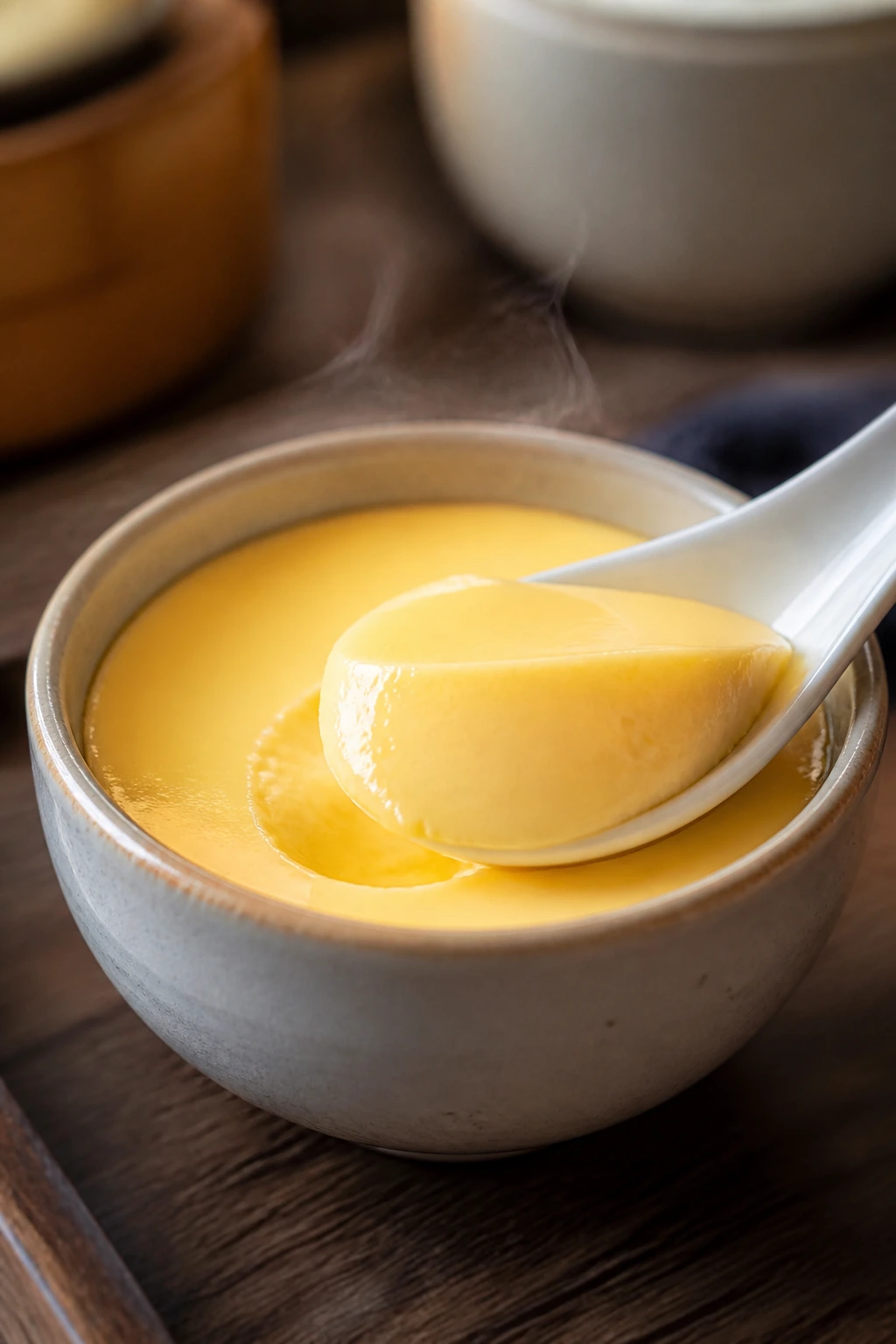
Chinese egg custard, or steamed egg, is soft, silky, and almost unsettlingly smooth when done right. It sits somewhere between soup and custard, with a surface so tender it trembles when the bowl moves. The flavor is mild, but the texture is the whole reason to make it.
Why It Works:
The egg-to-water ratio has to be right, and the liquid should be warm, not boiling, so the custard sets gently. Straining the mixture removes bubbles and stray egg white strands that would make the texture rough. Low heat gives you that glassy surface.
Key Ingredients:
- 3 large eggs
- 1 1/2 cups warm water or light stock
- 1/2 teaspoon salt
- 1 teaspoon sesame oil
- 1 scallion, very thinly sliced
- 1 teaspoon light soy sauce
Quick Steps:
- Beat eggs with salt without making too many bubbles.
- Add warm water and strain into a heatproof bowl.
- Cover with foil or a plate.
- Steam over low heat 12 to 15 minutes until just set.
- Finish with soy sauce, sesame oil, and scallions.
Equipment for This Recipe:
- Heatproof bowl
- Steamer or wok with rack
- Fine strainer
- Foil or plate cover
How to Serve This Dish:
Serve it as part of a larger meal or as a gentle lunch with rice. The custard should jiggle slightly when you lift the lid, then settle. Spoon the soy and sesame oil over the top right before serving.
Pro Tips for This Recipe:
- Strain the eggs for the smoothest texture.
- Keep the steam gentle; aggressive bubbling makes holes.
- Use warm water, not hot enough to scramble.
- A shallow bowl sets more evenly than a deep one.
Variations on This Dish:
- Stock-Forward Version: Use chicken stock for more savory flavor.
- Shrimp Garnish: Top with a few chopped shrimp before steaming.
- Mushroom Topping: Add soft-cooked mushrooms after steaming.
Common Mistakes to Avoid with This Dish:
- Too much heat: The surface turns pitted.
- Too little liquid: The custard gets rubbery.
- Lifting the lid too early: Steam escapes and the top sets unevenly.
27. Sheng Jian Bao
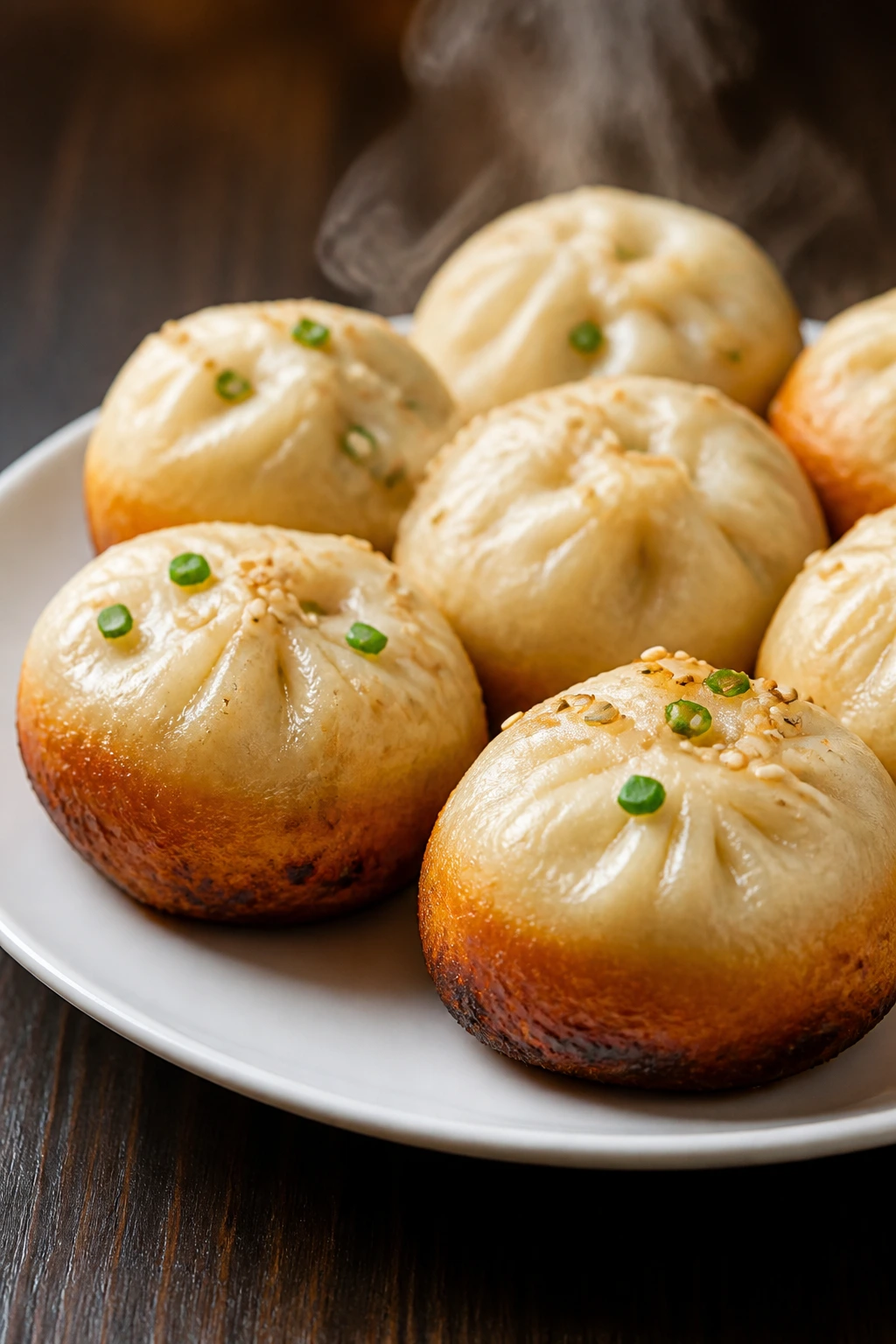
Sheng jian bao are pan-fried buns with a soft top, crisp bottom, and a savory filling that can spurt hot broth if you’re impatient. They’re street food with a built-in warning label. Bite carefully. It’s part of the charm.
Why It Works:
The dough is yeasted and fairly soft, which lets the tops puff while the bottoms fry in oil. A small amount of gelatinized broth in the filling melts during cooking, creating the juicy center. The pan-and-steam method gives you two textures in one bun.
Key Ingredients:
- 2 1/2 cups all-purpose flour
- 1 teaspoon instant yeast
- 1 teaspoon sugar
- 3/4 cup warm water
- 1 lb ground pork
- 1 tablespoon soy sauce
- 1 tablespoon Shaoxing wine
- 1 teaspoon sesame oil
- 1 teaspoon ginger, grated
- 2 scallions, minced
- 1 tablespoon neutral oil
- 1/2 cup water for pan-steaming
- Sesame seeds for topping
Quick Steps:
- Knead dough and let it rise until doubled.
- Mix the pork filling.
- Divide dough, wrap filling, and pinch closed.
- Fry buns seam-side down until the bottoms brown.
- Add water, cover, and steam until cooked through.
- Uncover and cook off the water; sprinkle sesame seeds.
Equipment for This Recipe:
- Mixing bowl
- Rolling pin
- Deep skillet with lid
- Parchment or tray
How to Serve This Dish:
Serve hot with black vinegar and ginger slivers. The bottoms should be crisp enough to tap, while the tops stay fluffy. They’re breakfast, snack, and dinner material in one oily little package.
Pro Tips for This Recipe:
- Let the dough rise fully or the buns will be dense.
- Seal the bottoms well so they don’t open in the pan.
- Keep the filling cold if possible; it’s easier to handle.
- Eat one carefully first. The broth can be molten.
Variations on This Dish:
- Chicken Filling: Ground chicken and a little extra fat work fine.
- Cabbage Pork: Add squeezed napa cabbage for more volume.
- Scallion Oil Finish: Brush the tops with scallion oil after cooking.
Common Mistakes to Avoid with This Dish:
- Underproofed dough: The buns stay heavy.
- Too much filling: They burst in the pan.
- Removing the lid too soon: The centers may still be raw.
28. Red Bean Buns
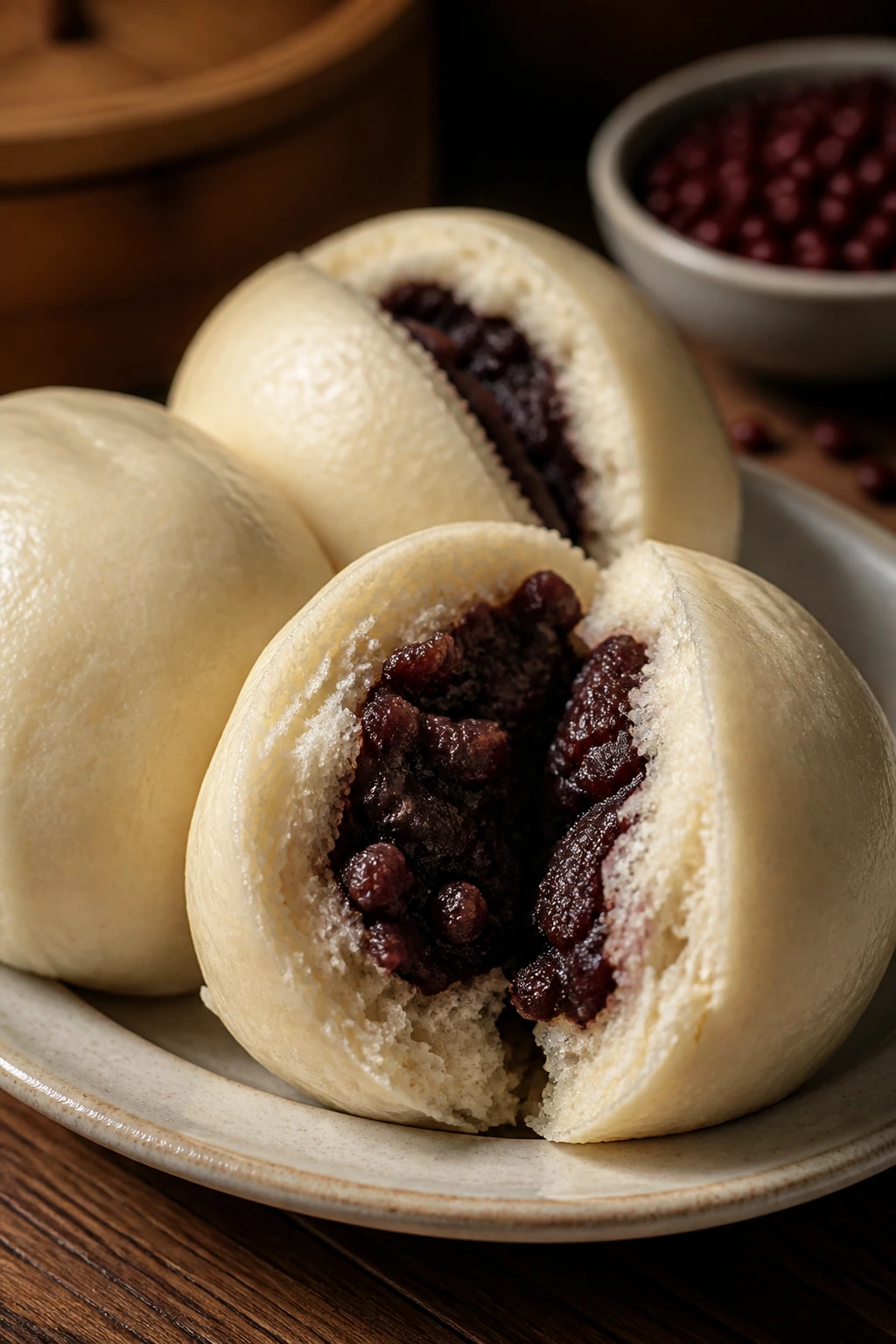
Red bean buns are soft, lightly sweet, and filled with a paste that tastes like warm beans and brown sugar. The bun itself should be tender rather than sugary, which keeps the filling in charge. They’re not flashy, and that’s a virtue.
Why It Works:
A yeasted dough gives the buns a soft, bread-like crumb, while the red bean paste brings the sweet center. A short steam or bake keeps the exterior gentle instead of crusty. They’re best when the wrapper is thin enough to keep the filling prominent.
Key Ingredients:
- 2 1/2 cups all-purpose flour
- 1 teaspoon instant yeast
- 2 tablespoons sugar
- 3/4 cup warm water
- 1 1/2 cups sweet red bean paste
- 1 tablespoon neutral oil
Quick Steps:
- Make and knead the dough until smooth.
- Let it rise until doubled.
- Divide and fill with red bean paste.
- Shape into buns and rest 15 minutes.
- Steam 12 to 15 minutes until puffed and tender.
Equipment for This Recipe:
- Mixing bowl
- Steamer basket
- Rolling pin
- Parchment squares
How to Serve This Dish:
Serve warm for breakfast or as a snack with tea. The bun should tear cleanly, with a thick little ribbon of filling inside. They’re pleasant at room temperature, but warm is better.
Pro Tips for This Recipe:
- Seal the dough well or the filling will leak.
- Keep the buns spaced apart while steaming.
- Use smooth bean paste for the cleanest bite.
- If the dough feels dry, add a spoonful of water.
Variations on This Dish:
- Black Sesame Filling: Swap the bean paste for black sesame paste.
- Baked Version: Brush with milk and bake for a lighter crust.
- Mini Bun Tray: Make them smaller for snacks.
Common Mistakes to Avoid with This Dish:
- Using too much filling: The bun splits.
- Oversteaming: They collapse a bit after cooling.
- Rushed dough: The texture turns bready and tough.
29. Cantonese Egg Tarts
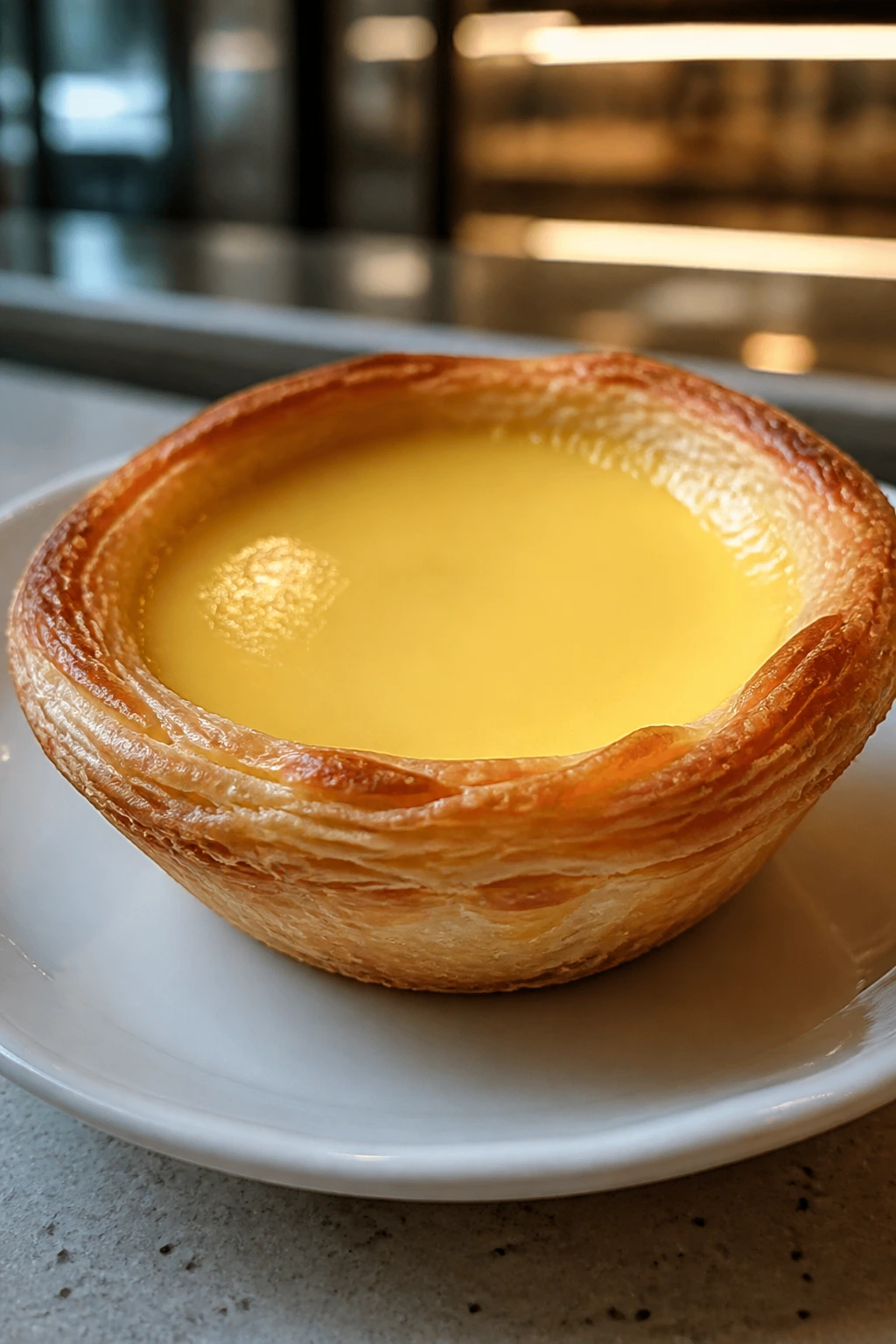
Cantonese egg tarts are all about contrast: flaky crust, trembling custard, and just enough sweetness to keep them from feeling like dessert overload. The custard should be smooth and pale yellow, not rubbery or dense. When the tops blister a little, that’s a good sign.
Why It Works:
The pastry gives you crisp edges and buttery layers, while the egg filling is baked just until set. Too much heat, and the custard curdles. A gentle bake lets the center remain silky while the shell turns golden.
Key Ingredients:
- 1 batch tart shells or 12 store-bought tart shells
- 3 large eggs
- 1/2 cup sugar
- 1 cup hot water
- 1 cup evaporated milk
- 1/2 teaspoon vanilla extract, optional
Quick Steps:
- Dissolve sugar in hot water and cool slightly.
- Whisk in evaporated milk and eggs without making foam.
- Strain the custard.
- Fill tart shells almost to the top.
- Bake at 375°F / 190°C for 18 to 22 minutes until just set.
Equipment for This Recipe:
- Tart tin or muffin pan
- Mixing bowl
- Fine strainer
- Whisk
How to Serve This Dish:
Serve warm, not piping hot, so the custard has time to settle. They’re excellent with tea and disappear fast from a dessert tray. Eat them the same day if you want the crust to stay crisp.
Pro Tips for This Recipe:
- Strain the custard for a smoother surface.
- Don’t overfill the shells.
- Bake until the centers still wobble a little.
- Store shells separately if you’re making them ahead.
Variations on This Dish:
- Hong Kong-Style Flake: Use puff pastry shells.
- Coconut Custard: Replace part of the milk with coconut milk.
- Mini Tart Version: Bake in smaller pans for parties.
Common Mistakes to Avoid with This Dish:
- Overbaking: The custard turns eggy.
- Too much foam in the mix: The tops get pitted.
- Soggy shells: Fill and bake right before serving if possible.
30. Smashed Cucumber Salad
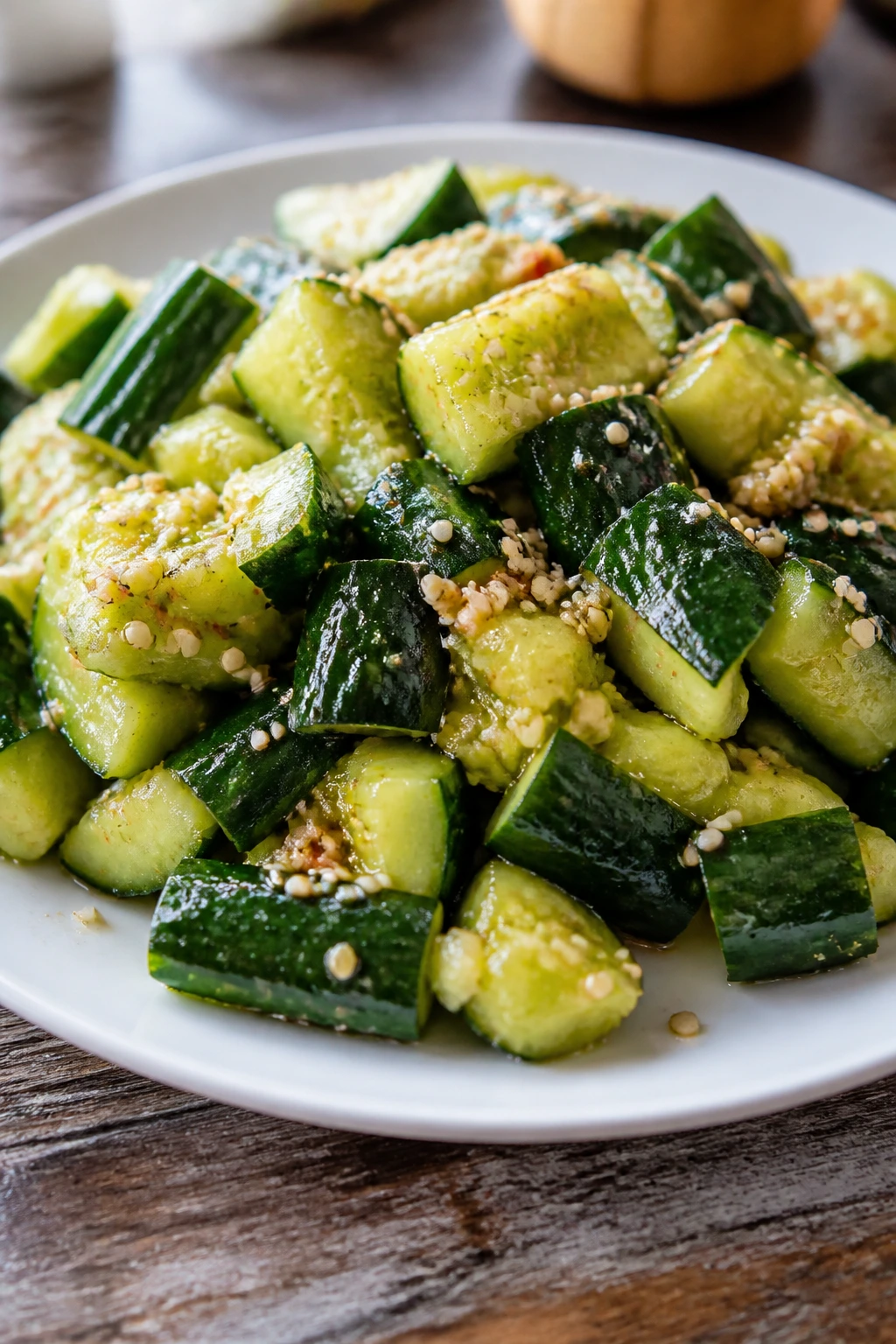
Smashed cucumber salad is cold, crunchy, garlicky, and sharp with vinegar, which is exactly why it works so well next to rich braises and spicy stir-fries. The smashing isn’t a gimmick; it creates ragged edges that grab the dressing. The salad tastes brighter because of it.
Why It Works:
Cucumbers with broken surfaces absorb more sauce than neat slices. Garlic, vinegar, soy, sesame oil, and a little sugar make a dressing that lands somewhere between refreshing and fierce. If you salt the cucumbers briefly first, the texture stays snappy instead of watery.
Key Ingredients:
- 2 large cucumbers
- 1 teaspoon salt
- 3 garlic cloves, minced
- 2 tablespoons Chinkiang vinegar
- 1 tablespoon light soy sauce
- 1 teaspoon sugar
- 1 teaspoon sesame oil
- 1 teaspoon chili oil, optional
- 1 tablespoon toasted sesame seeds
Quick Steps:
- Smash cucumbers with the flat side of a knife and cut into chunks.
- Toss with salt and rest 10 minutes.
- Drain off excess liquid.
- Mix garlic, vinegar, soy, sugar, sesame oil, and chili oil.
- Toss cucumbers with dressing and sesame seeds.
Equipment for This Recipe:
- Cutting board
- Chef’s knife
- Mixing bowl
- Strainer or colander
How to Serve This Dish:
Serve it cold beside roast pork, fried shrimp, or any saucy noodle bowl. It’s the kind of plate that resets your mouth between bites of richer food. If the cucumbers sit too long, they lose their snap, so dress them near the table.
Pro Tips for This Recipe:
- Seedless cucumbers work best.
- Don’t skip the salting step if the cucumbers are very watery.
- Use enough garlic to taste it, not so much that it burns.
- Toasted sesame seeds add a nice little nutty finish.
Variations on This Dish:
- Sichuan Heat: Add more chili oil and a pinch of Sichuan pepper.
- Peanut Crunch: Top with crushed peanuts.
- Herb Finish: Add cilantro if you want a greener edge.
Common Mistakes to Avoid with This Dish:
- Not draining the cucumbers: The dressing gets diluted.
- Cutting neat slices only: You lose the texture that makes it work.
- Dressing too early: It softens fast.
Why Wok Cooking Feels Faster Than Delivery
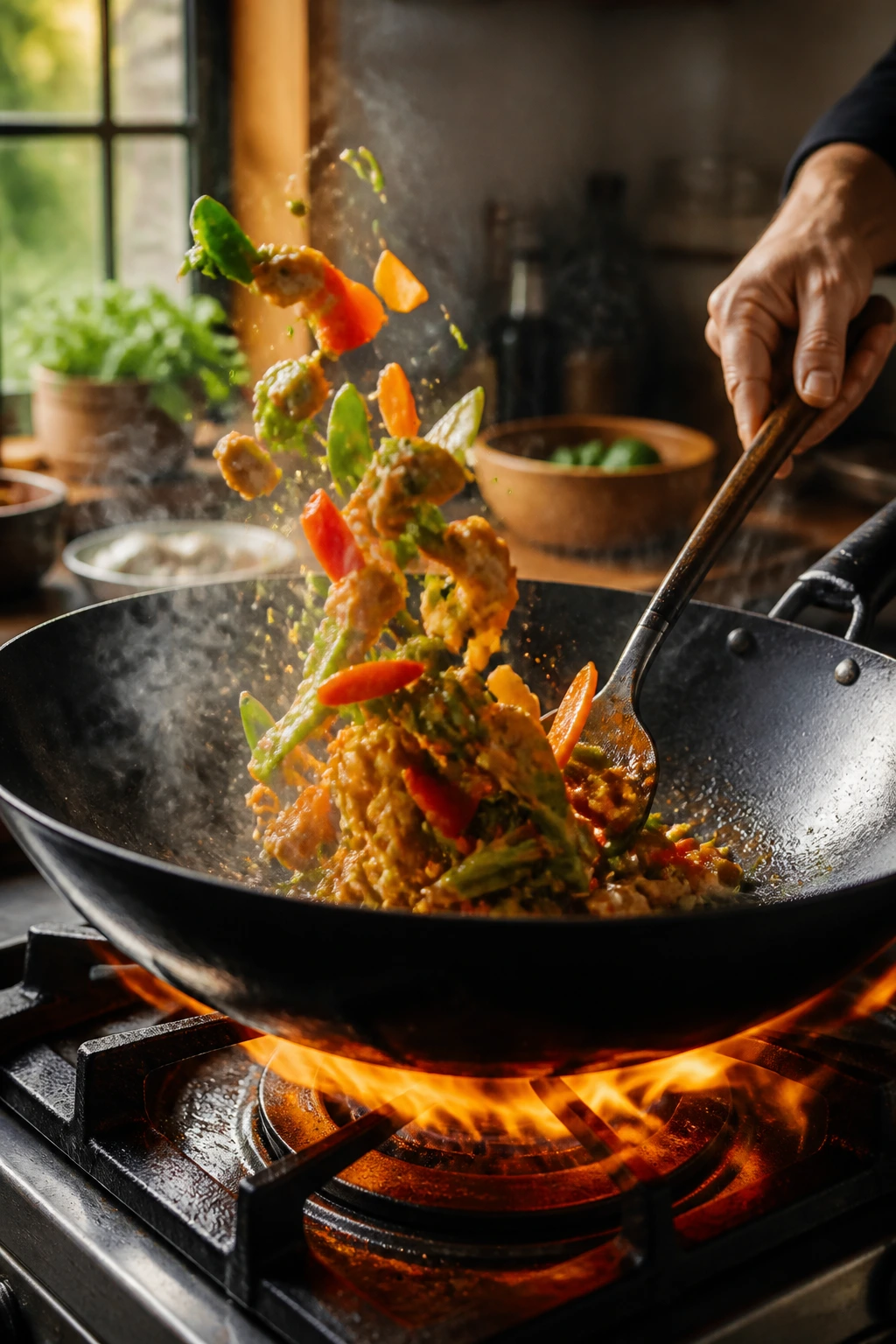
A lot of people think Chinese cooking is about speed, and that’s only half right. The real advantage is control. A wok or wide skillet gives you high heat on demand, and once the ingredients are prepped, you can move from raw aromatics to glossy sauce in five minutes without waiting for a driver to find parking or the broth to cool under a plastic lid.
The other thing worth saying — because it gets missed constantly — is that Chinese home cooking is often built on repetition, not novelty. Ginger, garlic, scallions, soy, vinegar, Shaoxing wine, sesame oil, and chili appear again and again, but in different ratios and with different textures. That’s why the pantry matters. Once you own the core ingredients, the recipes stop feeling like separate projects and start feeling like variations on a well-worn path.
And yes, there are slow dishes in this collection. Hong shao rou braises for an hour. Wonton soup needs folding. Dumplings take a little patience. But even those are practical recipes, the kind you can make on a weekend and eat through the week without getting bored. That’s a better kind of efficiency than ordering the same delivery box three times and pretending it counts as planning.
Essential Equipment for These Recipes
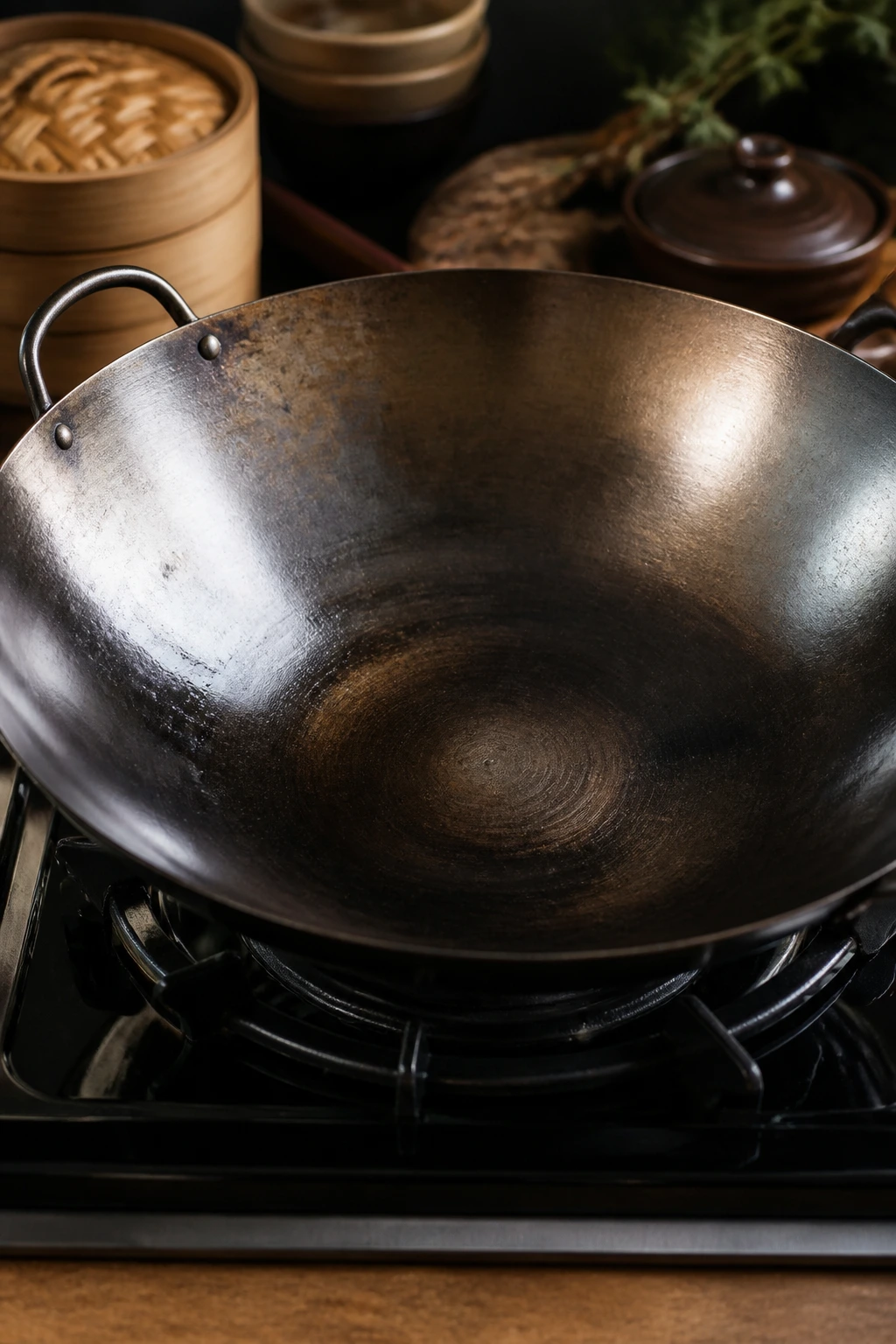
- Wok or large 12-inch skillet: High sides help with stir-frying and prevent sauce from sloshing.
- Dutch oven or heavy pot: Braises like hong shao rou and soups need steady heat.
- Steamer basket or wok with rack: Essential for steamed fish, egg custard, and ribs.
- Fine-mesh strainer: Useful for egg custard, soups, and smoothing sauces.
- Slotted spoon or spider strainer: Handy for frying shrimp, dumplings, and blanched vegetables.
- Sharp chef’s knife: Thin slices matter in stir-fries and dumpling fillings.
- Cutting board with a damp towel underneath: Keeps the board from sliding while you chop quickly.
- Mixing bowls in 2 to 3 sizes: Most of these dishes need a sauce bowl and a filling bowl.
- Bamboo steamer, if you cook often: It’s not required, but it’s a nice tool for buns and dumplings.
- Heatproof plates and bowls: Useful for steaming fish, ribs, and custards.
- Tongs or long chopsticks: Helpful for moving noodles, dumplings, and fried items without crushing them.
Smart Shopping and Ingredient Tips
A Chinese pantry can look intimidating until you realize how many recipes lean on the same few bottles. Light soy sauce is the everyday salt-and-umami base. Dark soy sauce is there for color and a little molasses-like depth, not for heavy seasoning. Chinkiang vinegar gives you that rounded black-vinegar tang you can’t fake with plain white vinegar, and Shaoxing wine adds a savory, almost nutty note that matters more in marinades and braises than most people expect.
If you can buy only one chile paste, start with doubanjiang. It’s fermented broad bean and chile paste, and it’s the backbone of mapo tofu, fish-fragrant eggplant, twice-cooked pork, and plenty of Sichuan cooking besides. Taste it before salting a dish heavily; some brands are salty enough to do half the work by themselves. Toasted sesame oil should be used at the end or in small marinades, not for frying. It burns too easily.
For meats, choose cuts that match the method. Chicken thighs are better than breasts for stir-fries because they stay juicy at high heat. Pork belly needs braising or steaming to shine. Flank steak is fine if you slice it thin against the grain and don’t overcook it. For vegetables, look for crisp napa cabbage, firm cucumbers, glossy eggplant, and scallions with clean roots and no slime at the base. If a vegetable feels soft in the bag, it will not magically fix itself in the wok.
Frozen ingredients are useful here, and there’s no shame in that. Frozen dumpling wrappers, peas, and even some fish fillets can save a dinner. What you want to avoid are sauces that taste all one-dimensional — too sweet, too salty, or too sharp. The best Chinese home cooking lands on balance, not volume.
How to Serve These Recipes
Presentation:
Serve stir-fries in wide, shallow bowls so the steam can escape and the sauce stays glossy. Braises and soups look better in deep bowls or clay pots, while dumplings and buns deserve a platter with a little space around them so they don’t steam themselves limp.
Accompaniments:
Steamed jasmine rice is the obvious partner for mapo tofu, kung pao chicken, twice-cooked pork, and hong shao rou. Plain congee, blanched greens, cucumber salad, or a quick soup round out richer dishes without stealing the show. Noodles need less help; they usually want only a cold side or a boiled egg.
Portions:
For a family-style meal, plan on 1 main dish plus 2 to 3 supporting dishes for 4 people. For noodle bowls and soups, a single bowl can stand alone if it includes protein. Dumplings and buns work best in batches; people always eat more than they swear they will.
Beverage Pairing:
Hot tea fits almost everything here. Jasmine tea works with lighter dishes, while oolong can stand up to braises and roast pork. Cold barley tea or plain sparkling water with a squeeze of citrus also gives the palate a clean reset between spicy bites.
Additional Tips and Flavor Boosters
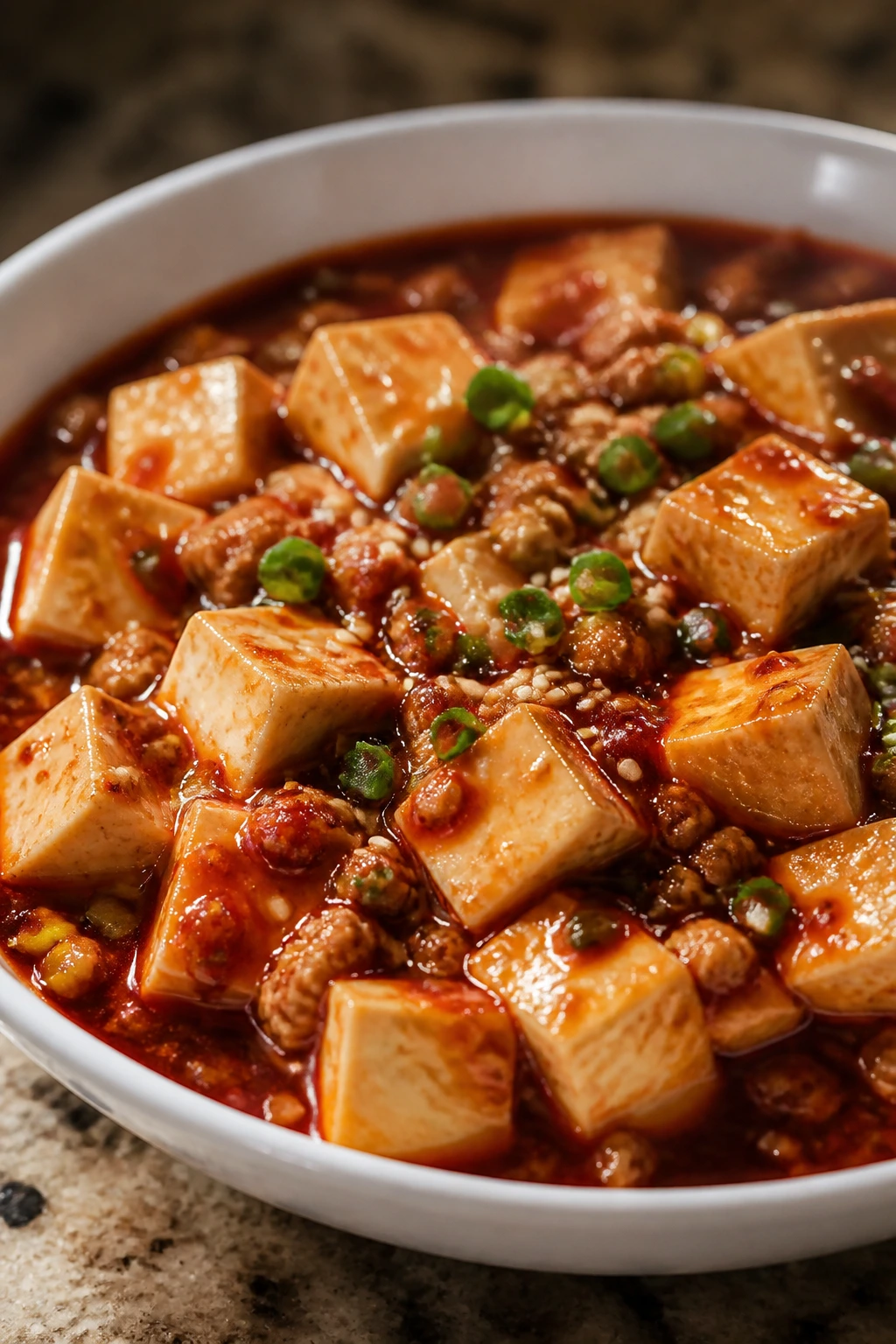
Flavor Enhancement:
Keep a small jar of homemade scallion oil or garlic chili oil in the fridge. A spoonful on noodles, dumplings, or steamed vegetables changes the whole plate without forcing you to make a second sauce.
Customization:
If a recipe feels too rich, add a vegetable with crunch — cucumber, napa cabbage, bean sprouts, or blanched broccoli. If it feels too lean, a little pork fat, sesame oil, or stock usually solves the problem faster than more soy sauce.
Serving Suggestions:
Fresh cilantro, scallions, toasted sesame seeds, and thin ginger slivers are the garnishes that earn their keep. They’re not decoration. They bring freshness, aroma, and a little bite right at the end.
Make-It-Yours:
For a lower-spice table, keep chile oil on the side instead of built into the pan. For vegetarian cooking, mushrooms, tofu, and fermented bean paste can give enough depth that nobody feels like anything is missing. For gluten-free cooking, tamari works in some places, but keep an eye on dumpling wrappers, noodles, and oyster sauce because those are the usual traps.
Make-Ahead, Storage, and Reheating Guidance
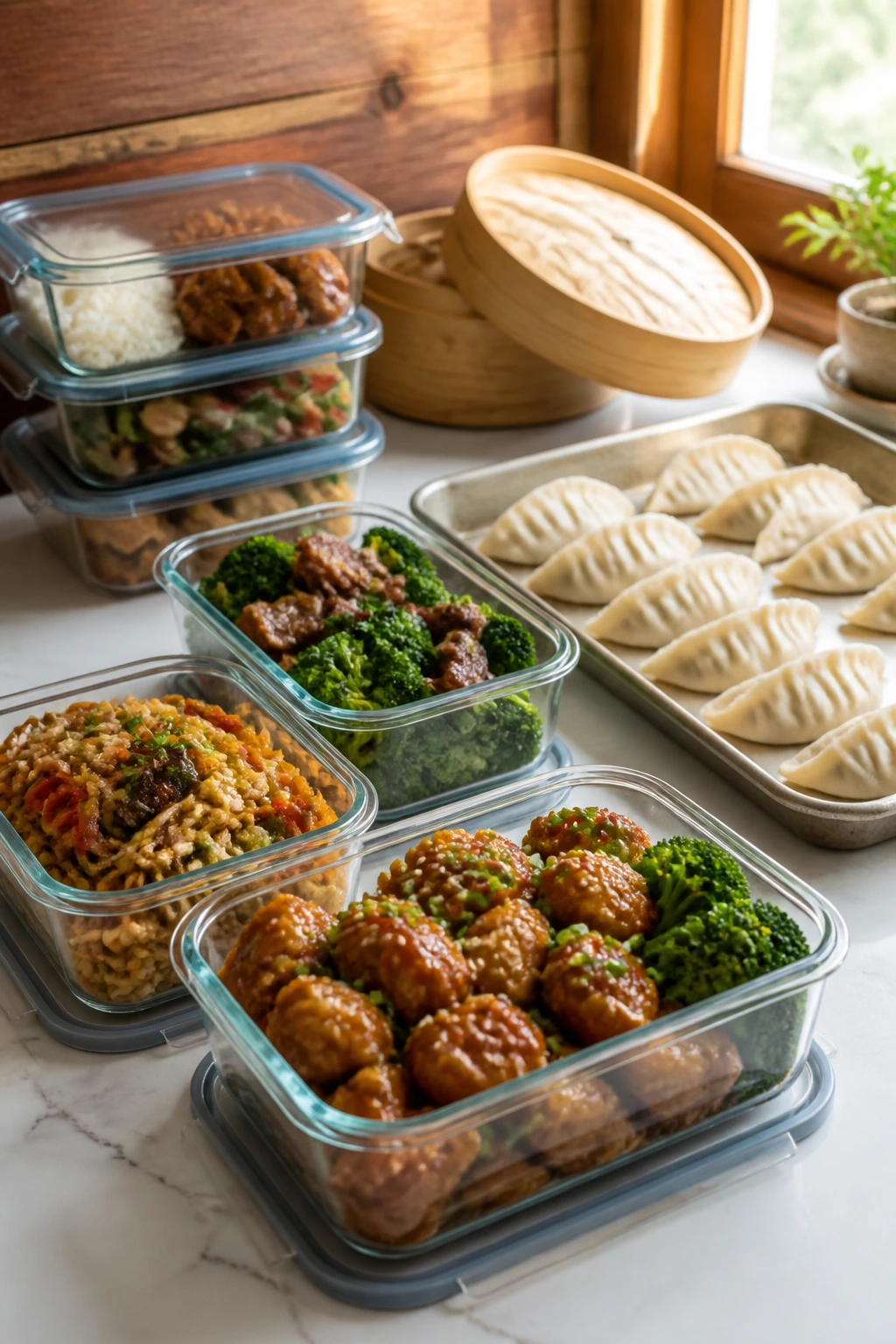
Some of these dishes are best eaten the minute they’re done. Scallion pancakes, salt and pepper shrimp, and steamed fish all fall into that category. The texture slips once they sit. Stir-fries are also at their best fresh from the pan, but many of the sauces and fillings can be made ahead so the cooking itself stays fast.
Dumplings, buns, and potstickers are your freezer friends. Assemble them, freeze them on trays until firm, then bag them for up to 2 months. Cook them straight from frozen; don’t thaw first or the wrappers get sticky. Braises like hong shao rou improve after a night in the fridge, and they’ll keep 3 to 4 days refrigerated in a sealed container. Reheat them gently on the stovetop with a splash of water so the sauce loosens again.
Soups like hot and sour soup and wonton soup keep for 3 days, though the wontons can soften if they sit too long in broth. If you know you’ll have leftovers, store the dumplings or wontons separately from the liquid and combine them when reheating. Fried foods like Chongqing spicy chicken and salt and pepper shrimp lose crispness in the fridge, but you can revive them in a hot oven or air fryer for a few minutes. It won’t be identical, but it’s better than a microwave mush-fest.
Noodle dishes are the trickiest. Dan dan noodles and scallion oil noodles should be sauced right before eating. If you want to prep ahead, cook the noodles, rinse them lightly with a little oil, and store them separately from the sauce. Warm them in hot water for 20 to 30 seconds before tossing. That extra step saves the texture.
Variations and Adaptations to Try
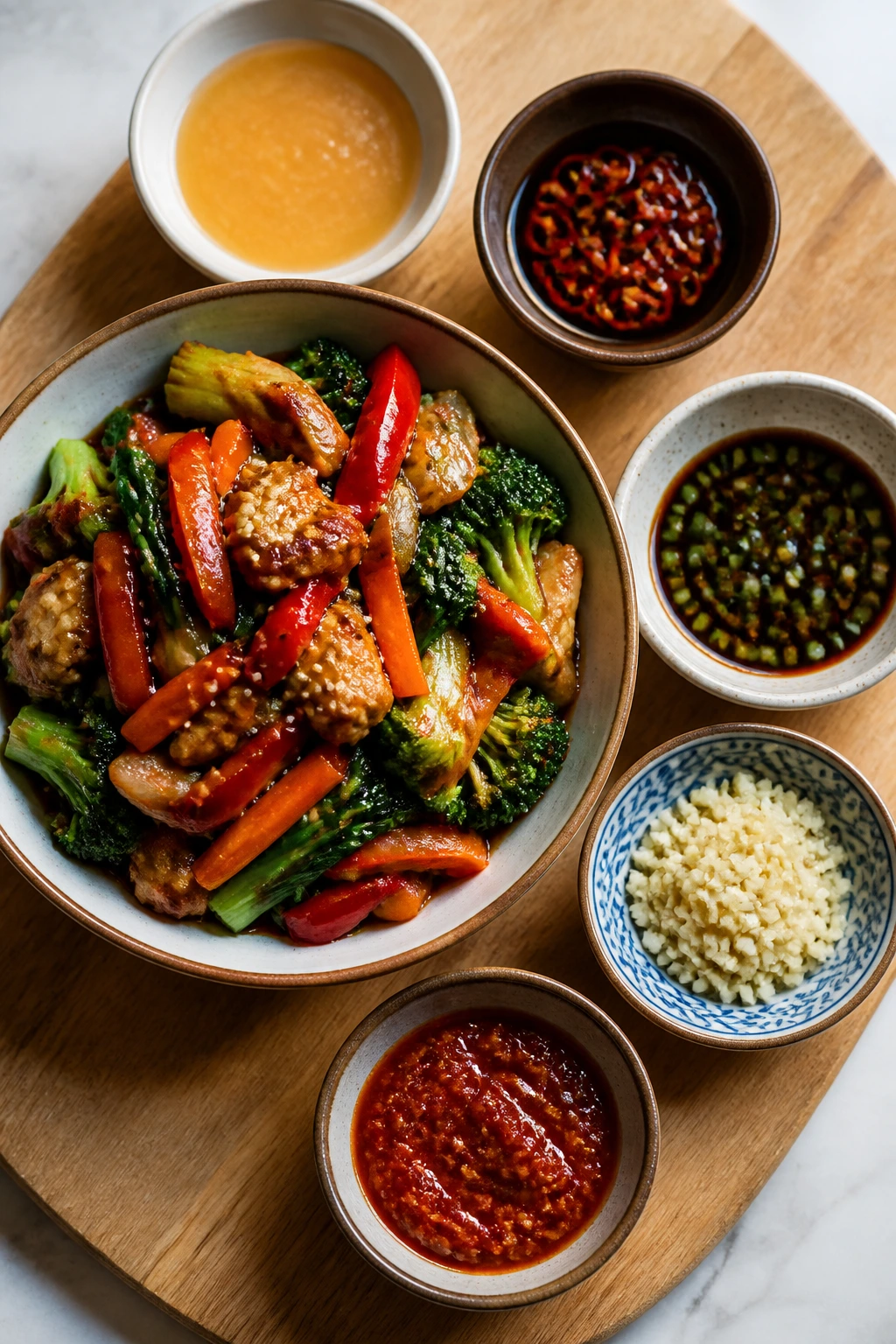
Mild Heat Kitchen:
For households that flinch at Sichuan peppercorn and dried chiles, keep the aromatics and salt but cut back the heat by half. Kung pao chicken, mapo tofu, and Chongqing chicken all still work with a lighter hand. The dish will taste different, but not empty.
Gluten-Free Swaps:
Use tamari in place of light soy sauce and check that your oyster sauce or fermented bean paste is gluten-free before using it. Rice noodles, steamed rice, and many braises fit this path easily. Dumplings and bao need special wrappers or a different plan, so don’t force it.
Vegetable-First Table:
Fish-fragrant eggplant, dry-fried green beans, smashed cucumber salad, tomato and egg, and braised tofu make a strong meatless lineup. Add mushrooms where you want chew and tofu where you want protein. A vegetarian table can still feel rich if you use fermented sauces and enough aromatics.
Weeknight Shortcuts:
Buy fresh noodles, frozen wrappers, and pre-trimmed vegetables when the schedule gets ugly. A good shortcut is not a moral failure. It’s how you actually cook more often. Save the hand-rolled versions for the dishes where the wrapper or dough is the point.
Extra-Saucy Restaurant Style:
If you like a little more sauce in stir-fries, increase the stock by 2 to 3 tablespoons and finish with a touch more cornstarch slurry. Do not drown the pan. The sauce should still cling, not flood.
Clay Pot Comfort:
Turn braises, tofu dishes, and even some noodle recipes into clay-pot meals when you want that slower, deeper feel. The edges caramelize a little, and the heat stays more even at the table. It’s a small change that makes a dish feel more grounded.
Common Mistakes to Avoid
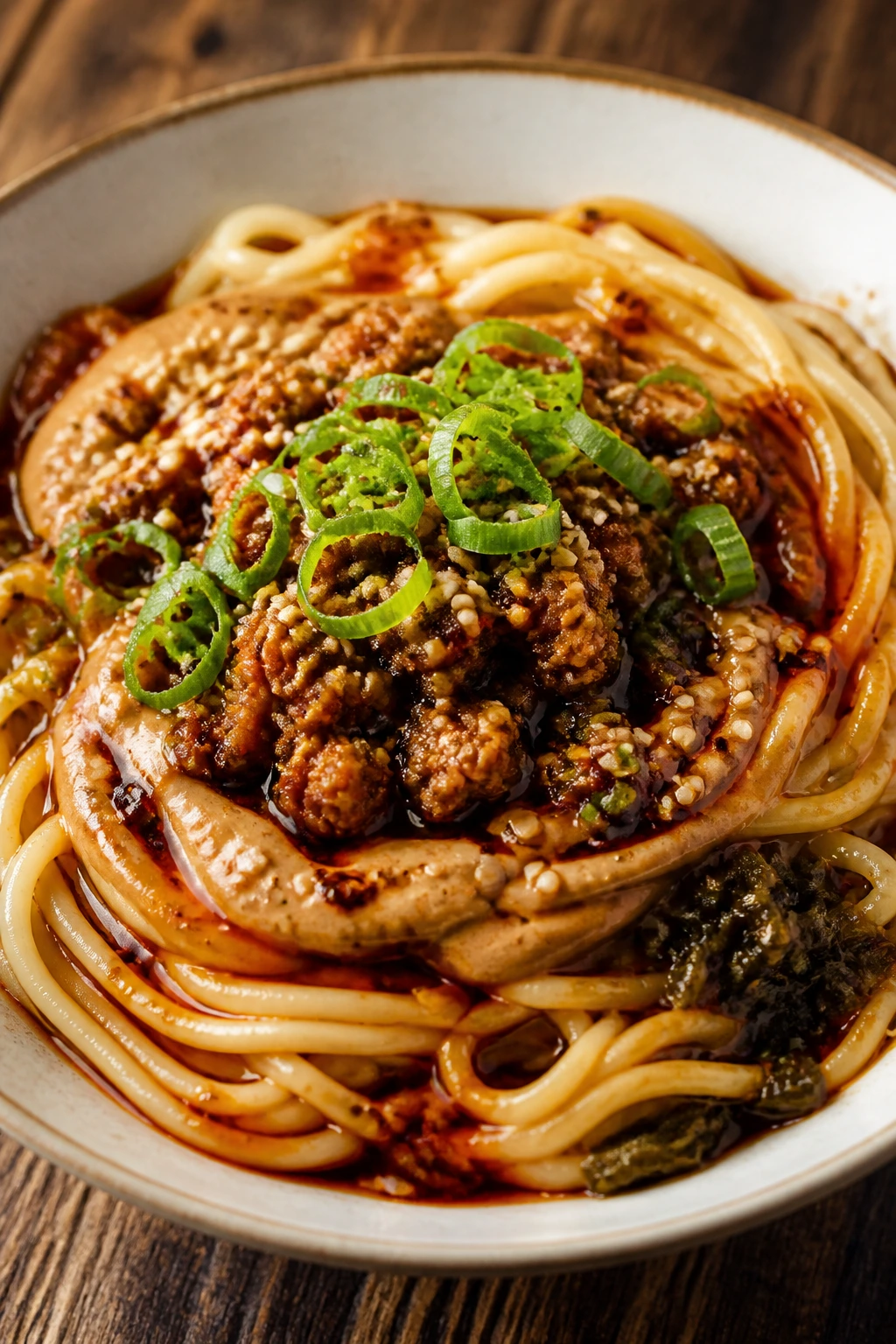
The first mistake is treating all Chinese recipes like they cook at the same pace. They don’t. A stir-fry wants the pan screaming hot and the ingredients ready in bowls. A braise wants patience and a gentle bubble. A steamed fish wants restraint. Mixing up those moods is how food ends up limp, tough, or strangely bland.
Another one: using too much sauce. People do this a lot with takeout-style dishes because they expect the bowl to arrive glossy and pooled. At home, you don’t need to drown the ingredients. A good sauce should coat. If there’s a puddle left after tossing, you probably added too much liquid or didn’t reduce long enough.
Skipping prep is a trap too. Chinese cooking moves quickly once the heat is on, and if your garlic isn’t minced, your beef isn’t sliced thin, and your sauce isn’t mixed, the pan will punish you. Have the ingredients lined up before you turn on the burner. It’s boring. It works.
Cold ingredients can mess with texture. Wet shrimp won’t crisp. Damp tofu won’t brown. Freshly cooked rice won’t fry well unless you chill or dry it first. The fix is simple, but people skip it because they’re in a hurry. That hurry costs texture.
Finally, don’t assume every recipe needs more sugar to taste like takeout. A lot of the dishes here rely on salting, sourness, fermented flavor, or chili heat far more than sweetness. When a dish tastes flat, the answer is usually vinegar, soy balance, or better heat control — not another spoonful of sugar.
Frequently Asked Questions
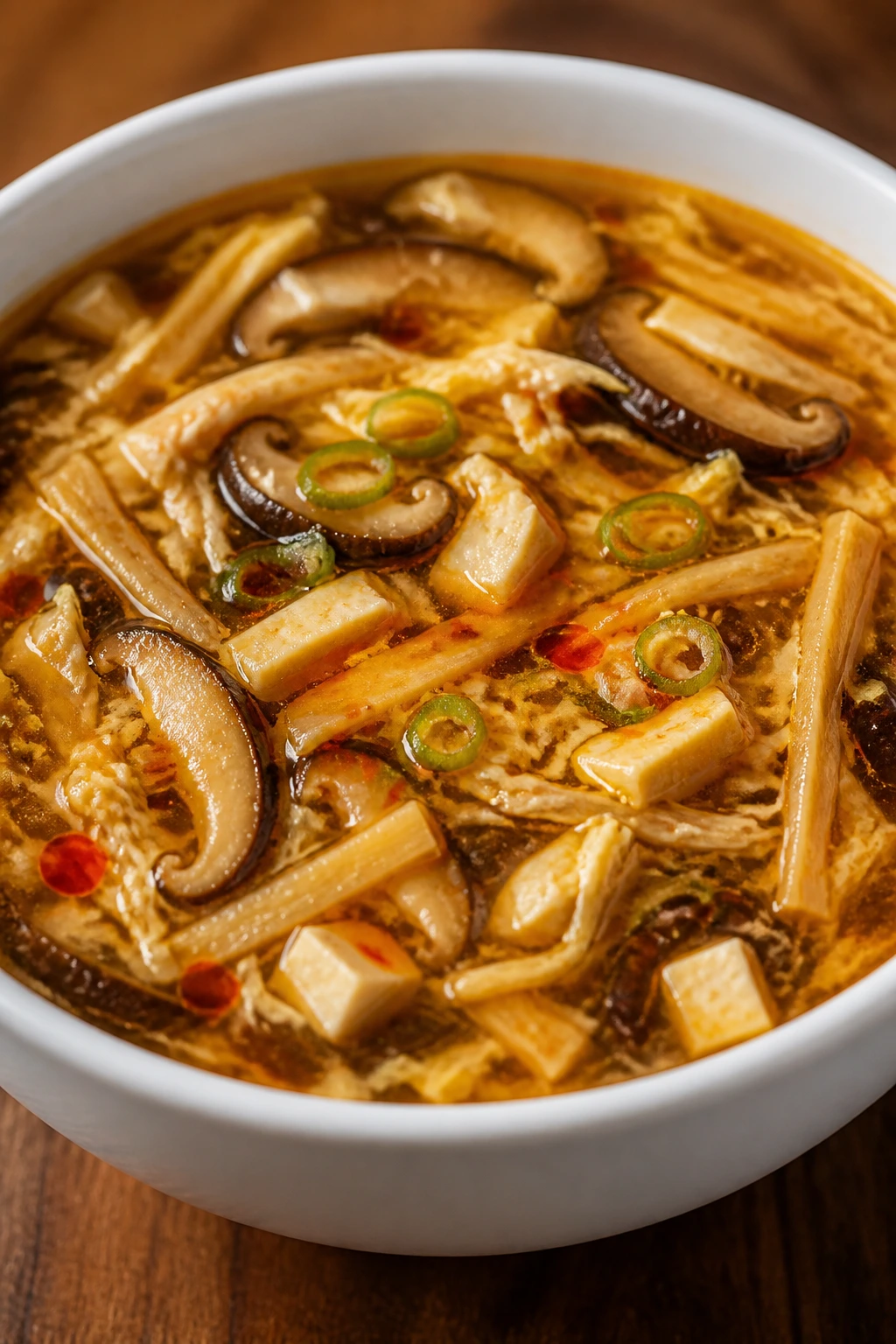
Can I make these dishes without a wok?
Yes. A wide, heavy skillet works for most of them, especially stir-fries and fried rice. You lose a little heat concentration, so cook in smaller batches and preheat the pan properly.
Which recipes are best for beginners?
Egg fried rice, tomato and egg stir-fry, smashed cucumber salad, scallion oil noodles, and hot and sour soup are the easiest starting points. They teach timing and seasoning without asking for advanced knife work.
What Chinese pantry items are worth buying first?
Light soy sauce, dark soy sauce, Shaoxing wine, Chinkiang vinegar, toasted sesame oil, doubanjiang, Sichuan peppercorns, and oyster sauce cover a huge amount of ground. With those on the shelf, many of these recipes become weeknight food instead of special projects.
How do I keep stir-fried beef from turning chewy?
Slice it thin against the grain, marinate briefly with cornstarch and wine, and cook it fast over high heat. If you crowd the pan or overcook it by even a minute or two, the texture tightens.
Can I freeze dumplings and buns before cooking them?
Yes, and they freeze well. Freeze them in a single layer first, then transfer to a bag. Cook from frozen so the wrappers don’t soften and stick together.
What if I can’t find Chinese chives or preserved mustard greens?
Use scallions in place of Chinese chives, and finely chopped napa cabbage or a little chopped pickled mustard greens in place of preserved greens. The dish will be different, but the balance can still work.
Why does my sauce taste flat even when I follow the recipe?
Usually it needs one of three things: a little more vinegar, a little more salt, or better browning in the pan. Flat flavor often comes from low heat, not just underseasoning.
How do I reheat crispy dishes without ruining them?
Use a hot oven or air fryer for 5 to 8 minutes, depending on the dish. Don’t cover them with foil, or the steam will undo the crust you worked for.
The Takeout Box Doesn’t Win Every Time
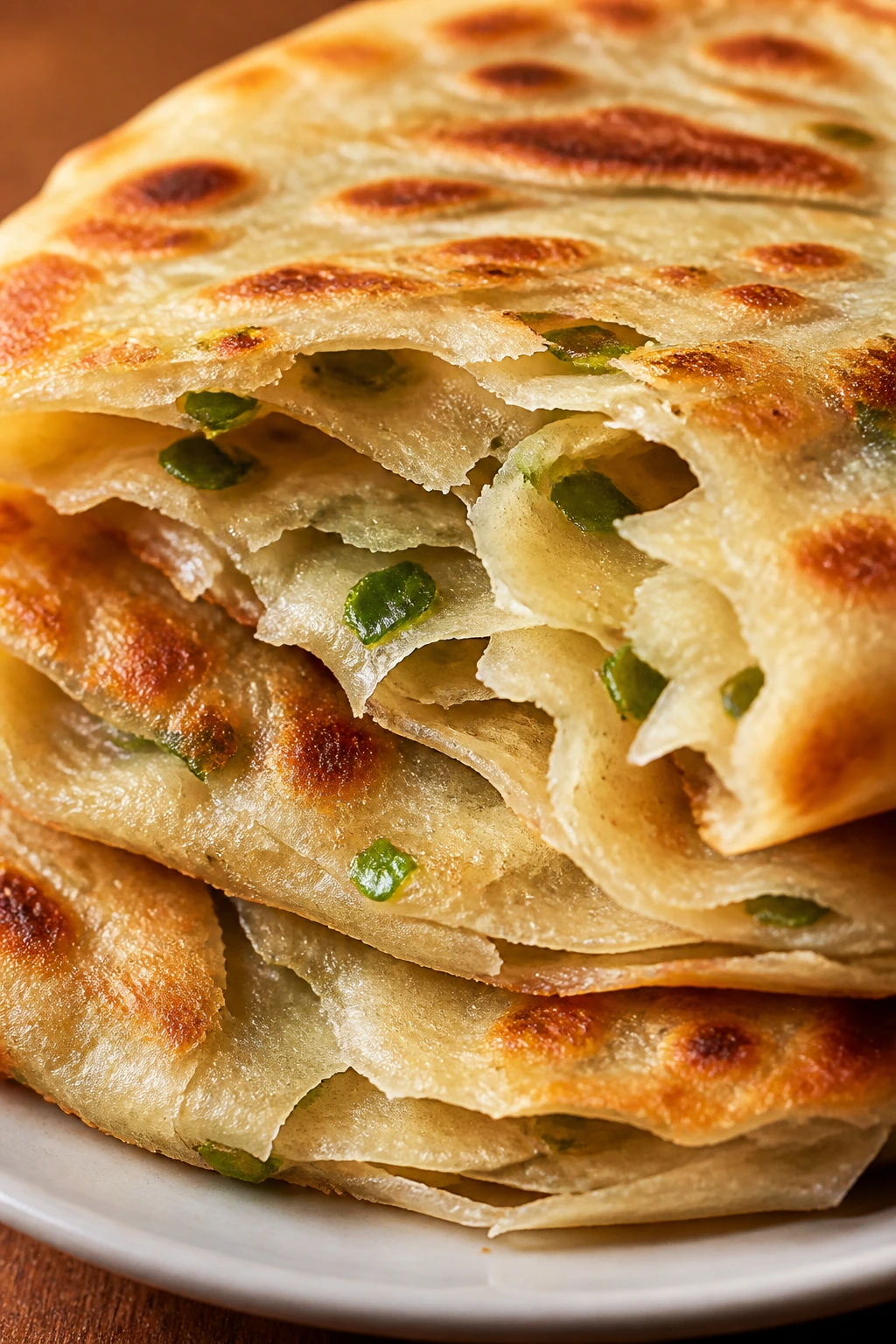
A good Chinese home-cooked meal has a kind of clarity that delivery rarely keeps. The chiles are still bright. The rice still has texture. The fish tastes clean, the dumplings stay intact, and the braise actually gets better after a night in the fridge instead of going flat and tired. That’s the real reason these recipes deserve a place in your rotation.
Start with one stir-fry and one slow dish. Keep a bottle of soy sauce near the stove, a jar of vinegar on the shelf, and a bag of rice in the pantry. After that, the rest starts to feel less like “making Chinese food” and more like cooking dinner the way it should taste: hot, balanced, and eaten before it gets a chance to sulk.