



A good pan of Chinese meals at home has a very specific kind of energy: garlic hits the oil, ginger goes sweet at the edges, and the sauce thickens just enough to cling instead of sliding off into the bottom of the bowl. That’s the part most people miss when they rely on delivery. The food arrives fast, sure, but it often tastes flat because it spent too long in a box and not enough time in a hot pan.
Chinese meals at home win on control. You get the broccoli crisp-tender instead of gray, the chicken lacquered instead of soggy, the noodles slick instead of clumped, and the heat exactly where you want it. A little cornstarch, a little soy sauce, a splash of vinegar, and the whole kitchen smells like dinner is taking itself seriously.
I’ve always thought the best part of cooking these dishes yourself is not the savings, though that’s nice. It’s the texture. Crisp pork stays crisp for the ten minutes it takes to move from wok to plate. Tofu keeps its shape. Green beans blister. Rice fries up with those little toasted bits that never show up in a carton.
Why These Chinese Meals at Home Beat the Delivery Bag
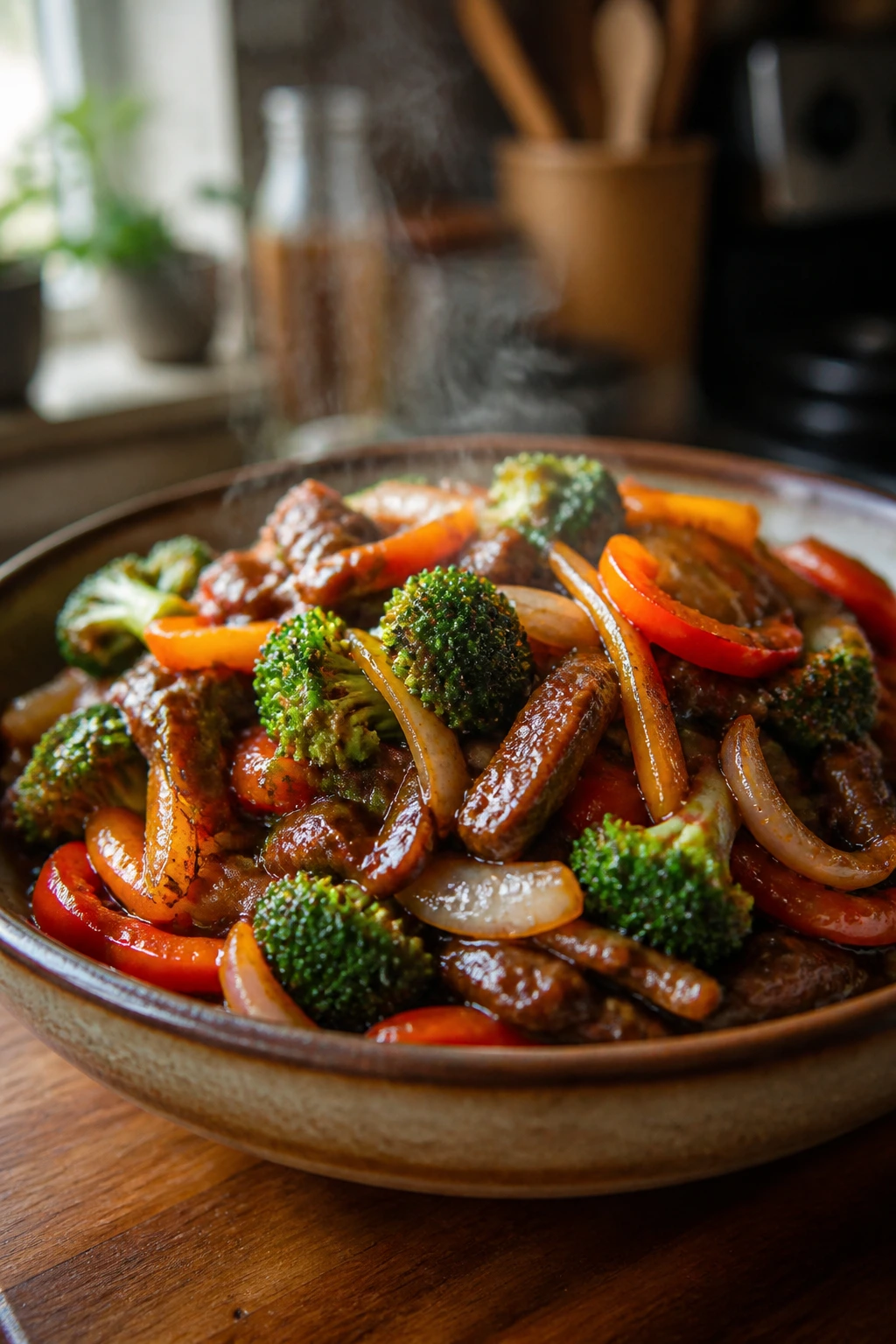
- You control the sauce: A half-teaspoon more vinegar, a little less sugar, or an extra spoon of water changes the whole dish, and that kind of control is hard to get from a restaurant order.
- The texture stays alive: Stir-fries, noodles, and dumplings all keep their edges and chew when they go straight from pan to plate instead of sitting under steam.
- The pantry list is short: Soy sauce, sesame oil, garlic, ginger, rice vinegar, cornstarch, and noodles do a shocking amount of work here.
- Leftovers taste planned, not accidental: Rice, dumplings, braised pork, and braised greens all reheat better than you’d expect if you cook them with the right moisture balance.
- You can dial the heat up or down: Dried chiles, chili oil, and doubanjiang let you make one dish deeply spicy and another gentle enough for a Tuesday night.
- The method repeats across dishes: Once you know how to marinate, sear, thicken, and finish, the whole set gets easier.
1. Kung Pao Chicken
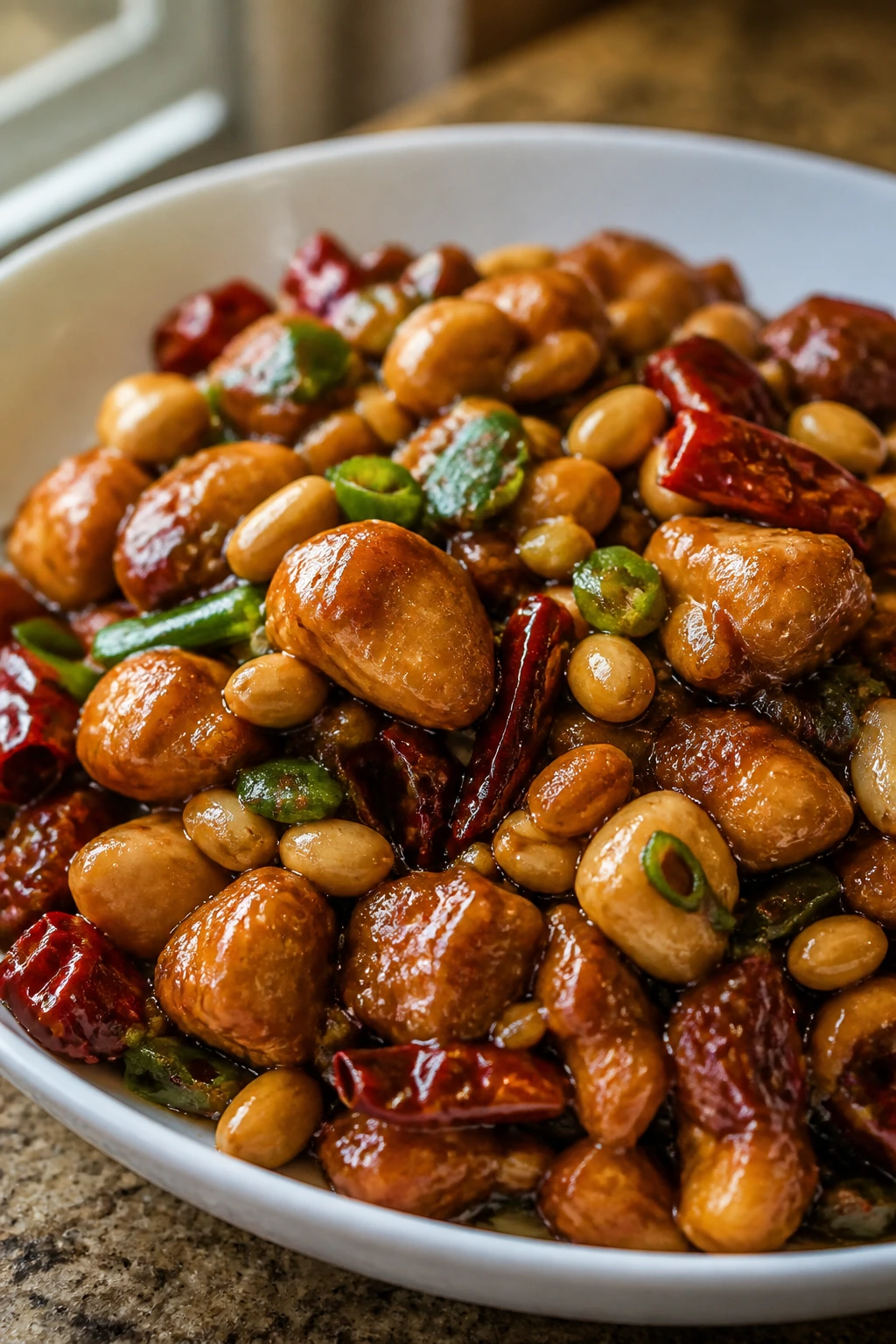
The best kung pao chicken has a sharp, glossy sauce, a little numbing heat, and peanuts that still taste roasted instead of soft. Done right, it’s one of those Chinese meals at home that feels faster than it should, mostly because the stove does the dramatic part while you do the simple part.
Why It Works: The chicken gets a quick cornstarch marinade, which keeps it tender and helps the sauce stick. Dried chiles and Sichuan peppercorn bring the signature heat, but the vinegar and sugar keep the bite bright instead of one-note.
Key Ingredients:
- 1¼ lb boneless skinless chicken thighs, cut into 1-inch cubes
- 1 tbsp Shaoxing wine or dry sherry
- 1 tbsp soy sauce
- 1 tbsp cornstarch
- 8 dried red chiles
- 3 cloves garlic, minced
- 1 tbsp fresh ginger, minced
- 1 red bell pepper, chopped
- 1/3 cup roasted unsalted peanuts
- Sauce: 2 tbsp soy sauce, 1 tbsp Chinkiang vinegar or rice vinegar, 1 tbsp sugar, 1 tsp sesame oil, 1 tsp cornstarch, 1/4 cup water
Quick Steps:
- Toss the chicken with Shaoxing, soy sauce, and cornstarch; let it sit 10 minutes.
- Stir the sauce ingredients together in a small bowl.
- Heat 2 tbsp oil in a wok over medium-high heat and sear the chicken until lightly browned, about 4 to 5 minutes.
- Add the chiles, garlic, ginger, and bell pepper; stir until fragrant, about 30 seconds.
- Pour in the sauce and cook until it turns glossy and coats the chicken, about 1 to 2 minutes.
- Finish with peanuts and sliced scallions.
Equipment for This Recipe:
- 12-inch wok or skillet
- Small mixing bowl
- Wooden spatula or wok turner
How to Serve This Dish: Spoon it over steamed jasmine rice so the sauce has somewhere to go. A side of quick cucumber salad makes sense here; the cool crunch cuts the heat and keeps the plate from feeling heavy.
Pro Tips for This Recipe:
- Toast the peanuts again in a dry pan if they taste stale; the difference is obvious.
- Do not crowd the chicken. If the pan is packed, it steams instead of browns.
- If you want more heat, keep some chile seeds in the pan. If you want less, shake them out.
Variations on This Dish:
- Extra-Sichuan Version: Add 1 tsp crushed Sichuan peppercorn and a spoon of chili crisp at the end.
- Cashew Swap: Use 1/3 cup roasted cashews instead of peanuts for a softer crunch and a slightly sweeter finish.
Common Mistakes to Avoid with This Dish:
- Don’t add the sauce too early. If it reduces before the chicken browns, you lose that sticky glaze.
- Don’t use wet chicken straight from the package; pat it dry first or it won’t sear.
2. Beef and Broccoli
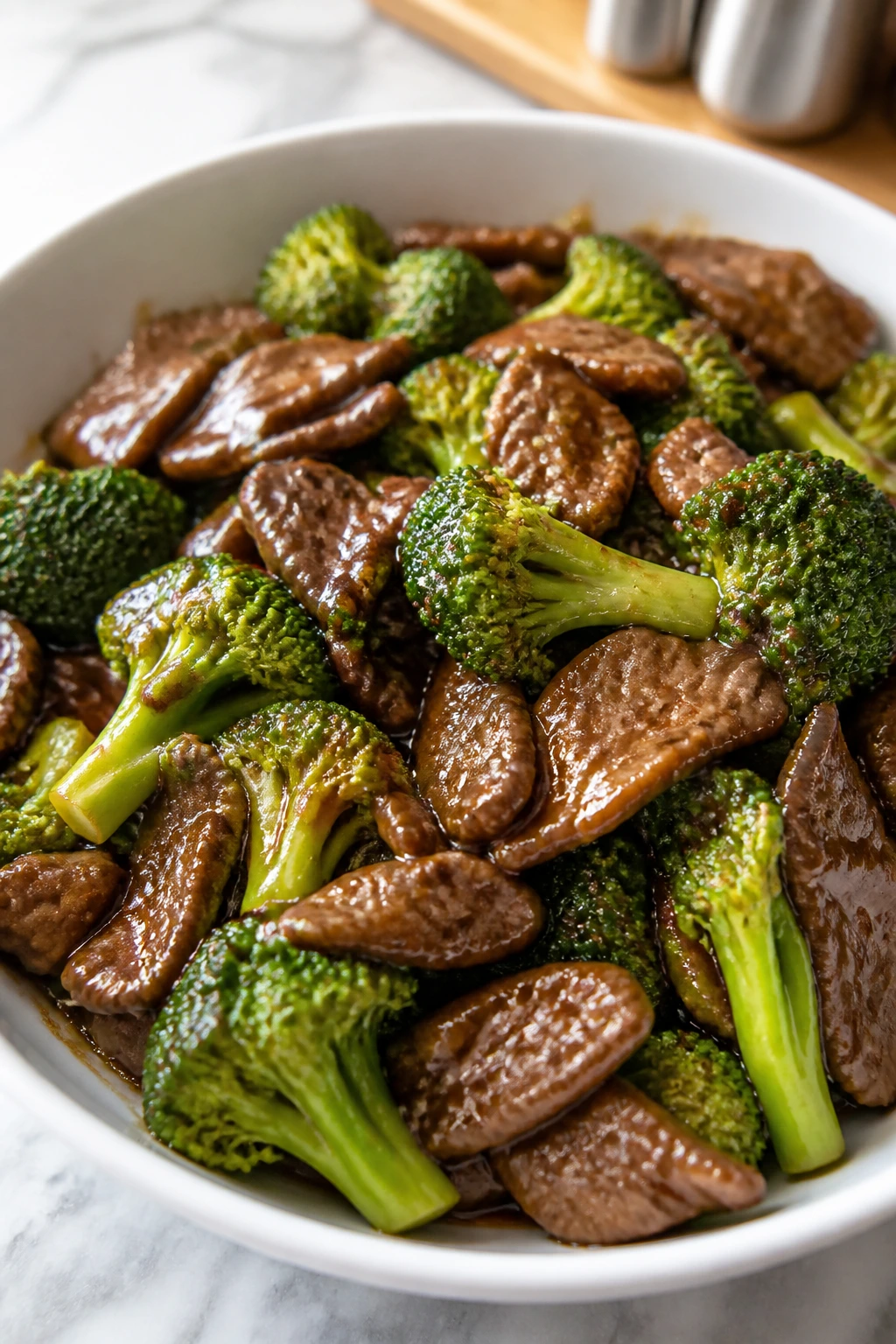
Beef and broccoli should taste clean, savory, and slightly sweet, with broccoli that still snaps when you bite it. The homemade version fixes the two problems that make restaurant beef and broccoli disappoint: limp florets and chewy meat.
Why It Works: Flank steak sliced thin against the grain cooks in a minute or two, which keeps it tender. A quick blanch on the broccoli leaves it bright green, then the sauce brings everything together without turning the pan watery.
Key Ingredients:
- 1 lb flank steak, sliced very thin against the grain
- 1 tbsp soy sauce
- 1 tbsp Shaoxing wine
- 1 tsp cornstarch
- 4 cups broccoli florets
- 2 tbsp oyster sauce
- 1 tbsp brown sugar
- 2 cloves garlic, minced
- 1/2 cup water
- 1 tsp sesame oil
- 1 tsp cornstarch mixed with 2 tbsp water
Quick Steps:
- Toss the beef with soy sauce, Shaoxing, and 1 tsp cornstarch.
- Blanch the broccoli in salted boiling water for 60 seconds, then drain well.
- Heat 1 tbsp oil in a hot wok and sear the beef in a single layer for about 1 minute per side.
- Stir in the garlic, oyster sauce, brown sugar, water, sesame oil, and cornstarch slurry.
- Add the broccoli and toss until the sauce turns thick and shiny, about 1 minute.
- Serve immediately over rice.
Equipment for This Recipe:
- Wok or large skillet
- Pot for blanching
- Fine-mesh strainer
How to Serve This Dish: Serve it with white rice and nothing fussy. The sauce is the point, and it should soak into the rice around the edges of the plate.
Pro Tips for This Recipe:
- Freeze the beef for 15 minutes before slicing; it’s easier to cut thin.
- Broccoli should be drained hard. Water trapped in the florets makes the sauce thin.
- If your steak is tough, you probably sliced with the grain. That one detail matters.
Variations on This Dish:
- Ginger Broccoli Version: Add 1 tbsp extra ginger and finish with a little rice vinegar.
- Chicken Shortcut: Swap in sliced chicken thighs and cook them until just opaque before adding sauce.
Common Mistakes to Avoid with This Dish:
- Don’t overcook the beef. It goes from tender to bouncy fast.
- Don’t skip the cornstarch slurry. Without it, the sauce won’t coat the broccoli and beef evenly.
3. Mapo Tofu
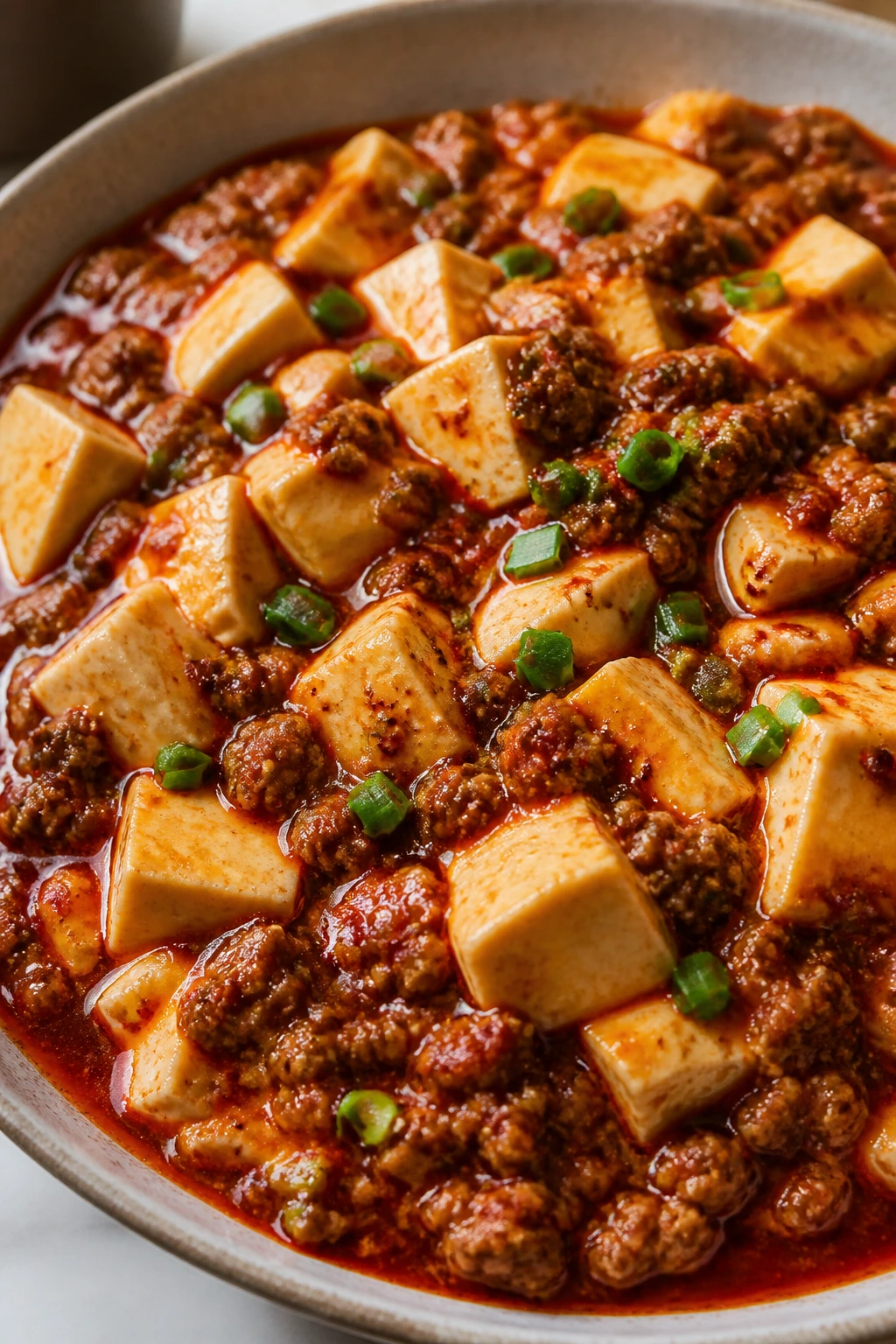
Mapo tofu is the dish that convinces people tofu is not the boring part of dinner. The sauce is brick-red, spicy, and a little funky in the best way, with soft tofu cubes that wobble but don’t fall apart.
Why It Works: Doubanjiang gives the dish its deep chile-bean backbone, while a little minced pork adds richness and texture. The tofu gets simmered gently, which lets it absorb the sauce without turning to crumbs.
Key Ingredients:
- 14 oz soft or medium tofu, cut into 1-inch cubes
- 8 oz ground pork
- 2 tbsp doubanjiang
- 1 tbsp fermented black beans, rinsed and chopped
- 2 cloves garlic, minced
- 1 tbsp ginger, minced
- 1 cup chicken stock
- 1 tbsp soy sauce
- 1 tsp sugar
- 2 tsp cornstarch mixed with 2 tbsp water
- 2 tbsp chili oil
- 1 tsp ground Sichuan peppercorn
- Sliced scallions for topping
Quick Steps:
- Blanch the tofu in lightly salted water for 2 minutes, then drain gently.
- Brown the pork in a wok over medium-high heat, breaking it up as it cooks.
- Stir in the doubanjiang, black beans, garlic, and ginger; cook for 30 seconds.
- Add the stock, soy sauce, sugar, and tofu; simmer for 4 minutes.
- Stir in the cornstarch slurry and chili oil until the sauce lightly coats the tofu.
- Finish with Sichuan peppercorn and scallions.
Equipment for This Recipe:
- Wok or deep skillet
- Slotted spoon
- Small bowl for slurry
How to Serve This Dish: Heap it over plain rice and keep the side dishes simple. A plate of sautéed greens or a bowl of sliced cucumbers is enough; this dish carries its own weight.
Pro Tips for This Recipe:
- Use soft tofu if you want the classic wobble; medium tofu gives cleaner cubes.
- Rinse doubanjiang off the spoon before adding it, or it can scorch in the pan.
- The peppercorn should feel tingly, not dusty. Freshly ground makes a difference.
Variations on This Dish:
- Vegetarian Mapo: Replace pork with 1 cup finely chopped mushrooms.
- Extra-Snappy Version: Add 1 tbsp chili crisp right before serving.
Common Mistakes to Avoid with This Dish:
- Don’t stir hard once the tofu is in the pan. Rough mixing turns cubes into rubble.
- Don’t skip the blanching step if your tofu is very soft; it helps the cubes hold together.
4. Egg Fried Rice
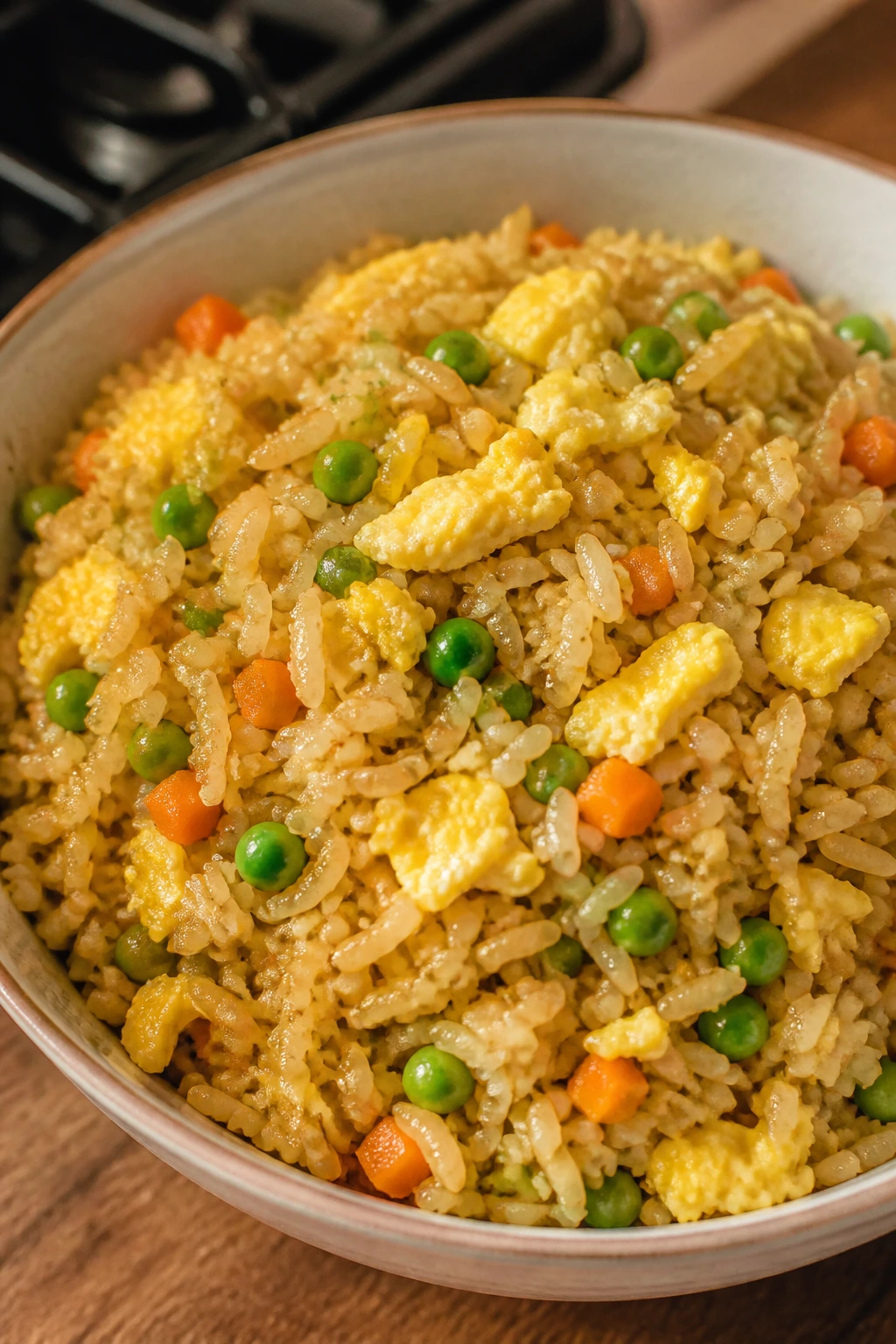
Egg fried rice looks humble, then disappears from the bowl before anything else on the table. The best version is dry enough to separate, rich from the egg, and salty in a way that makes you keep taking another forkful.
Why It Works: Cold rice fries instead of steaming, which is the whole trick. Scrambling the eggs first gives you little ribbons and curds that break up the rice and make every bite feel complete.
Key Ingredients:
- 3 cups cold cooked jasmine rice
- 3 large eggs
- 2 tbsp neutral oil
- 1/2 cup diced onion or scallions
- 1 cup frozen peas and carrots
- 2 tbsp soy sauce
- 1 tsp sesame oil
- 1/2 tsp white pepper
- 1 tsp salt, if needed
Quick Steps:
- Beat the eggs with a pinch of salt.
- Heat 1 tbsp oil in a large skillet and scramble the eggs until just set; remove them.
- Add the remaining oil and cook the onion and peas and carrots for 2 to 3 minutes.
- Break up the rice with your hands, then add it and press it into the pan so it can fry.
- Stir in the soy sauce, sesame oil, and white pepper; cook until the rice looks dry and lightly toasted.
- Fold the eggs back in and serve hot.
Equipment for This Recipe:
- Large skillet or wok
- Wooden spoon
- Bowl for beaten eggs
How to Serve This Dish: Serve fried rice as the base for almost anything: kung pao chicken, steamed fish, or a simple fried egg on top. I like a little extra soy on the table, but only if the rice is on the mild side.
Pro Tips for This Recipe:
- Spread the rice in the pan and leave it alone for a minute. That’s how you get little toasted spots.
- Day-old rice is best, but rice chilled for an hour can work in a pinch.
- Don’t drown it in soy sauce. You want stained grains, not brown mush.
Variations on This Dish:
- Shrimp Fried Rice: Add 8 oz cooked shrimp at the end so they stay tender.
- Vegetable-Heavy Version: Stir in 1 cup chopped cabbage and 1/2 cup corn.
Common Mistakes to Avoid with This Dish:
- Don’t use hot, freshly cooked rice. It clumps and steams.
- Don’t add the eggs after the rice unless you want small, dry curds instead of soft ribbons.
5. Chicken Chow Mein
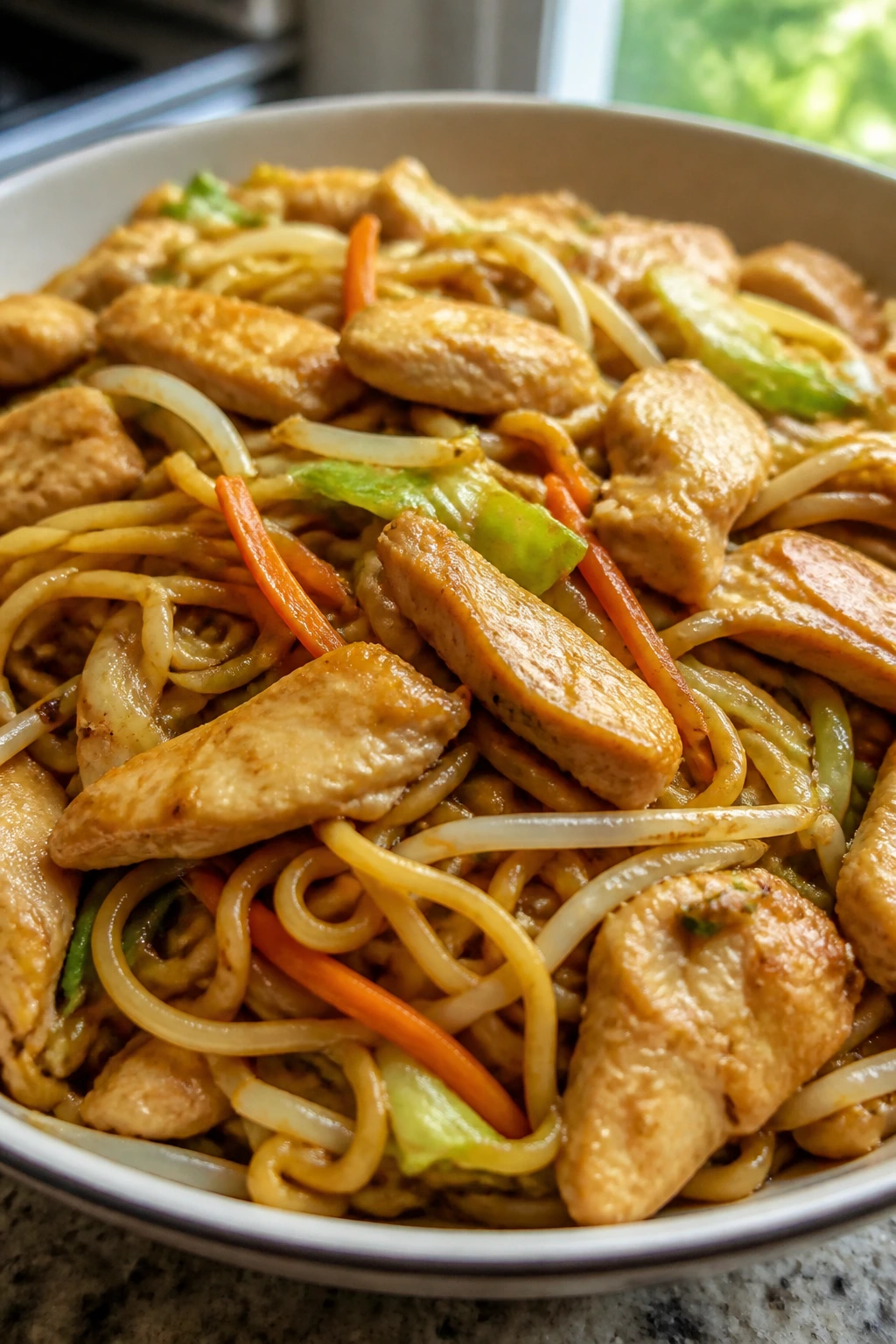
Chicken chow mein should be springy, savory, and just saucy enough to coat the noodles without making them soggy. What sells it at home is the contrast: browned chicken, crunchy cabbage, and noodles that keep their chew.
Why It Works: Thin noodles cook fast, so the whole dish moves quickly once the pan gets hot. A little oyster sauce plus soy sauce gives that takeout-style depth without making the pan heavy.
Key Ingredients:
- 8 oz dried chow mein or lo mein noodles
- 12 oz chicken thigh meat, sliced thin
- 2 tbsp soy sauce
- 1 tbsp Shaoxing wine
- 1 tbsp cornstarch
- 2 cups shredded green cabbage
- 1 carrot, julienned
- 1 cup bean sprouts
- 2 cloves garlic, minced
- 2 tbsp oyster sauce
- 1 tsp sesame oil
- 2 tbsp neutral oil
Quick Steps:
- Cook the noodles until just tender, then rinse briefly and drain well.
- Toss the chicken with soy sauce, Shaoxing, and cornstarch.
- Sear the chicken in hot oil until browned and cooked through, about 4 minutes.
- Add garlic, cabbage, and carrot; stir until the cabbage softens at the edges.
- Add noodles, oyster sauce, sesame oil, and bean sprouts; toss for 1 to 2 minutes.
- Serve while the noodles are still glossy.
Equipment for This Recipe:
- Large wok or skillet
- Pot for noodles
- Tongs or chopsticks for tossing
How to Serve This Dish: A small bowl of chili oil on the side changes the whole bowl. It’s also good with a simple soup if you want a fuller dinner without piling more into the wok.
Pro Tips for This Recipe:
- Drain the noodles well; wet noodles steal the sauce.
- Slice the chicken thin so it cooks before the vegetables go soft.
- Bean sprouts go in at the end or they lose their crunch.
Variations on This Dish:
- Shrimp Chow Mein: Use 1 lb peeled shrimp and add them right before the noodles.
- Pork and Mushroom Version: Swap the chicken for sliced pork and 1 cup mushrooms.
Common Mistakes to Avoid with This Dish:
- Don’t boil the noodles until soft. They need a little bite left for the wok.
- Don’t overload the pan. If everything sits in a heap, it steams.
6. Dan Dan Noodles
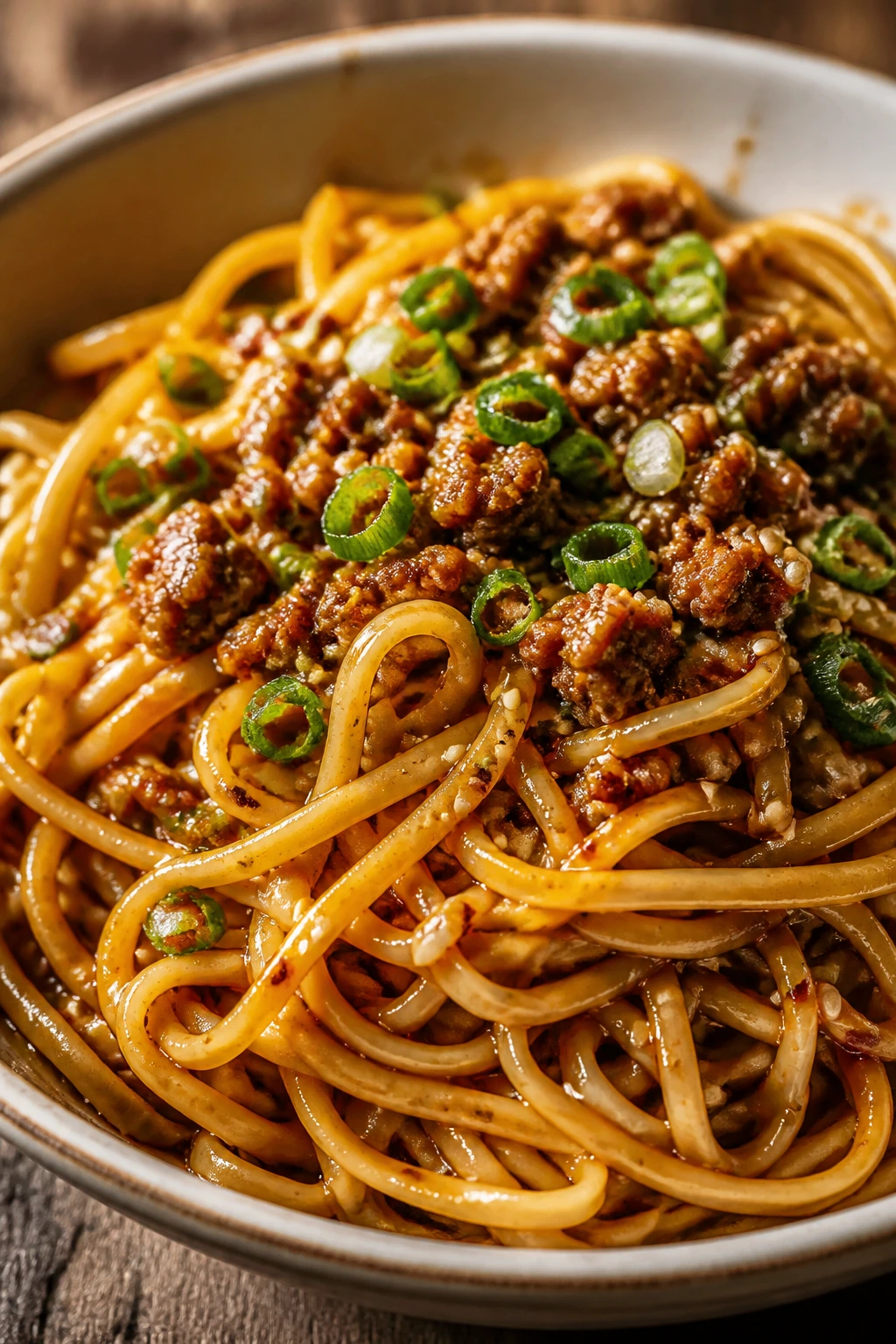
Dan dan noodles are all about contrast: creamy sesame, sharp vinegar, chile heat, and a little pork on top for salt and fat. The sauce should be loose enough to slick the noodles, not so thick it turns pasty.
Why It Works: Sesame paste or tahini gives the sauce body, while chili oil and vinegar keep it bright. Ground pork adds a savory crinkle on top, and the noodles carry everything like a good vehicle should.
Key Ingredients:
- 12 oz Chinese wheat noodles or spaghetti
- 8 oz ground pork
- 2 tbsp chili oil
- 2 tbsp sesame paste or tahini
- 1 tbsp soy sauce
- 1 tbsp Chinkiang vinegar
- 1 tbsp preserved mustard greens, chopped, optional
- 2 cloves garlic, minced
- 1 cup noodle cooking water
- 2 scallions, sliced
- 2 tbsp crushed peanuts
Quick Steps:
- Cook the noodles until tender, reserving 1 cup of the cooking water.
- Brown the pork in a dry skillet, then add garlic and mustard greens if using.
- Whisk the sesame paste, chili oil, soy sauce, vinegar, and noodle water into a loose sauce.
- Toss the noodles with the sauce until every strand is coated.
- Spoon the pork over the top and finish with scallions and peanuts.
Equipment for This Recipe:
- Pot for noodles
- Skillet
- Whisk or fork
How to Serve This Dish: Serve dan dan noodles in shallow bowls so the sauce pools a little at the bottom. A plate of blanched bok choy on the side keeps the meal from feeling too rich.
Pro Tips for This Recipe:
- Use hot noodle water to thin the sauce; cold water makes the sesame paste seize.
- Taste before serving. Some sesame pastes are salty enough that the soy can stay small.
- If you like more heat, add the chili oil in two stages.
Variations on This Dish:
- Vegetarian Dan Dan: Replace pork with chopped mushrooms and an extra spoon of chili oil.
- Peanut-Sesame Mix: Stir 1 tbsp peanut butter into the sauce if your sesame paste is thin.
Common Mistakes to Avoid with This Dish:
- Don’t make the sauce too thick before tossing. It should cling, not sit in a blob.
- Don’t skip the vinegar. Without it, the bowl tastes heavy fast.
7. Sweet and Sour Pork
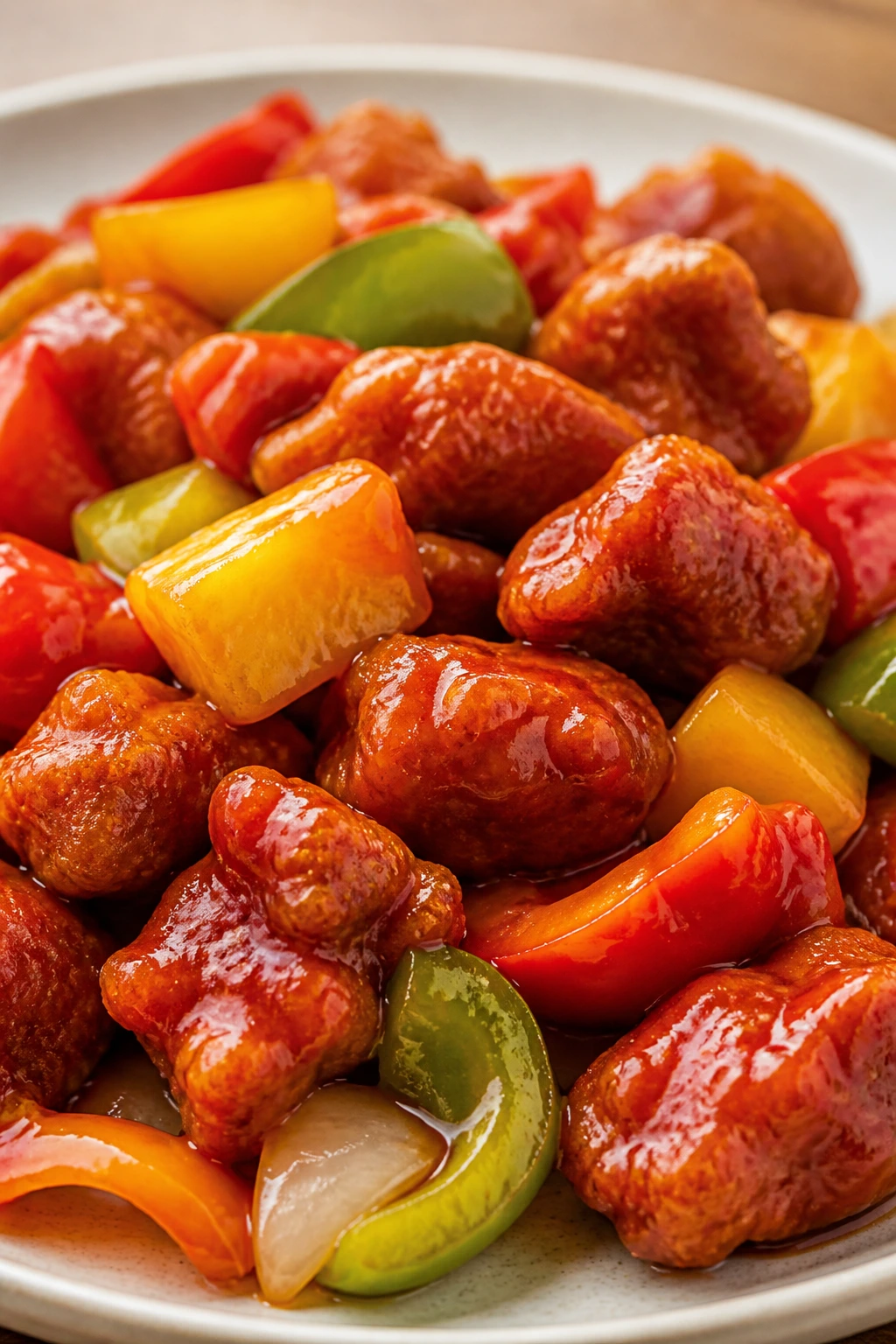
Sweet and sour pork should be crisp at the edges, sticky in the middle, and bright enough to wake up your palate. The home version lets you keep the pork crunchy for longer, which is where the takeout version usually falls apart.
Why It Works: A cornstarch-heavy batter fries up with a dry, craggy shell. The sauce uses vinegar, sugar, and a little ketchup for that familiar red-orange glaze, then pineapple and peppers keep it moving instead of cloying.
Key Ingredients:
- 1 lb pork shoulder, cut into 1-inch pieces
- 1/2 cup cornstarch
- 1/4 cup all-purpose flour
- 1 egg
- 1/2 cup water
- 1 red bell pepper, chopped
- 1 green bell pepper, chopped
- 1/2 cup pineapple chunks
- Sauce: 1/4 cup ketchup, 3 tbsp rice vinegar, 3 tbsp sugar, 2 tbsp soy sauce, 1/2 cup pineapple juice or water, 1 tbsp cornstarch
Quick Steps:
- Whisk the cornstarch, flour, egg, and water into a thick batter.
- Coat the pork pieces and fry them in batches until crisp and golden.
- Whisk the sauce ingredients together.
- Cook the bell peppers and pineapple in a skillet for 1 minute.
- Pour in the sauce and simmer until glossy, then fold in the pork.
- Serve right away.
Equipment for This Recipe:
- Heavy skillet or Dutch oven
- Tongs
- Mixing bowl for batter
How to Serve This Dish: Keep it on a bed of rice so the sauce has somewhere to run. A few sliced cucumbers on the side help cut the sweetness.
Pro Tips for This Recipe:
- Fry in small batches so the oil stays hot.
- Drain the pork on a rack, not paper towels, if you want it to stay crisp longer.
- If you dislike ketchup, use tomato paste plus a little extra sugar and vinegar.
Variations on This Dish:
- Pineapple-Forward Version: Double the pineapple and reduce the ketchup by half.
- Chicken Swap: Use chicken thigh chunks and fry them the same way.
Common Mistakes to Avoid with This Dish:
- Don’t let the fried pork sit in the sauce too long before serving.
- Don’t make the sauce too sweet; if it tastes like candy in the pan, it’ll be worse on the plate.
8. General Tso’s Chicken
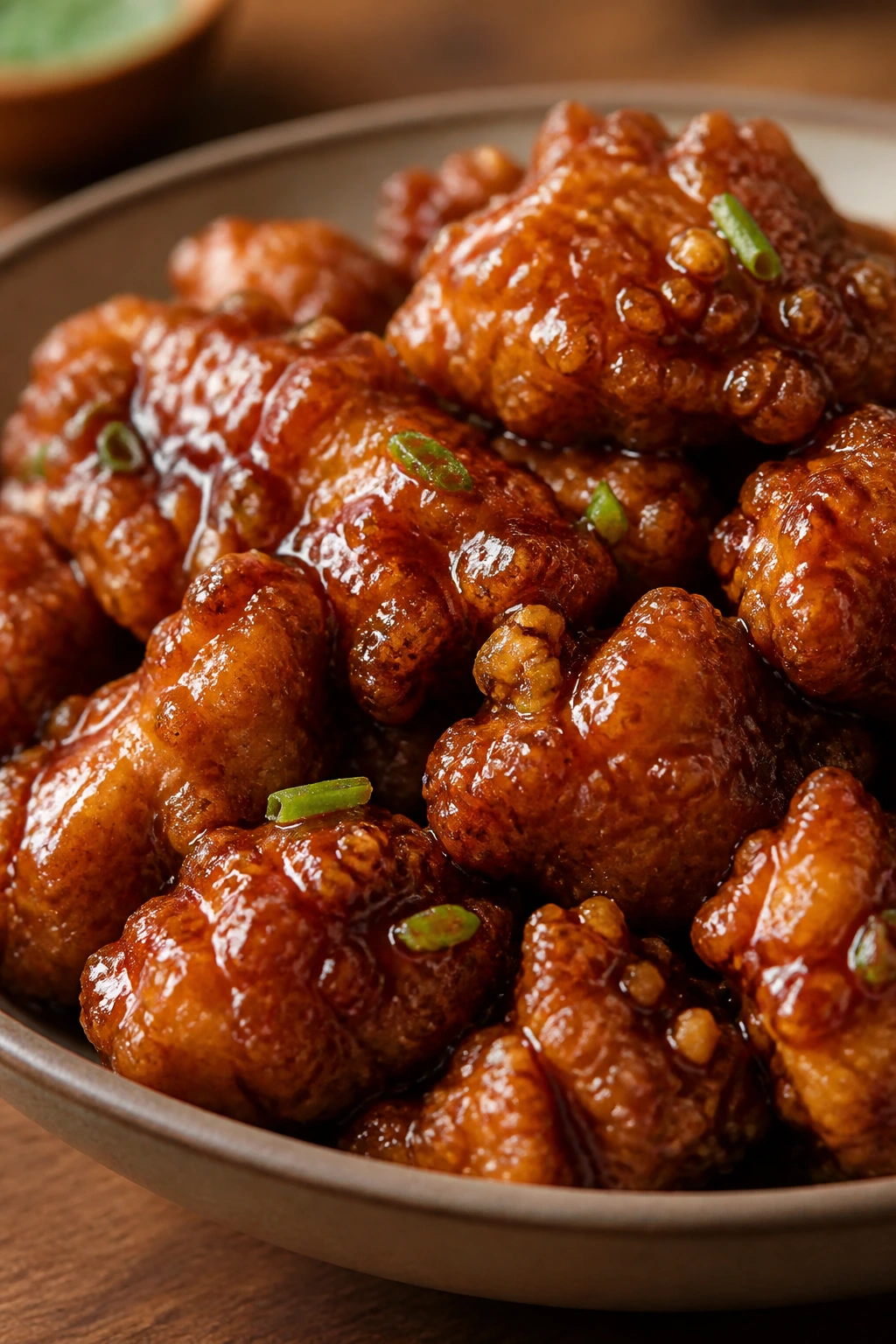
General Tso’s chicken lives on the edge between crisp and sticky. Homemade, it should have a shell that still cracks a little when you bite through it, with a dark, savory-sweet sauce that coats but doesn’t drown the chicken.
Why It Works: The double hit of cornstarch and frying gives the chicken a light crust. The sauce uses soy, vinegar, sugar, garlic, and ginger, which is really all it needs if the balance is right.
Key Ingredients:
- 1½ lb boneless skinless chicken thighs, cut into bite-size pieces
- 2 eggs, beaten
- 1/2 cup cornstarch
- 1/2 cup all-purpose flour
- 4 dried red chiles
- 3 cloves garlic, minced
- 1 tbsp ginger, minced
- Sauce: 1/4 cup soy sauce, 3 tbsp rice vinegar, 3 tbsp sugar, 2 tbsp hoisin sauce, 1 cup chicken stock, 1 tbsp cornstarch, 2 tsp sesame oil
Quick Steps:
- Coat the chicken in egg, then dredge it in the cornstarch-flour mix.
- Fry in batches until pale gold and crisp.
- In a clean wok, toast the dried chiles briefly, then add garlic and ginger.
- Pour in the sauce and simmer until it thickens.
- Toss the chicken in the sauce until every piece shines.
- Serve with scallions and rice.
Equipment for This Recipe:
- Wok or deep skillet
- Slotted spoon
- Wire rack for draining
How to Serve This Dish: Serve with plain rice and a simple green vegetable. Broccoli or baby bok choy keeps the plate from feeling like a sugar bomb.
Pro Tips for This Recipe:
- Fry twice if you want a harder shell: once lightly, rest 5 minutes, then fry again.
- Mix the sauce before frying so the pan work stays fast.
- Use thighs, not breasts, if you want the meat to stay juicy under the glaze.
Variations on This Dish:
- Orange General Tso’s: Add 2 tbsp orange juice and 1 tsp zest to the sauce.
- Lighter Oven Version: Bake the coated chicken at 425°F until crisp, then sauce it.
Common Mistakes to Avoid with This Dish:
- Don’t crowd the frying oil or the coating turns greasy.
- Don’t dump the sauce on too early; it should be ready right as the chicken comes out of the pan.
9. Hot and Sour Soup
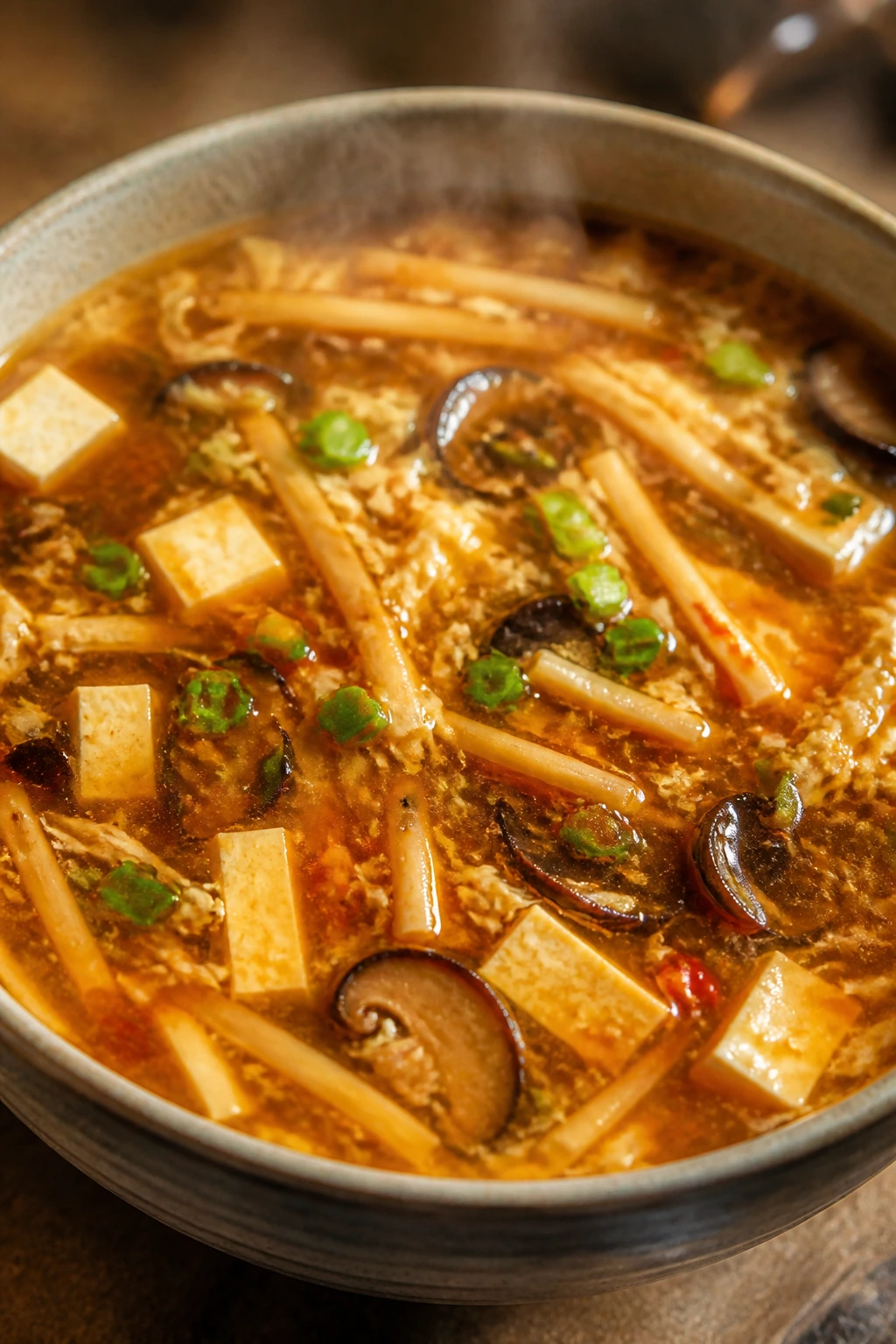
Hot and sour soup should hit first with vinegar, then with pepper, then with a clean, savory broth underneath. The good version is layered, not muddy, and the tofu and mushrooms give it enough substance to count as dinner.
Why It Works: White pepper brings the heat, vinegar brings the sharp edge, and cornstarch gives the broth that silky restaurant texture. Egg ribbons and tofu keep each spoonful soft and satisfying.
Key Ingredients:
- 6 cups chicken stock
- 8 oz mushrooms, thinly sliced
- 1 cup bamboo shoots, julienned
- 8 oz firm tofu, cut into strips
- 2 tbsp soy sauce
- 3 tbsp rice vinegar
- 1 tbsp white pepper, or less to taste
- 1 tbsp cornstarch mixed with 2 tbsp water
- 2 eggs, beaten
- 1 tsp sesame oil
- 2 scallions, sliced
Quick Steps:
- Bring the stock to a simmer with mushrooms and bamboo shoots.
- Add tofu, soy sauce, vinegar, and white pepper.
- Stir in the cornstarch slurry and simmer until the broth turns lightly glossy.
- Drizzle in the eggs while stirring gently to make ribbons.
- Finish with sesame oil and scallions.
- Taste and adjust the vinegar before serving.
Equipment for This Recipe:
- Soup pot
- Whisk or chopsticks
- Small bowl for slurry
How to Serve This Dish: A bowl of soup like this works best as a starter or a light meal with dumplings or rice on the side. I like it in a deep bowl so the aroma stays concentrated.
Pro Tips for This Recipe:
- Add vinegar at the end if you want a sharper finish.
- Slice the mushrooms thin so they soften fast and don’t dominate the bowl.
- Stir the eggs in a slow ribbon if you want delicate strands, not big clumps.
Variations on This Dish:
- Pork Version: Add 4 oz shredded cooked pork with the mushrooms.
- Extra-Hot Version: Add 1 tsp chili oil to each bowl at the table.
Common Mistakes to Avoid with This Dish:
- Don’t boil the soup hard after the eggs go in or the ribbons break apart.
- Don’t use too much vinegar too early; it can mute while the soup simmers.
10. Scallion Pancakes
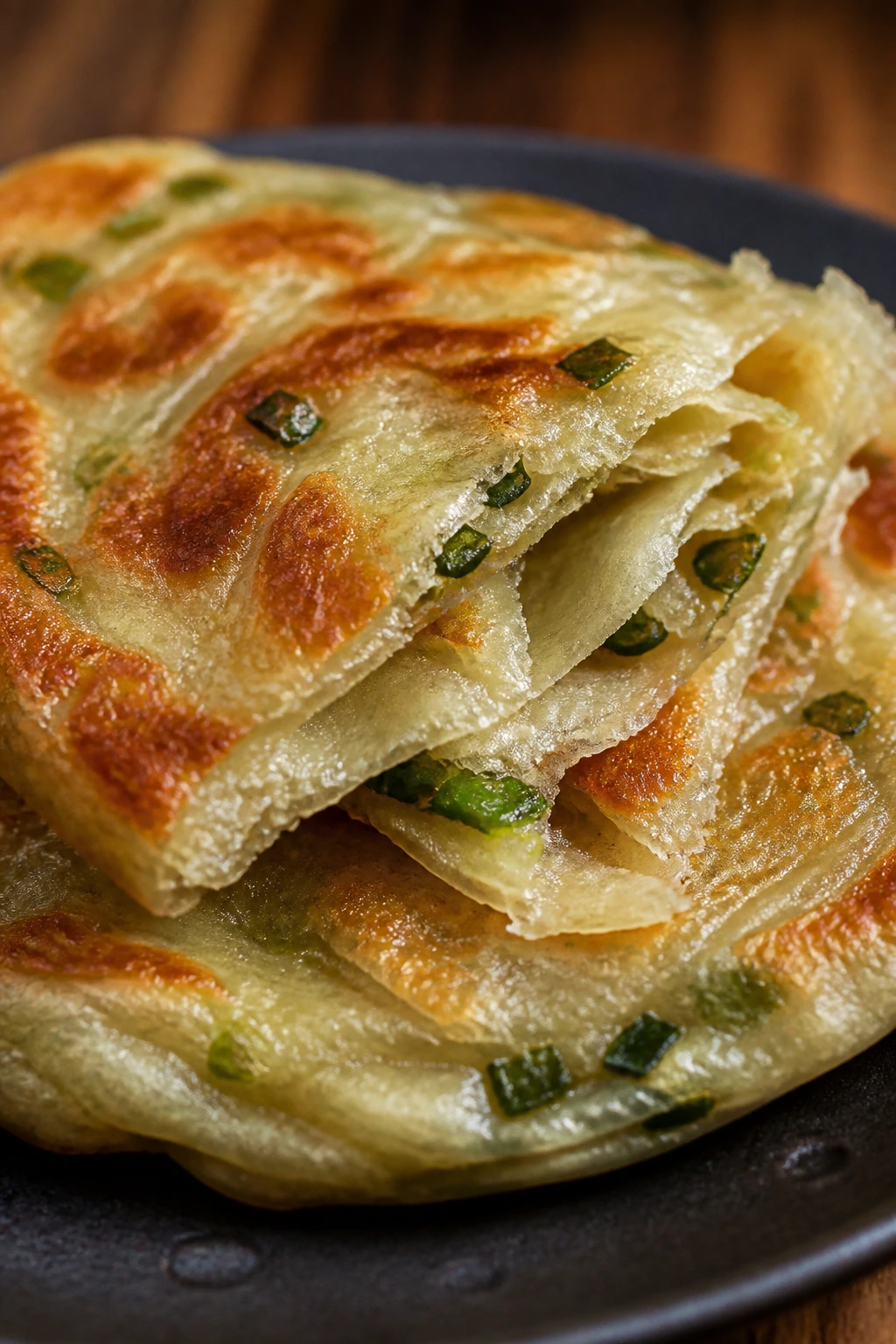
Scallion pancakes are all about the layers. When they’re right, the outside is crisp and lacquered, the inside is chewy, and the scallions taste sweet instead of raw.
Why It Works: Hot water dough stays flexible, which makes it easy to roll thin and coil into layers. A brush of oil and a shower of scallions create the flaky pockets when the pancake hits the pan.
Key Ingredients:
- 2 cups all-purpose flour
- 3/4 cup hot water
- 1/4 cup cold water
- 1/2 tsp salt
- 4 scallions, thinly sliced
- 2 tbsp sesame oil
- 3 tbsp neutral oil for frying
Quick Steps:
- Mix the flour, salt, and hot water, then add cold water until a rough dough forms.
- Knead for 5 minutes, rest 30 minutes, then divide into 4 balls.
- Roll each ball thin, brush with sesame oil, scatter scallions, and roll up into a log.
- Coil the log into a spiral, flatten it, and roll it out again.
- Fry in a thin layer of oil until golden and blistered on both sides.
- Drain briefly and serve hot.
Equipment for This Recipe:
- Rolling pin
- Nonstick skillet or cast-iron pan
- Pastry brush
How to Serve This Dish: Serve scallion pancakes with black vinegar mixed with a few drops of soy sauce. They’re great as a side to soup, but I’ve eaten them as dinner with a fried egg on top.
Pro Tips for This Recipe:
- Don’t skip the rest time; the dough needs it.
- Roll the pancake thin enough that the layers show through a little.
- Keep the heat medium, not blazing, or the outside burns before the center cooks.
Variations on This Dish:
- Five-Spice Version: Add a pinch of five-spice to the oil before rolling.
- Chive Swap: Use Chinese chives instead of scallions for a deeper onion flavor.
Common Mistakes to Avoid with This Dish:
- Don’t roll the dough cold and tight. It fights back and tears.
- Don’t use too much oil in the pan; you want frying, not deep frying.
11. Wonton Soup
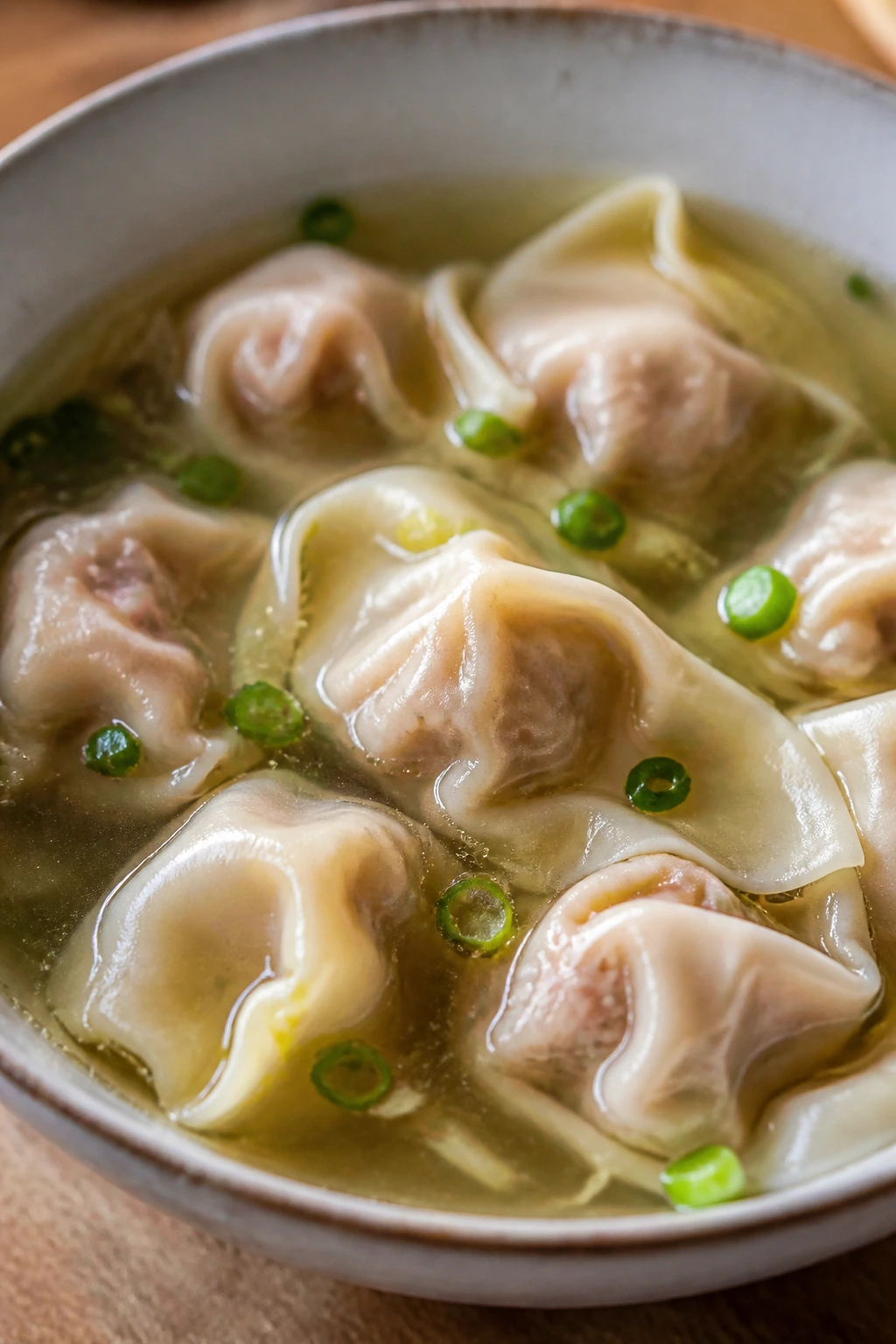
Wonton soup should feel light until you realize the dumplings are packed enough to make a meal. The broth stays clean, the wontons stay tender, and the whole bowl tastes like you paid attention to the folding.
Why It Works: A simple pork filling holds together well if it’s seasoned with soy, ginger, and sesame oil. The broth only needs a few aromatics, which means the wontons stay center stage.
Key Ingredients:
- 1 lb ground pork
- 30 wonton wrappers
- 1 scallion, finely chopped
- 1 tbsp soy sauce
- 1 tbsp Shaoxing wine
- 1 tsp sesame oil
- 1 tsp grated ginger
- 6 cups chicken stock
- 2 slices ginger
- 2 scallions, for broth
- 1 cup baby bok choy, optional
Quick Steps:
- Mix the pork, scallion, soy, Shaoxing, sesame oil, and ginger into a sticky filling.
- Fill and fold the wontons with about 1 tsp filling each.
- Simmer the stock with ginger and scallions for 10 minutes.
- Drop the wontons into the broth and cook until they float plus 2 minutes more.
- Add bok choy if using, then ladle into bowls.
- Serve hot with extra scallions.
Equipment for This Recipe:
- Small bowl for filling
- Soup pot
- Small brush or finger bowl for sealing wrappers
How to Serve This Dish: Serve the soup hot and plain, maybe with a side of chili oil or black vinegar for people who want more edge. It’s one of those dishes that doesn’t need garnish to feel finished.
Pro Tips for This Recipe:
- Keep the wrapper edges damp but not wet, or they slip apart.
- Cook a test wonton first; if it bursts, the filling is overpacked.
- Freeze extras on a tray before bagging them so they don’t fuse.
Variations on This Dish:
- Shrimp Wontons: Replace half the pork with chopped shrimp.
- Noodle Bowl Version: Add cooked thin noodles to the bowl before the wontons.
Common Mistakes to Avoid with This Dish:
- Don’t let the broth boil hard. It tears delicate wrappers.
- Don’t overfill the dumplings; a teaspoon is enough.
12. Char Siu Pork
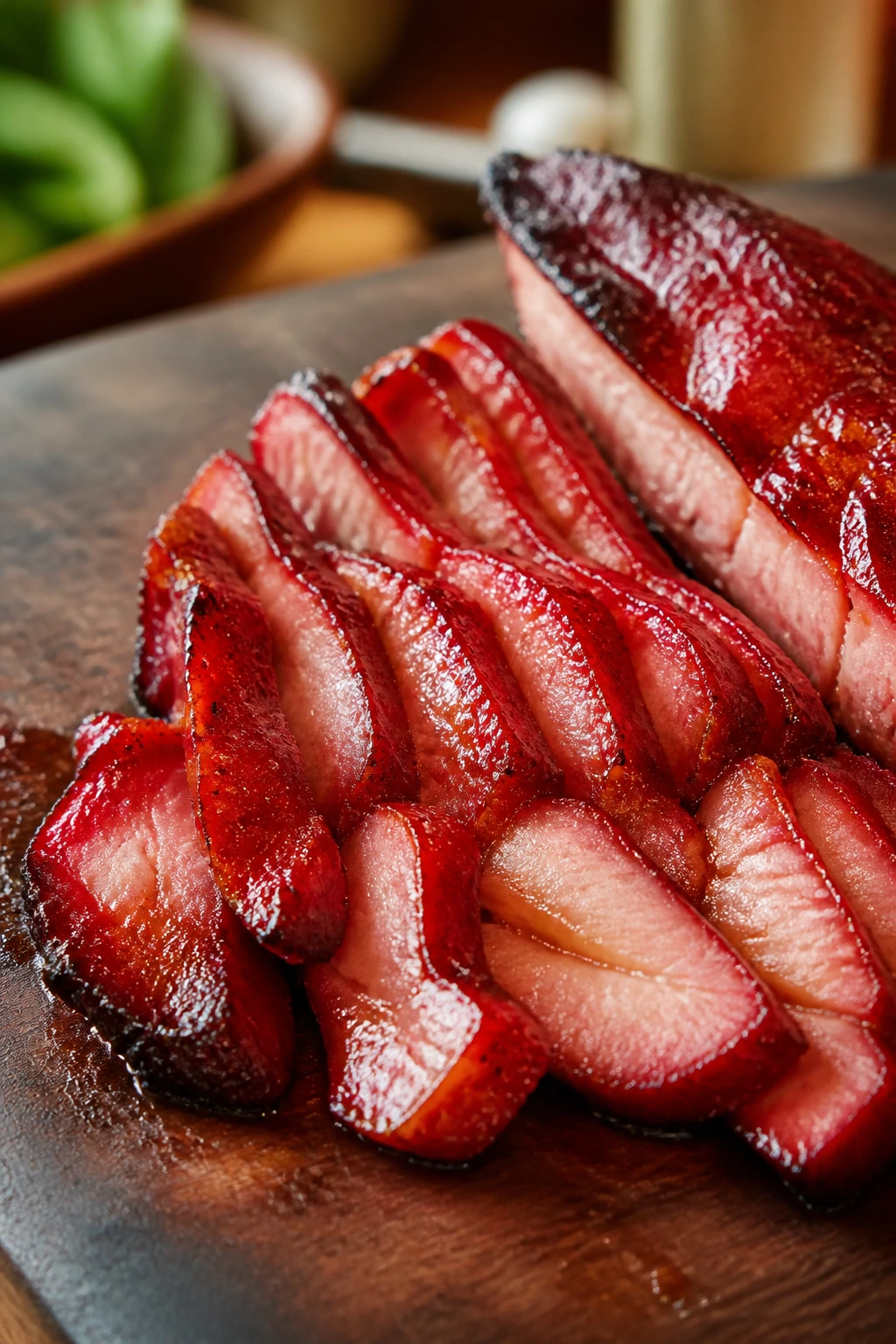
Char siu is sticky, sweet, salty, and a little smoky if you roast it right. The glaze should cling in red-brown stripes, and the edges should look just shy of burnt in the best possible way.
Why It Works: Pork shoulder has enough fat to stay juicy through roasting. The marinade combines hoisin, honey, soy, and five-spice, which is the whole char siu mood in one bowl.
Key Ingredients:
- 2 lb pork shoulder, cut into 2 long strips
- 3 tbsp hoisin sauce
- 3 tbsp honey
- 2 tbsp soy sauce
- 2 tbsp Shaoxing wine
- 1 tbsp brown sugar
- 2 tsp five-spice powder
- 3 cloves garlic, grated
- 1 tbsp neutral oil
Quick Steps:
- Mix the marinade and coat the pork; chill at least 4 hours.
- Roast on a rack at 425°F for 20 minutes.
- Brush with more honey-marinade mix, flip, and roast 15 minutes more.
- Broil for 2 to 3 minutes to caramelize the edges, watching closely.
- Rest 10 minutes before slicing.
- Slice across the grain.
Equipment for This Recipe:
- Roasting pan with rack
- Pastry brush
- Sharp carving knife
How to Serve This Dish: Slice it over rice with wilted greens or tuck it into steamed buns. The glaze is strong enough that you do not need a pile of side dishes competing with it.
Pro Tips for This Recipe:
- Marinate overnight if you can; the flavor reaches deeper.
- Line the pan with foil or cleanup gets sticky fast.
- Brush in thin layers instead of one thick one to avoid scorching.
Variations on This Dish:
- Pineapple Char Siu: Add 2 tbsp pineapple juice to the marinade.
- Pork Belly Version: Use pork belly strips and reduce the final broil time.
Common Mistakes to Avoid with This Dish:
- Don’t roast too low or the glaze stays pale and sticky instead of caramelized.
- Don’t slice it hot. The juices need that rest time.
13. Steamed Fish with Ginger and Scallions
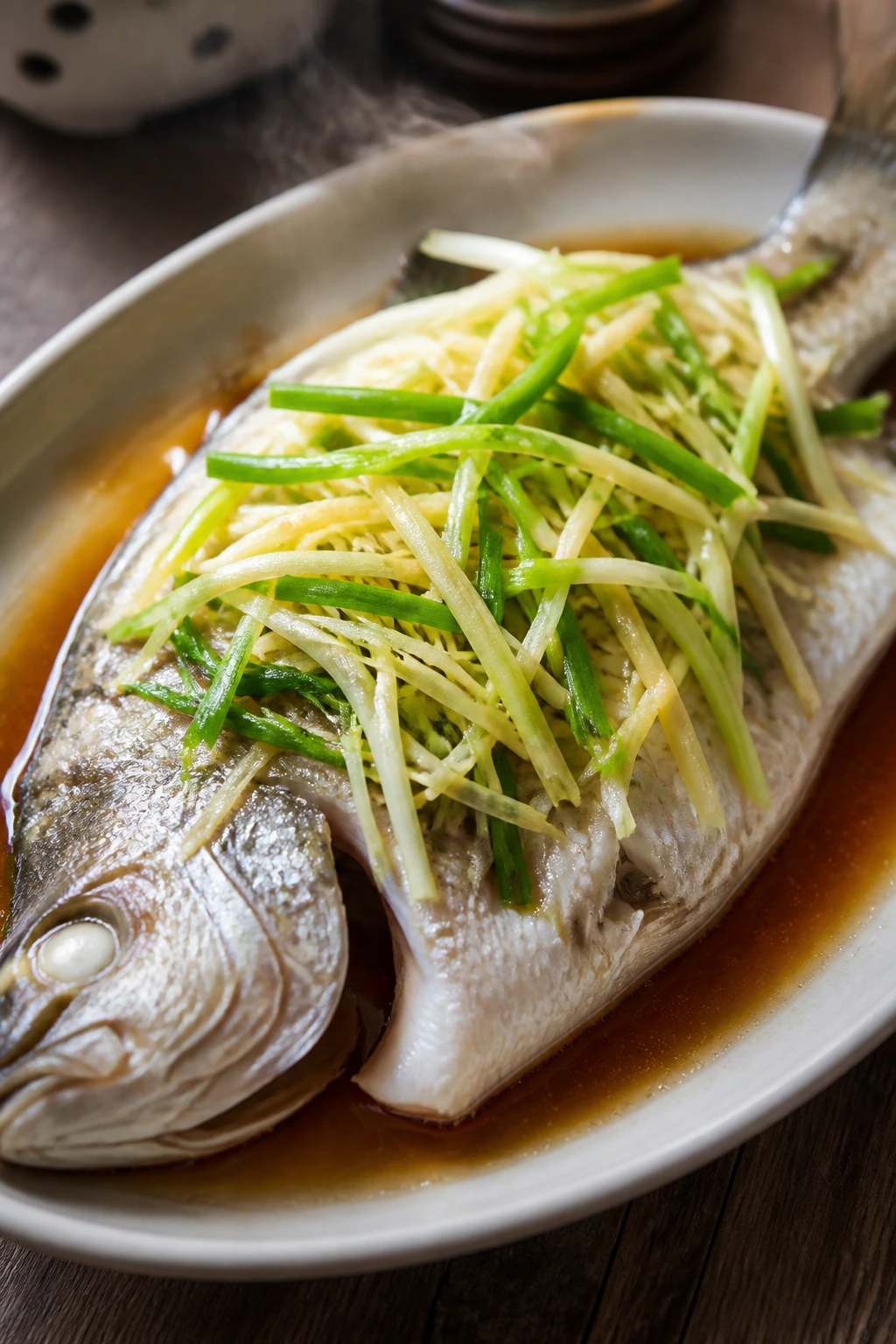
Steamed fish looks almost too simple, then the sauce and aromatics hit and you realize how much flavor is hiding in that quiet plate. It’s delicate, clean, and far more satisfying than most heavy fish dinners.
Why It Works: Steaming keeps the flesh moist and silky, which is the whole point. Ginger and scallions are not decoration here; they perfume the fish and the hot oil unlocks everything at the end.
Key Ingredients:
- 1 whole white fish, about 1½ to 2 lb, cleaned
- 2 tbsp Shaoxing wine
- 2-inch piece ginger, cut into thin matchsticks
- 3 scallions, julienned
- 2 tbsp soy sauce
- 1 tbsp water
- 1 tbsp neutral oil
- 1 tsp sesame oil
Quick Steps:
- Pat the fish dry and rub it with Shaoxing.
- Scatter half the ginger on a plate, set the fish on top, and cover with the rest of the ginger.
- Steam over high heat until the flesh flakes easily, about 8 to 12 minutes depending on size.
- Warm the soy sauce and water.
- Top the fish with scallions, pour over the soy mixture, then pour hot oil over the scallions.
- Finish with sesame oil and serve immediately.
Equipment for This Recipe:
- Steamer or wide pot with rack
- Heatproof plate
- Small saucepan
How to Serve This Dish: Put it in the middle of the table with rice and one simple green dish. It’s elegant in a plain, quiet way, and the plate should stay uncluttered.
Pro Tips for This Recipe:
- Steam just until the flesh turns opaque. Overcooked fish dries out fast.
- Use a plate wide enough for the fish so the juices don’t spill over.
- Cut the scallions fine; they soften faster under the hot oil.
Variations on This Dish:
- Ginger-Heavy Version: Add another inch of ginger if you like a sharper finish.
- Fillet Shortcut: Use thick fillets instead of a whole fish and cut the steaming time down.
Common Mistakes to Avoid with This Dish:
- Don’t let the water stop boiling before the fish goes in.
- Don’t skip the hot oil finish; that’s where the aroma wakes up.
14. Pork Dumplings
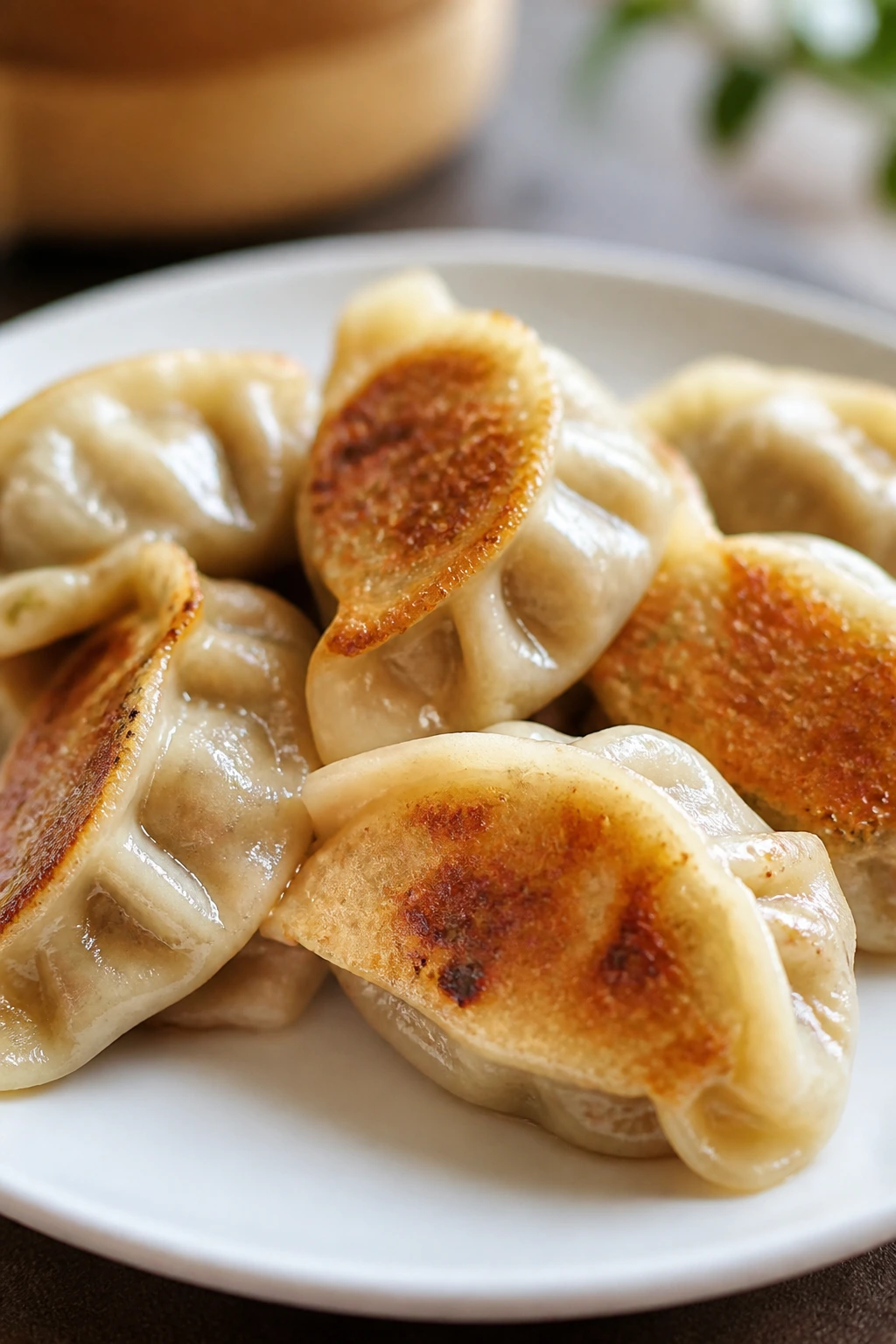
Pork dumplings are the kind of project that pays you back twice: once at dinner, again from the freezer. They should be juicy inside, sealed well, and just chewy enough at the wrapper edge to feel handmade.
Why It Works: Ground pork stays tender if you season it with soy, sesame oil, and a little Shaoxing. Salted cabbage keeps the filling from getting watery, and the wrappers steam and fry cleanly if you don’t overpack them.
Key Ingredients:
- 1 lb ground pork
- 2 cups napa cabbage, finely chopped and squeezed dry
- 2 scallions, minced
- 1 tbsp soy sauce
- 1 tbsp Shaoxing wine
- 1 tbsp sesame oil
- 1 tbsp grated ginger
- 30 dumpling wrappers
- Water for sealing
- Dipping sauce: 2 tbsp soy, 1 tbsp rice vinegar, 1 tsp chili oil
Quick Steps:
- Mix the pork, cabbage, scallions, soy, Shaoxing, sesame oil, and ginger until sticky.
- Place 1 tsp filling in each wrapper and seal tightly.
- Pan-fry in a little oil until the bottoms are golden.
- Add 1/4 cup water, cover, and steam until the wrappers turn translucent, about 4 minutes.
- Uncover and cook until the water evaporates and the bottoms crisp again.
- Serve with dipping sauce.
Equipment for This Recipe:
- Large nonstick skillet with lid
- Small bowl of water for sealing
- Tray lined with parchment
How to Serve This Dish: Put out a dipping sauce with more vinegar than sugar. Dumplings need that sharp edge, and a bowl of rice or a quick cucumber salad makes the meal feel complete.
Pro Tips for This Recipe:
- Keep unused wrappers covered with a damp towel.
- If the filling seems wet, chill it 15 minutes before wrapping.
- Freeze dumplings in a single layer before bagging them.
Variations on This Dish:
- Chicken Dumplings: Swap in ground chicken and add 1 tsp extra sesame oil.
- Chive Dumplings: Replace half the cabbage with Chinese chives for a stronger green bite.
Common Mistakes to Avoid with This Dish:
- Don’t seal them with too much filling. A burst dumpling is always a sad sight.
- Don’t skip the crisping step after steaming; the browned bottoms are part of the charm.
15. Twice-Cooked Pork
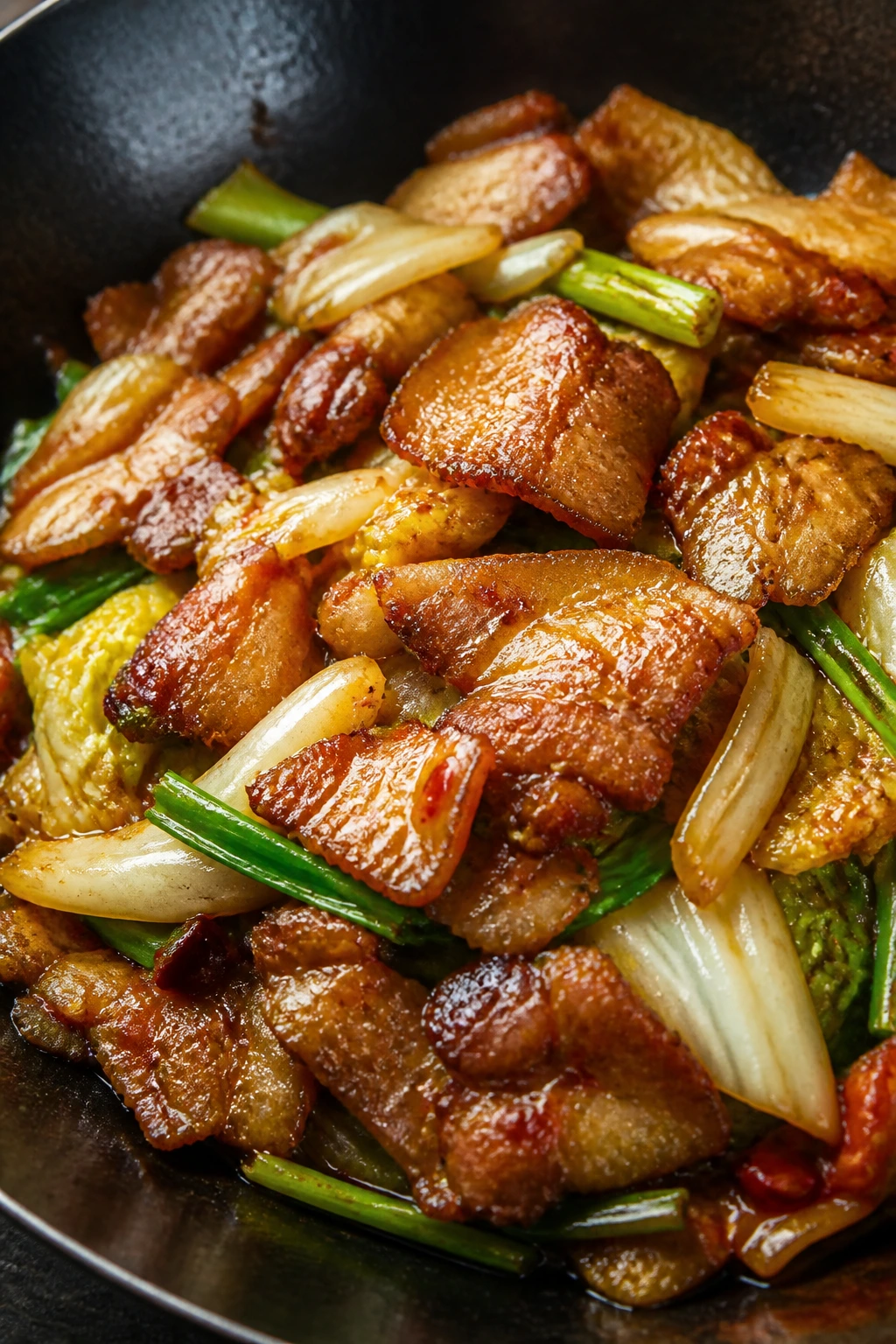
Twice-cooked pork has a smoky, meaty smell that fills the kitchen in a way that flat-out announces dinner. The cabbage turns glossy, the pork edges curl, and the doubanjiang brings a salty chile depth that sticks around.
Why It Works: The pork gets simmered first, which keeps the final stir-fry tender rather than greasy. Then it’s sliced thin and hit with high heat, so the fat renders and the sauce grabs onto every piece.
Key Ingredients:
- 1 lb pork belly or pork shoulder
- 2 cups napa cabbage, sliced
- 2 tbsp doubanjiang
- 1 tbsp soy sauce
- 1 tbsp Shaoxing wine
- 1 tsp sugar
- 2 cloves garlic, sliced
- 2 slices ginger
- 2 scallions, cut into 2-inch lengths
Quick Steps:
- Simmer the pork in water until just cooked through, about 20 minutes.
- Chill briefly, then slice very thin.
- Stir-fry the pork until the edges turn golden and some fat renders.
- Add garlic, ginger, and doubanjiang; stir for 30 seconds.
- Add cabbage, soy sauce, Shaoxing, and sugar; cook until the cabbage softens but still has bite.
- Finish with scallions.
Equipment for This Recipe:
- Pot for simmering
- Wok or skillet
- Sharp knife
How to Serve This Dish: Serve with plain rice and one cooling vegetable. The dish is rich enough that you want something crisp or clean beside it, not another heavy plate.
Pro Tips for This Recipe:
- Slice the pork when it’s cold; warm pork tears.
- Rinse the pork after simmering if the broth looks cloudy from scum.
- Use cabbage with tight leaves, not floppy ones, or it collapses too fast.
Variations on This Dish:
- Green Pepper Version: Swap the cabbage for sliced green bell peppers.
- Milder Home Style: Cut the doubanjiang to 1 tbsp and add a little extra soy.
Common Mistakes to Avoid with This Dish:
- Don’t try to skip the first simmer. The texture suffers.
- Don’t drown the pan with sauce; this is a stir-fry, not braise.
16. Tomato and Egg Stir-Fry
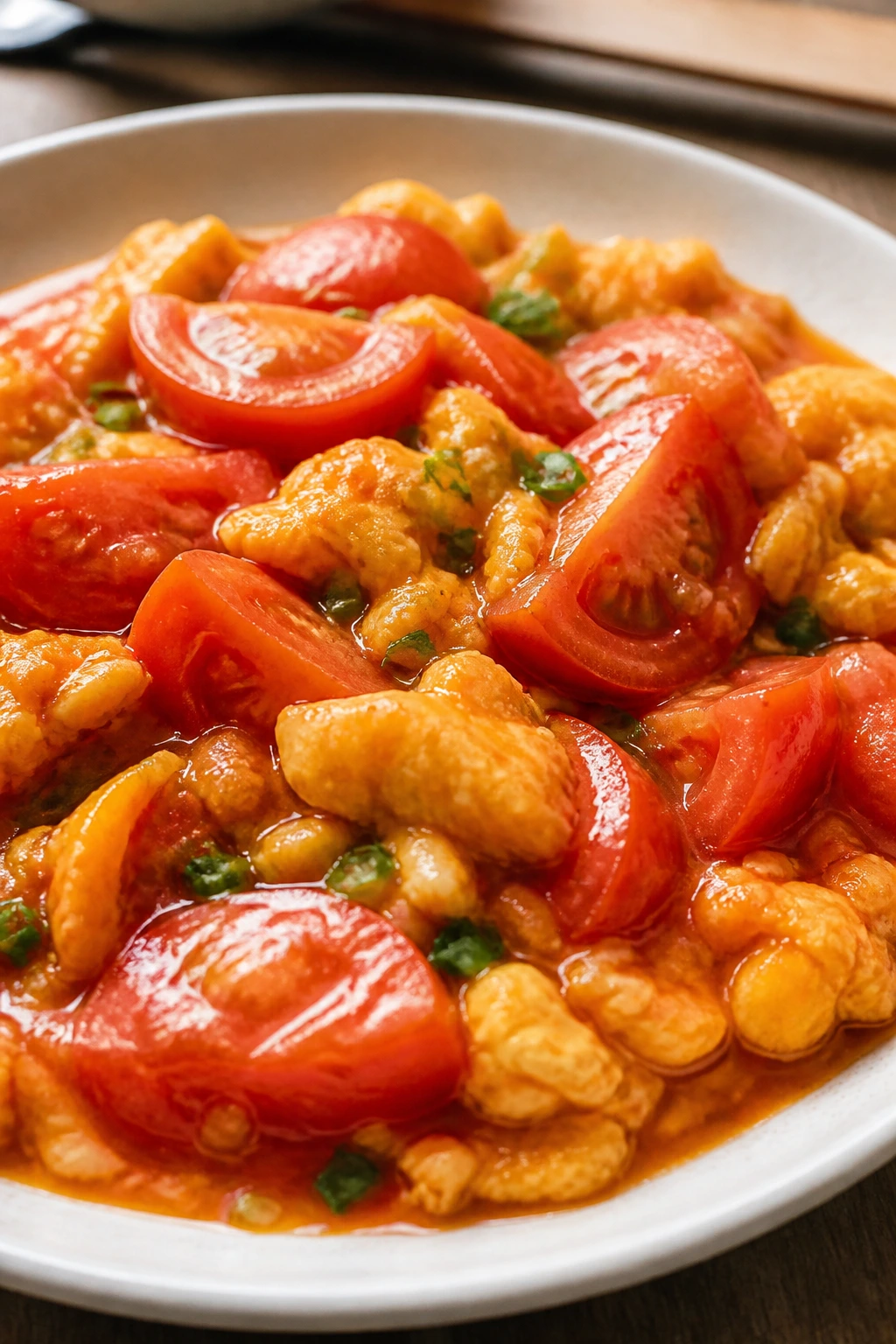
Tomato and egg stir-fry tastes like a soft landing at the end of a long day. The eggs should stay tender and the tomatoes should break down into a saucy, bright red mess that coats rice beautifully.
Why It Works: The eggs are cooked first and set aside so they stay fluffy. The tomatoes get a little sugar and just enough time to soften, which gives the sauce a round, almost sweet finish.
Key Ingredients:
- 4 large tomatoes, cut into wedges
- 4 eggs
- 2 scallions, sliced
- 1 tbsp sugar
- 1 tbsp soy sauce or 1 tsp salt
- 2 tbsp neutral oil
- 1 tsp sesame oil
Quick Steps:
- Beat the eggs with a pinch of salt and scramble them softly in oil; remove them.
- Add the tomatoes and cook until they slump and release juice, about 4 minutes.
- Stir in sugar and soy sauce.
- Return the eggs and toss gently until coated.
- Finish with scallions and sesame oil.
- Serve with rice while the sauce is still loose.
Equipment for This Recipe:
- Skillet or wok
- Bowl for eggs
- Spatula
How to Serve This Dish: This belongs over hot rice, where the tomato juices can soak into the grains. A few sliced cucumbers on the side make the plate feel fresher.
Pro Tips for This Recipe:
- Use ripe tomatoes. Hard ones stay sour and watery.
- Don’t over-scramble the eggs; larger soft curds look and taste better.
- If the tomatoes are pale, add a touch more sugar.
Variations on This Dish:
- Shrimp Add-In: Stir in 8 oz cooked shrimp at the end.
- Onion Version: Add 1/2 sliced onion with the tomatoes for more sweetness.
Common Mistakes to Avoid with This Dish:
- Don’t cook the eggs until dry. They need a soft texture to blend with the sauce.
- Don’t serve this without rice unless you’re intentionally missing the best part.
17. Garlic Green Beans
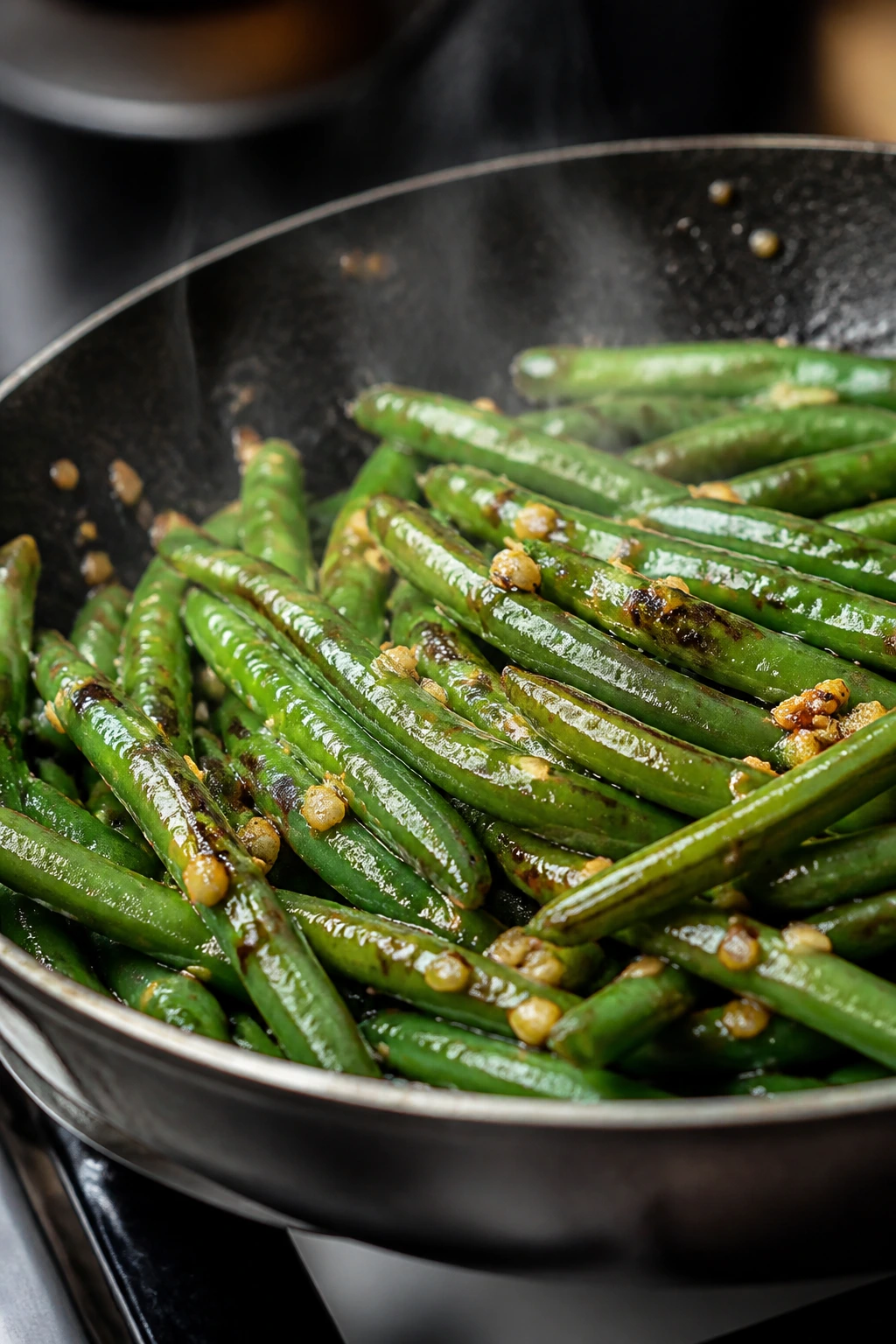
Garlic green beans should be blistered, salty, and a little wrinkled at the edges. The flavor is all about speed and heat; the beans stay vivid, but the skin picks up that deep pan-kissed taste.
Why It Works: High heat drives off moisture fast, which means the beans blister instead of steaming. Garlic goes in late so it perfumes the pan without turning bitter.
Key Ingredients:
- 1 lb green beans, trimmed
- 3 cloves garlic, minced
- 2 tbsp neutral oil
- 1 tbsp oyster sauce
- 2 tsp soy sauce
- 1 tsp sugar
- Pinch of chili flakes, optional
Quick Steps:
- Heat oil in a skillet until shimmering.
- Add the beans and cook, stirring often, until blistered and slightly wrinkled, about 6 to 8 minutes.
- Add garlic and chili flakes and cook for 20 seconds.
- Stir in oyster sauce, soy sauce, and sugar.
- Toss until the beans are coated and glossy.
- Serve immediately.
Equipment for This Recipe:
- Large skillet or wok
- Tongs or spatula
- Small bowl for sauce if you want to pre-mix
How to Serve This Dish: Serve these with roast pork, fried rice, or a braised dish that needs a sharp green side. They’re also good cold from the fridge, though I’m not pretending that’s the main plan.
Pro Tips for This Recipe:
- Dry the beans before they hit the pan.
- Don’t add garlic too early or it burns while the beans finish.
- If your skillet is weak, cover for 1 minute, then uncover to dry out the surface.
Variations on This Dish:
- Sichuan-Style Beans: Add 1 tsp chili bean paste and a few dried chiles.
- Sesame Finish: Drizzle with 1 tsp sesame oil right before serving.
Common Mistakes to Avoid with This Dish:
- Don’t boil them first. That leaves them limp.
- Don’t walk away from the pan. This dish moves fast.
18. Chinese Eggplant with Garlic Sauce
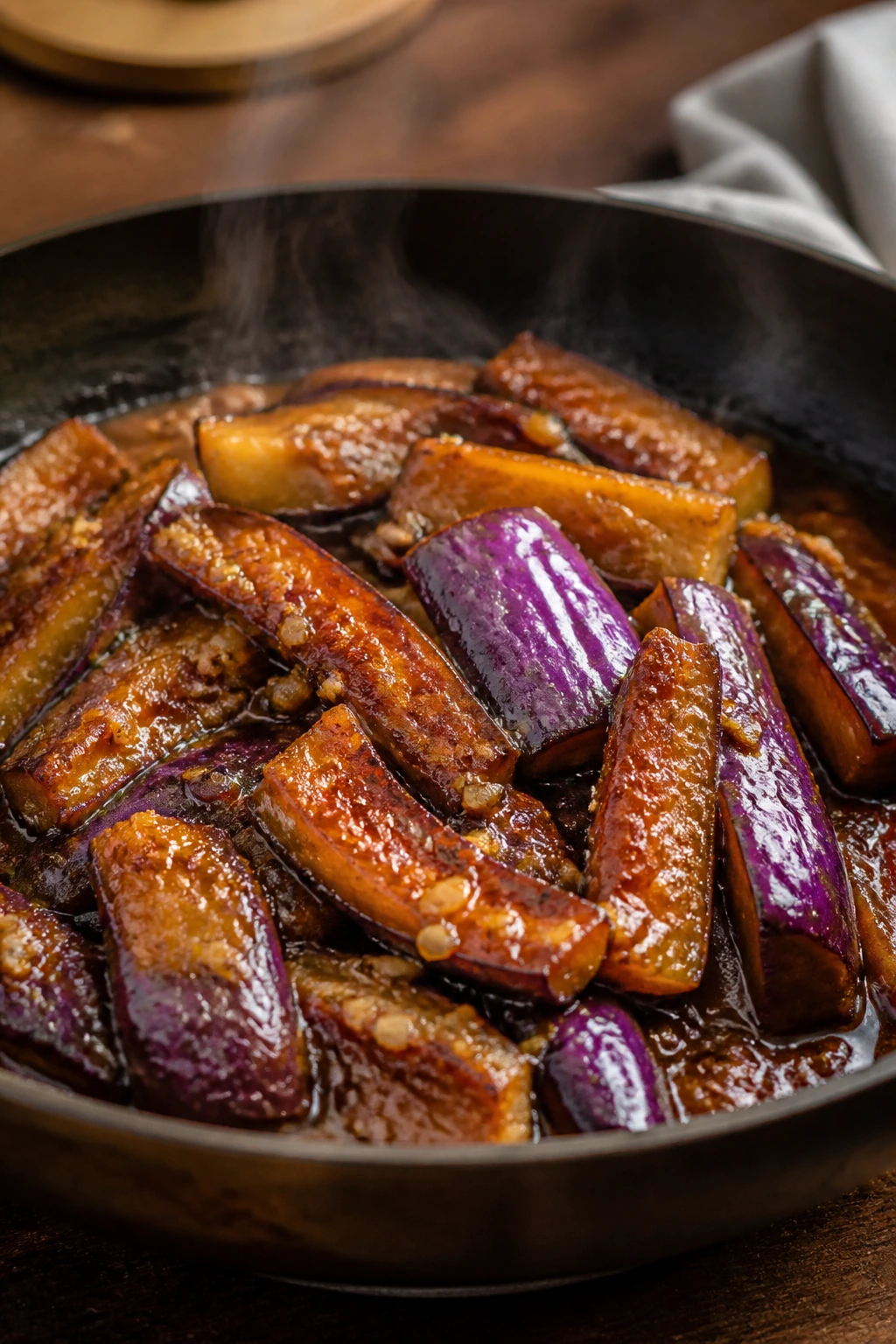
Chinese eggplant with garlic sauce should be silky, almost custardy in the middle, with a sauce that tastes salty, sweet, and just sharp enough to keep you going back for another bite. It’s one of the best arguments for cooking eggplant at high heat.
Why It Works: Salting and lightly coating the eggplant keeps it from soaking up half the oil in the pan. The garlic sauce clings because of a little cornstarch and because the eggplant gives the sauce a soft, absorbent surface.
Key Ingredients:
- 2 lb Chinese eggplant, cut into batons
- 1 tbsp salt
- 3 tbsp cornstarch
- 2 tbsp neutral oil
- 3 cloves garlic, minced
- 1 tbsp ginger, minced
- 2 tbsp soy sauce
- 1 tbsp black vinegar
- 1 tbsp hoisin sauce
- 1 tbsp sugar
- 1 cup water
- 1 tsp chili bean paste, optional
Quick Steps:
- Salt the eggplant for 15 minutes, then pat dry.
- Toss with cornstarch and pan-fry until the edges brown.
- Stir-fry garlic, ginger, and chili bean paste if using.
- Add soy sauce, black vinegar, hoisin, sugar, and water.
- Return the eggplant and cook until the sauce thickens and coats each piece.
- Serve with scallions.
Equipment for This Recipe:
- Wide skillet or wok
- Paper towels
- Spatula
How to Serve This Dish: Spoon it over rice or next to plain noodles. It’s soft enough that it needs something sturdy under it, otherwise the sauce disappears too fast.
Pro Tips for This Recipe:
- Use Chinese eggplant if you can. The skin is thinner and the inside goes creamy.
- Don’t skip the salt rest; it changes the texture.
- Keep the sauce slightly loose before the eggplant goes back in, since the vegetable thickens it fast.
Variations on This Dish:
- Pork Version: Add 4 oz ground pork with the garlic.
- Miso Swap: Replace the hoisin with 1 tbsp miso for a deeper, less sweet sauce.
Common Mistakes to Avoid with This Dish:
- Don’t over-oil the pan. Eggplant will happily drink it.
- Don’t cut the batons too thin or they turn mushy.
19. Salt and Pepper Shrimp
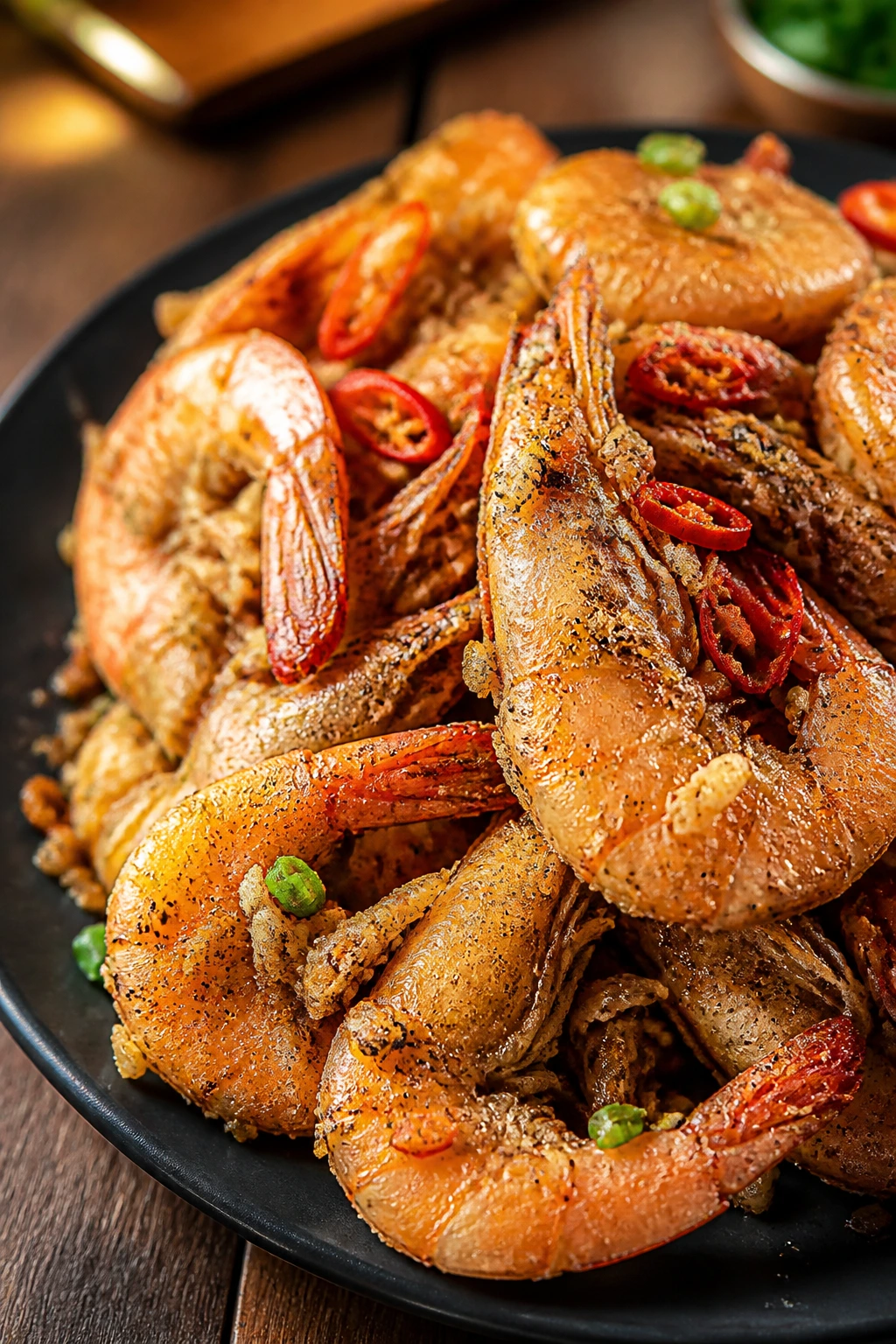
Salt and pepper shrimp should come out crackly, garlicky, and a little fiery at the edges. The shells, if you leave them on, fry into something you can crunch, which is half the appeal.
Why It Works: A quick cornstarch coat gives the shrimp a dry crust that fries fast. Fresh chilies, garlic, and scallions go in at the end so they stay sharp and fragrant.
Key Ingredients:
- 1 lb large shrimp, peeled with tails on or shell-on if you like
- 1/2 cup cornstarch
- 1 tsp salt
- 1 tsp white pepper
- 2 cloves garlic, minced
- 2 scallions, sliced
- 1 to 2 fresh chilies, sliced
- 2 tbsp neutral oil
- Lemon or lime wedges, optional
Quick Steps:
- Pat the shrimp dry and toss with cornstarch, salt, and white pepper.
- Fry in hot oil until pink and crisp, about 2 minutes per side.
- Remove the shrimp and pour off excess oil, leaving about 1 tbsp.
- Stir-fry garlic, scallions, and chilies for 20 seconds.
- Toss the shrimp back in and coat them in the aromatics.
- Serve hot with citrus if you want a bright finish.
Equipment for This Recipe:
- Skillet or wok
- Slotted spoon
- Paper towel-lined tray or wire rack
How to Serve This Dish: Serve with beer, rice, or both. It also works as part of a bigger table with greens, noodles, and a cooling cucumber dish.
Pro Tips for This Recipe:
- Dry shrimp fry better. Moisture is the enemy of crunch.
- If you’re using shell-on shrimp, score the backs lightly so they curl evenly.
- Eat it right away; this is not a dish that likes to wait.
Variations on This Dish:
- Peppery Green Bean Mix: Toss in a handful of blistered green beans at the end.
- Chili-Lime Version: Add lime zest and a few drops of fish sauce for a sharper profile.
Common Mistakes to Avoid with This Dish:
- Don’t fry in oil that’s too cool or the crust turns heavy.
- Don’t add garlic too early; it burns before the shrimp are done.
20. Orange Chicken
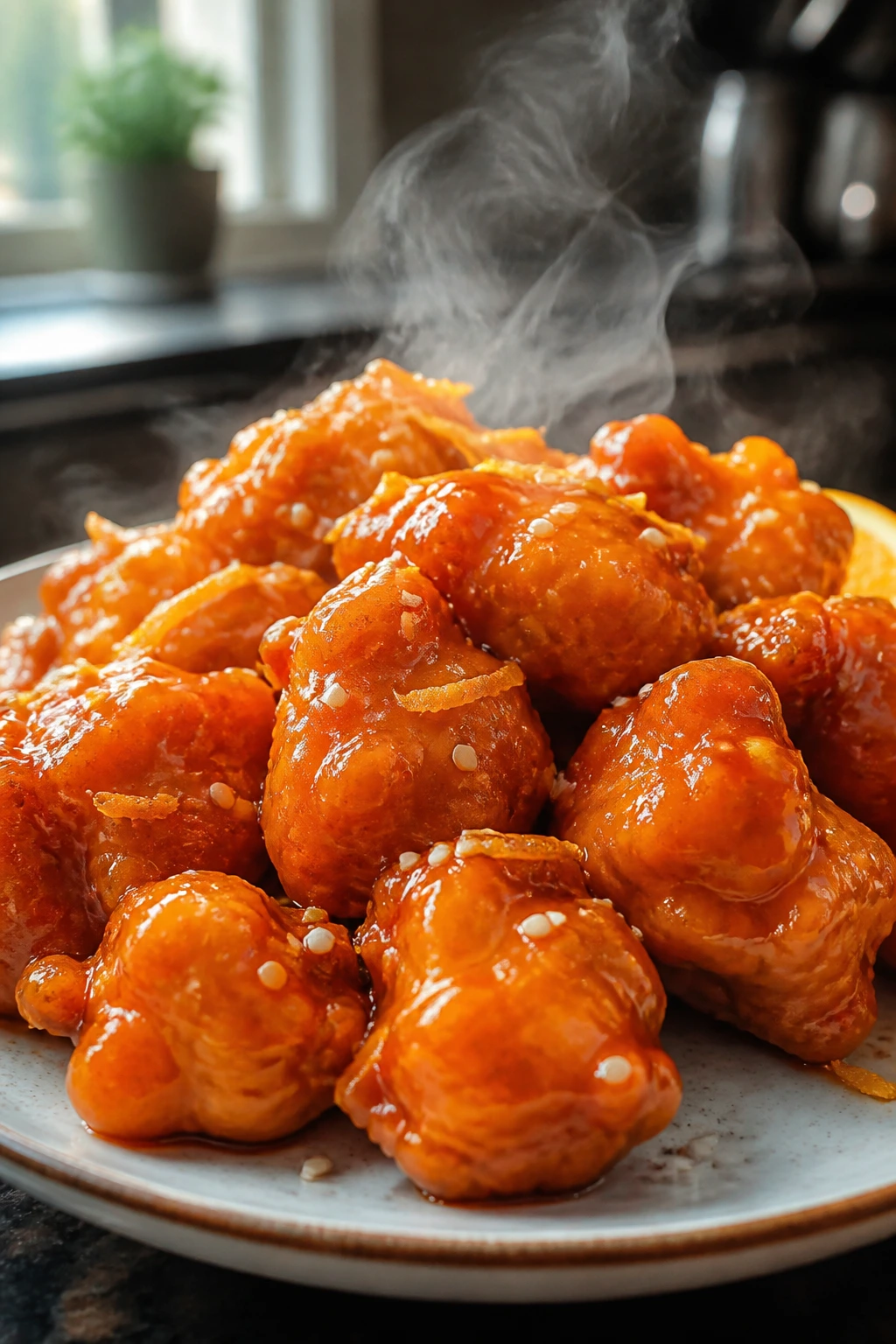
Orange chicken should smell like zest and caramel, with a sauce that lands between sticky and glossy. A homemade version can keep the chicken crisp longer than the carton version, which is the whole reason to bother.
Why It Works: Cornstarch and flour create a lighter crust than flour alone. Fresh orange juice plus zest gives a brighter sauce than bottled orange flavoring ever could.
Key Ingredients:
- 1½ lb boneless skinless chicken thighs, cut into bite-size pieces
- 1 egg
- 1/2 cup flour
- 1/2 cup cornstarch
- 1/2 cup orange juice
- Zest of 1 orange
- 2 tbsp soy sauce
- 3 tbsp sugar
- 2 tbsp rice vinegar
- 1 tbsp cornstarch mixed with 2 tbsp water
- 2 cloves garlic, minced
- 1 tbsp ginger, minced
Quick Steps:
- Coat the chicken in egg, flour, and cornstarch.
- Fry until golden and crisp, then drain.
- Simmer orange juice, zest, soy sauce, sugar, vinegar, garlic, and ginger in a small pan.
- Stir in the cornstarch slurry until the sauce turns glossy.
- Toss the chicken in the sauce just before serving.
- Finish with sesame seeds if you want extra texture.
Equipment for This Recipe:
- Deep skillet or Dutch oven
- Small saucepan
- Wire rack
How to Serve This Dish: Rice is the obvious move, but steamed broccoli is the real counterpoint here. The bright orange glaze likes something green underneath it.
Pro Tips for This Recipe:
- Use fresh orange zest. It carries the aroma in a way juice alone cannot.
- Sauce the chicken at the last second to keep the crust from softening too soon.
- If the sauce tastes flat, add a few drops more vinegar, not more sugar.
Variations on This Dish:
- Spicy Orange Chicken: Add 1 tsp chili flakes to the sauce.
- Baked Version: Bake the coated chicken at 425°F until crisp, then toss with sauce.
Common Mistakes to Avoid with This Dish:
- Don’t use only juice and skip zest; the flavor gets thin.
- Don’t over-reduce the sauce or it turns sticky in the wrong way.
21. Lo Mein with Chicken
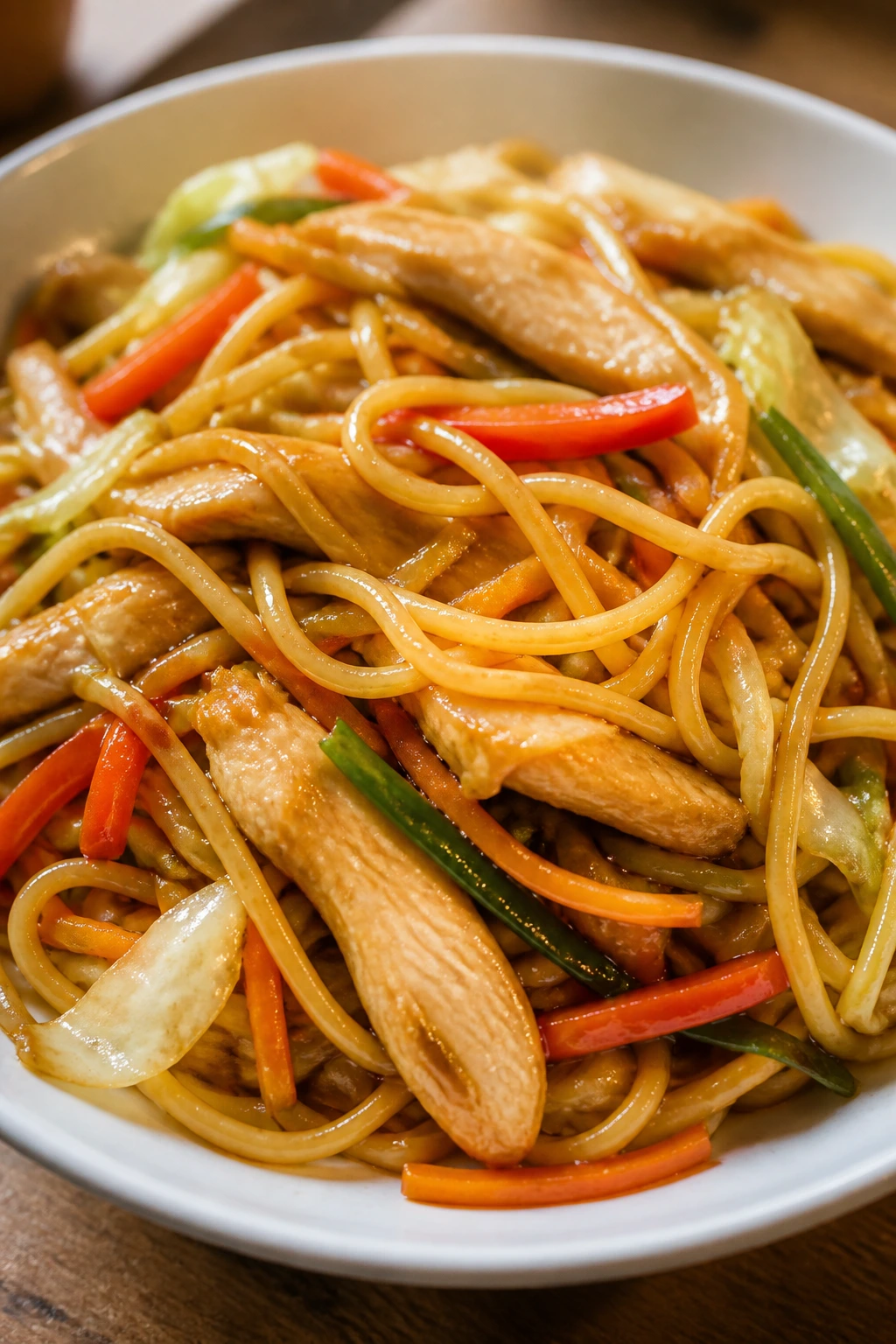
Lo mein is the quieter noodle dish, the one that relies on a slick sauce and a good toss instead of crunch. Done at home, it tastes fresher because the vegetables stay snappy and the noodles never have to sit in steam.
Why It Works: Lo mein noodles hold sauce better than most pasta shapes. Chicken thigh, cabbage, and carrot give the bowl enough shape and sweetness that you don’t need much else.
Key Ingredients:
- 12 oz lo mein noodles or spaghetti
- 12 oz chicken thighs, sliced thin
- 1 cup shredded cabbage
- 1 carrot, julienned
- 1 bell pepper, sliced
- 2 tbsp soy sauce
- 1 tbsp oyster sauce
- 1 tbsp Shaoxing wine
- 1 tsp sesame oil
- 2 cloves garlic, minced
- 2 tbsp neutral oil
Quick Steps:
- Cook the noodles until just tender and drain well.
- Toss the chicken with 1 tbsp soy sauce and Shaoxing.
- Cook the chicken in hot oil until browned, then remove it.
- Stir-fry the vegetables for 2 to 3 minutes until crisp-tender.
- Add the noodles, chicken, oyster sauce, remaining soy sauce, and sesame oil.
- Toss until the noodles are evenly coated and hot.
Equipment for This Recipe:
- Large skillet or wok
- Pot for noodles
- Tongs
How to Serve This Dish: Serve lo mein as the main event with a simple soup or dumplings if you want more food on the table. It doesn’t need much else; the noodles carry the meal.
Pro Tips for This Recipe:
- Keep the noodles a touch underdone before tossing them in the pan.
- If the pan looks dry, add 2 tbsp water instead of more oil.
- Slice everything thin so the whole dish finishes at the same pace.
Variations on This Dish:
- Shrimp Lo Mein: Swap chicken for shrimp and cook them only until pink.
- Vegetable Lo Mein: Leave out the chicken and add mushrooms and snow peas.
Common Mistakes to Avoid with This Dish:
- Don’t overboil the noodles. They’ll break when you toss them.
- Don’t cook the vegetables until soft; they should still have a bite.
22. Beef with Cumin
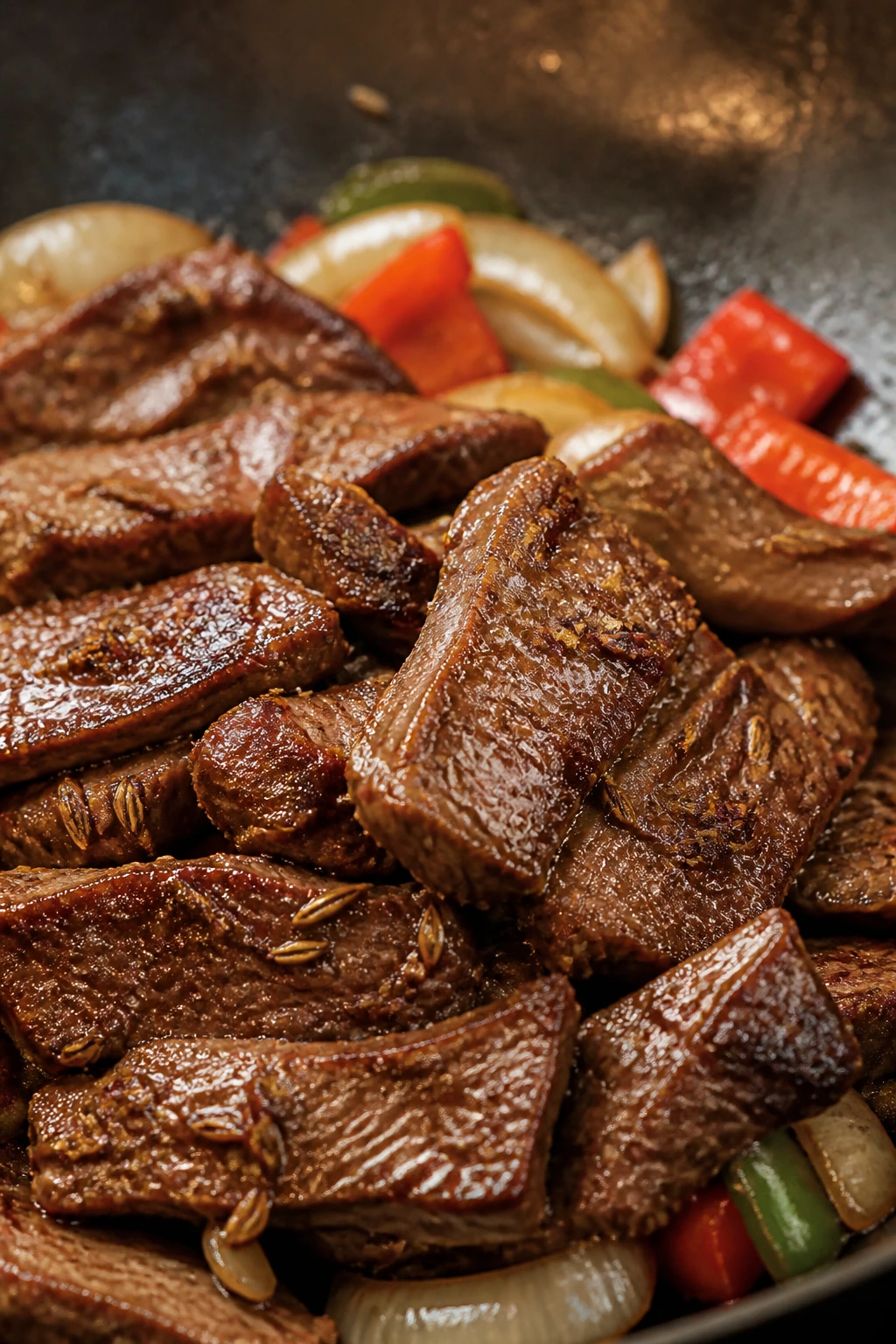
Beef with cumin is smoky, dry, and fragrant in a way that feels almost like barbecue crossed with stir-fry. The cumin should be loud, the chile warm, and the beef seared enough to hold its own against both.
Why It Works: Thin beef picks up cumin and chile fast, and the high heat keeps it from turning chewy. Onion and bell pepper give the dish sweetness and a little structure without softening into mush.
Key Ingredients:
- 1 lb flank steak, thinly sliced
- 2 tsp cumin seeds or ground cumin
- 1 tbsp chili flakes
- 3 cloves garlic, sliced
- 1 onion, sliced
- 1 bell pepper, sliced
- 2 tbsp soy sauce
- 1 tbsp Shaoxing wine
- 1 tsp sugar
- 1 tbsp cornstarch
- 2 tbsp neutral oil
Quick Steps:
- Toss the beef with soy sauce, Shaoxing, sugar, and cornstarch.
- Toast the cumin briefly in oil until fragrant.
- Sear the beef over high heat, then remove it.
- Stir-fry the onion, bell pepper, garlic, and chile flakes.
- Return the beef and toss until the seasoning coats everything.
- Serve hot with rice or flatbread.
Equipment for This Recipe:
- Wok or skillet
- Small bowl for marinade
- Spatula
How to Serve This Dish: I like this with plain rice because the cumin can do its own talking. It also works tucked into lettuce cups if you want something a little lighter.
Pro Tips for This Recipe:
- Don’t skimp on the cumin toast. That quick bloom makes the whole dish smell deeper.
- Slice the beef thin enough that it cooks in under 2 minutes.
- A hot pan matters here more than usual; this dish wants a sear, not a simmer.
Variations on This Dish:
- Lamb Version: Swap in thin lamb strips for a stronger flavor.
- Extra-Chile Version: Add 1 chopped fresh chili with the garlic.
Common Mistakes to Avoid with This Dish:
- Don’t add cumin only at the end. Toasting it first is the trick.
- Don’t overcook the beef while waiting for the vegetables.
23. Lion’s Head Meatballs
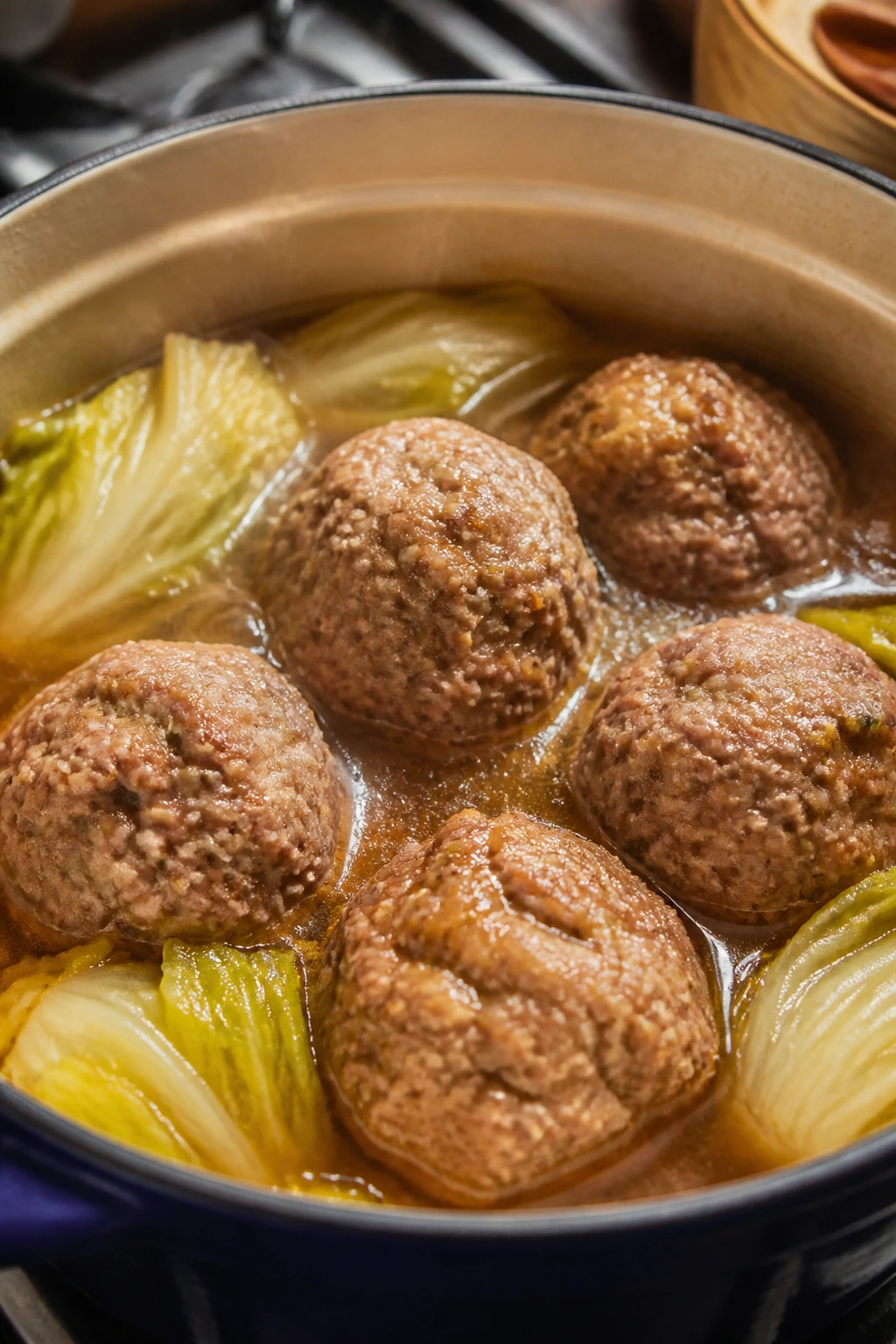
Lion’s head meatballs look dramatic, but the cooking is calm: big pork meatballs simmering in broth with cabbage around them. The meat is soft, the broth is savory, and the cabbage turns sweet in the braise.
Why It Works: The pork mixture stays tender when you keep it loose and avoid overpacking. Slow simmering lets the meatballs absorb broth while the cabbage melts into the pot.
Key Ingredients:
- 1 lb ground pork
- 1 egg
- 2 tbsp soy sauce
- 1 tbsp Shaoxing wine
- 1 tbsp grated ginger
- 2 scallions, minced
- 1/2 cup water chestnuts, chopped, optional
- 1 small napa cabbage, cut into wedges
- 4 cups chicken stock
- 1 tbsp cornstarch mixed with 2 tbsp water
Quick Steps:
- Mix the pork, egg, soy sauce, Shaoxing, ginger, scallions, and water chestnuts if using.
- Form large meatballs and brown them lightly in a skillet.
- Nestle them in a pot with stock and cabbage.
- Simmer gently until the meatballs cook through and the cabbage softens, about 25 minutes.
- Thicken the broth lightly with cornstarch slurry if desired.
- Serve with the cabbage and broth ladled over rice.
Equipment for This Recipe:
- Deep skillet
- Braising pot or Dutch oven
- Ladle
How to Serve This Dish: Serve this in big bowls with rice, not as a dainty plate. The broth is part of the meal, and you want enough of it to soak the grains.
Pro Tips for This Recipe:
- Mix until combined, not until paste-like. Tough meatballs start here.
- Keep the simmer gentle so the meatballs stay tender.
- If you want a cleaner broth, skim the surface once or twice.
Variations on This Dish:
- Mushroom Version: Add shiitakes to the braise for more depth.
- Ginger-Forward Version: Add extra ginger to the pork mix and broth.
Common Mistakes to Avoid with This Dish:
- Don’t boil hard or the meatballs lose their soft texture.
- Don’t skip browning if you want a deeper flavor.
24. Sesame Cold Noodles
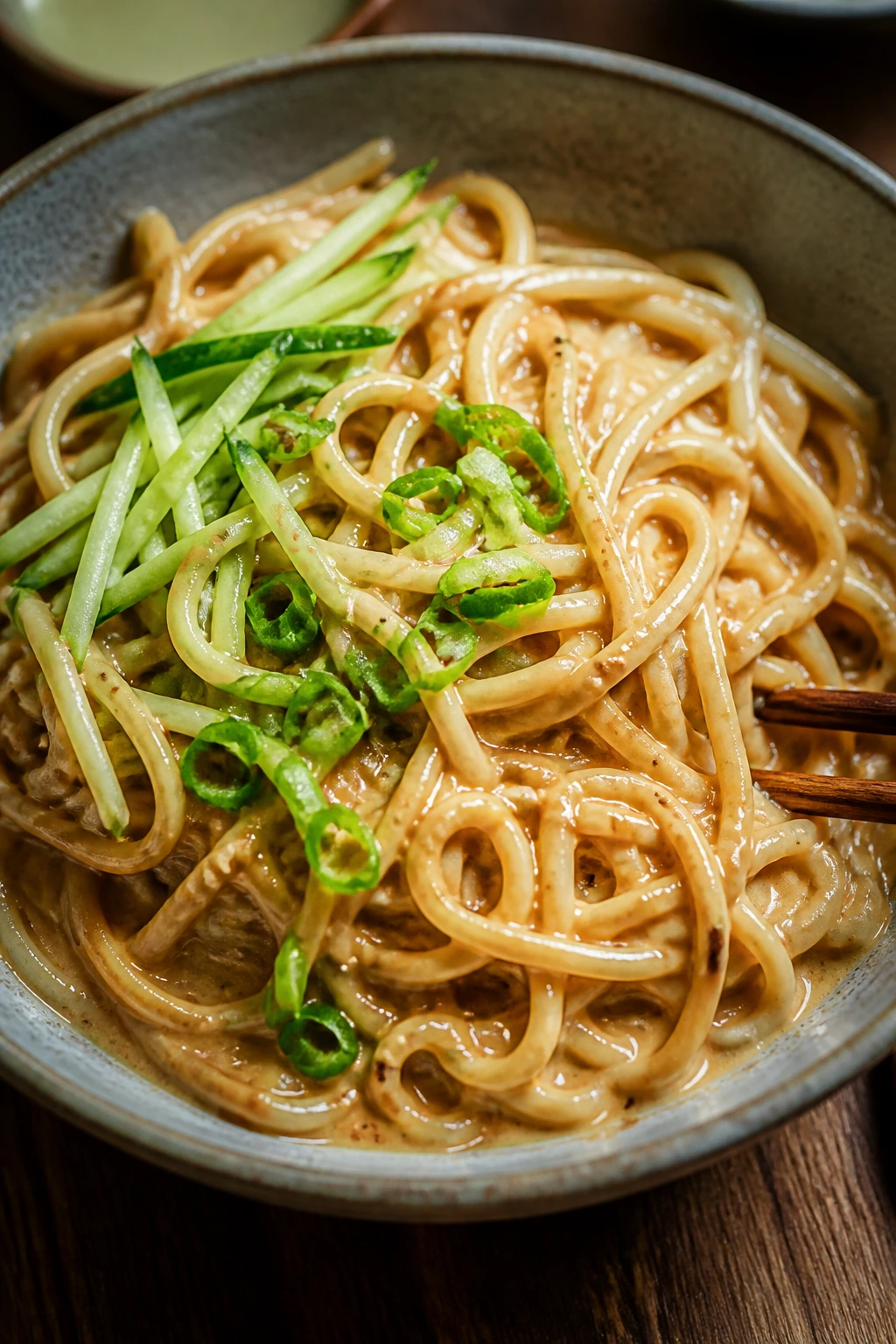
Sesame cold noodles are what you make when you want dinner that feels cool, slippery, and sharp at once. The sesame sauce should be creamy but loose, with cucumber and scallions keeping each bite fresh.
Why It Works: The sauce is built from sesame paste, soy, vinegar, and chili oil, which gives you richness and lift in the same bowl. Chilled noodles keep the texture clean and make the sauce cling instead of soaking in.
Key Ingredients:
- 12 oz noodles
- 3 tbsp sesame paste or tahini
- 2 tbsp soy sauce
- 2 tbsp rice vinegar
- 1 tbsp chili oil
- 1 tbsp sugar
- 1 cucumber, cut into matchsticks
- 2 scallions, sliced
- 2 tbsp crushed peanuts
- 1 tsp sesame oil
Quick Steps:
- Cook the noodles, rinse under cold water, and chill well.
- Whisk the sesame paste with soy, vinegar, chili oil, sugar, and a splash of noodle water.
- Toss the noodles with the sauce.
- Top with cucumber, scallions, peanuts, and sesame oil.
- Serve cold or cool, not icy.
- Add more vinegar if the sesame paste is heavy.
Equipment for This Recipe:
- Pot for noodles
- Mixing bowl
- Whisk
How to Serve This Dish: Serve in shallow bowls with extra cucumber on top. It pairs nicely with grilled meat or dumplings, but it can stand alone when the heat outside or inside the kitchen gets tiresome.
Pro Tips for This Recipe:
- Use a little warm water to loosen thick sesame paste before whisking.
- Chill the noodles fully or the sauce turns greasy.
- Add cucumber at the end so it stays crisp.
Variations on This Dish:
- Chicken Sesame Noodles: Add sliced poached chicken on top.
- Peanut-Sesame Blend: Replace half the sesame paste with smooth peanut butter.
Common Mistakes to Avoid with This Dish:
- Don’t let the noodles drain wet. Water dilutes the sauce too much.
- Don’t serve it straight from the fridge if the sauce has turned stiff; let it sit a few minutes first.
25. Clay Pot Chicken with Mushrooms
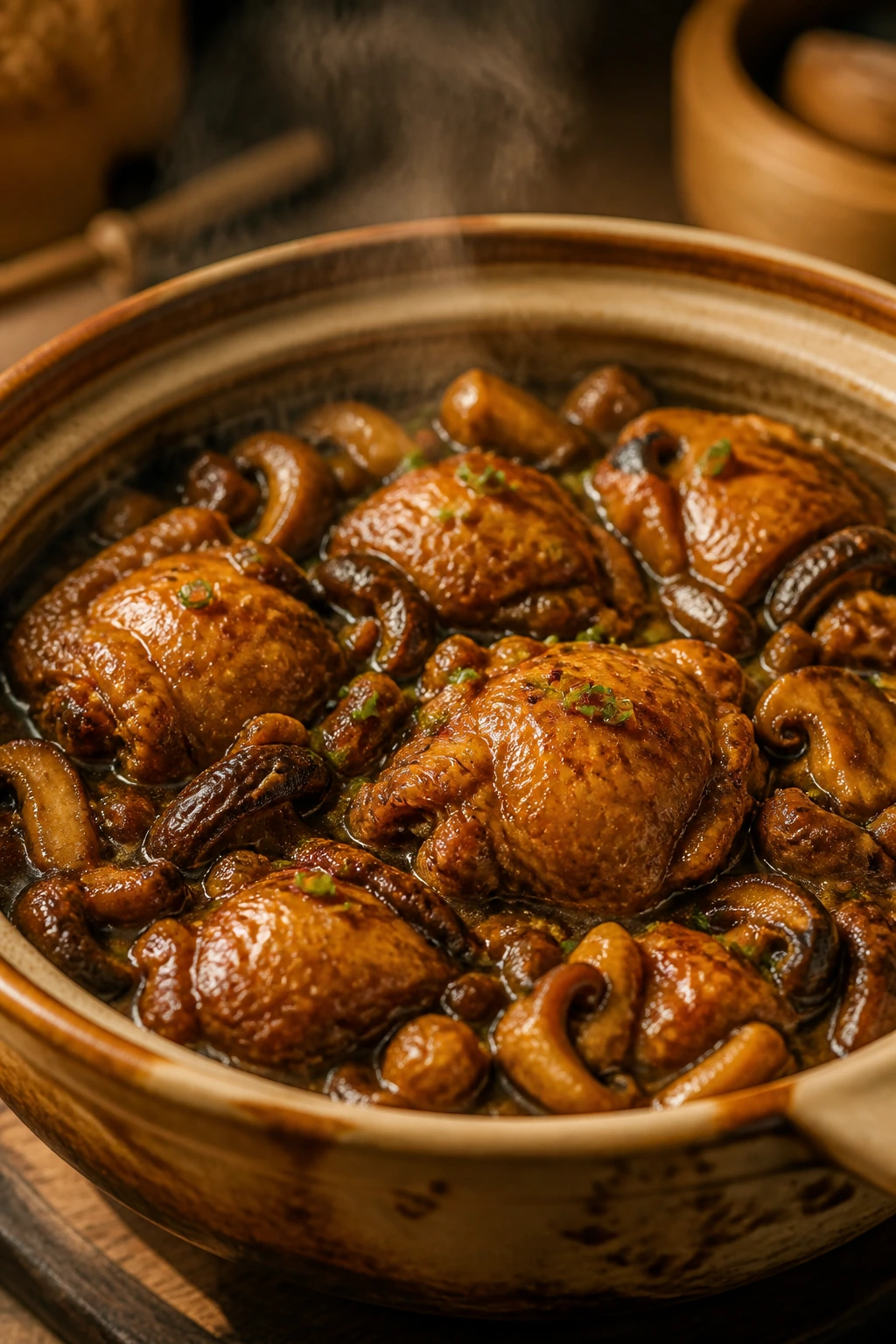
Clay pot chicken with mushrooms tastes earthy and deep, with chicken that picks up the flavor of the broth and mushrooms that soak up the sauce like little sponges. It feels like a slower dish, which is exactly why it’s worth making.
Why It Works: Chicken thighs stay juicy in a braise, and mushrooms add a meaty texture without needing extra fat. A little soy, oyster sauce, and Shaoxing create a base that gets better as it simmers.
Key Ingredients:
- 1½ lb chicken thighs, bone-in or boneless
- 8 oz shiitake mushrooms, fresh or rehydrated dried
- 2 cloves garlic, sliced
- 1 tbsp ginger, sliced
- 2 tbsp soy sauce
- 1 tbsp oyster sauce
- 1 tbsp Shaoxing wine
- 1 cup chicken stock
- 1 tsp sugar
- 1 tbsp cornstarch mixed with 2 tbsp water
- 2 cups bok choy or napa cabbage, optional
Quick Steps:
- Brown the chicken lightly in a pot or clay pot.
- Add garlic, ginger, mushrooms, soy sauce, oyster sauce, Shaoxing, stock, and sugar.
- Cover and simmer until the chicken is cooked through, about 20 minutes.
- Add bok choy or cabbage if using and cook until just wilted.
- Stir in the cornstarch slurry for a light glaze.
- Serve hot with the mushrooms spooned on top.
Equipment for This Recipe:
- Clay pot or Dutch oven
- Lid
- Wooden spoon
How to Serve This Dish: Serve it straight from the pot over rice. The broth is too good to leave behind, and the mushrooms make the whole bowl feel fuller than it looks.
Pro Tips for This Recipe:
- Rehydrate dried shiitakes in hot water if you want the deepest mushroom flavor.
- Bone-in thighs give a richer broth, though boneless is easier to eat.
- Keep the simmer low so the sauce thickens gradually.
Variations on This Dish:
- Ginger Chicken Pot: Add extra ginger slices for a sharper, brighter broth.
- Tofu and Mushroom Version: Replace some chicken with firm tofu chunks.
Common Mistakes to Avoid with This Dish:
- Don’t rush the simmer; the sauce needs time to tighten.
- Don’t overload the pot with mushrooms or the flavor goes muddy.
26. Shanghai-Style Braised Pork Belly
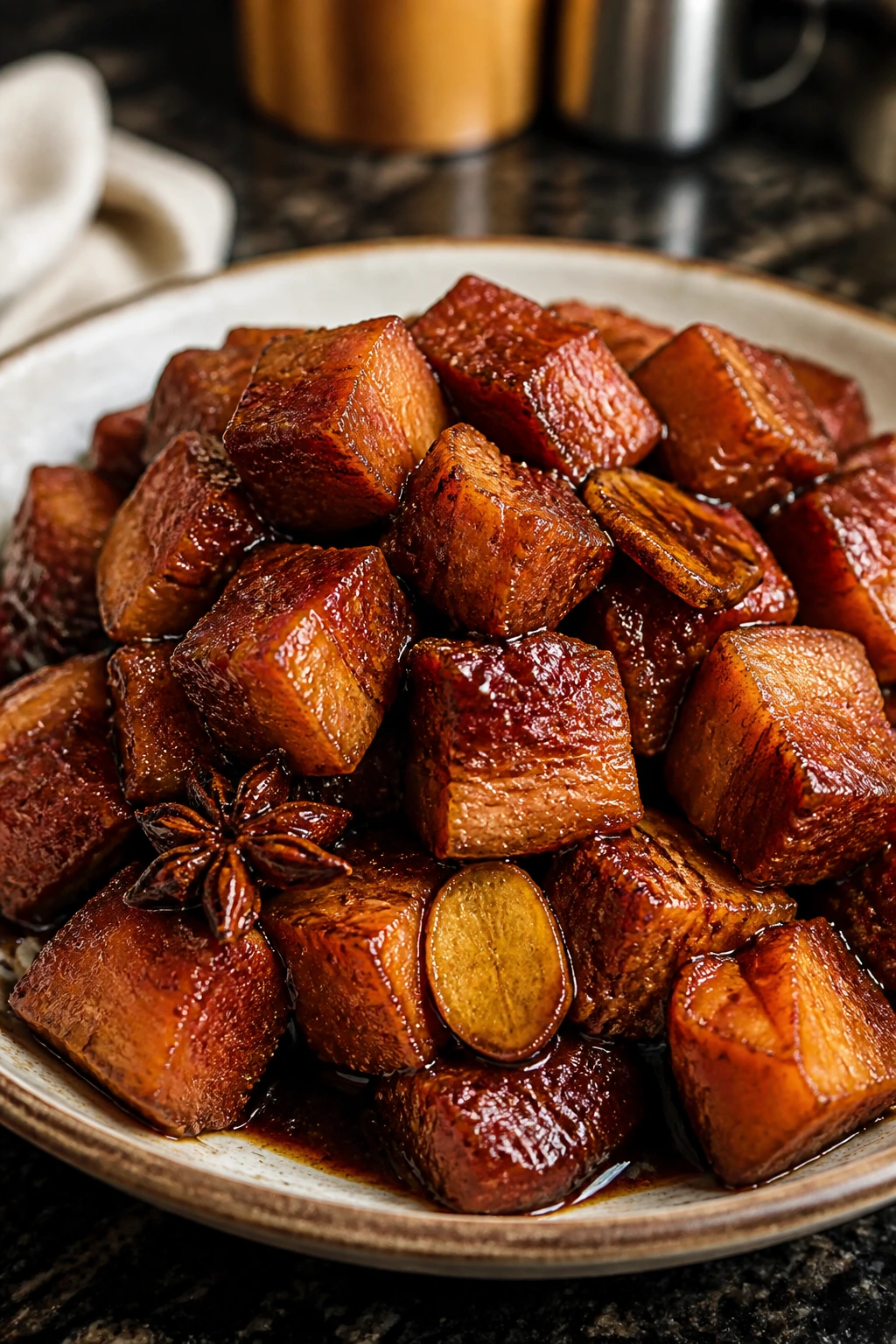
Shanghai-style braised pork belly is glossy, sweet-savory, and slow enough to make the kitchen smell like patience. The fat renders into the sauce, and the meat turns soft without falling into shreds.
Why It Works: Pork belly needs time and liquid to relax. Dark soy gives the sauce its deep color, while rock sugar or brown sugar balances the salt and makes the finish shine.
Key Ingredients:
- 2 lb pork belly, cut into 1½-inch chunks
- 3 tbsp soy sauce
- 2 tbsp dark soy sauce
- 3 tbsp Shaoxing wine
- 3 tbsp brown sugar or rock sugar
- 3 slices ginger
- 2 scallions, tied
- 2 star anise
- 1 cinnamon stick, optional
- 3 cups water
Quick Steps:
- Blanch the pork belly briefly, then drain.
- Melt the sugar in a heavy pot until amber, then add the pork and coat it.
- Stir in soy sauces, Shaoxing, ginger, scallions, star anise, cinnamon, and water.
- Simmer covered until the pork turns tender and the sauce reduces, about 1½ hours.
- Uncover near the end to thicken the glaze.
- Serve with rice and greens.
Equipment for This Recipe:
- Heavy pot or Dutch oven
- Wooden spoon
- Ladle
How to Serve This Dish: This wants plain rice and something green on the side, maybe bok choy or pea shoots. The sauce is rich enough that it should be the thing you remember after the meal.
Pro Tips for This Recipe:
- Keep the heat low once the braise starts; a hard boil makes the fat act greasy.
- If the sauce looks thin after an hour, remove the lid and let it reduce.
- Let it rest 10 minutes before serving so the glaze settles.
Variations on This Dish:
- Egg Braise: Add peeled hard-boiled eggs in the last 20 minutes.
- Cinnamon-Light Version: Skip the cinnamon if you want a cleaner pork flavor.
Common Mistakes to Avoid with This Dish:
- Don’t trim all the fat off the belly. You need some of it for the braise.
- Don’t serve it before the sauce has thickened; it should coat the spoon.
27. Sichuan Dry-Fried Green Beans
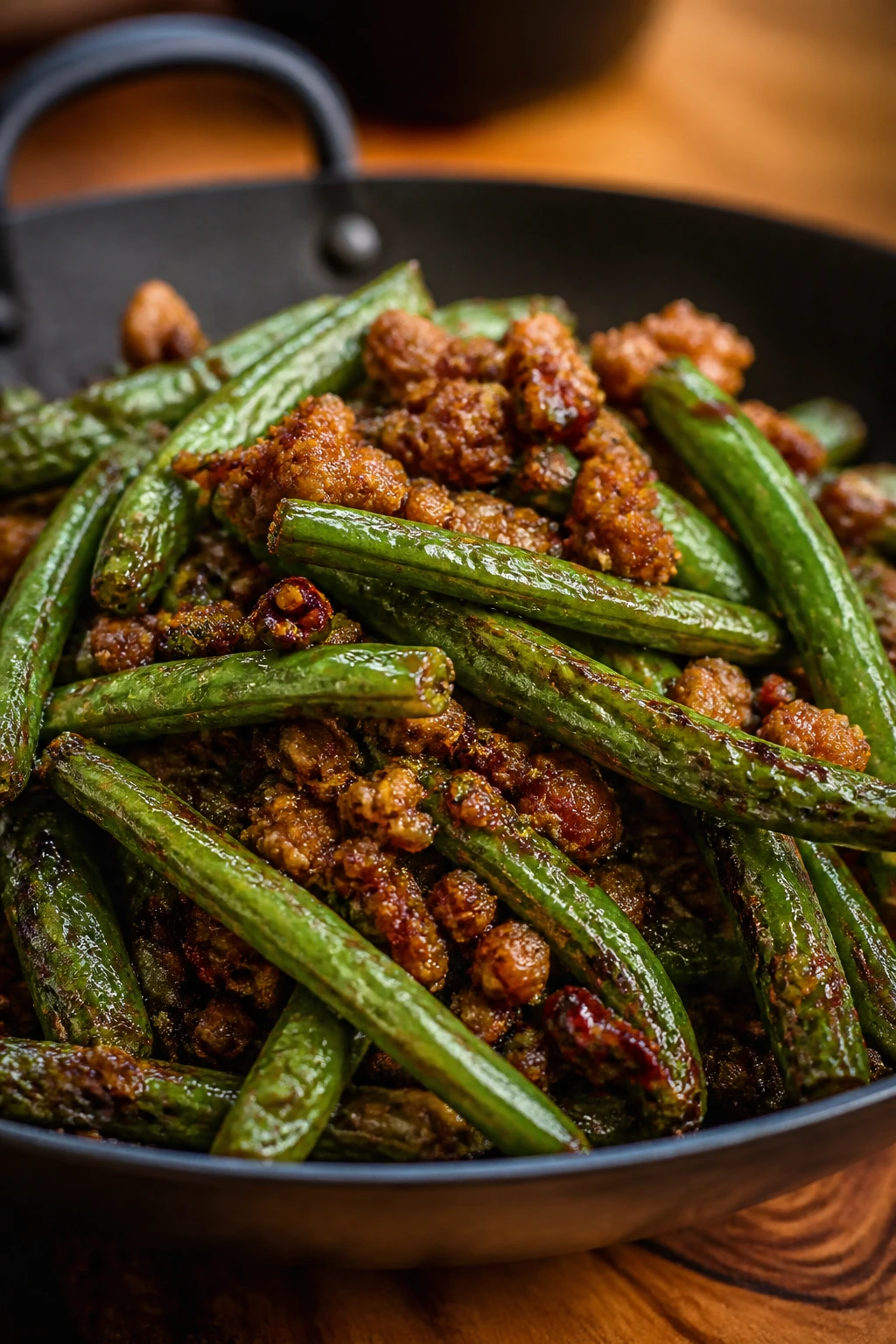
Sichuan dry-fried green beans are smoky, salty, and a little crinkled at the edges, with pork and chile bean paste clinging to every bite. They taste like the beans were alive for a minute in the pan, then went straight to the plate.
Why It Works: Dry-frying drives off moisture first, then the aromatics and sauce go on after the beans have already blistered. That order matters; it’s what keeps the texture snappy instead of soggy.
Key Ingredients:
- 1 lb green beans, trimmed
- 4 oz ground pork
- 3 cloves garlic, minced
- 1 tbsp minced preserved mustard greens or yacai, optional
- 2 tsp doubanjiang
- 1 tbsp soy sauce
- 1 tsp sugar
- 1 tbsp neutral oil
- 1 tsp sesame oil
- 1 scallion, sliced
Quick Steps:
- Dry-fry the beans in a hot skillet until wrinkled and blistered, about 8 minutes.
- Remove them and cook the ground pork in the same pan.
- Add garlic, yacai if using, and doubanjiang; stir until fragrant.
- Return the beans, then add soy sauce and sugar.
- Toss until the beans are coated and the pork clings to them.
- Finish with sesame oil and scallions.
Equipment for This Recipe:
- Skillet or wok
- Spatula
- Cutting board and knife
How to Serve This Dish: Serve these with rice and a mild main dish, like steamed fish or braised chicken. They bring the sharpness, so the rest of the meal can stay calm.
Pro Tips for This Recipe:
- Keep the beans moving, but not constantly; they need contact with the pan.
- If your beans are thick, cover for a minute after blistering to finish the center.
- Use a little oil, not a lot. The dish is named dry-fried for a reason.
Variations on This Dish:
- Chicken-Minced Version: Use minced chicken instead of pork.
- No Pork Version: Add chopped mushrooms for a meatless bite.
Common Mistakes to Avoid with This Dish:
- Don’t blanch the beans first or you lose the wrinkled texture.
- Don’t add sauce before the beans blister; they’ll steam instead.
28. Steamed Pork Buns
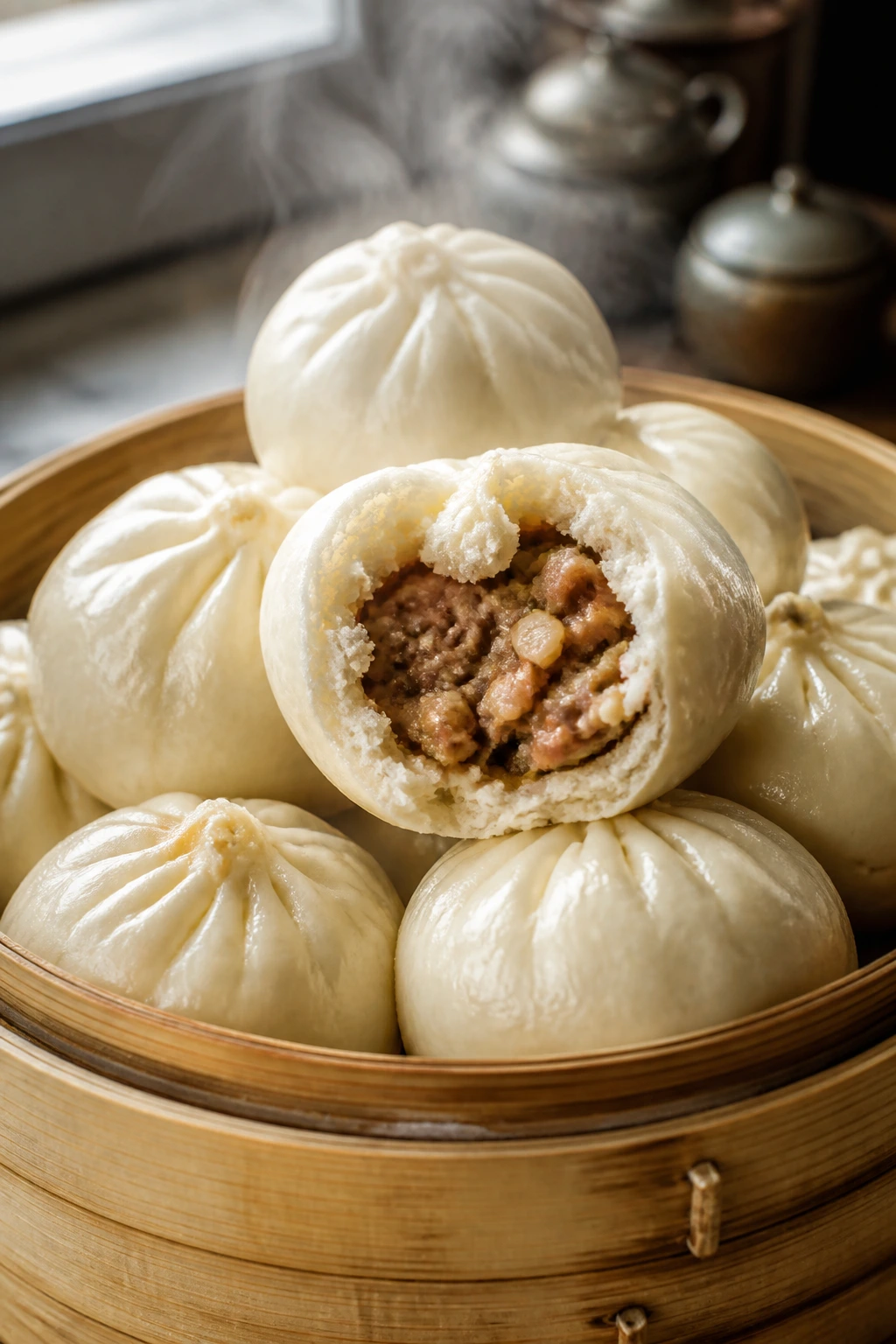
Steamed pork buns should come out puffed, soft, and faintly sweet, with a savory filling that gives a little steam when you tear one open. Homemade, they taste more like bread and less like a convenience item, which is the point.
Why It Works: The dough gets its fluff from yeast and a short rise. The filling stays juicy because it’s seasoned with soy, oyster sauce, and ginger, then sealed inside a dough that steams instead of browns.
Key Ingredients:
- Dough: 3 cups all-purpose flour, 2 tbsp sugar, 1 tsp instant yeast, 1 cup warm water, 1 tbsp neutral oil
- Filling: 1 lb ground pork, 2 tbsp soy sauce, 1 tbsp oyster sauce, 1 tbsp Shaoxing wine, 1 tbsp sugar, 1 tbsp grated ginger, 2 scallions, 1 tsp sesame oil, 1/2 cup finely chopped cabbage
- 1 tbsp cornstarch for dusting
- Parchment squares for steaming
Quick Steps:
- Mix and knead the dough, then let it rise until doubled, about 1 hour.
- Stir the filling together until sticky.
- Divide the dough, roll into rounds, and fill each with about 1 tbsp pork.
- Pinch the tops closed and let the buns rise again for 20 minutes.
- Steam over medium-high heat for 12 to 15 minutes.
- Rest 5 minutes before opening the lid so they don’t collapse.
Equipment for This Recipe:
- Mixing bowl
- Steamer basket or bamboo steamer
- Rolling pin
How to Serve This Dish: Serve the buns hot with black vinegar and chili oil on the side. They work as a meal with soup, or as part of a larger table where other people keep stealing them off the tray.
Pro Tips for This Recipe:
- Seal the buns carefully; a tiny gap can leak filling into the steamer.
- Don’t open the lid early. Steam shock can wrinkle the buns.
- If the dough feels dry, add water a teaspoon at a time, not all at once.
Variations on This Dish:
- Char Siu Buns: Replace the pork filling with chopped char siu.
- Chicken Bun Version: Use ground chicken and add a little extra sesame oil for richness.
Common Mistakes to Avoid with This Dish:
- Don’t overproof the dough or it collapses during steaming.
- Don’t cram too much filling inside. It will split the bun.
Why Wok Heat Changes Everything
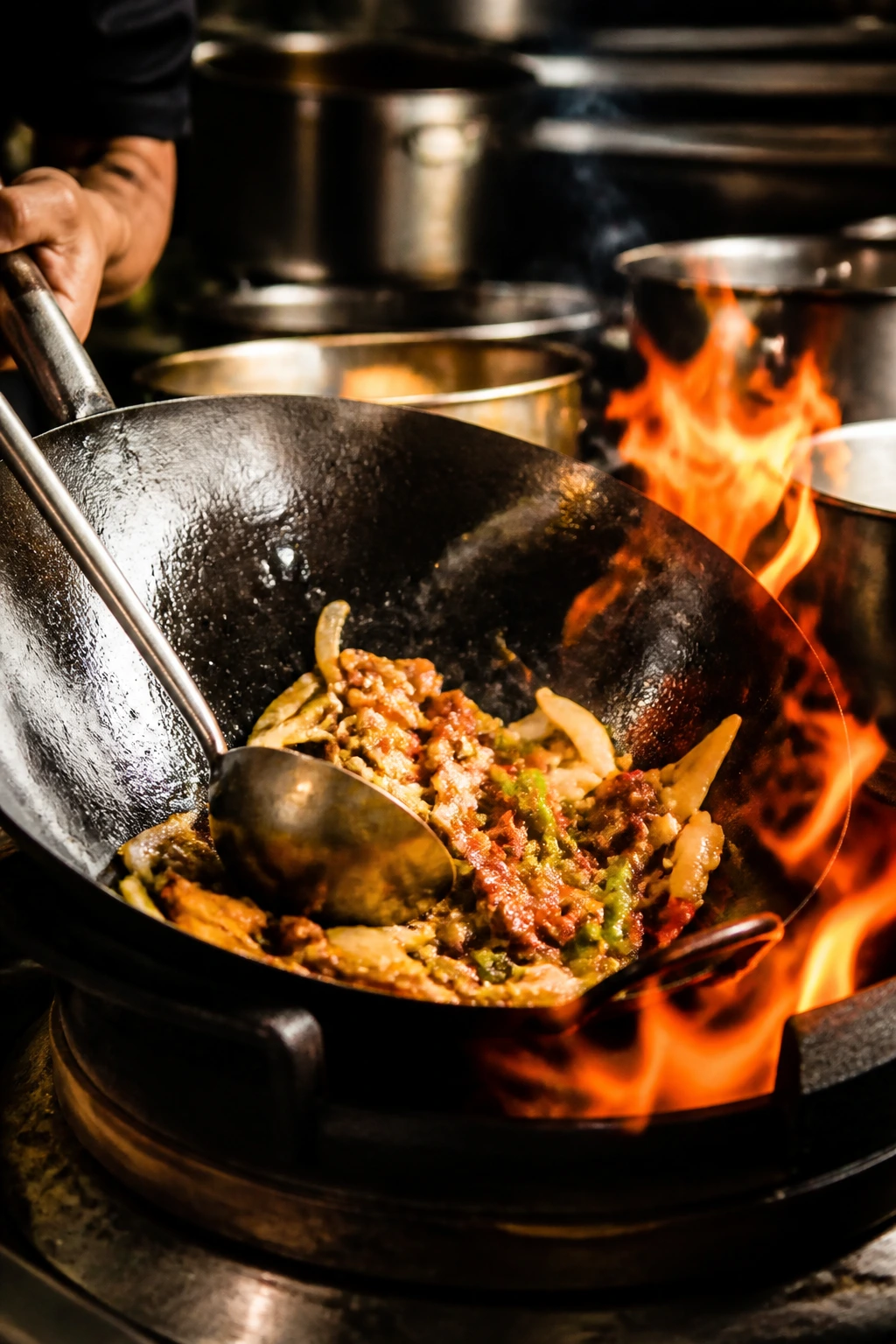
A hot pan does more for these dishes than fancy ingredients ever will. That sounds obvious until you cook a few stir-fries in a lukewarm skillet and wonder why the vegetables went soft and the chicken leaked juice everywhere.
Heat changes the whole shape of Chinese home cooking. It lets sauces reduce quickly, keeps broccoli green, gives green beans their blistered skins, and makes beef sear instead of sigh. Once you get used to working with a screaming-hot wok or skillet, the rest of the method feels simpler, not harder. Prep matters more. Timing matters more. And the reward is a dish that tastes alive instead of reheated.
The other thing heat does is protect texture. Noodles stay springy if you move fast. Tofu keeps its cube. Dumpling wrappers stay intact. Even a braised dish like pork belly benefits from the early sear because it puts a little caramel on the surface before the long simmer takes over. That’s the pattern hiding under almost all of these recipes: quick, confident heat where you want color, then a shorter, gentler finish where you want tenderness.
Essential Equipment for These Recipes
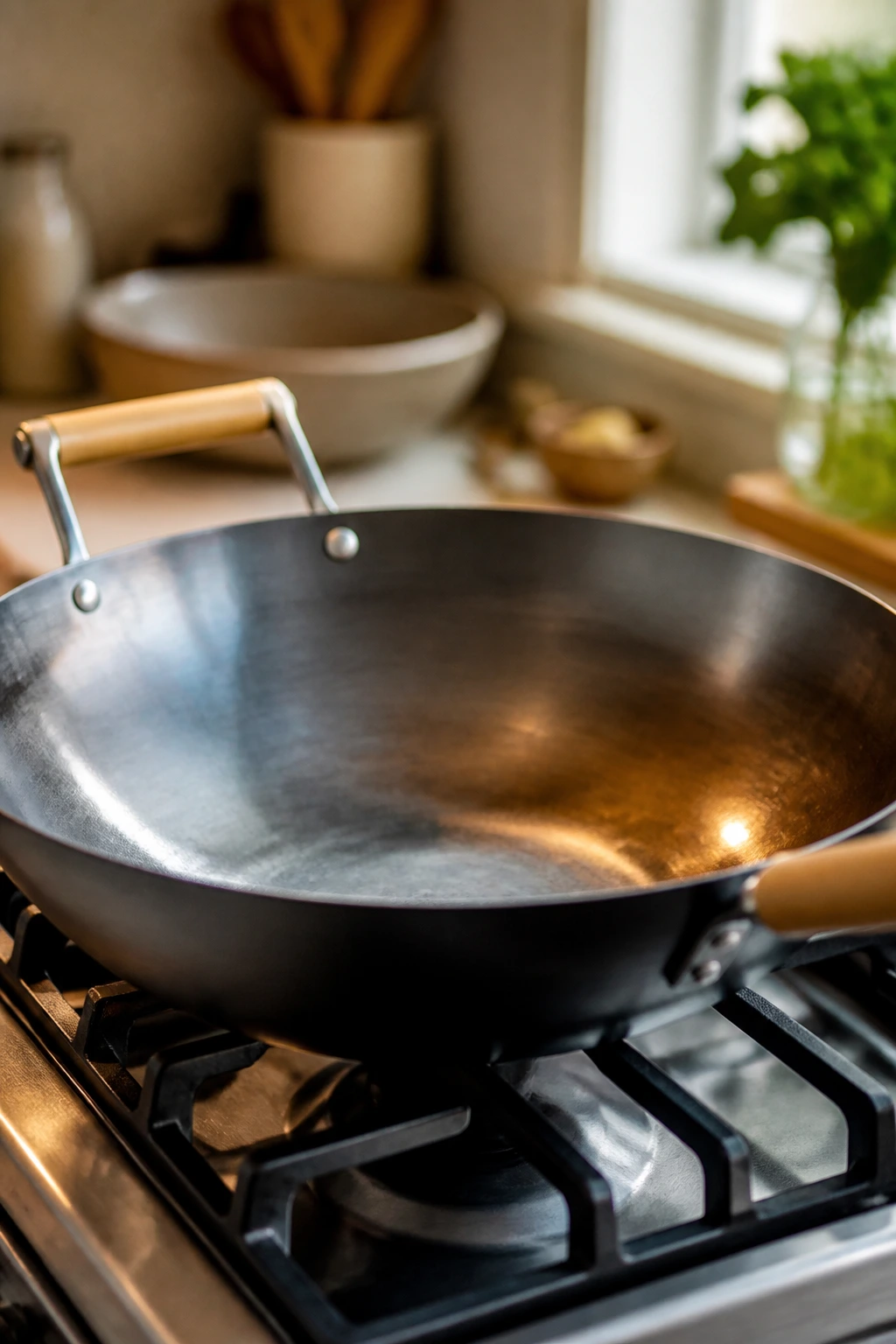
- 12-inch wok or large skillet: This is the workhorse for stir-fries, noodles, and quick sauces.
- Heavy pot or Dutch oven: Braises, soups, and pork belly need something that holds heat steadily.
- Fine-mesh strainer: Handy for rinsing tofu, draining blanched vegetables, and getting rid of scum in broths.
- Wire rack: Fried chicken, shrimp, and pork stay crisp longer on a rack than on paper towels.
- Slotted spoon or spider: Useful for dumplings, fried pieces, and anything that needs quick lifting from oil or broth.
- Mixing bowls in small and medium sizes: You’ll use them constantly for sauces, marinades, and fillings.
- Sharp knife: Thin slicing changes the outcome more than people admit, especially with beef, pork, and chicken.
- Steamer basket or metal insert: Needed for fish, buns, and dumplings.
- Tongs and a wooden spatula: Tongs handle noodles and fried items; the spatula gets into corners without tearing soft ingredients.
- Measuring spoons and cups: Sauces live and die by balance, so eyeballing every splash is a bad habit.
Smart Shopping for Soy Sauce, Noodles, and Fresh Aromatics
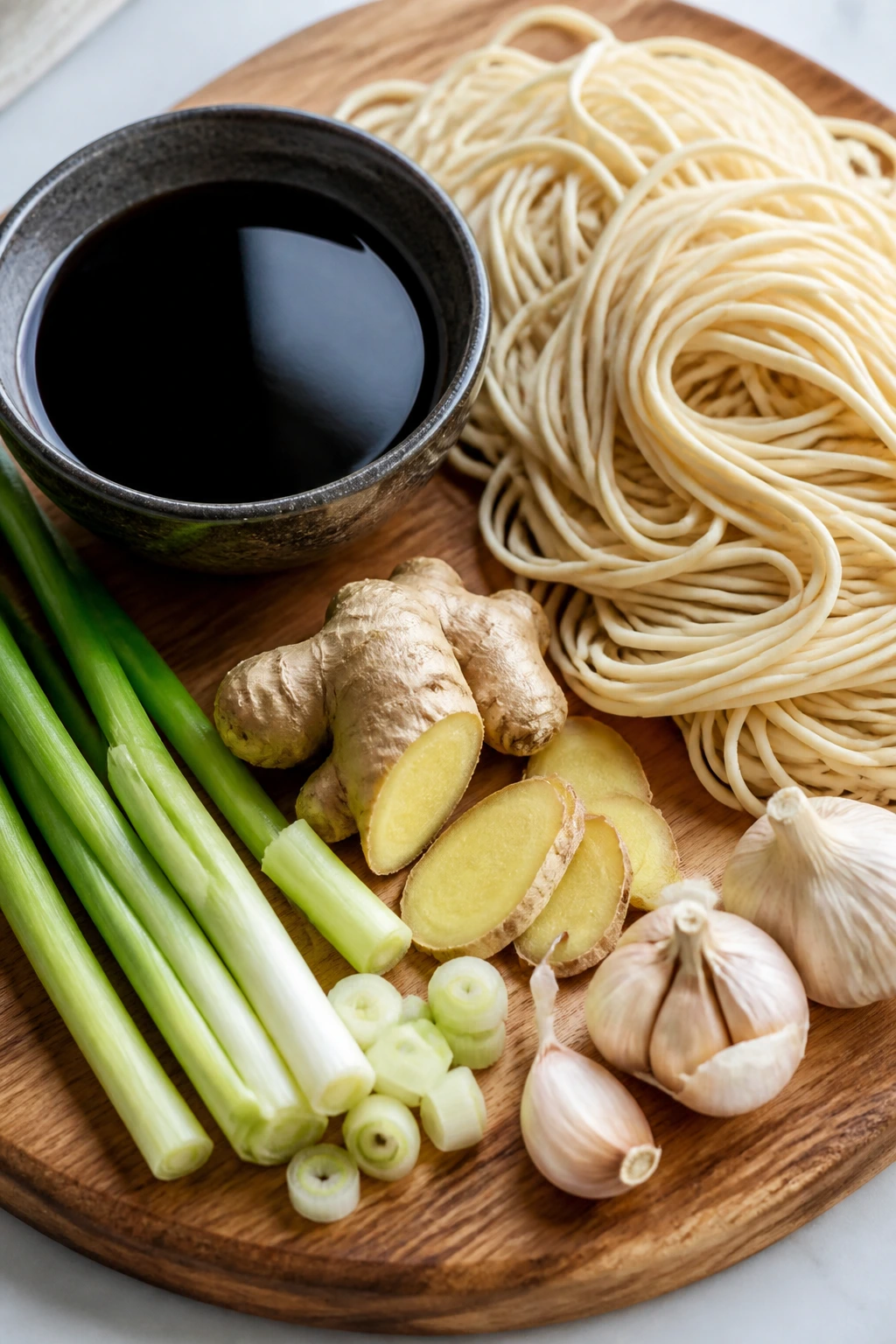
Buy soy sauce like it matters, because it does. A lighter, all-purpose soy sauce handles most of these dishes, but a dark soy sauce earns its keep in braises and glossy pork. Oyster sauce adds depth to vegetables and noodles, while Shaoxing wine gives you that restaurant smell that plain water never will. If you can only buy one vinegar, rice vinegar is the safest pick; if you want the sharper, darker edge for noodles or dumplings, grab Chinkiang vinegar too.
Fresh aromatics are worth the errand. Ginger should feel firm and knobby, not wrinkled. Garlic should be dry and tight, not sprouting green stems through the middle. Scallions need crisp white bulbs and green tops that don’t flop when you cut them. Those little details change the aroma more than most people expect.
For noodles, the form matters. Thin wheat noodles work for chow mein and dan dan. Lo mein wants something a little sturdier. Spaghetti can stand in if that’s what’s in the cupboard, and frankly, it’s better than skipping dinner because the exact package wasn’t on the shelf. Frozen vegetables are fine in fried rice and even some stir-fries, but dry them well or the pan gets watery fast. With proteins, thighs usually beat breasts here because they forgive high heat, a short rest, and a slightly late sauce much better.
How to Serve These Chinese Meals at Home
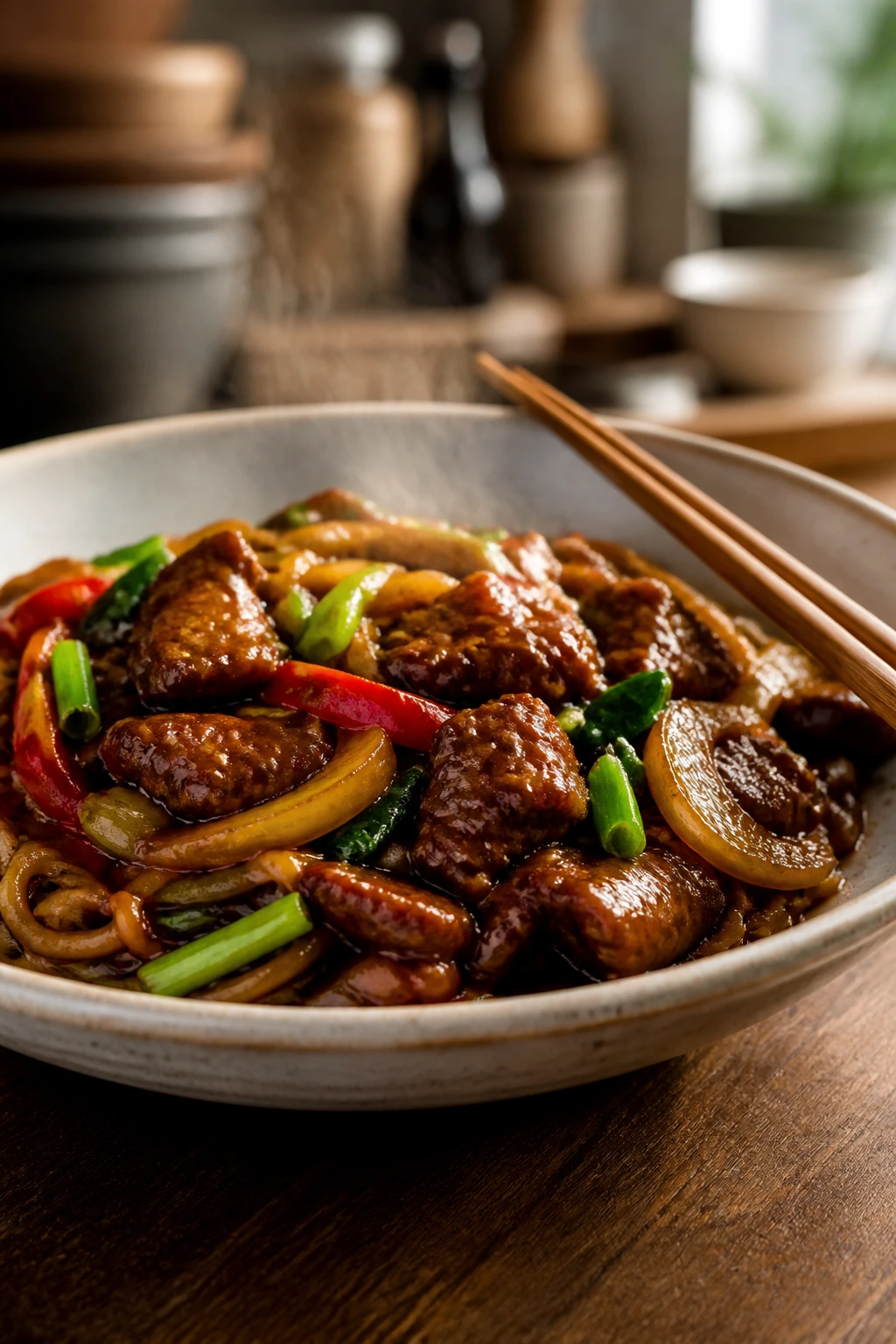
Presentation: Serve stir-fries in shallow bowls so the sauce stays visible instead of disappearing under a mound. Noodles and fried rice look better when you loosen them with chopsticks or a fork right before serving, leaving a few strands and grains piled instead of smoothed flat.
Accompaniments: Plain jasmine rice handles saucy dishes like kung pao chicken, mapo tofu, and braised pork belly. For lighter plates, add blanched bok choy, smashed cucumbers, or a bowl of hot and sour soup. Scallion pancakes, dumplings, and steamed buns do a lot of the heavy lifting on their own, so they only need dipping sauce and maybe one green side.
Portions: Most of these recipes land in the 3 to 4 serving range if you’re serving them as mains with rice. Noodle dishes can stretch farther if you add vegetables or a soup. For a larger table, I’d rather make three different dishes at moderate portions than one giant bowl of anything; that’s how the meal starts to feel arranged instead of accidental.
Beverage Pairing: Jasmine tea is the easy answer because it resets the palate without fighting the food. For something colder, a lightly bitter lager or sparkling water with lime holds up to fried and spicy dishes. Sweet drinks can be a trap here; they flatten the sharp edges that make these meals interesting.
Extra Tips and Flavor Boosters for Chinese Home Cooking
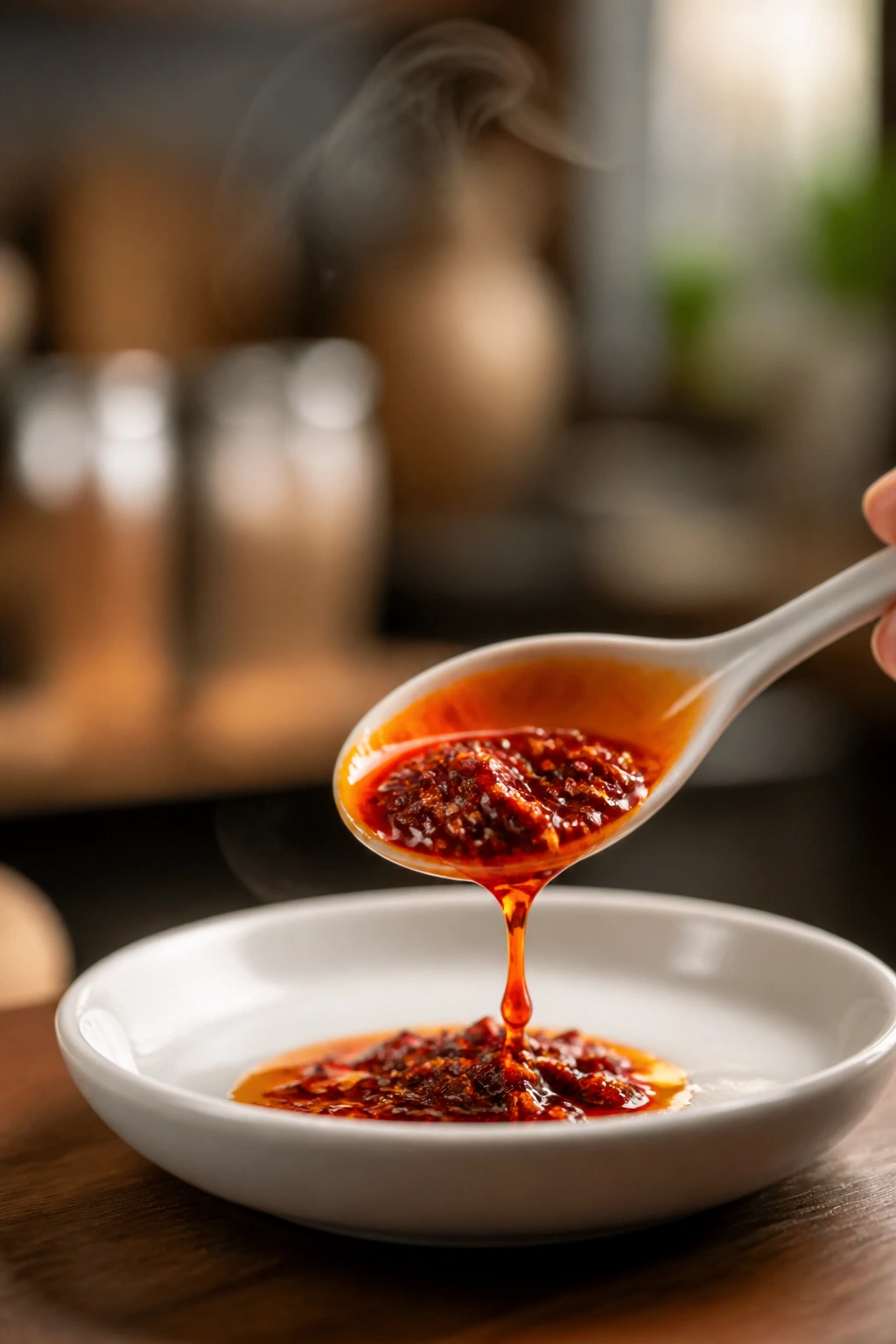
Flavor Enhancement: Keep a small jar of chili oil or chili crisp in the fridge. A teaspoon stirred into noodles, rice, soups, or dumpling sauce wakes up a tired meal without changing the whole profile.
Customization: If you like more vegetable volume, add cabbage, bok choy, snap peas, or mushrooms to nearly any stir-fry. They don’t need perfect symmetry with the original recipe; they just need to be cut to the same size as whatever else is in the pan.
Serving Suggestions: Finish many of these dishes with sliced scallions, toasted sesame seeds, or a drizzle of sesame oil right at the end. That last-minute move matters because heat wipes out aroma fast, and aroma is half the pleasure.
Make-It-Yours: For gluten-free eating, use tamari instead of soy sauce and choose rice noodles or rice bowls more often. For dairy-free cooking, most of these dishes already fit; the only thing to watch is packaged sauces. For lower-salt eating, lean harder on ginger, garlic, vinegar, and scallions so the food stays bright even with less soy.
Make-Ahead, Storage, and Reheating Guidance
Most stir-fries keep 3 to 4 days in the refrigerator if you cool them fast and store them in shallow containers. Fried foods lose crunch much faster, so keep fried chicken, shrimp, and pork on a rack in the fridge if you can, then reheat them on a wire rack in a 400°F oven for 8 to 12 minutes. That beats the microwave every time.
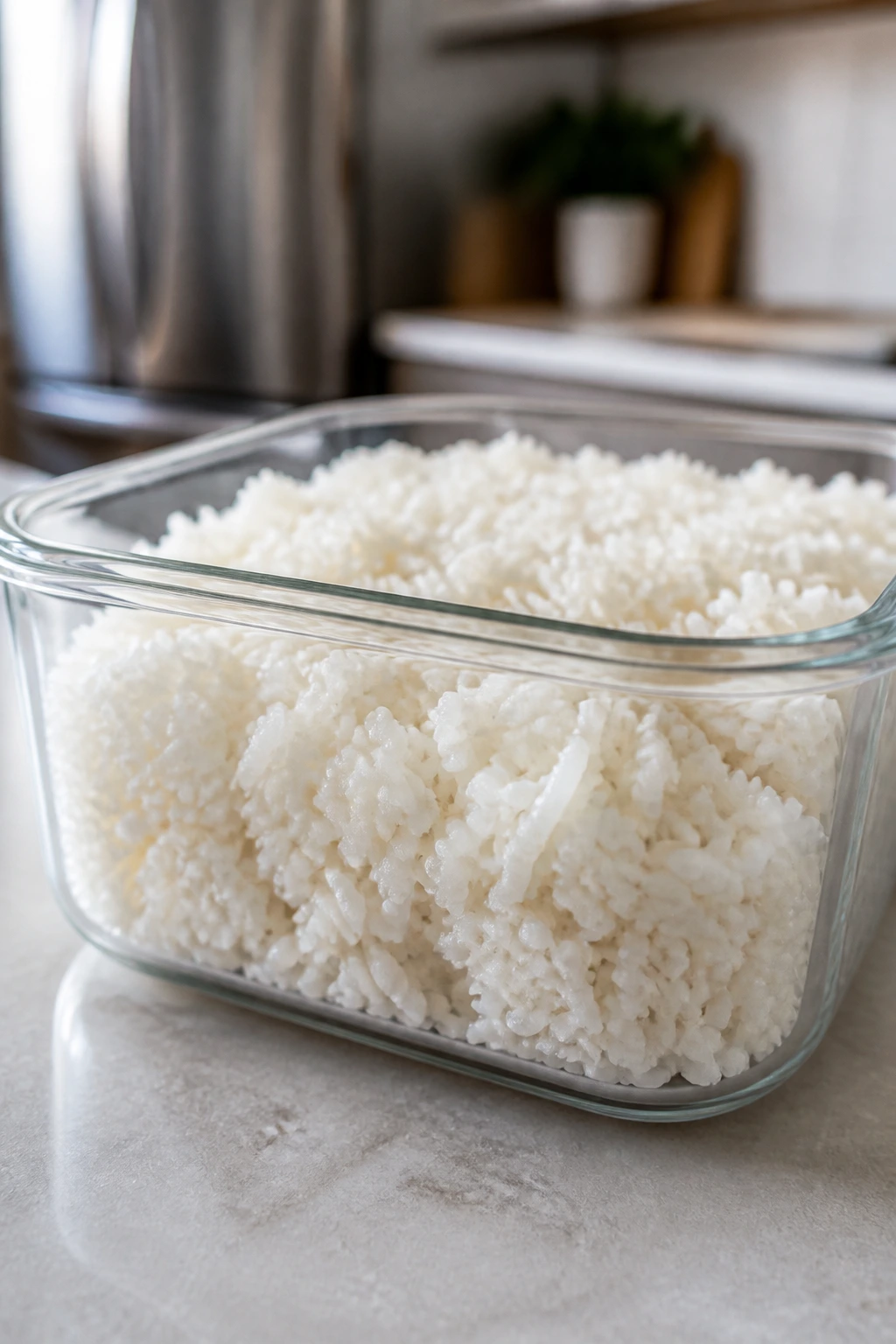
Rice is a different animal. Spread it out to cool, then chill it within an hour or two, and it’ll fry up better the next day than the day you made it. Soup lasts 4 to 5 days refrigerated, and braised dishes like pork belly or clay pot chicken often taste deeper the next day because the sauce settles into the meat. Dumplings and buns freeze beautifully for up to 2 months if you freeze them on a tray first, then bag them once they’re hard.
Reheating noodles takes a light touch. A splash of water in a skillet over medium heat is better than blasting them in a microwave until the edges dry out. For braises, reheat gently on the stove with a spoonful of water or stock if the sauce has tightened too much. For steamed buns, steam them again for a few minutes; that returns the softness better than any other method.
Variations and Adaptations to Try
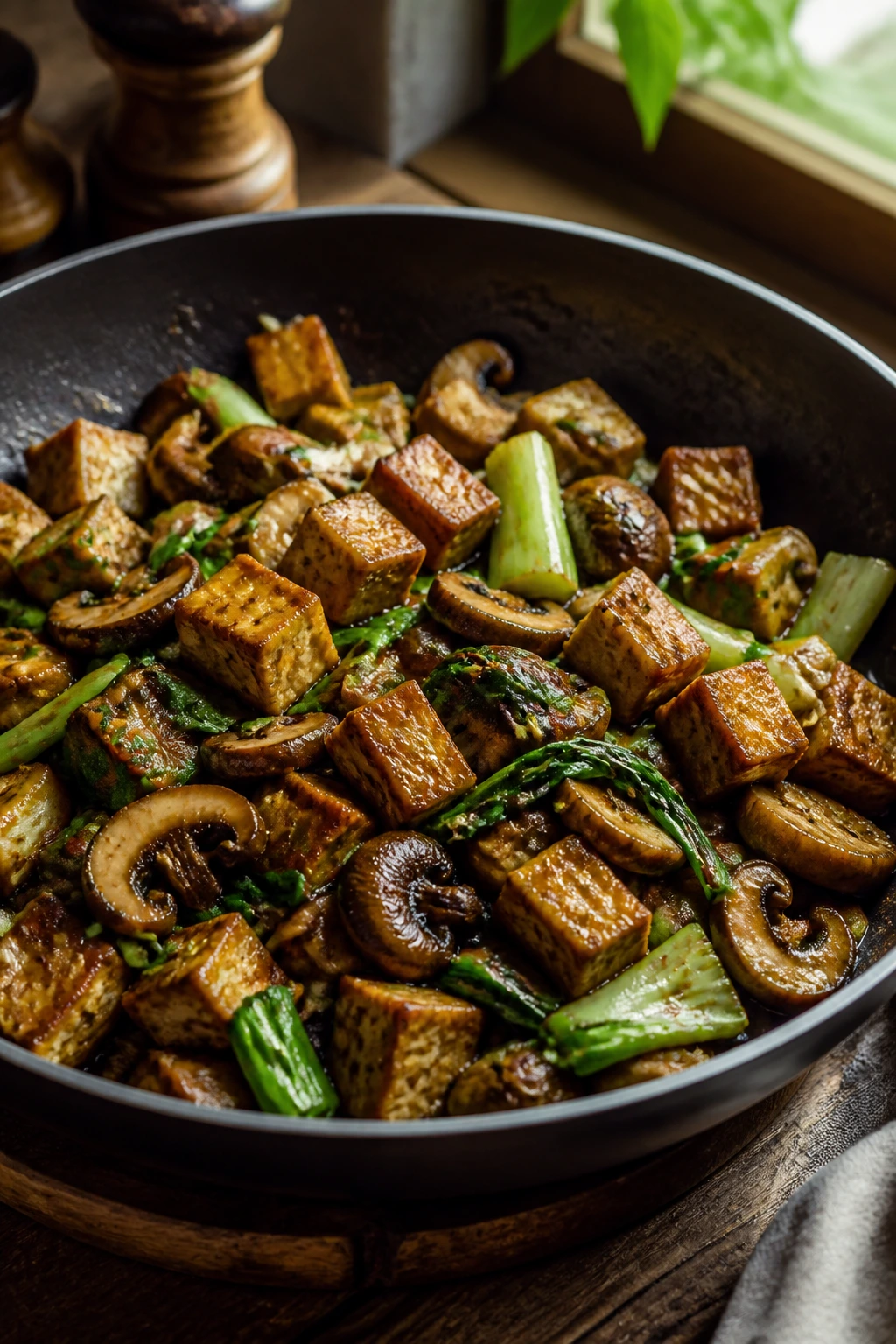
Vegetarian Pantry Night: Swap chicken, beef, or pork for mushrooms, tofu, or extra green beans. The trick is to keep the same sauce balance and let the vegetables take on the seasoning instead of trying to mimic meat texture.
Gluten-Free Bowl: Use tamari, rice vinegar, rice noodles, and cornstarch-heavy coatings instead of wheat flour when needed. Dumpling wrappers and buns are harder to replace cleanly, so I’d treat those as separate projects rather than forcing a bad substitute.
Lower-Spice Route: Pull back the dried chiles and doubanjiang, then lean on ginger, scallions, and black vinegar for brightness. You lose some fire, but you keep the shape of the dish.
Extra-Protein Dinner: Add a fried egg, a handful of peanuts, or shredded chicken to noodles and rice dishes. That’s a quick way to turn a side into a full meal without changing the recipe much.
Weeknight Shortcut: Use frozen dumplings, pre-cut broccoli, or bagged coleslaw mix when the goal is dinner, not a cooking seminar. Good sauce can cover a lot of practical shortcuts.
Common Mistakes to Avoid When Cooking Chinese Meals at Home
The first mistake is starting with a pan that isn’t hot enough. If the oil never shimmers, the food steams and the sauce turns thin. Wait the extra minute. It matters.
Another one is drowning everything in sauce. Chinese home cooking often looks saucy, but the liquid should cling in a film, not pool like soup. If the pan looks wet at the end, keep cooking for another minute before you serve.
People also overcut the aromatics and undercut the meat. Huge garlic chunks burn unevenly, while thick slices of beef or pork stay chewy. Keep the pieces small and even, and you’ll get a better result without doing more work.
The last trap is forgetting that some ingredients need separate treatment. Fried chicken needs a rack. Blanched broccoli needs to drain dry. Tofu needs a gentle hand. If everything goes into the pan with the same attitude, the finished dish tastes flat and sloppy.
Frequently Asked Questions About Chinese Meals at Home
Can I use a skillet instead of a wok?
Yes. A large skillet works for most of these dishes, especially if it’s wide and heats evenly. A wok gives you more room to toss, but good technique matters more than the shape of the pan.
What if I can’t find Shaoxing wine?
Dry sherry is the cleanest substitute. If you don’t have that either, use water with a tiny splash of rice vinegar and expect a little less depth.
How do I keep stir-fry sauce from getting too thin?
Mix your cornstarch with cold water first, then add it near the end while the pan is bubbling. If you add too much too early, the sauce can go gluey instead of glossy.
Can I freeze dumplings and buns before cooking them?
Yes, and you should. Freeze them on a tray until solid, then transfer to a bag or box. Cook from frozen; don’t thaw them first or the wrappers get sticky.
What’s the easiest dish here for a beginner?
Egg fried rice or tomato and egg stir-fry are the gentlest starting points. Both teach timing, seasoning, and heat without asking you to manage dough or deep frying.
How do I stop fried foods from going soggy?
Drain them on a rack, sauce them at the very end, and serve immediately. If the recipe needs a glaze, work fast and keep the sauce separate until the last minute.
Are frozen vegetables okay in these recipes?
They are fine for fried rice, soups, and some stir-fries. Just thaw and dry them well first, because extra water is the fastest way to wreck a hot pan.
What if the dish tastes too salty?
Add a little water, a handful of plain vegetables, or more rice/noodles to dilute the salt. A splash of vinegar or a pinch of sugar can help rebalance the flavor, but dilution is usually the cleanest fix.
A Hot Pan and a Small Bowl of Sauce
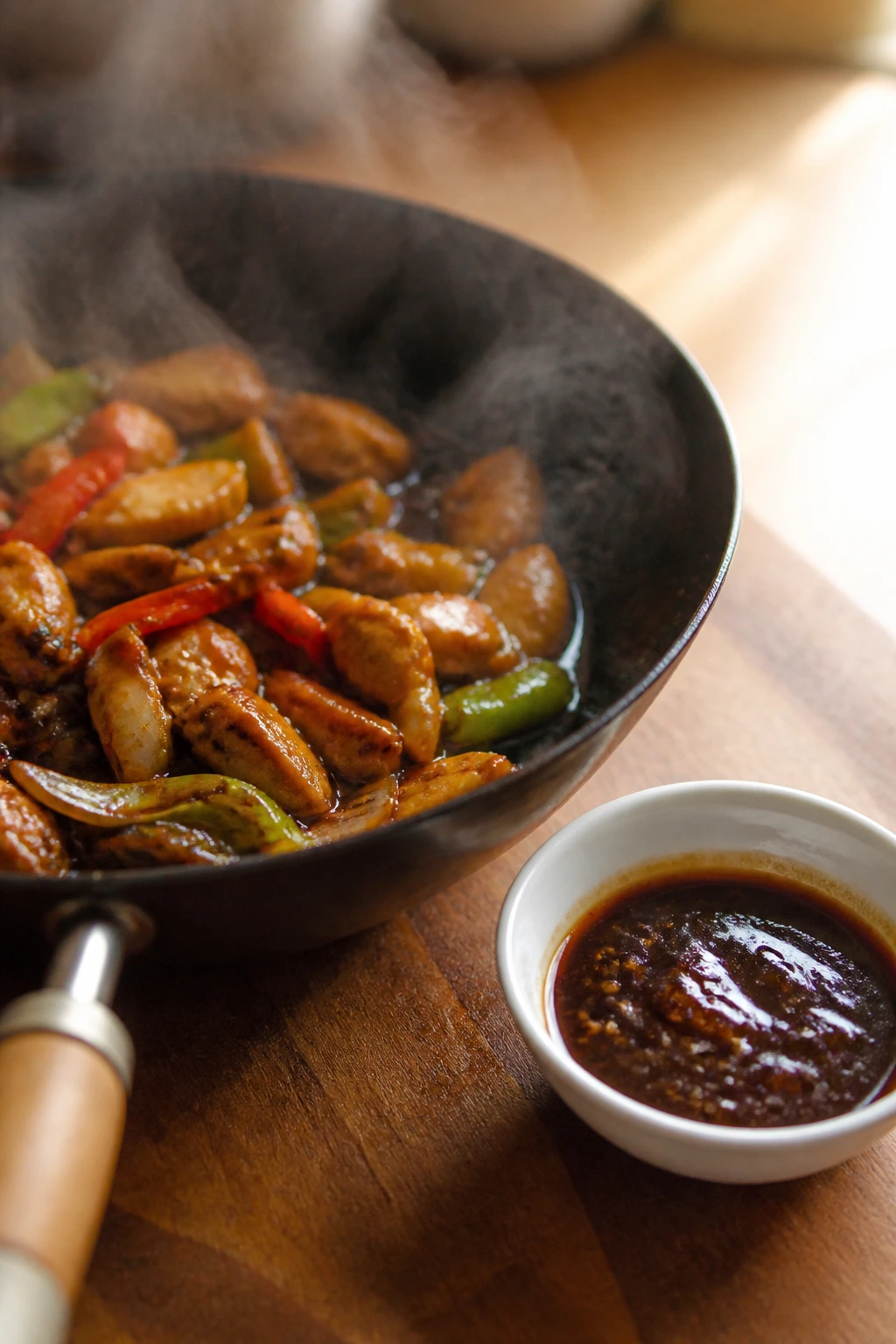
The nicest thing about cooking these dishes is that the methods keep repeating. A hot pan, a sharp knife, a bowl of sauce mixed before the stove gets loud. Once those habits settle in, Chinese meals at home stop feeling like special projects and start feeling like dinner you can trust.
That’s the real payoff here. Not just better-than-delivery flavor, though you get that. It’s the way the kitchen feels when you know exactly what the garlic should smell like, when the broccoli is done, when the chicken needs another thirty seconds, and when the rice is ready to catch the sauce. Keep those pans hot, keep the bowls small, and dinner gets a lot more interesting very quickly.