



There’s a narrow line between a poke bowl that tastes bright and one that tastes like cold rice with toppings on top. The difference usually isn’t some dramatic trick. It’s the small stuff: rice seasoned while it’s still warm, fish kept cold until the last minute, and an aroma that hits you before the first bite — ginger, toasted sesame oil, scallion, lime zest, a little soy.
That’s why a homemade poke bowl can beat takeout with almost insulting ease. Most restaurant versions lean too hard on sauce or bury the fish under a scatter of random toppings. I’d rather have a bowl where every ingredient earns its place, where the cucumber still snaps, the avocado stays clean and green, and the sesame scent rises out of the bowl like it knows what it’s doing.
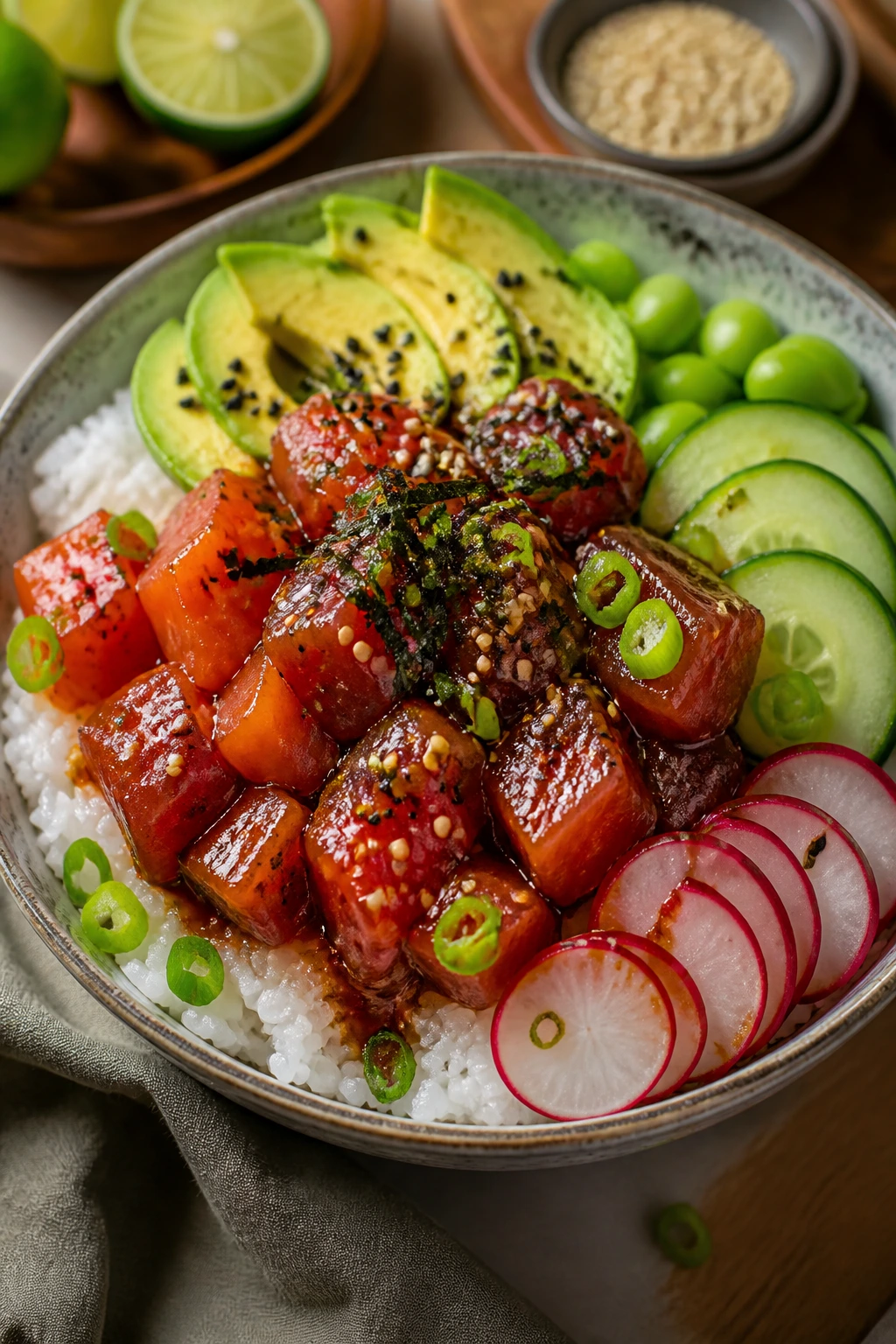
This version goes after that exact feeling. It’s built for contrast: warm sushi rice, chilled marinated fish, quick-pickled cucumber, creamy avocado, crisp radish, and enough nori and sesame to make the whole bowl smell savory instead of flat. If you’ve had a poke bowl that felt dull halfway through, this one fixes the usual problems without turning into a fussy project.
Why This Bowl Feels Smarter Than Takeout
-
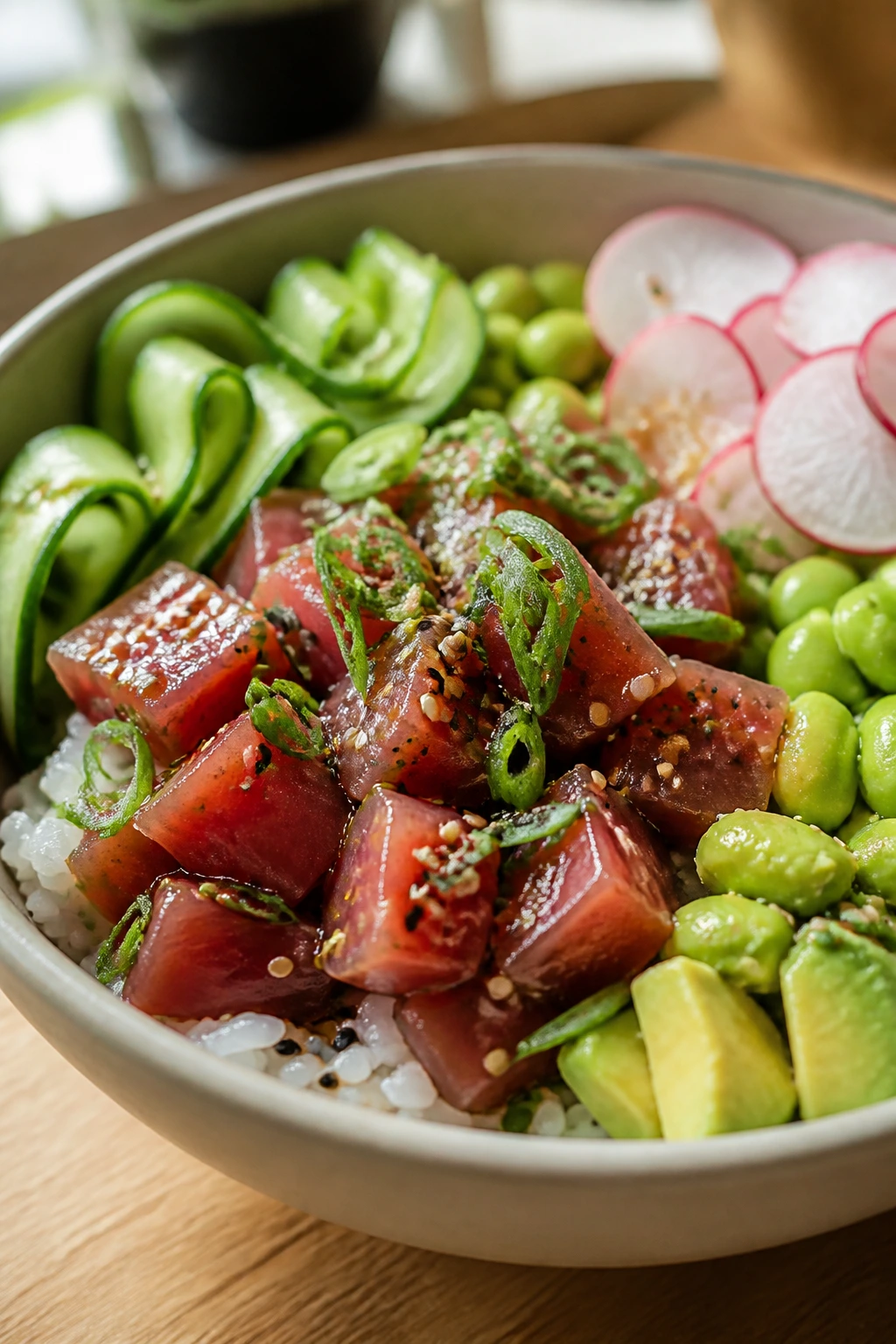
The aroma is the point, not an accident: Fresh ginger, toasted sesame oil, scallion, and lime zest make the bowl smell alive the second you mix the fish.
-
The rice actually tastes seasoned: Sushi rice needs vinegar, salt, and a little sugar while it’s still warm; otherwise, the whole bowl tastes like toppings on plain starch.
-
You can keep it raw or cook it: Use sushi-grade tuna or salmon if that’s your thing, or swap in seared fish, shrimp, or tofu without rewriting the whole recipe.
-
The textures stay separate: Quick-pickled cucumber and dry, chilled toppings keep the bowl from collapsing into one soft, salty blur.
-
It’s fast once the rice is going: Most of the work is chopping and assembling. No long simmer, no complicated sauce, no weird cleanup.
-
It holds up to real hunger: This isn’t one of those bowls that looks nice and disappears in ten minutes. It eats like a meal.
The Clock on a Good Poke Bowl
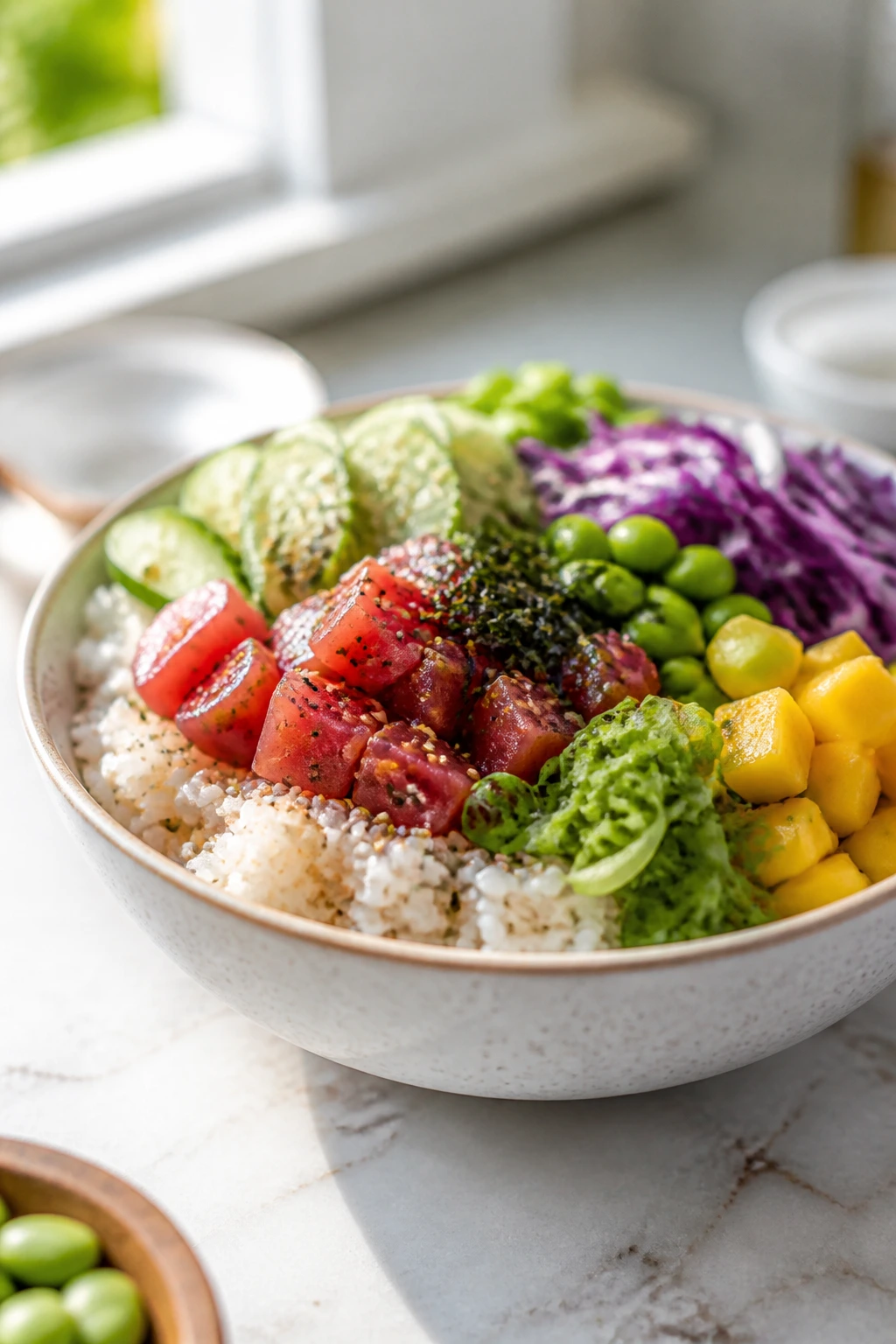
Yield: Serves 4
Prep Time: 25 minutes
Cook Time: 20 minutes
Total Time: 45 minutes, plus a short cooling and marinating window
Difficulty: Intermediate — the steps are straightforward, but the rice texture and raw-fish handling reward a little care.
Chill/Rest Time: 10 minutes for the rice to cool enough to handle, 10 to 15 minutes for the fish to marinate
Best Served: Right after assembly, while the rice is warm and the toppings are cold
The timing matters more than it looks. A poke bowl that sits around too long turns from crisp and fragrant to damp and sleepy, and the whole thing starts tasting like the refrigerator. Build it at the last minute and the contrast stays sharp.
The Ingredients in the Bowl
For the Sushi Rice:
- 2 cups short-grain sushi rice, rinsed until the water runs mostly clear
- 2 1/2 cups water
- 3 tablespoons rice vinegar
- 1 tablespoon granulated sugar
- 1 teaspoon fine sea salt
For the Poke:
- 1 pound sushi-grade ahi tuna or salmon, cut into 1/2-inch cubes
- 3 tablespoons low-sodium soy sauce
- 1 tablespoon toasted sesame oil
- 1 tablespoon rice vinegar
- 1 teaspoon finely grated fresh ginger
- 1 small garlic clove, finely grated
- 2 scallions, thinly sliced
- 1 teaspoon honey or maple syrup
- 1 teaspoon lime zest
- 1/2 teaspoon red pepper flakes or 1 teaspoon chili crisp, optional
For the Quick-Pickled Cucumber:
- 1 large cucumber, thinly sliced
- 2 tablespoons rice vinegar
- 1 teaspoon sugar
- 1/2 teaspoon fine sea salt
For the Toppings:
- 1 cup shelled edamame, thawed if frozen
- 1 large avocado, sliced
- 1 cup shredded carrots
- 4 radishes, thinly sliced
- 1/4 cup pickled red onion
- 1 sheet nori, cut into thin strips
- 2 tablespoons toasted sesame seeds or furikake
- Lime wedges, for serving
- 2 tablespoons crispy shallots, optional
Why Each Ingredient Changes the Bite
Sushi Rice and Seasoning
-
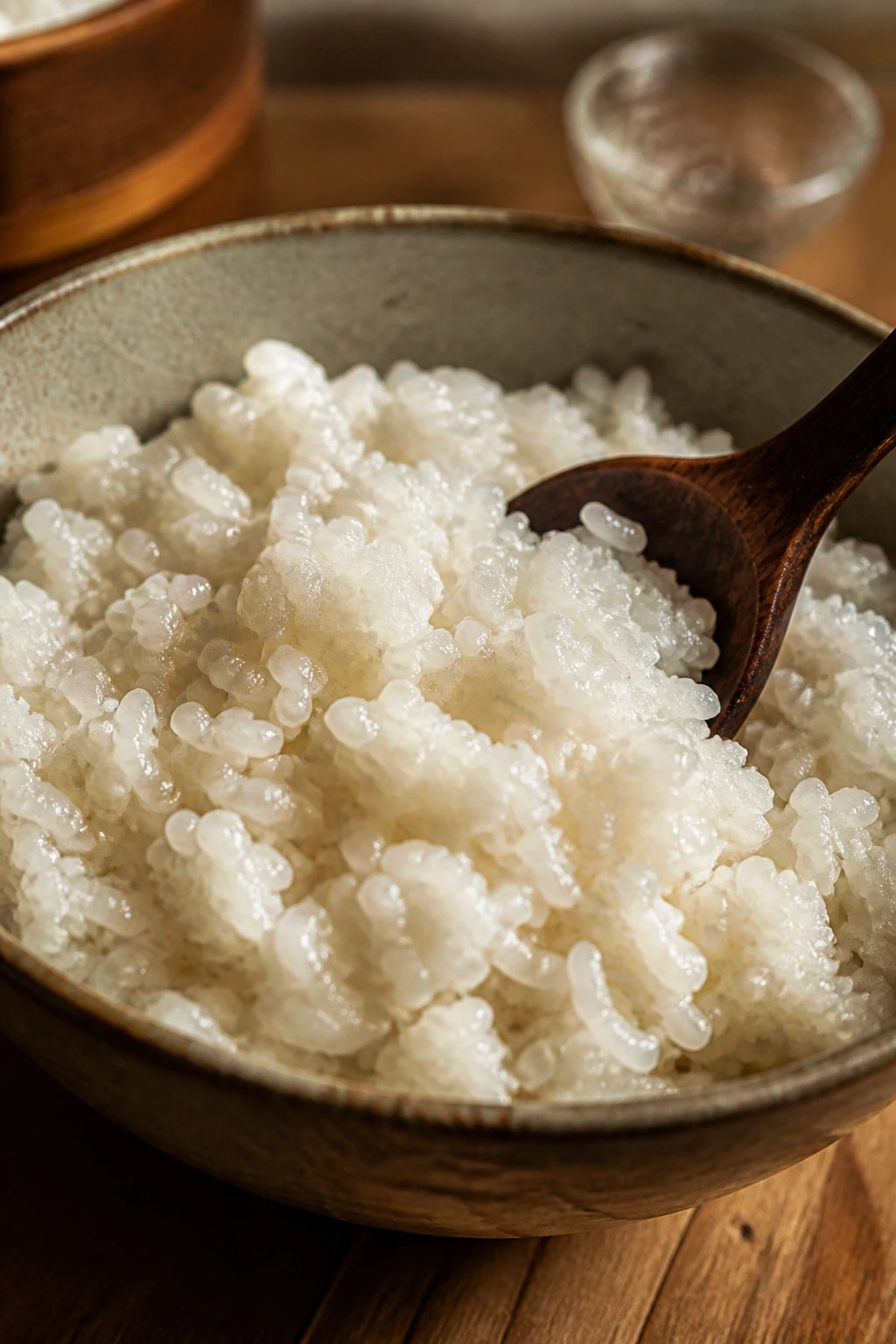
What to use: 2 cups short-grain sushi rice, 2 1/2 cups water, 3 tablespoons rice vinegar, 1 tablespoon sugar, and 1 teaspoon salt.
-
Preparation: Rinse the rice until the water looks cloudy but not milky, then cook it until just tender. Fold the vinegar mixture in while the rice is still warm so it absorbs flavor instead of sitting there like plain starch.
-
Substitutions: Calrose rice works if that’s what your store carries, and a medium-grain rice can stand in if you’re stuck. Brown sushi rice makes a chewier bowl, though it changes the mood a bit.
-
Tips: Spread the rice in a wide bowl after seasoning so steam escapes. If you leave it piled in the pot, it keeps cooking itself and turns gummy on the bottom.
Fish and Marinade
-
What to use: 1 pound sushi-grade ahi tuna or salmon, plus soy sauce, sesame oil, rice vinegar, ginger, garlic, honey, lime zest, and scallions.
-
Preparation: Cut the fish into clean 1/2-inch cubes with one sharp knife motion per piece. Keep it cold until the last moment, then toss it gently so the outside gets glossed instead of mashed.
-
Substitutions: Seared tuna, poached shrimp, smoked salmon, or firm tofu all work. If you’re skipping raw fish, you get a little more wiggle room on timing.
-
Tips: This is not the place for a blunt knife. Ragged cuts crush the fish and make the marinade look muddy instead of clear and glossy.
Quick-Pickled Cucumber
-
What to use: 1 large cucumber, 2 tablespoons rice vinegar, 1 teaspoon sugar, and 1/2 teaspoon salt.
-
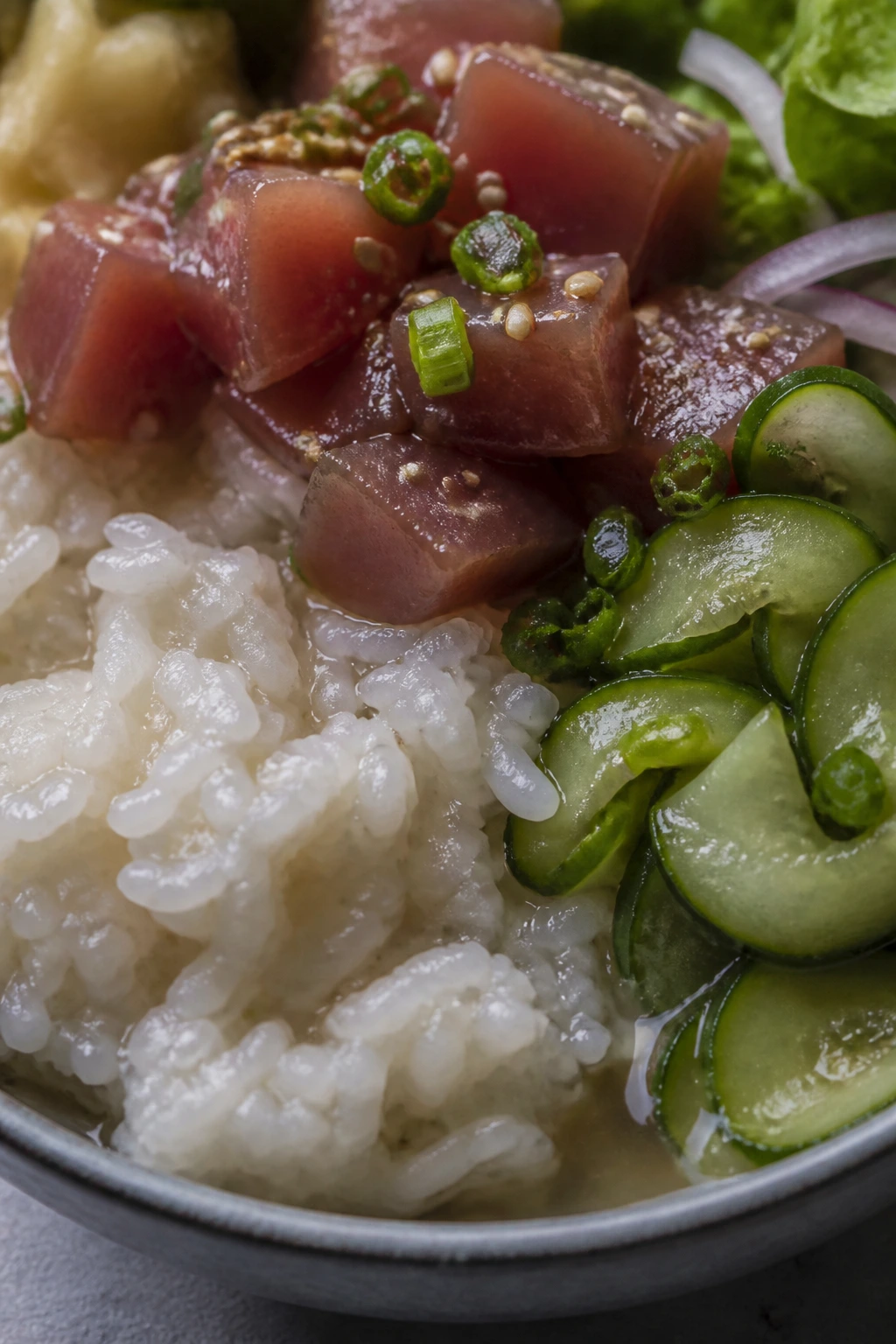
Preparation: Slice it thin so the vinegar reaches the whole surface quickly. Give it 10 minutes and press it once or twice with a spoon until the slices bend instead of snapping.
-
Substitutions: Thinly sliced daikon, Persian cucumbers, or snap peas can step in. If you want more crunch and less water, daikon is the sleeper choice.
-
Tips: Salt and vinegar draw moisture out fast. That’s a feature, not a flaw, because it keeps the bowl from turning watery five minutes after you assemble it.
Toppings and Finishers
-
What to use: Edamame, avocado, shredded carrots, radishes, pickled red onion, nori, sesame seeds or furikake, crispy shallots, and lime.
-
Preparation: Keep the vegetables cold and dry, slice the avocado last, and tear the nori into thin ribbons instead of big floppy pieces. Small cuts make each bite feel balanced.
-
Substitutions: Mango adds sweetness, cucumber can replace radish if you want a milder crunch, and scallions can stand in for pickled onion when you’re moving fast.
-
Tips: The toppings shouldn’t cover the fish. You want some bowl showing through. That gap between ingredients is where the aroma lands.
The Tools on the Counter
-
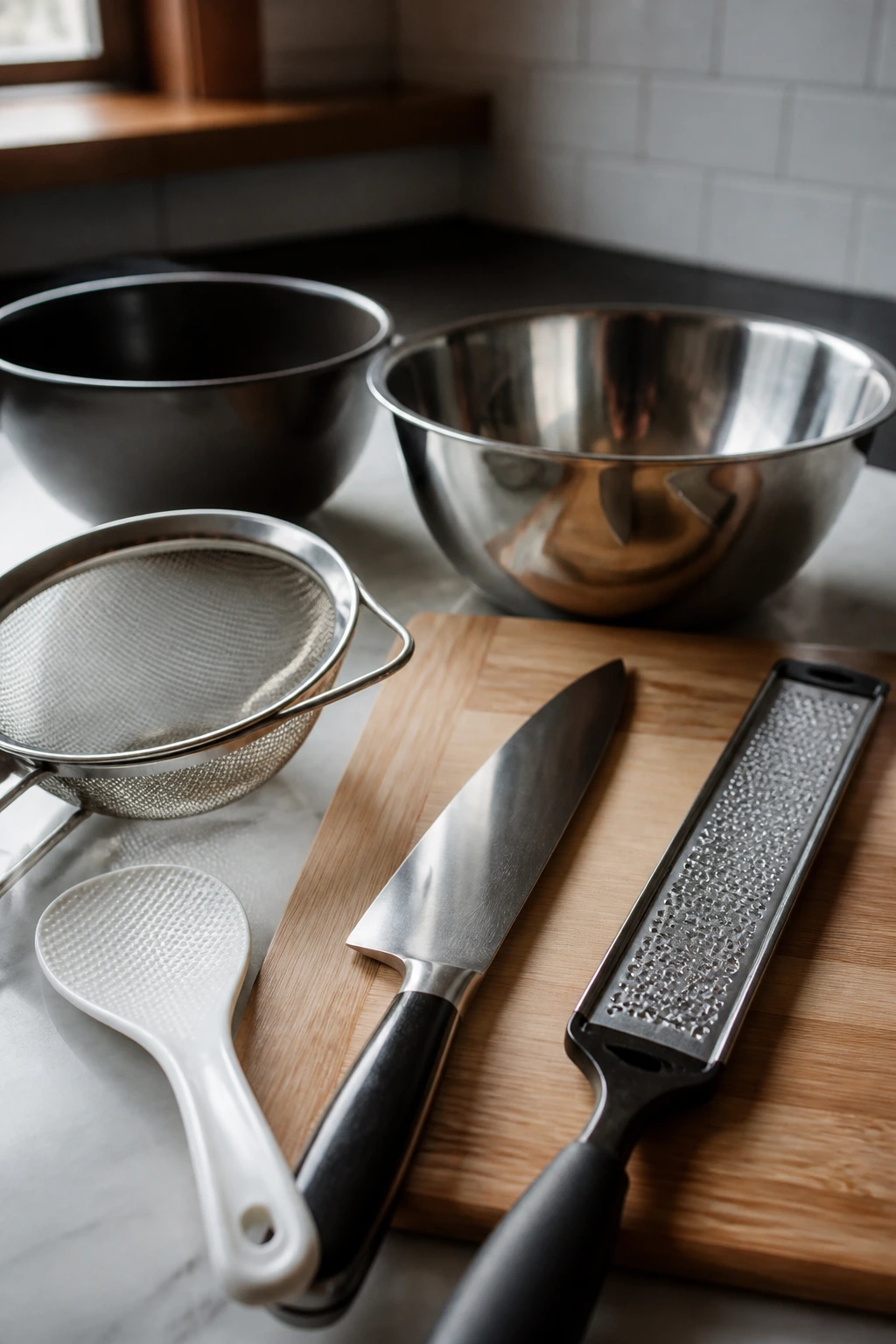
Fine-mesh strainer: Useful for rinsing the sushi rice until the water clears; a regular colander leaks rice and makes a mess.
-
Medium saucepan with a tight lid or a rice cooker: Either works, but the lid needs to seal well so the rice steams properly.
-
Sharp chef’s knife: The fish and vegetables need clean cuts. Dull blades crush more than they slice.
-
Cutting board: A large board gives you room to keep raw fish and produce separate. I like a damp towel under the board so it doesn’t skate.
-
Mixing bowls: You’ll want one for the marinade, one for the cucumber, and one for the rice seasoning.
-
Rice paddle or rubber spatula: Handy for folding the vinegar into the rice without mashing the grains.
-
Microplane or fine grater: Best for ginger and garlic. Grated ginger disappears into the marinade instead of showing up as stringy bits.
-
Serving bowls: Wide and shallow is the move. Deep bowls trap steam and turn the toppings limp.
Building the Bowl, One Layer at a Time
Cook and Season the Rice
-
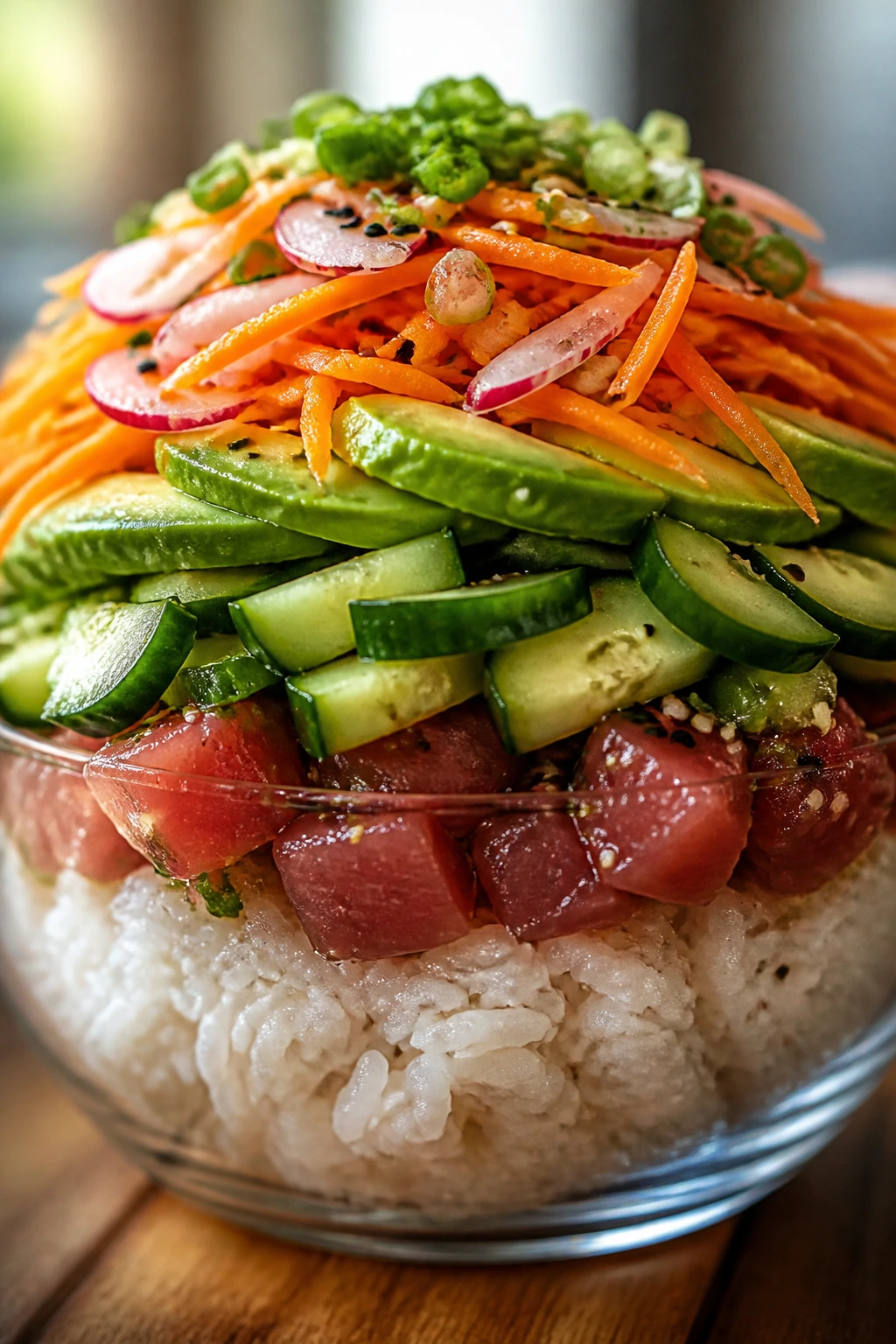
Rinse the sushi rice in a fine-mesh strainer under cool running water, swirling it with your hand until the water runs mostly clear, about 1 minute of rubbing and rinsing.
-
Combine the rice and 2 1/2 cups water in a medium saucepan or rice cooker. If you’re using a saucepan, bring it to a boil over medium-high heat, cover, reduce to low, and cook for 15 minutes without lifting the lid. Then turn off the heat and let it rest, covered, for 10 minutes. Do not peek early — the steam is doing the work.
-
Stir the rice vinegar, sugar, and salt together in a small bowl until the sugar dissolves. Fold the mixture into the hot rice with a rice paddle or spatula until the grains look glossy and lightly seasoned. Spread the rice into a wide bowl so it can cool from steaming hot to warm, about 10 minutes.
Make the Cucumber and Poke
-
Toss the cucumber slices with the rice vinegar, sugar, and salt in a medium bowl. Let them sit for 10 minutes, tossing once or twice, until they soften slightly and look a touch glossy.
-
In another bowl, whisk together the soy sauce, toasted sesame oil, rice vinegar, ginger, garlic, honey, lime zest, and red pepper flakes or chili crisp, if using. The mixture should smell sharp, nutty, and a little sweet.
-
Add the cubed fish to the marinade and toss gently just until coated. Chill it for 10 to 15 minutes. If the fish sits too long in the acidic marinade, the edges start to cure and the texture goes tight.
Assemble the Bowls
-
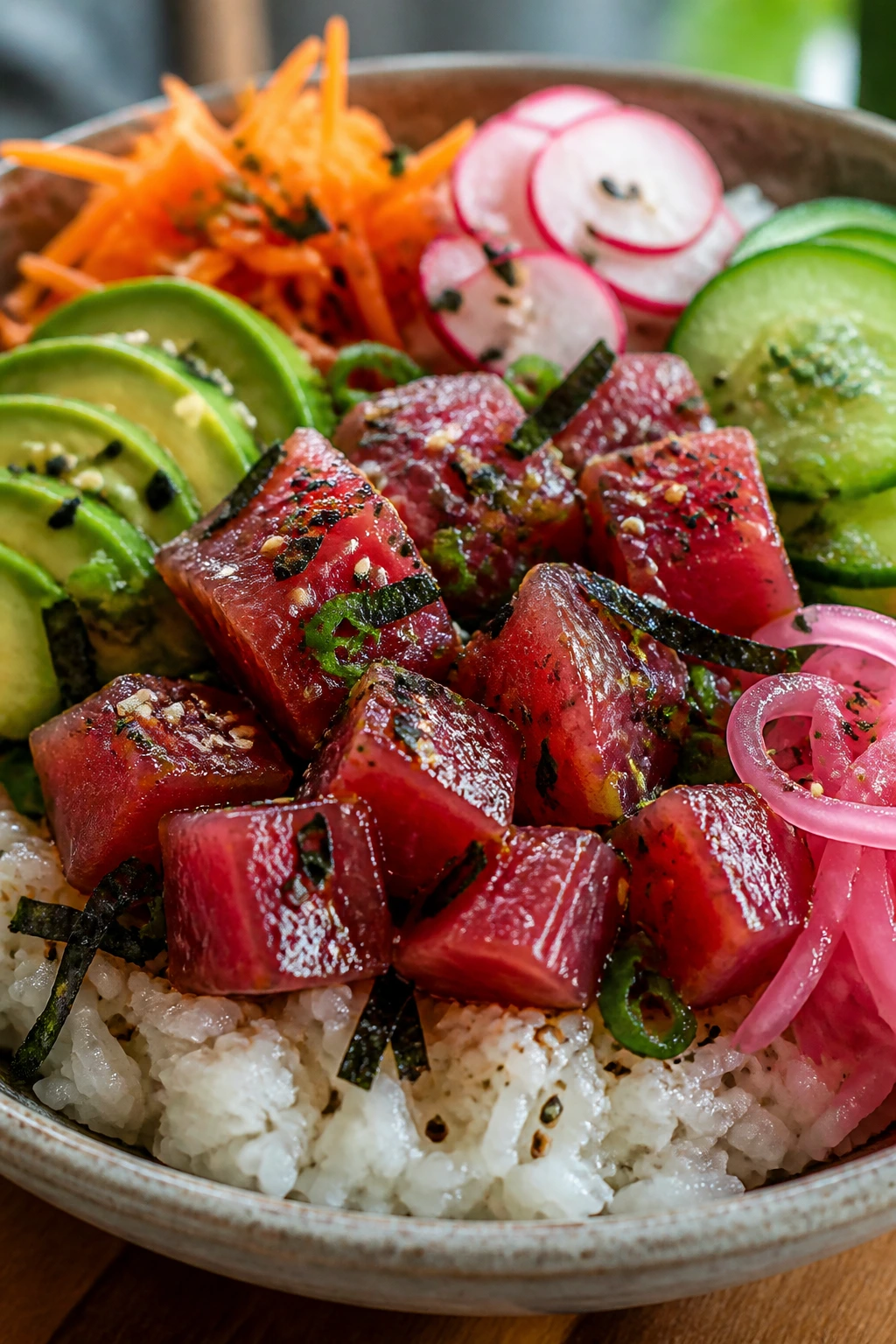
Divide the warm rice among 4 bowls, using about 1 to 1 1/4 cups per bowl. Mound the fish in the center or slightly off to one side, then arrange the cucumber, edamame, avocado, carrots, radishes, and pickled onion around it in distinct sections.
-
Sprinkle the bowls with nori strips, sesame seeds or furikake, and crispy shallots if you’re using them. Spoon a little extra marinade from the fish bowl over the top if you want more shine, then finish with a squeeze of lime. Serve right away.
How to Plate It So Every Bite Hits the Same Way
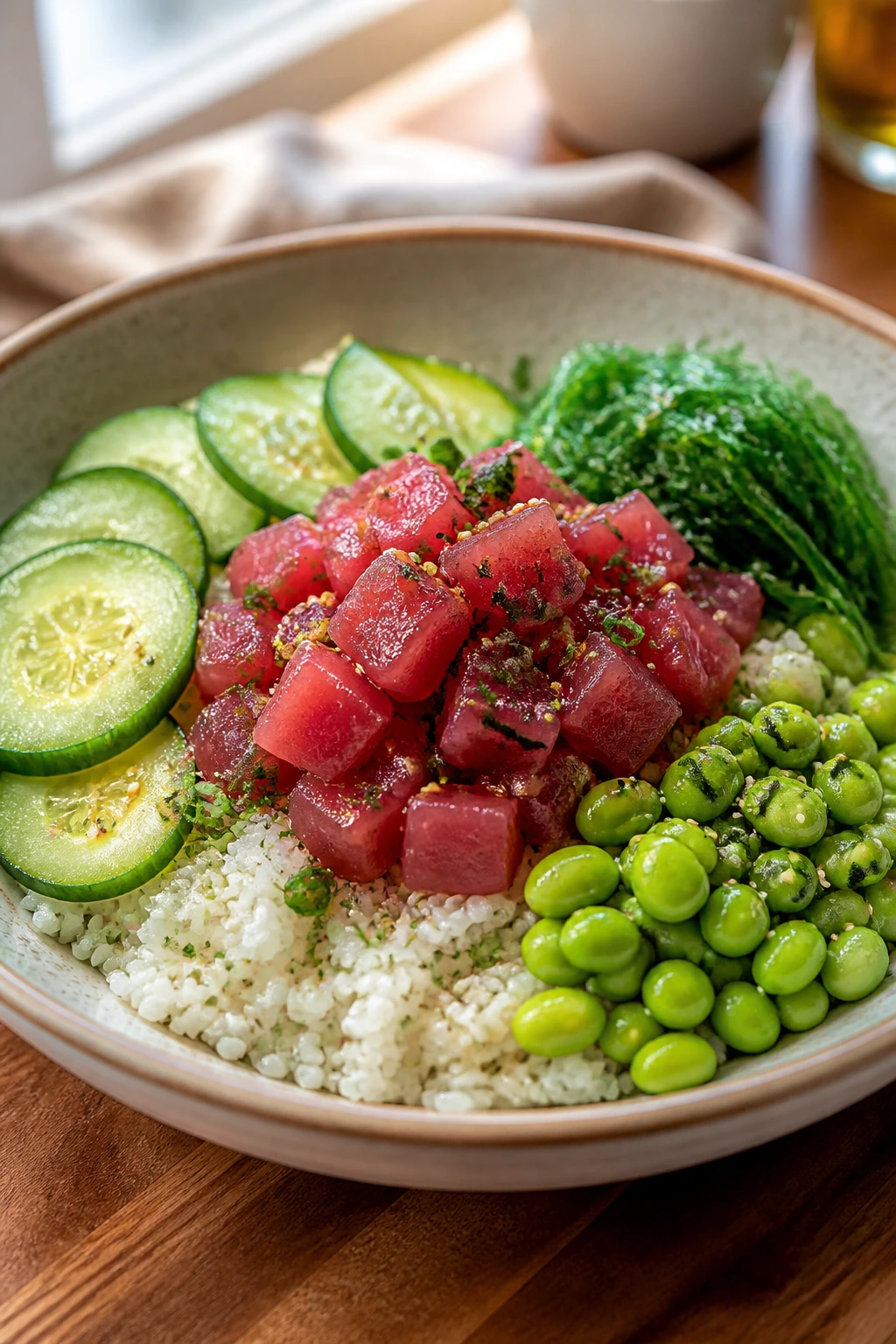
Presentation: Use a wide bowl, not a deep one. I like to put the rice down first, then build the fish in a low mound and tuck the vegetables around it in separate little arcs. That way the bowl looks composed instead of tossed together, and the person eating it can choose whether to mix everything or keep each bite layered.
Accompaniments: A simple miso soup works if you want a fuller dinner, but I usually keep it lighter with a few slices of chilled cucumber, a small seaweed salad, or plain edamame with flaky salt. If you want bread, skip it here. It fights the rice and muddies the texture.
Portions: Plan on about 1 to 1 1/4 cups cooked rice and 4 ounces of fish per person. If you’re serving bigger appetites, add more rice before you add more sauce; that keeps the bowl from tasting salty and crowded.
Beverage Pairing: Cold green tea, sparkling water with lime, or a dry sake all work. If you want something with more bite, a ginger-forward drink fits the sesame and soy without bulldozing the fish.
Extra Tips That Change the Bowl in Small Ways
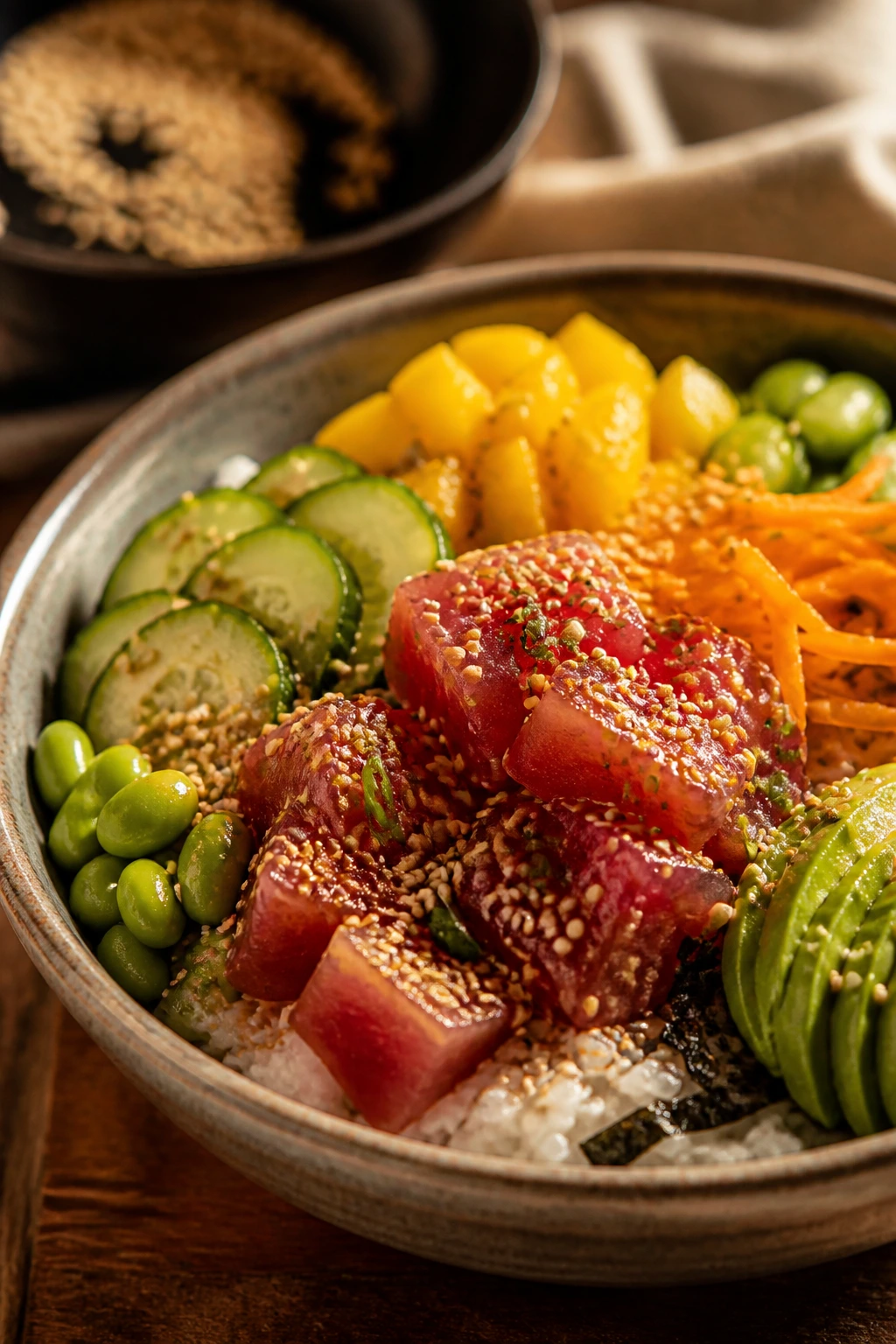
Flavor Enhancement: Toast the sesame seeds in a dry skillet for 2 to 3 minutes until they smell nutty and turn a shade darker. It’s a tiny move, but it makes the whole bowl smell warmer and more intentional.
Time-Saver: Make the rice and pickle the cucumber ahead of time, then chill both. Right before dinner, all you need to do is cube the fish, slice the avocado, and assemble. That cuts the active rush to almost nothing.
Texture Upgrade: Salt the cucumber lightly before the vinegar goes on if you’re using a thick-skinned variety. It draws out extra water and keeps the bottom of the bowl dry, which matters more than people think.
Make-It-Yours: If you want heat, add chili crisp to the marinade or serve it on the side. If you want a more filling bowl, add shredded cabbage, extra edamame, or a scoop of cooked brown rice under the sushi rice. If you’re avoiding raw seafood, seared tuna, shrimp, or crisp tofu all slide into the same structure without making the bowl feel like a compromise.
Mistakes That Make Poke Feel Flat or Watery
-
Using wet rice straight from the pot: If the rice is still steamy and clumped when you build the bowl, the toppings slump and the fish loses its clean texture. Spread it out, fold in the seasoning, and let it breathe for a few minutes.
-
Marinating the fish too long: Ten to fifteen minutes is enough for the outside to pick up flavor. Much longer, and the acidity starts to change the texture so the fish tastes cured instead of fresh.
-
Skipping the cucumber drain: Raw cucumber dumps water into the bowl as it sits. A quick pickle fixes that and gives you a sharper bite, which the rice and avocado both need.
-
Cutting the fish with a dull knife: You’ll end up with ragged edges, mushy corners, and a marinade that looks cloudy. A sharp knife gives you clean cubes and a better-looking bowl.
-
Overloading the sauce: A poke bowl should smell seasoned, not drown in soy. Too much sauce makes the rice salty and pushes the fish into the background, which is exactly the wrong direction.
-
Assembling too early: The avocado browns, the nori softens, and the cucumber bleeds into the rice. Build the bowl just before eating. That timing is part of the recipe, not an extra nuisance.
Variations That Fit Different Cravings
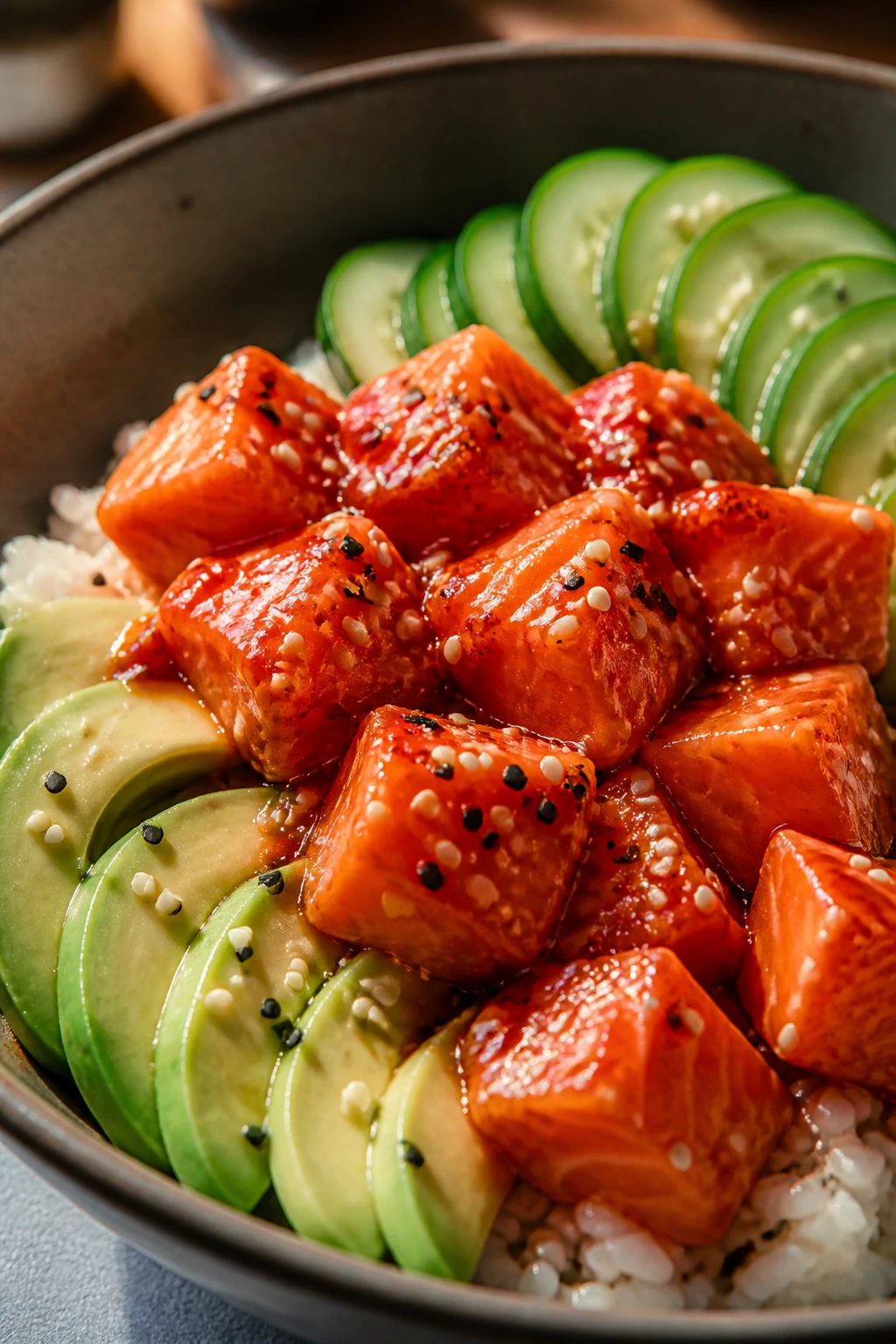
Spicy Gochujang Salmon Bowl
Swap the soy-ginger marinade for 2 tablespoons soy sauce, 1 tablespoon gochujang, 1 teaspoon toasted sesame oil, and 1 teaspoon honey. Use salmon cubes or seared salmon chunks if you want a richer bowl with a little heat in the back of the throat.
Ponzu Ahi With Citrus Brightness
Replace half the soy sauce with ponzu and add orange zest instead of lime zest. The citrus lifts the fish and makes the bowl feel sharper and lighter, which is useful when you want less sesame and more snap.
Sesame Shrimp Shortcut
Use peeled, cooked shrimp tossed with the marinade for 5 minutes instead of raw fish. It’s the quickest path to a poke-style dinner, and the shrimp soak up the sesame and ginger in a way that feels familiar but not sleepy.
Crispy Tofu Bowl
Press extra-firm tofu for 20 minutes, cube it, and sear it in a thin layer of oil until the edges are golden. Then toss it with the same sauce and build the bowl with extra cucumber and edamame. It eats like a full meal and keeps the same savory, aromatic core.
Brown Rice Earthier Bowl
Use warm brown rice or a half-and-half mix of brown rice and sushi rice if you want more chew and a nuttier base. You lose a little of the classic poke-bowl softness, but the sesame and ginger still land well.
Make-Ahead, Storage, and the Fish Rule
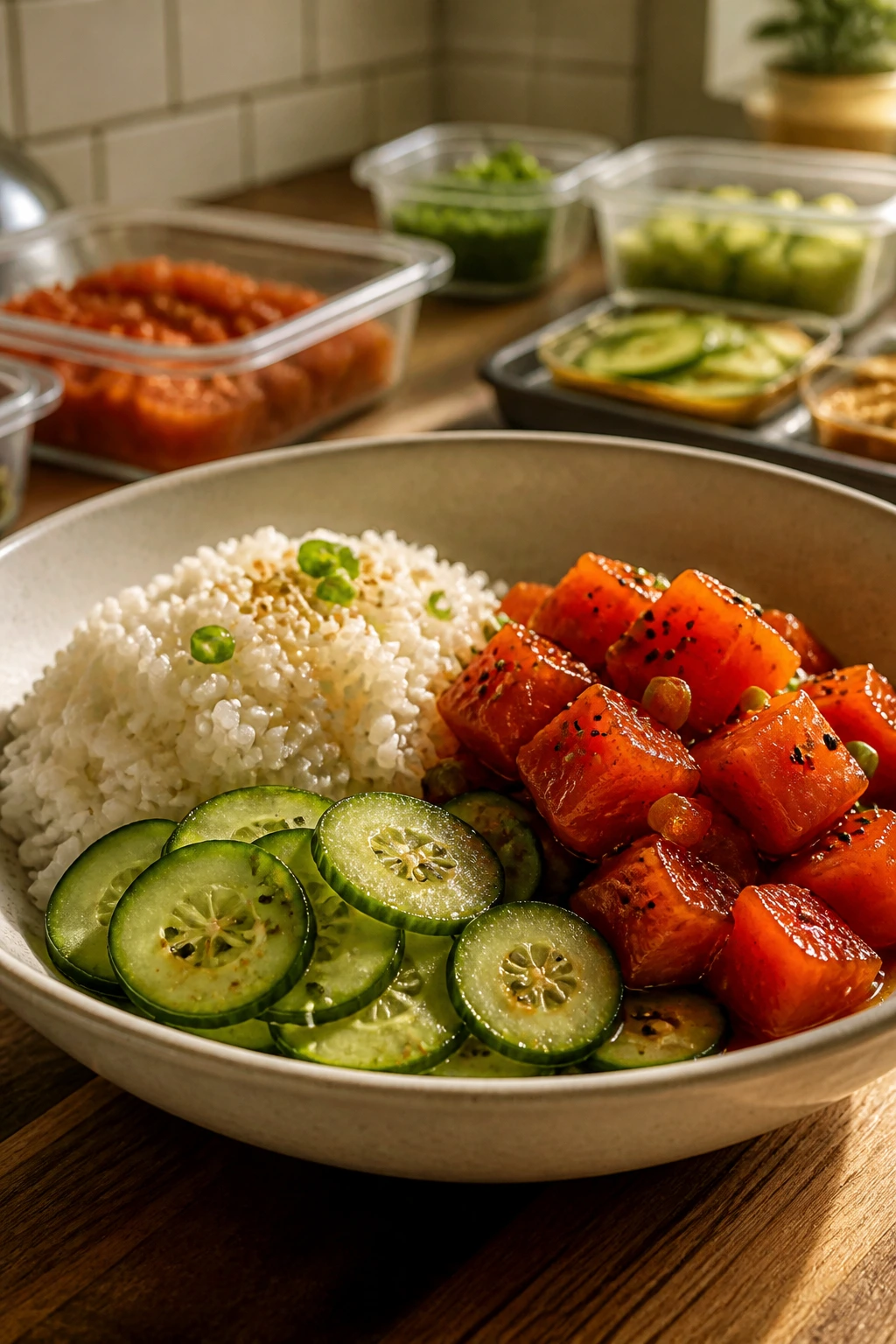
The rice is the easiest part to prepare in advance. It keeps well in the refrigerator for 3 to 4 days in an airtight container, and it also freezes for up to 2 months if you press it into a flat layer first. To reheat, sprinkle 1 tablespoon of water over each cup of rice, cover it, and microwave in 30-second bursts until it’s warm and fluffy again.
The cucumber pickle holds for about 3 days in the fridge. In fact, I think it tastes best on day two, when the vinegar has moved deeper into the slices and the salt has taken the edge off the raw cucumber bite.
Raw fish is different. Keep it refrigerated until the last minute, cube it cold, and use it the same day you buy or thaw it whenever possible. Once it’s dressed, it’s best eaten right away; if you absolutely need to stretch it, keep it under 40°F and eat it within 24 hours, but the texture will lose some of its silkiness. That’s just the tradeoff with raw fish.
Assembled bowls do not store well. The avocado darkens, the nori softens, and the rice dries out in patches while the cucumber leaks a little liquid. If you want lunch the next day, store the rice, toppings, and fish separately and assemble fresh.
Questions People Ask About Homemade Poke

Can I use regular grocery-store tuna for poke?
Only if it’s specifically handled and sold for raw consumption. What matters is the fish’s handling and cold chain, not a label that sounds fancy. If the counter staff can’t tell you how it was intended to be used, cook it instead of guessing.
What fish works best if I want the cleanest flavor?
Ahi tuna is the classic choice because it stays firm and takes the soy-sesame marinade without falling apart. Salmon gives you a richer, oilier bowl, which I like when I want something rounder and less lean. Both are good; they just taste different.
Can I make this bowl completely ahead of time for lunch?
You can prep nearly everything ahead, but I would not fully assemble it. Cook the rice, pickle the cucumber, and slice the vegetables, then add the fish and avocado right before eating. That keeps the nori crisp and the bowl from turning soggy.
What if I don’t want raw fish at all?
Use seared tuna, cooked shrimp, or crispy tofu. The bowl’s structure still works because the real flavor backbone is the rice seasoning, sesame oil, soy, ginger, and lime. The protein changes, but the logic stays the same.
Why did my rice turn sticky and heavy?
Usually it’s one of three things: too much water, not enough rinsing, or the rice got pressed and stirred too hard after cooking. Rinse it well, measure the water carefully, and fold in the vinegar gently while the rice is still warm.
How do I keep the avocado from browning?
Cut it at the very end and squeeze a little lime over the slices. If you need to hold it for a short while, keep the pit with the unused half and wrap the cut side tightly against the surface of the avocado.
Can I use bottled dressing instead of making the marinade?
You can, but the bowl loses its freshness fast. Bottled dressing often tastes sweet in a blunt way, while a quick mix of soy, sesame oil, ginger, and lime gives you more control and a cleaner finish. It takes less time than hunting through the fridge for the bottle in the first place.
A Bowl Worth Repeating
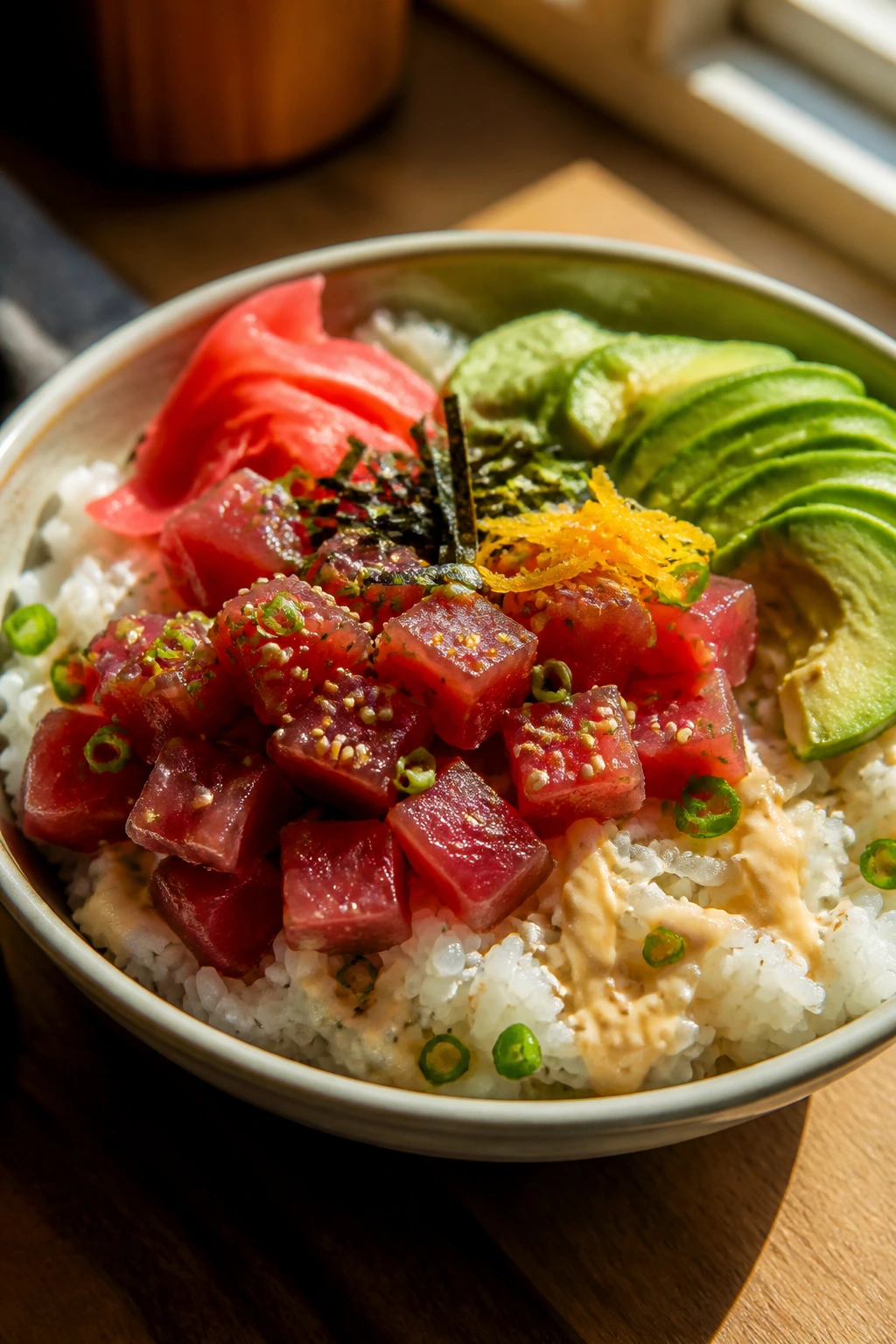
A good poke bowl does not need a long ingredient list. It needs a few sharp, well-handled things that play their parts without stepping on one another. Warm rice. Cold fish. Something bright and acidic. Something creamy. A little sesame, a little ginger, a little nori.
That’s the version I keep coming back to. It feels clean, fragrant, and finished in a way that takeout often promises but doesn’t quite land. Make it once, and the proportions start to stick in your head — the kind of meal that becomes more instinct than recipe.
Aromatic Poke Bowl — Recipe Card
Recipe Name: Aromatic Poke Bowl
Description: A fragrant poke bowl with seasoned sushi rice, soy-ginger marinated ahi tuna or salmon, quick-pickled cucumber, avocado, edamame, radish, and sesame finishers. It’s fresh, savory, and built for clean contrast.
Prep Time: 25 minutes
Cook Time: 20 minutes
Total Time: 45 minutes, plus 10 to 15 minutes chilling and resting
Course: Main Course
Cuisine: Hawaiian-Inspired, Japanese-Inspired
Servings: 4 servings
Calories: About 510 kcal per serving
Ingredients
For the Sushi Rice:
- 2 cups short-grain sushi rice, rinsed until the water runs mostly clear
- 2 1/2 cups water
- 3 tablespoons rice vinegar
- 1 tablespoon granulated sugar
- 1 teaspoon fine sea salt
For the Poke:
- 1 pound sushi-grade ahi tuna or salmon, cut into 1/2-inch cubes
- 3 tablespoons low-sodium soy sauce
- 1 tablespoon toasted sesame oil
- 1 tablespoon rice vinegar
- 1 teaspoon finely grated fresh ginger
- 1 small garlic clove, finely grated
- 2 scallions, thinly sliced
- 1 teaspoon honey or maple syrup
- 1 teaspoon lime zest
- 1/2 teaspoon red pepper flakes or 1 teaspoon chili crisp, optional
For the Quick-Pickled Cucumber:
- 1 large cucumber, thinly sliced
- 2 tablespoons rice vinegar
- 1 teaspoon sugar
- 1/2 teaspoon fine sea salt
For the Toppings:
- 1 cup shelled edamame, thawed if frozen
- 1 large avocado, sliced
- 1 cup shredded carrots
- 4 radishes, thinly sliced
- 1/4 cup pickled red onion
- 1 sheet nori, cut into thin strips
- 2 tablespoons toasted sesame seeds or furikake
- Lime wedges, for serving
- 2 tablespoons crispy shallots, optional
Instructions
-
Rinse the sushi rice until the water runs mostly clear, then cook it with the water in a saucepan or rice cooker.
-
Mix the rice vinegar, sugar, and salt, then fold that seasoning into the warm rice and let it cool slightly.
-
Toss the cucumber with rice vinegar, sugar, and salt, and let it sit for 10 minutes.
-
Whisk the soy sauce, sesame oil, rice vinegar, ginger, garlic, honey, lime zest, and optional heat together.
-
Add the fish, toss gently, and chill for 10 to 15 minutes.
-
Divide the rice into bowls and top with the fish, cucumber, edamame, avocado, carrots, radish, and pickled onion.
-
Finish with nori, sesame seeds or furikake, crispy shallots if using, and a squeeze of lime.
Notes: Keep the fish cold until the last minute. Assemble right before serving so the avocado, nori, and cucumber stay crisp.