



Sweet and sour Thai spices work best when they don’t arrive all at once. You want the tamarind to hit first, then the sugar to smooth the corners, then the fish sauce to come in with that quiet savory depth, and finally the chili to leave a warm trail on the tongue. That staggered little dance is what most takeout sauces miss. They’re usually loud in one direction and dull everywhere else.
This sauce is my answer to that problem. It smells like garlic warming in oil, tastes bright enough to wake up a tired wok, and clings to chicken, shrimp, tofu, broccoli, or noodles without turning syrup-thick and one-note. I don’t reach for ketchup here. I’d rather build sweetness from pineapple juice and palm sugar, then give it a clean sour edge with tamarind and lime — the way Thai cooking does when it’s paying attention.
The thing I like most is how fast it comes together. Five minutes into cooking, the kitchen already smells different: citrus peel, bruised garlic, ginger, and that slightly funky, savory fish-sauce note that lets you know the sauce has a backbone. Once you’ve made it a few times, the bottled stuff starts to feel like an unnecessary shortcut.
Why Sweet and Sour Thai Spices Beat the Gloppy Takeout Version
Bright sourness, not sticky sourness: Tamarind and lime give the sauce a sharp, fruity edge that vinegar alone can’t manage, so the flavor tastes layered instead of flat.
A sauce that actually clings: A small cornstarch slurry makes the sauce coat rice, noodles, and vegetables in a thin glossy film instead of pooling like thin soup at the bottom of the bowl.
Fast enough for a weeknight pan: The whole thing moves from pan to plate in under 20 minutes, and most of that time is just stirring while the sugar dissolves and the sauce thickens.
Better control over salt and heat: You can tune the fish sauce, soy sauce, and chilies to your own taste, which matters because tamarind brands, vinegar brands, and even pineapple juice brands vary more than people expect.
Works across proteins: Chicken thighs, shrimp, tofu, broccoli, snap peas, and even seared mushrooms all take to this sauce without fighting it. That flexibility is the real reason I keep making it.
It tastes like an actual kitchen made it: There’s ginger, garlic, chili, coriander, lime zest, and a savory base. You can taste each layer if you pay attention for a second.
What You’ll Need for Sweet and Sour Thai Spices at the Stove
Yield: Makes about 2 cups of sauce, enough for 4 to 6 servings as a glaze or stir-fry sauce
Prep Time: 10 minutes
Cook Time: 8 minutes
Total Time: 18 minutes
Difficulty: Beginner — the steps are simple, but the flavor balance benefits from tasting as you go.
Best Served: Warm, right after the lime goes in, or gently rewarmed the next day
For the Sauce:
- 1 tablespoon neutral oil, such as avocado or canola
- 1 small shallot, finely minced
- 3 cloves garlic, minced
- 1 tablespoon fresh ginger, finely grated
- 1 to 2 Thai chilies, thinly sliced, or 1/2 teaspoon red pepper flakes
- 1/3 cup tamarind paste
- 1/4 cup rice vinegar
- 1/3 cup unsweetened pineapple juice
- 1/3 cup packed light brown sugar or palm sugar
- 3 tablespoons fish sauce
- 1 tablespoon low-sodium soy sauce or tamari
- 1/2 cup water
- 1 teaspoon ground coriander
- 1/2 teaspoon white pepper or black pepper
- 1 tablespoon cornstarch mixed with 2 tablespoons cold water
- 1 tablespoon fresh lime juice
- 1 teaspoon finely grated lime zest
- 1 tablespoon chopped cilantro leaves or Thai basil, optional for finishing
A small note before you start: this recipe is happier when everything is measured and sitting on the counter before the heat goes on. Once the aromatics hit the oil, the pace picks up fast. And when a sauce moves quickly, half the battle is not having to hunt for the sugar while garlic is already sizzling.
Tamarind, Lime, and Vinegar: The Sour Backbone
What to use: 1/3 cup tamarind paste, 1/4 cup rice vinegar, 1 tablespoon lime juice, and 1 teaspoon lime zest. Tamarind is the deep, fruity sour note; rice vinegar sharpens it; lime gives the finish a clean snap.
Preparation: If your tamarind paste is very thick, stir it with 1 to 2 tablespoons warm water before measuring so it loosens up. Zest the lime before you cut and juice it, because half a lime on a cutting board is a slippery little nuisance.
Substitutions: If tamarind is hard to find, use an extra 2 tablespoons pineapple juice plus 2 tablespoons rice vinegar, though the flavor gets lighter and less round. Bottled lime juice can work in a pinch, but it always tastes a little more tired than fresh.
Tips: Add the lime juice only after the pan comes off the heat. Boiling lime knocks out the bright top note and leaves you with a sauce that tastes sour in a tired, blunt way instead of sharp and clean.
The best Thai sweet-sour sauces always have some sourness that isn’t trying to be polite. Tamarind gives you that. It’s not the same kind of sour as lemon, and it’s not the sharp, one-dimensional bite of plain vinegar either. It tastes almost brown at the edges, if that makes sense — deeper, fruitier, a little earthy.
That depth matters because it keeps the sauce from tasting like candy vinegar. Takeout sauces often lean on one sour note and one sweet note, then call it a day. This recipe asks for a little more work, but not much more. Once tamarind, vinegar, and lime are in the same pan, the sauce gets a shape.
Palm Sugar and Pineapple Juice: Sweetness That Stays Round
What to use: 1/3 cup packed light brown sugar or palm sugar and 1/3 cup unsweetened pineapple juice. Together they build sweetness that tastes fruity and caramelized instead of flat.
Preparation: If you’re using palm sugar, chop or shave it so the crystals melt at the same pace as the liquids. Brown sugar works neatly, but break up any hard lumps with your fingers first.
Substitutions: Honey can replace up to half the sugar if that’s what’s in the pantry, though it pushes the flavor a touch floral. White sugar will do in a pinch, but the sauce loses some of the deeper caramel edge that makes it taste cooked rather than assembled.
Tips: Don’t cut the sugar before tasting the finished sauce. Tamarind brands swing from mild to bracing, and pineapple juice can be sweet or tart depending on the carton. The sugar should round the sauce, not bulldoze it.
I prefer pineapple juice over ketchup here because it keeps the sweetness transparent. Ketchup can work in a retro, Chinese-takeout kind of way, but it drags in tomato and salt before the sauce has earned them. Pineapple juice is cleaner. It lets the garlic, ginger, and tamarind keep speaking.
Palm sugar has the nicest finish if you can get it. It melts with a slower, almost toffee-like sweetness that sits nicely next to tamarind. Brown sugar is the practical choice, and I use it often. No apology needed. The sauce doesn’t care about your ideal pantry, only whether the sweetness is balanced enough to stand up to the sour notes.
Garlic, Ginger, Chili, and Coriander: The Spice Layer That Wakes It Up
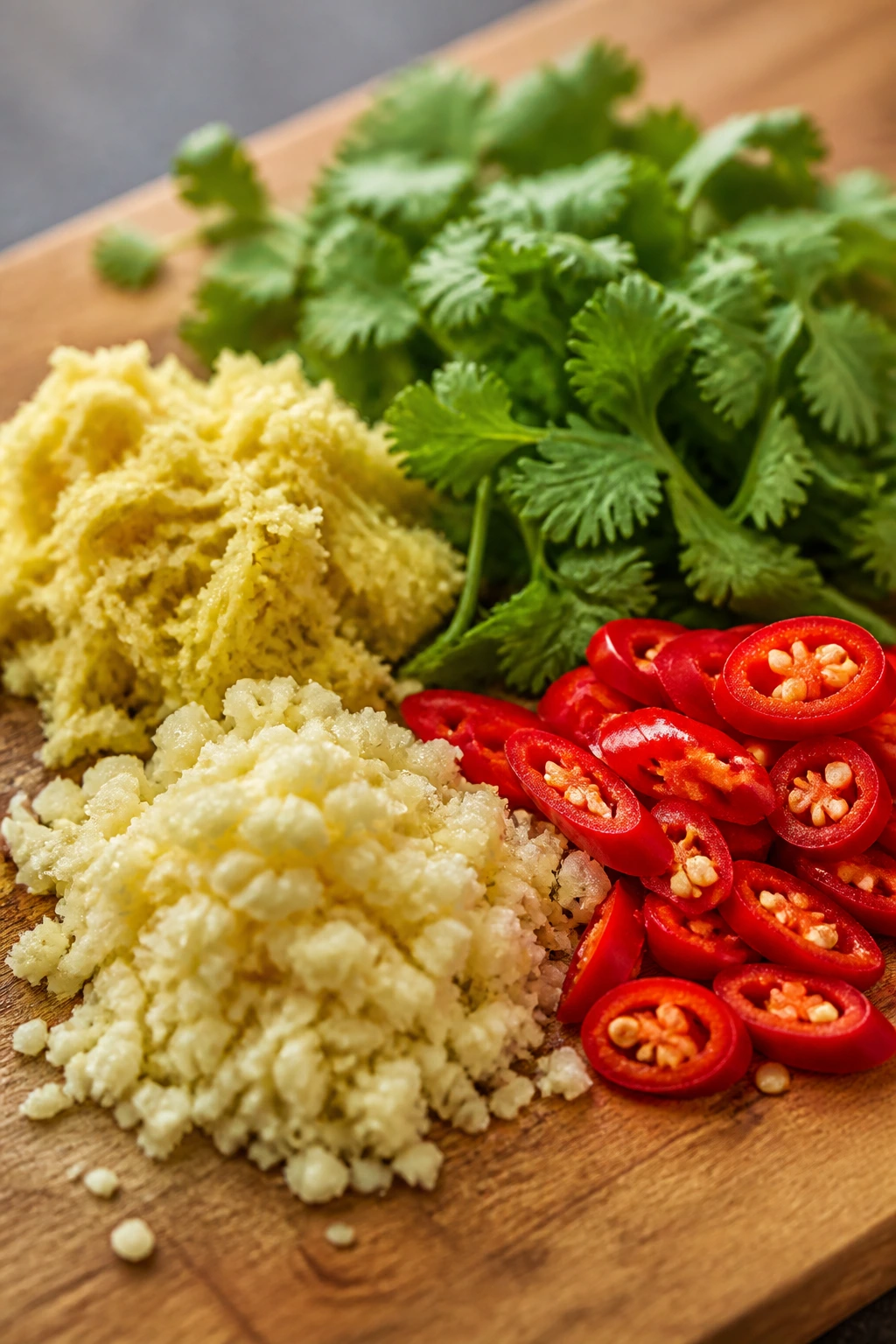
What to use: 1 small shallot, 3 cloves garlic, 1 tablespoon fresh ginger, 1 to 2 Thai chilies, 1 teaspoon ground coriander, and 1/2 teaspoon white pepper or black pepper. These are the pieces that make the sauce smell alive before you taste a drop.
Preparation: Grate the ginger on a microplane, mince the garlic finely, and slice the chilies thin so the heat spreads through the sauce instead of landing in one hot bite. If you want a smoother sauce, grate the shallot too.
Substitutions: Red pepper flakes can stand in for Thai chilies, and if coriander isn’t around, a tiny pinch of cumin will add some warmth. I would not skip the ginger unless you absolutely have to; it gives the sauce a clean, peppery lift that keeps it from feeling heavy.
Tips: Keep the aromatics moving in the oil for 30 to 45 seconds, no longer. Garlic turns bitter fast once it goes past golden. If the pan smells toasted in a harsh way, you’ve gone too far and the sauce will carry that bitterness all the way to the end.
This is the part where the kitchen smells good before the sauce even exists. That’s usually how you know you’re on the right track. A good sauce should smell like it already knows where it wants to go.
Ground coriander is one of those ingredients people forget because it doesn’t announce itself. It’s not flashy. But in sweet and sour Thai spices, it gives the sauce a faint citrusy warmth that makes the lime taste brighter and the ginger feel less sharp. It’s small support work, and I’m a fan of that kind of work.
Fish Sauce, Soy Sauce, and Cornstarch: The Savory Finish and the Gloss
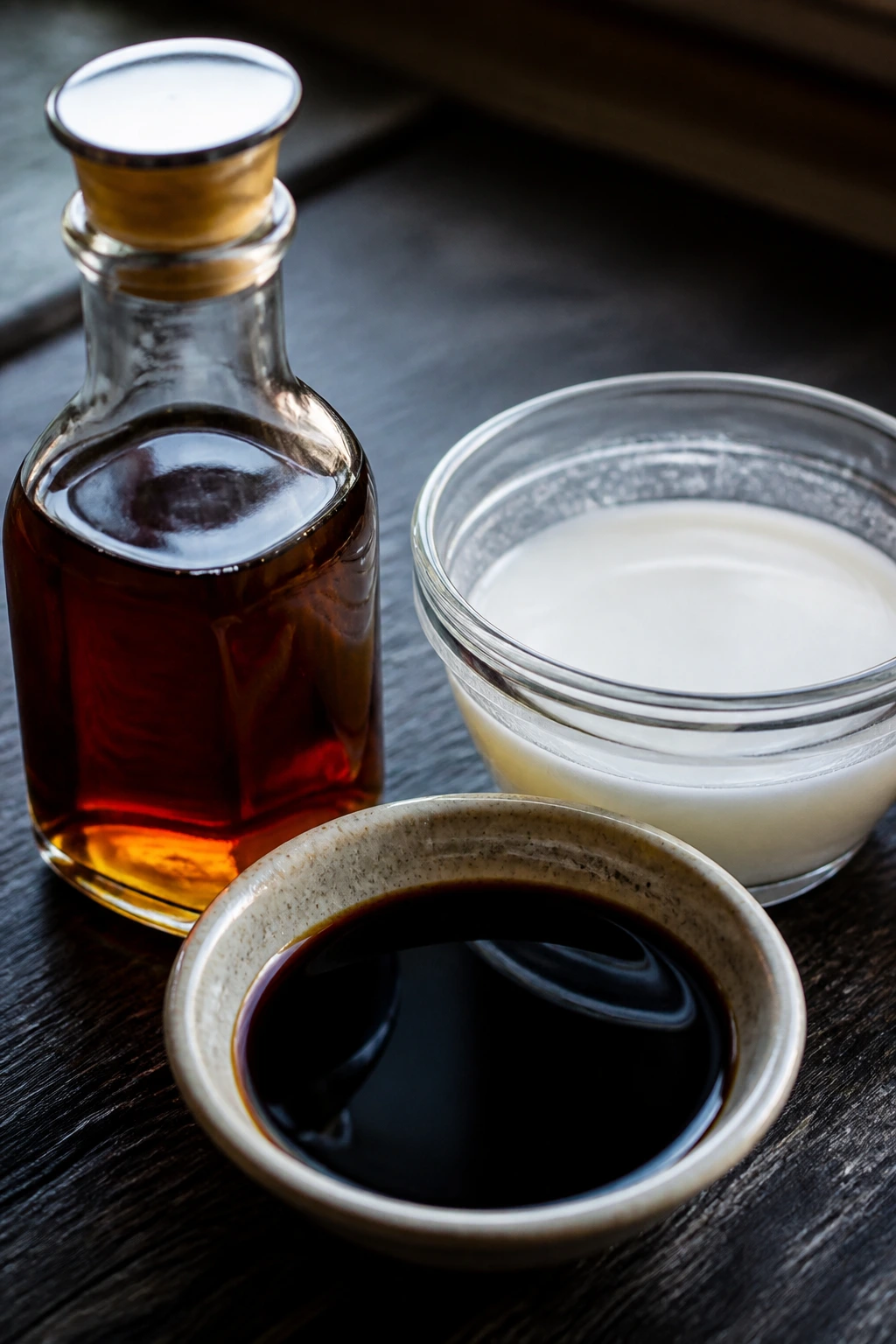
What to use: 3 tablespoons fish sauce, 1 tablespoon low-sodium soy sauce or tamari, 1 tablespoon cornstarch mixed with 2 tablespoons cold water, and 1/2 cup water. Fish sauce brings the deep savory note; soy stretches the salt; cornstarch gives the sauce its shine and cling.
Preparation: Mix the cornstarch slurry before the pan gets hot so it’s ready to pour. Measure the fish sauce carefully, because a sloppy pour can shove the whole batch into briny territory.
Substitutions: For a gluten-free version, use tamari instead of soy sauce. If fish sauce isn’t your thing, combine tamari with 1 teaspoon white miso and a pinch of salt for a different kind of savoriness. The flavor changes, but the sauce still works.
Tips: Add the cornstarch only after the liquid ingredients are fully combined and simmering gently. If you dump it into a thin, cool pan, you’ll get little lumps that never fully smooth out. A short simmer after the slurry goes in is enough; go too far and the sauce gets gummy.
The savory part is what keeps this from tasting like a fruit glaze. Fish sauce does a lot of work here. It doesn’t make the sauce fishy when you use it in a sensible amount. It makes it taste finished. That’s different.
Cornstarch deserves a little respect, too. It’s not there to turn the sauce into jelly. It’s there to give it body so it sticks to the surface of noodles and vegetables instead of running off the plate. The sauce should look glossy, not pasted together.
The One Skillet and One Bowl That Keep the Sauce Clean
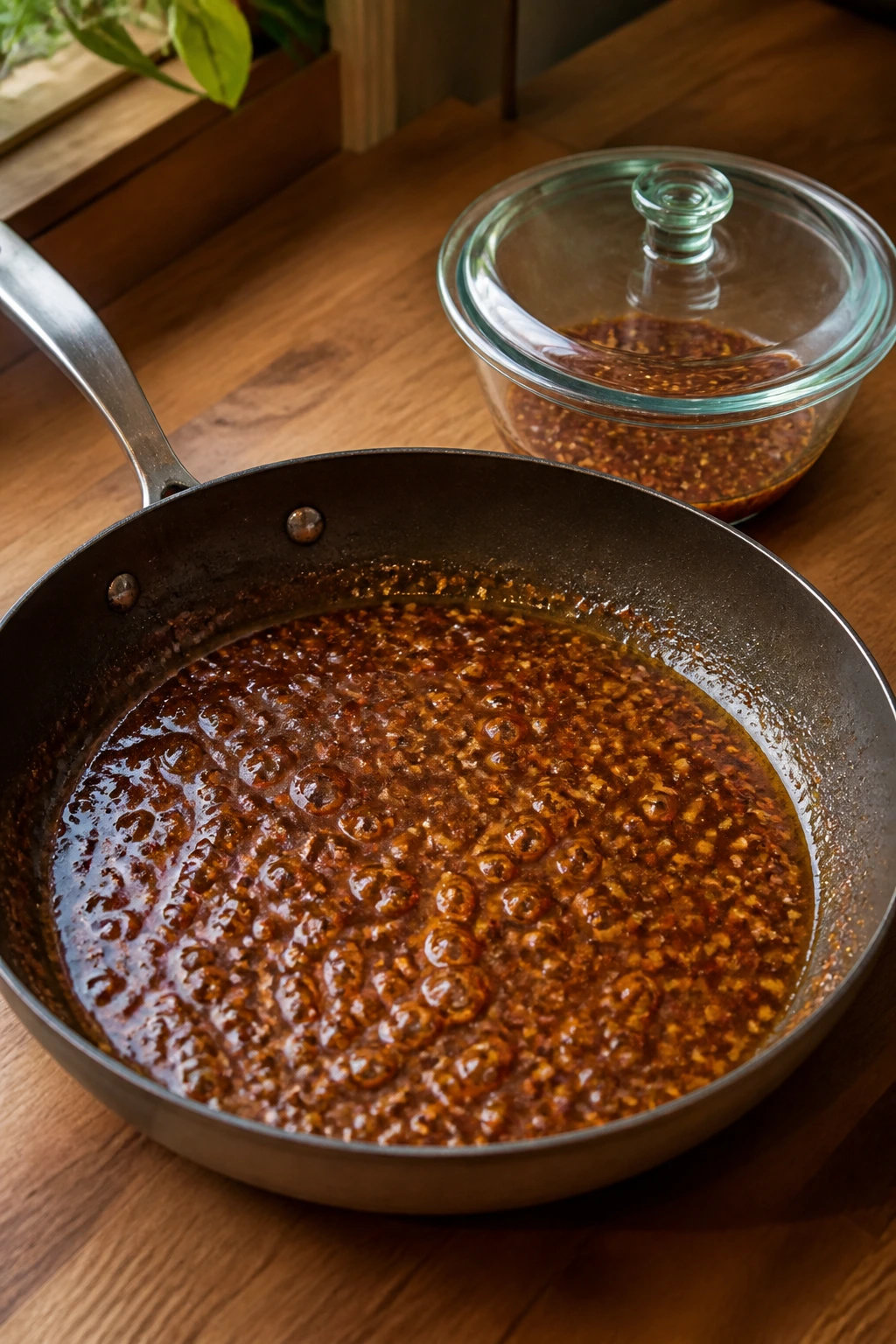
Medium saucepan or 10-inch skillet: A wide, shallow pan helps the sauce reduce quickly without you having to boil it hard. I prefer a skillet for faster evaporation.
Small whisk: This is the tool that breaks up tamarind, dissolves sugar, and keeps the cornstarch slurry from turning lumpy.
Microplane or fine grater: Use this for ginger and lime zest. It gives you a finer texture than chopping, which matters in a sauce that’s meant to coat rather than chew.
Measuring cups and spoons: The flavor balance is tight enough that guesswork can throw it off. This is one of those recipes where the spoon matters.
Heatproof bowl or jar with a lid: Useful for cooling, storing, and reheating the sauce later. A jar also makes it easy to shake in a splash of water if the sauce thickens too much in the fridge.
You do not need fancy equipment for this. That’s one of the reasons I like it. A pan, a whisk, and a decent eye for the moment the sauce turns glossy are enough. If you want to strain it for a smoother finish, a fine-mesh sieve is nice, but I rarely bother unless I’m serving guests and feel like pretending I’m more particular than I am.
How to Cook the Sauce Until It Turns Glossy
Prep the slurry and aromatics:
- In a small bowl, whisk together the cornstarch and 2 tablespoons cold water until the mixture looks milky and smooth. Set it near the stove.
- Mince the garlic, grate the ginger, mince the shallot, and slice the chilies. Measure the tamarind, vinegar, pineapple juice, sugar, fish sauce, soy sauce, water, coriander, and pepper so they’re all ready at once.
Build the aromatic base: 3. Set a medium saucepan or skillet over medium heat and add the neutral oil. When the oil shimmers, add the shallot and cook for 1 minute, stirring often, until it softens and turns slightly translucent. 4. Add the garlic, ginger, and chilies. Stir constantly for 30 to 45 seconds, just until the kitchen smells fragrant and the garlic loses its raw edge. Do not let it brown.
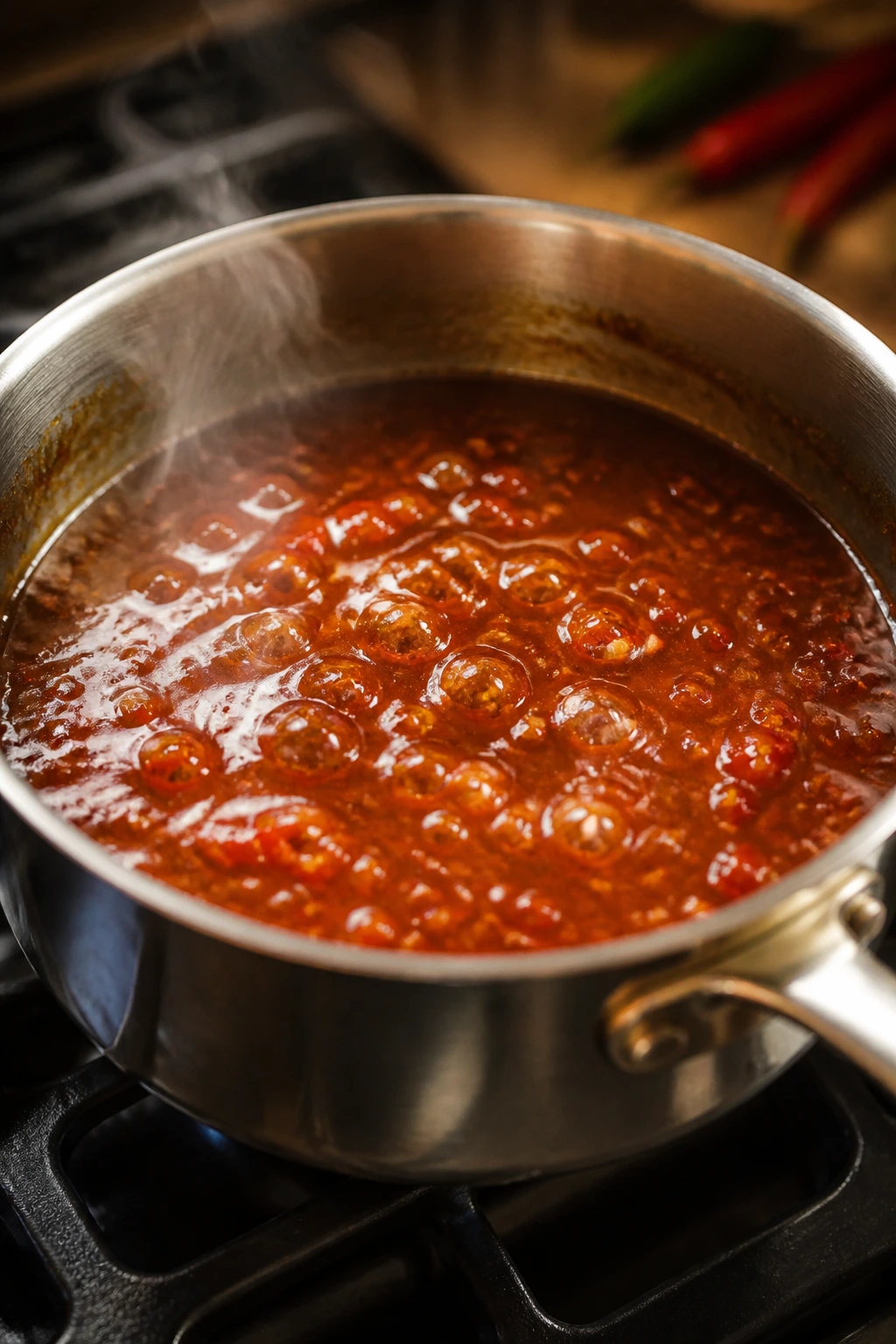
Simmer the sweet-sour balance: 5. Add the tamarind paste, rice vinegar, pineapple juice, sugar, fish sauce, soy sauce, water, ground coriander, and white pepper. Stir well and bring the mixture to a gentle simmer over medium heat. 6. Let it bubble lightly for 2 to 3 minutes, stirring now and then, until the sugar is fully dissolved and the sauce looks smooth rather than cloudy.
Thicken and finish: 7. Whisk the cornstarch slurry again, then pour it into the simmering sauce in a thin stream while stirring. Cook for 45 to 90 seconds more, until the sauce thickens enough to coat the back of a spoon and leaves a clean line when you drag a finger through it. If it starts to look like paste, you’ve gone too far. 8. Remove the pan from the heat and stir in the lime juice, lime zest, and cilantro or Thai basil if you’re using it. Taste and adjust with a little more sugar if it’s too sharp, a few drops of fish sauce if it tastes thin, or an extra squeeze of lime if it feels heavy. 9. Let the sauce stand for 5 minutes before serving. It will settle into a smoother texture as it cools slightly.
A quick note on texture: the sauce should pour in a thick ribbon, not clump. If you want a smoother glaze, strain it before serving. I usually skip that because the tiny flecks of ginger and shallot look honest, and they taste good.
How to Serve It With Rice, Noodles, and Any Protein You Like
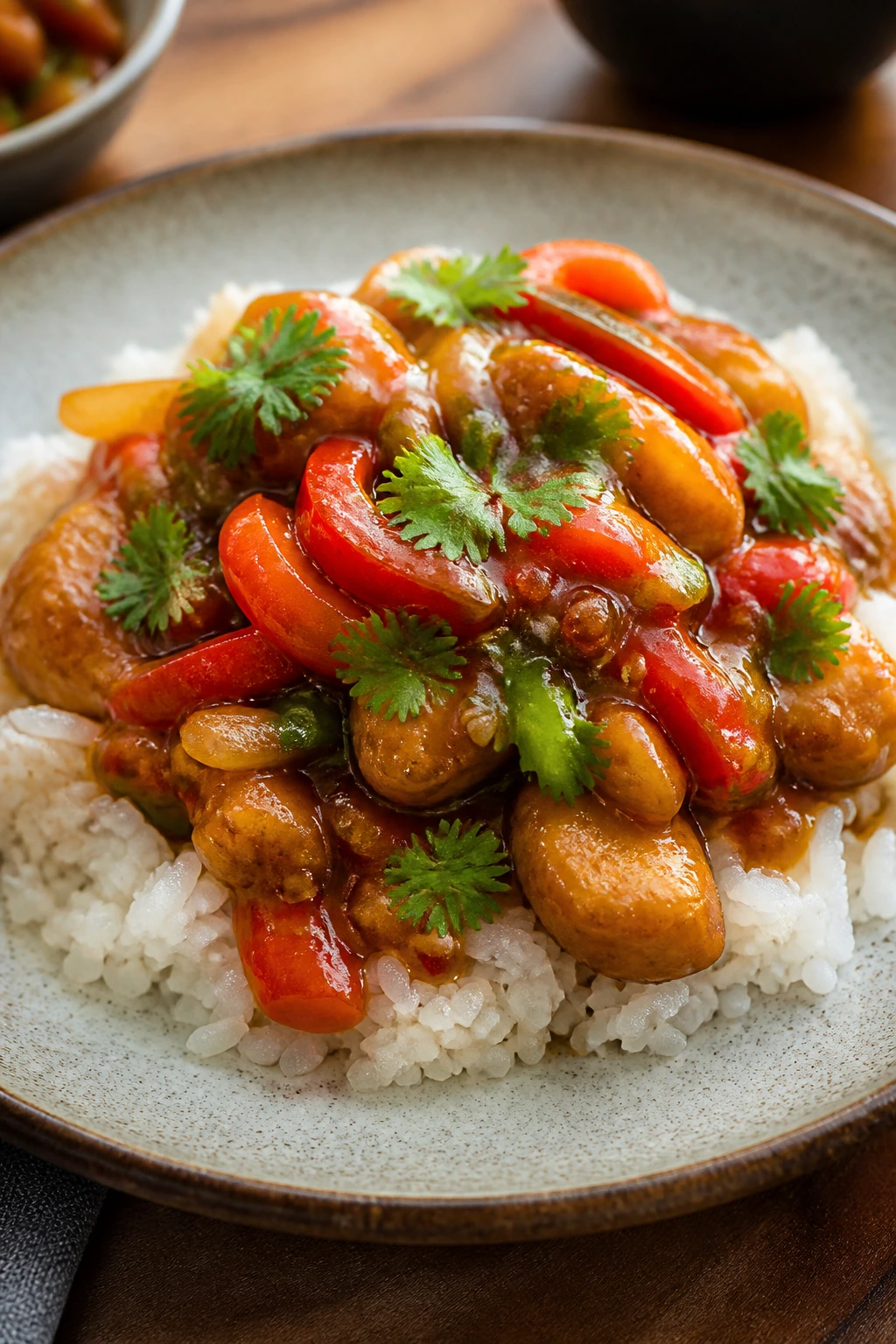
Presentation: Spoon the sauce over jasmine rice in a shallow bowl, or toss it with a hot stir-fry and let it shine on the surface of the vegetables. A sprinkle of chopped cilantro, thin scallions, and a few extra lime wedges make the plate look finished without turning it fussy.
Accompaniments: This sauce loves steamed jasmine rice, rice noodles, seared chicken thighs, shrimp, tofu, broccoli, snap peas, bell peppers, and baby bok choy. If you want a plate that eats well, give it something plain underneath and something crisp beside it.
Portions: Use about 1/4 cup of sauce per serving when it’s acting as a glaze, or 2 to 3 tablespoons if you’re just drizzling over a bowl. This batch coats about 1 1/2 pounds of cooked chicken or vegetables comfortably, and it stretches farther if you’re serving it with rice.
Beverage Pairing: Unsweetened iced jasmine tea is my first pick because it keeps the meal bright. A crisp lager works well too. If you want something nonalcoholic with more punch, a lime soda with very little sugar mirrors the sauce without making the whole plate feel sugary.
I like this sauce best when the plate has a little contrast. Soft rice under the sauce. Crisp edges from a quick stir-fry. Maybe a few raw herbs on top. Maybe not. If you’re serving it with shrimp, I’d add extra lime at the table. If it’s going over tofu, a handful of scallions and a hot pan finish help wake up the mildness.
The sauce doesn’t need a lot of garnish, though. It already has enough going on. What it needs is a hot base and a little restraint.
Practical Tips for a Brighter, Cleaner Sauce
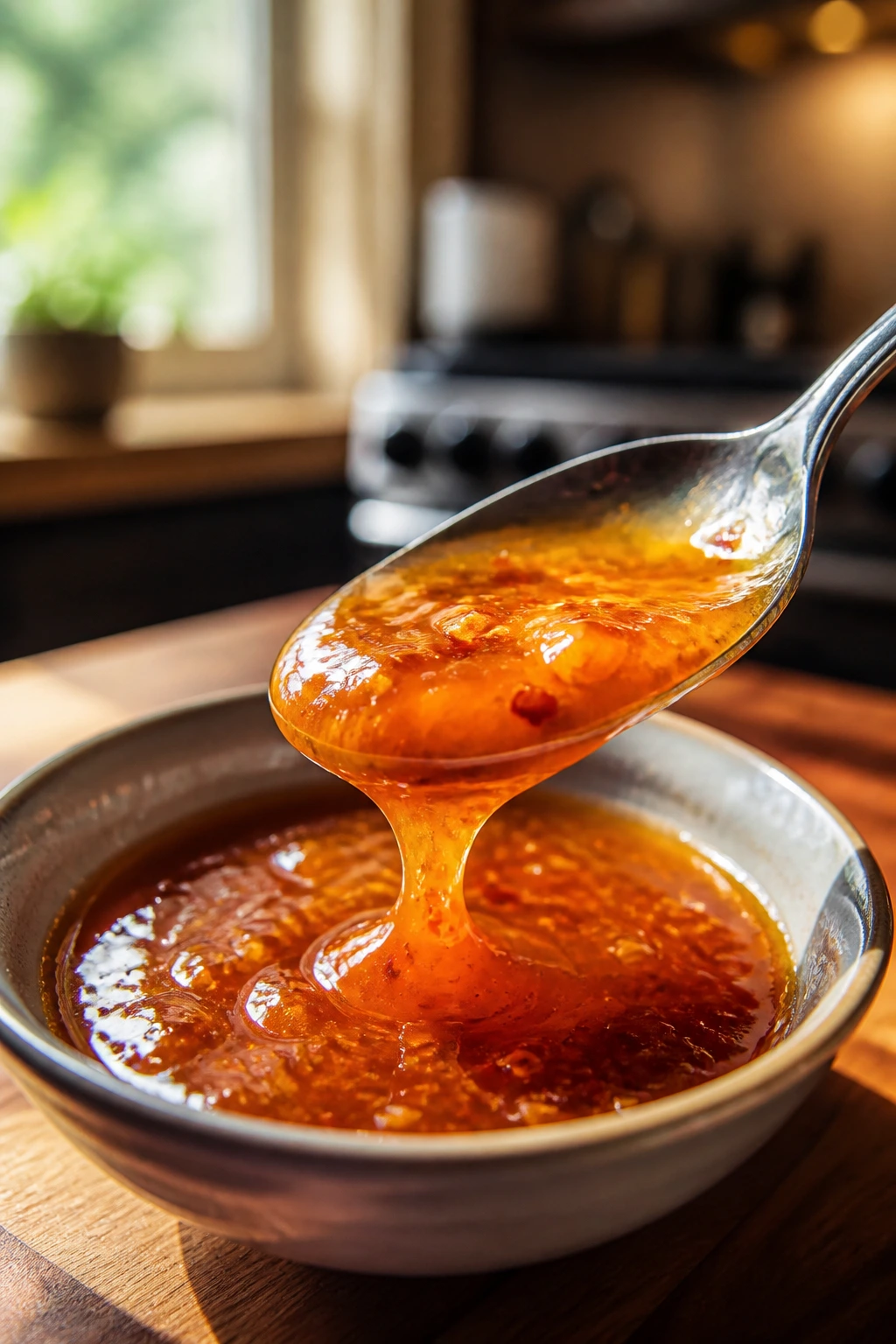
Flavor Enhancement: Add the lime juice after the pan comes off the heat, then taste again after 30 seconds. That’s when the top notes settle in, and you can decide whether it needs another pinch of sugar or a few more drops of fish sauce.
Time-Saver: Keep grated ginger in the freezer in little portions or buy a decent ginger paste if that’s easier for your kitchen. The sauce is not precious about the ginger as long as it’s fresh enough to smell sharp.
Cost-Saver: Brown sugar and a carton of pineapple juice do most of the work well. Palm sugar is lovely, but it’s not required for a sauce that already has tamarind and fish sauce bringing depth.
Pro Move: If you want a restaurant-smooth glaze, strain the finished sauce through a fine-mesh sieve before serving. If you want more texture and a homemade feel, leave the ginger and shallot flecks in place. I tend to keep them.
Serving Suggestion: Finish with Thai basil if you can find it, or cilantro if you can’t. A few raw onion slivers soaked in ice water for 5 minutes add a sharp crunch that works especially well on chicken bowls.
One small trick I love: taste the sauce on a spoon, not from the pan. It sounds obvious. It isn’t. A spoonful cooled for a few seconds tells you whether the balance really works, because heat can flatten sweetness and make acid feel harsher than it actually is.
And if you’re cooking protein in the same meal, season that protein first and keep the sauce separate until the very end. That way the meat or tofu still tastes like itself. The sauce should cover, not erase.
Common Mistakes That Make It Taste Flat or Muddy
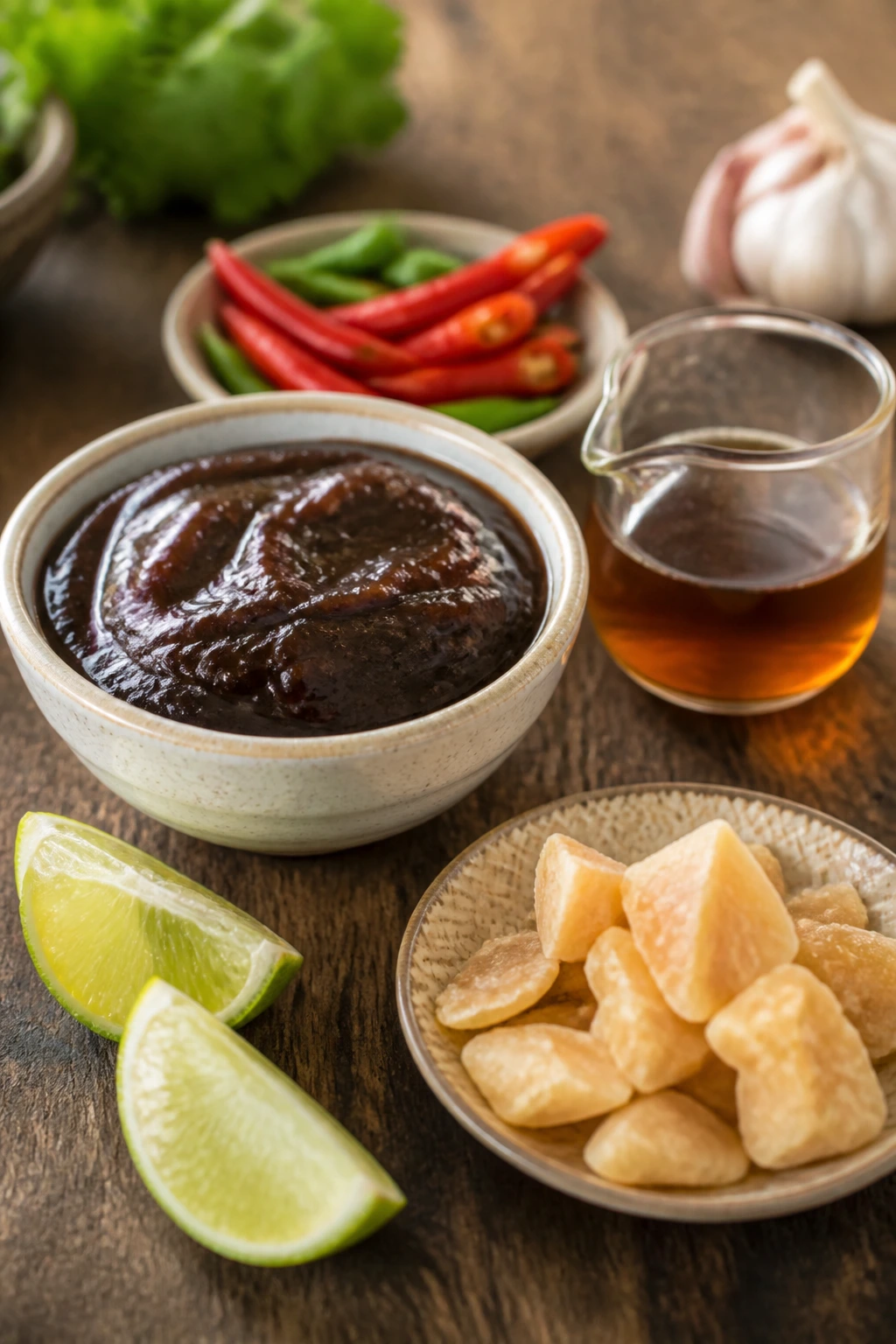
Burning the garlic in the oil: The sauce turns bitter fast if the garlic goes from fragrant to dark tan. Fix it by keeping the heat at medium and adding the liquid ingredients the moment the garlic smells sweet and soft.
Adding lime juice too early: The sauce tastes less bright and more blunt when lime cooks too long. Stir it in off the heat, not before, and the flavor stays sharp at the top where it belongs.
Using too much cornstarch: If the sauce turns gluey, opaque, or gummy on the spoon, the slurry was too heavy or the simmer went too long. Start with the measured amount, simmer briefly, and stop when it coats the spoon instead of standing in a blob.
Trusting the sugar before tasting: Some tamarind pastes are far more acidic than others, and pineapple juice can vary too. Taste at the end and adjust in tiny amounts. A teaspoon of sugar can fix a lot more than people think.
Boiling hard instead of simmering gently: A wild boil can make the sweetness taste harsh and reduce the sauce too far, too fast. Keep it at a lazy simmer. Tiny bubbles. Not a storm.
Skipping the final balance check: The sauce should taste sweet, sour, salty, and only then spicy. If one note is shouting, the others get buried. Fixing it takes seconds, but only if you pause long enough to taste before serving.
I’ve seen people ruin an otherwise good sauce by treating it like soup. It isn’t soup. It’s a glaze with opinions. The goal is clean flavor and enough body to cling without getting heavy. That’s a narrow line, but it’s an easy line once you’ve made the sauce once or twice.
Named Variations and Easy Adaptations
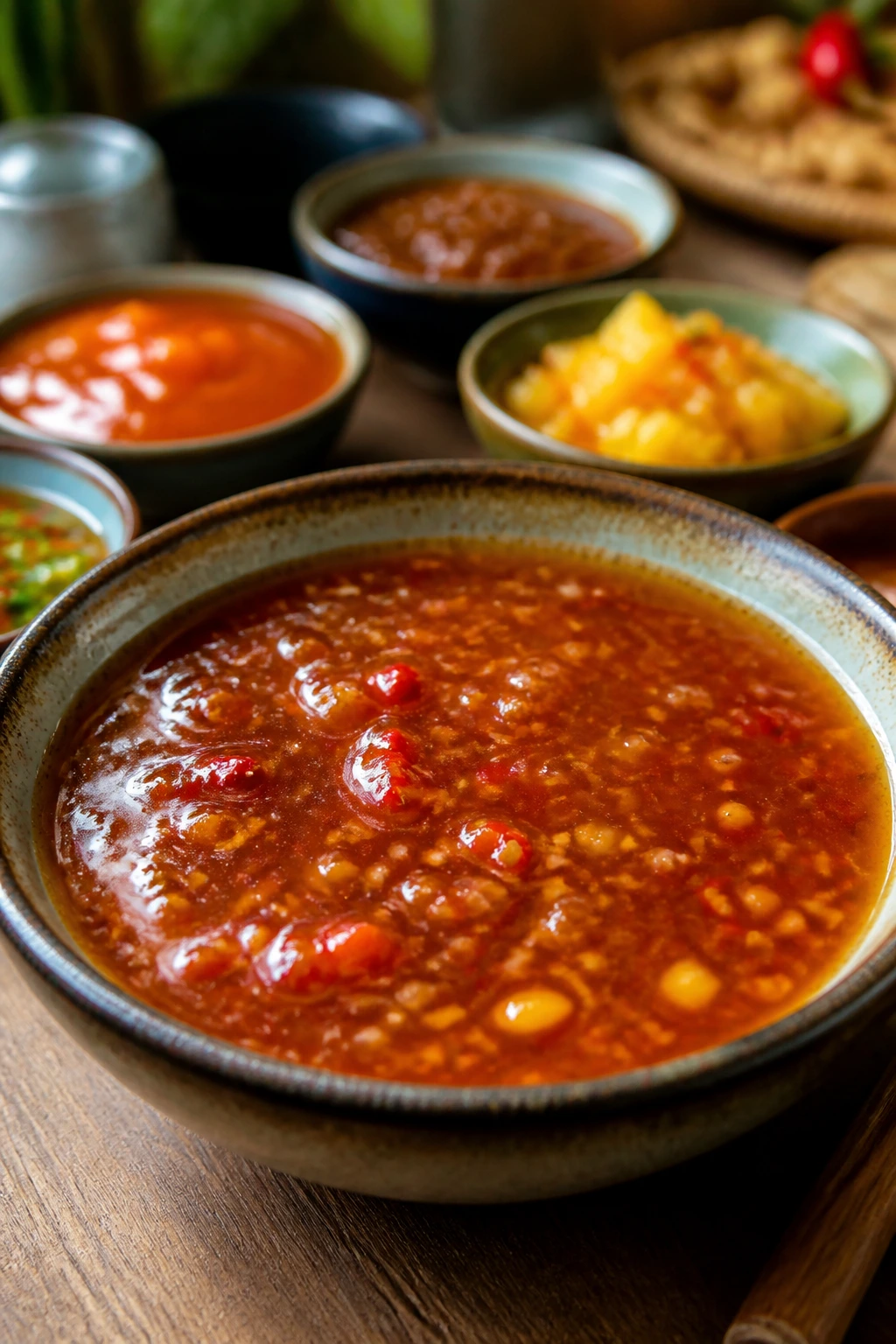
Tamarind-Forward Sharper Batch: Increase the tamarind paste to 1/2 cup and reduce the brown sugar to 1/4 cup if you want a more assertive sour note. This version is especially good over shrimp or crispy tofu, where the acidity cuts through the richness.
Fish-Free Pantry Sauce: Replace the fish sauce with 2 tablespoons tamari plus 1 tablespoon white miso and a pinch of salt. The sauce loses some of that fermented edge, but it keeps a deep savory finish that works well for vegetarian bowls.
Pineapple-Pepper Stir-Fry Version: Add 1/2 cup diced pineapple and 1 sliced red bell pepper when you’re serving the sauce with chicken or shrimp. The fruit pieces make the dish feel more like a full stir-fry and less like a plain glaze.
Mild Family Batch: Omit the Thai chilies and use only a tiny pinch of black pepper. Finish the adults’ bowls with chili oil at the table if you want more heat without making the whole pan too spicy.
Extra-Garlic Weeknight Version: Add one extra clove of garlic and a second teaspoon of ginger. This version smells loud in the best way and tastes especially good on noodles, where a little extra aromatics go a long way.
Variations should never be random. They should keep the same core shape and move one dial at a time. That’s what makes a recipe still feel like itself even when you adjust it for the people eating it.
Make-Ahead, Storage, and Reheating Without Losing the Bite
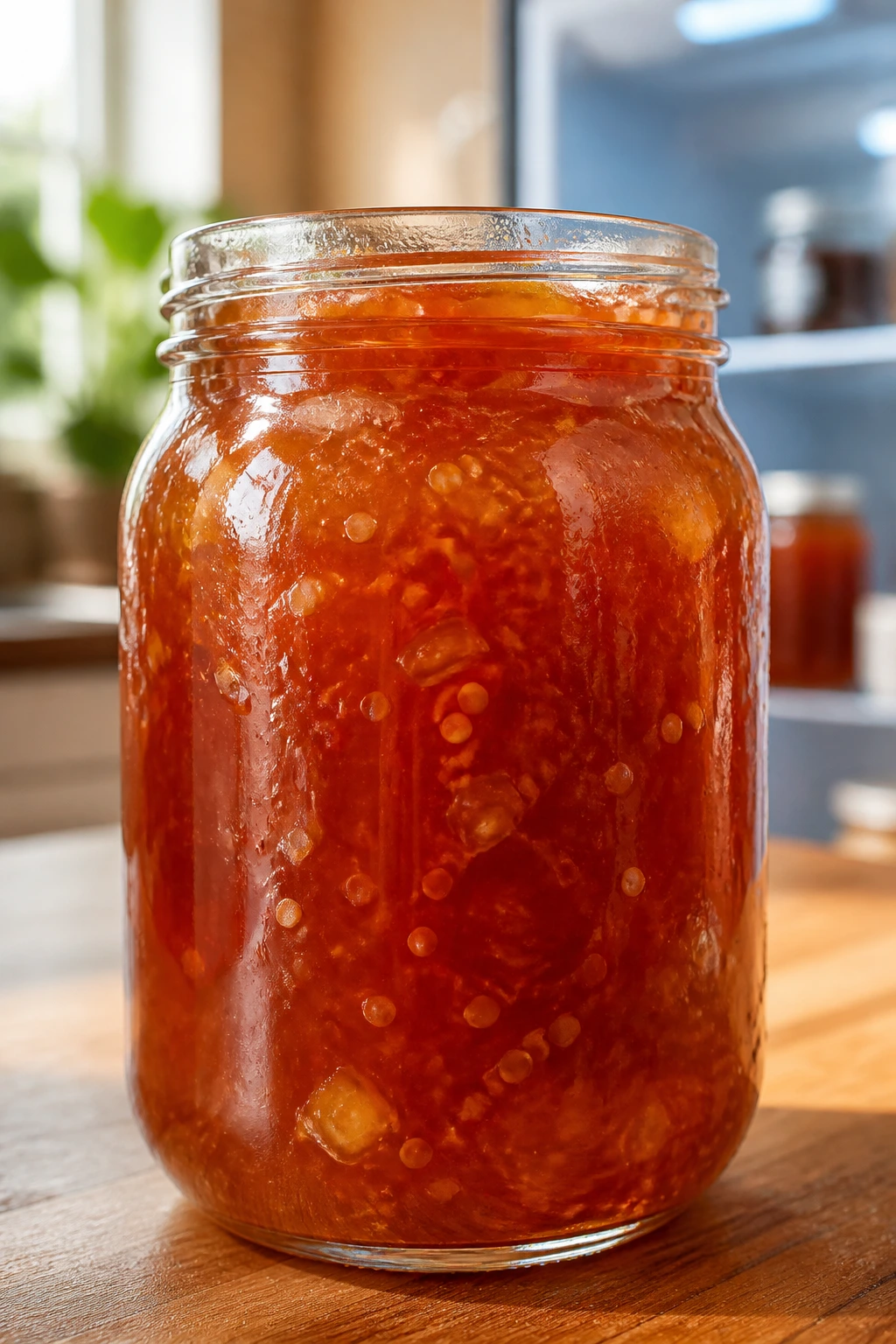
This sauce keeps well, which is one of the reasons I like it for weeknight cooking. Let it cool, then store it in a sealed jar or container in the refrigerator for up to 5 days. It can sit at room temperature for about 2 hours while you eat, but after that it belongs back in the fridge.
For the freezer, portion it into small airtight containers or freezer cubes and freeze for up to 2 months. Tamarind and vinegar both hold up well in the cold, though the cornstarch may make the texture a little thicker once it thaws. That’s normal. A splash of water and a quick whisk fix it.
To reheat, pour the sauce into a small saucepan over low heat and stir in 1 to 2 tablespoons water if needed. Heat gently until it loosens and becomes glossy again. Don’t blast it on high heat. It doesn’t need that kind of attention.
If you’re making the sauce ahead for a full meal, I’d keep the sauce separate from cooked vegetables or protein until the last minute. Stir-fried vegetables hate sitting in sauce for too long; they go soft and lose their edges. The sauce itself can be made a day or two ahead and tastes just as good, maybe a touch better, after the flavors settle.
One small quirk: if you chill the sauce, the fish sauce note can seem stronger the next day. That’s not a flaw. It’s just what happens when cold dulls the top notes. Once you rewarm it and add a tiny squeeze of fresh lime, it straightens out.
Questions Home Cooks Ask About Sweet and Sour Thai Spices
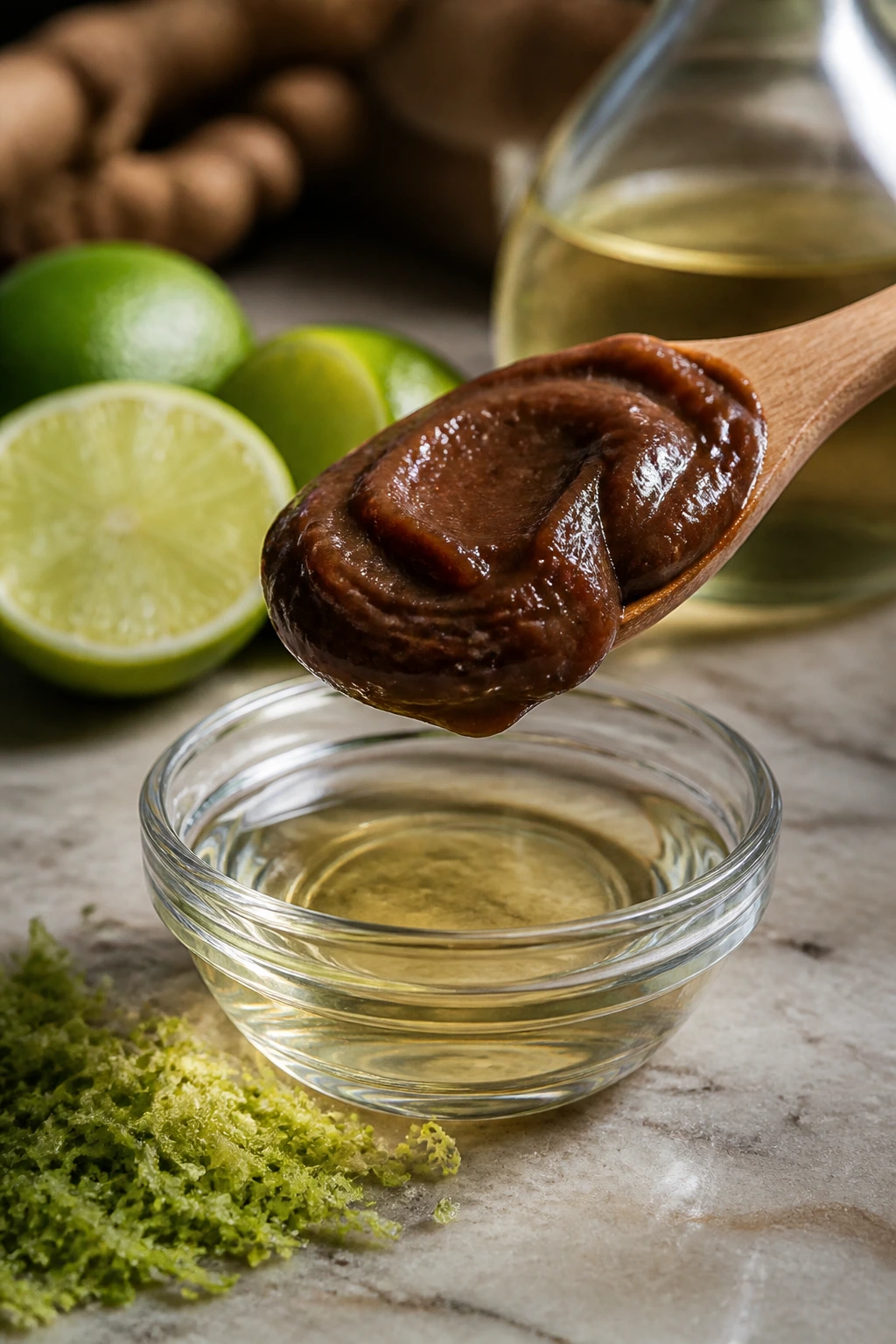
Can I use tamarind concentrate instead of tamarind paste?
Yes, but check the label first because concentrates vary a lot in strength. If yours is very thick and intense, start with 2 tablespoons concentrate plus 2 tablespoons warm water, then taste before adding more.
What if I don’t have fish sauce?
Use tamari or soy sauce with a little white miso and a pinch of salt. You won’t get the same fermented depth, but you’ll still have a sauce with enough savoriness to hold up next to rice or noodles.
Is this sauce supposed to be spicy?
Not necessarily. The chilies add warmth and a little edge, but you can leave them out and still get a full-flavored sauce. If you want real heat, add chili oil or more sliced Thai chilies at the end.
Can I make it thicker without using more cornstarch?
Yes. Simmer it a minute or two longer over medium-low heat so some water cooks off, but stop before it starts tasting heavy. That said, cornstarch is the cleaner fix if you want a glaze that clings quickly.
Why did my sauce taste too sour?
Usually it’s one of two things: the tamarind was stronger than expected, or the sugar wasn’t fully balanced at the end. Add sugar in 1-teaspoon increments and let it dissolve before tasting again. Don’t bury the sourness; just round it.
Can I use this on chicken, shrimp, tofu, or vegetables?
Yes, and it behaves well with all four. Chicken thighs and tofu absorb it especially well because they have enough texture to catch the glaze, while shrimp likes a lighter coating so the sweetness doesn’t overpower it.
Can I double the batch for meal prep?
Absolutely. Double every ingredient, but keep the heat moderate so the aromatics don’t brown before the liquids go in. A wider pan helps because the sauce reduces more evenly when there’s room for steam to escape.
What if it turns too thick in the fridge?
That happens, especially with cornstarch. Stir in a tablespoon of water at a time and rewarm over low heat until it loosens into a spoonable sauce again. A squeeze of lime at the end can wake the flavor back up, too.
Can I make it without pineapple juice?
Yes, though I’d replace it with water plus an extra tablespoon of sugar and a touch more lime. The pineapple adds roundness, not just sweetness, so if you leave it out, taste carefully and make small adjustments.
A Sauce Worth Keeping on Repeat
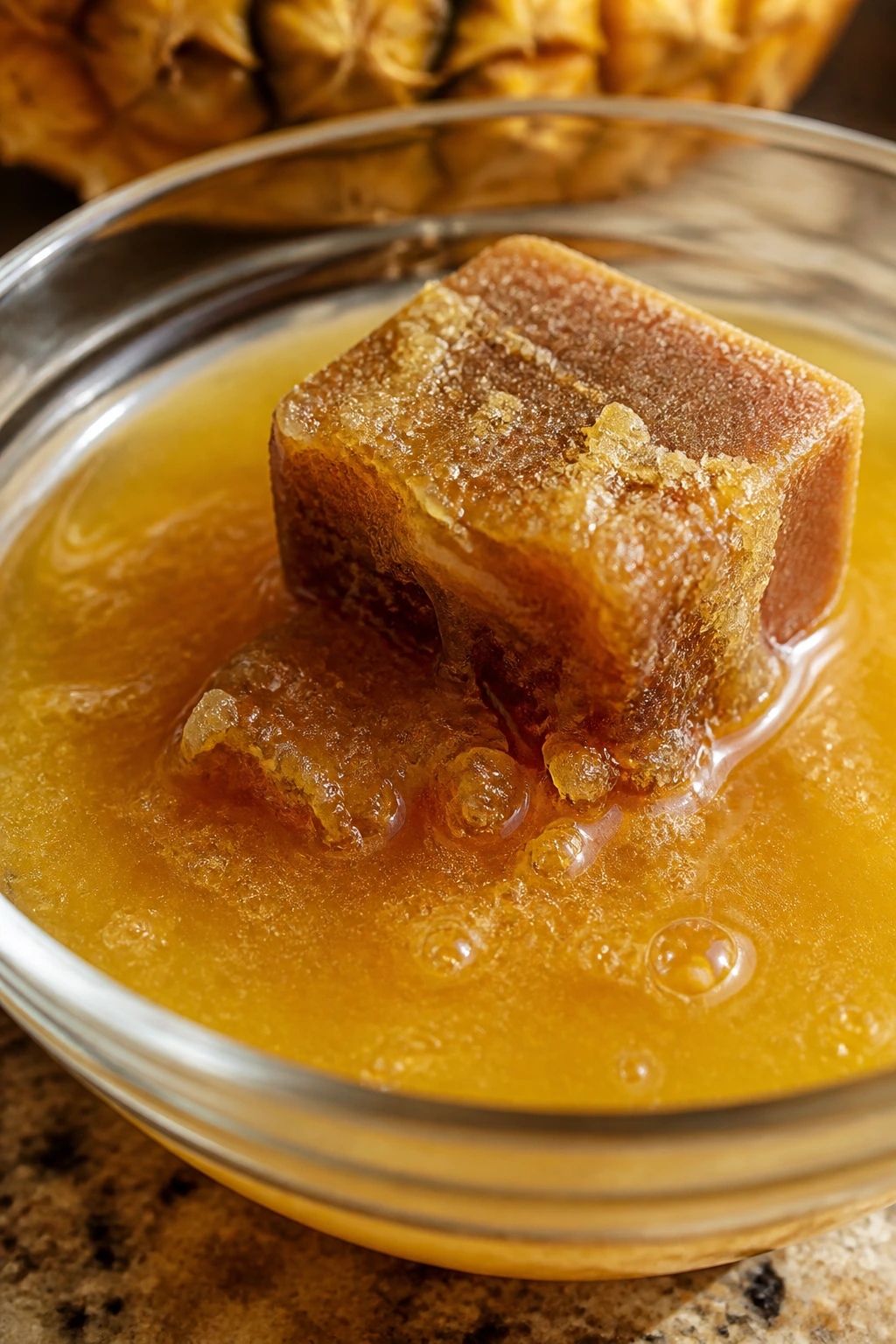
The nicest thing about this sauce is that it doesn’t ask you to choose between bright and rich. It gives you both, if you keep the heat gentle and the final lime fresh. That’s why it beats the watery, over-sweet takeout version: the flavors stay separate long enough for you to actually taste them.
Once this lands on rice or noodles, the whole bowl feels sharper and cleaner. Not fancier. Just better balanced. And that’s usually the difference between a sauce you make once and a sauce that ends up living in a jar at the front of the fridge.
Sweet and Sour Thai Spices Better than Takeout — Recipe Card
Recipe Name: Sweet and Sour Thai-Spiced Sauce
Description: A glossy Thai-inspired sweet-sour sauce made with tamarind, pineapple juice, lime, garlic, ginger, fish sauce, and a little chili. It’s balanced, bright, and sturdy enough for chicken, shrimp, tofu, vegetables, rice, or noodles.
Prep Time: 10 minutes
Cook Time: 8 minutes
Total Time: 18 minutes
Course: Sauce, Condiment, Stir-Fry Sauce
Cuisine: Thai-Inspired
Servings: 4 to 6 servings
Calories: About 90 kcal per serving
Ingredients
- 1 tablespoon neutral oil, such as avocado or canola
- 1 small shallot, finely minced
- 3 cloves garlic, minced
- 1 tablespoon fresh ginger, finely grated
- 1 to 2 Thai chilies, thinly sliced, or 1/2 teaspoon red pepper flakes
- 1/3 cup tamarind paste
- 1/4 cup rice vinegar
- 1/3 cup unsweetened pineapple juice
- 1/3 cup packed light brown sugar or palm sugar
- 3 tablespoons fish sauce
- 1 tablespoon low-sodium soy sauce or tamari
- 1/2 cup water
- 1 teaspoon ground coriander
- 1/2 teaspoon white pepper or black pepper
- 1 tablespoon cornstarch mixed with 2 tablespoons cold water
- 1 tablespoon fresh lime juice
- 1 teaspoon finely grated lime zest
- 1 tablespoon chopped cilantro leaves or Thai basil, optional for finishing
Instructions
- Whisk the cornstarch and cold water together in a small bowl until smooth. Set aside.
- Heat the oil in a medium saucepan or skillet over medium heat. Add the shallot and cook for 1 minute until softened.
- Add the garlic, ginger, and chilies. Stir for 30 to 45 seconds until fragrant.
- Add the tamarind paste, rice vinegar, pineapple juice, sugar, fish sauce, soy sauce, water, ground coriander, and pepper. Stir well and bring to a gentle simmer.
- Simmer for 2 to 3 minutes, stirring occasionally, until the sugar dissolves and the sauce looks smooth.
- Whisk the cornstarch slurry again, then stream it into the simmering sauce while stirring. Cook for 45 to 90 seconds until the sauce thickens enough to coat a spoon.
- Remove from the heat and stir in the lime juice, lime zest, and cilantro or Thai basil if using.
- Taste and adjust with a little more sugar, fish sauce, or lime juice if needed. Let stand for 5 minutes before serving.
Notes: Add lime juice off the heat for the brightest flavor. If the sauce thickens too much after chilling, thin it with 1 to 2 tablespoons water and warm gently. For extra smooth sauce, strain before serving.