



A good beef bowl should hit three notes at once: sticky sauce, hot rice, and a little crunch that wakes everything up again after the first bite. When those three things land together, you stop thinking about delivery apps. You stop wanting a second look at the menu. You just keep eating.
This spicy Korean beef bowl gets there fast because the sauce is built around gochujang, soy sauce, garlic, ginger, and sesame oil — a combination that smells rich and a little feral in the best way the moment it hits a hot skillet. The beef browns first, then the sauce clings to the crumbles instead of sliding around the pan like an afterthought. That small detail matters. A lot.
I like ground beef here more than sliced steak. It takes the sauce differently. Every tiny ridge picks up glaze, every bite tastes seasoned instead of merely sauced, and the whole bowl feels made for a spoon rather than a fork. If your rice is slightly dry from the fridge, even better; it drinks up the beef juices instead of collapsing into mush.
Why You’ll Love This Recipe
- Fast skillet cooking: The beef and sauce come together in one pan in about 15 minutes once the rice is going, so dinner doesn’t turn into a production.
- Sticky, glossy sauce: Gochujang, sesame oil, and a touch of sugar thicken into a sauce that coats the meat instead of soaking the bowl.
- Fresh contrast in every bite: Cool cucumber, shredded carrot, and scallions keep the bowl from eating heavy, even with a rich beef base.
- Easy to scale up: Double the beef and sauce without changing the method, which makes this practical for meal prep or a hungry crowd.
- Flexible base: Jasmine rice is classic, but short-grain rice, brown rice, or cauliflower rice all work if you want to change the texture.
- Better leftovers than most takeout-style bowls: The beef reheats cleanly, and the flavors settle in overnight without turning flat.
Why Ground Beef Makes the Best Korean Beef Bowl
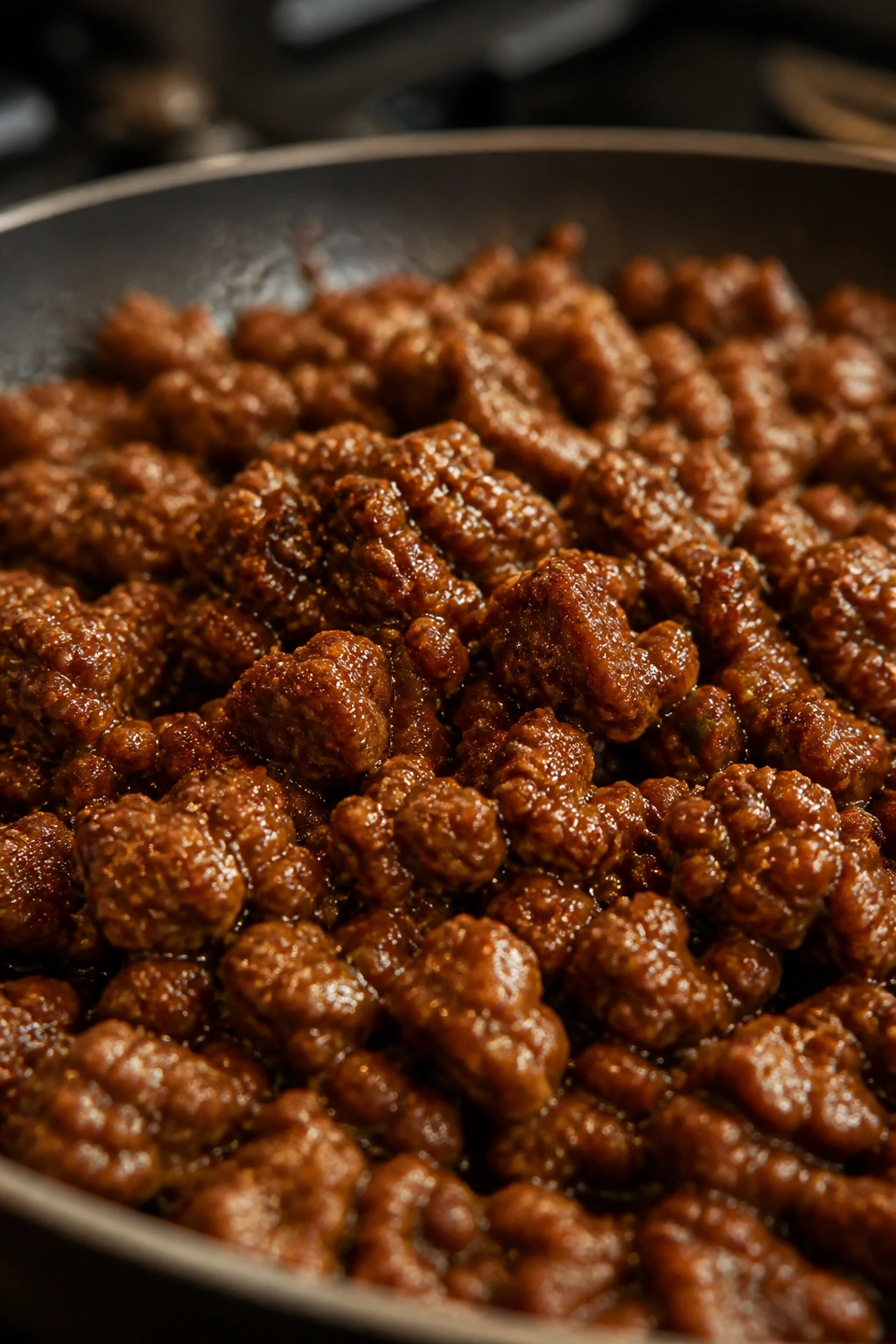
This bowl borrows the flavor language of bulgogi and classic Korean rice bowls, then translates it into a weeknight format that doesn’t ask you to marinate steak for half a day. That’s the trade, and it’s a good one. You give up a little of the drama of sliced beef, but you get speed, convenience, and a sauce that coats every bite instead of pooling under it.
Ground beef is not a compromise here. It’s the point.
When you brown it properly, the meat develops those dark, salty edges that take on gochujang especially well. The crumbles hold heat and seasoning in a way a large strip of steak can’t. That means each spoonful has rice, meat, sauce, and a little crunch from the vegetables — which is exactly what keeps this bowl from tasting one-note.
The other reason this works is balance. Gochujang brings heat, but also fermented depth and a faint sweetness. Soy sauce brings salt and body. Rice vinegar cuts through the richness. Sesame oil gives the whole thing a toasted finish that smells like the lid just came off a hot bowl. If you’ve ever had a version that tasted sugary and flat, the problem usually wasn’t the beef. It was the missing acid or the lazy browning.
No lazy browning here.
The Shopping List and the Clock
Yield: Serves 4
Prep Time: 15 minutes
Cook Time: 20 minutes
Total Time: 35 minutes
Difficulty: Beginner — the steps are simple, but the skillet needs attention so the beef browns instead of steaming.
Best Served: Right away while the rice is hot and the beef is still glossy
For the Rice
- 1 1/3 cups jasmine rice, rinsed until the water runs mostly clear
- 2 cups water
- 1/2 teaspoon kosher salt
For the Beef and Sauce
- 1 1/2 pounds ground beef, preferably 85/15
- 3 tablespoons soy sauce
- 2 tablespoons gochujang
- 1 tablespoon brown sugar
- 1 tablespoon rice vinegar
- 1 tablespoon toasted sesame oil
- 3 cloves garlic, grated or finely minced
- 1 teaspoon fresh ginger, grated
- 2 tablespoons water
- 1 teaspoon gochugaru, optional for extra heat
For the Quick Cucumber Topping
- 1 English cucumber, thinly sliced
- 1 tablespoon rice vinegar
- 1/2 teaspoon sugar
- 1/4 teaspoon kosher salt
- 1 teaspoon toasted sesame seeds
For the Bowl and Garnish
- 1 cup shredded carrots
- 2 scallions, thinly sliced
- 1 tablespoon toasted sesame seeds, for finishing
- Kimchi, for serving, optional
What Each Ingredient Does in the Bowl
Ground Beef
What to use: 1 1/2 pounds of ground beef, with 85/15 giving you the best mix of flavor and browning. That fat level is rich enough to taste like dinner, not drippings.
Preparation: Keep the beef cold until the pan is hot, then break it into large chunks first and finer crumbles later. That gives you more browned surface instead of gray fragments.
Substitutions: Ground turkey works if you want something lighter, and ground chicken can work too, though it needs a little extra oil. Crumbled extra-firm tofu is possible, but it needs a harder sear and a slightly longer sauce simmer.
Tips: If you use very lean beef, add 1 teaspoon neutral oil to the skillet before the meat goes in. Lean beef can taste dry here unless you give it a little help.
The Sauce
What to use: 3 tablespoons soy sauce, 2 tablespoons gochujang, 1 tablespoon brown sugar, 1 tablespoon rice vinegar, 1 tablespoon toasted sesame oil, 3 cloves garlic, 1 teaspoon ginger, and 2 tablespoons water. That mix hits salty, spicy, sweet, and tangy in one spoonful.
Preparation: Whisk the sauce before it touches the pan so the gochujang breaks up smoothly. If you dump it in as a thick lump, it takes longer to blend and can cling in spots instead of coating evenly.
Substitutions: Tamari works for a gluten-free version, and coconut aminos can stand in if that’s what you keep around, though the flavor gets softer. If you don’t have gochujang, use chili garlic sauce plus a small spoon of miso or extra soy, but the taste shifts away from Korean heat.
Tips: Taste the sauce before it hits the beef. Gochujang brands vary a lot; some are sweeter and milder, while others come in hotter and more concentrated.
Rice Base
What to use: 1 1/3 cups jasmine rice, 2 cups water, and 1/2 teaspoon kosher salt. That gives you a fluffy base that can actually hold the beef without turning sticky in a bad way.
Preparation: Rinse the rice until the water is mostly clear so the grains stay separate. That step looks boring. It is boring. It also matters.
Substitutions: Short-grain rice gives you a stickier, more spoonable bowl, while brown rice adds chew. Cauliflower rice works if you want a lower-carb base, though it will never absorb the sauce the same way.
Tips: Slightly firm rice is better than overcooked rice here. The beef sauce finishes the bowl, and wet rice makes everything slump.
Vegetables and Crunch
What to use: 1 English cucumber, 1 cup shredded carrots, 2 scallions, 1 tablespoon sesame seeds, and optional kimchi. These aren’t filler; they reset the bite after the rich beef.
Preparation: Slice the cucumber thin so it softens just enough in the quick vinegar mixture. Keep the carrots dry and ready so they stay crisp on top of the bowl.
Substitutions: Shredded cabbage, thin radish slices, or a handful of baby spinach can stand in if the fridge is running low. Even a few torn lettuce leaves work in a pinch.
Tips: Add the vegetables at the end, not during cooking. Heat blunts their crunch fast, and this bowl needs that cool contrast.
Finishing Touches
What to use: 1 tablespoon toasted sesame seeds, the green parts of the scallions, and optional kimchi. That final scatter is what makes the bowl smell finished instead of merely assembled.
Preparation: Slice the scallions at the very end so they stay sharp and bright. If you cut them early, they lose that fresh bite and turn floppy.
Substitutions: A few strips of nori, a spoonful of chili crisp, or thinly sliced cucumber can give a different finish. None of these are required, but they all make sense here.
Tips: Put garnishes on after the beef is in the bowl. Once they hit the hot meat, they soften faster than you think.
The Tools That Make It Easy
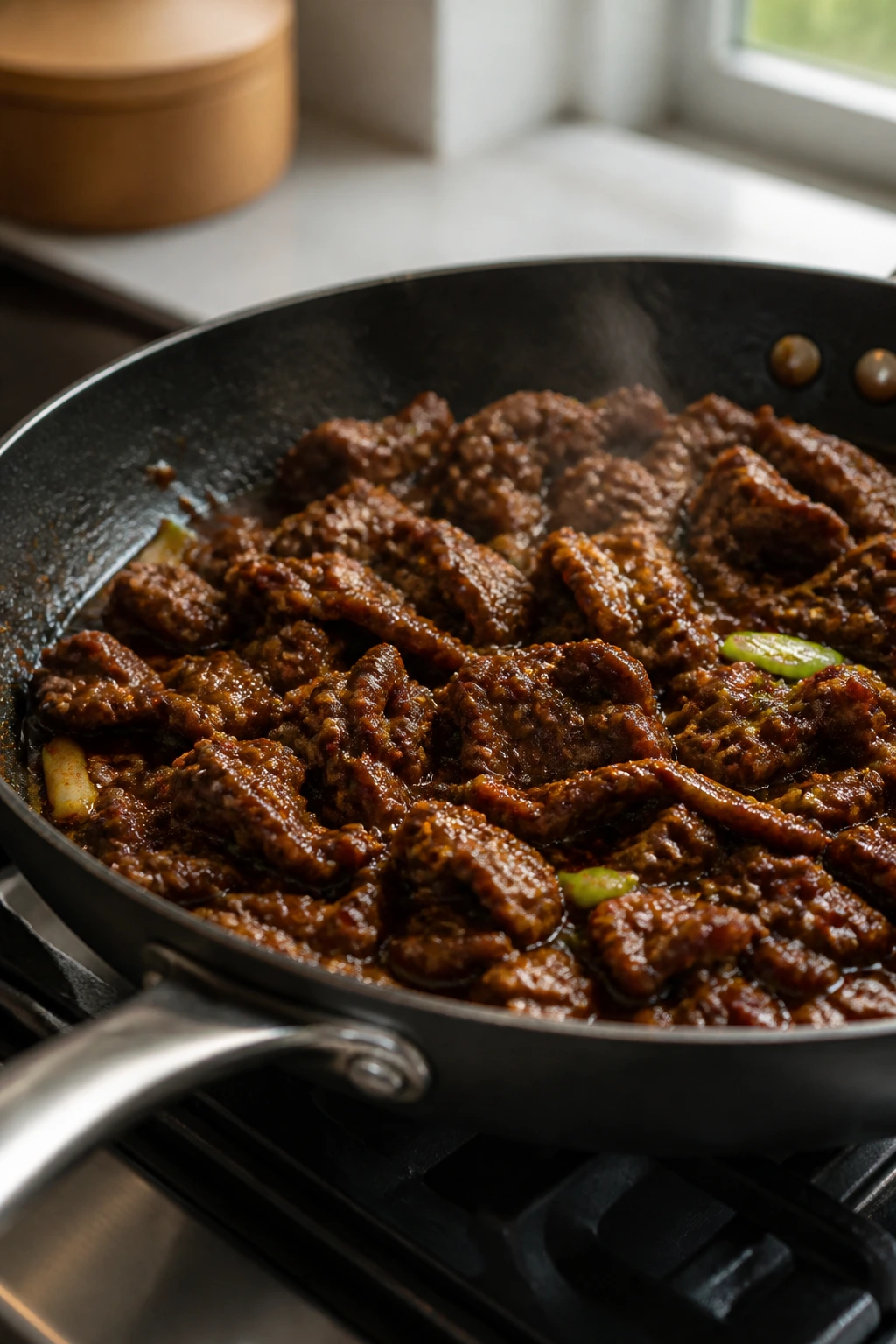
- 12-inch skillet or sauté pan: Big enough to brown the beef without crowding it.
- Medium saucepan with a lid: Needed for the rice if you’re cooking it on the stovetop.
- Small mixing bowl: Handy for whisking the sauce before it goes into the pan.
- Wooden spoon or sturdy spatula: You want something that can break up the beef and scrape the browned bits clean.
- Fine grater or Microplane: Best for the garlic and ginger; the texture disappears into the sauce.
- Sharp knife and cutting board: For the cucumber, scallions, and any extra toppings.
- Measuring spoons and cups: This sauce is built on balance, so eyeballing it is a bad idea.
- Serving bowls: Wider bowls are easier to eat from because the rice and toppings don’t pile into a tower.
The Step-by-Step Cook
Phase 1: Start the Rice and Quick Cucumber Topping
-
Rinse and cook the rice. Put the jasmine rice in a fine-mesh strainer and rinse it under cold water until the runoff looks mostly clear, then combine it with the water and salt in a medium saucepan. Bring it to a boil over high heat, cover, drop the heat to low, and cook for 15 minutes without lifting the lid. Turn off the heat and let it sit, covered, for 10 minutes more. Do not stir it early or the bottom can turn gummy.
-
Make the cucumber topping. While the rice cooks, toss the sliced cucumber with rice vinegar, sugar, salt, and sesame seeds in a small bowl. Let it sit for at least 10 minutes so it tastes lightly pickled and stays crisp. You want the cucumber to bend a little, not collapse.
Phase 2: Mix the Sauce
- Whisk the sauce until smooth. In a second small bowl, whisk together the soy sauce, gochujang, brown sugar, rice vinegar, toasted sesame oil, garlic, ginger, water, and gochugaru if you want more heat. The sauce should look glossy and thick but still pourable. If the gochujang is stubborn, mash it against the side of the bowl with the spoon until it dissolves.
Phase 3: Brown the Beef
-
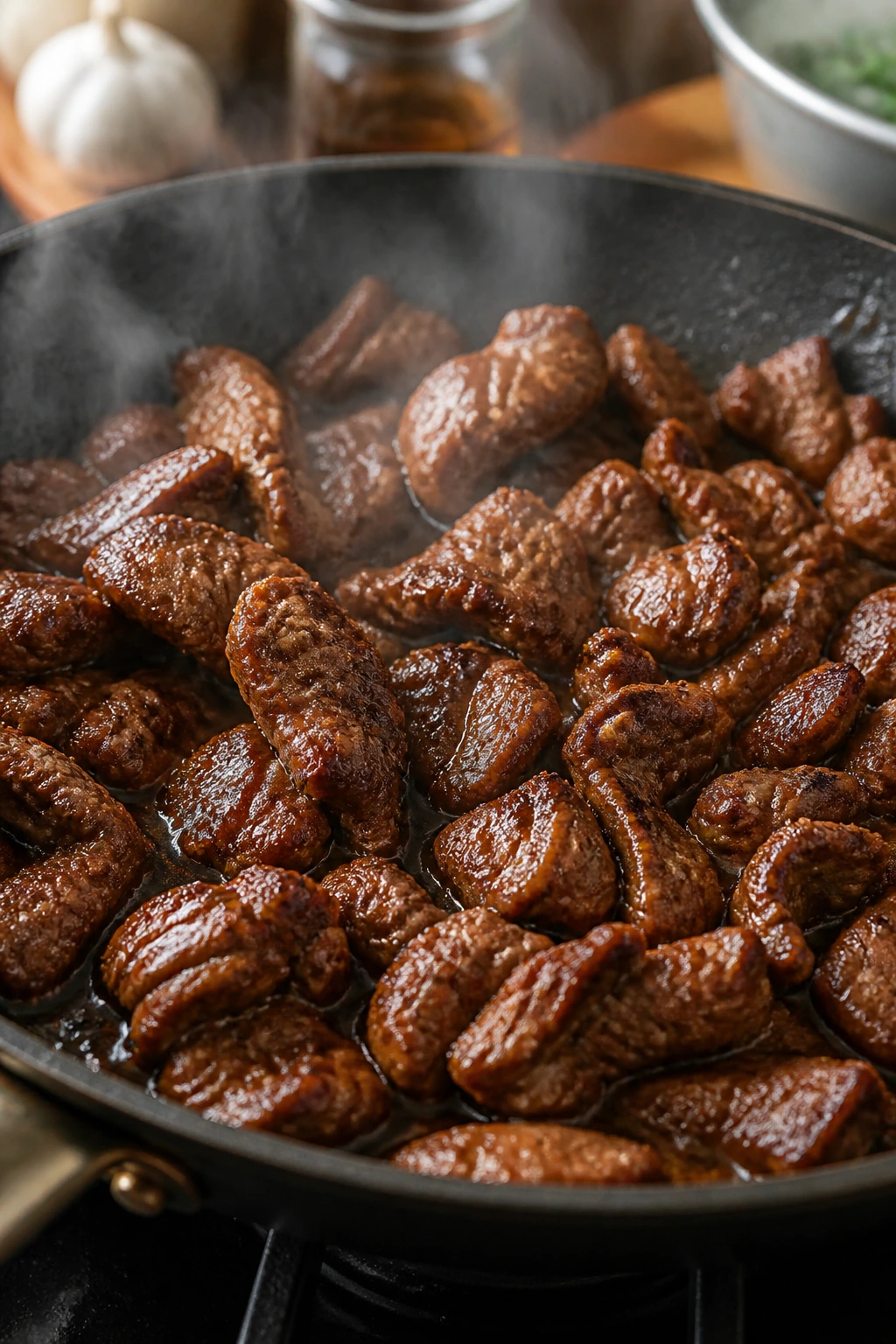
Heat the skillet hard. Set a 12-inch skillet over medium-high heat and let it get properly hot, about 1 minute. Add the ground beef; if you are using beef leaner than 90/10, drizzle in 1 teaspoon neutral oil first. Break the meat into large chunks and leave it alone for 30 to 45 seconds before stirring again. That pause helps the bottom brown. Constant stirring gives you gray meat, and gray meat tastes flat.
-
Cook the beef until browned and mostly dry. Continue breaking up the beef and cooking for 5 to 7 minutes, until no pink remains and the edges have browned. If there is a pool of fat larger than a tablespoon or two, spoon some off, but leave enough to carry flavor. You want the meat sizzling, not swimming.
-
Pour in the sauce and simmer briefly. Reduce the heat to medium, then add the sauce and stir well so every crumb gets coated. Simmer for 1 to 2 minutes until the sauce thickens and clings to the beef in a shiny layer. The mixture should look lacquered, not soupy. If it still looks thin after 2 minutes, keep simmering for another 30 seconds rather than adding more sugar.
Phase 4: Assemble the Bowls
-
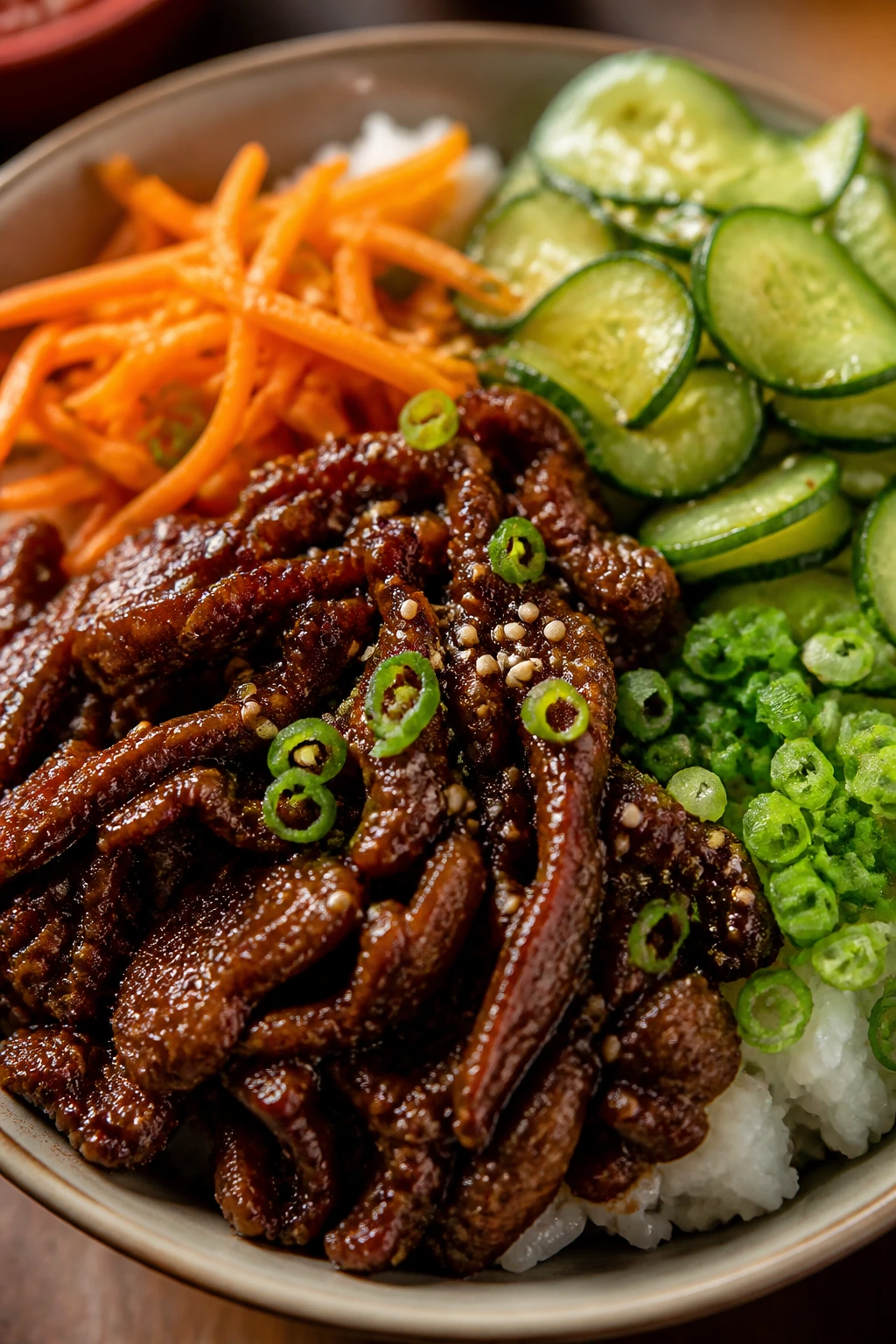
Fluff the rice and build the bowls. Fluff the rice with a fork and divide it between 4 bowls. Spoon the beef over the rice, then add the cucumber topping, shredded carrots, scallions, sesame seeds, and kimchi if you want that extra fermented bite. The final bowl should have hot, cool, soft, and crunchy in the same frame.
-
Taste and adjust at the table. If you like more heat, add a tiny drizzle of gochujang thinned with water. If the bowl feels too rich, a splash of rice vinegar on the beef wakes it right back up. That last little adjustment is worth doing.
How to Serve the Bowl
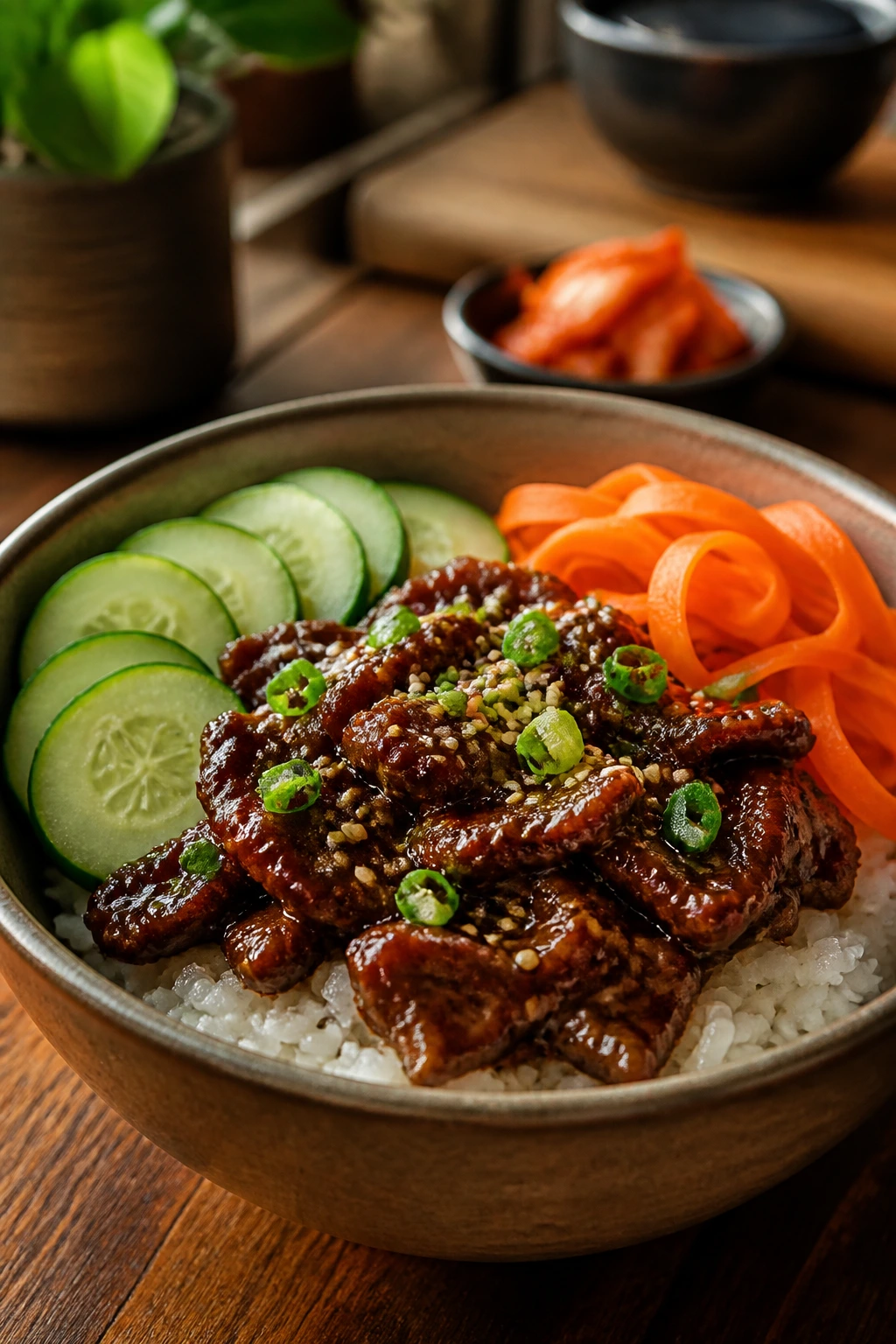
Presentation: Start with a wide base of rice, then spoon the beef slightly off-center so the toppings stay visible instead of disappearing under a mound of meat. I like the cucumber on one side, carrots on the other, scallions scattered across the top, and sesame seeds dropped from a pinch over the whole bowl. It should look casual, not arranged like a hotel plate.
Accompaniments: Kimchi is the obvious add-on because it matches the spicy, tangy direction of the bowl. If you want something gentler, serve it with quick sautéed broccoli, steamed green beans, or a simple cabbage slaw dressed with rice vinegar and sesame oil. A soft fried egg on top is not required, but it does make the bowl feel a little more complete.
Portions: This recipe makes 4 solid bowls, with about 1 cup of rice and a generous scoop of beef per serving. If you’re feeding bigger eaters, stretch it with extra vegetables or a second egg on top rather than adding more sauce. That keeps the bowl balanced instead of heavy.
Beverage Pairing: A cold lager is a clean match if you want something with a little snap. If you’re skipping alcohol, iced barley tea or sparkling water with lime works better than a sweet drink, which can make the gochujang taste louder than it should.
Extra Tips and Flavor Boosters
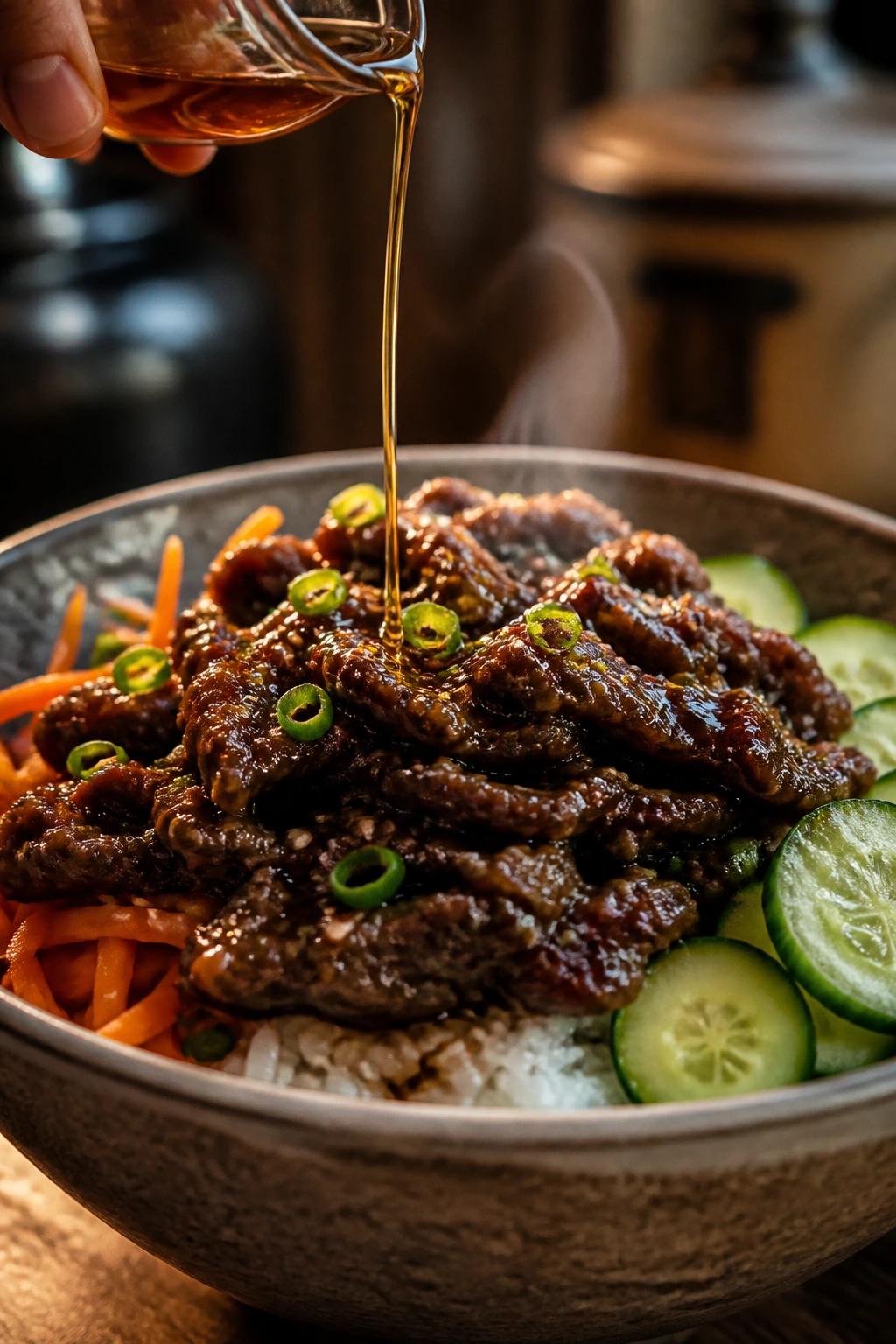
Flavor Enhancement: Stir 1 extra teaspoon of toasted sesame oil into the beef right after it comes off the heat. That last-minute hit smells fresher than adding it at the start, and you can actually taste it over the soy and gochujang.
Customization: Swap half the carrots for shredded cabbage if you want more crunch, or add sliced mushrooms to the skillet after the beef browns for a deeper, earthier bowl. A handful of baby spinach wilted into the hot rice also works if you want more green on the plate.
Serving Suggestions: Add a spoonful of kimchi beside the rice, not under the beef, so the fermented edge stays sharp. Thin nori strips and extra scallions make the bowl taste brighter without changing the sauce at all. A fried egg turns it from good to borderline rude in the best way.
Make-It-Yours: For gluten-free bowls, use tamari and check your gochujang label because some brands contain wheat. For a lower-sodium version, use low-sodium soy sauce and add more rice vinegar instead of more salt. For extra heat, add another 1/2 teaspoon of gochugaru or a small spoon of chili crisp at the table.
Common Mistakes That Flatten the Flavor
- Crowding the skillet: If the beef goes into a small or overloaded pan, it steams instead of browns. The symptom is pale meat and a wet puddle at the bottom. Use a 12-inch skillet and give the meat room.
- Adding the sauce too early: Raw beef needs time to color before the glaze goes in. If you add sauce too soon, you trap moisture and miss the browned, savory bits that make the bowl taste cooked rather than mixed.
- Skipping the acid: A lot of versions go heavy on sweet and salty, then wonder why the bowl tastes tired. The rice vinegar in the sauce and the quick cucumber topping keep the flavor from going dull. If the bowl tastes flat, add a small splash more vinegar before you add more soy.
- Overdoing the gochujang without tasting: Some brands are mild and sweet, others hit harder and saltier. If you add more without checking the balance, the sauce can taste harsh instead of lively. Taste first, then push the heat if you want it.
- Using soggy rice: Freshly cooked rice that’s too wet can make the whole bowl collapse into a soft mass. Slightly dry rice works better because it soaks up the beef sauce without turning mushy.
- Leaving the vegetables warm too long: The cucumber and scallions lose their snap fast once they sit under hot beef. Add them at the very end, and keep extra toppings on the side if you’re serving a crowd.
Variations and Adaptations
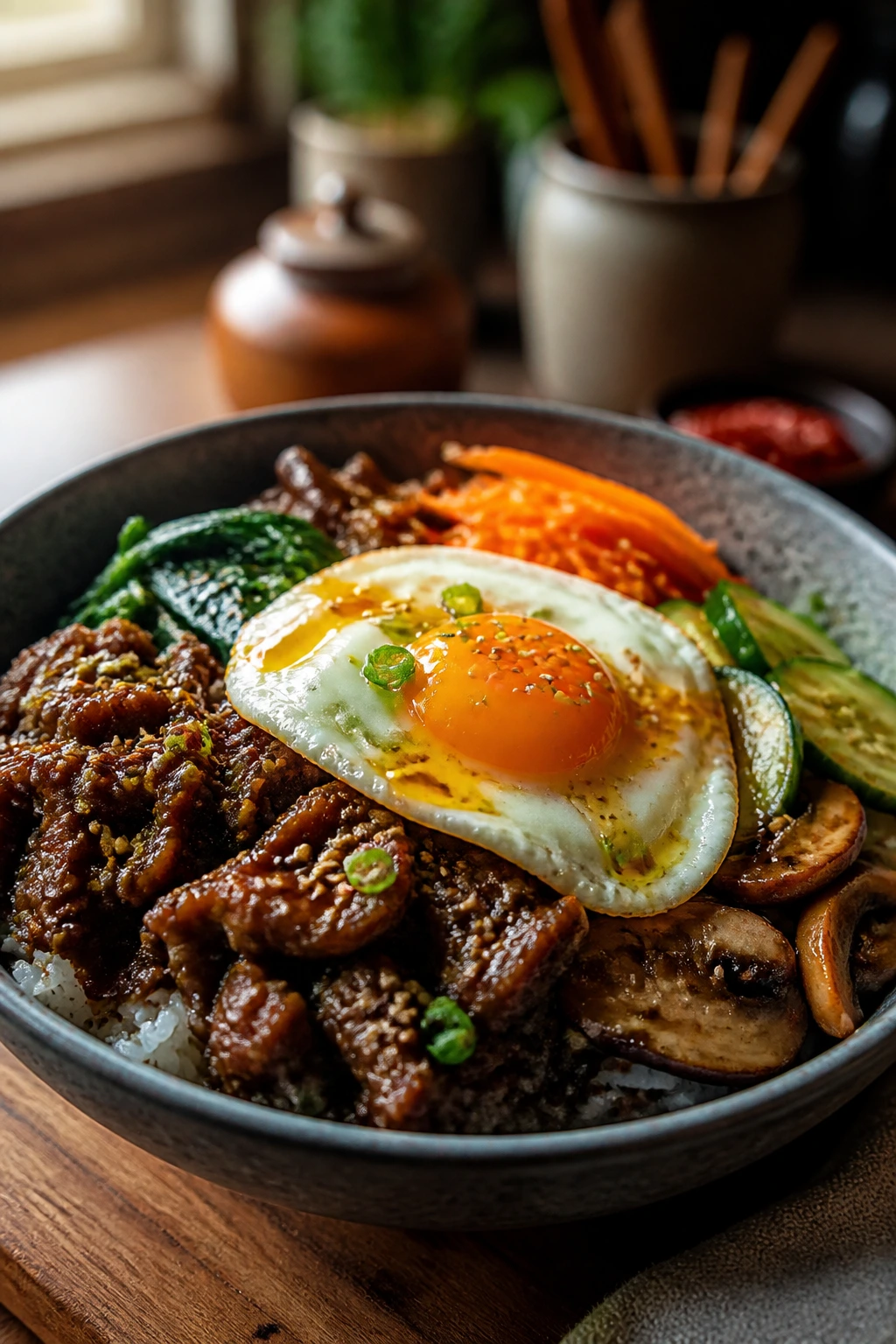
Bibimbap-Style Bowl: Add sautéed spinach, mushrooms, and a fried egg on top, then finish with a drizzle of sesame oil and a dab of gochujang. It leans closer to a classic mixed rice bowl and gives you more vegetable bite in every spoonful.
Turkey and Cabbage Weeknight Bowl: Replace the ground beef with 1 1/2 pounds ground turkey and add 1 tablespoon neutral oil to the pan. Stir in a handful or two of shredded cabbage after the meat browns so the bowl still has bulk and a little crunch.
Lettuce-Cup Version: Spoon the beef into butter lettuce leaves instead of serving it over rice. The cucumber, carrots, and scallions stay in place, but the whole thing becomes lighter and easier to eat with your hands.
Mild Sweet-Heat Bowl: Drop the gochujang to 1 tablespoon and add 1 extra teaspoon brown sugar. This version keeps the Korean-inspired flavor but softens the heat enough for people who want the sauce without the burn.
Noodle Bowl Swap: Serve the beef over chewy wheat noodles or even rice noodles if you want something closer to a stir-fry. Toss the noodles with a tiny splash of sesame oil first so they do not stick together under the beef.
Make-Ahead, Storage, and Reheating
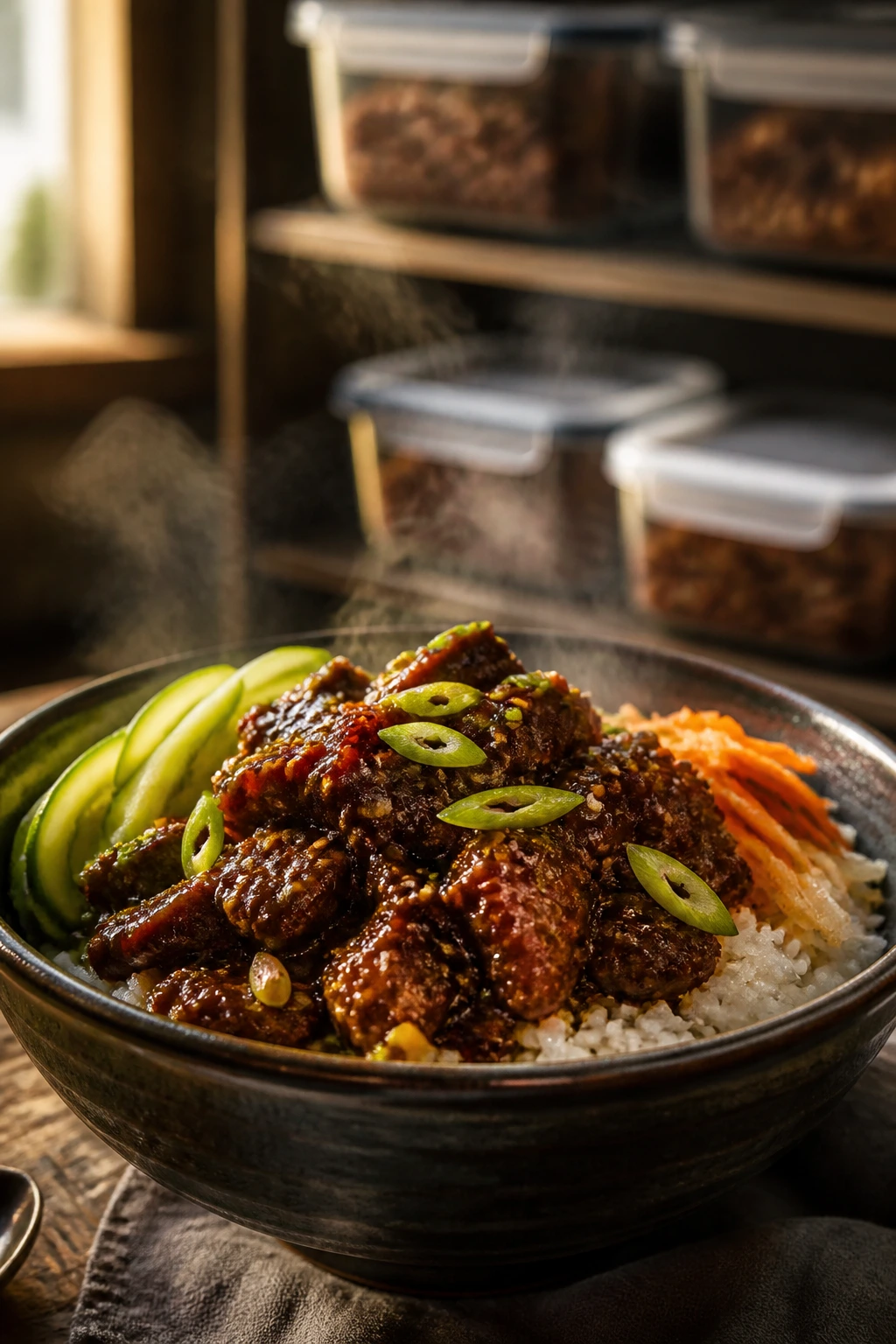
The beef mixture keeps well in the refrigerator for 3 to 4 days in a sealed container. The rice also holds for 3 to 4 days, though it should be cooled quickly and packed once it’s no longer steaming. I would not keep the cucumber topping mixed with the vinegar for more than 24 hours if you want it crisp; after that, it starts to soften and dump water into the bowl.
For the freezer, the beef sauce mixture is the part worth saving. Freeze it for up to 2 months in a flat, airtight container or a zip-top bag pressed thin so it thaws faster. Rice can be frozen too, for about 1 month, but the texture is best if you reheat it with a spoonful of water and cover it tightly so the grains steam back to life.
Reheat the beef in a skillet over medium heat with 1 to 2 tablespoons of water for 3 to 4 minutes, stirring until it loosens and turns glossy again. The microwave works in a pinch, but use short bursts and stir once so the edges do not dry out. Rice reheats well in the microwave if you sprinkle a little water over it and cover the bowl with a damp paper towel.
If you want to prep ahead, make the sauce up to 3 days in advance, rinse and cook the rice a day ahead, and keep the cucumber sliced but undressed until serving day. The cucumber is the piece that loses its charm first. Everything else is pretty forgiving.
Questions About Korean Beef Bowls
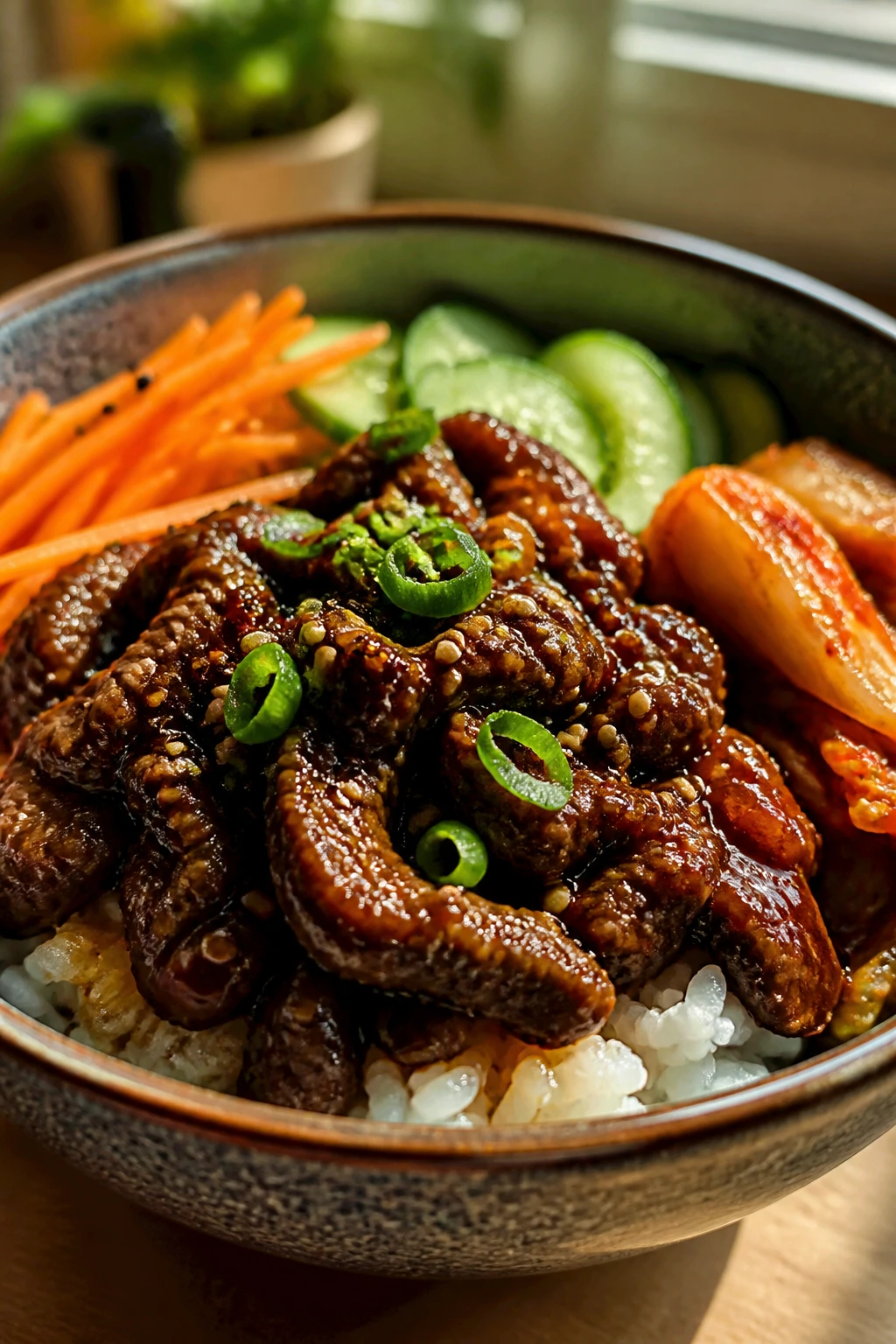
Can I make this with ground turkey instead of beef?
Yes, and it works better than a lot of people expect. Use ground turkey with a tablespoon of neutral oil in the pan, since turkey is leaner and can dry out fast. Taste the finished sauce and consider a small extra splash of sesame oil to bring back some of the richness beef usually carries.
How spicy is this bowl?
With 2 tablespoons of gochujang and no extra gochugaru, I’d call it medium heat for most people. The heat shows up slowly and lingers more than it burns. If you want it milder, cut the gochujang to 1 tablespoon and keep the sugar and vinegar in place so the sauce still tastes complete.
What if I don’t have gochujang?
You can get close with chili garlic sauce, a little miso or soy sauce, and a touch of brown sugar, but it won’t taste exactly the same. Gochujang brings fermented depth, not just heat. If you enjoy this style of cooking, it’s worth buying a tub and keeping it in the fridge.
Can I make the bowl gluten-free?
Yes. Use tamari or another gluten-free soy sauce, and check the gochujang label because some brands contain wheat. Rice, beef, cucumber, carrots, and sesame are all naturally friendly to a gluten-free bowl once the sauce is sorted.
Why did my beef turn watery instead of glossy?
The pan was probably too cool, too crowded, or both. Let the beef brown in contact with the pan before stirring, and keep the heat high enough that the liquid cooks off instead of collecting. If the sauce goes in too early, it can also thin out before it thickens again.
Can I meal prep this for lunches?
Absolutely. Portion the rice and beef into containers, then keep the cucumber and scallions separate so they stay crisp. Reheat the rice and beef together, then add the cold toppings after warming; that contrast is what keeps the leftovers from tasting tired.
What can I serve with it if I want to stretch the meal?
Steamed broccoli, sautéed cabbage, or a simple cabbage slaw all bulk up the bowl without changing the flavor profile much. A fried egg on top also makes a serving feel larger and richer. If you need to feed more people, vegetables are the cheapest place to add volume.
Why This Bowl Keeps Showing Up Again
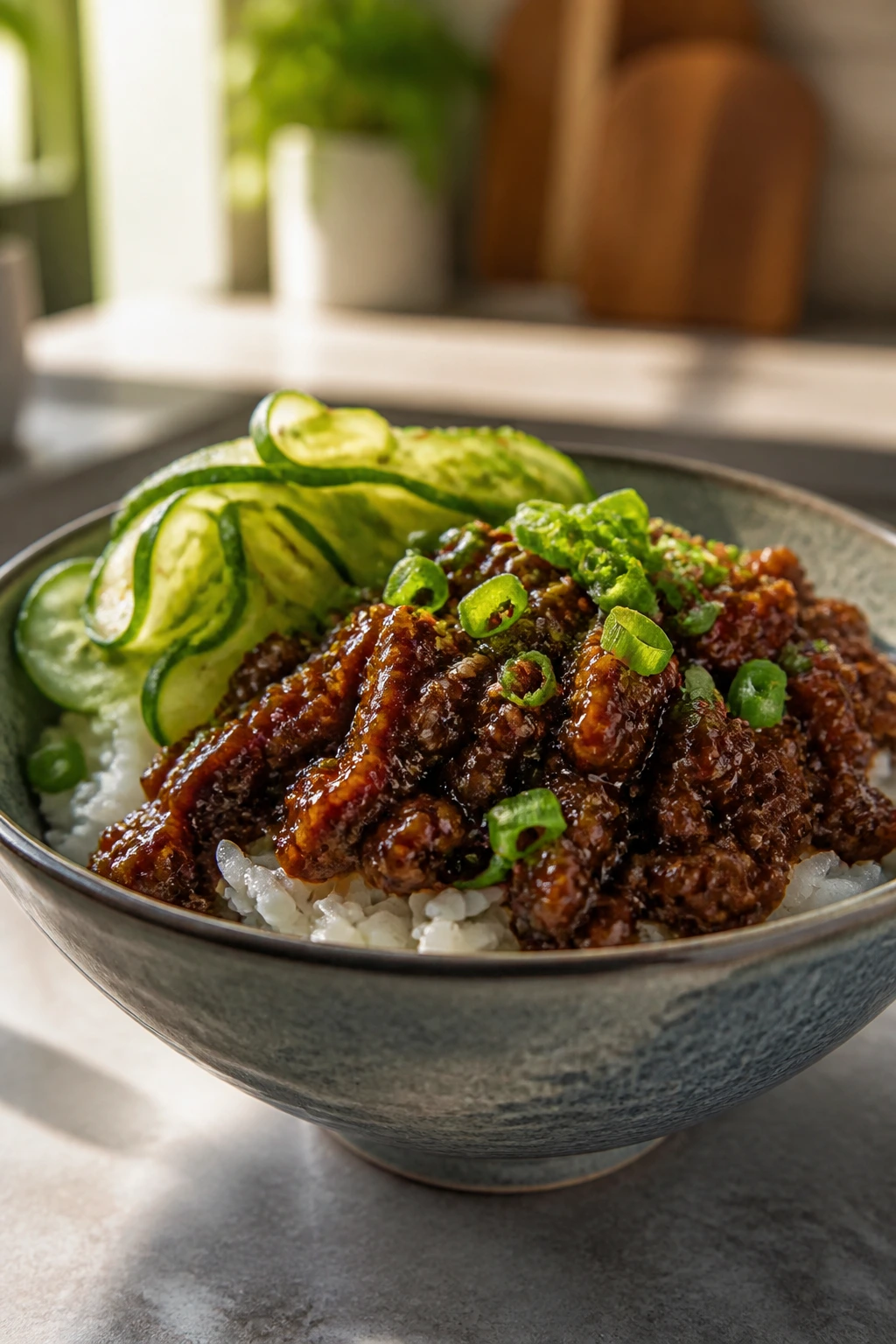
A bowl like this works because every part earns its place. The beef is savory and sticky, the rice carries the sauce, the cucumber cools the heat, and the scallions keep the whole thing from settling into one thick flavor. Nothing is there by accident.
That’s the mark of a good weeknight dinner, honestly. Not elaborate. Not fussy. Just a hot pan, a sharp sauce, and enough contrast to make you want another bite before you’ve put the spoon down.
Make it once, and you’ll start keeping gochujang in the fridge on purpose.
Spicy Korean Beef Bowl Better than Takeout — Recipe Card
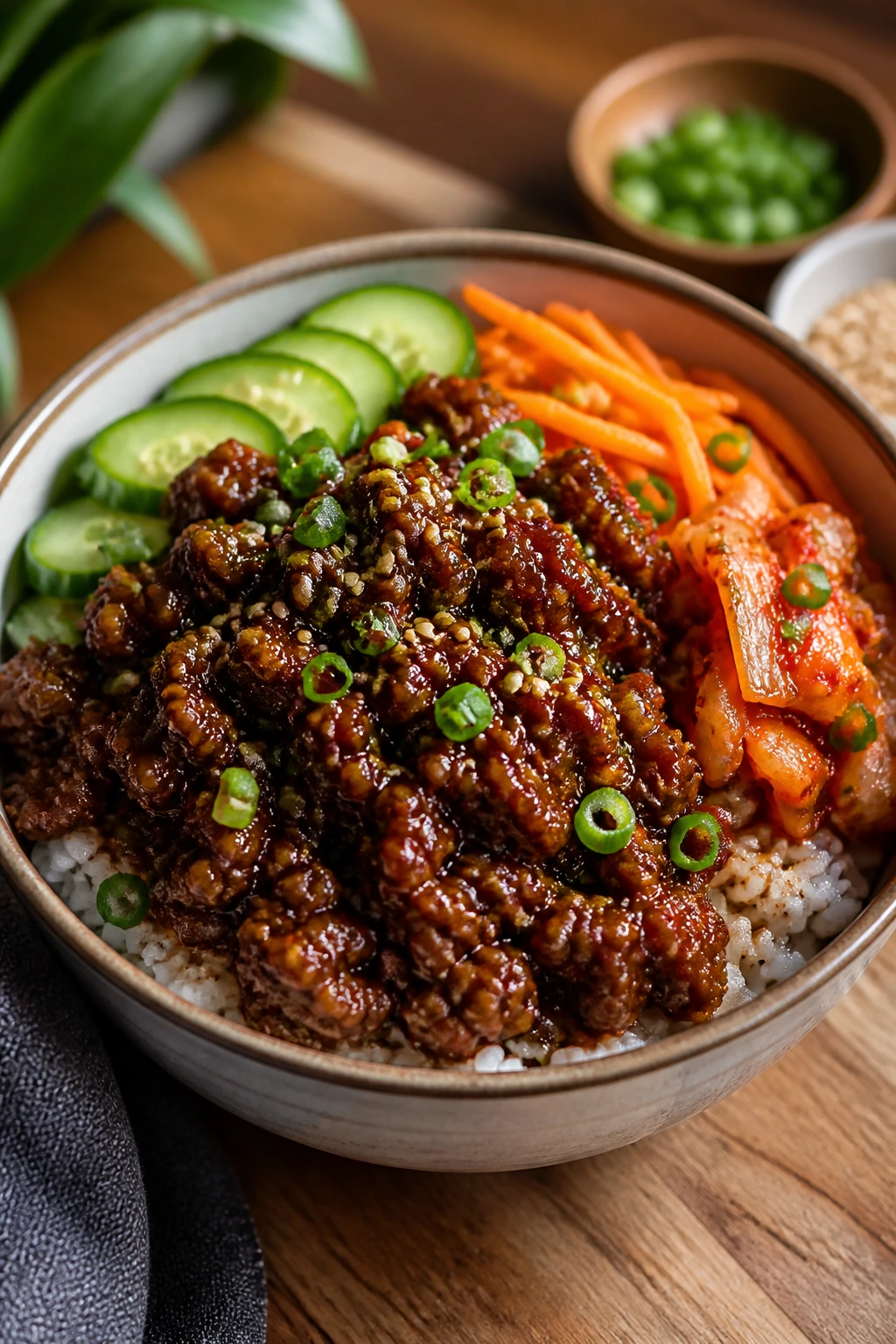
Recipe Name: Spicy Korean Beef Bowl Better than Takeout
Description: Sticky ground beef cooked in a gochujang-soy sauce, served over jasmine rice with quick cucumber, shredded carrots, scallions, sesame seeds, and optional kimchi. It’s fast, bright, and built for a spoon.
Prep Time: 15 minutes
Cook Time: 20 minutes
Total Time: 35 minutes
Course: Main Course, Dinner
Cuisine: Korean-Inspired
Servings: 4 servings
Calories: about 700 kcal per serving
Ingredients
For the Rice
- 1 1/3 cups jasmine rice, rinsed until the water runs mostly clear
- 2 cups water
- 1/2 teaspoon kosher salt
For the Beef and Sauce
- 1 1/2 pounds ground beef, preferably 85/15
- 3 tablespoons soy sauce
- 2 tablespoons gochujang
- 1 tablespoon brown sugar
- 1 tablespoon rice vinegar
- 1 tablespoon toasted sesame oil
- 3 cloves garlic, grated or finely minced
- 1 teaspoon fresh ginger, grated
- 2 tablespoons water
- 1 teaspoon gochugaru, optional for extra heat
For the Quick Cucumber Topping
- 1 English cucumber, thinly sliced
- 1 tablespoon rice vinegar
- 1/2 teaspoon sugar
- 1/4 teaspoon kosher salt
- 1 teaspoon toasted sesame seeds
For the Bowl and Garnish
- 1 cup shredded carrots
- 2 scallions, thinly sliced
- 1 tablespoon toasted sesame seeds, for finishing
- Kimchi, for serving, optional
Instructions
- Rinse the rice until the water looks mostly clear, then cook it with the water and salt in a covered saucepan for 15 minutes over low heat; let it rest, covered, for 10 minutes, then fluff.
- Toss the cucumber with rice vinegar, sugar, salt, and sesame seeds; set aside for 10 minutes.
- Whisk the soy sauce, gochujang, brown sugar, rice vinegar, sesame oil, garlic, ginger, water, and gochugaru until smooth.
- Heat a 12-inch skillet over medium-high heat, add the ground beef, and brown it for 5 to 7 minutes, breaking it into crumbles and draining excess fat if needed.
- Pour in the sauce and simmer for 1 to 2 minutes, stirring, until the beef is glossy and coated.
- Divide the rice among 4 bowls, top with the beef, cucumber, carrots, scallions, sesame seeds, and kimchi if using.
Notes: Use tamari for a gluten-free version. For milder heat, reduce the gochujang to 1 tablespoon. The cucumber topping is best the day it’s made.