



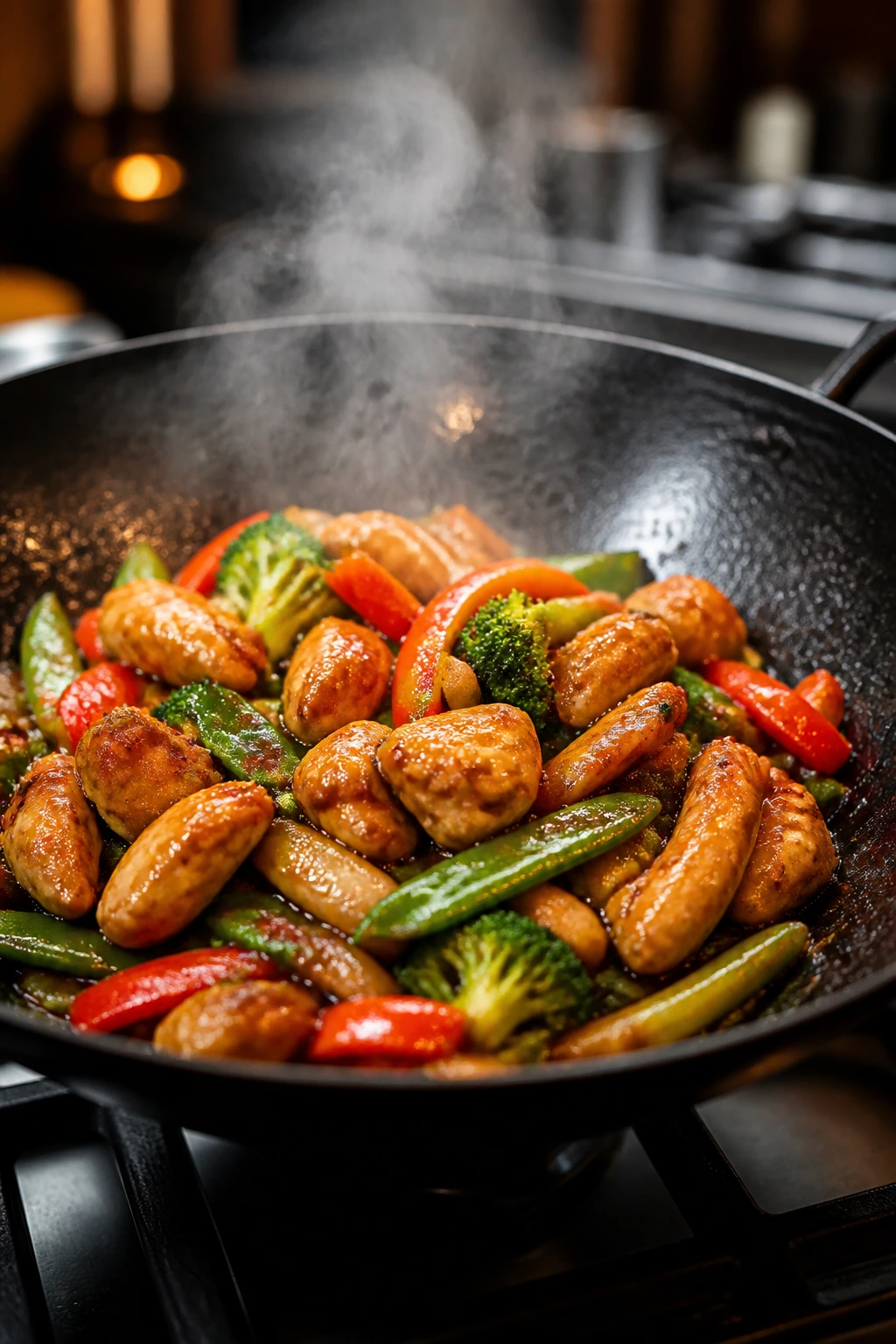
A hot skillet, a little steam, and chicken that goes from pale to glossy in about twelve minutes — that’s the kind of dinner that makes the whole kitchen feel calmer. Asian chicken recipes do their best work in that narrow lane between “I’m hungry now” and “I still want this to taste like something worth eating,” and a stir-fry night is where they earn their keep.
The part people get wrong is usually the same part: they crowd the pan, skip the prep, and wonder why the sauce turns thin and the vegetables go floppy. Stir-fry food is not complicated, but it is picky about heat and timing. If you’ve ever opened a takeout container and thought, I could make this at home if I stopped guessing, you’re in the right place.
What follows is a collection built for that exact mood. Some recipes lean garlicky and clean, some go sweet and sticky, some bring heat, and one or two will happily scorch your nose in the best possible way. They all share the same useful promise: chop, toss, sear, sauce, eat. No drama. No long simmer. Just dinner that moves fast and still tastes deliberate.
Why This Collection Works on a Busy Stir-Fry Night
-
Fast prep, not frantic prep: Most of these chicken stir-fry recipes use about 1 pound of chicken and 2 to 3 cups of vegetables, so the knife work stays manageable and the pan never feels overloaded.
-
Sauces that actually cling: Cornstarch, a little sugar, and the right amount of liquid keep the sauce lacquered on the chicken instead of puddling at the bottom of the bowl.
-
Pantry ingredients do the heavy lifting: Soy sauce, garlic, ginger, sesame oil, rice vinegar, hoisin, oyster sauce, and a few chili pastes show up again and again, which means less hunting through the grocery aisle.
-
The heat levels are easy to tune: You can keep one skillet mild for kids and crank another with dried chilies, black pepper, or Sichuan-style chili paste without changing the whole routine.
-
Leftovers stay useful: Several of these taste even better the next day, especially the ones with sweeter sauces or cabbage, because the flavors settle in without turning mushy.
-
They pair with nearly anything: Jasmine rice, plain white rice, fried rice, lo mein noodles, rice noodles, and lettuce cups all work here, so you can use what’s already in the kitchen.
1. Garlic Ginger Chicken Stir-Fry
The first skillet I reach for on a tired night smells like garlic hitting hot oil and ginger going sweet at the edges. This version stays clean and bright, with chicken that picks up a thin, savory sheen and vegetables that still snap when you bite them. It tastes like the kind of dinner you could make twice in one week without anyone complaining.
Why It Works:
Garlic and ginger do a lot of work here, but the real trick is the quick cornstarch coating on the chicken. That thin layer helps the meat brown faster and gives the sauce something to grab. A hot pan keeps the snap peas crisp, and the sauce only needs a minute or two to thicken once it hits the skillet.
Key Ingredients:
- 1 lb boneless, skinless chicken thighs, cut into 1-inch pieces
- 1 tablespoon soy sauce, for a quick marinade
- 1 tablespoon cornstarch, to help the chicken sear and stay tender
- 2 tablespoons neutral oil, divided
- 4 cloves garlic, minced
- 1 tablespoon fresh ginger, grated
- 1 red bell pepper, sliced
- 1 1/2 cups snap peas, strings removed if needed
- 2 tablespoons oyster sauce
- 1/4 cup chicken stock
- 1 teaspoon sesame oil
Quick Steps:
- Toss the chicken with soy sauce and cornstarch in a bowl until every piece looks lightly coated.
- Whisk the oyster sauce, chicken stock, and sesame oil together in a small bowl.
- Heat 1 tablespoon oil in a large skillet or wok over medium-high heat until it shimmers.
- Add the chicken in a single layer and cook for 3 to 4 minutes, turning once, until the edges look golden and the centers are nearly cooked through. Remove to a plate.
- Add the remaining oil, garlic, ginger, bell pepper, and snap peas. Stir-fry for 2 minutes, until the garlic smells sweet and the peas turn brighter green.
- Return the chicken, pour in the sauce, and toss for 1 to 2 minutes until everything is glossy and the sauce lightly coats the spoon.
Equipment for This Recipe:
- Large wok or 12-inch skillet
- Small mixing bowl for the sauce
- Sharp knife and cutting board
- Tongs or a wide spatula for tossing
How to Serve This Dish:
Pile it over steamed jasmine rice and let the sauce run into the rice a little. A handful of sliced scallions on top makes it look finished without trying too hard. If you want a lighter plate, serve it with cucumber slices dressed in rice vinegar.
Pro Tips for This Recipe:
- Cut the chicken into even pieces so the smallest chunks do not dry out before the biggest ones cook through.
- Keep the garlic moving in the pan; once it turns golden, it can go bitter fast.
- If your sauce looks thin, let it bubble for another 30 seconds before deciding it needs help.
Variations on This Dish:
- Lime Brightness: Add 1 tablespoon lime juice at the end for a sharper, fresher finish.
- Veggie-Heavy Bowl: Add broccoli florets or thin carrots; just give the harder vegetables a 1-minute head start.
- Soy-Free Swap: Use coconut aminos in place of soy sauce and add a pinch of salt if the sauce tastes flat.
Common Mistakes to Avoid with This Dish:
- Stuffing the pan: The chicken steams instead of browns. Cook in two batches if your skillet feels crowded.
- Adding garlic too early: It burns before the vegetables are ready. Put it in after the oil is hot and the pan is already moving.
- Saucing cold chicken: The sauce thickens unevenly. Let the chicken sit out while you prep the rest so it loses the chill.
2. Black Pepper Chicken with Onions and Celery
Black pepper chicken has a little swagger. The sauce is dark, savory, and peppery enough to make the back of your throat tingle, while onion and celery keep the whole dish from feeling heavy. I like this one when I want something that tastes like takeout, but more direct — less sweet, more bite.
Why It Works:
Black pepper is easy to underuse, and this dish needs the real thing, freshly ground, not the dusty shaker stuff. The celery stays crisp enough to give each bite a cold-water snap, which is exactly what the peppery sauce needs. A brief marinade keeps the chicken juicy, and the onions soften just enough to sweeten the edges.
Key Ingredients:
- 1 lb boneless, skinless chicken breast or thighs, sliced thin
- 1 tablespoon soy sauce
- 1 tablespoon cornstarch
- 2 tablespoons neutral oil
- 1 medium yellow onion, sliced into wedges
- 2 celery stalks, cut on a diagonal
- 1 red bell pepper, sliced
- 3 cloves garlic, minced
- 2 teaspoons freshly ground black pepper
- 2 tablespoons oyster sauce
- 1/4 cup chicken stock
- 1 teaspoon sugar
Quick Steps:
- Toss the chicken with soy sauce and cornstarch, then let it sit while you prep the vegetables.
- Mix the oyster sauce, chicken stock, sugar, and black pepper in a small bowl.
- Heat 1 tablespoon oil in a skillet over medium-high heat and cook the chicken for 3 to 5 minutes until lightly browned. Remove it.
- Add the remaining oil, onion, celery, and bell pepper. Stir-fry for 2 minutes until the onion edges soften but the celery still bites back.
- Stir in the garlic for 20 seconds, then add the sauce.
- Return the chicken and toss for 1 minute until the sauce turns glossy and clings to the meat.
Equipment for This Recipe:
- Large skillet or wok
- Small bowl for mixing the sauce
- Wooden spoon or spatula
- Chef’s knife for thin slicing
How to Serve This Dish:
This one likes plain rice and nothing fussy. The sauce is assertive enough that you don’t need extra dressings or side sauces. A simple plate of sliced tomatoes or chilled cucumbers gives the meal a clean finish.
Pro Tips for This Recipe:
- Grind the pepper just before cooking; the fragrance matters here.
- Slice the celery thin on a diagonal so it cooks quickly without turning limp.
- If the sauce tastes too sharp, add another half teaspoon of sugar rather than drowning it in extra soy.
Variations on This Dish:
- Extra Pepper Punch: Add 1 additional teaspoon of black pepper and a pinch of white pepper.
- Chicken and Mushroom Version: Swap half the bell pepper for sliced mushrooms; they soak up the sauce nicely.
- Lower-Sodium Bowl: Use low-sodium soy sauce and unsalted stock, then finish with a tiny splash of rice vinegar for brightness.
Common Mistakes to Avoid with This Dish:
- Using pre-ground pepper only: It tastes flat and gritty. Freshly ground pepper makes the whole dish smell alive.
- Overcooking the celery: Soft celery ruins the texture contrast. Stop cooking while it still has a little snap.
- Skipping the cornstarch: The sauce won’t cling and the chicken can feel dry. The coating is doing real work.
3. Honey Sesame Chicken with Broccoli
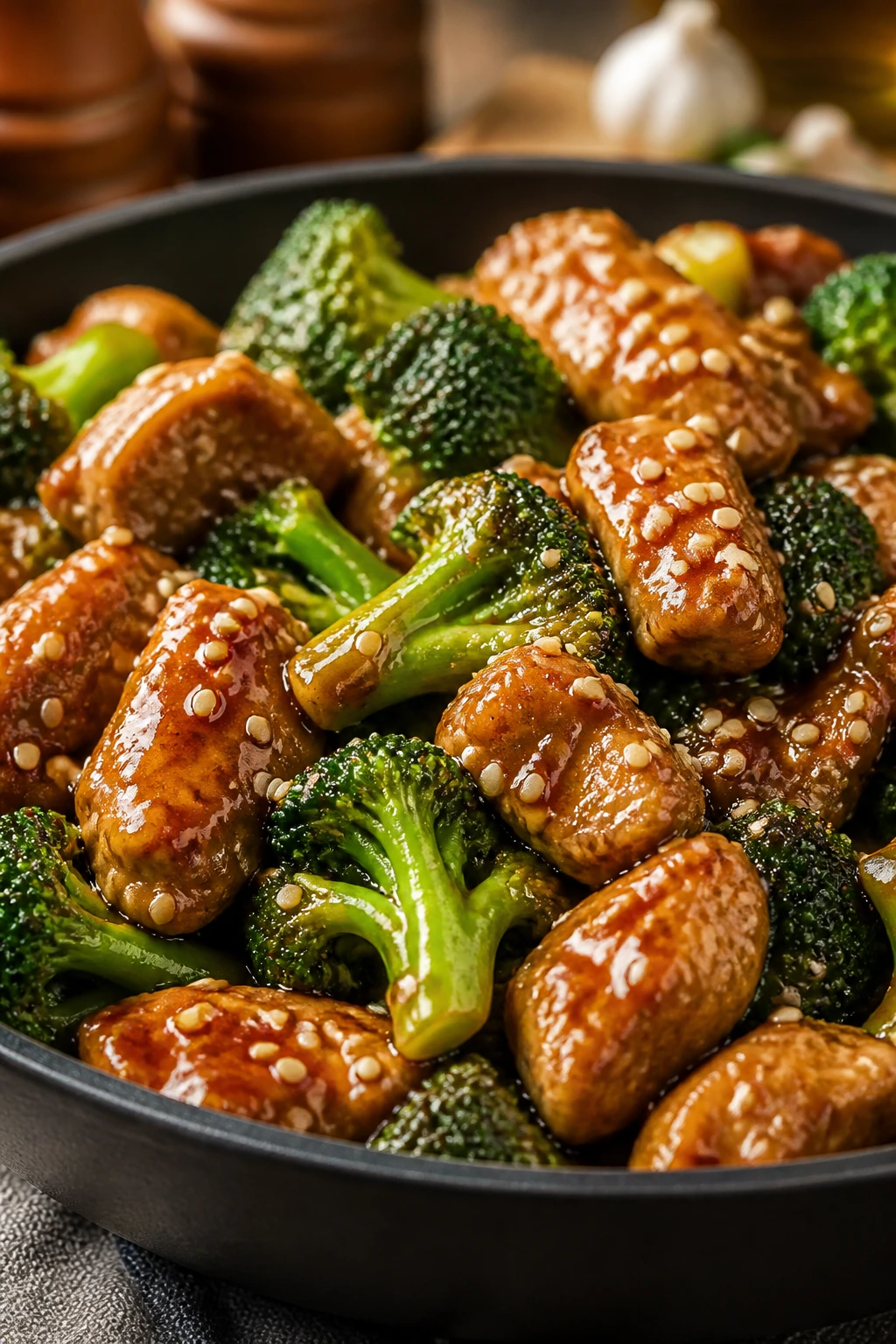
This is the glossy, slightly sticky one that always gets eaten fastest. Honey sesame chicken sits right in that sweet-savory lane where the sauce shines on the broccoli crowns and the sesame seeds stick to everything in a good way. If you’ve got one eater who wants “something like takeout,” this is usually the plate that wins.
Why It Works:
Honey gives the sauce body, but it’s the soy sauce and rice vinegar that keep it from tipping into candy territory. Broccoli handles the heat well and catches the sauce in all its little branches, which is why it works better here than a watery vegetable like zucchini. A quick blanch or steam on the broccoli keeps the skillet time short.
Key Ingredients:
- 1 lb boneless, skinless chicken thighs, cut into bite-size pieces
- 1 tablespoon soy sauce
- 1 tablespoon cornstarch
- 2 tablespoons neutral oil
- 3 cups broccoli florets
- 3 cloves garlic, minced
- 1/4 cup honey
- 2 tablespoons soy sauce
- 1 tablespoon rice vinegar
- 1 teaspoon sesame oil
- 1 tablespoon toasted sesame seeds
Quick Steps:
- Toss the chicken with soy sauce and cornstarch.
- Whisk the honey, soy sauce, rice vinegar, and sesame oil together.
- Steam or blanch the broccoli for 2 minutes until bright green, then drain well.
- Heat oil in a skillet over medium-high heat and sear the chicken for 4 minutes until mostly cooked through.
- Add the garlic and broccoli, then stir-fry for 1 minute.
- Pour in the sauce and toss for 1 to 2 minutes until it thickens into a shiny glaze.
- Finish with sesame seeds.
Equipment for This Recipe:
- Large skillet or wok
- Sauce bowl and whisk
- Strainer or steamer basket for broccoli
- Tongs for tossing
How to Serve This Dish:
Serve it over rice so the sweet sauce has something to soak into. A few extra sesame seeds on top look nice, but they also add a little nuttiness that the dish can use. It’s also good tucked into lettuce cups if you want a lighter dinner.
Pro Tips for This Recipe:
- Dry the broccoli well after blanching so the sauce stays glossy instead of watery.
- Toast the sesame seeds for a minute in a dry pan if yours smell dull.
- Add the sauce only after the chicken is mostly cooked; honey can scorch if it sits on high heat too long.
Variations on This Dish:
- Spicy Sesame Kick: Add 1 teaspoon chili garlic sauce to the glaze.
- Chicken and Snow Pea Swap: Replace the broccoli with snow peas for a brighter, crisper bite.
- Gluten-Free Version: Use tamari instead of soy sauce and check the label on your sesame oil or vinegar if needed.
Common Mistakes to Avoid with This Dish:
- Wet broccoli: It thins the glaze. Let the florets drain or pat them dry.
- Burning the honey: Keep the pan hot, not screaming hot, once the sauce goes in.
- Overloading with sesame oil: A teaspoon is enough. Too much tastes heavy and takes over the whole skillet.
4. Kung Pao Chicken with Peanuts and Chilies
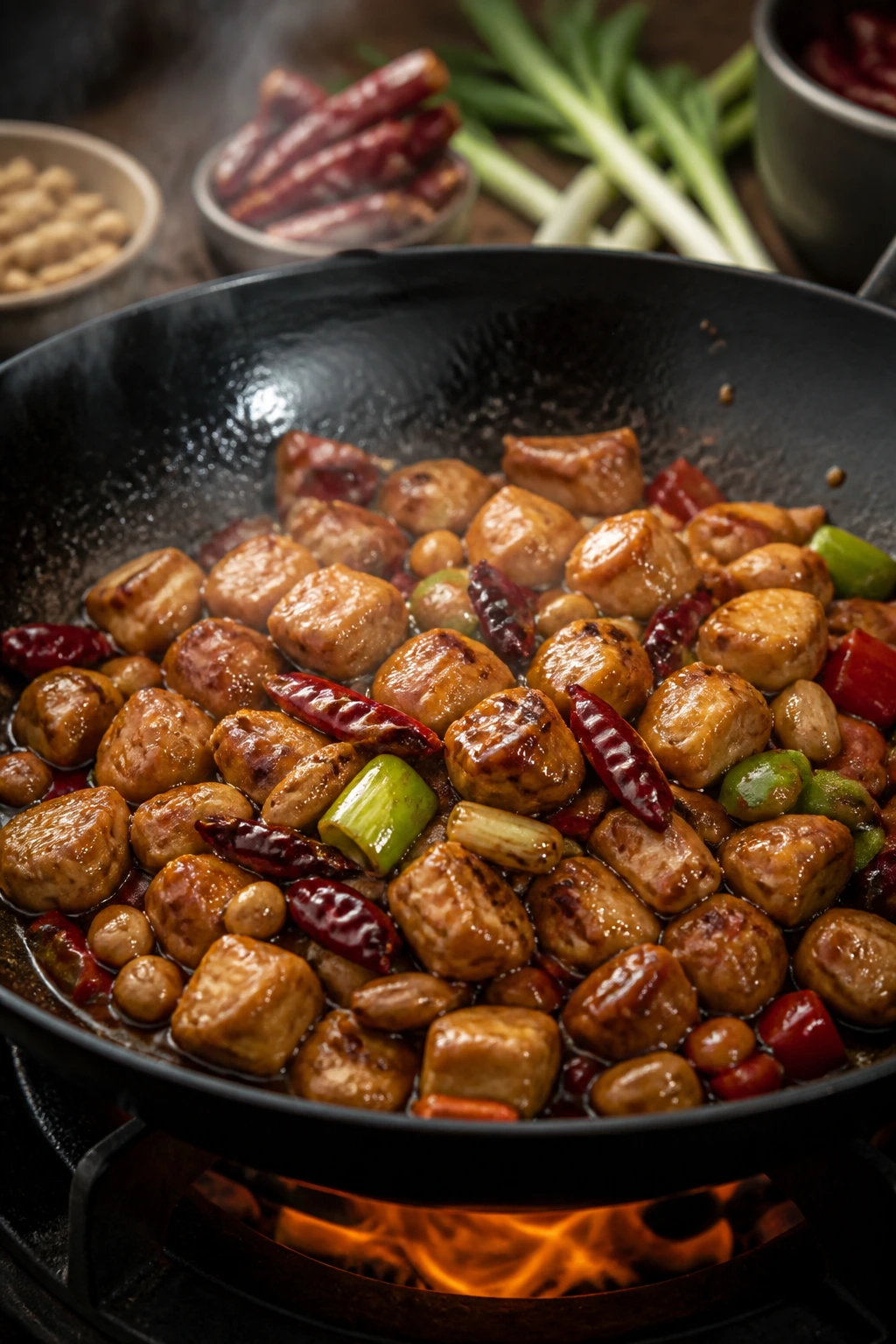
Kung Pao chicken should feel a little mischievous. You want the dried chilies to toast in the oil just enough to perfume the pan, not so long that they turn bitter, and you want the peanuts to stay crisp against the sauce. I like this recipe because it gives you heat, crunch, and sweetness all in the same bite.
Why It Works:
The balance here is the whole point. Rice vinegar and sugar round off the soy sauce, while dried chilies and Sichuan peppercorns bring that tongue-tingling edge if you want it. Cubing the chicken small helps it cook fast and lets the sauce coat every side instead of just the outside.
Key Ingredients:
- 1 lb boneless, skinless chicken thighs, cut into 3/4-inch pieces
- 1 tablespoon soy sauce
- 1 tablespoon Shaoxing wine or dry sherry
- 1 tablespoon cornstarch
- 2 tablespoons neutral oil
- 8 to 10 dried red chilies, cut in half if you want more heat
- 3 cloves garlic, minced
- 1 tablespoon fresh ginger, minced
- 1/2 cup roasted peanuts
- 1 red bell pepper, diced
- 3 tablespoons soy sauce
- 1 tablespoon rice vinegar
- 1 tablespoon sugar
- 1 teaspoon sesame oil
- 2 scallions, sliced
Quick Steps:
- Toss the chicken with soy sauce, Shaoxing wine, and cornstarch.
- Whisk the soy sauce, rice vinegar, sugar, and sesame oil together.
- Heat oil in a wok or skillet over medium-high heat and stir-fry the dried chilies for 10 to 15 seconds, just until fragrant.
- Add the chicken and cook for 4 minutes until browned on the edges.
- Stir in the garlic, ginger, and bell pepper, then cook for 1 minute.
- Add the peanuts and sauce, toss for 1 minute, and finish with scallions.
Equipment for This Recipe:
- Wok or large skillet
- Small bowl for sauce
- Sharp knife for fine chopping
- Heatproof spatula or wok tool
How to Serve This Dish:
This wants hot rice and maybe nothing else. The peanuts and chilies already give you texture, so keep the sides plain and let the skillet do the talking. If you want contrast, serve a quick cucumber salad with a little salt and rice vinegar.
Pro Tips for This Recipe:
- Keep the chilies moving so they perfume the oil without smoking the kitchen.
- Use roasted, unsalted peanuts if you can find them; salted ones can push the dish too far.
- If you like more Sichuan-style numbness, add 1/2 teaspoon crushed Sichuan peppercorns at the end.
Variations on This Dish:
- Milder Family Version: Use 4 to 5 dried chilies and skip the peppercorns.
- Vegetable-Crowded Pan: Add zucchini or celery with the bell pepper.
- Extra Sticky Finish: Increase the sugar to 1 1/2 tablespoons if you want a lacquered takeout-style glaze.
Common Mistakes to Avoid with This Dish:
- Burning the chilies: They turn bitter fast. A few seconds in the oil is enough.
- Using raw peanuts: They stay chewy instead of crisp. Start with roasted peanuts.
- Pouring in the sauce too early: Let the chicken and vegetables cook first so the sauce finishes the dish, not the pan.
5. Lemongrass Chicken Stir-Fry with Bok Choy
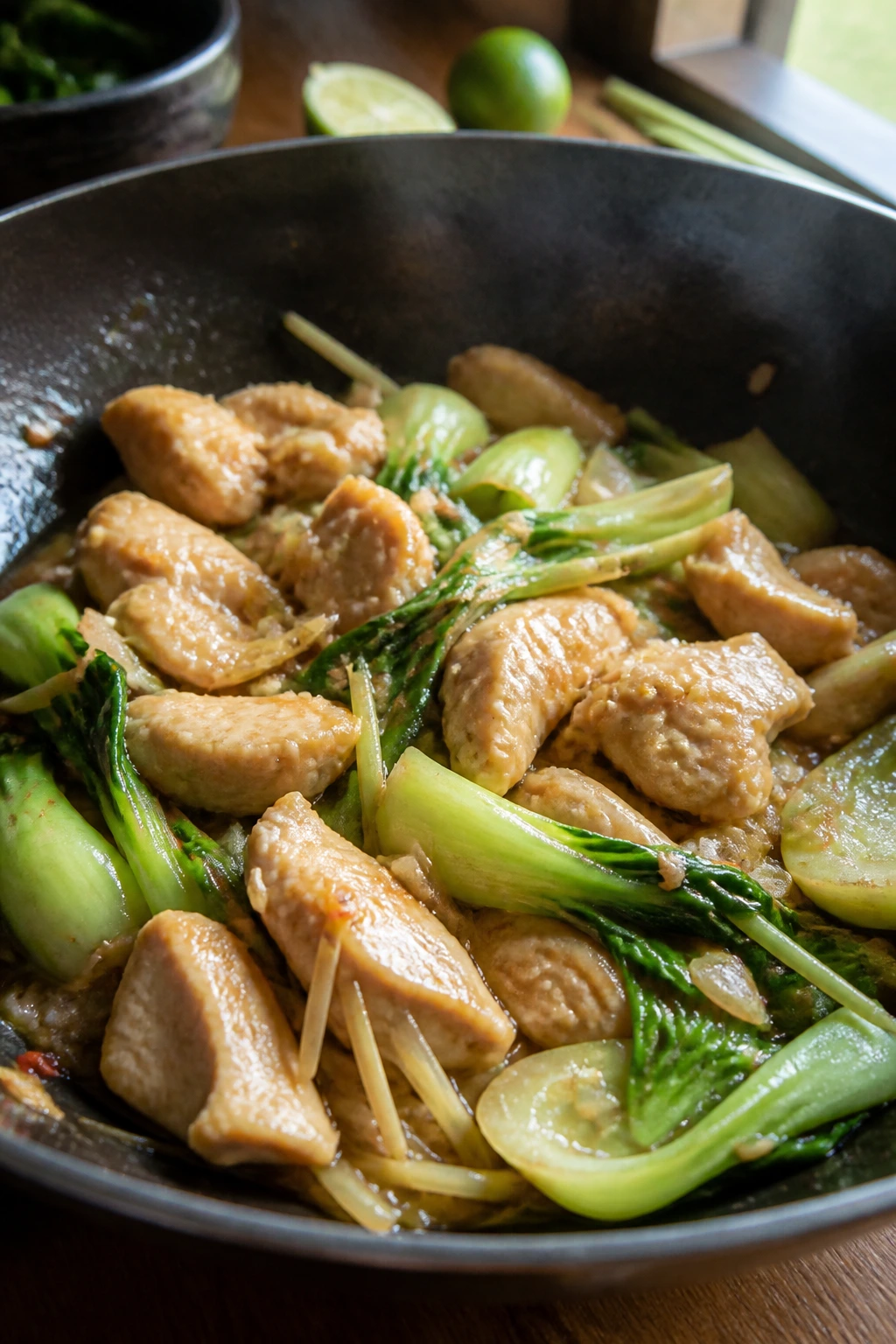
Lemongrass changes the whole mood of a skillet. It smells citrusy and grassy at the same time, and when it hits hot oil with garlic and shallot, the pan suddenly smells much more intentional. This is the sort of stir-fry I make when I want something lighter on the palate but still full of flavor.
Why It Works:
Lemongrass paste or very finely minced fresh lemongrass spreads through the dish fast, which matters in a quick stir-fry. Bok choy cooks in a few minutes and gives you both tender stems and silky leaves, so the texture stays interesting. Fish sauce brings depth, lime juice brings lift, and a little sugar keeps the whole thing from tasting sharp.
Key Ingredients:
- 1 lb boneless, skinless chicken breast, sliced thin against the grain
- 2 tablespoons lemongrass paste or finely minced fresh lemongrass
- 1 tablespoon fish sauce
- 1 tablespoon soy sauce
- 1 tablespoon cornstarch
- 2 tablespoons neutral oil
- 1 shallot, thinly sliced
- 2 cloves garlic, minced
- 2 heads baby bok choy, chopped into stems and leaves
- 1 carrot, cut into thin matchsticks
- 1 tablespoon lime juice
- 1 teaspoon sugar
Quick Steps:
- Toss the chicken with lemongrass, fish sauce, soy sauce, and cornstarch.
- Whisk the lime juice and sugar together in a small bowl.
- Heat oil in a skillet over medium-high heat and cook the chicken for 3 to 4 minutes until opaque and lightly browned. Remove it.
- Add the shallot, garlic, carrot, and bok choy stems. Stir-fry for 2 minutes.
- Add the bok choy leaves and cook for 30 seconds, just until wilted.
- Return the chicken, pour in the lime mixture, and toss for 30 seconds more.
Equipment for This Recipe:
- Wok or large skillet
- Microplane or sharp knife for the lemongrass
- Mixing bowl
- Tongs or spatula
How to Serve This Dish:
This one is good over rice, but I also like it with thin rice noodles when I want a lighter bowl. A few herbs on top — cilantro or Thai basil if you have it — make the dish smell fresh again after the stove work. Keep the portion moderate; the lemongrass is loud in a good way.
Pro Tips for This Recipe:
- If using fresh lemongrass, peel off the tough outer layers and mince only the pale center.
- Don’t overcook the bok choy leaves; they should barely collapse.
- A squeeze of extra lime at the table wakes up the whole dish.
Variations on This Dish:
- Coconut Finish: Stir in 2 tablespoons coconut milk at the end for a softer sauce.
- Mushroom Addition: Add sliced shiitakes with the shallot if you want a deeper, woodsy note.
- Chili Edge: Add a sliced bird’s eye chili or a spoonful of chili crisp.
Common Mistakes to Avoid with This Dish:
- Using too much lemongrass: It can take over the pan. Start measured; add more next time if you want it sharper.
- Leaving bok choy wet: The pan steams instead of sears. Shake off the water after rinsing.
- Skipping lime: The acid is not optional here. Without it, the dish tastes flat.
6. Cashew Chicken with Snow Peas
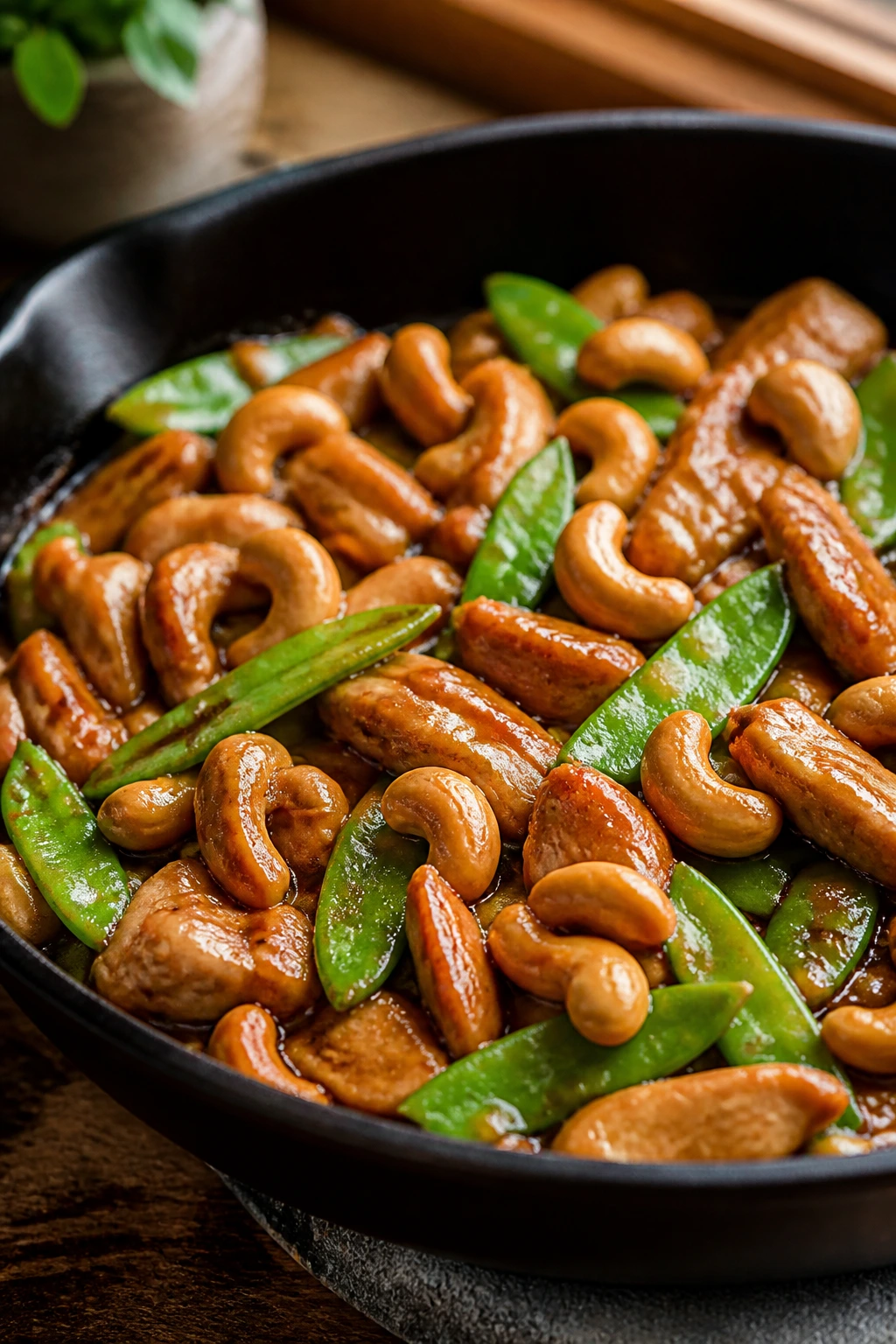
Cashew chicken is one of those recipes that feels better than the ingredient list has any right to. The cashews add a toasted, buttery crunch, the snow peas bring a green snap, and the sauce stays savory instead of syrupy. It’s a very practical dinner, which is not the same thing as boring.
Why It Works:
Chicken thighs stay tender in a quick sear, and cashews give you texture without needing a second pan. Snow peas cook so fast that you can keep the entire dish under 15 minutes once the chicken is sliced. Oyster sauce makes the base rich without making it heavy, and a little sesame oil at the end gives it that familiar takeout smell.
Key Ingredients:
- 1 lb boneless, skinless chicken thighs, thinly sliced
- 1 tablespoon soy sauce
- 1 tablespoon cornstarch
- 2 tablespoons neutral oil
- 3/4 cup unsalted cashews
- 1 1/2 cups snow peas
- 4 ounces mushrooms, sliced
- 3 cloves garlic, minced
- 1 tablespoon ginger, minced
- 2 tablespoons oyster sauce
- 1/4 cup chicken stock
- 1 teaspoon sesame oil
Quick Steps:
- Toss the chicken with soy sauce and cornstarch.
- Whisk the oyster sauce, chicken stock, and sesame oil together.
- Heat 1 tablespoon oil in a skillet and toast the cashews for 1 to 2 minutes until golden; remove them.
- Add the remaining oil and cook the chicken for 4 minutes until nearly done. Remove it if needed.
- Stir-fry the mushrooms, garlic, ginger, and snow peas for 2 minutes.
- Return the chicken, pour in the sauce, and toss for 1 minute.
- Add the cashews at the end so they stay crisp.
Equipment for This Recipe:
- Large skillet or wok
- Small bowl for sauce
- Spoon or spatula
- Cutting board for the chicken and vegetables
How to Serve This Dish:
Serve it over rice if you want the sauce to soak in, or over noodles if you want something a little heartier. I like a few extra cashews scattered over the top because the first bite should promise crunch. A side of simple steamed greens keeps the plate from feeling too rich.
Pro Tips for This Recipe:
- Toast the cashews separately so they don’t go soft in the sauce.
- Slice the mushrooms thick enough to keep some chew.
- Add the snow peas late; if they turn dull and limp, you went too far.
Variations on This Dish:
- Almond Swap: Use roasted almonds instead of cashews for a firmer crunch.
- Extra Veg Version: Add bell pepper strips or broccoli florets with the mushrooms.
- Light Sauce: Increase the stock by 2 tablespoons and reduce the oyster sauce to 1 tablespoon.
Common Mistakes to Avoid with This Dish:
- Adding cashews too soon: They lose their crunch. Stir them in at the very end.
- Overcrowding the mushrooms: They’ll steam and go rubbery. Give them room to brown a little.
- Using salted cashews without adjusting: The sauce can turn briny. Taste before adding more soy.
7. Orange Chicken Stir-Fry with Bell Peppers
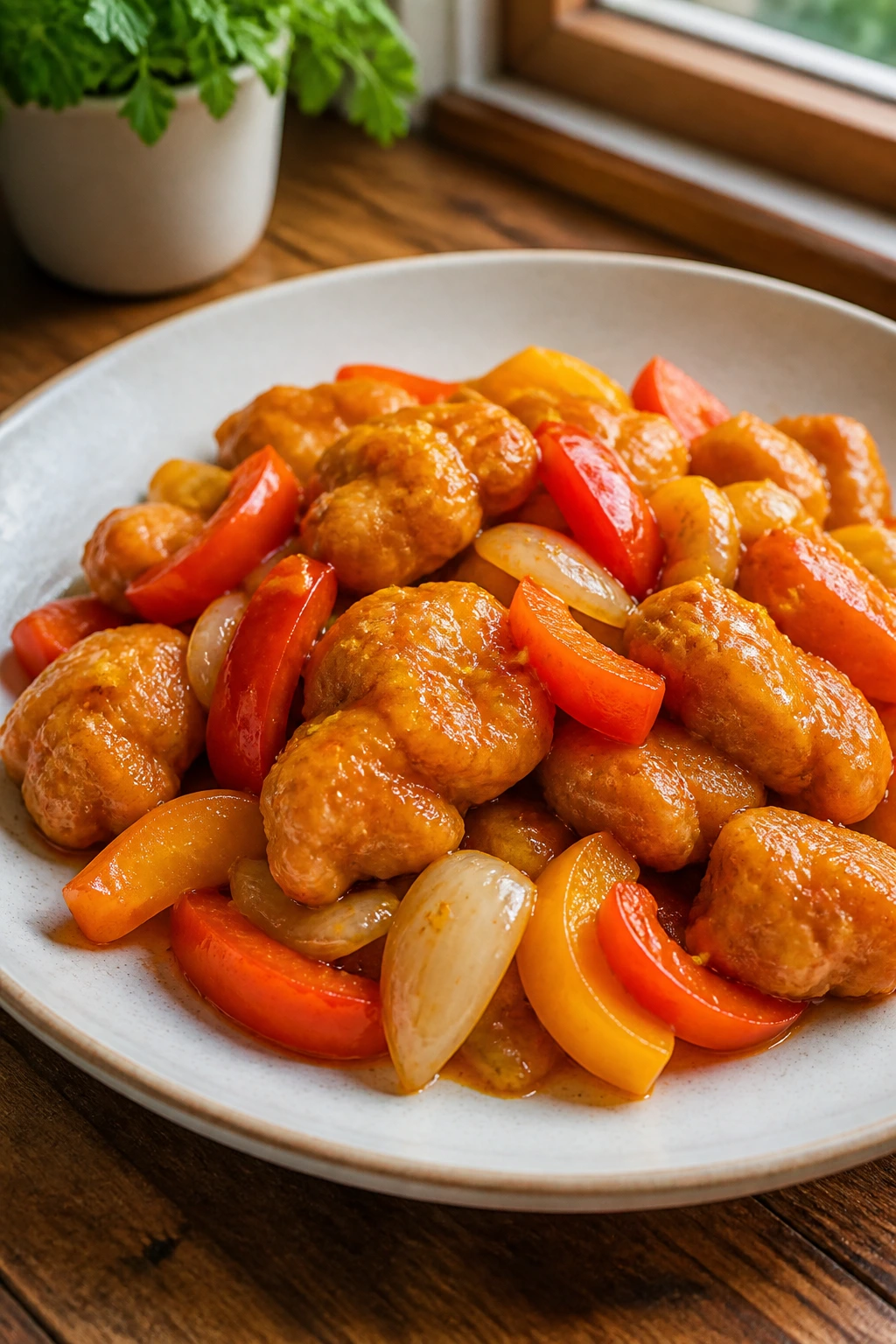
Orange chicken at home does not need to be a battered fry job. I prefer this faster skillet version because the orange flavor comes through cleaner when the sauce is thin enough to glaze and the peppers still have a bit of bite. It smells like citrus peel and soy sauce, which is a combination I never get tired of.
Why It Works:
Orange juice gives the sauce sweetness, but the zest is what makes it taste like actual orange instead of candy. Bell peppers hold their shape under high heat and give you enough color that the dish looks finished before you even plate it. A little vinegar keeps the sauce from feeling sticky in the wrong way.
Key Ingredients:
- 1 lb boneless, skinless chicken thighs or breasts, cut into bite-size pieces
- 1 tablespoon soy sauce
- 1 tablespoon cornstarch
- 2 tablespoons neutral oil
- 2 bell peppers, sliced
- 1 small onion, sliced
- 3 cloves garlic, minced
- 1/2 cup orange juice
- 1 tablespoon orange zest
- 2 tablespoons soy sauce
- 1 tablespoon rice vinegar
- 1 tablespoon honey
Quick Steps:
- Toss the chicken with soy sauce and cornstarch.
- Whisk the orange juice, orange zest, soy sauce, rice vinegar, and honey together.
- Heat oil in a skillet over medium-high heat and cook the chicken for 4 minutes until browned and mostly cooked through.
- Add the onion, bell peppers, and garlic. Stir-fry for 2 minutes until the onions soften at the edges.
- Pour in the orange sauce and toss for 1 to 2 minutes until it thickens enough to coat the chicken.
- Serve while the glaze still looks shiny.
Equipment for This Recipe:
- Large skillet or wok
- Citrus zester or fine grater
- Small bowl and whisk
- Tongs for turning the chicken
How to Serve This Dish:
White rice is the easiest match, but fried rice works too if you want to double down on the takeout feeling. A few strips of fresh orange peel on top look a little extra, though they also remind you what the sauce is supposed to taste like. Keep the plate simple; the peppers already do the color work.
Pro Tips for This Recipe:
- Zest the orange before juicing it, while the fruit is still firm.
- Don’t let the sauce boil hard for long or the orange flavor can get dull.
- If the sauce is too sweet, add another teaspoon of rice vinegar instead of more soy.
Variations on This Dish:
- Spicy Orange: Add 1/2 teaspoon chili flakes or a little chili garlic sauce.
- Pineapple Twist: Replace half the orange juice with pineapple juice.
- Gingered Version: Add 1 teaspoon fresh grated ginger to the sauce for more heat.
Common Mistakes to Avoid with This Dish:
- Using bottled juice only: It works, but the zest matters. Without it, the flavor is flat.
- Overcooking the peppers: You want them tender-crisp, not soft.
- Letting the sauce sit too long in the pan: Once it thickens, serve it. It can go from glossy to sticky fast.
8. Sichuan Chili Chicken with Green Beans
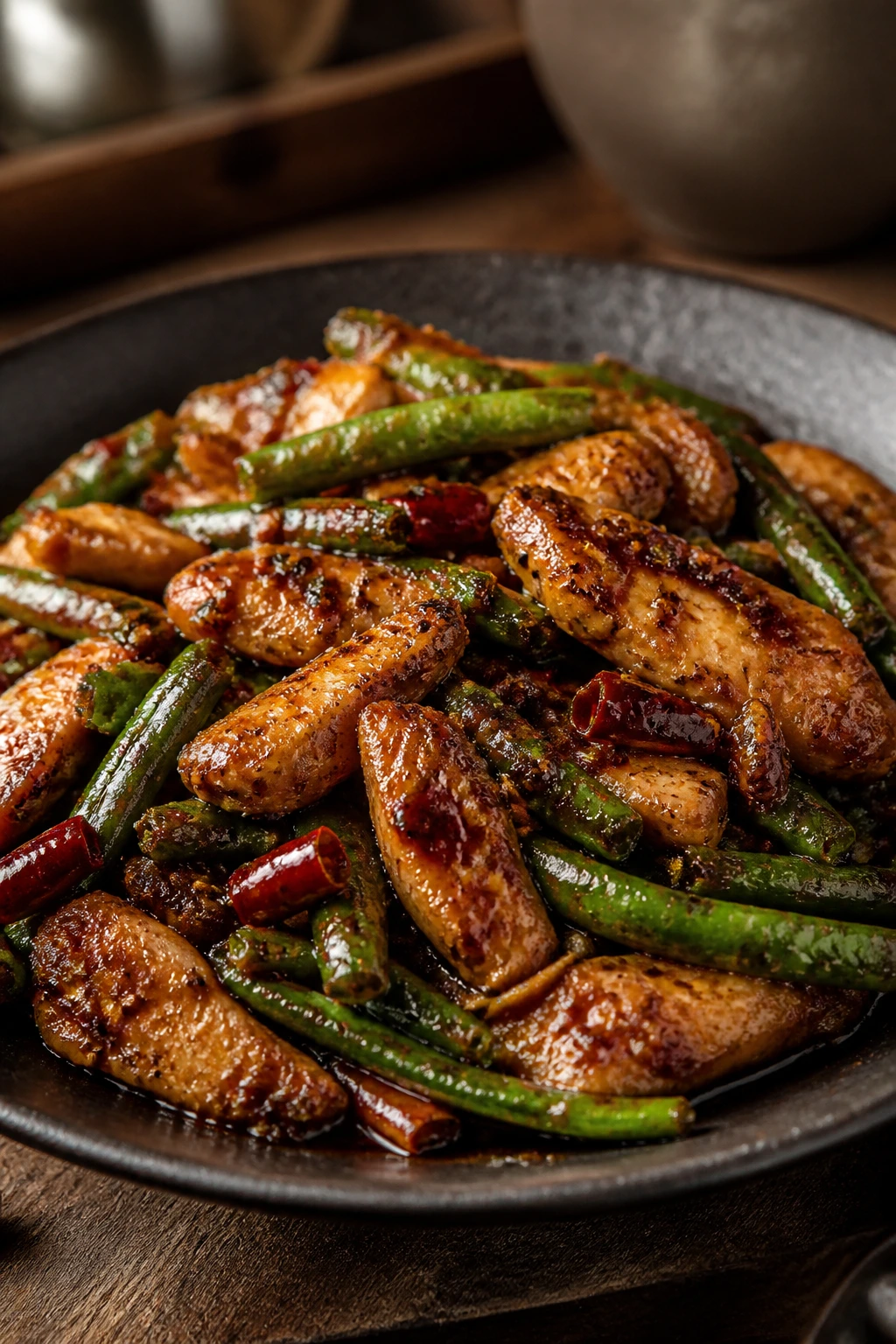
This is the bold one. The sauce leans savory and spicy, the green beans stay blistered and snappy, and the chicken gets enough color from the skillet to hold its own against the chili paste. I make this when I want a dinner that doesn’t whisper.
Why It Works:
Doubanjiang or chili bean paste brings fermented depth, which is the difference between a sauce that tastes hot and a sauce that tastes built. Green beans stand up to high heat better than softer vegetables, so they keep their shape and give each bite a clean snap. A touch of sugar cuts the sharp edges without turning the dish sweet.
Key Ingredients:
- 1 lb boneless, skinless chicken thighs, sliced thin
- 1 tablespoon soy sauce
- 1 tablespoon cornstarch
- 2 tablespoons neutral oil
- 2 cups green beans, trimmed
- 3 cloves garlic, minced
- 1 tablespoon ginger, minced
- 1 to 2 tablespoons doubanjiang or chili bean paste
- 1 tablespoon soy sauce
- 1 tablespoon rice vinegar
- 1 teaspoon sugar
- 2 scallions, sliced
Quick Steps:
- Toss the chicken with soy sauce and cornstarch.
- Stir together the doubanjiang, soy sauce, rice vinegar, and sugar.
- Heat oil in a skillet over medium-high heat and cook the chicken for 3 to 4 minutes until browned. Remove it.
- Add the green beans and stir-fry for 3 minutes until blistered and bright green.
- Stir in the garlic and ginger for 20 seconds, then add the sauce.
- Return the chicken, toss for 1 minute, and finish with scallions.
Equipment for This Recipe:
- Wok or heavy skillet
- Mixing bowl for sauce
- Spatula for scraping and tossing
- Cutting board for trimming green beans
How to Serve This Dish:
This needs rice to calm the heat a little. If you want a cooler side, cucumber salad or plain shredded cabbage is a smart move. Keep the serving simple and let the sauce do the showing off.
Pro Tips for This Recipe:
- Use a heavy skillet if you can; green beans blister better when the pan holds heat.
- Taste the doubanjiang before adding more salt. It can be saltier than you expect.
- If the sauce looks thick before the chicken goes back in, add a tablespoon of water.
Variations on This Dish:
- Extra Chili Heat: Add dried chilies with the garlic.
- Mild Bean Paste Version: Use 1 teaspoon doubanjiang and add more soy instead.
- Chicken and Eggplant Swap: Replace half the green beans with small eggplant cubes if you want a softer, richer pan.
Common Mistakes to Avoid with This Dish:
- Using too little heat: The beans go limp instead of blistering. Keep the pan hot.
- Overdoing the chili paste: It can bulldoze the rest of the dish. Start with 1 tablespoon.
- Skipping the vinegar: The dish can taste muddy without acid.
9. Teriyaki Chicken and Cabbage Stir-Fry
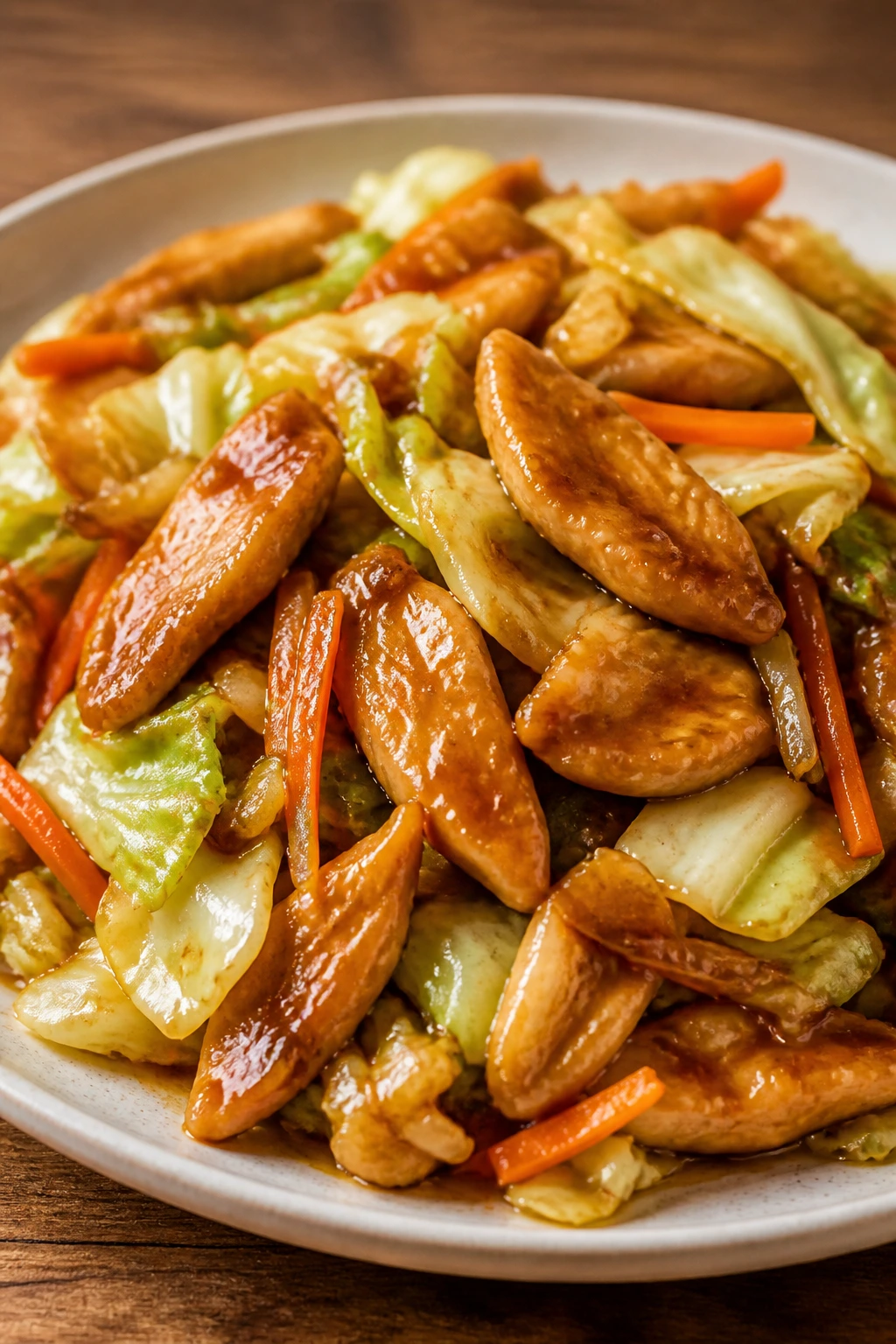
Cabbage is one of the best stir-fry vegetables nobody brags about enough. It turns sweet around the edges, stays cheap, and soaks up teriyaki sauce like it was waiting for the job. This dish feels almost suspiciously easy for how well it eats.
Why It Works:
Cabbage cooks quickly, but it also gives you volume, which means the skillet looks full without requiring a lot of chicken. Teriyaki sauce needs a little sugar and a little soy, and a quick simmer is enough to make it cling. Ginger brings the freshness that keeps the sweet sauce from getting sticky in a heavy way.
Key Ingredients:
- 1 lb boneless, skinless chicken thighs, sliced
- 1 tablespoon soy sauce
- 1 tablespoon cornstarch
- 2 tablespoons neutral oil
- 4 cups green cabbage, thinly sliced
- 1 carrot, julienned
- 3 cloves garlic, minced
- 1 tablespoon fresh ginger, minced
- 3 tablespoons soy sauce
- 2 tablespoons mirin
- 1 tablespoon brown sugar
- 1 teaspoon sesame oil
- 2 scallions, sliced
Quick Steps:
- Toss the chicken with soy sauce and cornstarch.
- Whisk soy sauce, mirin, brown sugar, and sesame oil in a small bowl.
- Heat oil in a skillet over medium-high heat and cook the chicken for 4 minutes until browned. Remove it.
- Add the cabbage and carrot and stir-fry for 2 minutes until the cabbage starts to wilt.
- Add garlic and ginger, cook for 20 seconds, then pour in the sauce.
- Return the chicken and toss for 1 minute until everything looks glossy.
Equipment for This Recipe:
- Large skillet or wok
- Mixing bowl
- Sharp knife for slicing cabbage thin
- Tongs or spatula
How to Serve This Dish:
Rice is the natural partner, but the dish also works in a bowl of noodles if you want something softer. The cabbage gives the plate a little volume, so you do not need a big serving to feel fed. A sprinkle of sesame seeds or scallions is enough garnish.
Pro Tips for This Recipe:
- Slice the cabbage thin so it softens fast without turning wet.
- Don’t drown the pan in sauce; cabbage releases its own moisture.
- Mirin adds shine, so keep it in the mix if you can.
Variations on This Dish:
- Miso Teriyaki: Whisk 1 teaspoon white miso into the sauce.
- Red Cabbage Version: Use half green and half red cabbage for a sweeter, more colorful pan.
- Sesame Boost: Add 1 tablespoon toasted sesame seeds at the end.
Common Mistakes to Avoid with This Dish:
- Cutting cabbage too thick: It stays raw in the center. Thin slices cook much better.
- Using too much sugar: The sauce can go syrupy. Brown sugar should stay in the background.
- Cooking the chicken and cabbage together from the start: The chicken browns poorly and the cabbage goes soft too soon. Separate them.
10. Thai Basil Chicken with Mushrooms
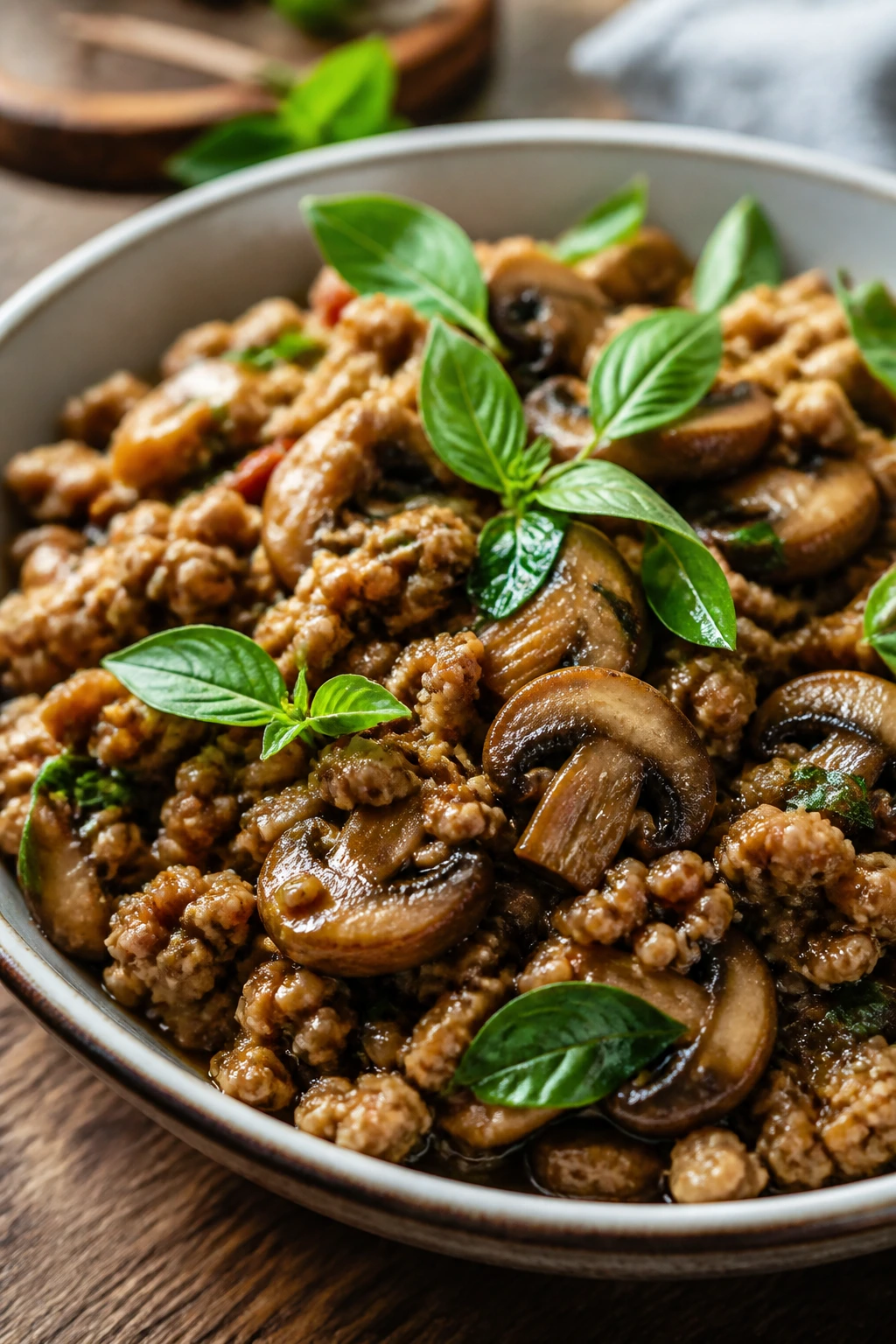
Thai basil chicken is all about speed and fragrance. The basil goes in at the end and smells like pepper, clove, and mint all at once, while the mushrooms soak up the savory sauce underneath. It’s one of those dishes that feels alive when it hits the plate.
Why It Works:
Ground chicken cooks fast and crumbles into tiny browned bits, which means more surface area for the sauce to cling to. Mushrooms add moisture and umami without slowing the pan down. The basil should be added off the heat or near the end so it stays bright instead of turning dark and tired.
Key Ingredients:
- 1 lb ground chicken
- 2 tablespoons neutral oil
- 3 cloves garlic, minced
- 2 Thai chilies, sliced, or 1/2 teaspoon chili flakes
- 8 ounces mushrooms, sliced
- 2 tablespoons soy sauce
- 1 tablespoon fish sauce
- 1 teaspoon sugar
- 1 tablespoon water
- 1 packed cup Thai basil leaves
- 1 lime, cut into wedges
Quick Steps:
- Heat oil in a skillet over medium-high heat and cook the ground chicken for 4 minutes, breaking it up until no pink remains.
- Add the garlic, chilies, and mushrooms, then stir-fry for 2 minutes until the mushrooms soften.
- Stir in soy sauce, fish sauce, sugar, and water.
- Cook for another minute until the sauce coats the chicken in a thin glaze.
- Turn off the heat and fold in the Thai basil until just wilted.
- Serve with lime wedges.
Equipment for This Recipe:
- Large skillet
- Wooden spoon or spatula for breaking up chicken
- Cutting board
- Small bowl for mixing the sauce if you want it ready first
How to Serve This Dish:
This is excellent over rice with a fried egg on top if you want it to feel more like a full meal. Lime at the table matters; it lifts the basil and keeps the fish sauce from feeling heavy. If you want a sharper plate, add a few sliced cucumbers on the side.
Pro Tips for This Recipe:
- Buy Thai basil if you can; regular basil works, but the flavor shifts.
- Keep the mushrooms in slices, not quarters, so they cook at the same pace as the chicken.
- Add the basil after the heat is off if you want the leaves to stay vivid.
Variations on This Dish:
- Bell Pepper Addition: Toss in sliced bell pepper with the mushrooms.
- Turkey Swap: Ground turkey works well if you want a leaner skillet.
- Lemongrass Lift: Stir in 1 teaspoon lemongrass paste with the garlic for a brighter finish.
Common Mistakes to Avoid with This Dish:
- Overcooking the basil: It turns dark and loses its perfume. Fold it in at the end.
- Letting the chicken sit in a clump: Break it up early so it browns.
- Skipping the lime: The dish needs that final squeeze to wake up.
11. Hoisin Chicken and Bok Choy
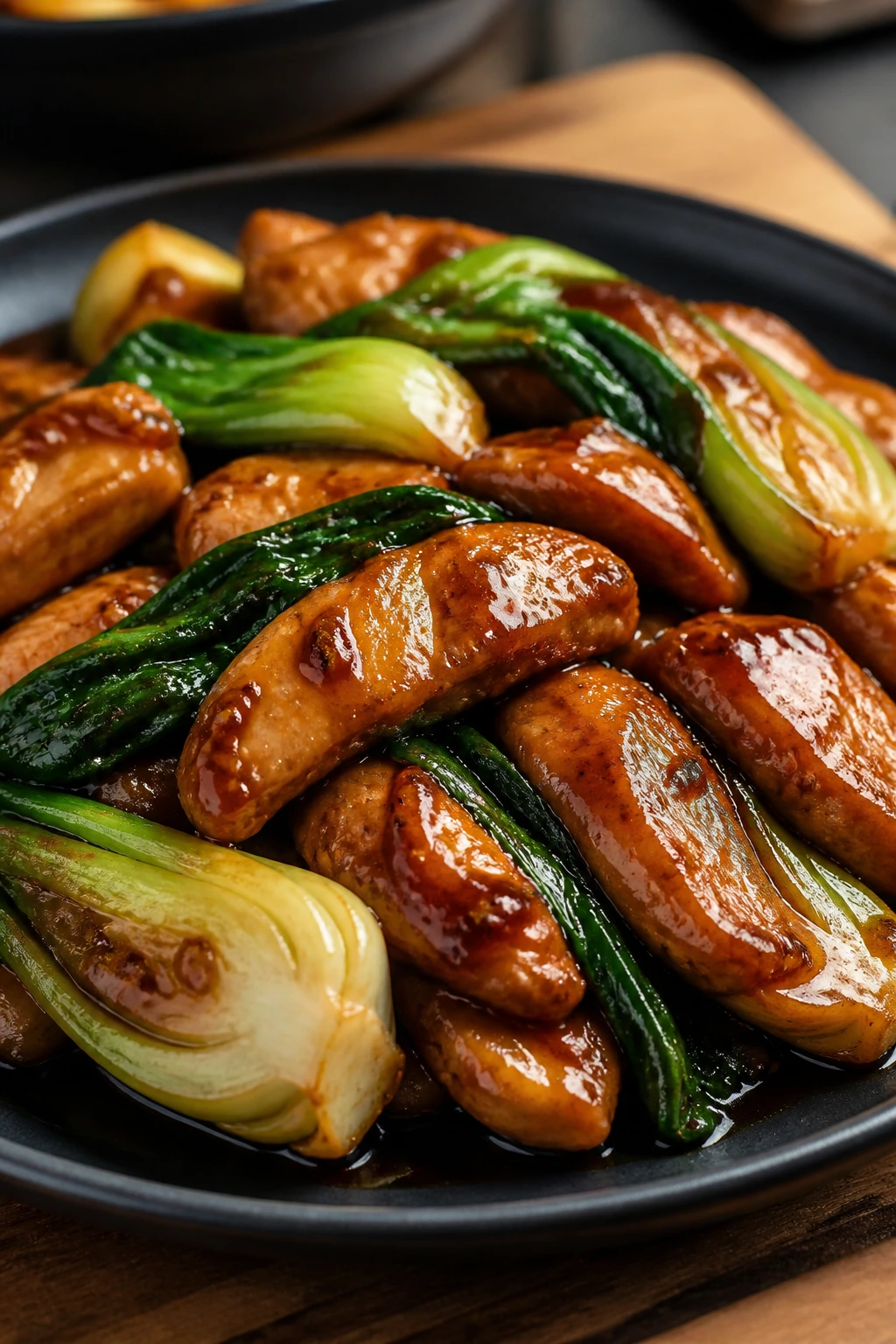
Hoisin chicken has a sweet, dark edge that feels almost smoky, and bok choy is the vegetable that knows how to keep up. The stems soften without collapsing, the leaves go silky, and the sauce settles into the greens in a way that makes every forkful taste complete. This one is quietly reliable.
Why It Works:
Hoisin gives you instant body, so the sauce feels richer than a quick stir-fry usually does. Bok choy brings a mix of textures in one vegetable, which means you get tender leaves and crunchy stems from the same pan. A little rice vinegar keeps the sweetness from taking over.
Key Ingredients:
- 1 lb boneless, skinless chicken thighs, sliced thin
- 1 tablespoon soy sauce
- 1 tablespoon cornstarch
- 2 tablespoons neutral oil
- 2 heads baby bok choy, halved or quartered
- 4 ounces mushrooms, sliced
- 3 cloves garlic, minced
- 1 tablespoon ginger, minced
- 3 tablespoons hoisin sauce
- 1 tablespoon soy sauce
- 1 tablespoon rice vinegar
- 1 teaspoon sesame oil
Quick Steps:
- Toss the chicken with soy sauce and cornstarch.
- Whisk hoisin, soy sauce, rice vinegar, and sesame oil together.
- Heat oil in a skillet over medium-high heat and cook the chicken for 4 minutes until lightly browned. Remove it.
- Add the bok choy cut-side down with the mushrooms and cook for 2 minutes.
- Stir in garlic and ginger for 20 seconds.
- Return the chicken and add the sauce, tossing for 1 minute until the bok choy is glossy and tender.
Equipment for This Recipe:
- Large skillet or wok
- Small bowl and whisk
- Spatula or tongs
- Knife for halving the bok choy
How to Serve This Dish:
This is nice over rice, but it also works with plain noodles if you want the hoisin to coat something slippery. Keep the portion modest; the sauce is rich enough that a little goes a long way. A few sesame seeds or thin chili slices on top add lift.
Pro Tips for This Recipe:
- Sear the bok choy cut-side down first; that gives you better flavor on the stems.
- Use baby bok choy if you can, because the leaves cook in sync with the stems.
- If the sauce seems thick, loosen it with a tablespoon of water before the final toss.
Variations on This Dish:
- Extra Mushroom Version: Double the mushrooms for a woodier, meatier texture.
- Spicy Hoisin: Add chili oil or a small spoonful of sambal.
- Garlic-Heavy Bowl: Increase the garlic to 5 cloves if you want a sharper edge.
Common Mistakes to Avoid with This Dish:
- Letting bok choy cook too long: The stems go mushy. Pull the pan when they still have some bite.
- Using too much hoisin: The dish gets cloying. It should taste dark and savory, not syrupy.
- Forgetting the vinegar: The sweetness needs that small sour note.
12. Mongolian Chicken with Scallions
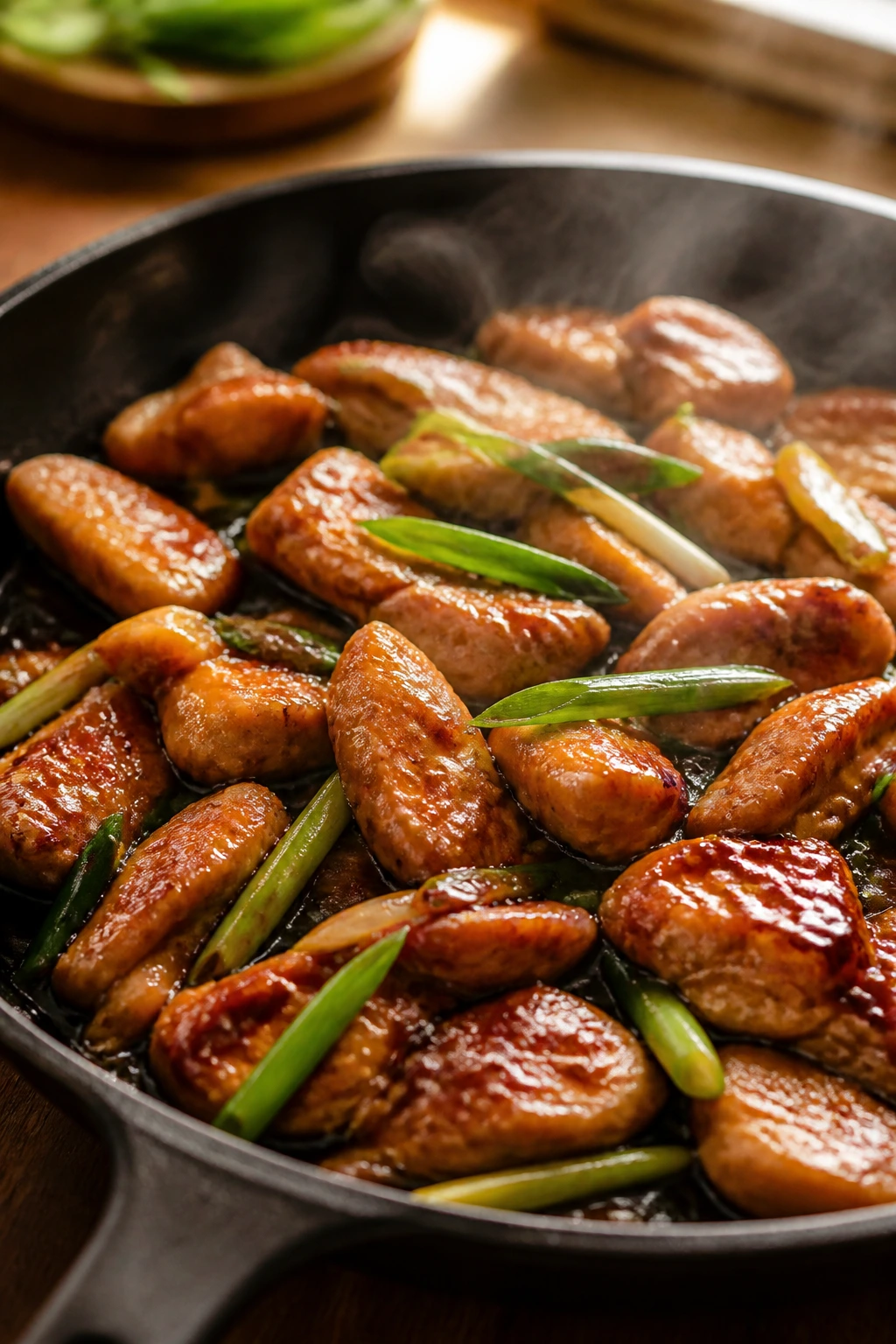
Mongolian chicken is the sweet-salty skillet I make when I want a takeout-style dinner without a lot of ingredients. The scallions turn soft and green, the sauce gets glossy fast, and the brown sugar gives the chicken that sticky edge people usually expect from a restaurant box. It’s not subtle. That’s the point.
Why It Works:
Thinly sliced chicken cooks quickly and gives you enough browned surface for the sauce to stick. Brown sugar and soy sauce make a classic sweet-salty base, while ginger and garlic stop it from tasting one-note. Scallions added near the end keep the dish fresh instead of muddy.
Key Ingredients:
- 1 lb boneless, skinless chicken thighs, thinly sliced
- 1 tablespoon soy sauce
- 1 tablespoon cornstarch
- 2 tablespoons neutral oil
- 1 small yellow onion, sliced
- 4 scallions, cut into 2-inch pieces
- 3 cloves garlic, minced
- 1 tablespoon ginger, minced
- 1/4 cup soy sauce
- 2 tablespoons brown sugar
- 2 tablespoons water
- 1 teaspoon rice vinegar
- 1 teaspoon sesame oil
Quick Steps:
- Toss the chicken with soy sauce and cornstarch.
- Whisk the remaining soy sauce, brown sugar, water, rice vinegar, and sesame oil together.
- Heat oil in a skillet and cook the chicken for 4 minutes until browned. Remove it.
- Add onion, garlic, and ginger; stir-fry for 1 minute.
- Add scallions and cook for 30 seconds.
- Return the chicken, pour in the sauce, and toss for 1 minute until it turns sticky and shiny.
Equipment for This Recipe:
- Large skillet or wok
- Mixing bowl for sauce
- Spatula
- Knife for slicing onion and scallions
How to Serve This Dish:
Rice is the cleanest choice because the sauce has enough sugar to want a neutral base. A side of steamed broccoli helps keep the plate from leaning too sweet. I like this one with extra scallions on top because they look right and taste right.
Pro Tips for This Recipe:
- Slice the chicken thin so it cooks before the sugars in the sauce darken too much.
- Keep the onion in larger slices if you want some texture left at the end.
- Add a splash of water if the sauce tightens before the chicken is warm through.
Variations on This Dish:
- Ginger-Forward Version: Double the ginger for a sharper, warmer finish.
- Chili Crisp Finish: Spoon a little chili crisp over the top just before serving.
- Broccoli Add-In: Toss in small broccoli florets after the onion for a fuller bowl.
Common Mistakes to Avoid with This Dish:
- Using too much sugar: The sauce can turn sticky in a bad way. Measure it.
- Slicing the chicken thick: It cooks slower and the sauce over-reduces.
- Adding scallions too early: They disappear. Keep them for the last minute.
13. Chicken Chow Mein with Cabbage and Carrots
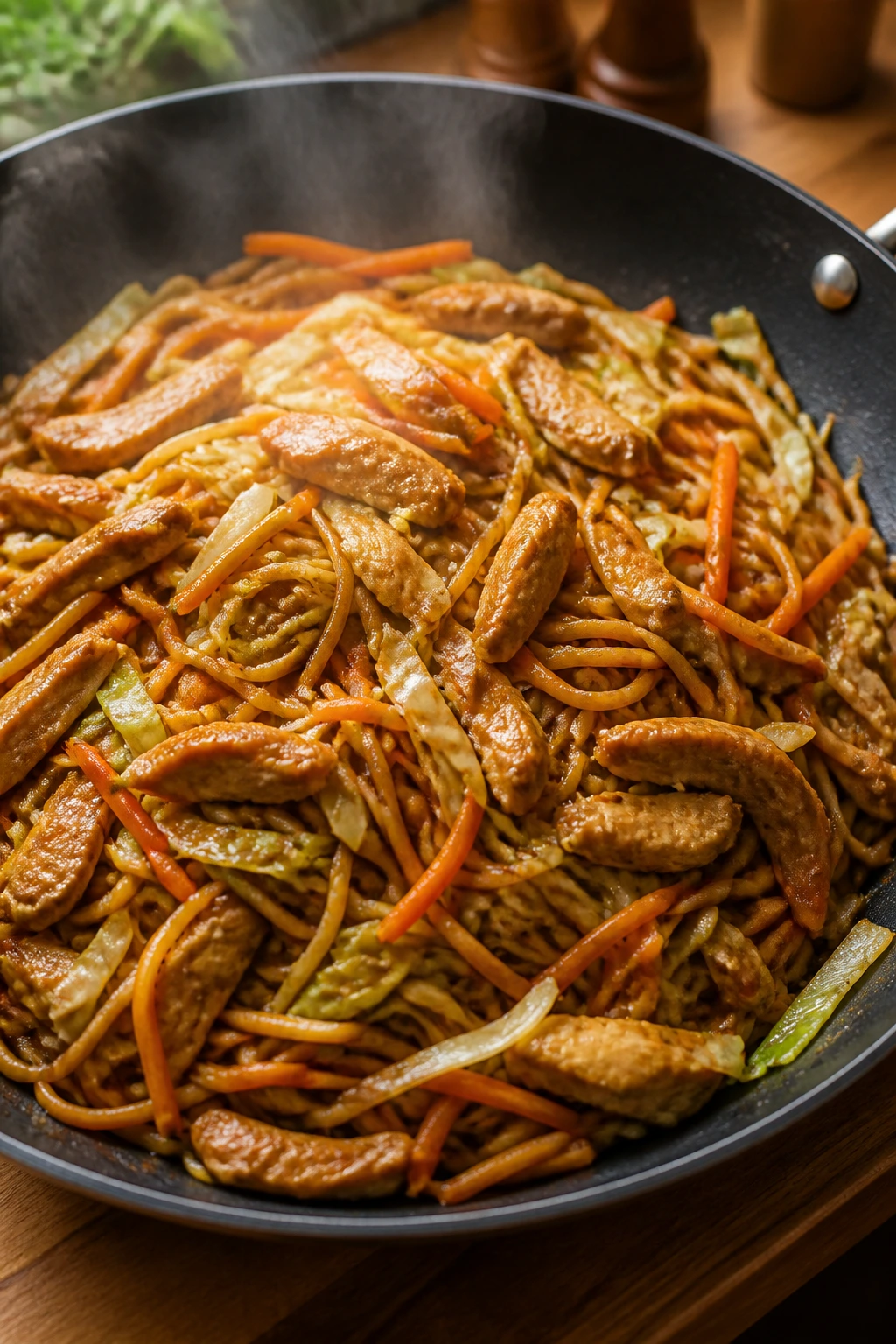
Chicken chow mein is the noodle dish that knows what it is: savory, slurpy, and built for quick eating. The noodles pick up the soy-oyster sauce mix, the cabbage softens just enough, and the carrots give you a little sweetness and crunch. It’s one of the few dinners that feels more ordered after the first toss than before it.
Why It Works:
Chow mein noodles have enough surface area to catch sauce without breaking apart if you keep them moving. Cabbage and carrots are sturdy enough to handle the heat and still taste fresh. The key is not drowning the noodles; you want them coated, not sauced into mush.
Key Ingredients:
- 1 lb boneless, skinless chicken breast or thighs, sliced thin
- 8 ounces chow mein noodles or thin egg noodles, cooked and drained
- 1 tablespoon soy sauce
- 1 tablespoon cornstarch
- 2 tablespoons neutral oil
- 3 cups shredded cabbage
- 1 carrot, julienned
- 2 stalks celery, thinly sliced
- 3 cloves garlic, minced
- 1 tablespoon ginger, minced
- 2 tablespoons soy sauce
- 2 tablespoons oyster sauce
- 1 teaspoon sesame oil
Quick Steps:
- Toss the chicken with soy sauce and cornstarch.
- Whisk soy sauce, oyster sauce, and sesame oil together.
- Heat oil in a large skillet or wok and cook the chicken for 4 minutes. Remove it.
- Add cabbage, carrot, celery, garlic, and ginger; stir-fry for 2 minutes.
- Add the noodles and sauce, then toss for 1 minute until the noodles are evenly coated.
- Return the chicken and stir one more minute, just until everything is hot.
Equipment for This Recipe:
- Wok or very large skillet
- Pot for boiling noodles
- Tongs for tossing noodles
- Knife and peeler for the vegetables
How to Serve This Dish:
This is a full meal in one bowl, so you don’t need much beside it. A little chili oil at the table is nice if someone wants heat. I like serving it with a simple green onion garnish because the noodles can look plain without it.
Pro Tips for This Recipe:
- Cook the noodles just shy of done; they’ll finish in the skillet.
- Loosen the noodles with a teaspoon of oil after draining so they don’t clump.
- Keep the cabbage shredded, not chopped into big squares, so it softens fast.
Variations on This Dish:
- Shrimp-Style Noodles: Swap the chicken for shrimp and cut the noodle-cooking time a little.
- Bean Sprout Addition: Toss in bean sprouts at the end for extra crunch.
- Spicy Chow Mein: Add a teaspoon of chili garlic sauce to the sauce mix.
Common Mistakes to Avoid with This Dish:
- Overcooking the noodles: They’ll turn soft in the pan. Stop early.
- Using too little heat: The vegetables go watery. Keep the skillet hot.
- Adding the sauce too soon: The noodles soak it up unevenly. Toss vegetables first, sauce second.
14. Sweet and Sour Chicken Stir-Fry
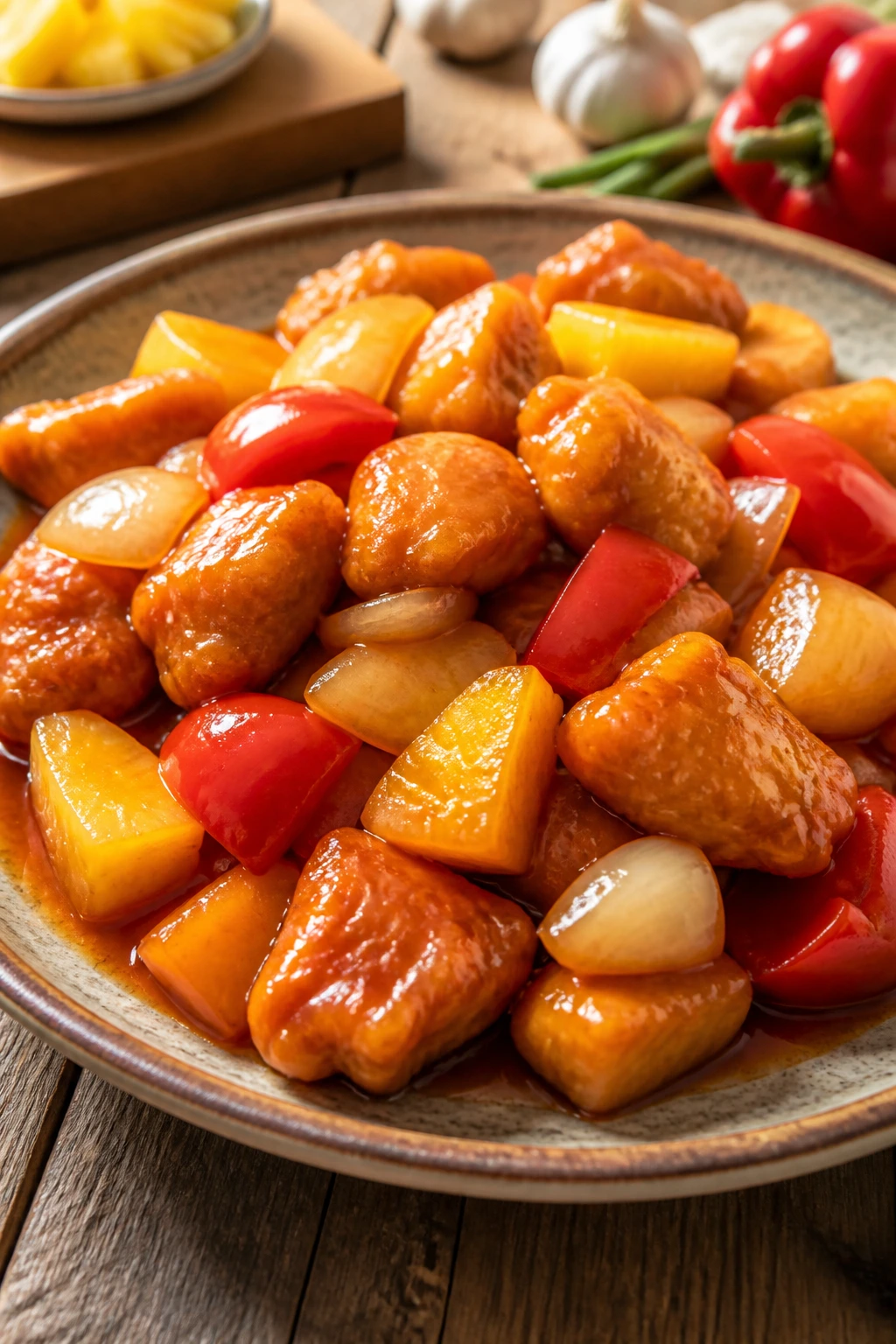
Sweet and sour chicken can go in the wrong direction fast, but when the balance is right, it’s bright, sticky, and a little sharp in a way that wakes up your appetite. Pineapple gives it a juicy edge, bell pepper keeps the crunch, and the sauce walks that narrow line between glossy and too sweet. This one is pure weeknight entertainment.
Why It Works:
The acid from rice vinegar and pineapple juice cuts the sugar enough to keep the sauce lively. Chicken thighs stand up better than breast here because the sauce likes a little extra richness. Bell pepper and onion give you the same kind of savory foundation that takeout versions lean on.
Key Ingredients:
- 1 lb boneless, skinless chicken thighs, cut into bite-size pieces
- 1 tablespoon soy sauce
- 1 tablespoon cornstarch
- 2 tablespoons neutral oil
- 1 red bell pepper, chopped
- 1 small onion, chopped
- 1 cup pineapple chunks, fresh or canned and drained
- 3 cloves garlic, minced
- 1/4 cup pineapple juice
- 2 tablespoons rice vinegar
- 2 tablespoons ketchup
- 1 tablespoon brown sugar
Quick Steps:
- Toss the chicken with soy sauce and cornstarch.
- Whisk pineapple juice, rice vinegar, ketchup, and brown sugar together.
- Heat oil in a skillet and cook the chicken for 4 minutes until lightly browned. Remove it.
- Add onion and bell pepper and stir-fry for 2 minutes.
- Stir in garlic and pineapple chunks for 30 seconds.
- Return the chicken, pour in the sauce, and toss for 1 to 2 minutes until glossy.
Equipment for This Recipe:
- Large skillet or wok
- Mixing bowl for sauce
- Spatula
- Cutting board for fruit and vegetables
How to Serve This Dish:
Rice is the easy answer here, and it handles the sweet-sour sauce well. If you want to lean into the takeout feel, add a side of simple fried rice or a few steamed dumplings. Keep the serving bright; it’s not meant to be heavy.
Pro Tips for This Recipe:
- Drain canned pineapple well so the sauce doesn’t turn watery.
- Keep the sauce on the sharper side before serving; it tastes sweeter once it hits hot rice.
- If you want a thicker glaze, simmer the sauce 30 seconds longer before adding the chicken back.
Variations on This Dish:
- Pineapple-Heavy Version: Add extra pineapple chunks for a juicier pan.
- Peach Swap: Use sliced peaches when you want a softer fruit note.
- Mild Chili Edition: Add a pinch of chili flakes to keep the sweetness in check.
Common Mistakes to Avoid with This Dish:
- Too much ketchup: It can make the sauce taste flat. Measure it.
- Skipping the acid: Sweet and sour needs both halves of its name.
- Cooking the pineapple too long: It loses its fresh edge. Add it near the end.
15. Curry Chicken Stir-Fry with Sugar Snap Peas
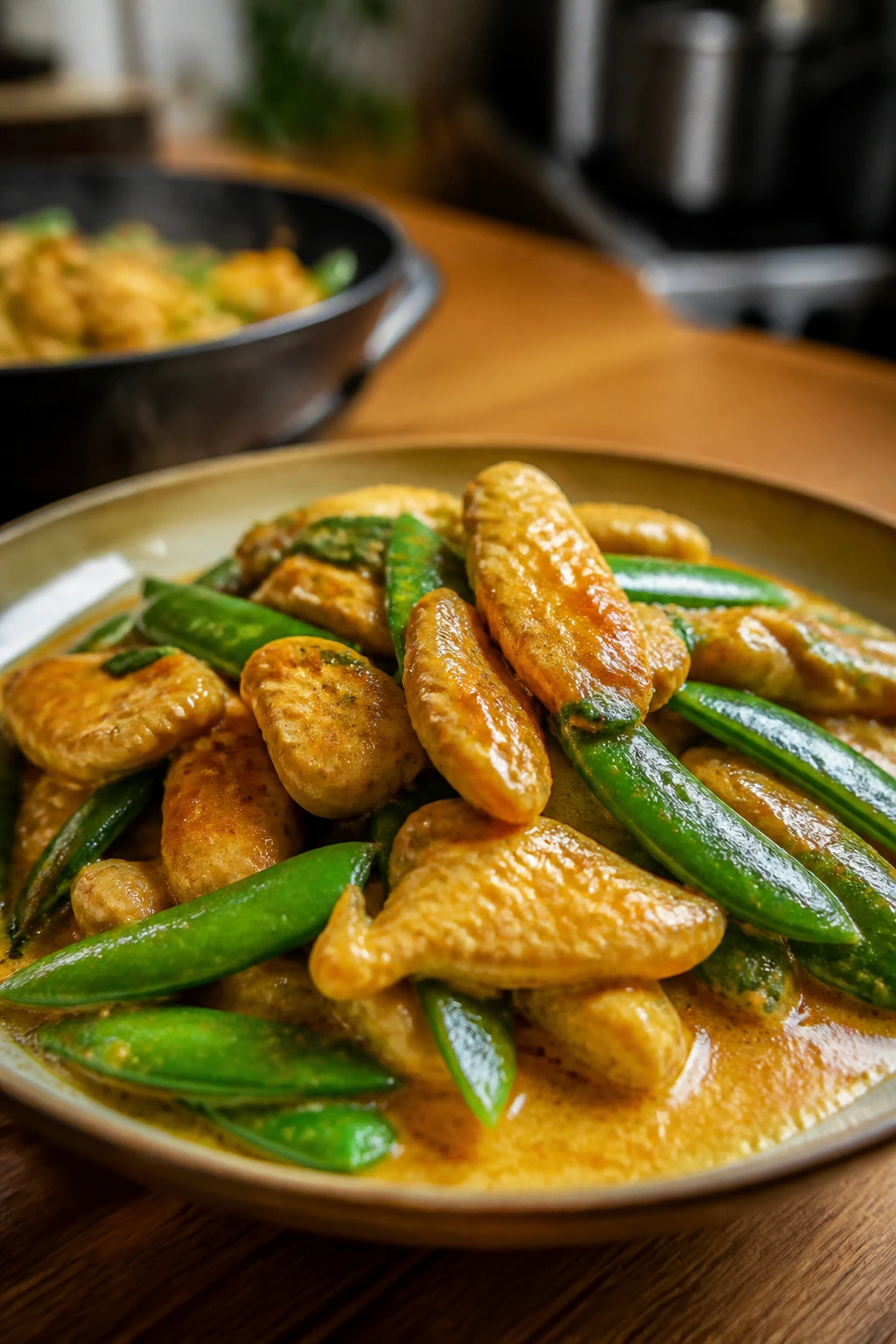
Curry chicken in a stir-fry format gets dinner done quickly without turning the skillet into a stew. The curry paste perfumes the oil, the coconut milk softens the edges, and the snap peas keep the texture lively. I like this one when I want a sauce that feels a little warmer and rounder than soy alone.
Why It Works:
Red curry paste blooms in hot oil, which is where the flavor opens up instead of sitting dull in the bowl. Coconut milk gives the sauce a silky texture, but a small amount keeps the dish in stir-fry territory instead of soup territory. Sugar snap peas and carrots bring sweetness and crunch so the curry doesn’t feel one-dimensional.
Key Ingredients:
- 1 lb boneless, skinless chicken thighs, sliced thin
- 1 tablespoon neutral oil
- 1 1/2 tablespoons red curry paste
- 1 small onion, sliced
- 1 carrot, cut into thin matchsticks
- 1 1/2 cups sugar snap peas
- 3 cloves garlic, minced
- 1/2 cup coconut milk
- 1 tablespoon fish sauce
- 1 teaspoon brown sugar
- 1 tablespoon lime juice
- 1/4 cup water
- Handful of basil or cilantro, for serving
Quick Steps:
- Heat oil in a skillet over medium-high heat and stir the curry paste into the oil for 20 seconds.
- Add the chicken and cook for 4 minutes until the outside turns opaque and lightly browned.
- Add onion, carrot, and garlic, then stir-fry for 1 minute.
- Pour in coconut milk, fish sauce, brown sugar, and water.
- Add snap peas and cook for 2 minutes until just tender.
- Finish with lime juice and herbs, then serve right away.
Equipment for This Recipe:
- Large skillet or wok
- Wooden spoon for blooming the curry paste
- Small bowl for measuring coconut milk and water
- Knife and cutting board for thin slicing
How to Serve This Dish:
This is excellent over jasmine rice because the coconut sauce wants something plain underneath it. If you want a little freshness, add sliced cucumber or a crunchy herb salad on the side. A lime wedge at the edge of the plate is worth the extra second.
Pro Tips for This Recipe:
- Bloom the curry paste in oil before adding liquids; that’s where the flavor comes alive.
- Keep the coconut milk measured. Too much and the dish turns soupy.
- Add the herbs after the heat is off so they stay fragrant.
Variations on This Dish:
- Green Curry Version: Swap red curry paste for green curry paste and use a little extra lime.
- Chicken and Mushroom Bowl: Add sliced mushrooms with the onion for more heft.
- Mild Coconut Curry: Use 1 tablespoon curry paste and add a splash more coconut milk.
Common Mistakes to Avoid with This Dish:
- Dumping in the coconut milk too early: You lose the chance to bloom the curry paste.
- Overcooking snap peas: They should stay bright and crisp.
- Using too much liquid: A stir-fry should coat the chicken, not flood the bowl.
Why These Stir-Fries Work So Well on a Hot Pan
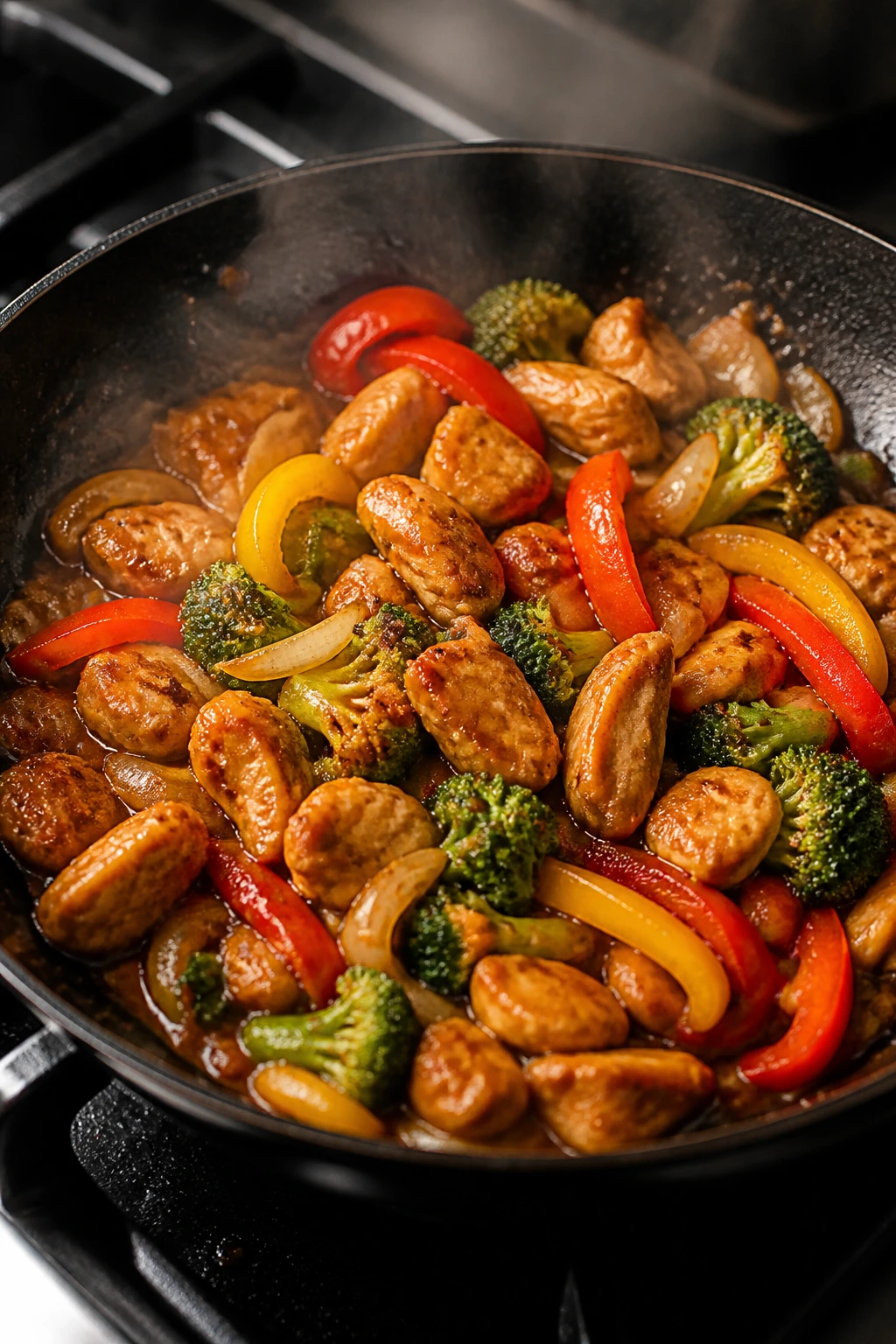
A stir-fry looks casual from the outside, but the method depends on a few small things being done on purpose. Heat matters. So does surface area. And the sauce has to be built with the knowledge that it will only meet the pan for a minute or two before dinner is on the table.
Why High Heat Beats a Gentle Sauté
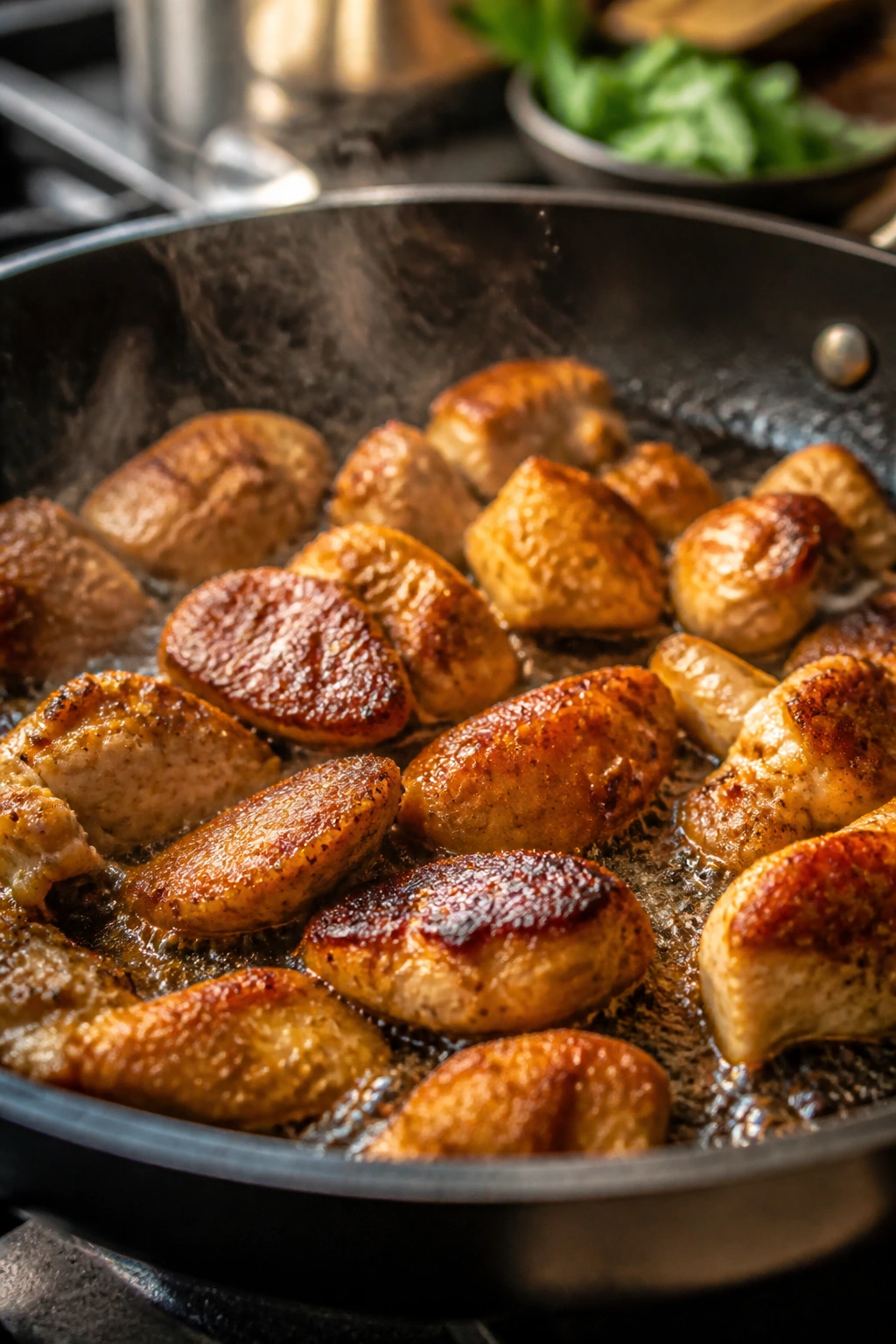
A hot skillet browns chicken faster, which means more flavor before the meat has time to dry out. If the pan is lukewarm, the chicken gives off liquid and starts steaming in its own juices. That is the fastest way to turn a promising stir-fry into a beige disappointment.
Why the Sauce Needs Something to Grab
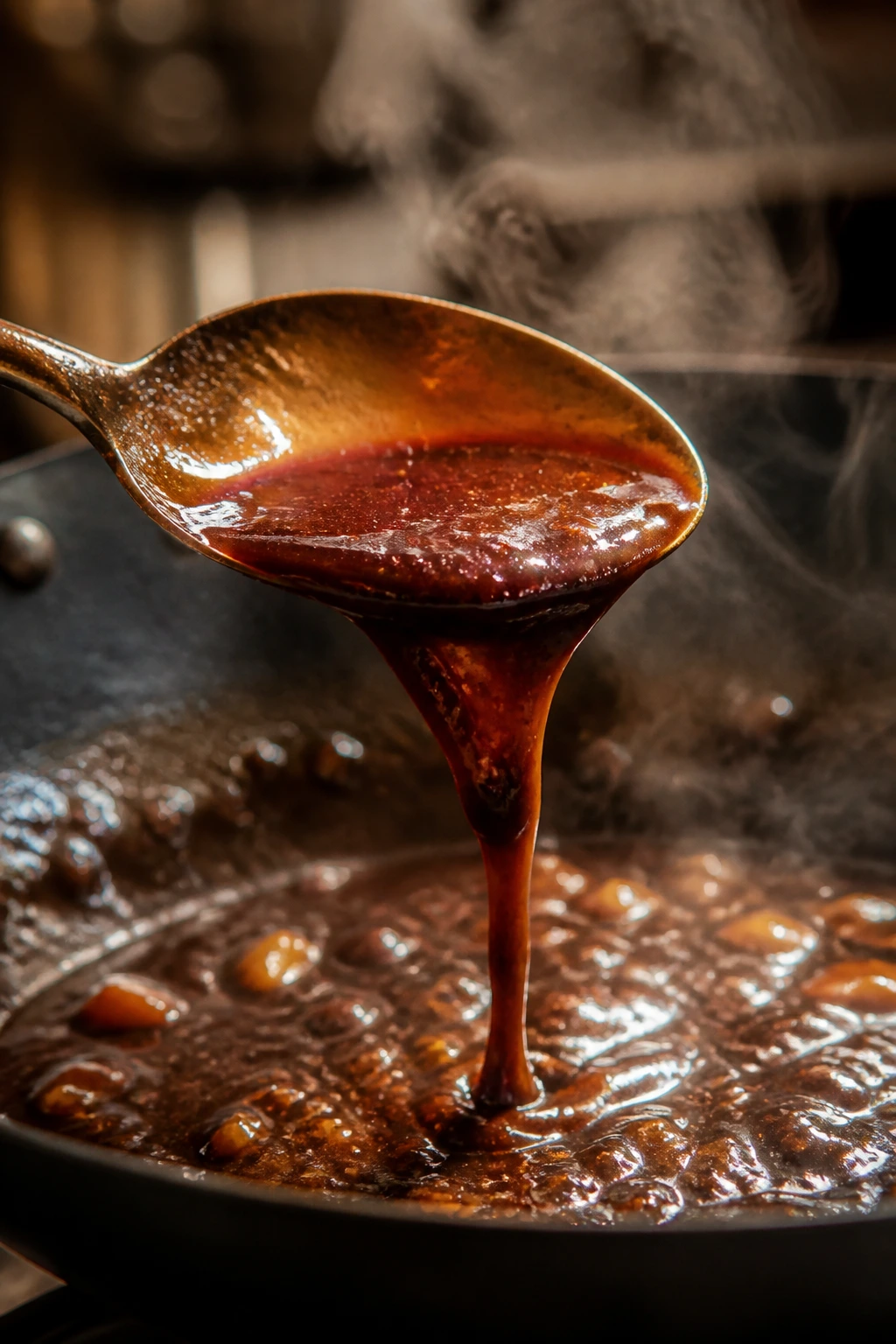
Cornstarch is not there for decoration. It gives the chicken a faint coating that thickens in the pan and helps the sauce cling instead of sliding off. A sauce that includes soy, vinegar, sweetener, and a little stock usually tastes better than one built on only one note, because the pan heat compresses those flavors fast.
Why I Keep Reaching for Chicken Thighs
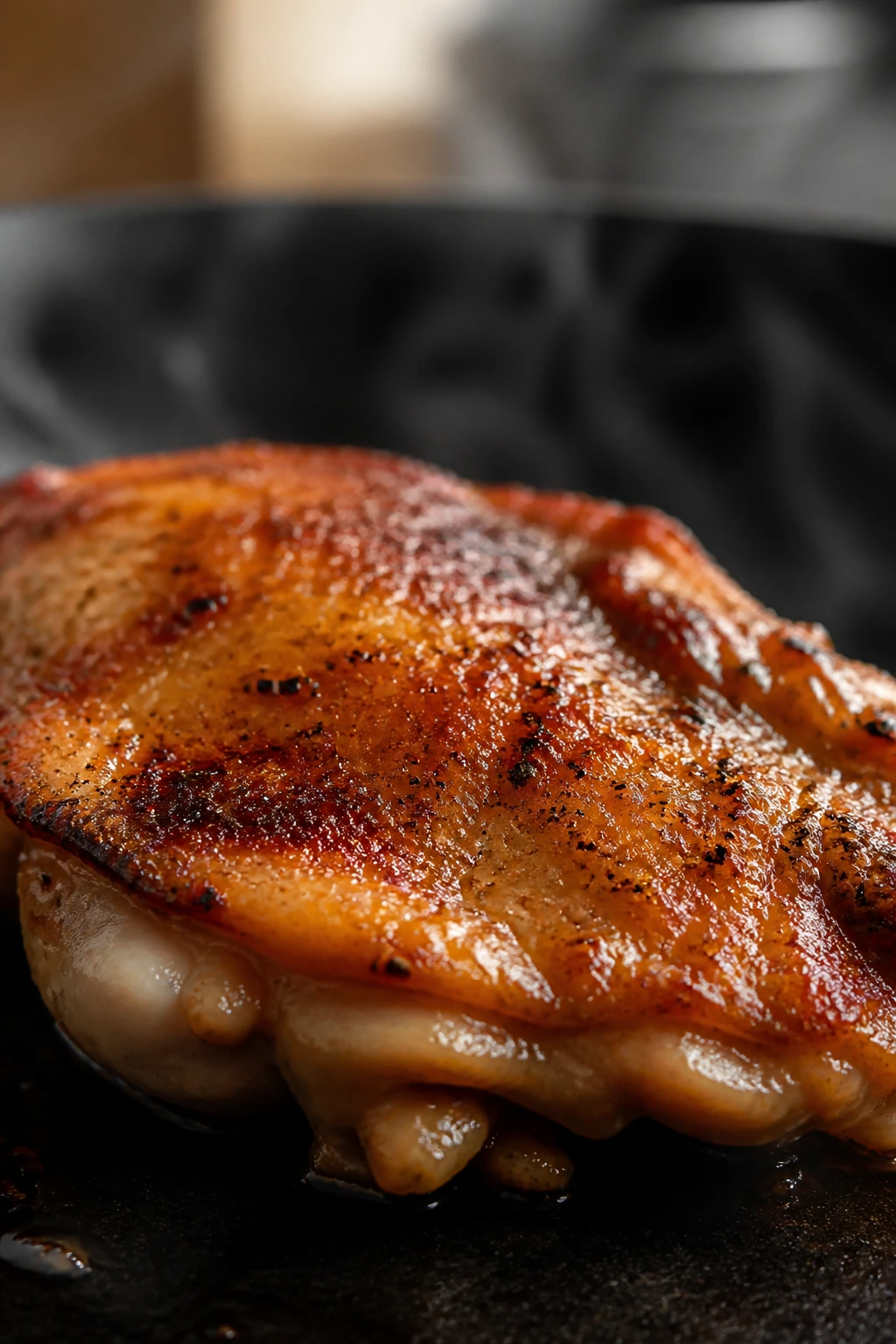
Breasts are fine. Thighs are easier. They stay juicier if the pan runs hot or you get distracted by the rice cooker, and they bring enough richness that you can go lighter on oil. That matters on stir-fry night, when the whole point is speed without a rescue mission.
Essential Equipment for These Recipes
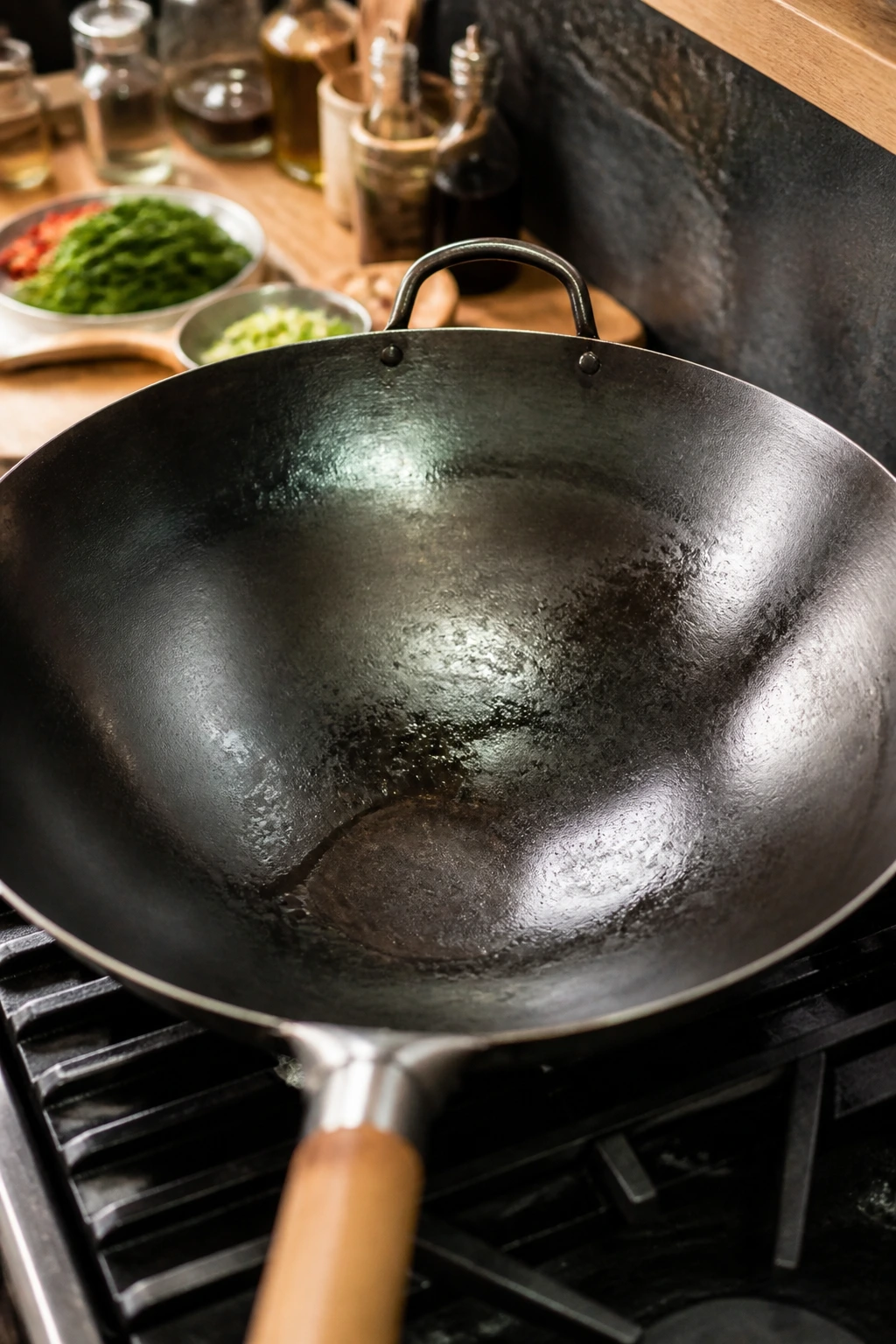
- Wok or 12-inch skillet: The broad surface gives the chicken room to brown; a wok is great, but a plain skillet works if it’s large enough.
- Sharp chef’s knife: Thin, even slices cook fast and keep the chicken from drying out.
- Cutting board with a damp towel underneath: This keeps the board from skating around when you’re slicing fast.
- Mixing bowls in two sizes: One for the chicken, one for the sauce. Stopping to search for a bowl is how stir-fry night gets messy.
- Tongs and a spatula: Tongs are best for bigger chicken pieces; a spatula helps scrape the pan and move vegetables without breaking them apart.
- Small whisk or fork: Sauce ingredients need to be fully mixed before they hit the heat.
- Measuring spoons and cups: Stir-fry sauces live or die on balance, and guessing is how things turn too salty or too sweet.
- Strainer or colander: Handy for noodles, blanched broccoli, or rinsed vegetables that need to dry before they go in the pan.
Smart Shopping and Ingredient Tips
Chicken thighs are my default here because they forgive a hot pan, a slightly uneven cut, and the occasional extra minute on the stove. Breasts still work, but they ask for a tighter watch. If you buy breasts, slice them thinner than you think you need and cut against the grain so they stay tender.
The pantry bottles matter more than people admit. Look for soy sauce with a short ingredient list and a flavor you’d actually use straight from the spoon. Oyster sauce should smell dark and savory, not thin and sugary. Hoisin is the same story: it should taste like it has some backbone, not like brown sugar with a label.
Vegetables should match the cooking time, not the fantasy. Broccoli, bok choy, cabbage, snap peas, green beans, bell peppers, celery, and mushrooms are all safe bets because they stay interesting under high heat. Zucchini can work, but it needs restraint; too much of it makes the skillet watery. Frozen vegetables are fine when fresh ones look tired, but thaw and dry them first or they’ll flood the pan.
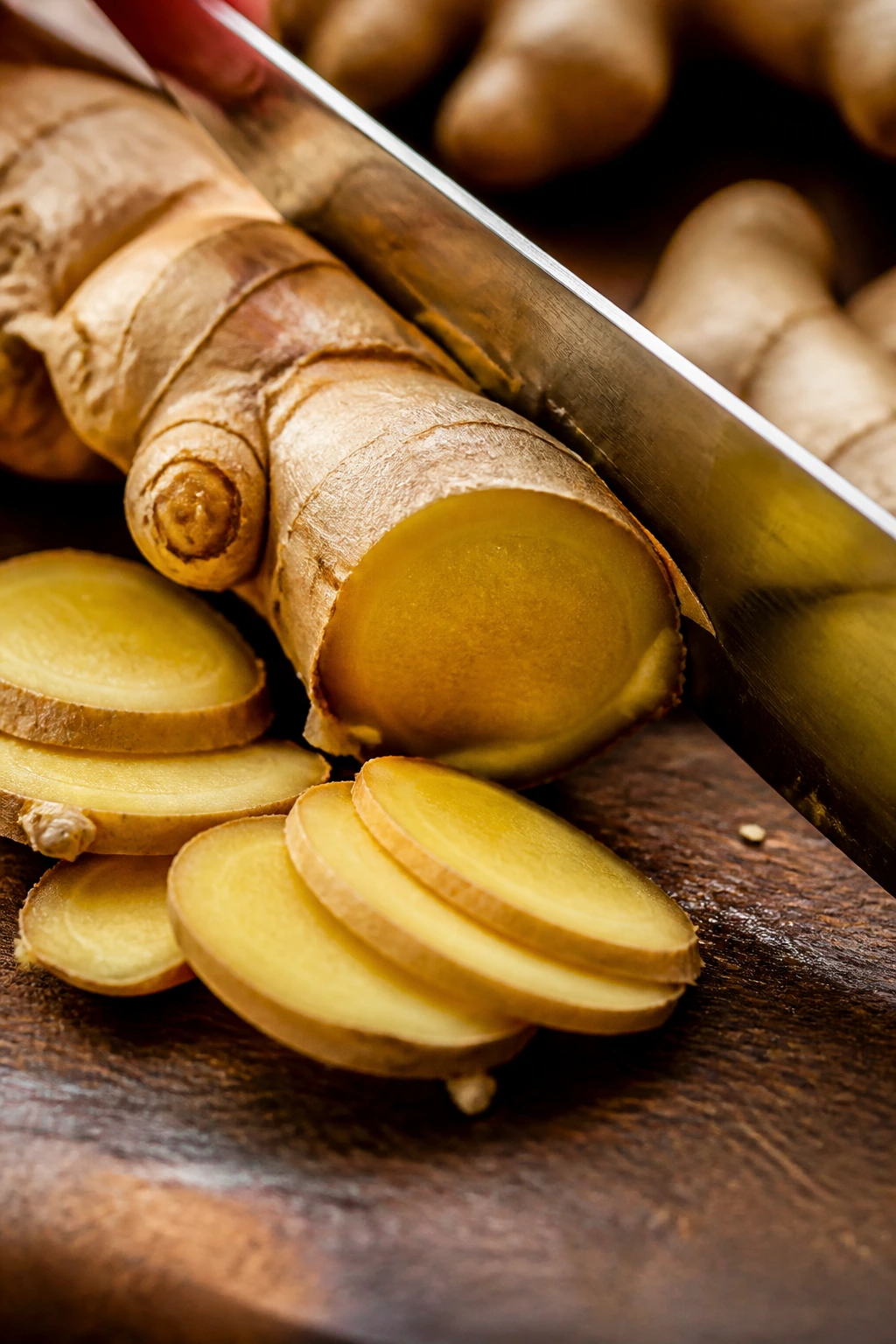
Aromatics are where the personality lives. Fresh ginger is worth buying; the dry jarred version can be handy, but it doesn’t hit the same way when it fries in oil. Garlic should be firm, not sprouting. And if you keep a bottle of rice vinegar, sesame oil, and a good chili paste around, half these recipes become repeatable without a special trip.
How to Serve These Recipes
Presentation:
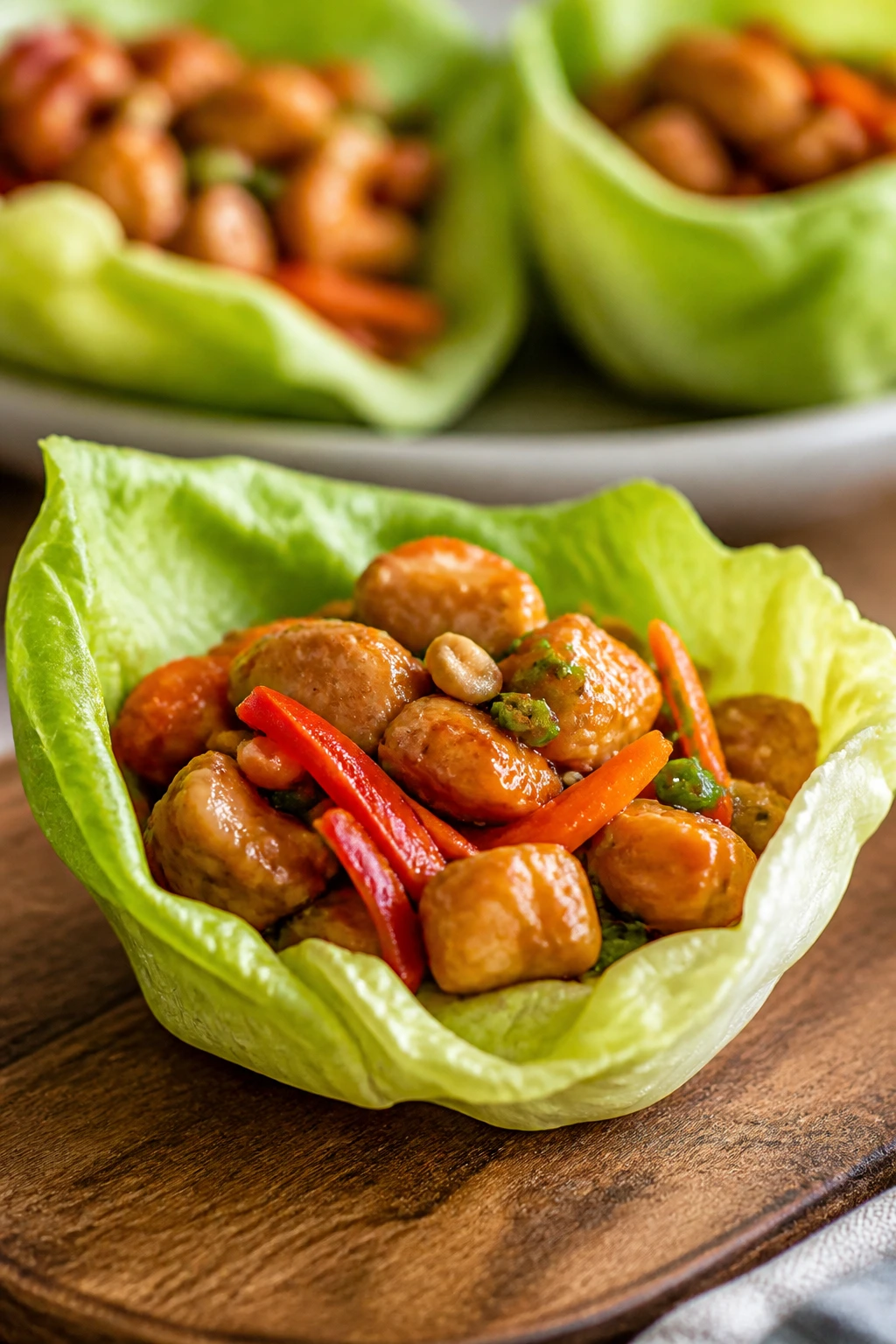
Serve stir-fries in a shallow bowl or on a wide plate rather than burying them in a deep soup bowl. That keeps the glossy sauce visible and lets the vegetables stay on top instead of sinking into rice. A little garnish goes a long way here: scallions, sesame seeds, chopped herbs, or a lime wedge are enough to make dinner look finished.
Accompaniments:
Jasmine rice is the easy base, but short-grain rice, brown rice, fried rice, and noodles all work depending on how rich the sauce is. Crisp sides help too — cucumber salad, shredded cabbage with rice vinegar, or simple steamed greens keep a meal from feeling heavy. For more casual eating, lettuce cups are useful because they let the filling taste brighter.
Portions:
Most of these recipes feed 3 to 4 people if you serve them with rice or noodles. If the table includes hungry teenagers or you want leftovers, plan on 1 pound of chicken for every 3 generous servings. For a lighter meal, portion the stir-fry a little smaller and pile up the vegetables instead of the rice.
Beverage Pairing:
Cold jasmine tea is the cleanest match for almost everything here. Light beer, especially something crisp rather than hoppy, plays nicely with salty sauces and chili heat. If you want something non-alcoholic with a little more edge, sparkling water with lime does the job without getting in the way.
Additional Tips and Flavor Boosters
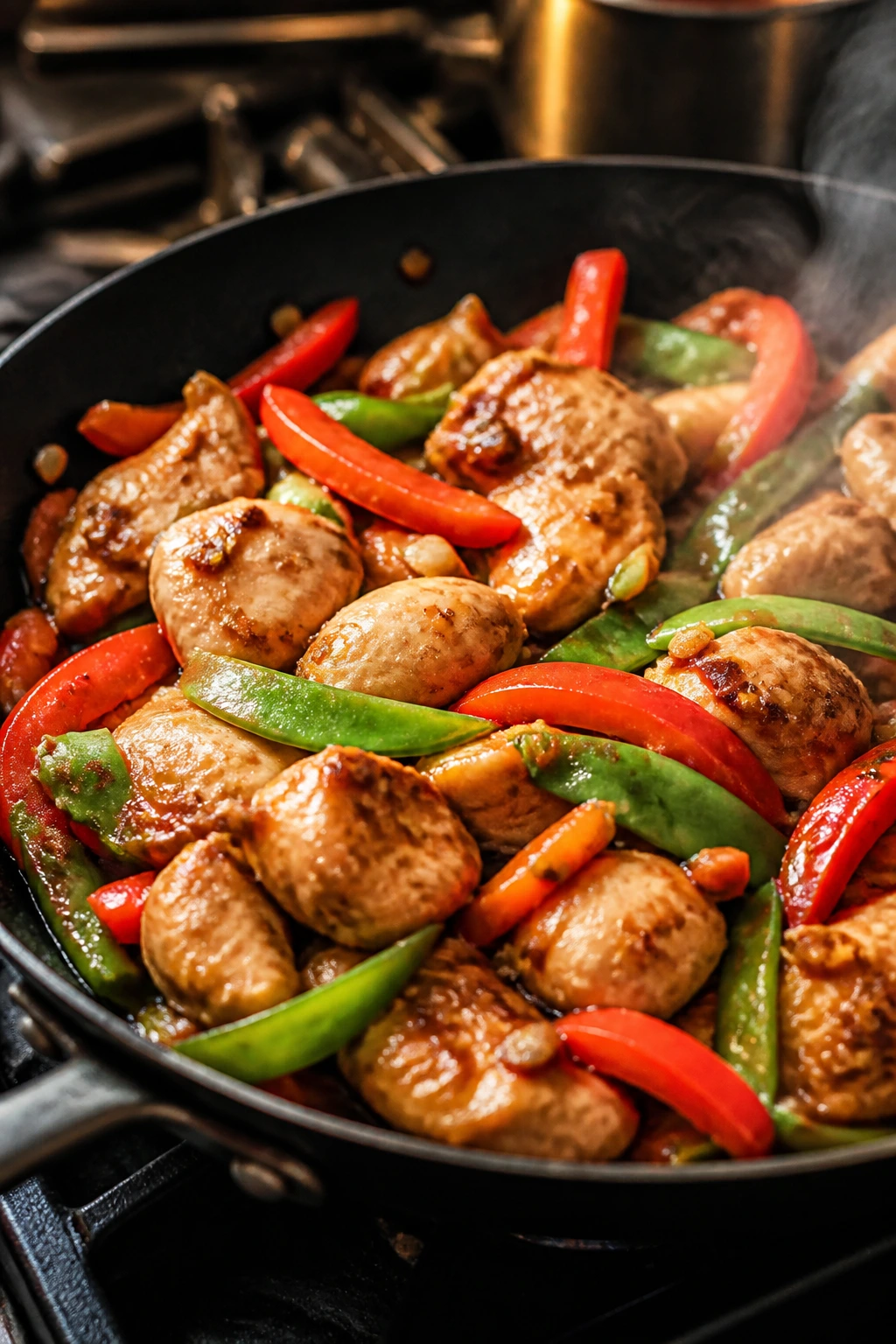
Flavor Enhancement: A teaspoon of toasted sesame oil at the end changes the smell of the whole pan; use it as a finishing note, not a cooking oil, or it can taste heavy. A few drops of rice vinegar at the table can wake up sweet sauces that feel too round.
Customization: Keep a small pile of add-ins ready: sliced mushrooms, broccoli florets, shredded cabbage, snap peas, or thin carrots. They all work in different combinations, and once you know the base sauce you can shift the vegetables based on what’s in the crisper drawer.
Serving Suggestions: Chopped scallions, sesame seeds, cilantro, Thai basil, lime wedges, or chili crisp each change the final bite in a useful way. Pick one, maybe two. Don’t crowd the plate with six garnishes unless you want the skillet to taste like a salad bar.
Make-It-Yours: For a gluten-free version, use tamari or coconut aminos and check bottled sauces before buying. For lower sugar, pull back the sweetener by about a third and add a little more vinegar or lime. For a kid-mild plate, hold the chilies and put heat on the table instead.
Make-Ahead, Storage, and Reheating Guidance
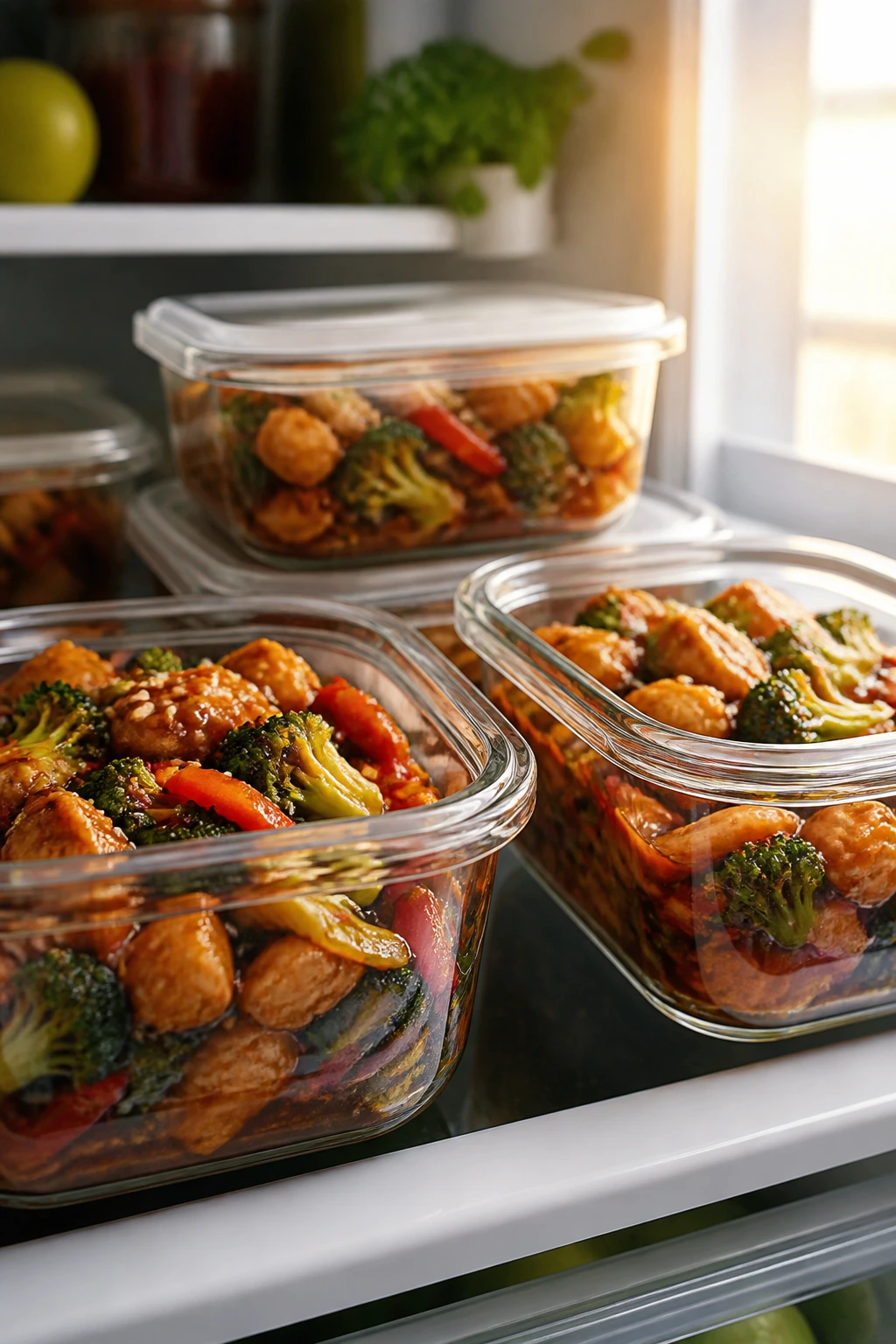
Most of these stir-fries keep well in the refrigerator for 3 to 4 days in a covered container. Chicken and vegetable versions with firmer vegetables — broccoli, cabbage, green beans, bok choy stems — hold up better than softer ones like zucchini. Noodle-based dishes still work the next day, but they’re best when reheated with a small splash of water or stock so they loosen again.
Freezing is possible for many of the sauced chicken dishes, especially the ones that lean savory or sweet-savory. Pack them in airtight containers for up to 2 months. I would not freeze the noodle dishes if I can help it; the texture goes soft and a little tired once thawed. Sweet and sour, teriyaki, black pepper chicken, and Mongolian chicken freeze more neatly than the vegetable-heavy recipes with delicate herbs.
For reheating, a skillet is better than a microwave if you care about texture. Warm the leftovers over medium heat with 1 to 2 tablespoons of water or stock, covered for a minute, then uncover and toss until hot. The microwave is fine in a pinch, but stop halfway and stir so the sauce doesn’t overcook on the edges while the center stays cold.
A few dishes improve overnight in a way that feels almost unfair. Honey sesame, teriyaki, and Mongolian chicken settle into the sauce and taste deeper the next day. Basil chicken, lemongrass chicken, and anything with a fresh herb finish are usually better the first night, when the herbs still smell bright.
Variations and Adaptations to Try
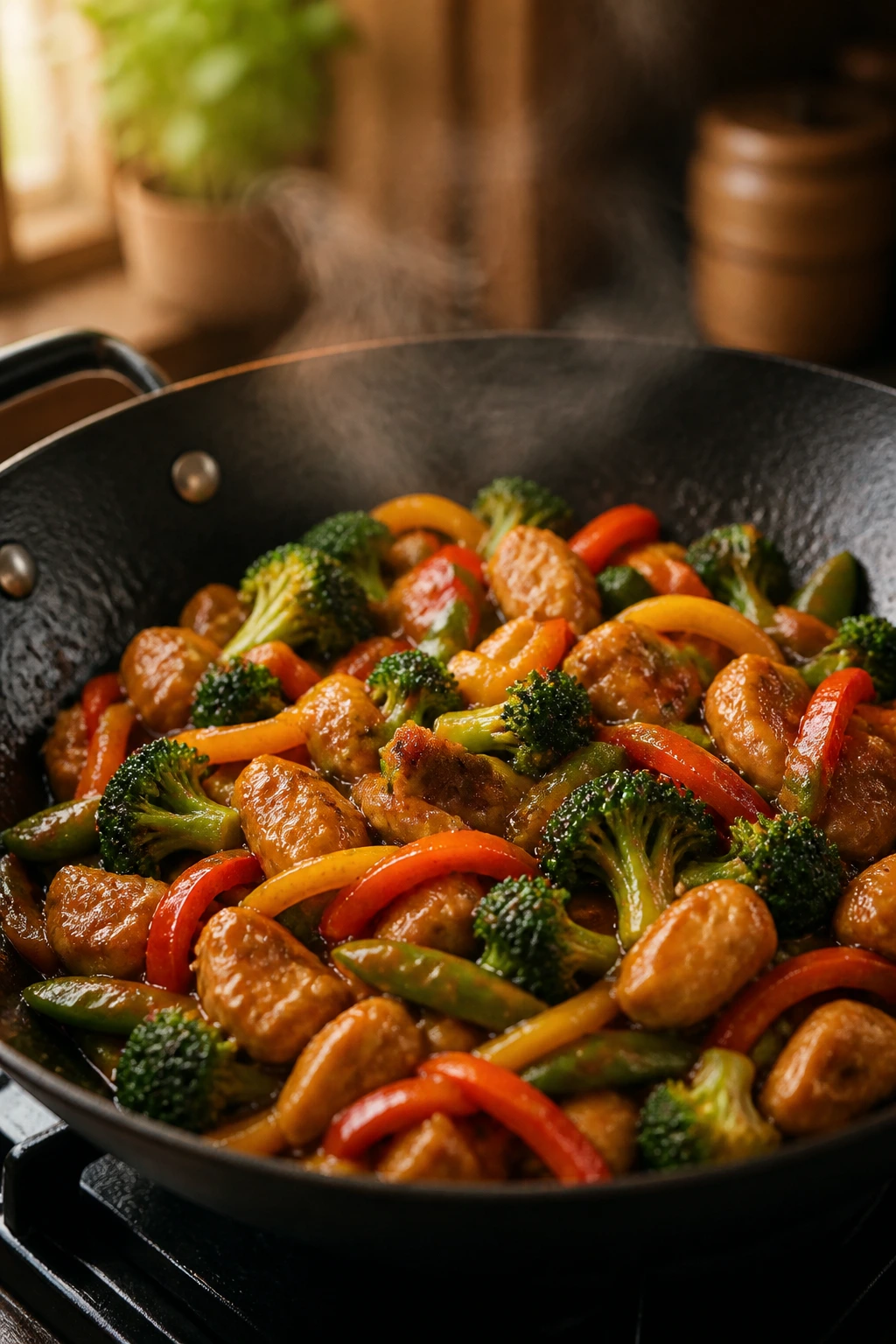
Gluten-Free Soy Swap:
Use tamari or certified gluten-free soy sauce in every recipe that relies on soy. Hoisin and oyster sauce may also need checking, because some bottles include wheat. The rest of the method stays the same; you’re mostly changing the bottle, not the skillet.
Lower-Sugar Sauce Night:
Pull the sugar or honey back by a third and lean on vinegar, citrus, or a little more ginger for balance. This works especially well in orange chicken, sweet and sour chicken, and Mongolian chicken, where sweetness can crowd out the rest if you let it. The sauce will taste sharper on its own, then settle when it hits rice.
Vegetable-Heavy Skillet:
Add an extra 2 cups of vegetables and keep the chicken cut small. Cabbage, broccoli, snow peas, mushrooms, and bok choy all work well because they cook at different speeds and fill the pan without turning watery. This is the route I take when the fridge has odds and ends I’d rather use than watch wilt.
Kid-Mild Version:
Skip dried chilies, chili paste, and extra black pepper, then set hot sauce or chili crisp at the table. Honey sesame, teriyaki, and hoisin chicken are the easiest recipes to make gentle without losing flavor. If the sauce tastes too plain after reducing the heat, a small splash of rice vinegar usually helps.
Noodle-to-Rice Flip:
Any chicken and sauce combination here can move from rice to noodles with one change in thinking: keep the sauce a touch looser so the noodles don’t seize up. Chow mein, orange chicken, sesame chicken, and black pepper chicken all adapt cleanly. Rice soaks; noodles grab. Adjust the liquid accordingly.
Regional Heat Adjustment:
Take the same base and push it toward Sichuan, Thai, or Cantonese flavor by changing the chili, herb, and acid choice. Sichuan chili paste and peppercorns bring numb heat; Thai basil, fish sauce, and lime go fresher; hoisin and oyster sauce keep things darker and sweeter. That one shift can make the skillet feel like a different meal.
Common Mistakes to Avoid
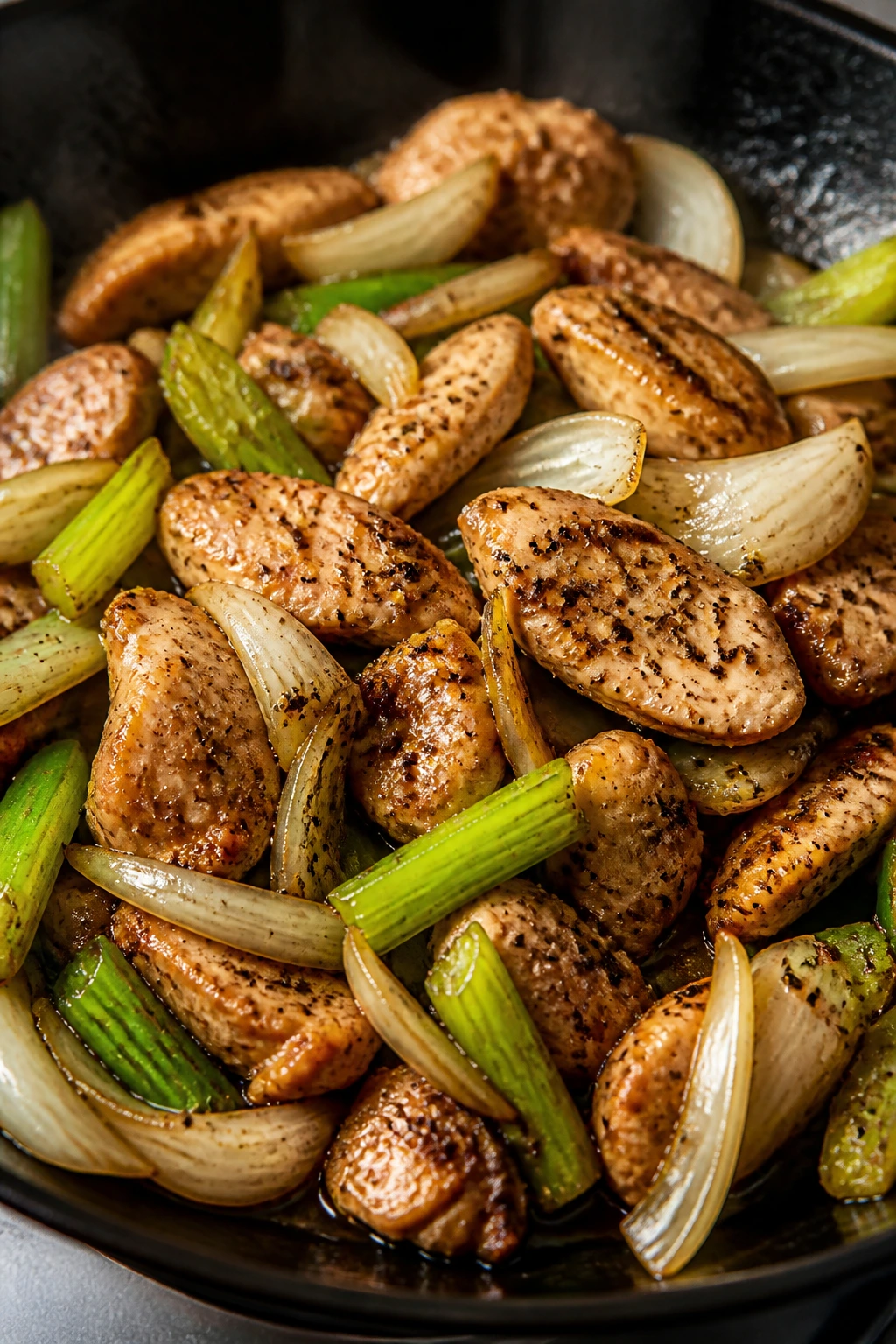
Crowding the pan is the first one, and it’s the most common. If the chicken is packed too tightly, it steams and goes gray before it browns, and the vegetables release so much moisture that the sauce never gets a chance to tighten. Cook in batches if you need to. It’s annoying for one minute and worth it for the whole meal.
Another trap is tossing in garlic, ginger, or chilies too early and letting them scorch. Aromatics should smell sweet and sharp, not burnt and bitter. If your oil is already hot, give them 20 to 30 seconds before the sauce goes in, then keep the food moving.
Sauce math matters more than people think. Too much soy and not enough acid makes the dish heavy; too much sugar makes it sticky in the wrong way; too much liquid makes everything look gray and tired. Taste the sauce before it goes into the pan, then adjust with small changes, not huge ones.
Cut size is another sneaky problem. Big chicken chunks cook unevenly, and vegetables cut in different shapes finish at different times. If you want a stir-fry that feels polished, make the slices close in size and keep the chicken pieces smaller than the vegetables that take longer, like broccoli or carrots.
Finally, people often overcook the vegetables because they expect them to soften after the pan. They don’t soften much more than you think, and a minute too long can turn snap peas limp and bok choy dull. Pull them while they still have a little crunch if you want the dish to feel alive on the plate.
Frequently Asked Questions
Can I use chicken breast instead of thighs?
Yes, and several of these recipes already list breast as an option. Slice it thinly, cook it fast, and keep a closer eye on it than you would with thighs, because it dries out sooner in a hot pan.
What’s the best pan if I don’t have a wok?
A large 12-inch skillet is enough for most of these recipes. The important thing is surface area and heat retention; a skillet that’s too small or too thin will crowd the food and cool down too quickly.
How do I keep the sauce from turning watery?
Dry the vegetables well, don’t overcrowd the pan, and use cornstarch or another starch in the marinade when the recipe calls for it. If the sauce still looks loose at the end, let it bubble for 20 to 30 seconds more before adding extra liquid.
Can I prep the ingredients ahead of time?
Yes, and stir-fry night gets much easier if you do. Slice the chicken, mix the sauce, and cut the vegetables earlier in the day, then keep everything cold and separate until the pan heats up.
Which vegetables work best if I want to improvise?
Broccoli, snap peas, bell peppers, cabbage, bok choy, celery, green beans, mushrooms, and carrots are the safest bets. They stay crisp enough to survive high heat and still taste like themselves when the sauce goes in.
Can I make these gluten-free?
Usually, yes. Use tamari instead of soy sauce and check bottled sauces like hoisin, oyster sauce, and curry paste before buying, because some brands use wheat.
Why does my chicken taste dry even when I follow the timing?
It’s often a cut issue, not just a timing issue. Uneven pieces cook at different rates, and breast meat suffers more if the pan is crowded or the heat drops too low.
Can I use frozen vegetables?
You can, but thaw and pat them dry first. Frozen vegetables are convenient, yet the extra water they carry can thin the sauce and keep the chicken from browning properly.
What if I want more heat without changing the whole recipe?
Add chili oil, chili crisp, crushed red pepper, or sliced fresh chilies at the table. That keeps one skillet family-friendly and lets the heat-loving eaters adjust their own plates.
A Hot Pan, Not a Long Evening
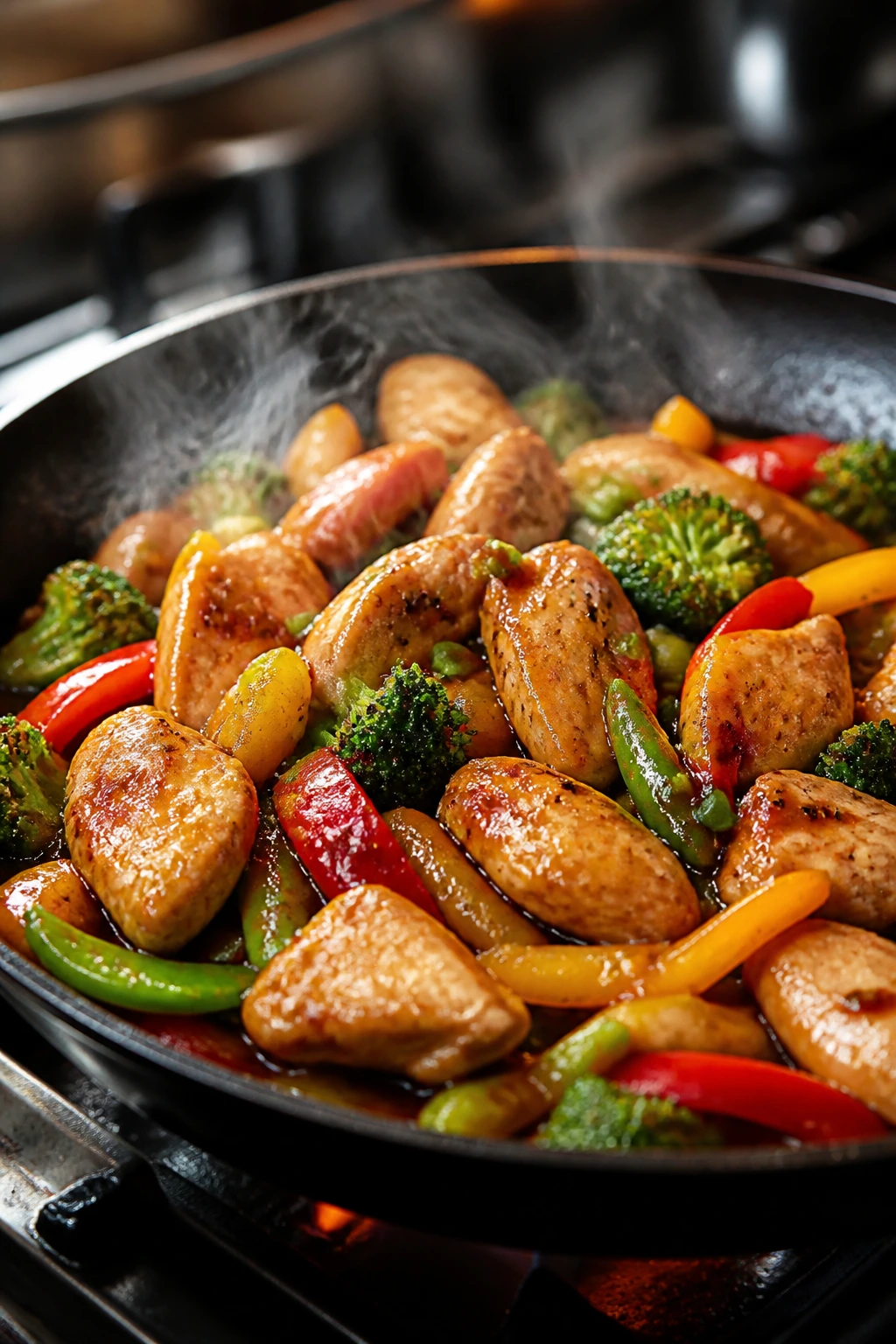
The reason these meals keep getting made is not mystery. They’re fast, but they still taste like someone paid attention. The chicken gets browned, the sauce gets balanced, and the vegetables keep enough life in them that dinner doesn’t feel tired before you sit down.
If you keep the pan hot, the vegetables cut evenly, and the sauce mixed before the burner goes on, stir-fry night starts behaving itself. That’s the whole trick, really. Pick one skillet, choose a sauce you like, and let the heat do the part that usually gets overcomplicated.